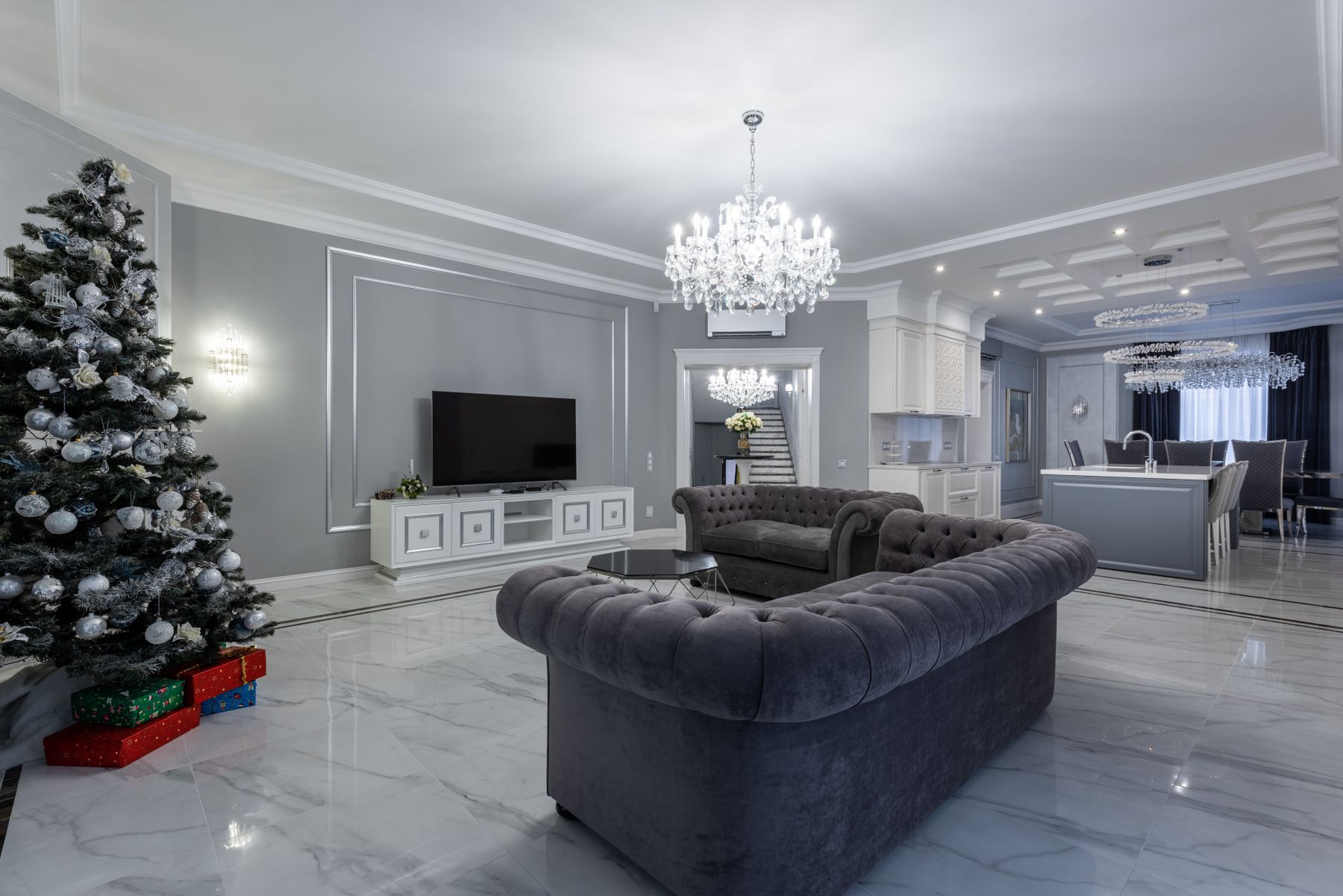
Measure the Arrival Zone Before Decorating It
Open the front door fully, place the usual shoes, bags and coats where they actually land, and walk the route into the home carrying something bulky. That is the footprint the Christmas layer must respect. Avoid decor behind a door where it will be crushed, on the floor where boots need to sit or on a bench that people use to put shoes on. In a narrow entrance, preserving empty space is part of the design. The small-space principles in [small apartment Christmas decor ideas](/apartment/small-apartment-christmas-decor-ideas/) are especially useful when the entry shares circulation with the living area.
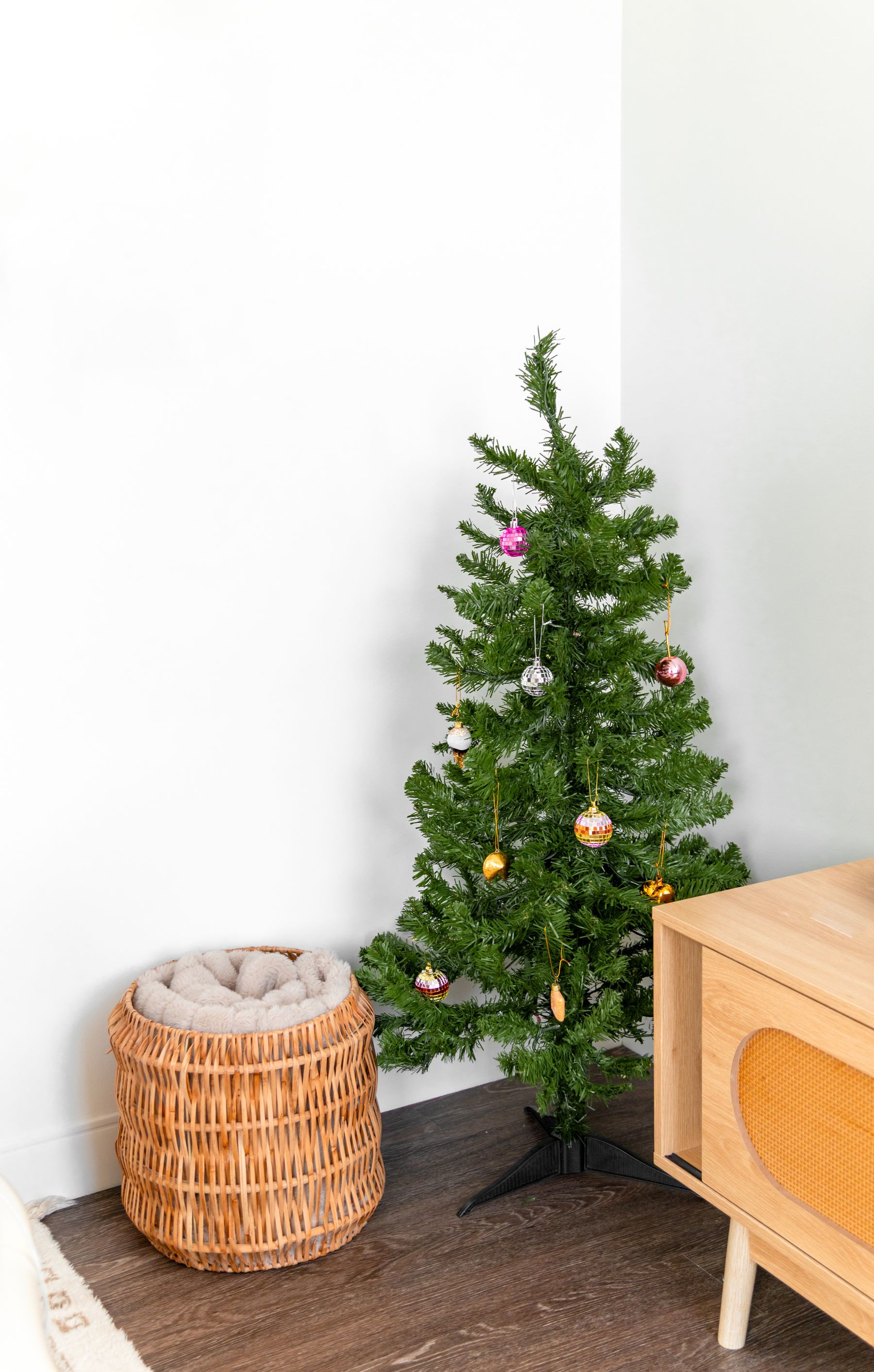
Create One Arrival Focal Point
Choose the first thing you want a guest to notice: a wreath, a mirror with restrained greenery, a console composition or a small tree where space genuinely allows. Do not give the door, console, bench and every wall equal decorative weight. One dominant gesture makes a compact entry feel calmer and gives smaller accents a reason to exist. Connect the focal point to the home's broader Christmas palette so crossing the threshold feels like entering the same interior rather than a separate themed zone.
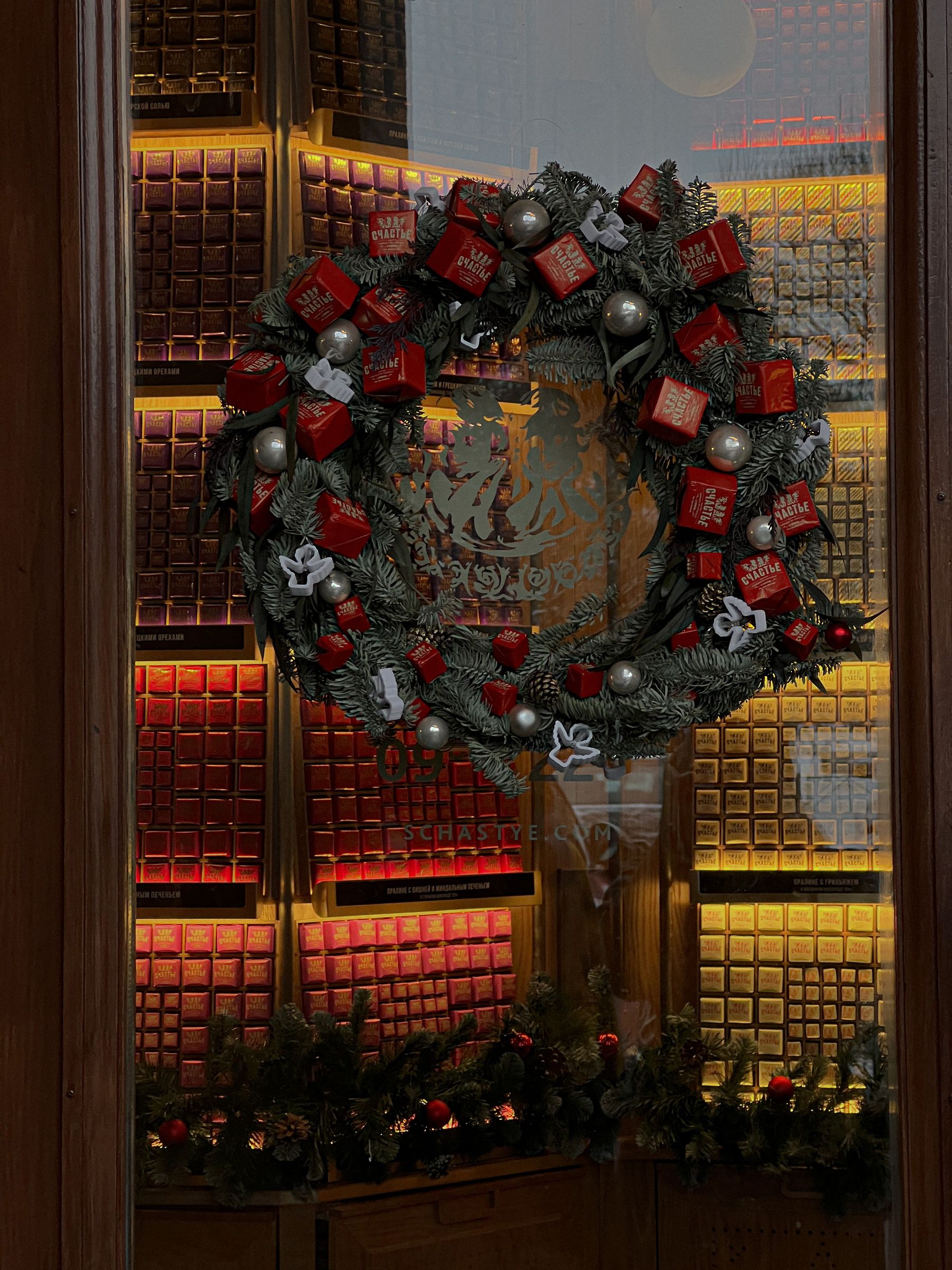
Use the Door Without Interfering With Hardware
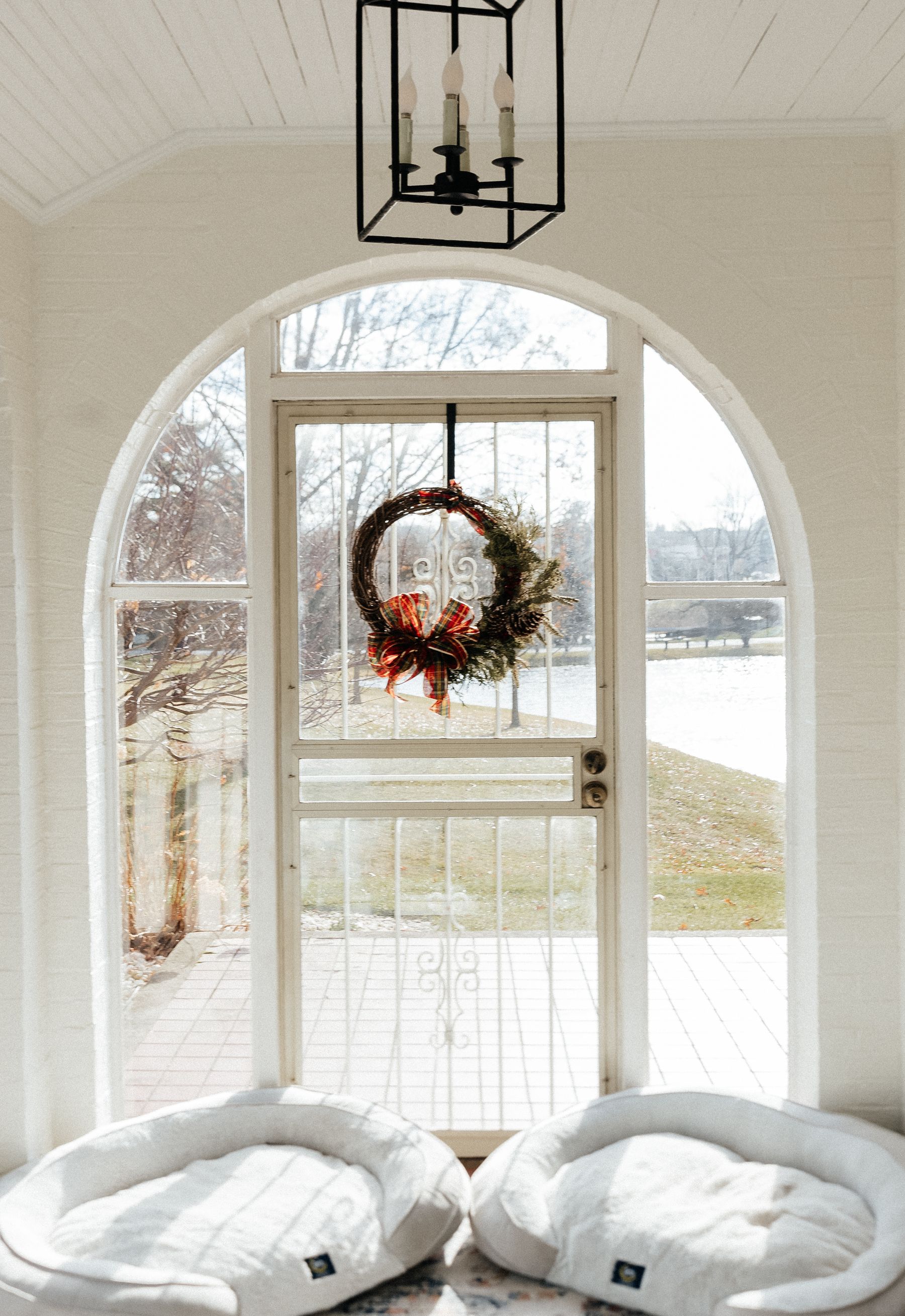
A wreath is efficient because it adds seasonal scale without consuming floor or shelf space. Match its diameter to the door rather than choosing the largest available, and secure it with hardware suitable for the door finish and weight. Keep locks, handles, viewers and closers clear. If the front door opens directly onto a shared corridor or exposed exterior, use materials and fixings appropriate to those conditions and any building rules. Ribbon tails and loose foliage should not catch in the frame.
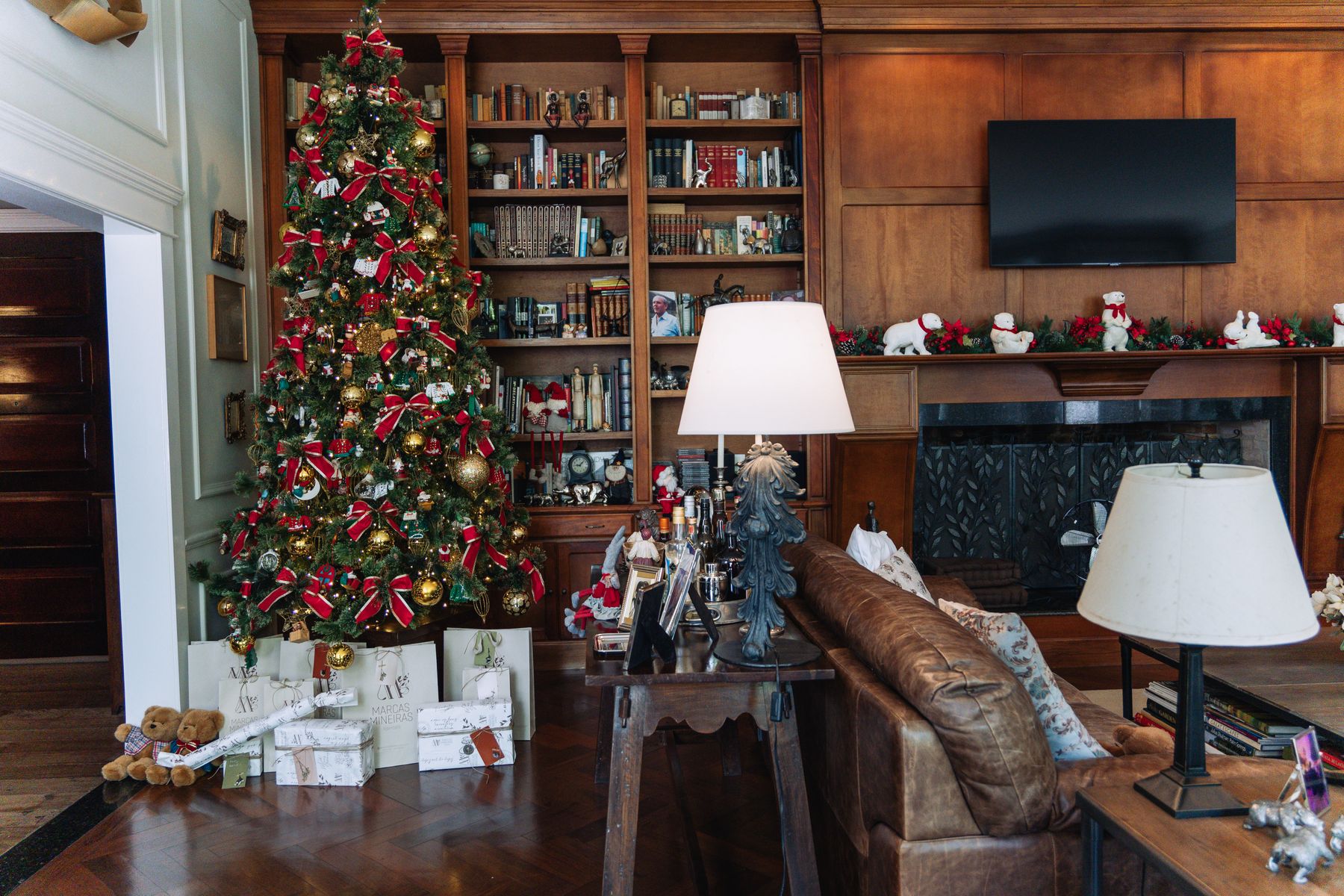
Keep the Console Working as a Landing Surface
If the entry console normally holds keys, mail or a bag, preserve that function. Concentrate Christmas decor into one end or a shallow tray rather than building a full-width village or garland. Use the wall above for visual scale: a mirror, wreath or artwork can carry more seasonal impact without reducing usable surface. Keep fragile ornaments away from the edge where sleeves and bags can catch them.
Decorate Upward in a Narrow Hall
Wall-mounted wreaths, a high shelf, a mirror accent or a restrained garland can give a narrow entry enough Christmas presence without occupying the floor. Keep decorations within the visual architecture rather than attaching small objects everywhere. In a hallway, repeated vertical elements can make an already narrow route feel busier, so choose one or two locations and leave the remaining walls quiet. Avoid hanging anything where coats, doors or shoulders routinely brush past.
Make Winter Storage Part of the Composition
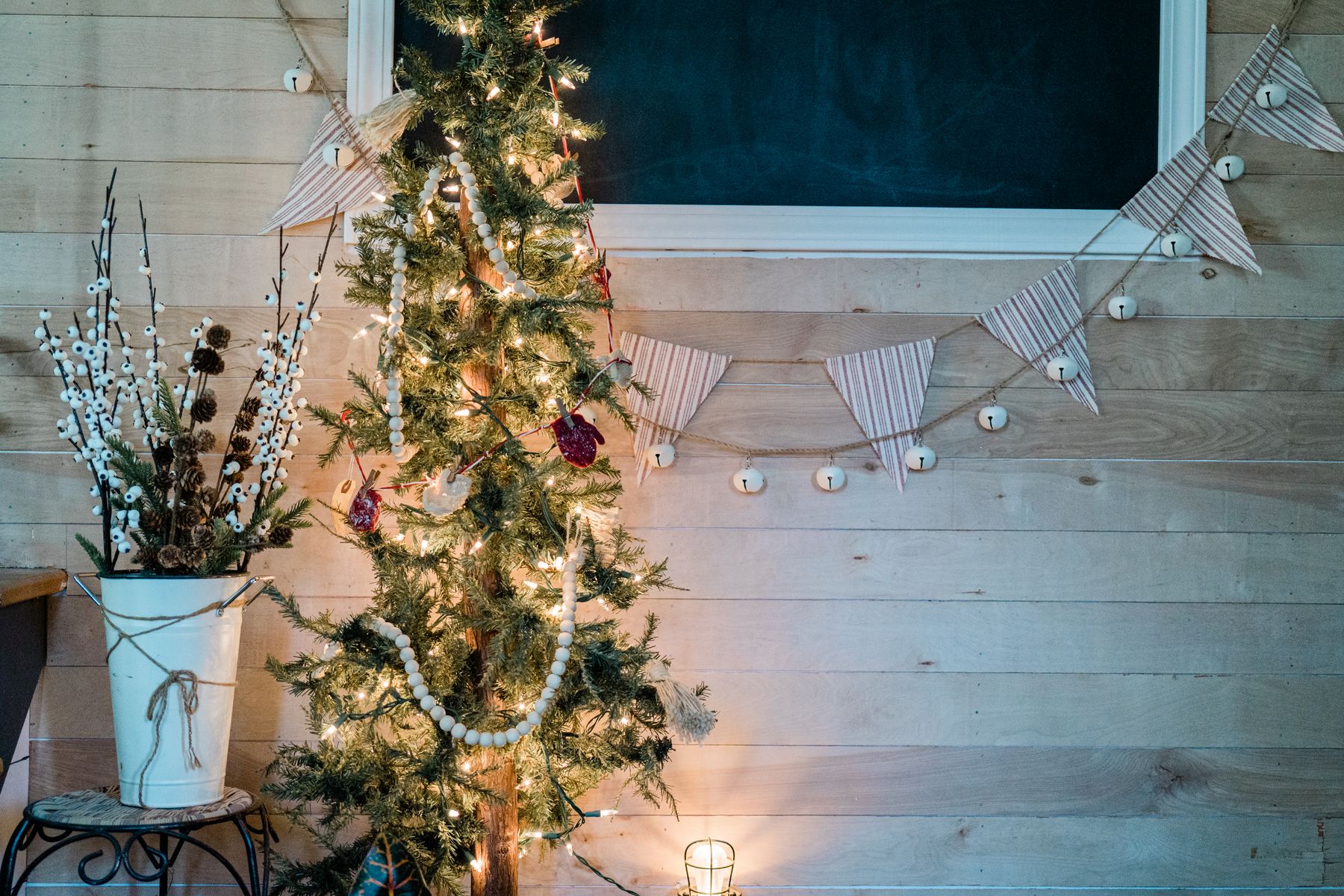
Winter brings more visual volume into an entry: coats, scarves, hats, umbrellas and wet footwear. Instead of trying to hide all of it behind decorations, use consistent baskets, hooks and trays to create order, then let a small amount of greenery or ribbon connect those functional elements to the seasonal scheme. Do not sacrifice coat capacity for hanging ornaments during the weeks when storage demand is highest. A calm entry often feels more festive because the practical clutter has a clear place.
Add Light Where It Helps the Arrival
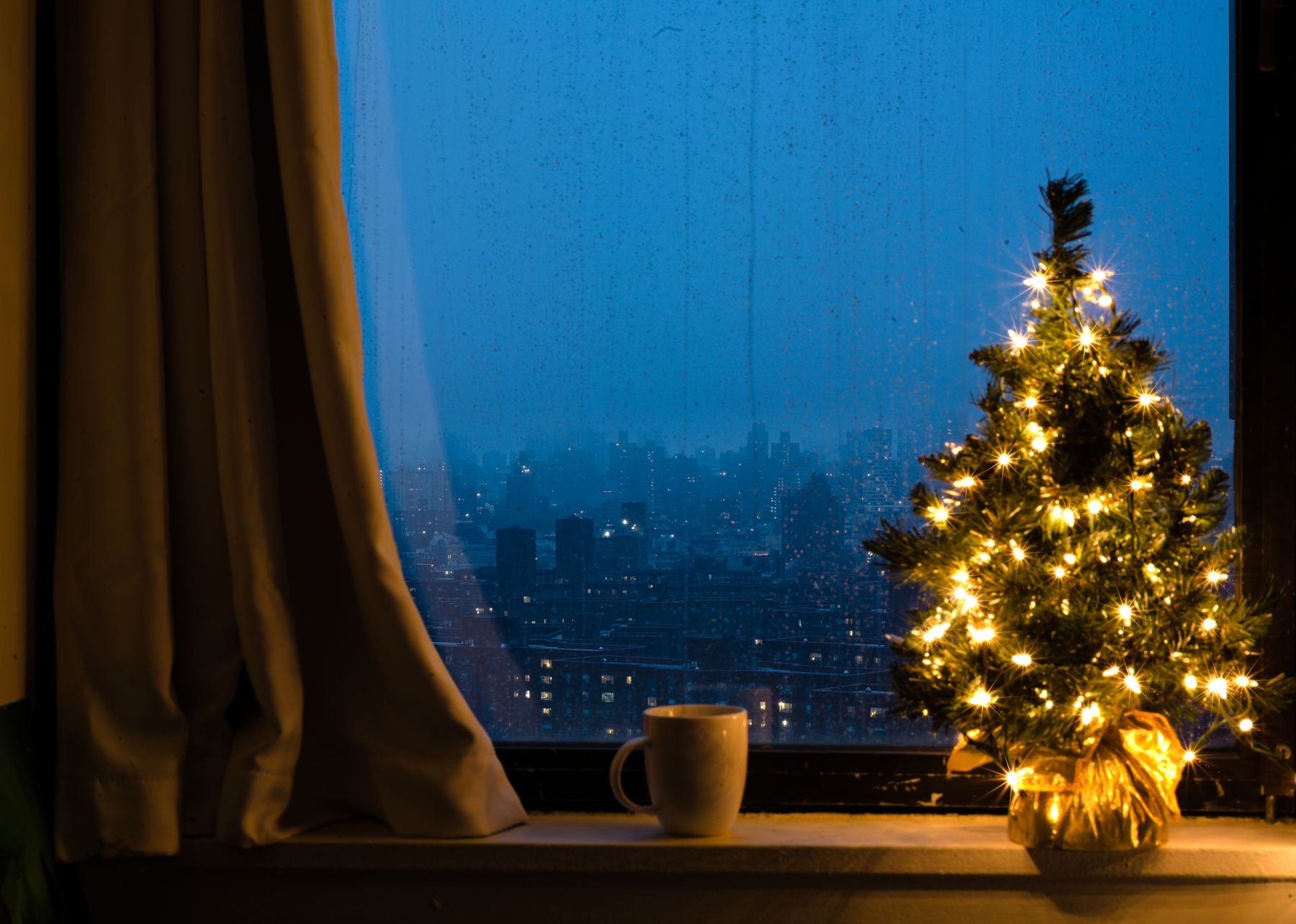
A small warm light can make an entry welcoming during dark winter afternoons, but the area still needs enough functional illumination to find keys, manage locks and see the floor. Use seasonal lights as an accent around a stable feature rather than running loose cables across the route. Keep battery packs accessible and follow the product's intended-use instructions. Reflecting a modest light source in a mirror can create more perceived glow without adding another strand.

Prepare the Entry for Guests, Not Just Daily Life
Before entertaining, create temporary capacity rather than adding more festive objects. Empty several hooks, clear part of the bench or console and decide where guest shoes and wet outerwear can go. Gifts waiting to leave the house should not narrow the route. If the entry is very small, move the decorative emphasis upward and let the floor remain almost entirely functional. The arrival experience feels more generous when guests immediately understand where their belongings belong.
Repeat the House Palette, Then Stop
The entry does not need its own Christmas theme. Repeat the same greenery, ribbon color, metal finish or warm-white lighting used in the adjacent room and allow that connection to do the work. If the living room tree is visually rich, the entrance can be quieter; anticipation is often stronger than duplication. Finish by removing anything that makes opening the door, storing winter gear or walking through the space less convenient.