ROOM

Kitchen

Explore kitchen ideas by style, color, material and space — from white, black and blue kitchens to Scandinavian, Japandi, industrial, farmhouse, rustic, minimalist and small-space design.

ROOM EDITExplore this room through style, color, space and product detail.

BROWSE KITCHEN

Choose another angle.

The same room can be explored through several discovery paths without duplicating the underlying articles.

STYLE

By Style

STYLE

Bohemian

Layered interiors with natural texture, warm wood, plants, useful pottery, textiles and personal detail balanced with practical storage.

Explore →
STYLE

Coastal

Light, relaxed interiors built around pale surfaces, natural timber, soft blue-green accents, tactile woven details and an emphasis on daylight rather than literal nautical decoration.

Explore →
STYLE

Contemporary

Considered contemporary interiors with clear cabinetry, expressive materials and comfortable everyday spaces.

Explore →
STYLE

Eclectic

Individual interiors that connect different furniture, patterns and materials through color, proportion and practical use.

Explore →
STYLE

Farmhouse

Warm, practical interiors using painted cabinetry, timber, tactile materials and furniture-like elements without excessive nostalgia.

Explore →
STYLE

Industrial

Metal, substantial wood, workshop references and practical forms softened with warmer materials.

Explore →
STYLE

Japandi

Restrained wood palettes, useful storage and carefully spaced tactile details.

Explore →
STYLE

Japanese

Japanese-inspired interiors grounded in functional planning, restrained materials, natural wood, practical storage and deliberate relationships between space and everyday rituals.

Explore →
STYLE

Mid-Century

Warm woods, sculptural forms, geometric detail and restrained retro references.

Explore →
STYLE

Minimalist

Minimalist interiors built around clear function, reduced visual noise, disciplined materials and deliberate negative space.

Explore →
STYLE

Modern

Modern interiors built around clear geometry, controlled materials, integrated function and visual calm without relying on decorative minimalism.

Explore →
STYLE

Retro

Colorful interiors with graphic tile, simple period references, bold cabinetry, patterned surfaces and later-twentieth-century character used without novelty set dressing.

Explore →
STYLE

Rustic

Natural materials, tactile finishes, warm wood and practical pieces with visible character.

Explore →
STYLE

Scandinavian

Light woods, useful simplicity, calm surfaces and warm functional details.

Explore →
STYLE

Traditional

Balanced interiors with framed cabinetry, familiar furniture forms, repeated details, classic materials and comfortable everyday function.

Explore →
STYLE

Victorian

Victorian-inspired interiors that use recognizable period forms, characterful furniture, richer materials and selective decorative detail within contemporary functional requirements.

Explore →
STYLE

Vintage

Collected furniture, aged finishes and characterful details balanced with everyday function.

Explore →

LATEST KITCHEN IDEAS

More ways to shape the room.

Guides are ordered by editorial priority and recent updates, while remaining connected to their relevant style, color, space and topic hubs.

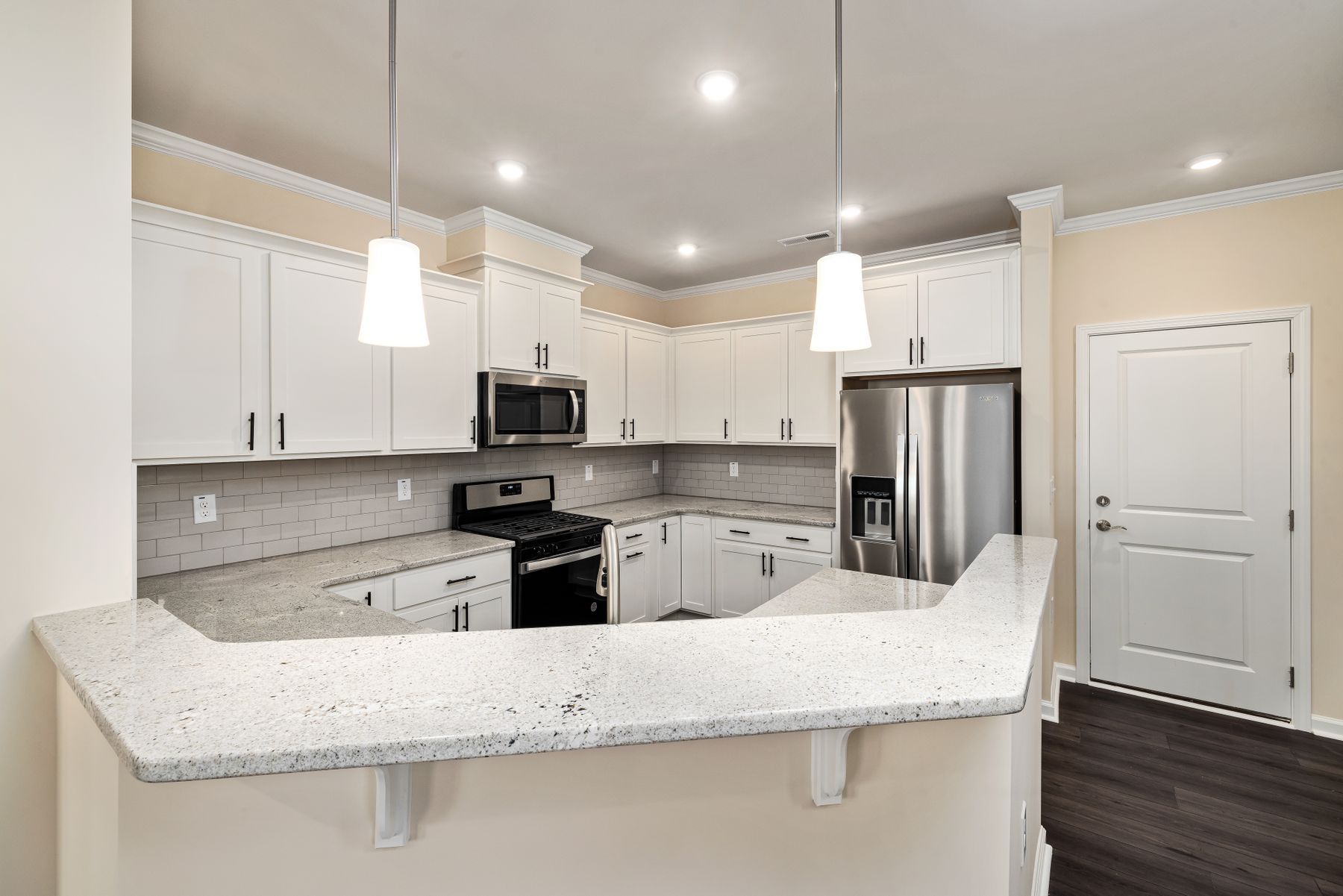
Bright kitchen with standard white cabinetry, granite countertops and restrained cosmetic updates

Builder-Grade Kitchen Updates Without Renovating

A builder-grade kitchen can work perfectly well and still feel generic. The answer is not automatically demolition, paint or a cart full of fashionable accessories. Often a few elements dominate the view: an uninterrupted cabinet elevation, mismatched metal finishes, flat task lighting or countertop noise that makes every existing surface look less considered. This guide diagnoses those elements first, separates truly reversible styling from permanent cosmetic work, and ranks changes by visual leverage, disruption and surface condition. It also marks the point where a decorative update should stop because the kitchen needs repair, professional assessment or a future renovation instead.

Explore the guide →
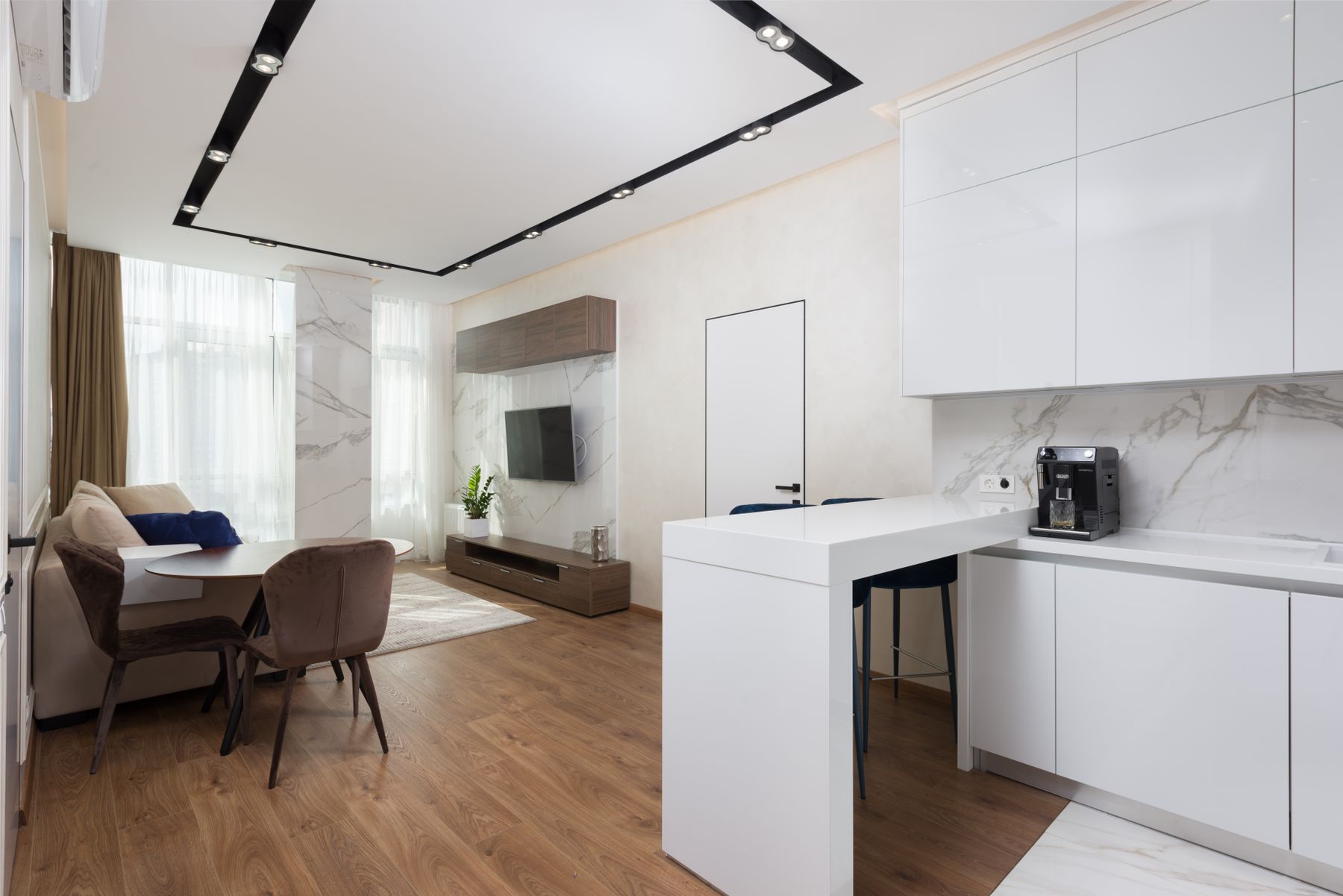
Open apartment kitchen with freestanding dining furniture and a compact cabinet run

Renter-Friendly Kitchen Decor Ideas

A renter-friendly kitchen is not defined by a shopping list of products labelled removable. It is defined by a decision process: confirm permission, identify the exact surface, test installation and removal, document the change, preserve every original part and plan the restoration before anything goes up. This guide applies that process to hardware, splash zones, task light, movable storage, textiles and color. The aim is a kitchen that feels personal during the tenancy without pretending that one adhesive, lease or finish behaves like another.

Explore the guide →
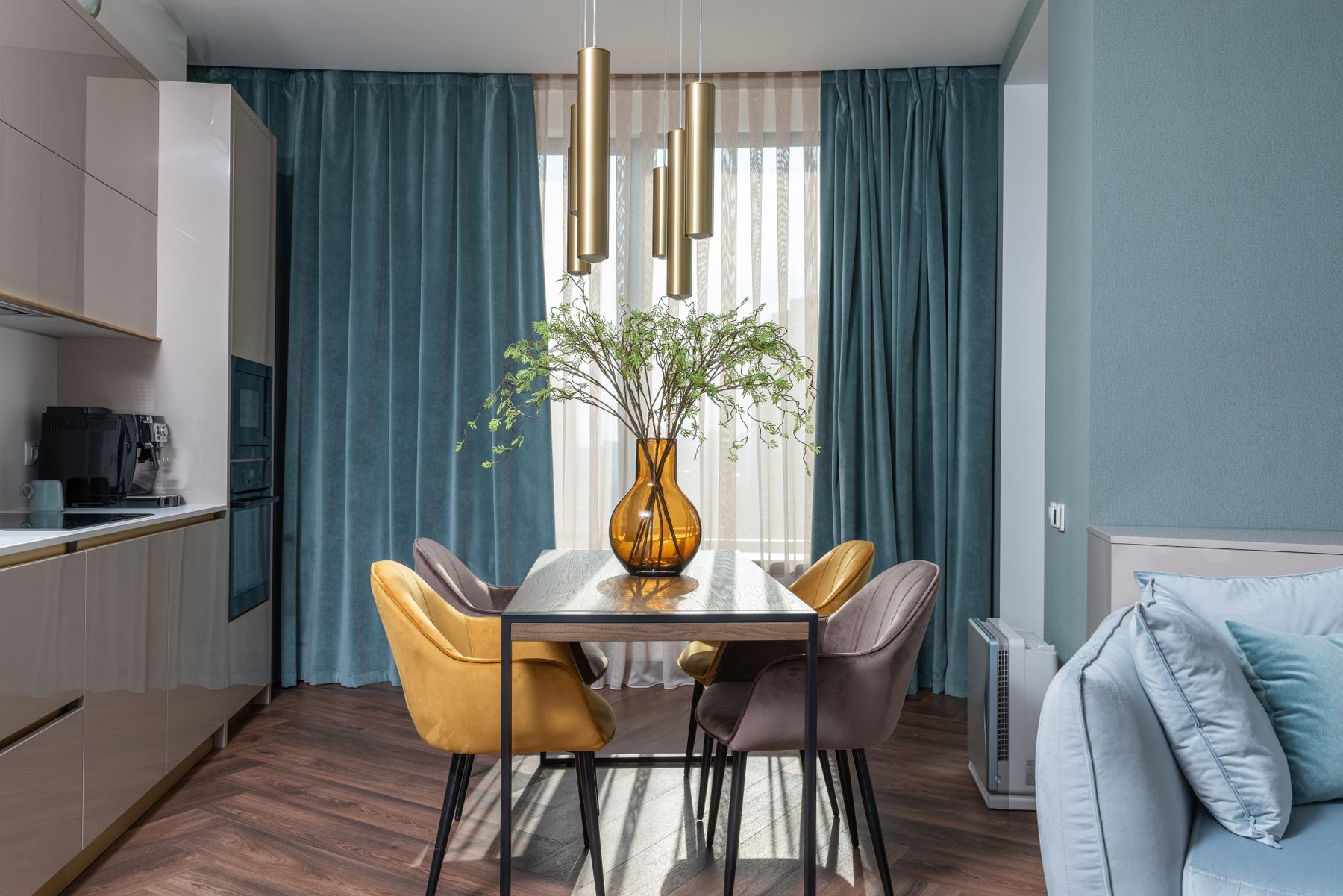
Open kitchen and dining area with velvet curtains, cushioned seating and a soft sofa edge

Soft-Furnished Kitchen Ideas

Soft furnishings can make a kitchen more comfortable, quieter in character and better connected to dining or living space, but the kitchen does not treat every fabric kindly. Grease, splashes, heat, chair friction, food stains and repeated laundering divide the room into very different textile zones. This guide begins with that exposure map, then considers window fabric, upholstered seating, rugs, working linens, open-plan continuity and the full wash–dry–return cycle. The goal is not to cover hard surfaces indiscriminately. It is to place softness where it can be used, cleaned and replaced without interfering with cooking.

Explore the guide →
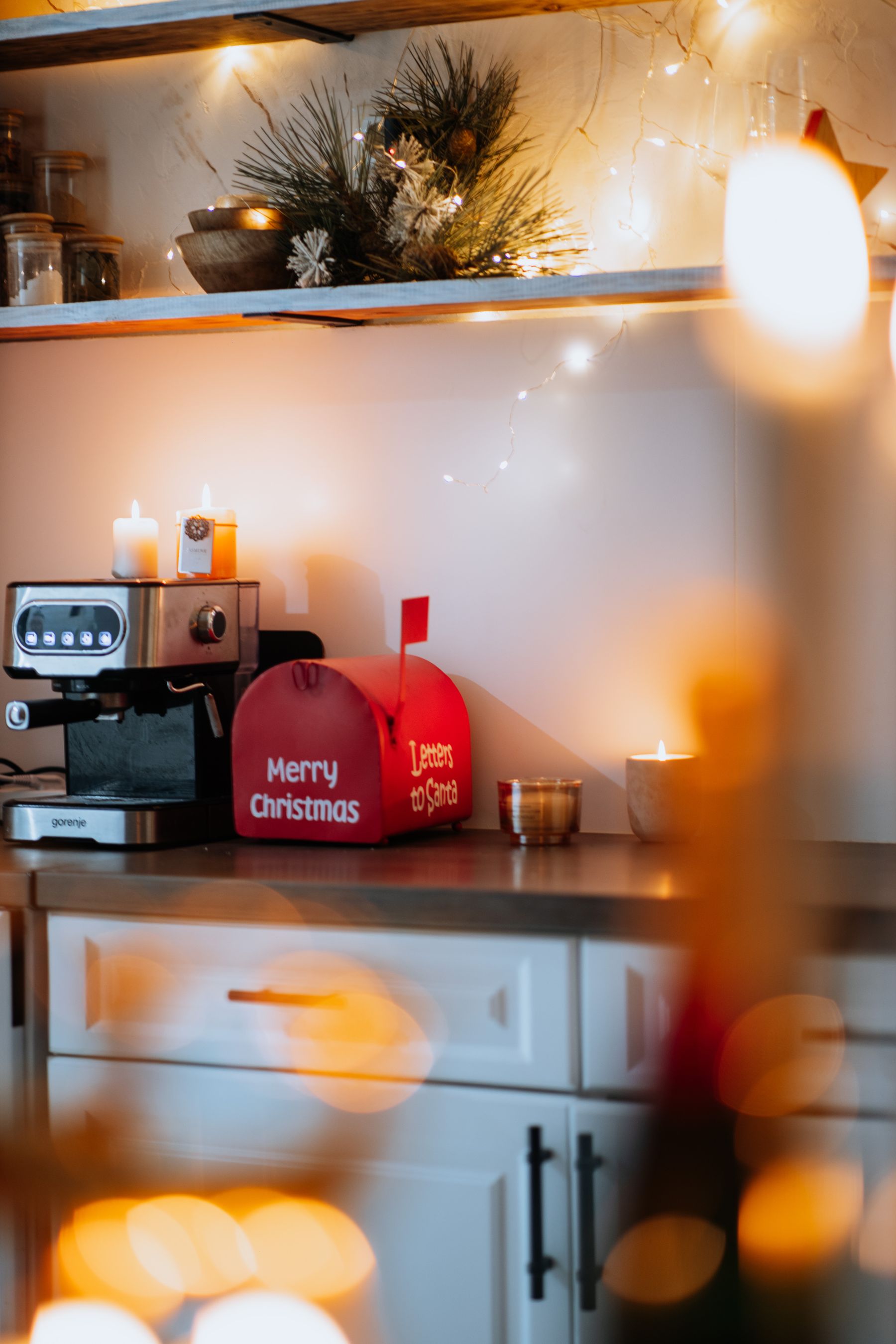
Warm kitchen decorated for Christmas with greenery, lights and restrained countertop accents

Christmas Kitchen Decor Ideas

Christmas kitchen decor has to work harder than decoration in almost any other room. The kitchen still needs clear preparation space, safe access to heat and water, usable storage and enough room for people to cook while the house is at its busiest. The best festive kitchens therefore decorate the edges of activity rather than the activity itself: a shelf, window, dining table, coffee corner or carefully chosen section of counter can carry the season while the sink, hob, main prep zone and appliance landing areas stay functional. This guide focuses on creating a warm Christmas kitchen without turning useful surfaces into displays that have to be moved every time you cook.

Explore the guide →
Minimal black kitchen with a central island, dark cabinetry and warm pendant lighting

Black Kitchen Ideas

A black kitchen succeeds or fails less by the exact black chosen than by what remains visible around it. Dark cabinetry absorbs more visual information from edges, joints and shadows, so finish, boundaries, working surfaces and night lighting become part of the color decision. Treat black as an exercise in legibility and controlled mass rather than as a shortcut to drama.

Explore the guide →
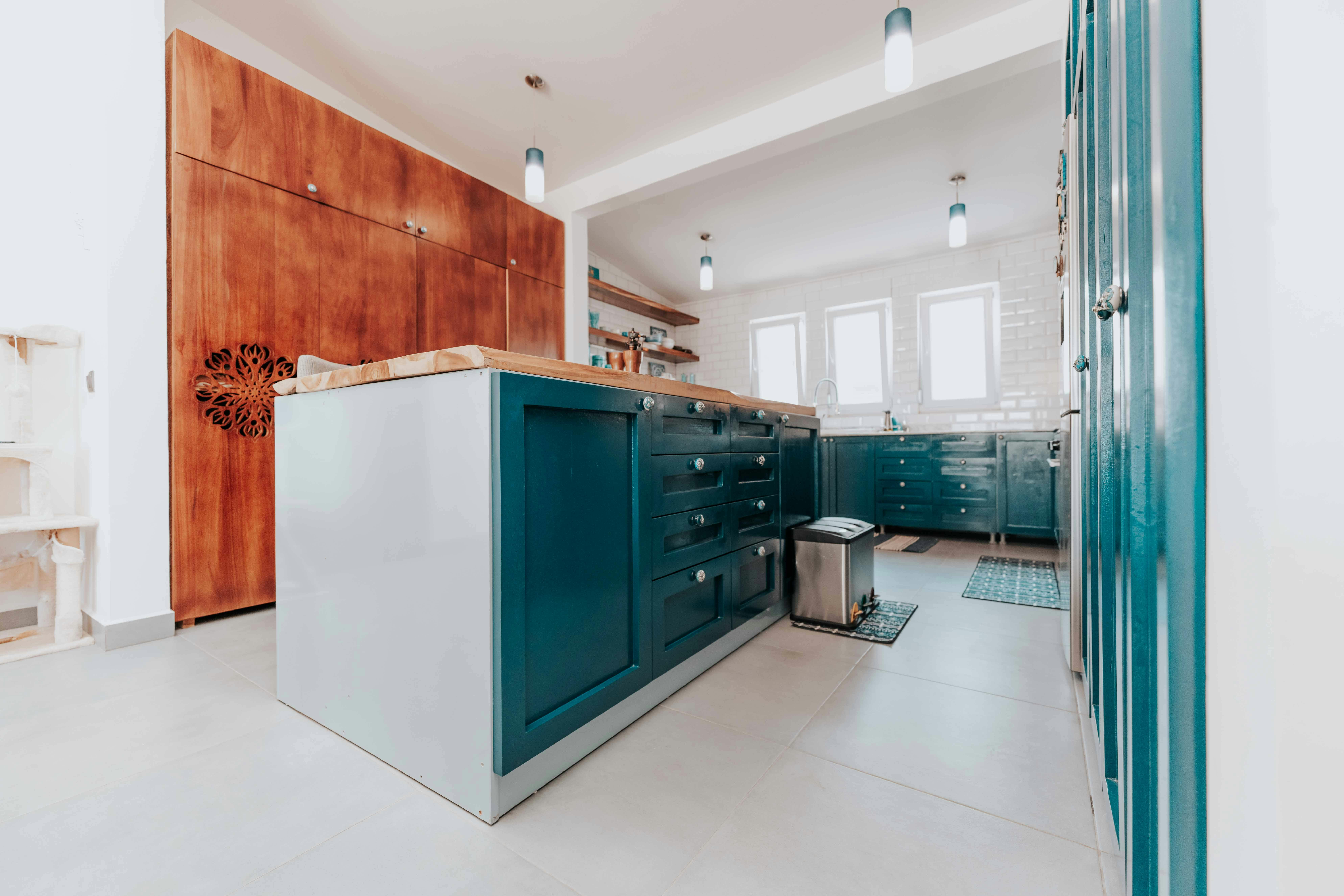
Spacious modern blue kitchen with warm wood accents, central island and ambient lighting

Blue Kitchen Ideas

Blue covers an unusually wide design range: powder blue can behave almost like a neutral, teal can feel like a material statement and navy can turn fitted cabinetry into a dark architectural mass. Before choosing a shade, decide what job the blue should do. The amount, saturation and surrounding finishes become much easier to judge once the color has a clear role.

Explore the guide →
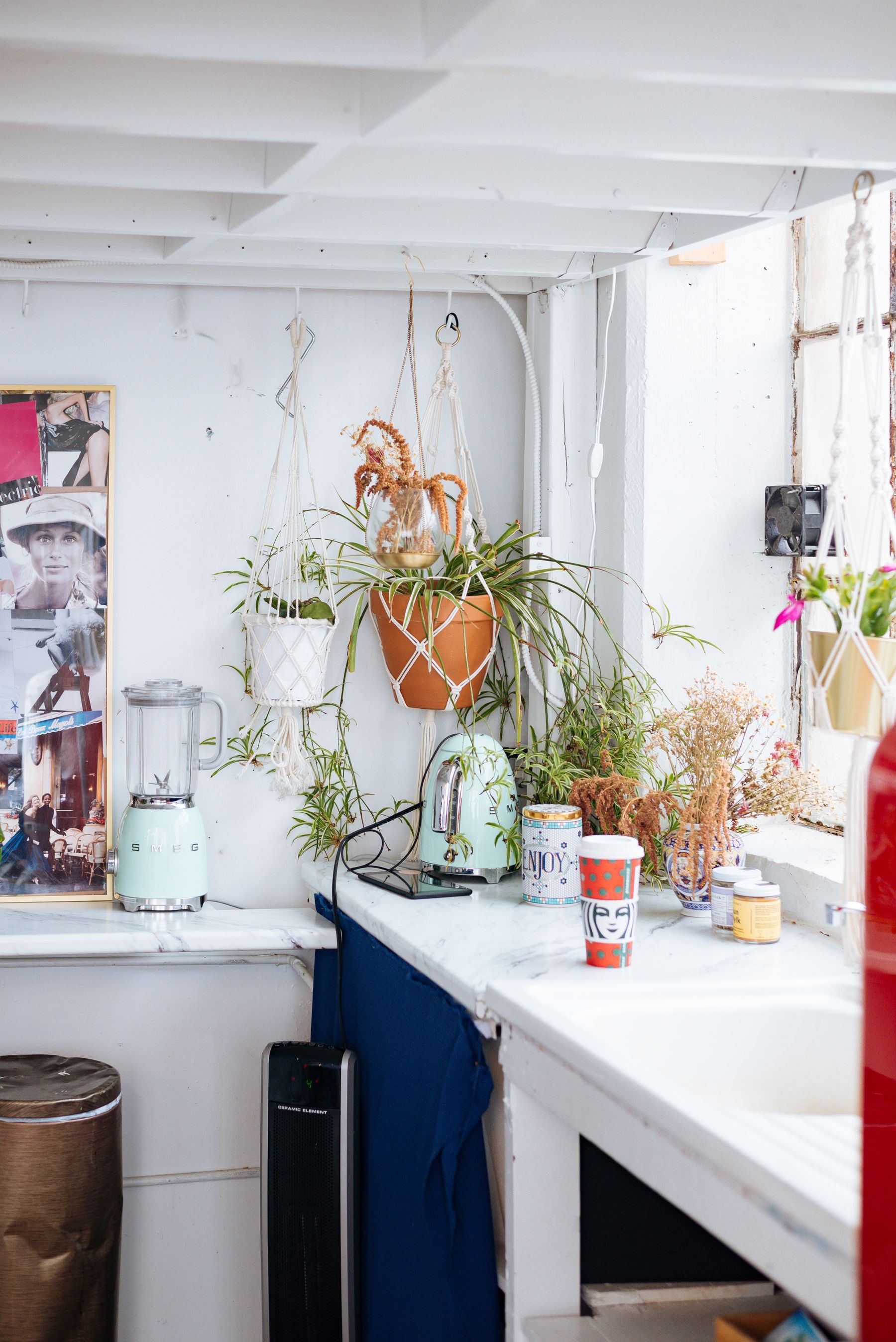
Bright kitchen corner with hanging planters, pale counters, blue fabric and small appliances

Boho Kitchen Ideas

A boho kitchen feels personal because soft, crafted and living layers accumulate around a usable core. Woven fiber, plants, ceramics, textiles, wood and collected objects can all belong, but the kitchen still needs breathable work surfaces, washable layers and enough open space for the collection to evolve. The strongest boho rooms do not maximize variety; they create a rhythm between crafted texture, living material and clear working zones.

Explore the guide →
Bright kitchen with soft blue cabinetry, pale worktops and natural light

Coastal Kitchen Ideas

A coastal kitchen should feel connected to daylight, air and a light material atmosphere before it references the sea. The useful design question is how to preserve visual openness while introducing enough color, timber and texture that the room does not become a generic white kitchen. Coastal character is strongest when blue-green tones, pale mineral surfaces and woven or timber elements respond to the actual light and view rather than to nautical decoration.

Explore the guide →
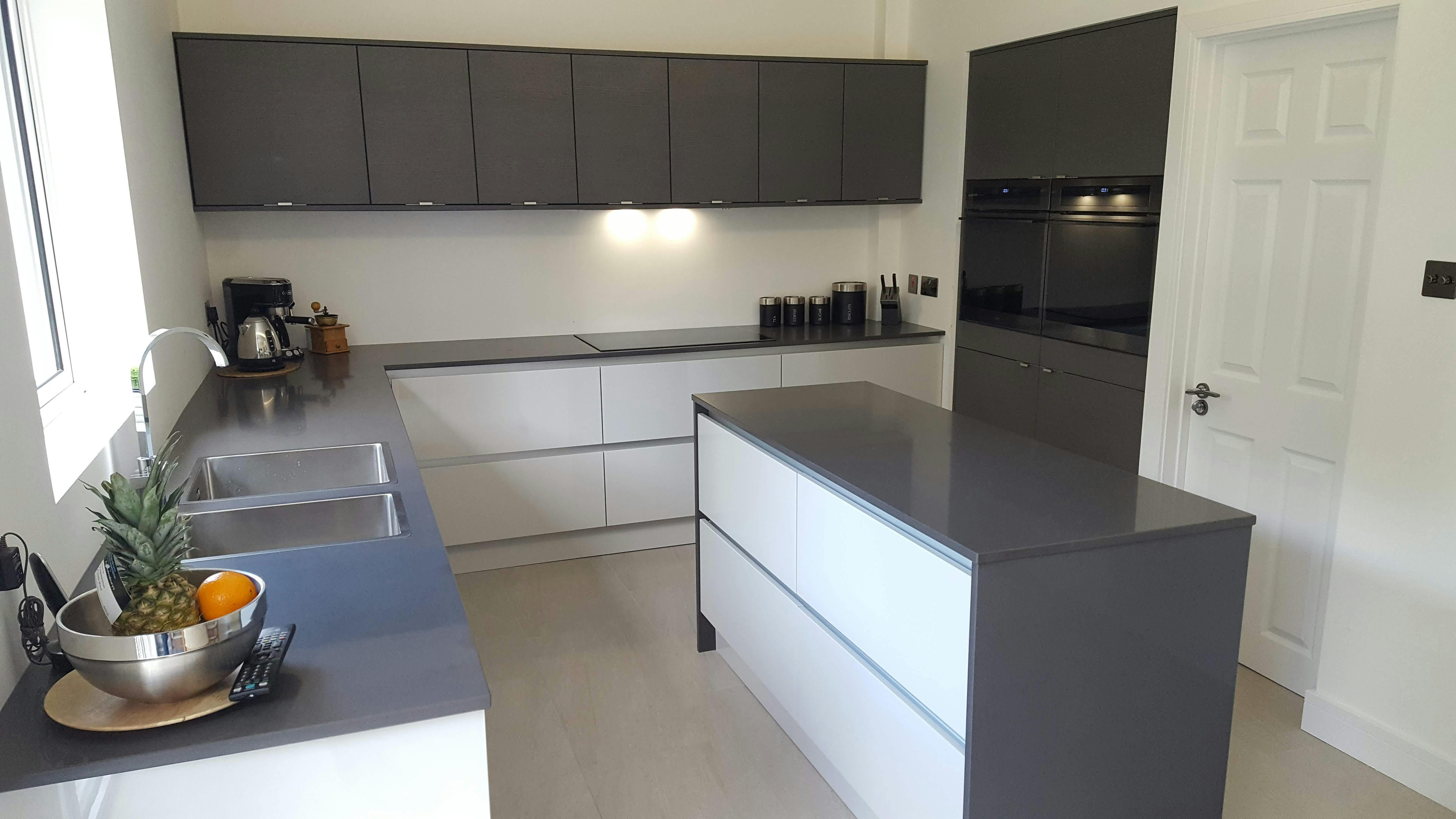
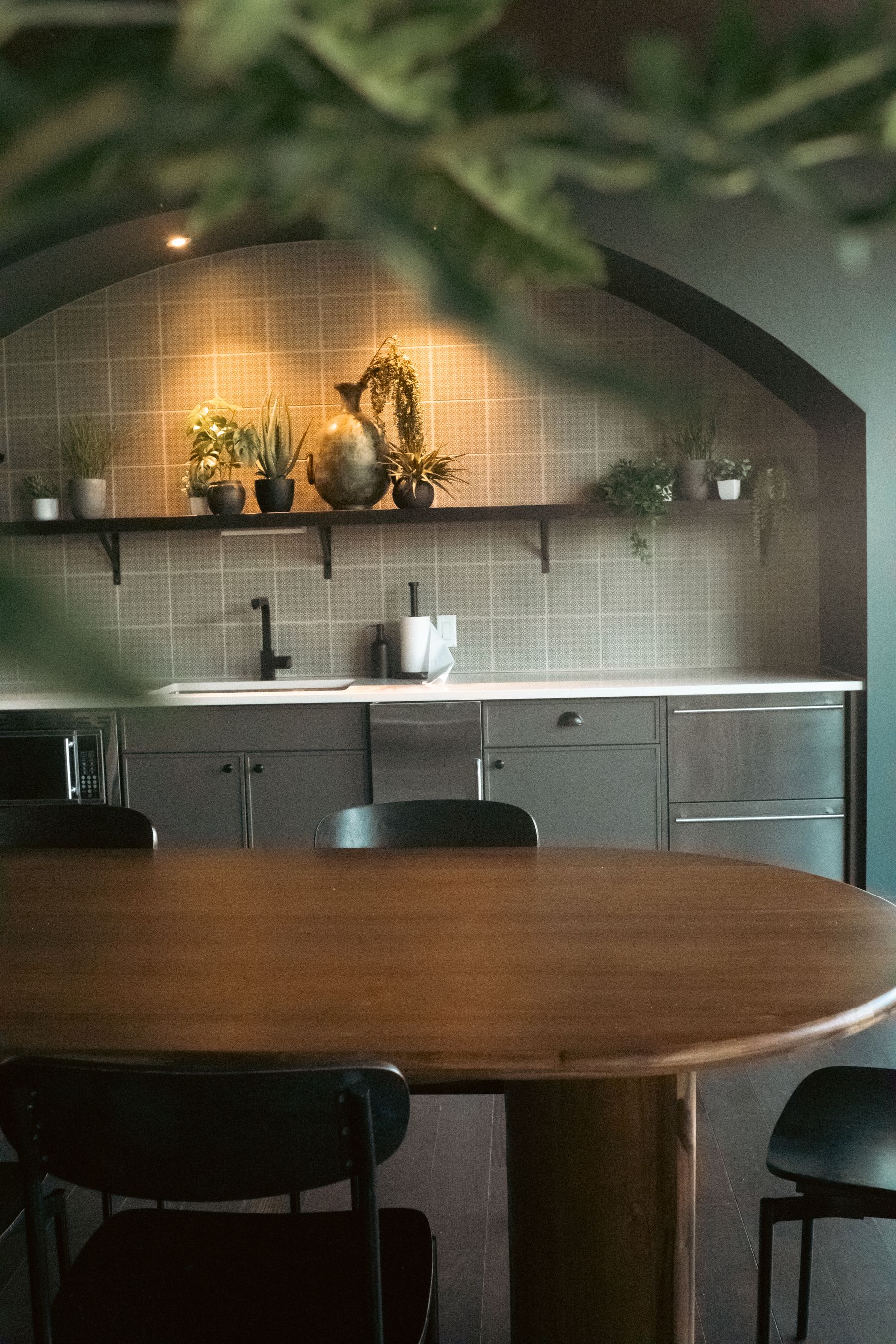
Dark kitchen cabinetry below a tiled arch and planted shelf, with a rounded wooden table

Contemporary Kitchen Ideas

A contemporary kitchen should feel of the present without becoming a bundle of short-lived trends. The useful distinction is between the long-life base and the expressive layer: cabinetry, circulation and major surfaces need to age well, while color, lighting, furniture and selected statement materials can carry more of the current character. Contemporary design is strongest when one or two ideas lead and the rest of the room gives them space.

Explore the guide →
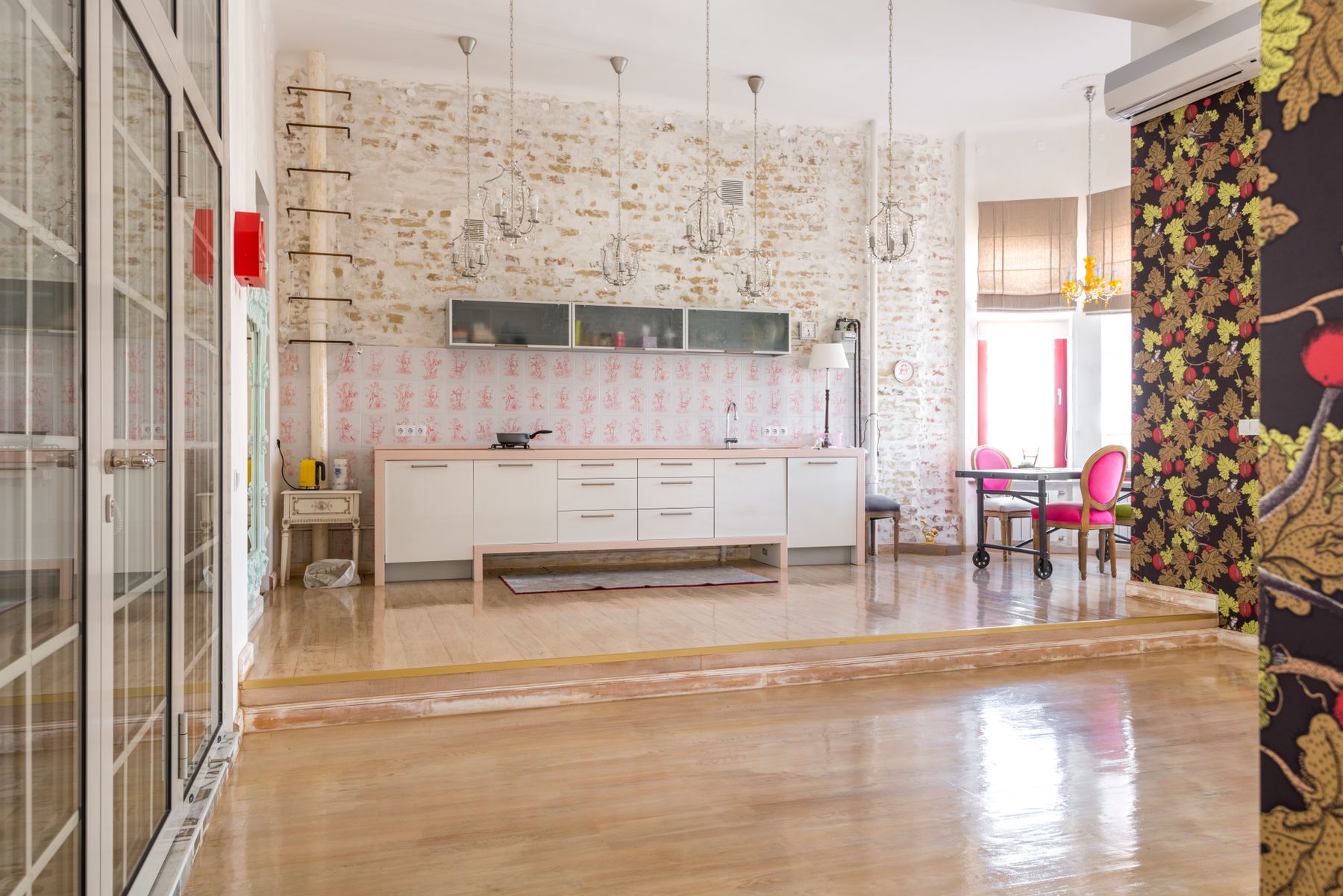
White kitchen with exposed pale brick, patterned backsplash, chandelier forms and pink dining chairs

Eclectic Kitchen Ideas

An eclectic kitchen works when unlike pieces are connected by explicit rules. The style is not defined by how many eras, colors or patterns appear, but by the bridges between them: repeated undertone, related scale, shared geometry, one metal temperature or a consistent amount of visual weight. The useful method is anchor, bridge and pause—choose what leads, decide what connects the differences, then preserve enough quiet space for those relationships to be read.

Explore the guide →
Warm farmhouse kitchen with dining table, island, natural light and visible food preparation

Farmhouse Kitchen Ideas

A farmhouse kitchen is strongest when it behaves like a working domestic room rather than a themed set. The style grows from useful furniture, generous preparation and washing zones, places to eat or gather, and materials that can accept ordinary wear. Framed cabinetry, timber, apron-front sinks and open storage can support that idea, but the real farmhouse quality comes from how cooking, storage and daily family life share the room.

Explore the guide →
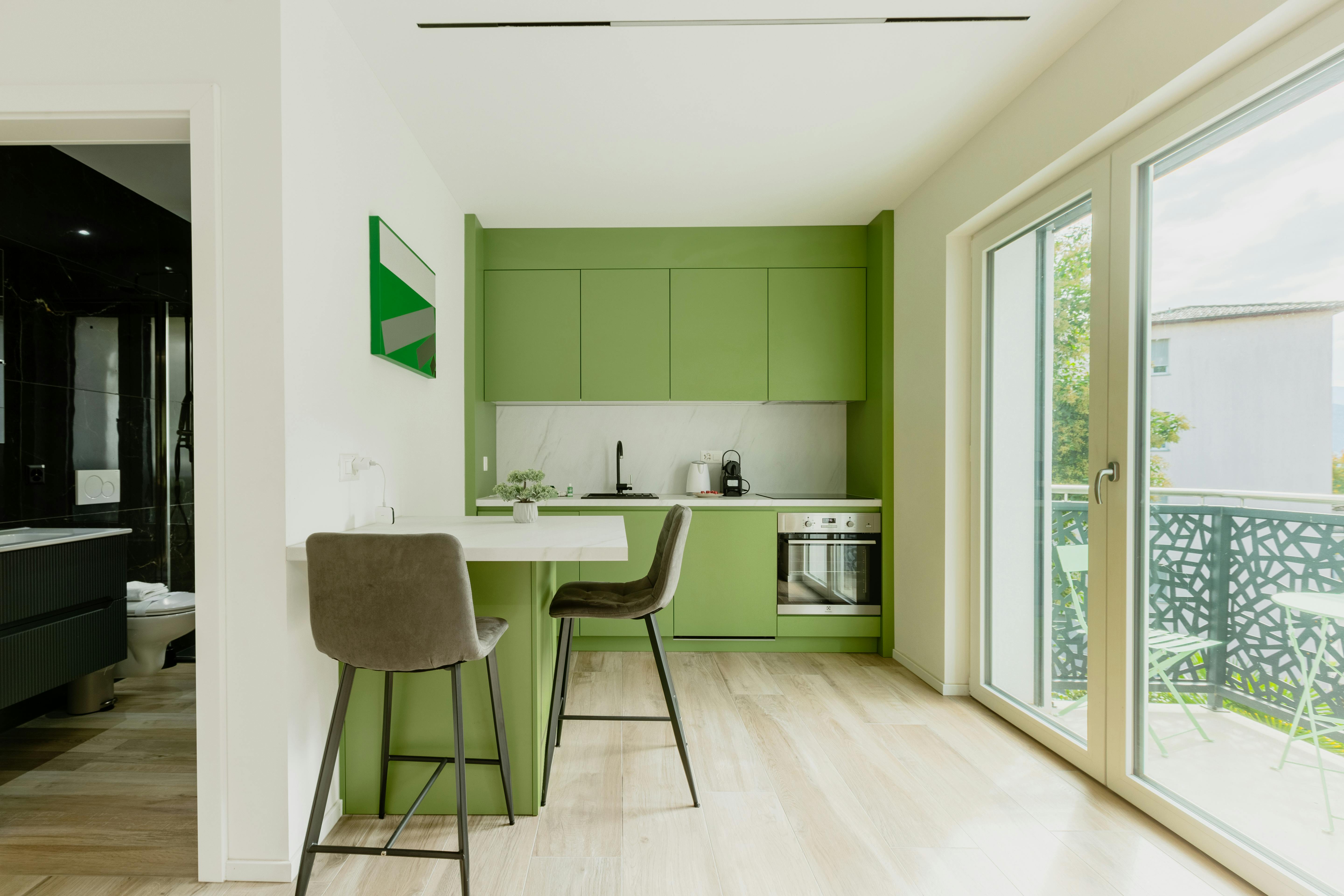
Bright modern kitchen with green cabinetry, pale worktops and natural daylight

Green Kitchen Ideas

Green sits unusually close to the colors already present in timber, stone, plants and outdoor views, which is why it can feel either effortlessly integrated or unexpectedly muddy. Sage, olive and forest green should not be treated as one interchangeable palette. The useful first decision is whether green should behave like a neutral, an earth tone or a saturated architectural color, then let the surrounding materials reinforce that role.

Explore the guide →
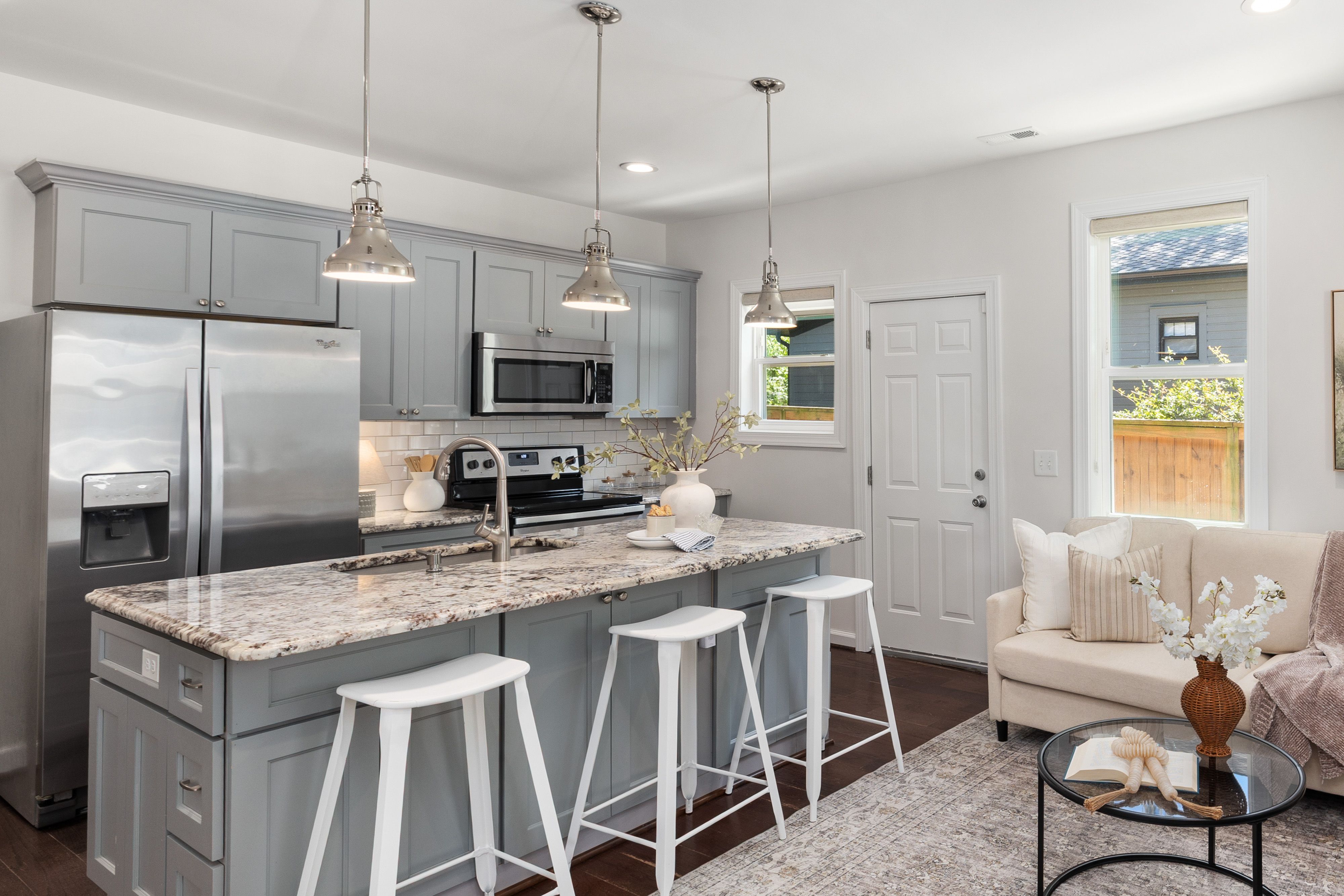
Bright grey kitchen with a granite island, pendant lights and stainless steel appliances

Grey Kitchen Ideas

Grey works best when it acts as a mediator between the materials already fixed in the room. Flooring, stone, stainless steel, daylight and adjoining finishes can all push the same grey warmer, cooler, greener or bluer, so the useful decision is not simply which grey you like. It is which temperature and value the kitchen needs grey to connect, separate or calm.

Explore the guide →
Calm white-and-wood kitchen with clean cabinetry, restrained lighting and a quiet material palette

Japandi Kitchen Ideas

A Japandi kitchen works when the Japanese and Scandinavian sides of the hybrid contribute real design logic rather than recognizable props. The Japanese influence is strongest in restraint, material hierarchy and purposeful empty space; the Scandinavian side adds practical comfort, approachable storage and social use. The result should not depend on beige, slatted fronts, paper lamps or decorative ceramics to prove the label.

Explore the guide →
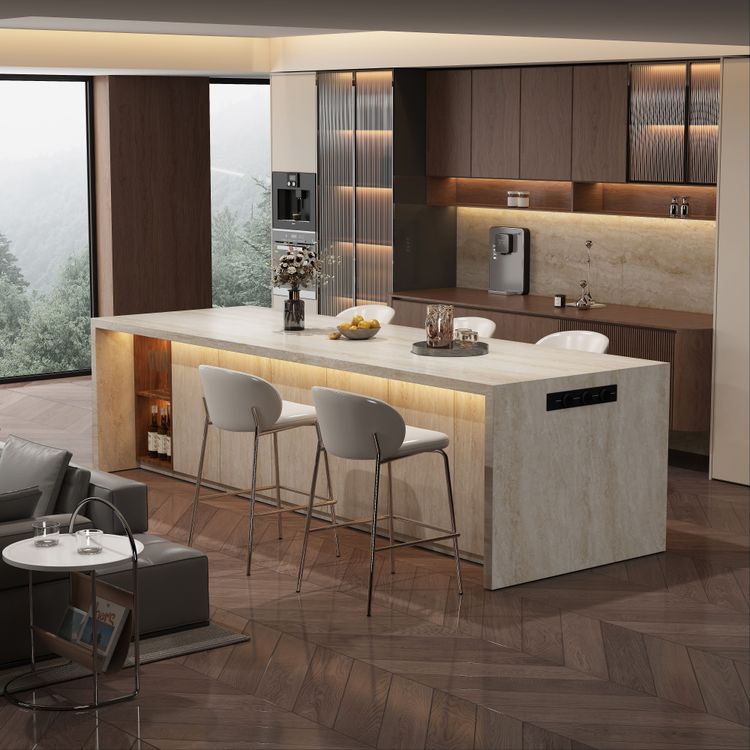
High-end modern kitchen with marble island, integrated cabinetry, seating and a large forest-facing window

Luxury Kitchen Ideas

A luxury kitchen is defined less by the price of individual finishes than by the quality of decisions that are difficult to fake: proportion, fabrication, stone selection, veneer matching, lighting control and the way appliances disappear into or deliberately punctuate the architecture. The strongest rooms spend visual attention as carefully as money. Premium materials should be given enough scale, precision and negative space to reveal why they are special.

Explore the guide →
Kitchen with pale counters, muted green cabinetry, black pendants and stools with wooden legs

Mid-Century Kitchen Ideas

A mid-century kitchen is most convincing when it borrows the postwar movement's design logic rather than its nostalgia. Warm timber, horizontal proportions, furniture-like storage, raised forms and sculptural lighting should make the room feel lighter, more useful and more connected to everyday dining. That is different from Retro, which deliberately revives a decade through color and graphic references: Mid-Century works best when construction, proportion and furniture thinking carry the identity.

Explore the guide →
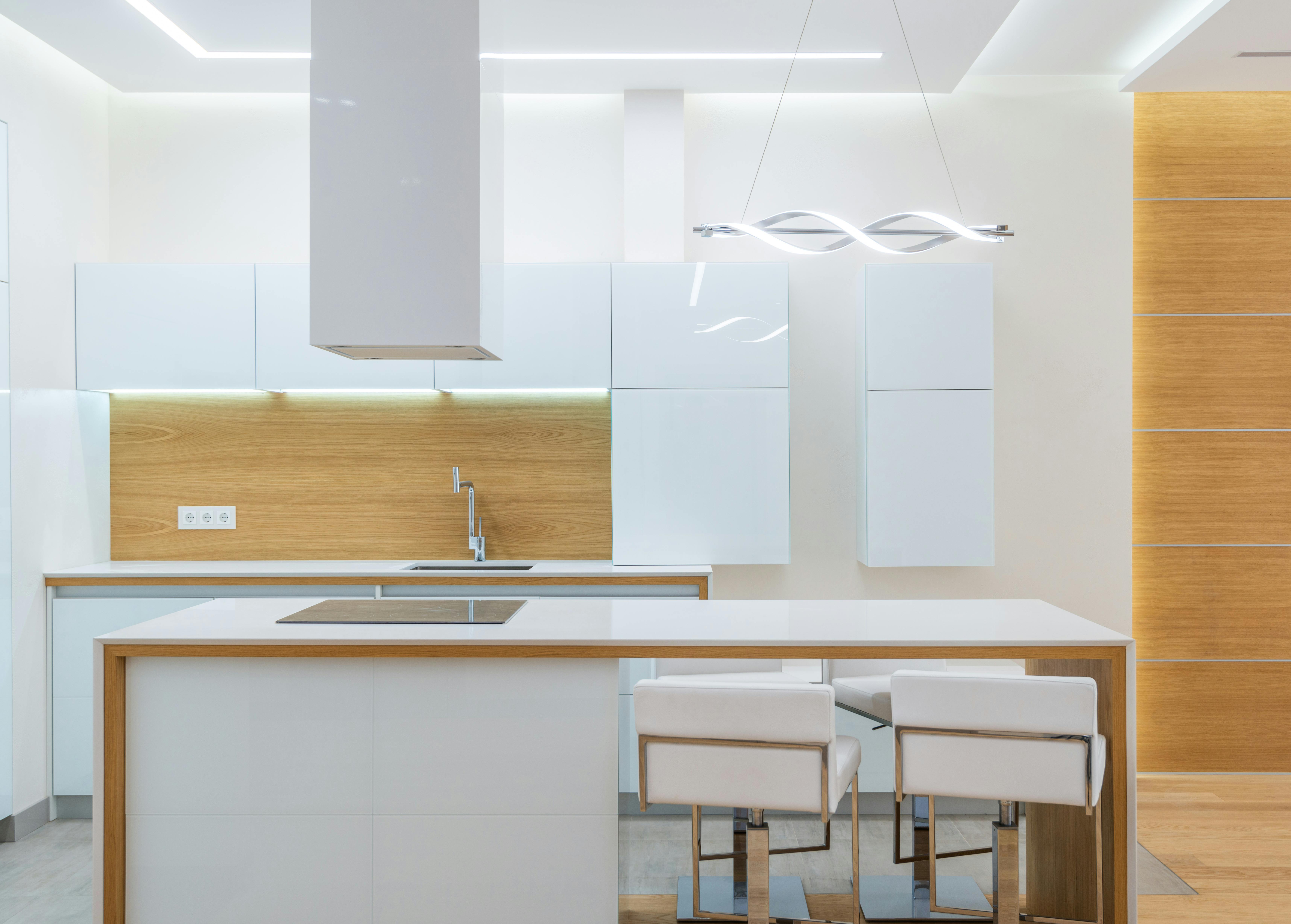
Minimalist white and wood kitchen with clean cabinetry, open floor area and restrained lighting

Minimalist Kitchen Ideas

A minimalist kitchen is successful when reduction makes the room easier to use and easier to reset. The goal is not a permanently empty worktop; it is fewer visible categories, fewer unnecessary transitions and storage that lets ordinary mess disappear without effort. Minimalism becomes practical when every kept element earns space through function, access or material value.

Explore the guide →
Spacious modern kitchen with white and dark wood cabinetry, central island and clean architectural lines

Modern Kitchen Ideas

A modern kitchen is most convincing when its geometry, storage, appliances and services behave as one coordinated system. Flat fronts and restrained finishes can support that idea, but they do not create it on their own. The stronger test is whether cabinet lines, work zones, material joints, lighting and access all feel intentionally resolved. Modern design here means clarity of construction and use, not a catalogue of sleek objects.

Explore the guide →
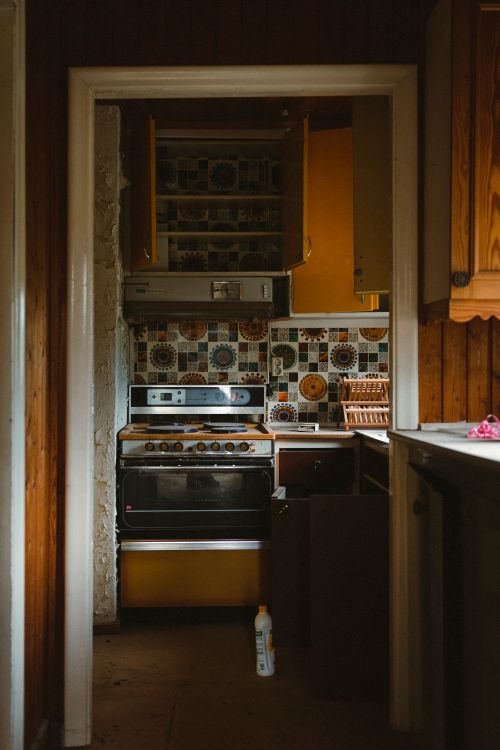
Retro kitchen with bold yellow cabinetry, vintage stove, patterned tile and warm nostalgic lighting

Retro Kitchen Ideas

A retro kitchen is a deliberate revival of a recent decade, not a collection of genuinely old objects. The strongest schemes choose an era band—1960s mod, 1970s earth tones, 1980s graphic contrast or another compatible direction—then translate its color fields, pattern grids and silhouettes through current storage and appliances. Nostalgia should be designed, not accumulated.

Explore the guide →
Warm rustic kitchen with wooden cabinetry, natural counters, open storage and everyday kitchen objects

Rustic Kitchen Ideas

A rustic kitchen is defined most convincingly by material substance: the weight, grain, irregularity and aging of timber, stone, plaster and metal. The design problem is not how many rustic details can fit in the room, but how much raw texture the kitchen can carry while its working zones remain bright, cleanable and easy to use. Strong rustic rooms create deliberate contrast between rough material and smoother functional surfaces.

Explore the guide →
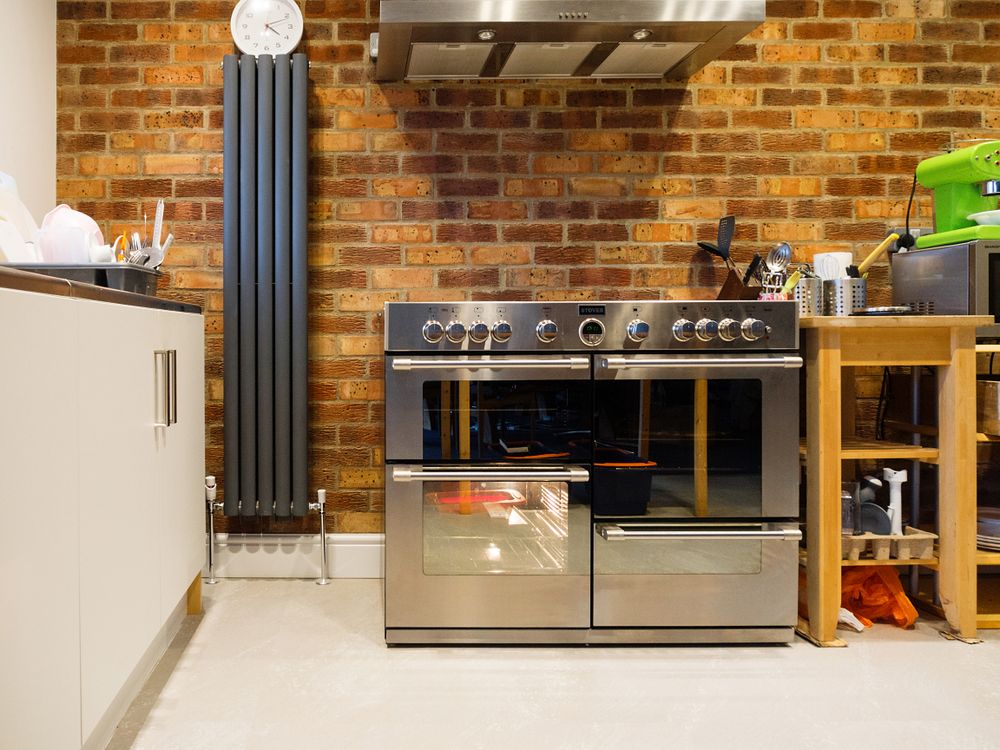
Warm Scandinavian kitchen with natural light, wooden furniture and a bright, relaxed palette

Scandinavian Kitchen Ideas

A Scandinavian kitchen is more than pale wood and white cabinetry. Its strongest idea is human-centered utility: protect useful light, make everyday storage intuitive, give informal meals a real place and choose materials that can tolerate ordinary life. The room should feel bright and calm because it works comfortably, not because every sign of use has been removed.

Explore the guide →
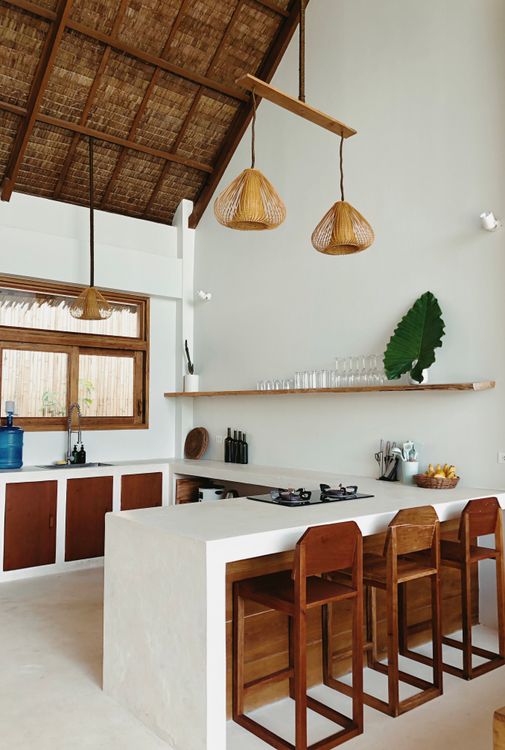
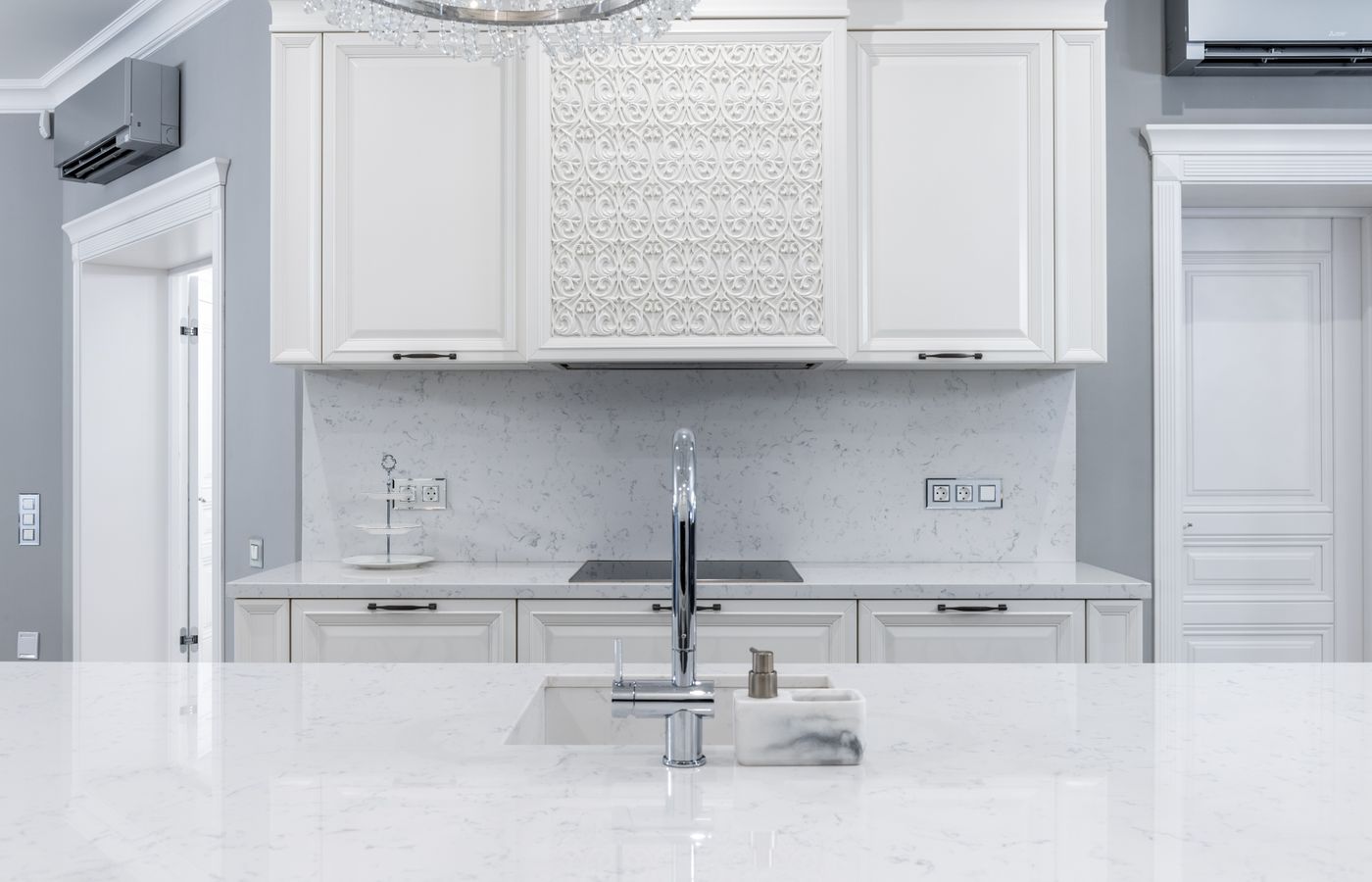
Classic white kitchen with paneled cabinet doors, pale veined worktops and restrained traditional detailing

Traditional Kitchen Ideas

A traditional kitchen is held together by proportion and hierarchy more than by age or ornament. Framed cabinetry, familiar furniture forms, balanced elevations and repeated details create continuity when their scale is controlled. The strongest traditional kitchens feel settled because trim, hardware, stone, lighting and furniture know which elements are primary and which are supporting.

Explore the guide →
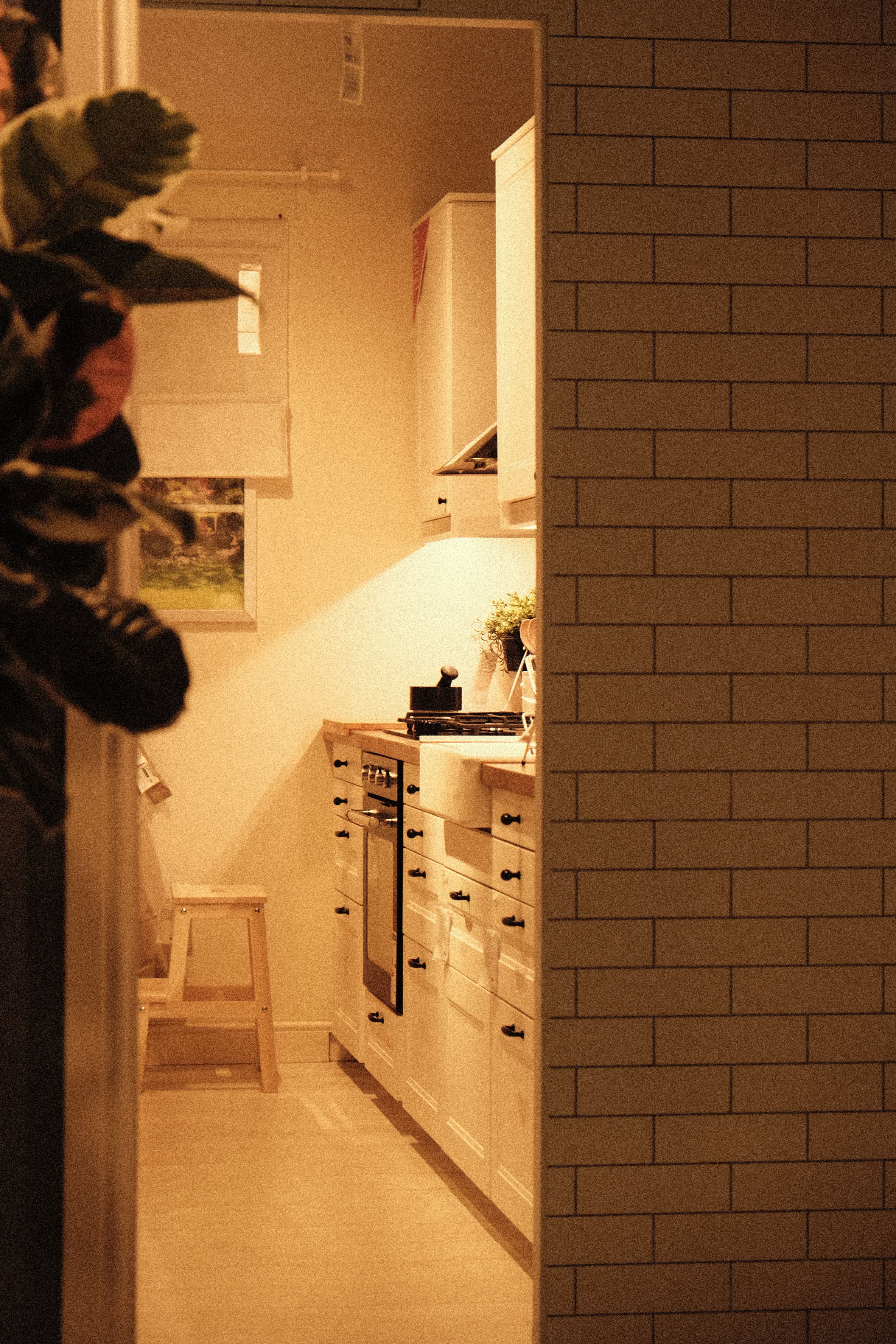
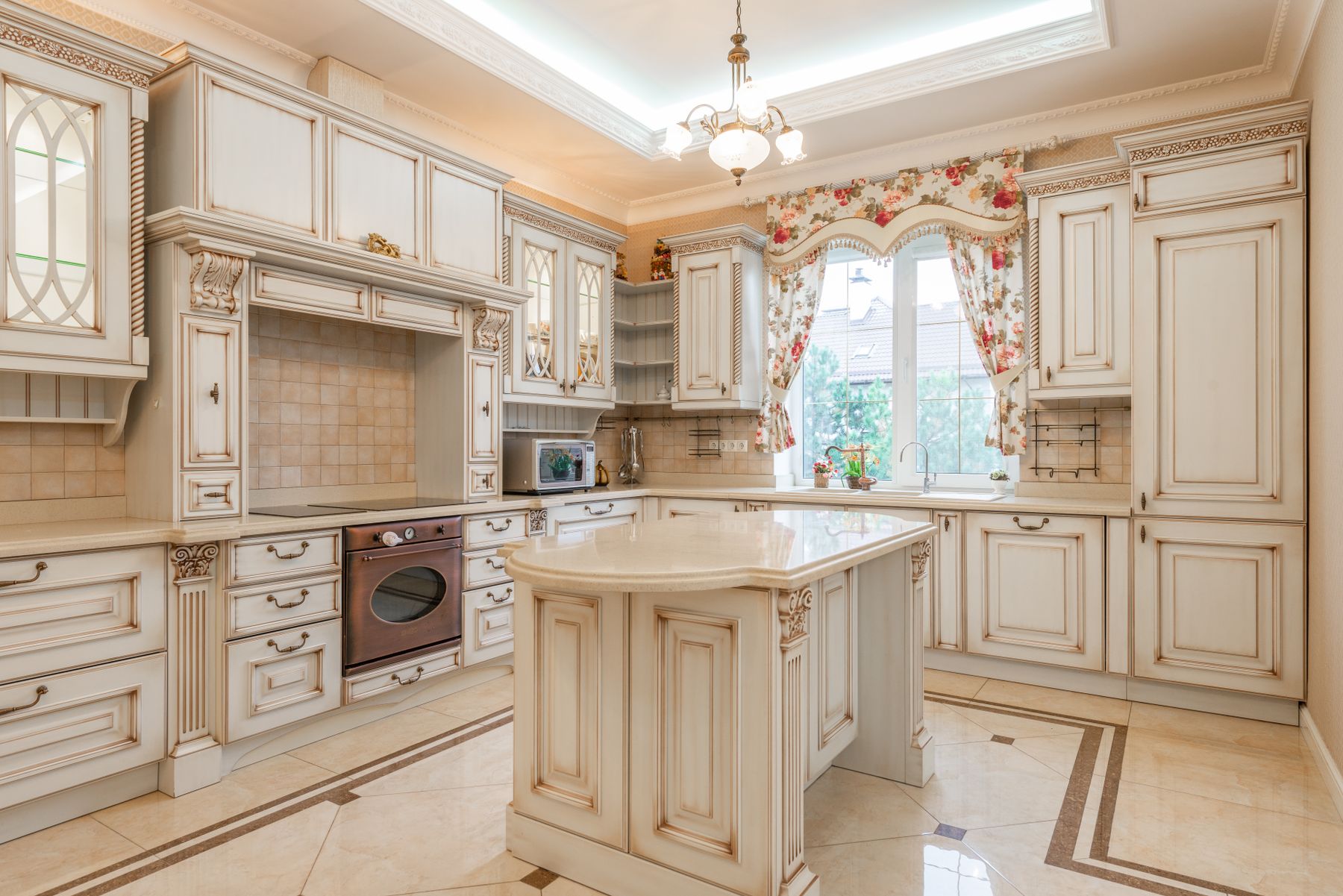
Ornate cream kitchen with paneled cabinetry, framed cooking area, island and decorative traditional details

Victorian Kitchen Ideas

A Victorian-inspired kitchen is most convincing when the nineteenth-century idea of a working service room is translated rather than copied. Pantries, worktables, dressers, freestanding storage, visible utensils and durable surfaces can create the period direction, while refrigeration, extraction, electrics and food-preparation standards remain decisively modern. The room should feel layered by function first and historical reference second.

Explore the guide →
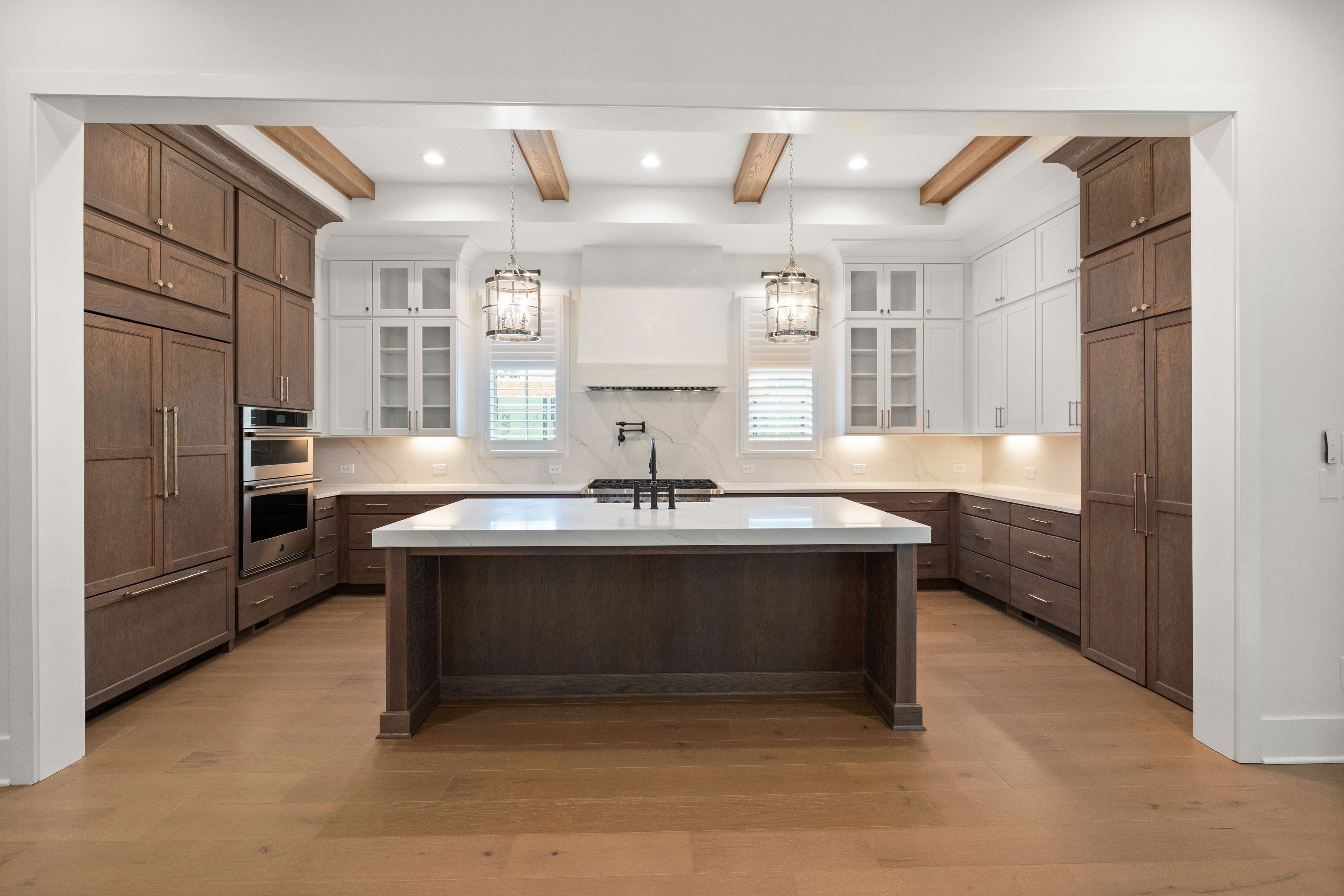
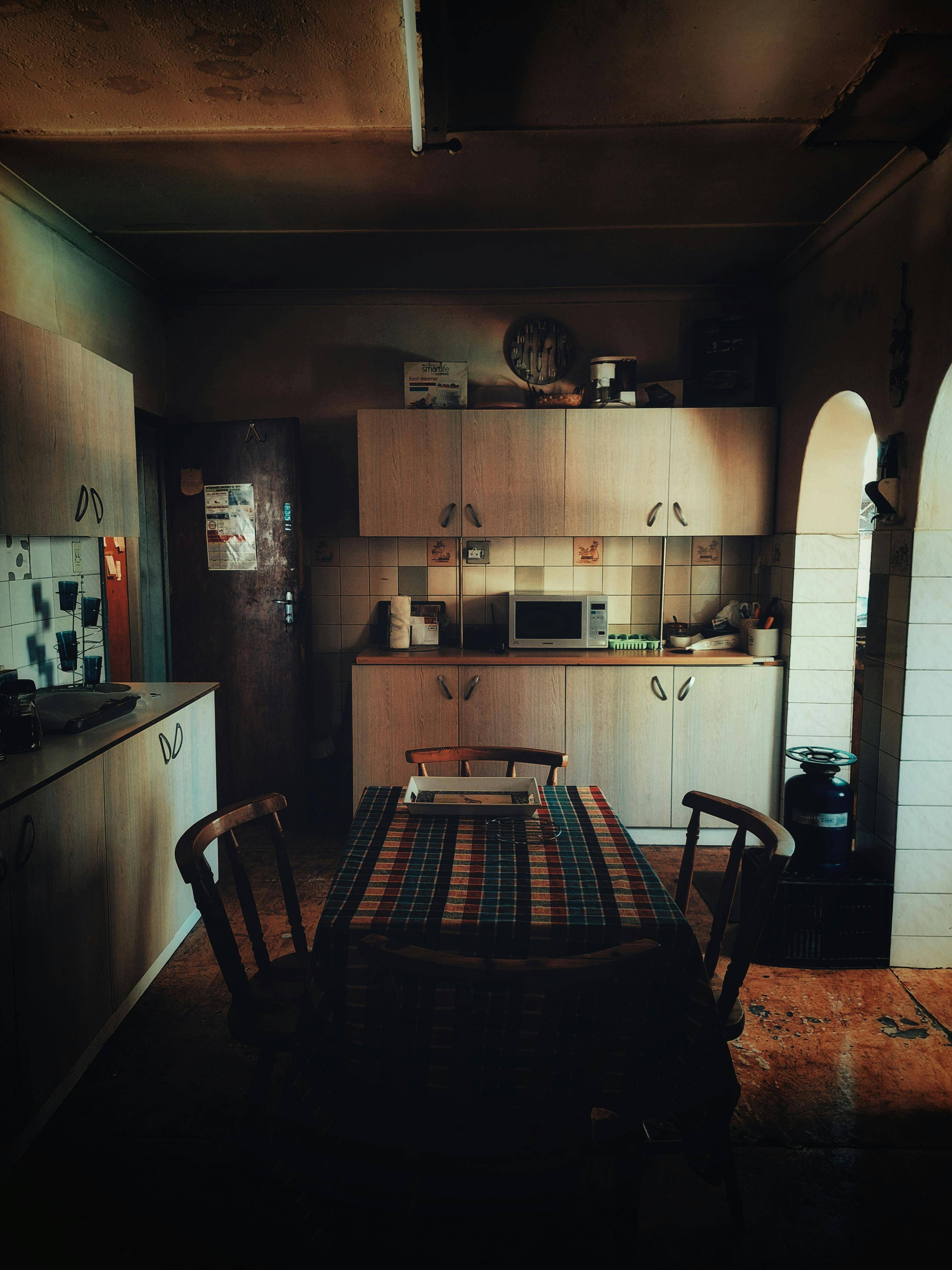
Warm vintage-style kitchen with wooden cabinetry, a plaid-covered table and softly aged finishes

Vintage Kitchen Ideas

A vintage kitchen feels collected because older elements have specific histories, conditions and jobs—not because every new surface imitates age. The central design skill is selection: decide which piece deserves to lead, which eras can coexist, what can safely remain in service and where modern performance should stay visible. A few genuine or well-chosen older elements usually create more character than a room full of generic retro decoration.

Explore the guide →
Industrial kitchen with exposed brick, stainless steel oven, contemporary appliances and practical metal details

Industrial Kitchen Ideas

Industrial kitchen ideas work best when the materials feel structural rather than themed. Steel, dark metal, timber, concrete, brick and stainless steel can give a room weight and clarity, but the strongest schemes use those materials where they make practical sense. Warm wood, good task lighting and softer seating keep the kitchen residential, while visible construction details add character without relying on decorative gears, pipes or faux workshop props.

Explore the guide →
Minimal wood-led kitchen with clean cabinetry, open shelving, warm tones and restrained everyday objects

Japanese Kitchen Ideas

Japanese kitchen ideas are most useful when they are approached through function, proportion and material restraint rather than through decorative shorthand. There is no single Japanese kitchen look, and this guide does not treat pale wood, slatted screens or ceramic bowls as proof of cultural authenticity. Instead, it focuses on practical principles that translate well to many homes: a clear preparation sequence, compact storage, quiet materials, carefully framed transitions and everyday objects that earn their place.

Explore the guide →
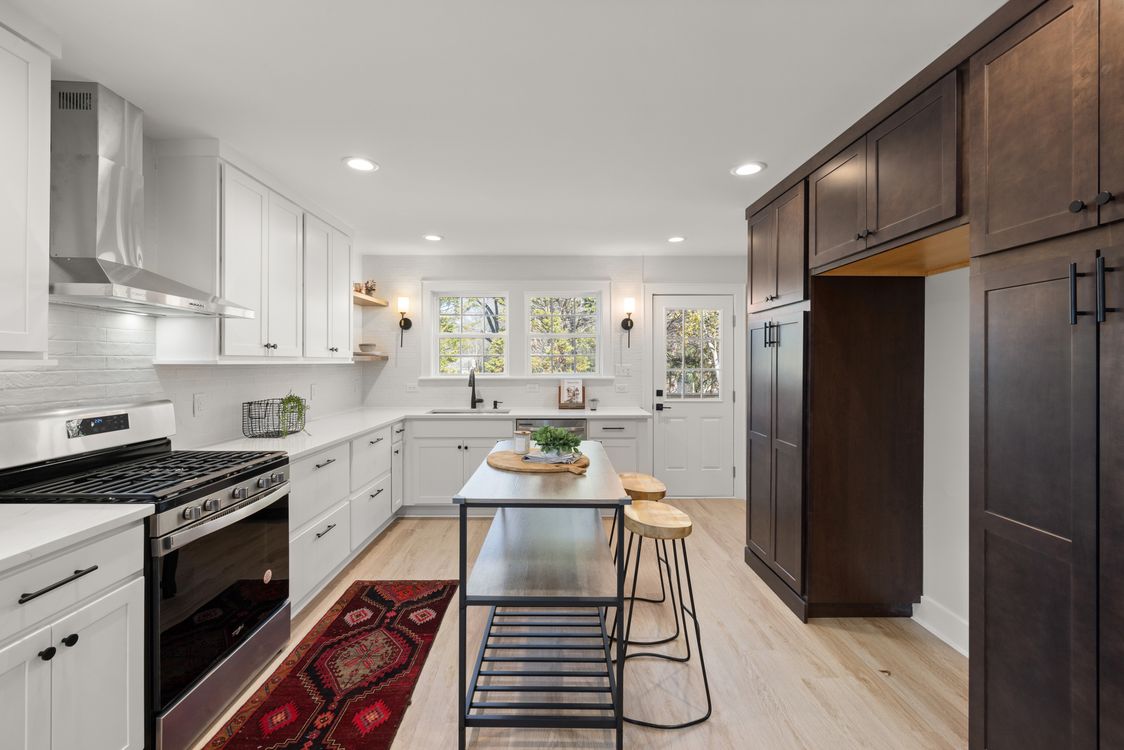
Warm compact kitchen with white cabinetry, wood flooring, practical storage and a small dining perch

Small Kitchen Ideas

Small kitchen ideas work best when every decision improves movement, preparation or storage rather than simply trying to make the room look larger. A compact kitchen can be highly functional when the main work sequence is short, one real preparation surface is protected and storage is concentrated where it has the most capacity. The strongest schemes also leave deliberate breathing room: visible wall, floor or daylight can be as valuable as one more cabinet.

Explore the guide →
Spacious modern wood kitchen with island, pale worktops and pendant lighting

Wood Kitchen Ideas

Wood kitchen ideas can feel calm, architectural, rustic or highly contemporary depending on the grain, tone and surrounding materials. Timber adds warmth before any decorative layer is introduced, but it also brings visual movement, so the strongest schemes decide early how much wood the room can carry. The useful questions are not only which species to choose, but where the wood should dominate, how the grain should run and which stone, metal and lighting will allow it to stay legible.

Explore the guide →
Modern kitchen with yellow and grey cabinetry, clean worktops and restrained contemporary styling

Yellow Kitchen Ideas

Yellow kitchen ideas are most successful when the color is treated as a material decision rather than a cheerful afterthought. Butter yellow can behave almost like a warm neutral, ochre adds earthiness, mustard creates a stronger focal point and brighter yellow brings more graphic energy. The useful question is not whether yellow belongs in a kitchen, but how much of it the room can carry and which surrounding materials will make it feel deliberate.

Explore the guide →