Begin With an Exposure Map, Not a Fabric Palette
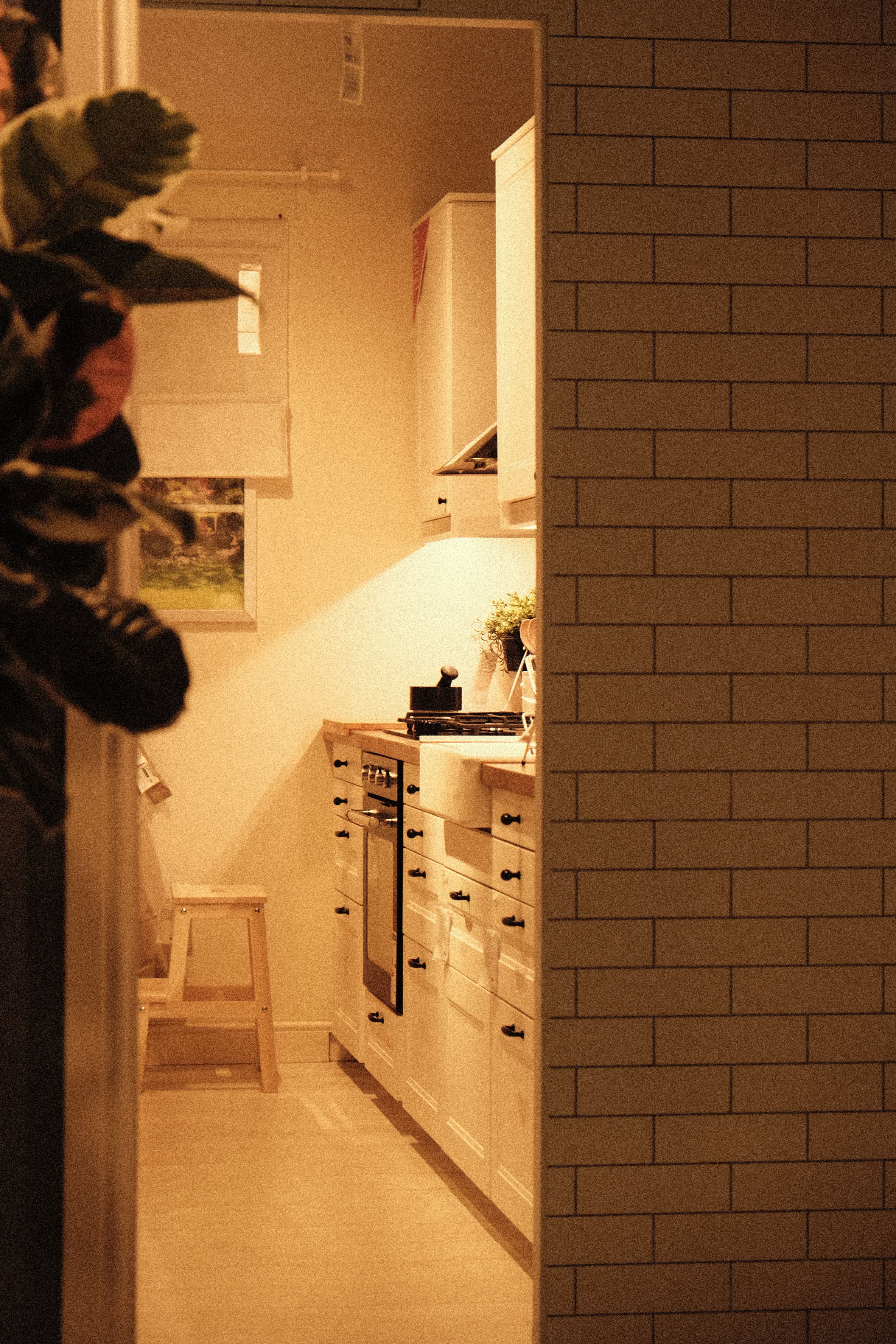
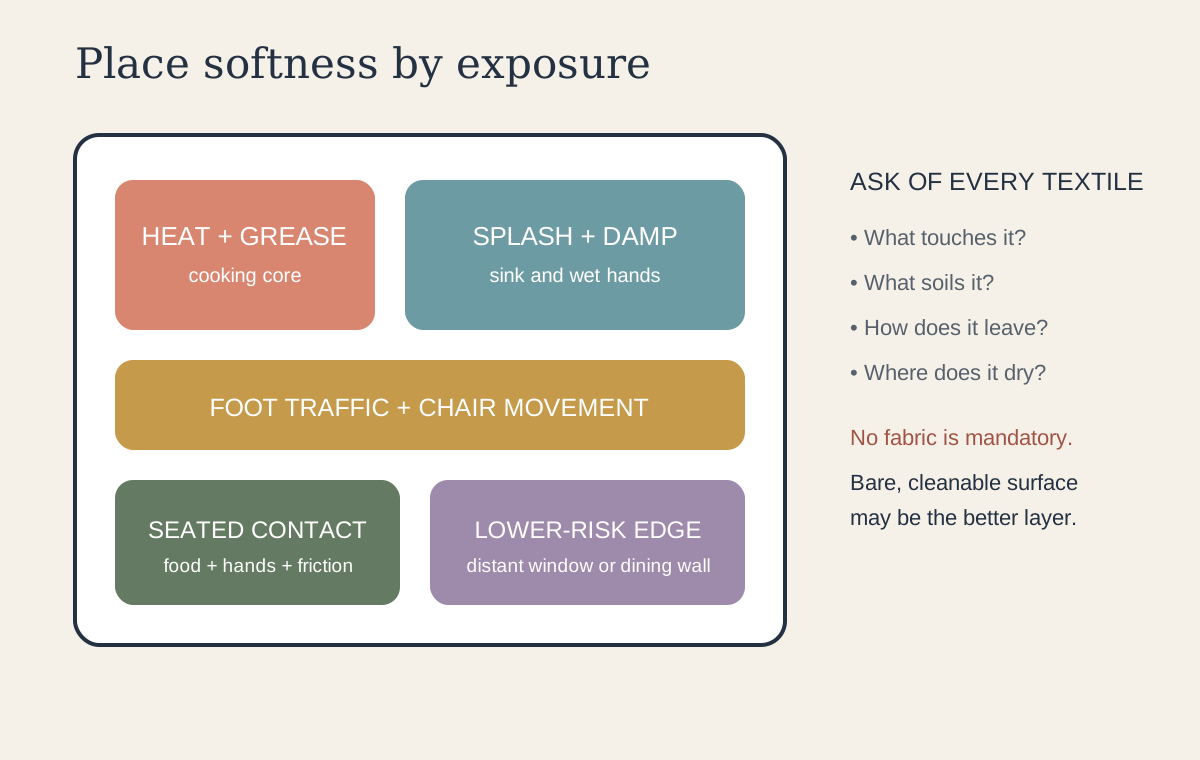
Draw the room as a series of exposures before thinking about color. The active cooking area combines heat, airborne grease and frequent wiping; the sink adds splashes and damp hands; the main aisle concentrates shoes, crumbs and chair movement; the dining edge creates spills and repeated body contact; a window away from the work run may be comparatively low risk. This map does not produce one approved material list. It tells you what each layer must tolerate and where a decorative fabric is unnecessary. A washable seat pad may be sensible at the table while the same textile would be a poor cabinet-front cover beside cooking. A rug can define a dining edge without extending beneath the busiest prep route. Keep the map specific to the household: a lightly used kitchenette and a kitchen producing three meals a day do not expose fabric in the same way.
Window Softness Must Still Let the Kitchen Operate
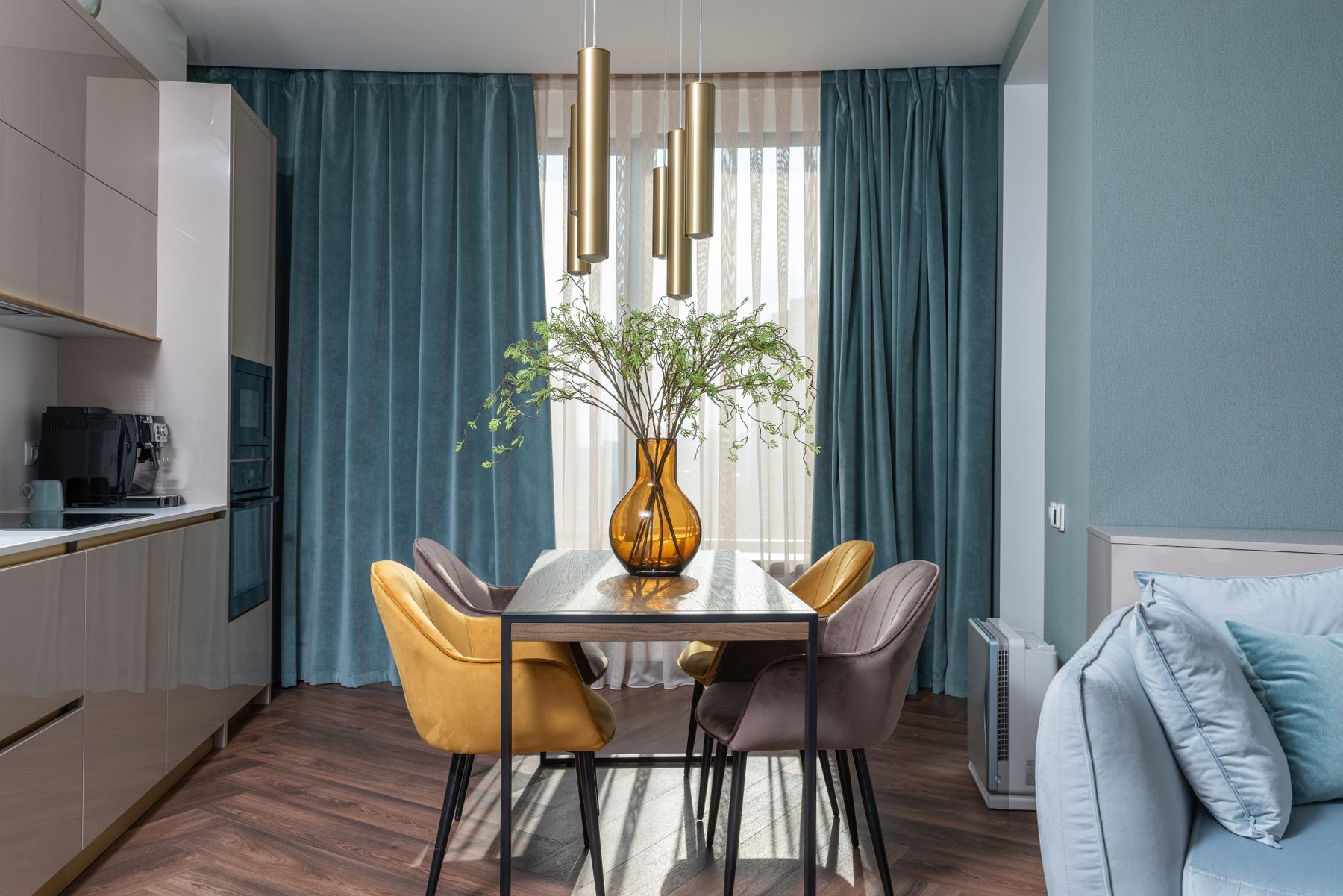
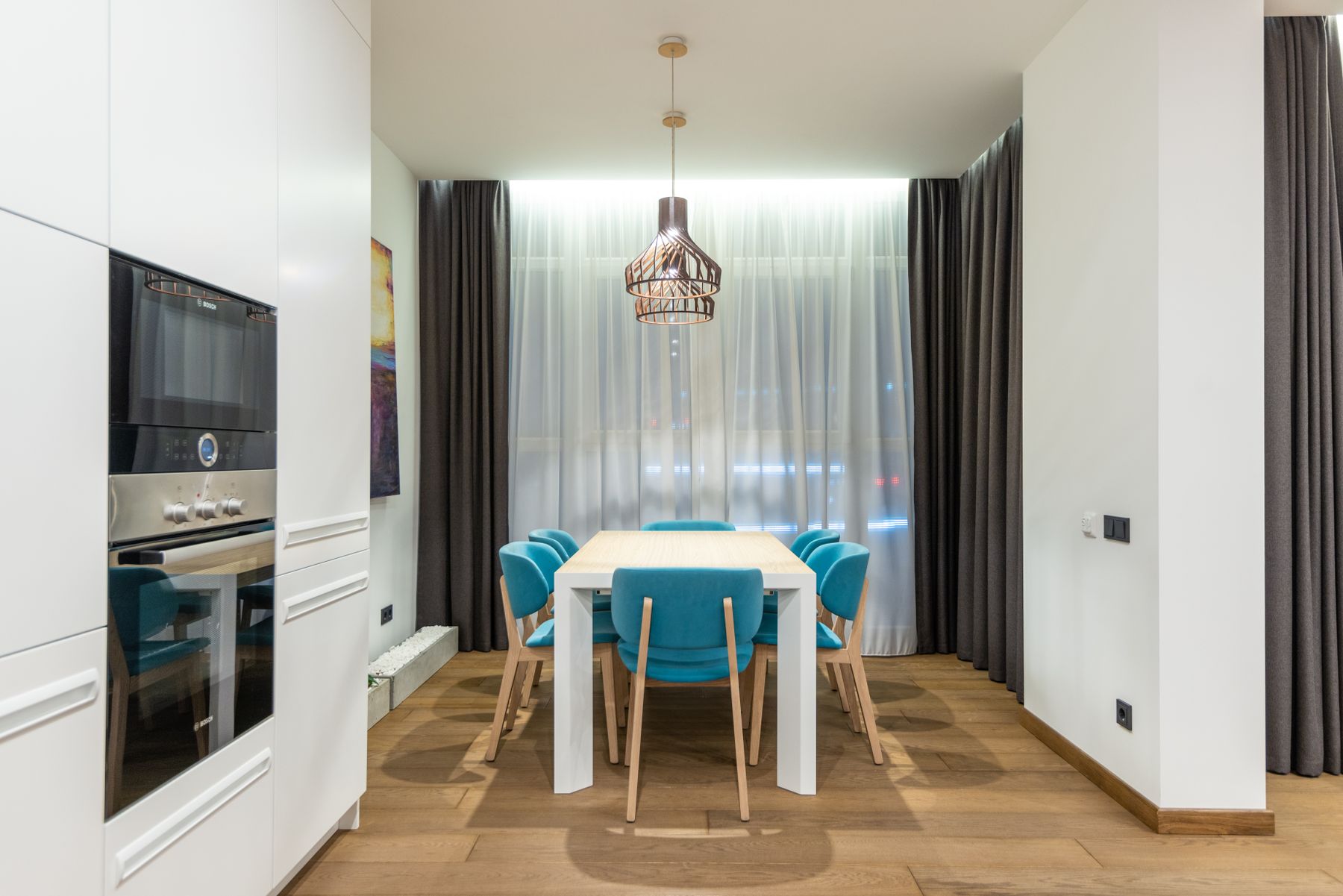
A curtain is most convincing when it solves a window condition as well as adding softness. Check how the window opens, where the handle travels, whether a radiator or vent sits below, how close the fabric comes to sink splash or cooking, and what privacy is needed by day and after dark. Full-length panels may suit a dining window set away from the work run; a sink window may call for a shorter, more controlled treatment or no fabric at all. Follow product, appliance and building guidance around heat and ventilation rather than relying on a decorative photograph. Test how the fabric stacks when open so it does not steal the useful glass or brush a chair. The unresolved sightline and laundry questions deserve more attention than a conventional half-window proportion; a kitchen window treatment is part of the room's operation.
Counter Stool, Banquette or Dining Chair?
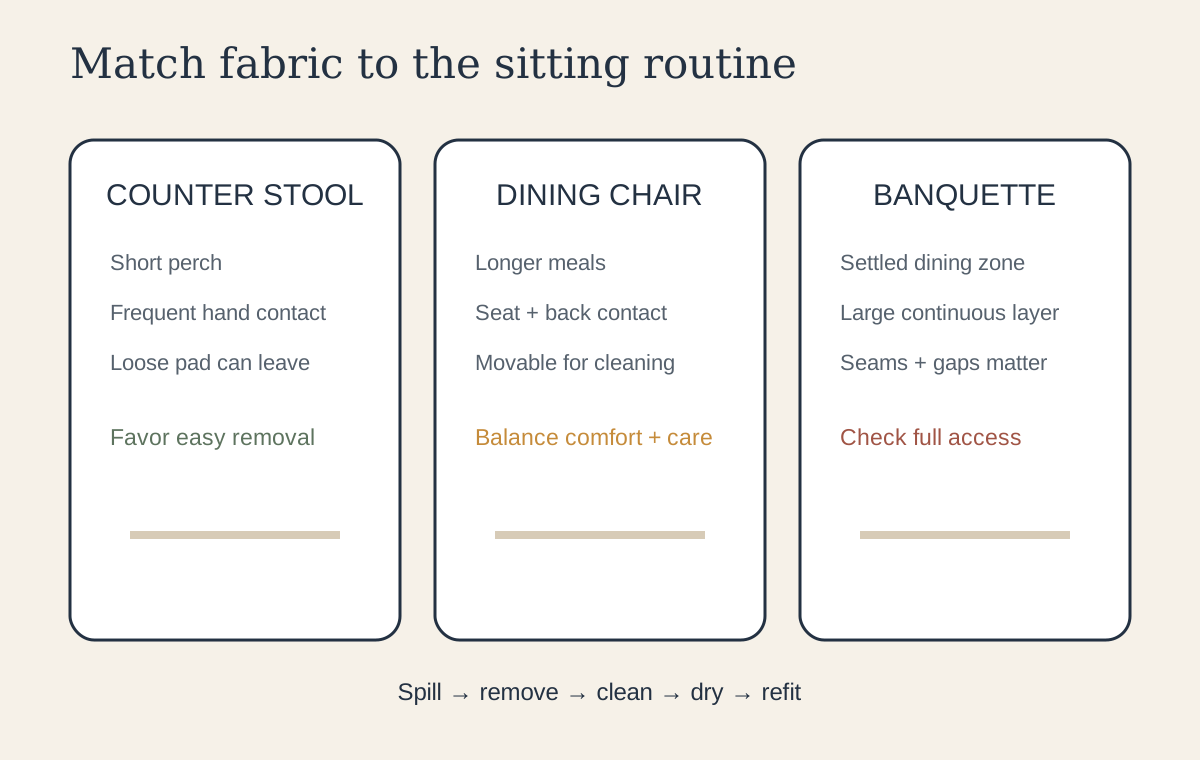
Upholstery should follow the sitting routine rather than a general desire to make the room cozy. A short coffee perch may need only a shaped seat or replaceable pad. Regular meals benefit from supportive chairs whose upholstery can be maintained around food and frequent handling. A banquette introduces more continuous softness and can make a dining corner feel settled, but fixed seats, deep seams and inaccessible gaps can turn crumbs and spills into a maintenance problem. Compare removable covers, care instructions, seam placement, color variation and access beneath the seat before comparing silhouettes. If the household cannot clean or replace the textile layer independently, a timber or wipeable chair with a loose pad may be the stronger choice. The [counter-seating guide](/kitchen/kitchen-counter-seating-ideas/) covers body clearance; here the decision is how much fabric that sitting duration can support.
The Rug Needs an Endpoint and a Cleaning Route
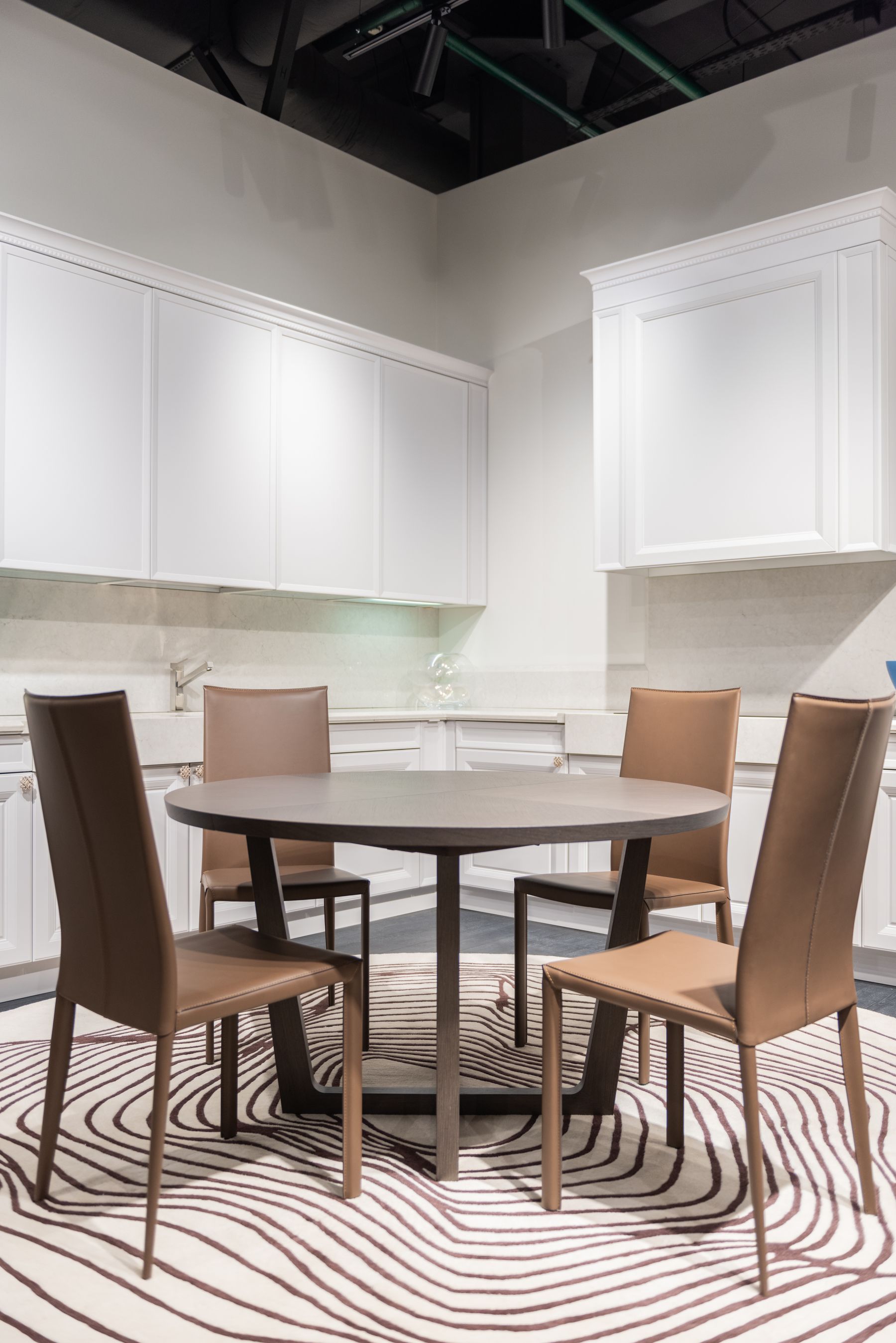
Decide whether the rug belongs to dining, a long galley run or a threshold; do not let one piece attempt all three jobs. Under a table, judge the footprint with chairs pulled out and crumbs being collected, not with every chair tucked in. In a work aisle, map door swings, rolling carts, changes in floor level and the route from sink to cooker. Follow the rug maker's care, backing and placement guidance, and address movement with a method suitable for both rug and floor; no generic pad makes every surface or kitchen safe. A useful endpoint is visible and intentional: it aligns with the dining zone or stops before an appliance conflict instead of fading beneath unrelated cabinetry. If cleaning the rug blocks the entire kitchen or the edges repeatedly migrate, a smaller washable layer—or bare floor—may be the more comfortable result.
Working Linen Should Be Allowed to Look Used
Tea towels, napkins, table runners and oven textiles occupy different working roles, so decorative matching should come after function. Keep hand-drying separate from food or cleaning tasks according to the household's hygiene routine, follow the care and heat-use instructions for the product, and give damp items a place to dry without draping them over cabinet doors or appliance handles by default. A table runner can protect or visually anchor a dining surface, but a permanent layer under condiments and crumbs may add one more object to move at every wipe. Select a small family of textiles that can share a wash load and tolerate visible use rather than preserving special pieces for the photograph. Color and pattern are useful when they help distinguish roles; uniformity is not a virtue if nobody can tell which cloth belongs to which task.
Softness Can Change the Room Without Becoming an Acoustic Claim
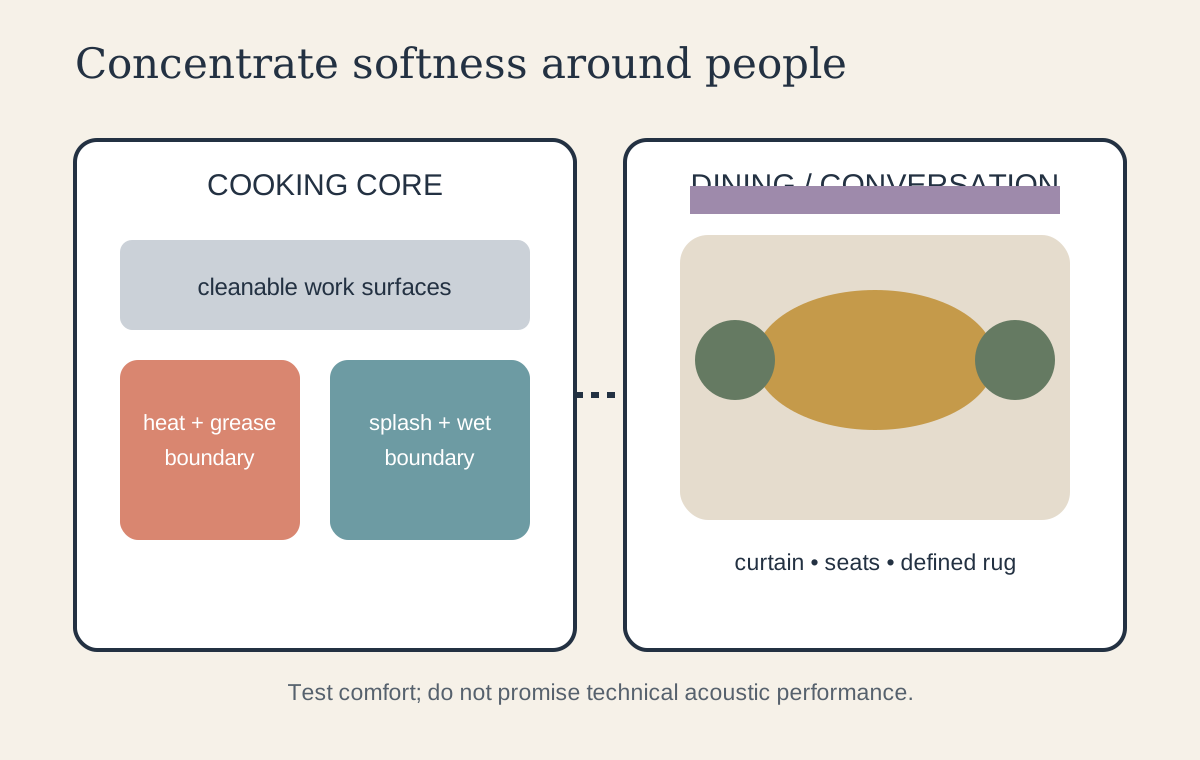
Hard floors, cabinet fronts, stone and glass can make a kitchen feel visually and sonically lively. Curtains, upholstered seats and a rug may change how the room responds, particularly around a dining group, but ordinary decor is not a guaranteed acoustic treatment and should not be sold as one. Begin with the behavior you want to improve: a dining corner that feels exposed, chair noise on a hard floor, or an open-plan edge that lacks a sense of enclosure. Then add one useful textile layer and listen at the time the room is normally busiest. Keep the active cooking core easy to clean rather than surrounding it with absorbent surfaces in pursuit of quiet. If reverberation or noise is a serious building or accessibility issue, decorative adjustment is not a substitute for appropriate specialist advice.

Across an Open Plan, Repeat the Textile Logic—Not the Set
An open kitchen does not need the same curtain, chair fabric and cushions repeated through the living area. Choose one relationship that can cross the boundary: a similar weave scale, a repeated warm or cool undertone, or a restrained pattern family. Then vary the application according to use. The kitchen-facing chair may need a practical removable cover, while a distant living-room cushion can be more delicate. A window treatment can carry the shared color at a larger scale; dining upholstery can repeat it in a denser, more maintainable form. This gives the room continuity without making the textiles look purchased as a set. The [grey kitchen guide](/kitchen/grey-kitchen-ideas/) shows how removable layers can tune temperature after fixed finishes are installed; here the same principle connects activities as well as color.
Can the Textile Complete Its Wash–Dry–Return Cycle?
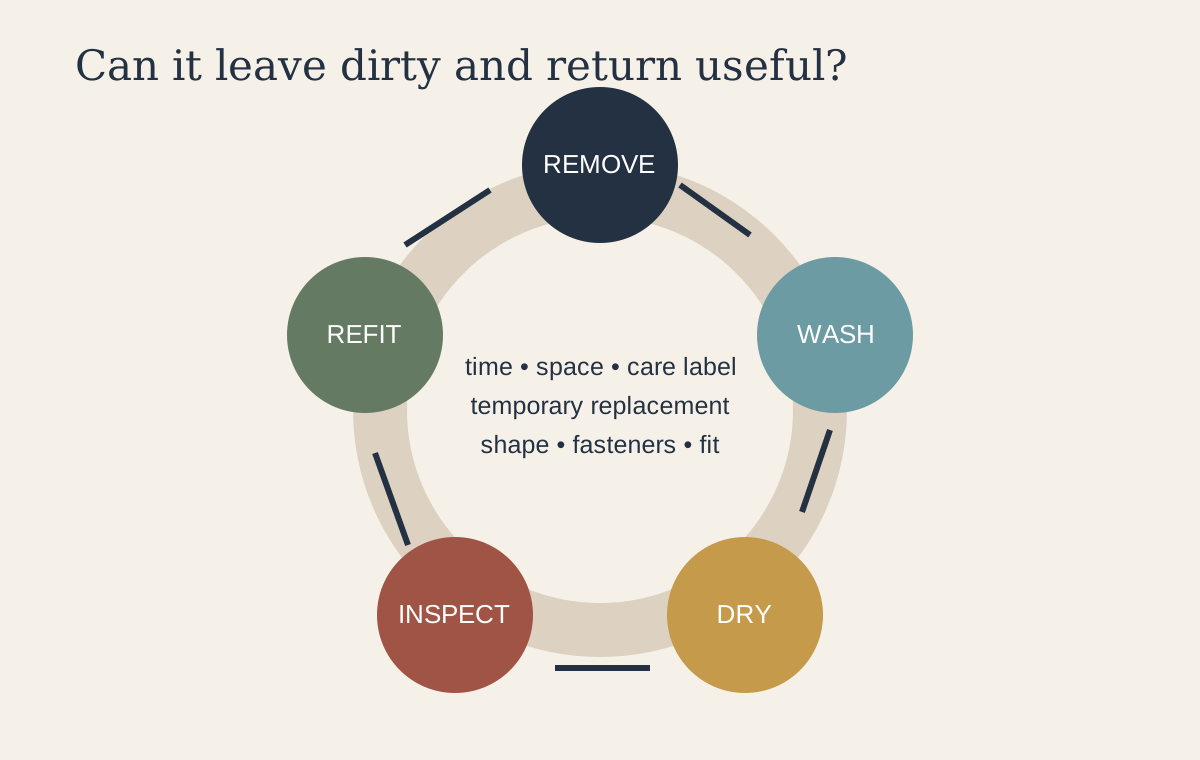
Before buying, follow the full care sequence in your head. Can the cover or panel be removed without dismantling furniture? Does the care label suit the equipment and routine available? Where will a large curtain, rug or padded cover dry, and what serves the room while it is away? Will the textile need reshaping, ironing or careful refitting that the household is unlikely to repeat? Keep spare working cloths where rapid turnover matters, but do not buy duplicate decorative sets merely to avoid confronting an impractical care cycle. Inspect seams, backing, fasteners and fit each time the item returns. A soft-furnished kitchen succeeds when fabric can leave the room dirty and come back useful; if it must remain permanently pristine or permanently in place, the hard surface may be the more honest design.