Spend the First Luxury Budget on Proportion
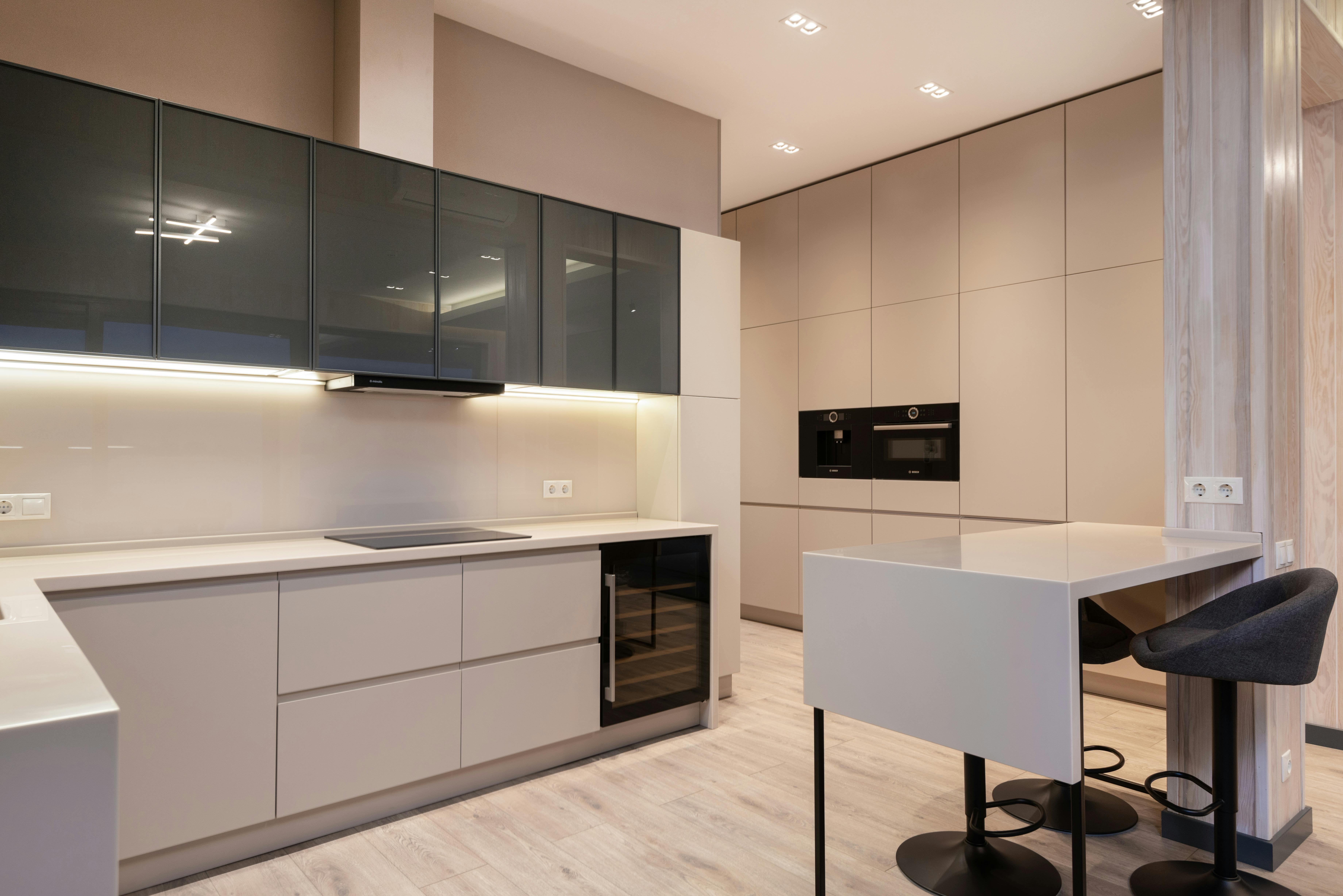
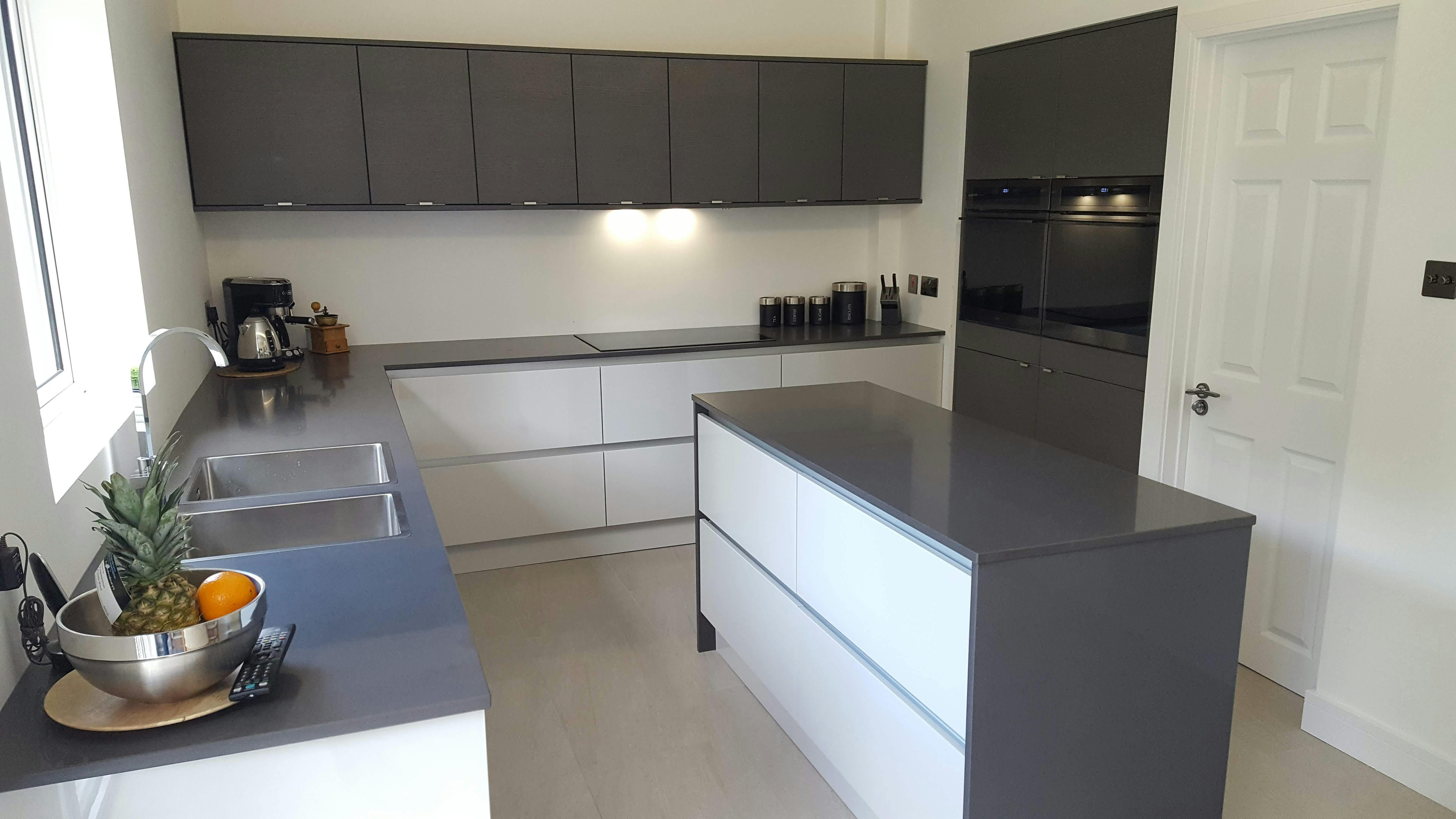
The most expensive material cannot correct an island that is too large, a cabinet wall that feels top-heavy or a room with weak sightlines. Establish the major volumes, clearances and visible wall before specifying stone, hardware or appliances. Luxury begins when the room feels inevitable from the doorway and comfortable at the work surface, not when the specification list becomes longer.
Select Stone at Slab Scale, Not Sample Scale
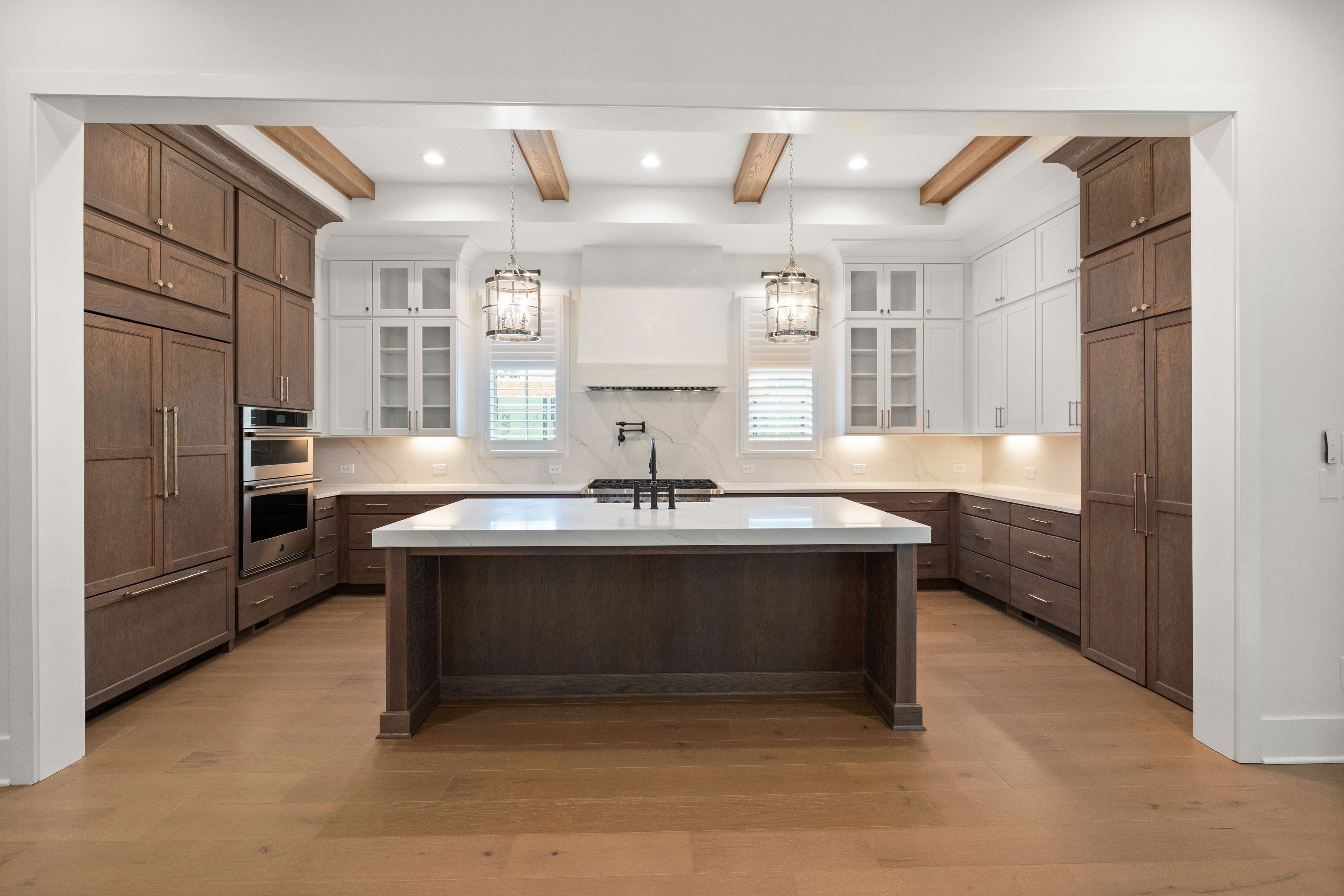
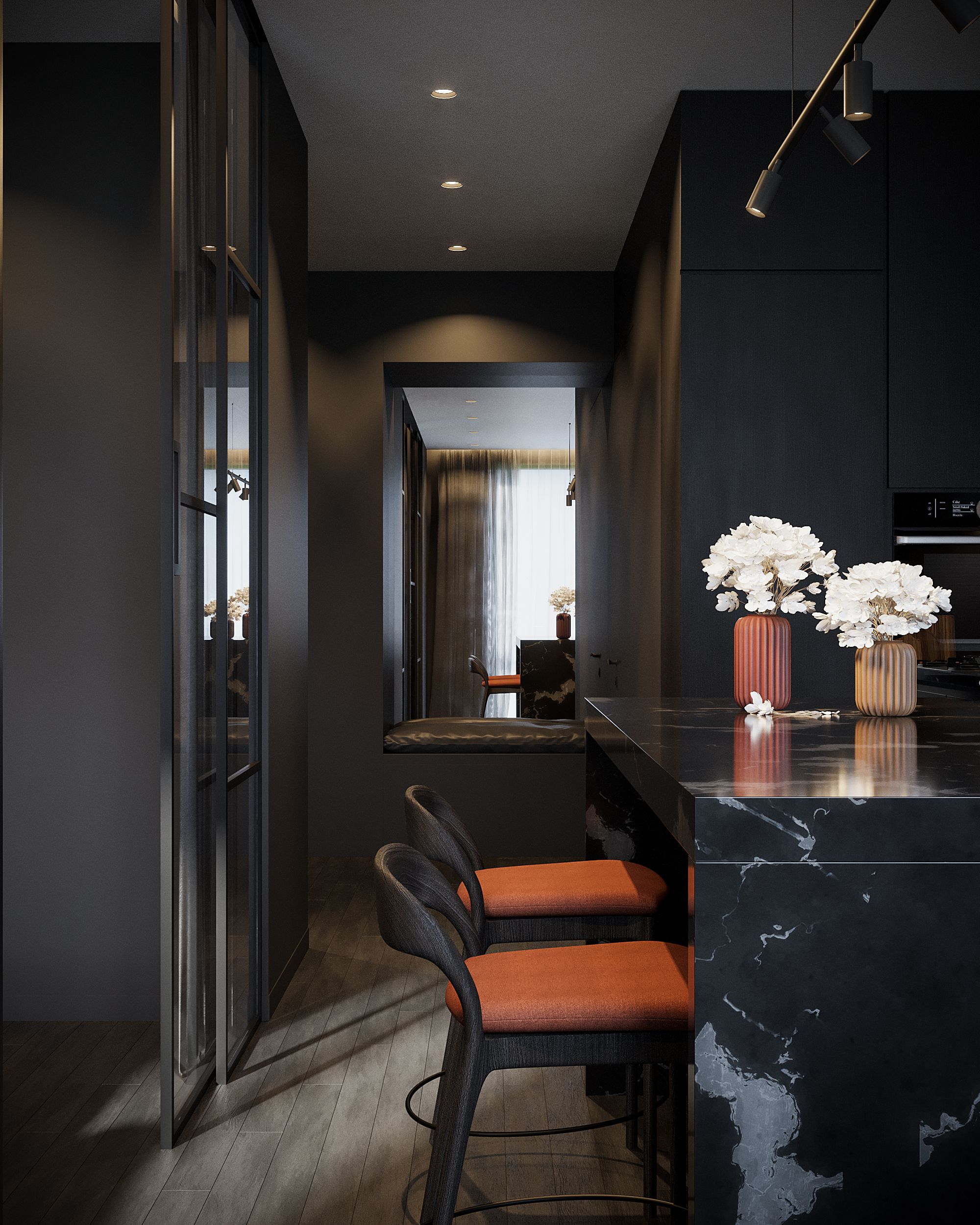
Highly figured marble, quartzite or another expressive material should be selected as a whole composition. Vein direction, bookmatching, seam placement and which area of the slab lands on the island can change the room more than the stone name. Give one surface the strongest movement and keep nearby planes quieter so the material can be read properly.
Judge Cabinetry by Repetition, Reveals and Edge Quality
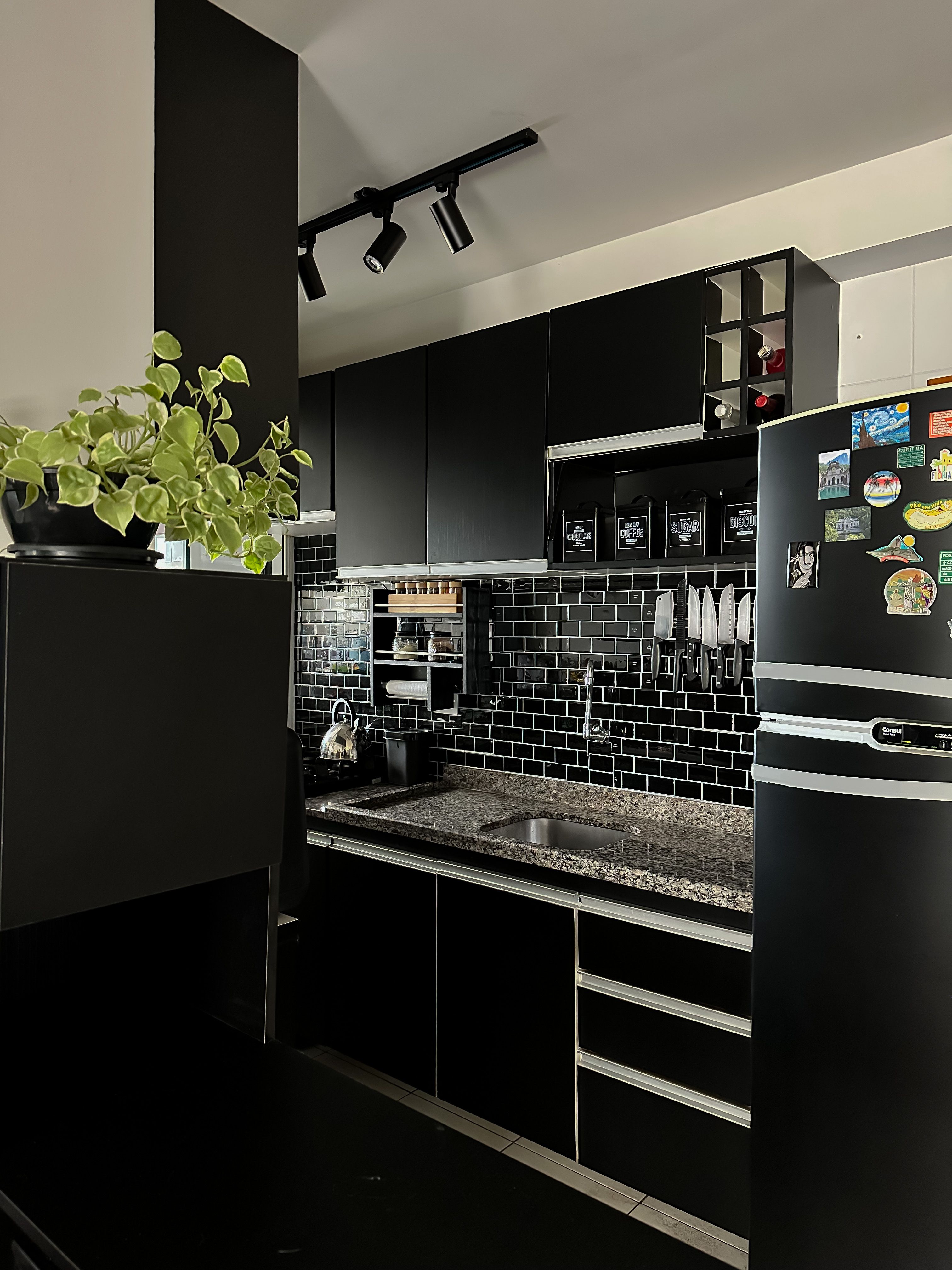
Luxury cabinetry is experienced as hundreds of repeated lines and touch points. Finish depth matters, but so do consistent gaps, aligned doors, clean corners and the way panels terminate against walls and appliances. A simple lacquer or veneer can feel exceptional when those repeated details are precise.
Specify the Veneer Sequence, Not Just the Species
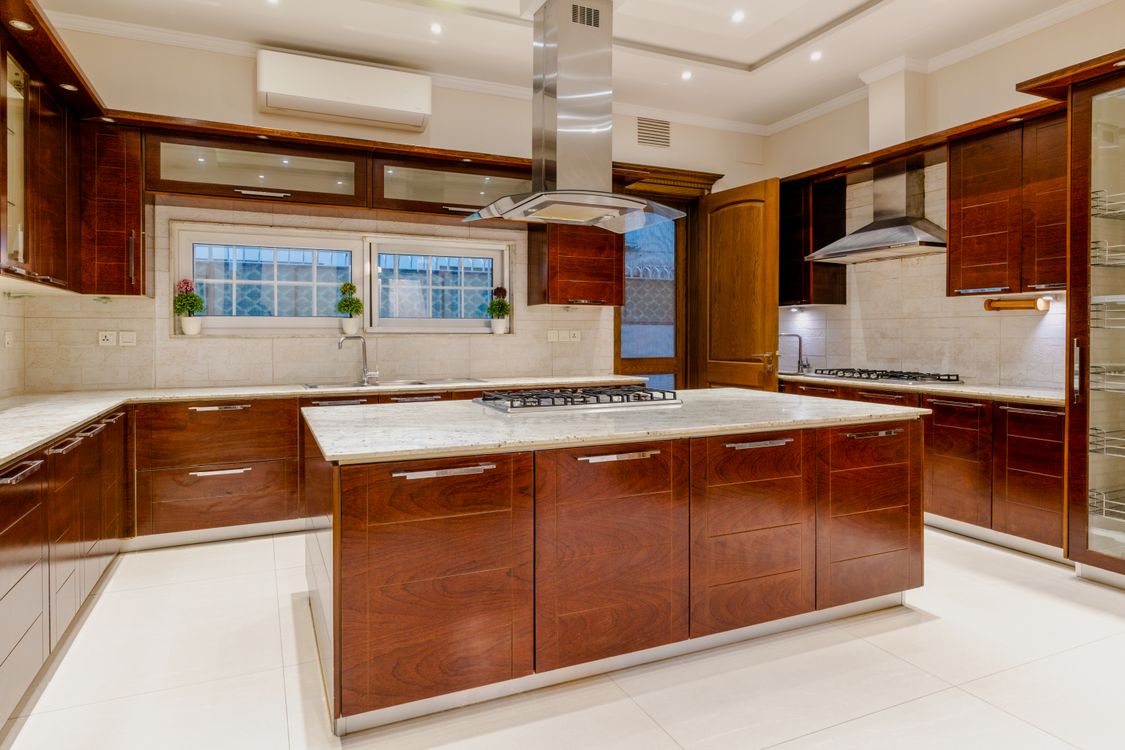
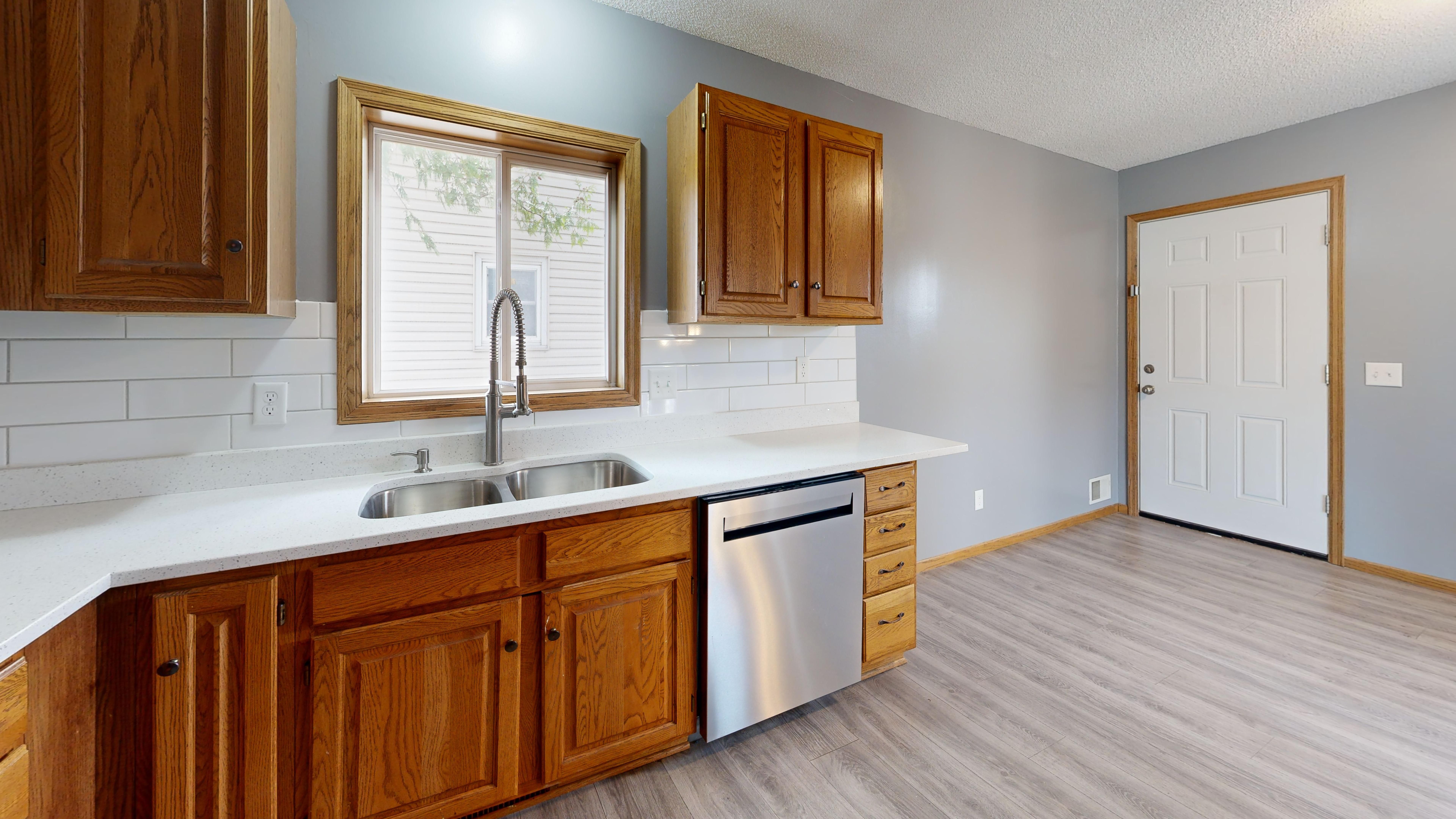
Walnut or oak alone does not guarantee a refined timber elevation. Grain direction, leaf matching and the transition across adjacent doors determine whether a large cabinet wall reads as furniture or as unrelated wood panels. Decide where continuity matters and where a deliberate break is acceptable before fabrication.
Design the Island From Its Perimeter Inward
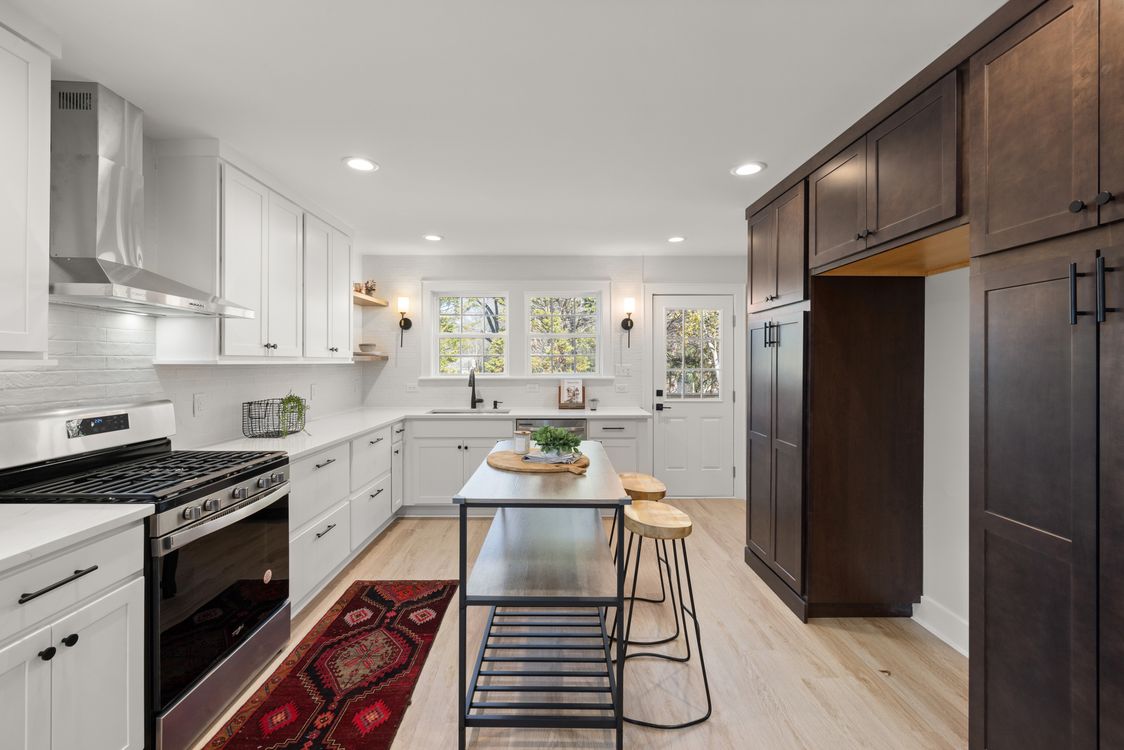
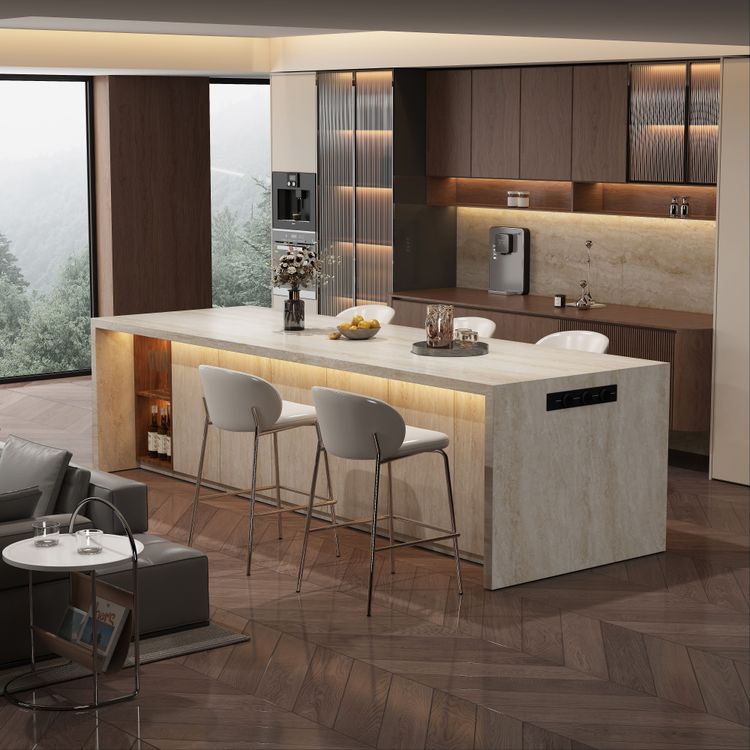
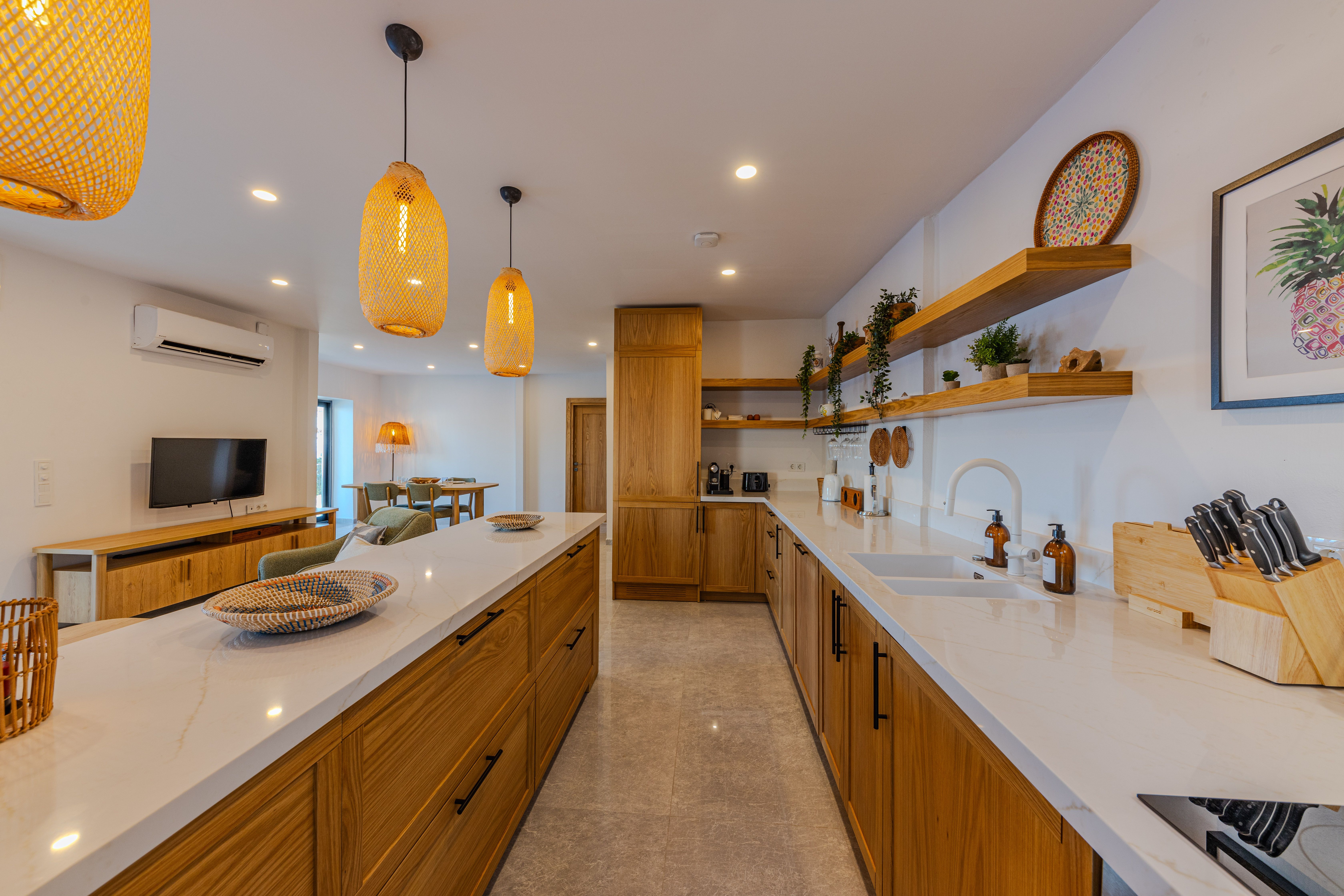
A large island affects circulation on every side, so its luxury lies in how well those edges work: seating clearance, landing space, appliance access, serving and the relationship to the adjoining room. Only after those perimeter conditions are resolved should the central storage and decorative treatment determine the final mass.
Plan Serviceability as Part of Integration
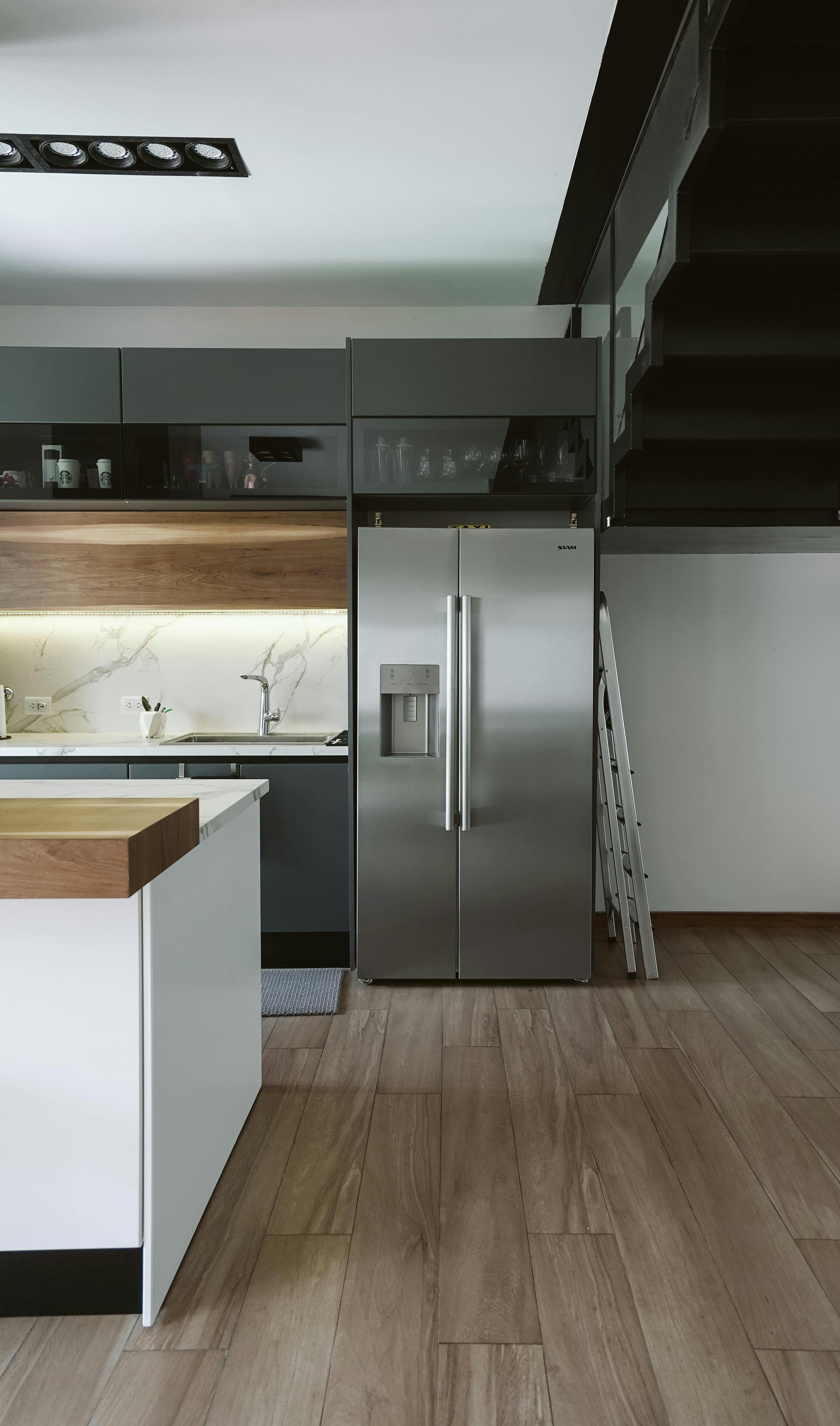
Panel-ready refrigeration and concealed extraction can create visual calm, but true integration includes ventilation, door swing, replacement tolerance and future access. A perfectly flush appliance that is difficult to service is not a premium solution. Coordinate technical requirements with cabinet divisions before the elevation is locked.
Light the Material for the Way It Reflects
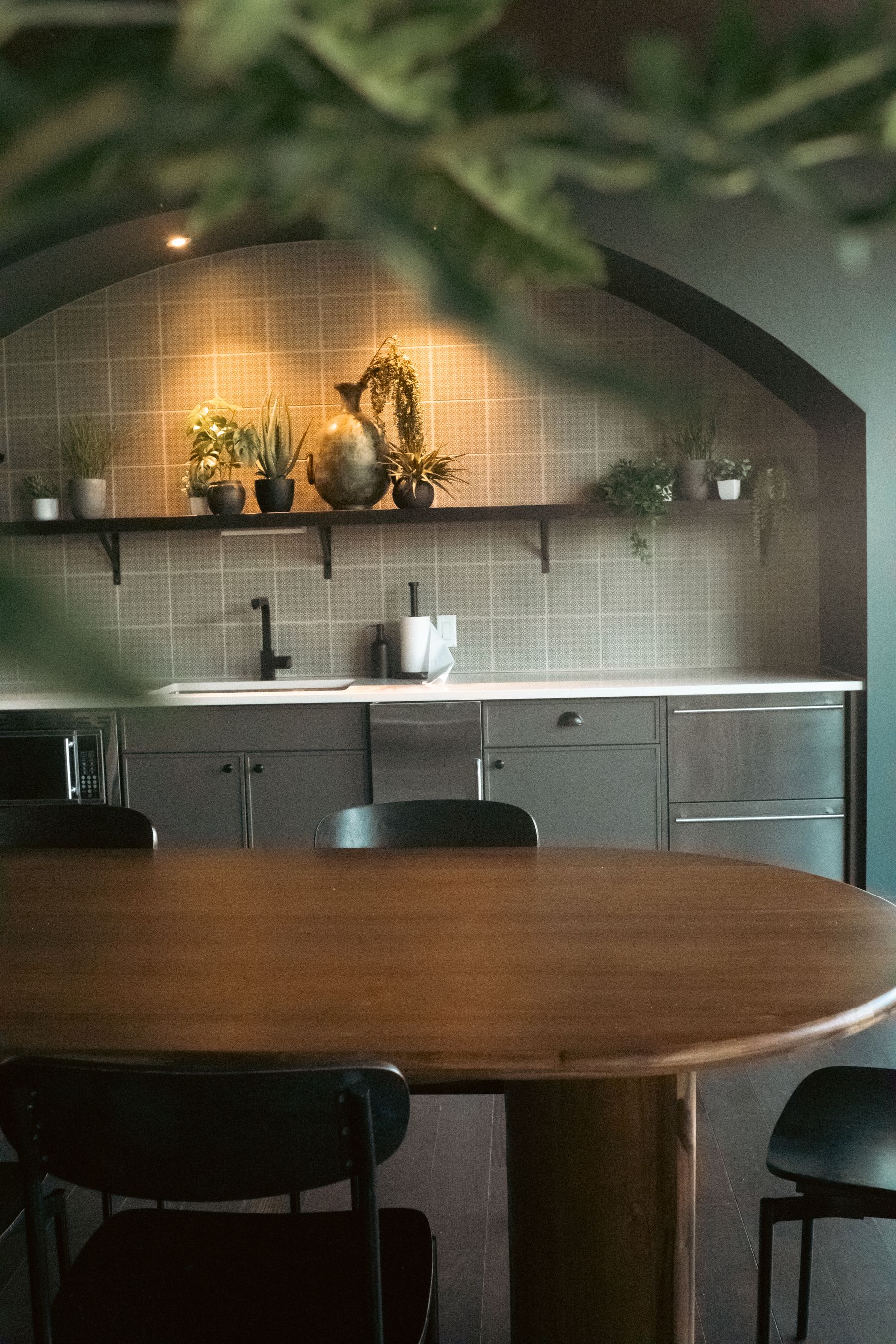
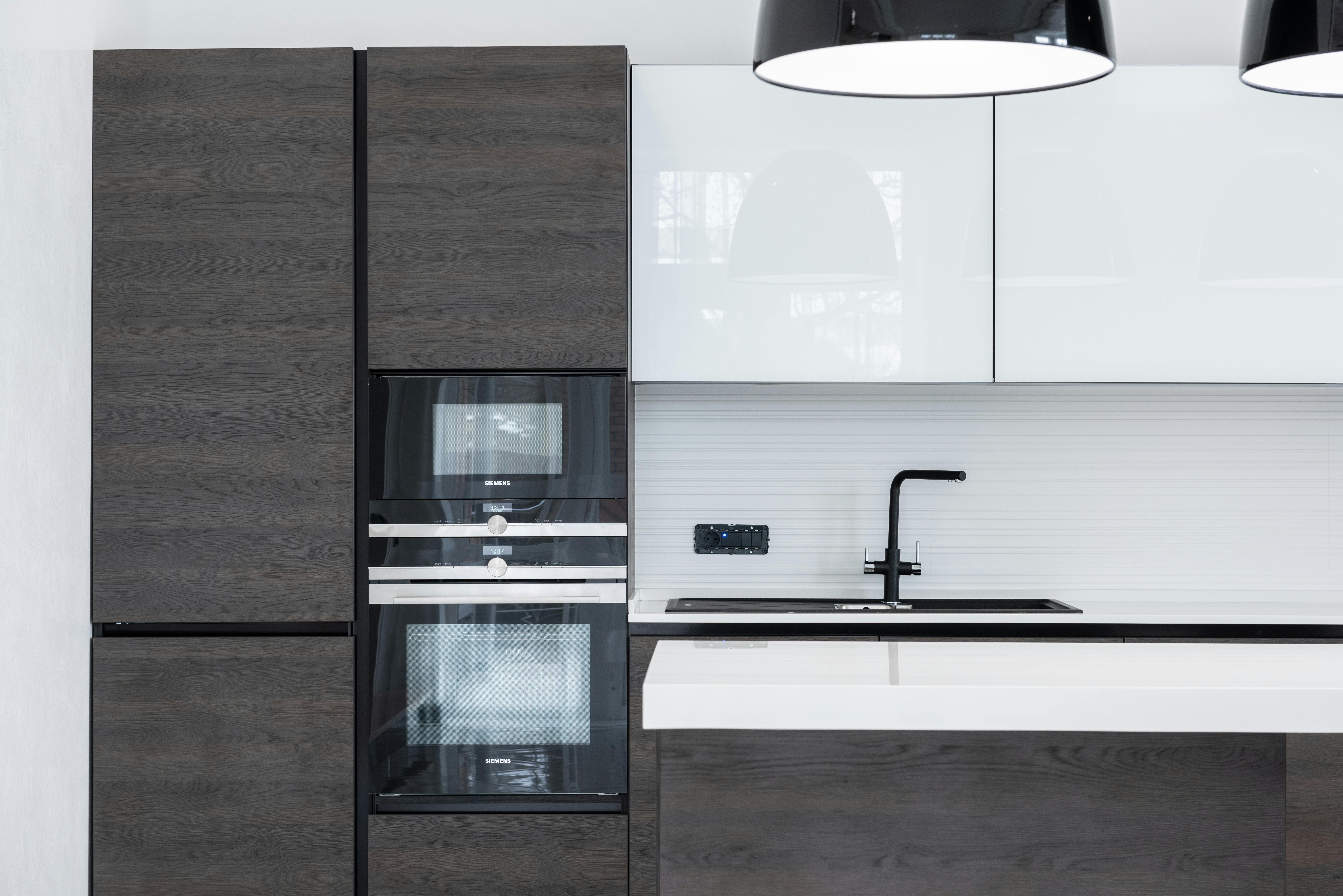
Honed stone, polished metal, lacquer and timber respond differently to light. Use task lighting for work, ambient light for comfort and selected grazing or concealed light where it reveals grain, veining or texture without glare. The luxury effect often comes from controlling reflection rather than simply increasing fixture count.
Use Metal Where Precision Is Visible to the Hand
Handles, faucet, trim and selected lighting details are places where the eye and hand register machining, weight and finish quality at close range. Use one dominant metal family and let those contact points carry the refinement rather than adding decorative metal across large areas.
Treat Seating Comfort as Part of the Specification
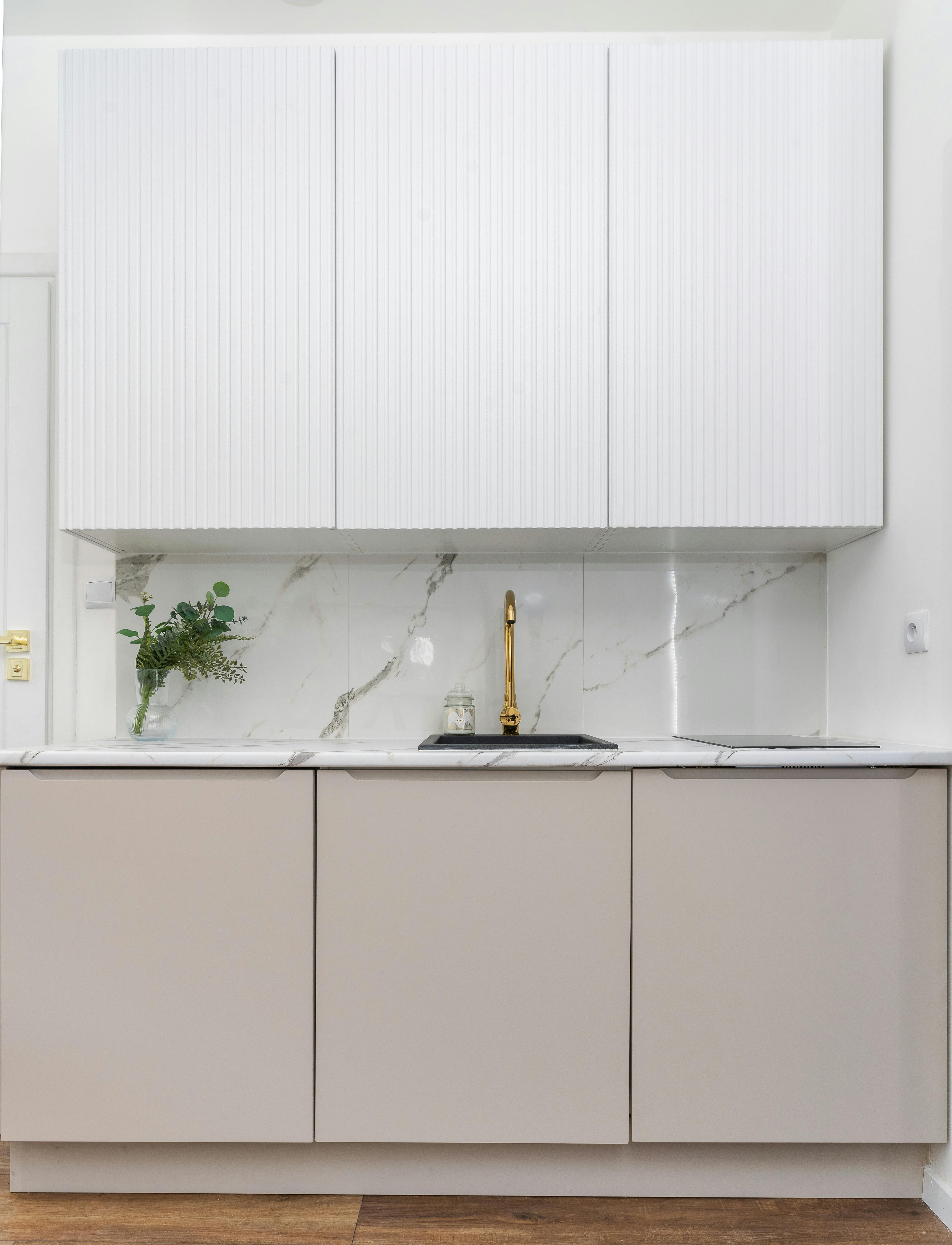
A premium kitchen that is uncomfortable to sit in is unresolved. Stool depth, foot support, table height, upholstery and clearance should be tested with the same seriousness as joinery. In open-plan rooms, seating also provides the tactile residential layer that balances stone, lacquer and metal.
Finish With a Value-of-Attention Audit
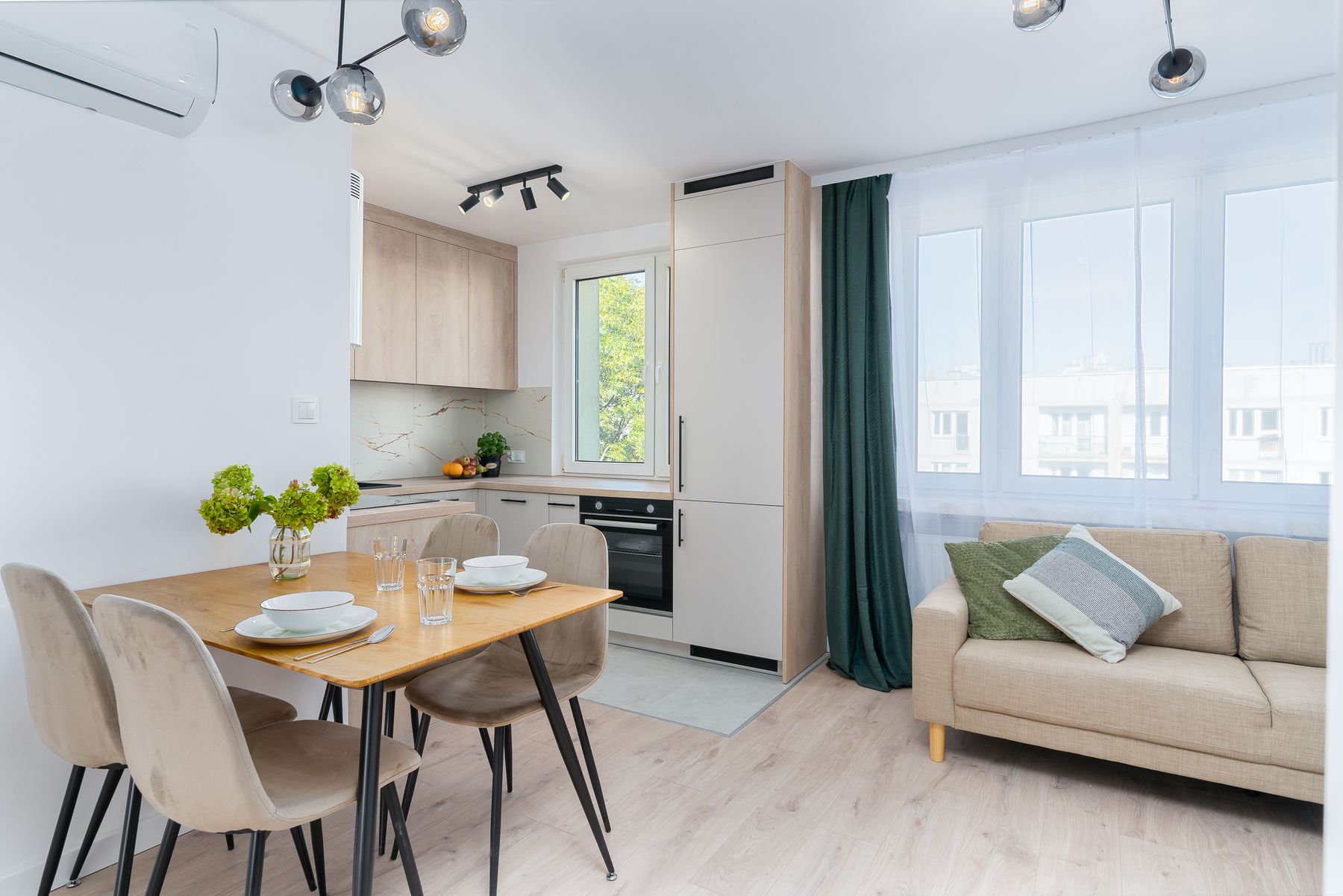
Premium materials need attention to justify their visual cost. Review the room and ask which three elements deserve to be noticed first. If expensive stone, timber, metal, lighting and appliances all compete at once, the specification is overspending attention. Simplify a plane or remove a statement so the strongest craftsmanship can actually be seen.