Build a Long-Life Base Before the Trend Layer
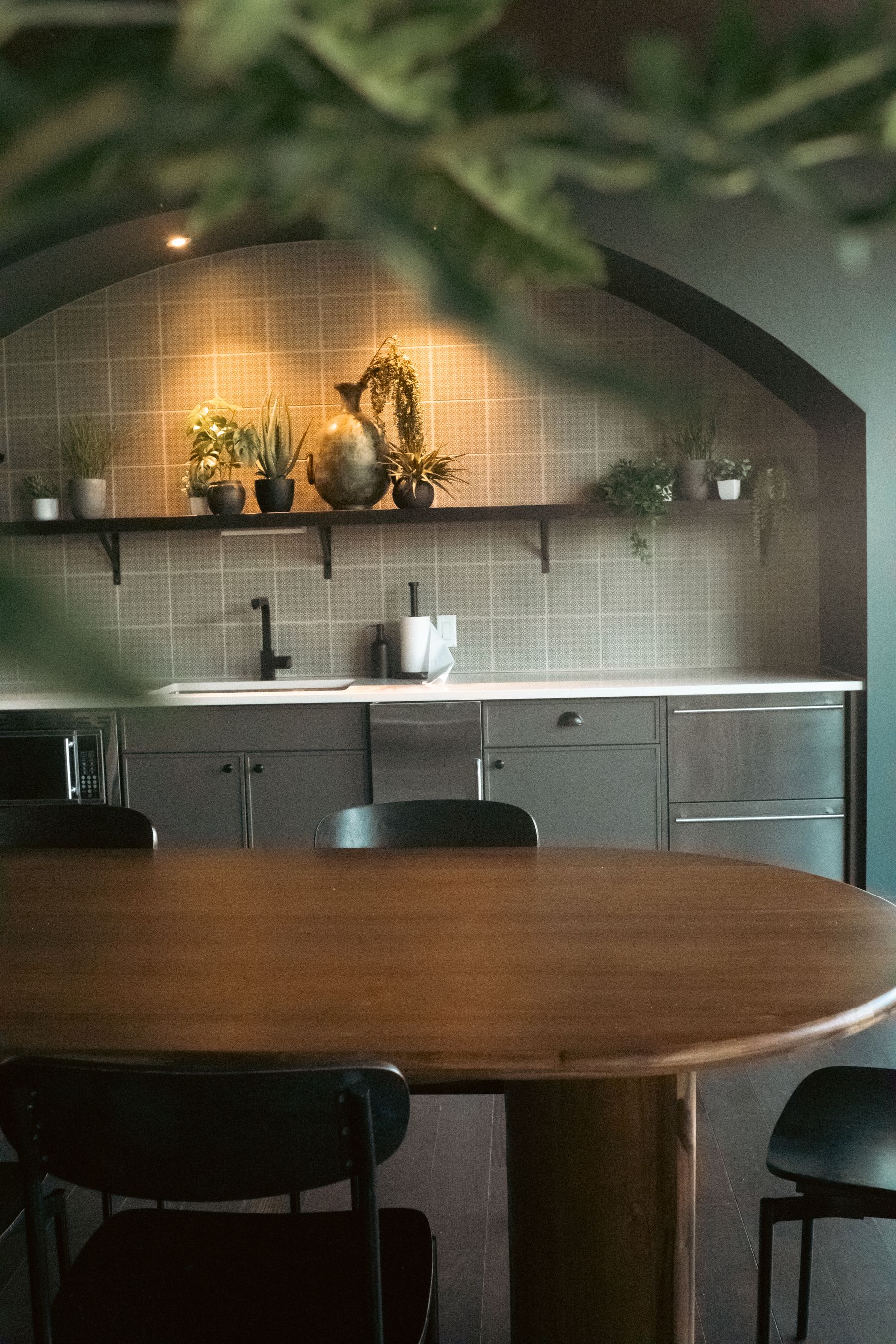
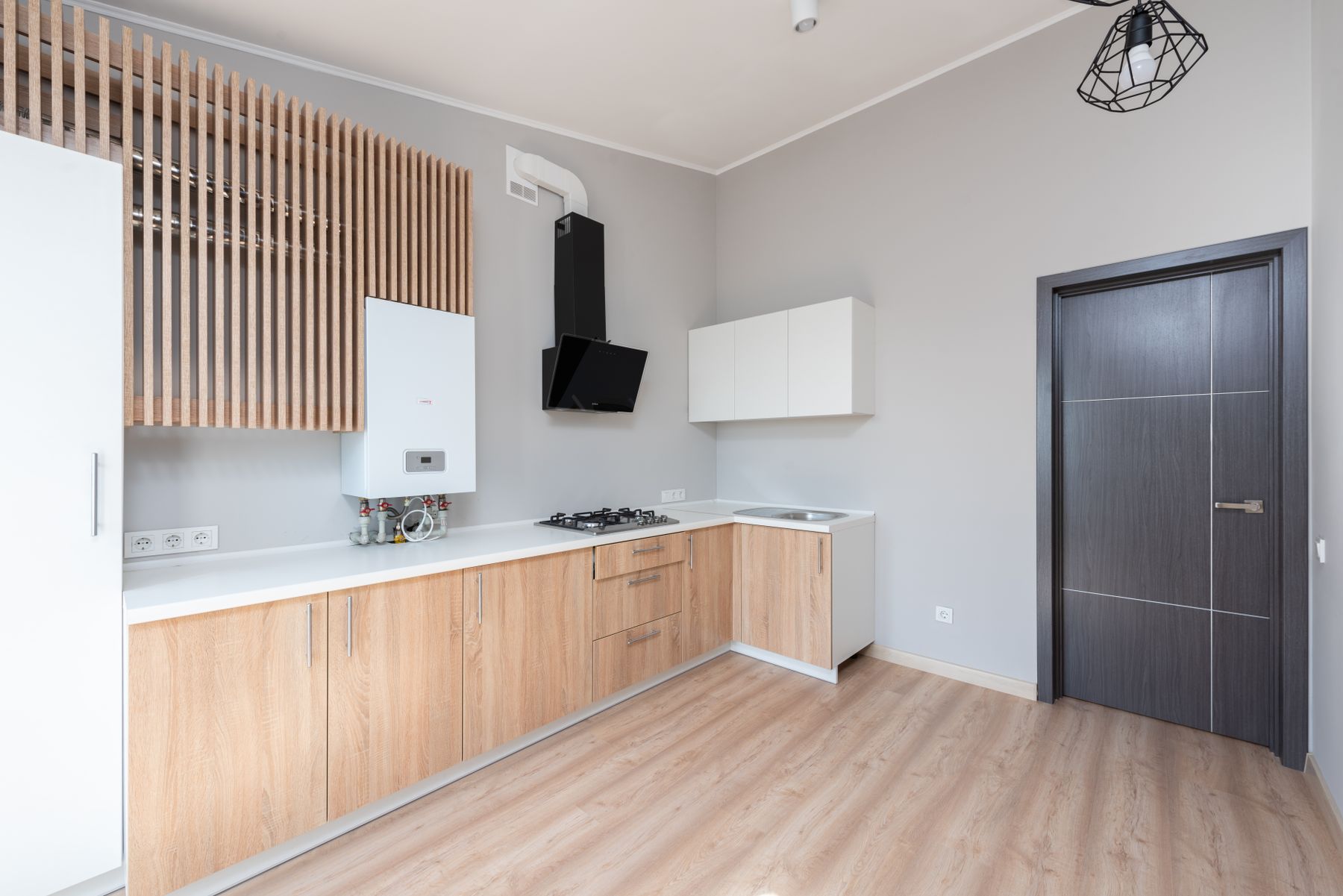
The permanent shell of a contemporary kitchen should be quieter than the parts intended to express the moment. Resolve cabinet widths, storage, circulation and the main work surfaces first, then decide where stronger color, lighting or furniture can introduce current character. This keeps the expensive work adaptable and prevents every trend from becoming part of the fixed architecture.
Choose One Focal Move That Deserves Attention
A contemporary kitchen benefits from one clear visual event: a dark island, saturated cabinet run, sculptural hood or strong stone surface. The point is not contrast for its own sake, but hierarchy. Decide what should be noticed first from the adjoining room and let nearby materials support that move instead of competing with it.

Give Statement Stone Enough Silence
Expressive stone, terrazzo or another highly patterned surface works best when it has room to be read. Keep adjacent cabinet profiles, backsplash decisions and hardware calmer so the material does not become one pattern among several. If the slab is visually strong, allow its direction, scale and edge condition to carry the detail rather than adding another decorative layer around it.

Make the Island a Social Object, Not Just a Work Block
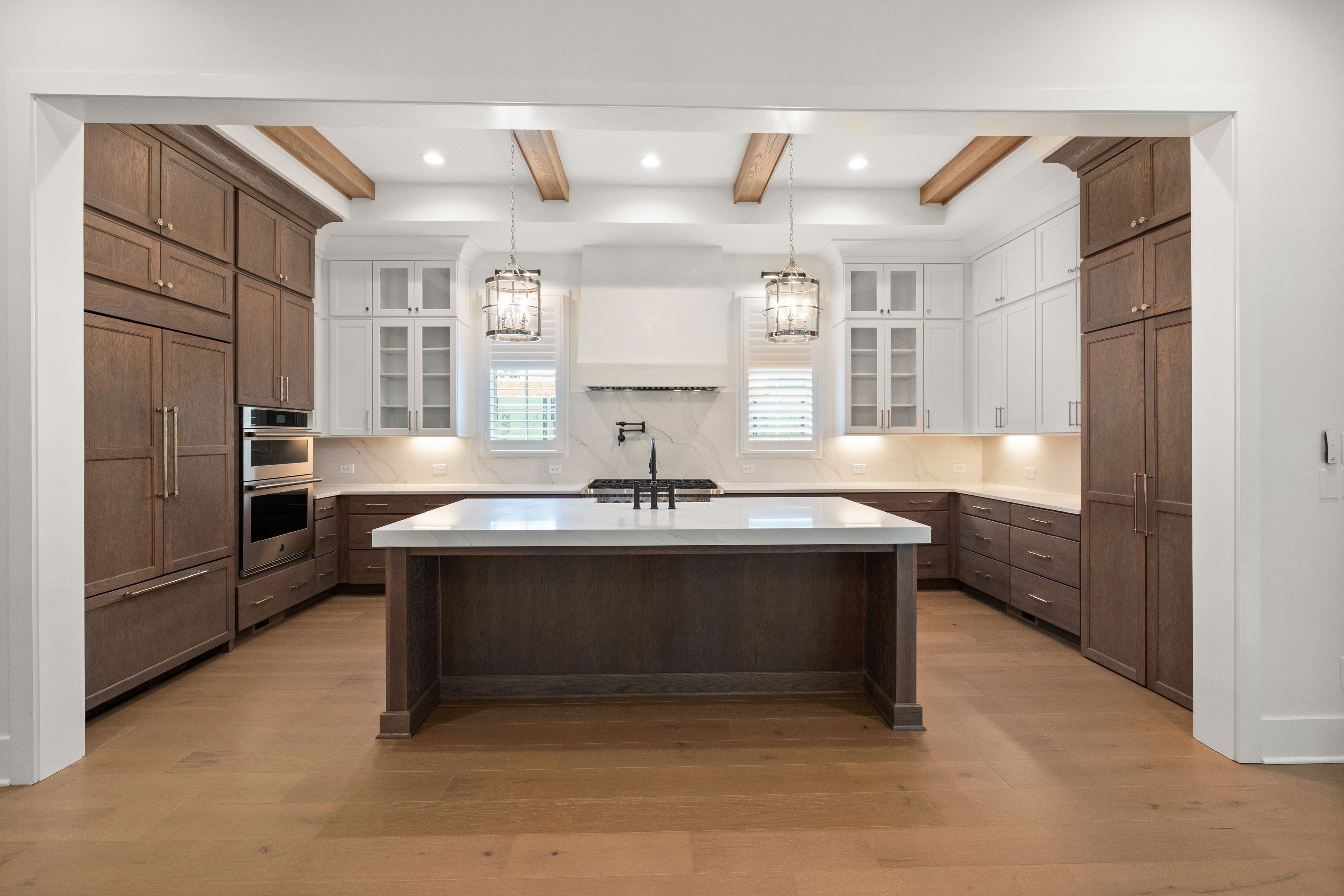
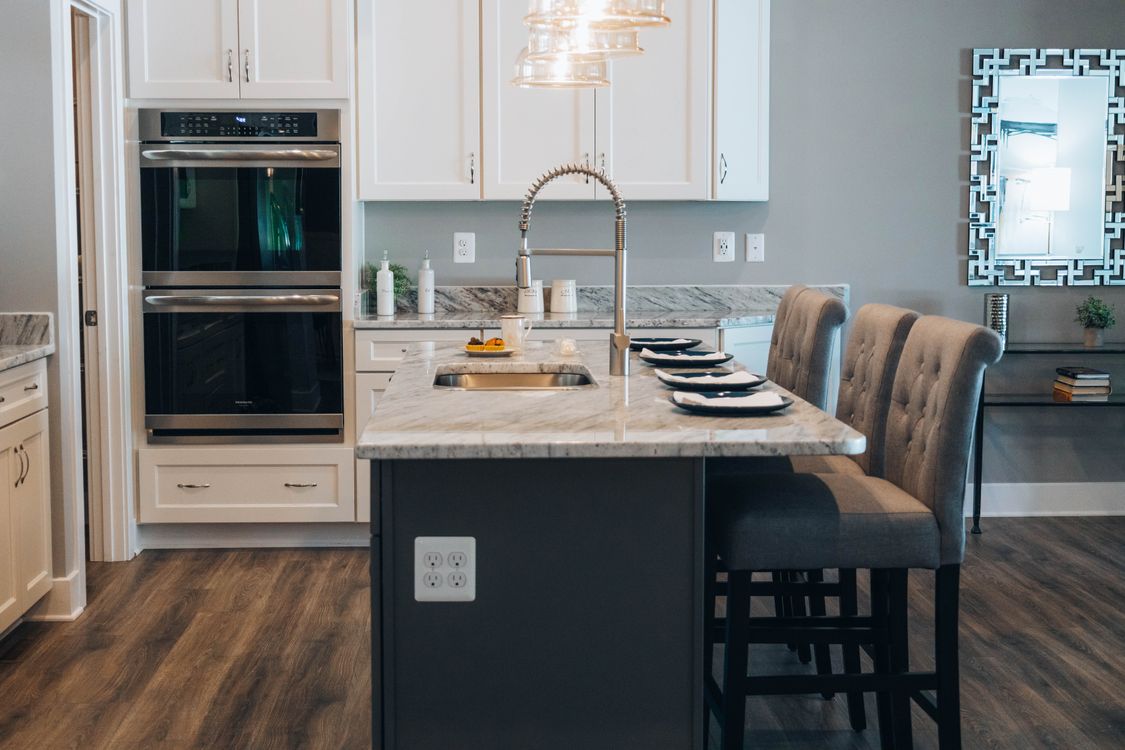
In many contemporary kitchens the island sits between cooking and living space, so it can behave more like furniture than a purely technical cabinet run. Plan where people face, where serving happens and whether a curved end, table extension or change of material improves the social side. The island should still work for preparation and storage, but its relationship to people can justify a more expressive form.
Let Furniture Carry Some of the Current Character
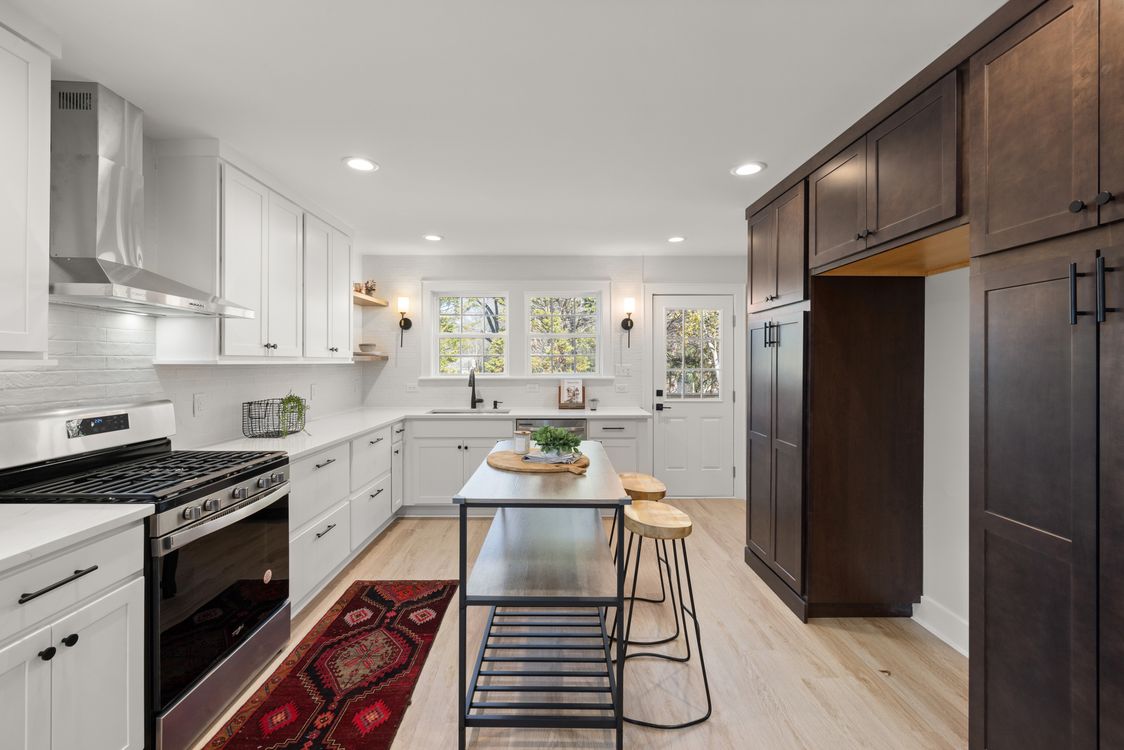
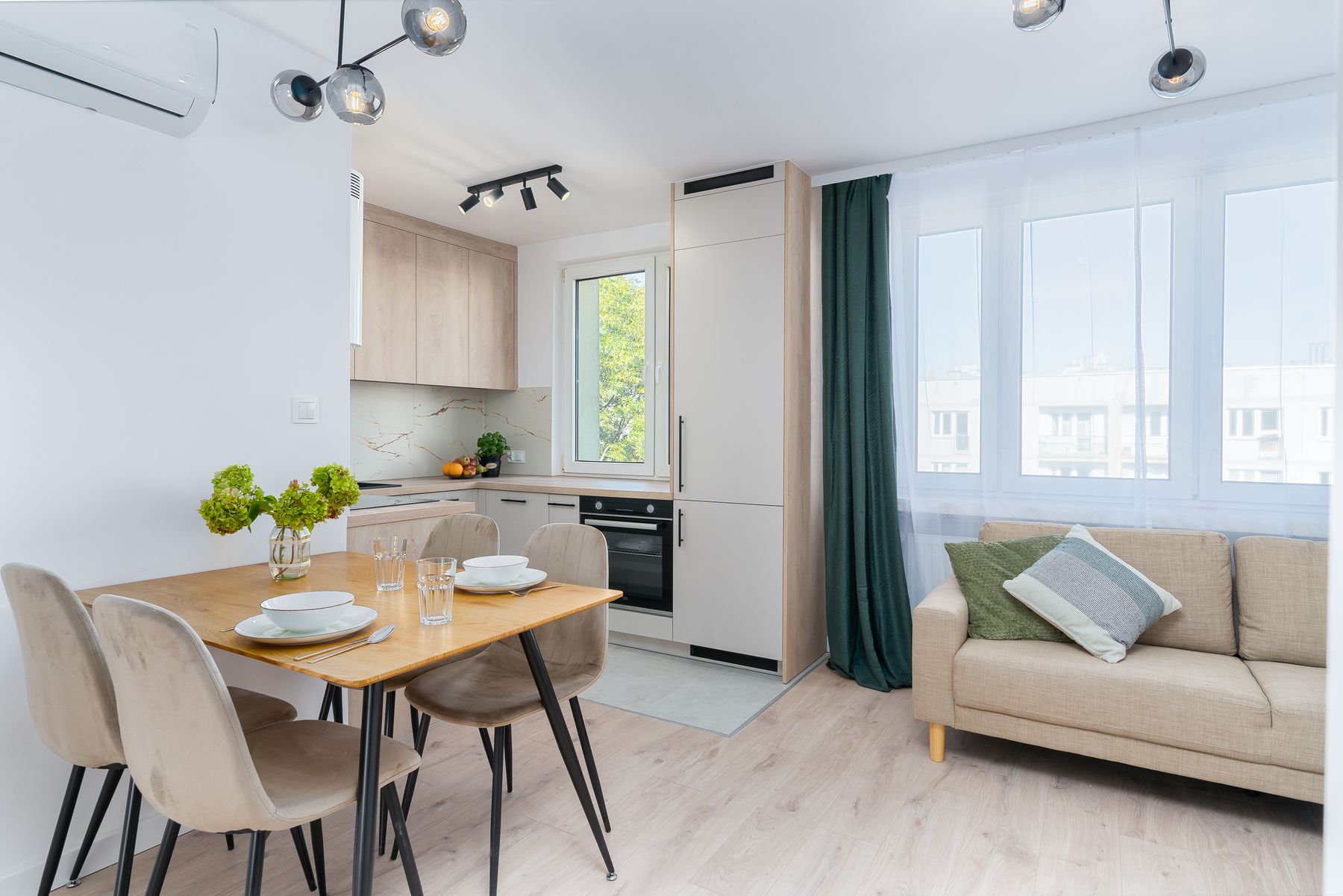
Dining chairs, stools and a compact table can introduce shape, upholstery or color without fixing those choices permanently into the cabinetry. This is one of the safest places to let contemporary design feel more current. A sculptural chair or rounded table can change the room's character while the architectural base remains quieter.
Use Lighting as Both Equipment and Object
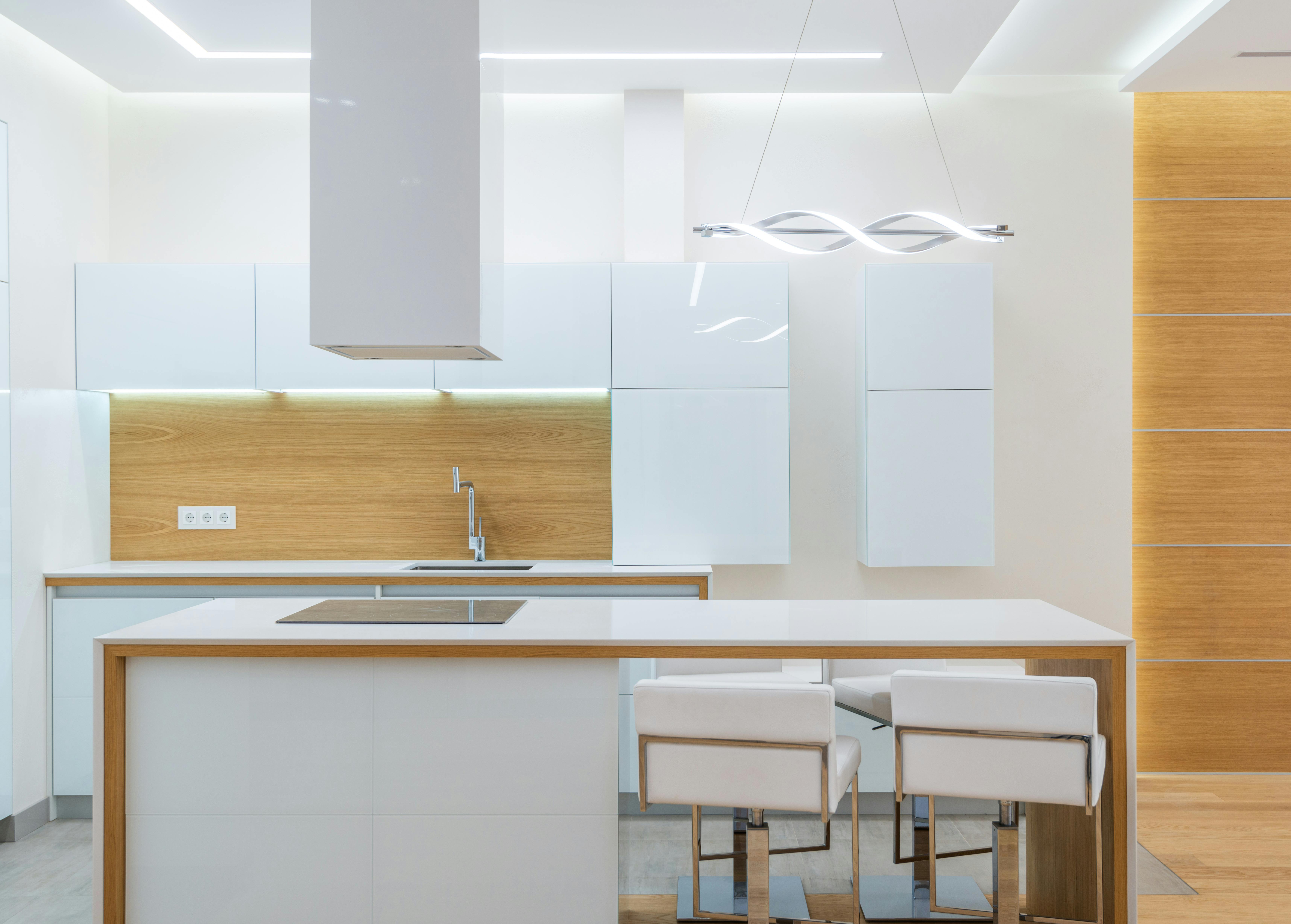
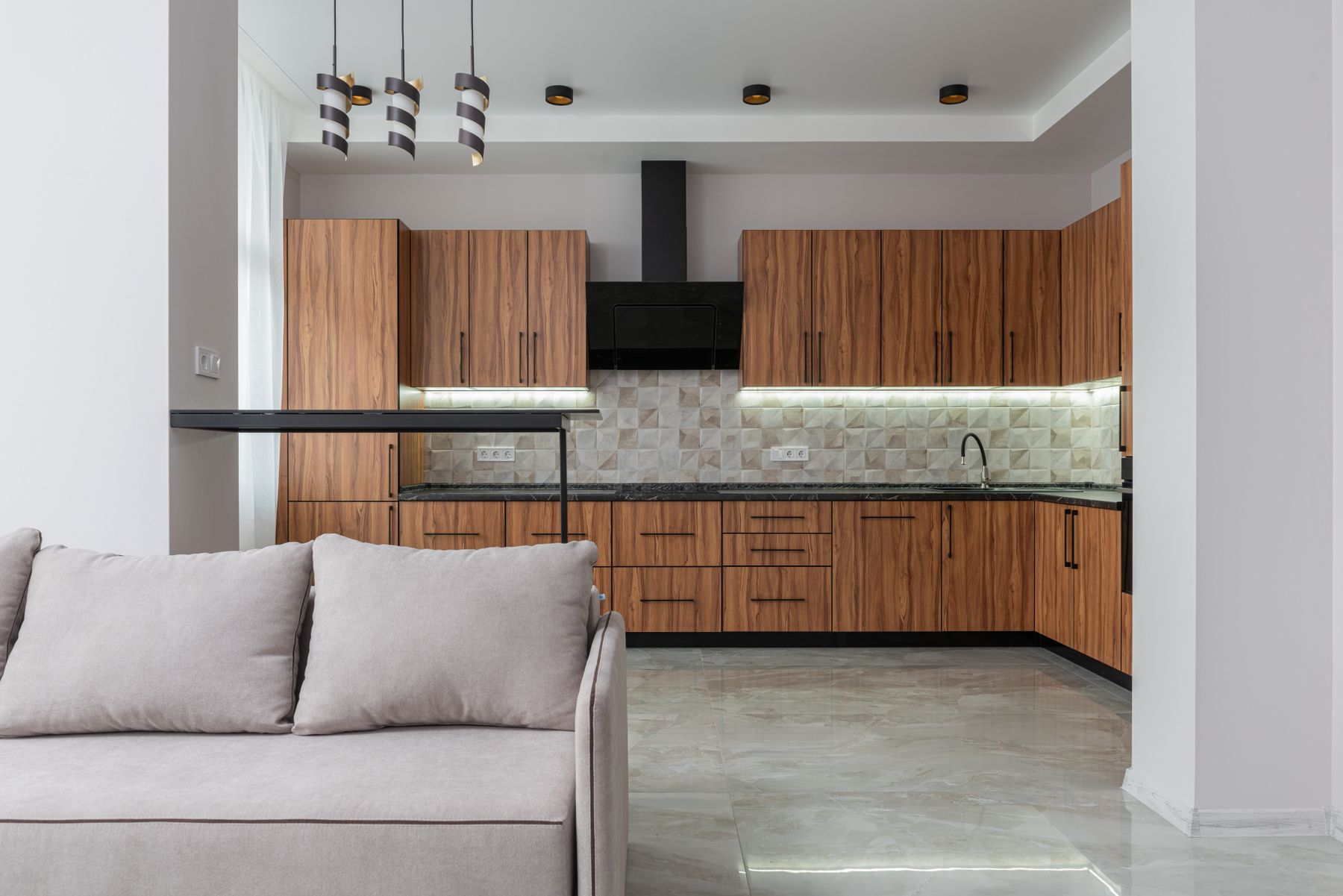
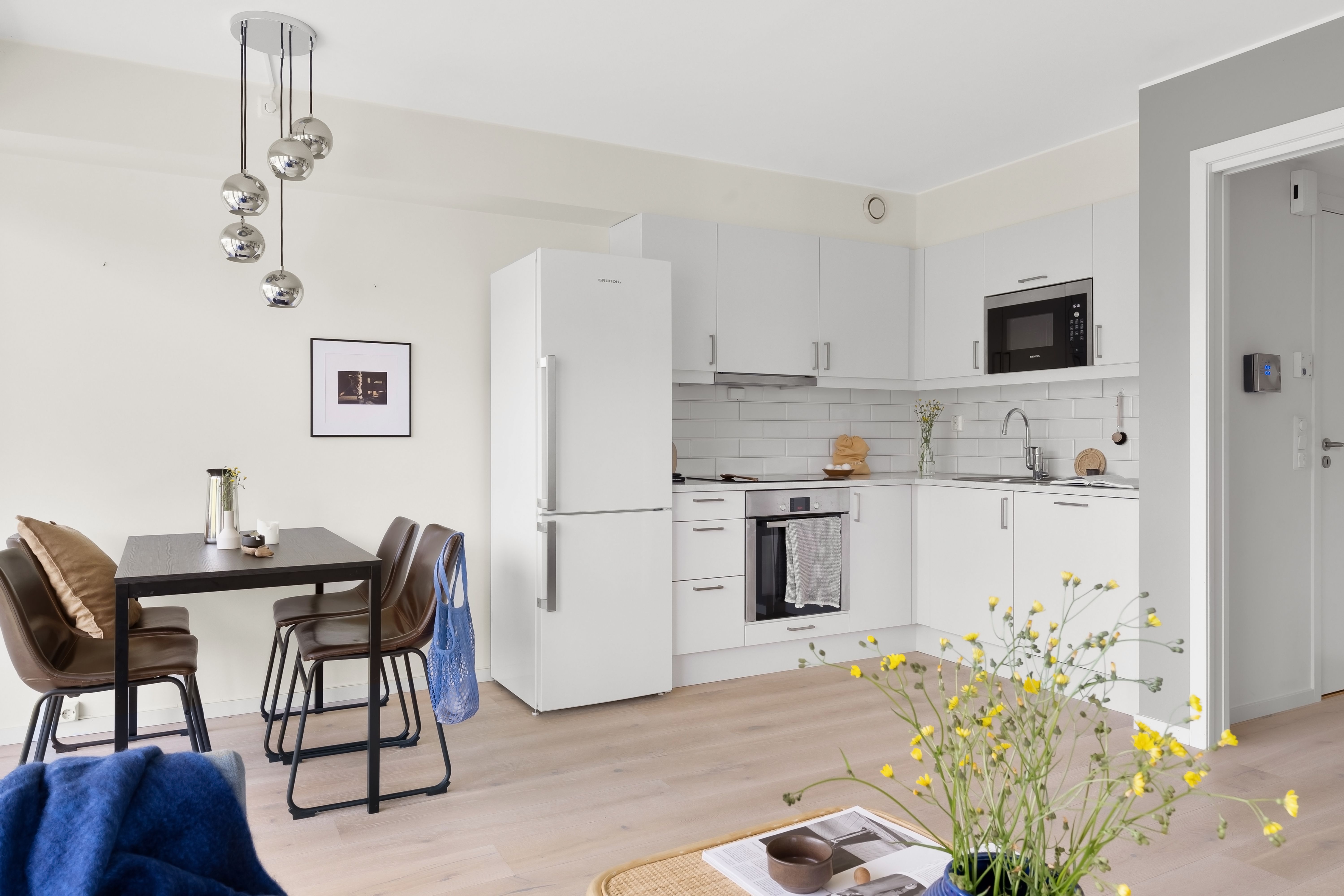
Contemporary lighting can be visibly sculptural, but it still has to perform. Use task and ambient light to reveal worktops and material texture, then allow one decorative fixture to become an object in the composition if the room has space for it. A striking pendant is stronger when it is not compensating for weak practical lighting.
Use Curves Where the Body Meets the Room
Curves feel current partly because they soften the grid of fitted cabinetry, but repetition quickly turns them into a theme. Prioritize rounded forms where touch or movement benefits: an island end near circulation, a table edge, chair back or pendant within reach. One meaningful curve usually has more presence than rounded corners applied to every object.
Mix Eras and Materials Without Losing Hierarchy
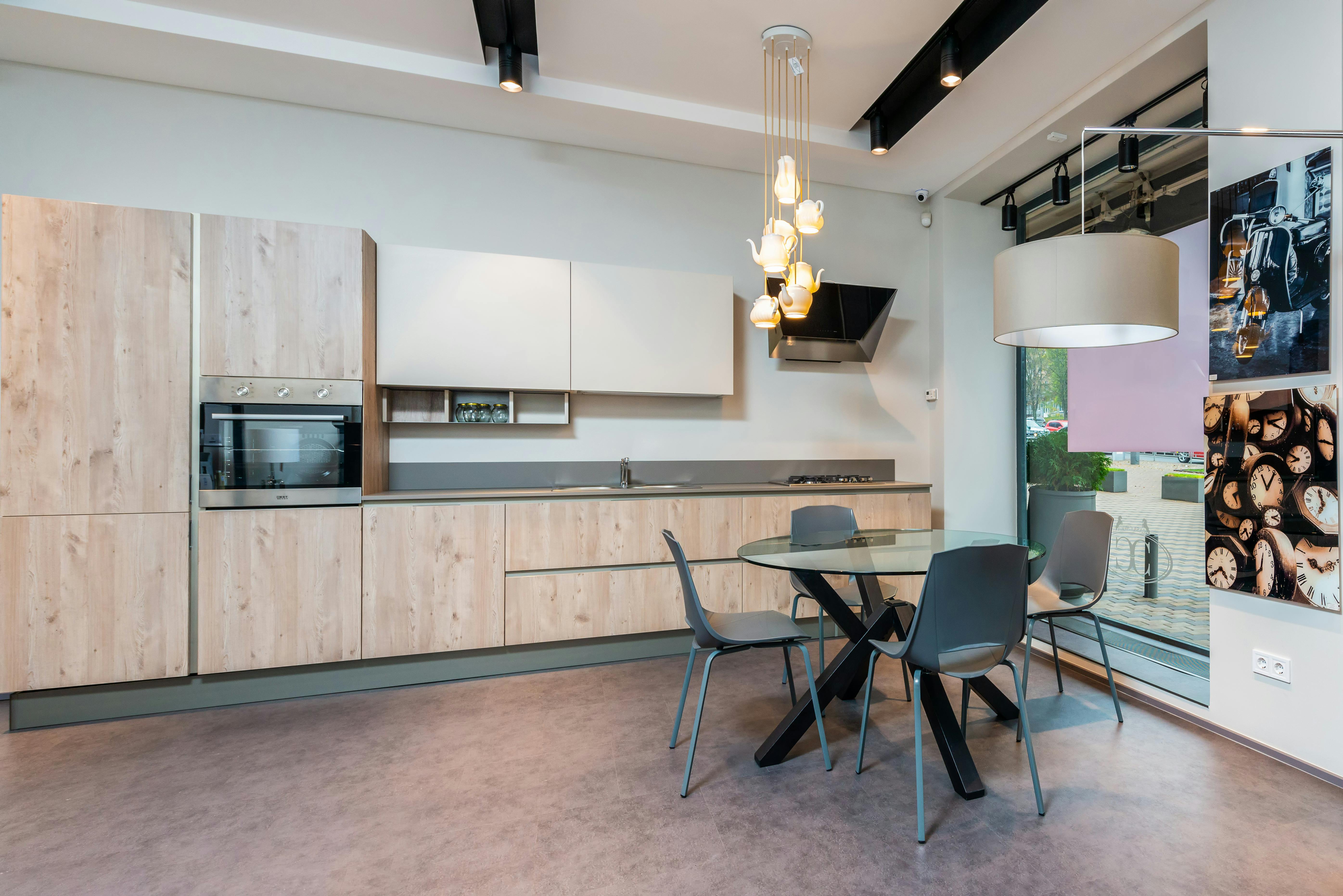
Contemporary design can absorb timber, metal, glass, stone and even an older furniture piece when their roles remain clear. Instead of using wood automatically to 'warm' the room, decide which material is the base, which is the focal surface and which appears as a smaller counterpoint. The mix can be eclectic without becoming visually equal.
Let Visible Technology Belong to the Composition
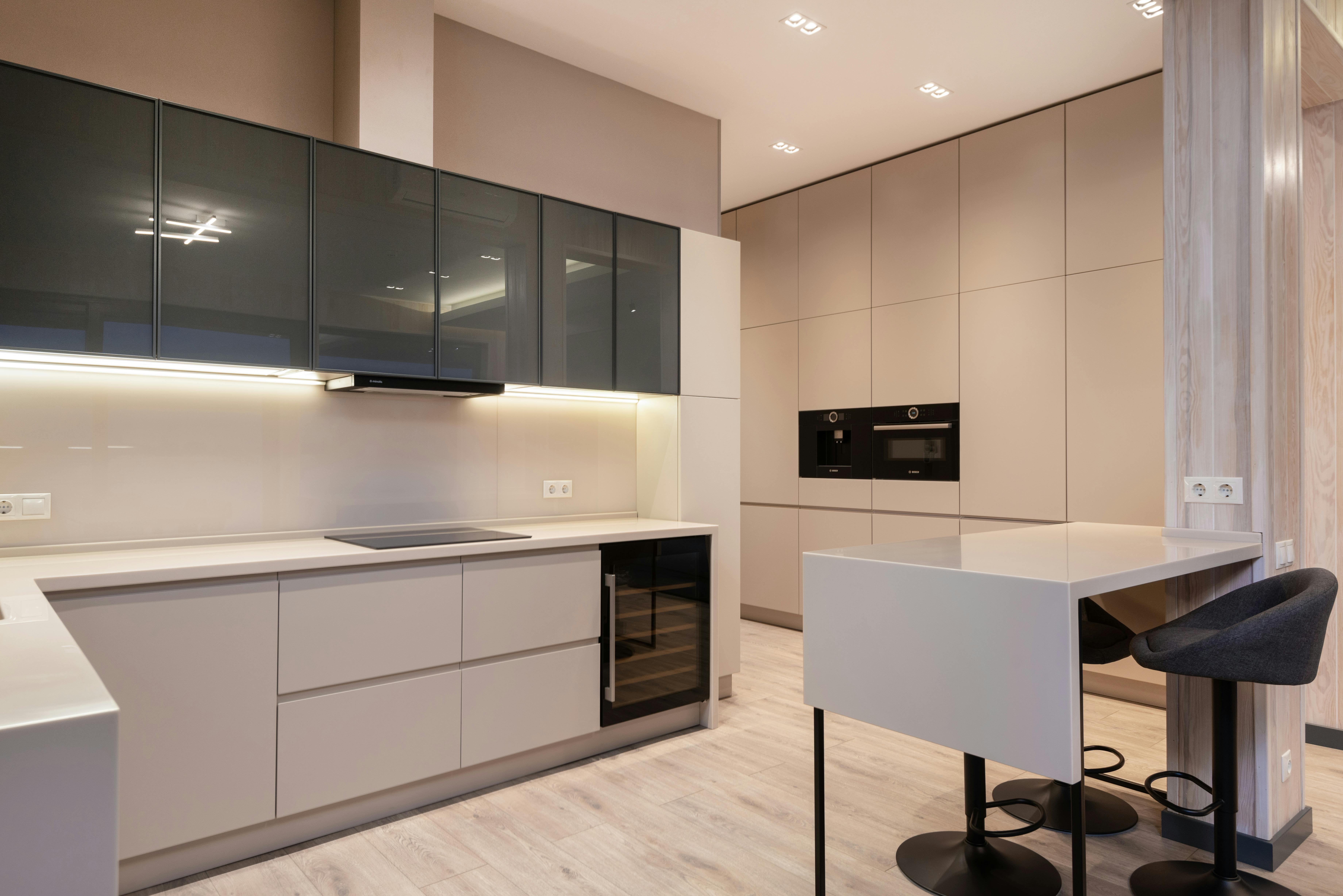
A contemporary kitchen does not need to disguise every appliance. Stainless steel, black glass and integrated panels can coexist when their edges, heights and grouping look deliberate. Current kitchens often include visible technology; the design task is to place it coherently rather than pretending it is absent. Keep access and replacement practical so today's equipment does not lock the cabinetry into one exact model forever.
Finish With the Replacement Test
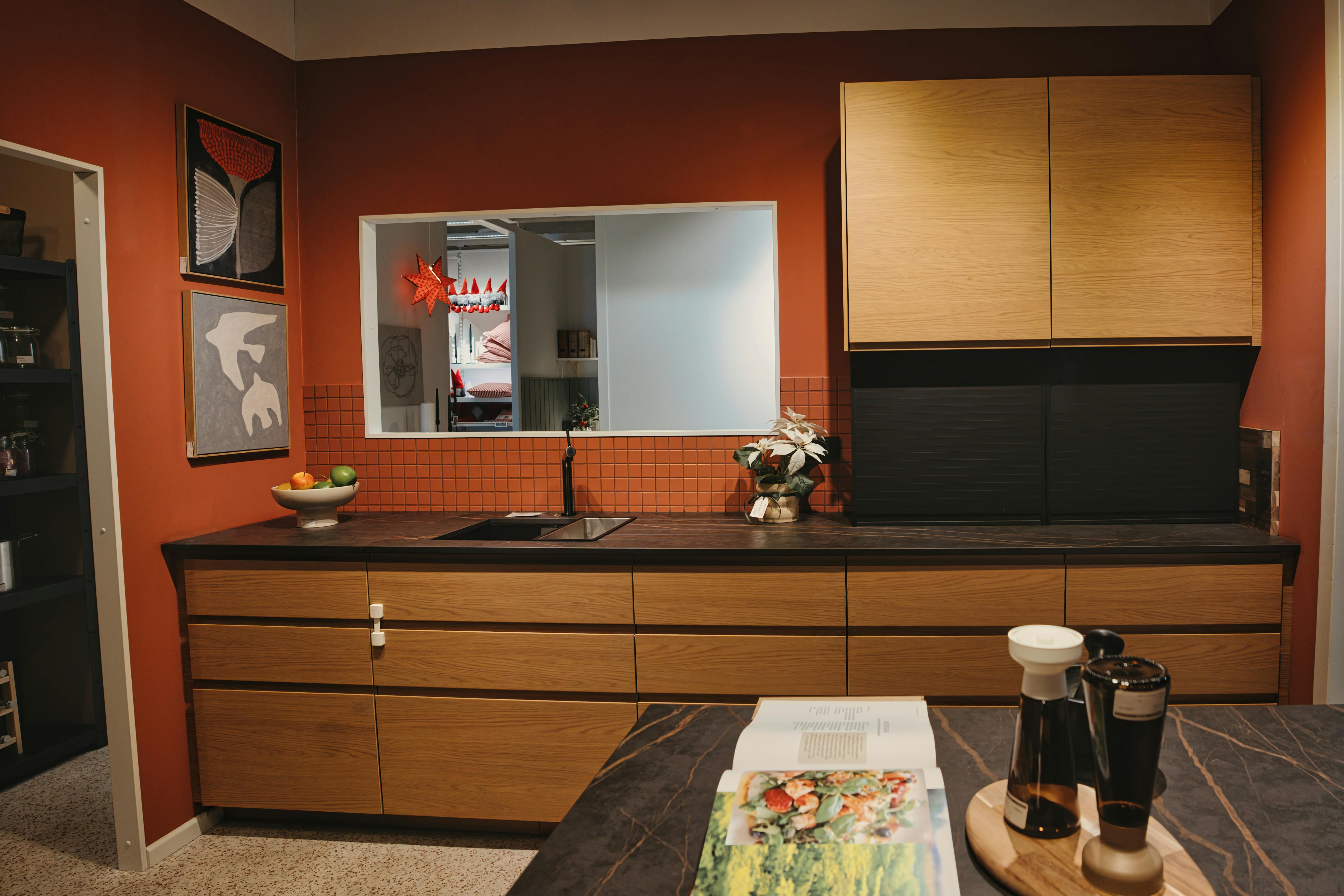
A contemporary kitchen should survive the removal of one fashionable element. Imagine replacing the pendants, repainting the island or changing the stools: does the room still have a coherent base? If not, too much of the identity may be tied to one moment. Keep at least one major plane visually quiet and let the replaceable layers carry more of the evolution over time.