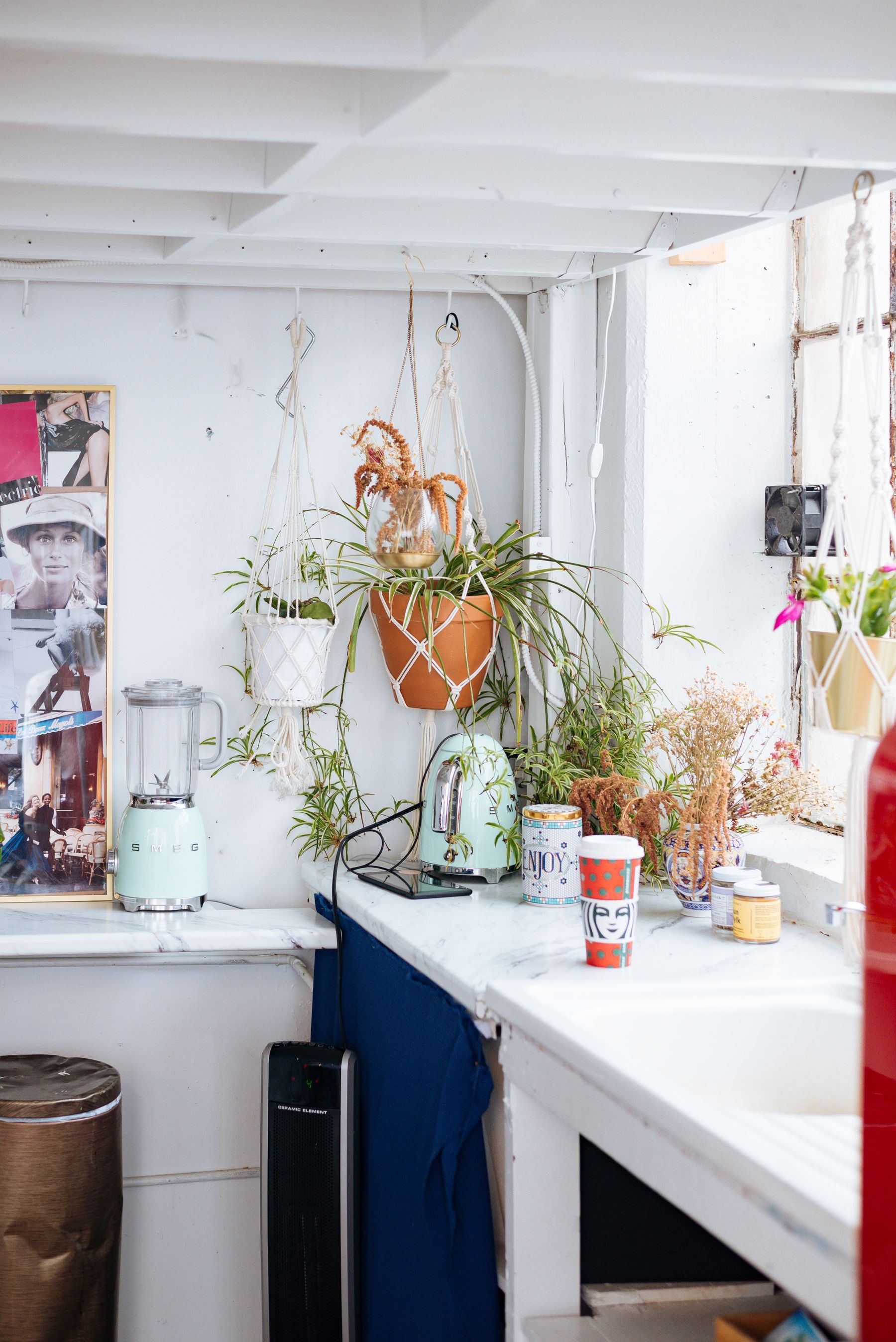
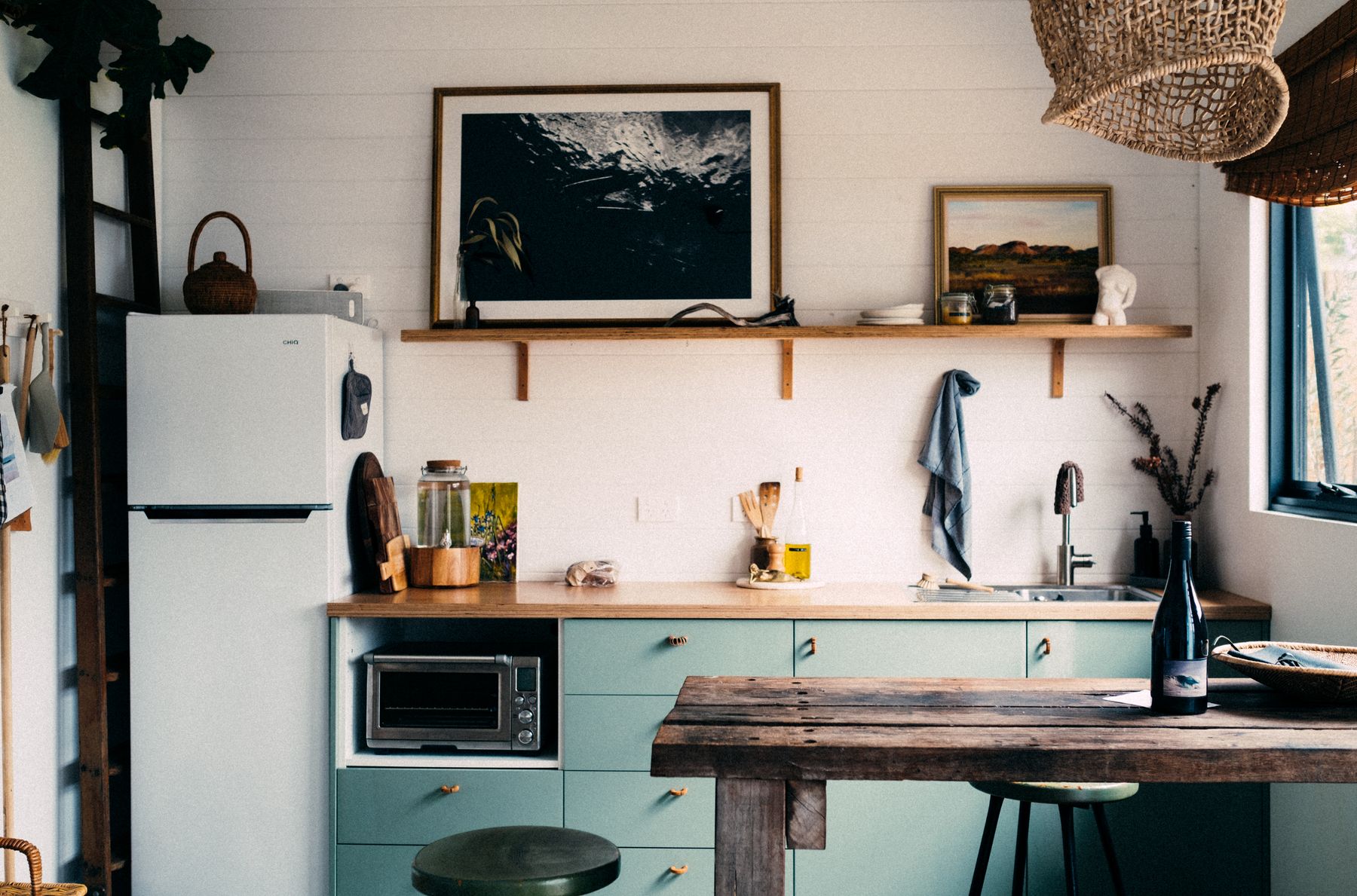
Create a Stable Core Before Adding Soft Layers
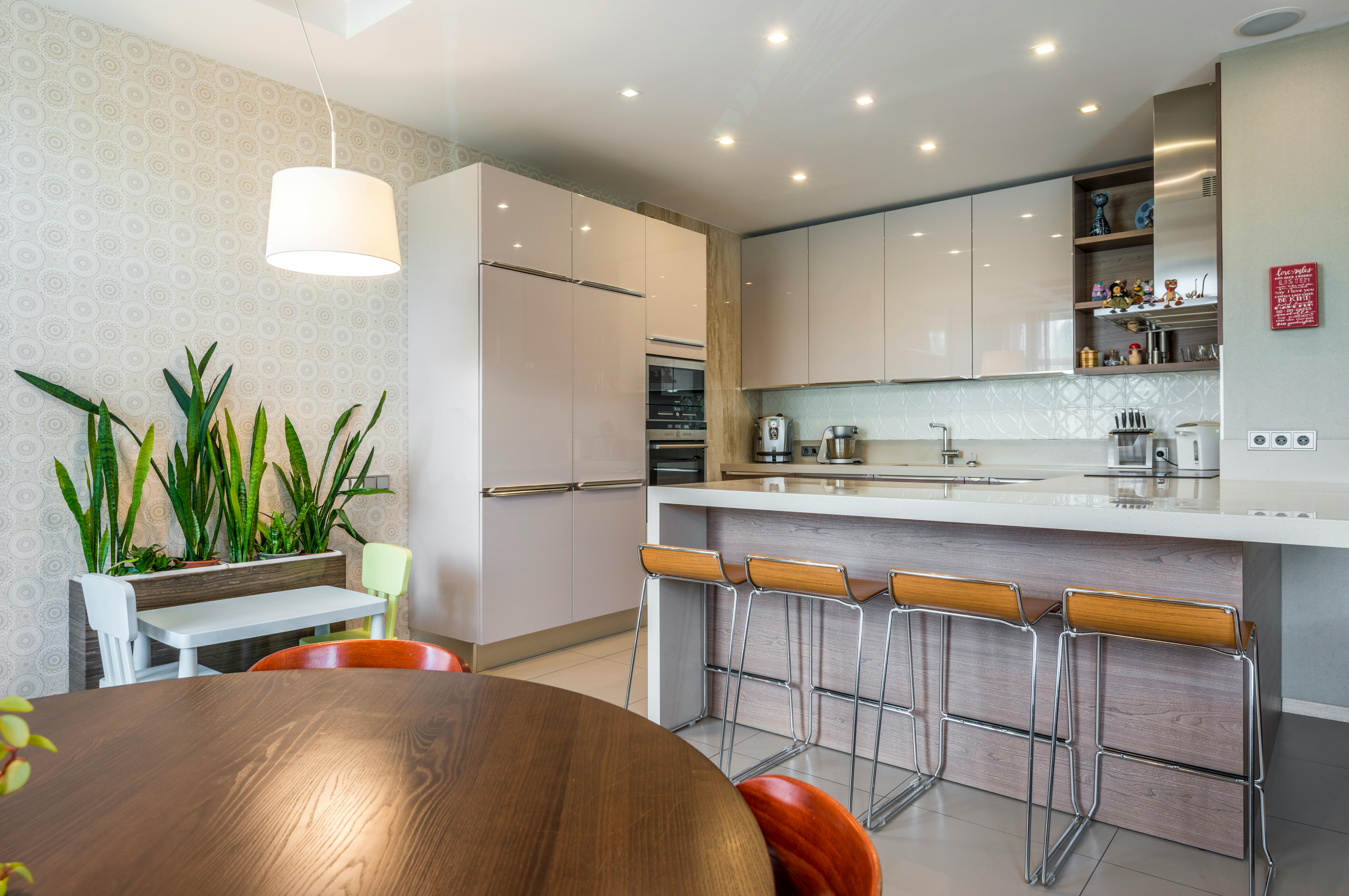
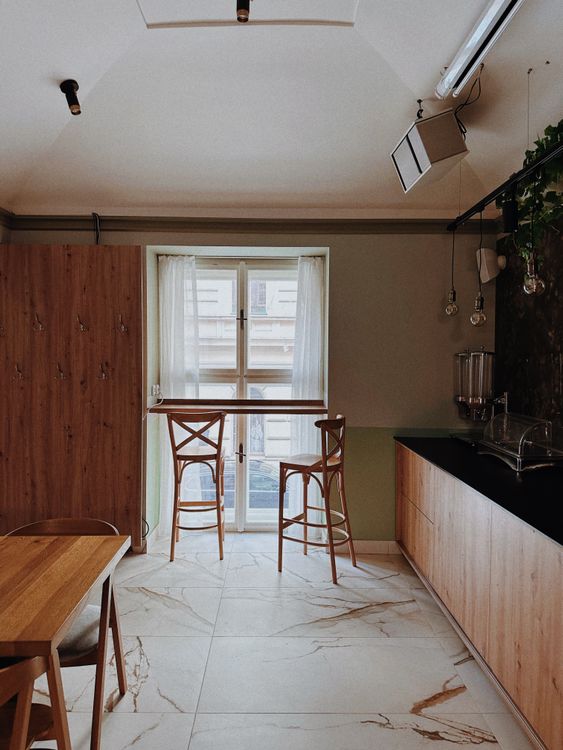
A wooden table or simple worktable can give the room one solid, useful centre beneath more changeable textiles, plants and ceramics. The grain and weight keep softer layers from making the room feel visually weightless or temporary. Choose the table for eating, serving or preparation first, then let its timber become a reference for nearby natural materials without forcing a matching set.
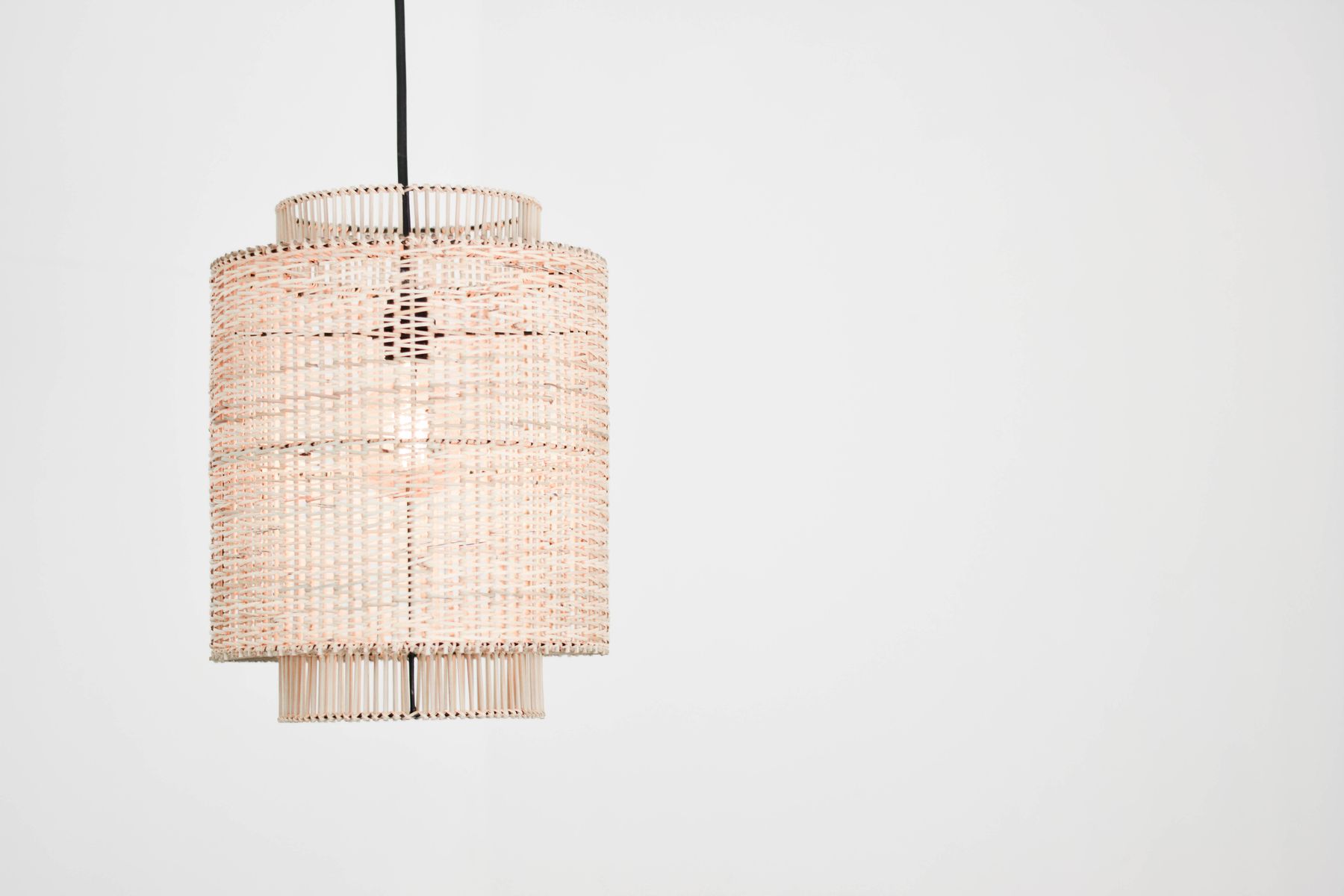
Put Woven Texture Where Touch and Light Can Read It
Rattan, cane, basketry and woven fiber are strongest when used at human scale: a pendant shade, chair seat, basket or blind. One meaningful woven surface often provides enough softness because the texture already contains pattern. Keep it away from grease-heavy or difficult-to-clean locations and let light reveal the weave instead of repeating the same material everywhere.
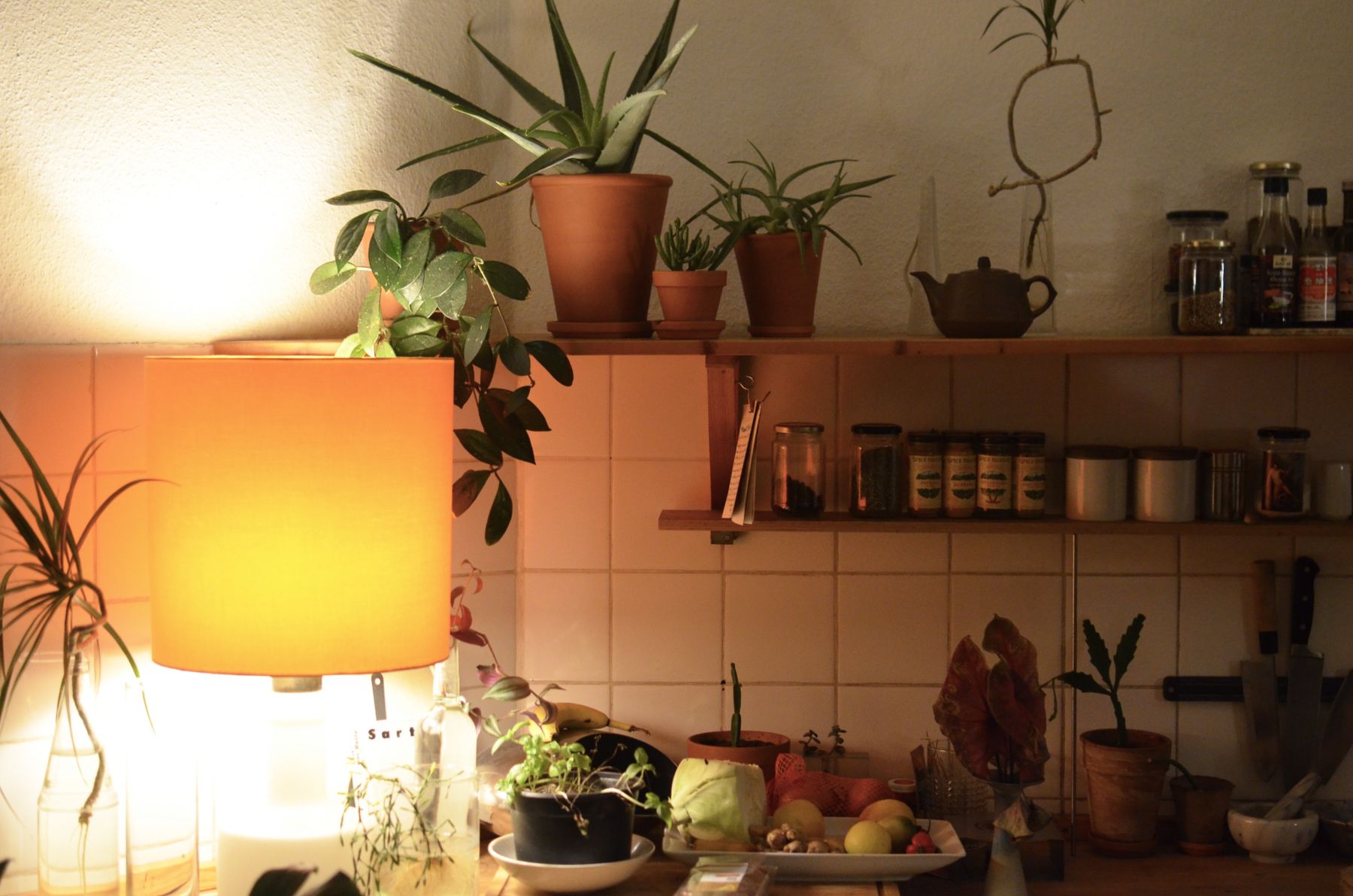
Treat Plants as Living Material, Not Green Accessories
Plants change shape, cast shadow and respond to season, which makes them different from static decor. Group them where the actual daylight, humidity and access for watering suit the species rather than distributing one plant to every empty shelf. A healthy cluster can provide more movement and personality than many struggling plants scattered through the room.
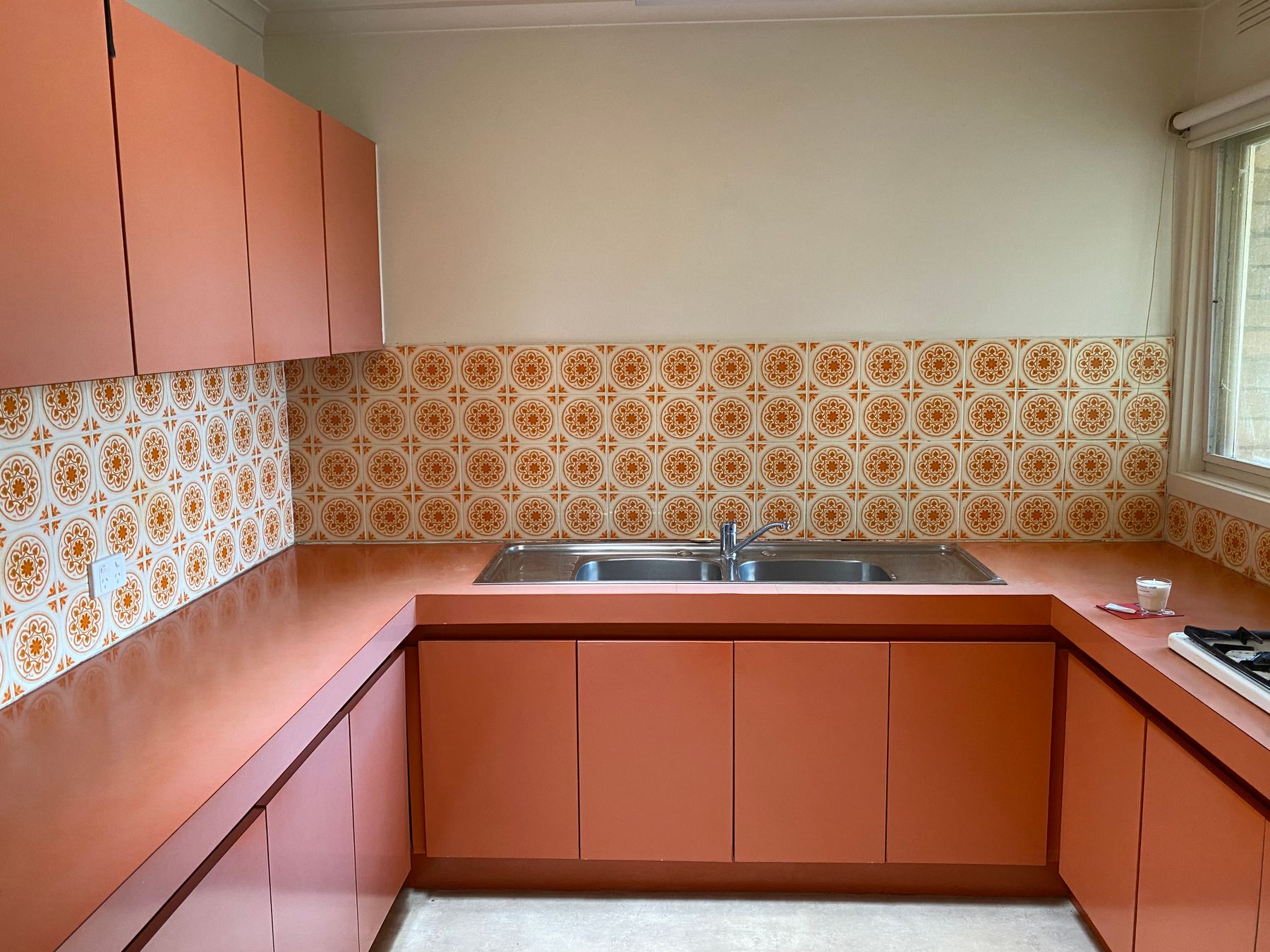
Make Pattern Replaceable Where Possible
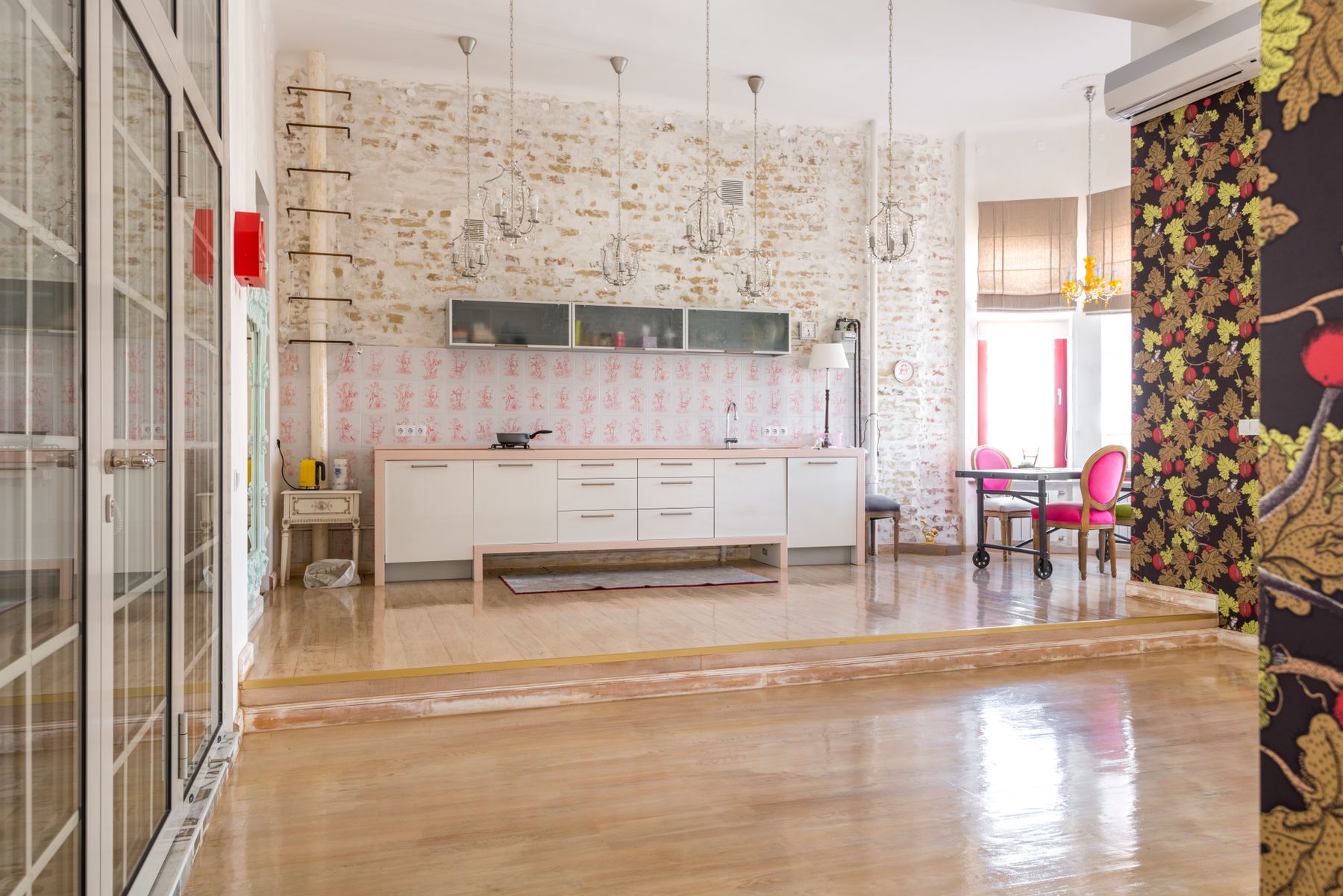
Boho pattern can live on a runner, curtain, removable textile or bounded backsplash instead of being embedded across every permanent surface. Replaceable pattern lets the kitchen evolve as objects and colors change over time. Give one pattern enough area to be appreciated, then use material texture rather than a second competing print for the next layer.
Let Ceramics Build a Tactile Daily Ritual
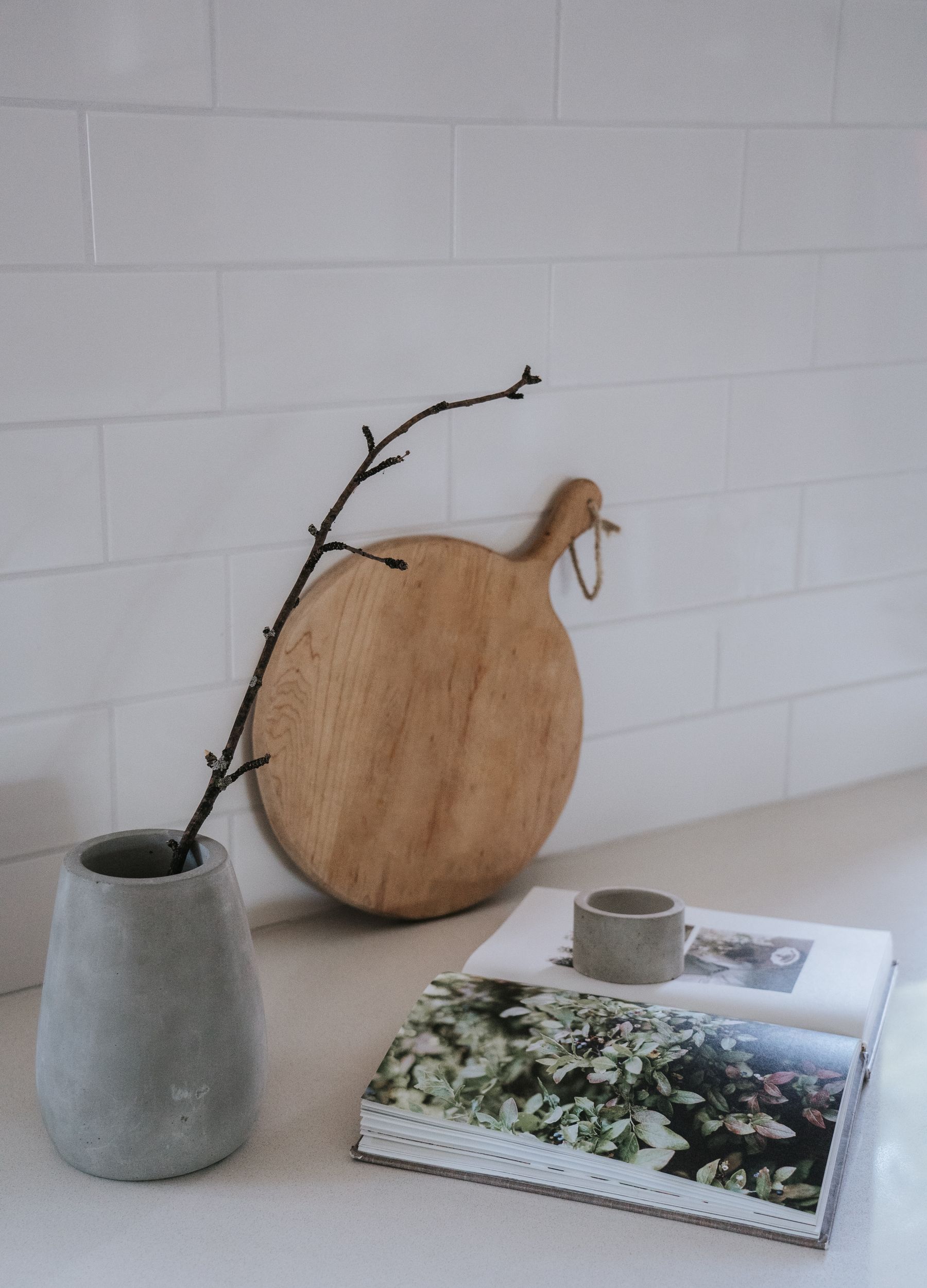
Mugs, bowls, serving dishes and vessels can add glaze, shape and hand scale because they are repeatedly handled. Choose pieces you actually use and allow small differences in surface or form to accumulate over time. The collection should grow through function or personal meaning rather than because an empty shelf needs styling.
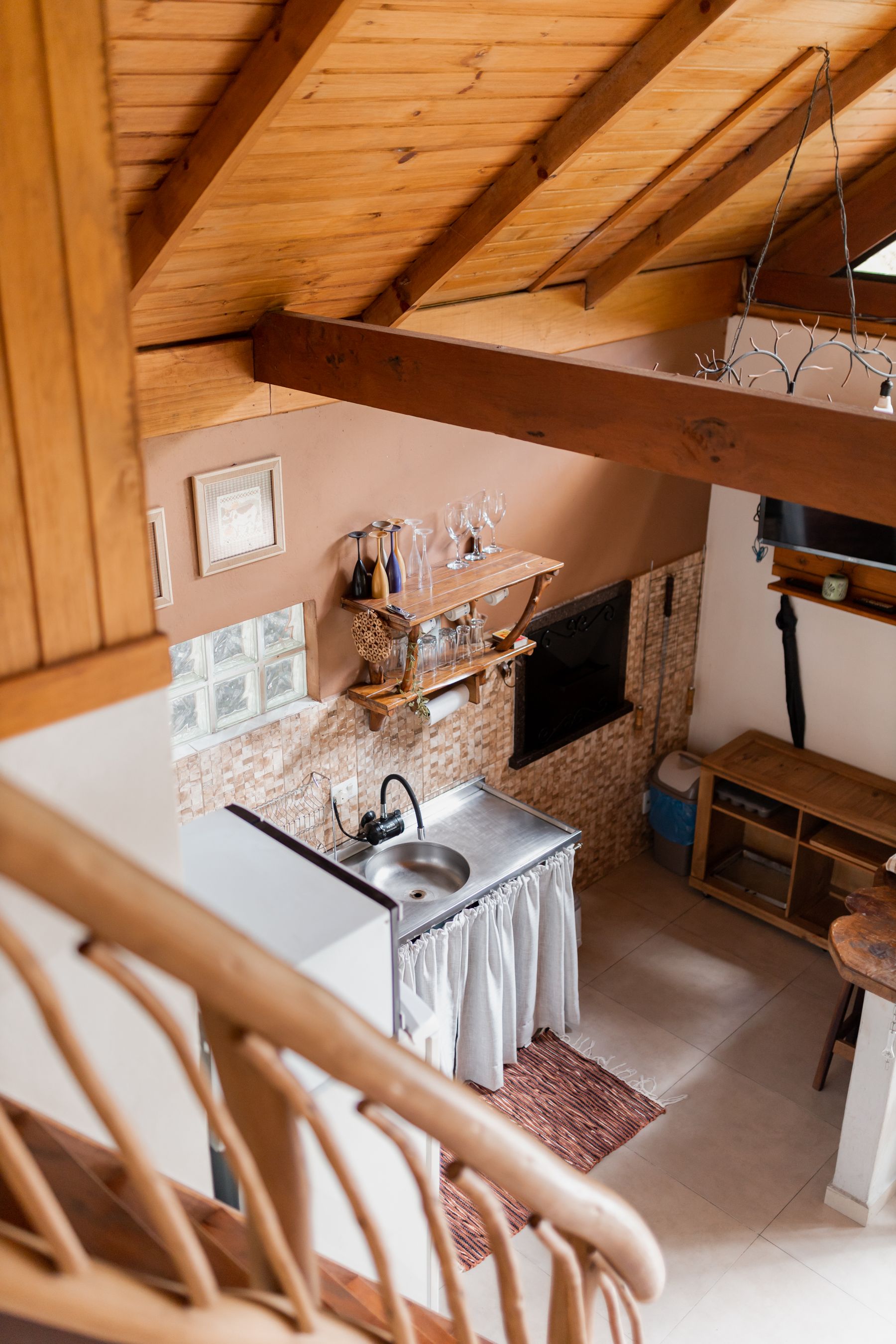
Use Textile Where It Adds Comfort Without Creating Maintenance
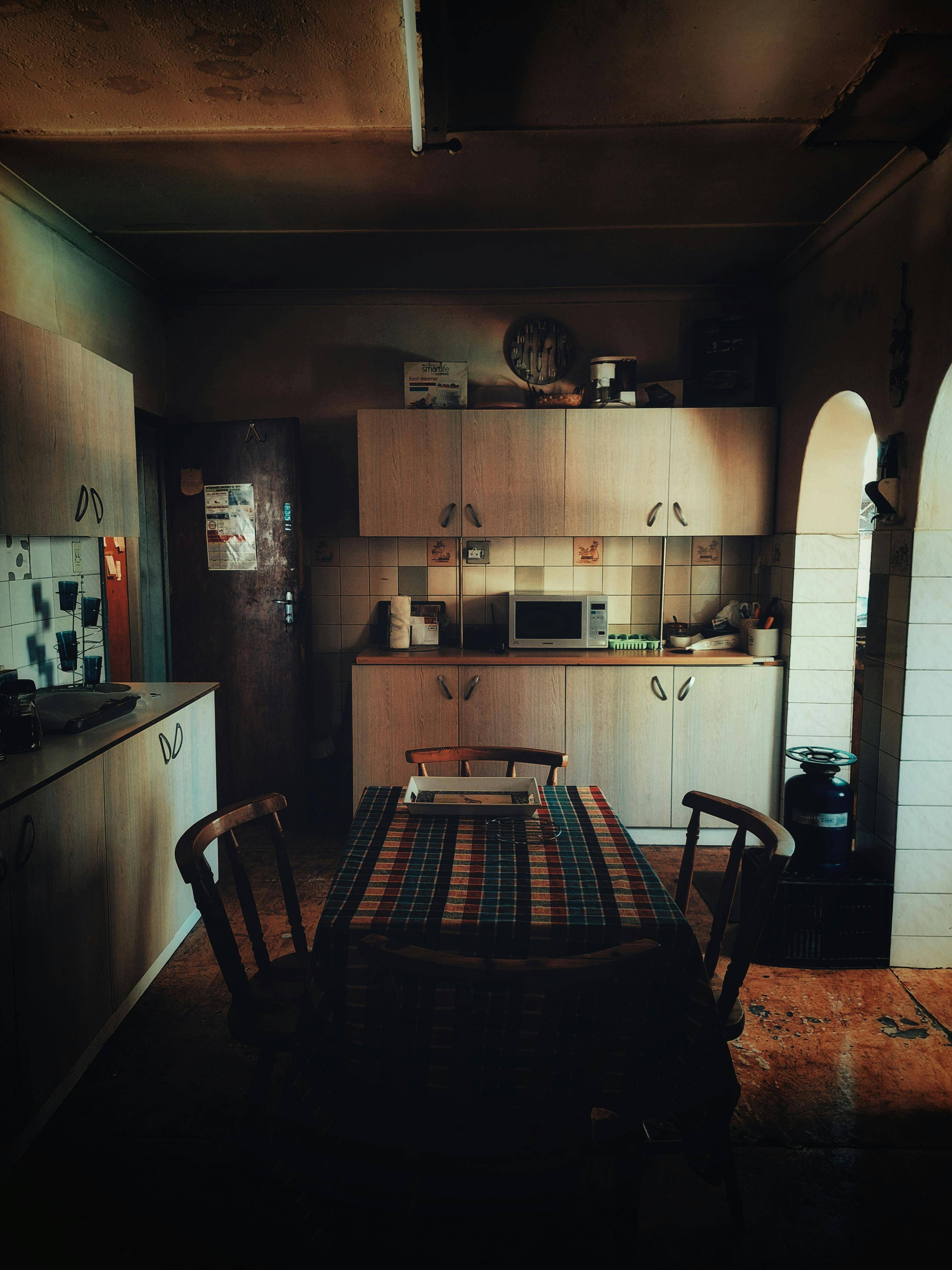
A curtain, tablecloth, seat cushion or Roman shade can soften hard cabinetry and stone while remaining relatively easy to change. Choose washable fabric, keep it away from flame and constant splash, and avoid layering textiles in places that stay damp or greasy. Boho softness should make the room friendlier, not harder to maintain.

Give Collected Objects a Story Zone
Travel finds, art, magnets, photographs, older furniture and handmade objects can carry the personal history that makes boho distinct from generic natural styling. Concentrate the richest story in one wall, dining corner or cabinet so it can be appreciated without spreading into every work surface. Personal abundance is easier to read when it has a boundary.
Let Open Shelves Change With the Kitchen
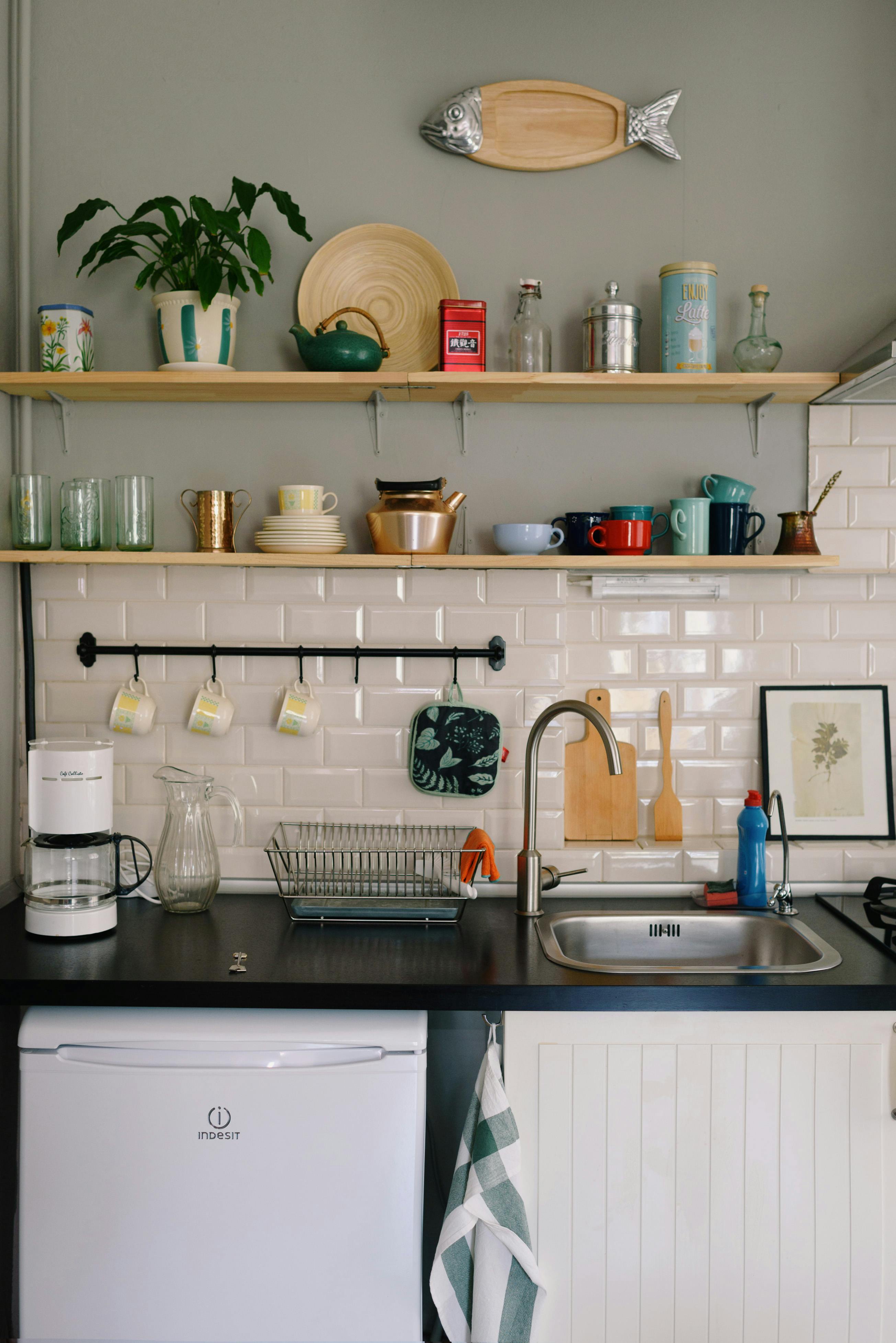
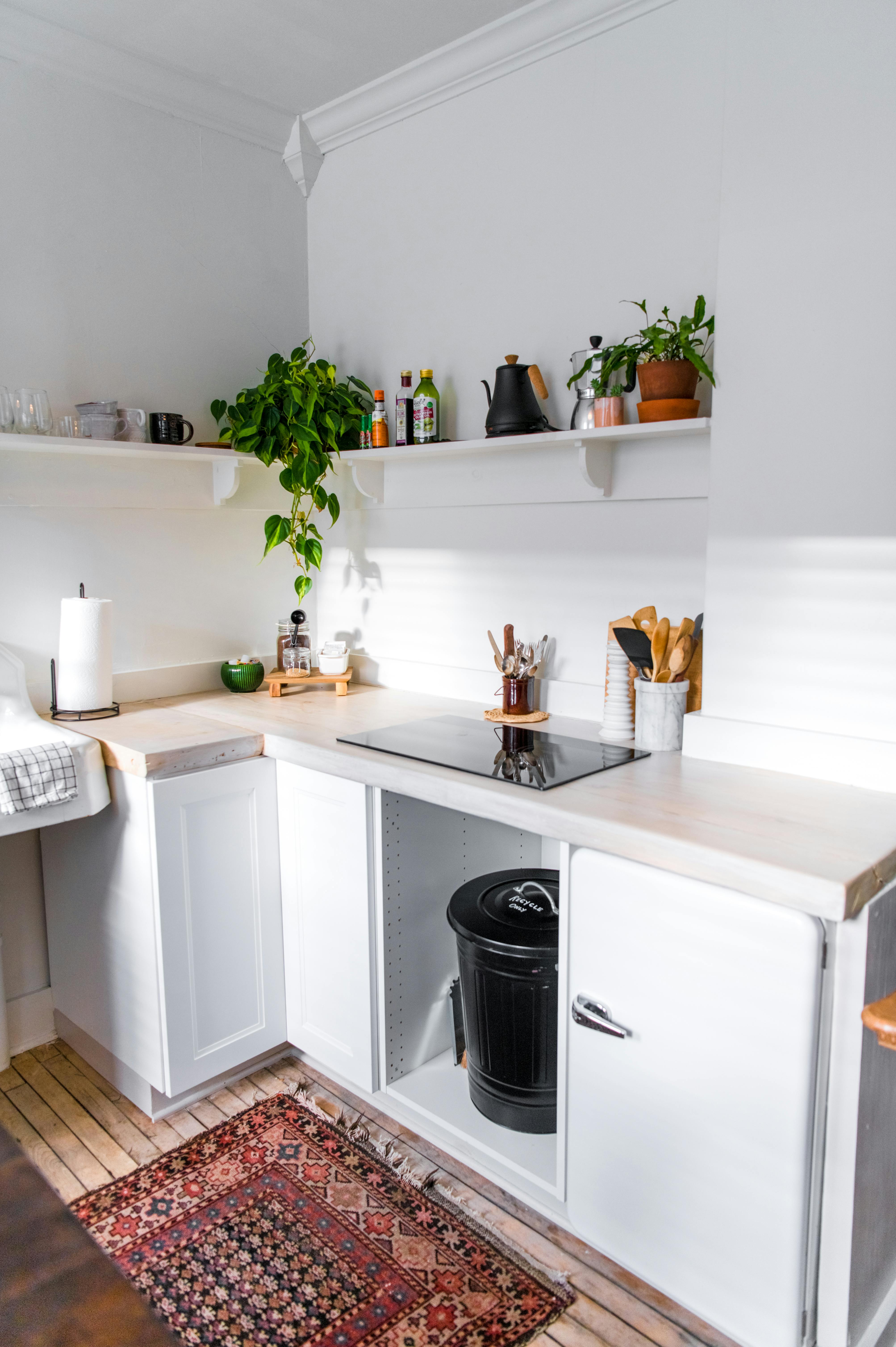
Open shelves can hold cups, jars, small plants and tools because those objects are part of the room's changing daily composition. Keep the categories loose but useful, leave enough empty space for items to come and go and avoid styling the shelf into a fixed display that is inconvenient to live with. Boho openness should feel flexible rather than curated to permanence.
Use the Floor Layer for Softness, Color and Change
A washable low-profile runner can carry strong color or pattern while remaining one of the easiest major layers to replace. It also introduces softness where the room may otherwise be hard underfoot. Choose the size around door swings and traffic and keep absorbent material away from persistent wet zones.
Finish With a Layer-and-Breathe Audit
From the kitchen and dining area, alternate expressive layers with clear surfaces: woven texture beside plain cabinetry, plants beside open wall, ceramics beside usable counter. If every zone contains wood, weave, plant, pattern and display simultaneously, the room loses the relaxed rhythm that makes boho work. The final edit is about breathing room, not minimalism.