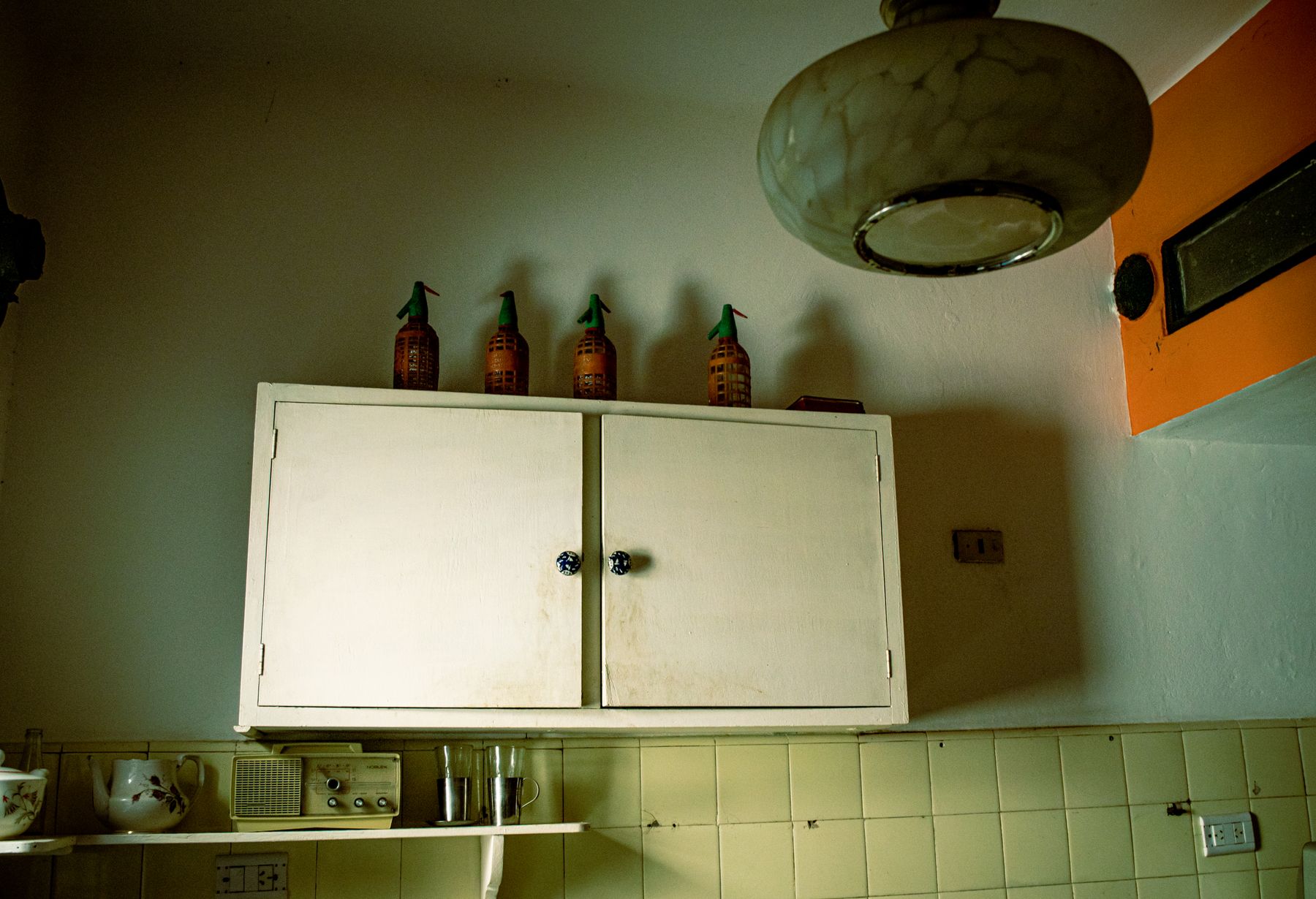
Choose One Lead Piece With a Real Job
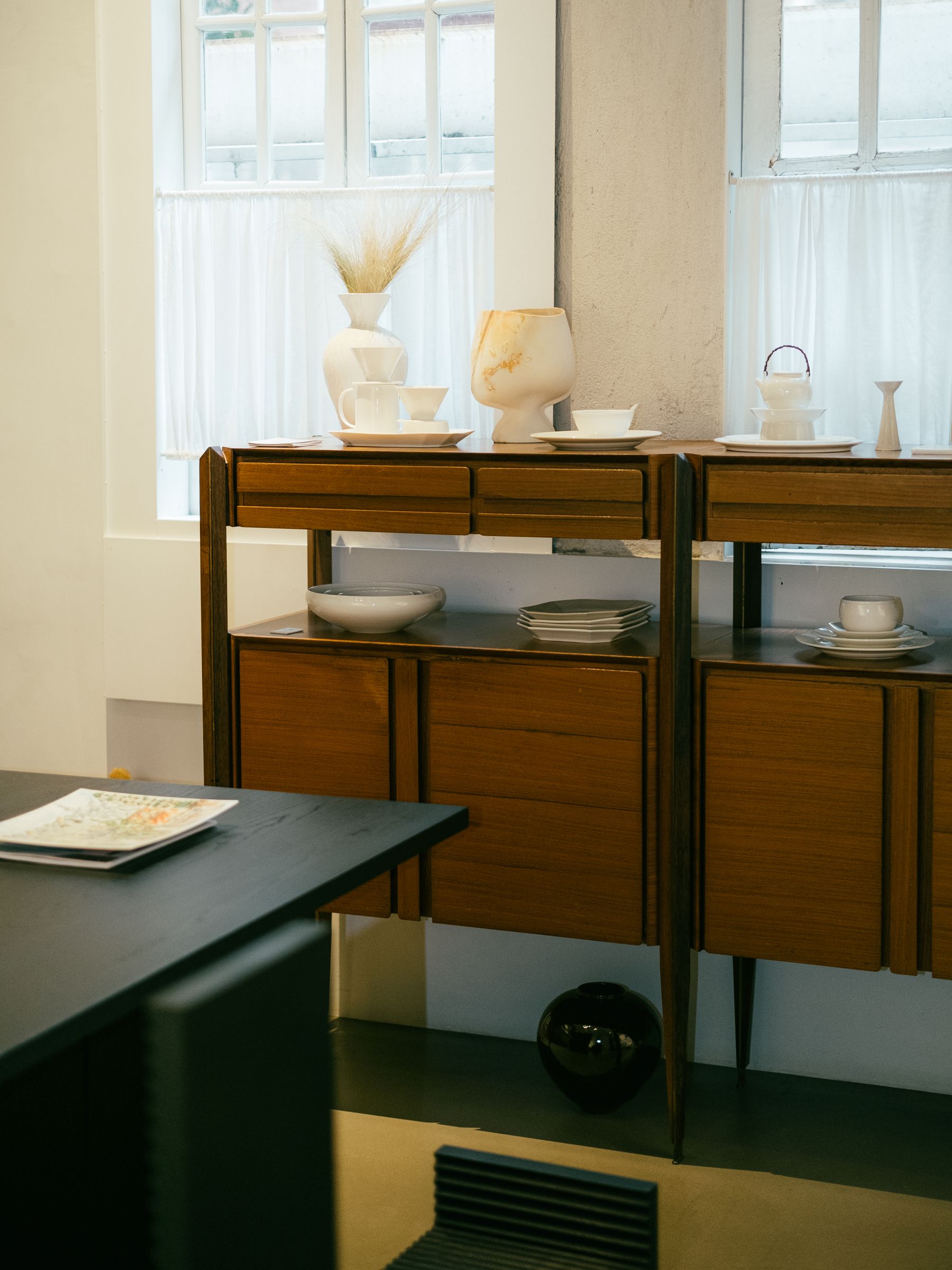
A dresser, wall cupboard or freestanding cabinet can establish the room's vintage character when it also solves storage. Treat it as the lead piece and let newer cabinetry stay quieter rather than surrounding it with many competing old objects. Check depth, door swing, stability, shelves and repair needs before buying; the strongest vintage piece is one that contributes to the kitchen every day.
Build the Palette From Something You Are Keeping
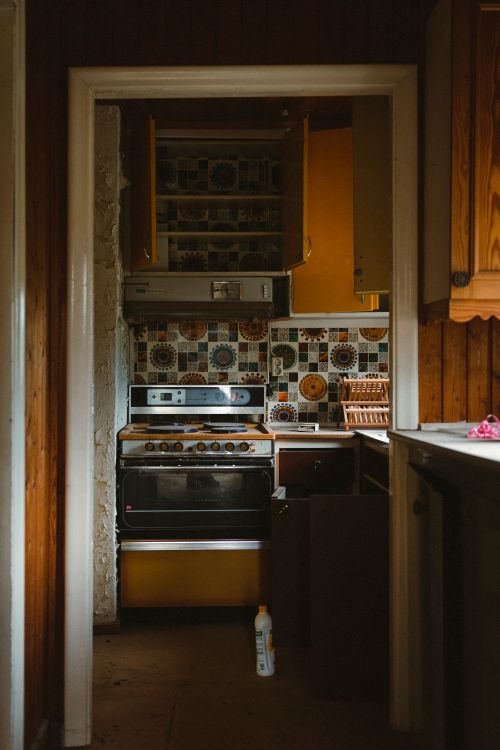
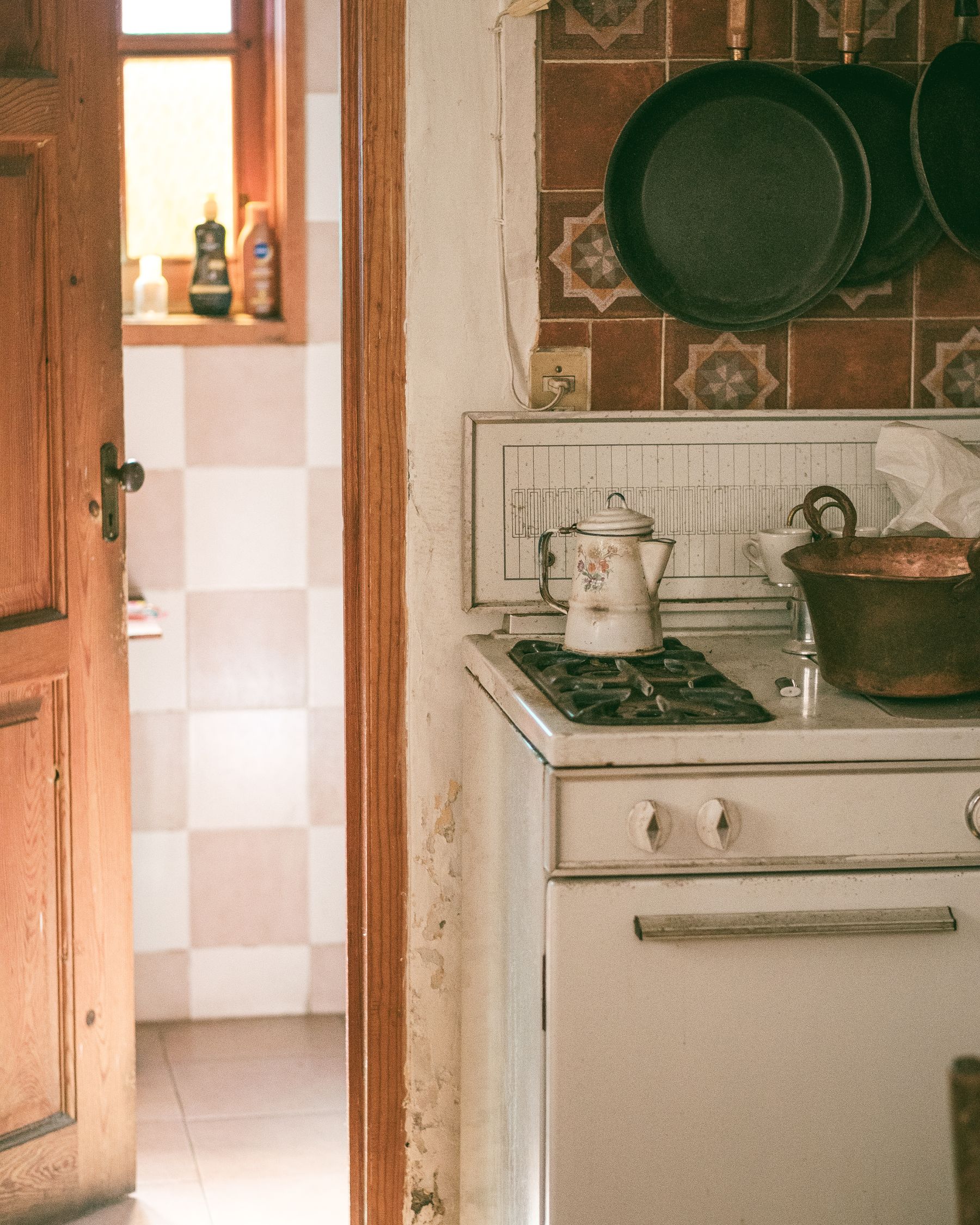
A retained tile, enamel vessel, old cupboard, floor or textile can supply a more convincing color starting point than a generic 'vintage' palette. Pull one muted tone from that object and use it at a different scale elsewhere, allowing neutral surfaces to keep the relationship legible. This makes the palette feel assembled around history that actually exists in the room.
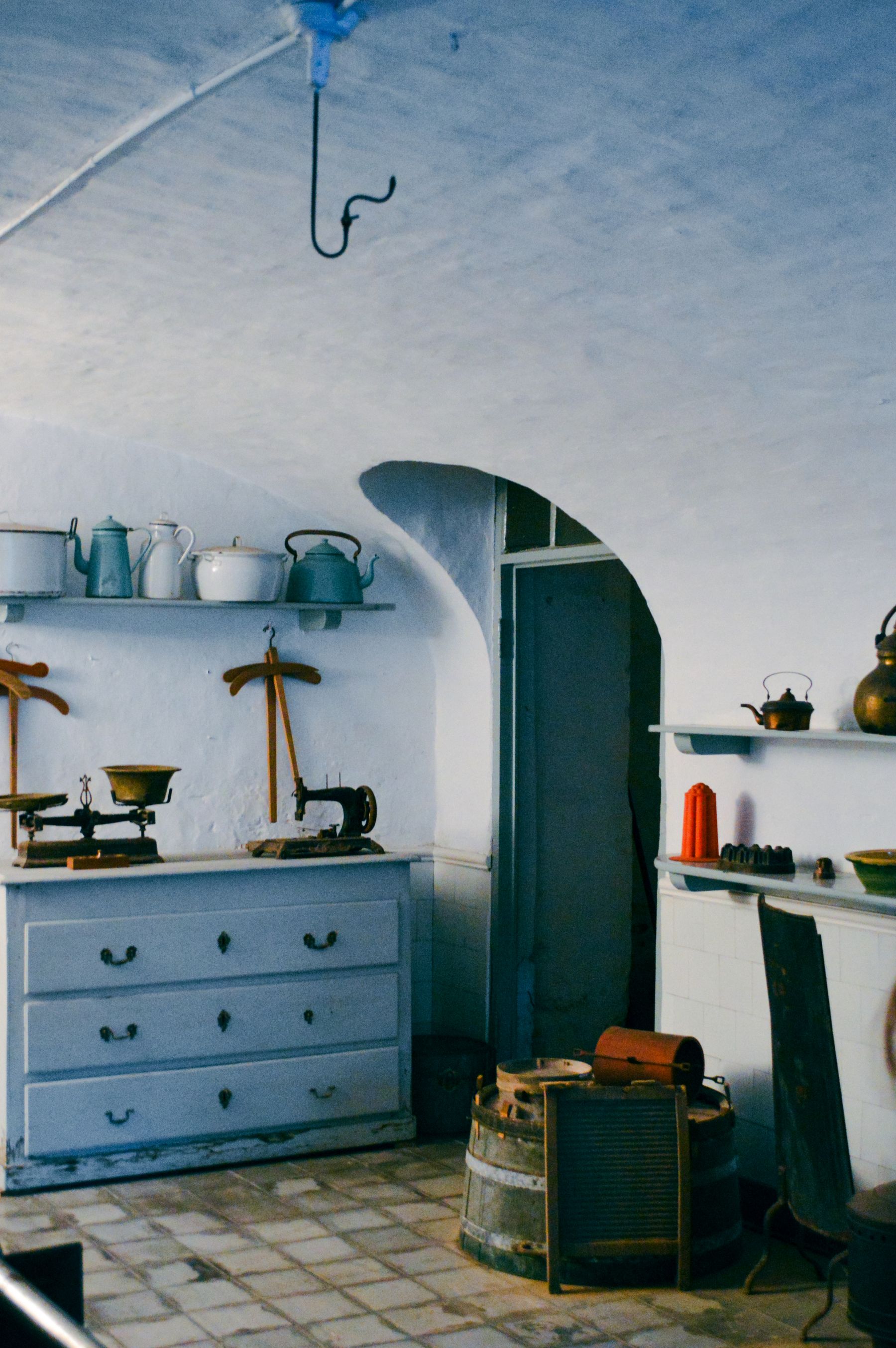
Collect by Relationship, Not by Age Alone
A group of kitchenware becomes more coherent when the pieces share material, color, shape or use, even if they come from different decades. Age alone does not create a good collection. Keep uncertain food-contact pieces decorative unless their condition and suitability are known, and rotate excess items rather than filling every shelf simply because the objects are old.
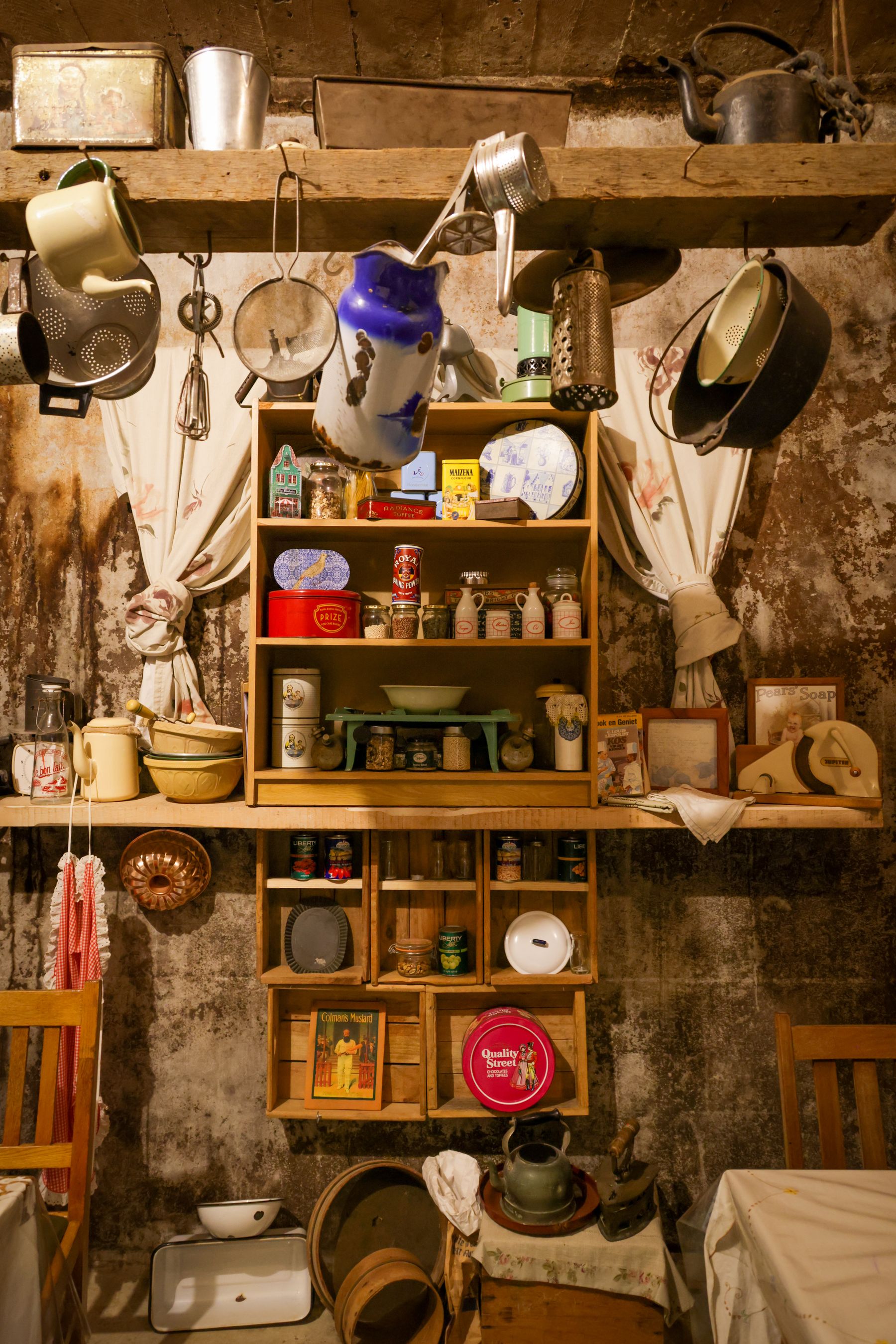
Use Freestanding Furniture to Break the Fitted Timeline
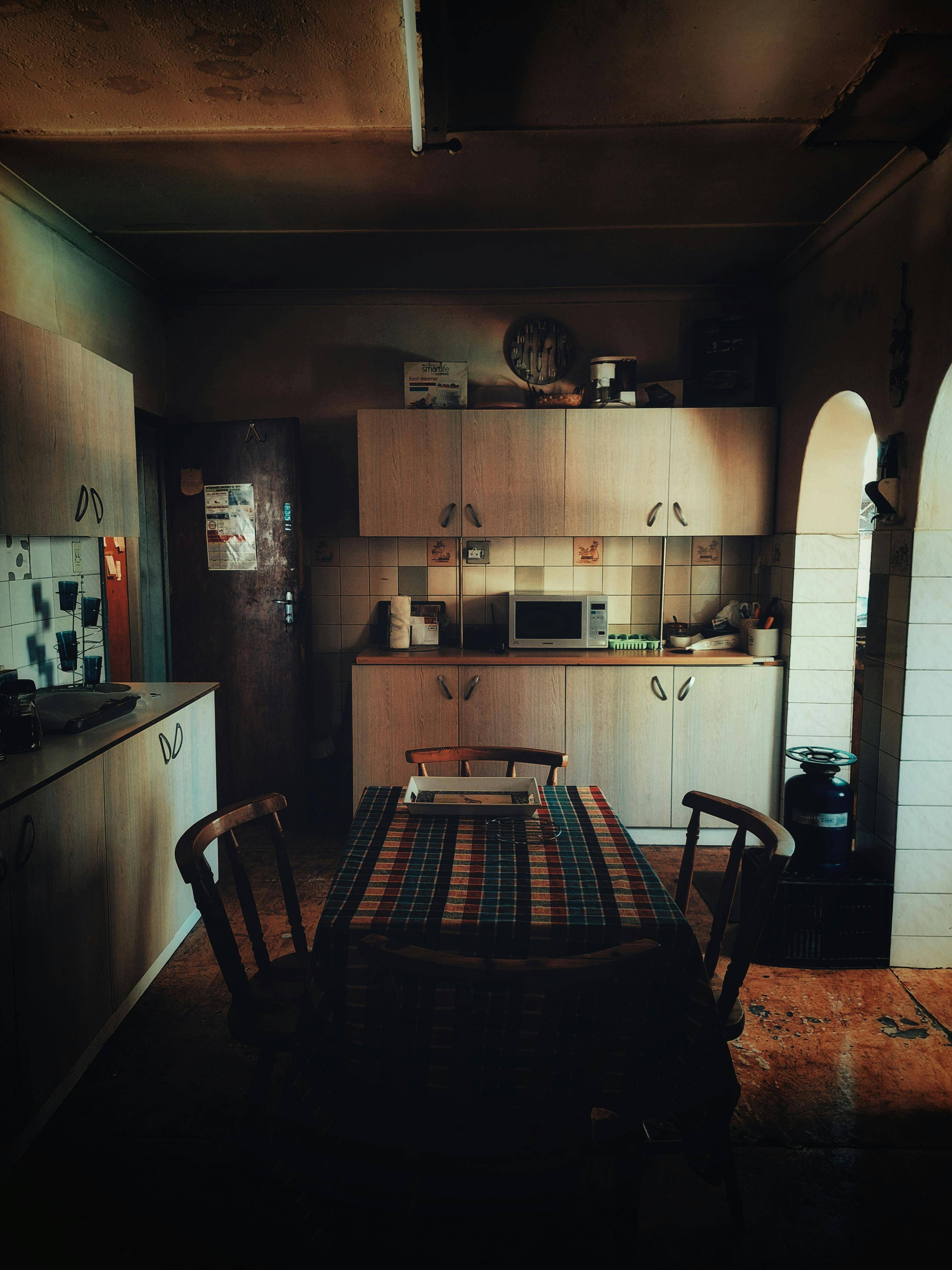
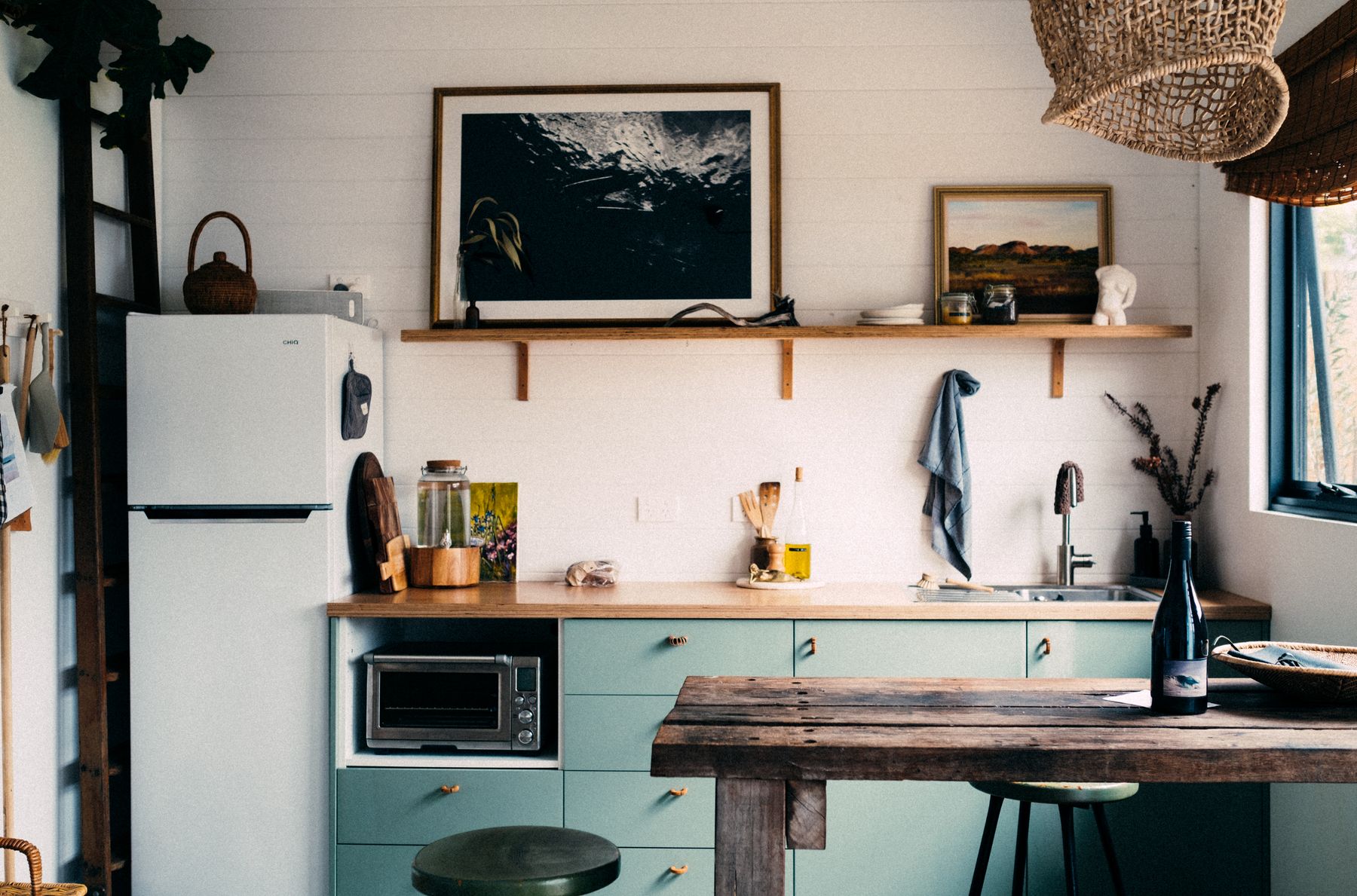
A table can make a newer kitchen feel less like one installation because it introduces a different age, construction and scale. Choose it for real breakfast, serving or preparation use and check chair clearances before assuming an old table will fit. Slight mismatch with the cabinetry is useful here; the point is to let the room show more than one moment in time.
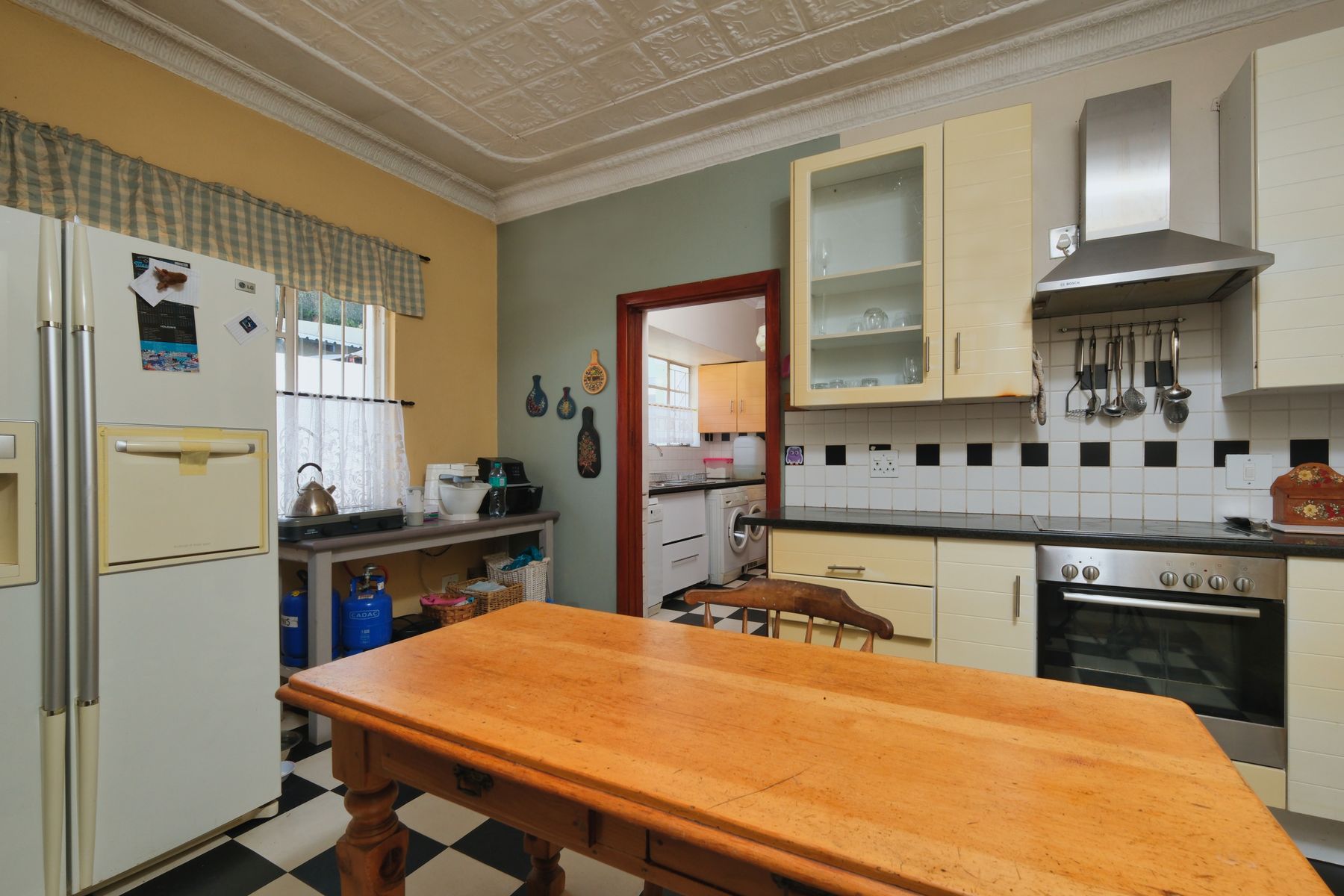
Use Pattern as an Era Signal With a Boundary
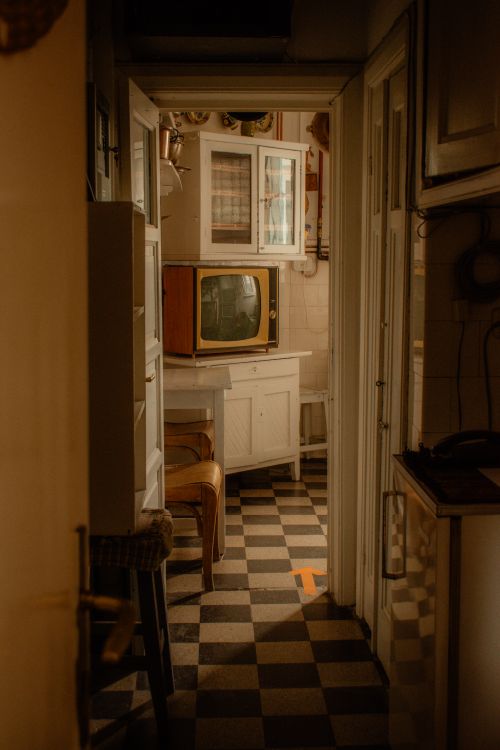
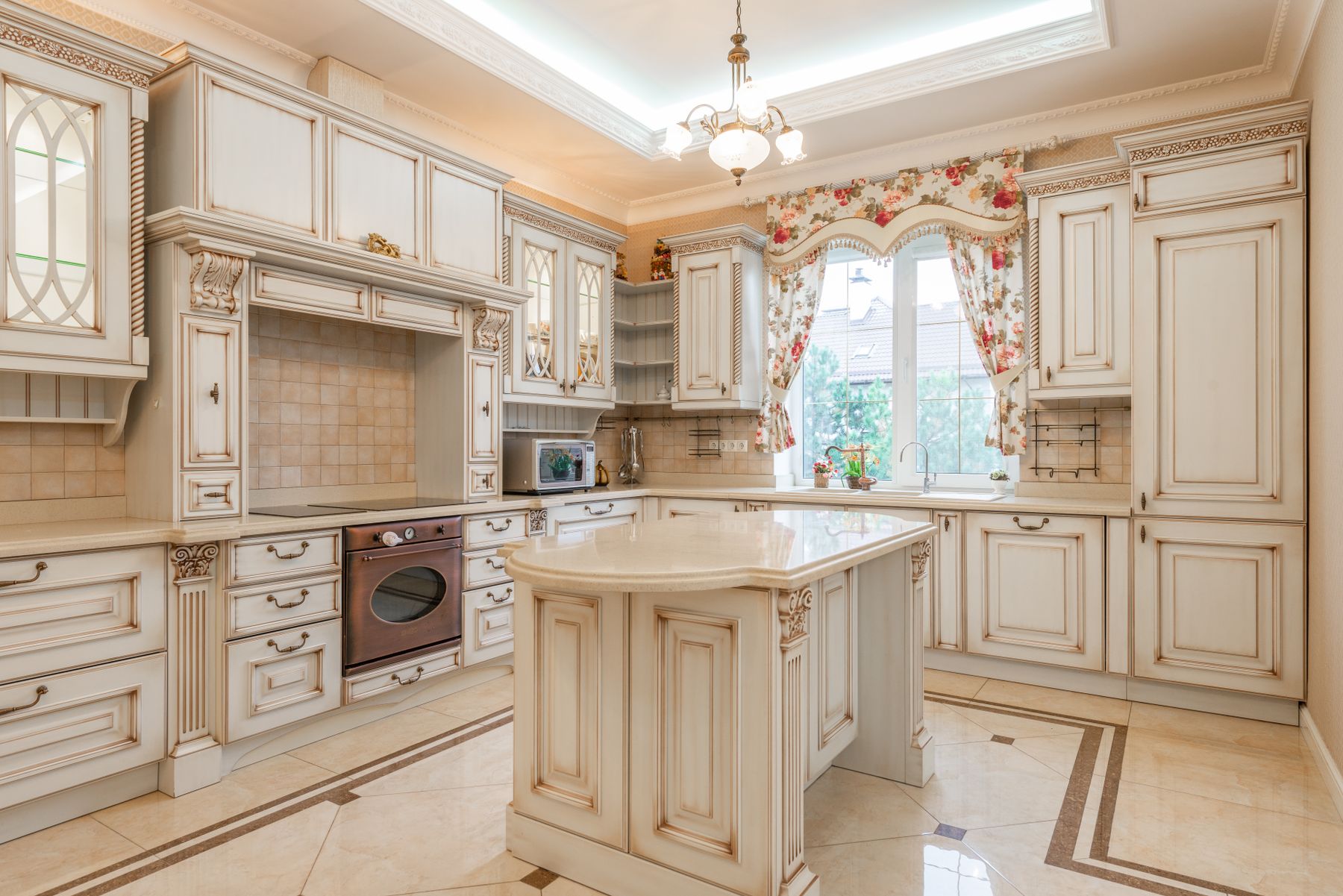
Checkerboard, small-format tile, floral fabric or another recognizable pattern can suggest a period without requiring every surface to join the reference. Give pattern one clear boundary—floor, backsplash, curtain or small textile—then let the adjacent planes quiet down. This keeps the room from becoming a generalized retro set.
Bridge Eras With Hardware Without Faking Uniformity
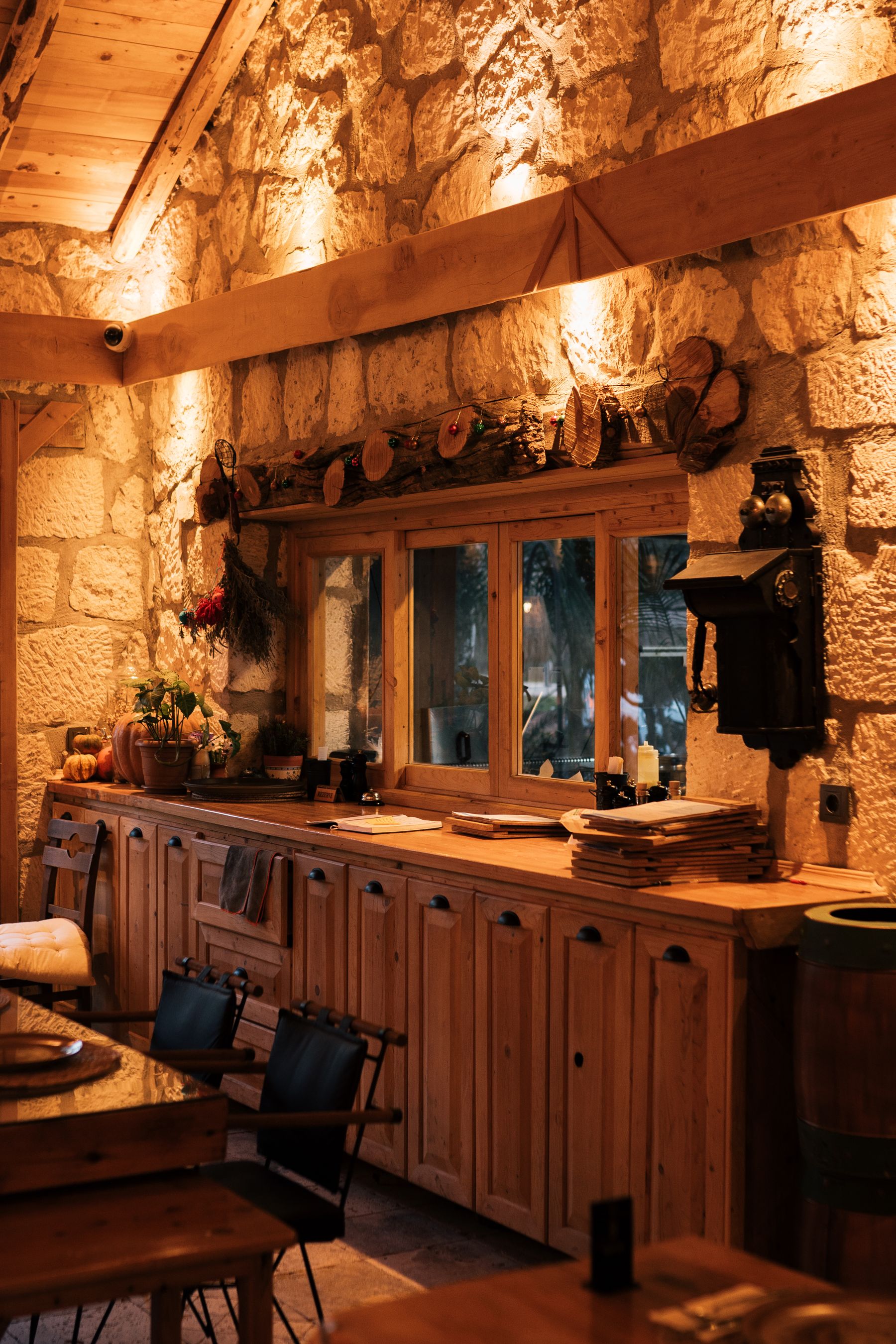
Knobs, latches and cup pulls can help newer cabinetry converse with an older cupboard, but they do not need to pretend all the joinery came from the same date. Choose compatible scale, metal tone and level of shine, then allow genuine differences to remain. Exact reproduction is less important than making the parts feel capable of sharing the room.
Draw a Boundary Between Patina and Performance
Patina is valuable where age adds story without interfering with hygiene, safety or maintenance. An old dresser, table or dry shelf can keep worn paint and marks, while the main chopping surface, sink area and appliance zones may benefit from contemporary materials. Vintage design becomes stronger when the line between preserved age and modern performance is explicit.
Use Moveable Vintage Layers Before Permanent Changes
Renters can build vintage character through furniture, lighting, art, ceramics and textiles that leave with them. This is also a useful strategy in owned homes because it tests the mix before permanent surfaces are replaced. Work with the existing kitchen rather than trying to disguise every new finish immediately.
Treat Old Lighting as Equipment That Needs Verification
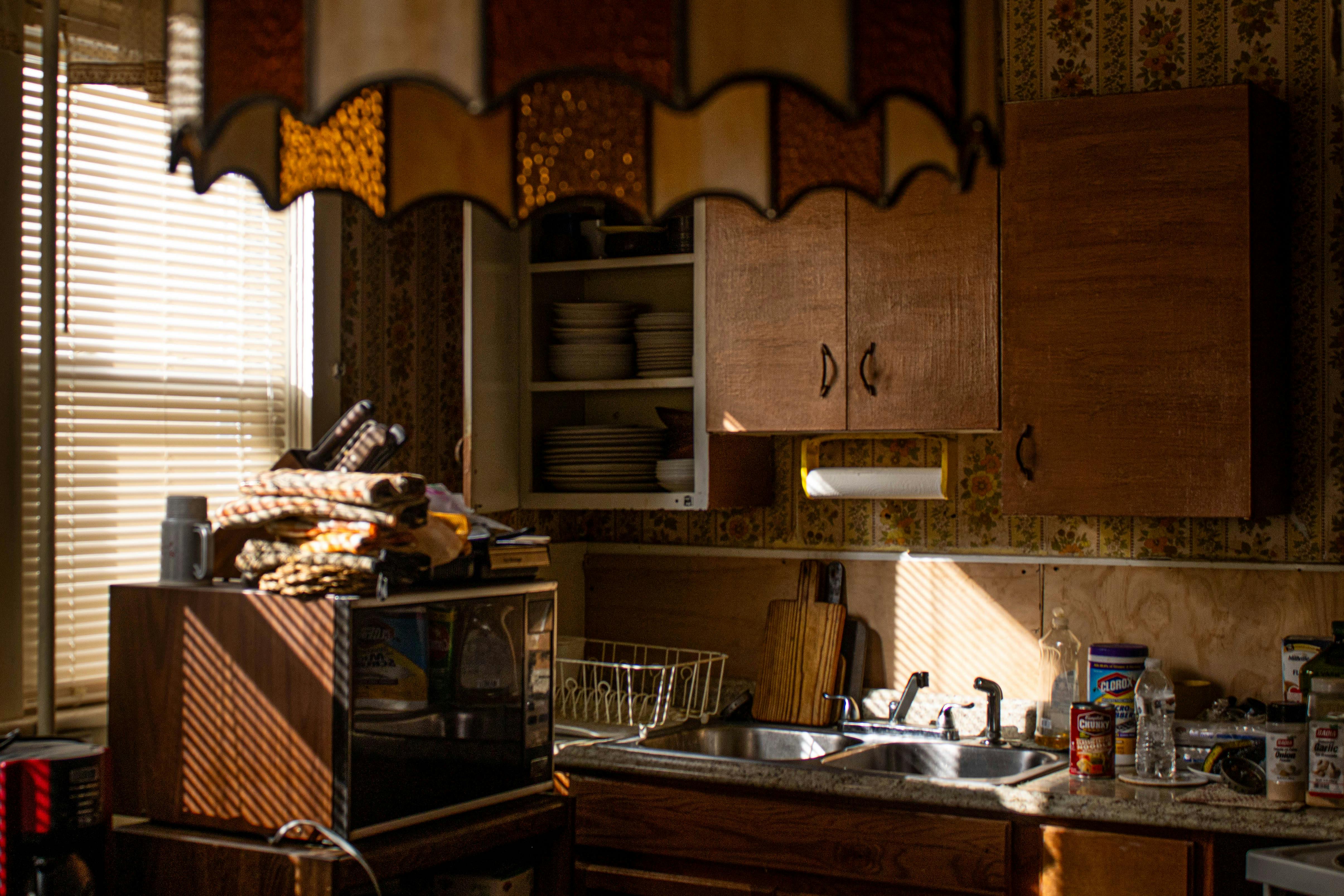
An older pendant or wall light can introduce material and silhouette with very little visual clutter, but age is especially relevant to safety here. Original wiring, sockets and fittings may require professional assessment or adaptation; a reproduction can sometimes provide the same shape with less uncertainty. The fixture should still be scaled to the table or work zone rather than chosen only for provenance.
Decide What Existing Fabric Is Worth Preserving
Old timber, tile or another retained floor can become the largest piece of history in the room, making additional vintage signals unnecessary. Assess condition, repairability, transitions and how much of the floor will remain visible beneath furniture. Preserve age where it can continue to perform; replace material that is failing rather than treating deterioration as character.