
Restore the Pantry as a Distinct Function
Victorian domestic kitchens often depended on separated storage functions, and that idea remains useful even without a historic pantry room. Concentrate dry goods, serving pieces or occasional equipment in one tall cupboard, pantry wall or adjoining zone so the main kitchen does not have to display every category. The character comes from functional separation more than from decorative labels.
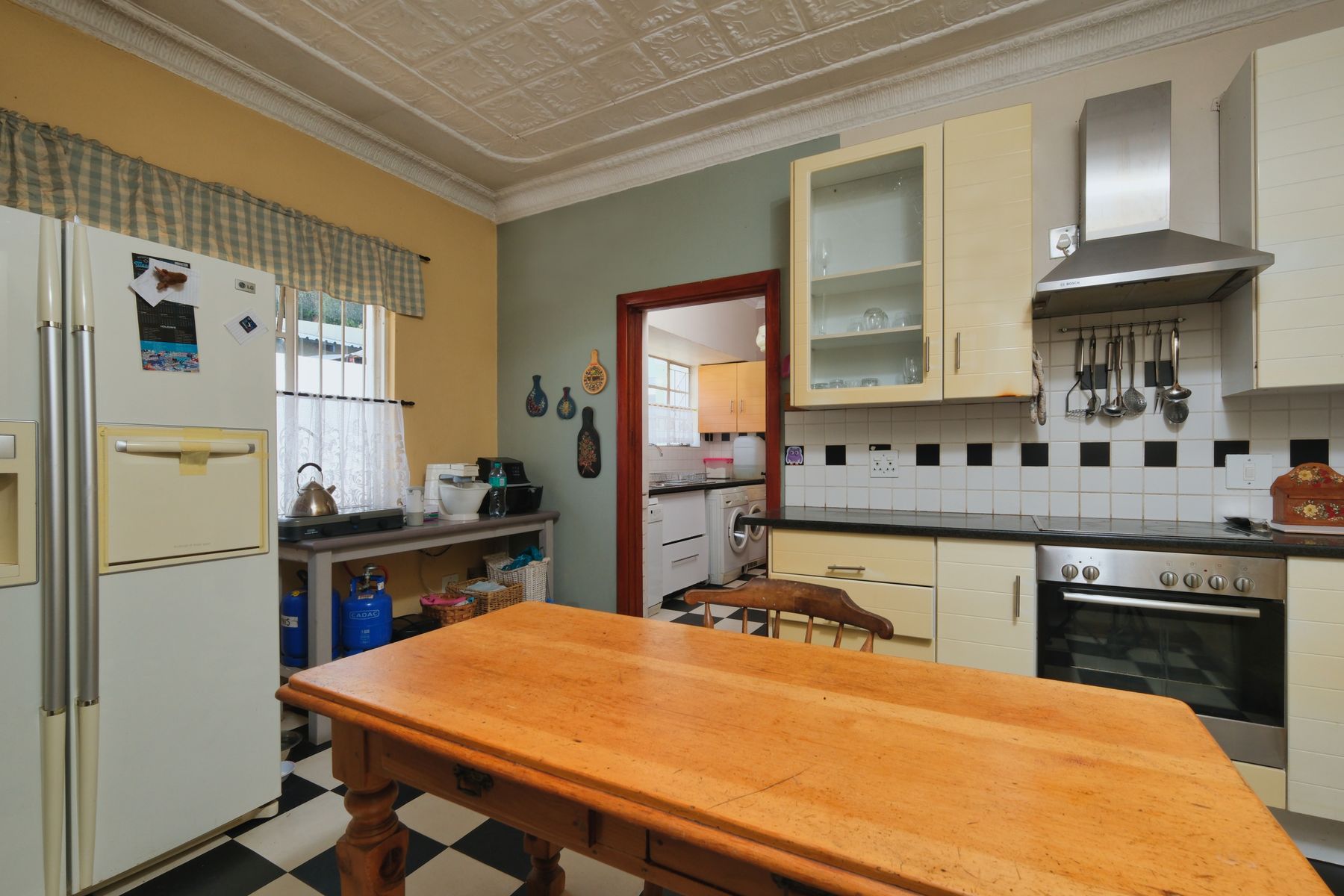
Use a Worktable Before Defaulting to an Island
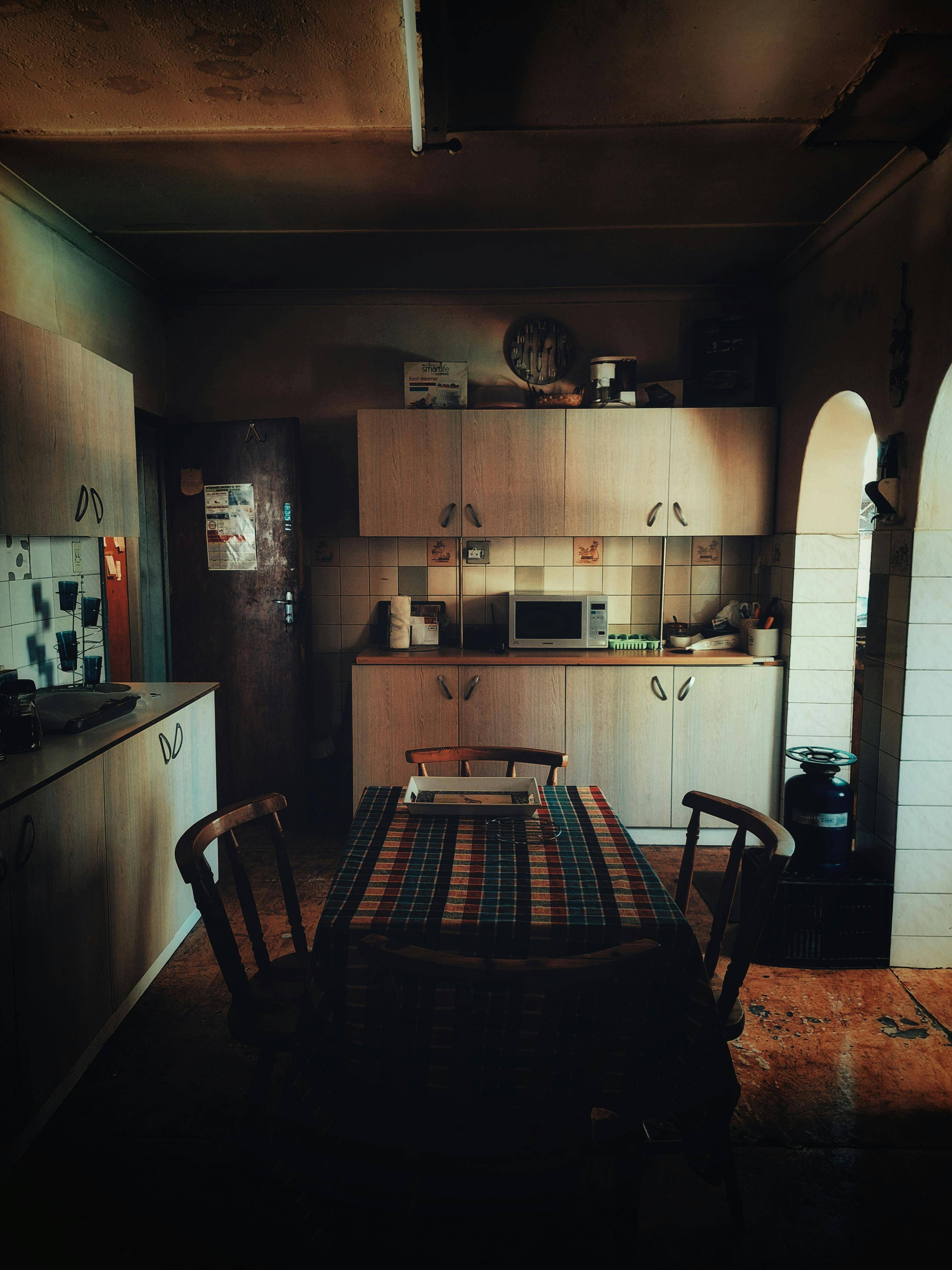
A freestanding table can provide preparation, serving and informal eating while keeping more floor visible than a fully fitted island. Its separate construction also reinforces the sense that the kitchen evolved through furniture rather than one continuous cabinet system. Choose height, surface and clearance around the actual tasks you expect it to handle.
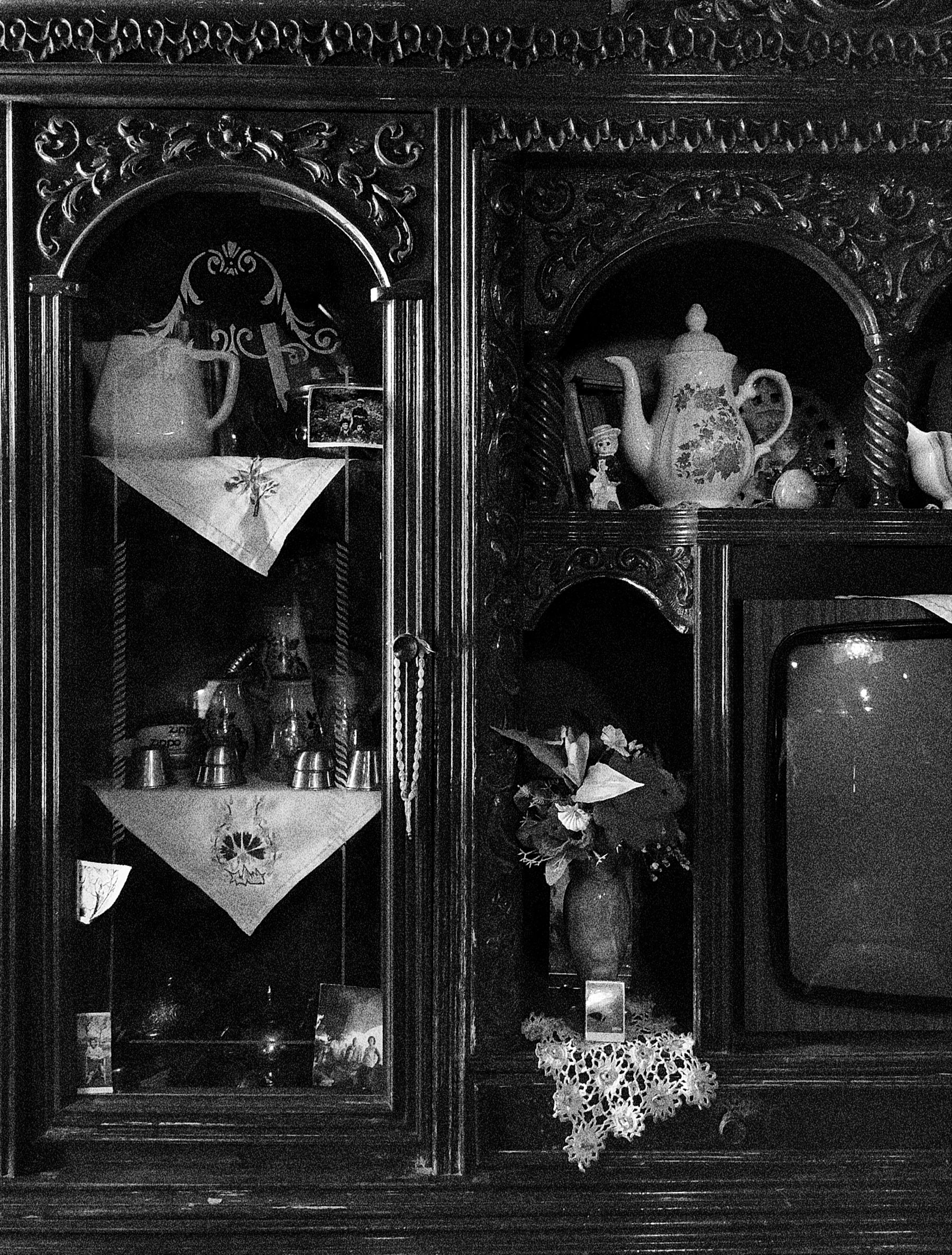
Let the Dresser Hold the Ornament and Display
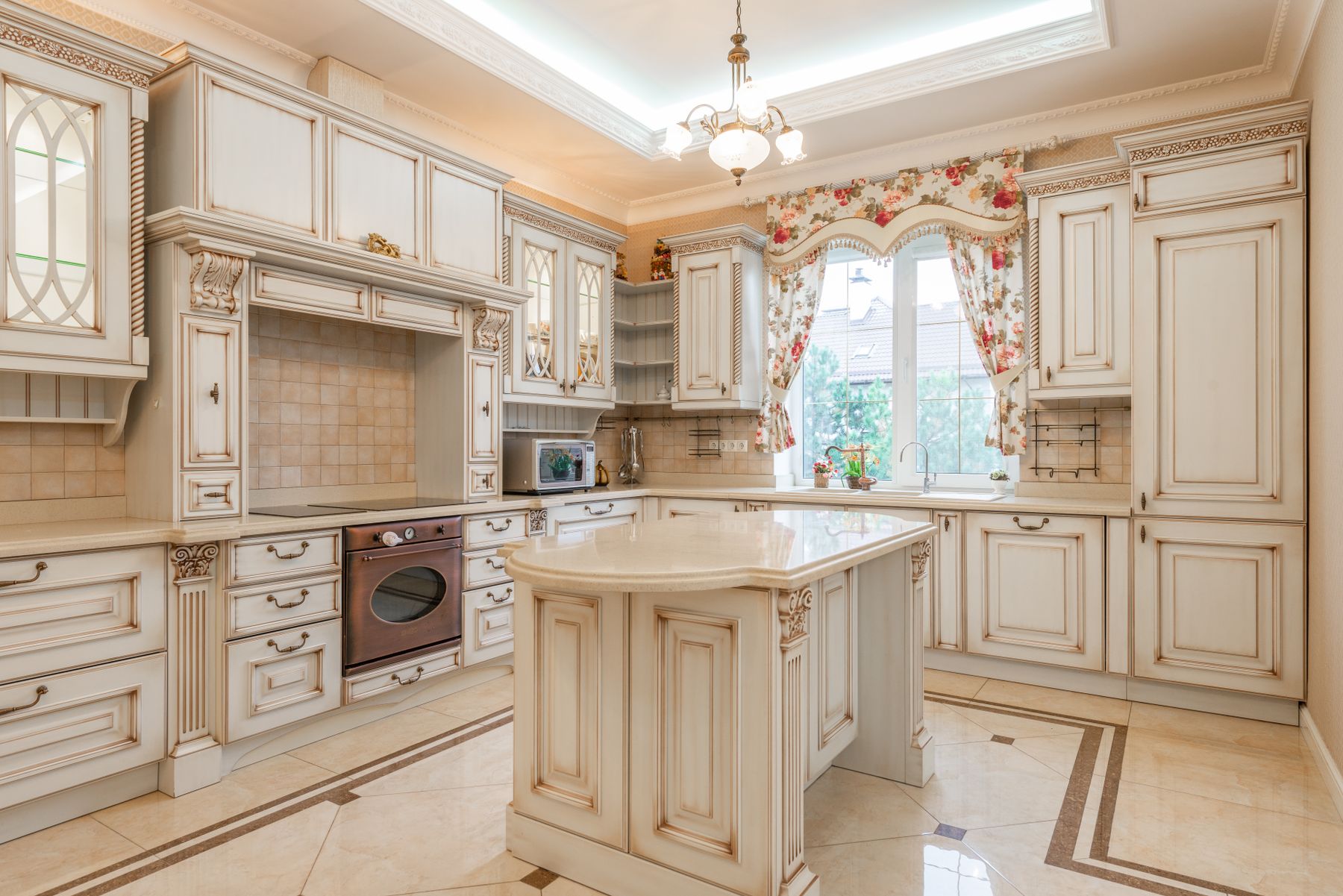
A dresser is a natural place for framed detail, shelves, crockery and richer wood because it can act as the room's furniture focal point. Give it real storage and keep the nearby work cabinetry simpler. This allows Victorian richness to concentrate in one piece instead of spreading carving, trim and display across every wall.
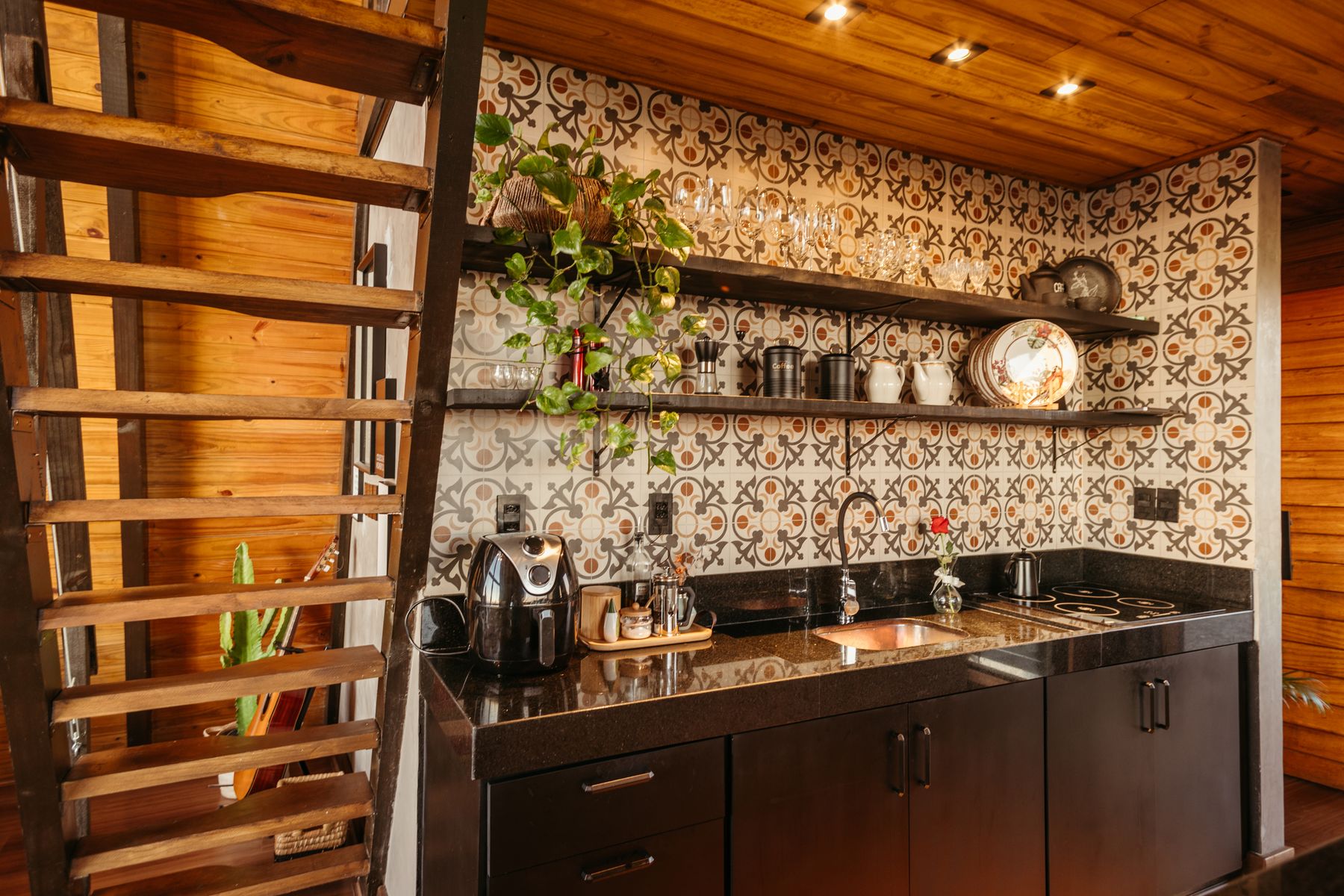
Use Period Pattern on One Defensible Plane
Patterned tile, wallpaper or textile can reference Victorian interiors without covering the whole kitchen. Give the strongest repeat one clear boundary such as a floor, backsplash or dining wall, then keep wet and greasy zones practical. The pattern should read as a deliberate historical layer rather than a general instruction to decorate every surface.
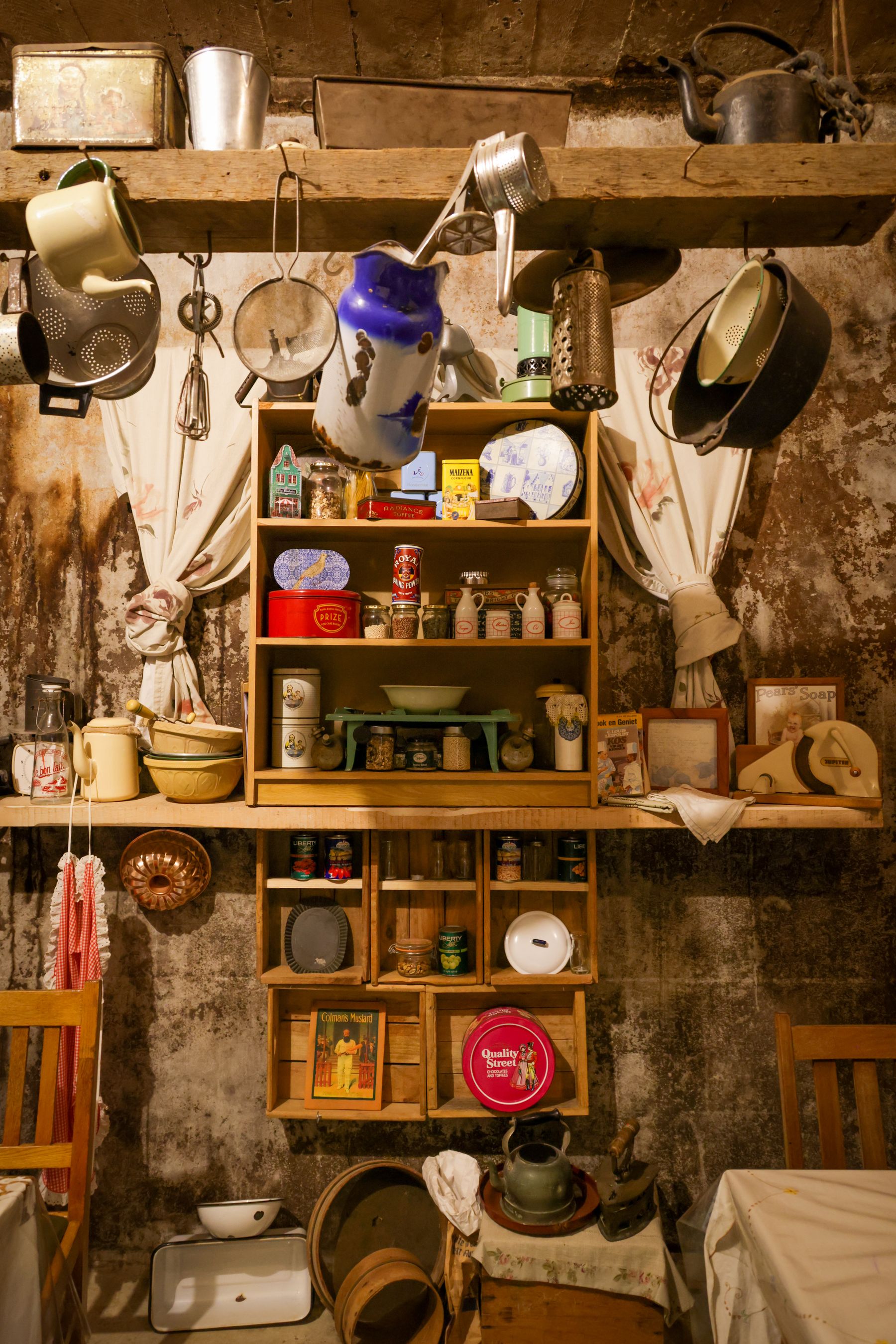
Treat Visible Kitchenware as Working Inventory
Pans, crockery, jars and utensils can contribute to the period feeling because Victorian workrooms often made useful equipment visible. The modern version should still be organized by use and cleaning frequency. Group one functional category at a time instead of turning every shelf and rail into display.
Use Modern Comfort to Correct Historical Hardness
Historic service rooms could be cold, dim and physically demanding; reproducing those conditions is not the goal. Use effective task lighting, comfortable flooring where appropriate, ventilation and clear routes while allowing timber and pattern to carry the historical atmosphere. Modern comfort is part of the translation, not a compromise against authenticity.
Give Dark Timber a Furniture Role
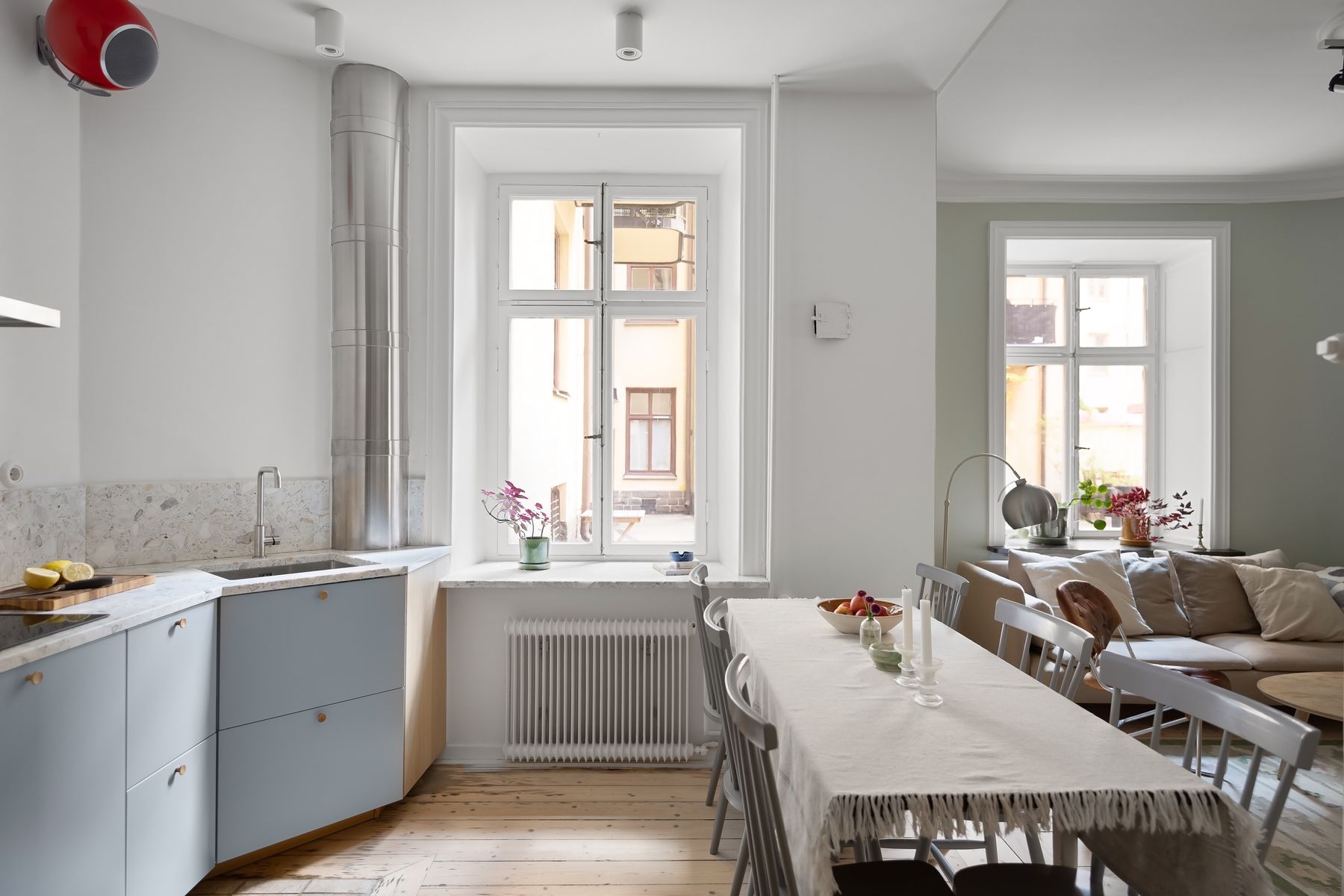
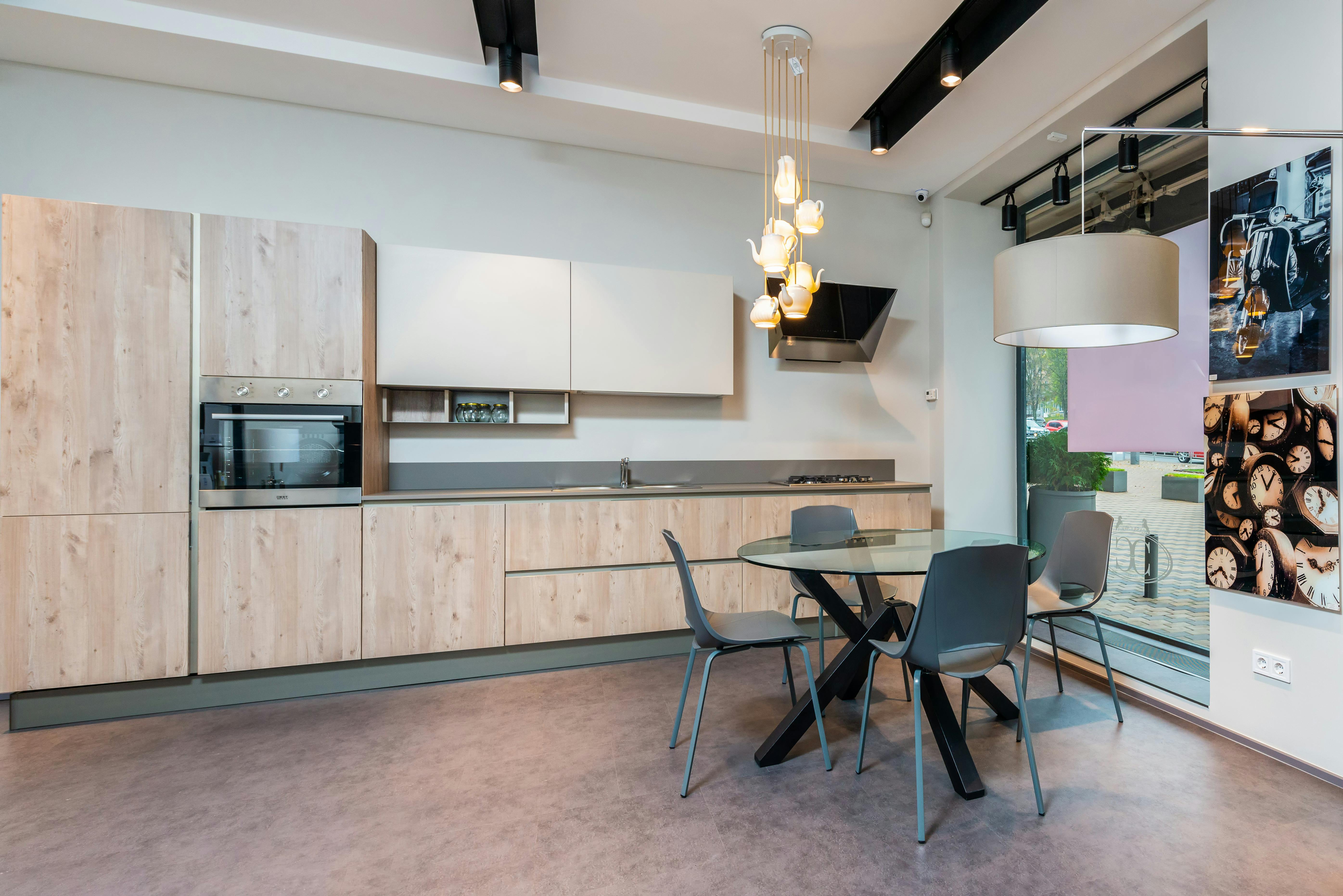
Dark or medium timber can provide period weight when it belongs to a dresser, table, pantry or selected cabinet run. Covering every fitted surface in the same dark wood can make the room monolithic and less like a layered service space. Let timber identify furniture-like elements while lighter or painted surfaces support the working areas.
Keep Contemporary Performance at the Main Worktop
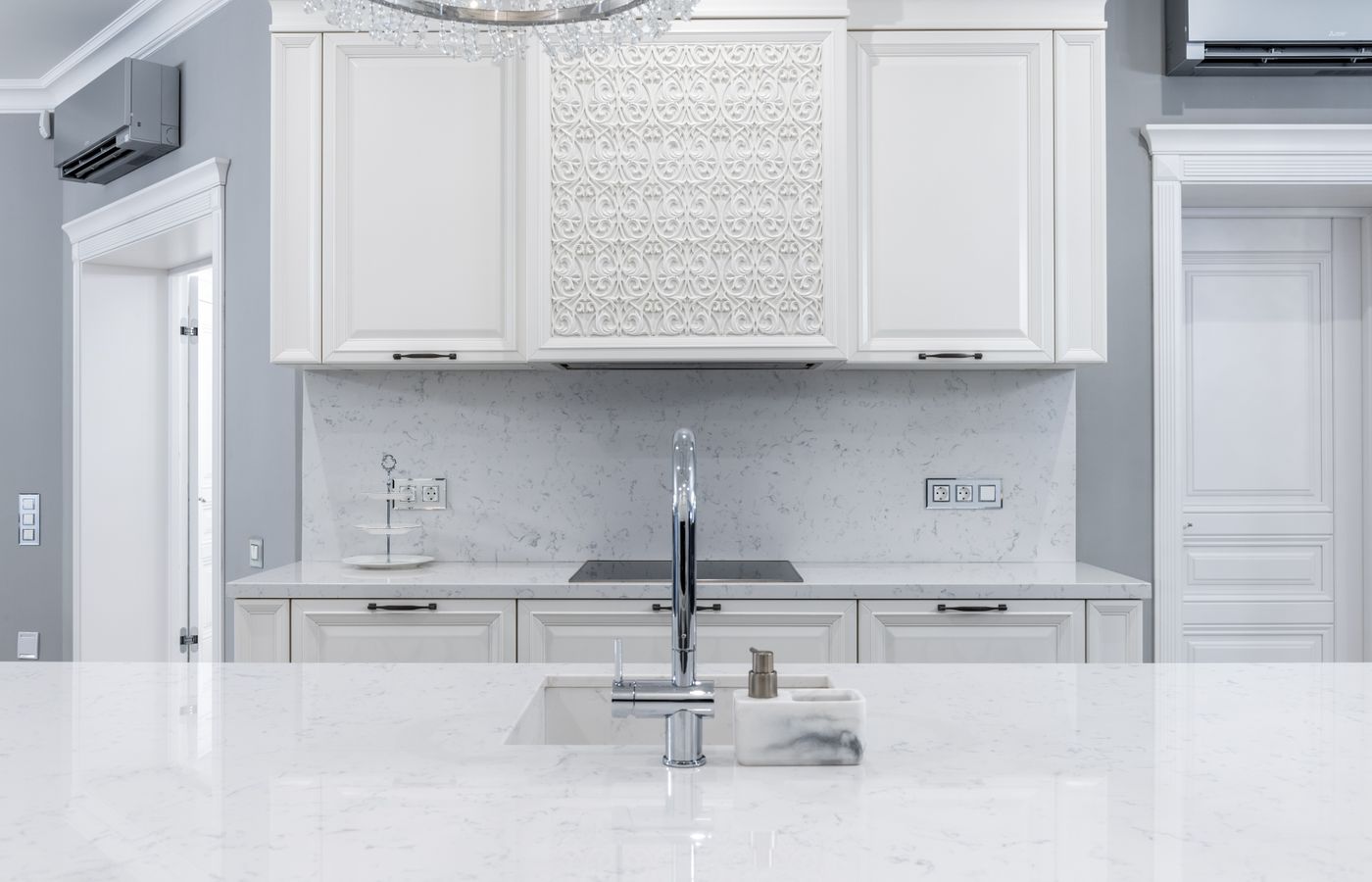
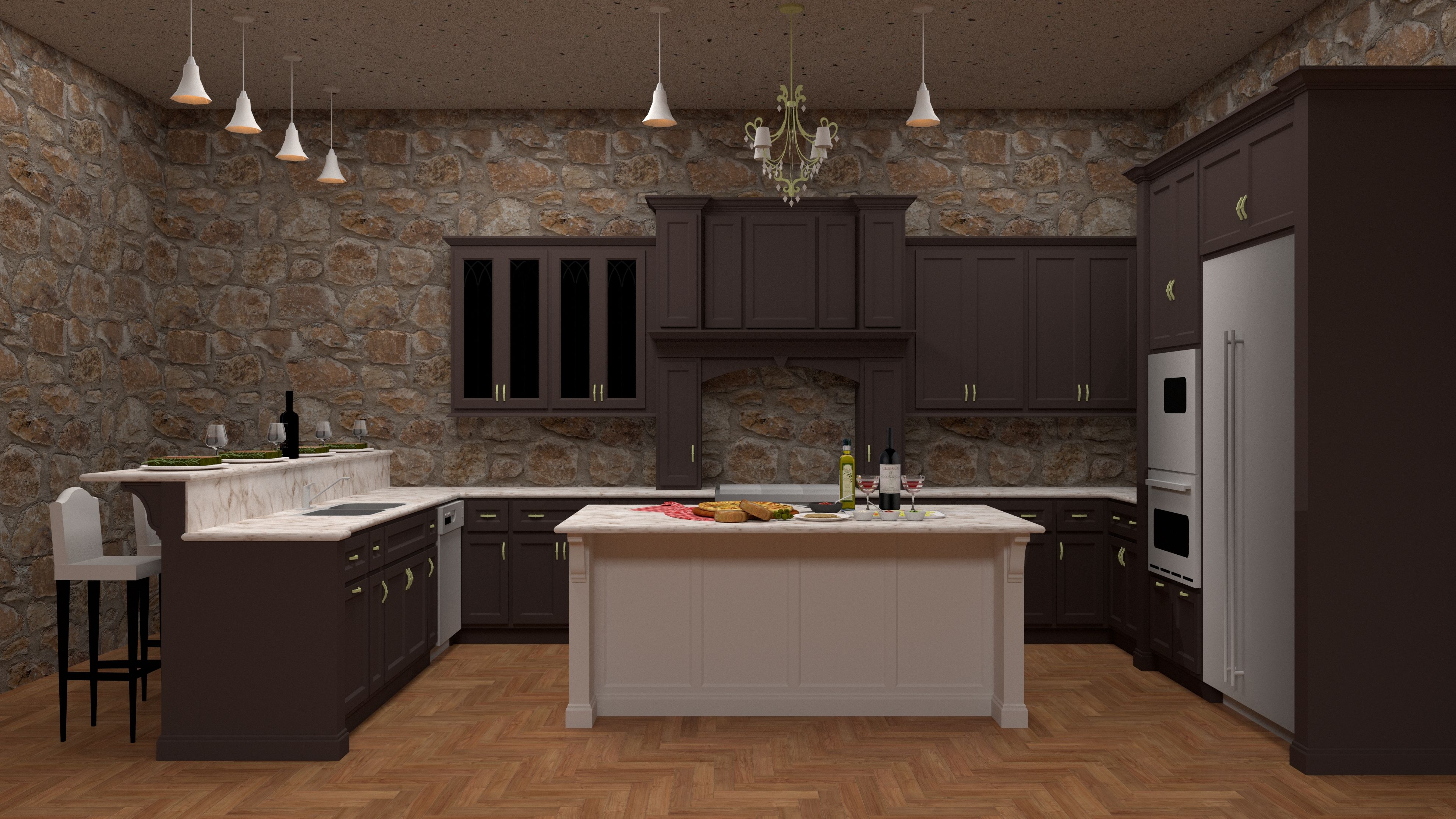
The busiest preparation surface should be chosen for hygiene, durability and maintenance even when the surrounding room is period-inspired. A smooth stone, composite or other suitable worktop can sit beside older furniture without pretending to be historical. This contrast makes the translation more believable because the kitchen is allowed to function in the present.
Use Metal to Connect Equipment Across Eras
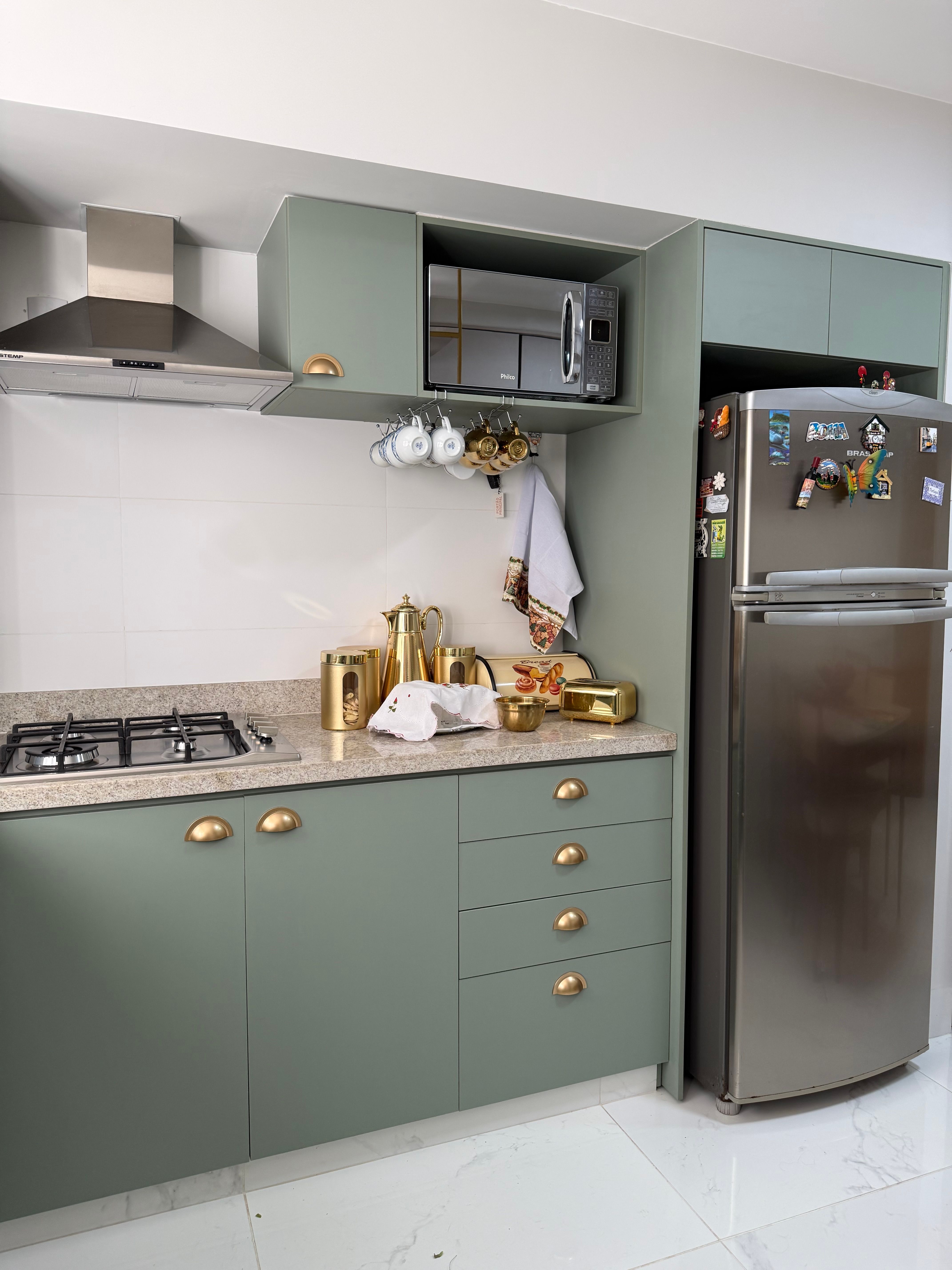
A consistent brass, copper, nickel or other metal family can link cabinet hardware, sink fittings and selected lighting without forcing exact period reproduction. Choose the finish by how it sits beside timber and pattern, and use it mainly on functional components. The repetition can make modern and older forms feel related.
Keep Technical Systems Decisively Modern
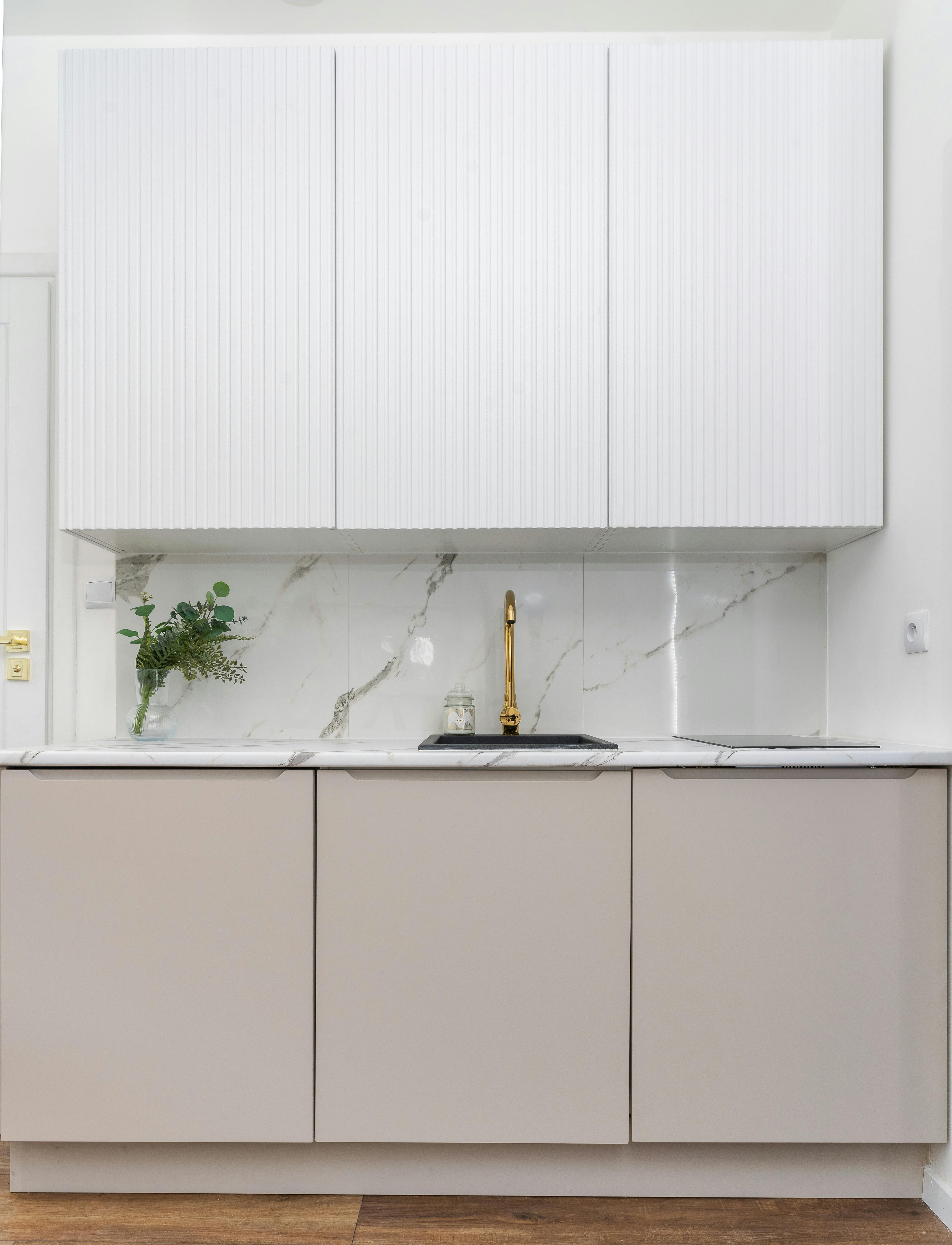
Refrigeration, cooking, extraction and electrics should meet current expectations without being hidden behind elaborate fake-period treatments. Group appliances coherently, let cabinetry or furniture provide the historical layer and make maintenance access straightforward. A Victorian-inspired kitchen can be historically informed without pretending contemporary technology does not exist.