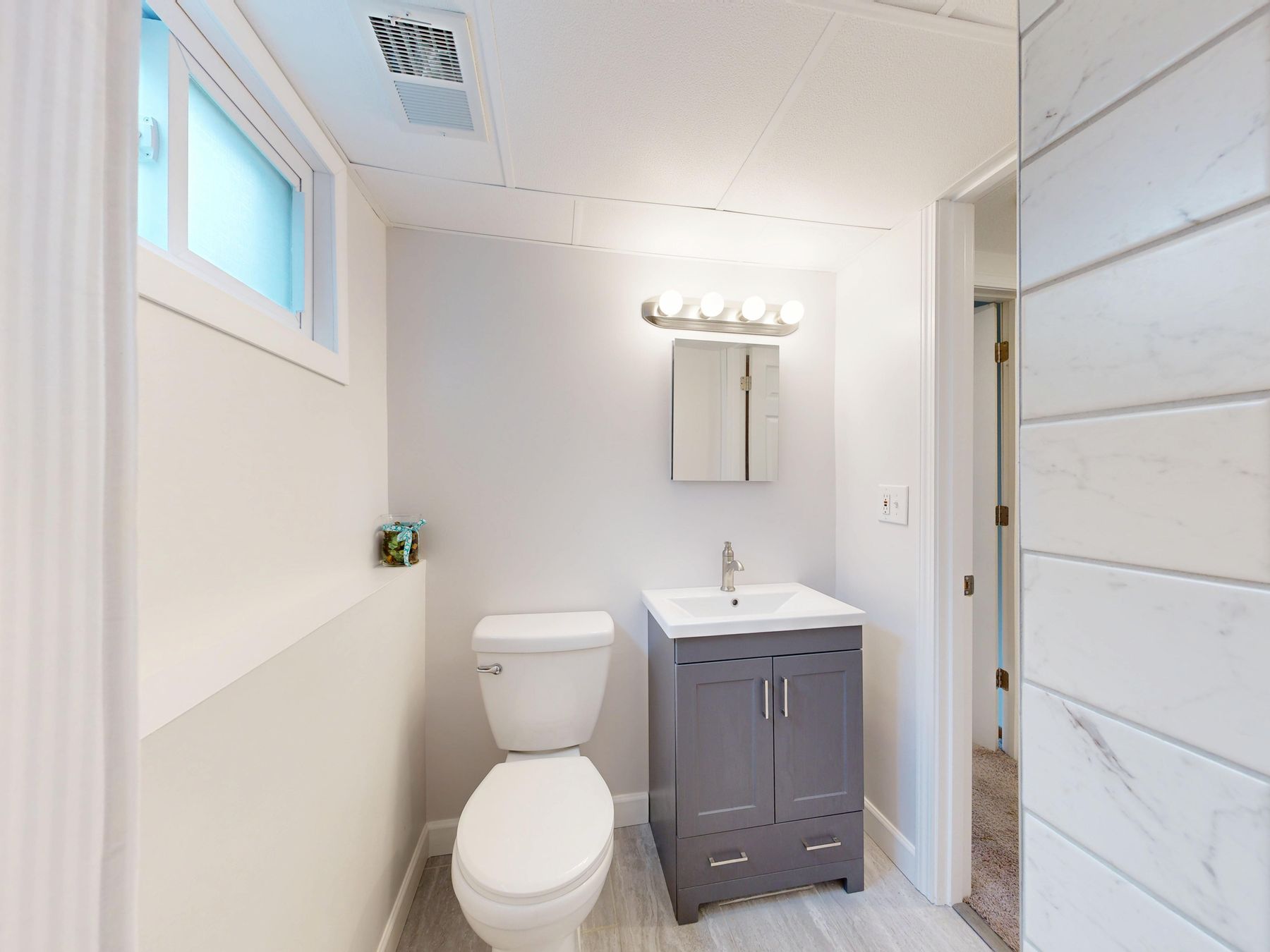
Start With Point-of-Use Storage
The most useful storage is usually the storage closest to the routine it supports. Toothbrushes, skincare, shaving tools and daily cosmetics belong near the basin; towels belong near the bath or shower; cleaning supplies need a separate practical location. Organizing by activity reduces the number of items that migrate onto counters.
Choose Drawers for Small Daily Items
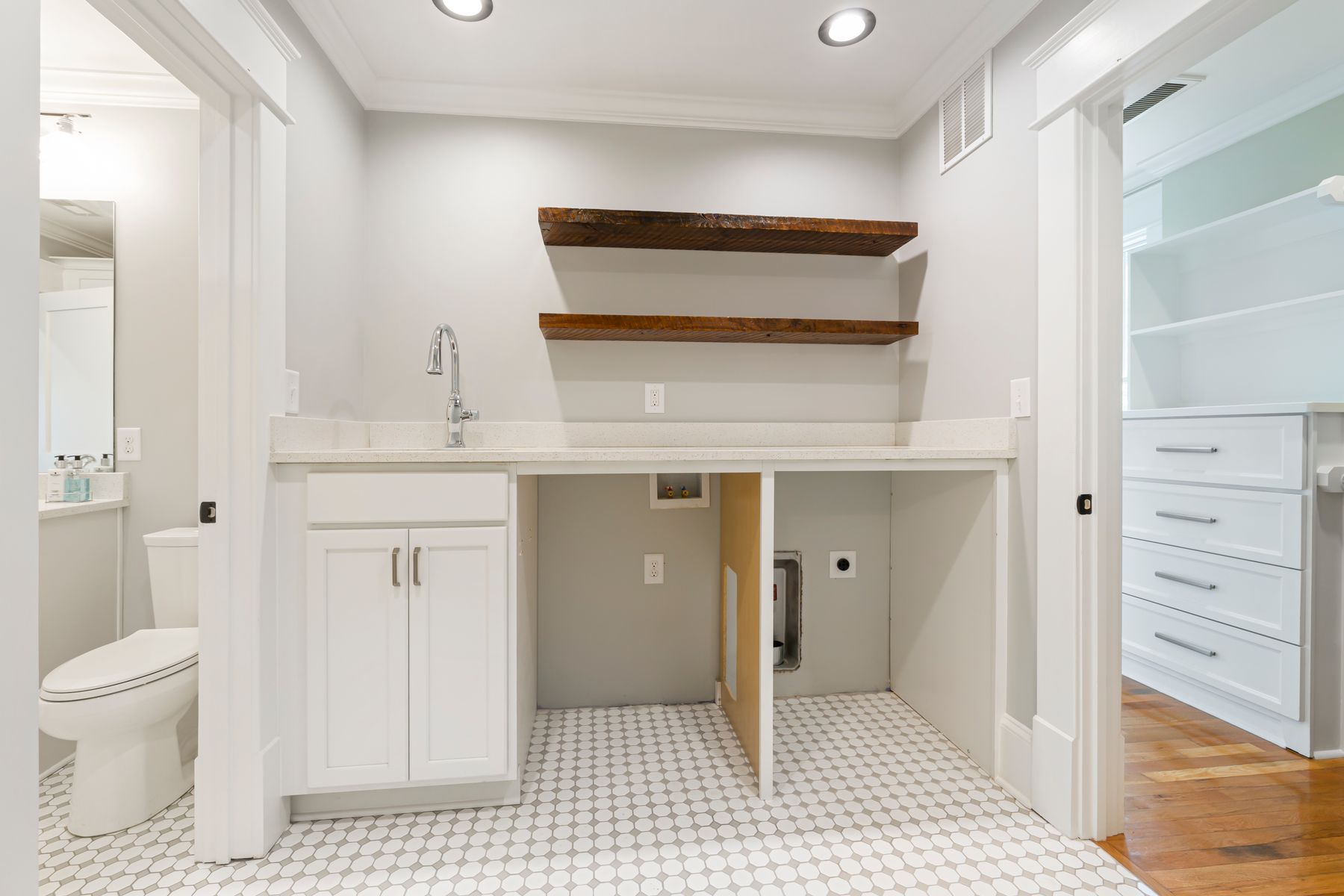
Deep cabinet doors often hide small products behind plumbing and one another. Drawers bring the contents forward and make categories easier to separate. Use shallow upper drawers for grooming tools and small toiletries, then deeper lower storage for towels, refills or larger bottles.
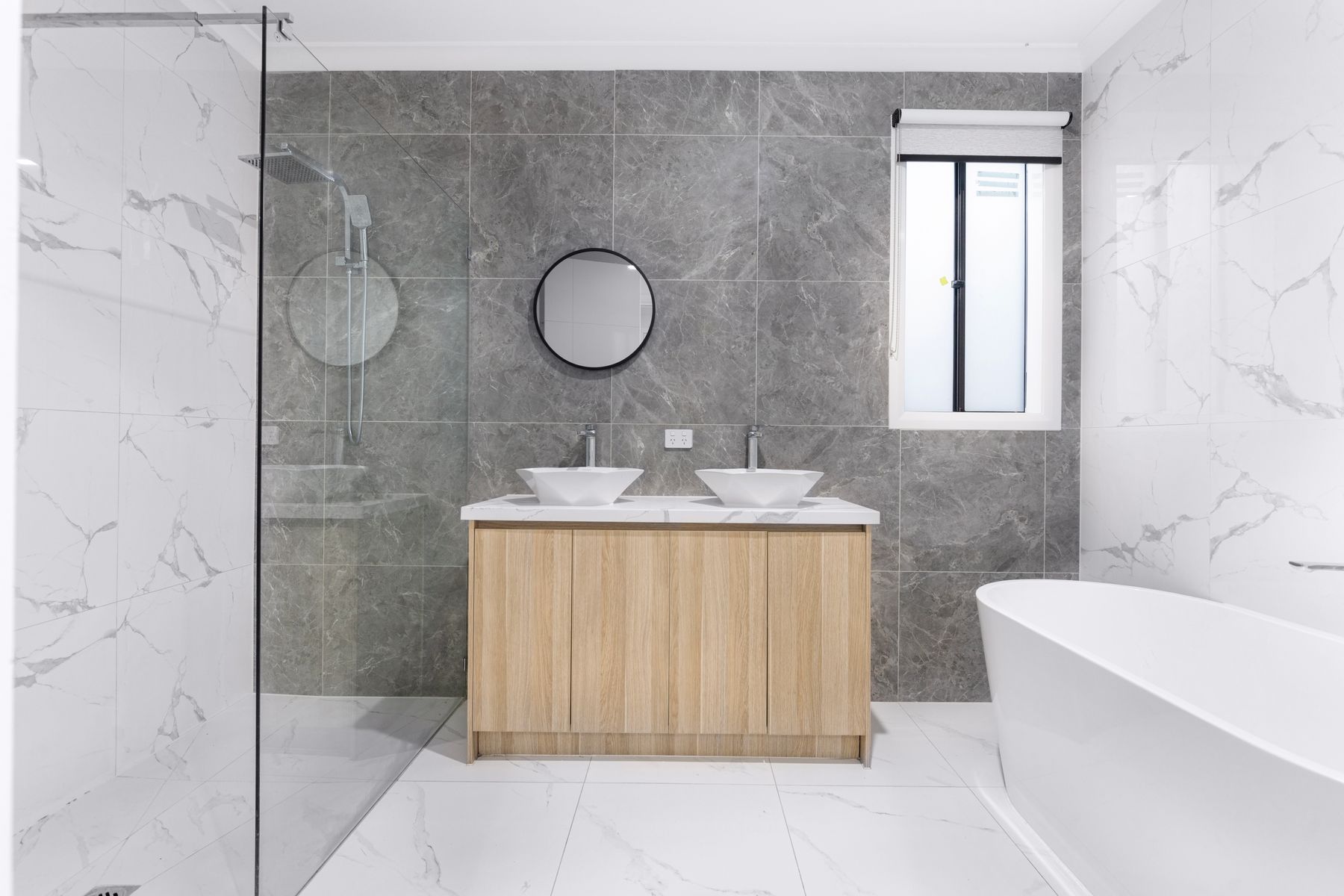
Give a Shared Vanity Separate Zones
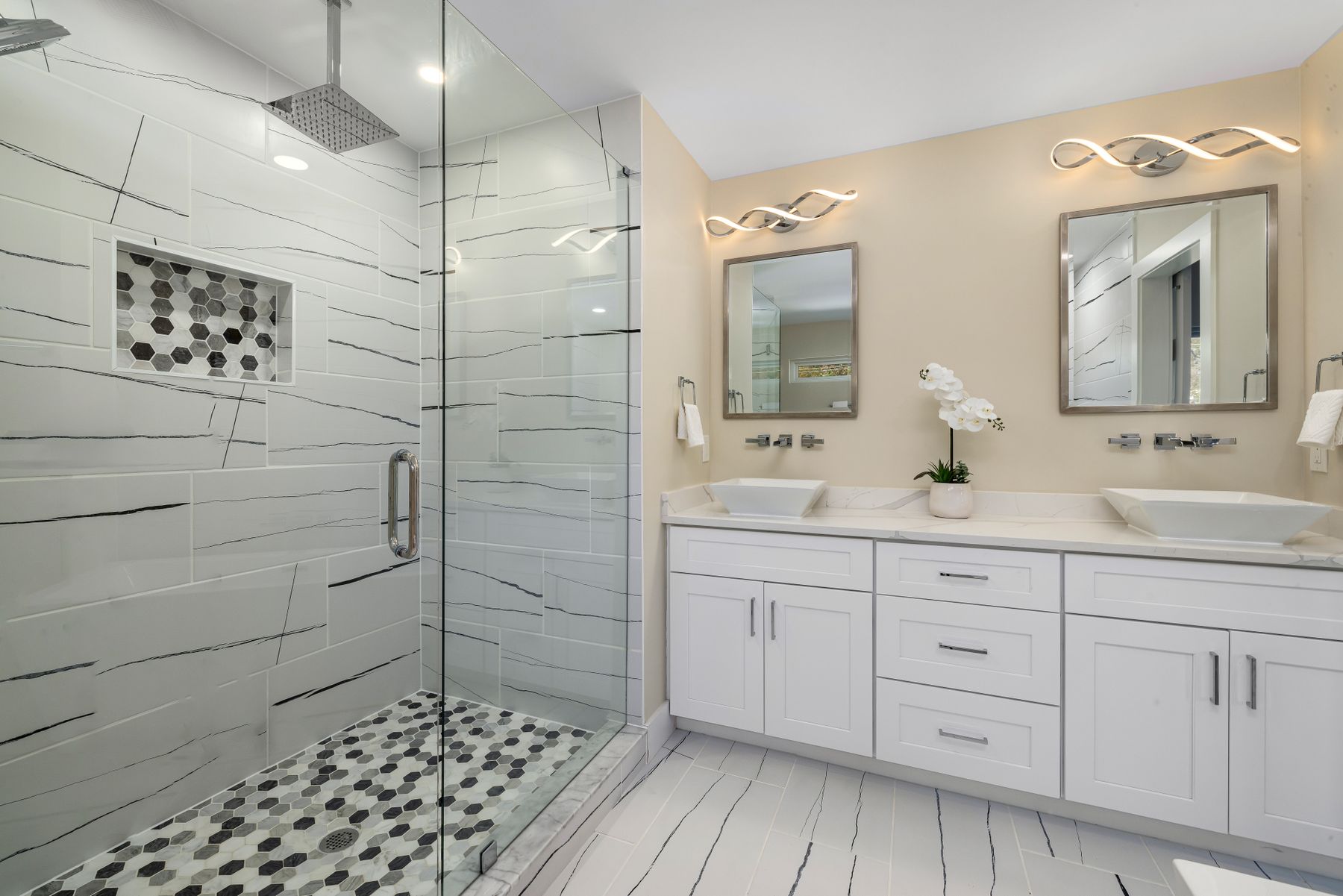
A double vanity works better when each user has a defined drawer or cabinet zone rather than sharing one large storage cavity. Keep shared items in a central or lower section and personal items closer to each basin. This reduces counter clutter and makes the layout easier to reset after busy mornings.
Use Baskets Only for Categories That Stay Tidy
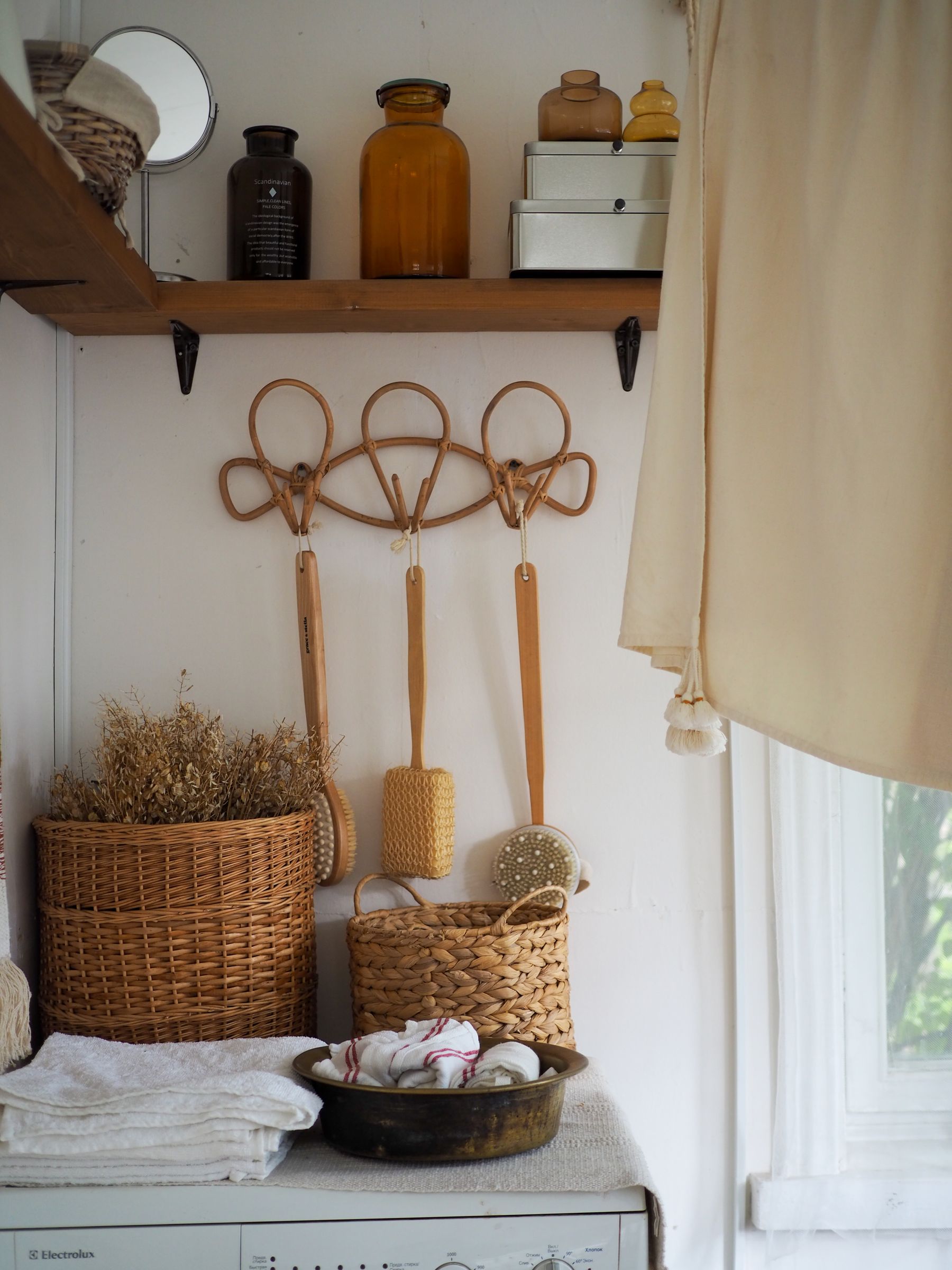
Woven baskets can soften a bathroom and make towels or toilet paper easy to reach, but they are less effective for dozens of small bottles. Use baskets for simple categories with predictable contents and keep messy packaging behind doors or in drawers. In humid areas, choose materials that can dry and be cleaned easily.
Use a Tall Cabinet for Backups and Linens
A tall cabinet can consolidate towels, refill products and less-frequently used supplies without taking over the vanity. Place it where the door swing does not interfere with circulation and keep the most-used shelves between comfortable reach heights. Deep upper shelves are better for backups than for everyday toiletries.
Use Dark Cabinetry to Hide Visual Clutter
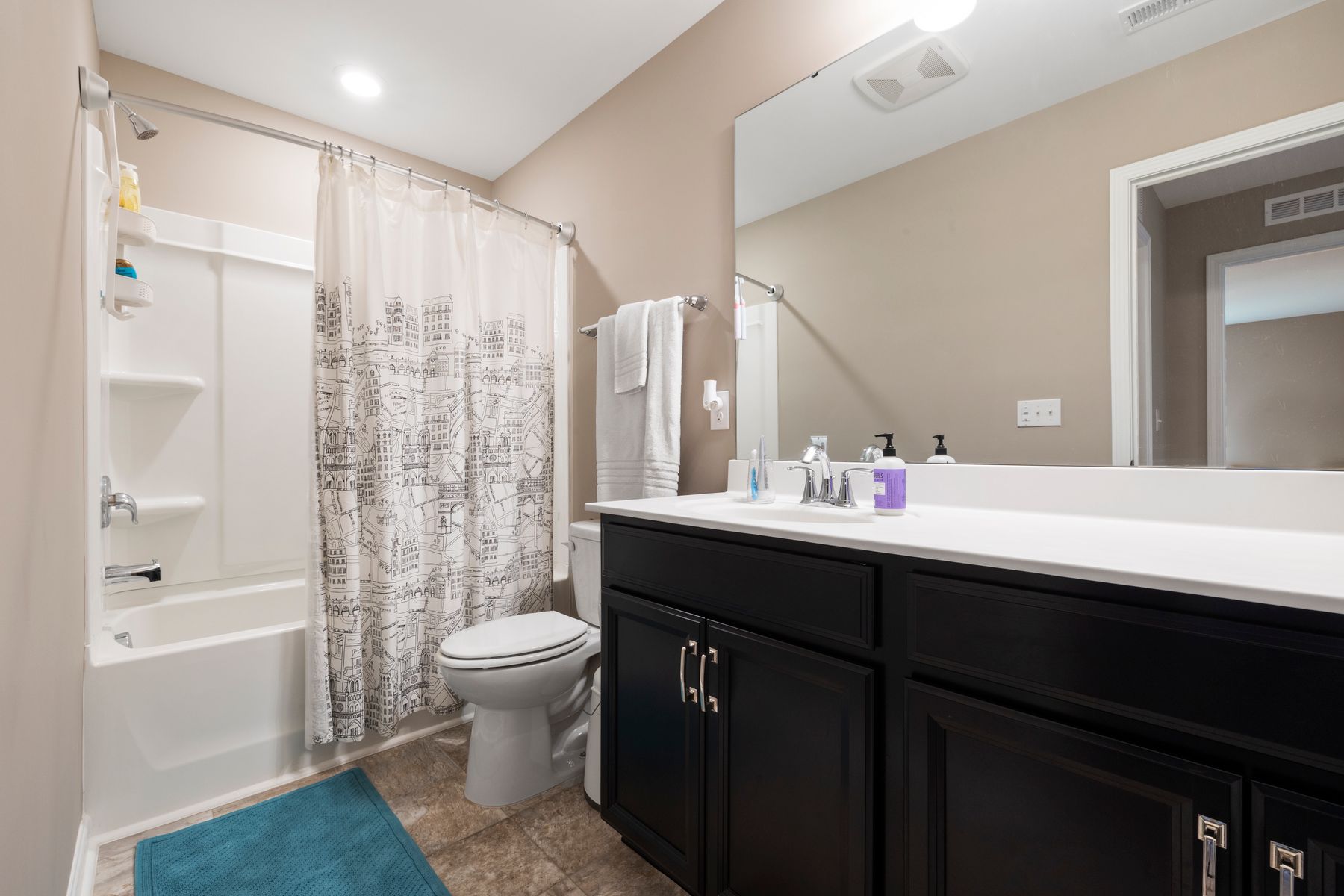
Dark cabinetry can visually ground a bathroom while concealing the colorful packaging of everyday products. It is particularly effective when walls and sanitaryware stay lighter. Fingerprints and dust can show on some dark finishes, so handle design and sheen still matter.
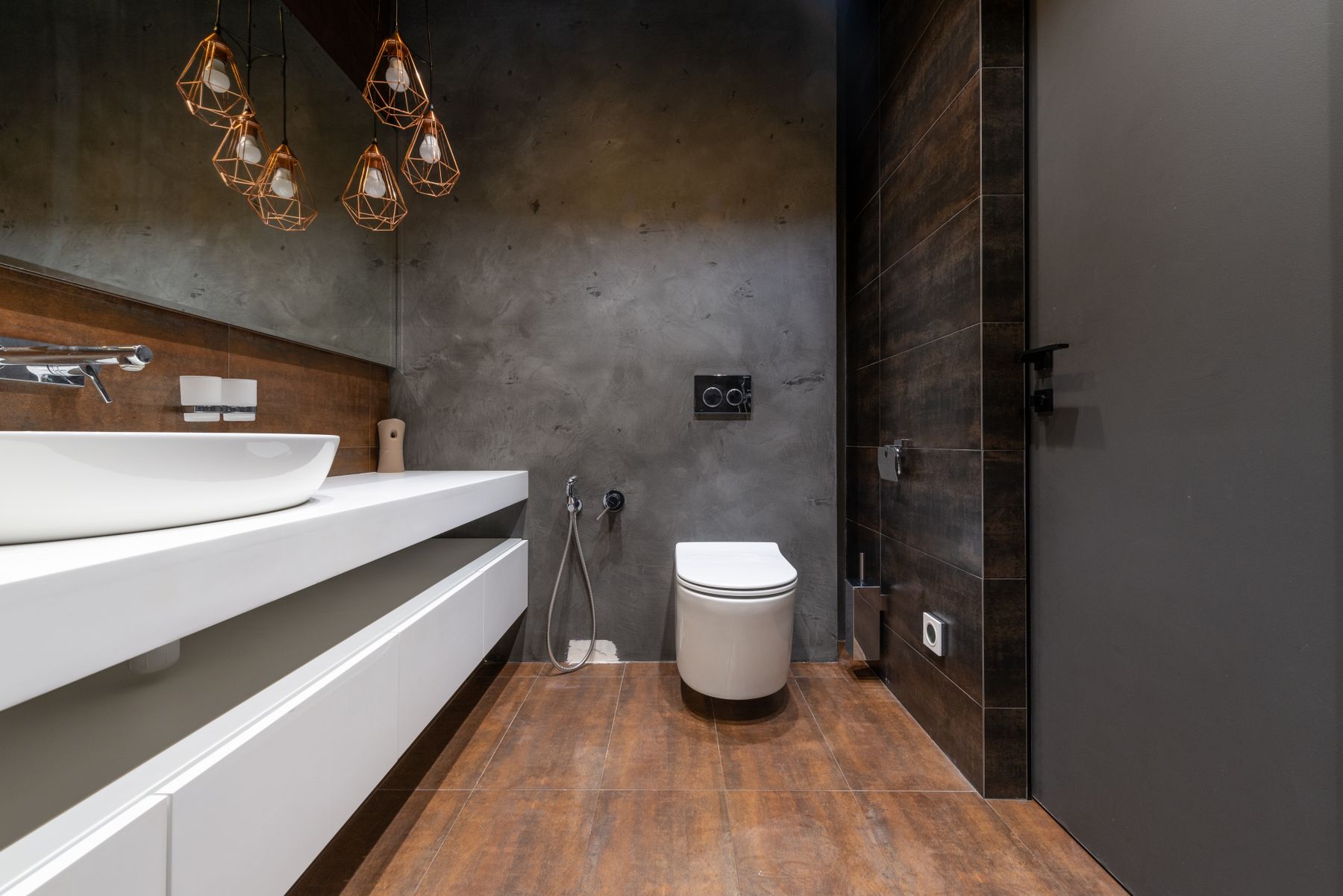
Keep a Wall-Hung Vanity Visually Light
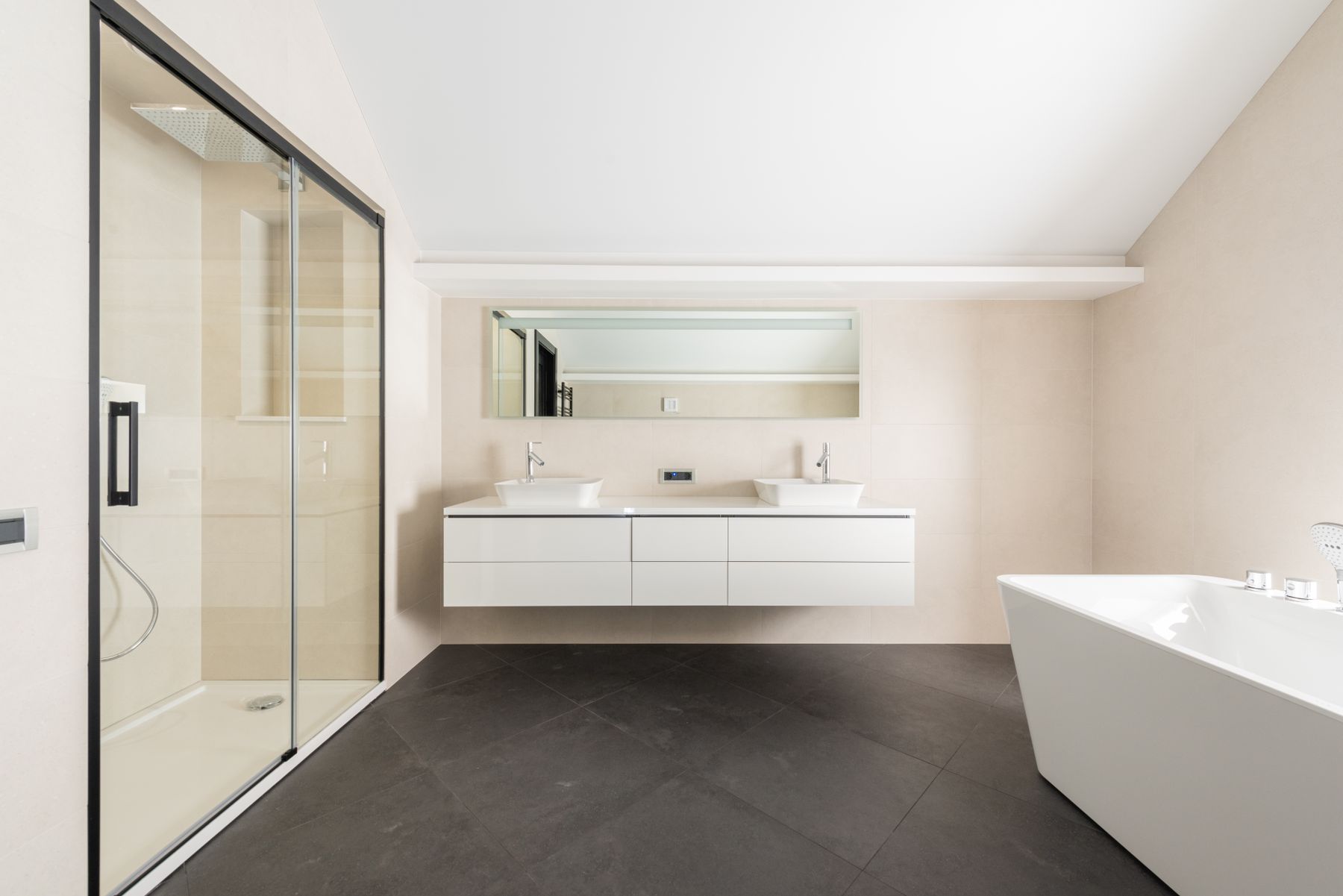
A wall-hung vanity can add useful drawers while preserving visible floor area, which helps a small or narrow bathroom feel lighter. The storage volume is lower than a full-height cabinet, so prioritize daily-use categories and place backups elsewhere. Installation and wall support need to suit the exact unit and load.
Plan Shared Storage Around Mirror and Sink Spacing
In a long double vanity, storage should reinforce the sink and mirror rhythm rather than interrupt it. Align drawer banks with each basin where practical and use central storage for shared categories. A visually balanced vanity is easier to use when the internal organization follows the same logic as the facade.
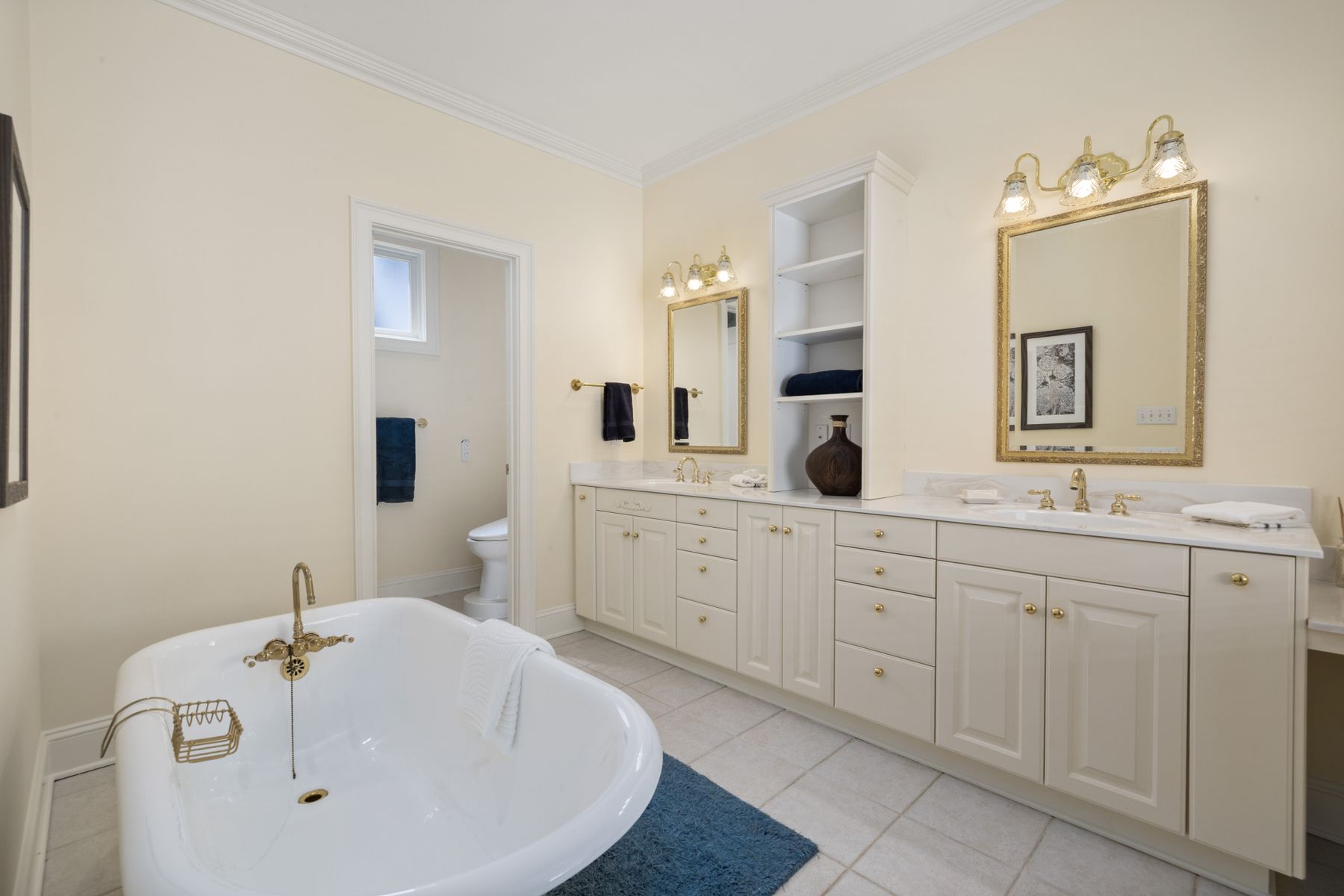
Protect Counter Space With Closed Storage
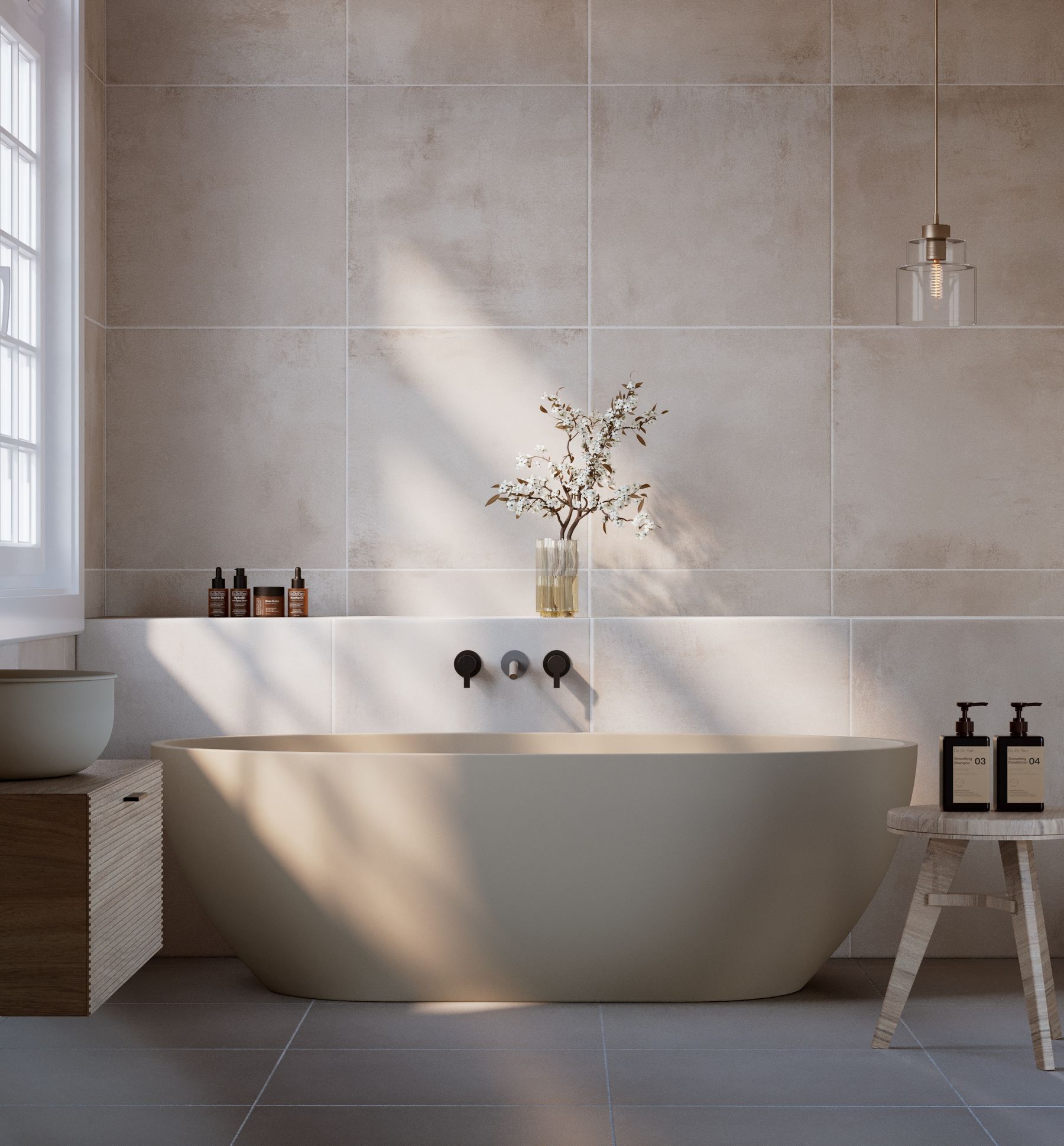
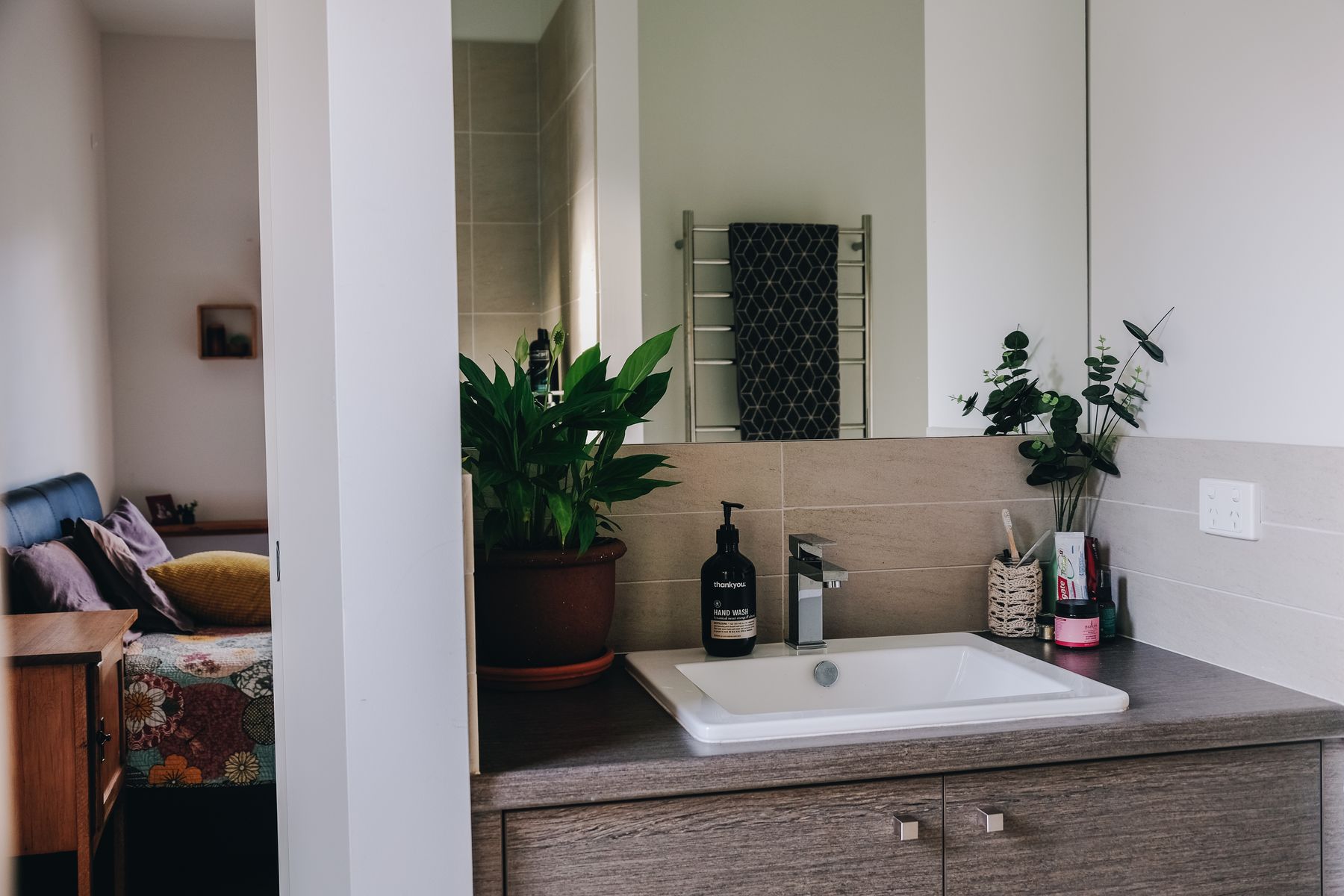
A clear counter makes the bathroom easier to wipe down and reduces visual noise. Closed drawers and cabinets should absorb the daily products that otherwise remain around the basin. Leave only items that are used constantly or are intentionally part of the room's styling.
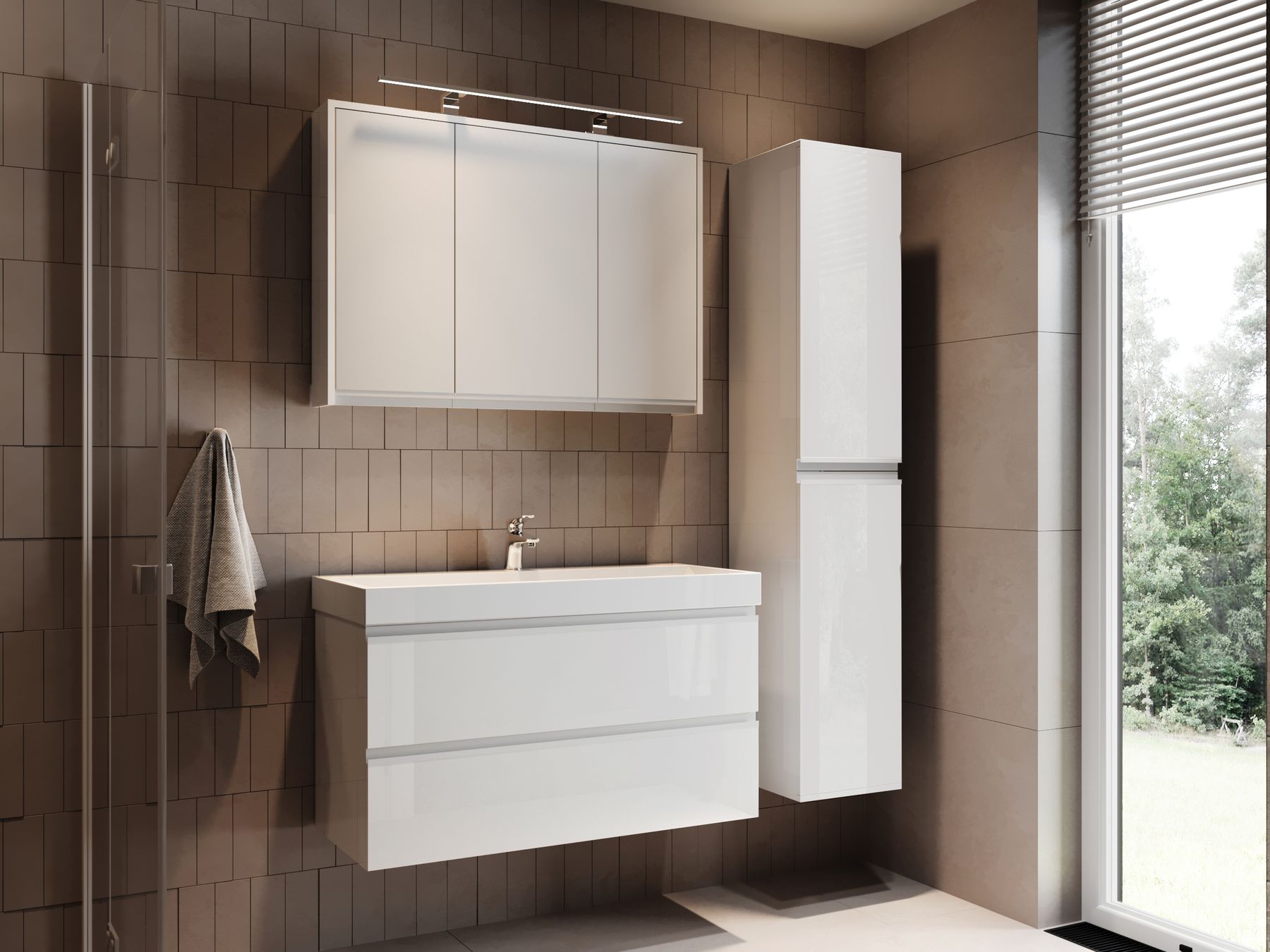
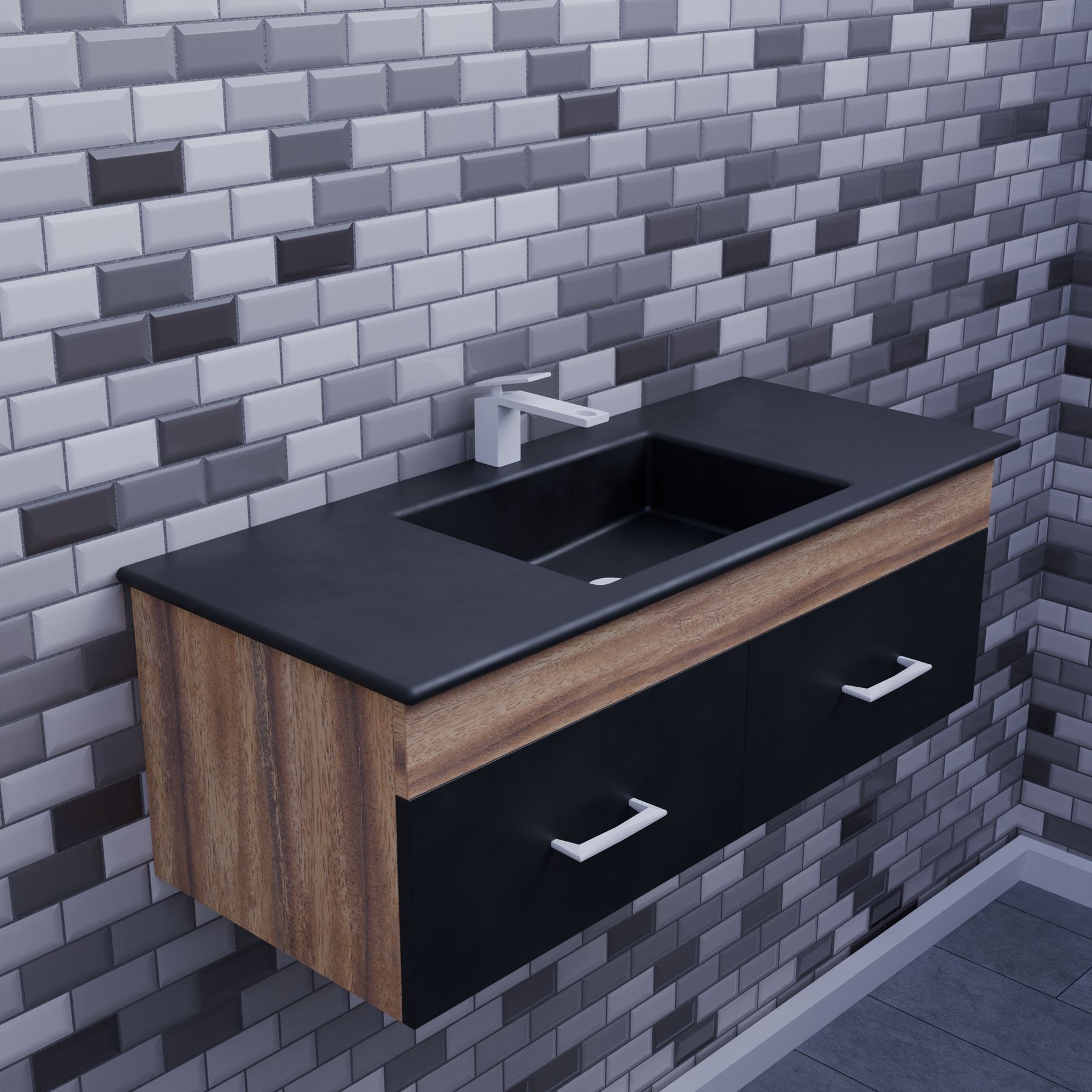
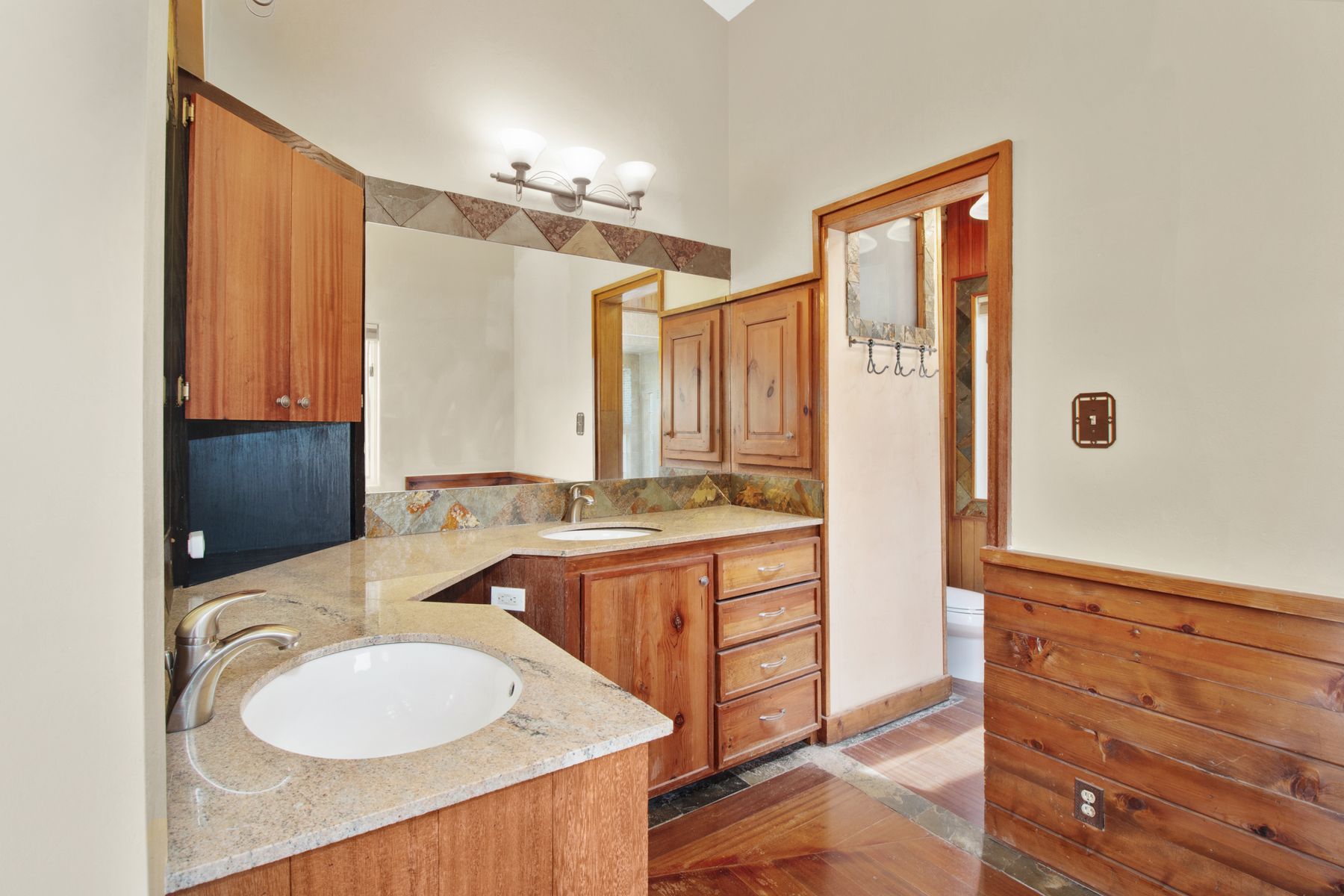
Let Furniture-Scale Storage Carry the Material
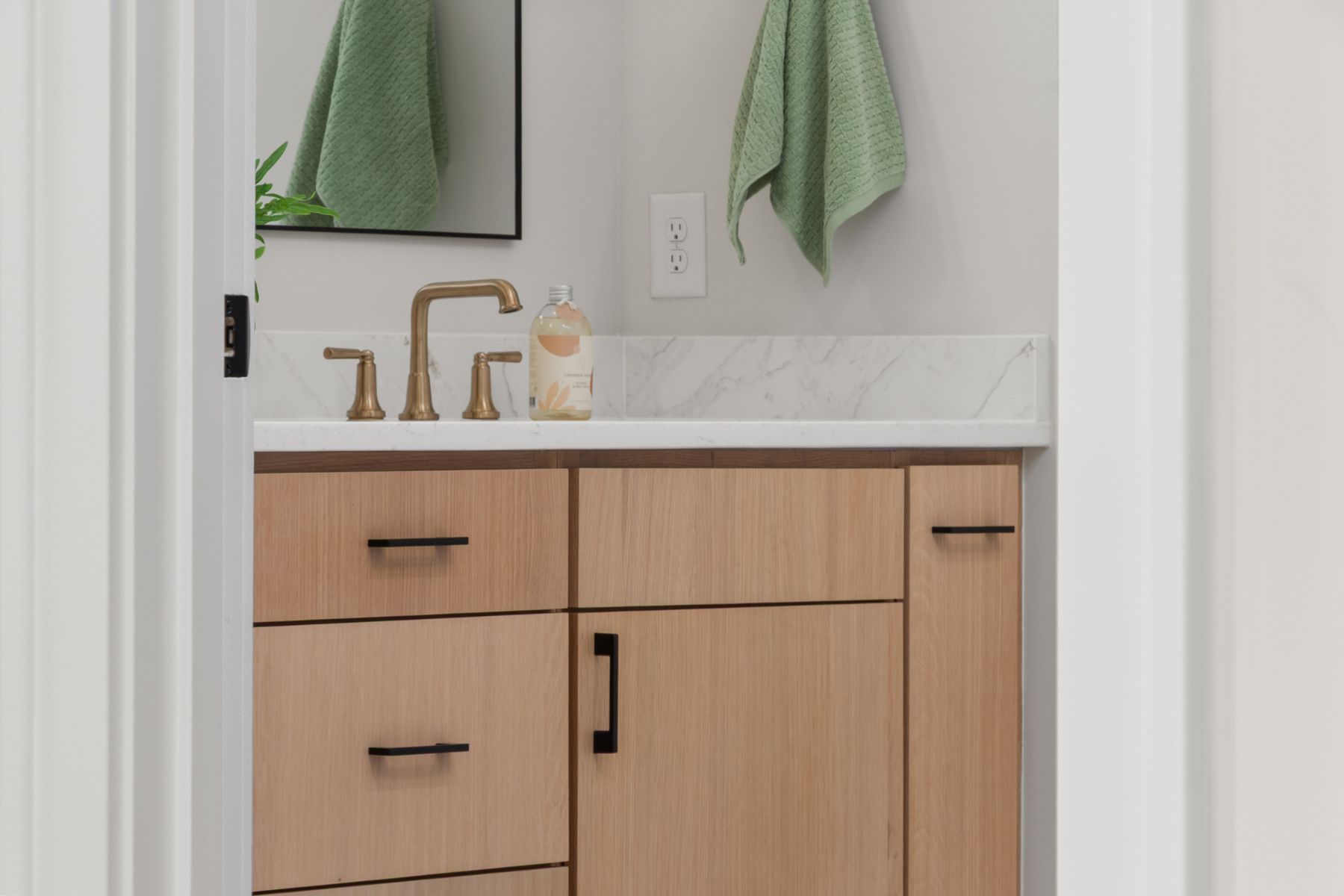
A substantial vanity can solve storage and material warmth at the same time. Wood grain, stone and darker finishes can make the cabinet feel like intentional furniture rather than purely utility storage. Keep the top organized so the cabinetry remains the main visual object.