Coastal Character Without the Nautical Theme
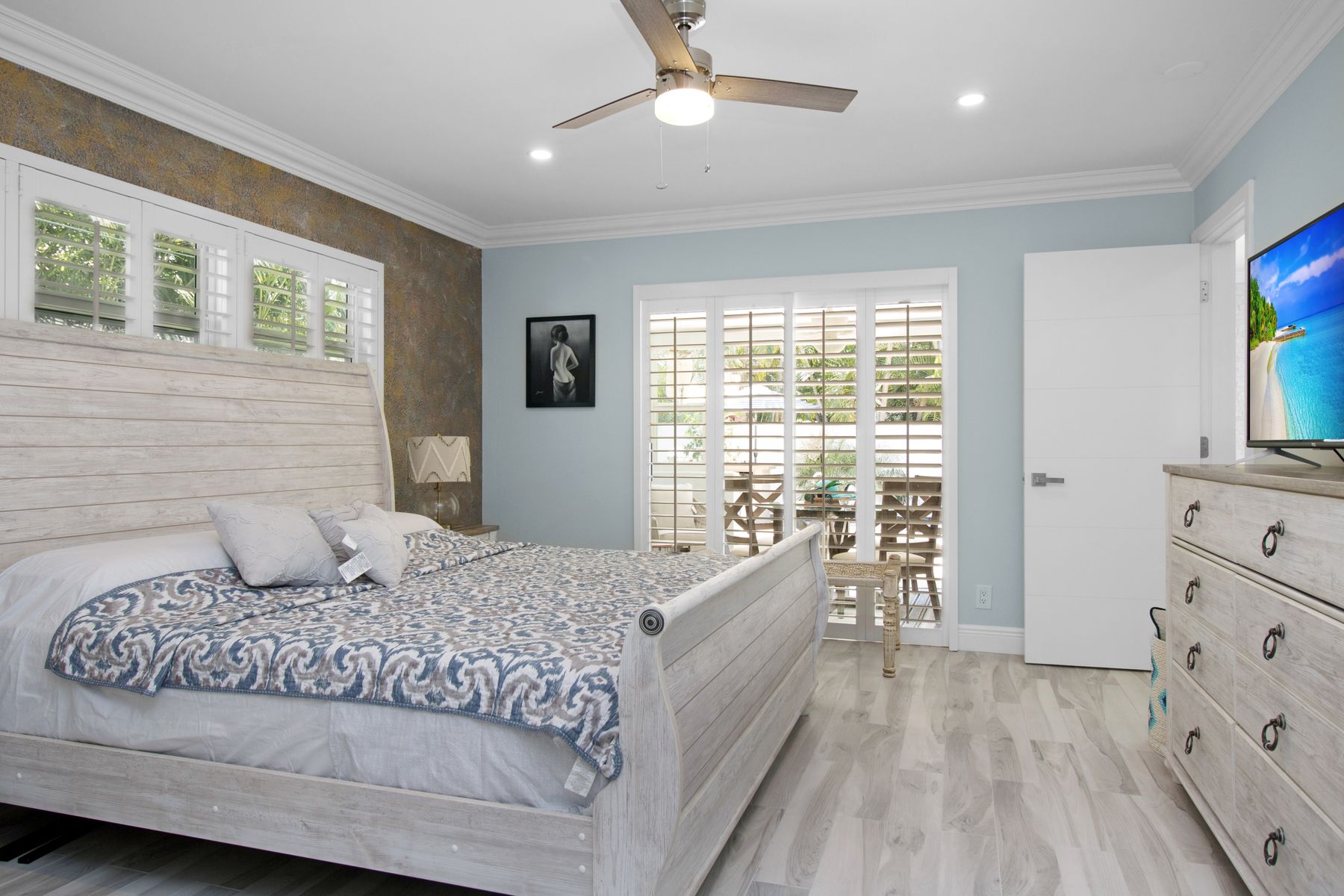
Coastal design begins with environmental qualities: bright but softened light, air movement, pale weathered color, tactile natural material and a visual sense of ease. A home does not need an ocean view, but the room should translate those conditions rather than collect beach souvenirs. Remove anchors, rope, word art and shell clusters from the first concept board. If the room still reads as coastal through its palette, timber, weave and window treatment, the foundation is strong. [Coastal Bathroom Ideas](/bathroom/coastal-bathroom-ideas/) applies the same nonliteral principle in a wet-room context.
Choose Modern, Tailored or Natural Coastal
Modern coastal uses clean profiles, plaster-like surfaces and restrained weave. Tailored coastal introduces sharper stripes, navy, framed furniture and more symmetry. Natural coastal is looser, with washed timber, linen, baskets and mineral color. Choose one as the lead and borrow sparingly from the others. Equal parts polished navy, distressed driftwood and tropical cane often feel like three competing stories. [Modern Bedroom Ideas](/bedroom/modern-bedroom-ideas/) helps when clean construction matters more than shoreline atmosphere.
Let Place Guide the Room Without Copying Scenery
In a real coastal home, borrow the local temperature, material and light rather than reproducing the view in every textile. A grey northern shoreline may suggest chalk, flax and weathered oak; warmer coasts may support sand, clay and sun-softened timber. Inland, use the same observational method with available daylight and fixed finishes. Mediterranean and [Tropical Bedroom Ideas](/bedroom/tropical-bedroom-ideas/) carry their region-specific architecture, planting and color; a general coastal room remains broader and less literal.
Plan Bed, Doors and Outlook as One Composition
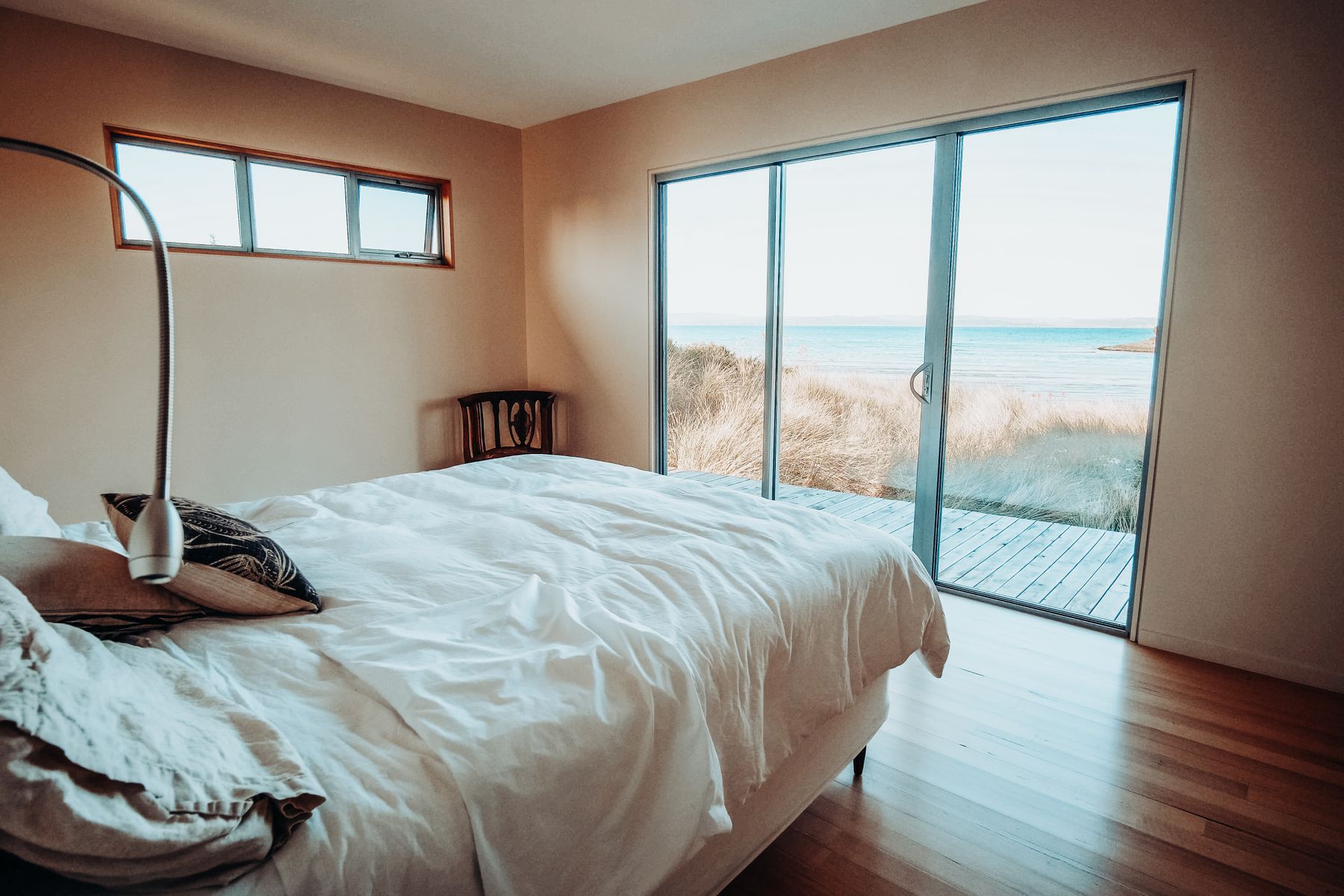
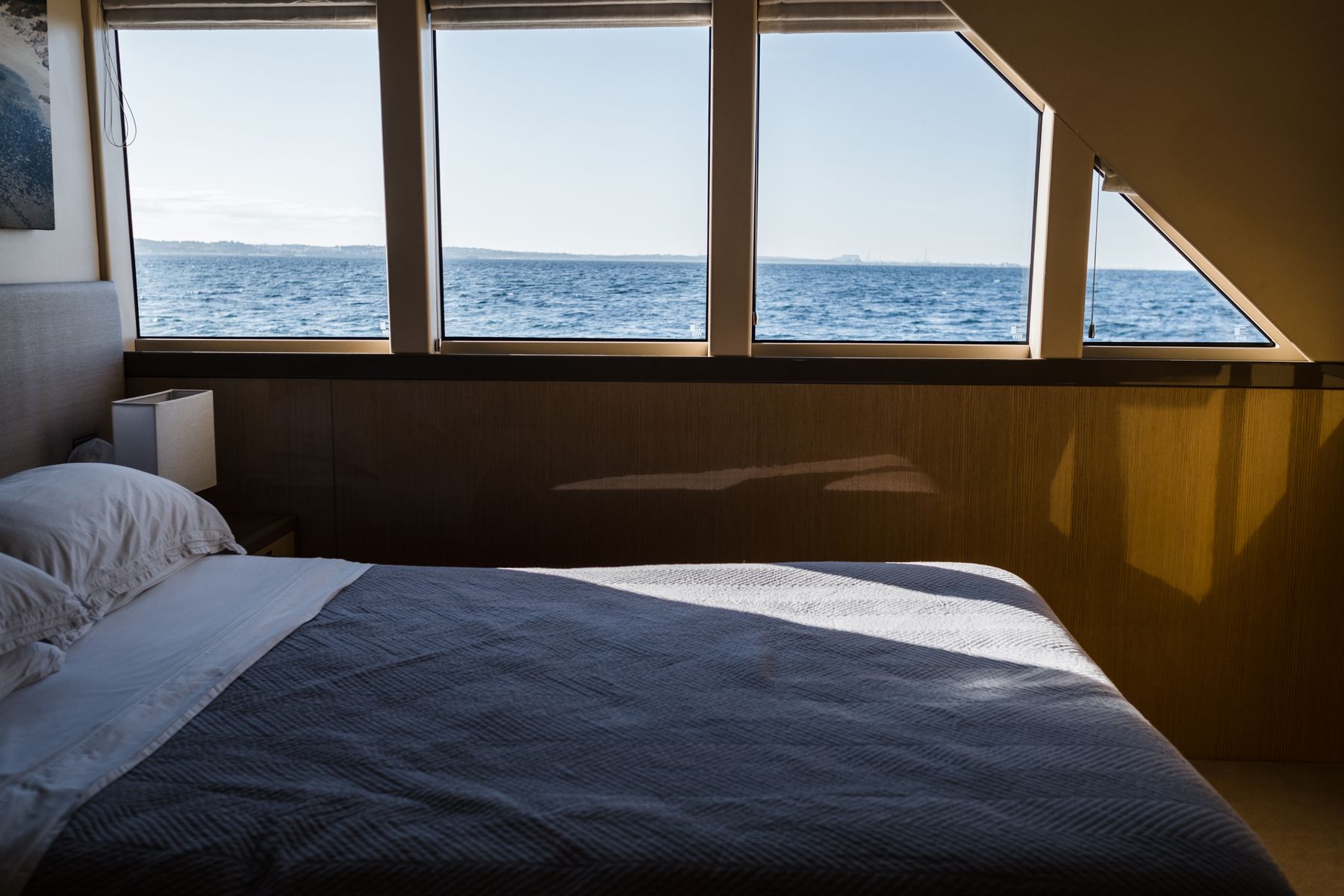
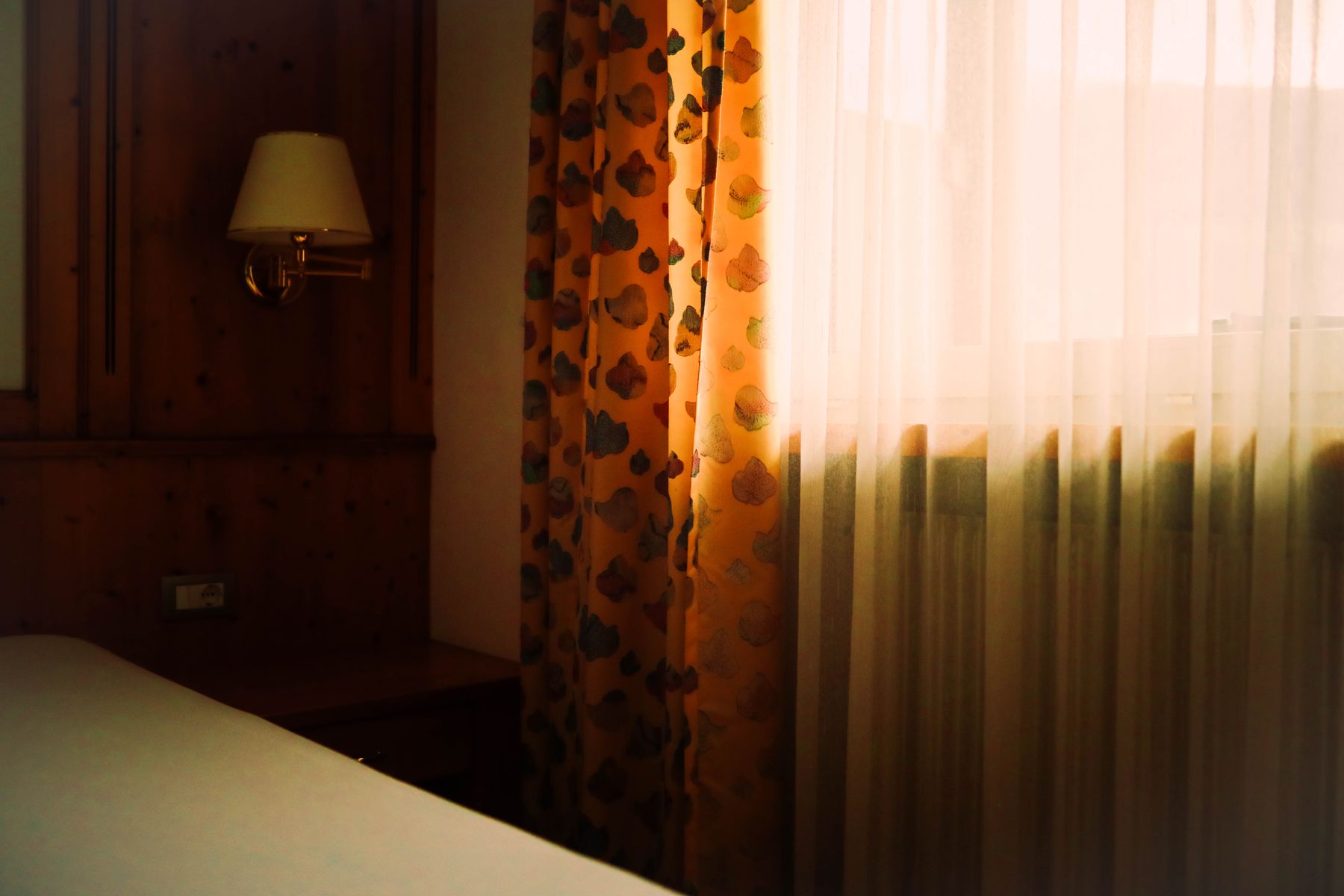
A view is valuable only when the bed, door swing, curtains and storage still operate. Test the bed from the entrance, pillow and dressing position; preserve a clear route in darkness and allow curtains to stack without blocking glazing. Avoid rotating the bed toward scenery if that creates glare at waking, exposes sleepers to the doorway or leaves no usable wardrobe wall. [Bright Bedroom Ideas](/bedroom/bright-bedroom-ideas/) develops daylight and visual openness when those performance questions are the main intent.

Control Coastal Daylight Instead of Maximizing It
Water and pale ground can reflect more glare than expected, while west-facing glass may overheat the room late in the day. Use exterior shading where appropriate, then combine a light-filtering layer with true blackout or room-darkening treatment. Check screen, handle and cleaning access before mounting a full-width track. Pale materials can still fade; rotate vulnerable textiles and keep irreplaceable art away from direct sun. Airy should describe the room at noon and its ability to become dark at night.
Build the Palette From Sand, Sky and Mineral Notes
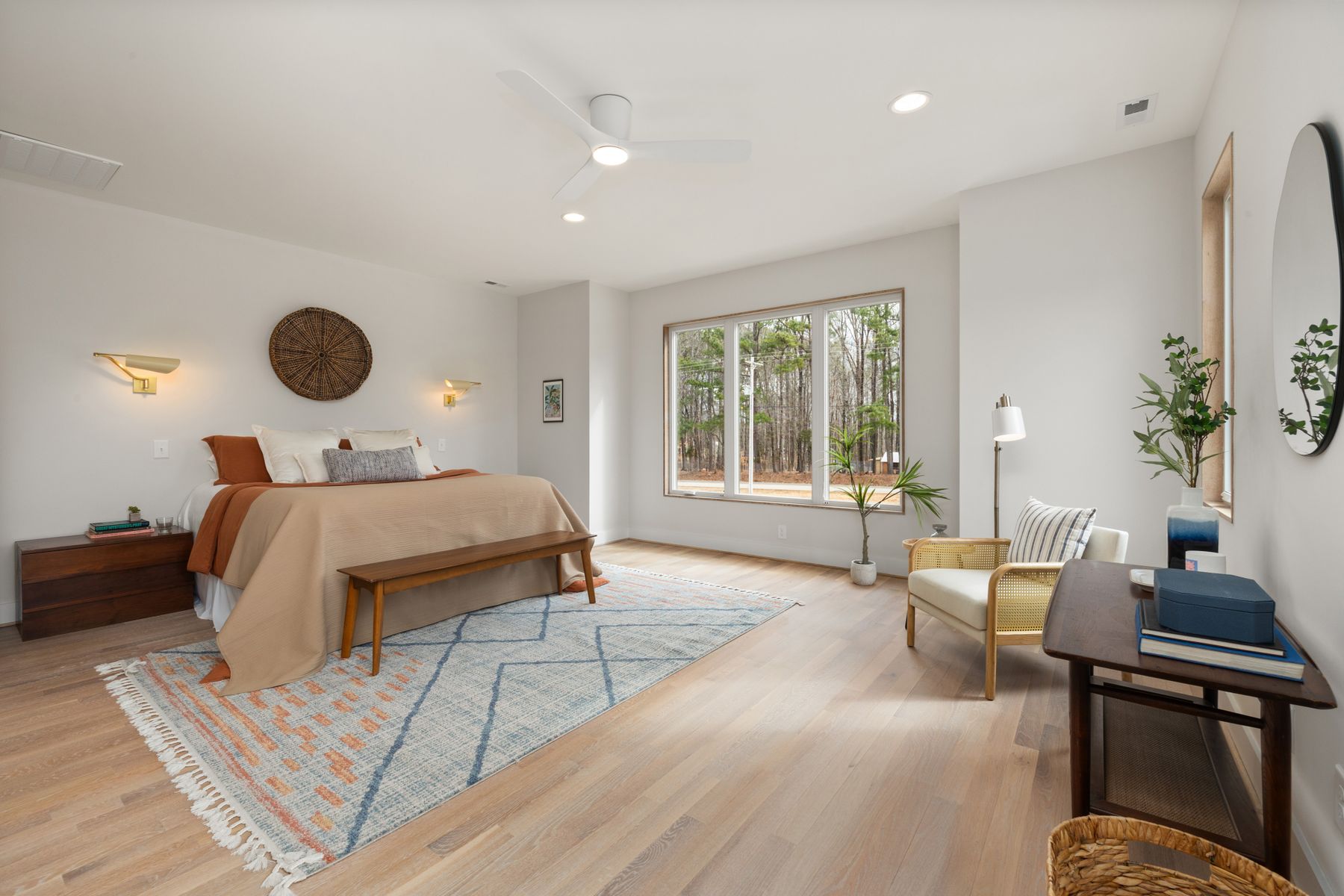
Choose one broad pale field, one natural material color and one optional coastal accent. Warm white with oak and faded blue is familiar; sand with chalk and olive-grey can feel equally coastal without obvious blue. Compare colors beside the floor and under actual lamps, because reflected vegetation, water and sky alter pale paint dramatically. [Blue Bedroom Ideas](/bedroom/blue-bedroom-ideas/) is the stronger destination when selecting and balancing blue is the central problem.
Warm White and Sand as Active Color
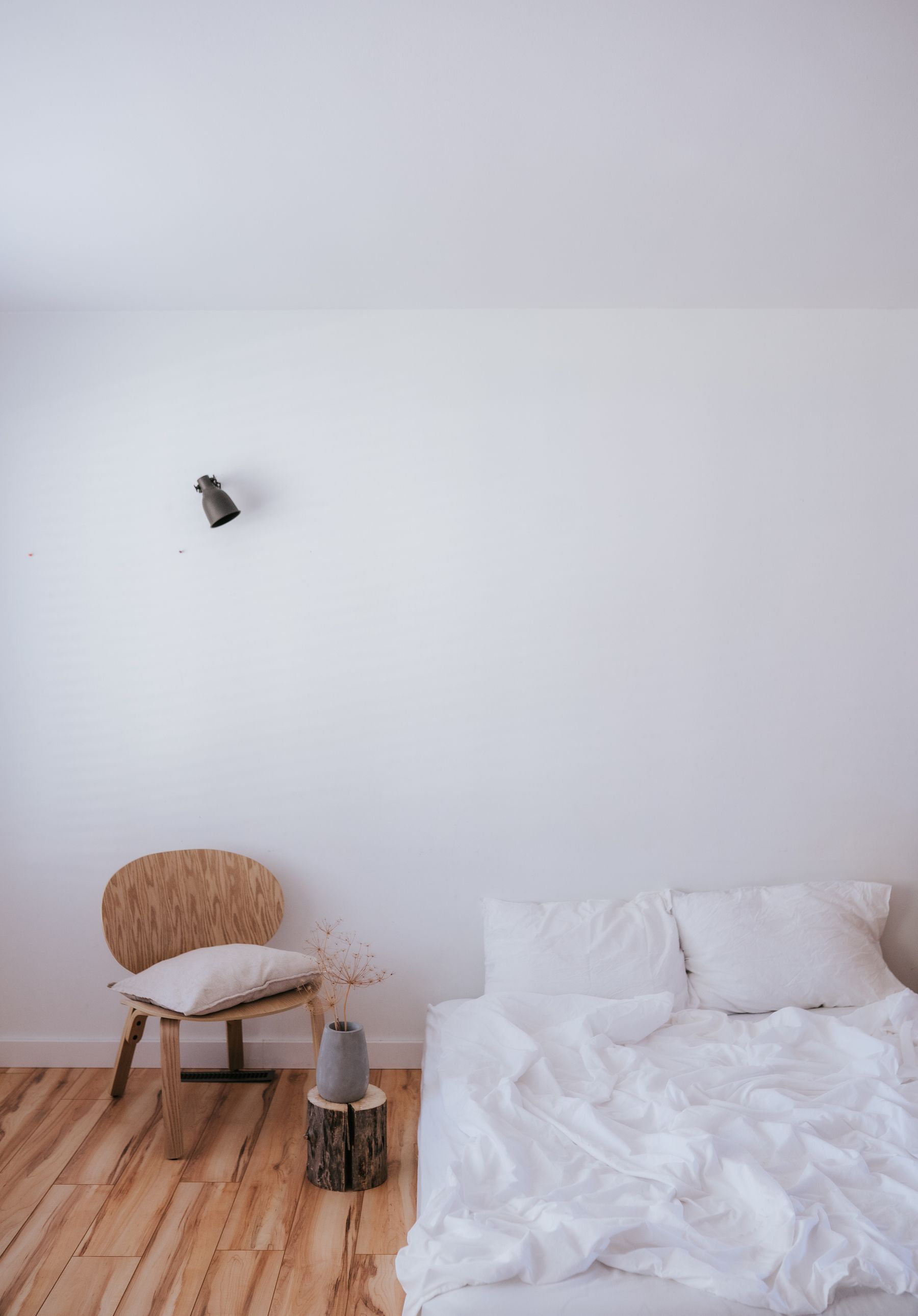
Warm white, chalk, shell and sand are not blanks; each carries an undertone that shifts beside timber and sunlight. Use at least three readable values so walls, bedding and floor do not merge into a bleached field. Cream can soften cool daylight, while a greyed white may suit very warm light. [White Bedroom Ideas](/bedroom/white-bedroom-ideas/) offers deeper undertone and layering guidance when white itself leads the design.
Washed Blue or Sea-Glass Green?
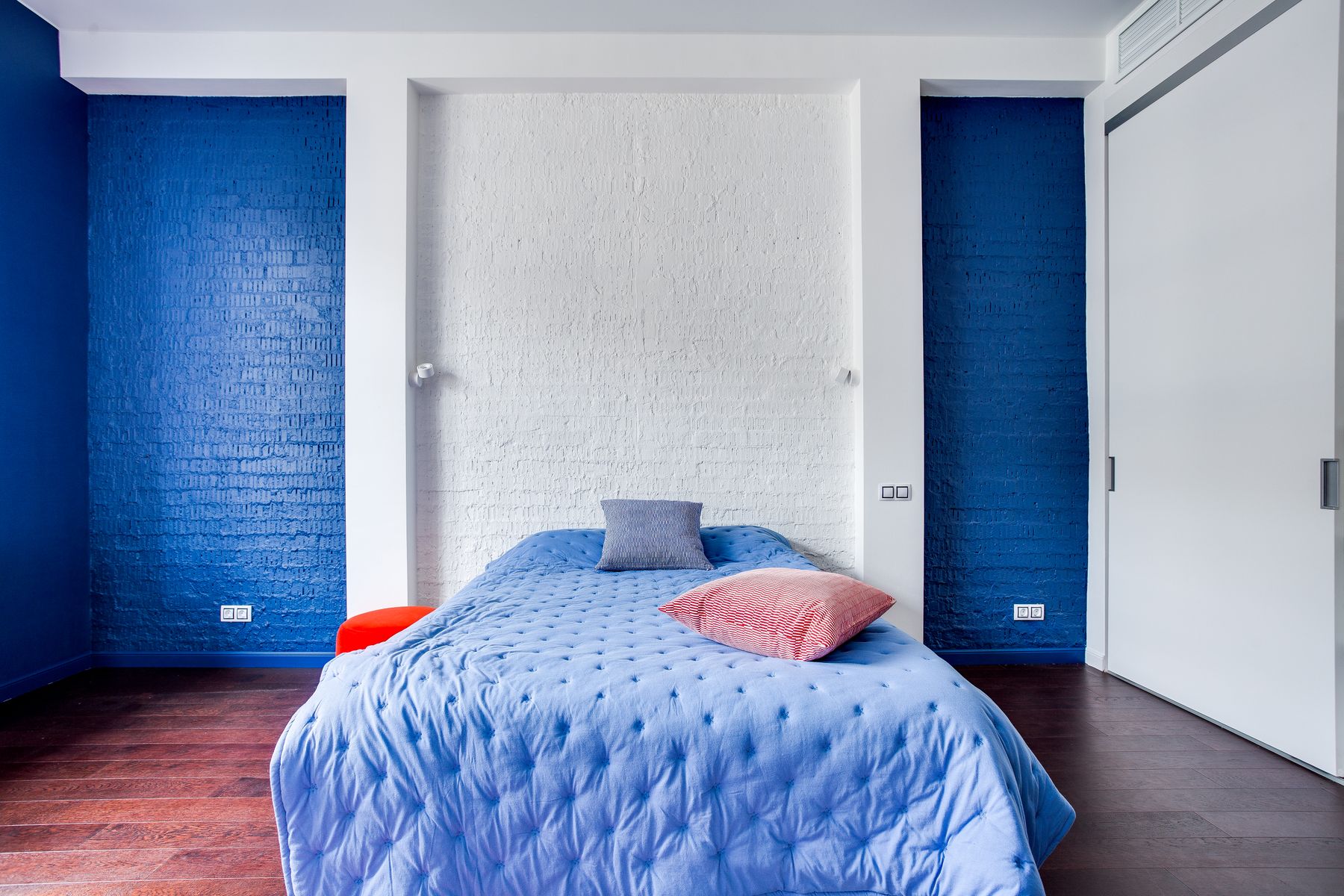
Use washed blue, denim, sea-glass green or stormy teal on one meaningful field: a headboard, curtain, painted chest or broad coverlet. Repeat the hue once in a quieter material, then stop. Many tiny coordinated accessories make the concept feel purchased rather than observed. Check whether the accent leans green, grey or violet beside the room's timber. It should clarify the palette, not introduce a second competing coast.

Navy for Tailoring, Not Automatic Nautical Style
Navy can ground a pale room through an upholstered bed, bench, curtain border or single cabinet. Keep its role architectural and pair it with warm white, aged brass used sparingly, oak or woven texture. Navy plus bright white plus repeated stripes can slide quickly into costume. If the darker field begins to control the atmosphere more than coastal light and material, compare the concept with [Dark Bedroom Ideas](/bedroom/dark-bedroom-ideas/) before proceeding.

Timber Tone, Grain and Exposure
Pale oak, ash, maple and softly weathered medium woods often fit, but species is less important than tone, finish and durability. Avoid fake driftwood effects across every piece. Let the floor or bed establish one timber family, then use painted or woven pieces to bridge variation. Near salt air or strong sun, confirm the finish resists fading, moisture and cleaning. Real patina develops from use; unsafe splinters, flaking coatings and damp staining are maintenance failures.
Where Cane, Rattan and Woven Fiber Actually Work
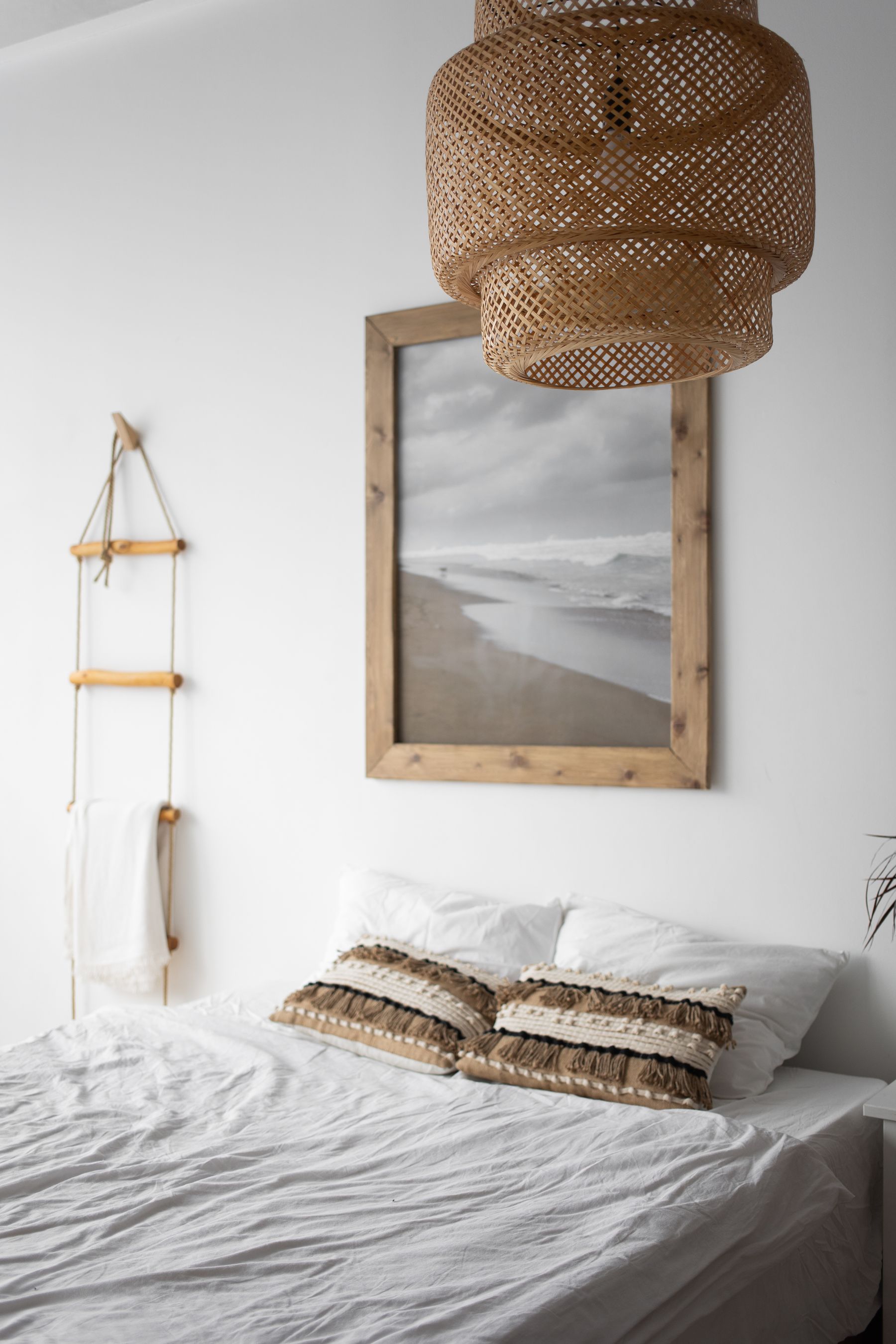
Cane, rattan, seagrass and paper cord add shadow and craft, but they need a job: headboard ventilation, a lightweight chair, a pendant shade or contained storage. Too many woven pieces flatten their individuality and create dust-catching repetition. Check load rating, snagging, cleaning method and humidity tolerance. [Boho Bedroom Ideas](/bedroom/boho-bedroom-ideas/) is more appropriate when handmade abundance, plants and collected textile layers lead rather than an edited coastal atmosphere.
Plaster, Stone and Matte Mineral Texture
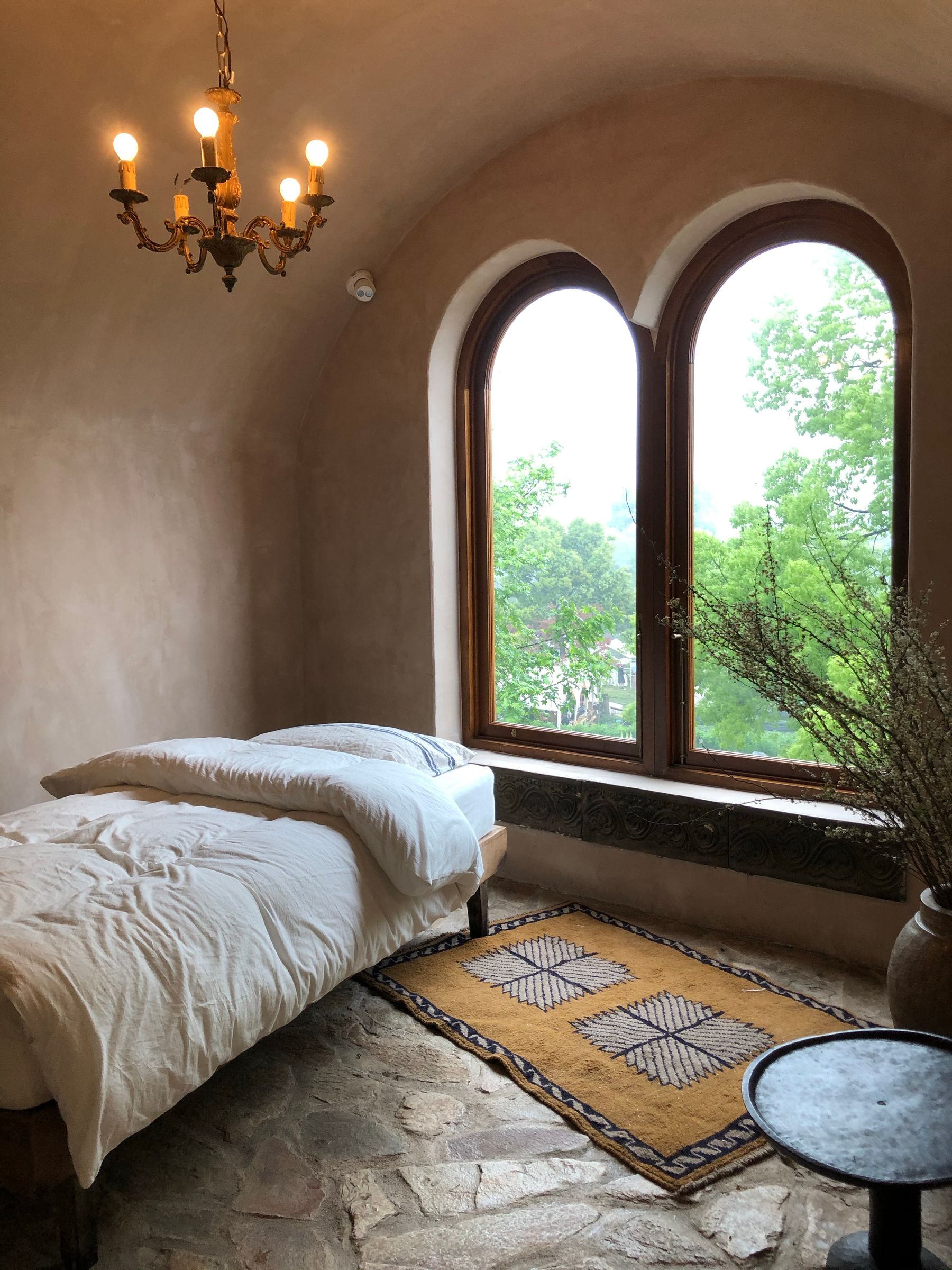
Limewash, mineral paint, honed stone and matte plaster-like finishes can suggest cliffs, sand and weather without literal imagery. Use them where the substrate, installer and maintenance plan support the material; decorative roughness beside pillows or narrow circulation can abrade skin and collect dust. A washable matte paint may be the more honest choice in a rental or busy family room. Let shadow reveal texture instead of increasing contrast artificially.

A Visually Light Bed Still Needs Support
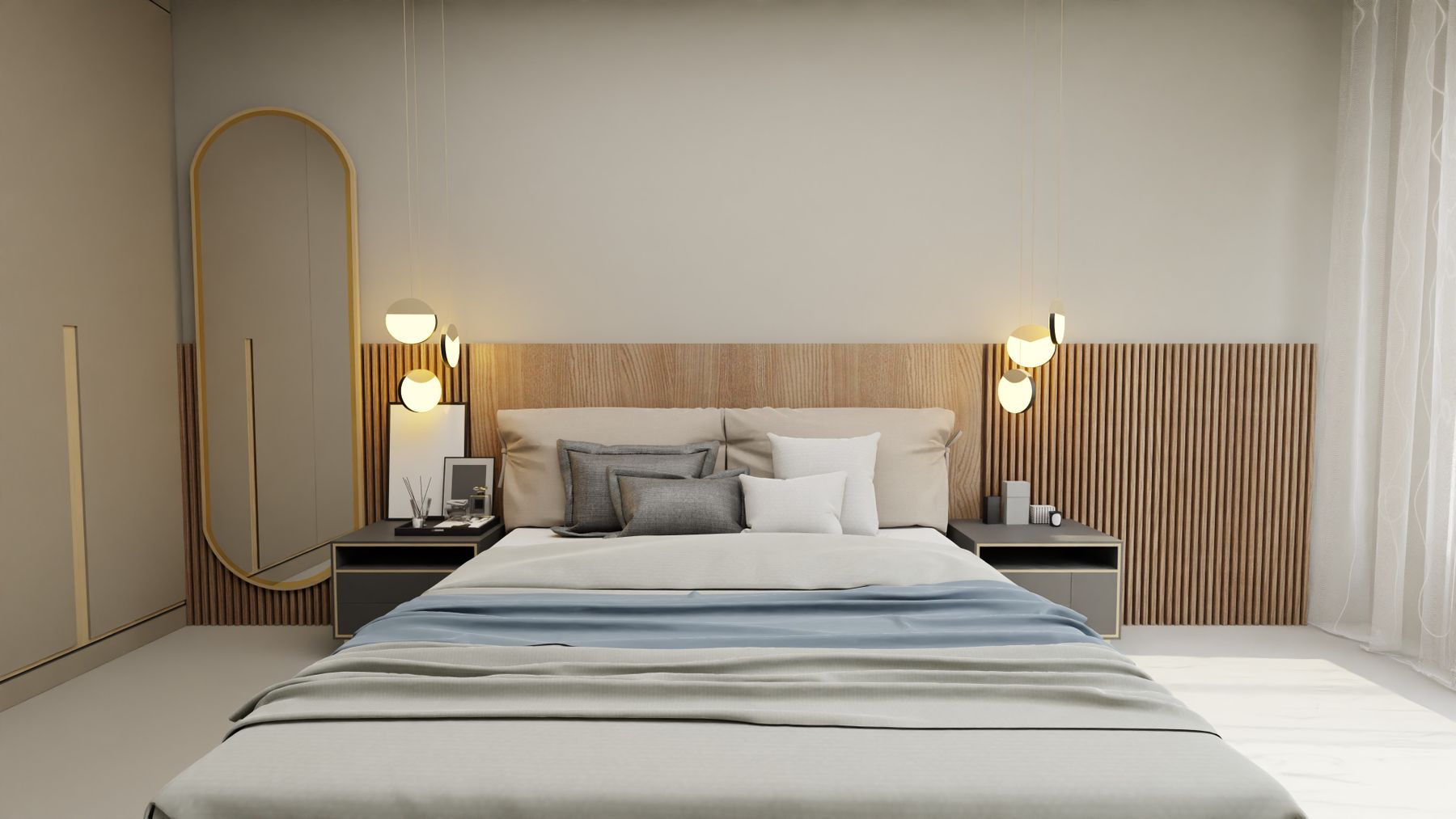
Timber, upholstered and restrained cane beds can all work. Judge overall width, headboard height, center support, slat requirements and ease of changing sheets before style. A tall woven headboard may dominate a low room; a thin pale frame may disappear against the floor and reduce edge visibility. Curved or softened forms can create ease without becoming beach-themed. Keep enough clearance for both sleepers and confirm the mattress height suits actual users.
Layer Breathable Bedding by Climate and Sleep Need
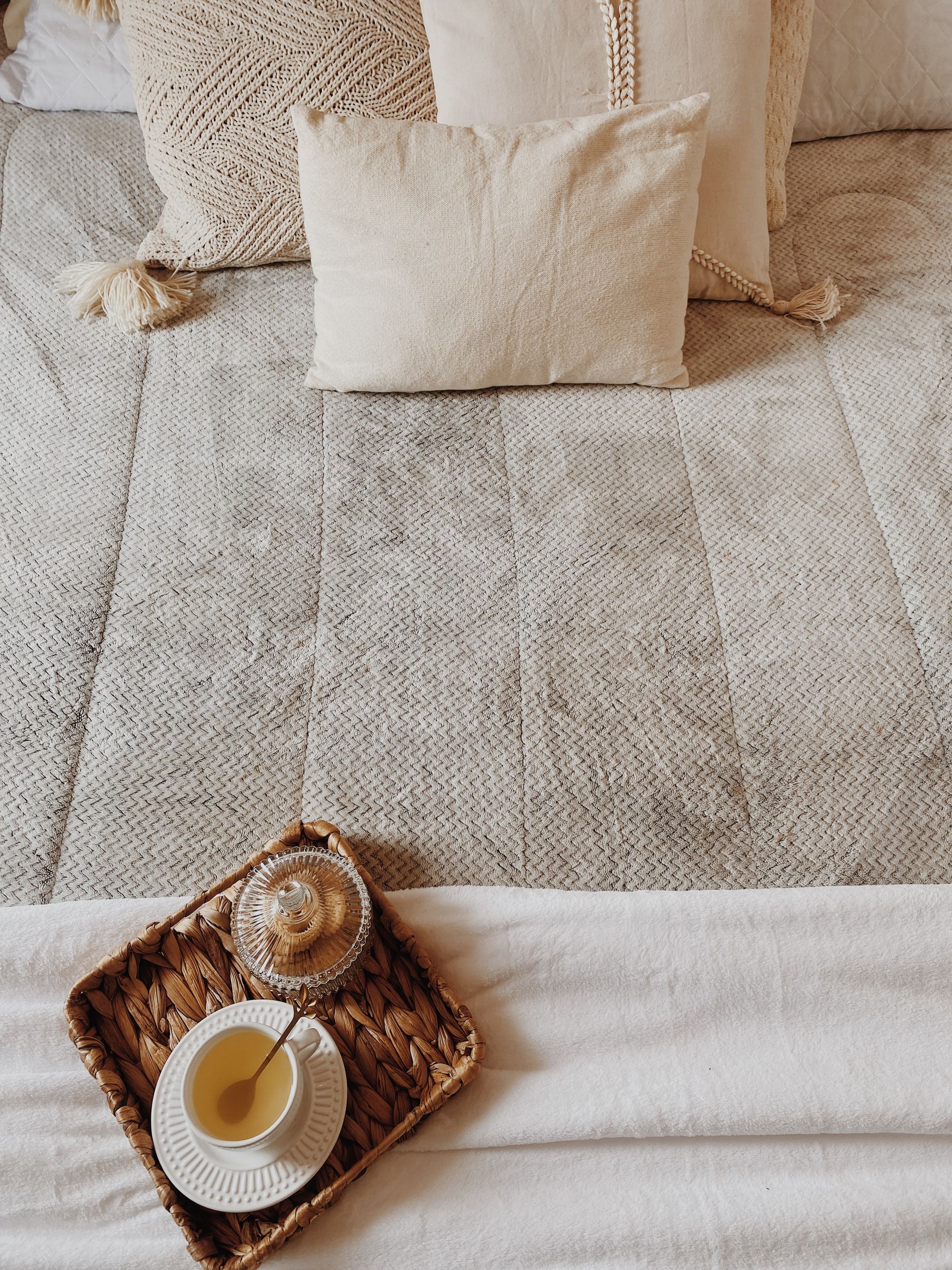
Use cotton or linen close to the body, a duvet or blanket suited to the real night temperature and one textured top layer that can be laundered. Breathable does not mean cold: wind-exposed rooms may need wool or a warmer insert even in a pale coastal scheme. Avoid building the bed from many rough decorative pillows. [Neutral Bedroom Ideas](/bedroom/neutral-bedroom-ideas/) gives a broader value framework; here the bedding should also express ease and climate awareness.
Stripe and Pattern at the Right Scale
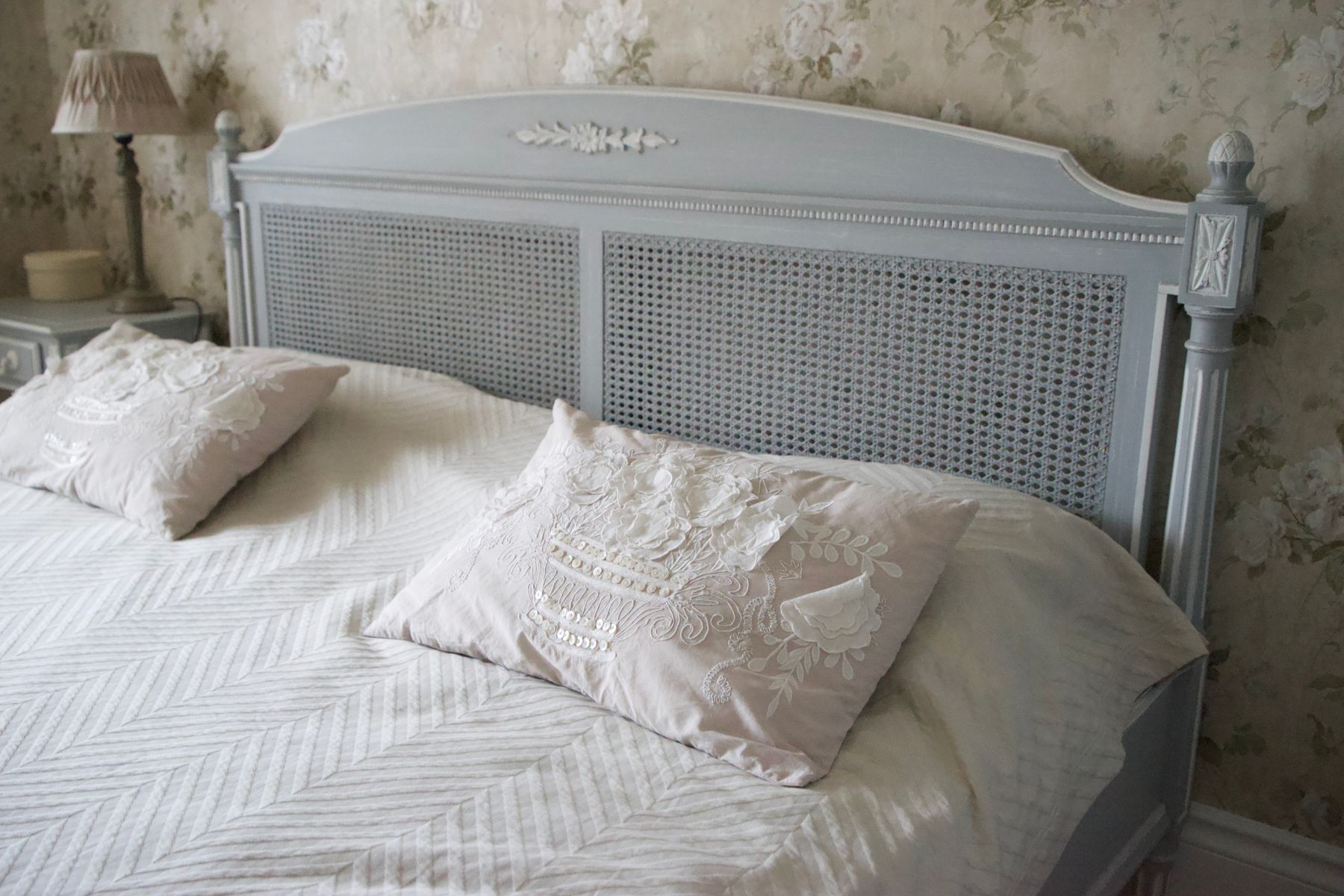
Ticking, broad cabana stripes, checks, small botanicals and abstract water-like marks can all fit, but no pattern is compulsory. Use one lead scale and a quieter counterpoint. Repeating blue-and-white stripe across curtains, bedding and rugs quickly becomes a uniform. Pattern should help connect colors or change perceived proportion: vertical curtain lines can lift a low room, while a broad coverlet stripe can visually widen the bed.
Select a Rug for Bare Feet, Sand and Stability
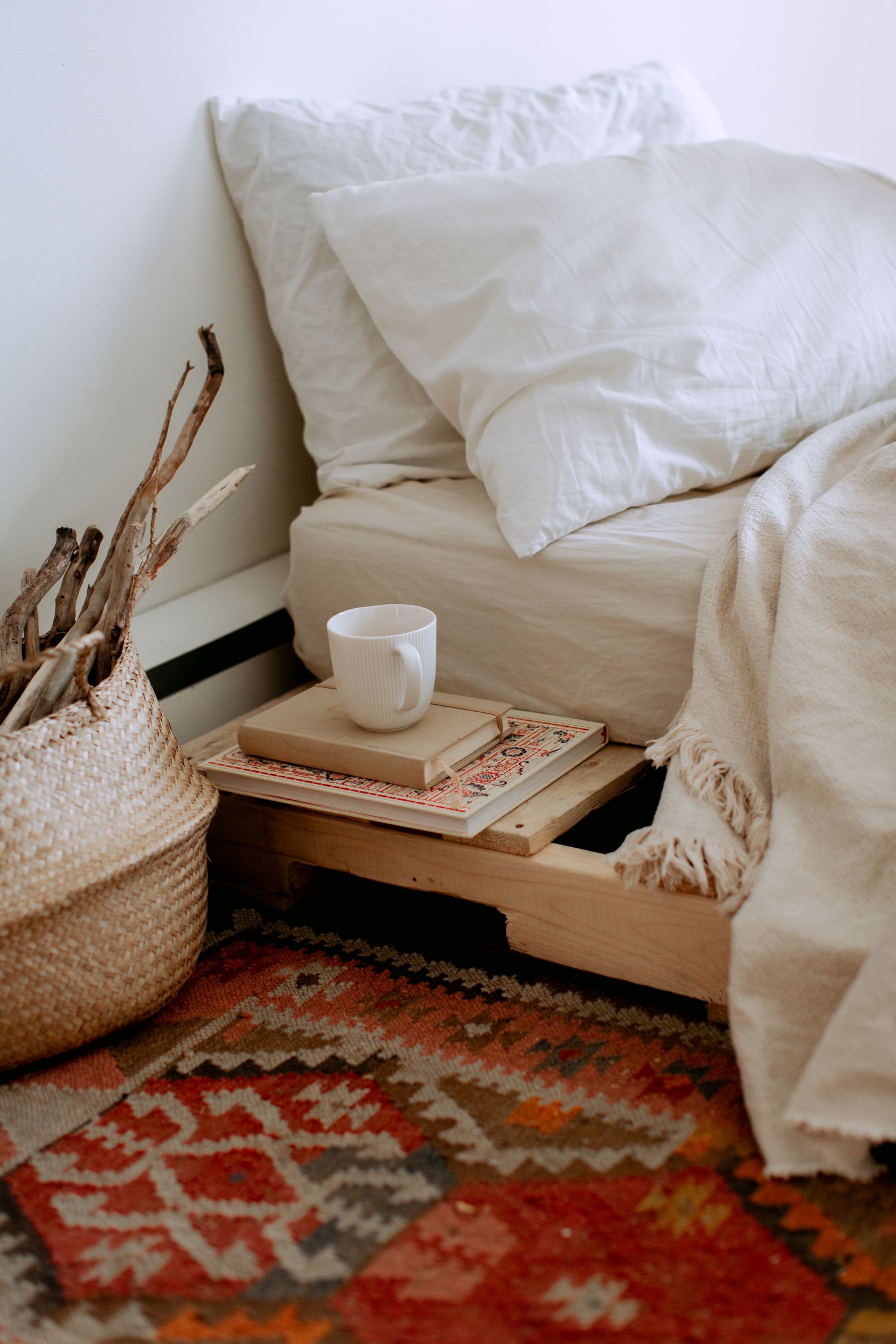
Choose wool, flatweave, low-pile synthetic or washable construction according to humidity, pets, tracked sand and cleaning capacity. Jute and sisal offer visual fit but can feel rough, shed, stain or curl; use them only where those tradeoffs are acceptable. The rug should provide stable bedside landings without catching doors. [Living Room Rug Ideas](/living-room/living-room-rug-ideas/) expands fiber and sizing decisions that also apply here.

Window Layers for Breeze, Privacy and Blackout
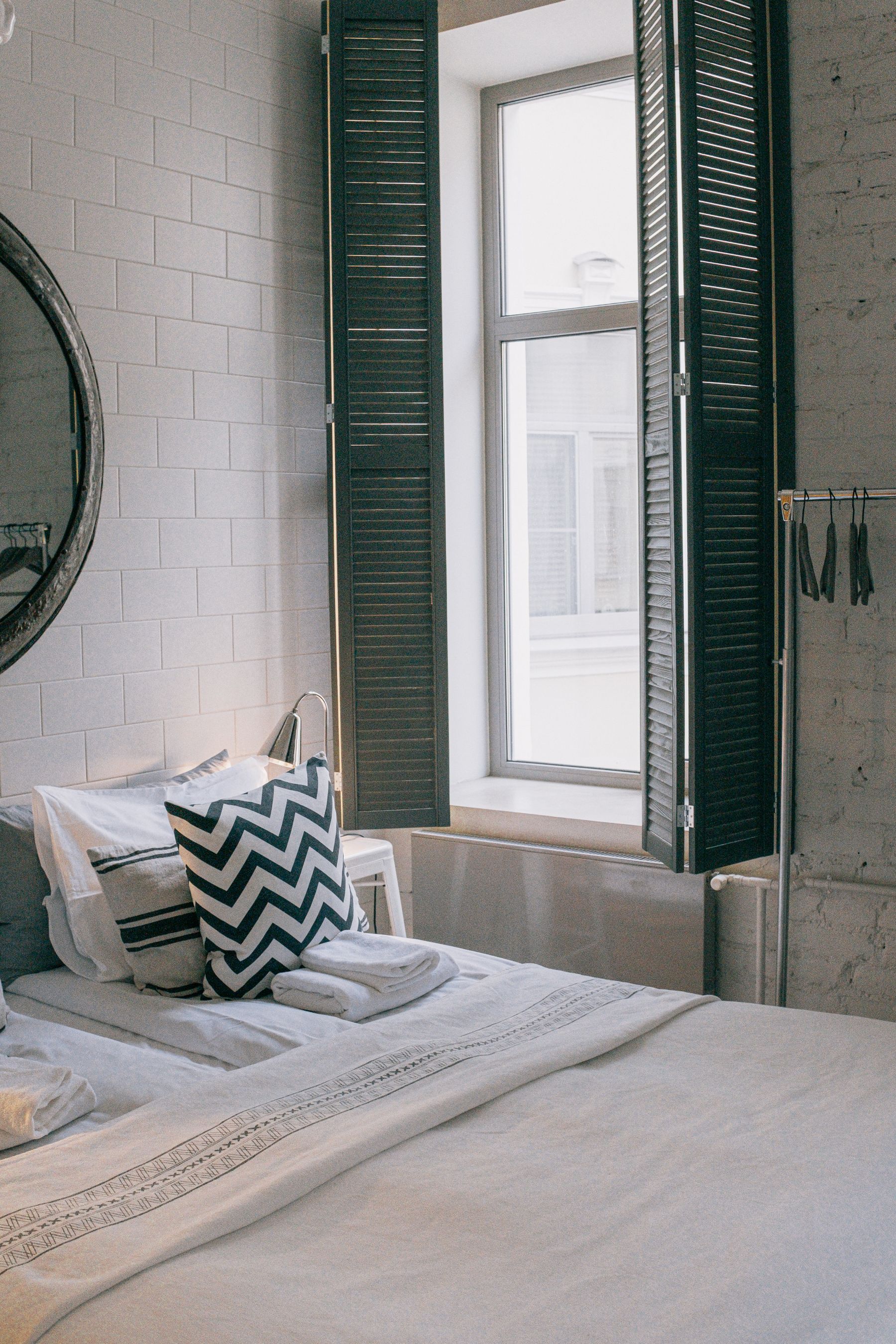
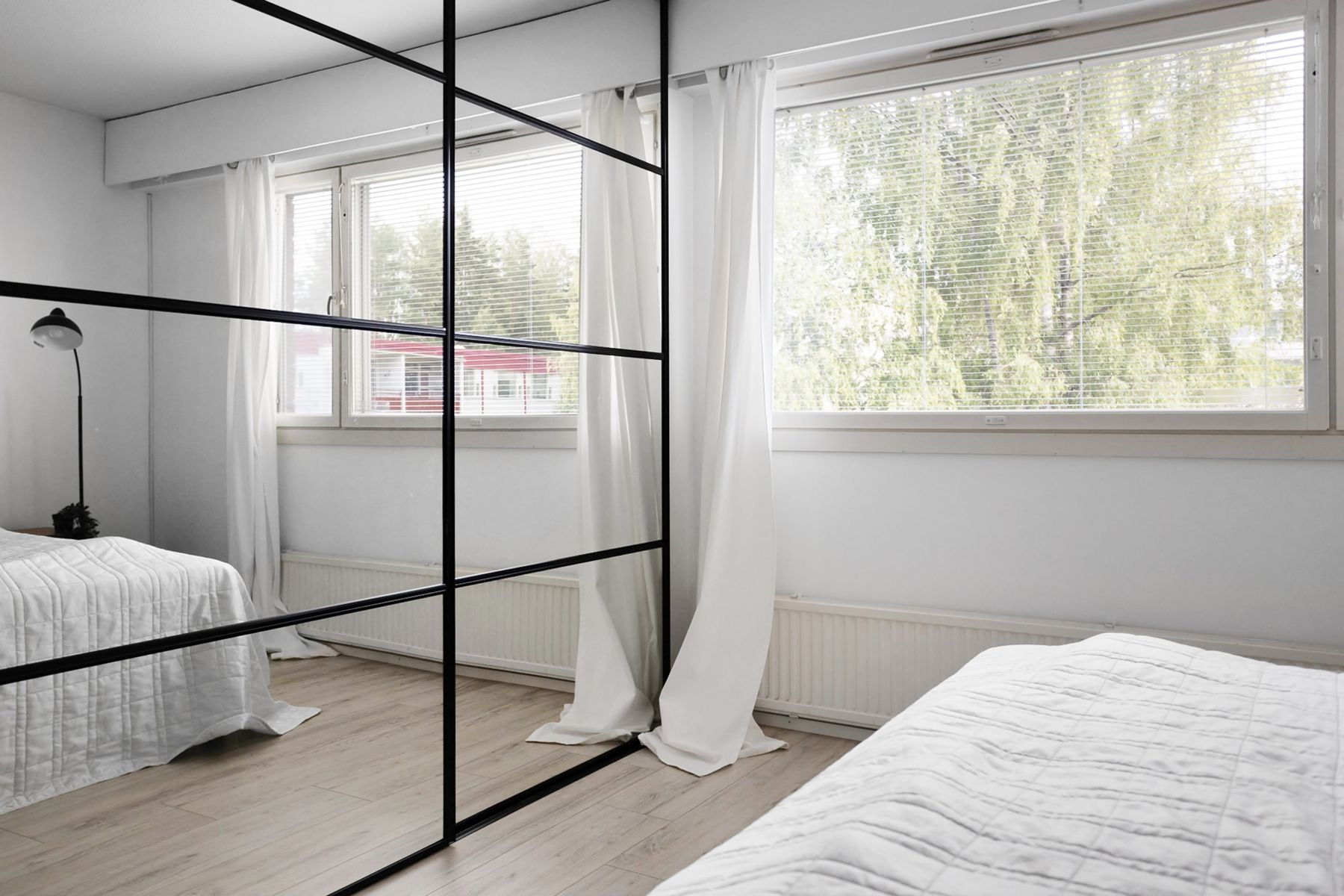
Sheer or linen-look curtains communicate movement, but they rarely deliver privacy after dark or adequate blackout. Pair them with a lined shade or curtain and ensure both layers clear operable windows, fans and vents. Stainless or properly coated hardware matters in salt-laden air. Allow for fabric movement so a cross-breeze does not knock lamps or drag curtains across damp glazing. The calm effect depends on practical control, not permanently open white fabric.
Bedside, Ambient and Dressing Light After Sunset
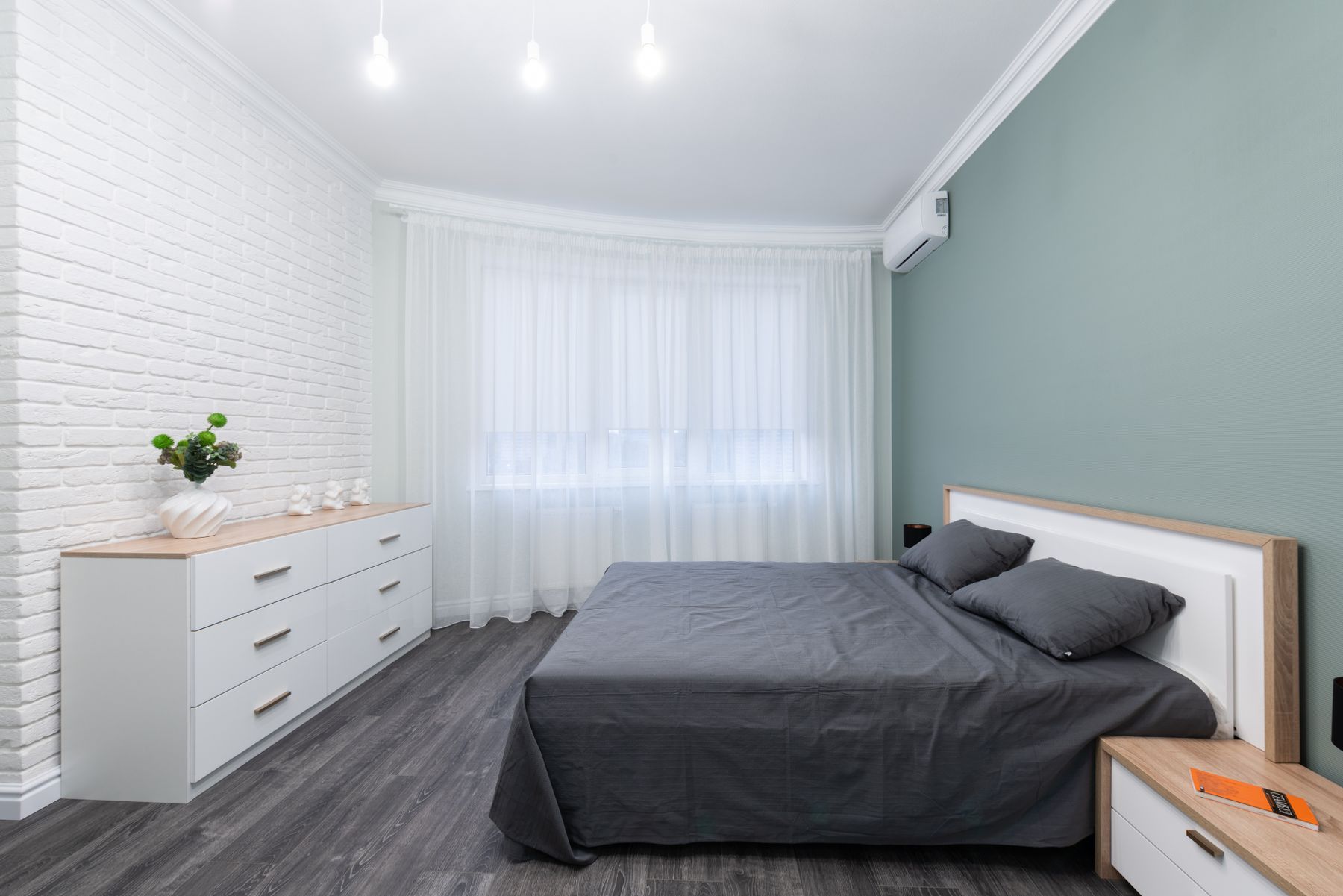
Use glare-controlled bedside light for reading, low ambient light for navigation and accurate vertical light near wardrobes or mirrors. Woven shades can cast attractive pattern but may not provide enough task illumination. Check beam direction, switch reach and color rendering with blue-green and sand finishes. [Living Room Lighting Ideas](/living-room/living-room-lighting-ideas/) provides a deeper layering framework; in bedrooms, darkness and reach from the pillow are additional priorities.
The Ceiling Fan as Comfort Equipment
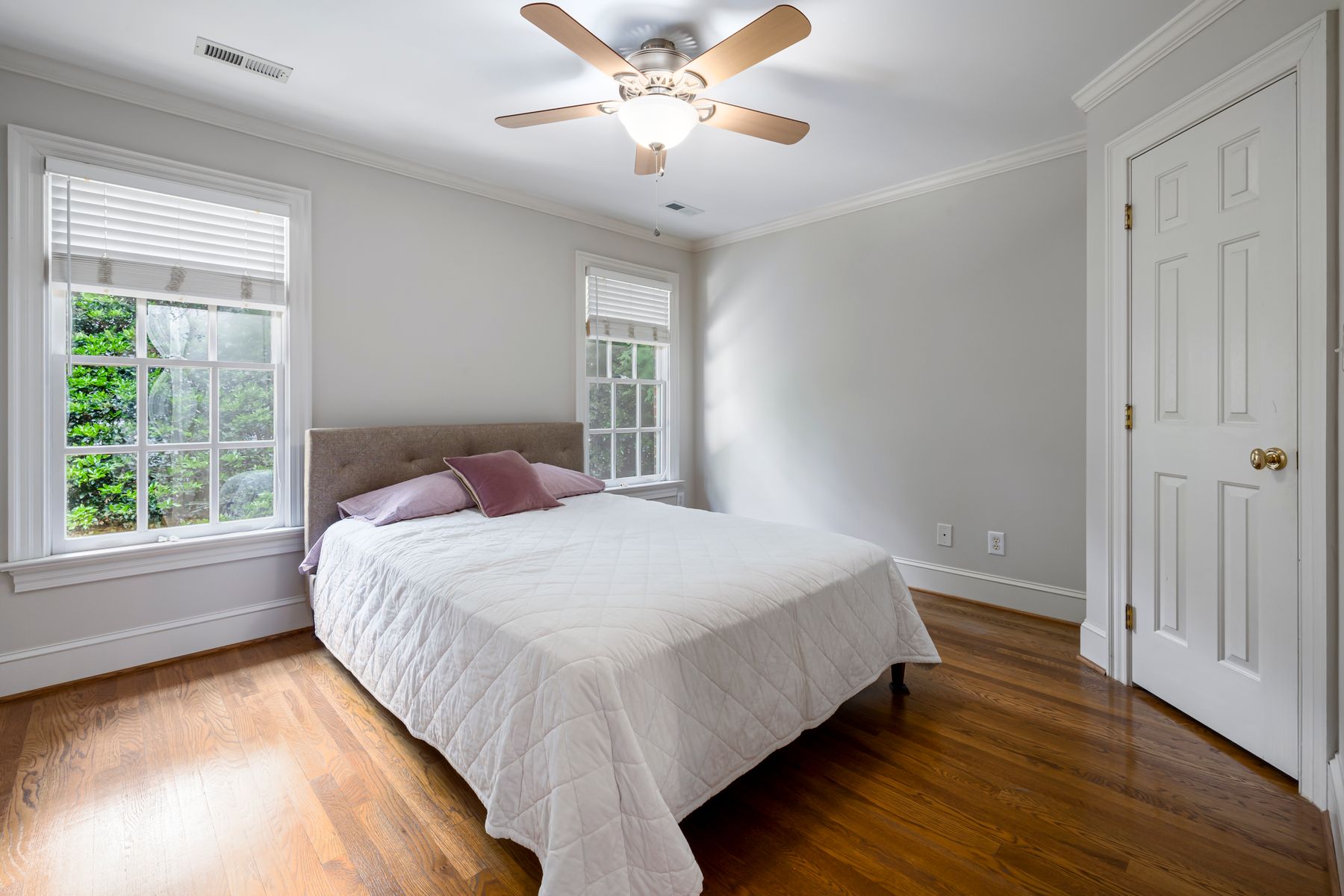
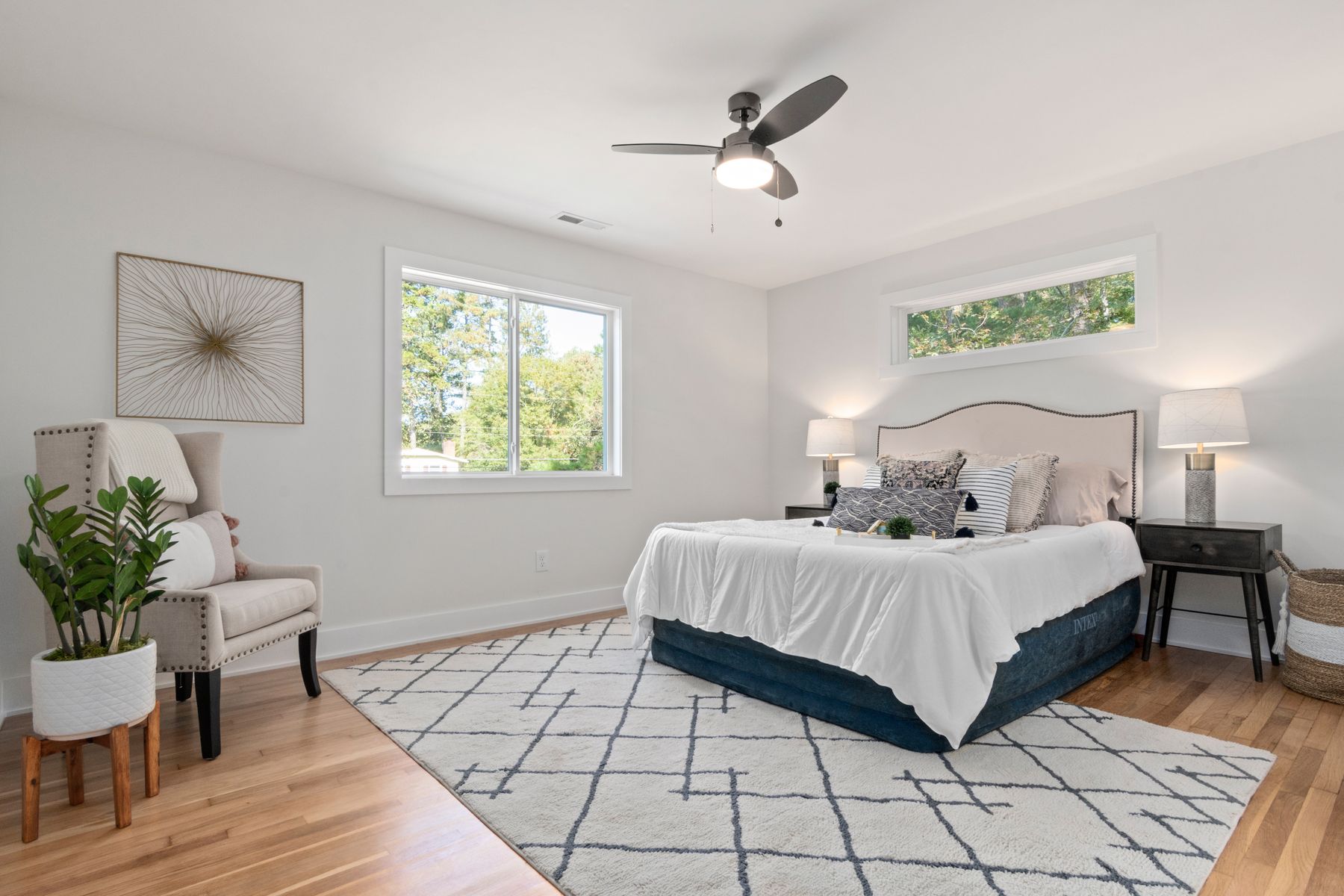
A ceiling fan may reduce reliance on cooling and reinforce the room's easy atmosphere, but select it by room volume, mounting height, noise and controls—not because fans look coastal. Confirm blade clearances, ceiling structure and safe installation. Avoid placing strong airflow directly over a sleeper who dislikes drafts. In low rooms, a quiet compact fan or portable air circulator may perform better than an oversized statement model.
Art That Suggests Place Without Explaining It
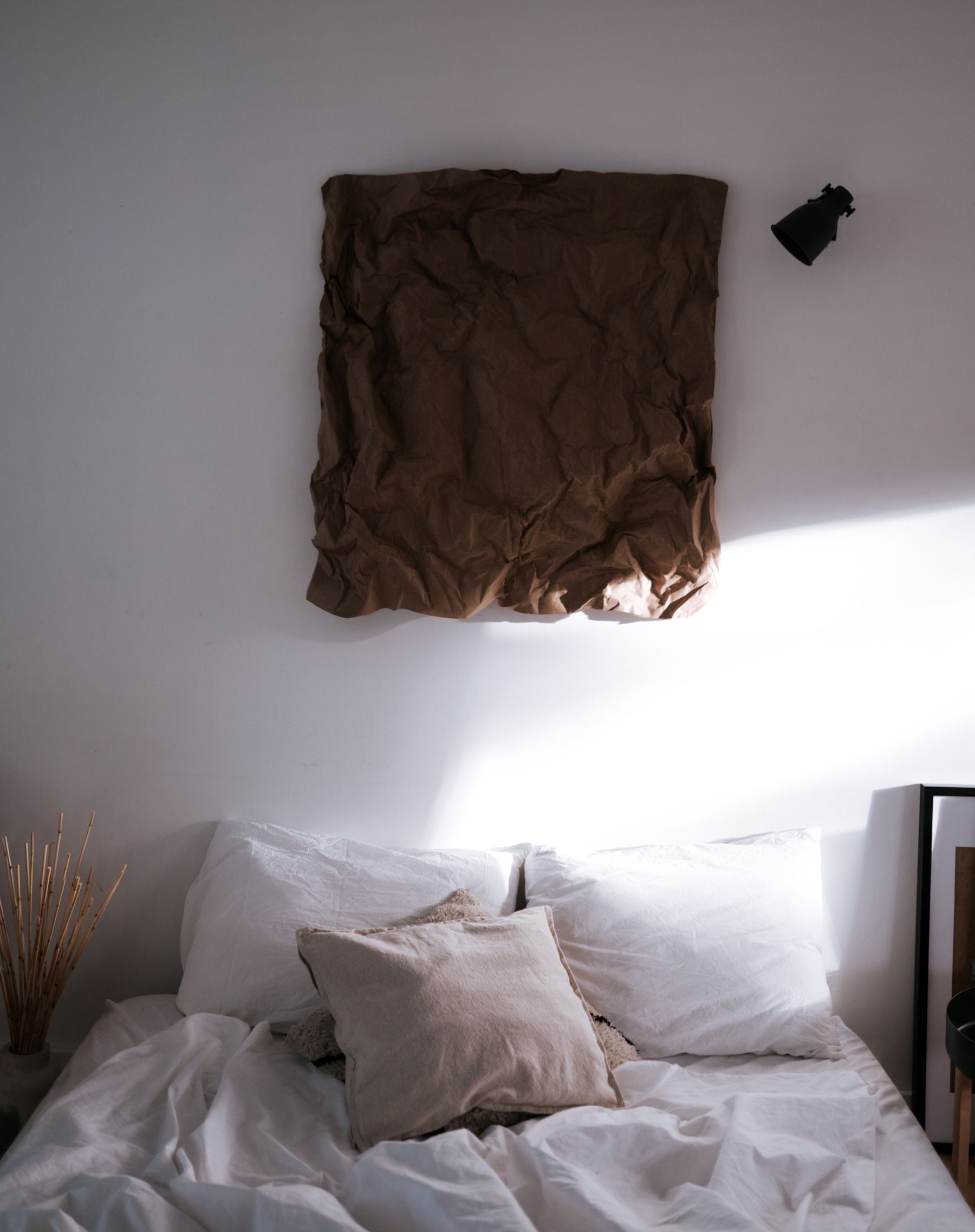
Abstract horizon, botanical study, local photograph, map fragment or handmade object can connect the room to place. Avoid generic beach slogans and large collections of shells whose provenance or legal collection status is unclear. Protect paper and photographs from direct sun and humidity, and secure work above the bed appropriately. The art should remain meaningful if the room's coastal label is removed. Leave some wall area quiet so changing daylight becomes part of the composition.
Integrate Storage Without Filling the Room With Baskets
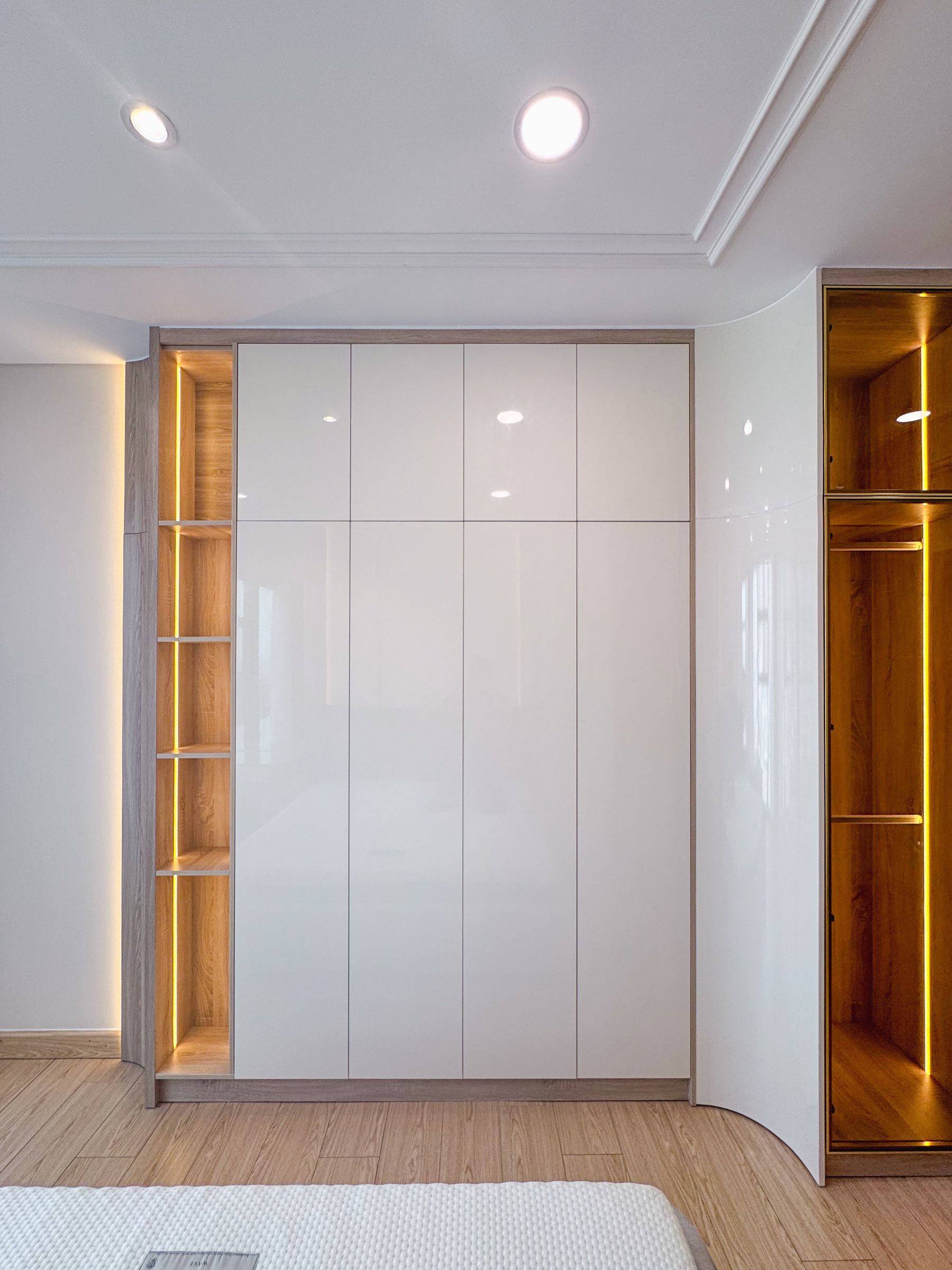
Use closed wardrobes and drawers for visual volume, then add one or two breathable baskets only where contents and cleaning allow. Open weave is poor for dust-sensitive bedding and small objects. Match storage depth to circulation and allow shutters, doors and curtains to operate. Pale cabinetry may visually recede, but handles and edges still need contrast. A bench or chest belongs only when it stores something useful without blocking the route.
A Small Coastal Bedroom: Clear, Not Empty
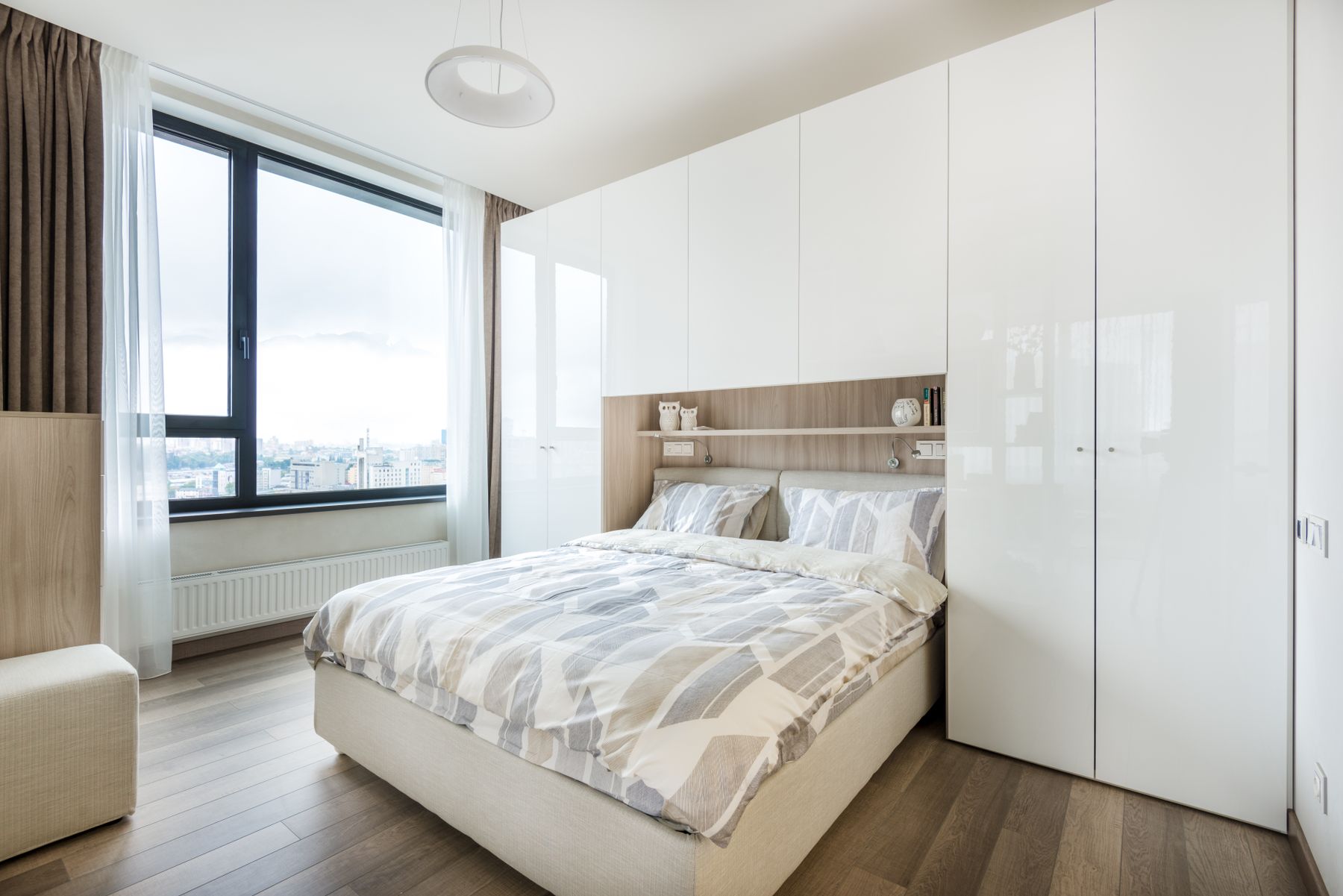
Choose one coastal signal with enough scale—a woven headboard, washed blue curtain or warm timber bed—then keep storage continuous and floor area legible. Do not substitute dozens of tiny seaside objects for character. Use wall-mounted lights only when wiring, reach and glare work. A mirror can redistribute light but should not reflect the bed uncomfortably. [Small Bedroom Ideas](/bedroom/small-bedroom-ideas/) covers tighter circulation, storage and furniture tests in depth.
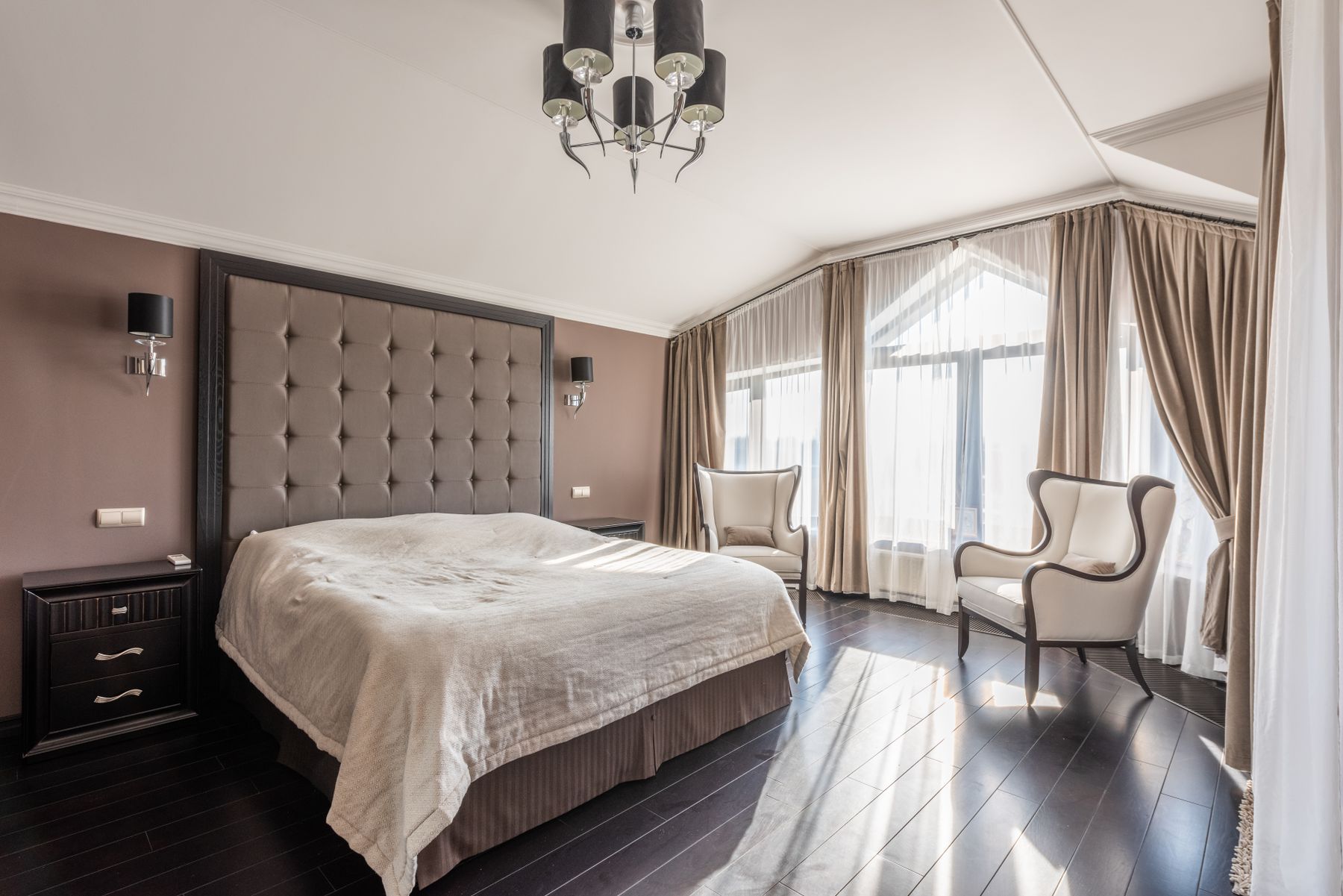
More Than One Scale in a Large Coastal Bedroom
Large rooms need hierarchy rather than more décor. Let the bed remain primary, then create one secondary function such as reading, dressing or quiet seating. Use a rug, pendant or curtain field large enough to relate to the room volume. Avoid pushing all furniture to the perimeter and filling the center with a giant blue rug. [Large Bedroom Ideas](/bedroom/large-bedroom-ideas/) develops zoning and proportion when room volume is the central challenge.
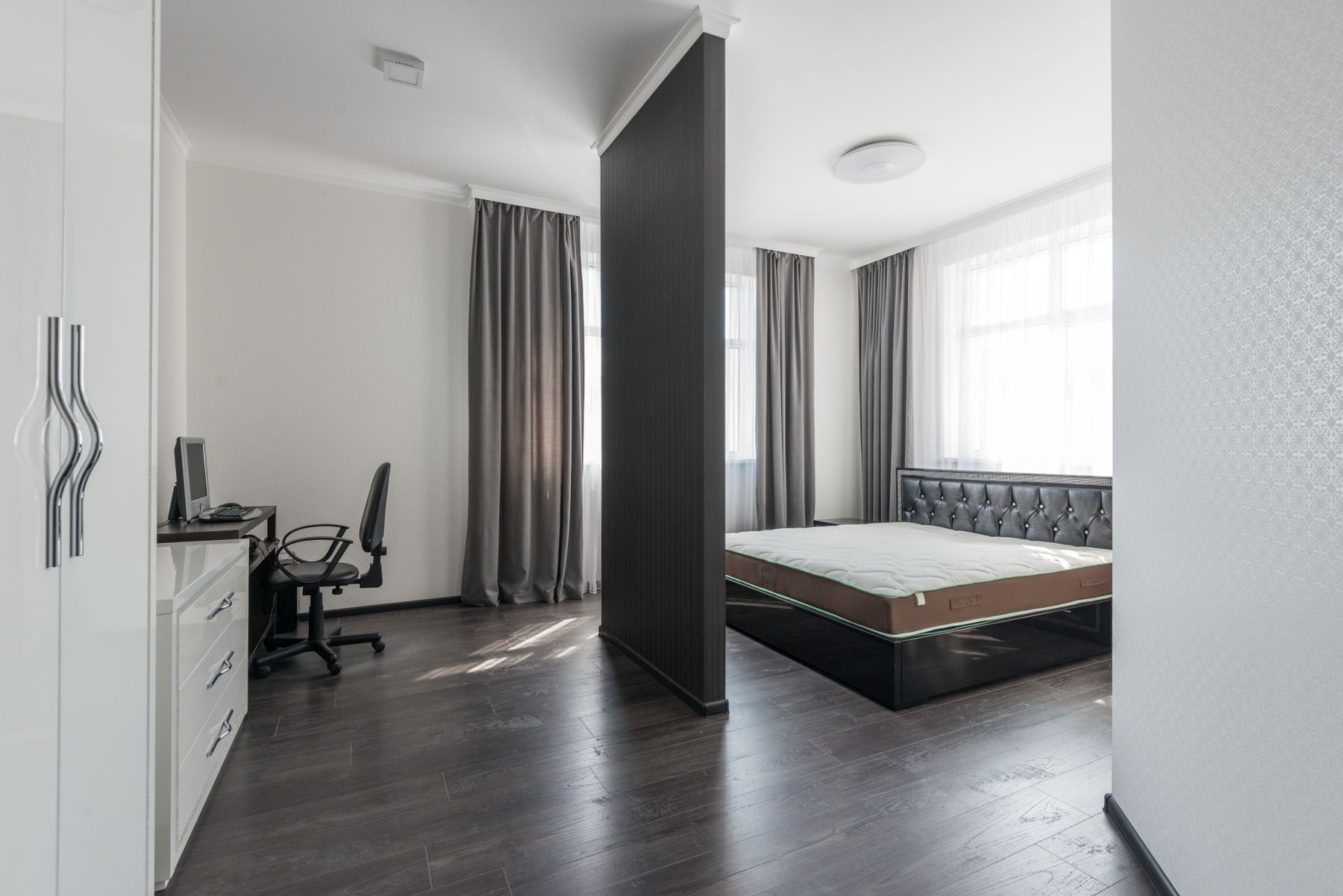
A Coastal Guest Room Built for Real Turnover
Provide two usable bedside surfaces where possible, reachable charging, reading light, luggage space, empty hanging capacity and bedding that can be washed between stays. A local photograph or single woven piece creates more welcome than a shelf of themed objects. Choose finishes that tolerate sunscreen, damp swimwear and rolling luggage if the room serves beach visitors. Leave written ventilation or shutter instructions when coastal weather changes quickly.
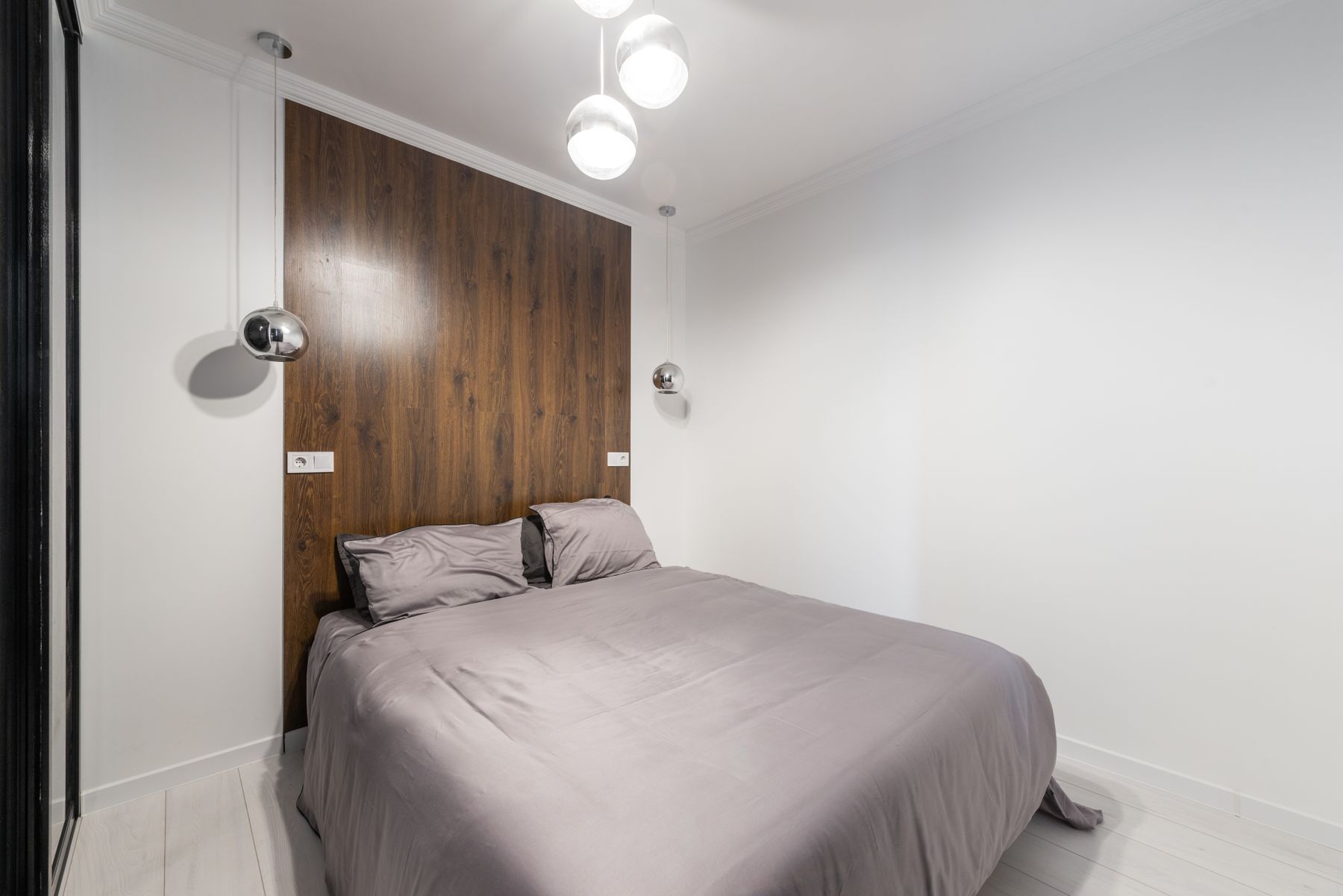
Modern Coastal: Precise but Tactile
Modern coastal is not a white minimalist room renamed. Use clear construction and edited lines, then preserve warmth through timber, linen, woven cord or mineral paint. Conceal visual noise, not every trace of life. One softly irregular material prevents the room from feeling like a hotel prototype. [Contemporary Bedroom Ideas](/bedroom/contemporary-bedroom-ideas/) is useful when current forms, curves and material contrast need deeper exploration without the coastal place narrative.

Reversible Coastal Layers in a Rental
Start with broad reversible fields: a correctly sized rug, full-length approved curtains, breathable bedding, a timber or woven lamp and one artwork. Keep lease rules, window safety and wall-fixing limits in view. Do not cover every plain surface with peel-and-stick products that may damage paint or trap moisture. Photograph the initial condition and store original hardware. The strongest rental scheme can move with the occupant while remaining useful in a different home.

Specify for Salt, Humidity, Wind and Strong Sun
In exposed homes, use appropriate stainless grades or manufacturer-rated coatings, ventilate wardrobes, keep furniture clear of damp external walls and inspect glazing seals. Salt residue accelerates corrosion; intense sun fades textiles and dries some natural fibers. Confirm local requirements for storm shutters, screens and window safety with qualified professionals. Do not specify untreated cane, soft unsealed timber or ordinary metal simply because it photographs well. A credible coastal bedroom acknowledges weather as an operating condition.
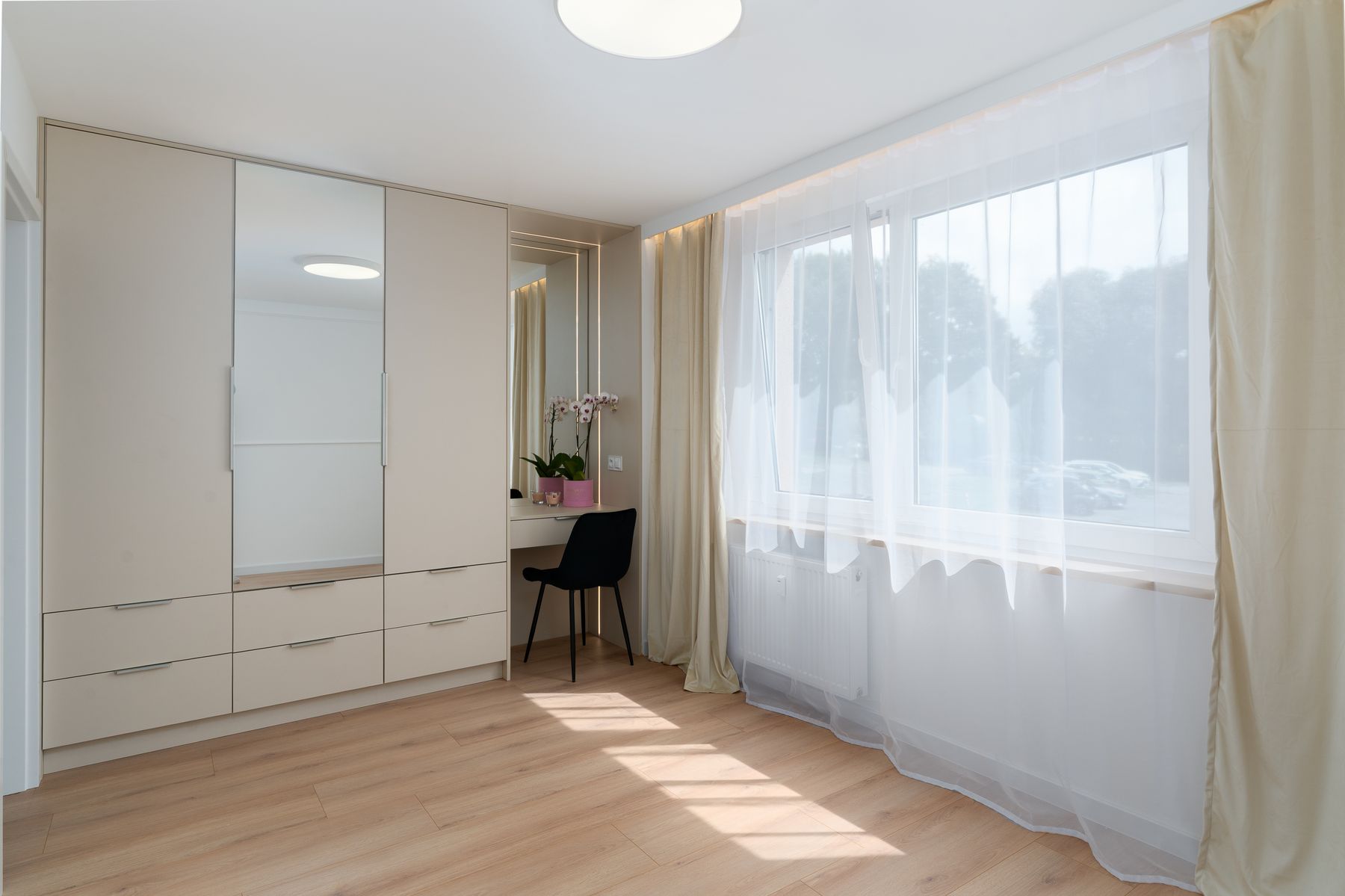
Preserve Contrast, Reach and Stable Routes
Coastal palettes often reduce contrast, so verify bed edges, handles, switches and level changes in daylight and low light. Keep routes clear, rugs stable and curtains easy to operate. Select a bed height for the actual user and place controls within reach from entrance and pillow. Woven surfaces should not snag mobility aids or clothing. Glare can impair vision as much as darkness; diffusing direct sun is an accessibility measure as well as an aesthetic one.

Maintain Pale Textiles and Natural Materials Realistically
Vacuum woven headboards and rugs with suitable attachments, follow care labels on linen and cotton, and treat stains promptly without assuming every pale textile tolerates bleach. Wipe salt residue from hardware using manufacturer guidance and inspect baskets, timber and external-wall zones for mildew. Rotate sun-exposed cushions and keep spare paint and finish records. Plants can support atmosphere but should not introduce wet pots, pests or unsuitable humidity beside the bed.
Finish With a Day, Night and Weather Audit
Use the bedroom at sunrise, midday, after dark and during the strongest local weather available. Confirm blackout, glare, airflow, temperature, charging, storage, rug stability and cleaning access. Remove the object whose only job is announcing the beach. The scheme is complete when the materials feel connected, the room supports sleep and dressing, and its coastal identity survives without literal motifs or a compulsory blue-and-white formula.