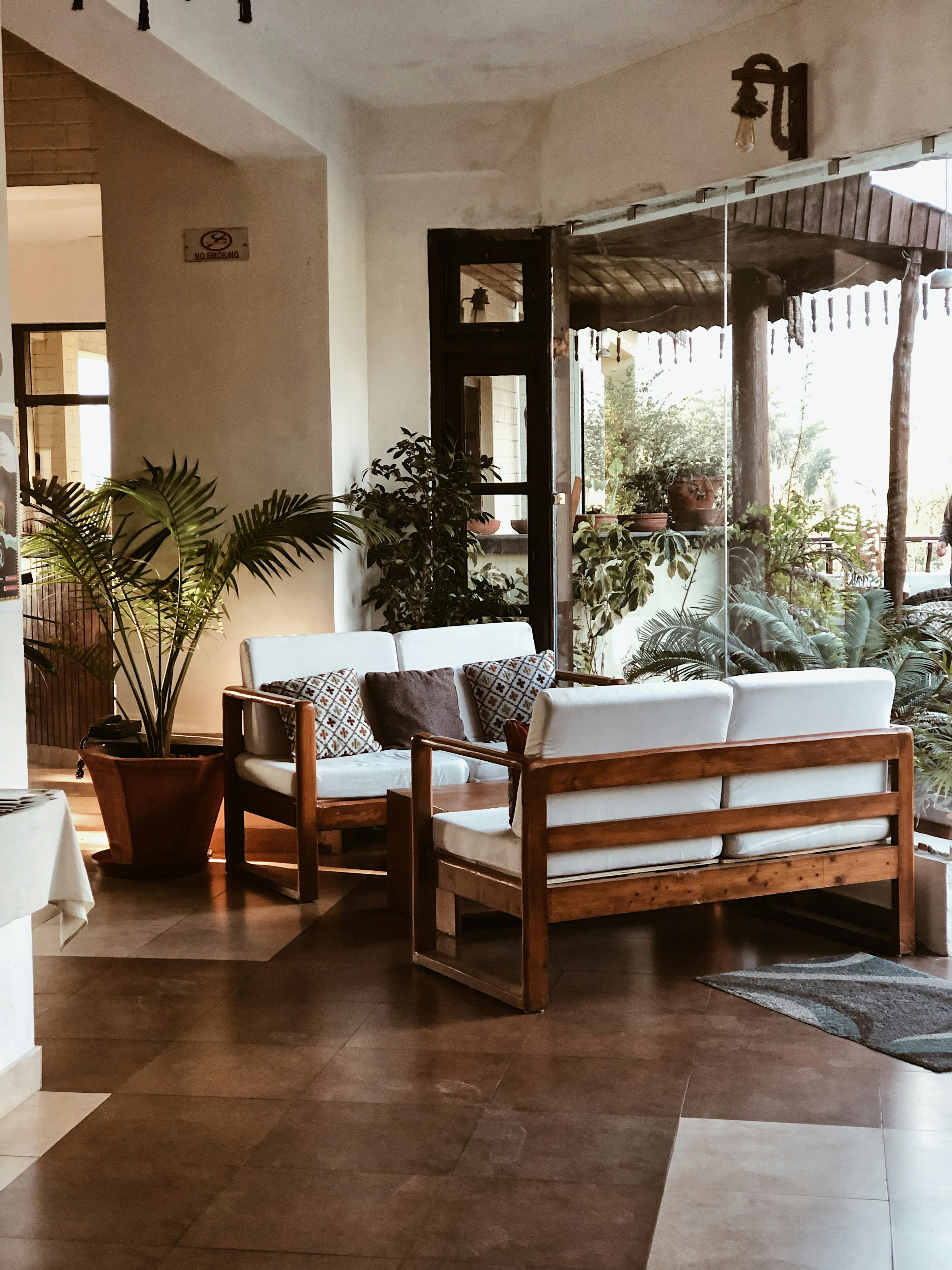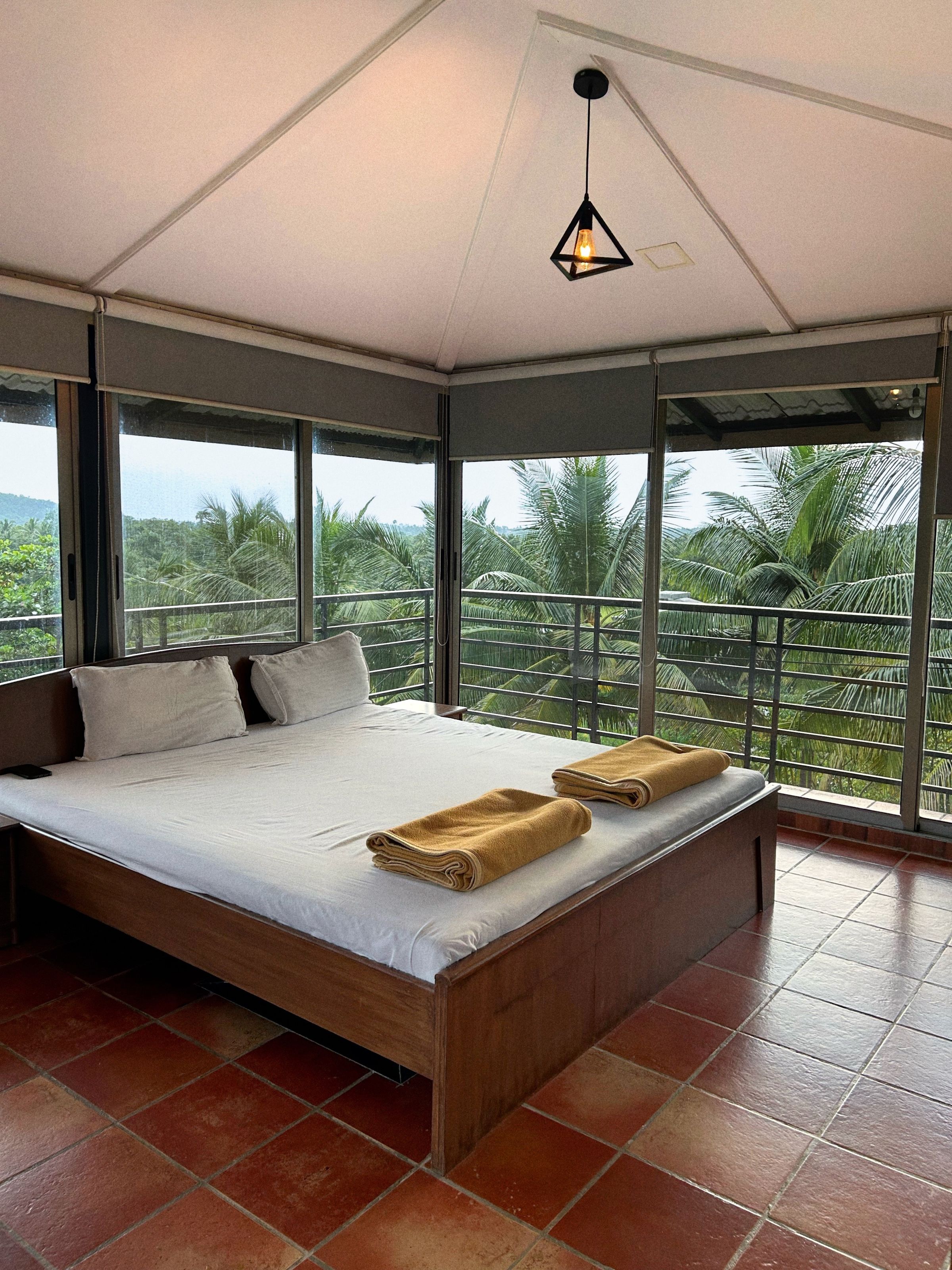
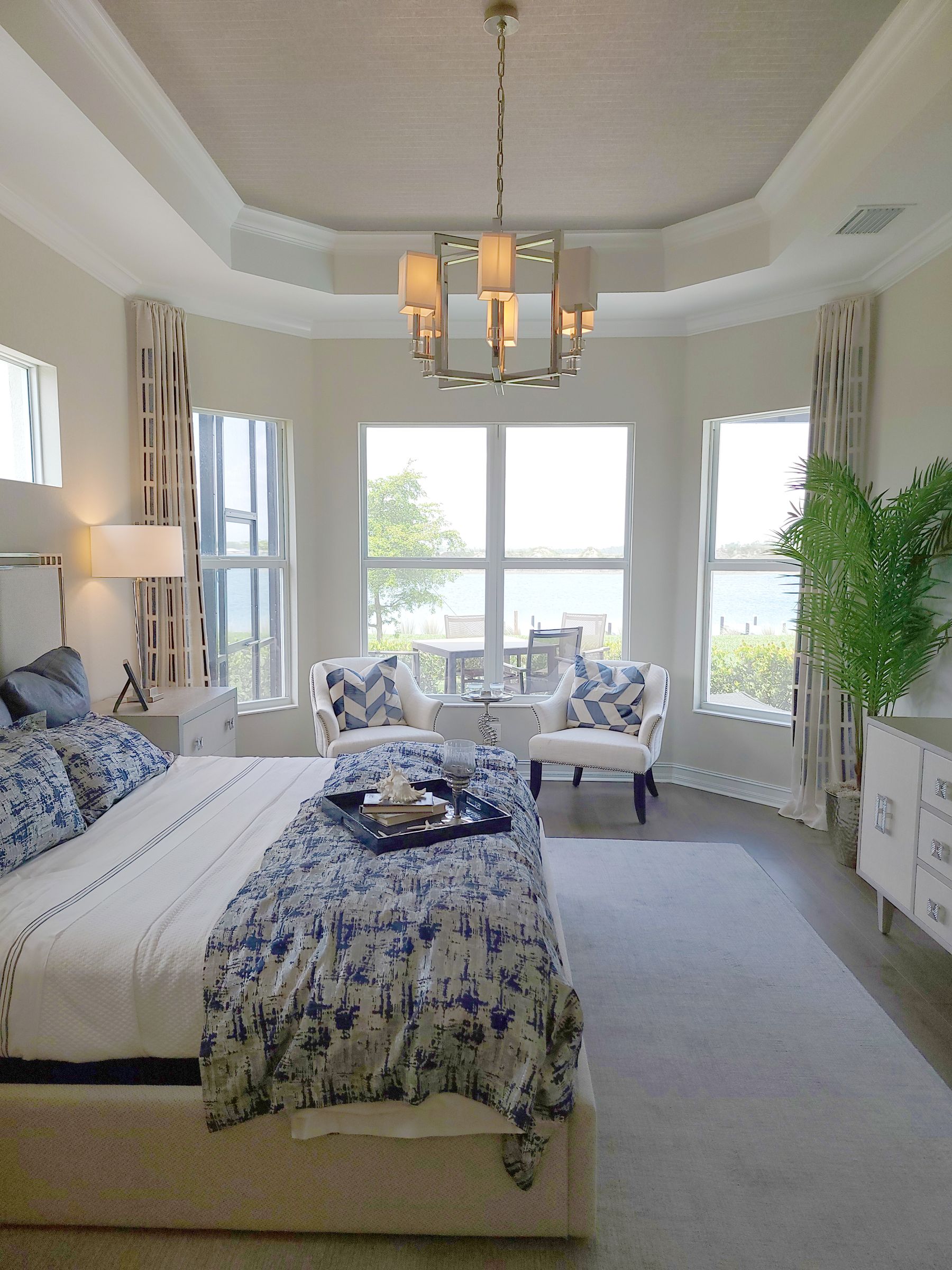
Define Tropical Through Climate, Not Costume
Tropical style grows from living with strong sun, heat, humidity, rain and abundant vegetation. Deep shade, air movement, quick-drying textiles and materials that tolerate moisture are therefore more authentic than pineapples, flamingos or generic palm signs. A bedroom outside the tropics can translate those principles through filtered light, open furniture, botanical color and honest natural texture. Research one climate and region rather than treating Bali, Brazil, the Caribbean, Hawaii and coastal Africa as interchangeable visual sources.
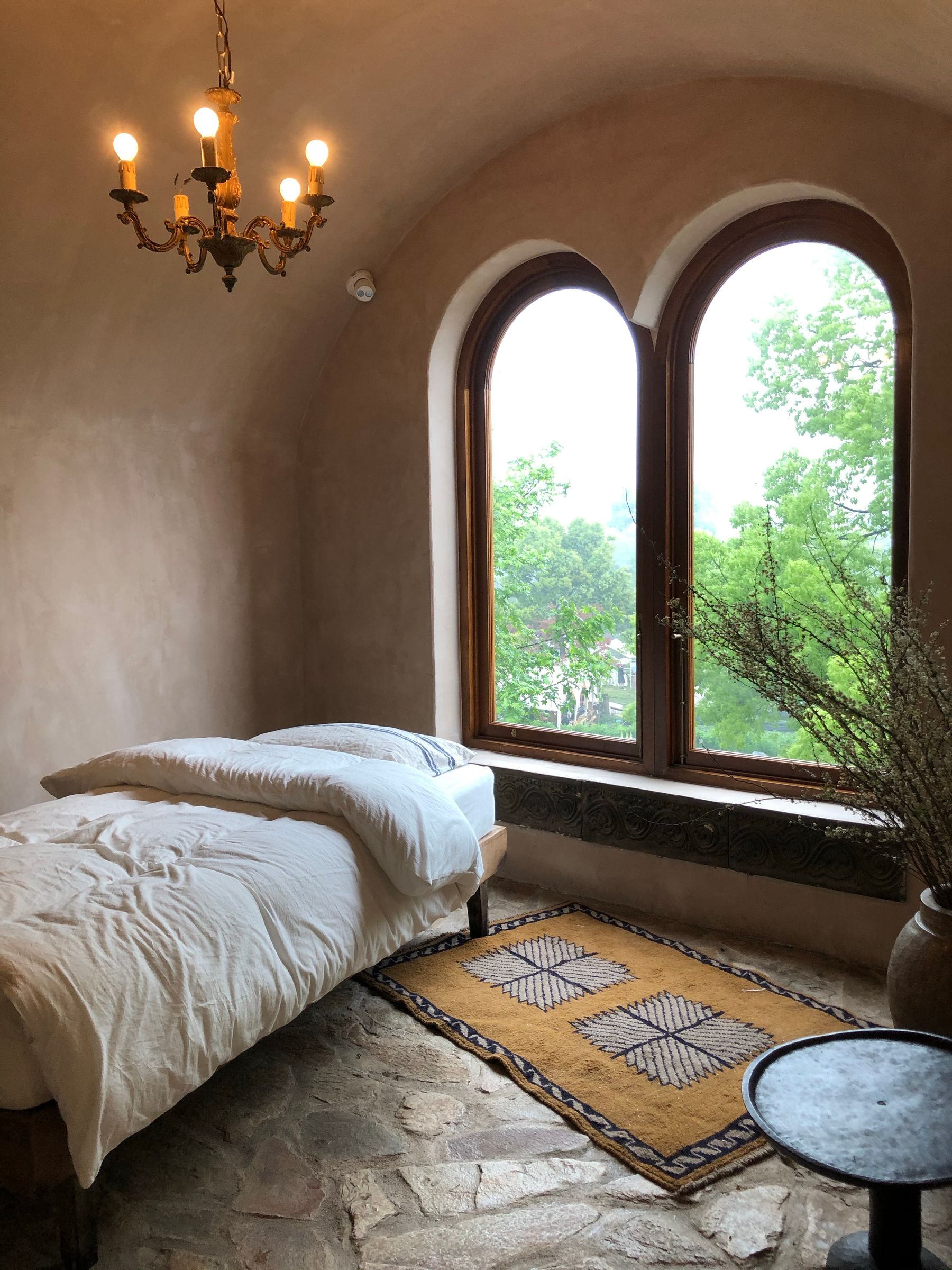
Separate Tropical From Coastal, Mediterranean and Boho
[Coastal Bedroom Ideas](/bedroom/coastal-bedroom-ideas/) centers shoreline light, salt-softened color and breezy simplicity. [Mediterranean Bedroom Ideas](/bedroom/mediterranean-bedroom-ideas/) emphasizes plaster, stone, terracotta and control of dry heat. [Boho Bedroom Ideas](/bedroom/boho-bedroom-ideas/) is driven by collected textiles and personal layering. Tropical Bedroom is led by humid-climate performance, lush planting, shade, airflow and materials such as cane, tropical timber and clay. These styles can overlap, but the dominant environmental and material problem should decide the canonical destination.
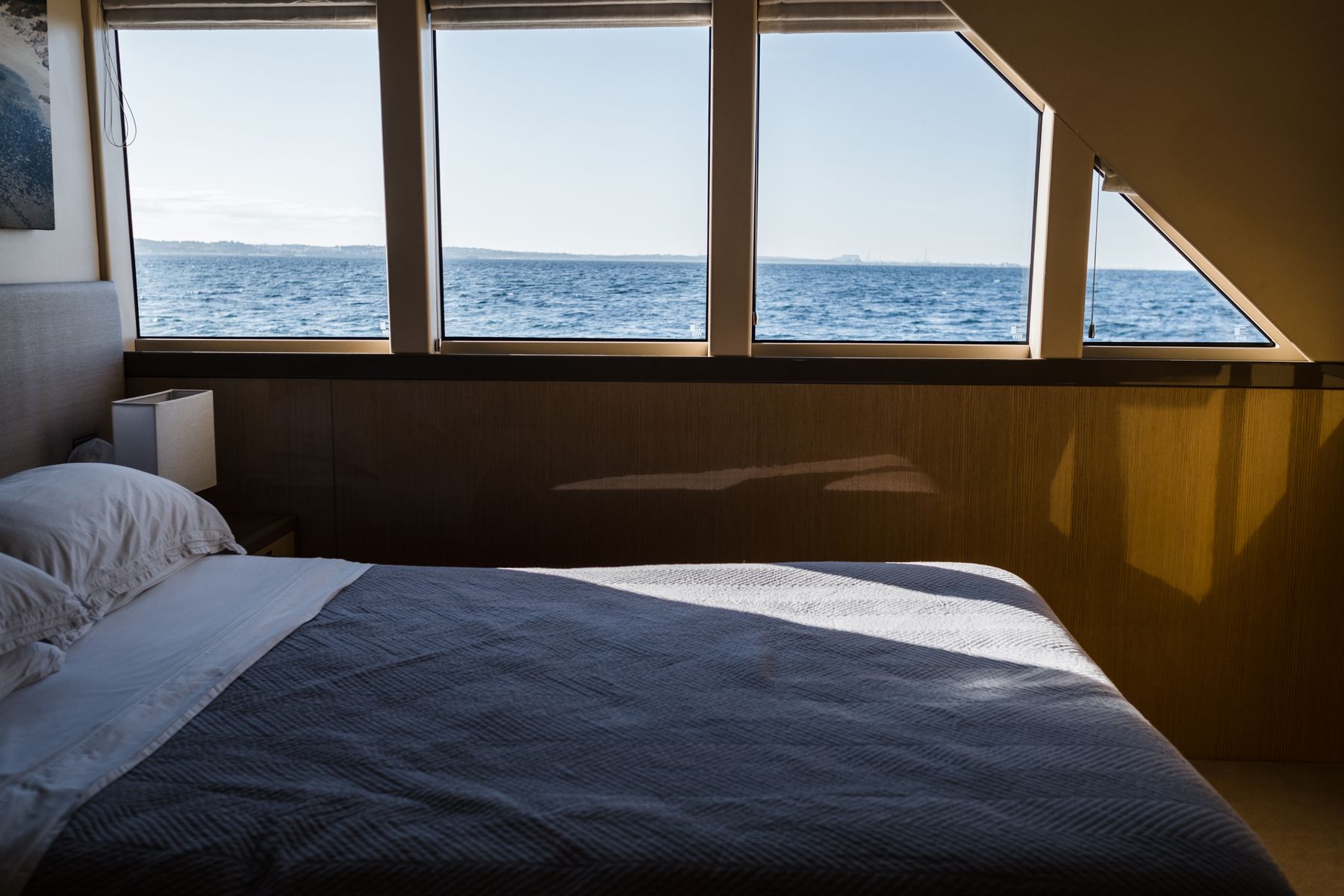
Start With Cross-Ventilation and the Bed Position
Map prevailing breeze, operable windows, doors, fans and air-conditioning supply before positioning tall furniture. Keep the main air path open and avoid placing a deep wardrobe across it. The bed should receive gentle movement without sitting in a constant draft or directly under a noisy unit. Where security, insects or outdoor pollution limit open windows, specify screened openings and mechanical ventilation honestly. Low furniture and open-legged pieces can improve circulation, but only when the building has a usable air source and exit.
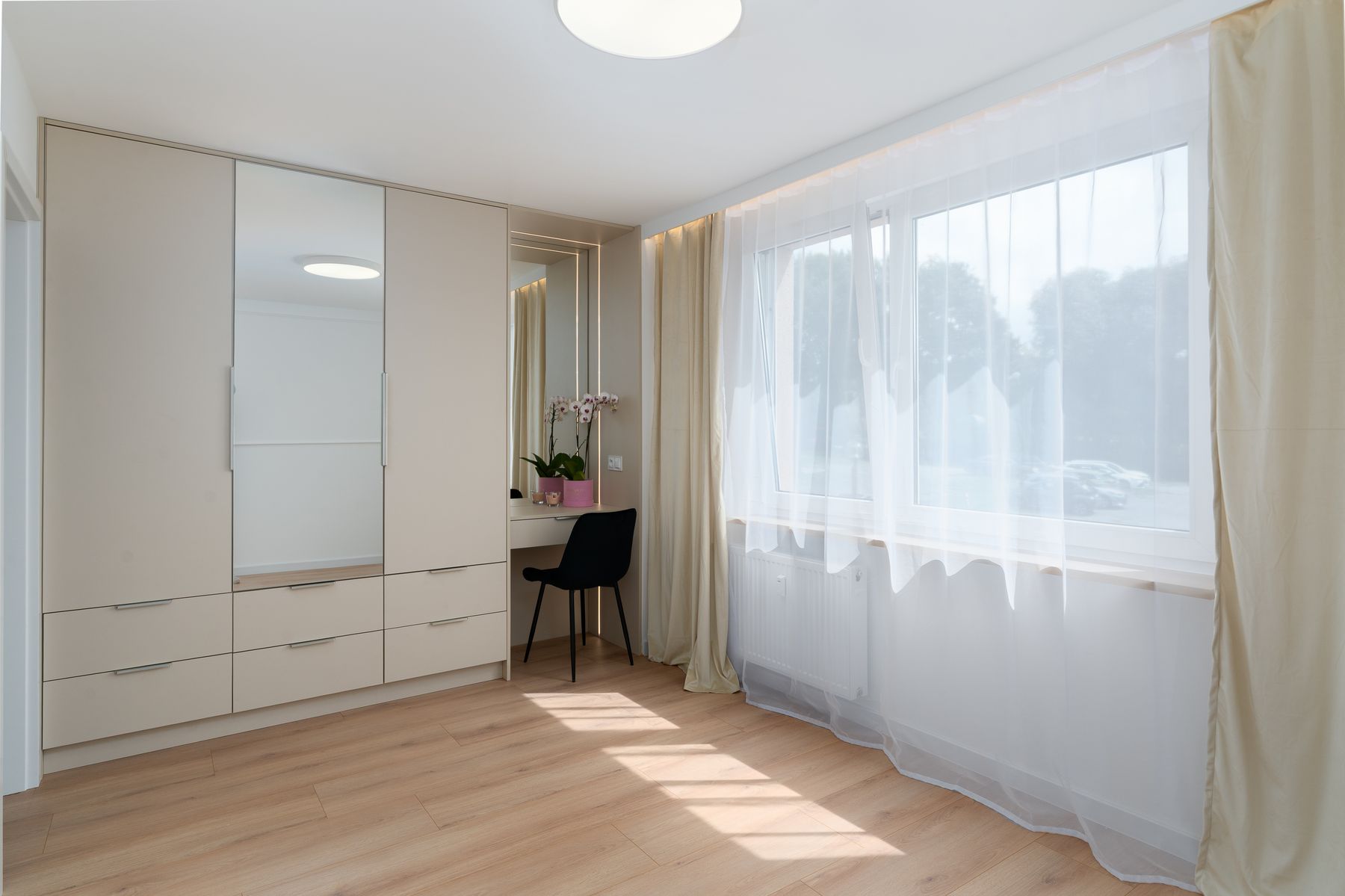
Control Sun Before Choosing a Cool Palette
External overhangs, shutters, blinds, deep reveals and planting can reduce heat before it reaches glass. Inside, use light-filtering layers for day and reliable blackout for sleep, allowing fabric to clear handles and air paths. A cool blue or white scheme cannot compensate for uncontrolled solar gain. [Bright Bedroom Ideas](/bedroom/bright-bedroom-ideas/) explains reflection and glare in more detail; tropical design adds heat, storms and rapid material fading. Test the room at the hottest hour, not only during a pleasant morning visit.
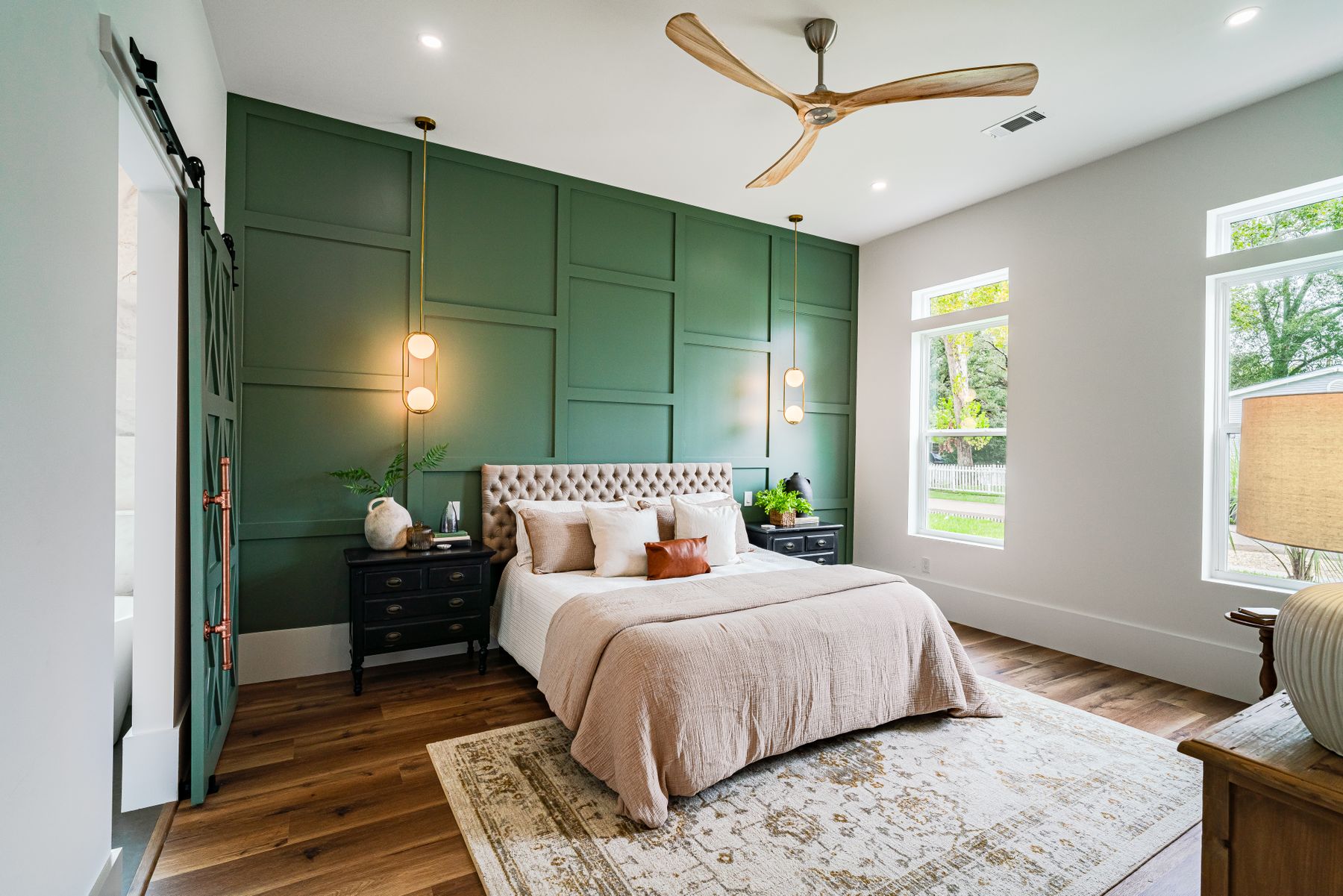
A Palette Built From Soil, Leaf, Water and Timber
Sand, limestone, clay, cacao, palm green, lagoon blue, hibiscus pink and sun-faded yellow can all belong, but one landscape should guide the hierarchy. Begin with fixed floor and timber, choose a broad quiet field, then add one botanical color and one grounding dark. [Green Bedroom Ideas](/bedroom/green-bedroom-ideas/) is the stronger destination when green relationships are the main question. In a tropical room, color should support light, material and climate rather than become a separate decorative performance.
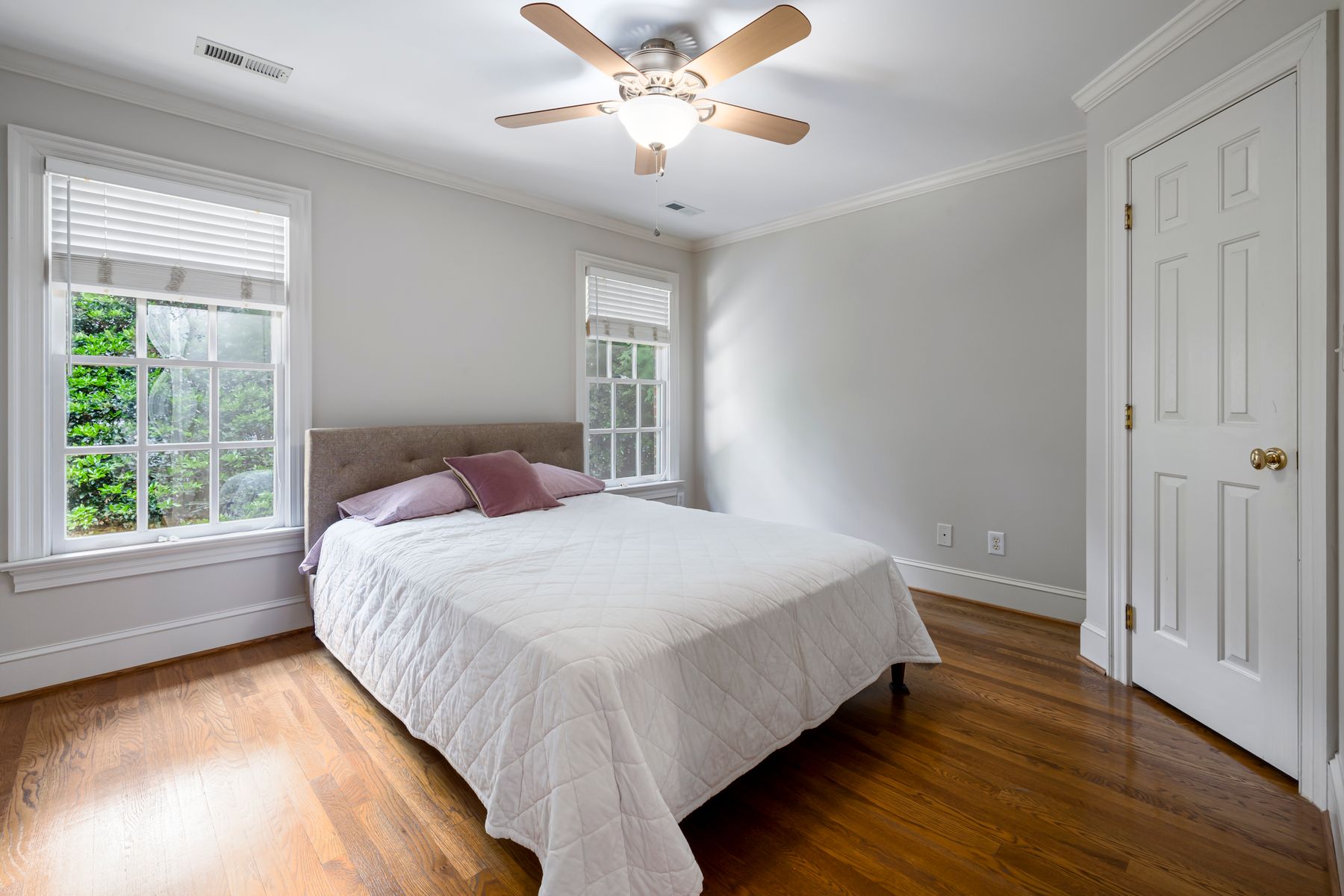
White as Heat and Pattern Relief
Warm white, shell and chalk can reflect light and separate strong leaf color, dark timber or botanical pattern. They should not automatically cover every surface; brilliant cool white may glare in intense sun and show humidity marks quickly. Use washable, vapor-appropriate finishes and compare undertones with terracotta, cane and greenery. [White Bedroom Ideas](/bedroom/white-bedroom-ideas/) offers the deeper all-white framework. Here, pale surfaces are supporting actors that help shade, texture and plant color remain legible.
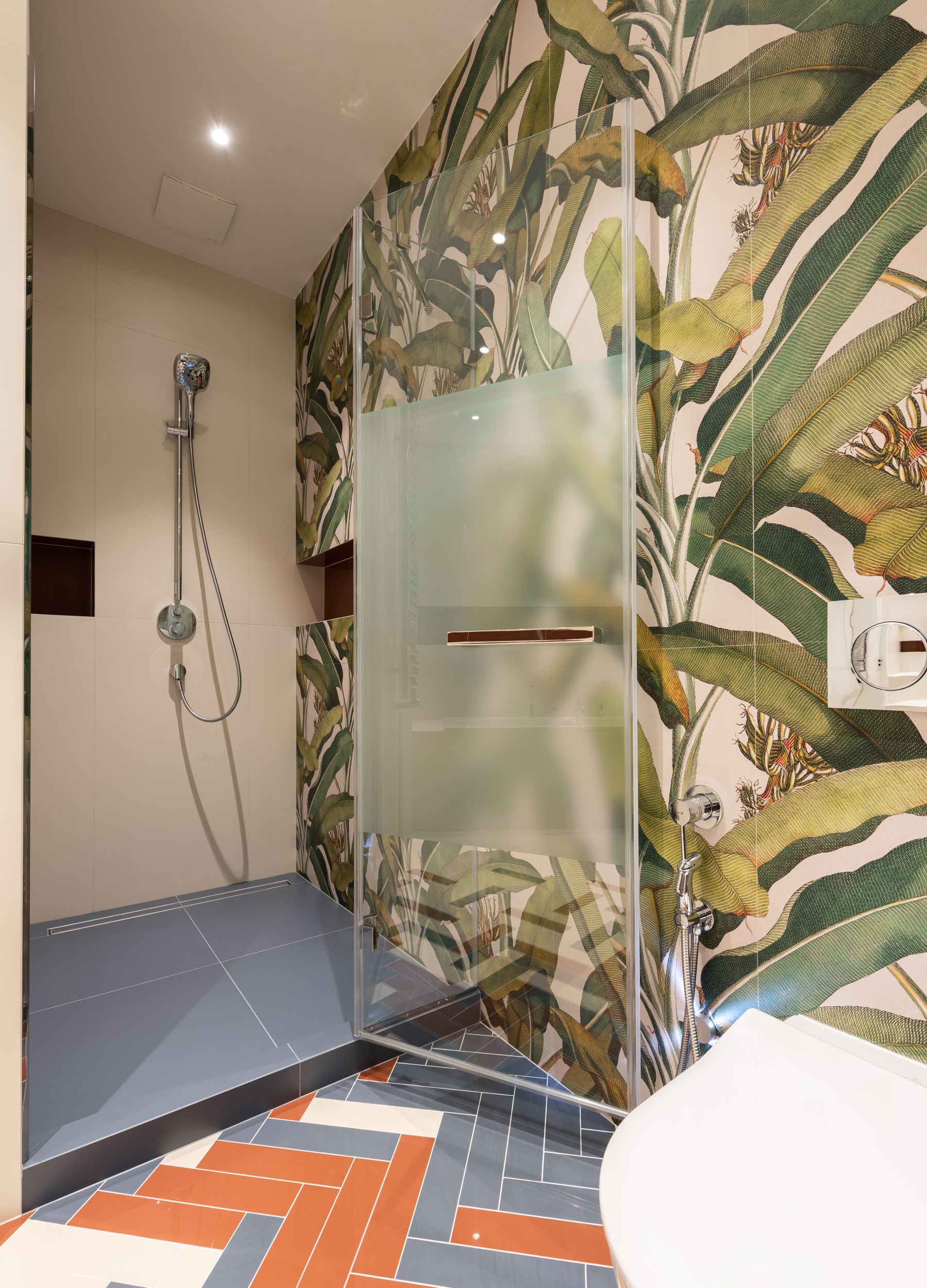
One Botanical Pattern With Enough Scale
A palm, banana leaf, fern or abstract botanical can define a headboard wall, curtain or coverlet. Choose one lead field, show enough repeat to understand it and keep nearby bedding comparatively plain. Small rooms may suit a tighter repeat or a framed panel; a large mural needs uninterrupted wall area. Matte paper and fabric usually feel calmer than shiny vinyl, but humidity and substrate suitability must be checked. Pattern cannot hide damp, and a poorly prepared wall will fail regardless of how convincing the print looks.
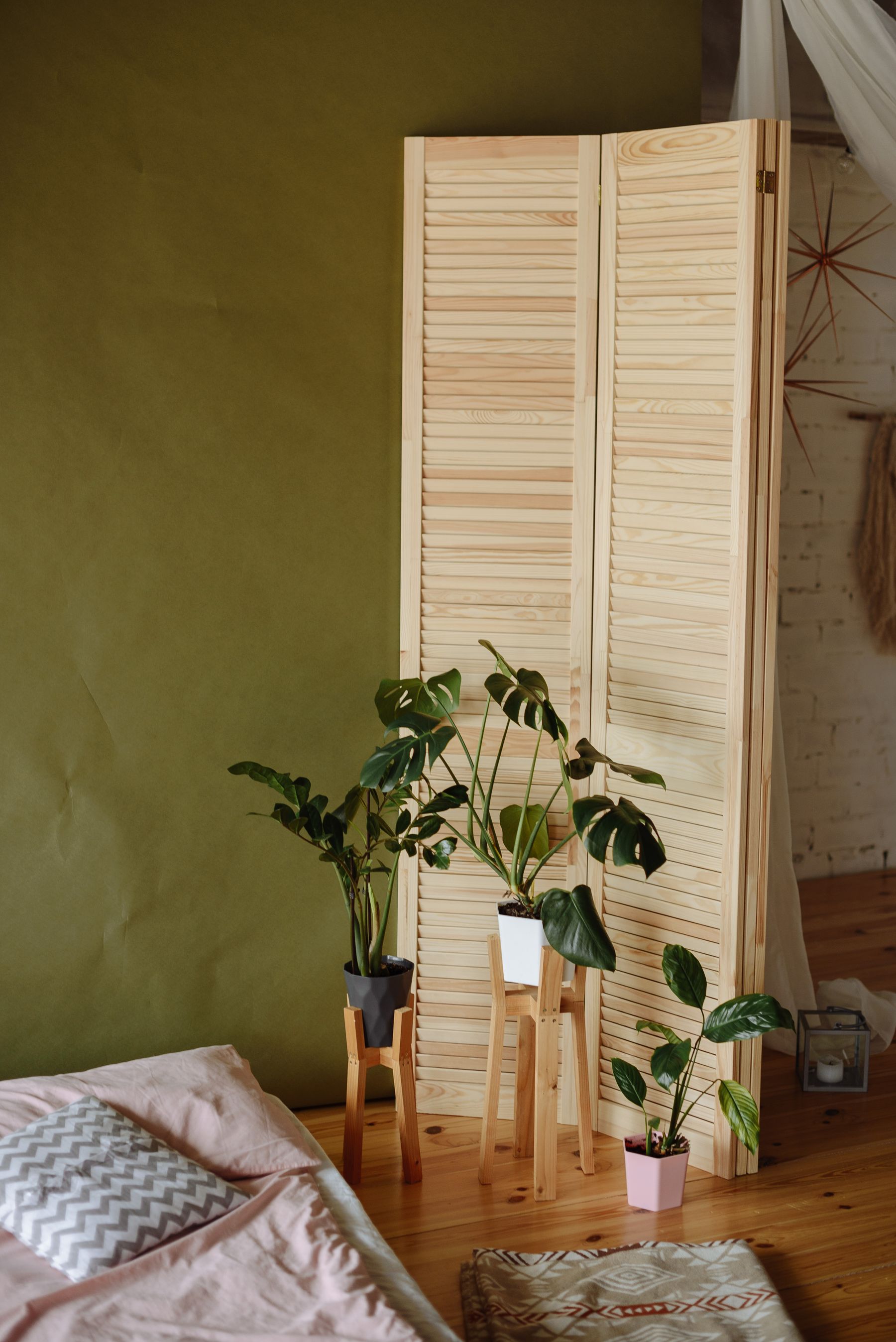
Use Real Plants as Living Material
Select plants for actual light, temperature, humidity, pets and care capacity. Give each pot drainage protection, stable placement and a route for watering without crossing bedding. One mature specimen and a smaller companion often create more impact than many struggling plants. Keep foliage away from fans, heaters and sleep circulation, and inspect for pests or mold. Artificial plants may suit low-light rooms, but high-quality botanical art or a view can be more honest than dusty plastic leaves pretending to improve air.
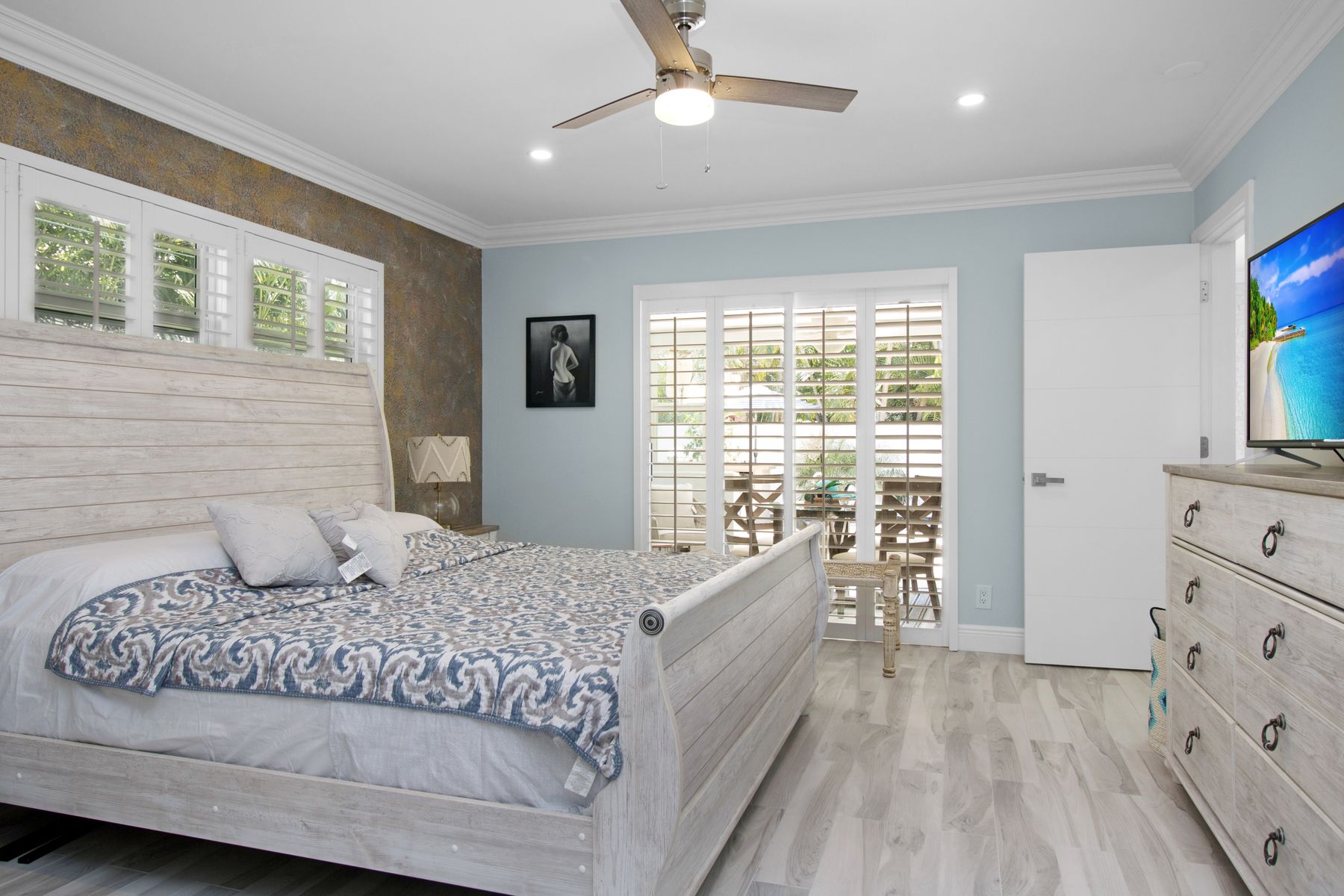
Select Timber for Humidity and Honest Aging
Teak and other durable tropical timbers are familiar references, but legality, sourcing and local suitability matter more than prestige. Certified local wood, repaired vintage furniture or well-finished alternatives may be better choices. Allow movement, ventilate behind large pieces and use finishes compatible with humidity and cleaning. Avoid darkening every surface; one bed, ceiling or cabinet can establish warmth. [Rustic Bedroom Ideas](/bedroom/rustic-bedroom-ideas/) is the better continuation when heavy raw timber, stone and weathered texture lead.
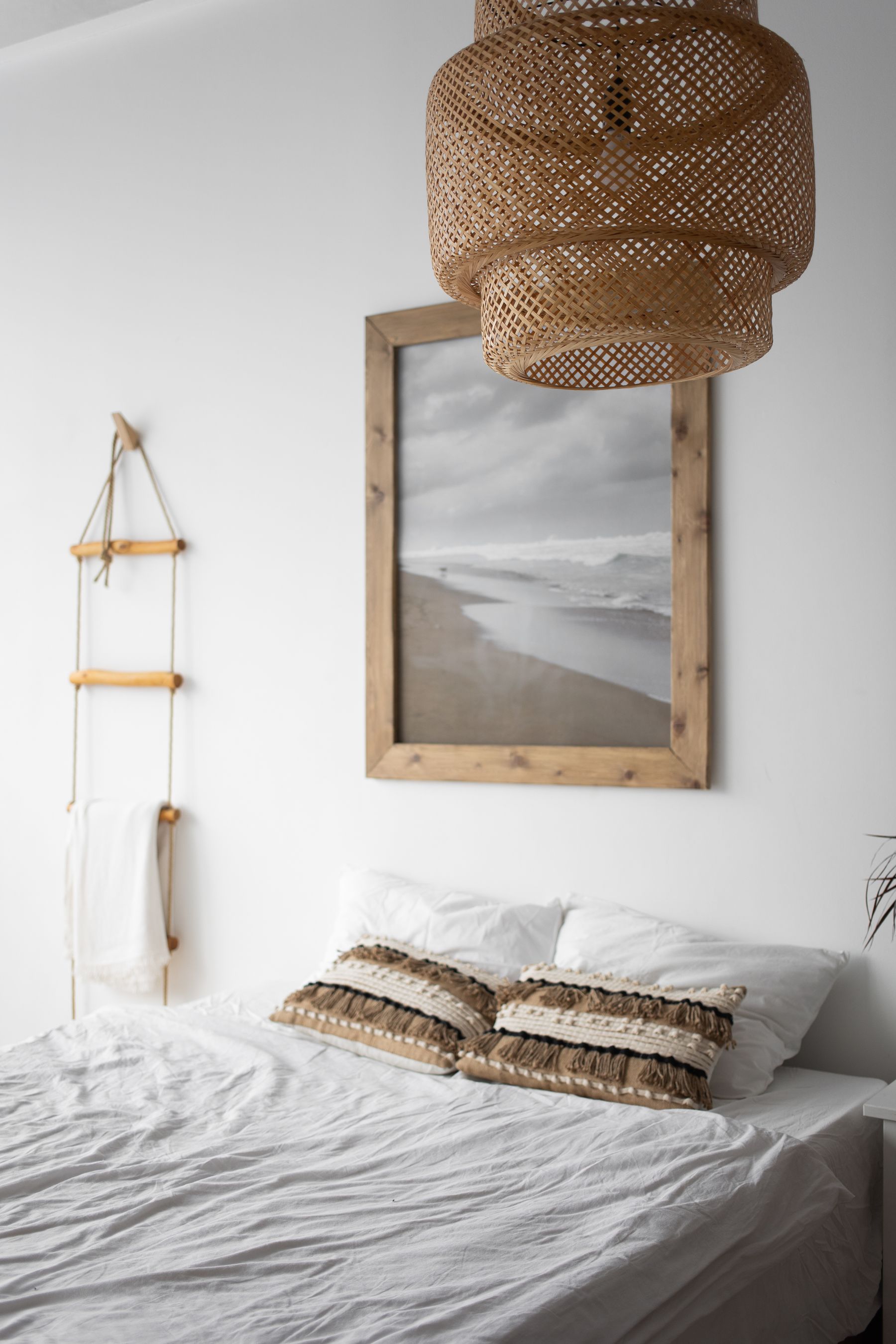
Rattan and Cane Where Air Can Move
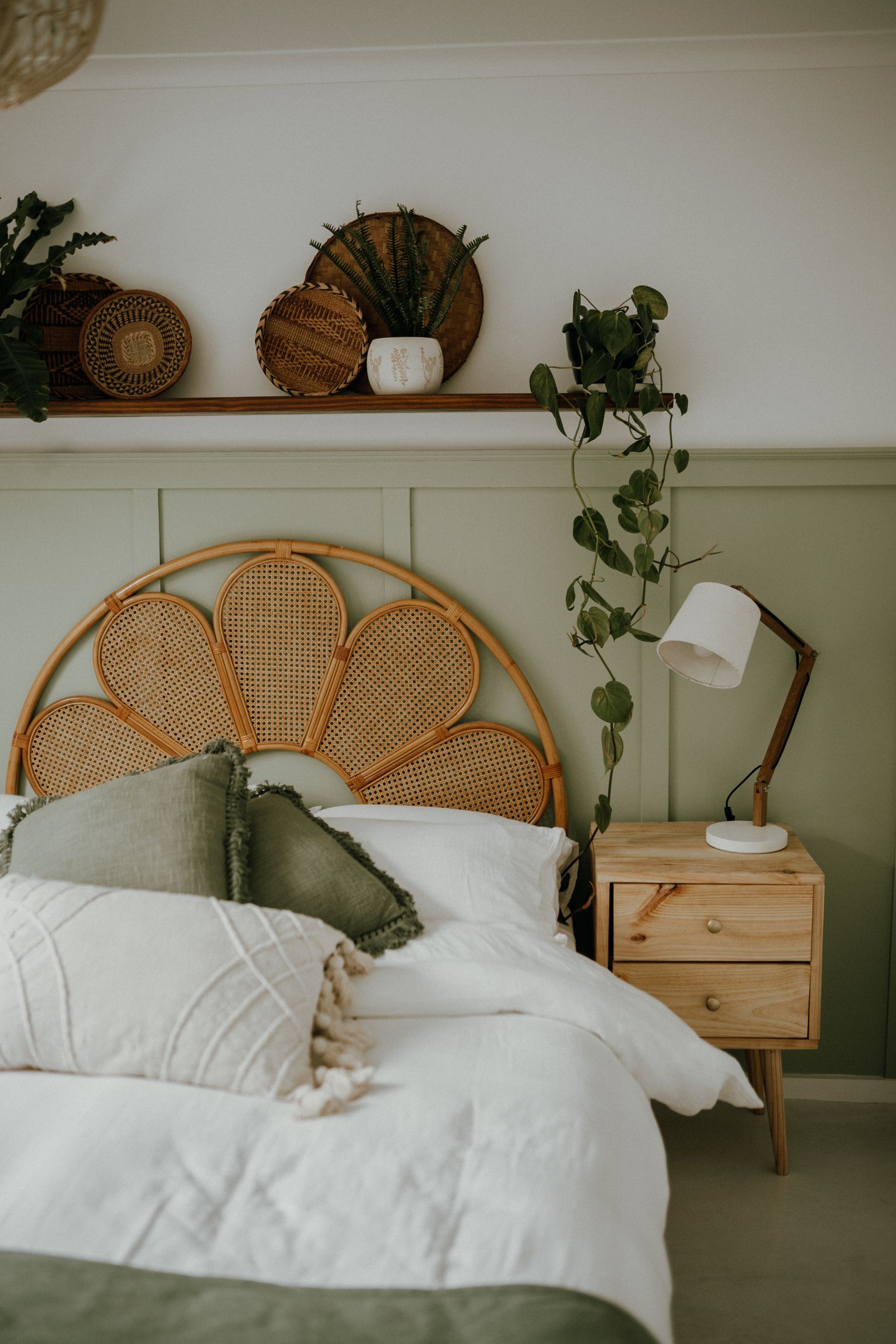
A cane headboard, rattan chair, woven cabinet panel or pendant can add porous texture without the mass of solid furniture. Inspect frames, bindings and brittle fibers, especially on vintage pieces. Natural rattan dislikes prolonged damp even though it visually belongs in tropical schemes; wipe spills, maintain ventilation and keep it from direct rain. Avoid matching suites. One or two strong woven elements are enough, supported by plain timber and linen. Painted synthetic weave may be more practical in exposed zones but should be specified honestly.
A Bed That Supports Air and Sleep
Platform, timber, cane and four-poster beds can all work. Judge mattress ventilation, frame stability, headboard cleanability and clearance around the bed before style. Upholstery may hold humidity and dust in poorly ventilated rooms; woven or timber surfaces can be easier to inspect. A substantial canopy needs enough ceiling height and must not obstruct a fan. Keep the bed away from damp external walls and allow access for cleaning, linen changes and pest checks. Tropical relaxation depends on healthy sleep conditions, not a resort silhouette.
Use Canopies and Mosquito Nets as Working Equipment
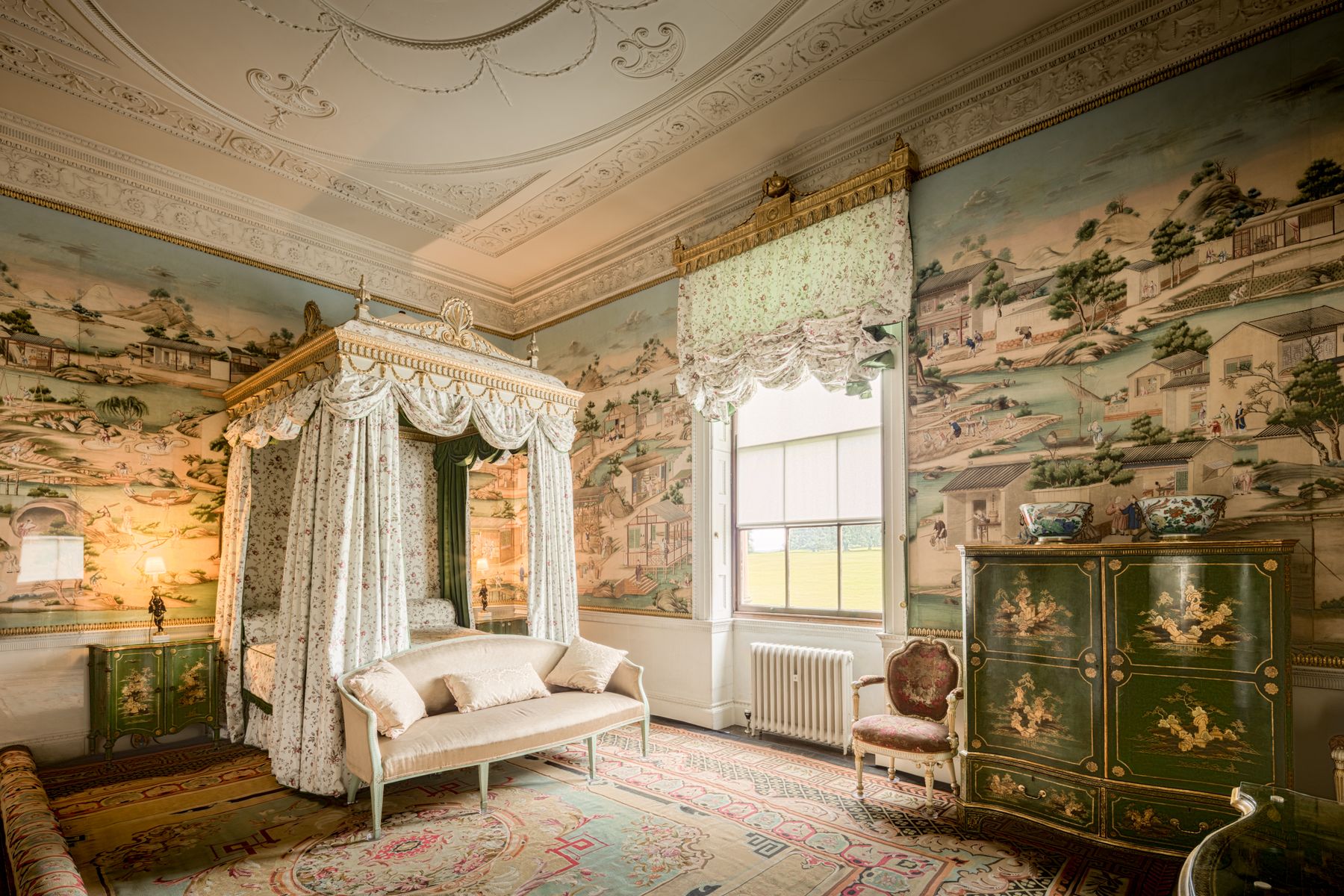
Where insects are a real concern, a net should close fully, avoid skin contact, tuck or seal correctly and remain clear of fans and lamps. Decorative loose gauze that cannot protect the sleeper adds cleaning without function. Confirm fire safety, washing access and ceiling fixing. In insect-free rooms, a four-poster can still provide architectural structure, but fabric is optional. Screens at openings and elimination of standing water may solve the problem more effectively than elaborate bed drapery.
Breathable Bedding Without Resort Excess
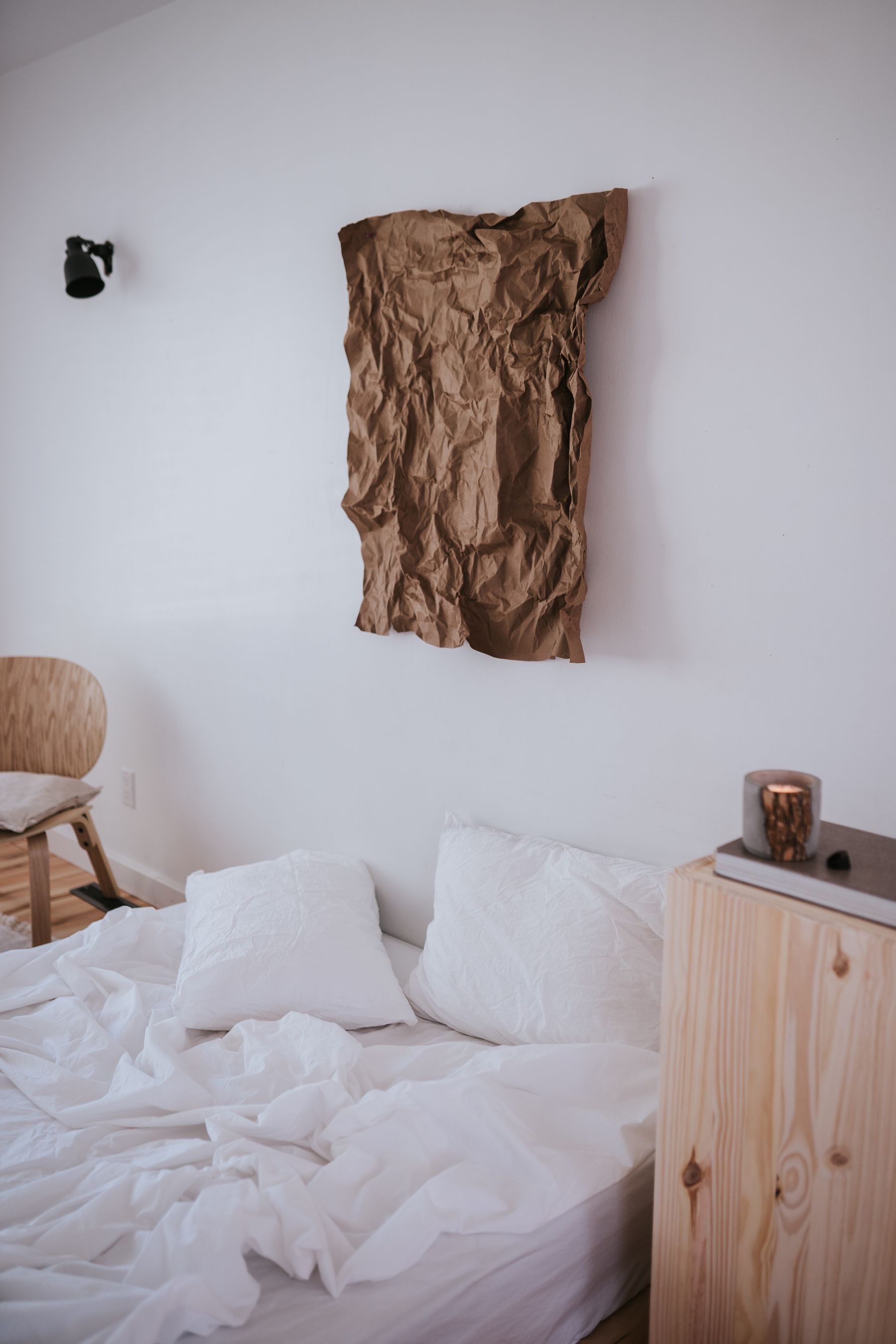
Cotton percale, linen and other breathable washable fibers are useful, but weave, weight and drying conditions matter as much as fiber name. Use a light blanket or coverlet that can be removed, and provide a warmer layer only where nighttime cooling requires it. Limit cushions to those with storage and realistic laundering. In humid climates, air bedding and avoid sealing slightly damp linen in deep boxes. [Neutral Bedroom Ideas](/bedroom/neutral-bedroom-ideas/) can guide a quiet layered palette when texture carries the room.
Ground the Room With Clay, Stone or Resilient Timber
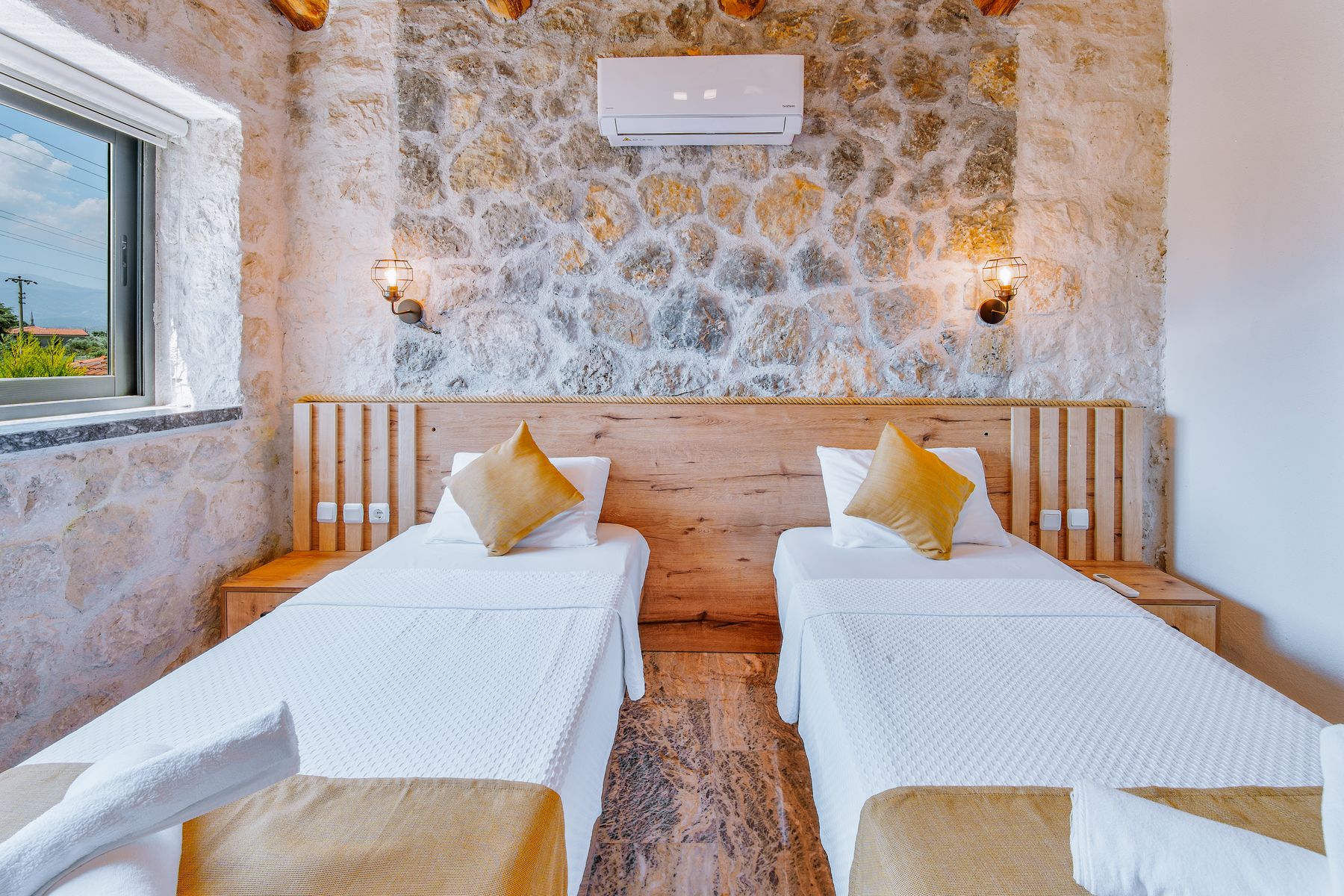
Terracotta, stone, polished concrete, tile and well-specified timber can all suit tropical conditions. Choose according to moisture, slip resistance, maintenance and barefoot comfort rather than image alone. Hard floors cool quickly but may feel cold in air-conditioned rooms; a washable natural-fiber rug can define the bed zone. Check whether jute or sisal will tolerate local humidity before using it broadly. Rugs need secure edges, airflow and cleaning access, especially where doors open directly to gardens or sand.
Specify a Ceiling Fan for the Room, Not the Theme
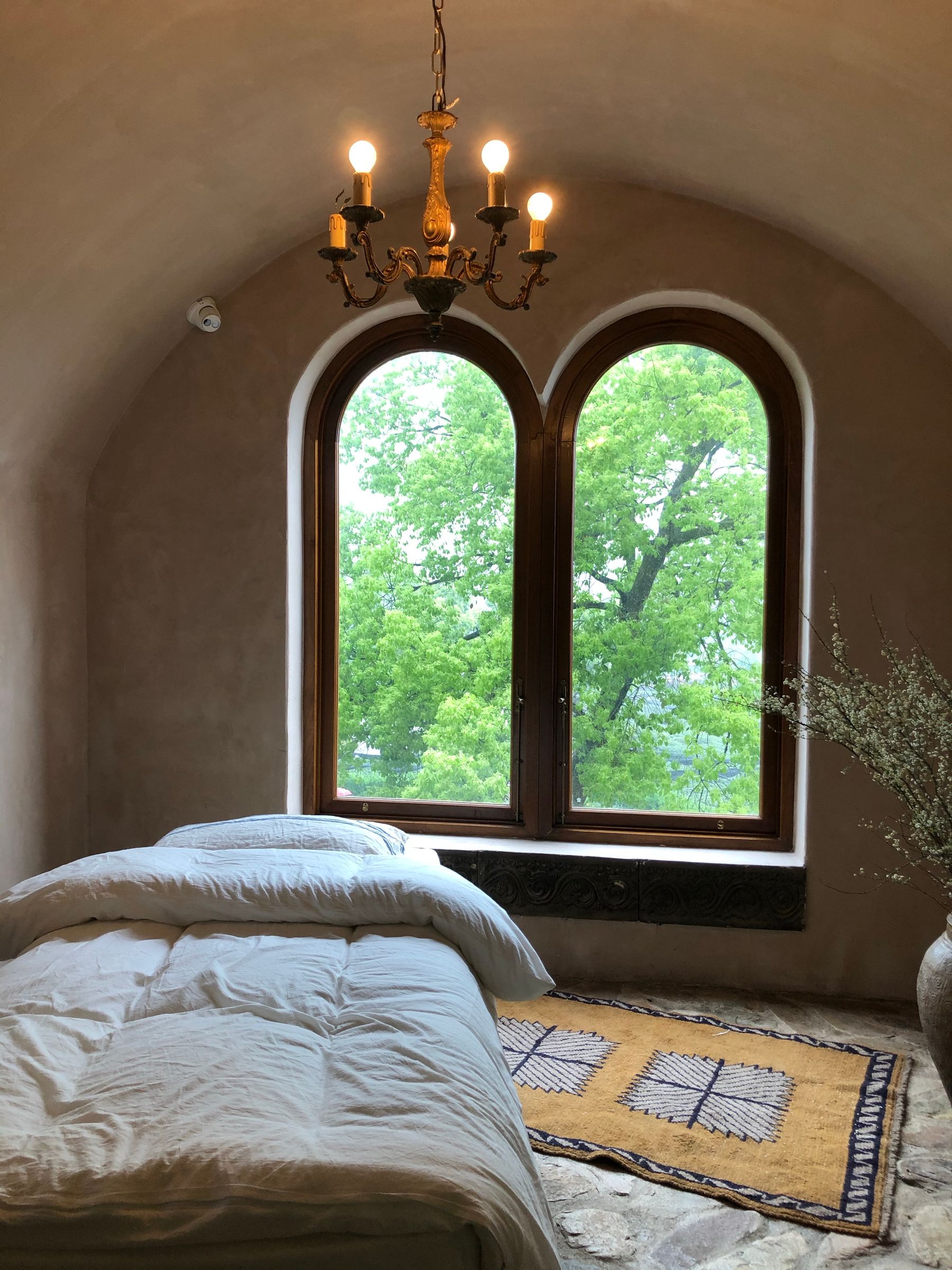
Fan diameter, ceiling height, mounting distance, motor noise, control and blade clearance should be calculated for the real room. In coastal or humid locations, specify corrosion-resistant hardware. A fan must not collide with canopy posts, netting, tall wardrobes or pendant lights. Palm-shaped blades are not automatically efficient and may become a themed shortcut. Combine air movement with shading and ventilation rather than expecting one fan to overcome solar gain or moisture. Verify safe installation to local electrical standards.
Warm Light Without Trapping Heat
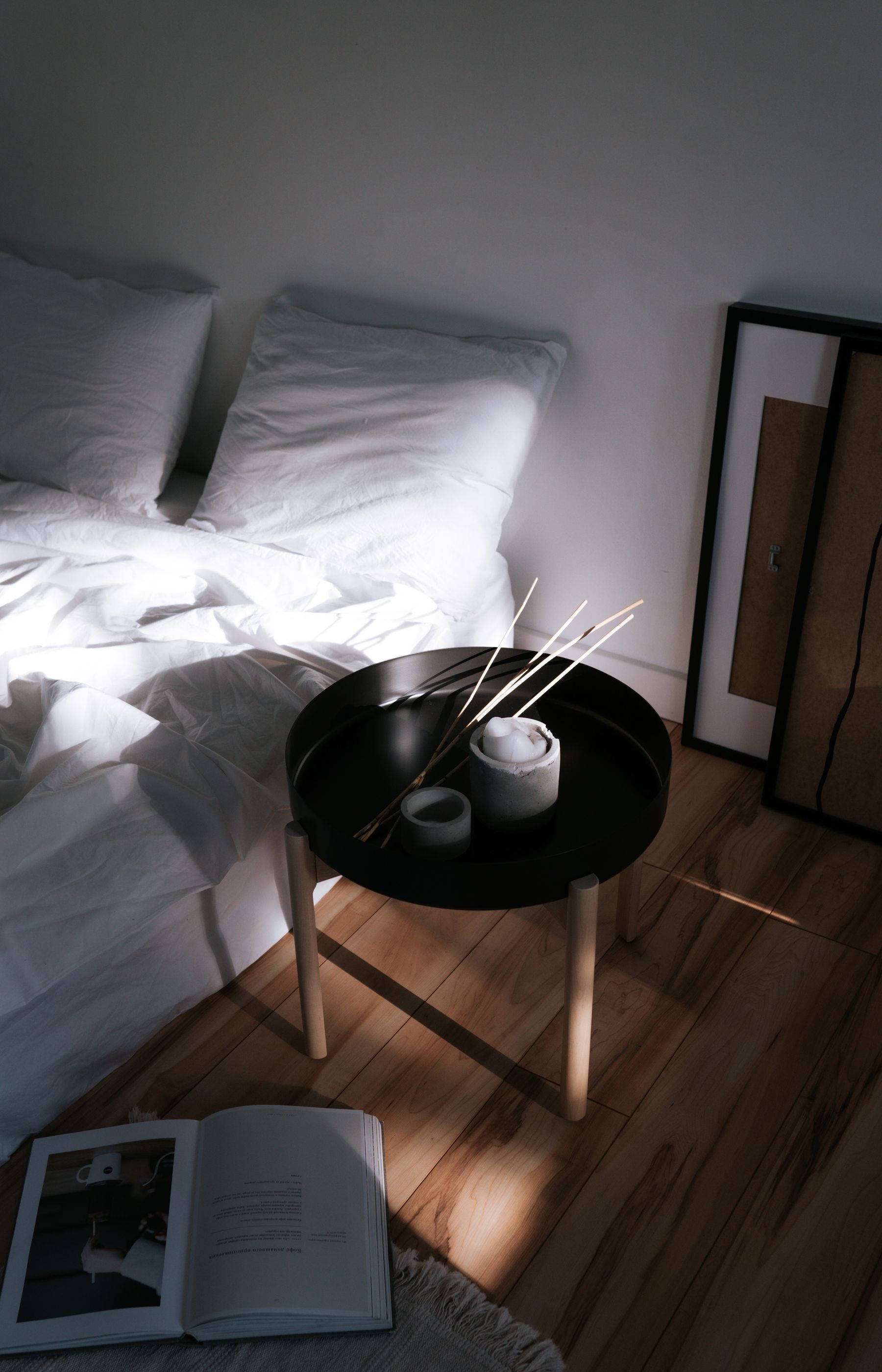
Use efficient LED sources, reachable bedside reading lights and gentle ambient illumination. Woven shades can cast attractive texture but may reduce output and collect dust, so pair them with accurate task light. Keep bulbs and fittings clear of canopies, plants and moisture-prone openings. Warm light flatters timber and terracotta, while good color rendering preserves greens and textiles. [Living Room Lighting Ideas](/living-room/living-room-lighting-ideas/) offers broader layering principles that transfer well to a bedroom when scaled for low nighttime use.
Indoor-Outdoor Openings Without Sacrificing Security
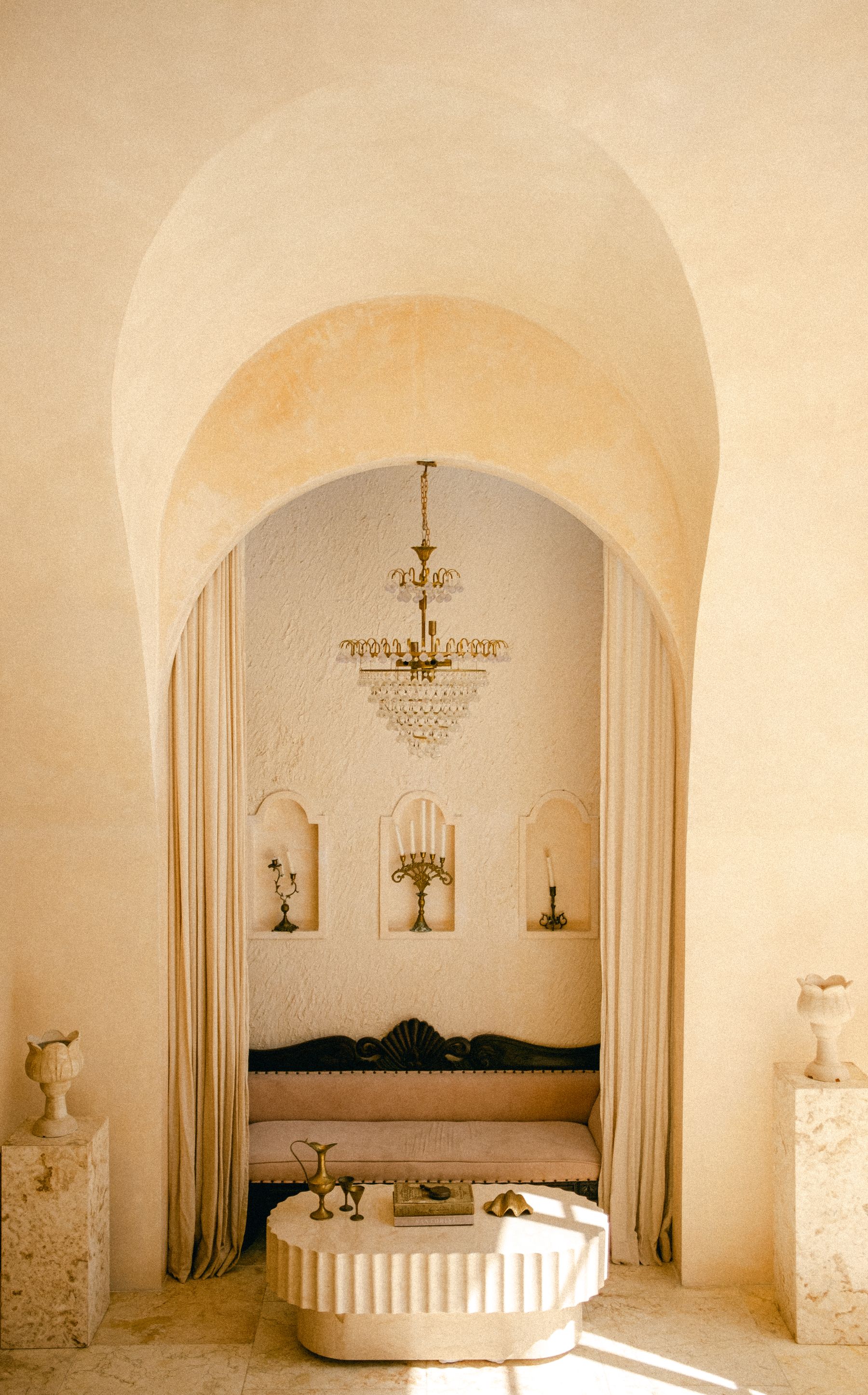
Sliding walls, balconies, courtyards and garden doors can make planting and breeze part of the room, but they also introduce insects, rain, noise, privacy and security questions. Provide screens, drainage, locks, weather protection and a dry threshold before celebrating openness. Keep bedding outside wind-driven rain and avoid exterior lighting that attracts insects beside the bed. A covered terrace can become a morning sitting zone, but it should not block the main escape route or compromise nighttime privacy.
Make Storage Ventilated and Inspectable
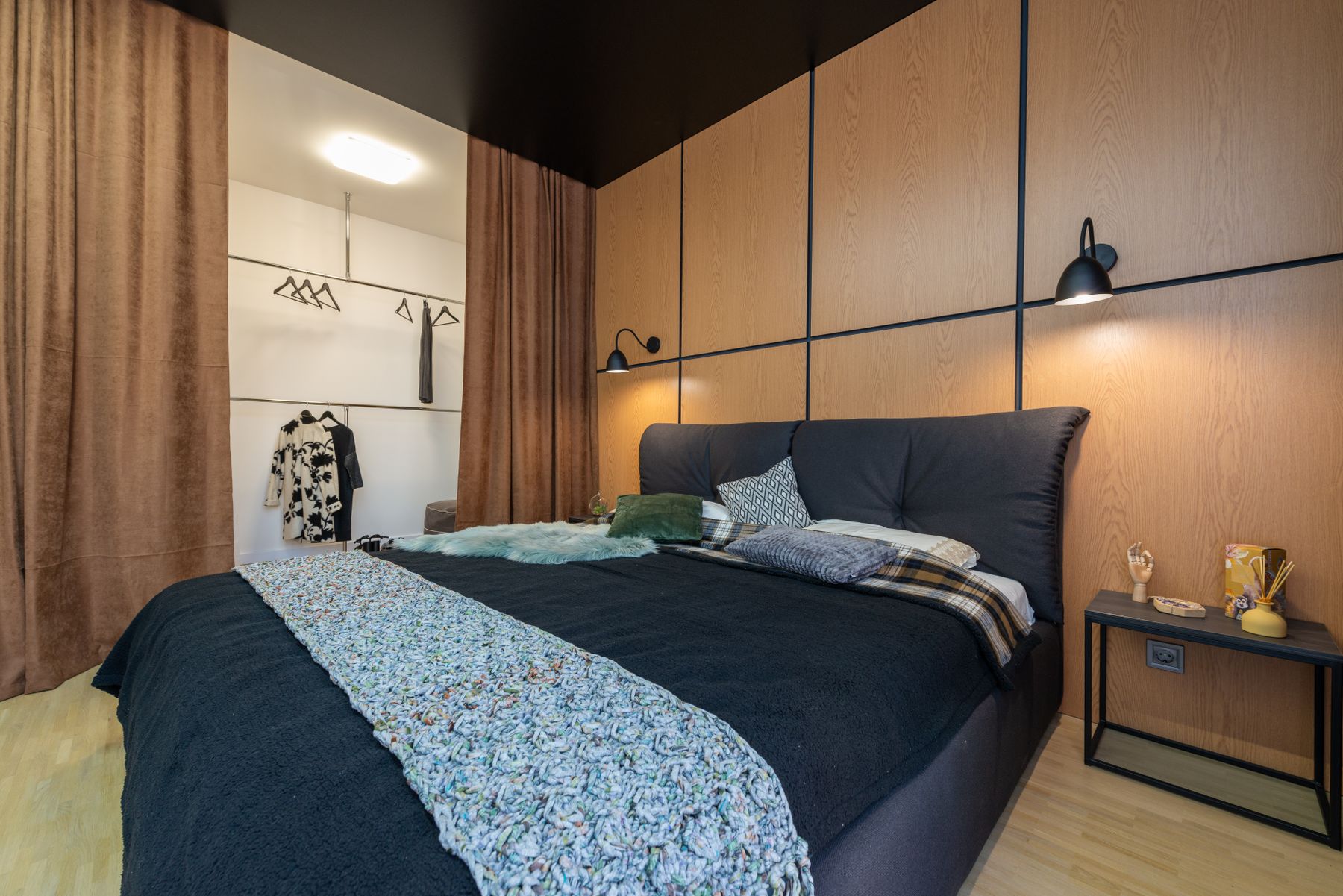
Avoid trapping wardrobes tightly against cold or damp walls. Use ventilated backs or doors where appropriate, raise vulnerable storage from occasionally wet floors and keep enough clearance to inspect for mold or pests. Open shelving improves airflow but exposes textiles to dust and humidity; enclosed storage with desiccation or conditioned air may be better. Woven panels can ventilate while adding texture, but their frames still need cleaning. Assign daily, weekly and seasonal items before deciding whether freestanding or fitted storage is safer.
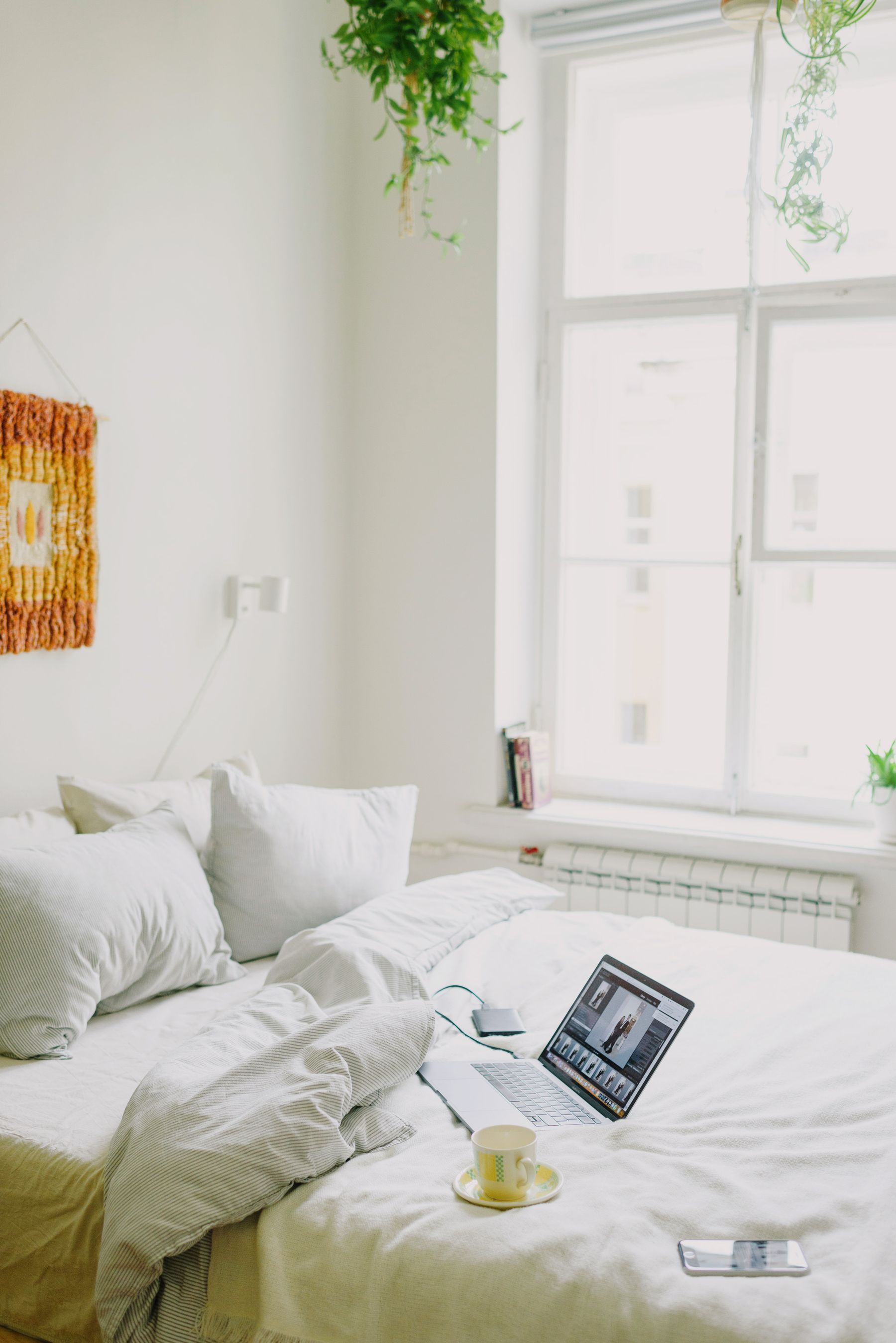
Scale Tropical Character for a Small Bedroom
Choose one botanical wall or textile, a visually light headboard, wall-mounted lamps and storage that does not block the window-to-door air path. A single healthy plant is stronger than a cluster that crowds the bed. Avoid oversized leaf repeats on every wall, deep benches and broad woven chairs. [Small Bedroom Ideas](/bedroom/small-bedroom-ideas/) provides the fuller clearance framework. Tropical identity can come from view, timber, cane and filtered light without shrinking the useful floor.
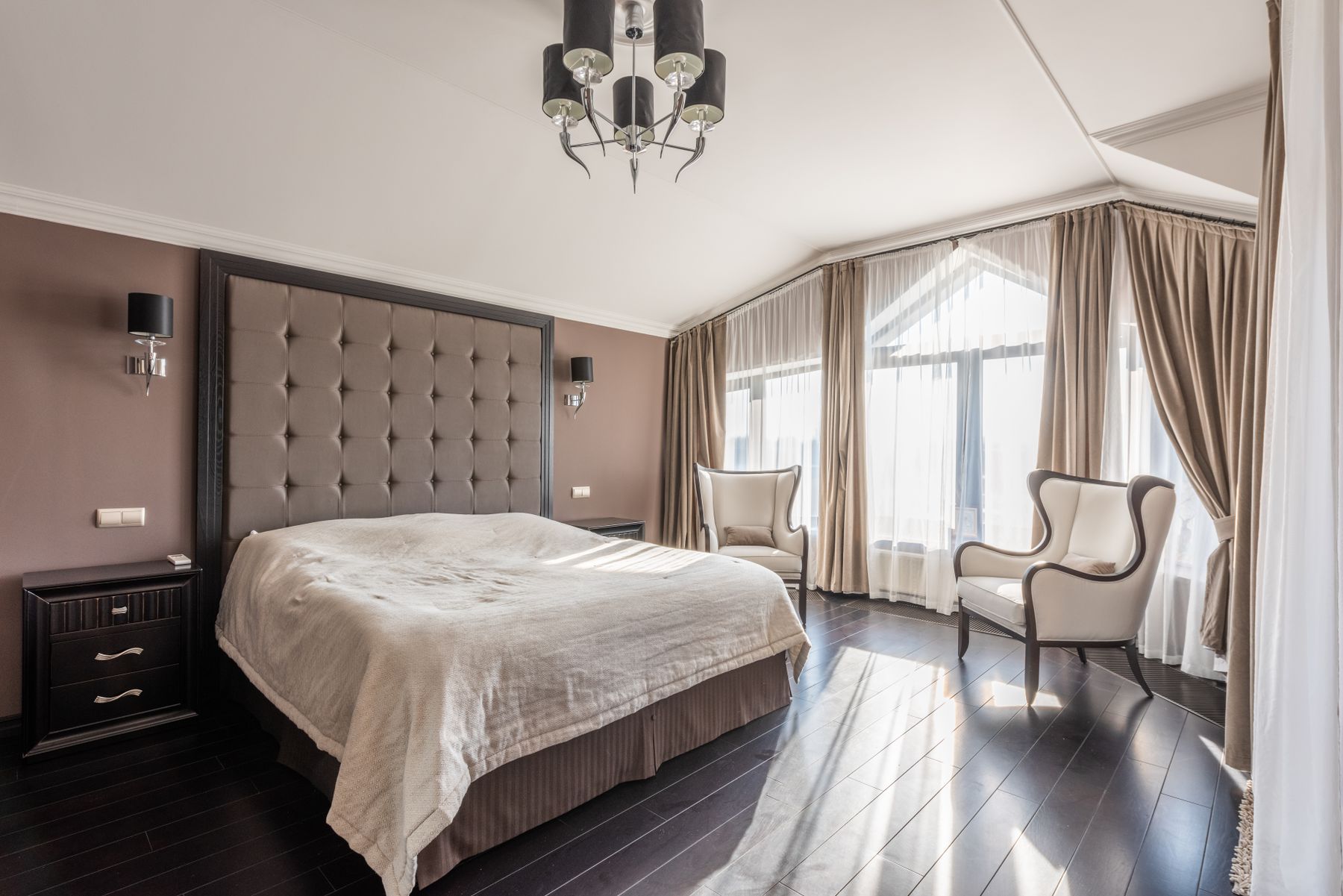
Zone a Large Tropical Bedroom With Real Activities
Anchor the bed, create one shaded reading or dressing zone and leave meaningful open floor for air movement. A chaise, desk or pair of chairs should have a clear user and nearby light. Rugs and furniture orientation can define areas without tall partitions. Keep the route to bathroom, terrace and door direct at night. [Large Bedroom Ideas](/bedroom/large-bedroom-ideas/) goes deeper into proportion; tropical design adds ventilation, planting and shade without treating volume as permission for more resort furniture.
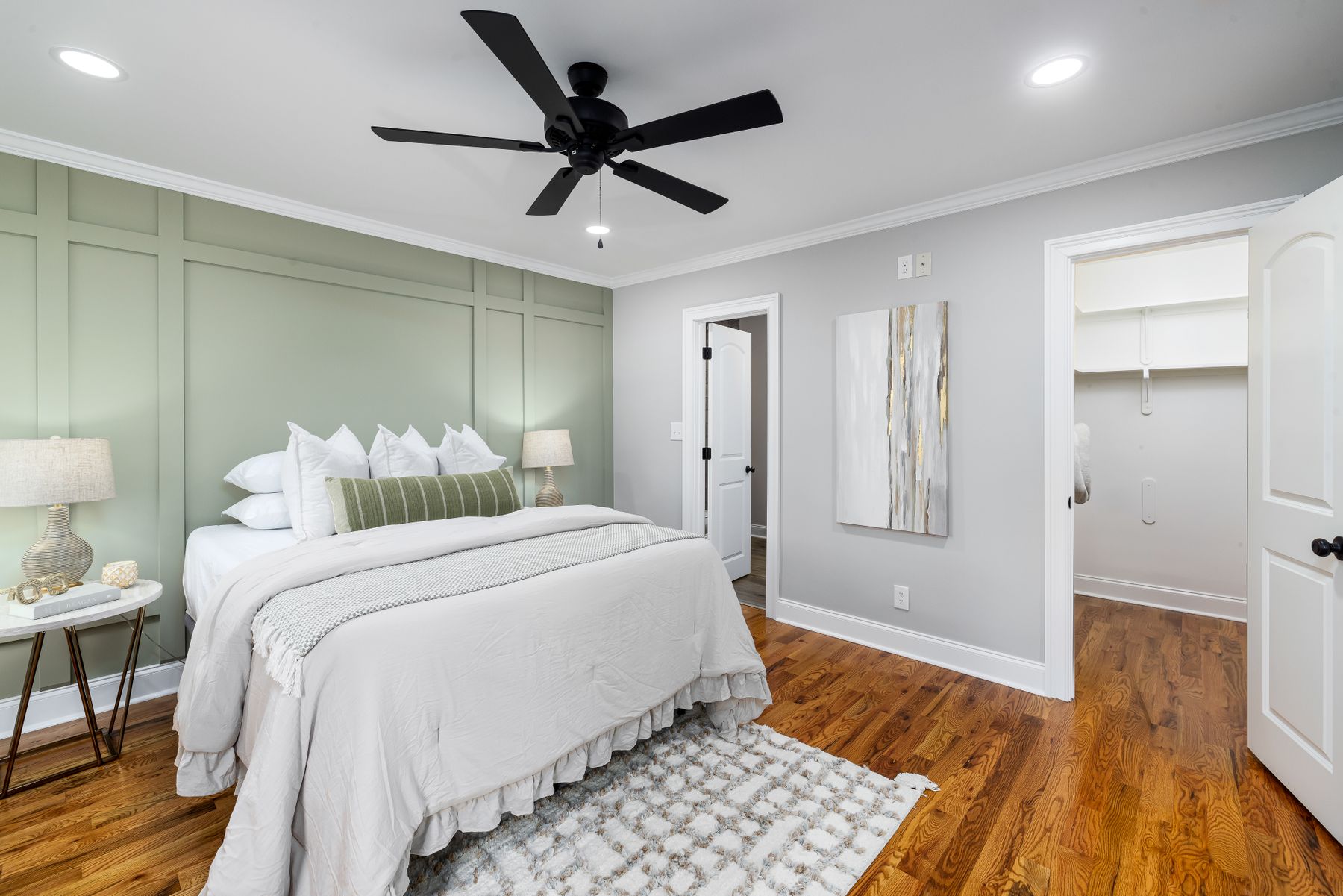
Modern Tropical Through Restraint
Use a clear bed form, efficient storage, one botanical relationship, warm timber and strong control of shade and airflow. Remove carved screens, themed art and woven objects that do not serve a function. Contemporary glazing and air-conditioning can coexist with passive measures when specified honestly. [Modern Bedroom Ideas](/bedroom/modern-bedroom-ideas/) is the better destination when current construction and furniture dominate. Modern tropical remains rooted in climate and landscape rather than becoming a generic green-and-beige room.
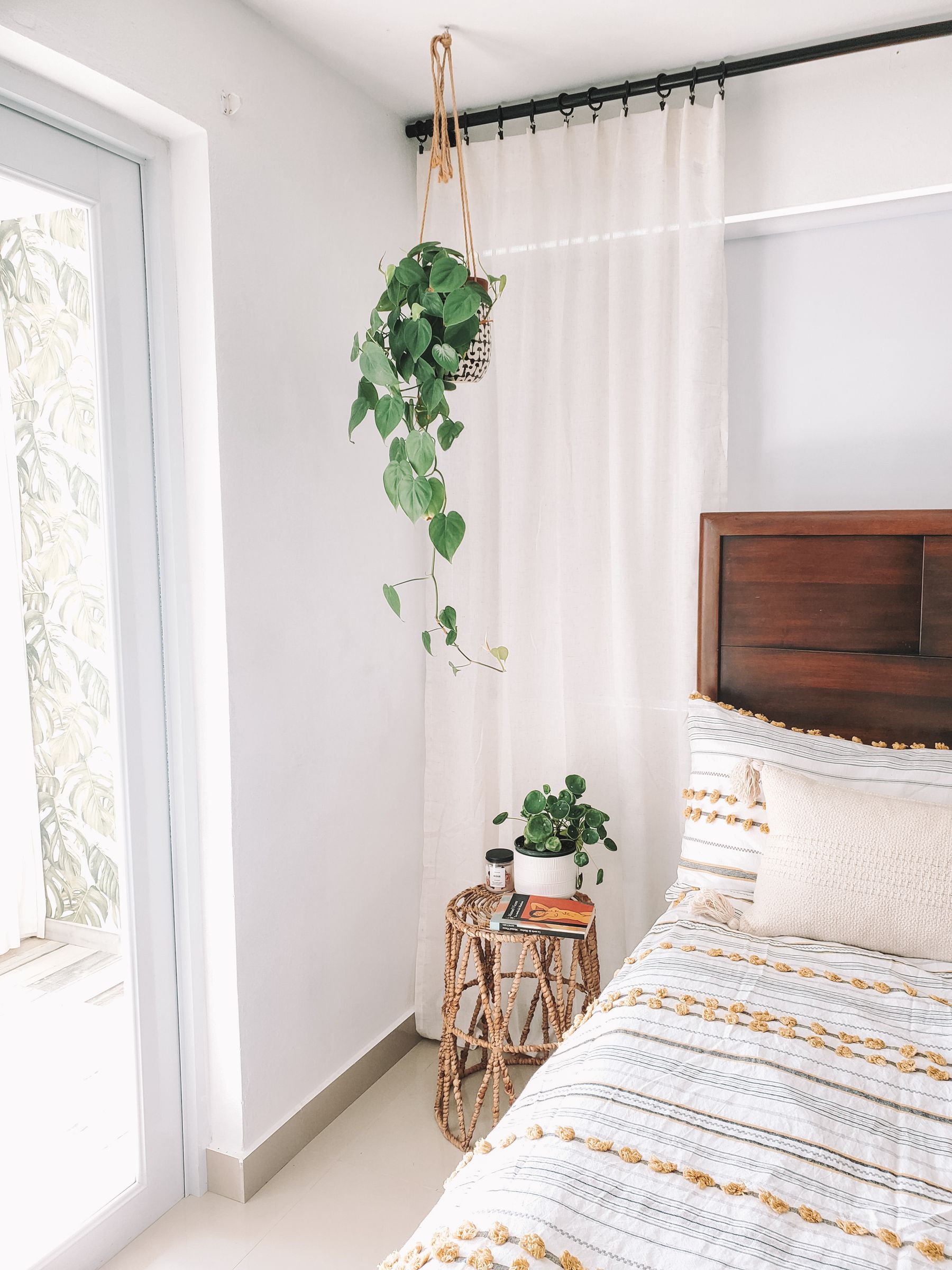
Translate the Look for a Rental
Renters can use a botanical coverlet or framed print, a cane headboard, washable rug, warm lamp and one suitable plant. Improve airflow with safe portable equipment and landlord-approved window treatments rather than modifying building openings. Avoid adhesive bamboo panels, fake shutters and peel-and-stick products whose removal is uncertain in humidity. Protect floors under pots and store original hardware. Reversible choices should improve sleep and care, not imitate a villa through disposable surfaces that trap moisture or damage paint.
Accessibility Around Air, Rugs and Plants
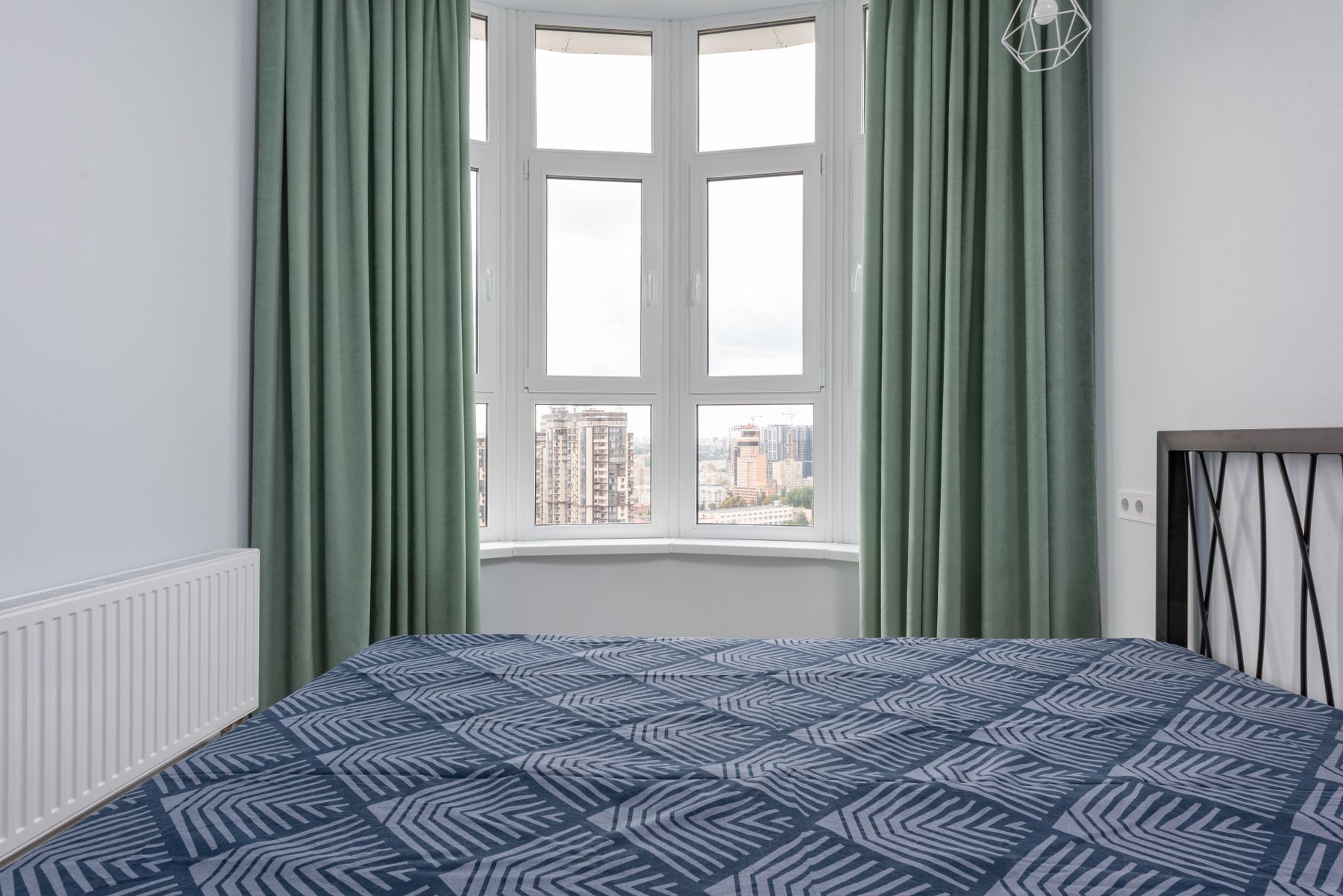
Choose bed height for transfer, preserve the required mobility route and place fan, shade and air-conditioning controls within reach. Secure or remove rugs, keep plants out of turning space and use contrast so furniture edges remain visible against patterned floors. Woven handles must be comfortable to grasp, not merely decorative. Mosquito nets cannot obstruct transfers or emergency exit. Test the room from seated eye height with the actual equipment and user, then adapt the tropical layers to independence rather than hiding barriers.
Adapt Tropical Ideas to a Cold or Dry Climate
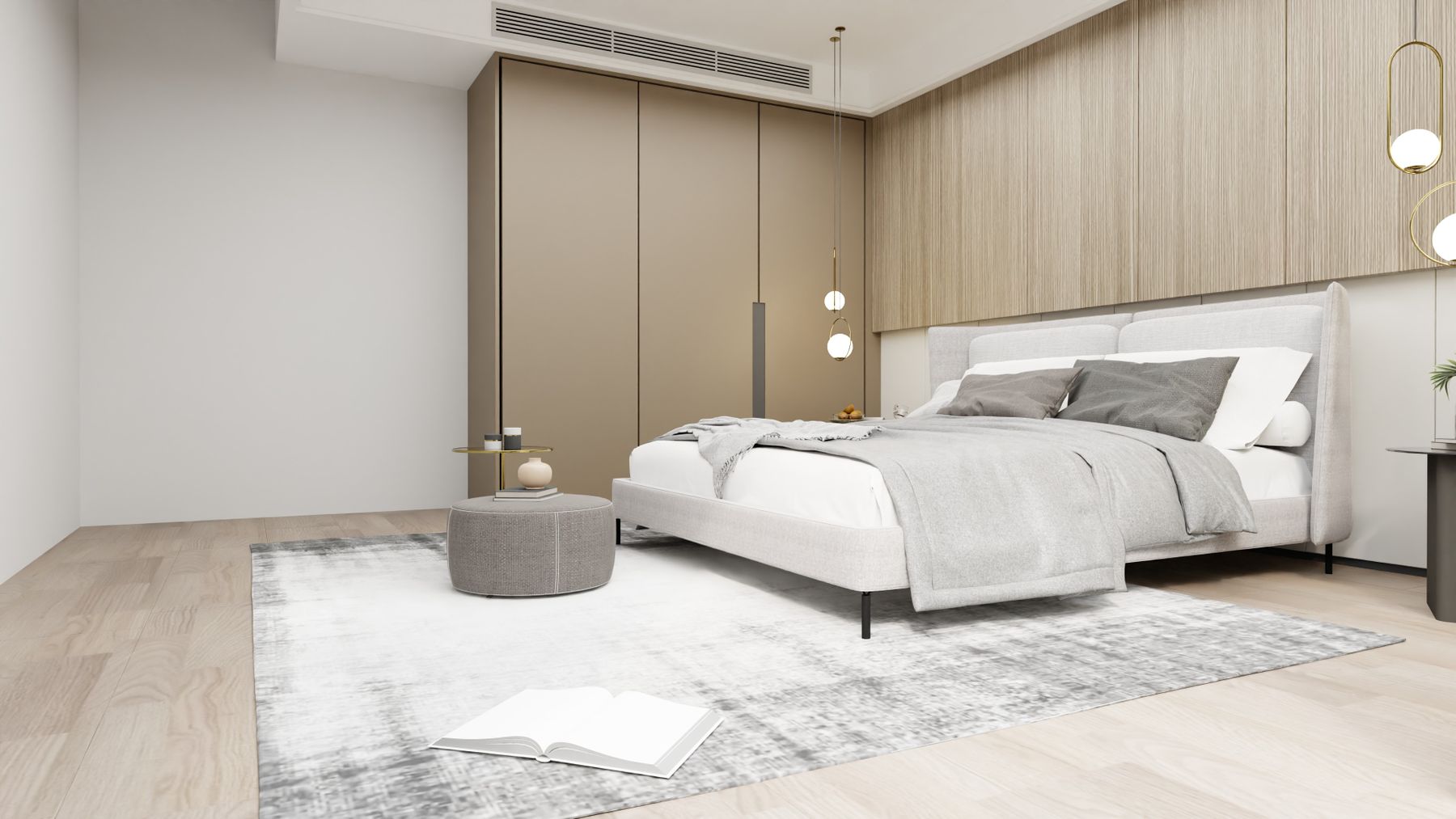
In a cold climate, preserve insulation, airtightness and controlled ventilation while translating the visual logic through timber, botanical color, one plant and filtered daylight. Do not install open louvers, unlined curtains or cold tile because they look tropical. In very dry interiors, some natural fibers may become brittle and plants may require different care. The goal is not to reproduce a resort envelope but to borrow openness, material warmth and landscape connection while meeting local thermal and moisture requirements.
Maintain Humidity, Plants and Woven Materials
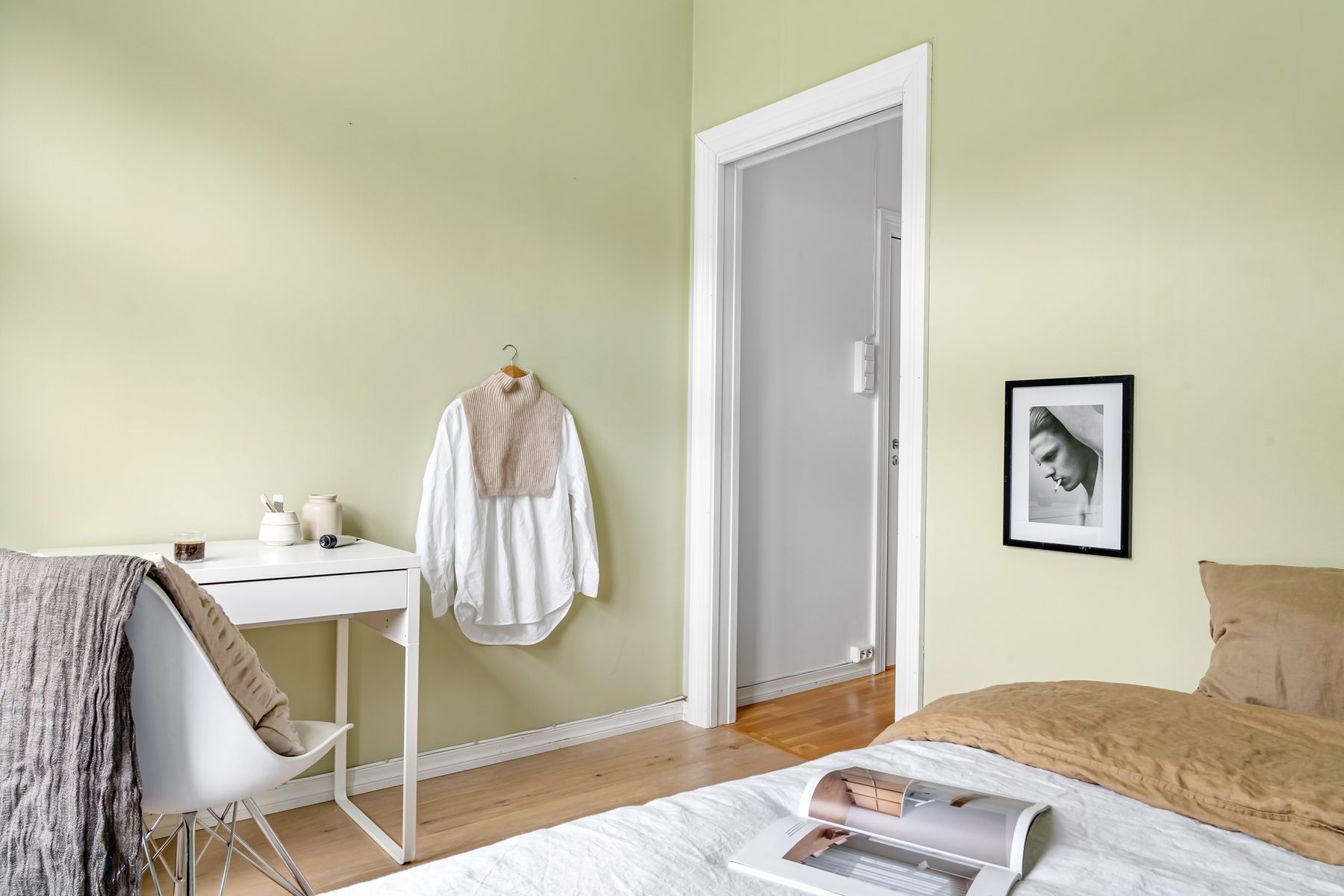
Monitor indoor humidity, ventilate after rain, service cooling equipment and inspect mattress bases, wardrobe backs, window frames and exterior-wall corners. Dust woven fibers with appropriate tools, dry spills quickly and follow species-specific plant care. Check for pests, salt corrosion, mold and loose canopy fixings. Patina is not mildew or failing varnish. Keep records for timber finish, textile washing, fan maintenance and plant treatment. Remove decorative layers that block airflow or make hidden surfaces impossible to inspect.