
Start With Humid-Climate Evidence, Not Iconography
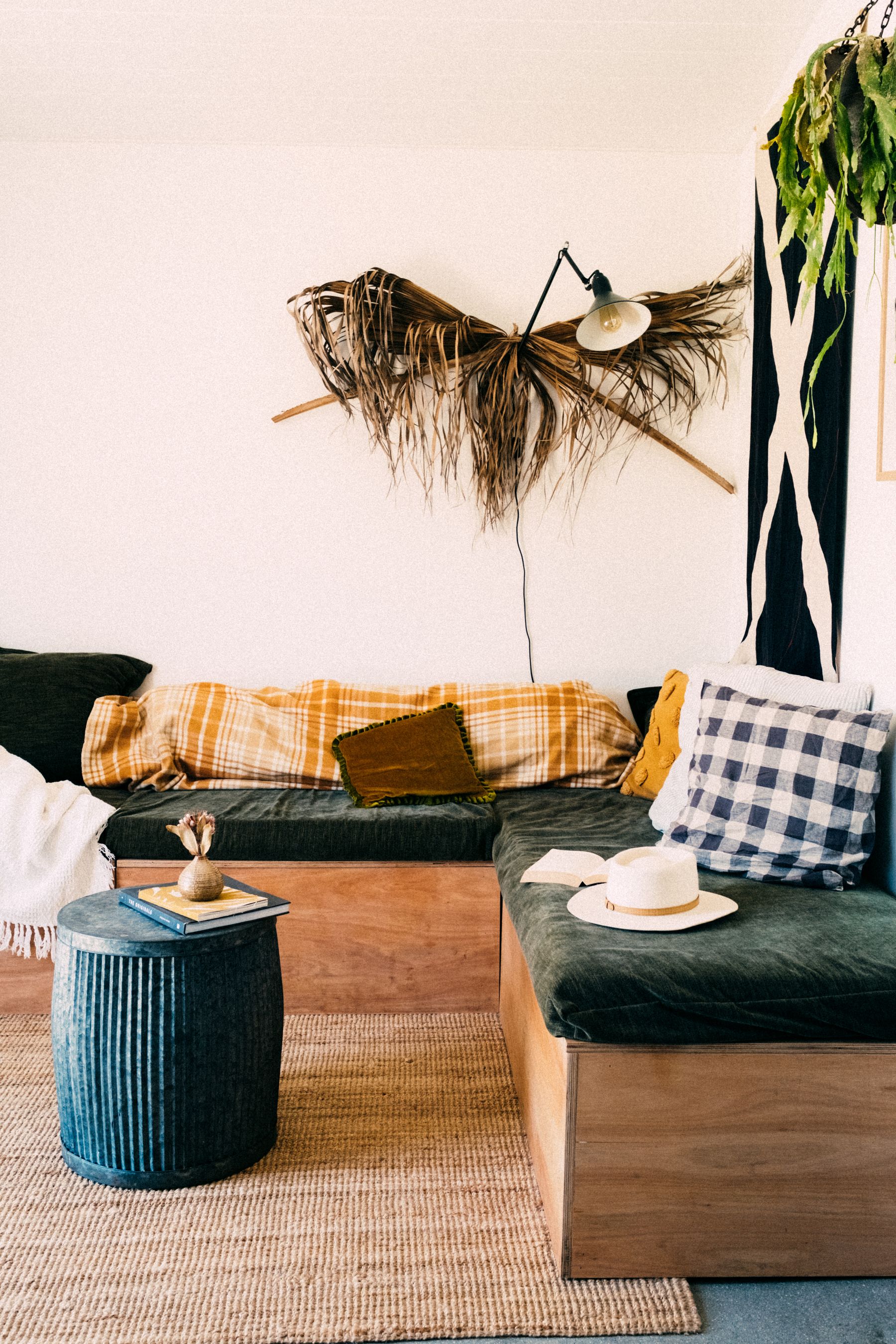
Begin with the conditions tropical interiors are responding to: intense sun, warm air, seasonal rain, lush growth and the need for shelter without total enclosure. In a real tropical climate, these conditions shape openings, shade, material exposure and maintenance. Elsewhere, translate the spatial qualities rather than pretending to reproduce the weather. [Mediterranean Living Room Ideas](/living-room/mediterranean-living-room-ideas/) is organized around mineral mass and sun-versus-shade contrast; tropical rooms usually need a denser canopy, softer filtered light and a more explicit wet-to-dry transition. If the concept survives after every printed palm leaf is removed, its foundation is credible.
Choose a Canopy Story Before Mixing Geography
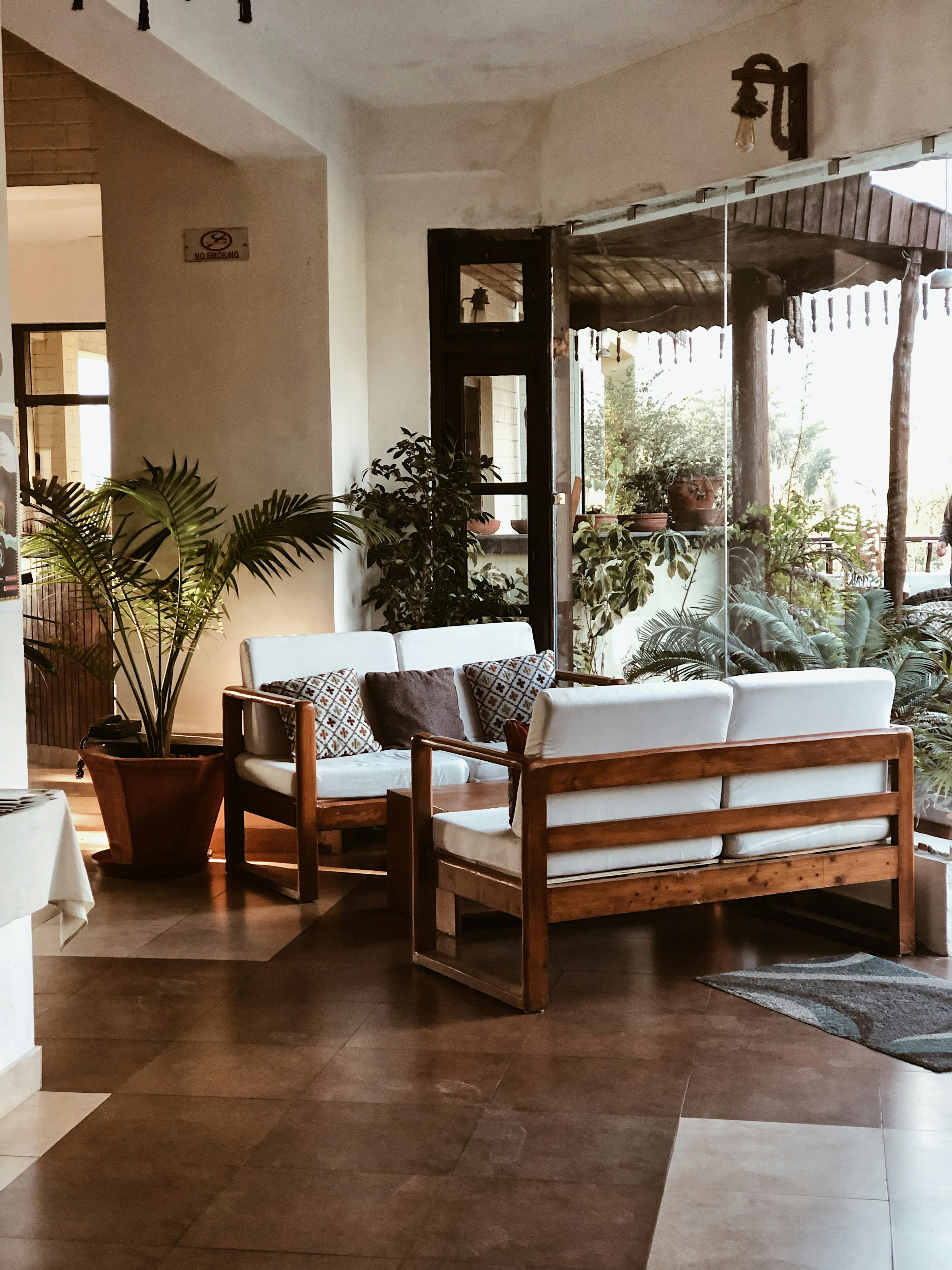
A climate-led vernacular room may prioritize deep shade, local timber, shutters and an outdoor edge. Tropical modernism favors clear structure, generous openings, restrained furnishings and continuity with landscape. A botanical urban room can work inside a conventional apartment by concentrating foliage and filtered light. Quiet resort influence can add ease, but it needs domestic comfort and storage to avoid becoming impersonal. Choose one lead lane and name what it excludes. Combining Caribbean color, Balinese carving, Brazilian modern furniture and generic safari accessories without context creates a travel collage rather than a room with judgment.
Draw Three Exposure Bands From Garden Edge Inward
Not every part of a tropical living room experiences the same conditions. Mark the edge that may receive damp shoes, wind-driven rain or strong sun; the shaded interior that holds everyday seating; and any conditioned zone where doors are normally closed. This simple map prevents outdoor-rated assumptions from being applied to every object and delicate indoor pieces from drifting into vulnerable positions. In a non-tropical home, the equivalent zones may be a bright conservatory edge, a radiator wall and a protected seating core. Specify each finish for its real position, following manufacturer guidance and qualified local advice where the building envelope is involved.
Let Opposing Breezes Skirt the Gathering
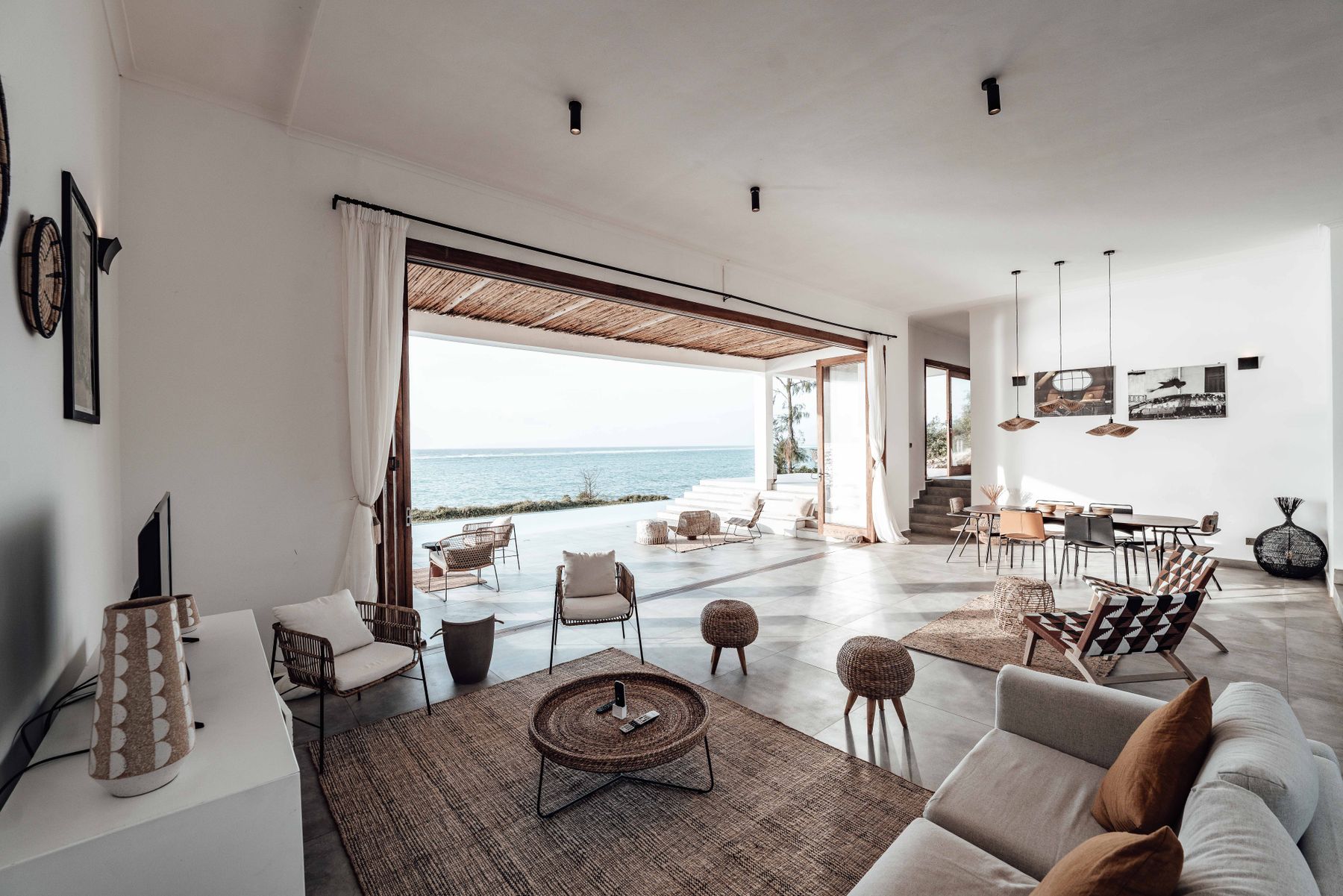
Where safe, secure and appropriate to the building, openings on different sides can support useful air movement. The furniture plan should not block those paths, but neither should the main route cut through the center of the conversation. Keep tall cabinets, dense plant masses and heavy curtains away from the narrowest opening. Use doors and windows according to weather, insects, noise and security rather than treating them as permanently open scenery. Mechanical cooling or ventilation may still be necessary; a decorative tropical scheme is not a performance claim. The design goal is to make the room's available air path legible and usable.
Place the Social Circle in the Filtered-Air Pocket
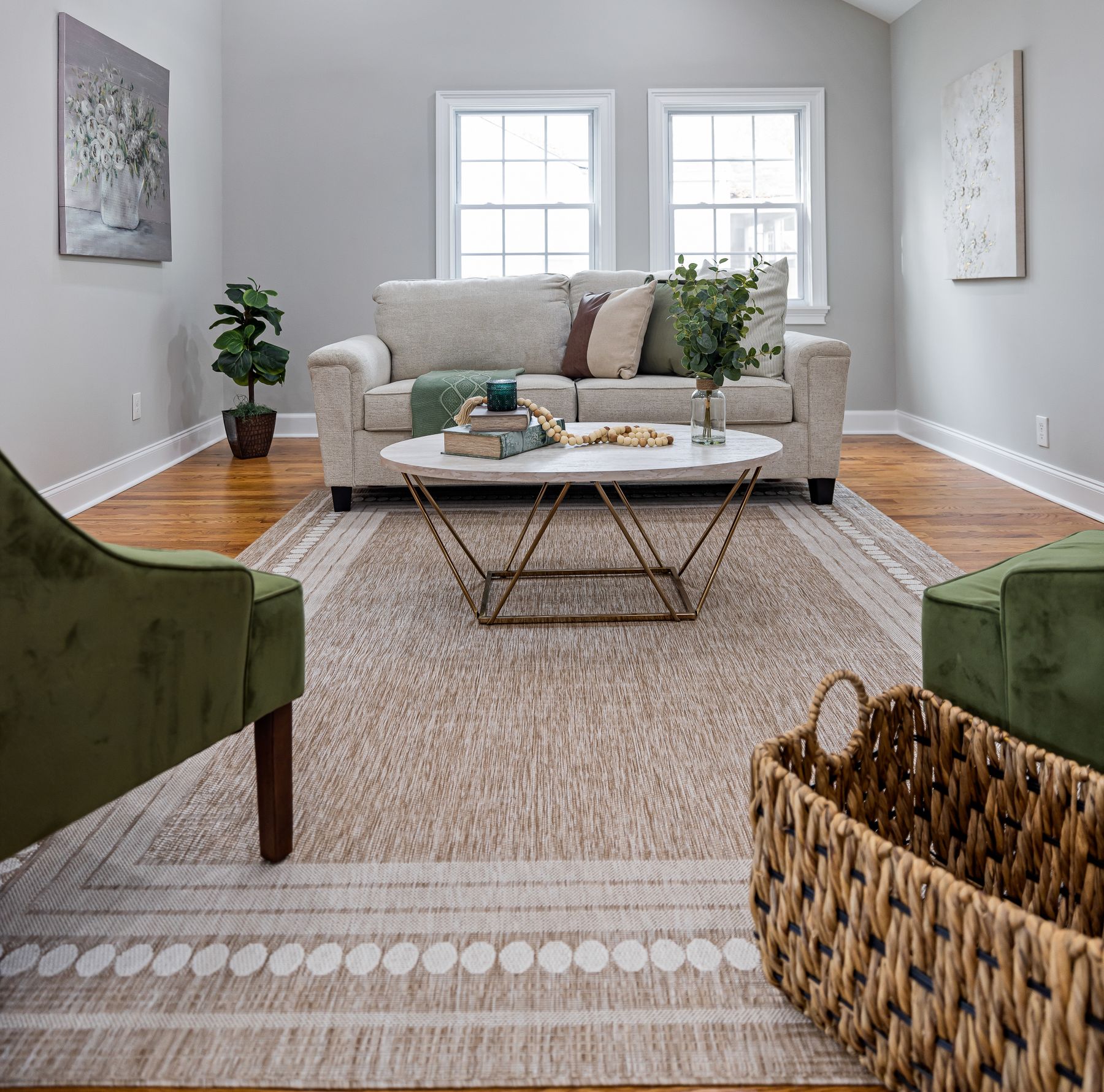
A tropical living room often opens toward a veranda, courtyard or garden, but the view should not pull every seat into one forward-facing row. Angle chairs so people can talk and still register the landscape in peripheral view. Keep the primary route to the exterior beside the group, provide a stable surface for each seat and leave enough space to rise without stepping into plants. [Coastal Living Room Ideas](/living-room/coastal-living-room-ideas/) explores horizon-led composition; here the stronger question is how conversation sits within shade, air movement and a denser garden edge.
Protect a Clear Air Cylinder Beneath the Fan
A ceiling fan can be working equipment rather than a tropical symbol. Its size, mounting, control and installation must suit the specific room and product, so use manufacturer instructions and qualified electrical advice. Protect the area around it from pendant lights, tall plants and decorative mobiles that could conflict visually or physically. Place the conversation group where occupants benefit rather than centering the fan over unused floor for symmetry. If a fan is inappropriate, use quieter portable air movement and shading strategies deliberately. Do not add carved blades or leaf shapes merely to announce the theme.
Choreograph Dappled Canopy Light
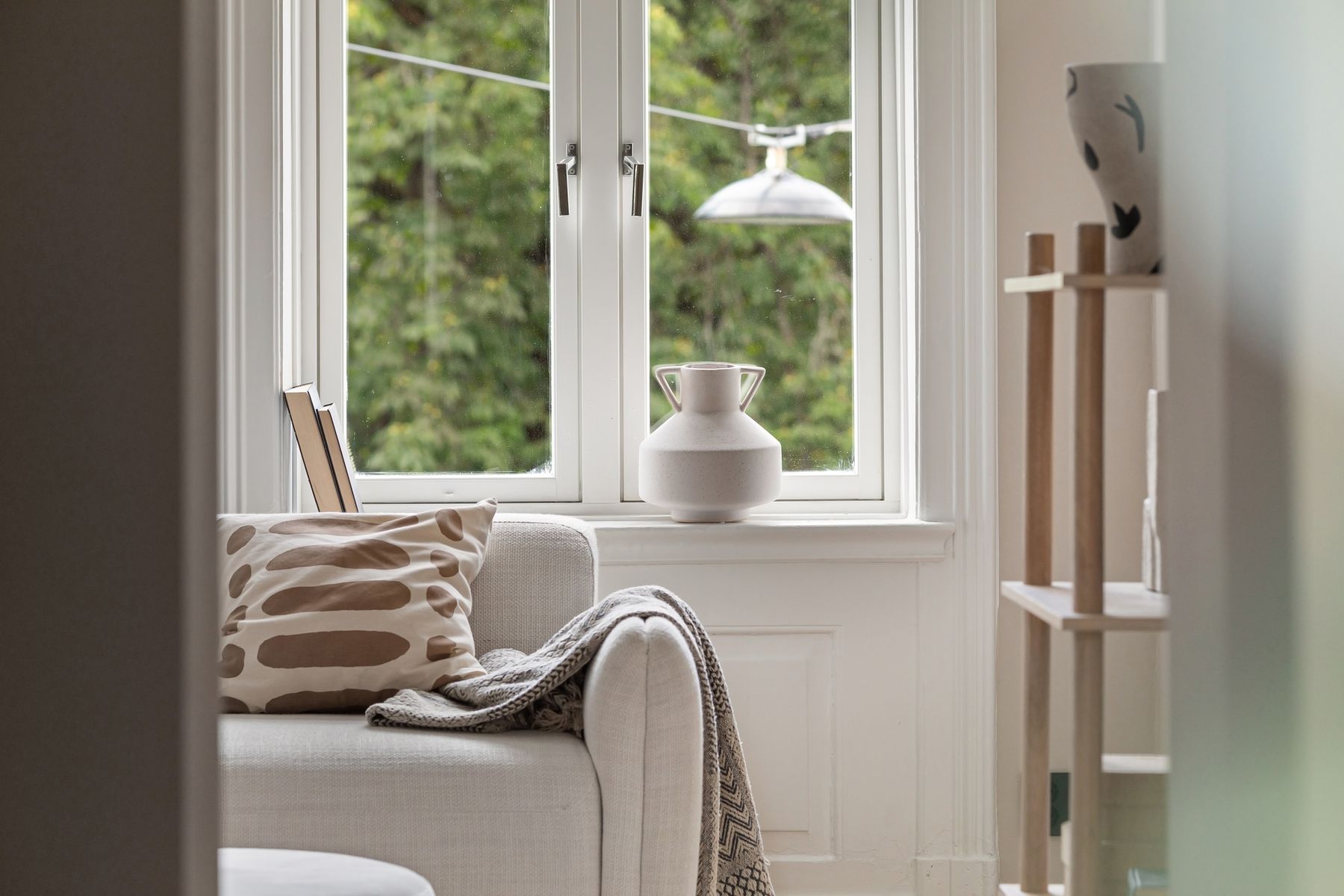
Tropical atmosphere is often strongest in the transition between bright landscape and protected interior. Use an exterior overhang where the architecture supports it, adjustable blinds or shutters, and an inner textile layer to control glare and privacy across the day. One translucent curtain cannot answer every condition, while heavy drapery permanently closed defeats the connection to greenery. In a dim apartment, recreate the value pattern with a lighter opening, a deeper wall or furniture zone and low evening lamps. The aim is not a universally bright room but readable layers of canopy, shade and reflected light.

Stage the Monsoon Arrival
The opening to a terrace or garden needs a dry landing, a place for footwear or towels when relevant and flooring that transitions without an improvised obstacle. Keep absorbent upholstery and delicate baskets away from the reach of wet traffic. Door tracks, drainage, weather protection and exterior levels are building matters that need project-specific resolution; avoid universal claims or decorative fixes. Indoors, a washable runner or defined hard-surface strip can protect the softer seating zone. A threshold earns its visual importance when it supports daily movement during both a pleasant afternoon and a sudden wet arrival.
Let Wet Leaf Sit Against Bark and Clay
Tropical color does not require bright green everywhere. Begin with the dark value of wet bark or deep leaf, add a warmer middle tone such as clay, tobacco or sun-faded ochre, then choose a lighter field that reflects available daylight. Water blue, flower red or citrus can appear as a smaller punctuation. In rooms surrounded by dense greenery, more green paint may flatten the boundary; a warm mineral wall can make living foliage clearer. In an urban room with little landscape, one deep green plane may supply the missing canopy. Test samples beside actual plants and timber because undertones change together.
Let One Botanical Field Replace a Missing Canopy
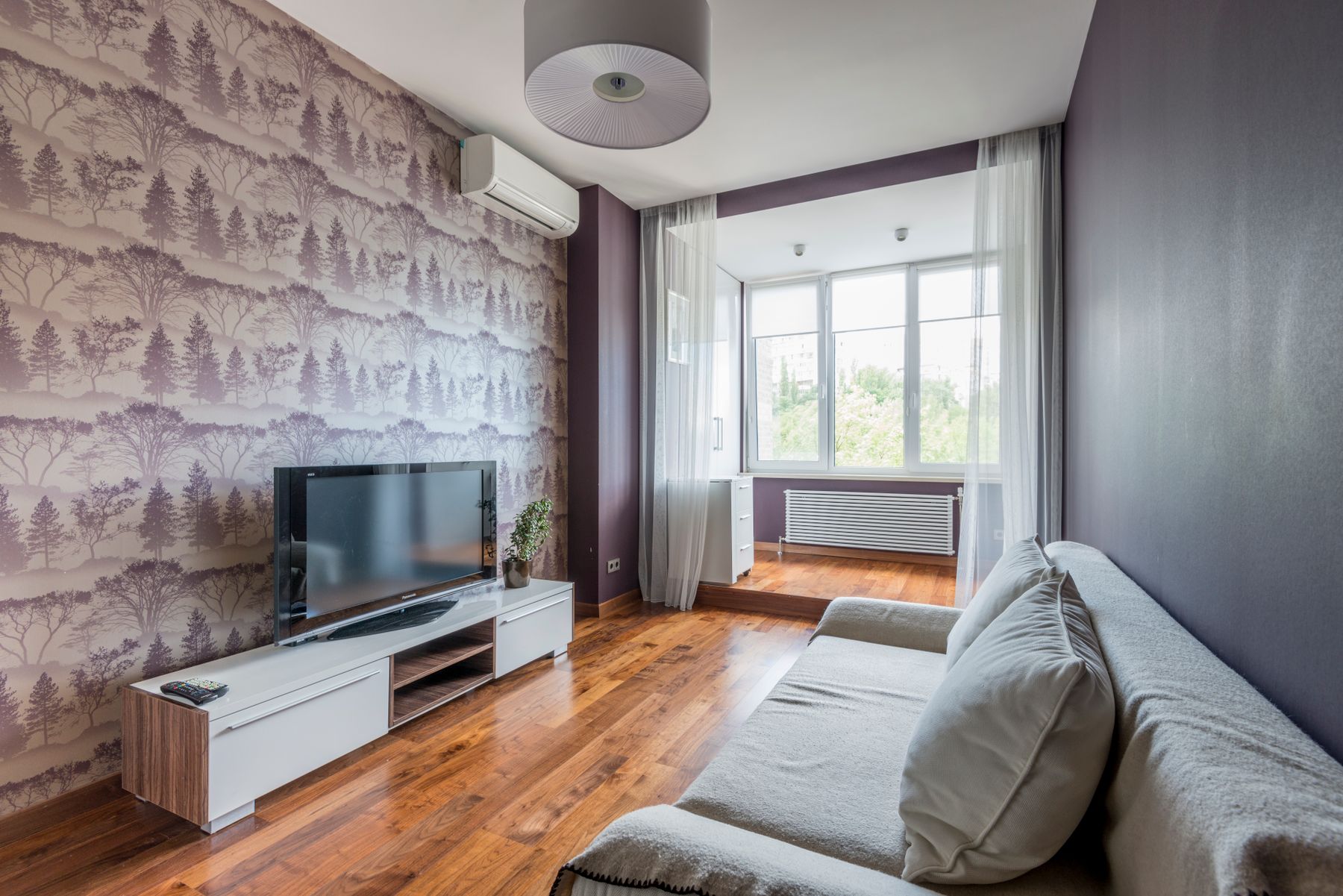
A large botanical print is most useful when the room cannot support abundant living foliage or lacks an exterior green view. Give the pattern one architectural field—a recess, full wall or pair of curtains—and let nearby upholstery become quieter. Small palm repeats scattered across cushions, art and accessories turn the subject into a logo. Check the full repeat at room scale, including what is cut by doors and furniture. [Boho Living Room Ideas](/living-room/boho-living-room-ideas/) can sustain a wider textile collection; tropical pattern works better here as a concentrated stand-in for canopy.
Grow One Viable Indoor Canopy Edge
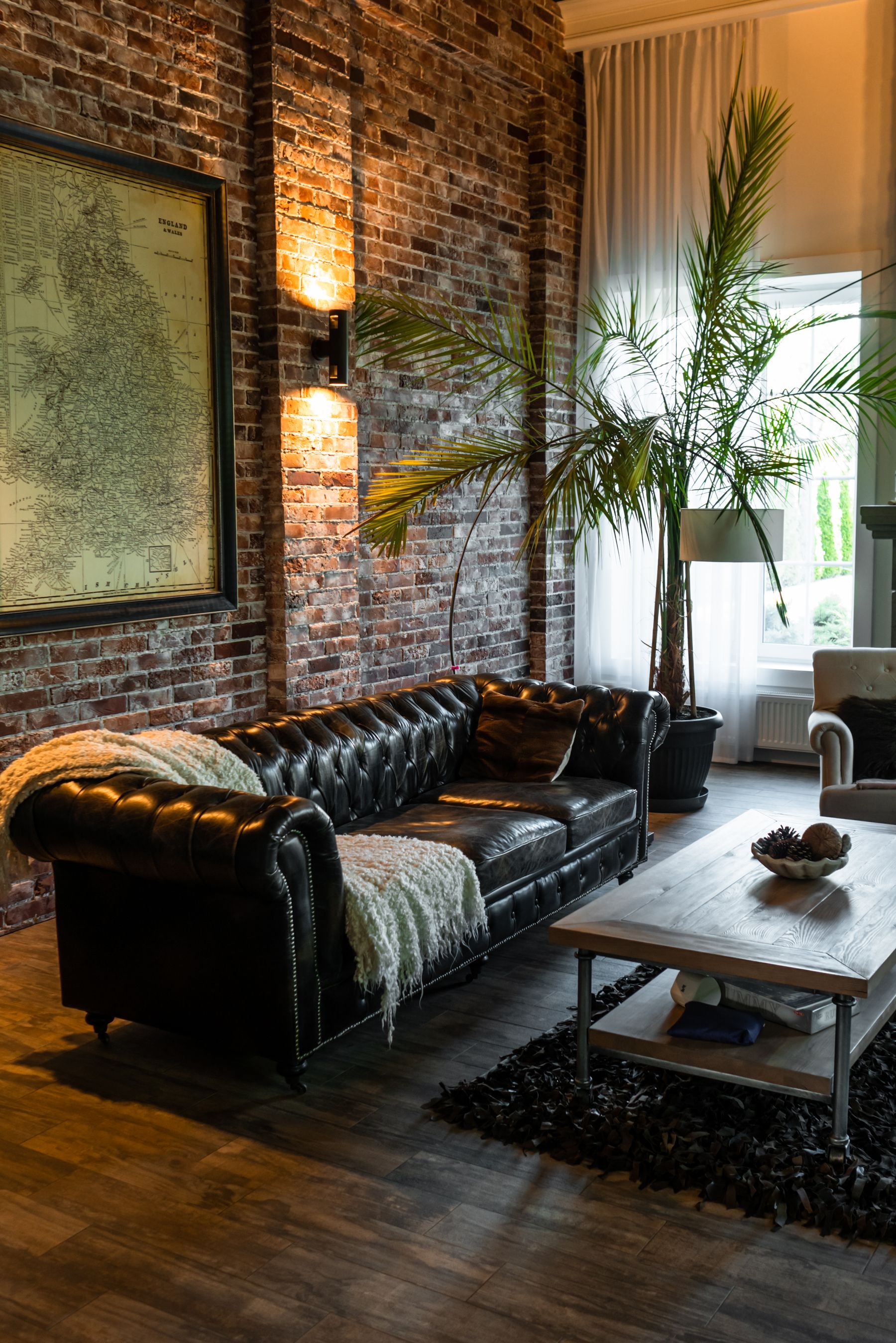
Place plants where their light, temperature, watering and mature size can be managed, not where an empty corner appears in a photograph. One tall plant, a middle layer and a lower trailing or broad-leaf form can create depth without dozens of pots. Keep foliage away from circulation, electrical equipment and upholstery that remains damp after watering. Use sturdy, contained planters and plan how water reaches and leaves them. Artificial foliage can be an editorial choice in a dark position, but it should not be presented as a living solution. The composition must remain accessible for inspection and care.
Keep a Quiet Clearing Around the Canopy
The most common urban-jungle failure is not too much green but too little space to read it. Keep one open wall, one clear furniture silhouette and a visible band of floor around the principal plant group. This prevents foliage, textiles and decorative objects from merging into visual noise and makes pest or moisture problems easier to notice. If the room already has a lush garden view, indoor planting can be restrained to a few forms that bridge the threshold. If no view exists, concentrate more mass near the best light and keep the opposite side calmer.
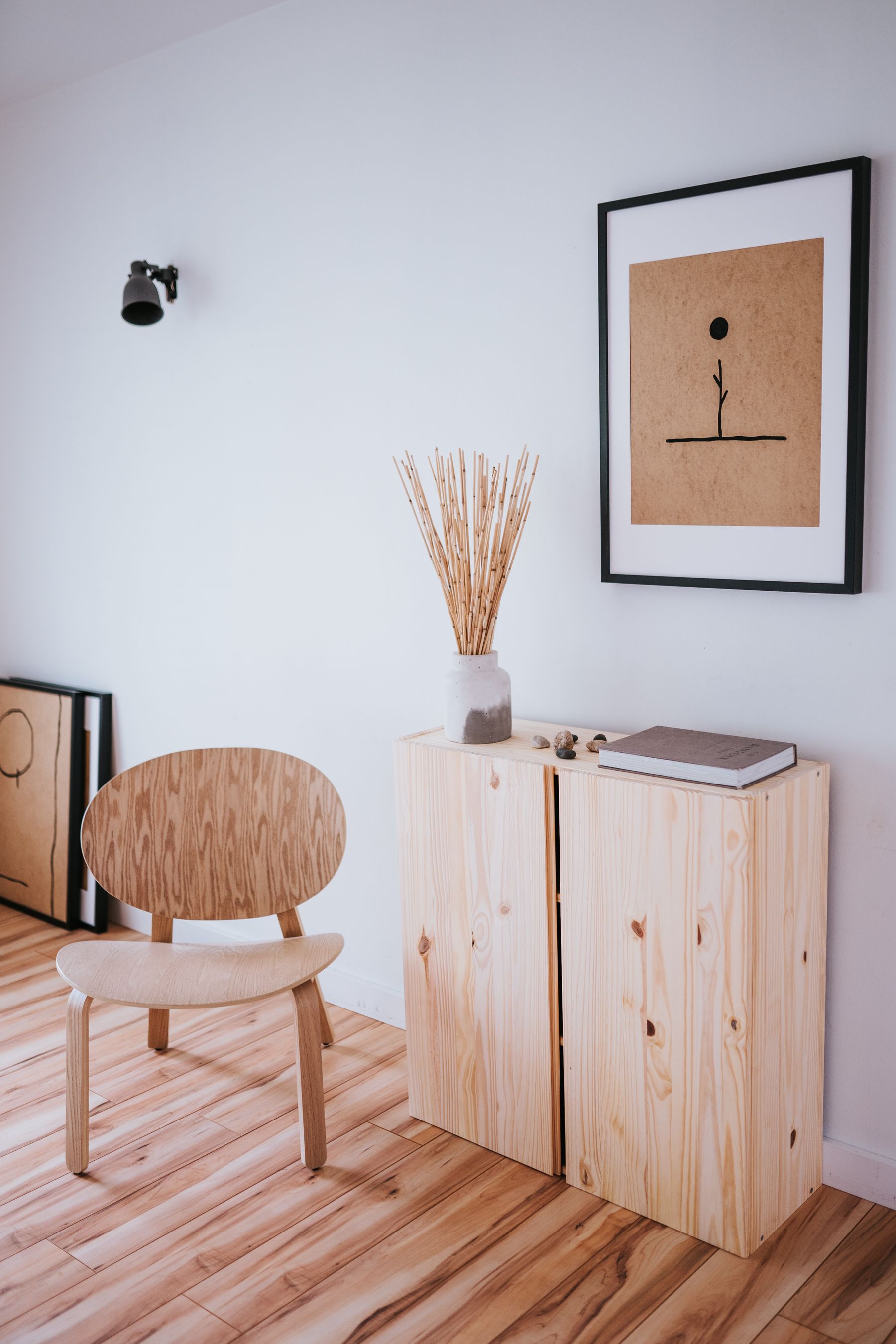
Specify Joinery for the Wettest Position It Will Meet
Timber may provide structure, shutters, a table or one substantial cabinet, but those roles have different exposure and repair needs. Ask the supplier about the exact product, finish, indoor use, expected movement and maintenance instead of assuming a species name guarantees tropical performance. Avoid surrounding the room with several red-brown imitation woods; variation is easier to read when one timber family leads and pale or painted surfaces provide relief. Inspect vintage pieces for stability, pests and prior coatings. A credible tropical room respects wood as a working material, not as a generic dark backdrop.
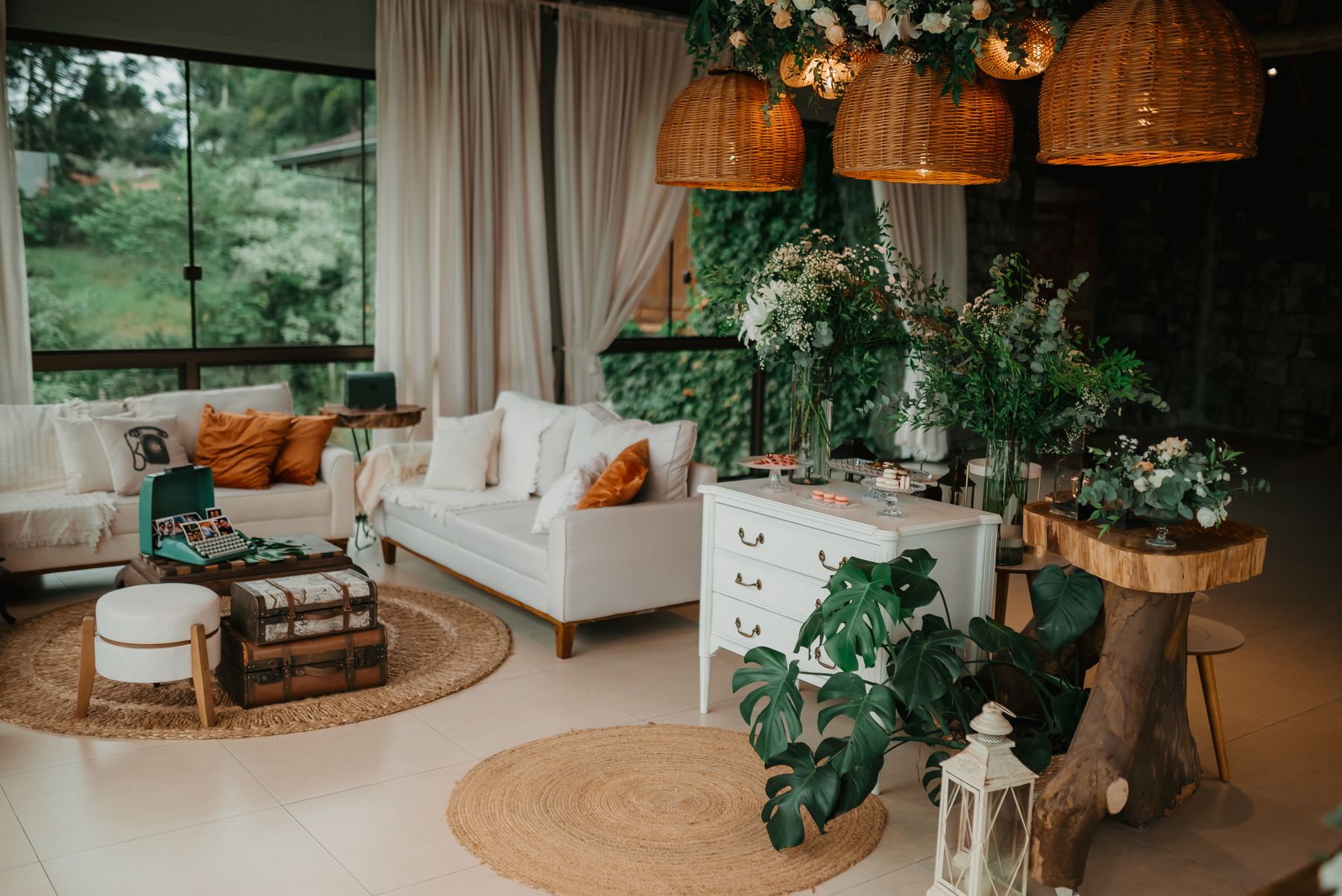
Give Woven Structure a Load-Bearing Job
Cane and rattan contribute visual air and flexible texture, but they are not interchangeable labels or maintenance promises. Use them in a chair, screen, cabinet panel or pendant where the weave does useful work, then balance the openness with solid tables and supportive upholstery. Check joints, sagging, broken strands, finish and repair options before buying. Keep pieces away from an exposure the maker does not approve. A room filled with baskets, woven mirrors and flimsy accent stools becomes a material theme; one excellent chair or screen makes the tropical reference clearer and more durable.
Choose Cloth That Dries Back to Comfort
A tropical living room needs comfortable seats that can recover from warm bodies, open windows and garden traffic. Fiber names alone are insufficient: compare the exact upholstery specification, cushion construction, cleaning method, colorfastness and household habits. Loose covers may be practical when they fit well and can be cleaned as promised. Avoid piling absorbent throws onto every seat in a humid or frequently open room. Use texture through one woven chair, a durable sofa cloth and a small number of removable cushions. The effect should feel easy because it is maintainable, not because the consequences are hidden.
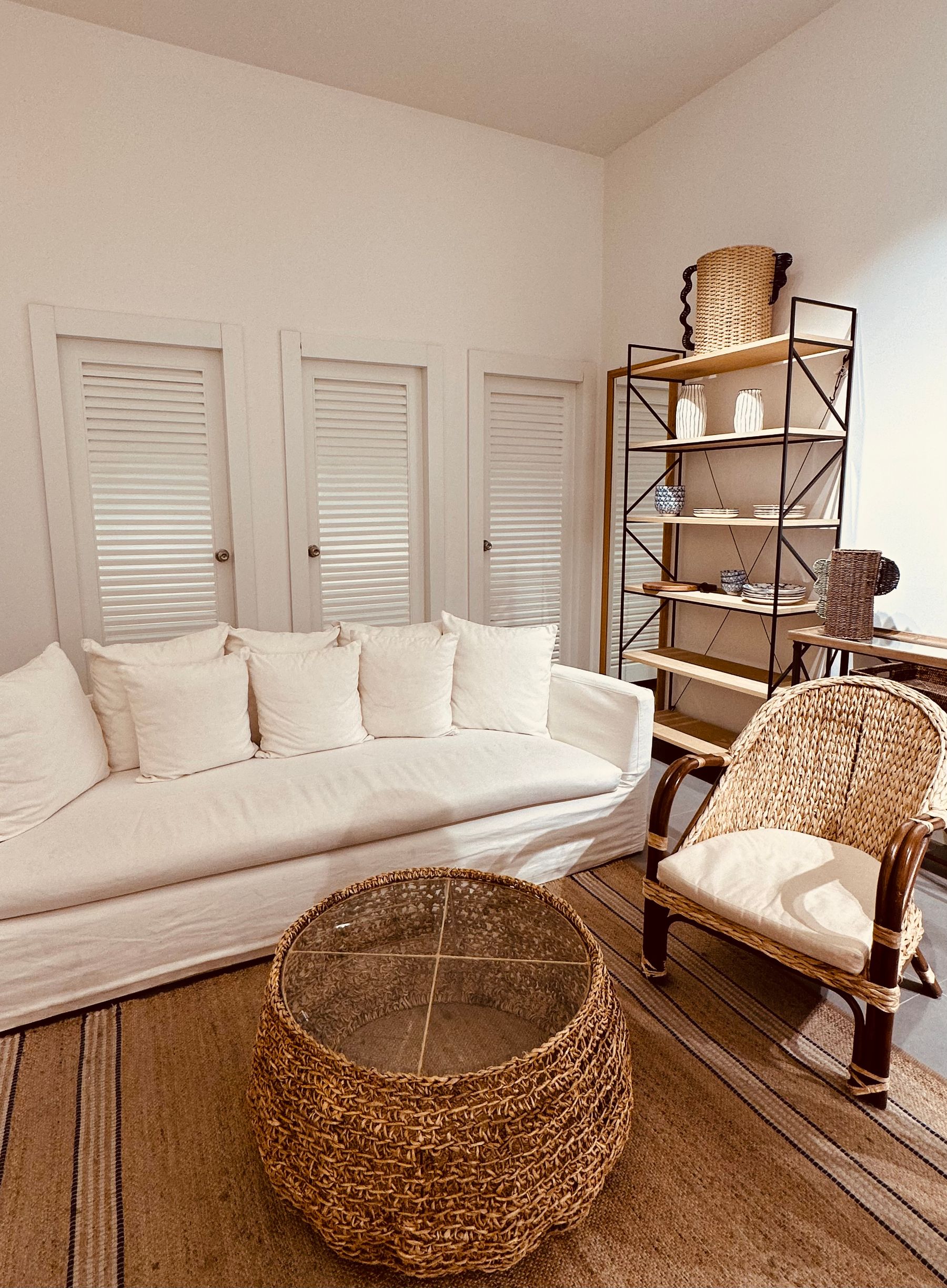
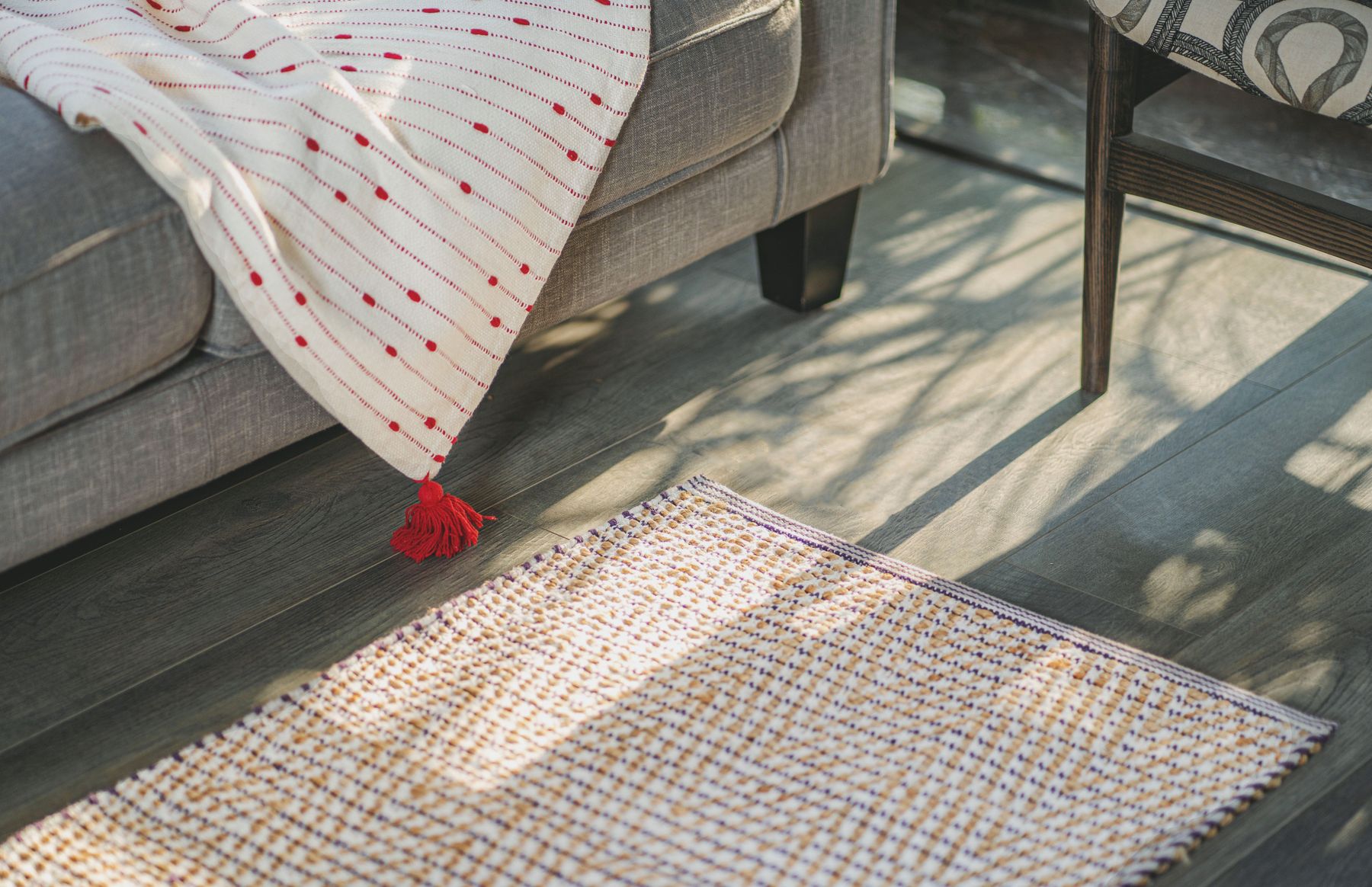
Stop Softness Before the Garden Route
Hard flooring can visually cool a tropical room and simplify the garden route, while a rug improves acoustic and seated comfort. Define the rug around the conversation group and leave the wettest arrival path clear when that suits the household. Select underlay, edge profile and cleaning method for the exact floor and conditions; loose corners are not relaxed. In a conditioned apartment with no exterior traffic, a larger rug may be entirely sensible. The decision is not tropical versus non-tropical—it is where softness earns its place and where exposed ground better supports drying, inspection and movement.
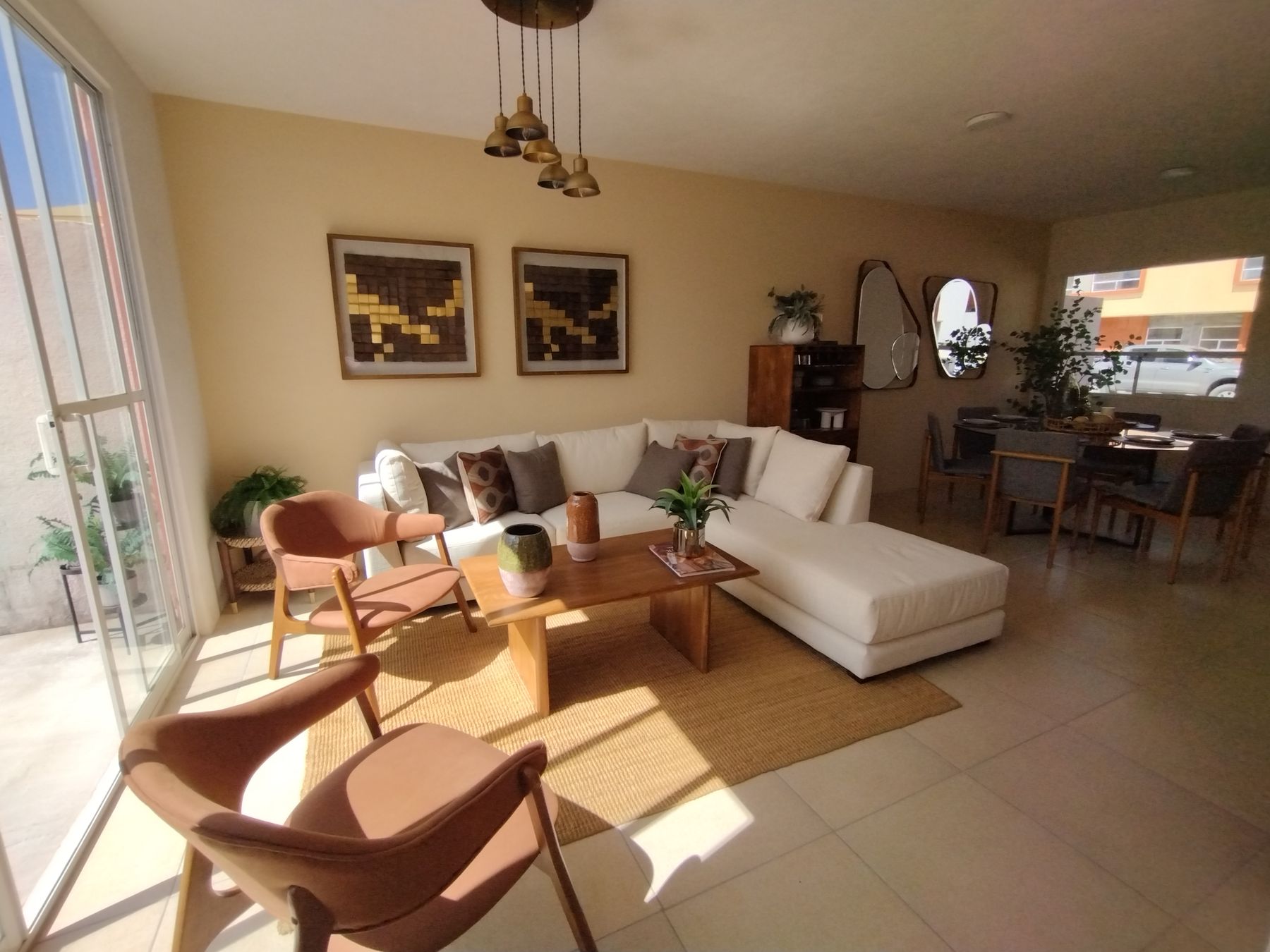
Let Overhead Volume Carry the Pavilion Idea
Where the building has a pitched, beamed or ventilated roof volume, keep enough of its geometry visible to explain the openness below. Do not crowd it with several pendants, faux beams and hanging planters. In a standard apartment, a clean pale ceiling and one open-form light can create breathing room without pretending to be a pavilion. Any work affecting roof structure, insulation or ventilation requires appropriate professional review; the article is not a construction specification. Editorially, the point is simpler: tropical character becomes architectural when overhead volume supports shade and air, and decorative when the ceiling is merely covered in motifs.
Keep the Canopy Present After Sunset
Large openings and dense greenery that feel generous by day can become black mirrors after sunset. Add low light near seats, a quiet wash on a textured wall and only enough garden illumination to retain depth without turning the exterior into a stage. Screens or adjustable layers may be needed for privacy and insects according to the actual site. Avoid one bright ceiling source that flattens timber and throws every leaf into harsh shadow. The evening scheme should preserve faces, routes and a hint of canopy, allowing the room to remain tropical after the view disappears.
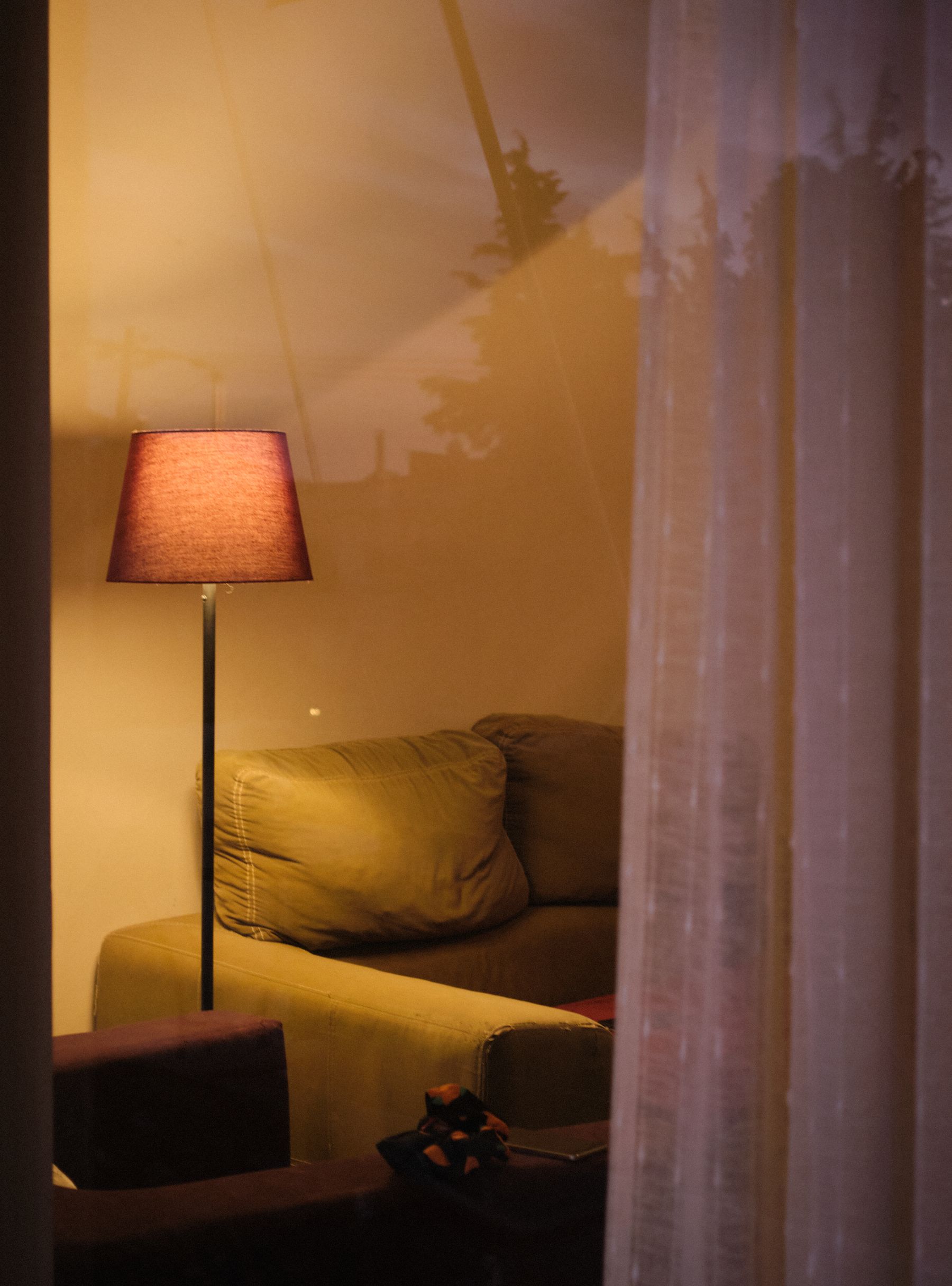
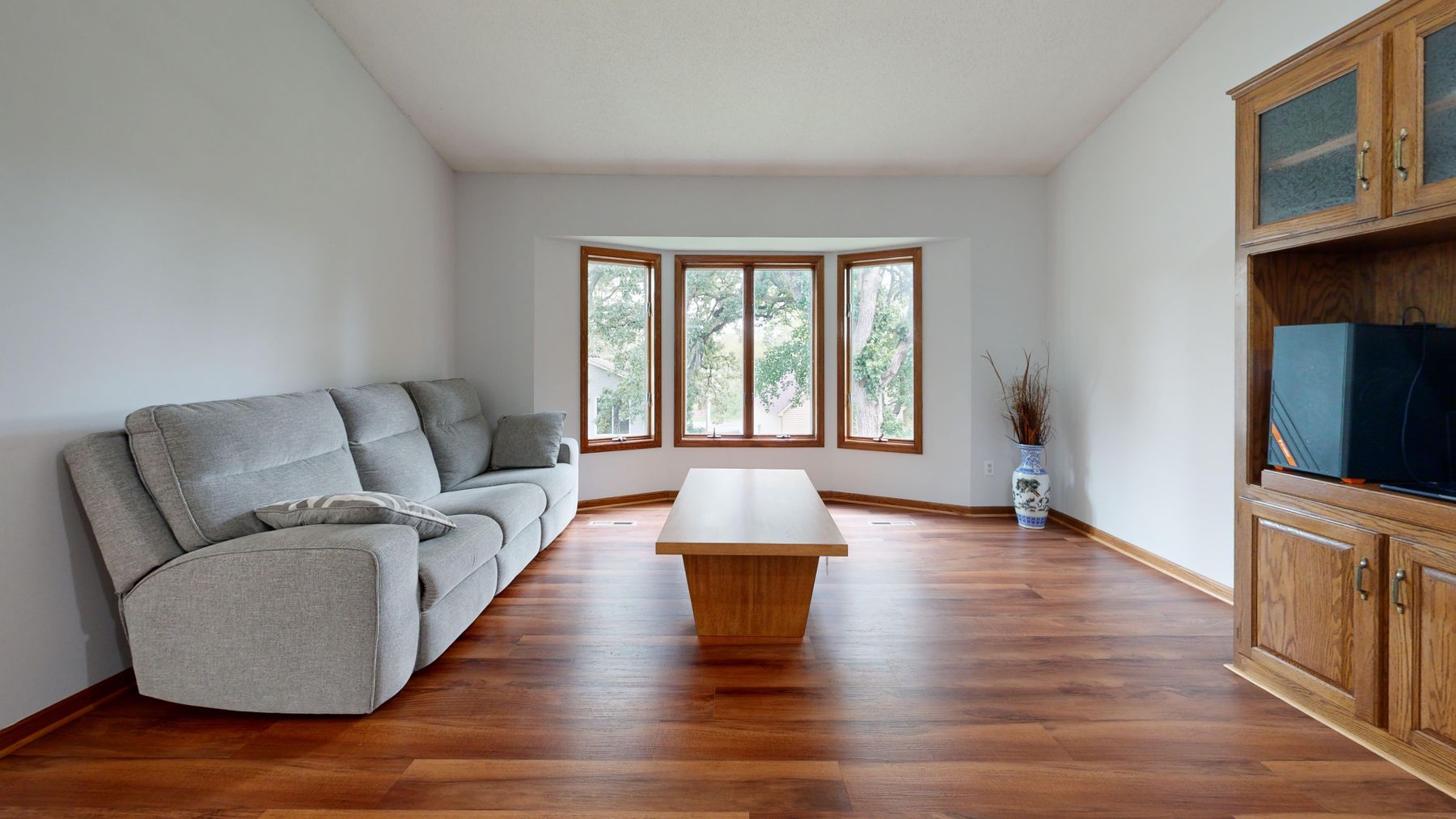
Assign Each Opening Layer One Climate Job
A tropical opening may need several controls: rain protection, solar shade, insect screening, privacy and security. Give each layer a clear purpose and avoid decorative shutters that cannot move or woven blinds that are expected to solve every condition. Operable elements should remain reachable and should not fight curtains, furniture or plant pots. In a city apartment, the equivalent system may be a solar blind, opening window and full-length curtain. Confirm product suitability and local requirements for the actual opening. Visually, the best result feels layered but not barricaded.
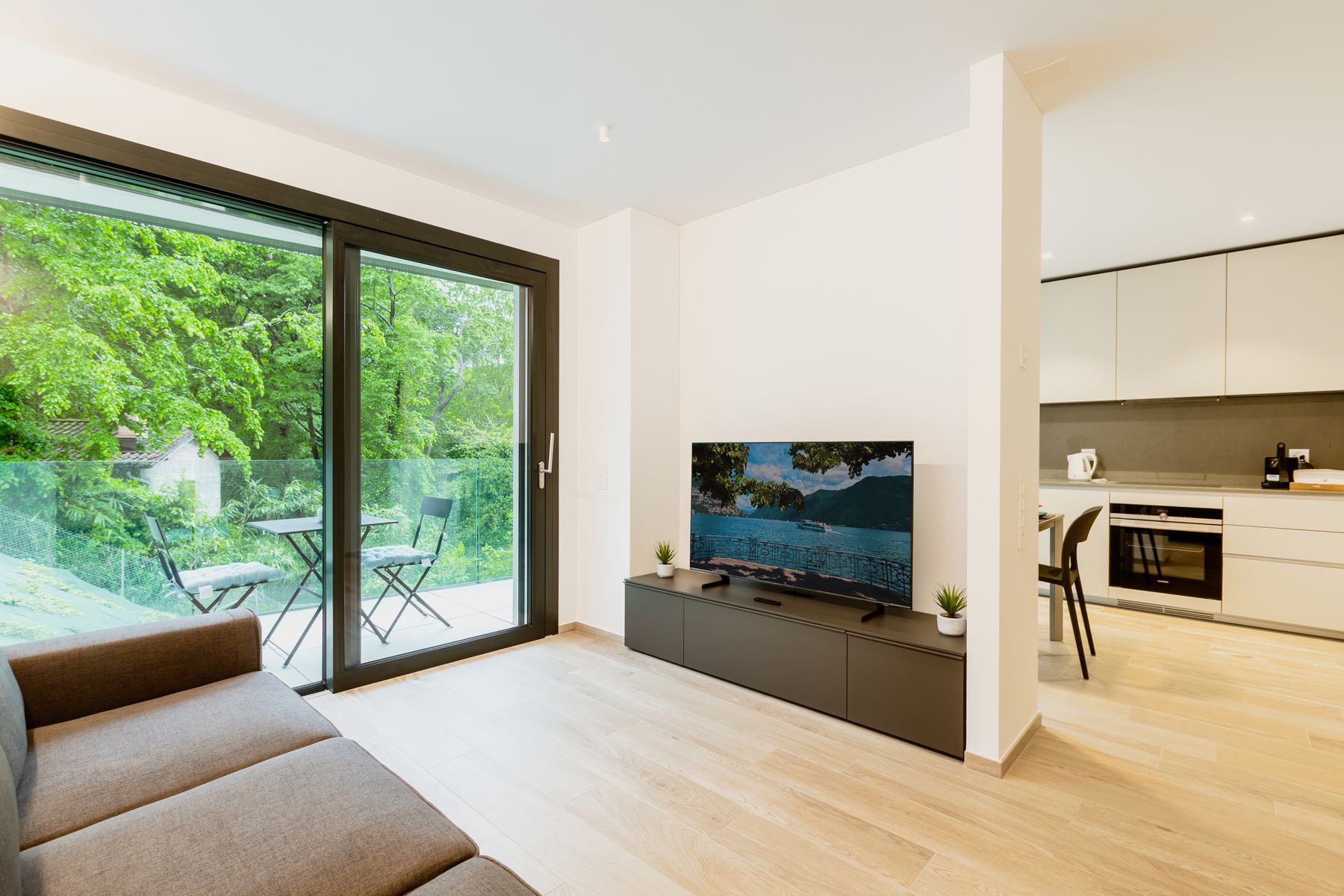
Place the Screen Outside the Glare Corridor
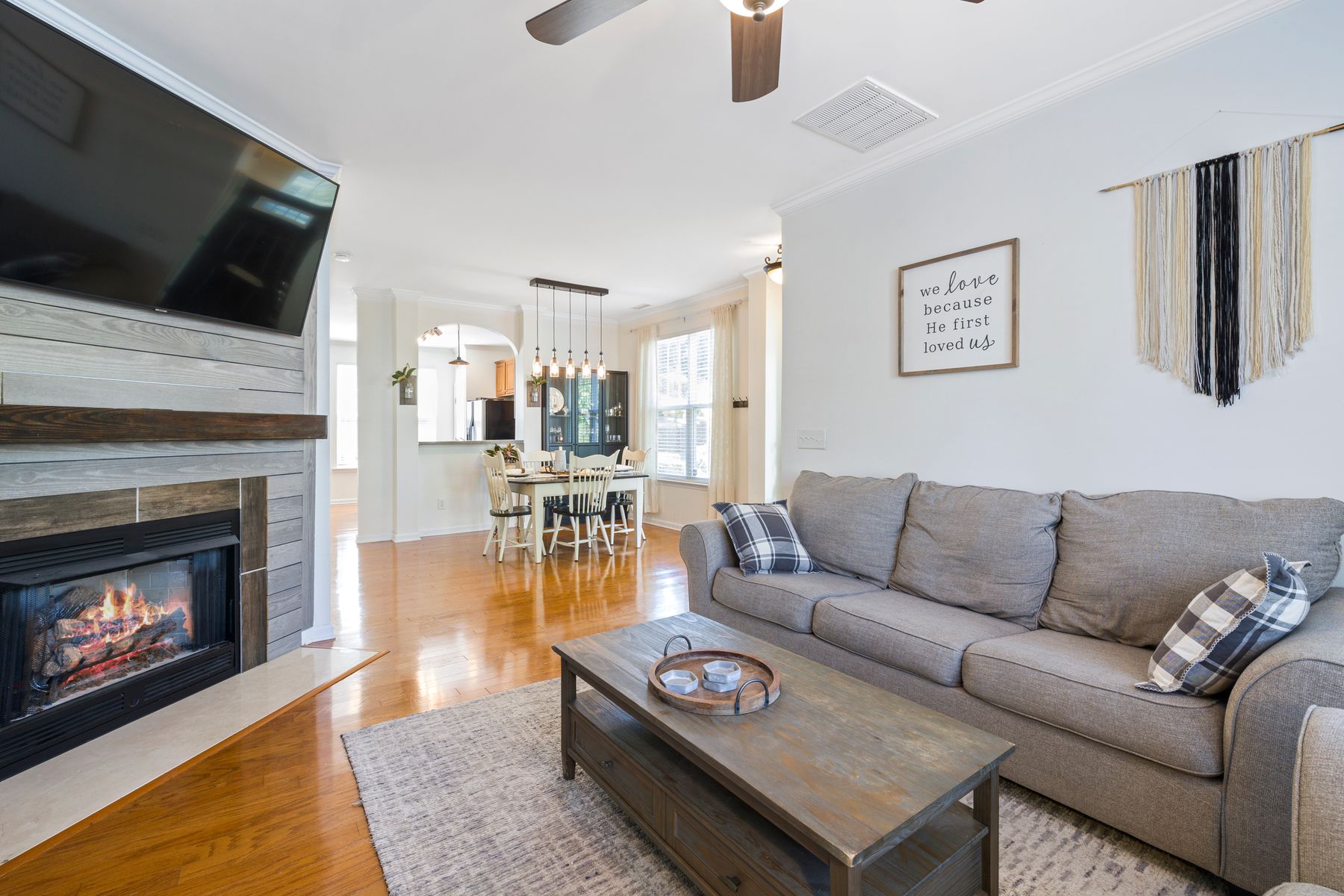
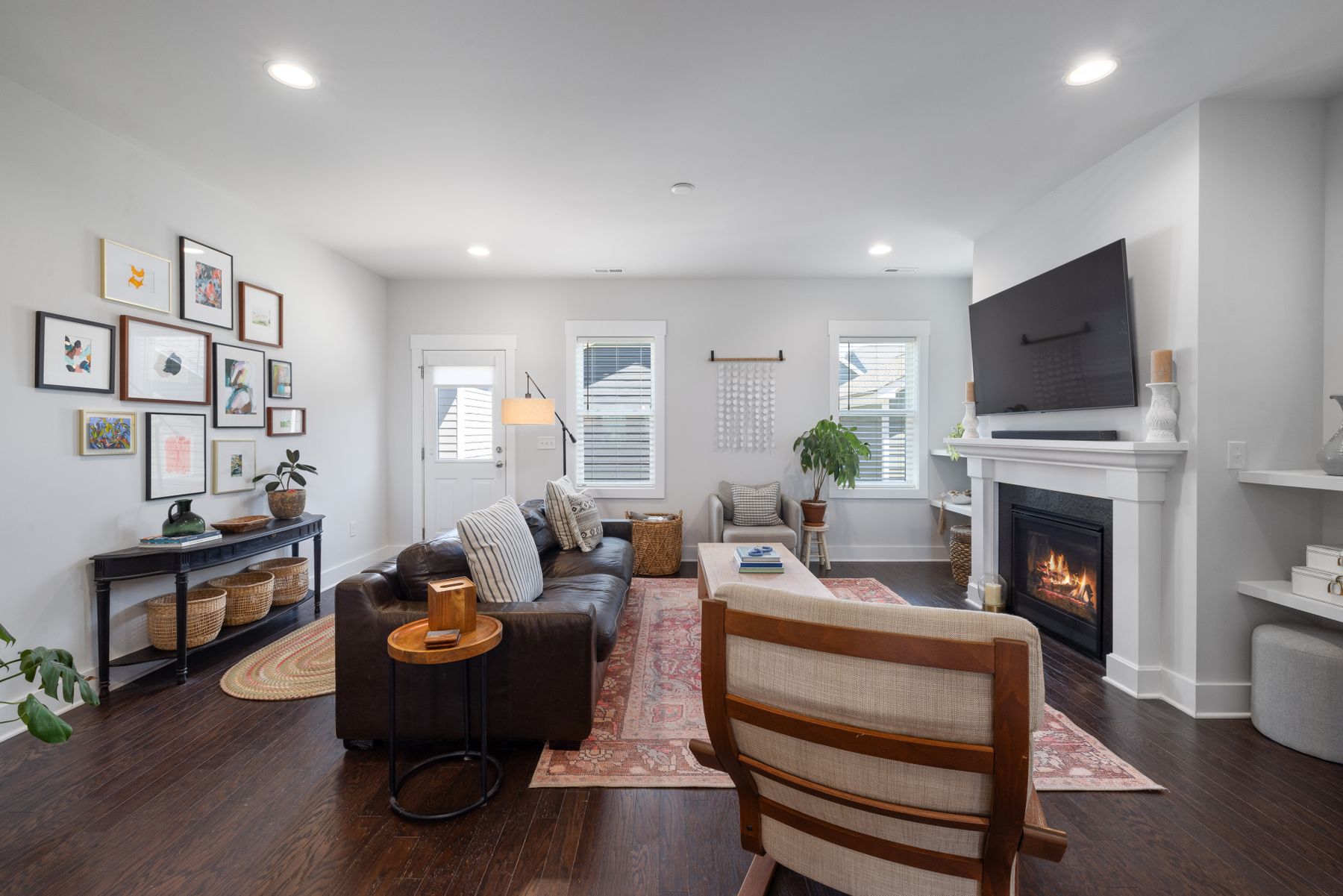
Garden-facing glazing can make a screen difficult to watch, while placing the television directly over the view turns furniture away from conversation. Test reflections at the actual viewing hours before fixing the screen. A side wall, controlled window layer or pivoting solution may work better than centering the room on media. Keep electronics clear of watering zones and dense foliage, and follow equipment guidance for ventilation and installation. The television does not need camouflage; it needs a position that respects both the daylit tropical composition and the ordinary evenings when it is used.
Translate Canopy Logic Without Importing the Climate
In a cold or dry region, preserve the emotional logic—green view, layered light, open furniture and a warm natural material hierarchy—while respecting insulation, heating and plant health. Do not create permanent drafts, block heat sources with planters or specify porous floors solely for an imagined climate. A conservatory-like window, one viable canopy group, a cane chair and clay-toned wall may deliver more than faux shutters and a ceiling fan with no purpose. [Tropical Bedroom Ideas](/bedroom/tropical-bedroom-ideas/) addresses sleep and airflow; the living room translation should prioritize social comfort across all seasons.

Compress the Jungle Into One Productive Edge
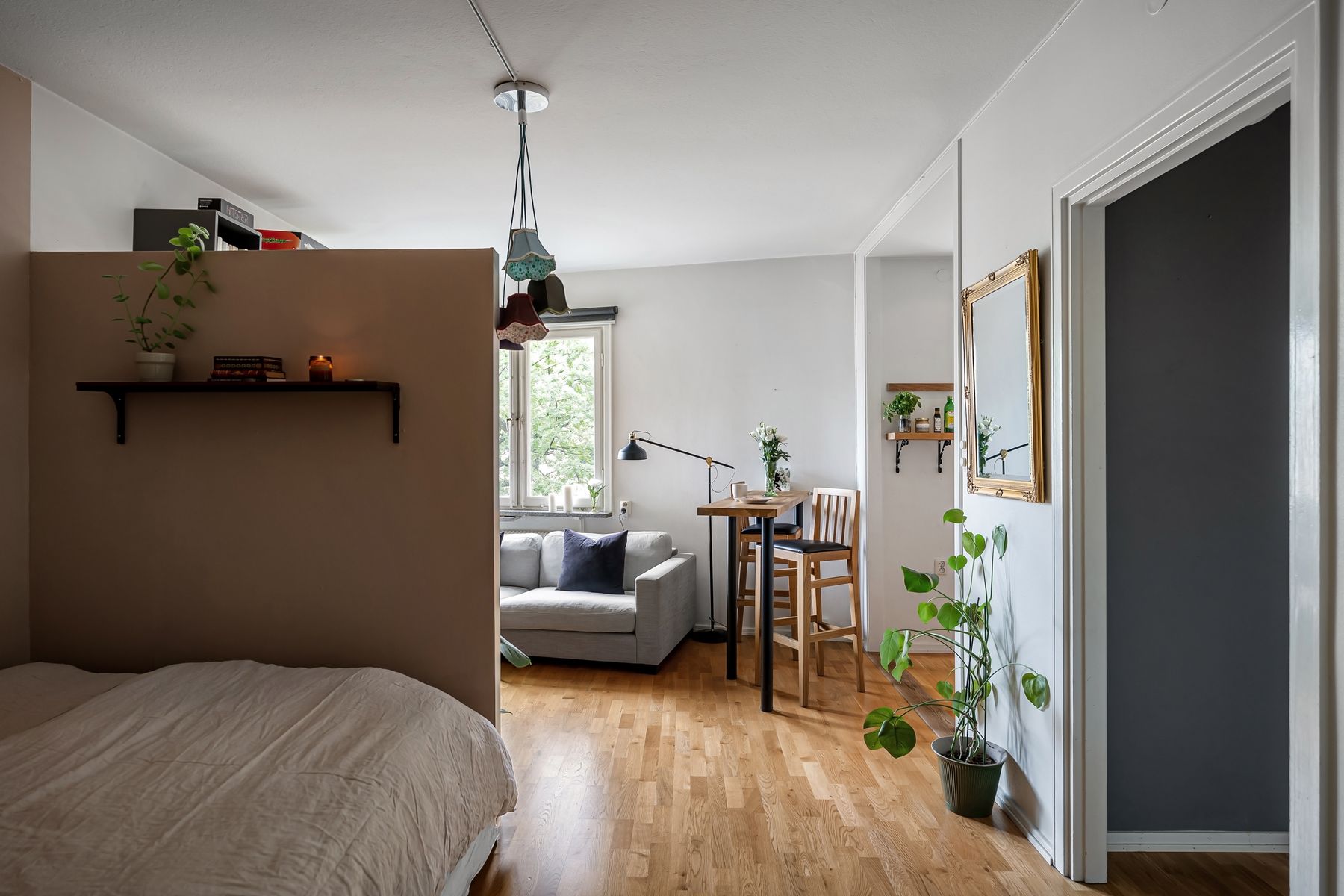
Choose one window or corner as the canopy edge, then keep the main route and opposite wall calmer. A compact sofa, one open-frame chair and a table that can move will preserve visual air better than a full resort-style set. Use a single broad botanical field only if real plants cannot thrive. Limit baskets and small pots, which consume surfaces faster than they create atmosphere. [Small Living Room Ideas](/living-room/small-living-room-ideas/) covers general scale and route tests; the tropical decision is where the living mass can be healthy without swallowing the room.
Use a Portable Shade Kit for Temporary Homes
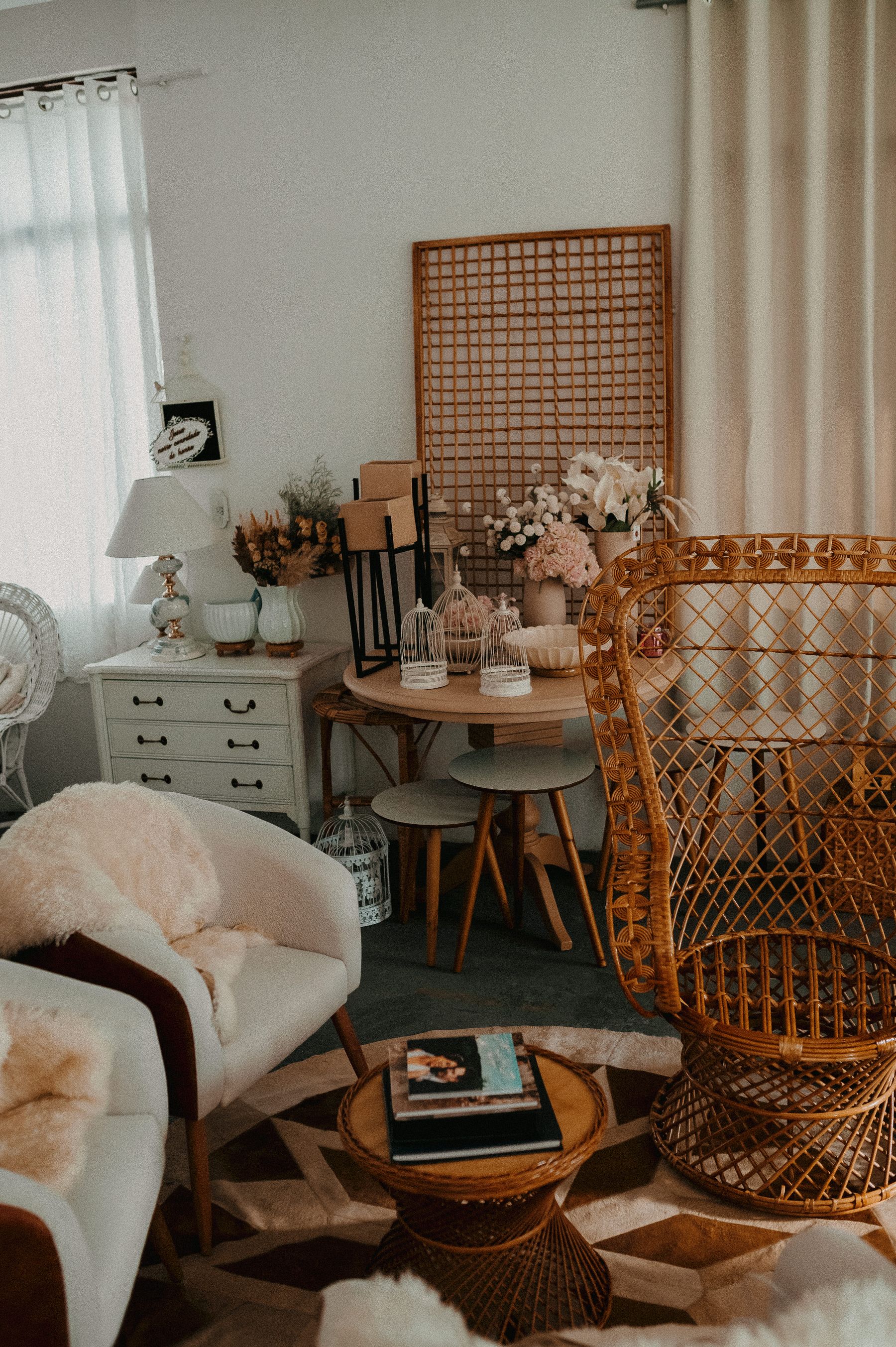
A rental can gain tropical character through one strong plant group, an approved blind or curtain layer, a genuine cane chair, a broad clay or green textile field and warm lamps. Confirm lease, fixing and electrical requirements before changing anything. Avoid adhesive faux timber, decorative shutters and many small palm-print accessories; they cost space without improving shade or use. Choose planters with contained drainage and furniture that can move to the next home. Reversible design is strongest when each portable item remains useful after the theme is removed.
Distinguish Honest Weathering From Active Failure
A tropical palette can make weathering look romantic, but dark stains, lifting finishes, odors, corrosion or softened timber should not be declared patina from a photograph. Maintain finishes according to their actual system and investigate active or uncertain change appropriately. On intentionally varied lime-like walls, keep the texture quiet enough that new marks remain visible. On vintage cane and timber, record condition before bringing the piece into the room. Editorially, honest aging is evidence of use that remains stable and serviceable; damage is a performance question that decoration should not disguise.
Apply the No-Palm-Props Test
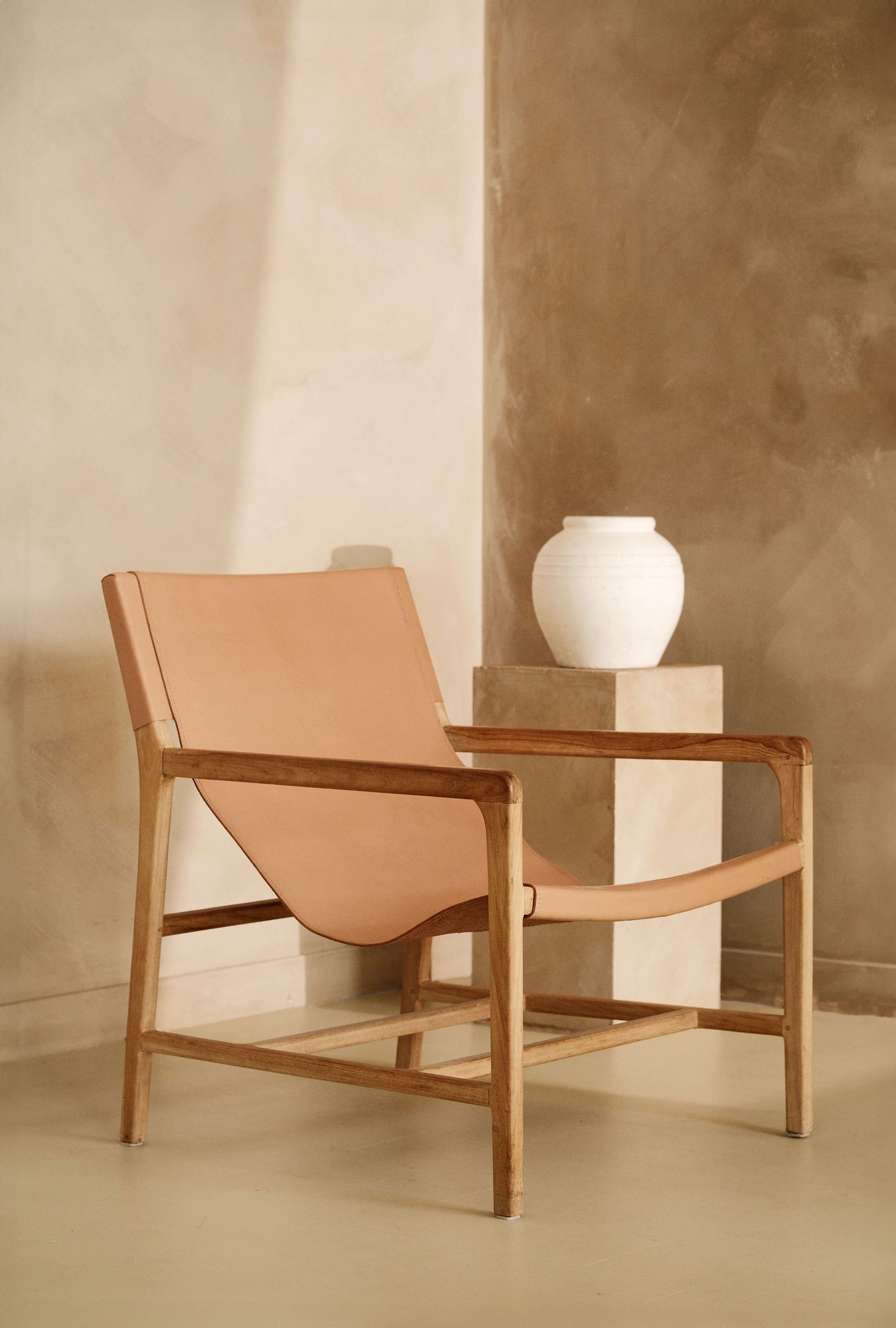
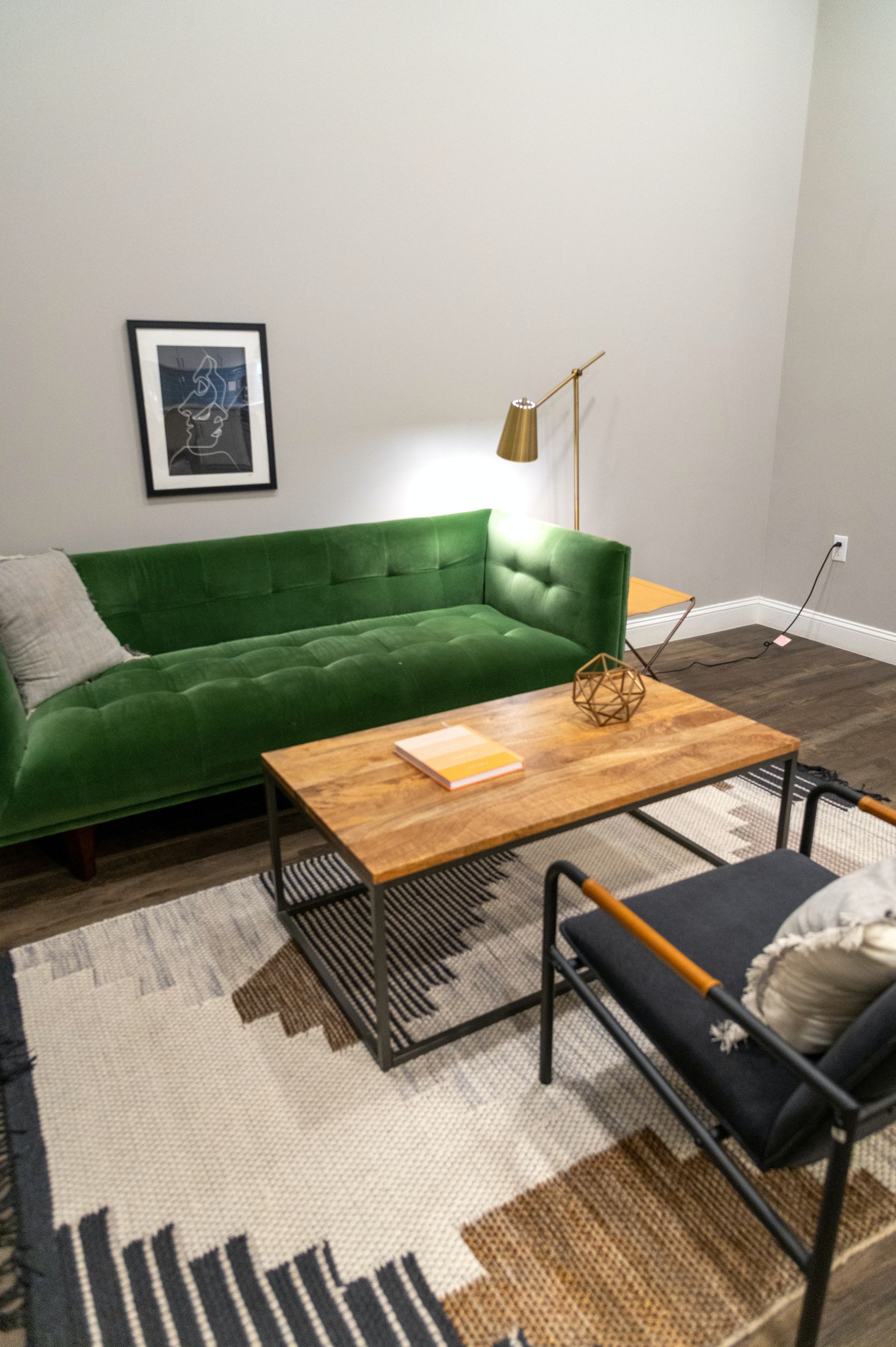
Remove palm-print cushions, tropical signs, novelty birds, shell objects and anything whose only purpose is to name a destination. Then remove one decorative basket and half the scattered pots. If the room still reads through filtered light, open furniture, a coherent plant canopy, warm timber, a rain-aware threshold and an easy social plan, the concept is strong. If it disappears, return to the environmental and spatial decisions rather than buying replacement symbols. The final room should feel domestically tropical, not like a short-stay property advertising its location.