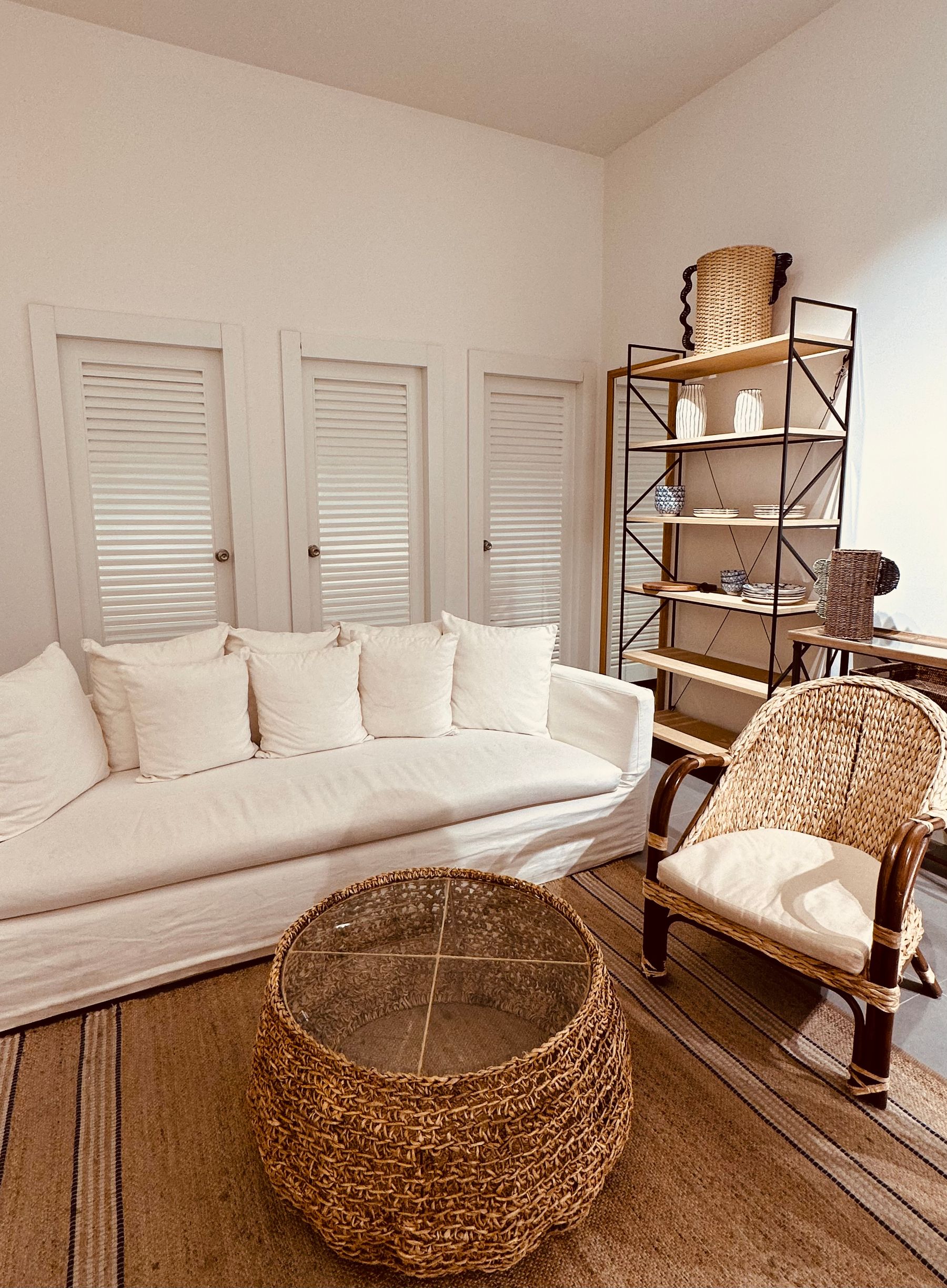
Define Coastal Through Exposure, Not Props
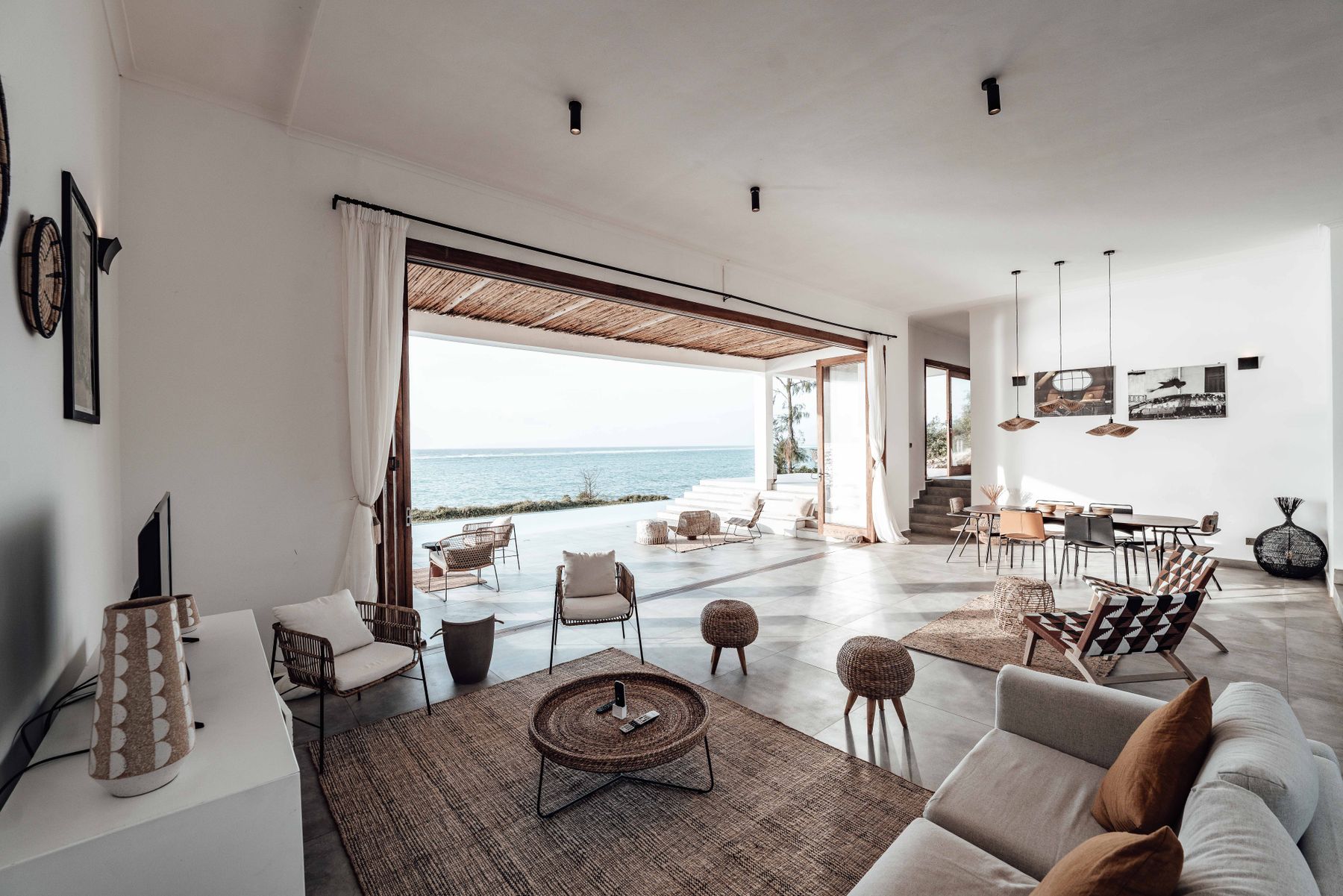
Coastal design begins with environmental qualities: open light, moving air, a horizon or long sightline, surfaces that tolerate strong sun, and furniture that supports an informal return from outdoors. None of those conditions requires a shell bowl or striped anchor cushion. In an inland room, lightness can come from window treatment, floor visibility and a few tactile natural materials. Beside the sea, the architecture and exposure may already carry the story, so decoration can become quieter.
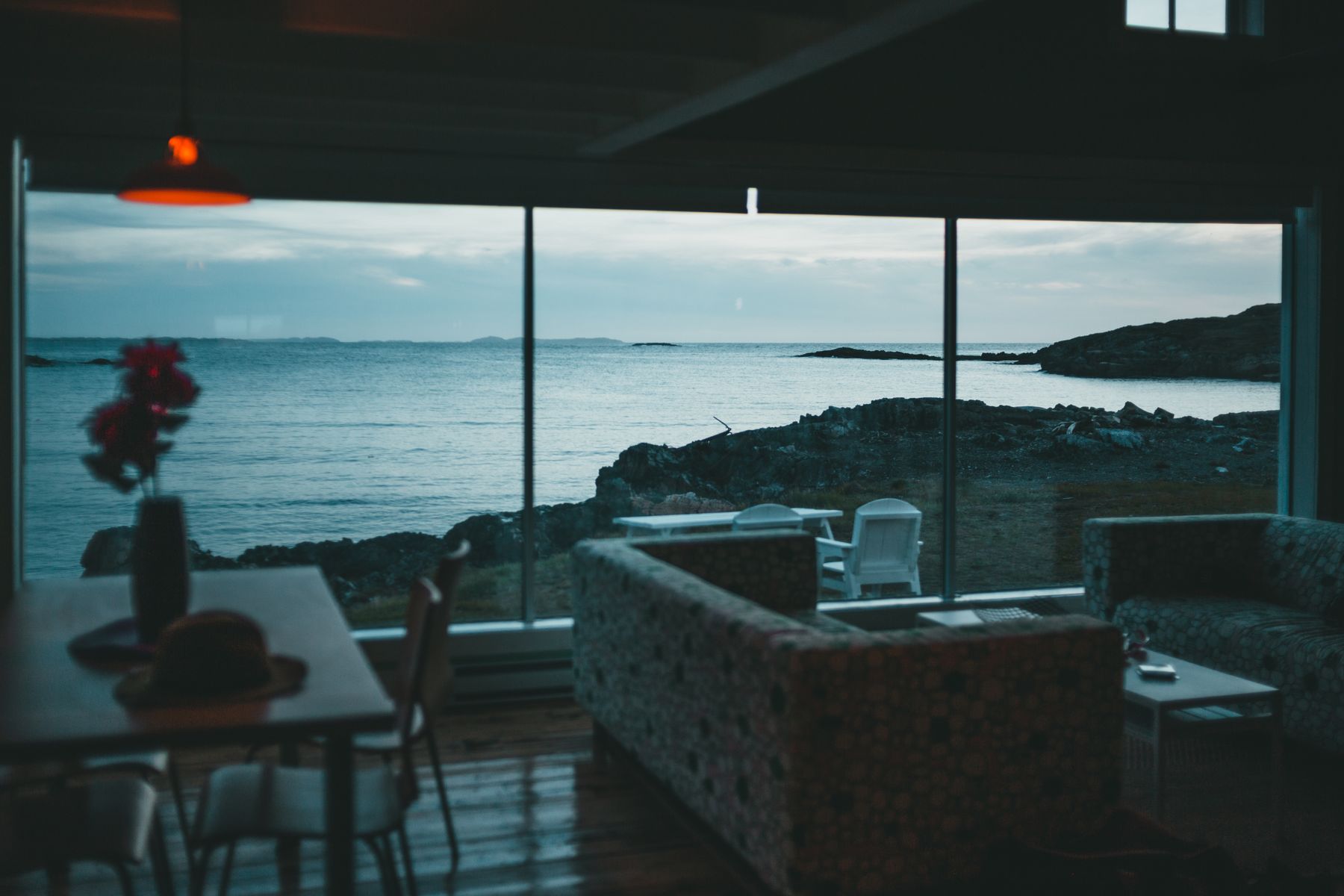
Choose a Coastal Direction Before a Palette
A tailored East Coast room may combine navy, dark timber and antiques; a Pacific interpretation may lean into pale wood, soft grey and broad glazing; a warm-climate version can use mineral plaster, cane and terracotta; a rugged northern coast may need deeper value, wool and visual shelter. These are design directions, not costumes or claims of regional authenticity. Choose the climate, mood and level of formality you are translating, then let color and material follow instead of mixing every coastal shorthand into one room.
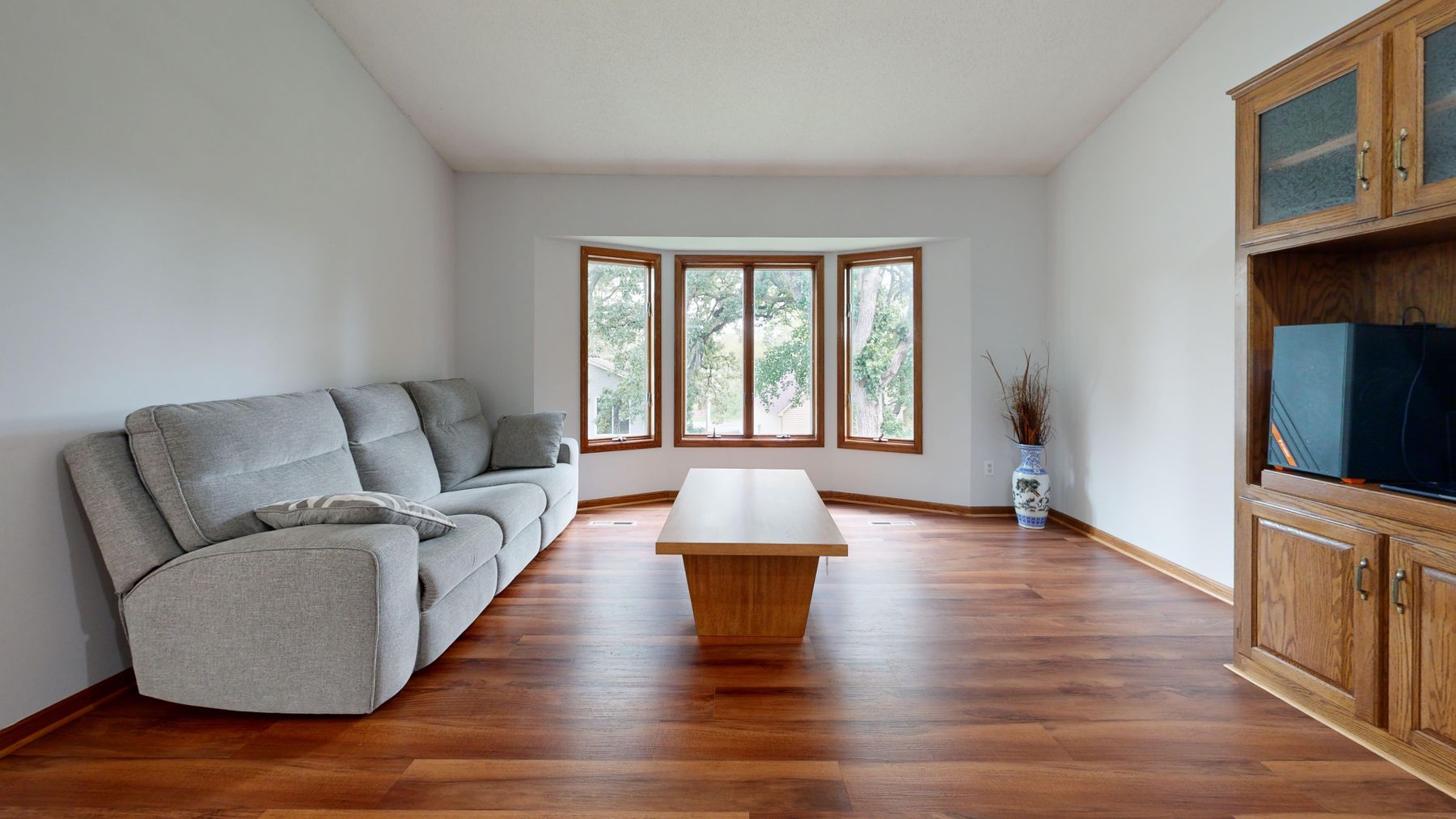
Give the View a Job
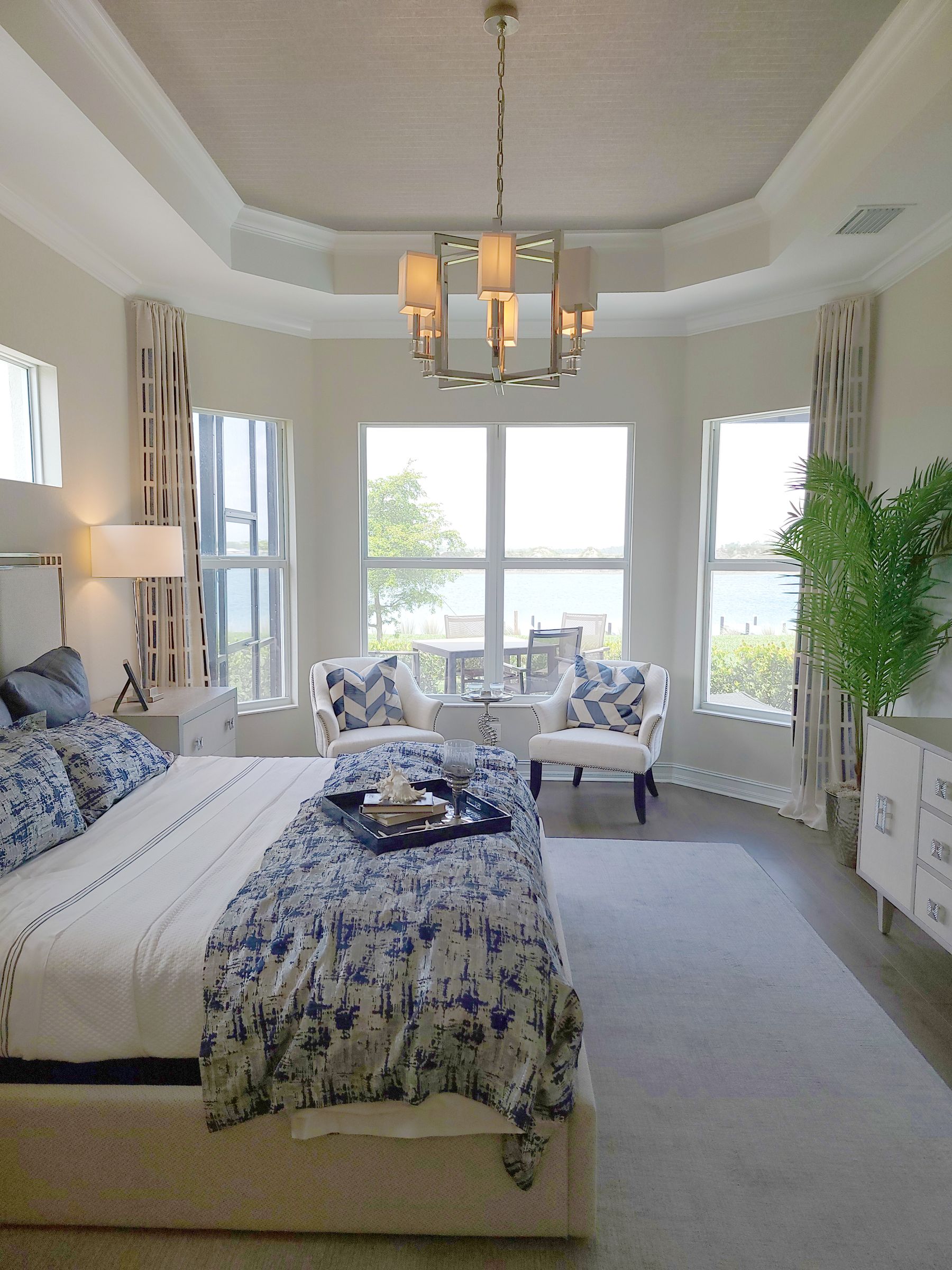
Decide whether the outlook is the main focal point, a side light, a standing moment or one of several experiences. A dramatic horizon does not require every sofa to face glass; one pair of chairs can turn toward it while the main group supports conversation. Protect access to doors and operable windows, and leave enough space to draw curtains without climbing behind furniture. Where the exterior is ordinary, frame sky, tree canopy or distant light rather than pretending the room overlooks water.
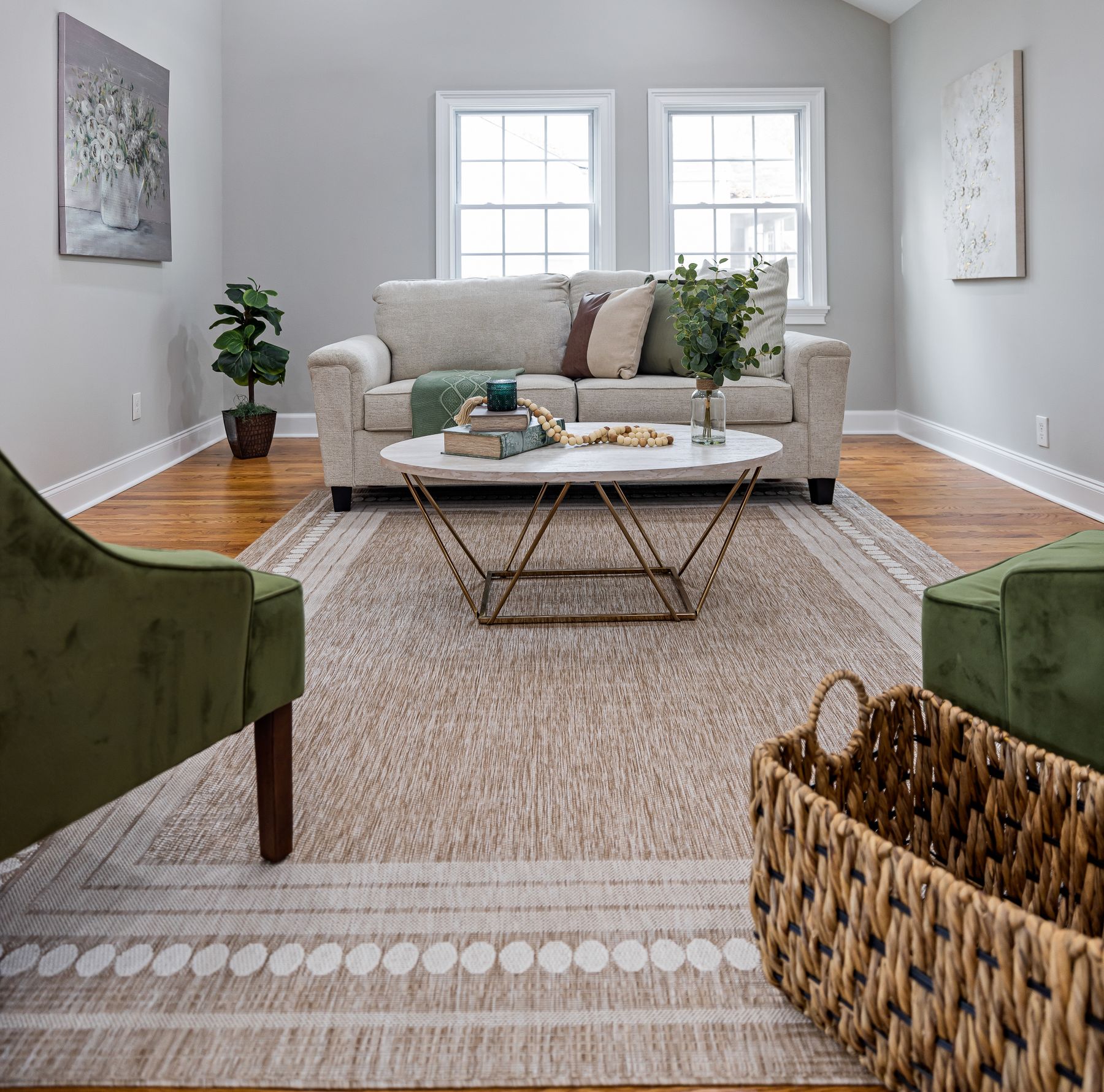
Keep Conversation in the Same Composition
Turn some seats partly toward one another and partly toward the window rather than building a row of observation chairs. Give each regular position a reachable surface and protect the route between exterior door, sofa and adjoining rooms. Swivel chairs can help when the view and television sit on different axes, but check the full rotation before purchase. The circulation tests in [Living Room Layout Ideas](/living-room/living-room-layout-ideas/) are especially useful when sliding doors, terraces or several focal points compete.
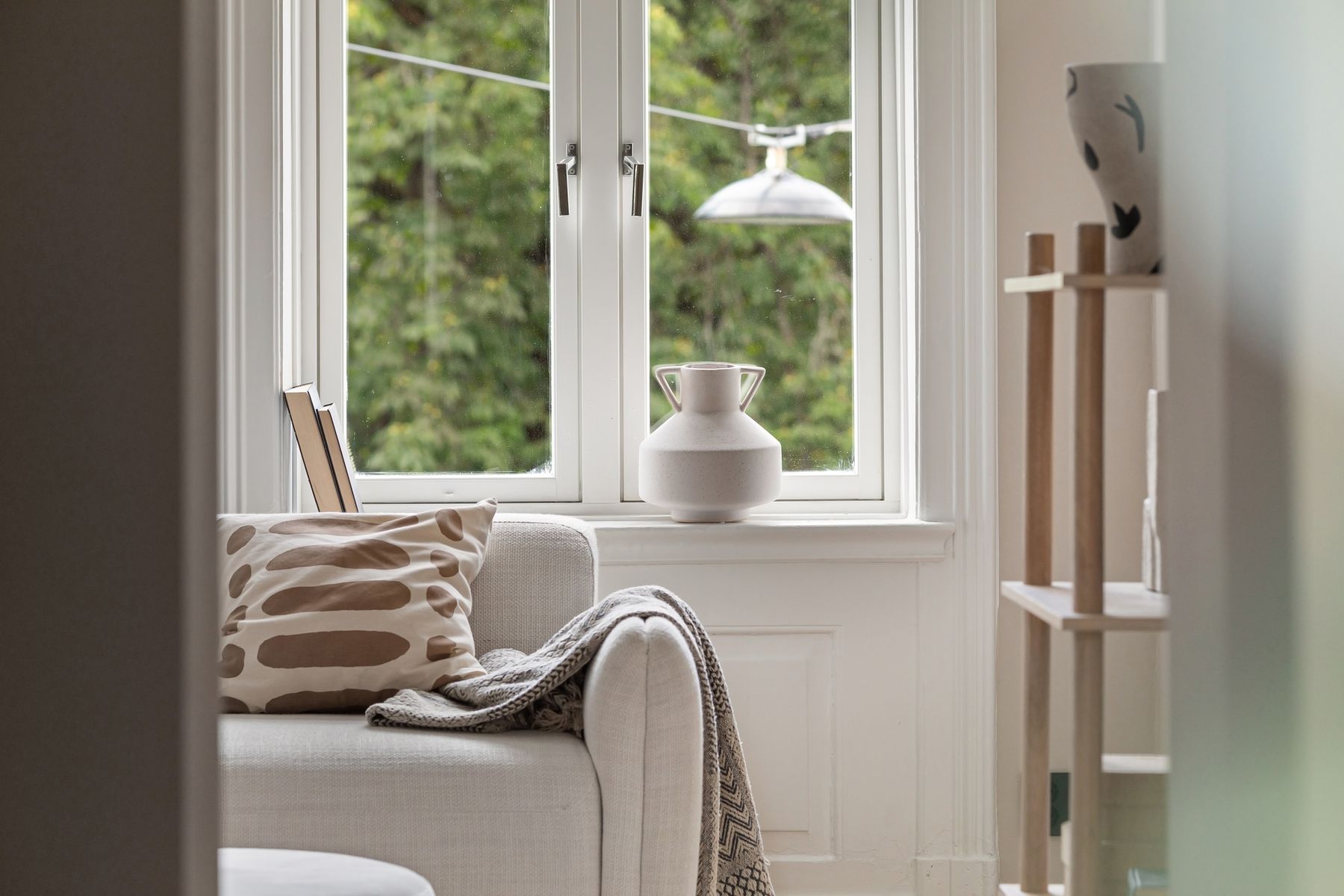
Control Glare Without Erasing the Horizon
Large coastal-facing windows can create glare, heat and rapid fading even when the view is desirable. Observe the glass at morning, midday and late afternoon, then combine sheers, lined curtains, blinds or exterior shading according to orientation and building constraints. Keep curtain stacks clear of the most valuable view and verify that fabric, tracks and controls tolerate the exposure. Do not specify a pale room around one overcast photograph; test samples in the strongest real light.

Build the Palette From Local Light
Bright cool light may need warmer chalk, sand or mushroom to avoid a clinical result, while amber western light can support cooler mineral grey or washed green. Read the fixed floor, window frames, stone and timber first; then choose a background family and two or three clear value steps. Coastal color works when it recalls atmosphere indirectly—salt haze, dune grass, wet stone, kelp, deep water or sunset—rather than matching a postcard.

Design Coastal Without Blue
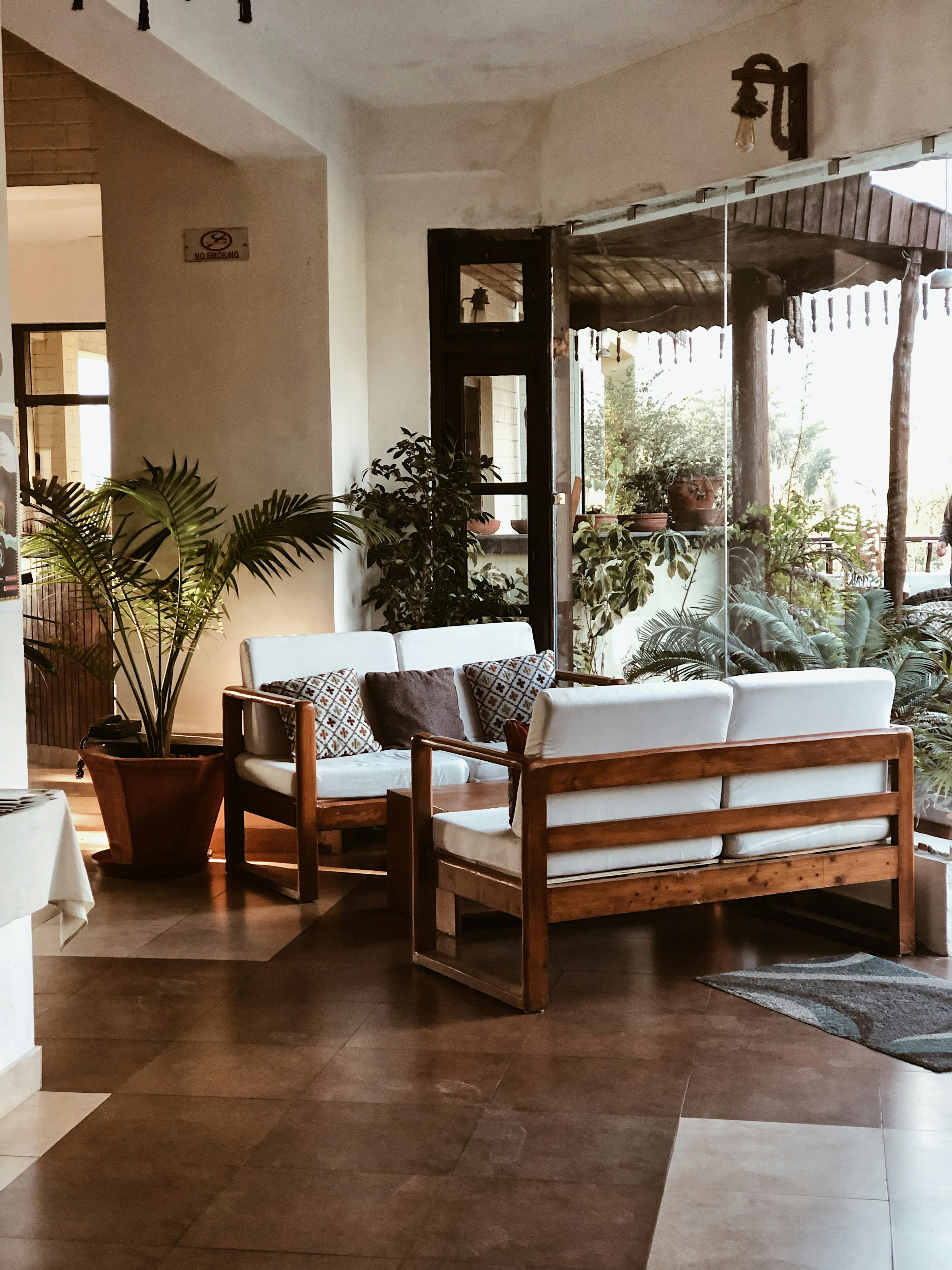
Warm white, oat, mushroom, pale timber, straw, tobacco and small fields of green can produce a convincing coastal room without blue. This approach is useful when exterior water already supplies color or when the household prefers a warmer interior. Preserve contrast through darker wood, leather, blackened metal or one green plant; otherwise pale layers can collapse into beige haze. Keep natural texture functional and let the clear window rhythm do more work than accessories.
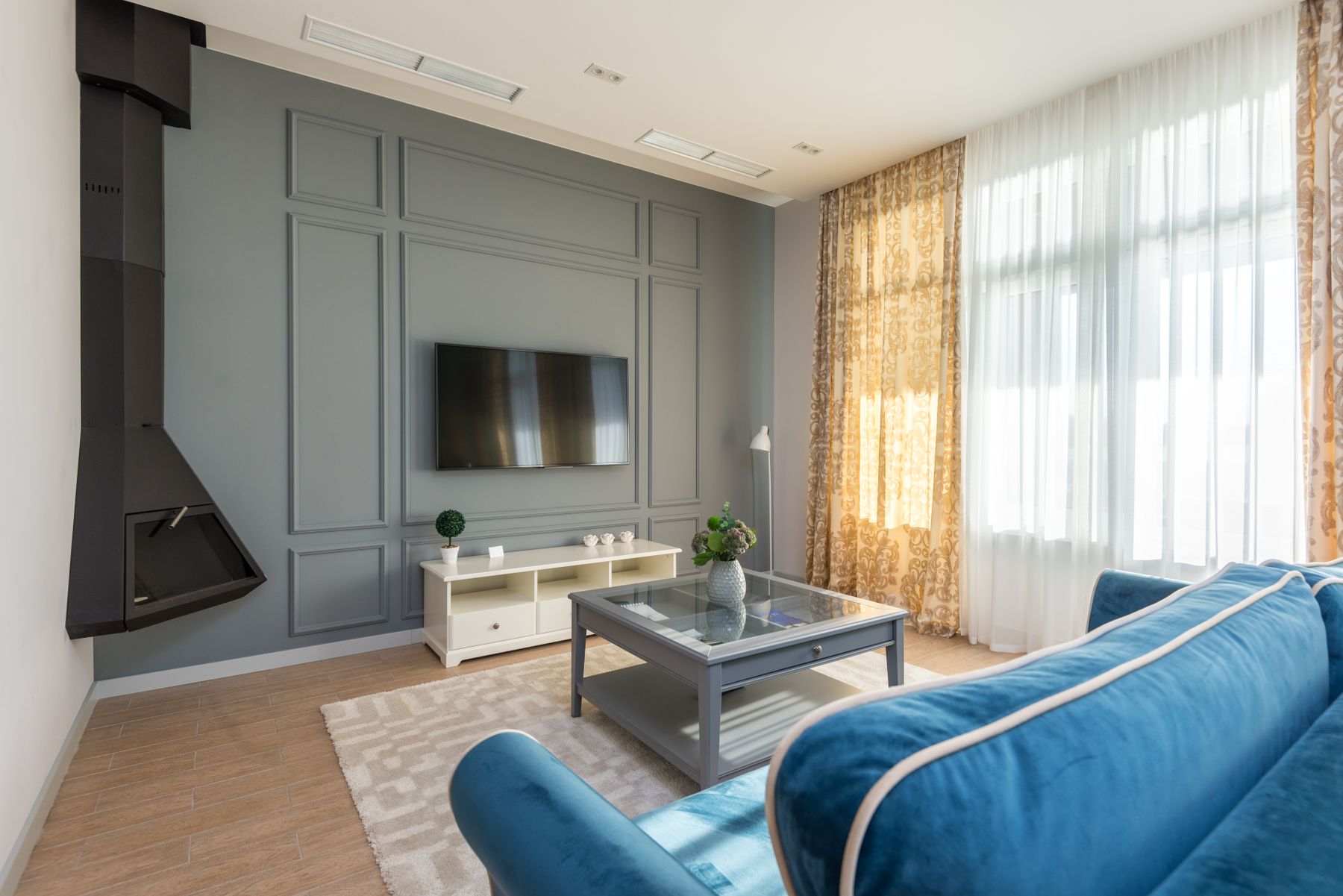
Use Blue or Sea-Glass Green as a Bounded Field
If blue or green is important, give it a meaningful surface: a sofa, pair of chairs, painted cabinet, curtain or broad rug field. Repeating tiny blue objects around the room reads as merchandising rather than color planning. Dusty denim, petrol, sea-glass green and grey-blue feel less literal than bright marine blue, while their undertones should be tested beside timber and daylight. Repeat the color once at a smaller scale, then stop.
Use Navy as Tailoring, Not Nautical Code
Navy can sharpen a pale room through piping, an upholstered chair, joinery or a controlled wall field. Pair it with warm white, tobacco, walnut, rust or aged brass to prevent a flat blue-and-white uniform. In a low-light room, check whether the color becomes almost black and whether the surrounding whites turn cold. Avoid pairing every navy surface with stripes, rope and polished chrome; one tailored use is enough to establish depth.

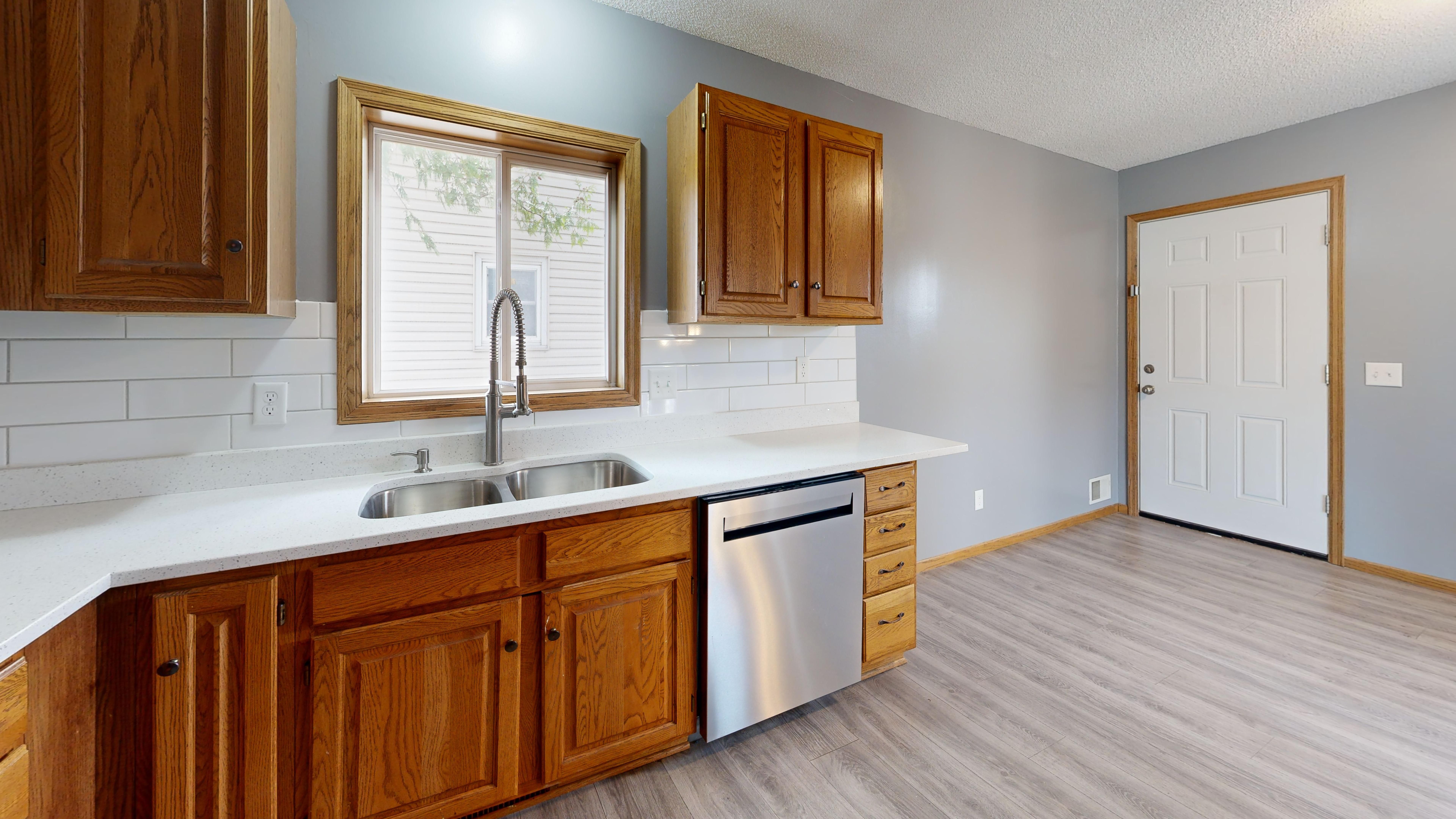
Choose Timber by Exposure, Not by Distressing
Pale oak, ash, pine and washed finishes can support an airy room; walnut or aged darker timber can give a tailored coastal scheme ballast. Choose by undertone, grain, finish durability and repair route rather than demanding that every piece look sun-bleached. Artificial wormholes and aggressive whitewashing rarely improve weak construction. Strong sun can shift color unevenly, so request finish guidance, rotate movable pieces when appropriate and accept natural aging as part of the material.
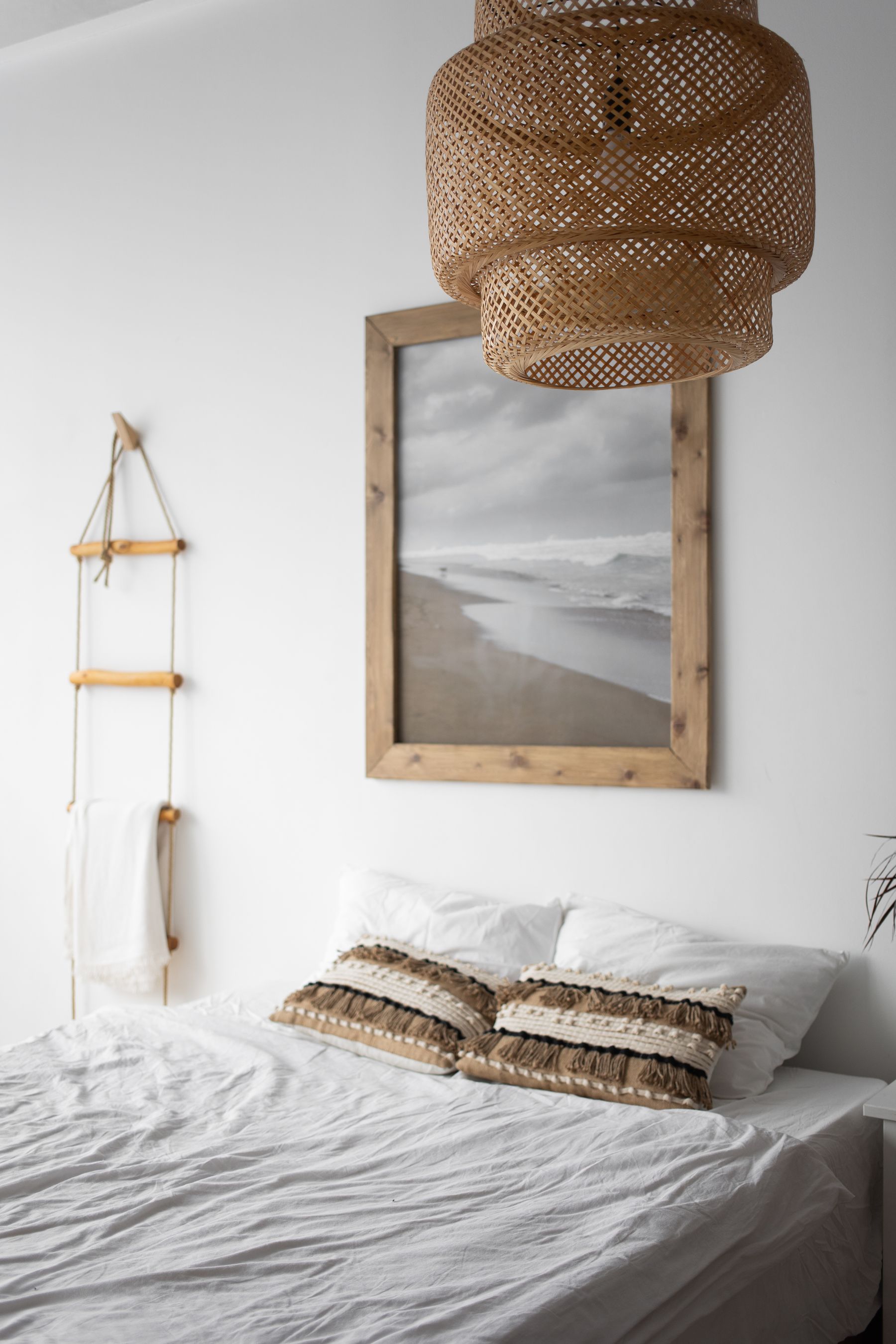
Let Cane and Rattan Carry Structure
Use cane or rattan where its structure can be read—a chair, cabinet panel, pendant or substantial tray—then balance it with solid timber, upholstery and smooth surfaces. Inspect bindings, joints, sharp fibers and seat support before buying, and keep fragile weaving away from damp floors, direct heat and heavy impact. One well-made woven piece can carry the coastal reference; many token baskets create visual noise and extra dusting.
Specify Textiles for Salt, Sand and Real Bodies
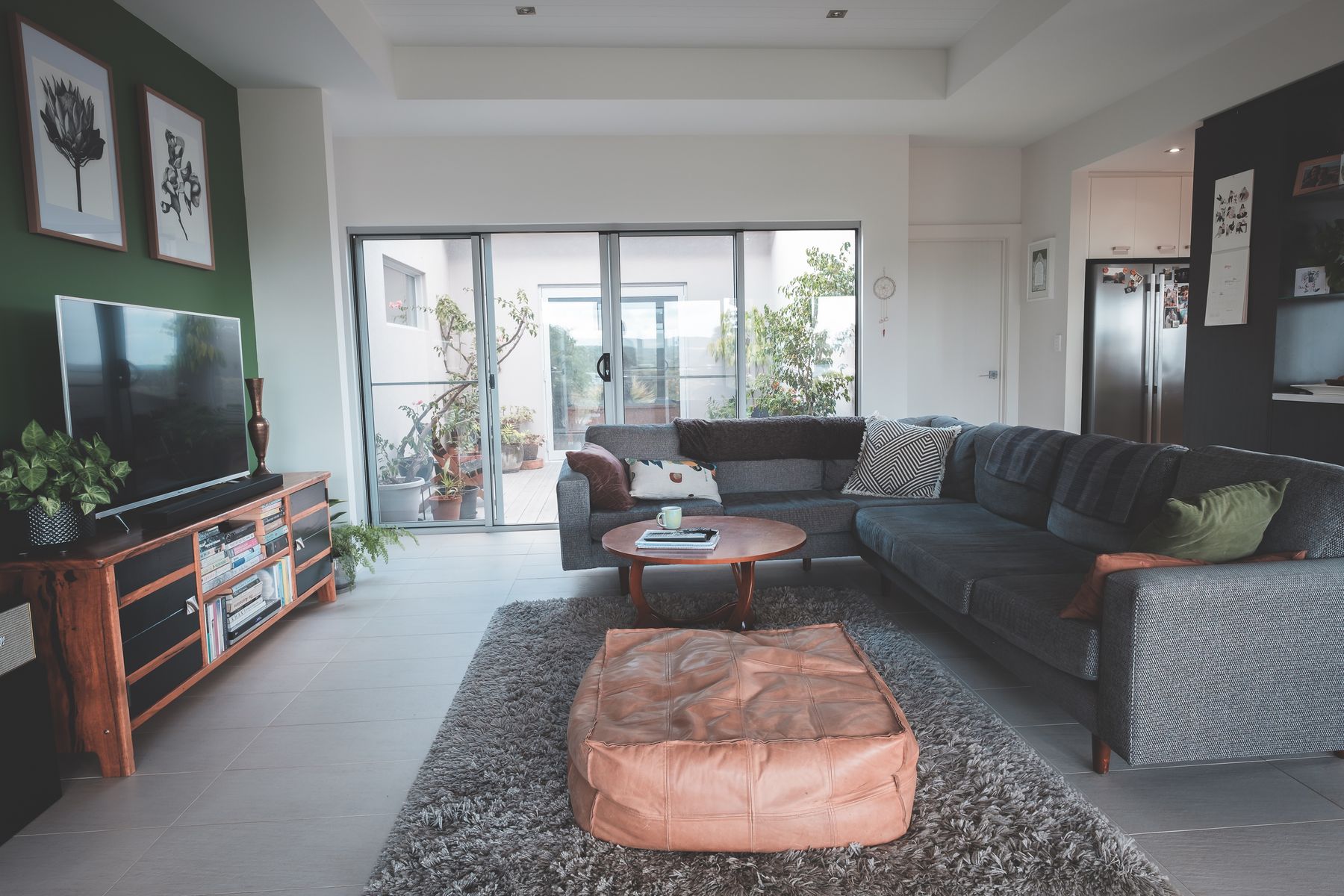
Linen and linen-look fabrics communicate ease, but seat support, abrasion, seam strength, shrinkage and cleaning matter more than the fiber name. Removable covers can help in a hard-use room only when the washing and refitting method is realistic. Where sand, wet clothing, pets or children are common, compare dense performance weaves and leather with the same rigor as natural cloth. Keep a tactile mix—smooth seat, nubby cushion, flat curtain—without making every surface coarse.
Choose a Rug for Bare Feet and Grit
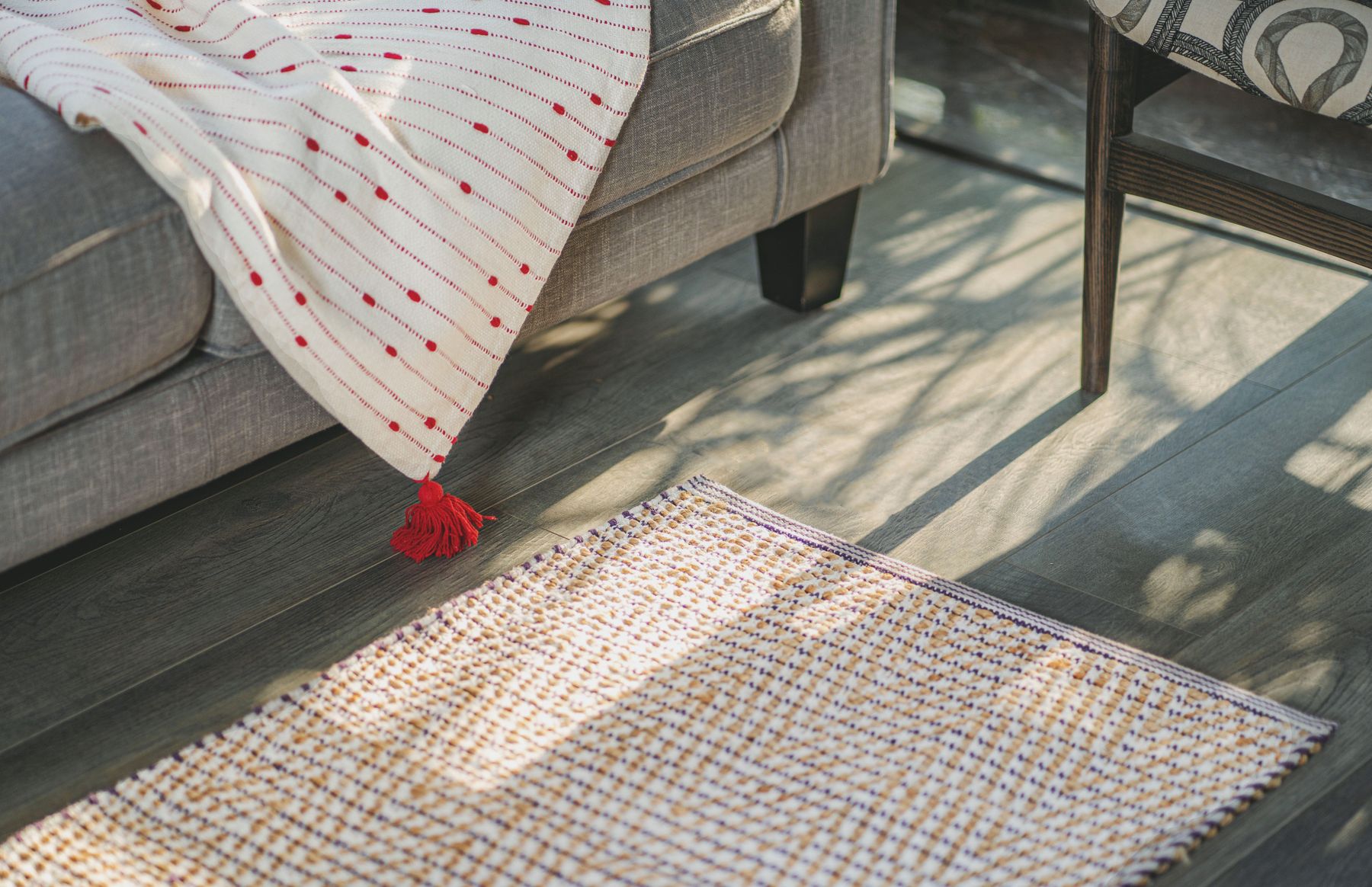
Jute and sisal offer dry texture but can feel rough, hold grit or react poorly to spills depending on construction. Wool, flatweave cotton and performance fibers may be better for bare feet, children or frequent cleaning. Size the rug from the seating group, use a compatible pad and keep edges outside the main wet route. [Living Room Rug Ideas](/living-room/living-room-rug-ideas/) develops sizing, layering and safety choices in more detail.
Use Plaster and Paneling Without Defaulting to Shiplap
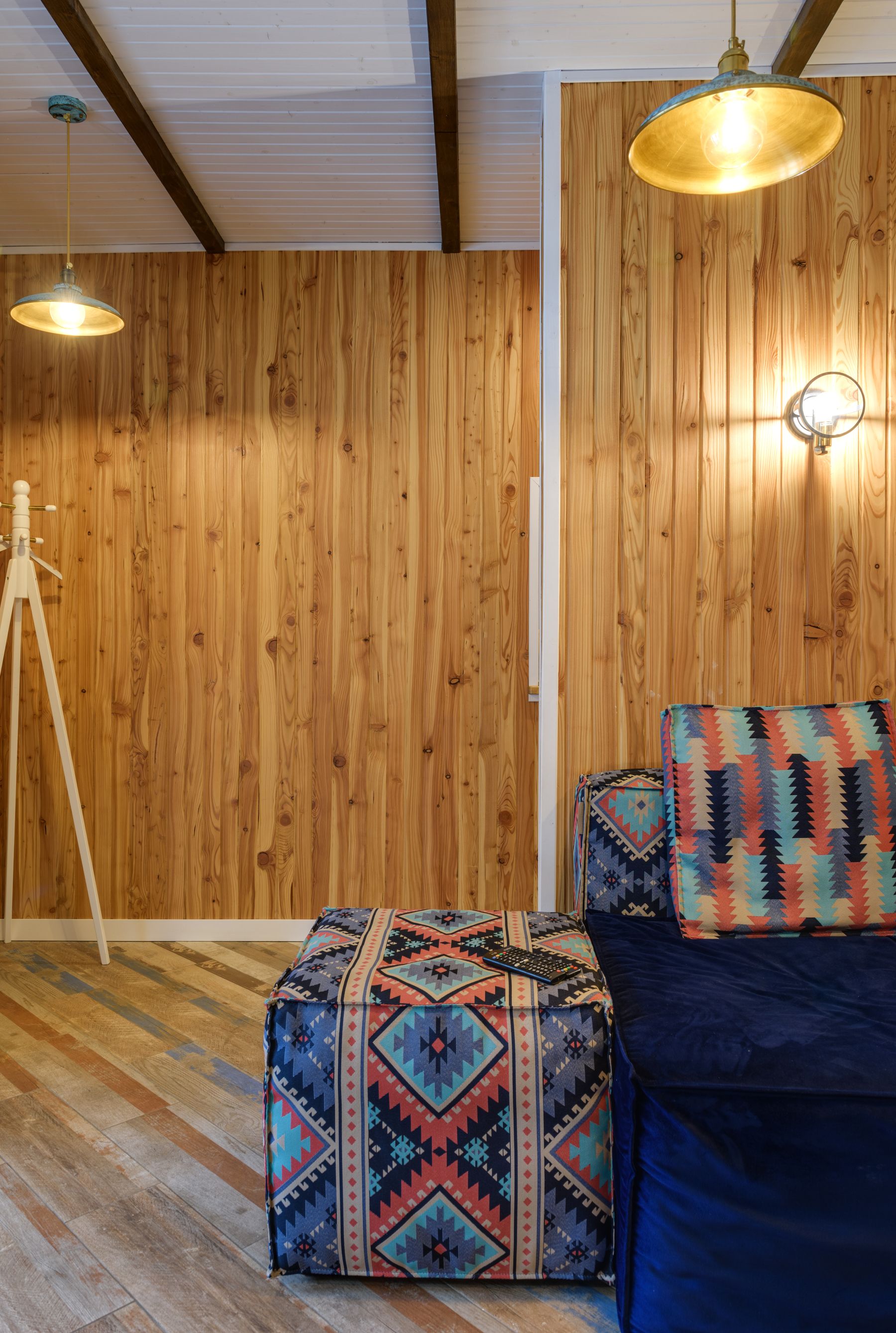
Limewash, mineral paint, smooth plaster, narrow boarding or restrained paneling can catch coastal light without turning every wall into a themed backdrop. Choose a treatment that fits the building, moisture conditions and maintenance access. Align joints with openings and furniture, resolve corners and sockets, and avoid shallow applied boards whose only purpose is to signal beach house. A plain wall may be the stronger choice when the floor, view and furniture already carry enough texture.
Add Florals and Antiques to Prevent Bleached Sameness
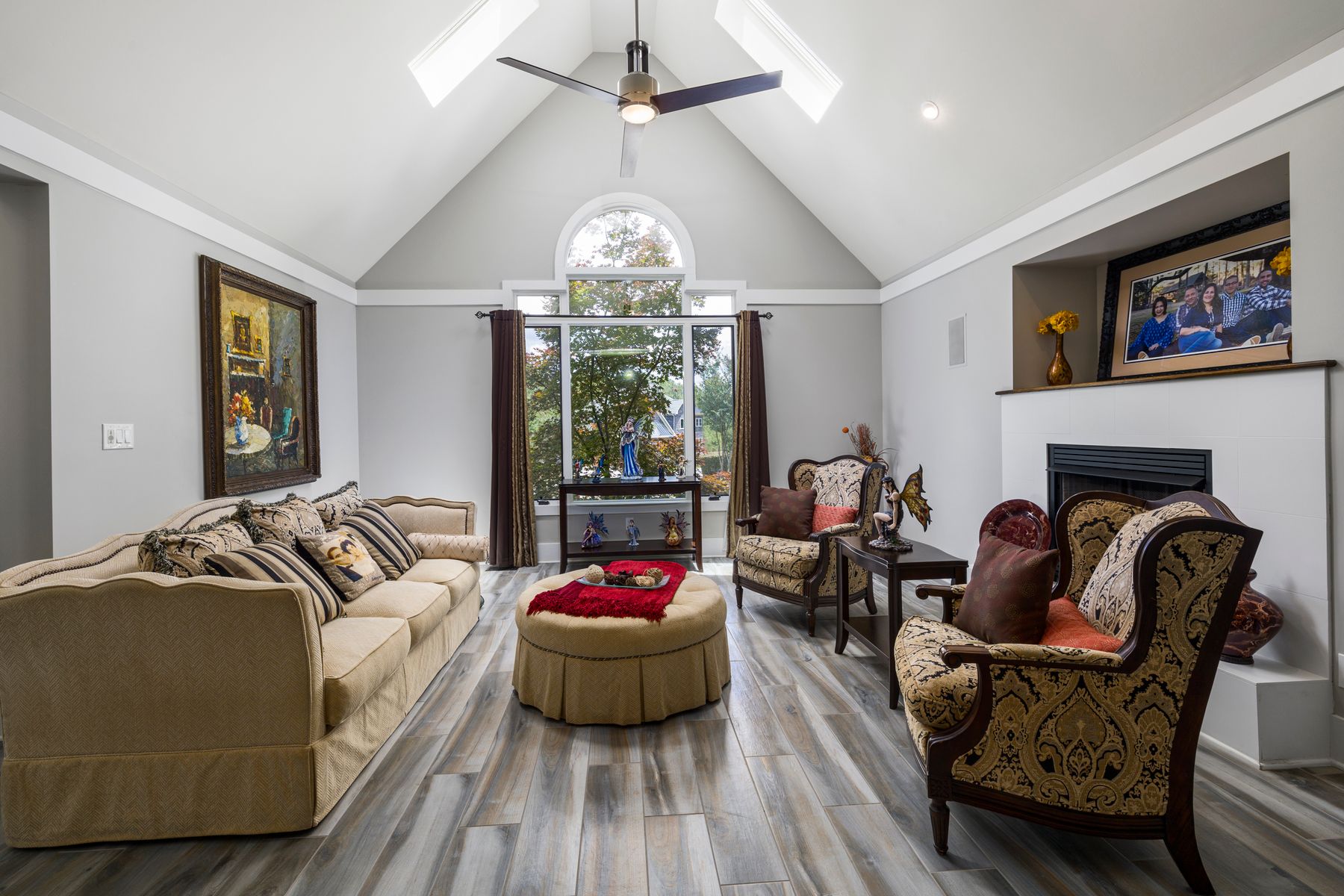
Coastal rooms need not be uniformly pale, modern or stripped of pattern. A botanical print, small chintz chair, dark side table or inherited chest can make a tailored or East Coast interpretation feel collected. Keep the architecture and largest upholstery calm, then give one patterned piece enough space to register. Check condition, scale and repair needs before treating age as automatic character. This is where coastal can borrow traditional craft without becoming a general [Traditional Living Room](/living-room/traditional-living-room-ideas/).
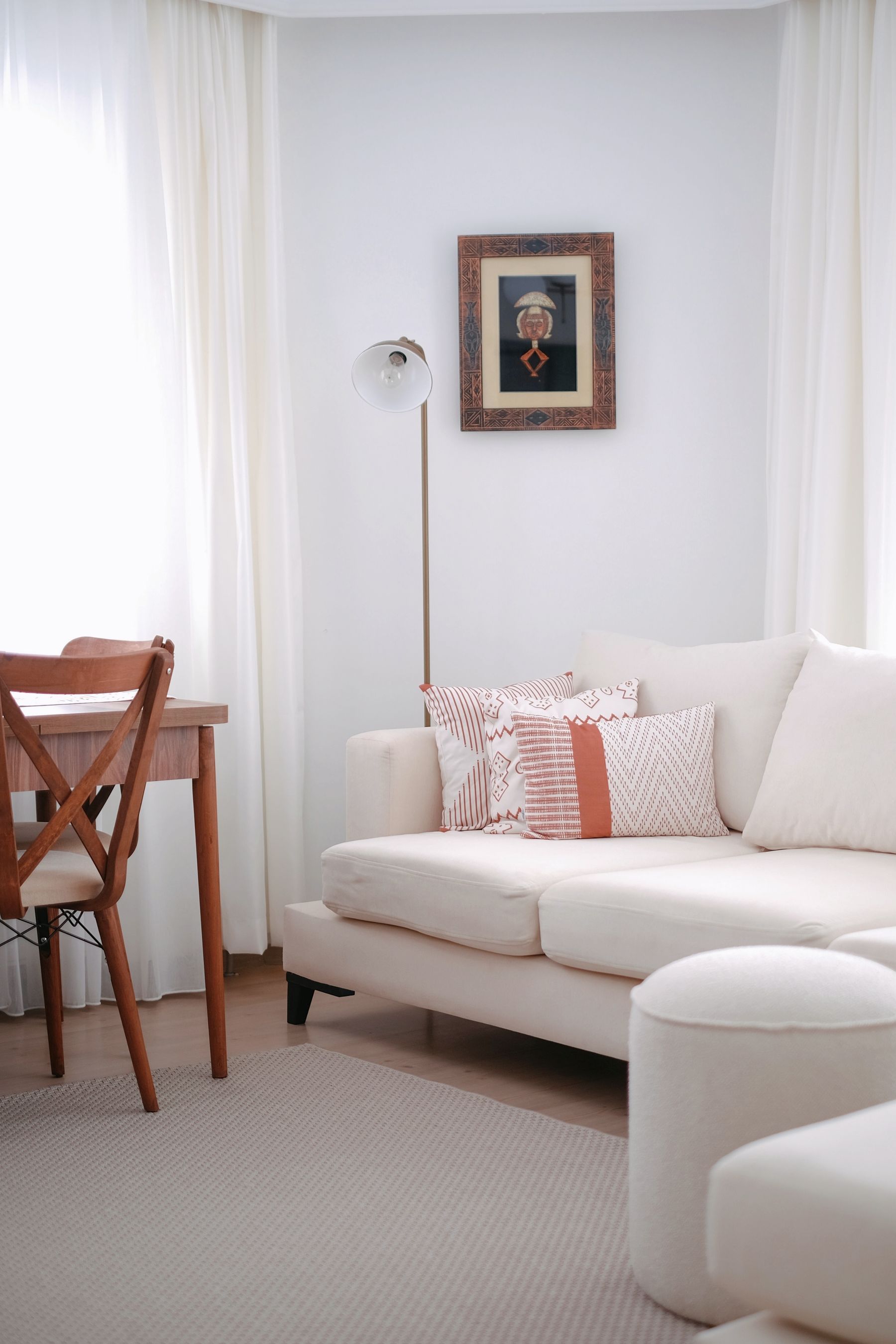
Choose Art That Suggests Place Without Explaining It
Consider abstract color, local photography, maps with personal meaning, botanical work, ceramics or objects made from honest material. Mass-produced seascapes and word art often explain a room that already has enough evidence. Scale the work to the furniture, protect it from direct sun and salt-laden air, and use conservation-appropriate framing where necessary. If the window is visually dominant, one quieter wall may need no art at all.
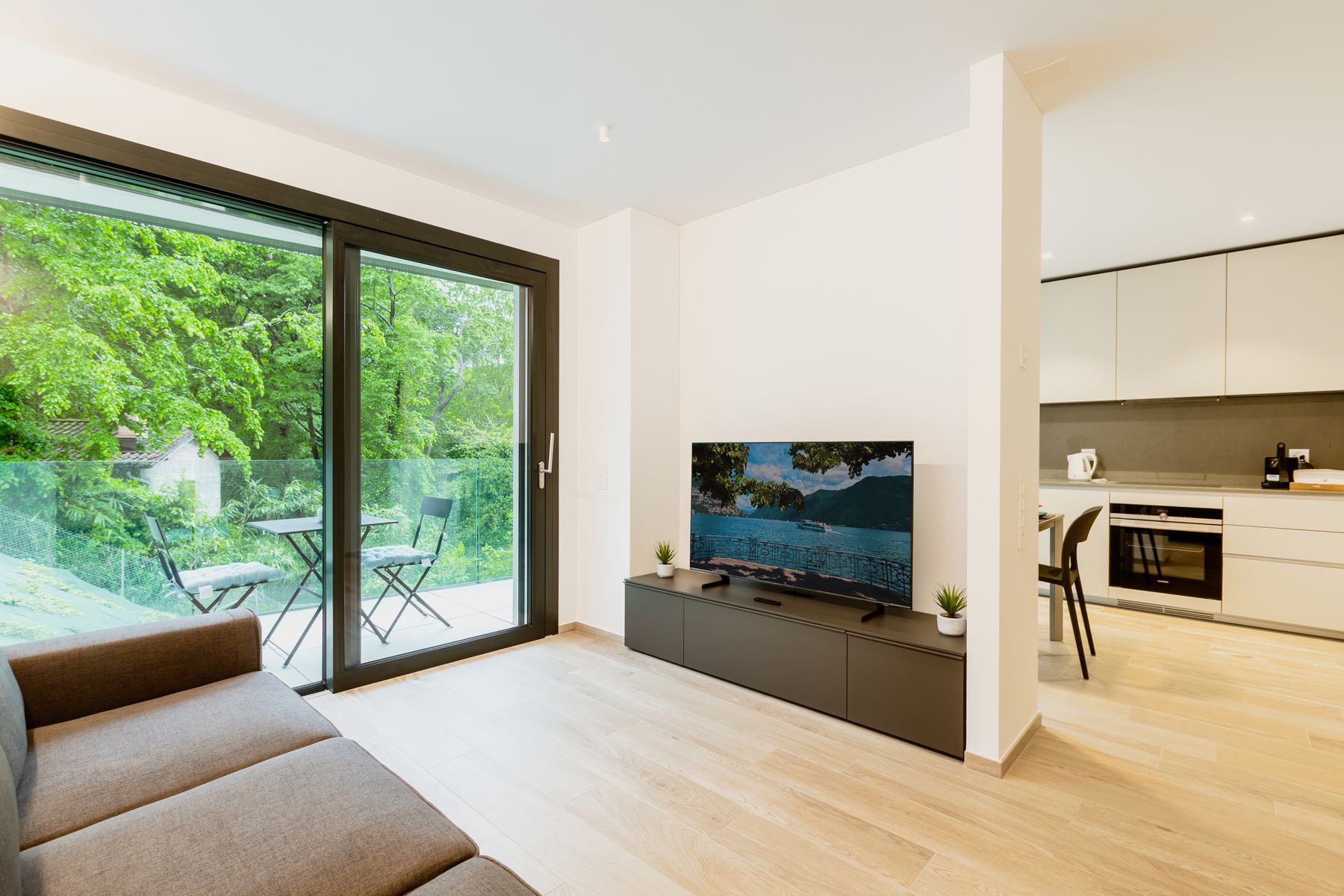
Resolve Television Glare Before Styling the View
Check direct reflections at the hours when the screen is used, then choose a perpendicular wall, adjustable treatment or controlled furniture angle. Keep the screen at a comfortable seated height with ventilation, cable access and usable sound. Do not sacrifice the only good view or build a bulky nautical cabinet to hide everyday technology. Swivel seating or two compatible focal axes can let the room shift between media, conversation and outlook.
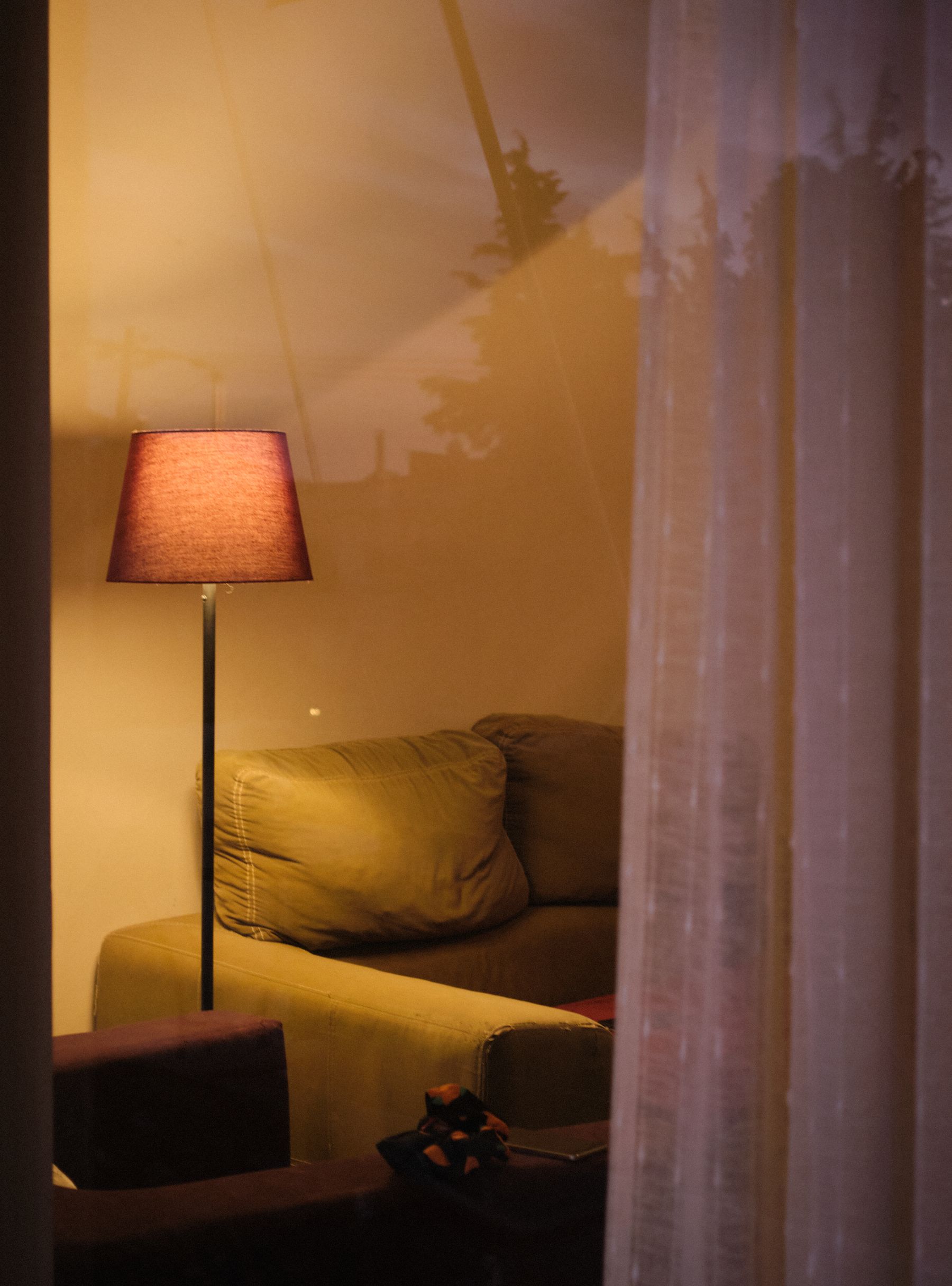
Give the Coastal Room an After-Dark Identity
A daylight-led room can feel empty at night when the glazing becomes a dark mirror. Build low light beside seats, gentle wall or shelf light, and a safe route to doors without flooding the ceiling. Warm sources reveal timber and woven texture, while separate controls support conversation, reading and television. [Living Room Lighting Ideas](/living-room/living-room-lighting-ideas/) covers control zones and task placement; the coastal task is to create enclosure after the horizon vanishes.
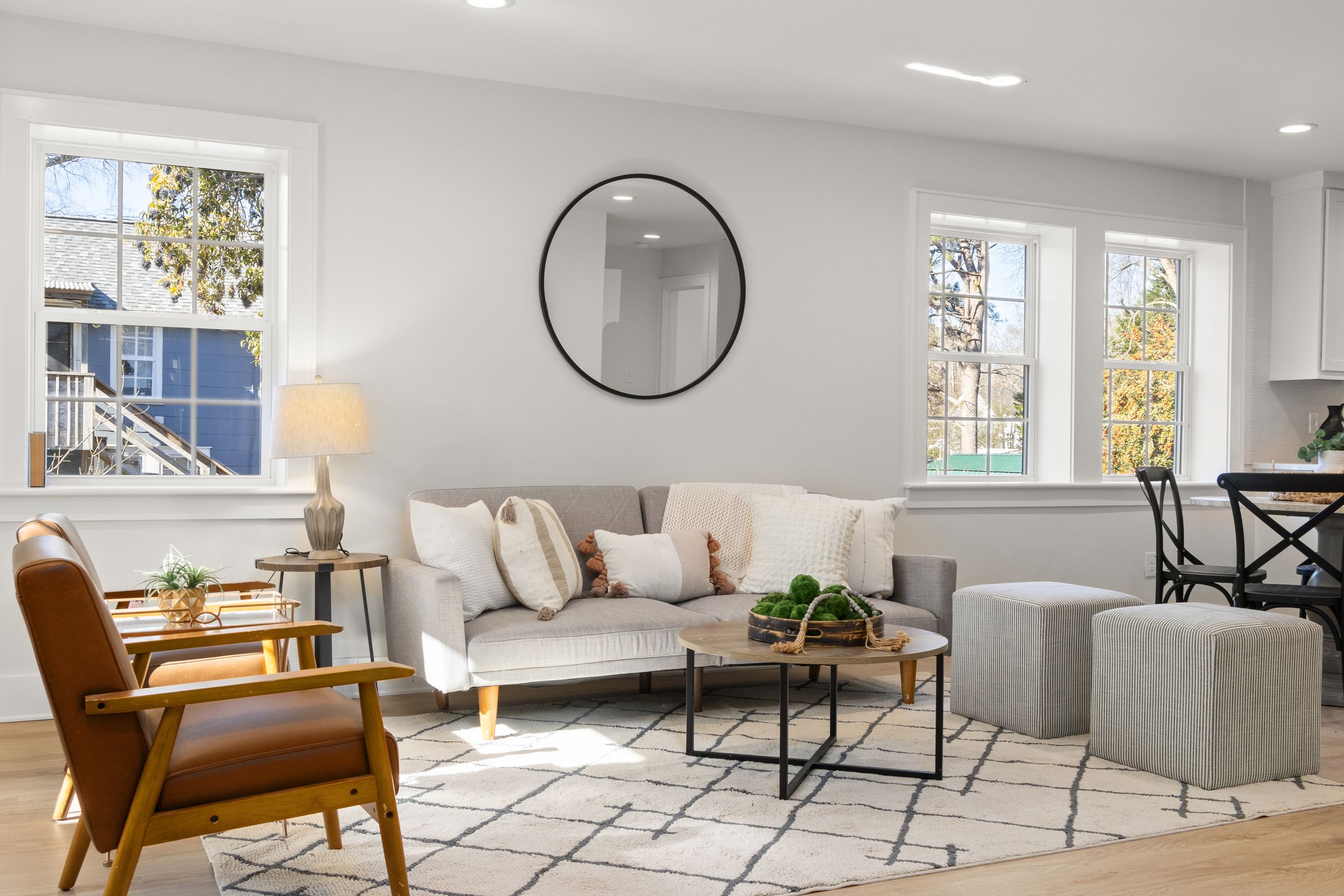
Create Coastal Character Without a Sea View
An inland coastal room should be honest about its setting. Use open window edges, long sightlines, warm pale surfaces, useful woven detail and a limited mineral palette instead of inventing a false maritime narrative. The result may overlap visually with [Scandinavian Living Room Ideas](/living-room/scandinavian-living-room-ideas/), but the reasoning differs: coastal prioritizes exposure, horizon and indoor-outdoor ease; Scandinavian design is grounded more in northern light, utility and seasonal comfort.
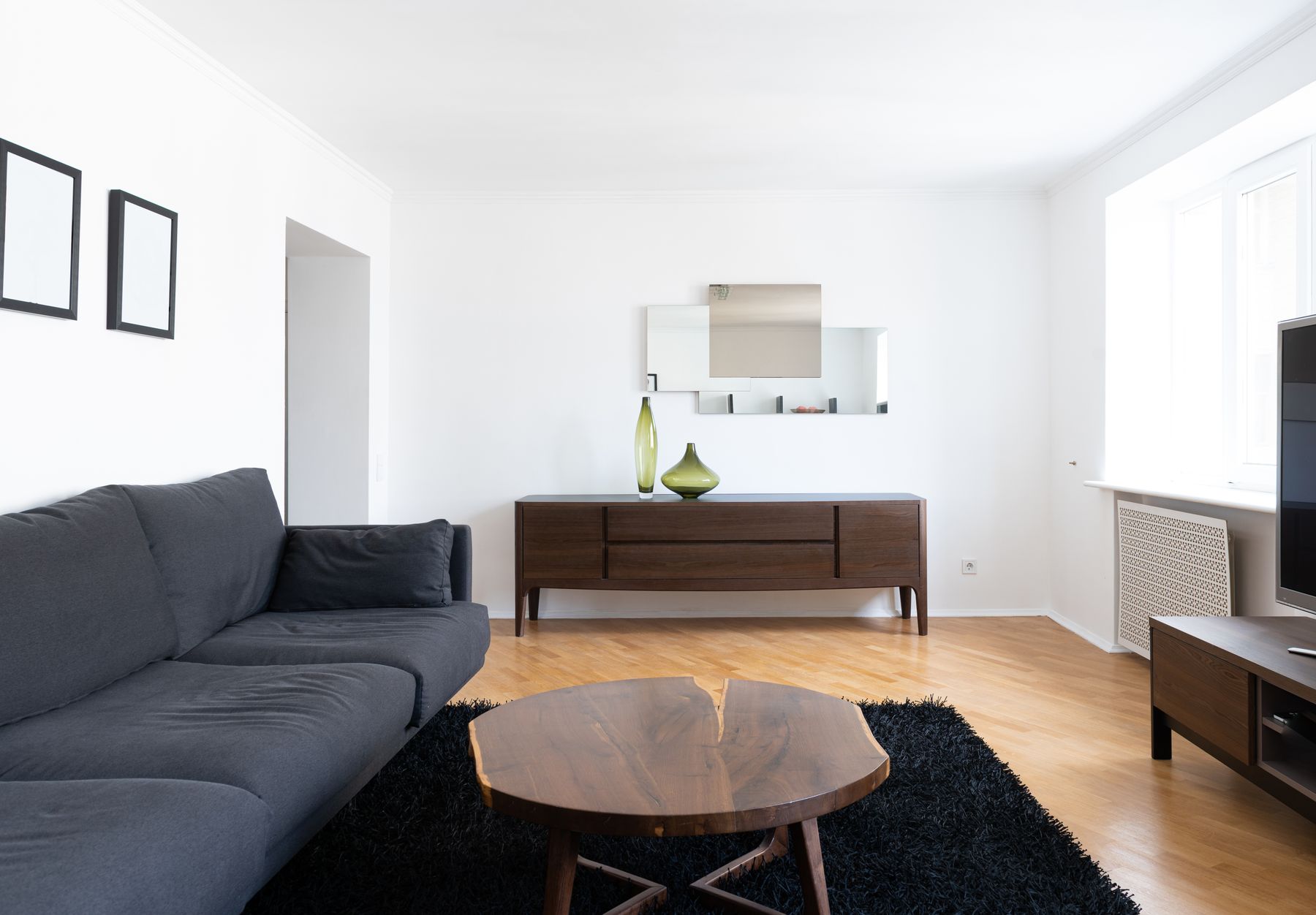
Keep a Small Coastal Living Room Airy but Complete
Choose one supportive sofa, one movable chair and reachable surfaces rather than a heavy suite or scattered stools. Keep the brightest window edge clear, use vertical storage selectively and size the rug to connect the group. Pale color can help, but contrast at floor edges and furniture outlines keeps the room legible. [Small Living Room Ideas](/living-room/small-living-room-ideas/) offers deeper guidance on door swings, furniture depth and multi-use zones.
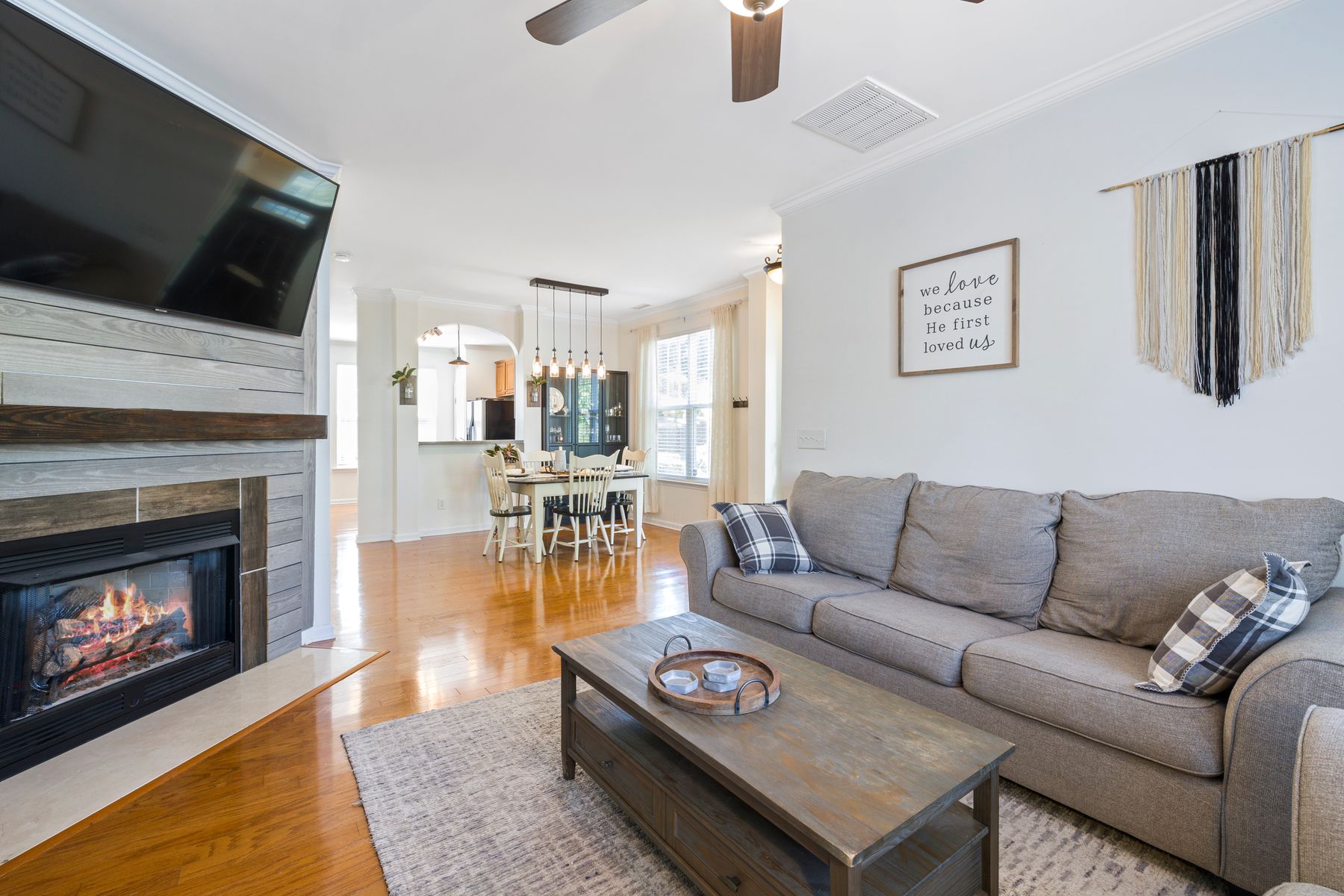
Design the Indoor-Outdoor Threshold for Real Traffic
Map the path from exterior door to seating, storage and kitchen, including wet feet, bags, towels and pets when relevant. Provide a durable landing surface or nearby closed storage so the sofa does not become the drop zone. Align indoor and outdoor furniture only where the traffic route remains clear, and distinguish the living group with a rug or ceiling light. The threshold should feel generous when open and complete when weather keeps it closed.

Specify for Salt, Wind, Humidity and Strong Sun
In an actual coastal location, ask manufacturers and local qualified professionals about the specific exposure, fixings, coatings, timber finish, glazing hardware and ventilation strategy. Salt, wind, humidity and ultraviolet light do not affect every site or material in the same way, so avoid universal service-life claims. Keep inspection and cleaning access around window tracks, metal fittings and exterior thresholds. Record approved cleaners and repair contacts instead of assuming a weathered appearance excuses corrosion or failure.
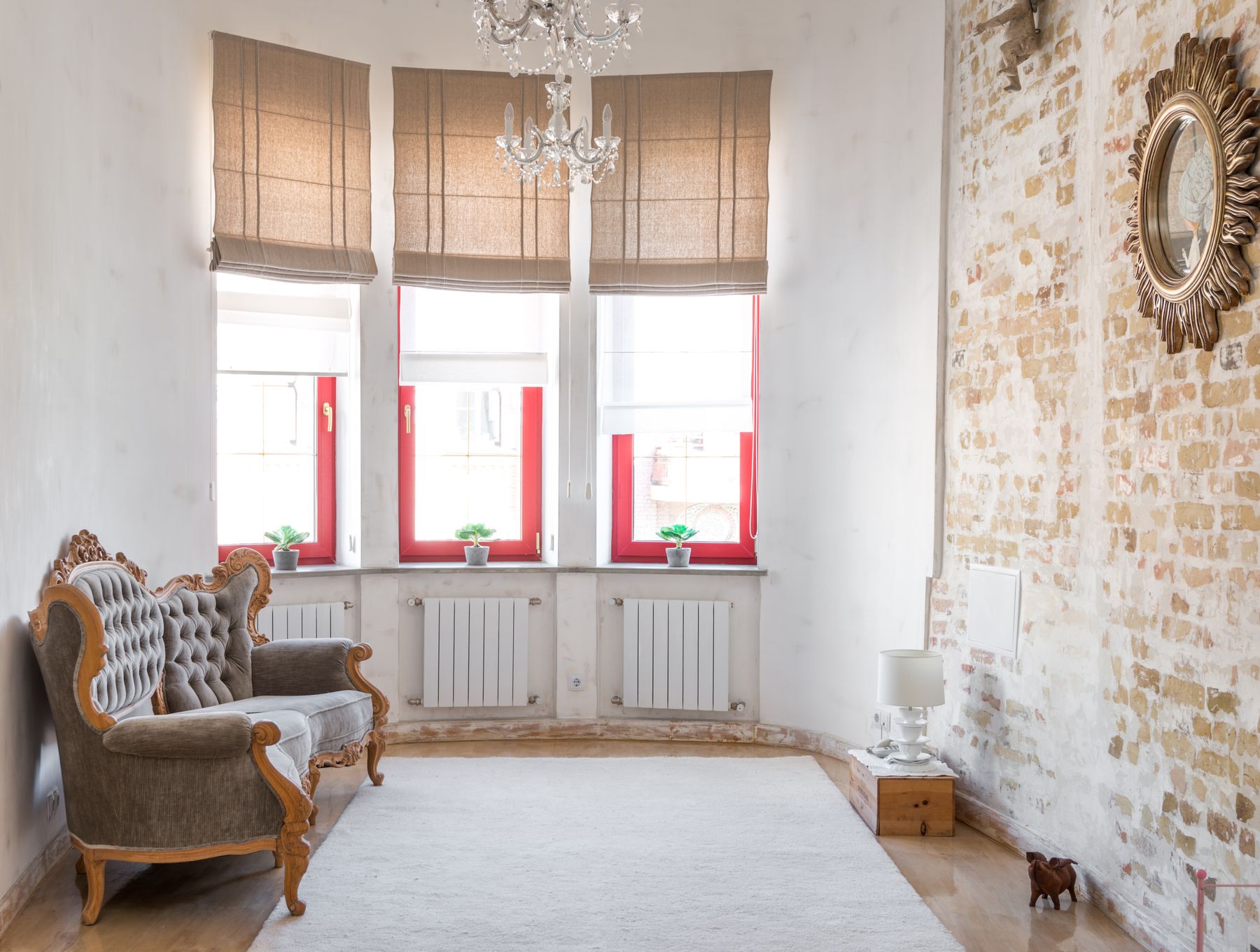
Use Reversible Layers in a Rental
Begin with full-height curtains, a properly sized rug, one useful timber or woven chair, portable lamps and a restrained textile color. Confirm lease rules and use approved fixings; store original hardware for reinstatement. Avoid adhesive faux boards, rope details and disposable coastal accessories that will not survive another home. Focus effort on the main seated view and choose pieces that can support a future modern, traditional or relaxed scheme.
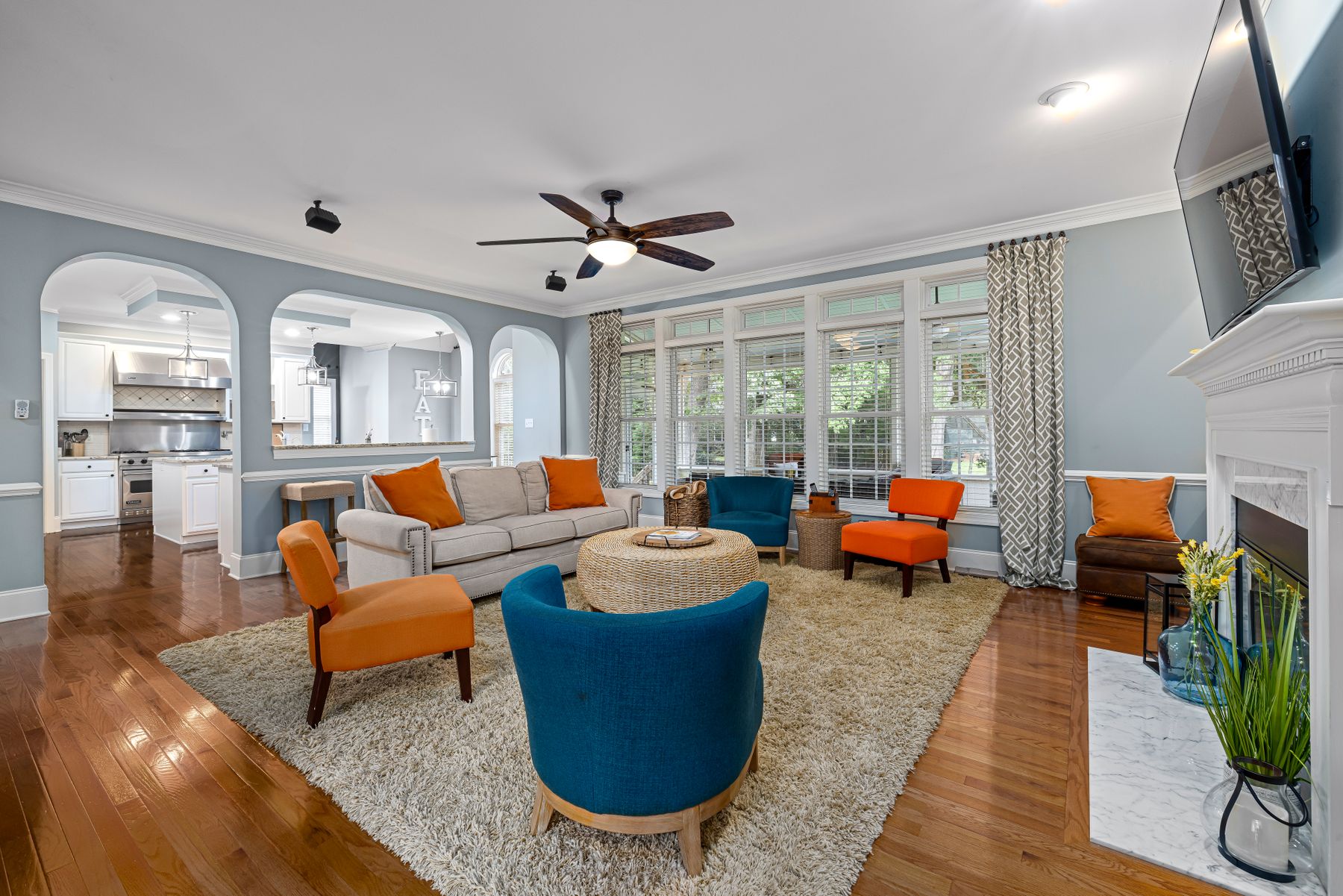
Plan for Family Life, Guests and Different Bodies
Include at least one supportive seat with arms, reachable surfaces, a continuous route and clear contrast at floor changes. Anchor tall furniture and check woven pieces for loose bindings, sharp fibers or unstable legs. Washable upholstery, low-snag rugs and closed storage make an easy room genuinely easier for children, pets and guests. Do not let a pale palette erase edges or make every seat deep and low; hospitality is a more important coastal value than a uniform silhouette.
Finish With the No-Nautical-Props Test
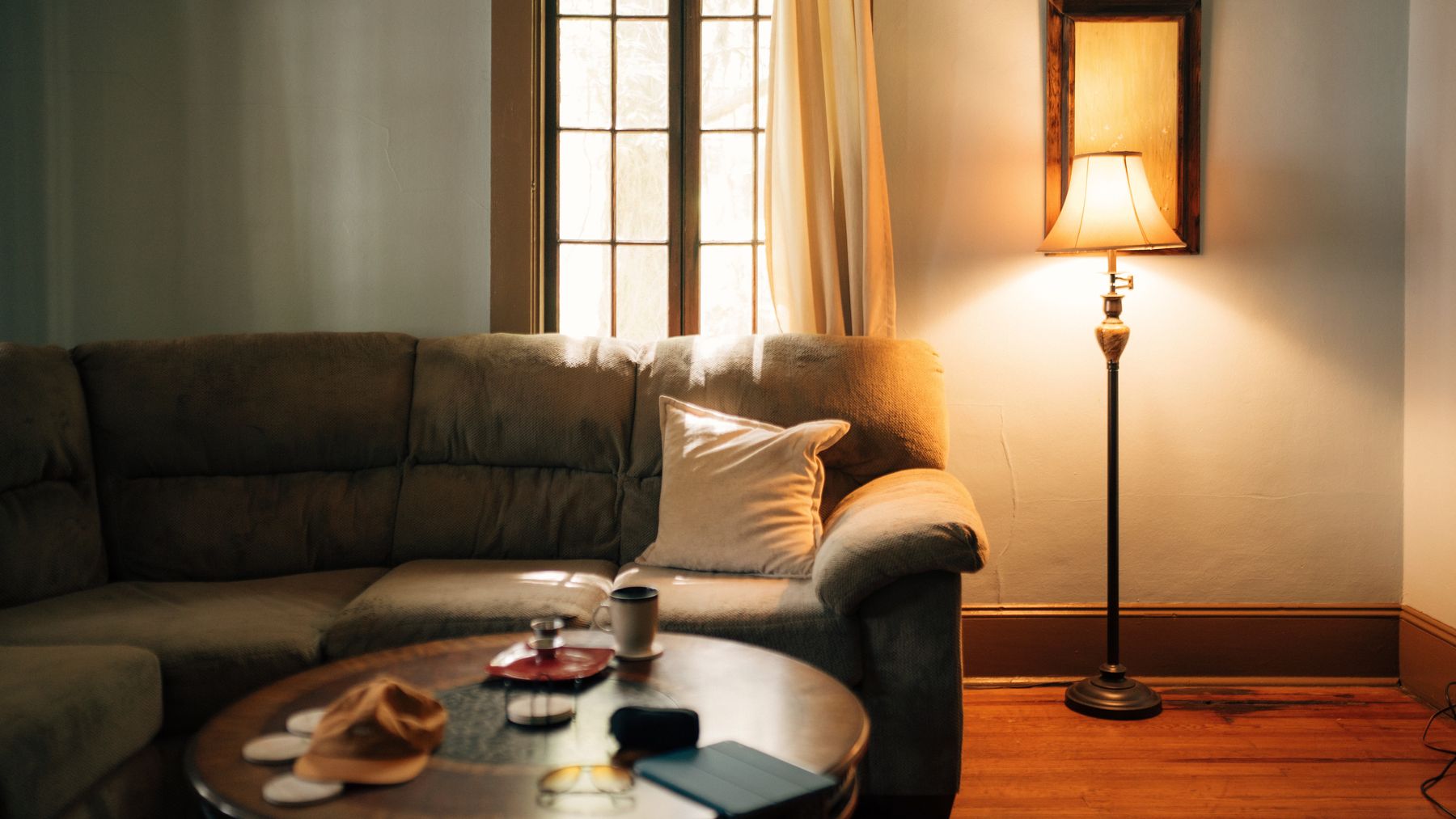
Photograph the room from the entrance, the main seat and the window in daylight and after dark. Temporarily remove shells, rope, coral, word art, model boats and repeated stripes. If the room loses its identity, strengthen the real decisions: view, light control, palette, timber, woven structure, seating and threshold. If it improves, keep editing. A convincing coastal living room feels connected to weather and place while remaining comfortable, personal and credible on an ordinary evening.