Start With the Activities, Not the Square Footage
List what happens in the room during a normal week: conversation, television, reading, play, meals, work or overnight guests. Rank the two activities that matter most, because a compact room cannot give every routine equal territory all day. Note how many people use it regularly and what must remain within reach. If the challenge extends beyond this room, [small apartment ideas](/apartment/small-apartment-ideas/) provides the whole-home framework for distributing storage and shared functions.
Measure the Room as It Actually Operates
Record wall lengths, ceiling height, door swings, window sills, radiators, vents, outlets and curtain depth. Draw furniture with arms, backs and open positions—not only catalogue widths. Include space for a person sitting, a recliner extending, a drawer opening and a dining chair pulling out nearby. The tape-and-plan tests in [living room layout ideas](/living-room/living-room-layout-ideas/) are especially useful when several doors or circulation lines cut through the room.
Protect One Clear Route Through the Room
Choose the path people use most and keep it beside the seating group rather than through its center where possible. Avoid weaving between the coffee table and television or around a chaise. A secondary route can be tighter if it is occasional, but the main path should work while others are seated. Test it carrying a tray, laundry basket or child; a gap that feels adequate when empty may fail during ordinary movement.
Float Furniture When the Wall Perimeter Fails
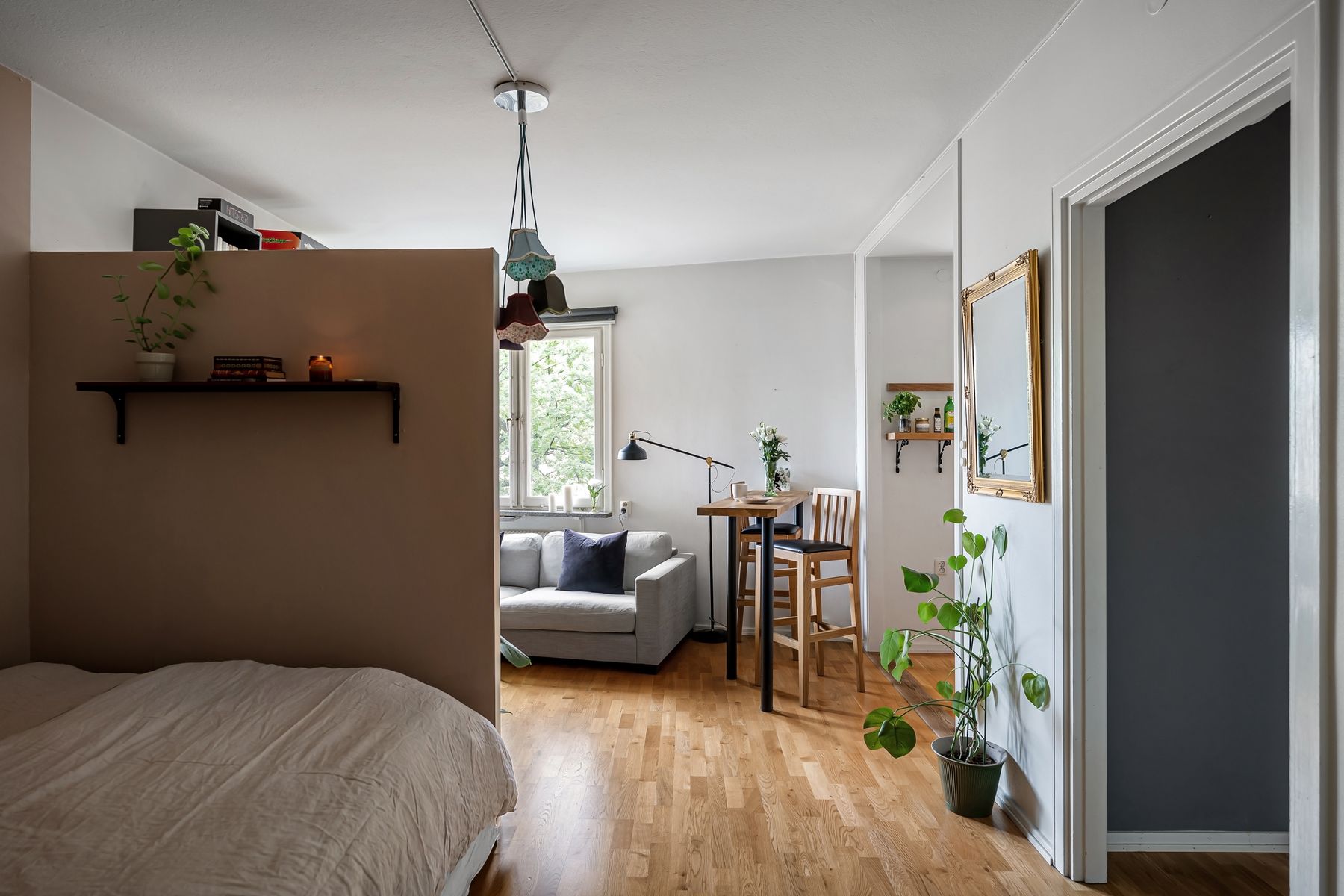
Pushing every piece to the walls may leave an unusable void in the middle and make conversation difficult. A sofa floated just far enough to separate living from sleeping or dining can improve the plan, provided the back leaves a real path and looks finished. Use a shallow console only if it serves storage or power; do not consume the recovered route with decorative furniture. Keep sightlines open where one window lights several zones.
Choose Sofa Depth Before Sofa Length
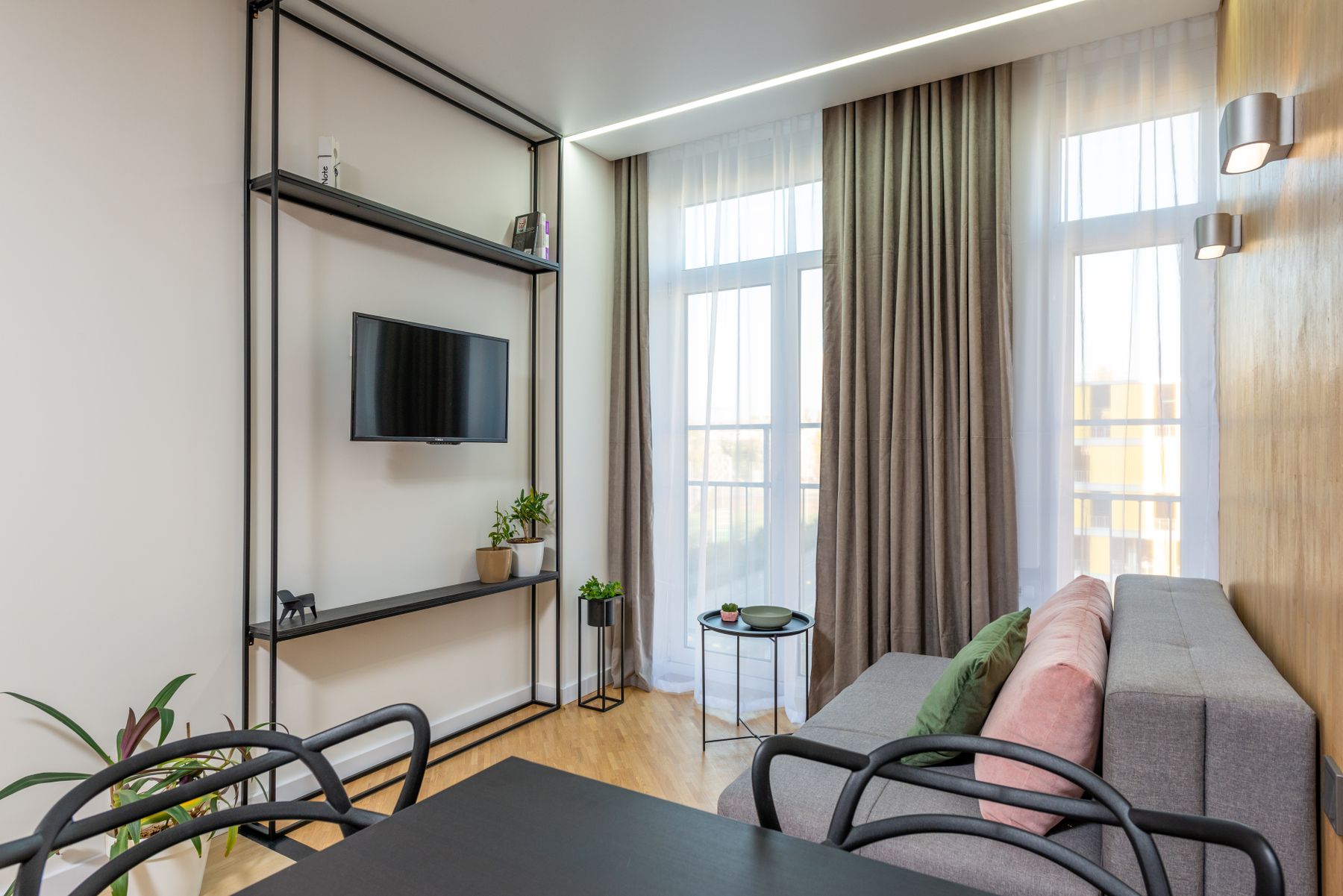
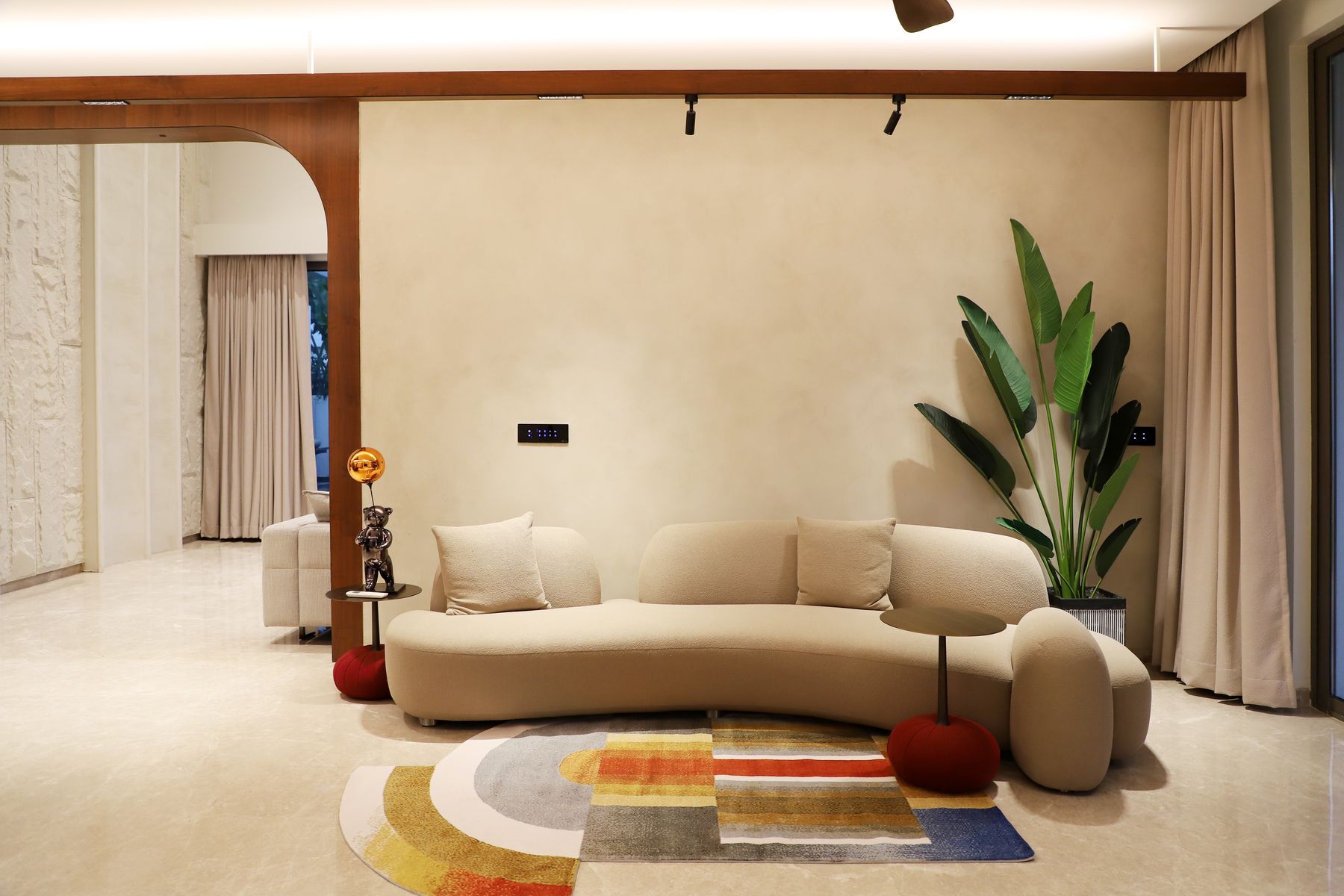
A short sofa can still overwhelm a small room if it is exceptionally deep, low or padded with broad arms. Compare total depth, usable seat width, back height and the remaining distance to tables and media. Sit before buying: very shallow seating may save centimeters but fail daily comfort. Structured sofas currently offer a useful alternative to oversized cloud-like forms, while the broader planning principles in [modern living room ideas](/living-room/modern-living-room-ideas/) help separate scale from style.
Decide Between a Sectional and Sofa Plus Chairs
A compact sectional can maximize seats along two edges, but the chaise fixes circulation and may make future arrangements difficult. A straight sofa with one light chair is easier to reconfigure and can improve face-to-face conversation. Compare the complete footprints for the same number of users, including chair pull-back and side tables. Choose modular pieces only when their connectors, dimensions and upholstery remain practical in the configurations you will actually use.
Use One Comfortable Chair as Flexible Seating
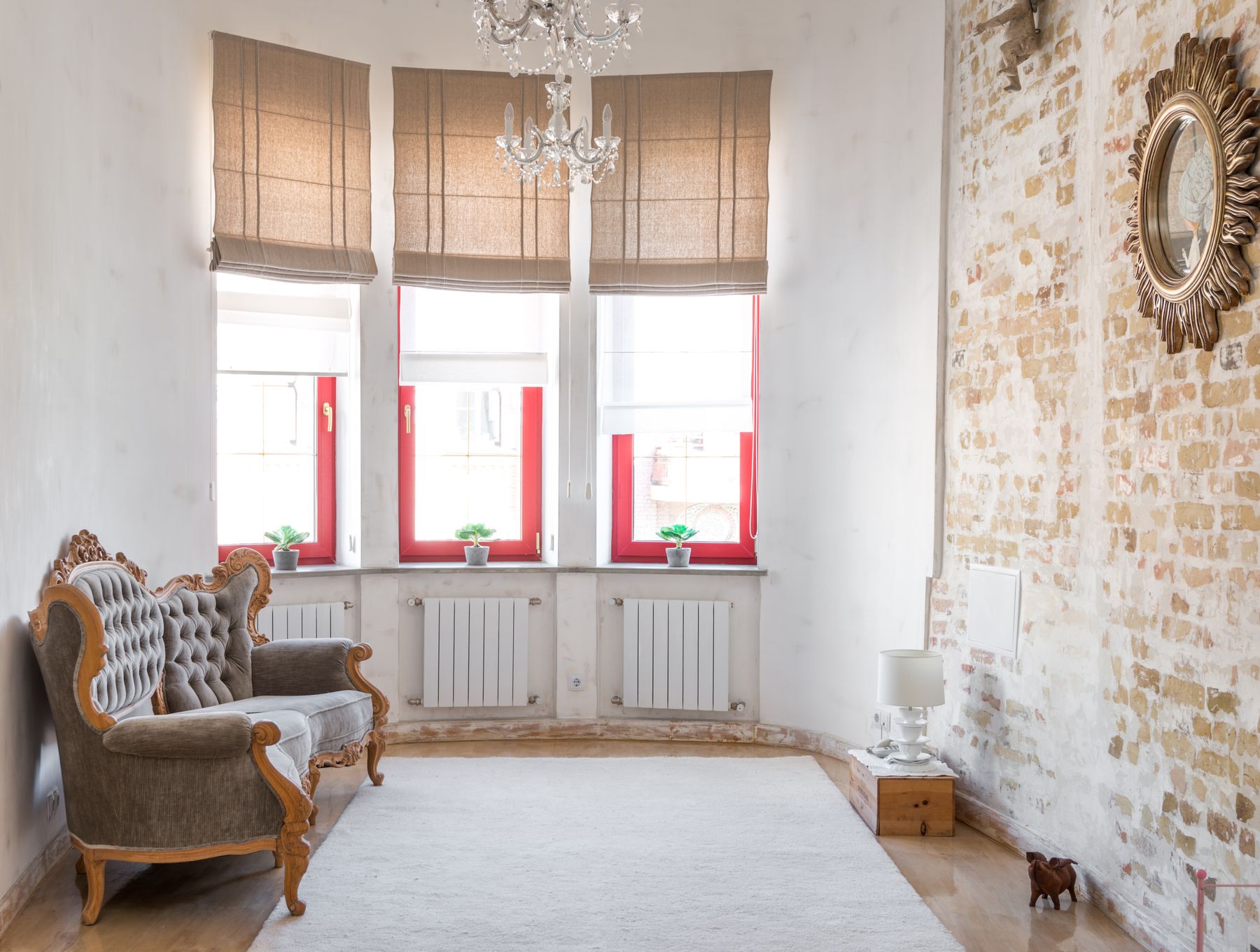
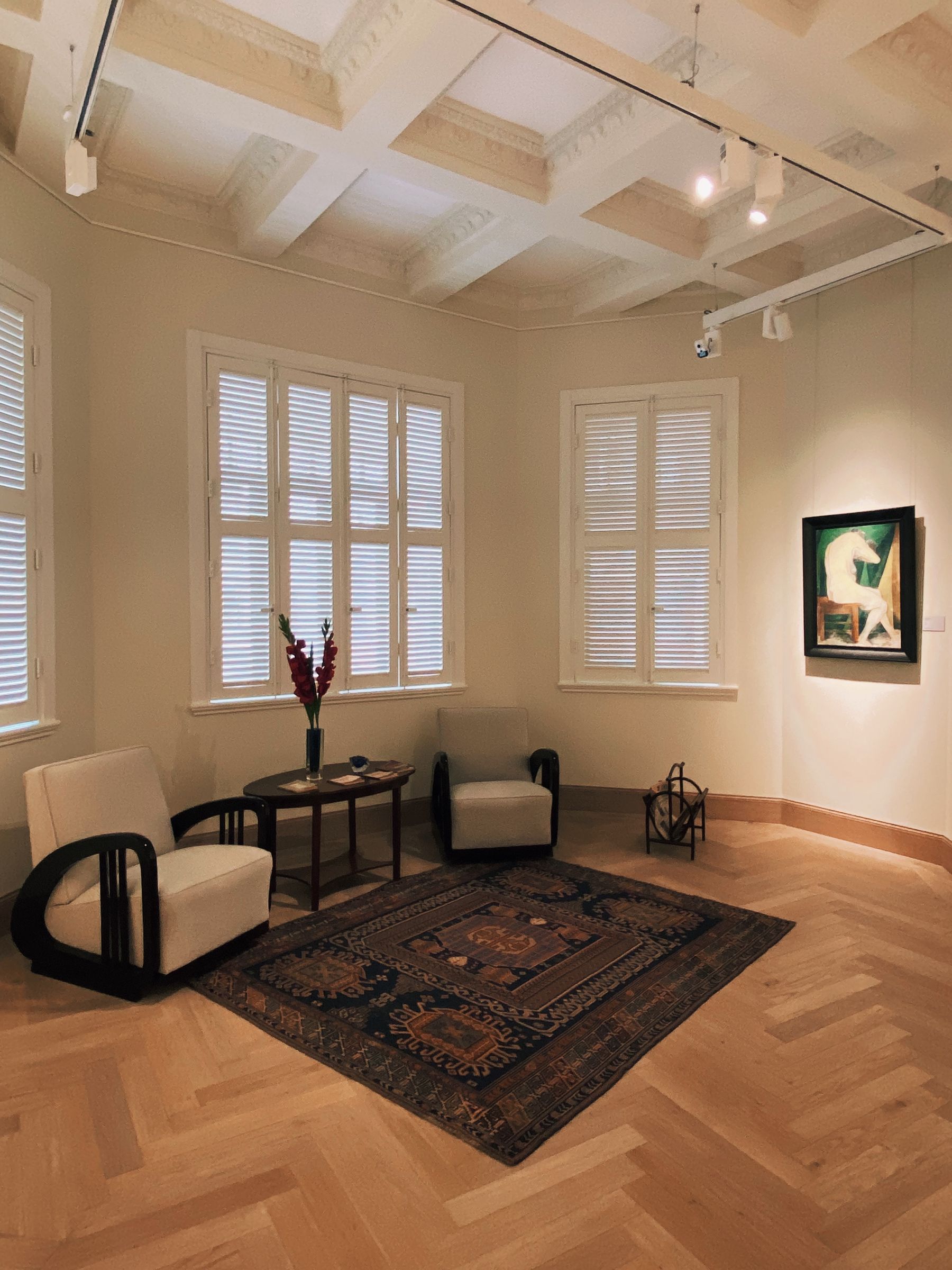
A single armchair can turn toward conversation, television or a visitor without committing the room to a second large upholstered piece. Open arms, visible legs or a modest back reduce visual mass, but comfort and stability still matter. A vintage chair may offer useful proportions and repairable construction. Leave enough floor for approach and turning; a chair that must be dragged out of a corner every time will soon become a decorative obstacle.
Replace a Bulky Coffee Table With Reachable Surfaces
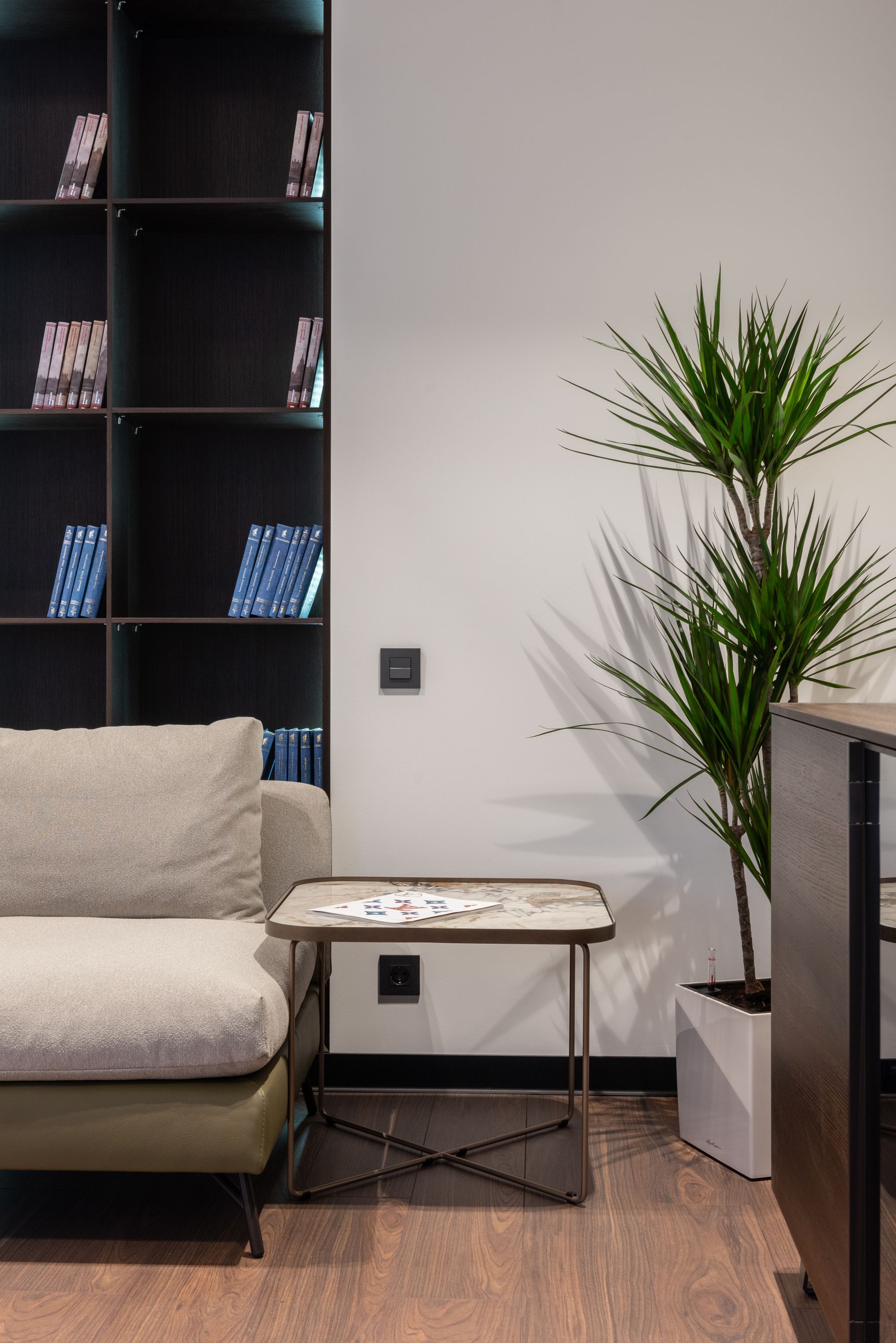
The center of a small room may be more valuable as circulation, play or sofa-bed clearance than as a permanent table zone. Use a narrow side table, nesting pair, C-table or stable ottoman tray according to the routines. Every regular seat still needs somewhere for a drink or book. Avoid fragile folding mechanisms and narrow pedestal bases in busy paths, and confirm that the chosen surface height works from the seat.
Choose Rounded Edges for Tight Passing Points
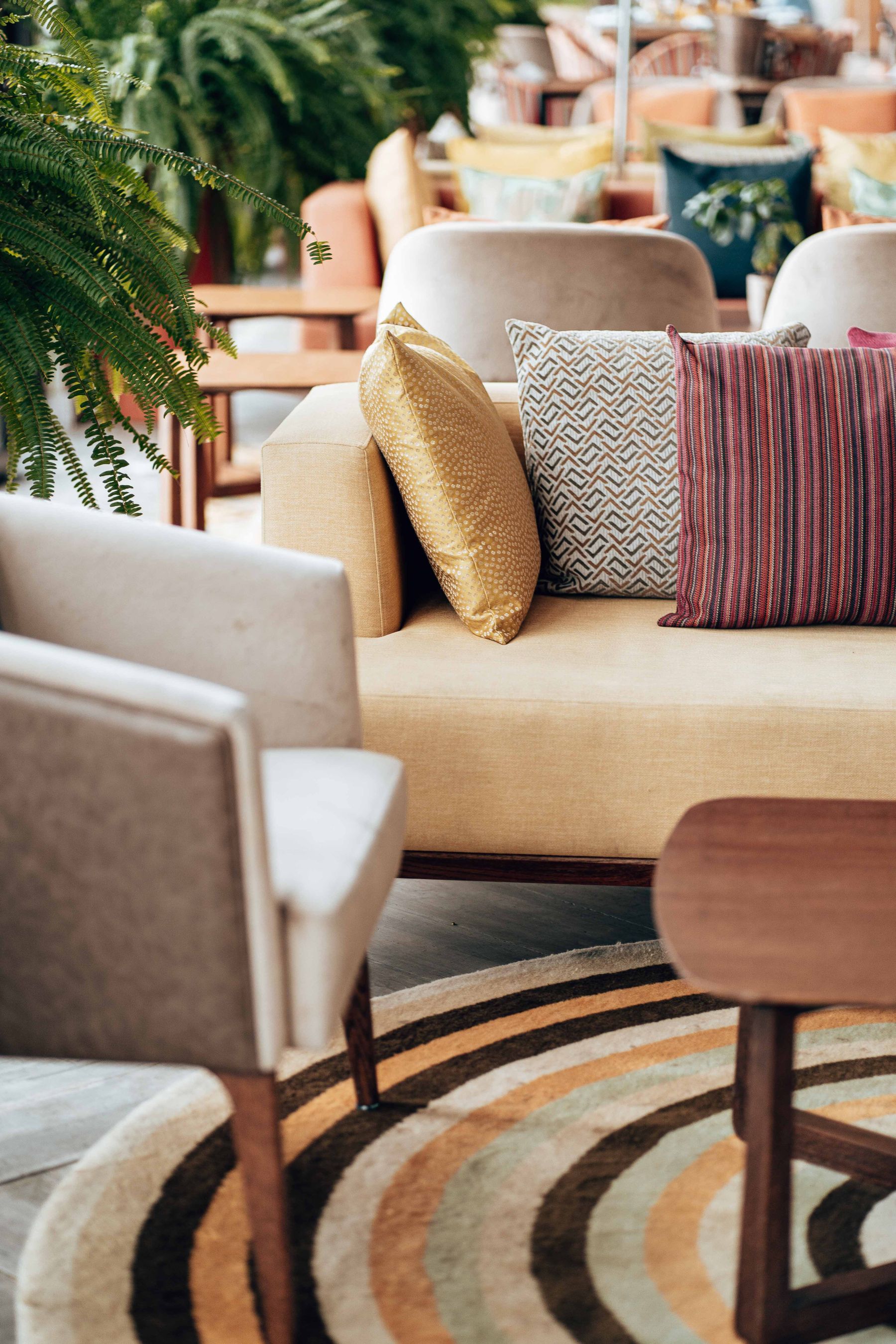
A round or oval table reduces projecting corners where people pass close to furniture. The same logic can apply to a rug, ottoman or chair arm, but not every object needs to curve. Choose the softer form at the actual collision point and keep straighter pieces along quieter walls. A round rug works best when its diameter relates clearly to the seating group; a tiny circle floating under one table can fragment the floor.
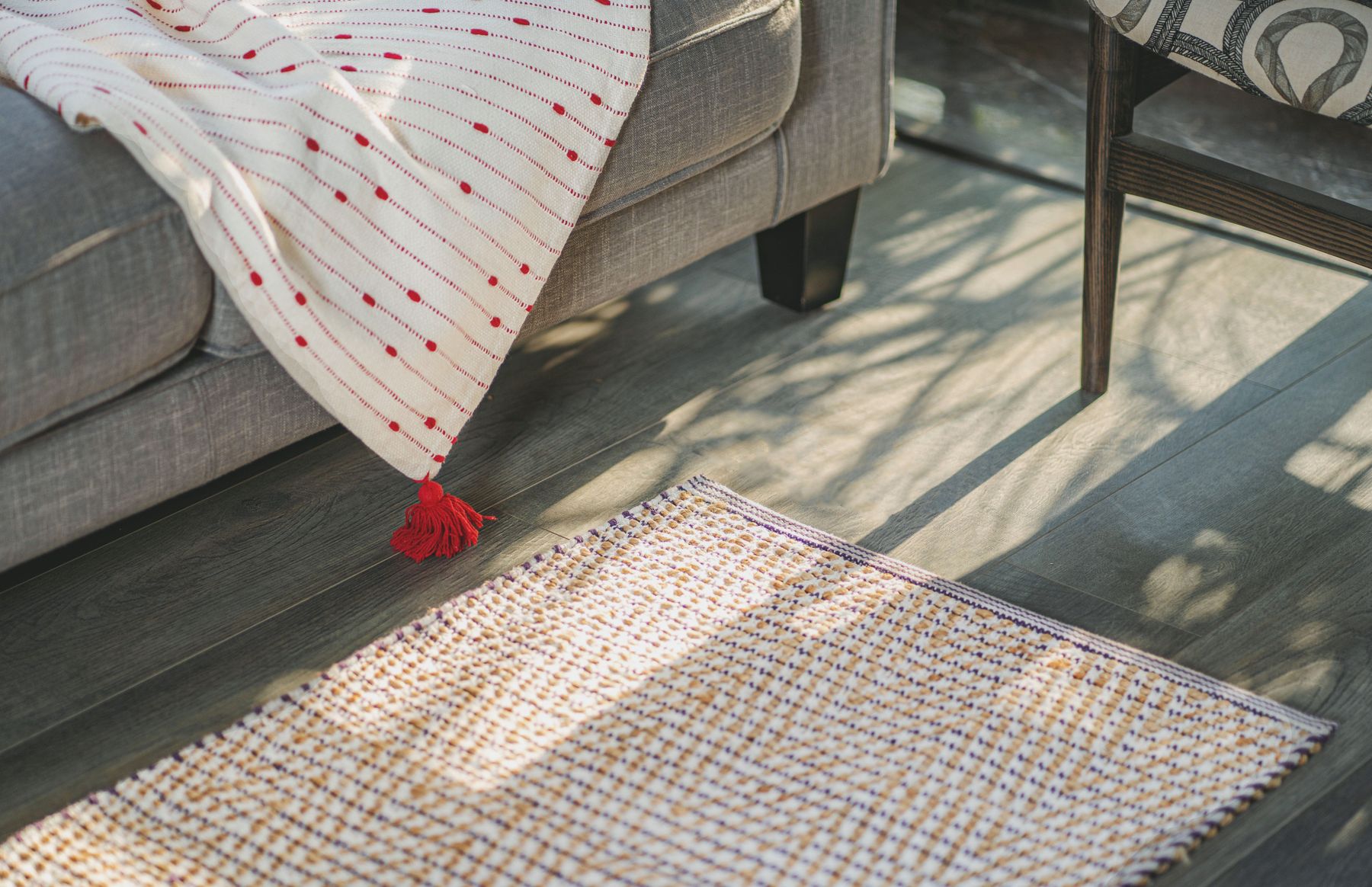
Use a Large Rug to Unify, Not a Small Rug to Decorate
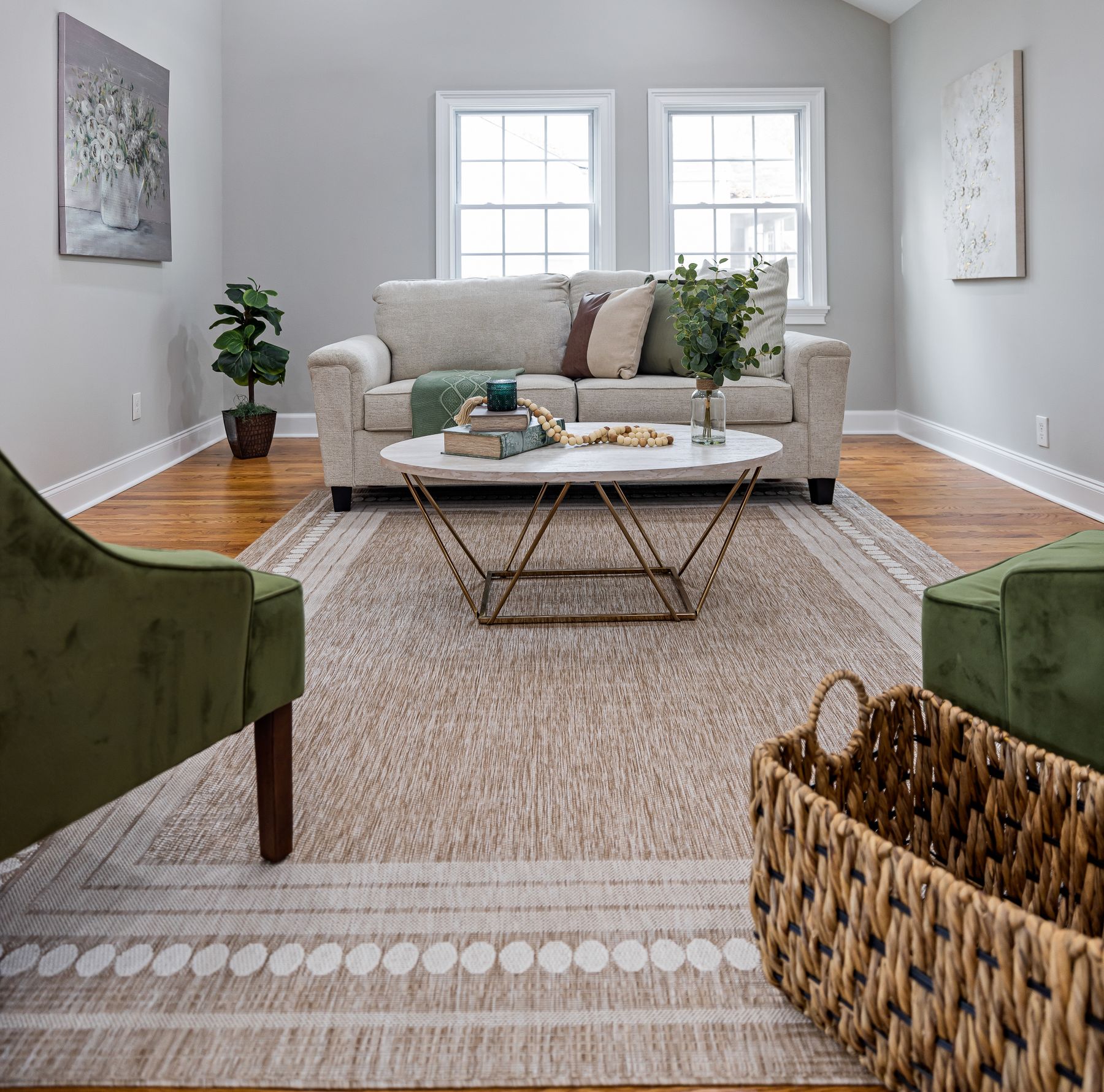
Small rooms often benefit from a larger rug because one coherent field makes the seating read as a group. Mark the rug edges with furniture in its normal positions, then check doors, vents, chair movement and cleaning. Fiber and pile should suit traffic, pets and the floor beneath. The detailed comparisons in [living room rug ideas](/living-room/living-room-rug-ideas/) help decide between full-group, front-leg and round placements.
Define an Open-Plan Living Zone Without a Wall
In a shared kitchen-living or dining-living plan, use the sofa back, rug edge and lighting to define the sitting area. Preserve the principal route between zones and keep dining chairs from colliding with lounge furniture when pulled out. Repeat one material or color across the boundary, but let each area have its own center. Micro-zoning works when it assigns real activities to underused corners, not when it divides a small floor into decorative fragments.
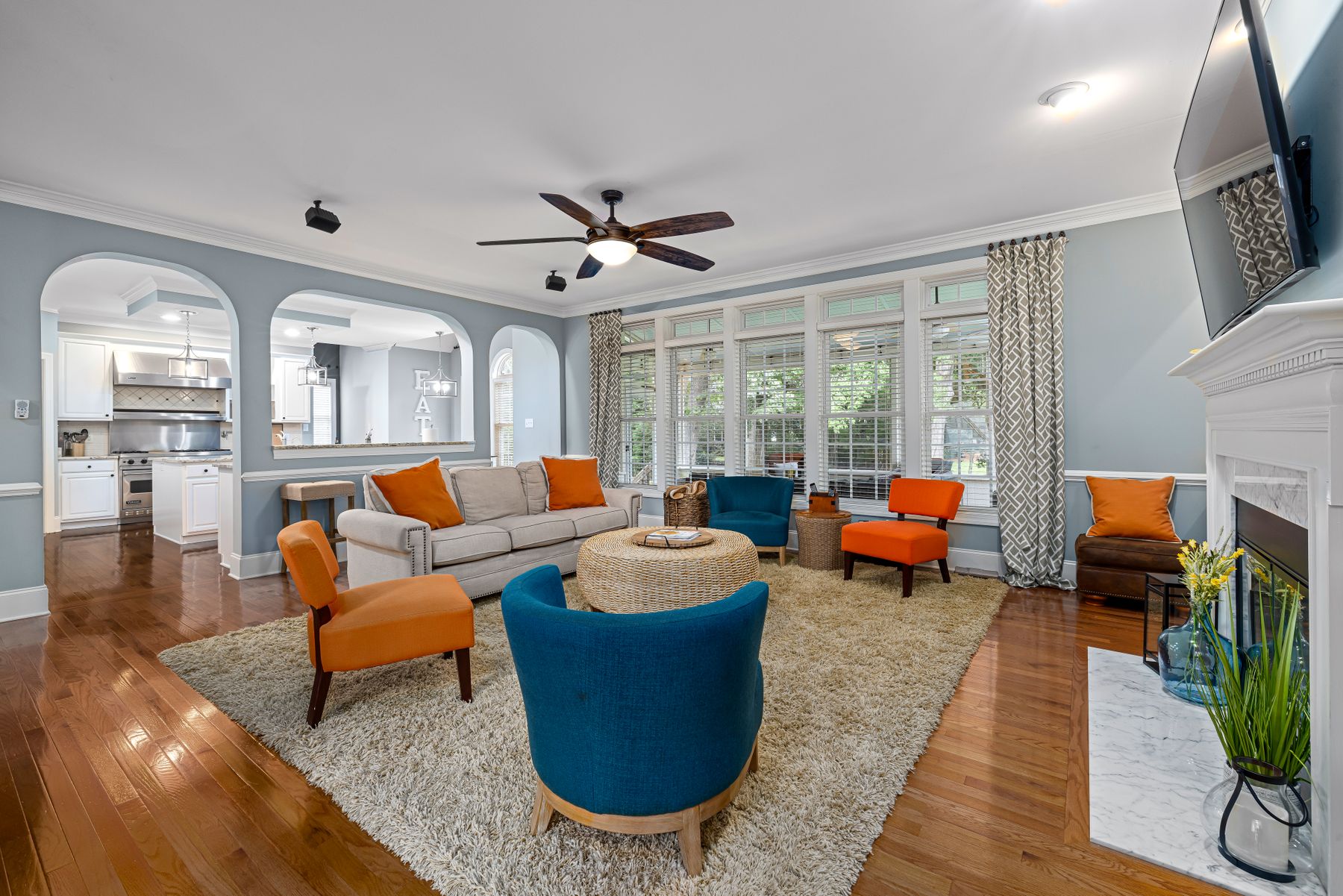
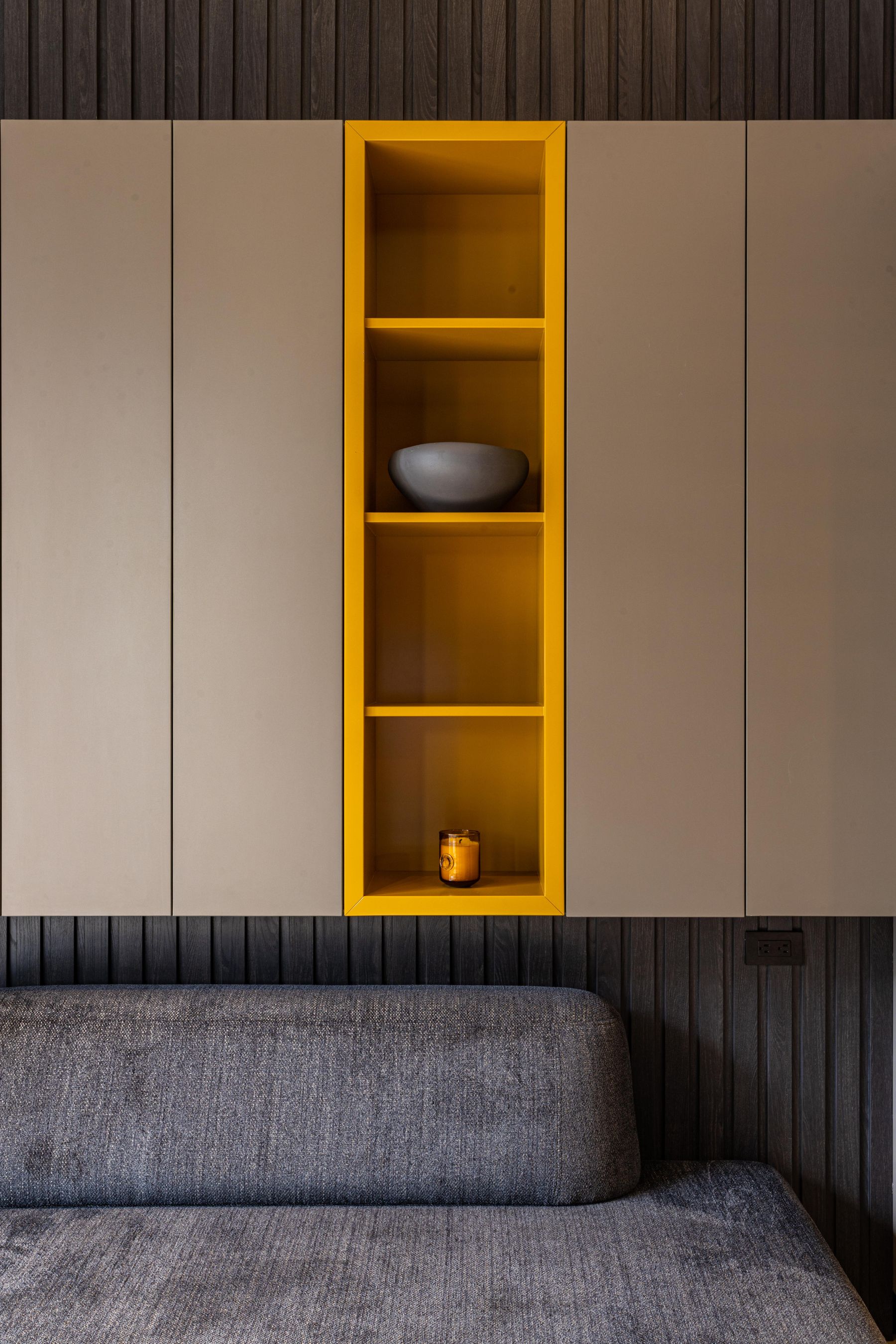
Concentrate Storage on One Useful Wall
Inventory books, media equipment, games, blankets, work materials and children's items before designing storage. Combine closed sections for visual noise with a smaller display area, and keep frequently used objects within comfortable reach. Media equipment needs ventilation and cable access; tall units need appropriate anchoring. [Living room storage ideas](/living-room/living-room-storage-ideas/) develops cabinet depths, shelving and object-based planning in much more detail.
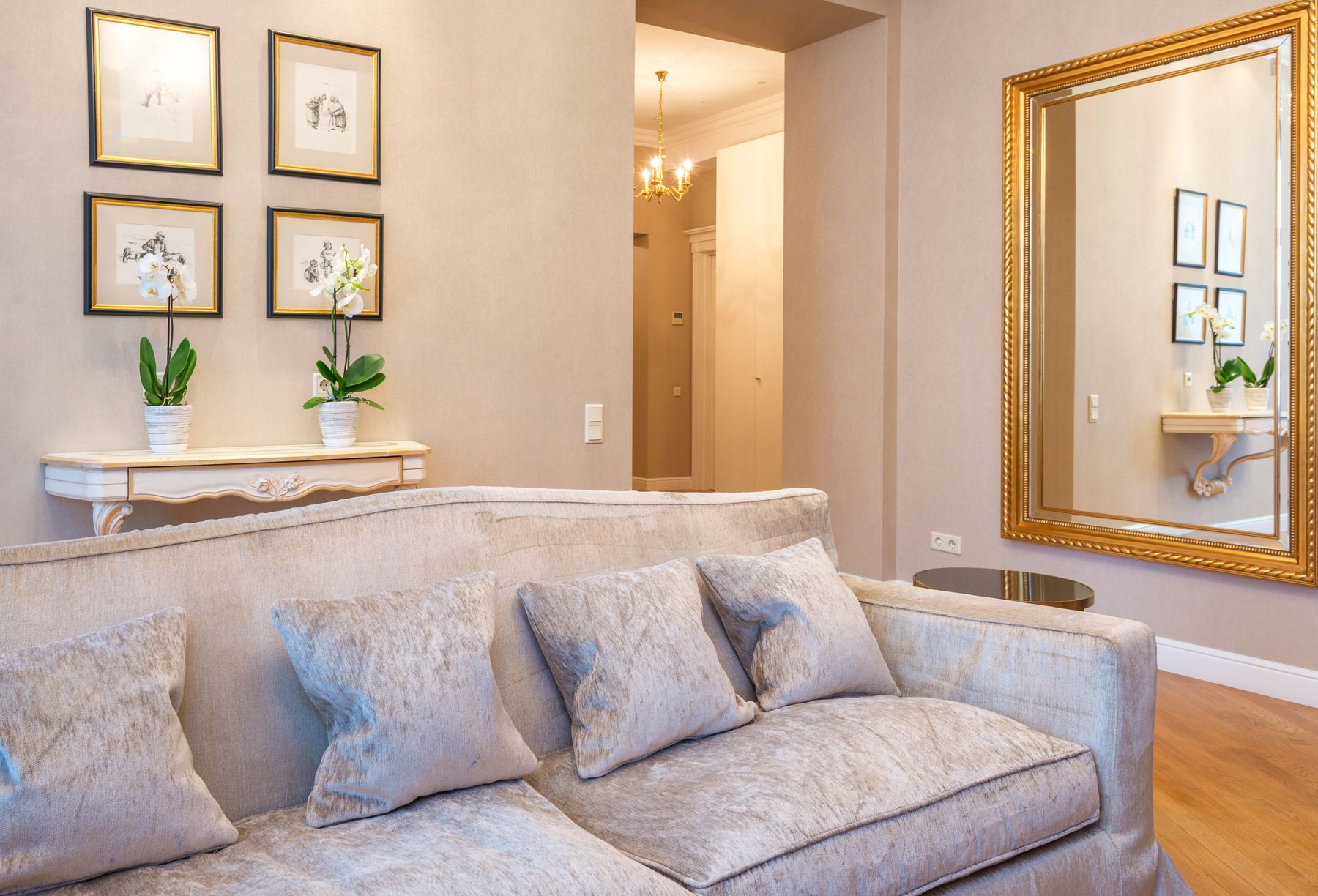
Use Mirrors to Borrow Light, Not Invent Space
A mirror does not change the floor plan, but it can return daylight, repeat a garden view or brighten a dark wall. Position it from the main seats and entrance so it reflects something worth seeing rather than clutter, glare or the television. Secure large mirrors with fixings suited to the wall and product weight. The daylight strategies in [bright apartment ideas](/apartment/bright-apartment-ideas/) can help when several compact rooms depend on one strong window.
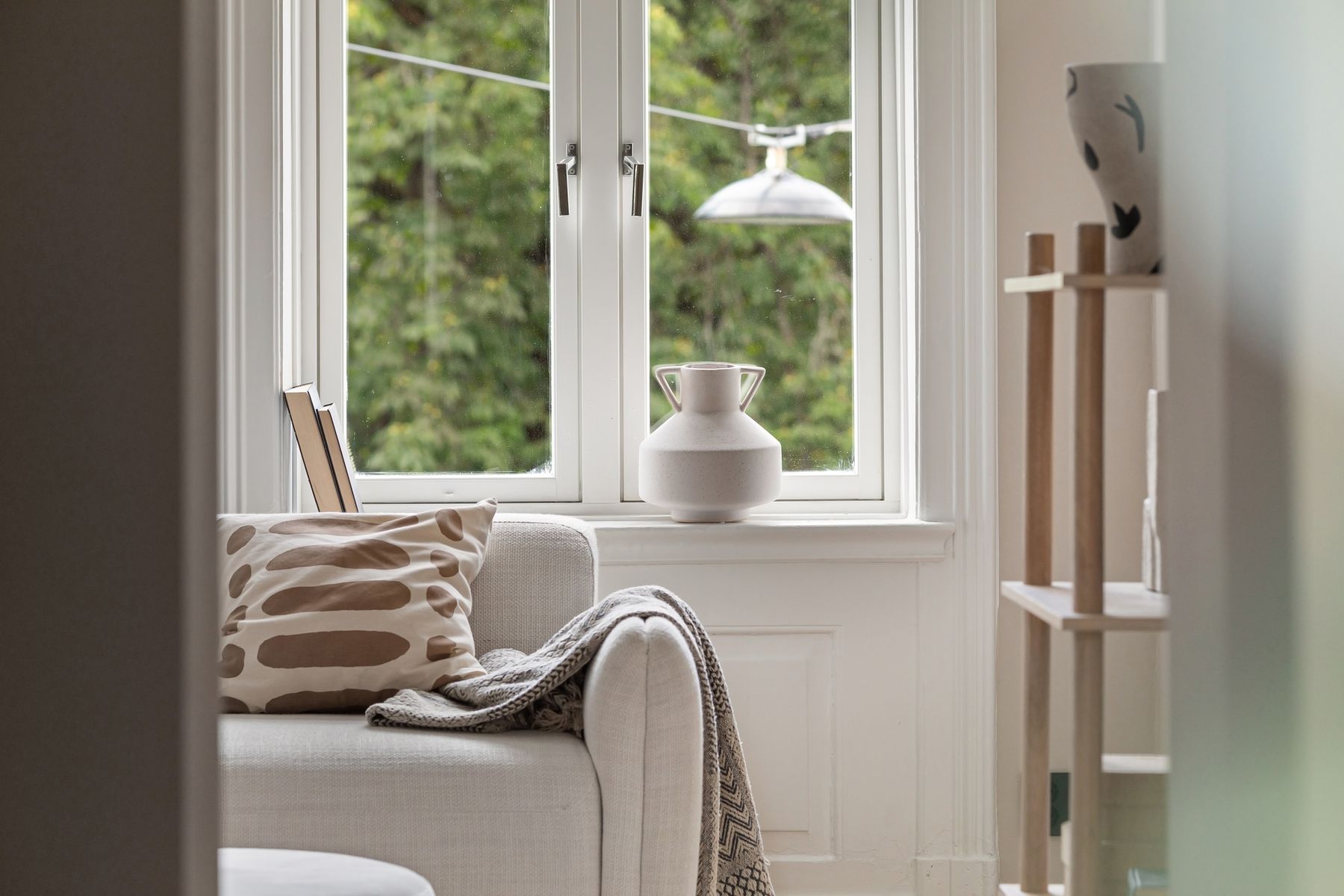
Keep the Window Edge Productive
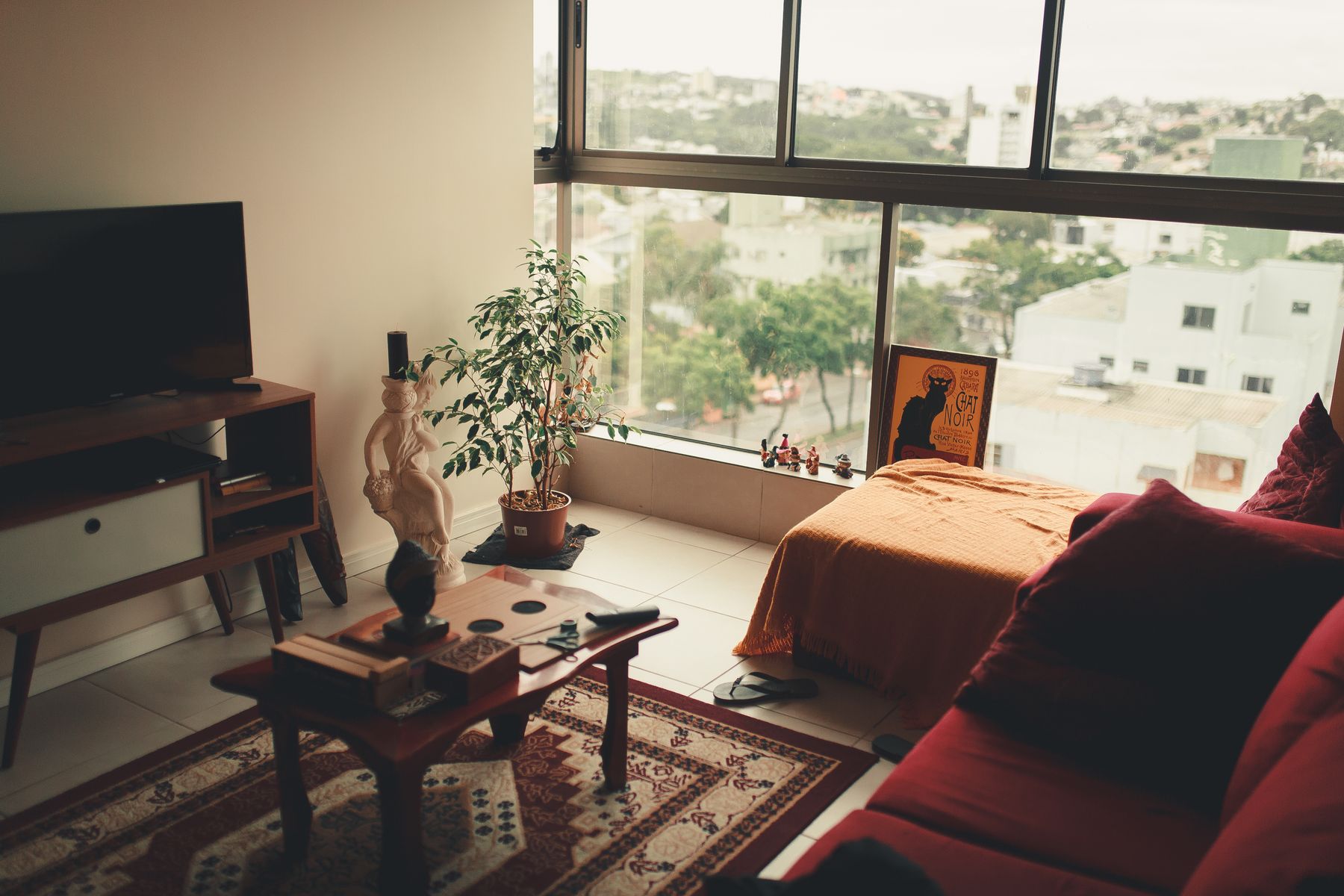
Keep tall storage away from the glazing unless it solves a genuine privacy or structural problem. A low bench or reading chair may use the edge without blocking daylight, but confirm the route and radiator airflow. Mount curtains wide enough to stack beyond the glass and pair them with a blind if privacy changes during the day. Direct sun can overheat a seat or fade fabric, so evaluate comfort as well as brightness.
Mount Wall Lights Where Floor Lamps Cannot Fit
A plug-in or hardwired sconce can light reading, art or a dark corner without adding a floor-lamp base to the route. Check swing, glare, cable path and switch access from the seat. Hardwired work should be planned with the electrical layout; plug-in fittings still need tidy, safe cords. Combine task light with general and evening sources rather than asking one small fixture to illuminate the whole room. See [living room lighting ideas](/living-room/living-room-lighting-ideas/) for complete layering.
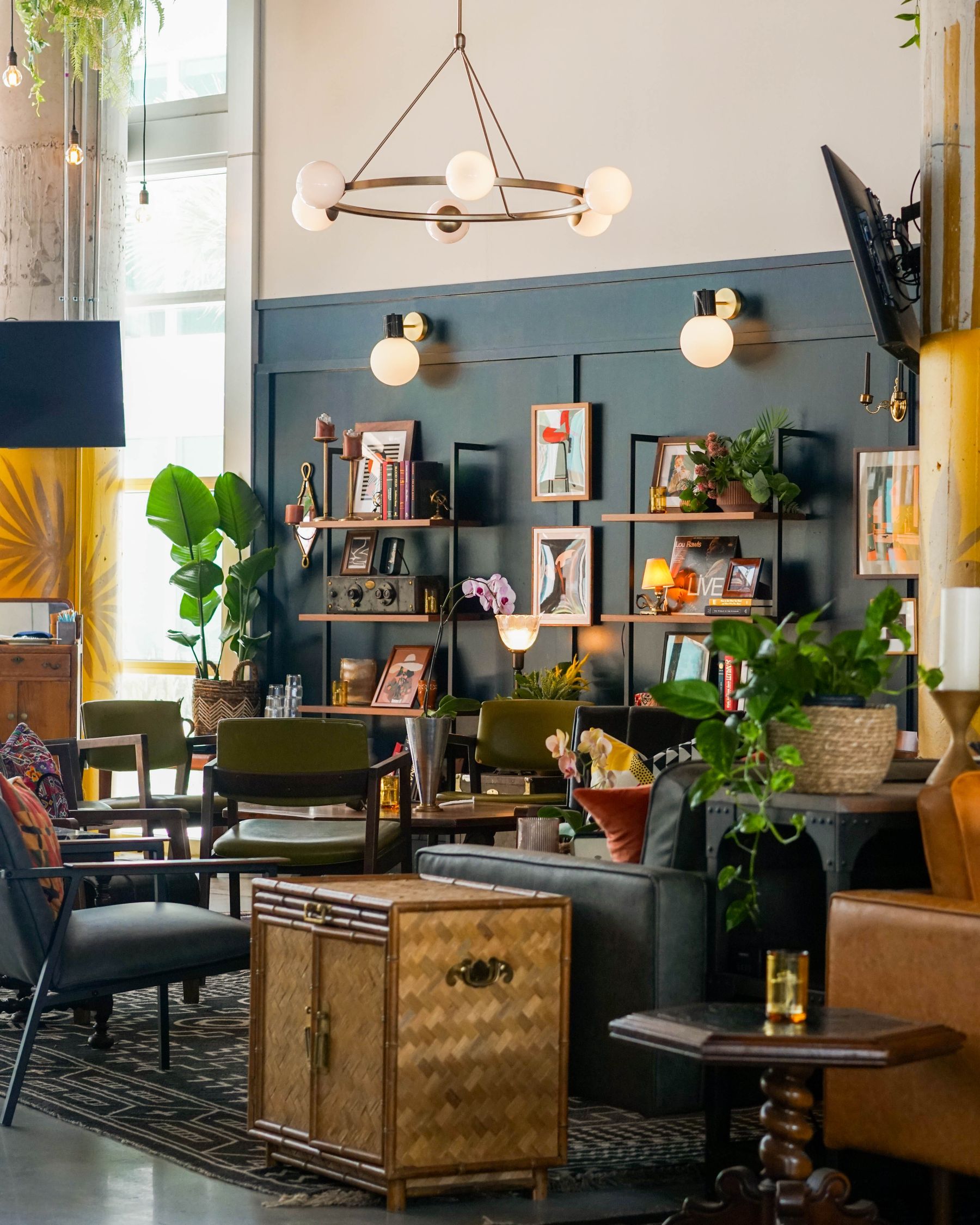
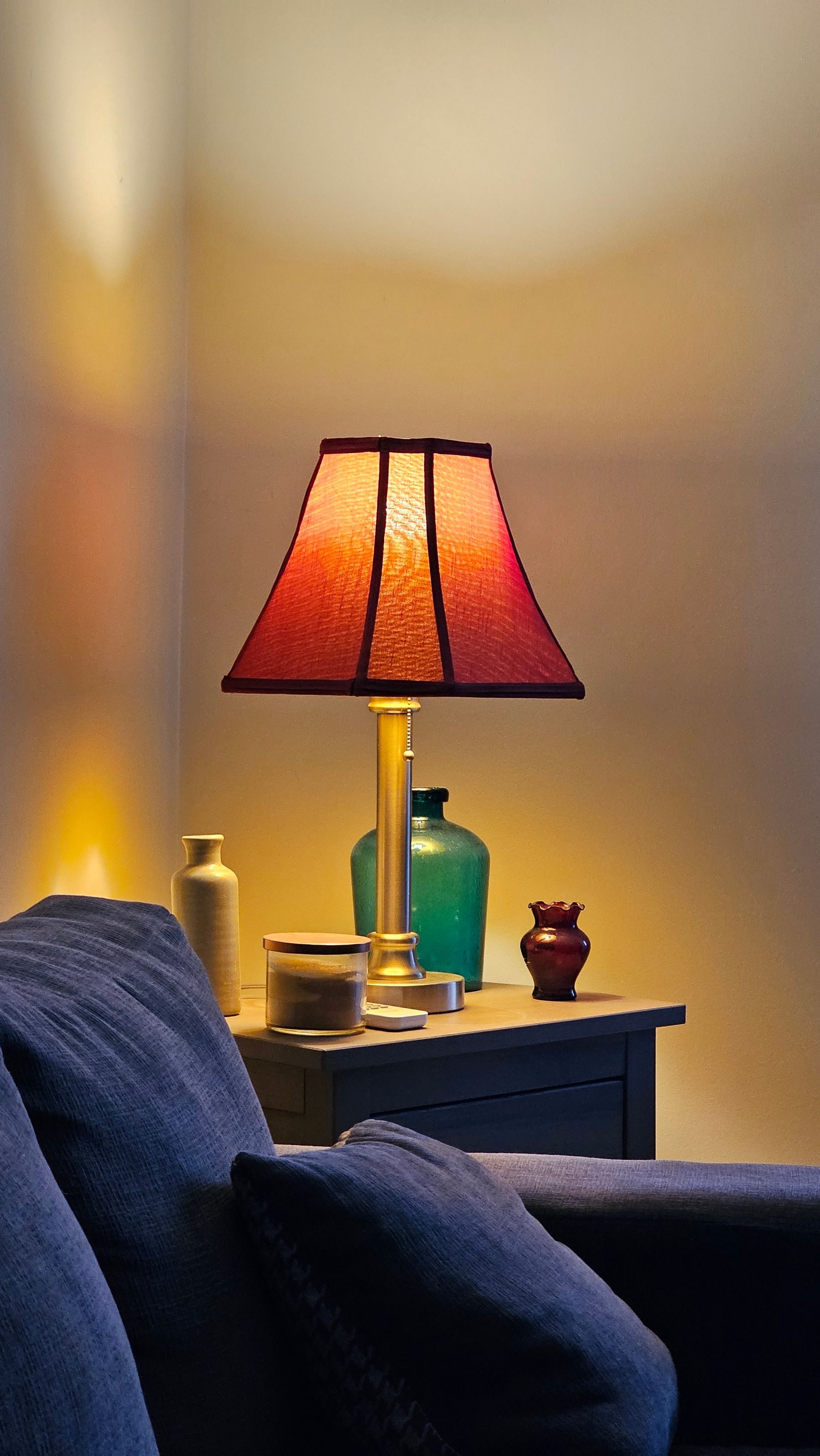
Give the Main Seat a Real Reading Light
Place task light according to the reader's head and hand position, not the center of the sofa. A table lamp needs a stable surface; a floor lamp needs a base outside the route. Check reflection in the television and brightness from other seats. Accessible switches, dimmers or smart plugs can make the light easier to use, but the bulb, fixture and control must be compatible. Warm low-level light also makes one-room living more comfortable after dark.
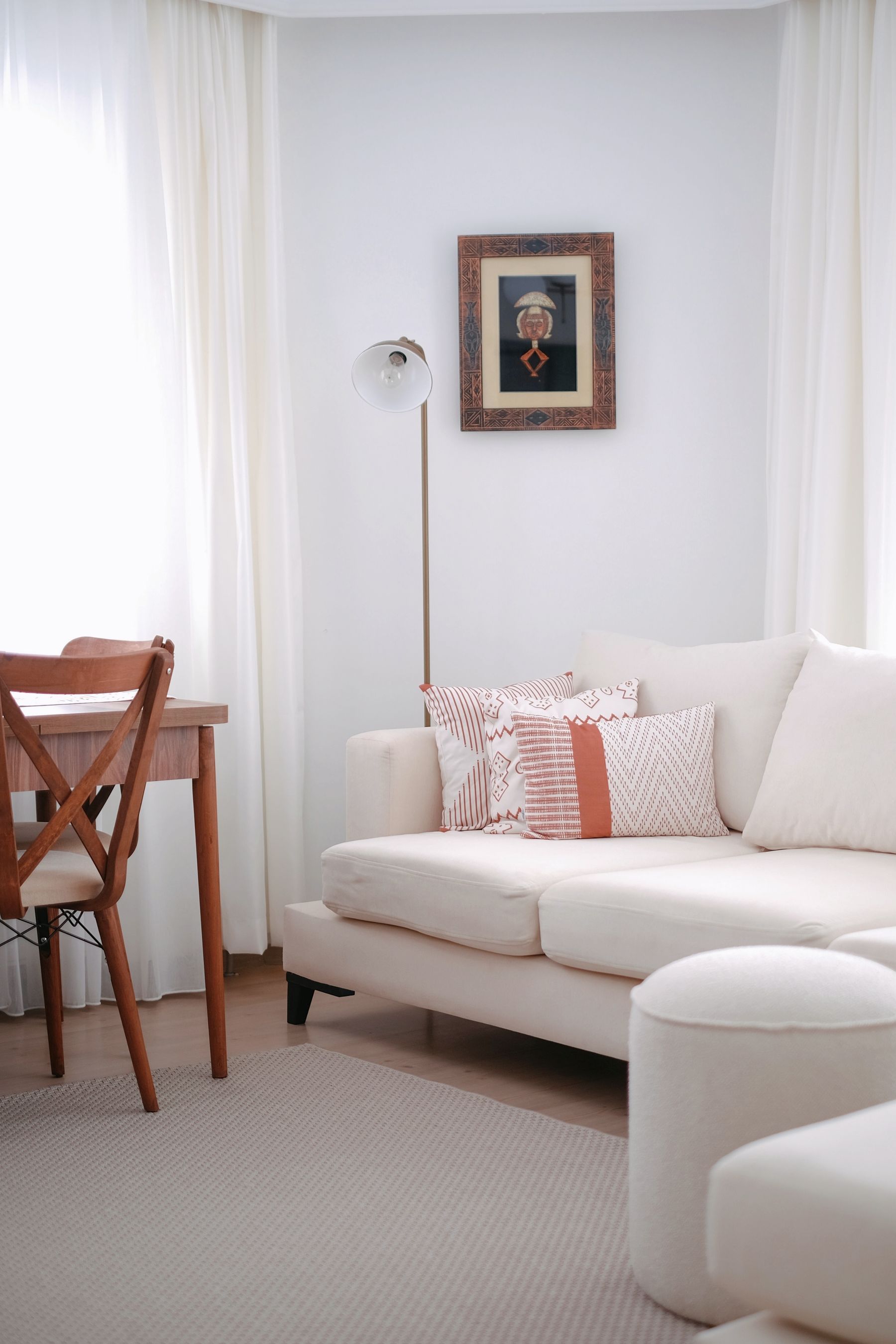
Choose One Strong Artwork Over Many Small Objects
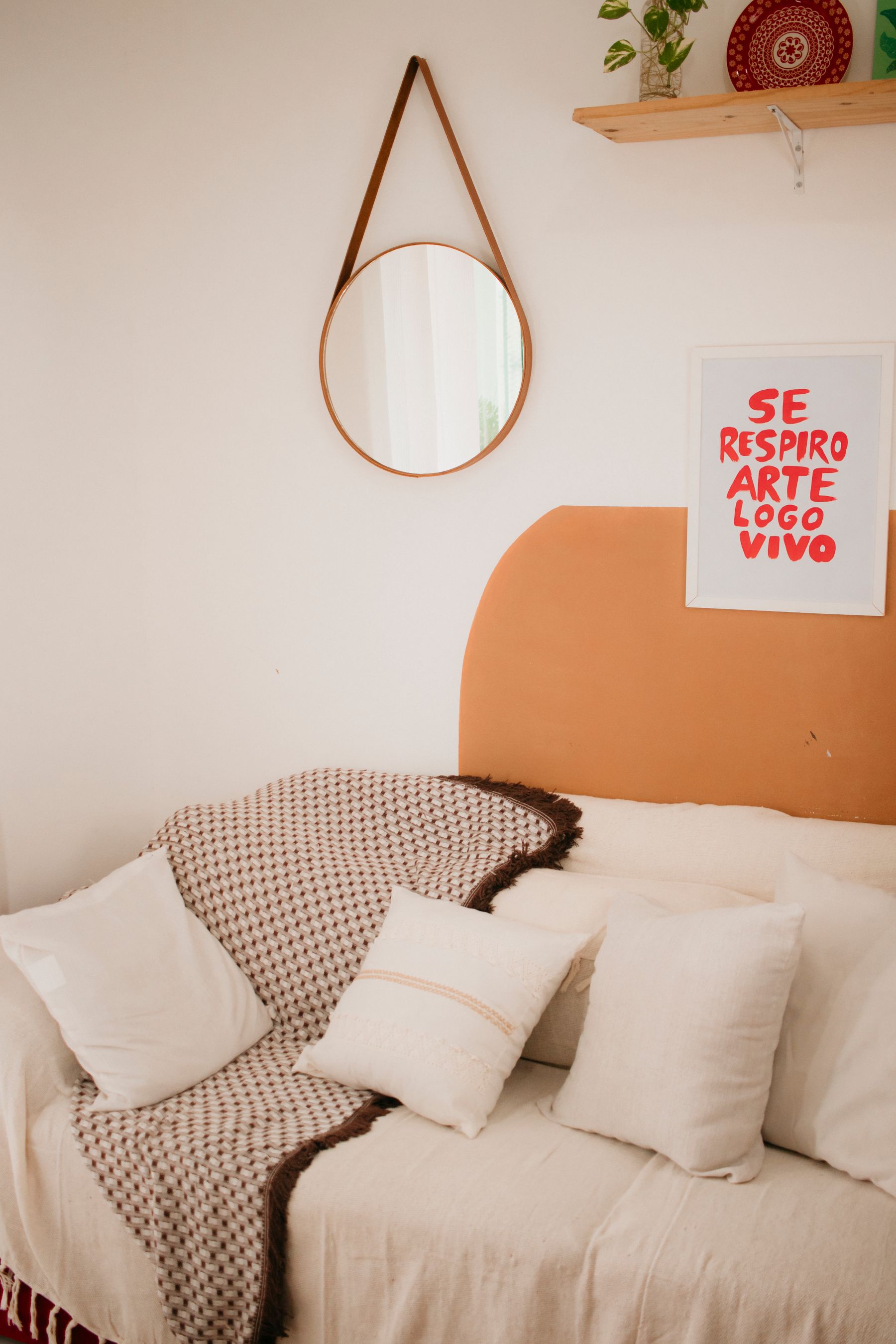
Large art can make a compact room feel intentional because it creates one readable composition rather than many competing details. Size it to the sofa or wall zone, protect it from direct sun and use fixings appropriate to the wall. Personal photographs, textiles or prints are as valid as purchased art. For gallery walls, paneling and display shelves, [living room wall ideas](/living-room/living-room-wall-ideas/) helps decide which wall should carry which role.
Use Color to Clarify the Zone
Small does not require white. A warm mid-tone or deeper color can make the seating zone feel complete, especially in an open plan. Test a large sample beside flooring and upholstery under day and evening light. Painting the wall, trim or storage together may reduce visual fragmentation, while a random accent rectangle can make the boundary feel arbitrary. Keep contrast at floor edges clear enough for safe movement where vision is limited.
Use Pattern Where It Can Carry the Room
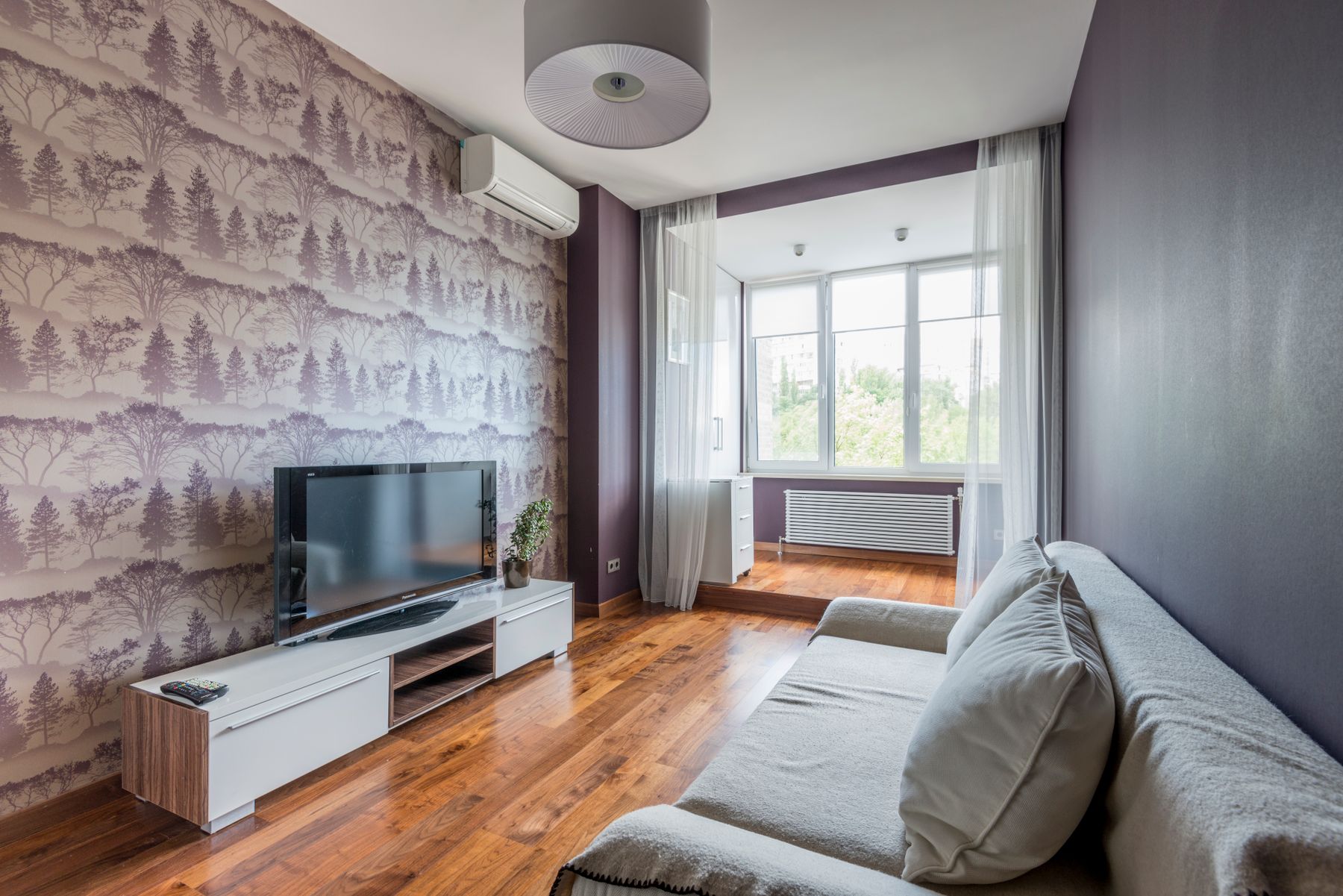
Wallpaper, a patterned rug or one upholstered chair can provide personality without cluttering every surface. Choose a motif whose scale remains legible from the room entrance and whose repeat aligns sensibly around doors and corners. Removable paper can suit rentals only when the wall condition and lease permit it; test a hidden area first. Let surrounding furniture stay quieter so the pattern has room to read rather than becoming one layer among many.
Bring In Nature at the Right Scale
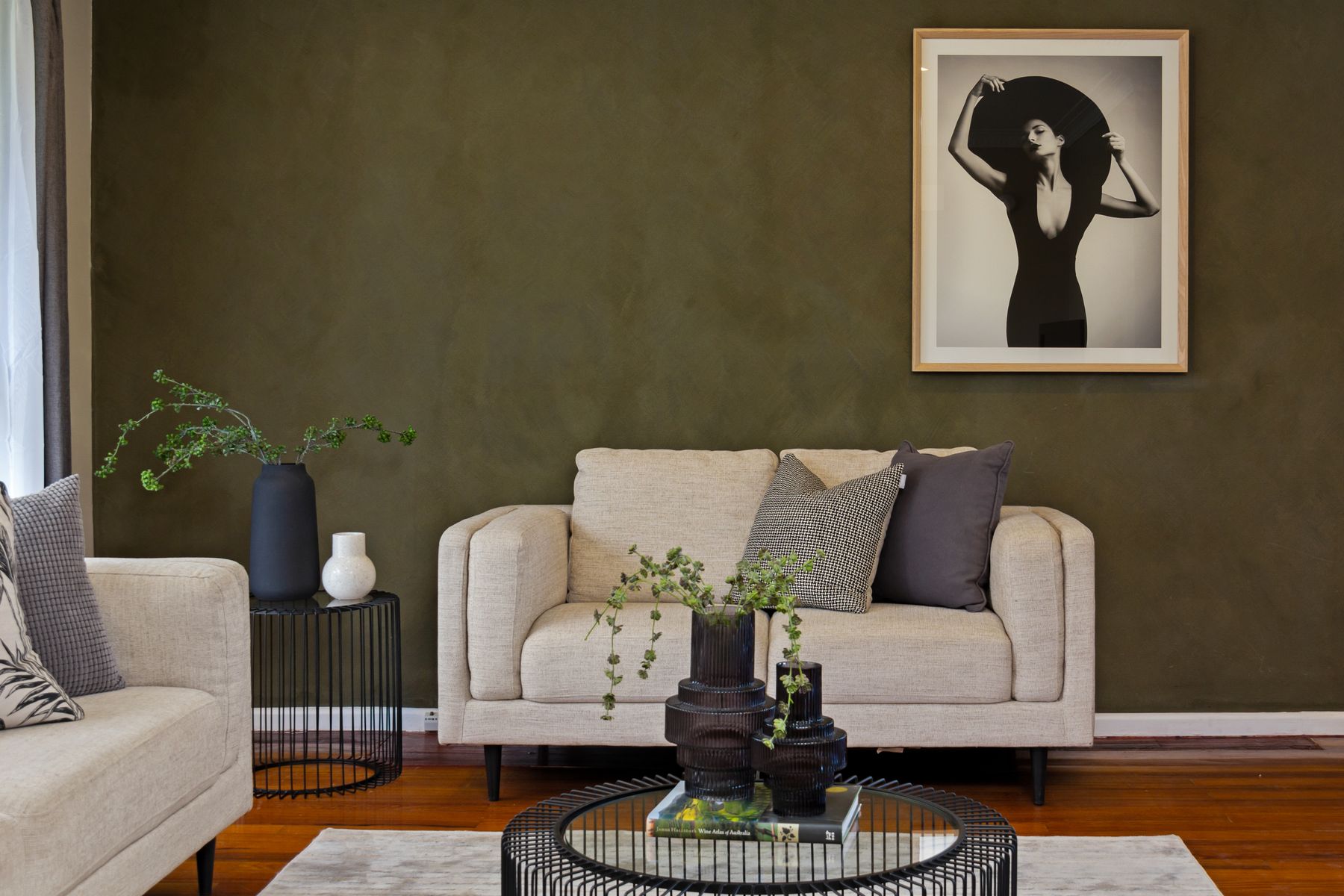
Choose one or two plants for the actual light and household rather than accumulating pots on every surface. Keep leaves and stands out of paths, protect the floor from water and avoid toxic species where pets or children can reach them. Timber, woven texture, green fabric or a view can provide the same nature connection when plant care is unrealistic. A single larger specimen often has more presence and less maintenance clutter than many small pots.
Use a Sofa Bed Only After Testing Its Open Footprint
A sleeper sofa is valuable when guests genuinely stay and the mechanism can open without moving half the room. Mark the mattress footprint, access at both sides, bedding storage and the location of displaced tables. Test sitting comfort and mechanism weight, not only mattress size. A daybed or folding guest mattress may be better when overnight use is rare. Invisible function is useful only when both modes remain comfortable and safe.
Create a Work Zone That Can Disappear
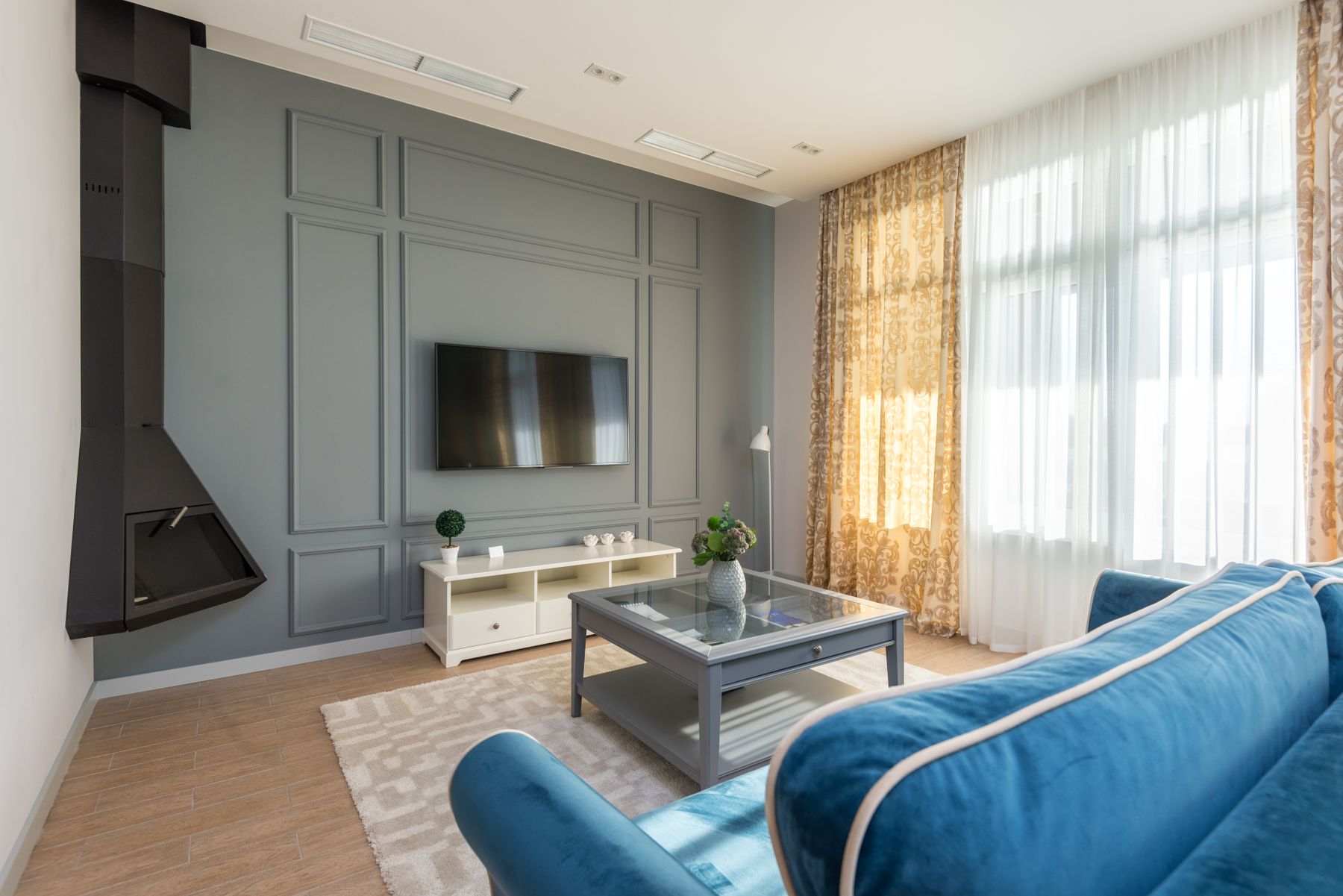
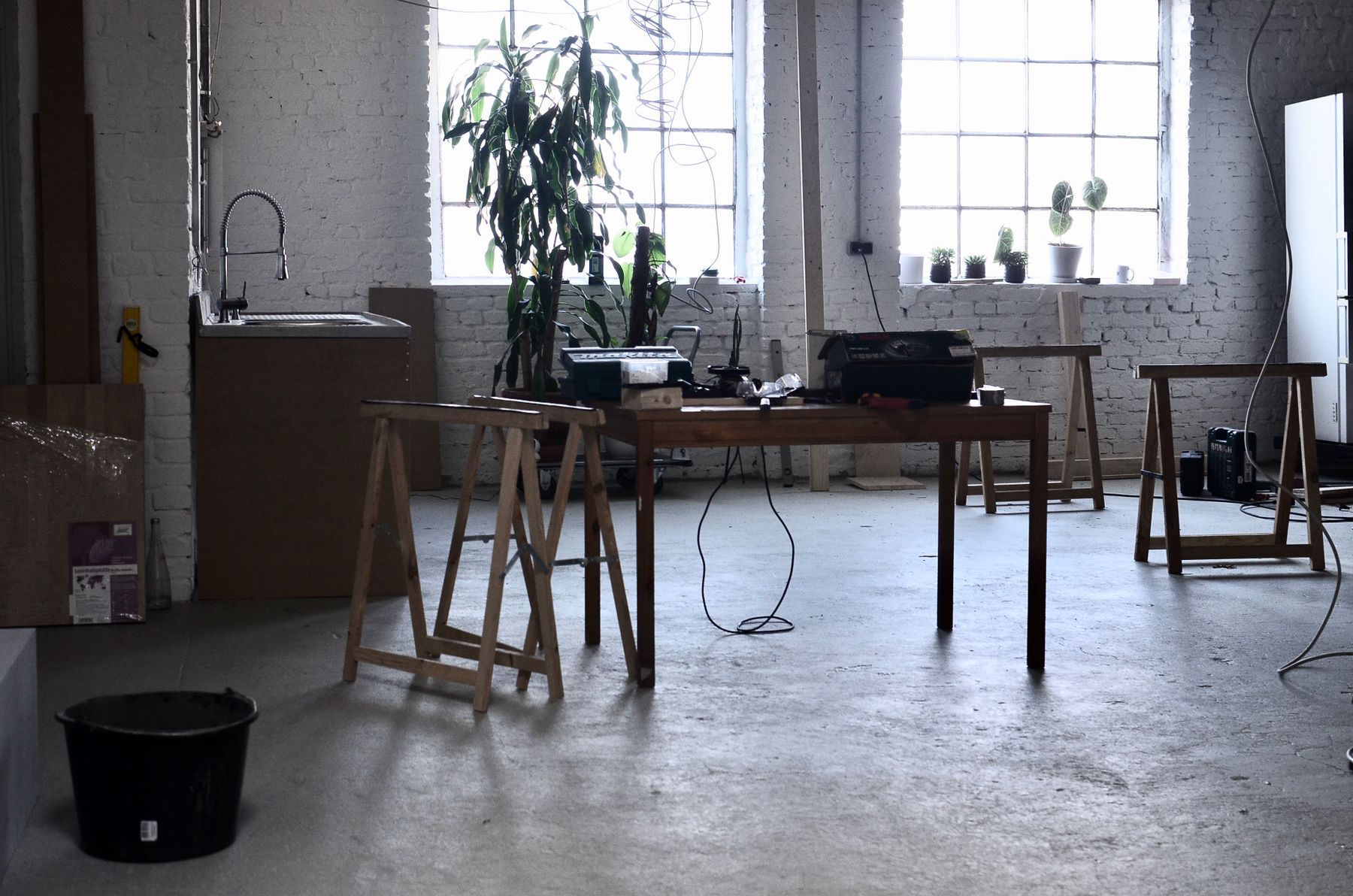
For occasional work, a shallow desk, console or lift-top surface can be enough if the chair, screen height and power are usable. Place it at the edge of the living zone so calls and cables do not dominate the sofa. Provide one drawer, box or nearby cabinet for clearing work at the end of the day. If daily work lasts hours, prioritize an ergonomic chair and dedicated surface rather than hiding an inadequate setup inside decorative furniture.
Make Dining and Living Share Without Colliding
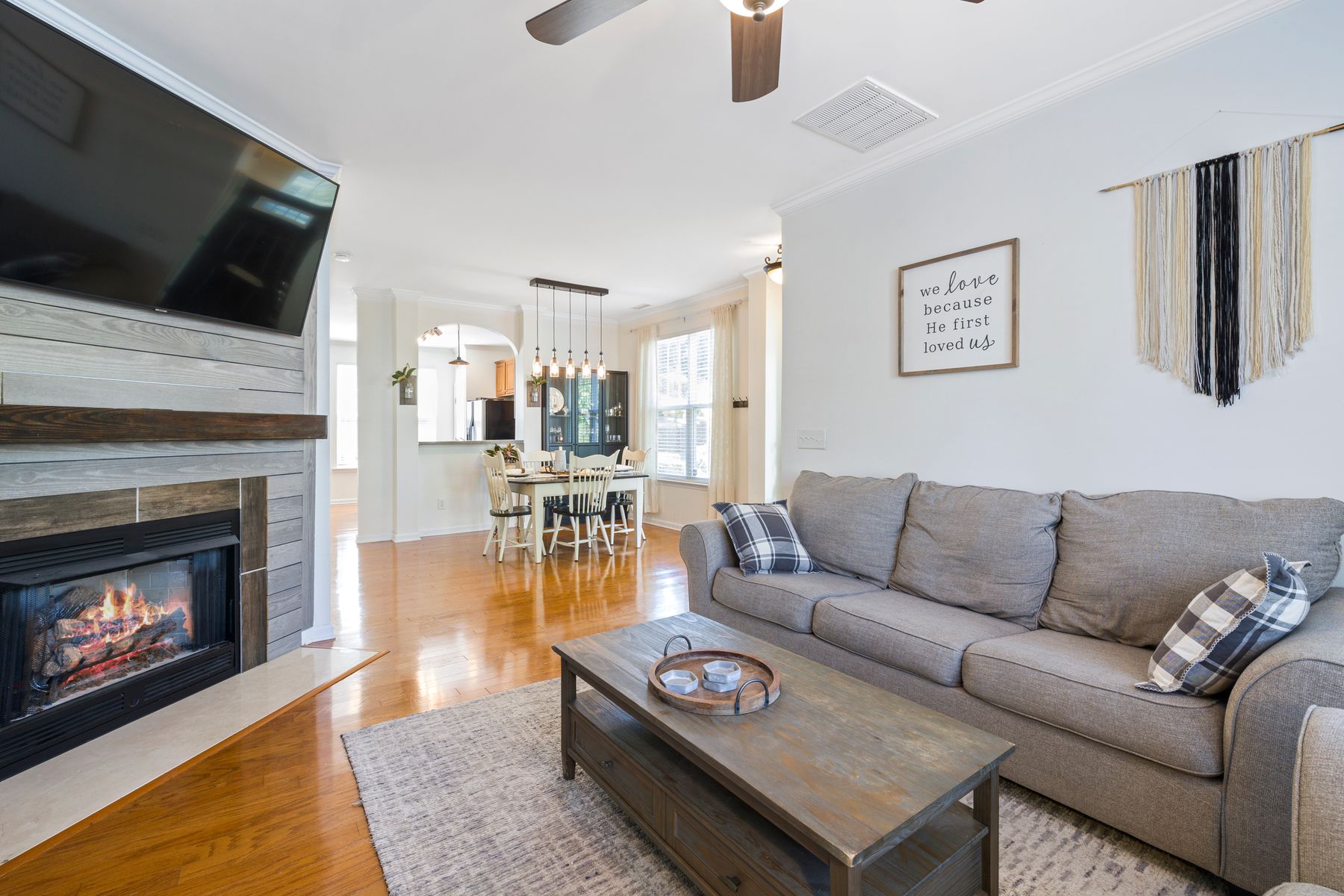
Allow dining chairs to pull out without entering the sofa route or hitting a console. A bench can reduce everyday pull-back space on one side, while an extendable table should be tested fully open. Repeat one wood or fabric tone across the zones, but use rugs or lighting to give each a clear center. In especially compact open plans, [small kitchen ideas](/kitchen/small-kitchen-ideas/) can help coordinate circulation and storage on the adjoining side.
Design for Children Without Surrendering the Room
Protect a clear play patch and give toys reachable closed storage near where they are used. Anchor tall furniture, secure the television, manage blind cords and avoid unstable tables or sharp projections in active routes. A patterned, cleanable rug can tolerate daily marks while defining the play area. Edit toy volume to the storage capacity rather than continuously adding bins; rotation may keep the room functional and the available objects more engaging.
Choose Materials for Pets and Daily Wear
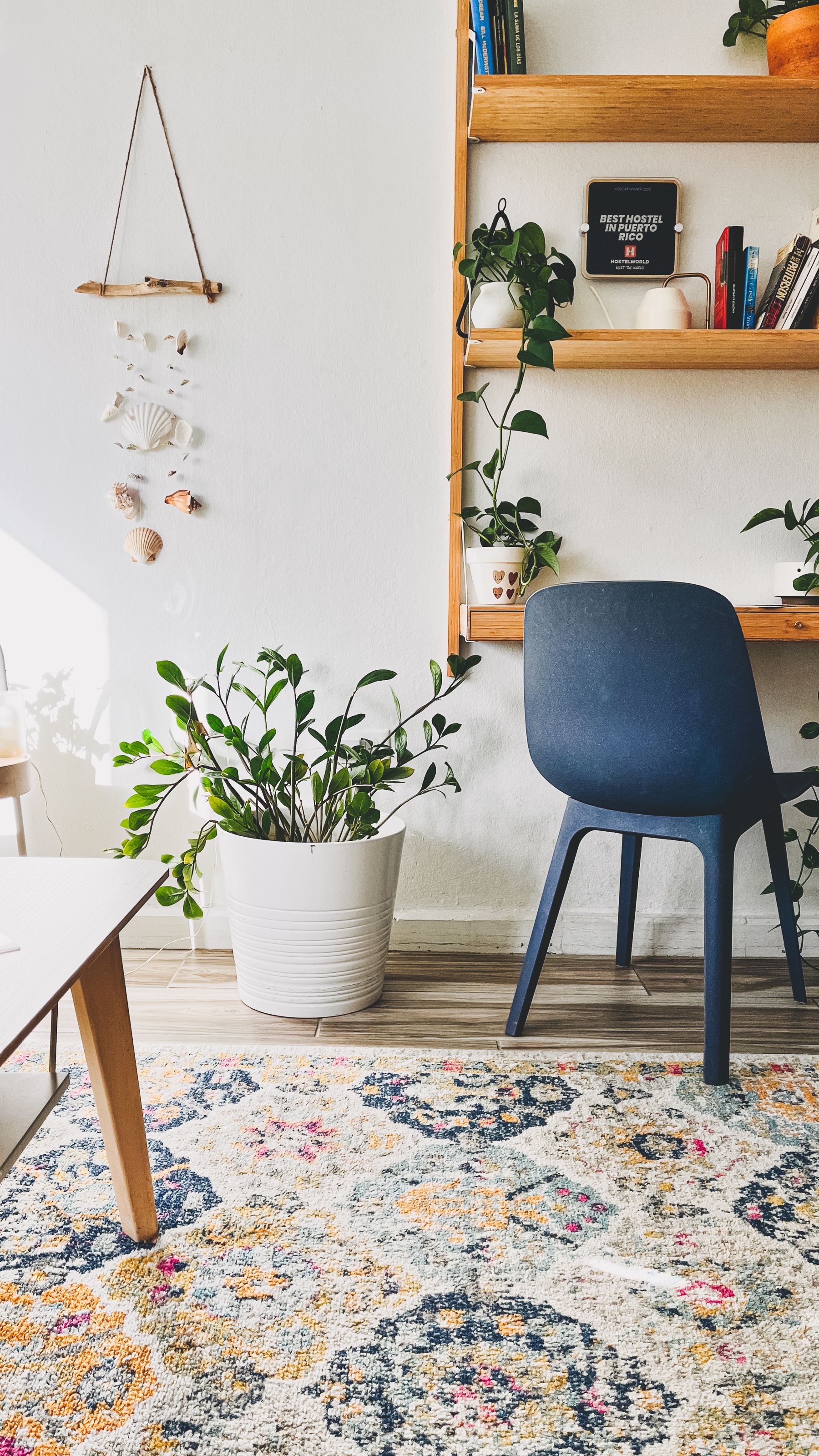
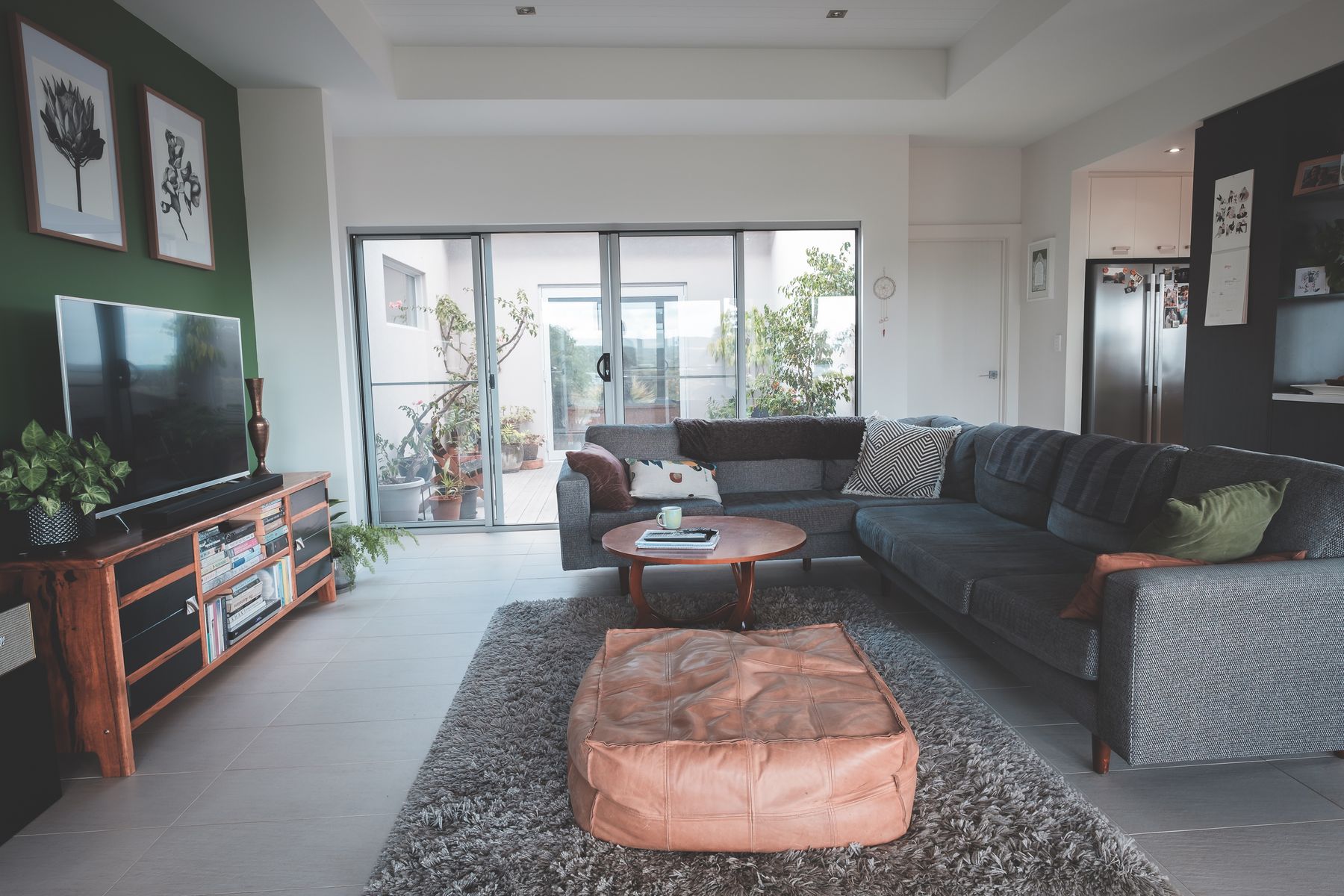
Test upholstery for snagging, lint, hair contrast and the approved cleaning method. Removable covers and replaceable cushion inserts may extend a sofa's life more than a dark color alone. Low-loop rugs are often easier around claws and wheels than loose shag, while washable claims should be checked against actual machine capacity. Give pet beds and equipment a planned position so they do not repeatedly narrow the main route.
Build Acoustic Comfort Into a Small Room
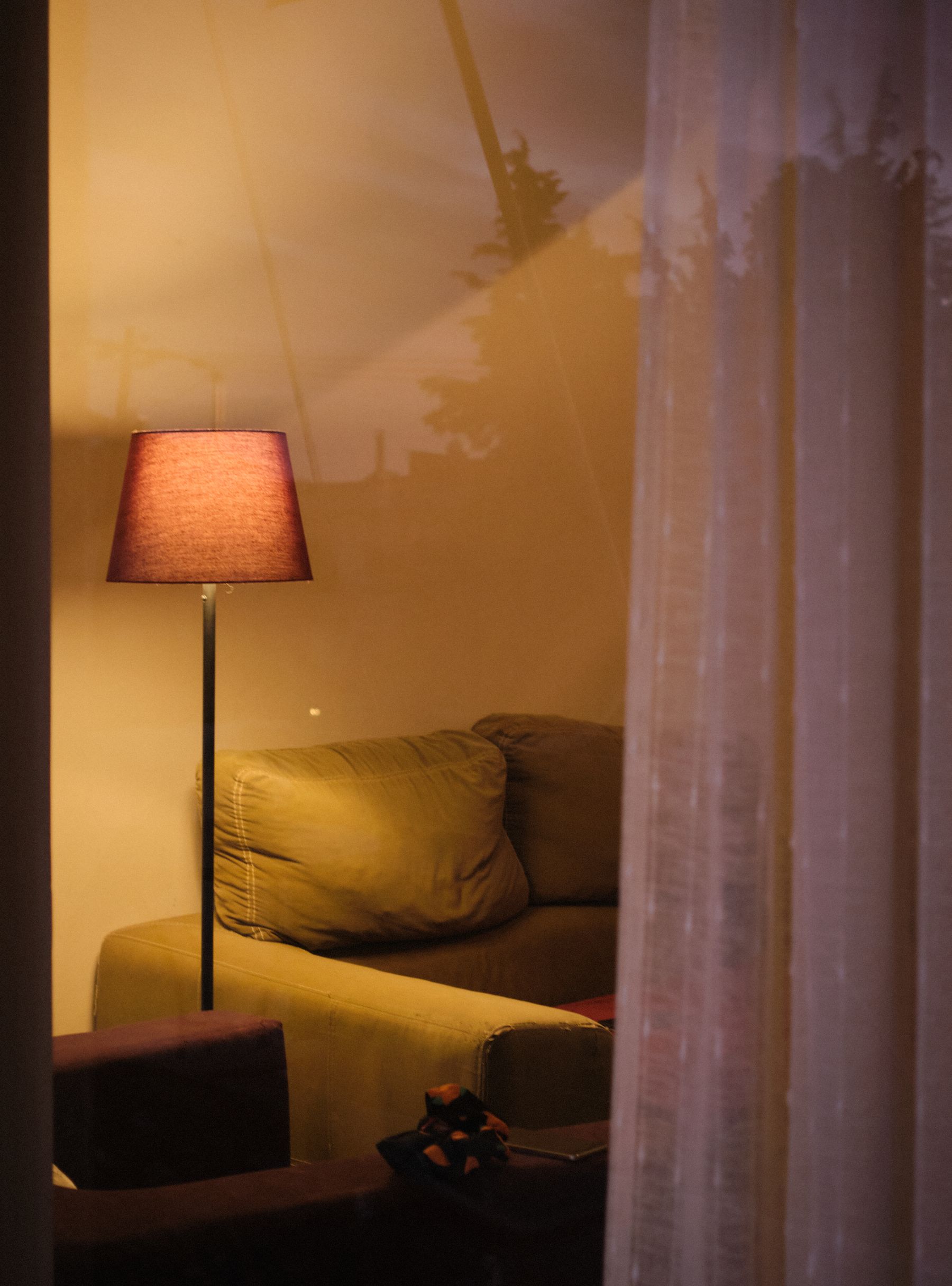
Small hard rooms can feel noisy because speech, television and calls reflect from close surfaces. Use a rug and pad, lined curtains, upholstered seating, books or textile art where they already serve the design. Keep speakers away from bare corners and isolate vibrating equipment from light cabinetry. Acoustic comfort is part of the cozy intent developed in [cozy apartment ideas](/apartment/cozy-apartment-ideas/), but here the focus remains on preserving limited floor area.
Keep Technology and Cables Serviceable
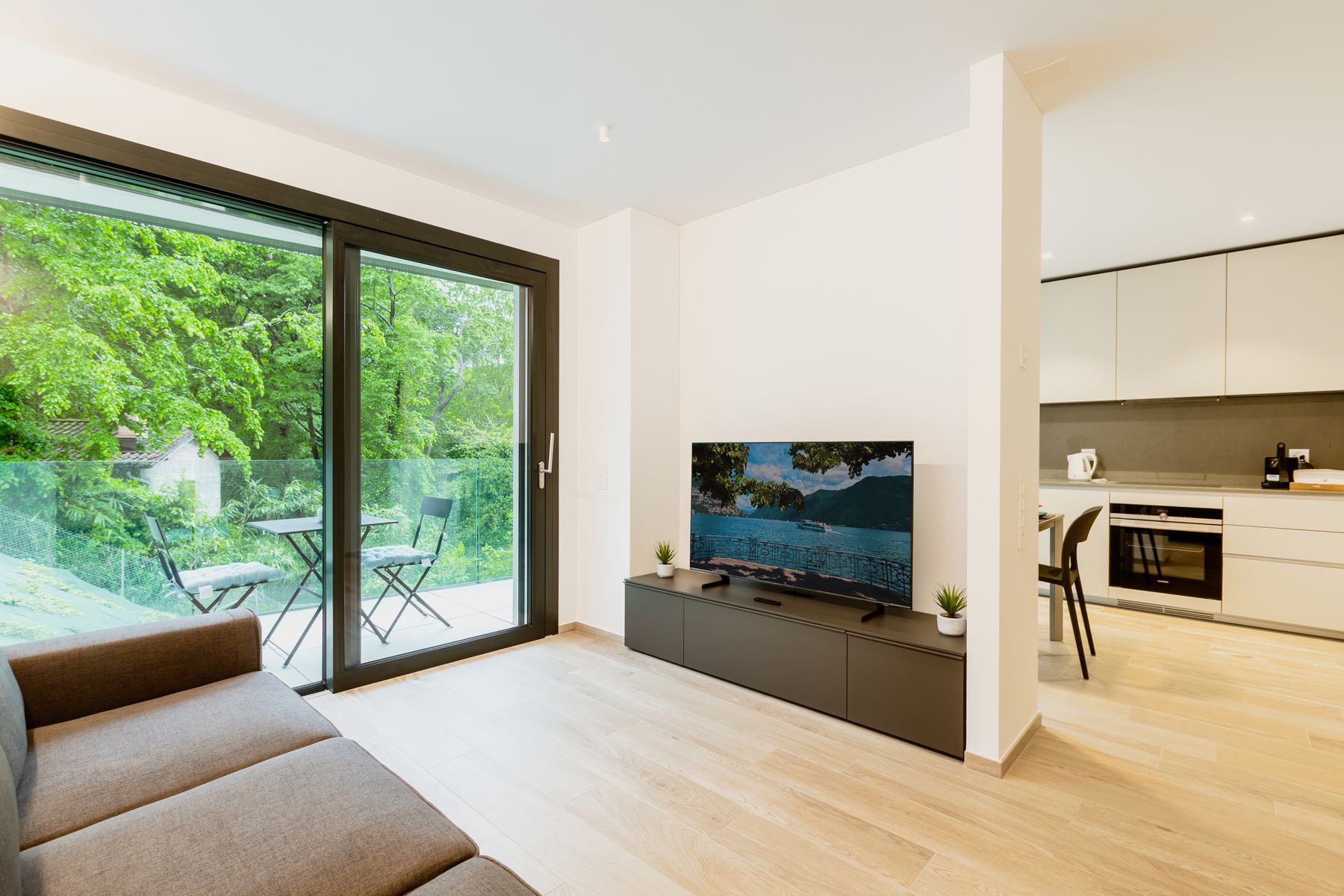
Mount the screen near seated eye level and test glare from the window. A low cabinet can hold equipment, controllers and charging without building a bulky entertainment wall. Plan ventilation, cable radius, power strips and future replacement access; sealed, shallow joinery may look clean but overheat devices. Avoid running loose cords across the route, and label connections before concealing them. Keep speakers and soundbars clear enough to function rather than styling over them.
Plan Accessible Movement and Seating
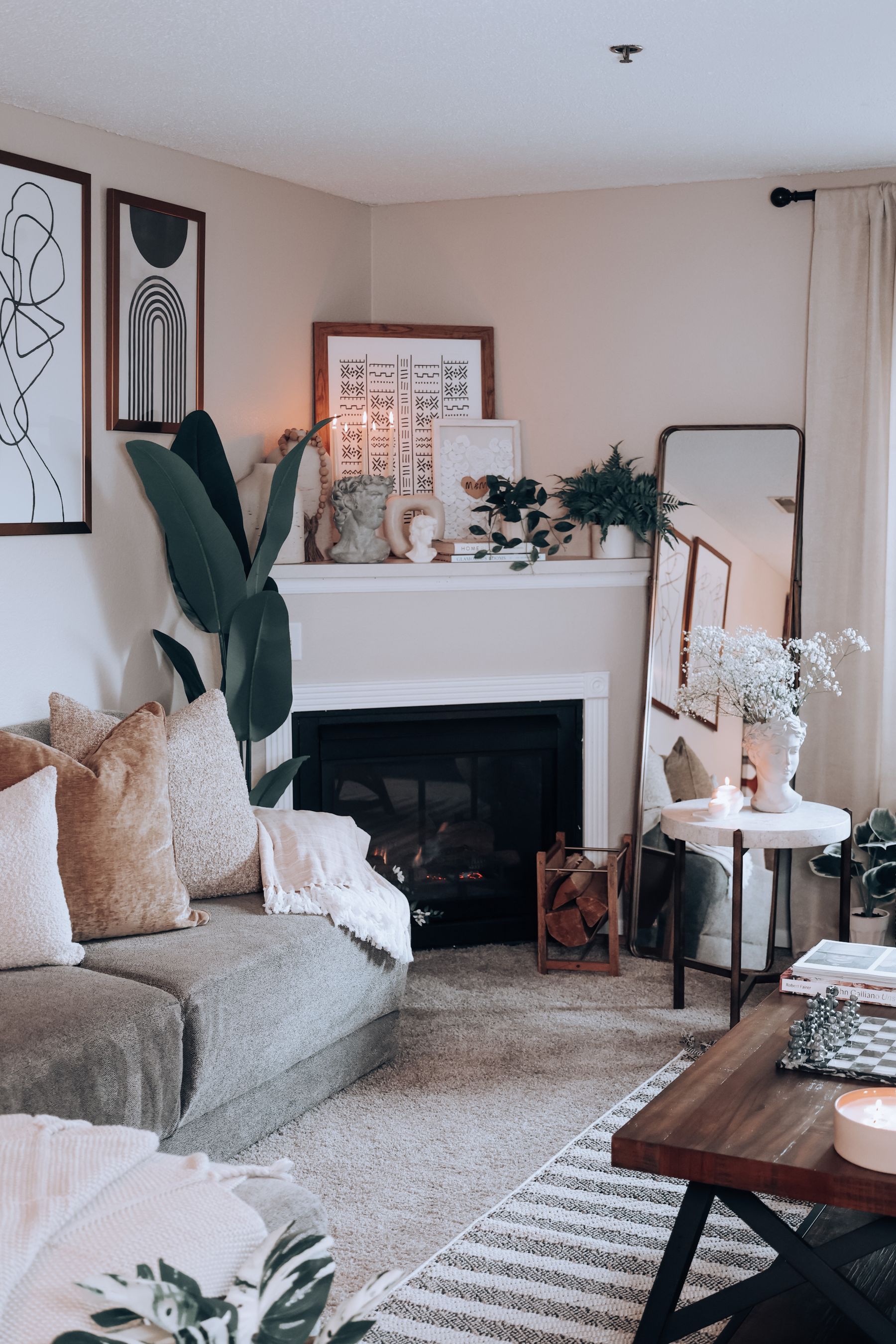
Preserve the widest continuous route the room can support and avoid using it for occasional stools or plant stands. Include at least one supportive seat with arms and a practical height, keep controls reachable and secure rug edges. Stable tables are safer than light pieces that tip when used for support. Contrast between floor, furniture and walls can improve orientation. A small room cannot waste space, but it should not save centimeters by excluding a regular user.
Use Vertical Space Without Creating a Canyon
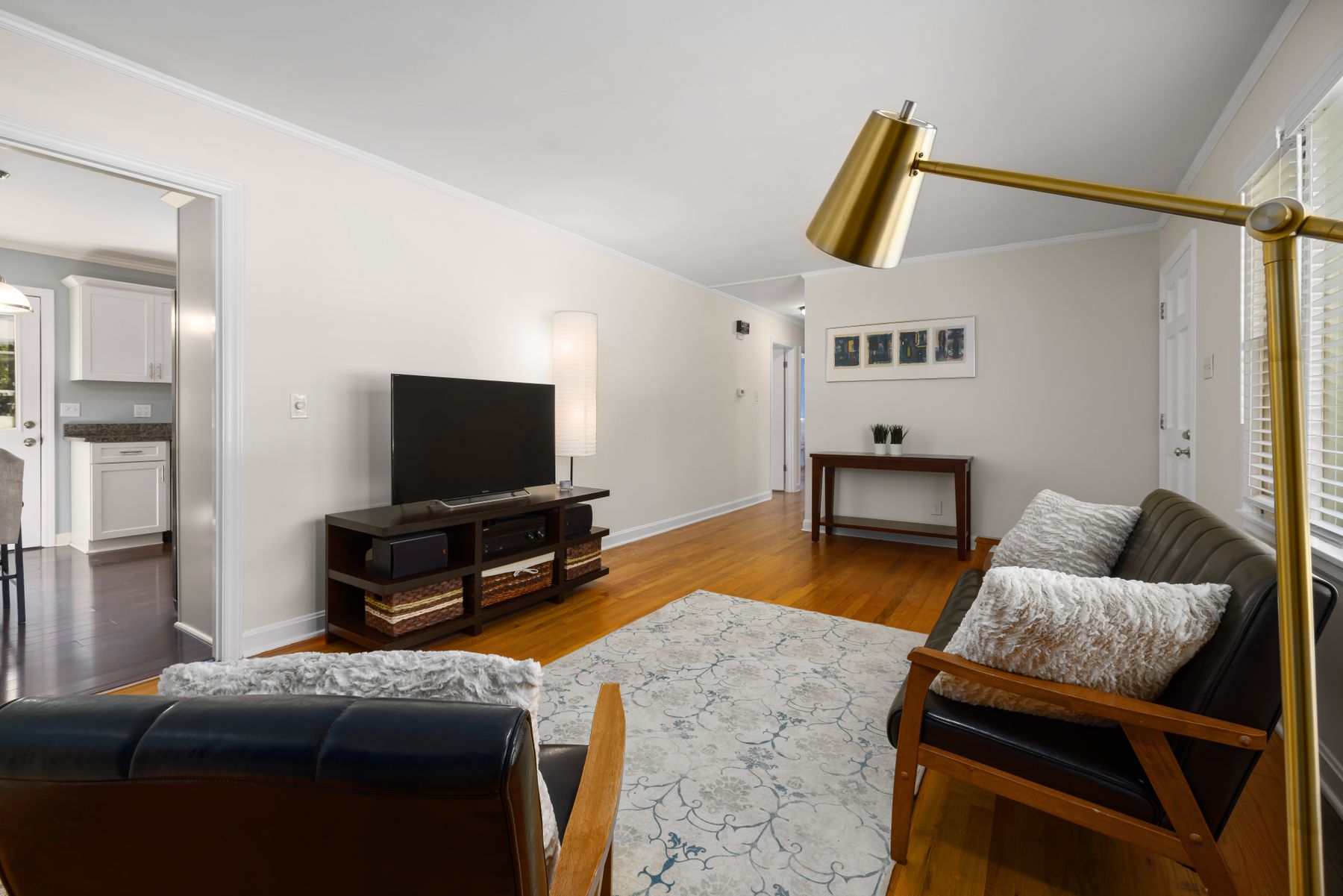
Tall shelving or cabinetry can recover floor area, but filling every wall to the ceiling makes a narrow room feel enclosed. Concentrate height on one wall, keep the window edge lower and leave visual pauses. Store light, rarely used items above and frequent or heavy items within easy reach. Provide a safe method for accessing upper shelves and anchor tall furniture correctly. Vertical storage should reduce daily friction, not create unreachable archives.
Give Personal Objects an Edited Home
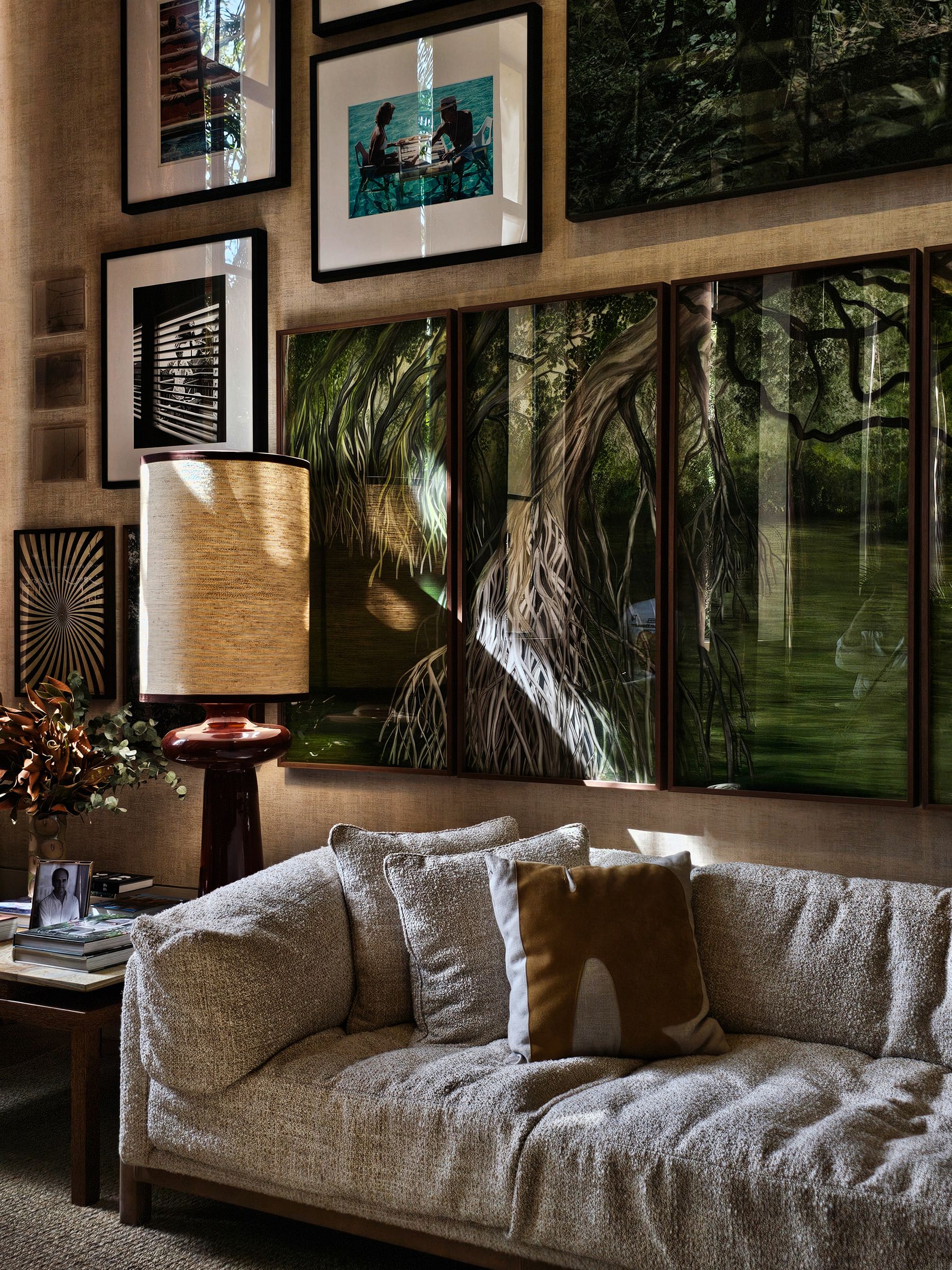
Books, photographs and collected objects make a small room feel inhabited, but they need defined boundaries. Use one gallery, shelf bay or cabinet top rather than spreading small items across every surface. Group by relationship, not strict matching, and leave enough open area for each group to read. Protect meaningful works from direct sun and use proper fixings. Editing should make the collection visible, not erase the room's history.
Design Rental Changes to Be Truly Reversible
Renters can improve layout, lighting, privacy and storage before using adhesive finishes. Ask permission where required, document wall condition and test removable products in a hidden area because paint and plaster vary. Freestanding shelving still needs safe anchoring where appropriate. Curtains, a larger rug, plug-in sconces and secondhand tables often produce a stronger result with less reinstatement risk than covering every surface. Keep original hardware labeled and stored for move-out.
Budget for the Pieces That Control the Plan
Spend first on the sofa dimensions and comfort, adequate rug size, effective lighting and any electrical or storage work that removes daily friction. Save through vintage side tables, repaired chairs, reused art and slower layering. Avoid buying several temporary small pieces while waiting for the right one; they often cost more and crowd the plan. Keep a reserve for delivery constraints, upholstery, anchoring and window treatments, which are easy to underestimate.
Plan Cleaning, Repairs and Seasonal Change
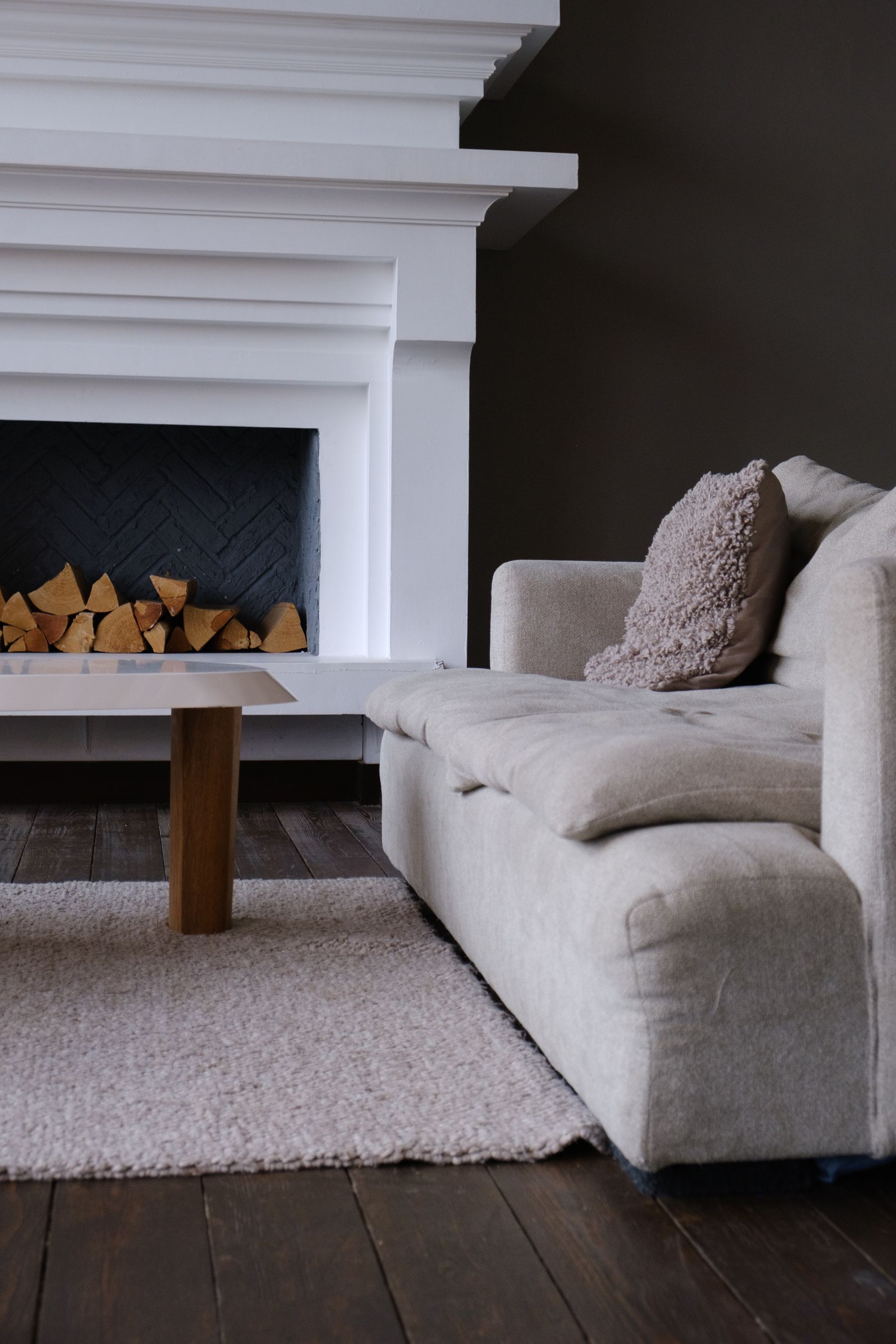
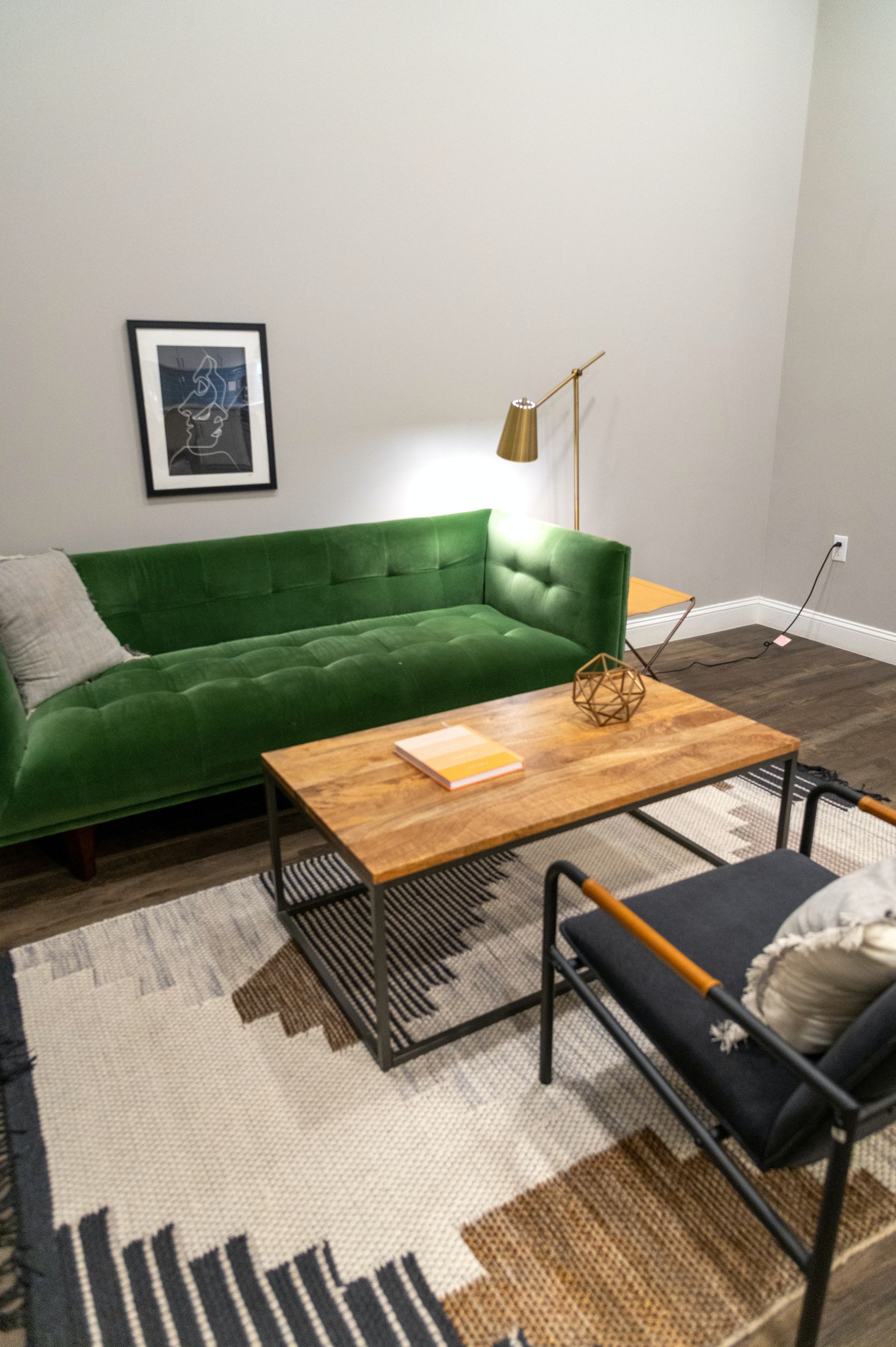
Leave enough access to vacuum around the sofa, clean under movable tables and reach outlets or radiators. Confirm upholstery codes, rug care, spare paint and replacement parts before a spill or failure. Store seasonal throws or fan equipment near the room but not in the route. Modular or repairable furniture may adapt longer than sealed pieces. A compact room exposes wear quickly, so maintenance needs a real method rather than a promise to be careful.
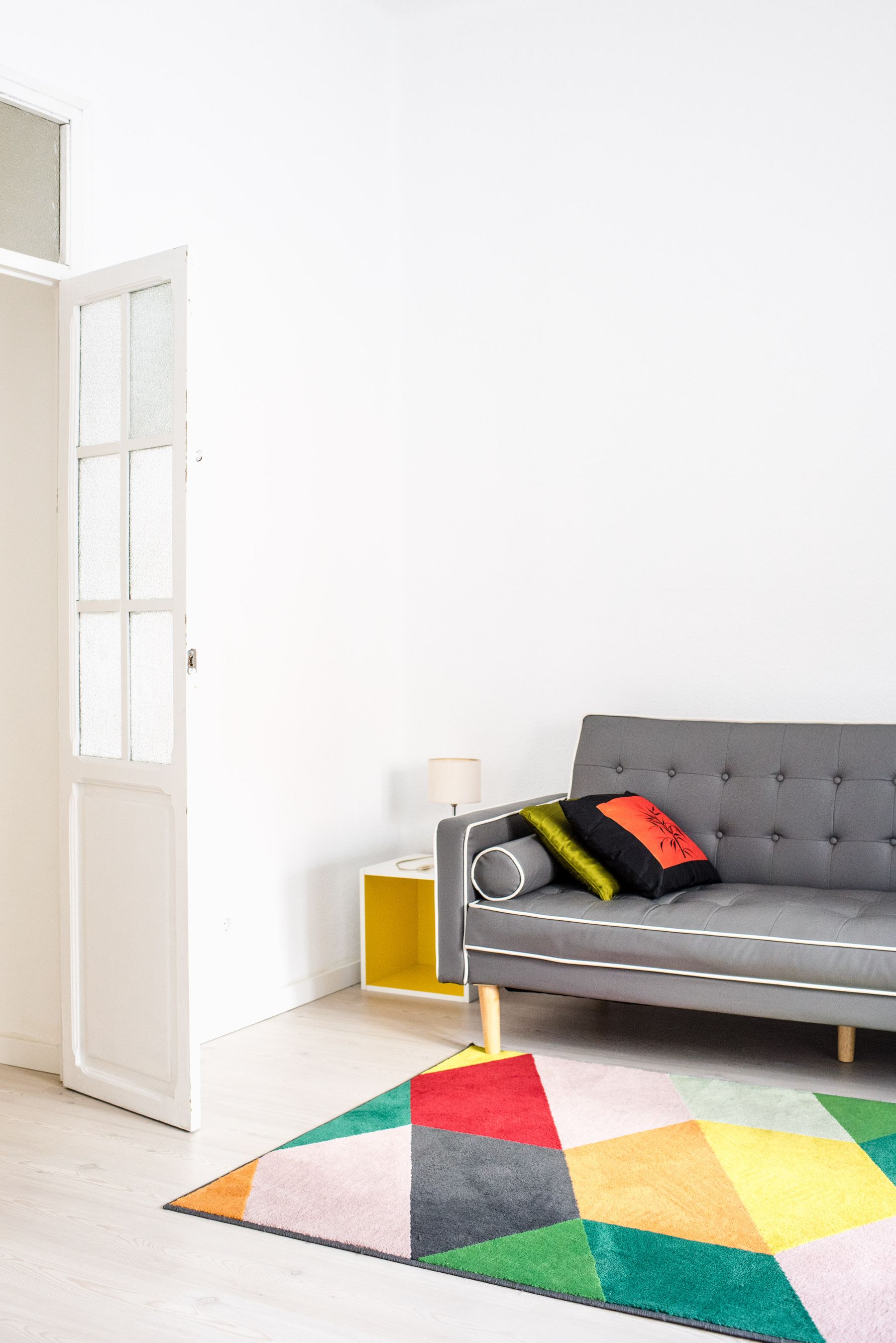
Edit by Function, Not by an Empty-Room Ideal
Live with the main arrangement before adding final accessories. Check the route, seat comfort, table reach, television glare, reading light, storage, sound and cleaning, then remove objects that interrupt those jobs. Do not confuse small with minimalist: the room may hold books, pattern and collected pieces when they are organized. If deliberate reduction is the goal, [minimalist apartment ideas](/apartment/minimalist-apartment-ideas/) offers a more specific framework.