Define What Modern Needs to Do in Your Home
Begin with a normal week. List conversation, television, reading, play, music, work and hosting, then rank the two activities the room must support best. That hierarchy determines whether the principal seats face one another, a view or a screen. Modern should describe clear decisions and useful proportions, not an obligation to remove personality. If the whole home is being planned together, the same activity-first method in our [modern apartment ideas](/apartment/modern-apartment-ideas/) guide helps prevent the living room from becoming an isolated display zone.
Map the Fixed Conditions Before Furniture
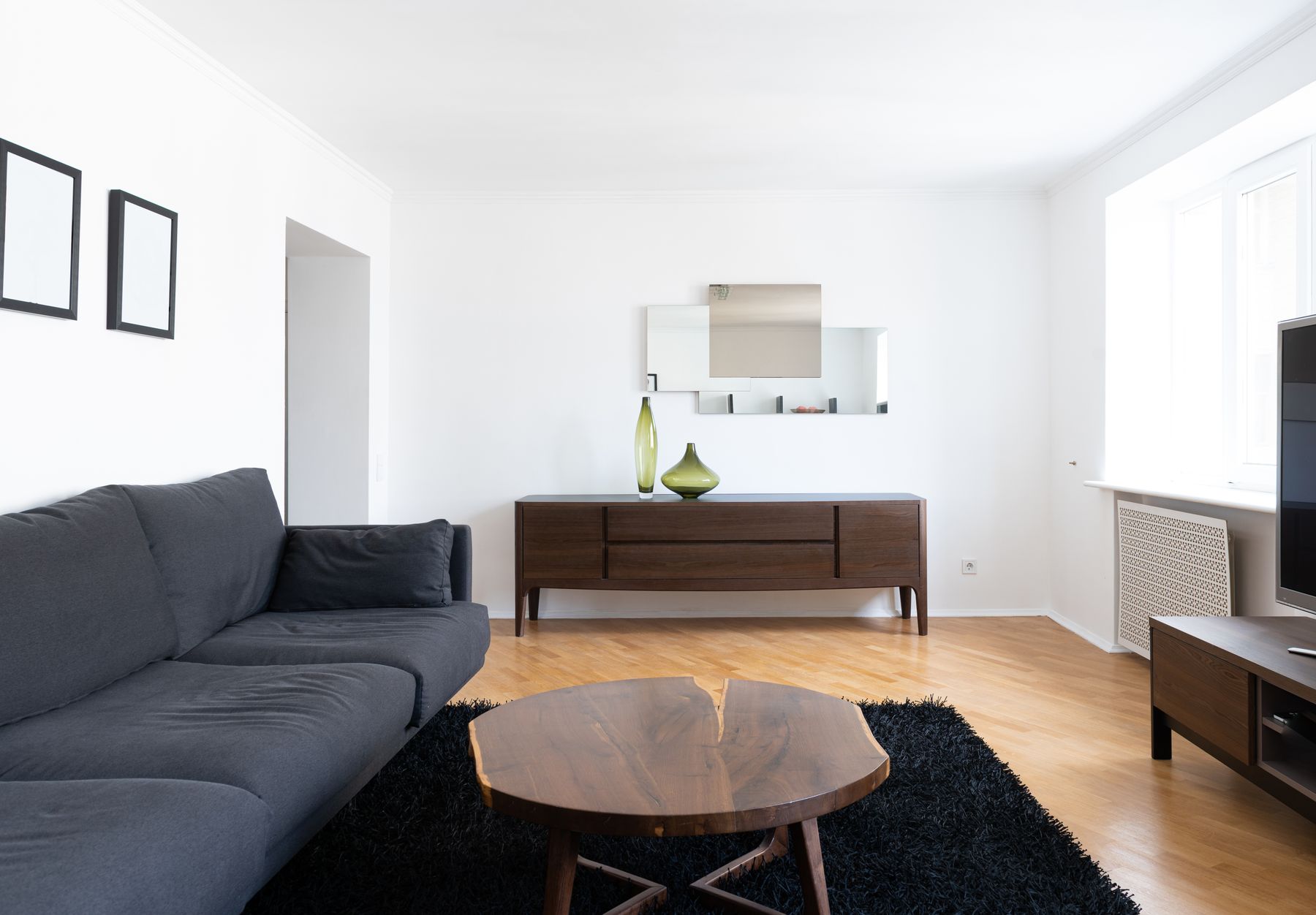
Measure wall lengths, ceiling height, door swings, window sills, radiators, vents, outlets and the route between adjoining rooms. Add the depth of curtains and the clearance needed to open cabinetry. A floor plan should show the furniture in use, not as thin symbols: include pulled-out ottomans, recliners, open doors and occupied dining chairs nearby. The fuller tests in [living room layout ideas](/living-room/living-room-layout-ideas/) are useful when several routes cross one seating area.
Protect the Main Route, Then Float the Seating
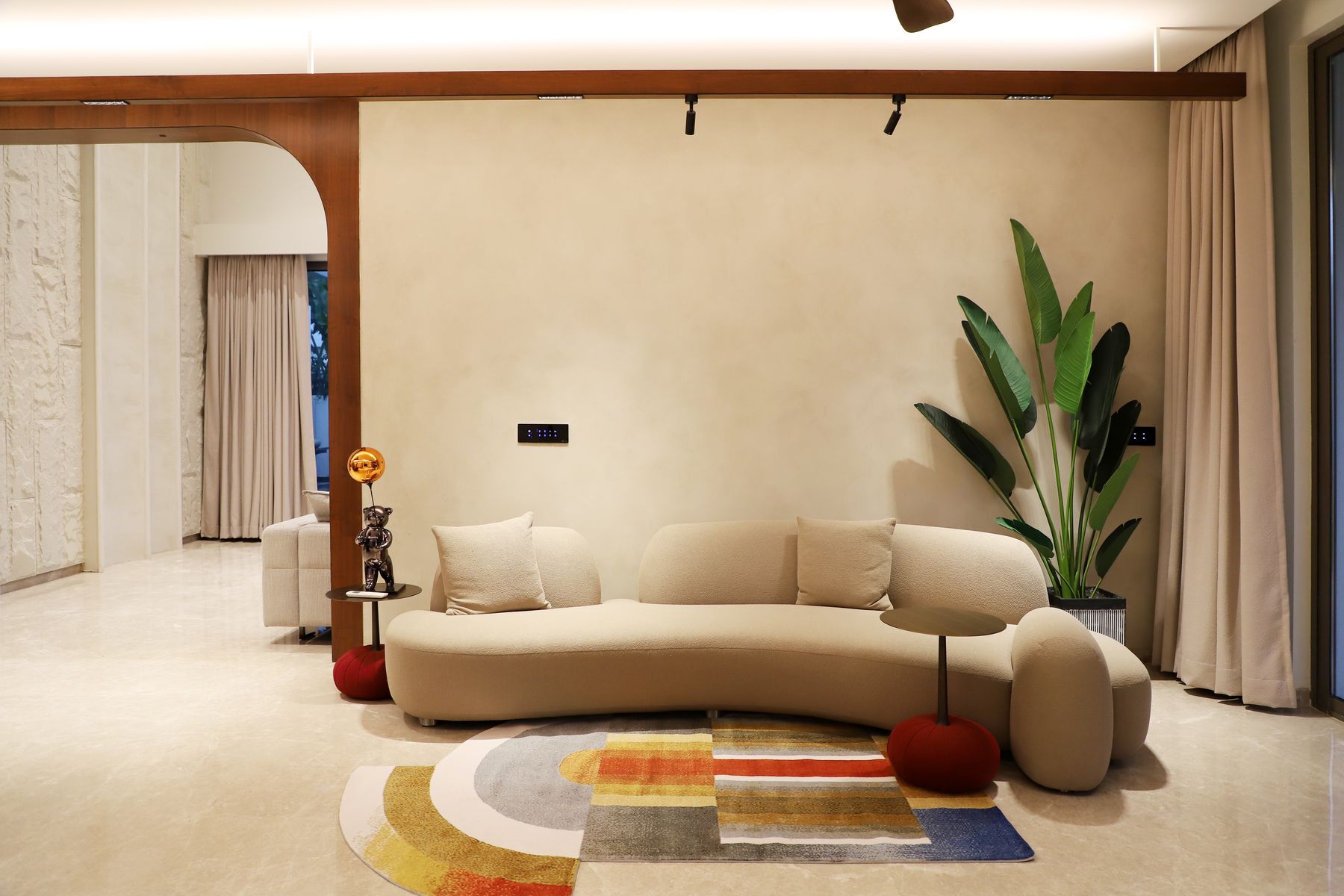
Once the main path is clear, pull furniture away from the perimeter where the room allows it. A floated sofa can create a more intimate group, conceal a console behind it and establish the boundary of an open plan. Do not float it merely for effect: the back must still leave a comfortable passage and look finished from the adjoining zone. Repeat one material or color beyond the sofa so the living and dining areas relate without becoming a single undifferentiated field.
Build a Conversation Group, Not a Furniture Line
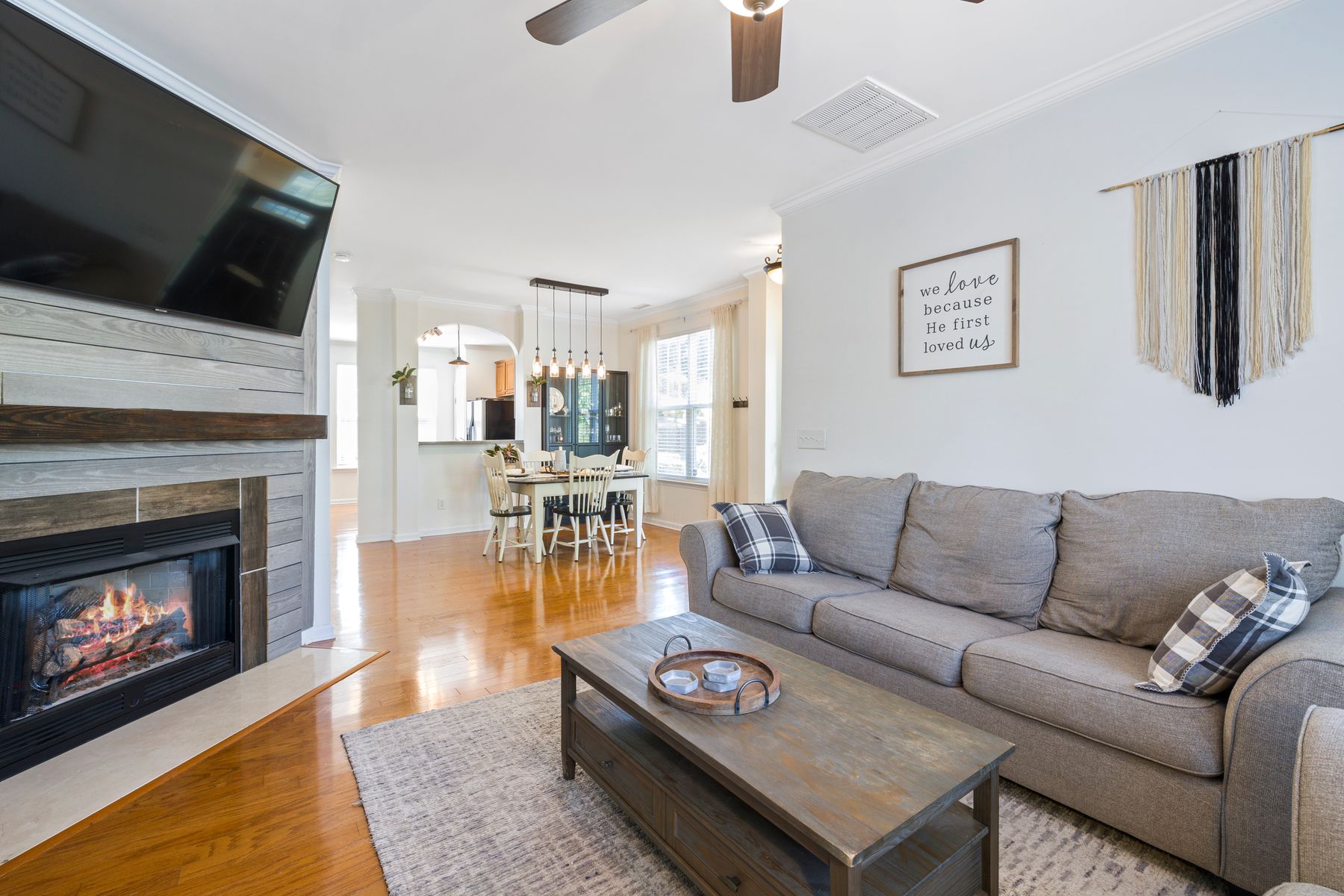
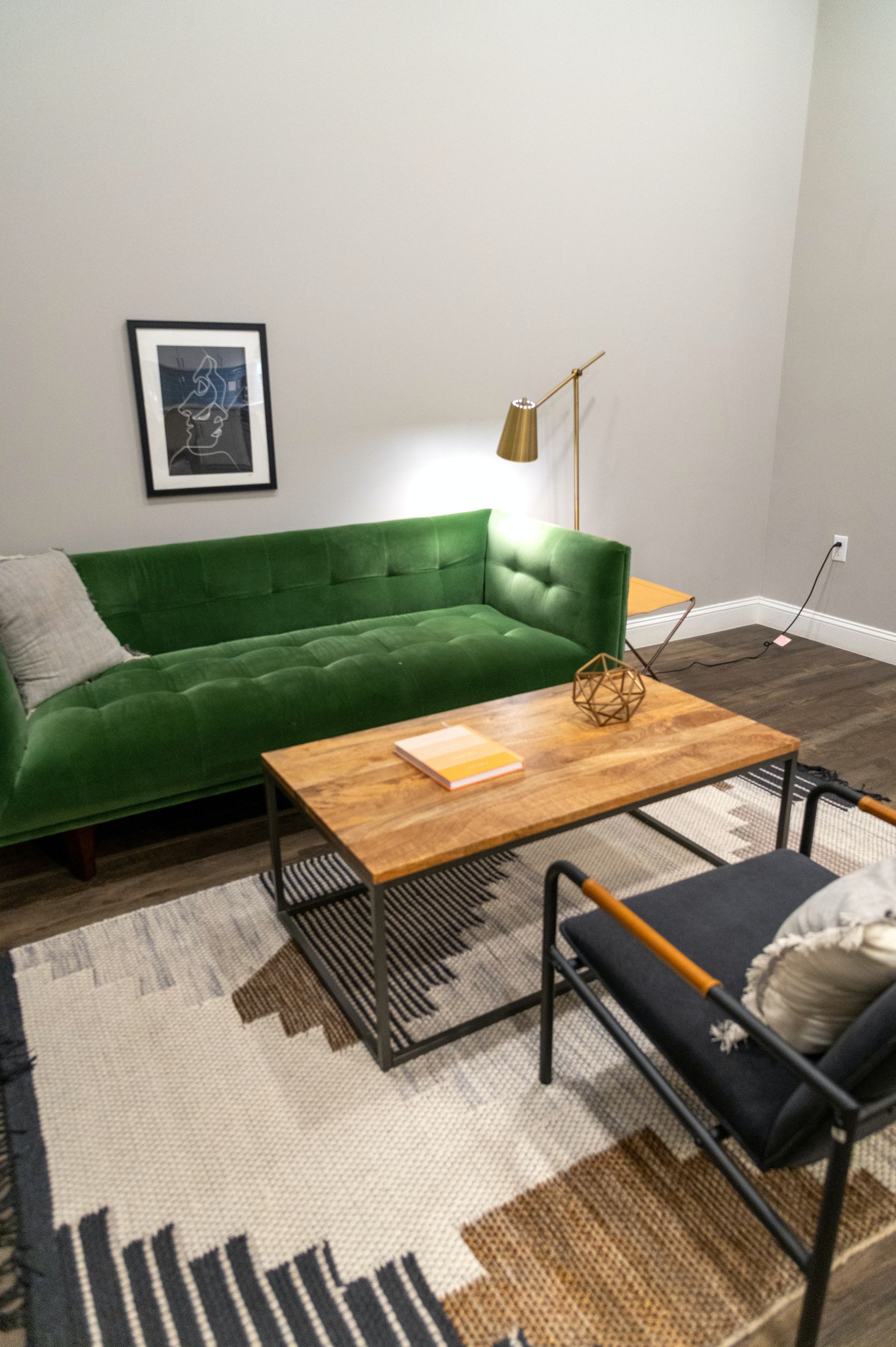
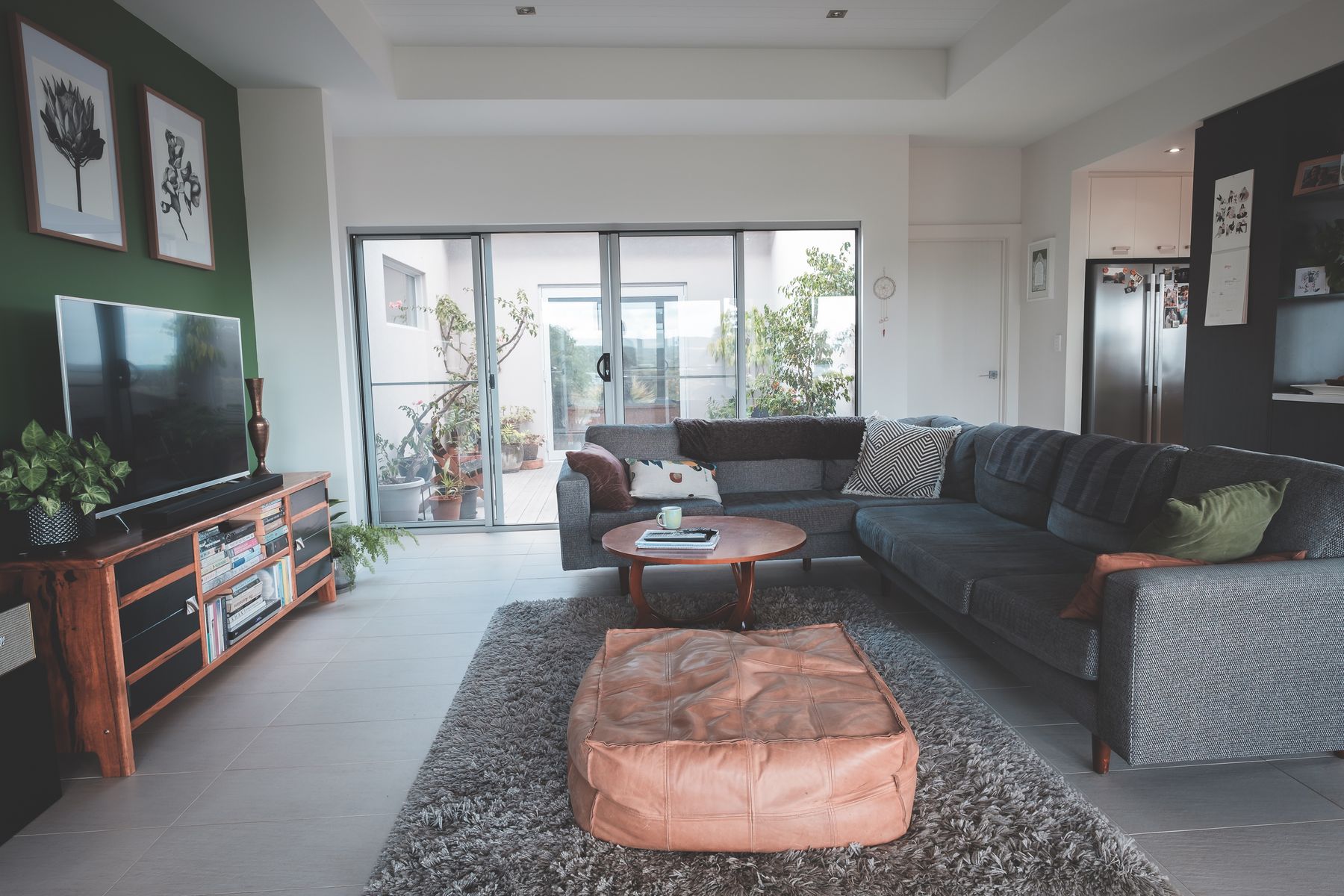
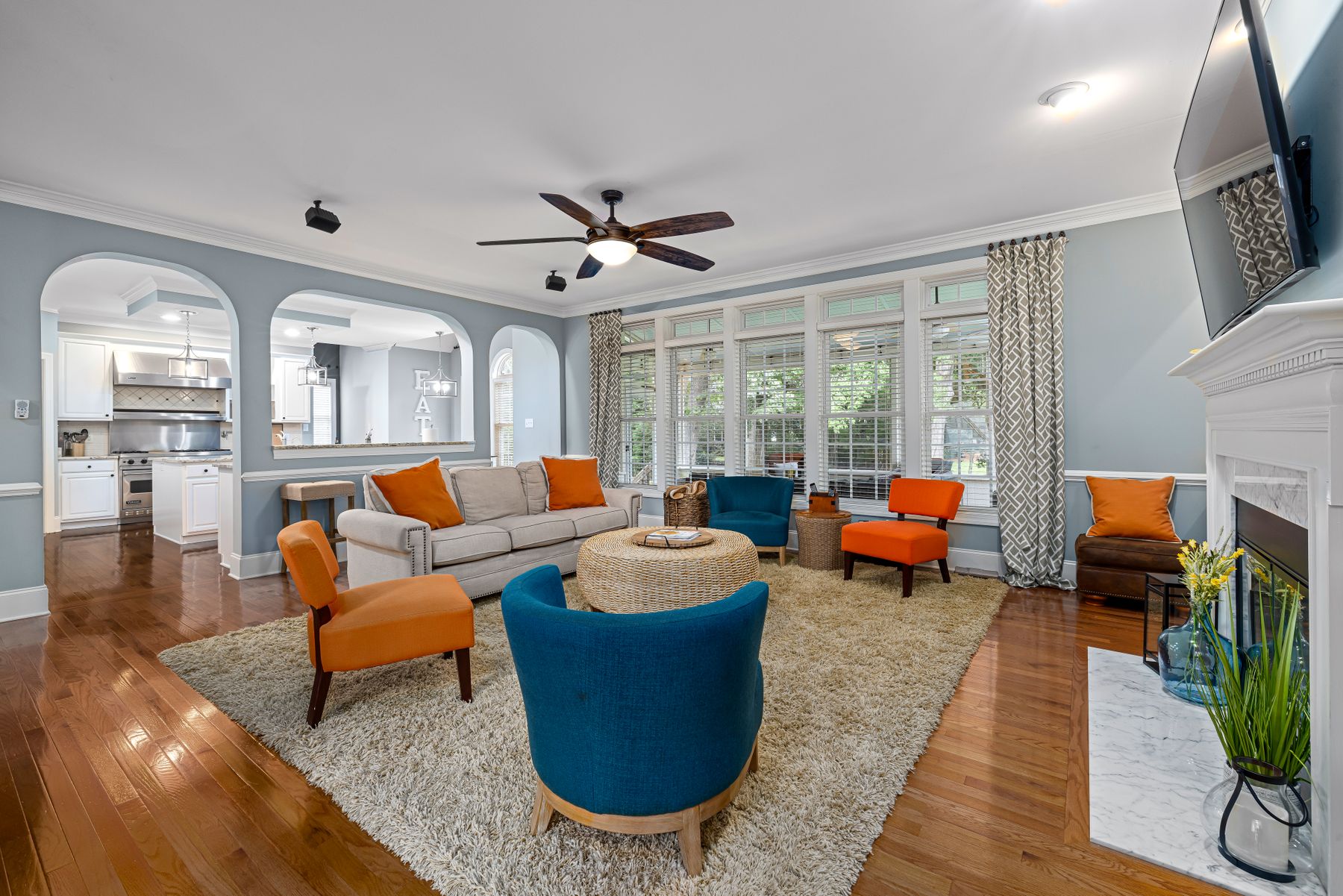
A sofa plus one or two chairs usually creates a more adaptable social arrangement than a long row facing the television. Angle the chairs enough to acknowledge the sofa and keep a reachable surface near every regular seat. In a large room, two smaller groups may work better than one oversized sectional. Check that people can join or leave without others standing, and that chair backs do not cut directly across the room's primary approach.
Integrate the Television Without Giving It Every Wall
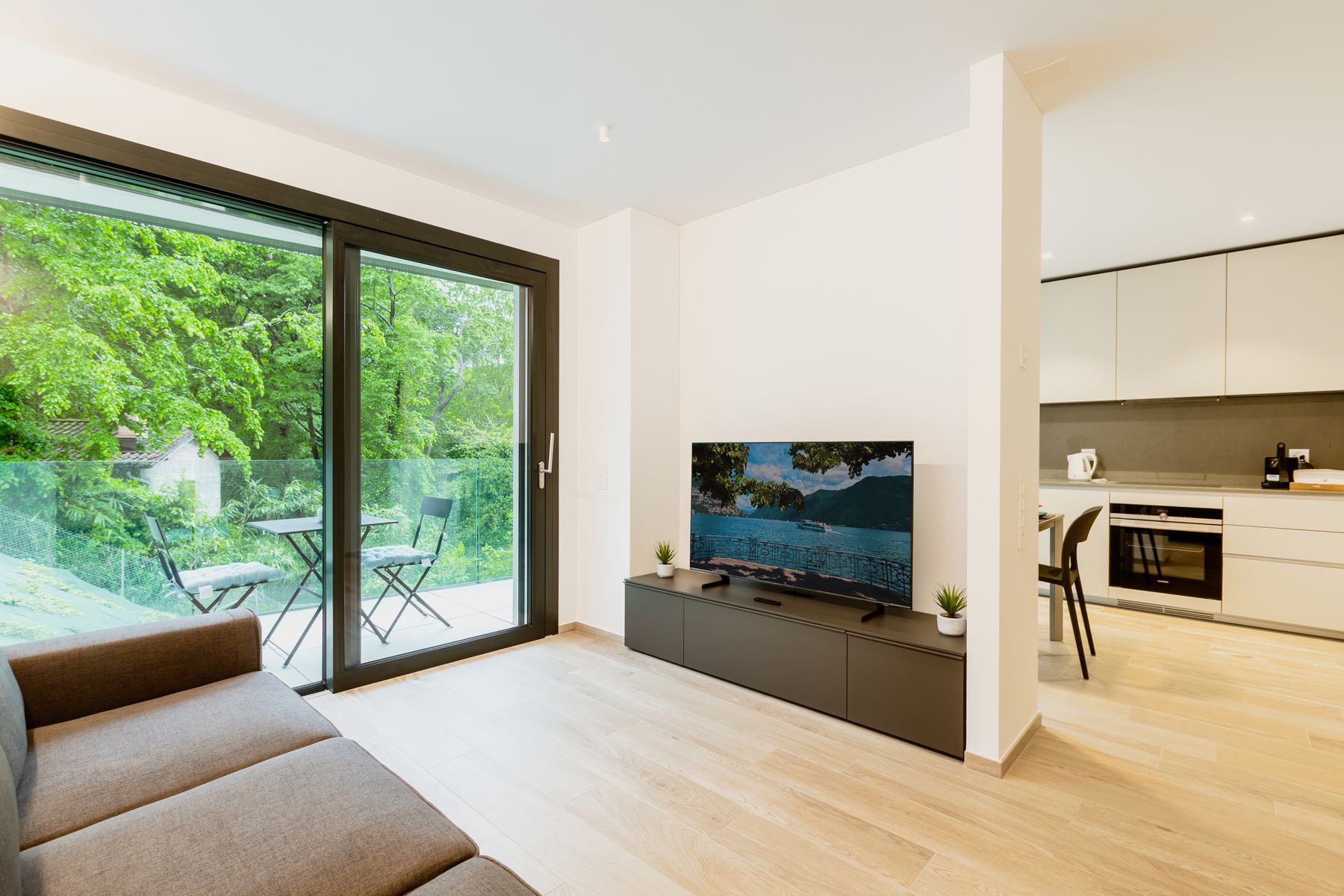
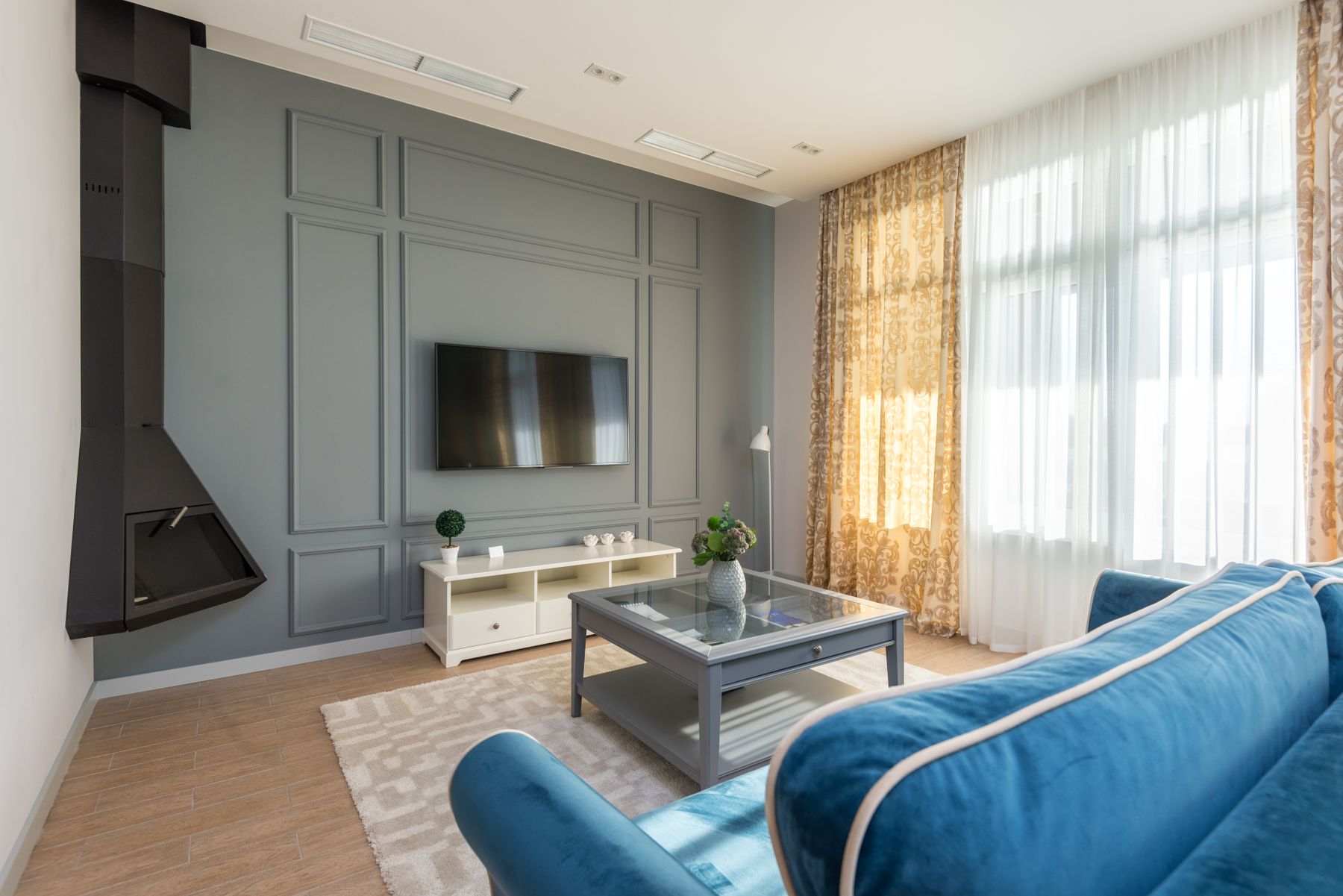
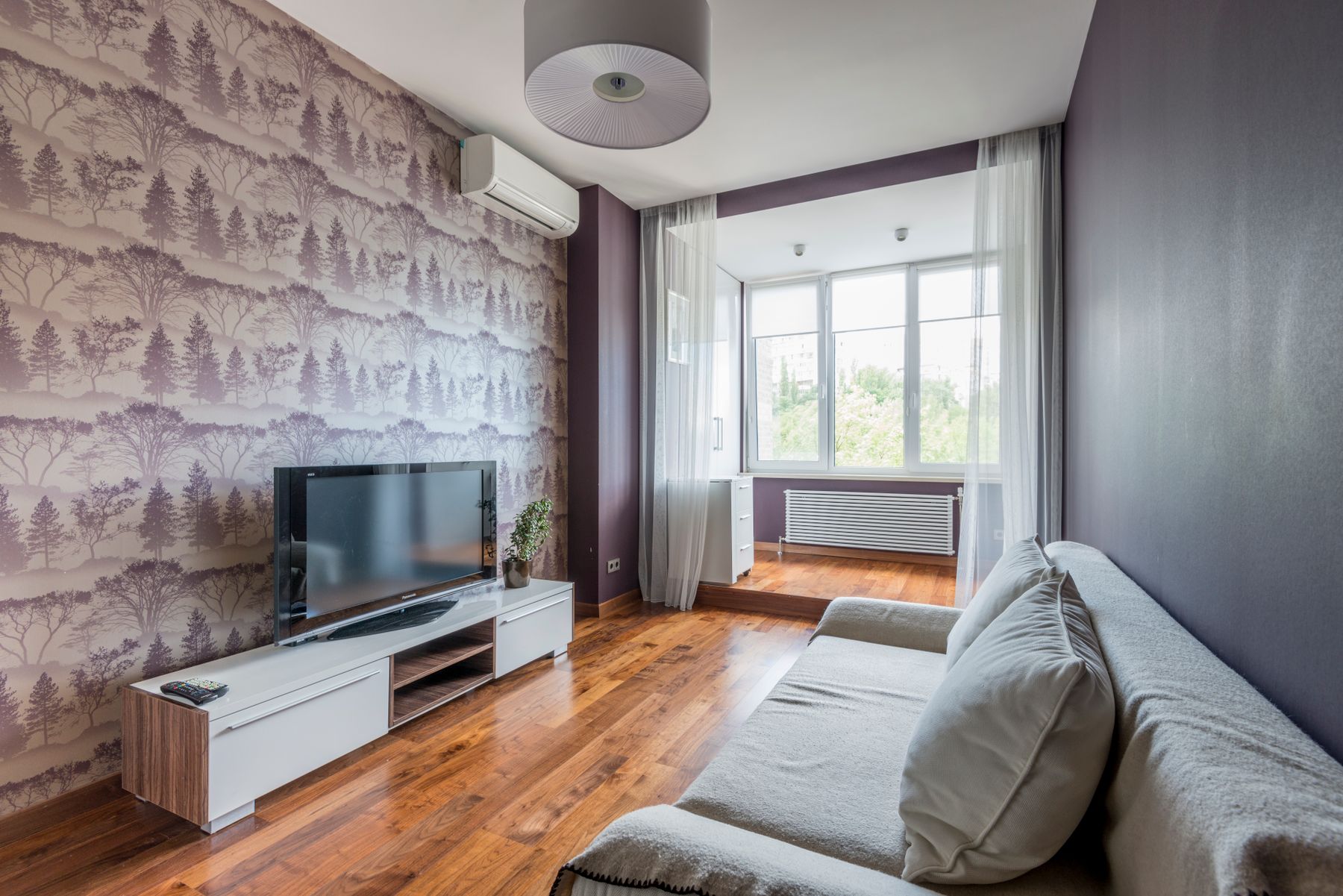
Choose screen position from seated eye level, viewing distance, glare and cable access rather than an empty patch of wall. A low media unit can hold equipment and visually ground the screen; closed doors reduce small-object noise. If the television is not used daily, consider dark wall color, sliding panels or artwork-scale integration, but keep ventilation and service access. Storage planning in [living room storage ideas](/living-room/living-room-storage-ideas/) helps avoid a sleek facade that hides unusable compartments.
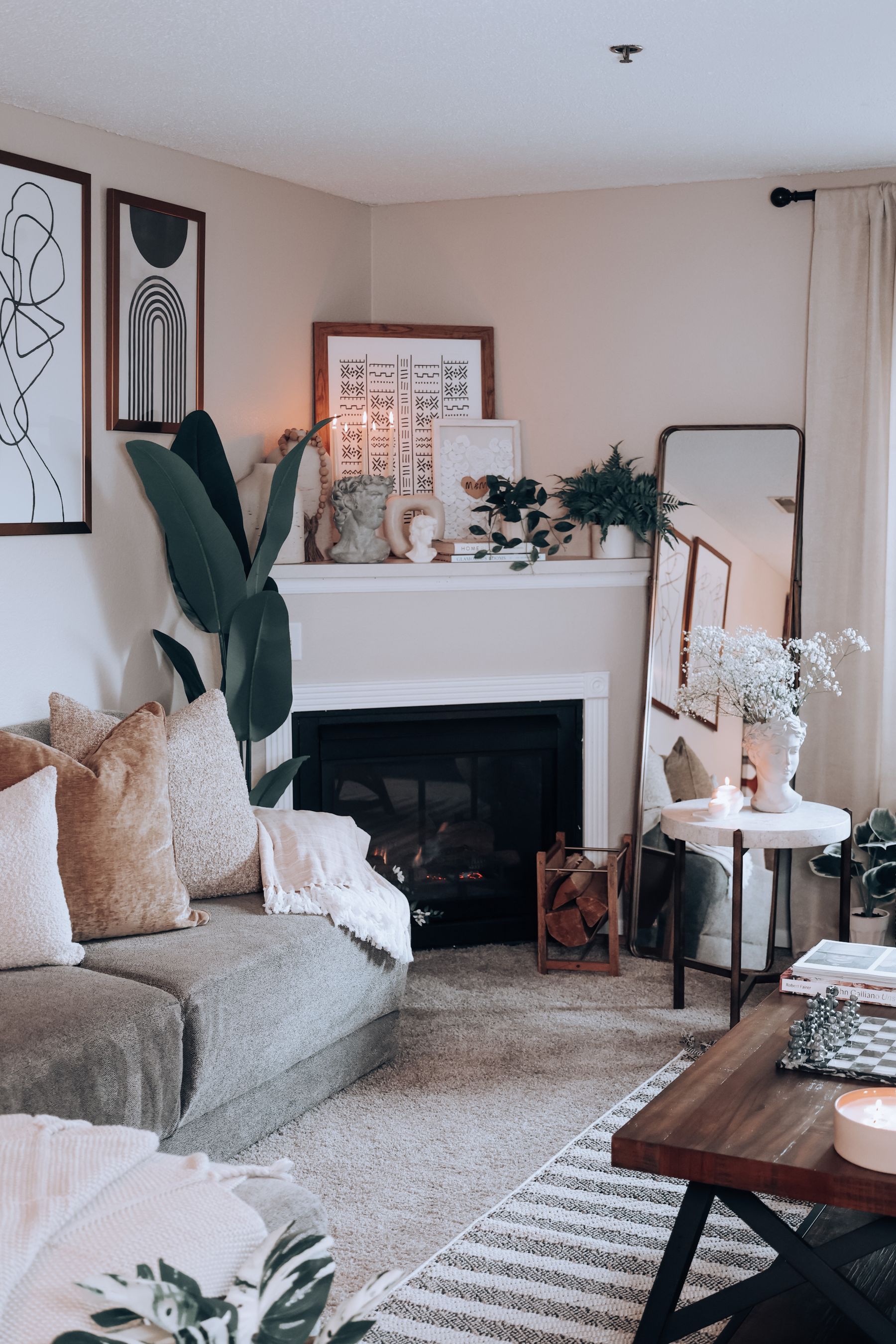
Resolve Fireplace and Screen Competition
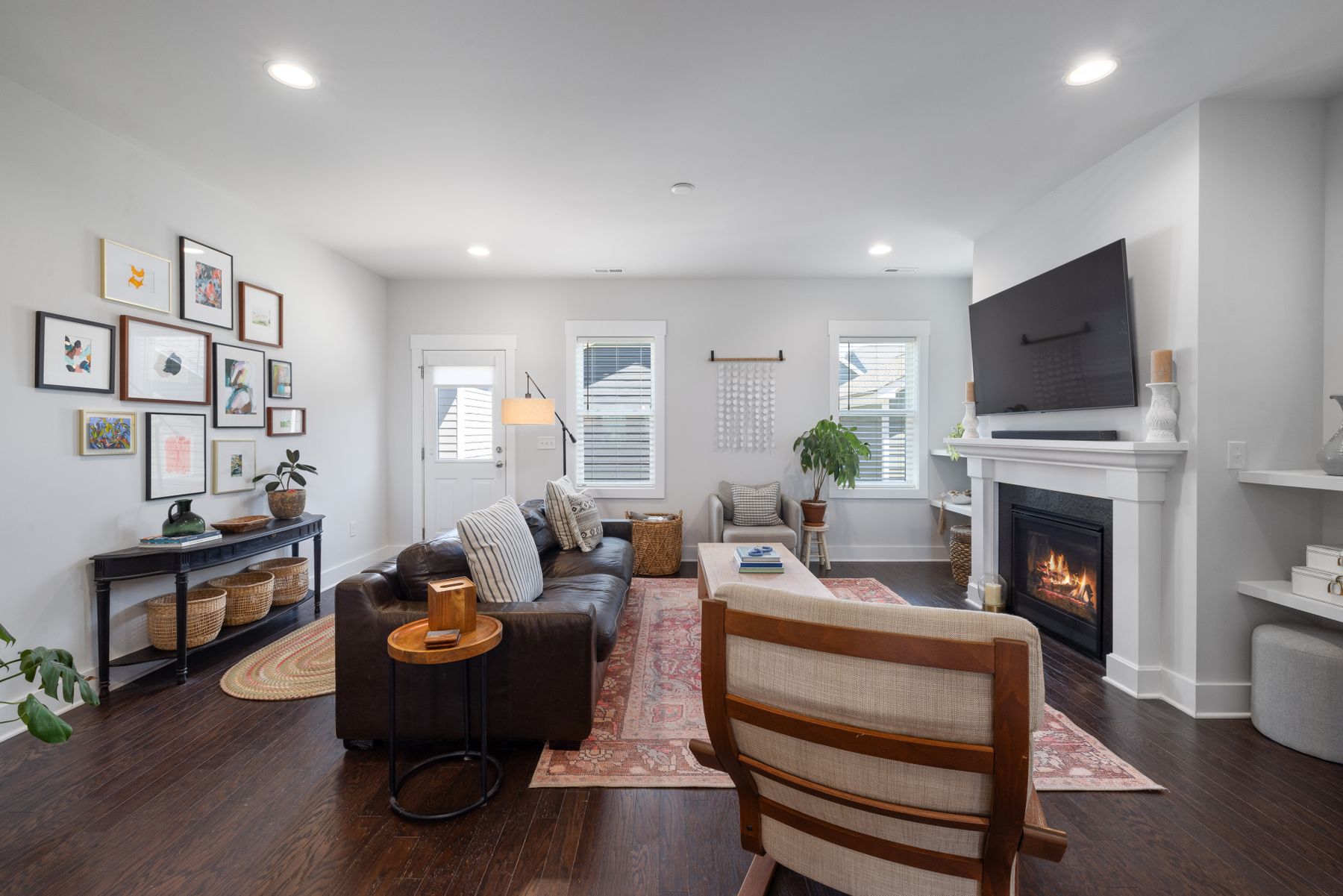
When fireplace and screen occupy different walls, decide which one leads during the room's most important activity. A swivel chair, an L-shaped group or a screen placed beside a low fireplace can serve both without mounting the television uncomfortably high. Working fireplaces require manufacturer clearances, heat-safe materials and access for maintenance; styled photographs are not installation instructions. Let one wall remain quieter so two focal points do not compete with a third gallery or shelving composition.
Choose Sofa Scale From the Remaining Room
Sofa length is only the beginning. Depth, arm width, back height and chaise projection determine how much usable room remains for tables and circulation. Deep seating may suit lounging but feel awkward for shorter users or formal conversation; loose cushions also demand more maintenance. Curved forms can soften a rectilinear room and encourage eye contact, yet they need open floor around the arc. Measure the delivery route as carefully as the final position.
Use Color at Architectural or Furniture Scale
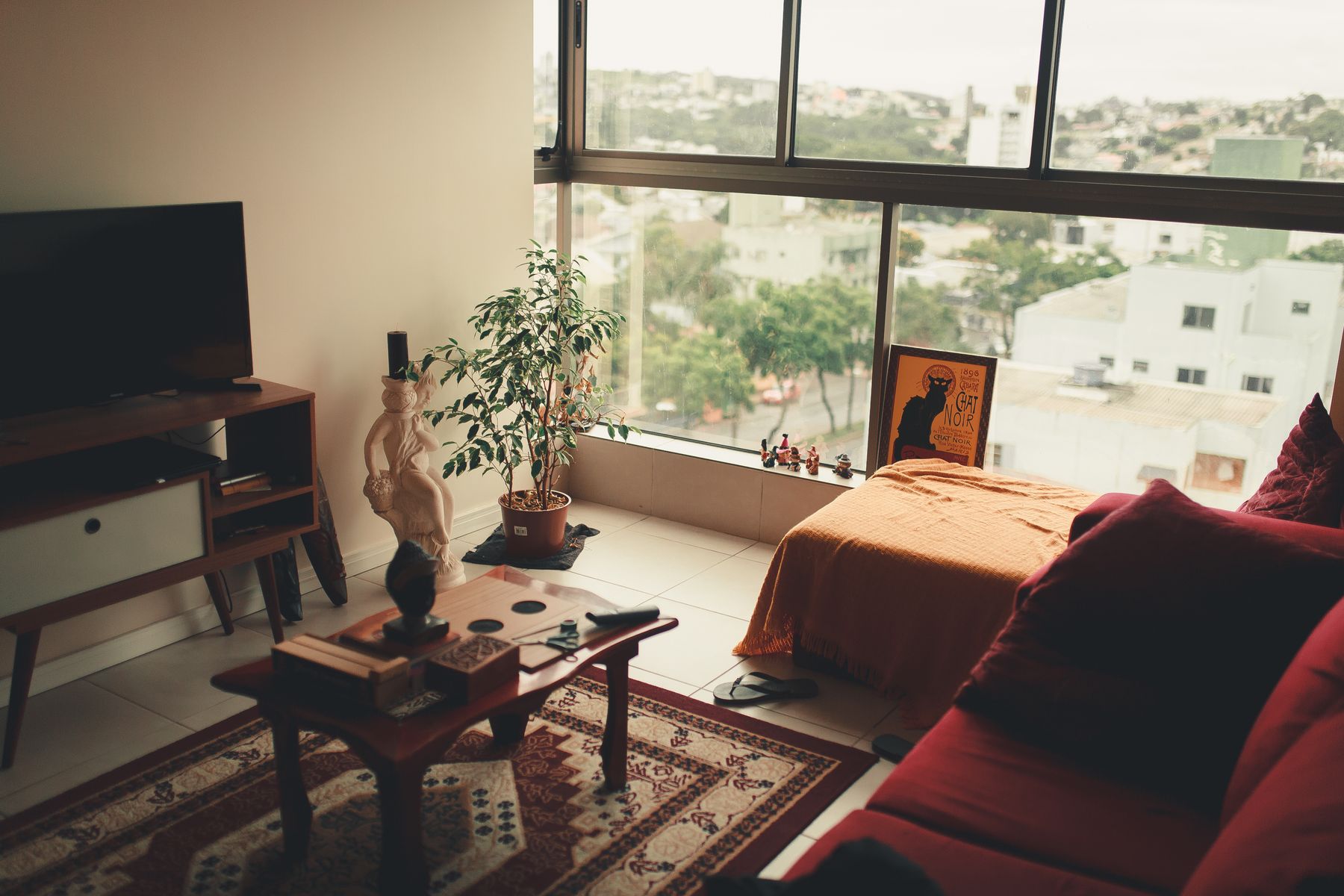
Modern rooms no longer need an all-white or cool-grey formula. A colored sofa, enveloping wall tone or substantial rug can carry the palette, while quieter neighbors prevent visual fragmentation. Olive, clay, burgundy, ochre and deep blue feel grounded when repeated through related rather than identical tones. Test large samples beside flooring and in both daylight and lamplight. The broader room-to-room approach in [contemporary apartment ideas](/apartment/contemporary-apartment-ideas/) shows how a current palette can connect without exact matching.
Mix Rectilinear Architecture With Softer Forms
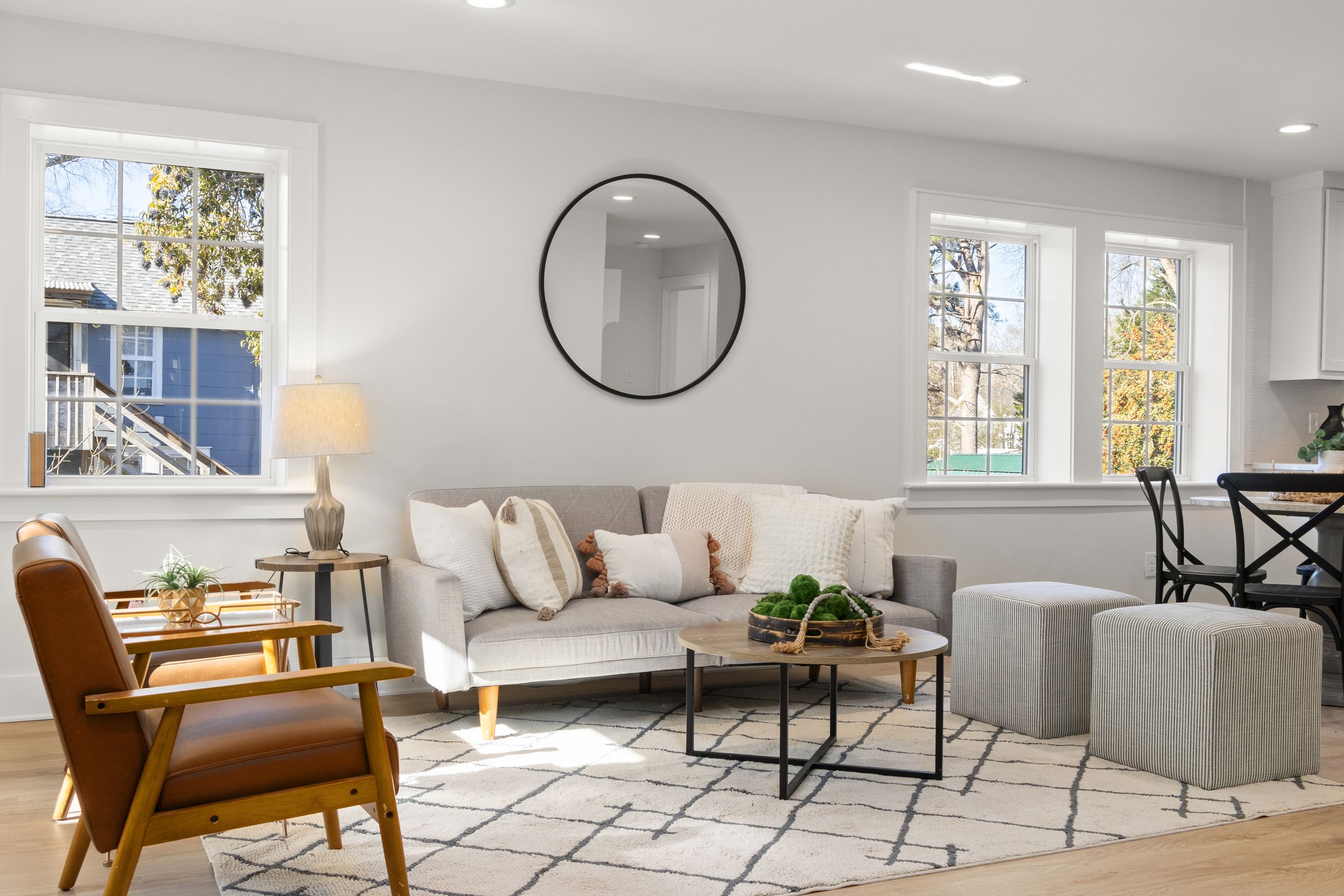
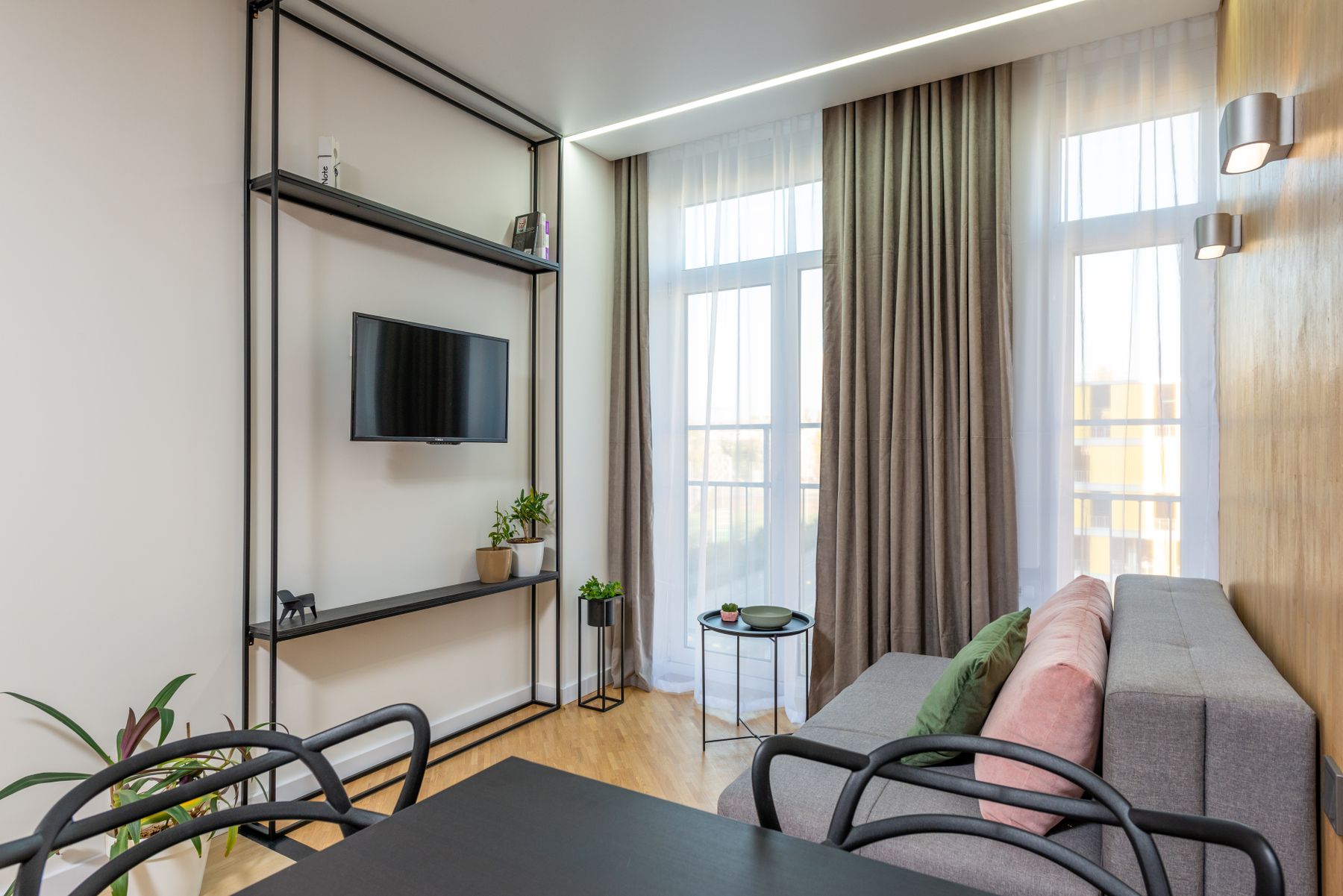
Most living rooms begin as boxes, so repeating only straight sofas, square tables and gridded shelving can feel rigid. Introduce one or two soft geometries through a round table, curved chair, oval rug or arched lamp. The contrast should improve movement or comfort, not become a catalogue of curves. In a narrow room, a rounded table edge is also easier to pass than a projecting corner, making form a functional choice rather than decorative shorthand.
Give Every Seat a Reachable Surface
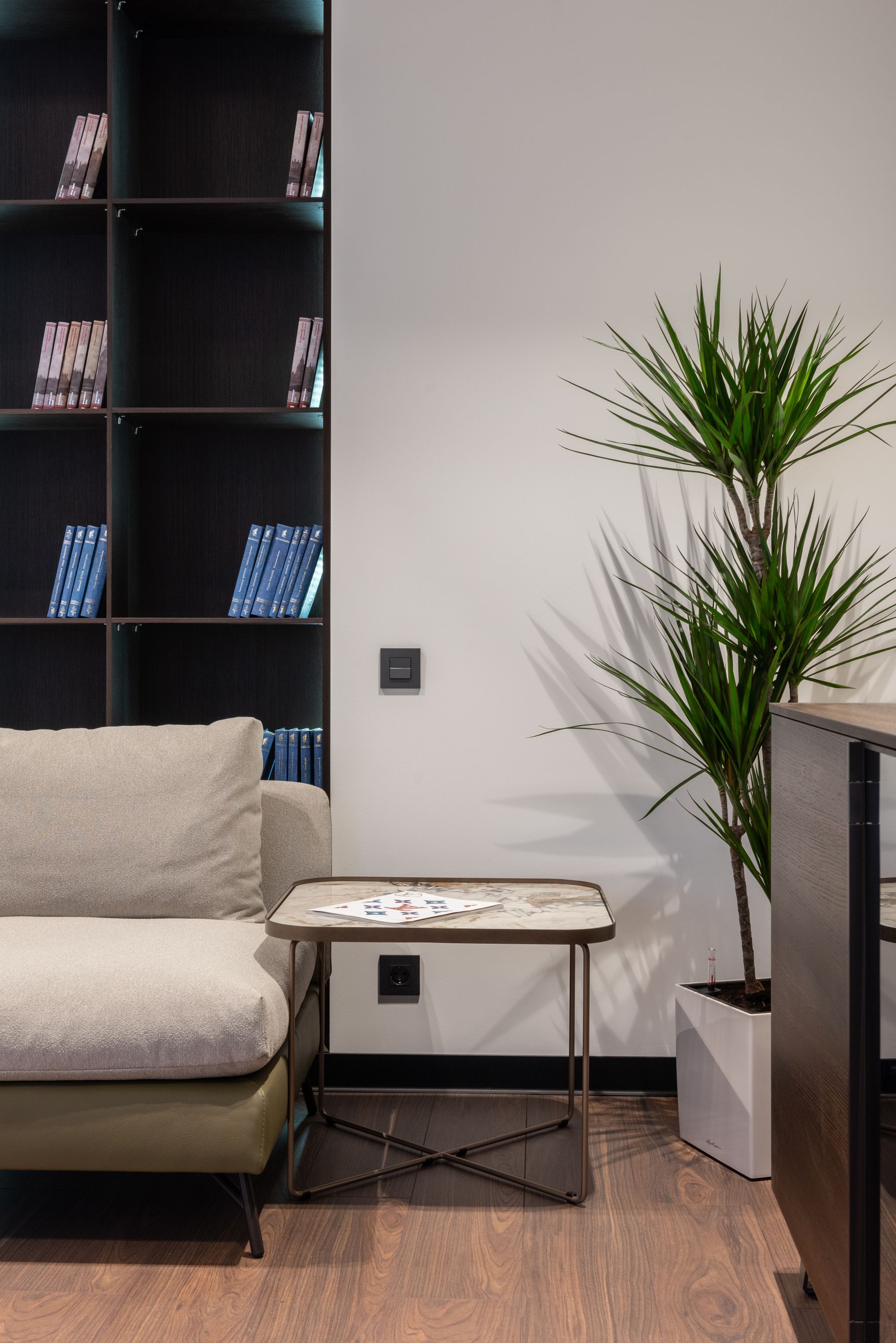
A room feels considered when a drink, book or phone has a safe landing place near each regular seat. Combine a central table with slim side tables, nesting pieces or a C-table where space is tight. Check height against the seat and allow enough stable surface without blocking knees or passage. Mixed table materials often look more natural than a matching suite and let each position respond to its task.
Size the Rug to the Furniture Group
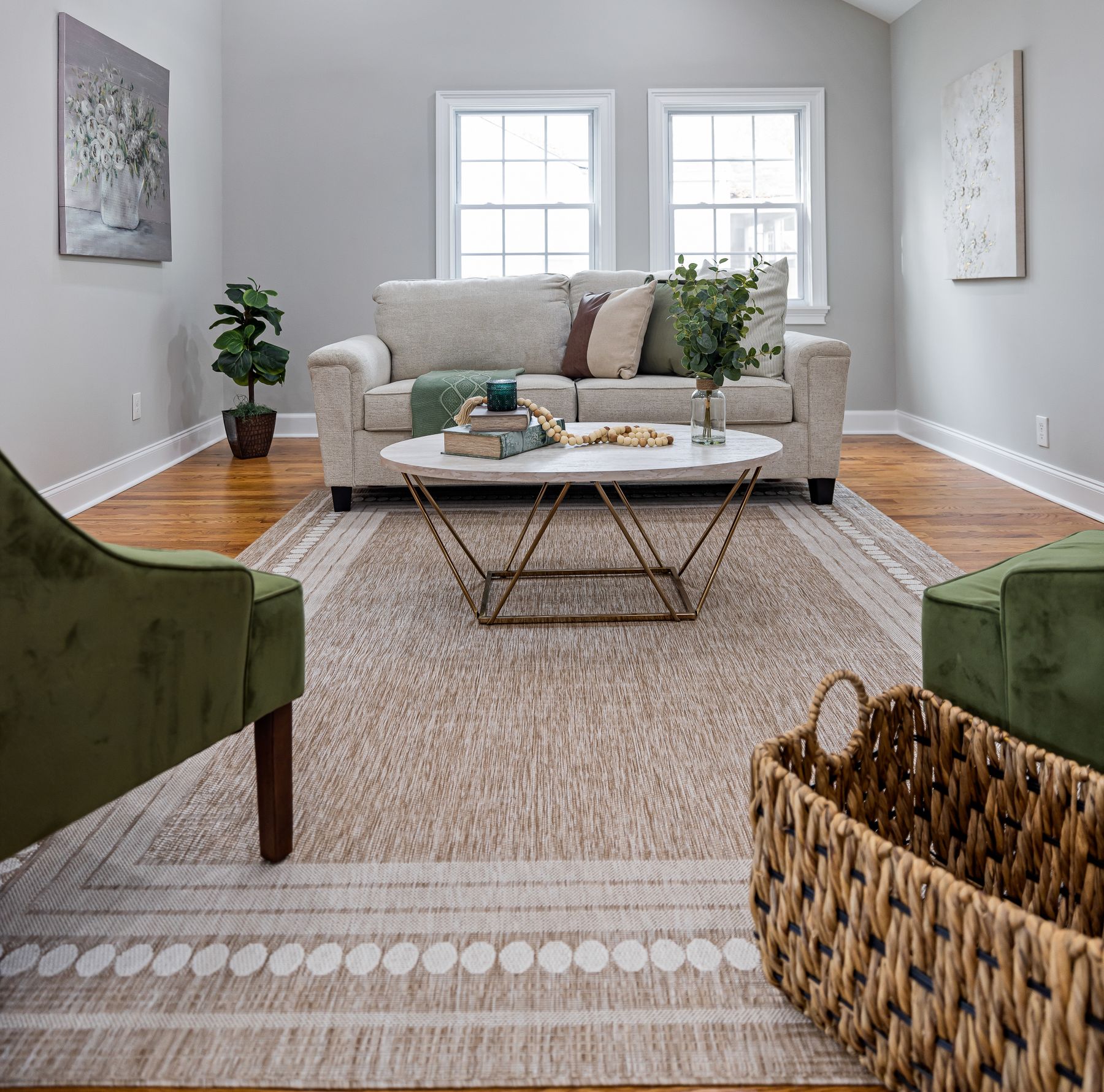
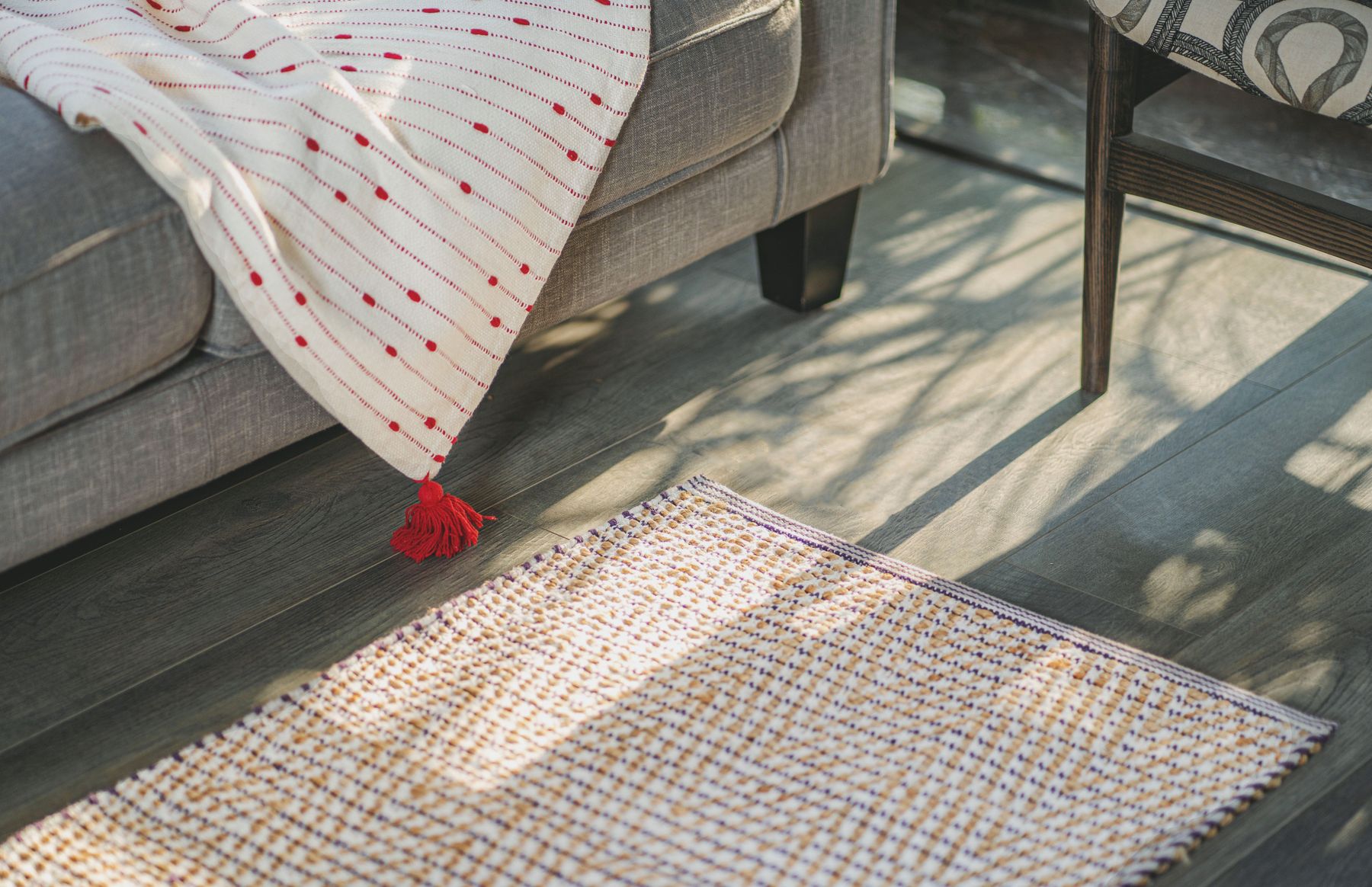
An undersized rug makes even good furniture look disconnected. Mark likely dimensions with tape while the sofa and chairs are in their normal positions, including the space needed to pull or swivel them. A larger rug can make a modest room feel calmer because it reduces fragmented floor boundaries. Fiber, backing, pile and cleaning method matter as much as pattern; the detailed placement and maintenance options in [living room rug ideas](/living-room/living-room-rug-ideas/) help finalize the choice.
Build Texture Through Useful Materials
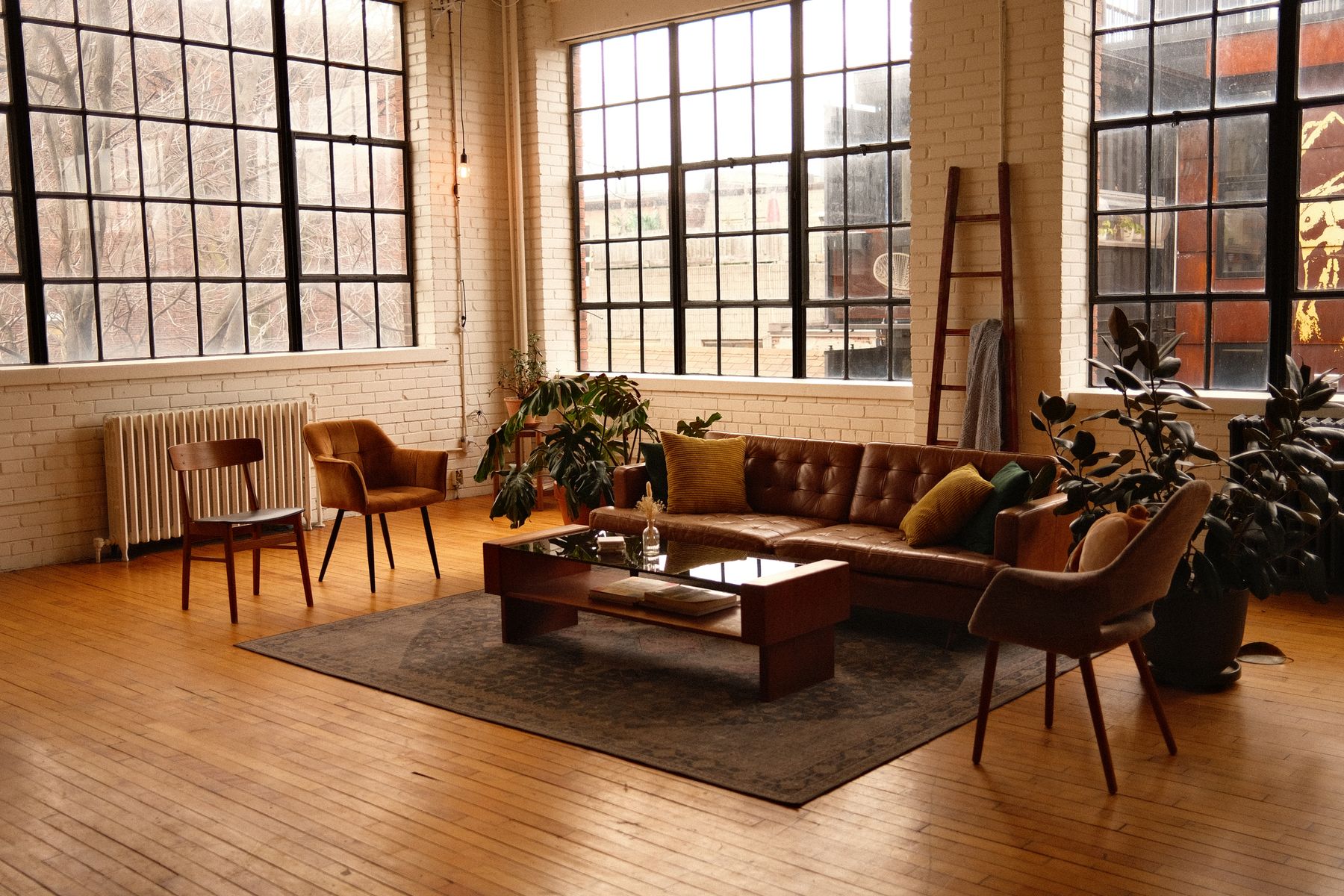
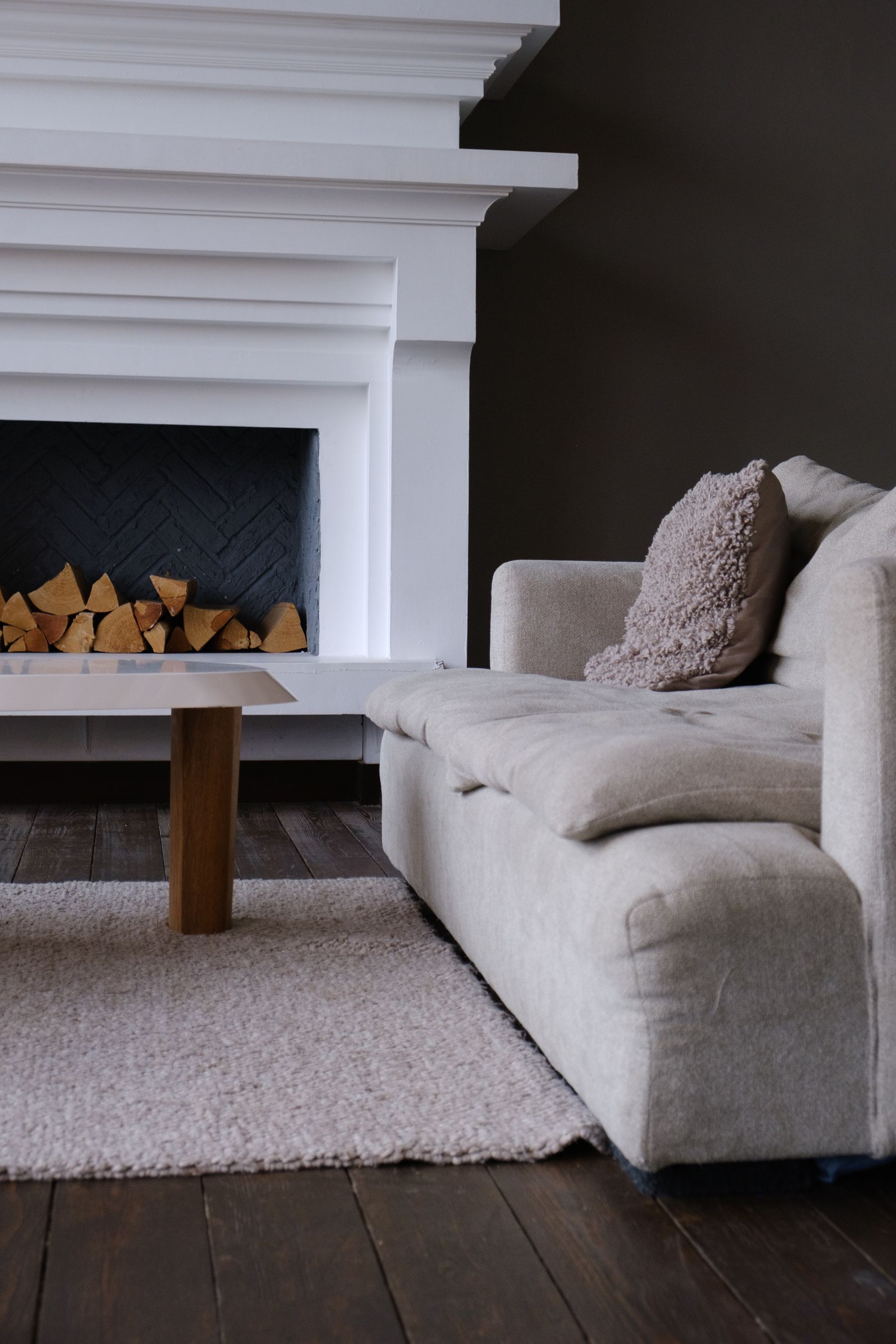
Texture works best when it belongs to objects the room needs: a wool rug, linen curtains, nubby upholstery, timber table or mineral wall. Contrast smooth with tactile and matte with reflective, then stop before every surface demands attention. Consider how the material ages—bouclé can trap debris, open-grain wood may mark and loose weaves can snag. For a stronger comfort lens, [cozy apartment ideas](/apartment/cozy-apartment-ideas/) develops warmth through thermal, acoustic and sensory decisions rather than decorative clutter.
Let a Statement Rug Carry Pattern
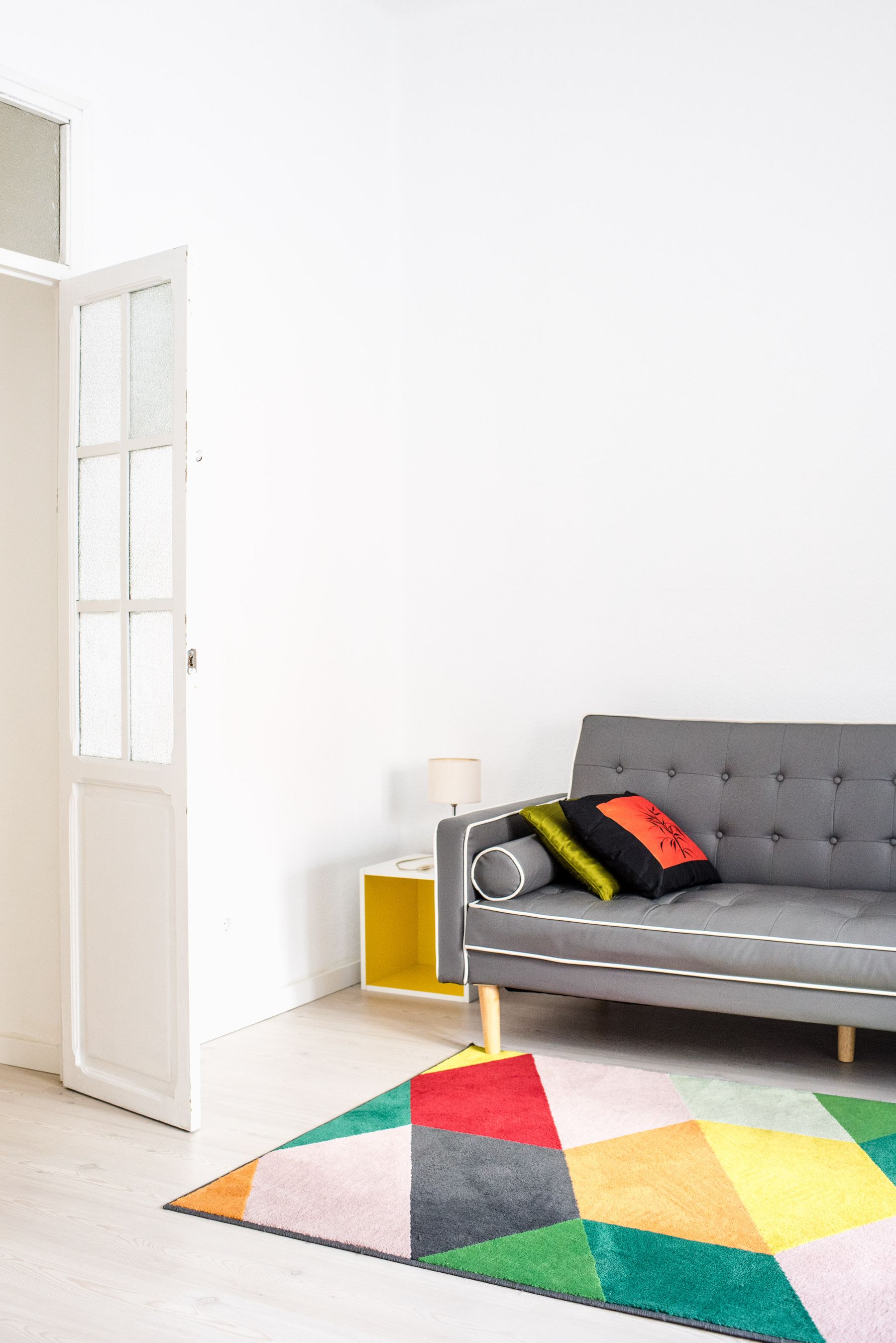
If the furniture shapes are restrained, a patterned or saturated rug can provide movement and personality. Choose a motif with enough variation to tolerate daily marks, but ensure contrast does not make the floor visually unstable for anyone with impaired vision. Pull two or three related colors into art or upholstery rather than matching every tone. In an open plan, let adjacent rugs differ clearly in pattern while sharing one material or color relationship.
Use Daylight Without Sacrificing Screen Comfort
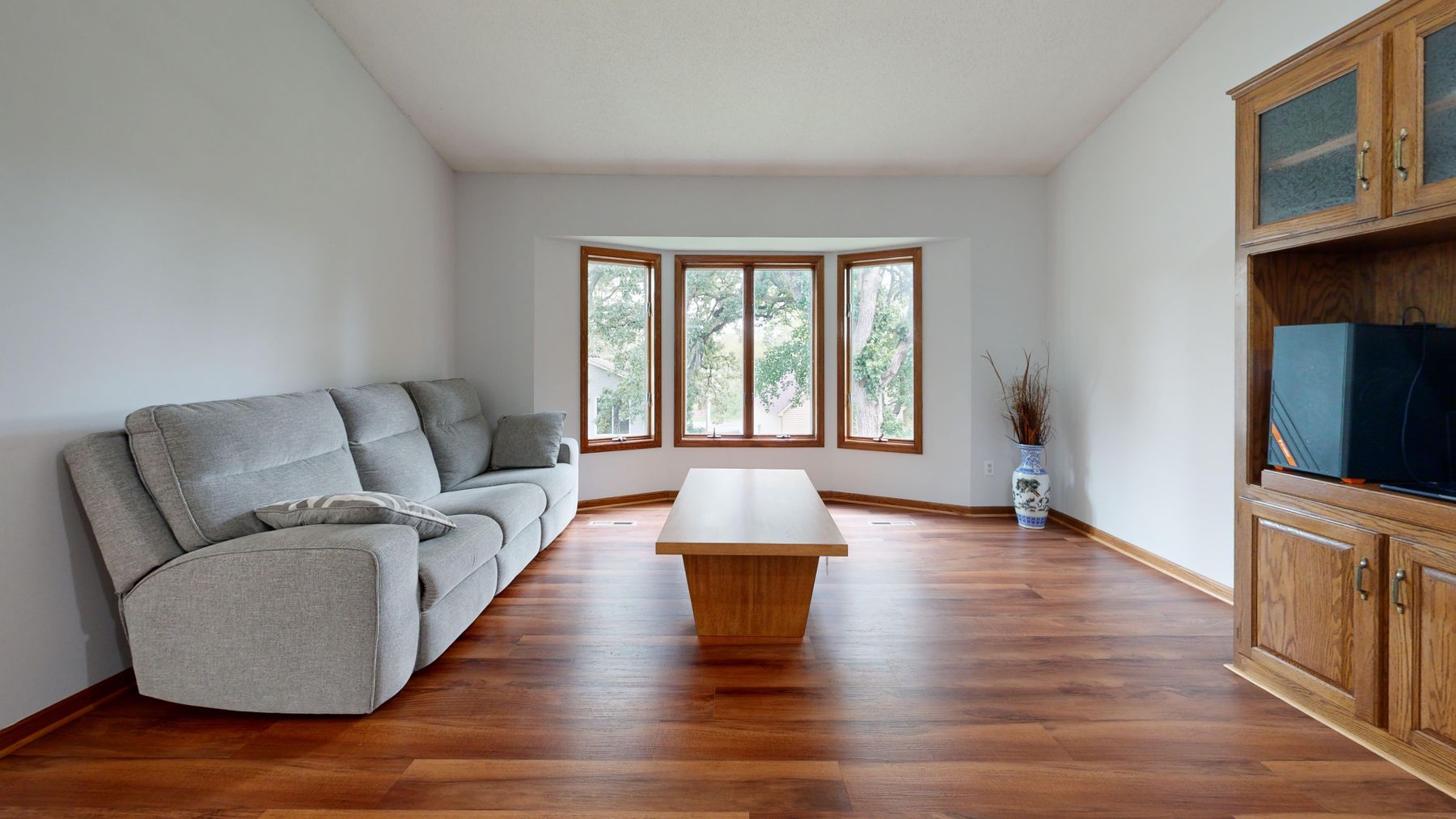
Map how sun moves across the room before fixing the screen, reading chair or delicate upholstery. Sheer curtains can diffuse glare while a lined layer provides darkness and thermal comfort; blinds may protect the view but leave hard reflections at certain angles. Keep tall storage away from the brightest opening unless it solves a genuine privacy problem. [Bright apartment ideas](/apartment/bright-apartment-ideas/) expands the daylight strategy to borrowed light, reflective surfaces and windowless edges.
Treat Window Coverings as Working Architecture
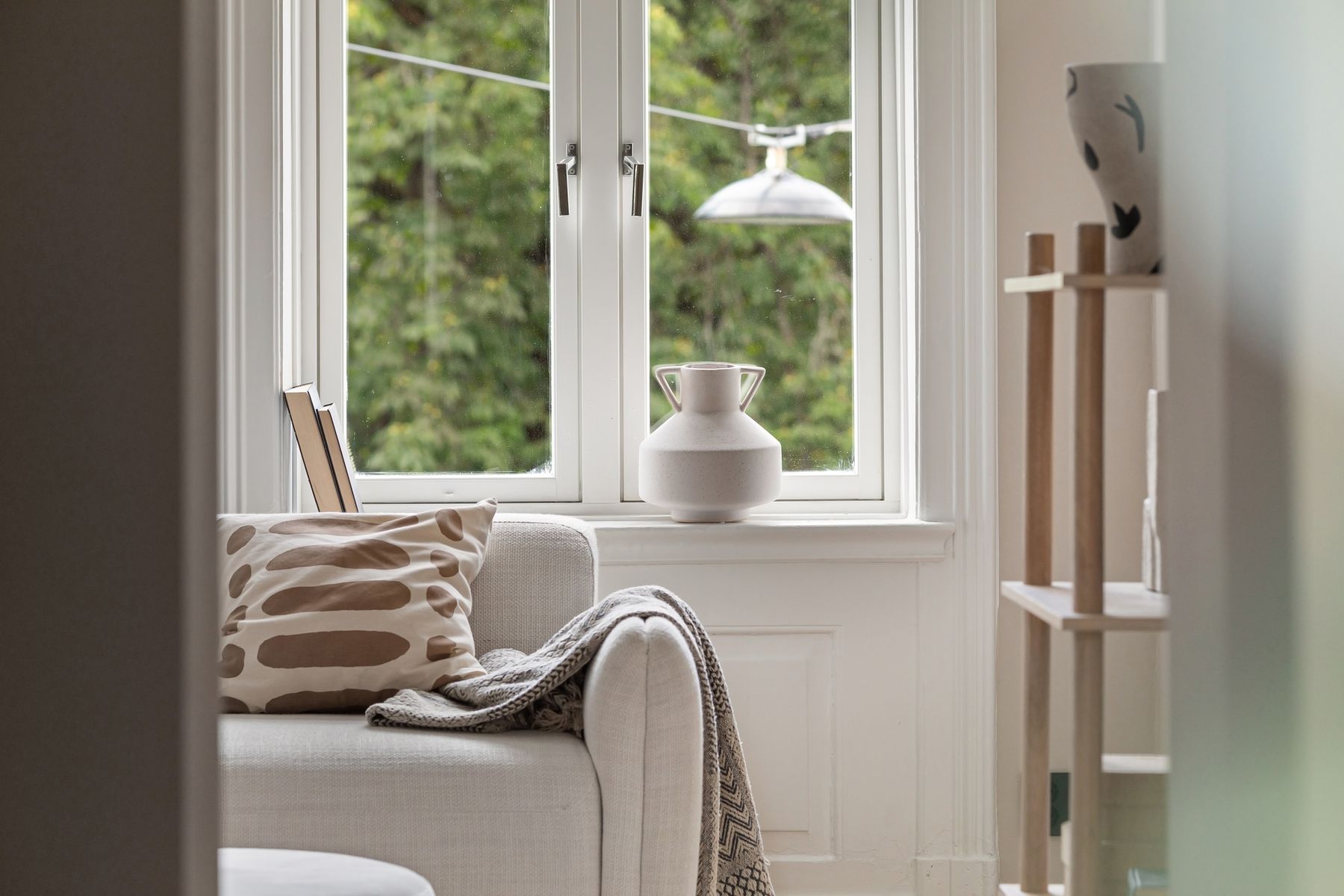
Curtains and blinds control privacy, glare, heat loss and sound, so choose them before the final furniture squeeze. Mounting wider than the glass lets curtains stack clear of daylight; full height can make a modest opening feel intentional. Near radiators, vents or floor outlets, confirm clearances and airflow. Layering a translucent blind with lined curtains gives more useful control than one heavy treatment left closed all day.
Layer Light Around Activities and Sightlines
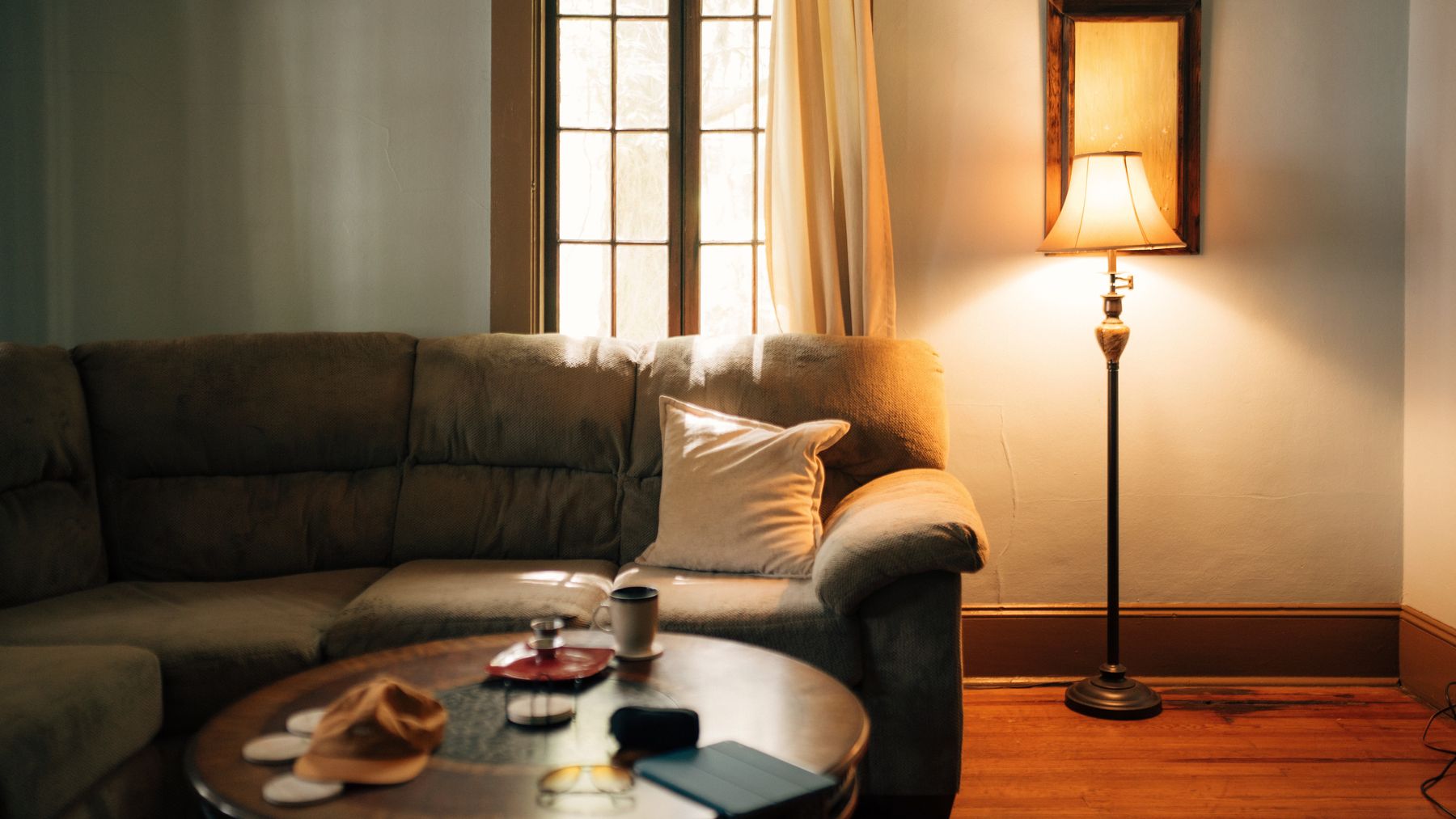
Combine general light for movement, focused light for reading and lower-output sources for atmosphere. Put switches where people enter and sit, and use dimming compatible with the actual lamps and controls. Avoid a grid of bright downlights as the only solution; it can flatten faces and leave corners visually dead. The fixture-by-fixture planning in [living room lighting ideas](/living-room/living-room-lighting-ideas/) helps coordinate beam, color temperature, glare and cable routes.
Use a Sculptural Fixture Only Where It Can Perform
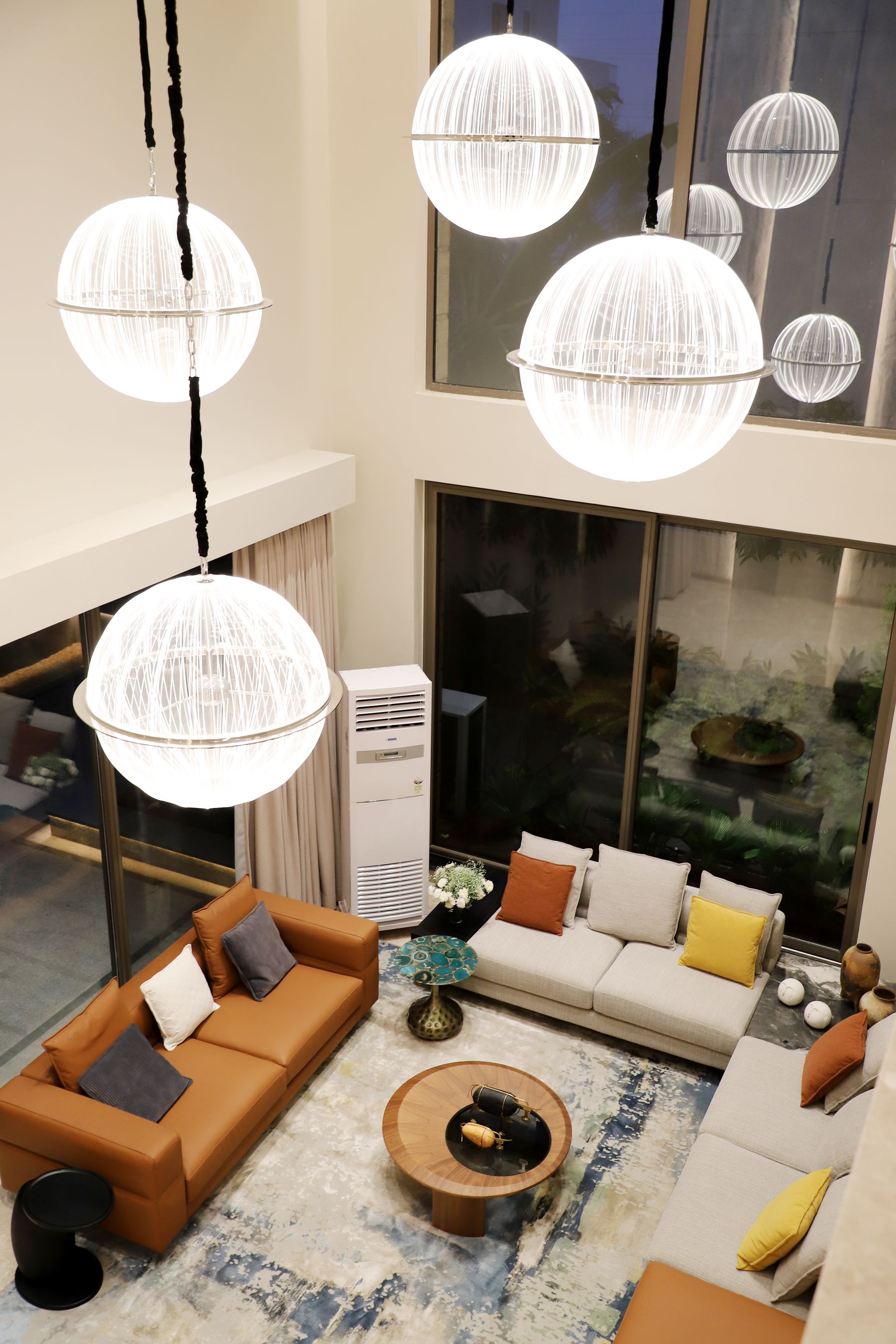
An oversized pendant or articulated floor lamp can give a modern room identity, but it must clear heads, doors and views while delivering useful light. Check the ceiling junction, weight, dimming and cleaning access before purchase. In rooms with low ceilings, a broad flush fitting or wall-mounted layer may have more presence than a pendant hung too high. Let one fixture lead and keep nearby lamps quieter so the lighting scheme does not become a showroom display.
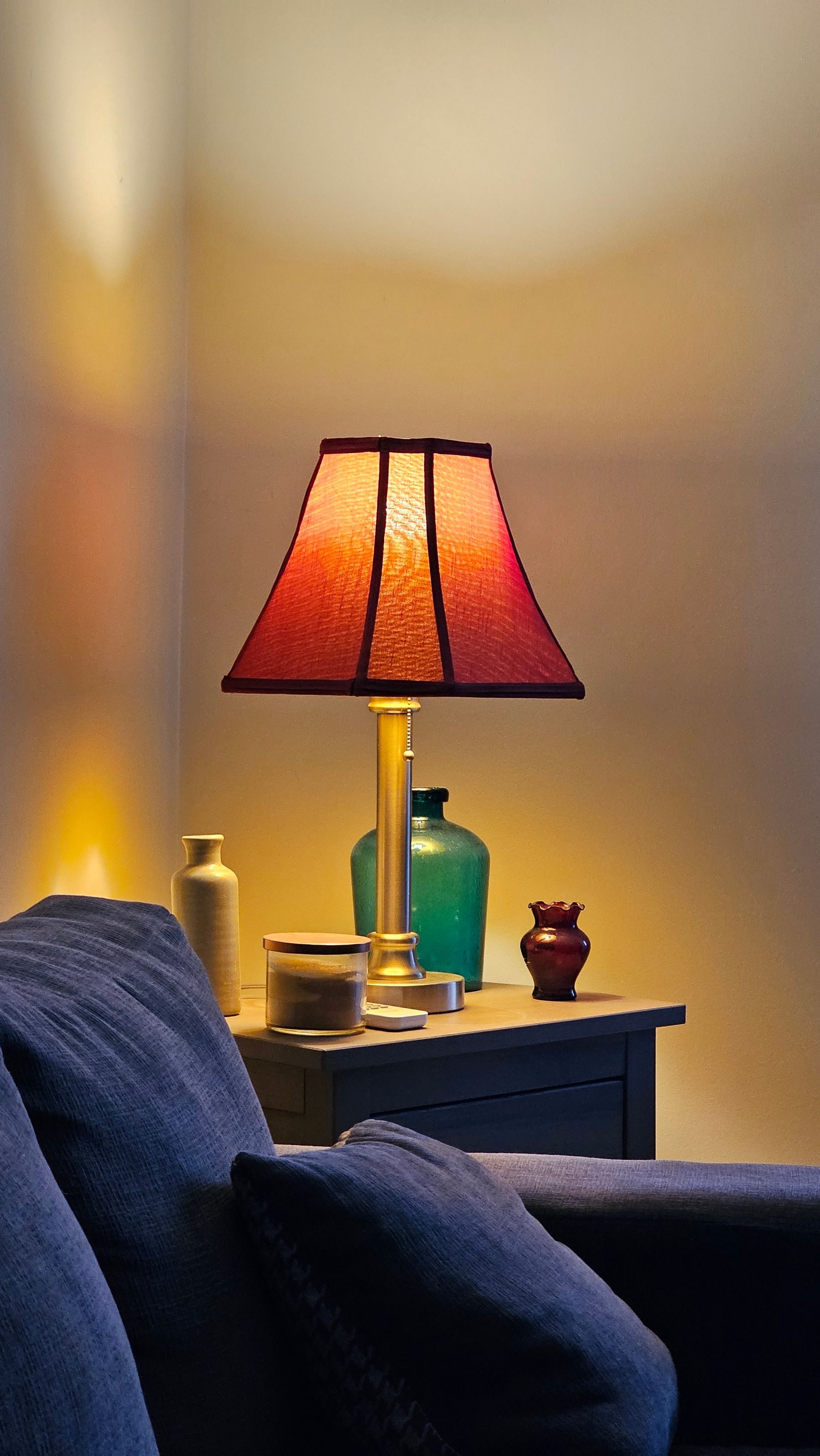
Put Task Light Beside the Person, Not the Sofa
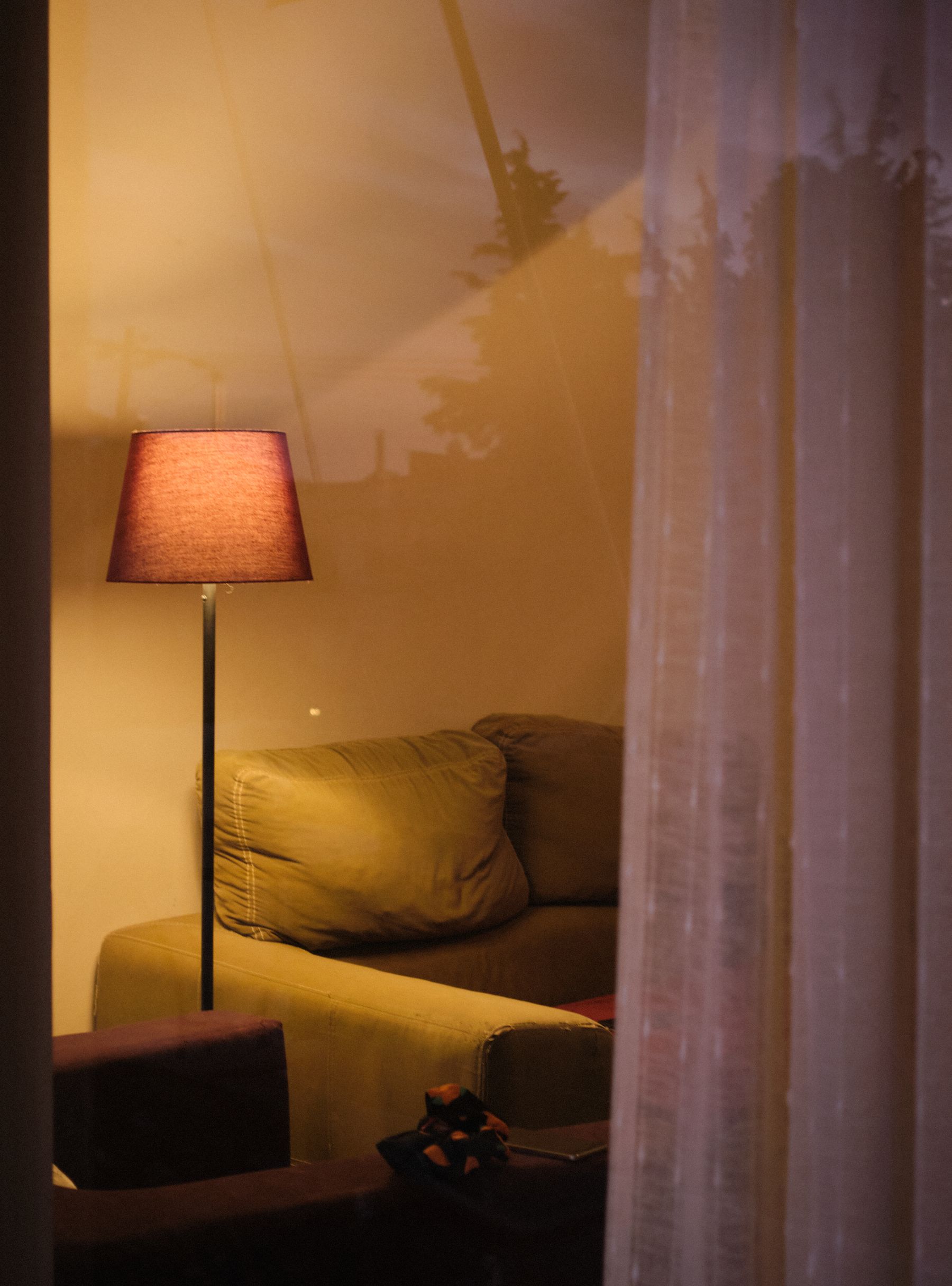
A beautiful lamp is ineffective if the shade sits behind the reader's shoulder or reflects in the television. Test beam direction from the actual head and hand position, allowing for left- and right-handed users. A table lamp needs a stable surface and concealed cable route; a floor lamp needs a base outside the main path. Accessible switches, smart plugs or wall controls can make the evening layer useful for more members of the household.
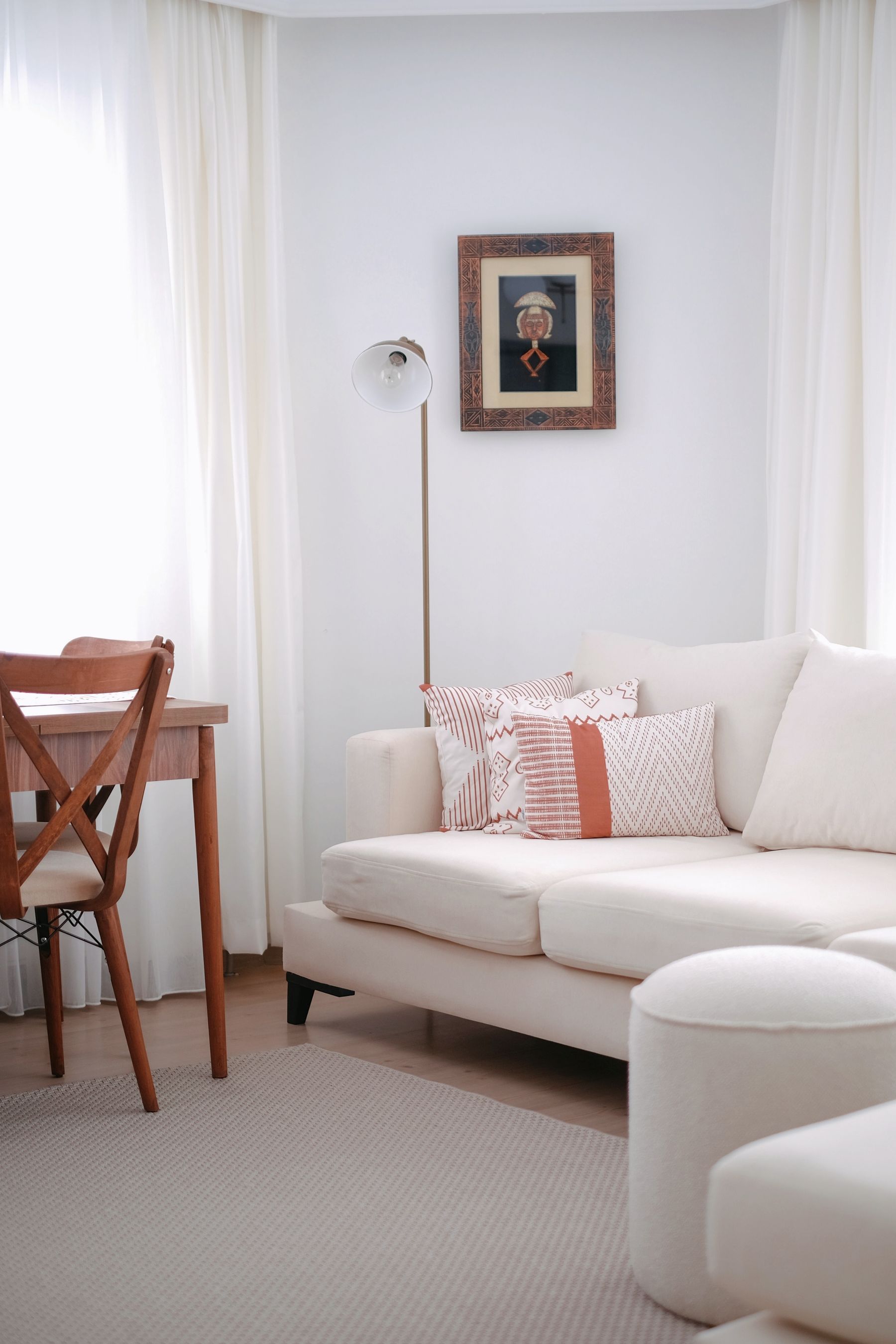
Choose One Clear Wall Role
Decide whether each major wall carries art, storage, media, color or architecture. Asking one surface to do all five usually creates visual competition. A single large work can balance a sofa more calmly than a scatter of small frames; a gallery works when its outer shape and spacing are planned as a whole. For paneling, wallpaper, mirrors and display strategies, [living room wall ideas](/living-room/living-room-wall-ideas/) extends the decision beyond paint.
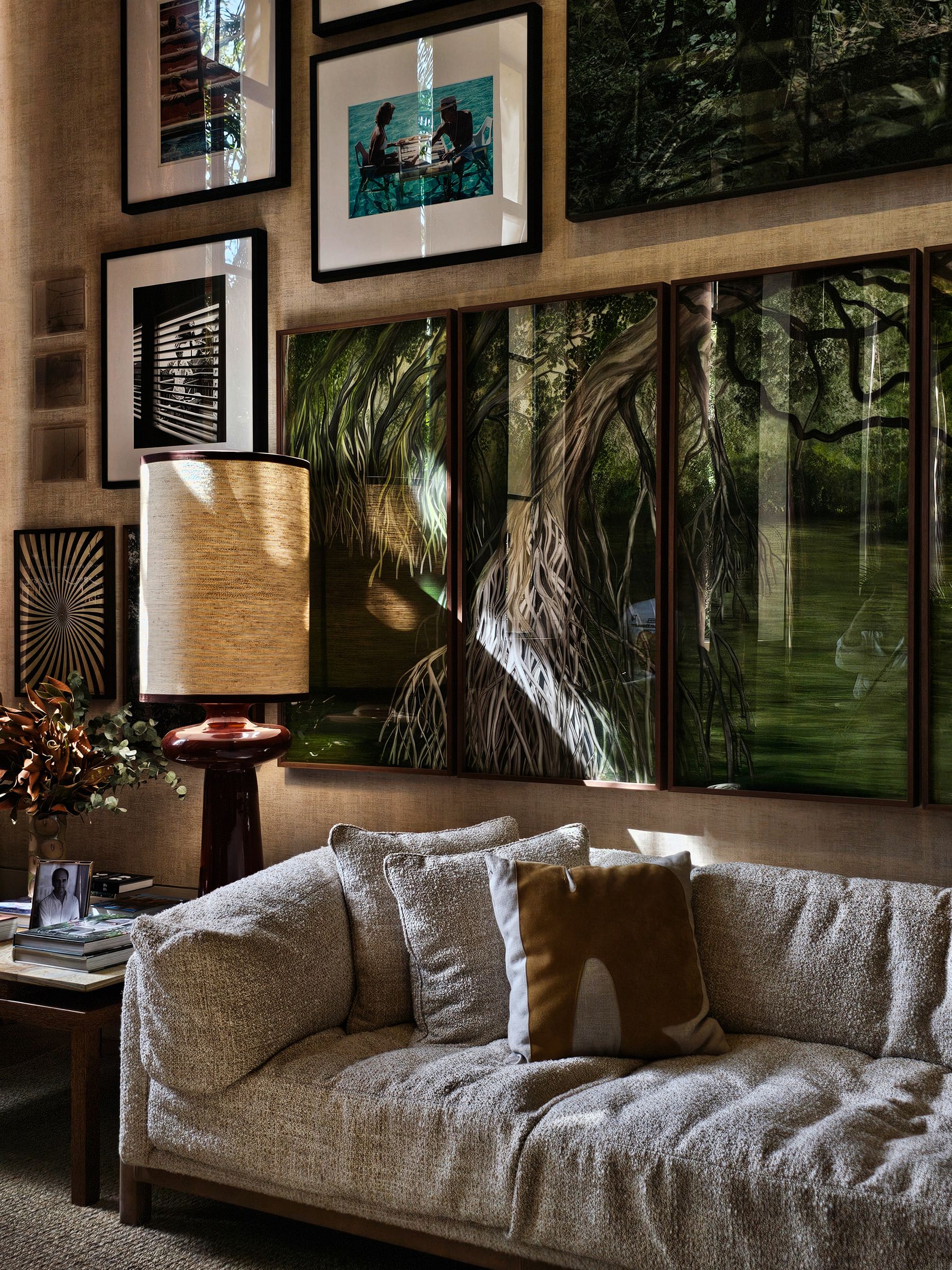
Make a Gallery Personal and Visually Coherent
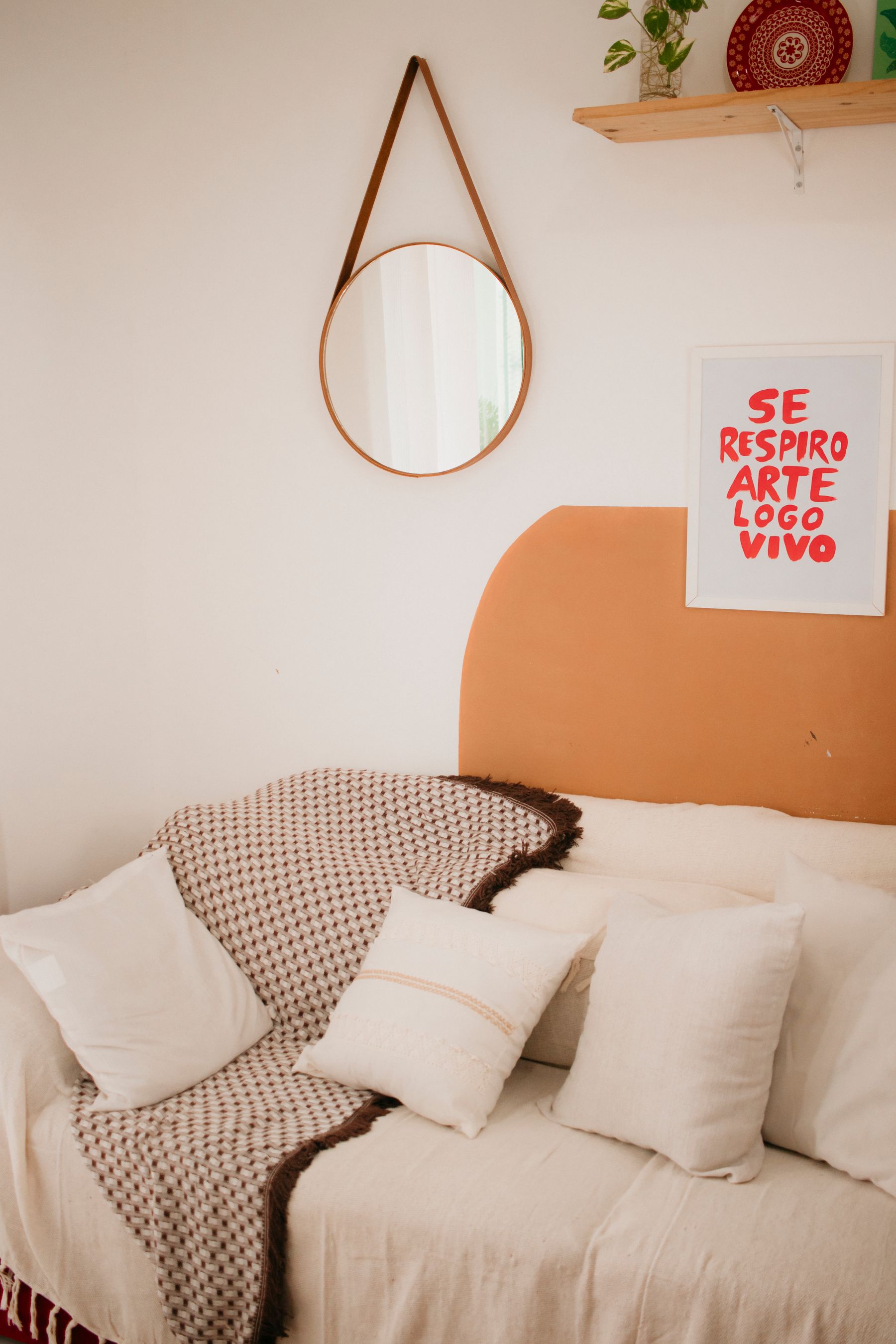
Modern does not mean generic art. Combine photographs, prints, textiles or personal works, then use consistent spacing or a limited frame relationship to make the group legible. Protect valuable pieces from direct sun and hang heavy frames with fixings suited to the wall construction. If the room already has strong pattern or shelving, reduce the gallery's color range so it supports rather than competes. Leave some wall area unfilled; negative space gives the collection edges.
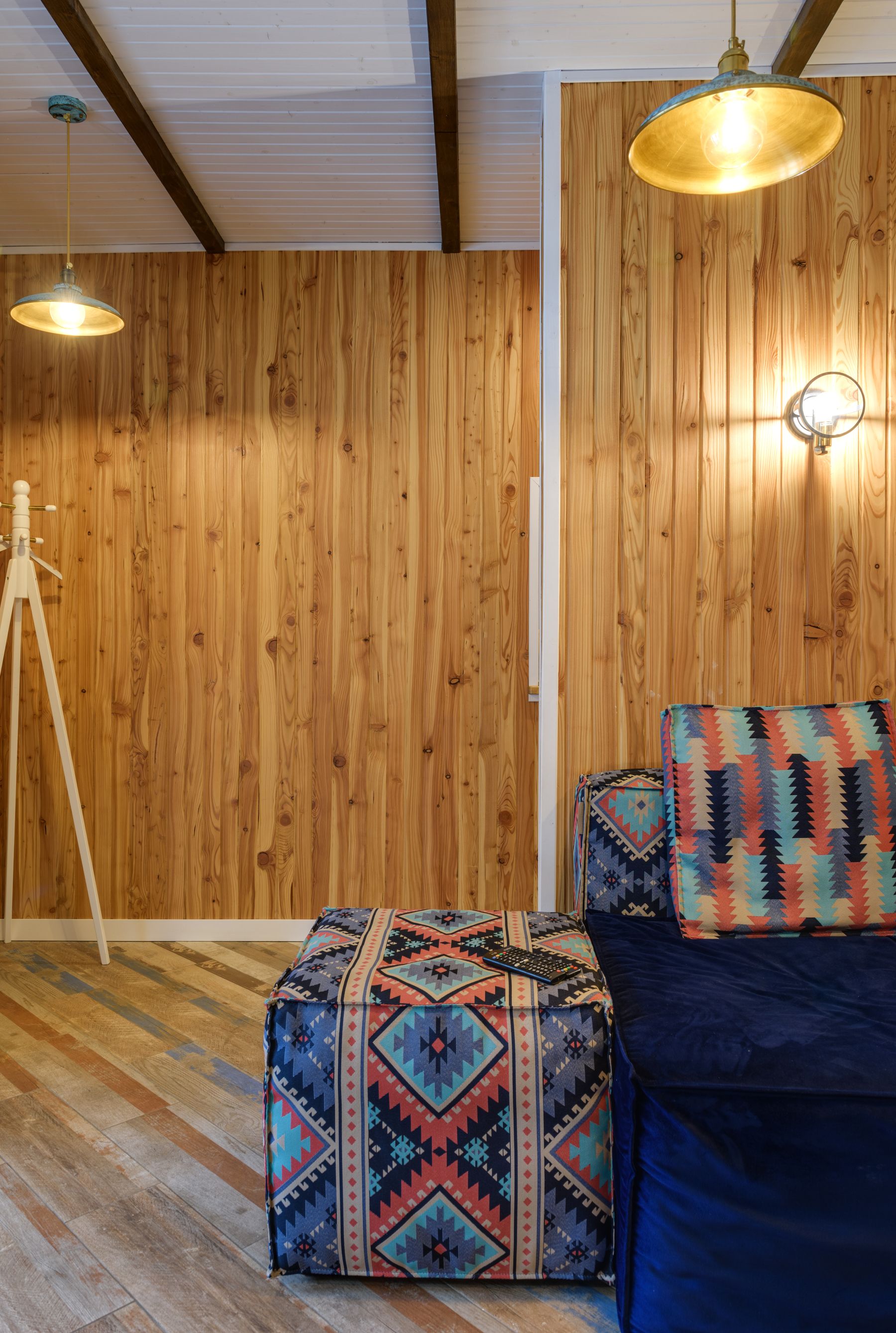
Add Architectural Depth With Paneling
Applied molding, slatted timber or broad panels can give a plain room scale and shadow. Align the pattern with doors, outlets, media equipment and furniture rather than stopping awkwardly behind them. Deep slats collect dust and may complicate acoustics or cable access, while painted molding is easier to repair. Use samples to judge how grazing light emphasizes joints and imperfections; the most successful treatment looks intentional in daylight as well as under accent lighting.
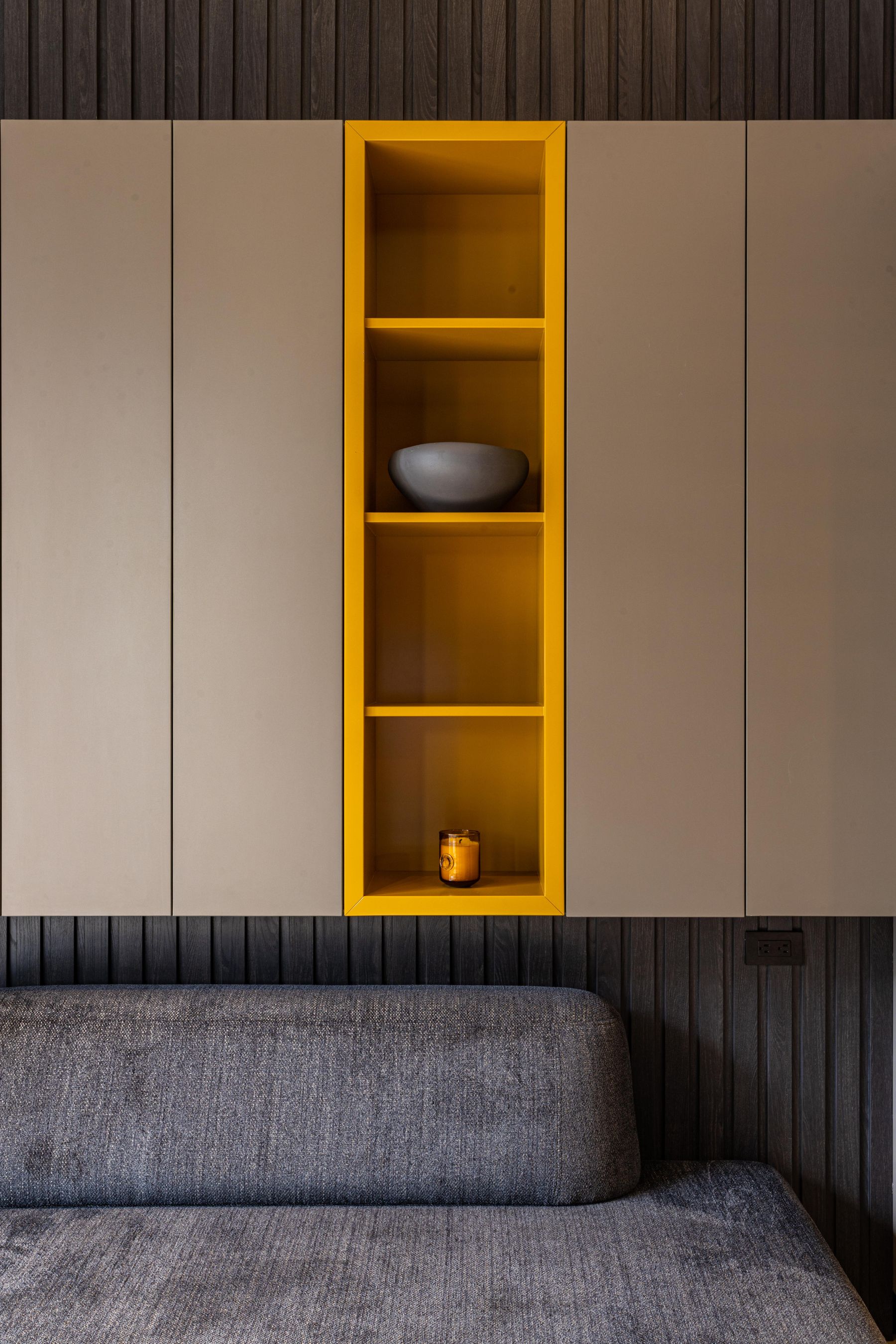
Concentrate Storage Instead of Filling Every Edge
Inventory books, games, blankets, chargers, toys and media equipment, then place each according to frequency of use. A combination of closed low storage and a smaller edited display often works better than open shelving on every wall. Allow ventilation, cable bends and access to sockets inside media cabinetry. Tall units must be anchored appropriately, especially in homes with children. Leave at least one quiet wall so the room can breathe visually.
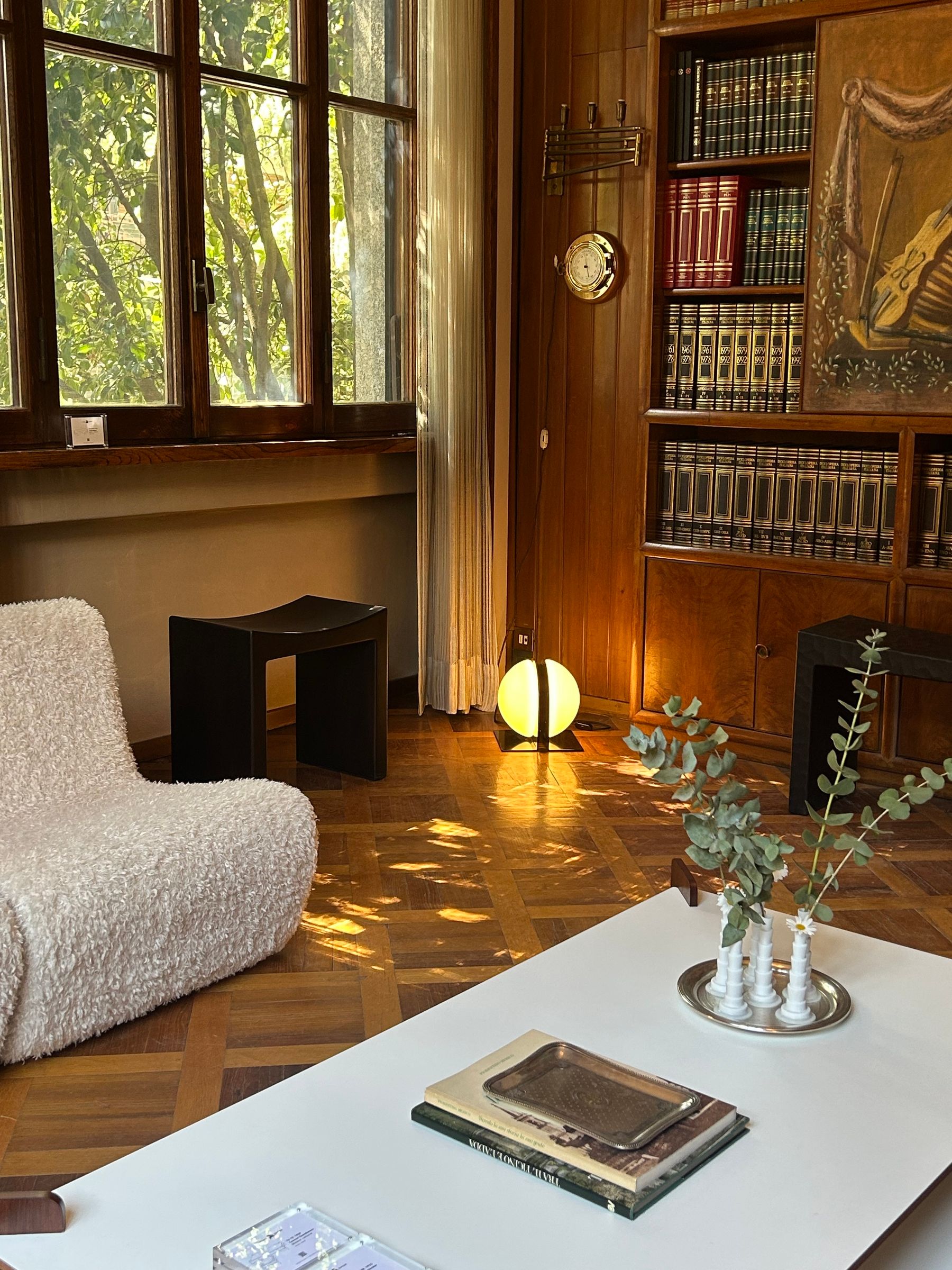
Mix Vintage Pieces Into a Modern Framework
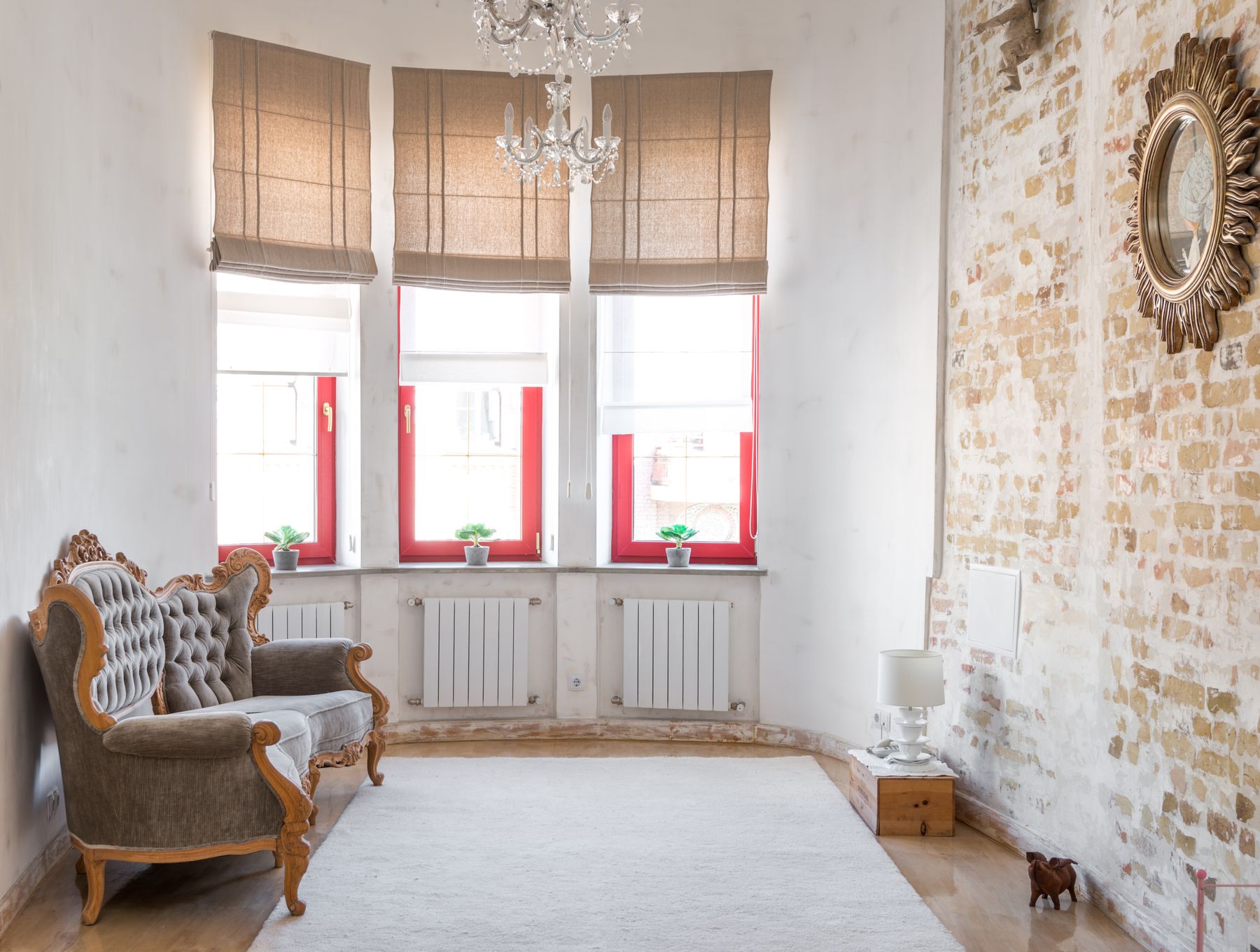
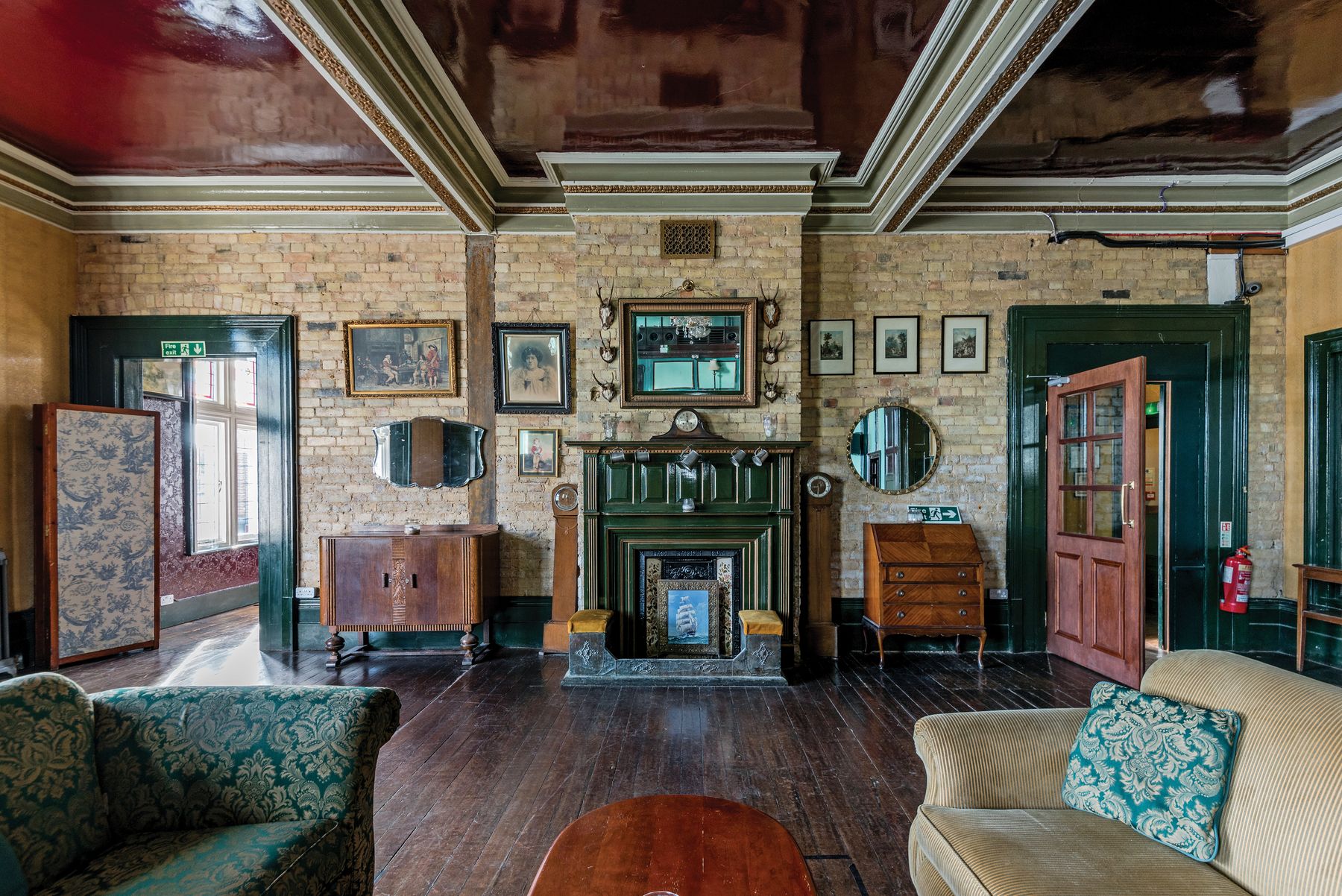
A vintage chair, lamp or table can keep a modern room from looking like a matching set. Choose pieces for useful scale and sound construction, then let age remain visible where it is safe. Reupholstery can improve comfort and performance while preserving a strong frame. Contrast is more convincing than imitation: a worn timber chair beside a simple sofa reads as collected, whereas several reproduction styles may feel staged. Our [vintage apartment ideas](/apartment/vintage-apartment-ideas/) guide develops the old-and-new balance across a whole home.
Balance Hard Finishes With Acoustic Softness
Open plans and hard modern finishes can create echo that makes conversation, television and calls tiring. Add absorption where it already serves the design: an adequately sized rug and pad, upholstered seating, lined curtains, textile art or books. Place loudspeakers away from bare corners and avoid solving every sound problem with decorative foam. In a large volume, professional acoustic advice may be more effective than adding random soft objects.
Bring Nature In Without Blocking the Room
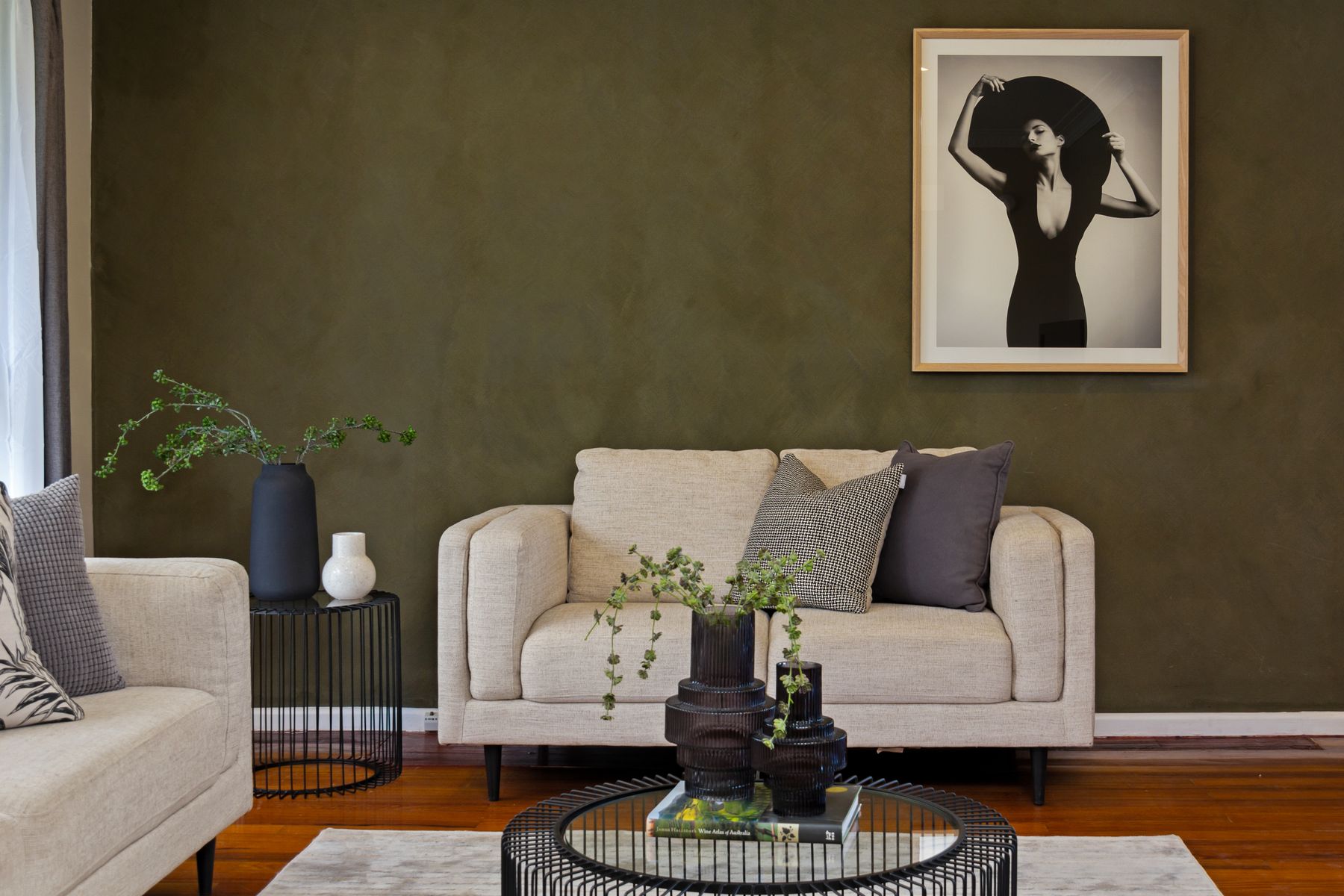
Plants can soften geometry and improve the view, but species must suit the available light, temperature and household. Keep pots out of escape routes, protect floors from water and avoid toxic plants where pets or young children can reach them. If maintenance is unrealistic, use landscape views, timber, green upholstery or botanical art instead of struggling plants. A single healthy specimen has more presence than many small pots competing with daily surfaces.
Make a Small Modern Living Room Generous
In a compact room, reduce redundant pieces rather than shrinking everything. One comfortable sofa, a mobile side table and a properly sized rug may work better than a tiny suite. Use wall-mounted lighting where floor area is scarce and concentrate storage vertically without blocking daylight. The room still needs contrast and comfort; pale color alone will not fix poor circulation. See [small living room ideas](/living-room/small-living-room-ideas/) for narrow plans, studios and multi-use zones.
Plan for Family Life, Pets and Spills
Choose upholstery by construction and care instructions, not a vague performance label. Removable covers, replaceable cushion inserts and mid-tone textured weaves can extend service life. Give toys, pet equipment and throws reachable closed storage, and protect sharp table corners along play routes. Light fabrics are possible when the household accepts the maintenance plan; dark fabric is not automatically forgiving if it shows lint, scratches or fading.
Create a Flexible Work or Reading Zone
A living room can host occasional work or homework without becoming an office. Place a compact desk, console or supportive reading chair at the room edge, with its own light, power and storage for materials. Keep video-call backgrounds and screen glare in mind, then make it easy to put work away. A movable table and nearby cabinet may serve better than permanent built-ins if routines change through the week.
Design for Different Bodies and Future Mobility
Preserve a clear route, avoid unstable pedestal tables in transfer zones and choose at least one seat with supportive arms and a practical height. Secure rug edges and route cables away from feet. Controls should be reachable without bending behind furniture, while contrast between floor, furniture and walls can help visual orientation. Accessibility does not require an institutional look; it asks the same modern questions of clarity, function and reduced friction, applied to a wider range of users.
Plan Cleaning, Repair and Replacement
Before approving a finish, ask how it is cleaned, repaired and replaced. Keep spare paint, wallpaper batch details, rug care instructions and upholstery codes. Leave enough access to vacuum around heavy furniture and service sockets, speakers or radiators. Modular sofas and replaceable covers may outlast sealed construction, while a repairable timber table can improve with age. Modern quality is not a flawless first month; it is a room that can absorb ordinary life without a total redesign.
Use a Budget in the Order the Room Works
Spend first on layout-critical pieces that are difficult to replace: a comfortable sofa of the right dimensions, adequate rug size and lighting or electrical work. Save through vintage side tables, repaired chairs, reused art and slower layering. Renters can change lamps, curtains, rugs and furniture orientation without pretending removable finishes solve every problem. Buy in stages and leave space for a genuinely useful discovery instead of filling the room on installation day.
Edit the Room With a Final Function Check
Live with the main furniture for several days before adding the last objects. Check routes, table reach, glare, reading light, sound, storage and cleaning access, then remove anything that interrupts those jobs. Modern is distinct from minimalism: books, art, color and collected pieces can remain when they have a clear place. If deliberate reduction is the actual goal, [minimalist apartment ideas](/apartment/minimalist-apartment-ideas/) offers the more specific framework instead of using modern as a synonym.