Define Scandinavian Design as Human-Centered Utility
Scandinavian living rooms begin with people, daylight and useful objects rather than a catalogue of pale finishes. The tradition shares clean lines with modernism and visual restraint with minimalism, but its distinctive test is whether the room supports ordinary life with comfort, clarity and dignity. Map conversation, reading, television, play and hosting before selecting furniture. This keeps the style from becoming an empty white set. For a stricter reduction-first approach, compare [minimalist living room ideas](/living-room/minimalist-living-room-ideas/); here warmth, sociability and practical craft carry equal weight.
Measure Daylight Across the Whole Day
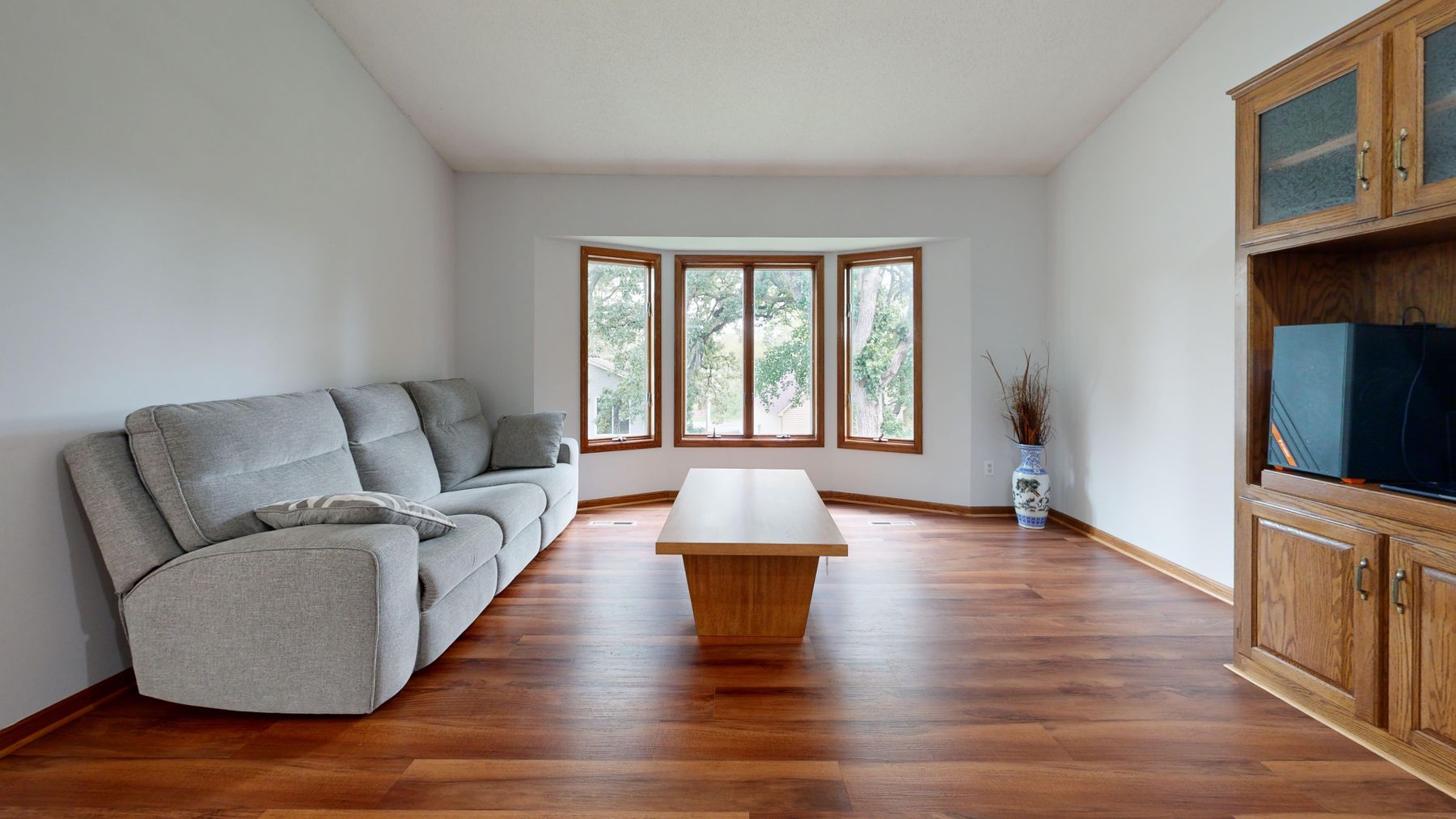
Nordic interiors are often designed around scarce or shifting daylight, so photograph the room in morning, midday and late afternoon before choosing colors or arranging tall furniture. Note which walls receive reflected light, where glare reaches a screen and when an apparently bright corner becomes dim. Keep the primary window path free of bulky storage, but do not assume that every surface must be white. A well-positioned mirror, pale floor and low furniture can distribute light while a warmer wall keeps the room from feeling washed out.
Layer Privacy Without Sacrificing Window Light
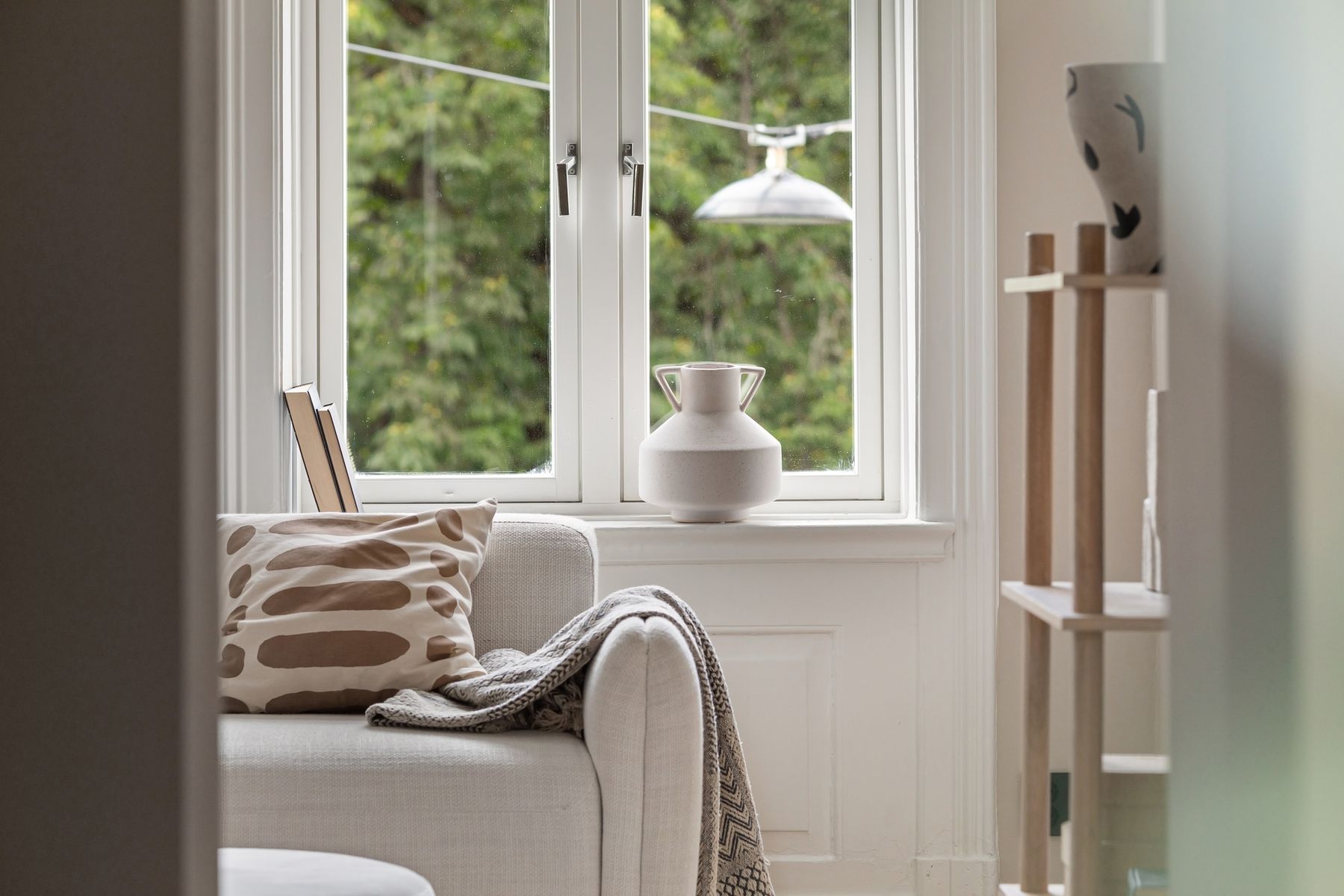
Use window treatments as adjustable equipment. A sheer or light-filtering layer can soften glare and provide daytime privacy, while lined curtains or a blind handle darkness, winter drafts and evening enclosure. Mount curtains clear of the glass when open so the stack does not steal useful daylight. In apartments, test sightlines from neighboring buildings at sitting height as well as standing height. The best Scandinavian window treatment looks quiet because each layer solves a real condition, not because the window has been left impractically bare.
Protect Flow Before Placing the Sofa
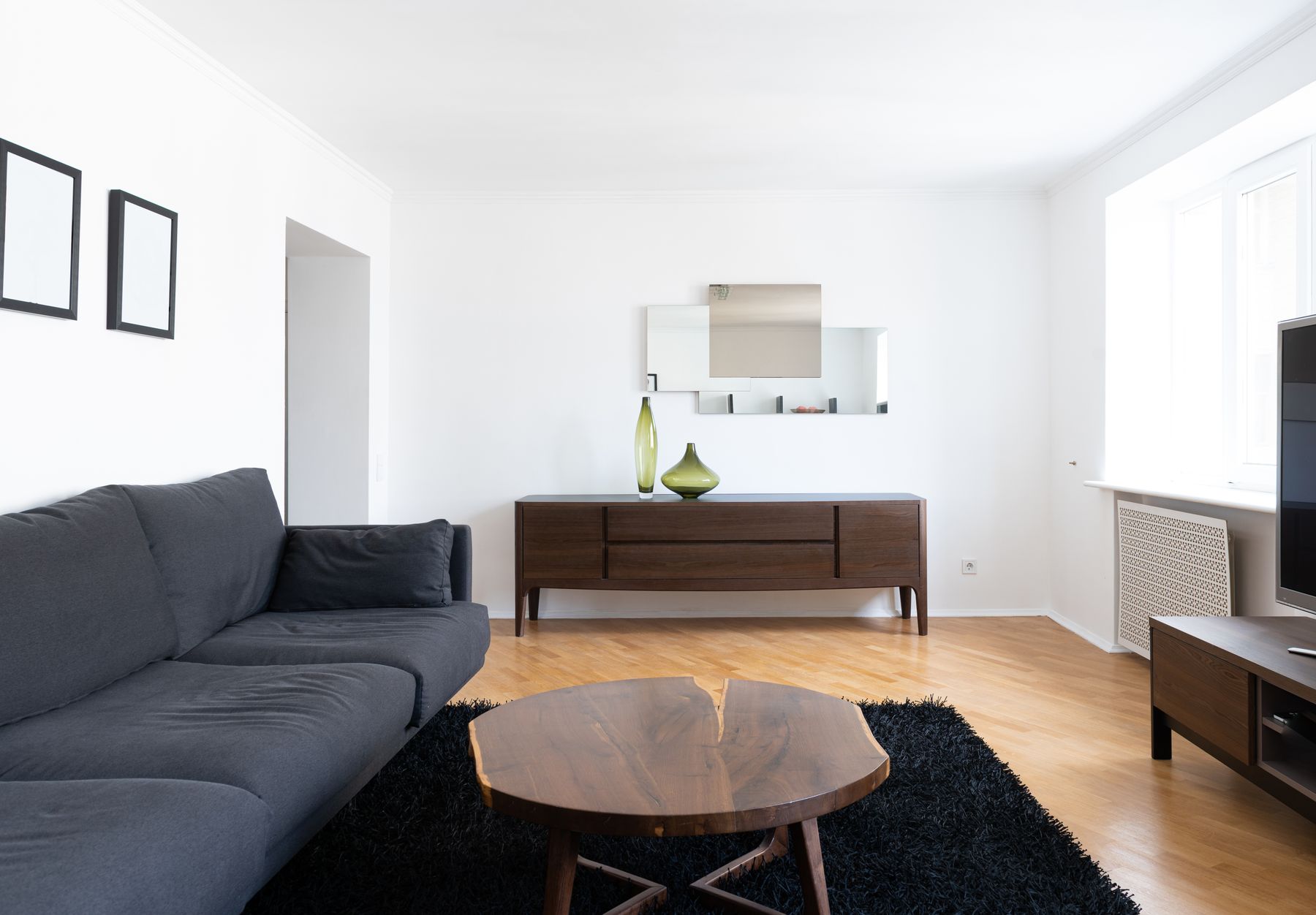
Clear movement is part of Scandinavian functionalism. Plot door swings, radiators, outlets and the route between adjoining rooms before floating or walling the sofa. Then test the plan with chairs occupied and cabinet doors open. A generous route can make modest furniture feel composed, whereas a narrow pinch point undermines calm even in a visually simple room. The circulation tests in [living room layout ideas](/living-room/living-room-layout-ideas/) are useful when several doorways compete for the same floor area.
Build a Sociable Conversation Group
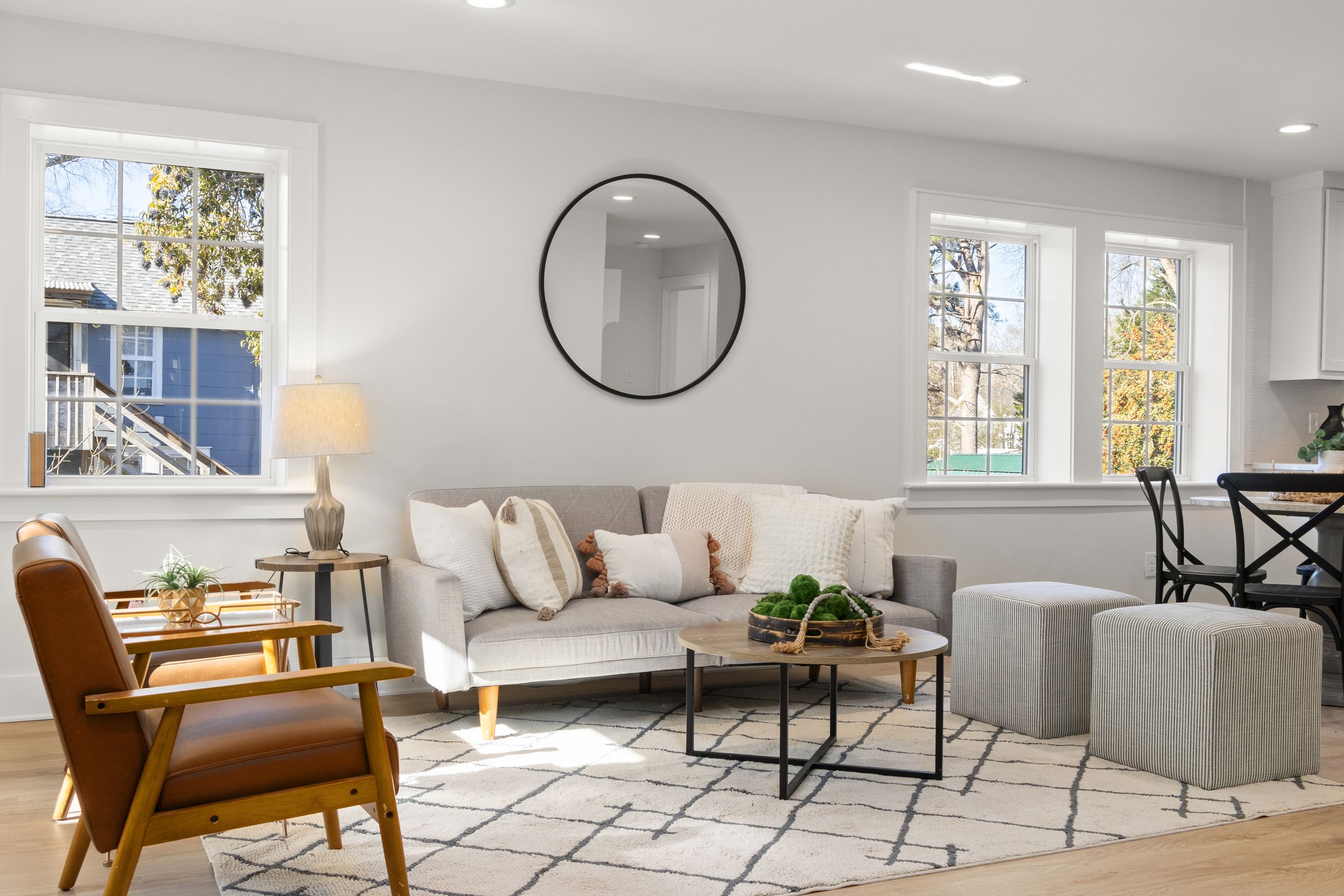
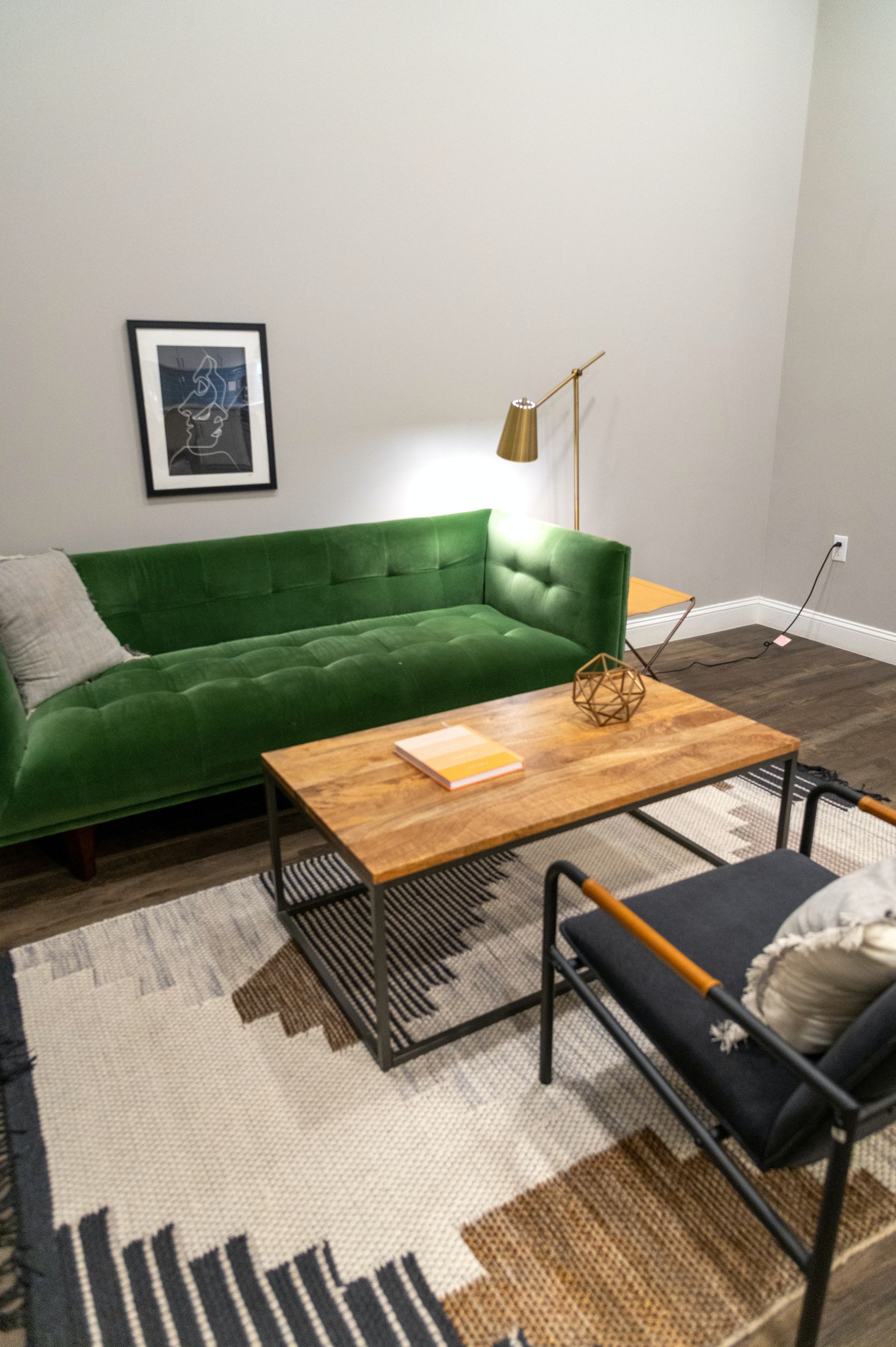
Arrange seats so people can see one another without turning sharply or shouting across an oversized coffee table. A sofa with one or two lighter chairs often creates a more flexible Scandinavian group than matching bulky suites. Angle chairs slightly toward the center and keep at least one easy route into the group. If television is important, let the screen remain visible without forcing every seat into a straight row. This balance between sociability and media distinguishes a lived-in room from a showroom composition.
Choose Sofa Scale From Posture and Remaining Space
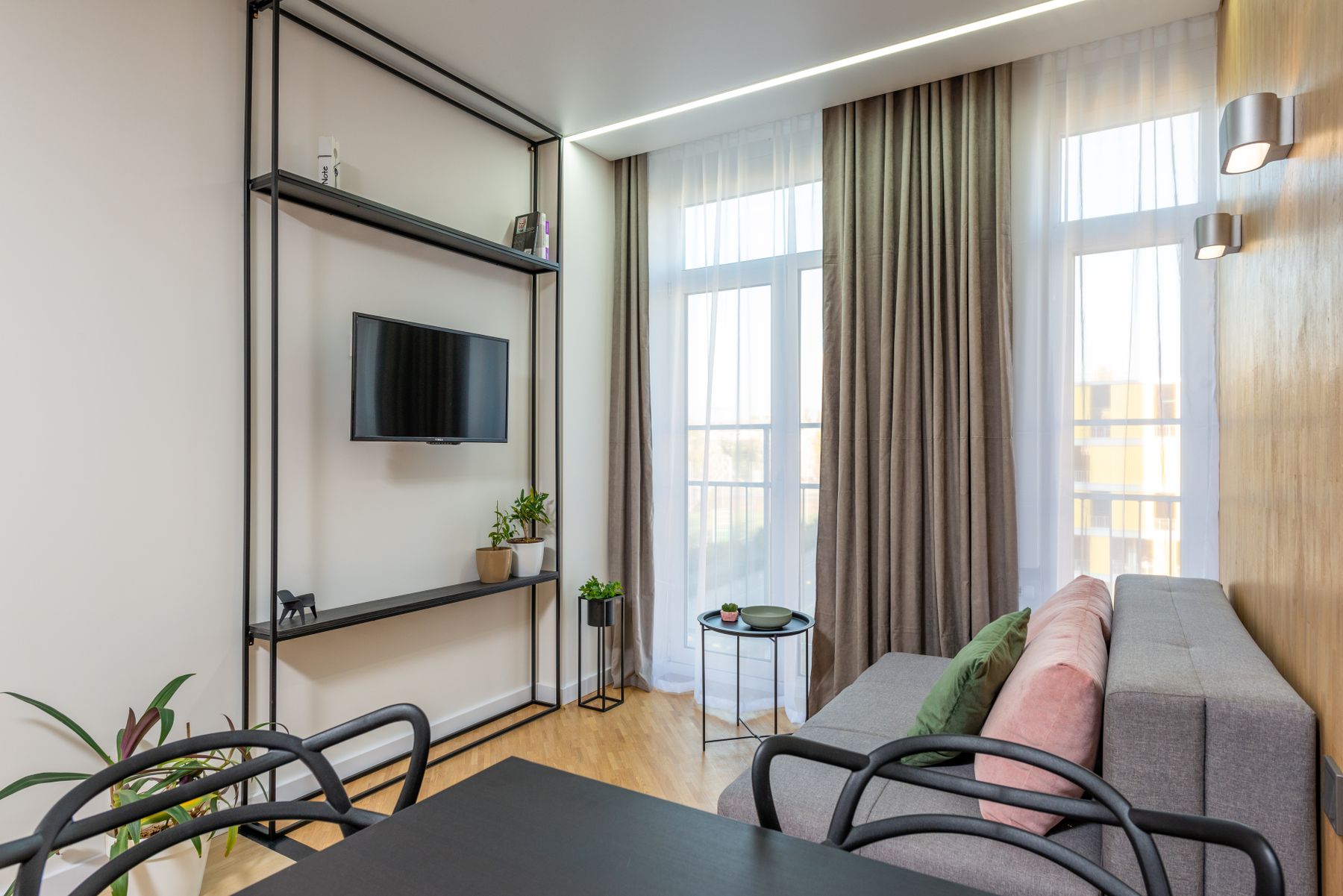
A clean silhouette is useful only when the sofa supports real bodies. For a broader comparison of form-led choices, see [modern living room ideas](/living-room/modern-living-room-ideas/). Test seat height, depth, back angle and arm width before judging upholstery color. Deep low sofas can consume circulation and be difficult for some people to rise from; very upright models may not suit long evenings. Measure the room after reserving routes and side surfaces, then select the largest sofa that fits those requirements rather than the largest one that fits the wall. Removable, repairable covers are particularly valuable in a practical Scandinavian room.
Add One Flexible Chair With Character
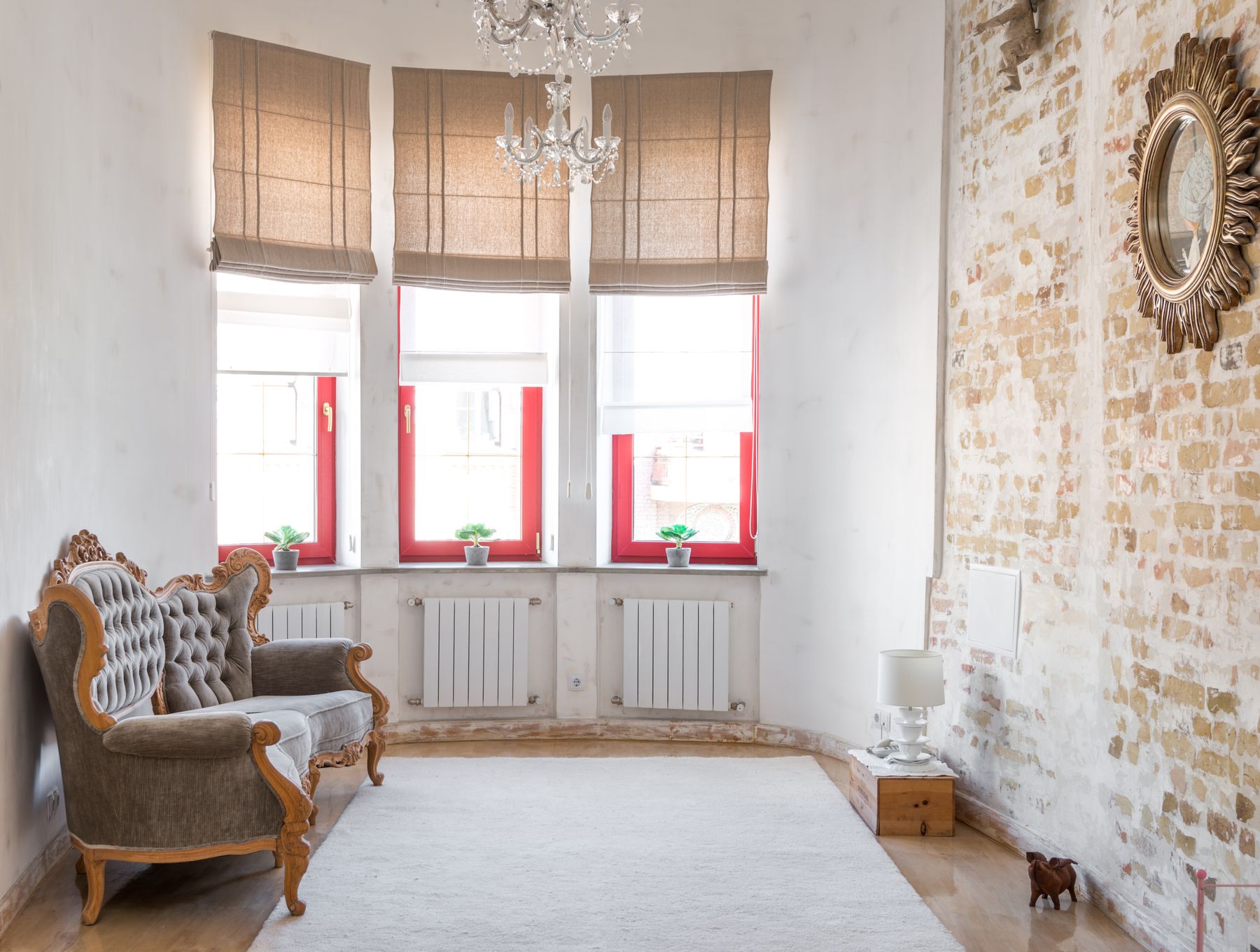
A timber-framed armchair, compact lounge chair or inherited seat can introduce craftsmanship and individuality without crowding the room. Choose a chair light enough to turn toward conversation, a window or the television, but stable and supportive enough for frequent use. An older Scandinavian or locally made piece can sit comfortably beside newer furniture when wood undertones and visual weight relate. This is also a controlled way to avoid the anonymous all-new look that can make pale interiors feel like retail displays.
Put a Reachable Surface Beside Regular Seats
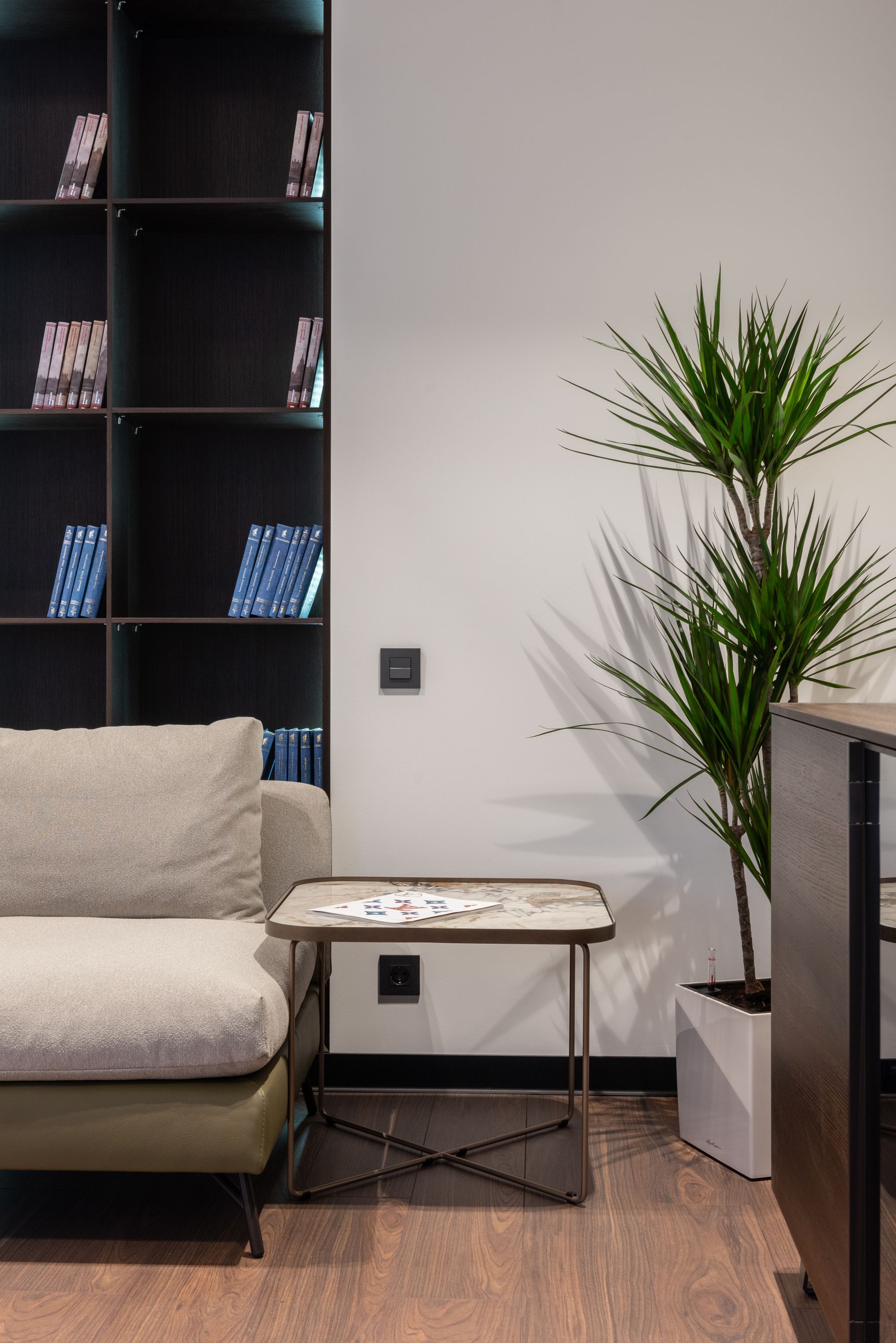
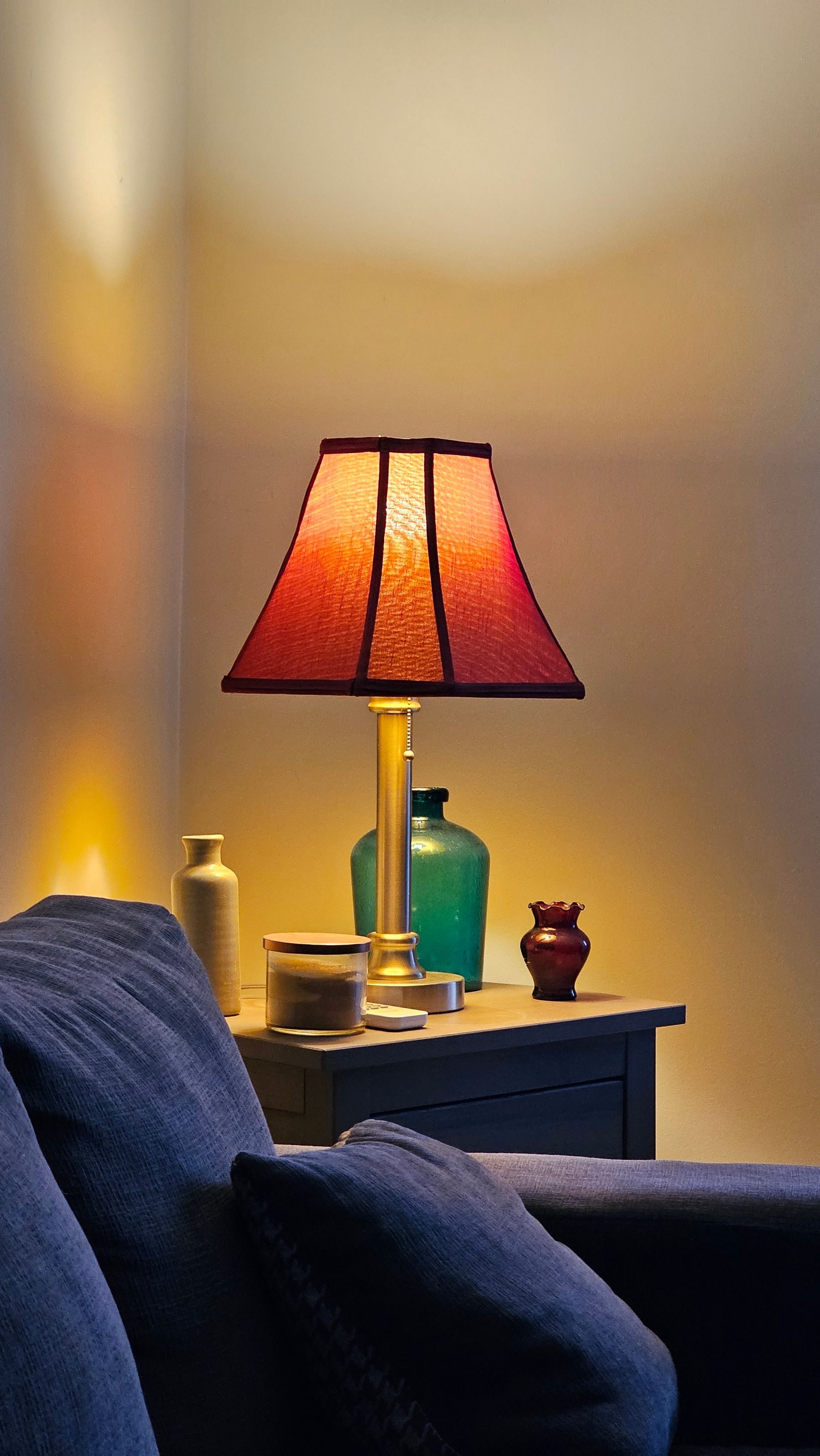
Function becomes visible in small details. Give each regular seat somewhere to place a cup, book, glasses or remote without leaning across the room. A compact timber stool, nesting table or slim shelf may work better than one oversized central table. Keep the surface stable and clear enough for use rather than styling it permanently. If a lamp also needs the table, confirm the remaining area. This modest planning reduces clutter because everyday objects have a temporary landing place where they are actually used.
Use the Rug to Hold the Seating Together
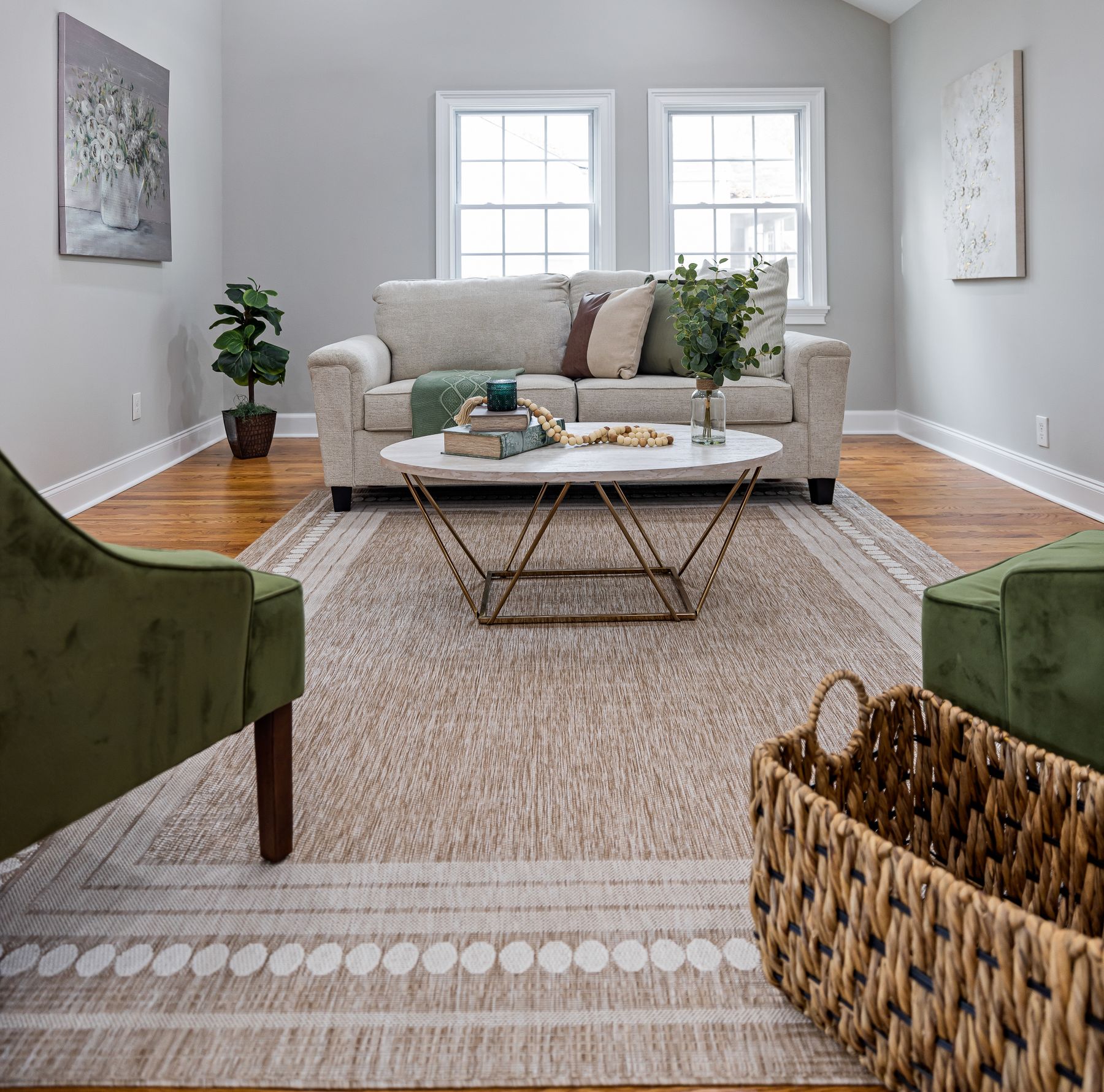
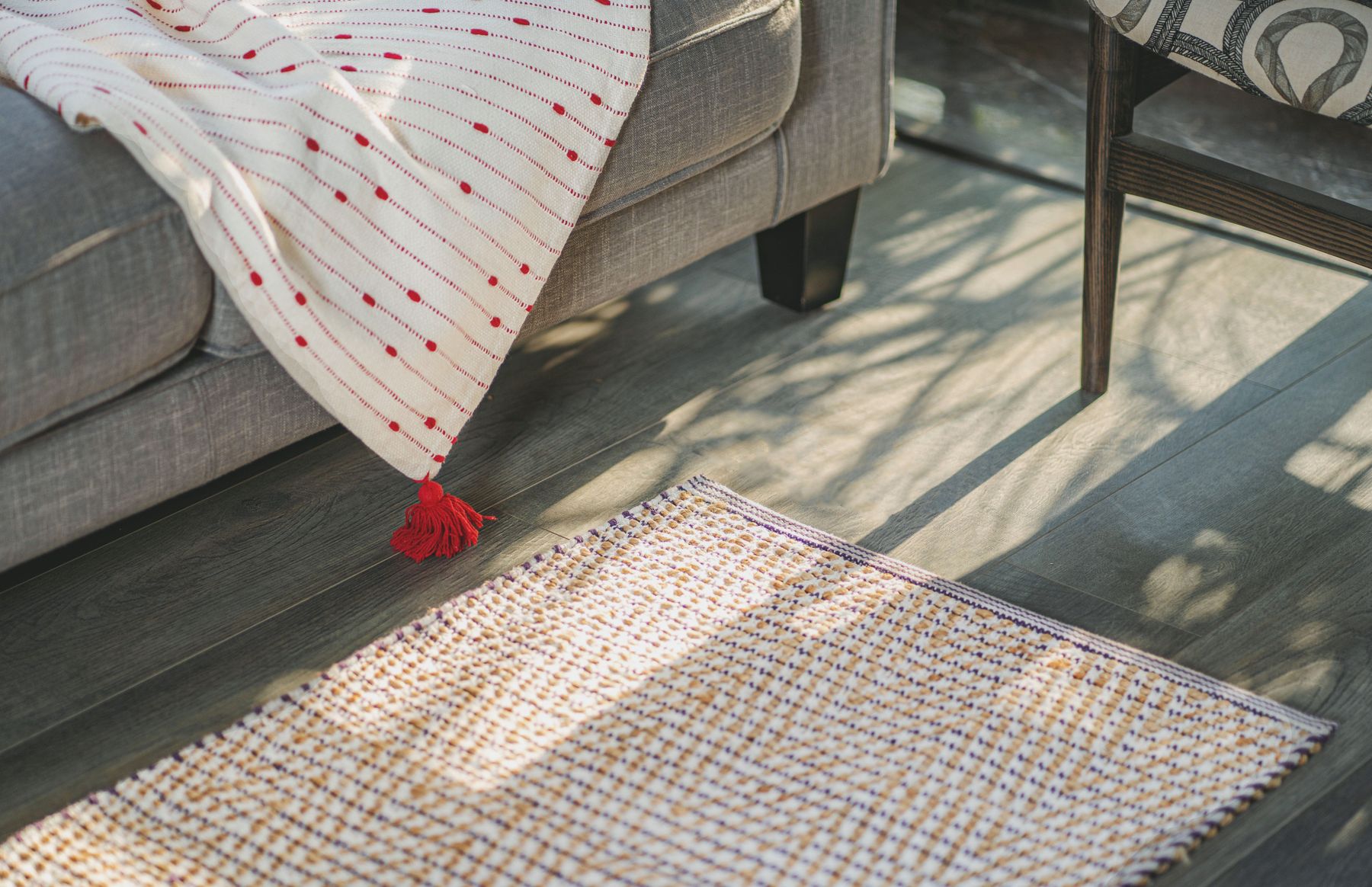
A rug should connect the furniture group, warm the floor and soften sound. Choose a size that reaches beneath the main seats or clearly relates to all of them; a small floating rug can fragment the composition. Flatweaves suit dining-adjacent living areas and easier cleaning, while wool piles add warmth in colder rooms. Consider doors, robot vacuums, wheelchair movement and trip risk before choosing thickness. [Living room rug ideas](/living-room/living-room-rug-ideas/) provides the full measuring and maintenance framework.
Build Pale Color From Undertone
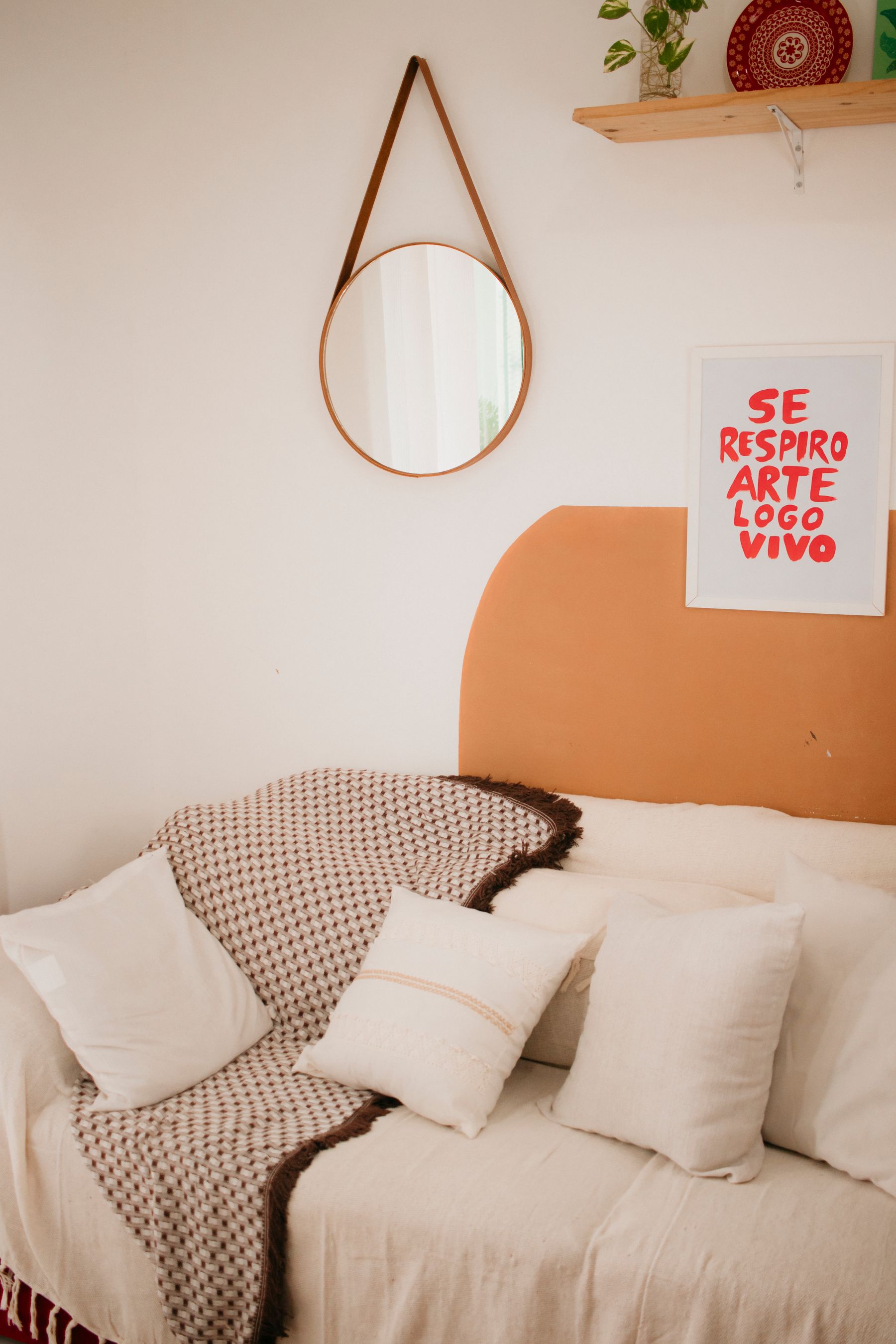
Scandinavian color is often light, but it is rarely successful as one flat white. Read the room’s fixed undertones in floor, timber, stone and daylight, then test warm white, soft grey, oat or mineral beige beside them. North-facing light may make blue-based paint feel colder; strong warm light can yellow a creamy shade. Use large samples on more than one wall and observe them after dark under the proposed bulbs. The objective is a coherent luminous background, not maximum whiteness.
Use Muted Color at Meaningful Scale
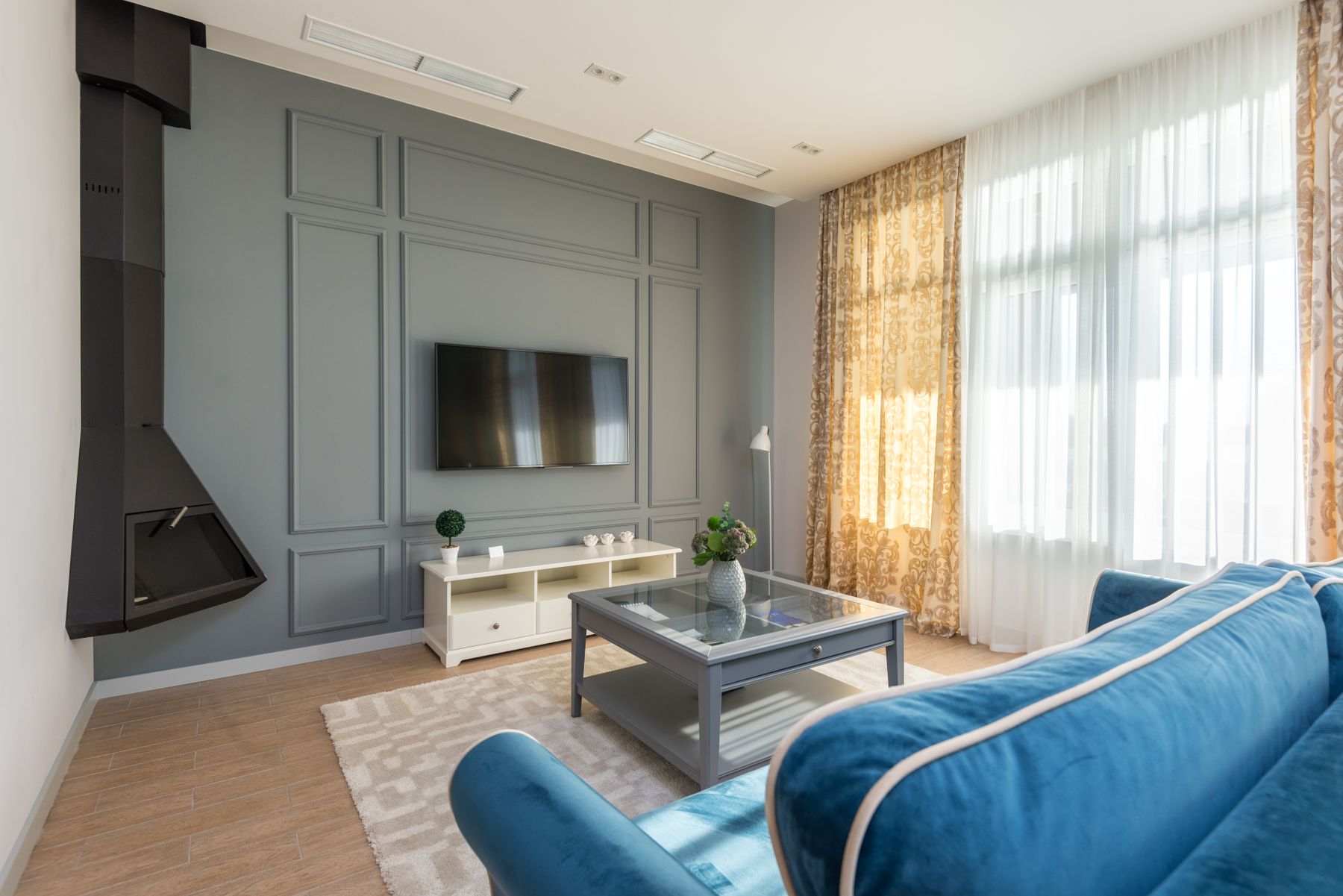
Nordic rooms can hold blue, forest green, ochre, rust or red when the color is grounded in landscape, textiles or a substantial furniture piece. [Green apartment ideas](/apartment/green-apartment-ideas/) shows how botanical and mineral greens can work across connected rooms. One sofa, cabinet, painted wall or generous rug creates more conviction than many tiny matching accents. Keep neighboring materials calm enough for the color to register, and repeat it only where repetition helps the room feel connected. This gives personality without turning the scheme into a themed palette or erasing the quiet that makes the style useful.
Layer Natural Texture Where It Performs
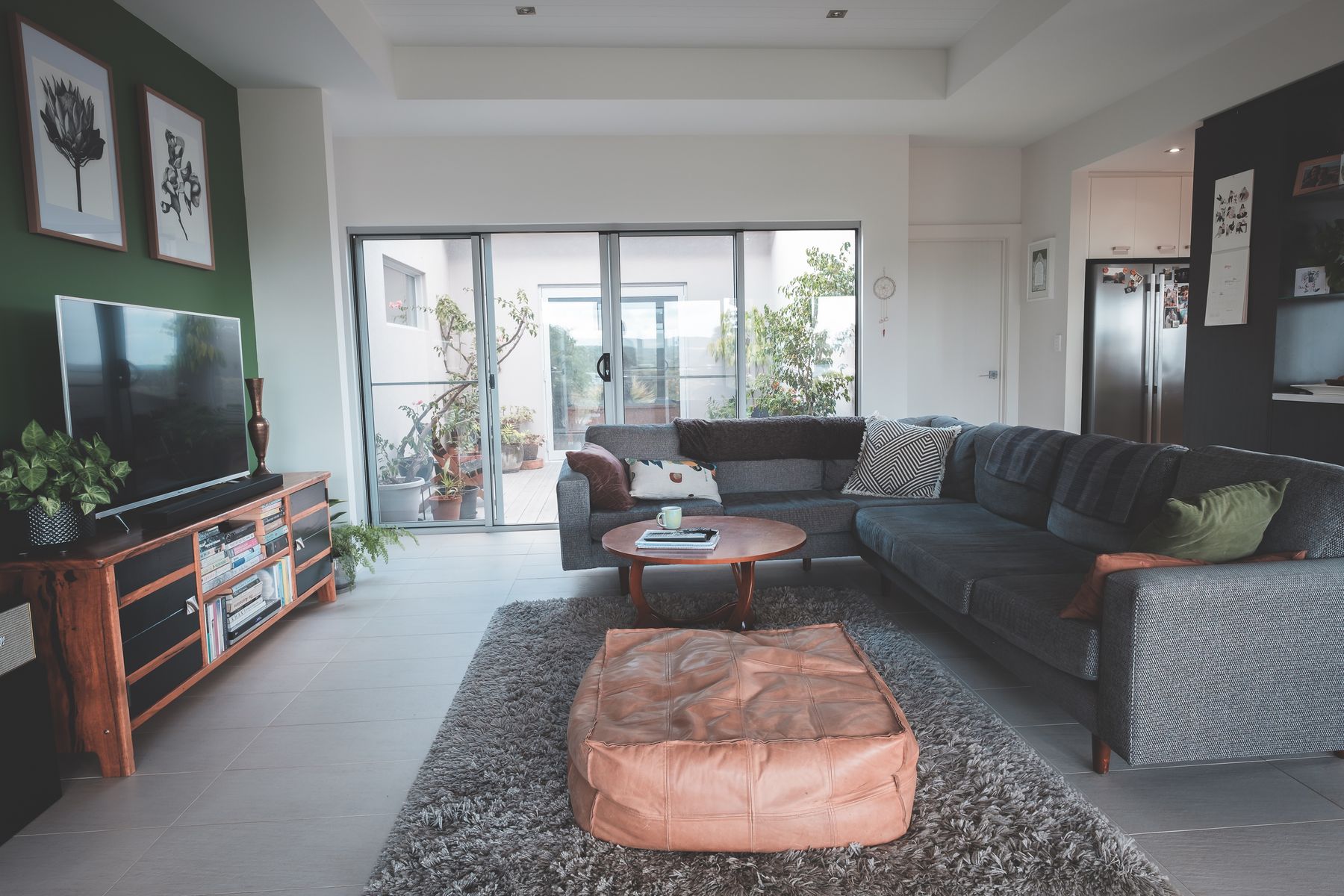
Wool, linen, cotton, timber, leather and ceramics add depth because their surfaces respond to light and touch. [Cozy living room ideas](/living-room/cozy-living-room-ideas/) expands the sensory and thermal side of those layers. Place tactile materials where they perform: wool underfoot, linen at windows, durable upholstery on seats and timber at handled surfaces. Avoid adding baskets, throws or boucle only as texture tokens; every extra layer requires cleaning and storage. A restrained material family can feel richer than numerous decorative finishes when weave, grain and sheen are allowed to remain visible.
Let Pale Wood Carry Structure and Warmth
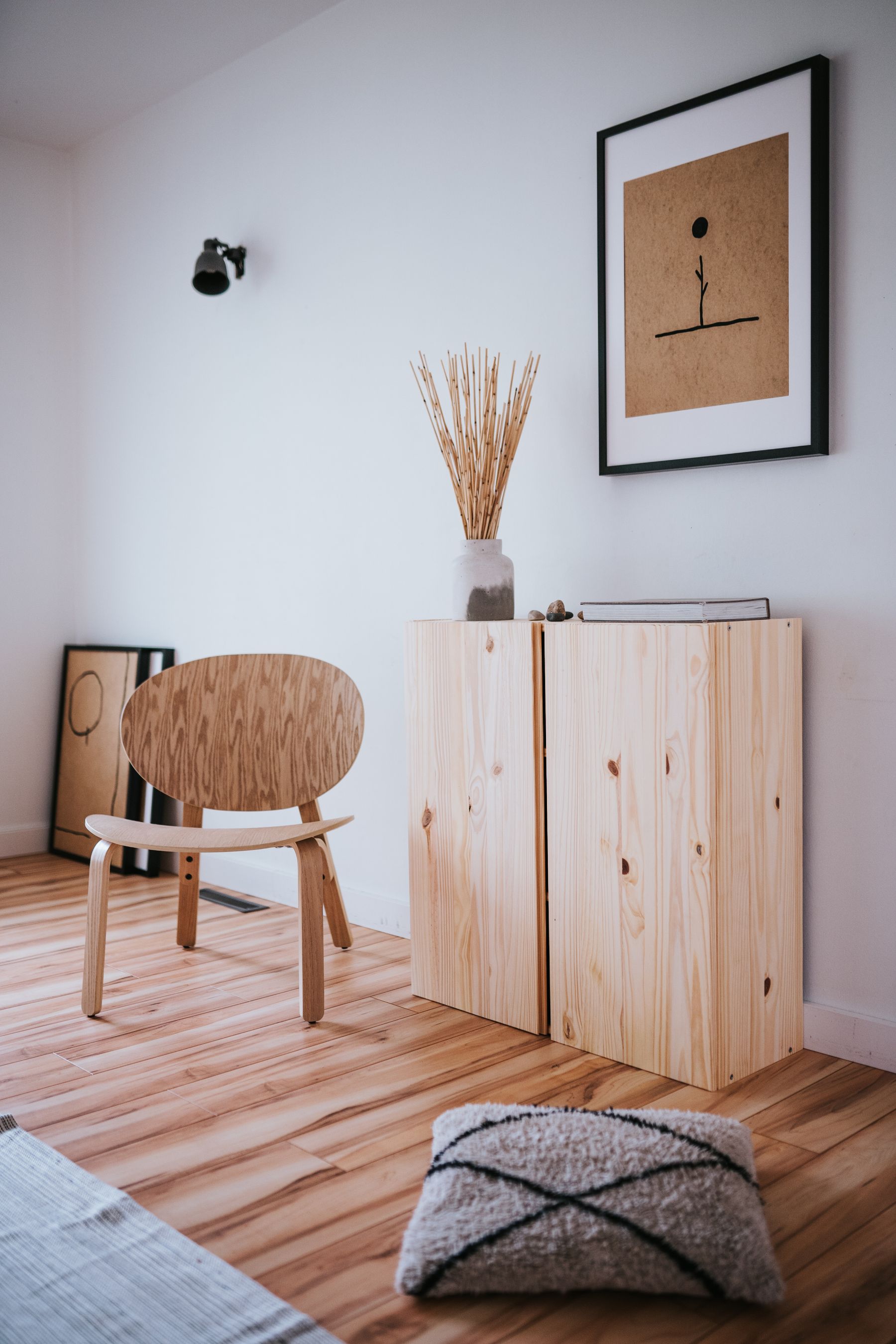
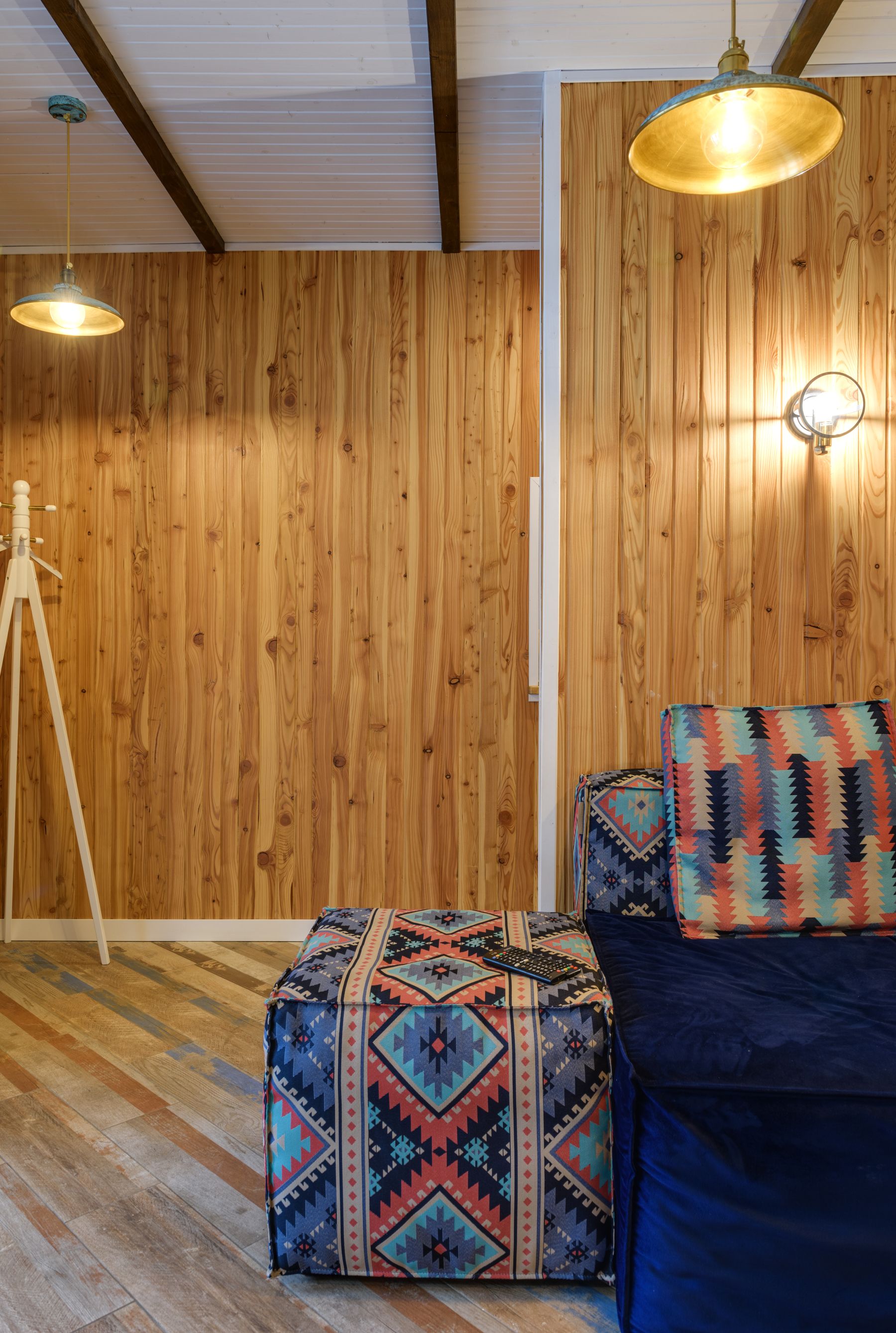
Oak, ash, beech and birch are closely associated with Scandinavian interiors because they bring warmth without visually weighing down the room. The material-led decisions in [wooden bedroom ideas](/bedroom/wooden-bedroom-ideas/) provide useful guidance on grain, finish and movement that also applies here. Use timber for furniture, flooring, shelving or a limited architectural plane rather than sprinkling unrelated wood accessories everywhere. Examine grain, finish and exposure to sunlight; pale timber can yellow, darken or dry over time. Veneer can be an efficient, stable choice when well made, while solid wood offers different repair options. The construction matters more than the label.
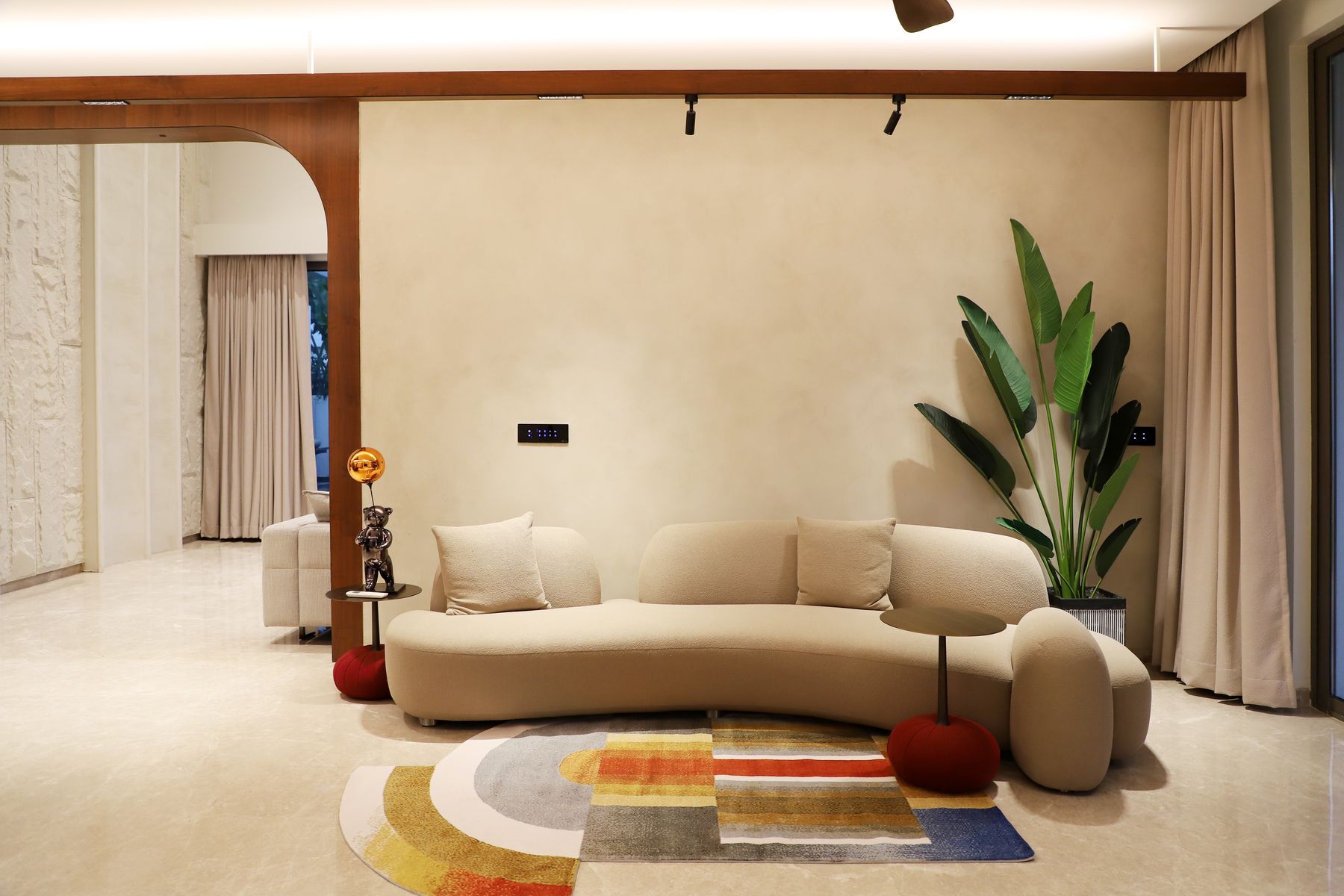
Mix Wood Tones Through Undertone and Weight
A Scandinavian room does not need one matching furniture set. Mix pale and mid-tone woods by repeating an undertone or balancing visual weight: a darker table can anchor pale seating, while lighter legs keep a substantial cabinet from dominating. Separate near-matching woods with a rug, painted surface or upholstery so the difference reads as intentional. Avoid buying replacement pieces merely to achieve uniformity. A collected room with two or three related wood families usually feels more credible and adaptable.
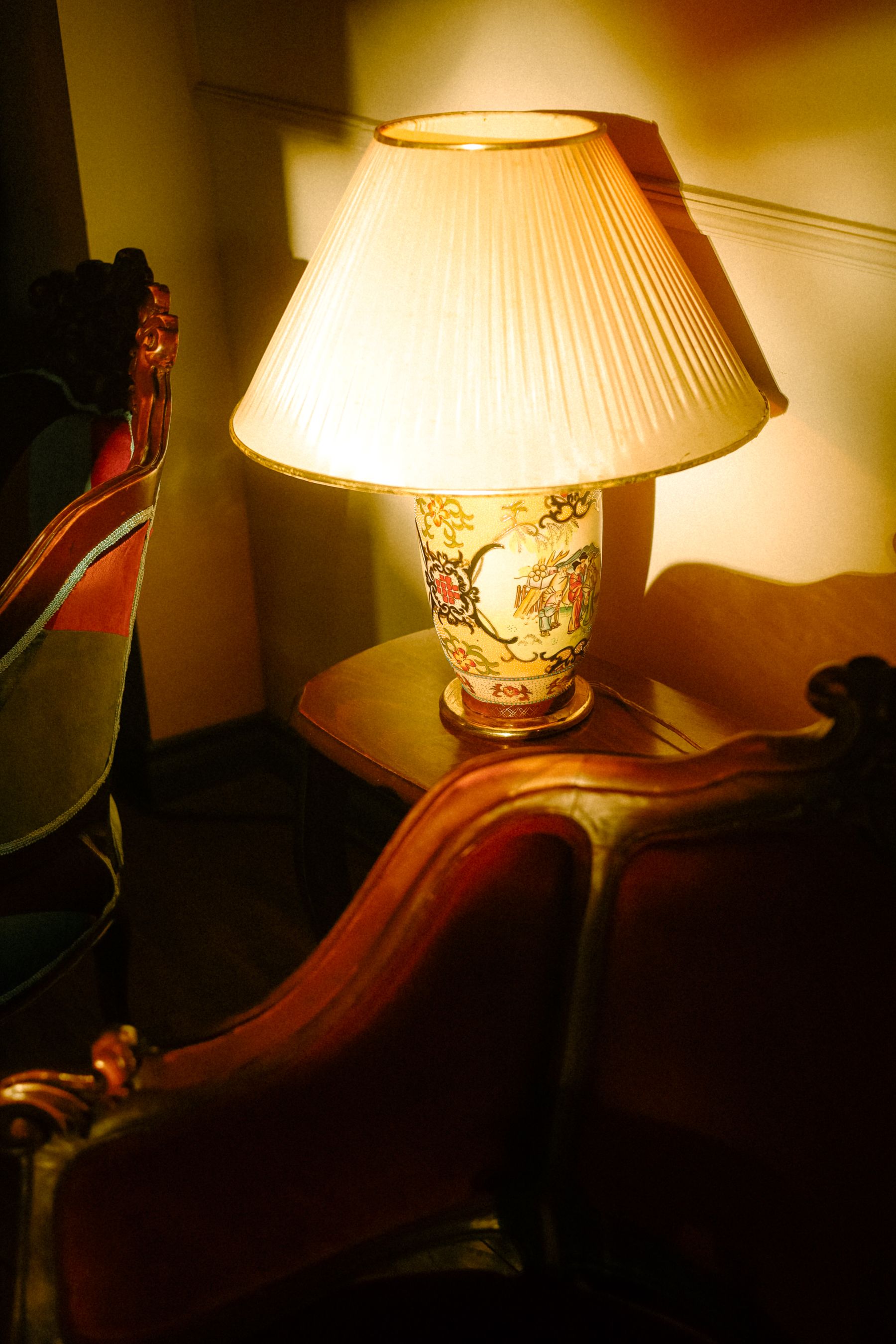
Keep One Older Piece in the Modern Framework
Scandinavian living rooms often feel convincing when modern utility is joined by one older lamp, chair, chest or ceramic object. The piece should earn its place through use, memory or craft rather than acting as generic nostalgia. Check wiring, stability, finishes and repair needs before bringing it into daily service. If you want a deeper collected look, [vintage living room ideas](/living-room/vintage-living-room-ideas/) explores layering older periods; here the older piece remains a focused counterpoint within a calm functional room.
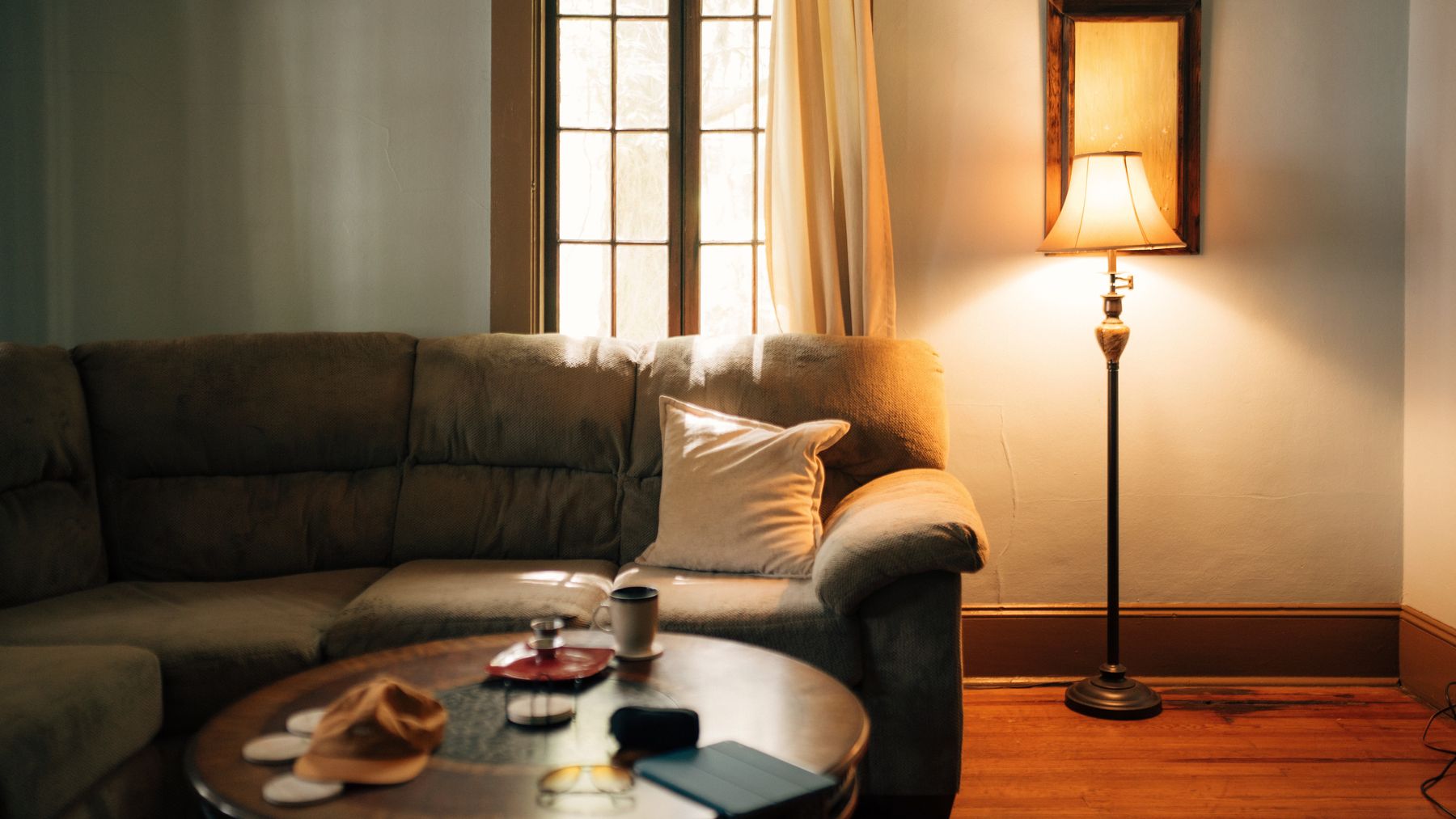
Plan Three Lighting Scenes for Darker Hours
Natural light cannot carry the room through long evenings. Plan at least three useful scenes: an orientation scene for moving through the room, a focused scene for reading or work and a low social scene for conversation or television. Spread light across several heights instead of relying on one bright ceiling fixture. Warm color temperature, good shade diffusion and dimming can support comfort, but confirm color rendering and controls too. [Living room lighting ideas](/living-room/living-room-lighting-ideas/) covers the technical layering in depth.
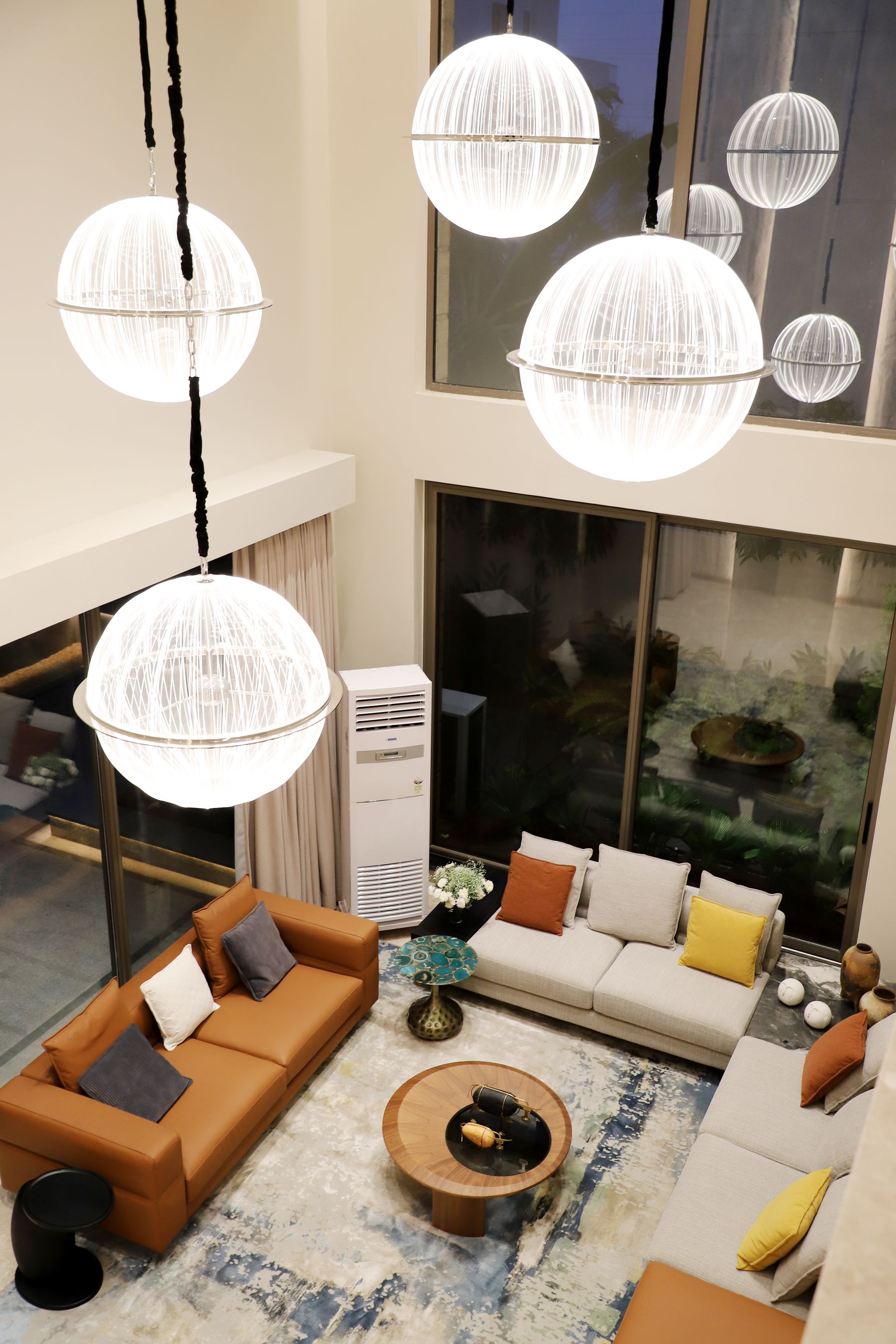
Treat a Sculptural Lamp as Working Design
A pendant or floor lamp can provide the clear, crafted form often associated with Nordic design, but it still needs to produce useful light. Check shade opacity, beam direction, glare from seated eye level and the replacement path for bulbs or integrated components. Give one strong fixture visual space rather than competing with several statement objects. If the lamp is iconic or vintage, verify scale and wiring before treating provenance as a substitute for performance.
Place Task Light Beside the Reader
Reading light should reach the page from the side and slightly behind the shoulder without creating glare. Position an adjustable floor or table lamp beside the actual chair, then check switches and cords from the seated position. A reading corner only works if the chair, light, surface and book storage form one easy system. The Scandinavian ideal here is not decorative coziness but a small, repeatable ritual supported by proportion and access.
Create Hygge Through Physical Comfort
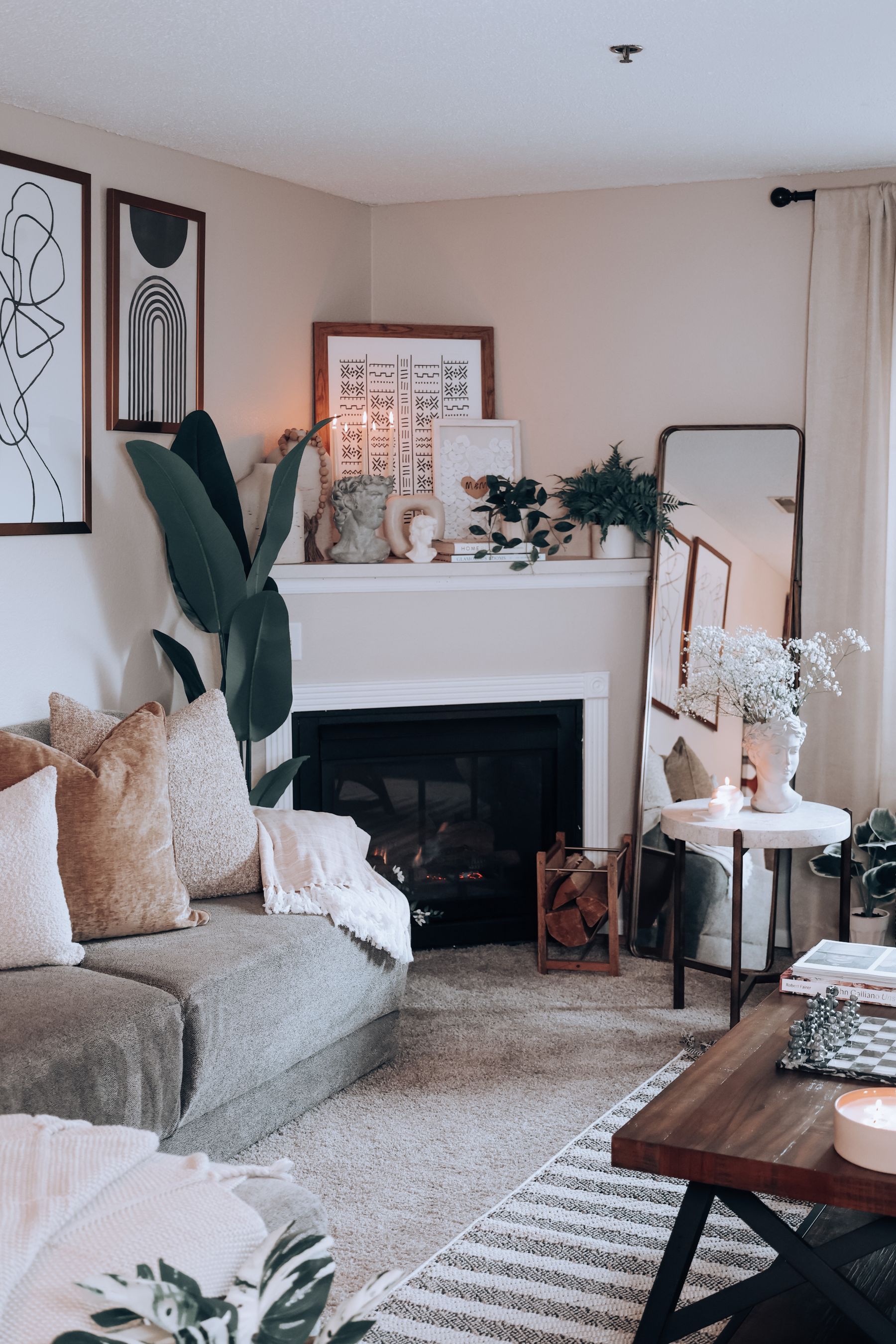
Hygge is better translated into design as conditions for ease and connection than as a pile of candles and blankets. Support warmth with draft control, comfortable seat depths, soft but stable textiles and light that can be lowered as evening arrives. Keep throws where they are used and provide safe clearance around heat sources. Social comfort also depends on allowing people to gather without performing a perfectly styled room. The result should feel hospitable in use, not merely look cozy in a photograph.
Soften Echo With Large Useful Surfaces
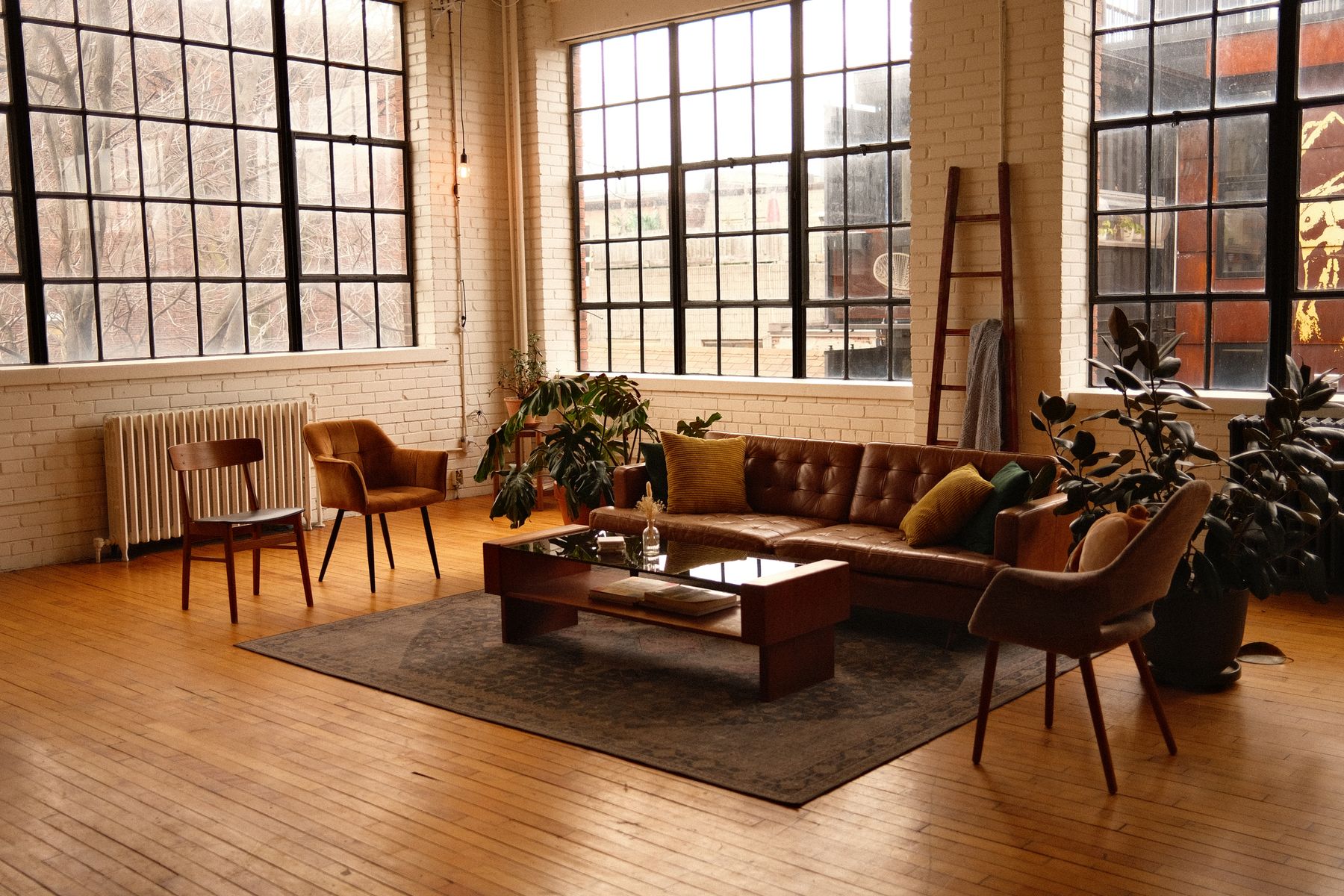
Open plans, timber floors and lightly furnished rooms can sound hard even when they look calm. Address echo with the largest useful absorptive surfaces first: rug, lined curtains, upholstered seating and book-filled shelving. Add specialist acoustic treatment only after identifying the reflection problem and confirming fire and installation requirements. This keeps the room visually restrained while improving conversation, television clarity and rest. Softness should be distributed through function rather than concentrated in decorative cushions.
Concentrate Storage Into Calm Architecture
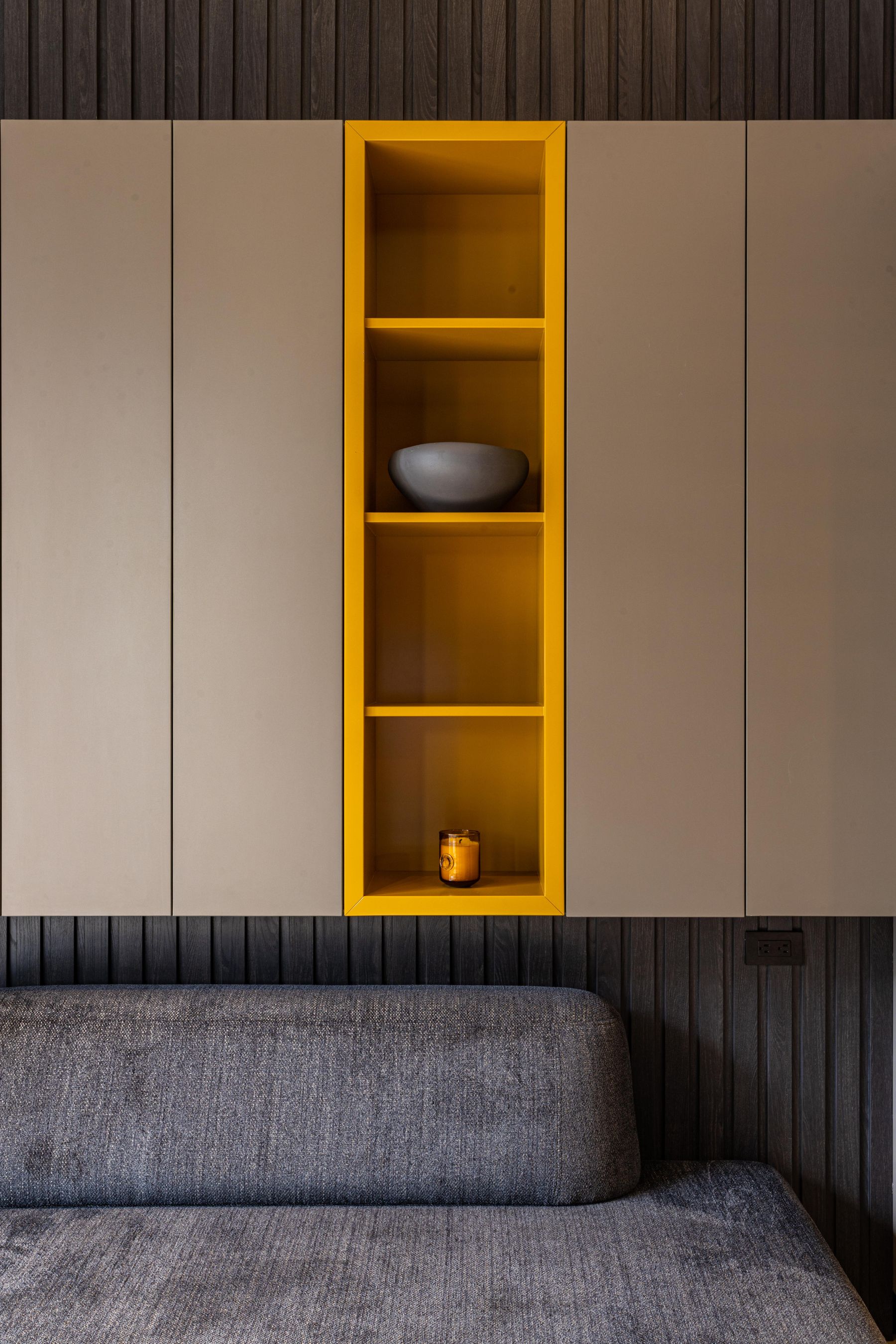
Scandinavian storage often succeeds by being visually quiet outside and specific inside. Inventory games, media, toys, cables, paperwork and seasonal textiles before dividing cabinets. Concentrate capacity on one working wall rather than filling every edge with small units. Combine closed storage for visually noisy categories with a limited open area for books or meaningful objects. The category-first approach in [living room storage ideas](/living-room/living-room-storage-ideas/) helps prevent elegant doors from hiding unusable interiors.

Display Books and Objects as Evidence of Life
Scandinavian rooms need not be impersonal. Books, ceramics, photographs and children’s work can provide color and history when display boundaries are clear. Group objects by use, material or story rather than spacing isolated ornaments across every shelf. Leave enough open area for access and cleaning, and rotate only if the household enjoys doing so. If the display repeatedly overflows, increase closed storage or edit the category instead of styling the overflow into smaller piles.
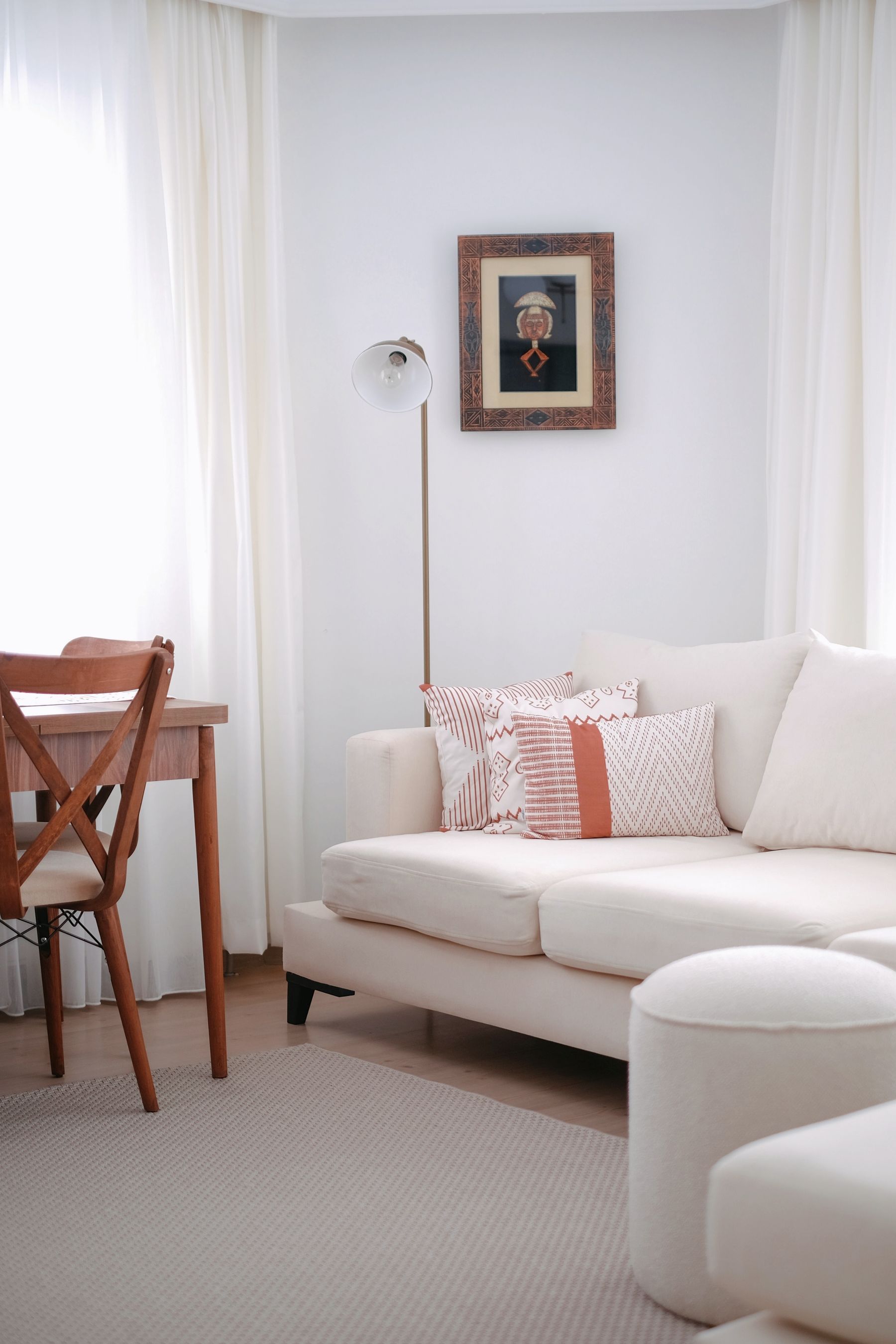
Give Art One Deliberate Wall Role
Choose whether a wall will hold one substantial work, a restrained group or remain quiet. Scale art to the furniture beneath it and consider the view from both the entrance and the main seat. Personal work, prints and textiles can introduce color without turning the room into a generic gallery. Check light exposure, hanging security and copyright or provenance where relevant. Blank wall is not a failure; it can protect daylight and let wood, furniture or landscape become the primary subject.
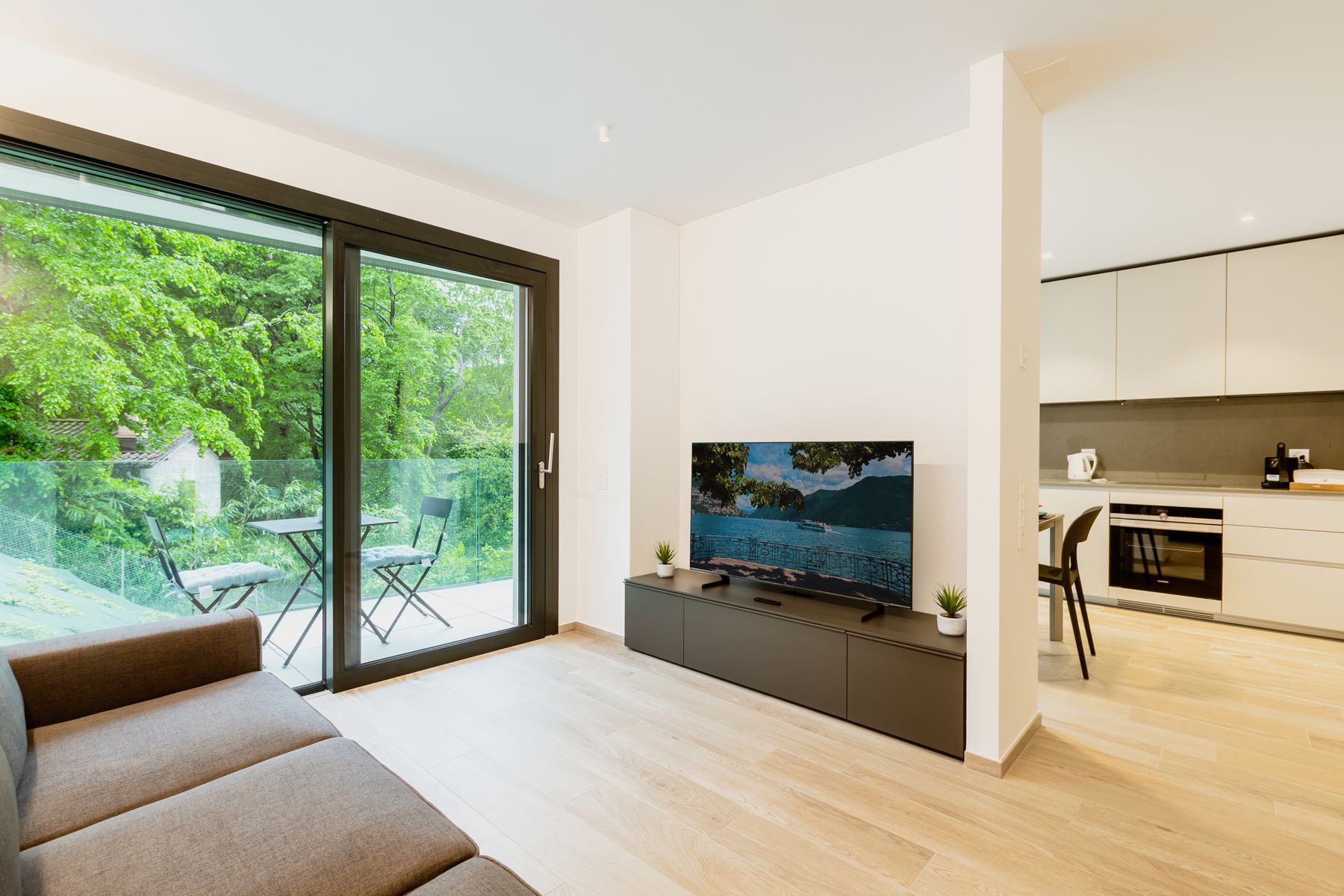
Integrate the Television Without Hiding Daily Life
A television can belong in a Scandinavian living room when it is treated as real equipment. The screen-placement framework in [modern living room ideas](/living-room/modern-living-room-ideas/) helps resolve height, glare and competing focal points. Place it for comfortable viewing height and glare control, route power and data accessibly, and give remotes a nearby home. Avoid elaborate camouflage that makes maintenance difficult or creates a false focal point when the screen is used every day. A low cabinet in a related wood tone or a darker wall can reduce contrast without pretending the technology is absent.
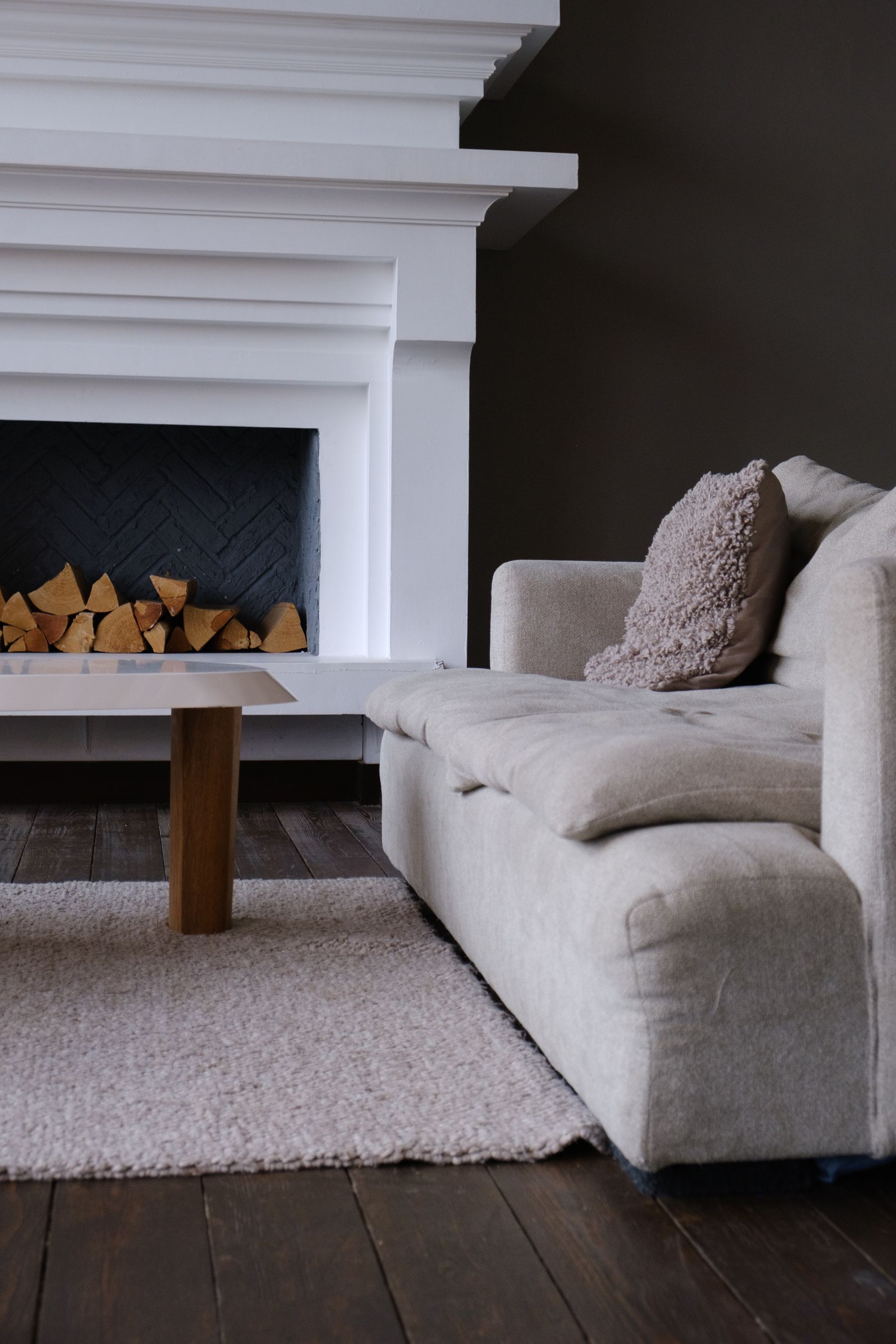
Use a Stove or Fireplace as Thermal Infrastructure
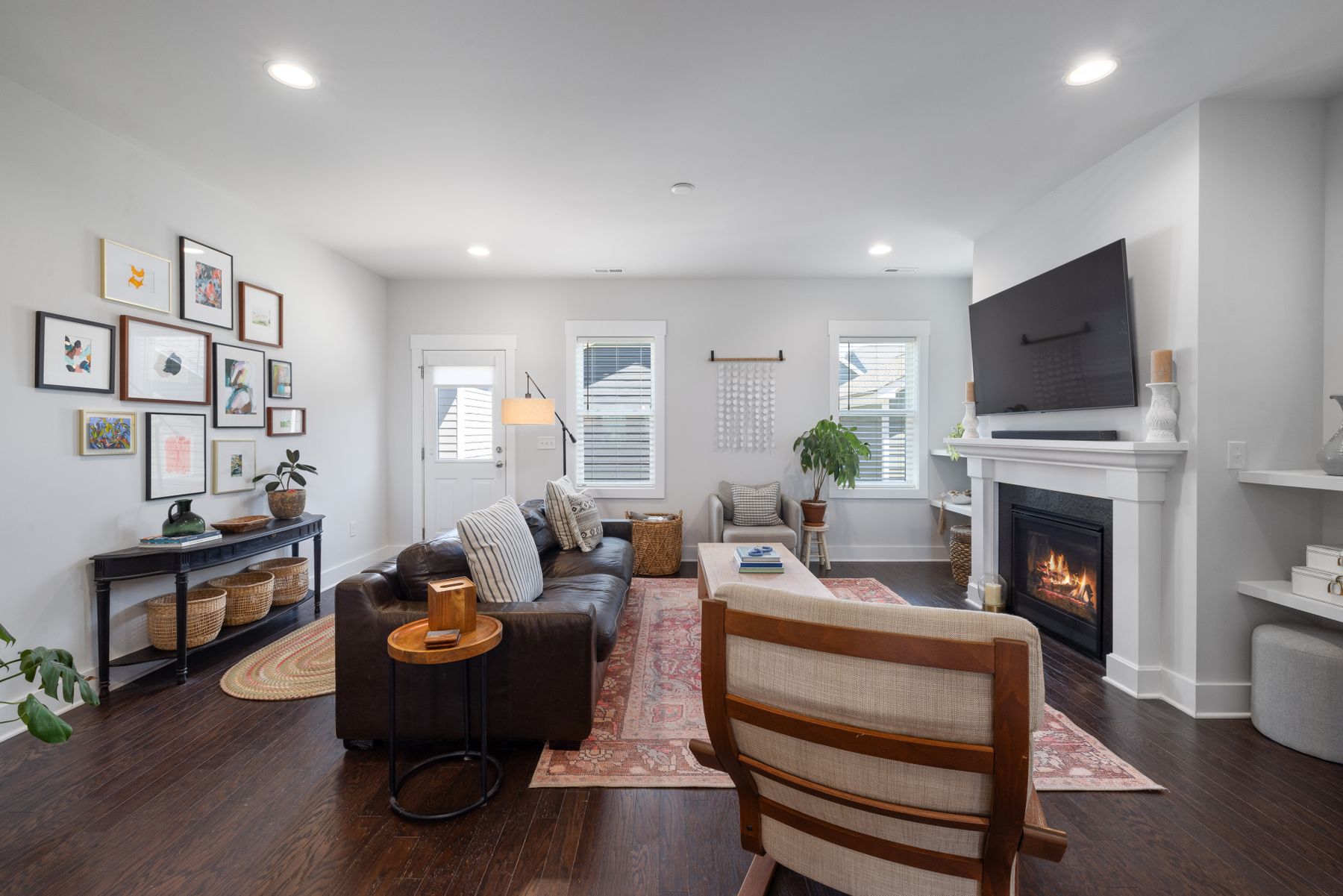
A stove or fireplace can support the Nordic association with winter warmth, but safety and heat distribution come before atmosphere. Follow local clearances, ventilation, flue inspection and fuel requirements, and keep combustibles out of the heat zone. Arrange seats to enjoy the warmth without forcing circulation through the hearth. If the fireplace is decorative or rarely used, do not let it dictate the entire plan. Thermal comfort may be better improved through draft sealing, insulation or efficient heating controls.
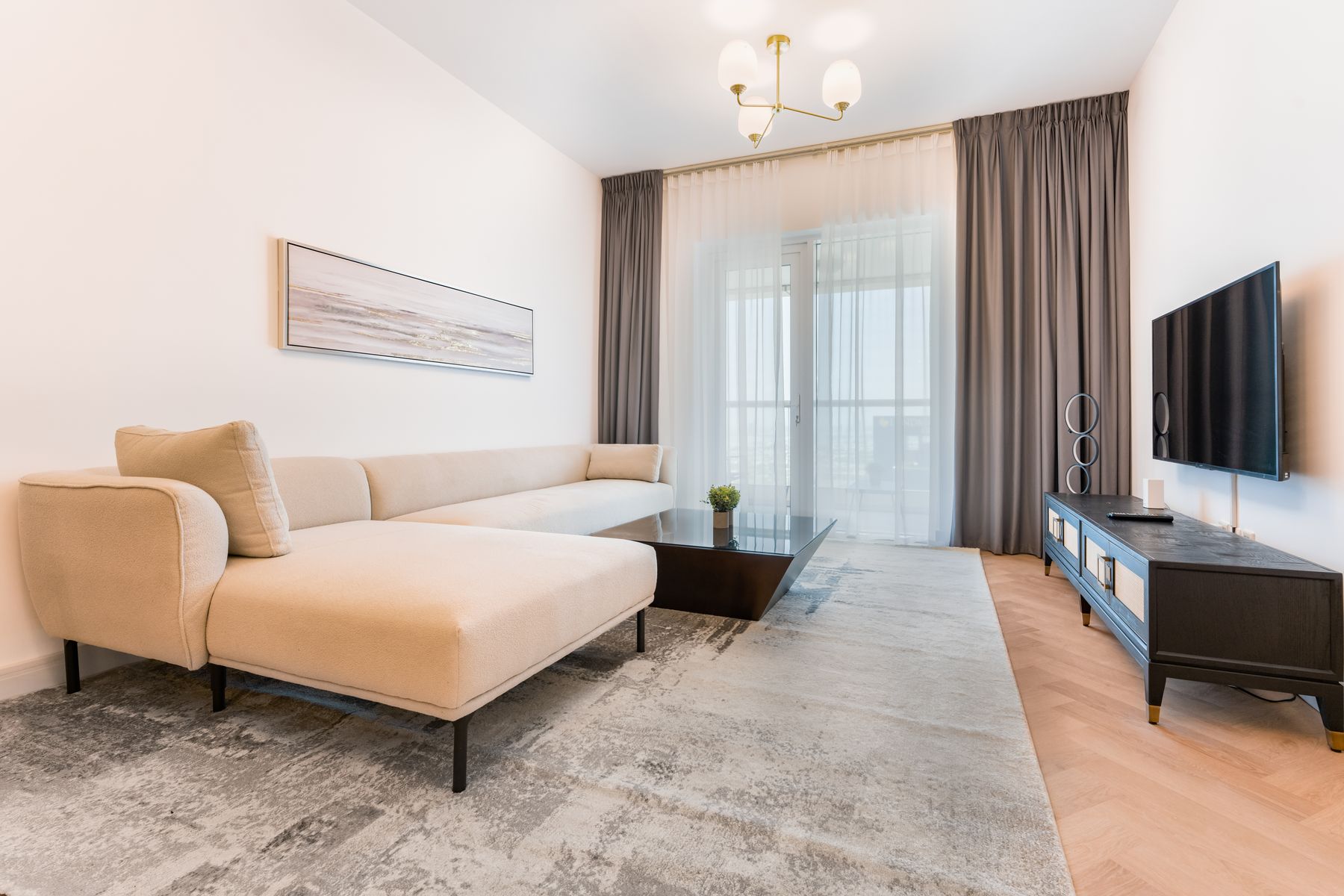
Make a Small Scandinavian Room Complete
A small Scandinavian living room should feel fully supported, not emptied. Protect one clear route, choose a correctly scaled sofa, add a movable chair only if it will be used and provide reachable light and storage. Pale finishes can help distribute light, but proportion and containment do more than color alone. [Small living room ideas](/living-room/small-living-room-ideas/) offers broader space-saving options; the Scandinavian layer comes from natural materials, visual continuity and comfortable everyday function.
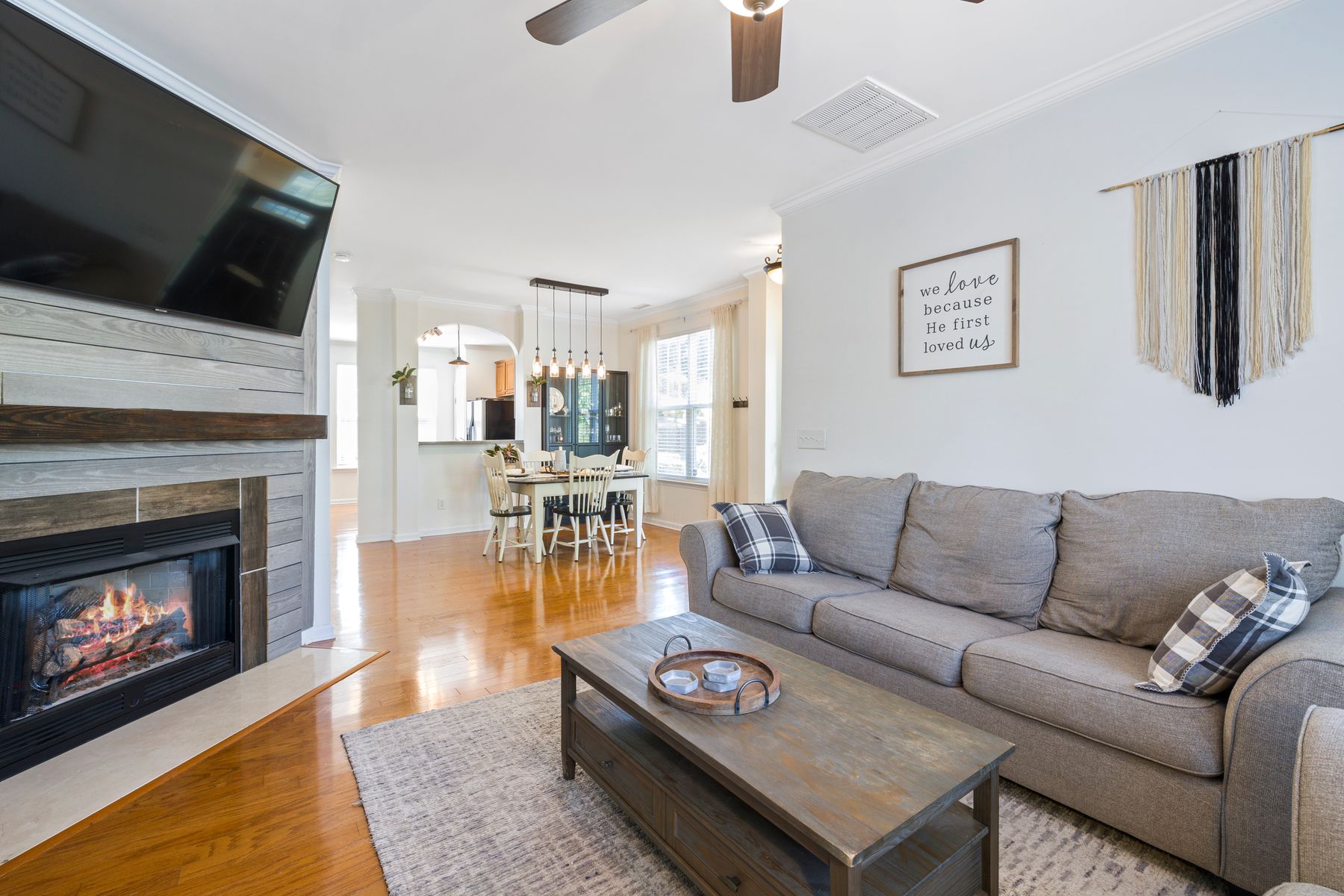
Zone an Open Plan With Light Signals
Use a rug, sofa back, pendant group or change in furniture orientation to define the living zone without building unnecessary barriers. [Minimalist apartment ideas](/apartment/minimalist-apartment-ideas/) offers related whole-home zoning strategies when several functions share one shell. Maintain a shared material language across kitchen, dining and living areas, then vary lighting and acoustics according to activity. Tall shelving can block the daylight and long views that make an open plan generous, so reserve it for edges where it solves a clear problem. The goal is legible use with visual continuity, not one undifferentiated pale room.
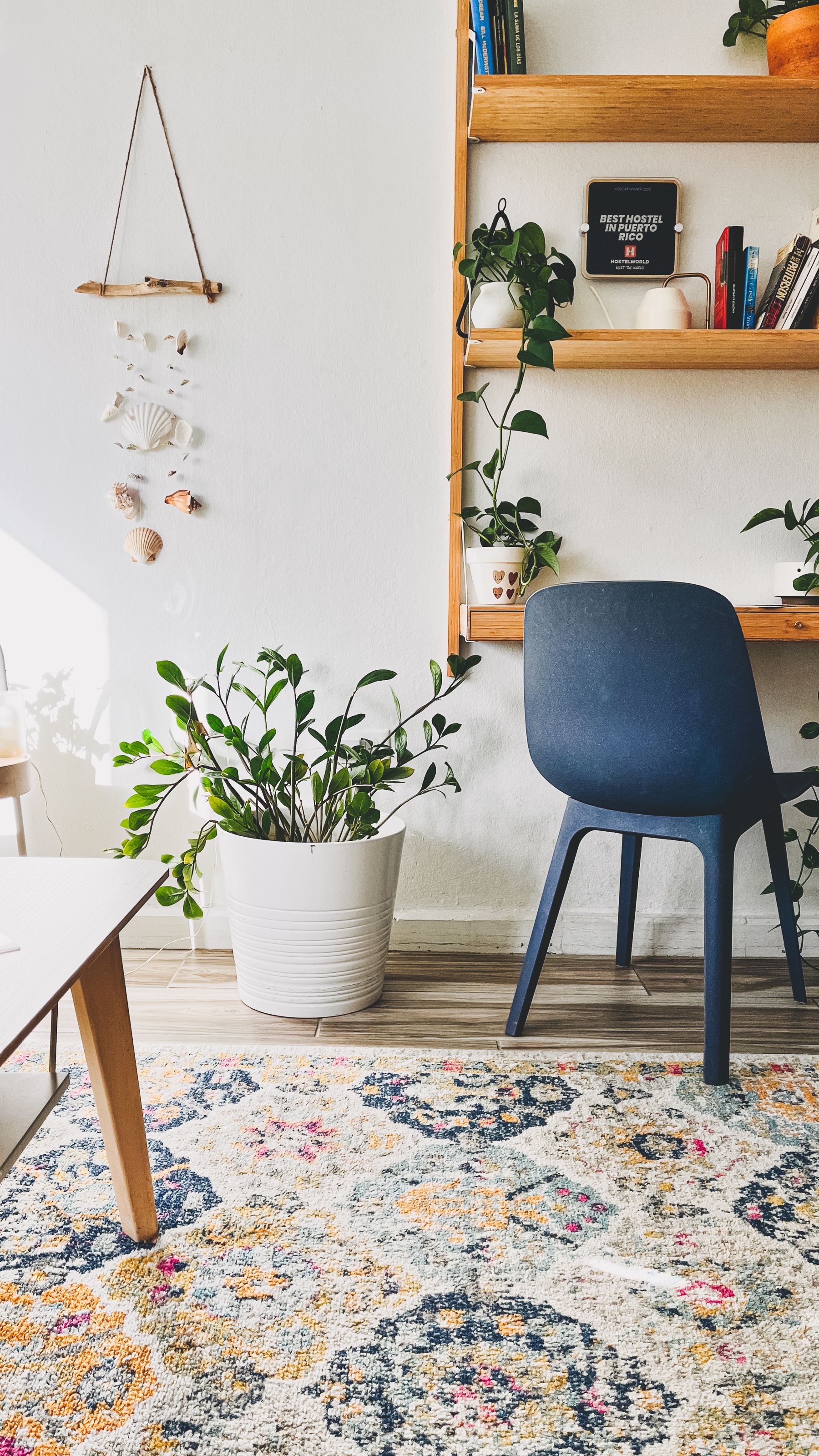
Design Family Storage for a Fast Reset
Children need reachable, safe places for current toys, books and craft materials, plus enough open floor for play. The category-based planning in [living room storage ideas](/living-room/living-room-storage-ideas/) helps size the reset system. Use a few broad categories rather than intricate sorting that adults must maintain. Anchor tall furniture, protect cords and choose finishes that can be cleaned or repaired. A patterned rug or colored storage interior can absorb family life without overwhelming the room. Scandinavian calm is compatible with visible play when the reset is simple and the room does not require constant adult staging.
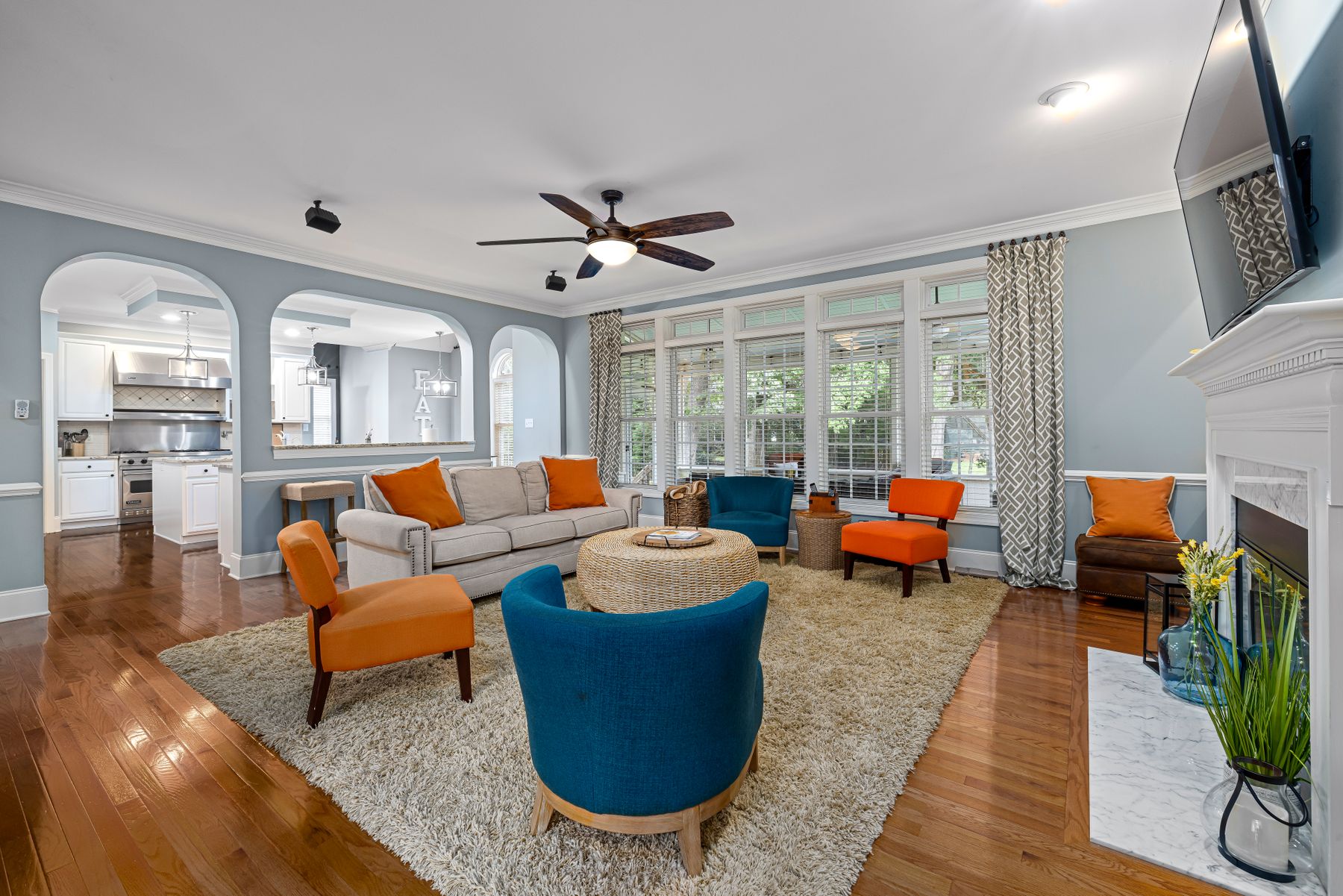
Give Pets Durable Comfort and Clear Escape
Place pet beds, scratchers or feeding accessories where the animal naturally chooses to rest without narrowing human routes. [Living room rug ideas](/living-room/living-room-rug-ideas/) is useful when claws, fur and washable construction affect the floor layer. Match fabrics and rugs to claws, fur, moisture and cleaning rather than selecting the palest option by default. Cats may need vertical refuge; dogs may prefer a protected edge with a view of the room. Integrate one durable solution instead of scattering temporary products. The calm result comes from respecting behavior and maintenance, not from making pet equipment visually disappear.
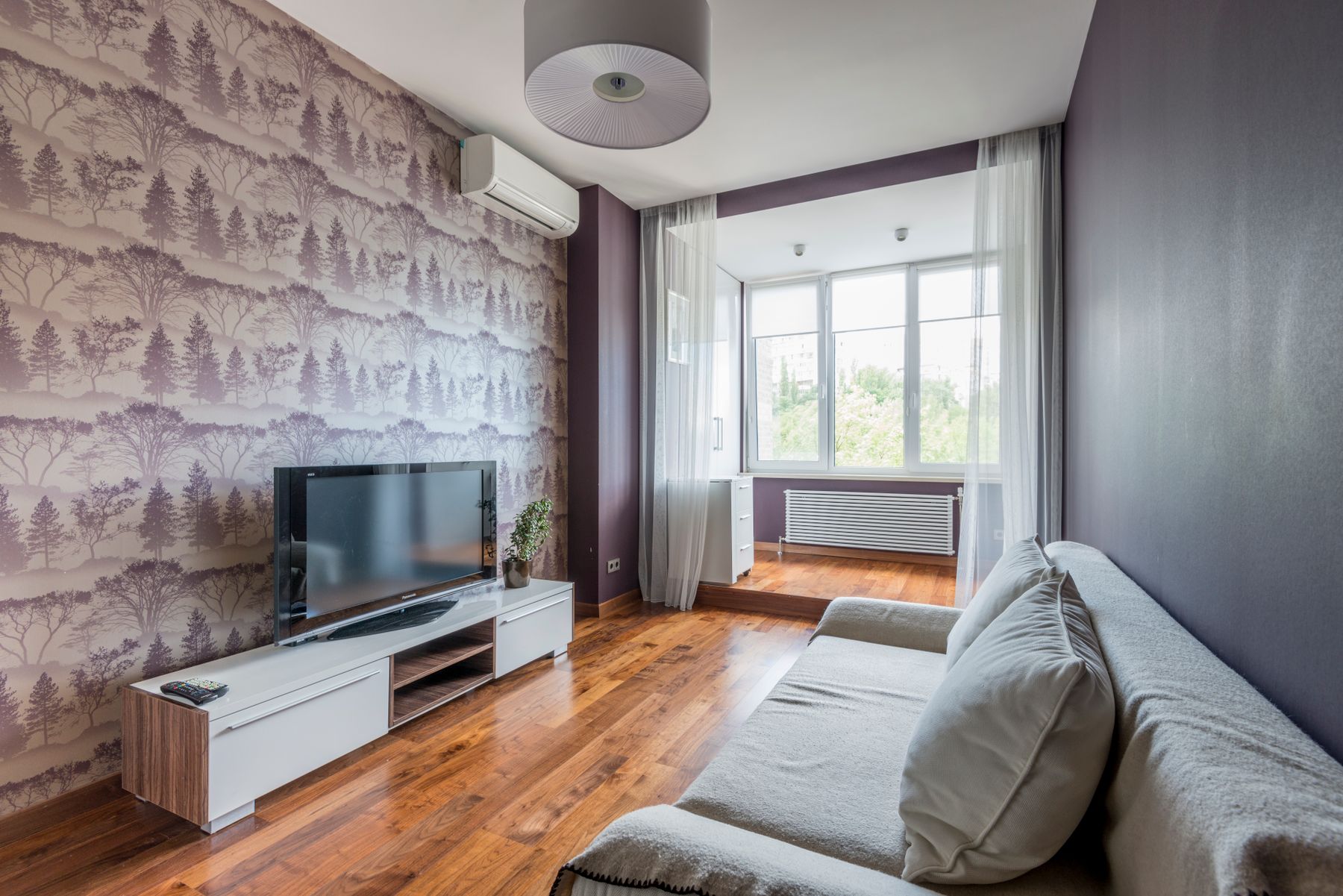
Build a Rental Version From Portable Layers
In a rental, begin with furniture placement, lamps, curtains where permitted, rugs, art and freestanding storage. [Cozy apartment ideas](/apartment/cozy-apartment-ideas/) provides additional portable comfort strategies. Choose pieces that can move to another home and avoid adhesive finishes unless the lease and substrate allow them. Record existing damage and keep access to radiators, outlets and landlord equipment. A coherent palette of wood, textile and warm light can create a Scandinavian room without permanent paneling or built-ins. Spend first on transferable comfort rather than attempting to imitate architectural features.
Make Accessibility Part of Functional Beauty
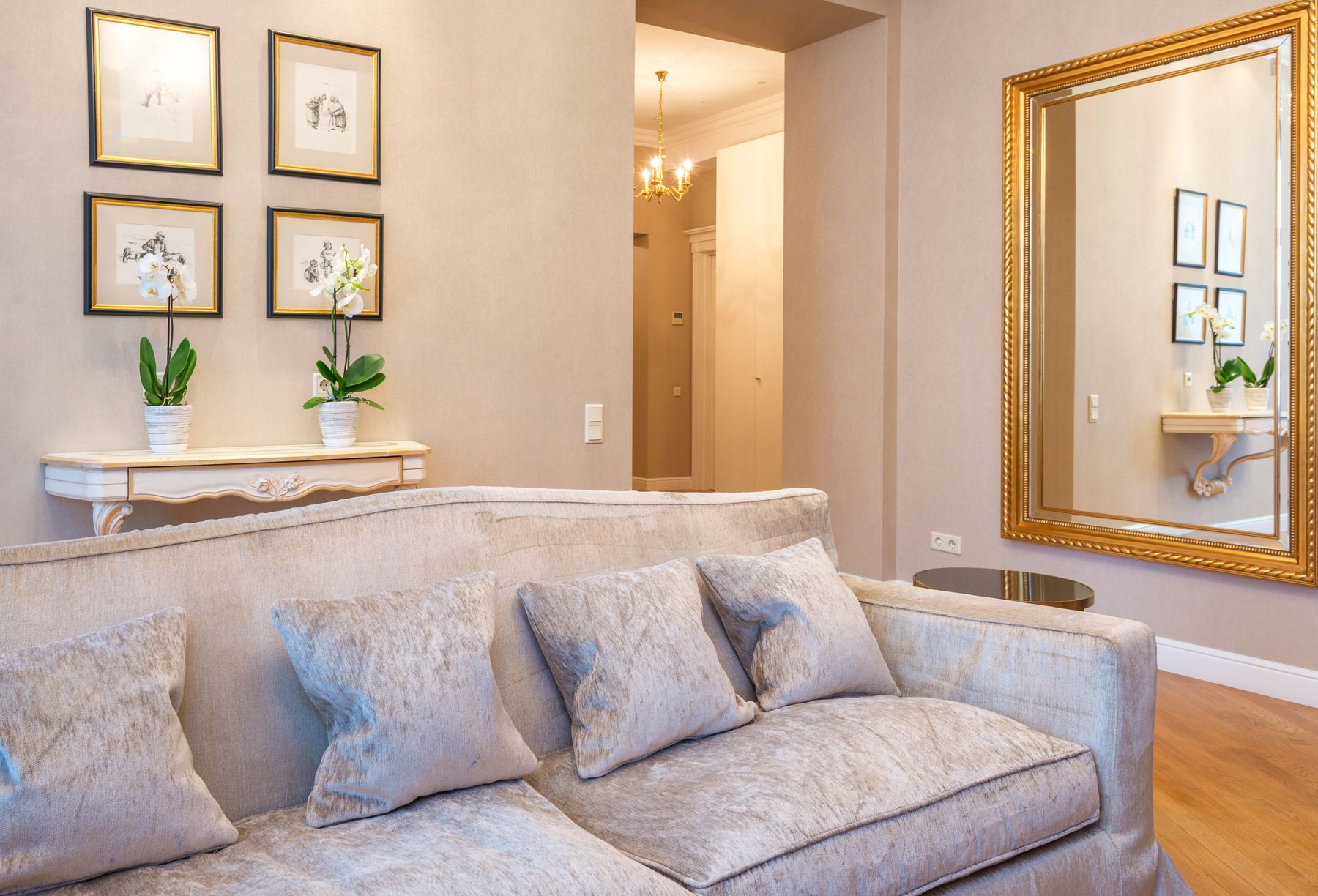
Scandinavian functionalism should support independence. [Small living room ideas](/living-room/small-living-room-ideas/) expands clearance and multifunctional planning where every route is tight. Preserve clear routes, stable transfer points, comfortable seat heights and controls that can be reached without stretching. Reduce glare and confusing reflections, especially where a mirror faces a route or window. Use contrast where it helps edges, switches and furniture remain legible; an all-white room can be visually difficult. Adaptation does not have to look clinical when proportions, timber details and hardware are selected as part of the original design.
Adapt the Room Through Nordic-Style Seasons
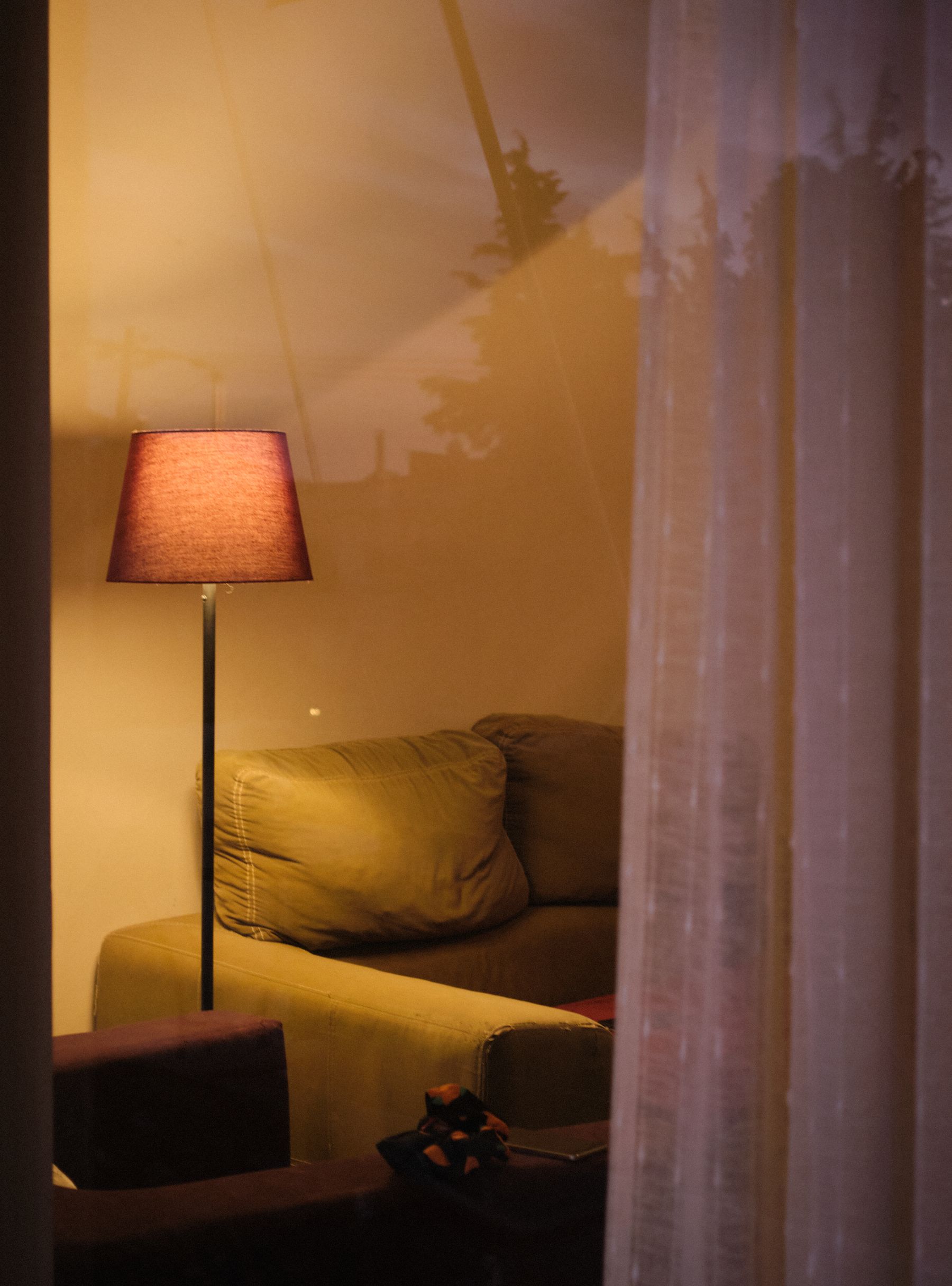
Instead of redecorating, adjust a stable room through light, thermal layers and a small seasonal rotation. In darker months, add lined curtains where needed, bring task lamps into active use and keep one or two warm textiles accessible. In brighter months, reduce layers, control glare and protect timber and art from direct sun. Store off-season items in a bounded place so rotation does not become accumulation. This is closer to lagom—enough for the conditions—than buying a new decorative theme each season.
Buy for Repair, Longevity and Honest Materials
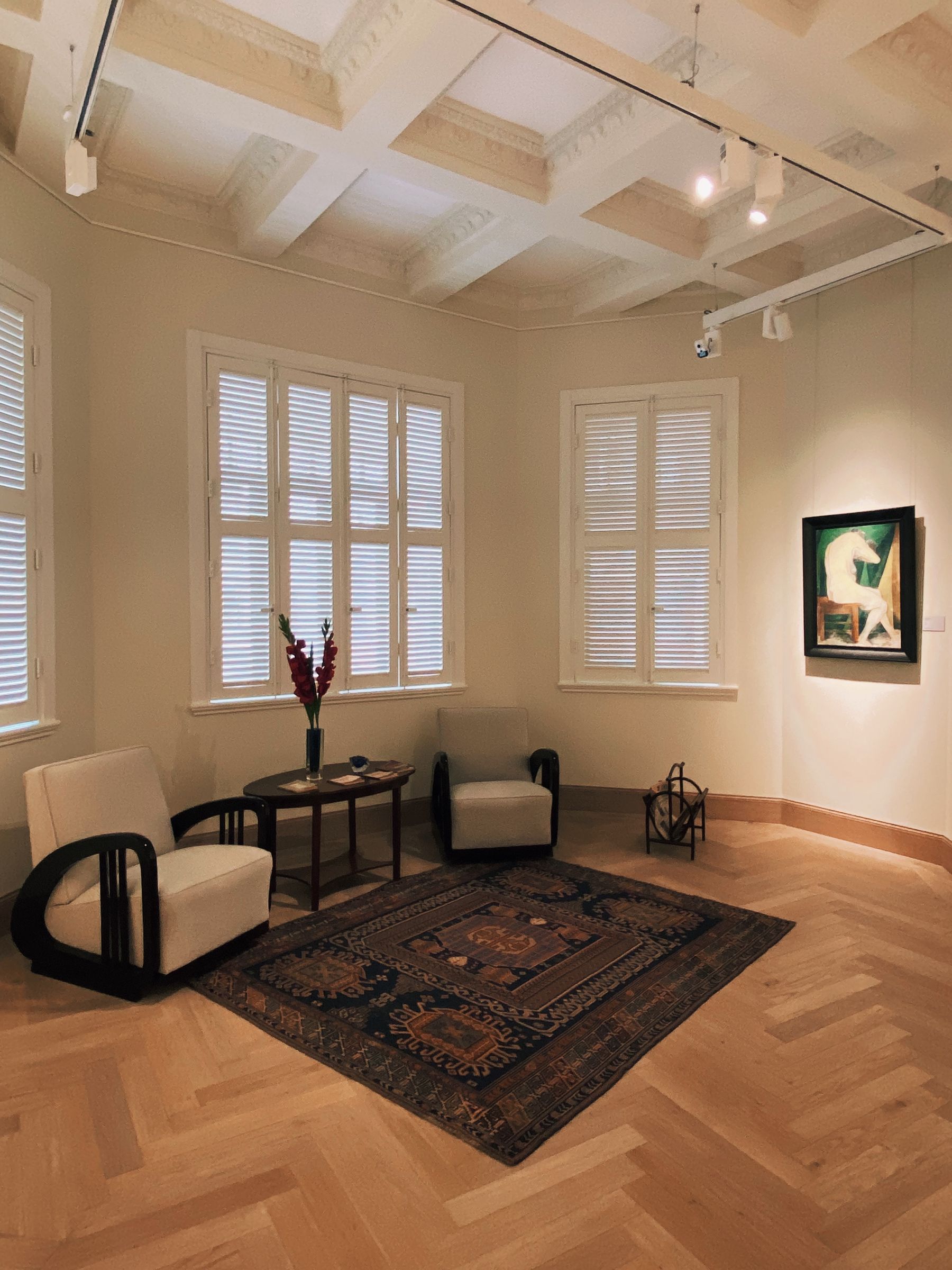
Prioritize stable construction, replaceable covers, available parts and finishes that can be maintained. Secondhand timber furniture and quality rugs can add character while extending useful life, but inspect joints, odors, pests, fading and repair cost. Do not equate Scandinavian design with a specific retailer or disposable flat-pack cycle; the tradition’s functional and democratic values are better served by objects that remain useful. Buy slowly enough to test gaps in the room before filling them.
Maintain Calm With a Realistic Weekly Reset
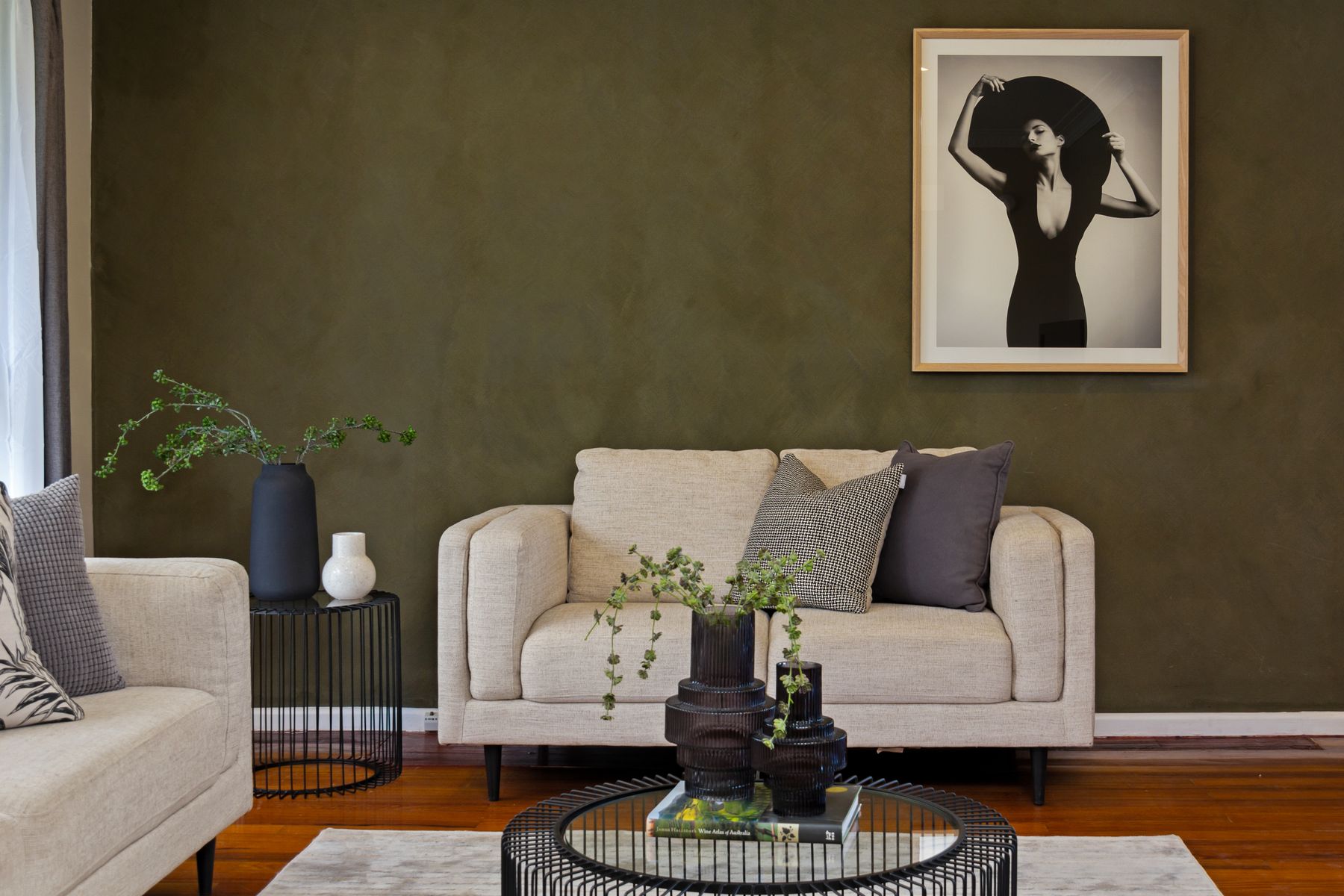
Define a short reset that returns books, blankets, toys, cables and cups to accessible homes without restyling the room. Keep cleaning routes open, avoid fragile arrangements and review storage when the same pile returns repeatedly. Seasonal edits can remove duplicated or unused objects, but stop before the room loses comfort, memory or useful redundancy. A Scandinavian living room is successful when it remains welcoming on an ordinary evening, not only when every surface has been cleared for a photograph.