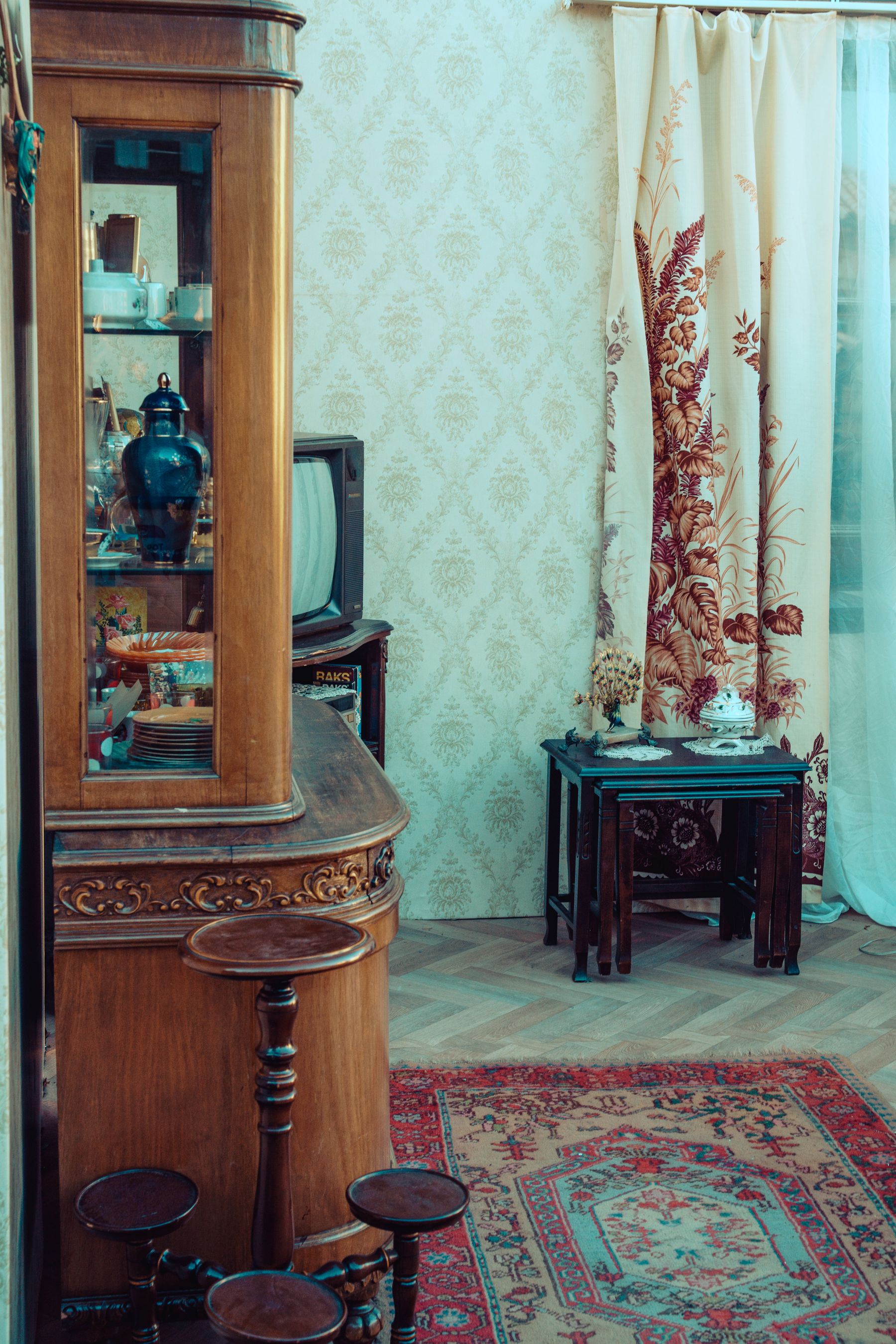
Know What Makes a Living Room Vintage
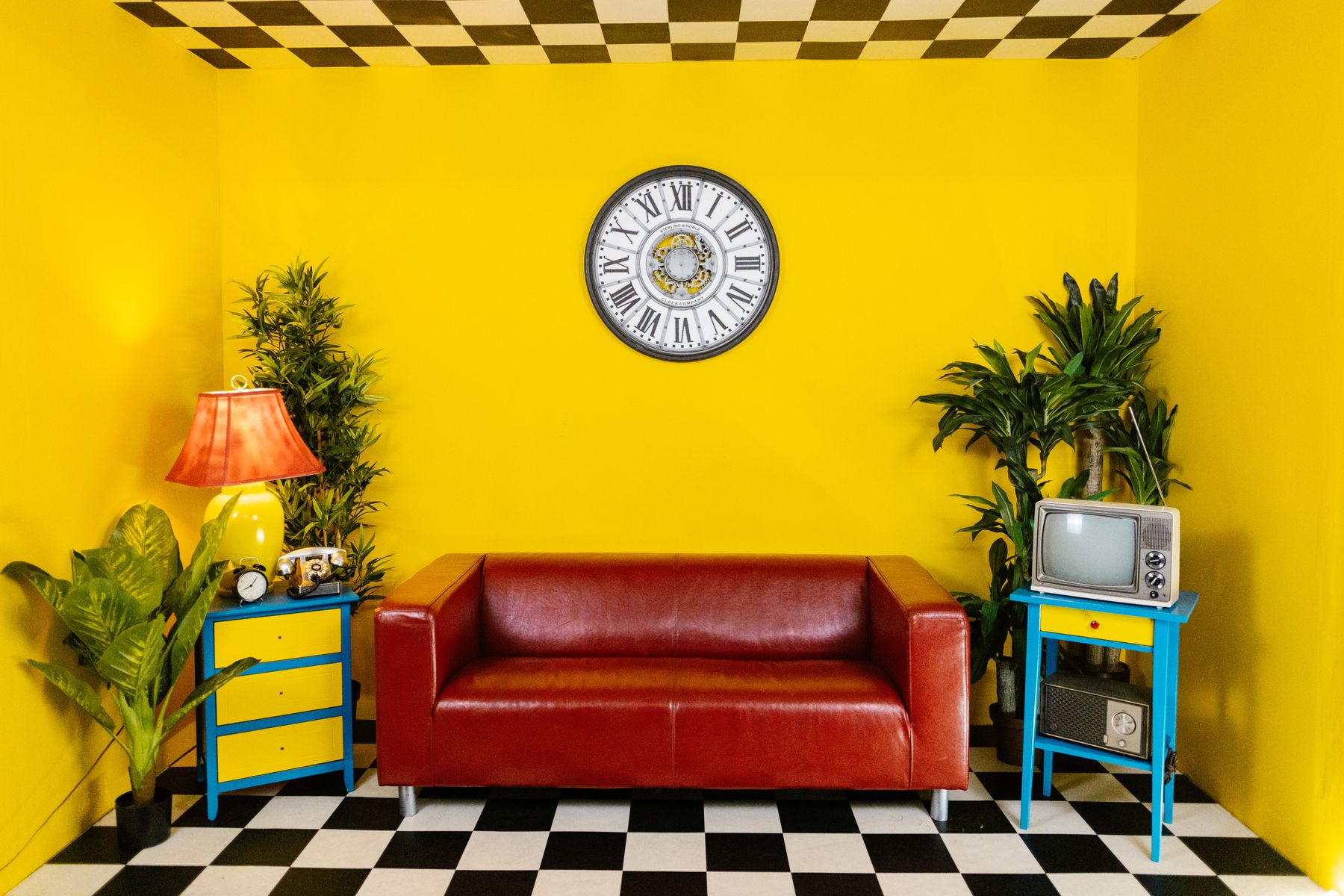
Vintage describes authentic older pieces and the layered character they acquire in a present-day room. [Retro Living Room Ideas](/living-room/retro-living-room-ideas/) is the clearer destination when a recognizable 1960s–1990s revival may use new reproductions as well as original pieces; traditional design can use new formal furniture, and antique generally refers to older objects with a stronger age or collecting threshold. A good vintage living room may contain all three, but its identity comes from useful, genuinely varied pieces rather than reproduction sets. When the main question is how old pieces relate to current furniture and other style families, [eclectic living room ideas](/living-room/eclectic-living-room-ideas/) is the more precise route. The whole-home questions of kitchens, bathrooms and original fabric belong in [vintage apartment ideas](/apartment/vintage-apartment-ideas/); this guide owns the sitting-room decisions.
Let the Room's Architecture Set the First Note
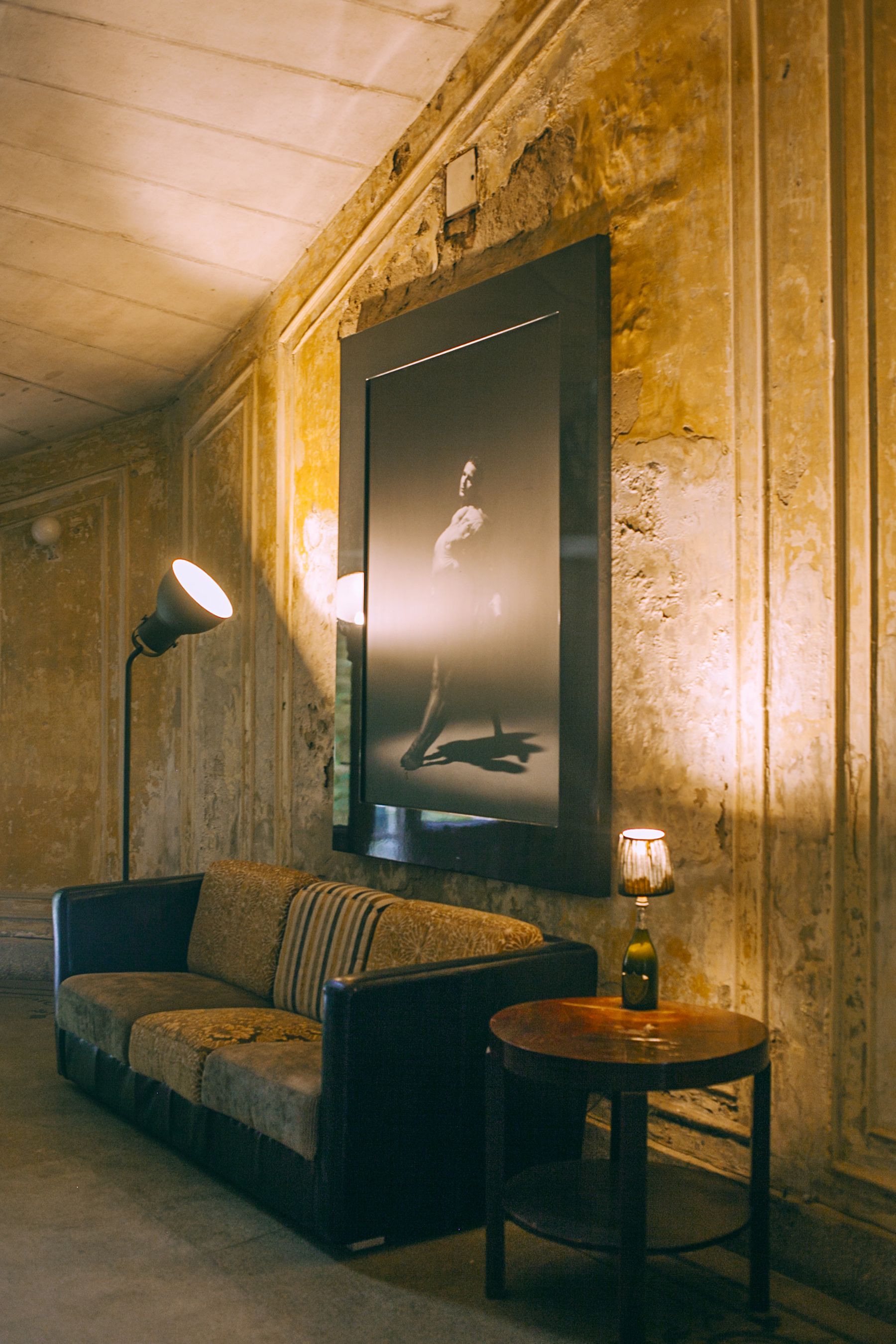
Survey floors, trim, fireplaces, windows, radiators, ceiling height and wall texture before shopping. Original features can carry much of the atmosphere, allowing furniture and art to stay quieter. Where architecture is plain, one substantial bookcase, rug or curtain treatment creates more conviction than scattered faux-aged accessories. Repair water entry, loose plaster and structural defects before celebrating surface wear. In a listed or historic building, confirm what can be altered and use qualified local advice rather than assuming every old detail is safe to expose.
Plan Conversation Before Display
List the living room's real jobs—talking, reading, music, television, games and hosting—then position the main seats so people can see one another without twisting. Keep a reachable table and useful lamp near every regular chair. Display cabinets and record storage should fill leftover wall roles, not force the seating into a corridor. When doors, windows and a fireplace compete, the measuring tests in [living room layout ideas](/living-room/living-room-layout-ideas/) help compare more than one arrangement before heavy pieces arrive.
Use the Fireplace Without Forcing Symmetry
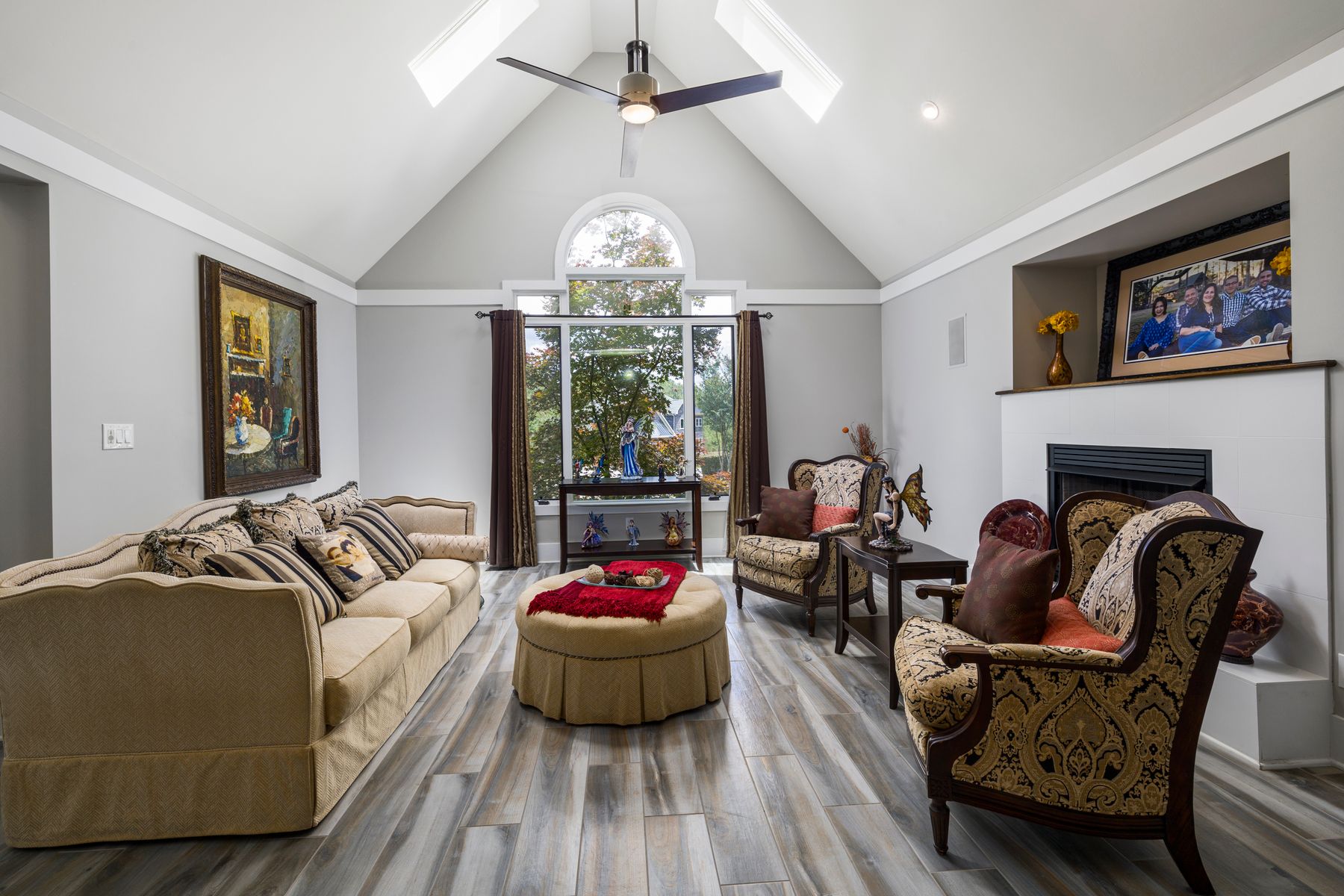
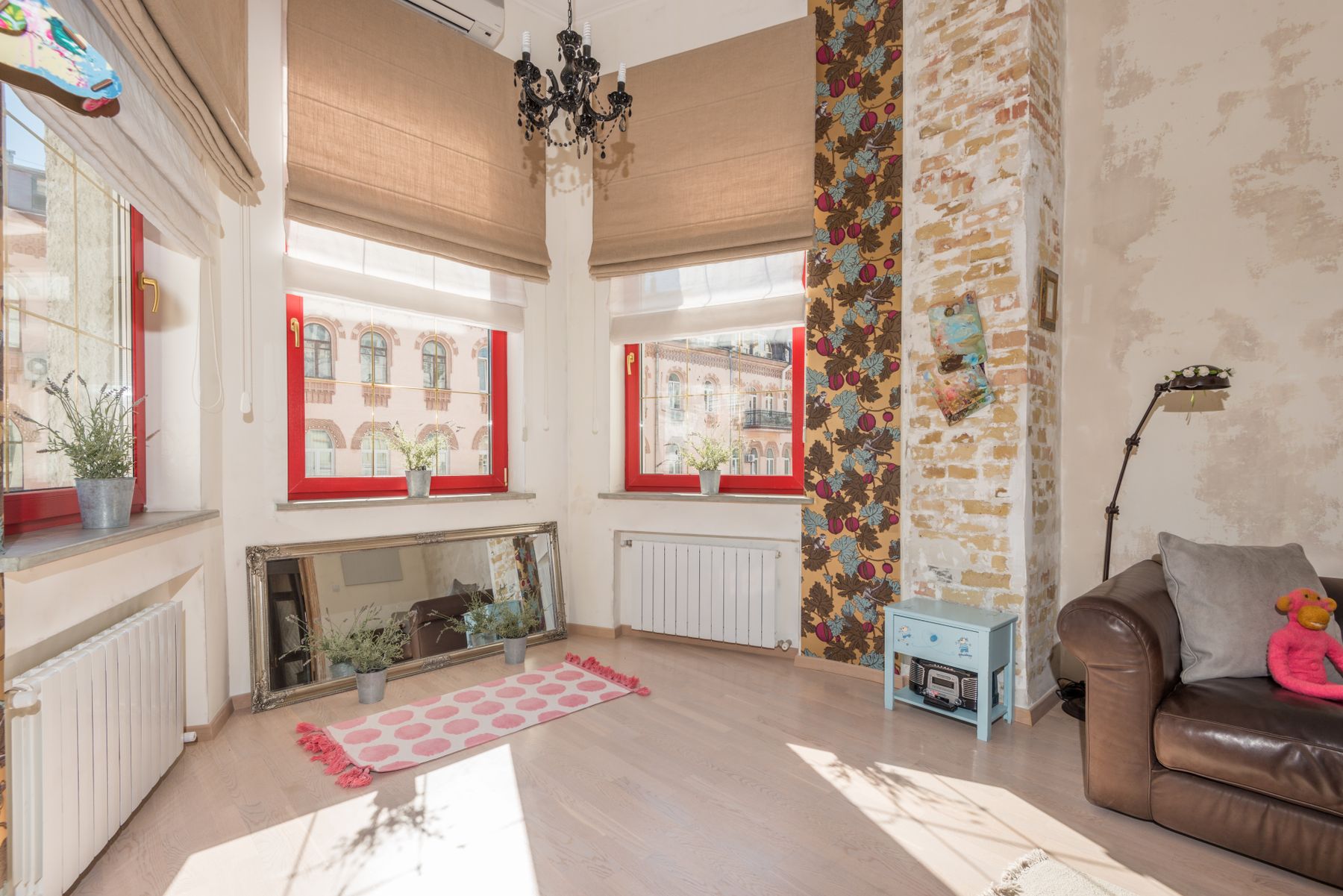
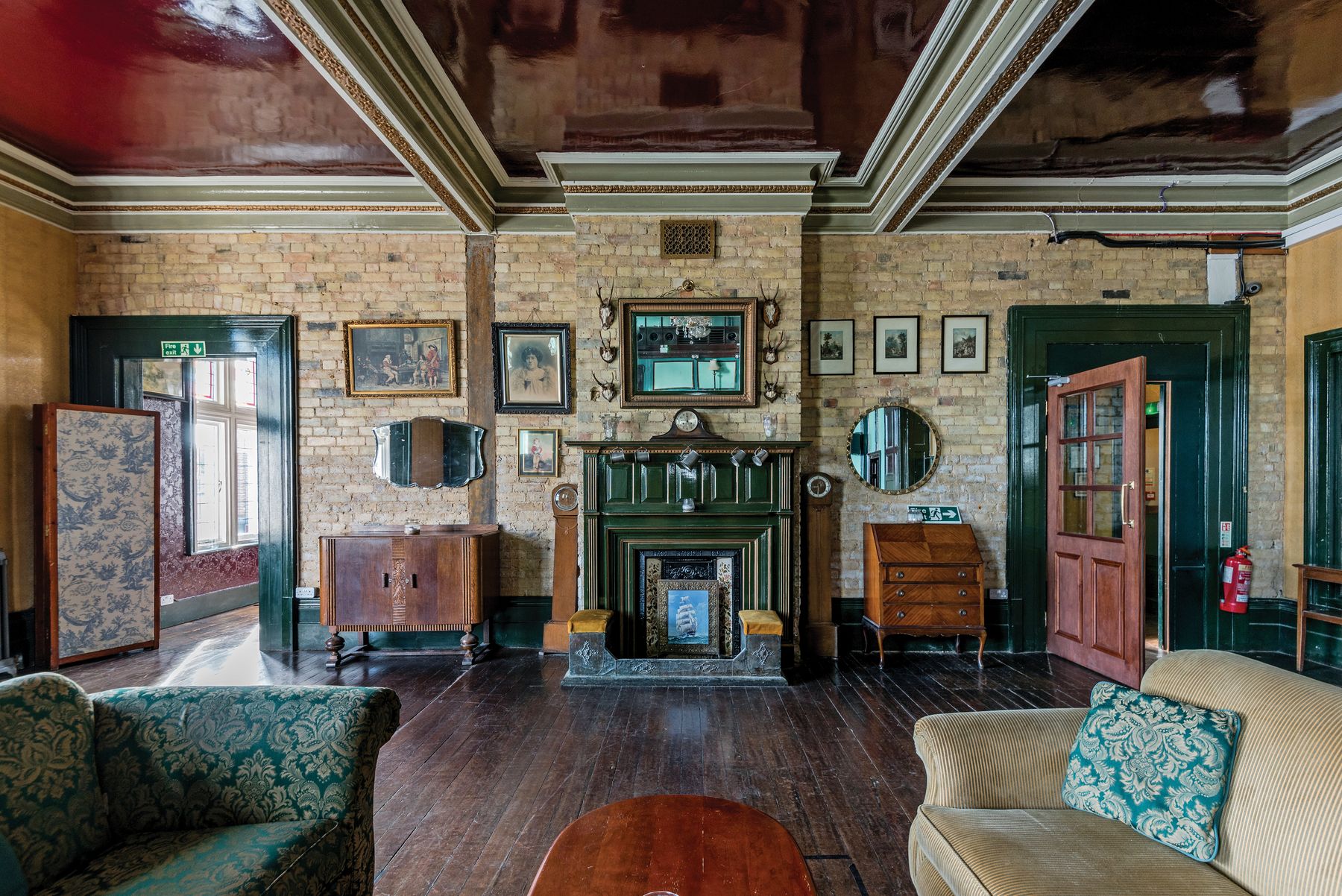
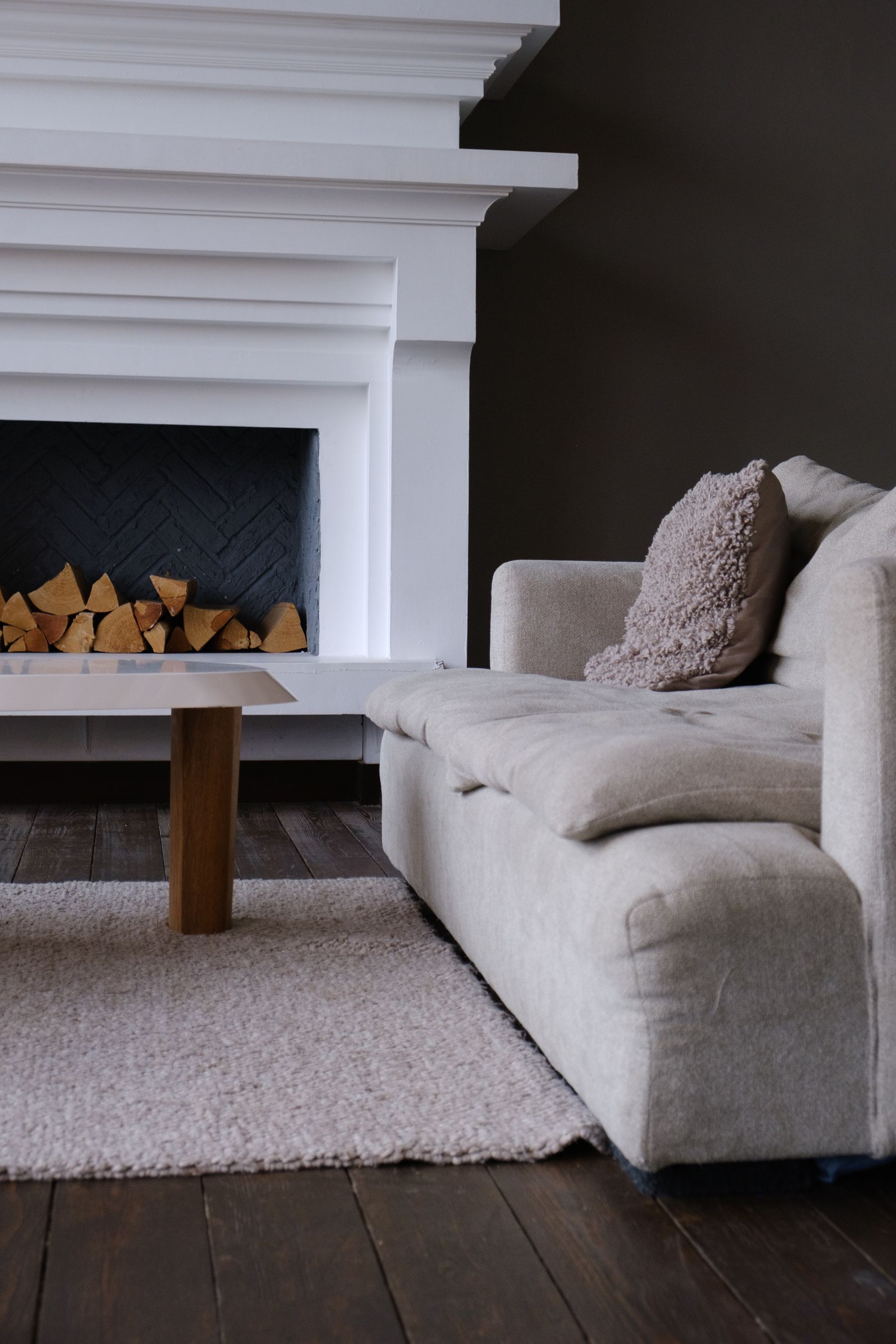
A fireplace is a natural anchor, but identical chairs and matching lamps are not compulsory. Balance visual weight instead: a tall cabinet can answer a floor lamp and clustered art can counter a substantial chair. Keep the hearth and required clearances free, use heat-safe materials and arrange seats beyond the manufacturer's or local safety guidance. If a television must share the room, test a side wall or low adjacent position before mounting it high over a hot mantel where viewing comfort, heat and cable access may all suffer.
Mix Eras Through Scale, Not Matching
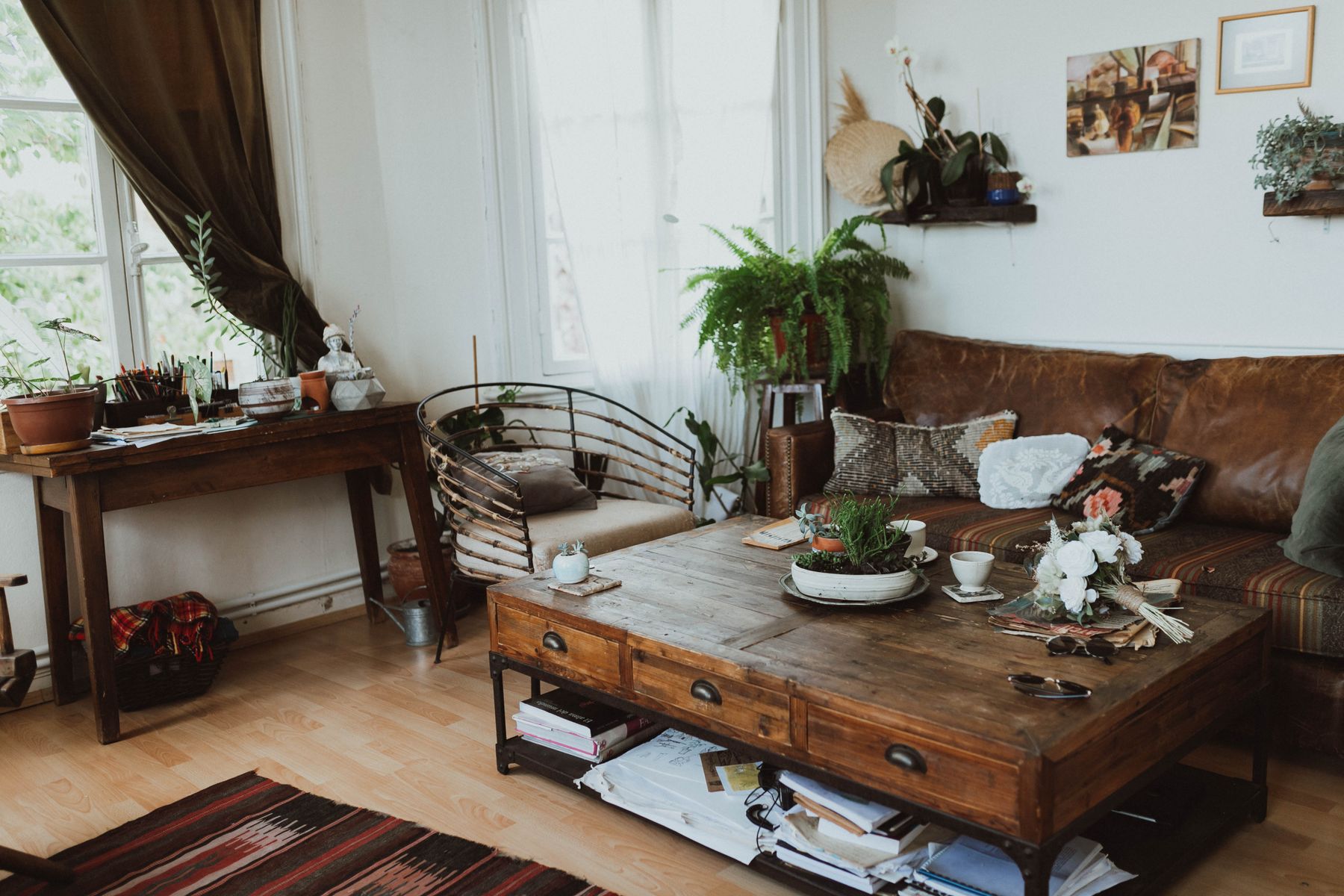
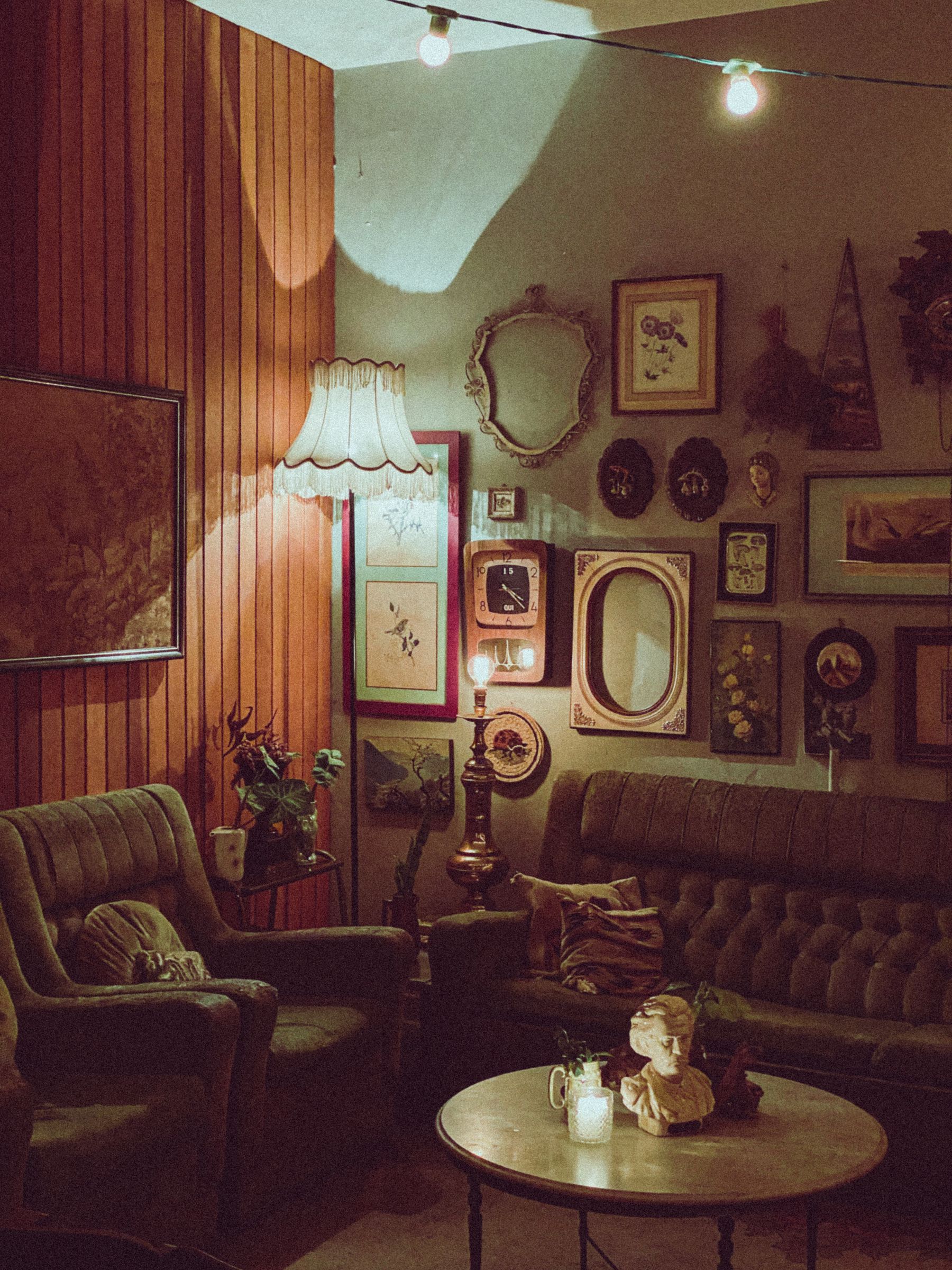
Choose one lead piece, then add furniture from other periods with compatible proportions. A low 1960s chair can work beside an older cabinet if the sofa bridges their heights and the rug unites the group; four unrelated low tables rarely become coherent just because all are old. Repeat a wood undertone, metal finish or color two or three times while keeping silhouettes distinct. The result should look accumulated over time, not sorted into a period showroom or blurred by a complete reproduction collection.
Choose One Lead Piece With a Real Job
A carved cabinet, unusual armchair or long sideboard can establish the room's direction, but it should solve storage, seating or display rather than exist as a prop. Check dimensions against doors, radiator positions and the rest of the seating group. A lead piece needs breathing room; several equally ornate objects cancel one another. If an inherited object is emotionally important but awkward to use, place it where it can be seen safely and let a more comfortable new sofa carry daily demand.

Separate Vintage Character From Sofa Risk
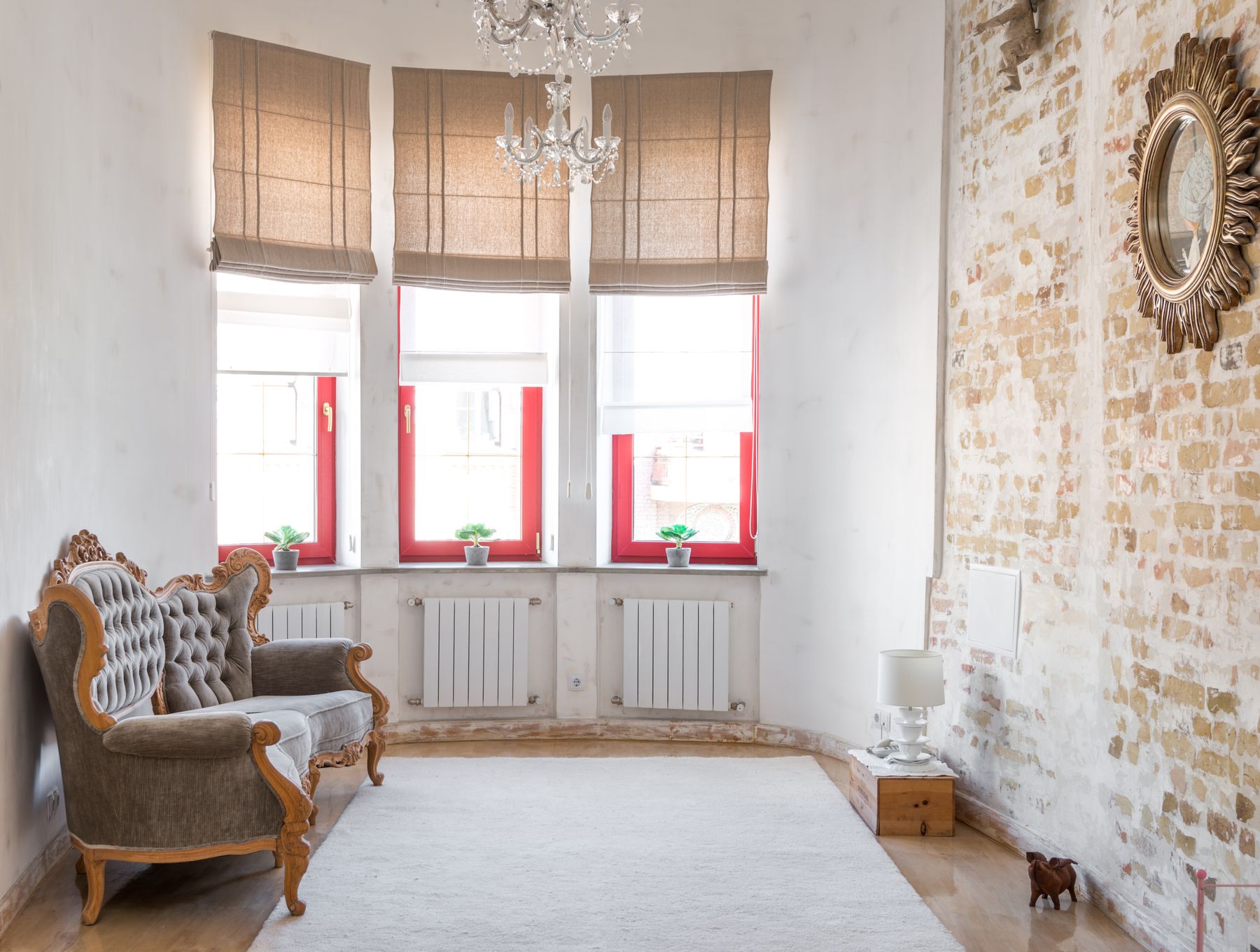
An old sofa can be beautifully made, yet it is the highest-risk secondhand purchase in the room: frame, springs, fillings, odors, pests, fabric strength and fire labeling may be difficult to verify. Price professional inspection, cleaning and reupholstery before committing. A new sofa with the right scale can sit convincingly among older chairs and tables without faux distressing. If reusing a vintage frame, ask the upholsterer what can be retained, what must be replaced and which current safety requirements apply locally.
Build a Sociable Pair of Chairs
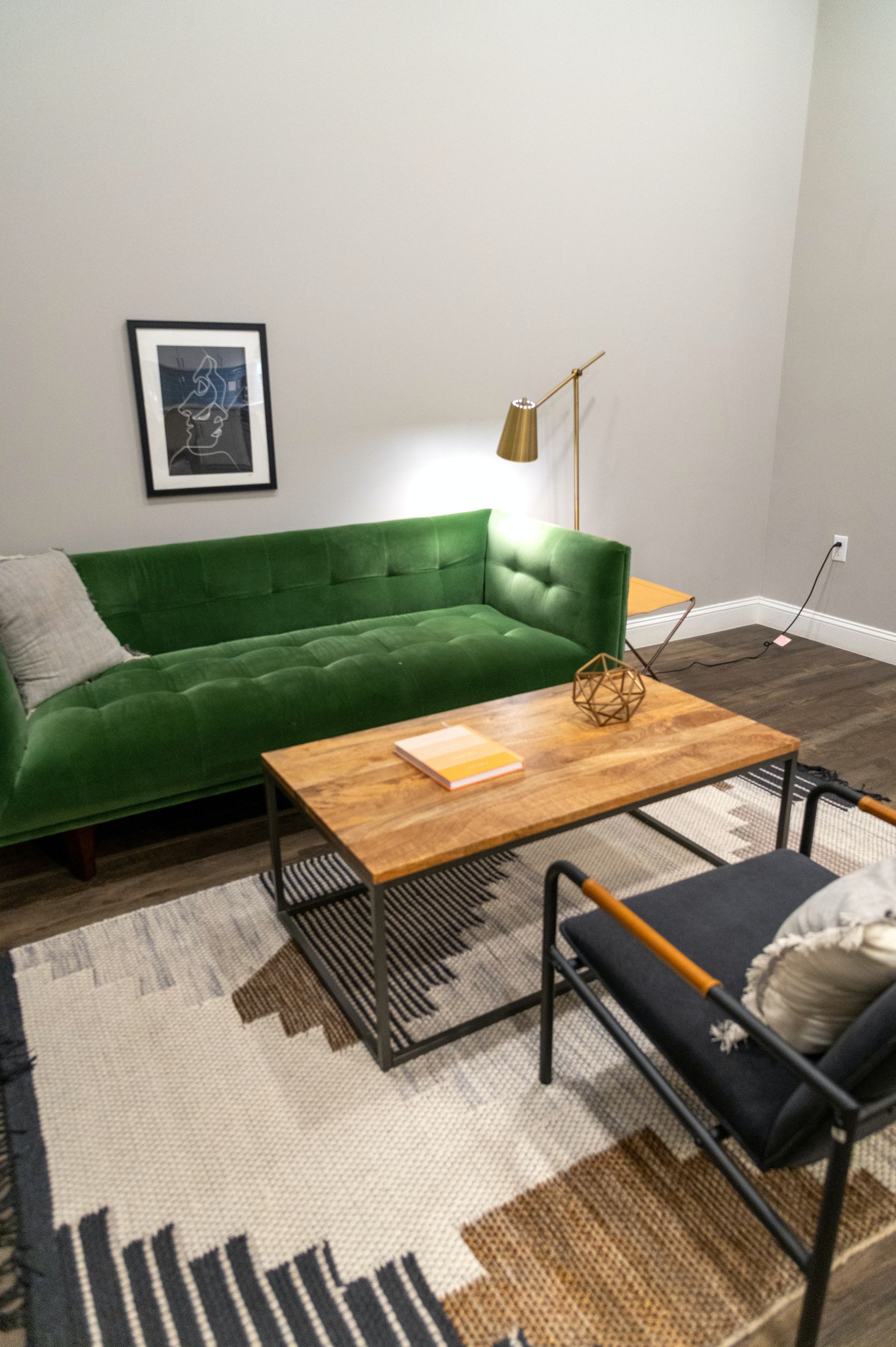
Two vintage chairs can create a more flexible group than a second sofa. They may be a true pair or simply share seat height, visual weight or upholstery color. Angle them toward the main sofa, keep their backs clear of the primary route and give each a landing surface. Swivel bases can serve conversation and television, but older mechanisms need careful inspection. Where one chair is delicate, keep it for occasional use and provide a supportive, stable seat with arms for guests who need easier standing.
Let the Rug Hold Different Furniture Together
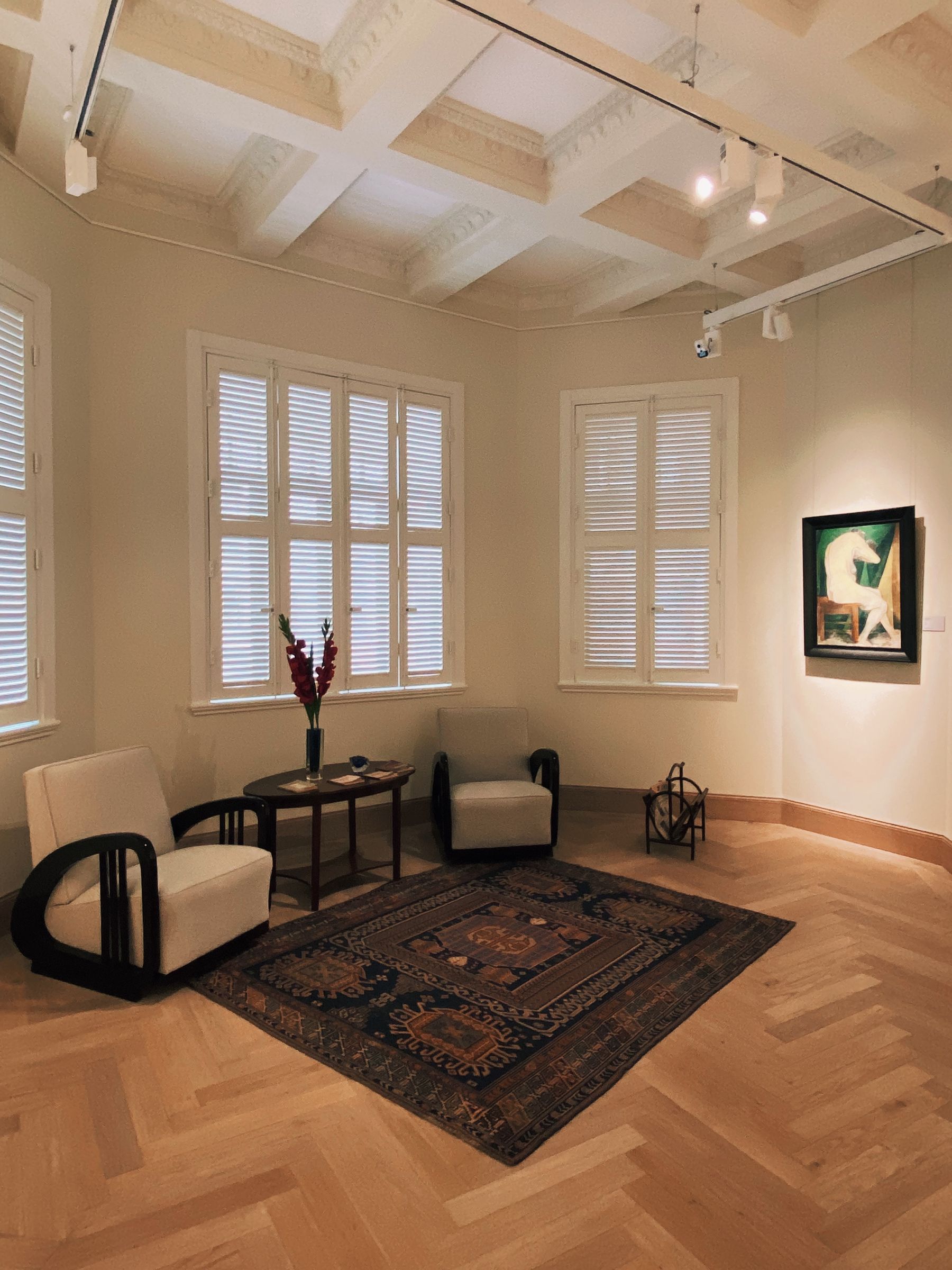
A traditional, faded or geometric rug can be the bridge between furniture from several eras. Size it to the seating footprint rather than the coffee table alone, and use a suitable pad to reduce movement and protect both rug and floor. Inspect vintage rugs for moth damage, weak edges, odor, color transfer and previous repairs; cleaning may change the budget materially. The detailed fiber, placement and maintenance guidance in [living room rug ideas](/living-room/living-room-rug-ideas/) helps distinguish attractive patina from a rug that cannot handle daily traffic.
Build a Palette From What You Are Keeping
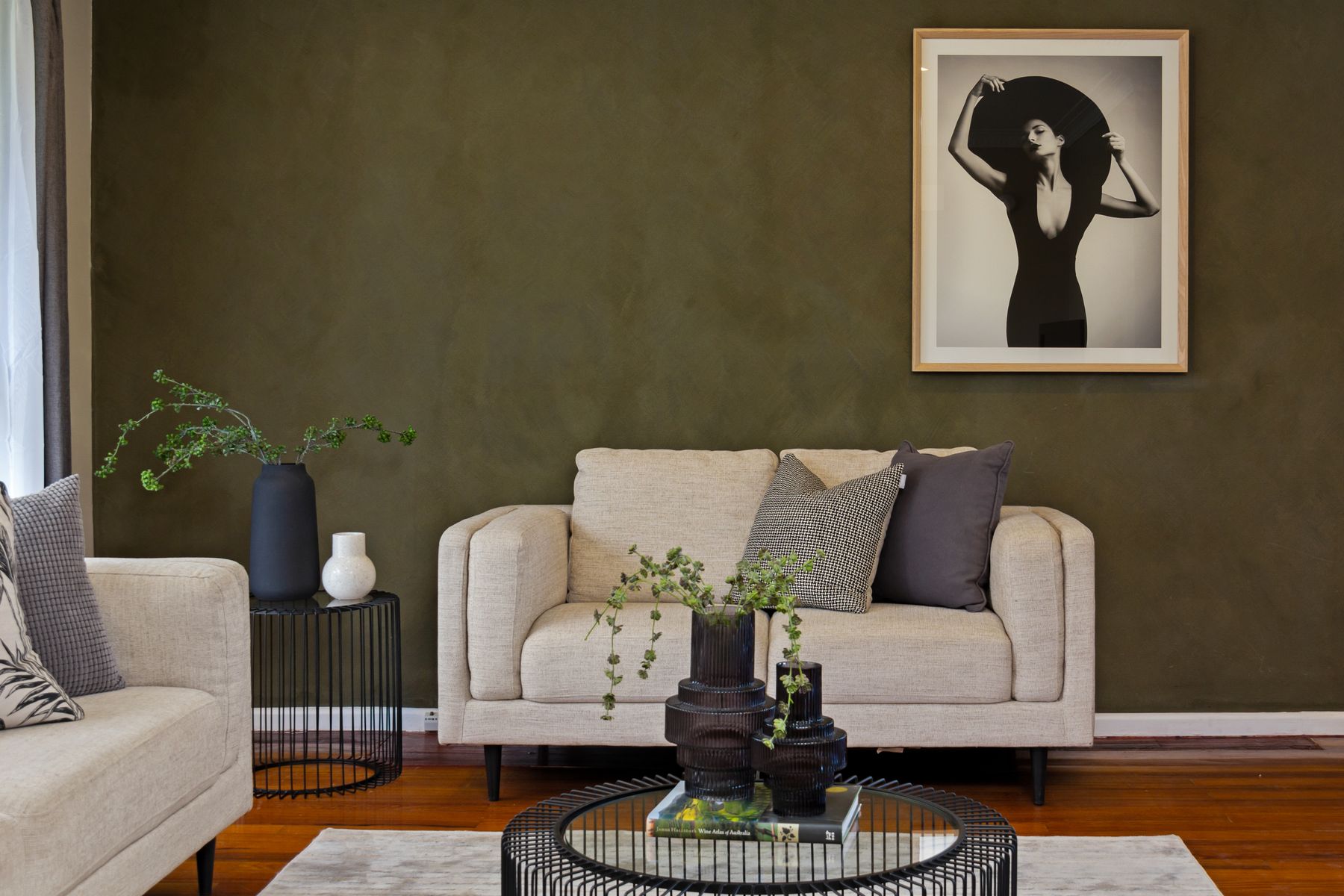
Start with the largest fixed or treasured elements: floorboards, fireplace stone, sofa fabric, rug and cabinet wood. Pull one quiet background tone and one deeper accent from them, then test paint beside every material in daylight and lamplight. Chocolate brown, olive, ochre, oxblood, dusty blue and tobacco can feel convincingly vintage, but a room does not need all of them. When a dark timber collection dominates, a muted wall can reveal its outlines better than another saturated brown.
Layer Pattern With a Clear Hierarchy
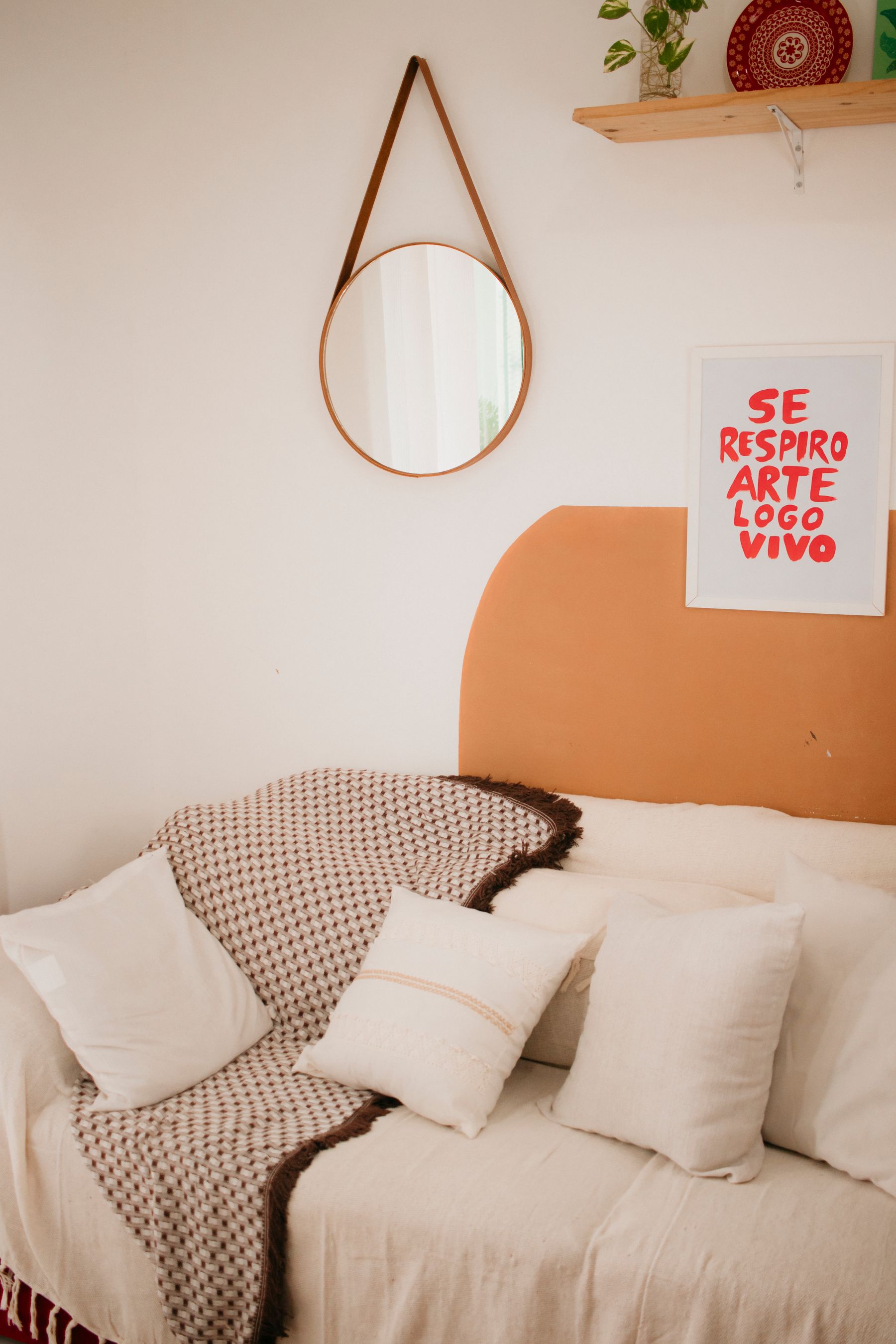
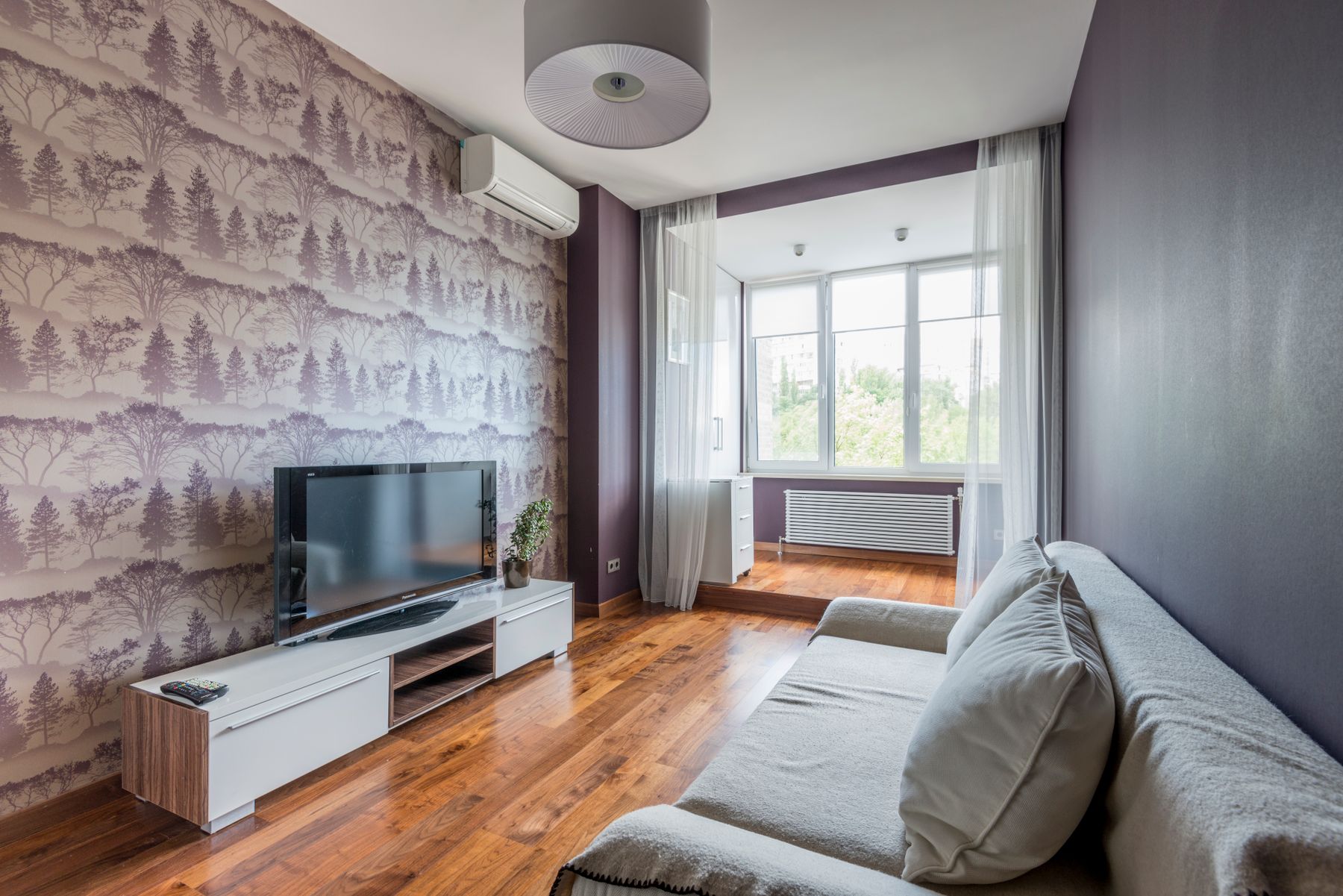
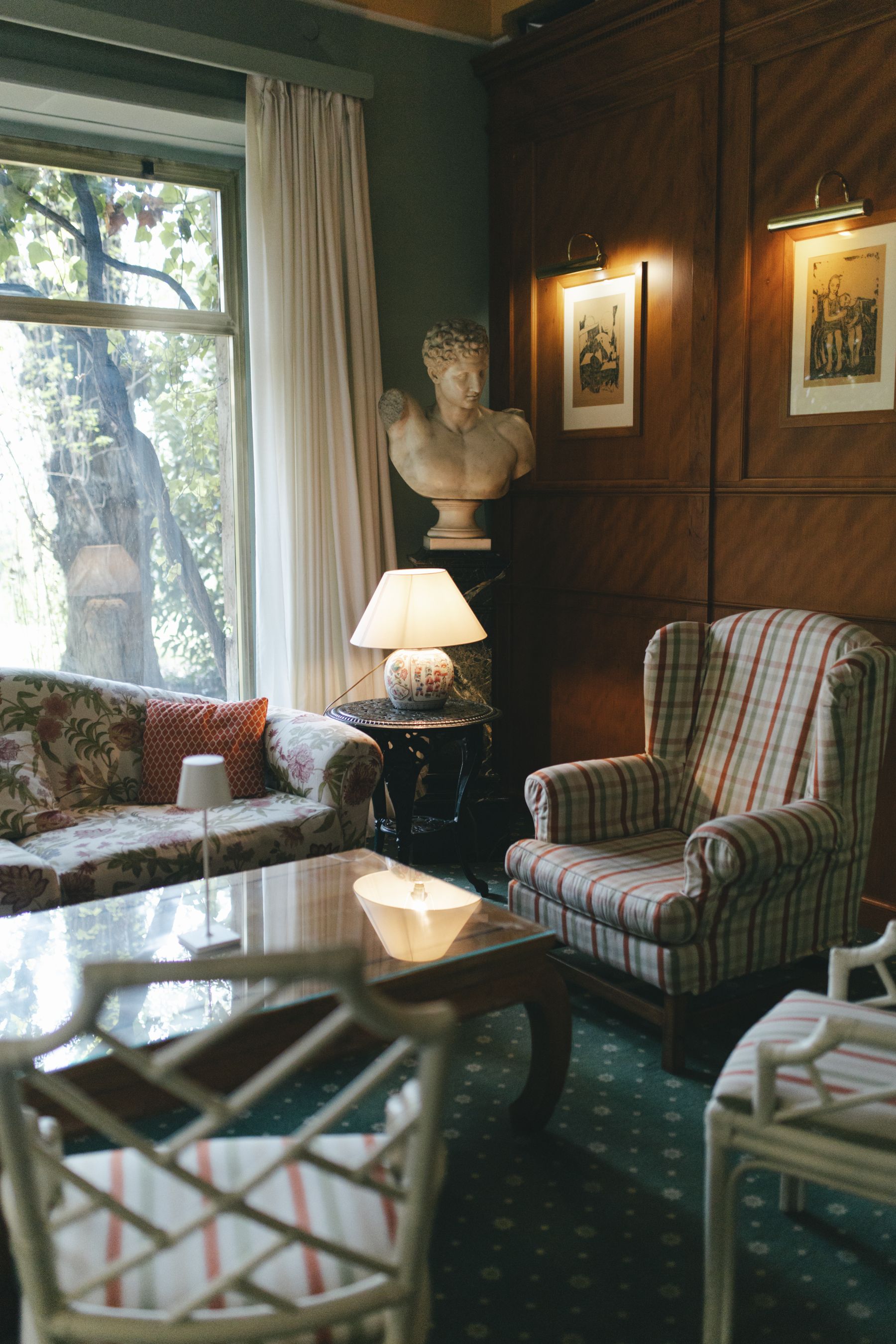
Patterned wallpaper, a Persian-style rug, floral upholstery and checked cushions can coexist when scale and contrast differ. Let one pattern be dominant, one support it and the rest act as small punctuation. Repeat a color rather than the exact motif, and leave a few quiet surfaces around detailed furniture. Papering every wall may suit a small enveloping room; in a busy through-room, one complete wall or upper section can be calmer. [Living room wall ideas](/living-room/living-room-wall-ideas/) covers wallpaper, paneling and art relationships in more depth.
Mix Wood Tones Without Losing the Thread
A vintage room rarely contains one timber species, and forcing every piece to match can erase the charm. Group woods by undertone—warm red, honey, neutral brown or cooler grey—then repeat each important family at least twice. A dark sideboard and pale floor can be bridged by a medium-toned table or woven shade. Avoid refinishing solely to create uniformity; clean and assess first. Sun fading, veneer thickness and an old finish's behavior all affect whether sanding would improve or permanently damage the piece.
Make the Art Wall Personal, Not Period-Correct
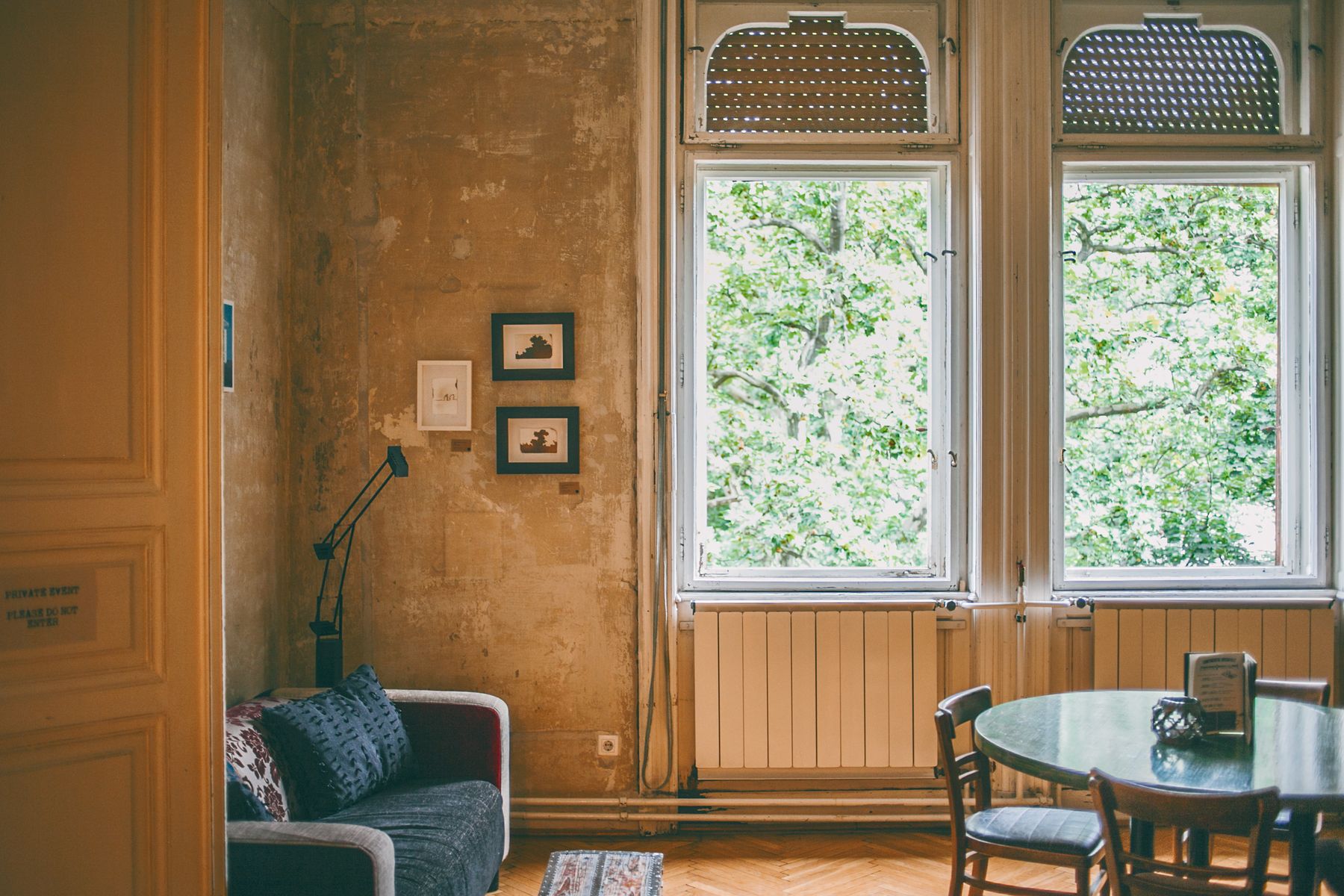
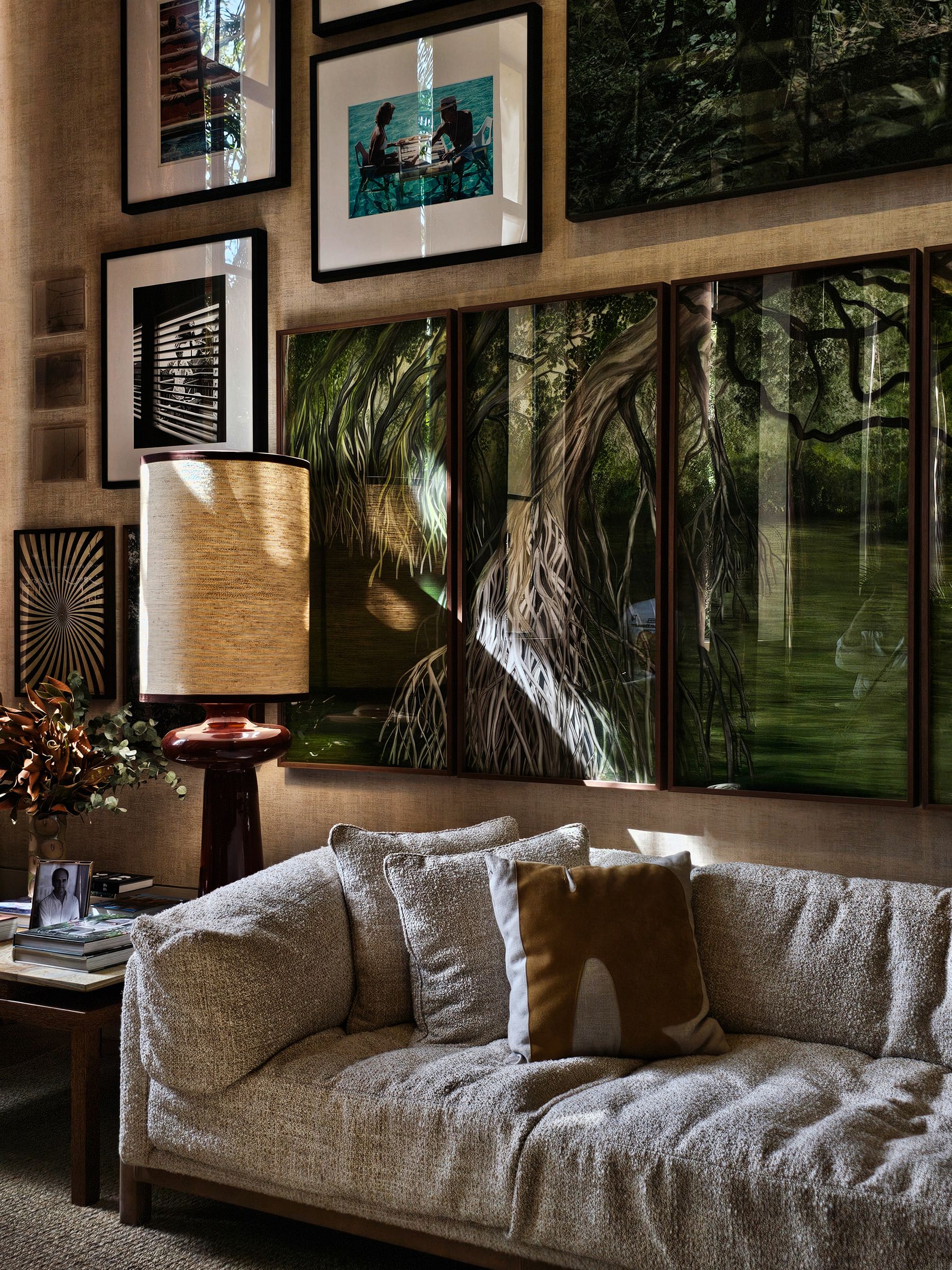
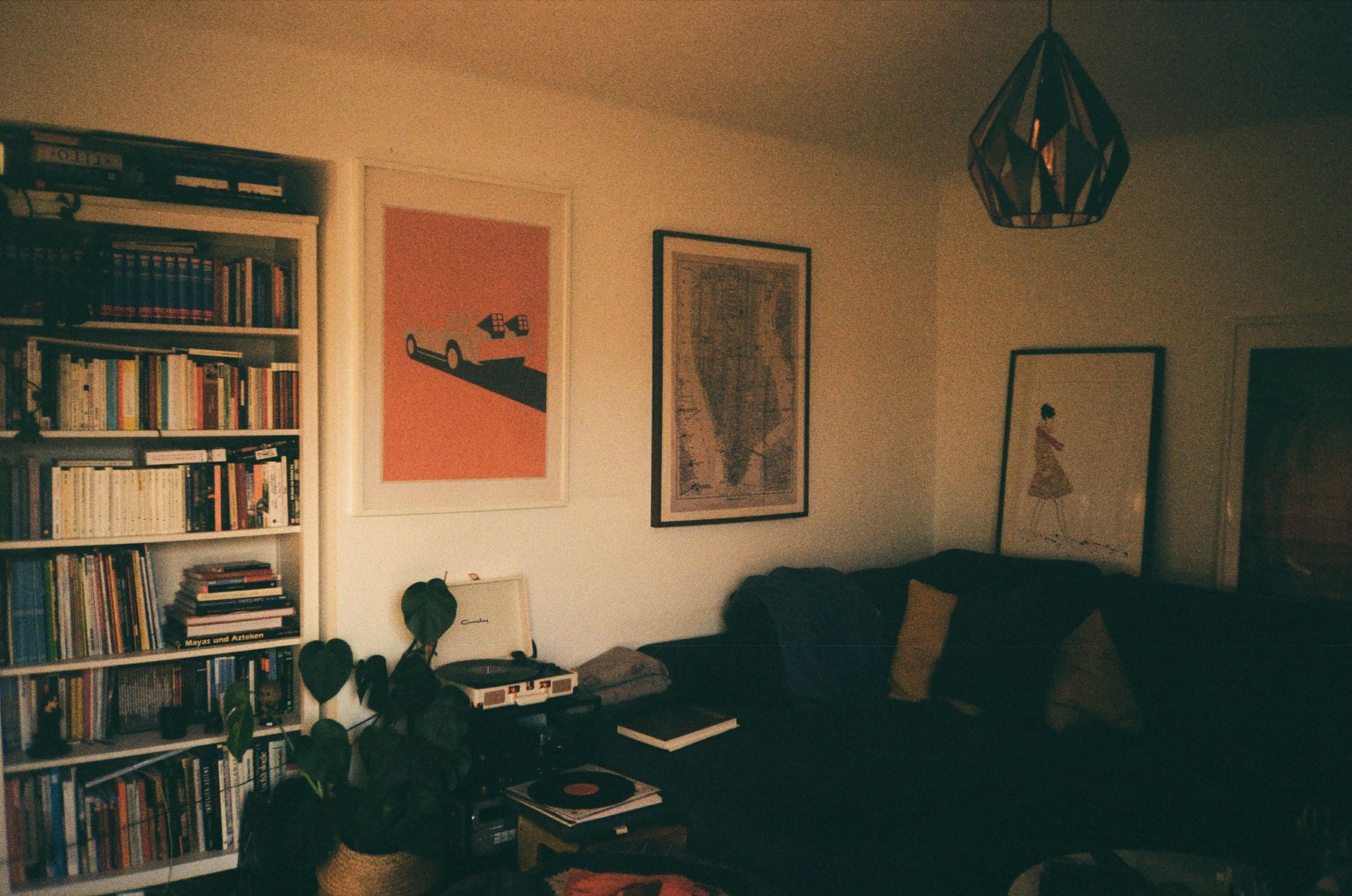
Combine inherited photographs, prints, maps, small paintings and textile fragments according to meaning rather than a single era. Establish coherence through spacing, a repeated frame tone or a clear outer shape. Use conservation materials for valuable works and keep light-sensitive pieces away from direct sun. Heavy mirrors and frames need fixings suited to the wall, not hooks chosen by appearance. Leave room to add one future piece; a gallery that can evolve feels more authentic than a composition bought complete in a weekend.
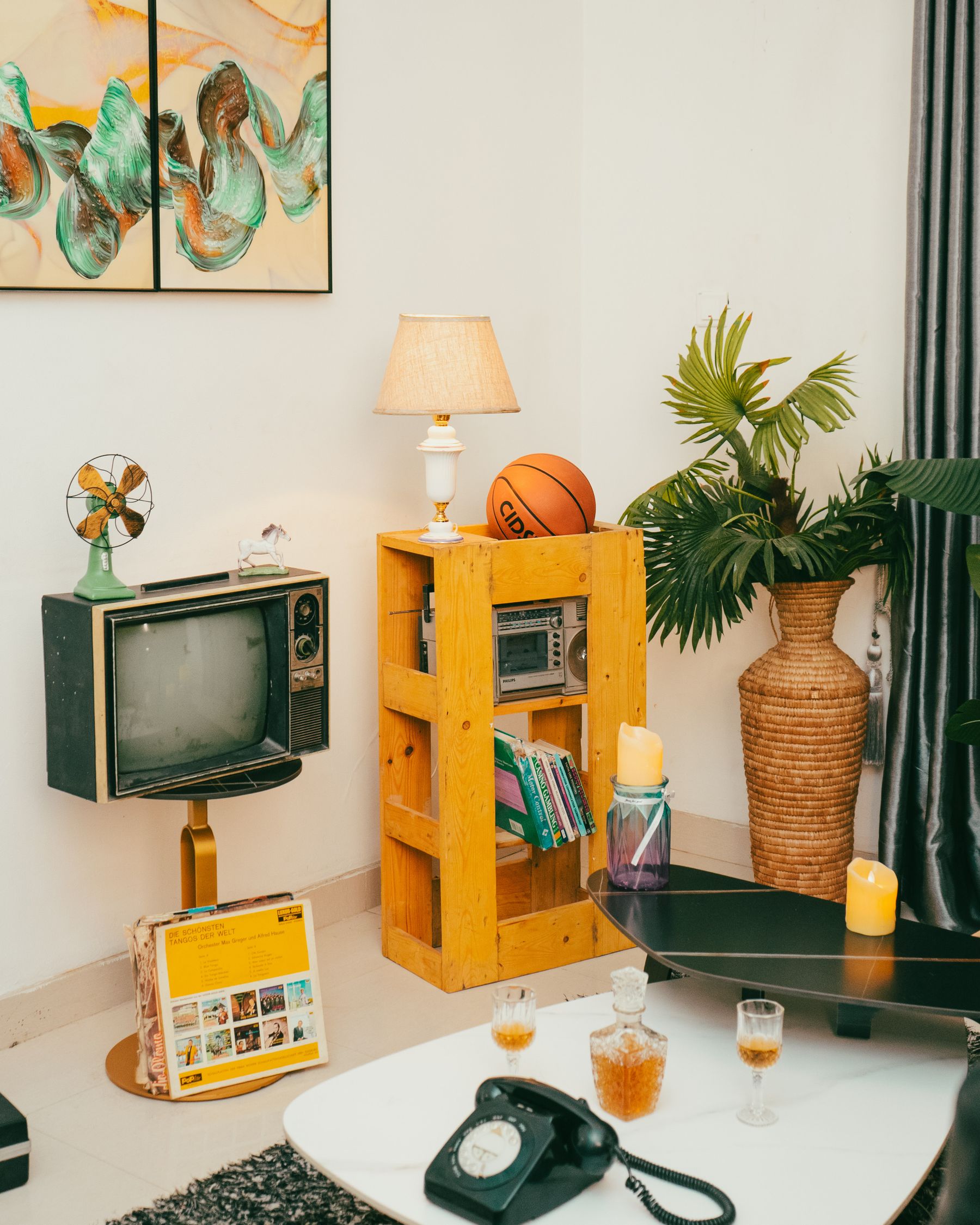
Display Collections as Useful Groups
Books, records, ceramics and small devices need boundaries. Keep frequently used items within reach, put fragile pieces in stable or closed display and group by function before color. A shelf with varied heights and some empty area is easier to read than every surface filled edge to edge. Rotate rather than stack excess objects in front of one another. Older radios, telephones or televisions should be treated as display unless a qualified person confirms they are safe and suitable for operation.
Integrate the Television Honestly
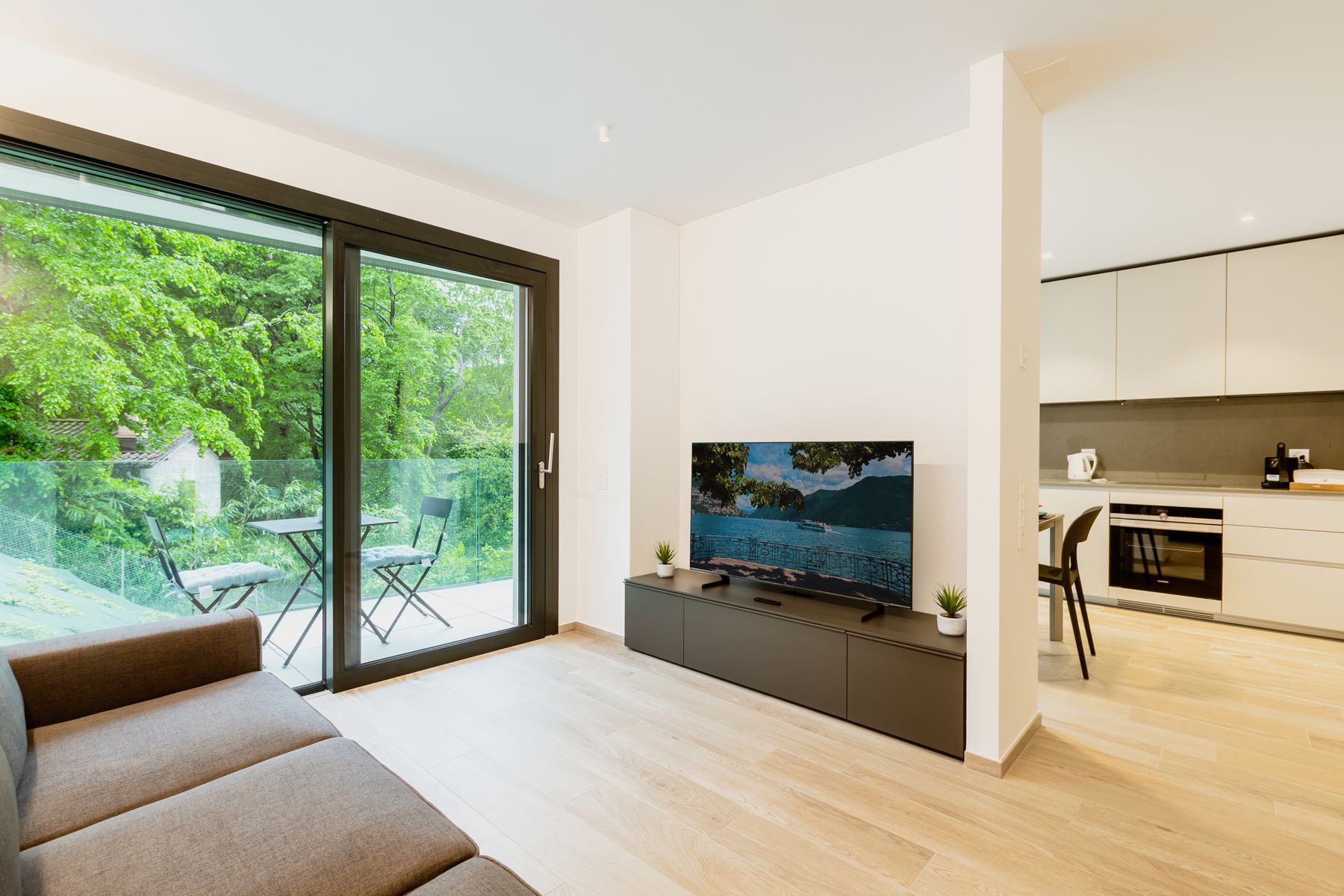
Do not force a current screen into a faux-antique cabinet if ventilation, sound or service access suffer. Position it at a comfortable viewing height, manage glare and use a low timber unit or dark wall to reduce contrast. Route cables visibly but neatly when cutting original walls is inappropriate. The screen can sit beside a fireplace or collection rather than over it, provided seats turn comfortably. Storage planning in [living room storage ideas](/living-room/living-room-storage-ideas/) helps accommodate equipment dimensions instead of hiding them behind unusable vintage doors.
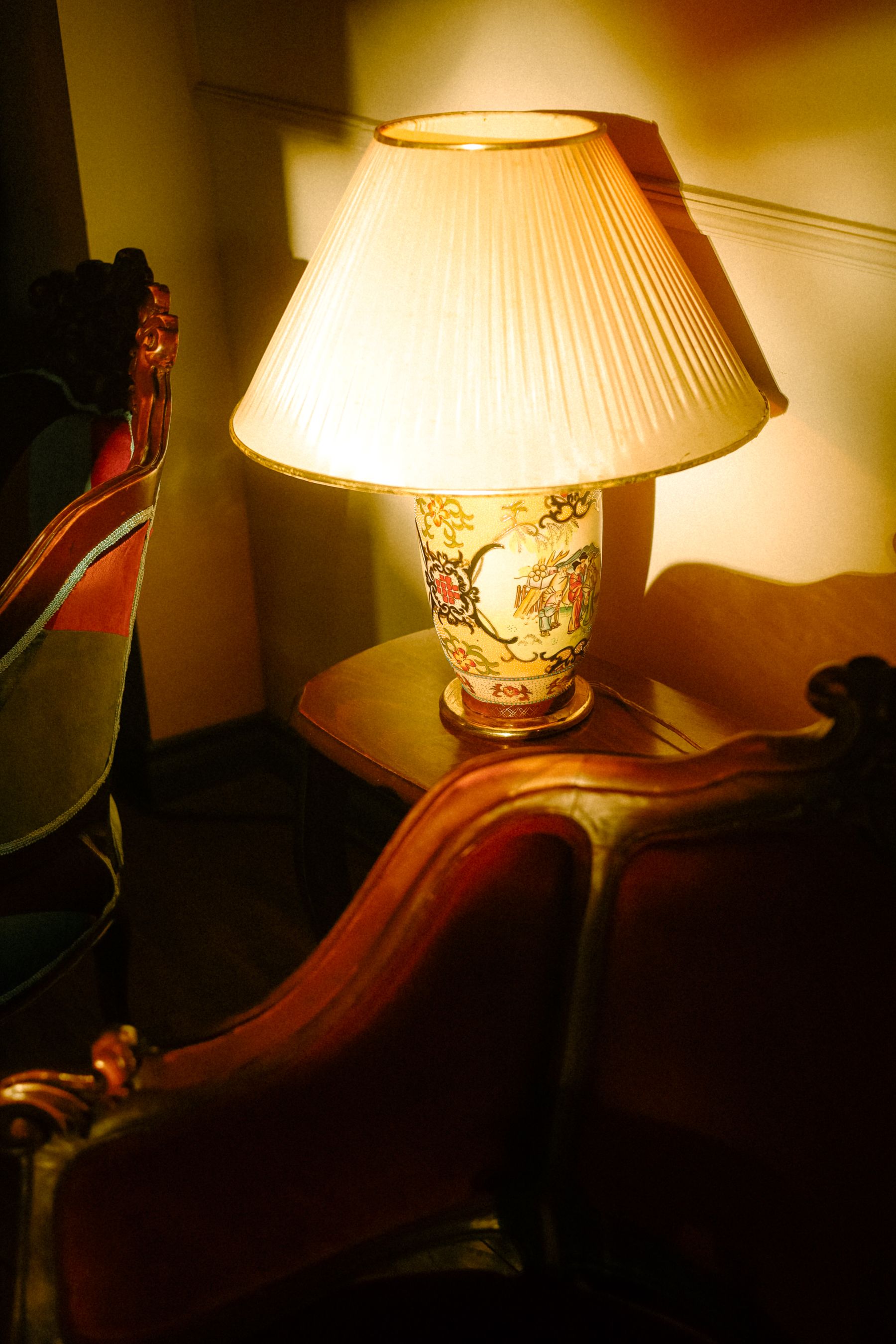
Rewire Vintage Lamps Before Trusting Them
Treat unknown vintage wiring as unverified, even when the lamp illuminates. A qualified electrician or lamp specialist should assess the cord, plug, lampholder, earthing where relevant, strain relief, switch and heat clearance. Use an appropriate lamp type and output, keep fabric or paper shades away from heat, and avoid overloading adapters. Rewiring is usually invisible and preserves the base without preserving electrical risk. The room-level guidance in [living room lighting ideas](/living-room/living-room-lighting-ideas/) helps place safe fixtures around reading, movement and television.
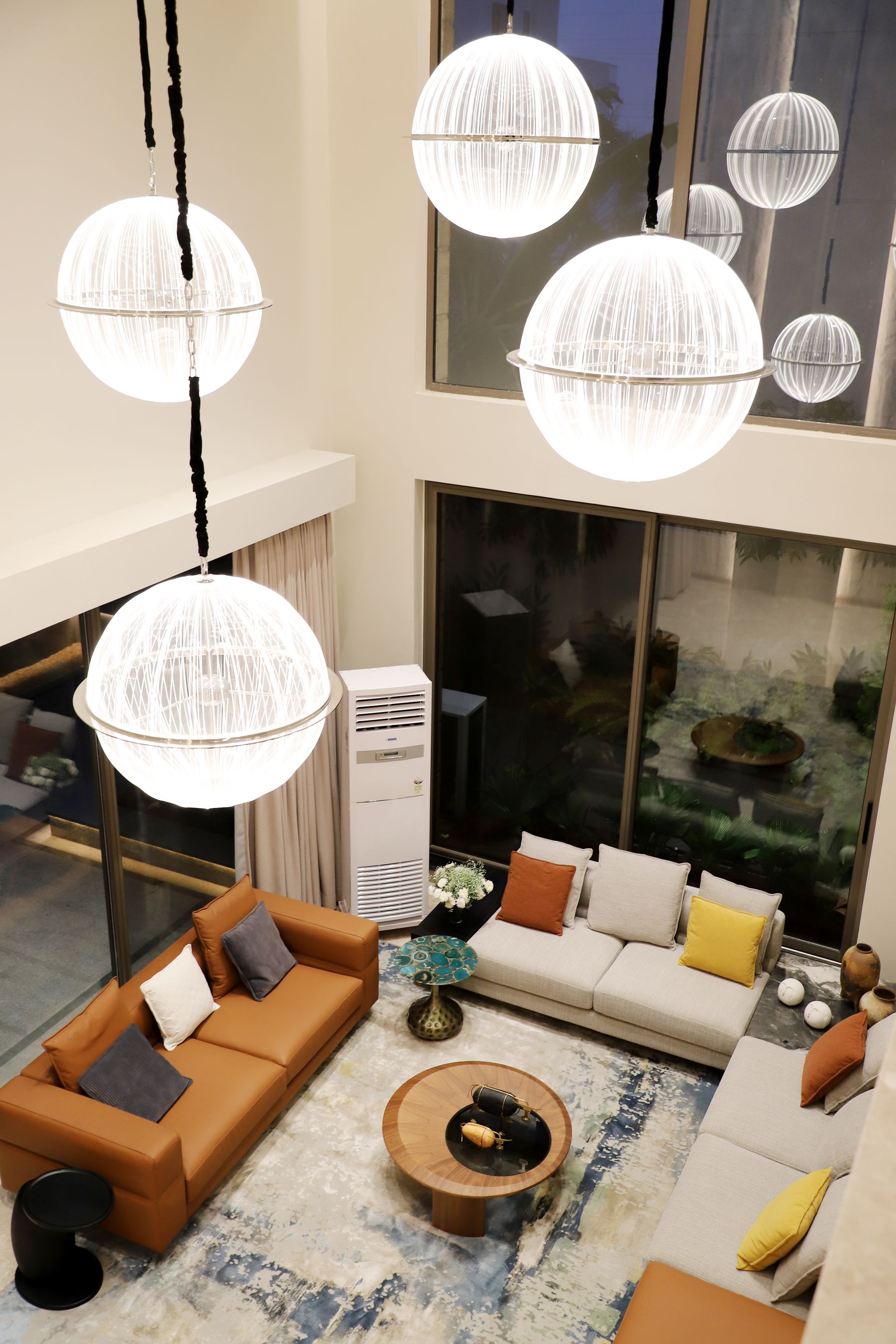
Use One Statement Fixture With Supporting Lamps
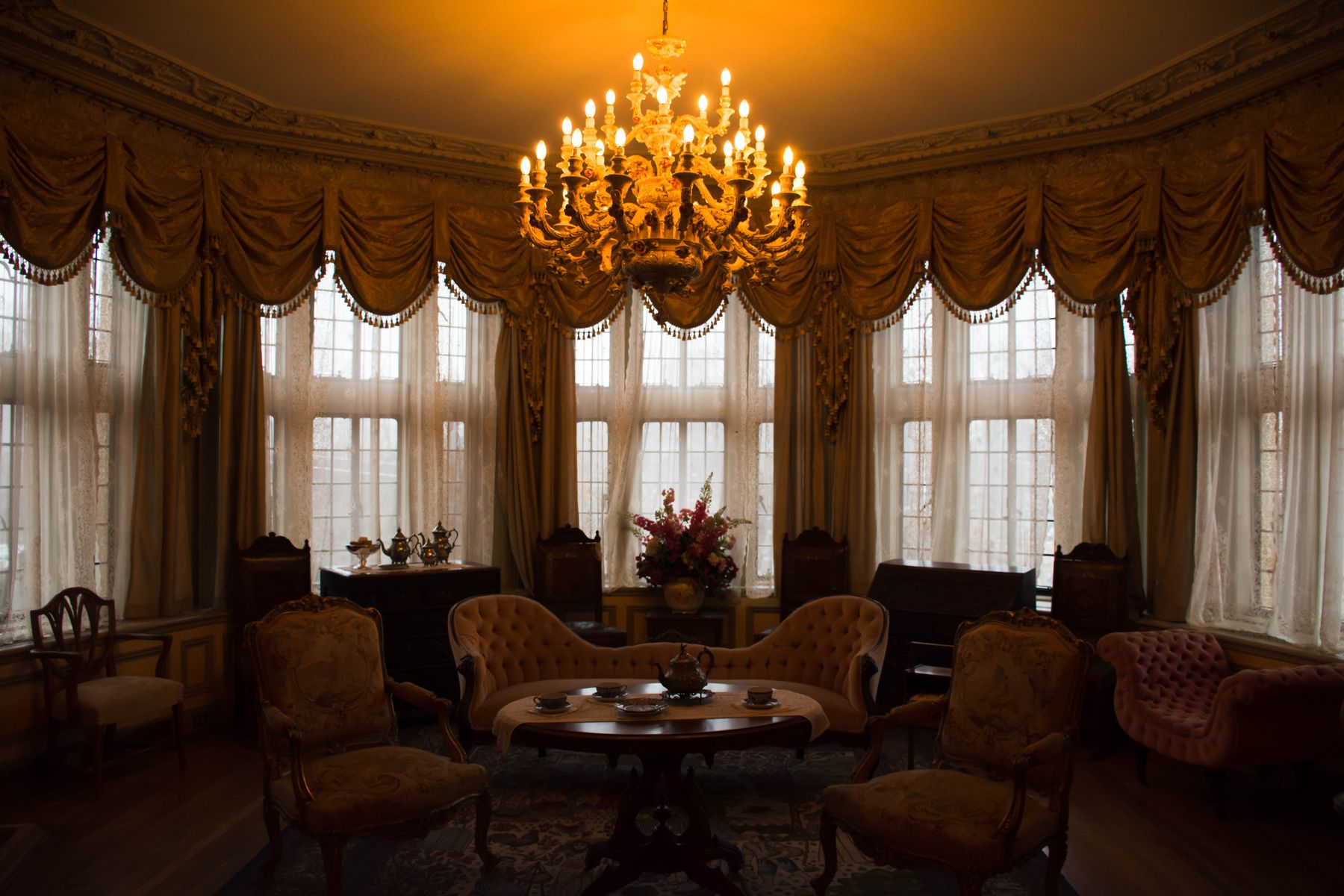
A chandelier, opaline pendant or articulated floor lamp can give the room a period note, but it must still provide useful light and safe clearance. Confirm ceiling support, weight, drop, bulb access and compatible dimming before installation. Then add lower lamps beside readers and a gentle source near shelves or art. Multiple warm pools usually flatter aged materials better than one bright central beam. Mix fixture eras sparingly; repetition of shade color or metal finish can connect them without creating a matching set.
Concentrate Storage in Furniture Worth Keeping
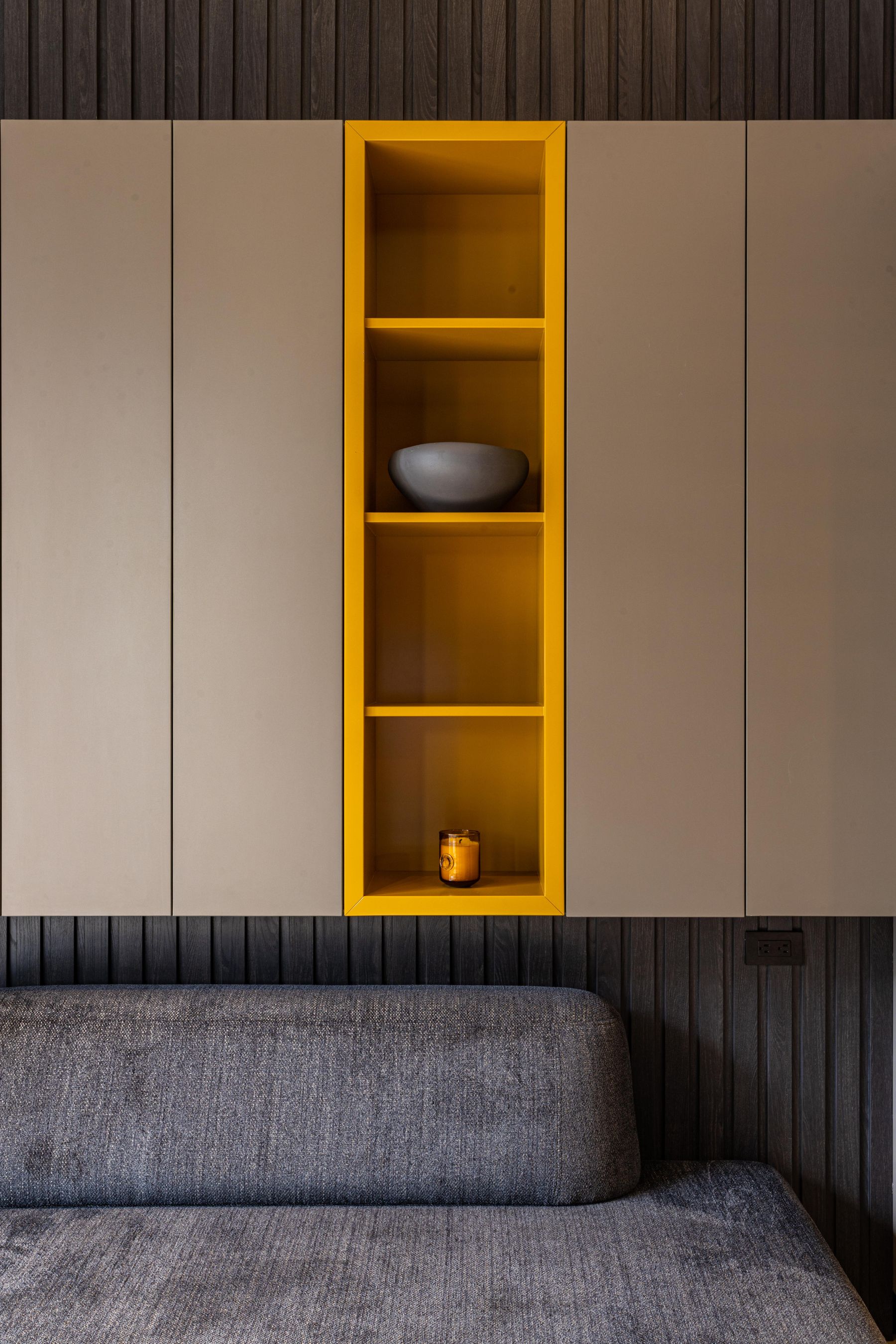
A sideboard, library cabinet or low credenza can make vintage character useful by holding games, cables, blankets and papers. Measure internal depth, shelf strength, door swing and the objects themselves; beautiful furniture is poor storage when equipment cannot ventilate or files cannot stand. Anchor tall or top-heavy units using fixings appropriate to the wall and preserve access to outlets and radiators. Combining one closed piece with a smaller open bookcase usually looks calmer than lining every wall with unrelated cabinets.
Give Records, Books and Music a Working Zone
Store records vertically in sturdy compartments, keep books away from damp or intense sun and provide a stable surface for functioning equipment. Modern audio can live in a vintage cabinet only if weight, ventilation, cable bends and speaker placement work. Keep original gramophones or radios as display unless they have been assessed for safe use; old mechanisms and electrics are not decor instructions. A nearby chair and controllable lamp turn the collection into an activity rather than a static backdrop.
Use Plants to Soften Heavy Furniture
Plants can connect a dark cabinet, patterned rug and bright window, but choose them for the available light and household safety rather than an imagined Victorian conservatory. Use saucers or liners that protect old timber, keep watering away from vulnerable veneer and do not block routes with unstable stands. Check species toxicity for children and pets. One mature plant may balance a substantial sideboard more effectively than many small pots scattered across fragile furniture.
Soften Echo Without Hiding the Architecture
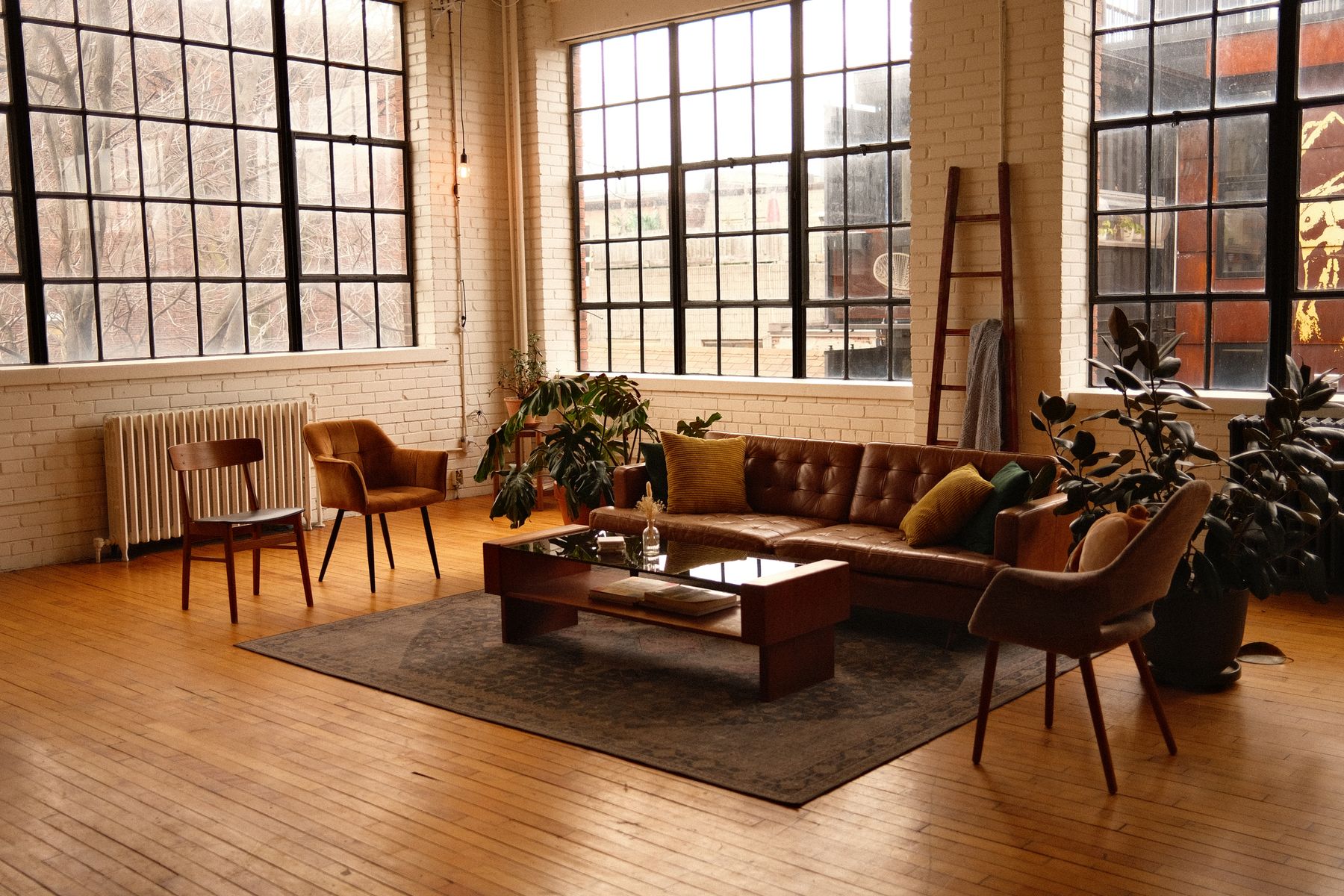
Wood floors, plaster, glass and high ceilings can make conversation and music tiring. Add absorption through the objects a vintage living room already needs: an adequately sized rug and pad, upholstered seats, lined curtains, books and perhaps textile art. Spread them around the room rather than creating one soft corner and several reflective planes. Keep fabrics clear of heat sources and allow ventilation behind dense storage. In a large or unusually resonant room, professional acoustic advice may outperform additional decorative layers.
Scale Vintage Ideas for a Small Living Room
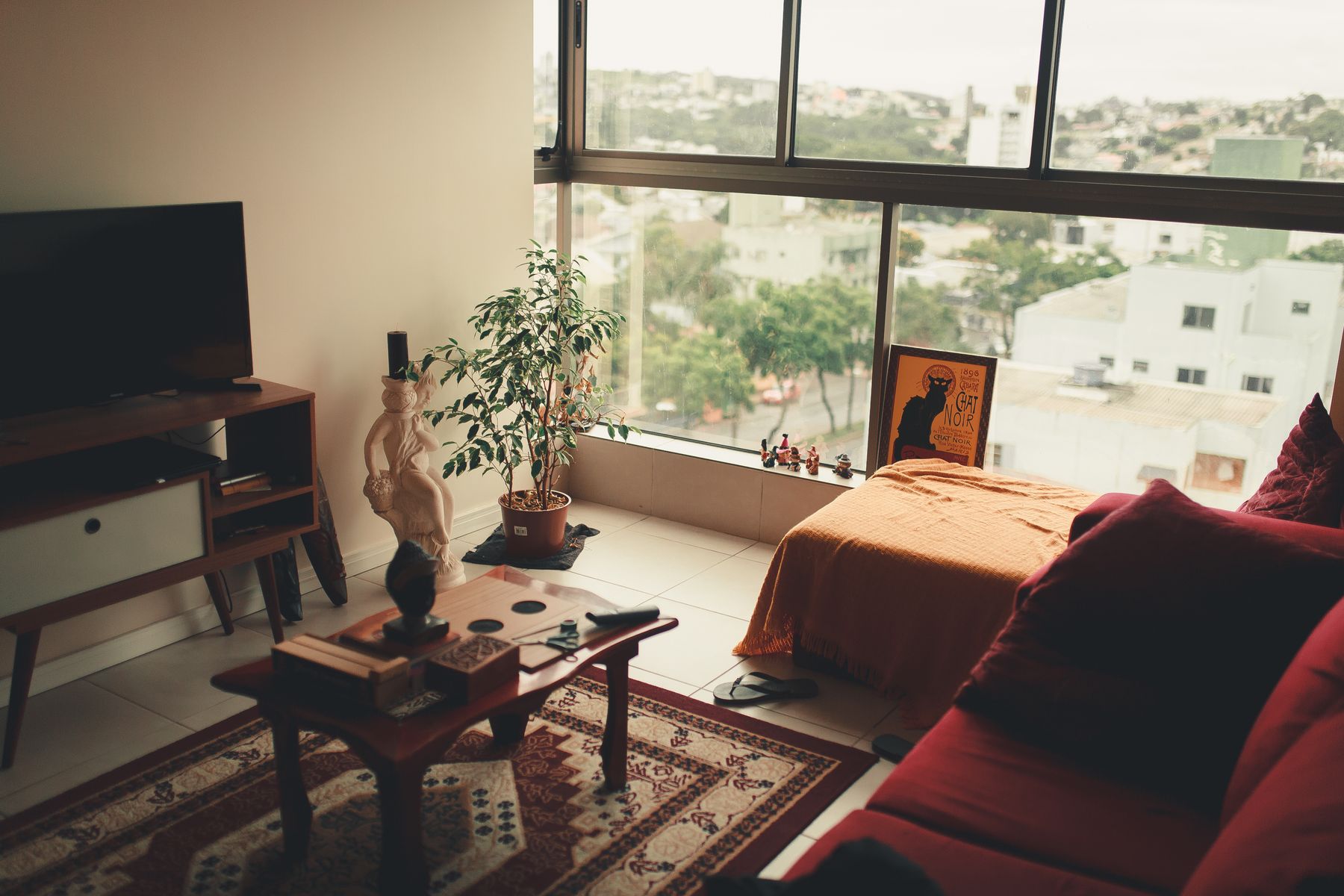
Use fewer pieces with visible legs, modest depth and more than one function. A slim vintage desk can serve as console and occasional workspace; nesting tables can replace a wide coffee table. Preserve one clear route and avoid surrounding a small sofa with several tiny cabinets simply because they fit individually. Vertical art and one tall shelf use height, while a sufficiently large rug reduces visual fragmentation. [Small living room ideas](/living-room/small-living-room-ideas/) adds delivery, storage and circulation tests for constrained plans.
Make a Rental Feel Collected Without Damage
Prioritize portable layers: a well-scaled rug, full-height curtains where approved, rewired lamps, art on permitted fixings and one useful old cabinet. Do not assume peel-and-stick finishes are harmless; test removal and follow the lease. Photograph existing defects, keep original hardware labeled and avoid overloading old sockets with extension leads. A room becomes convincing through furniture relationships and light, not fake molding on every wall. Spend restoration money on pieces that can move with you rather than on disposable themed accessories.
Design for Children, Pets and Different Bodies
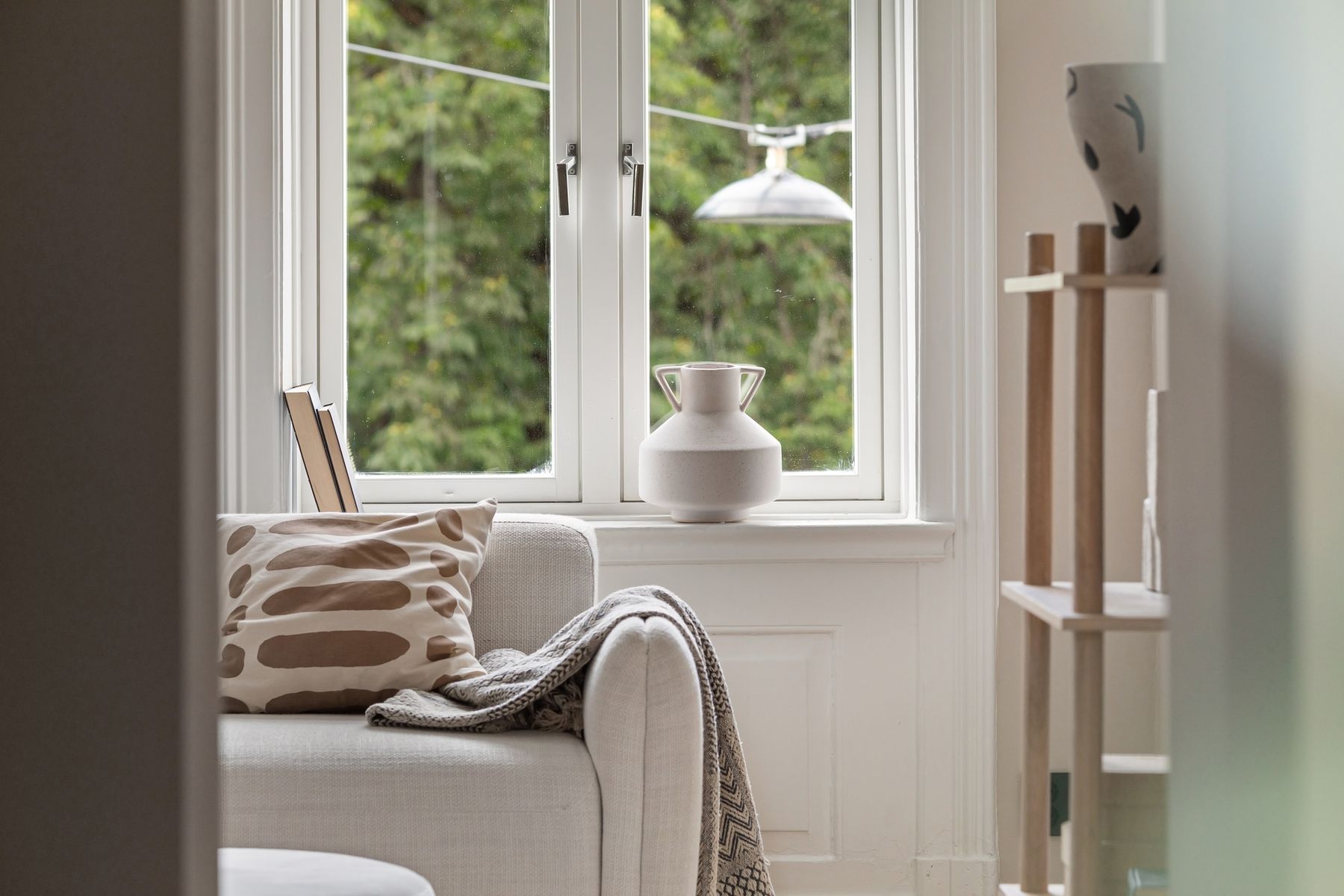
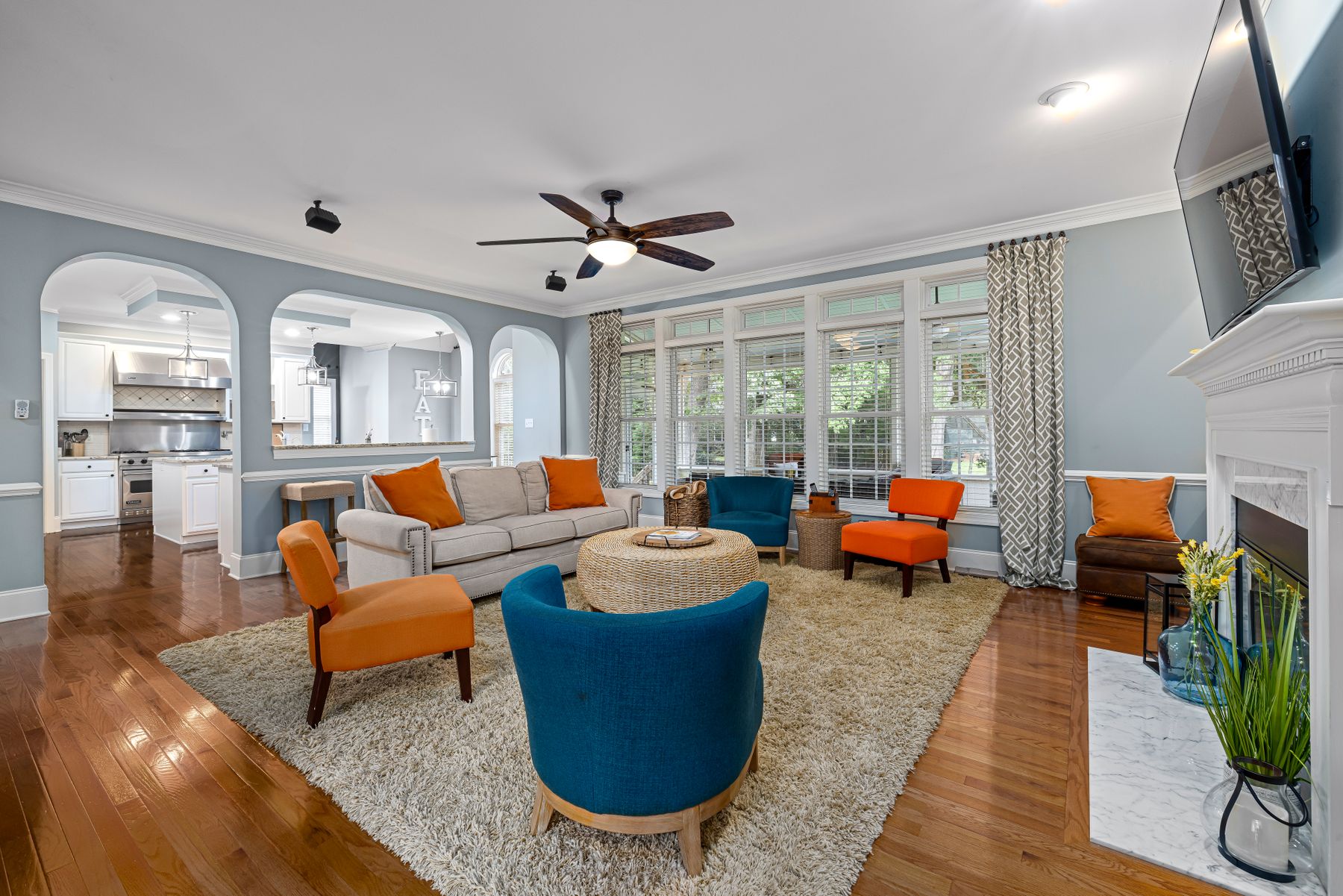
Anchor tall cabinets, stabilize narrow tables, secure rug edges and keep fragile collections outside play or tail height. Provide at least one supportive chair with arms and a practical seat height, and keep routes readable through contrast and adequate light. Lock away sharp tools, old paint fragments and restoration chemicals. Vintage style does not justify unstable furniture or exposed cords. Where a treasured piece cannot be made safe without damage, relocate it to a low-risk display position rather than asking every visitor to navigate around it.
Treat Old Paint and Dust as a Safety Question
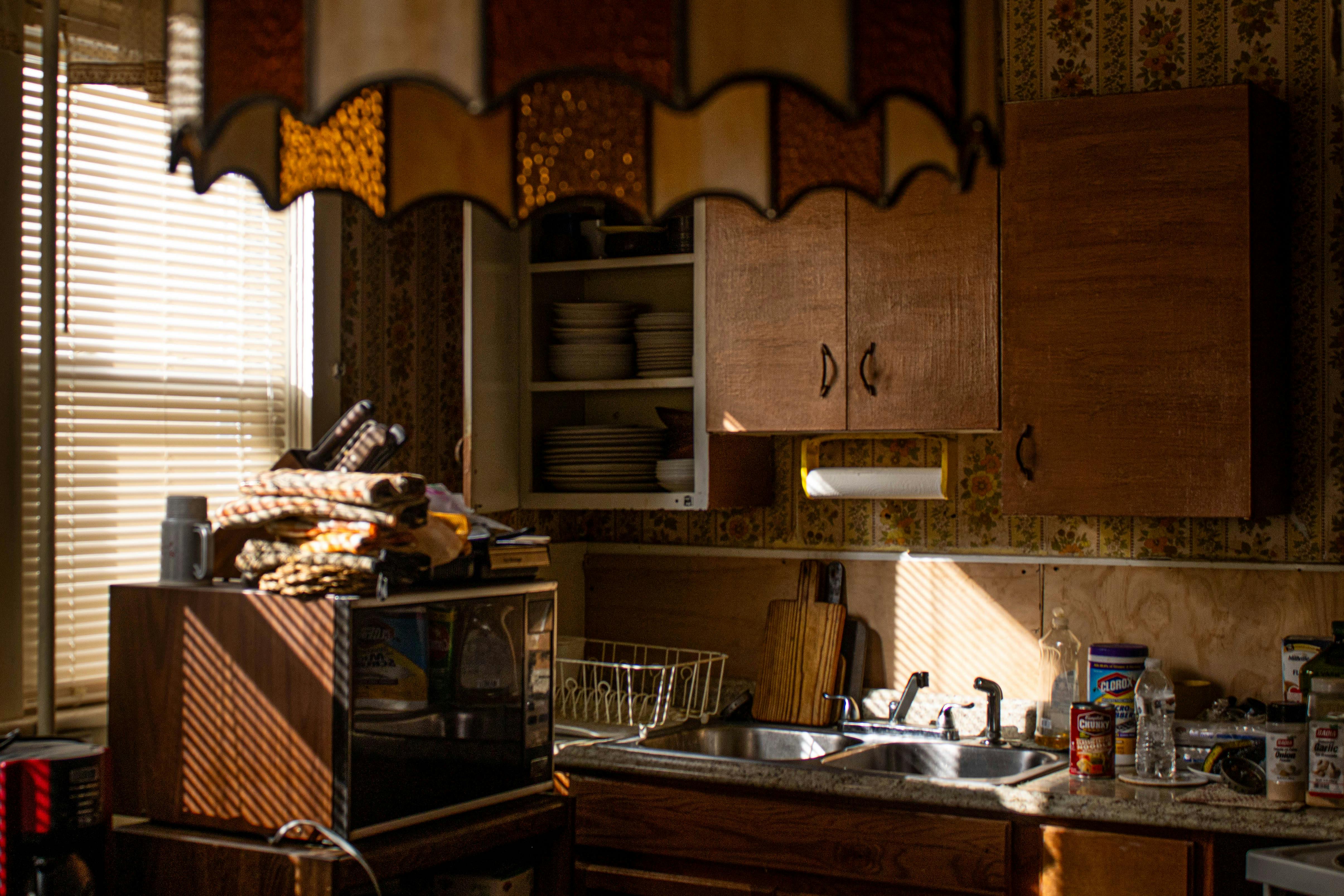
Older painted furniture, trim, doors and built-ins may contain lead depending on age and location. Do not dry-sand, scrape or heat an unknown finish simply to reveal wood. Keep deteriorating paint away from children, control dust and use recognized testing and lead-safe professionals where required. Similar caution applies to mold, asbestos-containing materials and unknown coatings during building work. Patina is not worth spreading hazardous dust through a living room; preserve a stable finish or choose a controlled professional treatment.
Repair for Use, Then Preserve Honest Patina
Prioritize structural joints, sharp edges, loose hardware, failing upholstery and active finish damage. Clean with the least aggressive method suited to the material and test in an inconspicuous area. Small scratches and color variation can stay when they tell the piece's history and do not worsen through use. Veneer, shellac, gilding and valuable upholstery may need a conservator rather than a general DIY treatment. Document repairs and retain removed labels or hardware so later owners understand what changed.
Edit the Room and Let It Grow Slowly
Live with the core seating, rug, curtains and lamps before filling every shelf. Check conversation, table reach, glare, sound, storage, cleaning and circulation, then remove anything that interrupts those jobs. A vintage room can be edited without becoming minimal: the aim is to give meaningful objects space and make daily reset possible. Add future pieces only when they solve a need or deepen the story. If clear contemporary planning is the starting point, [modern living room ideas](/living-room/modern-living-room-ideas/) offers a useful functional framework without replacing the collected character.