Define Eclectic as a Method, Not a Theme
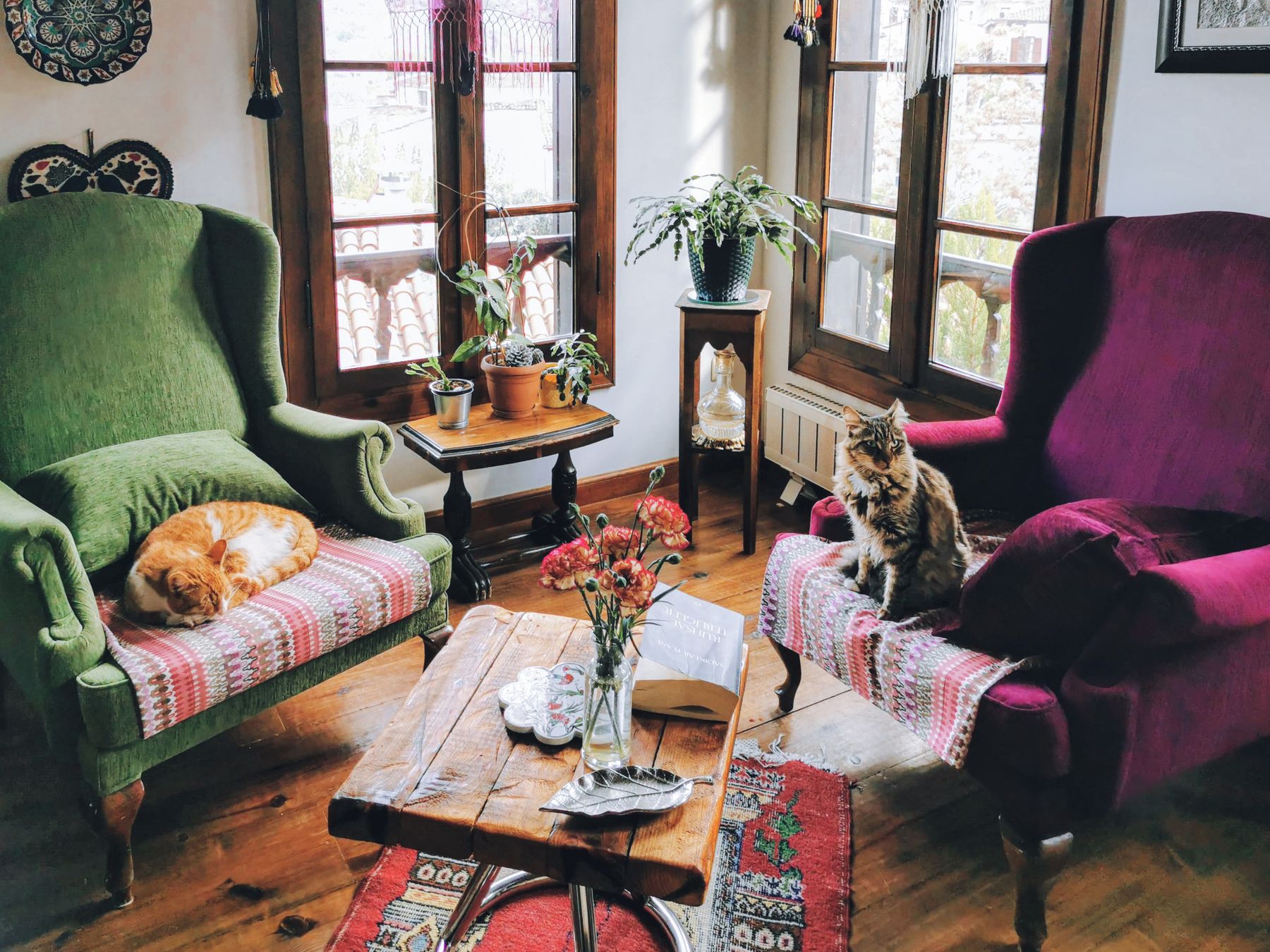
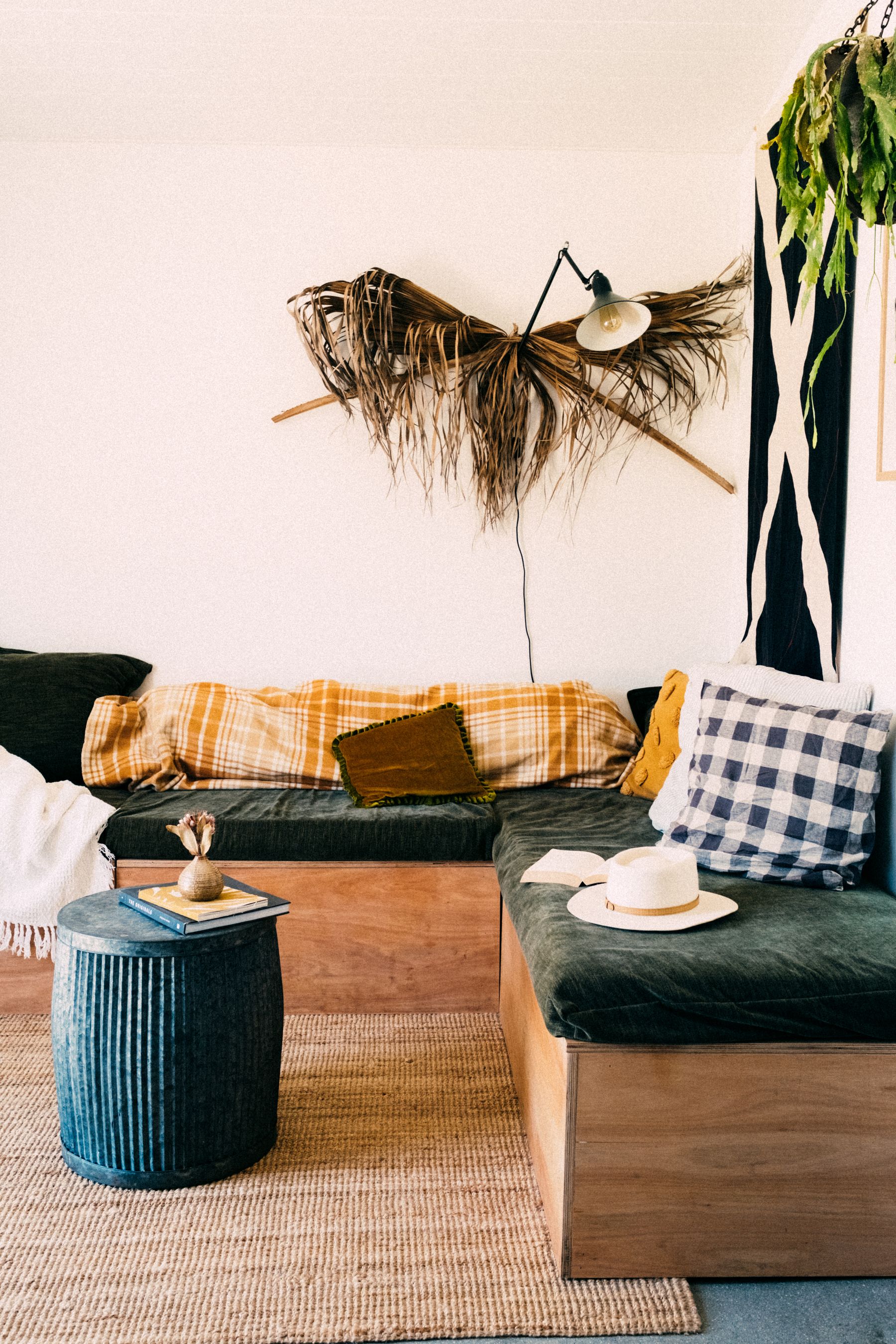
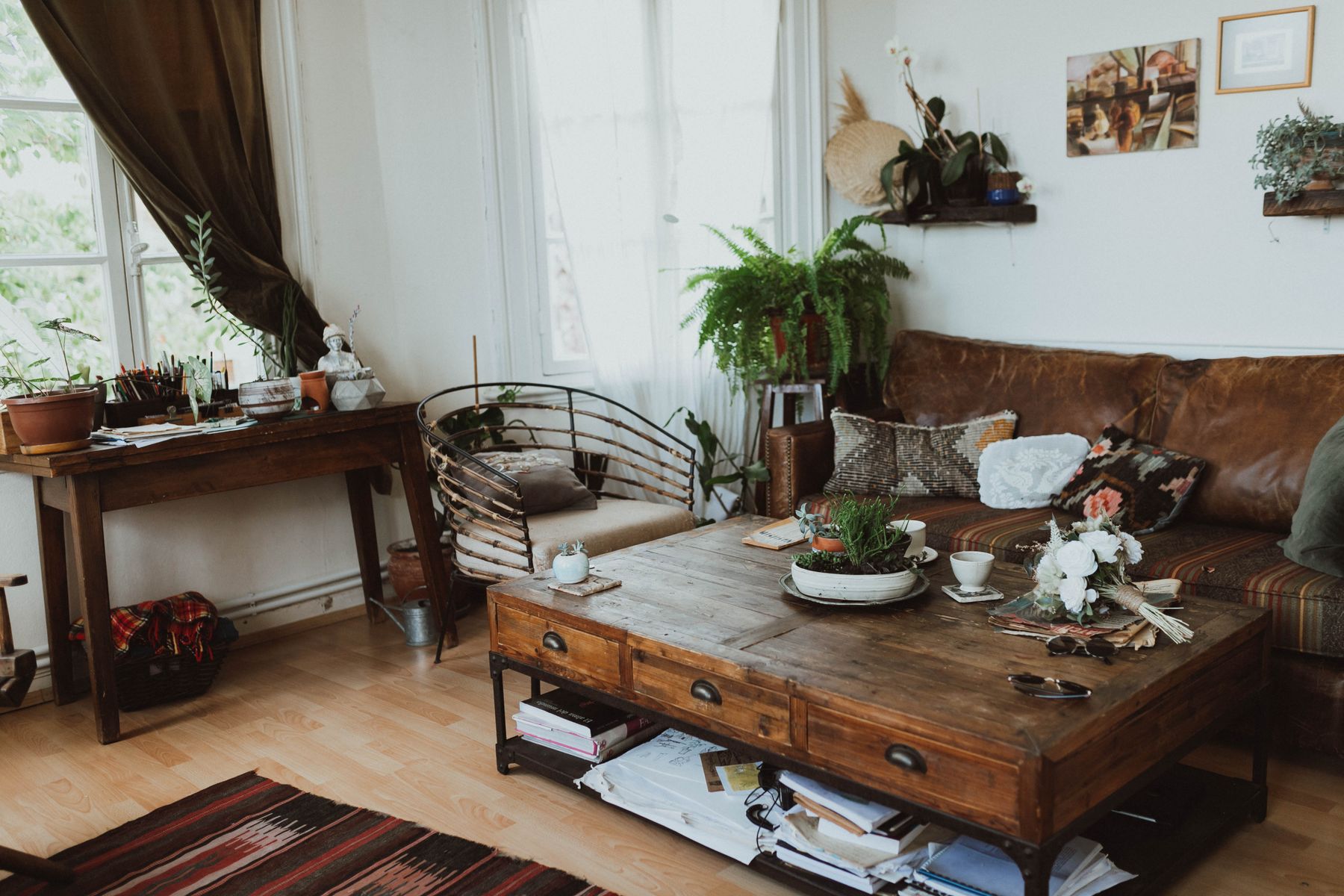
Eclectic describes the method of combining different periods, sources and visual languages. It differs from [maximalist living room ideas](/living-room/maximalist-living-room-ideas/), where deliberate abundance is the leading decision, and from [boho living room ideas](/living-room/boho-living-room-ideas/), where craft, natural fibers and relaxed collecting form a recognizable family. A room with a restrained palette, one antique chair and a current sofa can be fully Eclectic when the contrast is intentional. Decide what must connect the mix before deciding how much to add.
Plan Conversation Before Styling
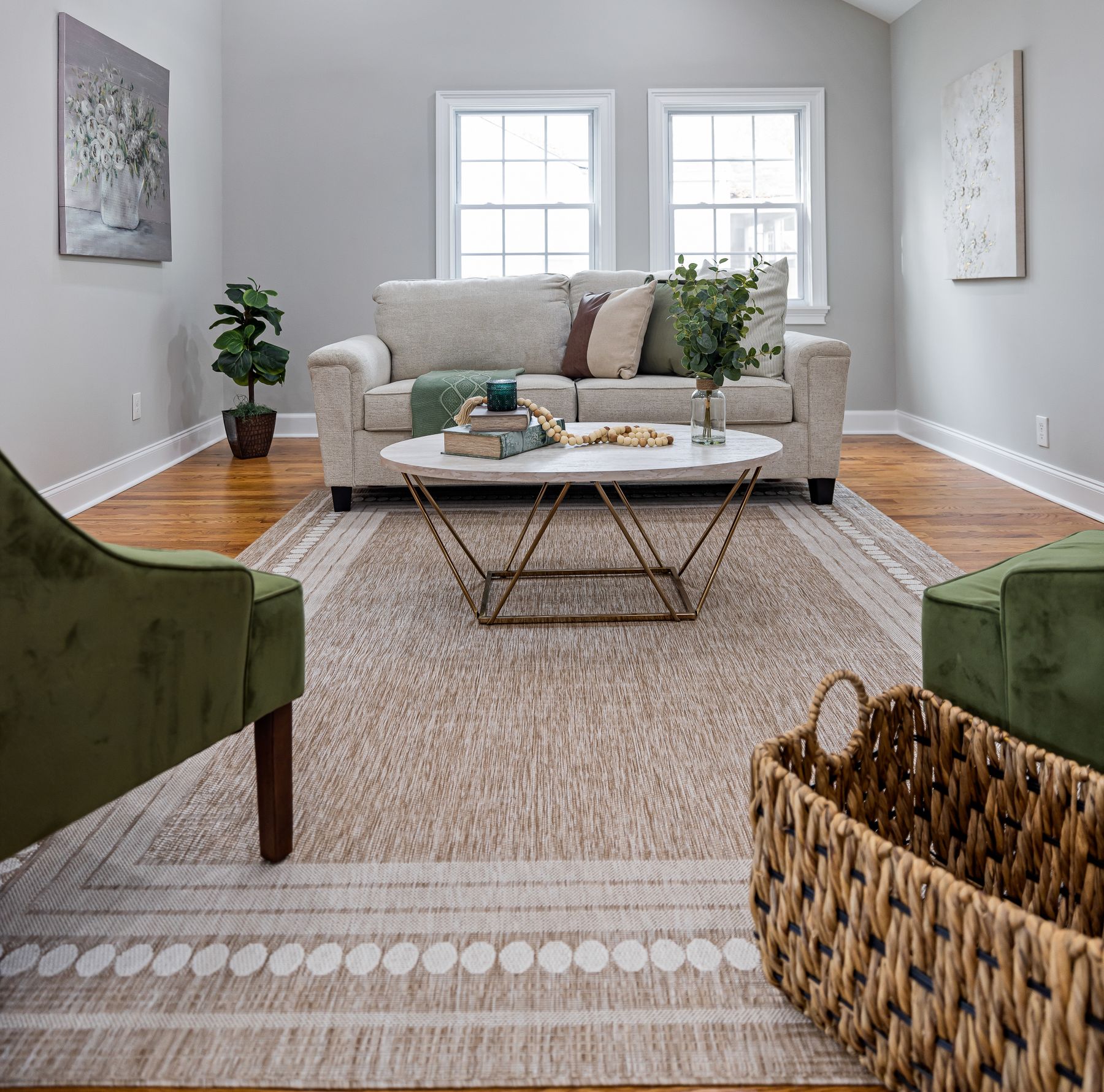
List the room's actual jobs—conversation, reading, television, play, music or occasional work—then place the main seats within easy speaking distance. Give each regular seat a reachable surface and useful light, and protect the continuous route between doors before adding display furniture. The measurements in [living room layout ideas](/living-room/living-room-layout-ideas/) should lead; eclectic character should make the plan more personal, not conceal a route that never worked.
Choose One Connective Thread
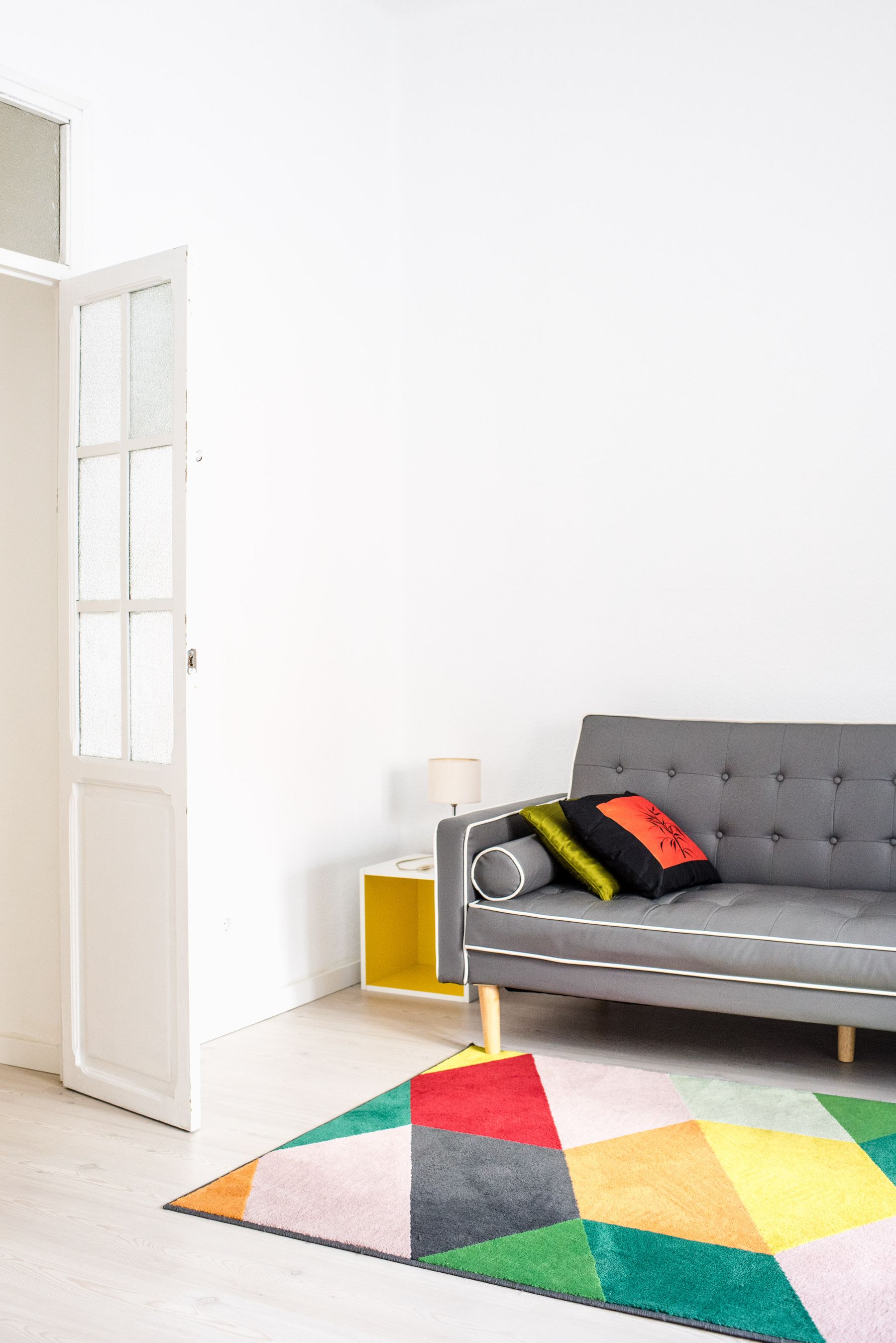
A connective thread may be a repeated rust color, rounded silhouette, black metal line, warm wood undertone or graphic stripe. It should appear in several meaningful places without becoming a matching set. Start with one dominant relationship and allow secondary links to emerge; five equal themes produce visual explanation rather than ease. A rug can provide the bridge, but the same logic may live in frames, upholstery piping or lamp shapes.
Let Two Eras Lead
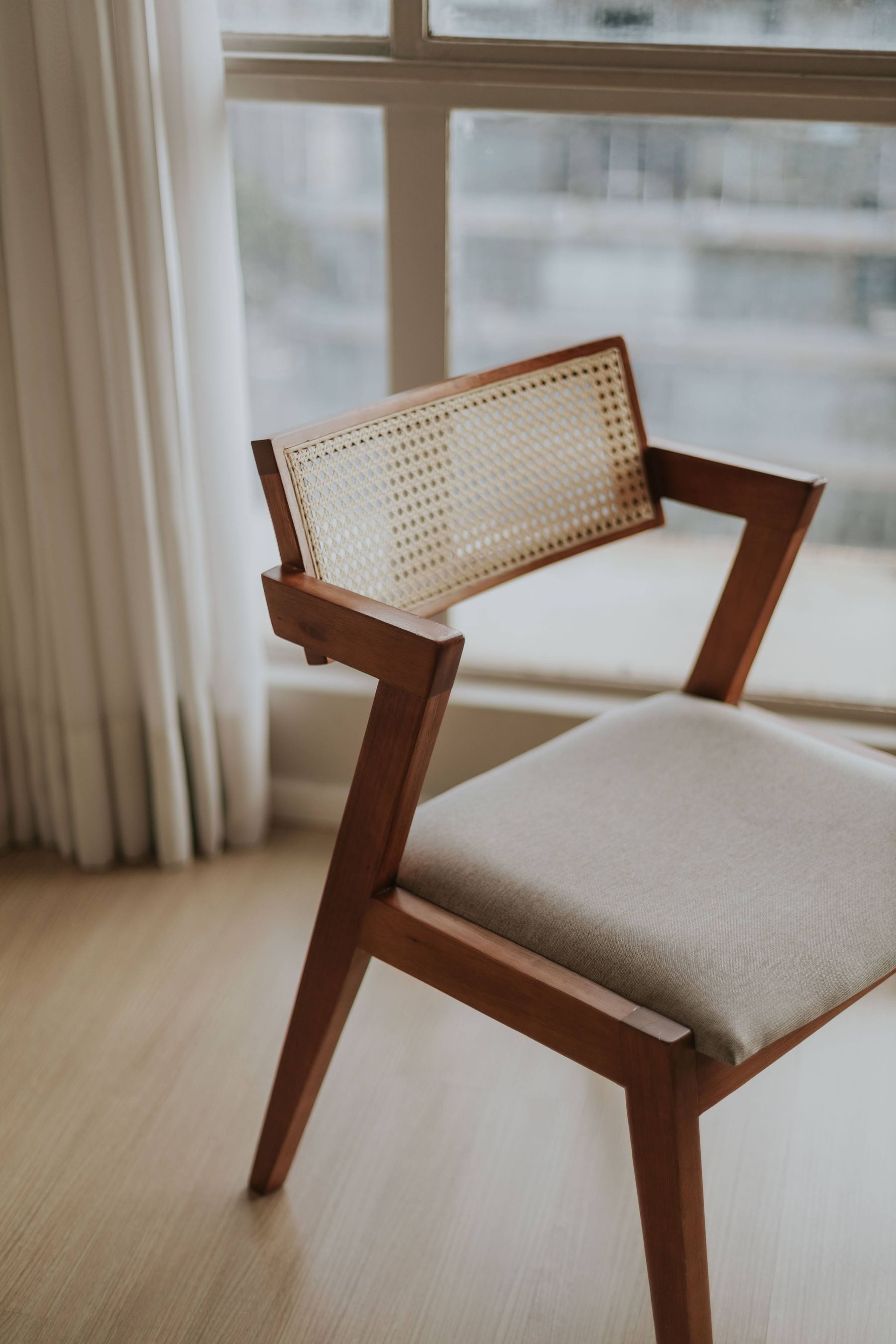
Choose two dominant period voices—for example, traditional wood and postwar modern seating—then use quieter contemporary basics as bridges. The pieces do not need matching dates, but their proportions must hold a conversation. Repeat a curve, leg taper or material across periods and avoid placing the most ornate example of every style in one sightline. [Mid-century living room ideas](/living-room/mid-century-living-room-ideas/) can help identify period proportions without turning the room into a time capsule.
Use Architecture as the Stable Background
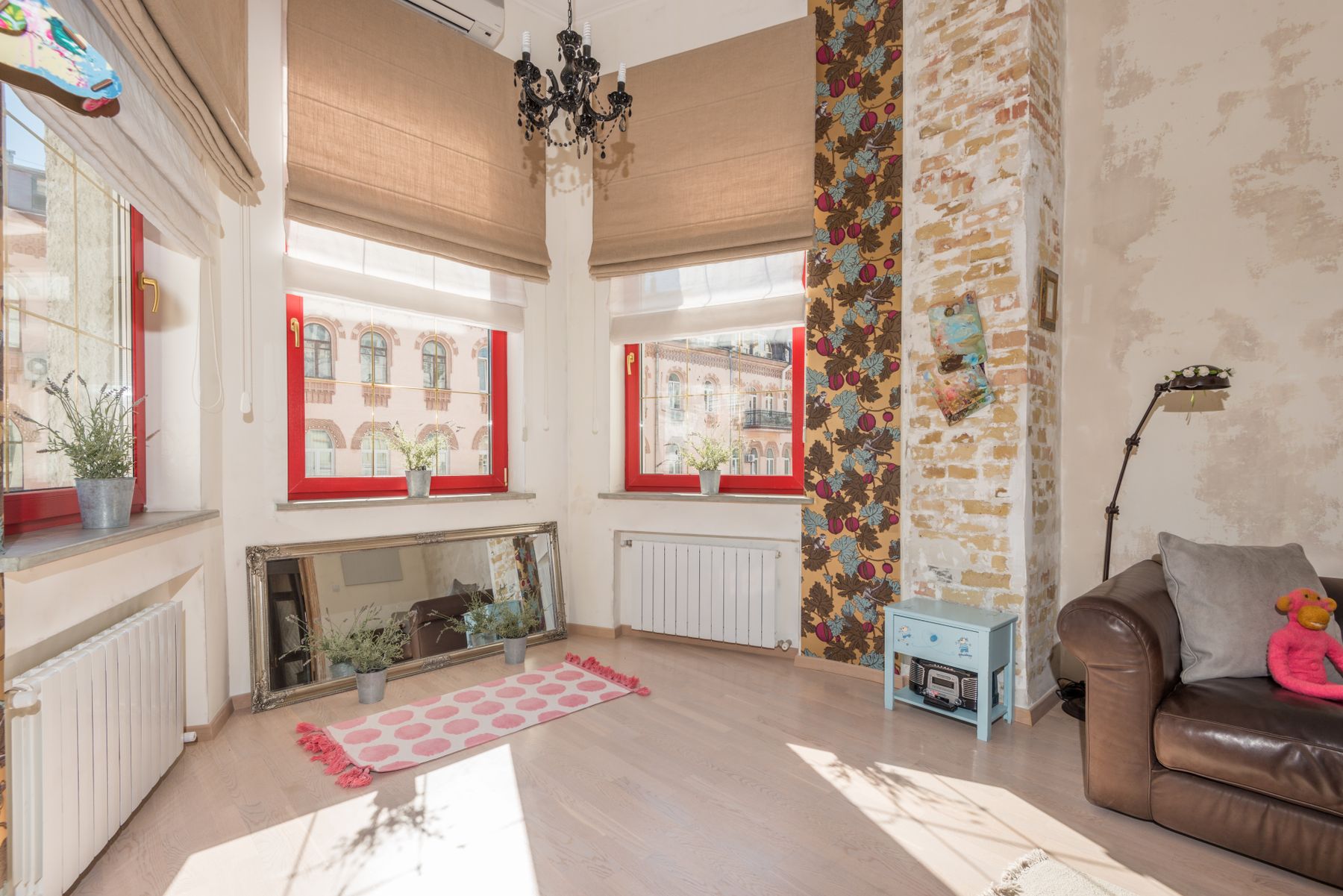
Cornices, fireplaces, exposed brick, simple plaster or large modern glazing already establish a time and visual rhythm. Respect that signal instead of fighting every surface. In a historic room, current upholstery and lighting may supply the contrast; in a plain new room, an older cabinet or patterned wall can create depth. Do not fake architectural history where proportion, ventilation or maintenance would suffer, and preserve access to windows, vents and service points.
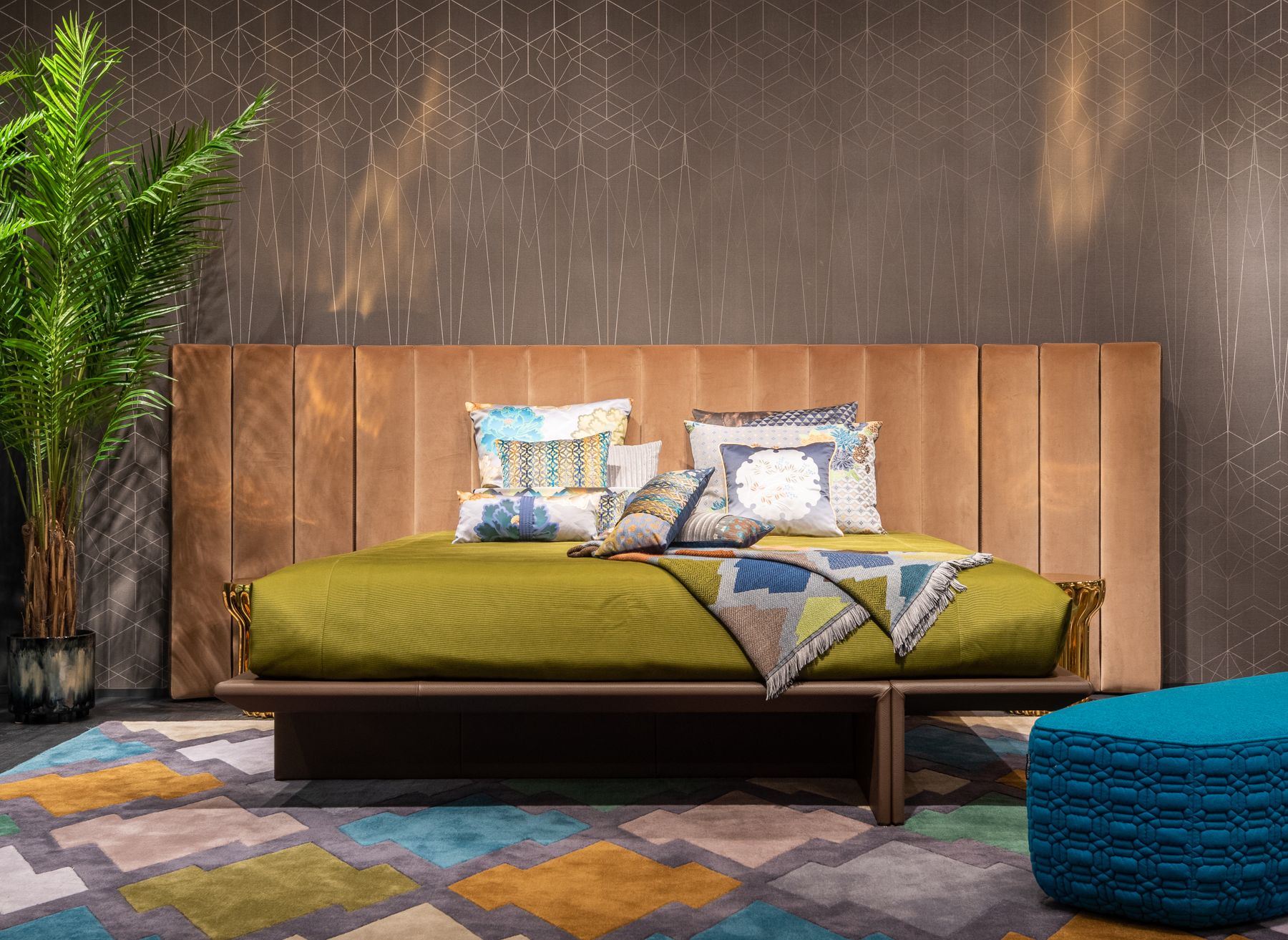
Balance Ornate and Plain Forms
An ornate mirror, carved chair or detailed rug needs a calm neighbor. Pair elaborate contour with a broad plain sofa, simple curtain or unbroken wall rather than another equally assertive object. The contrast makes age and craft legible without forcing the whole room into a historical style. Visual rest is not emptiness; it is the spacing that lets an eclectic relationship be understood.
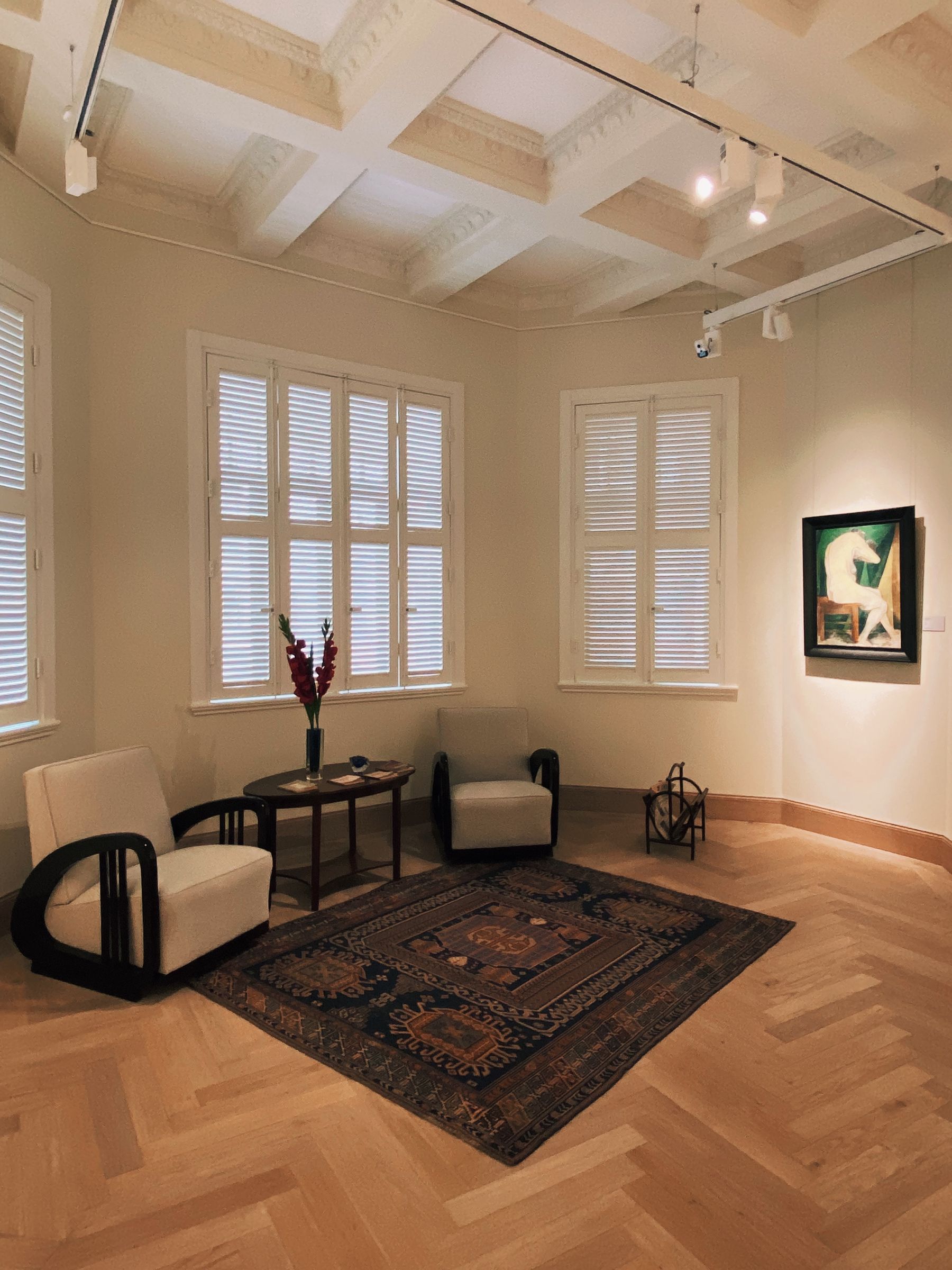
Build a Palette From Fixed Pieces
Begin with fixed or expensive elements: flooring, sofa, rug, inherited furniture and window light. Choose a dominant background family, then repeat two bridge colors across at least three scales. A traditional rug may connect a current blue sofa to a rust-colored old chair more reliably than a new bundle of coordinated cushions. Test samples in daylight and evening light; the undertone that unifies timber and fabric can disappear under a cold bulb.
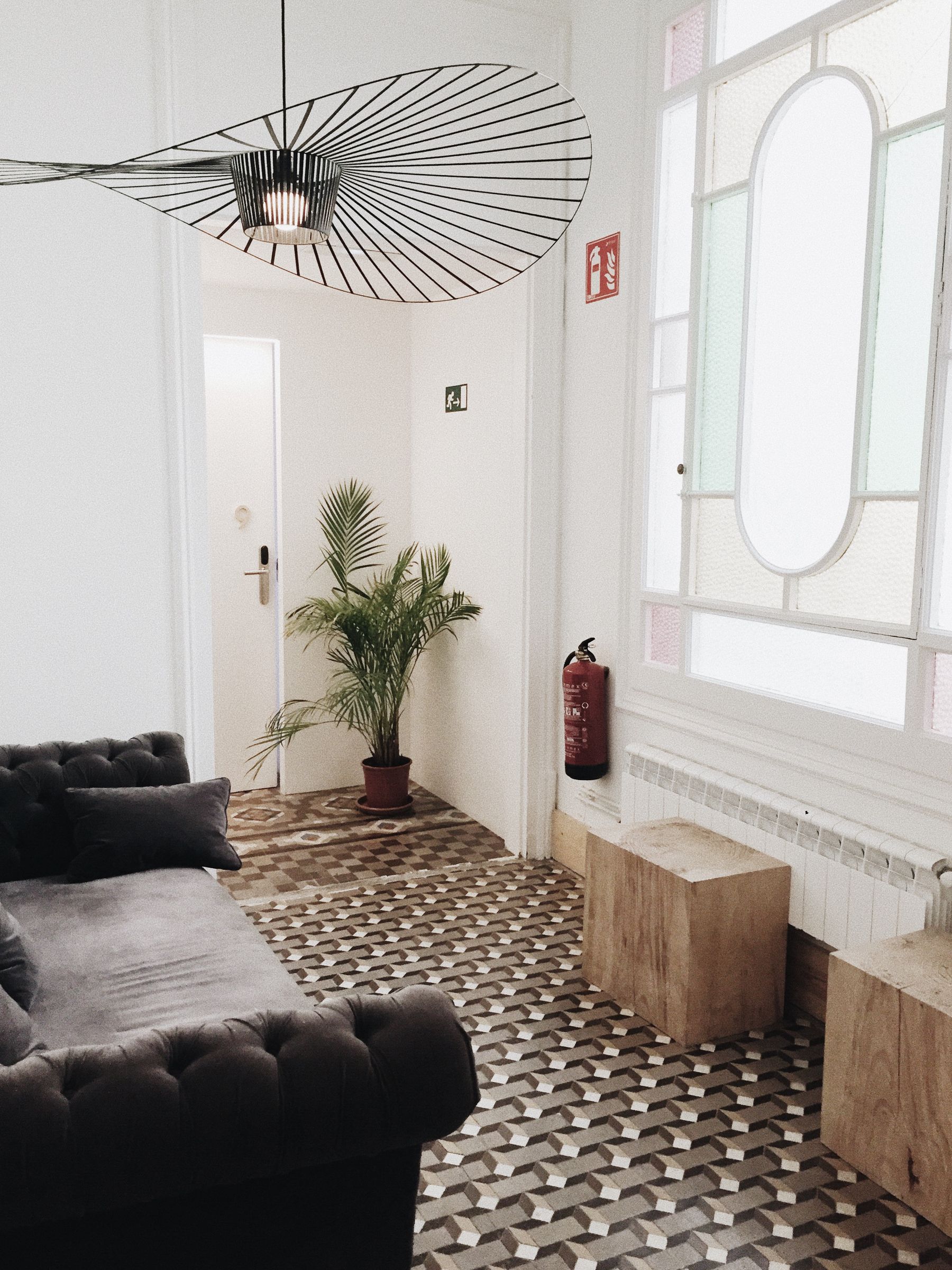
Mix Pattern by Scale and Spacing
Combine one large motif, one medium rhythm and one small irregular texture, with at least one shared color. Avoid three patterns of equal scale fighting across the same furniture cluster. Pattern can live in a rug, curtain and cushion without covering every seat, and solid upholstery often makes the mix feel more collected than a room of coordinated printed sets. Check seams, repeats and viewing distance before ordering large quantities.
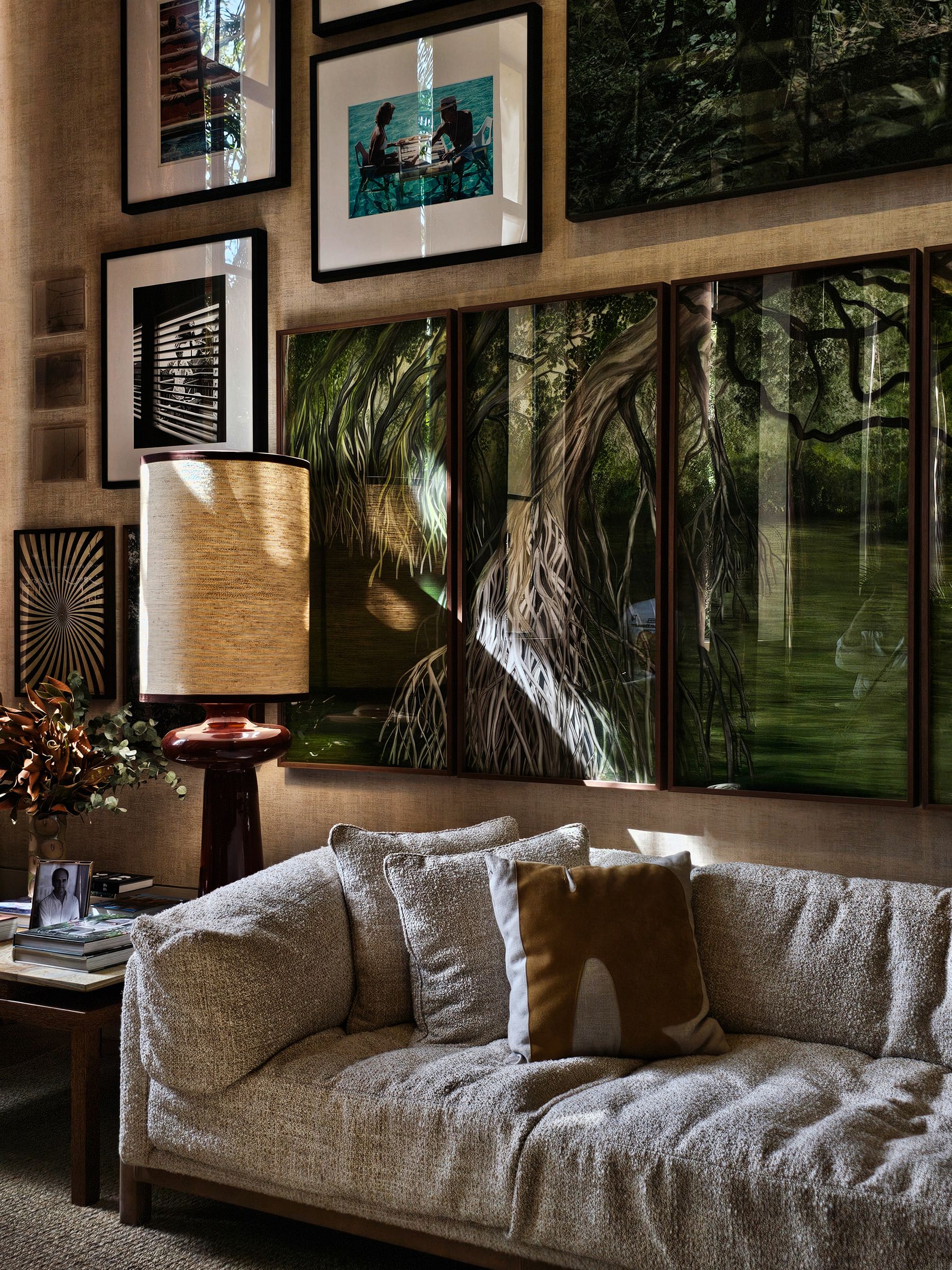
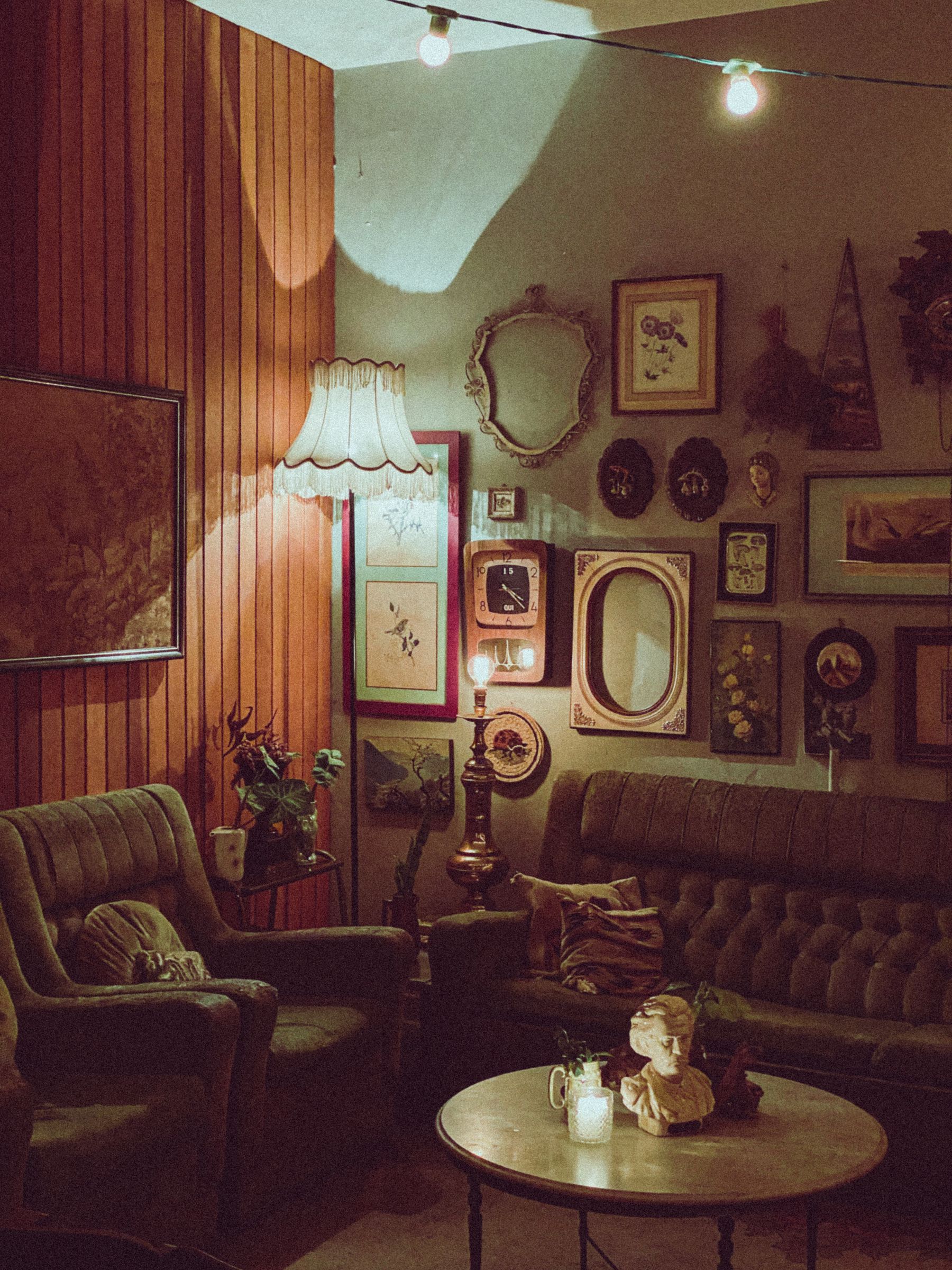
Compose a Gallery Wall With Boundaries
Mix photographs, original art, prints and small objects only after setting the gallery's outer rectangle, sightline and relationship to the sofa. Repeat two frame finishes or mat colors and balance visual weight rather than making every gap identical. Lay the full group on the floor, include furniture height in the mock-up and keep valuable work away from heat, direct sun and moisture. [Living room wall ideas](/living-room/living-room-wall-ideas/) compares gallery walls with paint, mirrors and single-art approaches.
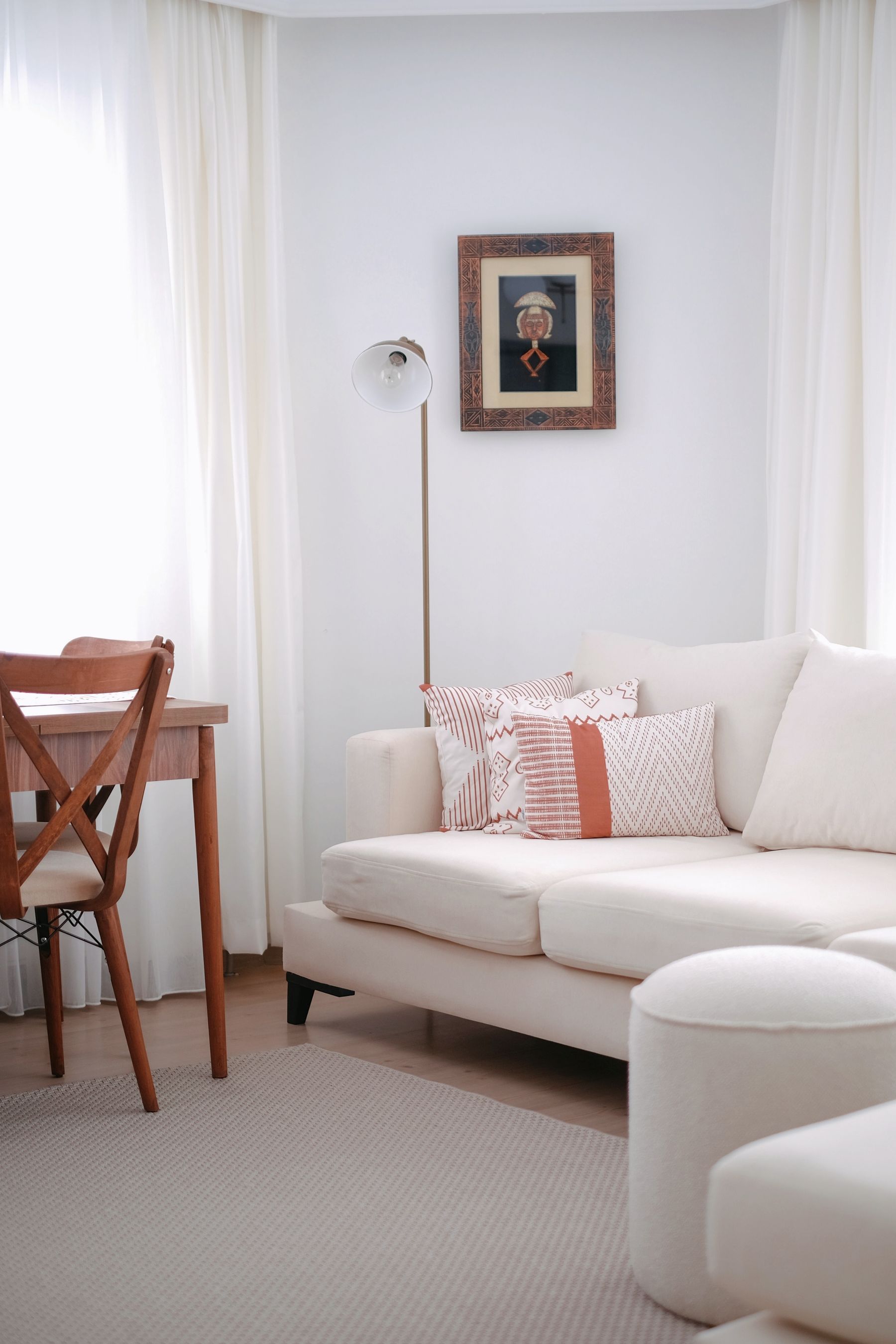
Use One Large Artwork as Counterpoint
A gallery wall is not mandatory. When furniture, rug and architecture already carry several references, one large work can provide a decisive modern counterpoint and reduce visual fragmentation. Choose subject, scale and framing for the actual wall, and verify image rights or provenance rather than filling space with generic replicas. The work should support the room's story without becoming a color chart that every accessory must match.

Make Bookshelves Read as Furniture
A bookcase contributes color, line and mass before any object is added. Mix vertical and horizontal books, leave useful gaps and group small collections rather than distributing one object to every shelf. Check shelf capacity and secure tall units to an appropriate substrate. Books should remain reachable, ventilated and protected from strong sun; decorative styling that makes reading impossible has reversed the function.
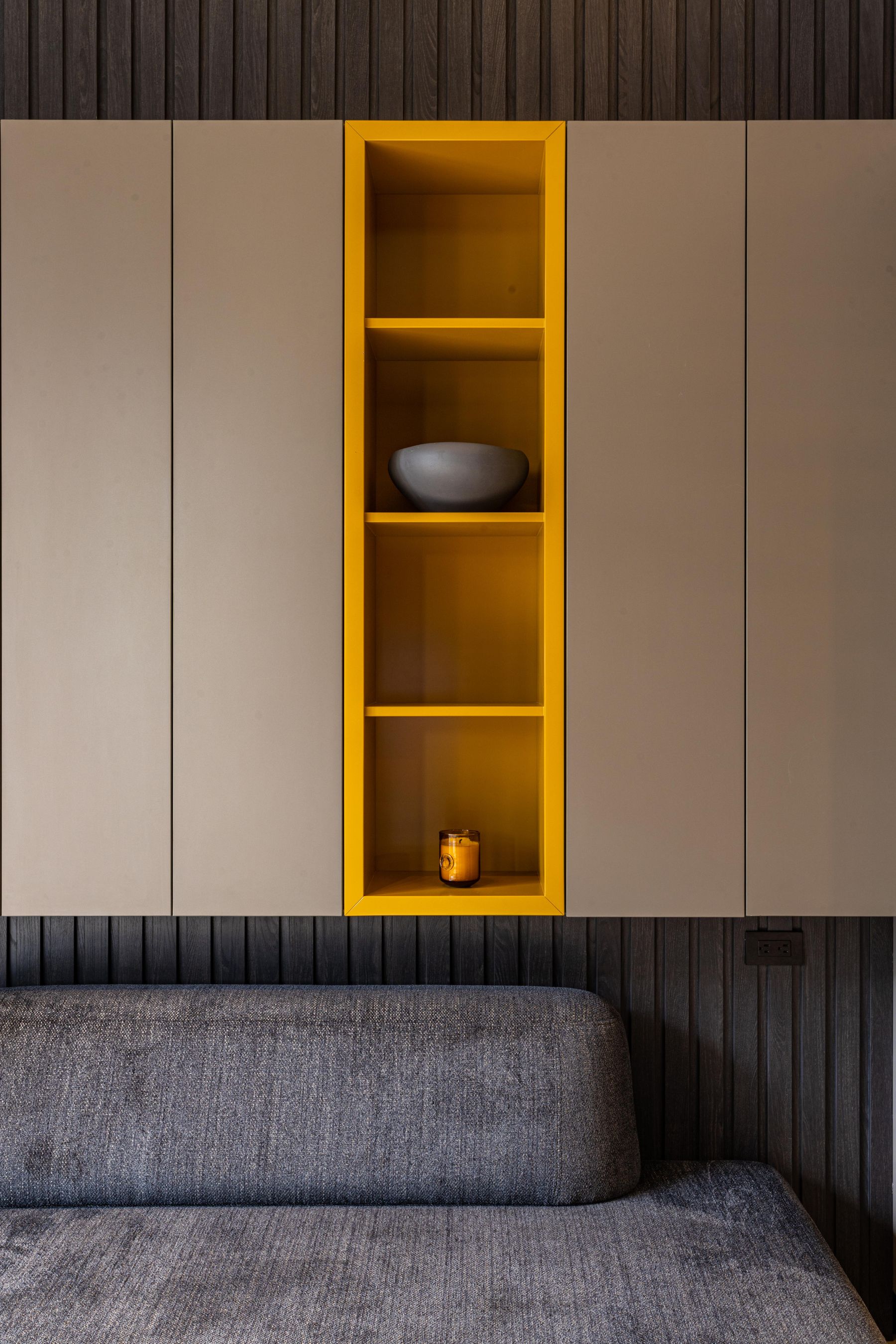
Pair Display With Closed Storage
Open shelves can hold books, art and durable personal objects; remotes, chargers, toys, paperwork and rotation stock need doors or drawers. Inventory the contents before selecting a cabinet so storage depth matches reality. [Living room storage ideas](/living-room/living-room-storage-ideas/) helps translate categories into capacity. A handsome vintage cabinet is useful only if doors open safely, shelves hold the load and the interior dimensions suit what must disappear.
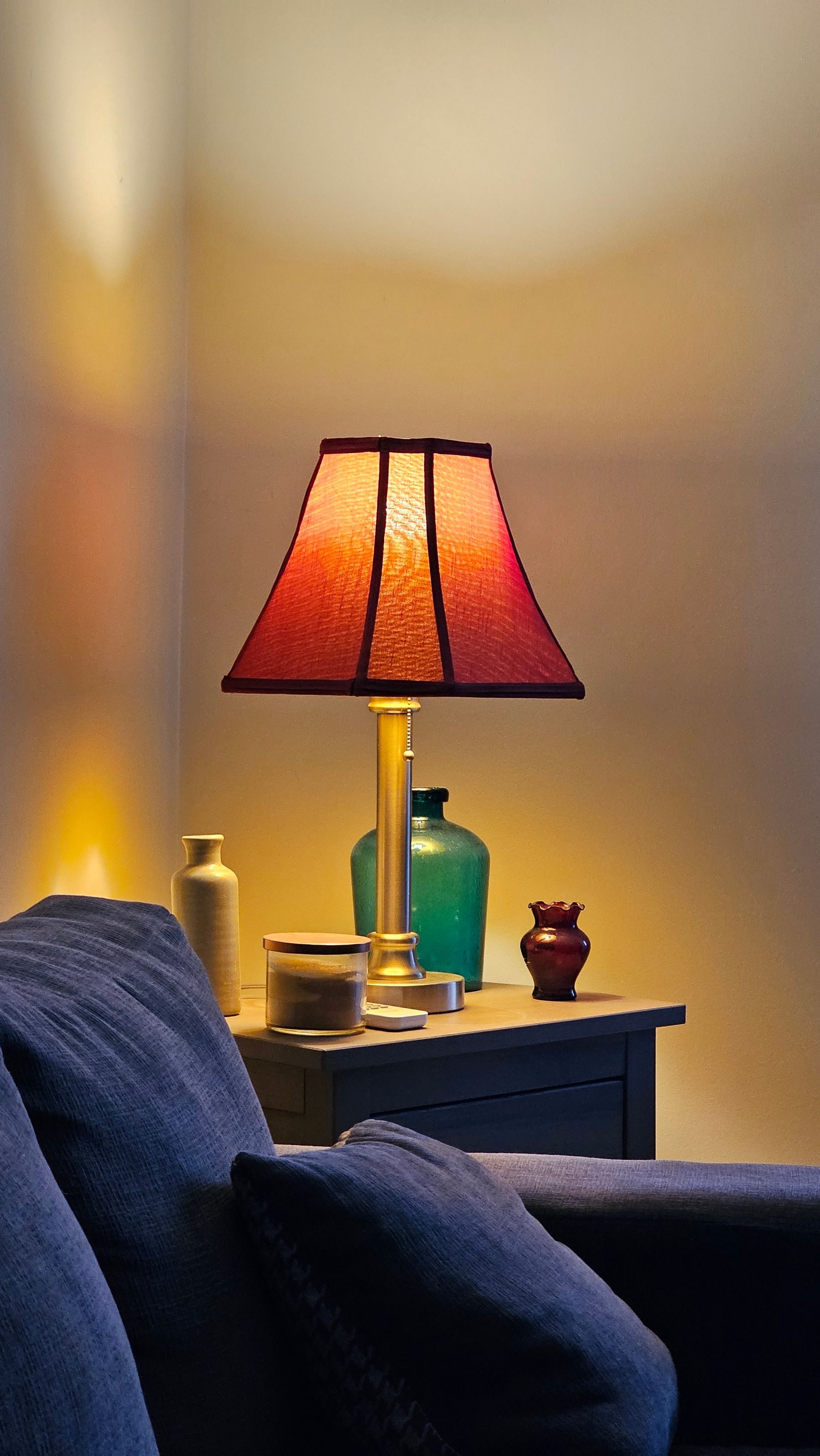
Layer Lighting Across Periods
An old ceramic lamp, current floor light and simple ceiling source can coexist when ambient, task and accent functions are explicit. Keep color temperature close enough that timber and textiles do not split into orange and blue zones. Rewire vintage fixtures professionally, confirm shade and bulb clearances and keep cables outside routes. [Living room lighting ideas](/living-room/living-room-lighting-ideas/) develops the full control, glare and task-light plan.
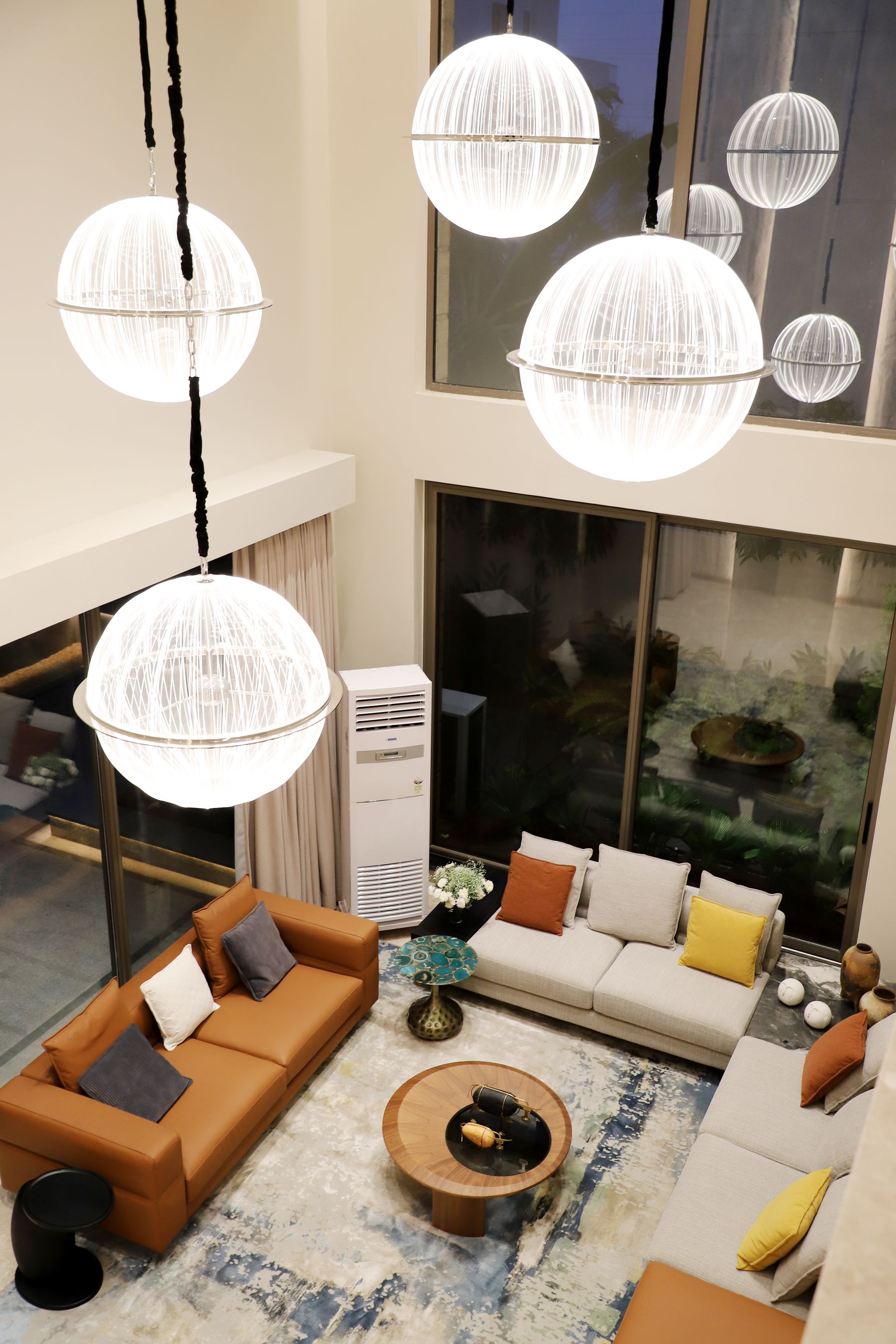
Let a Statement Pendant Bridge High and Low
A sculptural pendant or chandelier can connect low modern furniture to tall historic architecture, but spectacle cannot replace useful light. Check ceiling support, head clearance, reflected glare, dimming compatibility and bulb access before purchase. In a lower room, a broad shallow fitting may create more presence than a long drop. Keep cleaning and replacement practical, particularly around glass, fringe or intricate metalwork.
Choose a Rug That Joins the Seating
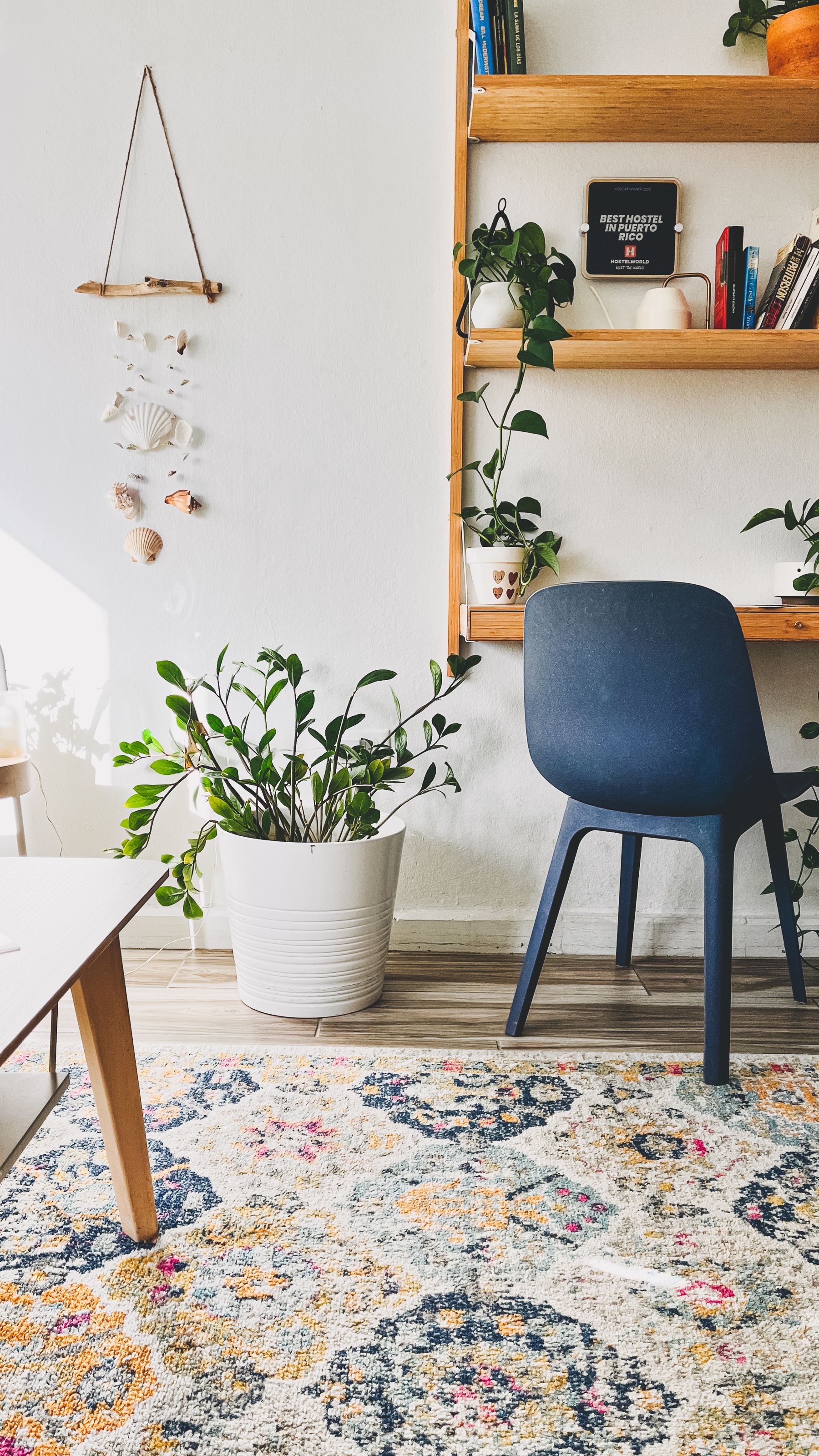
The rug should relate the sofa, chairs and central table rather than float beneath the table alone. Pattern may bridge unrelated upholstery, but size, fiber, pile, underlay and cleaning method determine whether it works in daily life. Tape the complete edge and move chairs through their normal range. The detailed tests in [living room rug ideas](/living-room/living-room-rug-ideas/) are especially important when vintage pile, wheels, pets or layered rugs are involved.
Use Craft Without Defaulting to Boho
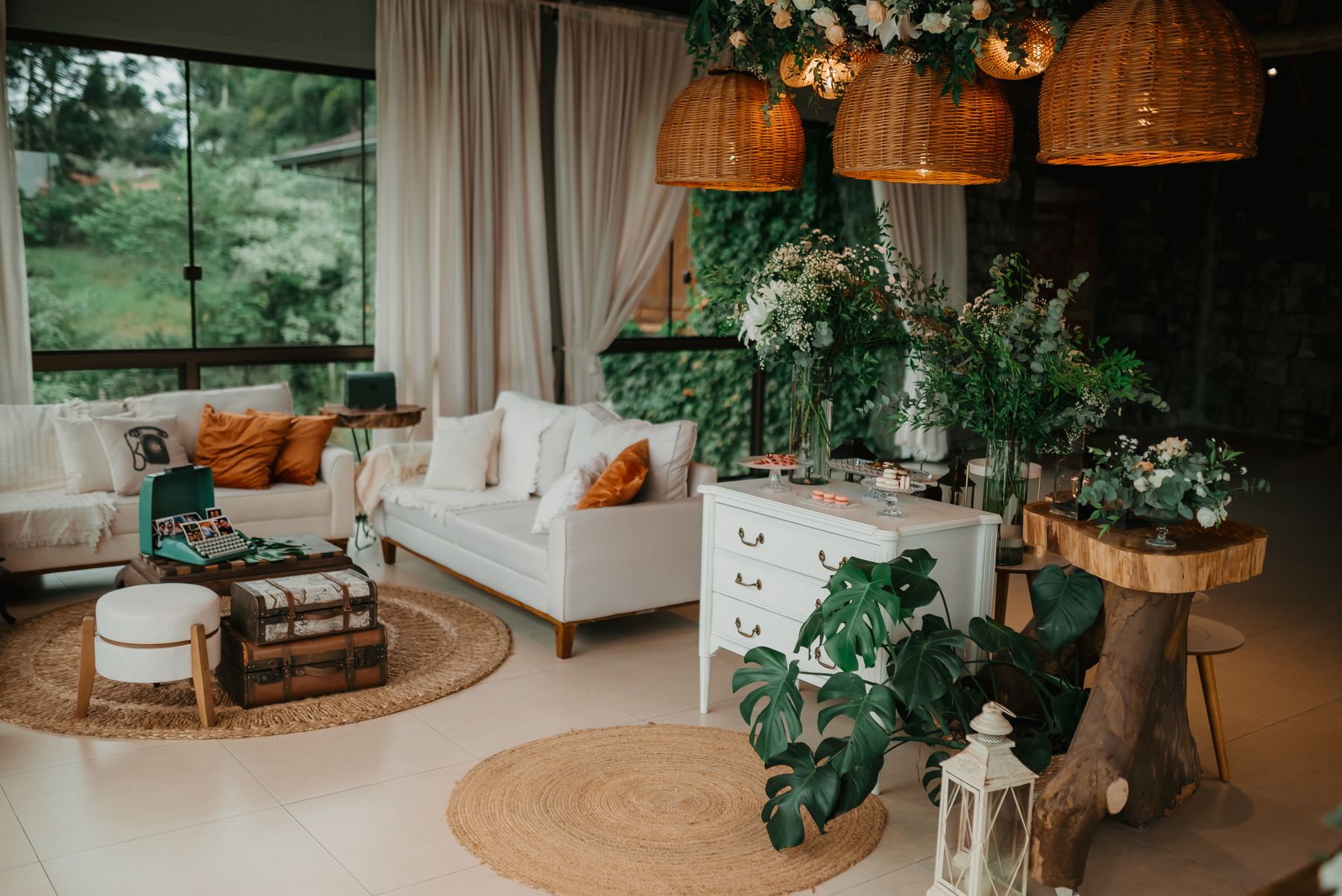
A woven basket, handmade textile or irregular ceramic can humanize polished furniture, but Eclectic rooms do not need a full boho vocabulary. Use craft because its material, scale and story serve the composition, and source cultural objects with clear context rather than treating them as anonymous exotic accents. If plants, fibers and relaxed handmade layers become the primary identity, the boho destination is more precise.
Connect Mismatched Chairs
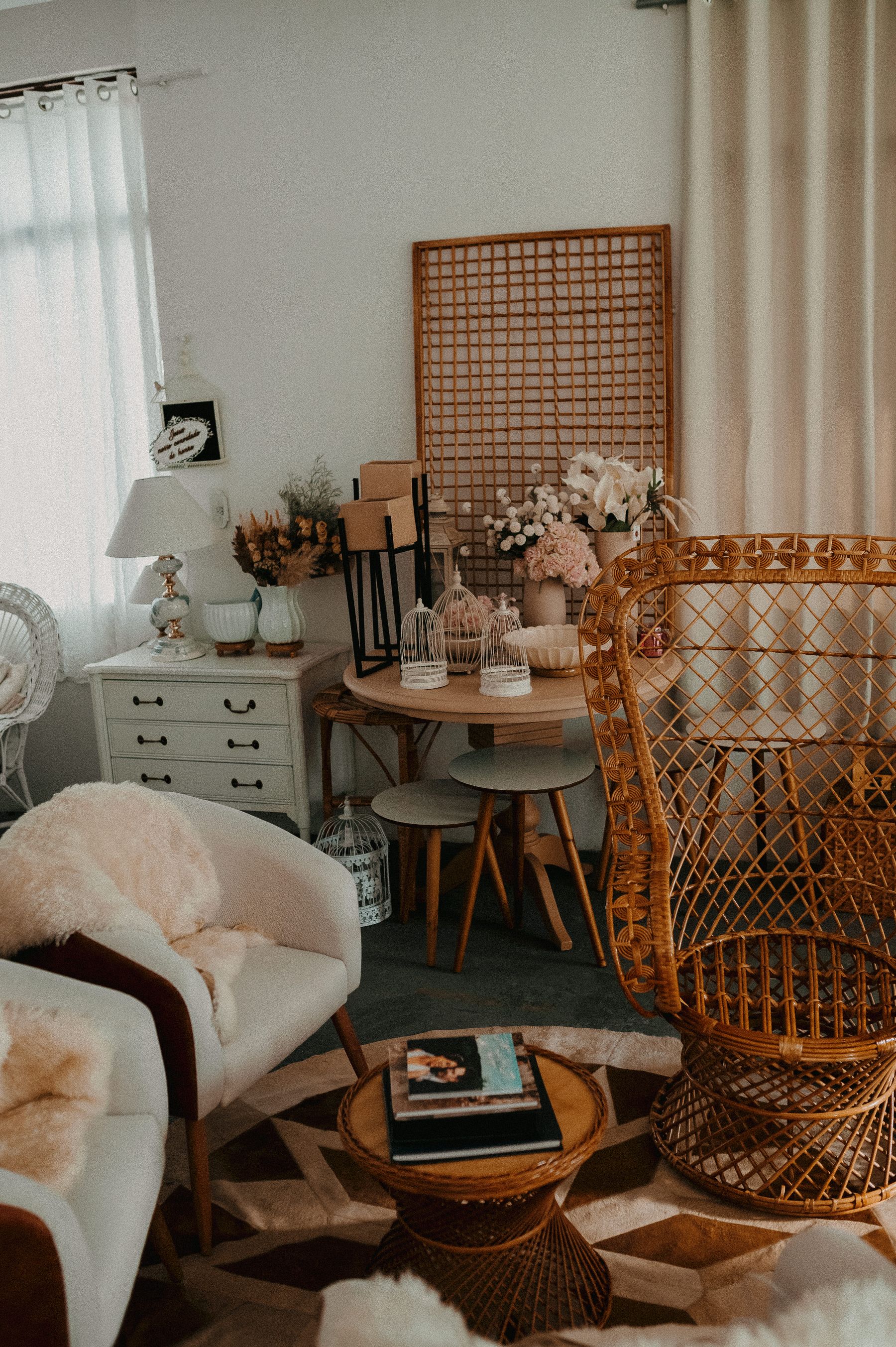
Chairs may differ in era, material and silhouette while sharing seat height, arm scale, wood undertone or one upholstery color. Test each for the intended user; a photogenic low sling chair is not a substitute for supportive upright seating. Place distinctive backs where they can be seen without blocking a route or view. One pair plus one contrasting chair often feels more deliberate than four unrelated singles.
Use Plants as Living Structure
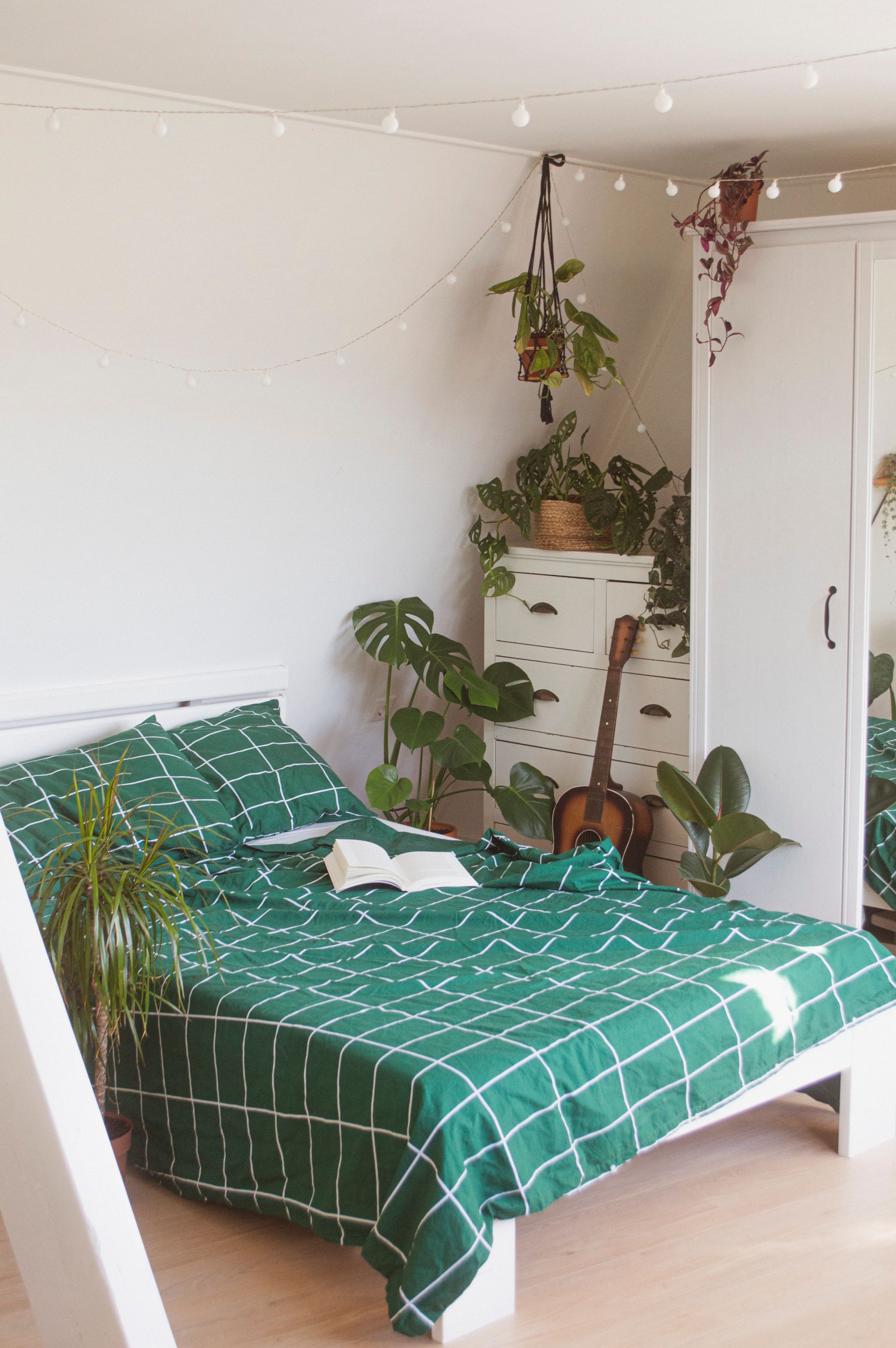
Plants can connect furniture heights, soften a corner and repeat organic form, but they are not proof of eclectic style. Choose species for real light, temperature, humidity, pet safety and care capacity. Group compatible plants near the correct window rather than scattering struggling pots through the room, protect finishes from water and leave access for pruning. Artificial plants are preferable to unhealthy live plants only when material quality and cleaning are acceptable.
Integrate the Television Without Disguise
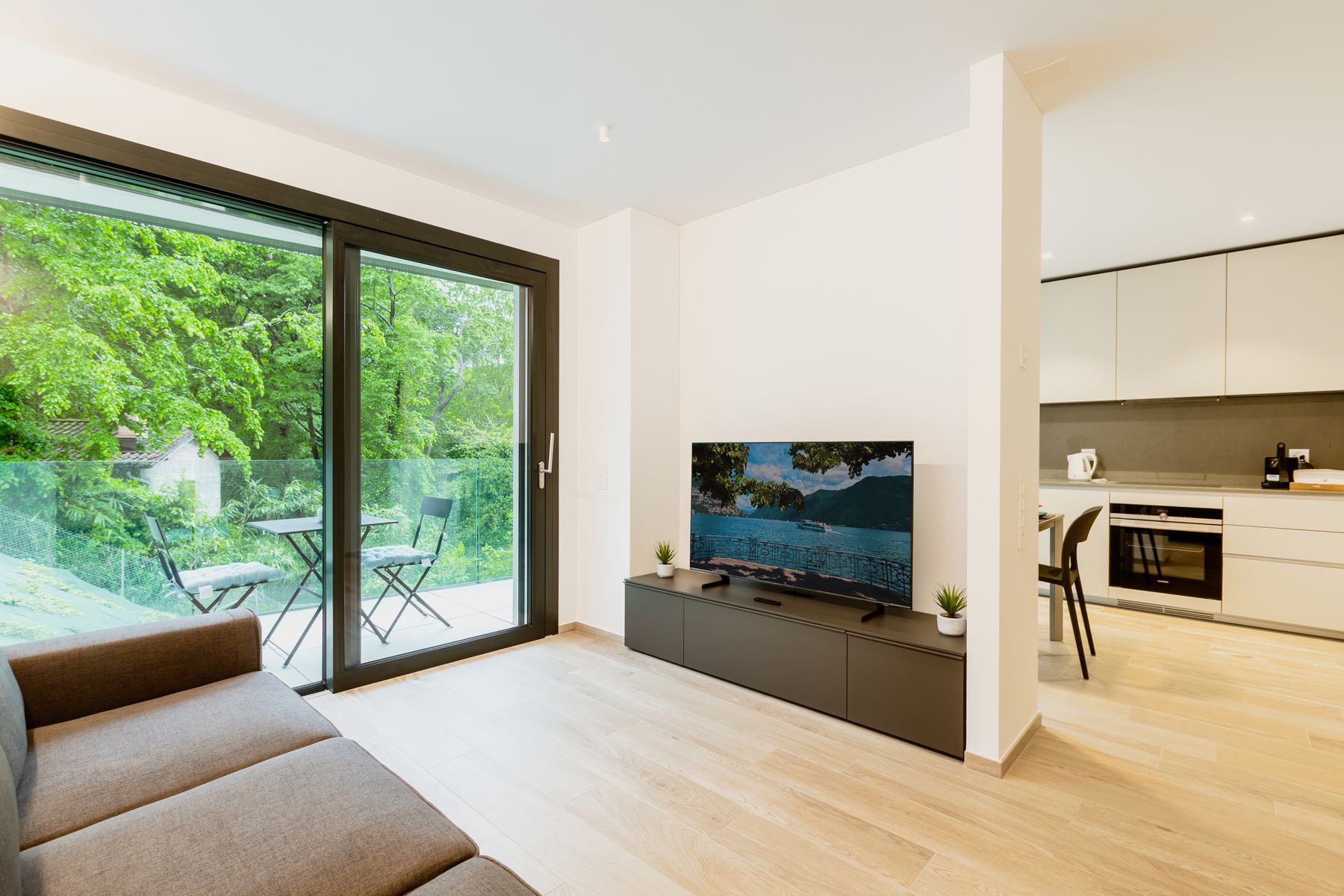
Set the screen at a comfortable height, manage glare and keep ventilation, ports and service access clear. A low timber cabinet, darker wall or nearby art can reduce contrast without pretending the television is antique. Do not force equipment into an old cabinet whose depth, heat clearance or door swing does not work. Route cables neatly and confirm that speakers, controls and game systems remain usable from the actual seats.
Coordinate an Open-Plan Mix
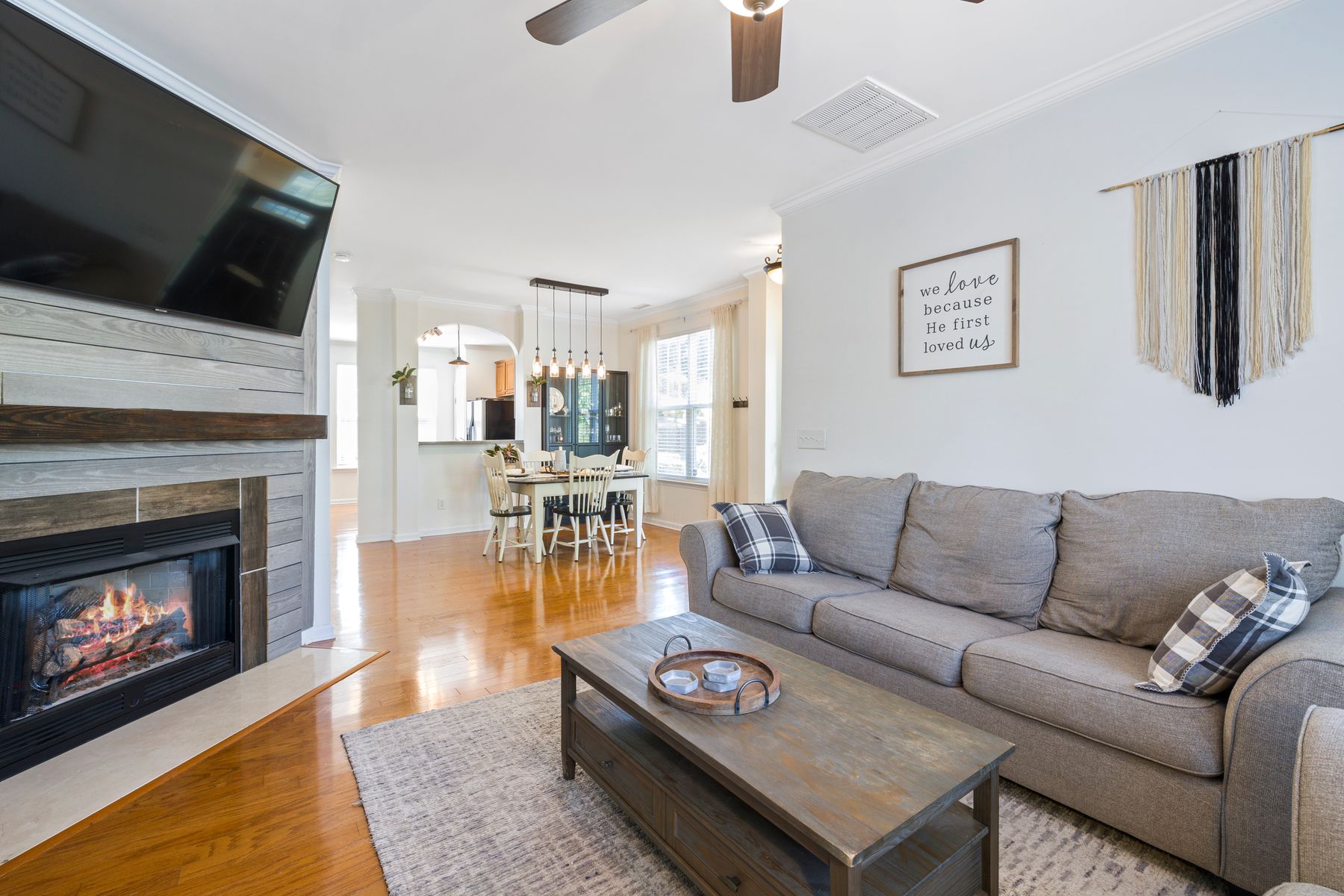
Give living, dining and kitchen areas distinct centers through rug, lighting and furniture orientation. Repeat one bridge color or material across zones, but do not buy matching suites for the sake of continuity. Preserve the main connecting route and test dining chairs, table extensions, kitchen doors and lounge furniture fully open. A historic dining table and current sofa can belong together when the room repeats scale, timber temperature or line.
Concentrate Character in a Small Room
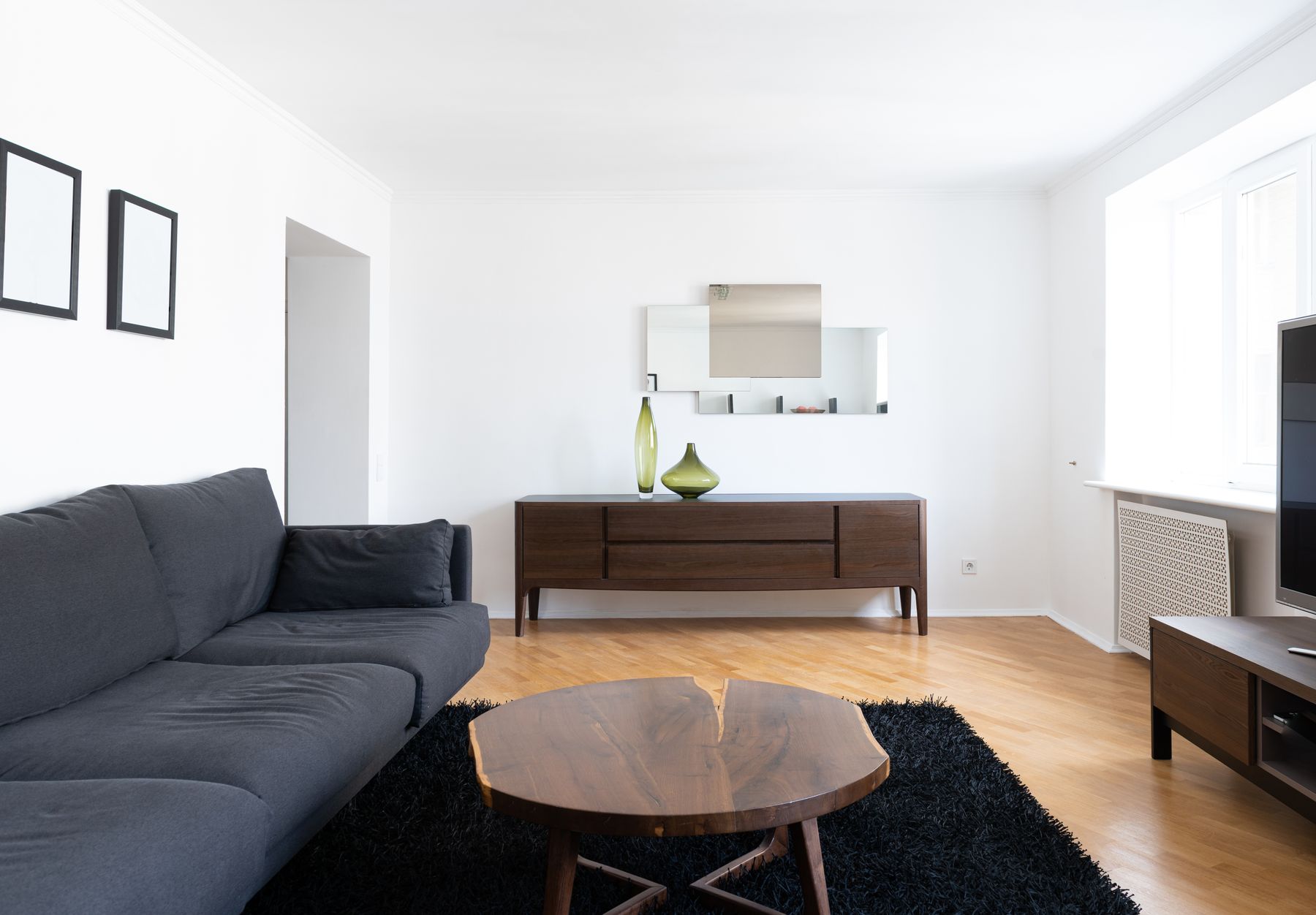
Use one strong wall, rug or furniture piece rather than miniaturizing every eclectic cue. Choose side tables for actual reach, keep one continuous path and use wall height for art or storage. Pattern does not automatically shrink a room; fragmented contrast, too many small furniture footprints and blocked floor edges do. [Small living room ideas](/living-room/small-living-room-ideas/) provides the delivery, proportion and multifunction tests.
Make Occasional Furniture Earn Its Footprint
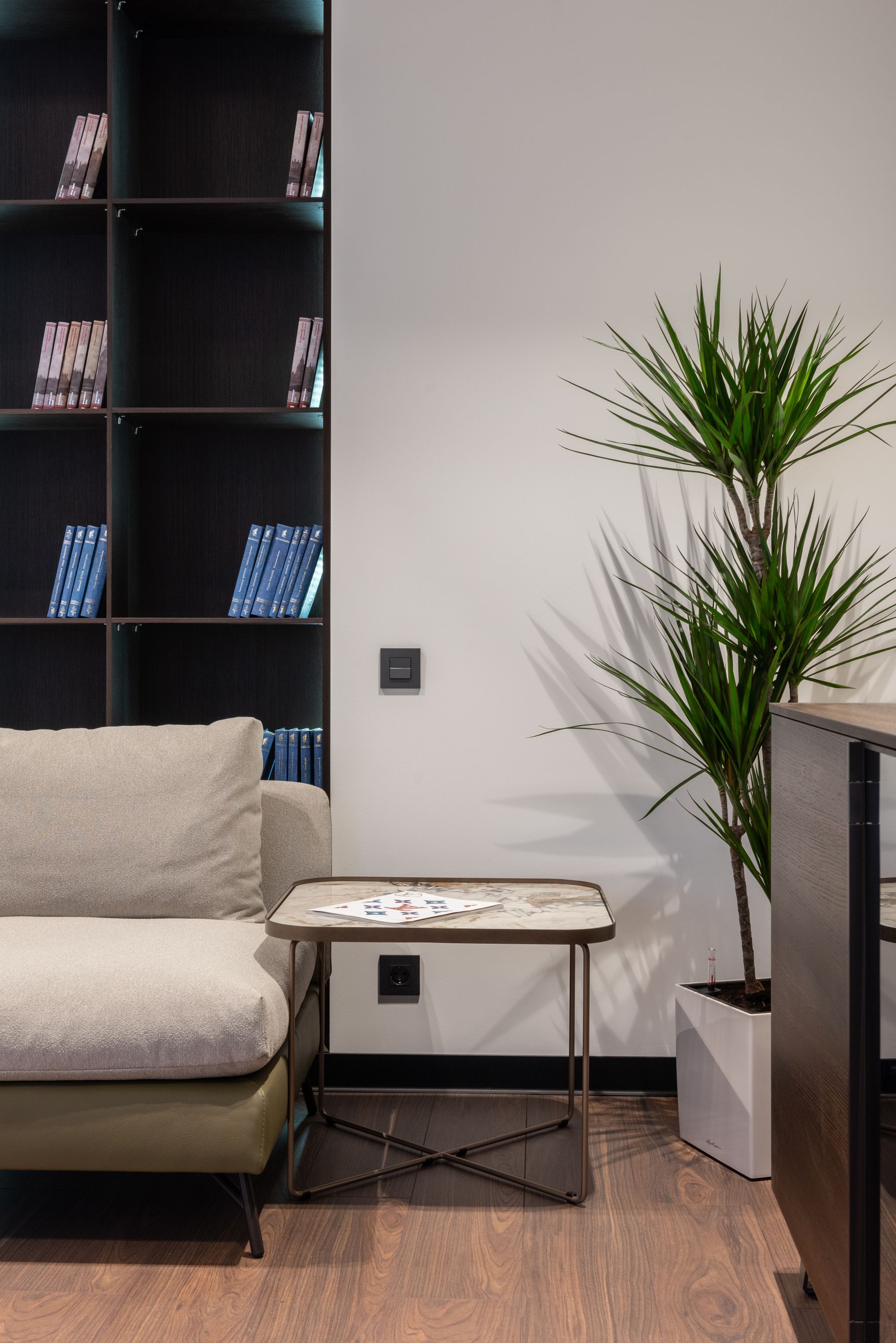
Side tables, stools, plant stands and small cabinets often cause more obstruction than the sofa because they accumulate without a plan. Give each a job, correct height and stable position. Nesting tables or one slim vintage desk may serve more roles than several unrelated stands. Check wobble, sharp corners and reachable surfaces, especially in homes with children, mobility equipment or frequent guests.
Build a Rental Mix With Portable Layers
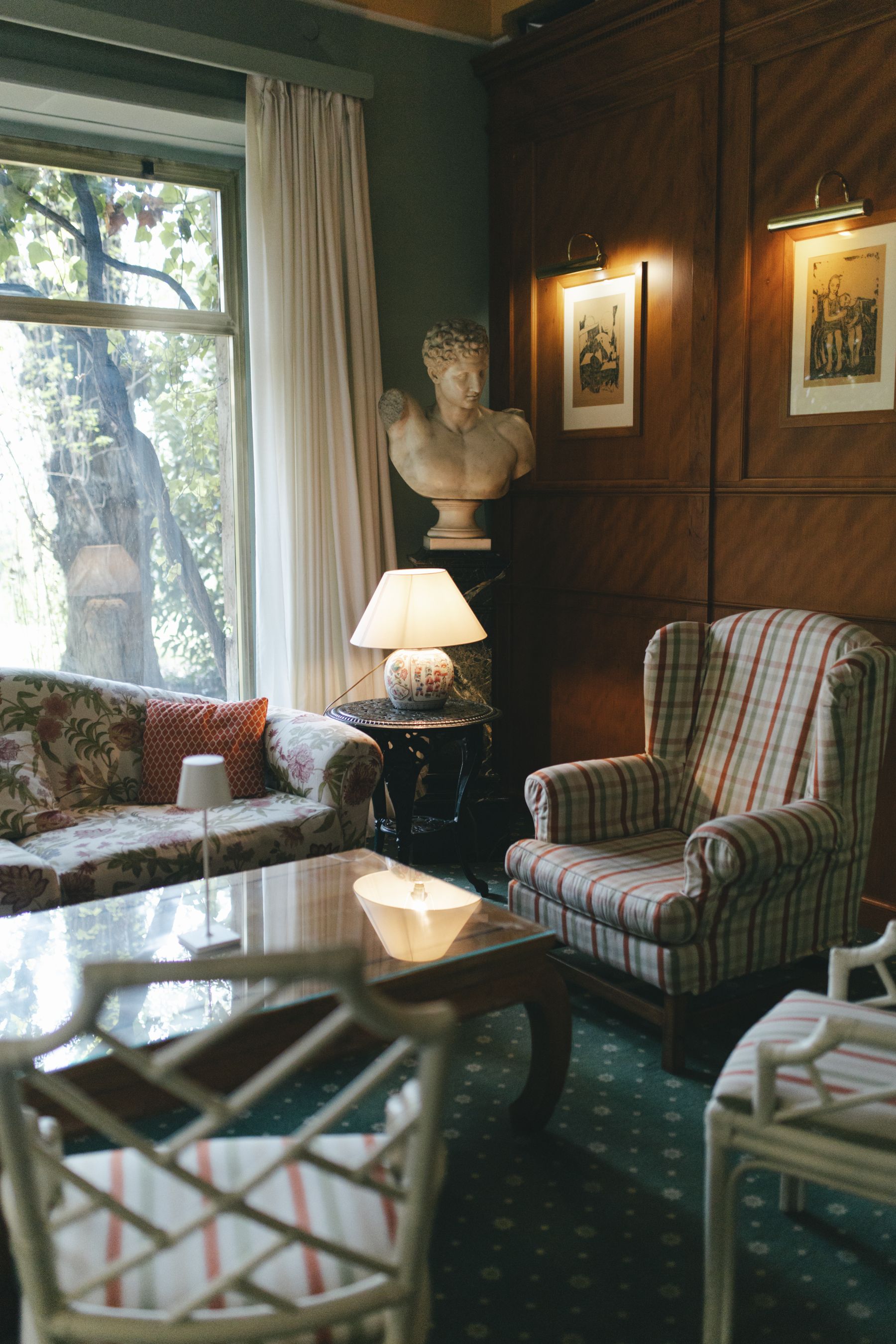
Concentrate character in furniture, a broad rug, curtains, plug-in lamps and properly secured art. Verify the lease, wall substrate and removal method before paint, adhesive coverings or heavy anchors, and document the original condition. One inherited cabinet beside a current sofa usually feels more credible than temporary faux molding. Choose pieces that can adapt to another floor plan and include moving cost in the purchase decision.

Design for Children, Pets and Guests
Use washable or repairable textiles on high-contact seating, stable tables in active routes and closed storage for toys or pet supplies. Put fragile, sharp or valuable objects above reach without creating an unstable top-heavy display. Provide enough supportive seating for real users rather than protecting a collection of delicate chairs. Performance fabric, leather, slipcovers and vintage upholstery each require different cleaning and repair plans.
Protect Clear, High-Contrast Routes
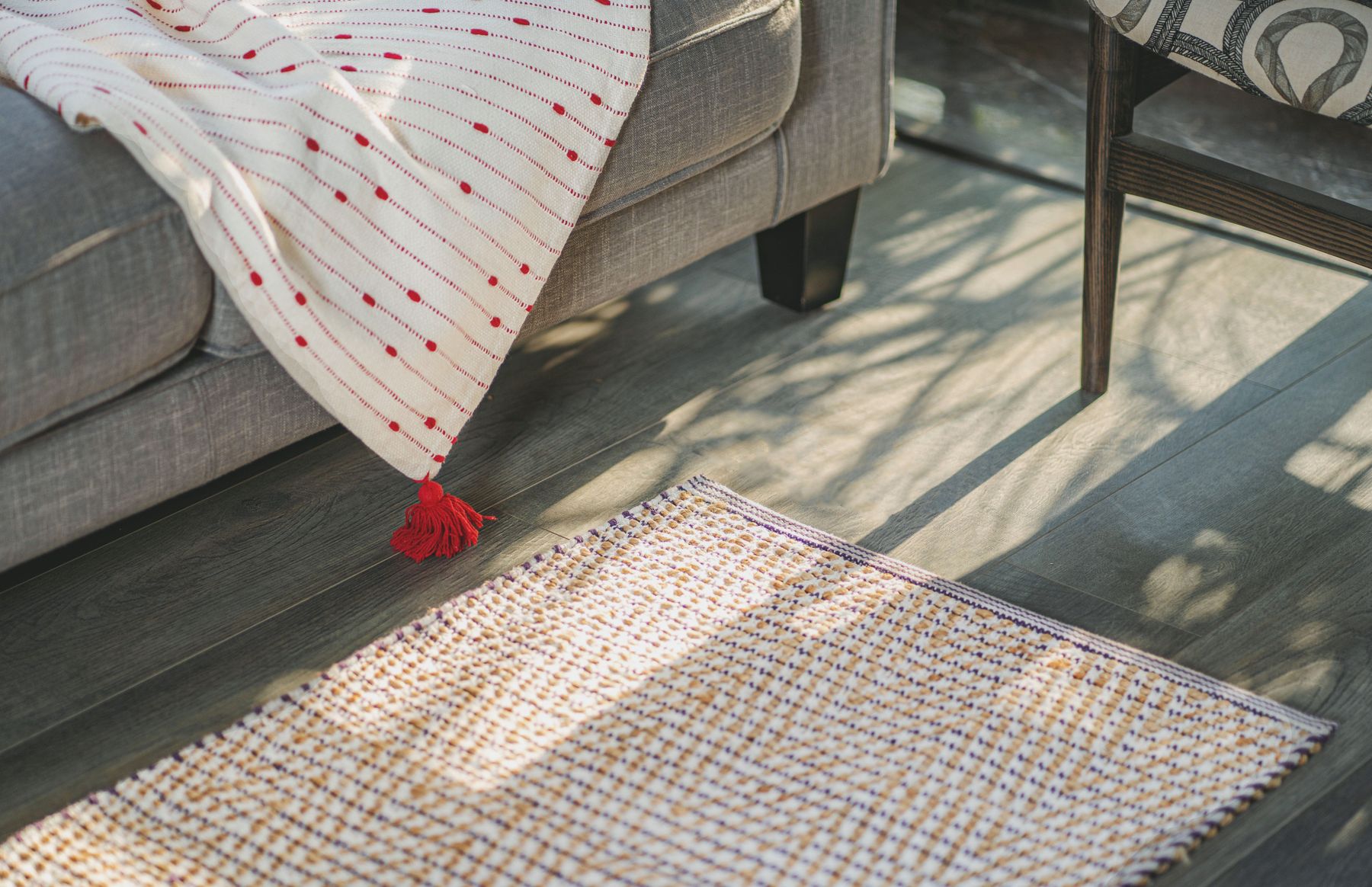
Layered rugs, low trunks and irregular tables can create hazards when edges and routes are difficult to see. Maintain a stable path between entrances and regular seats, provide supportive chair options, place switches within reach and use graspable hardware. Secure rugs with suitable underlay, remove curled edges and keep cables out of travel lines. Clear circulation does not make the room less eclectic; it gives the mix a dependable framework.

Source Slowly and Measure First
Buy the piece that solves a real need and has enough visual weight to guide later choices. Record overall size, delivery route, seat dimensions, material, condition, repair cost and return terms before purchase. Markets, estate sales, auctions and secondhand platforms can produce better character than shopping by style label, but scarcity should not override comfort or safety. [Vintage living room ideas](/living-room/vintage-living-room-ideas/) goes deeper into age, condition and provenance.
Inspect and Repair Older Pieces
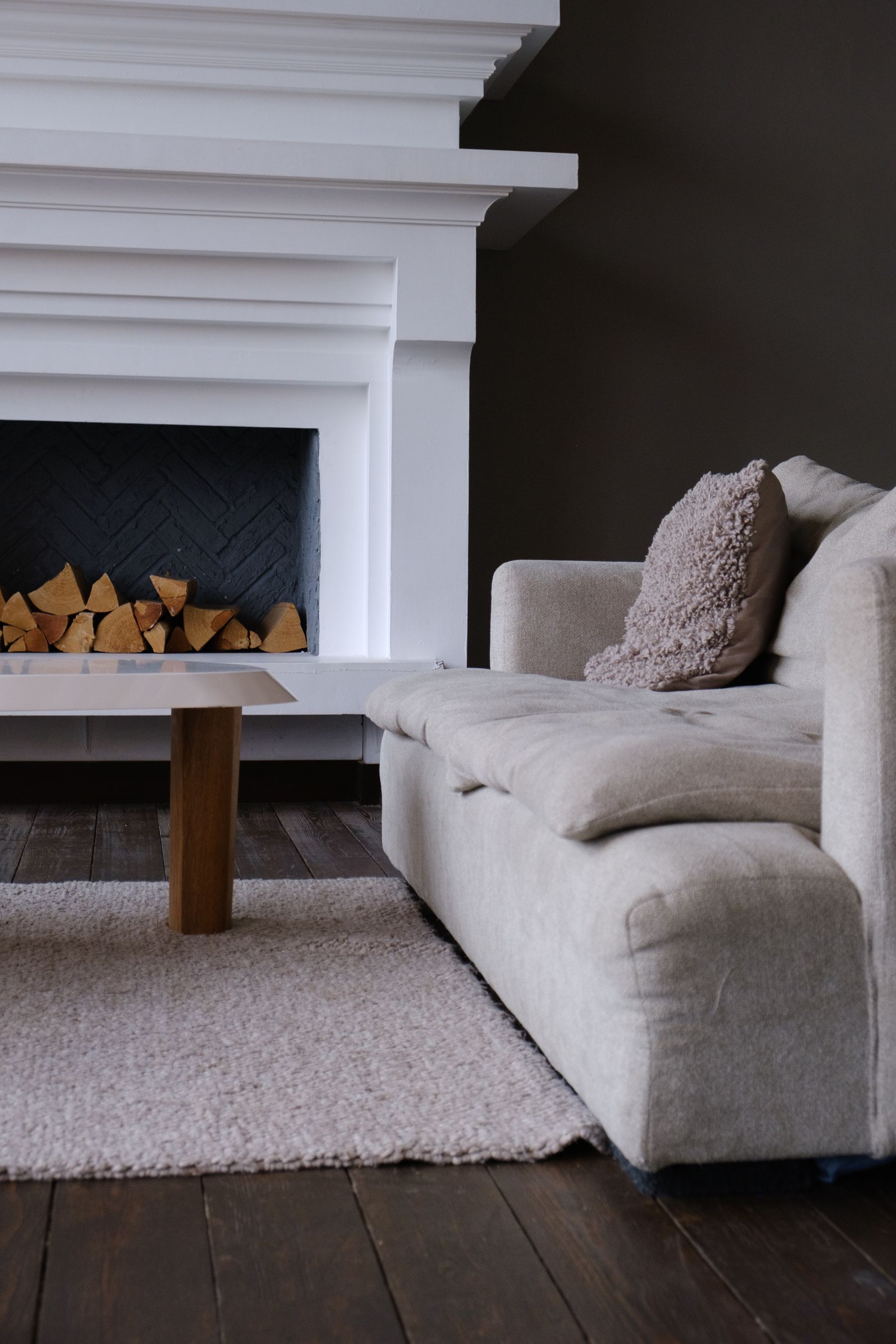
Check joints, wobble, odor, pests, upholstery, foam, finish, drawers and previous repairs before an older object enters the room. Rewire lamps through a qualified professional and confirm fire, heat and ventilation clearances around fireplaces or electrical equipment. Preserve sound patina, but do not romanticize loose construction, contaminated fillings or unsafe wiring. Restoration should match the piece's value, intended use and material rather than erase every sign of age.
Maintain by Material, Not by Style
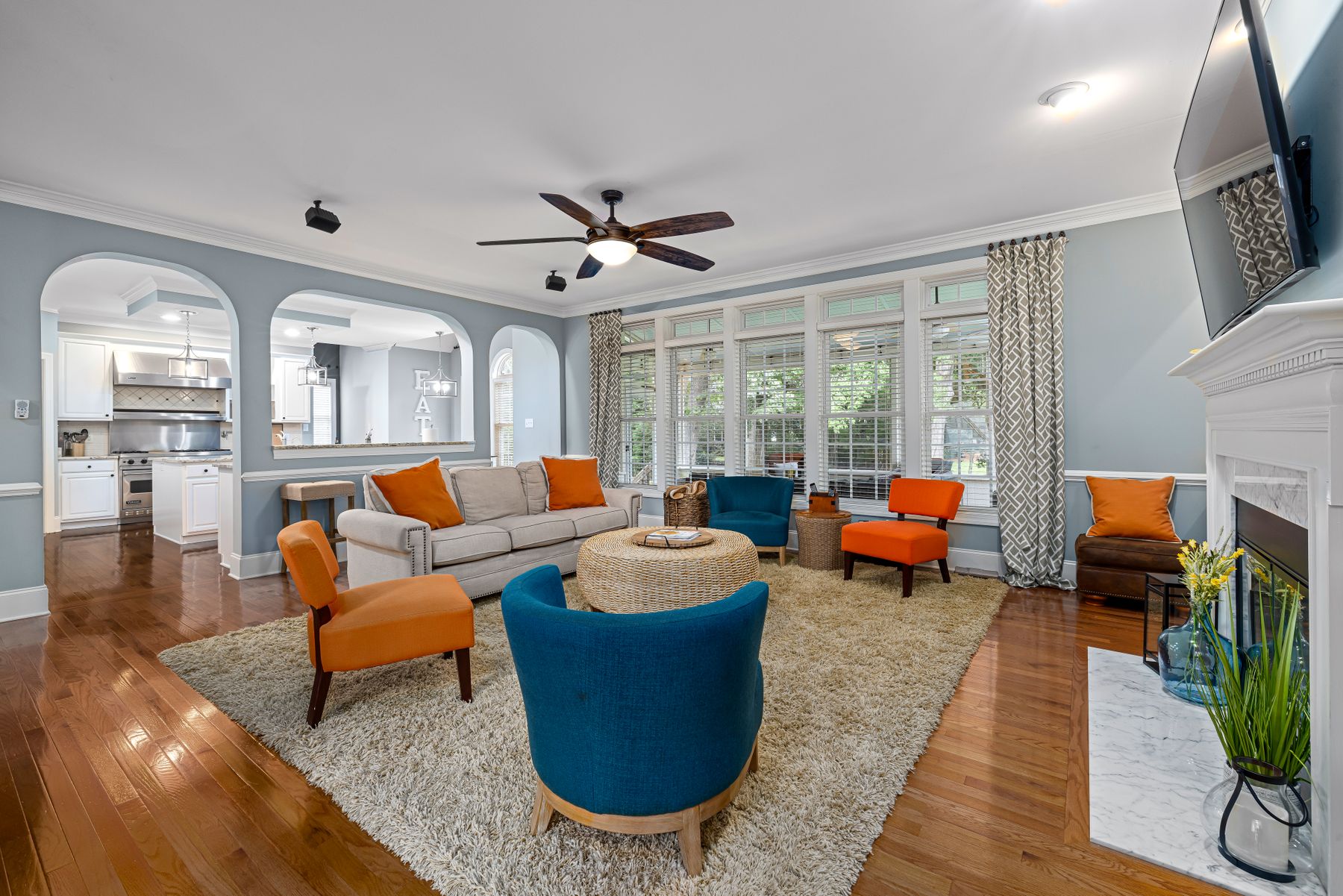
Create separate care plans for wood, leather, upholstery, rugs, paper, metal, plants and art. Leave room for a vacuum head, keep liftable collections on trays and record product restrictions for valuable finishes. Sun, moisture and heat affect materials differently, so a single all-purpose routine can damage an eclectic room. Rotate fragile textiles or works when needed and address leaks, pests or failing finishes before adding new decoration.
Rotate Collections Instead of Expanding Forever
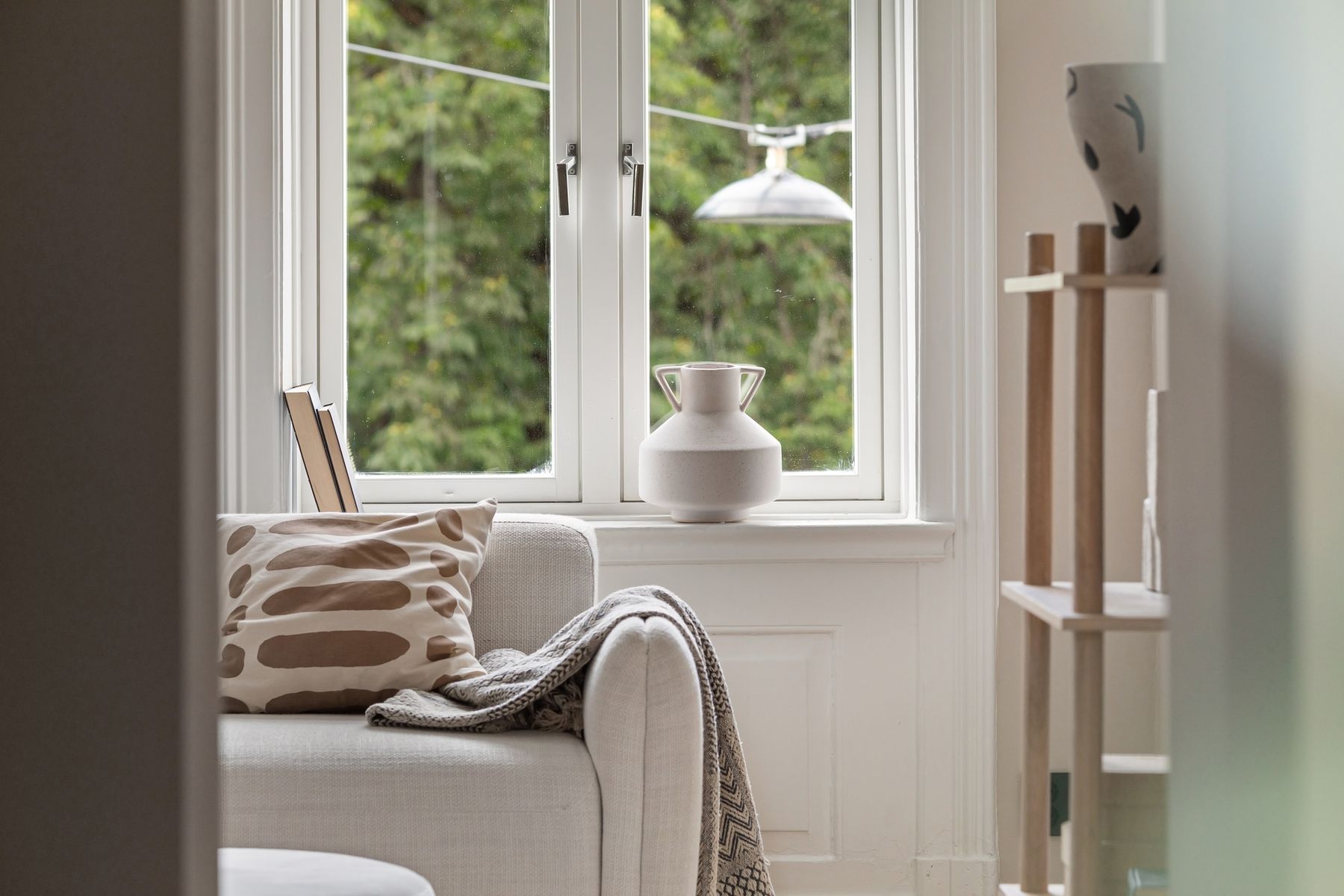
Keep a defined display capacity and store the remaining objects safely, labeled by group or season. Rotation lets books, ceramics, travel objects or family pieces return with context instead of competing permanently. Do not use windowsills, heaters or circulation points as overflow. Photograph each arrangement before changing it; the record helps avoid buying duplicates and reveals which objects consistently earn a place.
Edit Until the Relationships Are Clear
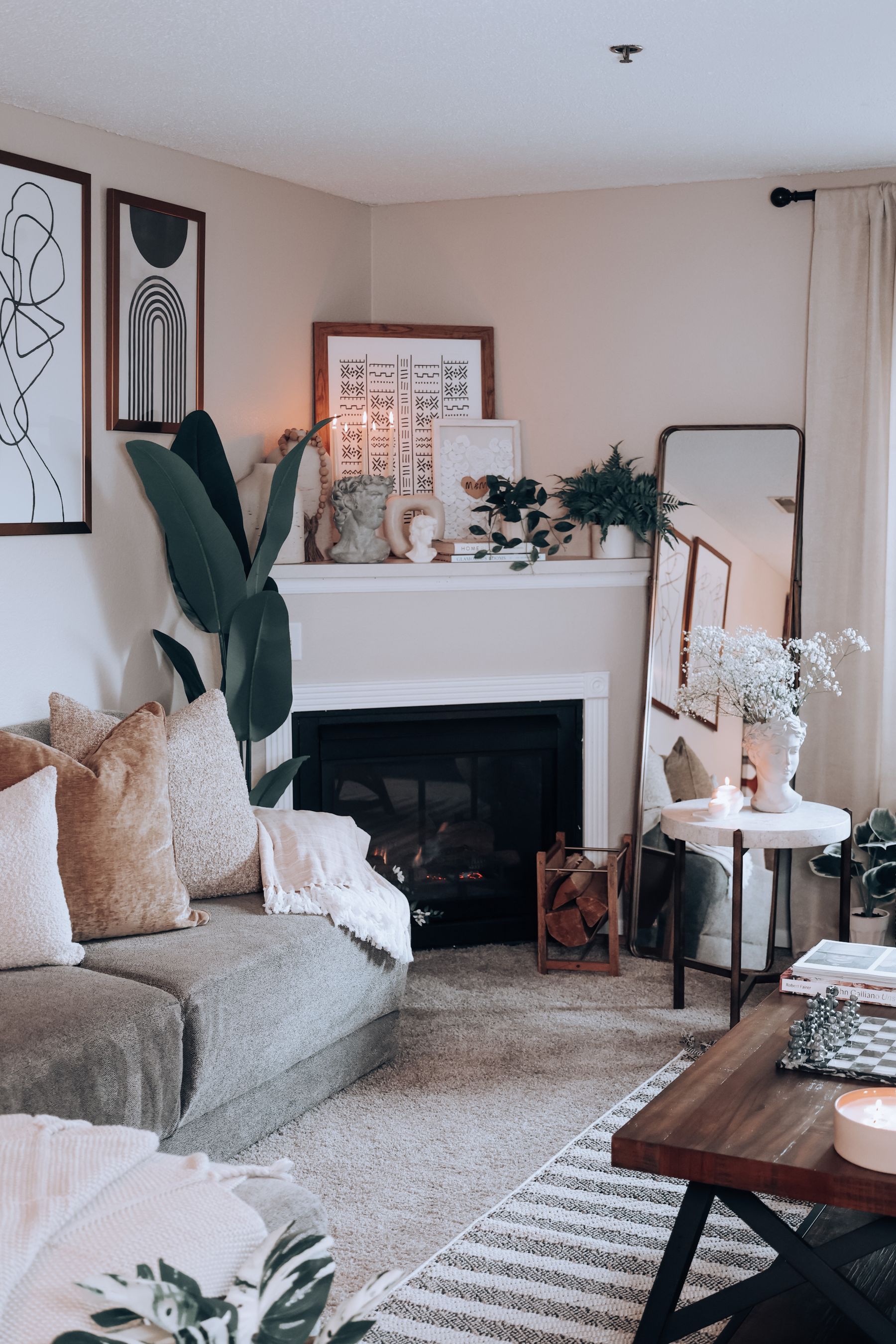
Photograph the room from every entrance, the main seats and at night. Remove duplicate fillers, undersized accessories and objects that interrupt use, then check whether the important contrasts become clearer. Eclectic design is finished when each piece supports function, story or composition and another reference would weaken the hierarchy. The result may still be layered, but it should never require the word eclectic to excuse poor comfort, unsafe condition or unresolved clutter.