Define Maximalism as Deliberate Abundance
A room becomes maximalist when color, pattern, art, objects and tactile material work at deliberately high volume. [Eclectic Living Room Ideas](/living-room/eclectic-living-room-ideas/) develops the method of mixing sources and eras; Boho is a craft- and nature-led family; maximalism is the decision to intensify the composition. [Boho Living Room Ideas](/living-room/boho-living-room-ideas/) can overlap, but it should not be used as a synonym. Start with a hierarchy so abundance reads as authorship rather than unfinished sorting.
Protect the Conversation Plan First
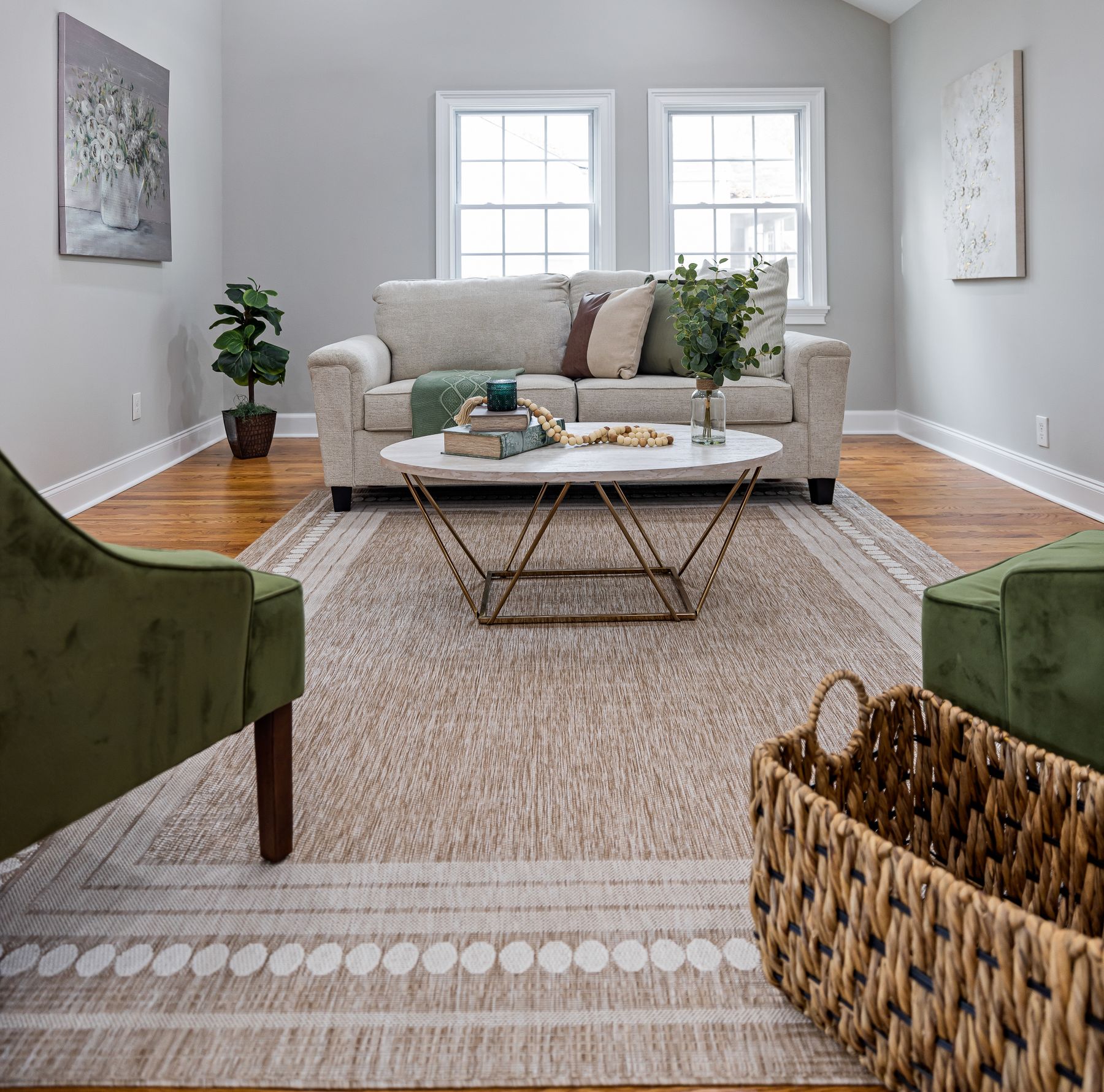
The room still has to host conversation, reading, television and movement. Place the primary seats within an easy speaking distance, give each a reachable surface and lamp, and keep the path from door to seating clear before styling shelves or walls. [Living Room Layout Ideas](/living-room/living-room-layout-ideas/) provides the geometry; maximalist layers should reinforce that plan rather than hide it.
Set a Visual Intensity Budget
Treat walls, floor, seating, windows and display as five planes. Two can be very loud, two supporting and one comparatively quiet; giving every plane equal contrast creates fatigue and erases focal points. A pale ceiling or solid sofa can be the pause that lets patterned walls, rug and art feel richer.
Choose a Lead Color Family
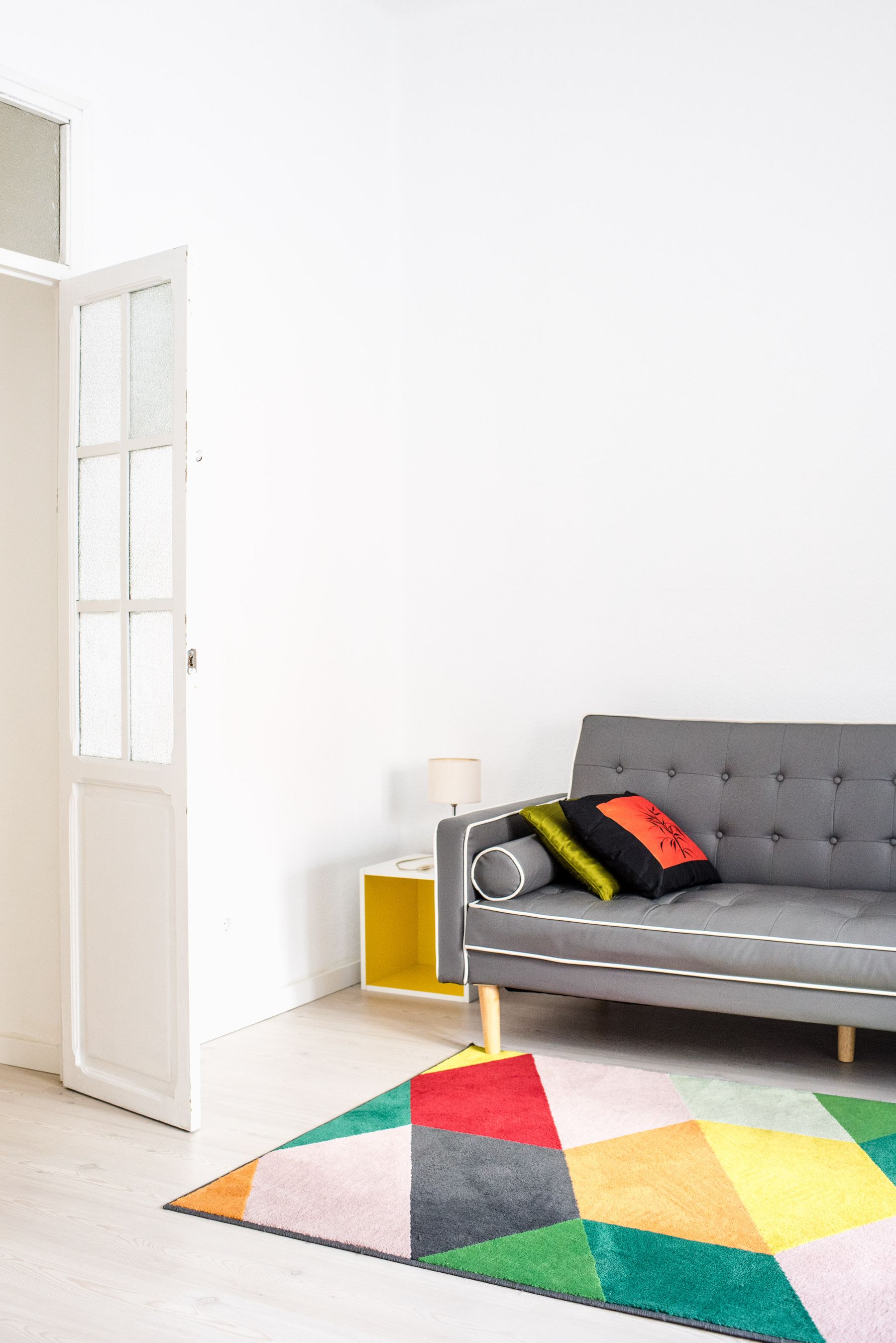
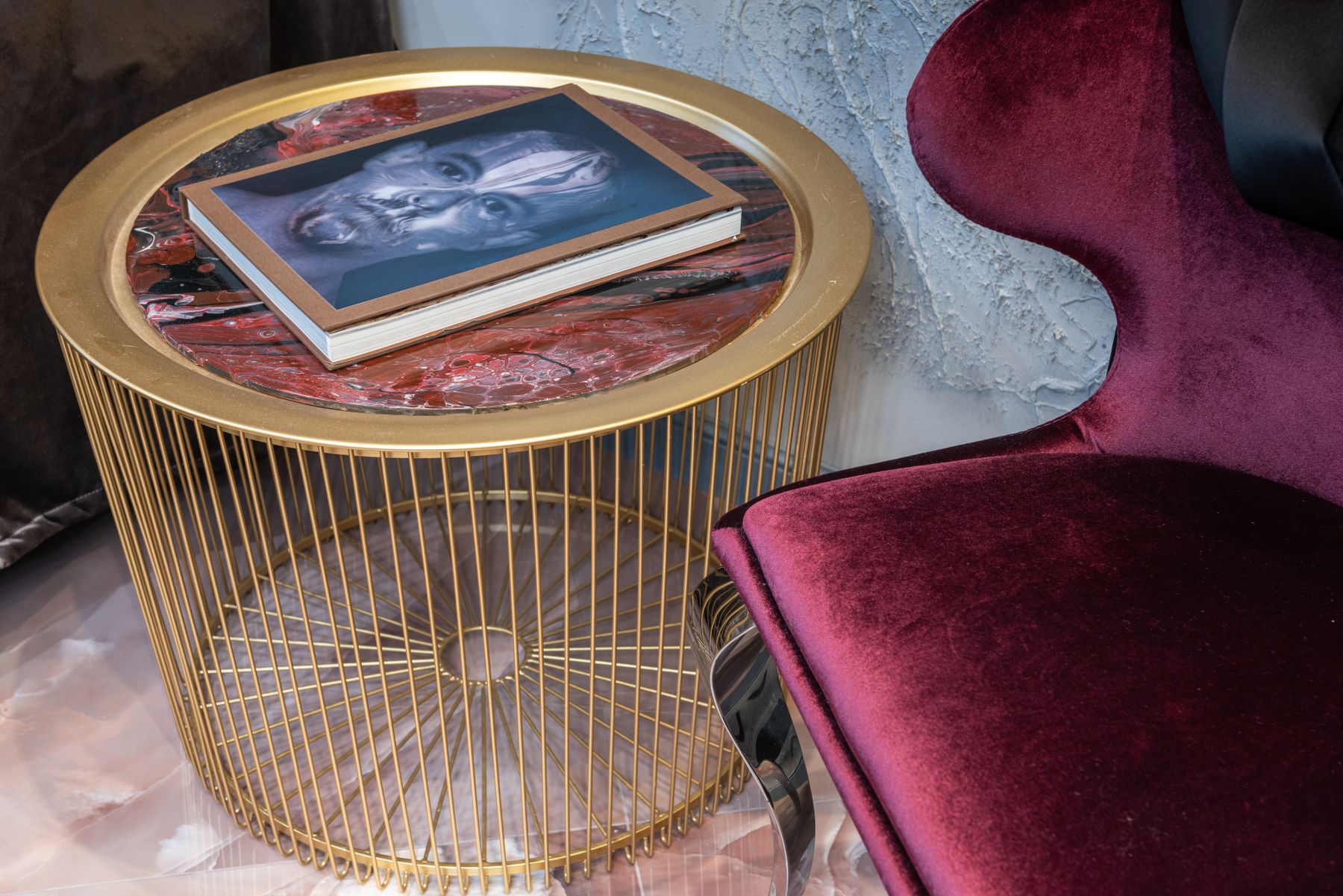
Maximalist does not require every color. Build from two or three anchor hues, a dark or earthy ground and one bright interruption, then repeat each important color at least three times across the room. [Art Deco Living Room Ideas](/living-room/art-deco-living-room-ideas/) is useful when the desired palette leans jewel-toned and glamorous, but maximalism can also be citrus, earthy or neutral.
Color-Drench for an Immersive Envelope
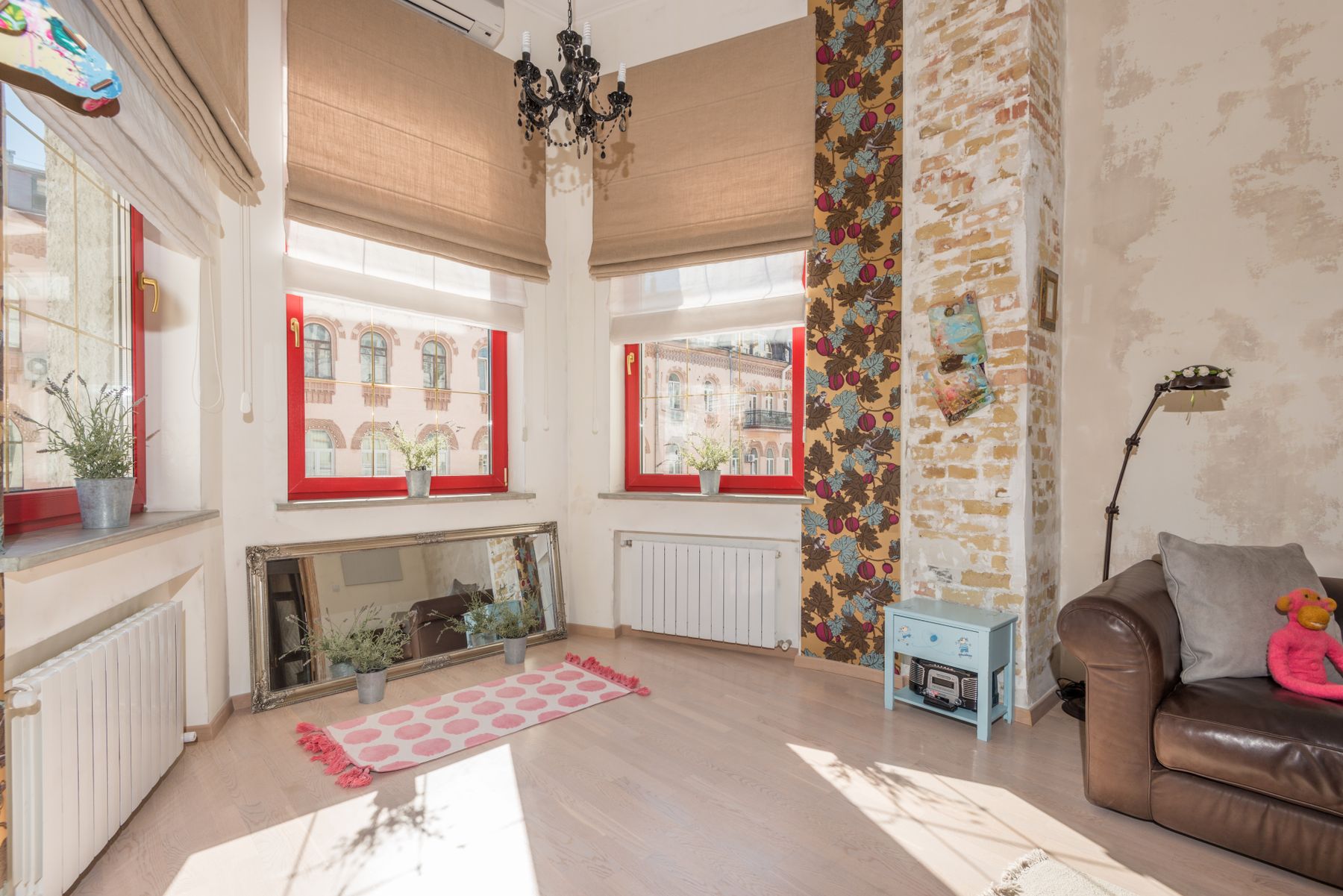
Painting walls, trim and shelving in related tones can turn many objects into one enveloping field. Use a finish change—matte wall, satin trim, tougher shelf paint—to keep depth and cleanability without introducing another hue. In a dim room, test saturation at full scale because a small swatch often appears brighter than an entire wall.
Mix Pattern by Scale and Geometry
A reliable pattern stack uses one large motif, one medium repeat and one small texture, with at least one shared color. Contrast geometry as well as scale: a broad floral, narrow stripe and irregular check are easier to separate than three similarly sized florals. Stop adding when adjacent patterns no longer have a clear edge.
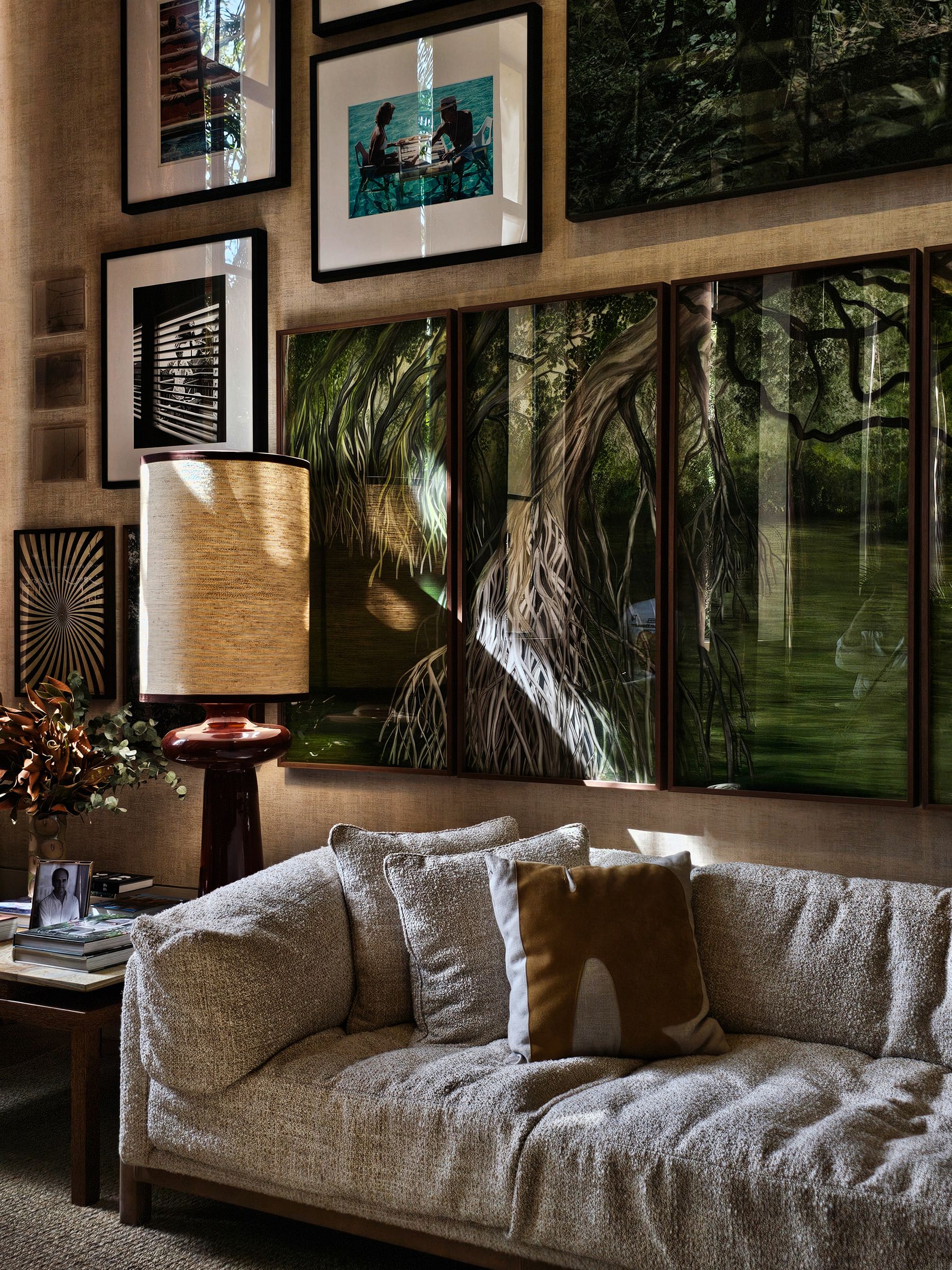
Build a Gallery Wall With a Boundary
Decide the gallery's outer rectangle, sightline and relationship to the sofa before arranging frames. Lay the group on the floor, repeat two frame finishes and balance visual weight rather than making every gap identical. [Living Room Wall Ideas](/living-room/living-room-wall-ideas/) covers hanging height and wall-specific decisions; here the goal is density with a legible silhouette.
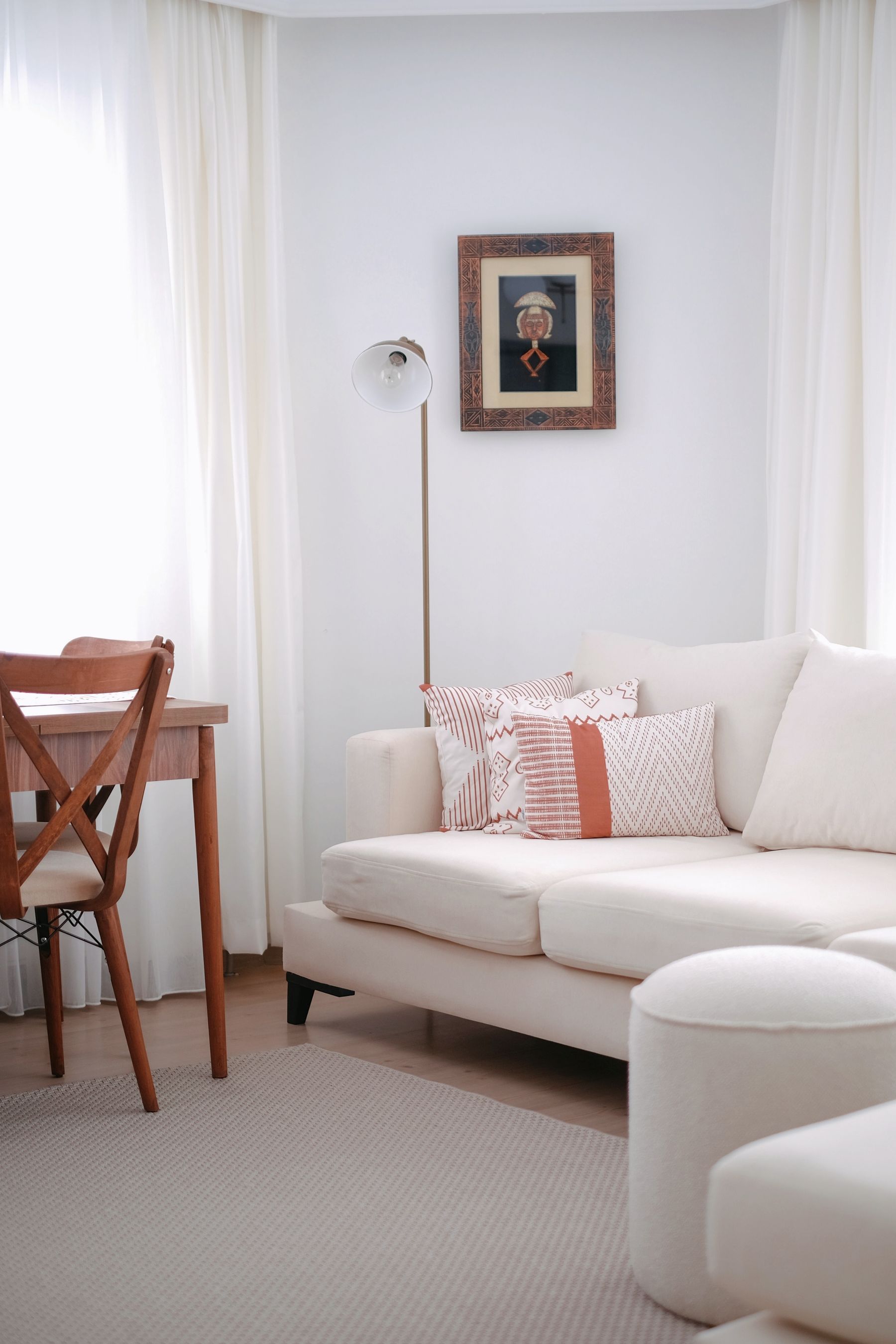
Use One Overscale Artwork as a Counterpoint
A single large work can give the eye a place to land among smaller objects and patterns. Choose licensed or personally owned art, verify hanging hardware and leave enough surrounding wall to preserve its scale. Avoid filling every remaining gap with small frames simply because the room is maximalist.
Let the Sofa Carry the Main Color Mass
A saturated sofa can organize the palette and reduce the need for many small color accents. Prioritize seat depth, support, cleaning code, doorway clearance and replacement access before fabric drama. If the sofa is patterned, keep its repeat large enough to remain readable across cushions and seams.

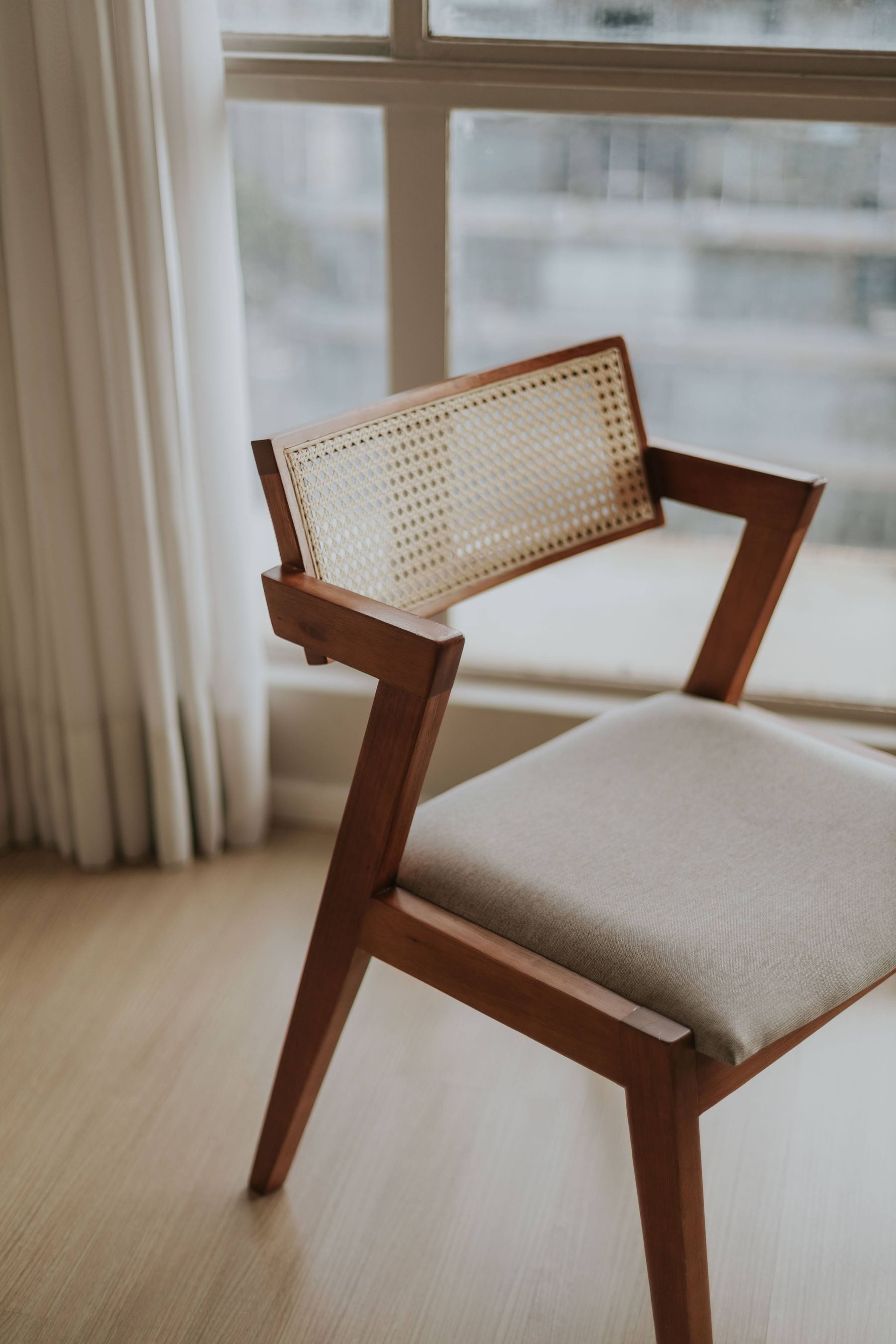
Use Statement Chairs as Independent Characters
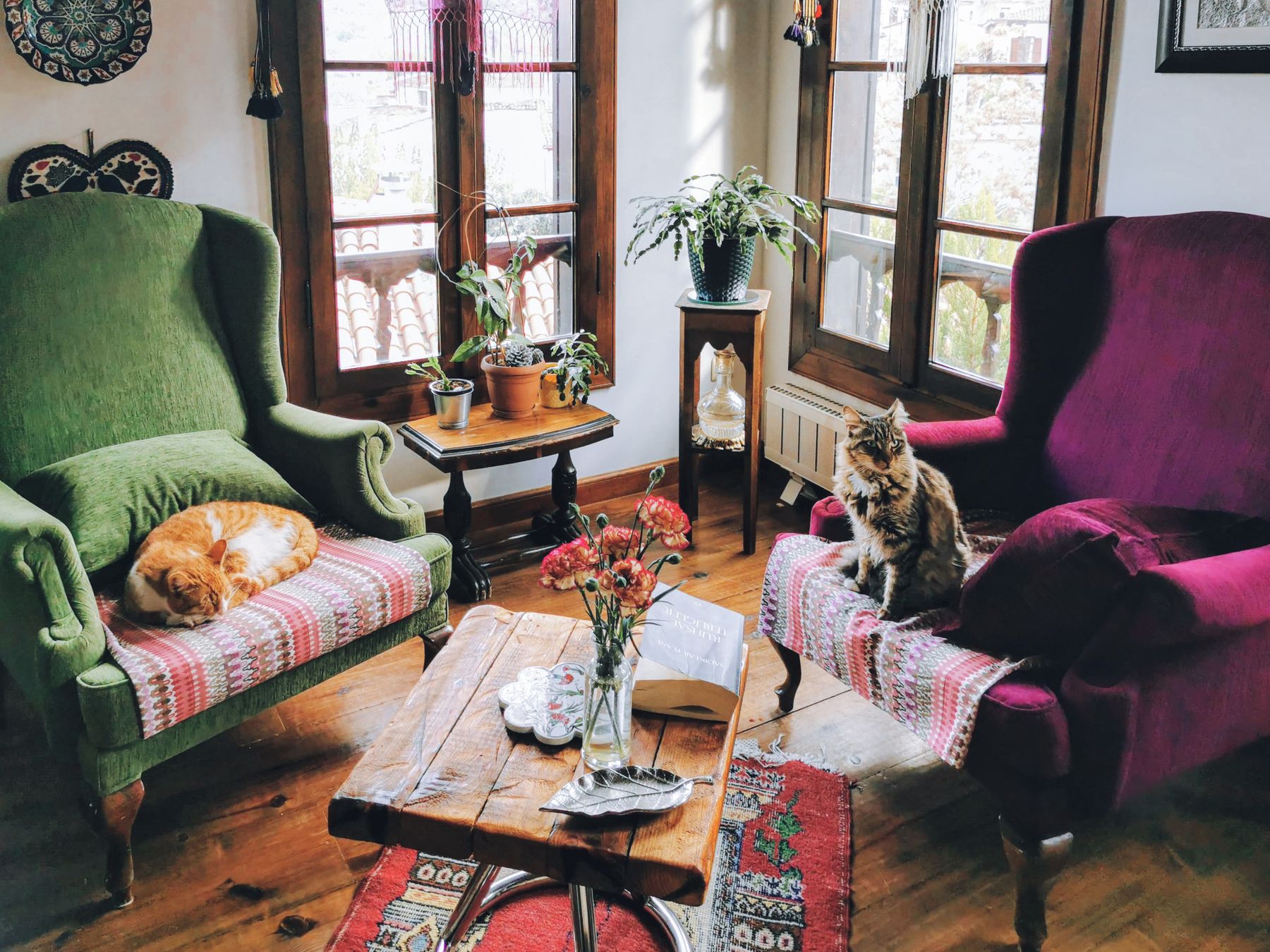
Mismatched chairs can differ in era, color and silhouette while sharing seat height, wood undertone or one repeated textile color. Place them where their backs and arms do not block the room's main route. [Mid-Century Living Room Ideas](/living-room/mid-century-living-room-ideas/) helps evaluate vintage chair construction without turning the whole room into a period set.
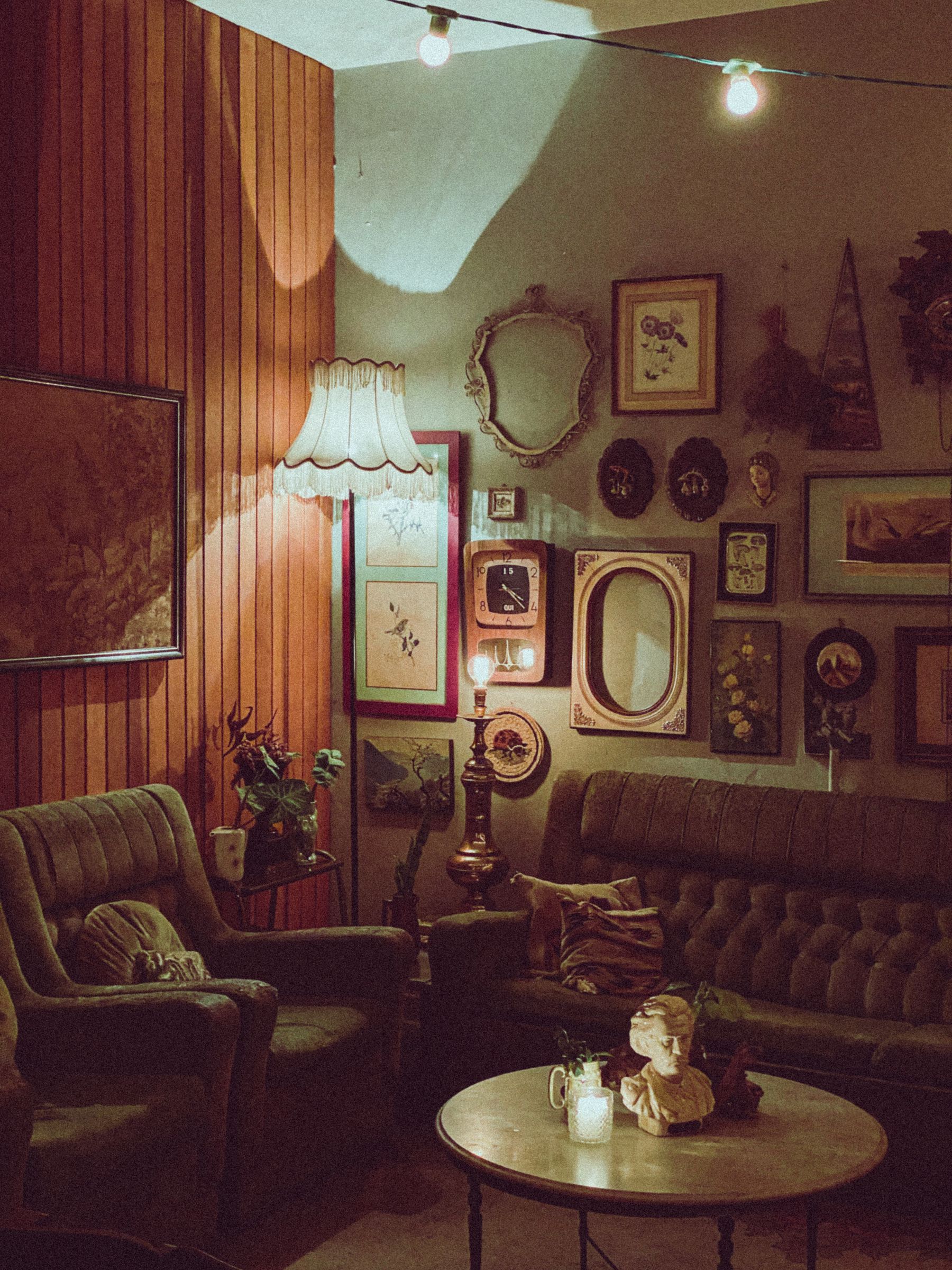
Mix Eras Without Losing the Lead Story
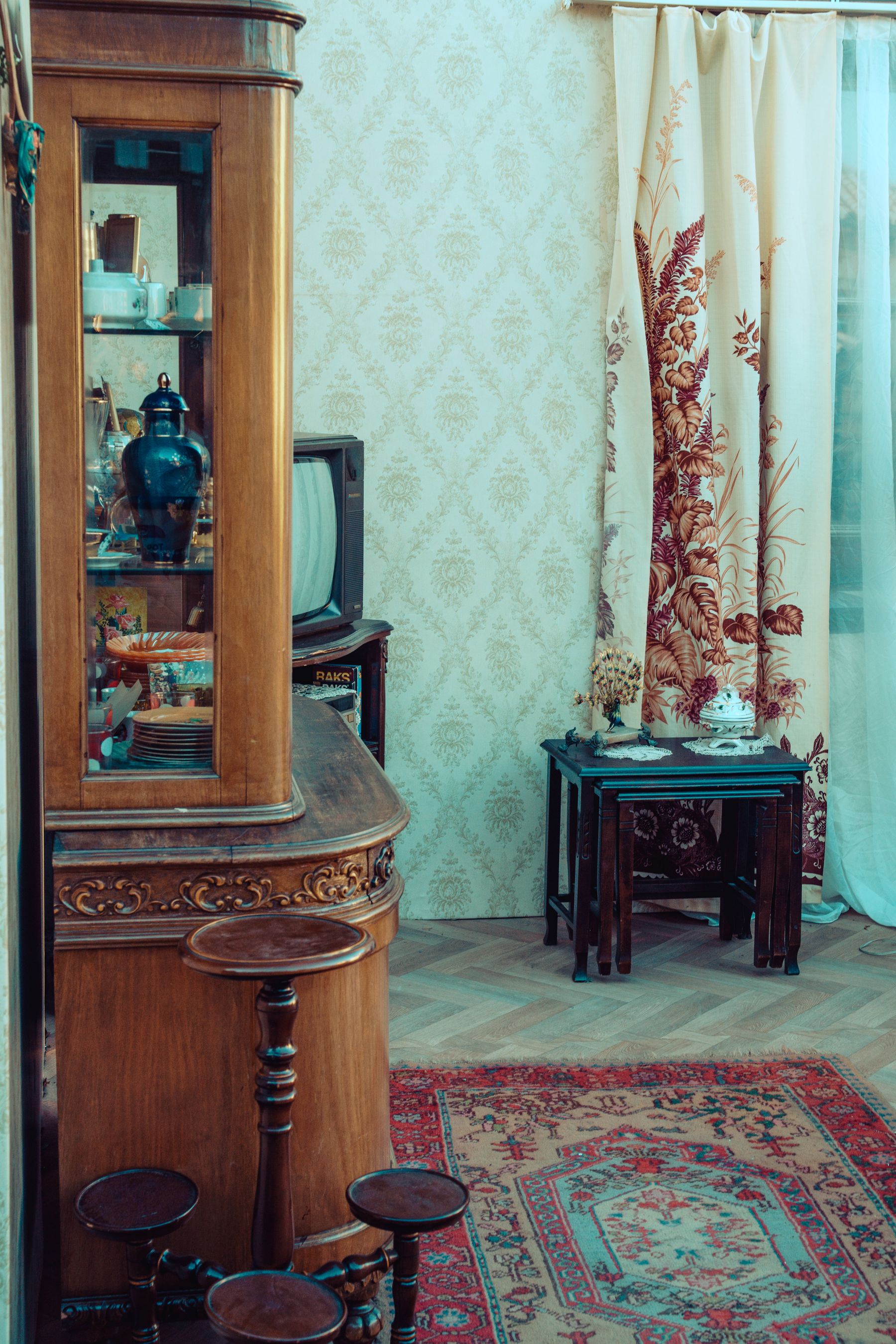
Maximalist rooms often include old and new pieces, but era mixing is supporting technique rather than the whole identity. Repeat a material or color across periods, and let one family—perhaps traditional wood, postwar curves or contemporary sculpture—supply the dominant rhythm. [Vintage Living Room Ideas](/living-room/vintage-living-room-ideas/) is the better route when provenance and old-object care are the main concern.
Layer Texture Beyond Bright Color
A maximalist room can be chromatically restrained when velvet, boucle, cane, wool, glazed ceramic, timber and metal create enough contrast. Pair rough with smooth and matte with reflective, but avoid delicate finishes on the household's highest-contact edges. Texture should be felt from the main seat, not only visible in close photographs.
Use Craft Without Defaulting to Boho
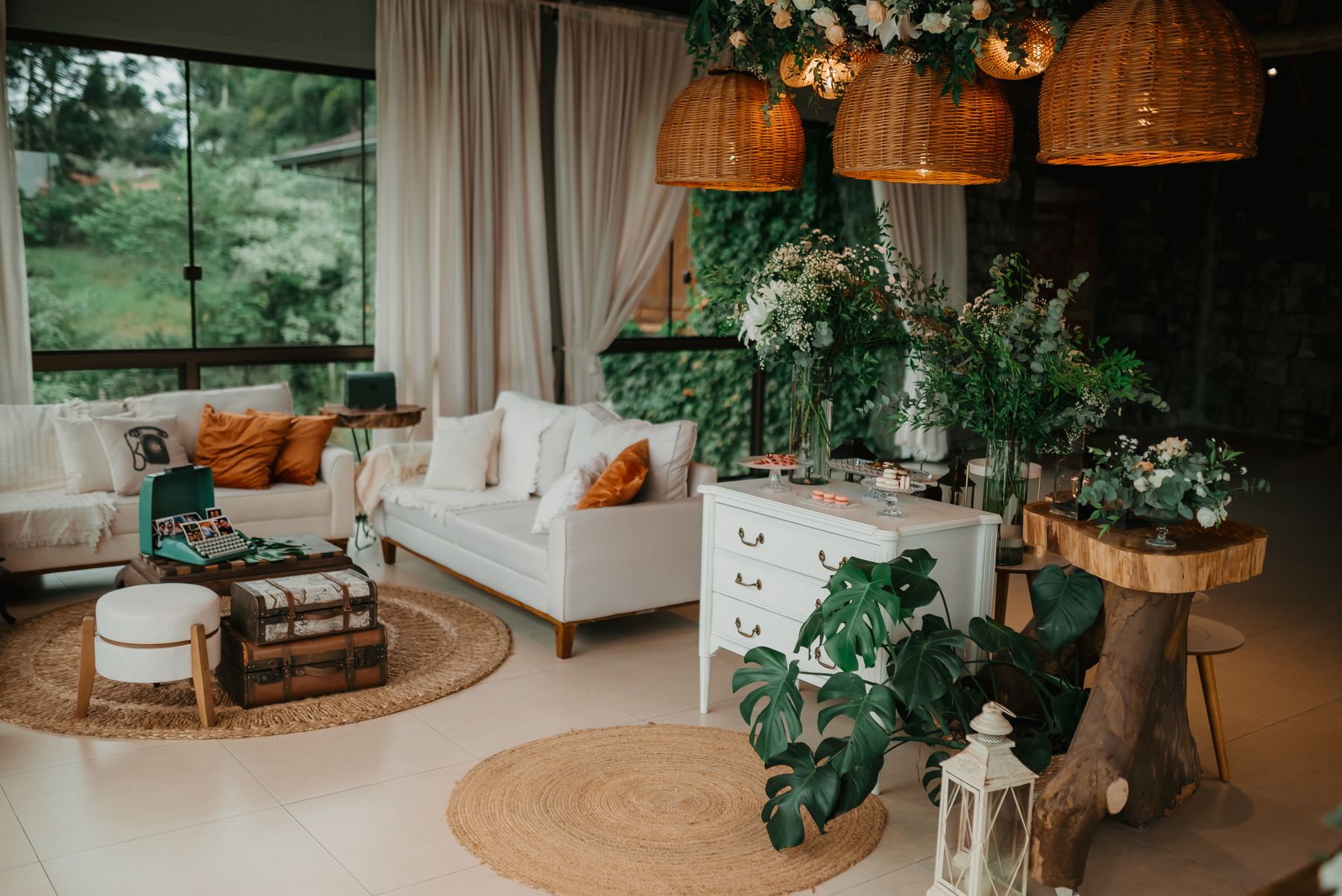
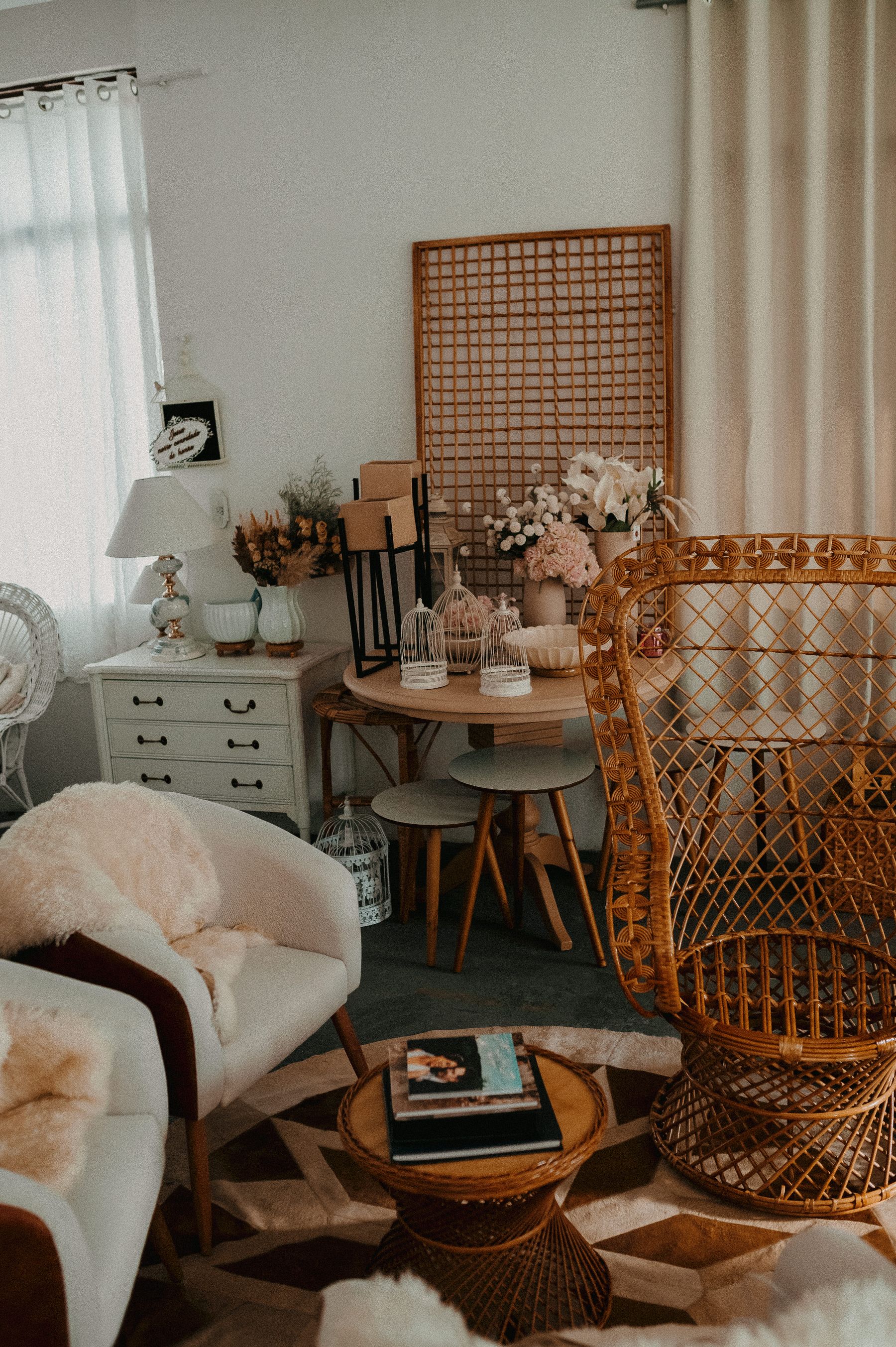
Woven baskets, embroidery, ceramics and carved wood add evidence of the hand, yet they do not automatically make a room Boho. In a maximalist composition, craft can sit beside lacquer, velvet or graphic art when color and scale link the pieces. Credit makers where known and avoid reducing culturally specific objects to generic pattern.
Anchor the Seating With a Decisive Rug
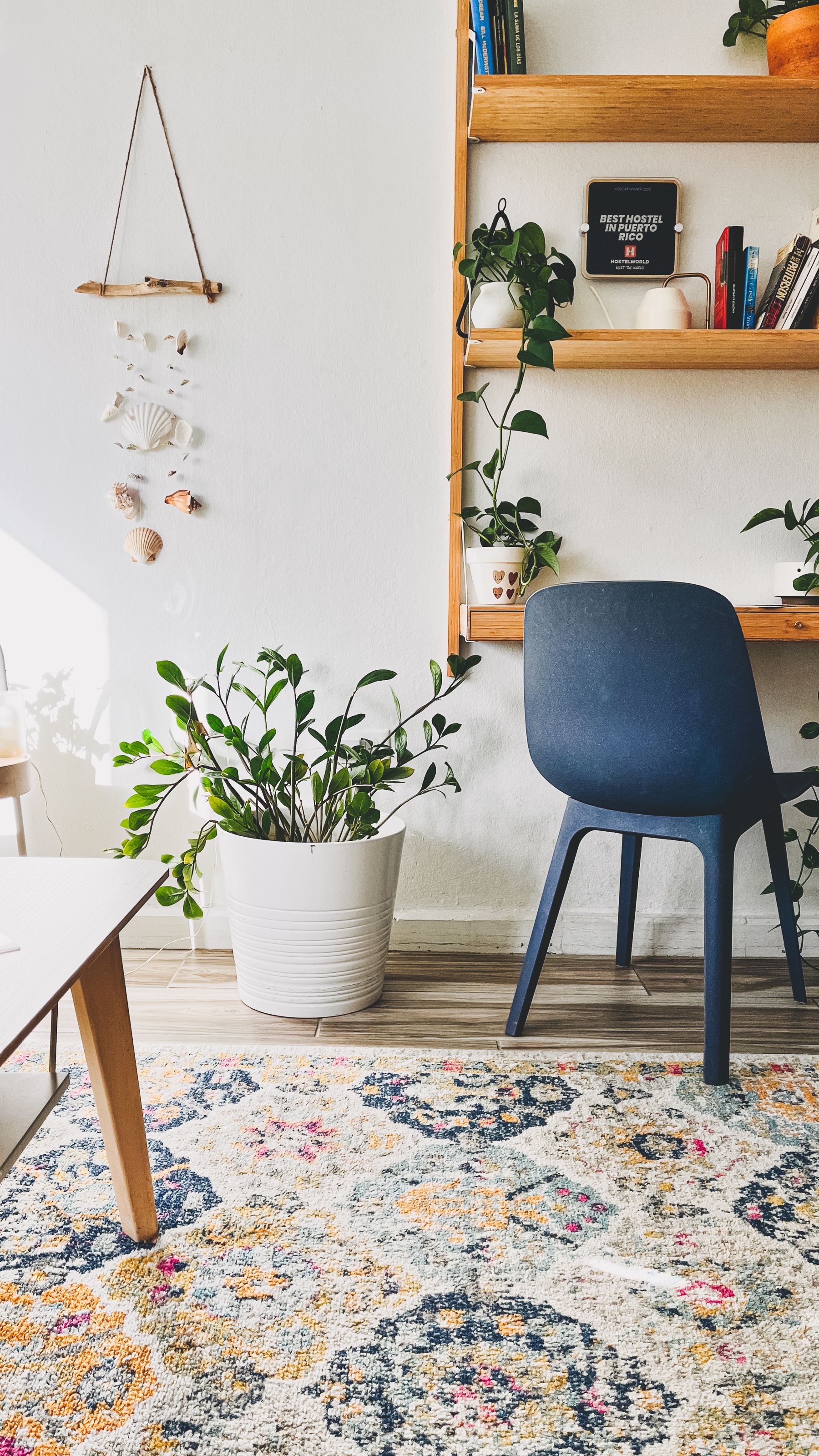
The rug should be large enough to connect the main seats and bold enough to survive the room's upper layers. Patterned rugs disguise some wear but can complicate spot treatment, so check fiber, pile, underlay and cleaning method before purchase. [Living Room Rug Ideas](/living-room/living-room-rug-ideas/) explains sizing and safety in more depth.
Layer Rugs Only When the Edges Stay Safe
A flat natural or low-pattern base can stabilize a smaller vintage or graphic rug. Keep the upper rug clear of rolling chairs and main footfall changes, use compatible pads and avoid thick edge stacks that become trip hazards. Layering is not mandatory; one excellent rug is stronger than two compromised ones.
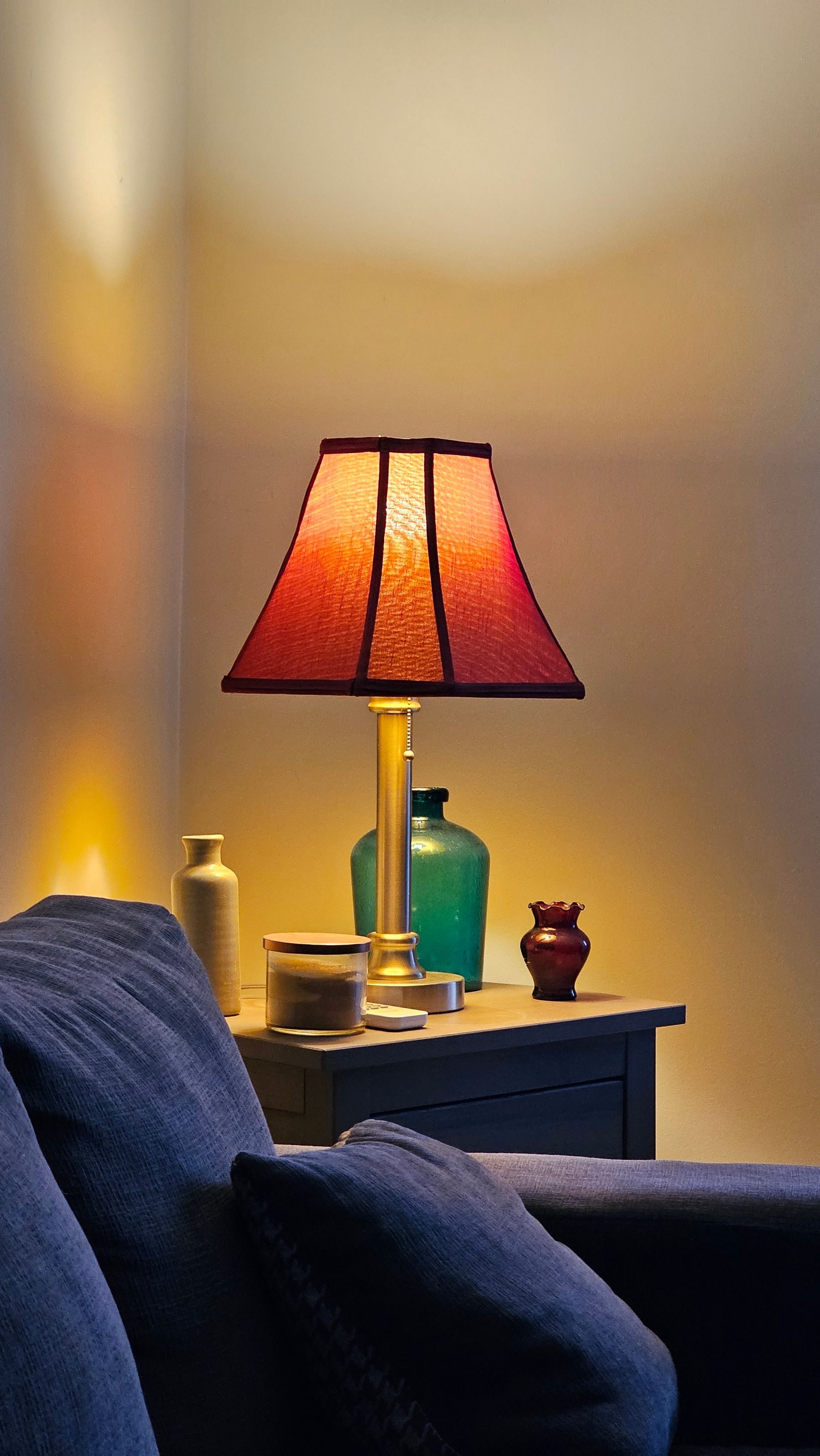
Treat Lighting as Pattern After Dark
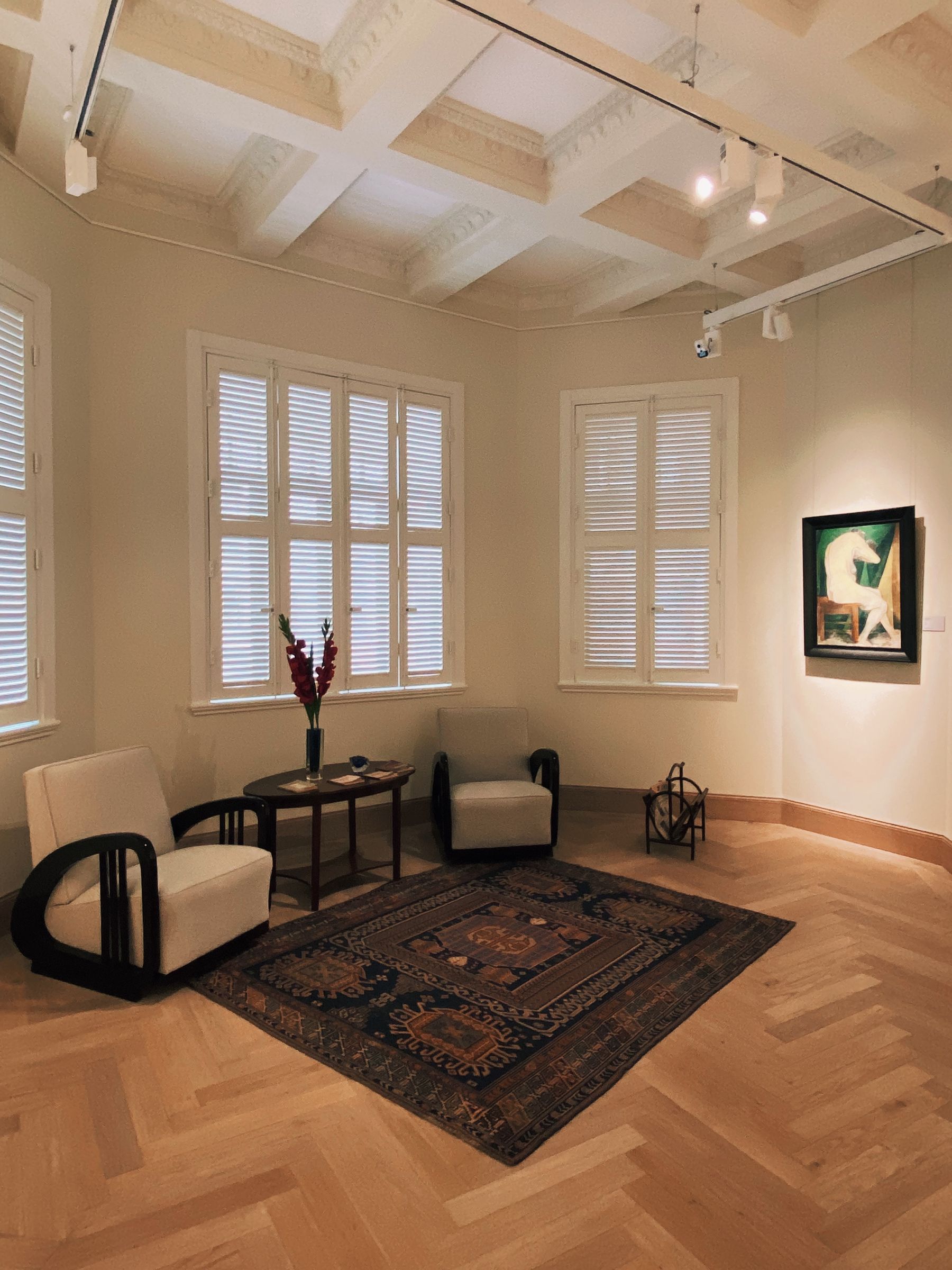
Warm pools from table lamps, floor lamps, sconces and picture lights reveal color and texture more effectively than a single bright ceiling source. Give reading seats useful task light and connect lamps to accessible switches or smart controls without exposed cable runs. [Living Room Lighting Ideas](/living-room/living-room-lighting-ideas/) covers layered planning and glare control.
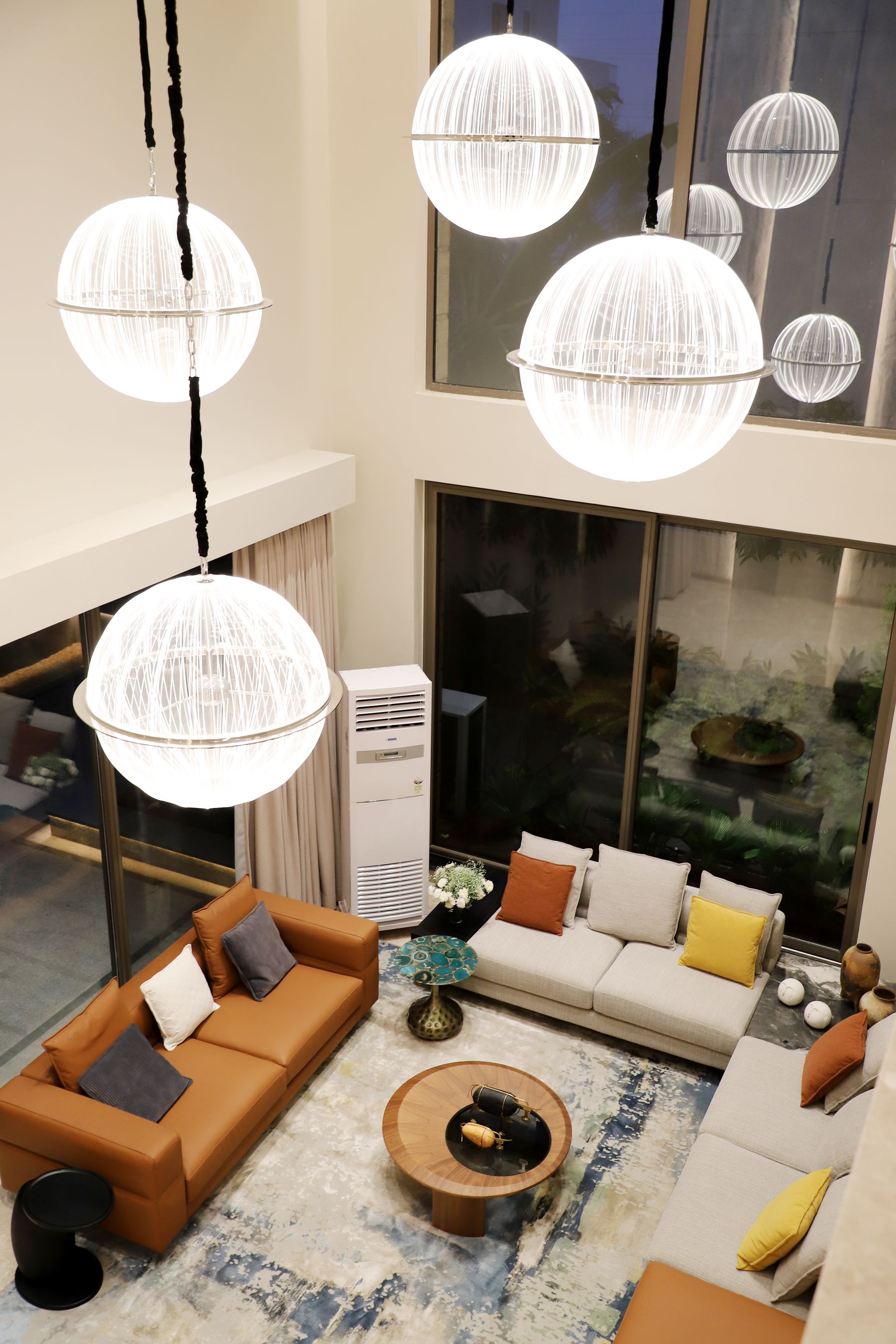
Choose One Sculptural Ceiling Light
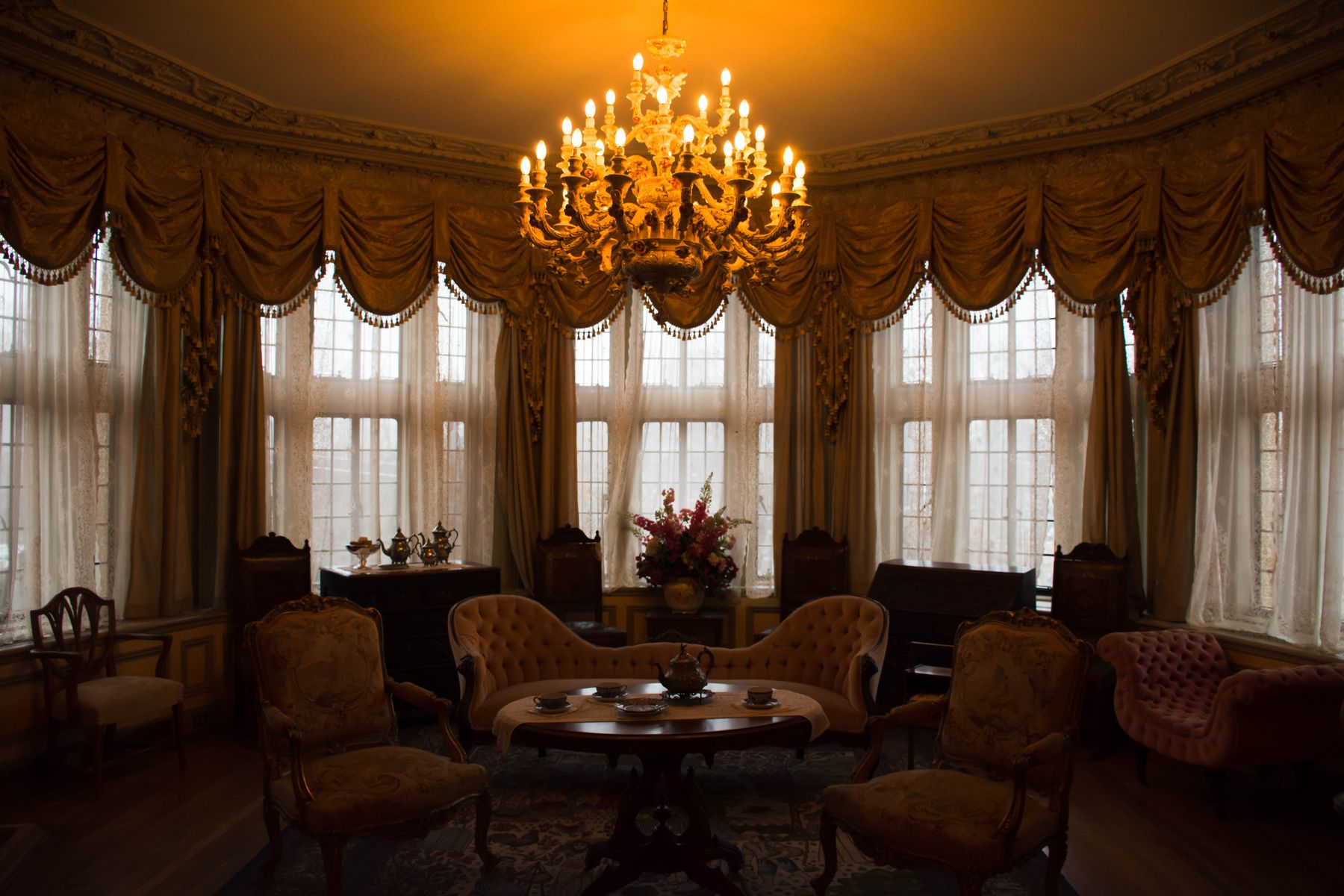
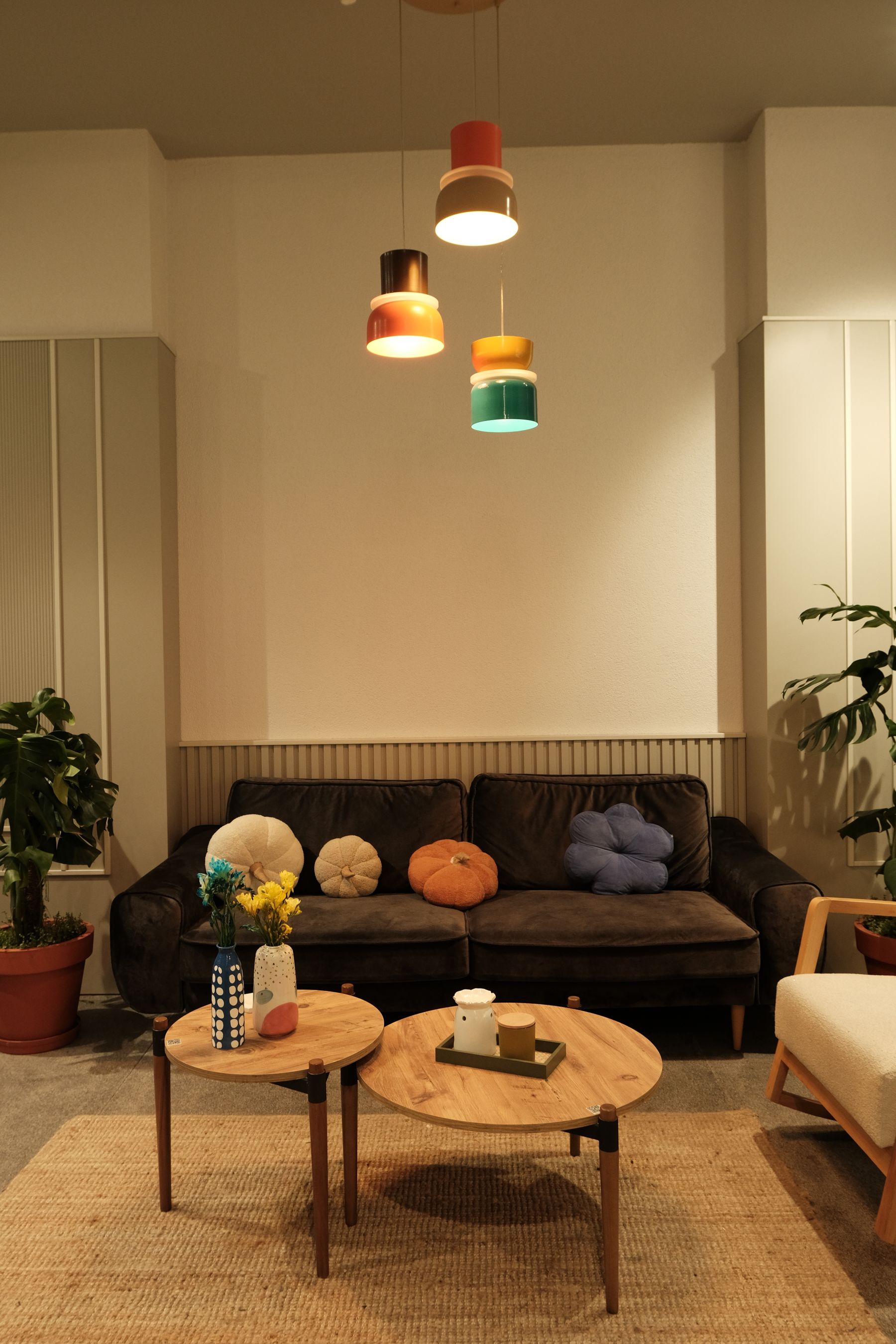
A chandelier or grouped pendant can hold visual authority above a dense room, but scale it to the seating zone and ceiling height. Confirm safe clearance, weight support, bulb access and dimming compatibility before treating it as sculpture. Competing pendants, lamps and sconces should share one metal, curve or shade color.
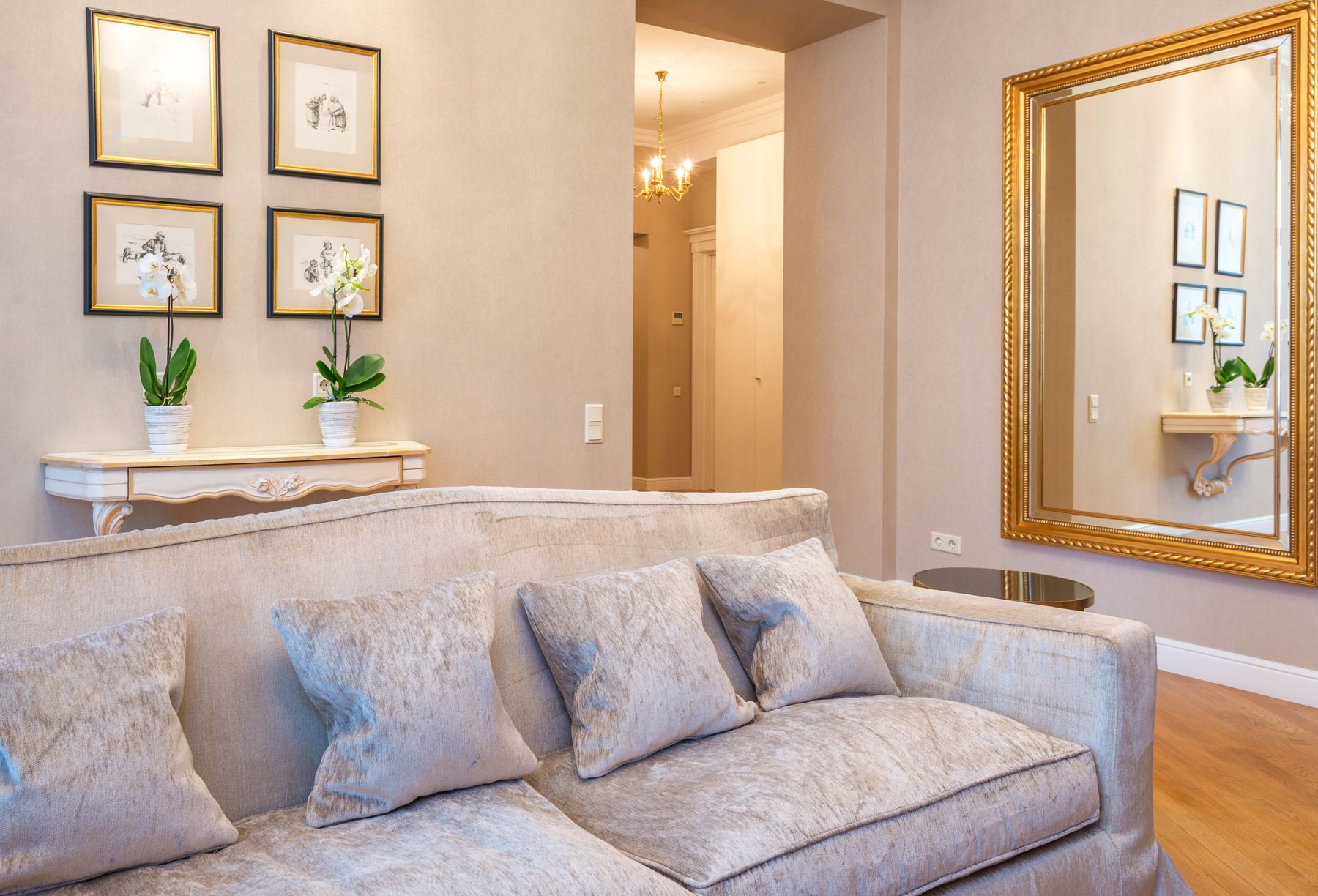
Use Mirrors to Multiply Light, Not Clutter
Mirrors can extend a color field and brighten a deep room, but they also duplicate shelves, screens and busy routes. Position them to reflect a controlled composition, window view or lamp rather than an untidy work surface. Antique or ornate frames can join the mix when their weight and fixing are properly assessed.

Turn Books and Collections Into Architecture
Collections read best when shelves have a repeatable rule: by subject, color family, scale or use. Leave working access to books and media, support heavy shelves correctly and separate fragile objects from pet routes or children's reach. A dense bookcase can be a major wall field, so it should not need another pattern behind every shelf.
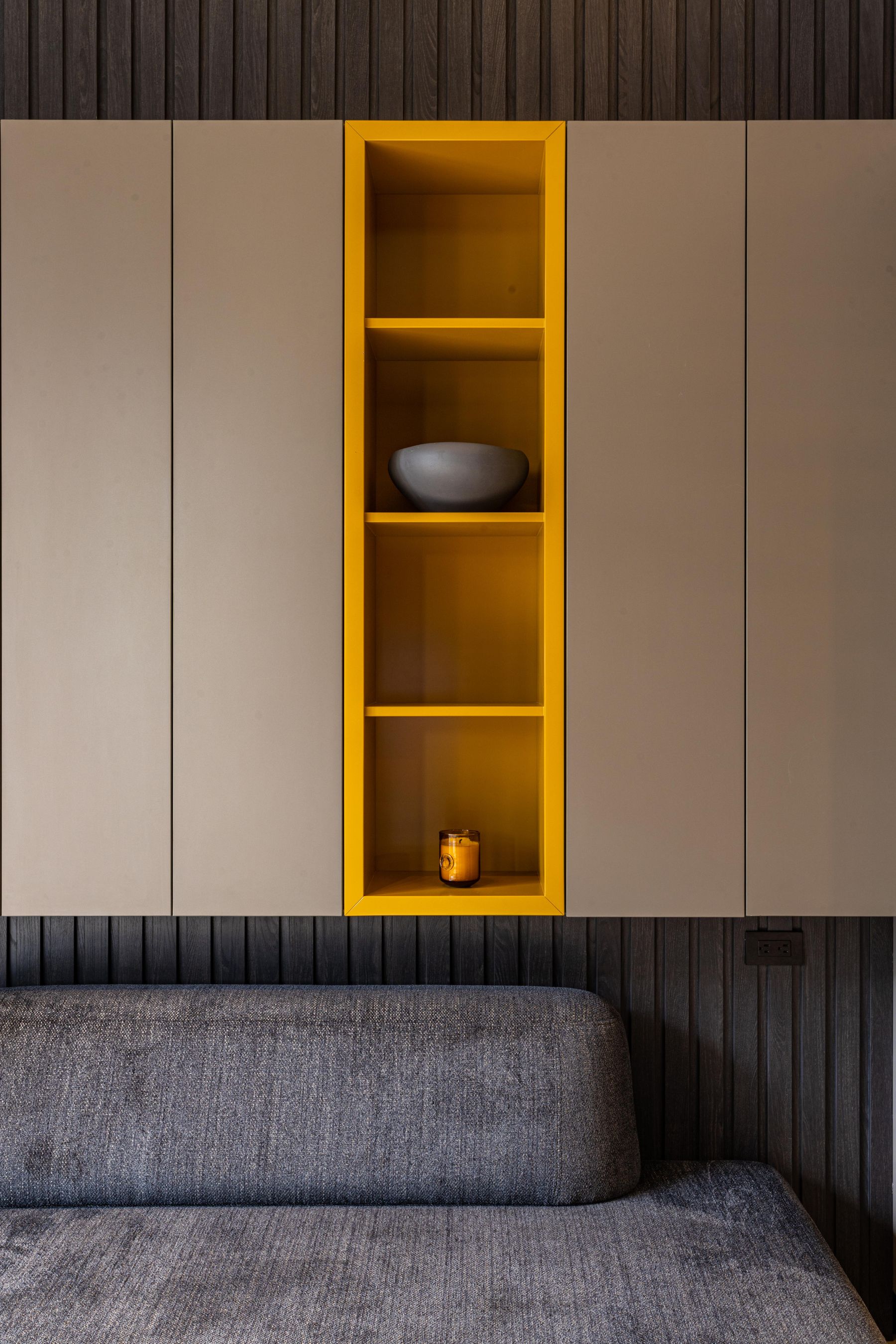
Pair Open Display With Closed Storage
Visible abundance needs invisible capacity for cables, toys, paperwork, cleaning supplies and rotation boxes. Combine display zones with doors or drawers that can close quickly, then label the hidden storage so it remains useful. [Living Room Storage Ideas](/living-room/living-room-storage-ideas/) can help plan capacity before buying decorative cabinets.
Style Surfaces With Triangles and Gaps
On tables and consoles, vary height and footprint while preserving a usable landing area for drinks, remote controls or a book. One tall object, one low group and one functional piece usually create enough rhythm; a fully covered table turns normal use into continual rearranging. Trays can define a collection without making it look accidental.
Zone an Open Plan With Repeated Signals
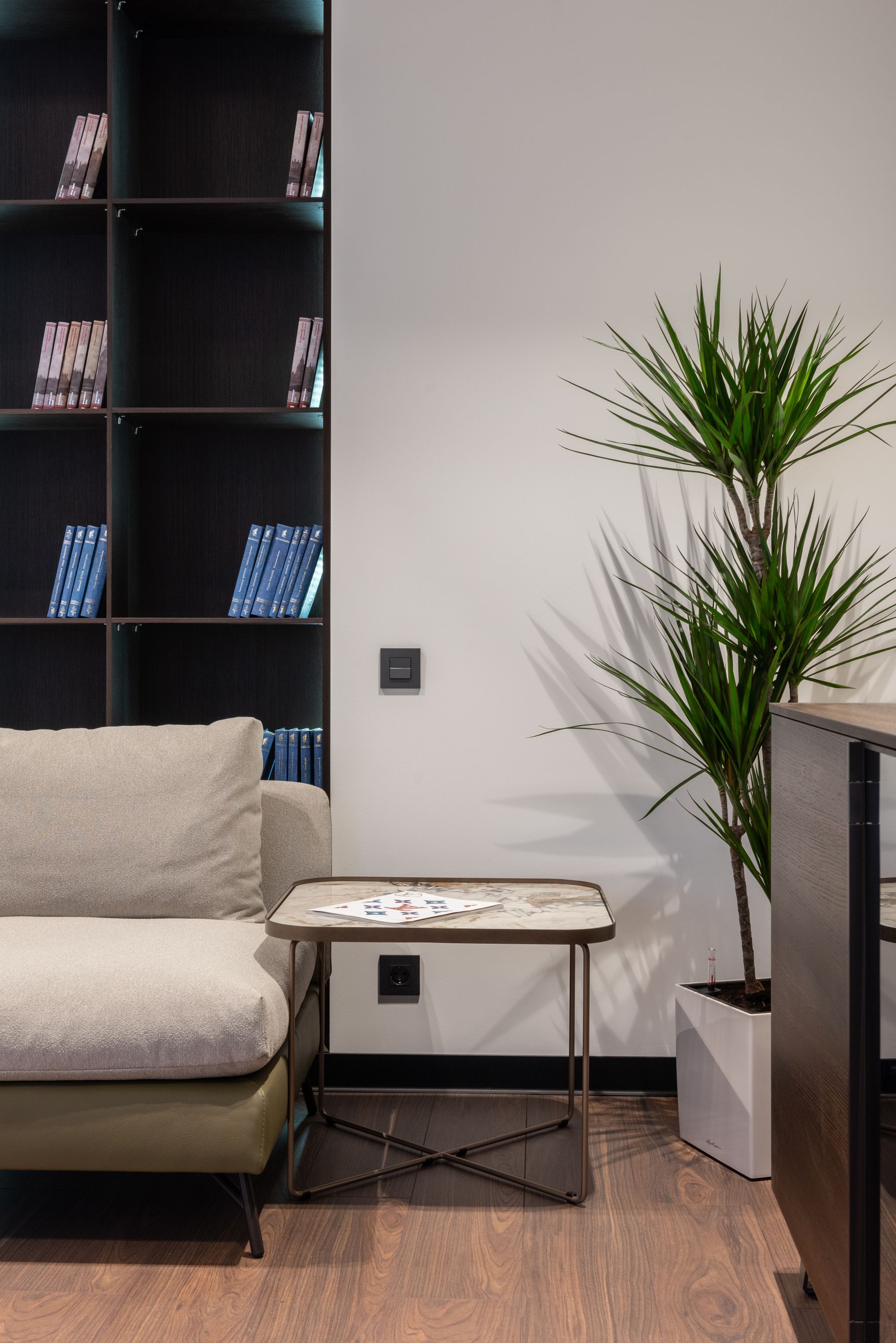
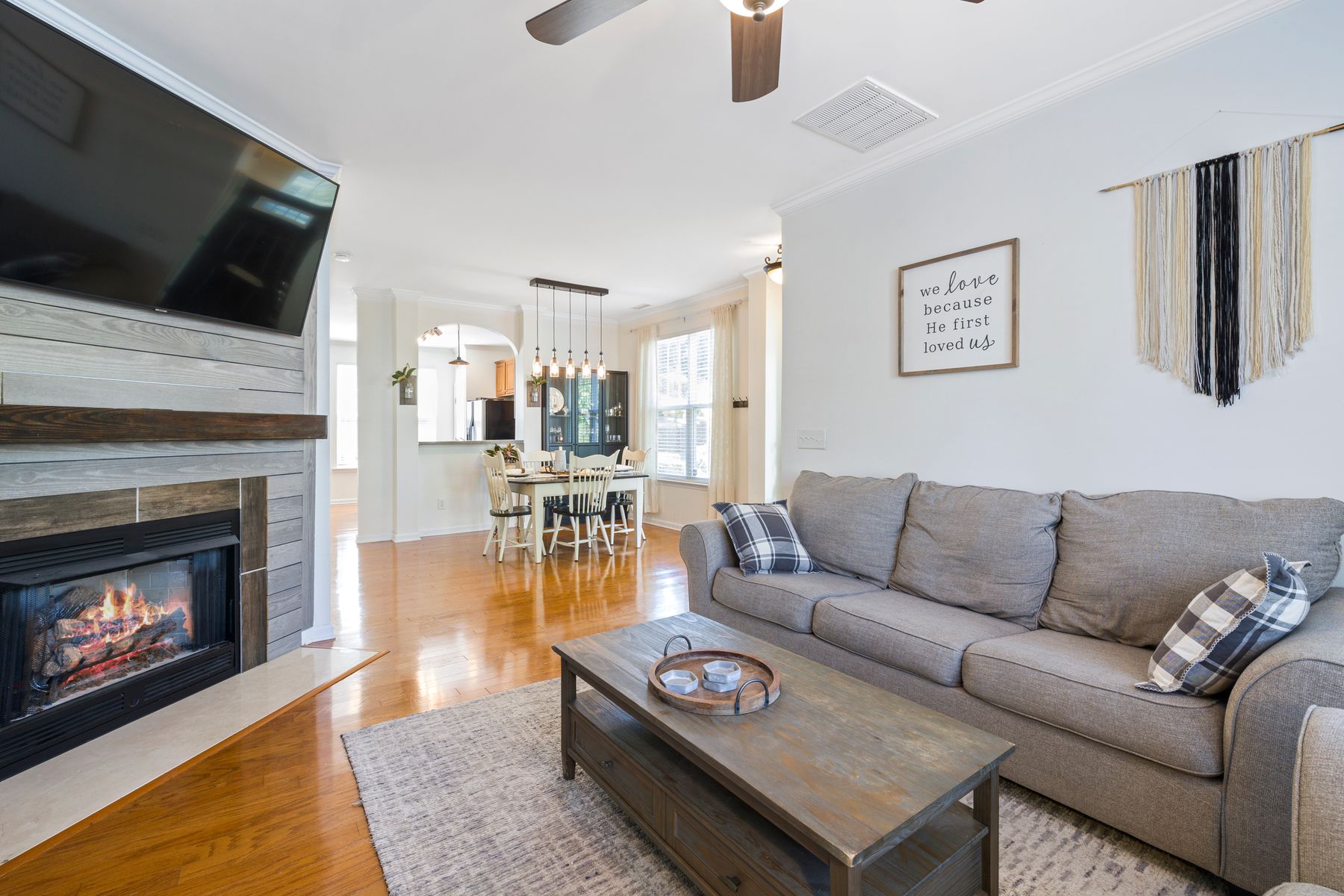
Repeat one color, material and lighting family across living and dining zones, then let each area carry a different pattern lead. Keep routes visually calm and avoid placing the loudest field where it competes with kitchen work or dining circulation. The aim is continuity without copying every motif through the whole floor.
Make a Small Maximalist Living Room Concentrated
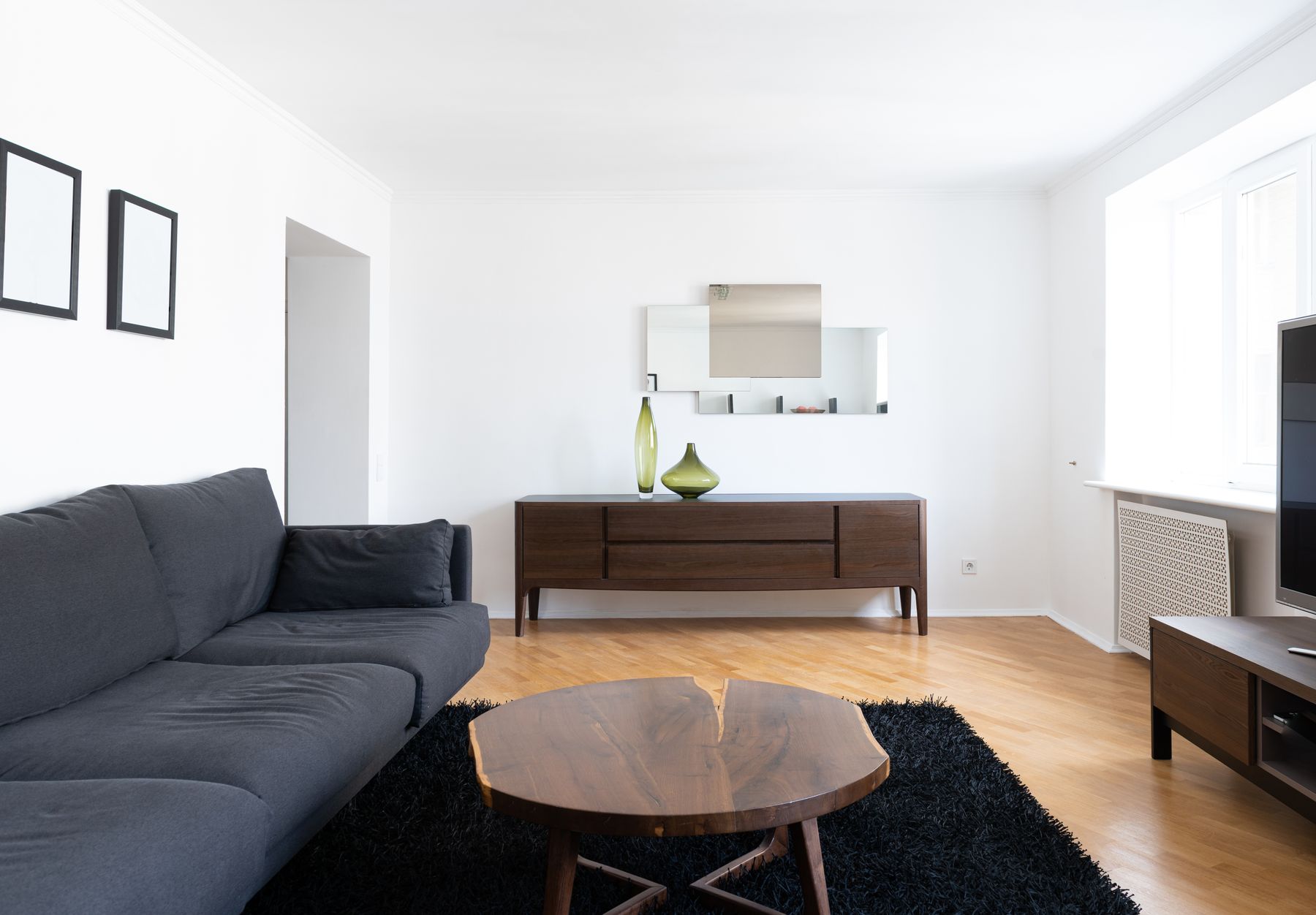
Small rooms can feel immersive rather than cramped when density is concentrated on one wall, rug or cabinet and the route remains clear. Use furniture with the correct physical footprint, not automatically pale or visually weightless pieces. [Small Living Room Ideas](/living-room/small-living-room-ideas/) provides the space-saving framework; maximalism supplies the concentrated identity.
Layer Windows for Color and Climate
Curtains can deliver a large repeat, saturated color and acoustic softness while controlling glare and heat. Verify radiator clearance, hem safety, stack-back width and the amount of daylight lost when panels are open. In a busy room, a solid inner blind can calm the view behind patterned curtains.

Build Rental Maximalism From Portable Layers
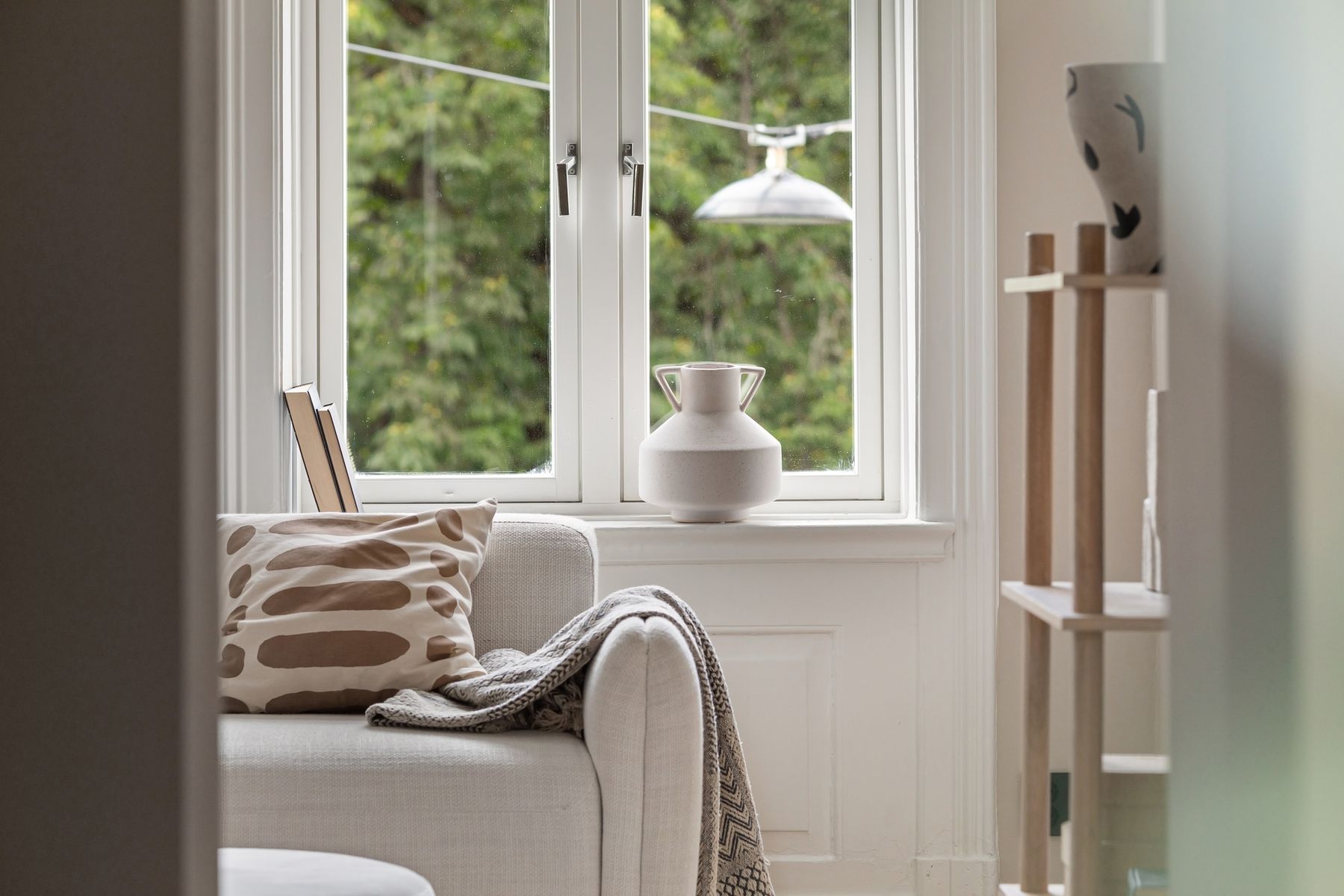
Renters can create intensity through curtains, rugs, freestanding shelves, lamps, slipcovers, art rails and a painted cabinet. Check the lease before adhesive murals, wall anchors or paint, and calculate removal labor as part of the design. Portable layers are strongest when they form a complete palette rather than a pile of temporary tricks.
Let Architecture Set the Historical Register
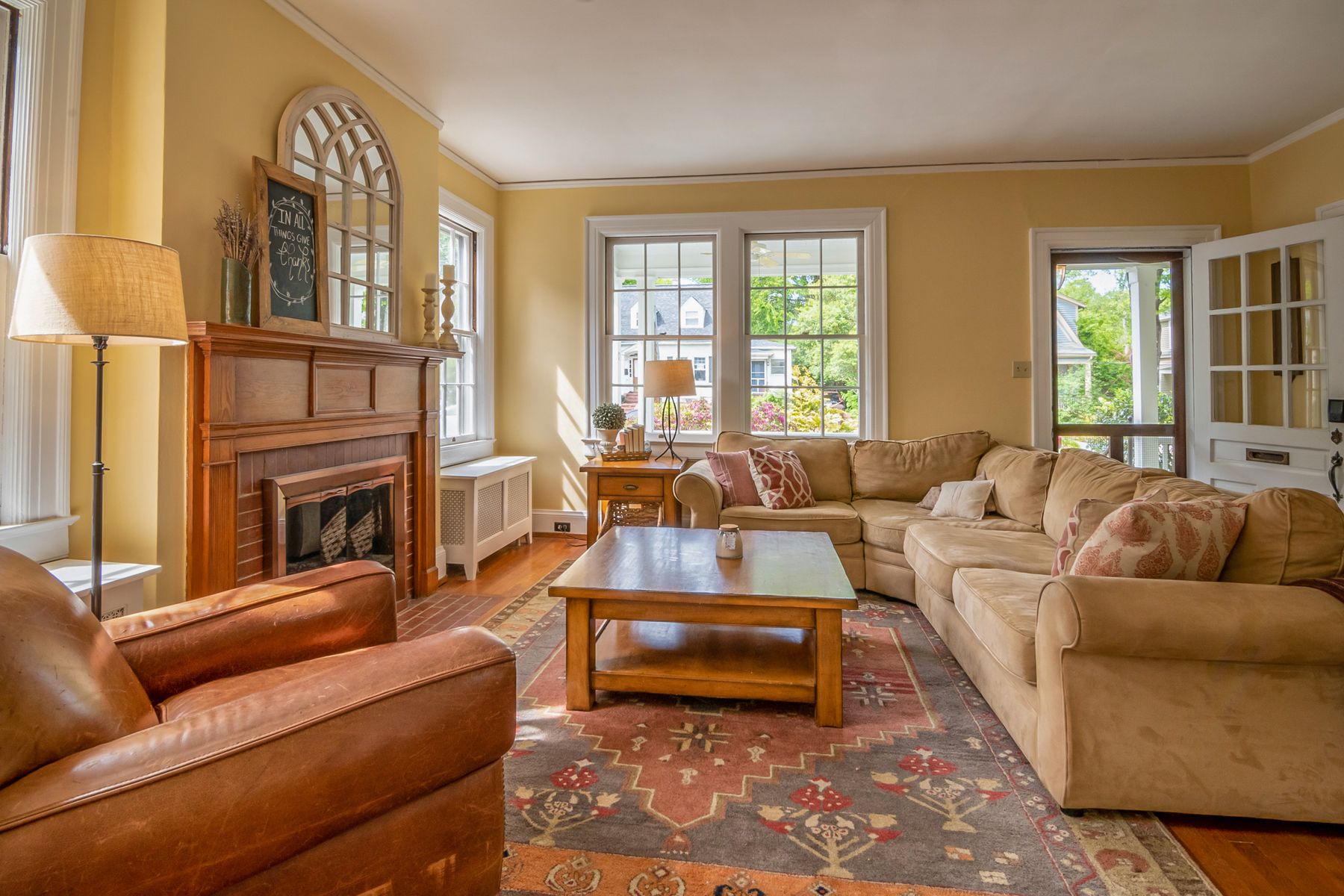
Fireplaces, cornices, paneling and tall windows can hold dense decoration because they already create hierarchy. Preserve heat clearances and access to vents, shutters and service points; do not bury original detail under arbitrary objects. [Victorian Living Room Ideas](/living-room/victorian-living-room-ideas/) is more appropriate when nineteenth-century architecture and restoration are the primary intent.
Plan for Children, Pets and Real Contact
Choose washable covers, stable tables, secured shelves, cordless window treatments and protected plants. Put fragile collections above reach and give toys, throws and pet equipment attractive closed storage so daily reset does not erase the style. Dense pattern can hide wear, but it must not hide hazards or cleaning needs.

Use Accessibility as a Composition Rule
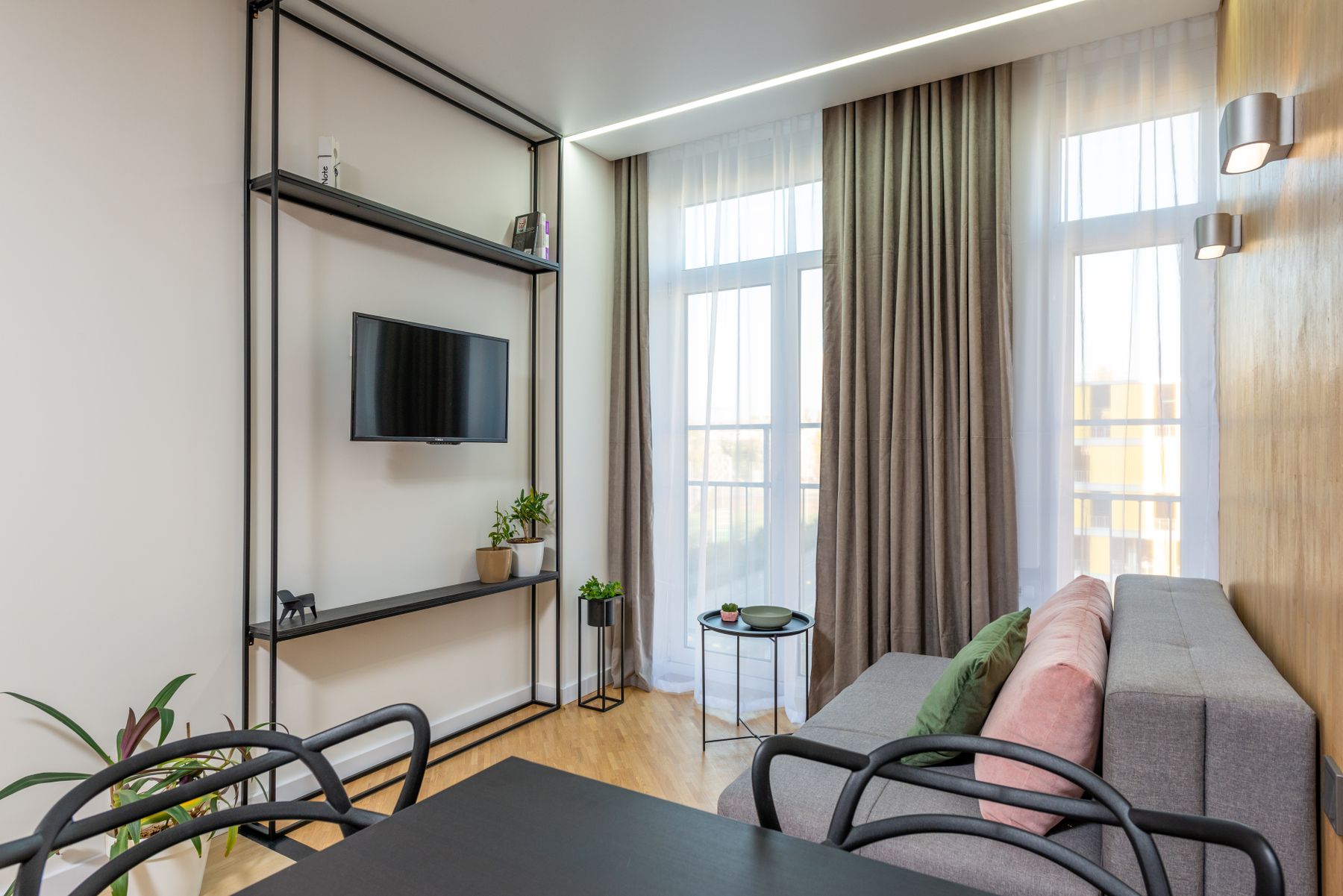
Keep the main route continuous, switches reachable, contrast meaningful at level changes and at least one supportive seat easy to enter and leave. Visual density should not obscure handles, controls or the edges of tables. Accessibility can sharpen the hierarchy by making function legible instead of forcing the household to navigate decoration.
Maintain by Material and Rotation
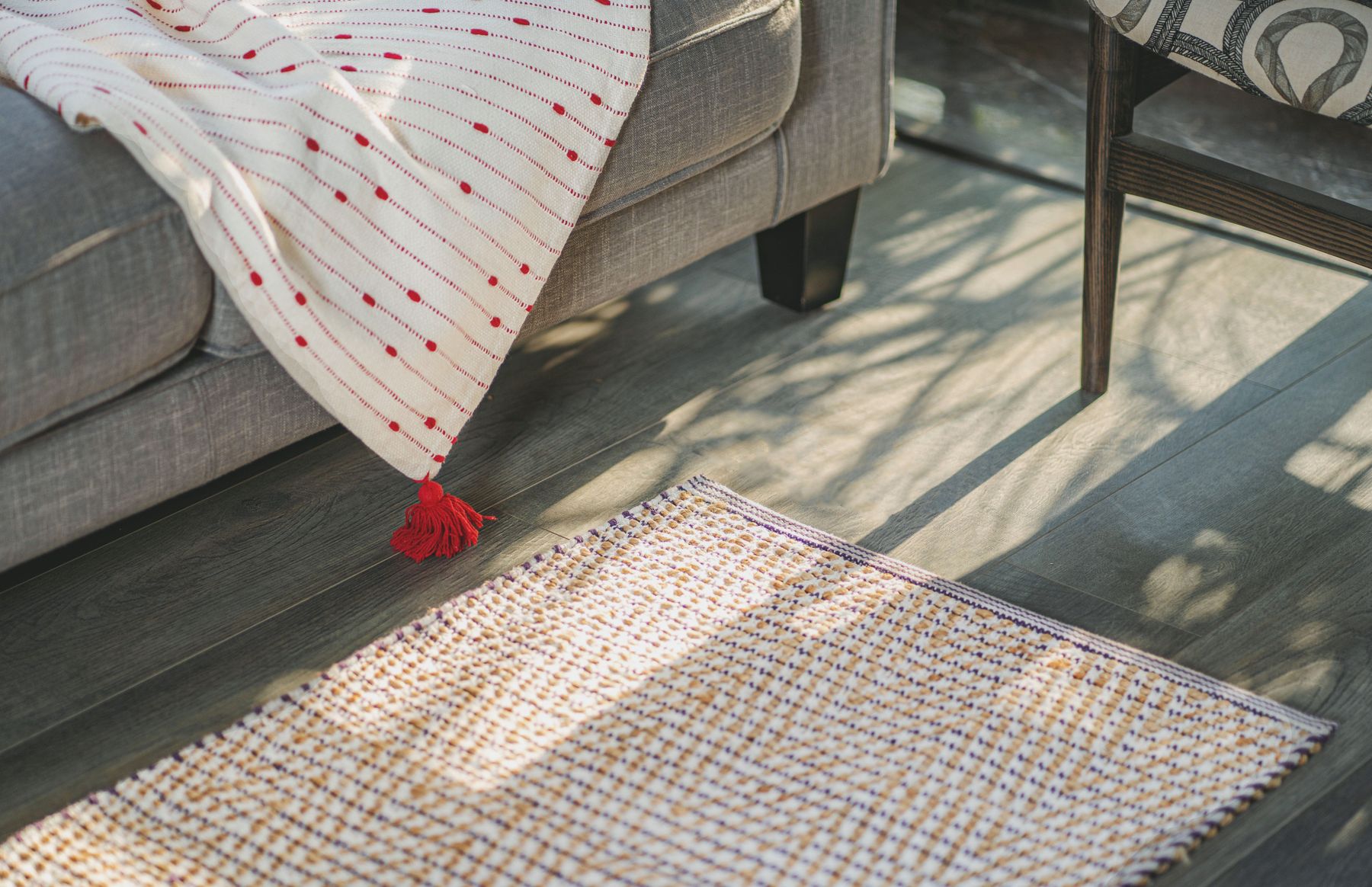
Create a care plan for upholstery, rugs, paper, wood, metal, plants and art rather than treating the room as one cleaning problem. Leave vacuum access at edges, keep moisture away from paper and timber, and rotate textiles or display groups instead of continually adding. Closed labeled boxes allow seasonal layers to rest without becoming forgotten clutter.
Edit Until Every Layer Earns Its Place
Photograph the room from each entrance, from the main seat and at night. Remove repeated fillers, objects that block use and motifs that do not connect to anything else; keep the pieces that support the hierarchy, story or function. Maximalism is complete not when every surface is full, but when removing one more meaningful layer would weaken the room.