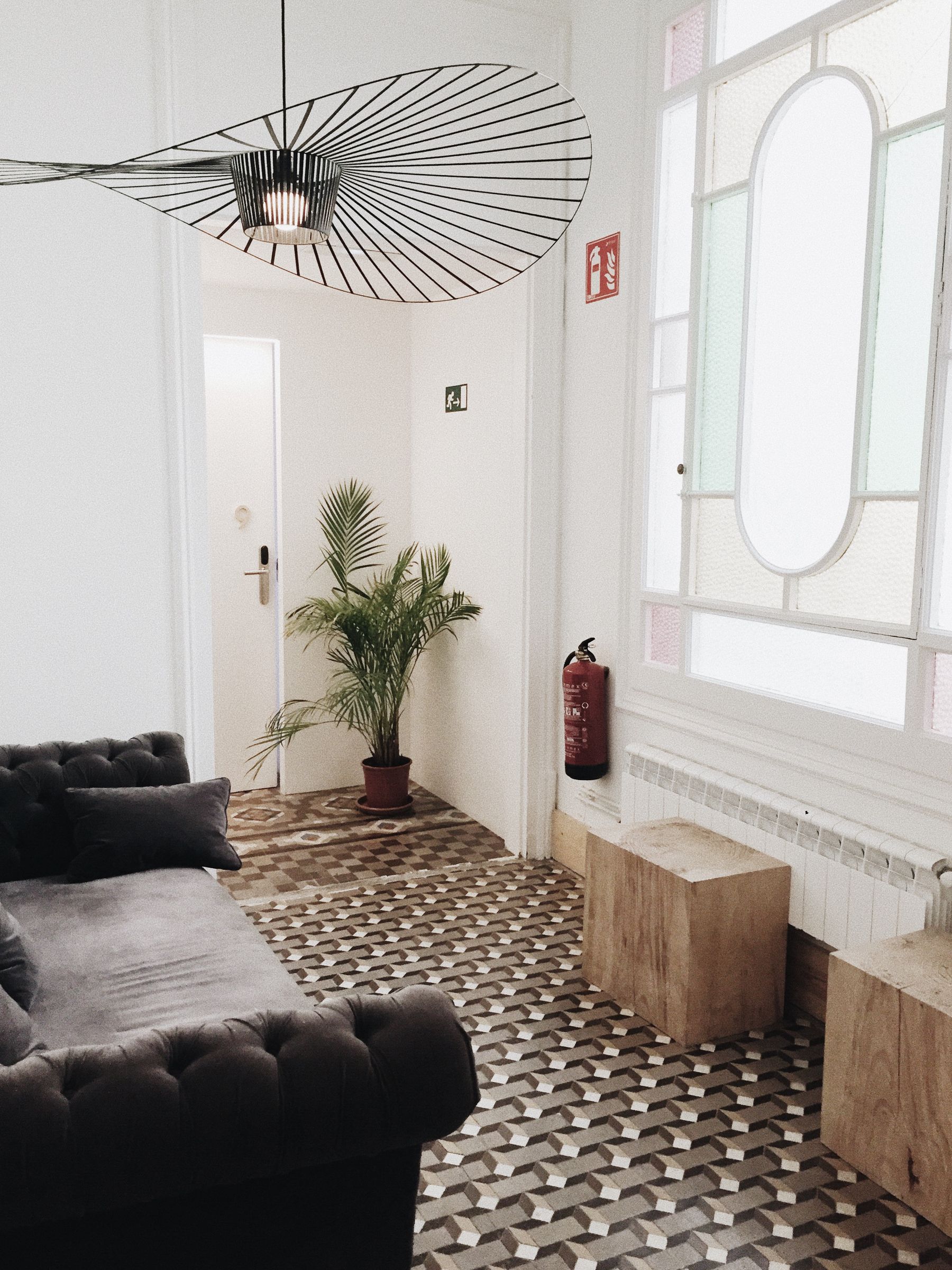
Define Art Deco Before Adding Glamour
Art Deco emerged as a modern interwar language of symmetry, streamlining, bold geometry and luxurious-looking craft. Art Nouveau favors organic whiplash curves, Traditional draws on older historical furniture, Mid-Century is later and more function-led, while [Retro Living Room Ideas](/living-room/retro-living-room-ideas/) covers later 1960s–1990s revival through bolder color, nostalgic technology and playful pattern. Begin with one geometric rule, one rich material and one streamlined form. [Mid-Century Living Room Ideas](/living-room/mid-century-living-room-ideas/) is the clearer destination when postwar wood furniture and indoor-outdoor ease lead the room.
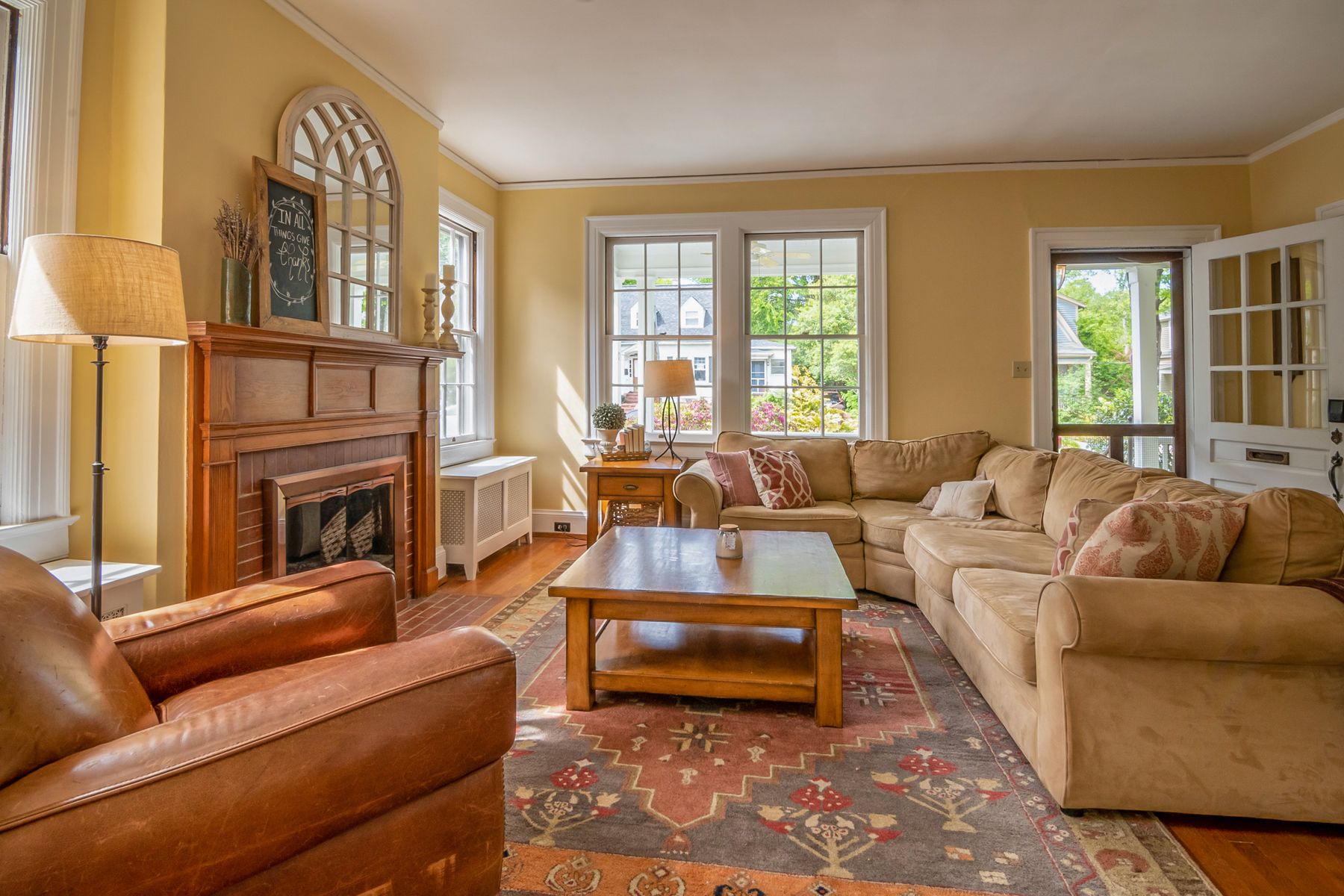
Read the Architecture Before Applying Motifs
Record ceiling height, window rhythm, door swings, flooring, fireplace, radiators, vents and electrical positions before drawing stepped panels or decorative borders. Strong period architecture may need only repair and edited furniture; a plain new shell may accept one panel composition or a shaped doorway. Avoid shallow moldings that collide with switches or end awkwardly at corners. [Living Room Wall Ideas](/living-room/living-room-wall-ideas/) helps compare paneling, wallpaper and textured finishes once the elevation has been measured.
Use Symmetry to Organize Conversation
A centered sofa, paired chairs or matching lamps can create Deco order, but full mirroring often ignores doors, daylight and real bodies. Establish one major axis around the fireplace, window or rug, then use equal visual weight rather than identical furniture on every side. Keep conversation distance natural, provide a table and light for each regular seat, and test routes with footstools extended. [Living Room Layout Ideas](/living-room/living-room-layout-ideas/) offers full-scale tests for rooms with several focal points.
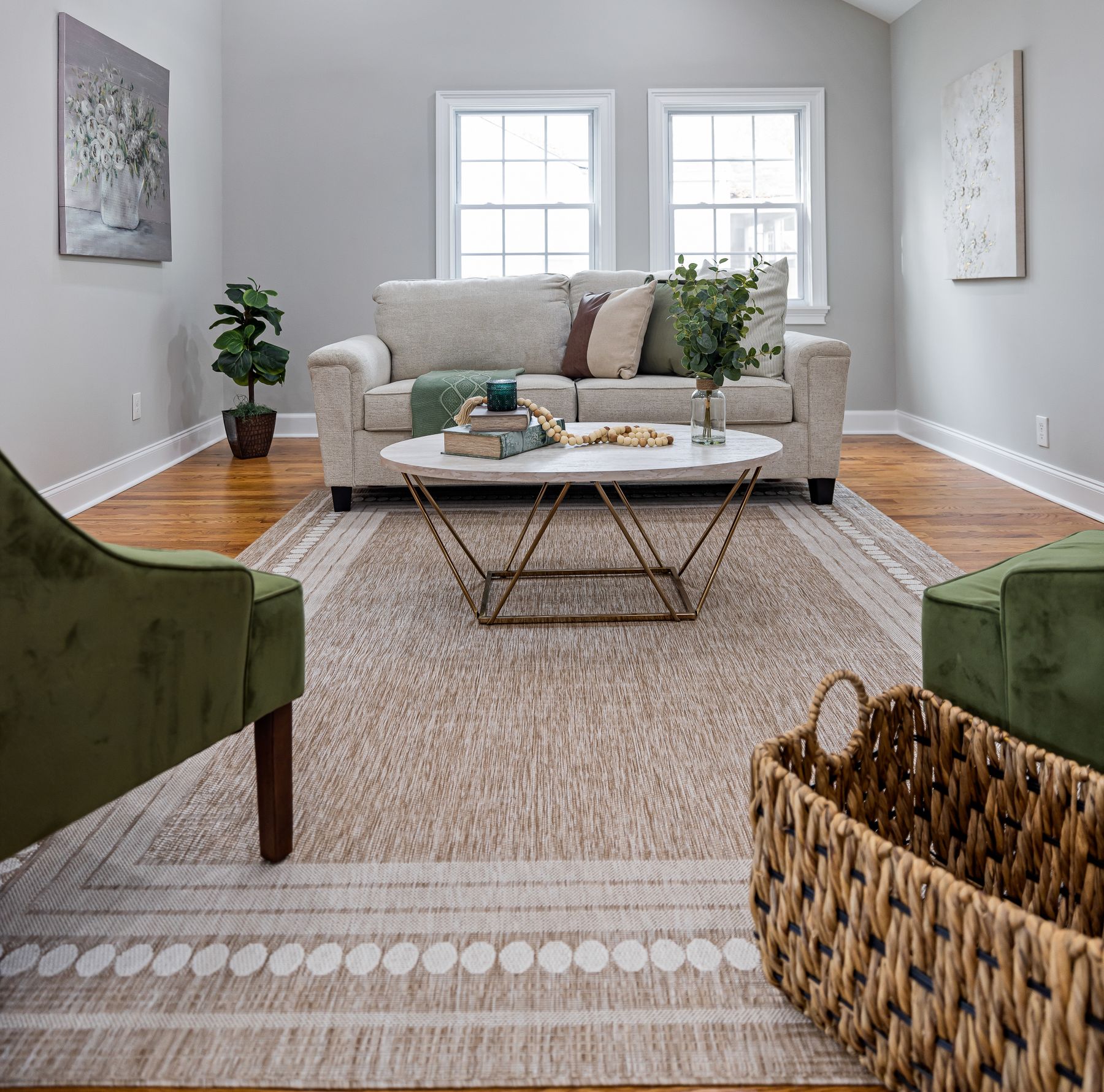
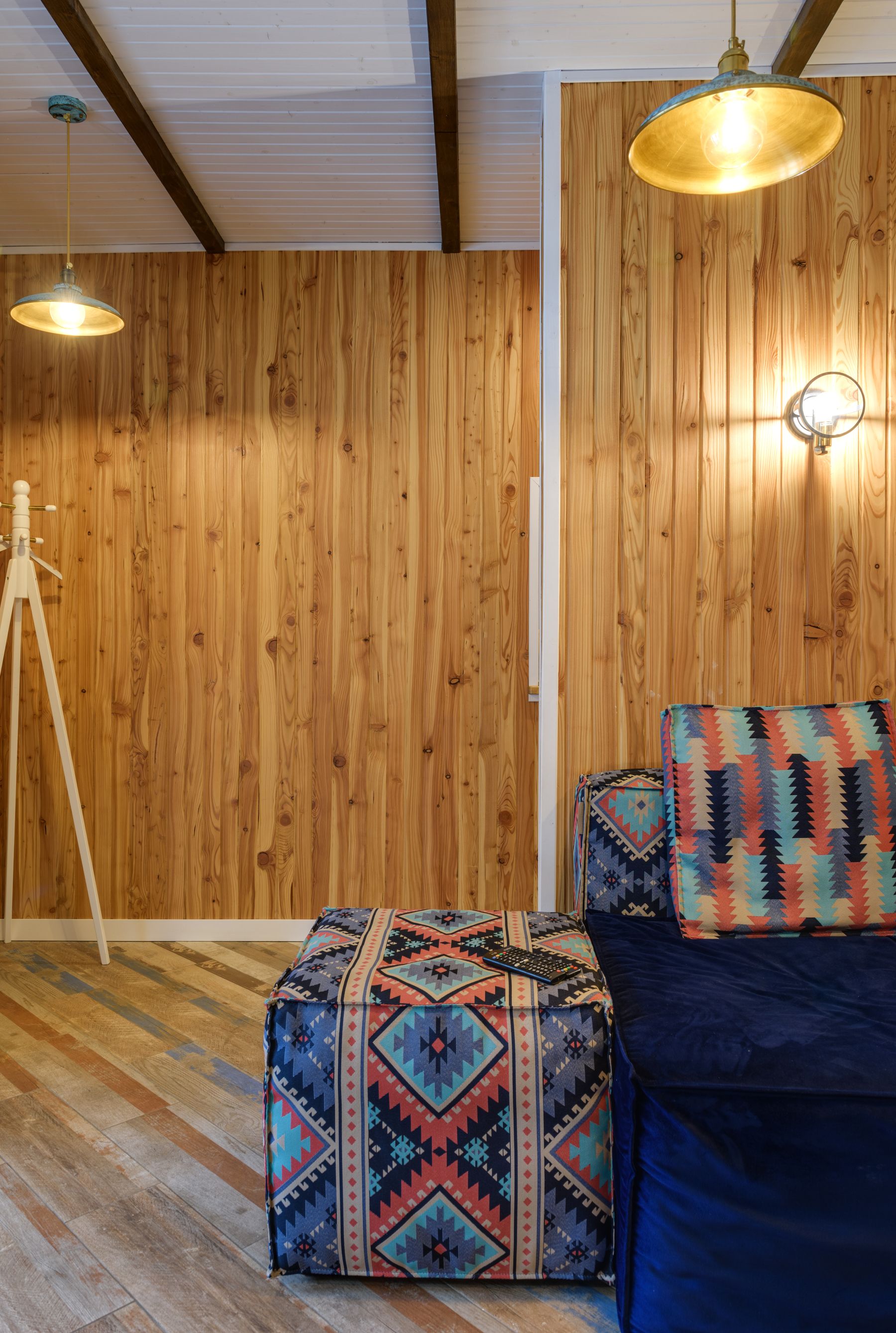
Give One Plane the Primary Geometry
Choose the ceiling, rug, fireplace wall or cabinetry as the primary geometric plane. A stepped line, fan rhythm or fluted panel needs enough uninterrupted area to read and clean termination at corners, doors and outlets. Adjacent surfaces should operate at a quieter scale. If wallpaper, rug, cushions and cabinet fronts all repeat competing patterns, the composition loses the clarity that separates Deco from indiscriminate maximalism. Draw the entire elevation and floor relationship before choosing the repeat.
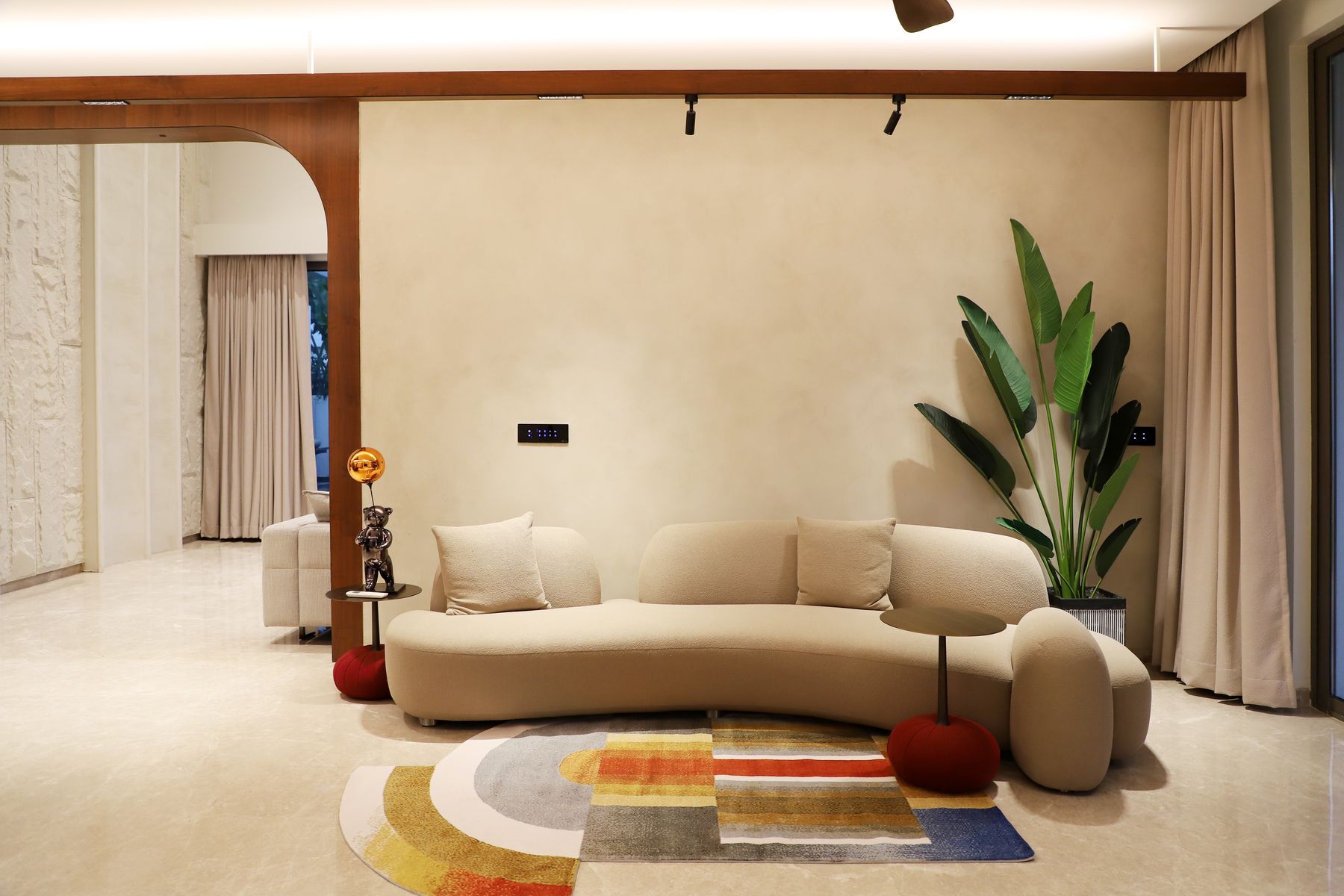
Choose a Sofa With a Streamlined Silhouette
Curved backs, channel stitching, low continuous arms and tailored plinths can establish Deco character without novelty ornament. Compare usable seat width, depth, cushion recovery, frame construction, cleaning code and doorway access before judging the outline. A sweeping sofa needs more floor area than its front elevation suggests, and deep lounge proportions may not suit conversation or every body. [Contemporary Living Room Ideas](/living-room/contemporary-living-room-ideas/) is the better destination when current sculptural form outweighs historical geometry.
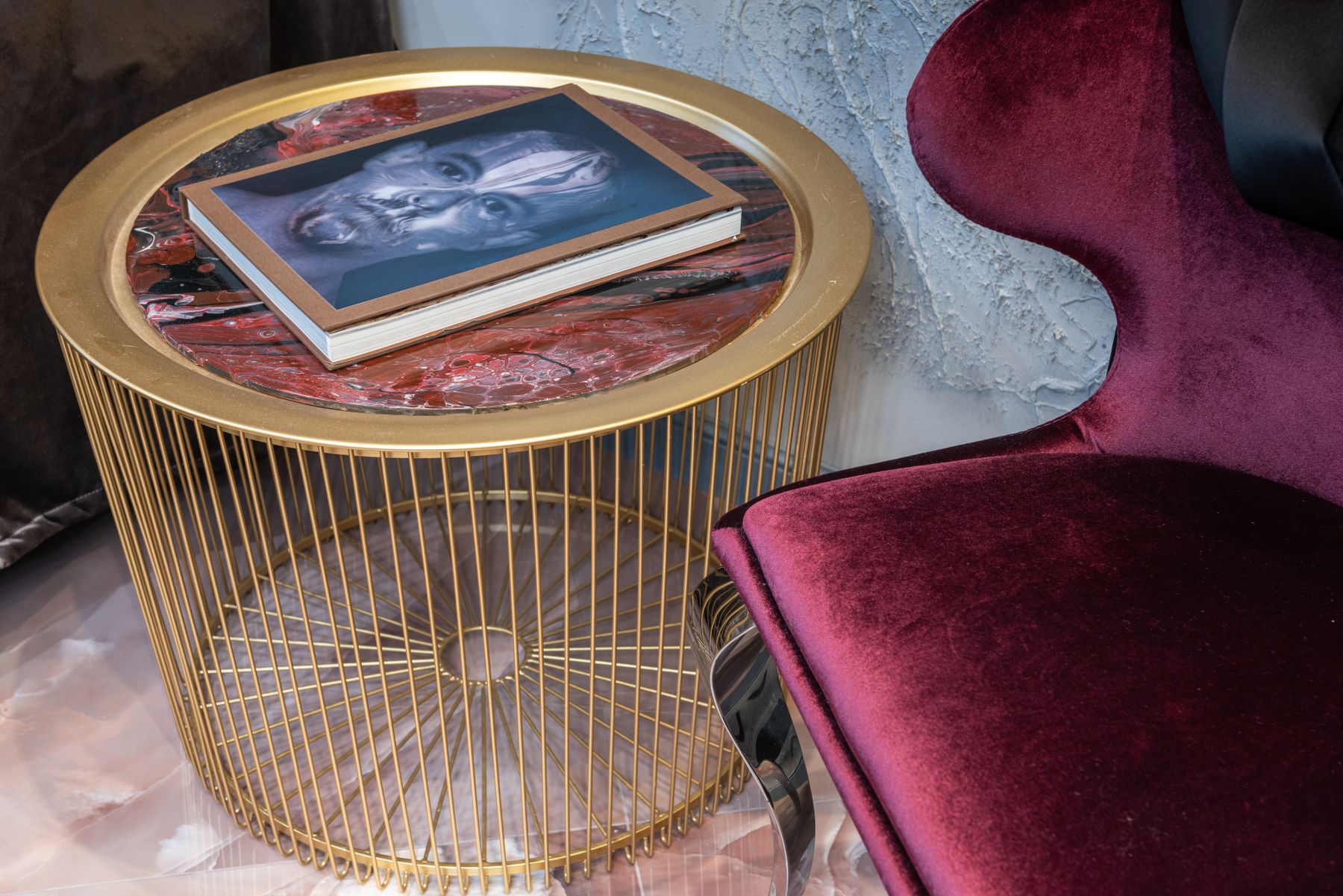
Let One Accent Chair Carry the Jewel Tone
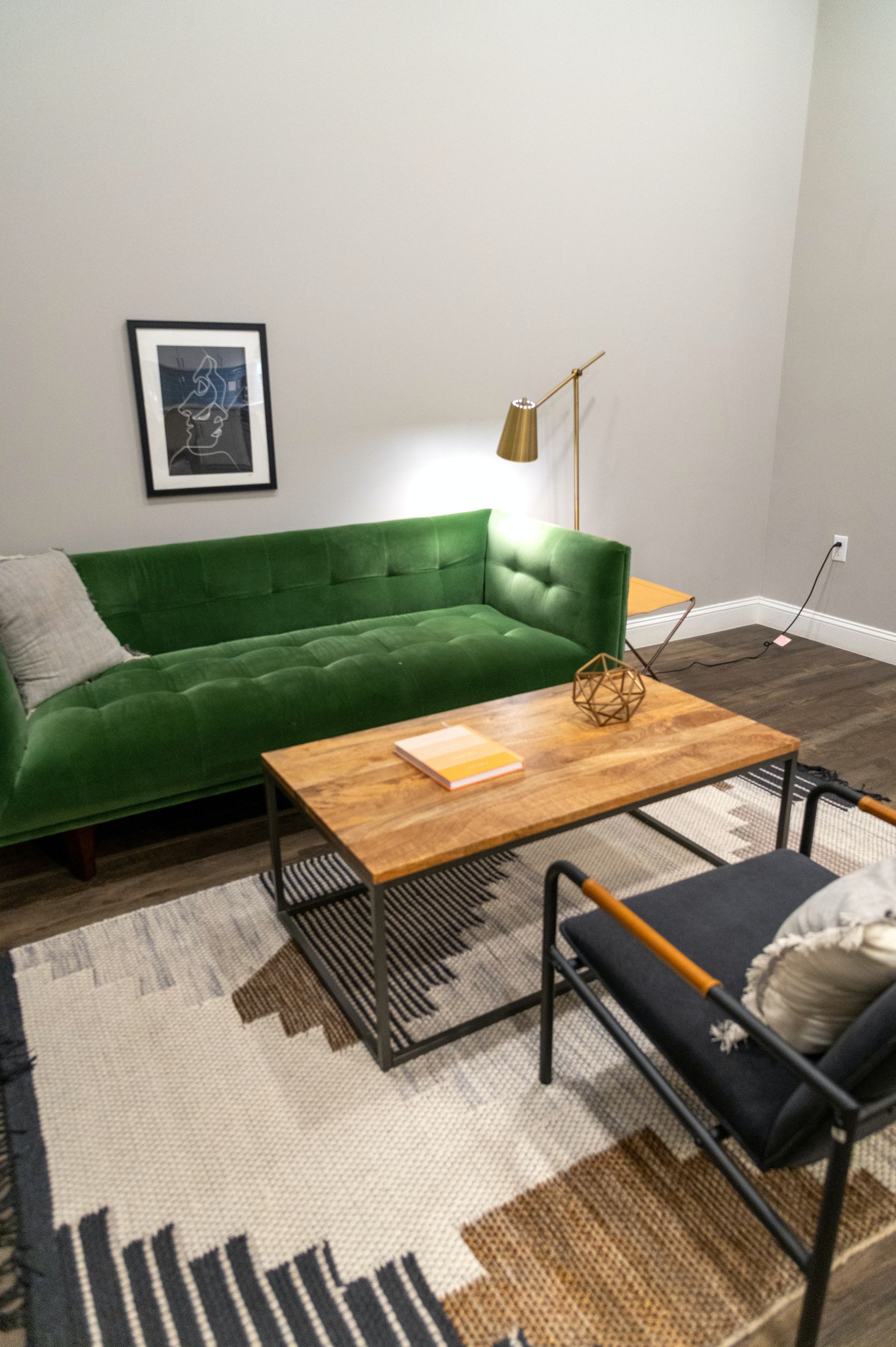
Emerald, ruby, sapphire, plum and ochre feel convincing when attached to a substantial form rather than scattered across small accessories. A velvet or mohair-like chair can become the color anchor while sofa, walls and rug provide calmer fields. Check seat height against the conversation group, inspect pile direction and confirm realistic cleaning. Repeat the color once in art, a rug line or a small textile rather than matching every cushion. The room should feel composed even if the accent chair is temporarily removed.
Mix Seating Without Buying a Matching Suite
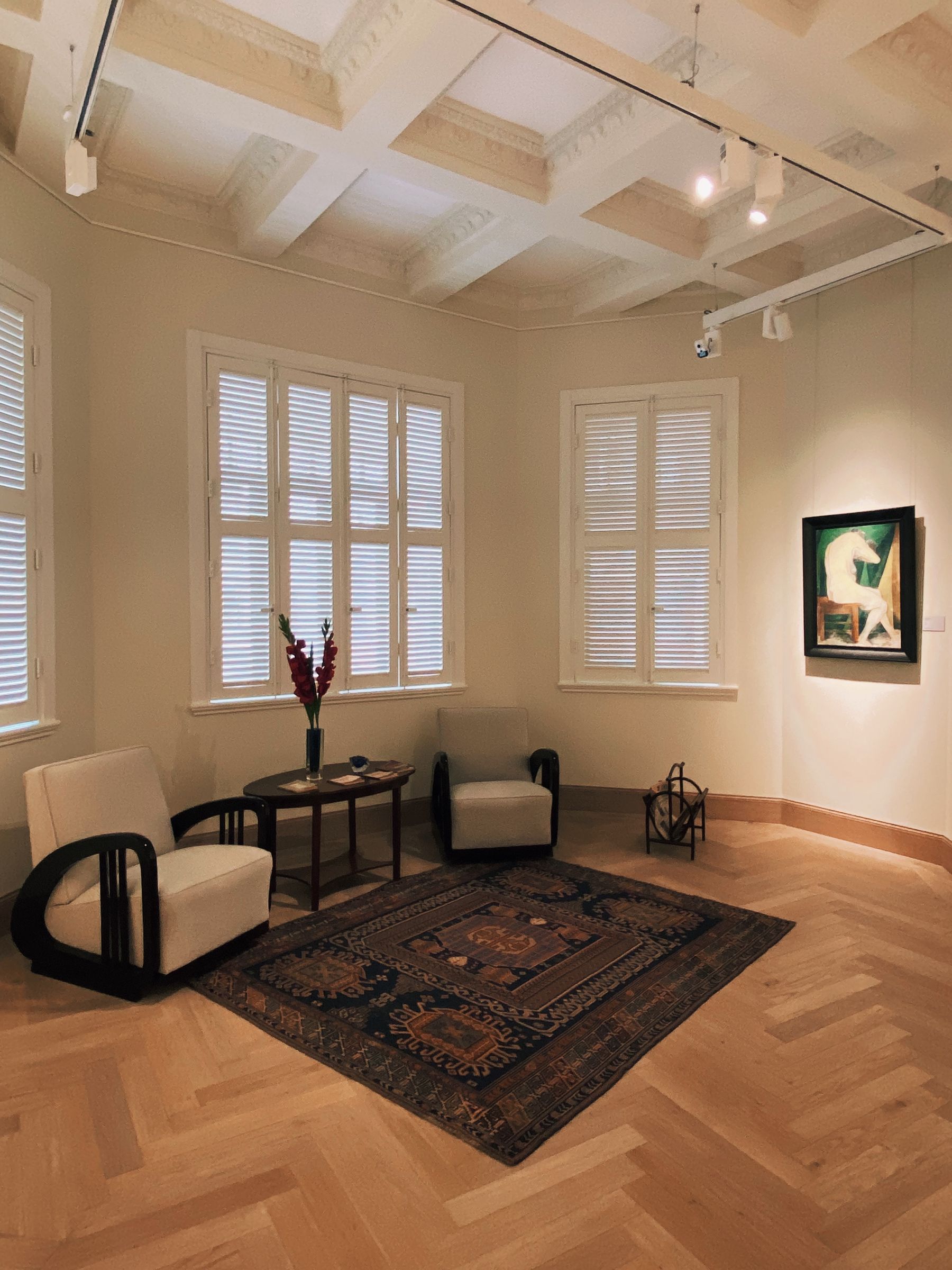
Combine a streamlined sofa with one rounded club chair, open-arm wood chair or compact occasional seat rather than repeating a showroom set. Keep seat heights compatible around the same tables and balance visual mass across the group. One piece may carry channel stitching while another contributes figured wood. Authentic period items are not mandatory; scale and construction matter more than a label. [Vintage Living Room Ideas](/living-room/vintage-living-room-ideas/) goes deeper into condition, restoration and mixed-age rooms.
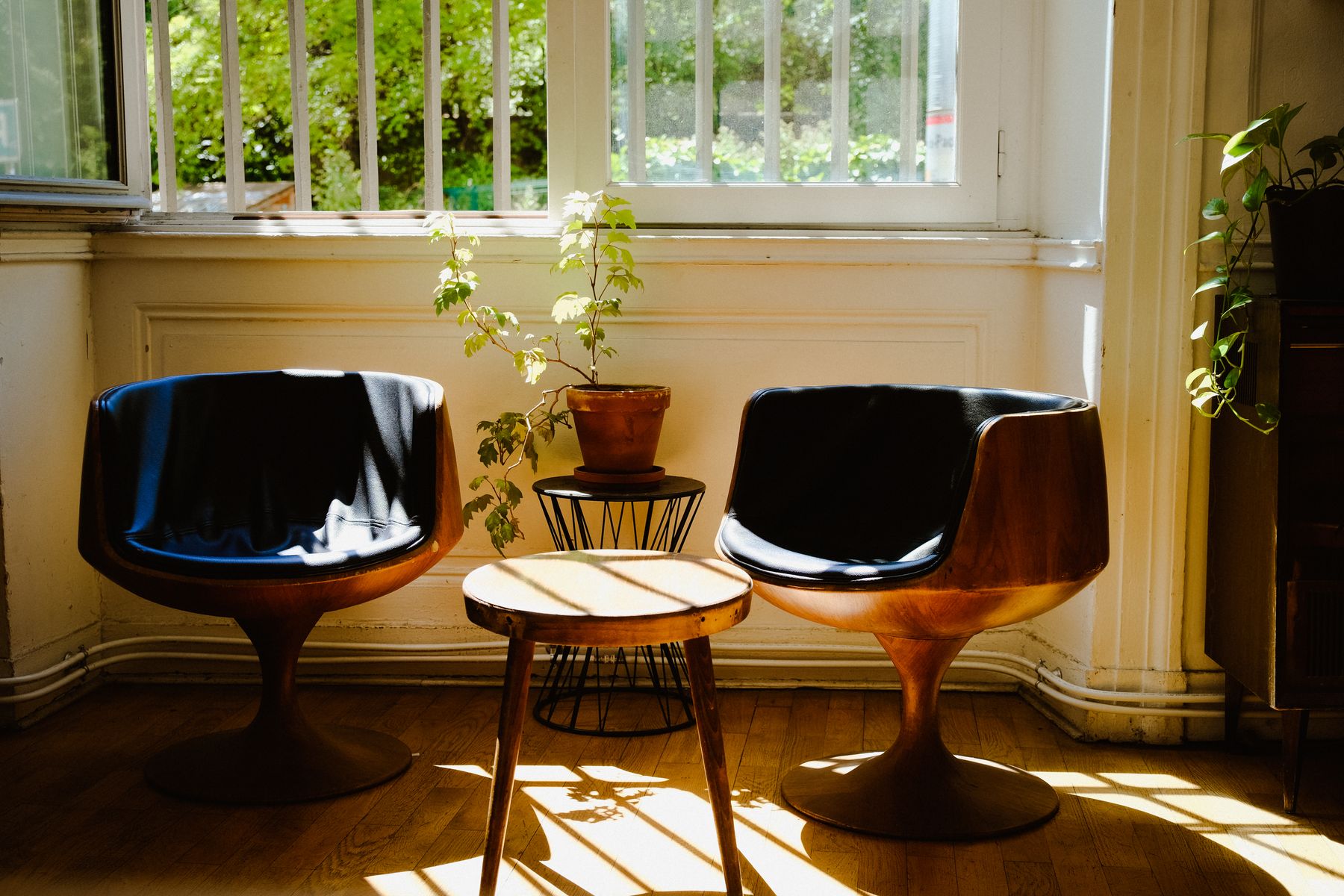
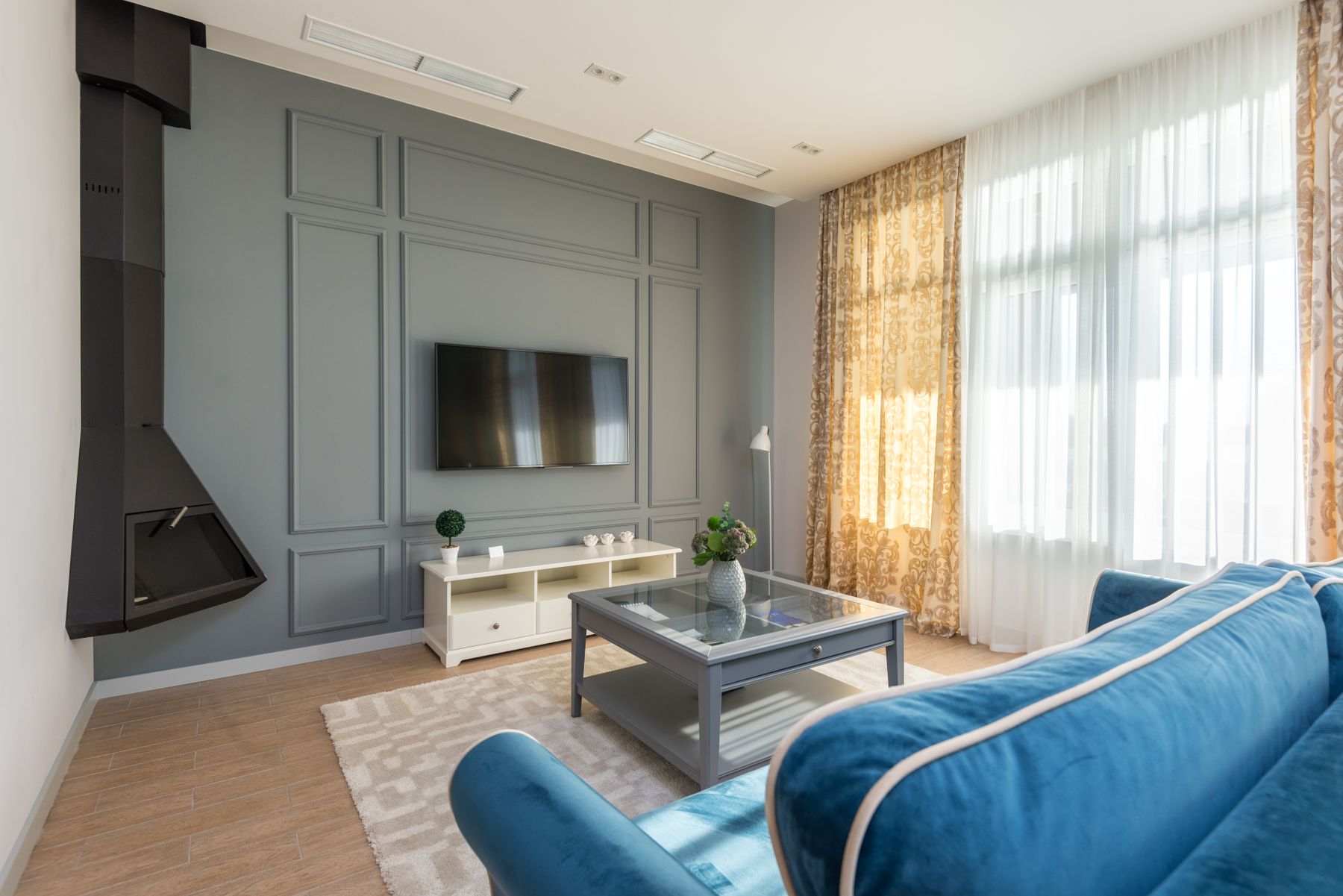
Build a Jewel Palette Around a Pale Counterpoint
Choose one leading jewel tone, one pale field and one dark outline before adding metal. Deep blue, green, burgundy or aubergine can sit on a sofa, wall or curtain; cream, parchment and warm white keep the room from becoming visually sealed. Black or dark wood then supplies structure. Test every sample in daylight and evening light because blue-green and violet shift sharply under poor lamps. Avoid buying colored accessories first—the largest surfaces should establish the palette's hierarchy.

Use Black, Cream and Red Without Creating a Set
Black and cream provide graphic structure, while oxblood or lacquer red can add the energy associated with posters, cinemas and cocktail interiors of the period. Keep black on frames, bases or one bounded wall rather than turning every outline into a stripe. Use cream across the broadest light-catching surfaces and red on one major object. This palette can become theatrical quickly, so natural wood, woven rug texture and ordinary books should remain visible.
Let Figured Wood Supply the Warmth
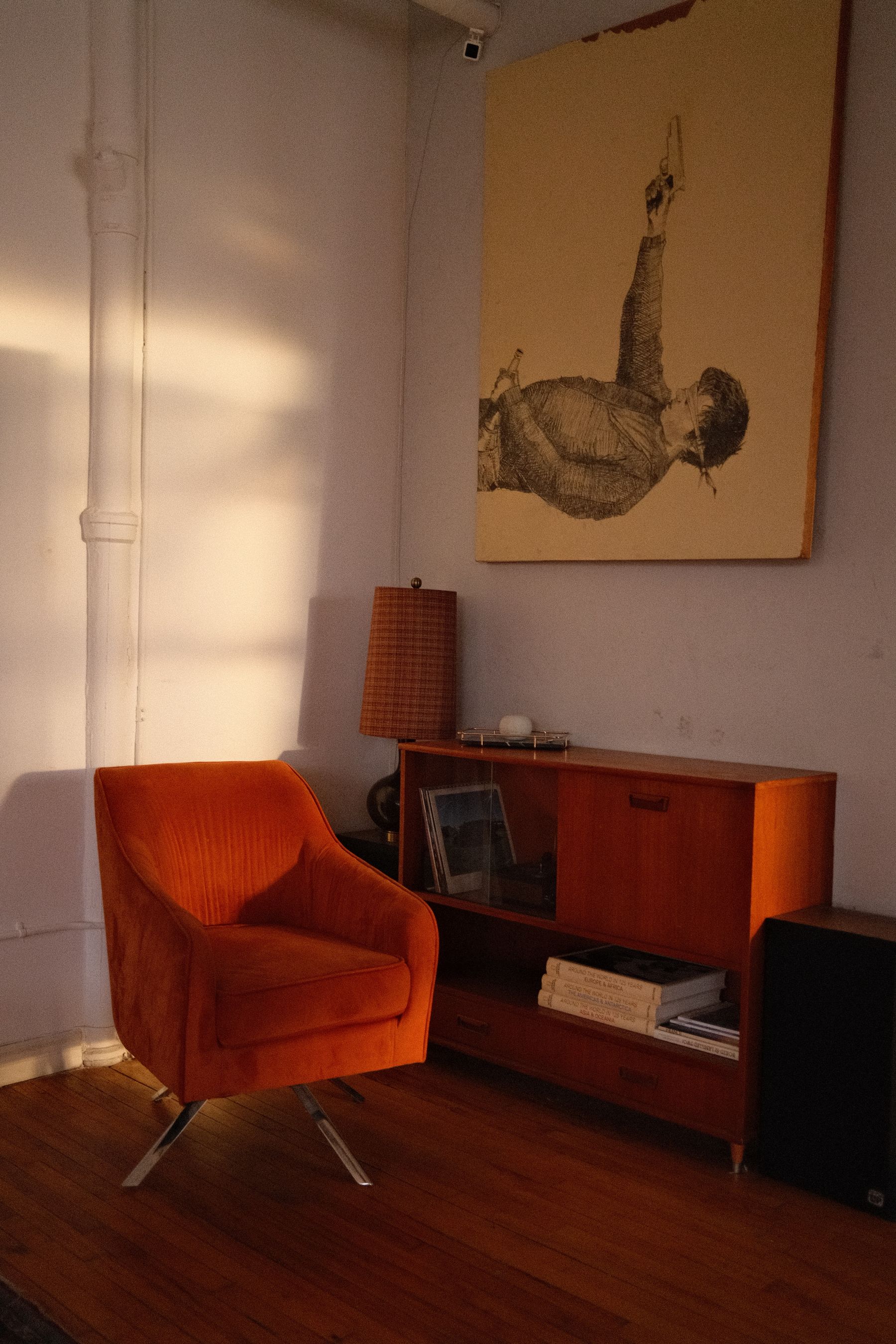
Walnut, maple, ash, dark-stained timber and burl-like veneers can express Deco craft more convincingly than gold paint. Use wood on one significant case piece, panel or table family, align veneer direction with the room axis and keep repair access possible. A heavily figured surface needs quieter objects, while straight-grain wood can support stronger art or metal. Verify whether a vintage veneer is stable before refinishing; aggressive sanding can destroy the very layer that gives the piece character.
Give Each Metal Finish a Defined Role
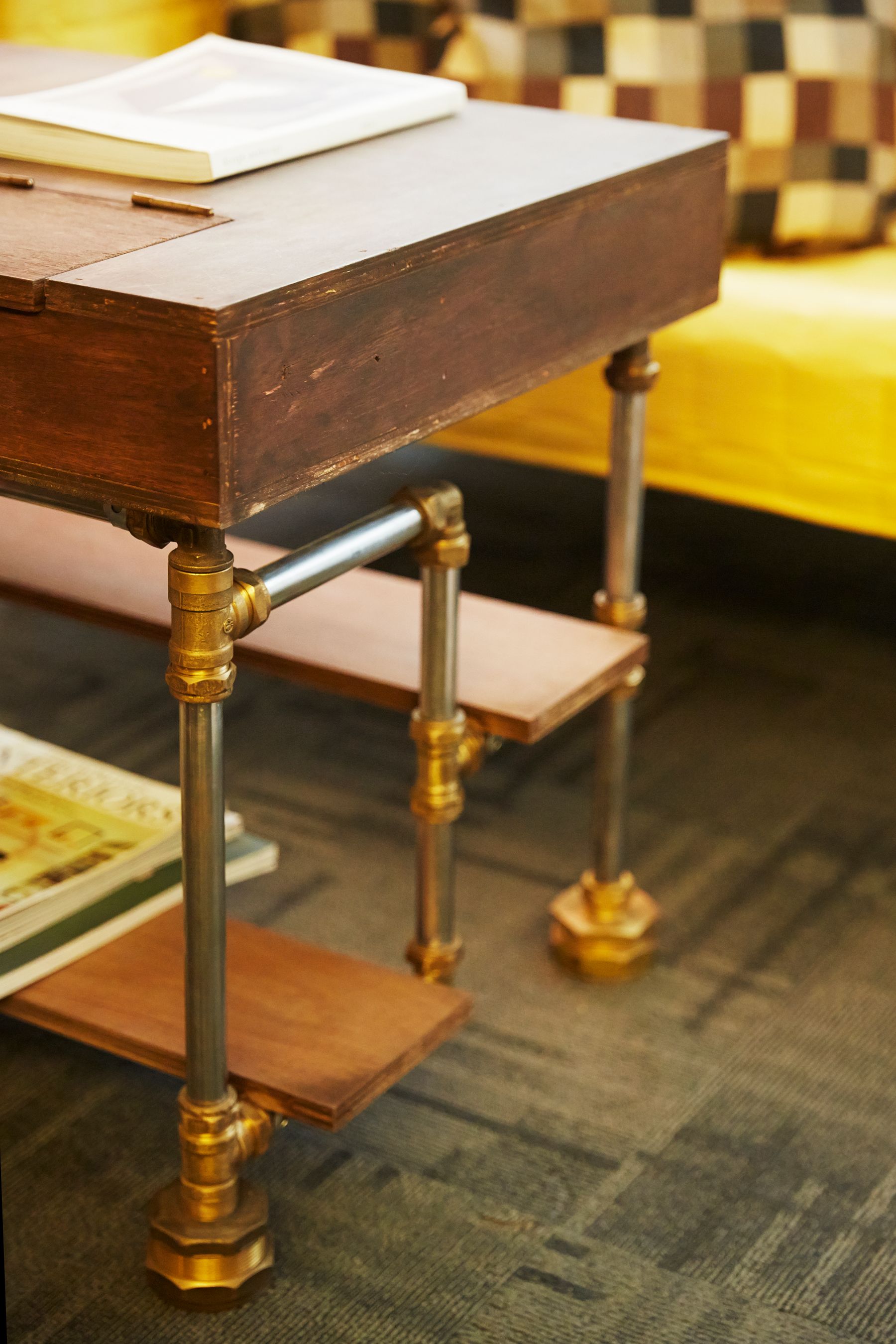
Brass and bronze bring warmth; chrome and nickel emphasize Deco's machine-age precision; blackened metal can outline the composition. Choose one dominant family for lights, table edges or cabinet hardware, then allow a second finish only when it serves a different function. Exact matching is less important than compatible undertones and repetition. Inspect plated vintage pieces before polishing, and do not coat handles, hinges and vents in decorative paint that interferes with use or heat dissipation.
Use Mirror and Glass to Move Light
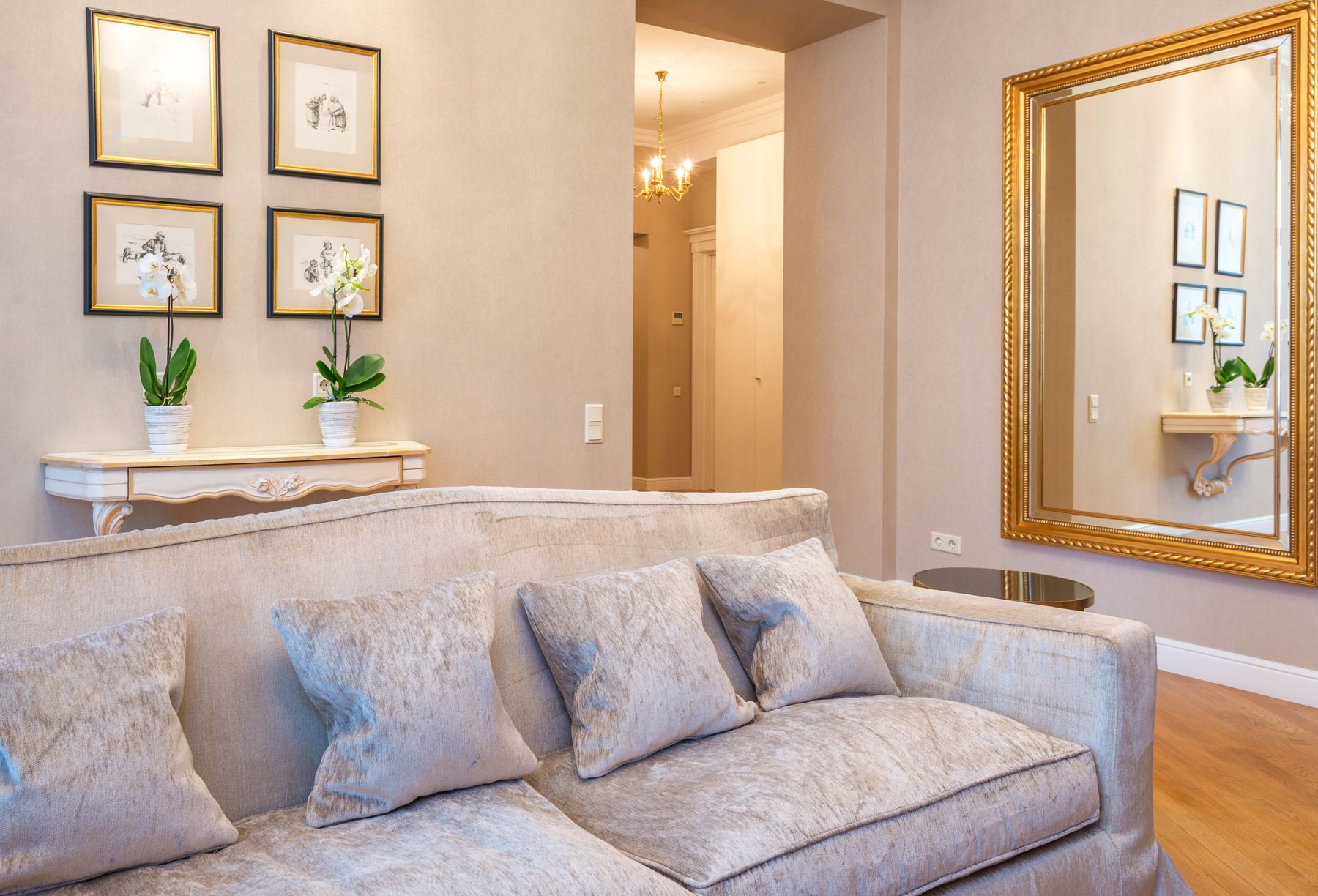
A bevelled mirror, glass table or reflective cabinet panel can bring sparkle without making the whole room glossy. Place mirrors where they return windows, architecture or a controlled lamp—not clutter, a blank ceiling or the television. Tempered or otherwise appropriate glass, stable bases and softened edges matter in circulation areas. Antique mirror can provide depth, but heavy distressing may reduce useful reflection. Keep one broad matte surface nearby so the eye has somewhere to rest.
Choose a Rug With One Graphic Job
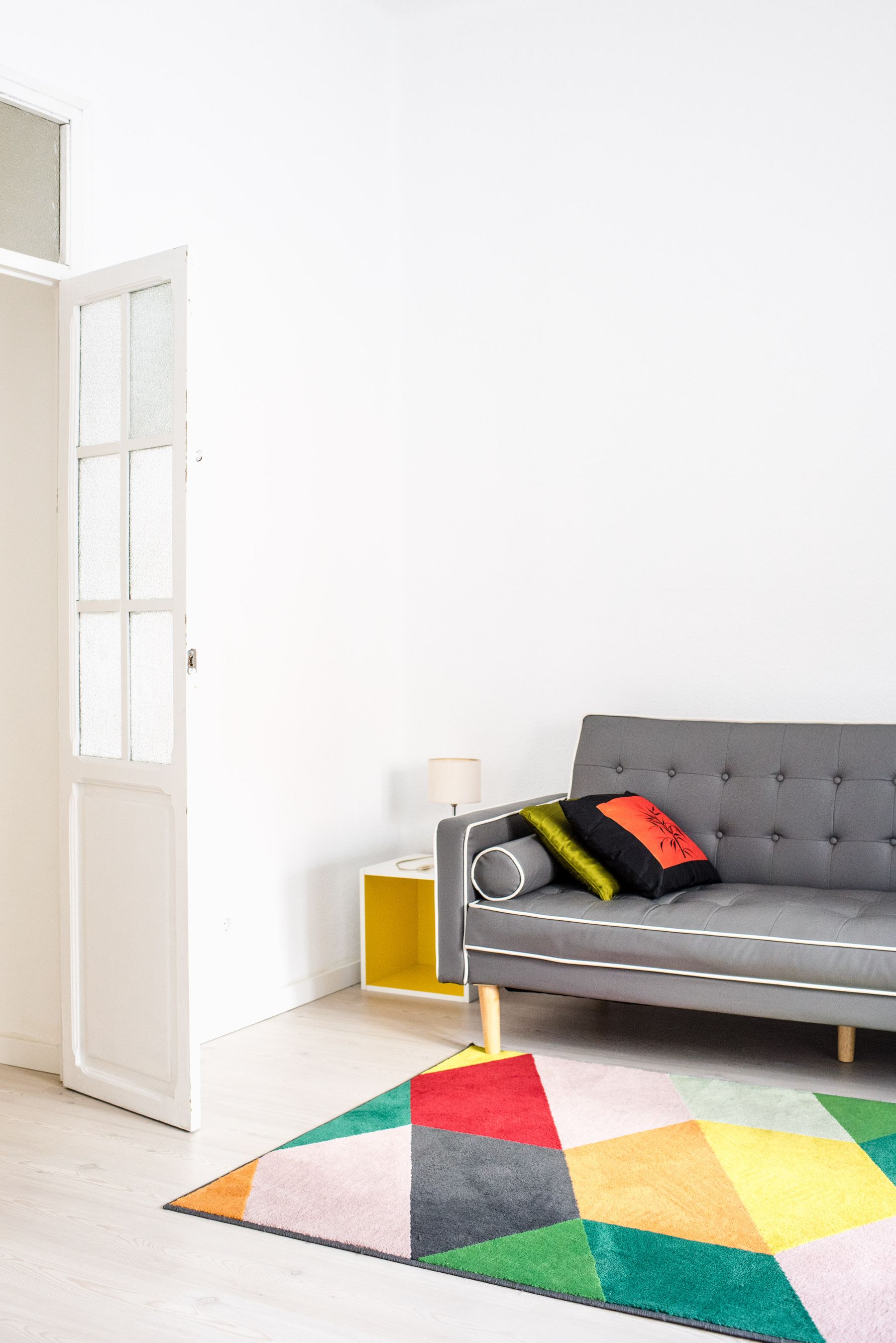
Use a stepped border, fan repeat, grid or abstract geometry when the walls are quiet; choose a tonal or lightly bordered rug when upholstery and architecture already carry pattern. Size it to hold the conversation group rather than floating like an accessory, and use suitable underlay so edges remain flat. High contrast must not disguise a change in level. [Living Room Rug Ideas](/living-room/living-room-rug-ideas/) covers fiber, placement, cleaning and scale in greater depth.
Ground Formal Furniture With a Quieter Rug
When the sofa, chairs or fireplace already provide strong silhouettes, a low-contrast patterned rug can soften sound and hold the group together without competing. Look for border rhythm, subtle geometry or a field that connects wood and upholstery colors. Dense pile changes how furniture sits and may hinder wheels or mobility aids; fringe needs realistic maintenance. The correct dimensions and a secure edge matter more than finding a literal reproduction pattern.
Frame Windows With Full-Height Textile
Velvet, satin-like cloth or a geometric woven can create the tall, enveloping planes associated with Deco interiors, but privacy, glare, thermal comfort and stack-back come first. Mounting near the ceiling may improve proportion when architecture permits. Keep fabric clear of heaters and floor moisture, provide safe controls and make lining replaceable. If the room already has a strong rug and sofa, use a solid curtain whose sheen changes with light rather than adding another repeat.
Make the Ceiling Light a Silhouette
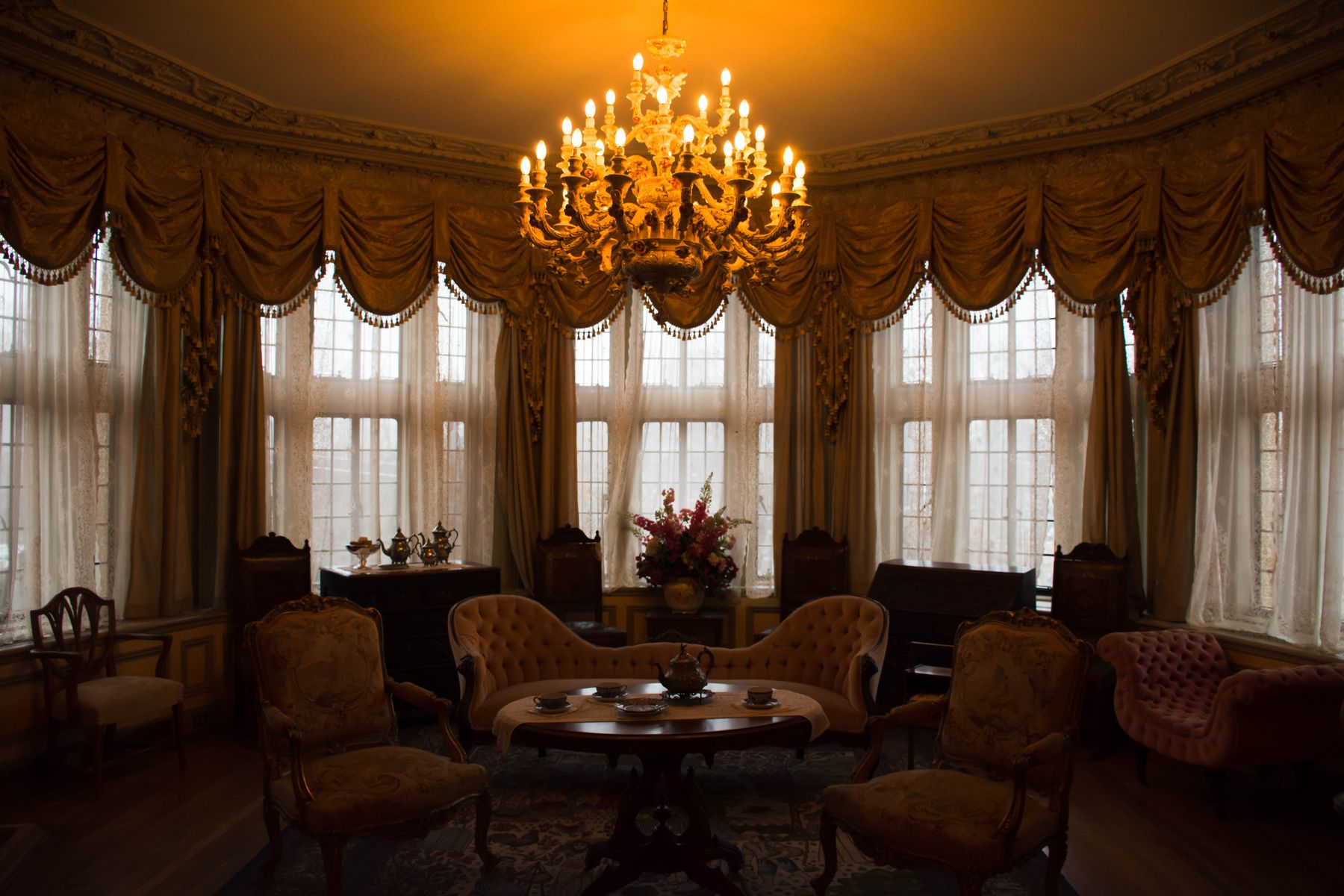
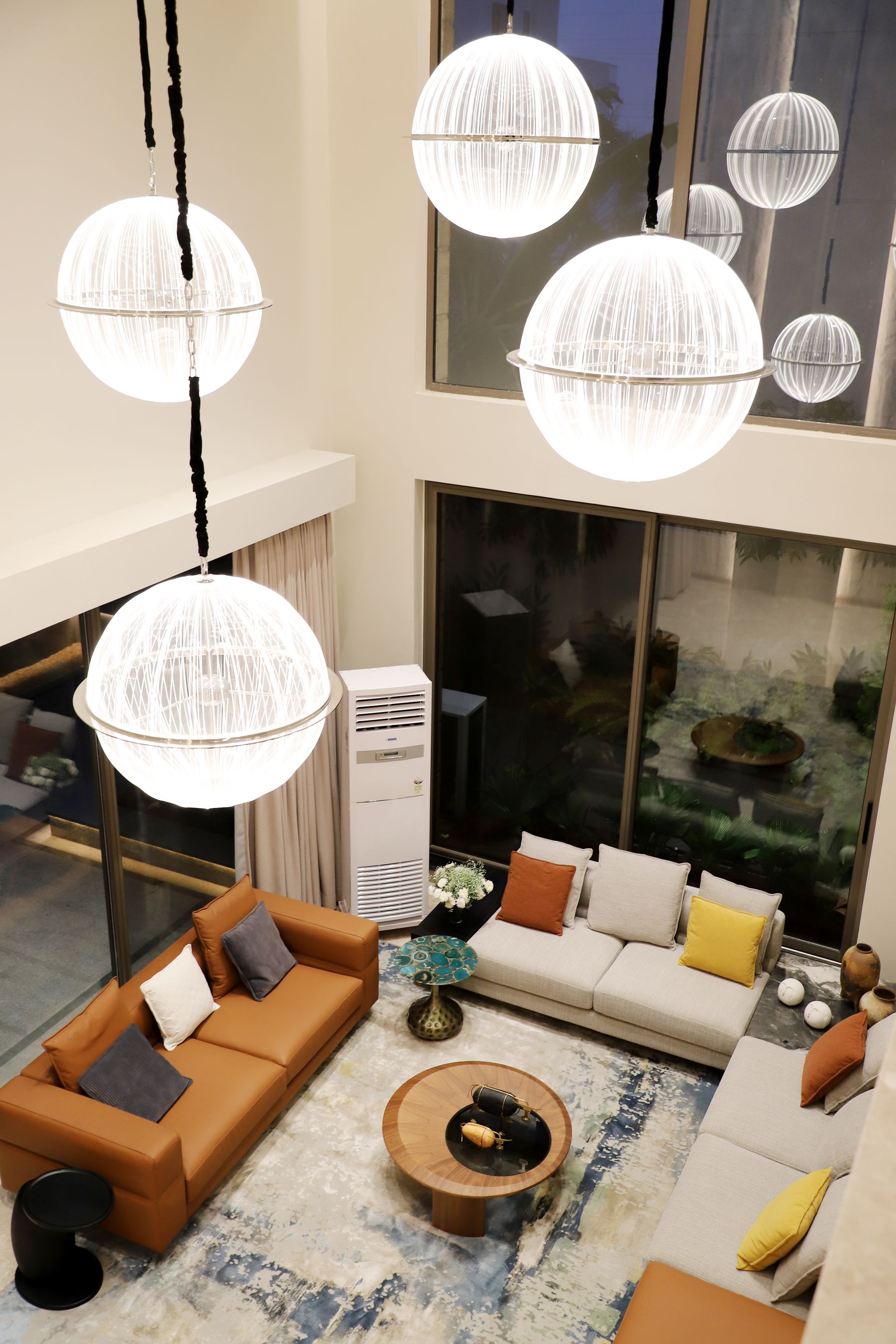
Globe clusters, stepped pendants, opal glass and streamlined chandeliers can define the ceiling, but scale, glare and serviceability determine success. Center the fixture on the seating composition or architecture rather than automatically on the room, and verify clearance from doors, tall people and sightlines. Decorative light alone rarely illuminates faces, reading and circulation. [Living Room Lighting Ideas](/living-room/living-room-lighting-ideas/) provides the circuit and scene framework beneath the period styling.
Use Table Lamps for Atmosphere and Reading
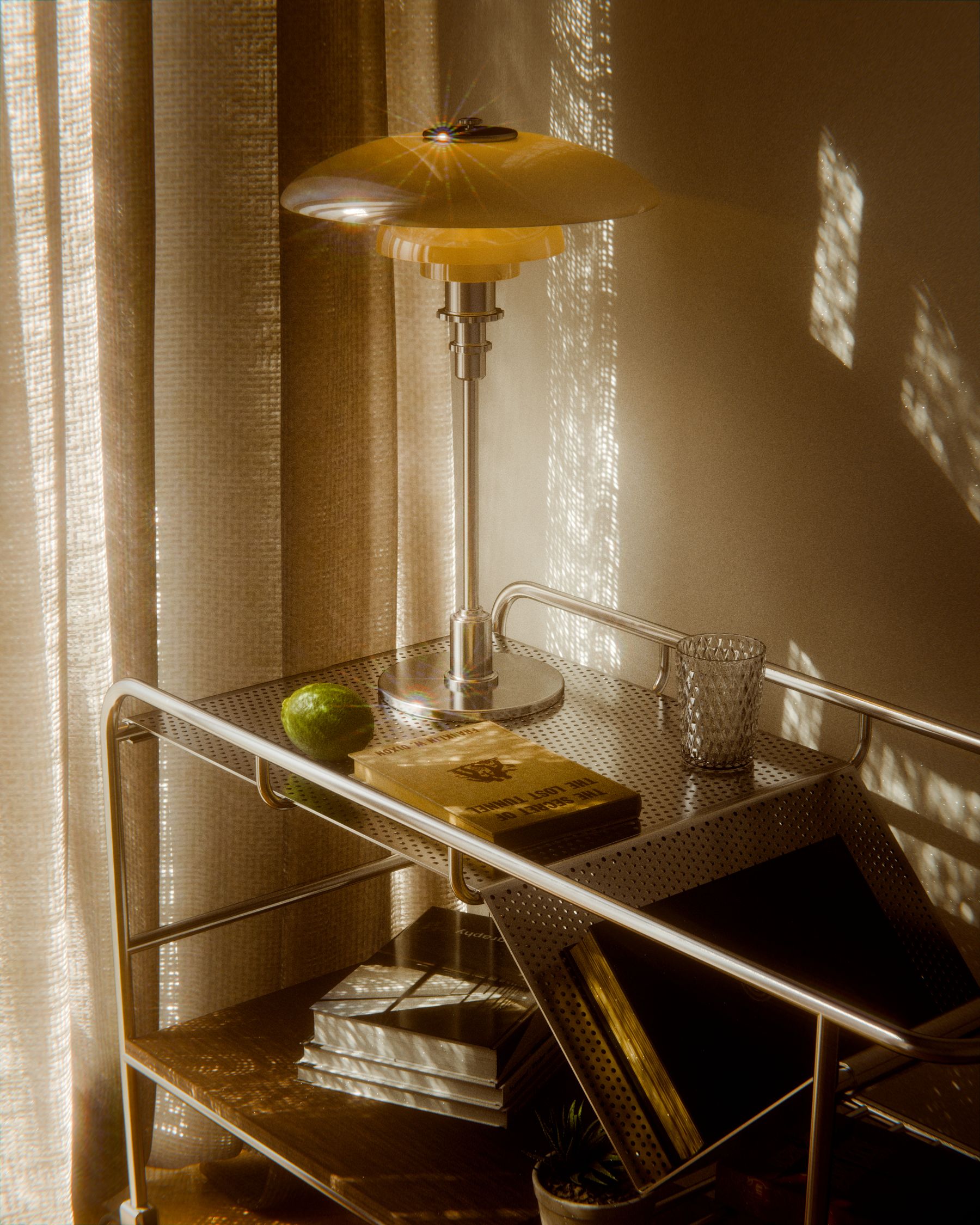
A ribbed-glass, stepped, mushroom or shaded lamp can carry Deco character at human height. Place the source where it illuminates the page or tabletop without reflecting directly into a mirror or screen. Check switch reach, cord route, shade stability, bulb access and heat. Vintage fittings require qualified inspection and safe rewiring; integrated LEDs need a credible replacement plan. One useful lamp beside a regular seat is more convincing than several decorative lights with no task.
Use Sconces to Reinforce the Wall Rhythm
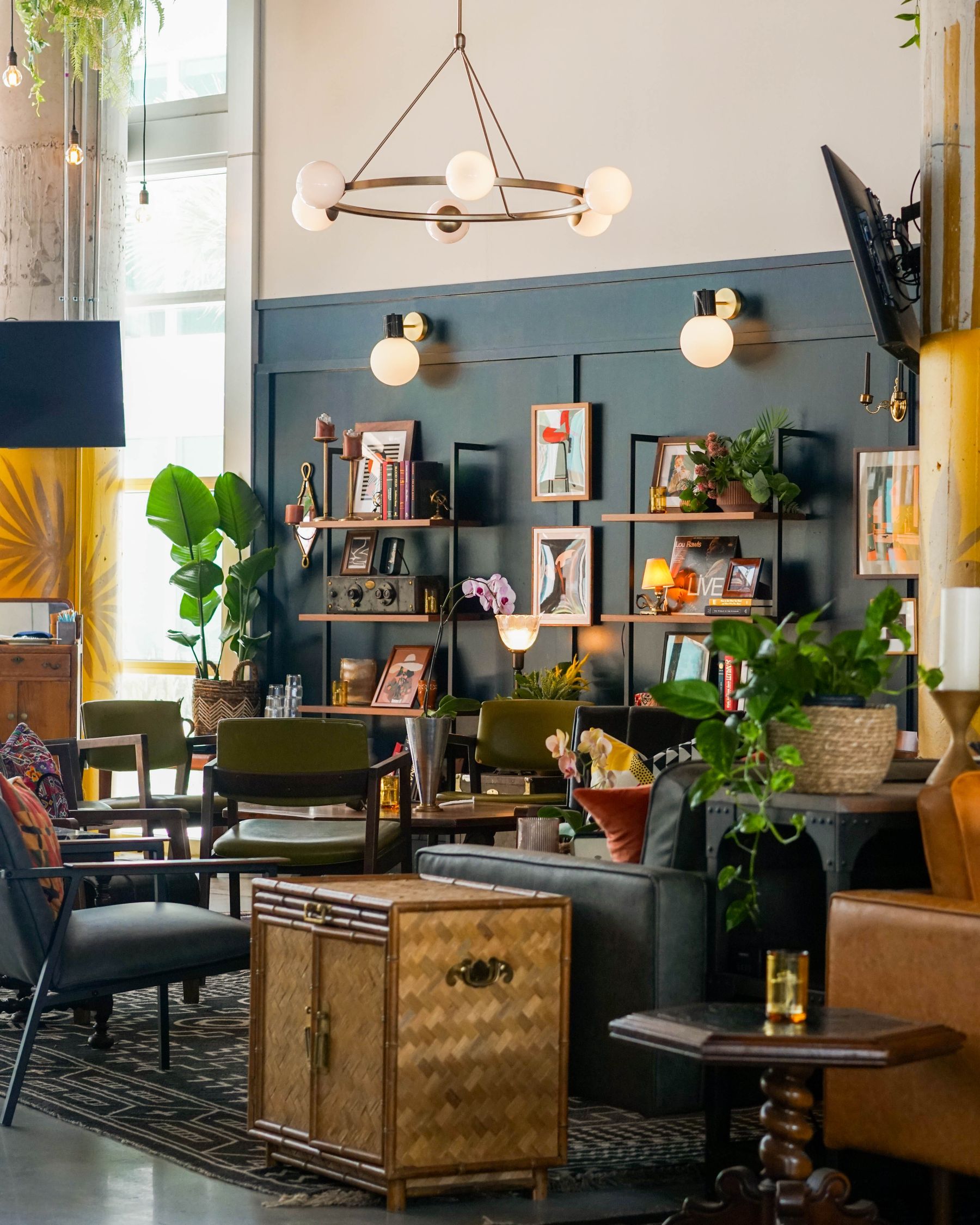
Paired globe or linear sconces can frame a fireplace, artwork or cabinet and strengthen symmetry without occupying tables. Set their height from seated glare, artwork scale and panel divisions, not from a generic rule. Provide independent control where evening use differs from the ceiling fixture. In rentals, plug-in wall lights may offer a reversible solution when cords can be routed honestly and safely. Do not install fixtures inside unsuitable wall cavities or near heat without professional advice.
Choose Art That Supports the Geometry
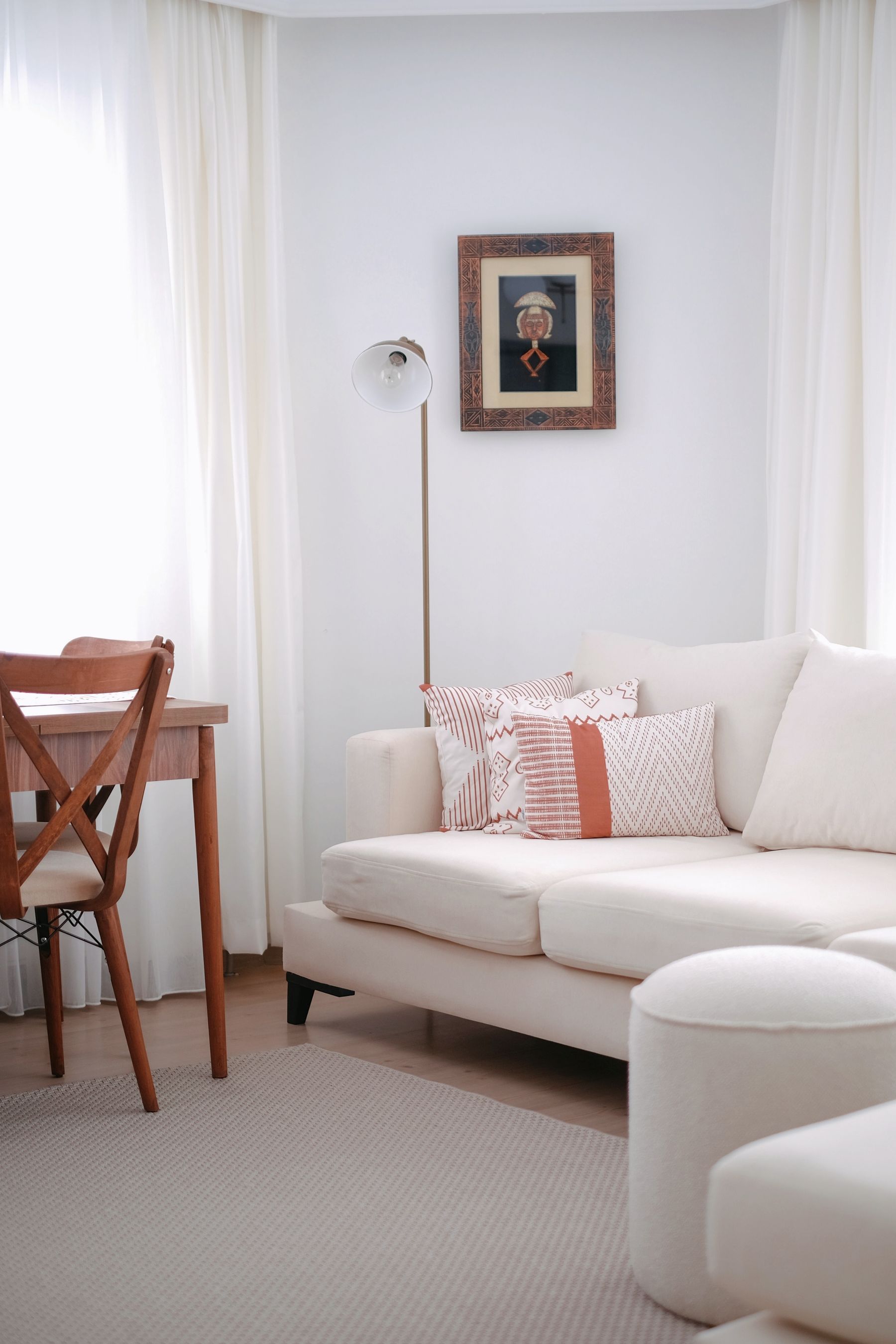
Geometric abstraction, licensed period travel design, personal work or a quieter figurative piece can all work when scale and frame relate to the seating elevation. Use artwork as a counterpoint rather than demanding another literal Deco motif. Record provenance and choose glazing, weight and fixings appropriate to the wall. Avoid hanging heavy framed glass above active seating without suitable specification. A single large work often gives the room more confidence than a grid of small generic prints.
Treat the Fireplace as Architecture and Equipment
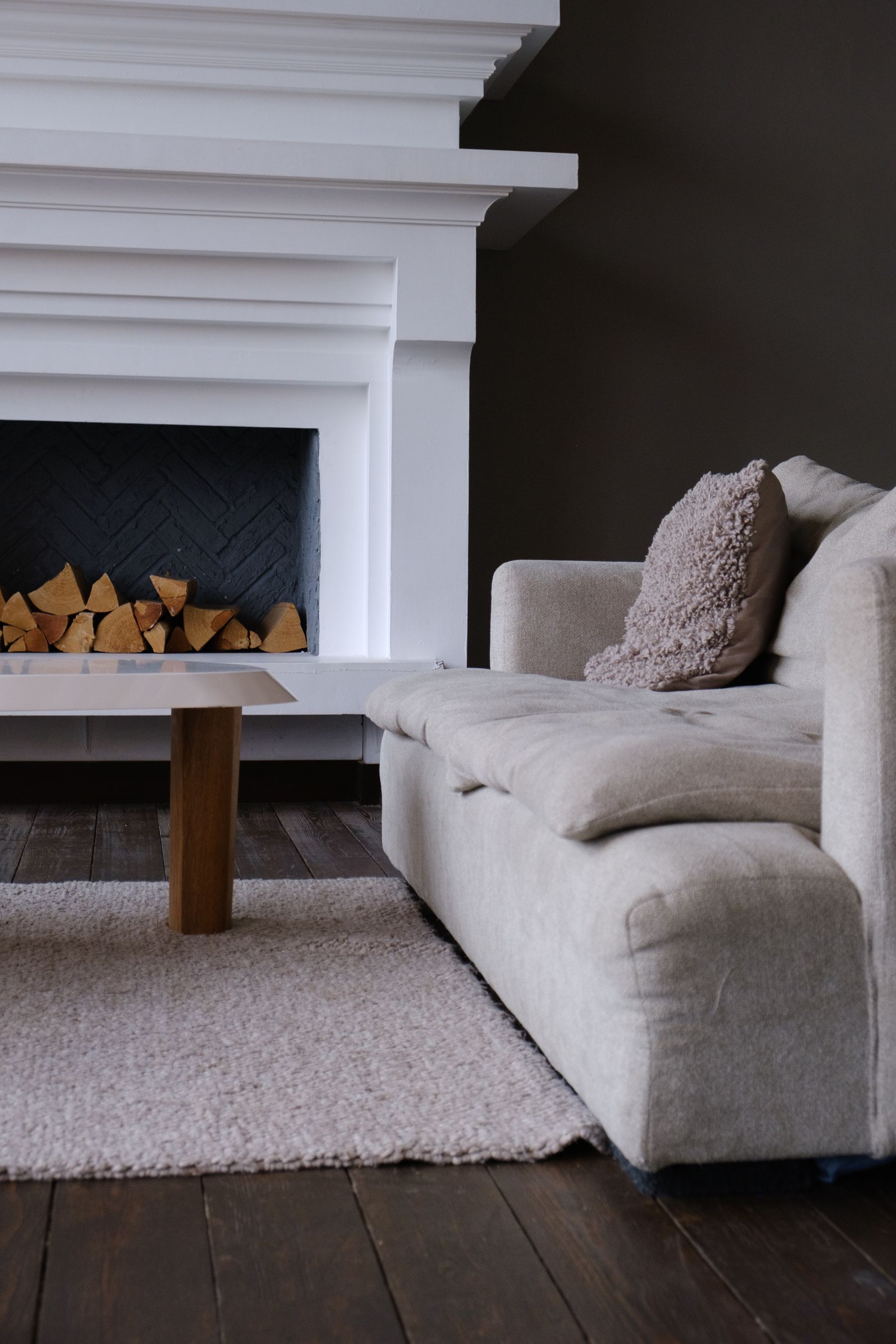
A stepped mantel, dark stone surround or fluted chimney breast can become the room's geometric center, but safe operation comes before styling. Verify chimney condition, ventilation, fuel requirements and local clearances; keep velvet, dried plants, cables and fragile finishes away from heat. If a television shares the wall, compare viewing height and temperature before mounting above the opening. A nonworking fireplace can hold a restrained display, yet should never imply safe use when it has not been inspected.
Build Entertaining Around Useful Surfaces
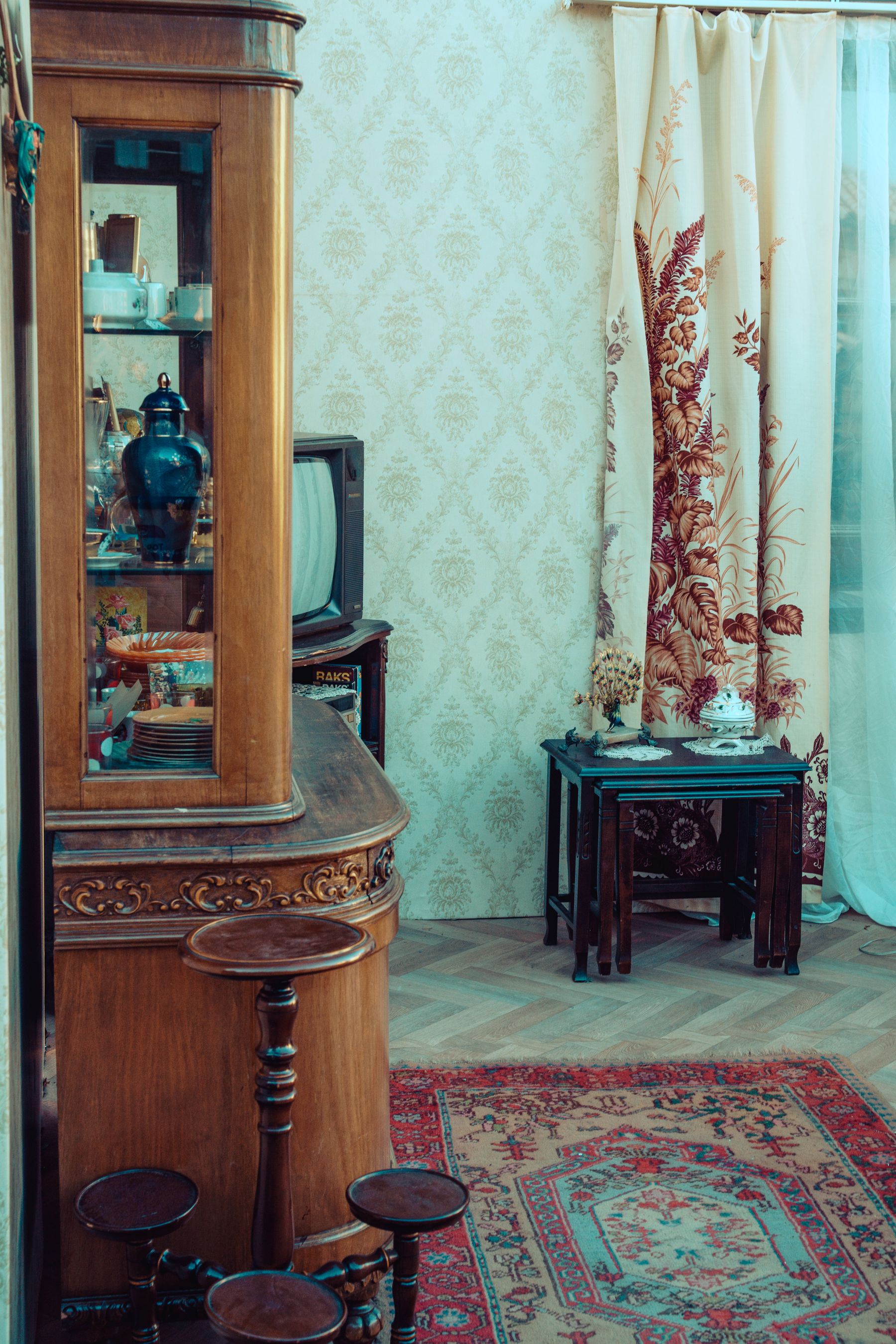
A drinks cabinet, tray table or compact bar cart fits Deco's sociable image, but it should store actual glassware safely, resist spills and avoid blocking circulation. Keep alcohol secure where children are present and place fragile objects away from chair movement. Group serving pieces by use instead of filling every surface with cocktail-themed decor. Closed cabinet storage often looks calmer than a permanently staged cart, and a side table that serves two seats may add more value than a dedicated display.

Make Storage Architectural but Serviceable
Fluted doors, rounded corners, dark wood and metal reveals can give built-ins a Deco rhythm while closed storage handles games, cables and ordinary clutter. Inventory books, equipment and serving pieces before setting shelf heights. Provide ventilation and removable panels for electronics, keep heavy items low and avoid deep cabinets that hide everything behind a polished facade. [Living Room Storage Ideas](/living-room/living-room-storage-ideas/) helps divide display, media and household supplies before cabinetry is specified.
Integrate the Television Without a Theatrical Disguise
Choose screen position from seated eye level, room depth and daylight before drawing a symmetrical cabinet around it. A dark recess, sliding panel or doors may reduce prominence, but concealment must remain ventilated and easy enough to use daily. Speakers, remotes and streaming equipment need service access. Avoid ornate frames that trap heat or imitate vintage technology. Honest integration usually ages better than a complex mechanism that stays open because it is inconvenient.
Scale Art Deco for a Small Living Room
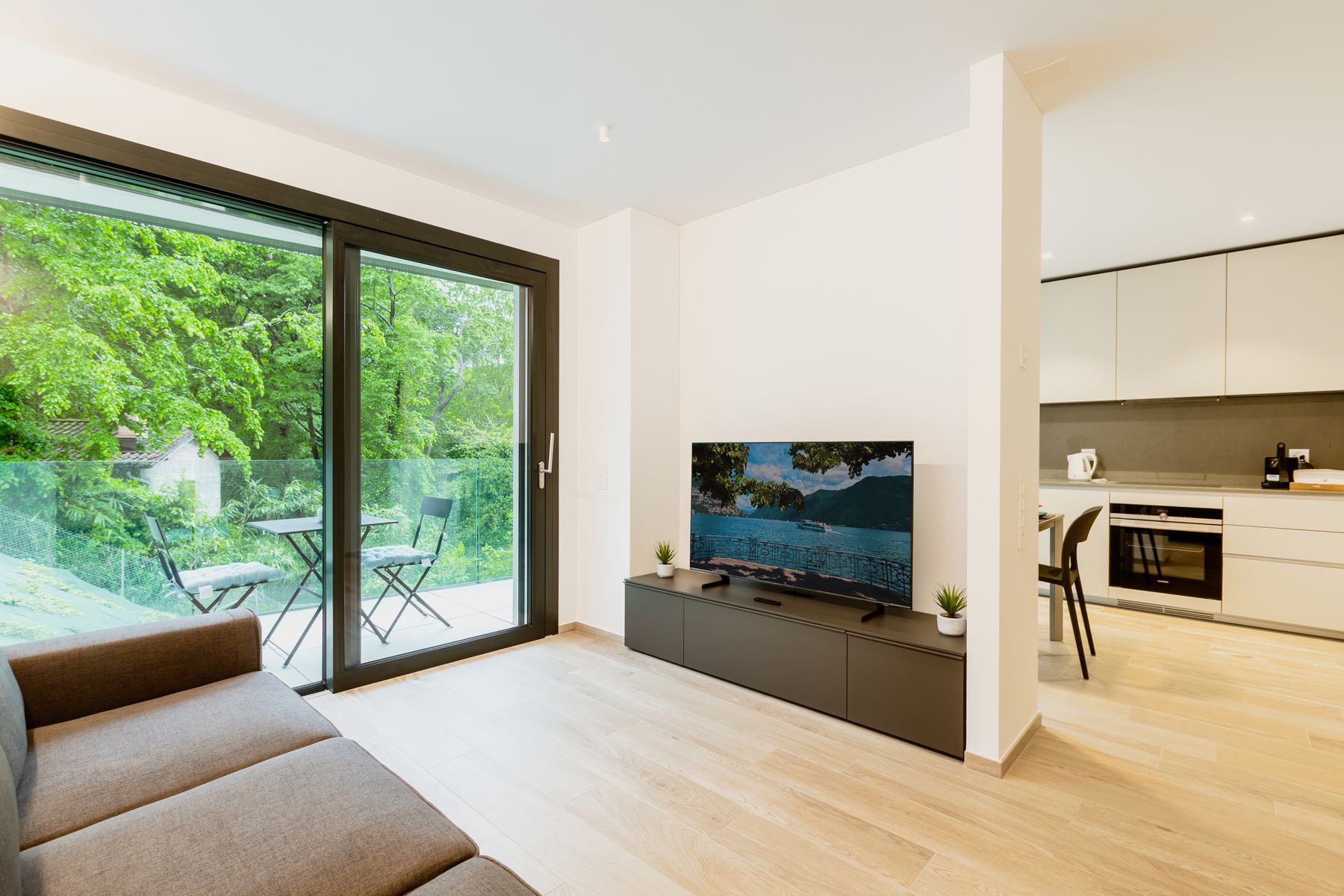
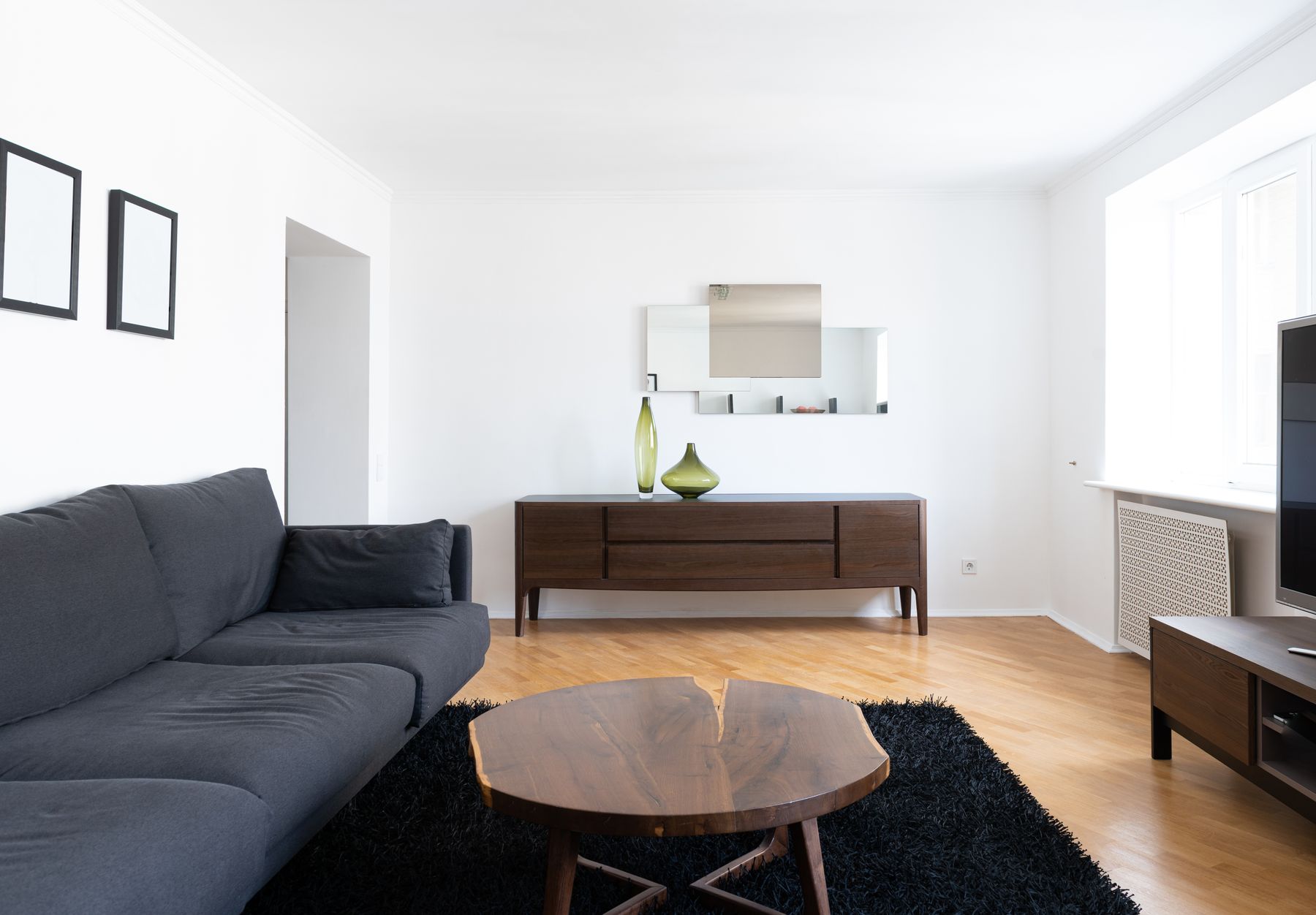
Use one shaped chair or compact sofa, one graphic surface, a properly sized rug and a reflective detail placed for useful light. Narrow arms and raised bases may preserve floor area, but stability and comfort come first. Avoid mirrored furniture in tight routes and protect sharp table corners. [Small Living Room Ideas](/living-room/small-living-room-ideas/) expands multifunctional storage and circulation. The smaller the room, the more decisively each material needs a single job.
Carry Deco Through an Open Plan
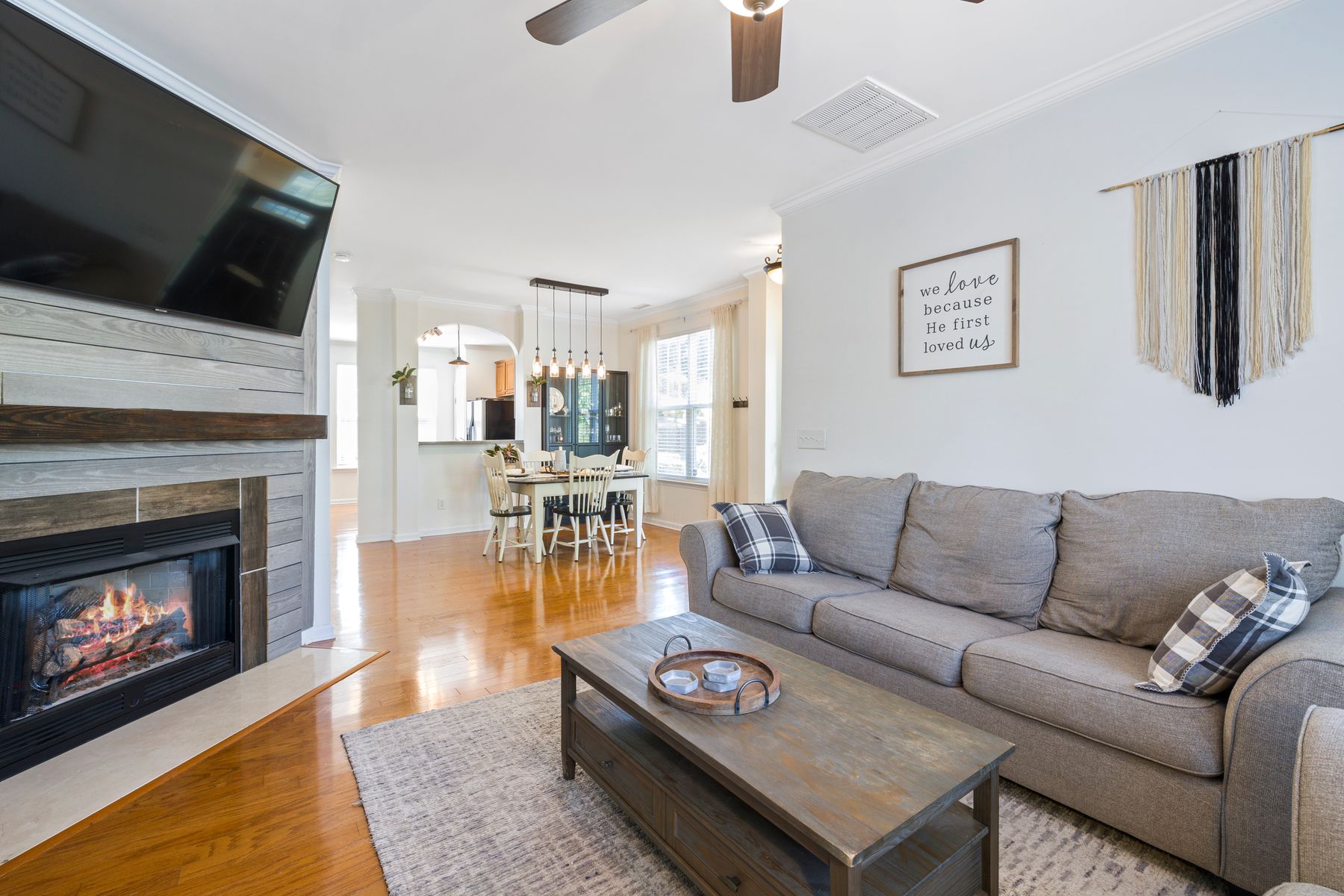
Repeat one wood family, metal finish or geometric line between living and dining areas without buying identical suites. Use a substantial rug, centered dining light and changed furniture orientation to define zones, then protect the connecting route with chairs fully extended. The living room may carry the richer upholstery while dining uses simpler silhouettes. A single bar cabinet can bridge both functions. Avoid extending one high-contrast pattern across the entire plan unless it improves rather than erases functional boundaries.
Create Rental Deco With Portable Layers
Begin with a graphic rug, shaped chair, full-height curtains, sculptural lamp and one useful wood cabinet. These movable layers create proportion and material contrast without shallow applied moldings or risky temporary finishes. Confirm lease rules, use approved fixings, test removable products and store original hardware for reinstatement. A framed mirror or screen can introduce geometry without covering every wall. Prioritize the elements visible from the main doorway and ensure each remains useful in a future home.
Design for Children, Pets and Different Bodies
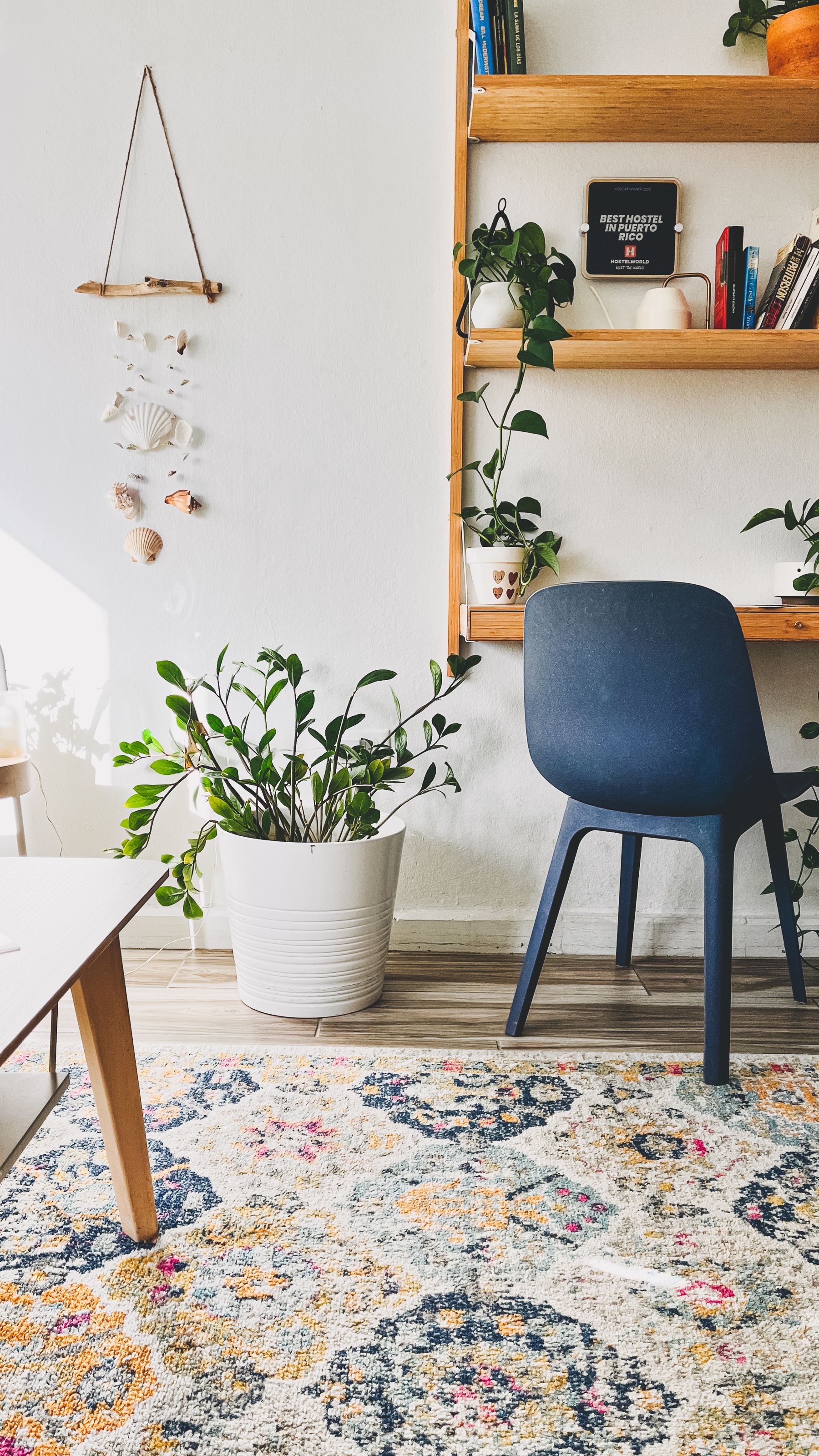
Provide at least one supportive seat with arms, preserve a continuous route and position tables and switches within useful reach. Anchor tall furniture, secure heavy mirrors and inspect vintage pieces for tipping, sharp veneer or unstable repairs. Choose cleanable upholstery and keep glass or barware away from play routes and pets. High-contrast edges can improve legibility, but busy black-and-white pattern should not disguise level changes. Formal symmetry should bend around an accessible seat or mobility route without apology.
Buy Vintage Deco With Clear Eyes
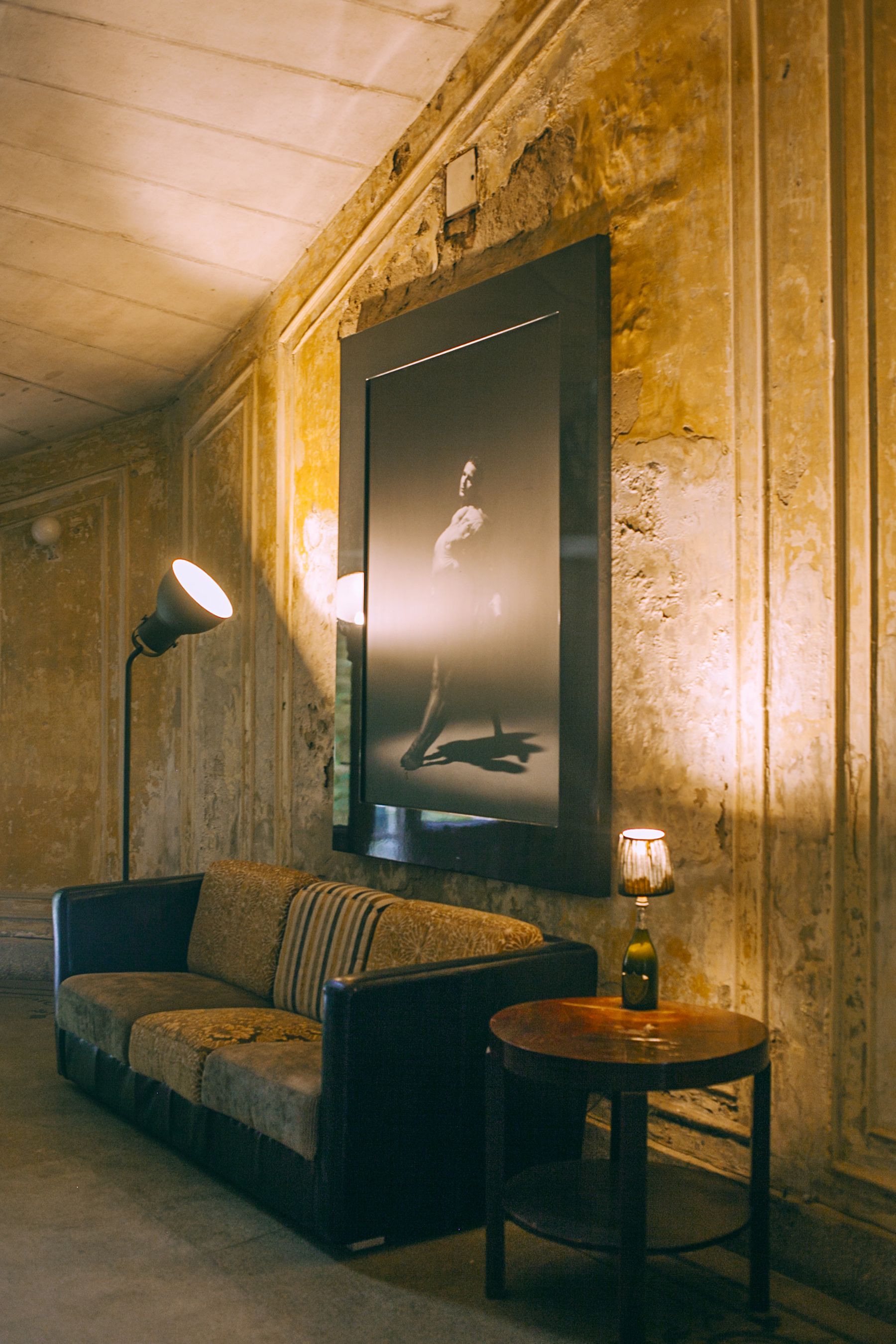
Measure the location, doorway, stairs and vehicle before visiting dealers. Inspect joints, veneer, drawers, odors, pests, upholstery, glass, plating and electrical components, and ask for provenance without treating a story as proof. Reproduction furniture may offer safer wiring, better scale or replaceable upholstery; age alone does not guarantee craft. Budget delivery, professional rewiring and restoration before purchase. [Vintage Living Room Ideas](/living-room/vintage-living-room-ideas/) provides a fuller condition and repair framework.

Edit Toward Neo Deco, Not a Theme
Neo Deco can combine streamlined curves, red or dark stone, chrome, antique brass and expressive art with cleaner current furniture. Keep the historical anchor legible: one fan or stepped geometry, a formal axis, polished wood or machine-age metal. Then add one contemporary contrast rather than replacing the scheme with generic luxury. Current trend coverage favors bolder individuality, but a trend does not excuse poor scale or disposable finish. The room should still make sense after the fashionable color or object is removed.
Plan Maintenance by Material
Keep maker instructions for velvet, veneer, stone, plated metal, mirror and glass rather than using one universal cleaner. Rotate cushions and rugs where appropriate, protect wood from standing liquid, dust grooves with suitable tools and inspect older wiring and loose joints periodically. Polishing can remove plating or damage historic finish. If the room cannot be cleaned within the household's available time, reduce decorative objects and reflective surfaces instead of accepting permanent fingerprints and dust as the cost of glamour.
Build the Room in Functional Budget Phases
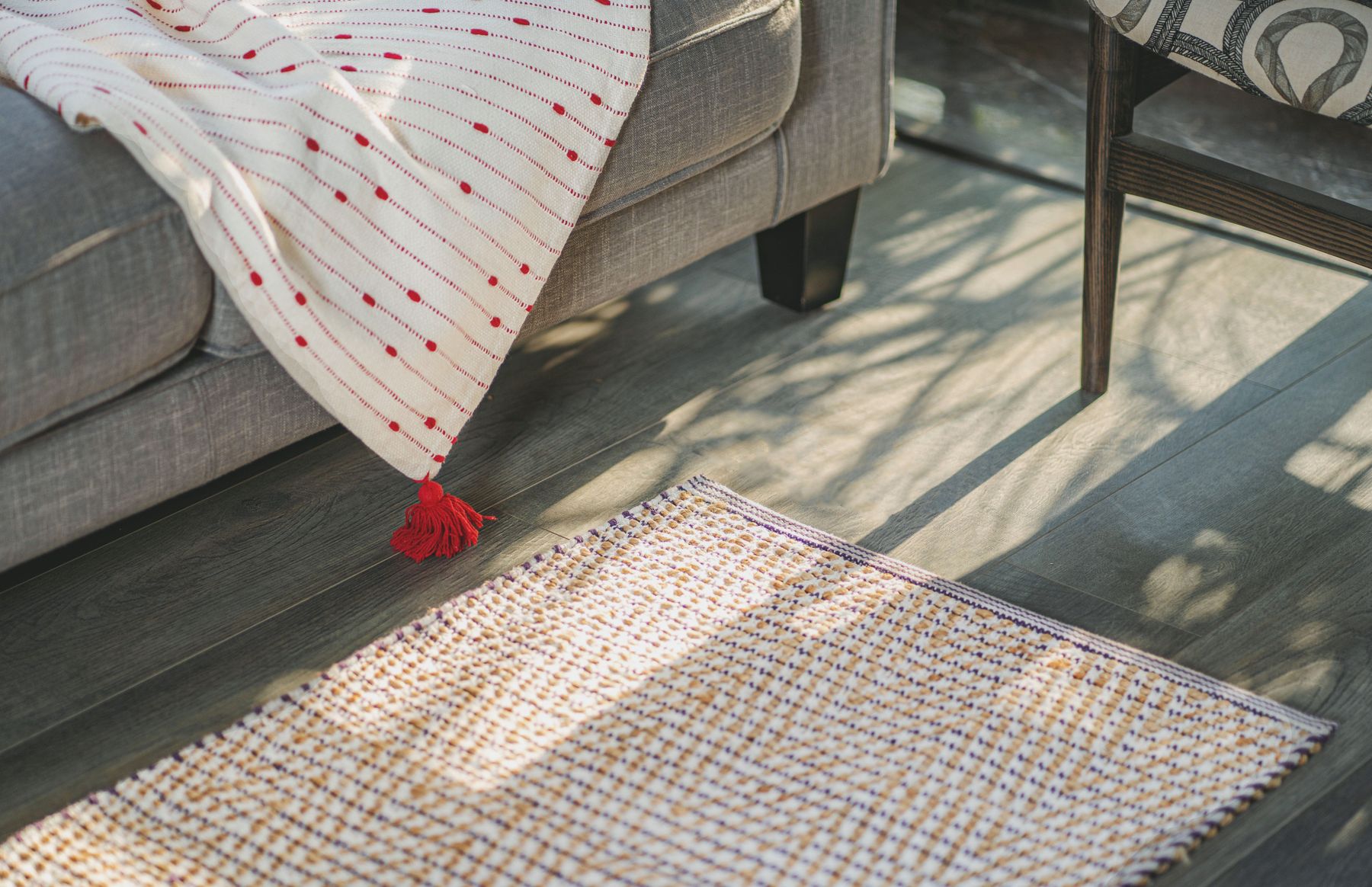
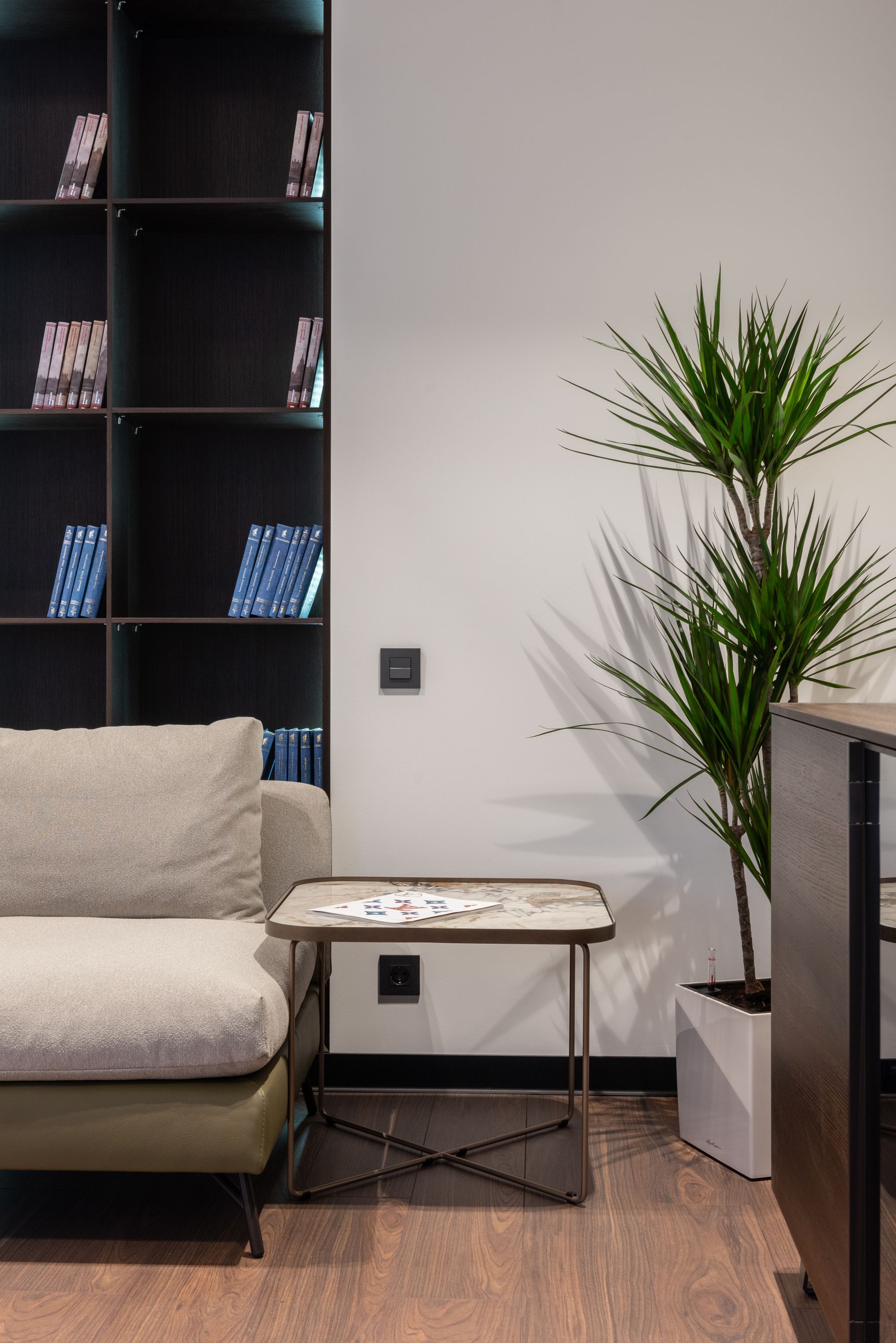
Spend first on comfortable seating, the correct rug size and useful lighting, then address storage, curtains and one focal surface. Custom upholstery, veneer repair, stone and electrical work need realistic labor allowances. A secondhand table or lamp may stretch the budget when condition is sound, while novelty gold accessories often create clutter without structure. Complete each phase and live with it before purchasing the next. The strongest Deco rooms feel deliberate because hierarchy developed slowly, not because every item arrived together.
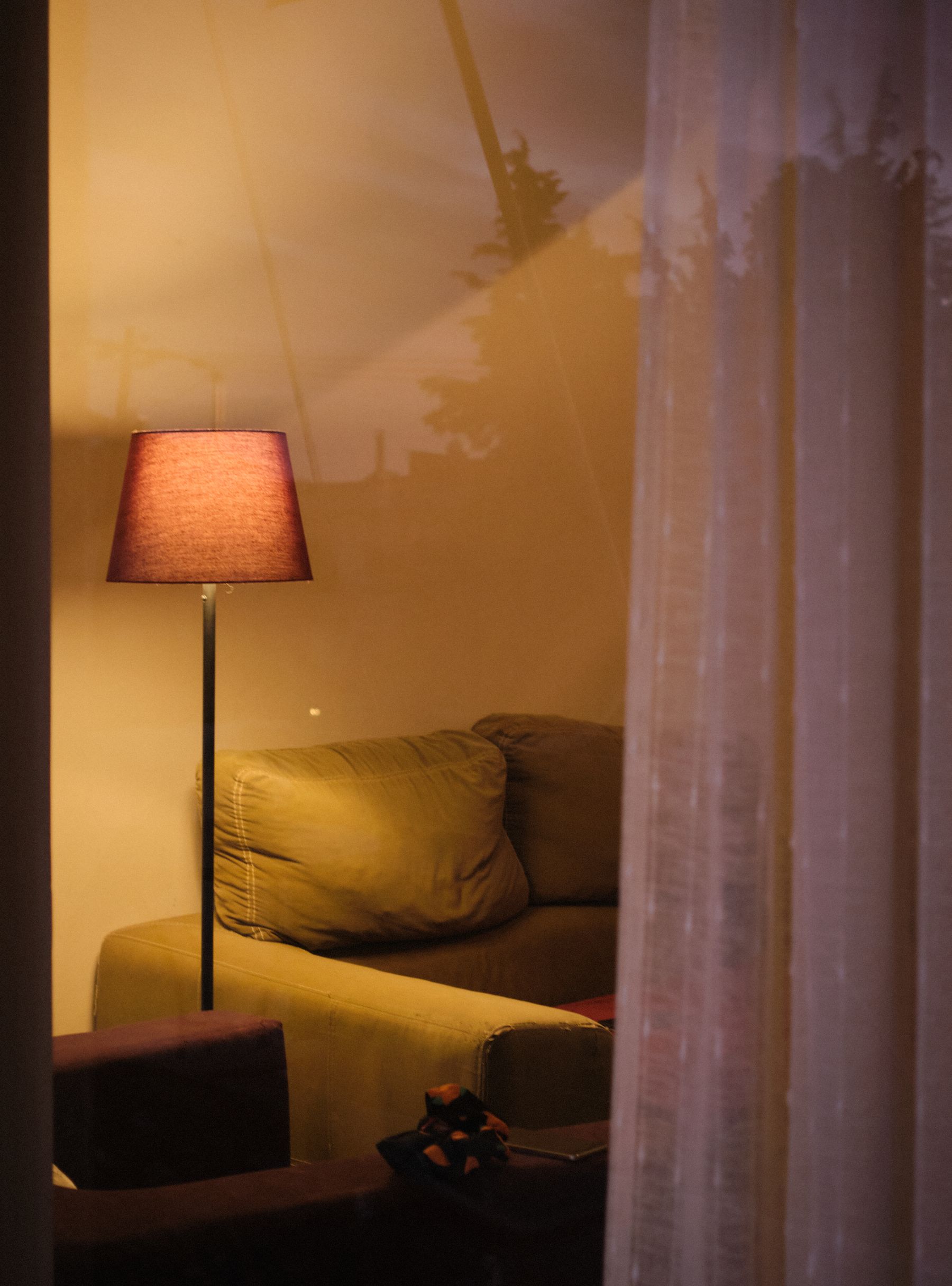
Test the Evening Room and Remove the Weakest Layer
Review the room after ordinary weeks, not immediately after installation. Observe which seats are used, where glasses and remotes collect, whether mirrors create glare, which patterns compete and how the route feels with guests. Remove the weakest motif before adding another object. Adjust symmetry when technology, bodies or habits change. A successful Art Deco living room preserves confidence, rhythm and material pleasure while continuing to support conversation, reading, media and maintenance without ceremony.