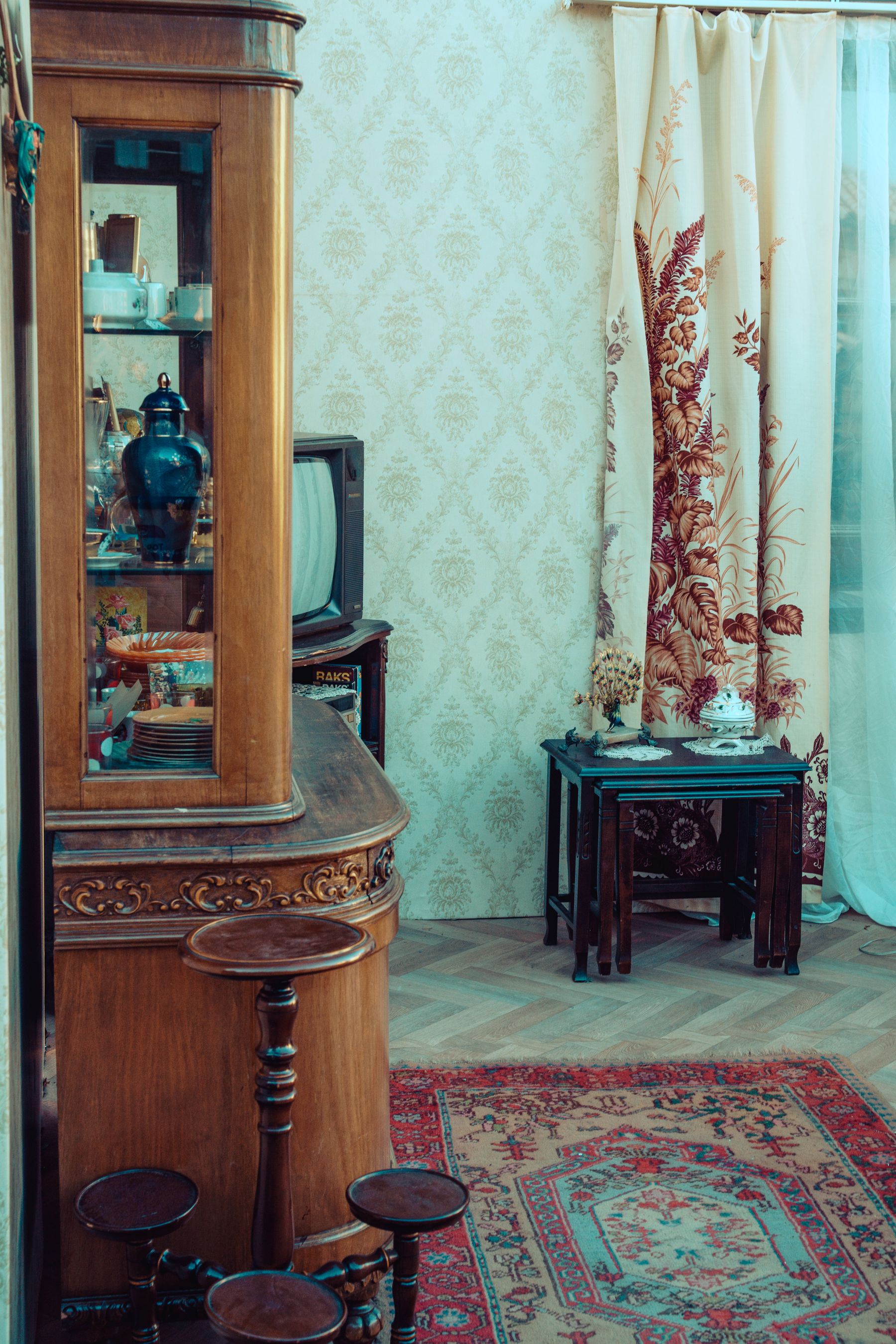
Define Retro as a Deliberate Revival
Retro describes a present-day interpretation of the recent past and may combine original pieces, reproductions and current furniture. [Vintage Living Room Ideas](/living-room/vintage-living-room-ideas/) instead centers real older objects, condition and patina across eras; [Mid-Century Living Room Ideas](/living-room/mid-century-living-room-ideas/) owns a historically tighter postwar design movement. A retro room can be more playful and broader, but it still needs discipline: decide which decade leads, which two or three signals explain it and which adjacent styles will stay secondary.
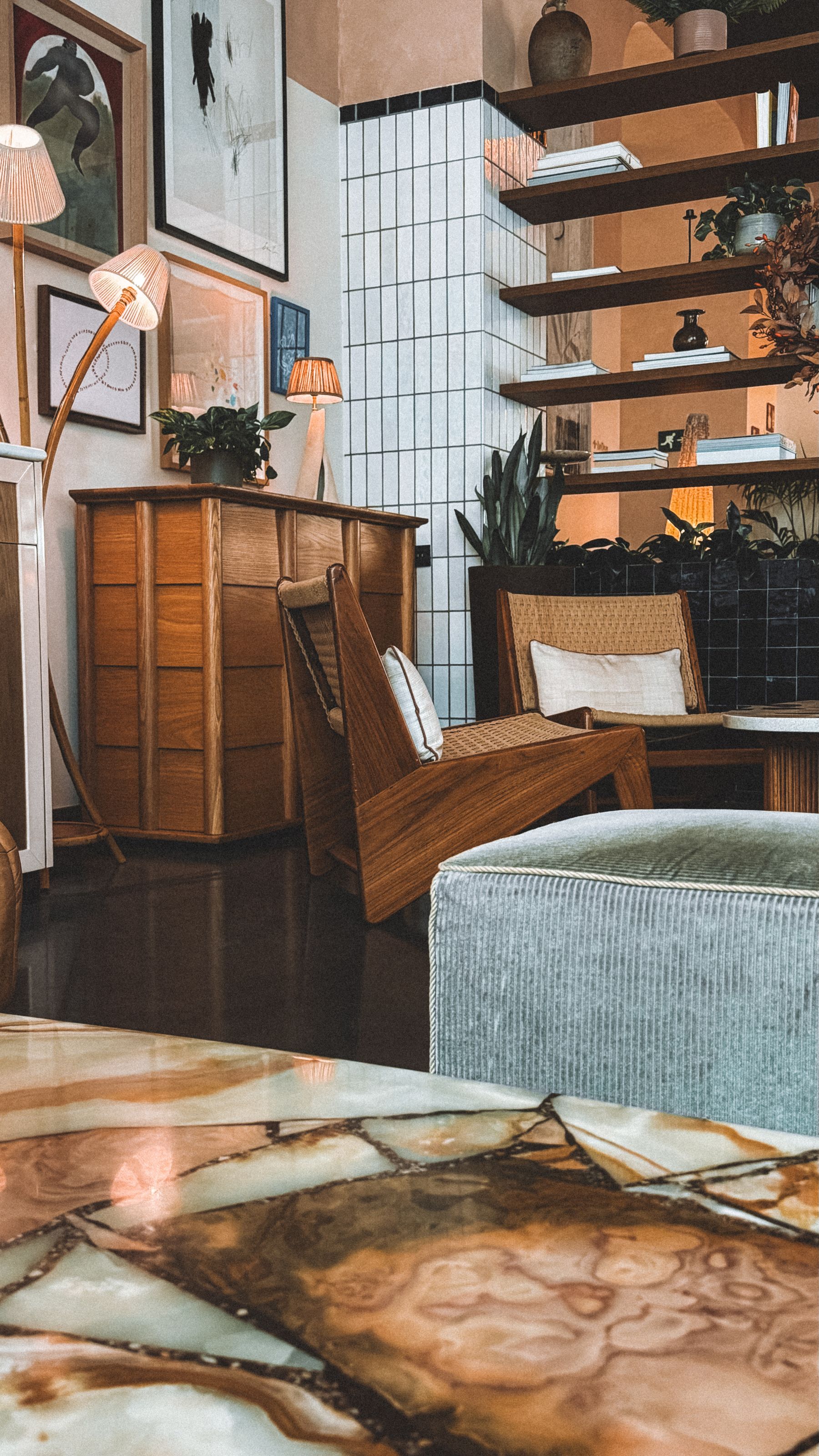
Choose the Decade Before the Palette
A 1960s room might favor optimistic color, moulded curves and sharp black-and-white contrast; the 1970s add earth tones, low lounging, smoked glass and heavy texture; the 1980s introduce pastels, chrome, glass block and graphic geometry; the 1990s can be more informal, personal and media-aware. Choose the era whose daily atmosphere you actually want, not only the one with the most recognizable props. Transitional schemes work when one decade supplies the background and the neighboring decade contributes only a supporting material or lamp.
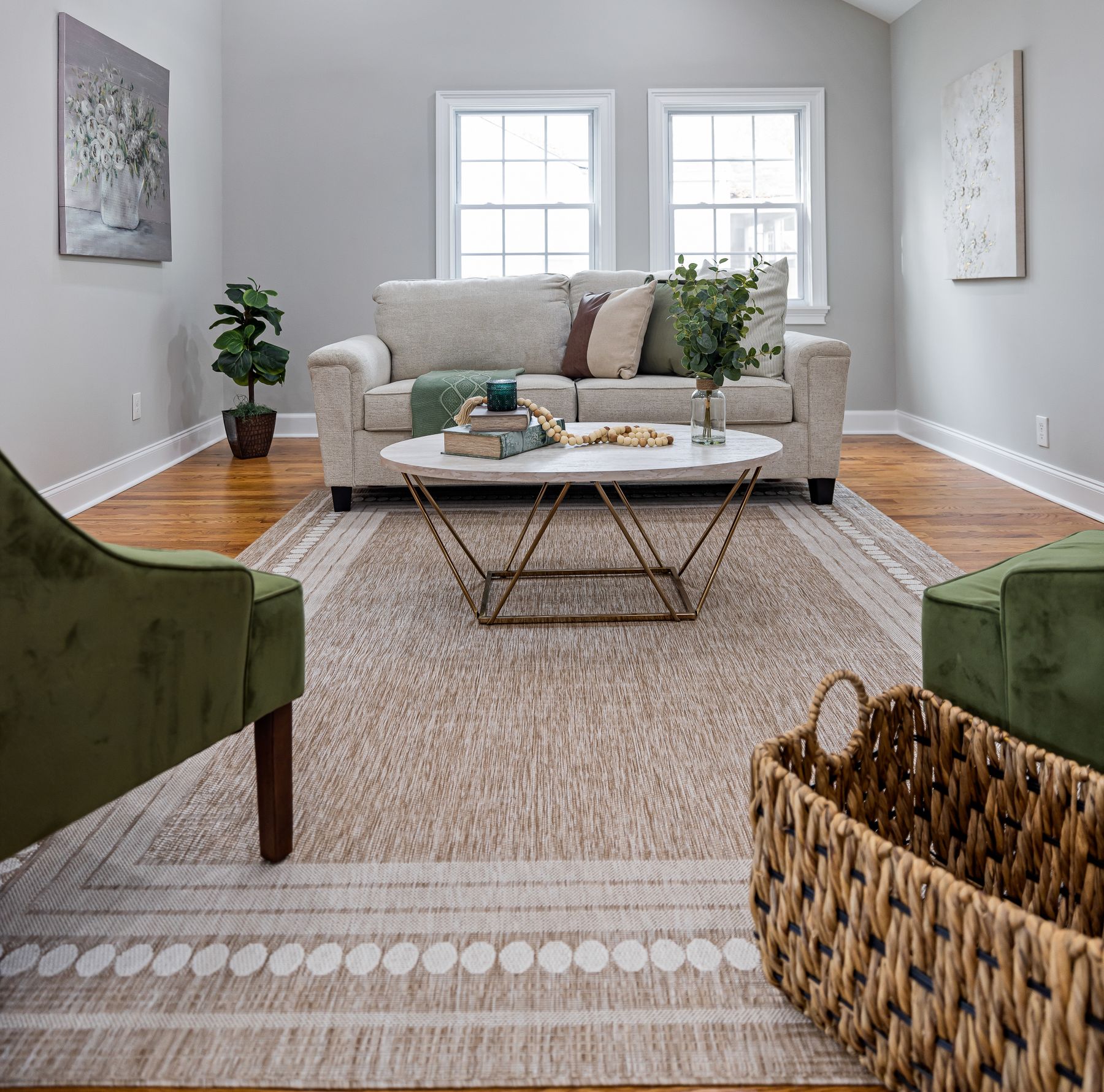
Plan the Social Room Beneath the Style
List the room's real jobs—conversation, television, reading, music, play, work or entertaining—then draw the routes between doors, windows and adjoining rooms. Build one coherent seating group rather than pushing every chair to the perimeter. Each primary seat needs a view of another face, a reachable surface and task or ambient light. If the television is important, allow some seats to turn or swivel rather than making every piece face one screen permanently.
Build a Conversation Group With Low Confidence
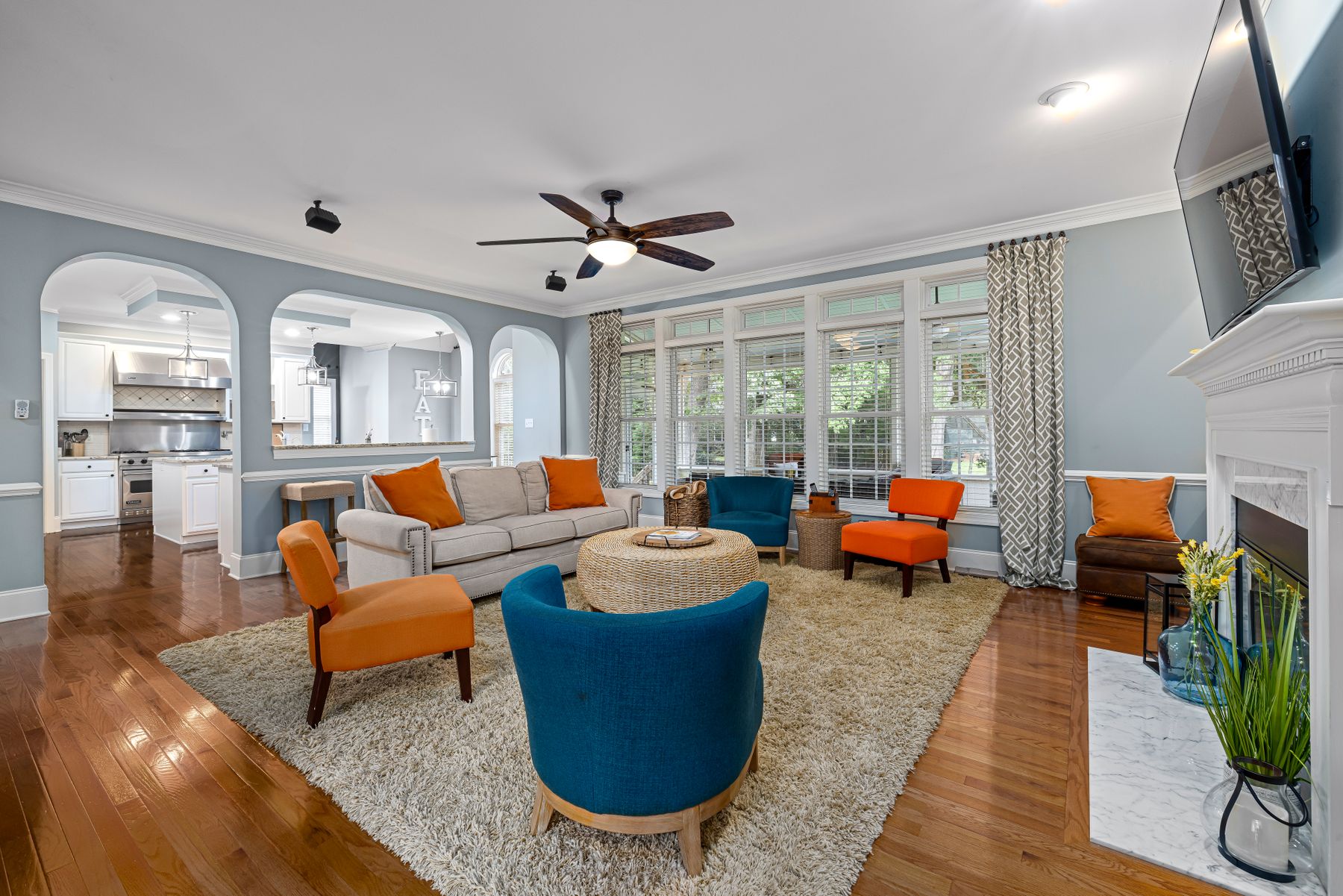
Retro living rooms often look persuasive because the furniture sits lower, closer and less formally than a conventional suite. Keep knees and table edges from colliding, however, and do not lower every seat beyond comfortable transfer height. A long sofa can anchor the group while two chairs vary silhouette and angle. Use the rug and repeated color to connect them; matching upholstery on every piece usually erases the lively, assembled quality that makes a revival feel personal.

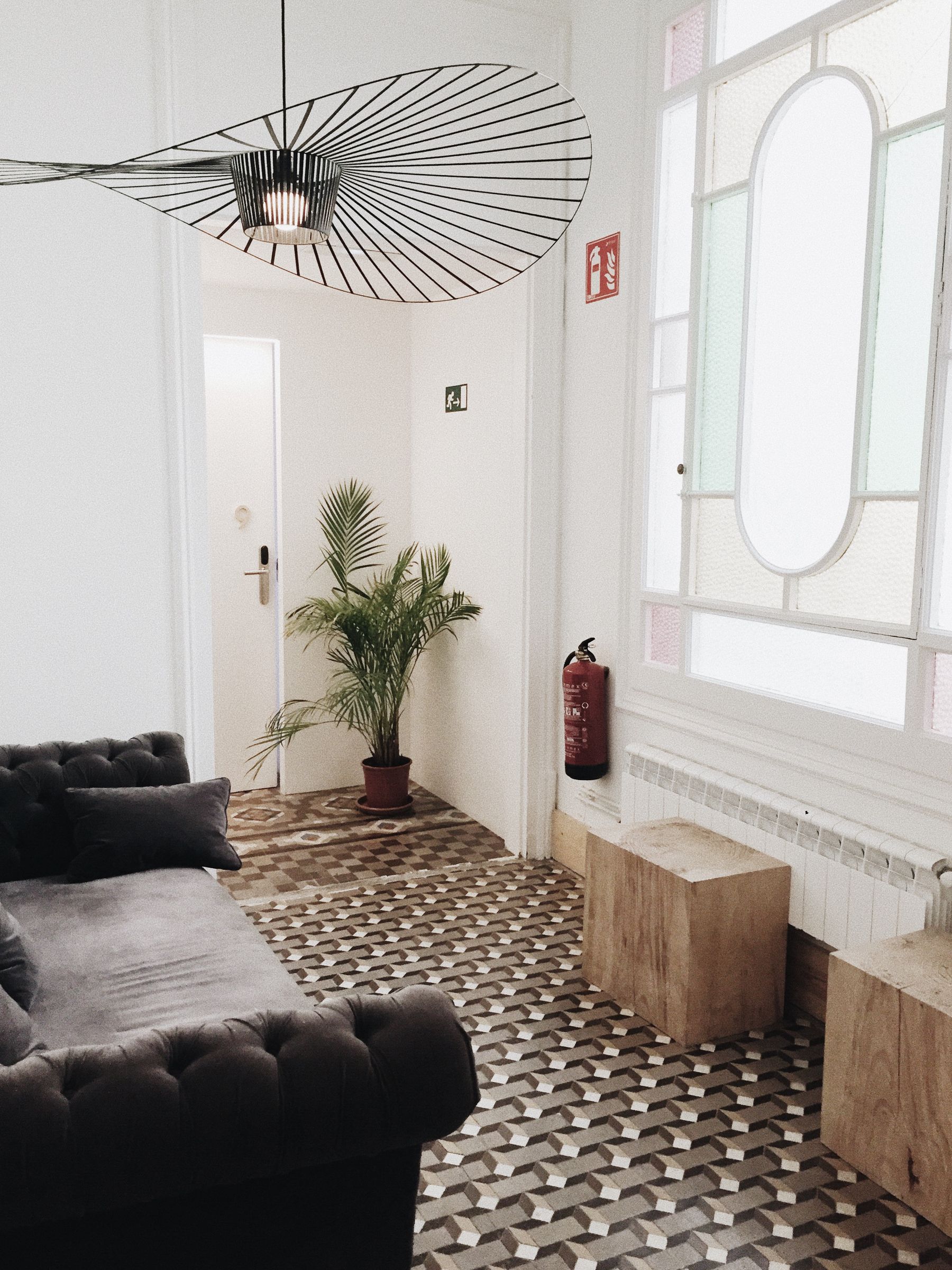
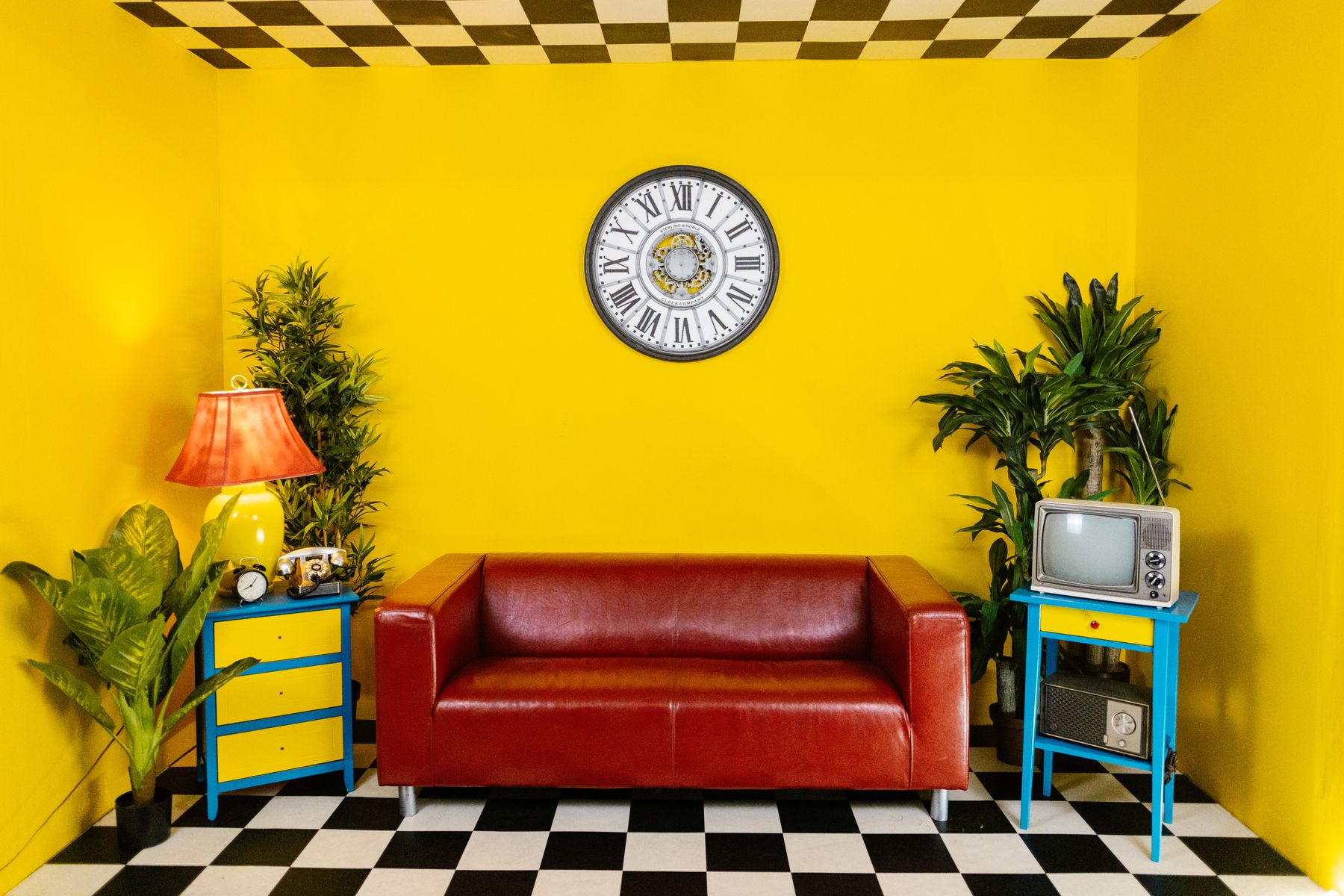
Use 1960s Mod Color as Clear Geometry
For a 1960s direction, pair white, cream or pale grey with black, cobalt, tomato red, orange or acid green in clean bounded fields. Let a wall, rug or single upholstery piece carry the strongest geometry, then leave visual pauses around it. Curves and simple cylindrical shapes can soften the contrast. Avoid scattering tiny pop colors through accessories; broad, intentional placement reads as design while many isolated accents quickly become a costume.
Build a 1970s Earth Palette Without Brown Fog
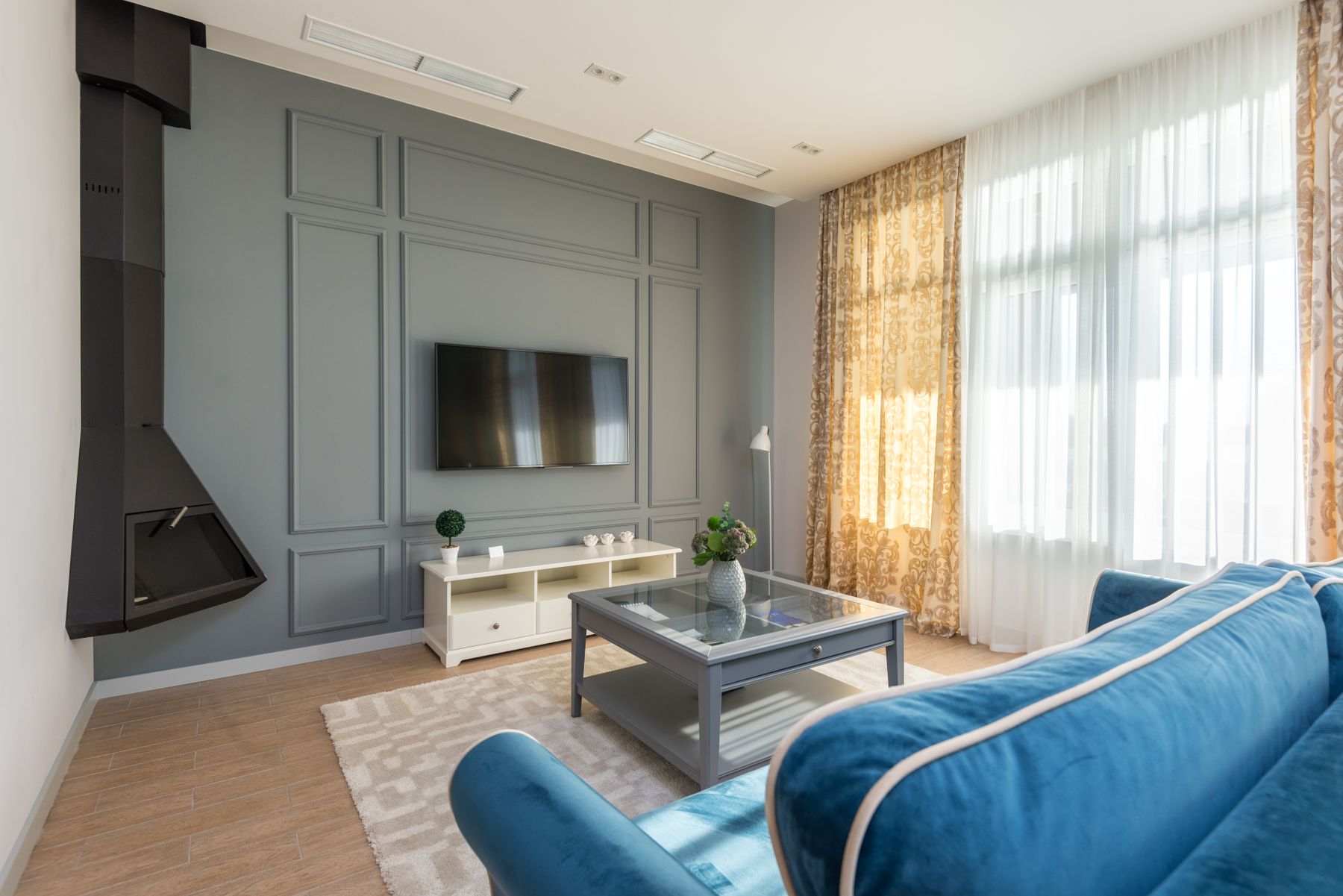
Ochre, tobacco, rust, olive, avocado and chocolate become richer when balanced by cream, pale stone, saturated blue or clear white. Use the deepest browns in wood or smaller upholstered areas, not automatically on every wall and floor. Daylight matters: a north-facing room may need a lighter ground and more reflective shade lining, while a bright room can carry olive or burnt orange across a larger field. [Green Apartment Ideas](/apartment/green-apartment-ideas/) offers a useful value test for olive and avocado beyond one sitting room.
Translate 1980s Graphics Without Neon Overload
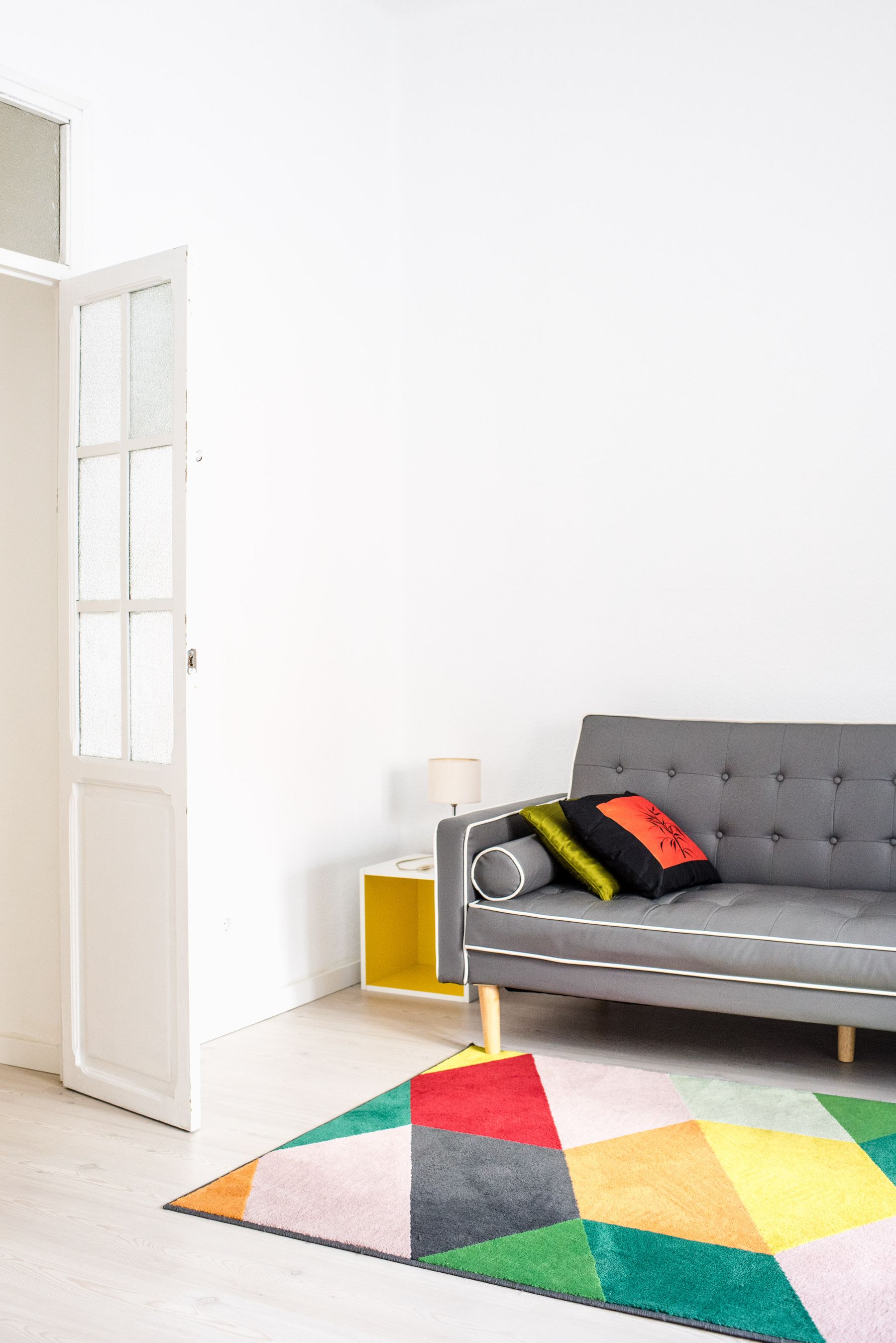
Choose one 1980s family: dusty mauve with grey and burgundy, Miami pastel with black punctuation, or Memphis-inspired primaries with off-white. Confine the strongest graphic to a rug, wallpaper panel, artwork or one chair rather than making every surface compete. Chrome, glass and lacquer can sharpen the scheme, but fingerprints, glare and maintenance increase with each reflective plane. The decade is visible through contrast and shape; fluorescent color is optional.
Use Pattern as Structure, Not Confetti
Pick a lead pattern and decide whether it belongs on the floor, wall or largest textile. Support it with one smaller-scale pattern and solids drawn from the same palette. Curves, stripes, checks, botanicals and abstract graphics can all be retro, but using them at equal intensity removes hierarchy. Repeat a shape at different scales—for example a rounded chair, arc lamp and circular table—rather than buying multiple items printed with the same motif.
Choose Modular Seating for Real Reconfiguration
Low modular sofas suit a 1970s revival when their units genuinely change for conversation, guests or floor space. Check connectors, cushion migration, seat depth, corner-unit usefulness and access beneath for cleaning. A deep lounge profile may be uncomfortable for shorter users and hard to leave for anyone with limited mobility, so combine it with firmer chairs at a more supportive height. Do not pay for modularity if the room permits only one fixed arrangement.
Let One Curved Sofa or Chair Carry the Era
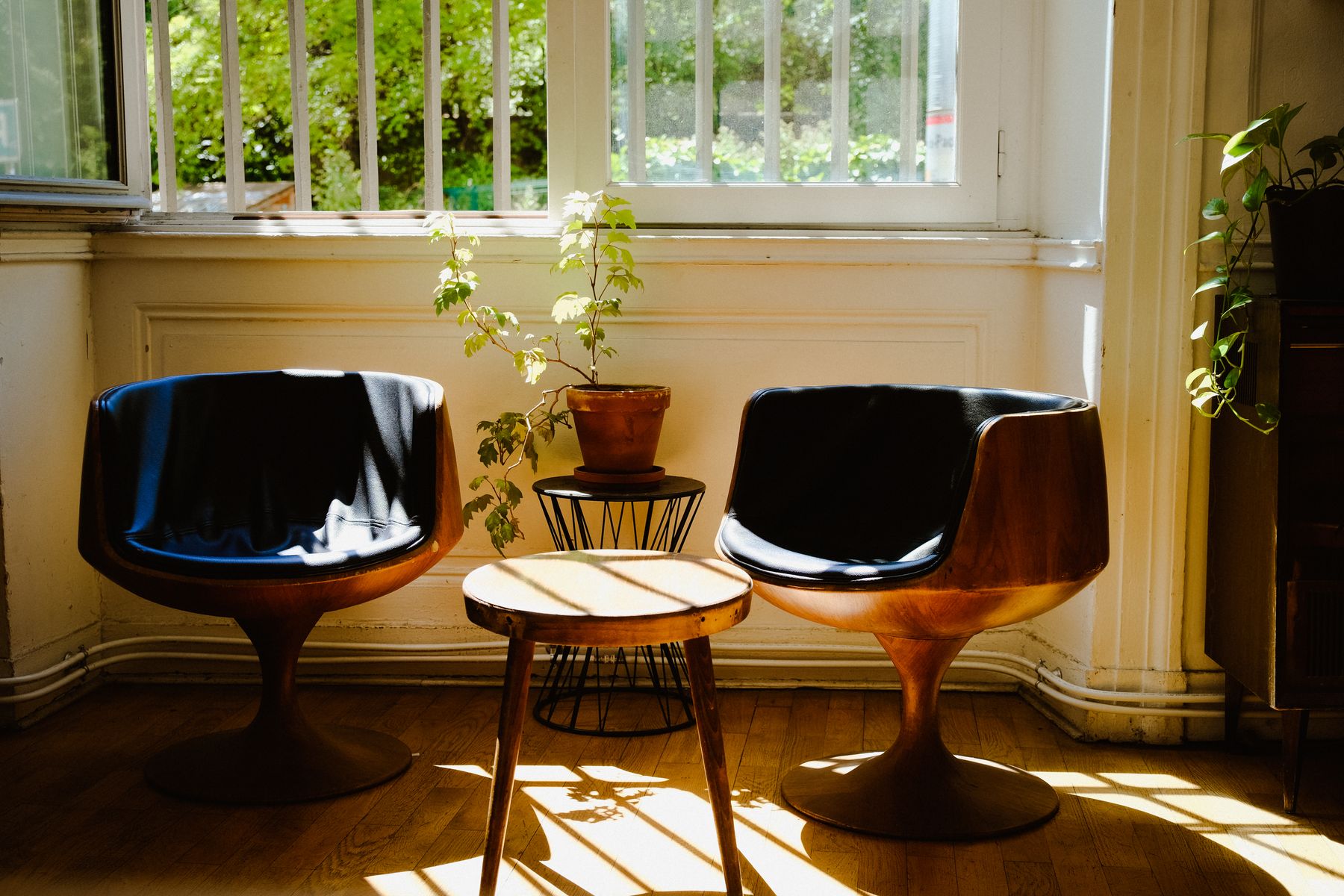
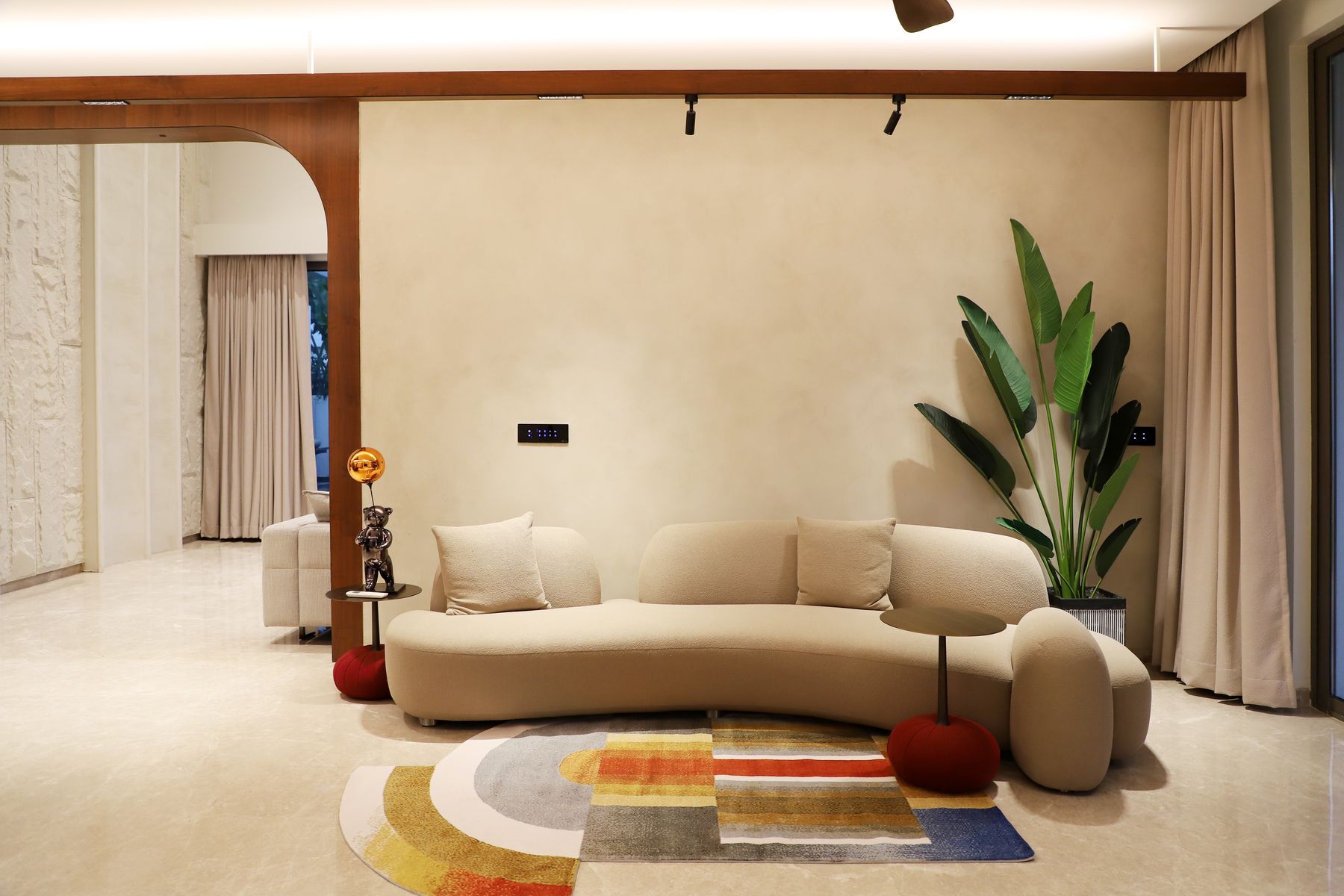
A curved sofa, swivel barrel chair, tulip-base seat or rounded lounge chair can establish the revival more effectively than many decorative objects. Keep enough space behind the curve for circulation and do not pair every rounded item with another rounded item. Current upholstery and support can be preferable to original foam, especially for the principal seat. Use color or piping to sharpen the silhouette, then let the coffee and side tables answer with simpler shapes; [Contemporary Living Room Ideas](/living-room/contemporary-living-room-ideas/) shows how current curved furniture can stay visually quieter.
Inspect Original Seating Beyond the Silhouette
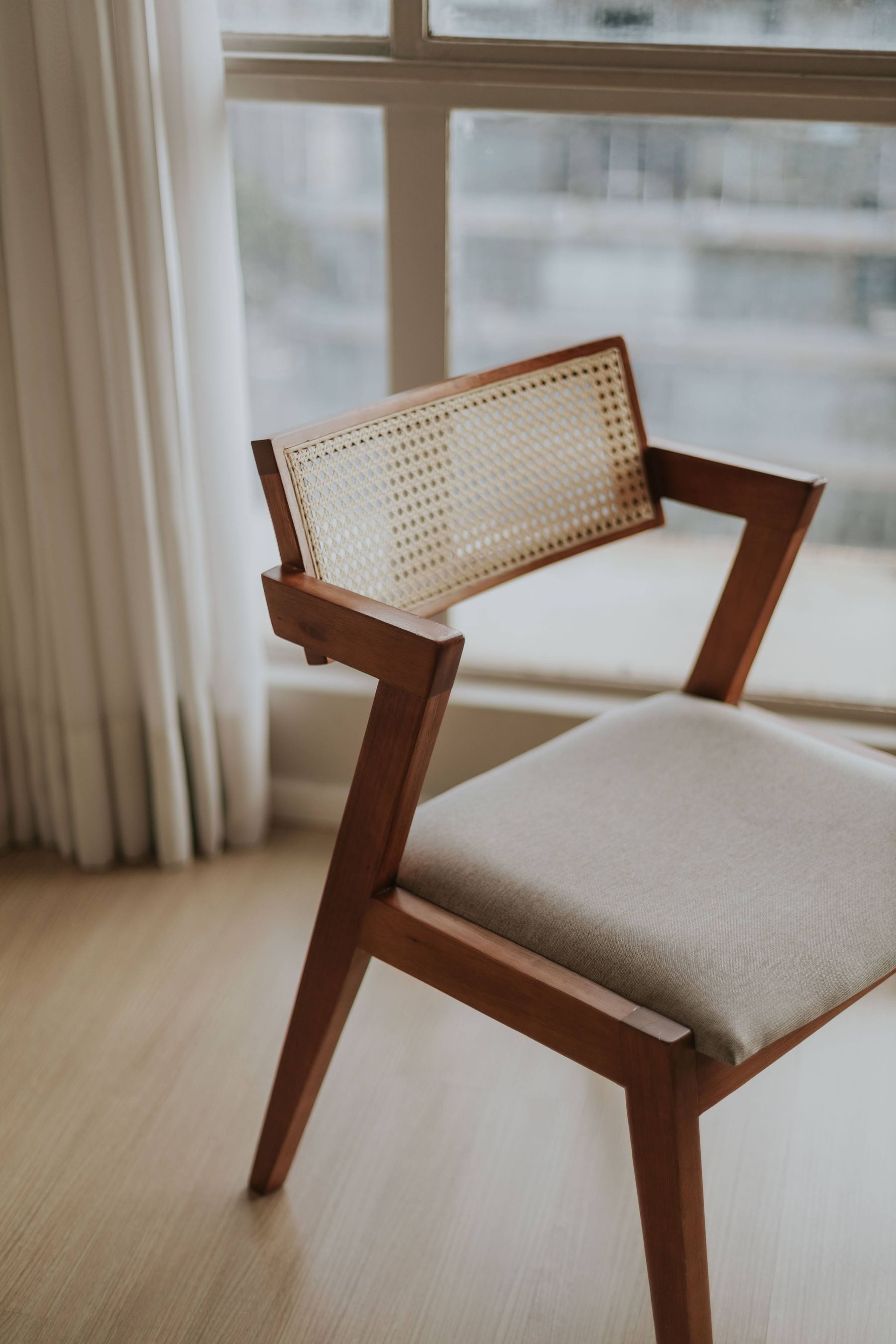
Check frame movement, loose joints, springs, webbing, foam breakdown, odors, stains and fabric strength before buying an original chair or sofa. Old foam may crumble or hide previous moisture; a low seat can also be much less comfortable than it appears. Price professional upholstery, transport and replacement filling before comparing the piece with a well-made reproduction. Preserve sound fabric and finish where practical, but do not treat unsafe structure as desirable patina.
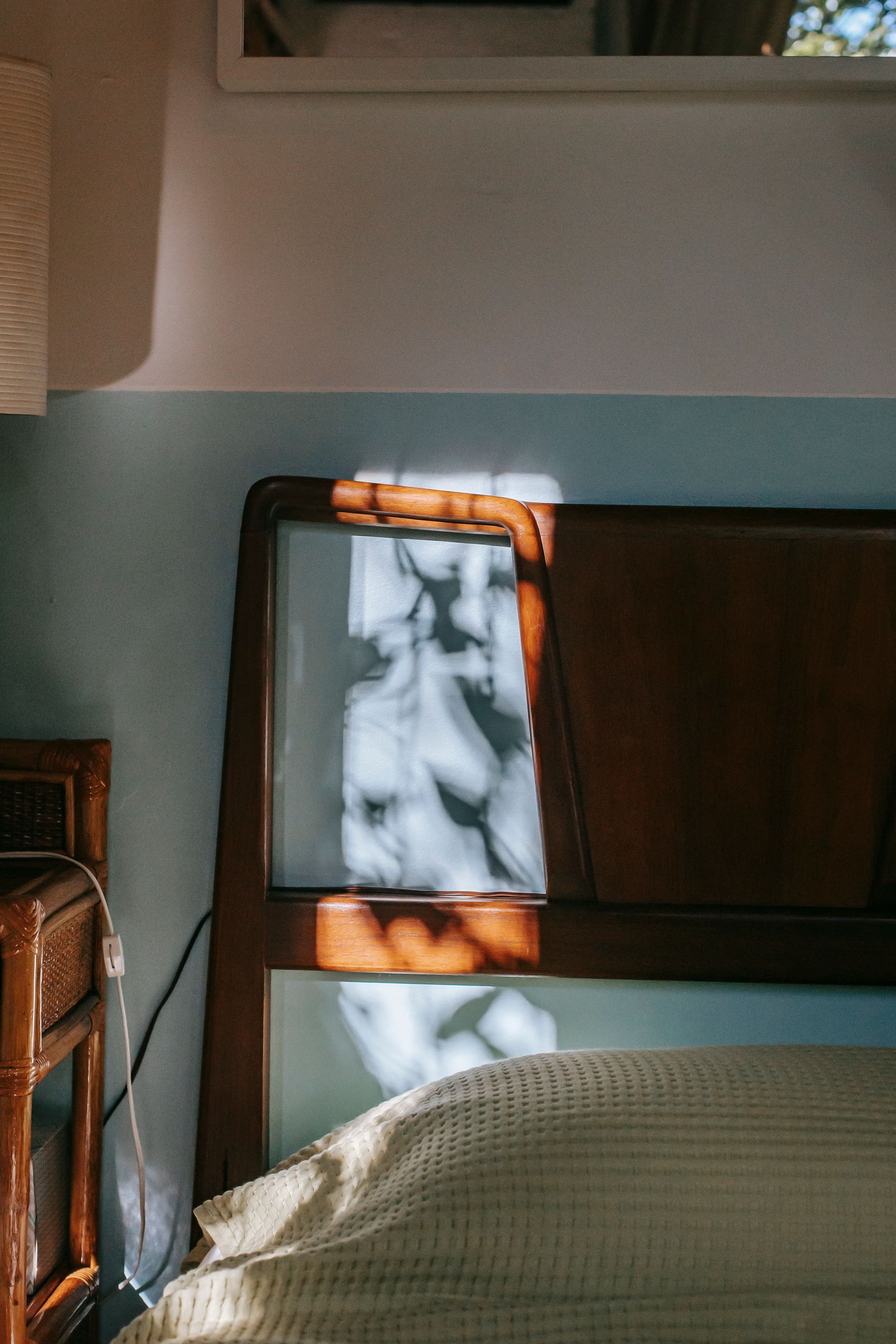
Use Wood, Rattan and Cane as a Material Family
Walnut, teak, oak, pine, cane and rattan all appear in retro interiors, but they need a hierarchy. Let one wood temperature dominate large furniture, use a second on smaller pieces and treat woven material as texture rather than another competing color. Inspect cane for broken strands and dried joints, keep plant water off veneer and avoid placing delicate woven pieces against heaters. A room of medium-brown furniture benefits from one pale textile or saturated upholstery field to separate the silhouettes.
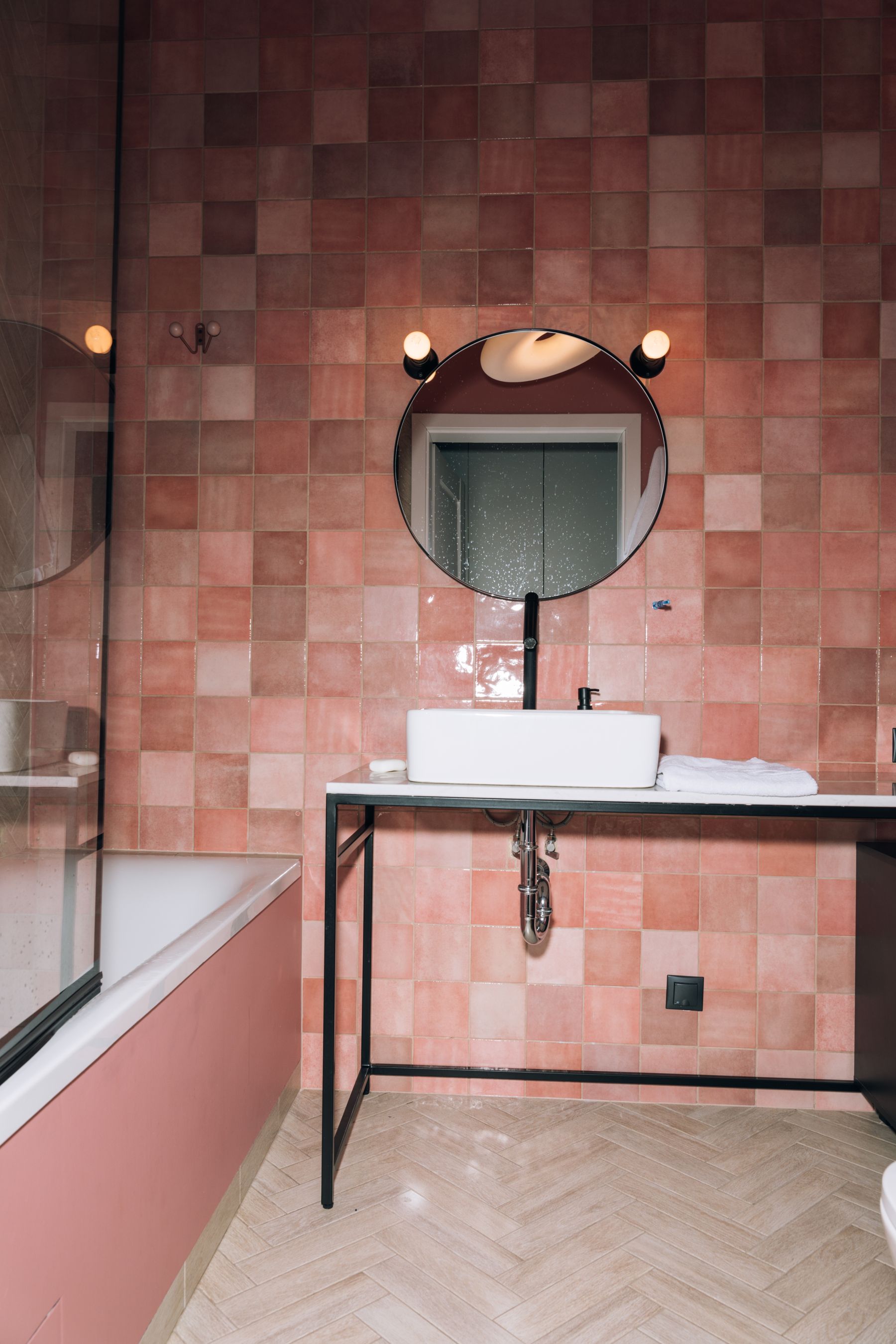
Add Chrome, Smoked Glass and Lacquer Selectively
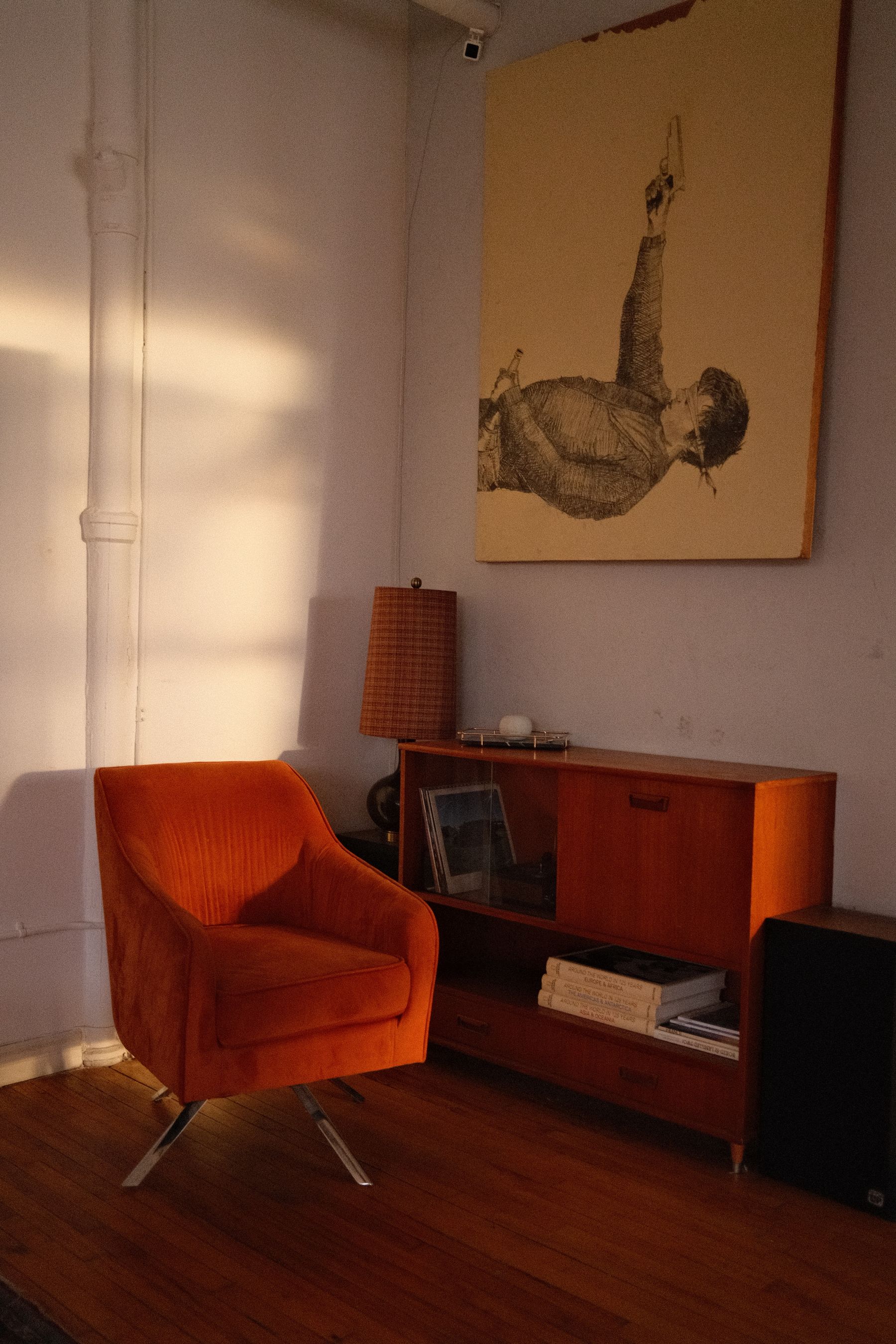
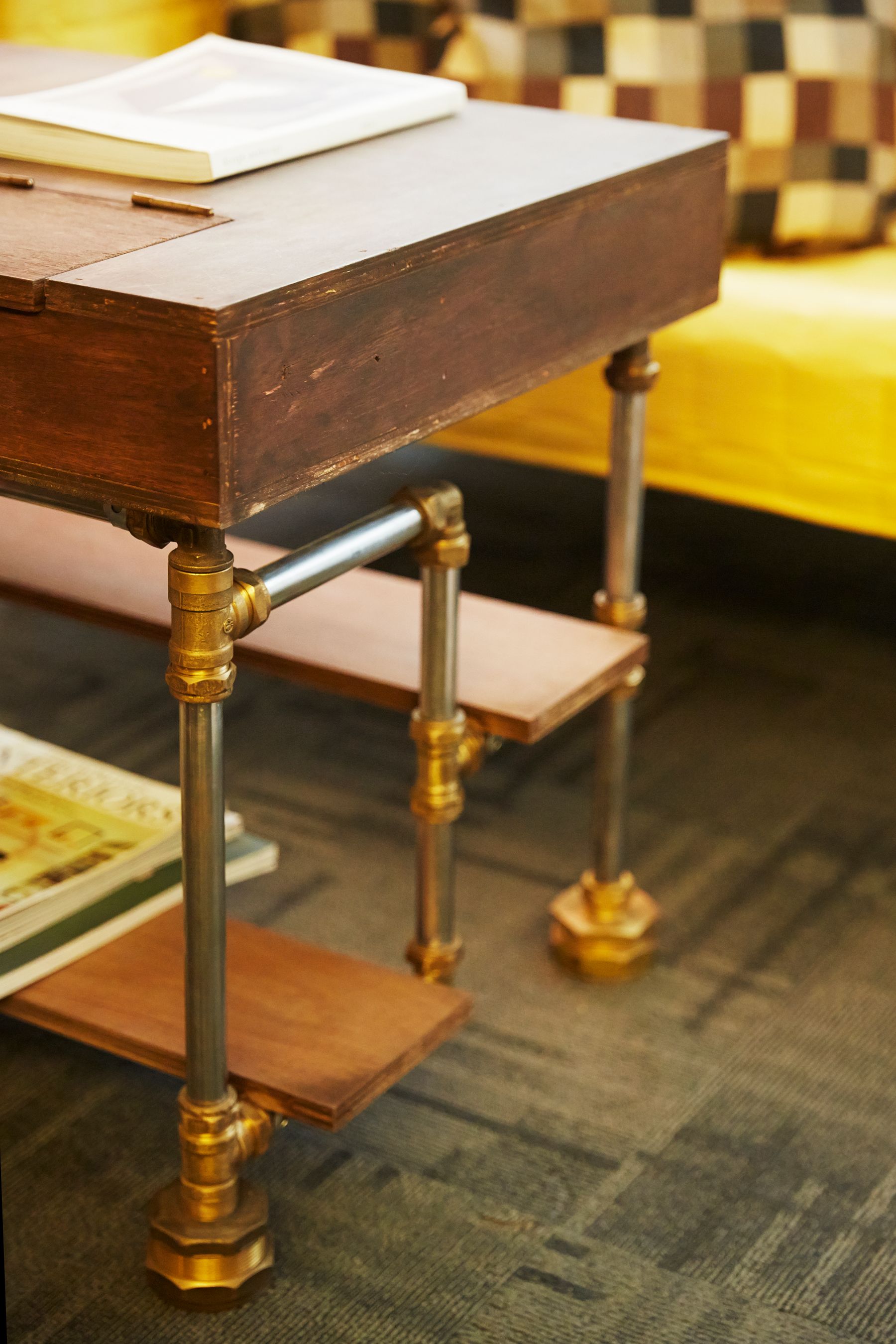
Chrome tubing, smoked glass, mirror and lacquer can move a scheme toward late-1970s or 1980s glamour. Assign each finish a role: chrome on a lamp or chair frame, smoked glass on one table, lacquer on a cabinet. Verify glass safety and edge condition, check old chrome for pitting and avoid placing reflective surfaces where sun glare hits the television or main seat. Too many glossy planes make maintenance and fingerprints the dominant visual experience; [Art Deco Living Room Ideas](/living-room/art-deco-living-room-ideas/) is the better destination when reflective luxury and interwar geometry, rather than later nostalgia, lead.
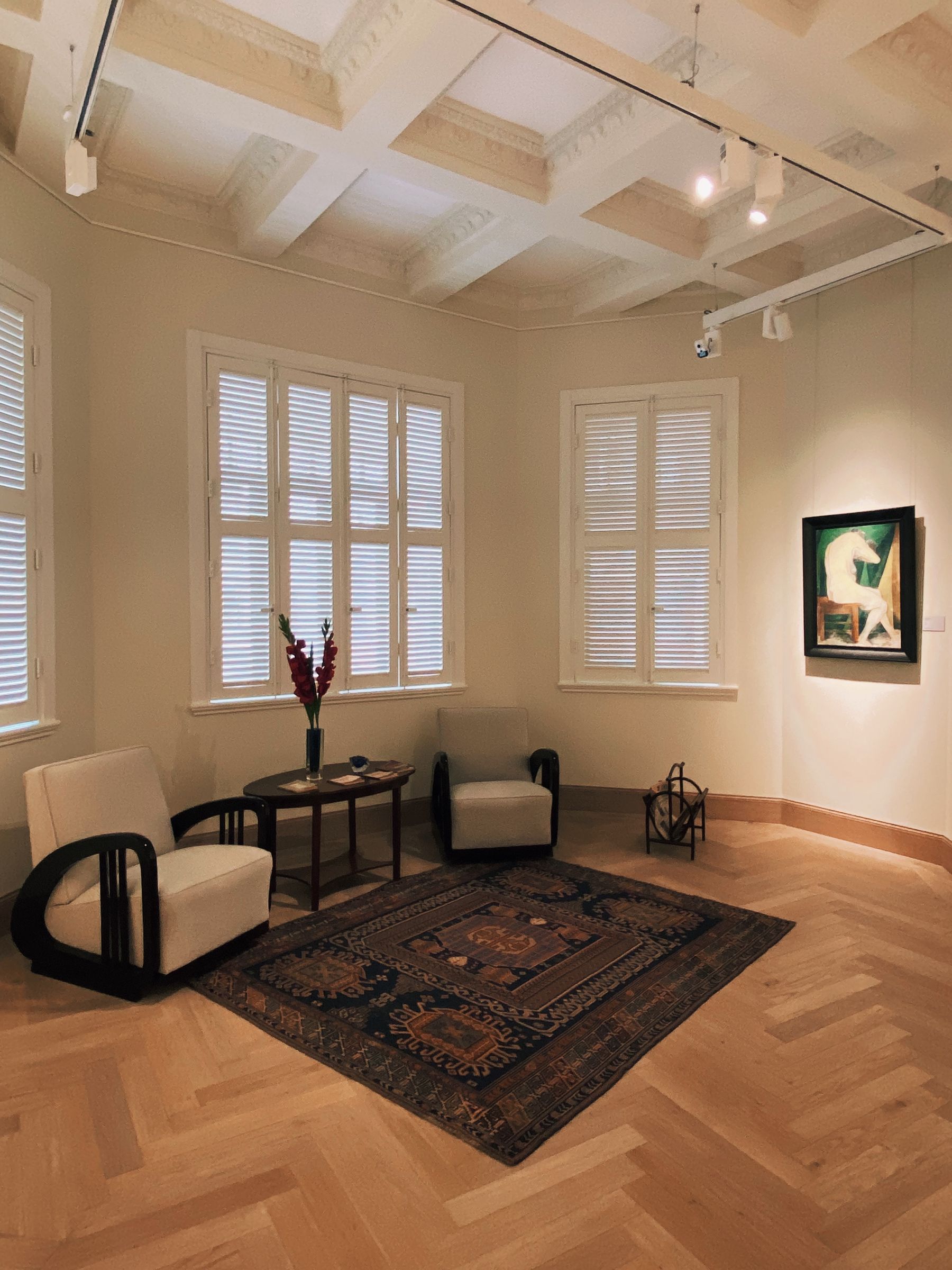
Size the Rug From the Seating Group
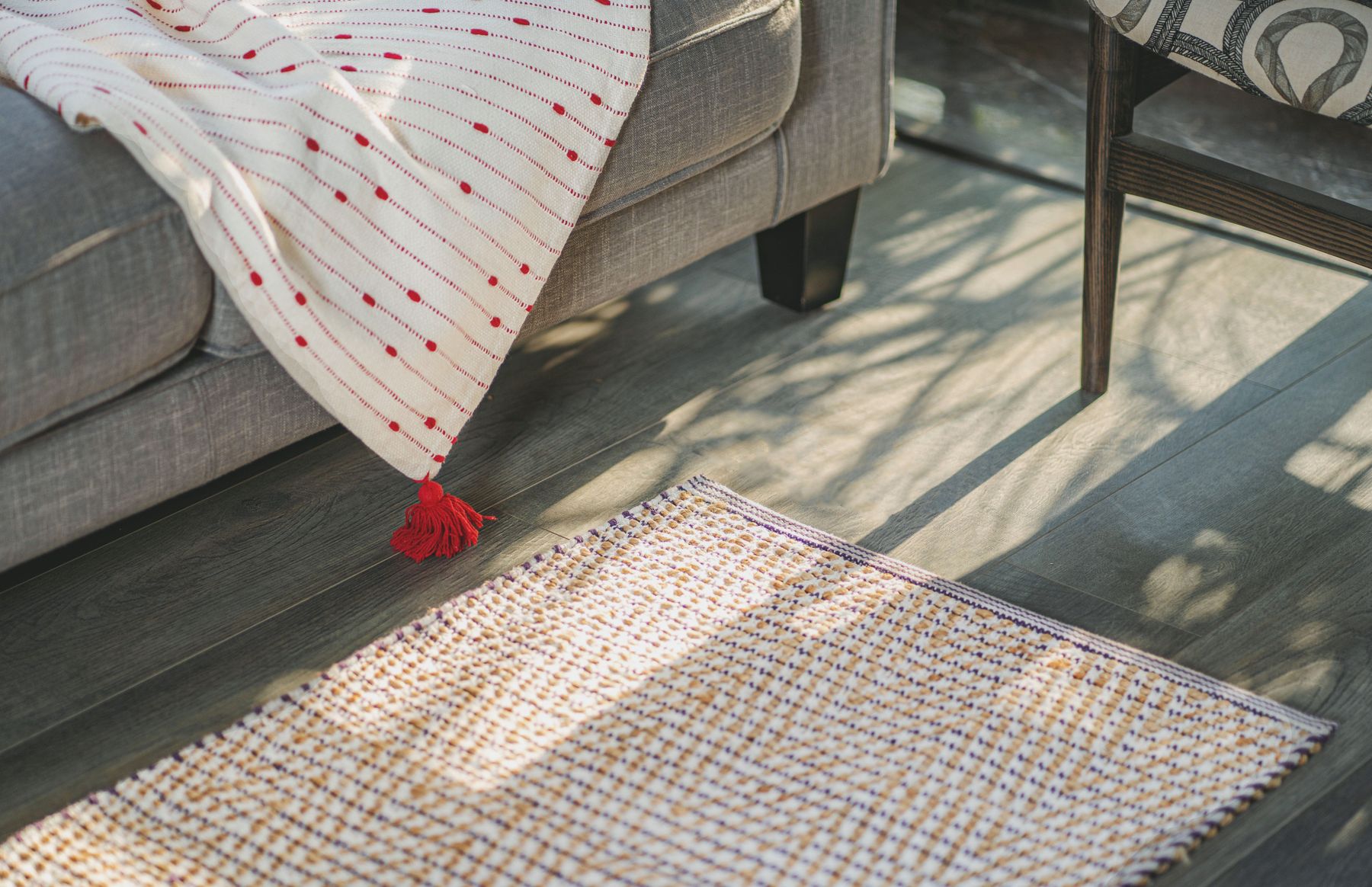
Choose rug dimensions after the furniture plan, not from an isolated pattern sample. At minimum the front legs of the main sofa and chairs should share the rug; a larger rug can hold the full conversation group in an open plan. Shag and deep pile offer period texture but demand stronger cleaning routines and may impede wheels or unstable feet. A flatter geometric weave can provide the decade with less maintenance and a clearer walking surface. [Living Room Rug Ideas](/living-room/living-room-rug-ideas/) covers the sizing tests in more depth.
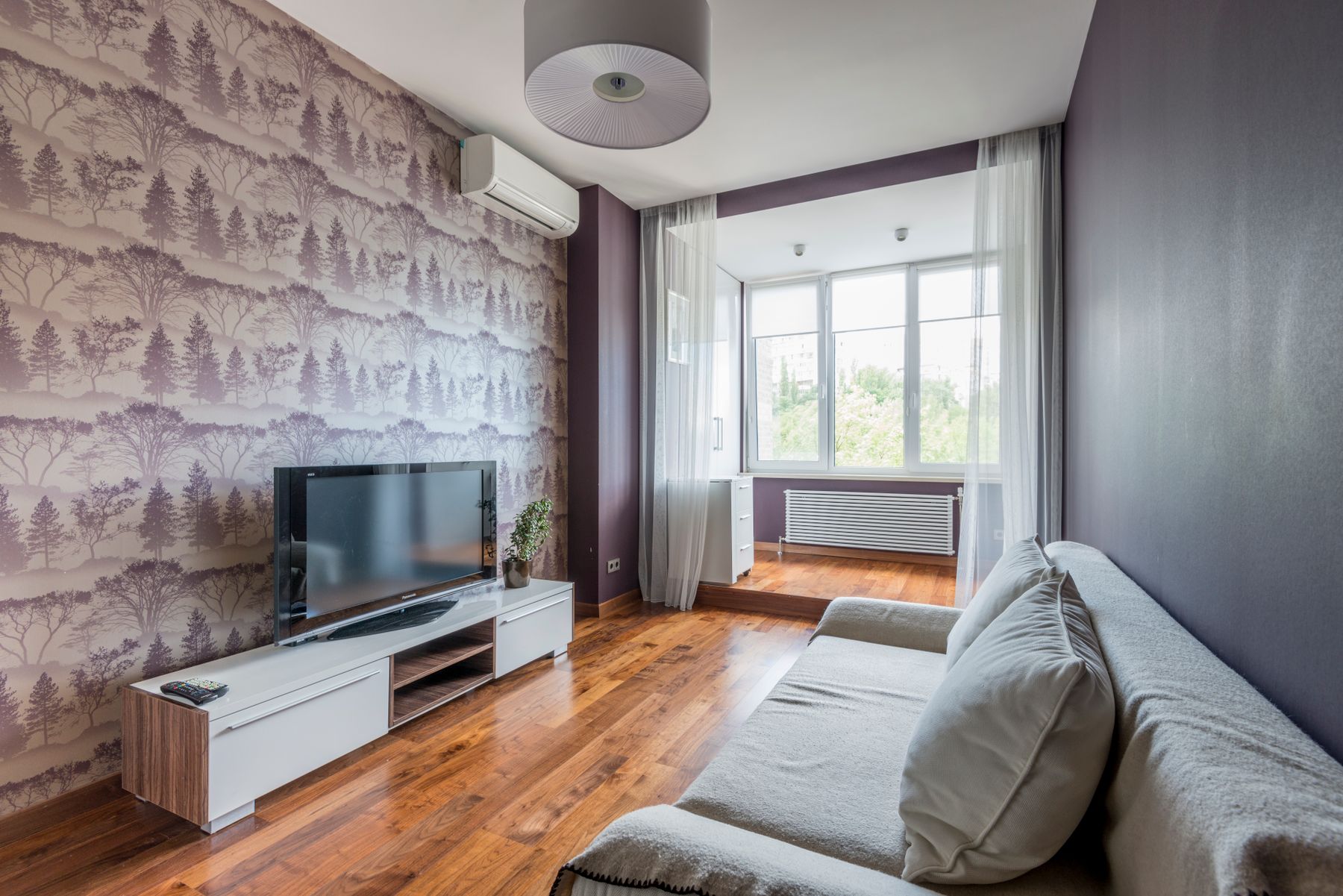
Choose Wallpaper or Paneling as the Main Field
Large botanical, geometric or stripe wallpaper can carry a 1960s–1980s room; wood paneling can deliver warmth and horizontal rhythm. Choose one leading wall treatment rather than combining both at full intensity. Sample at least two repeats, check seams in daylight and evening light, and inspect substrate moisture before covering a wall. Real veneer or sound existing paneling has depth that thin false boards rarely match; painting can be the better reversible decision when the architecture is plain. Compare full-plane options in [Living Room Wall Ideas](/living-room/living-room-wall-ideas/) before treating a small sample as a room.
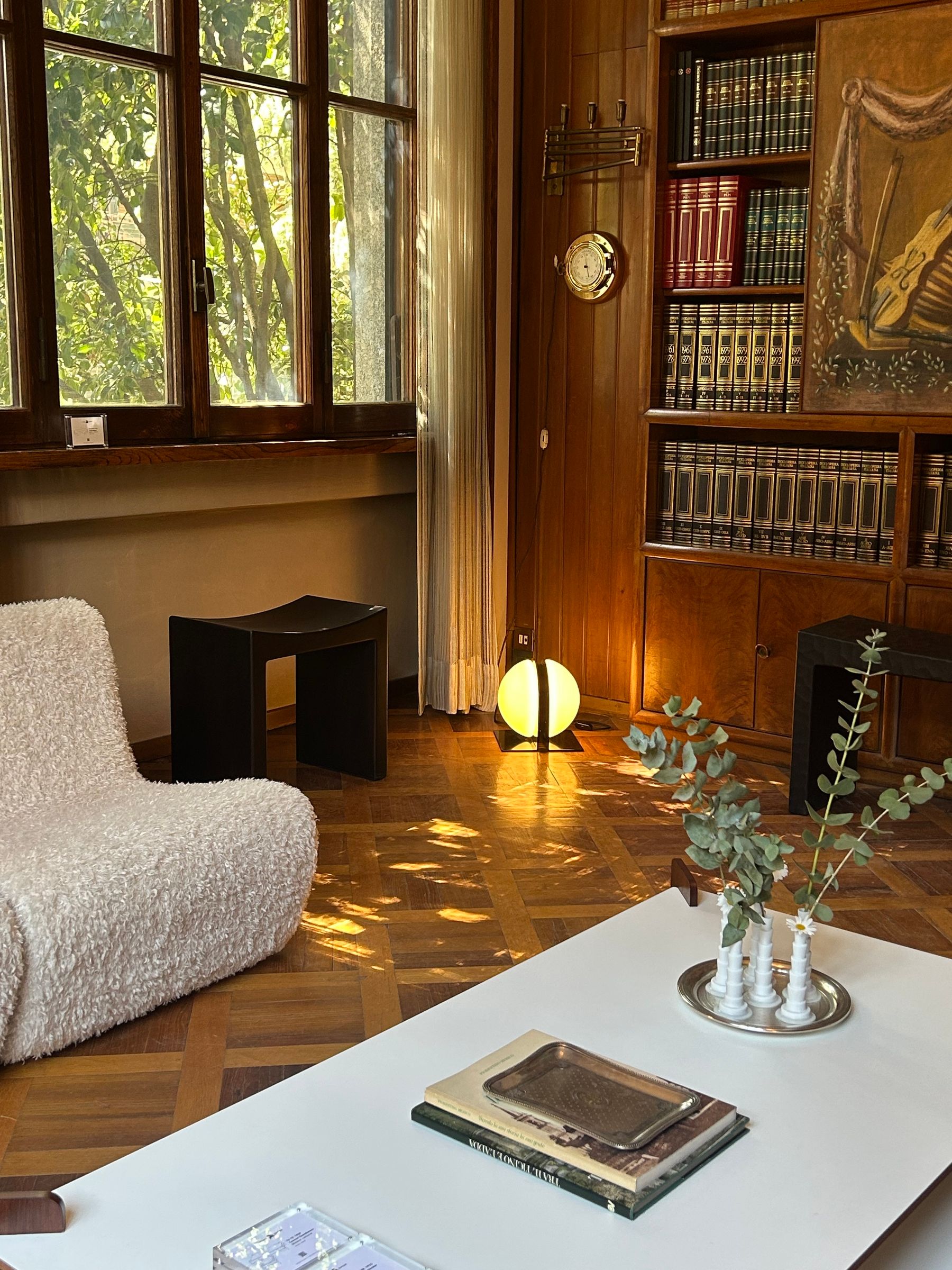
Layer Sculptural Lighting at Human Height
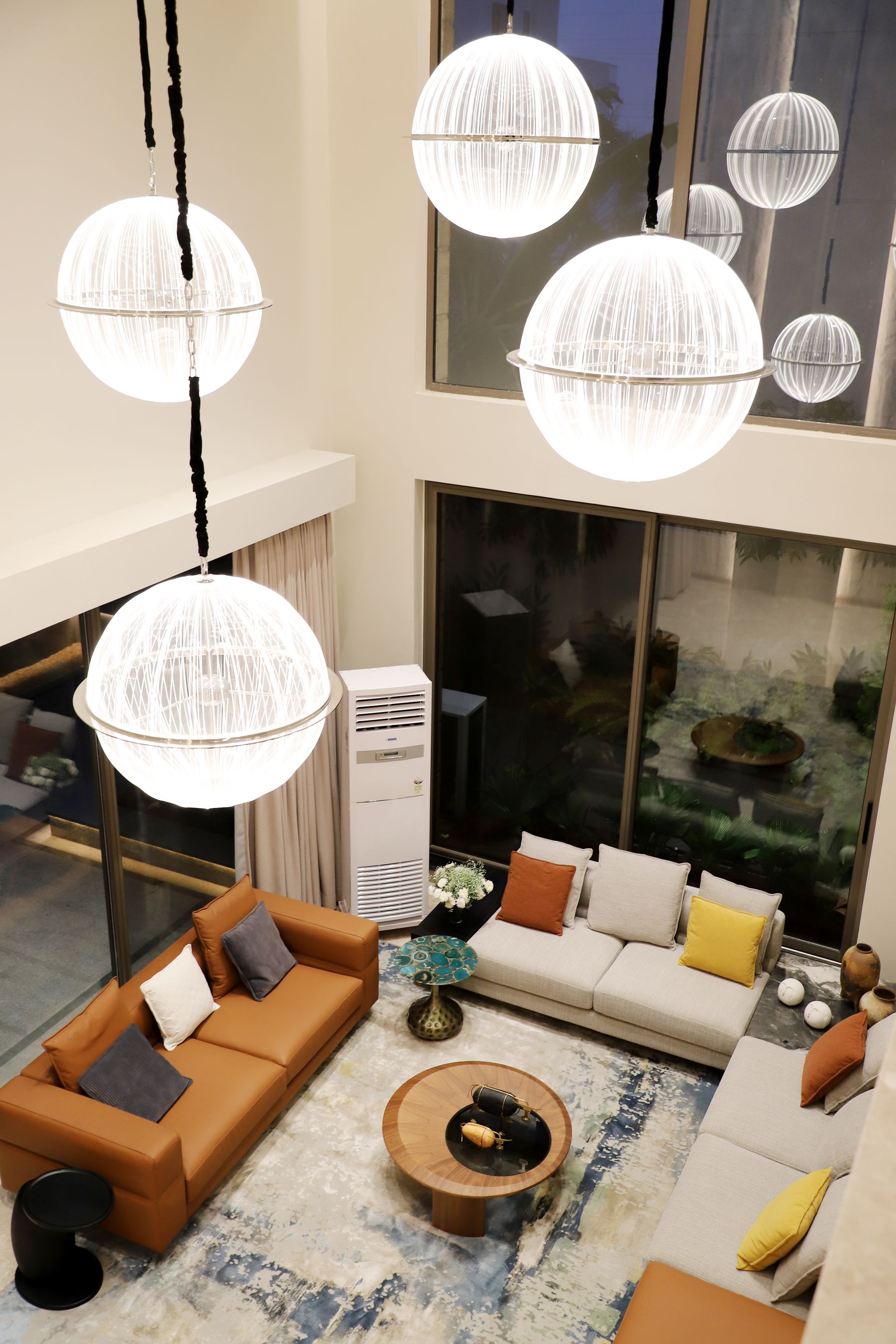
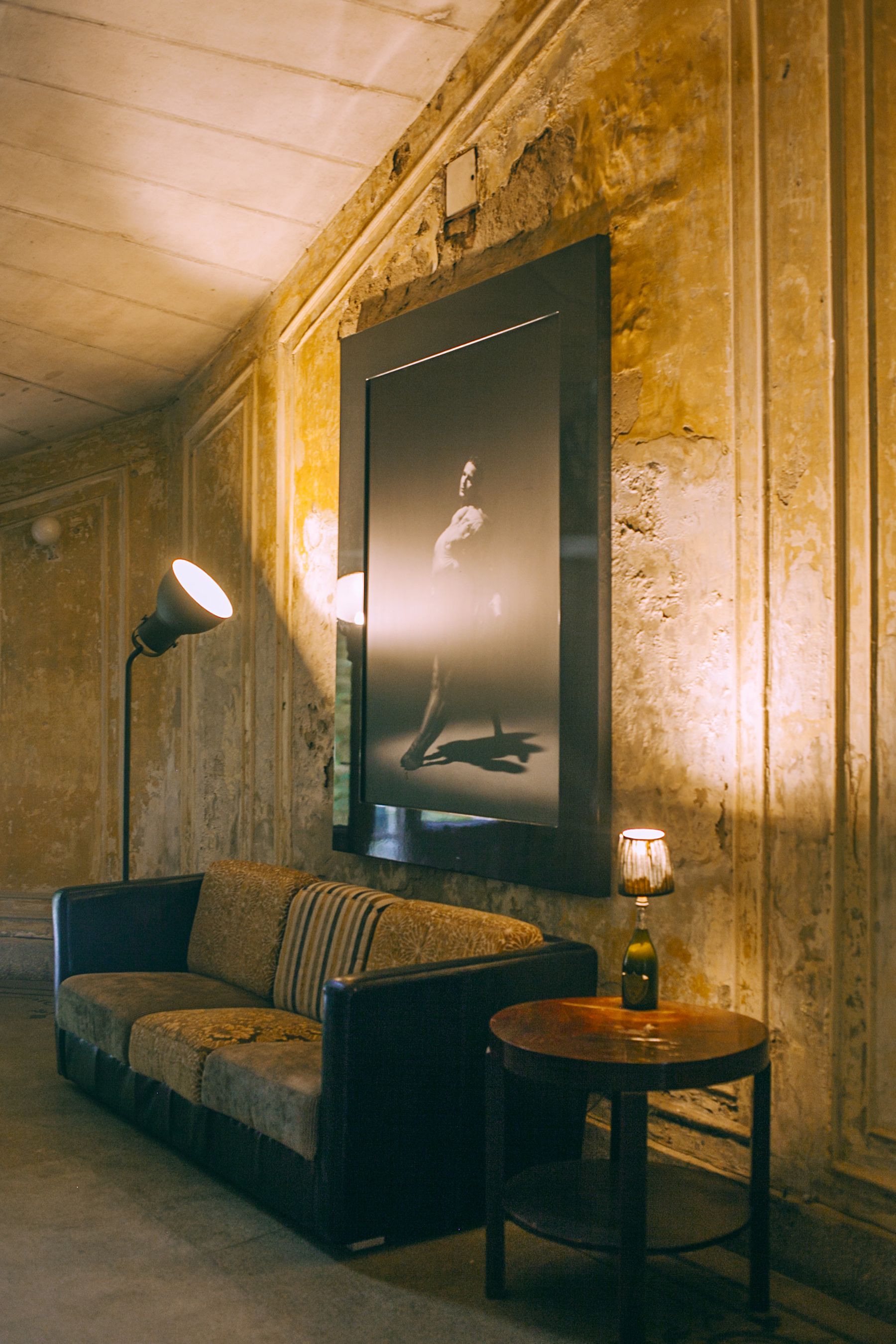
Mushroom lamps, globe pendants, arc lamps and pleated shades are powerful retro signals, but lighting must still support reading, conversation and safe movement. Combine one statement fixture with shaded table or floor lamps and discreet current task light. Rewire vintage fittings where necessary, use compatible lamp ratings and keep shades clear of heat. Dimmers can help, but they must match the lamp and driver; color temperature should remain coherent across sources. [Living Room Lighting Ideas](/living-room/living-room-lighting-ideas/) provides the practical layer plan.
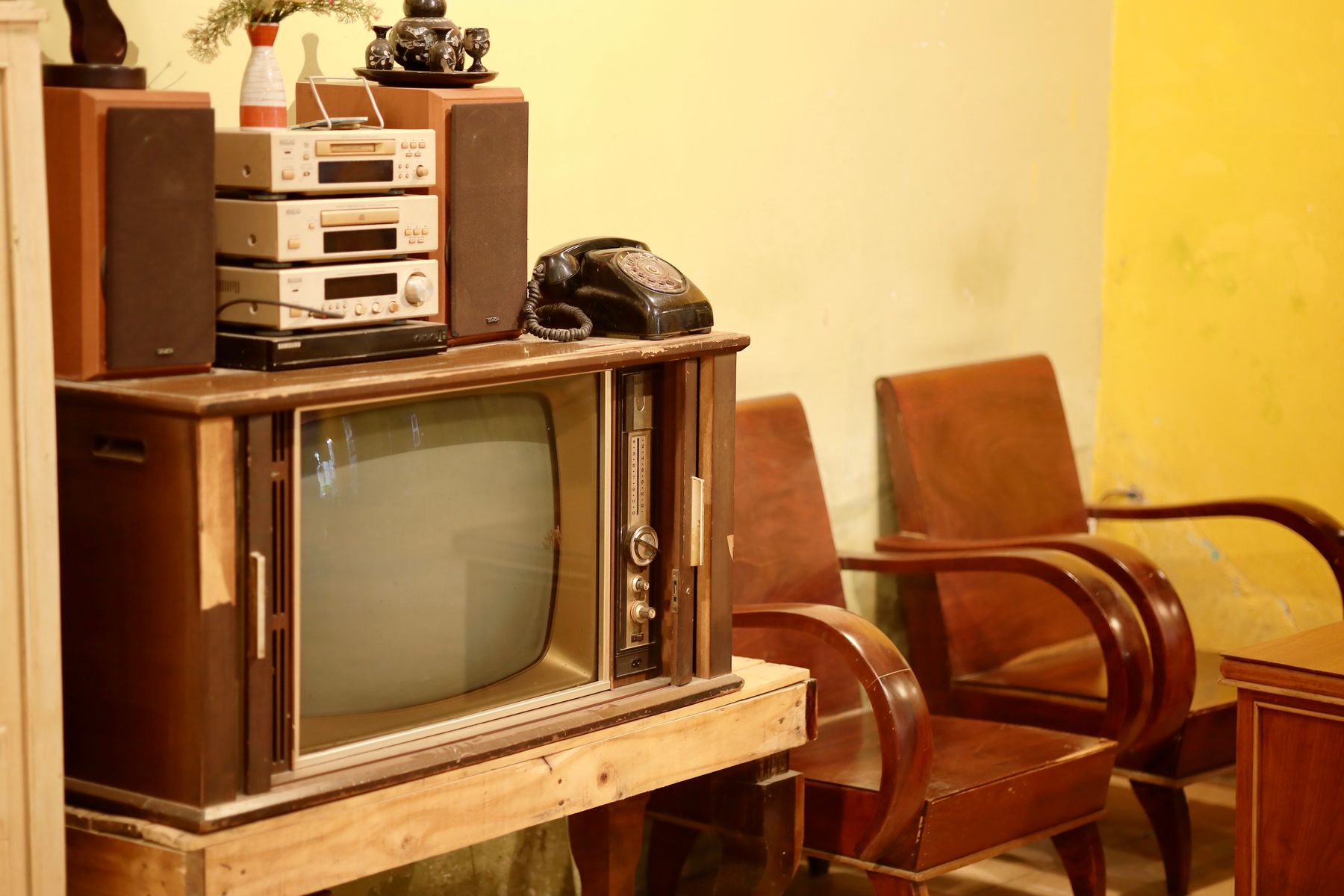
Give Music and Media a Real Working Zone
A turntable, receiver, speakers, radio or cassette deck should be positioned for use rather than displayed as a nostalgic still life. Provide a level stable surface, ventilation, cable management and storage that keeps records vertical and away from heat or damp. Vintage electrical equipment requires appropriate inspection; a non-working set can remain decorative only when it adds enough to justify the footprint. Keep speakers clear of turntable vibration and protect hearing by sizing the system to the room.
Integrate the Current Television Honestly
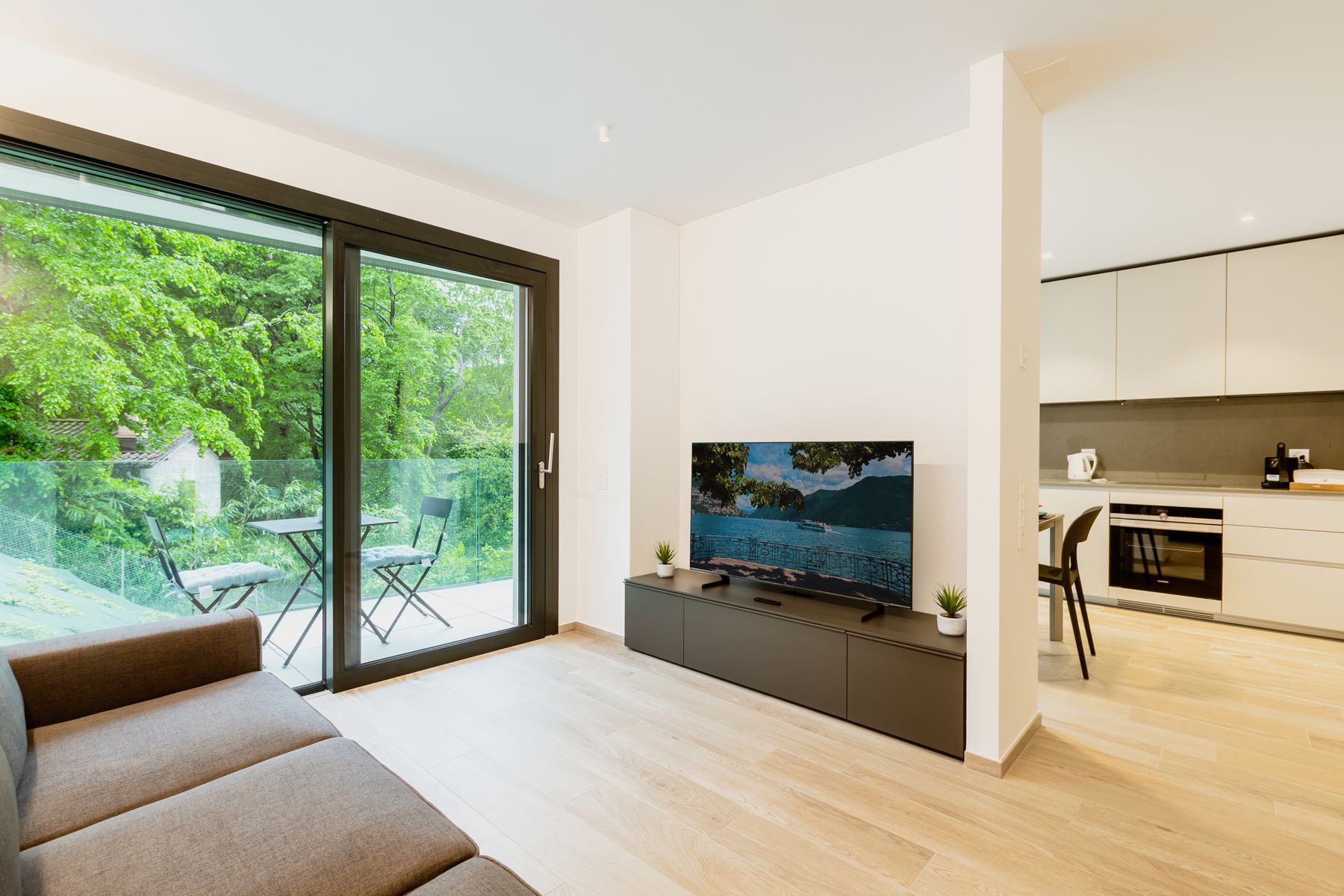
Do not disguise a current screen as a fake old television if it remains the main equipment in daily use. Position it at a comfortable seated height, control window glare, ventilate components and provide an accessible route for cables and updates. A long low wood cabinet, colored lacquer unit or modular shelving can connect it to the lead decade. Keep fragile objects away from heat vents and avoid gallery arrangements that place valuable art in the most visually and thermally stressful zone.
Choose Artwork With Rights and Breathing Room
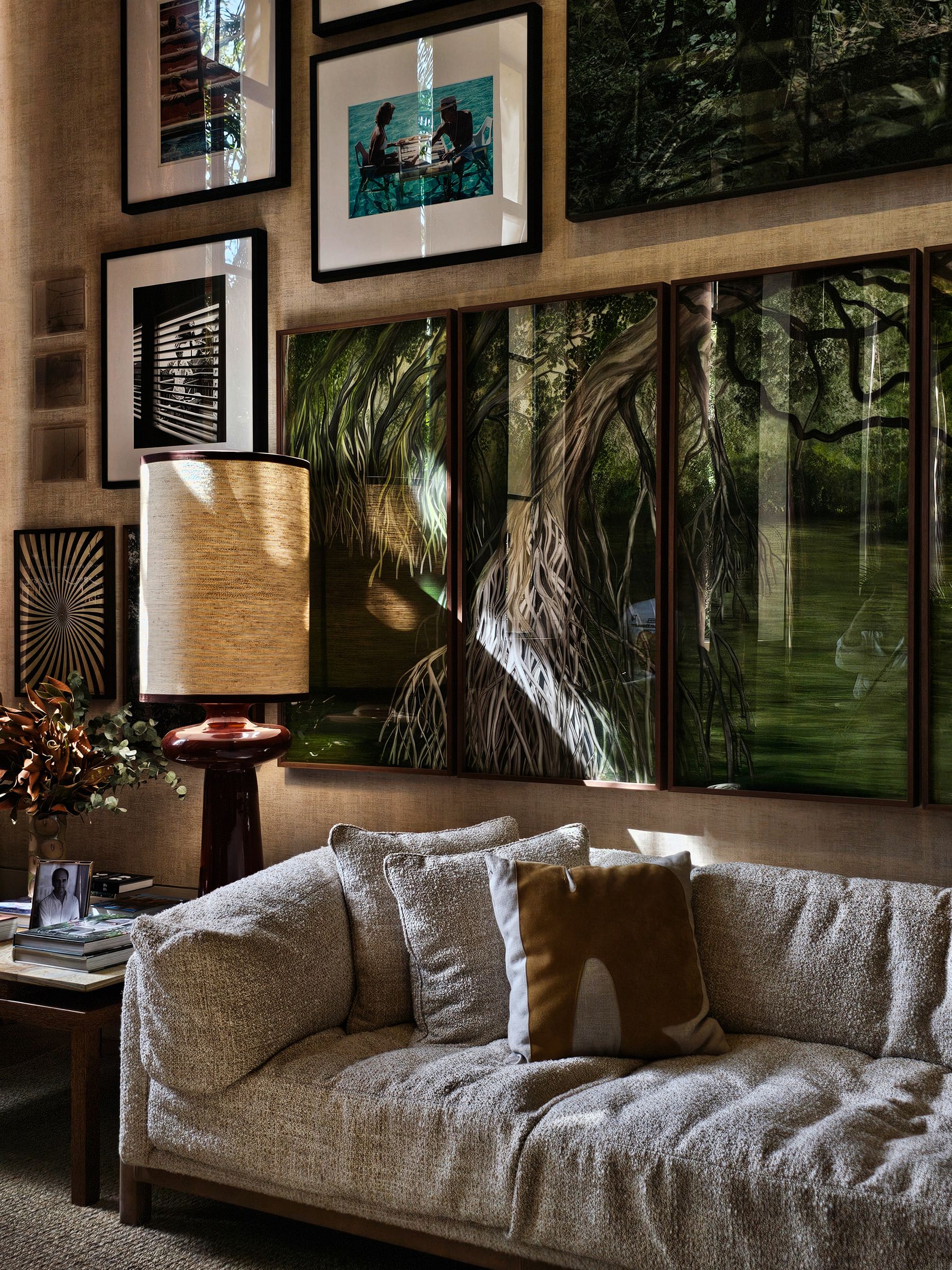
Use family photography, licensed prints, original work, textile panels or public-domain material whose rights are understood. Album covers, movie posters and advertising imagery may be culturally legible but are not automatically cleared for reproduction or prominent commercial display. Let the arrangement echo the decade through grid, asymmetry, frame color or scale while keeping enough blank wall for the strongest piece to read. Secure heavy frames properly and keep glass glare out of the principal sightline.
Display Collections as Usable Chapters
Group records, ceramics, cameras, books or games by use and scale rather than spreading one object across every surface. Leave negative space around the best pieces, repeat one material and keep small items behind doors where dust or children make open display impractical. A collection becomes convincing when it can be reached and used; rows of disconnected nostalgia often look like set dressing. Concentrated storage also makes the rest of the room easier to clean and reconfigure; use [Living Room Storage Ideas](/living-room/living-room-storage-ideas/) to test closed, open and media-specific capacity.

Use Plants for Scale, Not a Jungle Filter
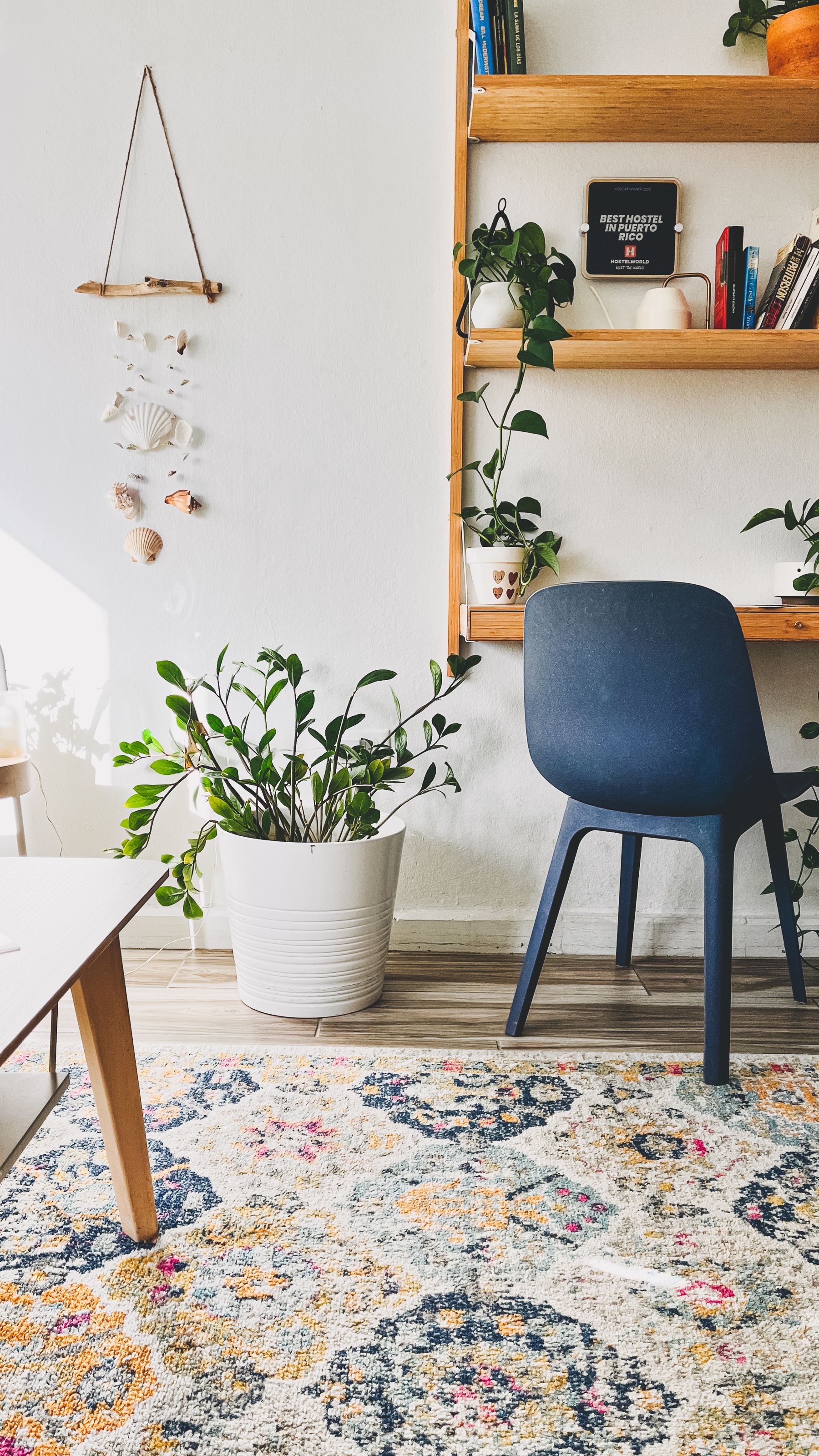
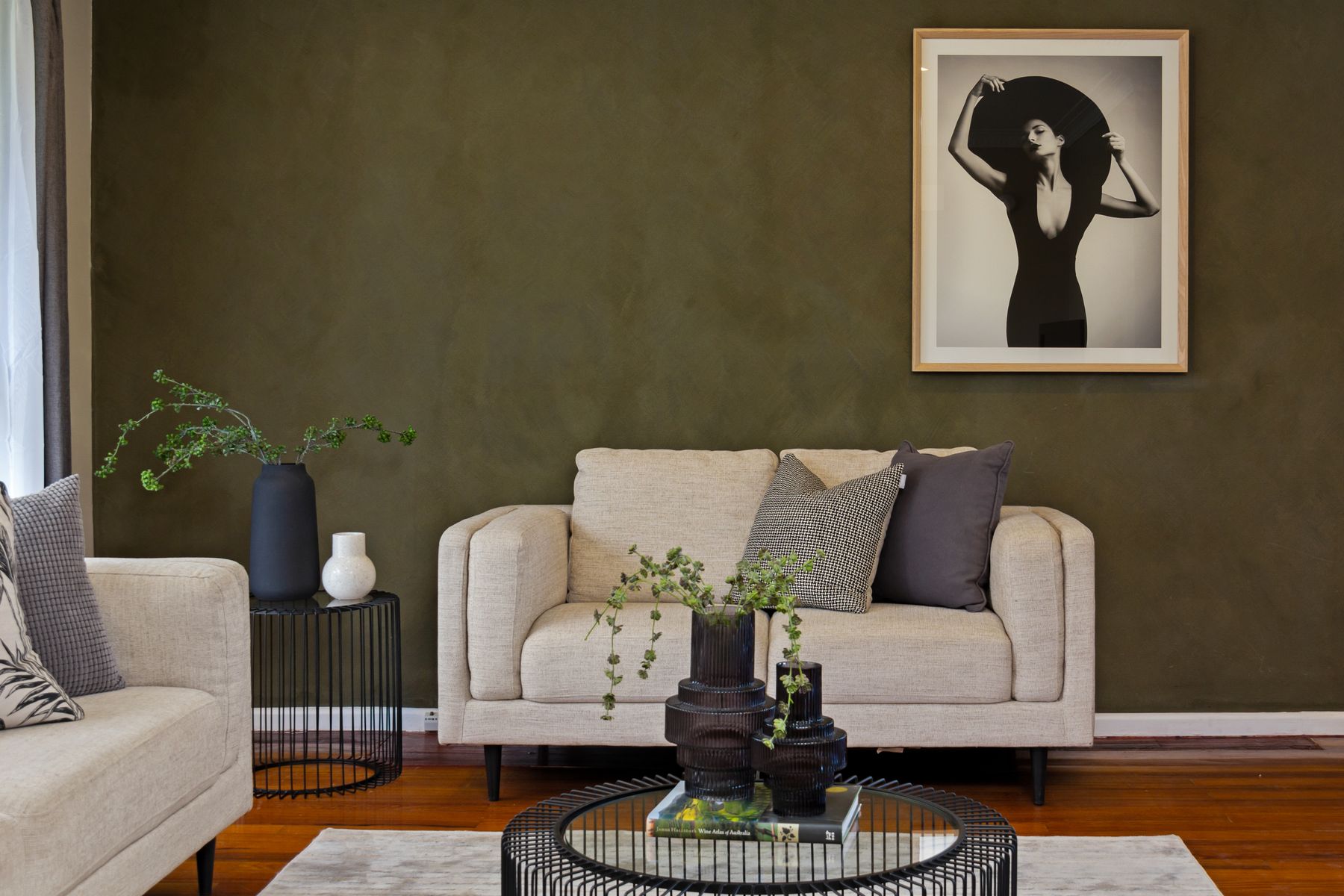
Large-leaf plants suit many 1970s schemes and soften low wood furniture, but choose species from actual light, toxicity and care conditions. Keep wet pots off veneer, electronics, rugs and timber floors, and preserve ventilation and curtain operation. One floor plant, one elevated specimen and a small trailing plant can establish varied height more clearly than many undersized pots. Use decorative planters to repeat the palette without assuming every plant needs a period stand.
Treat Curtains as Color and Climate Equipment
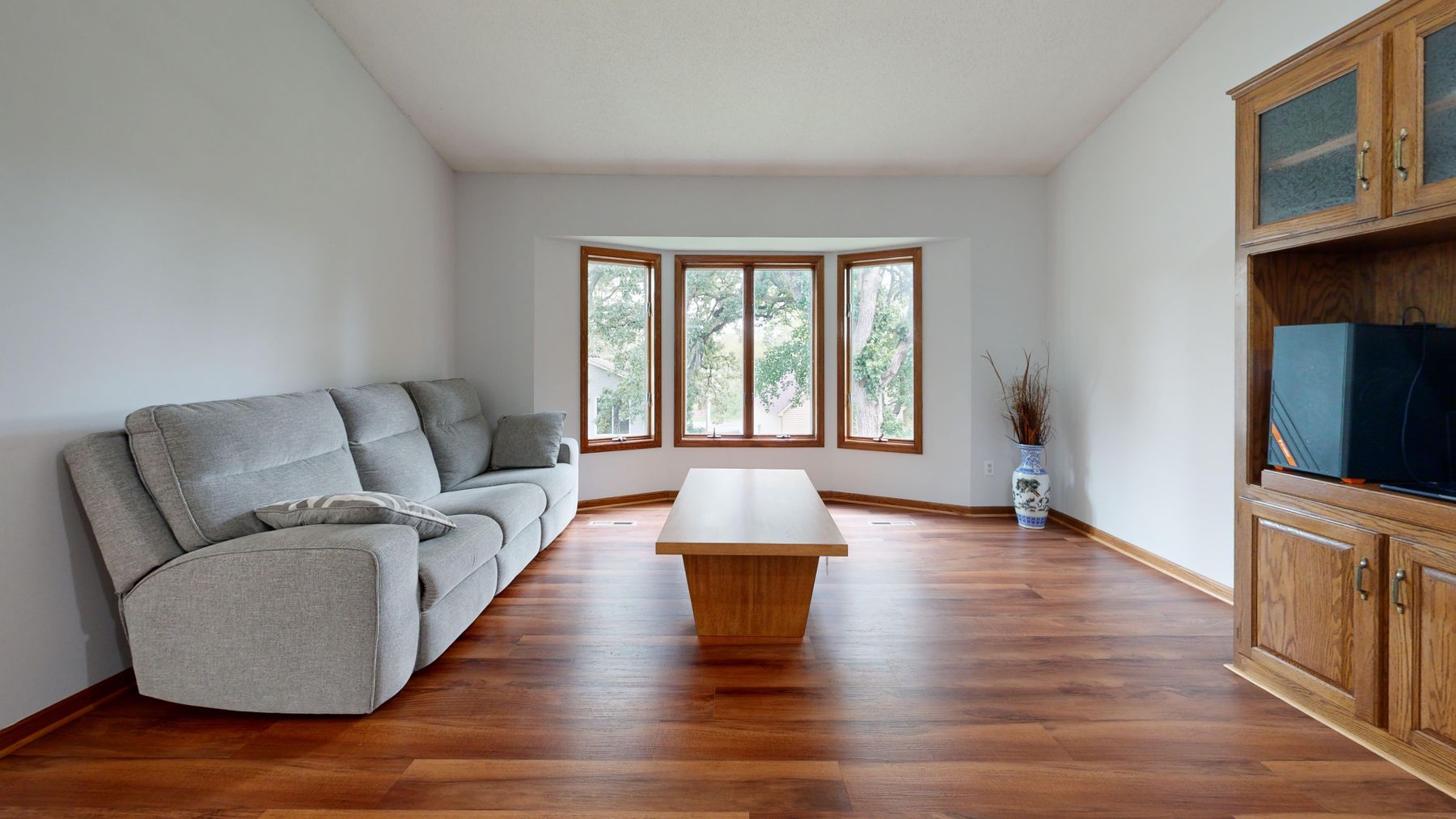
A wide stripe, warm solid, sheers or graphic curtain can give the decade real scale, but stack-back, radiator clearance, privacy, fading and cleaning come first. Use lining or a separate blind when the decorative fabric cannot manage sun or night privacy. Keep cords safe, preserve window handles and do not hang unknown old synthetic fabric near heat until its condition is understood. A saturated curtain can repeat sofa or rug color without introducing another small accessory.
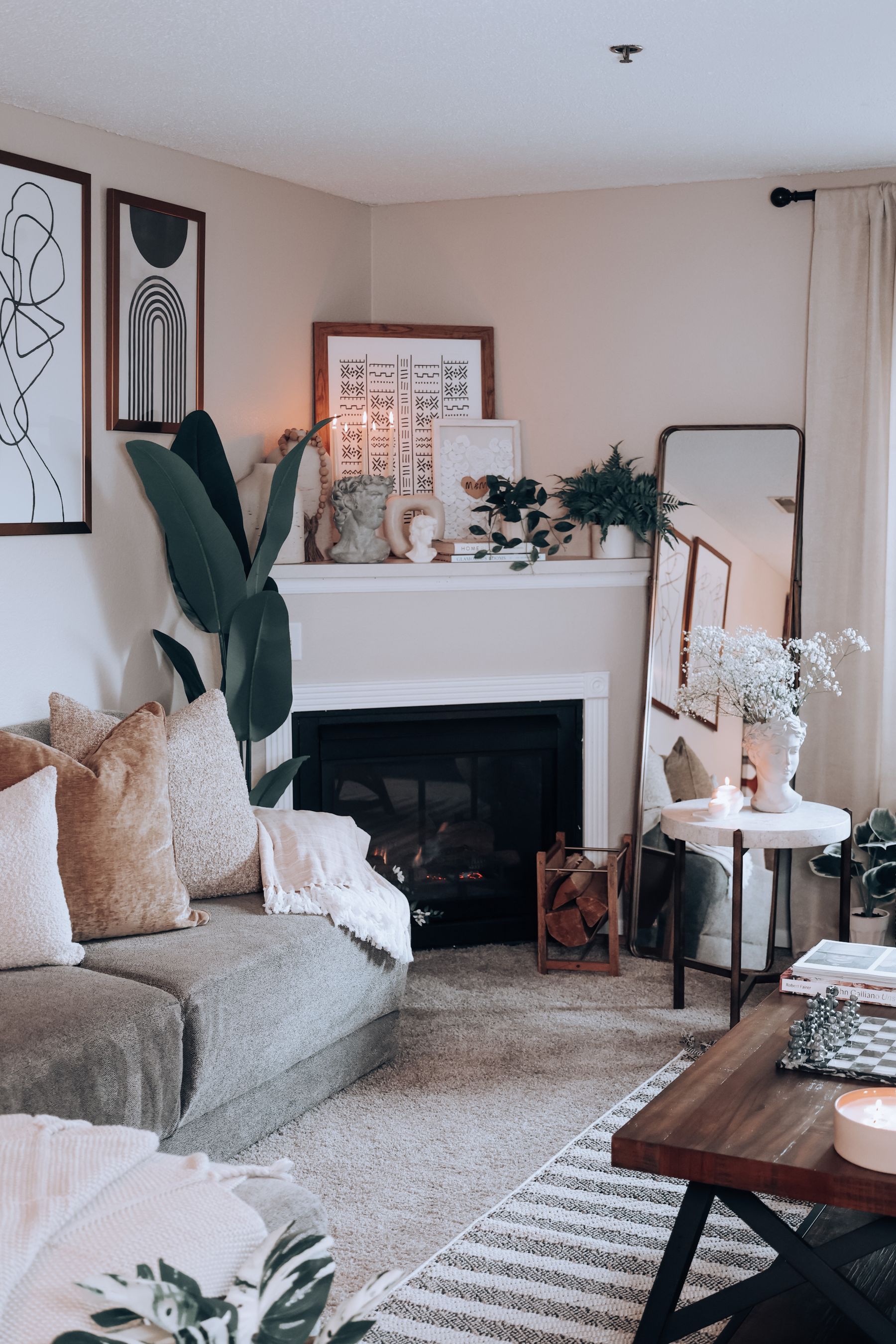
Let the Fireplace Support, Not Fight, the Revival
Existing brick, stone or tile can become the earthy or graphic field of the room. Before cosmetic work, confirm that the fireplace and flue are safe, respect clearances and keep circulation away from the hot zone. Paint or tile only after understanding substrate, heat exposure and reversibility; false paneling around heat creates avoidable risk. Arrange some seating toward the hearth without forcing every chair into rigid symmetry, especially when the television or view also matters.
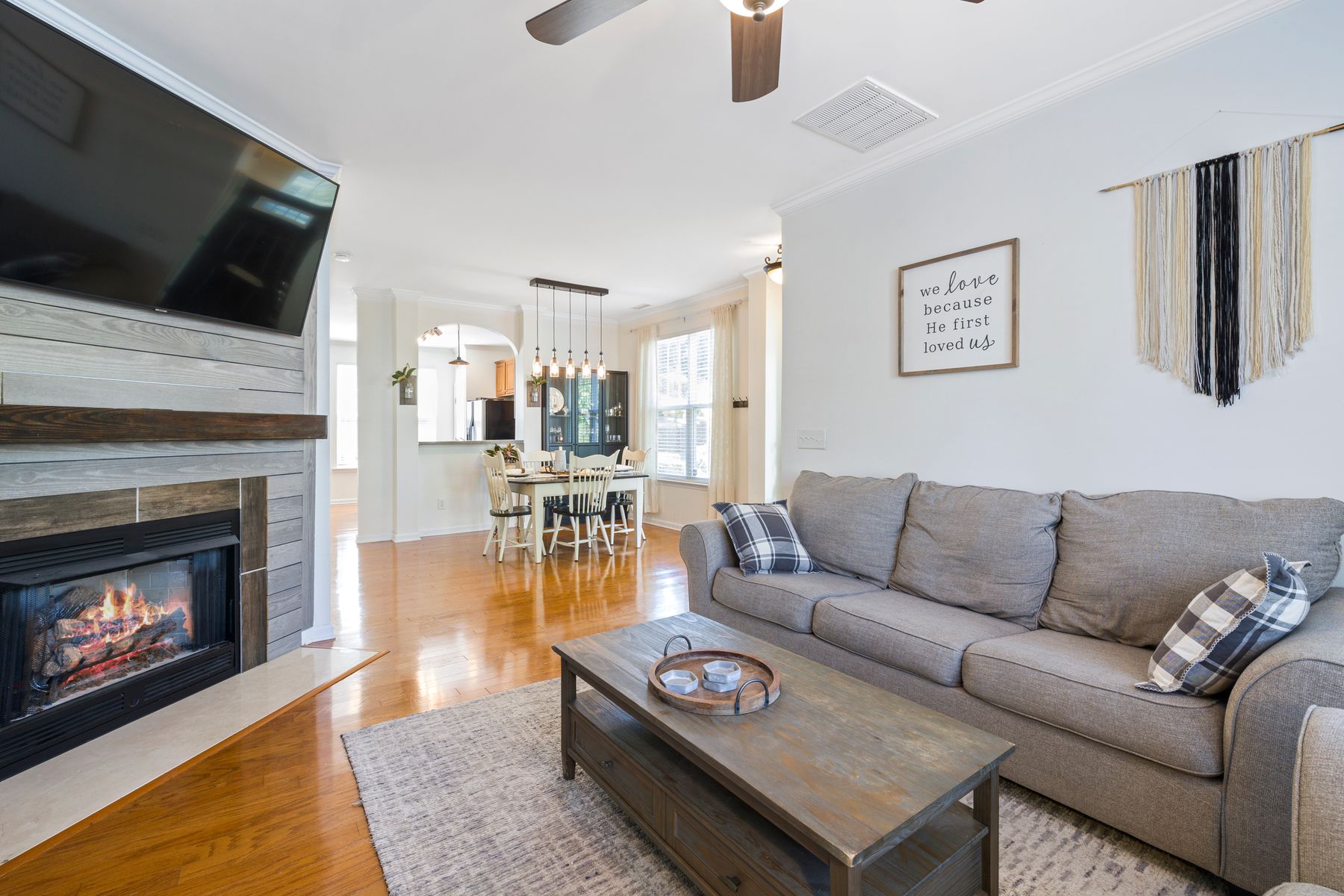
Zone an Open Plan With Repeated Retro Signals
Keep the strongest retro pattern in the living zone, then repeat only its color, material or curve in dining and circulation areas. Use the sofa back, rug edge and lighting pools to establish boundaries while preserving the main route. A sideboard can serve as both media storage and visual bridge; a pendant can echo a globe lamp without becoming an identical set. Open plans need hierarchy more than additional motifs because all layers are visible at once; [Modern Living Room Ideas](/living-room/modern-living-room-ideas/) offers a useful baseline for zoning without decorative noise.
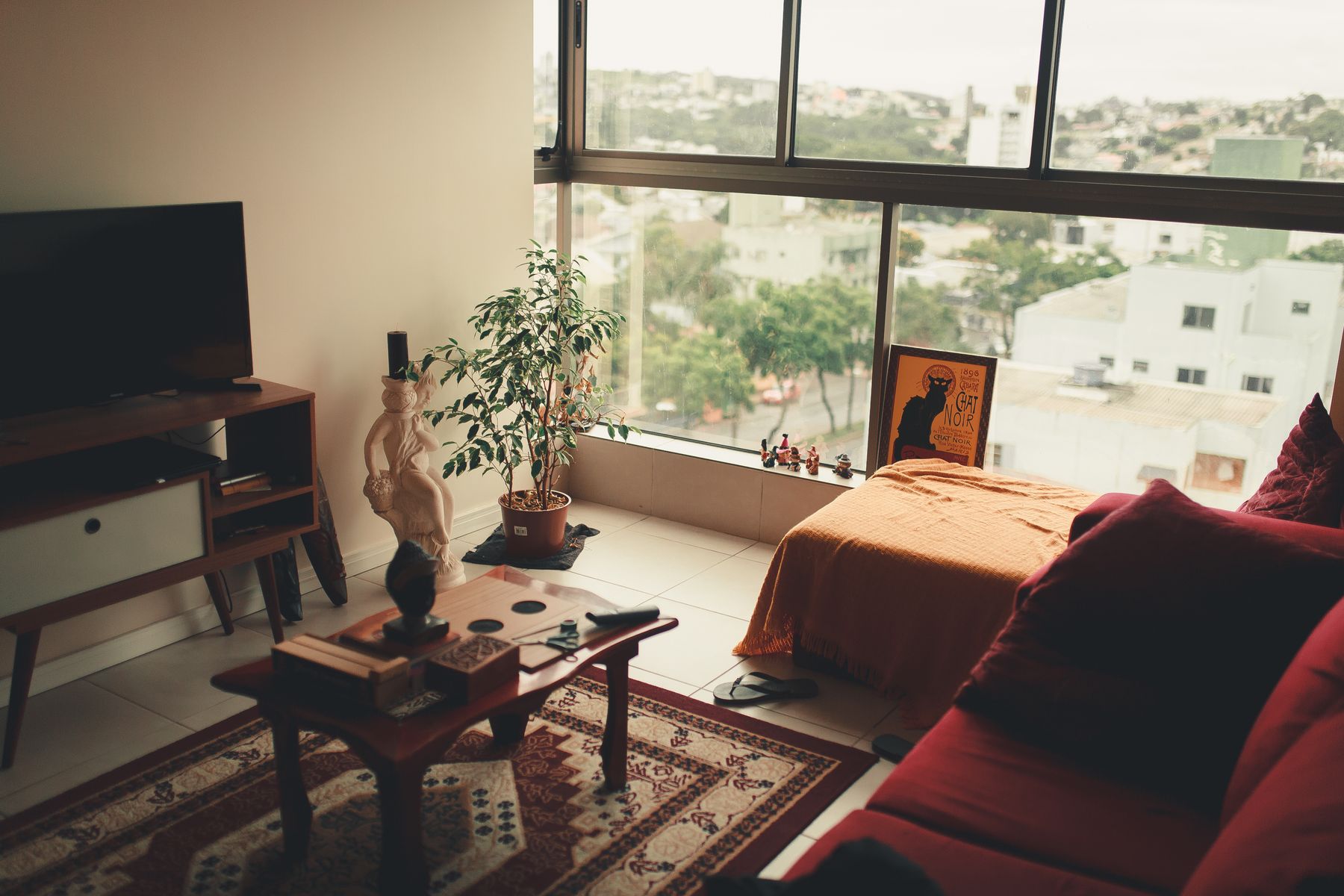
Make a Small Retro Living Room Read Through Fewer Signals
Choose three major signals: perhaps a colored sofa, geometric rug and globe lamp. Use furniture with exposed legs or a clear base when visible floor helps the room breathe, but do not sacrifice storage or supportive seating merely to look light. A bold wall can work better than many tiny objects, and one properly sized rug is calmer than multiple small mats. Apply the route and furniture tests from [Small Living Room Ideas](/living-room/small-living-room-ideas/) before adding display.
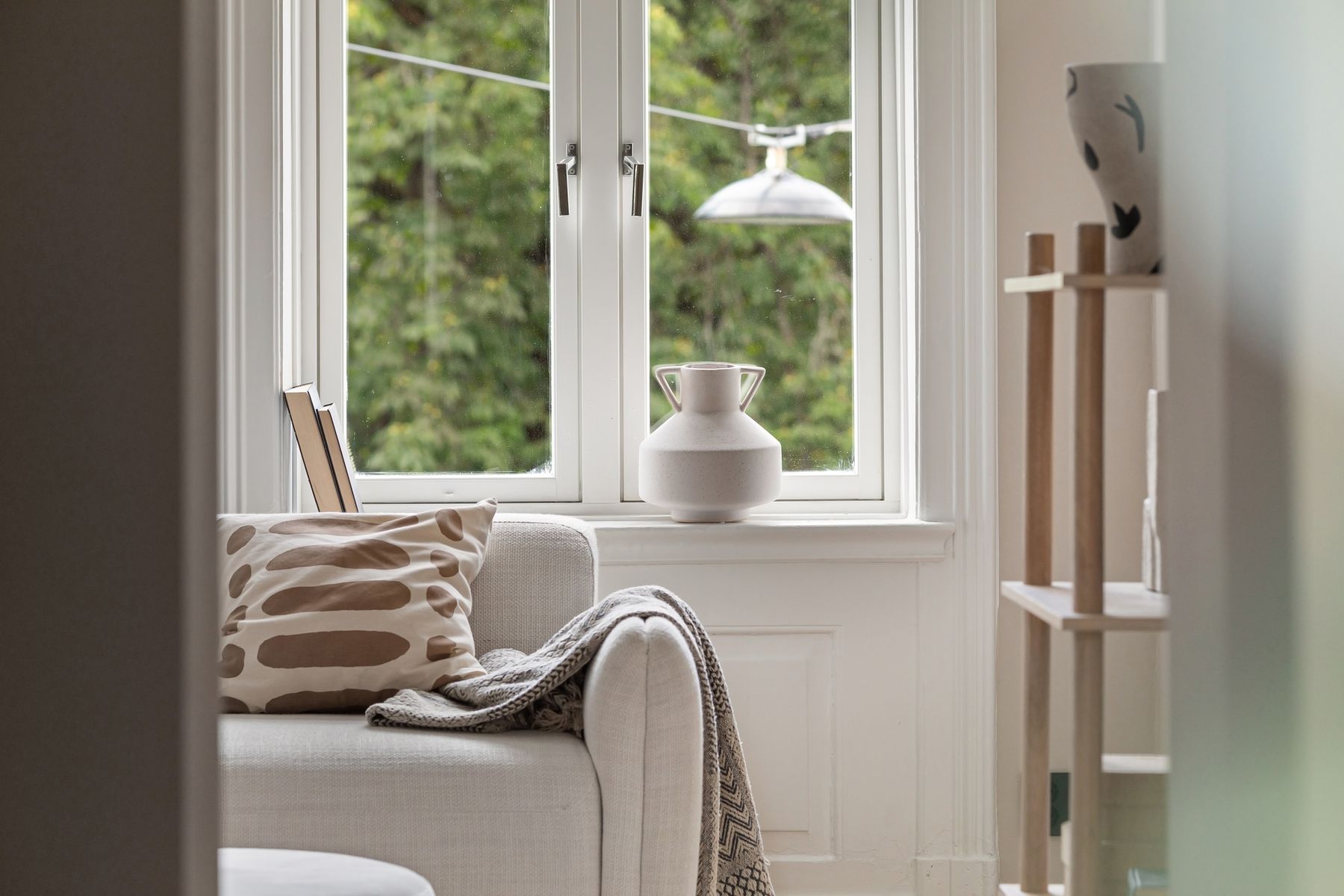
Build a Rental With Portable Retro Layers
Concentrate the revival in a rug, curtains, lamps, slipcover, art and freestanding storage that can move to another home. Verify the lease and wall condition before painting, adhesive film or peel-and-stick paper; removable products can still lift paint or trap moisture. Document the starting condition, keep outlets and vents accessible and avoid temporary paneling that is expensive to discard. A portable retro room should remain convincing even after every intervention is packed into a moving van; the whole-home sourcing logic in [Vintage Apartment Ideas](/apartment/vintage-apartment-ideas/) can help one strong cabinet earn its footprint across future rooms.
Design for Children, Pets and Different Bodies
Secure rugs, stabilize tall shelving, round or remove sharp glass edges and anchor fragile displays away from play routes. Provide at least one supportive chair with usable arms and a comfortable seat height even if the main sofa is low. Use contrast at steps, switches and storage interiors without running busy pattern through circulation. Washable current upholstery may be more sensible than delicate original fabric for the hardest-working seat; the decade can stay visible in color, lighting and secondary furniture.
Inspect Wiring, Foam, Glass and Old Finishes
Have vintage lamps, radios, extension leads and powered furniture assessed before regular use. Check upholstered pieces for degraded foam, failed webbing, odor, pests and unknown treatments; inspect glass for chips and furniture for loose joints or unstable veneers. Old paint and lacquer may be unsuitable for aggressive sanding, so identify materials and use appropriate professional advice where risk is uncertain. A condition log turns nostalgia into a maintainable household decision.
Maintain the Room by Material, Not by Era
Vacuum pile at the correct setting, blot upholstery according to its fiber, dust electronics with power disconnected and clean chrome, lacquer, glass and veneer with material-appropriate methods. Keep plant moisture and drinks away from old finishes, provide coasters and felt protection, and allow air behind heavy furniture. Avoid fragranced polish or universal cleaners that leave residue across unrelated surfaces. The room will age better when routine access is designed in rather than treated as an afterthought.
Edit Until the Revival Feels Personal, Not Themed
Keep the comfortable sofa, safe lighting, useful storage and honest technology, then let three or four retro decisions carry the identity: a decade palette, one strong silhouette, one graphic field and a music or display zone. Remove novelty props and redundant motifs that exist only to label the era. Photograph the room from every entrance and at night; if the decade disappears when one object is removed, the larger decisions are too weak, while a room that survives editing is ready for everyday life.