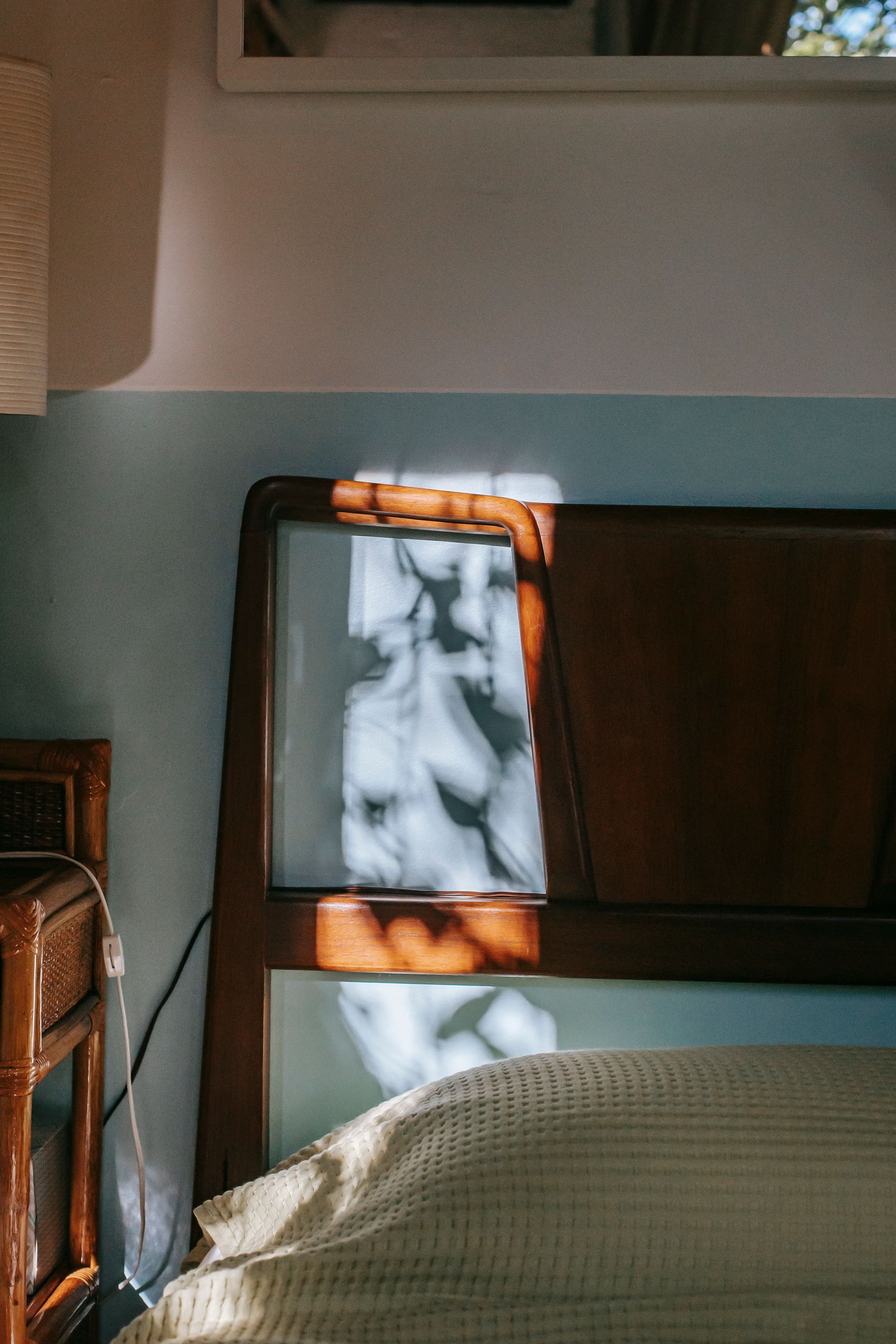
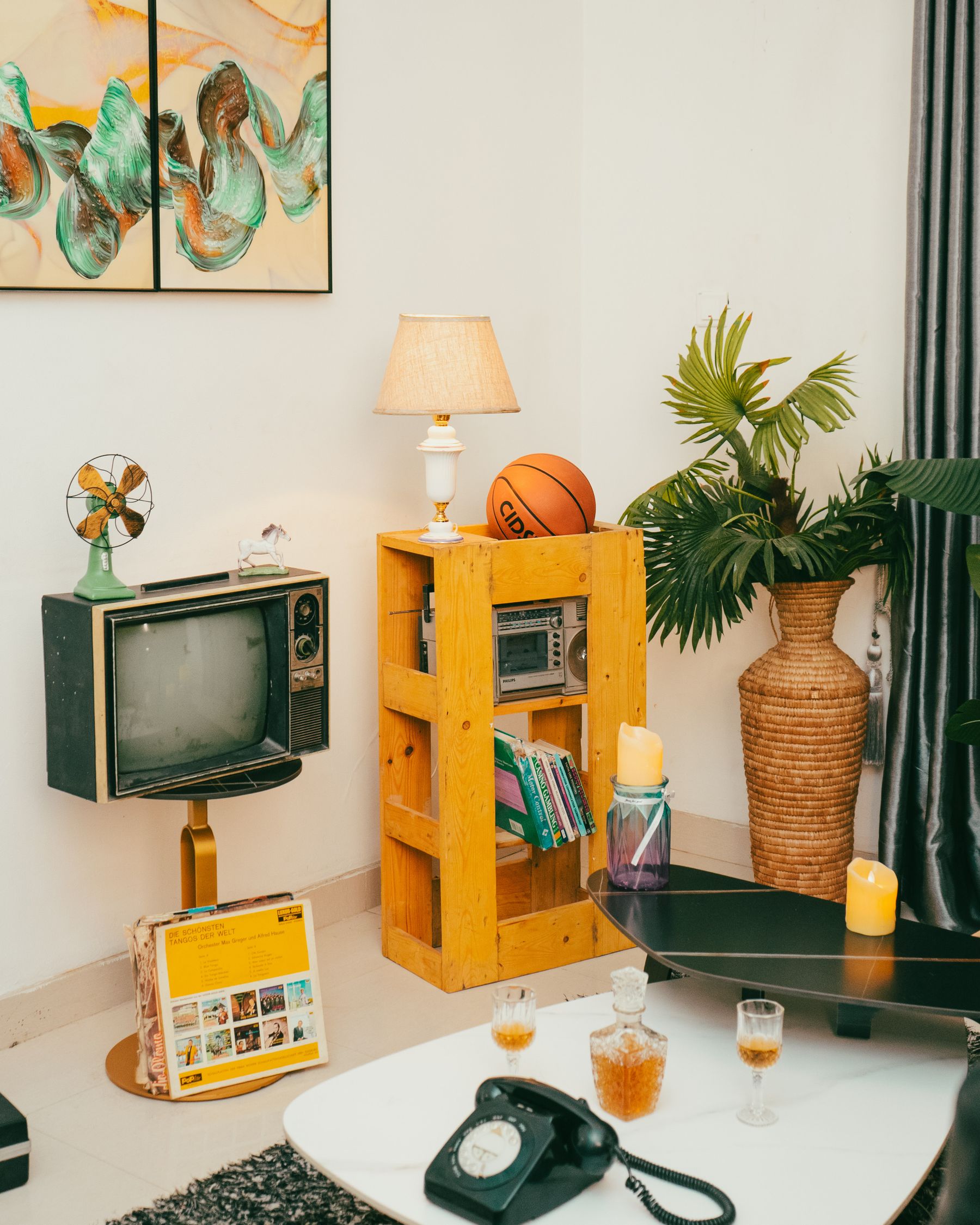
Define Retro as a Decade Revival
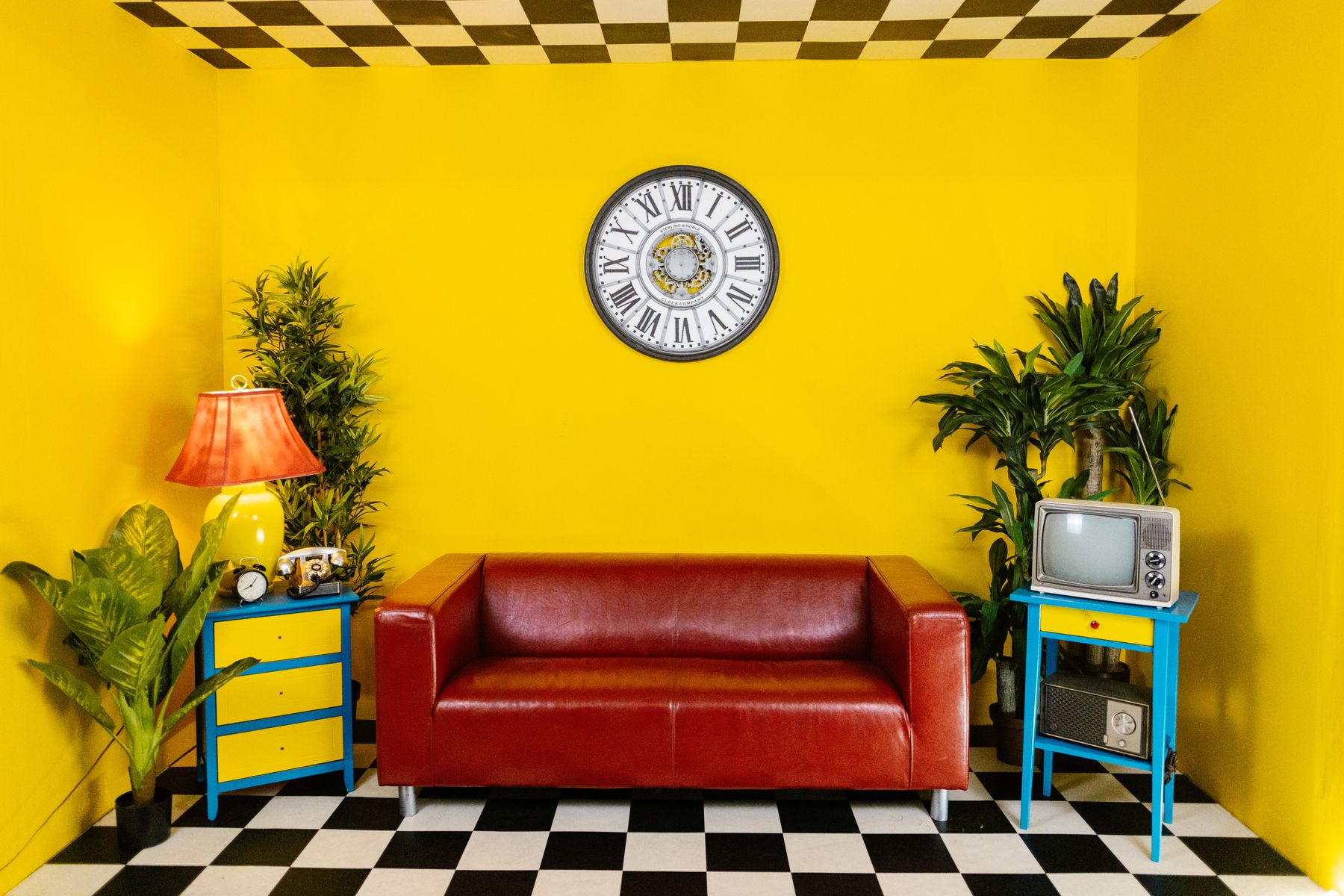
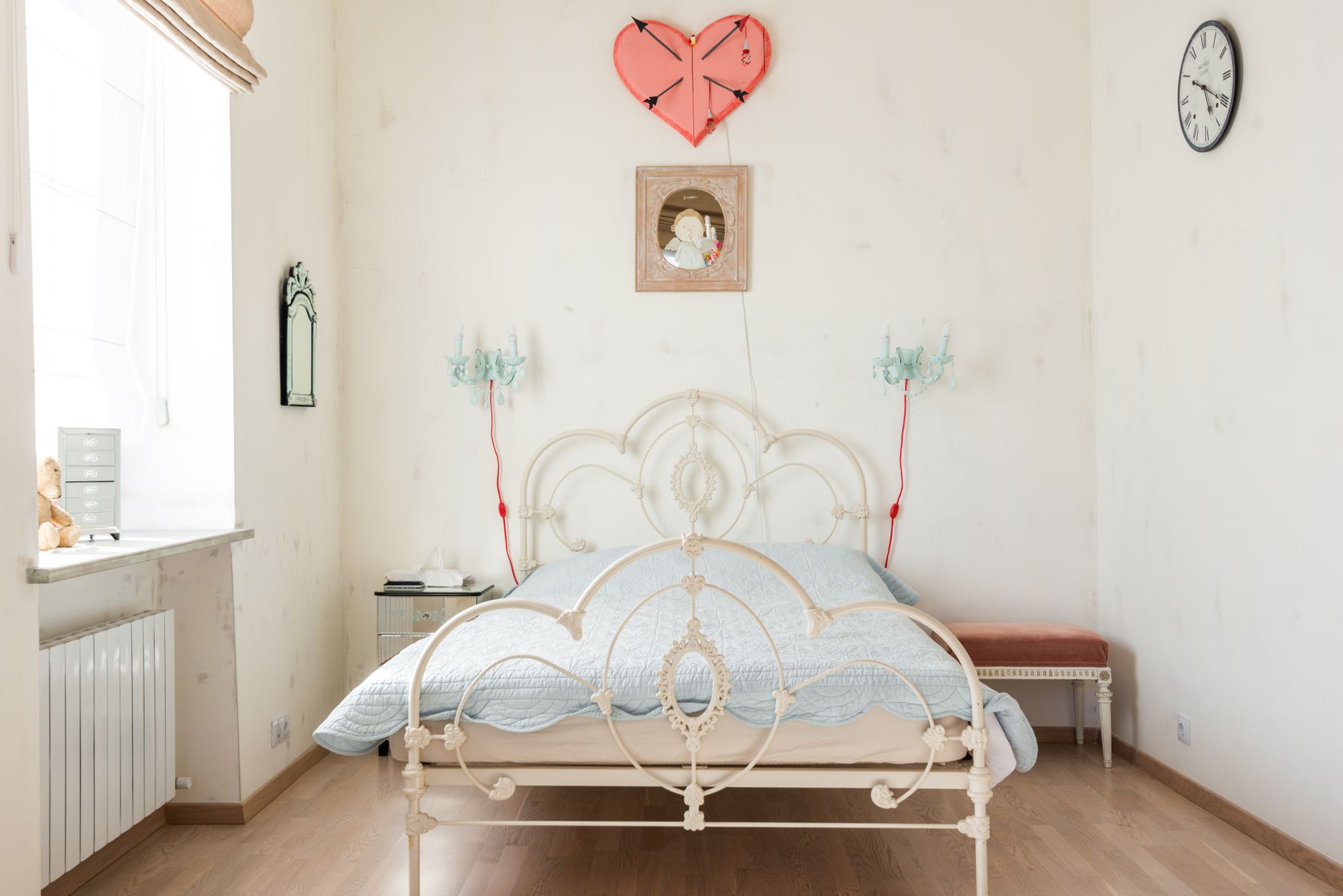
Retro revives a recognizable recent era through new, original or mixed objects; it is not a synonym for everything old. [Mid-Century Bedroom Ideas](/bedroom/mid-century-bedroom-ideas/) owns historically grounded postwar function and furniture construction, while [Vintage Bedroom Ideas](/bedroom/vintage-bedroom-ideas/) centers genuine older pieces, patina and condition across eras. Retro can be broader and more playful: a 1970s palette, a 1980s lamp and a current bed may coexist when one decade clearly leads and the room's practical baseline remains current. For the same decade framework applied to sociable seating, rugs and media, continue with [Retro Living Room Ideas](/living-room/retro-living-room-ideas/).
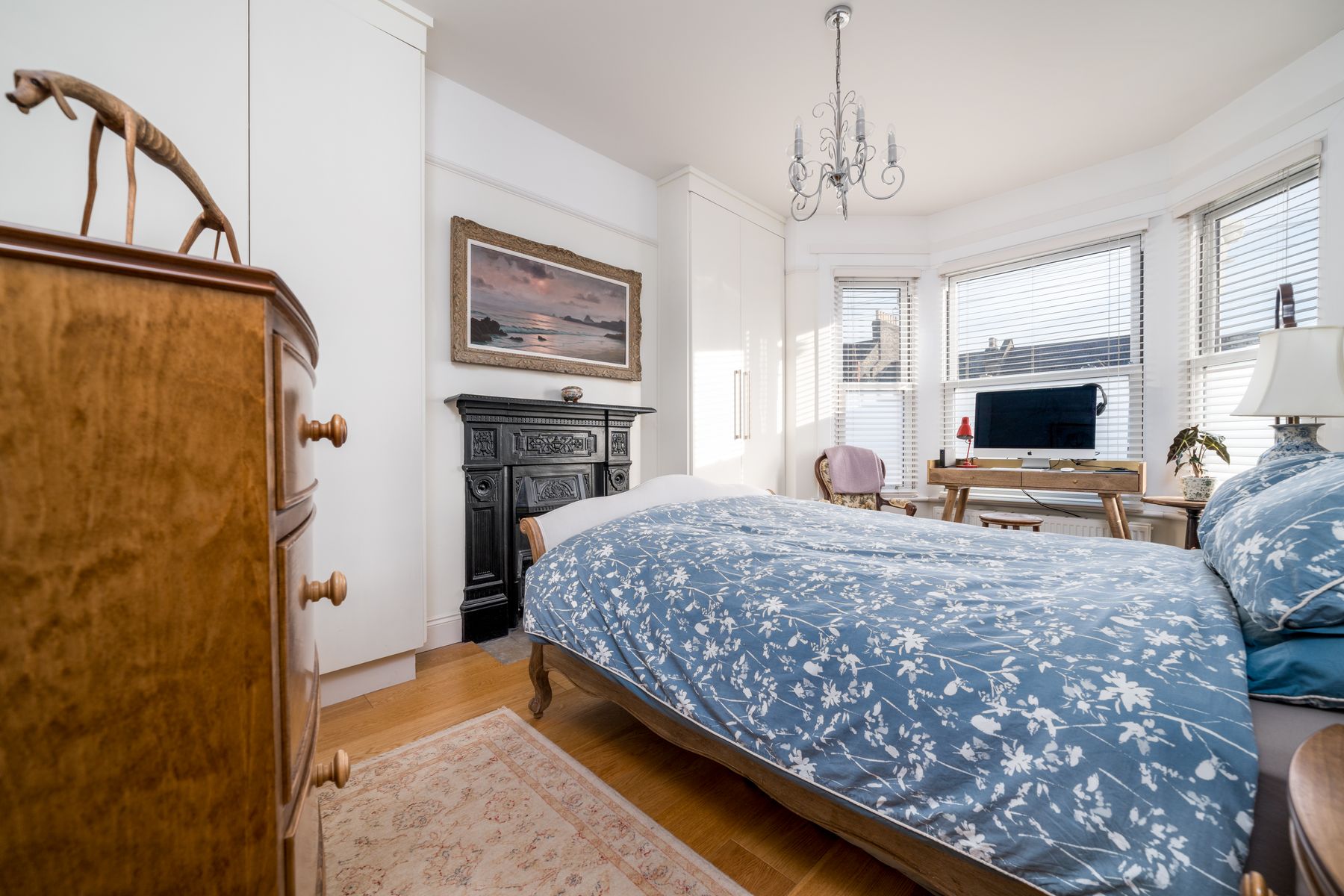
Anchor the Bedroom in One Decade Before Choosing Color
A late-1960s room may use white, orange, rounded plastic and space-age lighting; a 1970s room may favor ochre, rust, olive, rattan and deep pile; an 1980s route can introduce pastels, black, chrome, glass and hard geometry; a 1990s bedroom is often more personal, graphic and technology-aware. Build a reference board from one five-to-ten-year window. If an item cannot be explained through that window or the resident's actual story, it should probably not lead the scheme.
A Working Bedroom Beneath the Style
Map the mattress, doors, wardrobe, drawer openings, window, radiator, outlets and night route before choosing a statement chair or stereo console. Retro furniture can be broad, low and visually solid, while old wardrobes and record cabinets need generous opening space. Tape every footprint and rehearse bed making, dressing and cleaning. The room should work with the lights low and music equipment unplugged; style cannot compensate for a pinched route, inaccessible socket or furniture blocking ventilation.
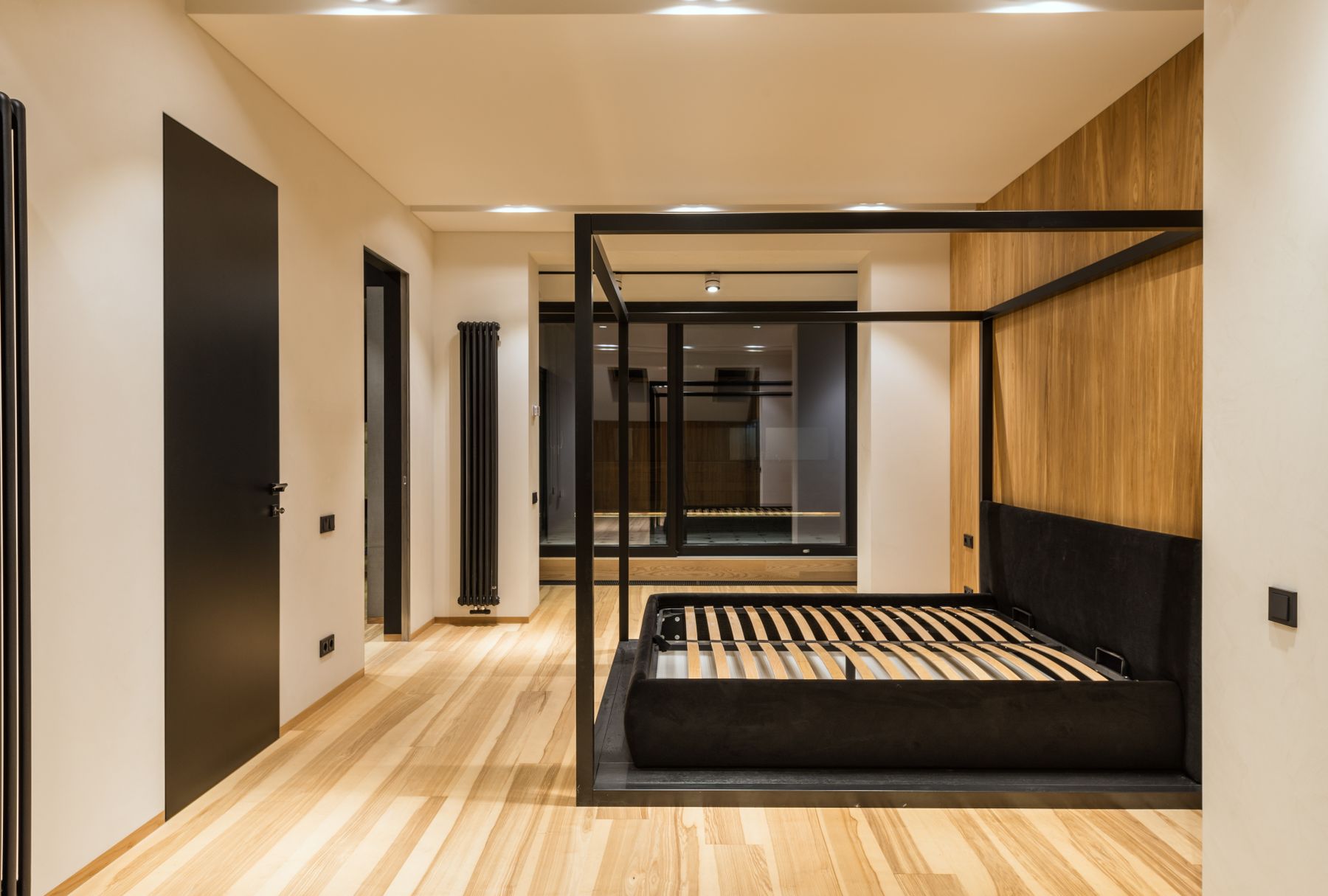
Build a 1970s Earth Palette in Large Fields
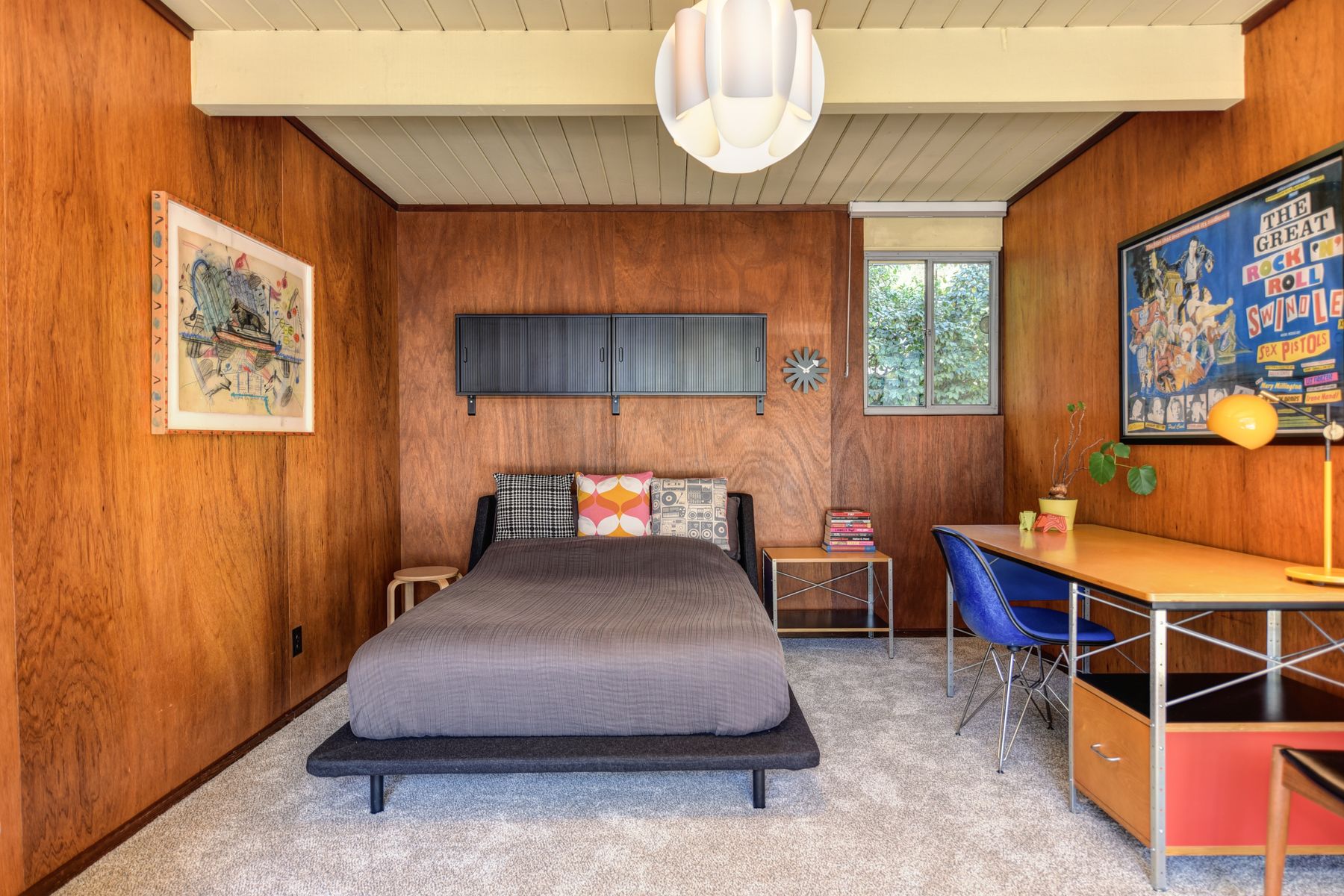
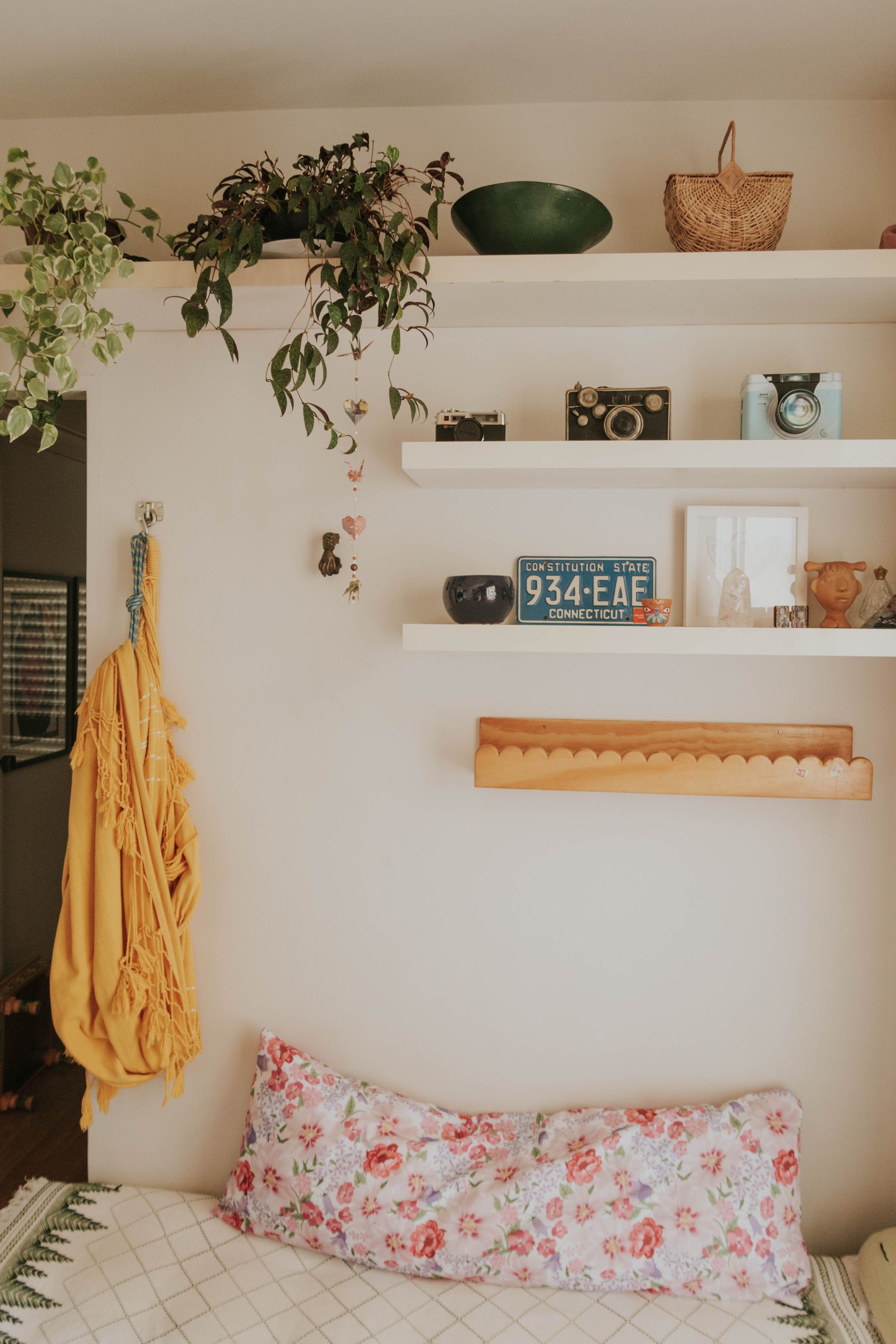
Ochre, tobacco, rust, avocado, moss, cream and chocolate are most convincing when used as broad fields rather than scattered trinkets. Start with wall, curtain, rug or coverlet, then repeat the lead hue once at a smaller scale. Keep body-contact bedding breathable rather than chasing a photograph's density. Warm wood can bridge several colors; [Vintage Living Room Ideas](/living-room/vintage-living-room-ideas/) shows how the palette works at a larger social scale. Compare every sample in daylight and lamplight so olive, brown and burgundy do not collapse into mud.
Translate 1980s Color Without Neon Overload
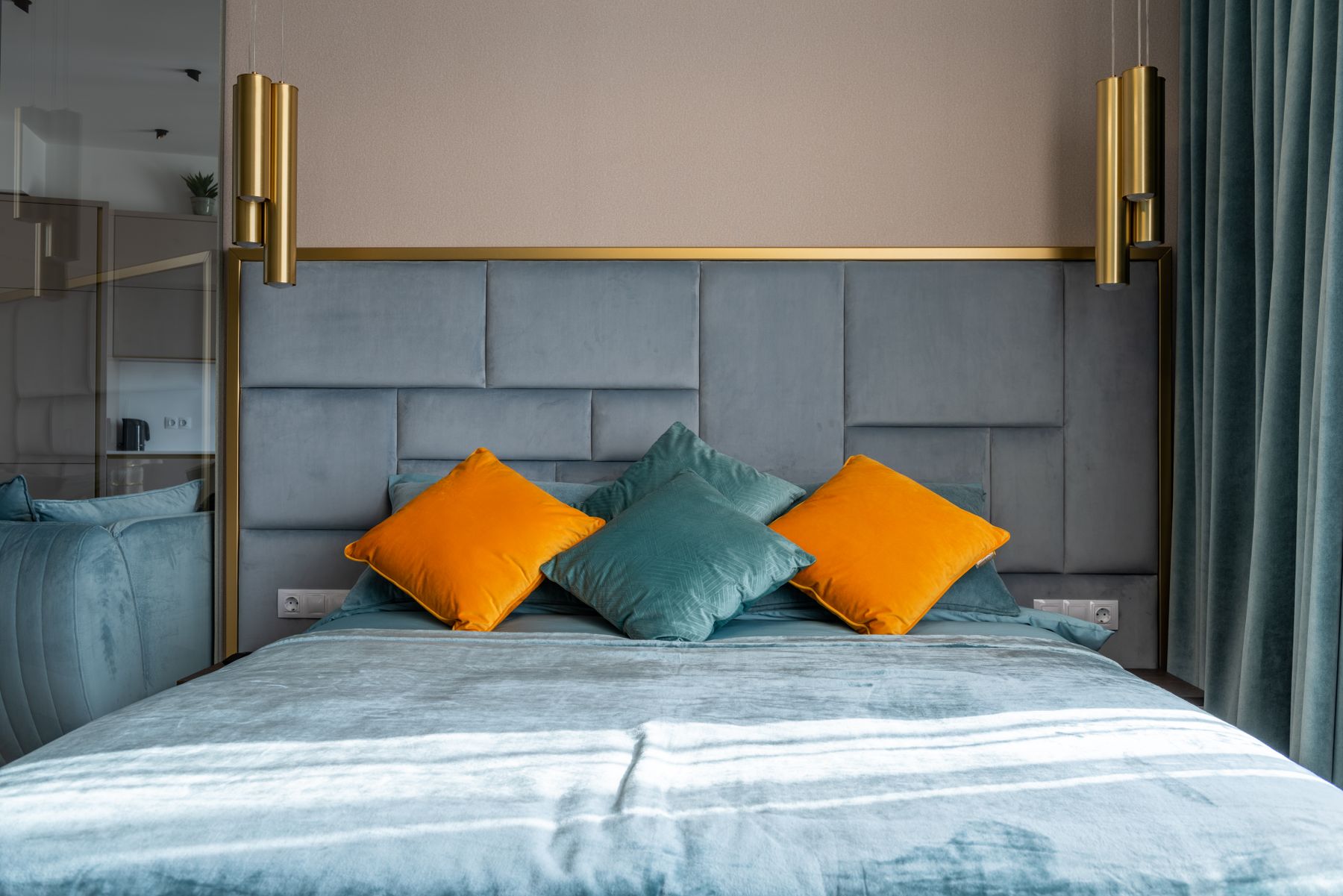
An 1980s route can use dusty pink, mint, teal, cobalt, mauve, peach, black and chrome without turning the room into a party set. Choose two chromatic families and one grounding neutral, then control saturation by surface size. A vivid headboard or painted shape needs quieter bedding; small electric accents can handle more intensity. Mirrored or metallic details amplify color, so judge the complete composition at night. [Contemporary Bedroom Ideas](/bedroom/contemporary-bedroom-ideas/) offers a useful baseline for clean current proportions beneath the revival.
Treat 1990s Style as Personal Architecture
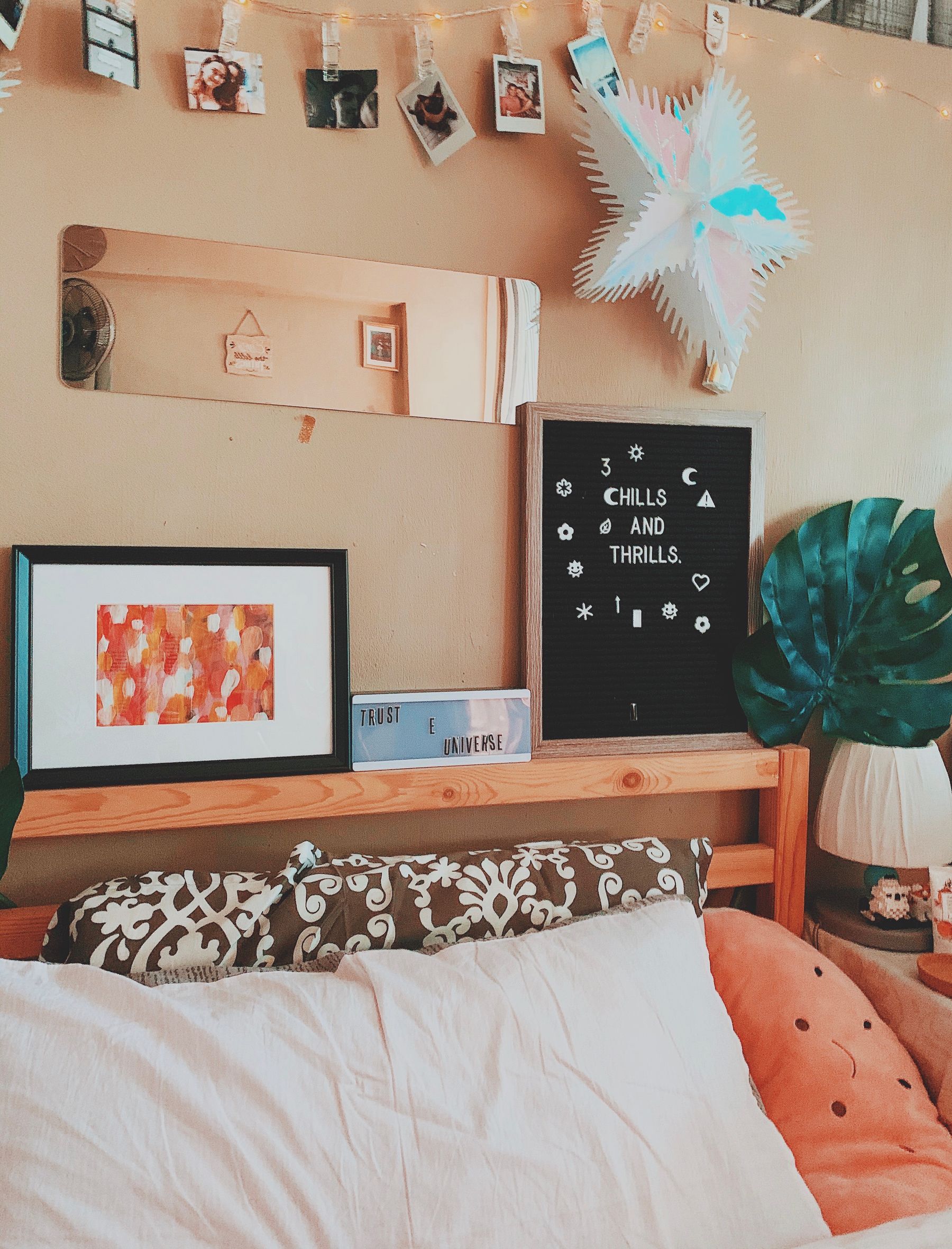
The 1990s bedroom was often shaped by music, magazines, film, sport, computing and handmade display as much as by furniture style. Use a pinboard, grid, shelf or one poster wall to make personal material legible, while protecting originals and verifying reproduction rights. Keep heavy frames away from the bed and provide a quiet wall for visual rest. A staged collage of invented nostalgia is less persuasive than a smaller group tied to the resident's own interests and memories.
Let Bedroom Pattern Establish Rhythm Instead of Scatter
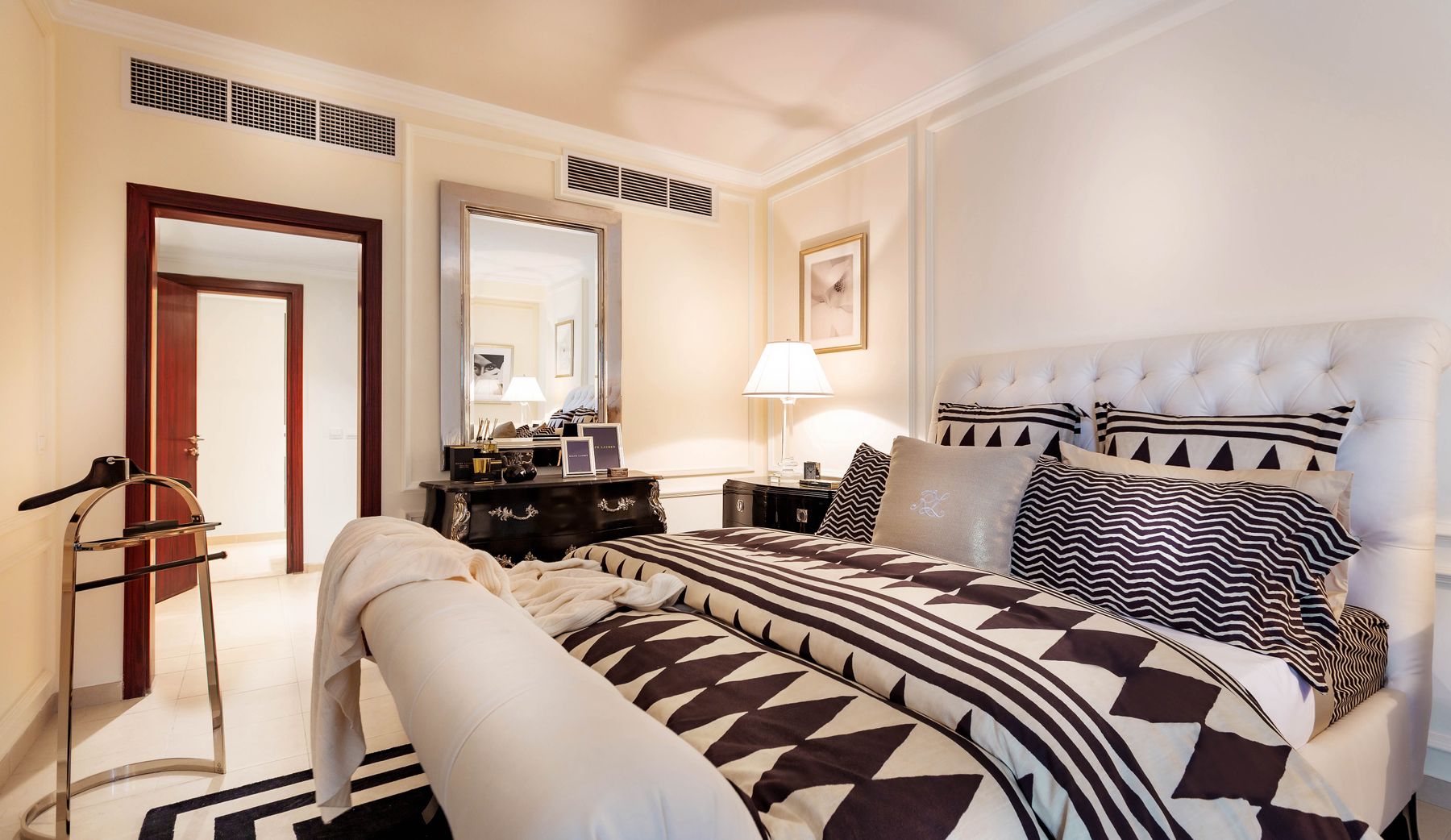
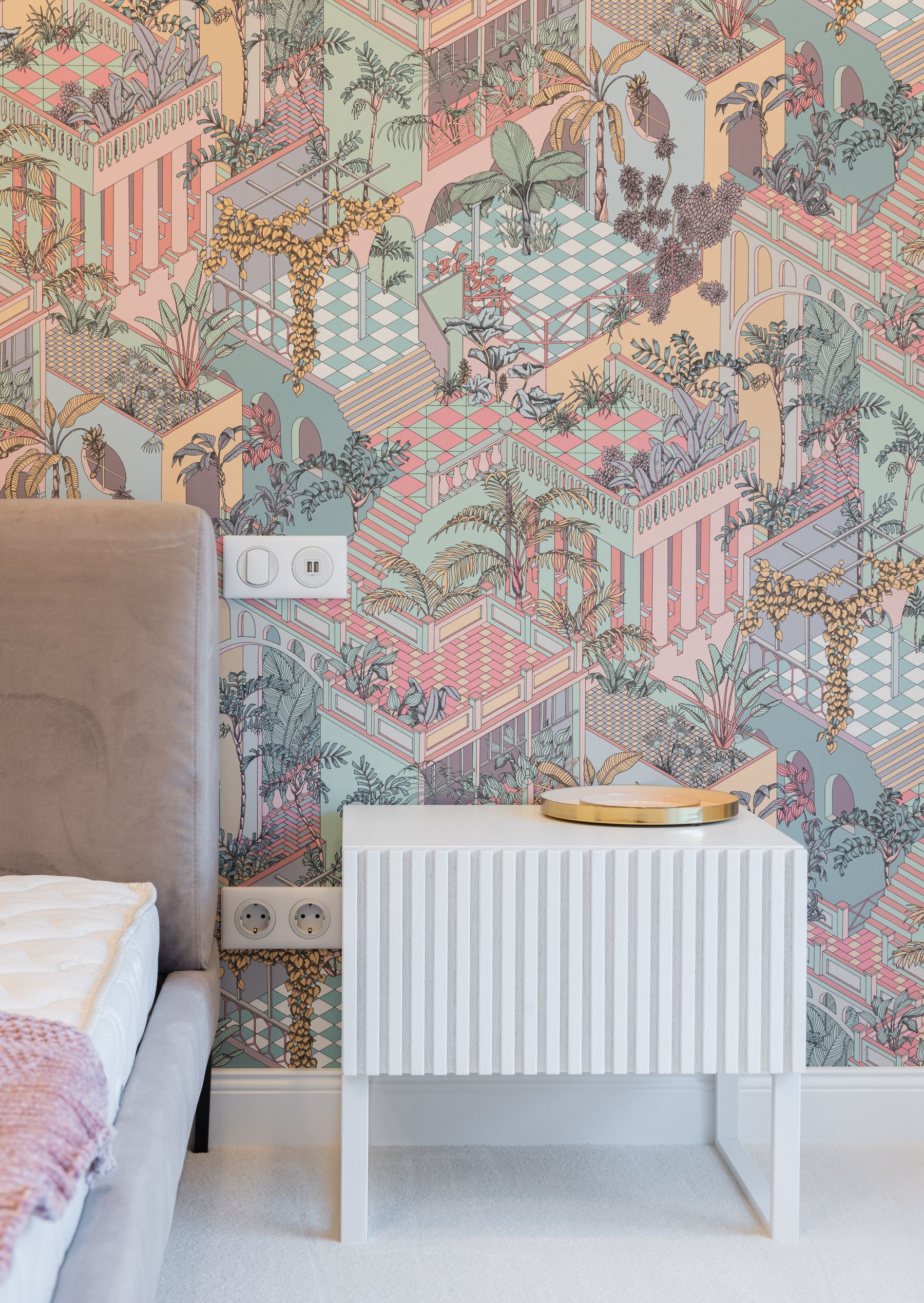
Op art, oversized florals, stripes, grids, Memphis-like marks and abstract geometry all belong to different retro routes. Select one leading pattern and place it where the full repeat can be read. A rug may be safer in a rental; wallpaper is stronger when the wall is dry, prepared and not interrupted by too many doors. Connect secondary textile through two shared colors, not an exact matching set. [Eclectic Bedroom Ideas](/bedroom/eclectic-bedroom-ideas/) is the better destination when several unrelated patterns and eras intentionally have equal weight.
A Bed Profile That Carries the Era
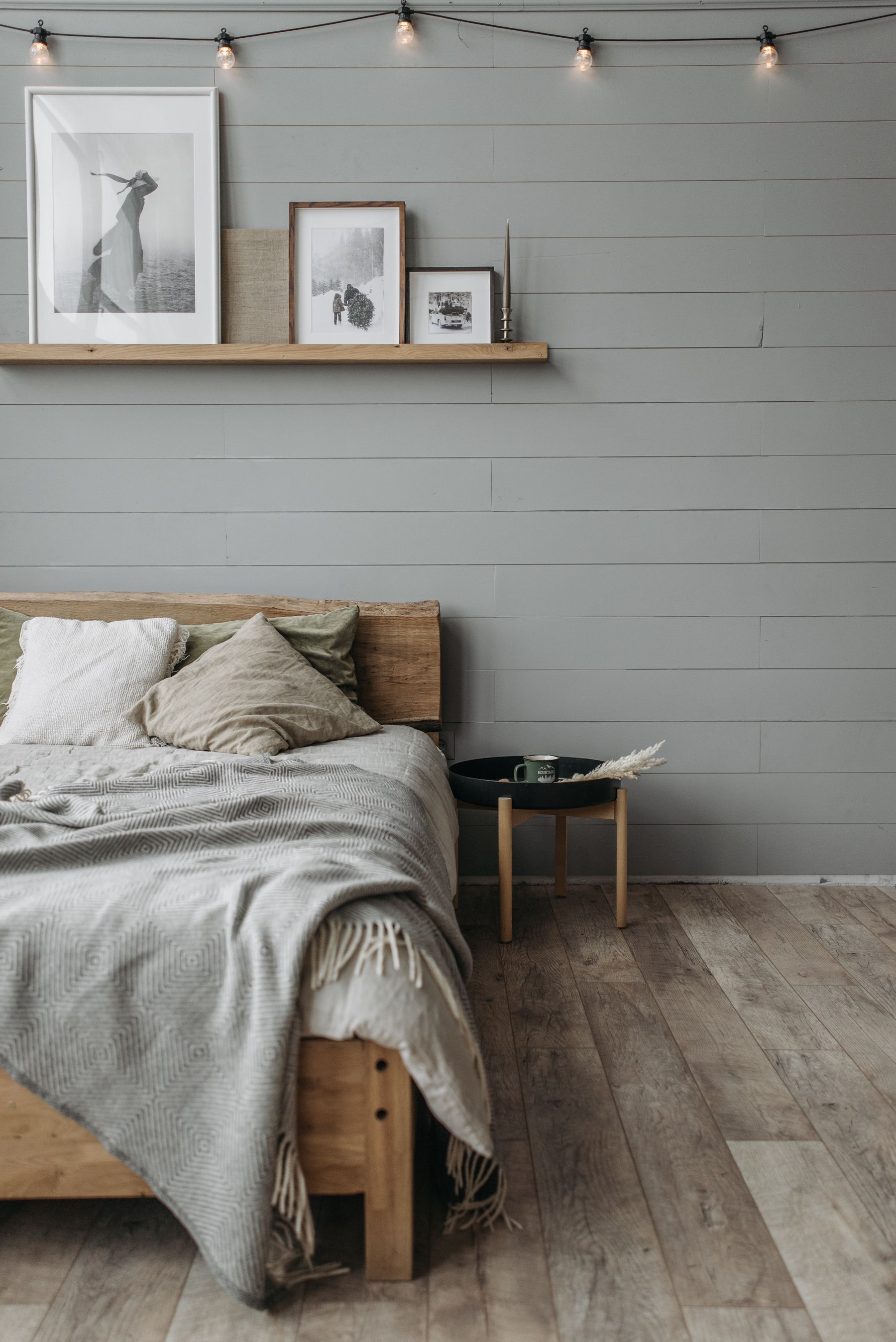
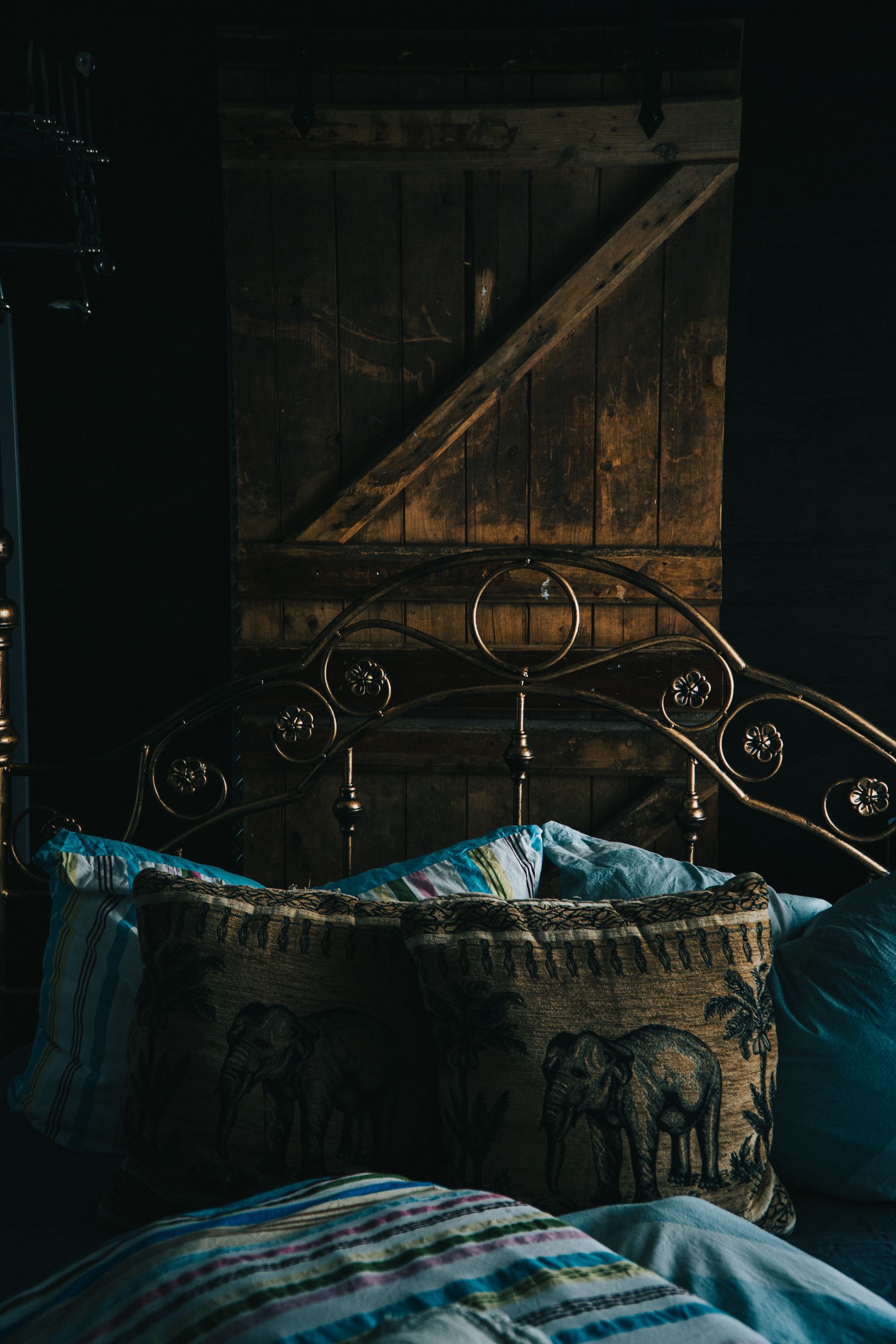
A low timber platform suits 1960s and 1970s schemes; channel-tufted upholstery can support 1970s or 1980s glamour; a simple metal frame can hold a more informal 1990s room. Judge the completed mattress height, edge comfort and ability to change bedding—not the empty frame. Original beds often use nonstandard sizes or inadequate supports. A current bed with a convincing silhouette is preferable to an unsafe period frame, especially when the old piece would require irreversible alteration.
Wood, Rattan and Cane in a Deliberate Mix
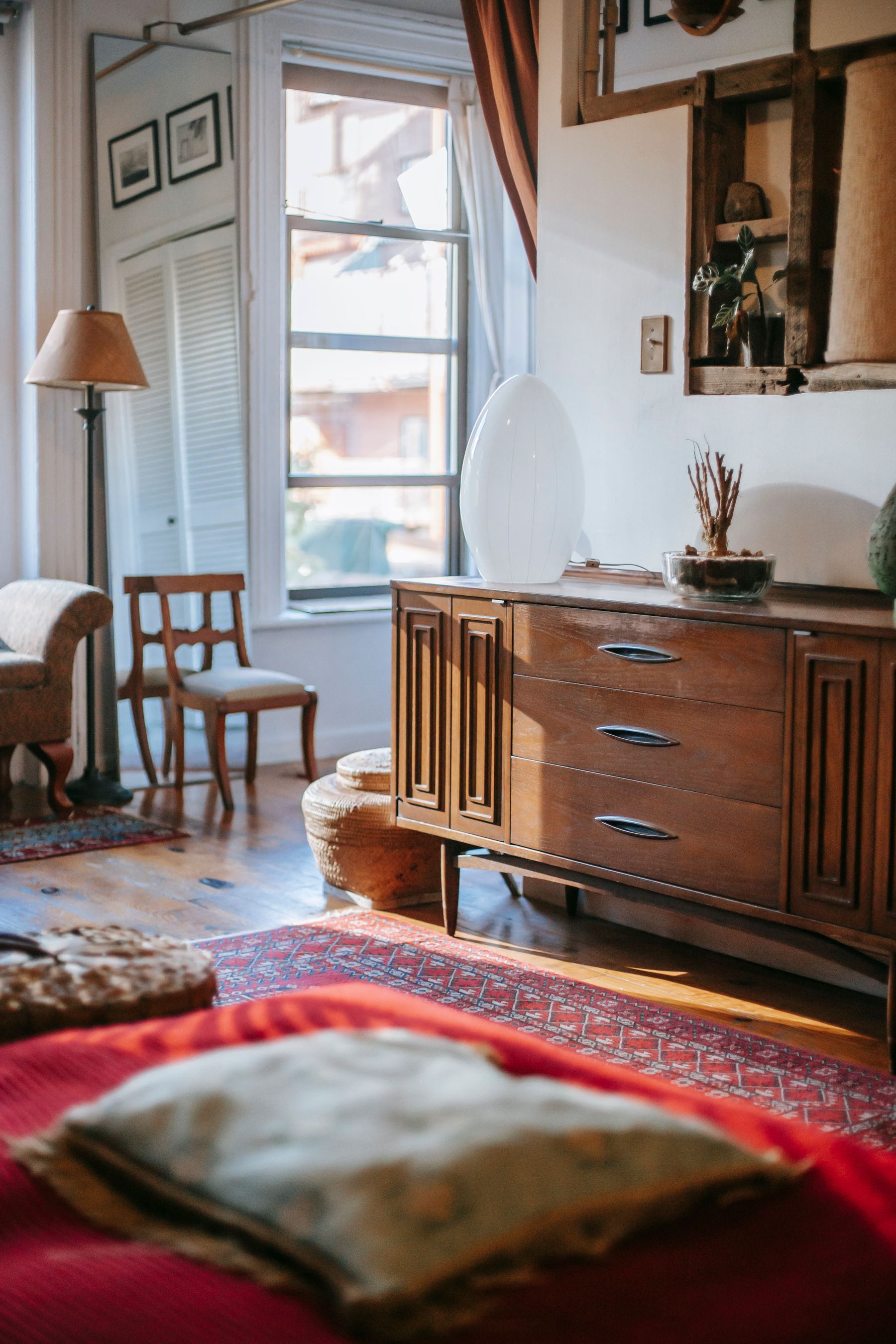
Warm walnut, teak, pine, stained veneer, rattan and cane can form the tactile core of a 1970s-informed room. Let one substantial piece lead, then repeat its undertone rather than buying a full suite. Check cane for broken strands, rattan joints for movement and veneer for lifting or water damage. Natural woven material should stay away from damp walls and direct heat. A repaired original has value; artificial distressing and brittle decorative cane add neither history nor durability.

Chrome, Smoked Glass and Mirrors in Measured Doses
Chrome tubing, smoked glass, lacquer and mirror can shift the room toward late-1970s glamour or an 1980s direction. Use them at bedside, on a vanity or in one compact table rather than across every surface. Inspect glass edges and stability, anchor tall mirrors and avoid placing a mirror where passing headlights or a bedside lamp creates disturbing glare. Reflective finishes also reveal fingerprints and dust. [Retro Bathroom Ideas](/bathroom/retro-bathroom-ideas/) extends the decade language to moisture-rated glass, tile and metal.
Carpet and Shag as a Controlled Comfort Layer
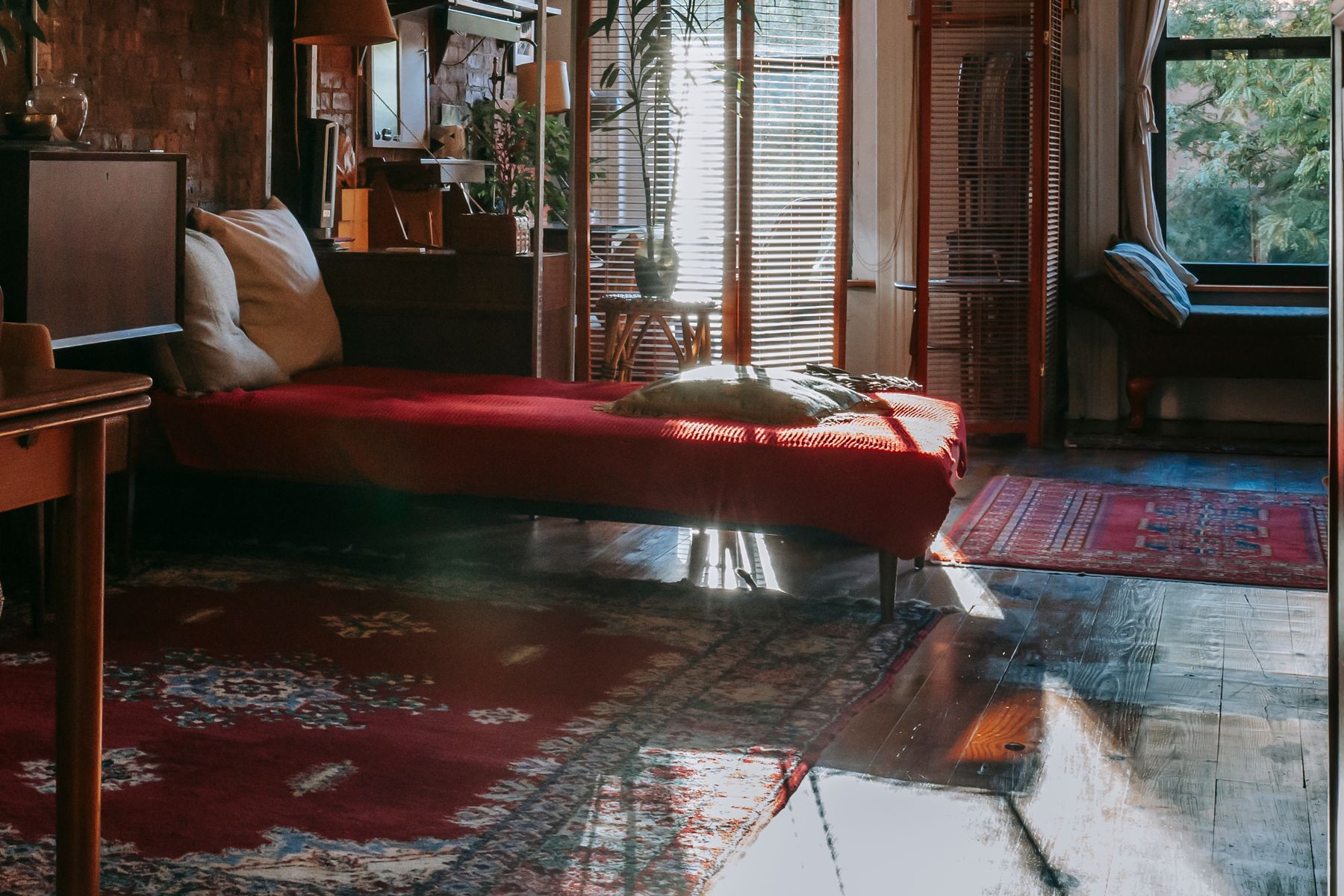
Deep pile is an immediate 1970s signal, but wall-to-wall shag is difficult to clean and can impede wheels, doors or unsteady feet. A lower, denser rug beside the bed may deliver color and softness with clearer boundaries. Check fiber shedding, backing, cleaning method and slip resistance; keep edges outside the principal night route or secure them correctly. Layering rugs can work in a collected room only when the combined height does not create a trip edge.
Bedding as the Replaceable Pattern Layer
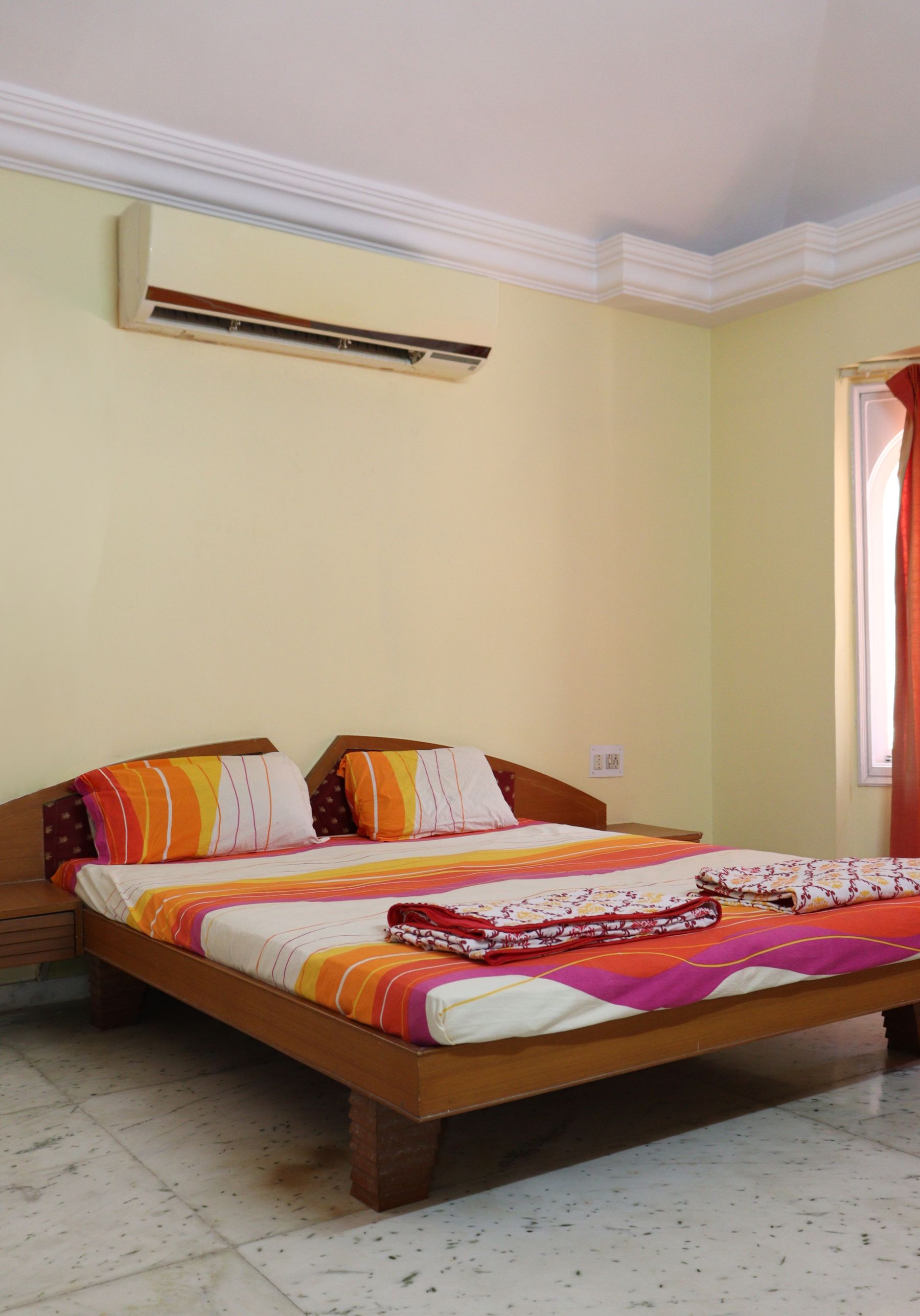
A duvet, quilt, blanket or pair of pillowcases is the lowest-risk place for a bold floral, wave, stripe or geometric repeat. Keep sheets and sleep-contact layers chosen for temperature and care, then add one visible patterned plane. Avoid a manufactured room set in which curtains, lampshades and every cushion repeat the same motif. [Boho Bedroom Ideas](/bedroom/boho-bedroom-ideas/) may share layered textile, but its handmade, global and relaxed material mix has a different primary intent from decade revival.
Sculptural Lighting With a Real Job
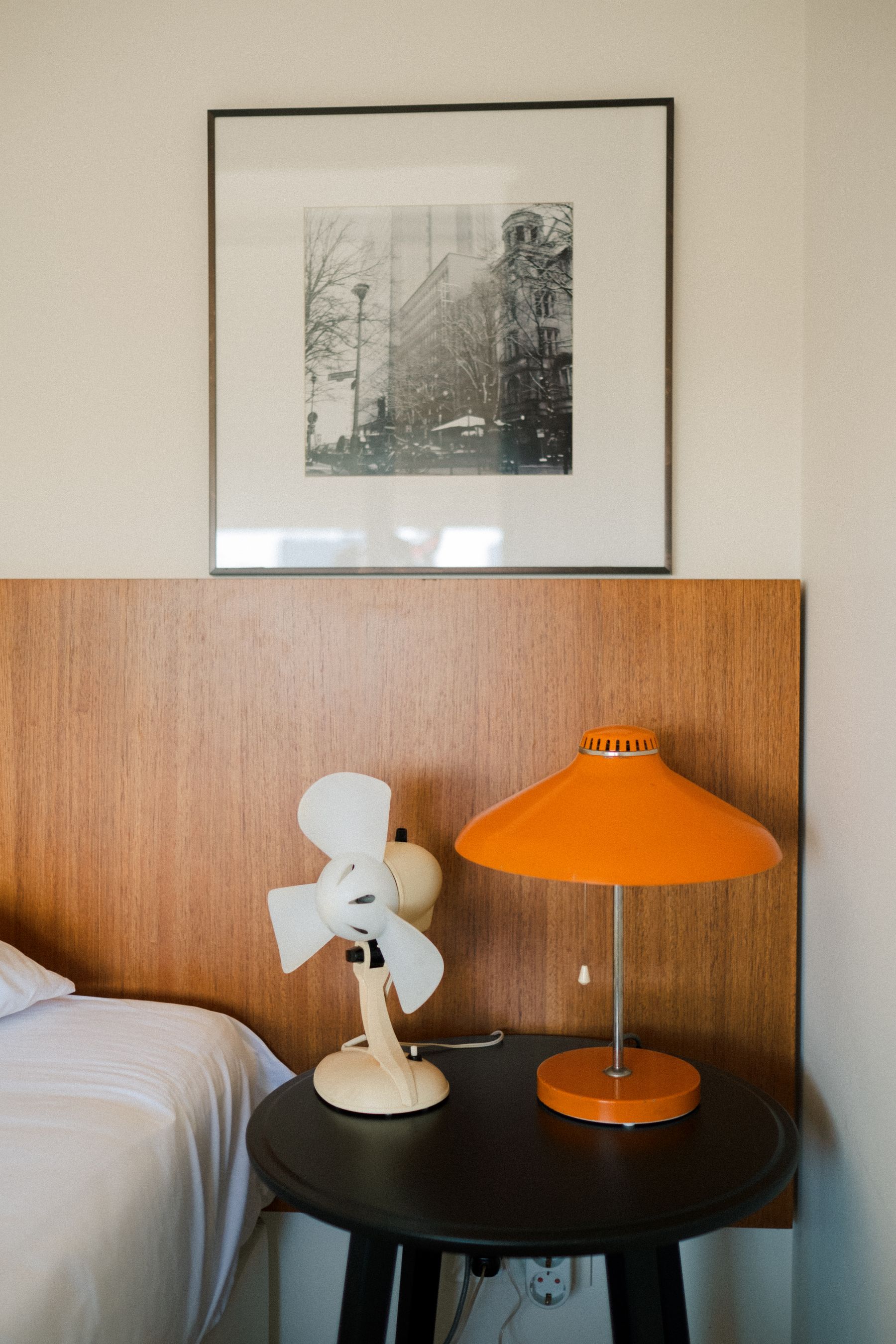
Mushroom, globe, pleated, ceramic, smoked-glass and chrome lamps can carry more retro identity than a shelf of accessories. Build the room with ambient, bedside and wardrobe light on separate controls; choose warm but color-accurate bulbs and shield the sleeper from exposed glare. Vintage fixtures require professional inspection, safe plugs, compatible bulbs and stable shades. Rewiring is not a cosmetic DIY task. [Living Room Lighting Ideas](/living-room/living-room-lighting-ideas/) explains layered circuits and glare control in more depth.
Give Music a Safe, Usable Station
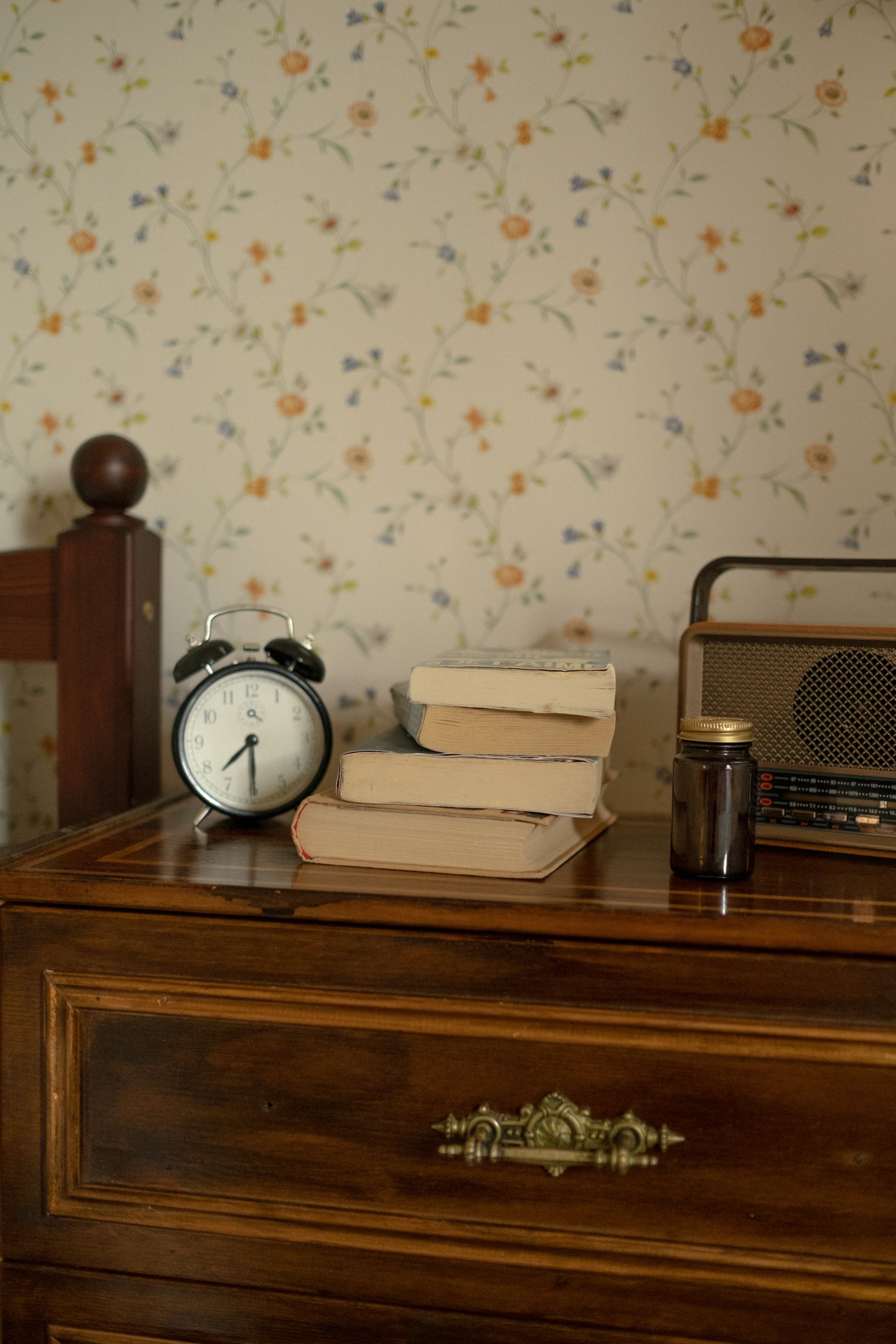
A record player, radio, cassette deck or compact speakers can make the room genuinely personal, but equipment needs a level stable surface, ventilation, reachable controls and cable management. Keep records upright away from radiators and direct sun; isolate speakers from a shared wall or headboard. Old powered equipment should be assessed before regular use, and decorative electronics should be clearly retired rather than left apparently functional. The station should support listening without colonizing the sleep zone.
Integrate Current Technology Without False Nostalgia
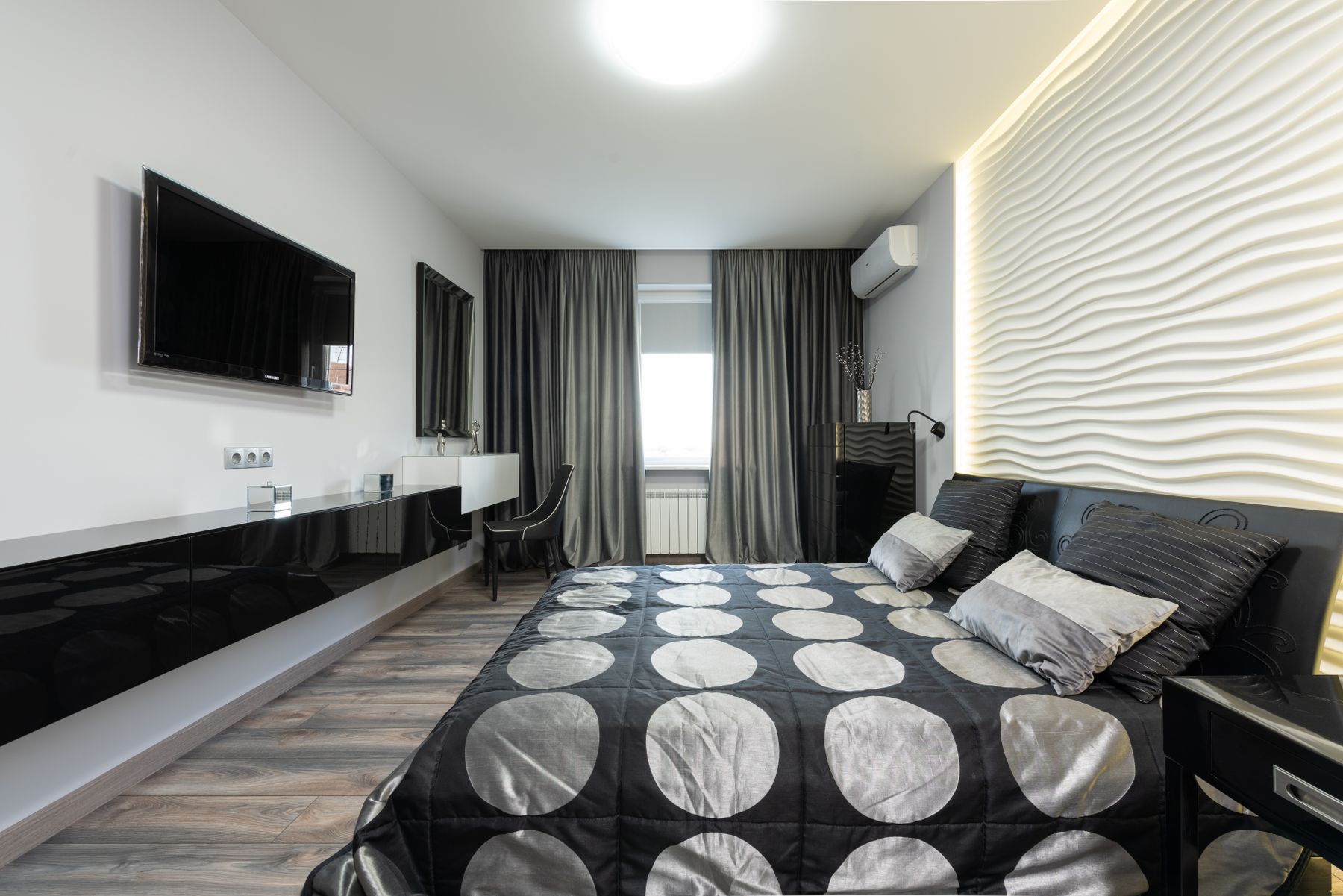
Use a current charger, smart control, television or speaker honestly, then reduce its visual dominance through cable routes, doors, paint or a dedicated shelf. Do not hide active equipment in an unventilated antique cabinet or overload a questionable vintage extension lead. A faux-old casing rarely improves the design; proportion and placement matter more. Keep bright status lights out of the pillow's view, provide a device-free charging option and use [Modern Bedroom Ideas](/bedroom/modern-bedroom-ideas/) for a fuller technology and storage framework.
Hang Posters and Art With Rights and Safety in Mind
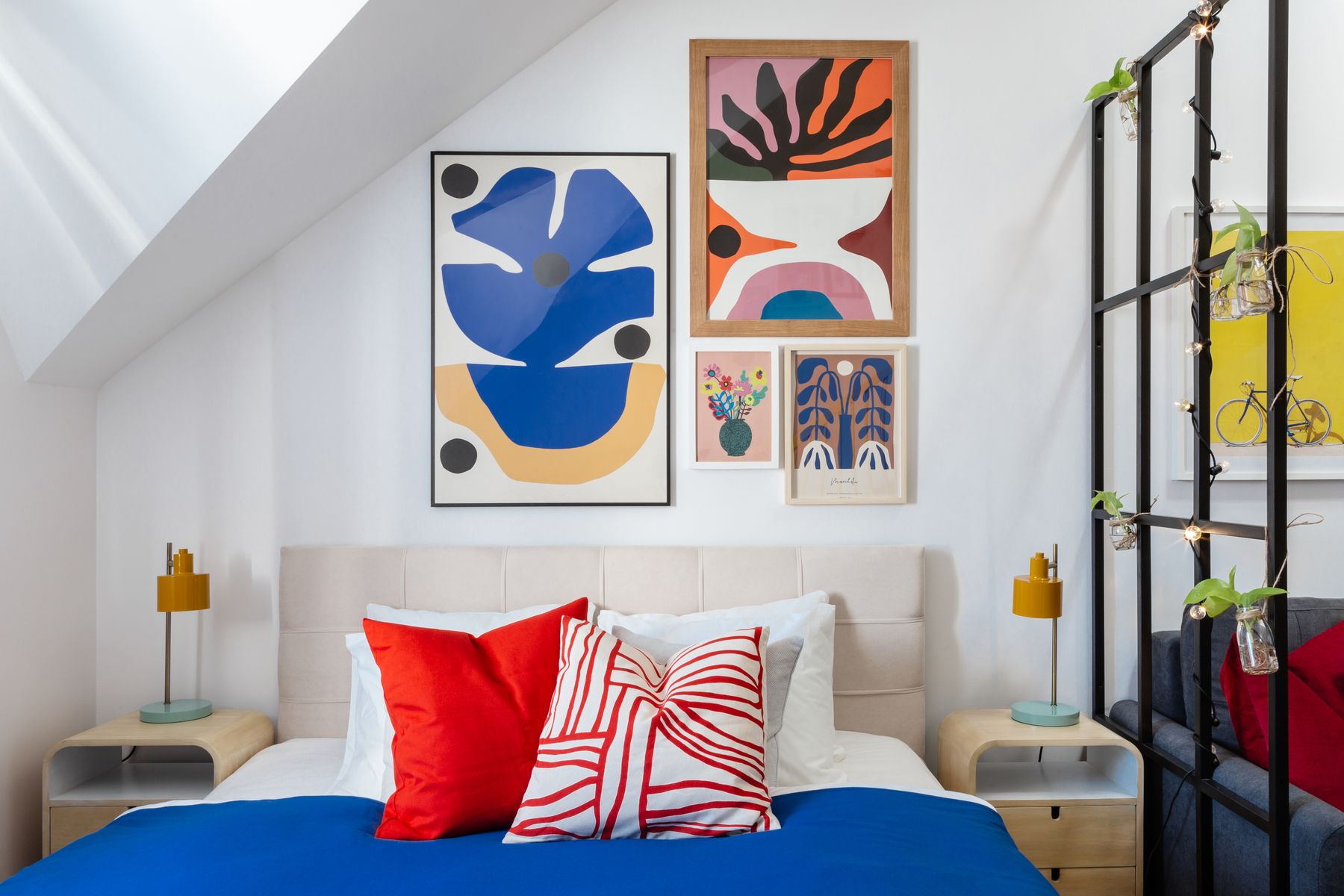
Film, music, exhibition and graphic posters can be era-defining, but buy licensed editions, use public-domain material appropriately or display personal originals. Avoid downloading images with unclear rights. Group work on one wall, vary scale deliberately and leave the bed wall safer and calmer if heavy frames would hang over sleepers. UV exposure and cheap acidic backing can damage real paper. A simple rail, ledge or pinboard can support rotation without producing a permanent scatter of holes.
Display Collections Without Turning Them Into Clutter
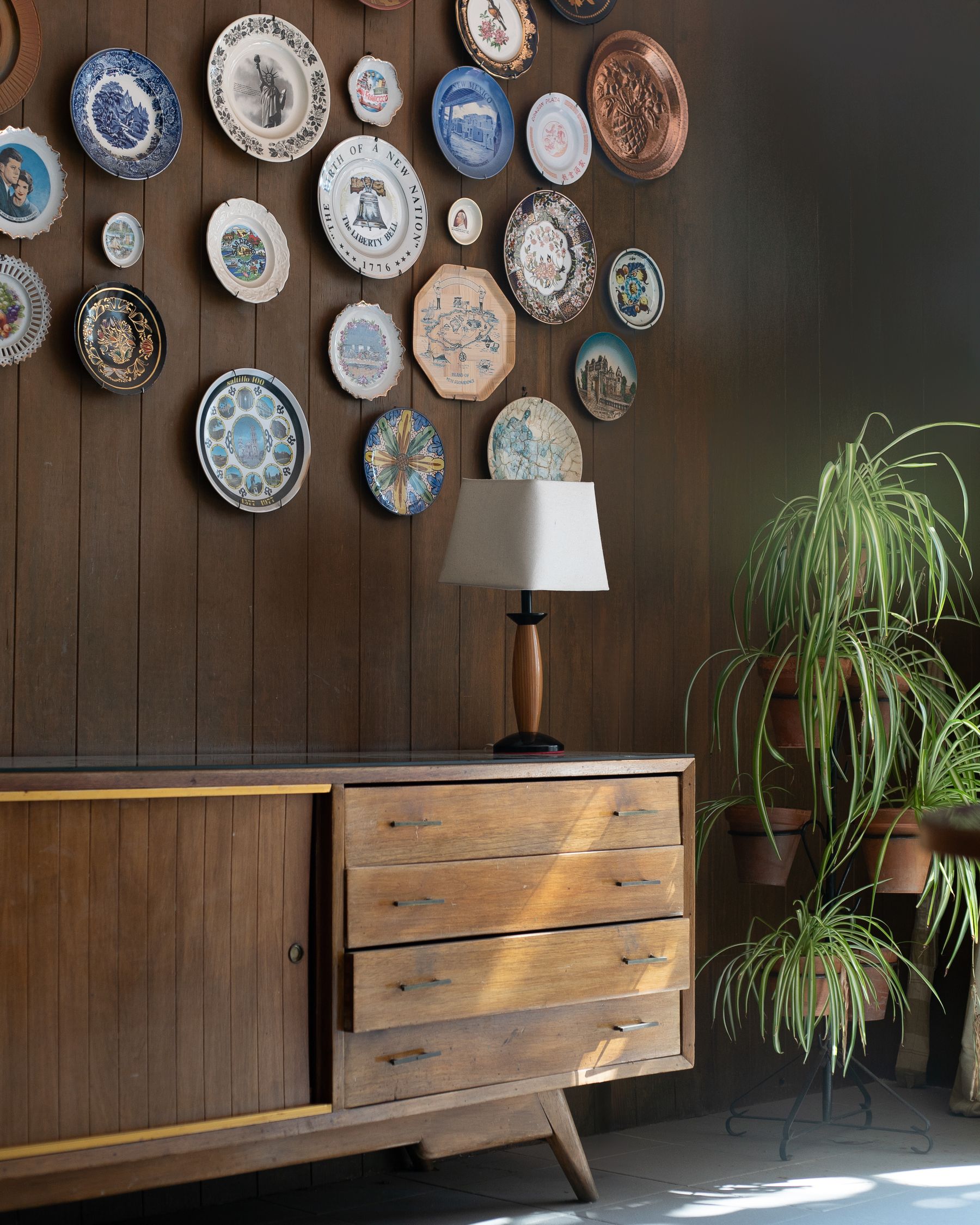
Cameras, books, ceramics, clocks, toys and small technology need a display boundary and a cleaning plan. Group by material, color or use; leave space around the strongest objects; and store the rest behind doors. Original packaging, plastics and foam may degrade in heat or sun, so do not treat the bedroom as an uncontrolled archive. The best collection reveals interest and biography. If every surface is filled merely to look retro, the room will feel generic despite the number of objects.
Plants as Scale and Color, Not a Jungle Filter
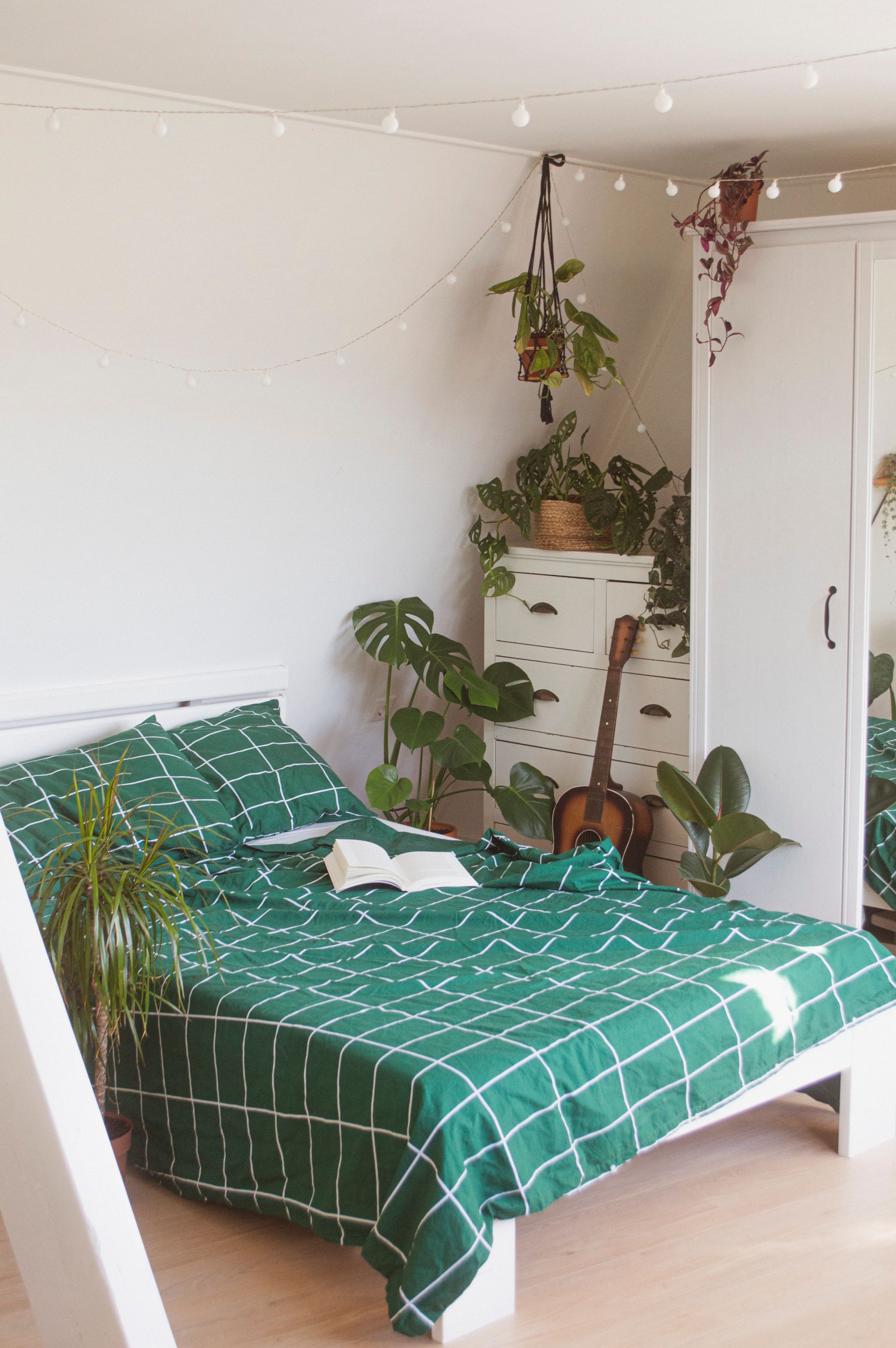
Large-leaf plants support a 1970s palette and soften low wood furniture, but species must suit the light, household and care routine. Keep wet pots off veneer, timber floors and textiles; provide saucers and inspect for pests. Avoid trailing stems across windows, heaters or night routes, and check toxicity around children and animals. One floor plant and one smaller shelf plant often create more convincing scale than many undersized pots bought only to fill a photograph.
Windows as Climate Equipment
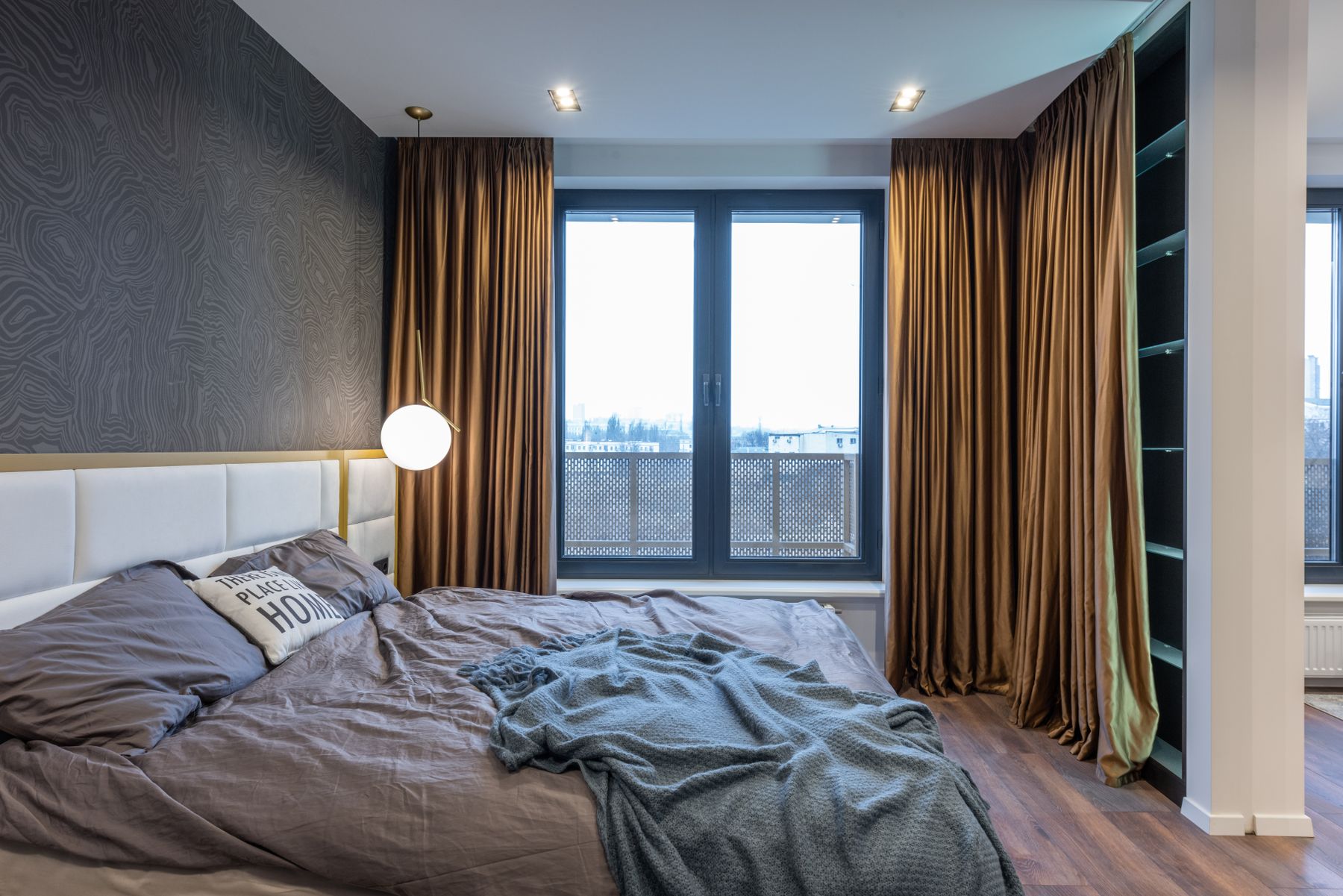
A broad curtain in rust, olive, brown or graphic print can establish the decade, but blackout, privacy, stack-back, cleaning and radiator clearance come first. Use a separate blind or lining when decorative fabric cannot darken the room. Woven blinds and bamboo shades suit some 1970s schemes but may leave privacy gaps and need careful cord safety. Preserve ventilation and handles, and keep old synthetic panels away from heat until their condition and flame performance are understood.
Fewer Signals in a Small Retro Bedroom
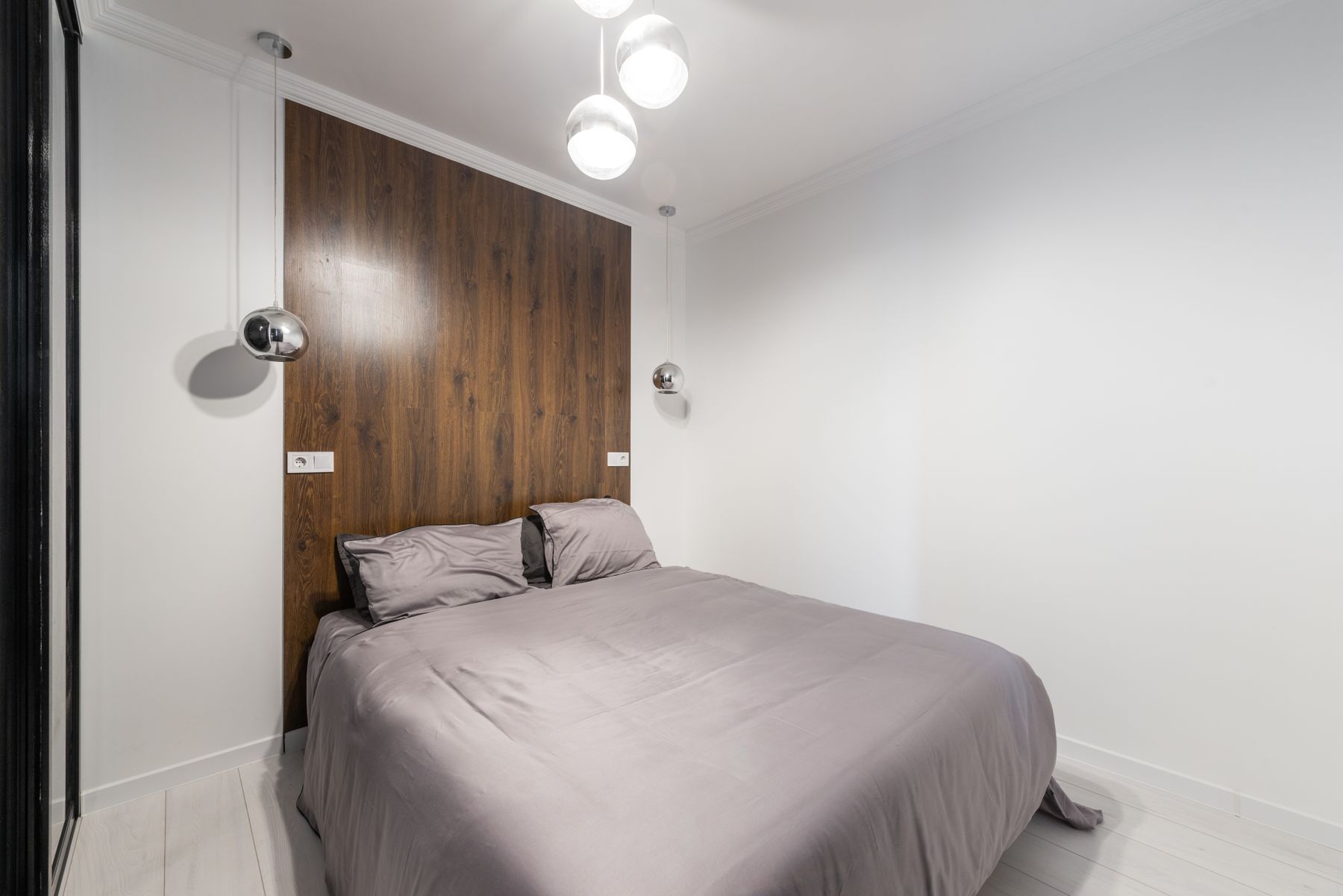
Choose one decisive wall color or pattern, one era-specific lamp and one low or rounded furniture profile. Keep deep cabinets off the main route, use wall light where a table is too small and let visible floor connect the room. A large pattern can work when contained to one plane; many little accessories usually create visual compression. Apply the route and storage tests from [Small Apartment Ideas](/apartment/small-apartment-ideas/) rather than assuming a small room needs pale, anonymous decor.
Portable Retro Layers for a Rental
Concentrate the identity in a coverlet, rug, lamps, art, portable chair, dresser and curtain that can move to another home. Verify the lease and substrate before painting, peel-and-stick paper or adhesive mirror tile; removable does not mean damage-free. Document the starting condition and avoid hiding damp or damaged outlets with decorative panels. The portable-furniture logic in [Vintage Apartment Ideas](/apartment/vintage-apartment-ideas/) can help one strong freestanding piece serve beyond the current wall.
Balance Shared Taste With Equal Function
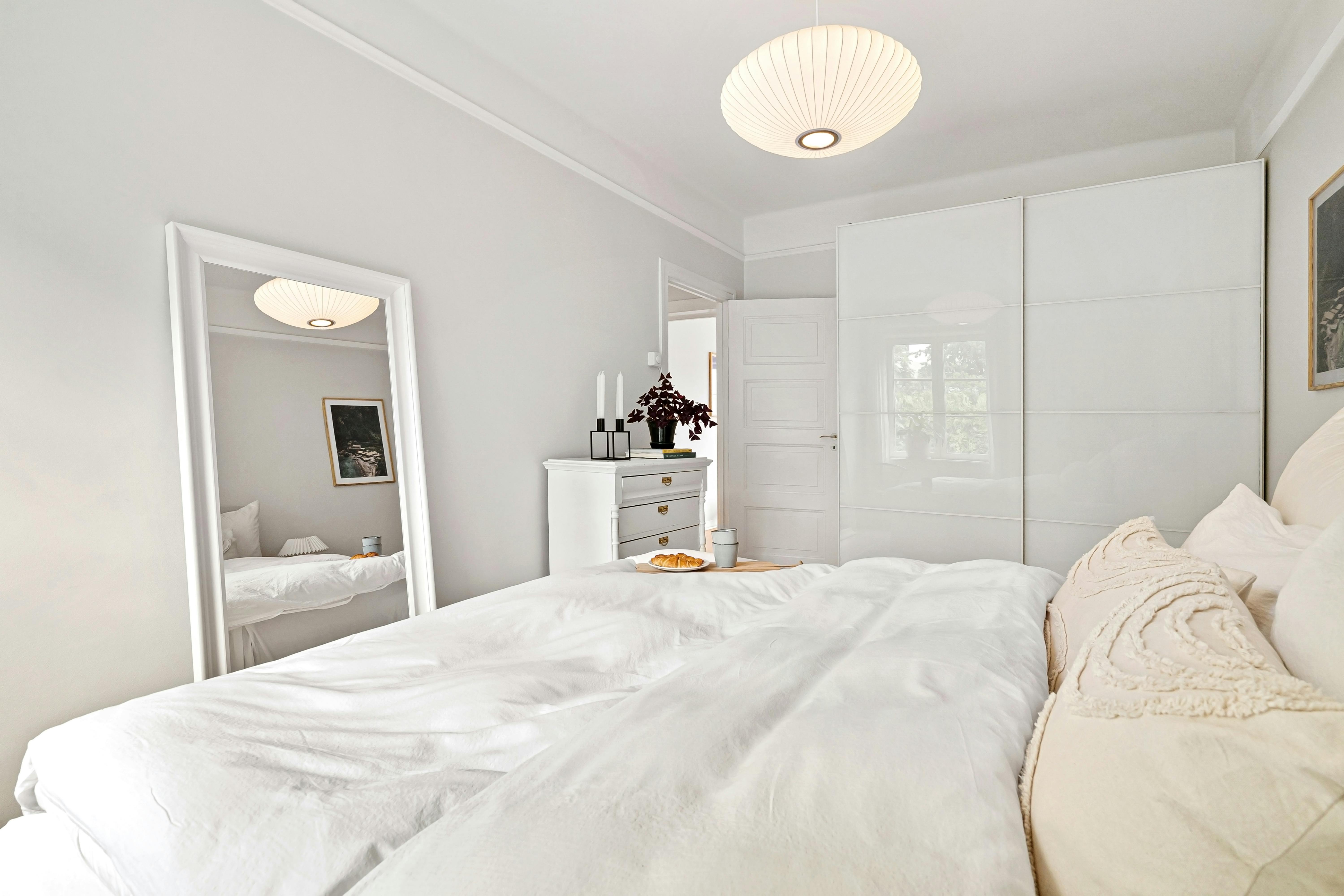
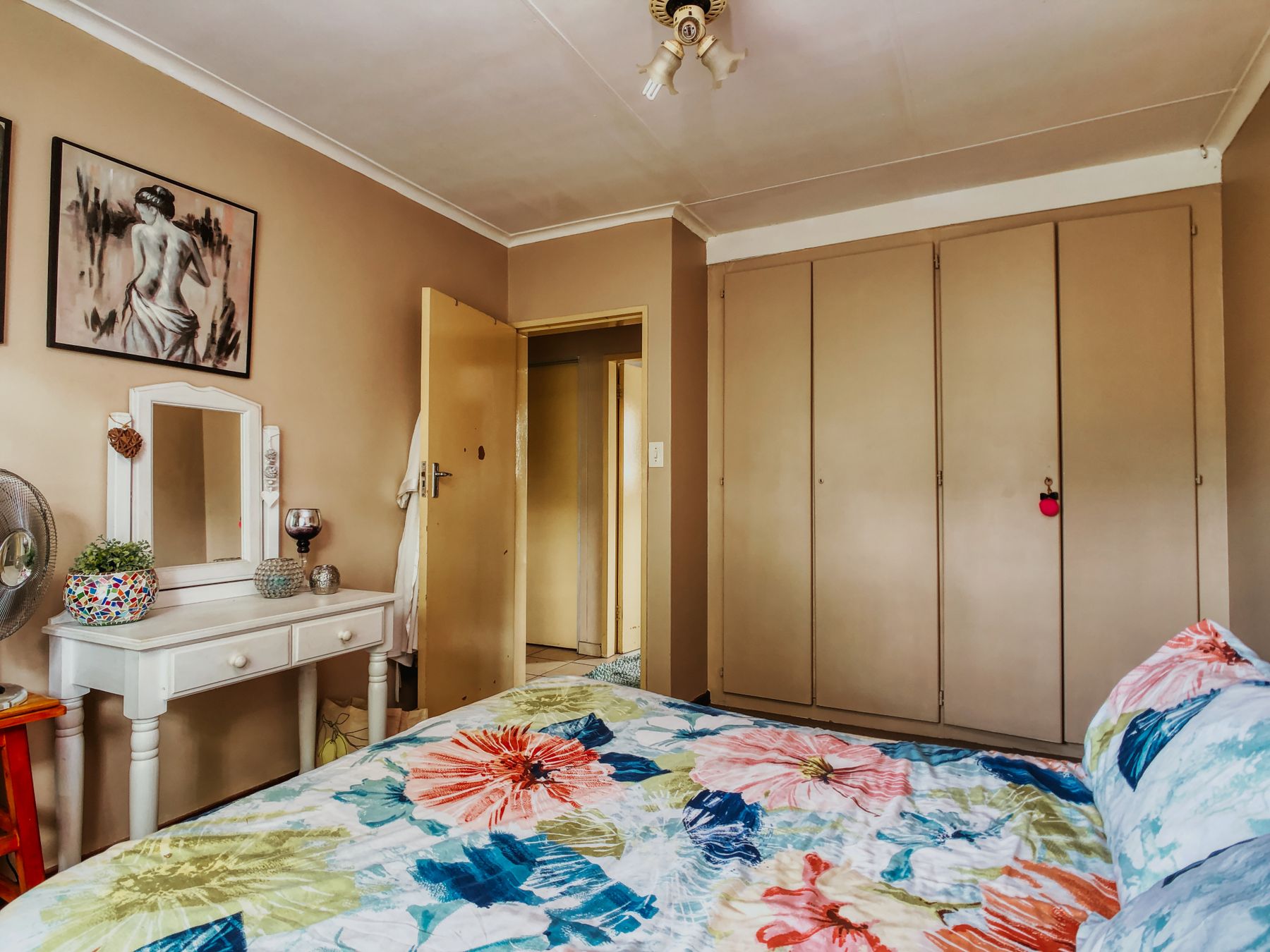
Agree on the lead decade and shared color field, then let each sleeper choose art, storage and bedside equipment within that frame. Equivalent reach, charging, reading light and surface area matter more than symmetry. Discuss music volume, display limits, curtain operation, mattress temperature and whether glowing electronics remain on overnight. Two personal histories can coexist when the wall, rug or bed provides a common structure and neither person's collection occupies all visible space.
Retro Form and Current Ergonomics at the Desk
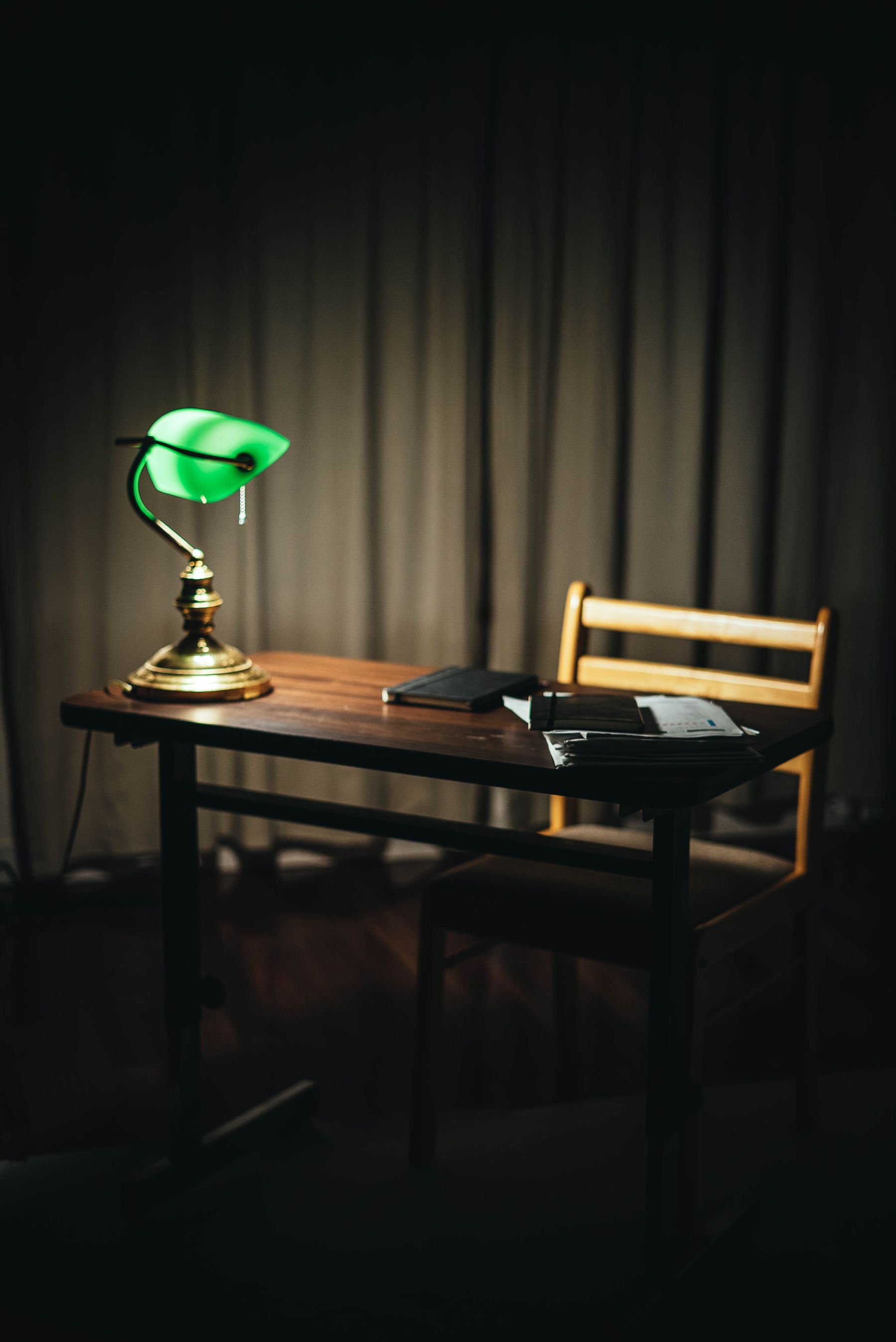
A slim wood writing desk, tubular frame or lacquered vanity can support the decade, but measure monitor depth, leg clearance, chair movement and task duration. Add a current ergonomic chair if the desk is used for long sessions; historical silhouette should not force poor posture. Route cables along the rear rather than through unverified old joinery, provide a focused lamp and close work materials after use so the bedroom can return visually to rest.
Design Strong Style Around Changing Mobility and Vision
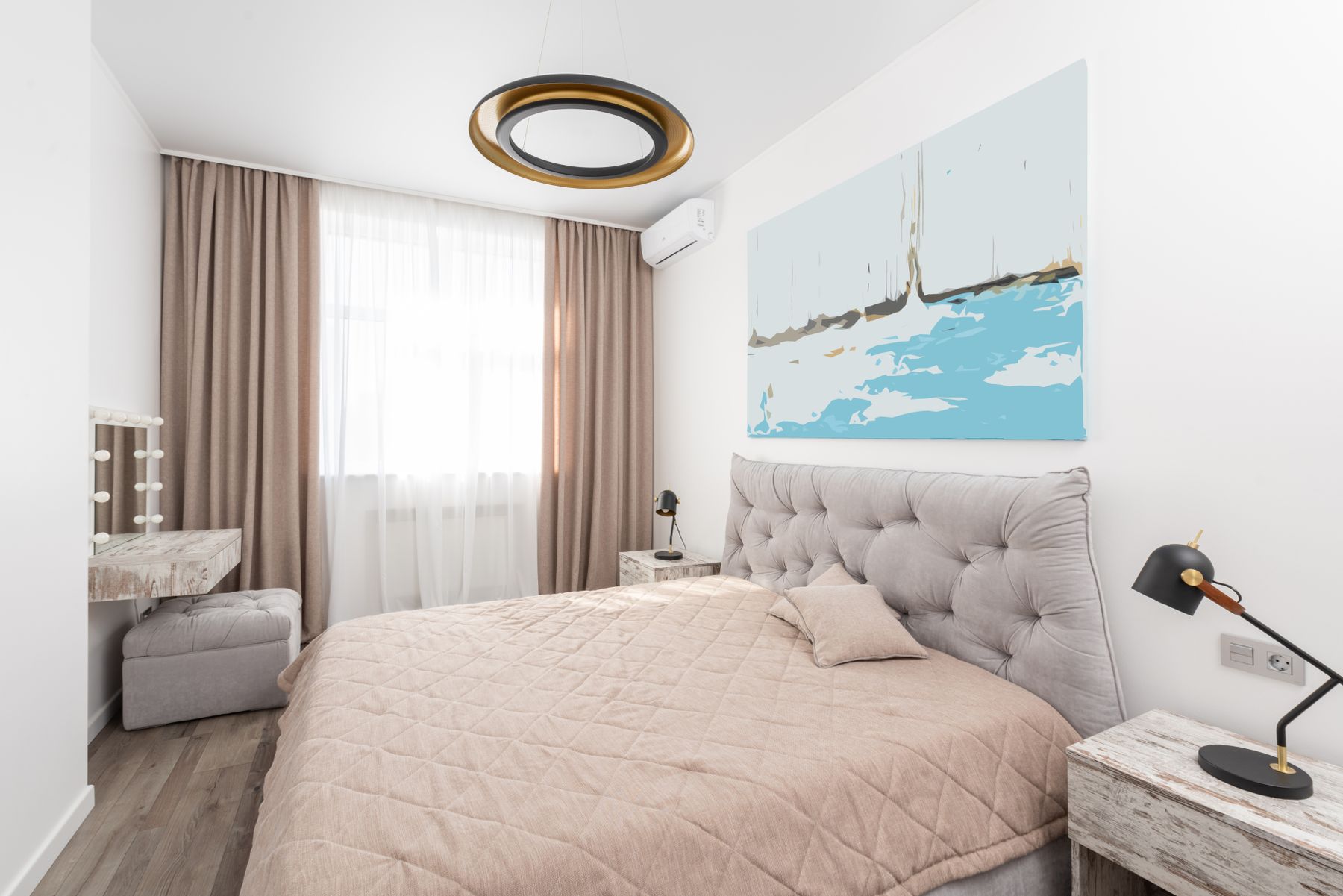
Use retro color to increase contrast at switches, handles, storage interiors and the bed edge, but avoid busy pattern across steps or principal routes. Select a mattress height that supports transfer, round or remove sharp furniture corners, secure rugs and provide reachable light from the doorway and bed. Low furniture may look period-correct yet be unusable for some residents. Accessibility is a design input: pattern can move to walls and bedding while contact points stay stable and clear.
Inspect Vintage Wiring, Foam and Finishes
Old lamps, radios, extension leads and powered furniture should be inspected by a qualified person before regular use. Upholstered seating may contain degraded foam, weak webbing, dust or unknown flame-retardant history; hard finishes may be brittle or inappropriate for aggressive sanding. Check joints, veneer, glass, labels and odor, isolate pest activity and document repairs. The condition-led tests in [Vintage Bedroom Ideas](/bedroom/vintage-bedroom-ideas/) go deeper; cracking plastic, sticky surfaces and exposed wire are not desirable patina.
Edit the Room Until It Feels Lived In, Not Staged
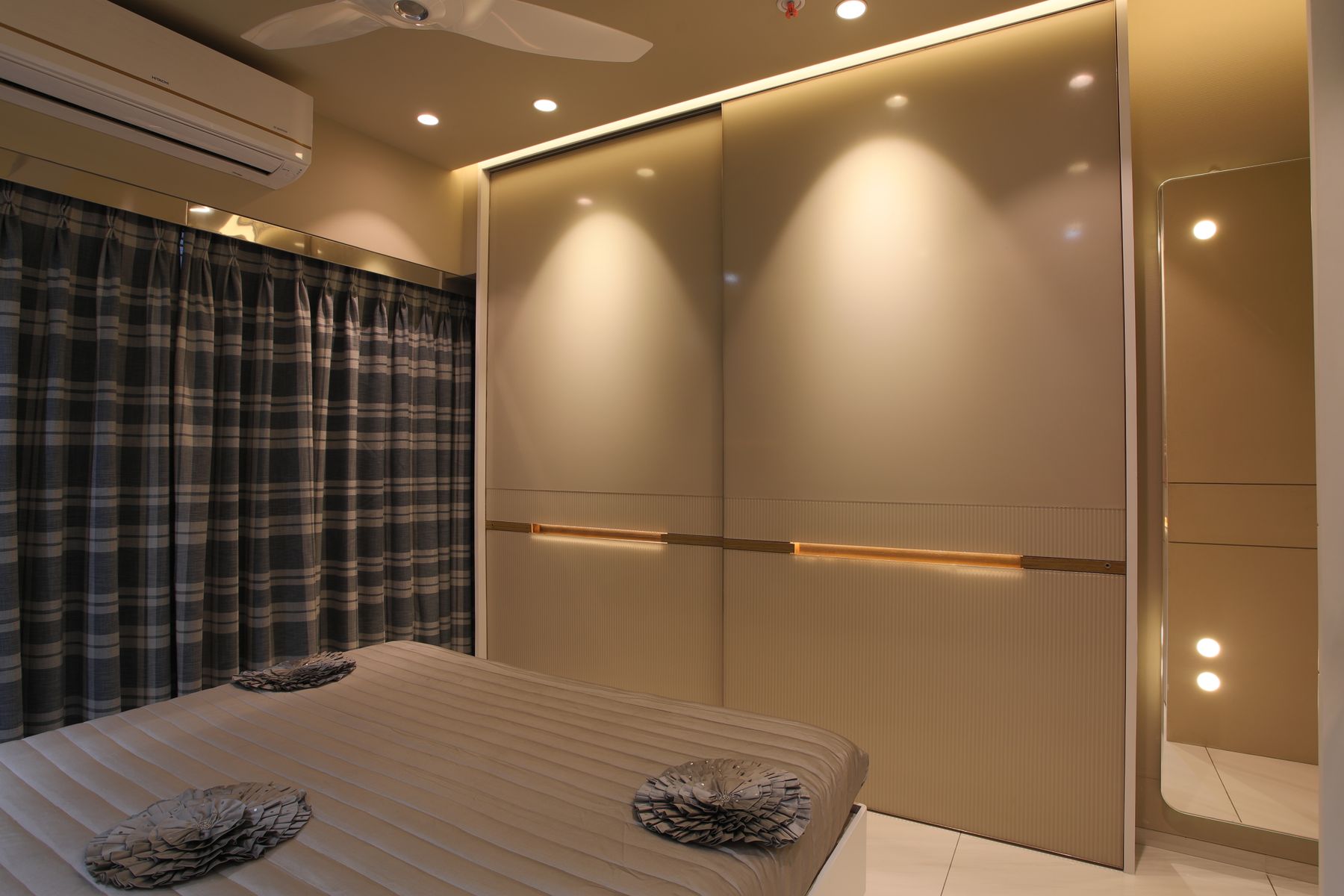
Keep the mattress, storage, controls and technology current, then let three or four retro signals carry the room: perhaps an earth palette, a low timber dresser, a mushroom lamp and one graphic textile. Remove novelty props, redundant motifs and objects that exist only to label the decade. A convincing room can accommodate laundry, charging and morning light without losing its identity. The goal is not reconstruction; it is a usable present-day bedroom shaped by a legible late-twentieth-century point of view.