Know What Makes a Bedroom Vintage
Vintage means that authentic older pieces are used in a present-day room, often across more than one period. Retro usually revives a recognizable recent decade, traditional can be entirely new, and antique often implies a greater age or collecting value. A bedroom may borrow from each, but it should still work for sleep, dressing and storage. The whole-home coordination of original architecture and mixed-era rooms belongs in [vintage apartment ideas](/apartment/vintage-apartment-ideas/); this guide owns the bed, bedside and nightly routine.

Start With Sleep, Scale and Clear Routes
Measure the mattress, bed frame, door swings, wardrobe access and the narrowest route before buying furniture. Leave enough room to make the bed, open drawers and approach from the sides that the household actually uses. Put visual drama where it does not interrupt those tasks. A large carved wardrobe may be beautiful but still wrong if it blocks daylight or cannot be delivered upstairs. In a small room, a modest old chest with drawers may be more useful than a full matching suite.
Let One Bedstead Lead the Room
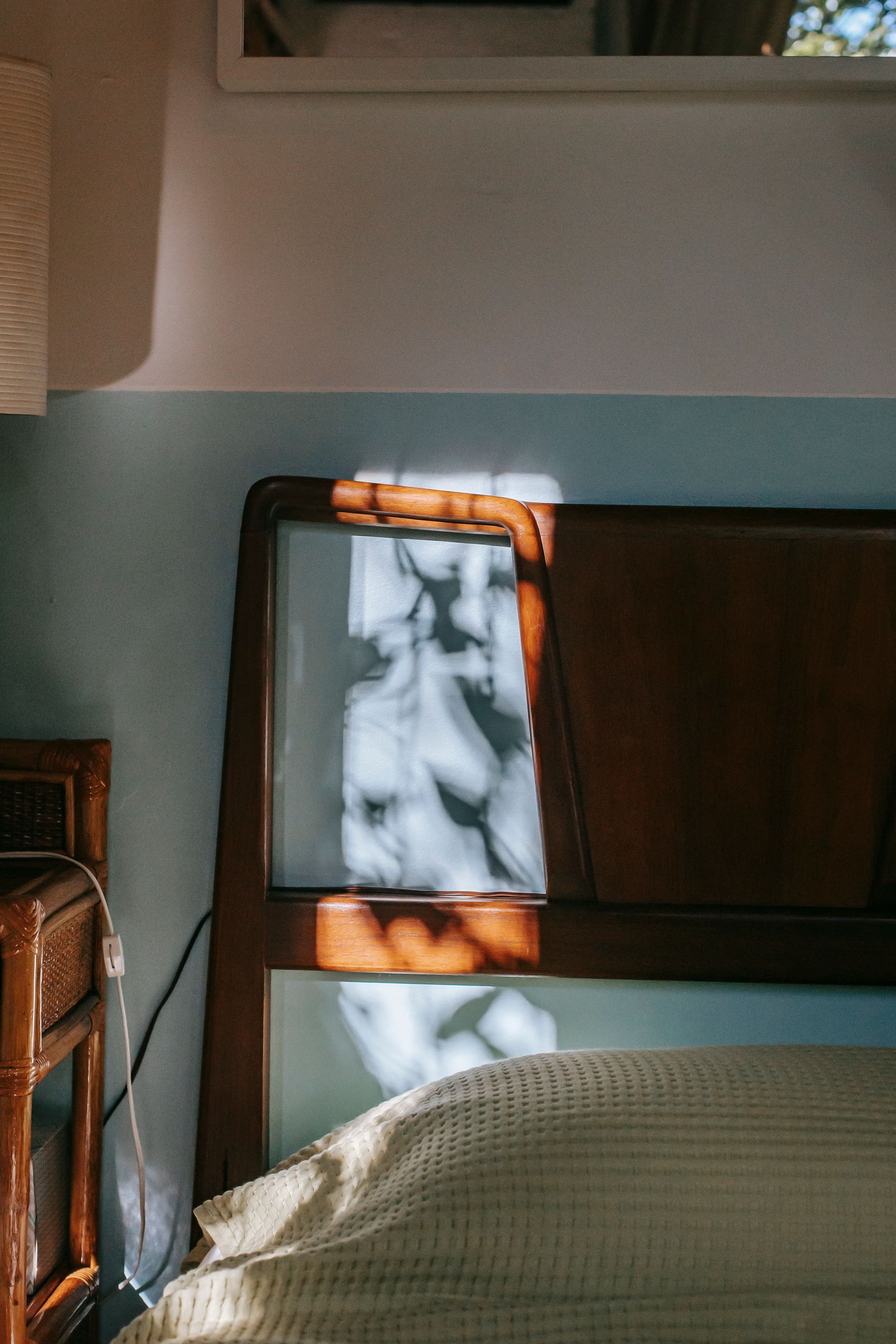
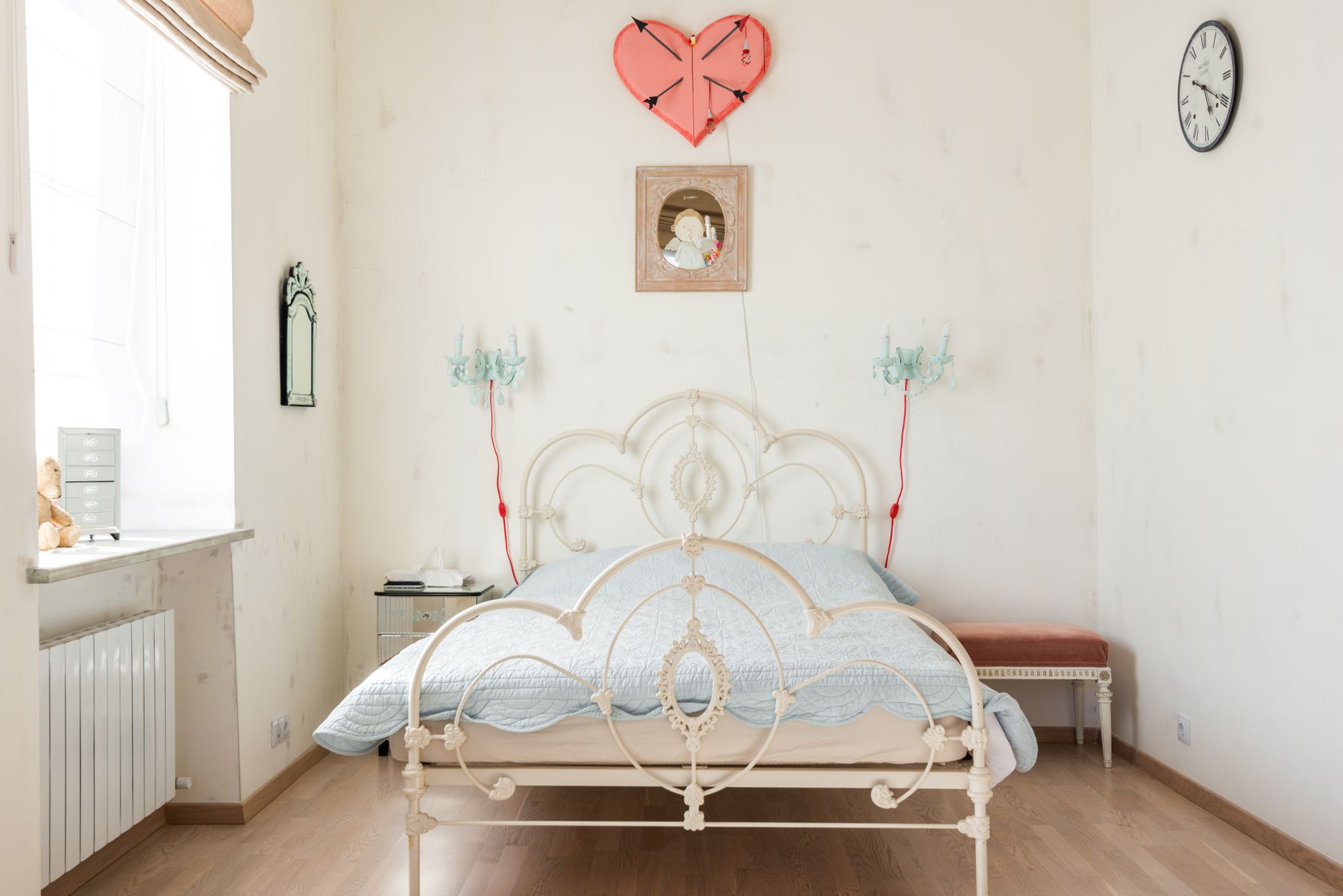
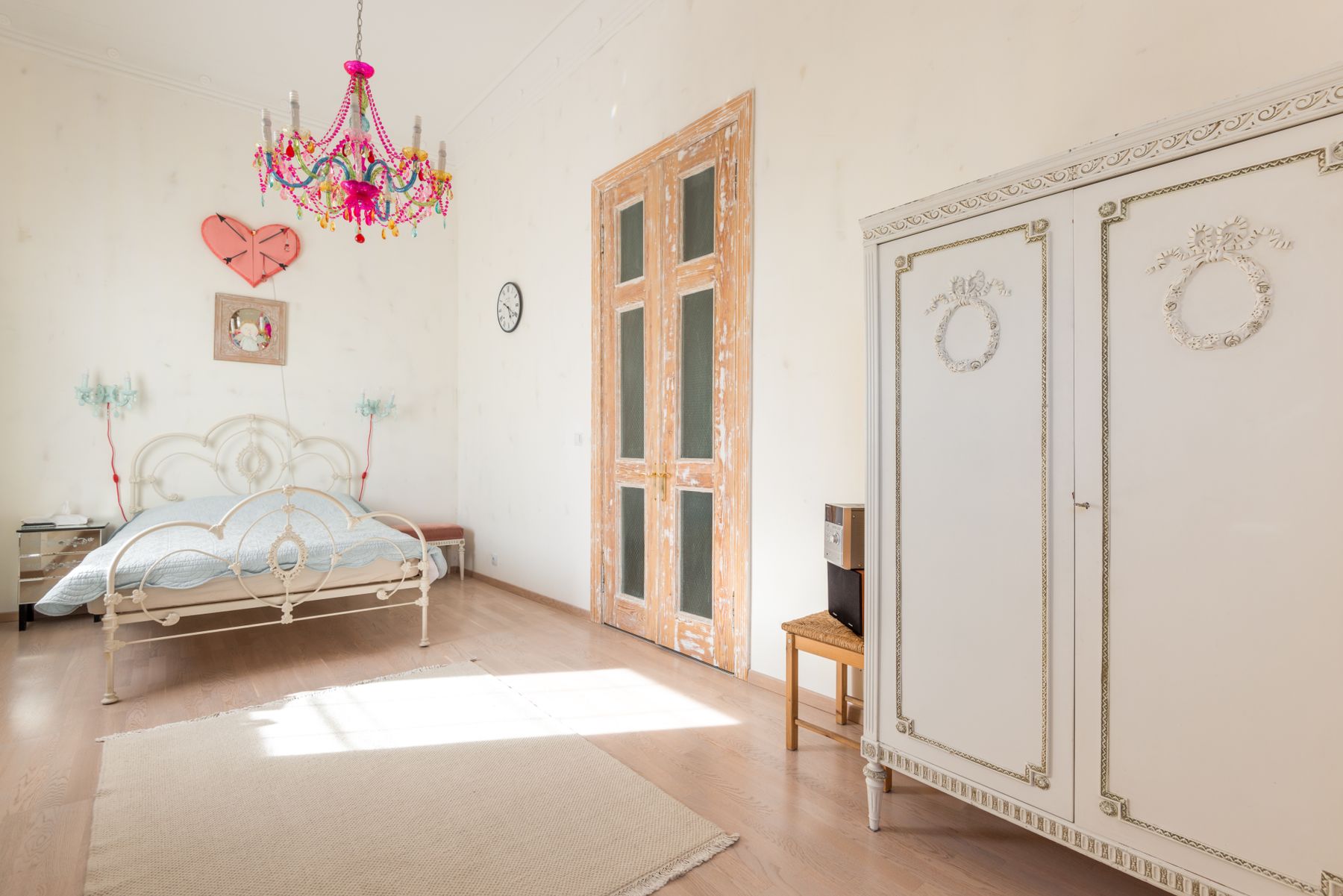
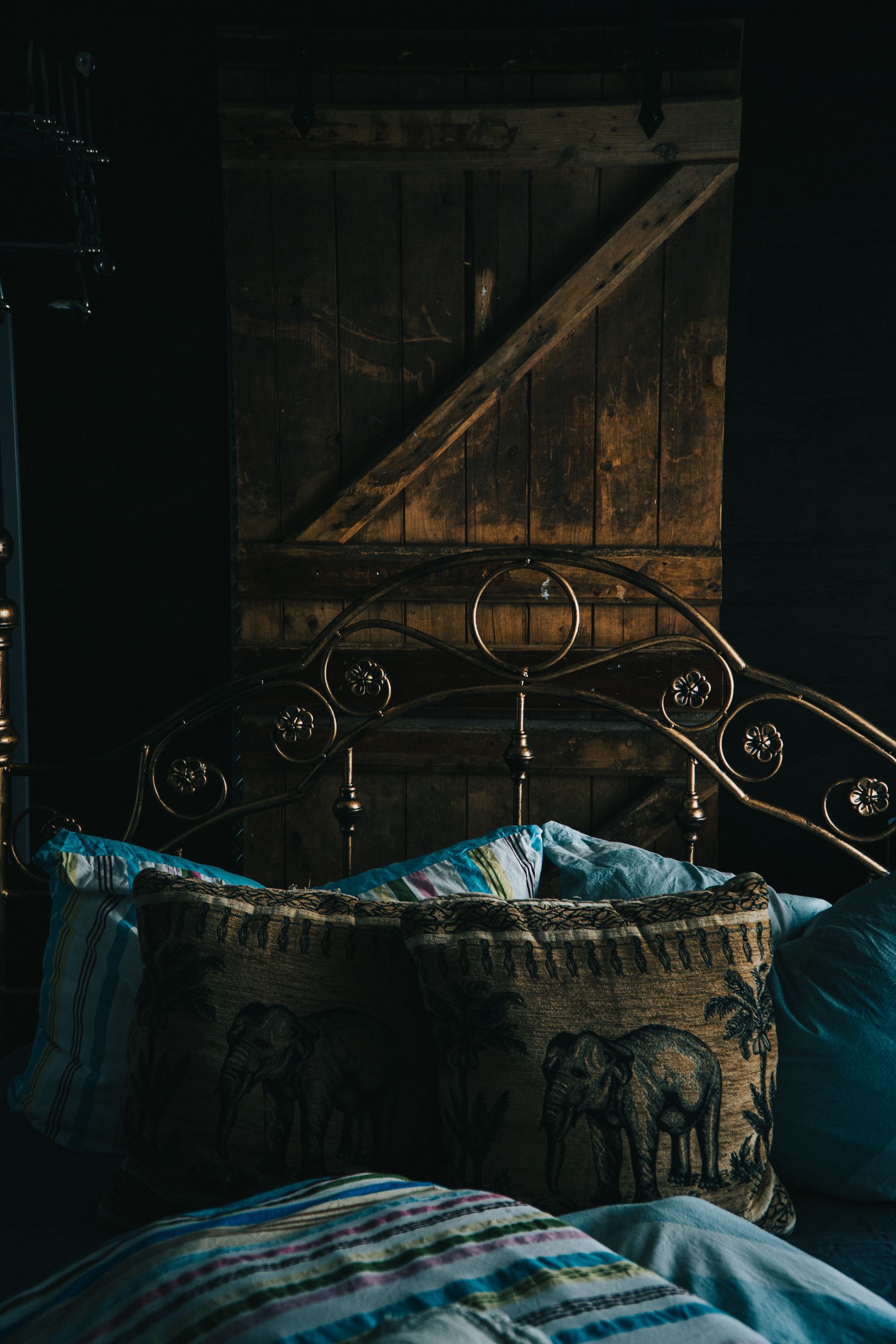
An iron, brass, spindle or carved wood bed can establish the entire room. Check that the frame is square, joints are sound, slats and center support suit the mattress, and no decorative projection creates a hazard. Non-standard antique dimensions may require a custom mattress or discreet support modification by a qualified maker. If the original bed is too fragile, use a current frame and let an old headboard or textile provide the character without pretending it carries weight.

A Canopy for Enclosure, Not Theatre
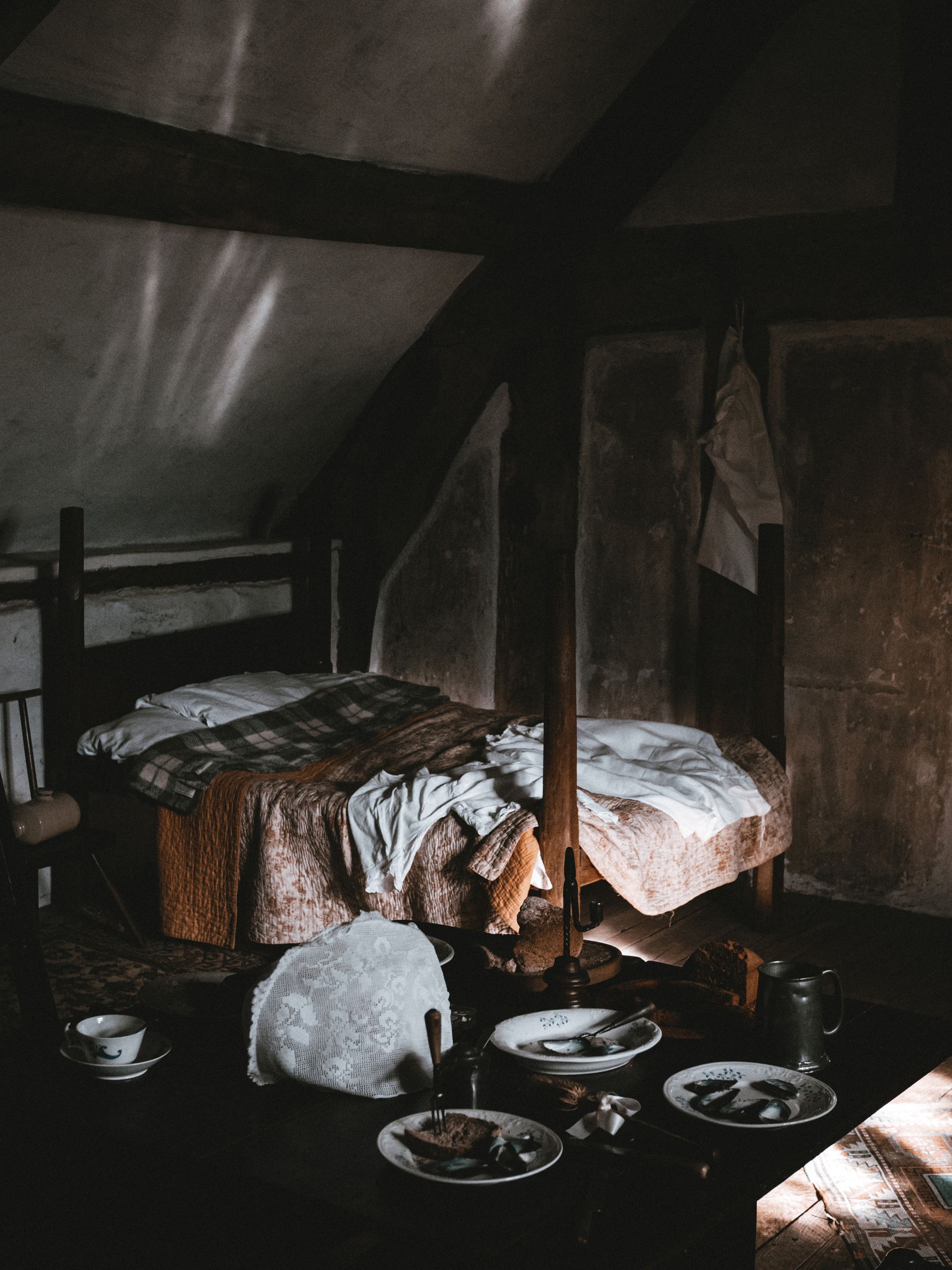
A tester, half-tester or four-poster can make a high or exposed room feel protected and can support curtains where drafts or early light are real problems. It works poorly when low ceilings compress the fabric, posts obstruct circulation or heavy drapery collects dust faster than it can be cleaned. Keep fabric clear of bulbs, heaters and vents, specify washable or professionally cleanable material, and use secure fixings designed for the load. In a compact bedroom, a simple crown or wall-mounted textile may create the same enclosure with less bulk.
Mix Eras Through Proportion and Undertone
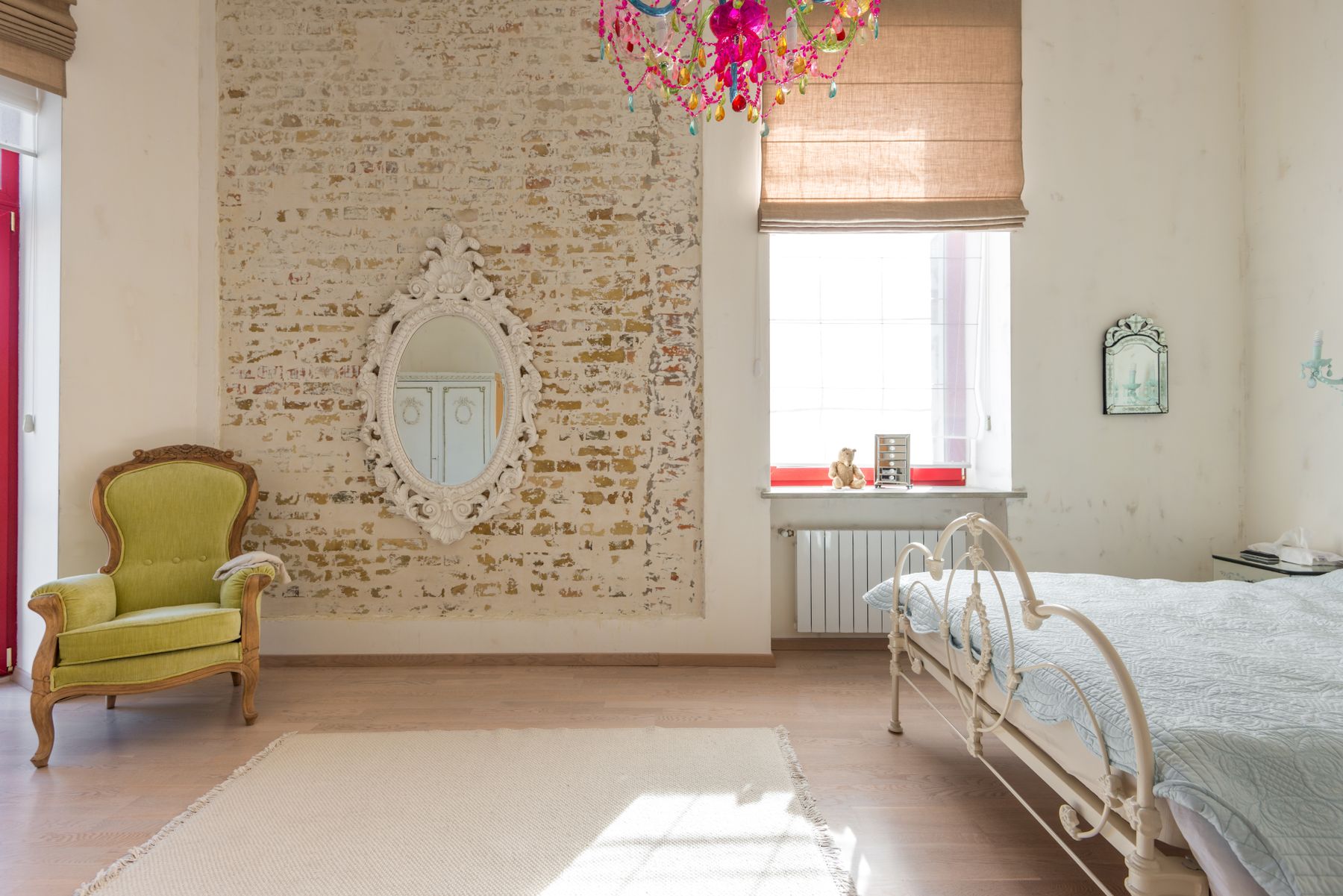
A Victorian-style iron bed, 1930s dresser and later reading chair can coexist if their visual weight and useful heights relate. Repeat one wood undertone, dark metal or fabric color two or three times while allowing silhouettes to differ. Avoid buying a reproduction suite whose identical distressing makes the room feel staged. One simple current piece can give ornate furniture breathing room, just as one older cabinet can give a new bed history.
A Palette Built From a Textile You Love
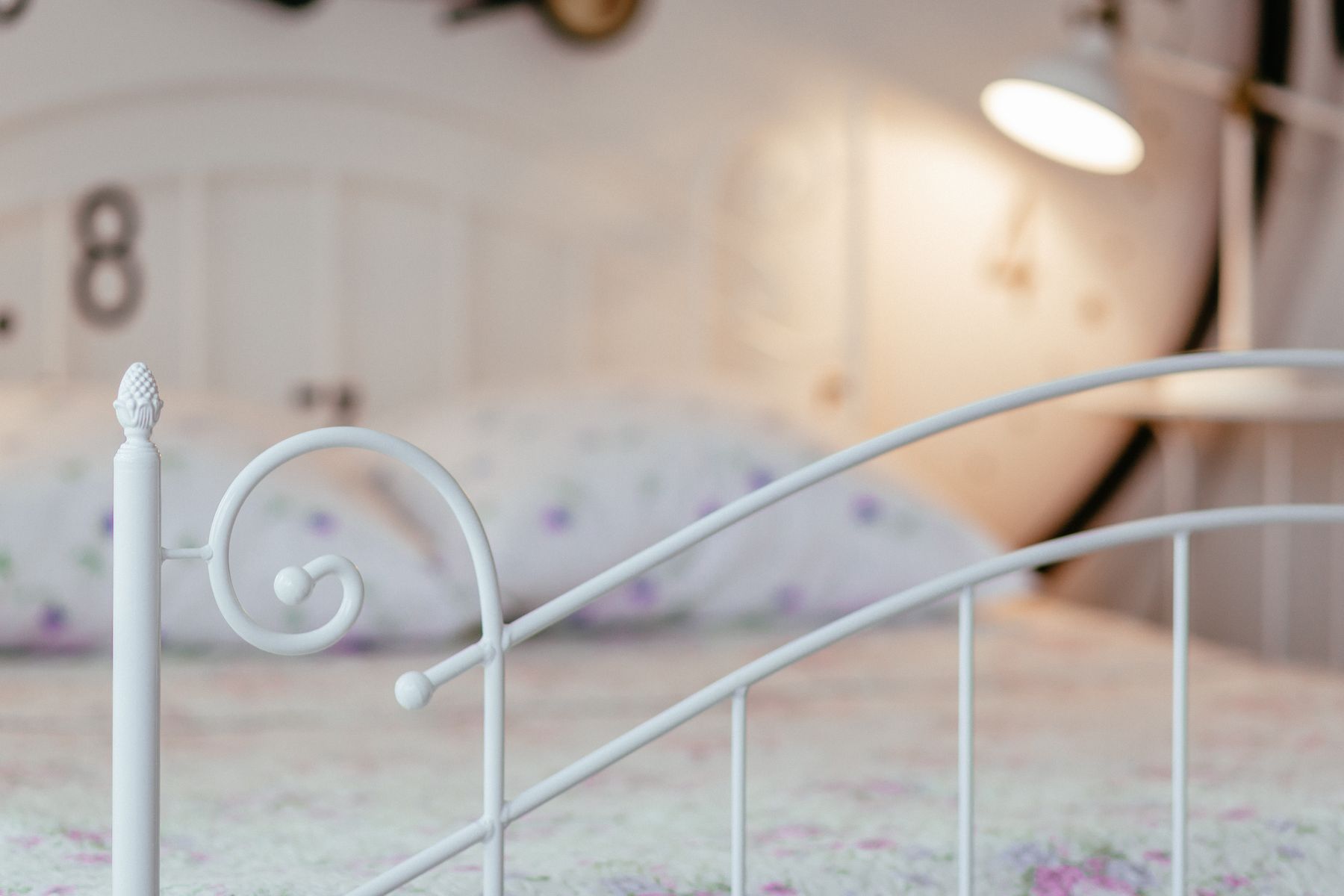
Begin with a quilt, rug or curtain that will remain, then pull one calm background tone and one deeper accent from it. Dusty rose, faded blue, ochre, olive and burgundy can read as vintage, but the bedroom rarely needs all of them. Test wall samples beside timber and fabric by daylight and lamplight. If the bedcover has a small, busy pattern, a larger-scale wallpaper or mostly plain curtain will keep the room from vibrating visually.
Wallpaper That Shapes the Room
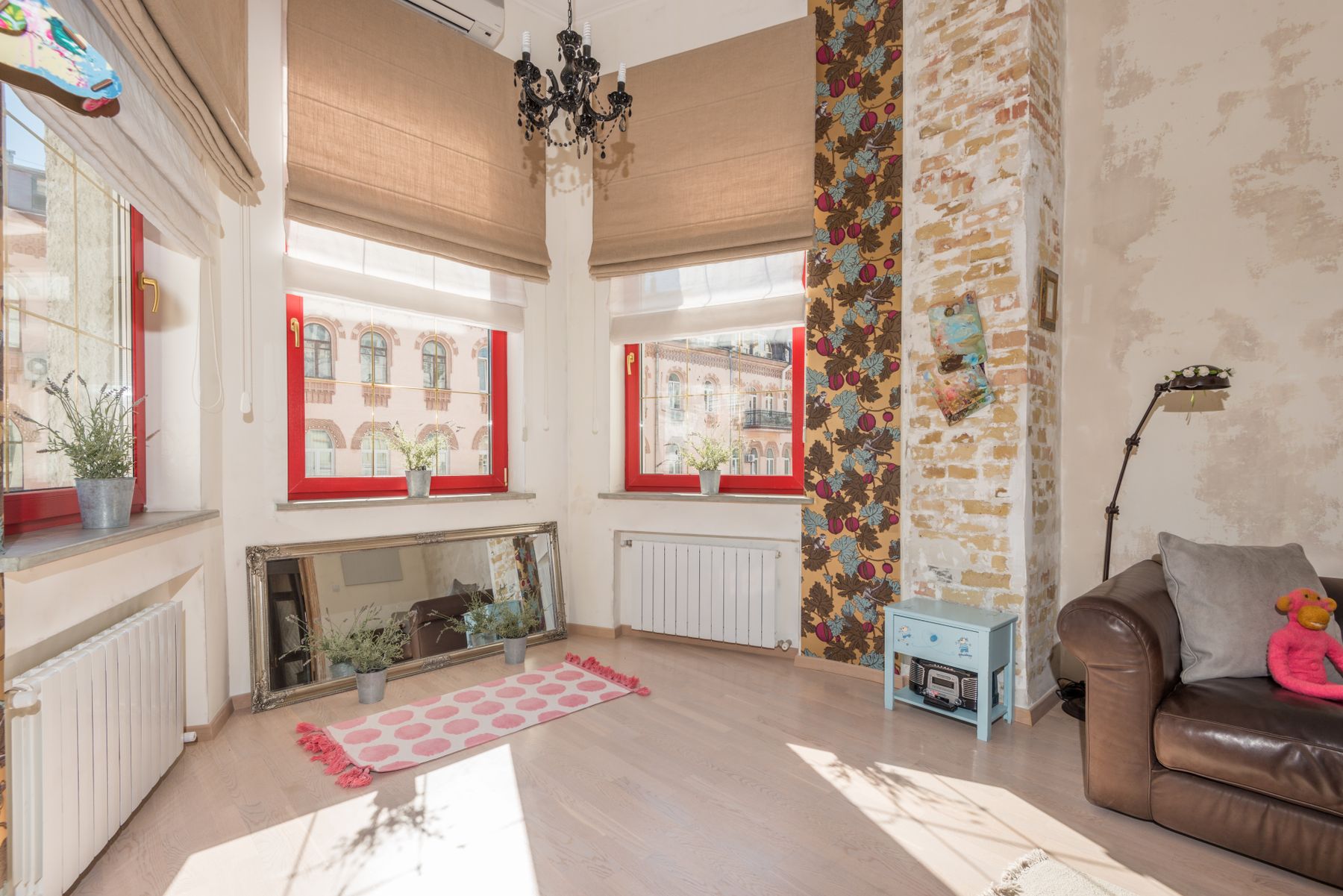
Botanical, stripe, toile and geometric papers can make a plain bedroom feel established, but match scale to the room and retained furniture. A small room can be enveloping in a gentle all-over print; a room with a highly carved bed may need quieter walls or a papered alcove. Order a full sample repeat, check seams in morning and artificial light, and confirm that walls are dry and sound before installation. Do not use paper to conceal active damp or failing plaster.
Quilts and Blankets Without Overdressing
Vintage quilts and blankets bring craft and color close to the body, so condition matters more than photographic charm. Check weak seams, staining, odor, color transfer and previous repairs; valuable or fragile textiles may belong folded at the foot rather than in nightly use. Combine one patterned heirloom with washable plain layers instead of stacking decorative pillows that must be moved twice a day. Breathability, local temperature and the sleeper's comfort decide the final weight.

Control Daylight and Darkness With Real Curtains
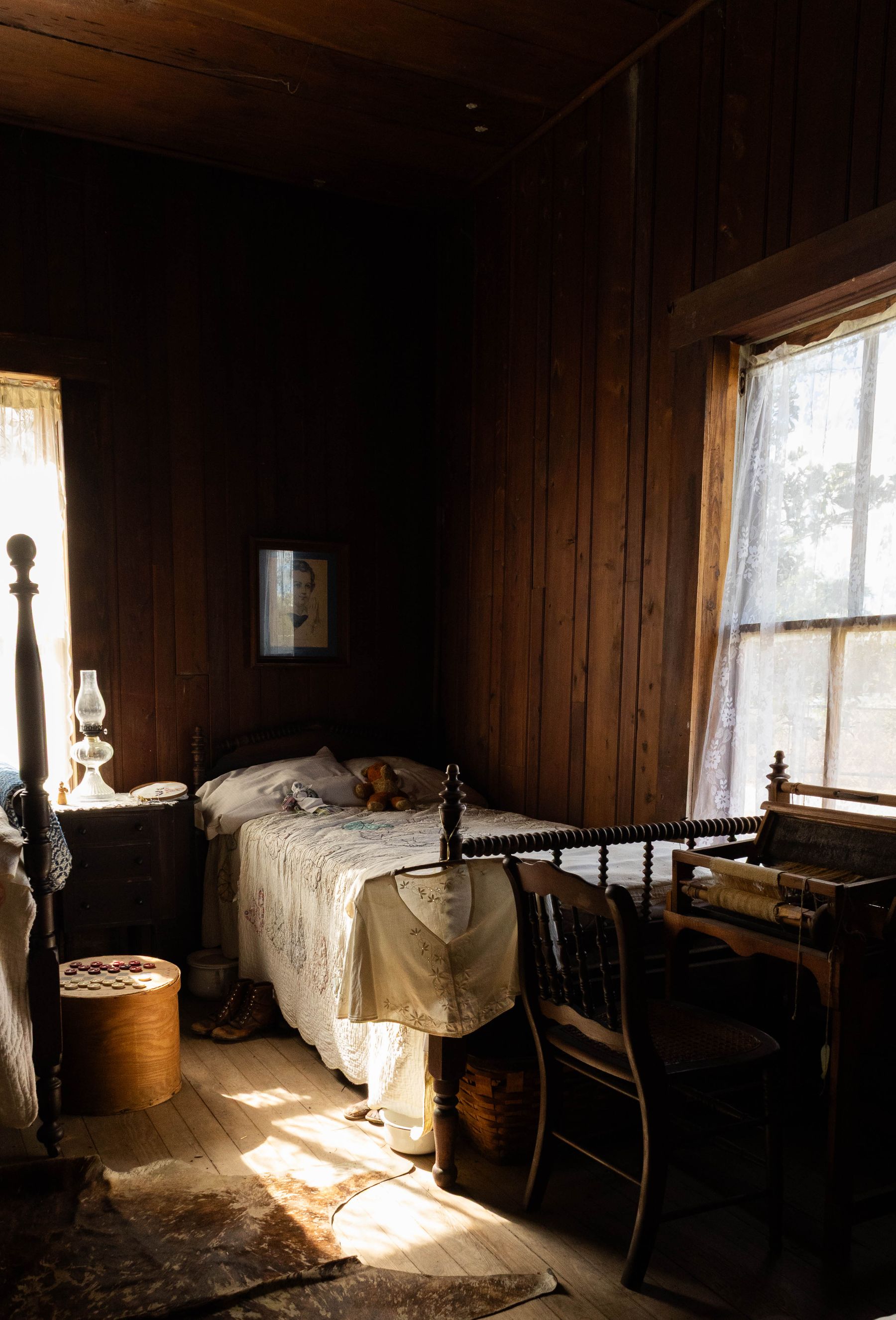
Layer a light-filtering treatment for privacy with a lined curtain, shutter or blind for sleep darkness. Mounting near the ceiling can visually lengthen a modest room, but fabric should clear radiators, vents and floor moisture. Vintage curtains need inspection for sun damage, weak headers and cleanability; old linings may shed or fail. Blackout does not have to look contemporary if it is hidden behind a fabric that belongs to the room. Check for side gaps from the pillow, not only while standing.

Choose Bedside Furniture by Reach
Nightstands do not need to match, but each should place a lamp, water and essentials within easy reach. Compare top height with the mattress, ensure drawers can open beside curtains or walls, and stabilize narrow tables. A small washstand, stool or chest can work if its surface is level and its finish tolerates daily use. Matching lamps can create calm even when the tables differ; alternatively, repeat a wood or metal tone so the pair feels intentional.
Layer Warm Light and Verify Old Wiring
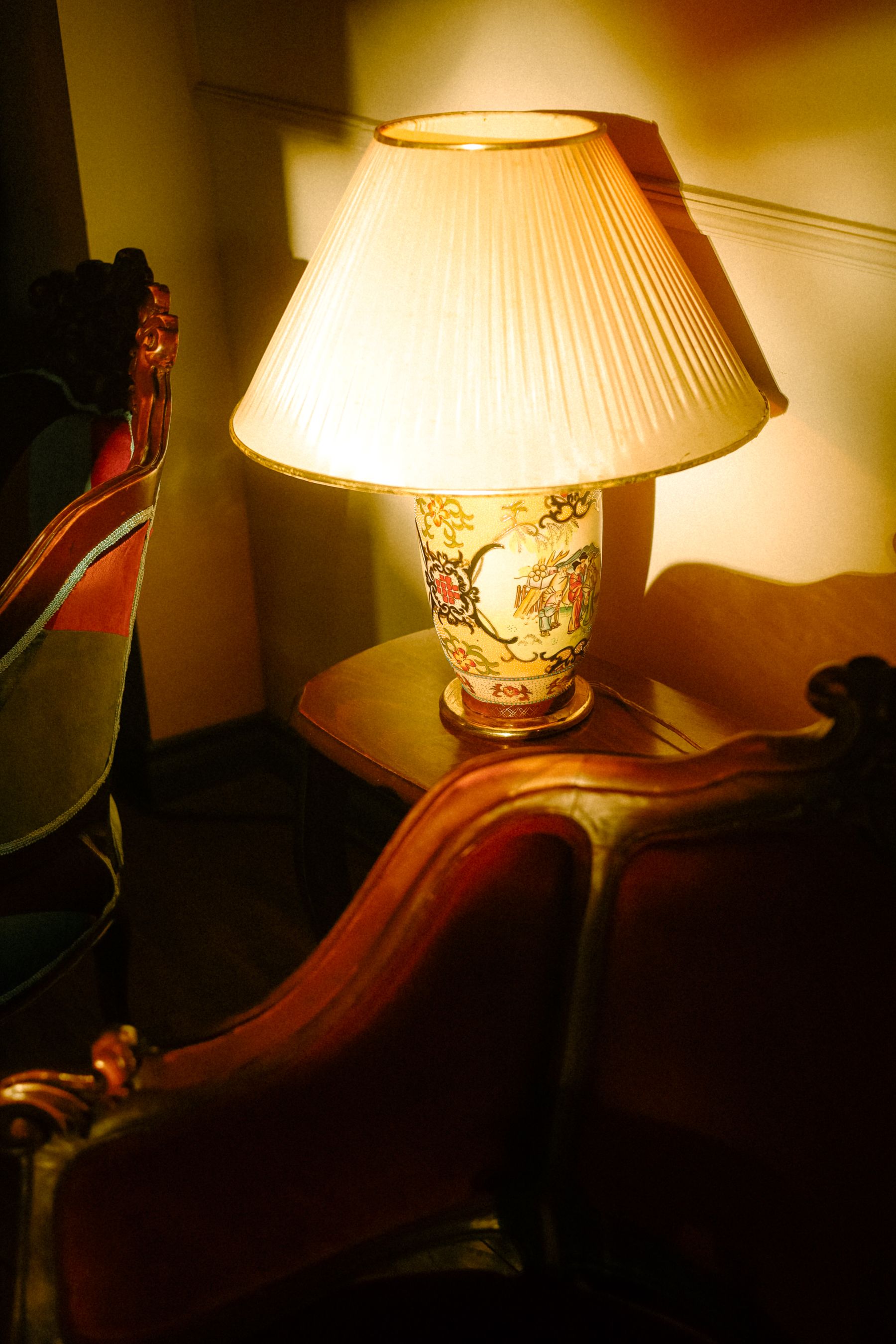
Use a gentle ambient source, a focused reading light and low-level orientation light rather than relying on one decorative ceiling fitting. Shades should hide glare from the pillow and controls should be reachable without crossing a dark room. Treat unknown vintage wiring as unverified: a qualified electrician or lamp specialist should assess cord, plug, lampholder, switch, strain relief, earthing where relevant and bulb clearance. LED retrofit lamps reduce heat, but still must suit the fitting and shade.
A Defined Job for Dressing Furniture
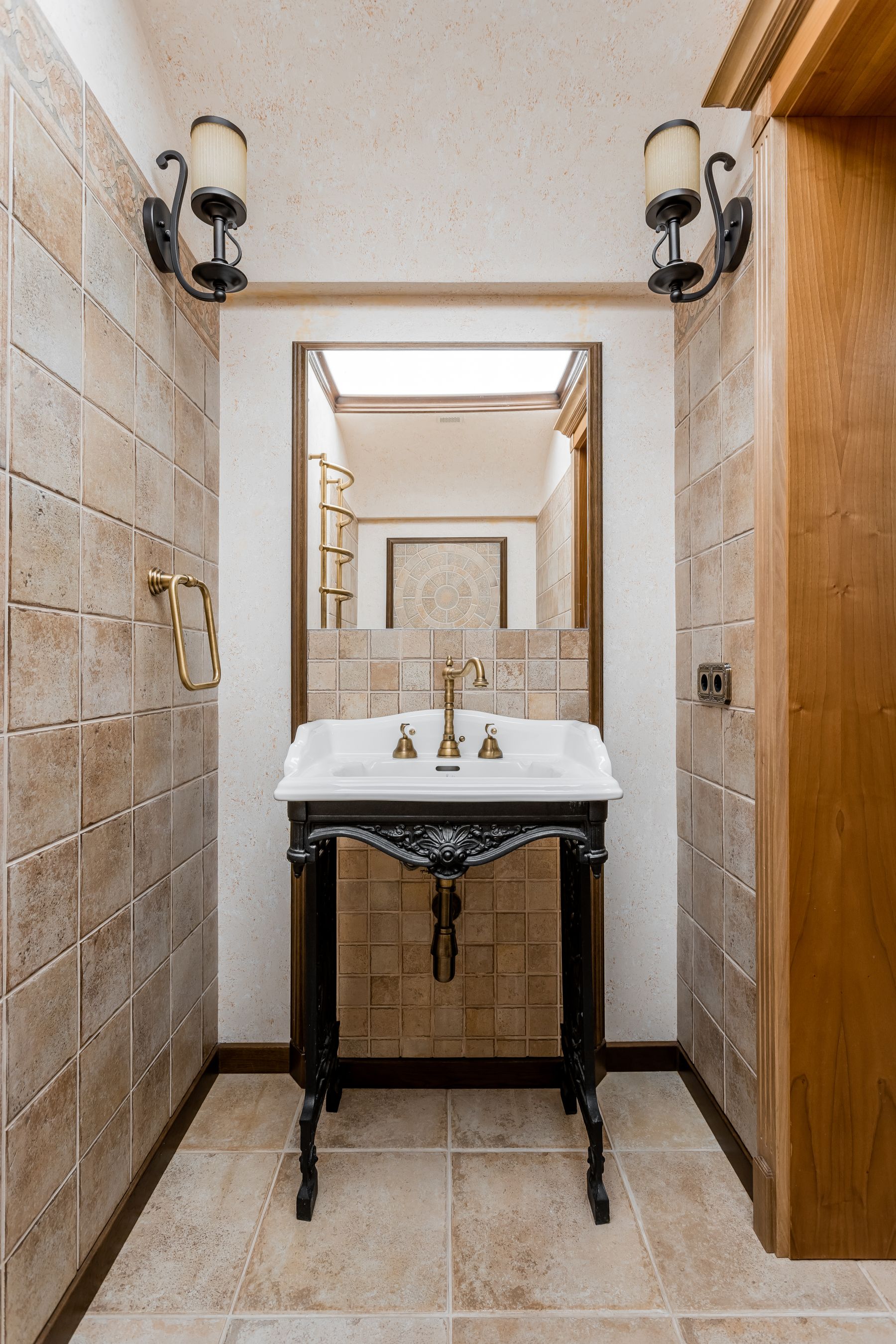
A vanity or dresser can be the room's second character piece, but it must store what is used and leave a clear route. Check drawer runners, mirror stability, knee space and stool comfort. Secure a tall or top-heavy mirror with fixings appropriate to the furniture and wall; do not rely on age-softened backing alone. Position side light or two balanced sources near the face where possible. If the vanity becomes a clutter ledge, convert the surface to a disciplined tray and move seldom-used items into drawers.
A Chair Only Where It Helps
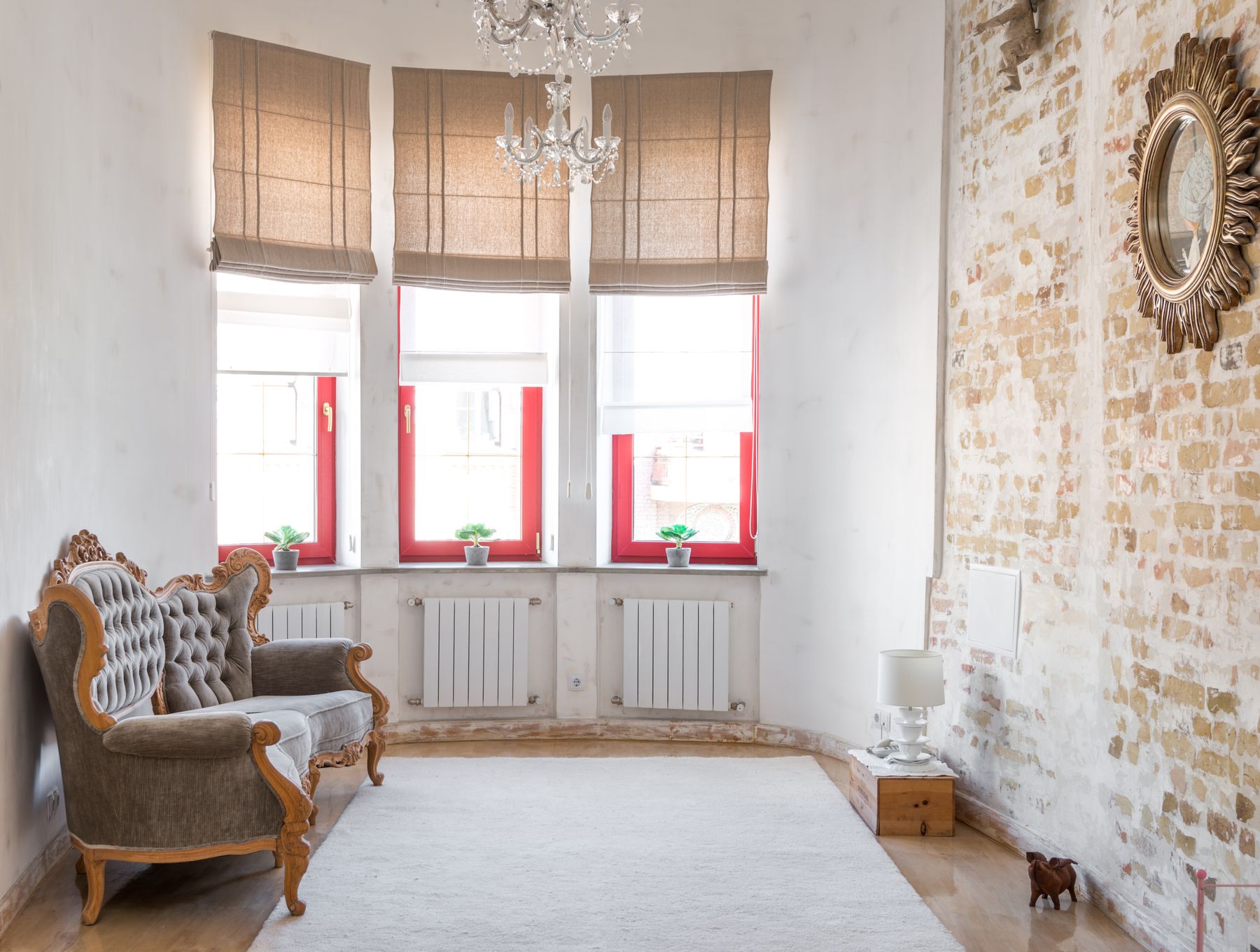
A bedroom chair works when there is enough clearance and a specific use: dressing, reading or assisting someone with shoes. Check seat stability, upholstery condition and whether the arms make standing easier. Place a lamp and small surface nearby if reading is real. In a tight room, a sturdy stool under the vanity or a bench at the foot of the bed may use space better. Keep the chair out of the nighttime route and edit accumulated clothing daily.
A Rug for Warmth, Scale and Quiet
Choose a rug size that gives feet a generous landing on the used sides of the bed instead of displaying a small rectangle at the foot. Runners can serve narrow rooms, while a larger rug helps anchor mismatched furniture. Use a suitable pad and avoid raised edges in the nighttime path. Inspect vintage rugs for moth damage, weak fringe, odor, dye transfer and cleaning cost. The fiber and care tests in [living room rug ideas](/living-room/living-room-rug-ideas/) also apply, even though bedroom traffic is lighter.
Personal Art and Objects, Kept Quiet
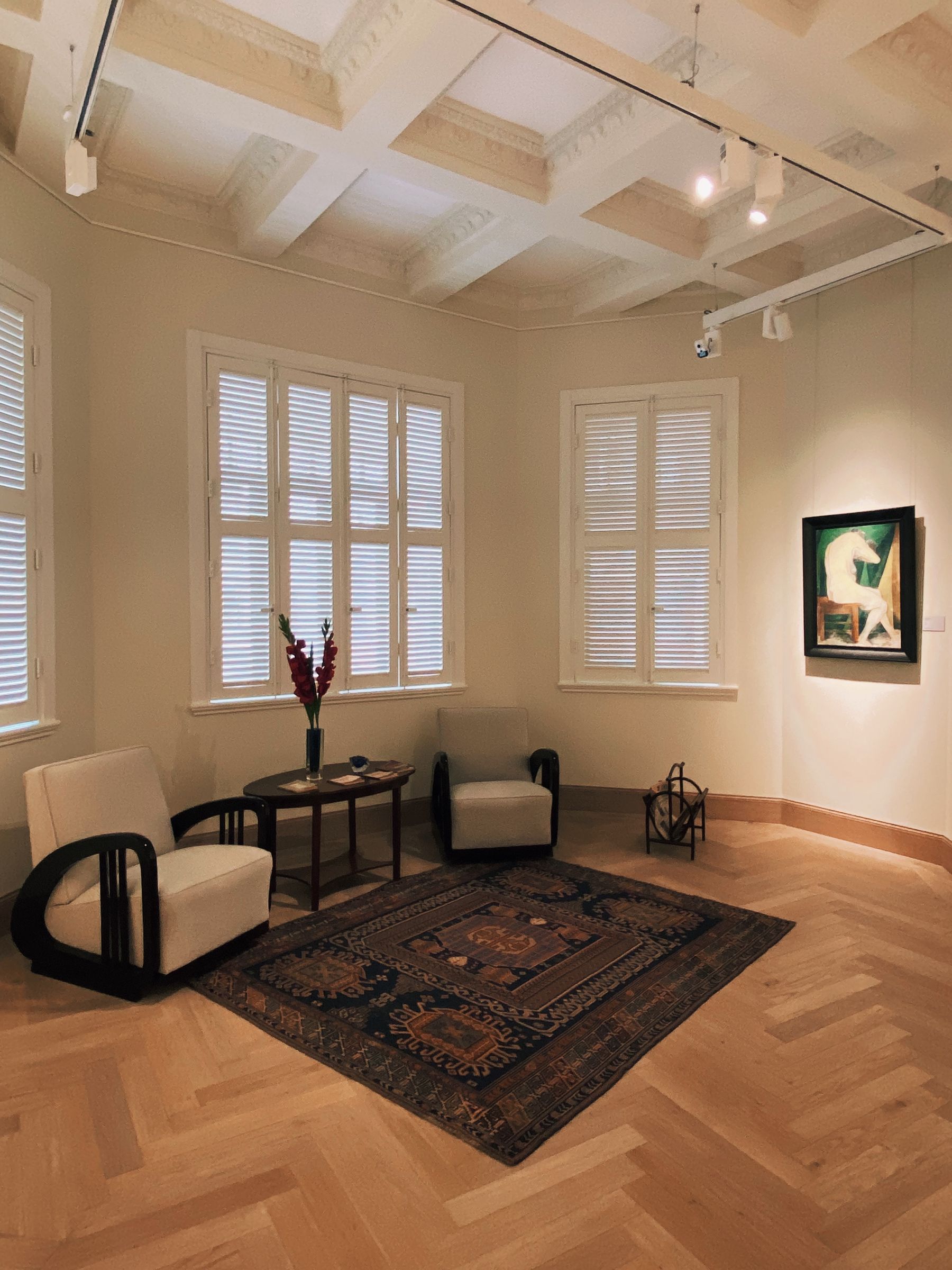
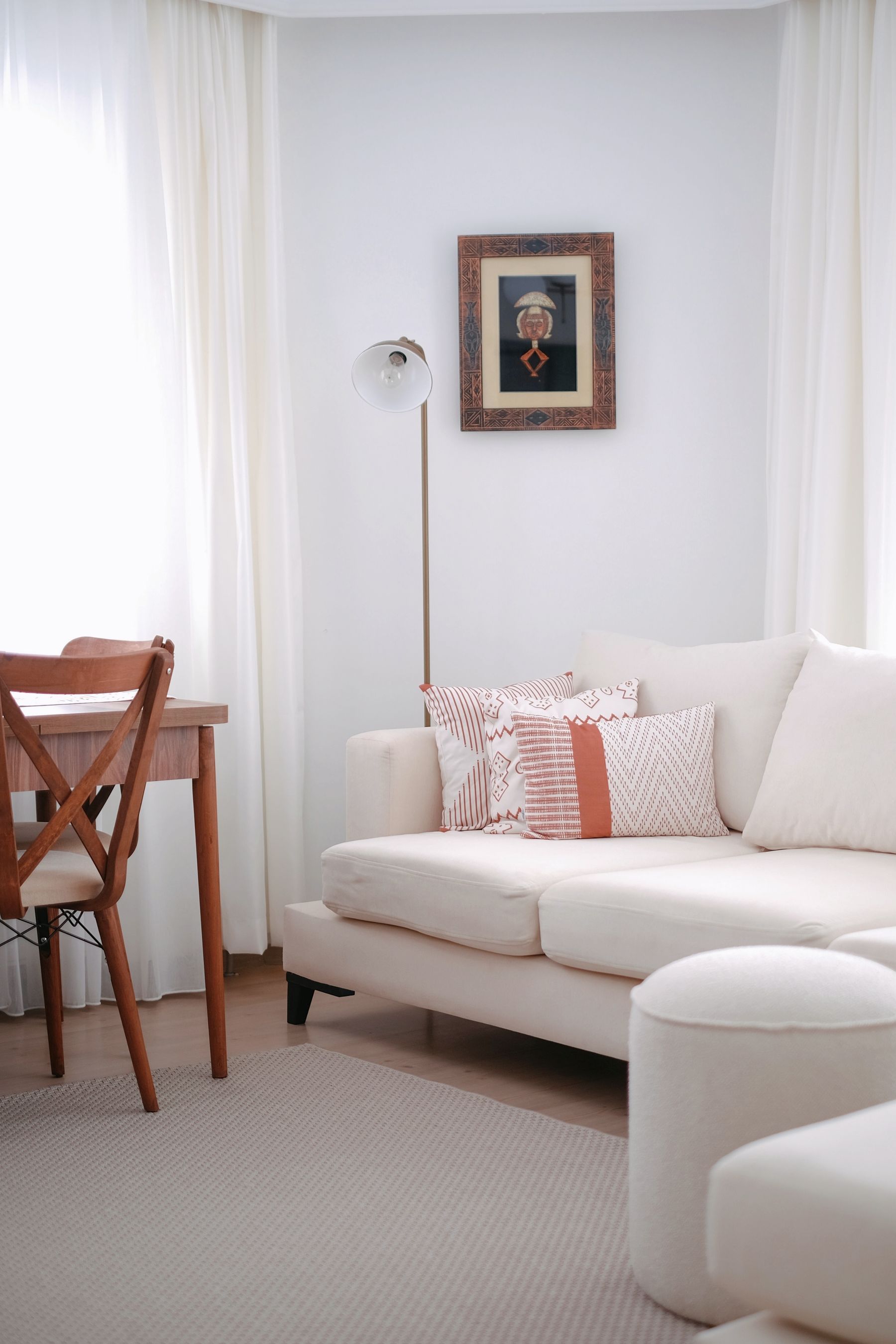
Use inherited photographs, small paintings, embroidery or travel pieces because they matter, not because they fit a period checklist. Keep the wall facing the pillow calmer if visual activity affects sleep. Heavy art and mirrors need wall-appropriate fixings and should not be balanced precariously above the headboard. Protect light-sensitive pieces from direct sun and use conservation materials for valuable work. One intentional composition usually feels more collected than generic signs or a complete purchased gallery set.
Store Daily Things in Furniture With Character
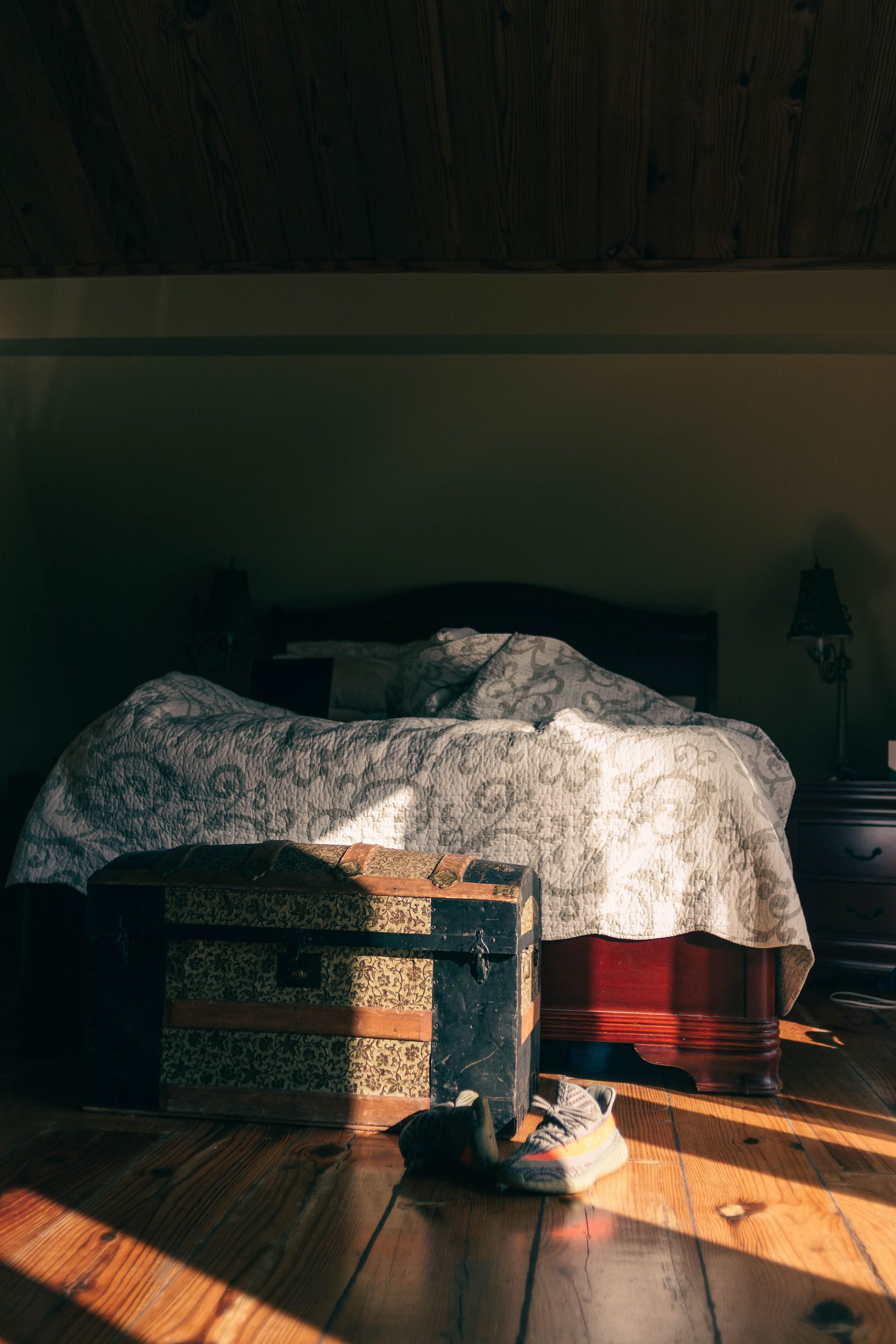
A blanket chest, wardrobe or compact dresser can reduce visible clutter while contributing real age. Check for musty odor, active pests, failing veneer, sharp hardware and drawers that cannot be removed safely. Cedar and old finishes can transfer scent or oils to textiles, so use washable liners only after the material is understood. Fit lid supports where appropriate and keep heavy lids away from children. Do not fill every wall with storage; an uncluttered route and a place to set tomorrow's clothes are part of the system.
Scale Vintage Character for a Small Bedroom
Choose a bed with a visually light frame, one useful bedside surface and storage that uses height without crowding the pillow. A narrow antique dresser can replace several small cabinets; wall-mounted reading lights can free the tabletop. Keep pattern concentrated in one textile or wall zone and preserve at least one calm surface. The measuring and multifunction principles in [small apartment ideas](/apartment/small-apartment-ideas/) help when the bedroom also contains a desk or wardrobe.
Source Slowly and Inspect Every Material
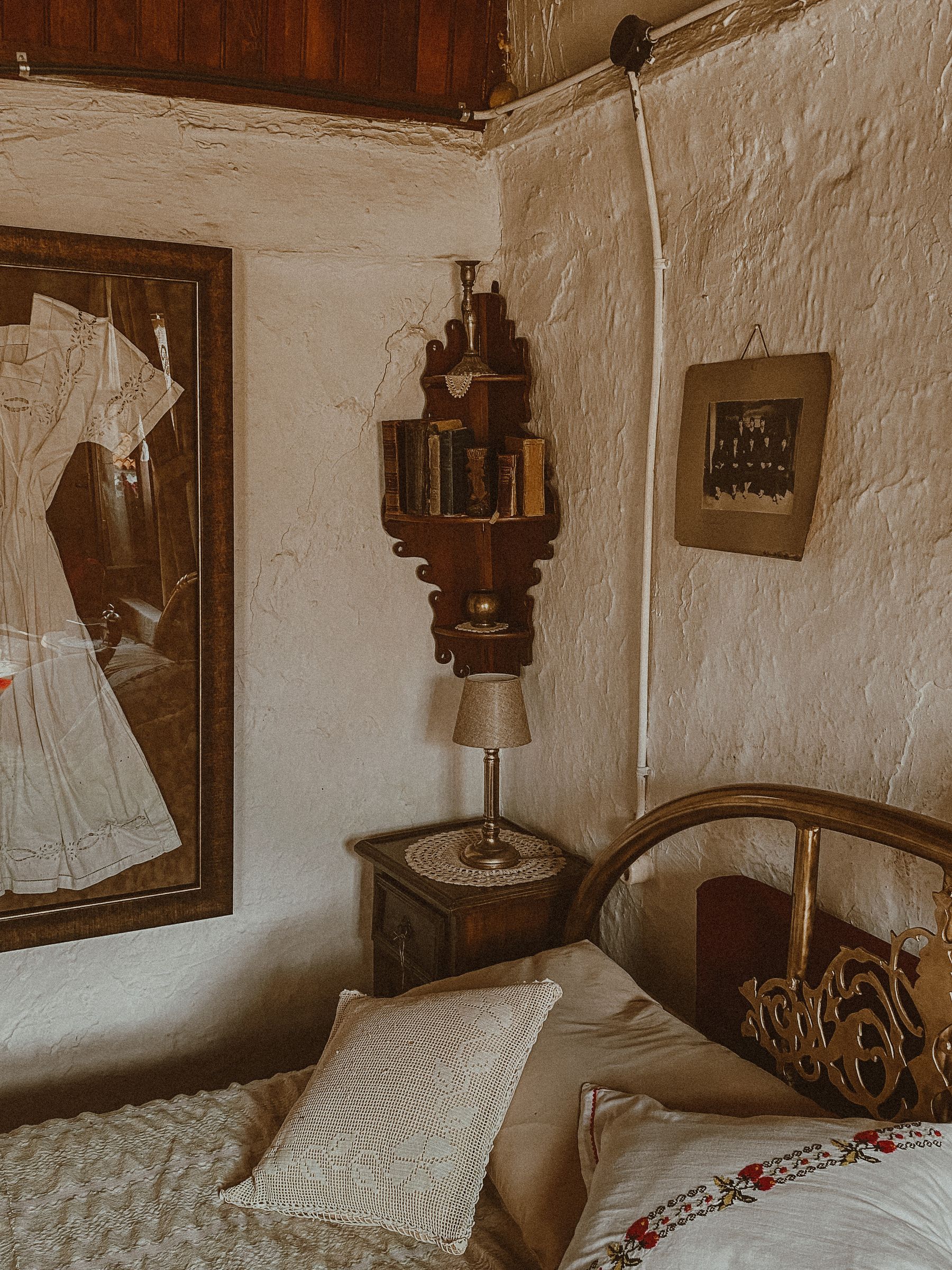
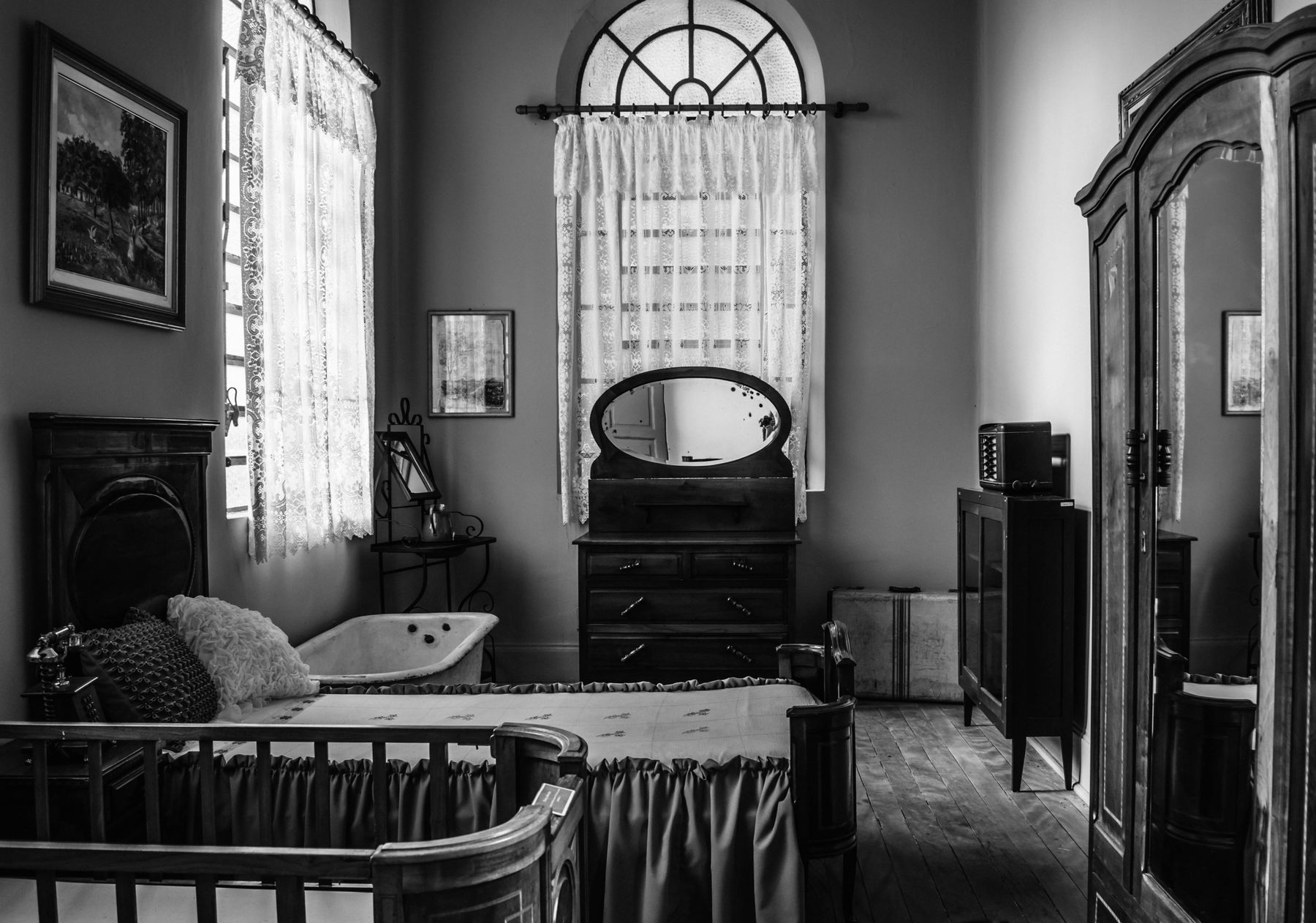
Shop dealers, auctions, markets, estate sales and private listings with exact dimensions and a total-cost ceiling. Request clear images of backs, undersides, joints, hardware, labels, repairs and upholstery. Price transport, stair access, mattress adaptation, cleaning, pest treatment, rewiring and restoration before comparing with a new piece. Unknown provenance should not inflate value. Walk away from active pests, persistent damp odor, unstable structure or a seller who prevents reasonable inspection.
Repair for Use and Edit for Rest
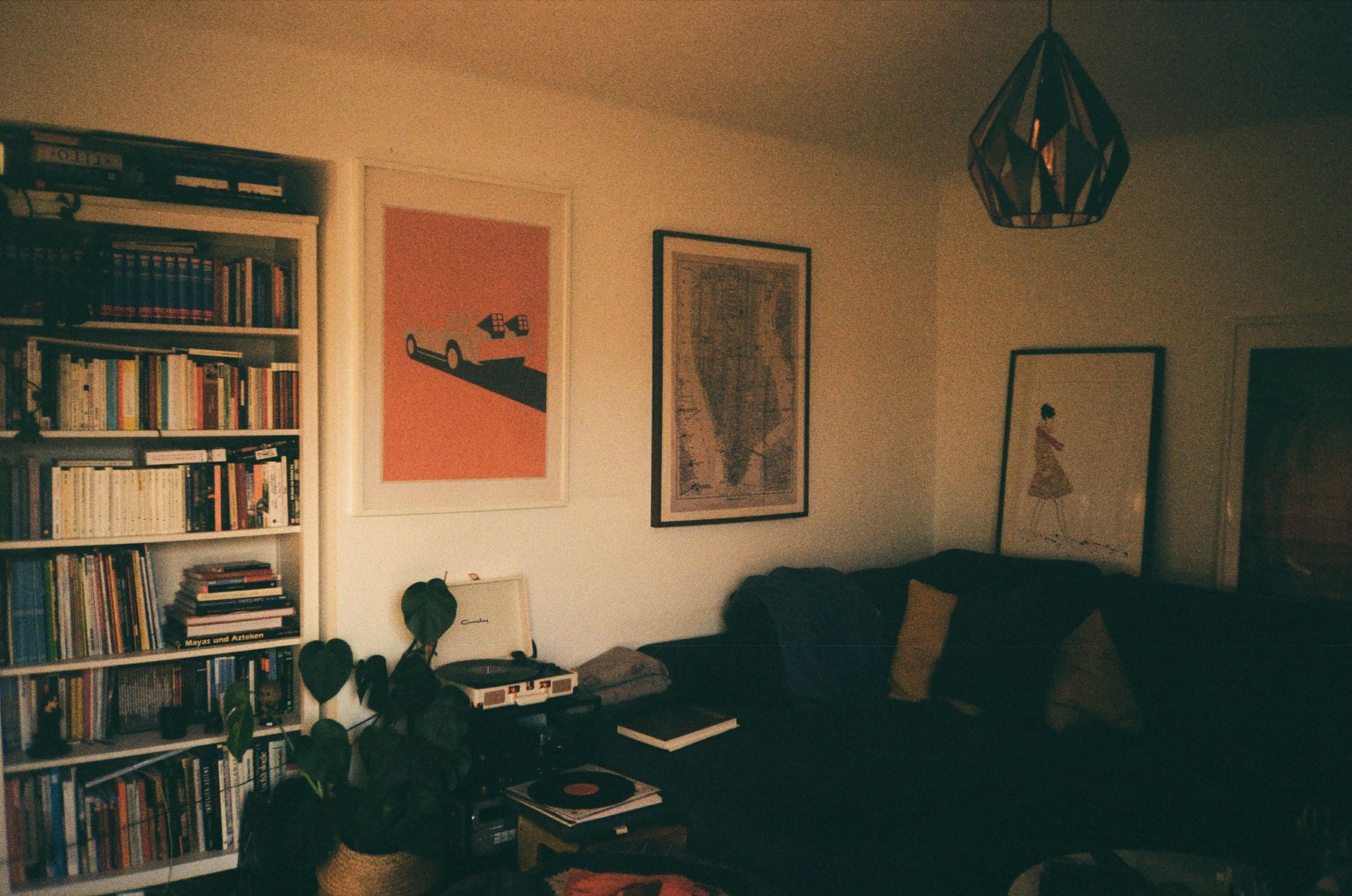
Prioritize loose joints, failing supports, sharp edges, unstable mirrors, damaged cords and active finish loss. Clean with the least aggressive method suited to the material and test it out of sight; veneer, shellac, gilding and valuable textiles may need specialist care. Unknown old paint can contain lead, so do not dry-sand, scrape or heat it before risk is understood. After repairs, remove objects that gather dust or interrupt the bedtime routine. Sound patina can remain, but sleep surfaces, touch points and routes must be clean, stable and calm.