Start With the Furniture Footprint
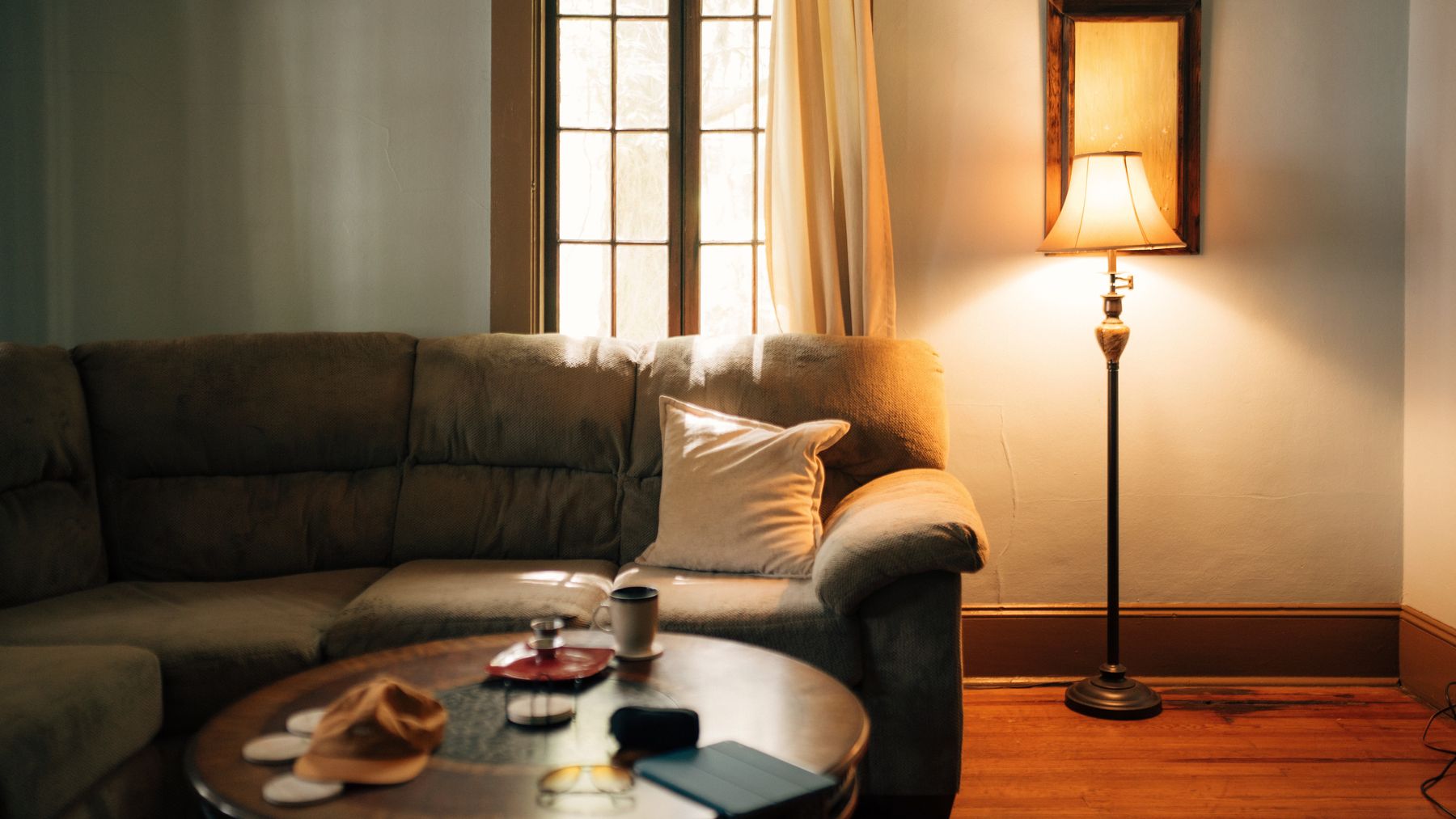
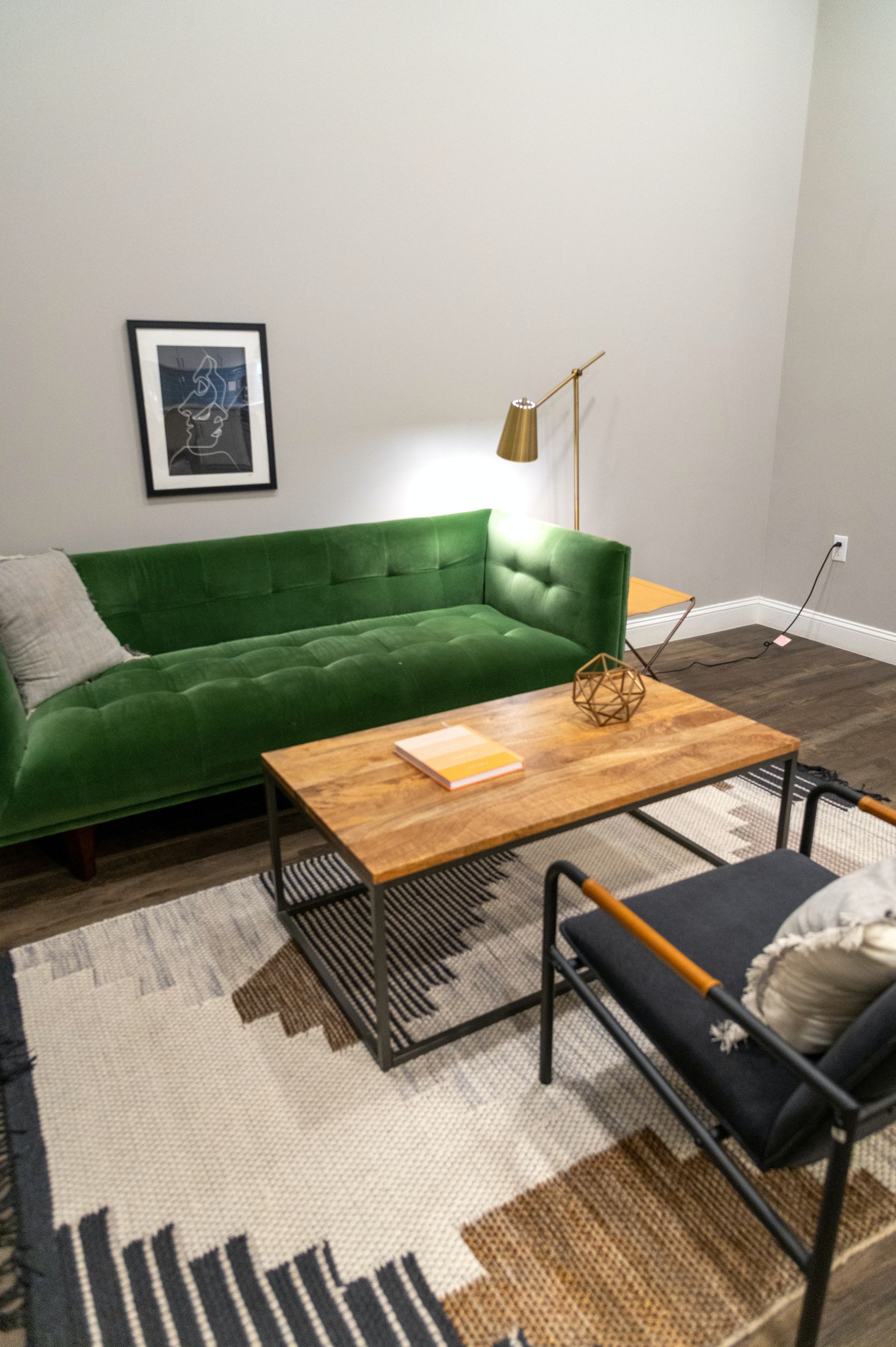
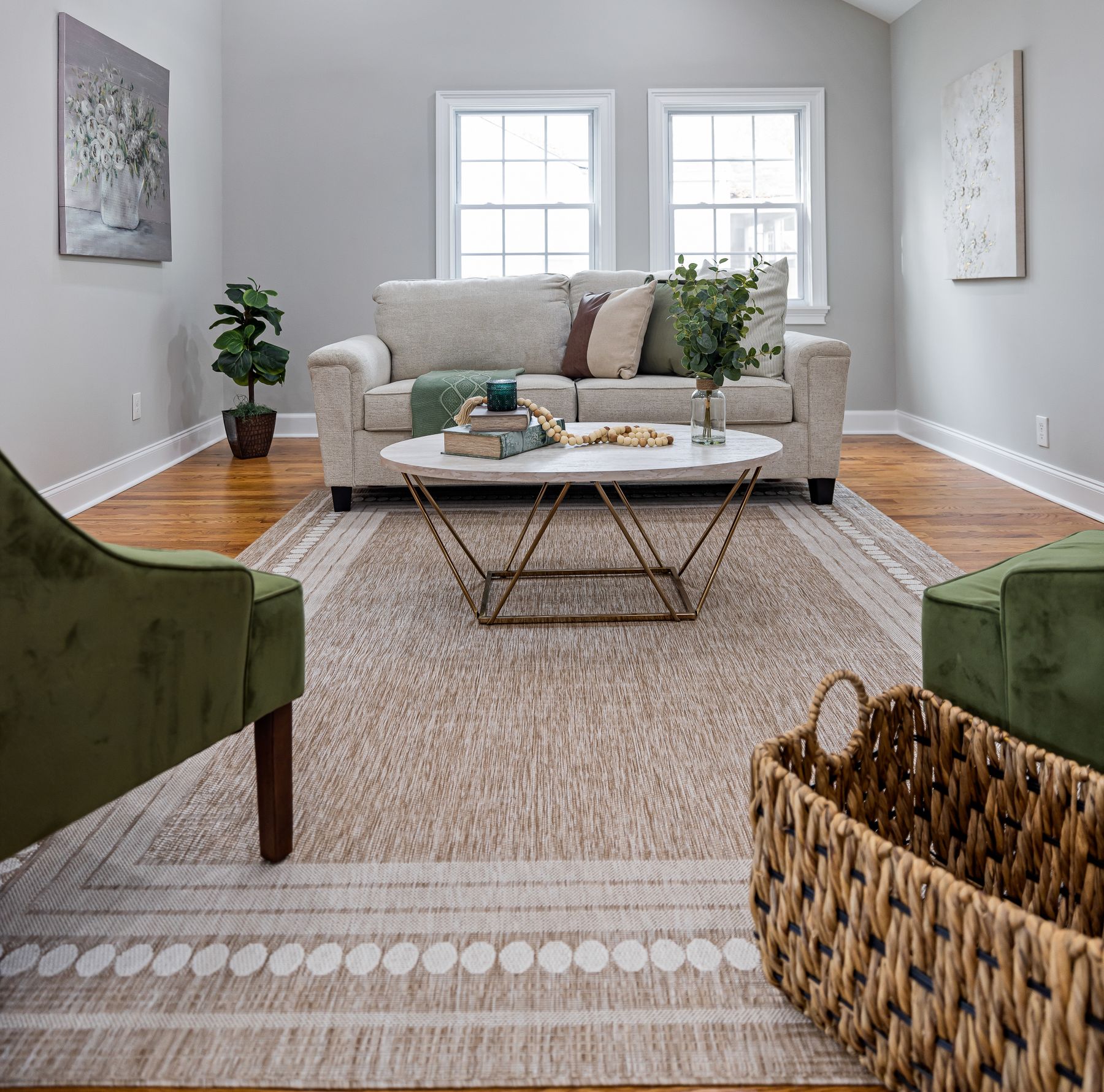
Measure the sofa, chairs and tables in their everyday positions, including the space a reclining seat or pulled-out ottoman occupies. Mark the outer furniture footprint first, then test rug rectangles around it with low-tack tape. This reveals whether a standard size can connect the group without entering the main route. If the whole room still feels unresolved, review the conversation geometry in the [living room layout guide](/living-room/living-room-layout-ideas/) before buying a textile that merely disguises a furniture problem.
Use an All-Legs-On Layout for a Room-Within-a-Room
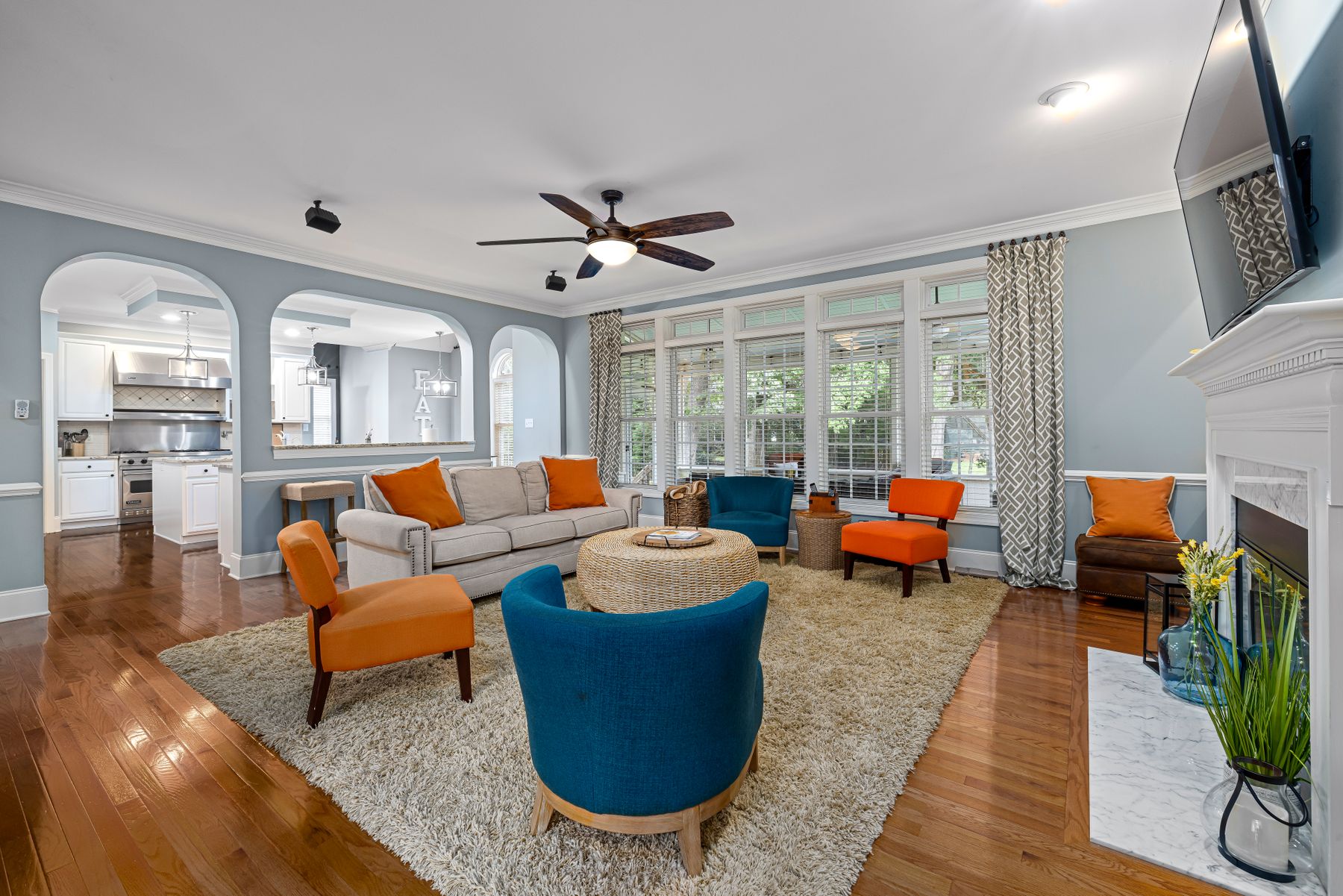
An all-legs-on arrangement gives a large conversation zone a calm perimeter and works especially well in an open plan. The rug should extend far enough behind chair legs that moving a seat does not immediately drop it onto the hard floor. Keep a visible floor border so the rug reads as an island rather than accidental wall-to-wall carpet. In shared living and dining rooms, compare its outer edge with the zoning and traffic tests in the [open-plan layout section](/living-room/living-room-layout-ideas/#define-open-plan).
Let Front Legs Create a Connected, Lighter Group
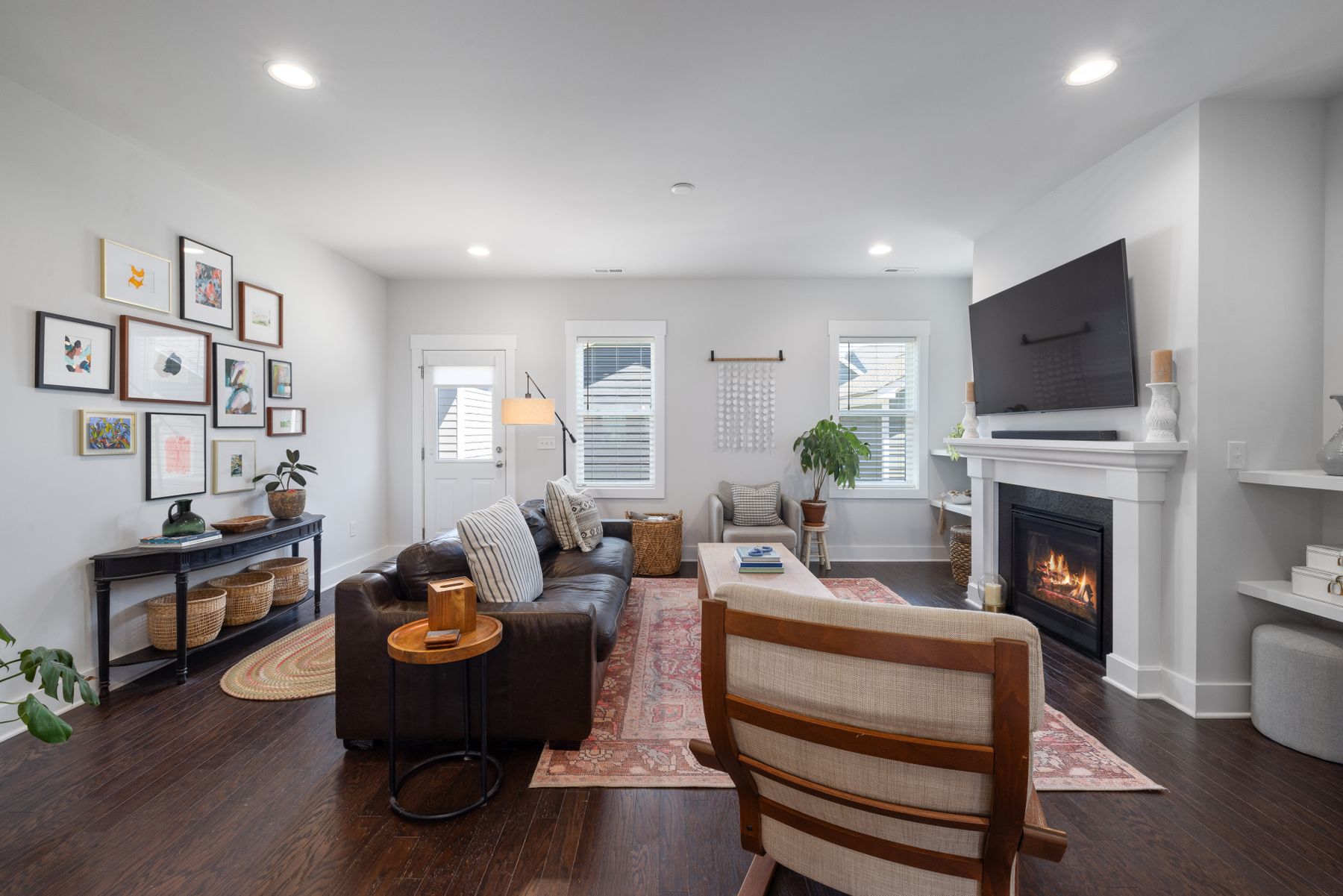
Placing the front legs of the sofa and chairs on the rug is often the most flexible middle ground. It visually joins the seats but requires less material than a full platform. Consistency matters: the rug should reach the principal pieces by a meaningful amount, not catch one chair leg while missing another. Check that the back legs remain level and that delicate flooring is protected where furniture crosses the edge. This arrangement suits many rooms, but it should be measured rather than treated as a universal rule.
Make a Floating Rug Look Deliberate
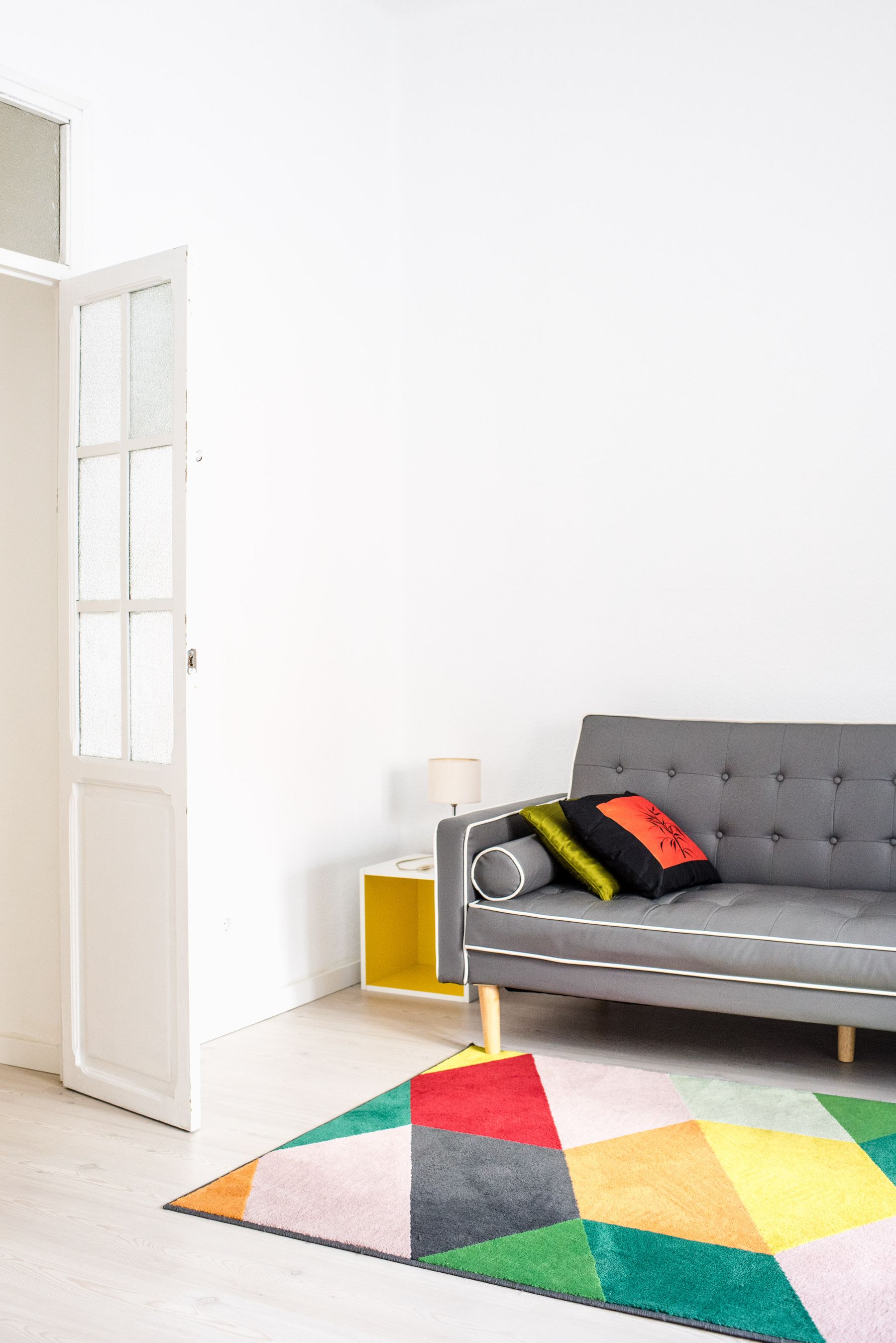
A rug with no furniture legs on it is the hardest placement to make convincing because it can shrink into a coffee-table mat. It works best when the rug nearly spans the seating width, repeats the room's axis and leaves an even, readable gap to the sofa. In a constrained footprint, compare this option with the circulation and scale advice in the [small living room guide](/living-room/small-living-room-ideas/). If the available size looks timid, a larger low-profile rug usually creates a calmer result than a thicker small one.
Size a Rug for a Sectional, Not Its Chaise Alone
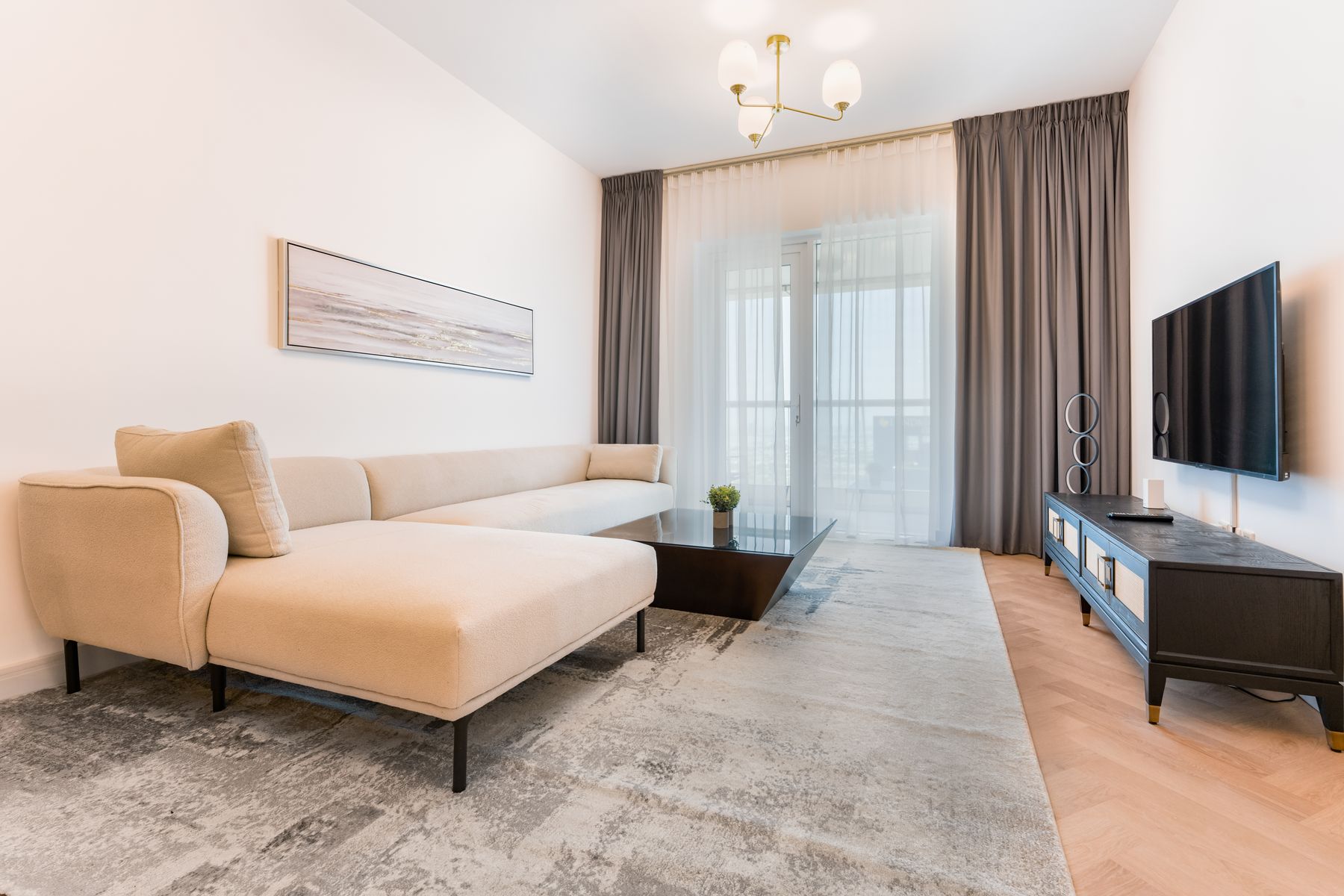
A sectional creates two axes, so centering a rug only on the long sofa run can leave the chaise looking detached. Map the full L-shaped footprint, the coffee table and any loose chair, then decide whether the rug will support all front legs or sit as a complete platform. The exposed rug should feel balanced on both sides of the table. For a tight sectional room, coordinate the choice with the [serviceable media plan](/living-room/small-living-room-ideas/#keep-technology-serviceable) rather than forcing a standard rectangle into a blocked route.
Use a Round Rug to Support Curved Movement
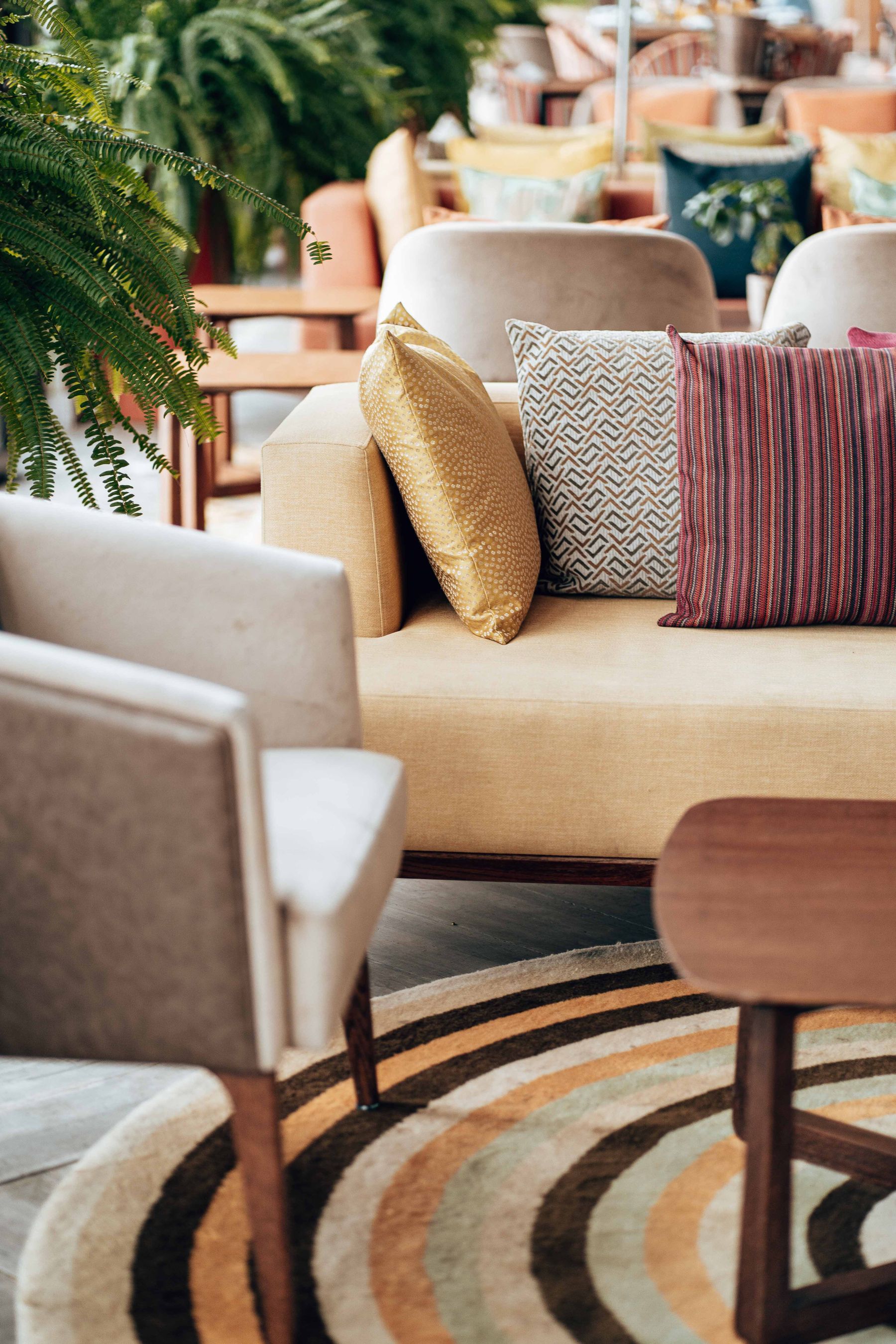
A round rug is useful when a rectangular corner would collide with a doorway, hearth or diagonal circulation line. Its diameter still has to reach the seats; a small circle beneath a round table does not automatically organize the room. Test the full circumference with string or paper, then walk around it at normal speed. Round rugs also emphasize curved sofas and tables, so use that repetition intentionally. In a rectilinear room, one strong curve can be enough without repeating circles in every accessory.
Solve Long and Narrow Rooms With the Rug Axis
In a long room, align the rug with the conversation group rather than automatically following the longest walls. A rug stretched down the entire room can blur seating, media and passage into one strip. Instead, identify where people actually stop and sit, then keep the busiest route beside the rug when possible. If two functions share the room, the [long-room layout strategy](/living-room/living-room-layout-ideas/#arrange-long-narrow-room) can establish zones first; the rug should clarify that plan, not become the only boundary.
Define an Open Plan Without Touching Every Zone
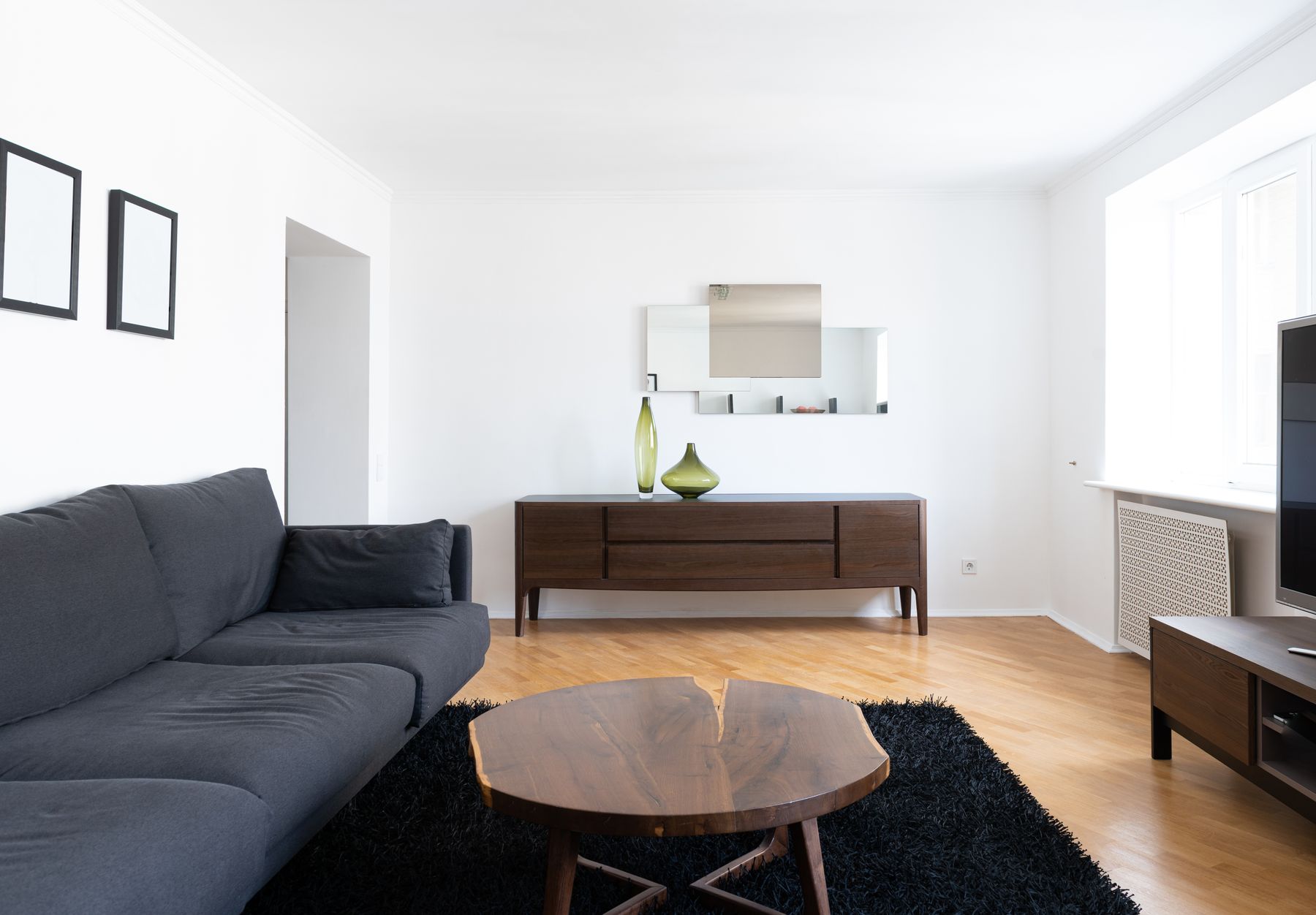
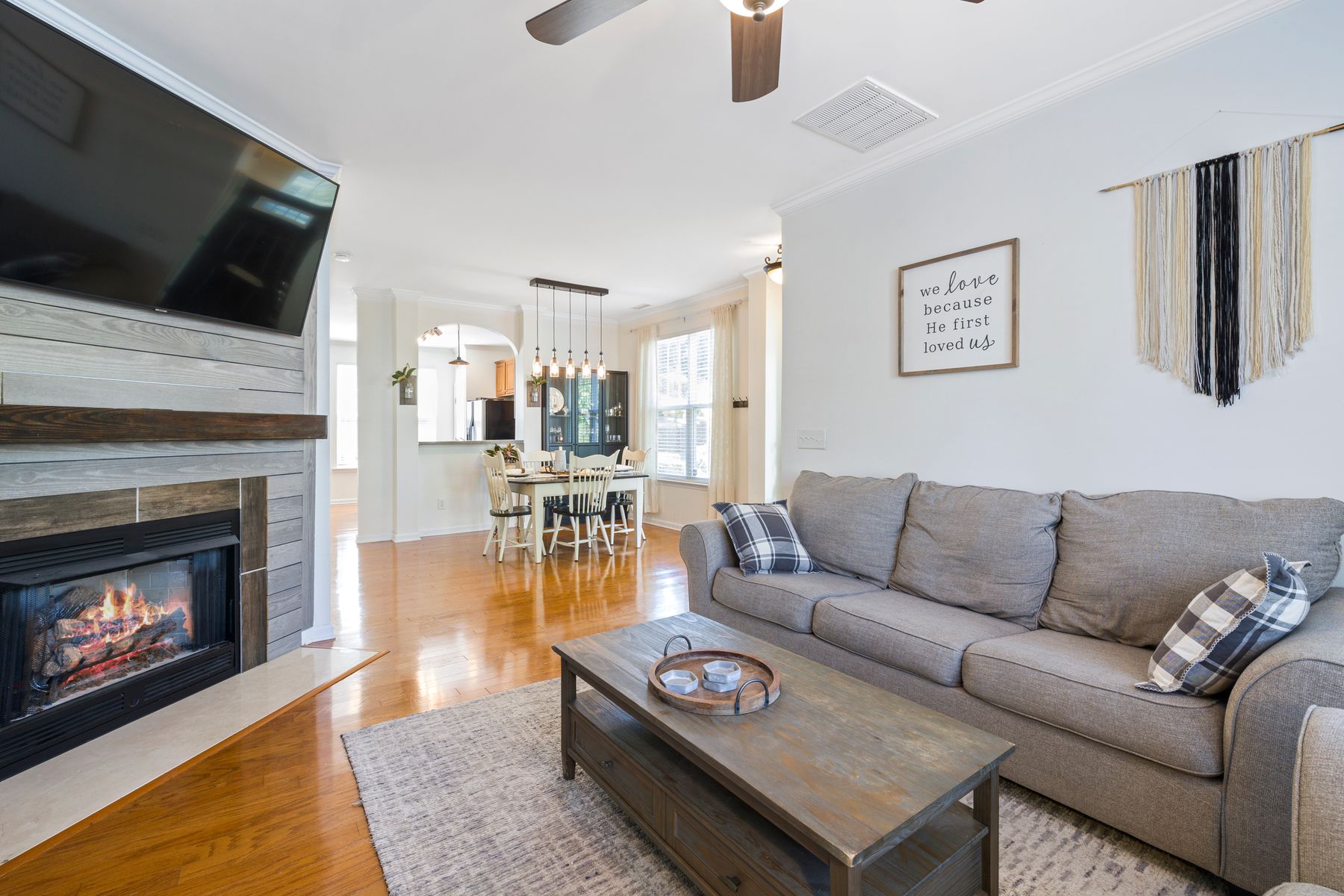
A rug can give the lounge its own address inside a larger room, but it does not need to fill every gap between living, dining and kitchen zones. Leave a deliberate band of floor between functions so dining chairs and stools move on a consistent surface. Coordinate the rug edge with pendant lines, sofa backs and circulation rather than with an arbitrary midpoint. If the room already has several strong finishes, choose a quieter weave so the boundary reads through scale and placement instead of another competing pattern.
Layer a Small Character Rug Over a Quiet Base
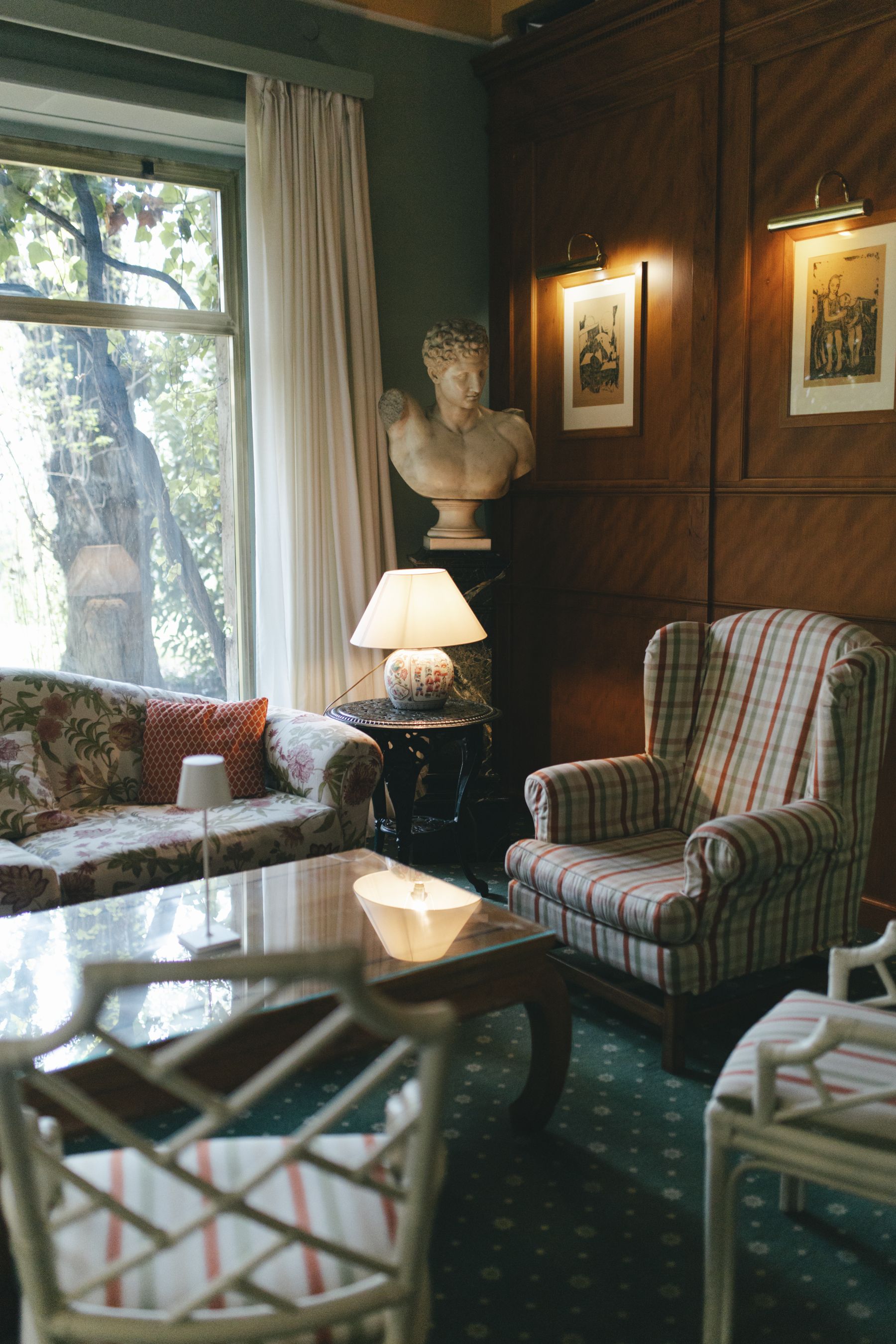
Layering solves a real scale problem when a beloved vintage or patterned rug is too small to anchor the whole group. Put it over a larger, low-profile base that reaches the seating, then position the upper rug where its motif can be seen rather than mostly hidden. The stack must remain stable and low enough for feet and furniture. Avoid thick-on-thick combinations that buckle. This approach suits the collected mood explored in the [cozy apartment guide](/apartment/cozy-apartment-ideas/) but still needs disciplined edges and cleaning access.
Choose Pattern at the Scale People Will See
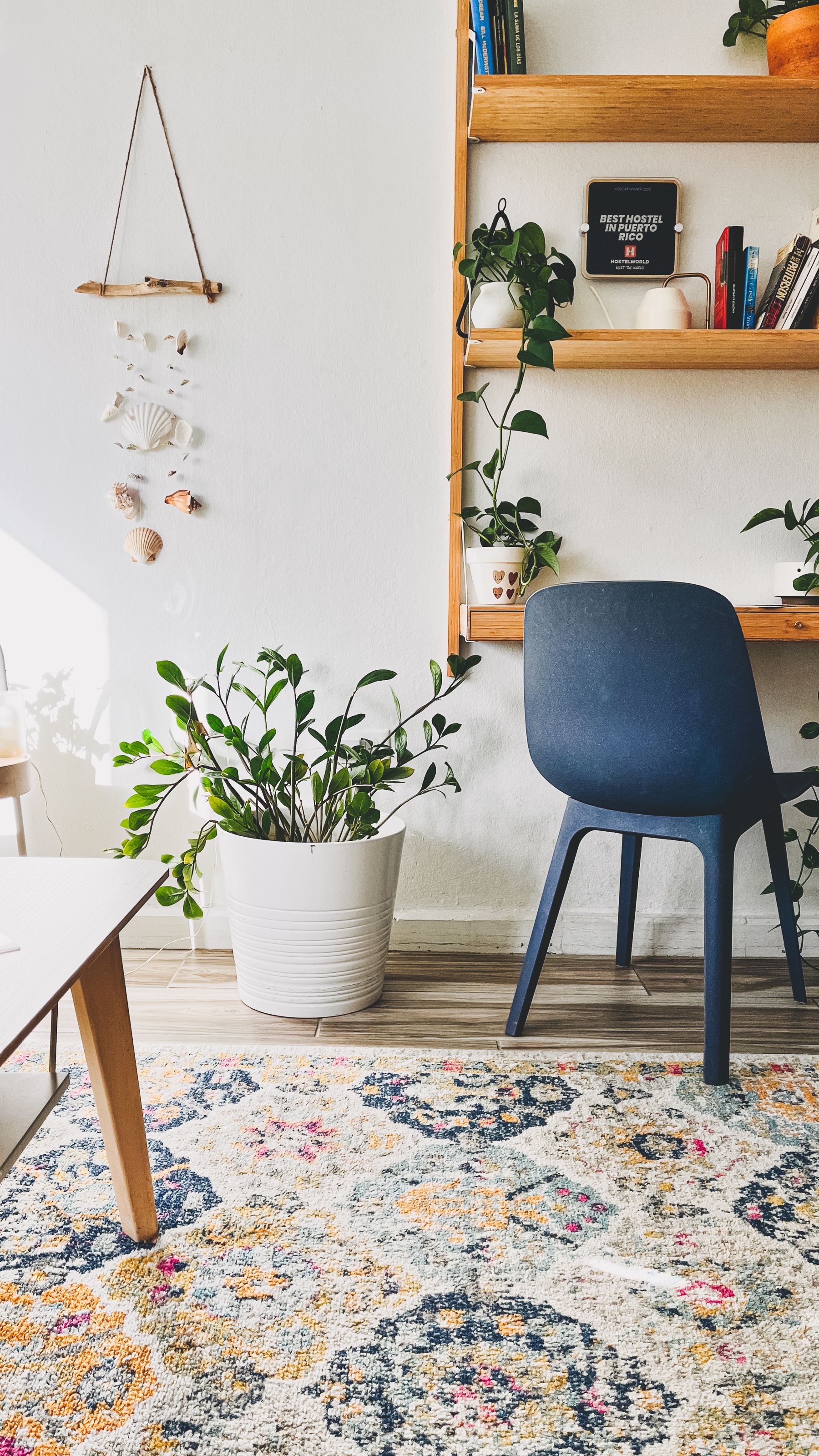
A sample shows color and texture but not how a repeat behaves across a large floor. Ask for a full-layout image, map which areas will remain visible and consider whether a central medallion will disappear beneath the table. Broad motifs can calm a large surface; fine repeats can disguise crumbs and irregular wear but may become visually busy beside patterned upholstery. View the design from the entrance and the main seat. The rug should support the room's hierarchy rather than demand attention from every angle.
Build the Color Palette From the Largest Surfaces
Start with the floor, sofa and walls because they occupy more visual area than cushions or ornaments. A rug can bridge their undertones without matching any one surface exactly. Pull one quieter color from the upholstery and one from the architecture, then decide whether the rug will add contrast or continuity. In a modern room, the restrained material logic in the [modern living room guide](/living-room/modern-living-room-ideas/) helps prevent a multicolor rug from becoming an isolated decorative event. Always test samples in direct and shaded light.
Check Daylight, Fading and Evening Color Shift
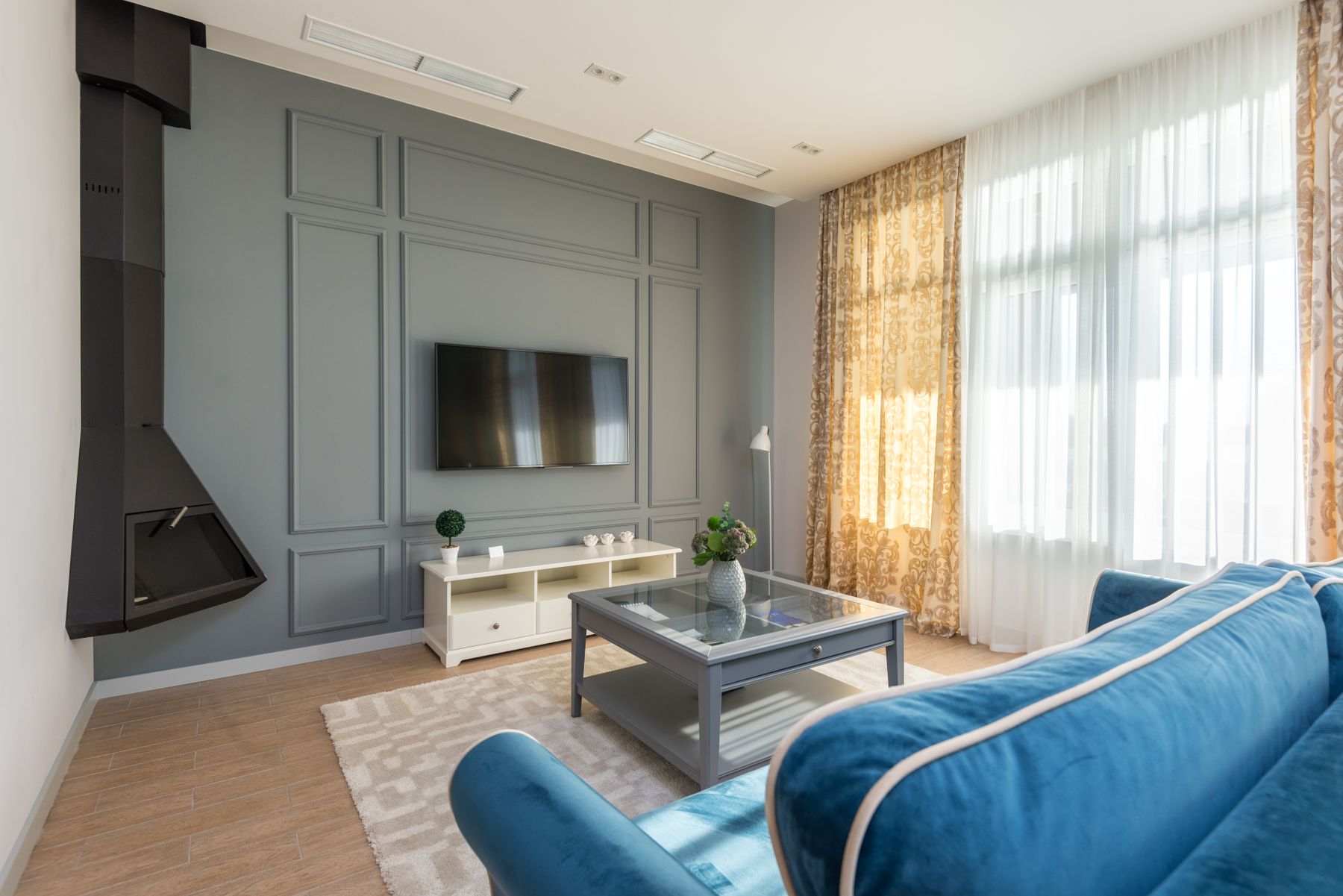
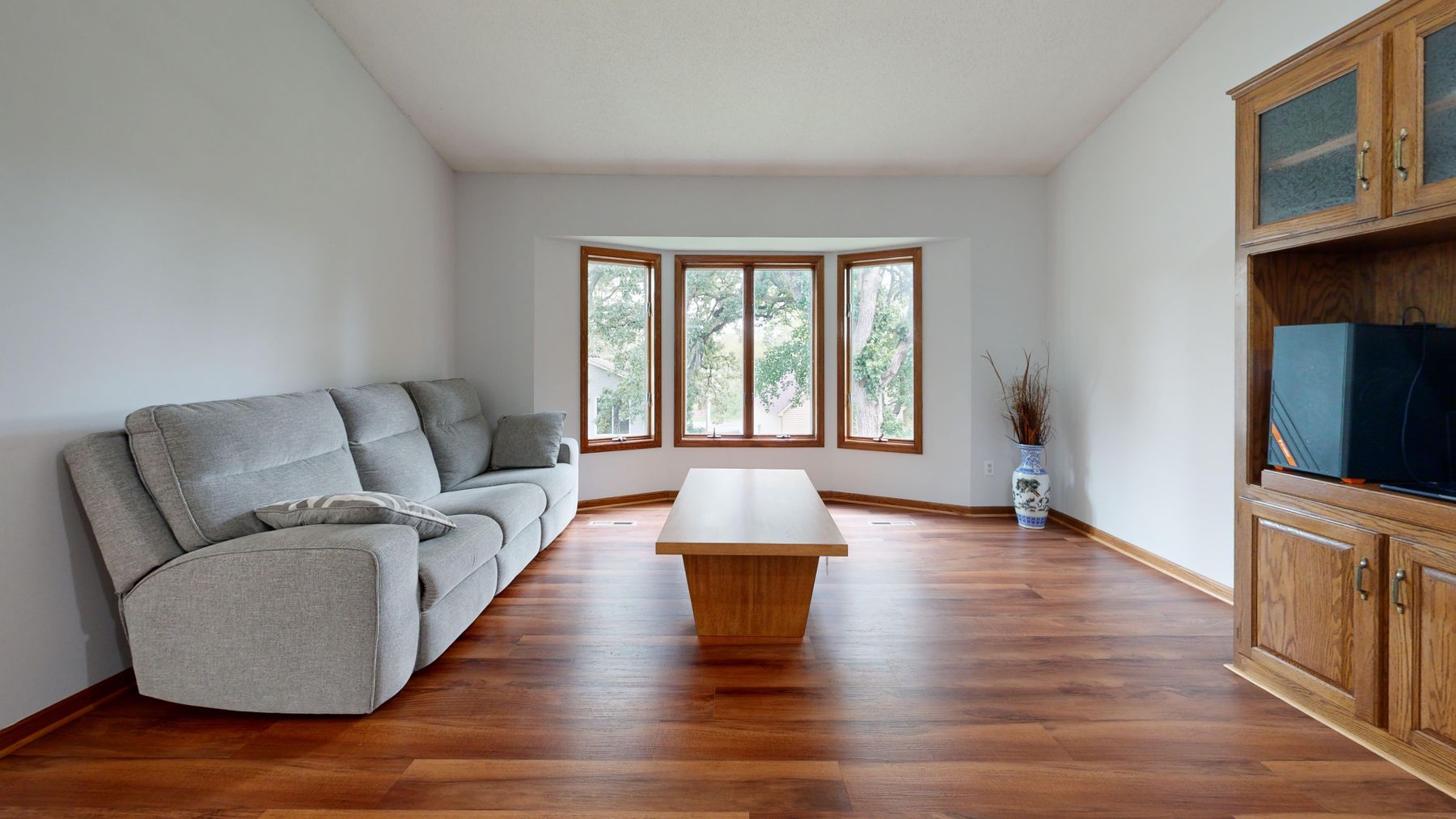
Move the rug sample through the intended footprint at morning, afternoon and evening. Strong daylight can wash out pale designs and fade some dyes unevenly, while warm lamps may turn cream, grey and green noticeably warmer after dark. Ask the seller about lightfastness and care, rotate the rug when the construction allows, and use window treatments to manage intense exposure. Coordinate the evening test with the room's [layered lighting plan](/living-room/living-room-lighting-ideas/) so color is judged under the light people actually use.
Use Low Pile Where Furniture Moves
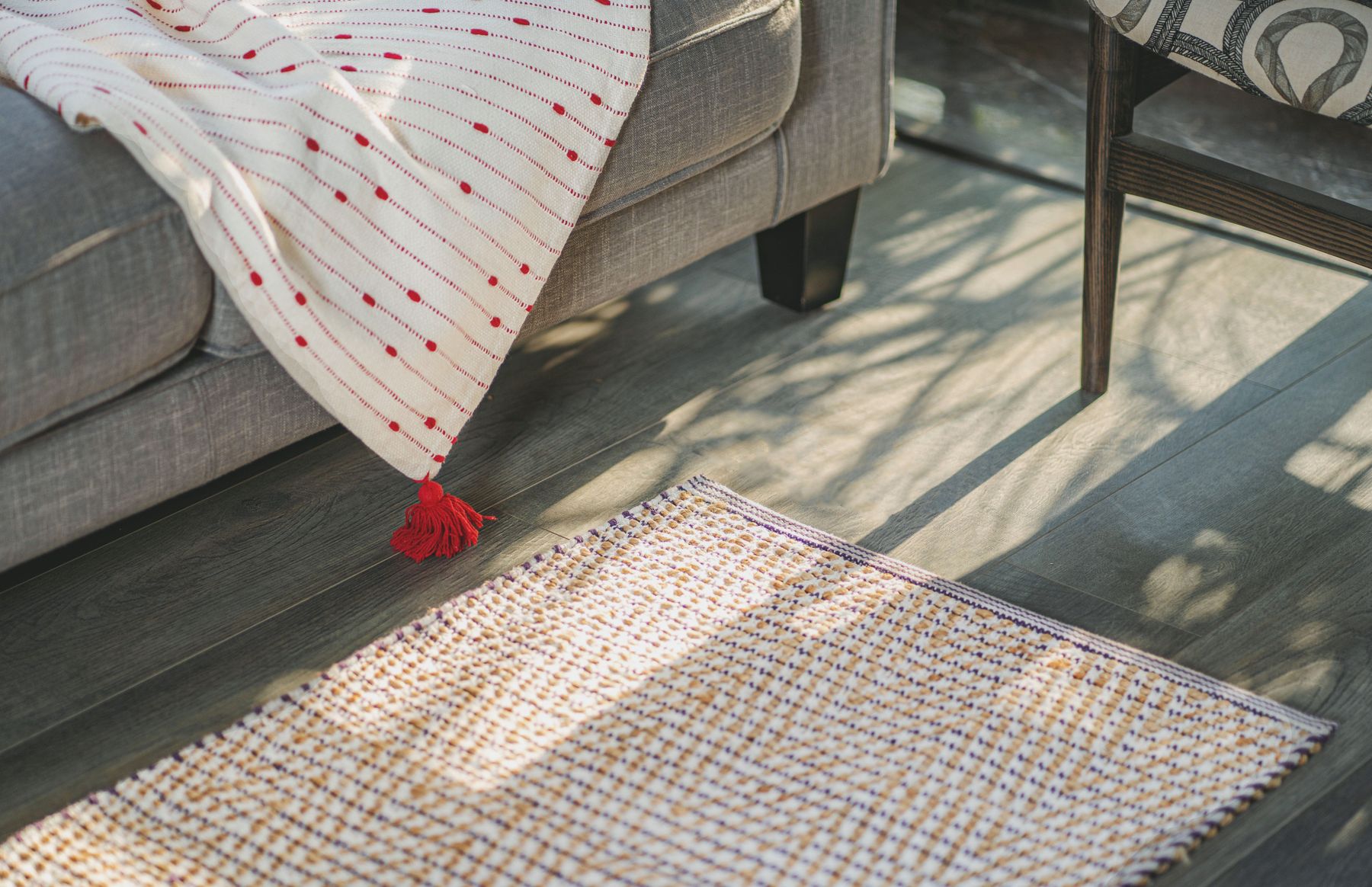
Low-pile and flatweave rugs are practical beneath movable chairs, nesting tables and frequently shifted ottomans. They are usually easier to vacuum and less likely to hide small objects, although a loose weave can still snag claws or furniture. Inspect the edge binding and backing rather than relying on the word flatweave alone. A thin rug also depends more on a suitable pad for stability. Test a real furniture leg or caster on the sample and check whether it rolls, catches or leaves a persistent mark.
Reserve Deep Pile for Stable, Lower-Traffic Zones
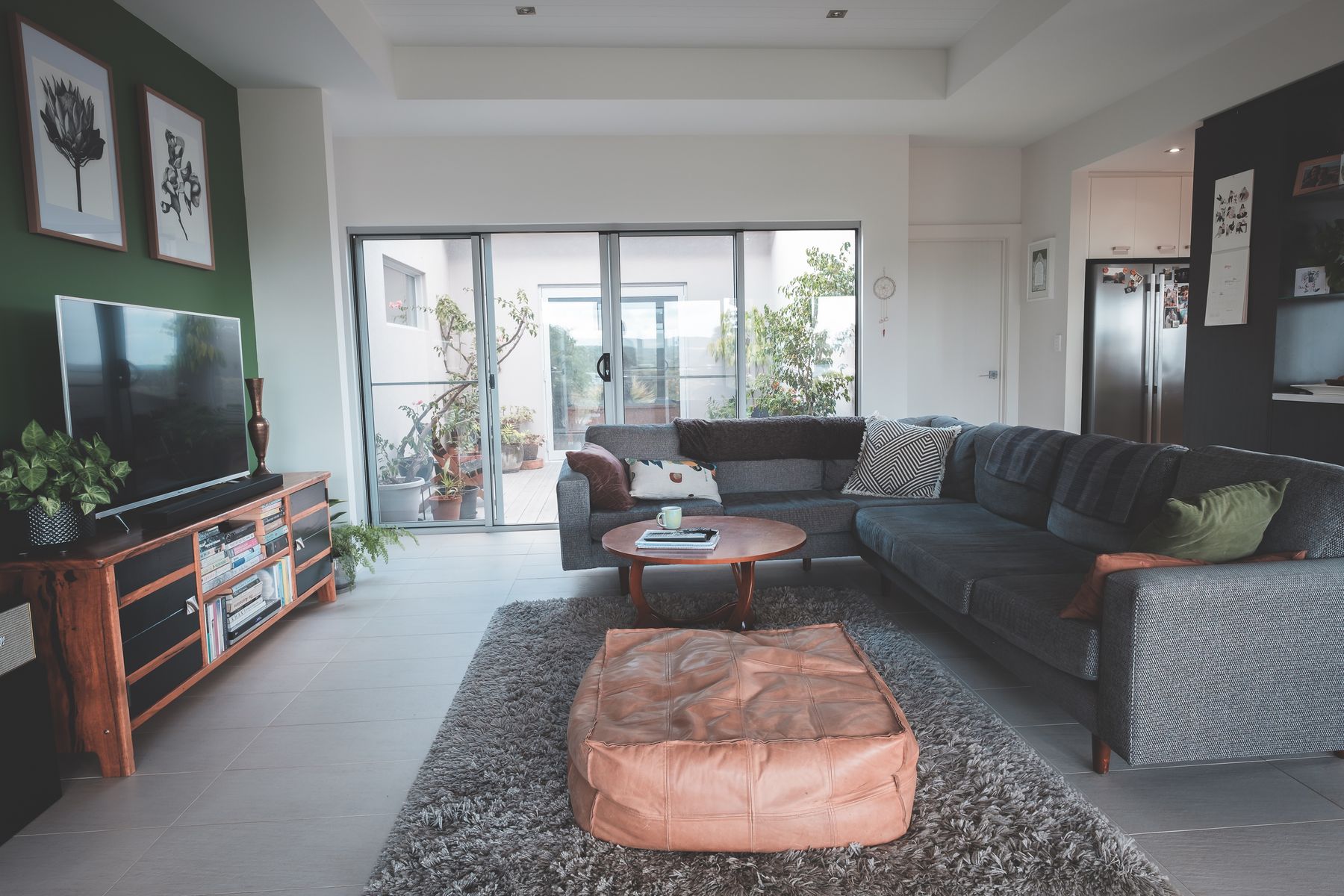
A plush rug can make a reading or lounging area feel warmer and acoustically softer, but it asks for stable furniture and a realistic cleaning routine. Lightweight tables may rock, robot vacuums may struggle and crumbs can settle below the visible surface. Check the vacuum setting recommended by the maker and whether beater bars are appropriate. Deep pile is usually a poor choice across a busy doorway or beneath rolling furniture. Use it where feet land and seats remain fixed, not simply where the photograph looks luxurious.
Compare Fiber by Performance, Not Prestige
Wool offers resilience and a rich surface but can shed and may require specialist stain care. Many synthetics improve stain resistance and affordability, though appearance and recycling options vary. Jute, sisal and other plant fibers bring dry texture but can dislike moisture and aggressive cleaning. Viscose-like fibers may show water marks or crushing. Read the specific care label and construction details; broad fiber categories do not guarantee performance. Choose for the household's spills, shoes, sunlight and maintenance budget rather than for a material hierarchy.
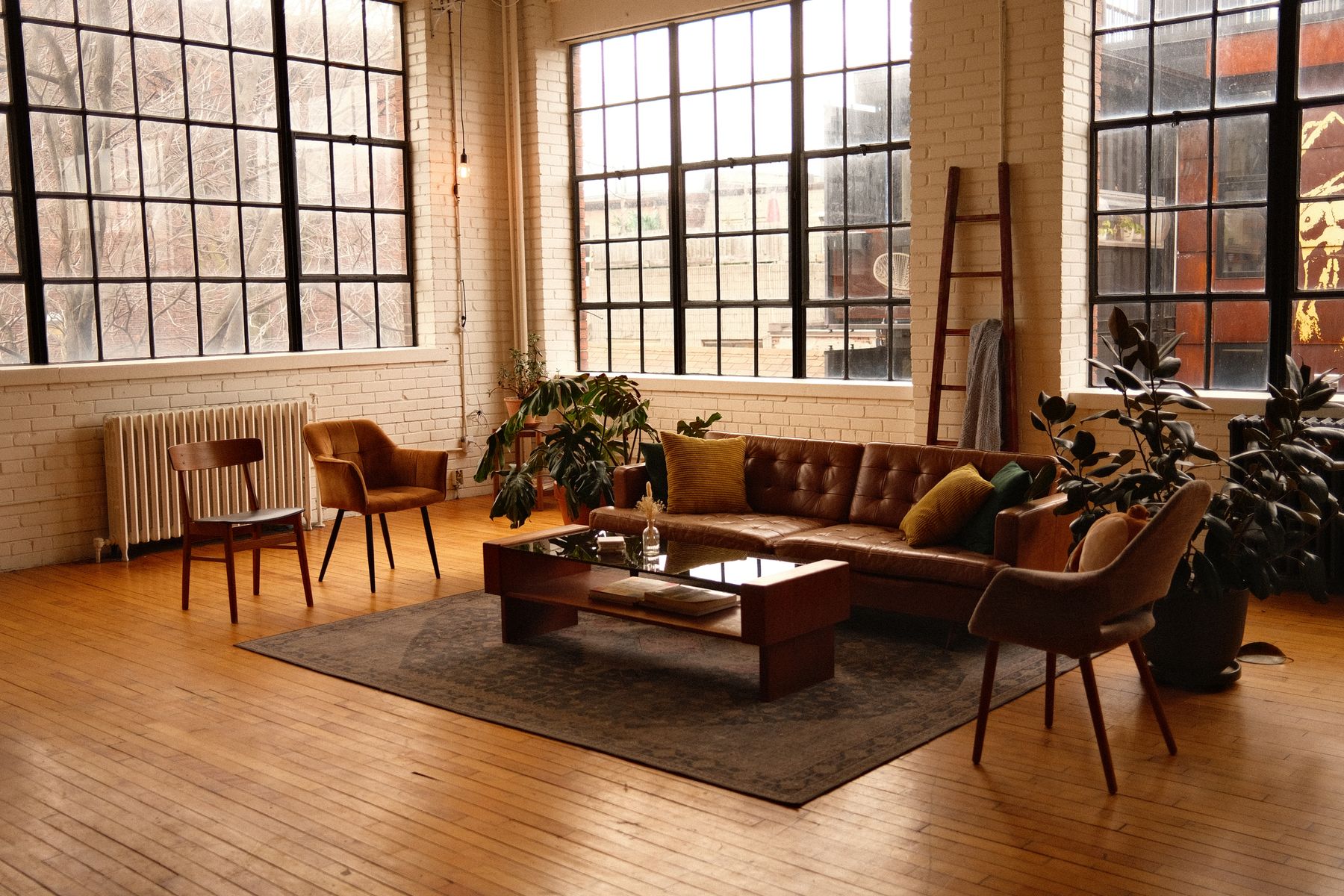
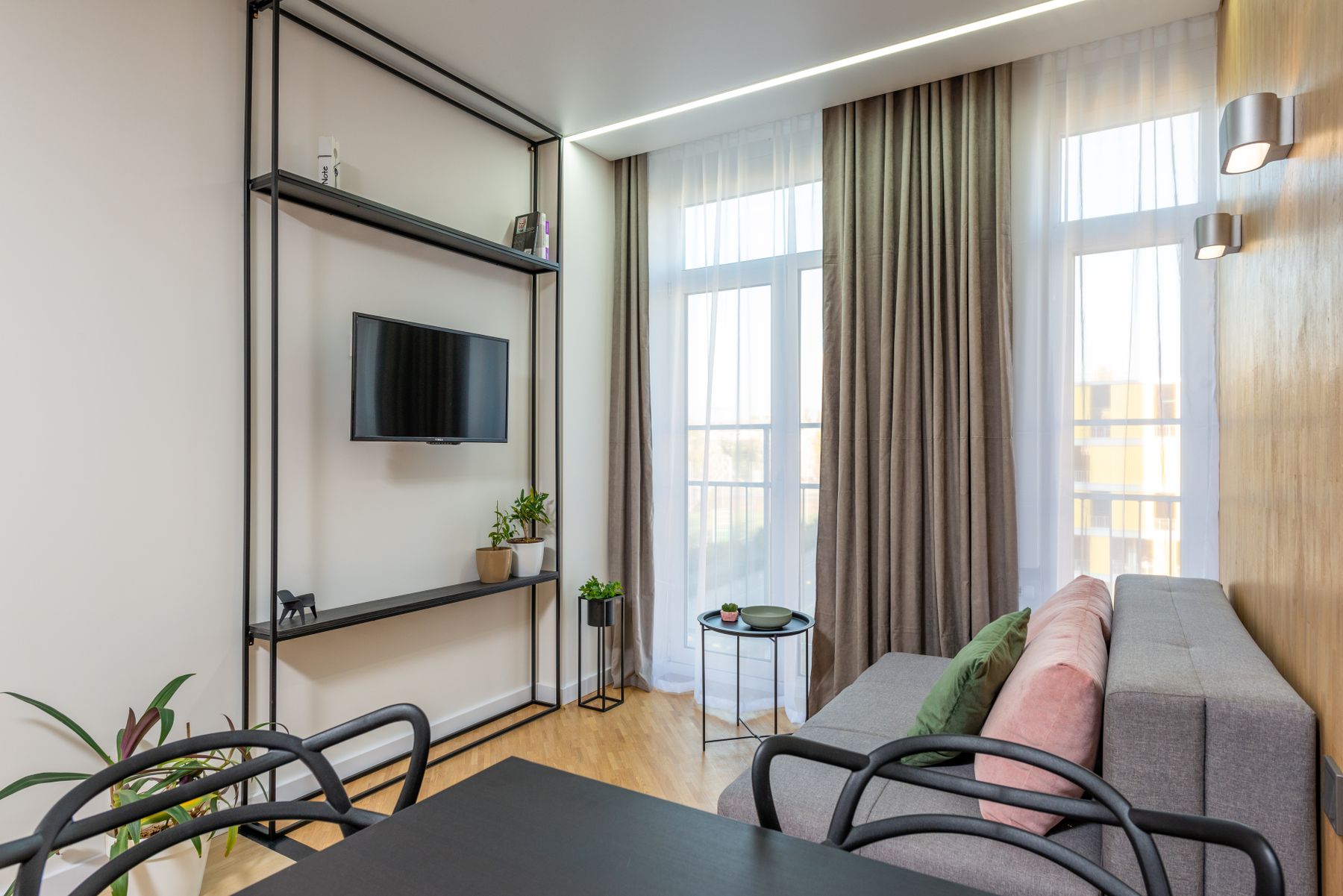
Plan for Children, Pets and Washable Claims
For children and pets, prioritize a secure edge, repairable construction and a cleaning method that can be repeated without changing the surface. Machine-washable is useful only if the rug fits the household machine or a realistic laundromat plan, and if its removable layer can be re-laid smoothly. Loops may catch claws; very pale solids show every mark. Patterns and mid tones can be forgiving, but they do not replace prompt care. Store the maker's instructions and test any cleaner in an inconspicuous area first.
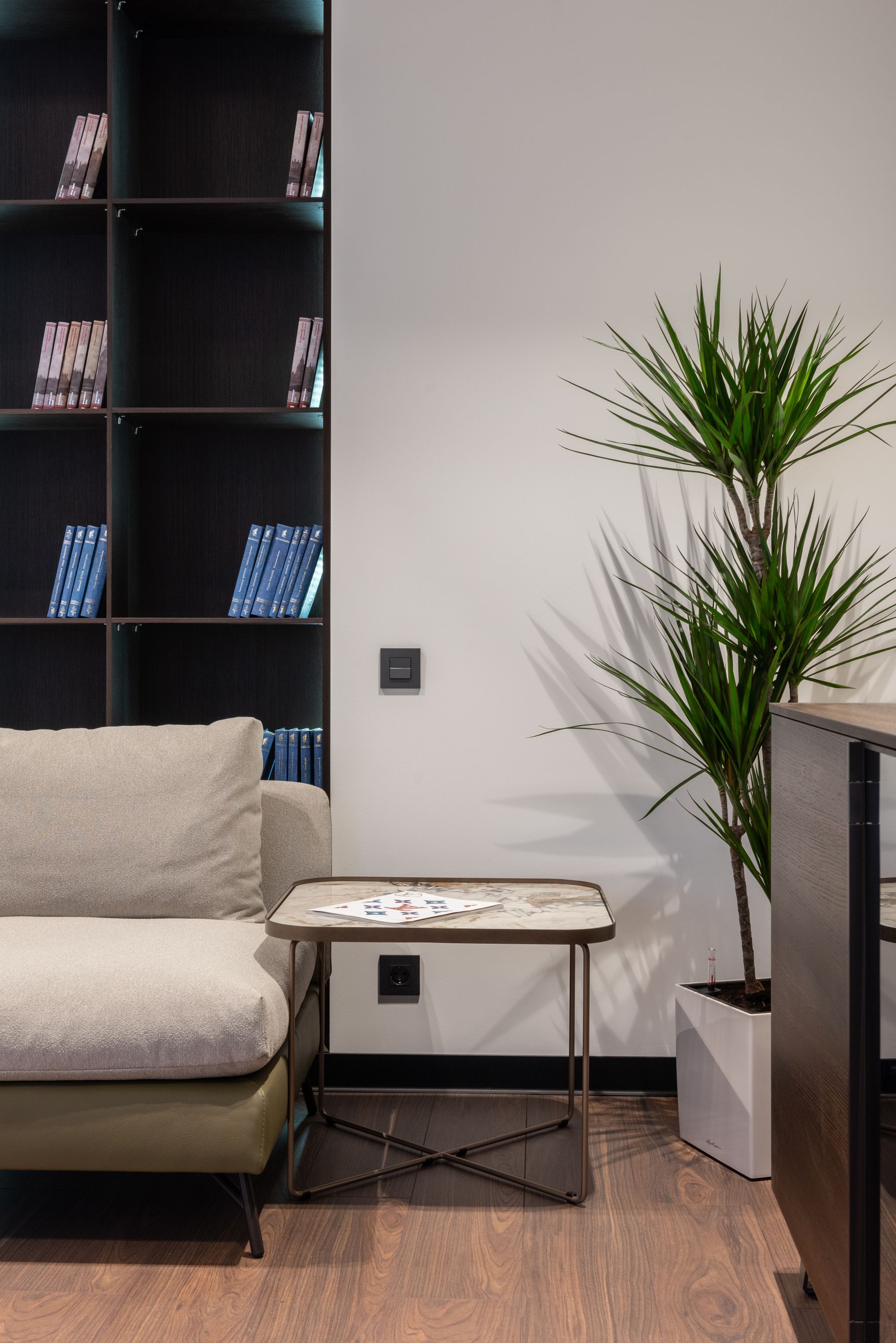
Treat the Rug Pad as Part of the Specification
A pad can improve grip, cushion and wear, but the wrong material may mark a floor finish, trap moisture or add an unsafe step at the edge. Match it to both the rug backing and the floor maker's guidance. Cut it slightly inside the rug so it does not show or create a ridge, and avoid improvised liners that are not rated for the surface. Recheck it periodically because pads compress and deteriorate. The goal is a flat, stable system, not maximum softness at any cost.
Protect Hard Floors Without Trapping Damage
Wood, stone, laminate and resilient flooring respond differently to backing materials, moisture and sunlight. Confirm compatibility with the floor manufacturer, especially after refinishing or installation. Lift the rug periodically to remove grit that can abrade the finish and to check for trapped dampness, discoloration or transfer from the backing. Uneven sun exposure can also leave a visible outline around a long-standing rug. Rotate when appropriate and clean the floor only with products that can dry fully before the textile is replaced.
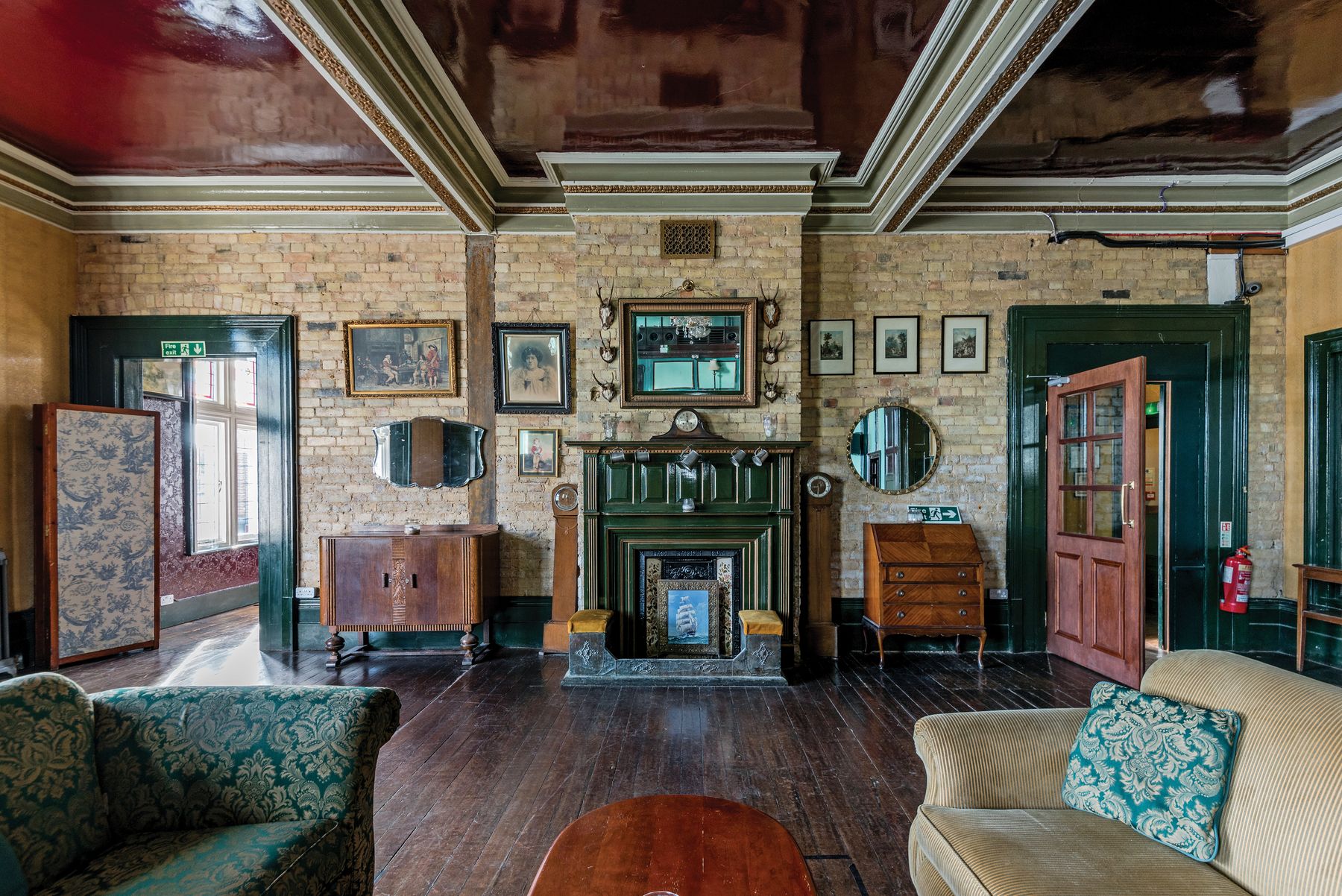
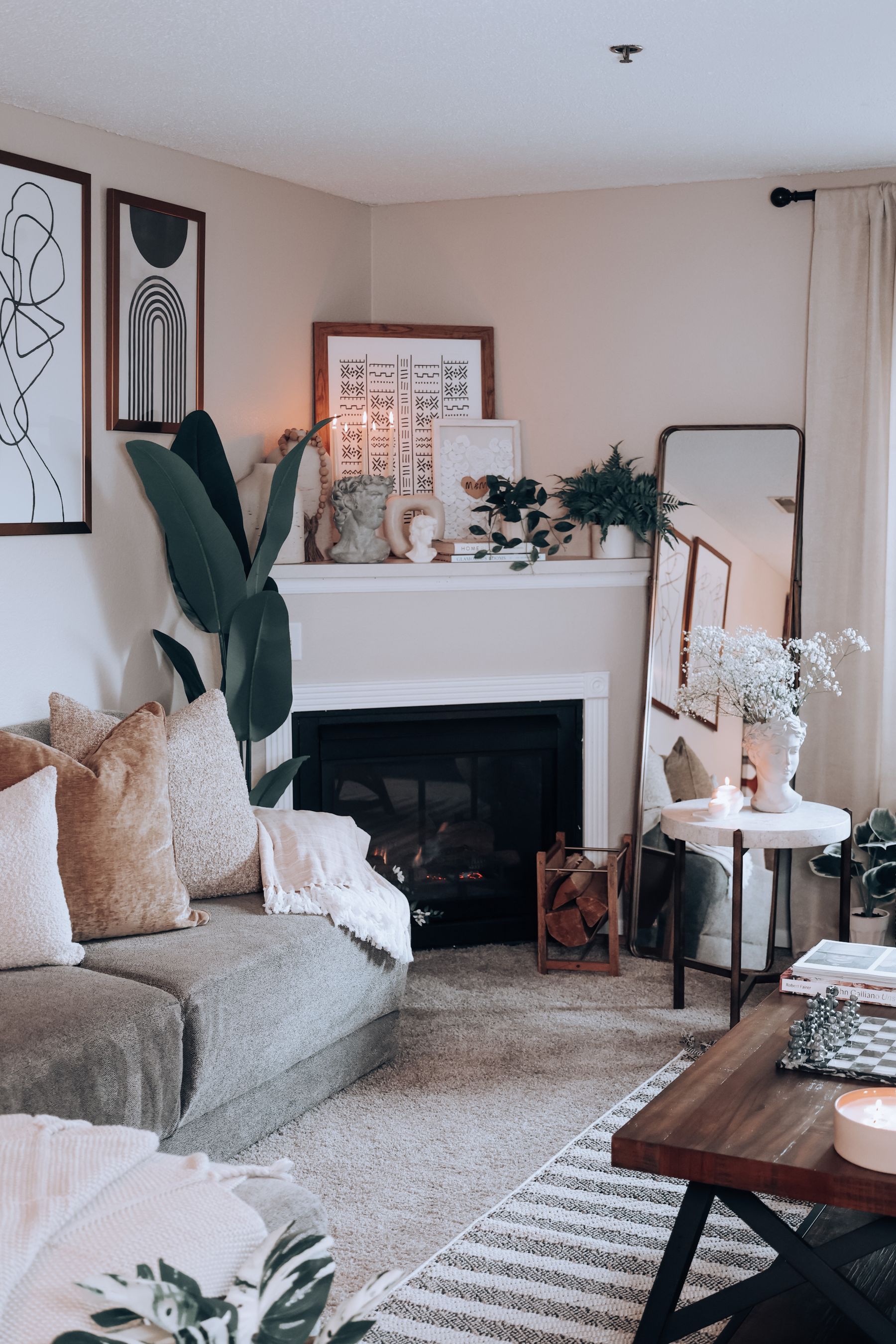
Keep Heat Sources and Floor Heating in the Decision
Do not guess the safe distance between a rug and a fireplace, stove or portable heater. Follow the appliance and hearth instructions and keep loose fibers, fringes and pads outside required clearances. With underfloor heating, confirm that the rug and pad are approved for the system and that their combined thermal resistance is acceptable. Thick insulated layers may impede heat or create uneven performance. Treat safety labels and maker guidance as constraints before deciding the visual placement, especially where a rug would cross multiple heating zones.
Reduce Trip Edges and Support Accessible Movement
A rug should not introduce a curling corner, thick ridge or sliding surface into the main route. This is especially important for people using mobility aids, those with low vision and anyone carrying children or trays. Keep edges out of turning areas where possible, use a compatible non-slip system and maintain strong contrast only when it helps the boundary read clearly. If a wheelchair or walker must cross the rug, test rolling resistance and transitions at full scale. Sometimes the safest choice is a larger, flatter rug or no rug in that route.
Use the Rug to Soften Sound Without Overfilling the Room
A rug reduces hard reflective floor area and can make conversation feel less sharp, particularly in rooms with glass, plaster and minimal upholstery. The effect depends on area, thickness and the other soft surfaces present; one small rug cannot correct a highly reverberant open plan. Start with the seating footprint, then add curtains or upholstered elements where needed. Avoid solving acoustics by choosing an impractically deep pile. The best solution balances cleanability, movement and sound rather than maximizing textile thickness everywhere.
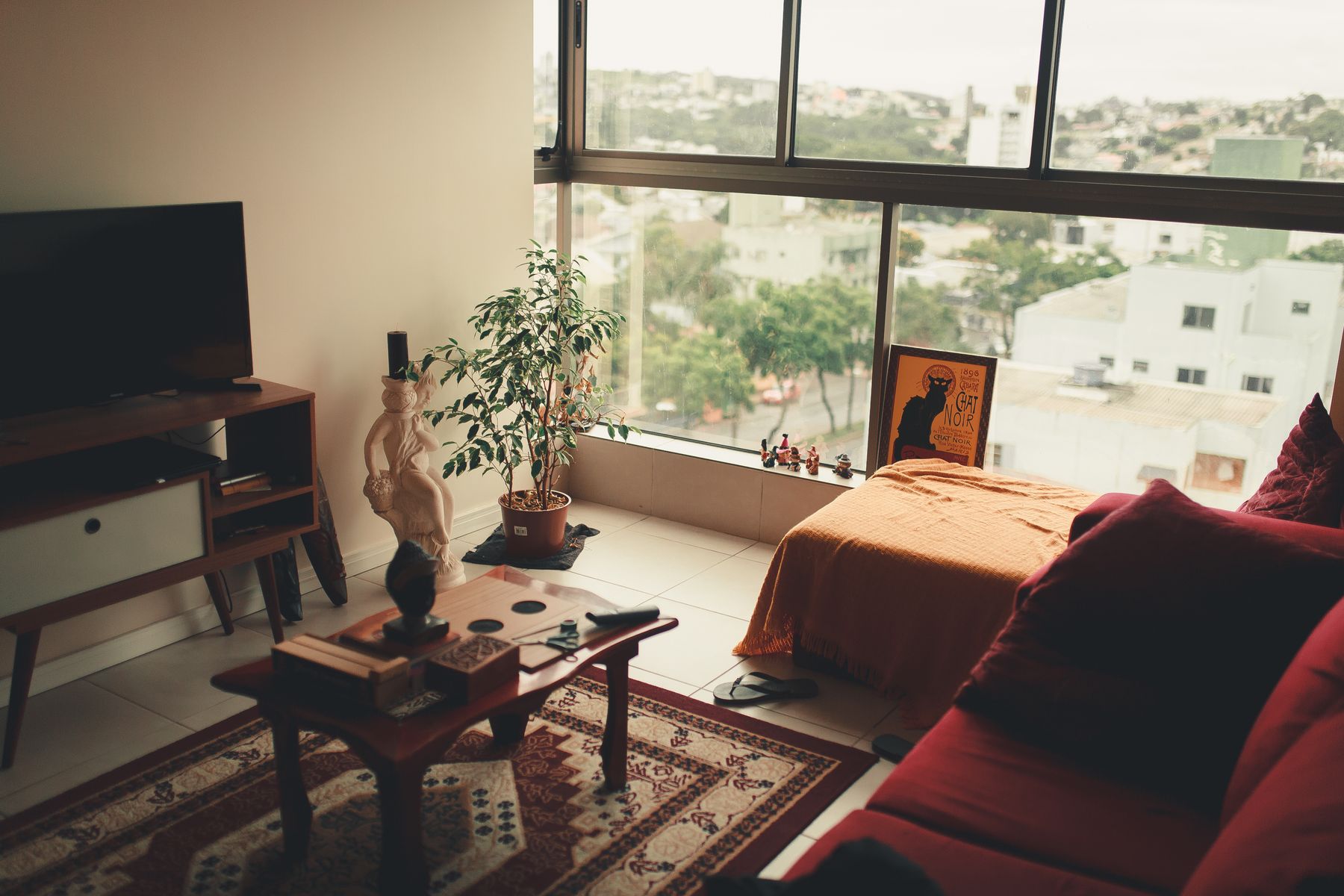
Plan Vacuuming and Robot Routes Before Purchase
Check whether the household vacuum is suitable for the pile and whether its head fits beneath the sofa and tables. Robot vacuums need manageable edges, fringe settings and enough clearance to turn without climbing a pad ridge. Very dark rugs, loose tassels or high contrast borders can challenge some sensors, so consult the equipment guidance rather than assuming compatibility. Design a route that reaches most of the surface without moving heavy furniture weekly. A beautiful rug that cannot be cleaned across its main wear lanes will age unevenly.
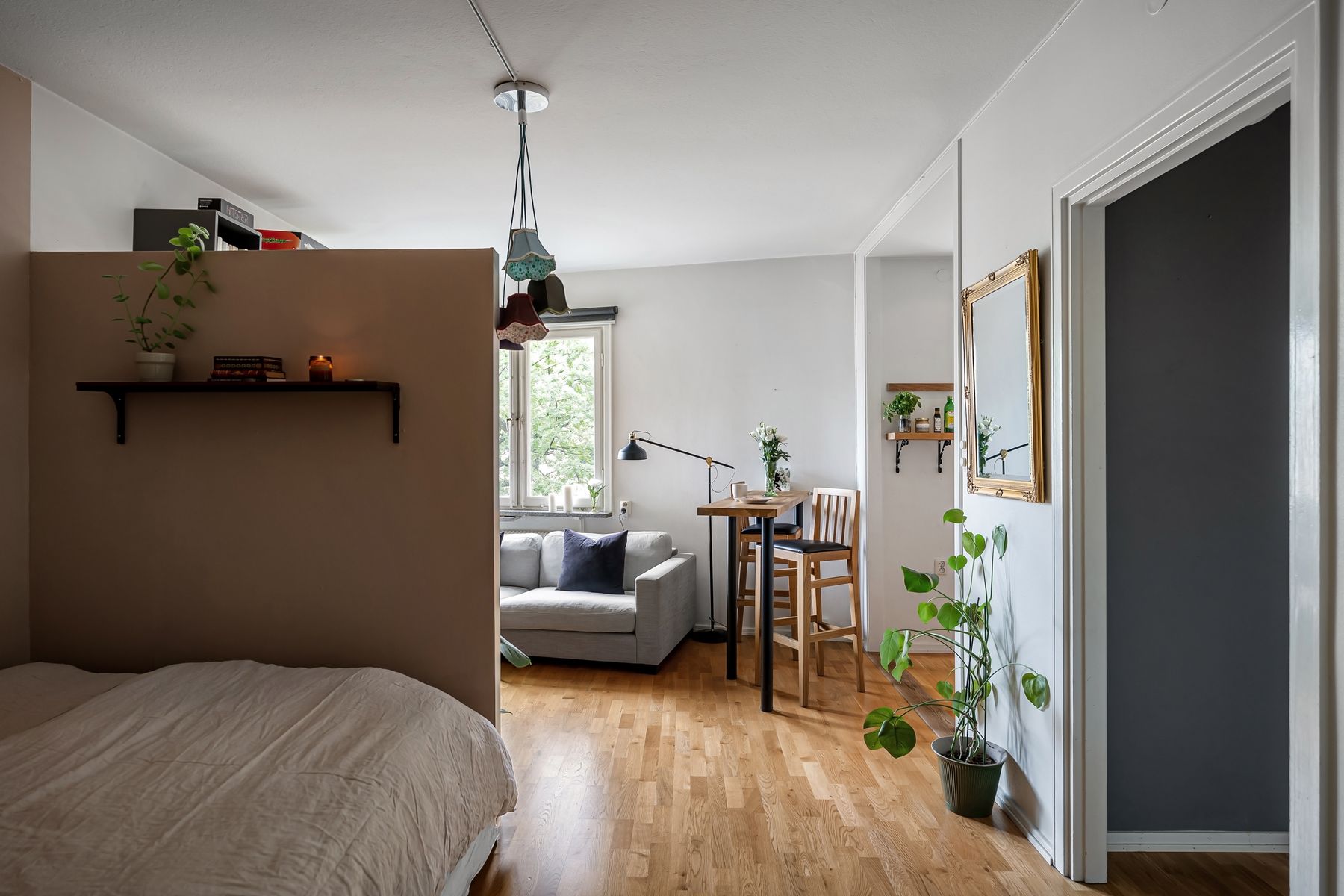
Respond to Spills by Fiber and Construction
Keep the maker's care instructions accessible and respond to spills with the method specified for that rug. In general, remove solids carefully and blot rather than scrub, but dyes, natural fibers, tufted backings and stain treatments can require different procedures. Pretest any cleaner in a hidden area and avoid saturating a construction that cannot dry quickly. The Carpet and Rug Institute likewise advises testing cleaners before broad use. If meals regularly move into the lounge, choose a rug whose approved care method the household can perform promptly.
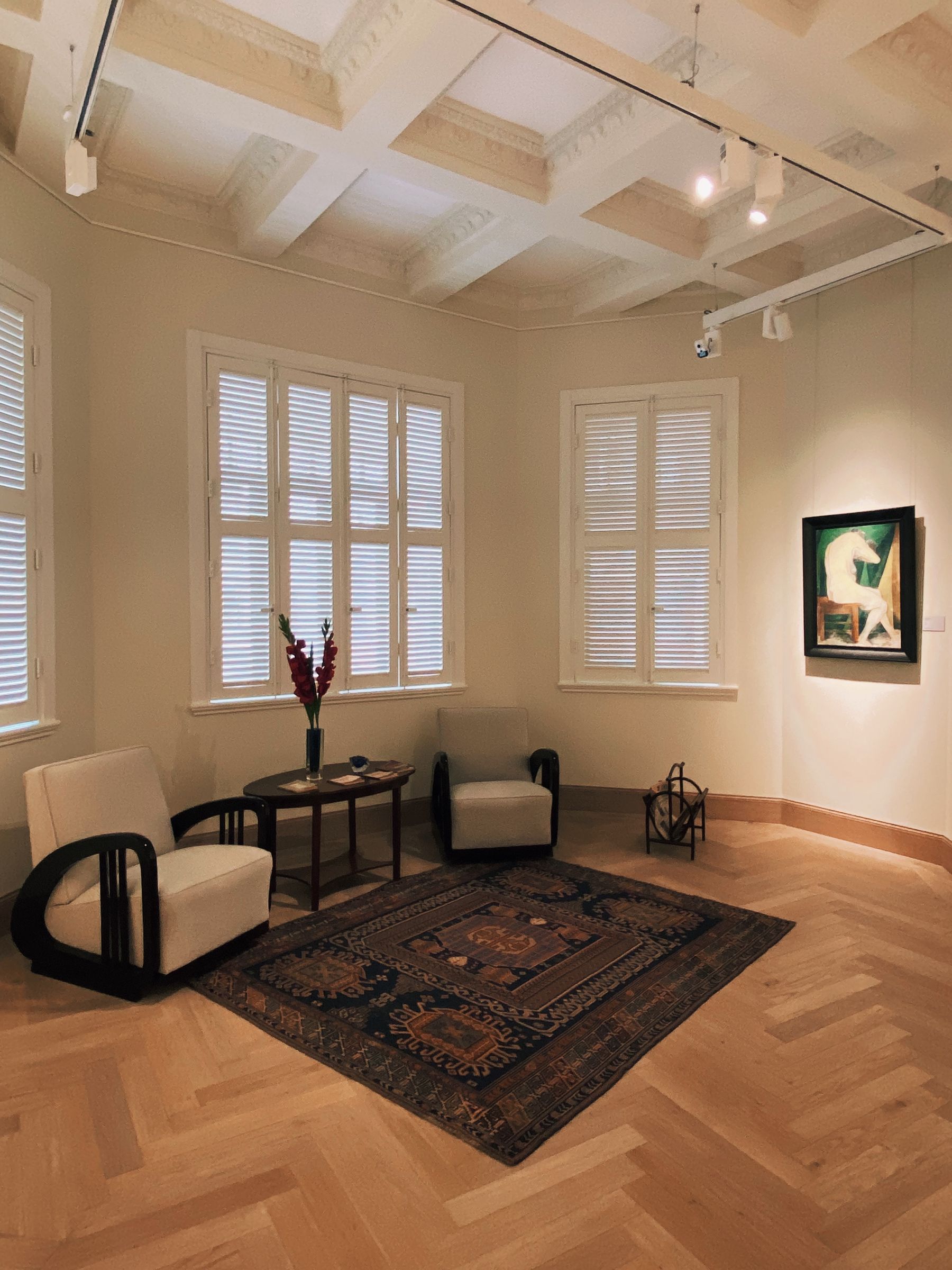
Inspect Vintage Rugs Beyond the Surface Pattern
With a vintage rug, examine the foundation, edges, fringe, repairs, odors and areas of uneven wear in good light. Patina is visual; brittle fibers and failing bindings are functional problems. Ask what cleaning and pest treatment have been completed and whether dyes are stable. Photograph both sides and discuss valuable pieces with a qualified cleaner or repair specialist before placing them in a high-traffic room. A smaller vintage rug can be layered over a stable base, but do not hide structural damage beneath furniture.
Consider Custom Sizing When Standard Rugs Distort the Plan
Custom sizing is worth considering when a bay, curved sectional, off-center fireplace or narrow room makes every standard rectangle compromise the route. Specify the finished dimensions, edge treatment, pattern orientation and acceptable tolerance in writing. Confirm that the piece can be delivered through the building and that a compatible pad can be cut to match. A custom rug should solve a measured problem, not merely remove decision-making. Revisit the [focal-point hierarchy test](/living-room/living-room-layout-ideas/#choose-focal-hierarchy) before ordering an expensive shape around competing axes.
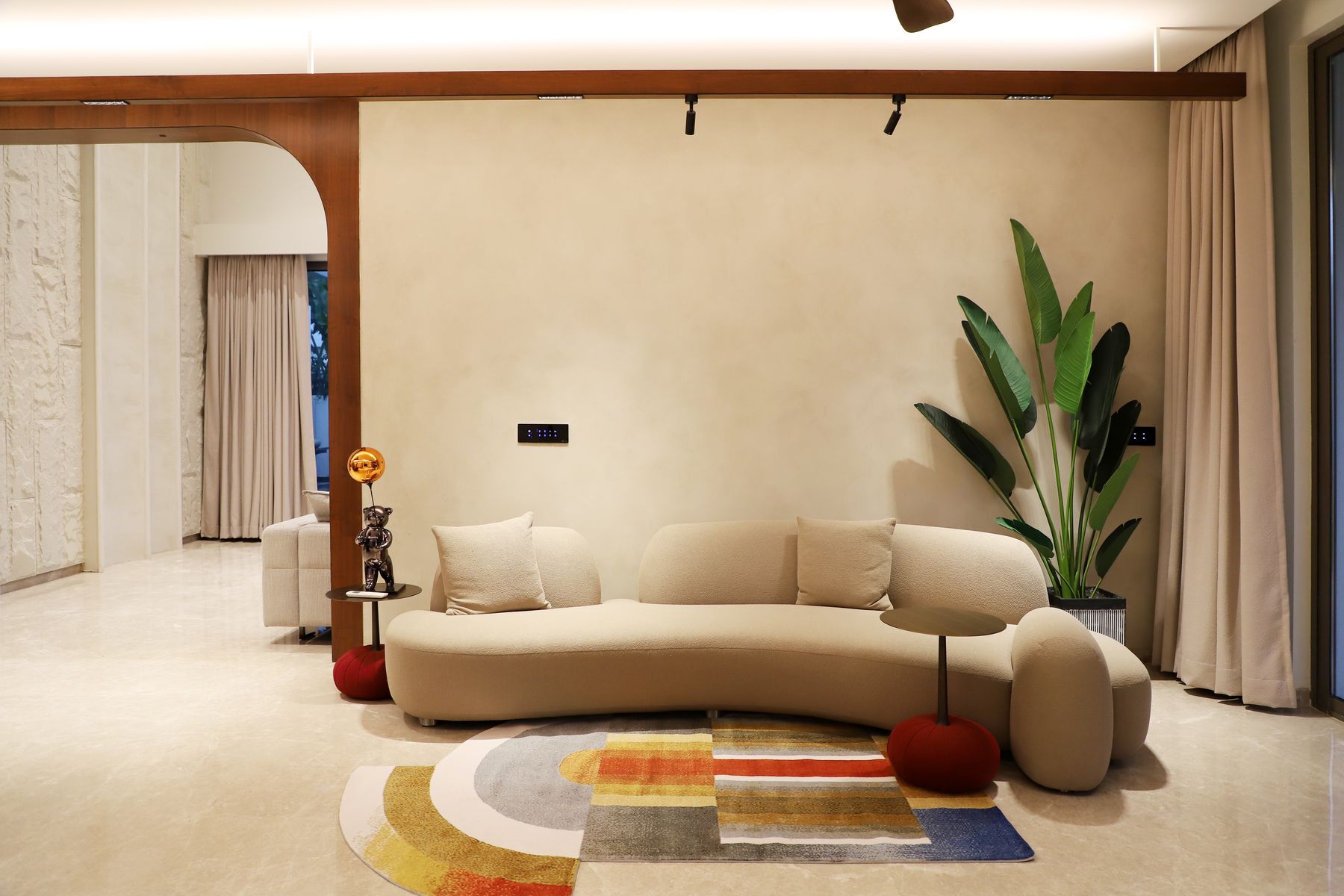
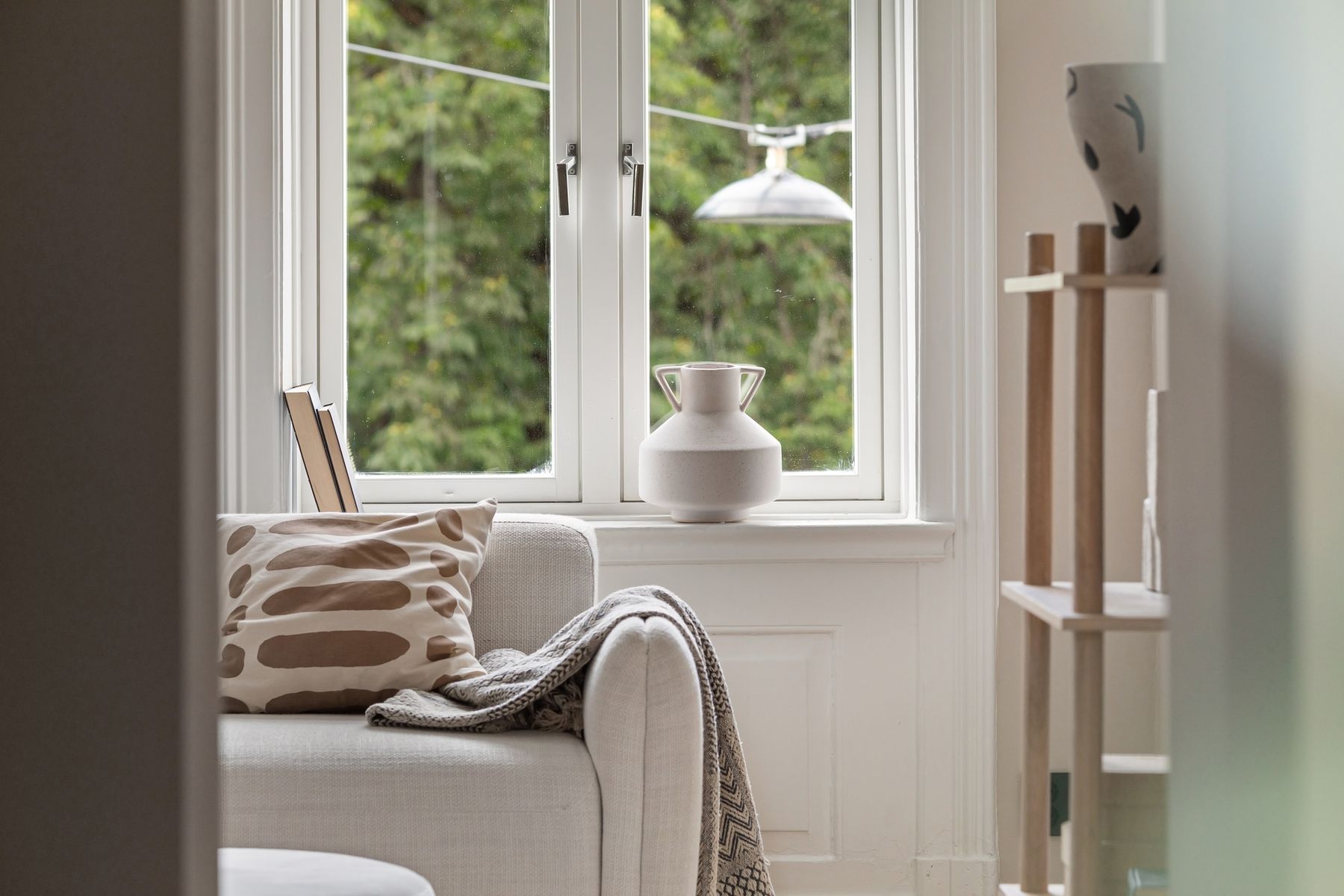
Finish With a Full-Scale Buying Checklist
Before paying, confirm finished size, return terms, lead time, fiber, construction, pile height, pad compatibility, floor compatibility, cleaning method and any flammability or use labels relevant to the market. Review a large sample in the room, tape the outline and place furniture over the marked edges. Photograph the arrangement by day and under the [evening lighting scenes](/living-room/living-room-lighting-ideas/#write-lighting-scenes). If the rug passes scale, safety, cleaning and color tests, it is a stronger choice than one selected from a cropped product image alone.