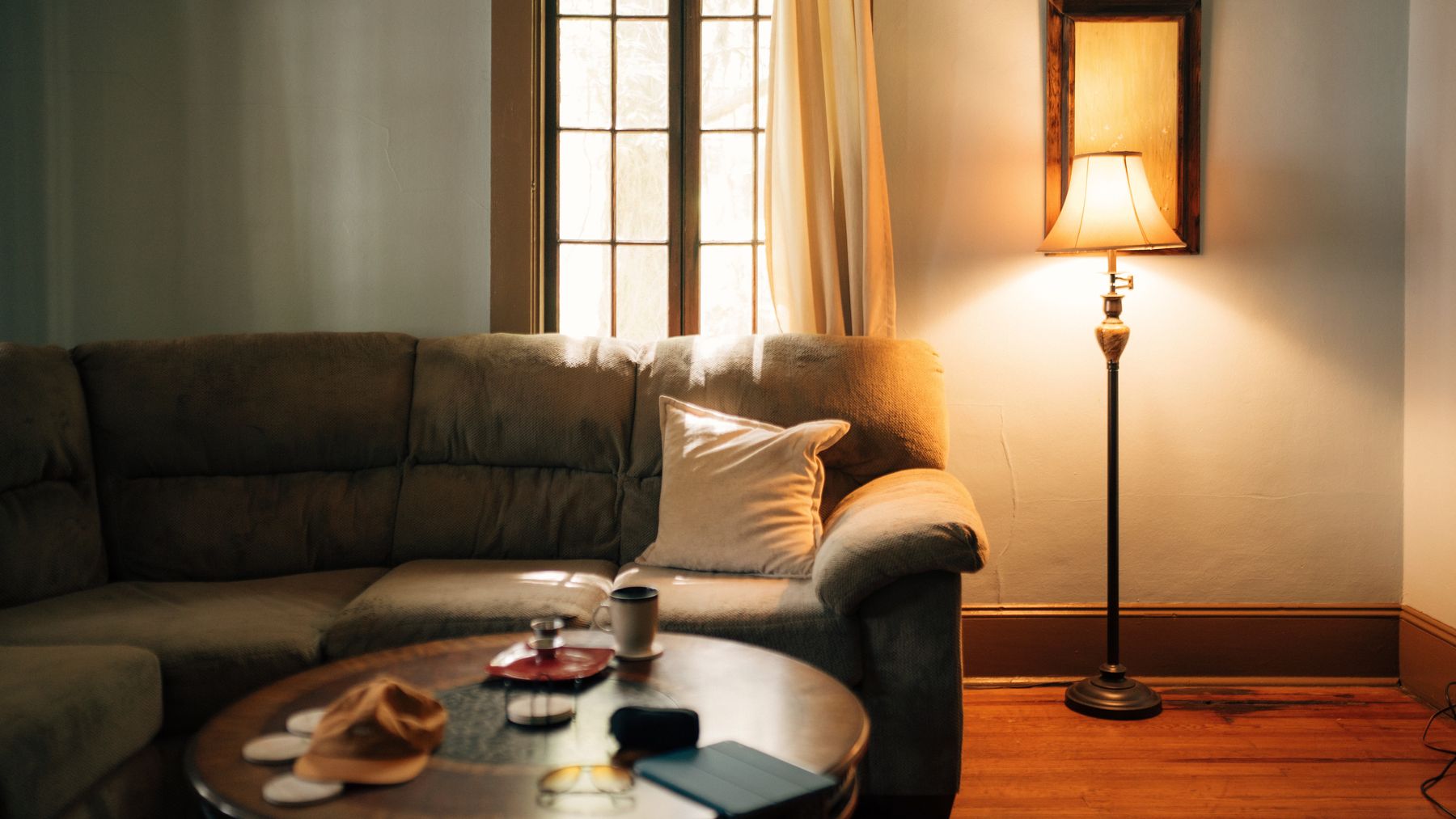
Write the Lighting Scenes Before Choosing Fixtures
List what happens after dark: conversation, television, reading, work, play, cleaning and hosting. For each activity, note where people sit, what they need to see and which bright sources could distract them. This creates scenes rather than a shopping list. The activity-first approach in [modern living room ideas](/living-room/modern-living-room-ideas/) helps coordinate lighting with furniture, media and storage, while this guide develops the technical relationship between sources, surfaces and controls.
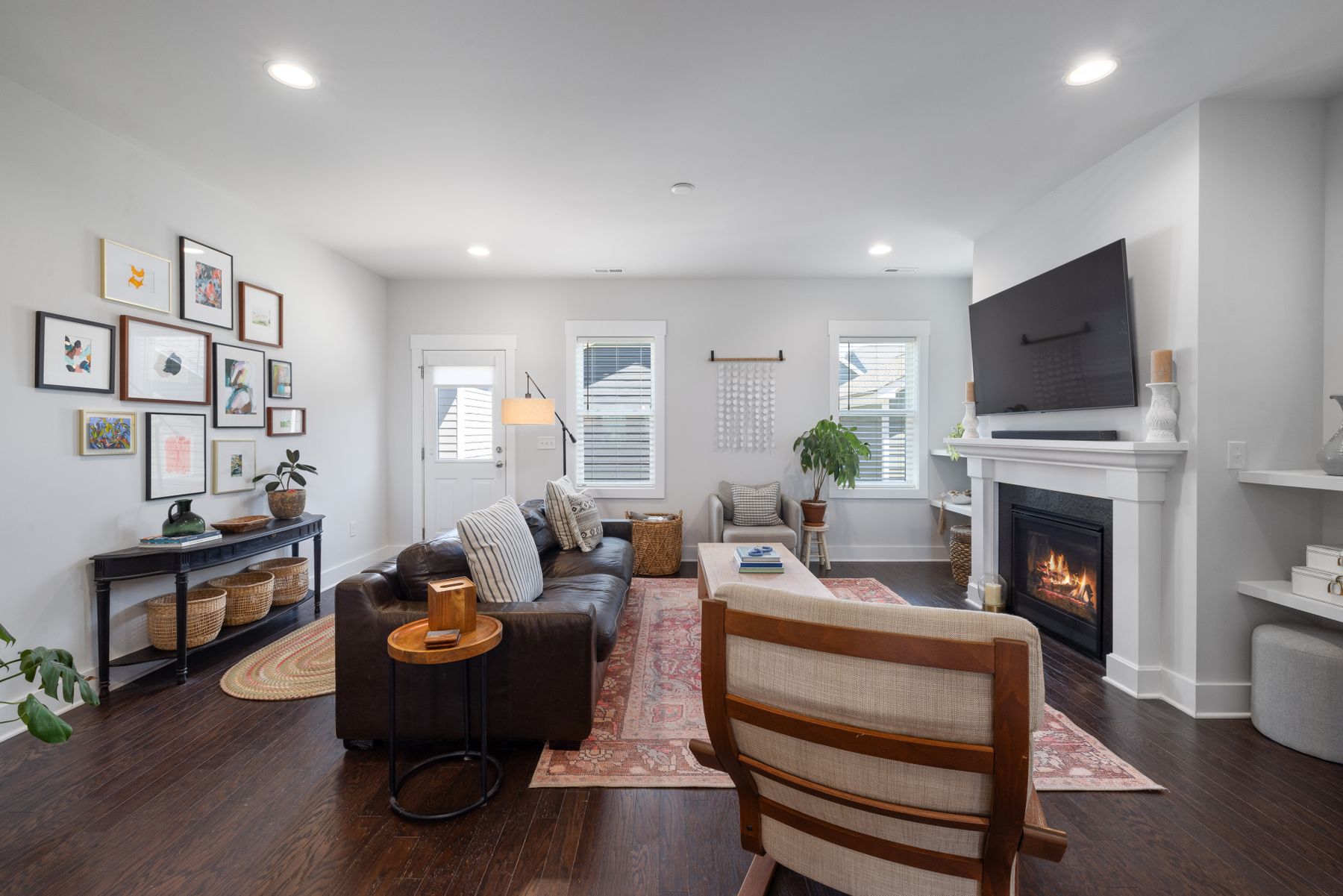
Map Furniture, Outlets and Switch Routes Together
Draw the sofa, chairs, tables, doors and walking lines at full size, then add outlets, existing circuits and likely lamp bases. A floor lamp that blocks a passage or a table lamp whose cable crosses the route is not a solution. Mark switches where a person naturally enters and leaves, and consider how a floating sofa receives power. The detailed circulation tests in [living room layout ideas](/living-room/living-room-layout-ideas/) should be resolved before permanent wiring is fixed.
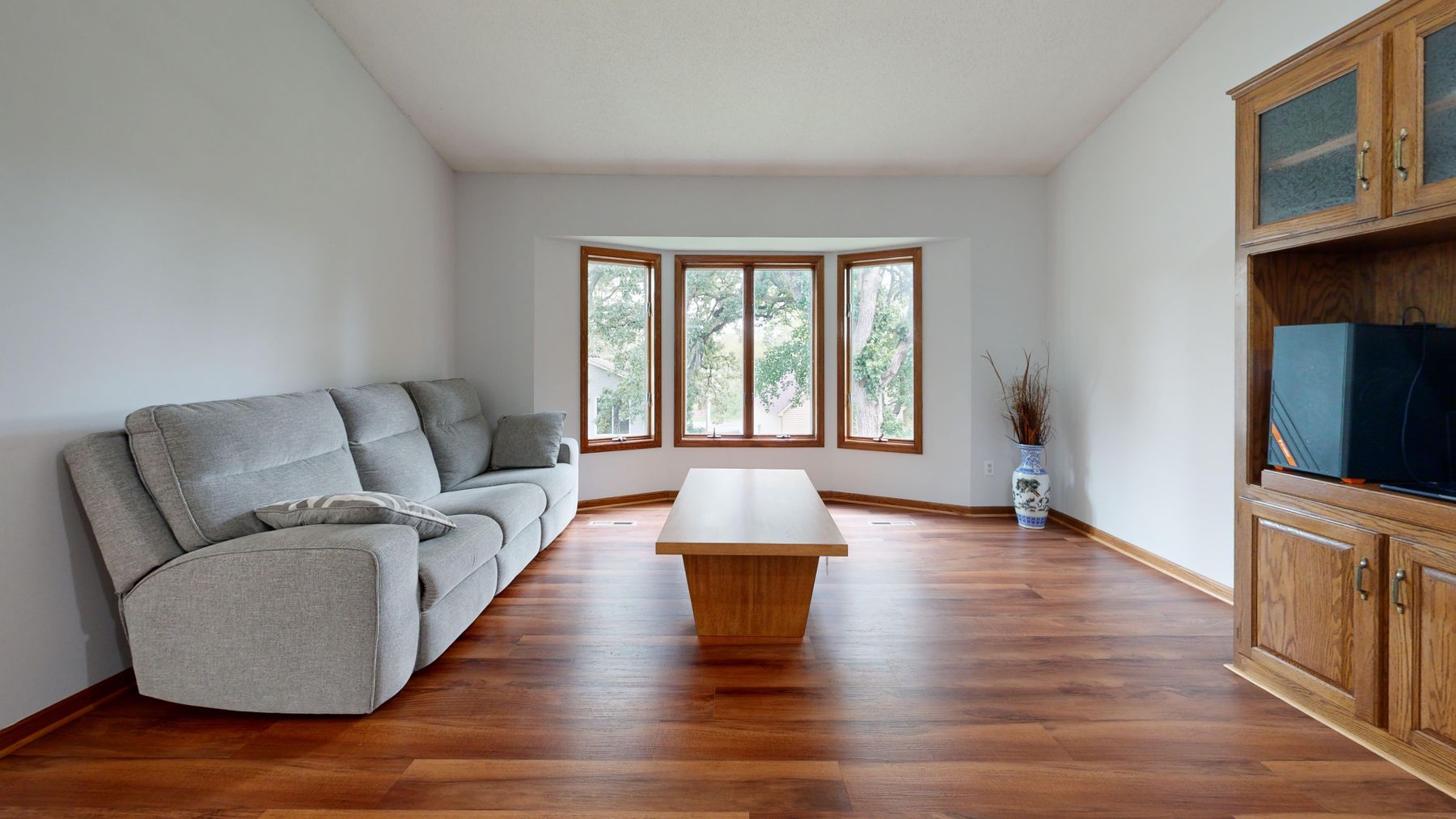
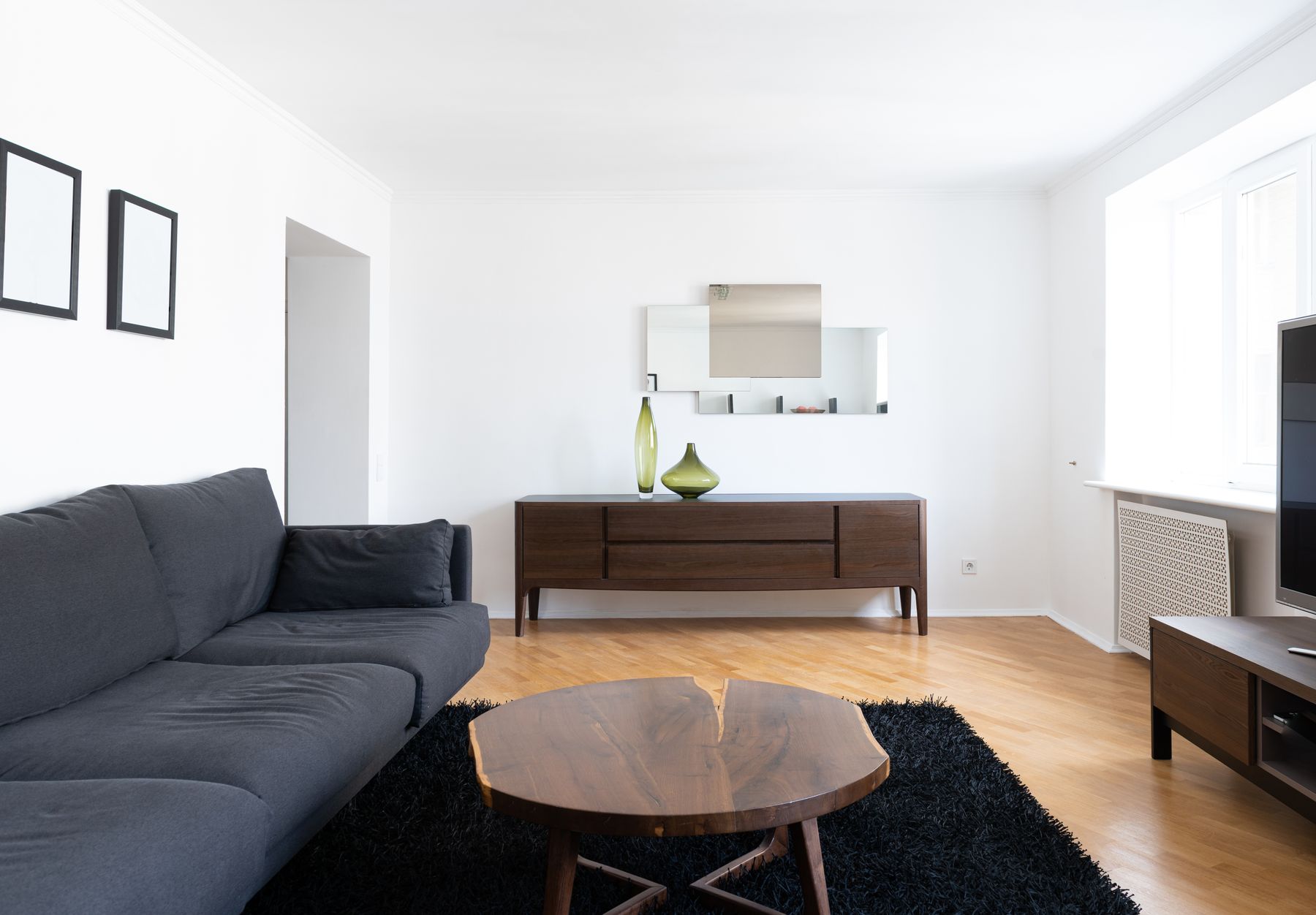
Use Daylight as the First Layer
Observe the room in the morning, afternoon and on an overcast day before adding fixtures. Identify where daylight supports reading, where direct sun causes discomfort and which corners fall dark early. Pale ceilings and carefully chosen wall finishes can redistribute light, while glossy surfaces may create reflection. Artificial sources should supplement the changing natural pattern rather than run at full output all day. [Bright apartment ideas](/apartment/bright-apartment-ideas/) extends this daylight strategy across adjoining rooms.
Control Glare Without Closing the Room All Day
Use curtains, blinds or shutters that can respond in stages rather than forcing a choice between full sun and darkness. Sheers may soften brightness and preserve privacy; a denser layer can control low sun and screen reflections. Keep handles and curtain stacks accessible behind furniture. Test the television and reading seats from normal eye level, because a window that looks harmless while standing may reflect directly into a screen or create strong contrast beside a book.
Build Ambient Light From Reflected Surfaces
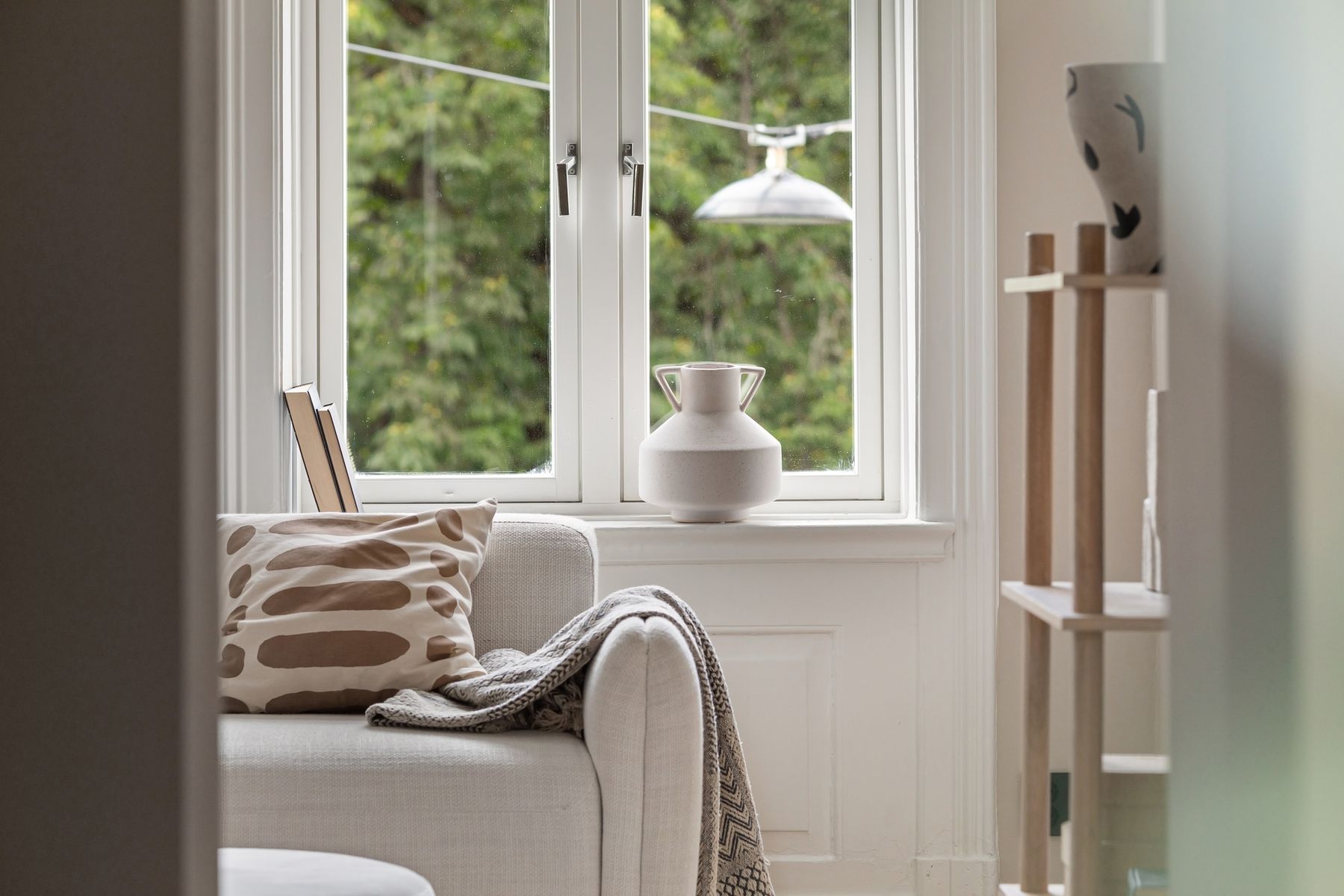
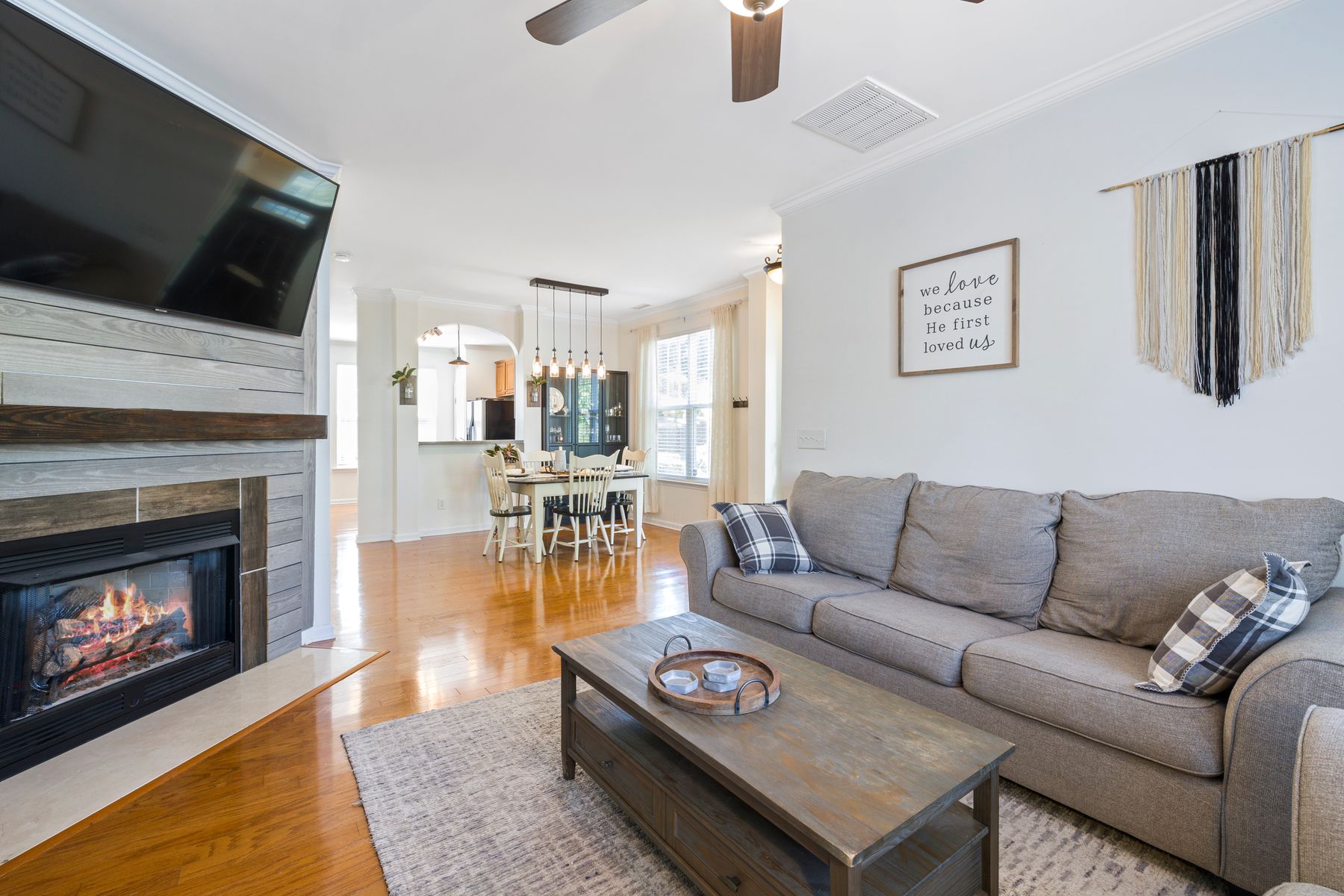
Ambient light does not have to come from a bright central fixture. Shaded lamps, uplights, coves and broad-beam ceiling sources can illuminate walls and ceilings, which then return softer light to the room. The result depends on surface color, texture and sheen: dark finishes absorb more, while glossy paint can reveal hotspots. Build enough general light for movement and cleaning, but keep it on a separate control from reading and accent sources so evening scenes retain depth. [Cozy apartment ideas](/apartment/cozy-apartment-ideas/) develops the wider sensory relationship between soft light, sound and thermal comfort.
No Ceiling Fixture? Build a Four-Position Lamp Circuit
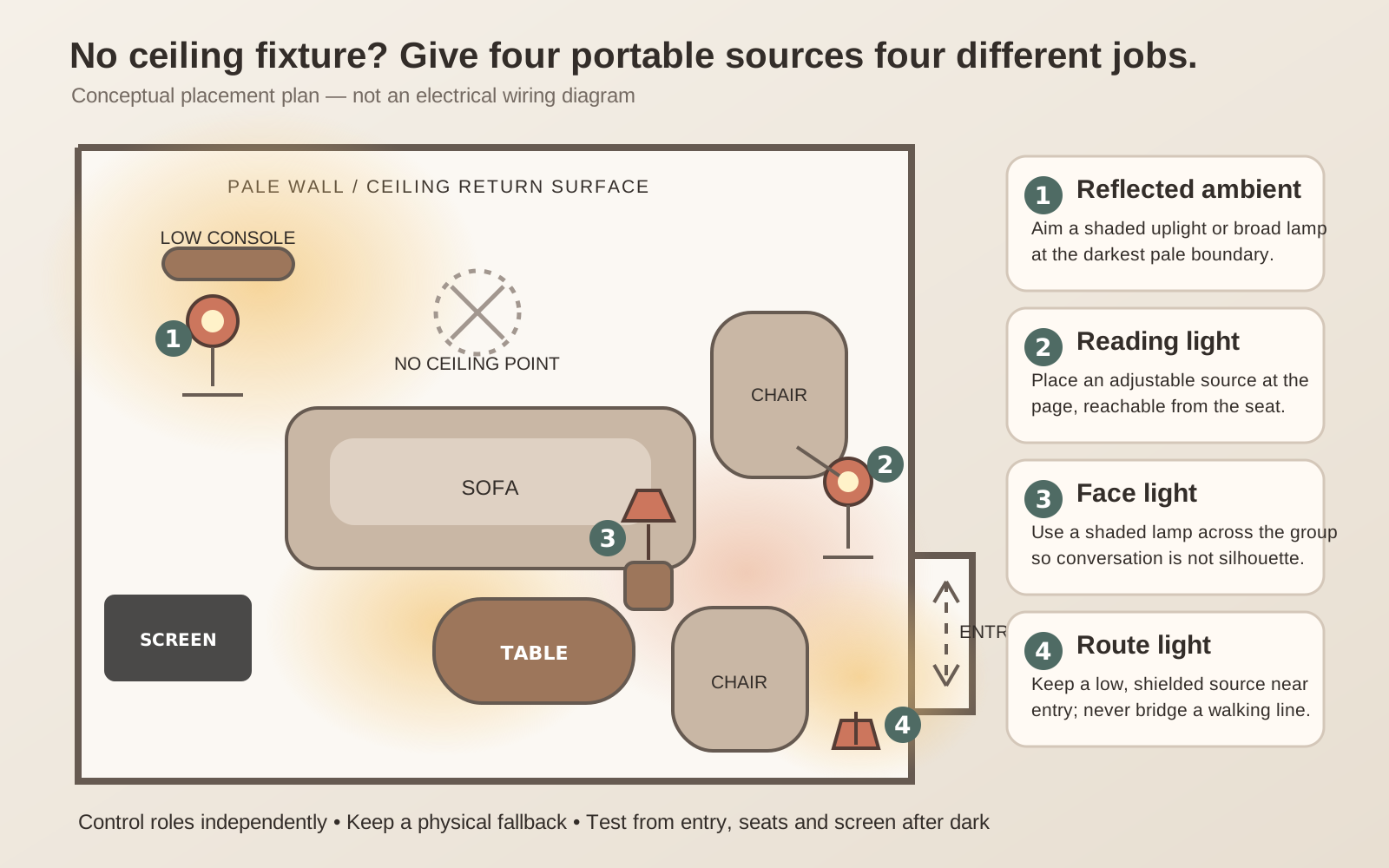
Treat the missing ceiling point as a control and placement problem, not permission to scatter matching lamps around the perimeter. Start with one shaded uplight or broad lamp aimed at a pale wall or ceiling near the room's darkest boundary; this creates the reflected ambient field. Put an adjustable source beside the main reading seat, then add a shaded table or standard lamp across the conversation group so faces do not disappear into silhouette. The fourth position is a low, shielded source near the entry or principal route, bright enough to orient movement without competing with the television. These are roles rather than a compulsory fixture count: one well-placed lamp may serve two only if both effects remain comfortable from every regular seat. Keep the four roles separately controllable with reachable switches, approved switched outlets or a simple wireless control that still has a physical fallback. Do not bridge a doorway or walking line with an extension lead; revise the furniture or lamp position when power cannot reach safely.
Put Reading Light at the Page
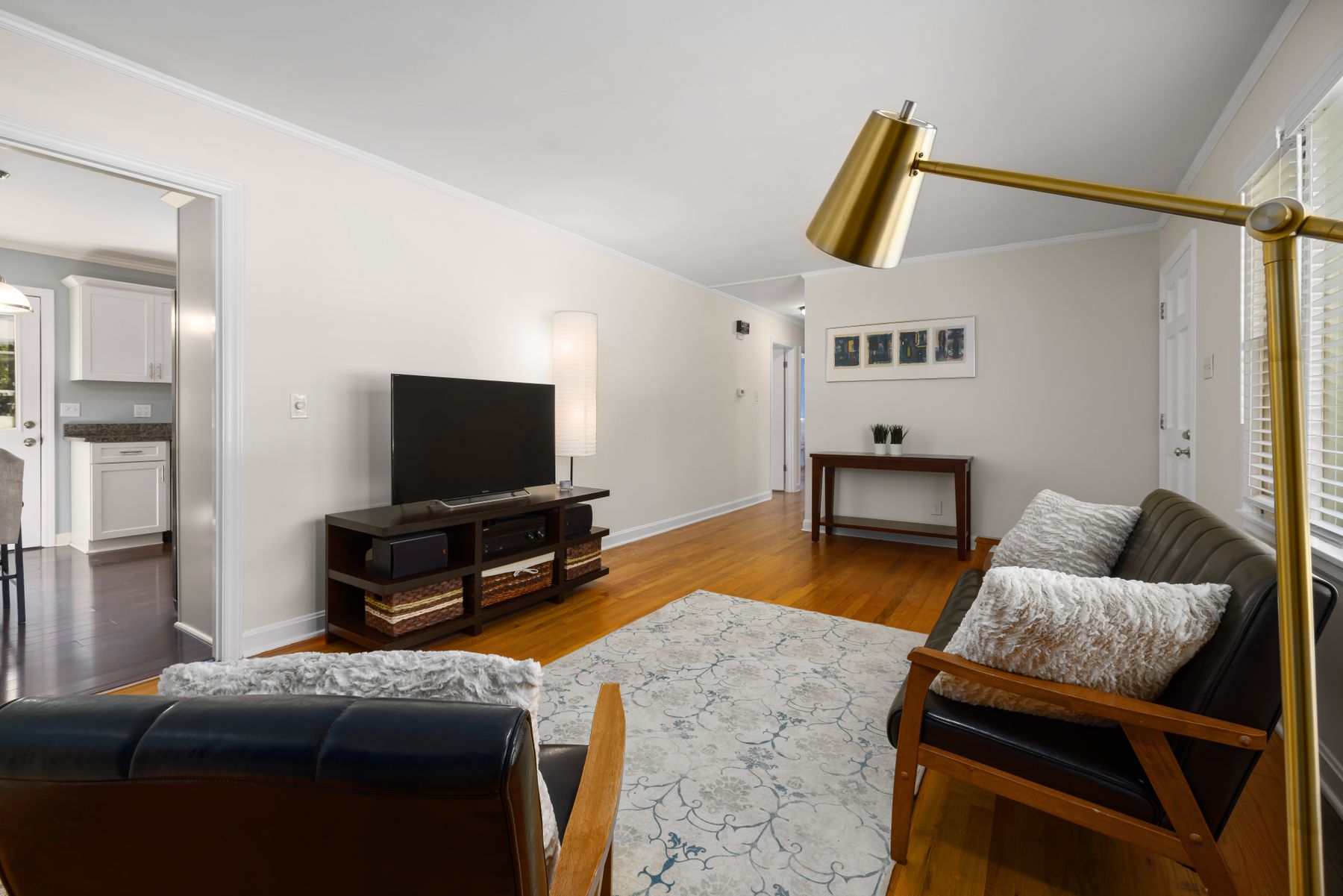
A reading lamp must illuminate the page from the reader's position, not merely stand near the chair. Check the direction of the reader's head and hand, the shade opening and whether the source is visible from the sofa opposite. Adjustable arms or heads help different users, but the mechanism must remain stable. Keep the switch reachable from the seat and allow a side surface for glasses and books. Test a real page after dark before accepting the position.
Use Table Lamps to Light Faces and Corners
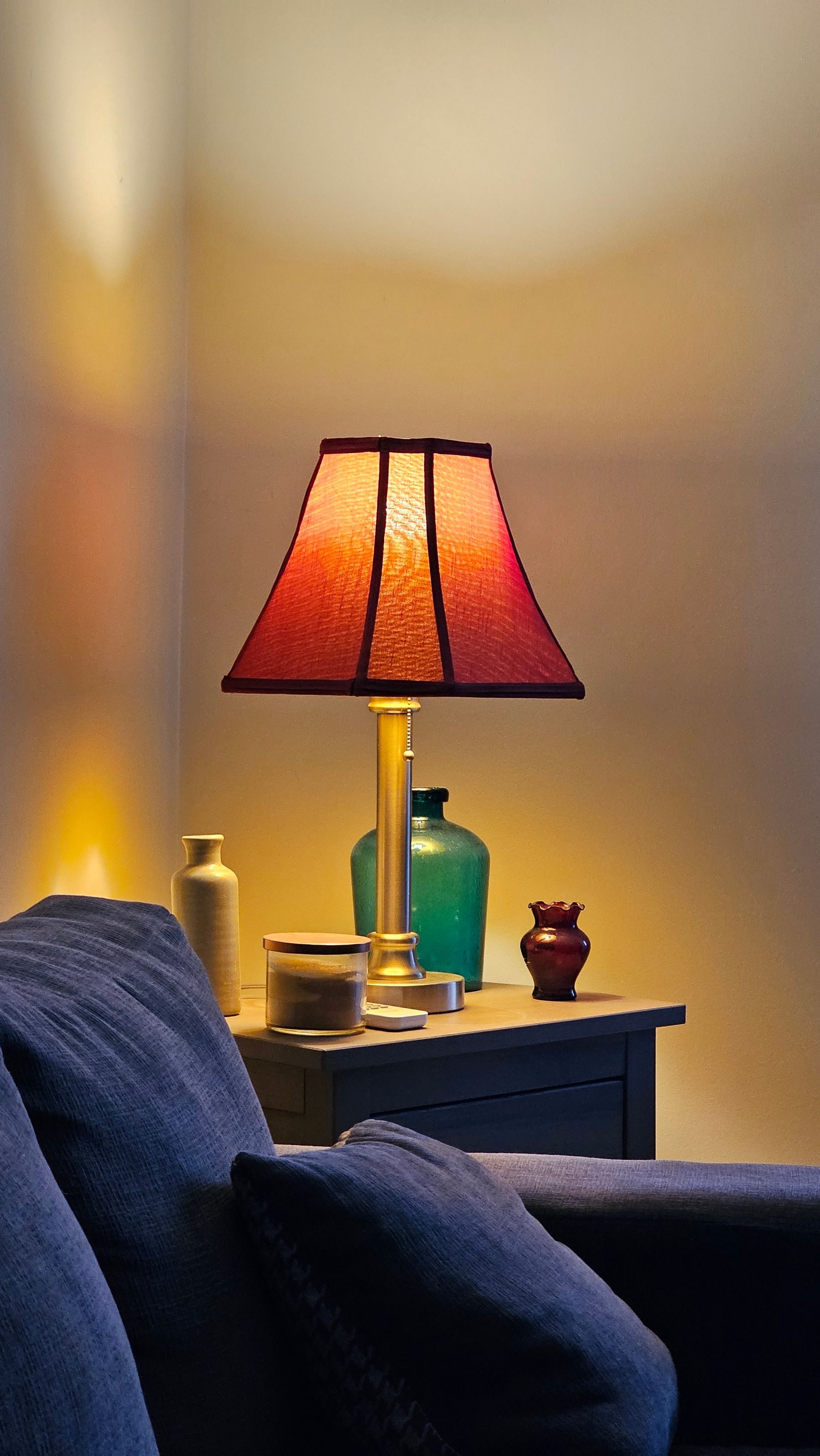
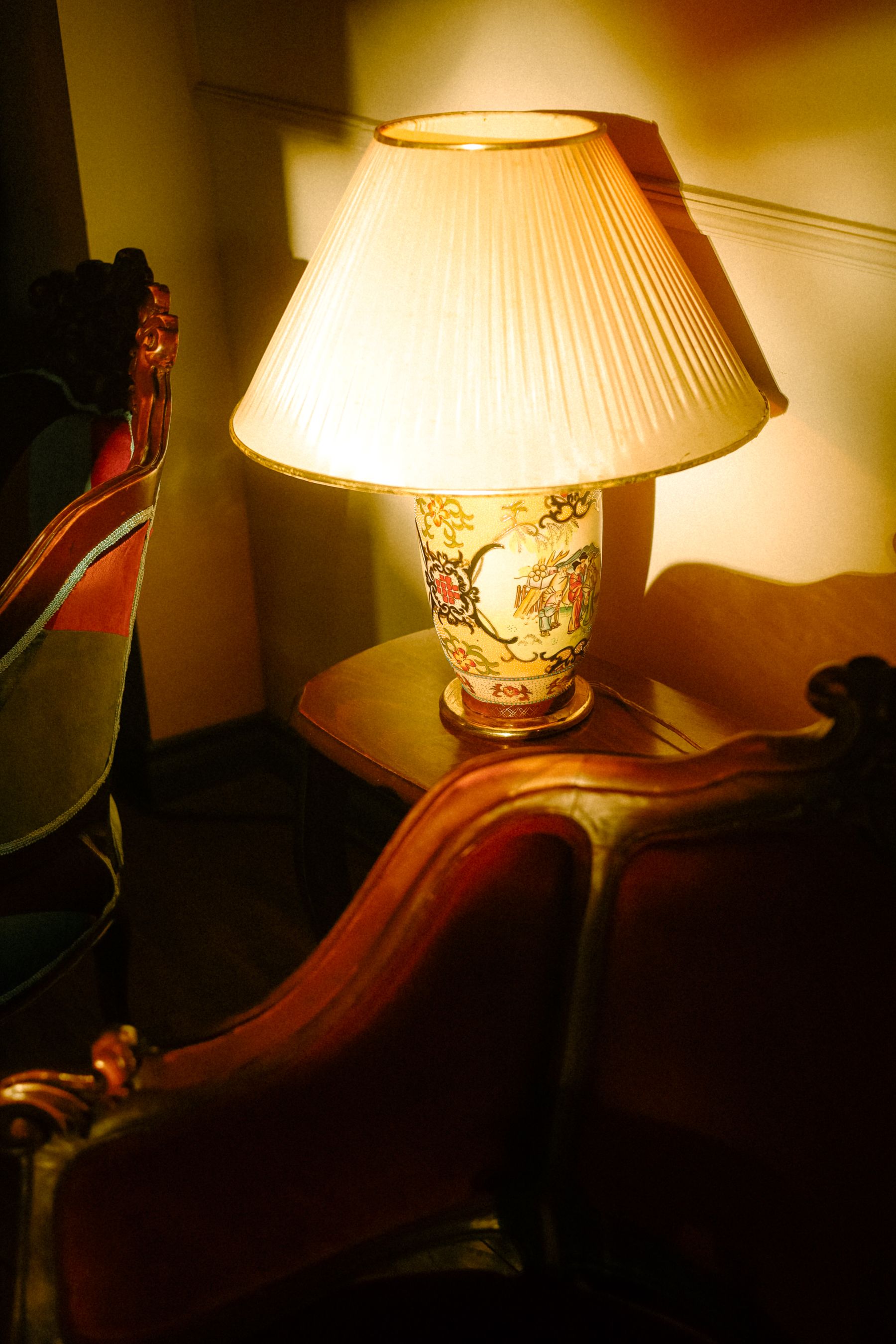
Choose the base and shade together with the real table, seat height and nearby objects. The lower edge of the shade should conceal the brightest part of the lamp from common sightlines while allowing useful light outward or downward. Two table lamps can balance a long room without matching exactly. Protect enough surface for drinks and books, and avoid a top-heavy base where people brush past. Cord length and switch access matter as much as the silhouette.
Choose a Floor Lamp by Beam, Base and Reach
An uplighter, shaded standard lamp and adjustable task lamp solve different problems. Check beam direction, shade height, base diameter, stability and whether an arm projects into circulation. A heavy base may be safer but difficult for some users to move; a slender tripod may consume more usable floor than it appears to. The fixture-focused [industrial floor lamp ideas](/decor/industrial-floor-lamp-ideas/) guide covers material and form, while the living-room decision begins with the job and placement.
Let a Pendant Establish the Room's Center
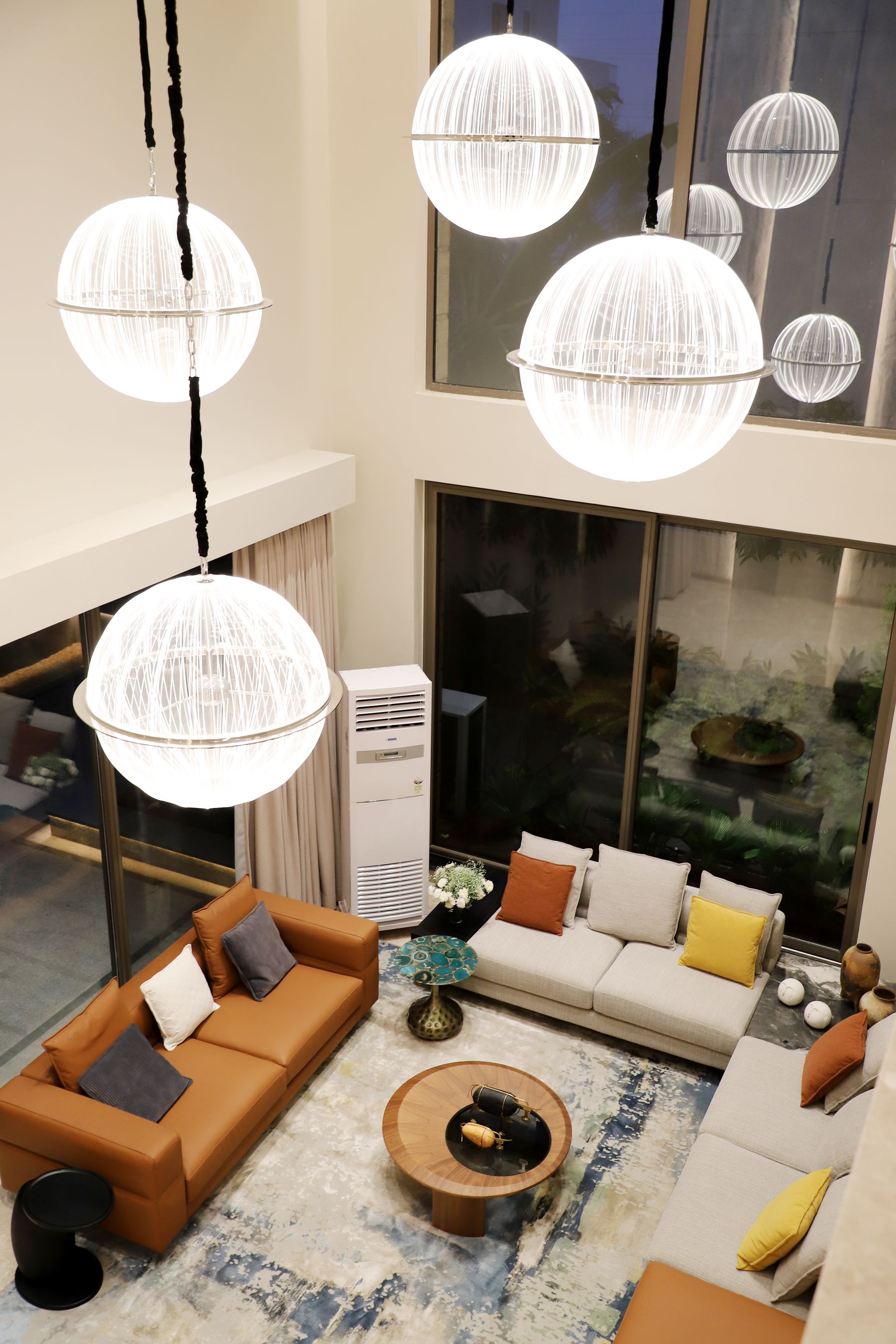
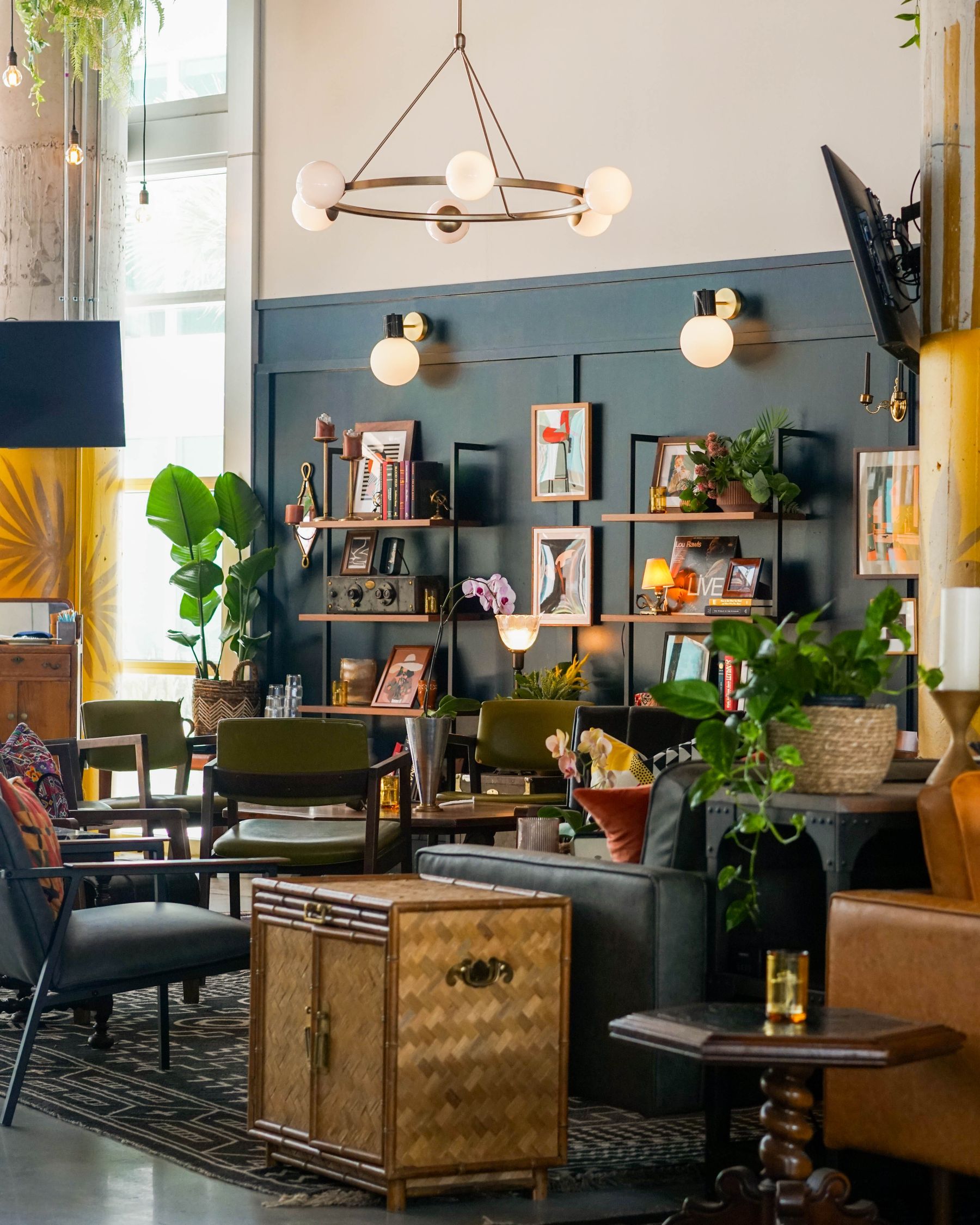
A pendant or cluster can visually center a seating group, especially in a tall or open room. Choose its width, drop, brightness and view from the sofa together; a dramatic fixture can dominate sightlines while contributing little usable light. Mock up the lowest edge with paper or a lightweight shape and walk every route. Plan companion task sources because a pendant centered over the room rarely reaches a book or side table evenly. For a broader high-finish context, [luxury apartment ideas](/apartment/luxury-apartment-ideas/) explains why scale, serviceability and craft matter more than price signals. Permanent installation belongs with a qualified professional.
Keep the Ceiling Layer Useful, Not Uniform
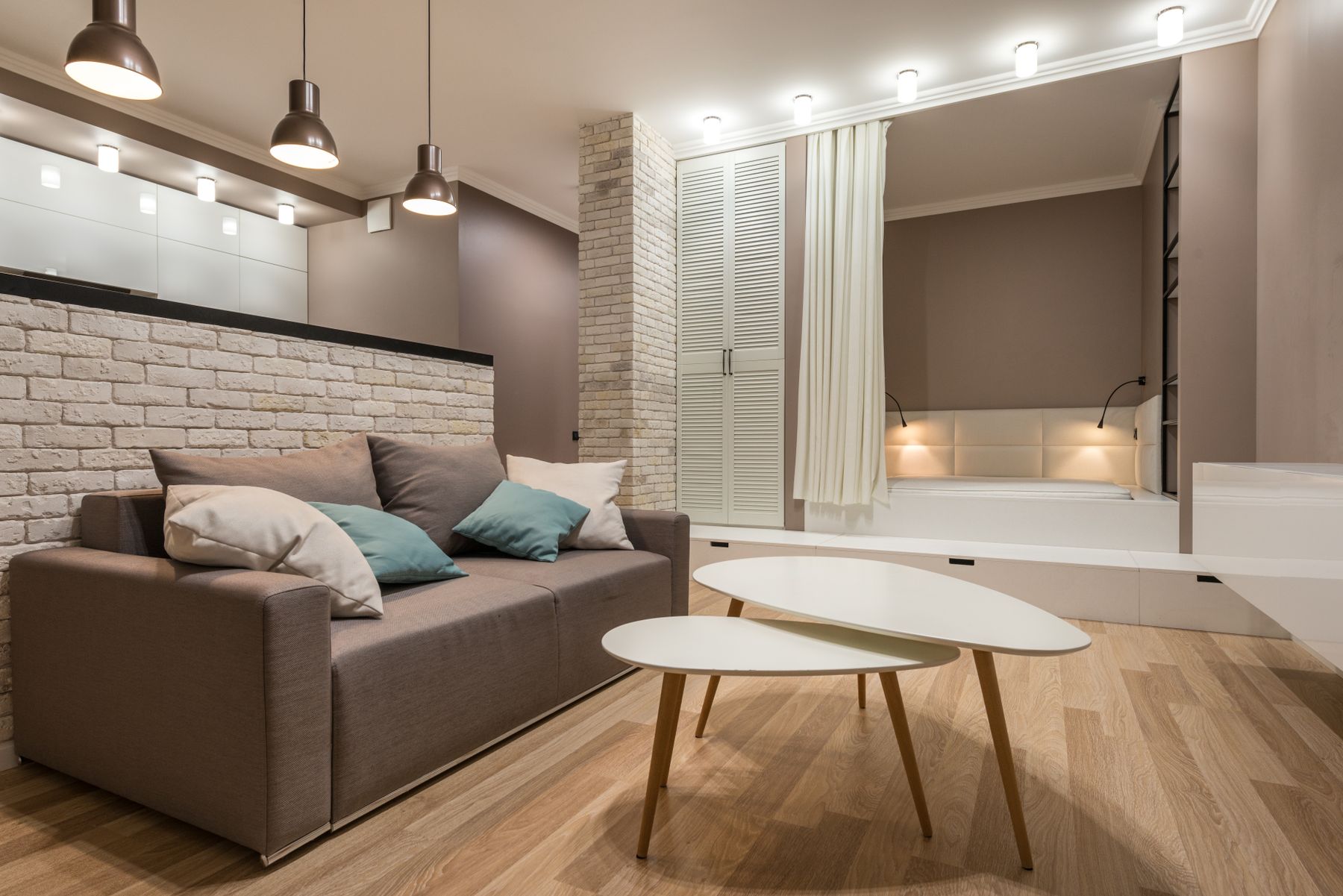
Use ceiling light for broad visibility, circulation and cleaning, then reduce or switch it off for quieter scenes. A rigid grid of equally bright downlights may create scallops, glare and flatness while missing the actual furniture. Place adjustable sources only where a wall, table or artwork needs them. Separate circuits or zones allow the seating area to behave differently from an adjoining dining space. More fittings are not automatically better; each should have a defined target and control.
Use Sconces When Floor and Table Space Are Scarce
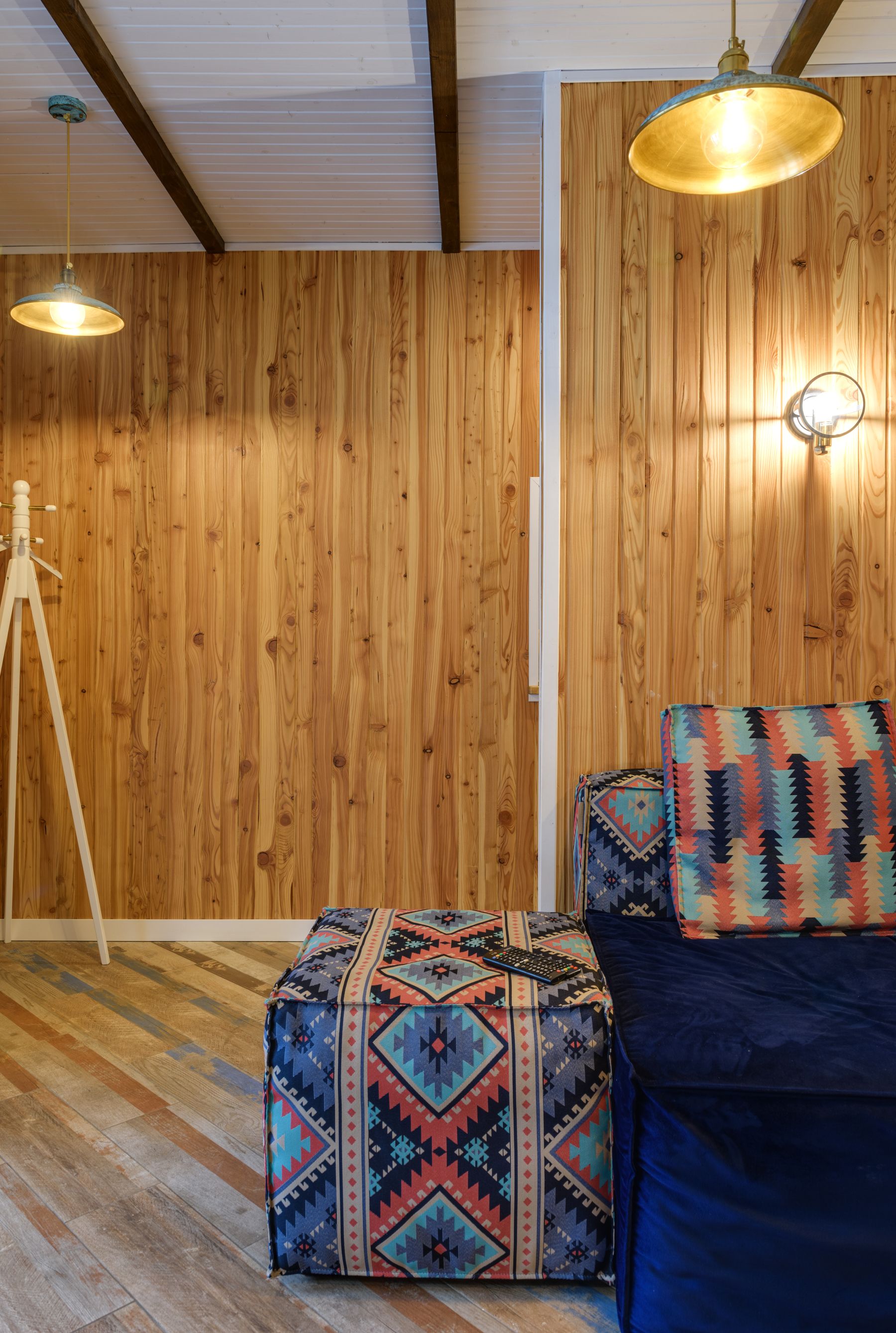
Sconces can flank a fireplace, light a reading position or give a narrow room an evening layer without adding furniture. Place them from seated eye level as well as elevation symmetry; an exposed globe can be uncomfortable when it aligns with a sofa. Swing-arm forms need a safe operating arc and secure fixing. Permanent wiring and switching should be planned professionally, while plug-in models work only when the cable can descend neatly outside routes and children's reach.
Wash a Wall to Add Calm Depth
Wall washing spreads a broad field across paint, paneling or masonry and can make the room feel deeper than a bright center with dark edges. The technique also reveals ripples, joints and gloss variations, so inspect the substrate first. Keep sources far enough from the surface and choose a beam that overlaps evenly rather than creating isolated scallops. Use a temporary uplight or track head to test the idea before committing to recessed positions or linear details.
Light Art Without Fading or Reflection
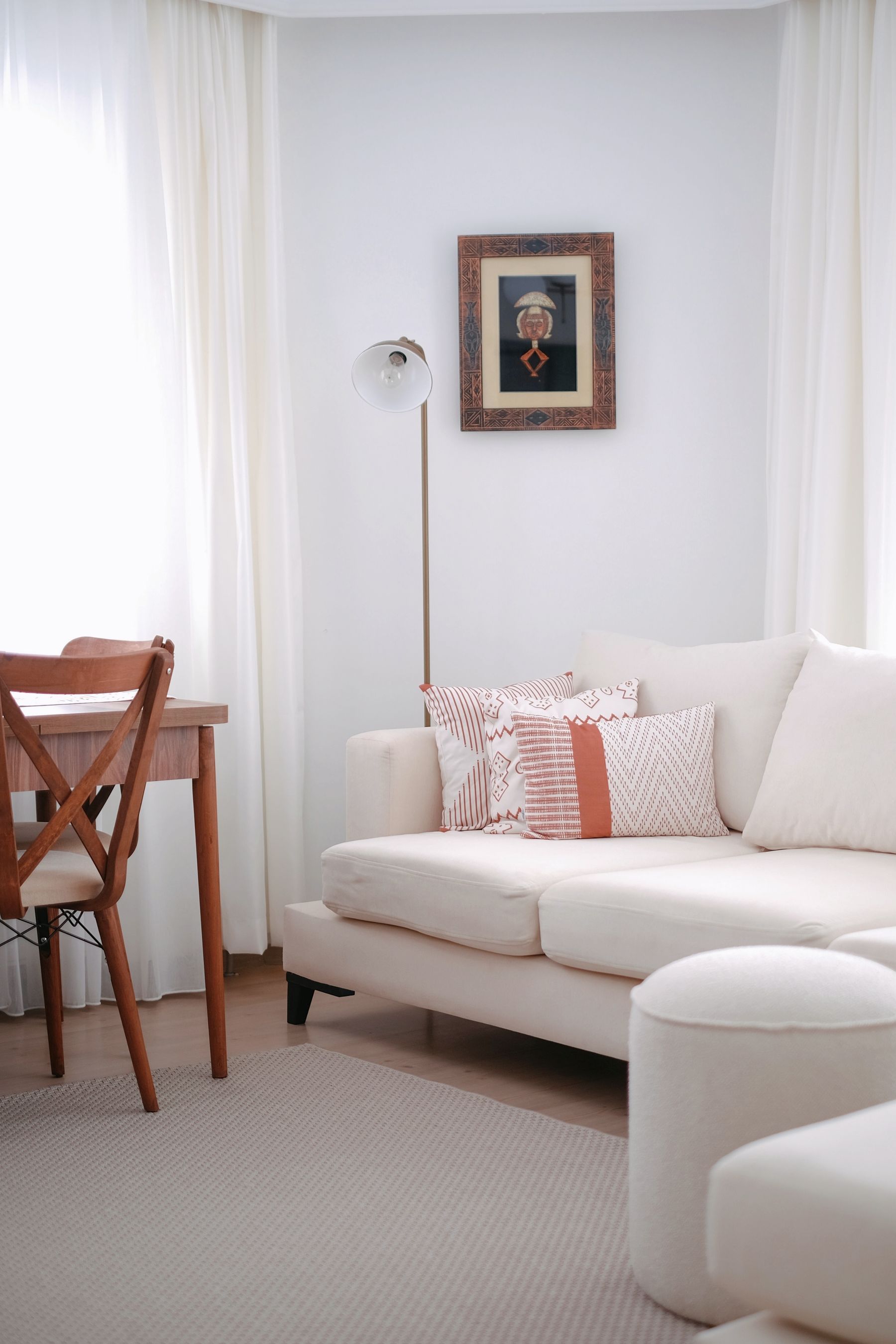
Aim accent light so the artwork reads from the main seat without a reflected hotspot on glazing. Check beam spread against the full work rather than illuminating only its center. Heat and light exposure matter for vulnerable originals, textiles and photographs, so follow conservation advice for valuable pieces and limit unnecessary operating time. The [living room wall ideas](/living-room/living-room-wall-ideas/) guide helps establish which wall deserves emphasis before electrical work commits to a display.
Give a Gallery Wall Broad, Even Light
For a mixed gallery, favor an even wall wash or a small number of broad accents over many narrow beams that create a busy rhythm. Test reflections on different glazing and the shadows cast by deep frames. If the collection will change, flexible track heads or a broad source are easier to adapt than fixed picture lights sized to current works. Keep brightness subordinate to comfortable faces and reading; the display should add depth, not become the room's brightest visual demand.
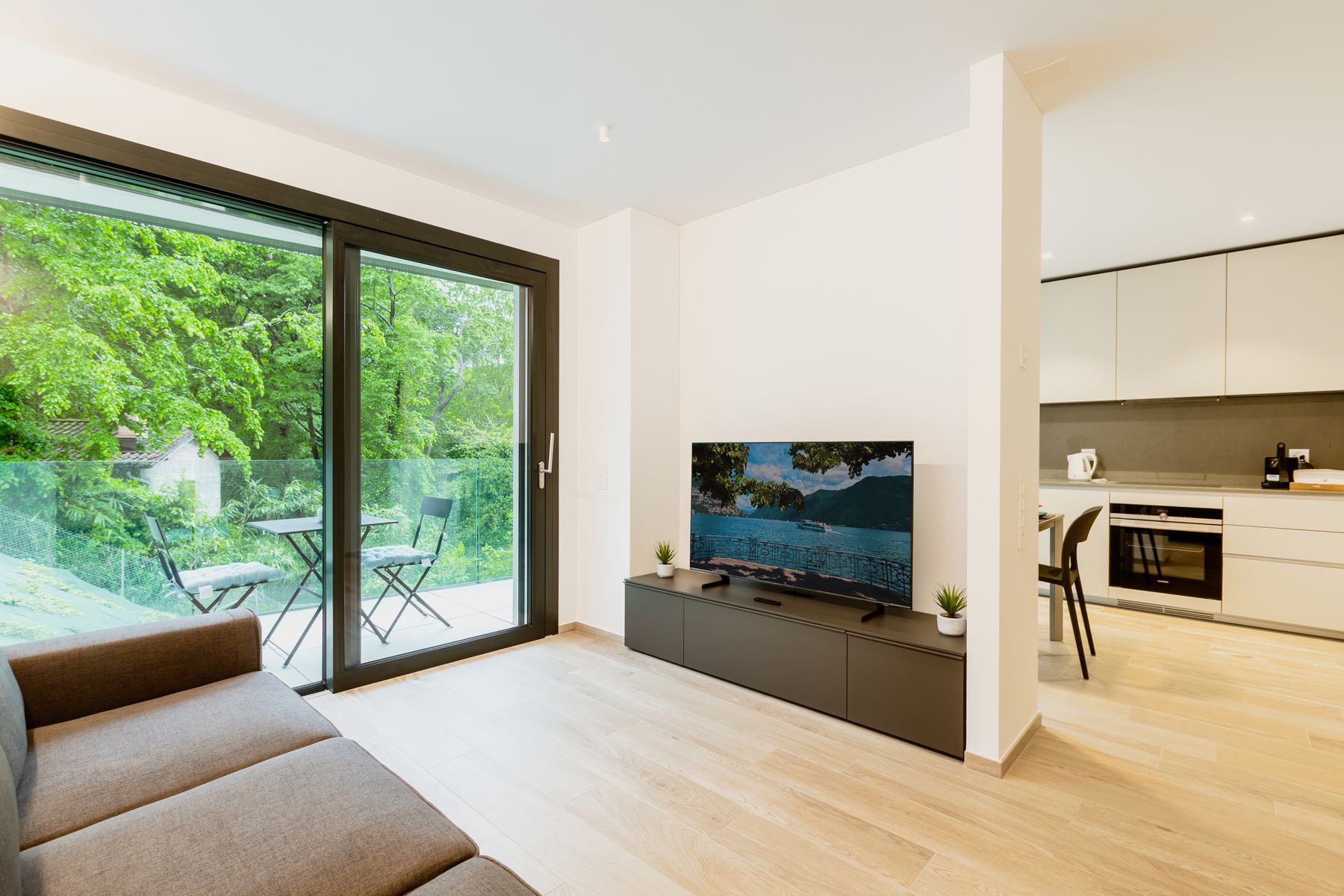
Create a Television Scene With Low Contrast
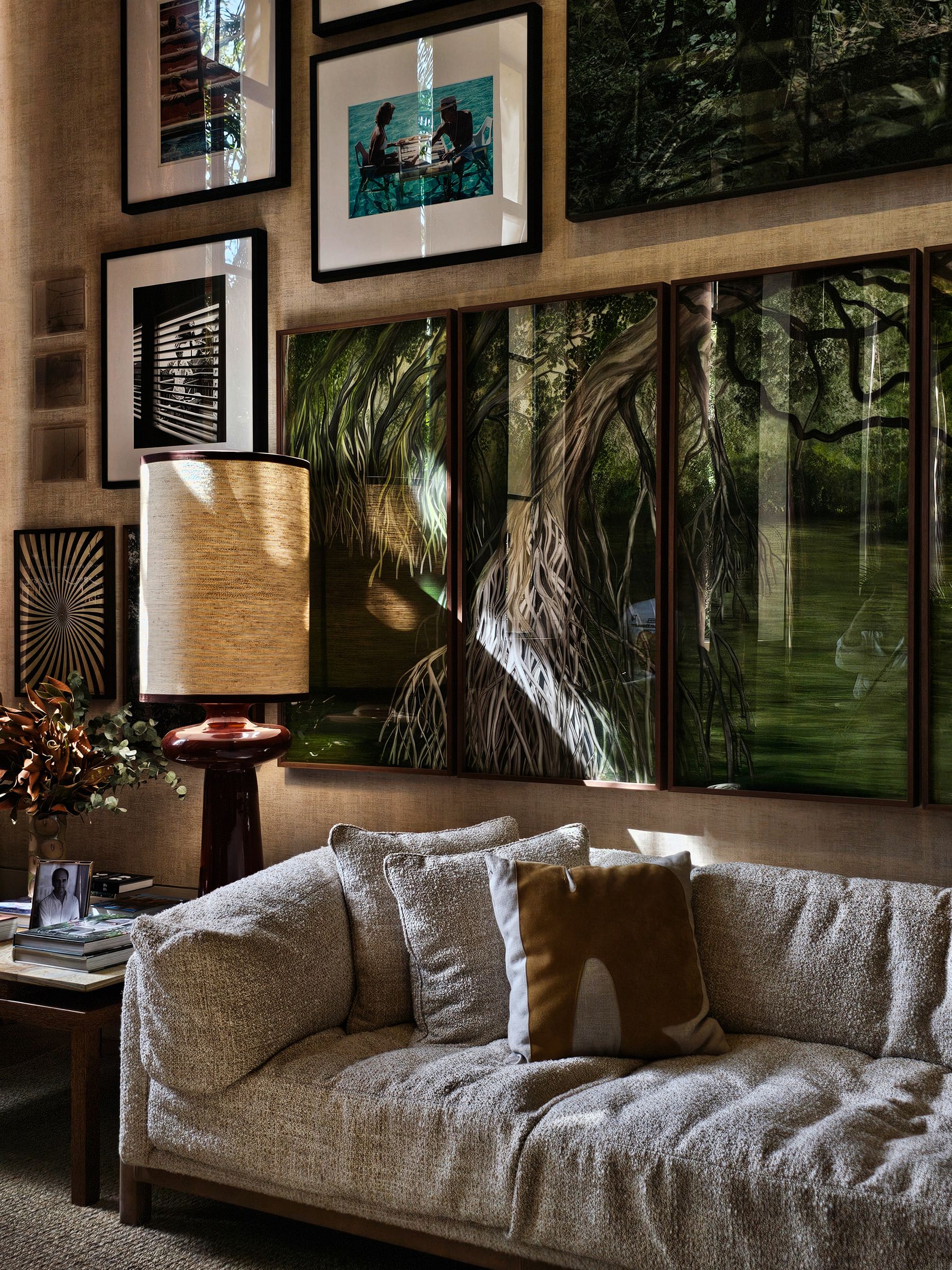
Avoid watching a bright screen in complete darkness or with an exposed lamp reflected in it. Use a low, indirect source behind or beside the viewing zone and keep direct beams off the screen. Check every seat, because a lamp hidden from the central sofa may glare for a side chair. The light should not distort perceived picture contrast or spill into viewers' eyes. Put the television scene on an easy control so users do not simply leave the harsh ceiling layer on.
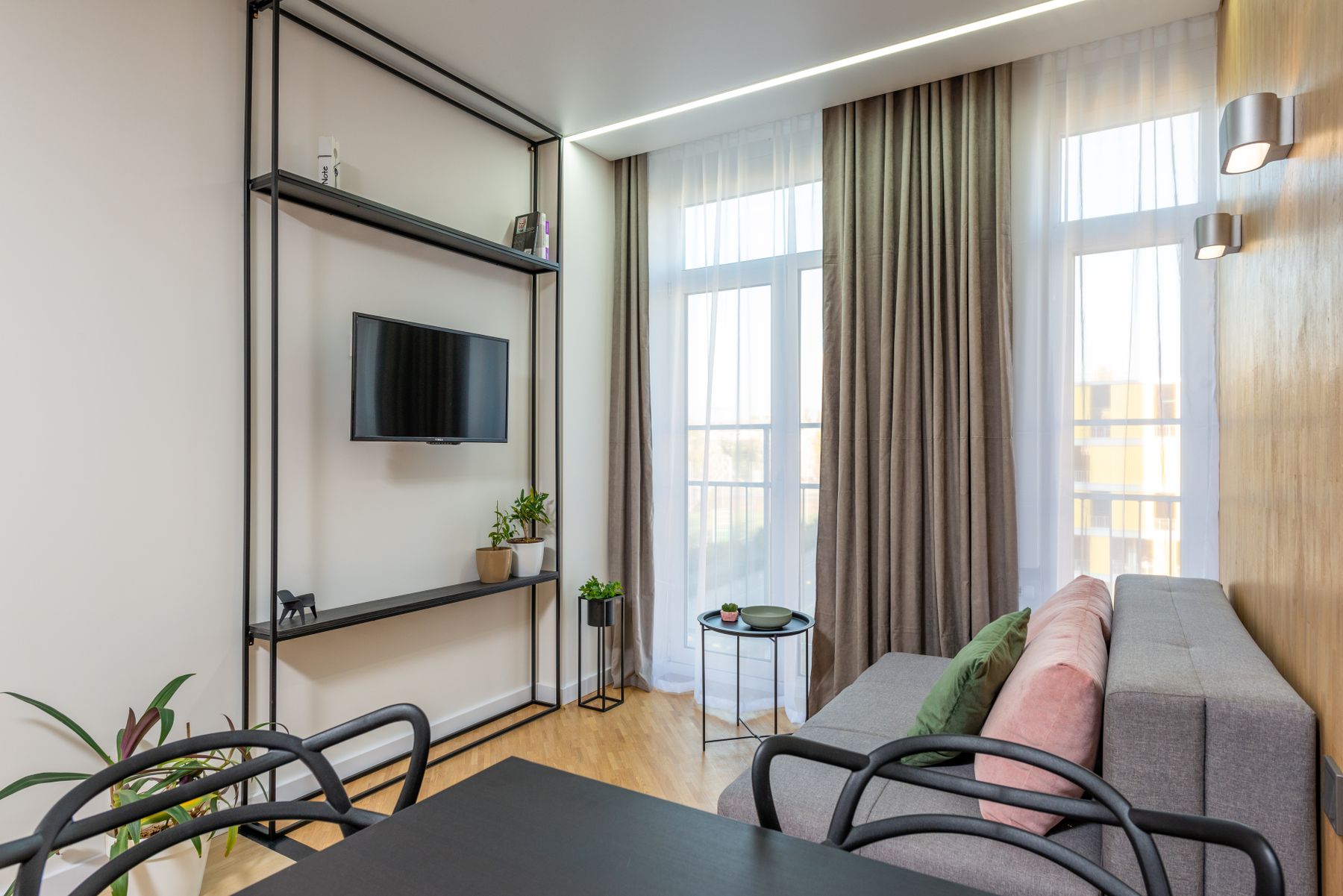
Zone an Open Plan With Separate Light Centers
Give the living, dining and kitchen areas separate controls and visual centers even when they share one volume. A pendant may belong to dining, lower lamps to the sofa and practical ceiling light to circulation. Repeat one finish or color temperature where continuity matters, but do not force identical fixtures across different tasks. Test the full open plan at once: a bright kitchen or dining pendant can dominate the living-room evening even when the local lamps are well judged.
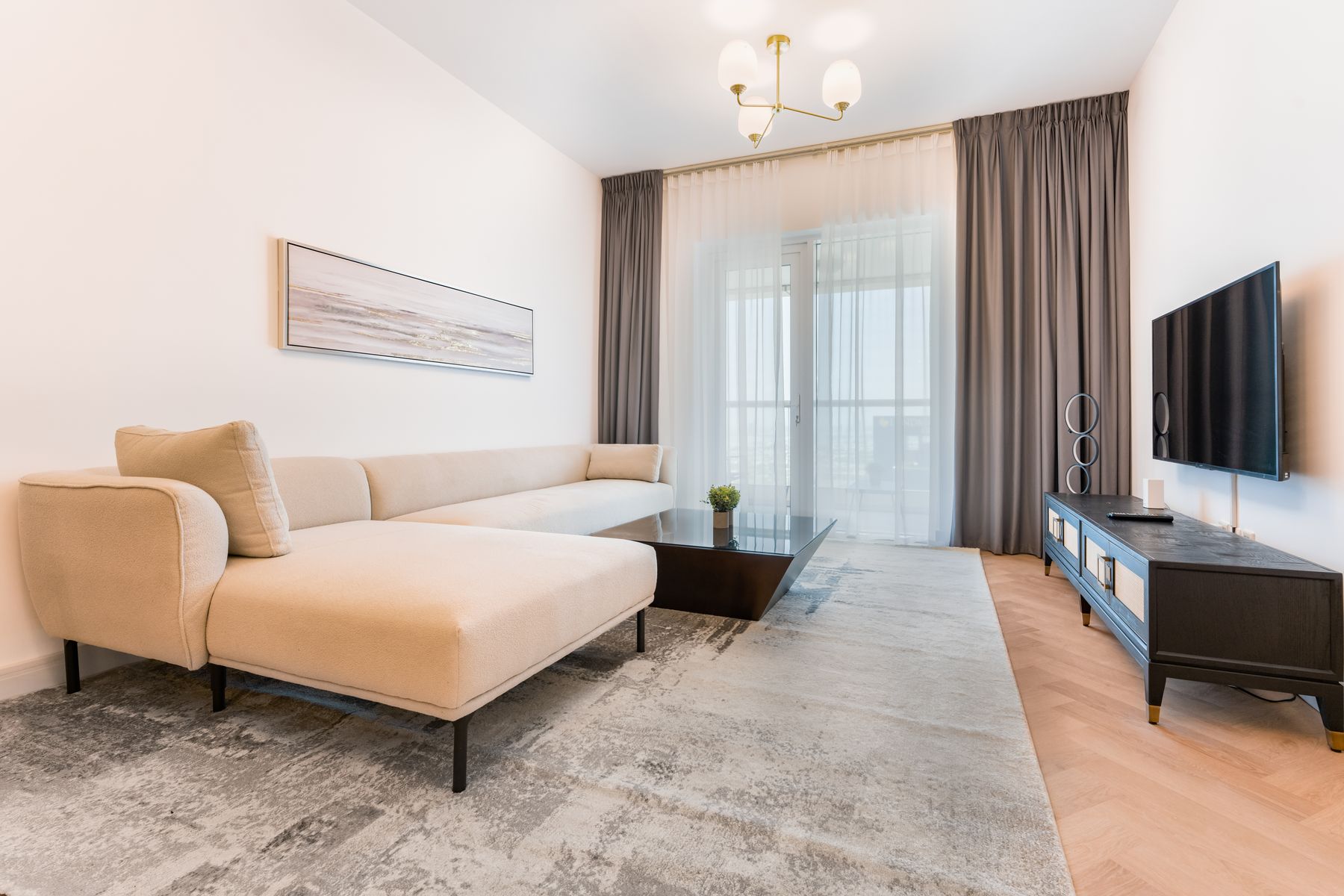
Use Low Fixtures in a Low-Ceiling Room
In a low room, flush or shallow ceiling fixtures protect headroom, while sconces, table lamps and wall washing create layers below. Avoid relying on a tiny central flush mount that produces a bright disk and dark perimeter. Light a wall or curtain to expand the perceived envelope and keep tall floor lamps outside tight routes. The [small living room guide](/living-room/small-living-room-ideas/) coordinates these choices with sofa depth, storage and circulation.
Bring a Double-Height Room Back to Human Scale
A tall room often needs more than one vertical lighting level. A large pendant or cluster can occupy the upper volume, wall light can reveal architecture and lamps can keep the seating intimate. Confirm maintenance access before hanging anything that requires specialist equipment for cleaning or replacement. Do not scale only for the void: the fixture must still look comfortable from the sofa. Separately control the high decorative layer so everyday evenings do not depend on its full output.
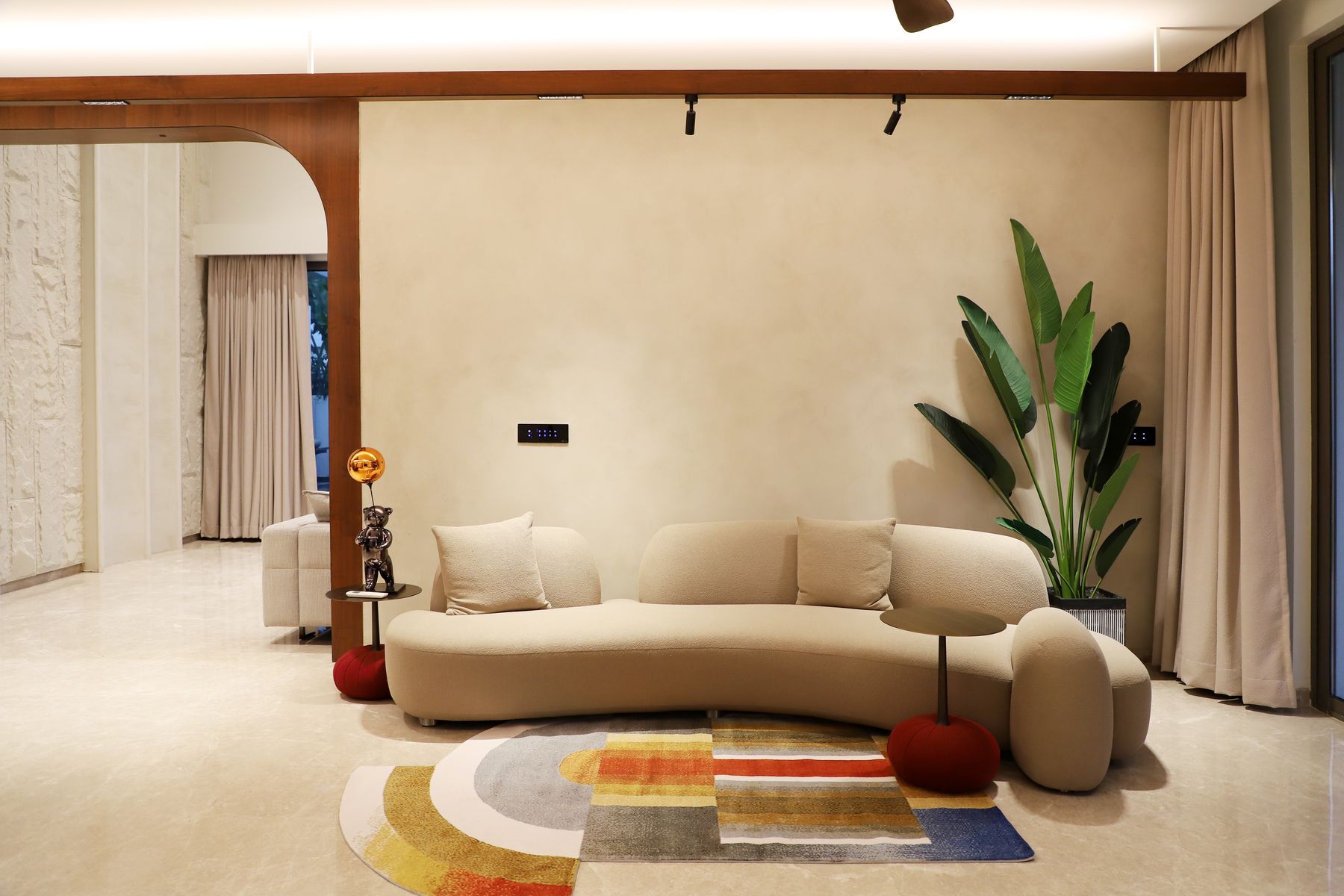
Brighten a Dark Room by Lighting Its Boundaries
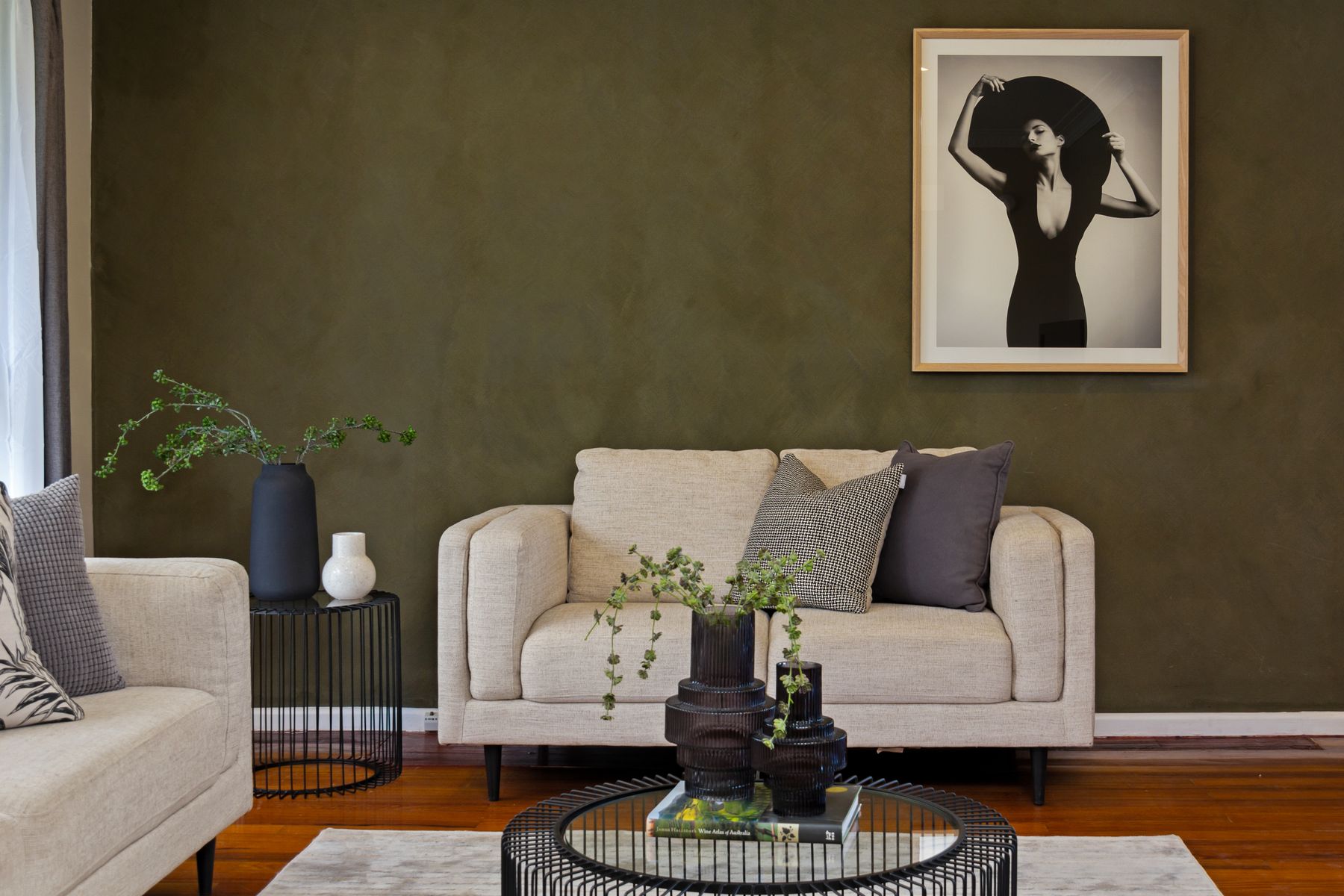
A dark room does not necessarily need one extremely bright lamp. Distribute moderate light to walls, curtains, artwork and task positions so the edges remain legible and the center is not a glaring island. Deep paint absorbs more output, so test real samples and allow capacity without flattening the color. Reflected light from a pale ceiling can support movement, while local lamps preserve intimacy. Avoid exposed high-output bulbs, which increase discomfort without making materials easier to read.
Use Color Temperature as Part of the Scene
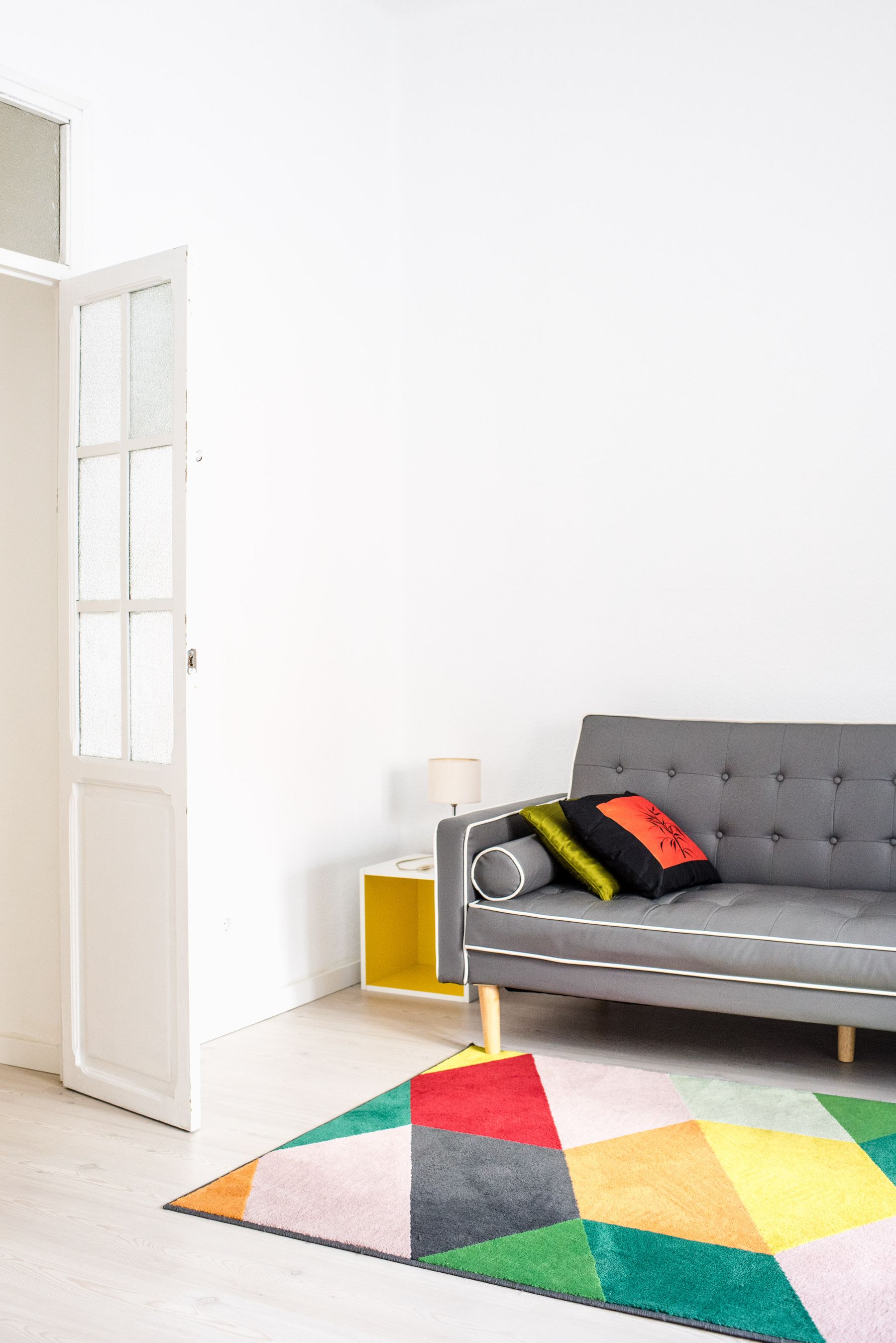
Choose light appearance by testing it with the room's actual paint, timber, metals and textiles. Warmer light often supports relaxed evening use, while a cooler or higher-output setting may suit daytime work, but labels alone do not predict the complete effect. Keep adjacent sources reasonably coherent within one scene unless contrast is intentional. Tunable white can help multi-use rooms, yet it adds control complexity; a well-chosen fixed source with good dimming may be simpler and more reliable.
Judge Color Rendering With Real Materials
Color quality affects skin, art, wood and layered neutrals even when two sources share the same nominal color temperature. CRI is a familiar shorthand, while newer methods describe fidelity and gamut more fully; the practical test is still essential. Bring paint chips, fabric and wood beneath the candidate lamp and compare them with daylight. Reject sources that make skin grey, reds dull or similar neutrals collapse into one muddy tone, especially in a room designed around material nuance.
Size Light Output to the Task, Not the Wattage
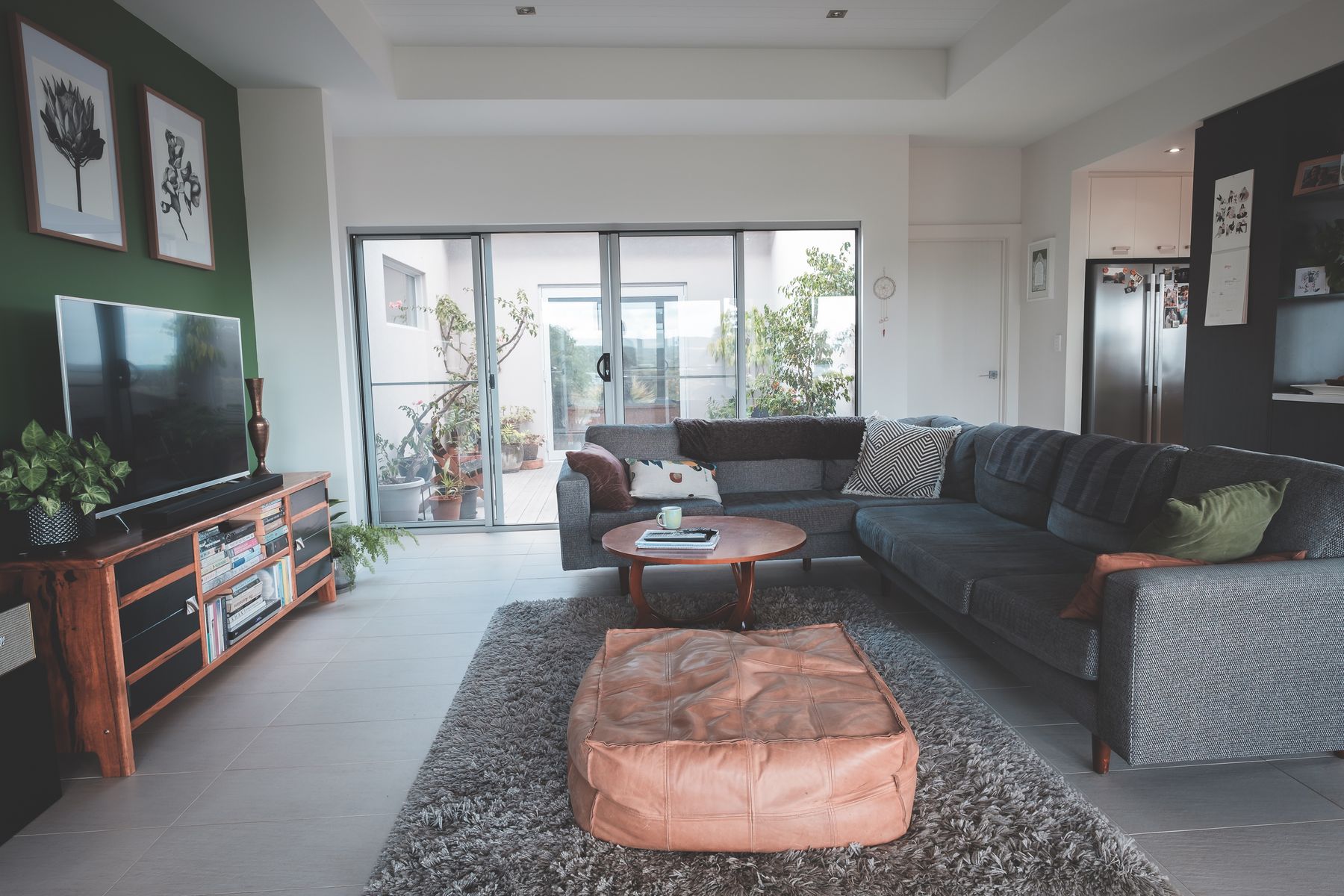
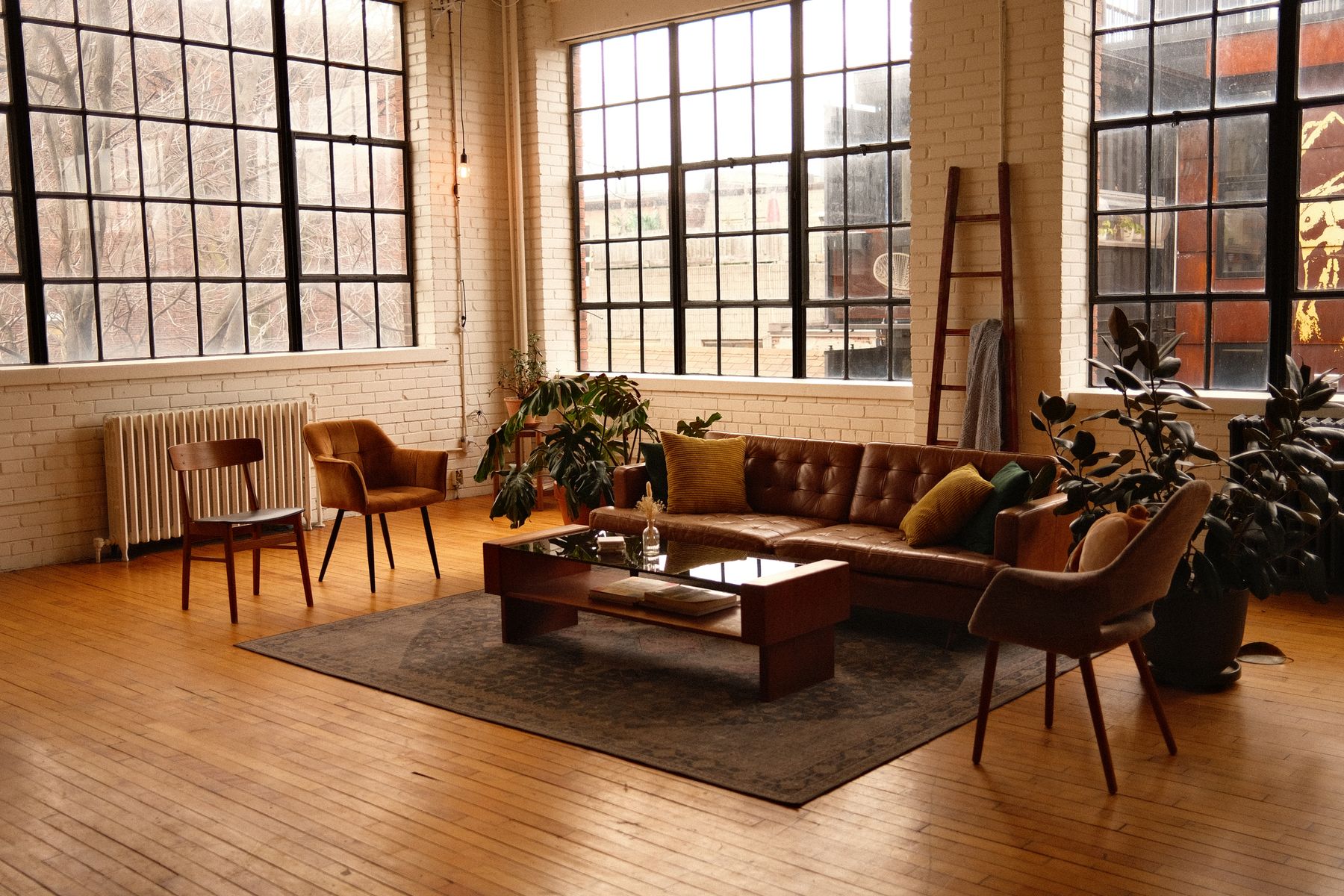
Compare lumens, beam shape, shade transmission and where the light lands rather than using wattage as a brightness proxy. A dark, tall room may need more output than a pale compact one, but concentrating it at reading and work positions can be more effective than flooding the whole volume. Allow headroom for cleaning or detailed tasks, then use controls for ordinary evenings. If uncertain, test returnable lamps or temporary fixtures rather than over-installing permanent downlights.
Use Shades and Diffusers to Control Glare
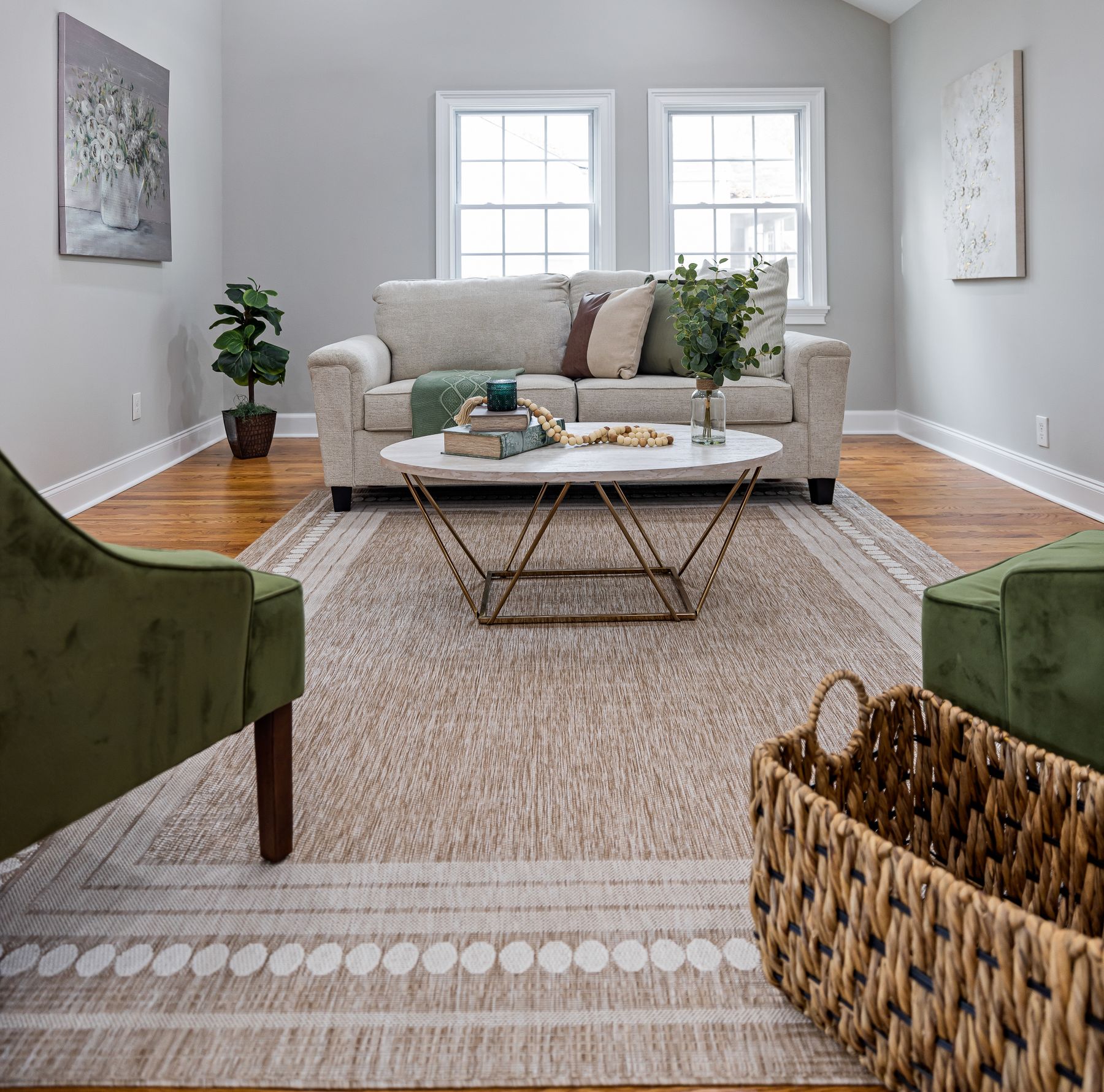
A source can be bright enough yet uncomfortable because the lamp or LED is visible from the sofa. Opaque shades direct light, translucent shades soften it, and diffusers can conceal points of high brightness, though each reduces or redirects output. Inspect fixtures from seated and standing positions and across reflective tables or screens. Deep shades may protect one chair while exposing the bulb to another, so judge the whole conversation group rather than the styling view.
Specify Dimming as a Complete System
Confirm that the lamp, driver, fixture and dimmer are compatible before purchase or installation. Incompatible combinations may flicker, buzz, drop out or remain too bright at the lowest setting. Test the full dimming range and note whether color shifts acceptably. Integrated LEDs can offer excellent performance but may be harder to repair than replaceable lamps, so ask about driver access and parts. Keep model numbers and settings with the home documentation for future replacements.
Separate Circuits by Function
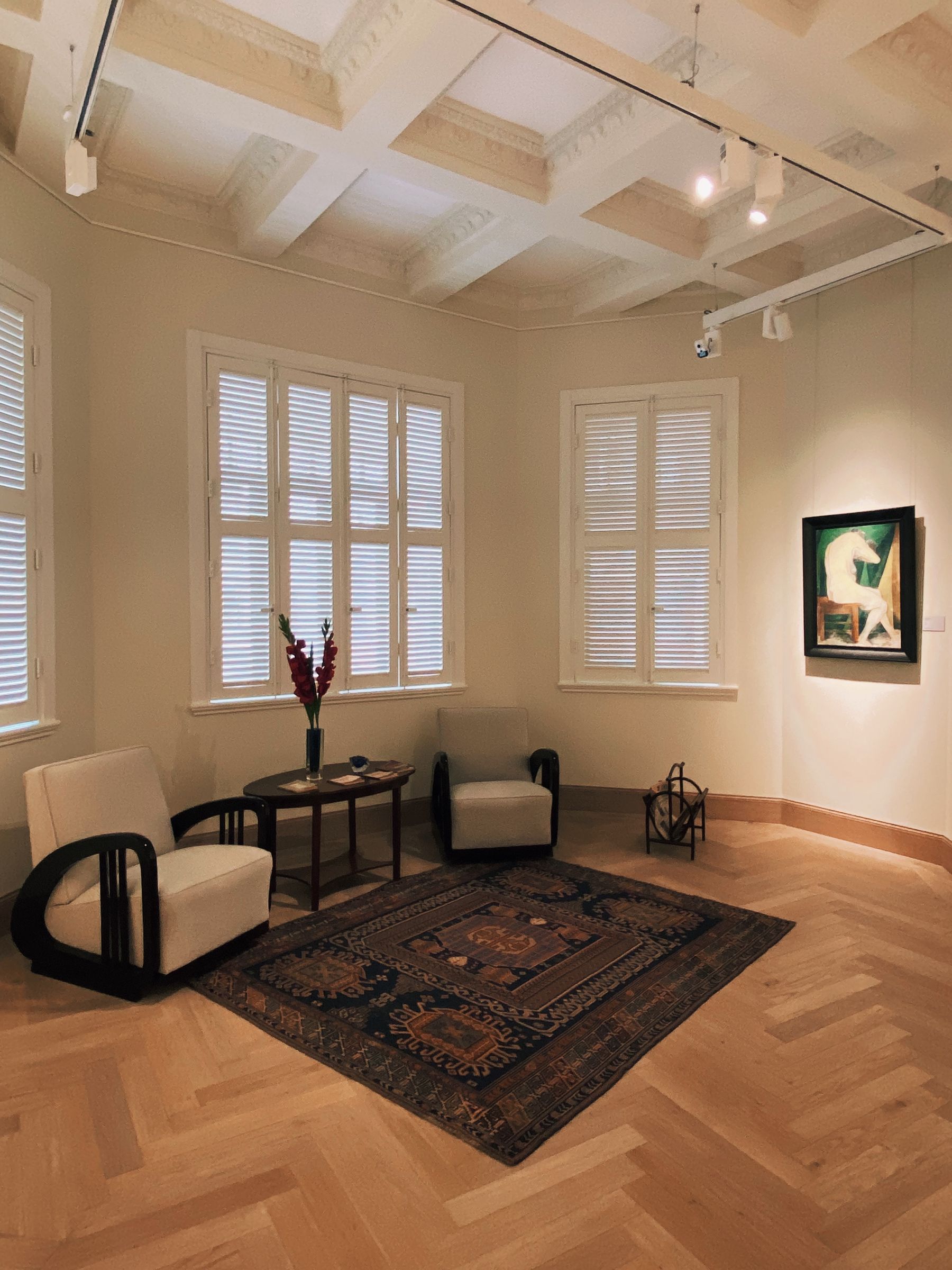
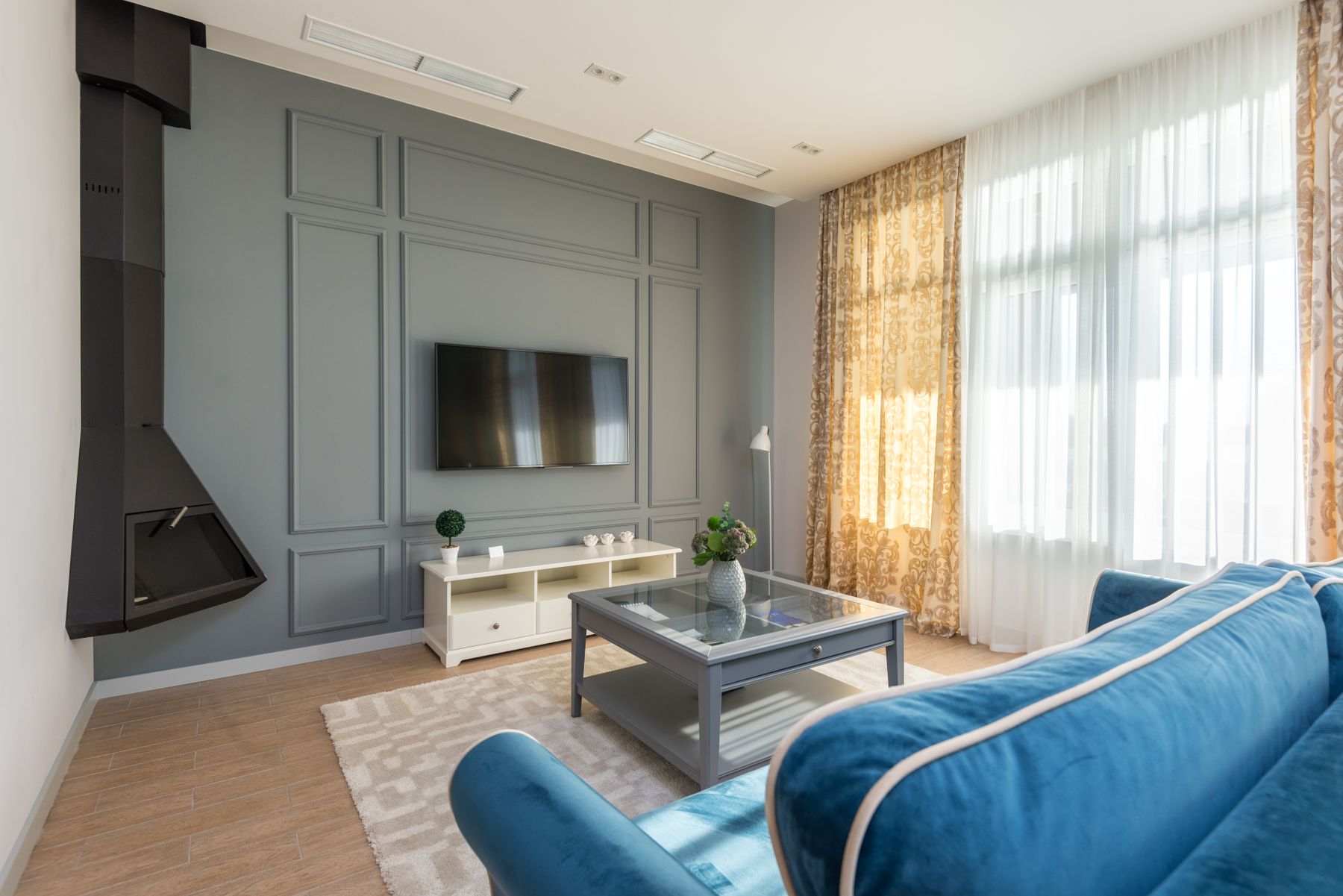
Group lights by what they do rather than only where they sit on the ceiling. Ambient, reading, display and television-support sources should not all depend on one switch. In an open plan, dining and kitchen need their own zones. Keep control labels understandable and the most-used scenes reachable at the entry and seating area. Electrical changes require appropriate professional design and installation; the editorial decision is to define the functional groups clearly before hardware is specified.
Use Smart Controls Only When They Simplify Use
Scenes, timers and wireless controls can coordinate several lamps without rewiring, but they should reduce steps rather than create account, network or app dependence. Provide an obvious physical control for everyday use and guests. Check what happens after a power or router failure, whether bulbs return to an unwanted state and how long the ecosystem is likely to be supported. A simple plug-in dimmer or switched outlet may outperform a complex system for one reading corner. [Modern apartment ideas](/apartment/modern-apartment-ideas/) applies the same serviceable-technology test across the home.
Plan Safe Power for a Floating Sofa
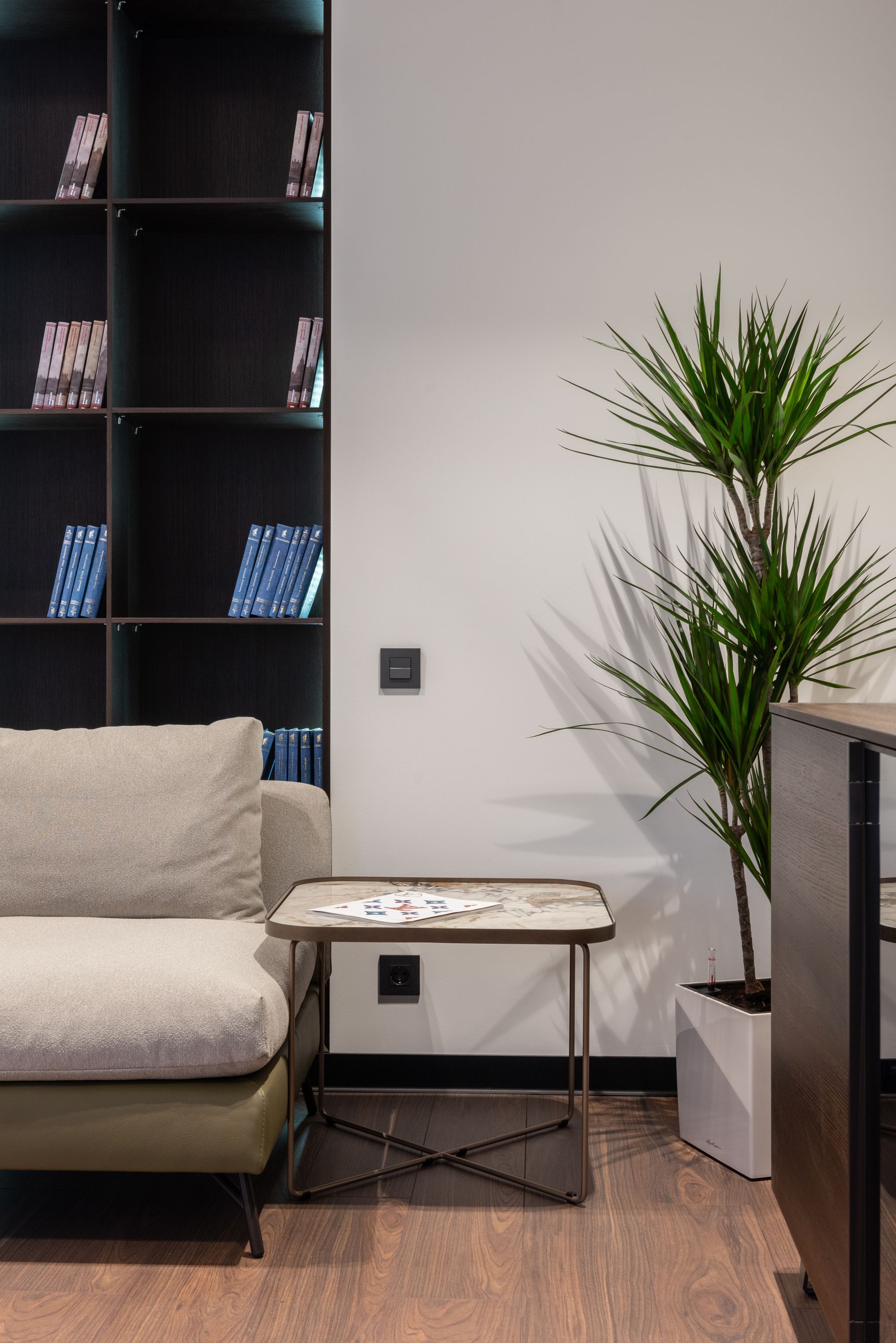
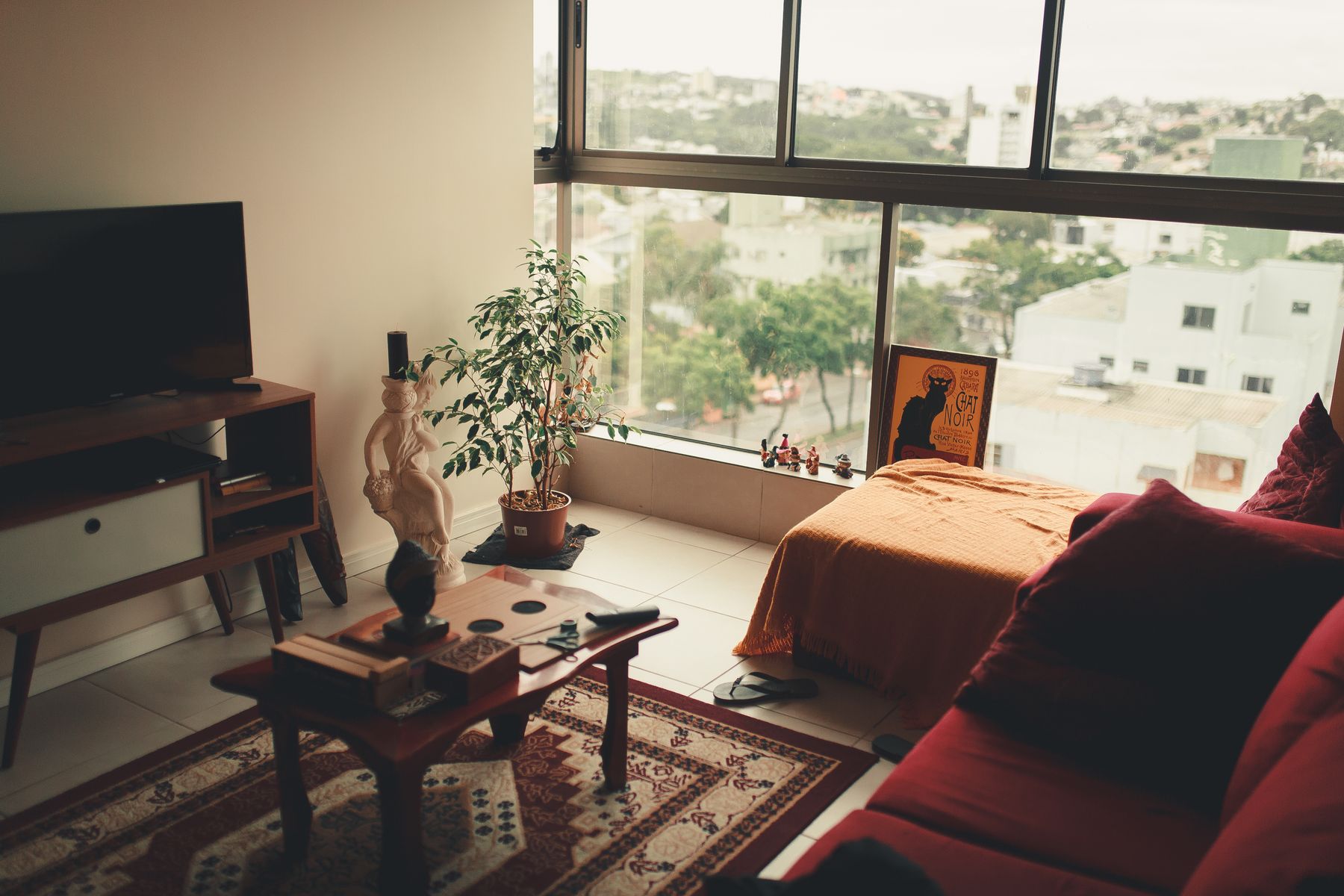
A sofa away from the wall can support a better layout, but loose extension leads across the floor are not an acceptable lighting plan. During renovation, a correctly located floor outlet may serve lamps or charging; in an existing room, battery lamps or furniture repositioning may be safer than cable covers in a busy route. Keep plugs, transformers and switches ventilated and accessible. The power decision should be resolved alongside the floated furniture, not improvised after delivery. [Small apartment ideas](/apartment/small-apartment-ideas/) covers whole-home outlet, charging and multifunction planning when the living zone shares one footprint.
Make Rental Lighting Truly Reversible
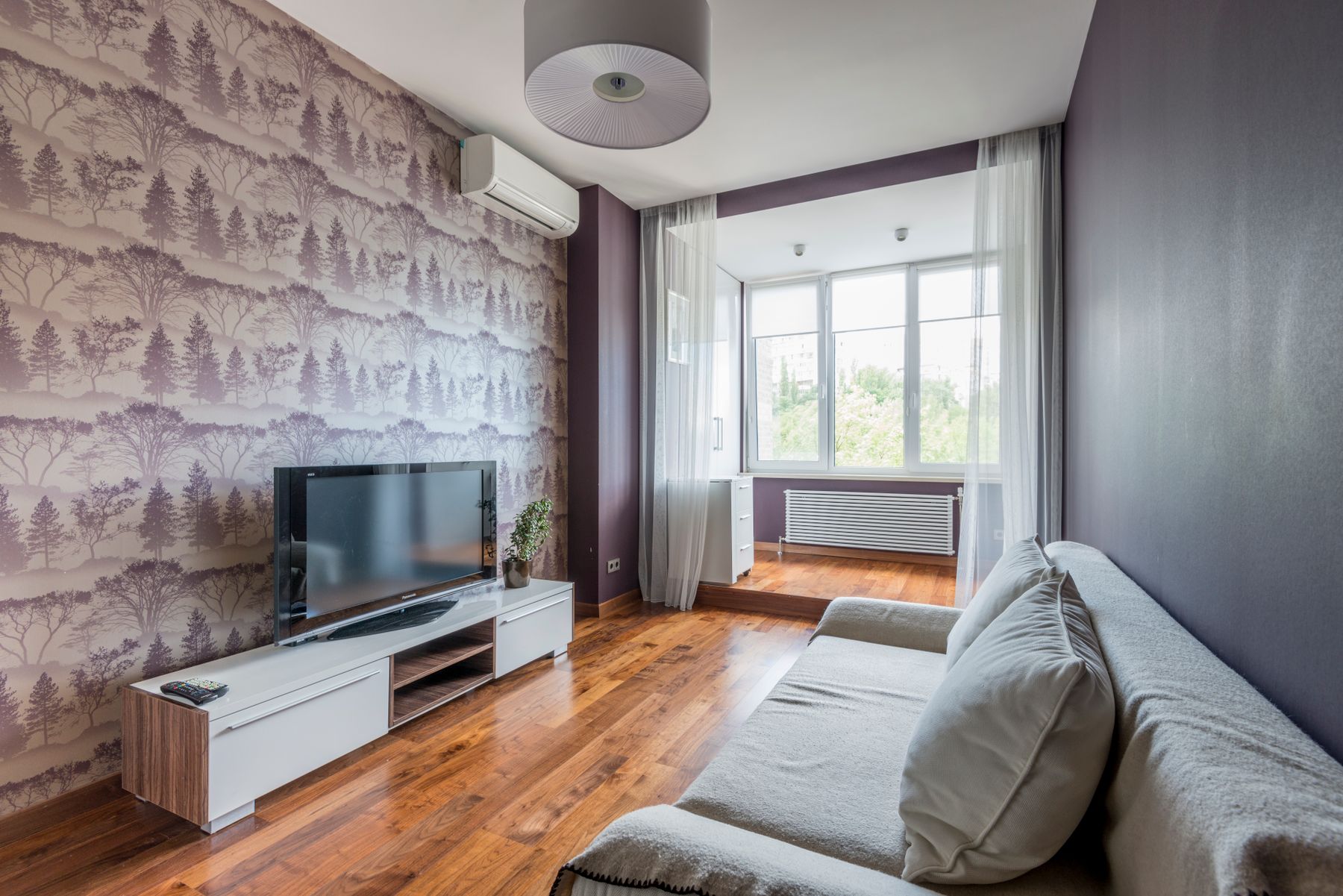
Renters can build layers with floor lamps, table lamps, plug-in sconces and switched smart plugs before considering adhesive cable channels or ceiling changes. Confirm permission, test removable products on the actual finish and avoid overloading sockets. Hide cords only where they remain inspectable and outside routes. Keep original shades or fittings labeled for reinstatement. A strong scheme may need fewer better-placed lamps rather than a web of small decorative sources around every wall. [Living room storage ideas](/living-room/living-room-storage-ideas/) helps give remotes, chargers and spare lamps an accessible home.
Light a Work Position Without Taking Over the Room
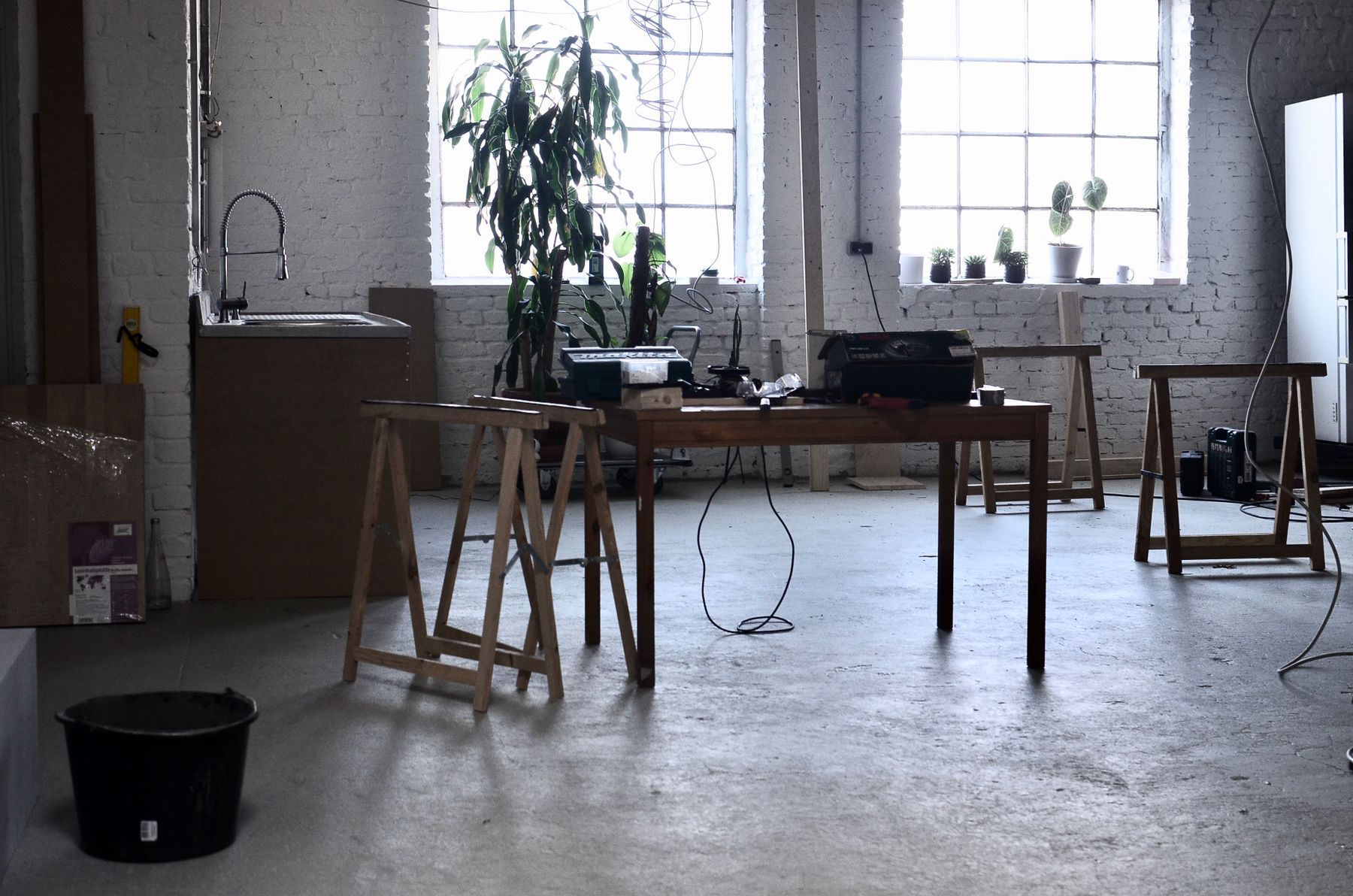
Place a task lamp so the screen does not reflect a bright source and the user's hand does not cast a strong shadow across writing. Keep the work layer separately controlled from the social room and provide enough contrast relief around the monitor. An adjustable desk lamp is more adaptable than increasing every ceiling source. When work ends, the fixture can dim or switch off while the surrounding ambient layer remains, allowing the living room to recover its evening character.
Support Accessible Movement and Controls
Keep the main route evenly legible without a sequence of dark gaps and glare points. Controls should be reachable, understandable and distinguishable from the wall; remote options can help but should not be the only method. Use contrast to clarify steps, furniture edges and thresholds, while avoiding reflections that confuse orientation. Include at least one controllable source near a supportive seat. Invite regular users to test entry, seating, reading and exit under each scene rather than assuming one brightness suits everyone.
Keep Hot, Fragile and Trailing Elements Away From Play
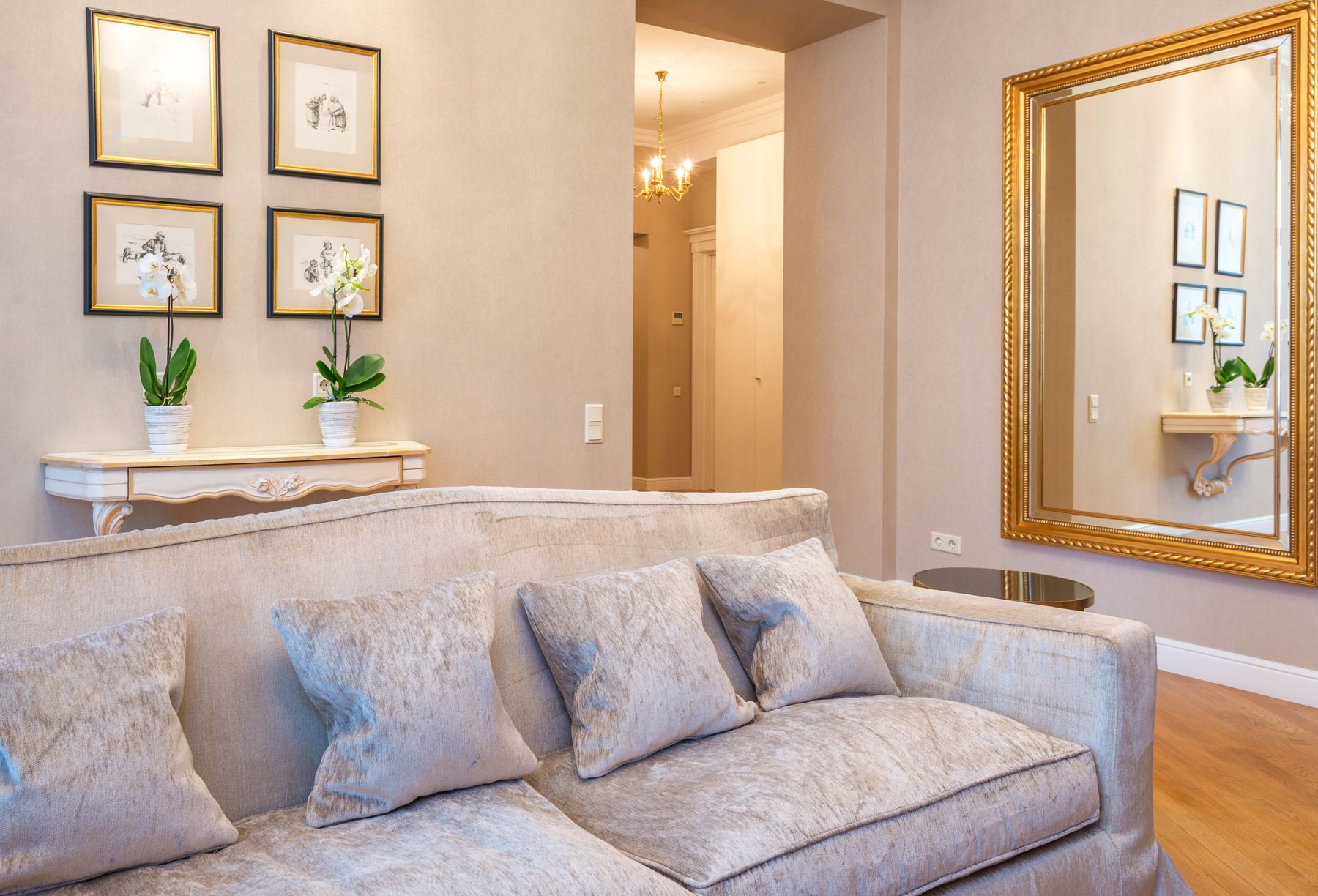
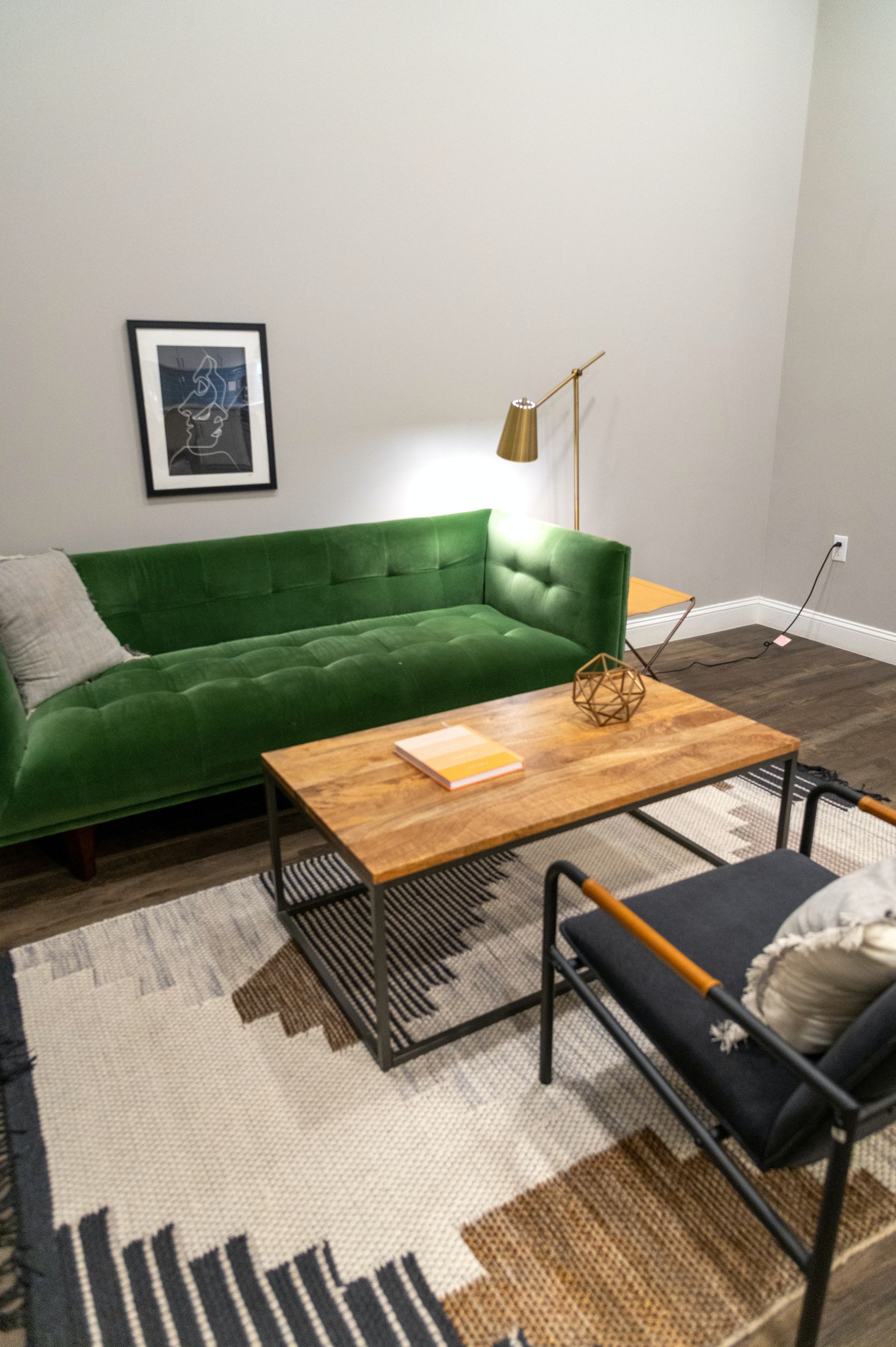
Choose stable lamp bases, secured cords and shades that are not easily pulled or knocked where children and pets move. Keep hot surfaces, breakable glass and accessible switches in mind, following the product's safety instructions. A floor lamp behind a sofa may appear protected but become reachable from climbing furniture. Avoid routing cords under loose rugs or across play space. Observe actual movement at pet and child height before fixing a lamp's default position, and use [living room rug ideas](/living-room/living-room-rug-ideas/) to resolve edge, pile and underlay choices around active routes.
Choose Efficient Sources Without Sacrificing Quality
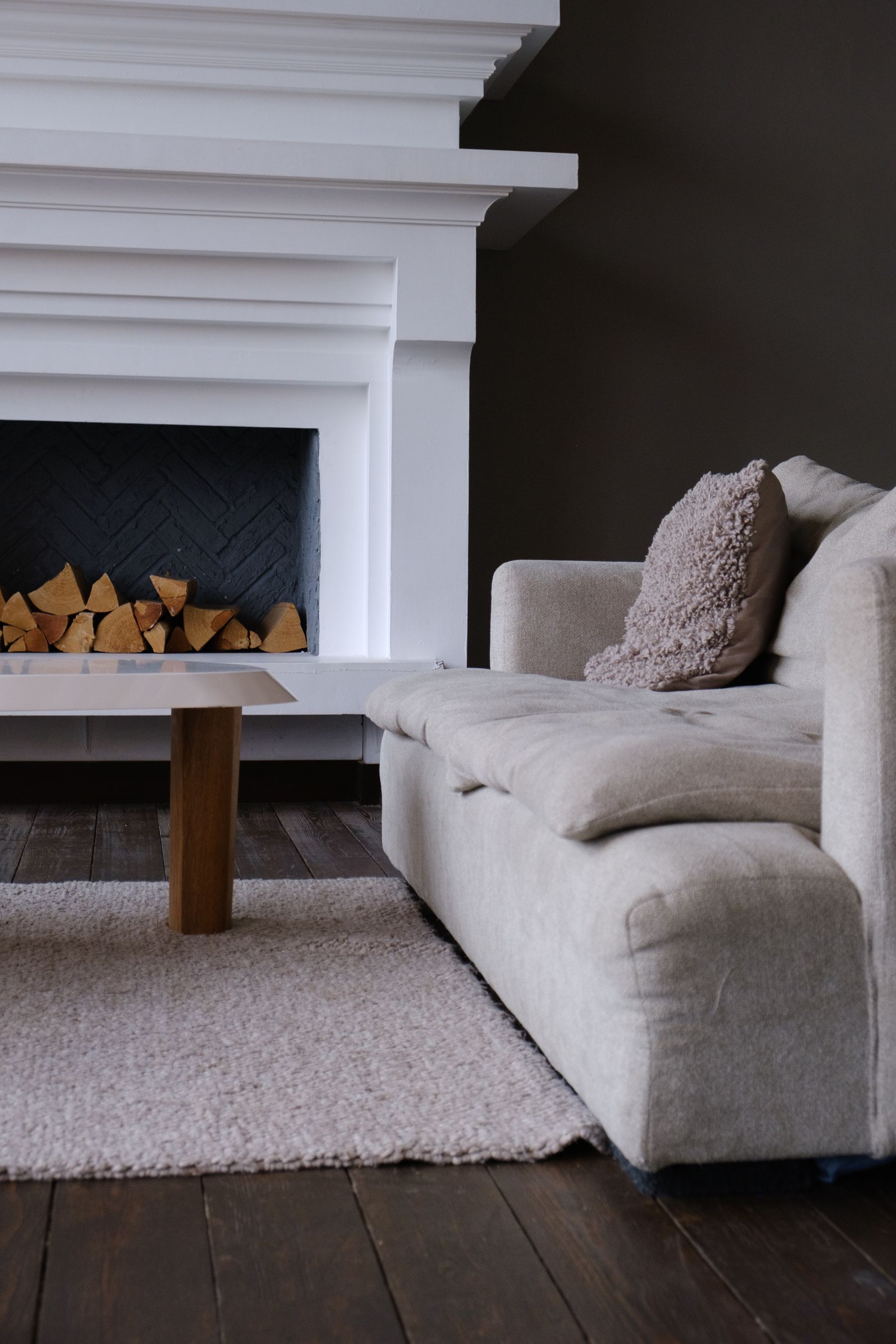
LEDs can provide long life and low energy use, but compare output, color quality, dimming, driver noise, replacement method and warranty rather than efficiency alone. Use high output only where the task needs it, and switch or dim sources when unnecessary. An integrated fitting may reduce visual bulk yet create more waste if the driver is inaccessible. Keep spare matching lamps for visible groups where future color variation would be distracting, and document acceptable replacements.
Plan Cleaning and Replacement Access
Dust on shades, diffusers and lamps reduces output and can alter color, so every fixture needs a safe cleaning method. High pendants, tracks and coves may require specialist access; include that cost before choosing them. Check whether integrated drivers, diffusers and proprietary lamps are replaceable. Store manuals and finish information, especially for mixed metals and delicate shades. A scheme that depends on inaccessible or discontinued parts will gradually lose balance as components fail.
Test Every Scene After Dark
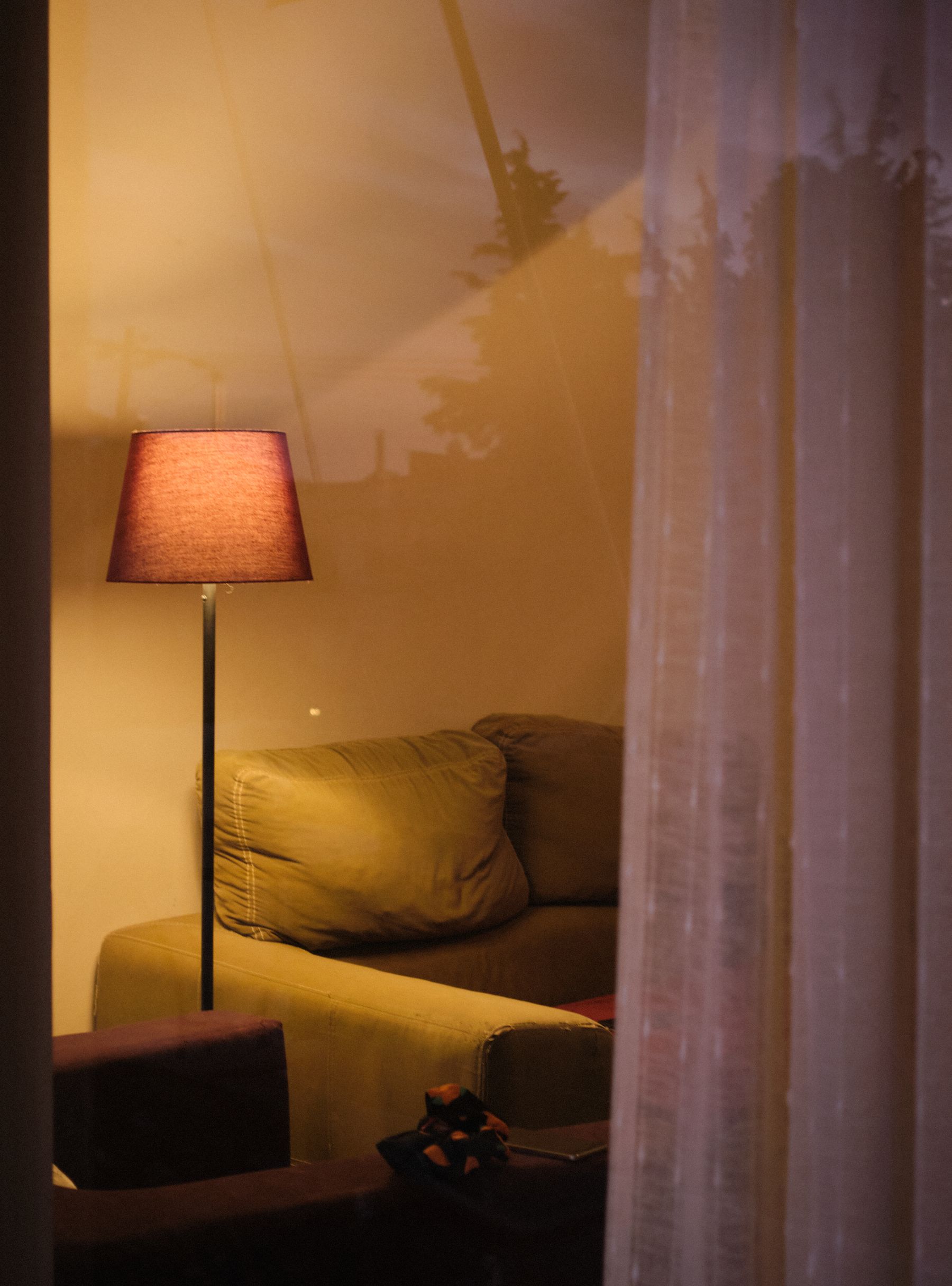
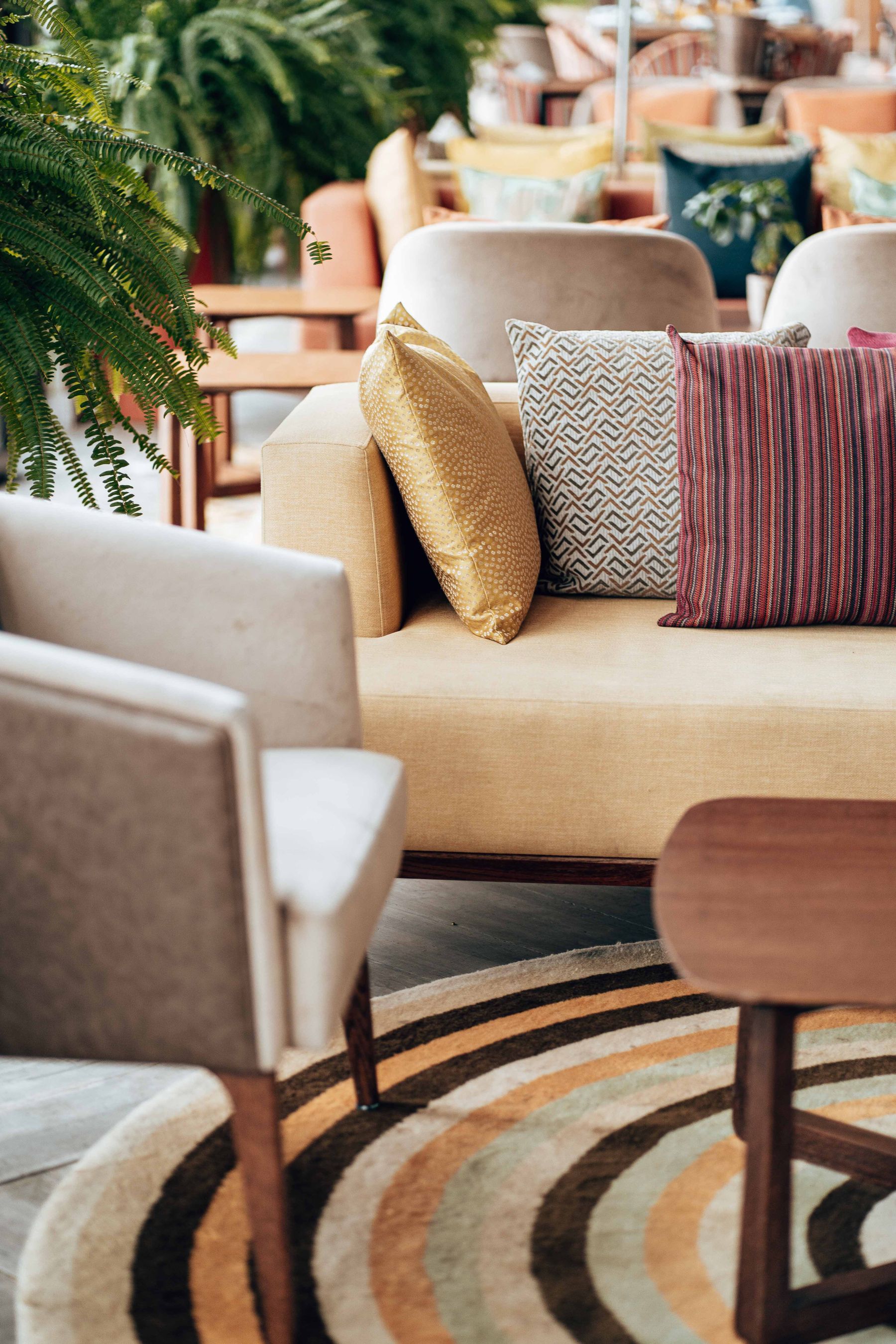
Mock up portable sources and test the room after dark with everyone in their normal positions. Run conversation, reading, television, work, cleaning and a night route. Photograph from each seat to identify exposed bulbs, reflections, dark faces and competing focal points. Adjust shade, beam, position and control before adding another fixture. Live with the preferred setup for several evenings, because the first dramatic impression may be less important than reach, comfort and easy repetition.