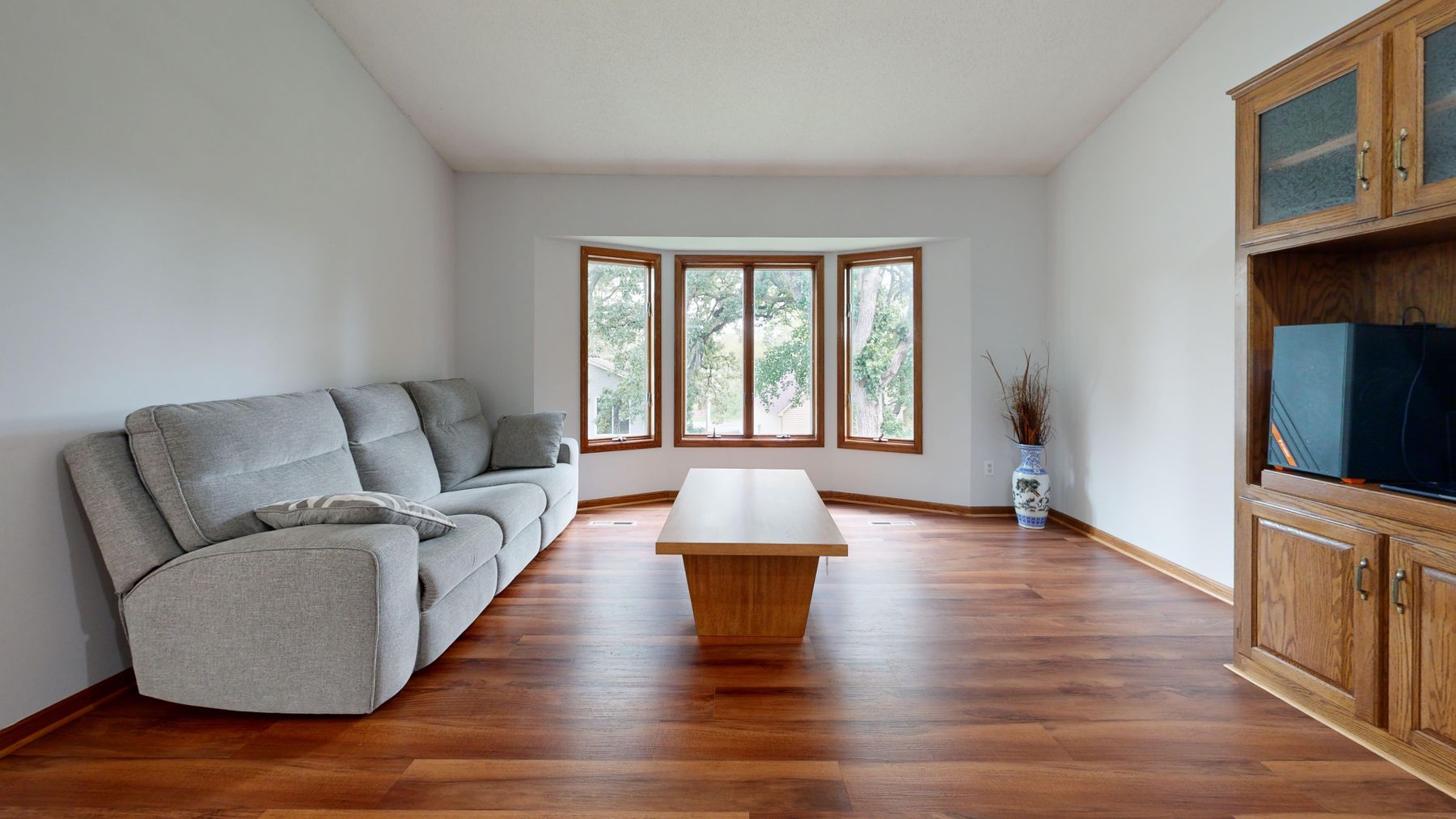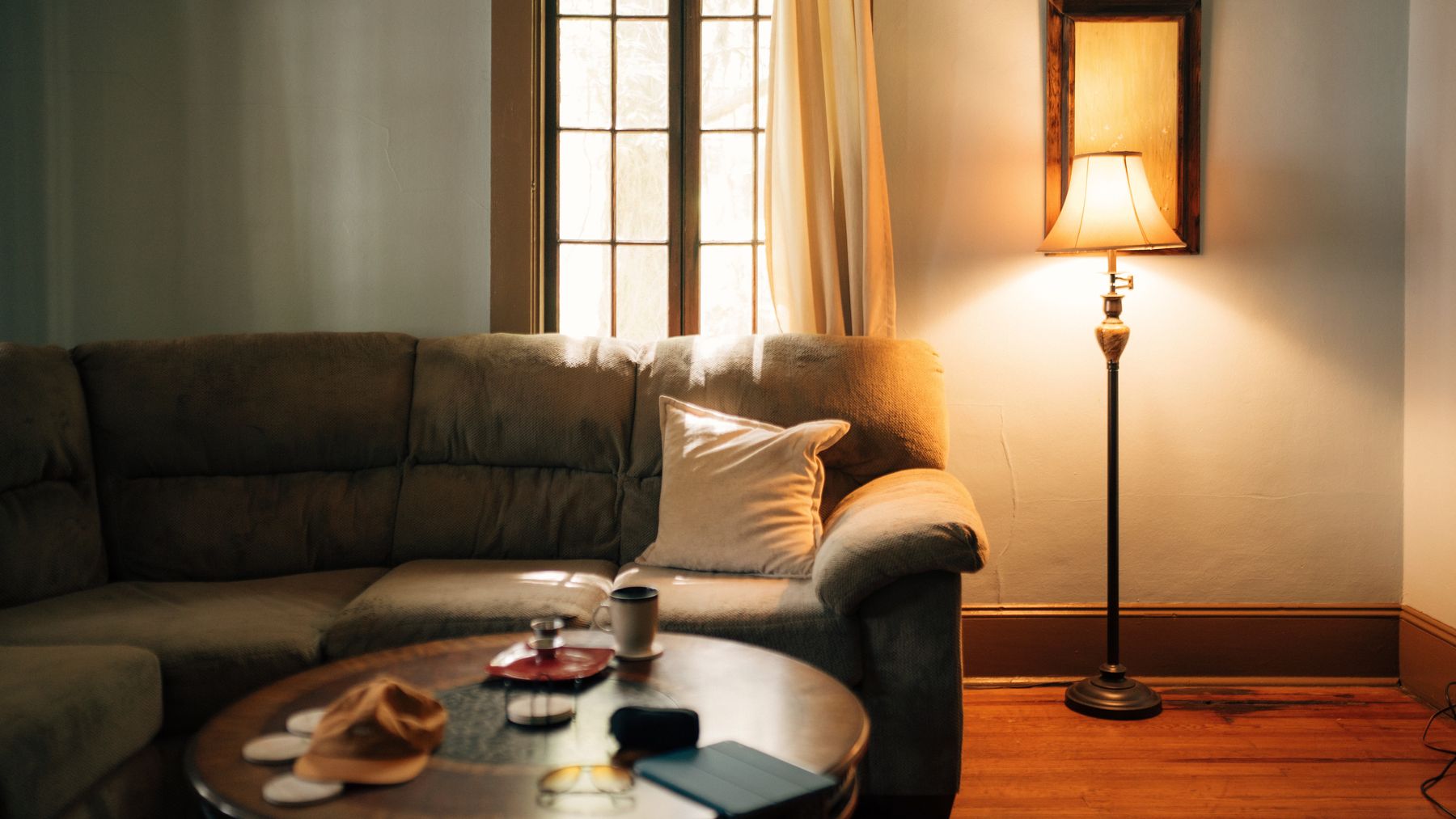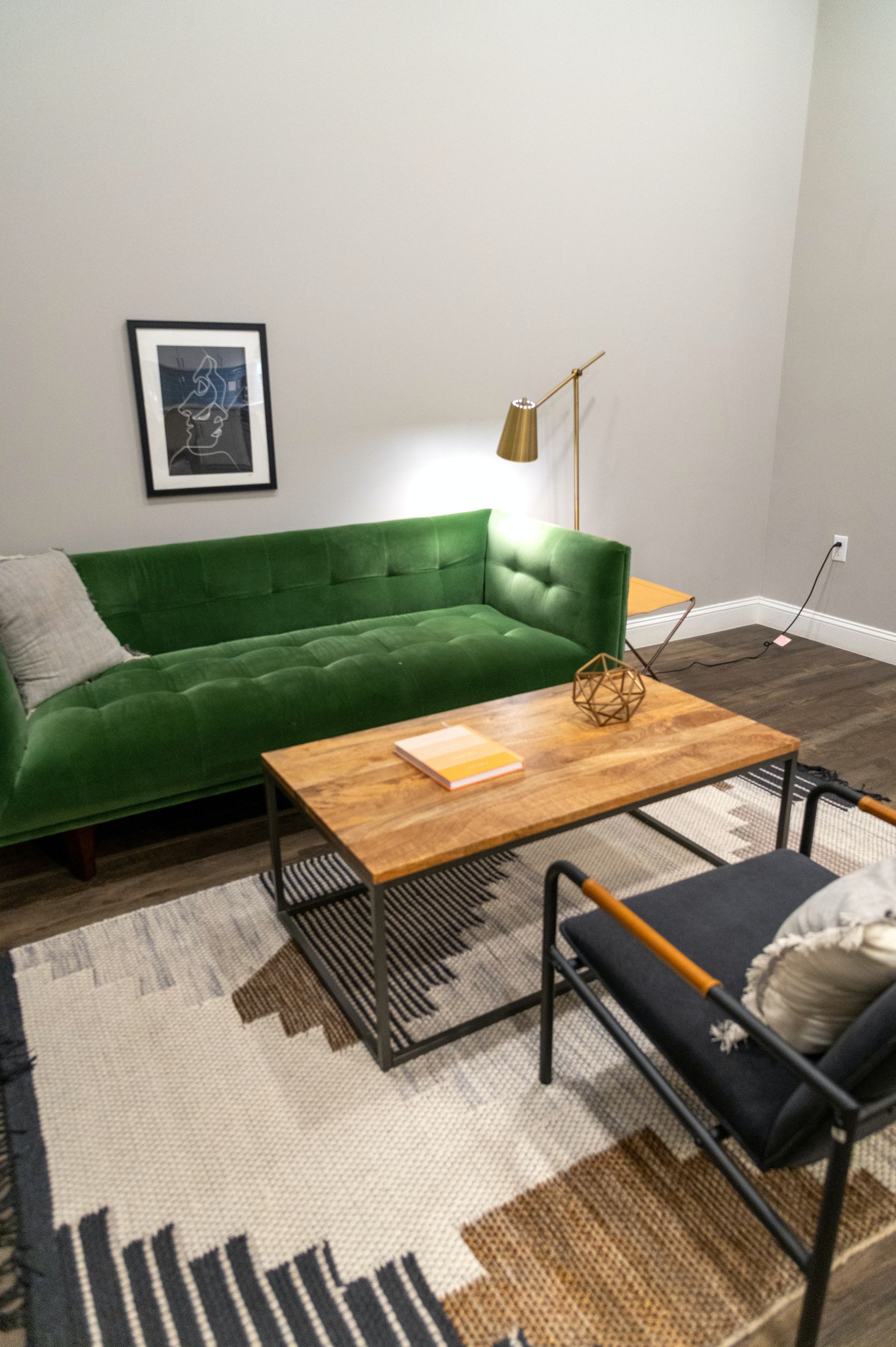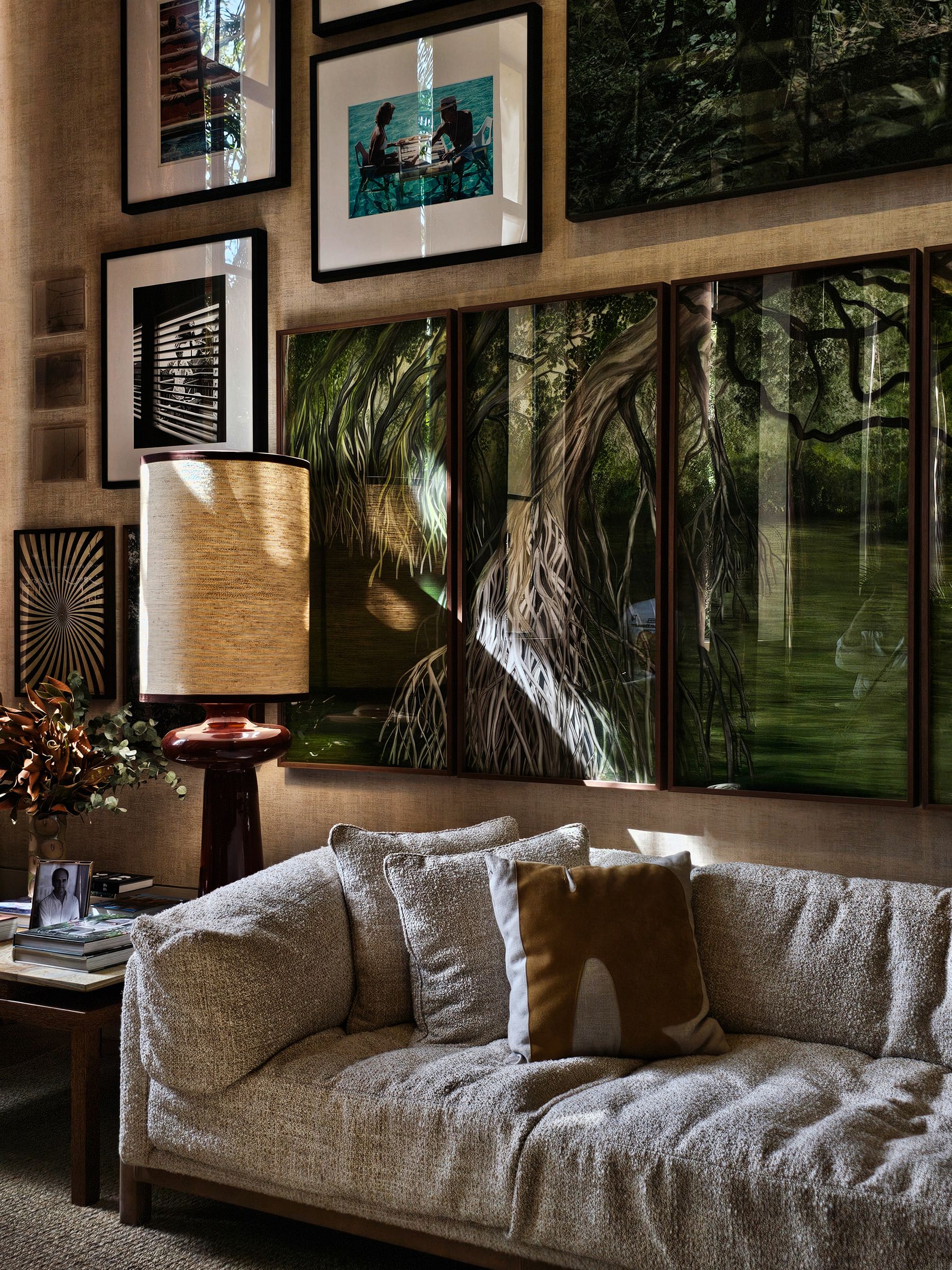
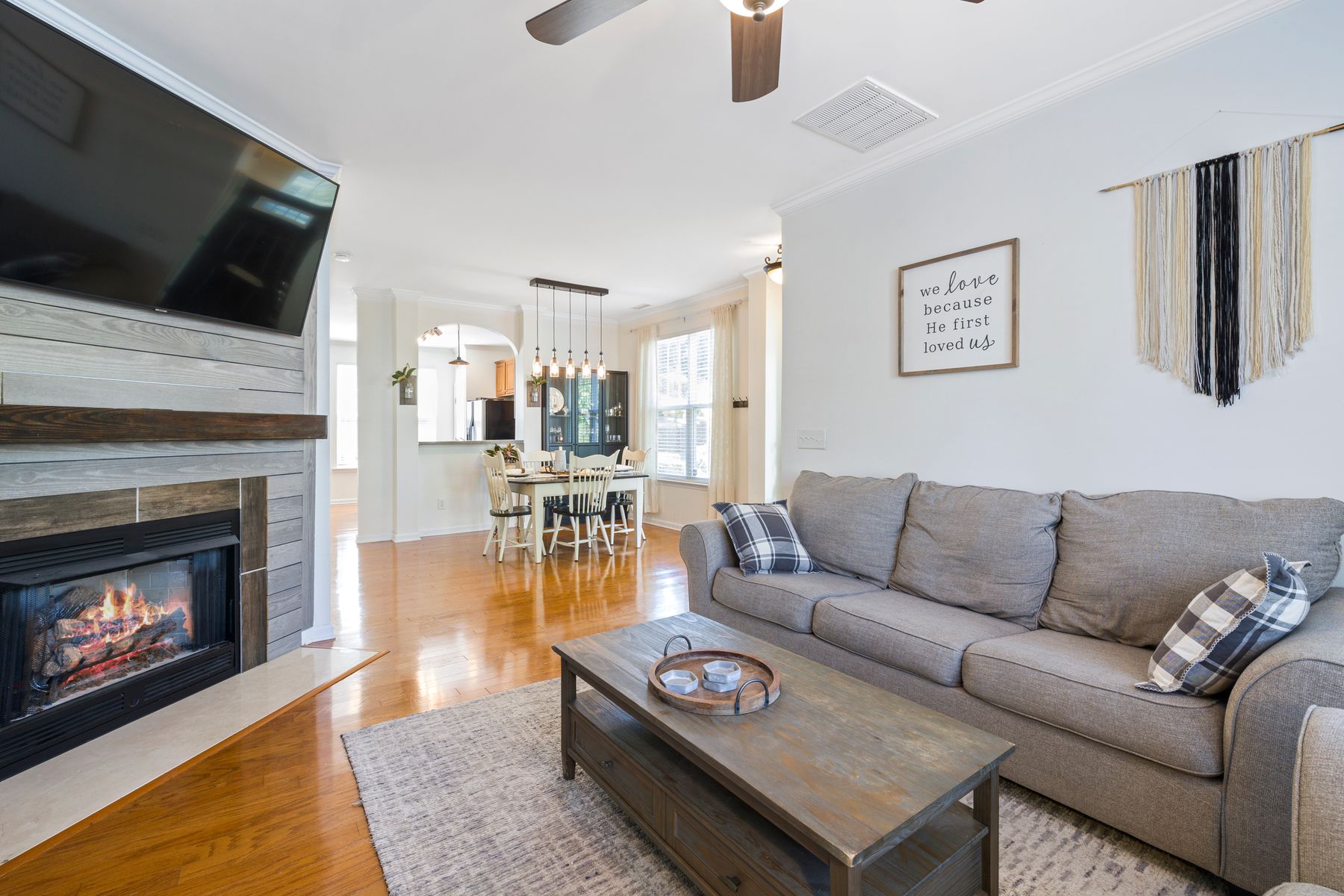
Assign Every Wall One Primary Role
List the fixed conditions first: doors, windows, fireplace, television, radiators, switches and the view from the main seats. Then label each usable wall as focal, background, display, media or passage support. One wall can combine related functions, but avoid giving every surface a dramatic finish. If the seating and movement pattern are unresolved, establish them with the [living room layout guide](/living-room/living-room-layout-ideas/) before decorating around temporary furniture positions. The exercise turns a collection of appealing ideas into a hierarchy the whole room can support.
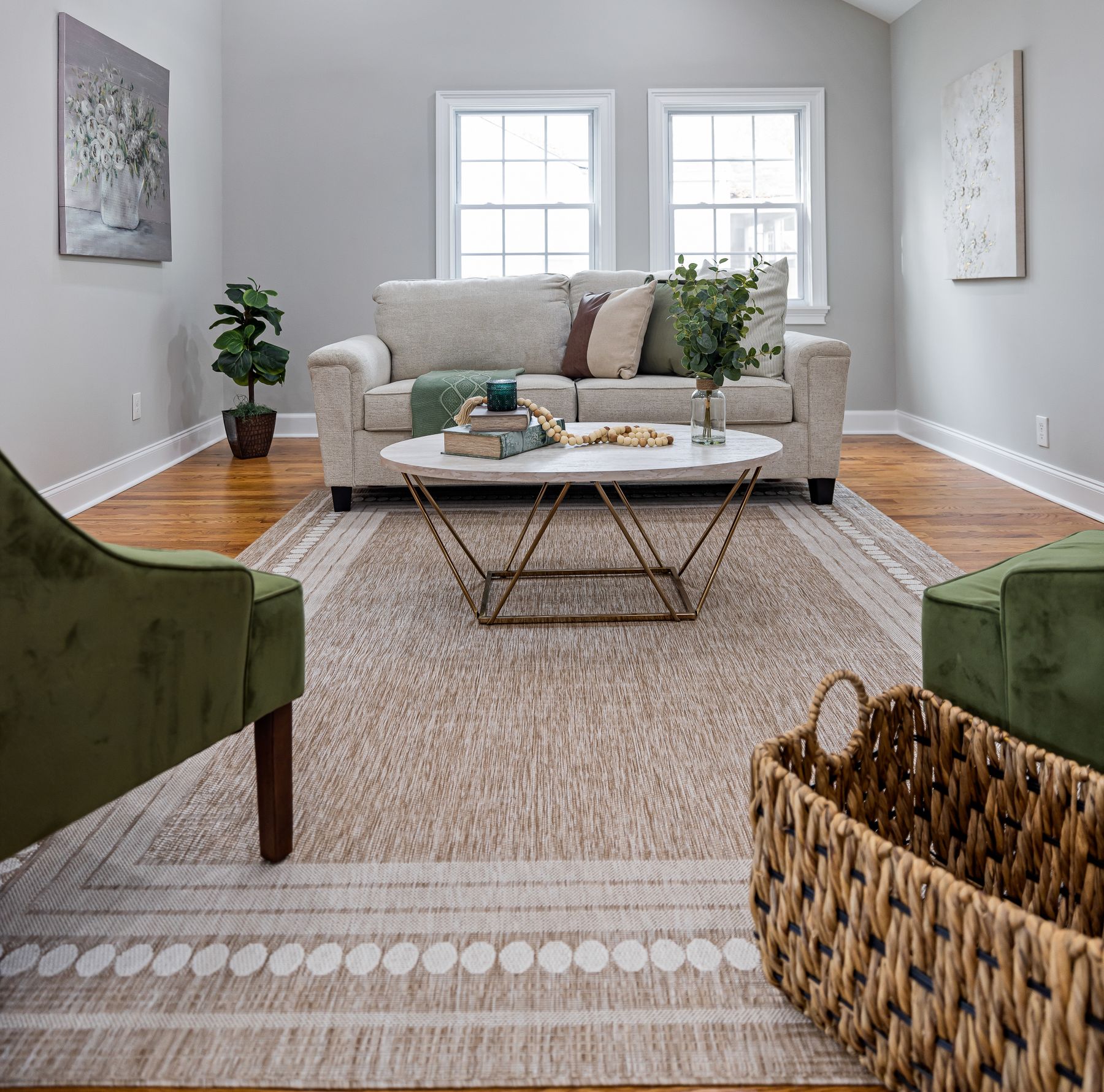
Choose the Focal Wall From the Seated View
Stand at the entry, then sit in every regular seat and note which wall naturally holds the eye. A fireplace or long uninterrupted surface may lead, while a television may be functionally important without becoming the most decorative element. Check whether the proposed focal wall is visible behind someone's head, cut by a door swing or overwhelmed by window glare. Coordinate its center with the seating group rather than the room's mathematical midpoint. This keeps wall composition connected to daily experience instead of a flat elevation considered in isolation.
Let One Large Artwork Control the Scale
A single substantial work often gives a sofa or console a calmer center than several unrelated prints. Judge the outside frame against the furniture width, ceiling height and nearby curtains or lamps, then view it from the farthest seat. Generous negative space can be intentional, especially when the room already has strong color or architecture. Before buying, tape a full-size paper rectangle to the wall and live with it through day and night. Include the frame and mat in the mock-up because they materially change the final scale.
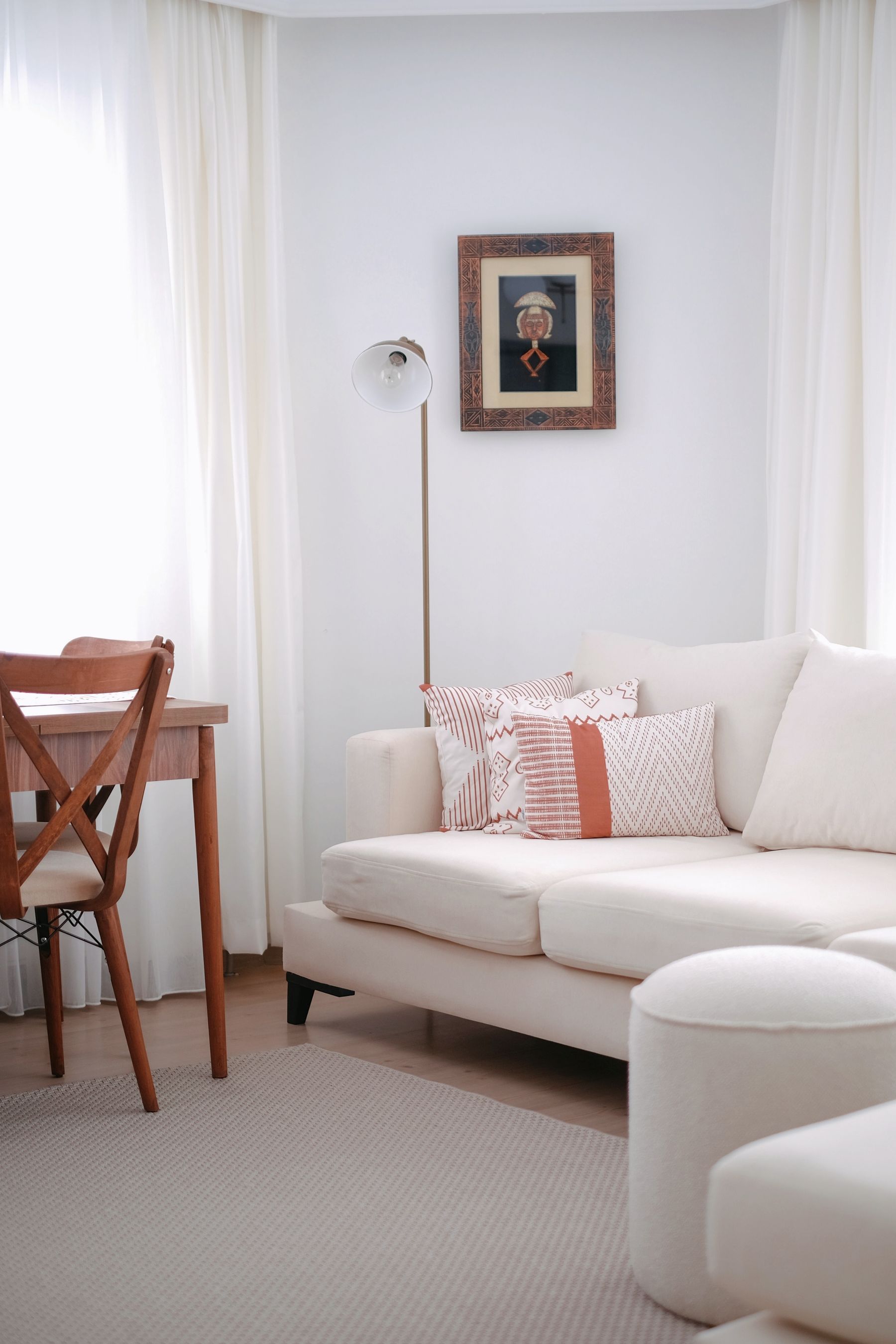
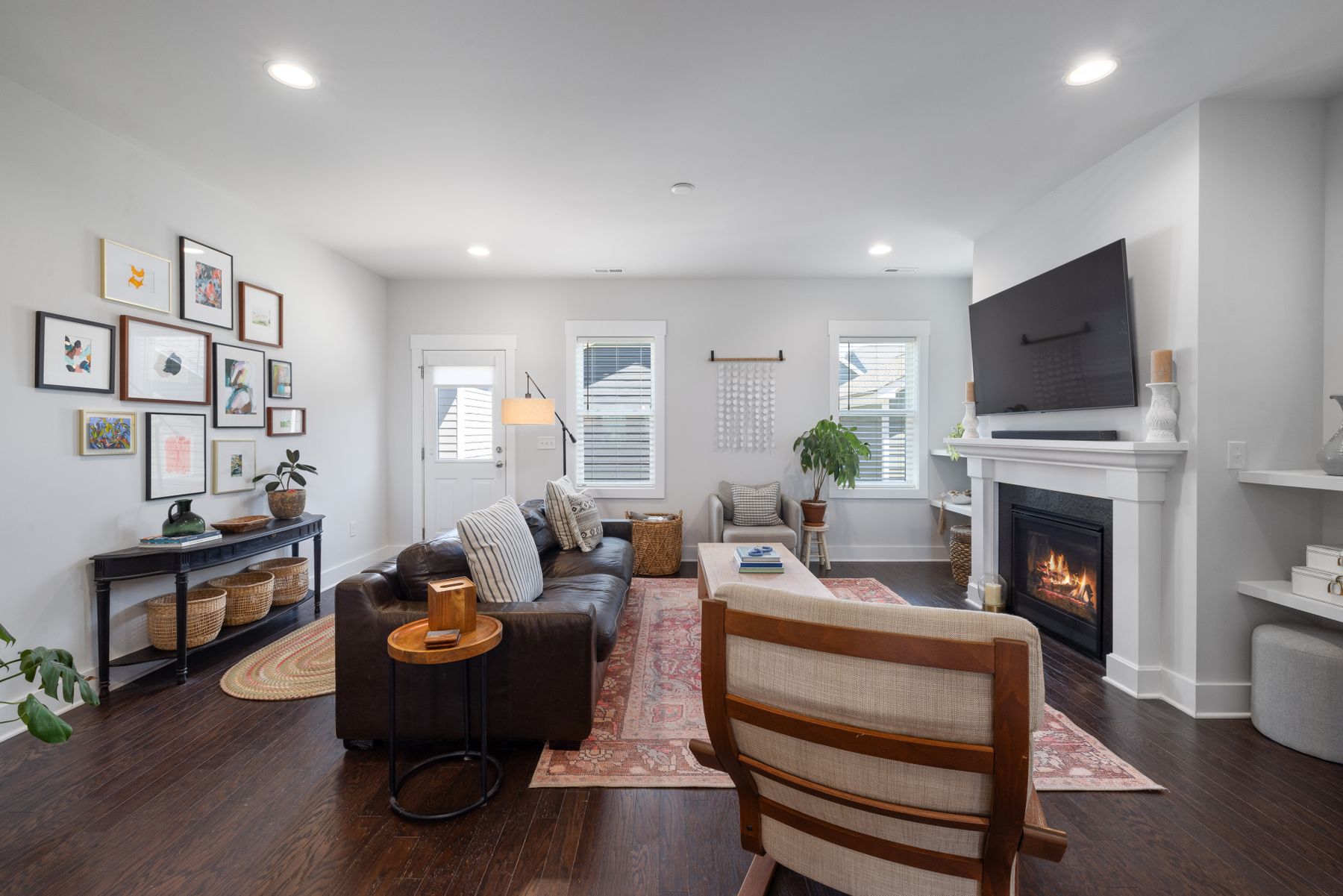
Build a Gallery Wall as One Composition
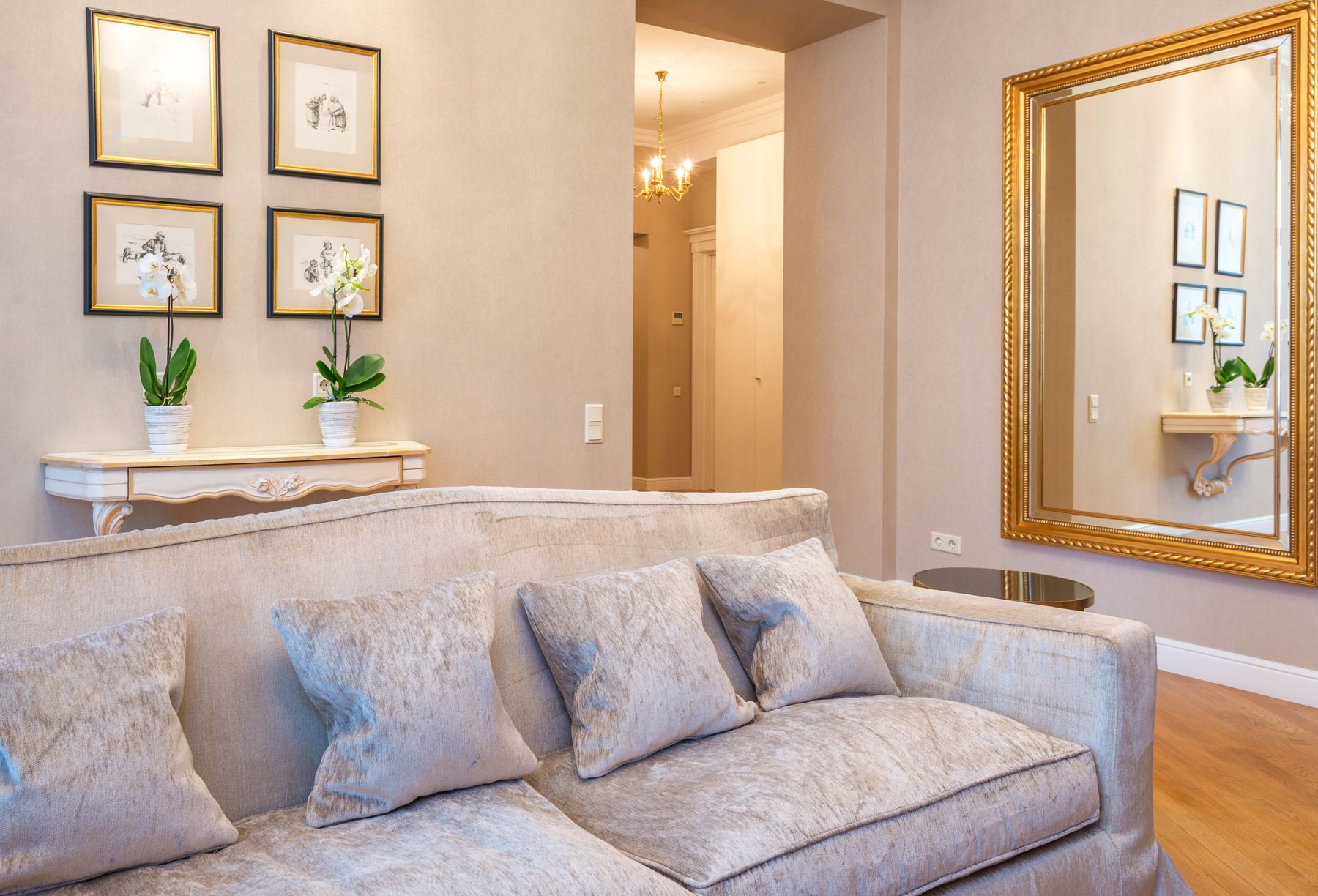
Choose a clear outer shape or visual axis, even when the frames, photographs and media are deliberately mixed. Lay the complete group on the floor, preserve consistent breathing space and photograph several arrangements before hanging. A loose salon wall can still have structure through aligned edges, repeated tones or one dominant piece. Keep the composition related to the sofa, sideboard or fireplace rather than letting it drift toward the ceiling. Current gallery-wall intent favors personal, collected combinations, but personality works best when the group is edited rather than merely dense.
Mix Personal Photographs Without Making a Family Archive
Select photographs for tonal relationship, emotional importance and viewing distance rather than trying to display every milestone. Combine a few sizes, then repeat one frame material, mat color or spacing rule to create continuity. Small images need closer viewing, so reserve them for a wall people naturally approach; use stronger silhouettes above seating. Rotate part of the collection instead of expanding indefinitely. If books and objects also need homes, separate that capacity problem from the display with the [living room storage guide](/living-room/living-room-storage-ideas/) so the wall does not become an accidental archive.
Protect Art From Light, Heat and Poor Framing
Light damage is cumulative and irreversible, so avoid putting light-sensitive photographs, works on paper and textiles in direct or excessive daylight. UV-filtering glazing helps but does not replace control of intensity and exposure time. Keep valuable work away from radiators, vents, active fireplaces, damp walls and rapid temperature changes. Use conservation-quality mats and backing, and prevent the work from touching glazing. Rotation can reduce exposure while giving the room a fresh composition. Consult a qualified conservator for valuable, unstable or historically significant pieces.
Add Textile or Sculptural Art for Depth
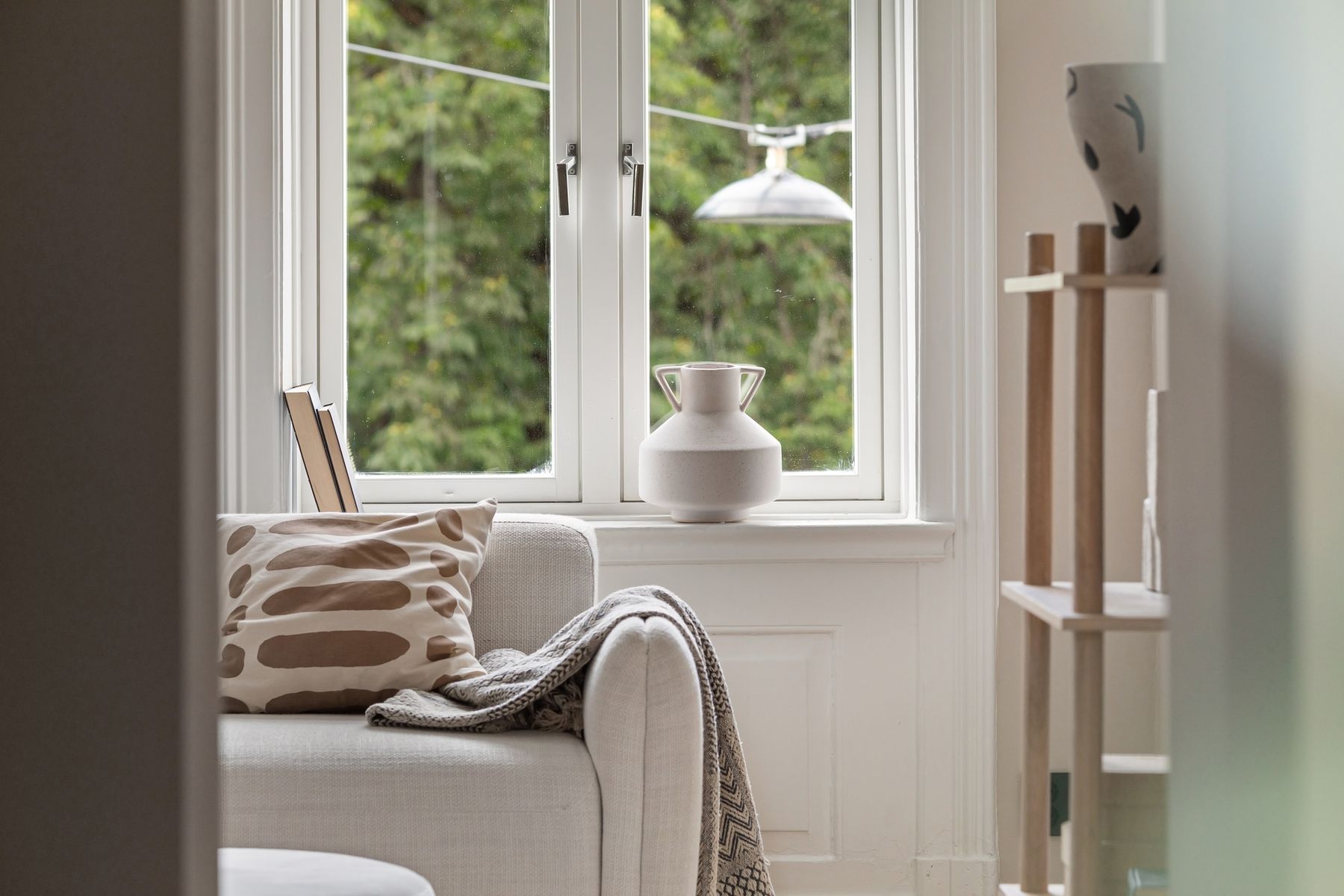
A woven hanging, shallow relief, ceramic group or carved object can introduce shadow, softness and handwork where framed prints would feel repetitive. Confirm the object's weight, projection and cleaning needs, and keep fragile edges away from narrow routes or active seating. Textiles also need protection from strong light, dust and moisture. Use one dimensional piece as a counterpoint to flatter art rather than filling the wall with small projections. A [vintage apartment palette](/apartment/vintage-apartment-ideas/) can offer useful lessons in mixing age and material without turning the room into a theme.
Place a Mirror for the Reflection, Not the Gap
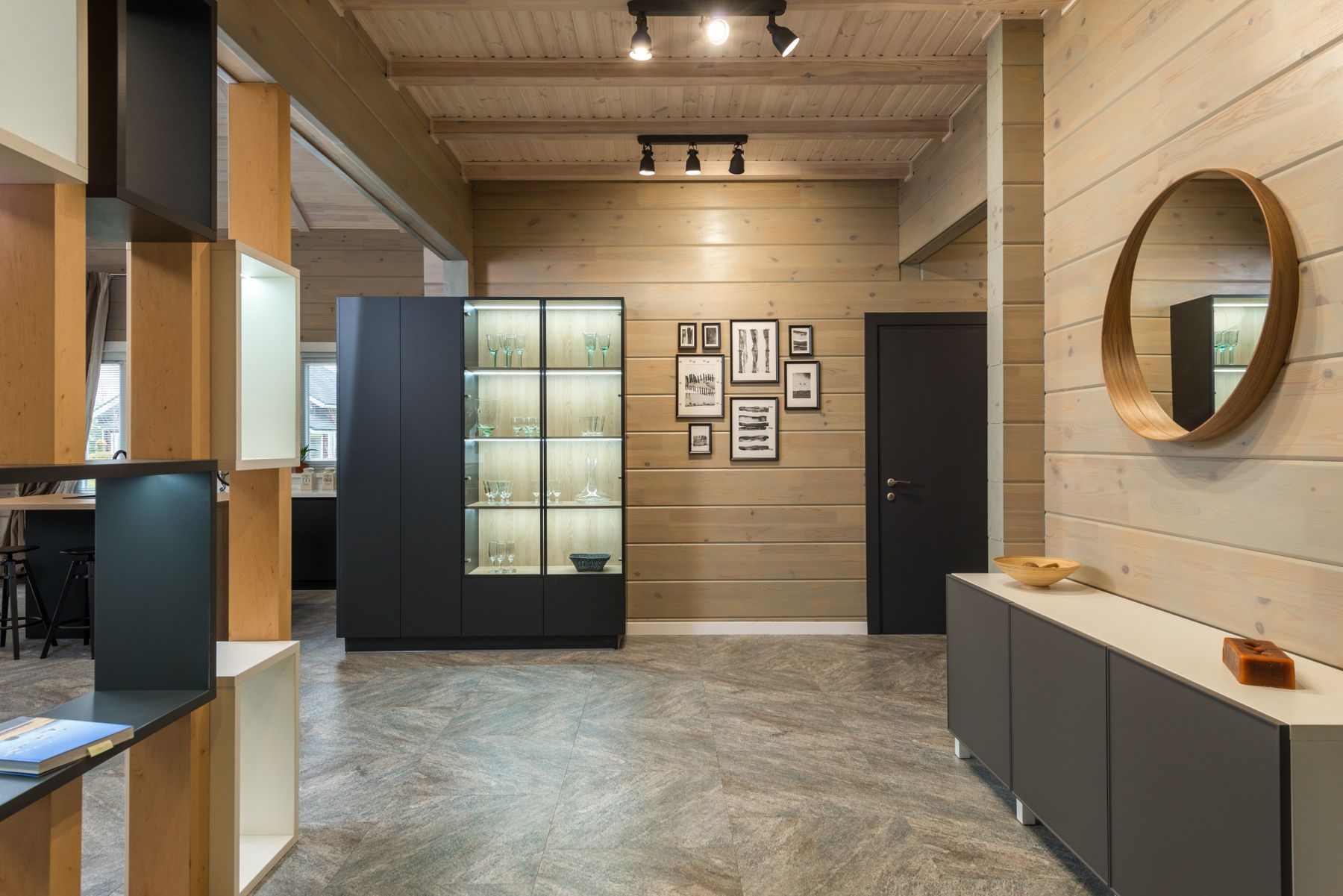
Hold a full-size template where the mirror will sit and inspect the reflection from the entry and each seat. Returning daylight, a plant or attractive architecture can add depth; reflecting a television, clutter or exposed lamp may double the problem. Check seated eye level, glare and the relationship between frame weight and the furniture below. Large mirrors require fixings suited to both their weight and the actual wall construction. For a polished material approach, the [luxury apartment guide](/apartment/luxury-apartment-ideas/) shows why restraint and alignment matter more than ornamental scale alone.
Use Full-Room Color When an Accent Wall Feels Isolated
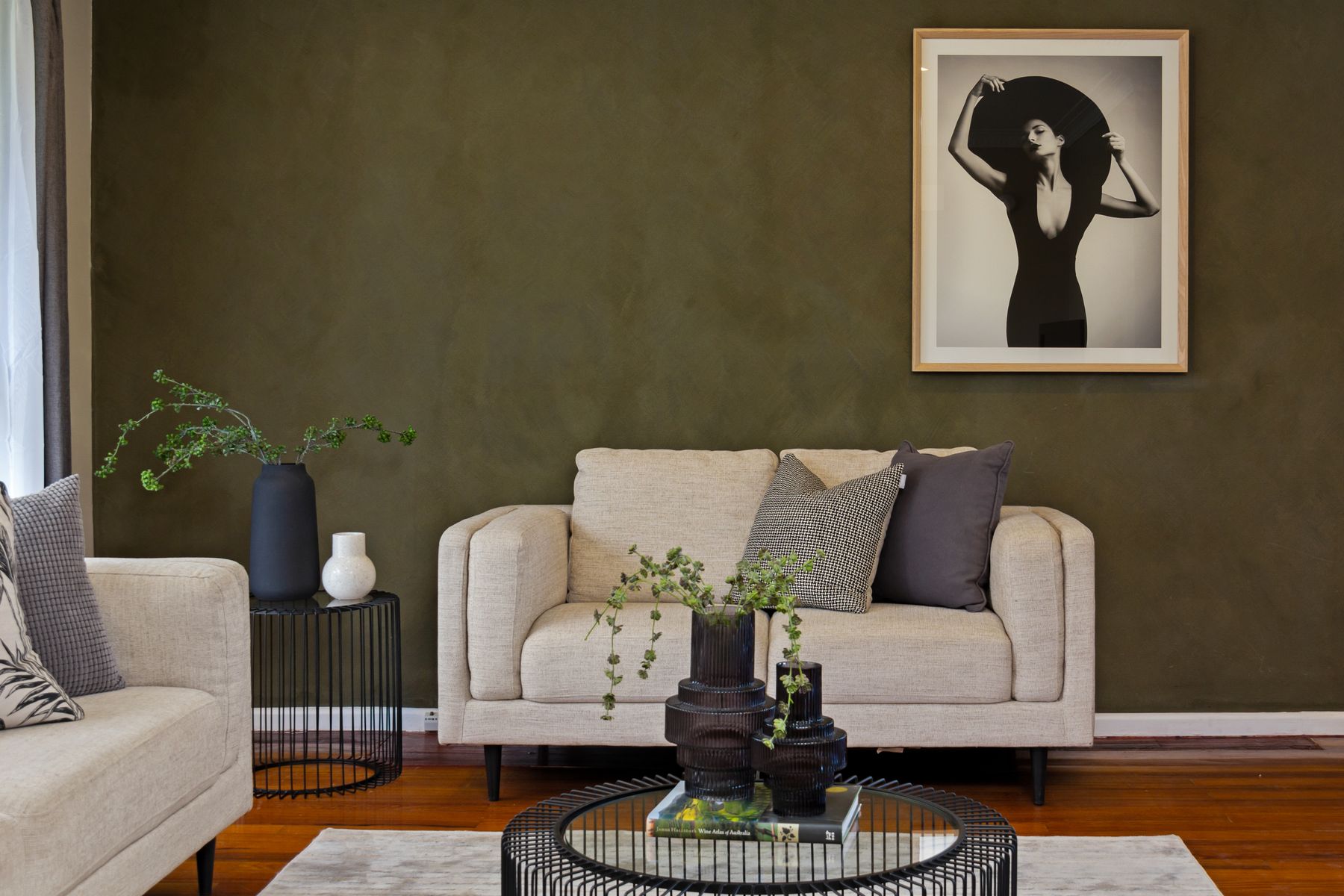
If one painted rectangle would look detached from the architecture, consider carrying a color around the room or onto trim and selected built-ins. Continuous color can make broken walls feel more coherent and allows art and furniture to provide contrast. Test undertone beside the floor, upholstery and curtains, then observe morning, afternoon and electric light. Saturated color does not have to mean darkness; finish, window orientation and contrast determine the result. The [green apartment guide](/apartment/green-apartment-ideas/) offers a deeper route into muted green palettes and material pairings.
Keep a Quiet Palette Textural Rather Than Empty
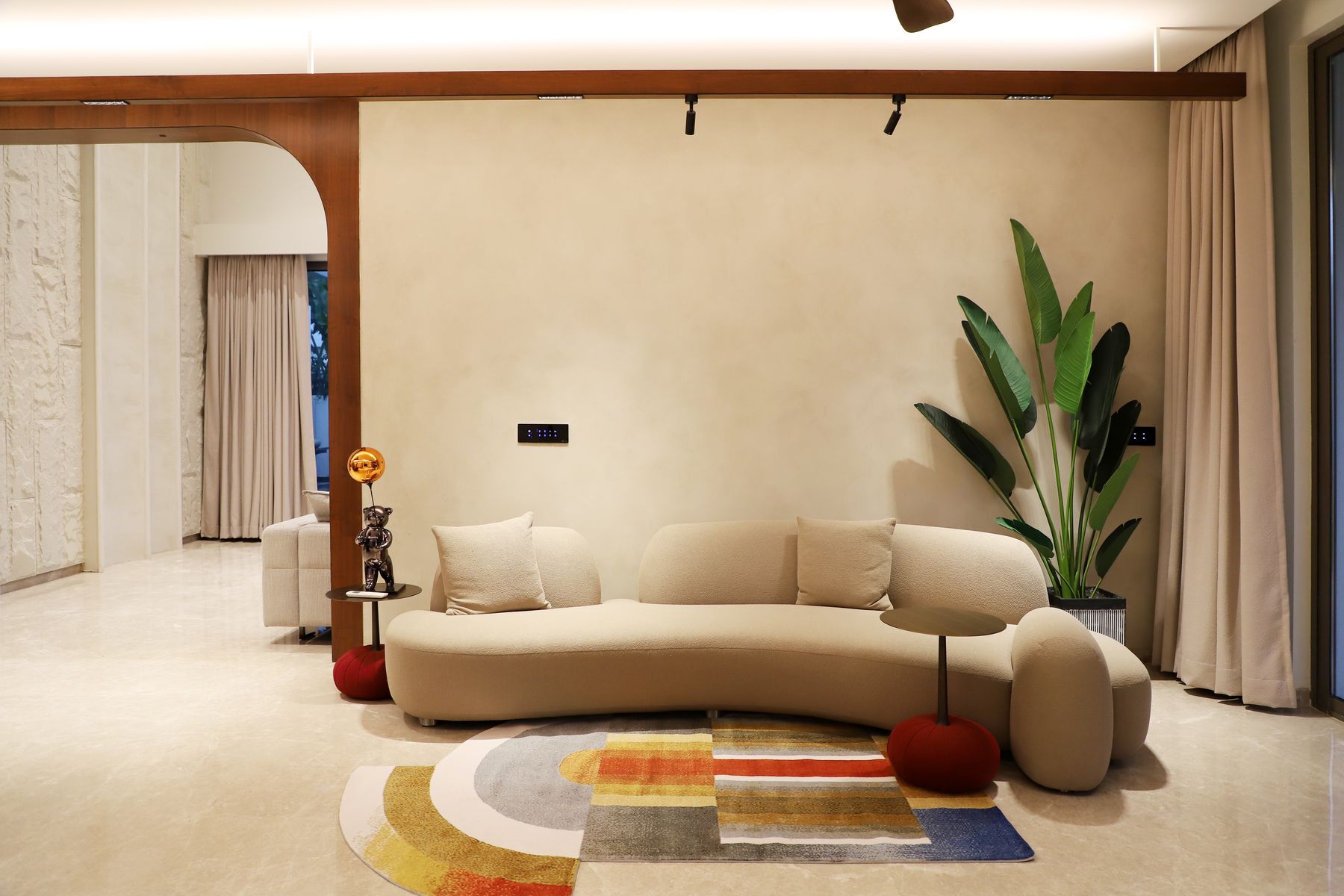
Neutral walls need enough difference in value, sheen and texture to keep the room from feeling unfinished. Compare warm and cool undertones against daylight, timber and upholstery, and choose a finish appropriate to touch and cleaning. A pale wall can carry a restrained artwork, shallow molding or grazing light without requiring a bold feature. Keep contrast where it helps orientation and focus. The broader [modern living room guide](/living-room/modern-living-room-ideas/) can help connect a quiet envelope to furniture scale, materials and technology without reducing modernity to plain white surfaces.
Paint a Shape That Belongs to the Furniture
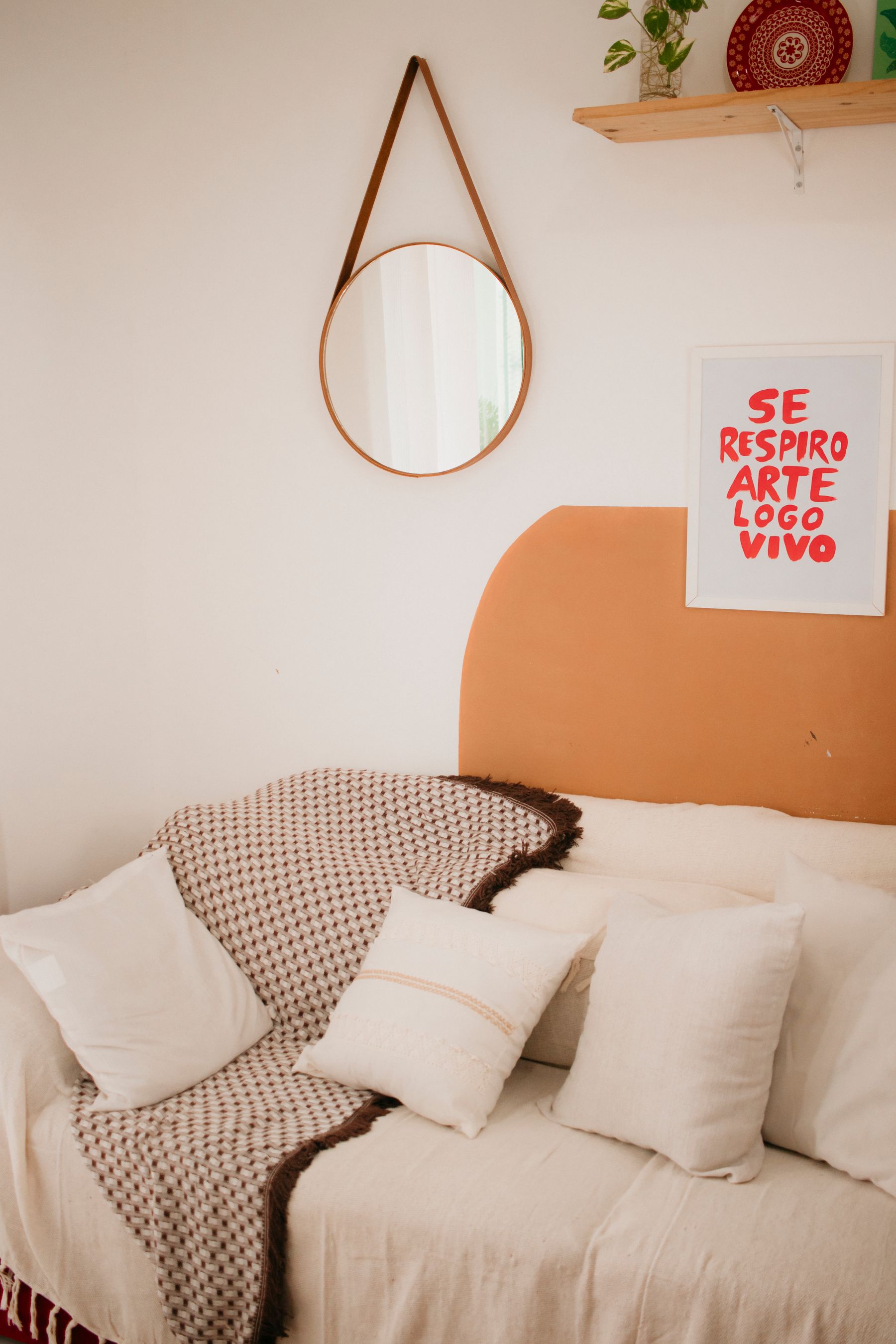
An arch, block or broad band can anchor a sofa, reading chair or console without committing the whole room to strong color. Align its edges with a meaningful furniture dimension and allow for the sofa to move slightly during cleaning. Curves feel softer but expose imperfect masking; rectangles need especially intentional proportions. Include switches, frames and shelf edges in the drawing so they do not create awkward near-alignments. Because paint is reversible, this is useful for testing bolder color, but careful preparation still determines whether the result feels architectural or improvised.
Choose Limewash or Plaster for Moving Texture
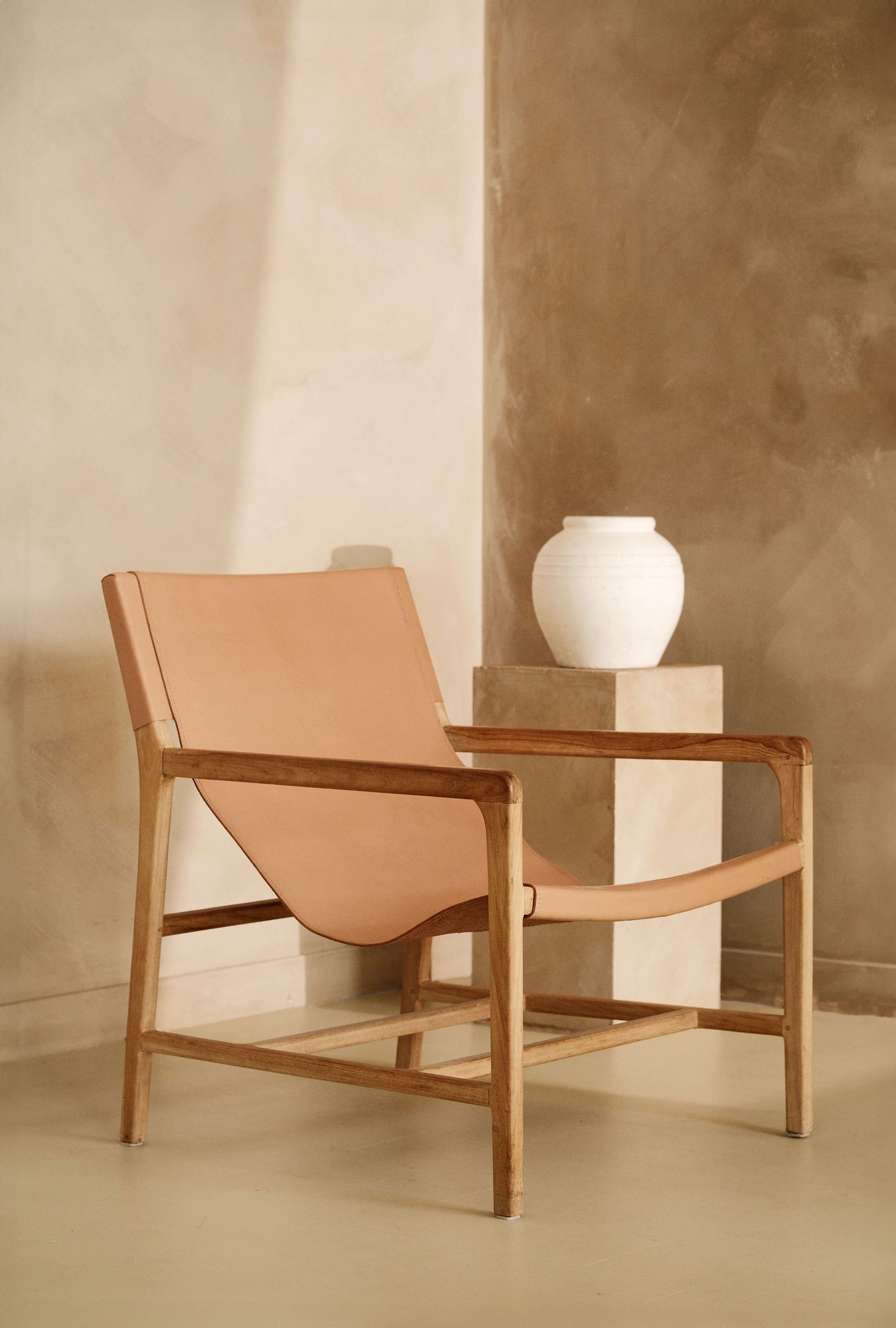
Limewash, mineral paint and decorative plaster create variation through the surface itself, so they work well where framed decoration would feel busy. The result depends on substrate, primer, application method, number of coats and lighting angle; sample on the actual wall system, not only a small card. Ask how the finish marks, can be cleaned and will be repaired after future electrical work. Natural variation is part of the appeal, but patching may remain visible. Use a trained applicator when a seamless large elevation is important.
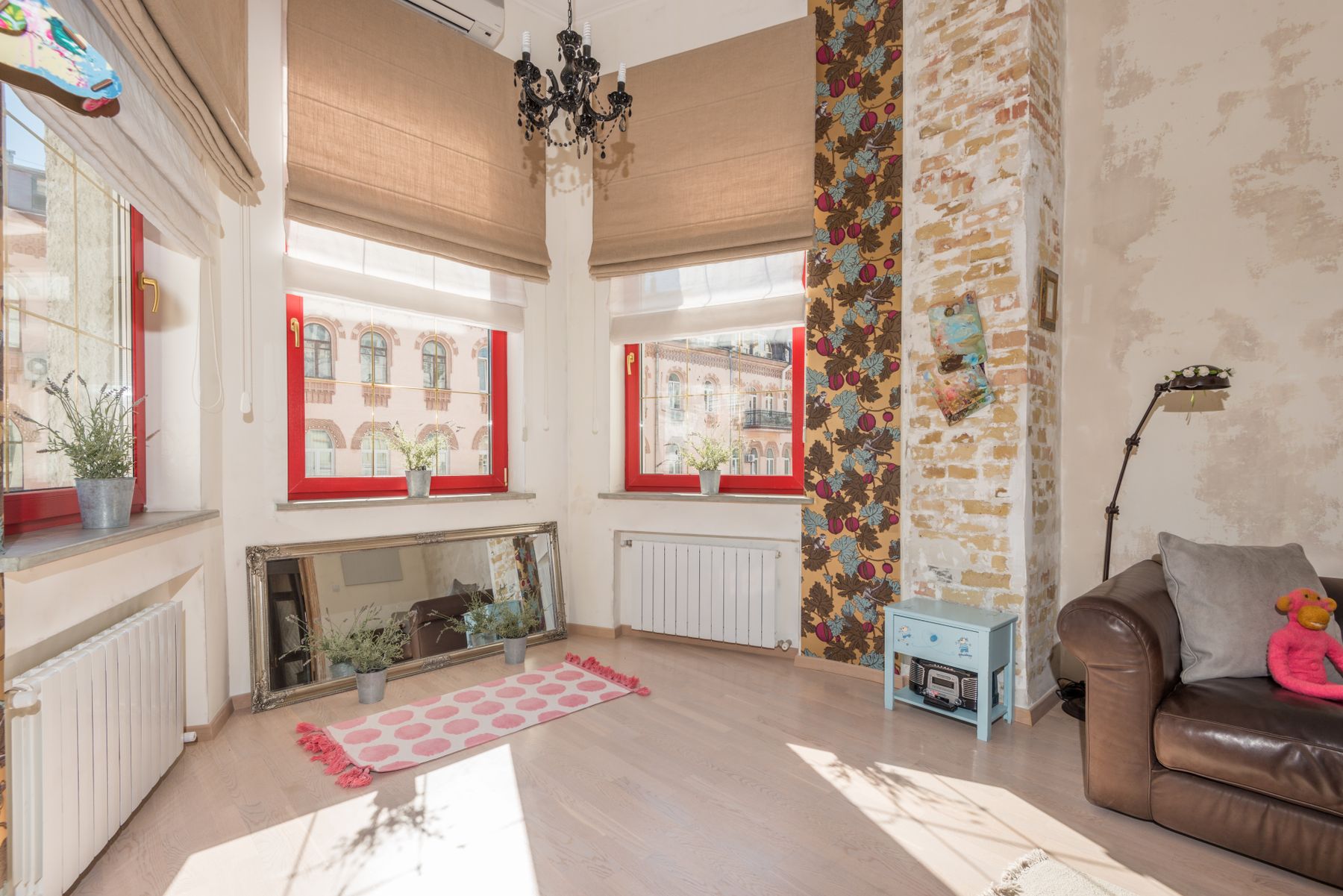
Use Wallpaper Across the Wall When Pattern Is the Architecture
Full-wall wallpaper works best when the repeat, background value and motif scale can be read from the main seats. Order a large sample or full-width proof, then place it behind the actual sofa and beside curtains, art and flooring. Small repeats may become visual noise over a long elevation; very large motifs can lose their composition around doors and corners. Plan where the pattern begins, how seams meet architecture and whether matching requires extra material. Confirm preparation, washability and removal method before purchase, especially in a rental or heavily used family room.
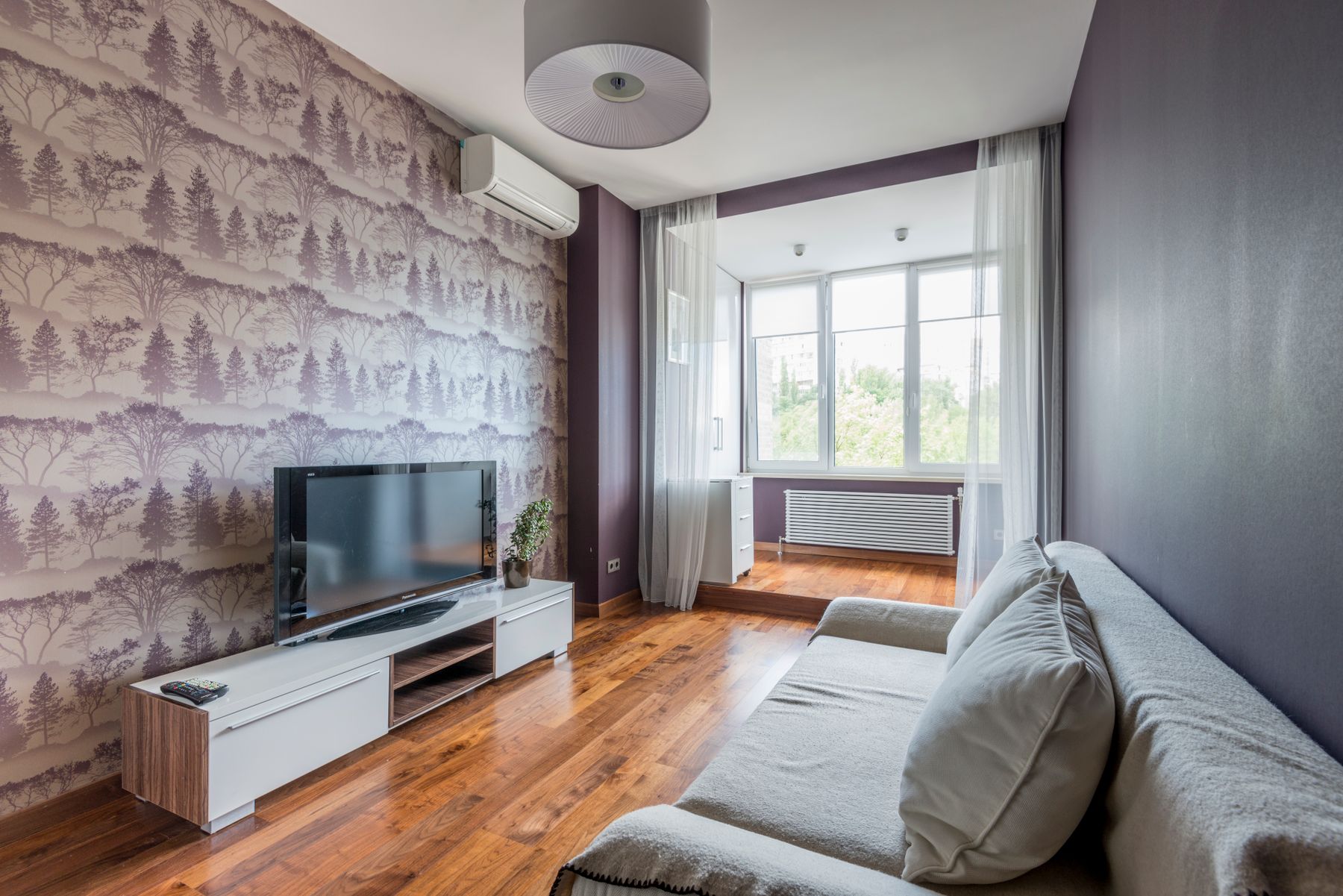
Test Wallpaper and Television Together
Wallpaper behind a television should be judged with the screen both on and off. High-contrast motifs can make viewing tiring, while a quiet tonal pattern may help the black rectangle feel less isolated. Check reflections, cable exits, ventilation and the visual relationship between the screen, console and repeat. Do not conceal service access merely to complete the pattern. If the television position itself is uncertain, resolve distance and sightlines with the [living room layout guide](/living-room/living-room-layout-ideas/#place-tv-from-sightlines) before investing in a finish cut around equipment.
Treat a Mural as a Cropped Image
A scenic mural or oversized printed panel is closer to a large artwork than ordinary repeating wallpaper. Review the complete elevation with furniture, doors and likely crops marked, because one misplaced console or television can remove the focal part of the image. Check resolution at the final dimensions, color proofing, seam placement and whether the substrate can be prepared to the maker's requirements. Give a mural visual space; surrounding it with many small frames usually weakens both. In a compact room, a low-contrast landscape or abstract field is often easier to live with than a sharp photographic scene.
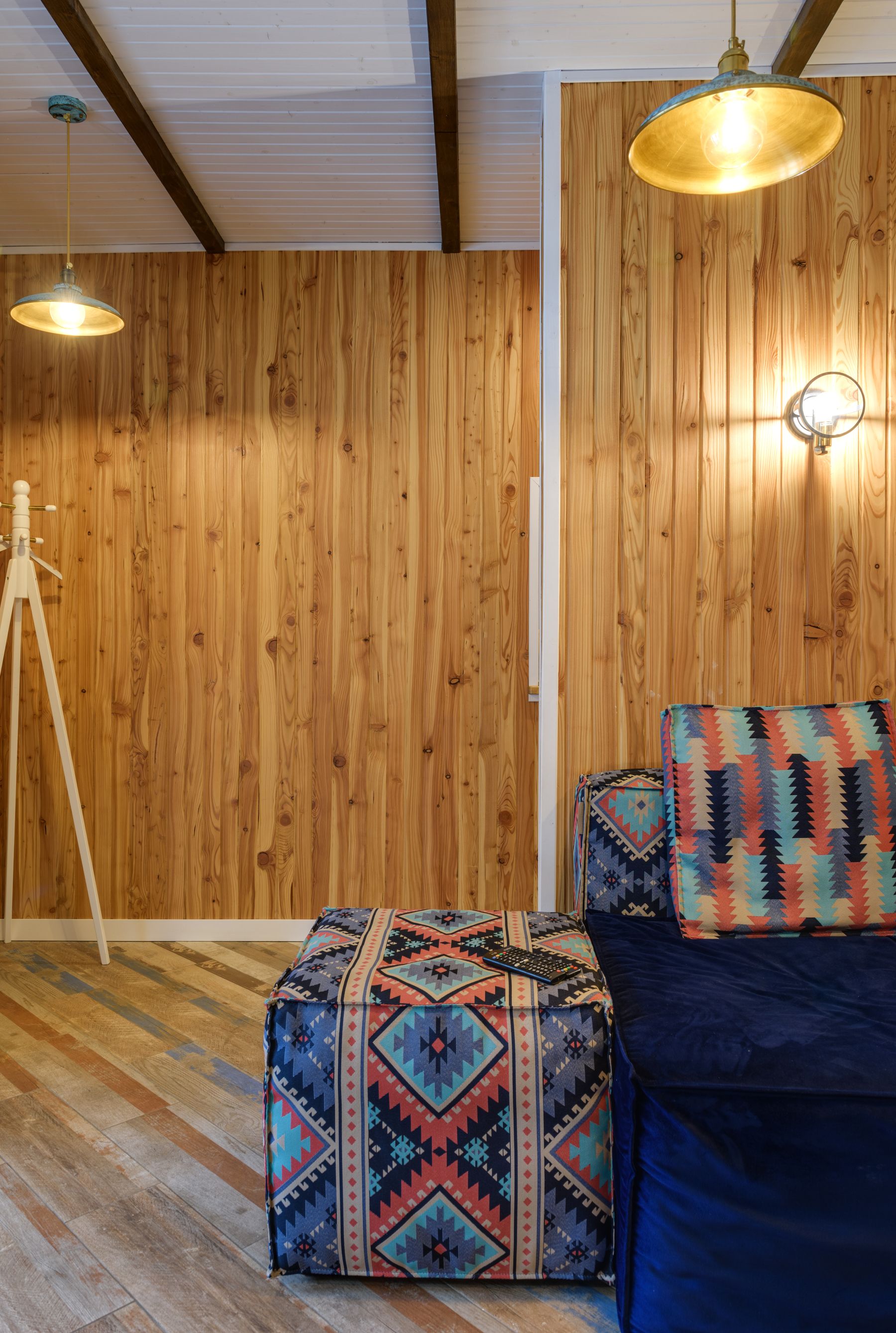
Use Paneling to Change Proportion and Shadow
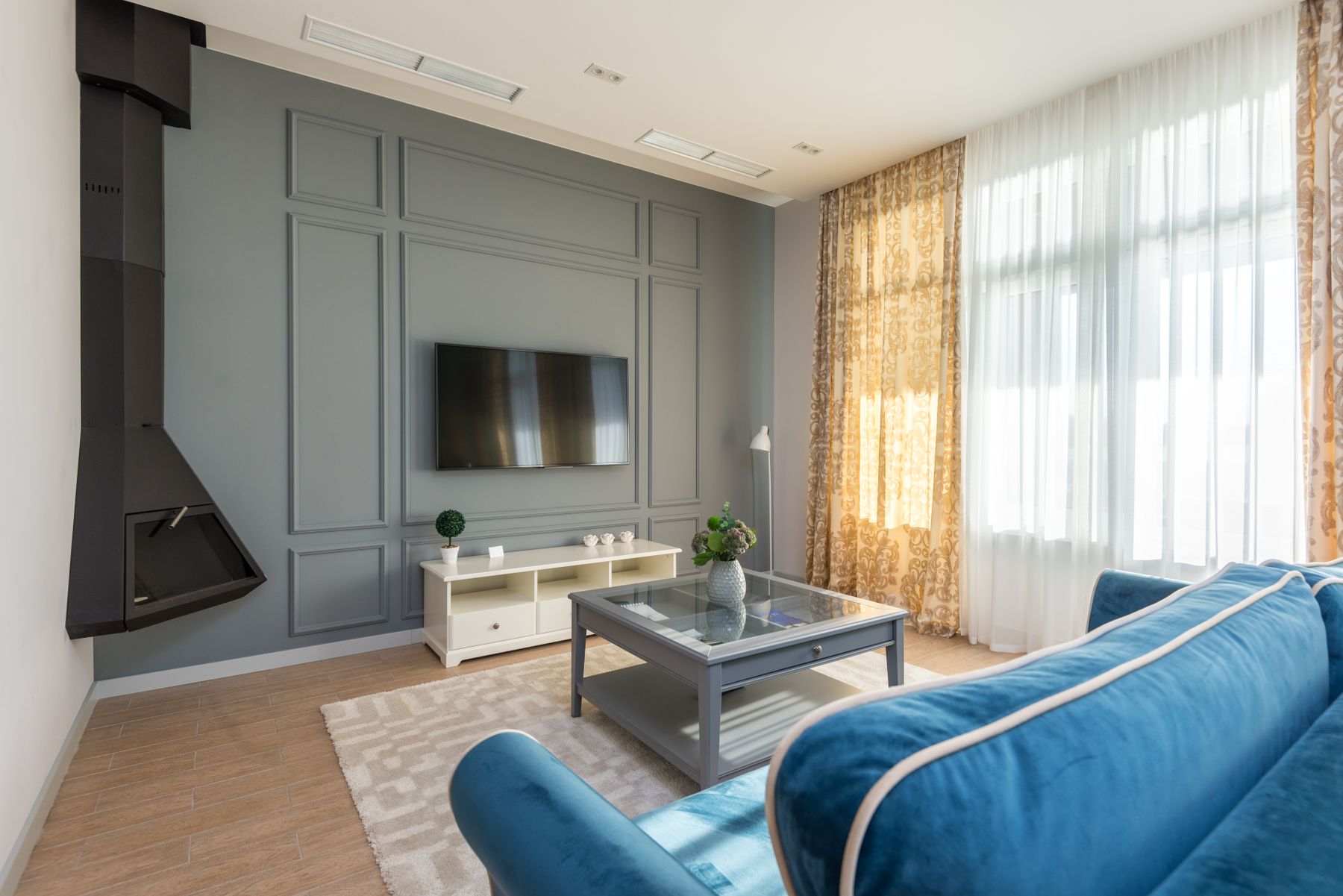
Paneling can make a plain elevation feel architectural through joint rhythm, grain and shadow. Vertical lines may emphasize height, while broader horizontal divisions can settle a tall room, but the effect depends on panel width and surrounding furniture. Compare real samples with the floor and upholstery, including the joint color. Plan outlets, corners, skirting, door reveals and future access before cutting. Timber and veneer also move, fade and mark differently, so ask how damaged sections can be replaced. Avoid applying slats to every wall; their repetition quickly becomes visual noise.
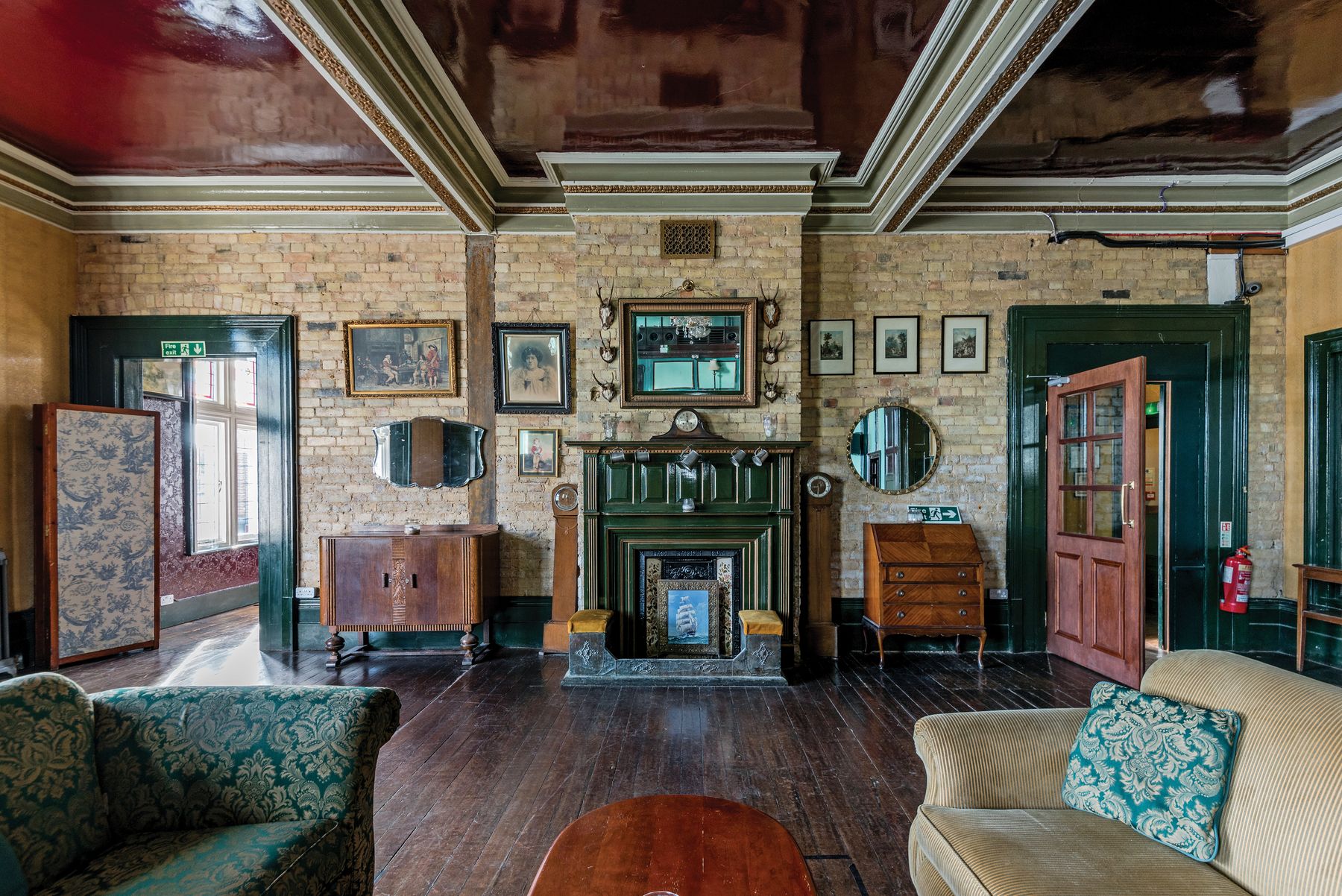
Molding or a Picture Rail as the Organizer
Molding, wainscot and picture rails divide a wall into useful fields and can give changing art a stable reference. Align new profiles with doors, fireplace proportions and furniture heights rather than selecting a standard grid without measuring the room. A picture rail can reduce repeated holes when paired with an appropriate hanging system, although loads and hardware still need checking. In historic rooms, preserve sound original fabric where possible and avoid false period detail that conflicts with the building. Paint can either emphasize the profiles or quiet them into one enveloping color.
Let Brick or Stone Remain a Material, Not a Theme
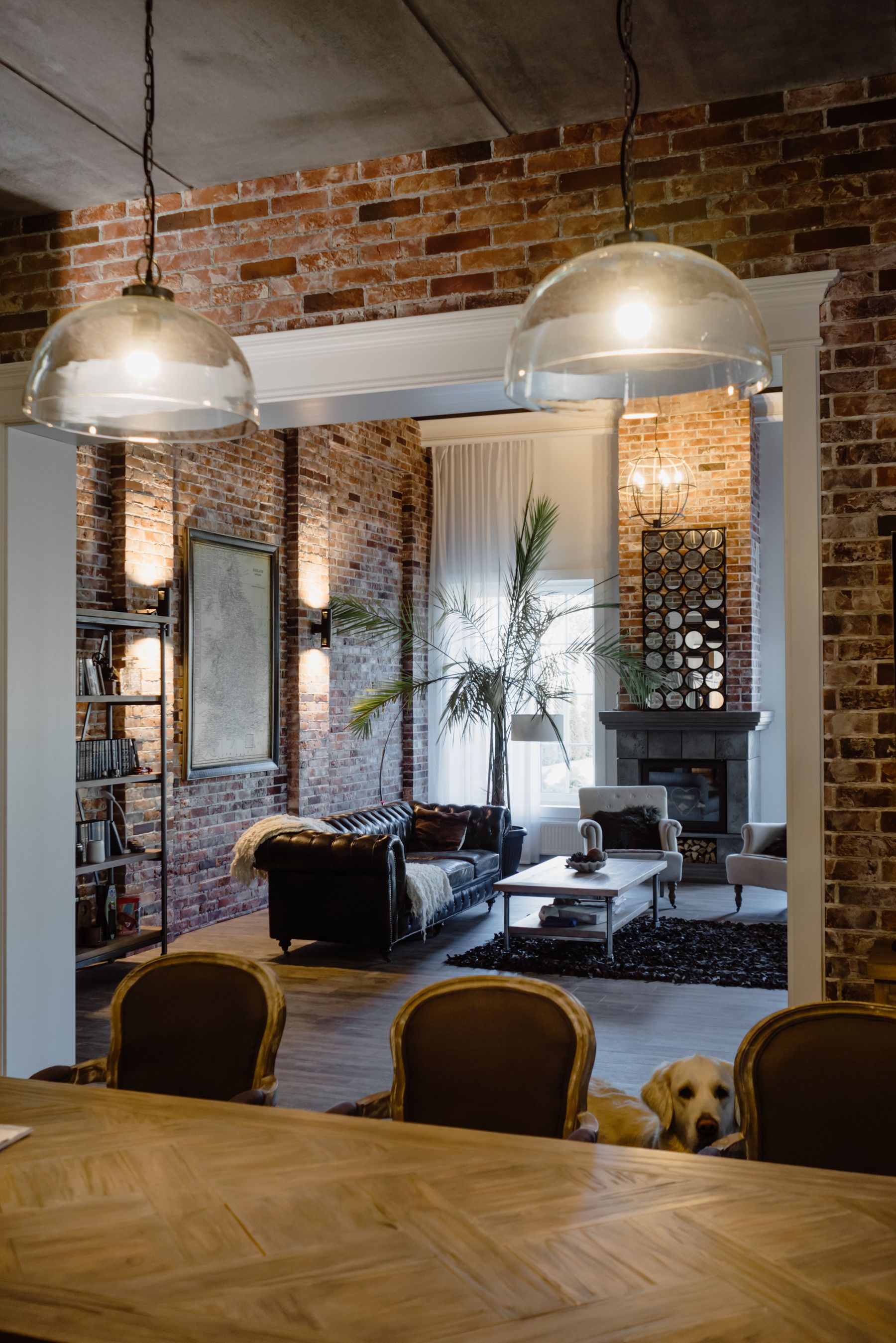
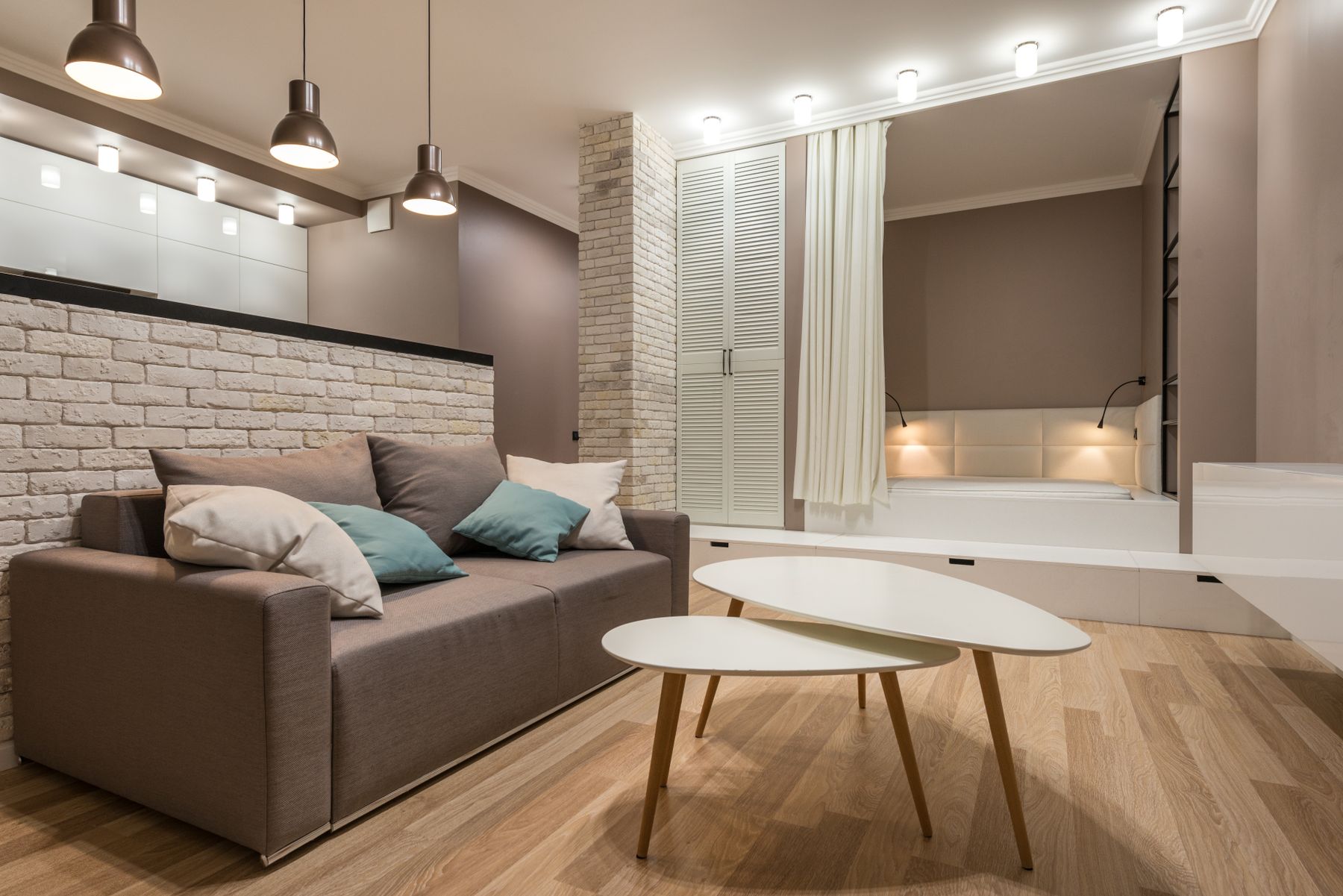
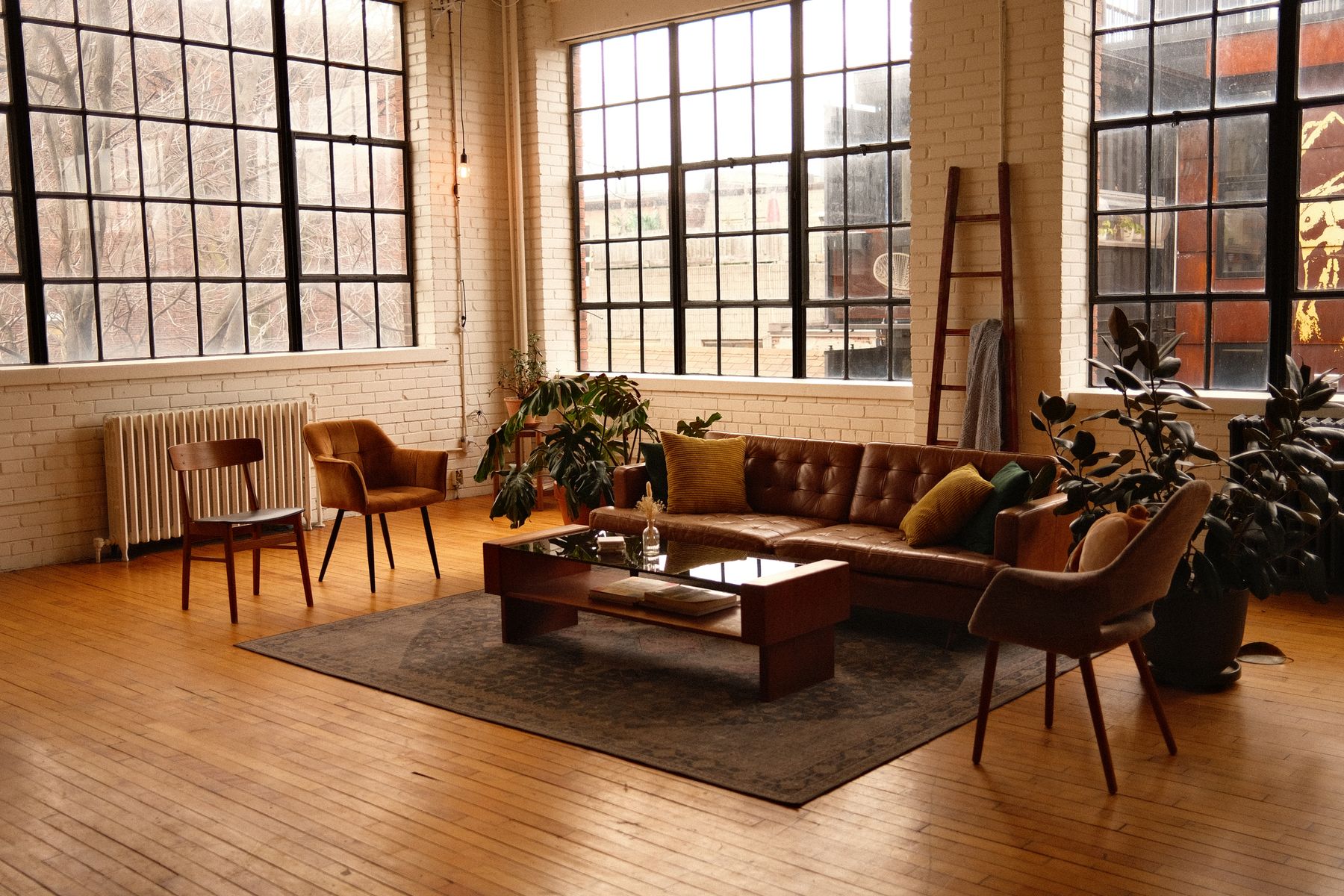
Existing brick or stone can supply enough texture for the entire room, so keep adjacent decoration restrained. Assess moisture, loose mortar, staining and previous coatings before sealing or painting; an unsuitable treatment can trap problems or be difficult to reverse. Grazing light emphasizes relief, while a strong ceiling light may flatten it. Balance hard surfaces with upholstery, curtains and a well-scaled [living room rug](/living-room/living-room-rug-ideas/) rather than adding themed metal objects. For a broader material vocabulary, the [industrial apartment guide](/apartment/industrial-apartment-ideas/) separates authentic structure from decorative imitation.
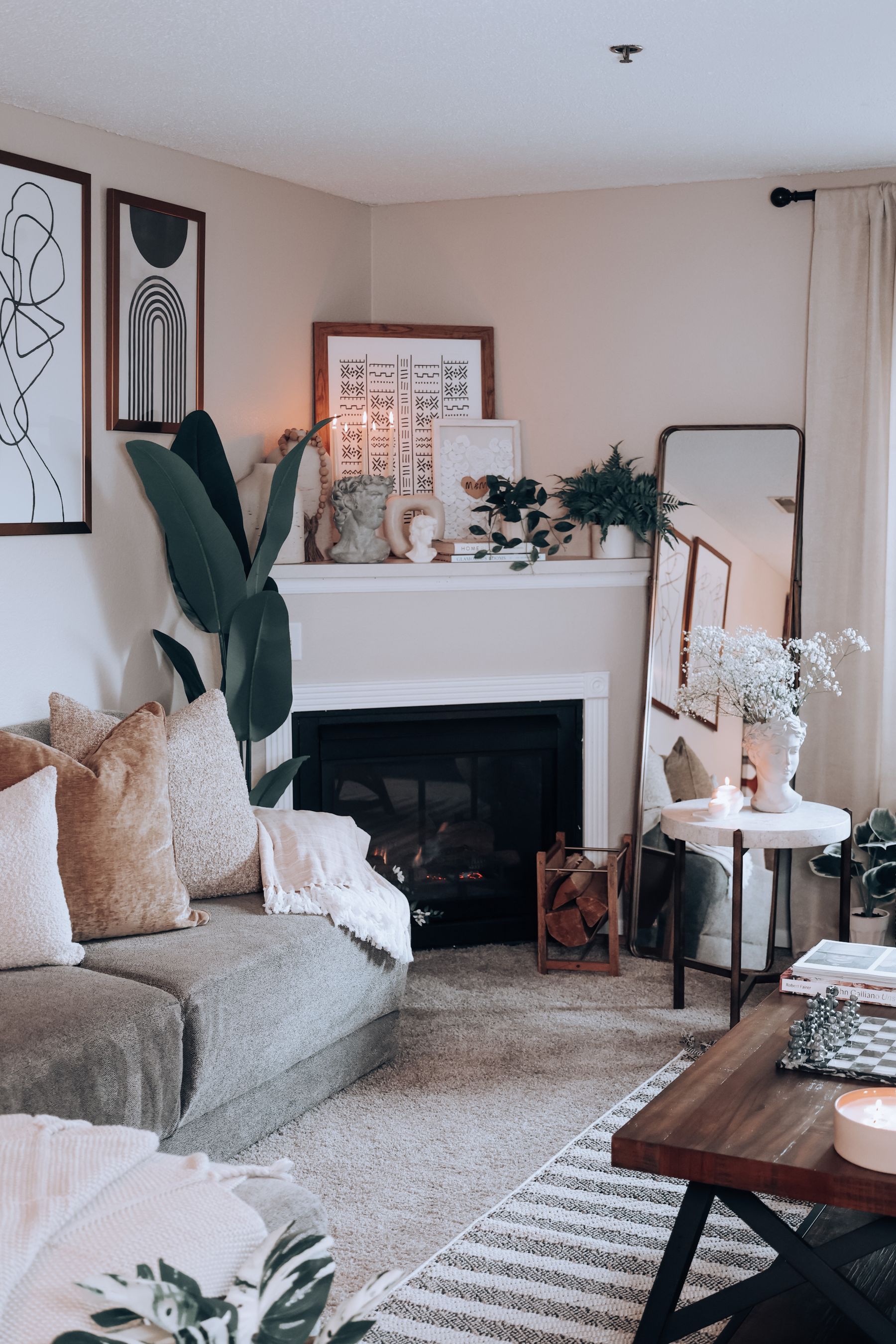
The Fireplace as the Wall's Lead Element
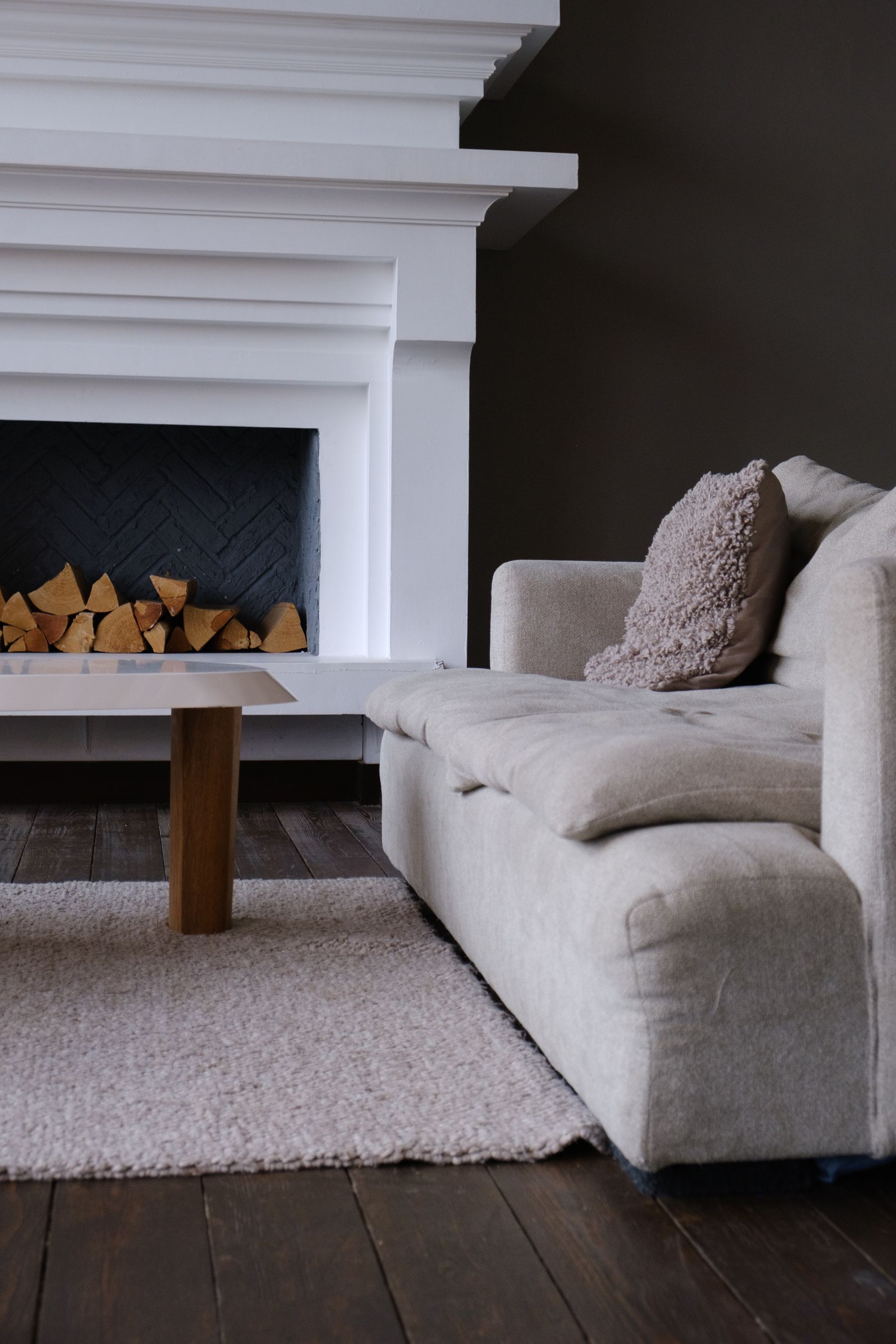
Treat the fireplace opening, surround and chimney breast as the first composition before adding mirror, art, shelving or color. Check the view from the seats and keep nearby objects subordinate to the architectural center. Active appliances require the manufacturer's clearances and suitable materials; a styled photograph does not establish safe placement. Heat and soot also make the area unsuitable for some artwork. If the fireplace and television compete, resolve the viewing priority and furniture geometry first rather than building a larger feature wall to force both into equal prominence.
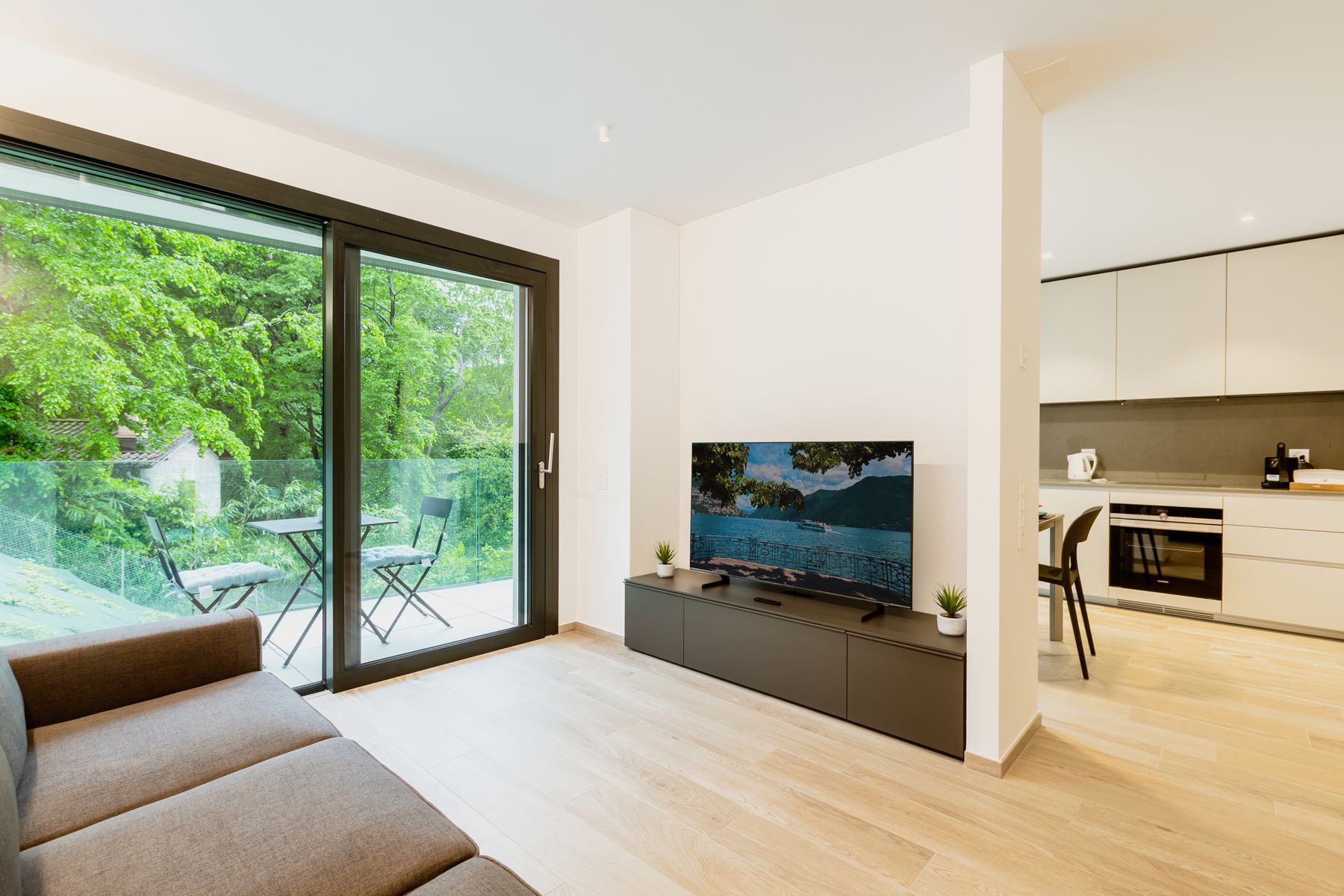
Integrate a Television Without Building a Monument
Start with comfortable screen height, distance and glare control, then decide how much visual integration is actually needed. A low console, a dark tonal field or one surrounding shelf may be enough. Oversized frames, thick stone and symmetrical towers can make a modest screen dominate a small room and reduce flexibility when technology changes. Keep speakers, remotes and ventilation functional. The [small living room guide](/living-room/small-living-room-ideas/) is especially useful where a media wall must share limited width with circulation, windows and useful storage.
Keep Media and Fireplace Services Reachable
Draw a section through the media wall, not only a front elevation. Record power, data, speaker cables, ventilation, connector bends, mounting points and the panel that opens first for maintenance. When a fireplace shares the wall, follow the specific appliance instructions and use qualified trades for fixed electrical or gas work. Avoid permanently burying devices that will need replacement. Separate containment questions belong in the [living room storage guide](/living-room/living-room-storage-ideas/#design-media-wall-around-services); this wall guide focuses on keeping the visible composition compatible with those technical requirements.
Use One Display Niche Instead of Scattered Shelves
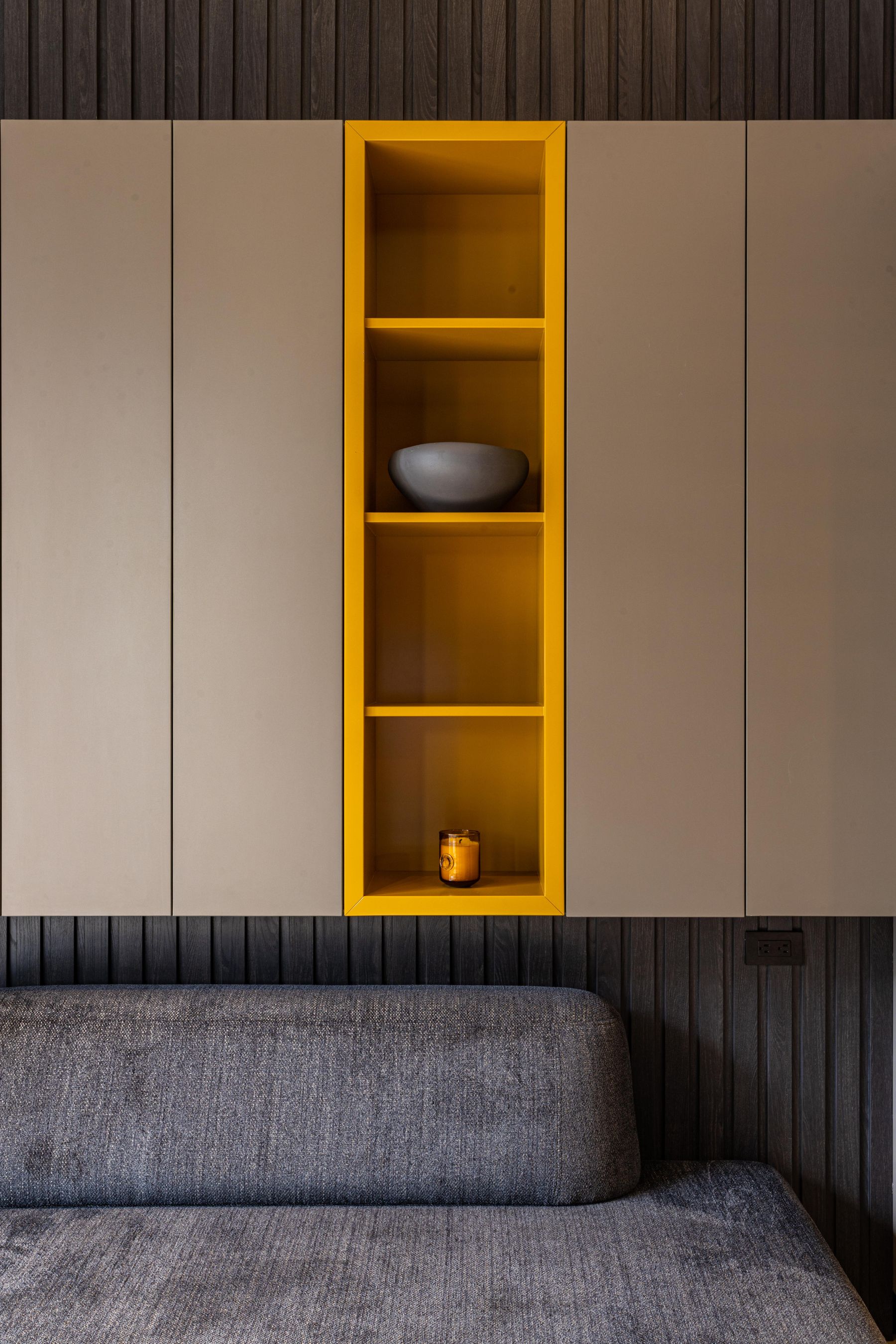
A single niche, ledge or short shelf can give a few meaningful objects a boundary without turning the wall into storage furniture. Set its length and depth from the actual pieces, keep enough clearance above heads and confirm the fixing load. Avoid distributing tiny shelves wherever there is a gap; they produce many dust-catching edges and weak visual centers. When the primary need is books, toys, games or media capacity, move to the [living room storage guide](/living-room/living-room-storage-ideas/) rather than asking decorative shelving to solve an inventory problem it cannot hold.

Treat a Tall Bookcase as Part of the Elevation
A tall bookcase can anchor one side of a room, frame a window or create a library wall, but it also adds major visual mass. Keep nearby surfaces quieter and align shelf rhythm with the room's proportions. Size shelves for real books, confirm load ratings and secure the unit according to the maker's instructions using fixings suited to the wall. Do not place a climbable display where it blocks curtains or maintenance. Edit visible objects by category and scale, while preserving enough capacity that the composition can survive ordinary use.
Use Sconces to Give the Wall an Evening Structure
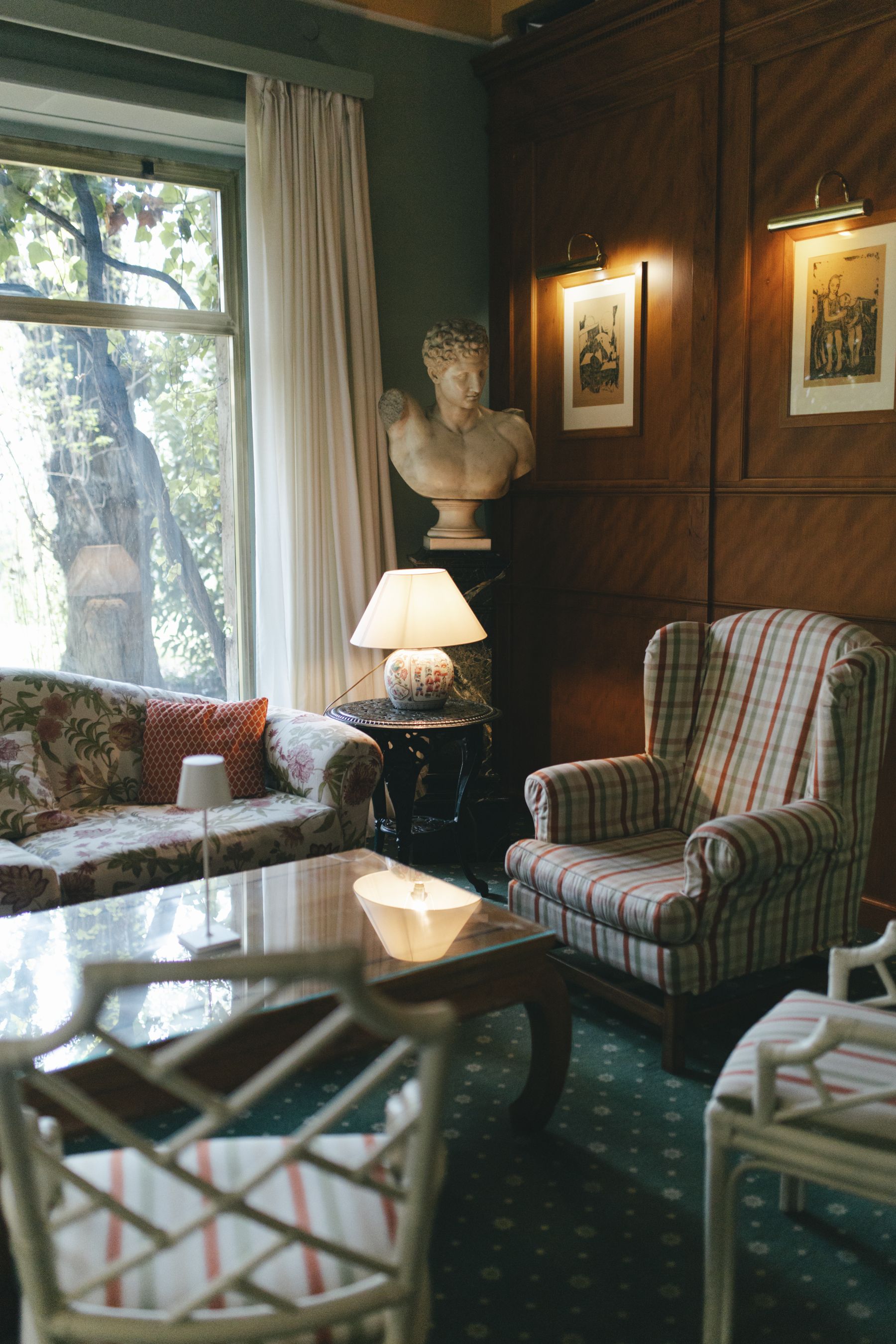
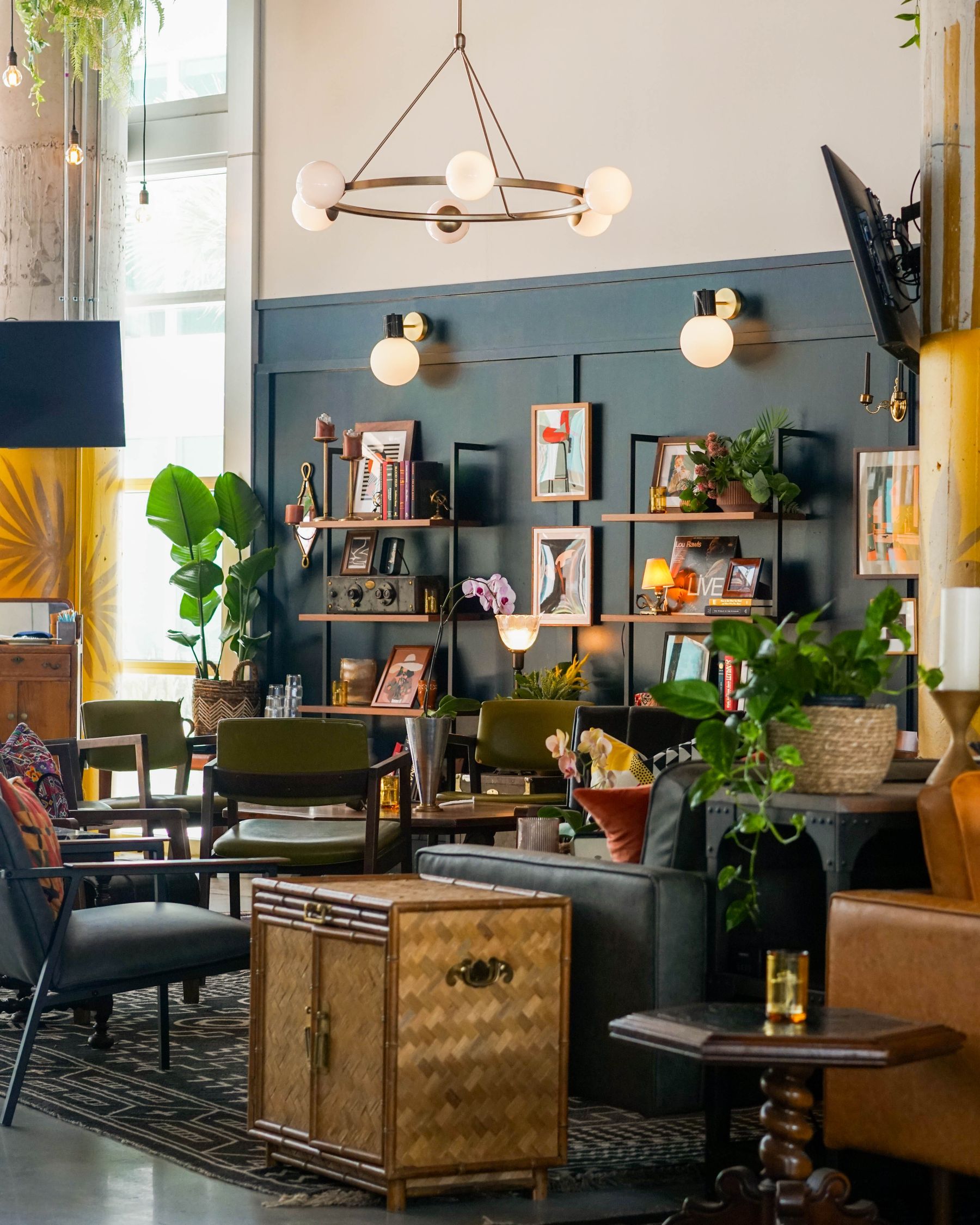
Wall lights can frame art, mark a reading position or wash a textured surface, but spacing should follow the composition rather than an arbitrary electrical grid. Check the visible bulb, brightness and reflection from every seat. Hardwired work needs qualified installation and coordination with studs, pipes, insulation and future art positions. Dimmers and compatible warm sources usually make sconces more adaptable across conversation, television and cleaning scenes. Use the [living room lighting guide](/living-room/living-room-lighting-ideas/) to connect them with ceiling, floor and table light instead of treating them as isolated decoration.
Light Texture From the Side, Not Straight On
Limewash, brick, relief, panel joints and molding become more legible under grazing or oblique light. A source aimed straight at the wall may flatten texture, while one too close can exaggerate every defect. Test beam angle, shadow and brightness after dark with the actual finish sample. Picture lights should suit the artwork's dimensions and conservation needs, and reflective glazing requires special care. Coordinate drivers, controls and replacement access before walls are closed. The aim is to reveal material character without creating a theatrical hotspot that dominates the room.
Reduce Wall Competition in a Small Living Room
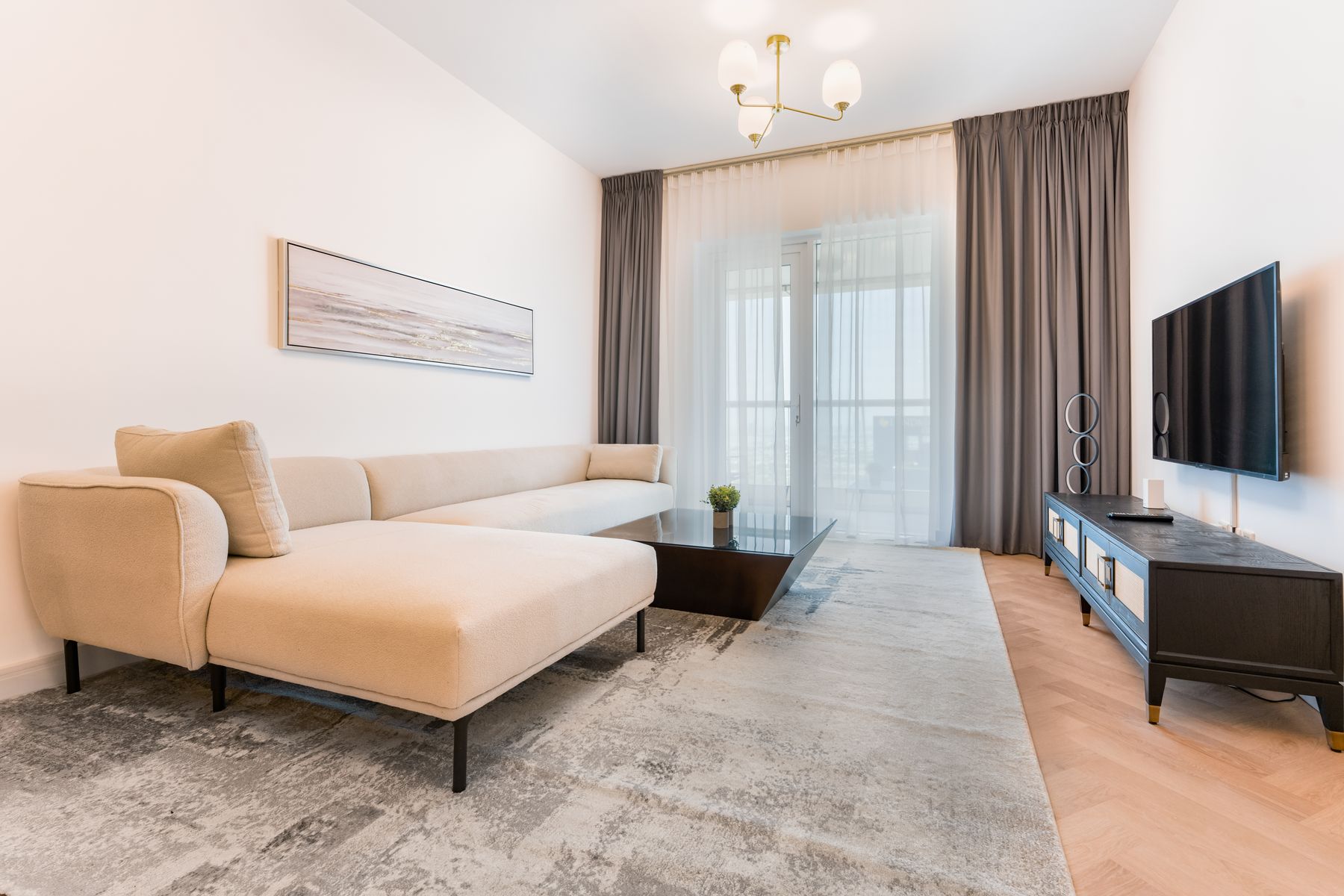
Small rooms often have several short wall fragments, which makes separate accent treatments feel even busier. Choose one focal composition, keep the remaining colors related and avoid surrounding every doorway or television with trim. Use a mirror only when its reflection helps, and concentrate shelves or media elements rather than scattering them. Protect the route and daylight before adding depth to a wall. The [small living room guide](/living-room/small-living-room-ideas/) covers furniture scale and circulation; here the key is making fewer wall gestures strong enough to read clearly.
Make Rental Wall Changes Reversible
Begin with the lease and written permission, especially for paint, wallpaper, anchors and electrical work. Large framed art leaned on properly secured furniture, removable textile panels and freestanding screens can add scale without rebuilding the wall, but reversible does not mean structurally casual. Adhesive products vary by paint, humidity and load and can still damage surfaces. Test a hidden area and follow the maker's limits. Keep original paint details and replacement material recorded so the wall can be restored, and choose portable pieces that can serve another room after a move.
Plan Contrast, Glare and Reach for More People
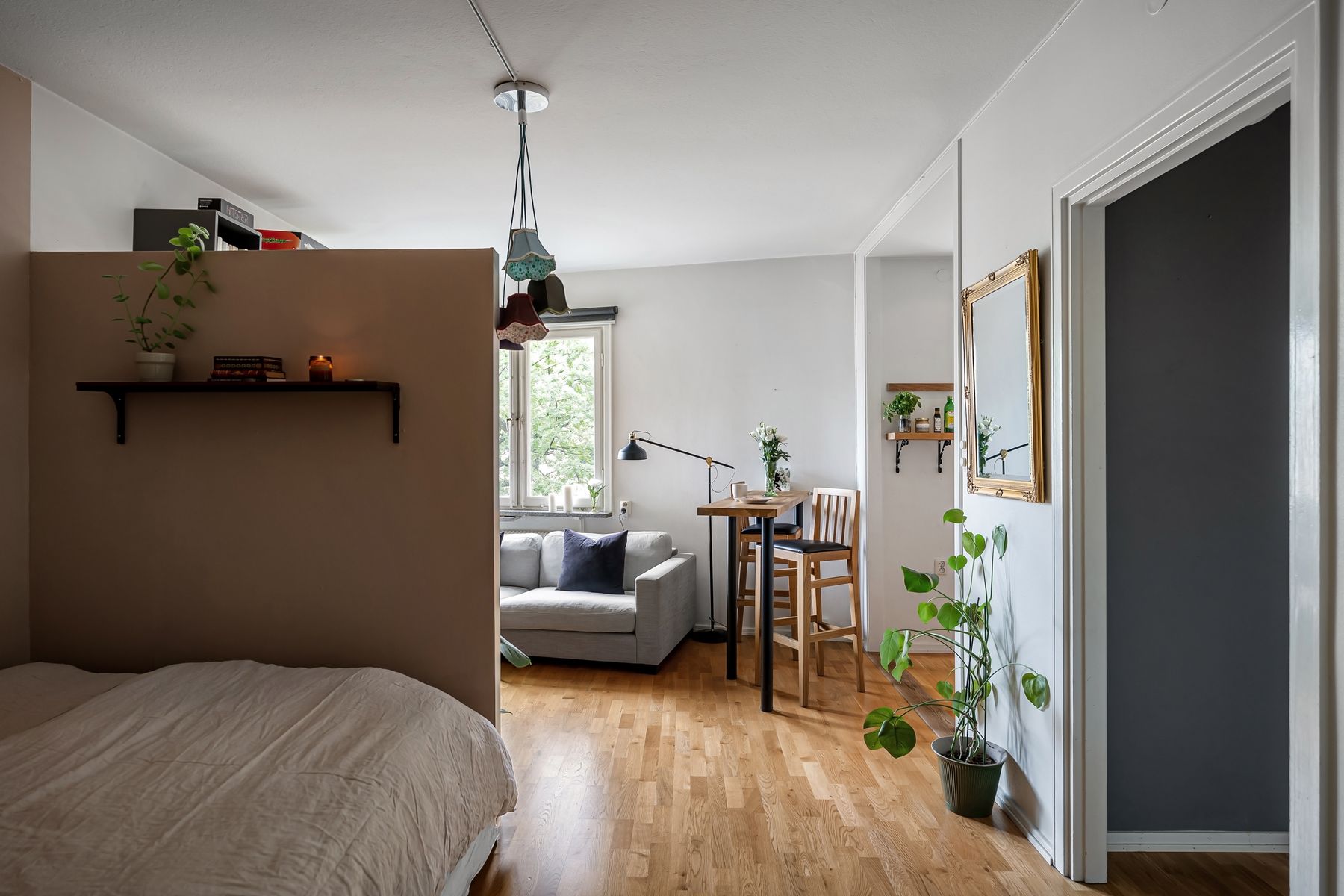
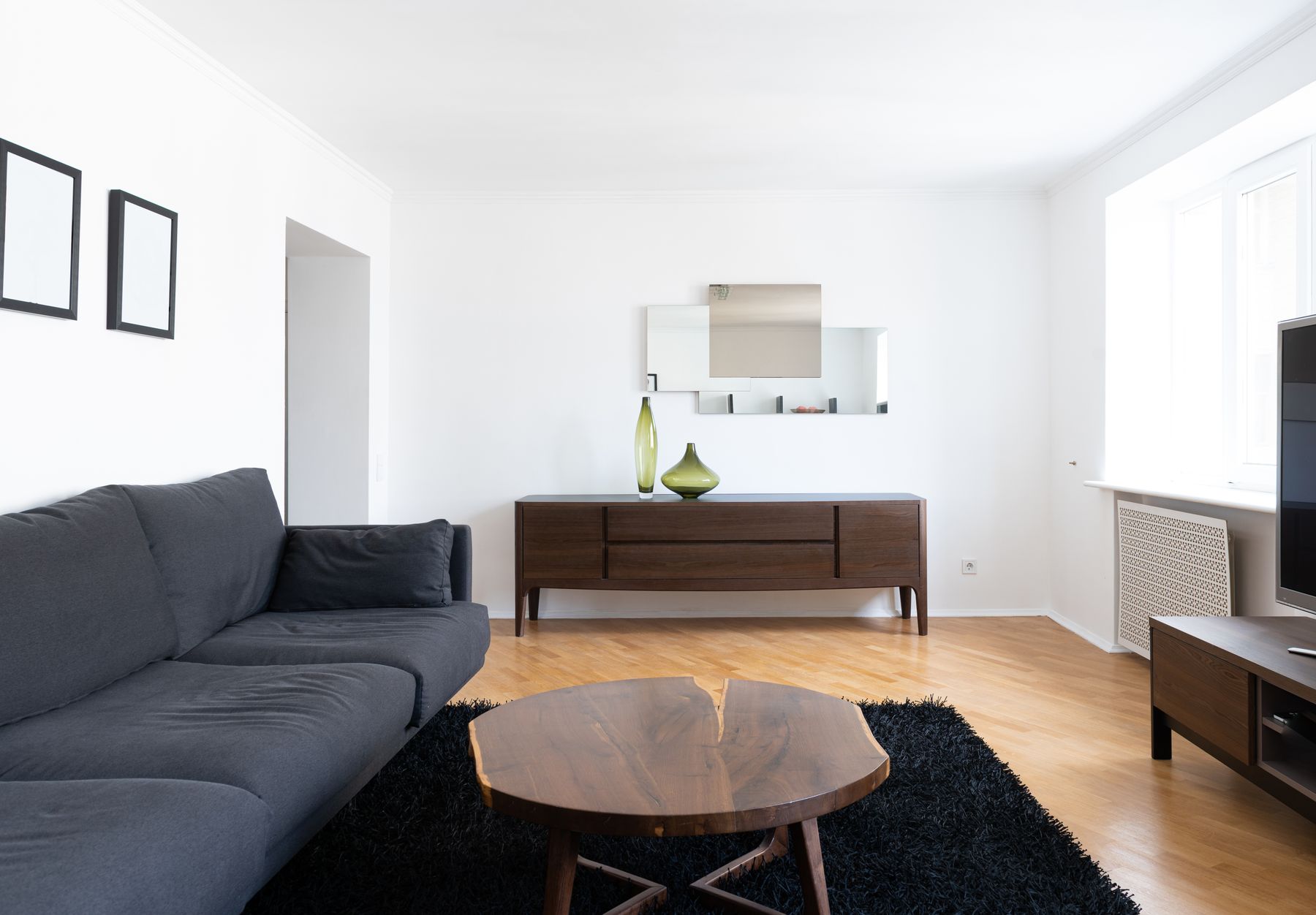
Wall color can help doors, switches, furniture edges and artwork remain legible, while excessive gloss or mirror placement can create disabling glare. Check surfaces from seated and standing eye levels and at different times of day. Keep frequently changed art, controls and display objects within comfortable reach for the household; heavy pieces should not require overhead handling. Preserve clear approach space in front of important controls and storage. Integrate these decisions with the [accessible movement plan](/living-room/living-room-layout-ideas/#plan-accessible-movement) rather than adding contrast or reach fixes after installation.
Anchor Heavy Objects and Remove Climbing Temptations
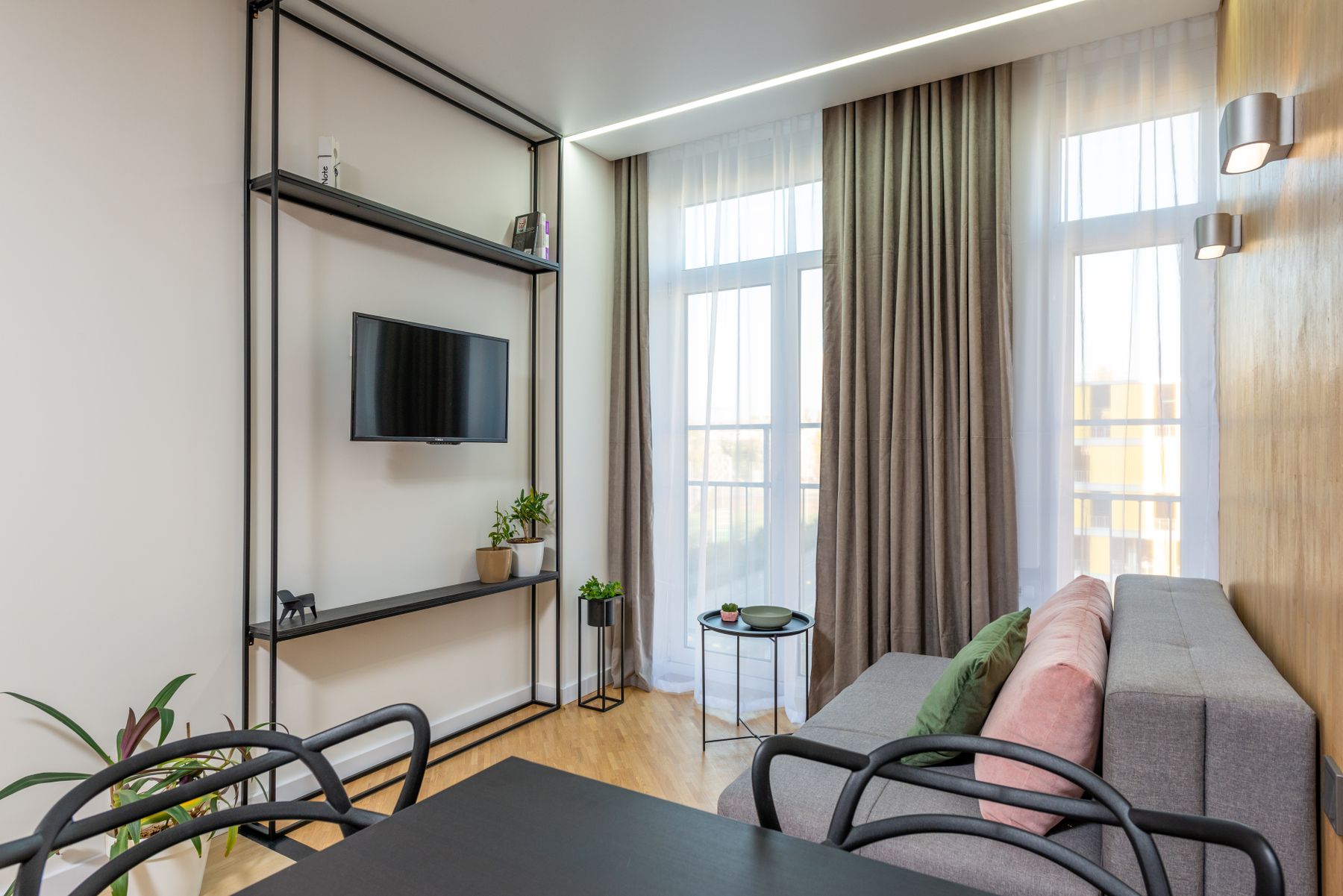
Follow the maker's instructions for securing televisions, bookcases, mirrors, shelves and cabinets, and select fixings for the real substrate rather than assuming every wall is solid. The U.S. Consumer Product Safety Commission advises anchoring televisions and furniture such as bookcases to reduce tip-over risk, particularly around children. Keep heavy objects low for safer handling, but do not treat that as a substitute for required anchoring. Avoid placing attractive toys or frequently used items high on climbable furniture, and route cords so children and pets cannot pull them.
Test the Complete Wall at Full Scale
Make an elevation with the sofa, console, screen, frames, sconces, switches and finish boundaries at their actual dimensions. Paper templates and painter's tape are inexpensive ways to test relationships; a temporary shelf or sample panel can reveal projection and shadow. View the mock-up from the entry and every seat, then photograph it in wide angle and normal perspective. Full-scale testing exposes near-alignments and crowded edges that look harmless on a small mood board. It also prevents buying decor simply because a blank drawing seems to need more objects.
Choose Finishes for Repair as Well as First Impact
Ask how the wall will be dusted, cleaned, retouched and opened for future wiring. Flat paint hides surface variation but may mark; polished finishes reveal glare and fingerprints; textured plaster can be difficult to patch invisibly; wallpaper needs spare material from the same batch; timber panels may fade unevenly around art. Keep product names, batch details and installation photographs. A finish that can be maintained honestly is often more sustainable than a dramatic surface that demands replacement after one damaged area. Test the approved cleaning method on a sample before installation.
Review the Wall in Daylight and Evening Light
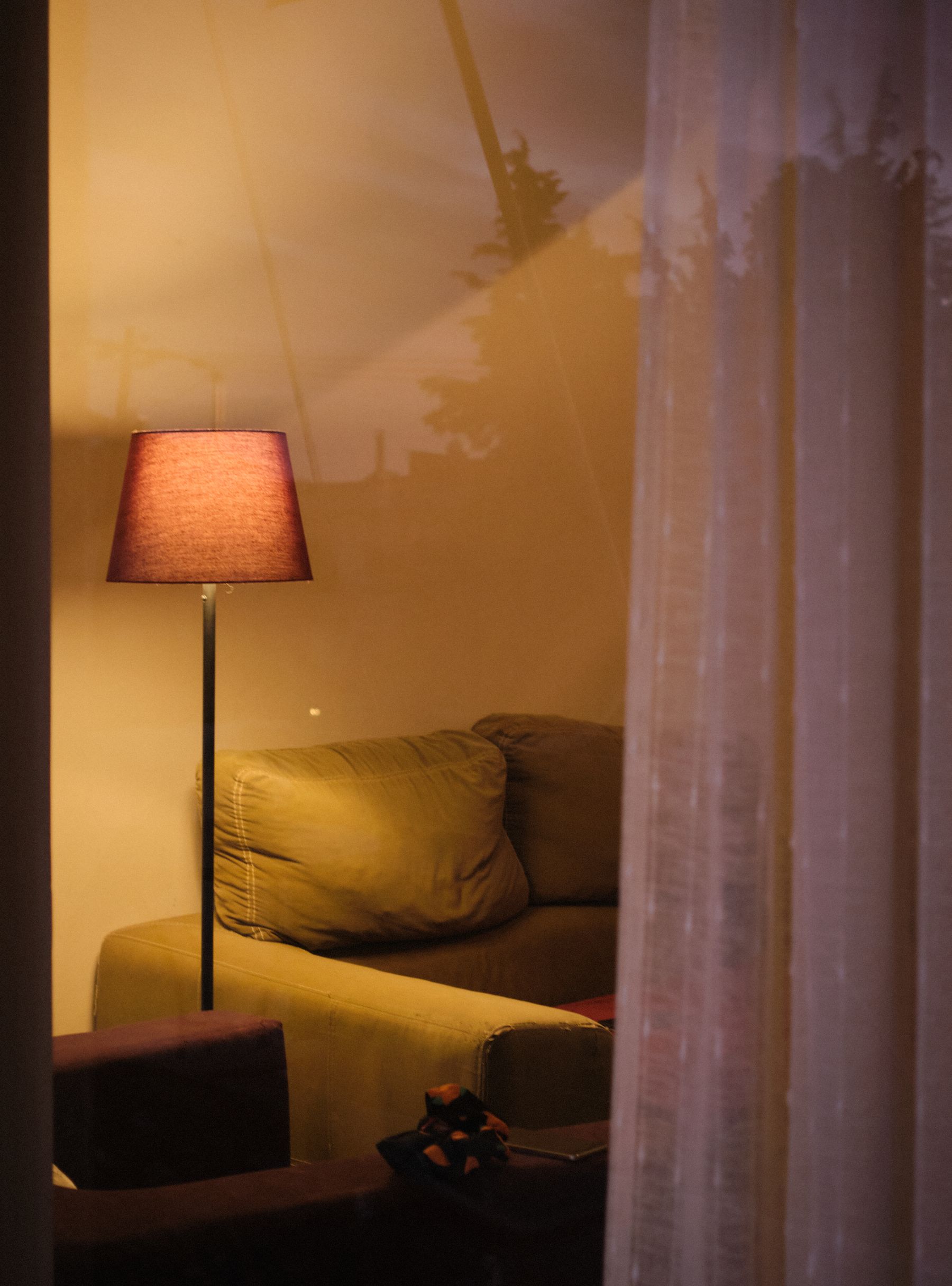
Complete the wall audit twice: once in the strongest natural light and once under the normal evening scene. Look for color shift, glare on frames, dark corners, hard shadows, visible cables and a television that becomes too dominant when off. Adjust lighting or object position before adding another decorative layer. Photograph both conditions from the seats because the camera often reveals competing highlights the eye has learned to ignore. The [living room lighting guide](/living-room/living-room-lighting-ideas/) can help rebalance the whole scheme if the wall only works during one part of the day.
Know When the Wall Is Finished
A wall is complete when it supports the focal hierarchy, furniture and daily use without leaving an unresolved safety, service or maintenance problem. Empty area around a strong artwork, window or fireplace is useful visual space. Remove one minor object and reassess before filling another gap. After several weeks, note whether art is ignored, shelves collect unrelated items, glare appears or cleaning becomes difficult. Revise assignments before buying more decor. The goal is a room whose walls can absorb ordinary change without requiring every new possession to become part of the permanent composition.