Separate Contemporary From Modern
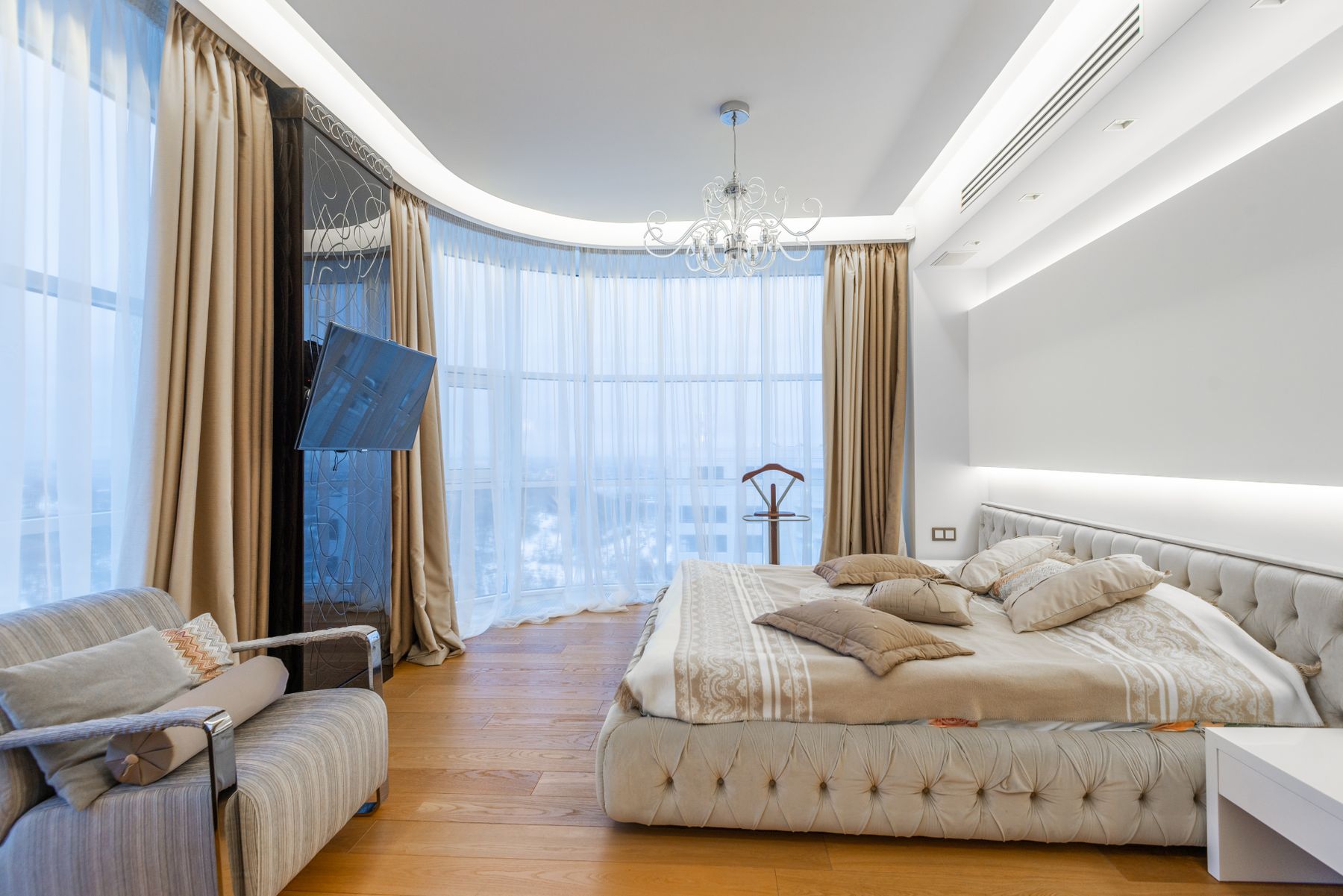
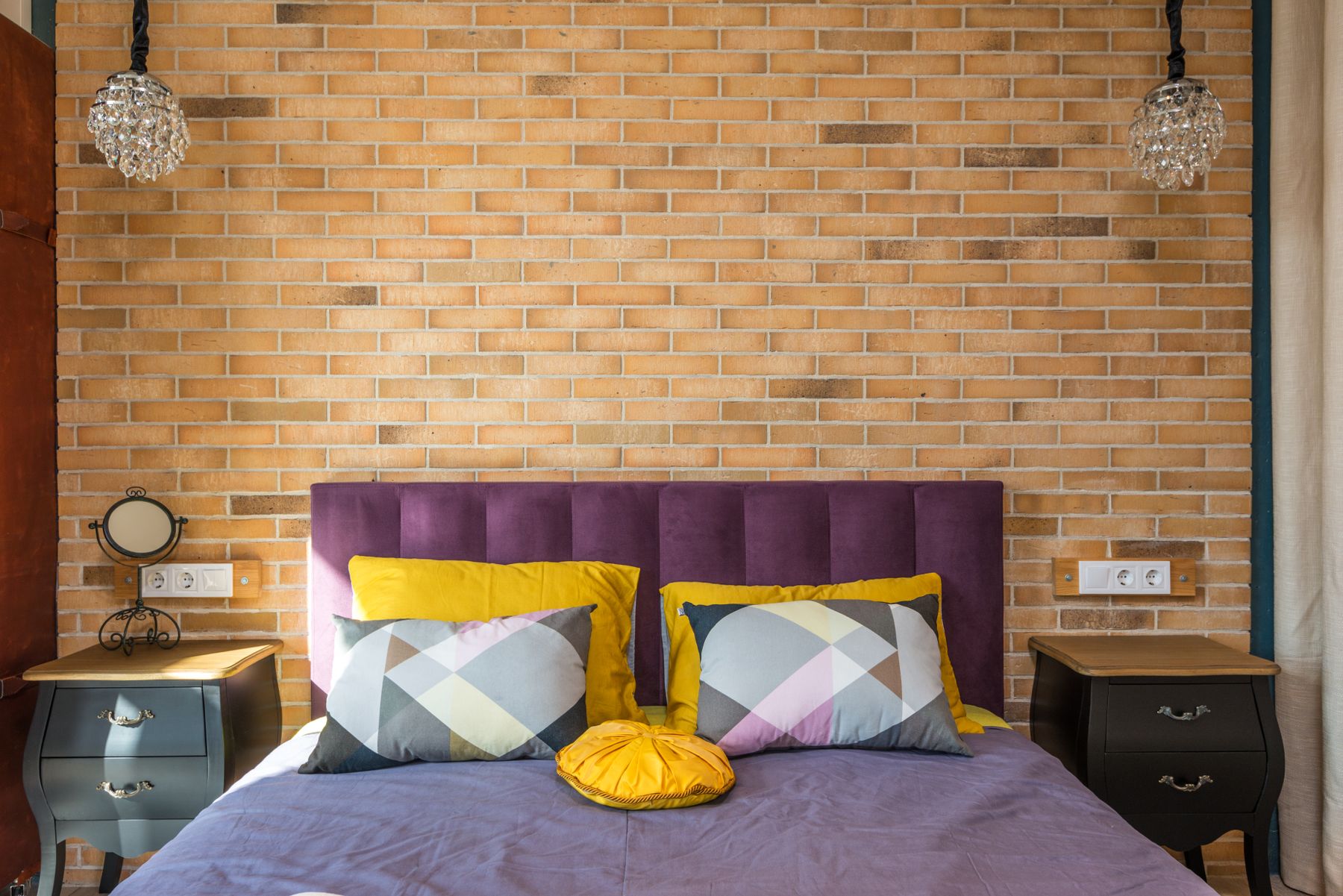
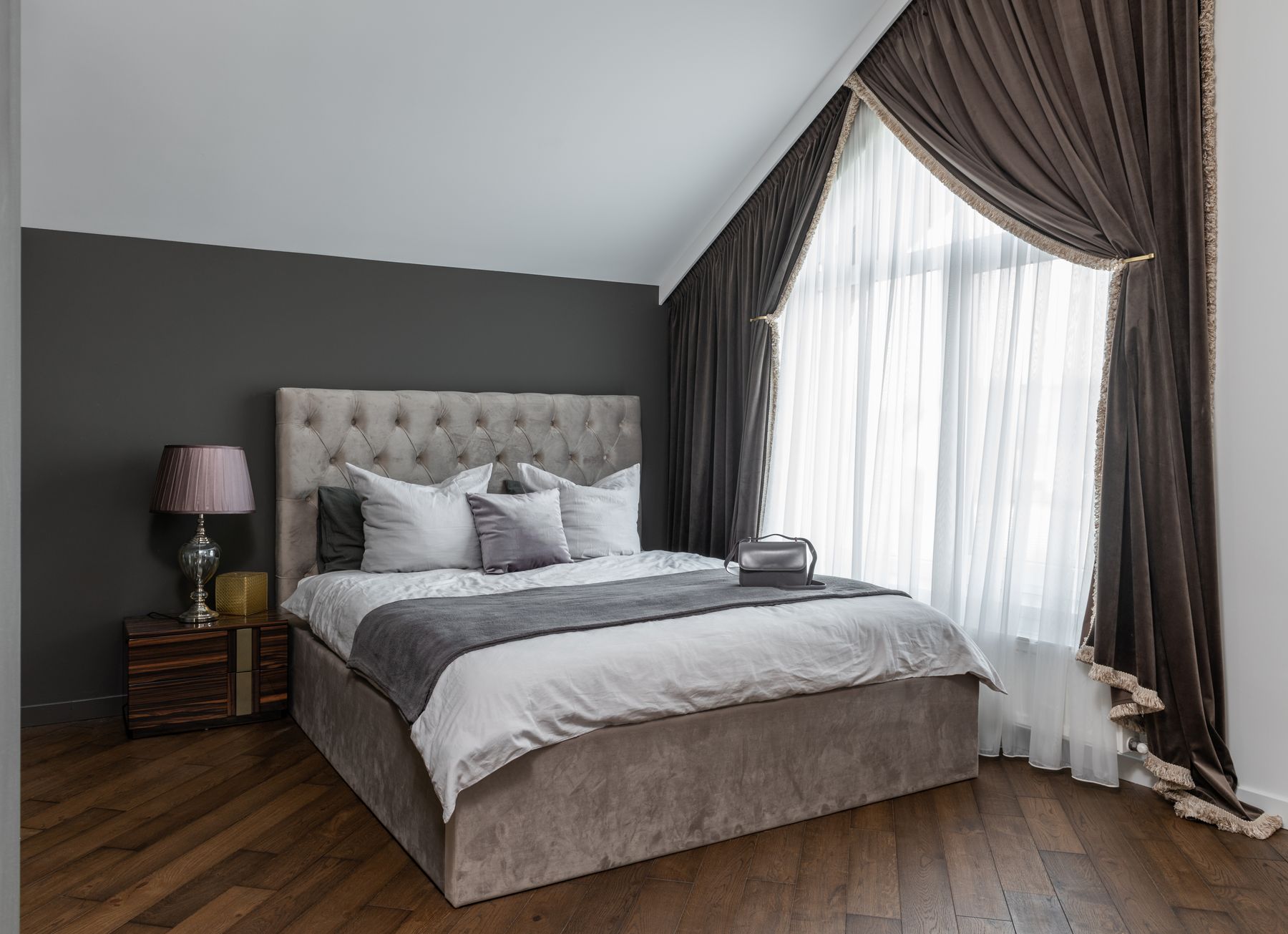
Modern design usually points to an established language of functional planning, clean geometry and limited ornament. Contemporary design borrows that clarity but reflects what feels relevant now, including softer silhouettes, richer texture, stronger color and experimental material combinations. The distinction matters because this page should not duplicate [modern bedroom ideas](/bedroom/modern-bedroom-ideas/). Begin with a usable, composed room, then identify the one or two current ideas that genuinely improve comfort or expression instead of treating every new product as contemporary by default.
A Long-Life Architectural Base Comes First
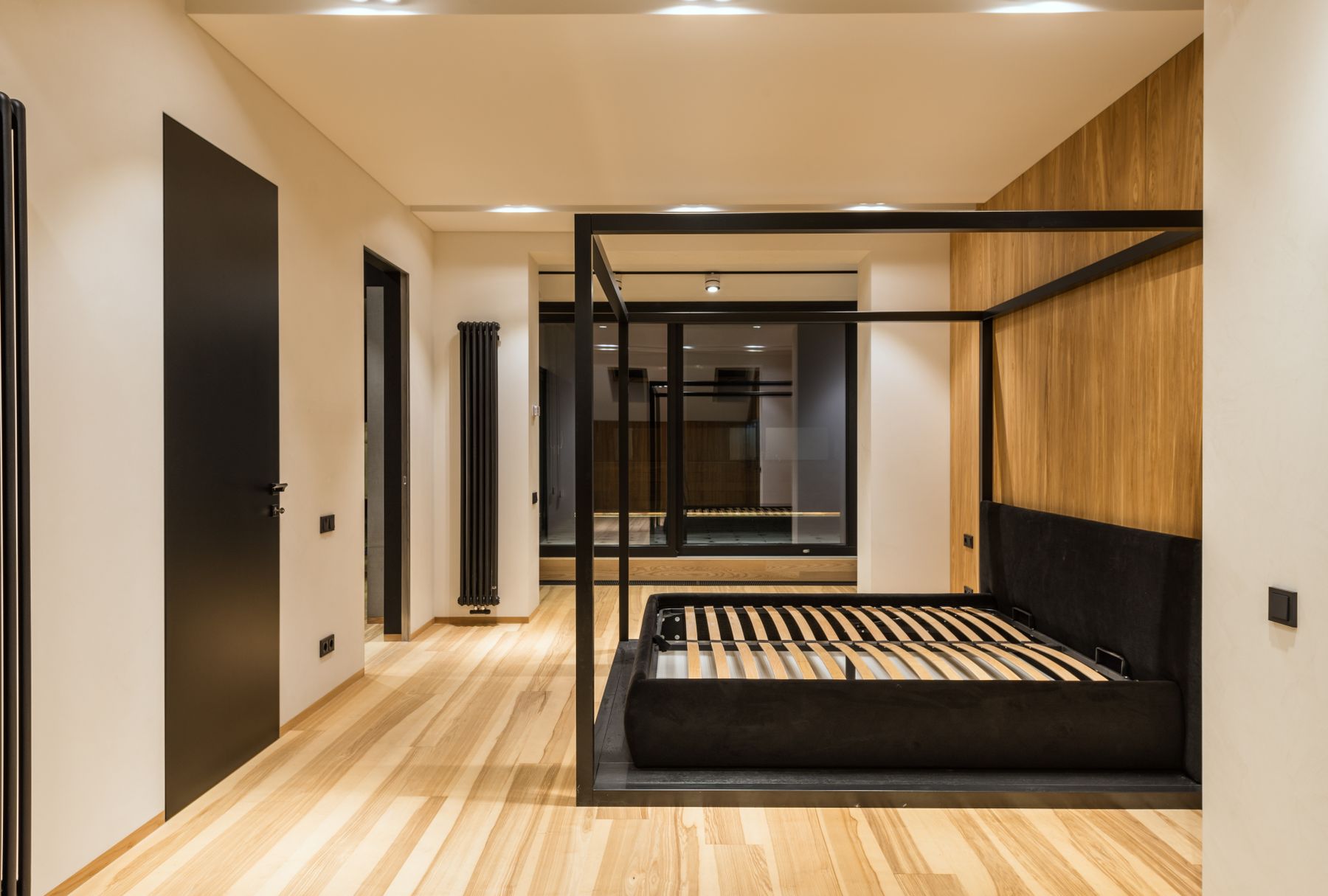
Treat flooring, major wall fields, doors, heating, fixed joinery and electrical routes as the slow layer. These elements can have character, but they should cooperate after a fashionable color or light fitting changes. Confirm bed clearances, wardrobe opening, cleaning access and the path from door to window before specifying decorative panels. A stable architectural base is not timid; it is the framework that allows current furniture and textiles to evolve without repeated waste, construction or compromised circulation.
Use Curves Where They Improve the Experience
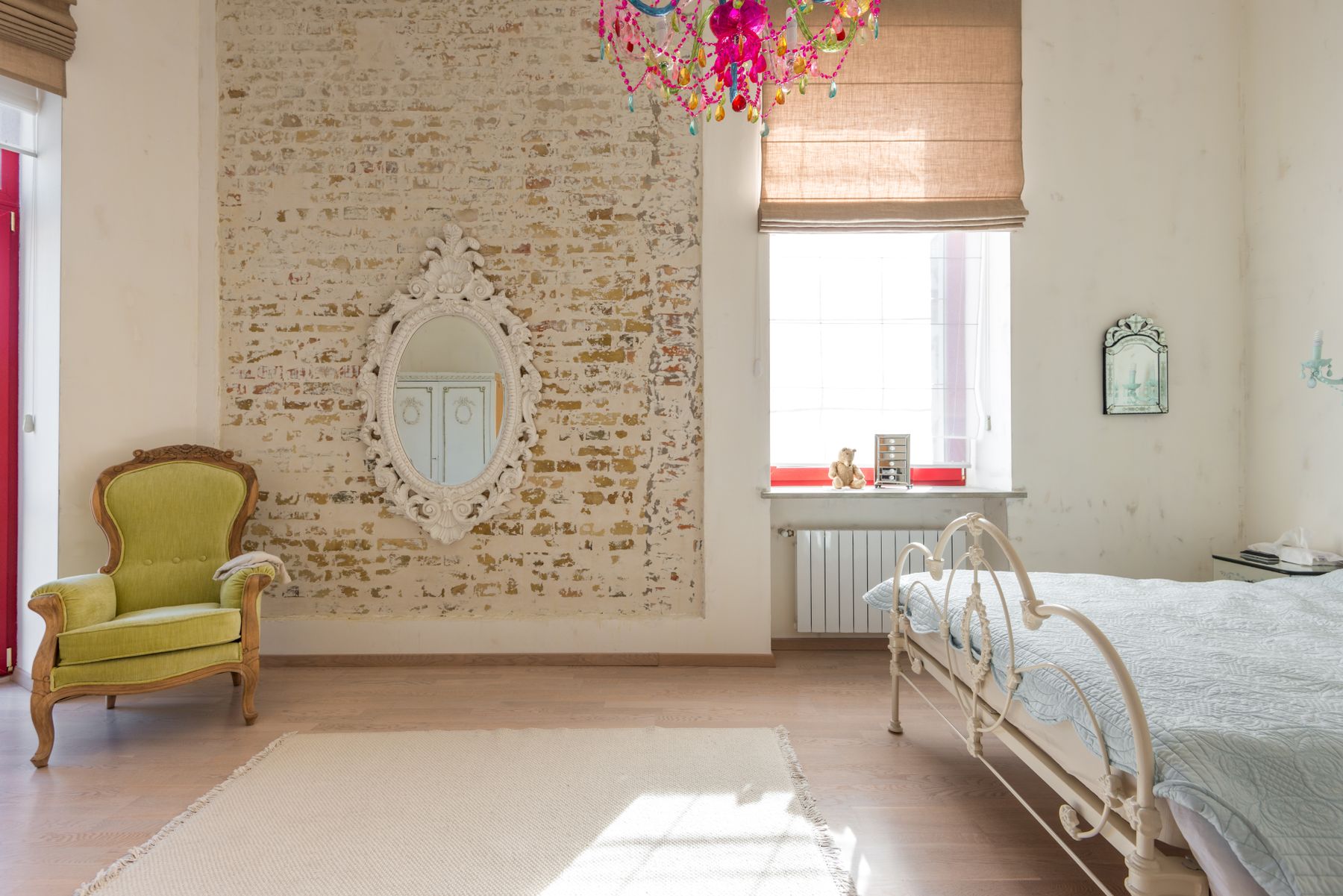
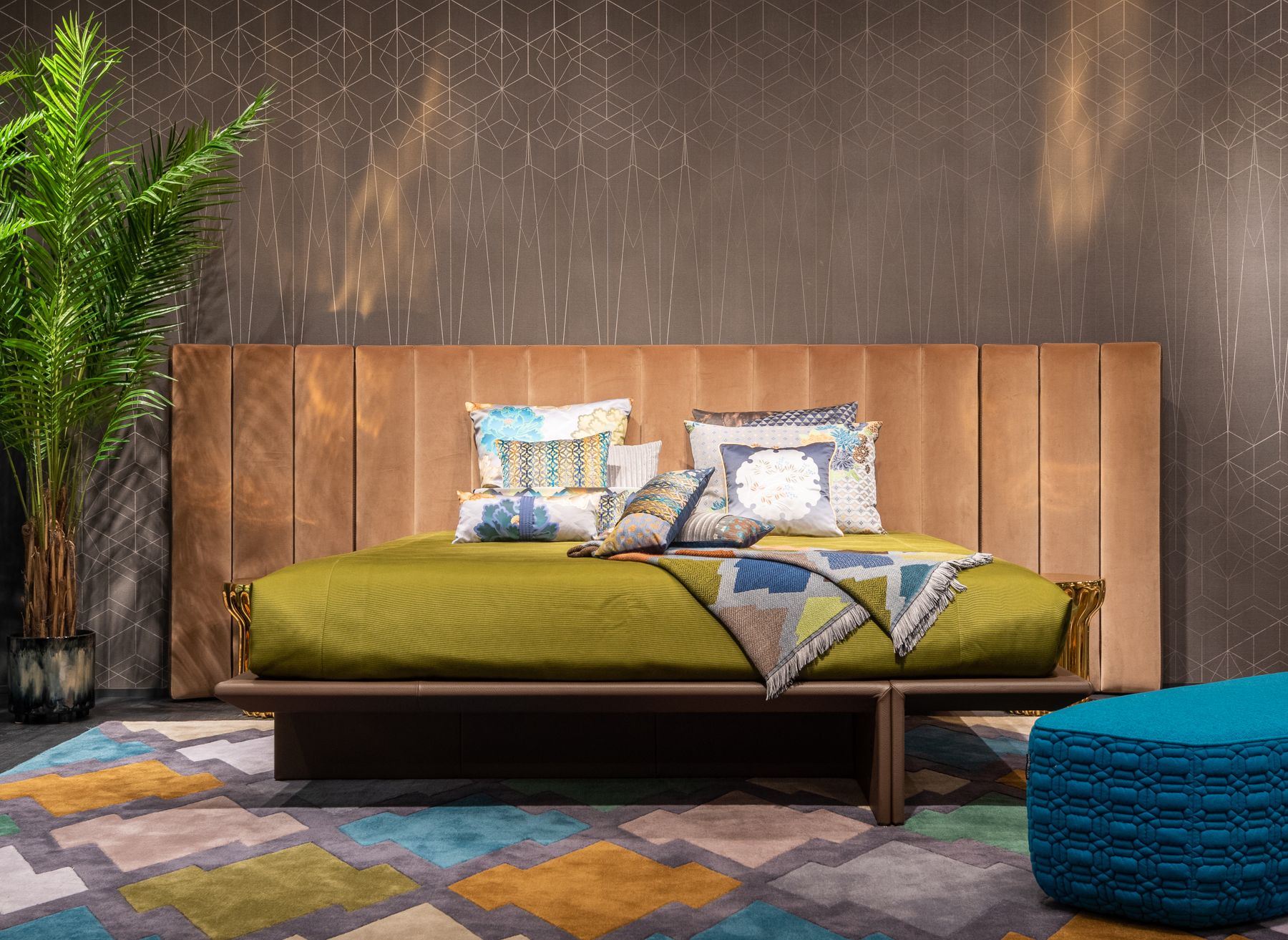
A radiused headboard, oval mirror or rounded bedside table can soften straight walls and cabinetry, but every object does not need the same curve. Choose the location where a rounded edge improves touch, movement or visual flow. Check the real footprint of bulbous furniture and allow clearance around upholstered corners. Repeating one radius at different scales creates coherence; combining arches, waves, circles and scallops indiscriminately turns an inviting form language into a catalogue of trends.
One Intentional Color Field
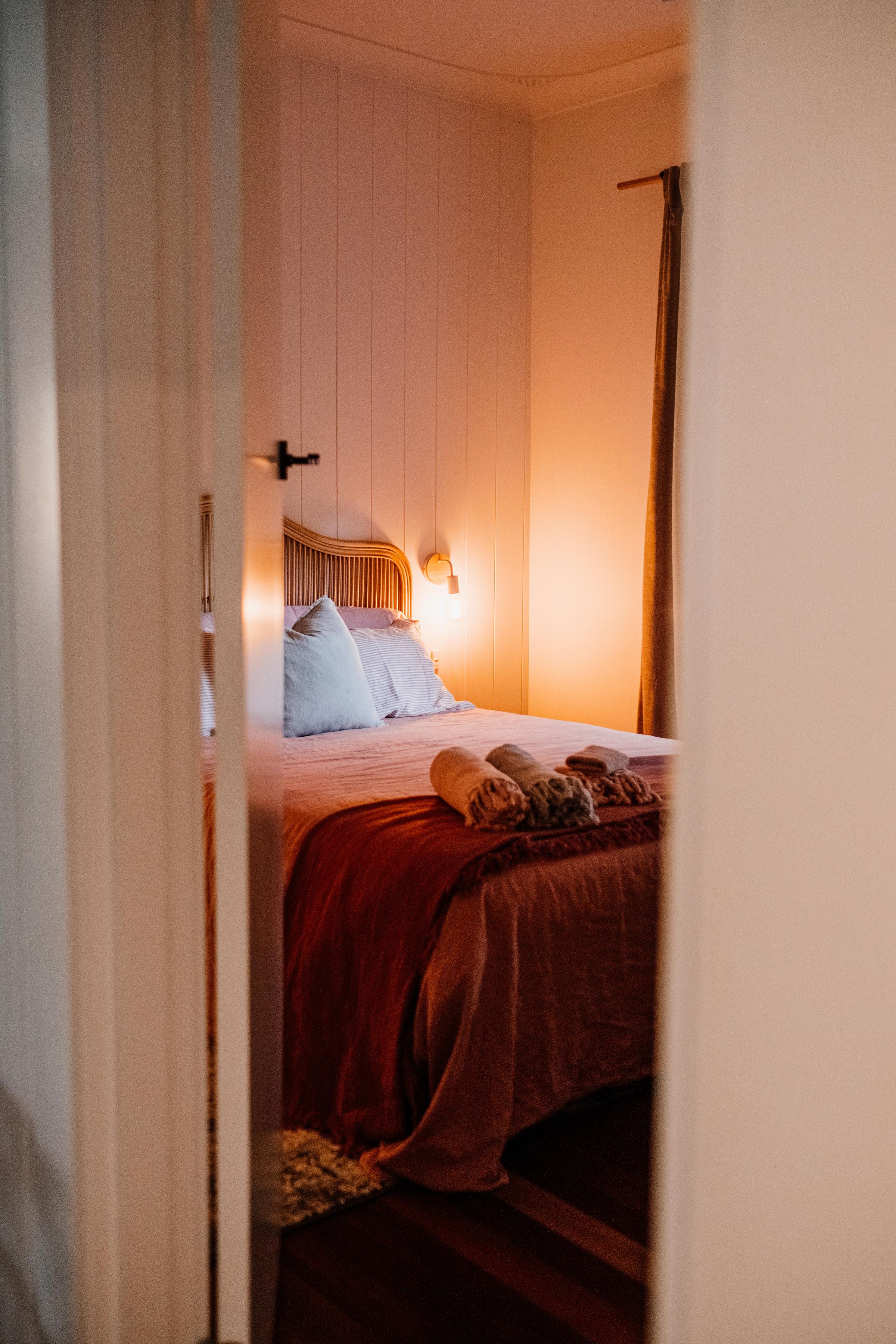
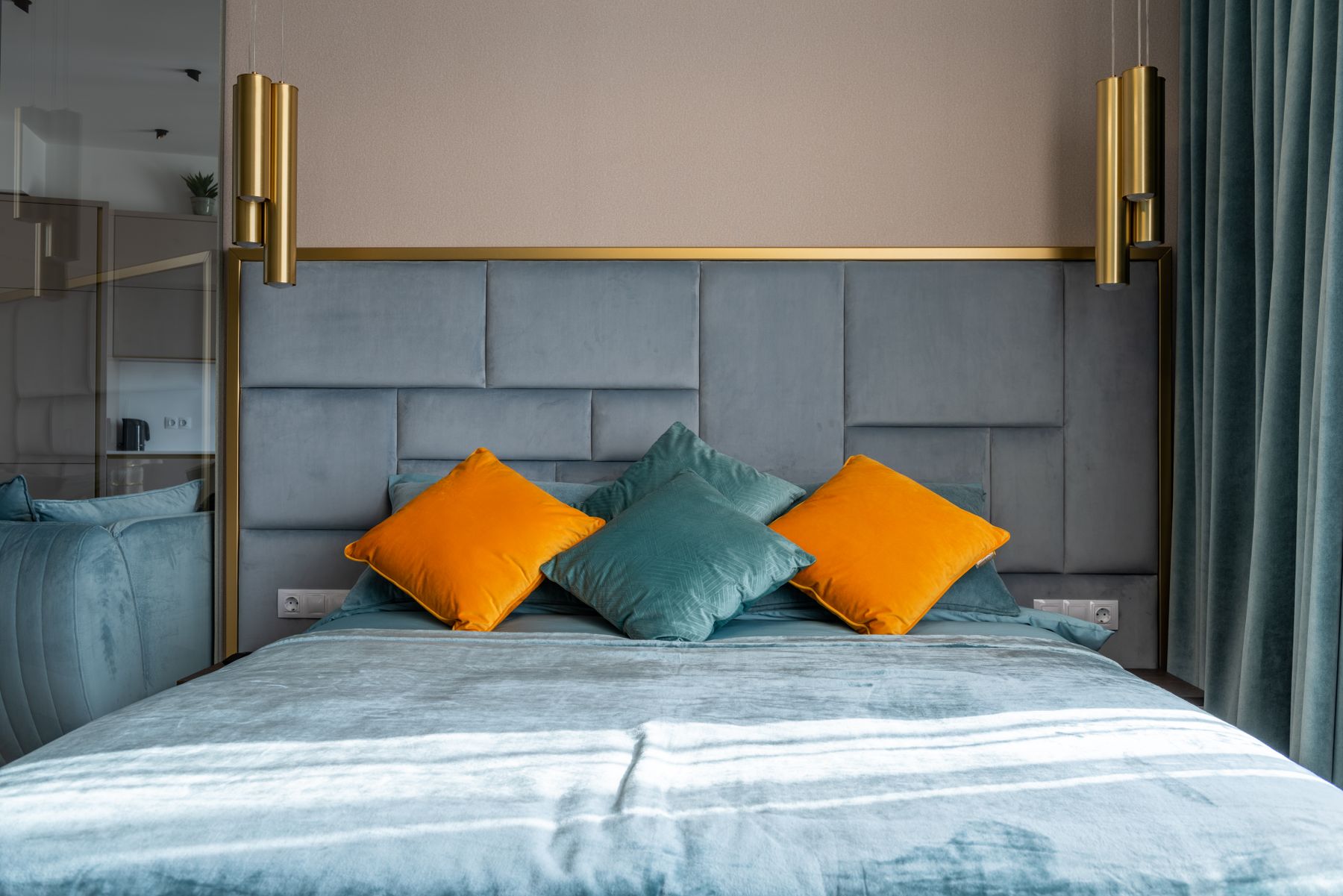
Contemporary color works best when it occupies enough area to feel structural. Use a colored headboard, enveloping wall, broad rug or bedding field rather than scattering tiny accents across shelves. Muted red, grown-up blue, olive, clay and plum can all feel restful when their undertones suit the room's daylight. If the color is strongly trend-led, place it on paint, upholstery or textiles that can change without disturbing fixed construction. Test large samples beside skin, timber and nighttime light.
Texture Before Additional Objects
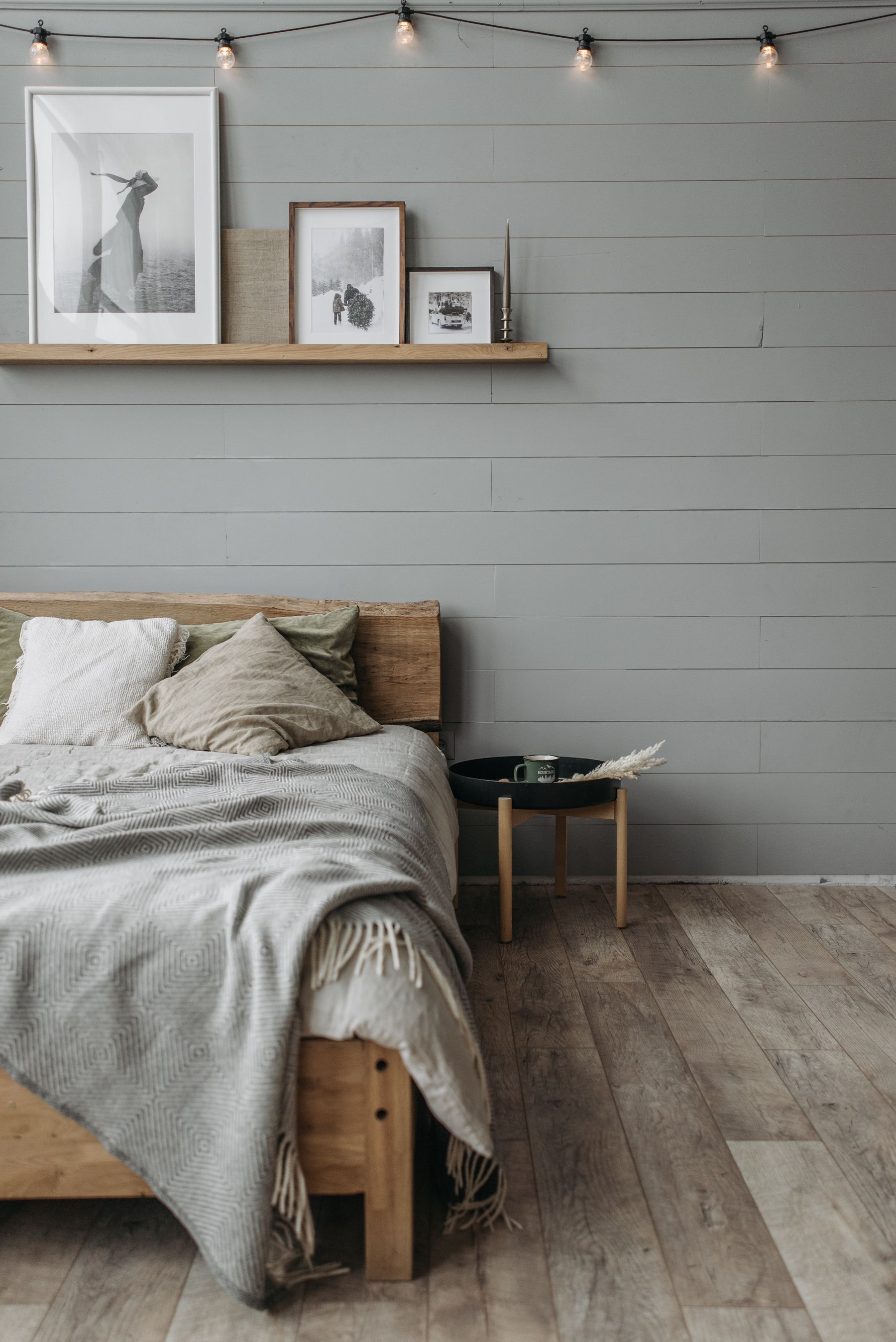
Combine surfaces that respond differently to light and touch: matte wall, visible wood grain, softly woven curtain, smooth table and one low-sheen metal. Texture is strongest when it also improves acoustics, warmth or comfort. Avoid repeating the same fashionable boucle, fluting or ribbing across the bed, bench, wall and wardrobe. The bedroom needs areas of visual rest, and deeply textured materials collect dust differently. Sample the complete group in daylight and lamplight before adding decorative objects to compensate for flatness.
Let the Headboard Carry the Focal Point
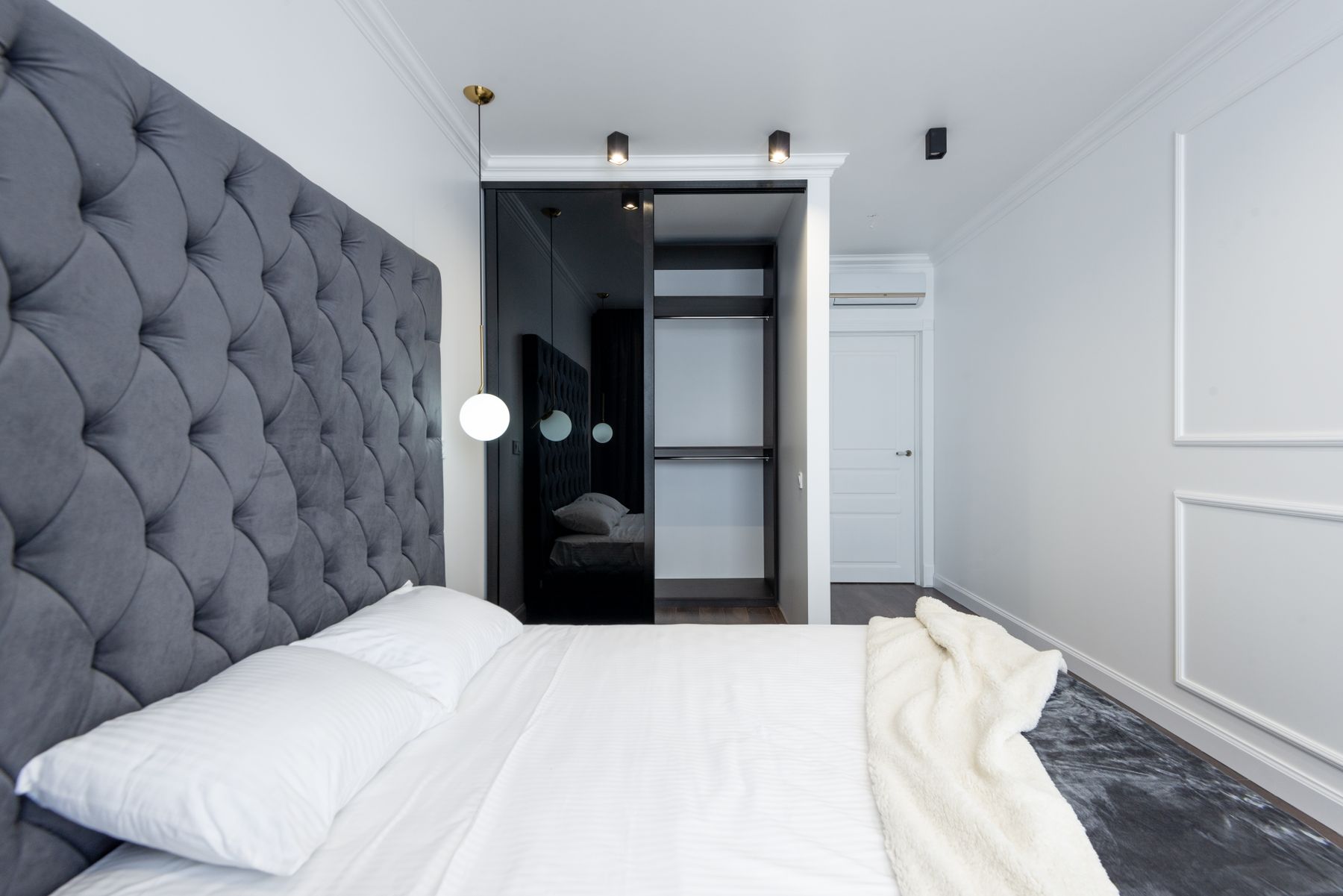
An oversized upholstered headboard can improve acoustic softness and make the bed architectural, but its scale must respect windows, switches, sockets and future mattress changes. Inspect the frame, fire performance, cleanability and access behind it before commissioning wall-to-wall construction. If the headboard is the statement, simplify art and bedside lighting around it. A modular or removable panel system offers a safer route for a fast-moving fabric color than permanently building every wall around one fashionable profile.
Contrast That Clarifies the Bed Zone
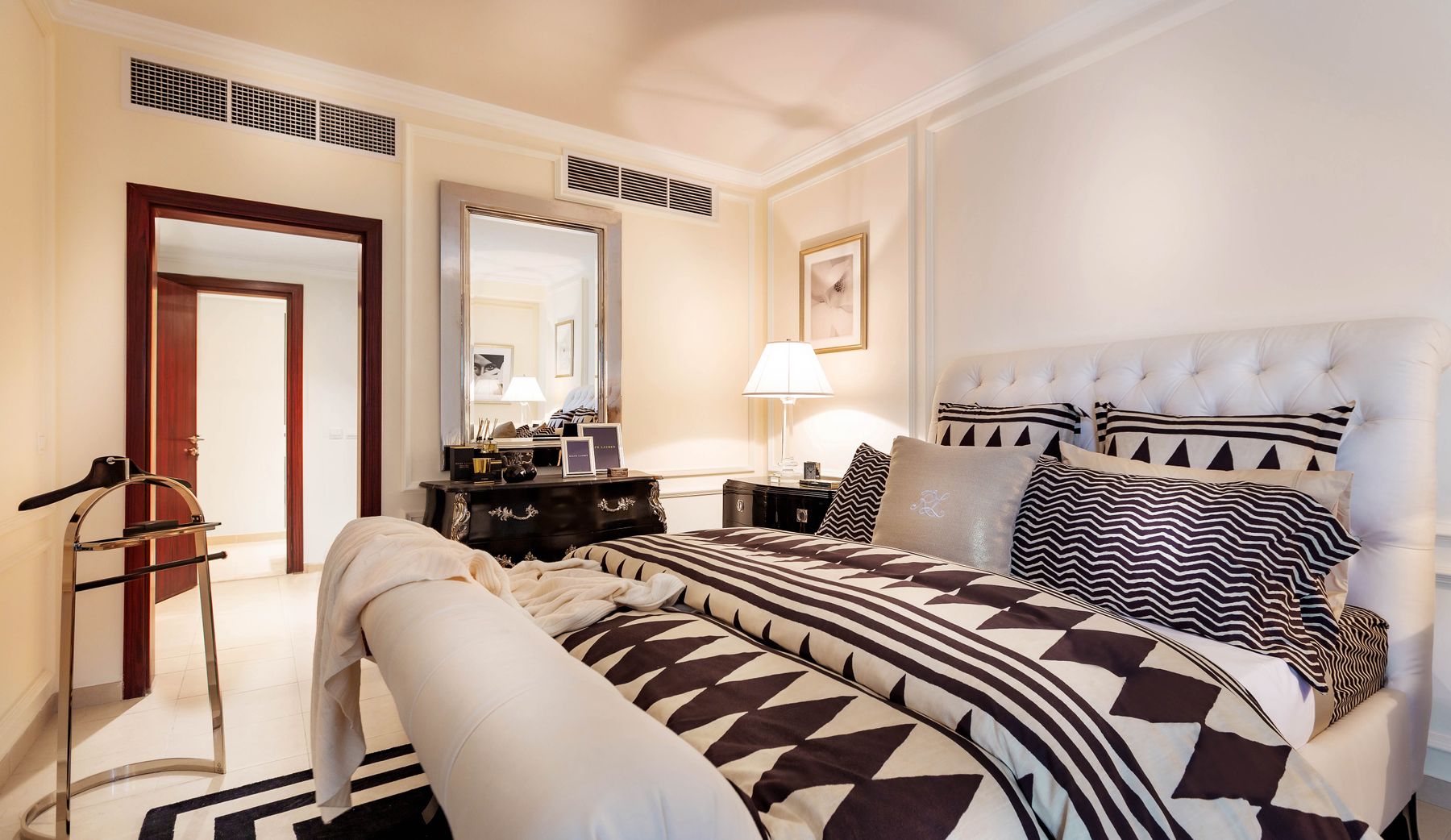
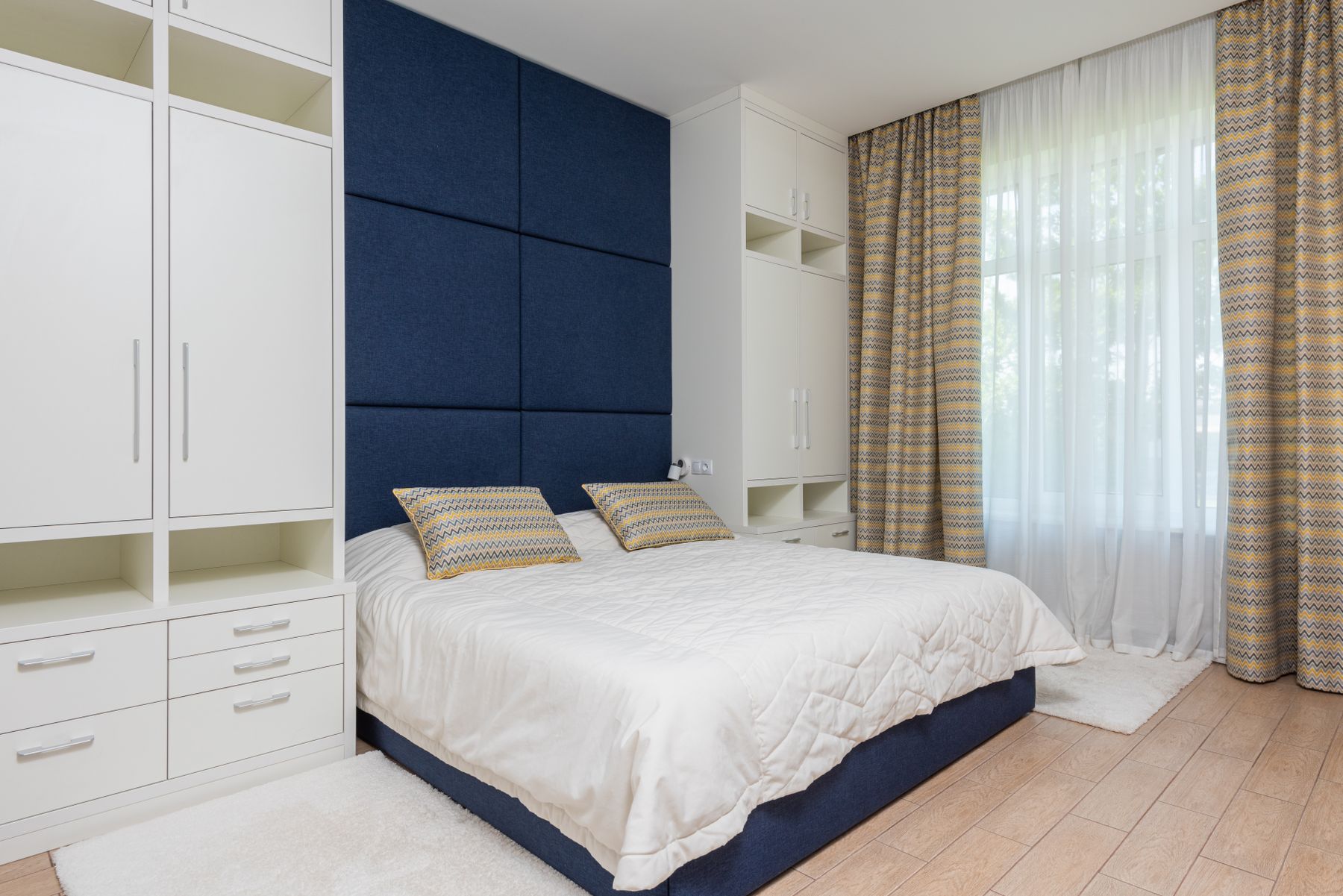
Contrast can come from value, color, texture or shape, but one clear method is usually enough. A darker headboard against pale joinery, crisp bedding against a tonal wall or a curved bed within a rectilinear wardrobe frame gives the eye an immediate hierarchy. Maintain enough contrast at floor edges, switches and furniture for navigation, especially at night. Avoid outlining every object in black; repeated high contrast can make a sleep space feel graphic and active rather than composed.
Warm Neutrals Begin With Undertone
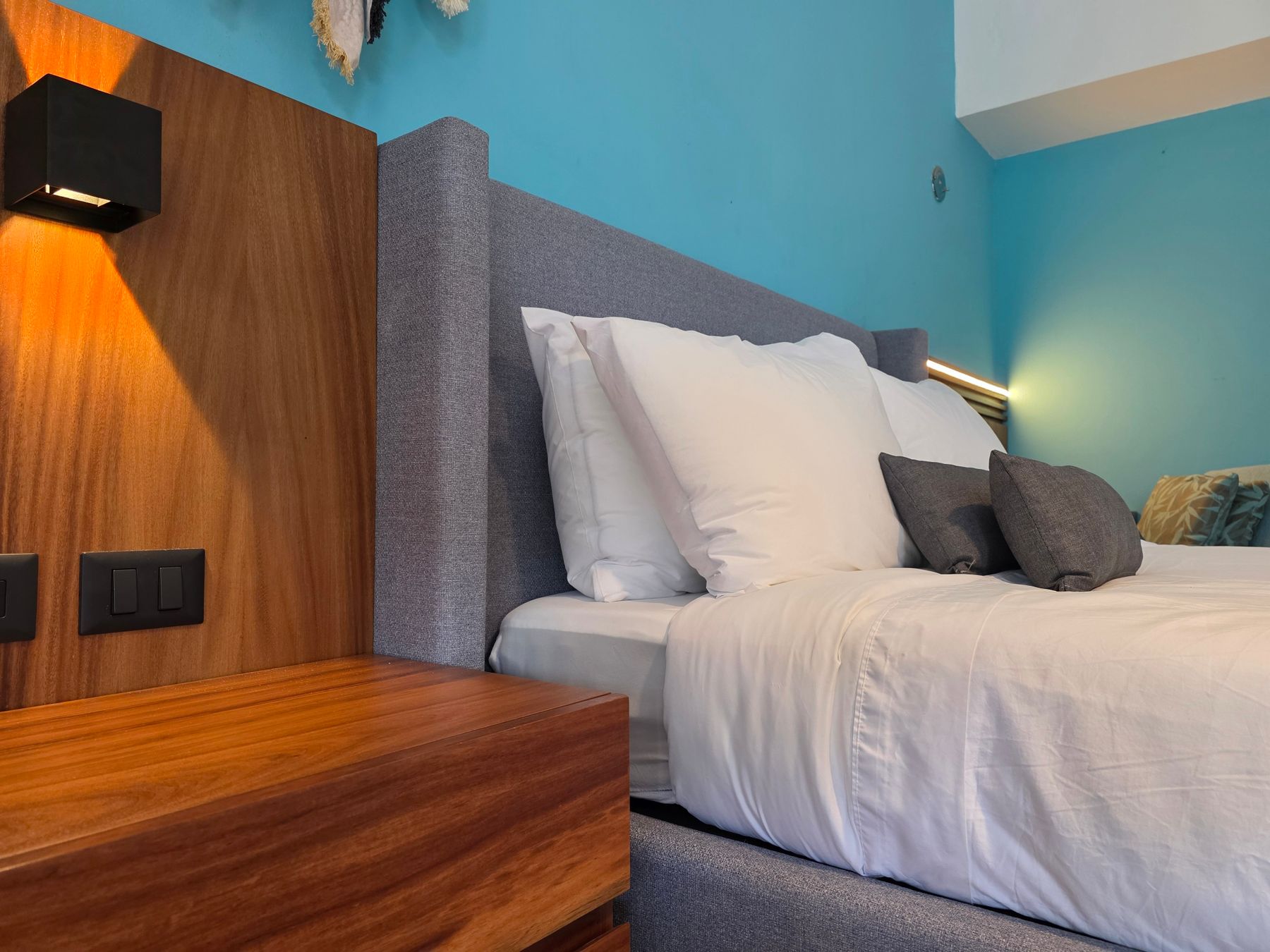
Taupe, mushroom, caramel, softened gray and warm white are useful contemporary foundations only when their undertones cooperate with daylight, wood and upholstery. A color described as calming can turn blue, pink or green in the actual room. Test large movable samples on several walls over multiple days, then compare them under the planned lamps. Build light, middle and dark values rather than matching every neutral exactly. Variation gives depth while a shared undertone keeps the scheme from fragmenting.
Dark Panels as a Defined Volume
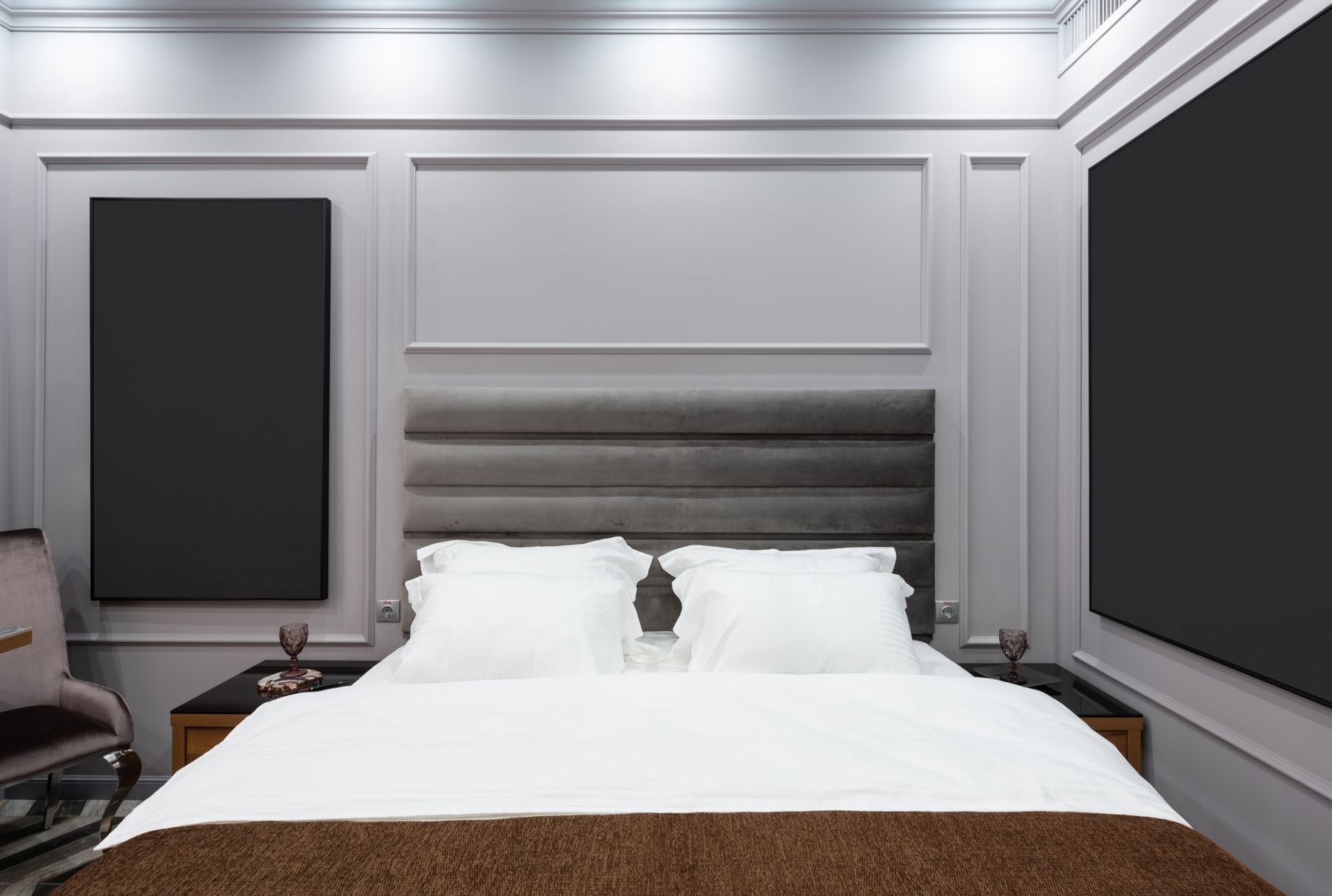
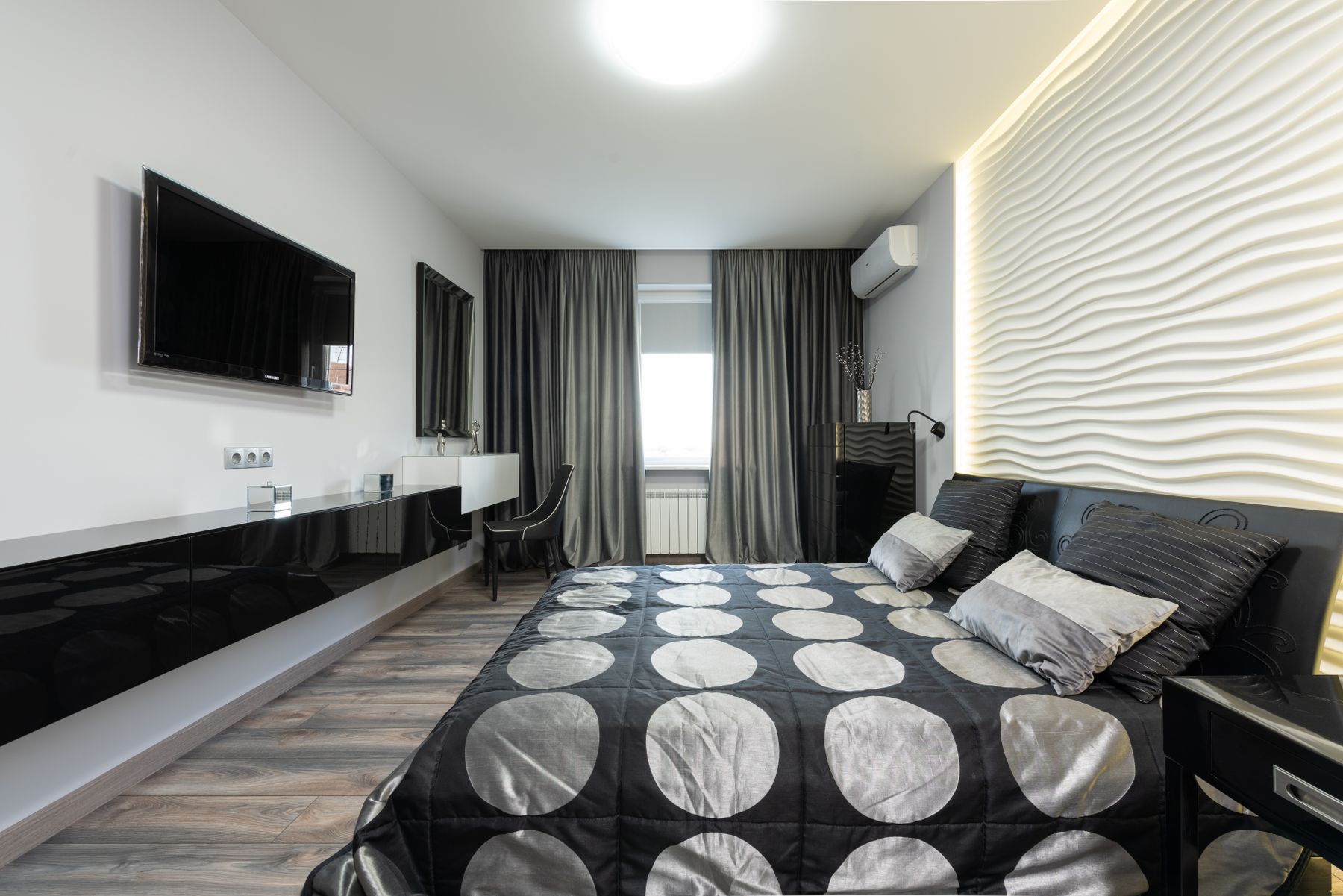
Charcoal, deep brown or black paneling can create a cocooning bed zone when its edges follow the architecture. Keep bedding, curtains or adjacent walls lighter enough to reveal form and support nighttime orientation. Panels must not conceal damp, unsafe wiring or ventilation problems, and heavily grooved surfaces increase dusting. If the dark treatment is primarily a fashion choice, paint or removable panels may be wiser than expensive fixed cladding. The goal is depth, not a stage set.
Wood With One Reflective Counterpoint
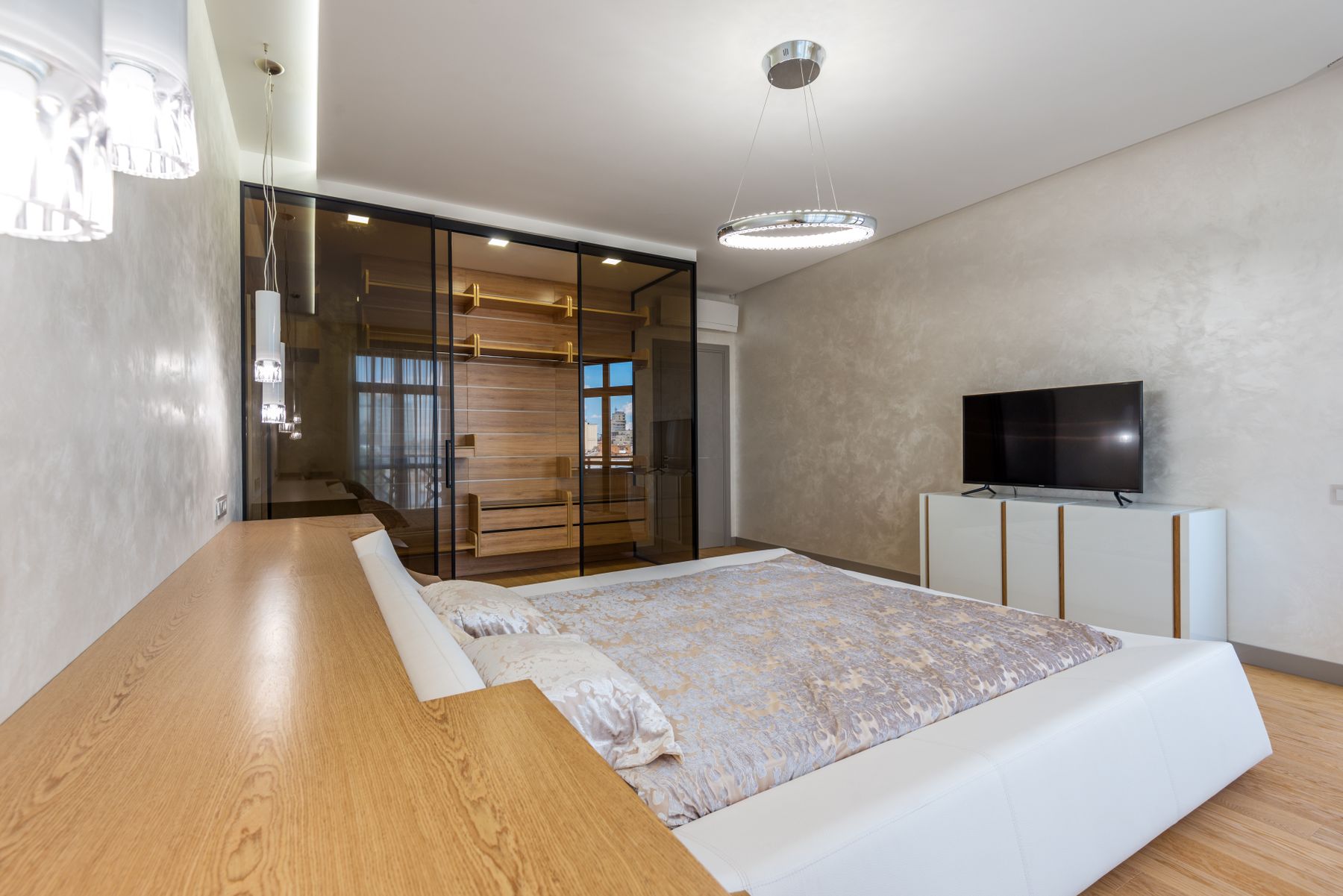
Wood can keep a contemporary room warm, while a limited glass, metal, lacquer or stone surface introduces sharper light response. Let one finish play the reflective role rather than combining mirror, polished brass, chrome, glossy stone and lacquer at equal strength. Consider fingerprints, glare and repair before selecting sheen. Mixed wood tones work when their undertones relate and one remains dominant. Readers planning the whole dwelling can continue to [contemporary apartment ideas](/apartment/contemporary-apartment-ideas/) for cross-room material coordination.
Layer Light as Atmosphere and Task
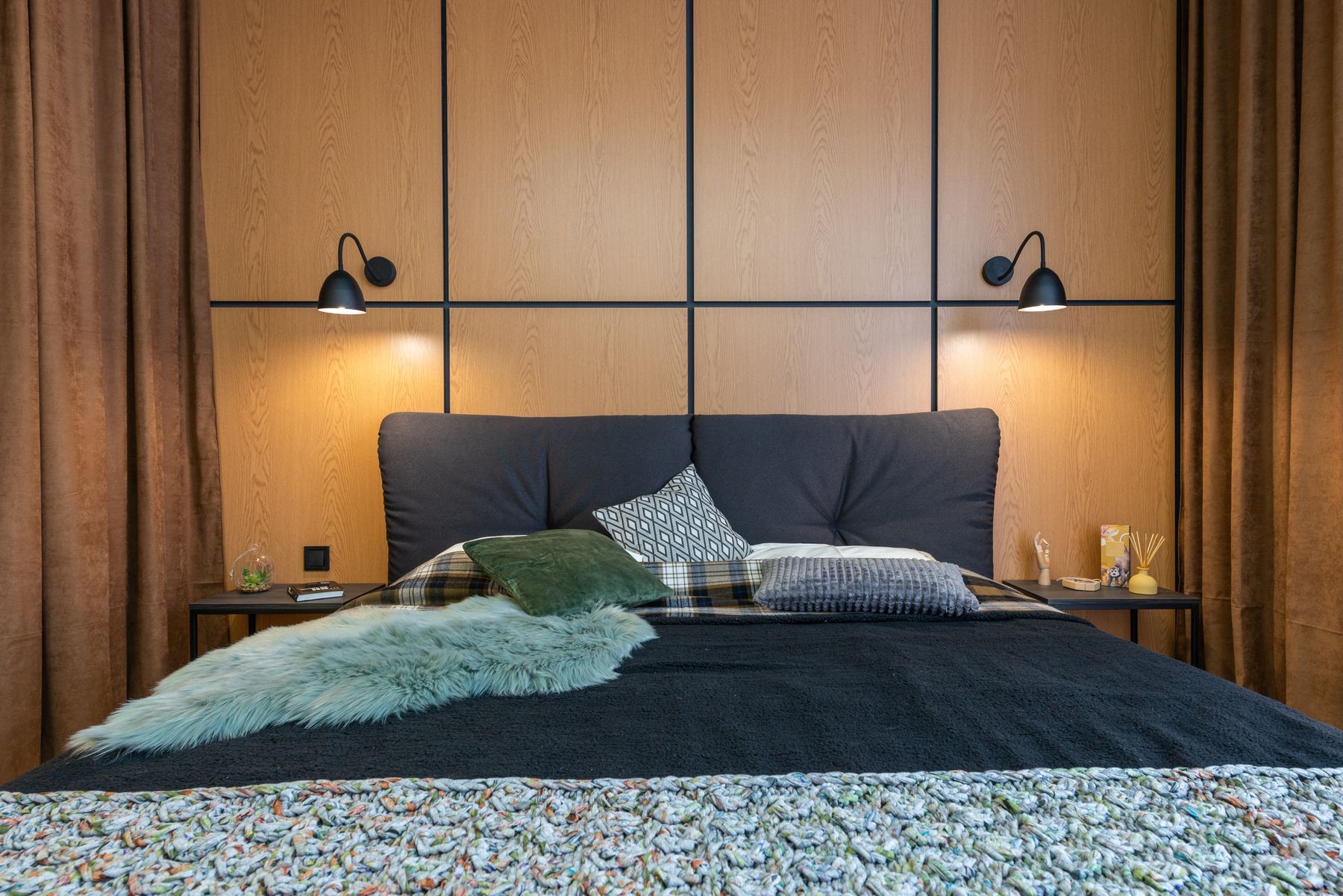
Combine ambient light, independent reading sources and a low nighttime route. Sculptural pendants or portable lamps can provide the current layer, but glare, cable routes, switch access and color rendering decide whether they work. Integrated light should remain serviceable and avoid trapping the room in obsolete controls. Put major layers on separate dimmers or switches, and keep hot fittings clear of textiles. The [living-room lighting guide](/living-room/living-room-lighting-ideas/) offers a broader framework for balancing task, ambient and accent light.
Size the Rug Around Real Movement
A bedroom rug should serve the sides used for getting in and out of bed, reduce echo and remain stable in the nighttime route. One broad rug usually looks calmer than several small pieces and is easier to vacuum. If a bold color or organic shape is the contemporary gesture, keep the surrounding floor and bedding controlled. Confirm door clearance, underlay compatibility and cleaning needs before buying; high pile and raised edges may conflict with accessibility, pets or robotic cleaning.
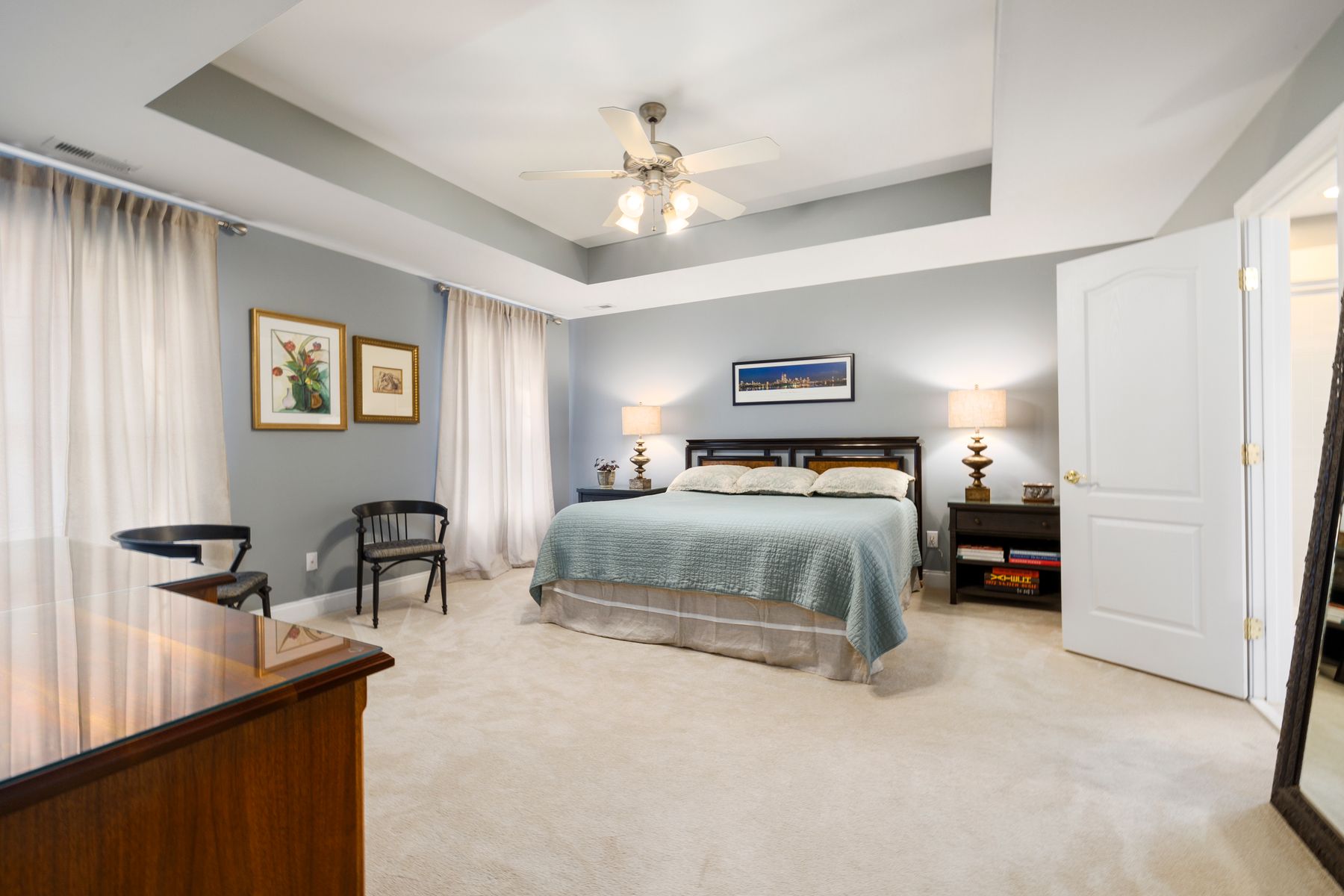
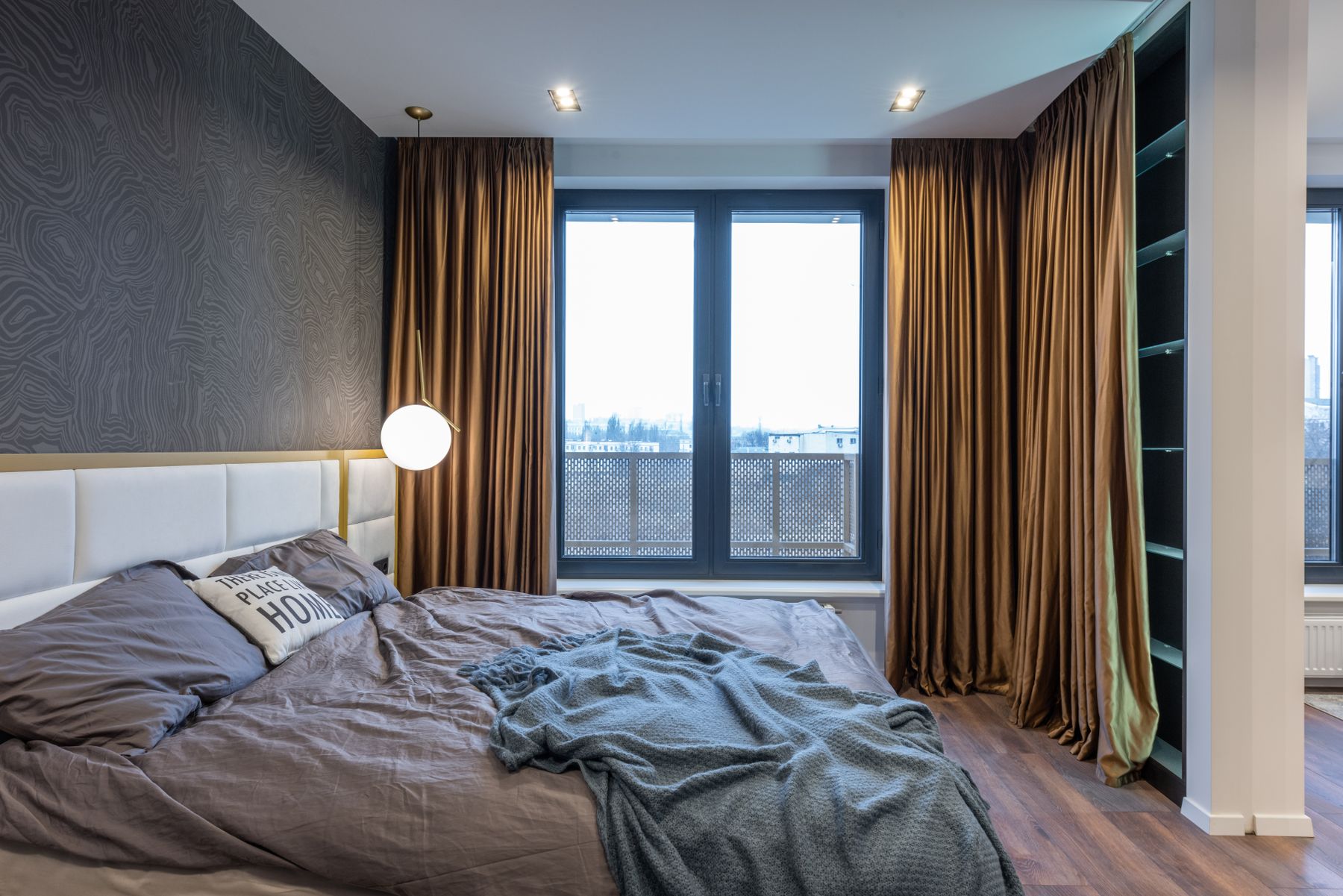
Dress Windows for Sleep and Softness
Contemporary bedrooms are moving beyond bare glazing, but decorative fullness must still provide blackout, privacy and easy operation. Pair a sheer or textured curtain with a lined layer, blind or shutter where true darkness is needed. Preserve heating, ventilation and handle access, and check the nighttime exterior view. Decorative ceiling tracks can make a room feel taller, yet the stack should not consume useful daylight. Choose cleanable fabric and hardware strong enough for repeated daily movement.
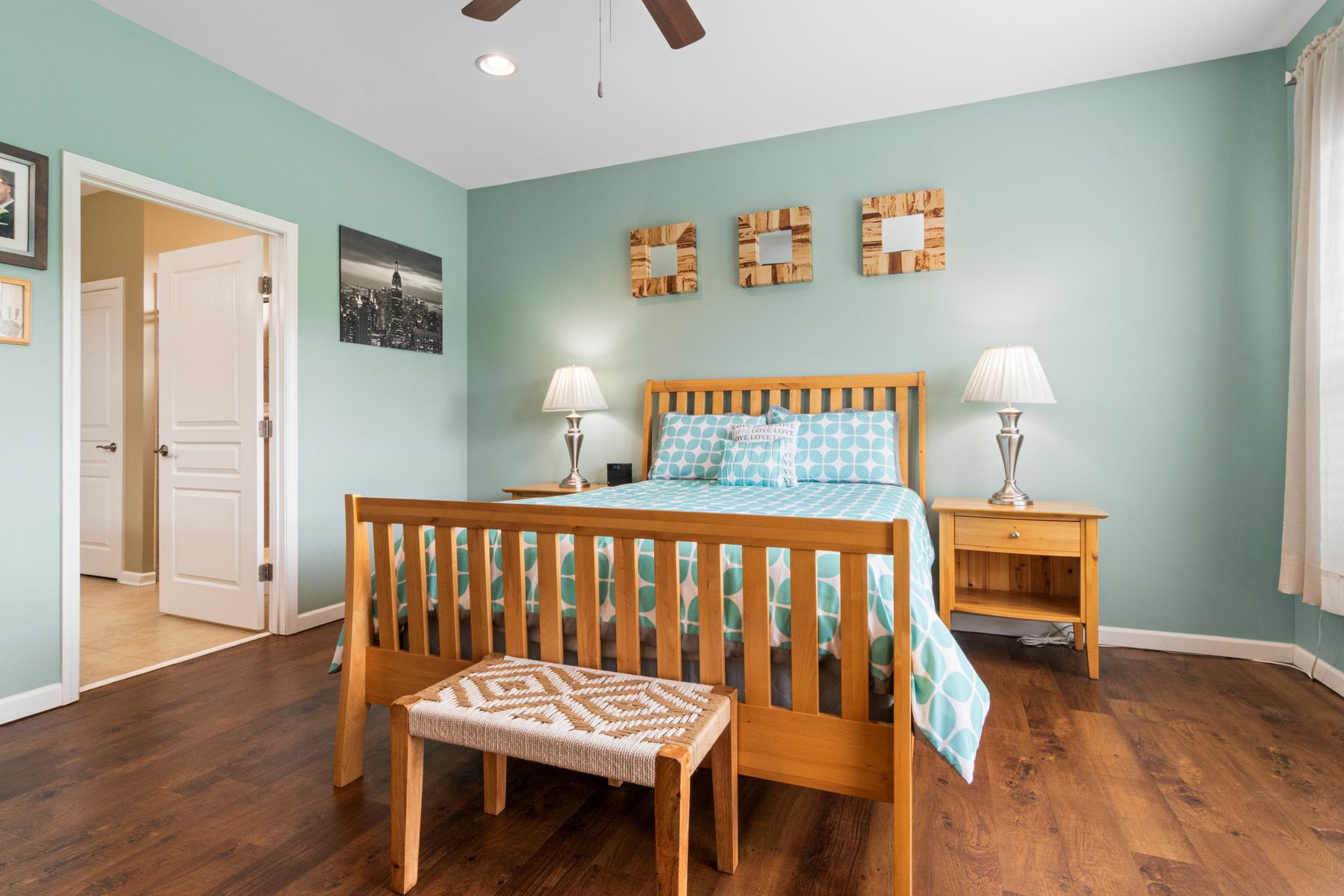
Art as a Deliberate Counterpoint
Art can bring personal color and irregularity to tailored joinery and upholstery, but the bedroom rarely needs a gallery on every surface. Choose scale in relation to the bed, verify secure hanging and protect valuable work from direct sun or humidity. Avoid placing heavy glass directly above a sleeping position without suitable professional fixing. A contemporary room should not rely on generic abstract prints to prove it is current; work with genuine meaning will outlast the surrounding trend cycle.
How Ceiling Light Shapes the Room
A sculptural pendant, fan or discreet recessed system can organize the ceiling plane, but it must suit room height, bed position and maintenance. Avoid placing bright downlights directly over the pillow or relying on a dramatic fitting for all illumination. Fans need correct clearances and quiet operation; integrated LEDs need replaceable components or a realistic service plan. Coordinate ceiling elements with sprinklers, detectors and ventilation rather than treating each one as an isolated object.
Equal Function at Both Bedsides
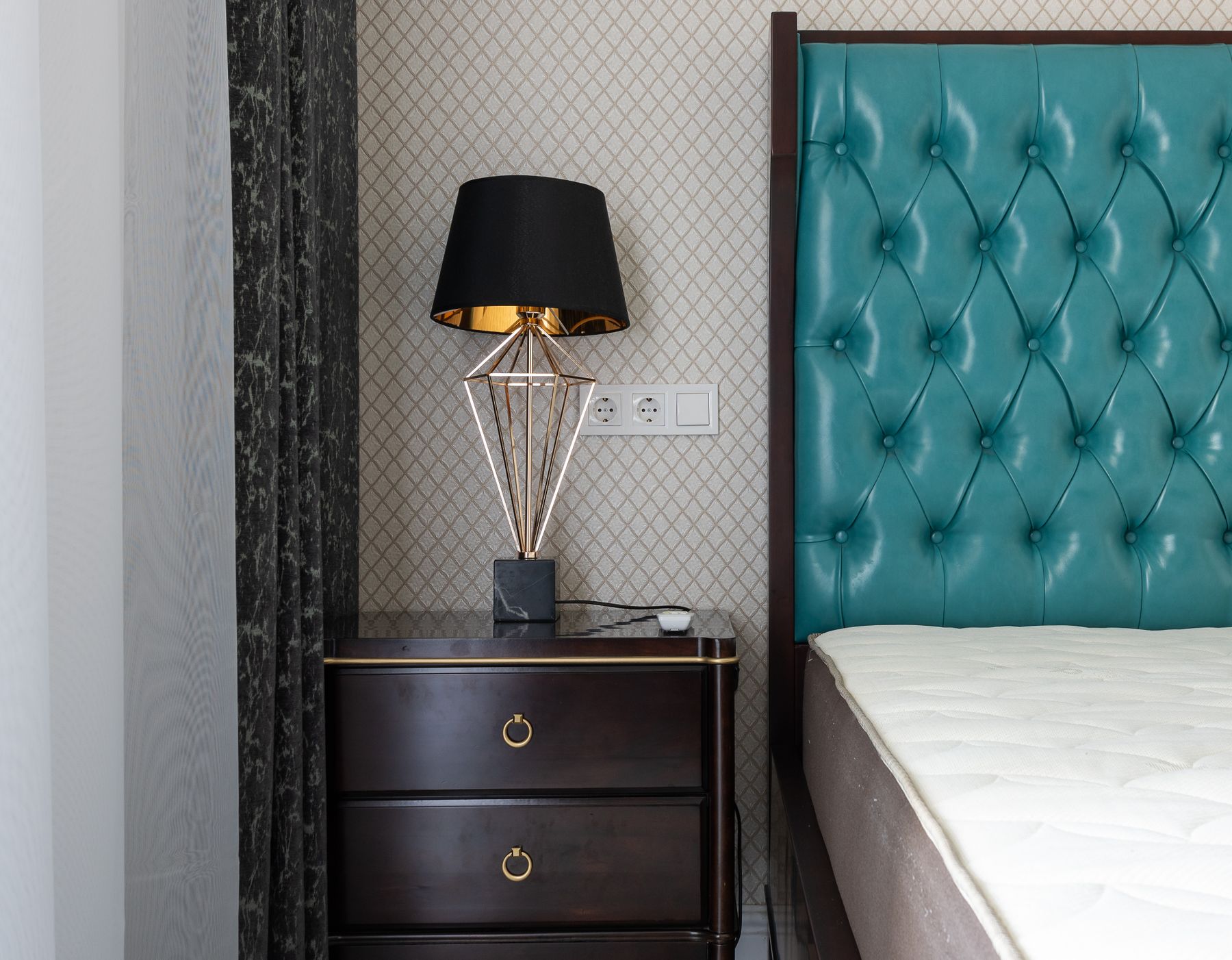
Bedside tables need not match, but each sleeper should have reachable light, charging, water and a stable landing surface. Choose height relative to the mattress and keep cables away from bedding and feet. Wall-mounted or hanging lights can free small tables, provided controls remain accessible. If asymmetry is the current design move, equalize function rather than forcing visual symmetry. One side may use a drawer and the other a shelf, but neither should be left with only a decorative object.
Wardrobes as Part of the Architecture
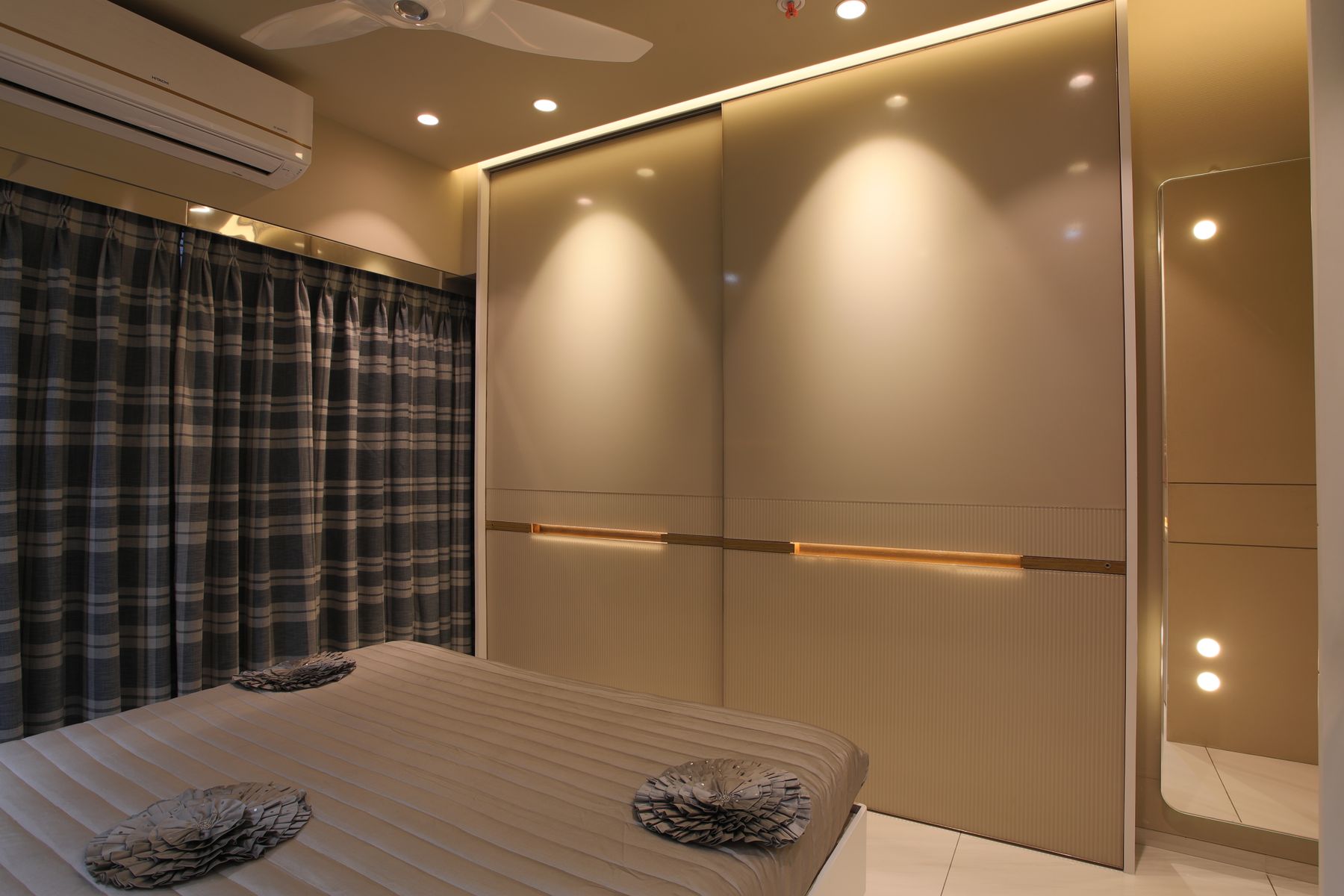
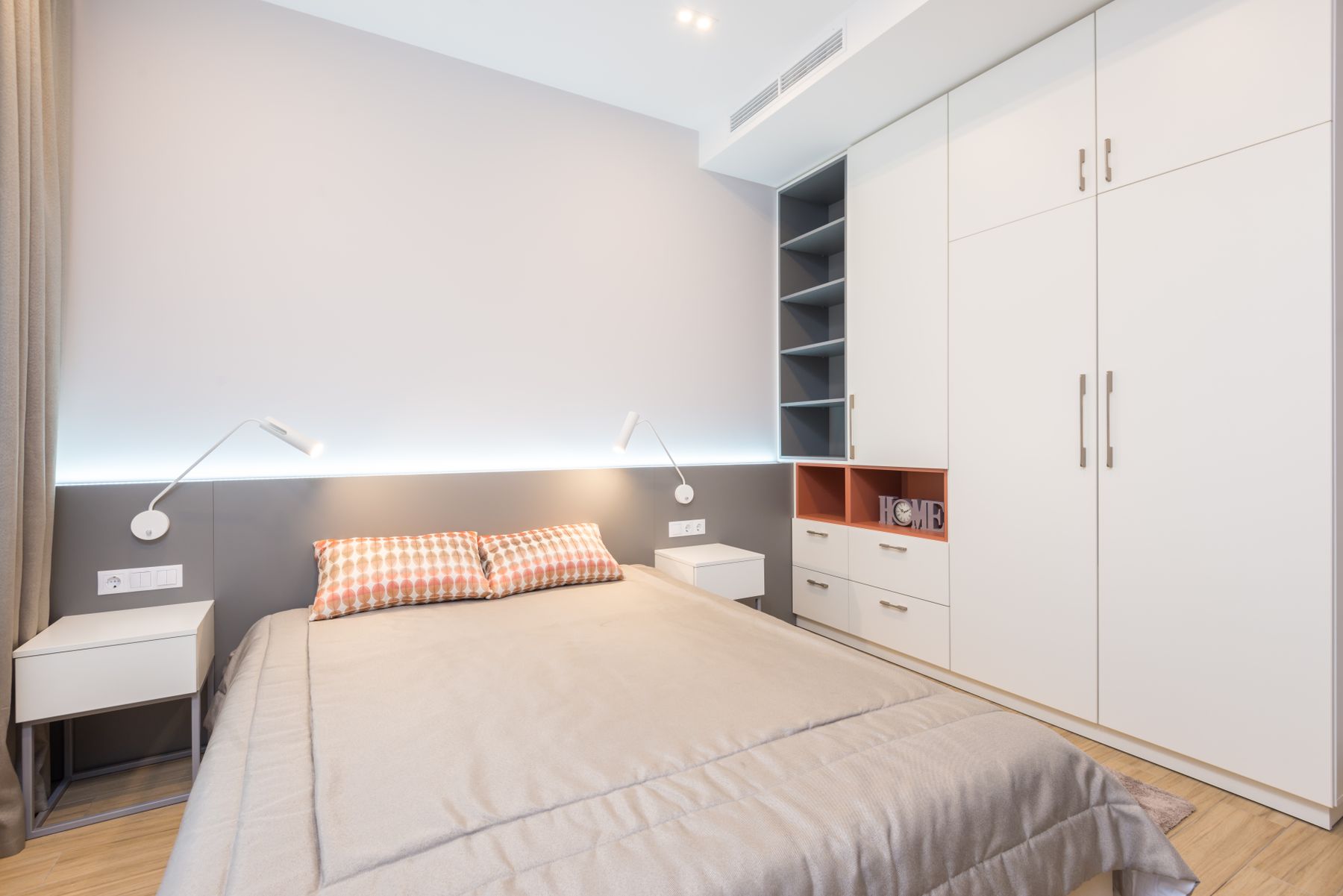
Full-height storage can make a contemporary room feel tailored when doors, handles, ventilation and internal capacity are resolved together. Inventory hanging lengths, folded categories, luggage and laundry before drawing the exterior. A fashionable fluted or gloss finish should not compromise grip, cleaning or future repair. Keep frequently used storage within comfortable reach and provide a clear opening zone. The calmest facade is valuable because it lets the headboard, rug or color field carry the expressive work.
When a Window Seat Becomes a Real Zone
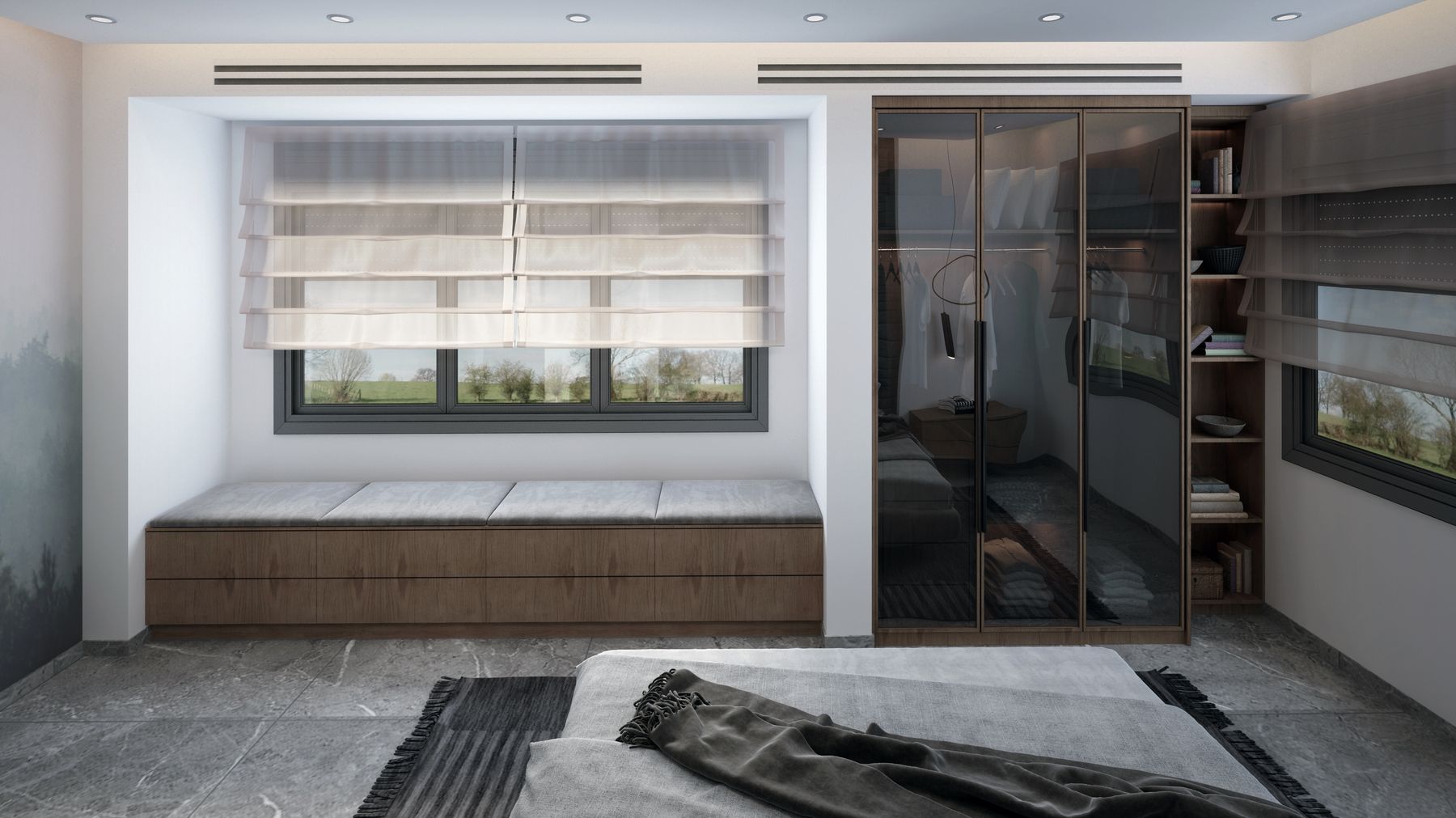
A reading ledge or bench can make a bedroom multifunctional without adding another loose chair, but it needs comfortable depth, back support and access to the window. Control glare, overheating and privacy before adding cushions. Storage below must open without trapping fingers or blocking the route. If the seat is too shallow for reading, design it honestly as a luggage or dressing bench. Built-in features should respond to daily use rather than exist only as a contemporary photograph.
Scale Contemporary Moves for a Small Room
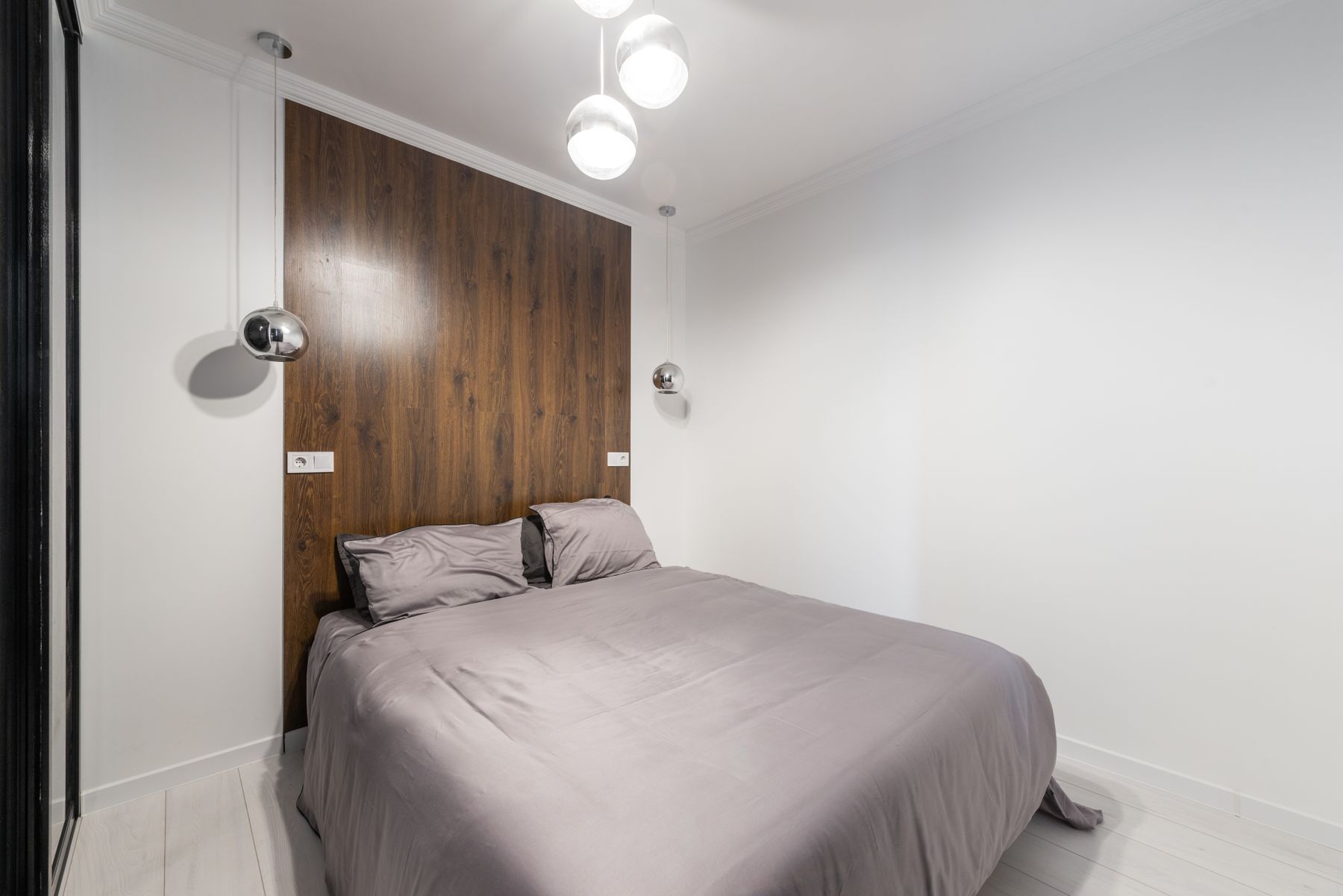
A small bedroom rarely needs a curved bed, statement ceiling, dark paneling, oversized headboard and sculptural chair at once. Choose one leading move and let wall-mounted light, shallow storage and controlled furniture depths protect the floor. Maintain visual contrast at routes and avoid mirrors that create confusing reflections. The planning tests in [small apartment ideas](/apartment/small-apartment-ideas/) help when the room also contains a desk, wardrobe or guest function. Fewer decisive elements read more current than many miniaturized trends.
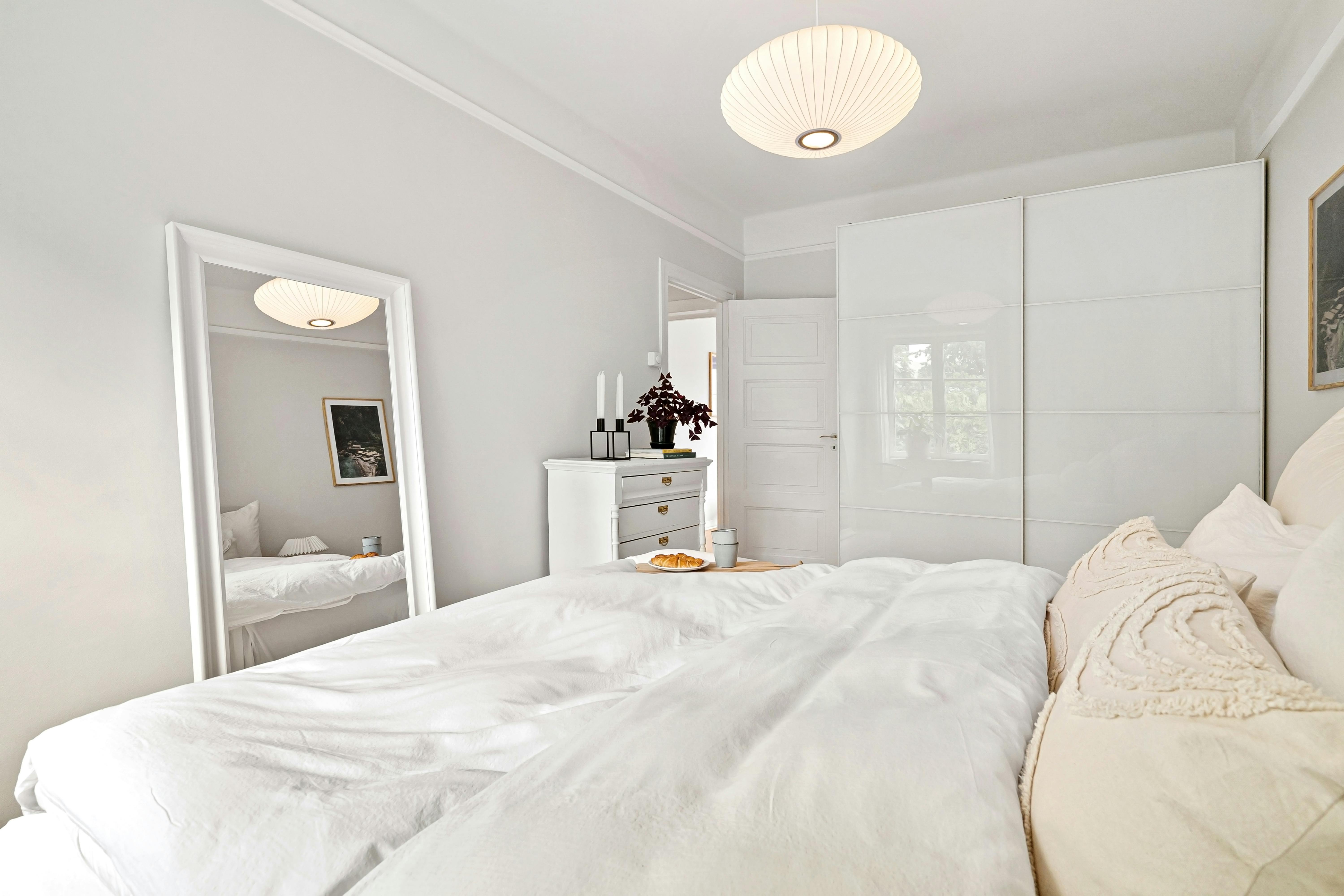
Replaceable Layers for a Contemporary Rental
Use paint where permitted, broad textiles, a sculptural plug-in lamp, freestanding storage and one current chair or table before applying wall products. Verify lease terms, substrate and removal method for adhesive panels, wallpaper or hooks, and document the original condition. Portable pieces can move with changing taste and tenancy. Avoid spending heavily on faux built-ins that obstruct outlets or ventilation. A rental feels contemporary through proportion and editing, not because every surface imitates permanent architectural work.
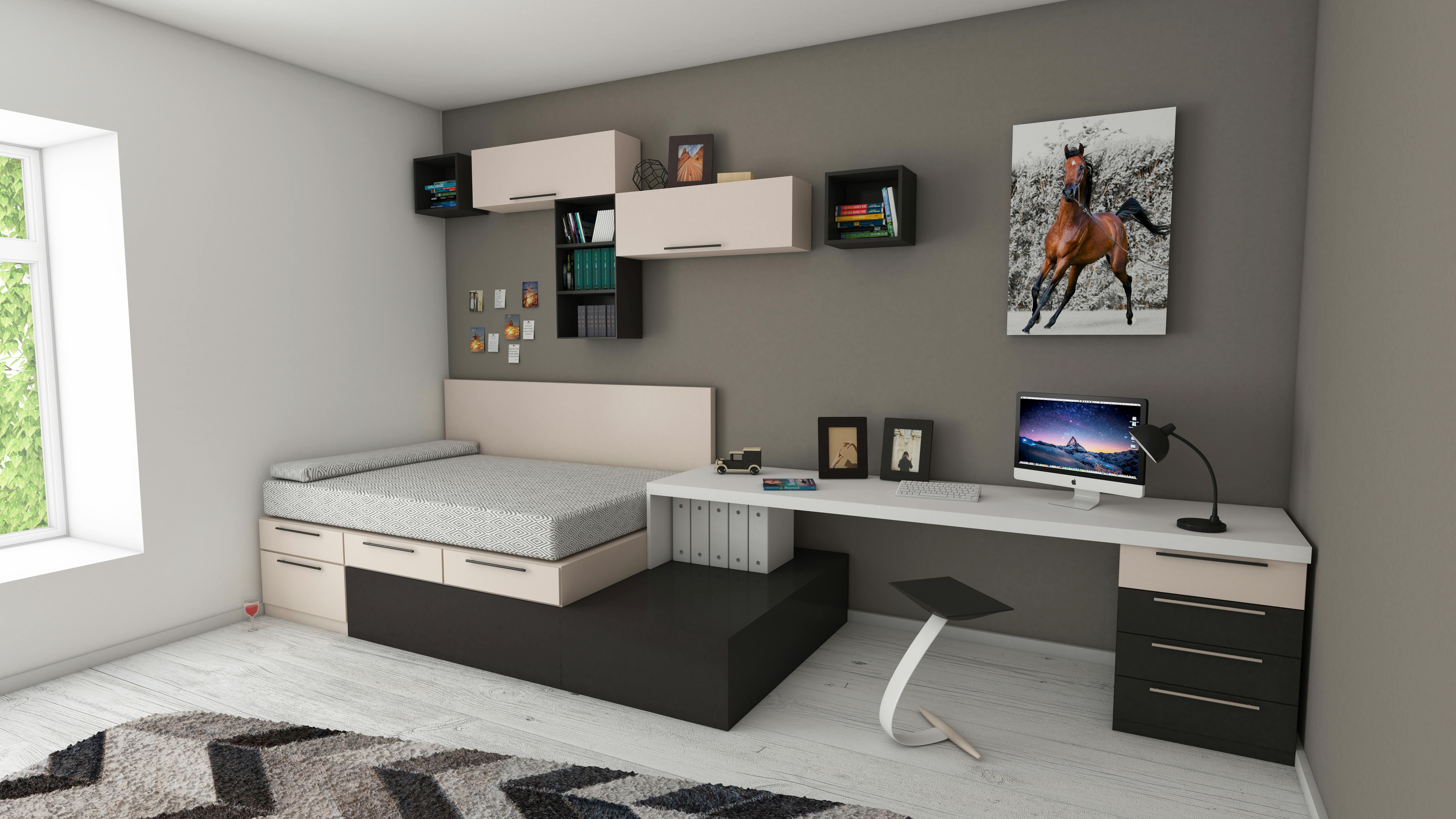
Integrate Work Without Sacrificing Rest
If work must share the bedroom, provide a desk at the correct height, supportive chair, task light and safe cable route rather than using the bed. Contemporary joinery can conceal equipment, but it must allow ventilation and service access. Keep screens outside the direct pillow view and close documents at the end of the day. A curtain, panel or change in wall color may define the zone more effectively than another bulky partition. Function should determine the boundary.
One Sculptural Object With a Clear Purpose
A ceramic lamp, irregular mirror, carved table or sculpture can add the expressive edge associated with contemporary rooms. Give it enough surrounding space and verify stability, cleaning and reach. Avoid placing heavy or sharp objects where they can fall onto the bed, and do not let a decorative bedside piece displace water, glasses or reading light. One object with genuine craft or meaning generally outlasts a cluster of trend accessories selected only to fill a photograph.
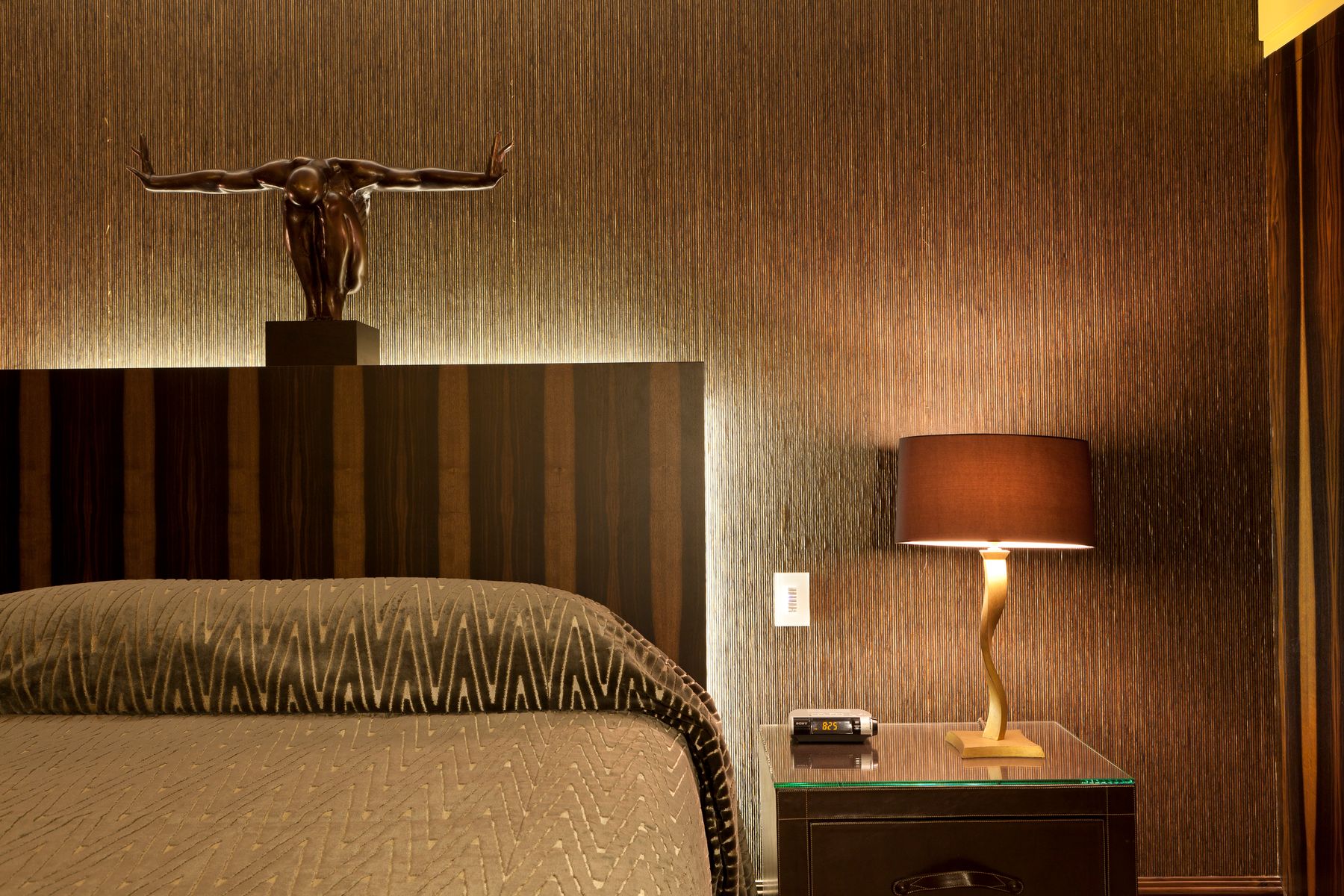
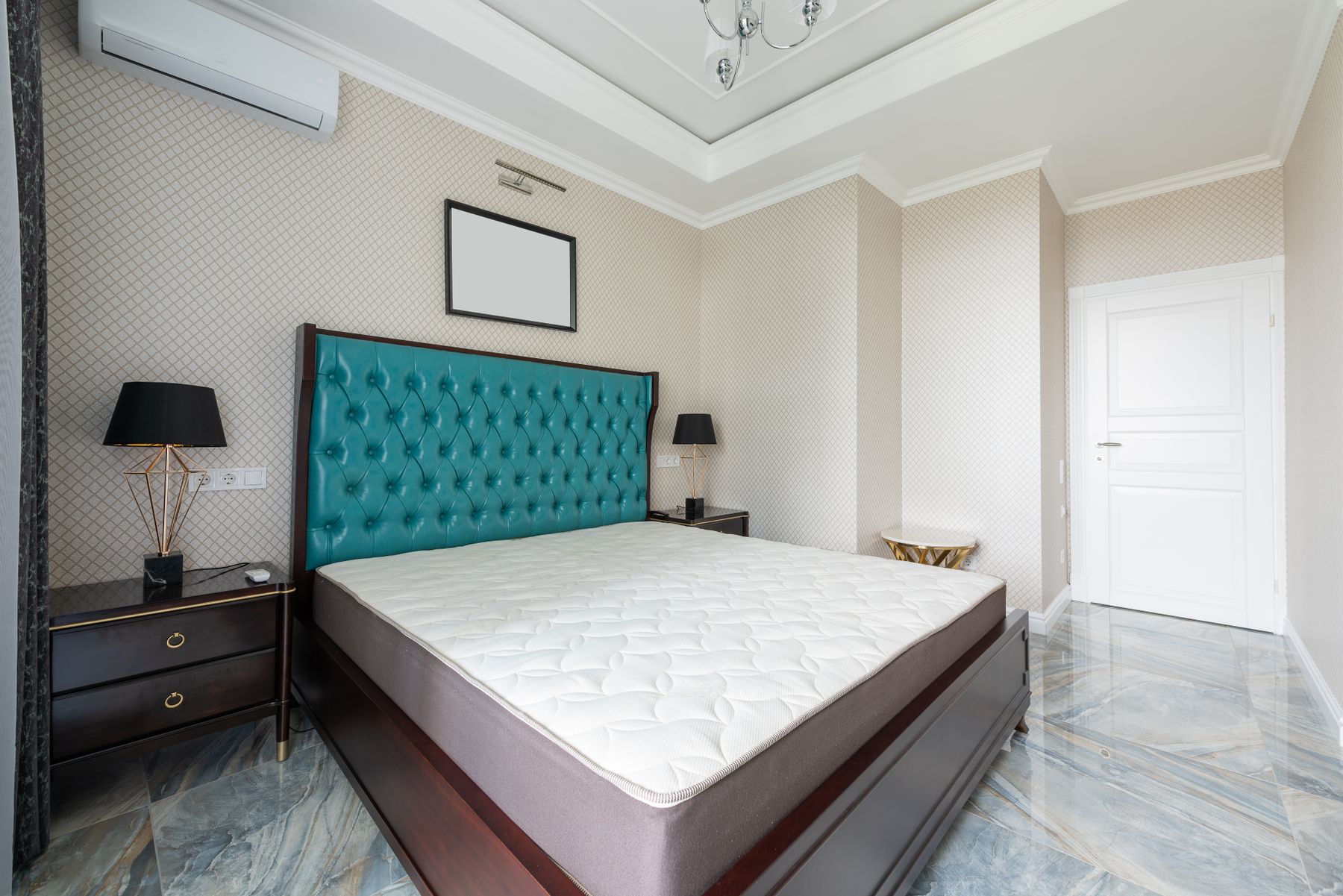
Expressive Flooring and Its Maintenance Cost
Stone, terrazzo or high-contrast timber may give a contemporary room identity, but bedroom flooring still needs thermal comfort, acoustic control and safe nighttime movement. Polished surfaces can glare or feel cold, while deep texture complicates cleaning. Use a correctly sized rug where it improves touch and sound rather than hiding an unsuitable floor. Check slip resistance, underfloor heating compatibility and repairability before choosing a pattern. Permanent flooring should survive after the current upholstery color changes.
Keep Technology Serviceable and Quiet
Motorized shades, integrated charging, speakers and screens can support routines, but they should not dominate the pillow view or make basic functions dependent on one app. Provide manual overrides, ventilation, accessible power and a replacement path. Keep power supplies away from bedding and do not bury cables behind irreplaceable panels. A concealed television is only useful if it remains comfortable to view and maintain. Contemporary technology should reduce friction rather than create a fragile demonstration room.
Plan Shared Bedrooms Around Equal Control
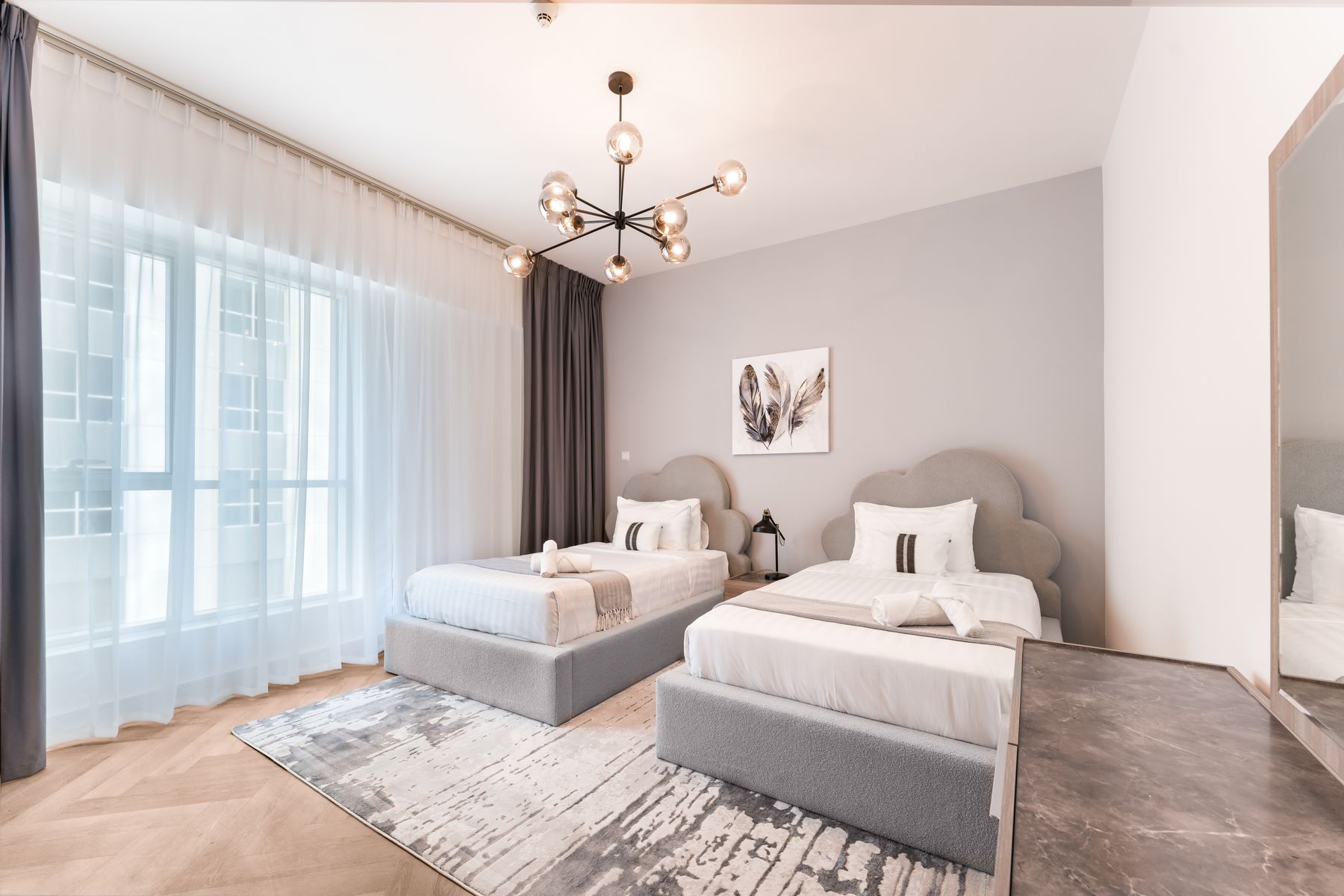
In a couple's or twin bedroom, each sleeper needs reachable light, charging, storage and influence over comfort. A common headboard line, rug or wall color can connect different bedside choices without forcing identical furniture. Keep the central route and window access clear, and consider different reading or sleep schedules when locating controls. Contemporary design is flexible enough to express two users; symmetry should never require one person to accept weaker function or inaccessible storage.
A Contemporary Children's Room Must Evolve
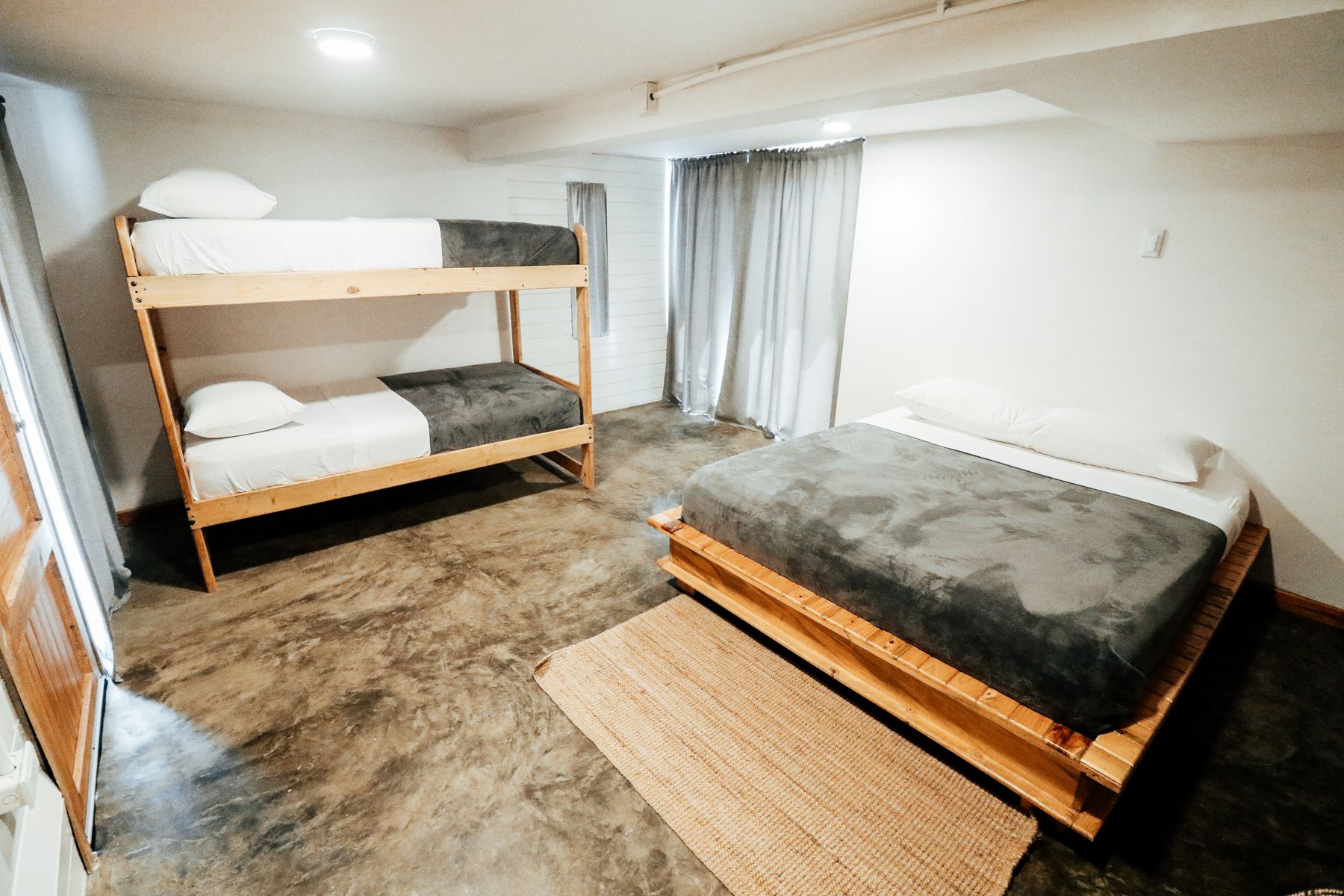
Use adaptable storage, safe beds, durable surfaces and accessible display zones as the long-life layer, then place changing interests in bedding, paint and art. Built-in bunks require appropriate guardrails, ladder design, ventilation and age suitability; fashionable curves do not replace safety standards. Avoid over-customizing joinery around one short-lived theme. A contemporary children's room should support growth, play, homework and changing identity while allowing components to be repaired, replaced or reassigned.
Adapt Contemporary Style for Accessible Use
Low platform beds, deep rugs, hidden handles and dark tonal schemes may conflict with transfer, balance or vision needs. Set mattress height and clearances for the actual user, provide stable dressing seating and use graspable hardware. Maintain contrast at floor edges, switches and furniture, and place controls within reach. Curves and tactile materials can soften the room without introducing trip hazards. Test the complete route in daytime and low light before adding another sculptural object.
Edit Trends Before They Become a Theme
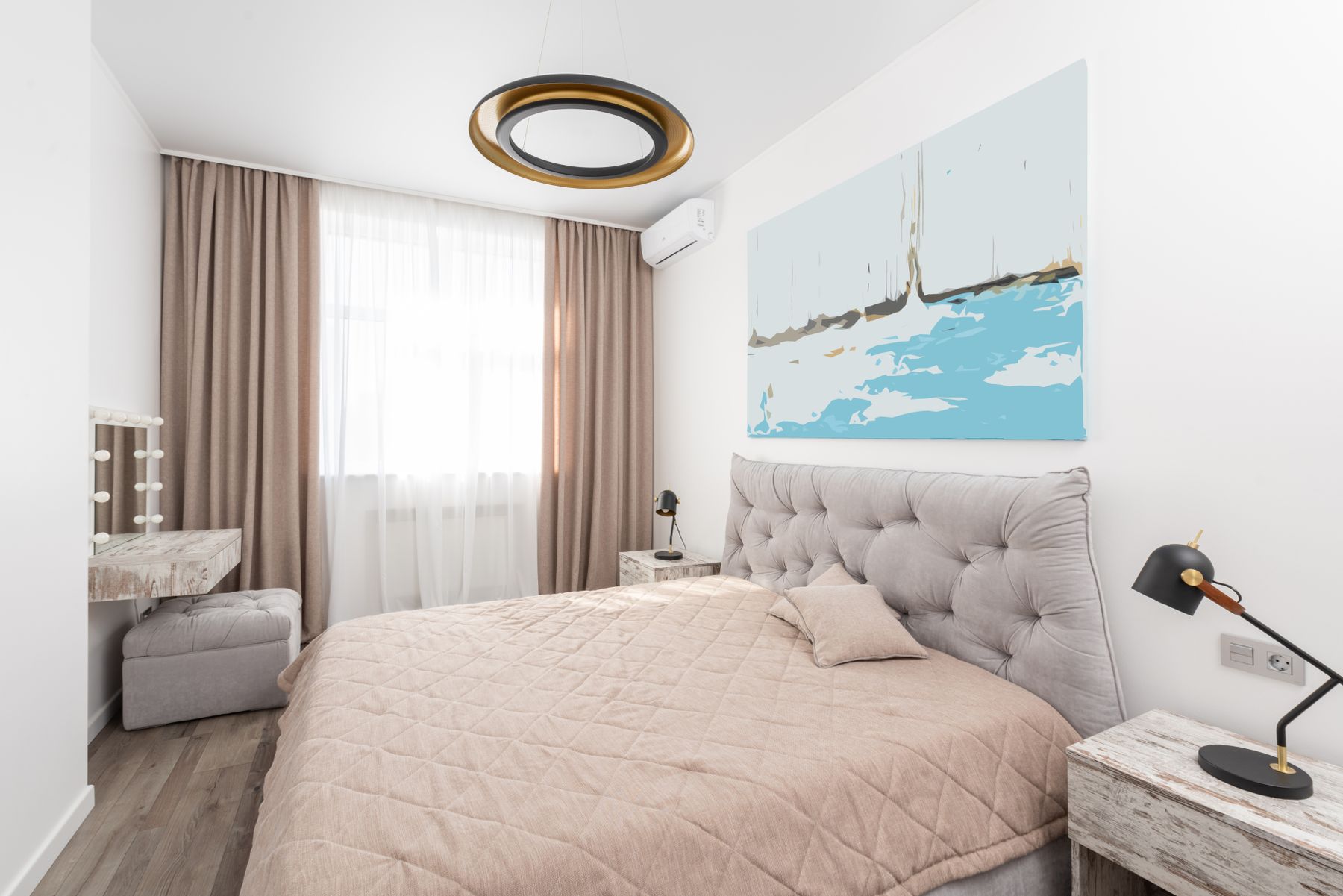
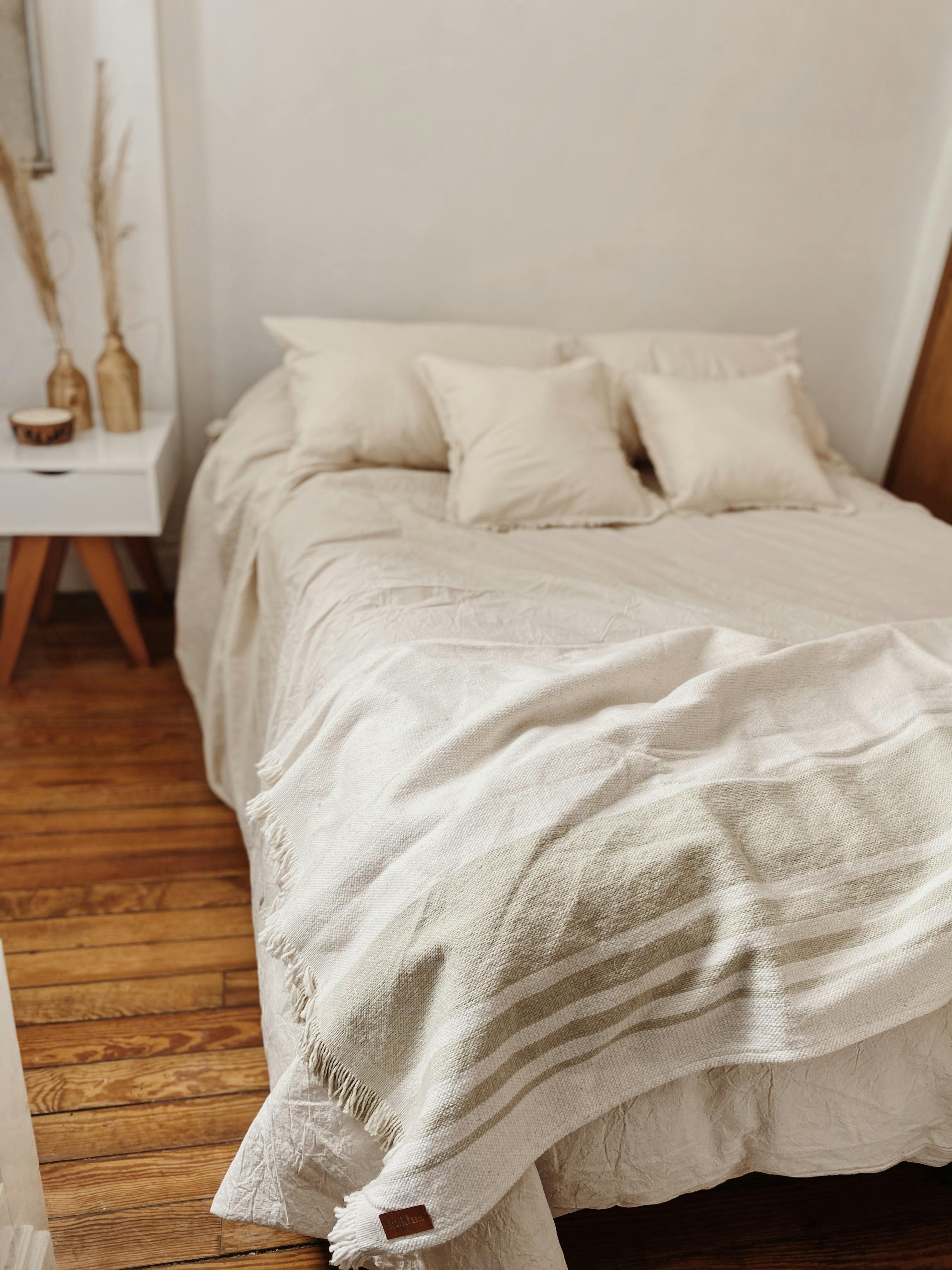
Finish by naming every current gesture: curve, colored headboard, fluting, sculptural light, dark panel, reflective finish and integrated technology. If several compete in one sightline, remove the least useful or move it to a replaceable layer. Review the doorway, pillow and nighttime views, then reset cables, clothes and surfaces. Contemporary style stays convincing when it can change. Stop adding when the room already supports sleep, storage, comfort and a clear personal identity.