Start With Democratic Function, Not a White Mood Board
The durable Scandinavian idea is that good design should make ordinary life easier: the bed supports sleep, storage matches real belongings, light follows the day and materials feel good in use. White paint and pale timber are possible outcomes, not the definition. This approach is brighter, more socially relaxed and more open to color and familiar objects than [Japandi bedroom ideas](/bedroom/japandi-bedroom-ideas/), while being less governed by reduction than [minimalist bedroom ideas](/bedroom/minimalist-bedroom-ideas/). Begin with the resident and routine, then let the visual language follow.
Map the Morning and Evening Routes
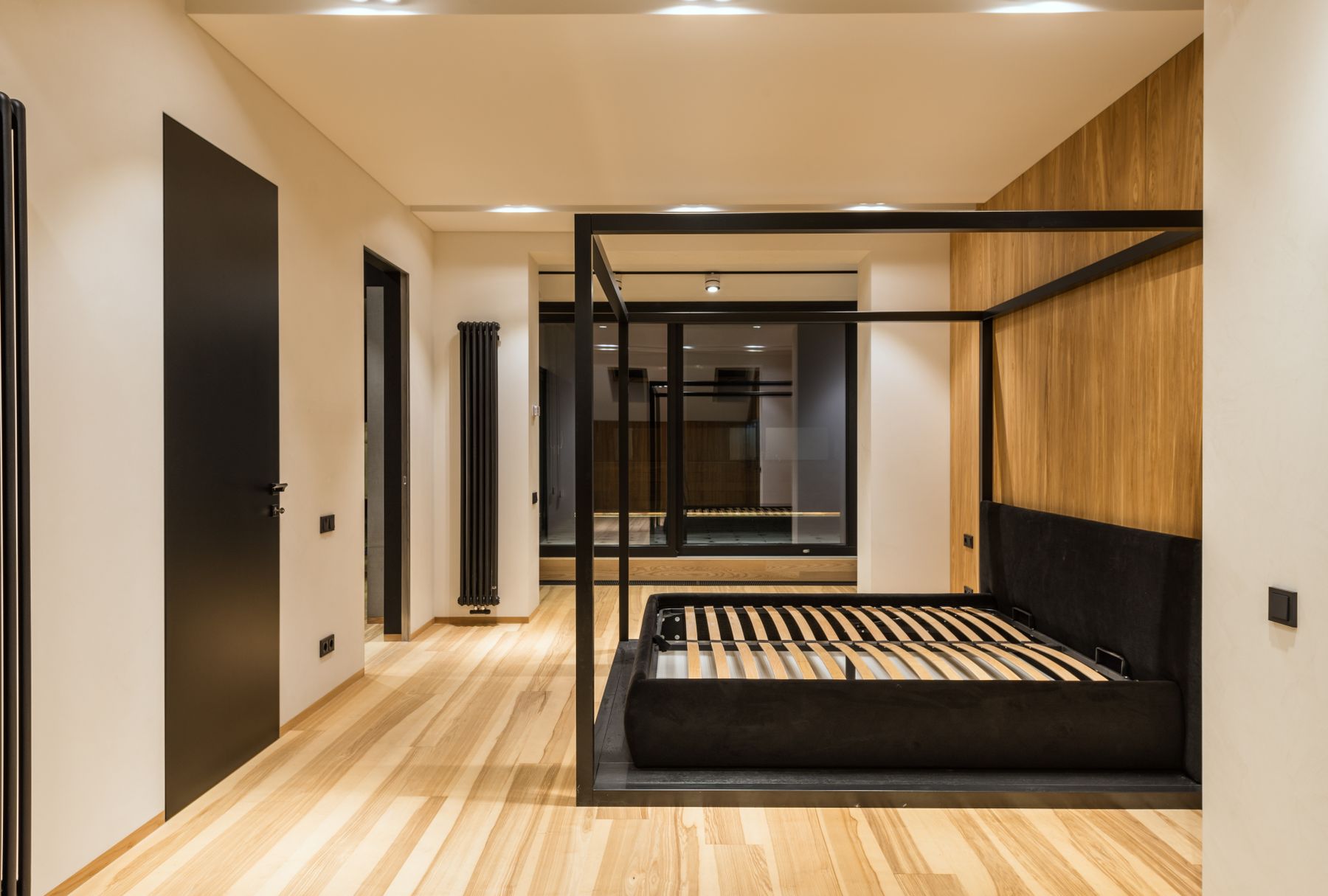
Trace the routes used on waking, dressing, cleaning and settling at night. Include door swings, wardrobe fronts, laundry, radiators and the space needed to make the bed. Scandinavian rooms often look effortless because circulation is resolved before styling, not because they contain unusually little furniture. One wider path is more useful than several leftover gaps. Tape the complete furniture footprints and test them with drawers open, lights low and another person moving through the room.
Choose a Bed With Quiet Proportions
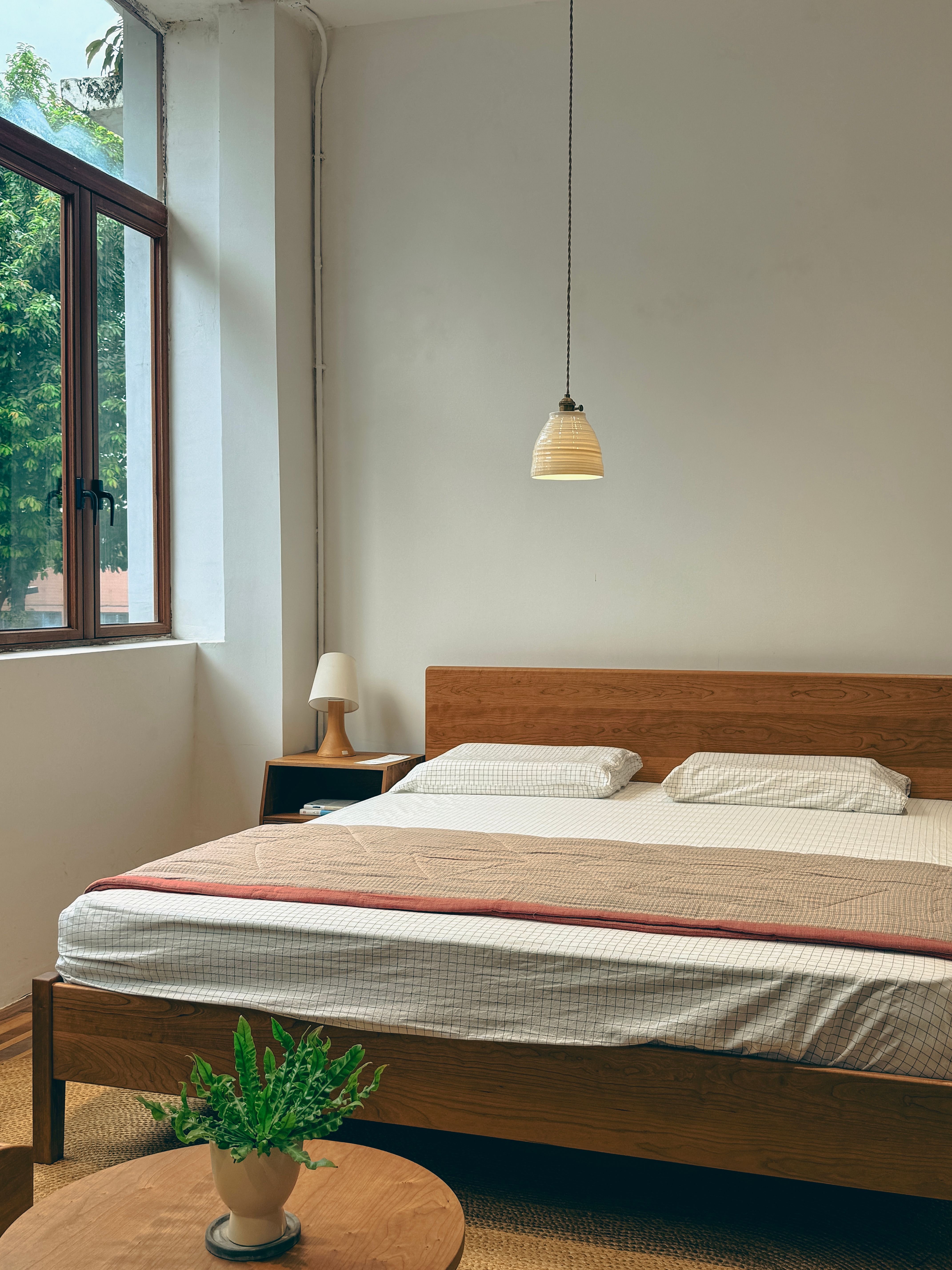
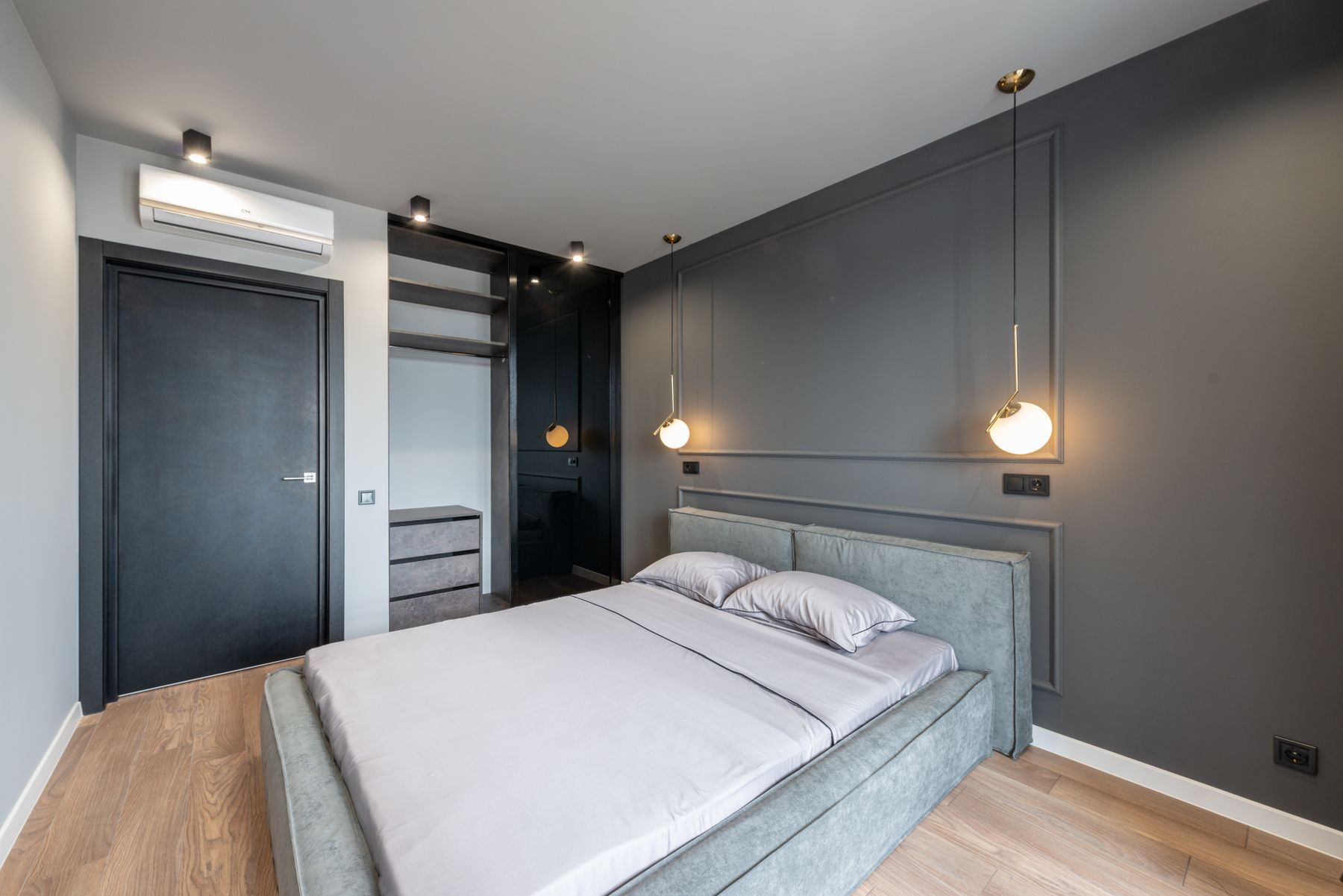
A simple timber or upholstered bed can anchor the room without becoming a theatrical focal point. Compare total frame width, rail depth, mattress support, sitting height and cleaning access rather than choosing from the headboard alone. Low or absent headboards keep material, light and bedding in the foreground, but comfort and wall protection still matter. If reading in bed is important, a modest padded panel may be more useful than an austere timber edge.
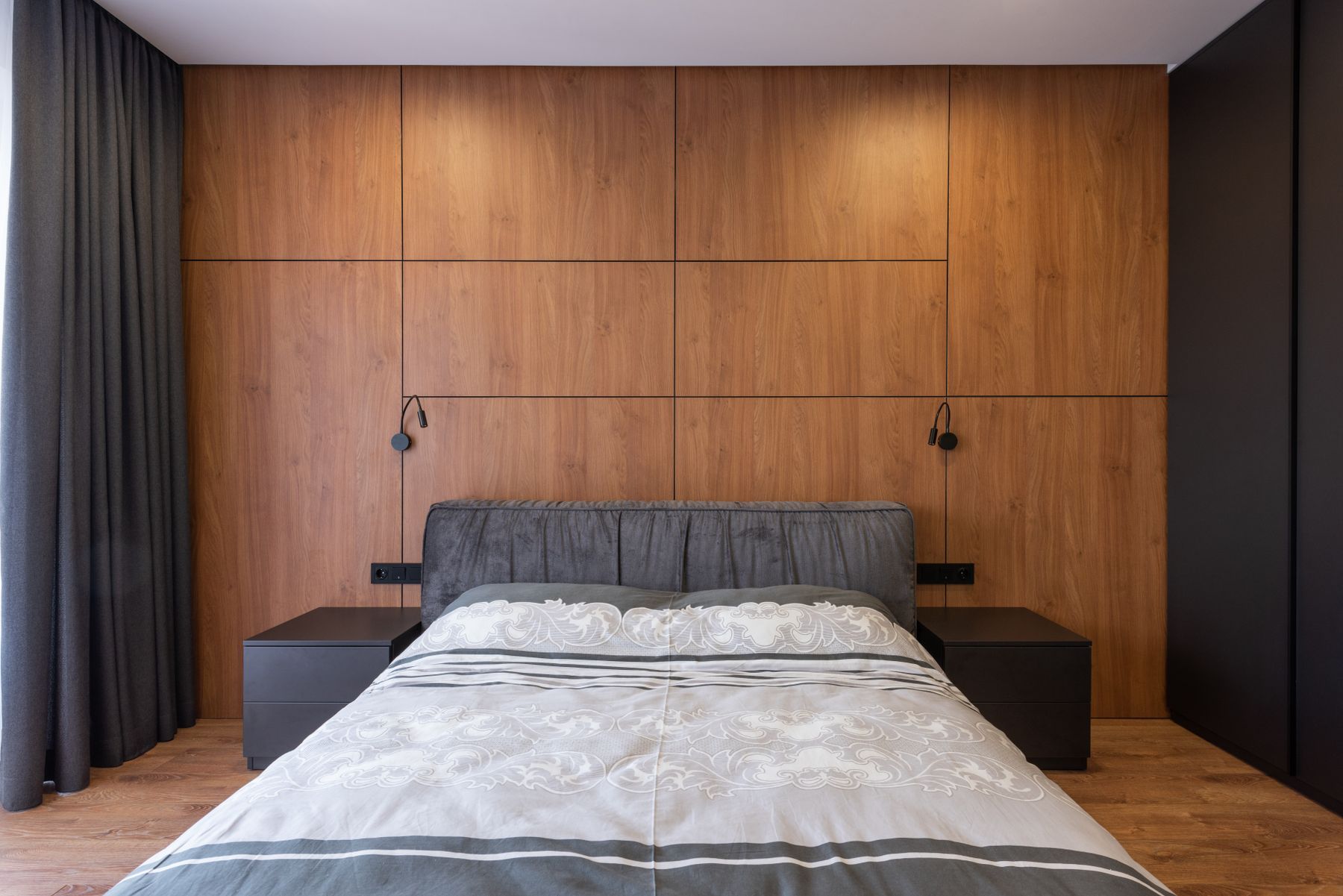
A Low Headboard Gives the Wall Air
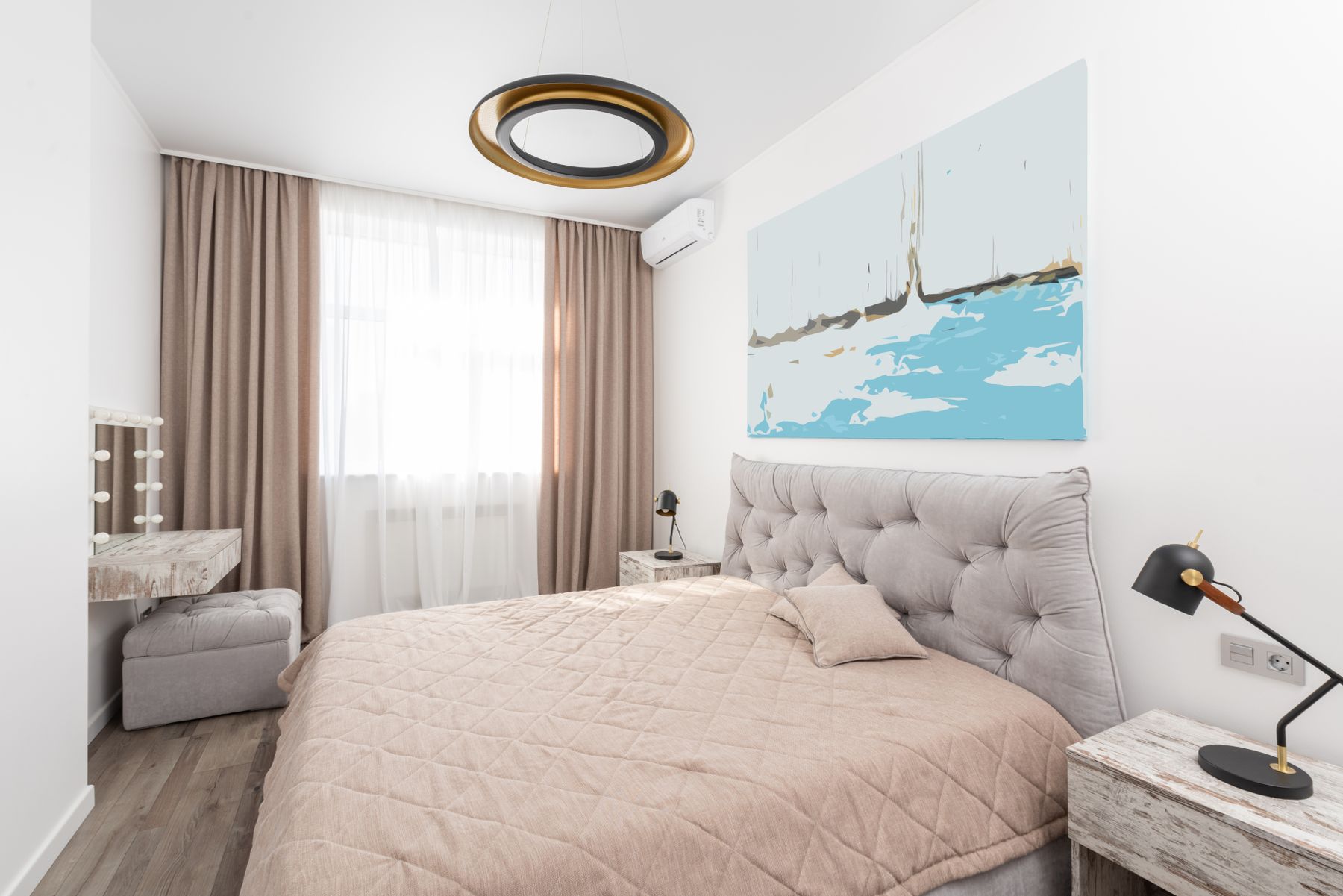
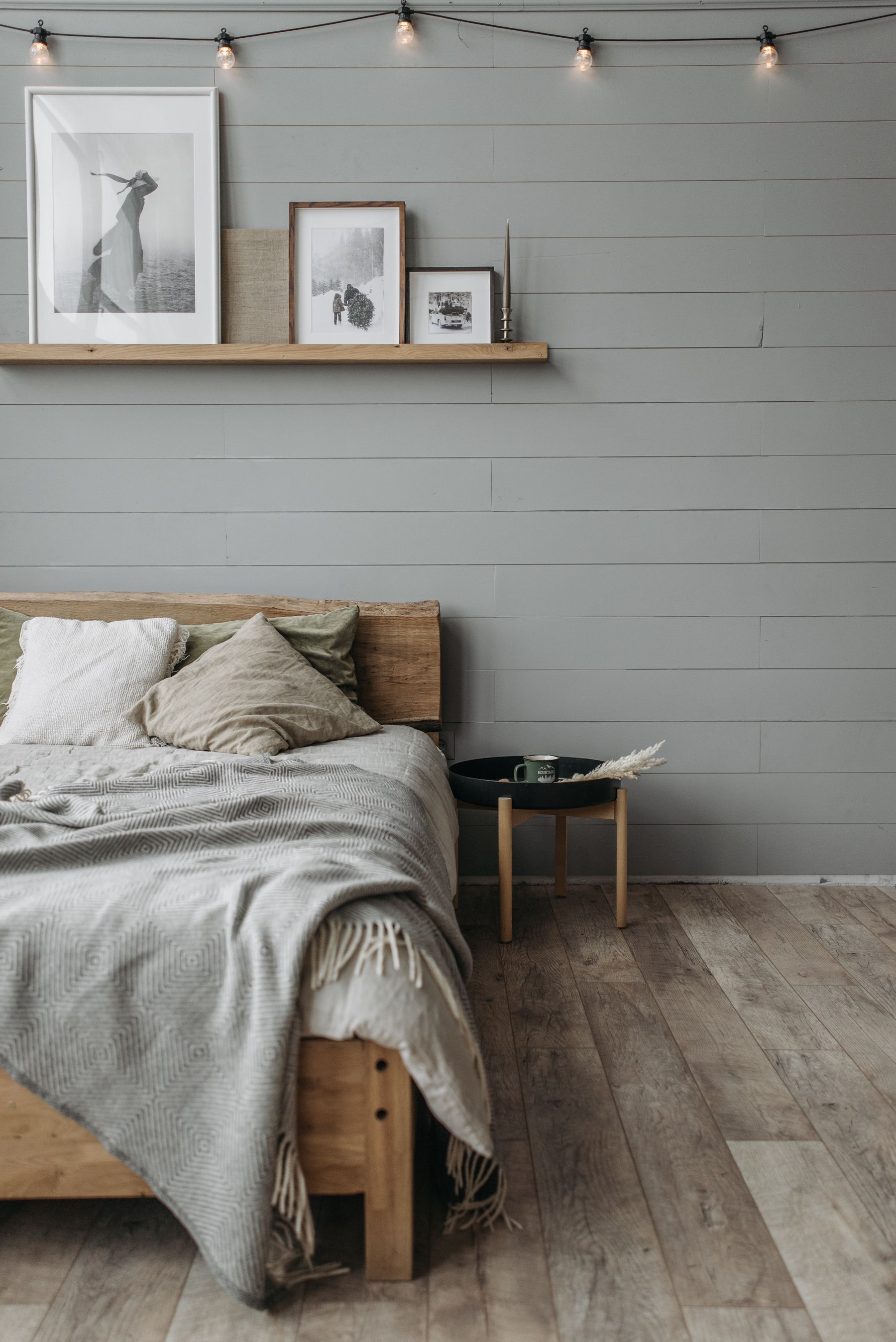
A low timber rail, shallow upholstered panel or no separate headboard can make a compact room feel taller and less formal. The bed then relies on bedding, wall color and bedside light for presence. Protect the wall where heads touch and provide physical support if the sleeper reads upright. Avoid adding vertical slats solely to imitate a trend; a plain plane may express Scandinavian clarity more honestly. [Modern bedroom ideas](/bedroom/modern-bedroom-ideas/) provides broader bed-wall alternatives when Scandinavian character is not the only priority.
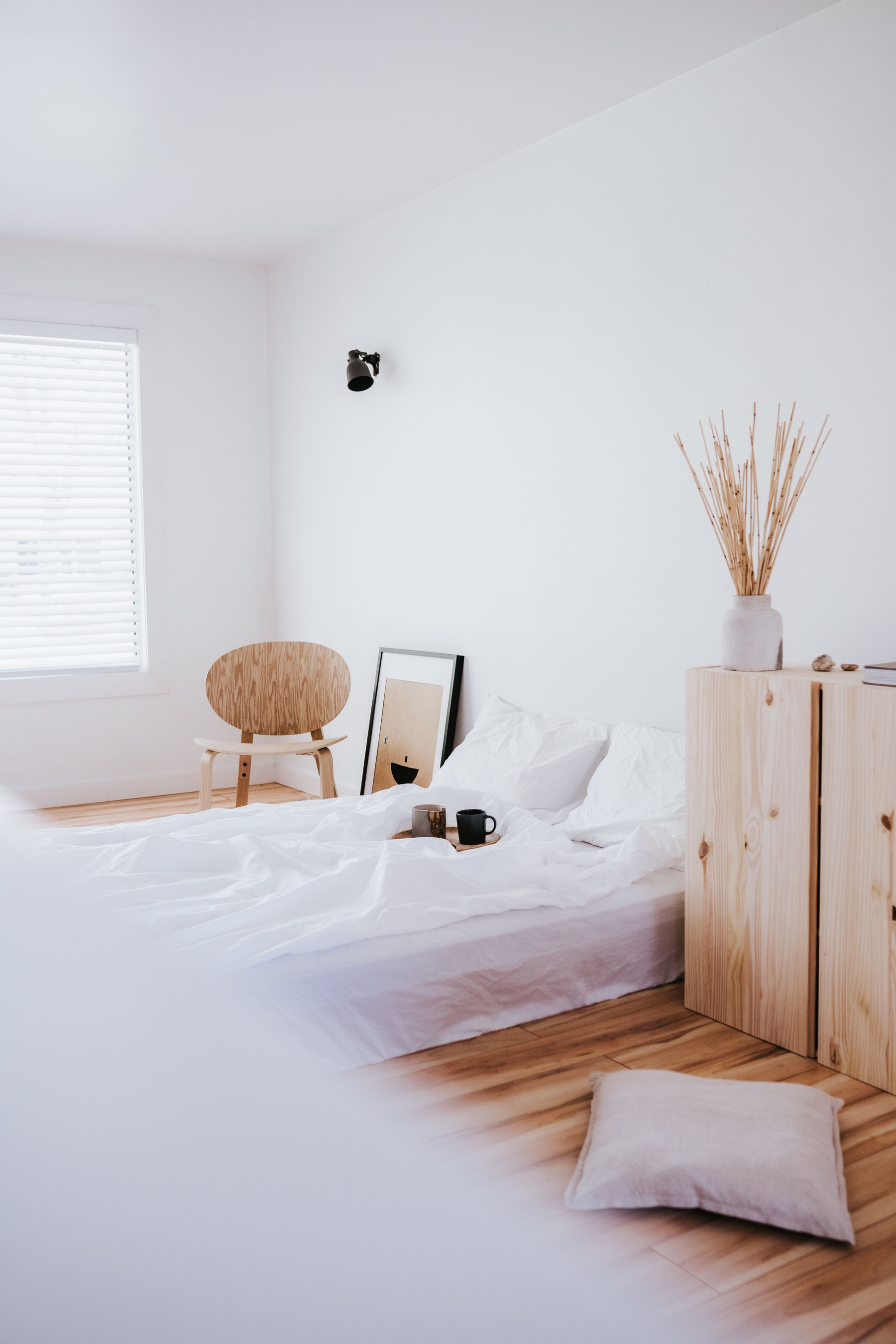
Pale Color Begins With Undertone
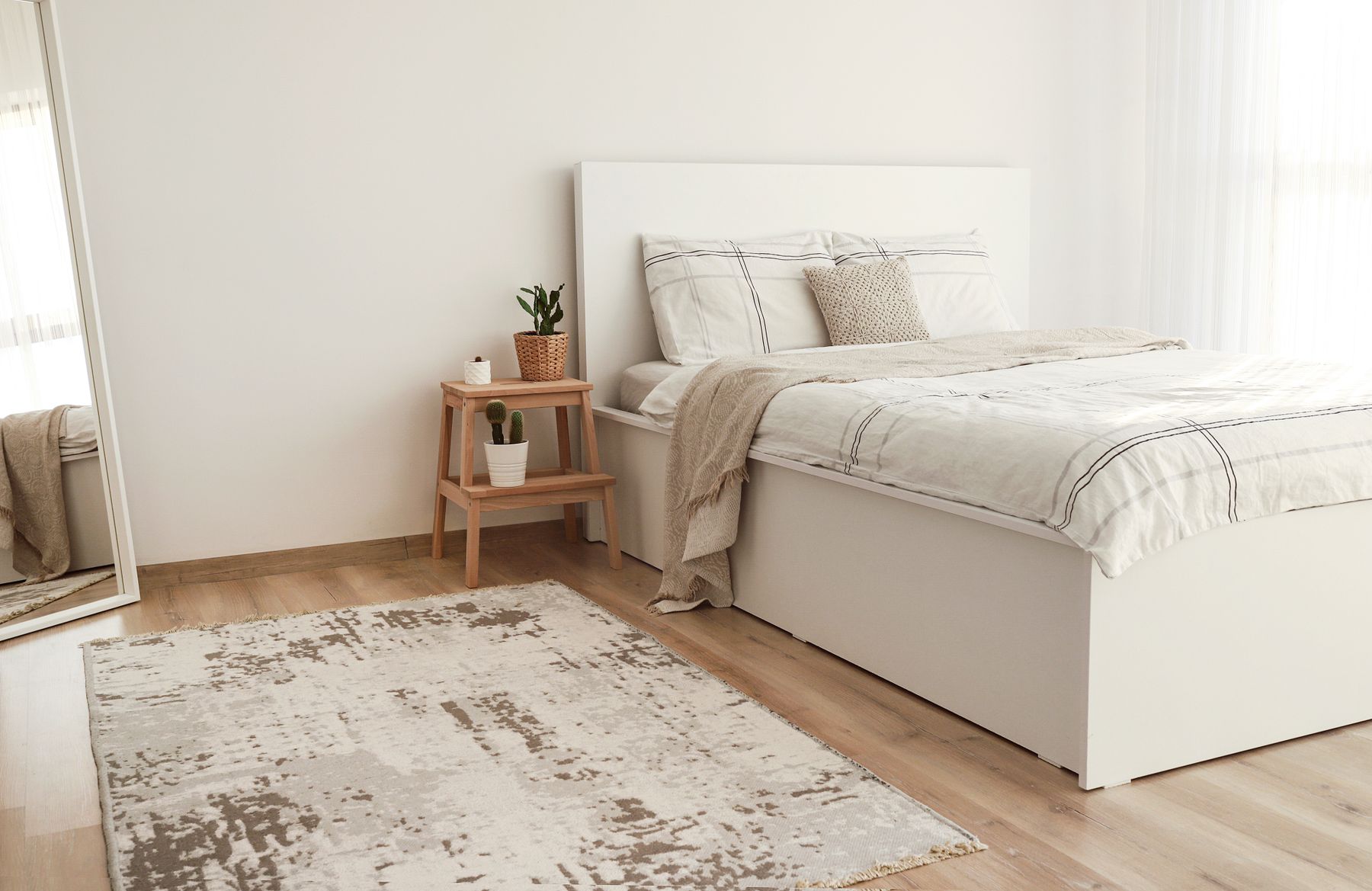
Warm white, chalk, oat, pale gray and greige can distribute limited daylight, but they are not interchangeable. Compare paint, linen, rug and timber beside the fixed floor through morning and evening; a cool white can turn blue in a shaded room while a creamy one may look yellow under warm lamps. Use changes in texture and sheen to create depth before adding many near-identical accessories. Pale does not mean colorless, and it certainly does not require every object to match.
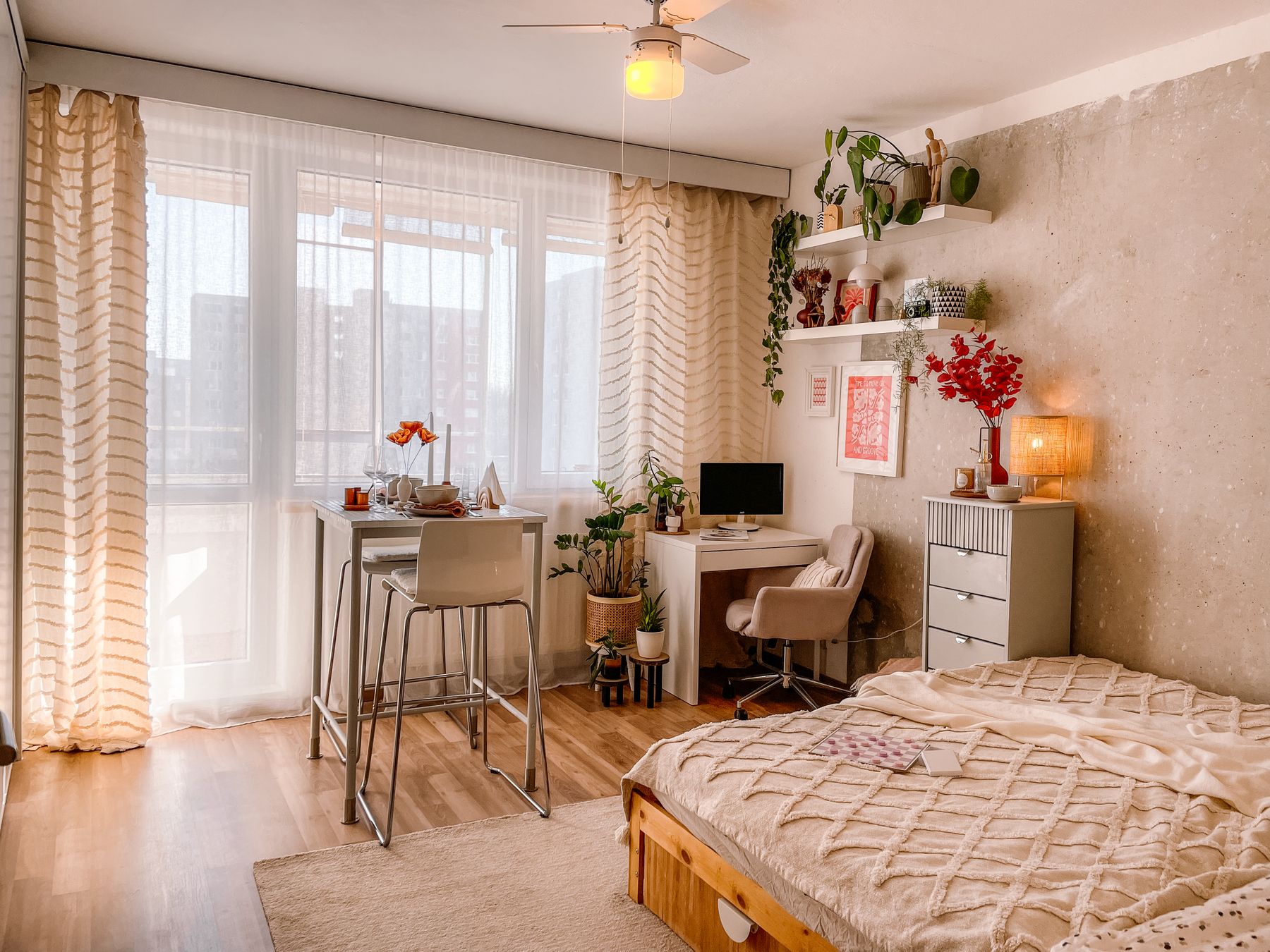
Muted Color With Confidence
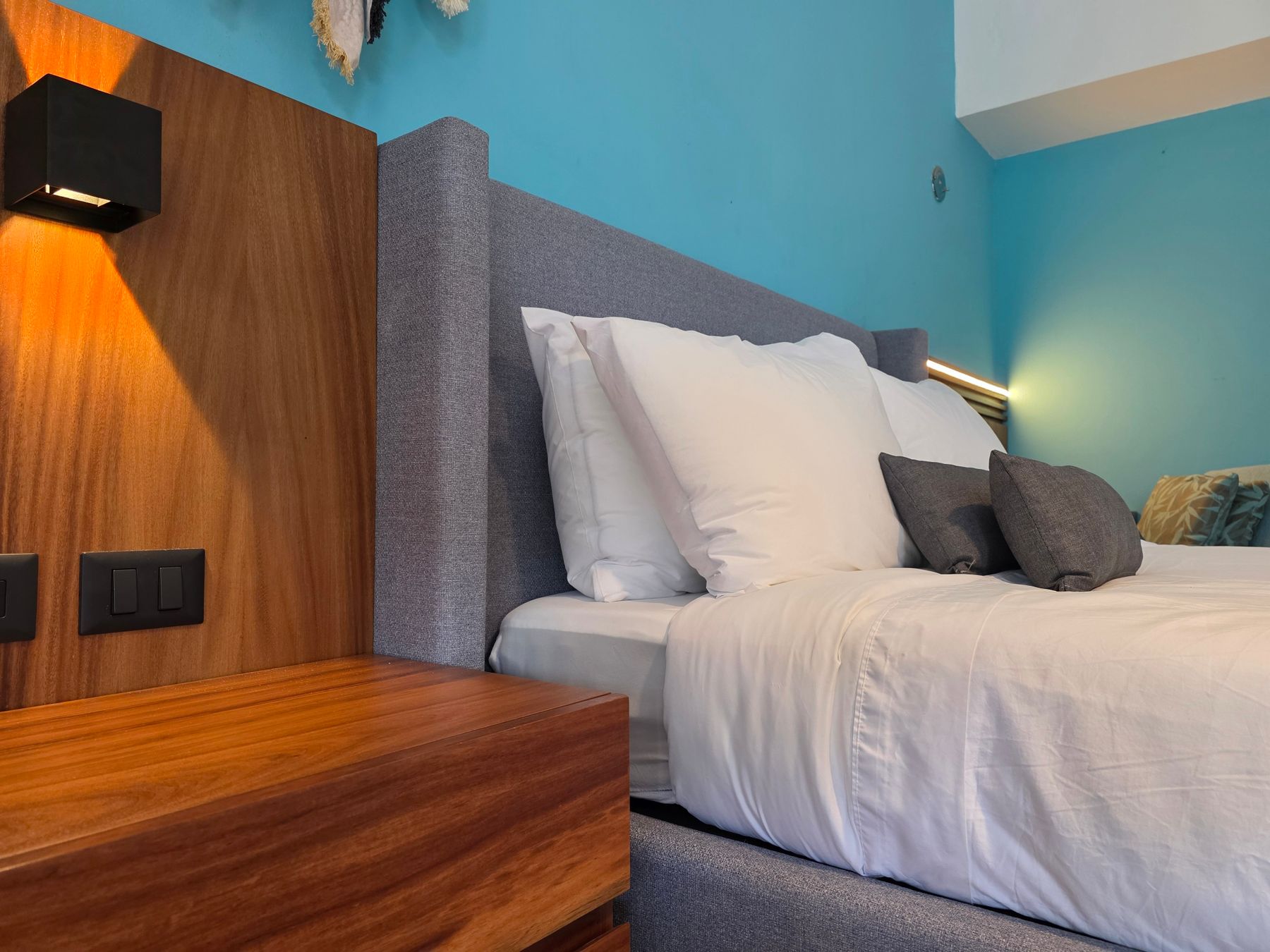
Dusty blue, sage, muted ochre, brick, soft pink and deep forest green all fit Scandinavian rooms when their undertones relate to wood and daylight. Give one hue a meaningful area—wall, headboard, curtain or bedding—then repeat it sparingly. This is a useful distinction from the earthier, more controlled palette of Japandi. Color can make a northern-inspired bedroom personal and seasonally adaptable without disrupting functional simplicity. Test the chosen value behind the bed and near the window before extending it.
Pale Wood Carries Warmth
Oak, ash, birch and pine tones reflect light while giving the room grain and tactility. Use timber at useful scale—in the bed, floor, wardrobe or one architectural plane—rather than repeating small wood accessories everywhere. Match grain character and undertone, not exact color, and inspect veneer edges as closely as solid wood. A darker vintage piece can coexist with pale timber if the contrast is deliberate. Responsible construction, repairability and finish quality matter more than a species label.

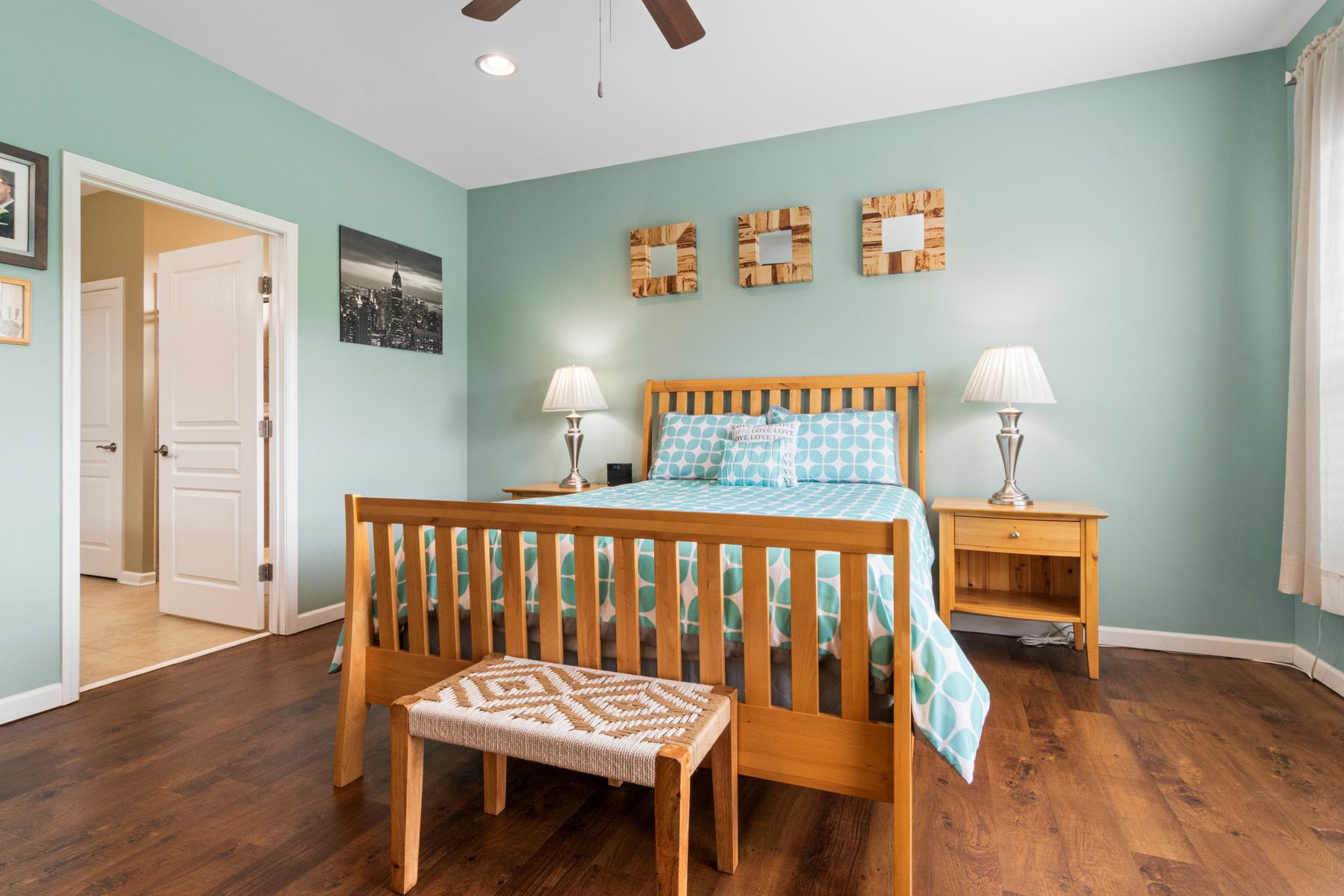
New Utility With One Older Piece
Contemporary storage may be the most efficient choice, while a vintage chair, chest or lamp gives the room memory and craft. Scandinavian interiors often become warmer through this new-old conversation rather than through complete furniture suites. Check an older piece for stability, odors, pests, unsafe wiring and lead risk before repair, and do not strip sound finish merely to make it paler. [Vintage bedroom ideas](/bedroom/vintage-bedroom-ideas/) offers a deeper sourcing and restoration path when history is the primary intent.
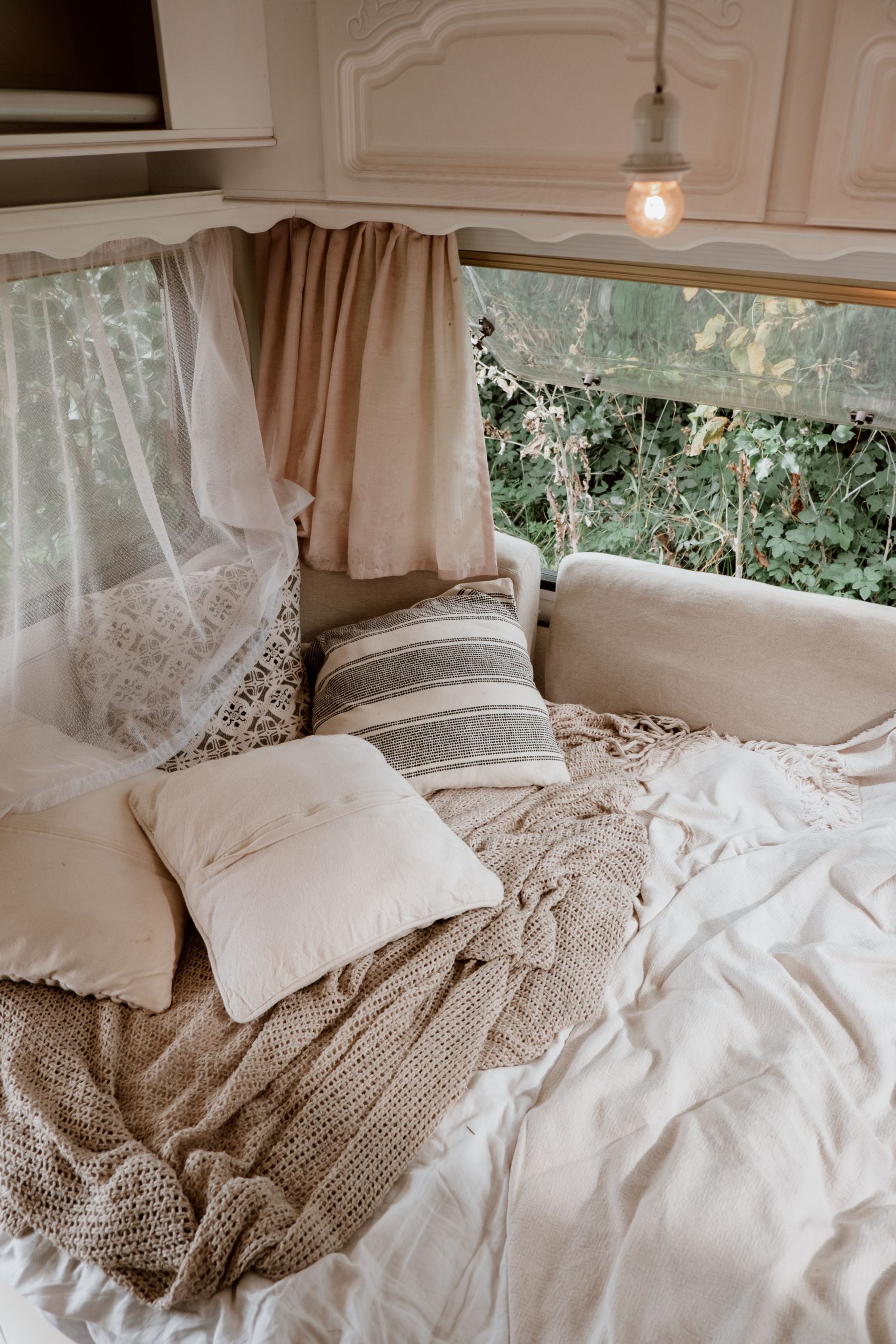
Create Hygge Through Thermal Comfort
Hygge is felt comfort, not a collection of candles and baskets. Start with bedding weight, drafts, floor temperature, evening light and a place for the layers removed at night. Washed linen, cotton and wool create useful softness when their care suits the household. In a warm climate, hygge may mean breathable sheets, shade and air movement rather than thick knits. [Scandinavian bathroom ideas](/bathroom/scandinavian-bathroom-ideas/) shows how the same comfort principle changes around moisture, towels and warm surfaces.
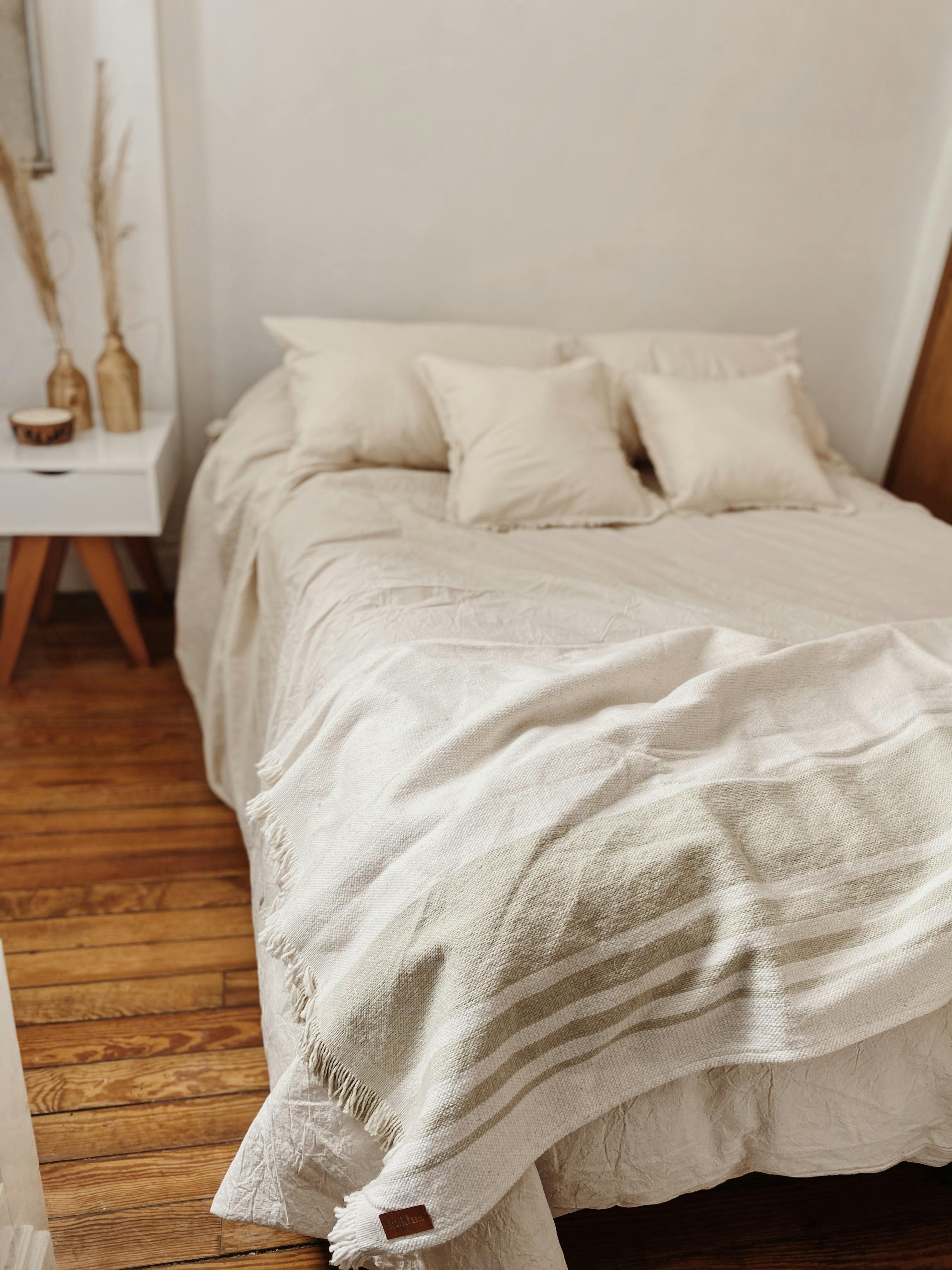
Layered Bedding Without the Display
Choose sheets and insulation for the sleeper, then add one coverlet or throw that genuinely changes warmth or touch. A restrained cushion group can support reading, but every removed piece needs a home. Natural folds are part of the relaxed Scandinavian character; the bed need not be hotel-tight. Compare laundering, drying time, pet hair and allergies before selecting fiber. The goal is a bed that invites use and resets quickly, not a composition that must be dismantled before sleep.
Pattern at Human Scale
Stripes, checks, small geometrics and folk-influenced motifs can give a simple room rhythm. Keep the pattern close to the body on a cushion, blanket or curtain, or commit to one larger wallpaper field; avoid scattering unrelated mini accents. Muted colors and repeated line weights help different textiles coexist. Pattern is one reason Scandinavian style should not be reduced to minimalism: it can hold play and familiarity while the furniture plan remains clear and functional.
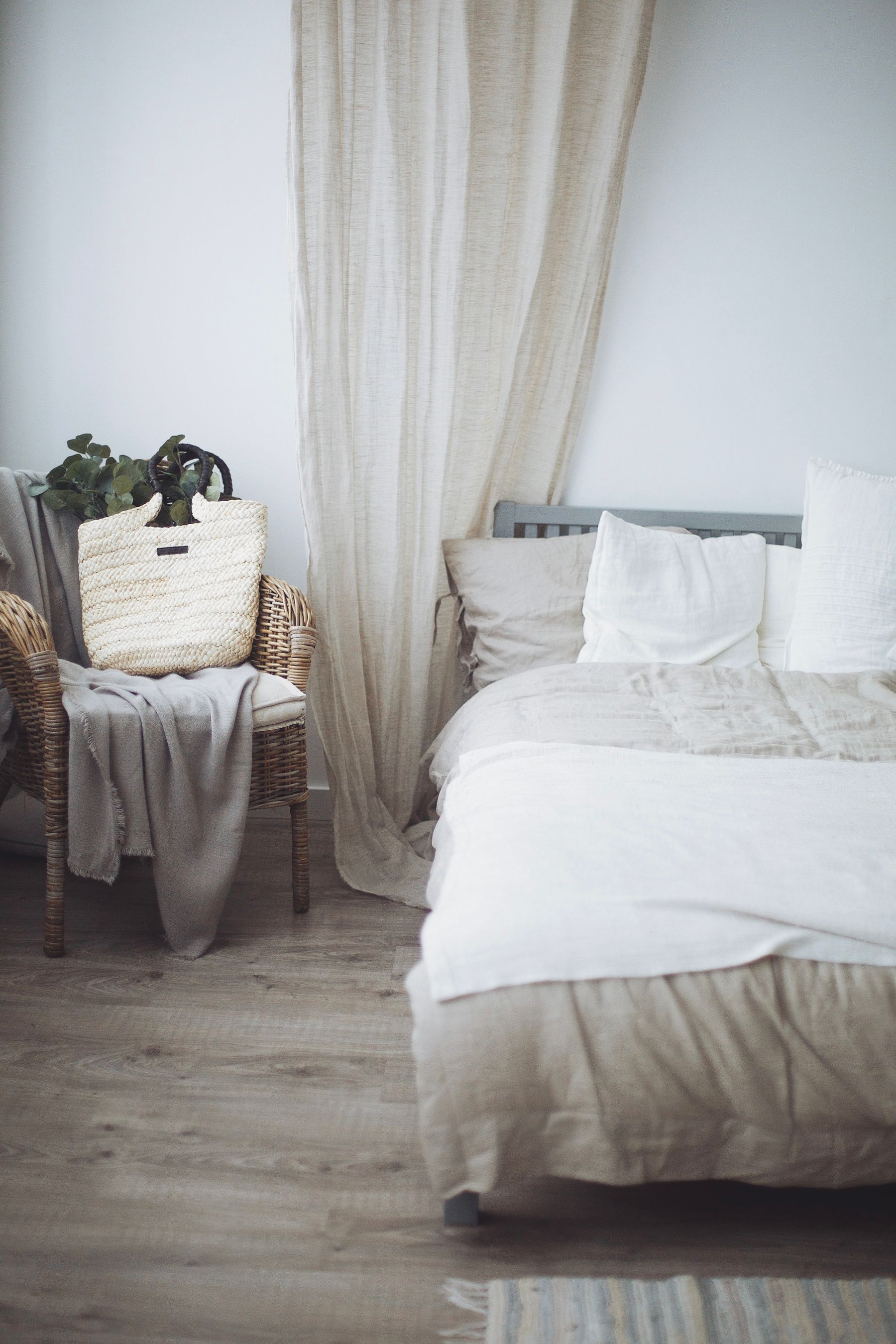
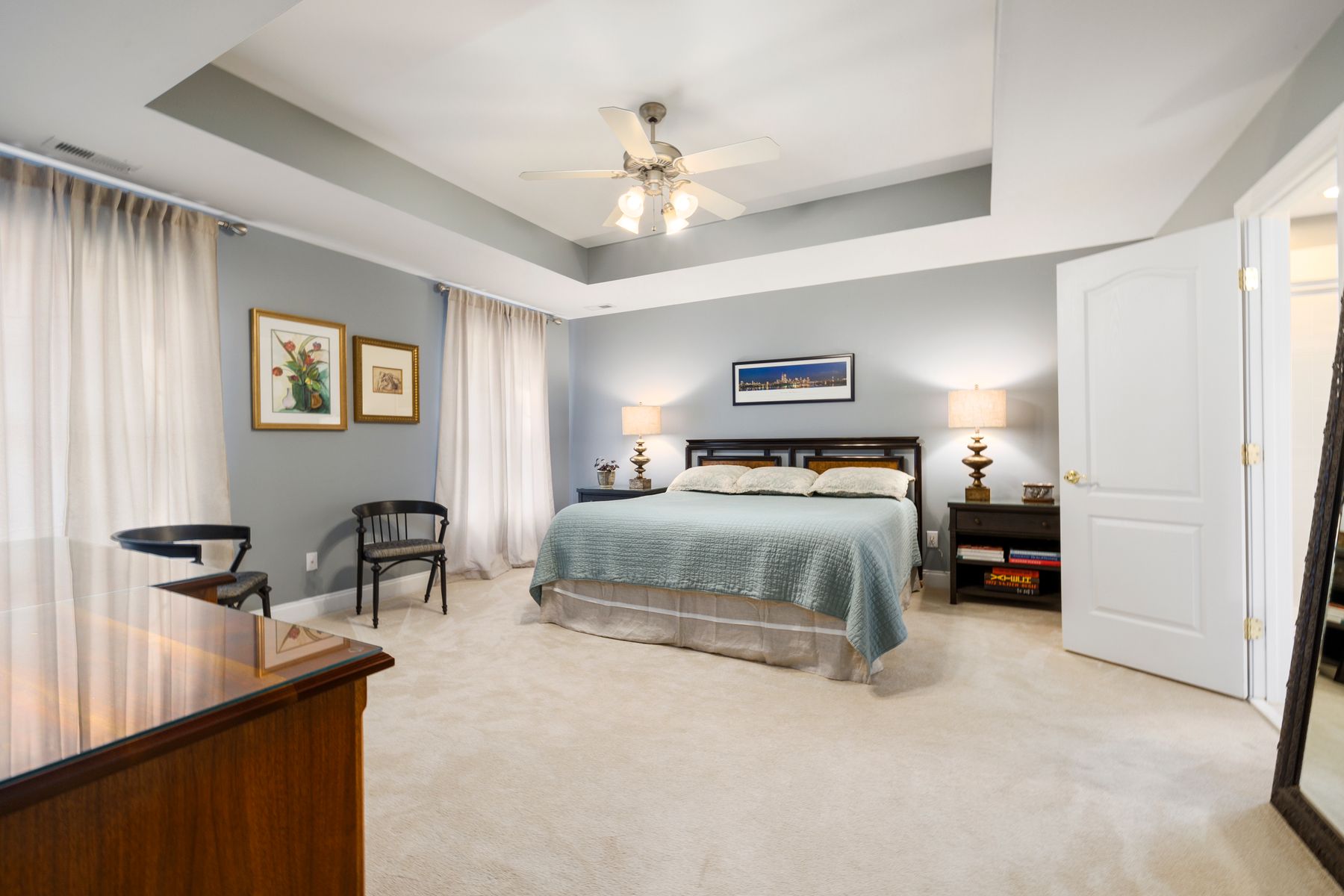
A Rug for Warmth and Acoustics
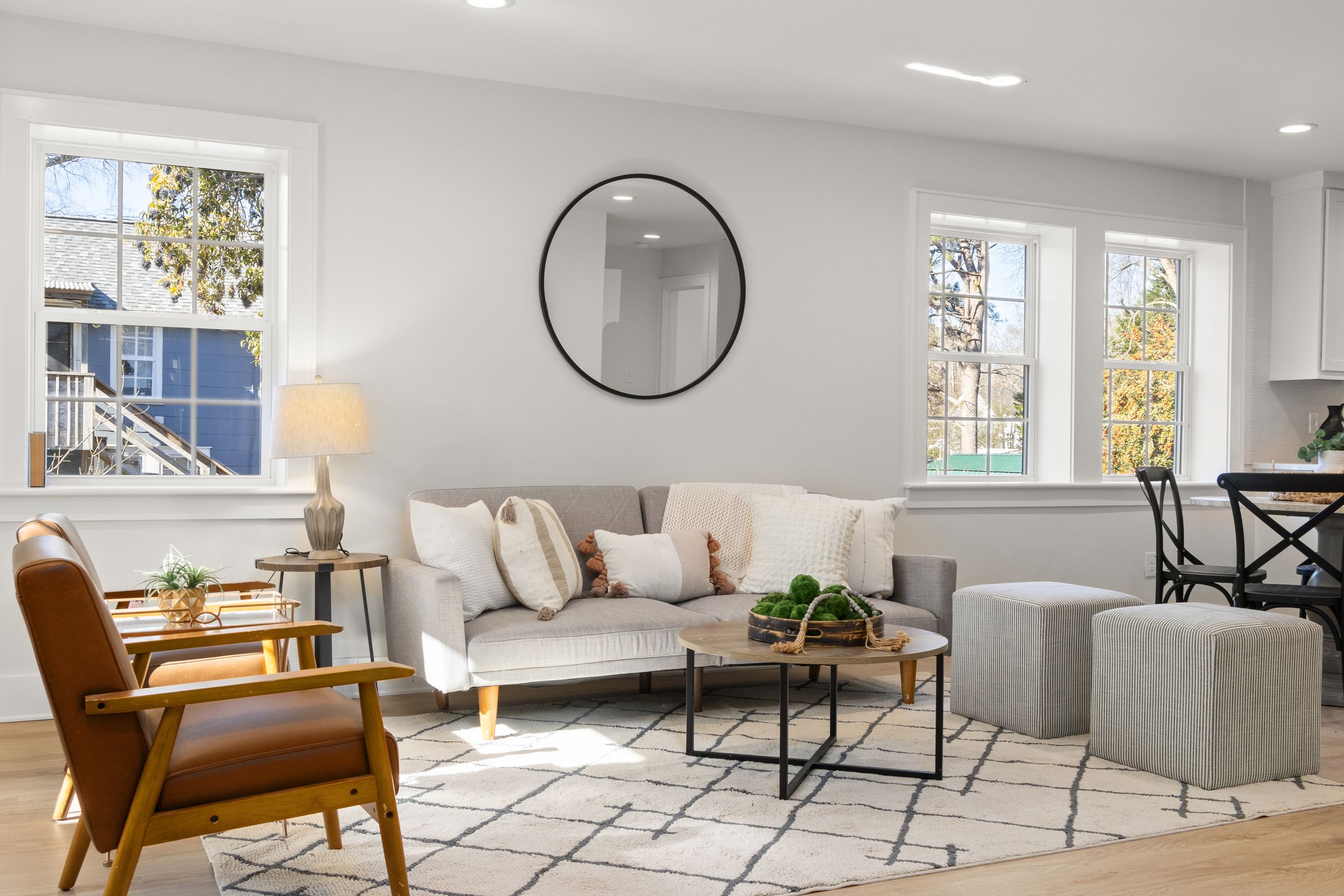
A correctly sized wool or low-pile rug can soften timber floors, reduce echo and make the first step from bed comfortable. Narrow strips often create more edges and cleaning work than warmth. Choose one broad rug or deliberate runners, confirm door clearance and use compatible underlay. In warm climates or allergy-sensitive rooms, bare wood may be preferable. [Living room rug ideas](/living-room/living-room-rug-ideas/) expands fiber, scale and care decisions that transfer directly to bedrooms.
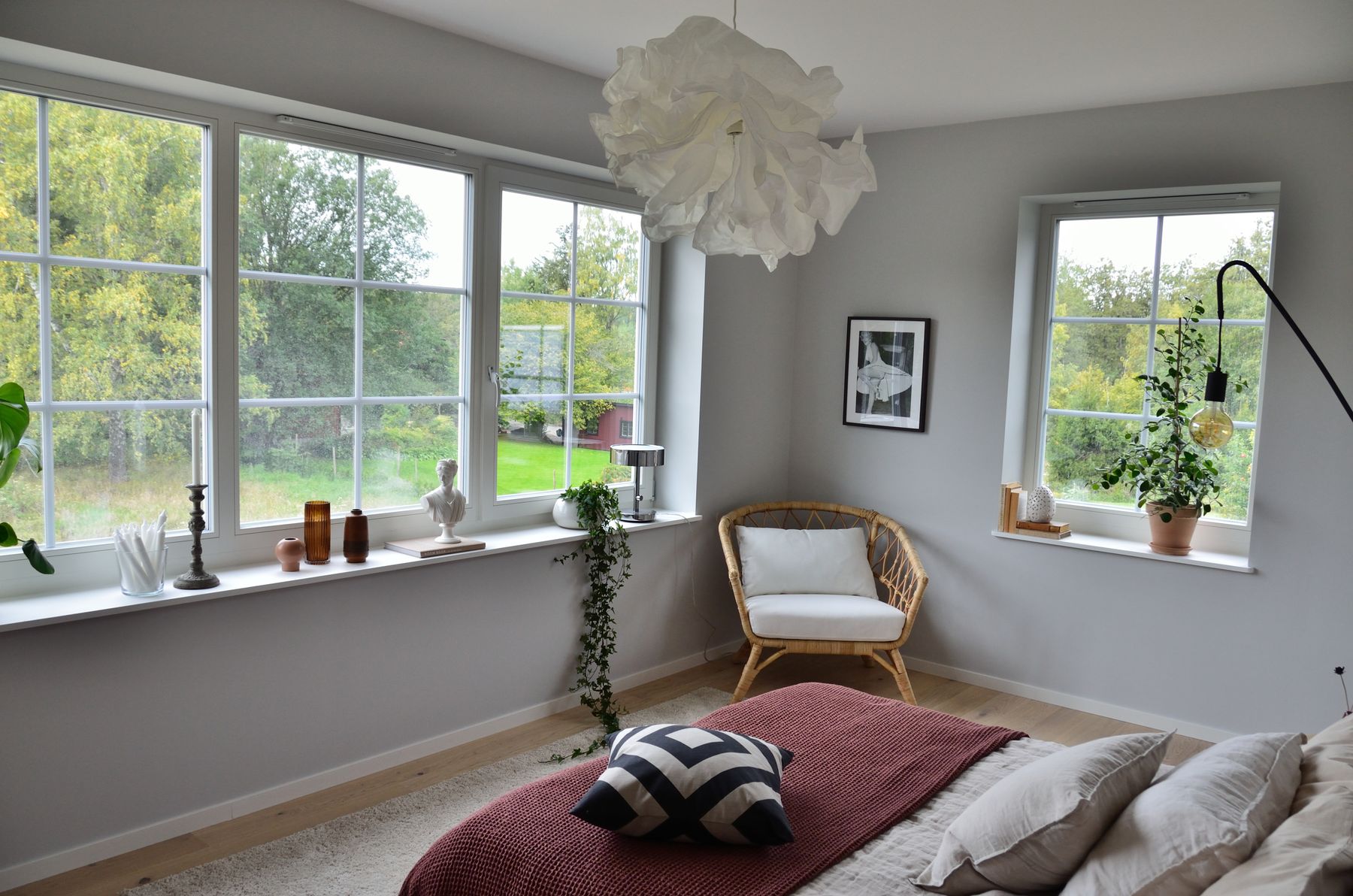
Treat Daylight as a Limited Resource
Protect the path from window to wall and floor planes by keeping tall storage away from the strongest light where possible. Use low furniture near glazing, clean the glass and select finishes that reflect without glaring. Pale color helps distribute light but cannot fix a blocked layout. Observe direct sun, winter darkness, summer heat and privacy from pillow height. A Scandinavian bedroom celebrates daylight because it is useful and changing, not because brightness is a permanent visual effect.
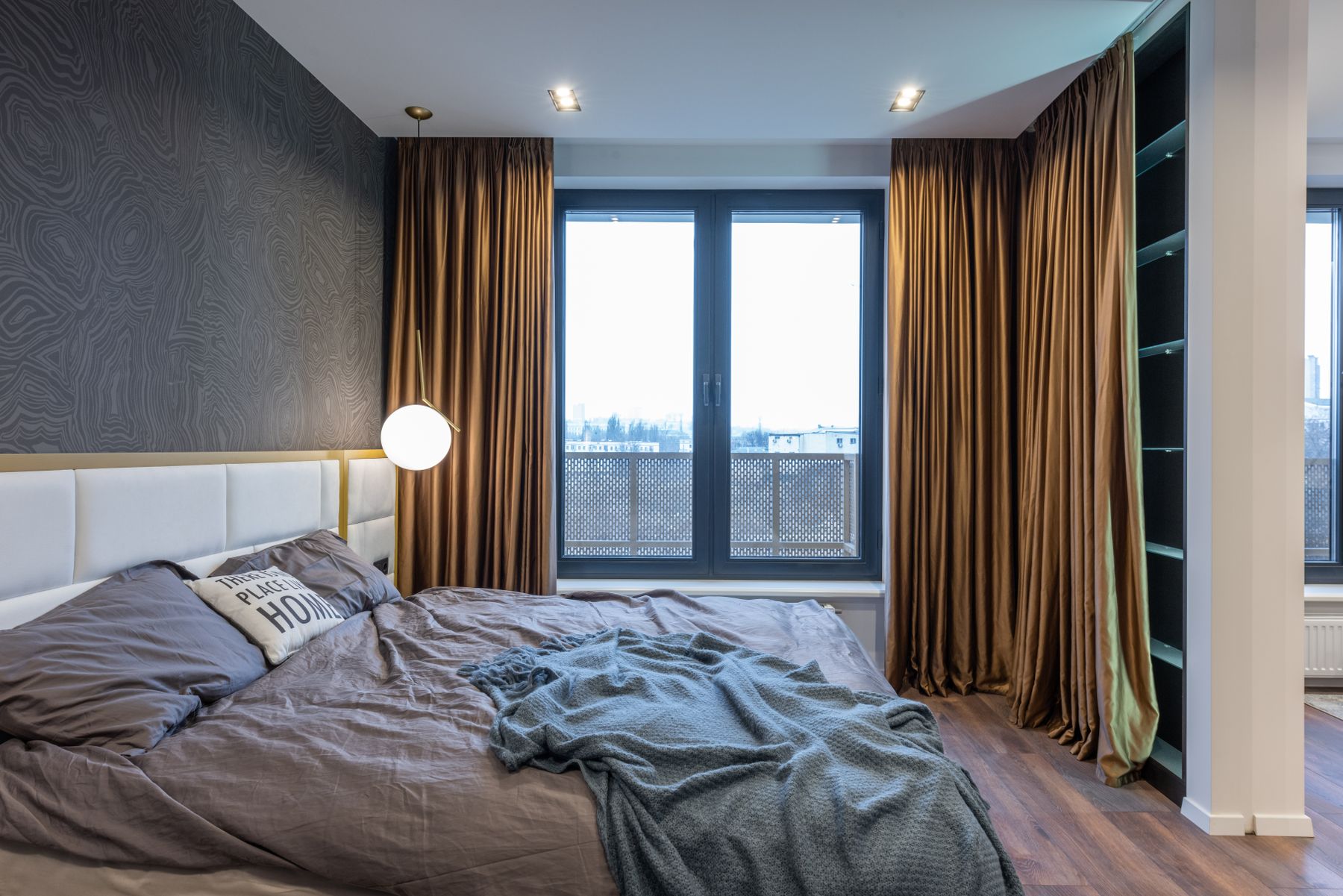
Layer Sheers, Privacy and Blackout
Use a sheer or privacy layer by day and a lined blind or curtain where true sleep darkness is needed. Test edge leakage from the pillow because blackout fabric alone does not prevent bright gaps. Full-height curtains soften acoustics and add color, but they must remain clear of heaters, vents and damp walls. In long summer days or shift-work households, performance matters more than an airy photograph. In dark winters, treatments should stack back efficiently so the window can work fully.
Several Small Pools of Light
Combine gentle ambient light, independent reading sources and a low orientation light for night movement. Scandinavian rooms often feel warm because light comes from several useful heights rather than one harsh ceiling fitting. Shade the bulb from the pillow, place switches within reach and use dimming only with compatible lamps and controls. The detailed framework in [living room lighting ideas](/living-room/living-room-lighting-ideas/) helps with beam, glare and color quality; bedrooms need an especially calm evening scene.
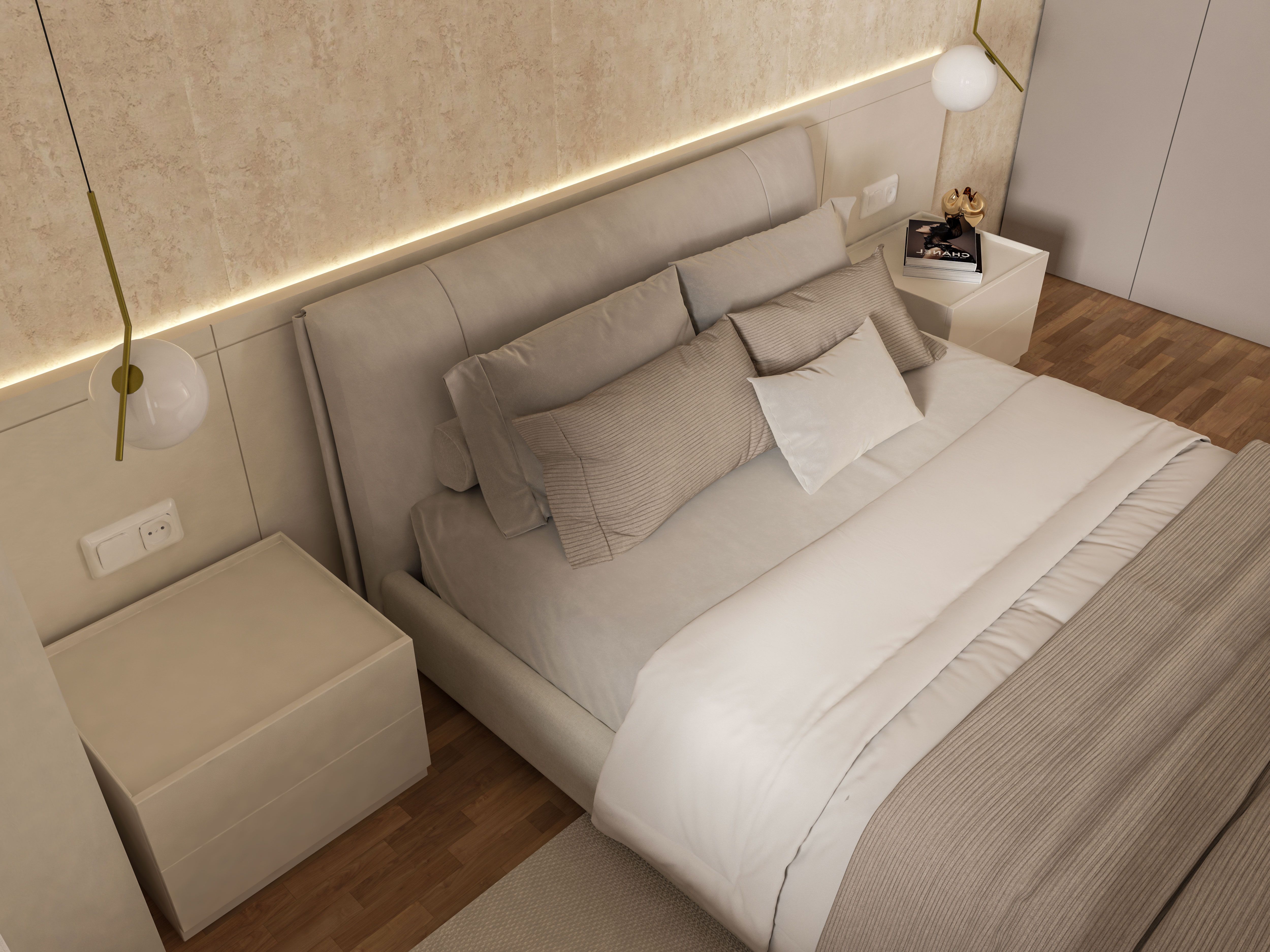
Design the Bedside for Natural Reach
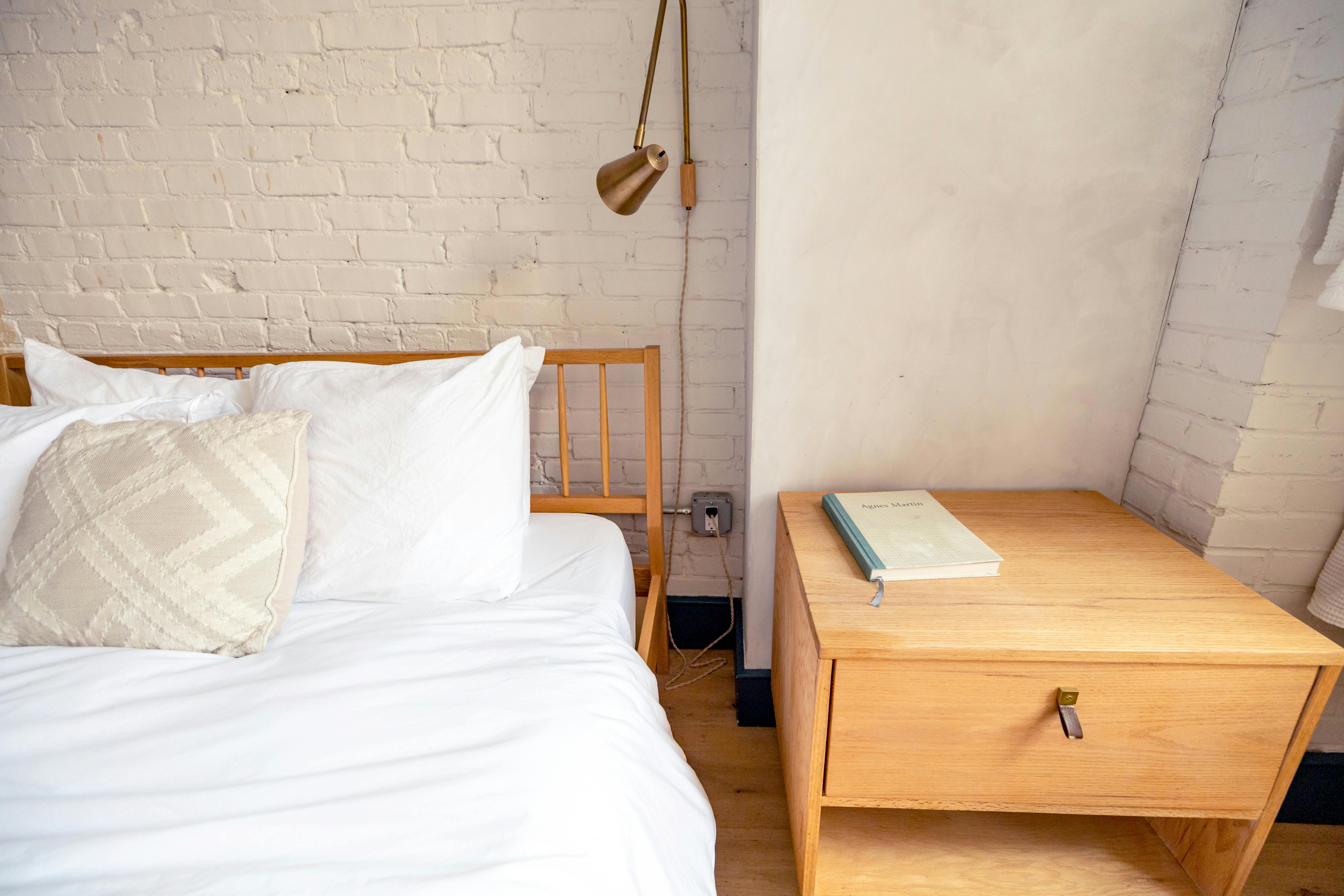
Set the surface near mattress height and size it for water, glasses, medication, a book and charging where required. One drawer can contain visually noisy essentials, while an open shelf suits only stable daily objects. Two sleepers may need different tables or lamp types; functional asymmetry is more honest than a matching set that inconveniences one side. Route cables away from the floor and keep outlets serviceable rather than embedding technology that will date quickly.

Simple Storage Outside, Specific Storage Inside
Inventory long hanging, short hanging, folded clothing, shoes, laundry and cases before dividing a wardrobe. Calm full-height fronts can reduce visual noise, but handles, ventilation, hinges and service access must remain practical. Use adjustable shelves and drawers instead of equal compartments chosen for symmetry. The whole-home inventory method in [minimalist apartment ideas](/apartment/minimalist-apartment-ideas/) helps when bedroom overflow begins elsewhere. Scandinavian storage is functional containment, not a reason to hide unlimited possessions.
Open Storage Kept Honest
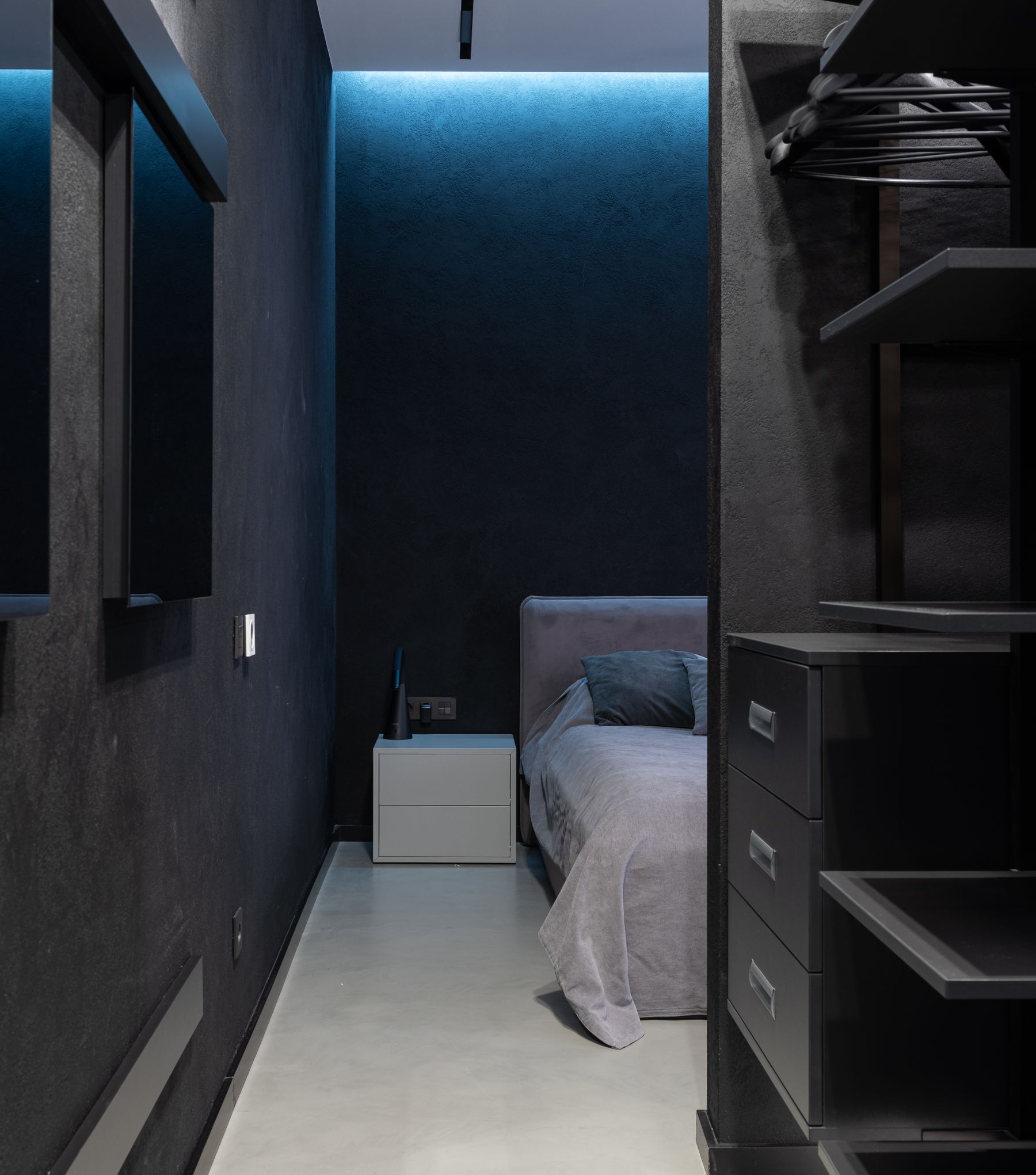
An open rail, peg row or short shelf can make daily dressing direct, but it exposes dust, color variation and every overflow item. Use it for a small current wardrobe, books or objects that return frequently; mixed packaging and seasonal stock need doors. Leave visual breathing room rather than packing every centimeter. If maintaining the display creates recurring labor, choose closed storage. Lived-in Scandinavian design accepts use, but it still depends on clear, repeatable homes for things.
Nature at a Maintainable Scale
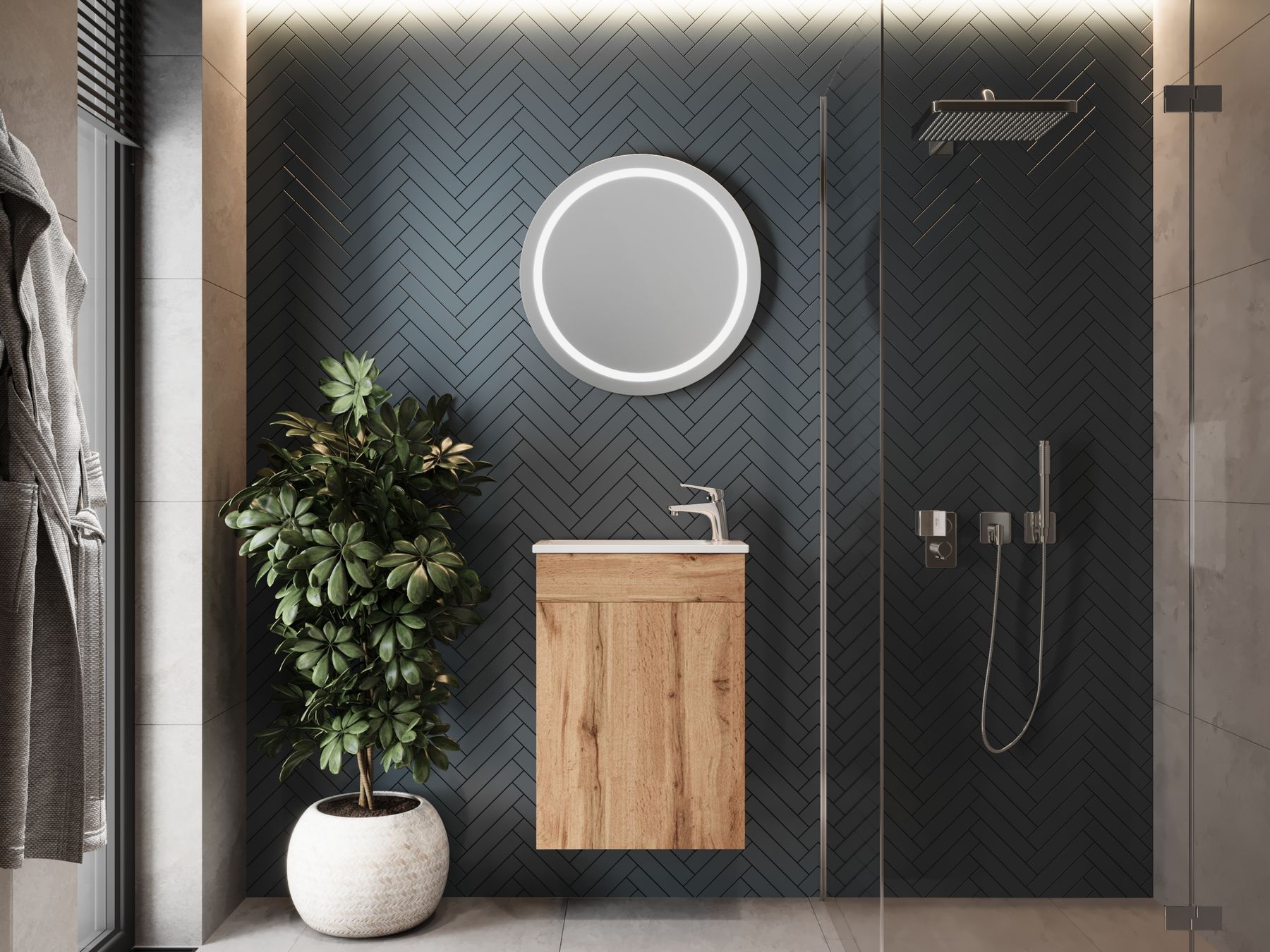
Choose one or two plants for the room’s real light, temperature, pets and care routine rather than filling a dark bedroom with hopeful greenery. A larger healthy plant usually creates a clearer silhouette than many small pots. Protect timber from moisture, clean leaves and avoid crowding the window. Seasonal branches, a view or no plant at all can be equally honest. The connection to nature should reduce stress and mark change, not turn the bedroom into another obligation.
Art and Books Show a Life
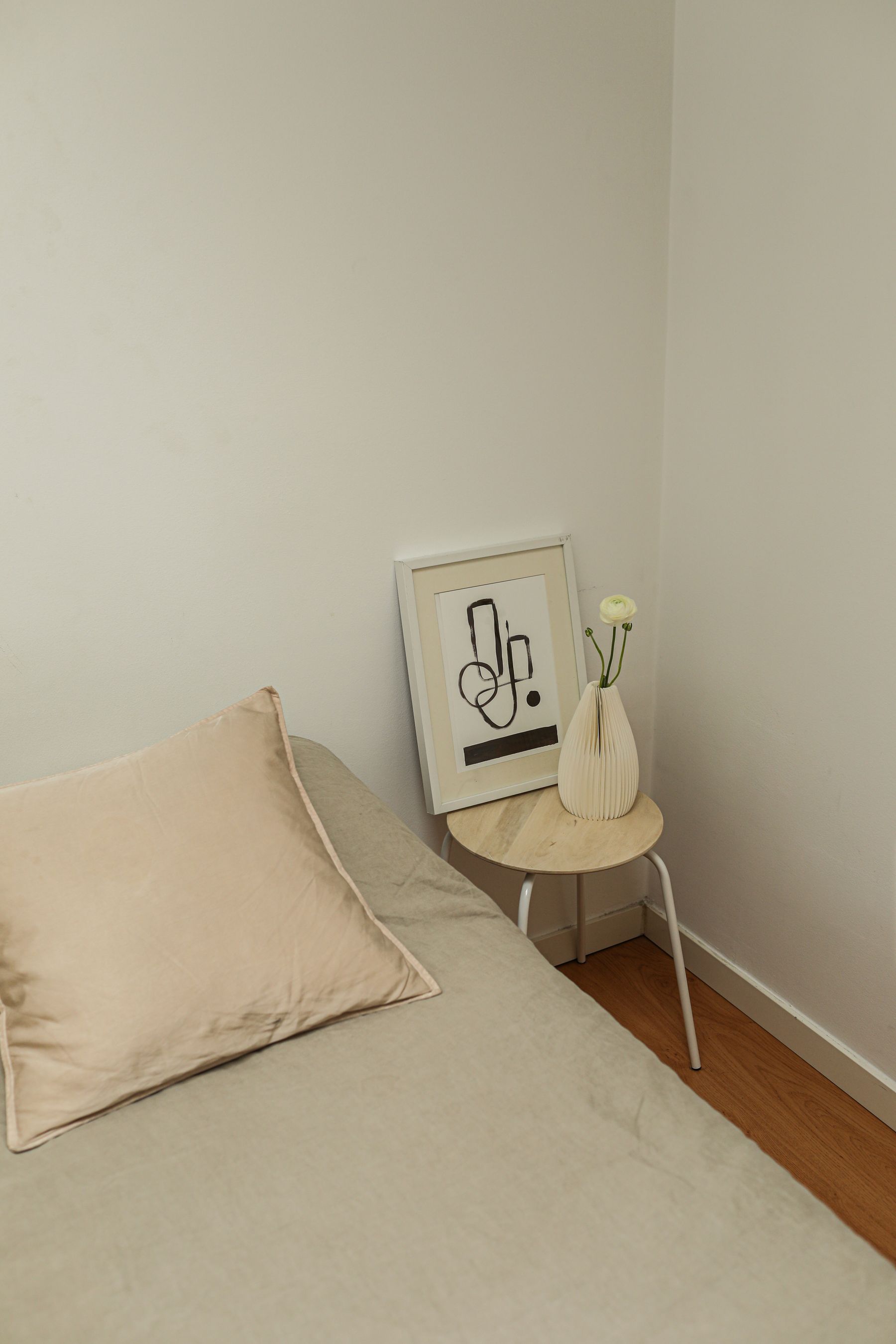
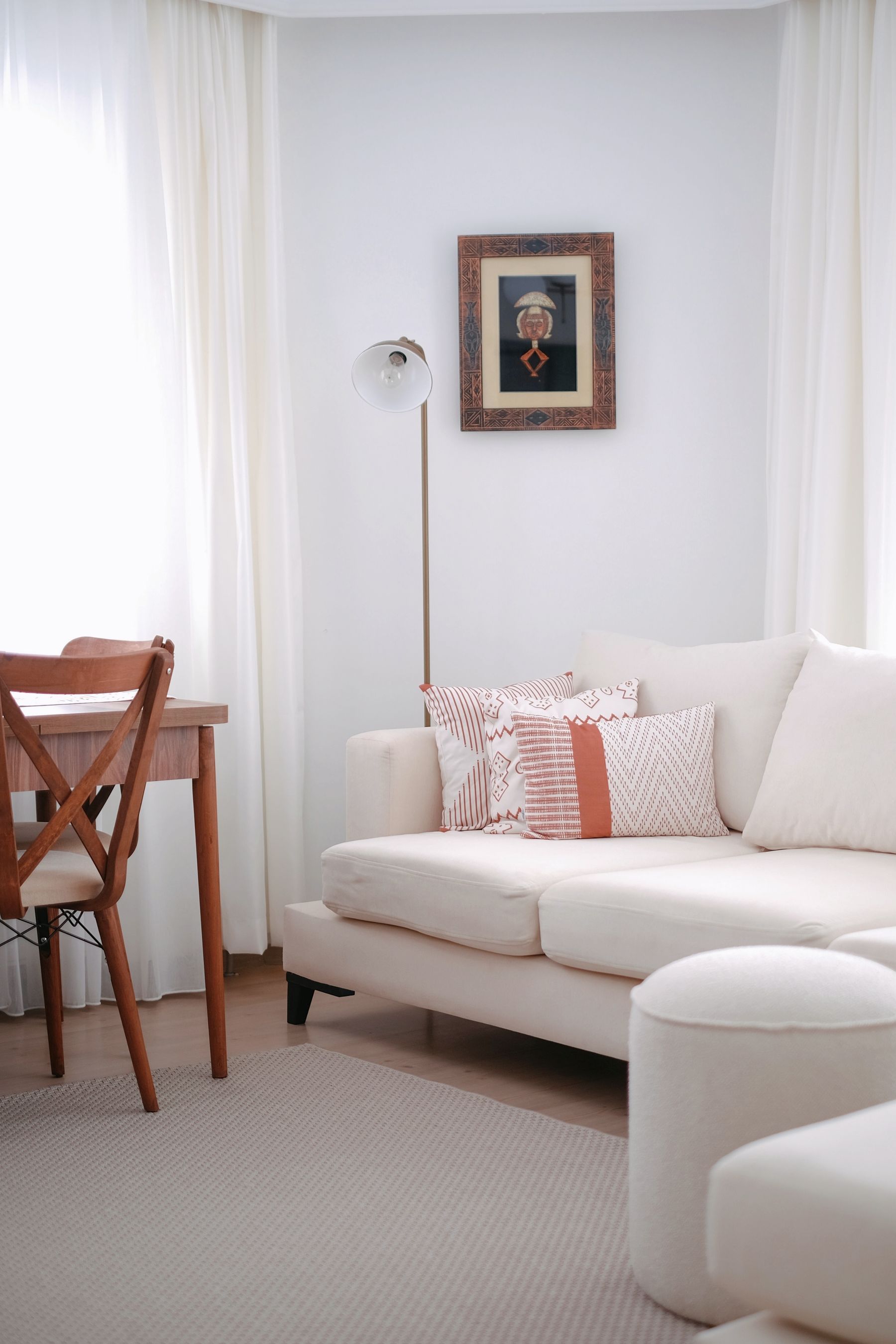
Display personal art, photographs or a small working library rather than anonymous neutral accessories selected only to match. Use scale and spacing so each group reads clearly, protect light-sensitive work from direct sun and mount heavy objects safely away from sleepers. Blank wall is allowed, but Scandinavian warmth rarely depends on total visual absence. [Living room wall ideas](/living-room/living-room-wall-ideas/) offers transferable guidance on galleries, scale and conservation without turning the bedroom into an exhibition.
A Reading Corner Only When It Will Be Used
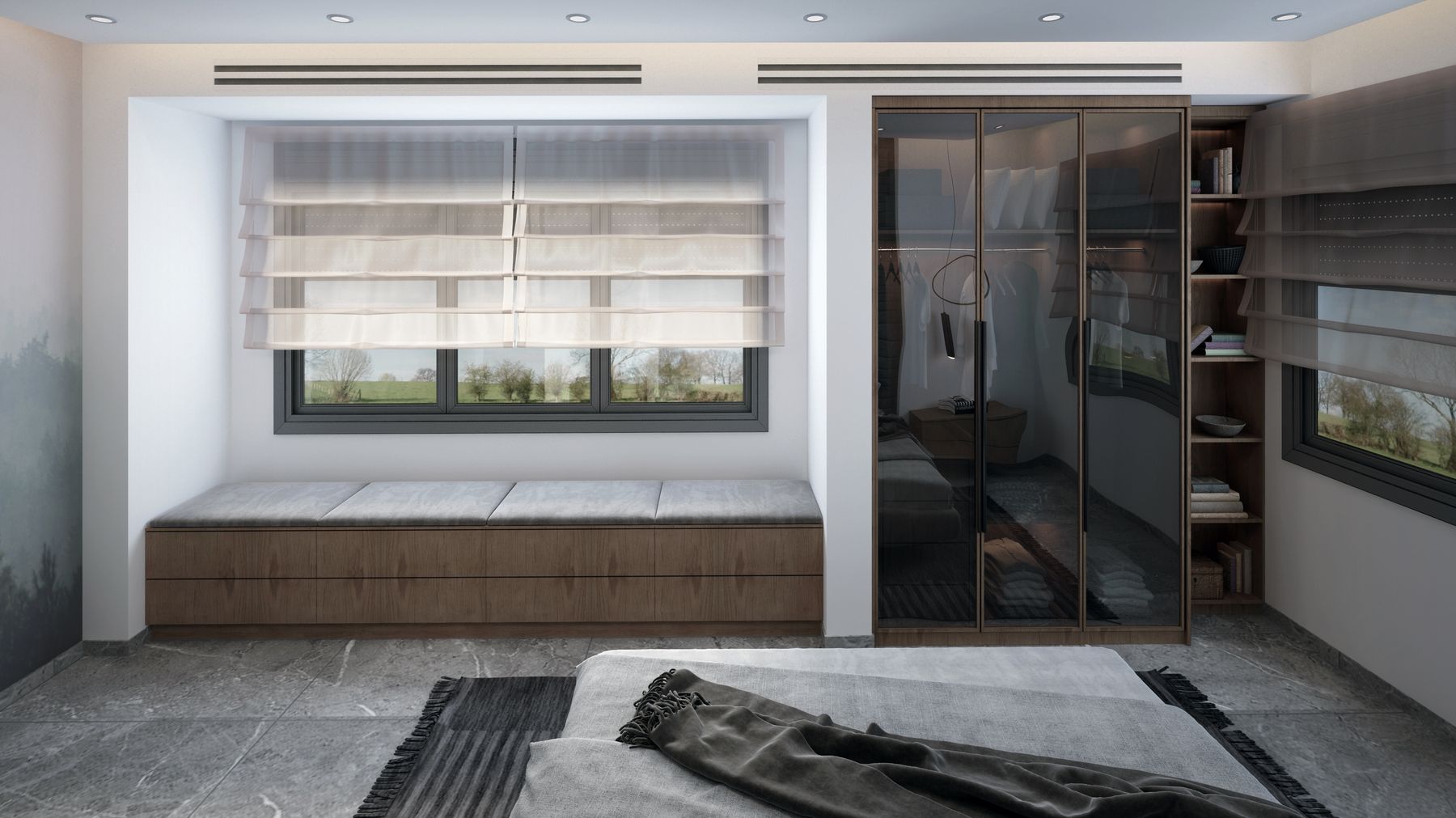
A chair, window seat or bench can support reading, dressing, feeding or mobility, but an unplanned chair often becomes clothing storage. Confirm the activity, task light, side surface and clear approach before assigning floor area. A vintage armchair may add welcome character if its seat height and upholstery remain comfortable. If the routine is occasional, a movable stool may be enough. Function and everyday pleasure should justify the corner, not the desire to complete a styled room.
Contain a Workspace After Hours
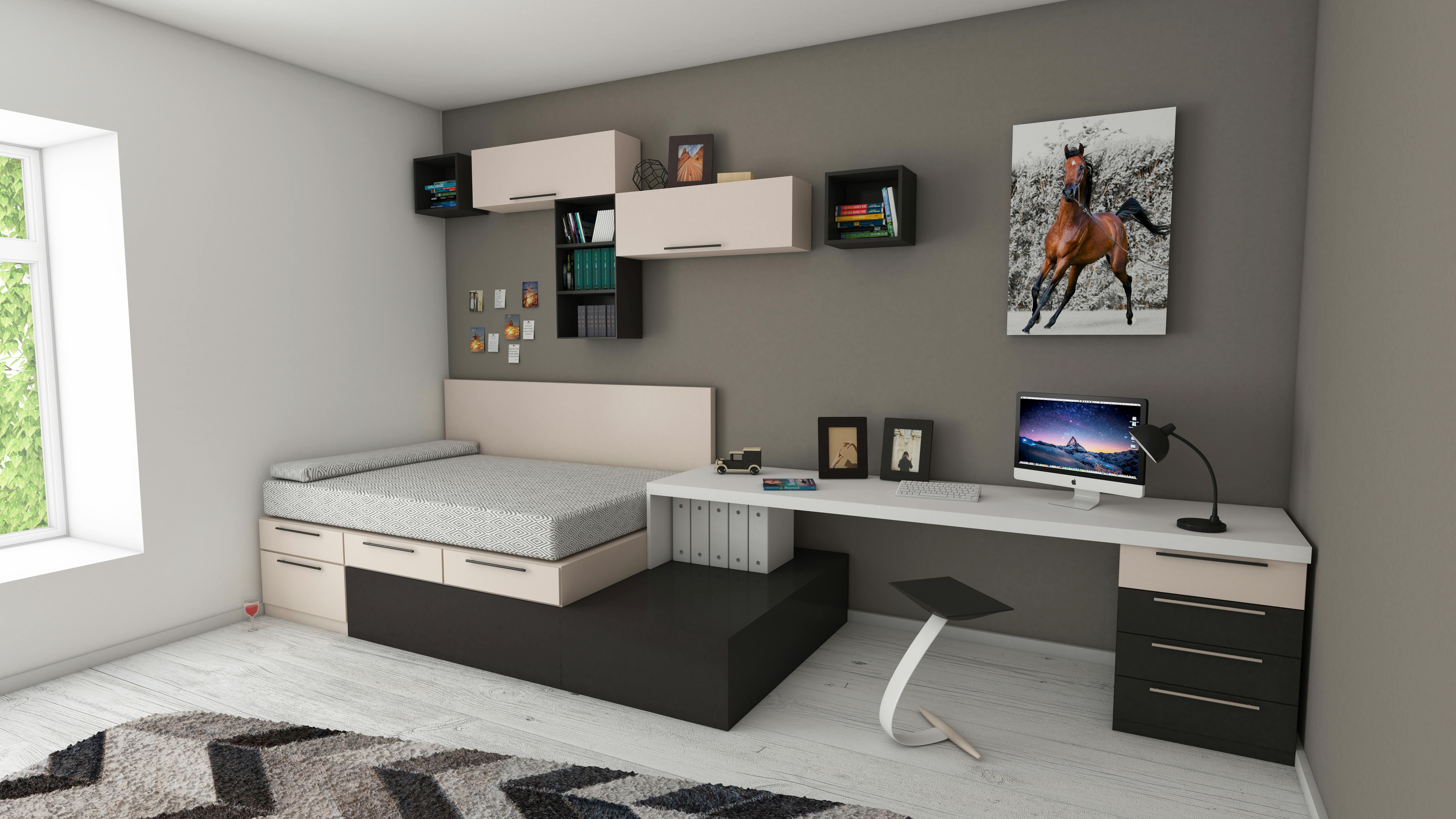
If work must share the bedroom, place the desk outside the direct pillow view where possible and give equipment one safe cable route plus closed containment. Daylight is useful, but screen glare and privacy during calls must be tested. End the workday by clearing papers, closing the laptop and changing the lighting scene. [Small apartment ideas](/apartment/small-apartment-ideas/) expands zoning when one room supports several routines. A beautiful timber desk is not enough if work remains visually active at night.
The Small-Bedroom Version
Choose the mattress first, preserve one clear route and use wall lights or shallow bedside surfaces where floor width is limited. Vertical storage can protect floor area, but daily items must remain reachable and tall fronts should not block the best daylight. Pale color may help distribute light, though one darker or colored surface can add depth. The whole-home priorities in [small apartment ideas](/apartment/small-apartment-ideas/) help when storage and work compete outside the bedroom too. Scale and circulation create the stronger result.
Portable Rental Improvements
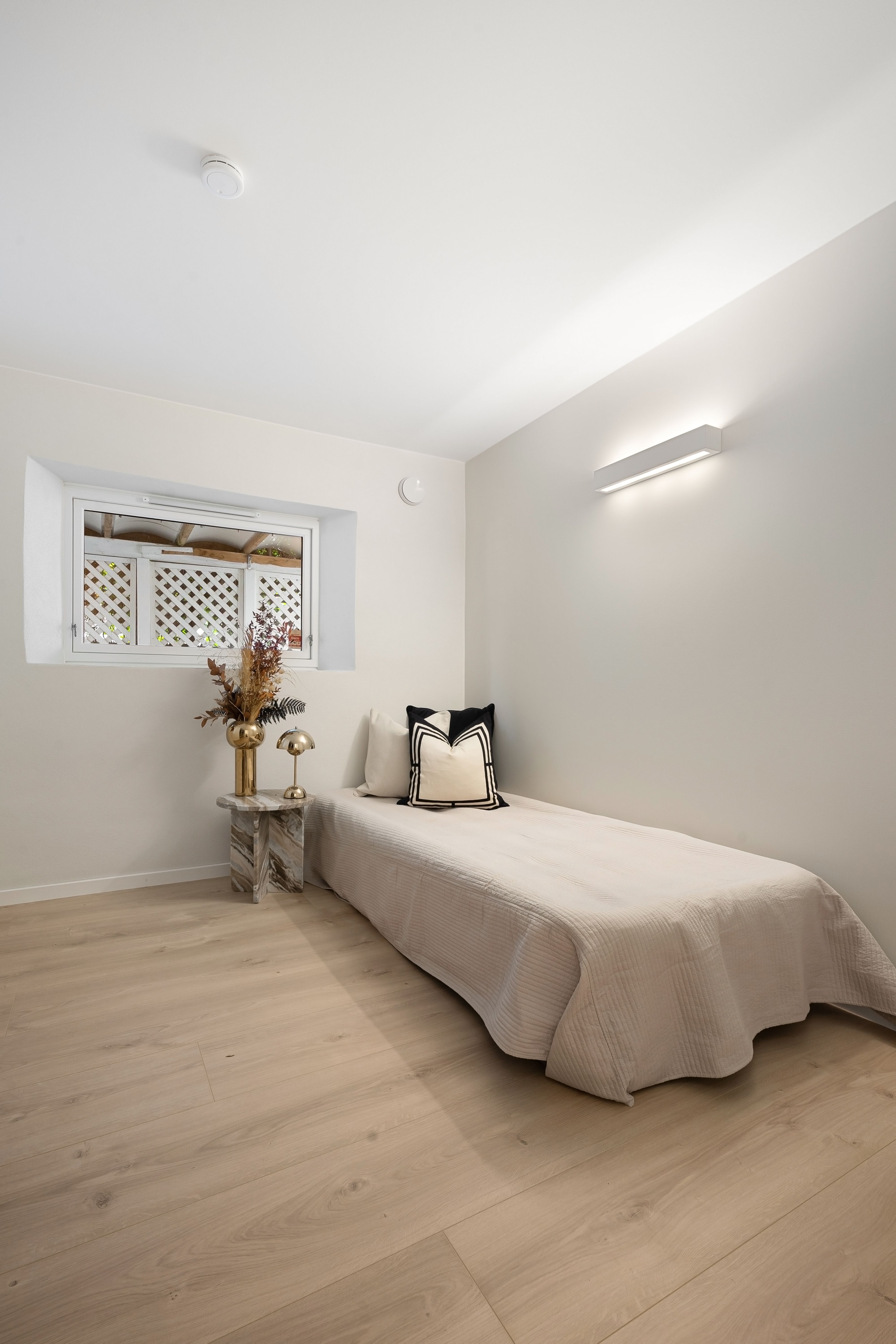
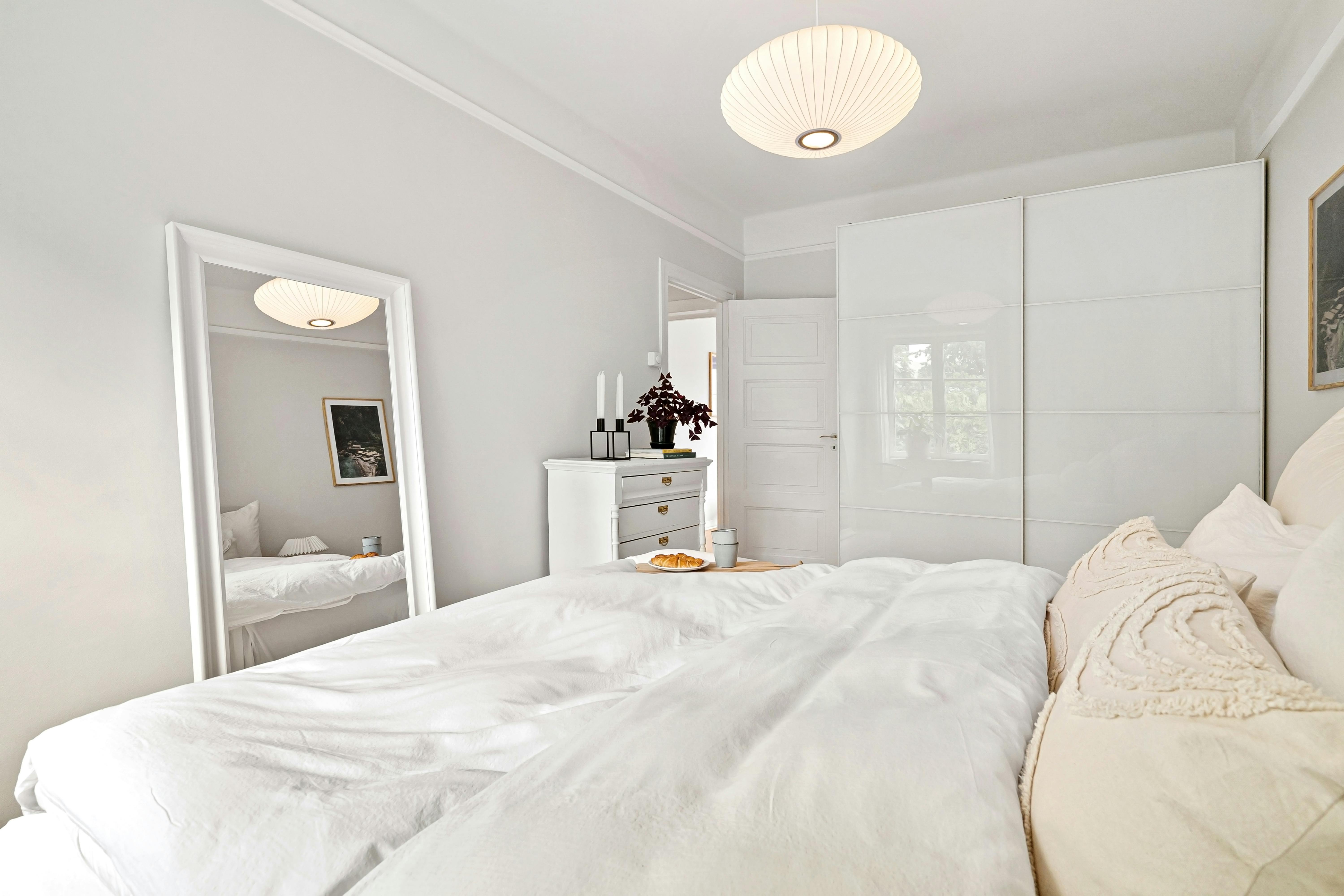
Begin with furniture placement, curtains where permitted, lamps, bedding, a rug and freestanding storage before changing the shell. Use the existing floor and wall color as a constraint instead of covering every surface with temporary materials. Obtain permission for paint, drilling and fixture replacement, and retain original hardware. Buy pieces that can move to the next home. Scandinavian design adapts well to rentals because comfort, function and light matter more than built-in visual effects.
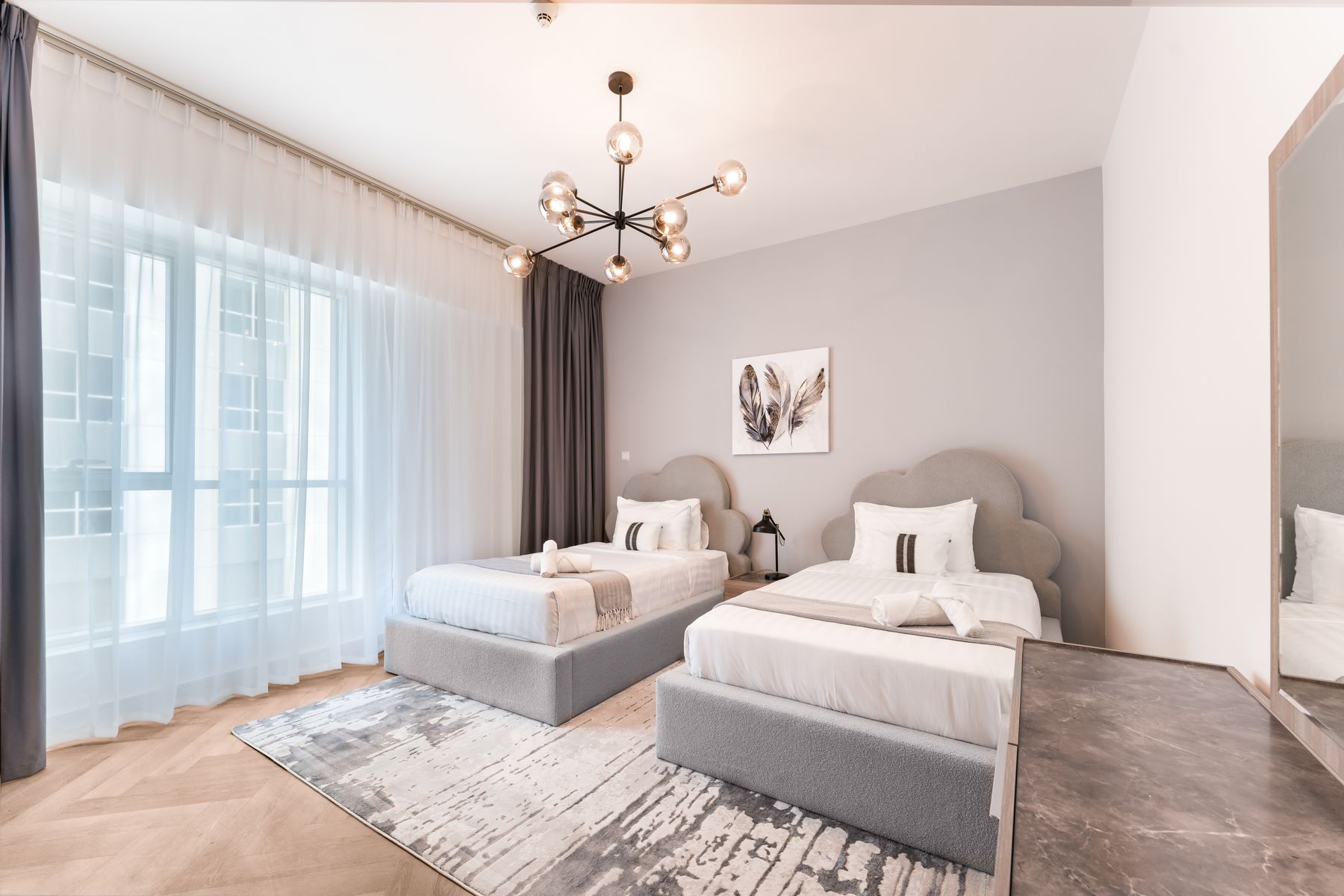
Shared Comfort Without Forced Symmetry
Map each person’s bed access, charging, reading, clothing and temperature preferences. Give both sides equally useful light and storage volume, but allow their furniture and bedding weights to differ. Matching tables are optional; compatible wood and color can hold asymmetry together. Discuss which objects remain visible and where removed blankets go. The broader planning in [modern bedroom ideas](/bedroom/modern-bedroom-ideas/) helps when several functions compete. Scandinavian comfort should be democratic in practice, not merely balanced in a photograph.
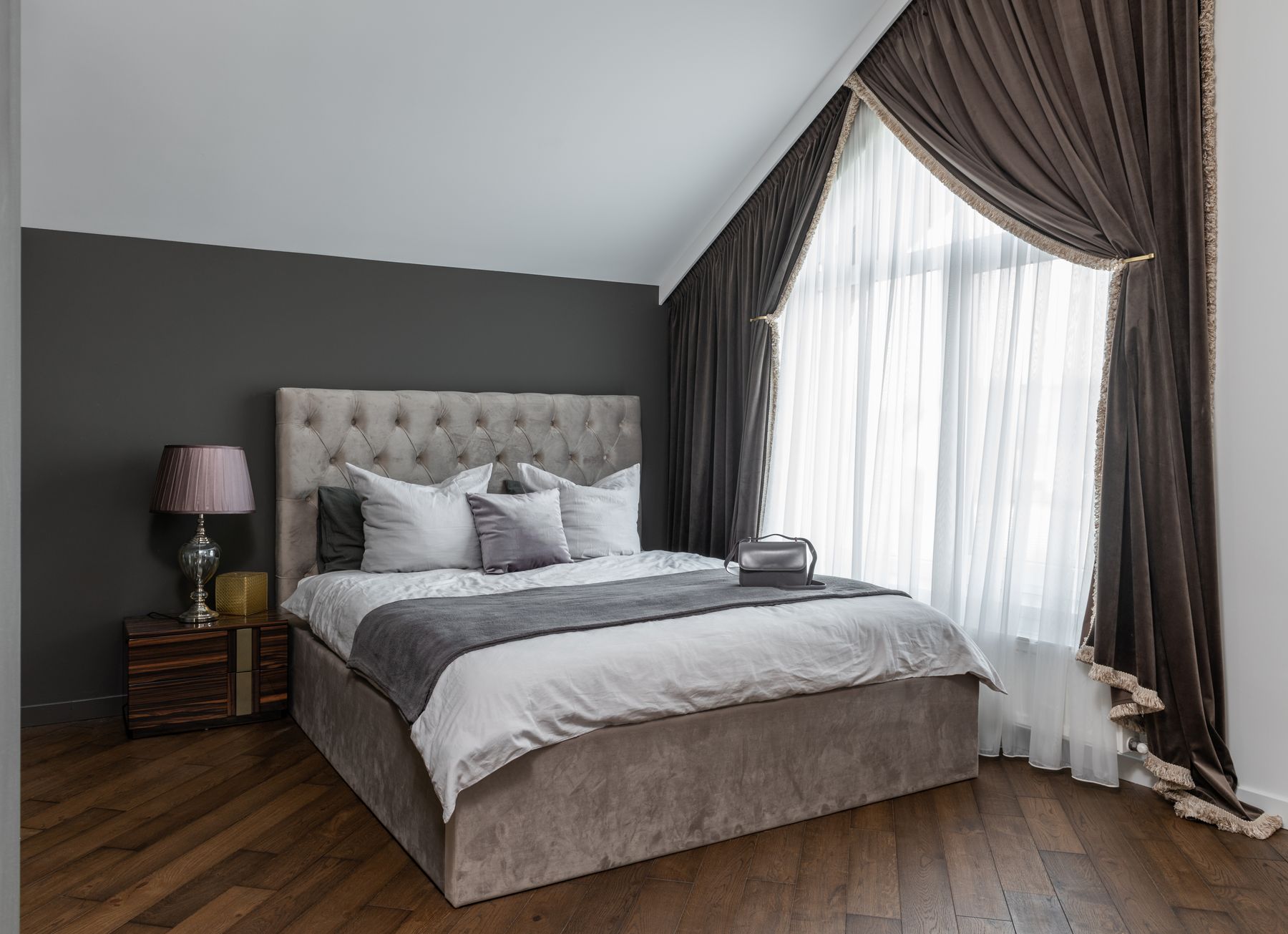
Adapt the Room to Local Climate
Nordic precedents respond to long winters, low sun and strong seasonal change, but the same material package will not suit every climate. In cold rooms, lined curtains, wool and layered low light may improve comfort; in humid or hot rooms, breathable linen, shading, air movement and less floor textile are more useful. Keep furniture clear of damp walls and maintain mattress ventilation. Adapt the principles—light, function and sensory ease—rather than copying insulation-heavy styling regardless of conditions.
Maintain a Relaxed Seasonal Reset
Create an easy daily return point for clothes, books, charging and removed bedding, then review larger categories with the seasons. Rotate textile weight, clean curtains and lamps, inspect timber finish and keep heaters and vents unobstructed. If the same pile returns, improve the nearby storage instead of blaming the user. The room is finished when further reduction would remove comfort or identity and further addition would weaken light, access or calm. Scandinavian ease should look lived in, not permanently staged.