Understand the Hybrid Before Styling It
Japandi is most useful as a design logic rather than a shopping category. Japanese influence contributes disciplined space, low visual weight, natural change and attention to the interval between objects; Scandinavian influence adds pragmatic storage, daylight, warmth and physical comfort. That makes it more tactile and materially expressive than [minimalist bedroom ideas](/bedroom/minimalist-bedroom-ideas/), yet quieter and more shadow-aware than a typical bright Scandinavian scheme. Start with those relationships and the room can feel Japandi without a single themed accessory.
Plan the Sleep Route as Negative Space
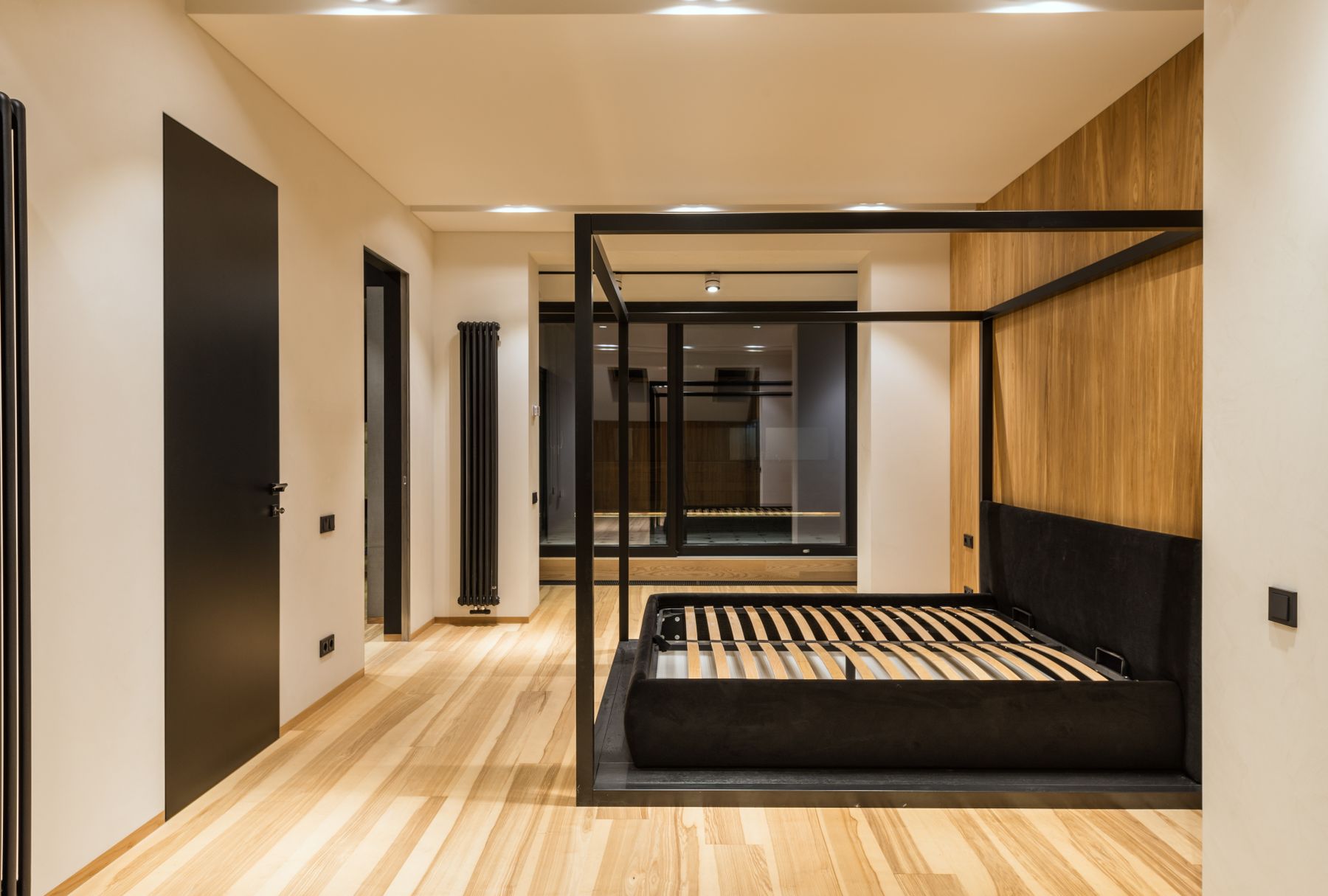
Begin with the route from door to bed, wardrobe and window rather than centering furniture by habit. Protect enough width for night movement, bed making and two people passing where needed; include door swings and drawers at full extension. Japandi negative space is active, not leftover. One generous route is stronger than several narrow gaps, and an off-center bed may create better calm than formal symmetry. Tape footprints and walk them in low light before buying anything.
Choose a Low Bed for the Body, Not the Photograph
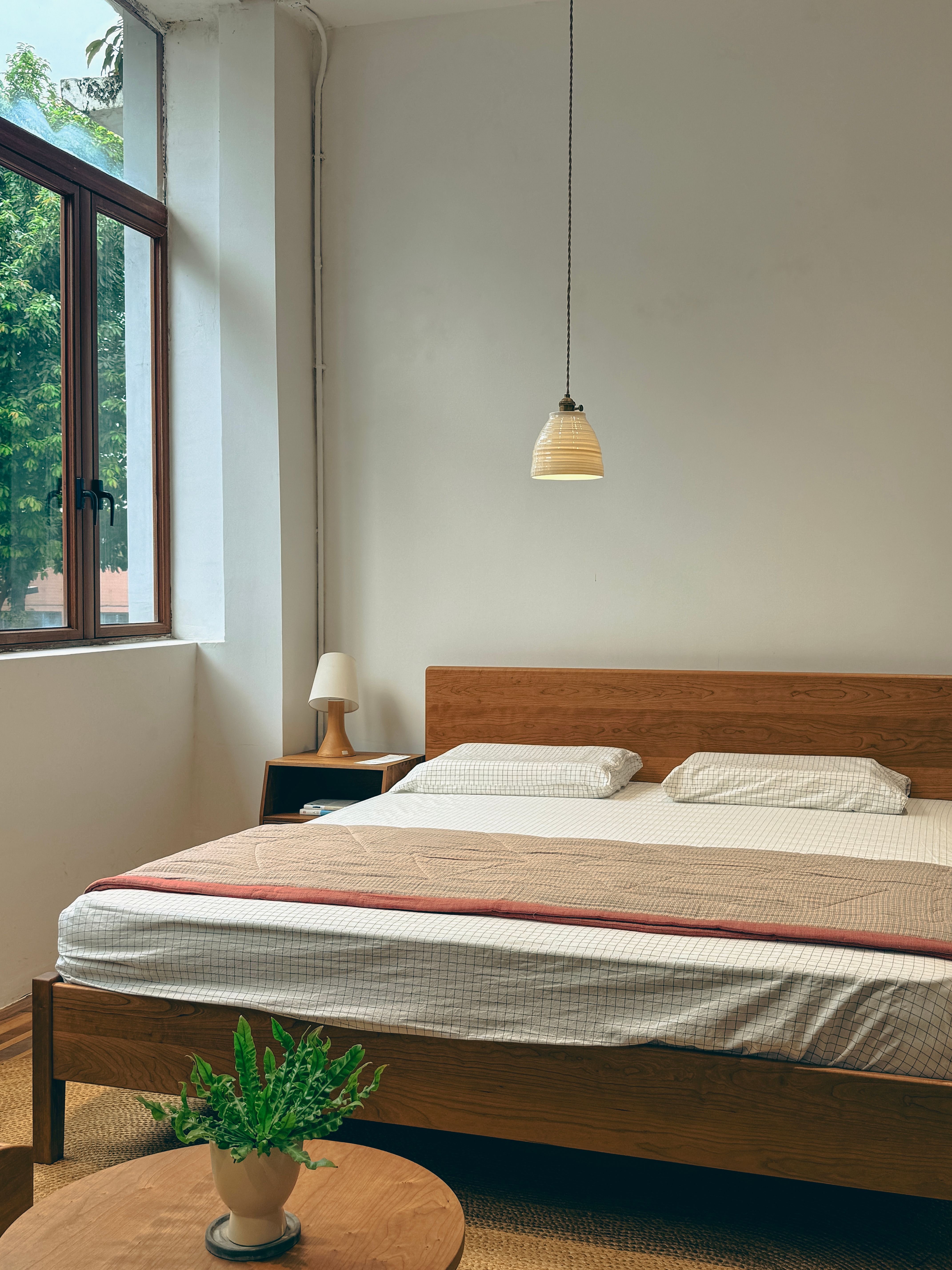
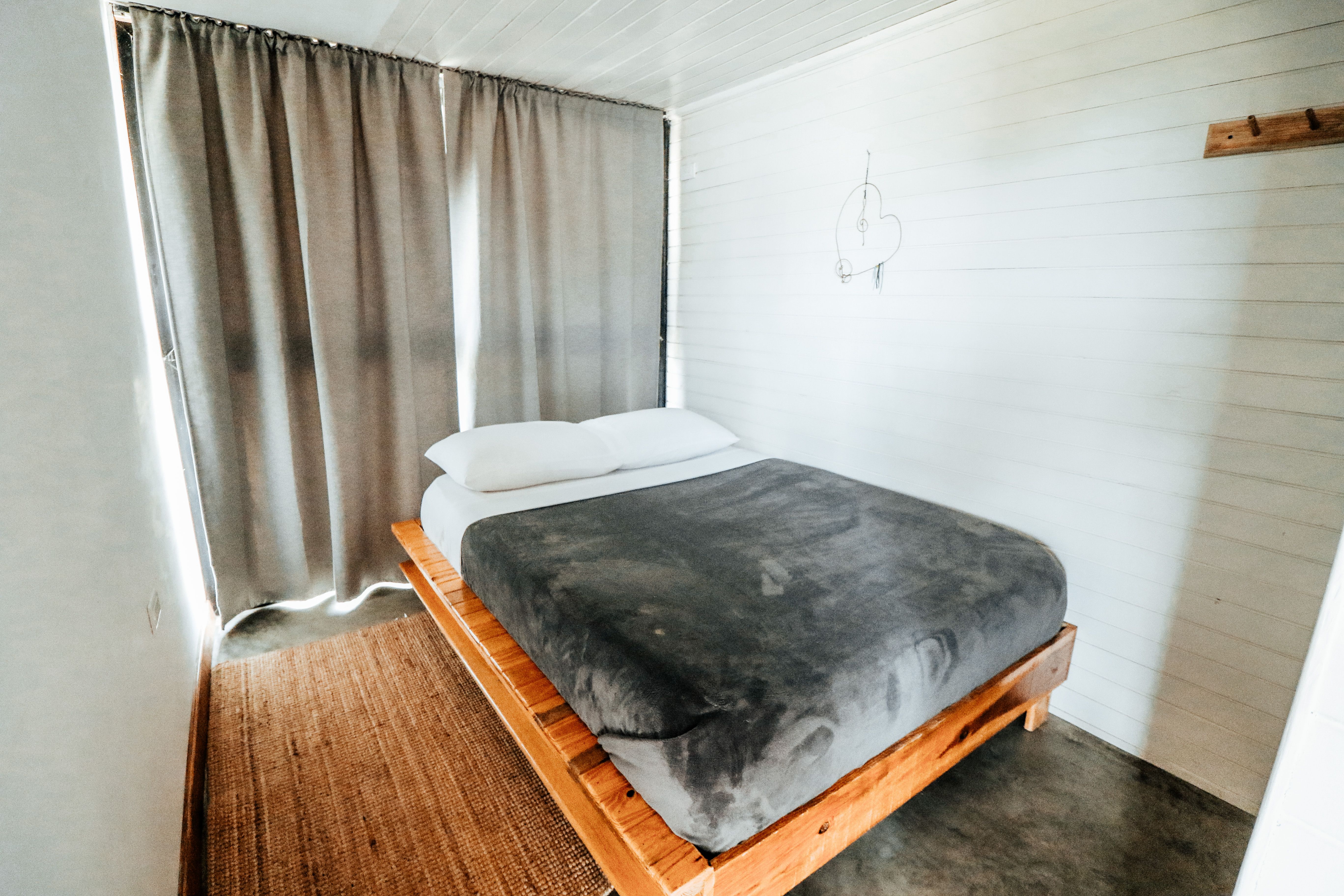
A platform close to the floor creates the horizontal calm associated with Japanese rooms and can make a modest ceiling feel taller. It is not mandatory. Test the combined frame and mattress height for knees, hips, balance and caregiving; a slightly higher timber frame can preserve the character without daily strain. Confirm ventilation below the mattress, cleaning access and the position of outlets and windows. The right bed is one the body can use easily for years.
One Quiet Structure for the Bed Wall
Use a simple timber headboard, limewashed wall, shallow ledge or plain painted plane as the bed’s background. A full feature wall works only when its grain, joints and edge conditions are good enough to deserve attention. Avoid multiplying battens, arches and panels merely to signal trend. If integrating lights or outlets, retain access to wiring and allow the material to move. The bed-wall planning in [modern bedroom ideas](/bedroom/modern-bedroom-ideas/) offers broader alternatives; here one coherent surface should carry the quieter hybrid.

Set a Two-Wood Hierarchy
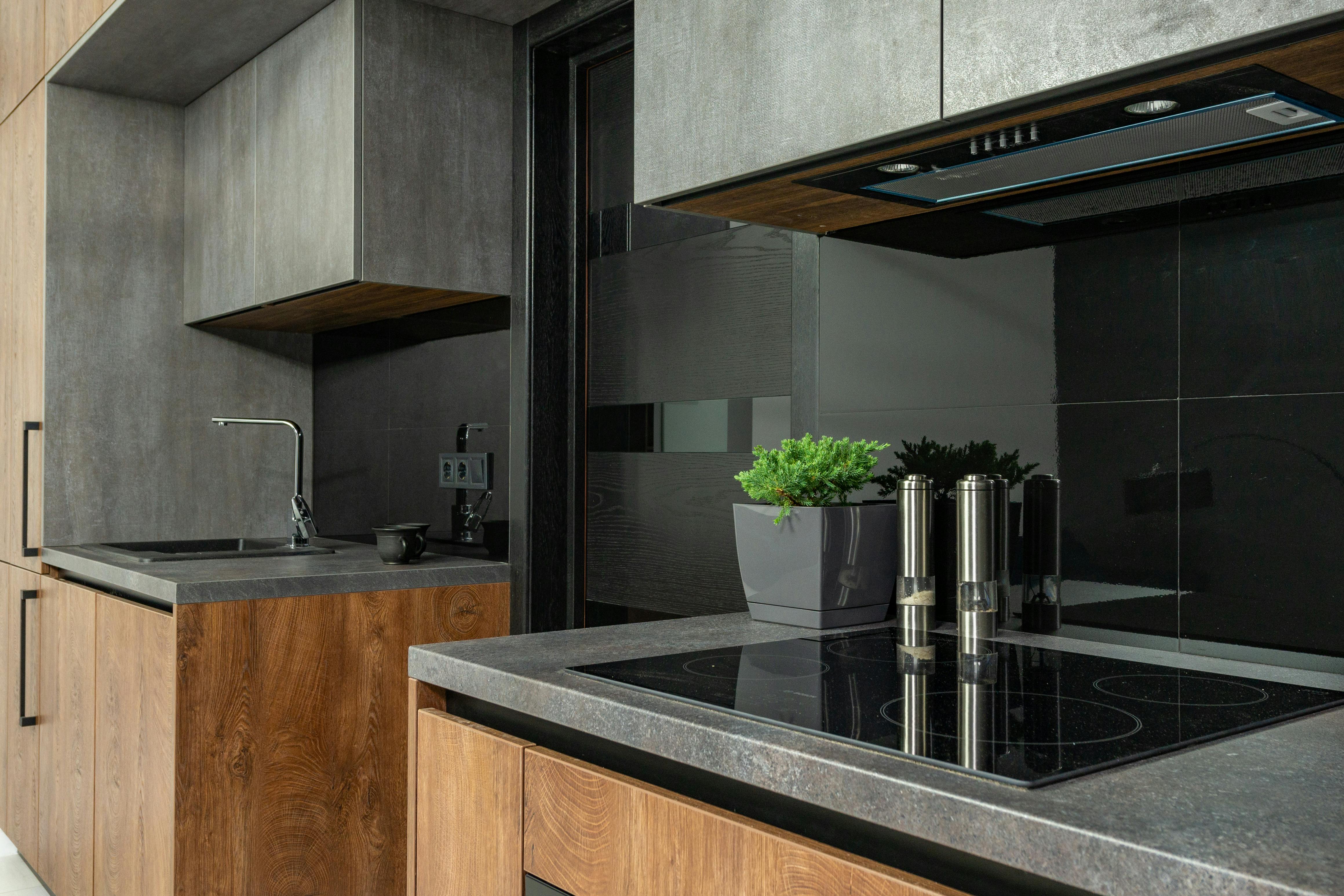
Choose one dominant timber—often oak, ash or another pale species—then add a smaller amount of darker wood or blackened finish for definition. Match undertone and grain character rather than forcing identical color across bed, floor and storage. Solid wood and veneer can coexist honestly when edges and construction are well resolved. The balanced material thinking in [Japanese apartment ideas](/apartment/japanese-apartment-ideas/) applies here, but the bedroom needs softer touch points and less visual activity.
An Earth Palette With Real Contrast
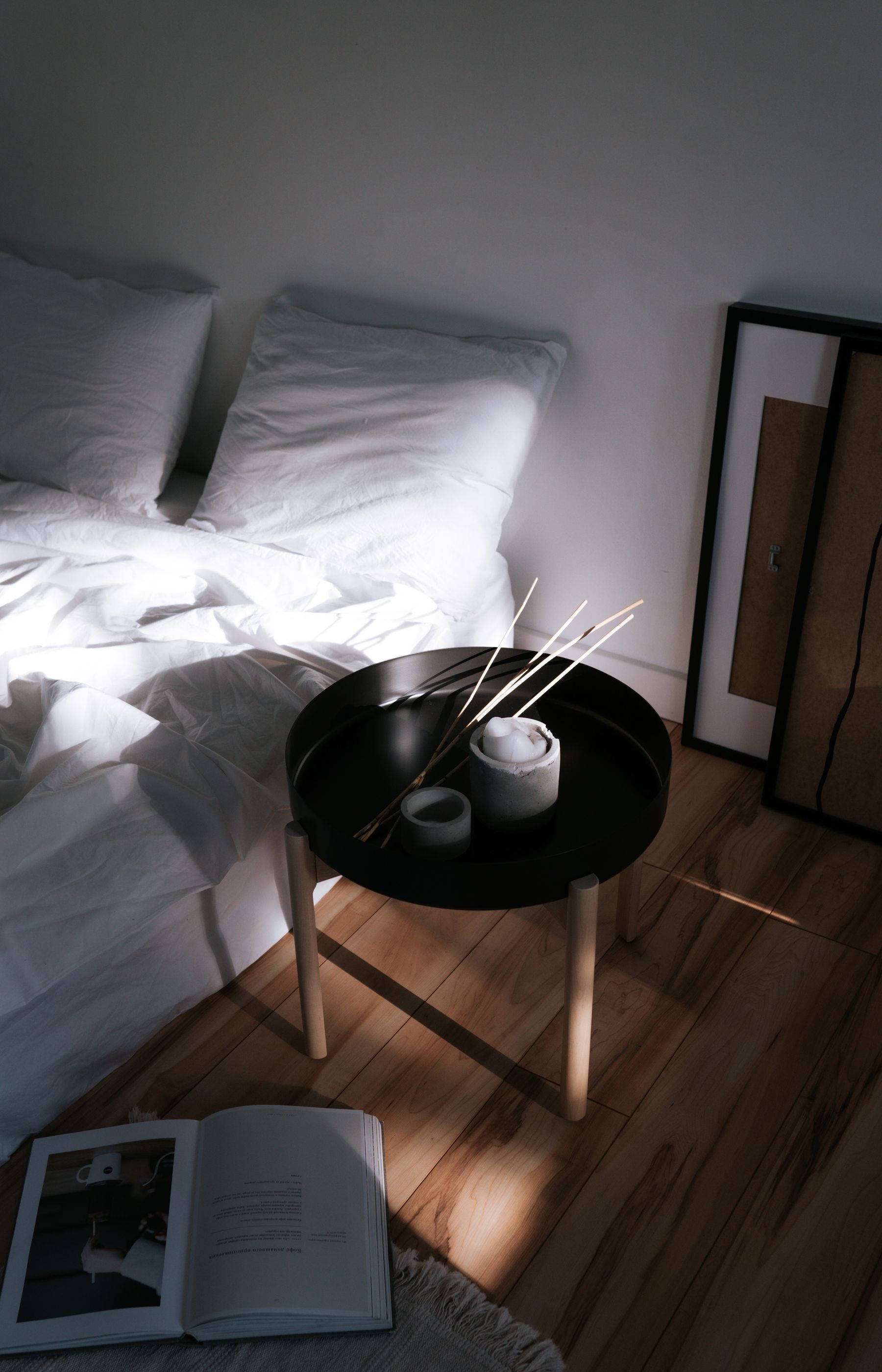
Start with warm white, oat, mushroom, clay or softened gray, then give the room one deeper value such as charcoal, dark brown or ink. Without contrast, layers of beige can look flat and generic; with too much black, the lightness disappears. Let the deepest note outline a bed, table or lamp rather than appearing on every accessory. Test undertones against timber and daylight across a complete day because warm artificial light can conceal a poor match.
Prefer Honest Texture to Decorative Pattern
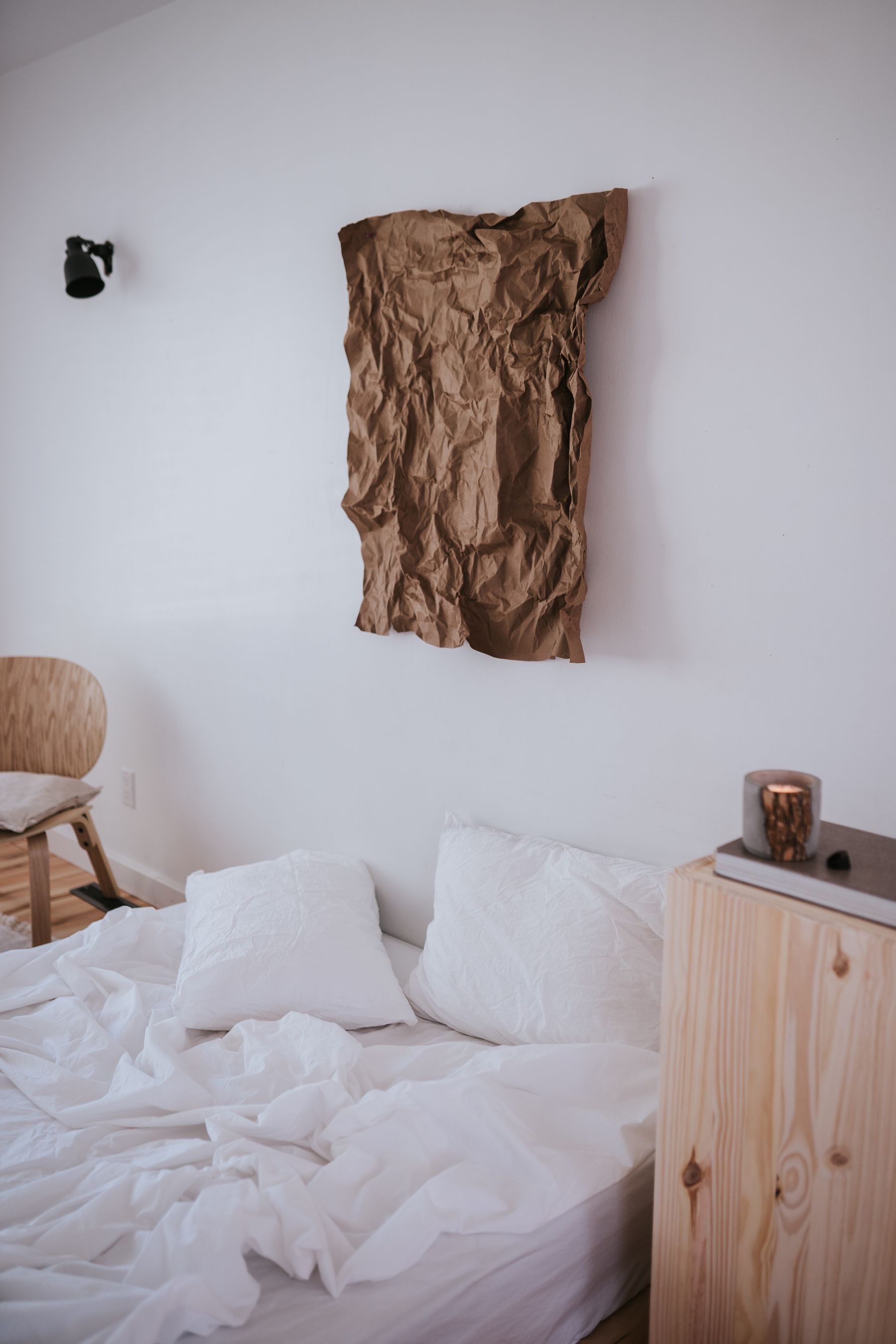
Let washed linen, wool, timber grain, paper, clay and matte plaster carry the visual interest. Texture should be experienced at the distance where it matters: bedding at touch range, wall finish across changing light and ceramics from the bedside. Avoid synthetic imitations whose printed grain repeats obviously or whose coating prevents graceful wear. A small number of materially convincing surfaces will feel richer than many neutral cushions, baskets and vases competing to perform naturalness.
Use Wabi-Sabi Without Manufacturing Damage
Wabi-sabi can guide acceptance of patina, asymmetry and repair, but it should not become a distressed finish purchased on demand. Keep a hand-thrown vessel whose rim varies, a repaired timber stool or linen that softens through washing because those changes record use. Do not confuse moisture damage, unstable furniture or fraying electrical fabric with character. The practical test is whether age makes the object more legible and valued while it remains safe and serviceable.
Bedding Tuned to Climate and Sleep
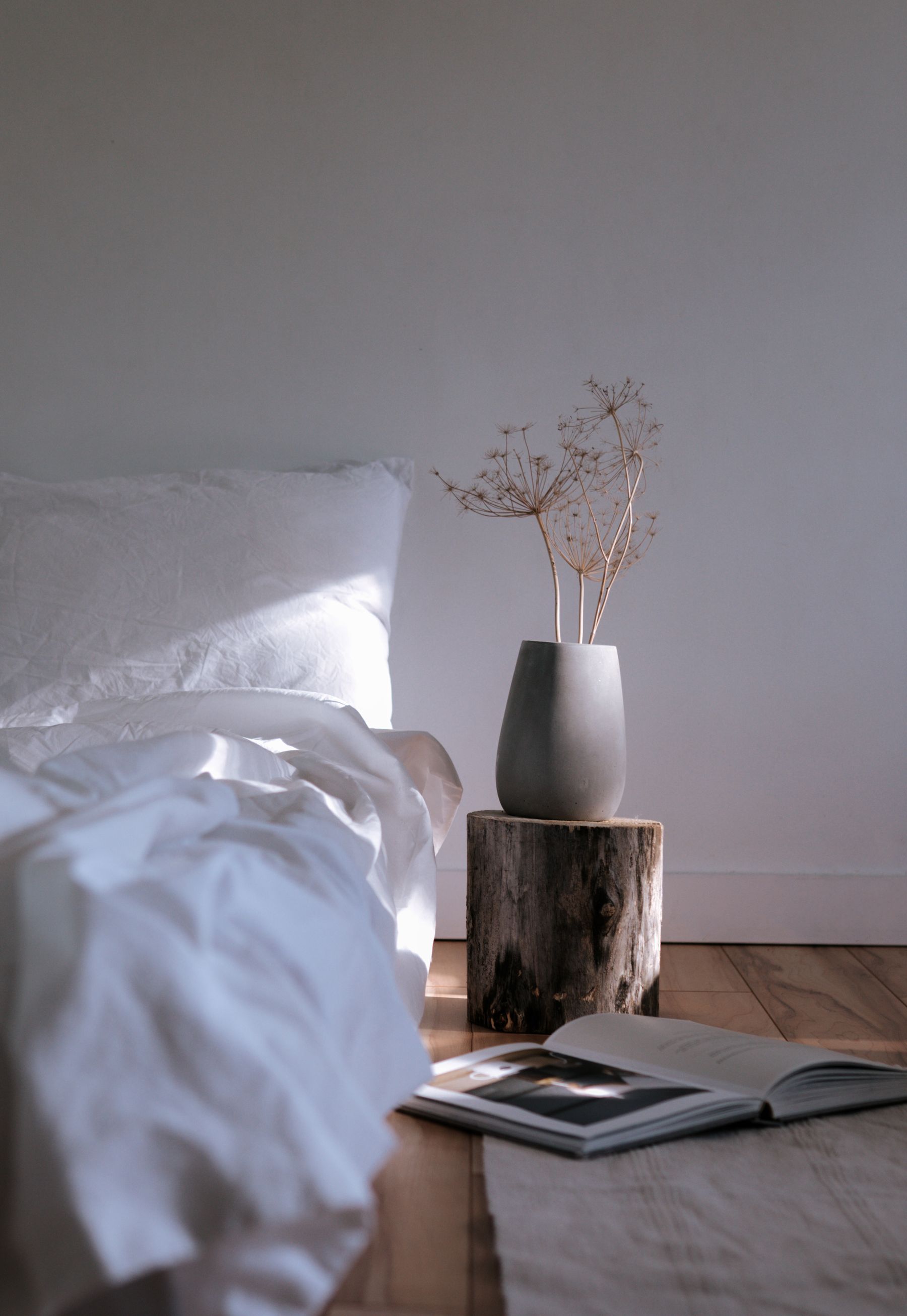
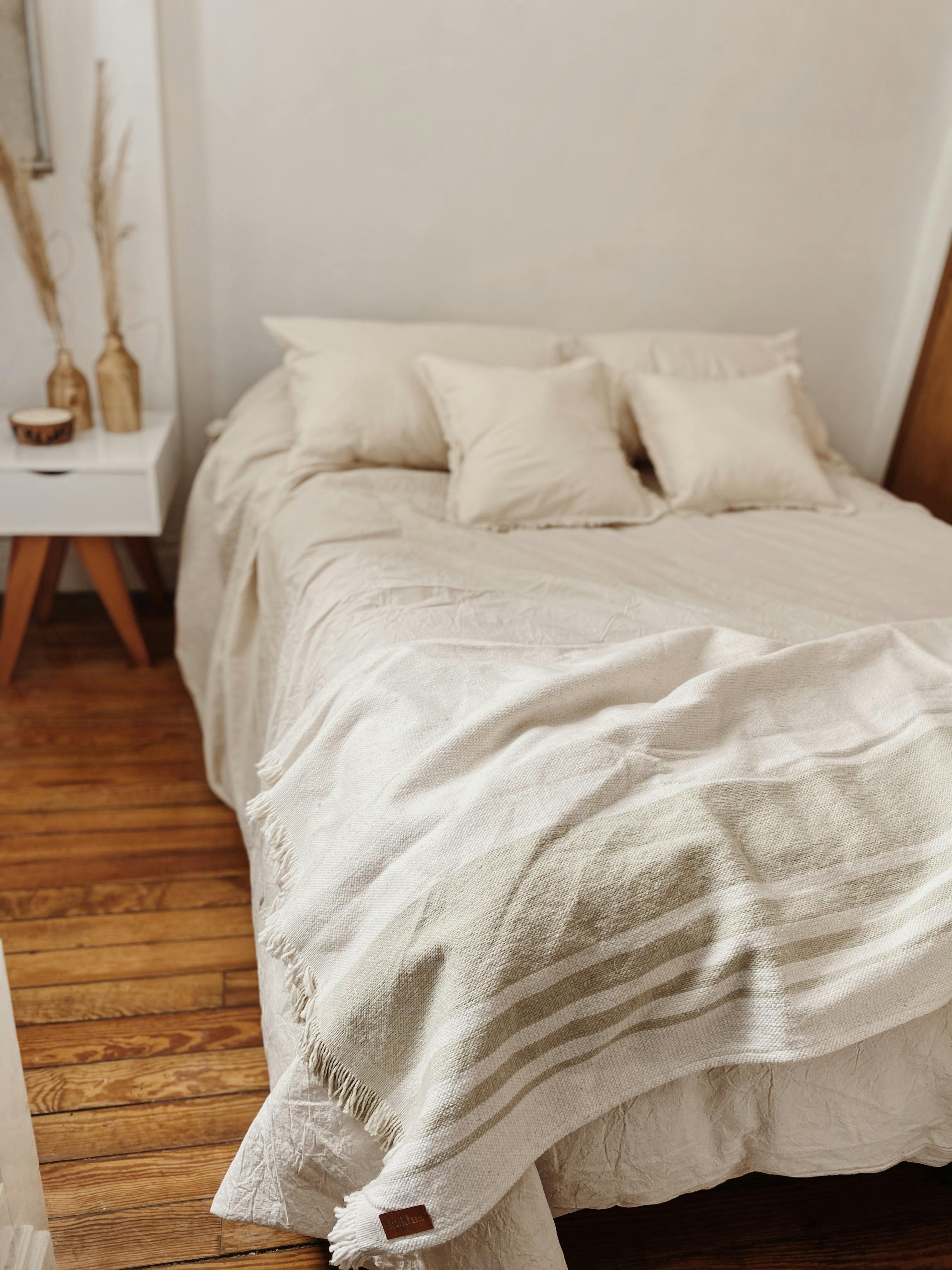
Build the bed from the sleeper outward: breathable sheets, seasonally appropriate insulation and one tactile top layer. Linen, cotton and wool can create the softened comfort associated with Scandinavia while natural folds keep the composition from feeling rigid. Decorative cushions are optional and should have somewhere to go at night. Consider allergies, laundering, pets and drying time before selecting fiber. Japandi softness is practical warmth, not a styled pile that obstructs sleep.

Ground the Bed With One Quiet Rug
Where the floor is cold or acoustically hard, use one correctly sized wool or low-pile rug rather than several small islands. It should support the first step from bed and remain clear of doors, vents and unstable furniture legs. In warm climates or rooms with beautiful timber, bare floor may be the better expression. Review fiber, underlay and cleaning guidance in [living room rug ideas](/living-room/living-room-rug-ideas/) before choosing a pale high-maintenance surface.
Filter Daylight Instead of Whitening the Room
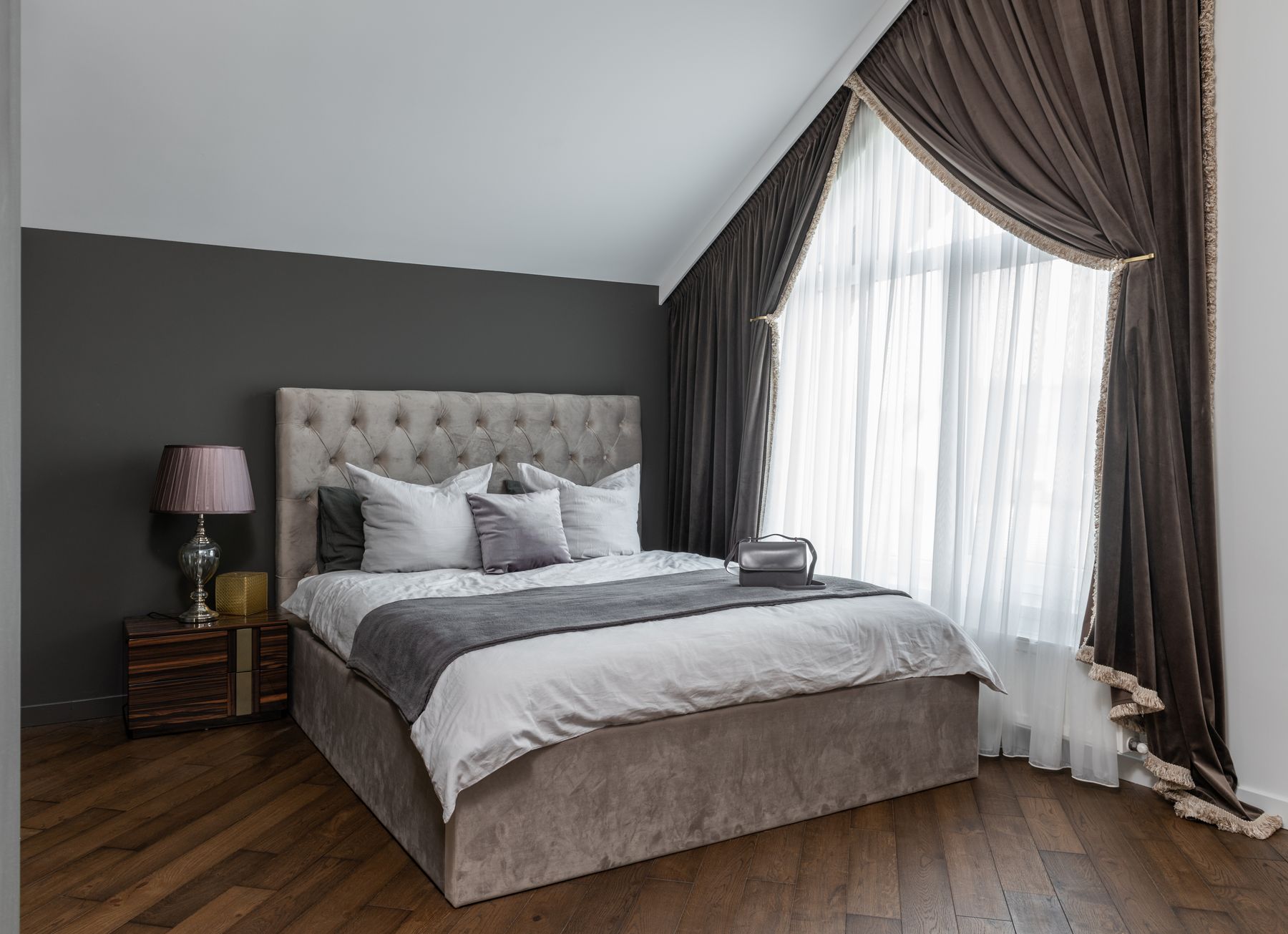
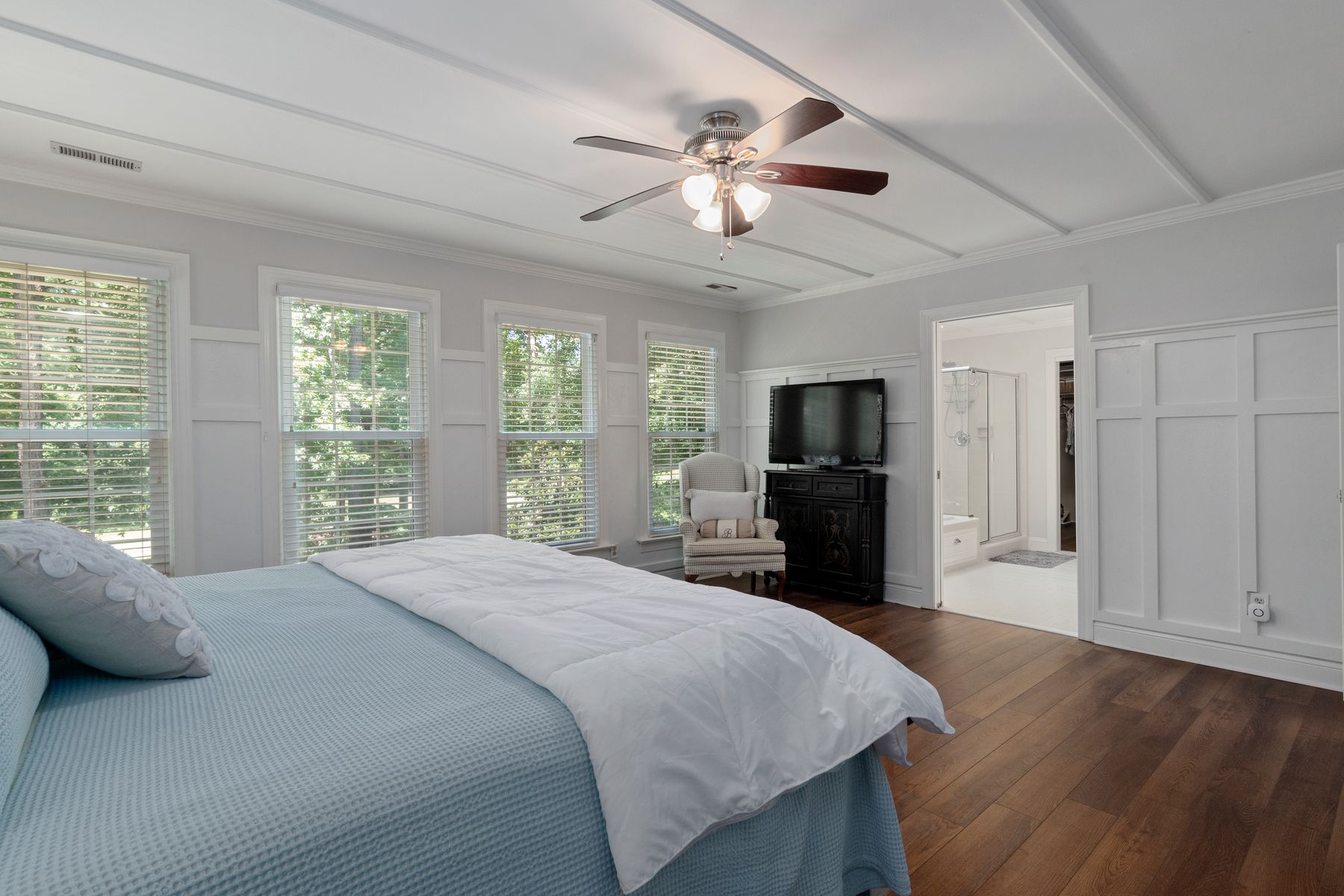
Map direct sun, reflected glare and privacy from pillow height. Preserve a clear window where possible, then soften hard light with a sheer, woven blind or external shading appropriate to the building. Daylight should reveal timber and textile variation, not bleach every plane. Add genuine blackout separately for sleep. Mirrors can distribute light but should not reflect bright windows into the sleeper’s eyes. The most convincing Japandi rooms contain shadow as well as brightness.
Lower the Evening Light
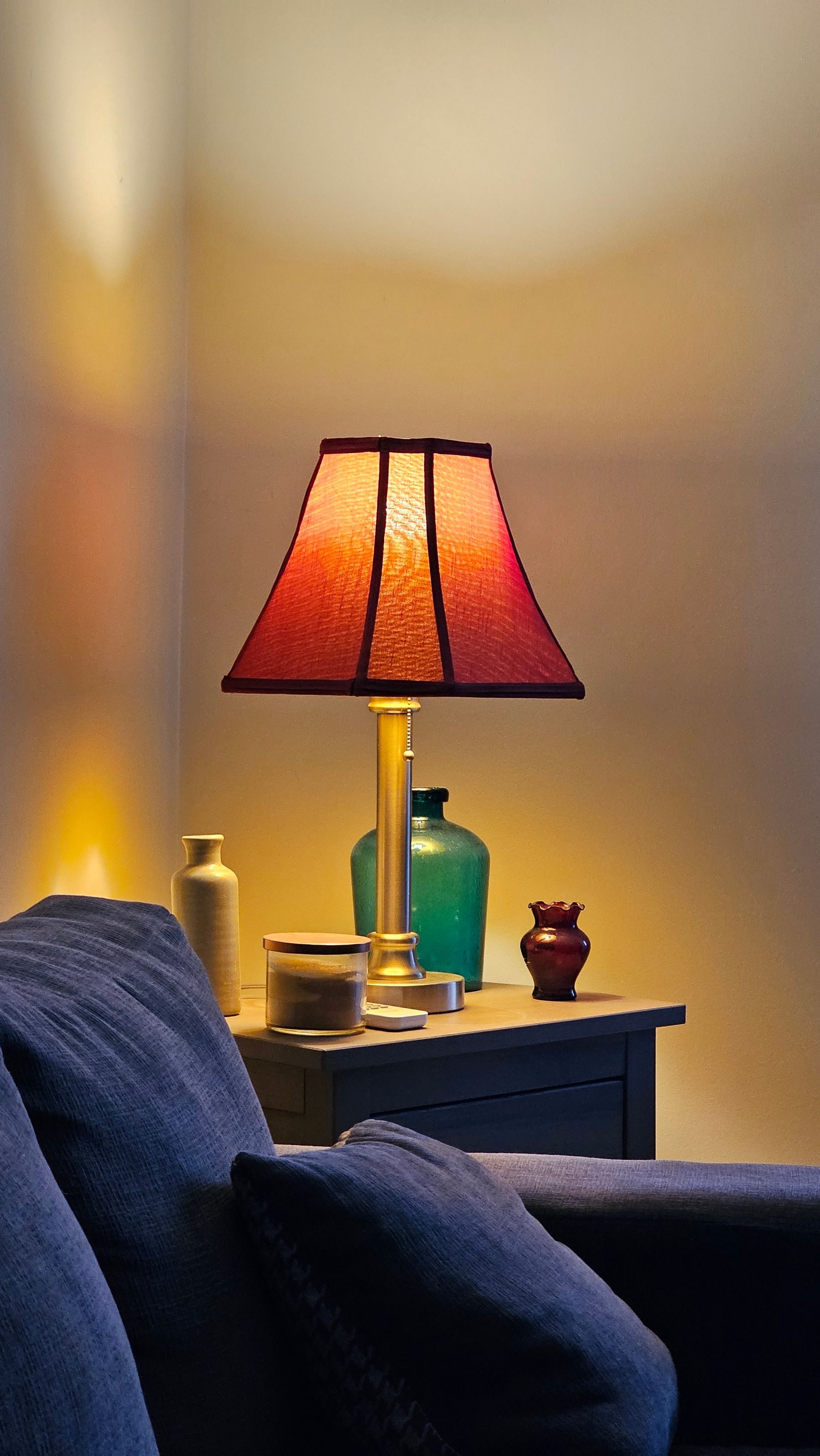
Combine gentle ambient light, focused reading light and a low night path, each controlled independently. Paper, textile or opal diffusers can soften the source, but keep combustible shade material clear of hot lamps and choose replaceable components. Test glare while lying down, not only while standing. Guidance from [living room lighting ideas](/living-room/living-room-lighting-ideas/) helps with beam control and dimming; in a bedroom, the priority is a gradual transition from dressing visibility to rest.
Design Bedside Reach Before Symmetry
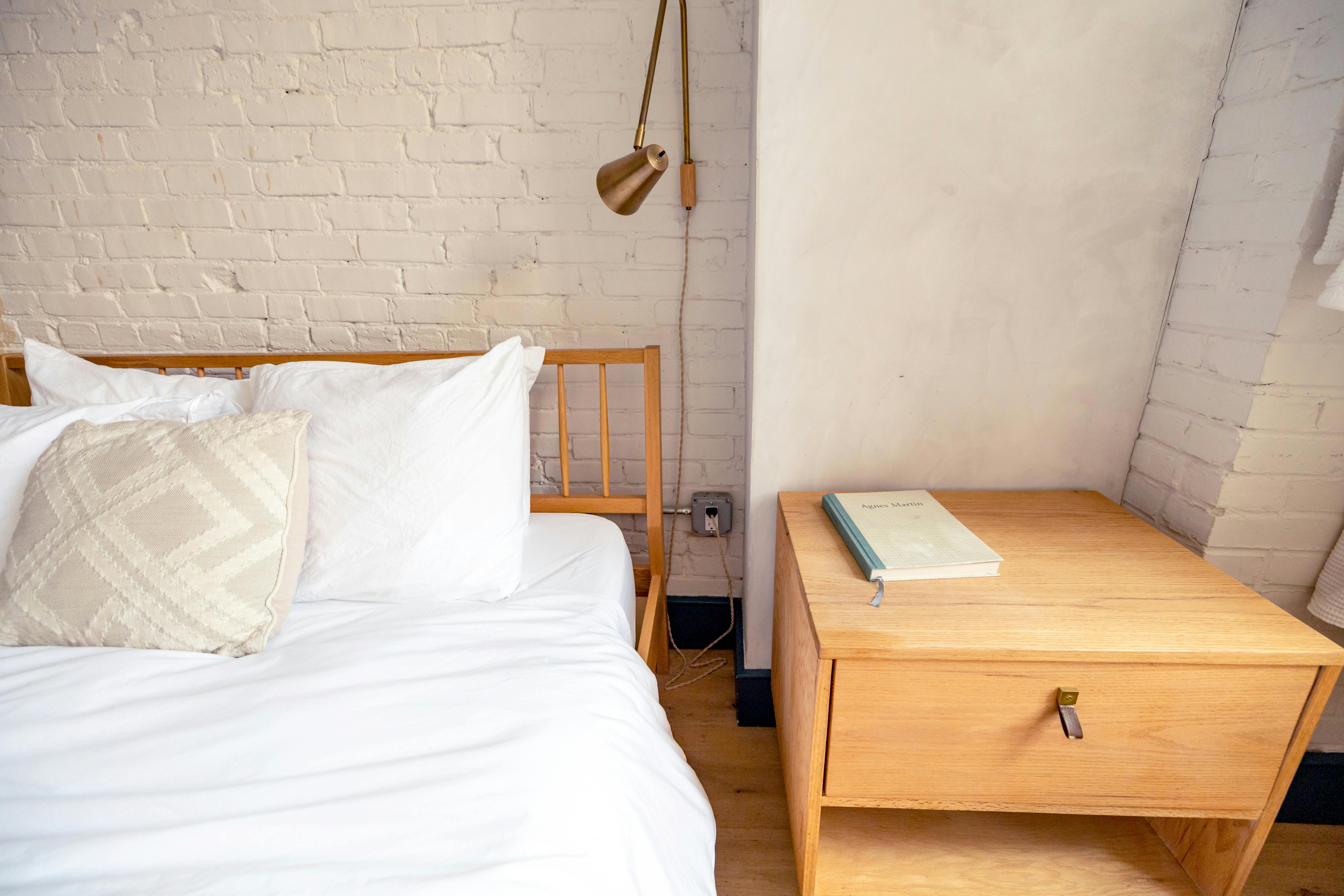
Set a table, wall shelf or built-in ledge near mattress height and size it for water, glasses, medication, a book and charging where required. Two sleepers need not have identical furniture if their routines differ. Conceal the most visually noisy essentials in one drawer, but do not bury items used at night. Route cables safely and avoid proprietary integrated chargers that may fail before the bed. Functional asymmetry is more Japandi than a perfect pair that inconveniences one person.

Make Closed Storage Calm and Specific
Inventory hanging lengths, folded categories, shoes, luggage and laundry before dividing a wardrobe. Full-height fronts can reduce visual interruption, but ventilation, handles, hinges and service access must remain practical. Use adjustable interiors and reserve open niches for items that truly need immediate reach. The whole-home inventory method in [minimalist apartment ideas](/apartment/minimalist-apartment-ideas/) helps when bedroom overflow begins elsewhere. A calm exterior with a chaotic interior simply delays the problem.
Display One Small Story
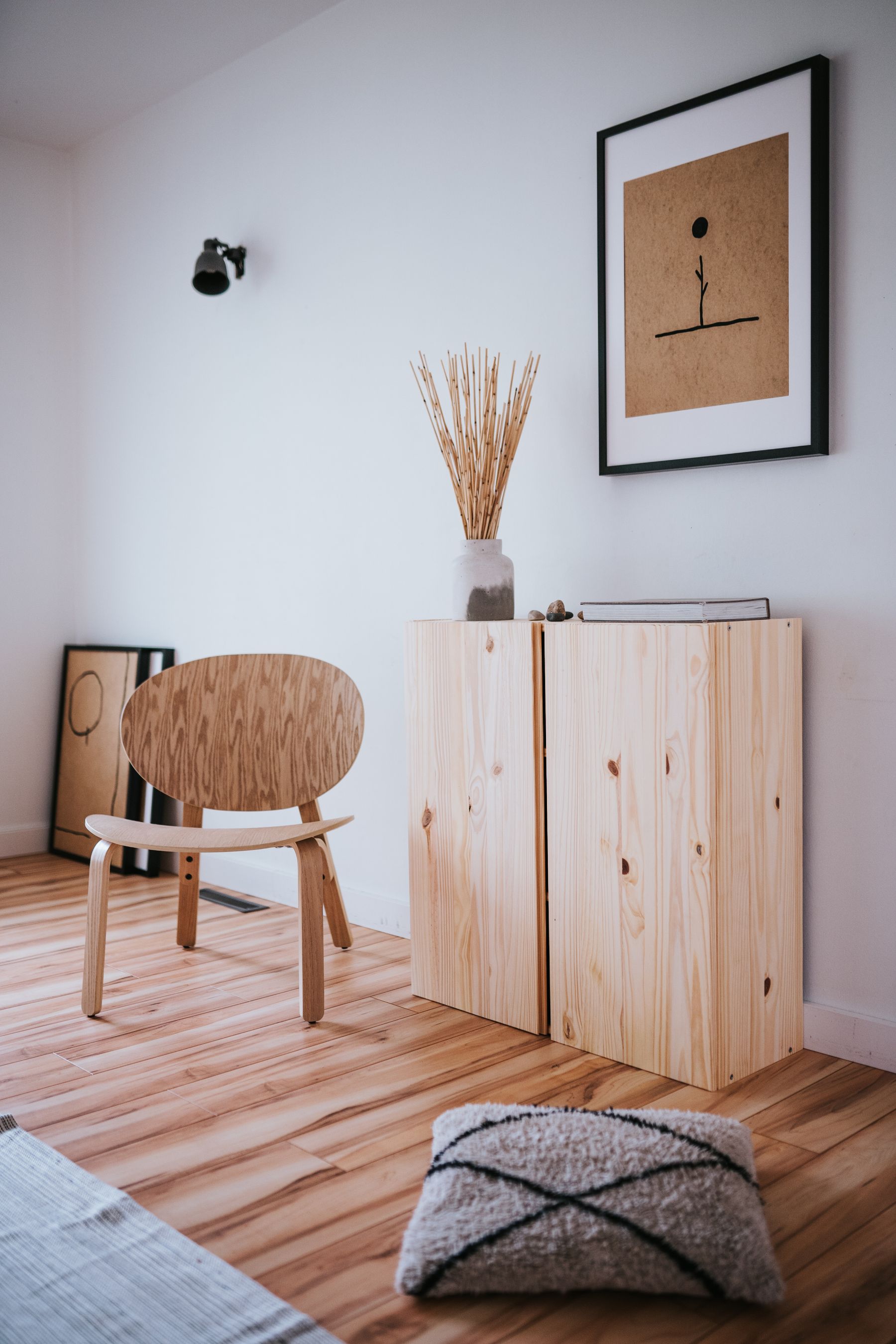
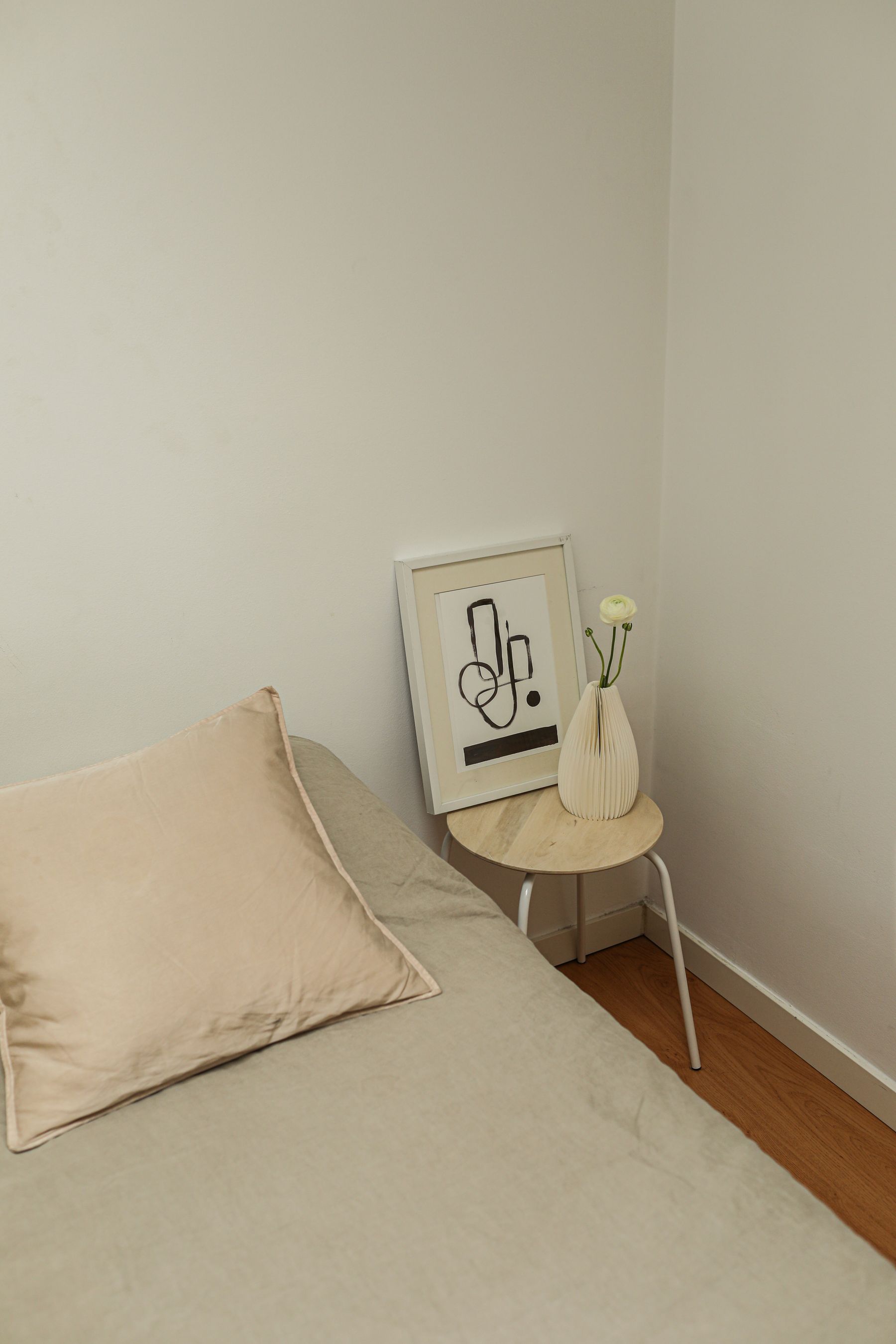
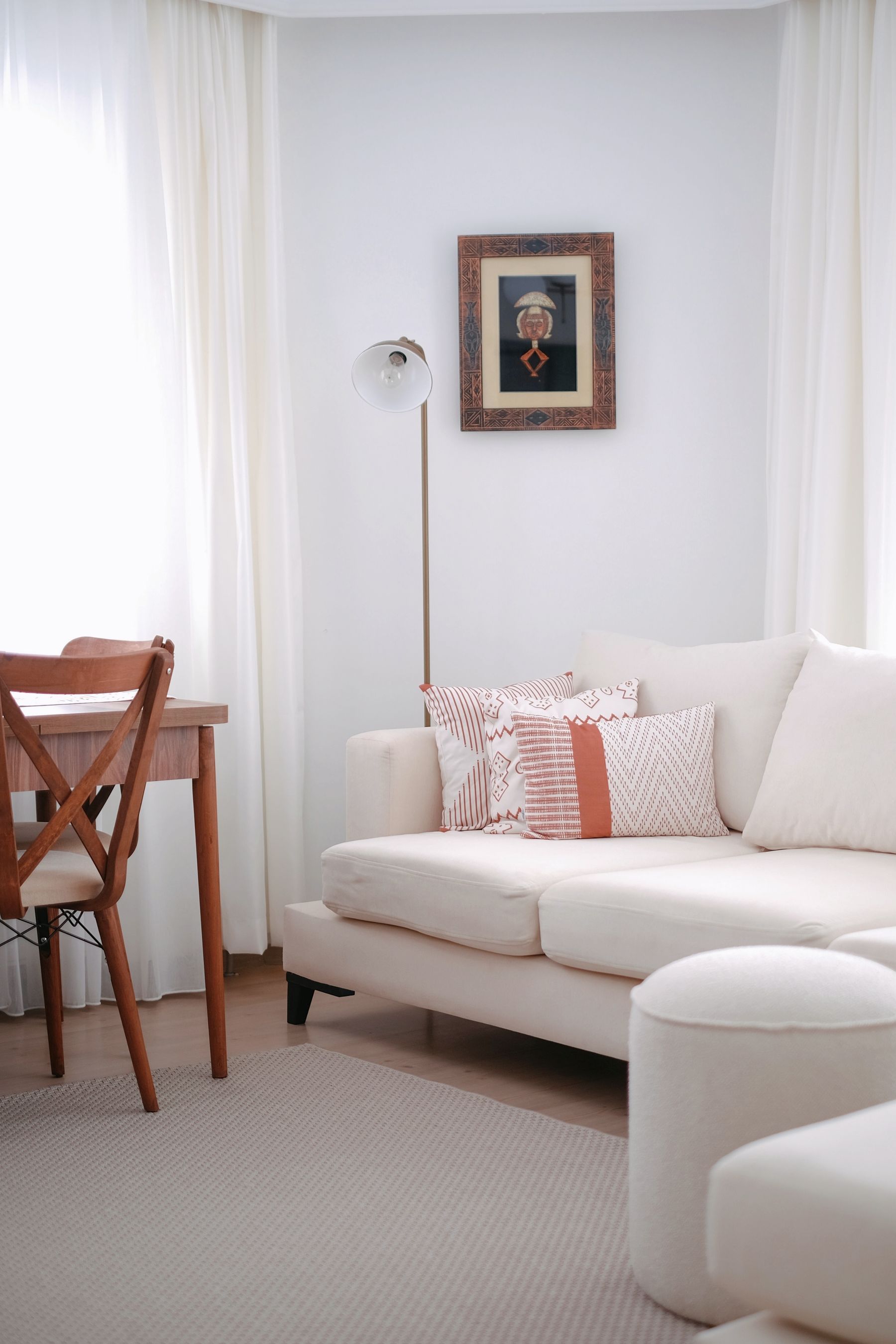
Choose one artwork, vessel, book group or branch arrangement that has personal meaning and suitable scale. Leave enough surrounding wall or surface for its outline to register. Avoid sets of generic neutral accessories bought to complete the look; their similarity often produces more clutter, not less. Check mounting safety above the bed and protect light-sensitive works from direct sun. Japandi restraint should sharpen the story of an object, never erase the resident’s identity.
Plants as Living Structure
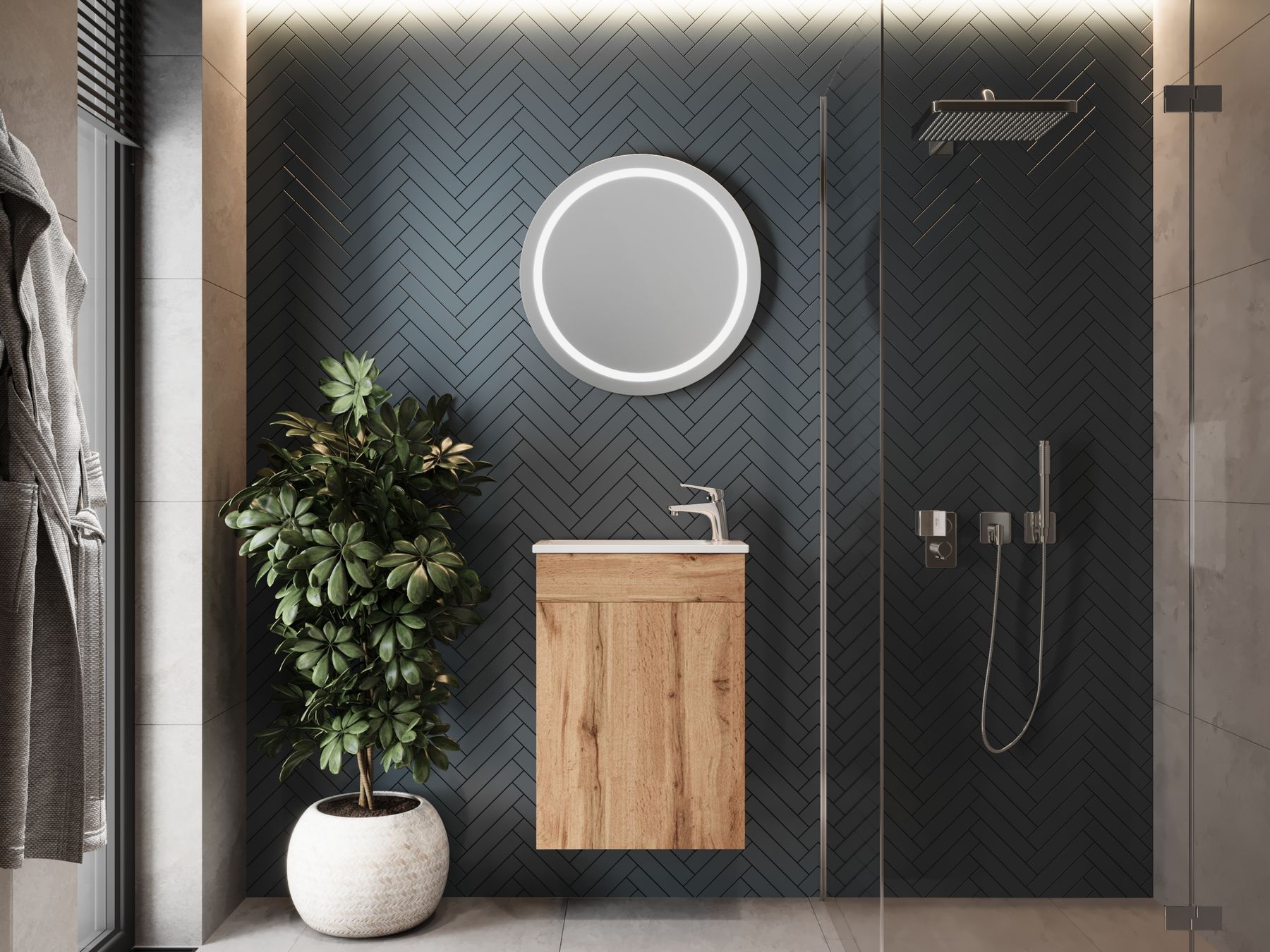
A single plant or seasonal branch can connect the bedroom to natural change, provided the species suits actual light, temperature, pets and watering habits. Give it a simple vessel and a clear silhouette rather than scattering small pots. In a dark room, preserved branches or no plant at all are more honest than a declining specimen. Protect timber and textiles from moisture and allow leaves to be cleaned. Living material should reduce stress, not create hidden maintenance.
Work Outside the Pillow View
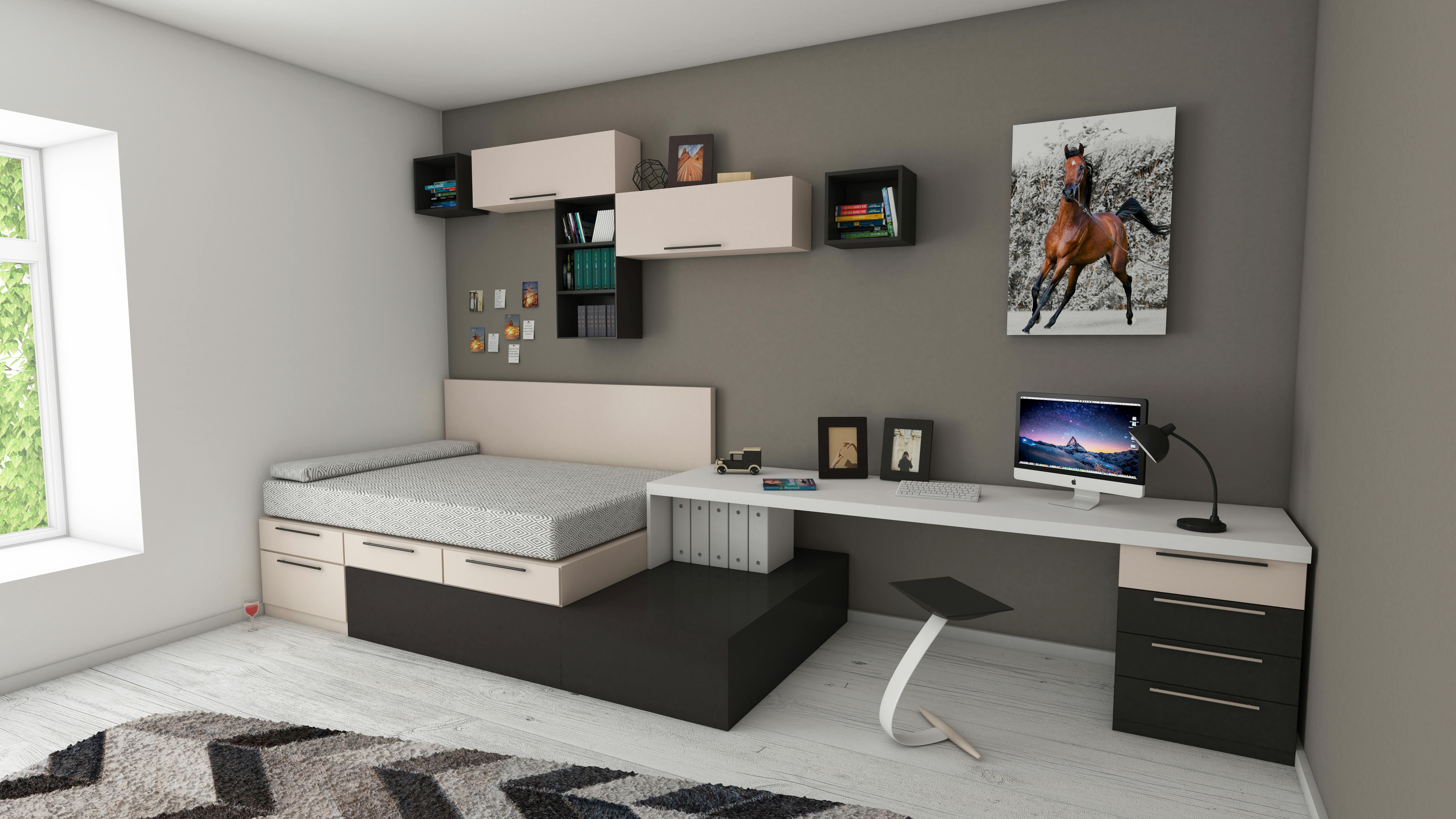
If a desk must share the room, place it beyond the direct pillow sightline where possible and give equipment one cable path plus closed storage. A shallow timber desk can fit the material language, but style does not neutralize work stress. End the day by clearing the surface, closing the laptop and changing the light scene. The zoning logic in [small apartment ideas](/apartment/small-apartment-ideas/) helps when space must perform twice, though sleep should remain the visual priority.
Adapt Japandi to a Small Bedroom
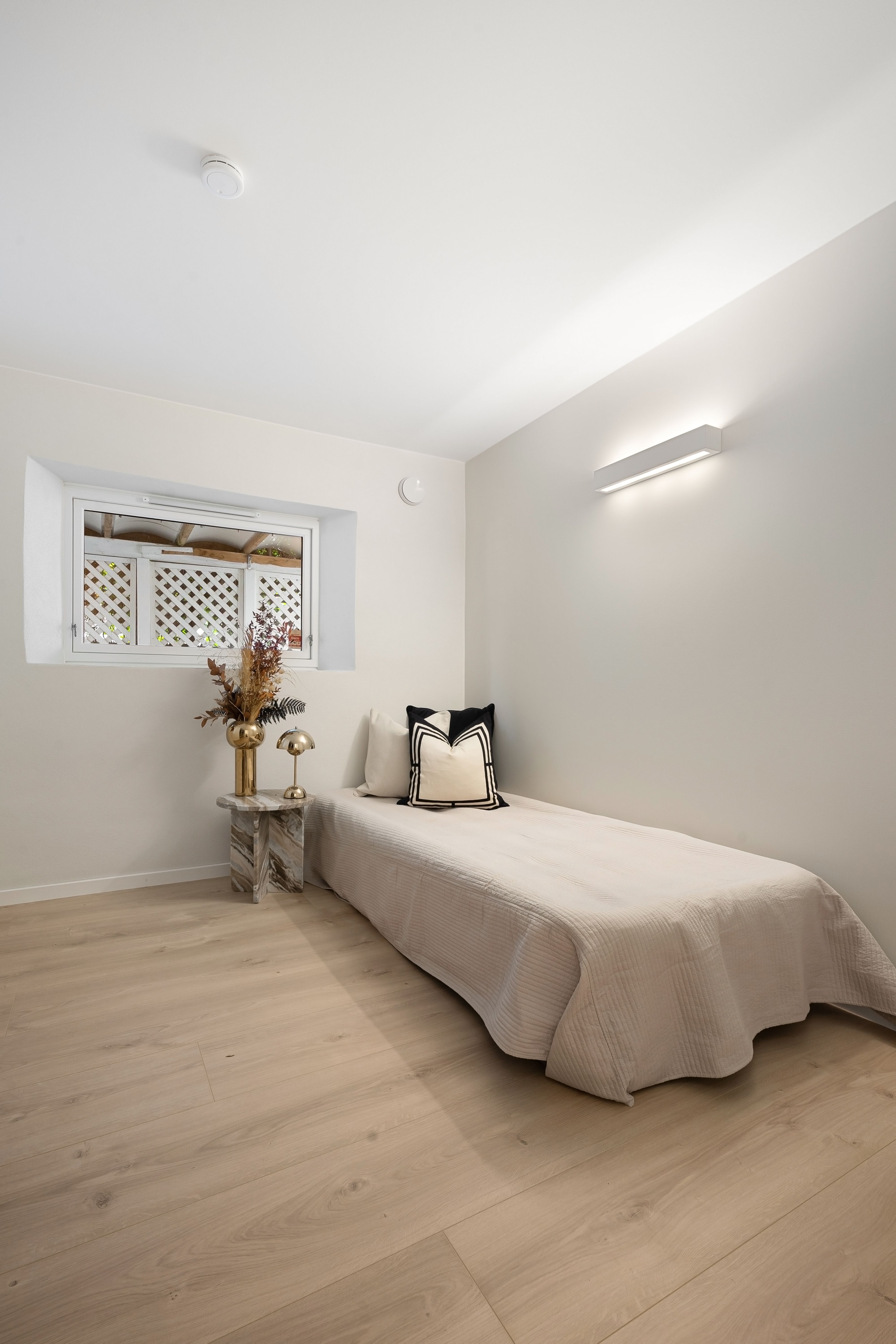
Choose the mattress first, protect one clear route and use wall-mounted lights or shallow ledges where floor width is scarce. A low bed may make the room feel wider, but under-bed capacity or comfortable height can be more valuable. Extend closed storage upward while keeping daily items accessible, and resist multiple tiny open shelves. Unlike a generic small-room makeover, the Japandi version keeps fewer material changes and uses empty wall as part of the composition.
Portable Rental Changes
Begin with layout, bedding, lamps, one rug and freestanding storage before altering the shell. Use the landlord’s fixed finishes as a constraint: warm unattractive flooring with a generous textile rather than buying many compensating decorations. Obtain permission for drilling, painting and window hardware, and retain original fixtures. Choose pieces that can move to another home. A rental need not acquire faux slat walls or stick-on shoji patterns to communicate material calm.
Balance Two Sleepers Without Forced Matching
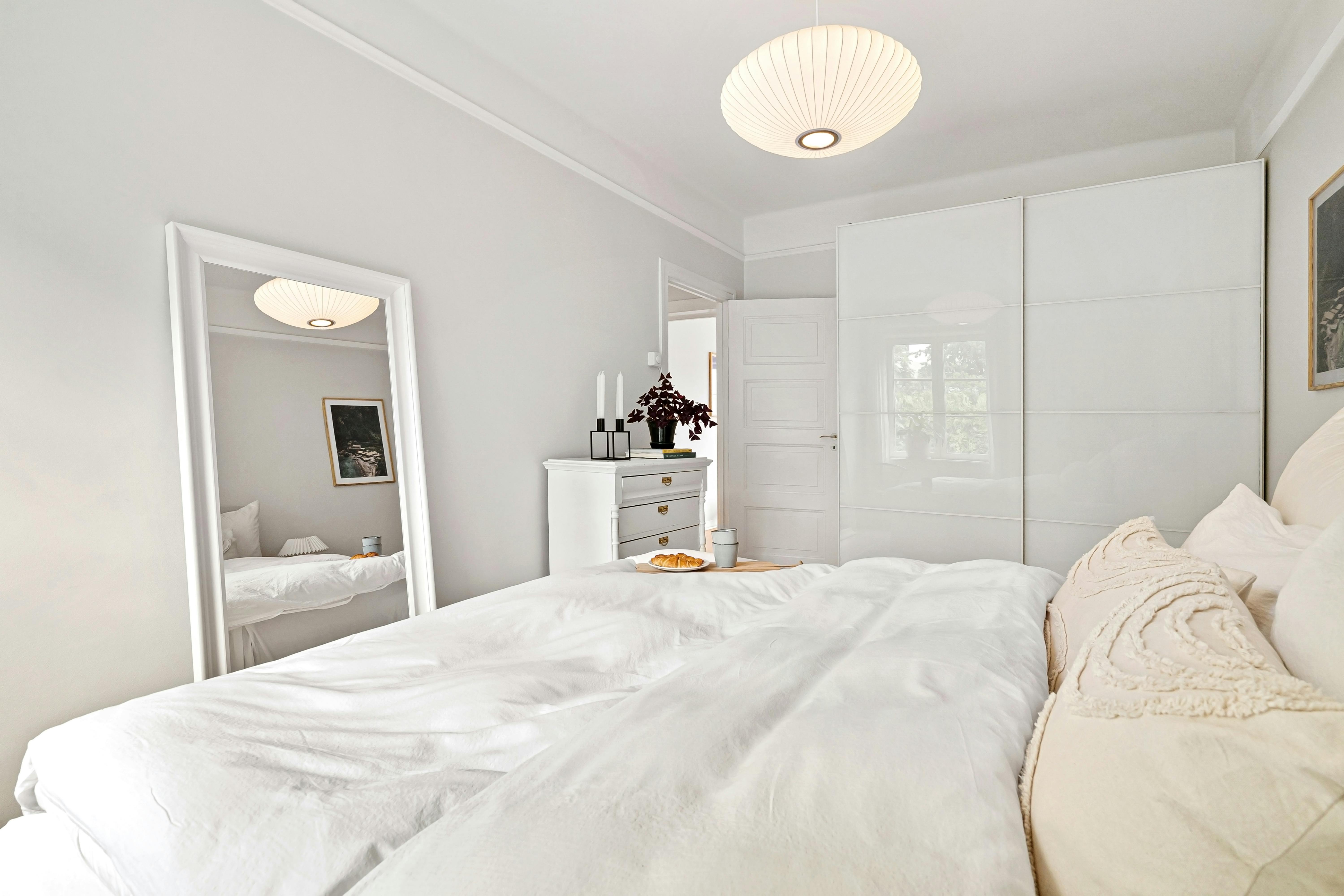
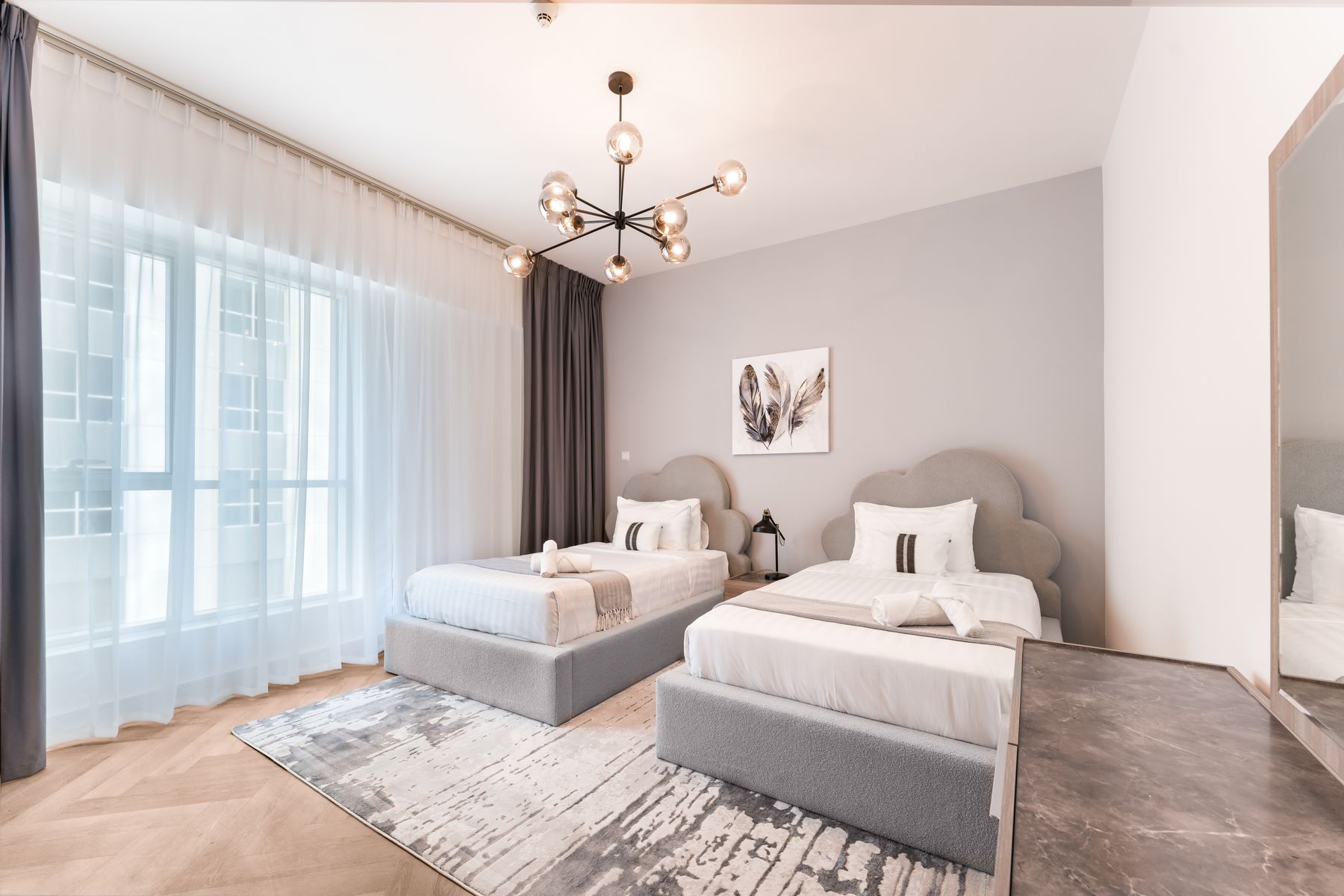
Map each person’s bed access, reading, charging, clothing and temperature needs. Give both sides equally useful volume and independent light, but allow different internal storage and bedding weights. One shared timber language can hold asymmetry together more honestly than identical tables that serve only the composition. The functional planning in [modern bedroom ideas](/bedroom/modern-bedroom-ideas/) is useful when needs diverge. Japandi should support mutual ease, not impose one person’s tolerance for sparseness on the other.
Tune Materials to the Climate
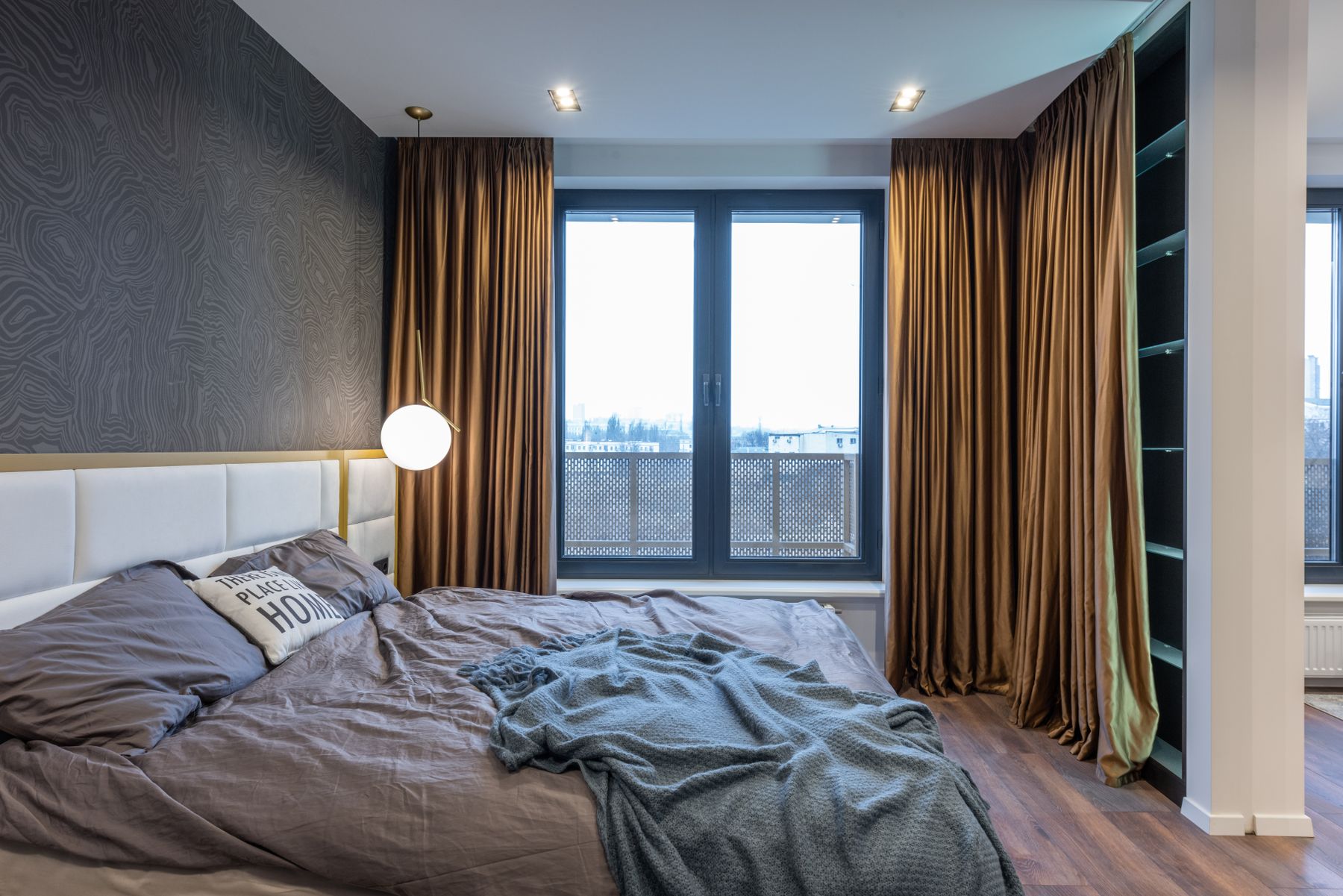
Japandi is not tied to one climate. In a cold room, lined curtains, wool and warmer timber tones can deliver Scandinavian shelter; in heat or humidity, breathable linen, shaded daylight, air movement and less floor textile may be more restorative. Keep furniture clear of damp external walls and maintain ventilation beneath low mattresses. Select finishes that tolerate the local moisture range. Comfort and material longevity matter more than reproducing a northern-European photograph in an unsuitable setting.
Separate Japandi From Japanese Imitation
Tatami, shoji and futon are specific materials and systems, not generic motifs. Use them only when their construction, care and spatial consequences are understood. A contemporary Japandi bedroom can instead learn from low horizons, filtered light, joinery, repair and respect for empty space while remaining truthful to its building and resident. For broader cultural and architectural context, see [Japanese apartment ideas](/apartment/japanese-apartment-ideas/). Precision is more respectful—and more durable—than decorative shorthand.
Maintain Natural Material Without Perfectionism
Dust open grain and paper shades gently, vacuum textiles with the correct setting and address spills before they penetrate matte finishes. Follow the maker’s care method rather than applying universal oils or cleaners. Rotate bedding and rugs where sunlight is strong, maintain ventilation and inspect low frames for moisture. Accept gradual color change while repairing loose joints or damaged surfaces promptly. Wabi-sabi is not neglect; it is the capacity to value natural aging while keeping objects useful.
Complete the Room With a Three-View Edit
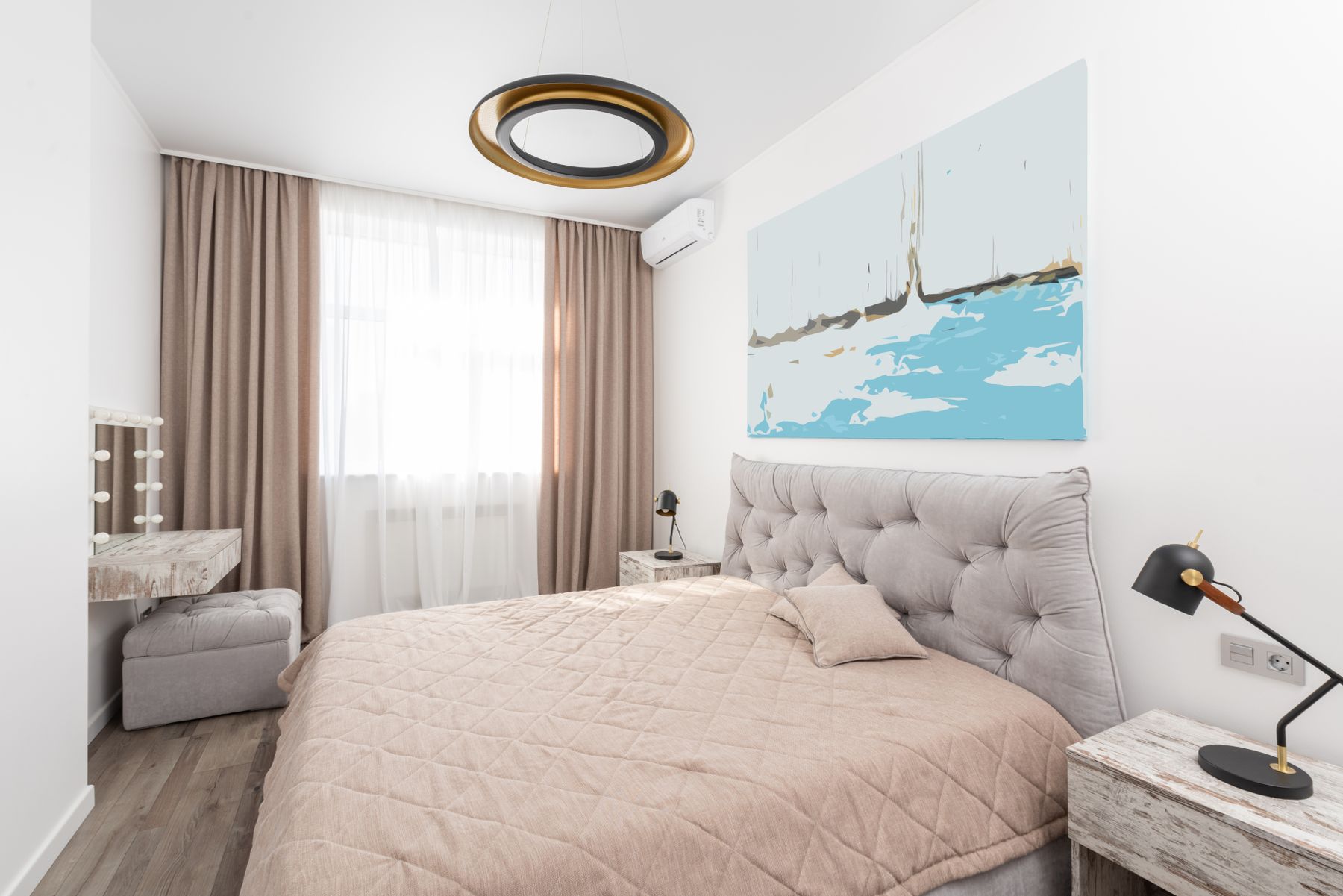
Review the bedroom from the doorway, from the pillow and during dressing. The doorway should reveal a clear hierarchy; the pillow view should avoid work, glare and unstable objects; the dressing view should provide storage and accurate light. Remove duplicated accents and unresolved temporary storage, then stop before the room loses warmth or identity. The related [Japandi bathroom ideas](/bathroom/japandi-bathroom-ideas/) guide shows how the same principles change under moisture and cleaning constraints.