Define Luxury as Effortless Daily Use
Begin with the moments that should feel easier: entering with luggage, charging a phone, reading, closing curtains, dressing and making the bed. Rank friction before style. A silent drawer, reachable switch, supportive chair and curtain that closes fully often improve the room more than another polished surface. This performance-led definition also prevents overlap with [Large Bedroom Ideas](/bedroom/large-bedroom-ideas/), where the primary problem is scale, and with future Bespoke Bedroom guidance, where the main solution is custom construction. For a social room built around seating, hosting and layered display, continue to [Luxury Living Room Ideas](/living-room/luxury-living-room-ideas/).
Separate Luxury From Bespoke
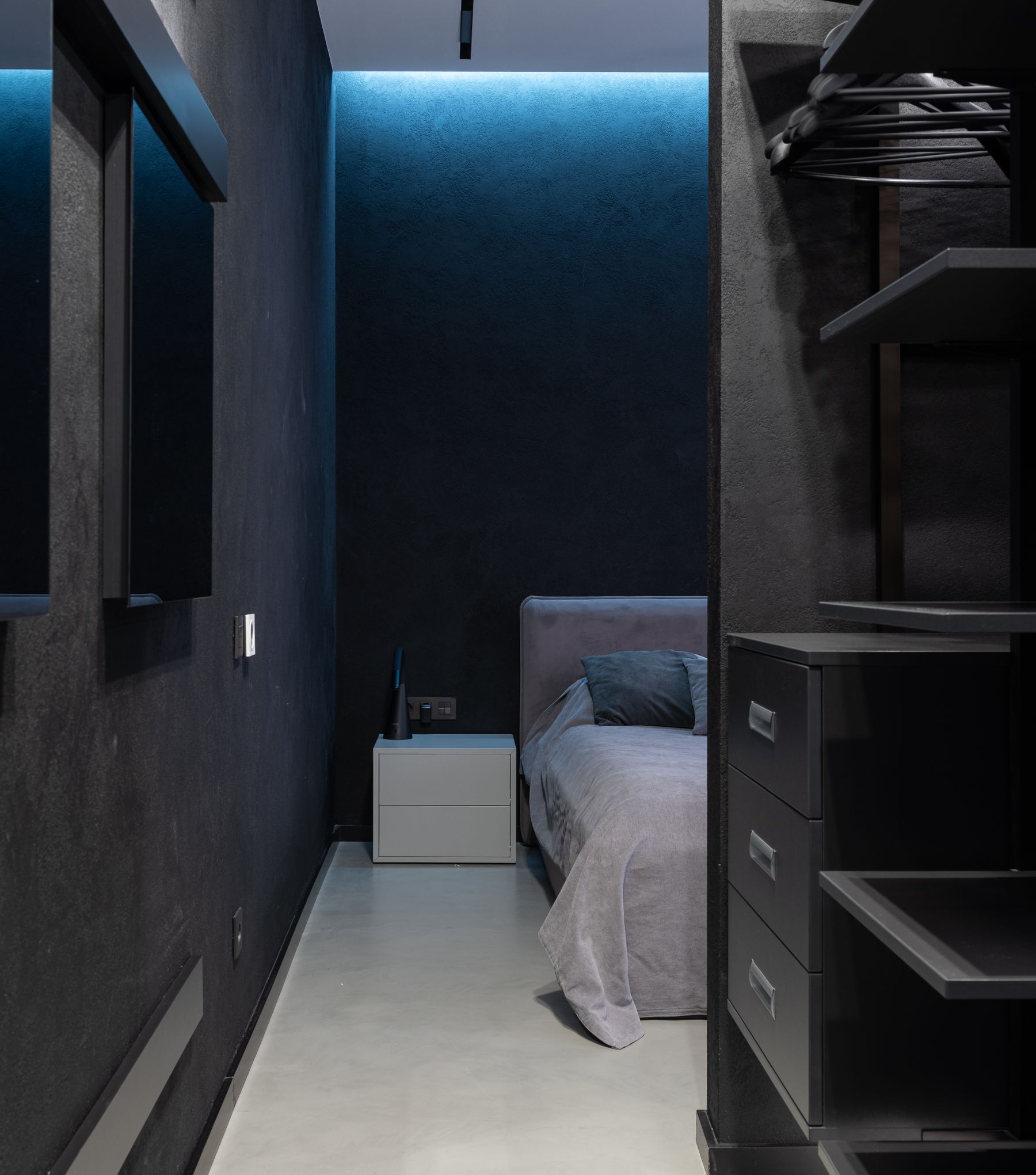
Luxury describes the overall quality of experience: comfort, proportion, light, quiet, materials and operation. Bespoke describes something designed or made for a specific room or person, most often cabinetry, headboards, desks and storage. A bedroom can be luxurious with well-chosen standard pieces, and bespoke joinery can be poorly detailed or uncomfortable. Keep the [Bespoke Bedroom Ideas](/bedroom/bespoke-bedroom-ideas/) focused on surveys, tolerances, ventilation, service access and custom storage, while this page evaluates how the whole room performs.
Set an Investment Hierarchy
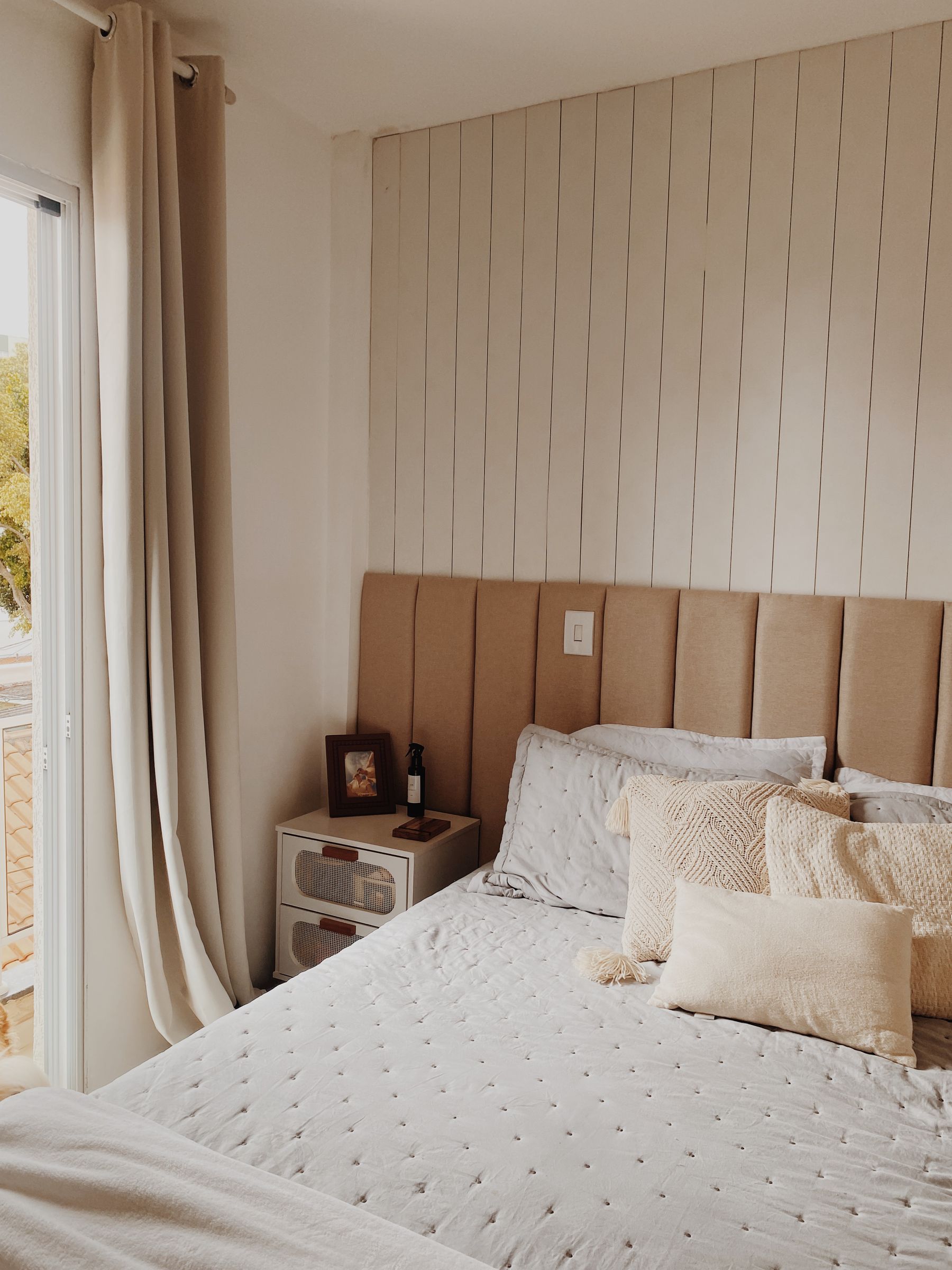
Prioritize the mattress and support, window control, lighting, floor comfort and storage hardware before art or decorative objects. Next fund the elements with large visual area: curtains, headboard, bedding and rug. Small accessories come last because they cannot rescue weak sleep or awkward circulation. This approach works across budgets and styles. [Neutral Bedroom Ideas](/bedroom/neutral-bedroom-ideas/) demonstrates how value, texture and undertone can create depth without requiring many expensive finishes.
Circulation Around the Bed
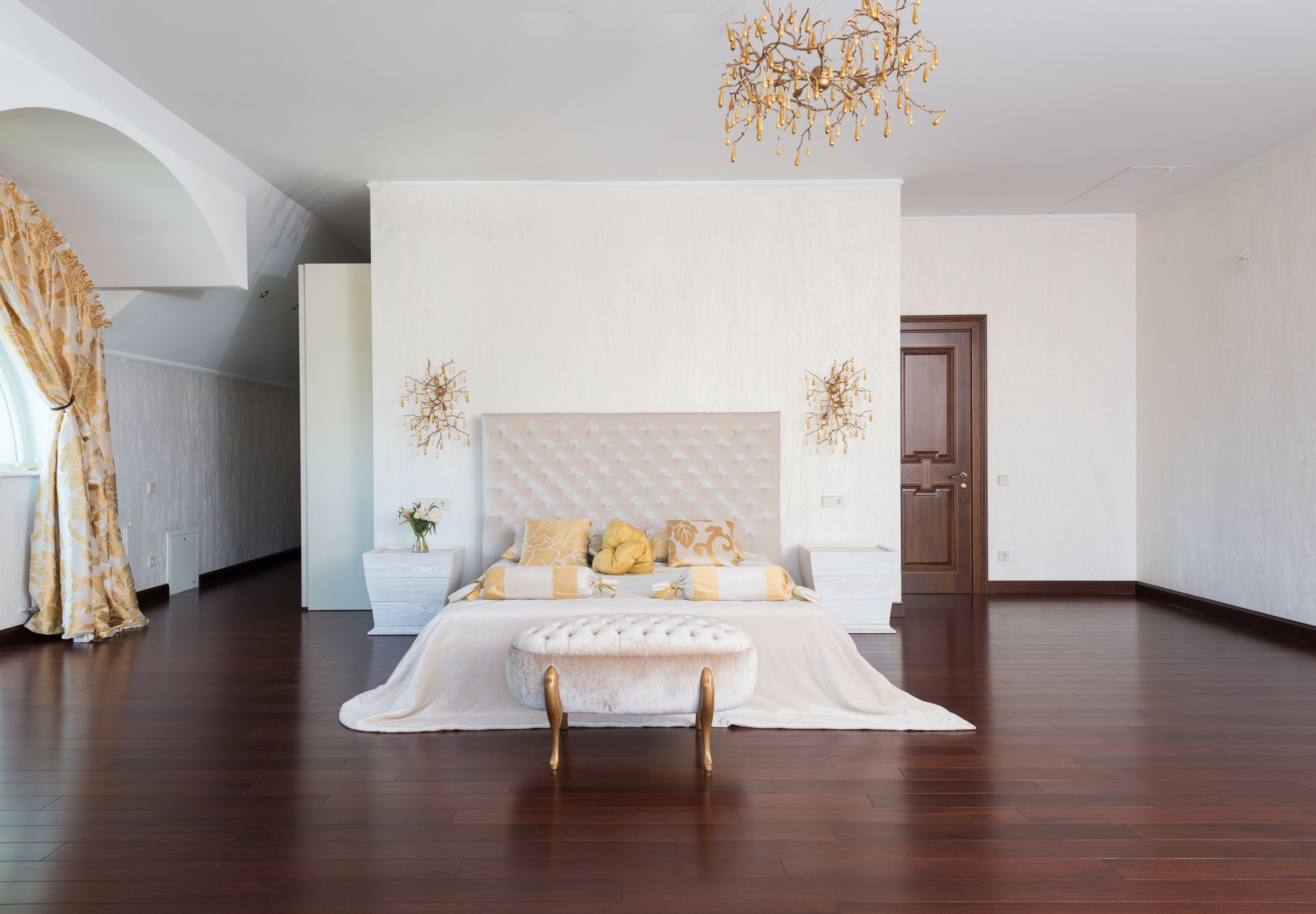
The bed may be visually dominant, but it should not force a sideways route to the wardrobe or bathroom. Measure clearance with drawers, doors and a bed-end bench in use. Keep both sleepers’ routes clear and avoid sharp corners near the nighttime path. In compact rooms, reduce frame thickness before reducing mattress comfort. For very generous rooms, [Large Bedroom Ideas](/bedroom/large-bedroom-ideas/) explains how to connect zones without leaving meaningless open floor.
Treat the Mattress and Base as the Primary Specification
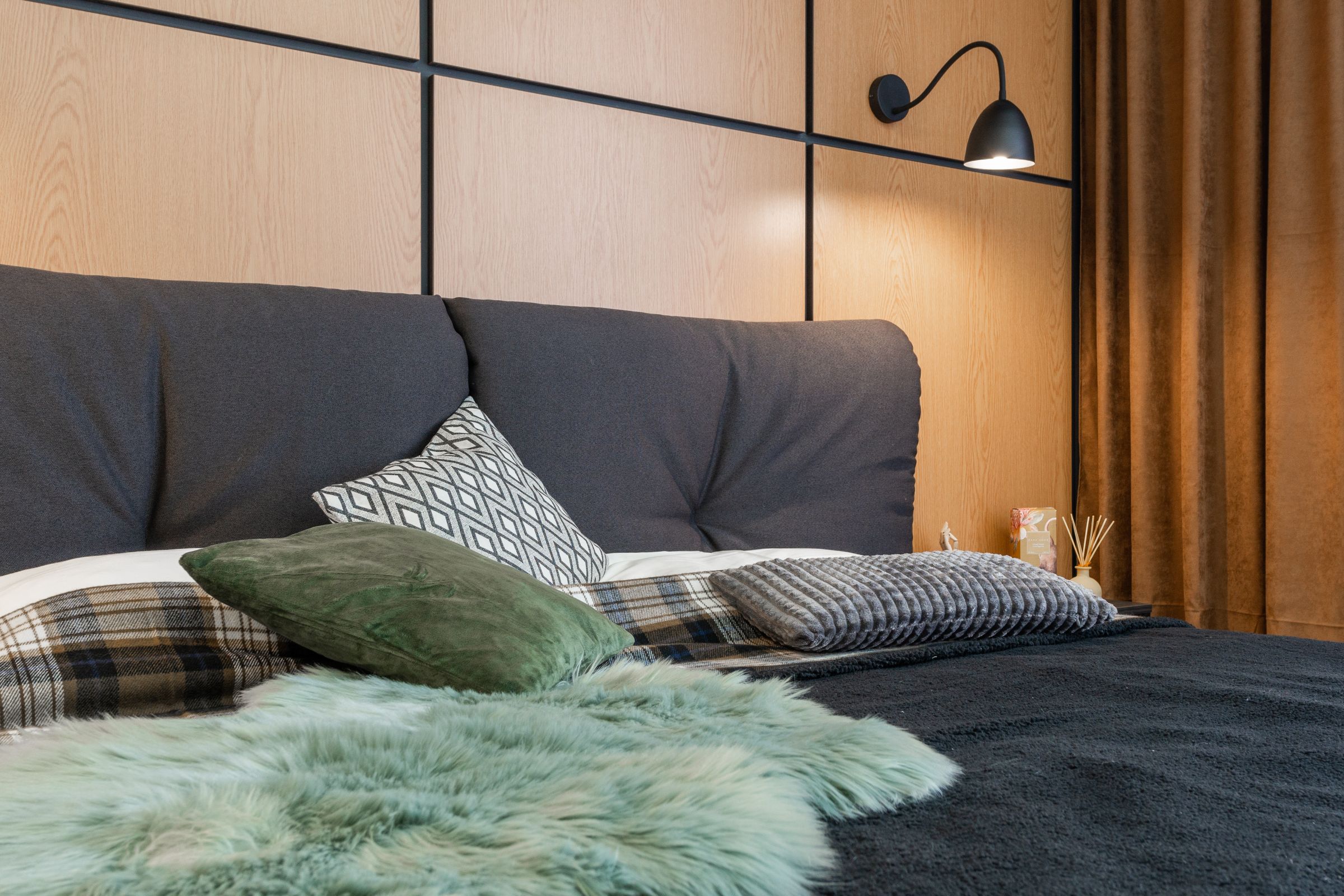
Choose mattress firmness, dimensions, edge support and base compatibility for the sleepers rather than for a dramatic frame. Allow ventilation around the mattress and confirm that final bed height supports easy transfers. If partners have different needs, consider split solutions before decorative symmetry. Luxury that disrupts sleep is only styling. The comfort framework in [Cozy Bedroom Ideas](/bedroom/cozy-bedroom-ideas/) helps evaluate temperature, ventilation, tactile preferences and nighttime routines alongside the visual plan.
Scale the Headboard to the Architecture
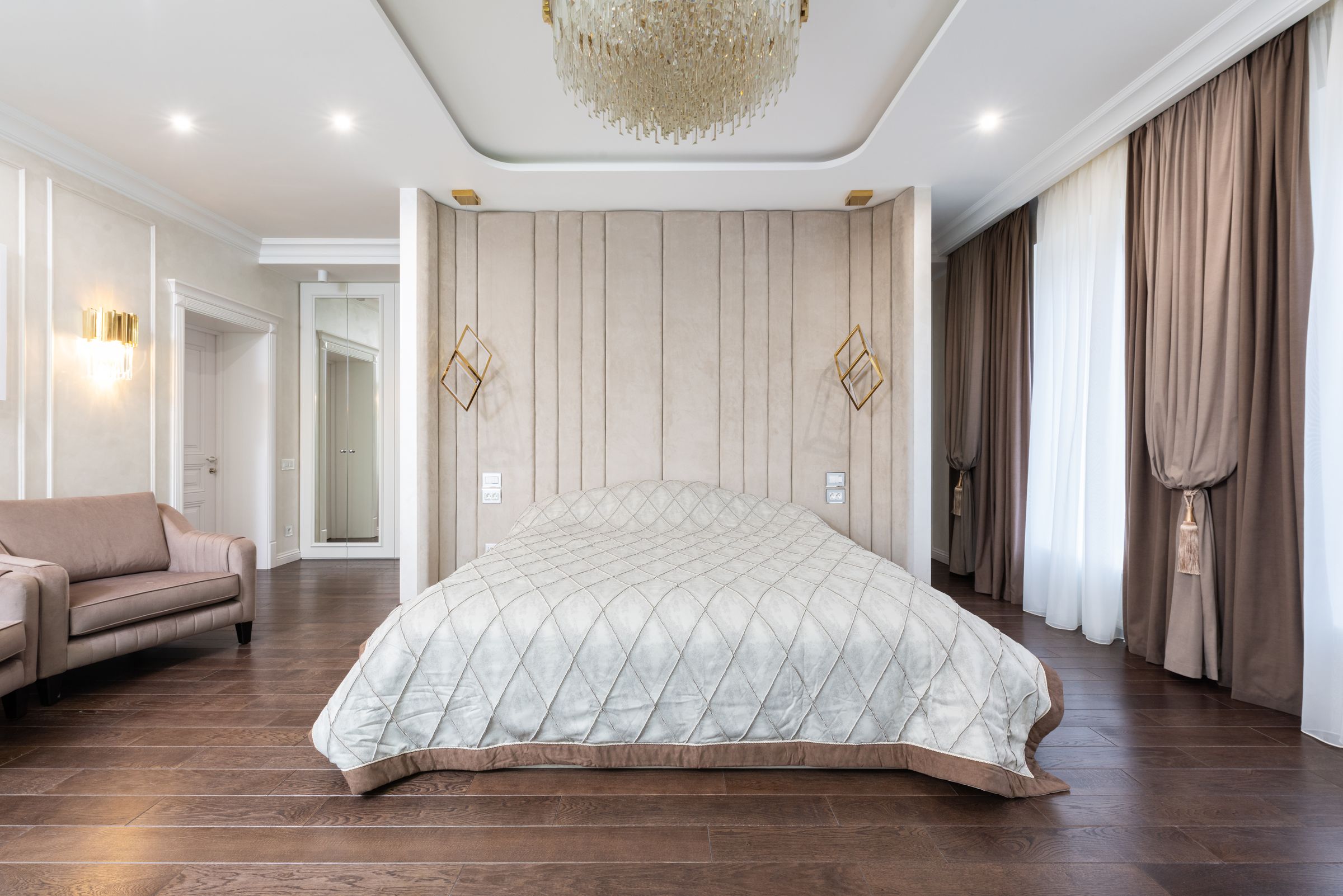
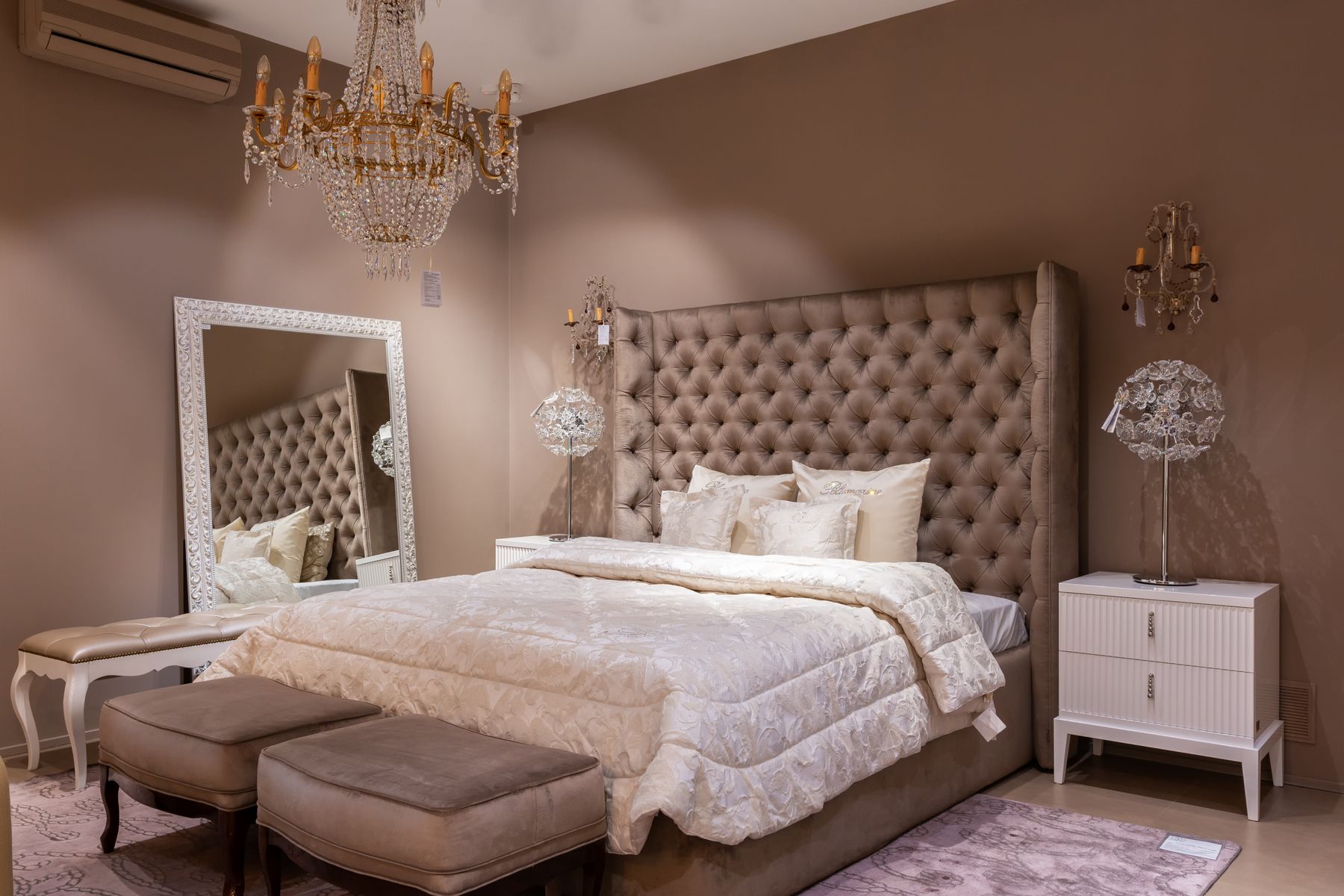
A tall or wall-width headboard can absorb scale, soften acoustics and frame bedside lighting, but it must respect windows, outlets, sloped ceilings and maintenance access. Divide a broad panel into proportions related to the bed and room rather than arbitrary upholstery squares. Use cleanable fabric at hand height and protect the lower edge from vacuum damage. For a geometry-led expression, [Art Deco Bedroom Ideas](/bedroom/art-deco-bedroom-ideas/) offers a more specific stylistic route.
Bedding for Comfort, Not Pillow Count
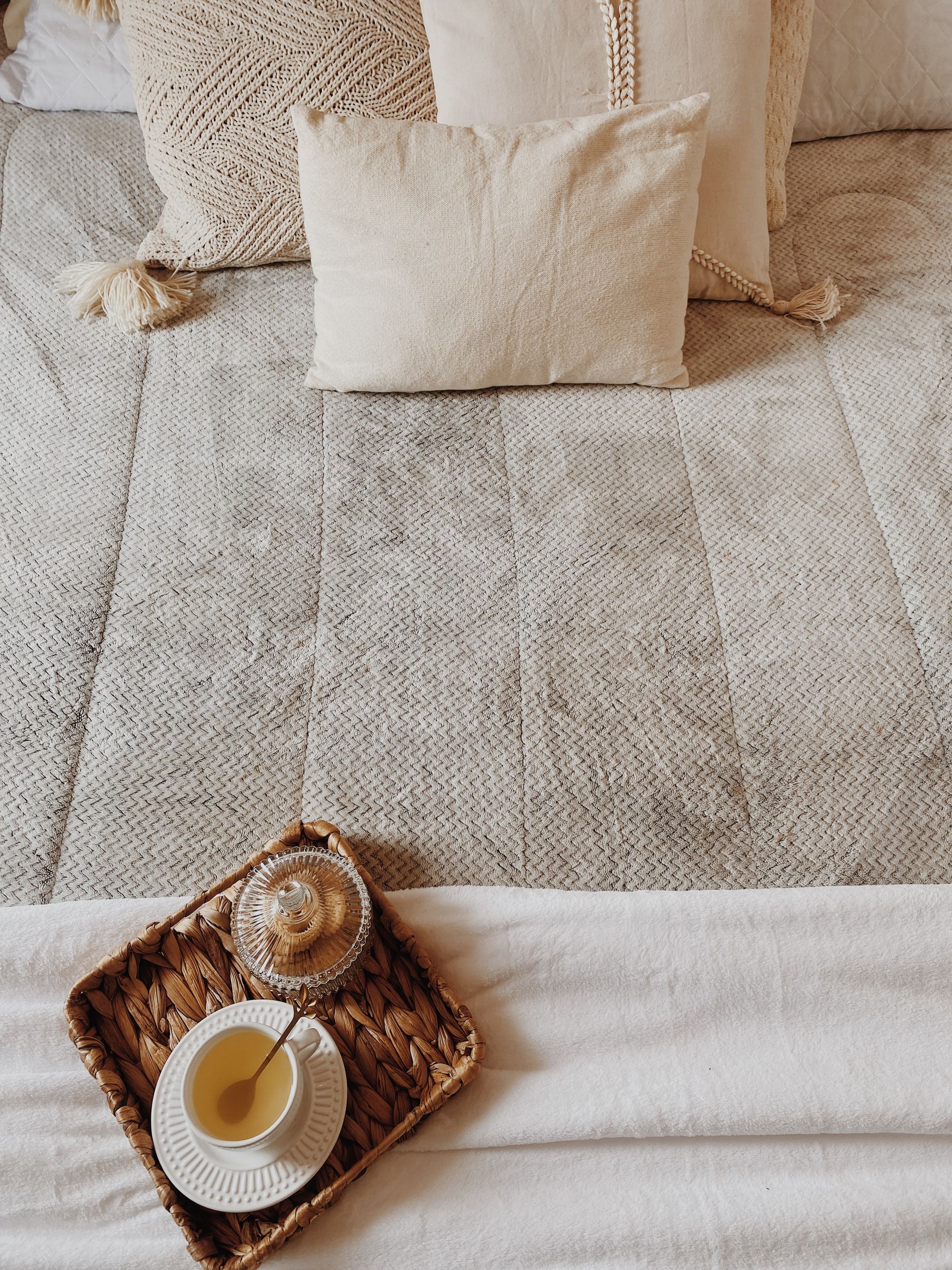
Select sheets by fiber, weave and climate, then add a duvet weight each sleeper can regulate. Use one coverlet or throw for visible structure and only the cushions that support reading or lounging. Excess layers that land on the floor every night increase work and collect dust. Contrast can come from weave, piping and value rather than logos. [Warm Bedroom Ideas](/bedroom/warm-bedroom-ideas/) shows how undertone and tactile material can create richness without relying on bright white hotel bedding.

Design Bedside Surfaces Around Real Objects
Measure what belongs beside each sleeper: lamp, book, water, glasses, medication, charger and controls. The table should be close to mattress height, deep enough for safe placement and easy to clean. A drawer can hide cables and small objects, but ventilation and access still matter. Matching tables are optional; equivalent height and visual weight can be more useful. Refined bedside planning is a daily service, not a requirement for perfect symmetry.
General, Task and Accent Light as Separate Jobs
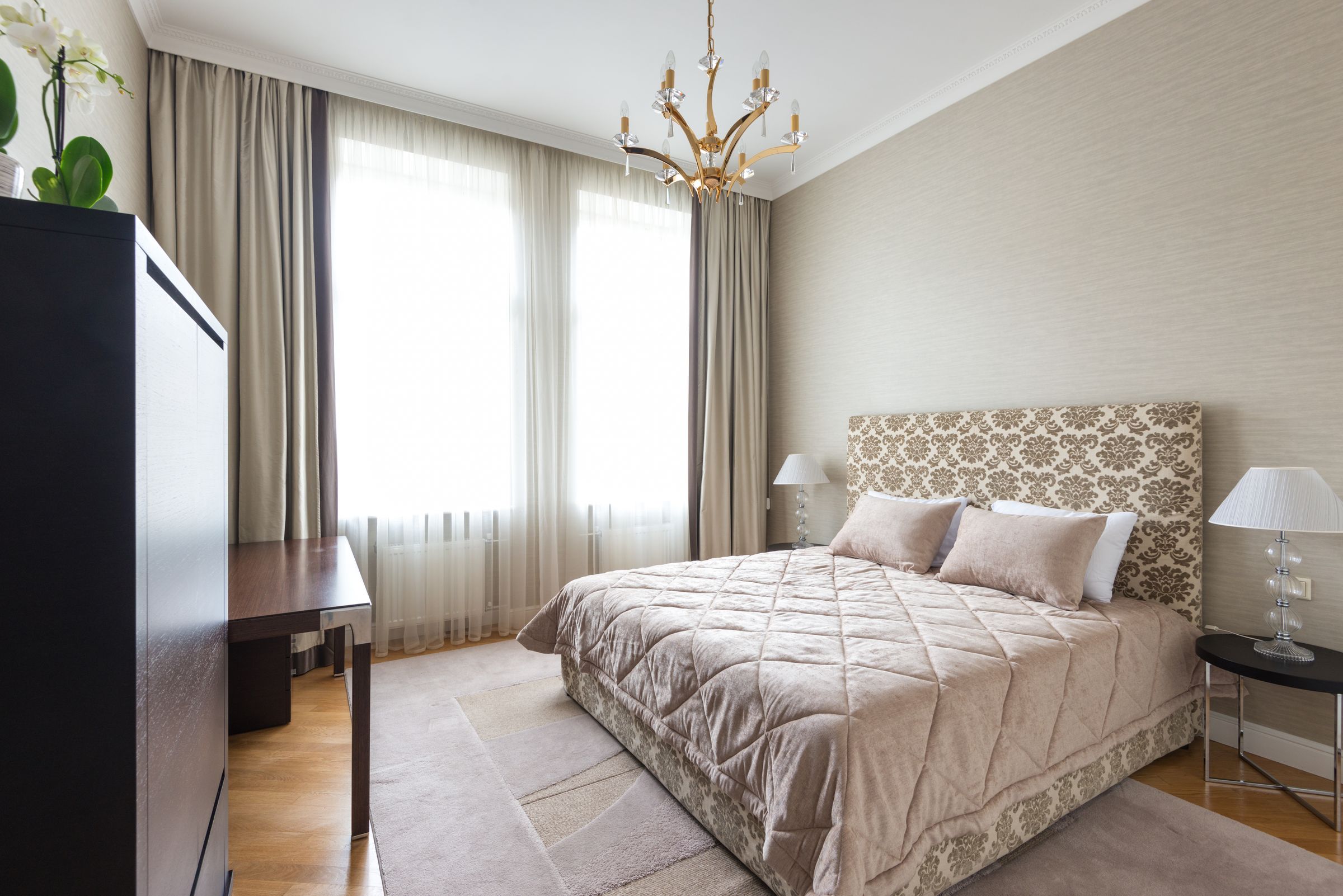
Provide bright, even light for cleaning and dressing; precise low-glare light for reading; and softer ambient or accent light for evening. Put layers on separate controls and keep bedside switches reachable without standing. A chandelier may create presence, but it should not be the only source or hang in a collision zone. [Contemporary Bedroom Ideas](/bedroom/contemporary-bedroom-ideas/) explores how integrated and decorative lighting can share a current interior without producing a showroom effect.

Warm Light Without Distorting Color
Low color temperature can feel relaxing, but poor color rendering makes timber, textiles and skin look dull. Choose consistent lamps with good rendering, shield bare sources and test dimming for flicker. Keep dressing light more neutral and even than bedtime light. Do not mix many unrelated bulb colors in one sightline. The distinction between visual warmth and actual comfort is developed further in [Warm Bedroom Ideas](/bedroom/warm-bedroom-ideas/).
Control Daylight, Privacy and Blackout Separately
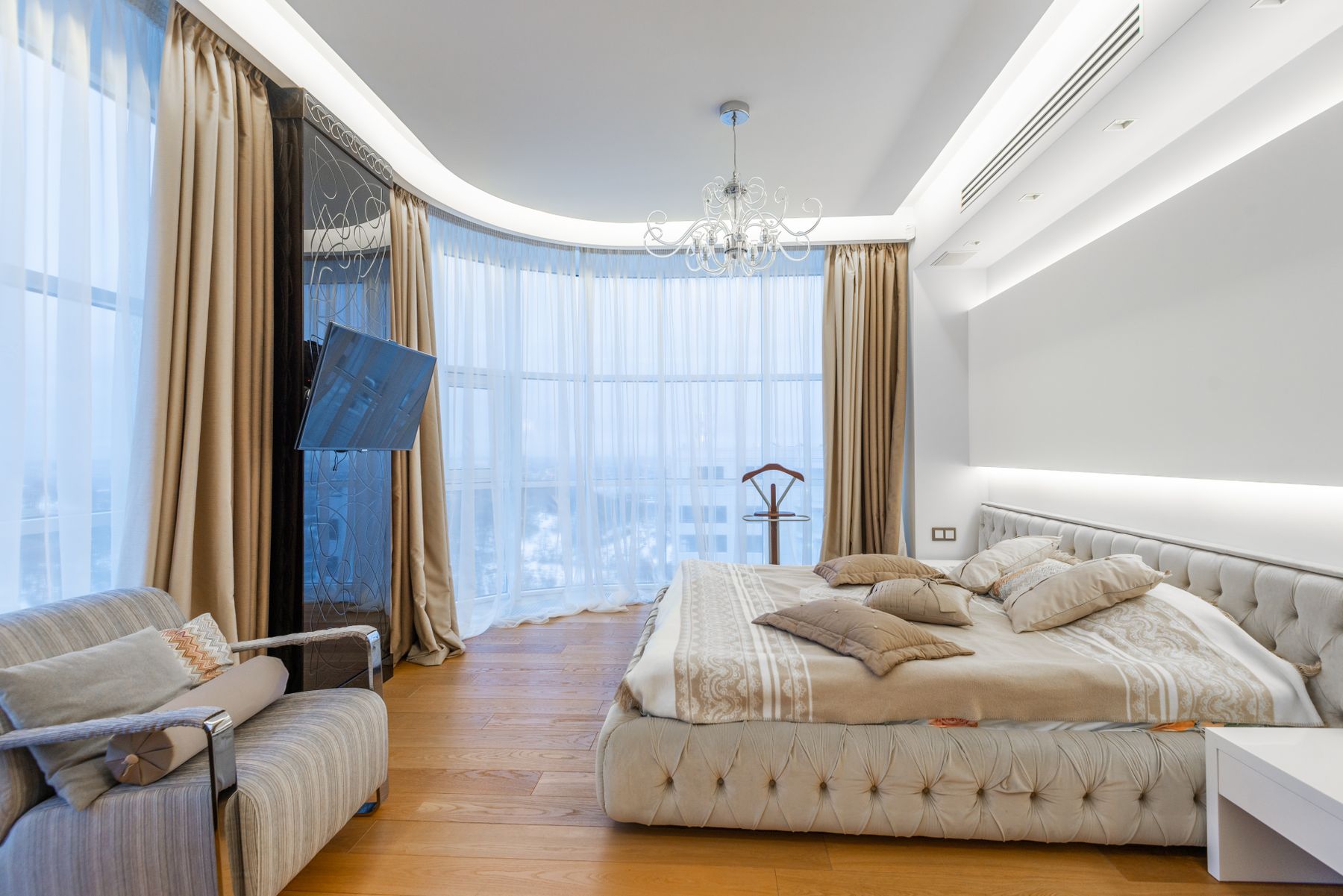
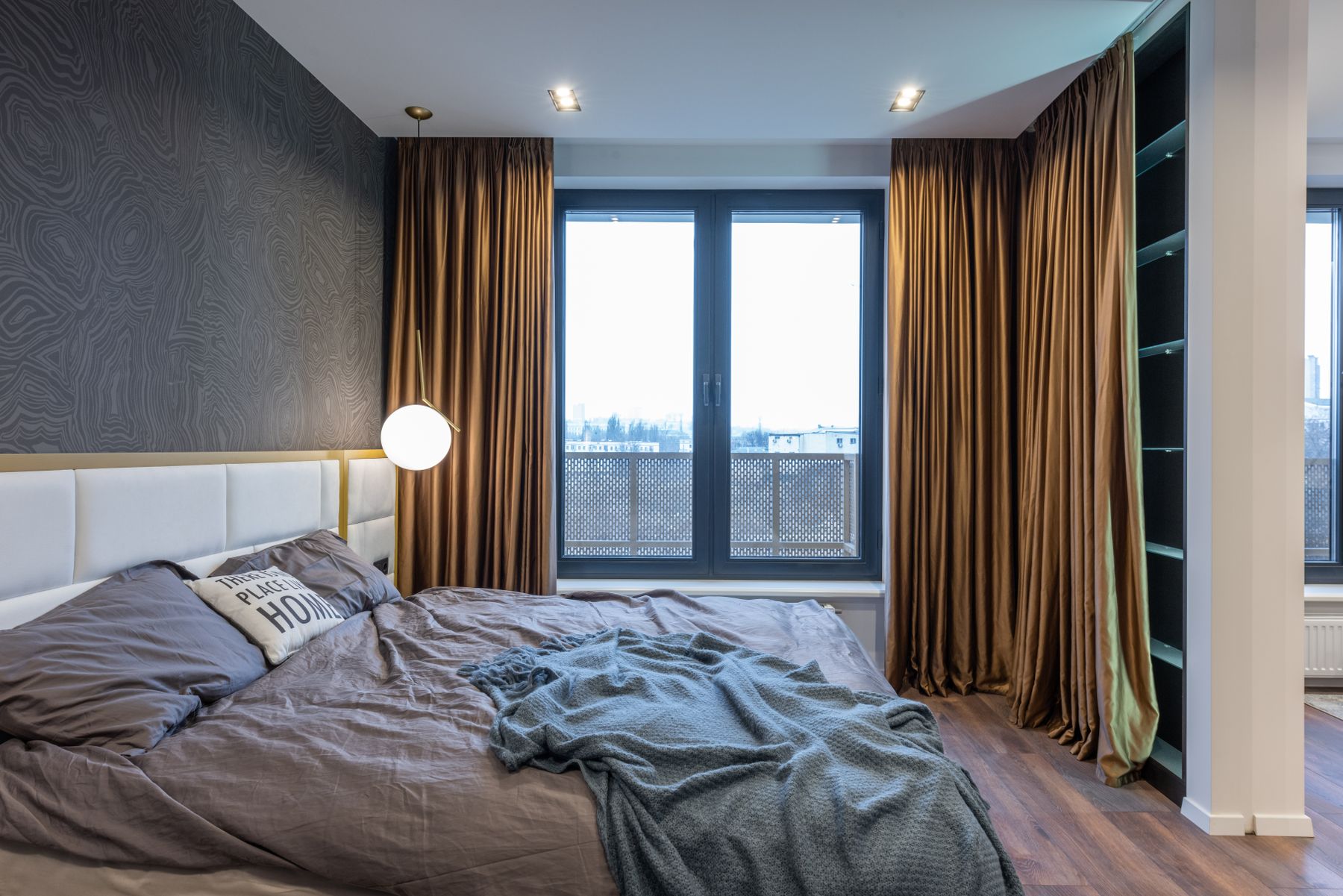
Use a sheer or privacy layer for daytime and a separate lined blind or curtain for sleep. Extend blackout coverage beyond the opening and seal light gaps without blocking ventilation, heaters or access to handles. Motorization can help at difficult windows, but manual override and service access are essential. Full-height fabric also softens sound and creates visual scale. For bright-room decisions, [White Bedroom Ideas](/bedroom/white-bedroom-ideas/) provides a useful contrast in managing reflection and glare.

Address Noise Before Adding Decorative Softness
Identify whether disturbance comes through glass, door gaps, walls, floors or equipment. Heavy curtains and rugs reduce reverberation inside the room but do not replace sealing or suitable glazing. Upholstery can soften the space, while humming chargers, fans and transformers should be removed or isolated. Luxury is quiet operation as much as visual richness. [Cozy Bedroom Ideas](/bedroom/cozy-bedroom-ideas/) connects acoustic softness with ventilation and thermal comfort so one fix does not create another problem.
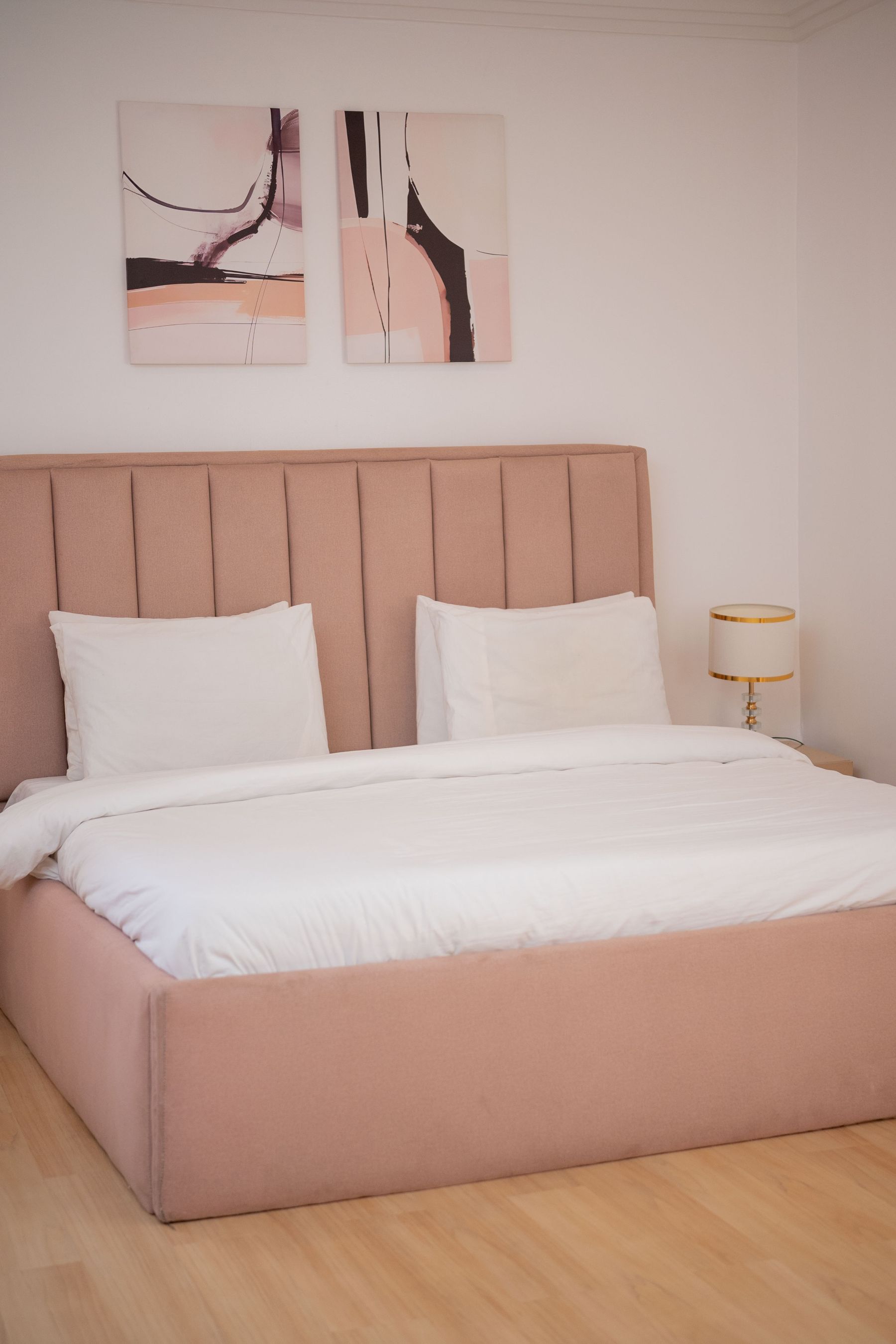
A Palette With Depth, Not a Price Signal
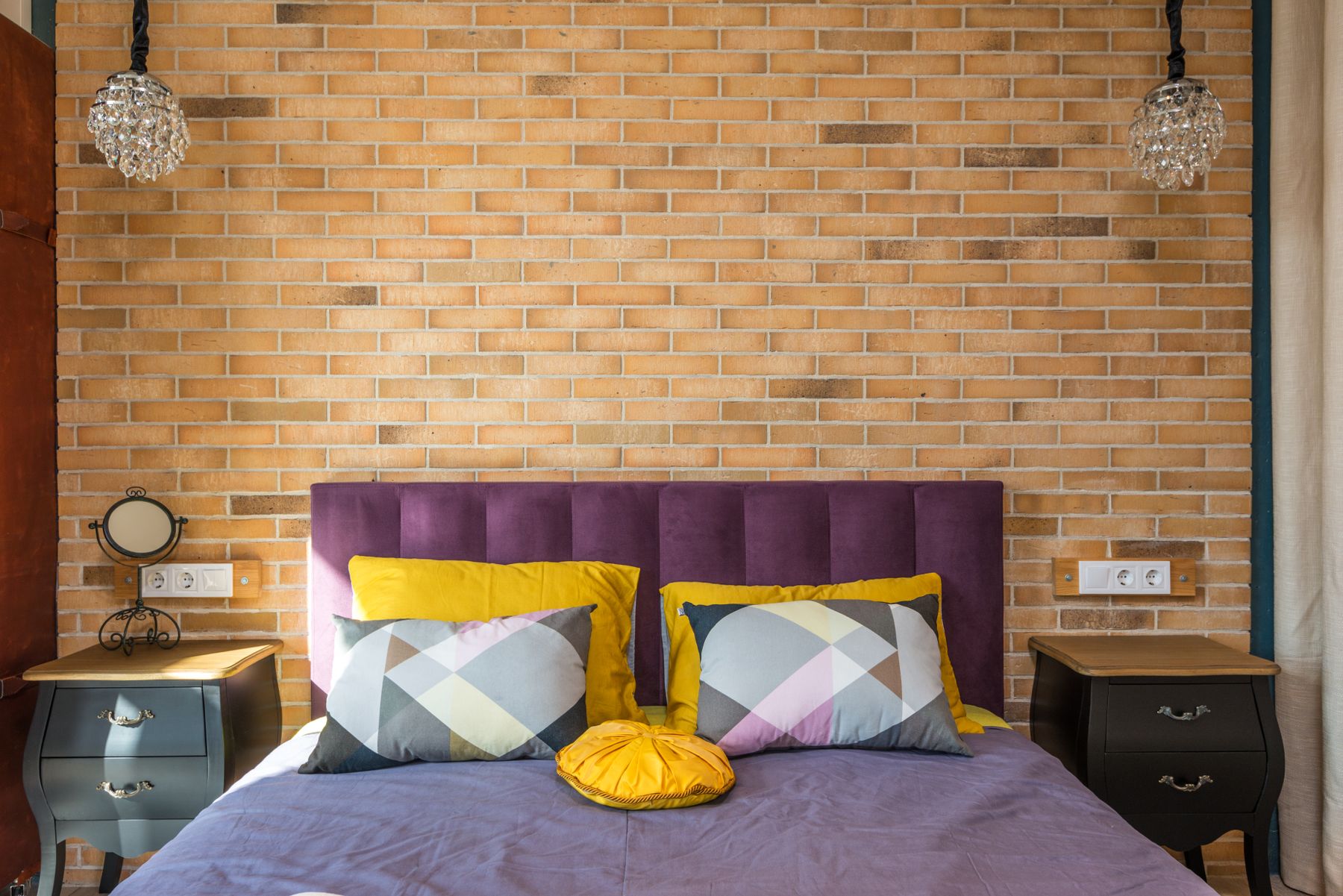
Luxury bedrooms can be pale, dark or colorful. Select a dominant field, one supporting material tone and a controlled accent, then vary value and texture within that structure. Test undertones beside the floor, curtains and skin at the mirror. Avoid assuming beige is refined or jewel tones are automatically opulent. [Moody Bedroom Ideas](/bedroom/moody-bedroom-ideas/) is the stronger route when shadow and atmosphere are primary; this guide keeps palette subordinate to whole-room ease.
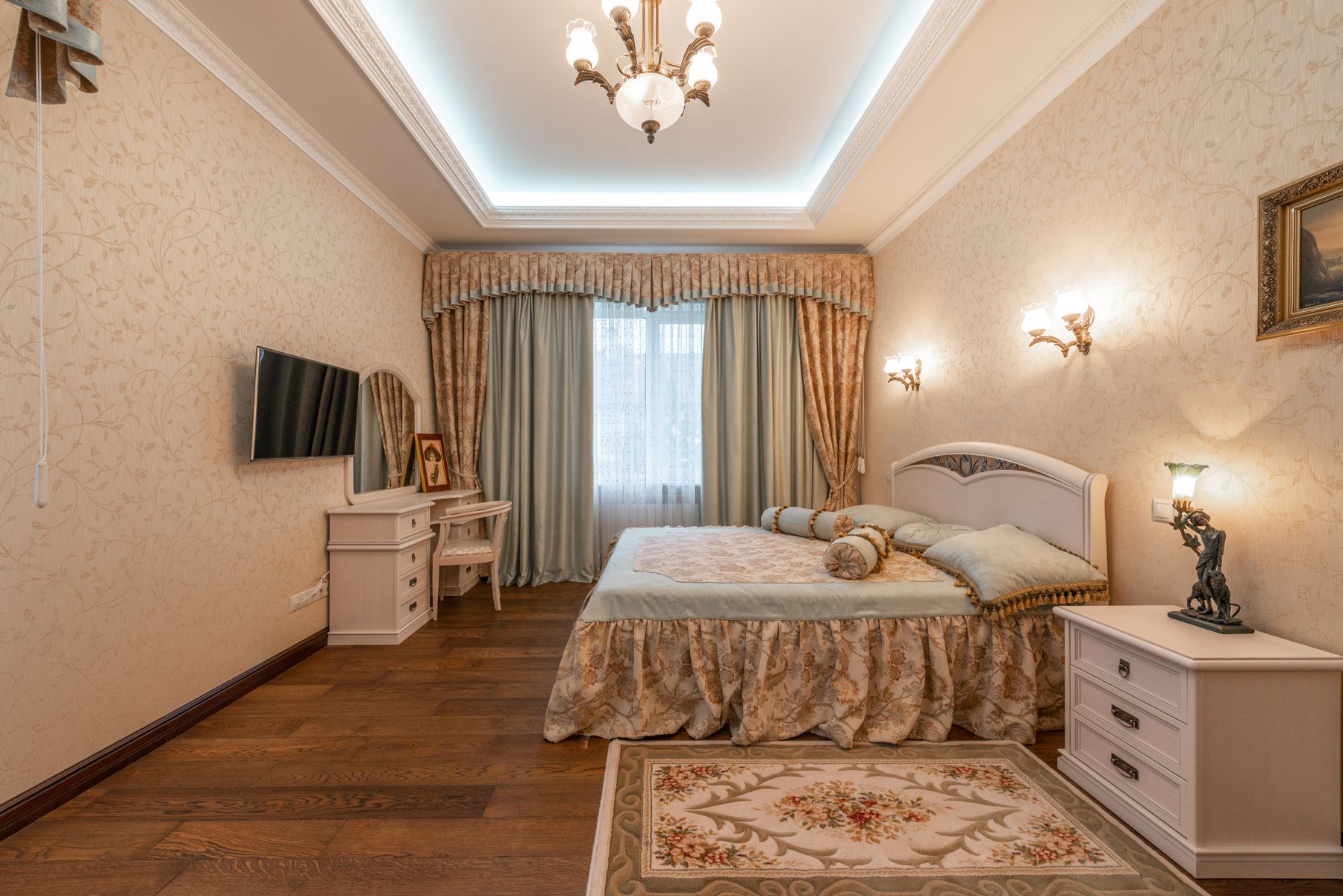
Limit the Material Hierarchy
Choose one dominant soft material, one main timber or painted finish, one floor language and one restrained metal. A secondary stone, glass or patterned textile can provide contrast, but every surface does not need to signal expense. Repeat materials at different scales so transitions look intentional. [Classic Bedroom Ideas](/bedroom/classic-bedroom-ideas/) demonstrates how proportion and familiar shapes can create permanence without making every element ornate.
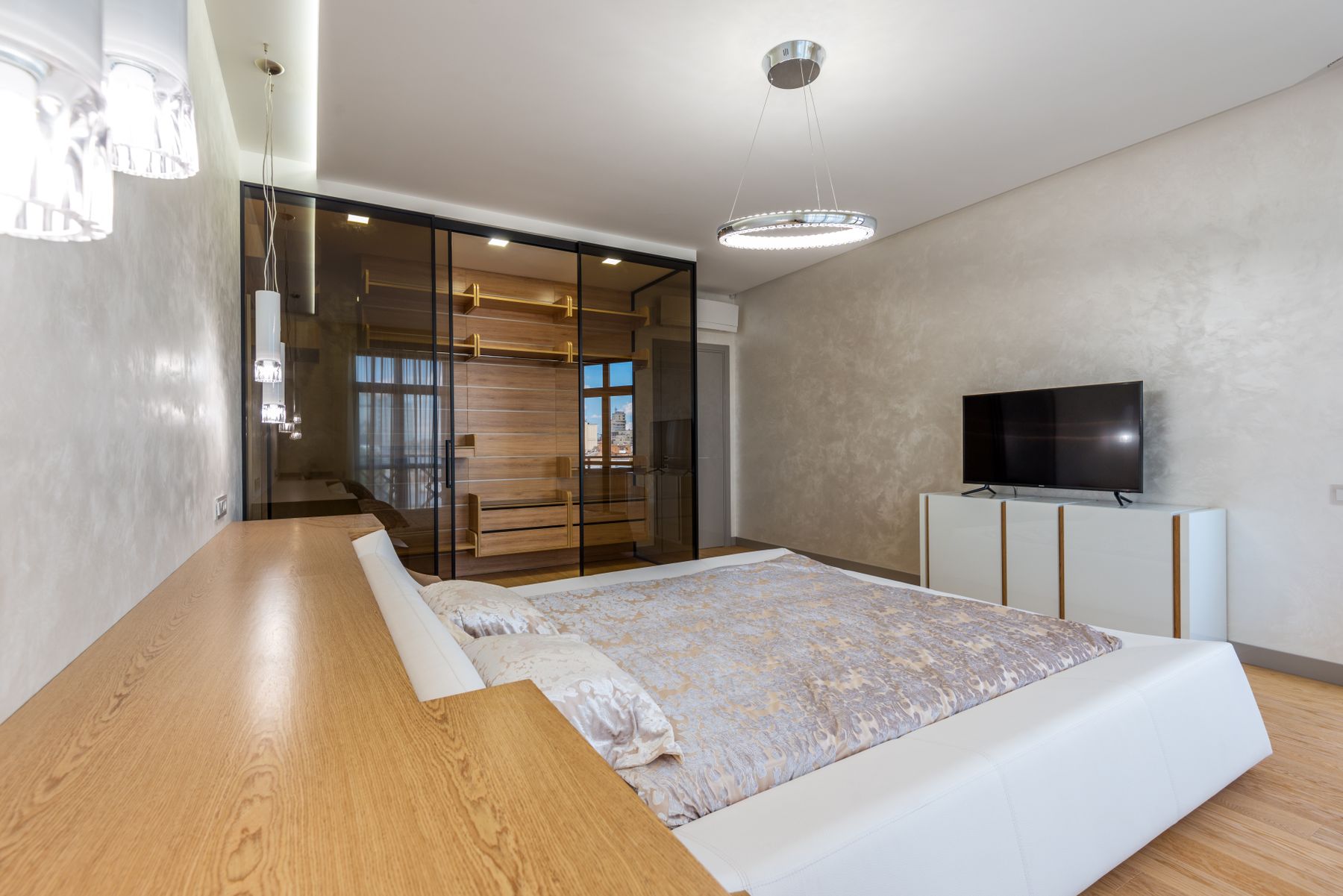
Timber for Touch and Continuity
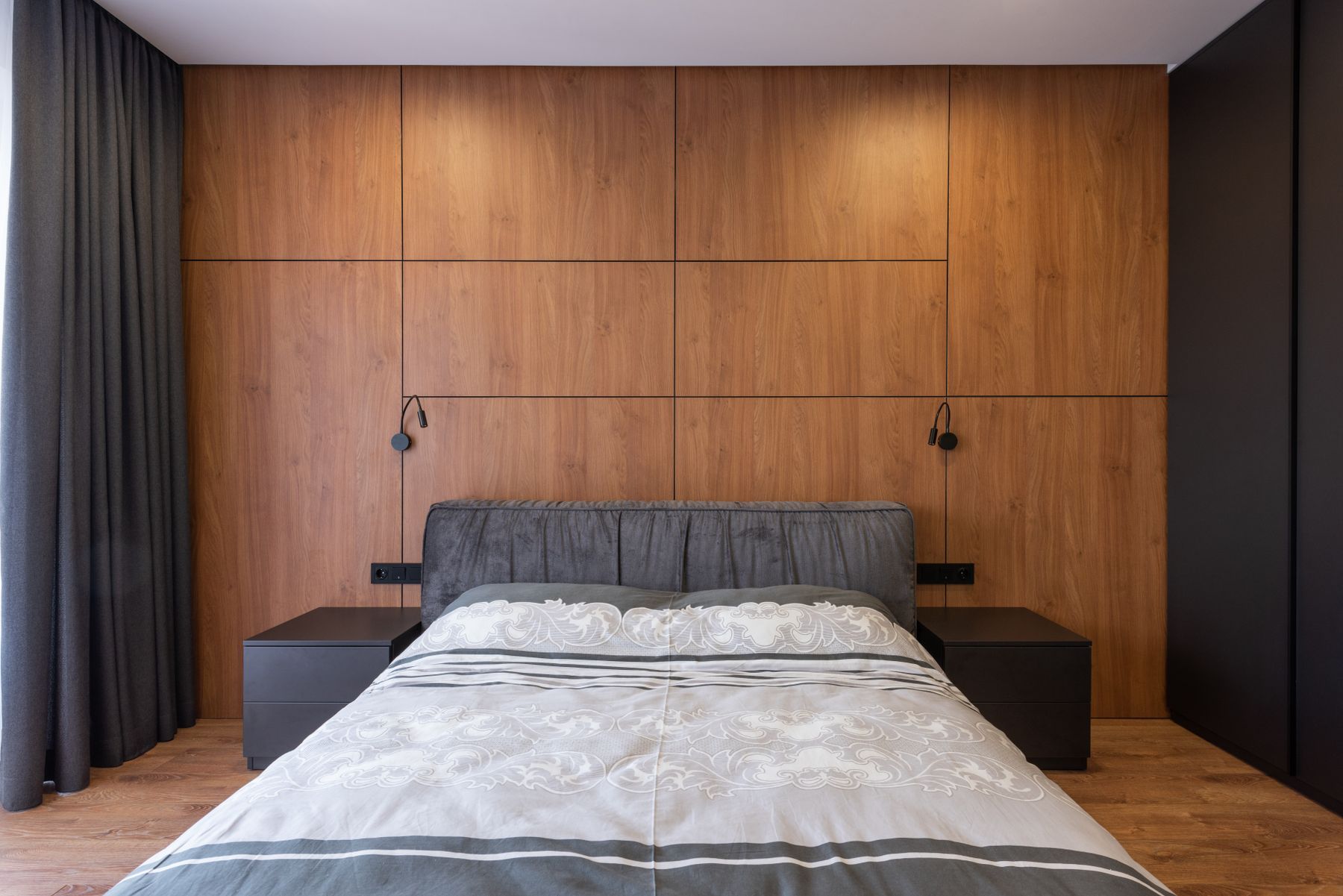
Timber brings grain, warmth and repairable surfaces to headboards, wardrobes, bedside pieces and floors. Match undertone rather than forcing identical species, and use the most durable finish where hands and luggage touch. Veneer can be appropriate when it allows stable, book-matched panels and efficient use of valuable wood. Luxury lies in edge treatment, alignment and longevity, not merely in claiming solid timber. Keep vents, access panels and cable routes integrated rather than concealed beyond service.
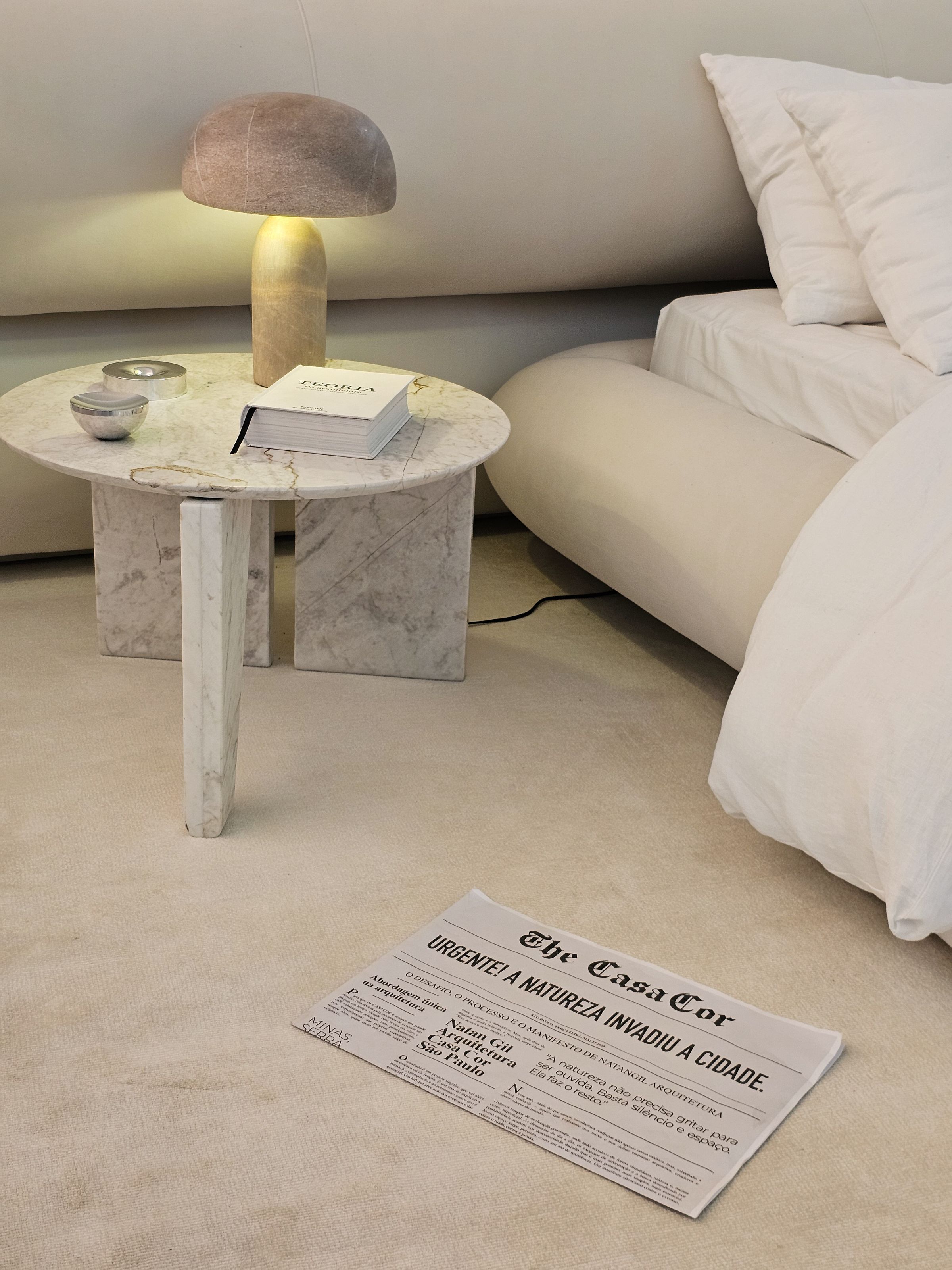
Stone as a Precise Accent
Stone works well on a bedside top, console or fireplace surround because its cool density contrasts with fabric and timber. Confirm sealing, stain resistance, edge comfort and structural support before choosing a dramatic slab. Vein matching matters on large surfaces; on small ones, a quiet remnant may be more responsible and easier to replace. Avoid hard stone directly where knees or hands meet the bed. A luxury bedroom should feel tactile, not like a bathroom showroom.
Metals by Finish and Contact
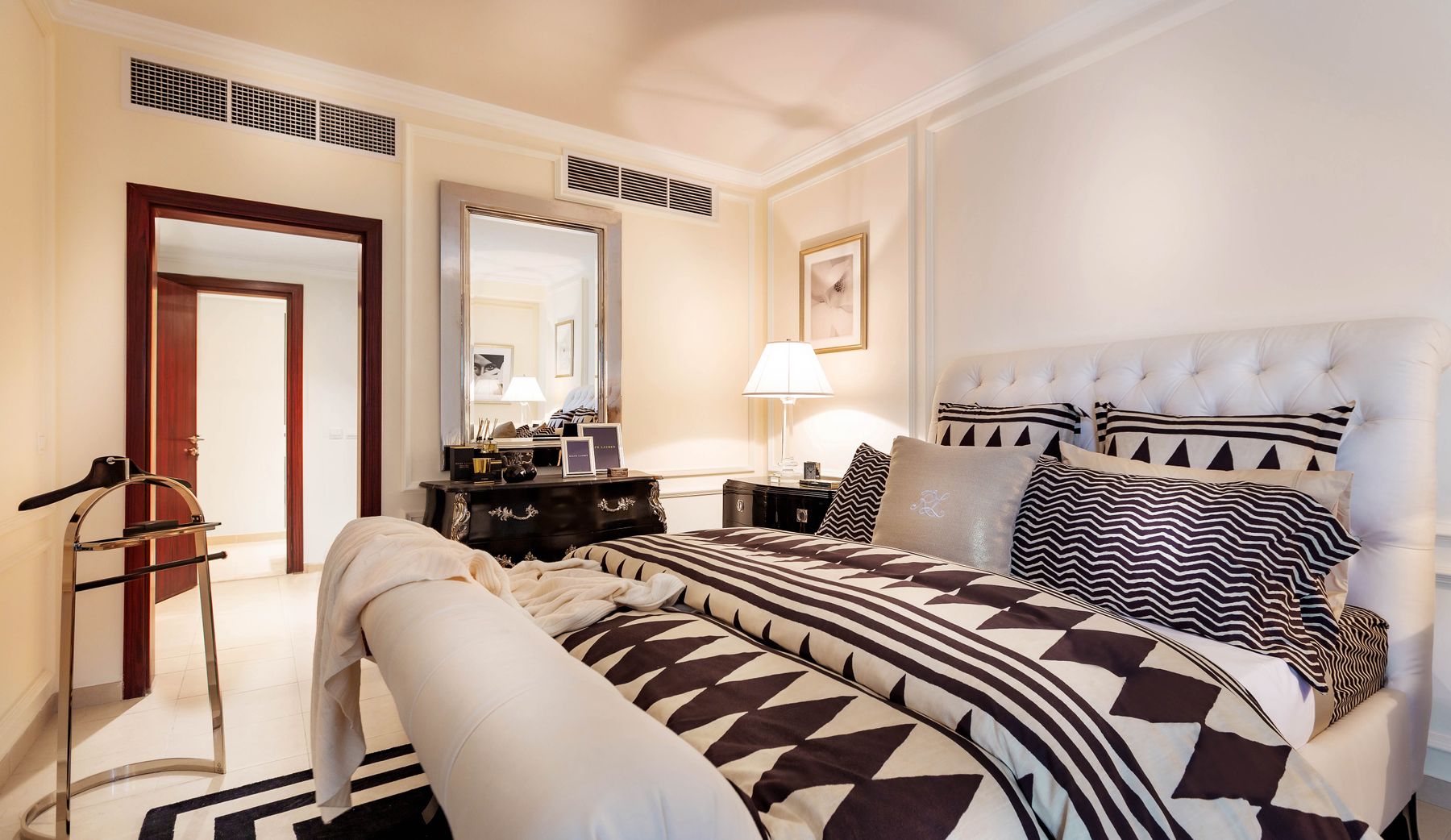
Use metal where its strength or reflectivity is useful: handles, lighting, table bases and a narrow trim. Brushed and aged finishes hide fingerprints better than mirror polish, while plated finishes need honest durability information. Repeat one main metal and allow a small supporting finish only when architecture requires it. If geometry and polished contrast become the room’s main identity, [Art Deco Bedroom Ideas](/bedroom/art-deco-bedroom-ideas/) offers the more precise stylistic framework.
Curtains as Part of the Architecture
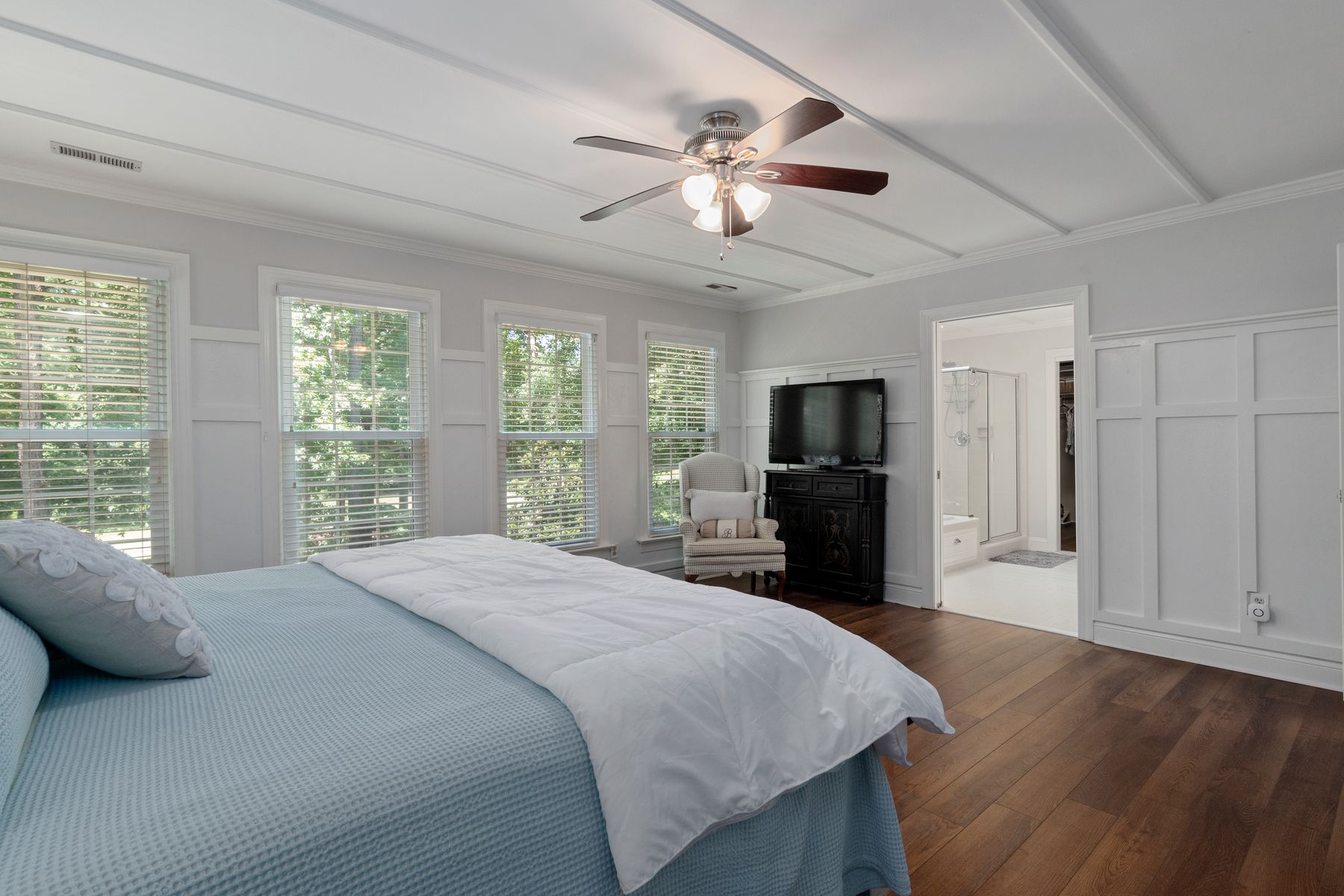
Run curtains high and wide enough to clear the glass when open, and size the stack before placing furniture. Lining improves fall, privacy and light control, but fabric weight must suit the track and wall fixing. A concealed pocket looks refined only if it remains serviceable. Avoid puddling in dusty or high-traffic rooms. Curtains should open smoothly with one hand or a reliable motor, because luxury is diminished when a daily movement catches, drags or blocks a vent.
The Rug Establishes the Bed Zone
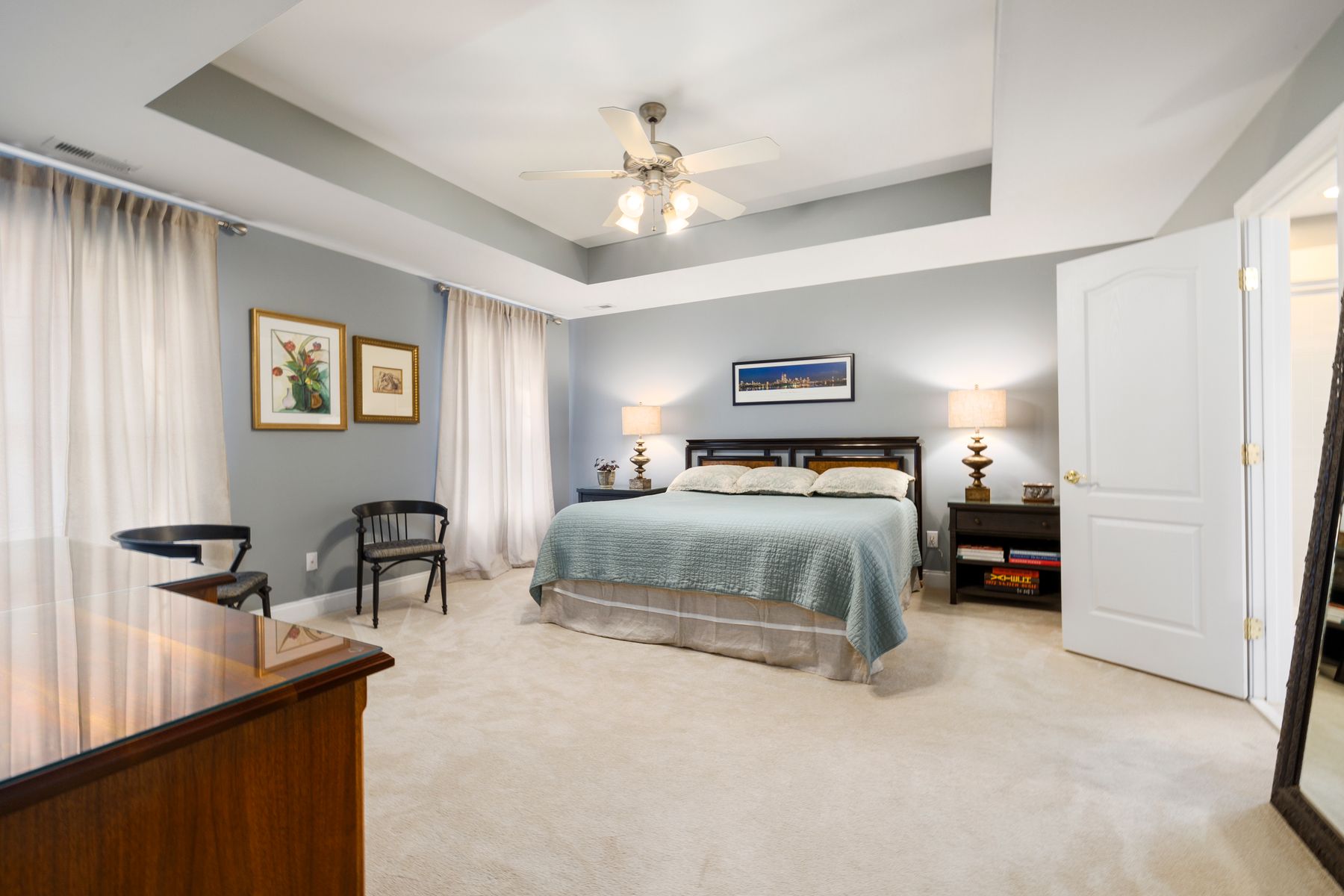
The rug should extend where feet actually land and remain stable along the nighttime route. Choose pile by cleaning capacity, allergies, pets and door clearance rather than softness alone. On timber or stone floors, a large rug reduces echo and visually connects bed and tables. Wall-to-wall carpet can be luxurious when specified for maintenance and indoor air quality. An undersized decorative rug usually makes the bed look disconnected and creates more exposed edges to trip over.
Storage Disappears Through Planning
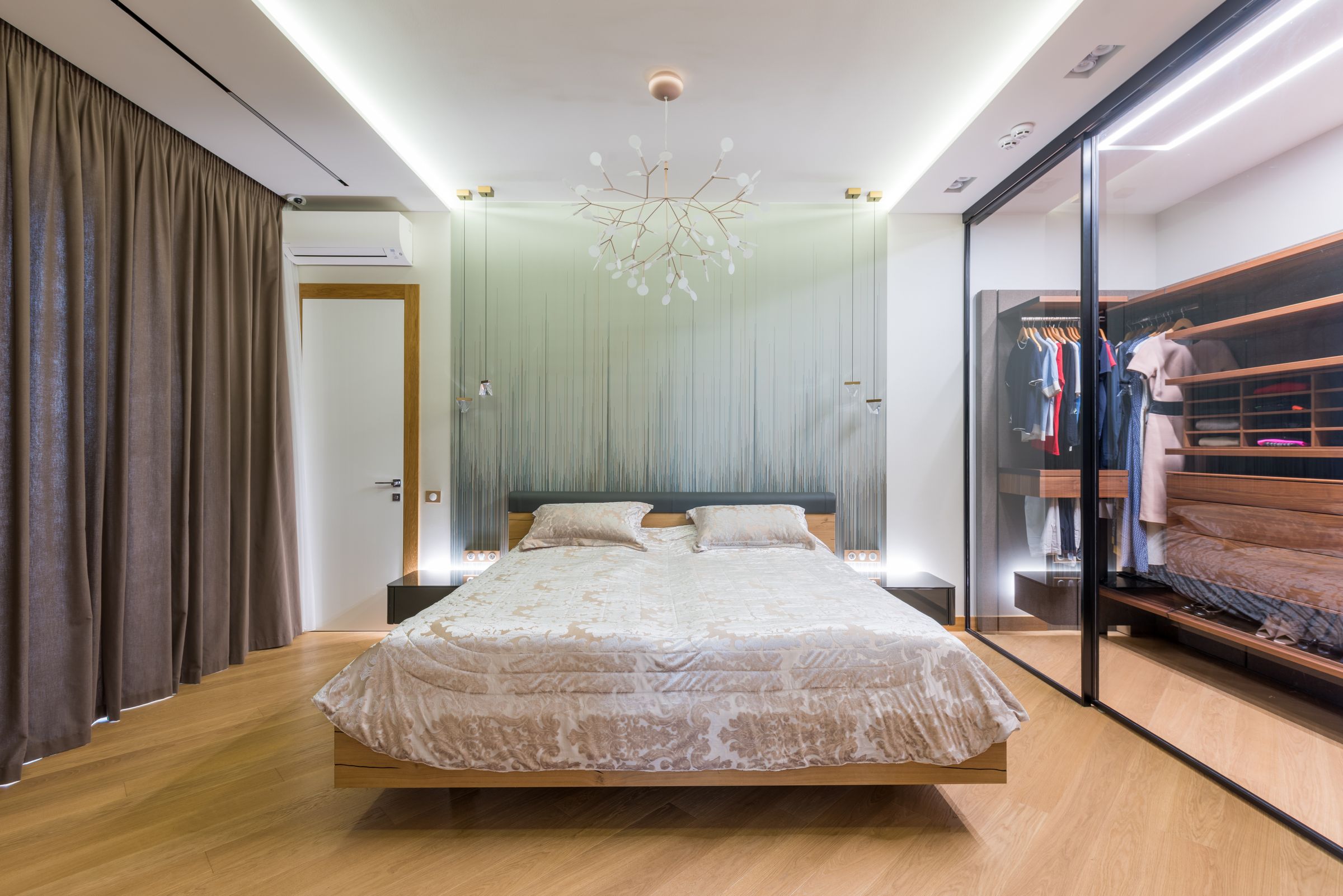
Inventory long hanging, folded clothing, shoes, luggage, laundry and valuables before drawing wardrobes. Put frequently used items between shoulder and knee height, light interiors evenly and provide handles that are easy to grasp. Glass fronts create display pressure and require disciplined contents; opaque doors produce a calmer wall. Custom joinery may solve unusual dimensions, but standard systems can perform beautifully when planned. Future Bespoke Bedroom Ideas will cover surveys, tolerances and construction in detail.
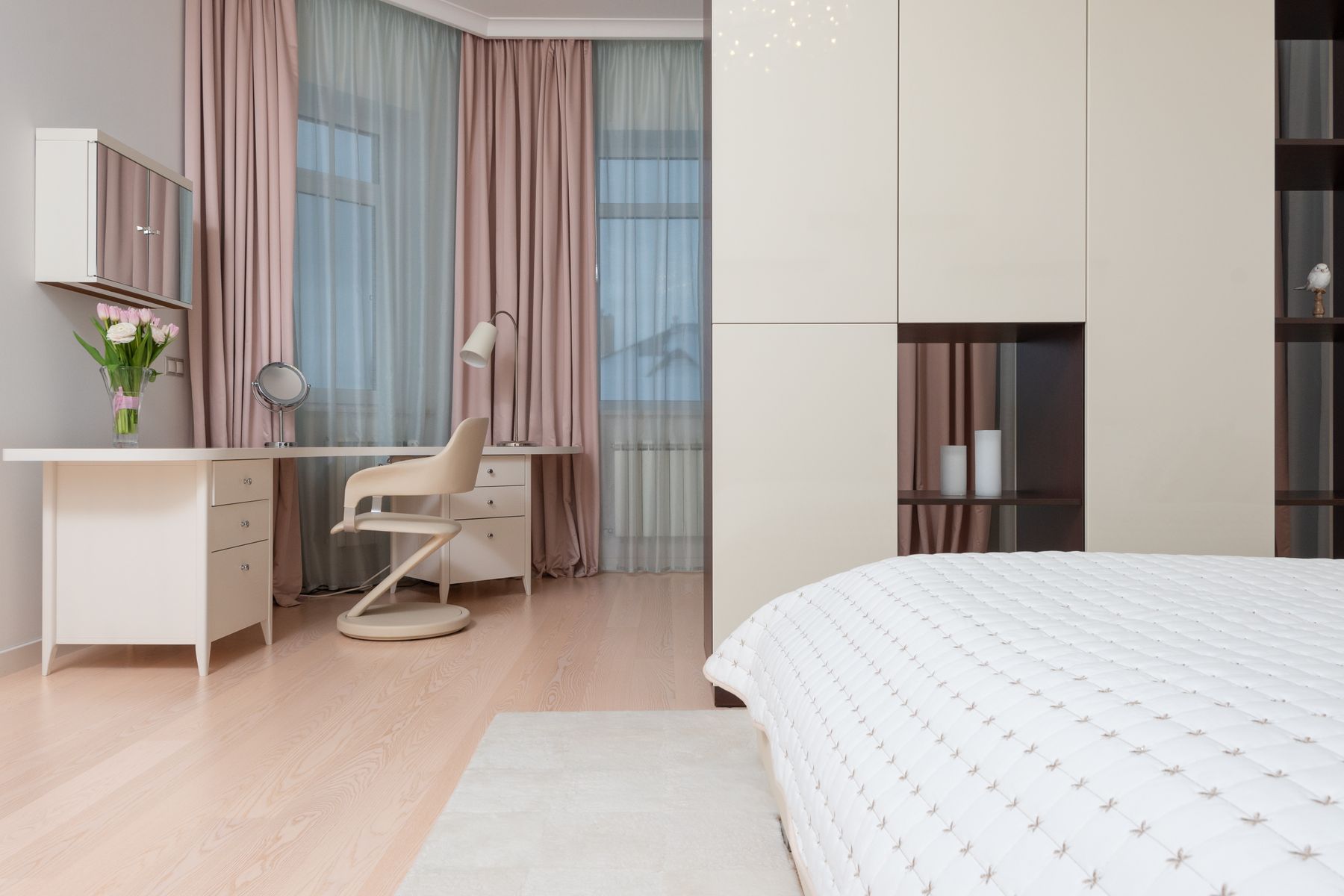
A Dressing Position With Honest Light
Place the mirror where front and side light can reveal color accurately without glare. Provide a seat, surface, outlet and immediate access to clothing, while keeping cosmetics away from direct heat and strong sun. A dressing table should not become a second cluttered office. In a small room, a shallow drawer and wall mirror may outperform a freestanding vanity. In a large suite, connect the zone to wardrobe and bathroom routes without sending circulation through the sleep area.
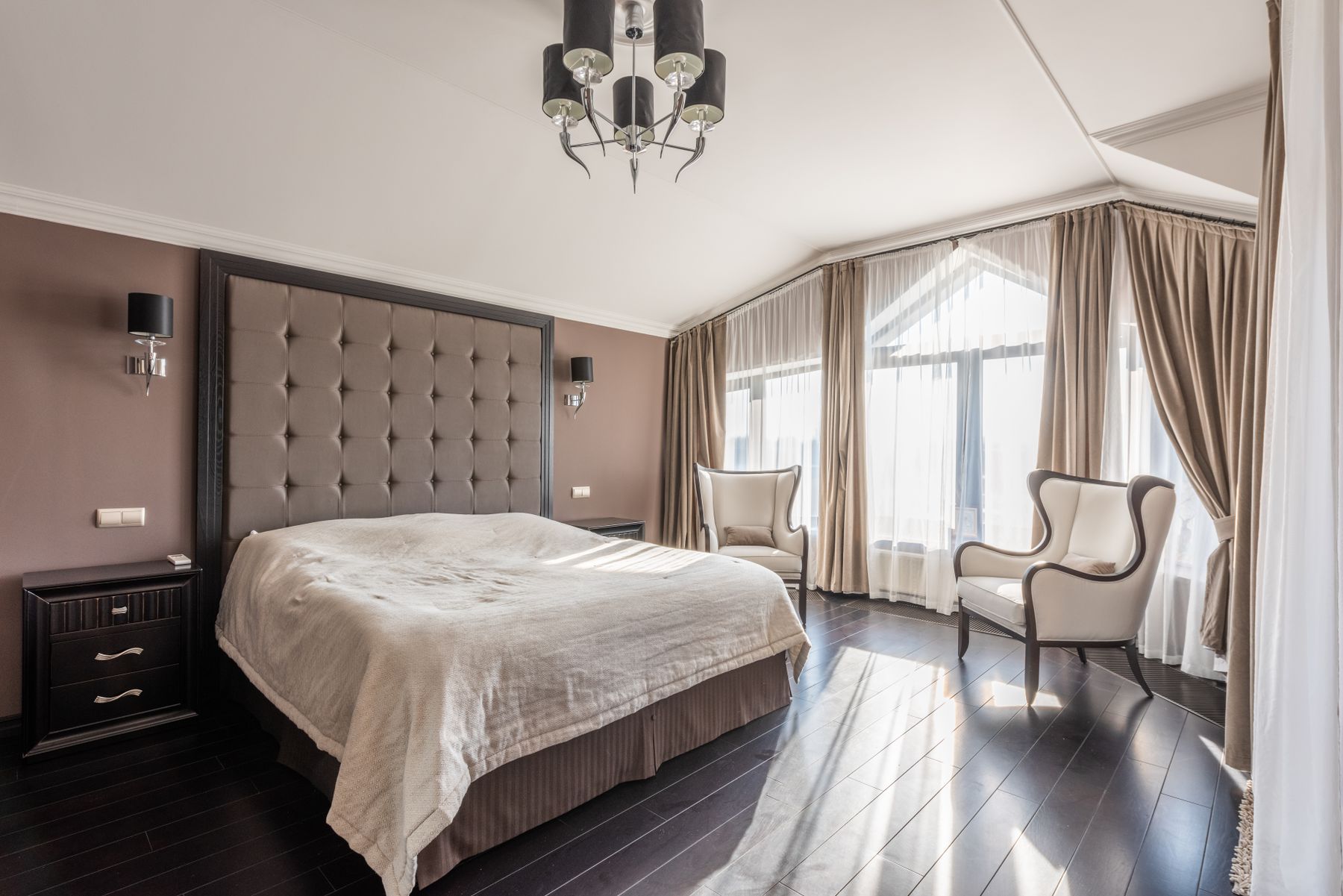
Seating Only When It Has a Job
A chair, chaise or small sofa earns space when it supports a known routine. Place a reading chair with light and a surface; place a bench where dressing or luggage actually occurs. Avoid creating a clothing drop that blocks the route. One excellent supportive chair is often more luxurious than a matched pair no one uses. [Large Bedroom Ideas](/bedroom/large-bedroom-ideas/) provides fuller zoning tests for rooms where seating could become a genuine secondary area.
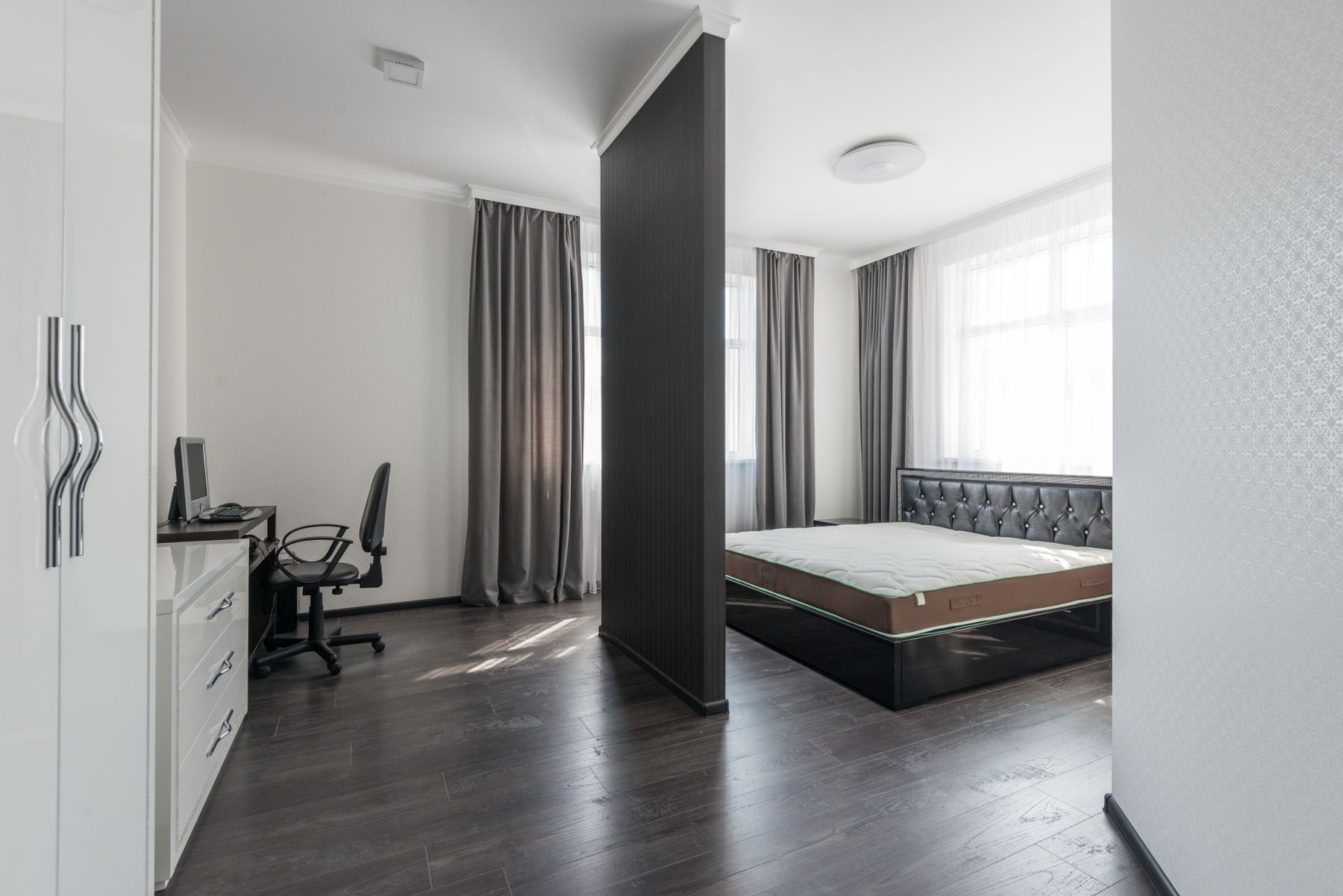
Integrate a Workspace Without Sacrificing Rest
If work must happen in the bedroom, place the desk outside the direct pillow view, provide task light and hide equipment at the end of the day. A shallow console may suit occasional use; daily work requires an ergonomic chair and real cable management. Do not force a desk into a luxury scheme as a decorative surface while ignoring posture. Closeable storage or a screen can create an evening boundary. The room should return convincingly to sleep mode when work ends.
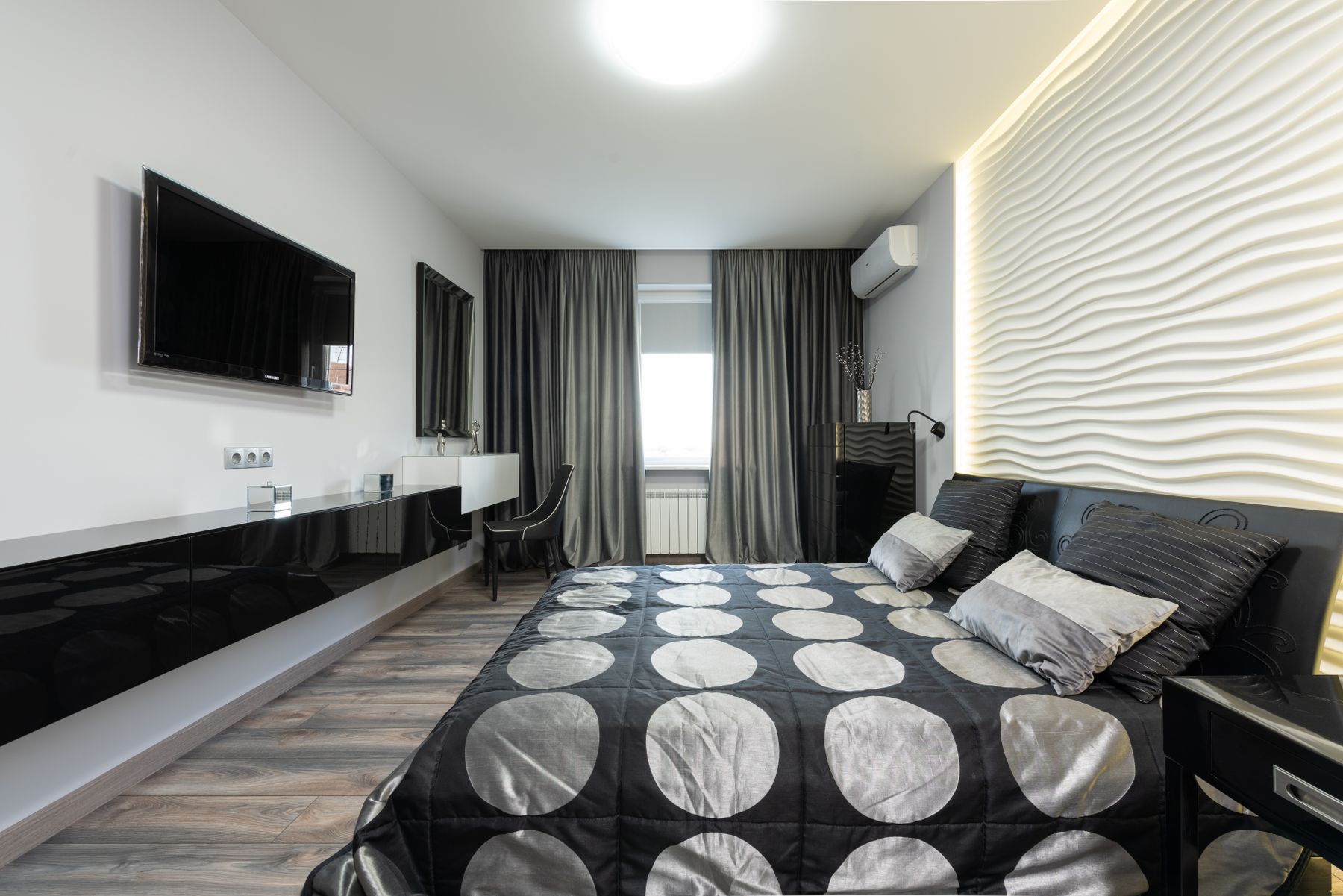
Keep Bedroom Technology Quiet and Serviceable
Plan outlets, chargers, controls, speakers and screens before wall finishes. Avoid bright status lights, fan noise and cables trapped behind fixed panels. If a television is necessary, set a comfortable viewing height and give it a quiet background; a lift or doors add complexity and maintenance. Smart controls should retain manual operation and clear labels. [Modern Bedroom Ideas](/bedroom/modern-bedroom-ideas/) explores technology within a cleaner functional language, while luxury here is judged by reliability and ease.
Thermal Comfort and Fresh Air
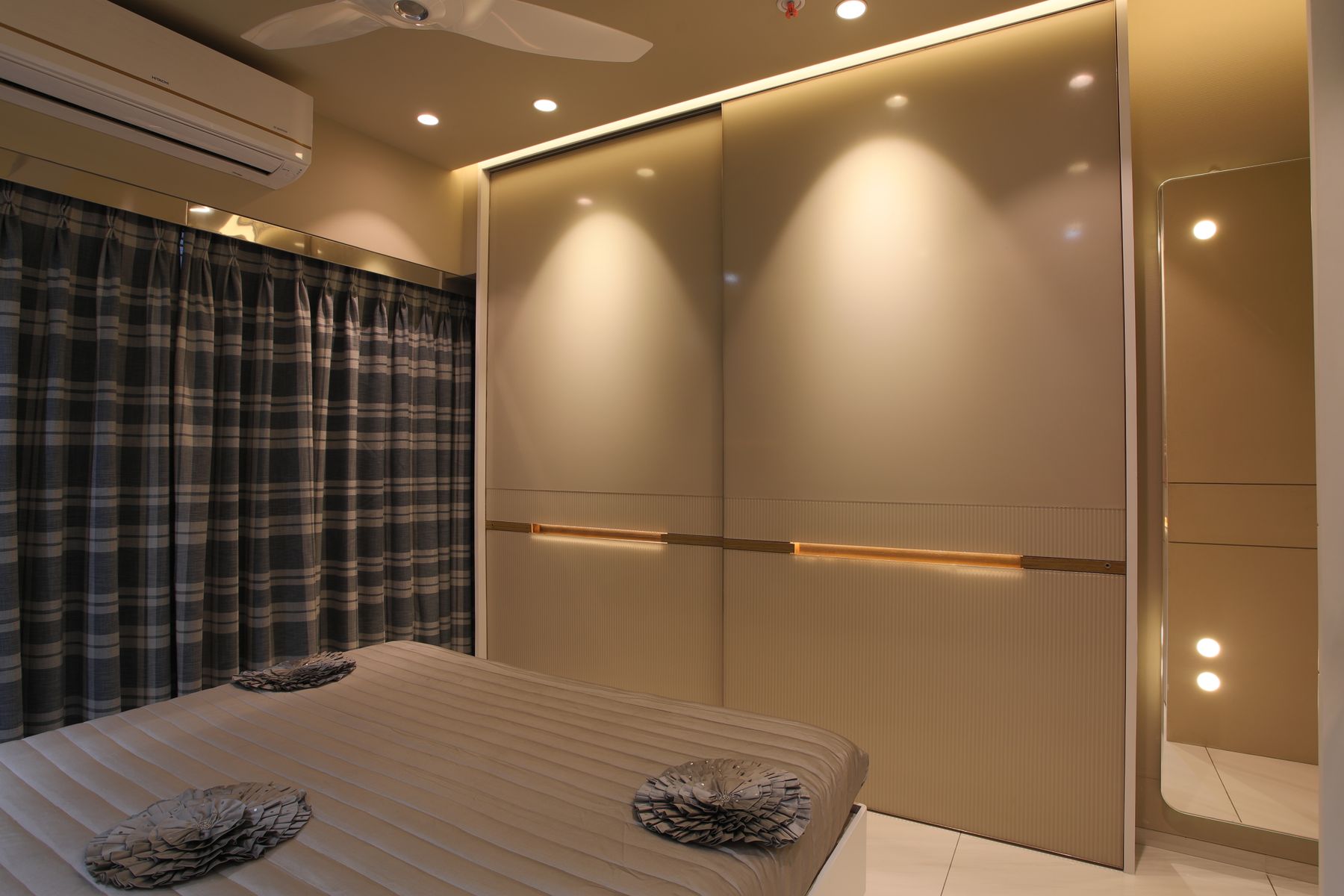
Comfort depends on temperature, air movement, humidity and fresh air, not only bedding. Keep vents unobstructed, choose a quiet fan or system and allow washable textiles to change seasonally. Heavy curtains and upholstered walls can alter airflow, so coordinate them with equipment. Do not conceal thermostats or returns for a cleaner photograph. The sensory framework in [Cozy Bedroom Ideas](/bedroom/cozy-bedroom-ideas/) helps distinguish visual warmth from actual thermal and ventilation needs.
Protect Accessibility and Nighttime Safety
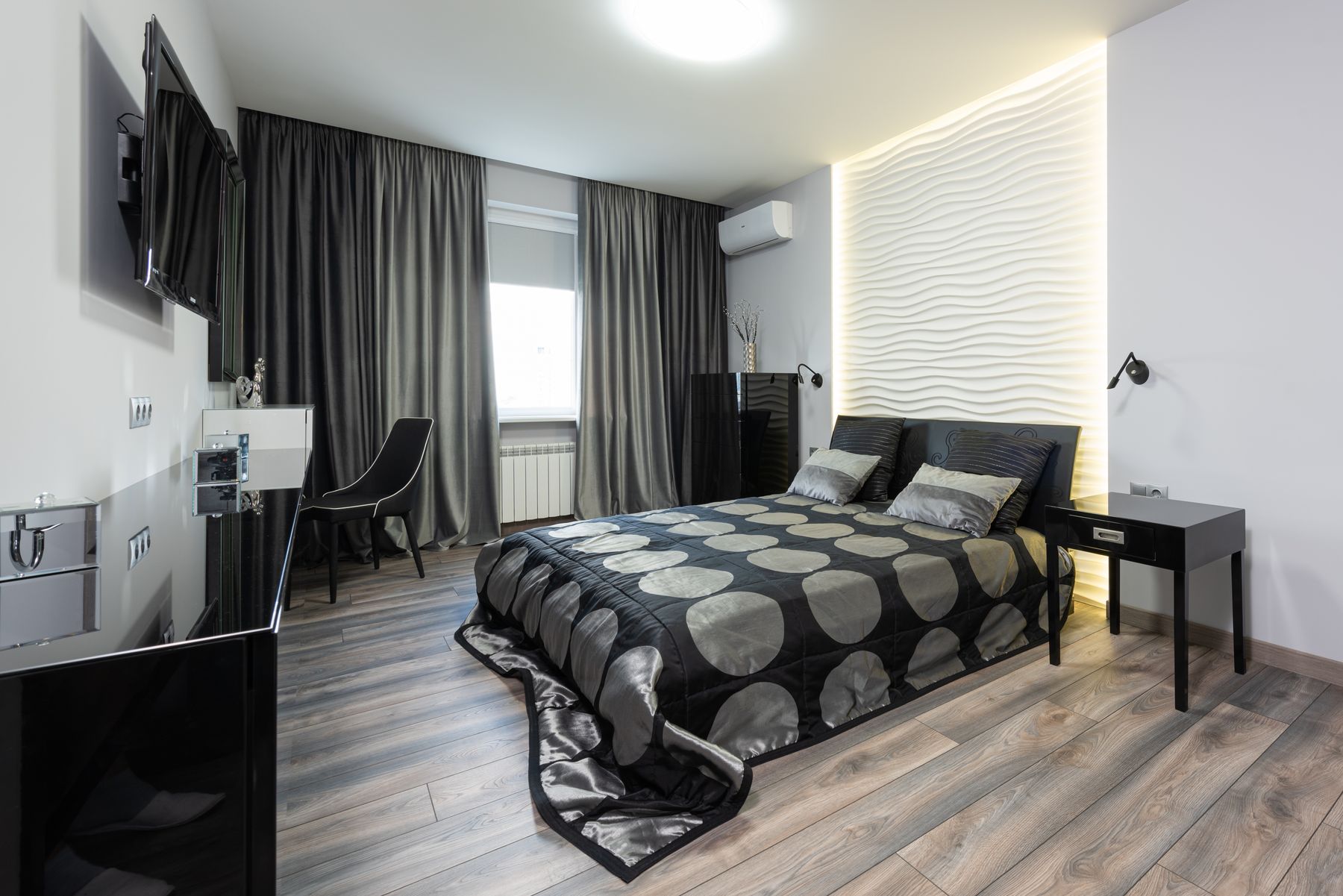
Keep floor edges, doors, handles and switches distinct from their backgrounds, and provide low-level route light that does not shine into the sleeper’s face. Bed height, stable seating and reachable controls should suit the occupants. Avoid deep pile across mobility routes and sharp reflective glare near mirrors. Accessibility is not a separate aesthetic; it is evidence that the room has been designed around real bodies. Value contrast is often more useful than color difference when light is low.
A Small Luxury Bedroom That Feels Complete
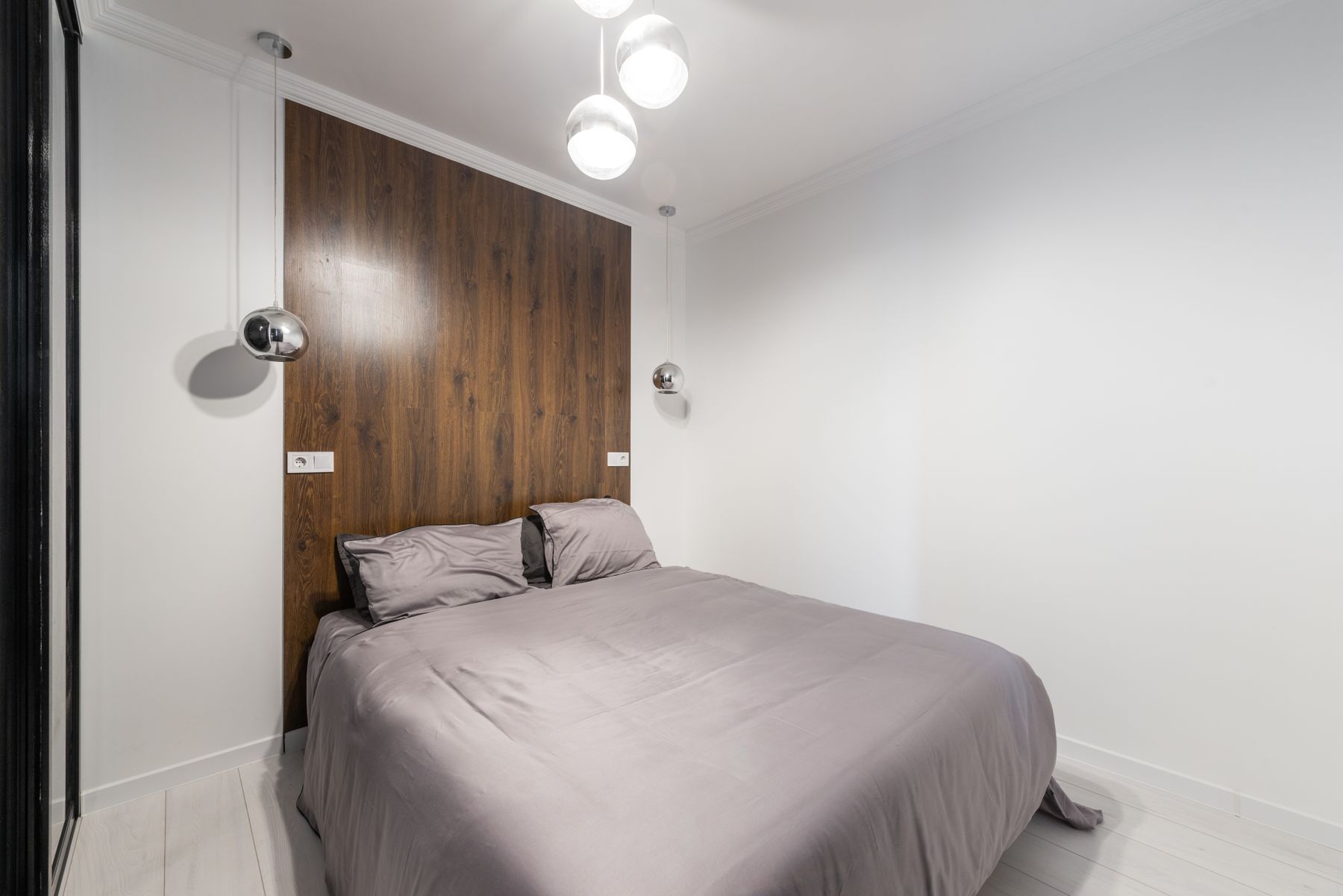
Use a thinner upholstered frame, wall-mounted lights, shallow tables and full-height storage to protect floor area. Let one material or color carry visual weight instead of adding many premium details. Preserve the window and eliminate furniture that serves only symmetry. A small room benefits greatly from quiet hardware, good blackout and a properly scaled rug. [Small Bedroom Ideas](/bedroom/small-bedroom-ideas/) should guide clearance and storage decisions before the luxury finish layer is applied.
Humanize a Large Luxury Suite
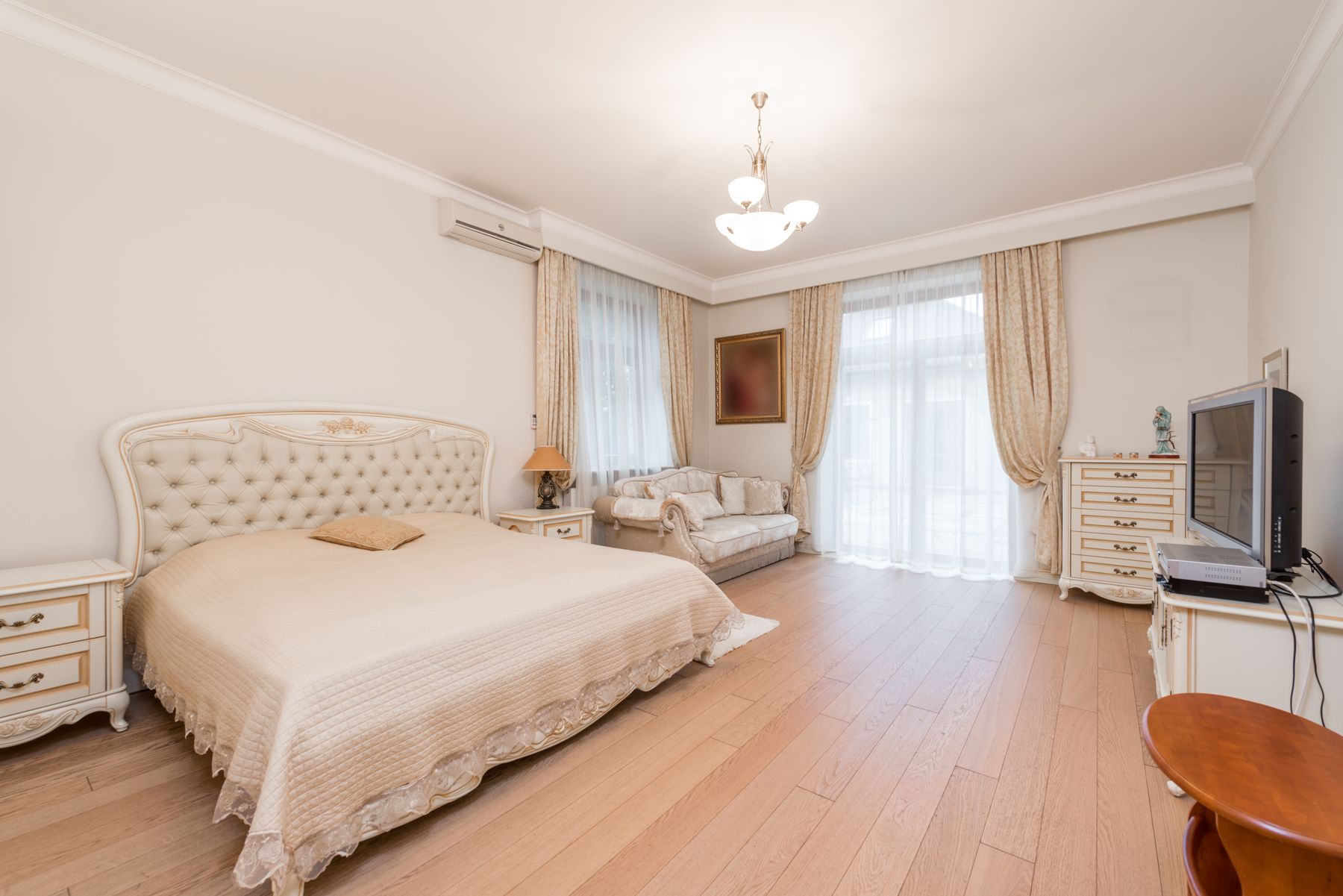
Bring the bed, seating and dressing functions into related islands using rugs, lighting and repeated material. Do not scale every object up equally; preserve human-sized bedside reach and intimate light. A sofa zone should have a view, table and use, while excess floor can remain deliberately empty. The broader planning framework in [Large Bedroom Ideas](/bedroom/large-bedroom-ideas/) helps prevent the common showroom effect of scattered furniture and weak relationships.
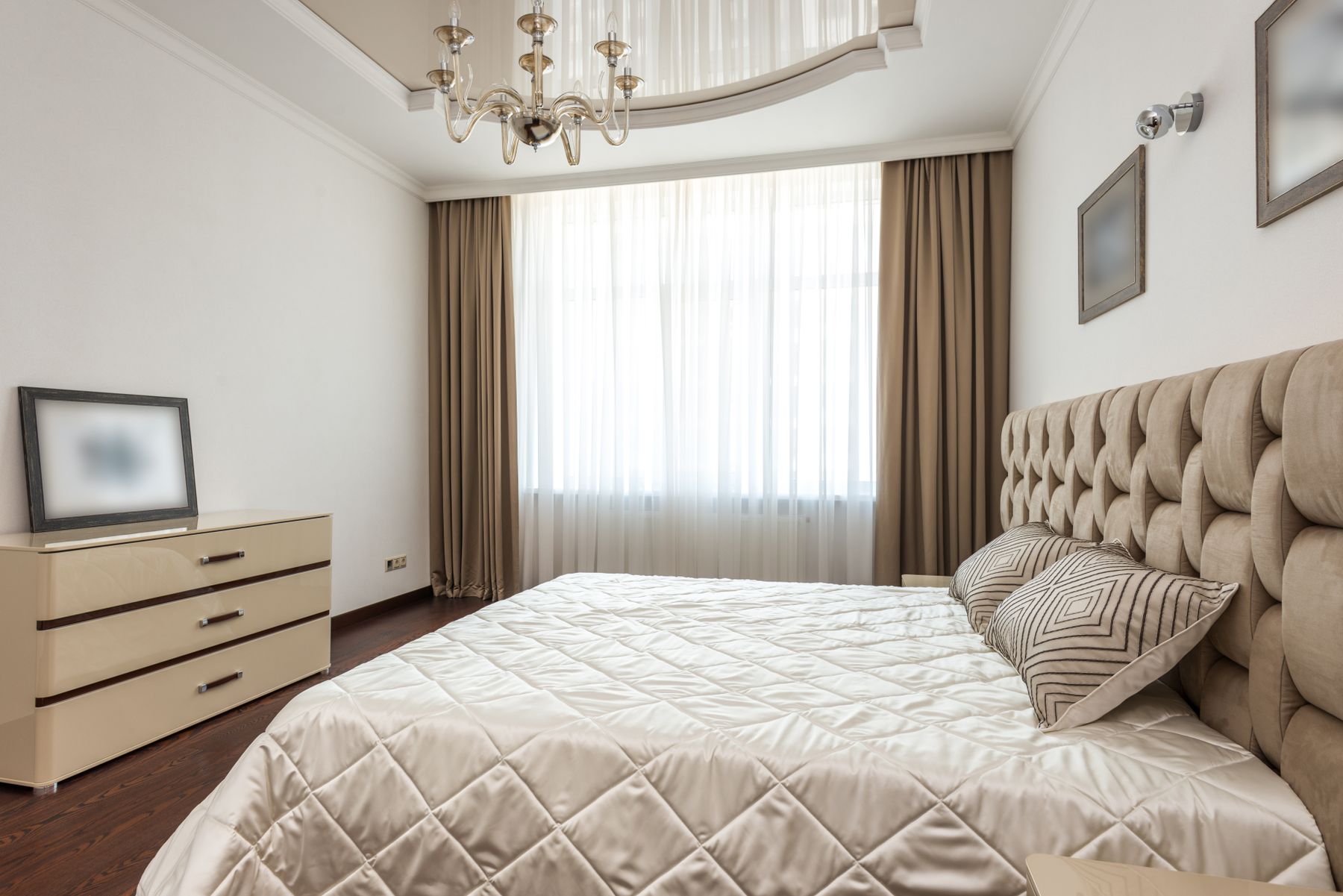
Selective Budget, Complete Result
Keep the mattress, window treatment and lighting plan as priorities, then upgrade one large tactile element such as the headboard or rug. Paint, secondhand timber furniture and well-tailored curtains can carry more visual value than imitation marble and many small metallic objects. Mix high and low where performance is not compromised. [Modern Bedroom Ideas](/bedroom/modern-bedroom-ideas/) offers a useful structure for investing in clear planning first and replaceable style layers second.
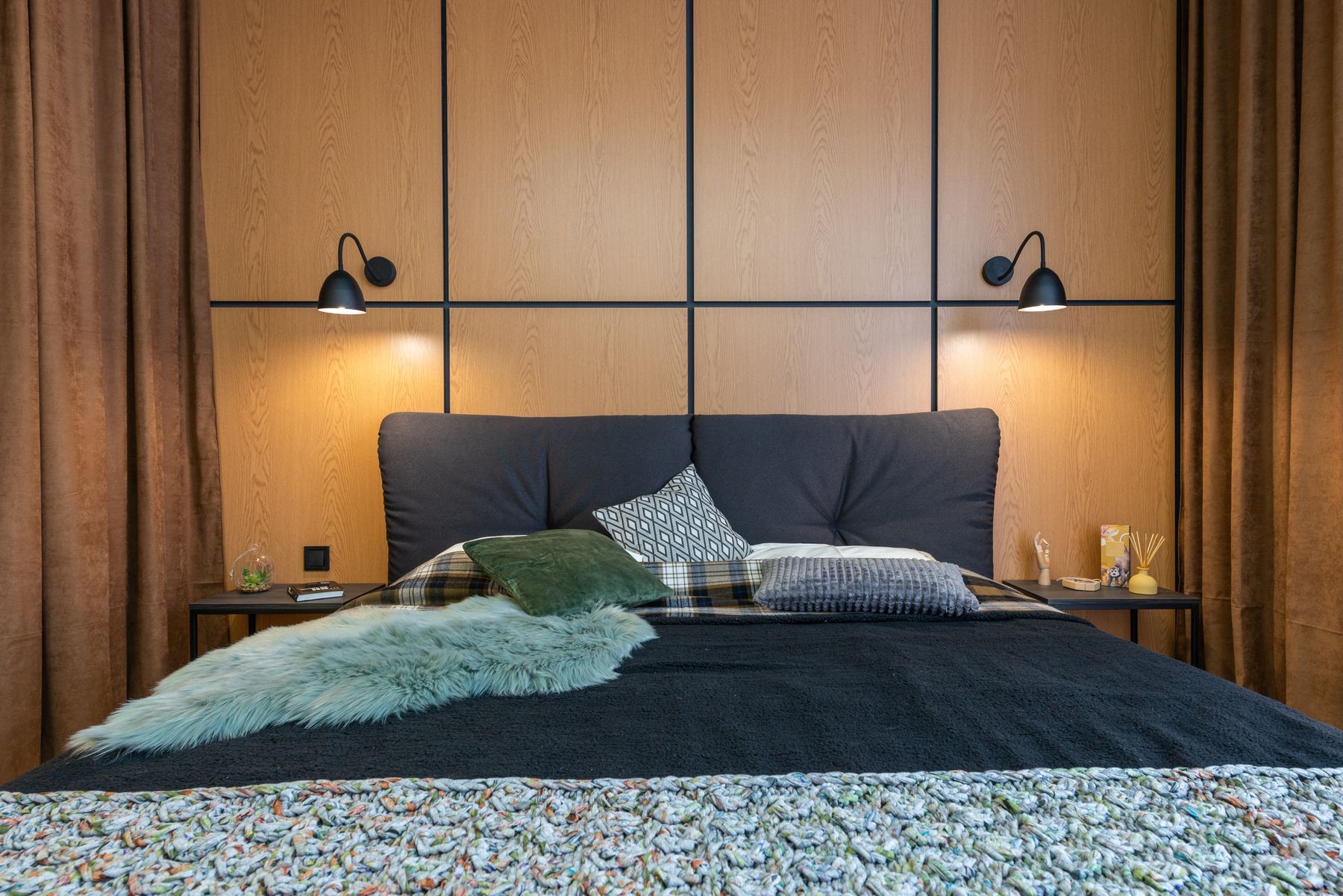
Adapt the Idea for a Rental
Use a substantial removable headboard, full curtains on approved hardware, large rug, excellent bedding and plug-in lamps. Upgrade drawer liners, hangers and cable control inside existing storage. Avoid adhesive finishes that may damage walls or cheap imitation panels that introduce difficult seams. Save custom spending for pieces that can move. Photograph original conditions and retain removed hardware. Rental luxury comes from comfort, scale and operation, not pretending the architecture is something it is not.

Design a Generous Guest Bedroom
Provide intuitive entry and bedside switches, empty drawers or hanging space, reachable outlets, luggage support and window treatments that explain themselves. Offer two pillow types and bedding layers that guests can remove without dismantling the room. Keep personal collections edited and leave visible space for water, glasses and a phone. A guest room should feel considered but not precious. Test it by arriving after dark with a bag and no prior knowledge of the controls.
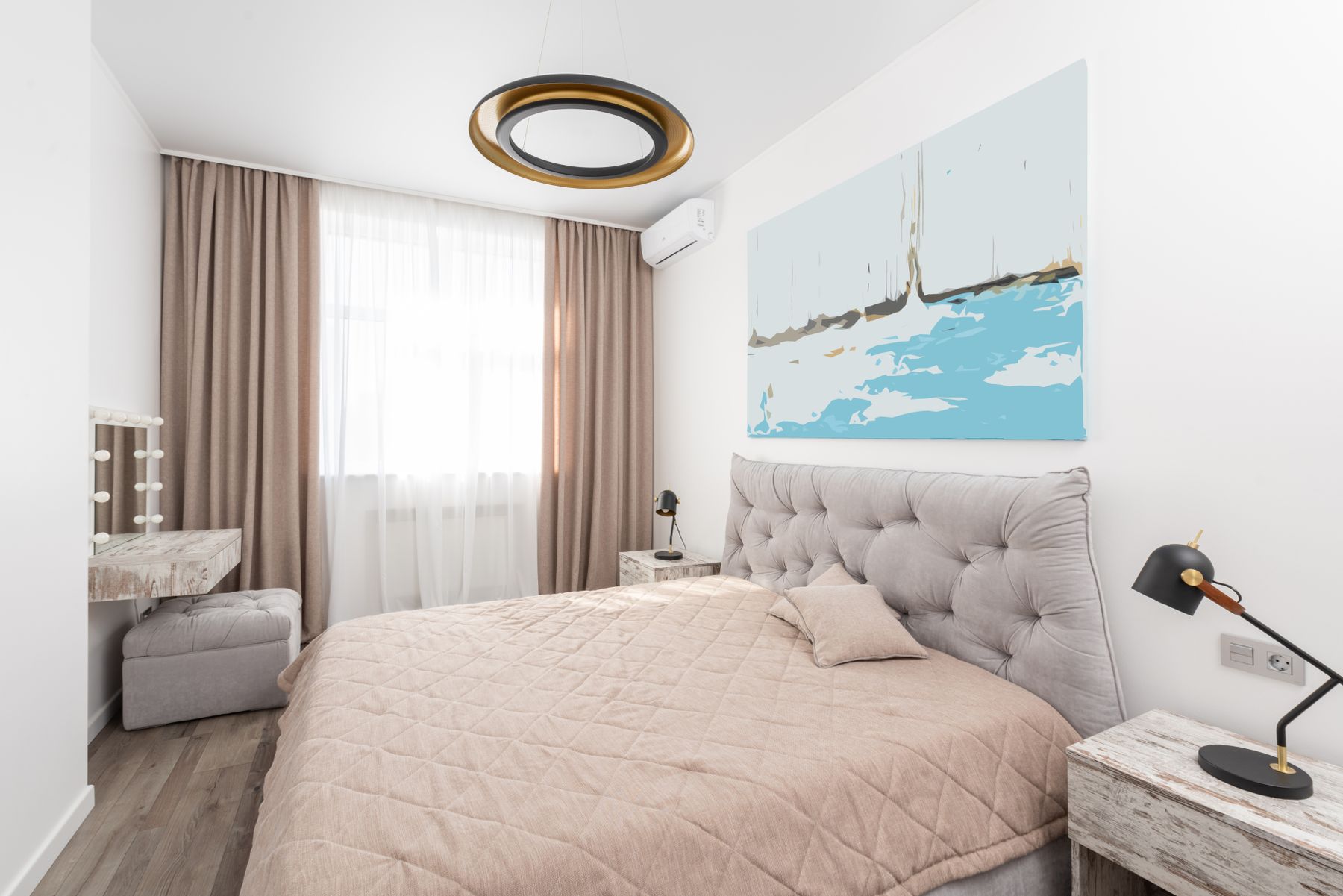
Specify Finishes for Maintenance and Repair
Use washable paint in circulation zones, removable upholstery where skin contacts the headboard and finishes that tolerate the intended cleaning routine. Keep spare fabric, paint codes and hardware references. Pale grout, high-gloss metal, deep velvet and mirrored doors each create maintenance demands that should be accepted before installation. Repairability is a luxury: panels should open, lamps should be replaceable and curtains should come down for cleaning without dismantling the ceiling.

Complete the Room With a Day-and-Night Audit
Review the room in morning daylight, evening mode and full cleaning light. From the doorway and pillow, check bed hierarchy, glare, curtain gaps, visible cables, route safety and storage overflow. Remove one decorative object at a time until every remaining piece contributes comfort, memory or composition. Then test all moving parts for noise and reach. A luxury bedroom should not require perfect staging to feel complete; its quality should survive ordinary bedding, charging, dressing and cleaning.