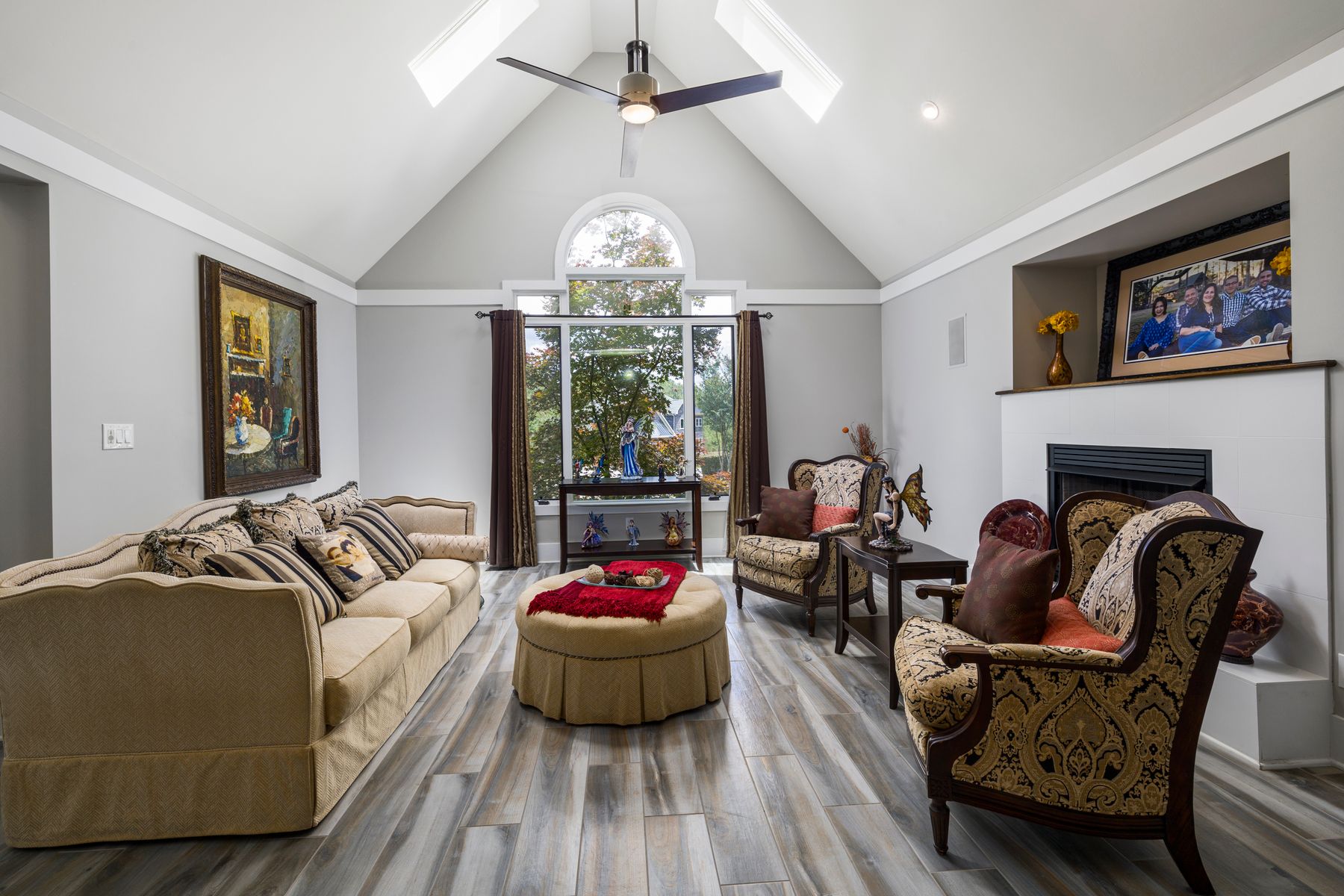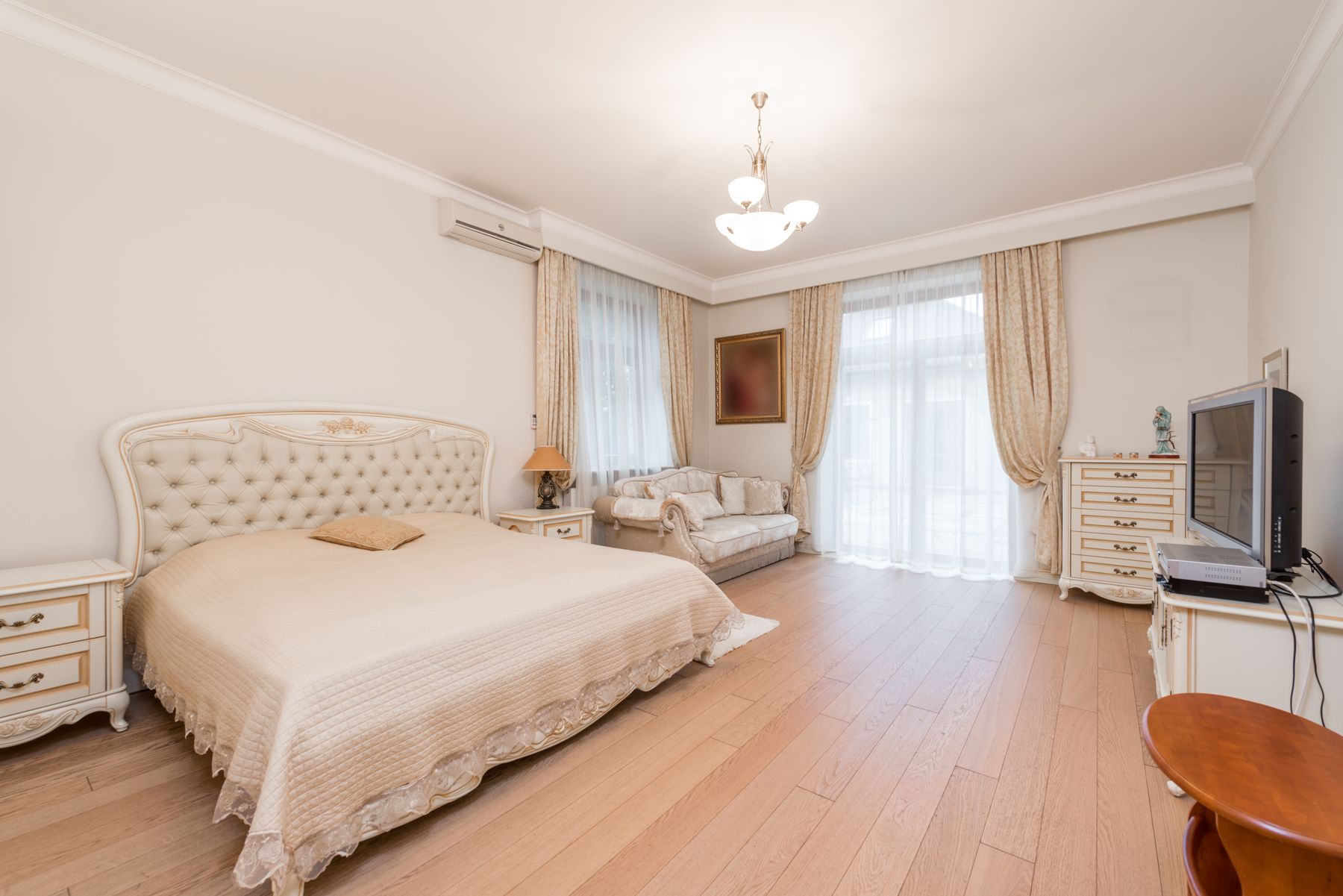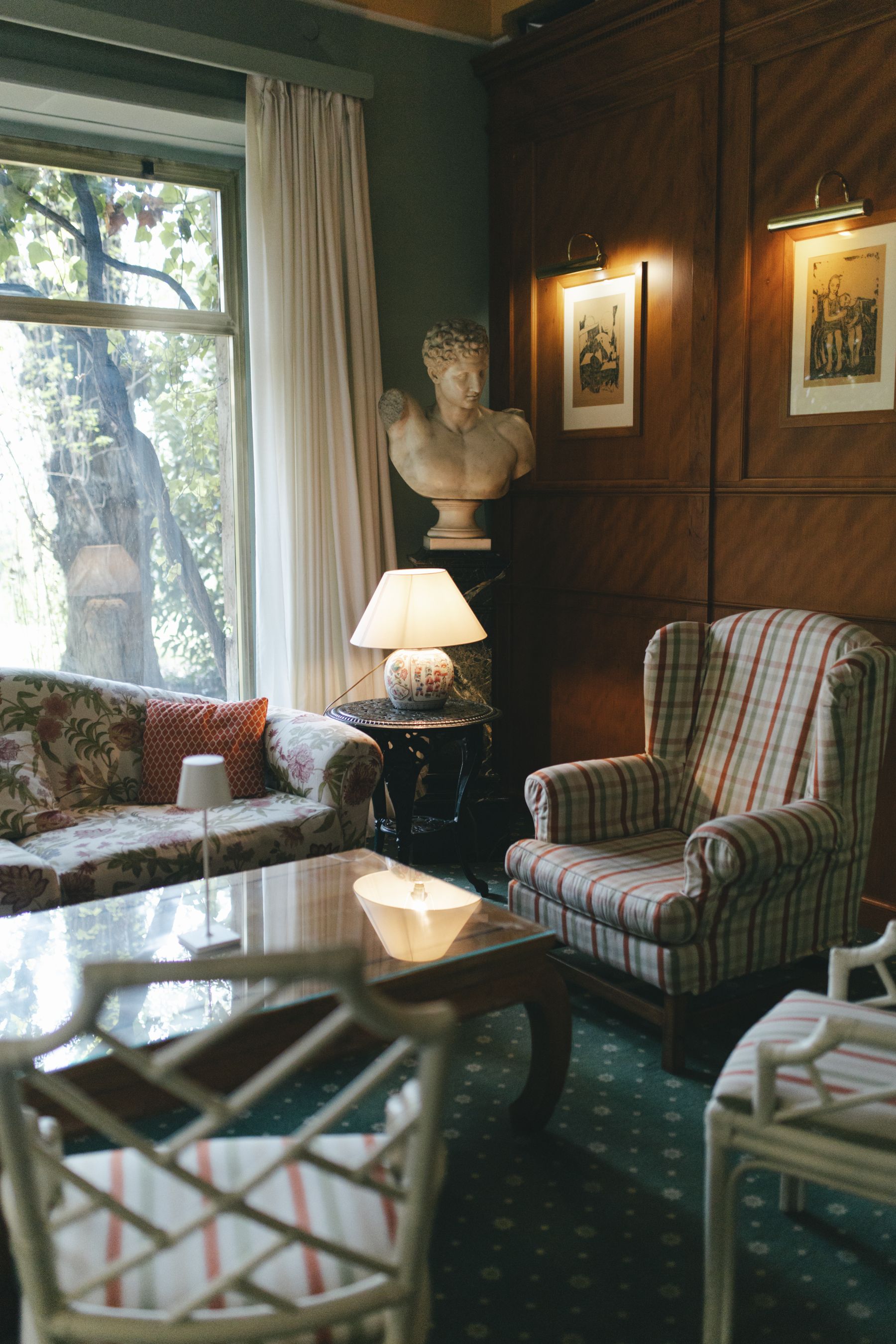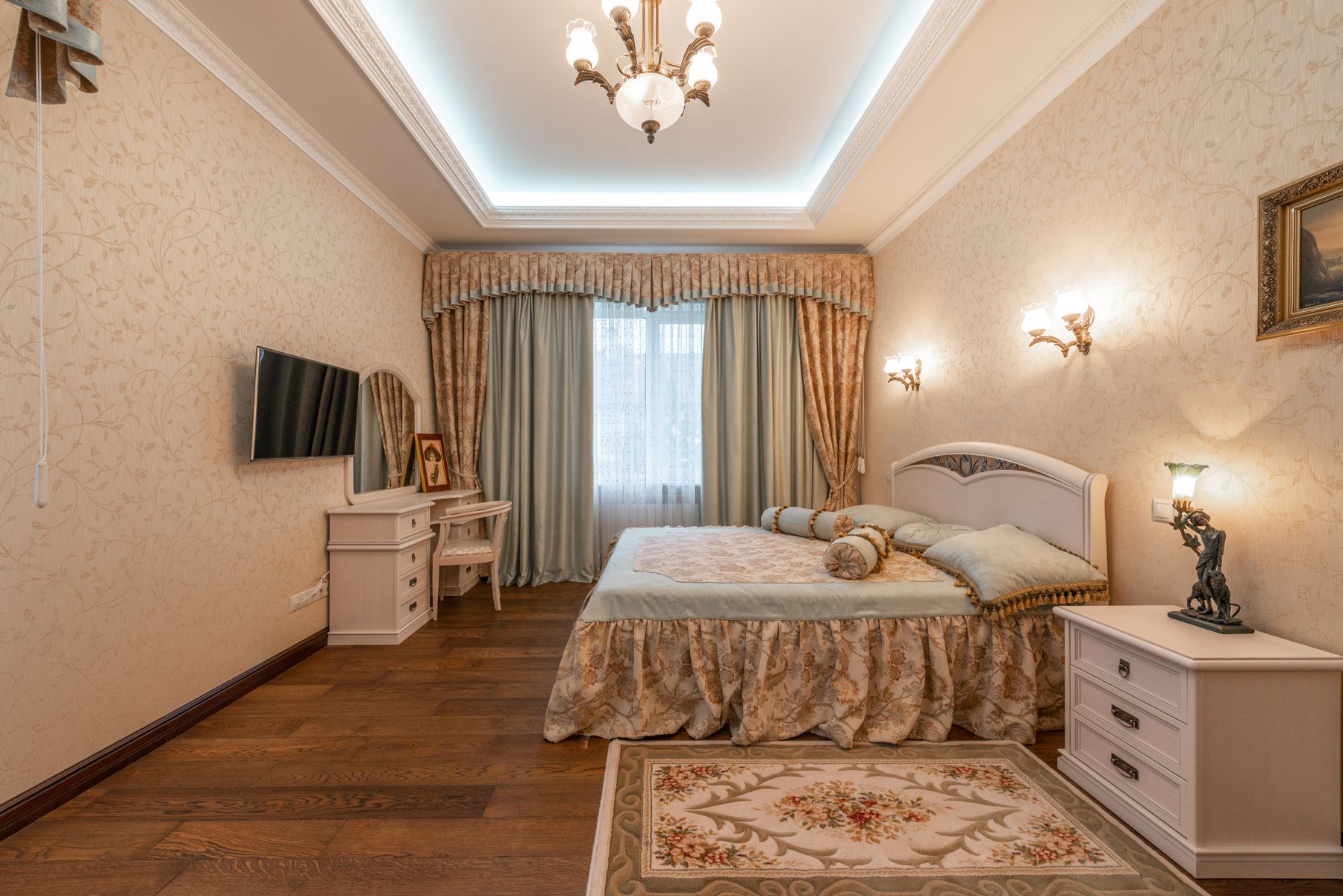
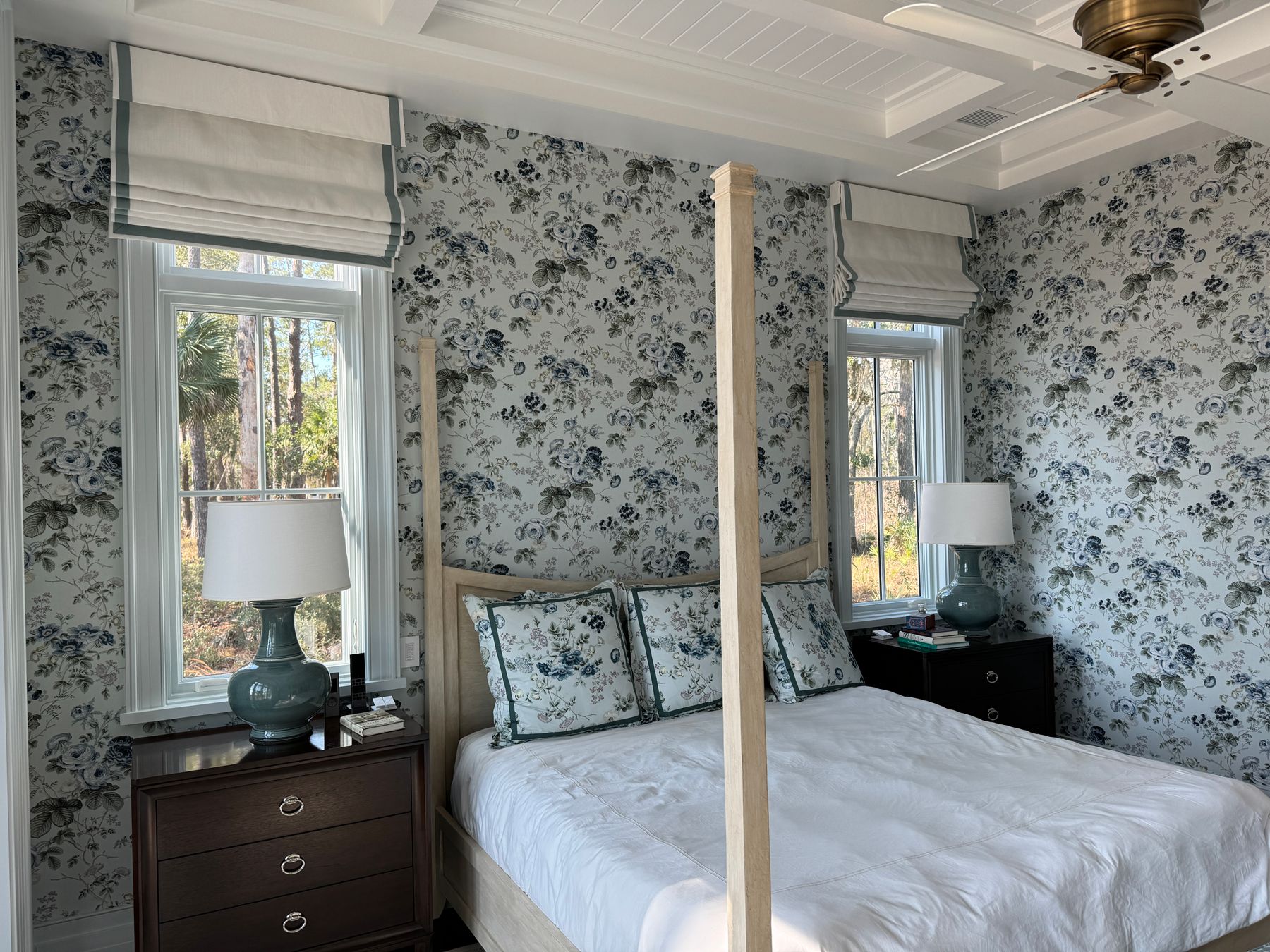
Define Classic Through Proportion, Not Period
Start with a clear focal point, durable materials and furniture whose scale suits the room. Classic can borrow a Georgian-style nightstand, a contemporary upholstered bed and current lighting when their proportions agree. It differs from [Traditional Bedroom Ideas](/bedroom/traditional-bedroom-ideas/), where inherited conventions and historical references play a stronger role. Ask whether the room would still feel composed after the wallpaper, lamps and cushions changed; if not, decoration is doing work that the plan should carry.
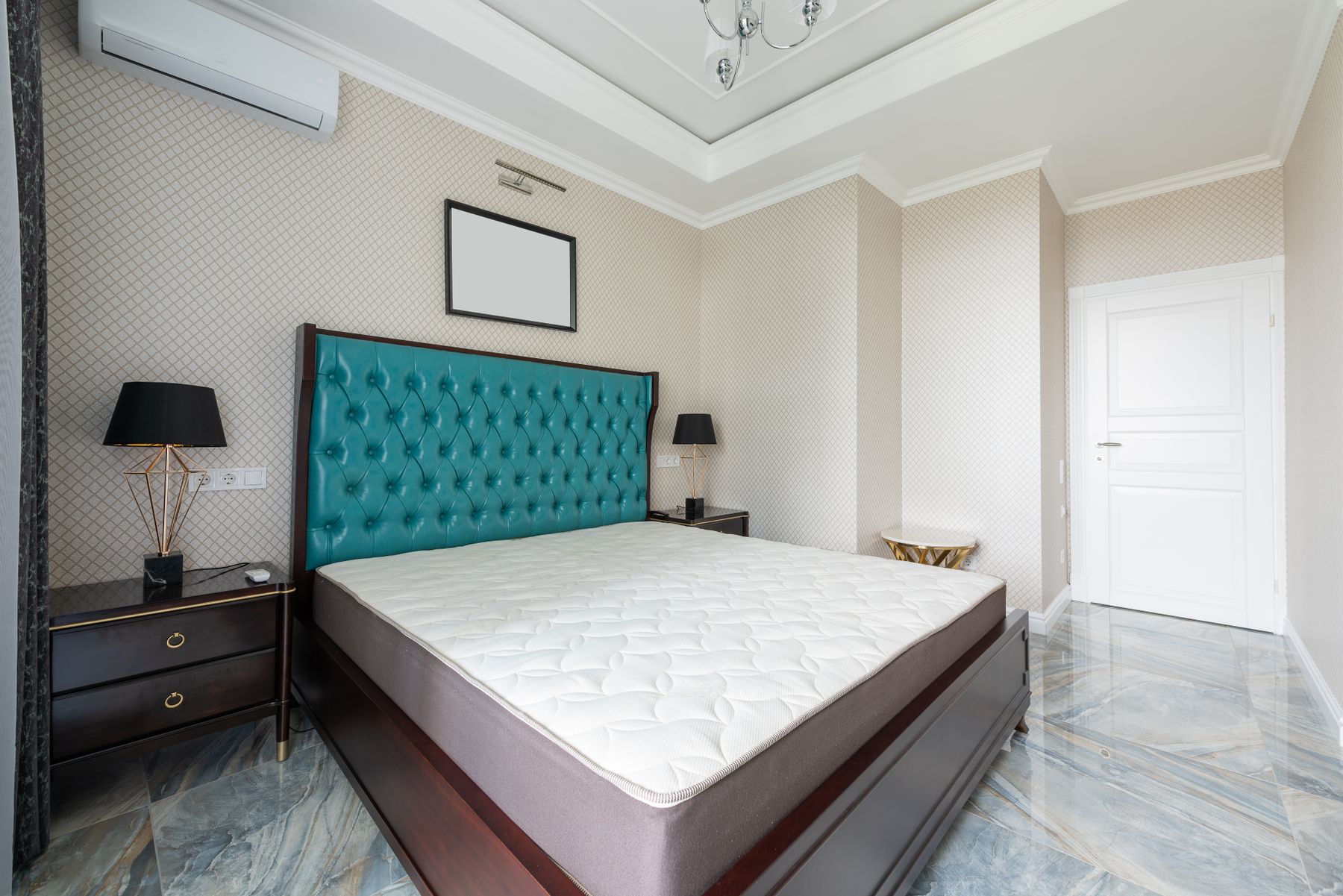
Center the Bed Only When the Room Supports It
The bed is usually the focal point, but geometric centering should not block a door, compress wardrobe access or create an unusable side. Measure the complete frame, bedside reach and door swings before locating the centerline. In a shared room, equal clearances may support both sleepers; in an irregular room, visual balance can come from curtains, art or a broad headboard instead. Calm order matters more than perfect arithmetic.
Use Symmetry as a Framework, Not a Rule
Paired lamps, similar bedside heights or repeated curtain panels can make the sleep zone legible. Stop before every object is mirrored. Two sleepers may need different storage, switches or light directions, and an off-center window may resist forced alignment. Use equal visual weight rather than identical merchandise: a wider chest can balance a table plus floor lamp. The room should feel settled, not staged as a furniture display.
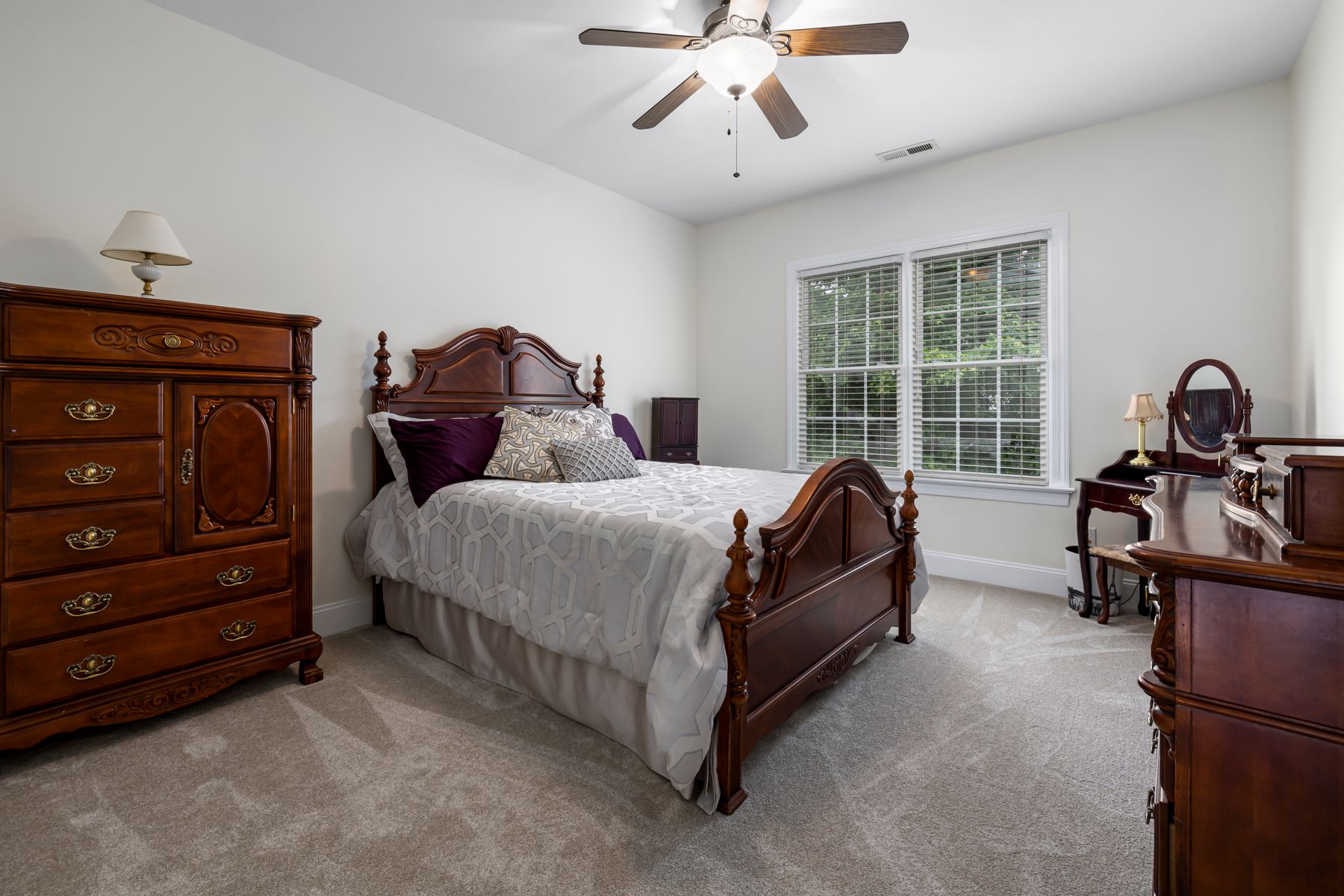
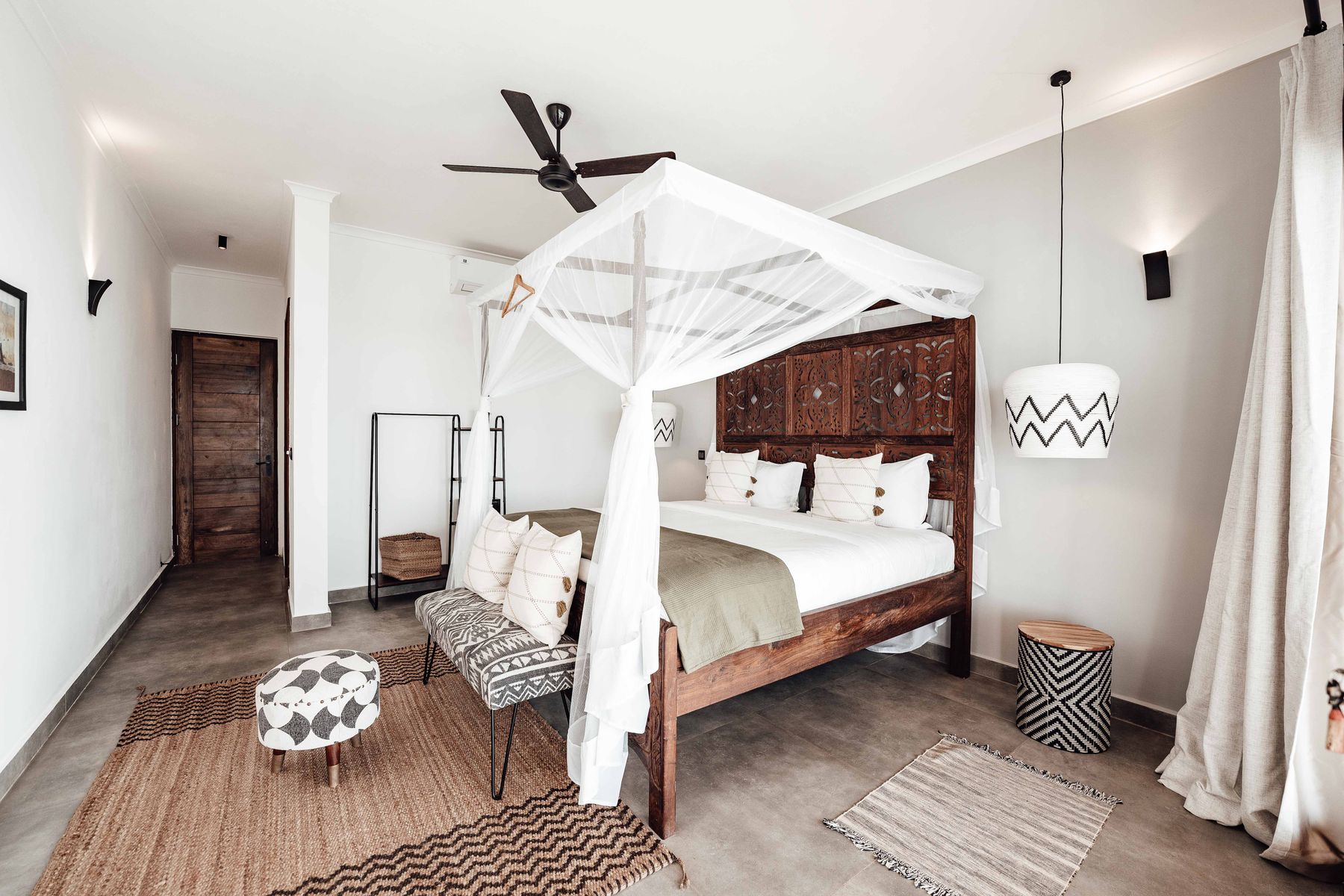
Choose One Bed With Lasting Presence
An upholstered bed, timber frame, spindle bed or restrained four-poster can all work. Compare outside dimensions, mattress support, headboard height, upholstery care and delivery access rather than choosing by silhouette alone. A strong bed lets other furniture stay quieter. If the frame is carved or tall, reduce competing wall treatments; if it is simple, material and textile can provide depth. The best choice remains comfortable to sit against and practical to make.

Craftsmanship Leads the Headboard
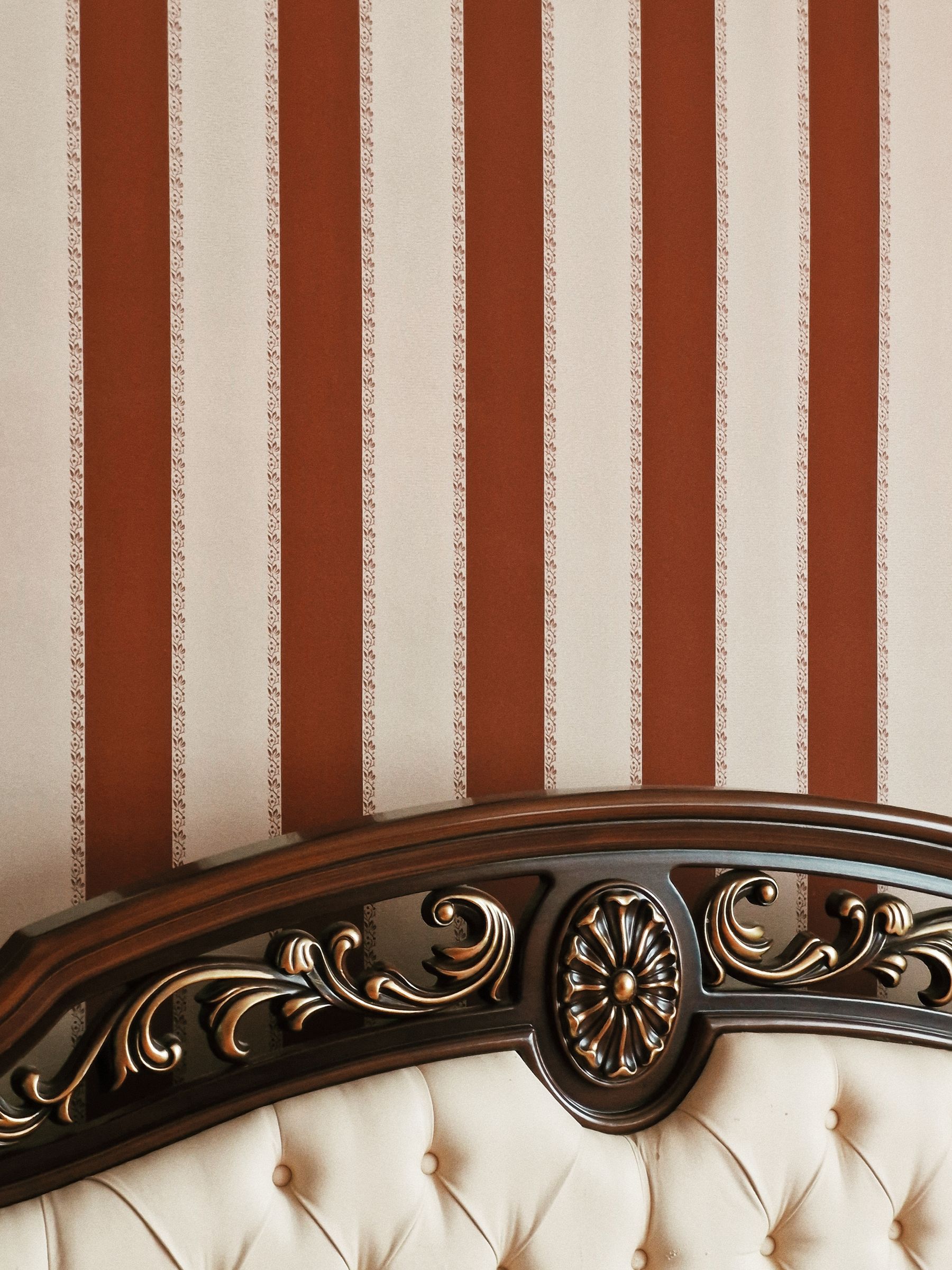
A shaped timber edge, shallow channel, nailhead line or tailored upholstery seam can make the headboard the room's main crafted element. Inspect joints, fabric abrasion rating, dust-catching depth and how the form meets pillows. Heavily tufted or carved surfaces demand more maintenance, so use complexity where it can be seen and reached. Coordinate the headboard with one smaller detail—perhaps a table edge or mirror—not a complete matching suite.
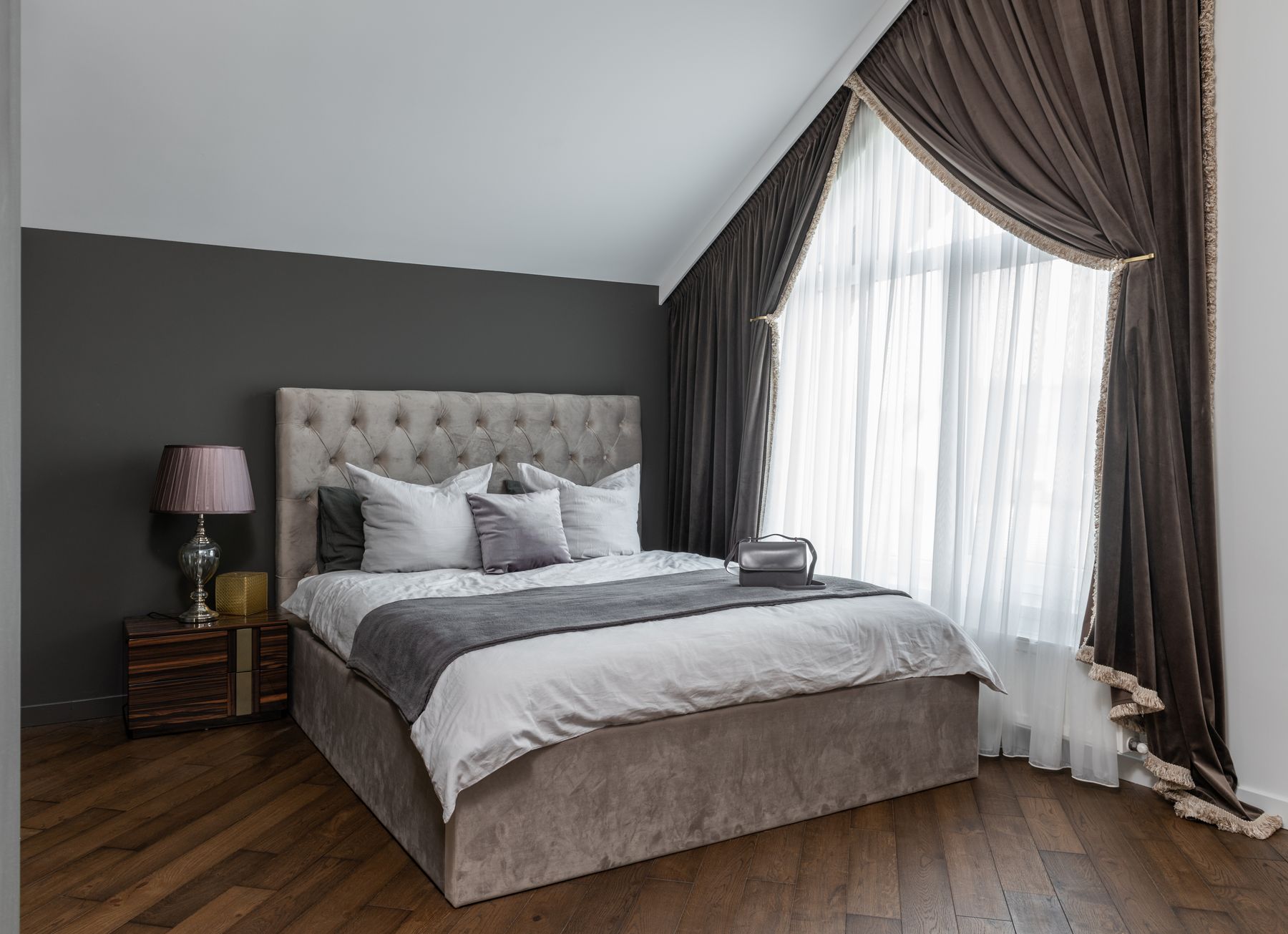
A Palette Built From Warm Neutrals
Cream, parchment, taupe, mushroom, soft gray and warm white make an adaptable base, but they need undertone and material variation. Compare paint against floor, curtains and bedding through a full day. Use matte wall, woven fabric, polished wood and one darker outline instead of collecting many nearly identical beige objects. A neutral room becomes timeless through tactile contrast and meaningful form, not through the absence of color.
Blue or Green as an Enduring Color
Navy, slate blue, olive, sage and deep green have long histories in bedroom textiles and furniture, which helps them outlast narrower trend colors. Use one as upholstery, curtains, painted joinery or a broad rug, then repeat it once at a smaller scale. Keep expensive fixed surfaces quieter unless the architecture supports stronger color. The scheme should still work if cushions and art change several years later.


Mixed Wood Tones Without a Matching Suite
Choose one dominant wood from the floor, bed or wardrobe, then add a secondary tone that shares warmth or grain character. Repeat a small bridge—dark hardware, woven cane or a similar edge profile—rather than matching stain exactly. Well-made older furniture can join newer pieces when height and mass are balanced. [Vintage Bedroom Ideas](/bedroom/vintage-bedroom-ideas/) goes deeper into provenance and condition; classic style can use age without making age the main story.
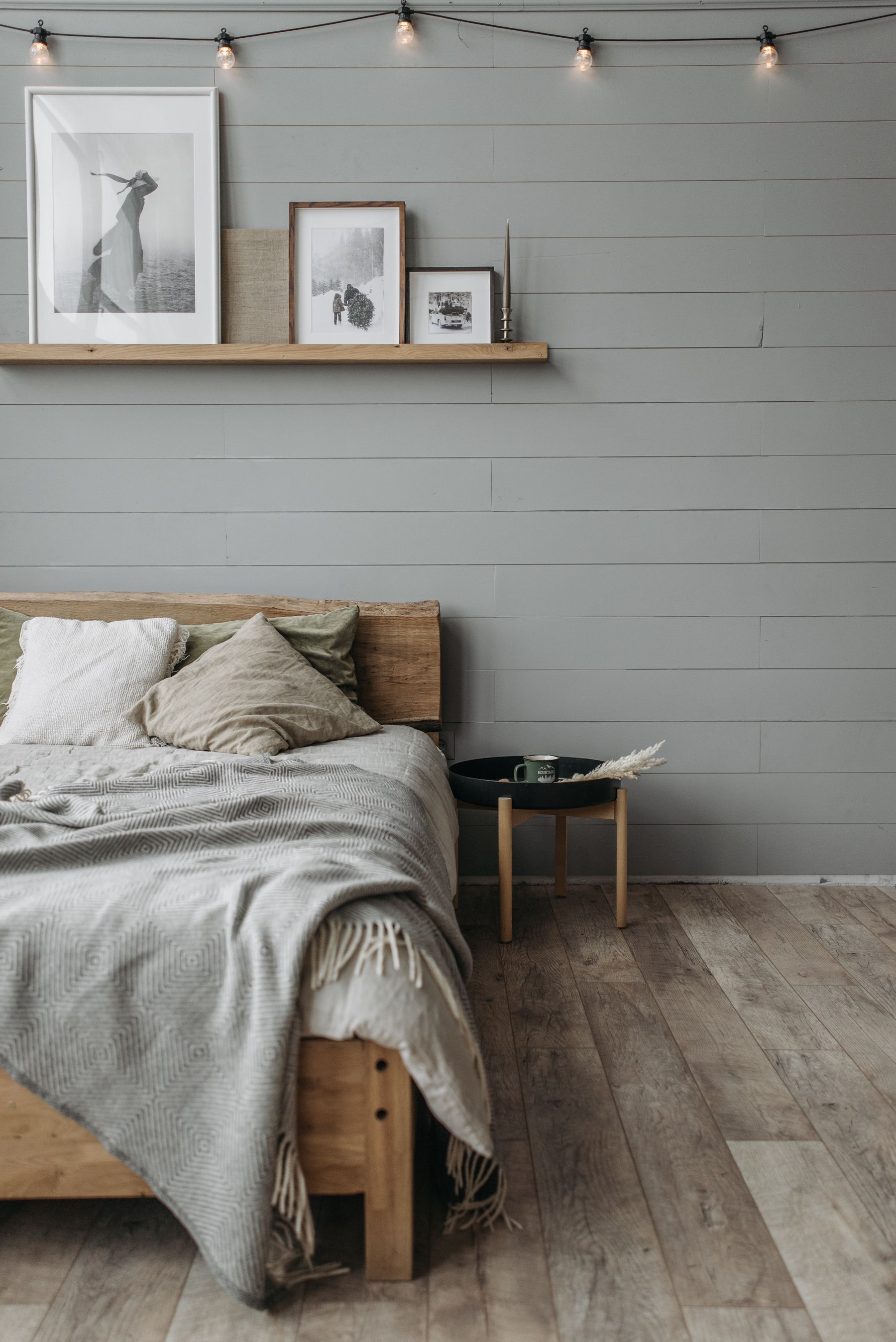
Tailored Bedding Without Formal Stiffness
Begin with breathable sheets and insulation appropriate to the sleeper, then add a washable coverlet, quilt or blanket with visible weave. A classic bed can be tailored without tight hotel corners or an excessive cushion stack. Use a pair of sleeping pillows, the necessary supports and one or two decorative pieces at most. Every layer needs a storage place and realistic laundry plan so the composition survives ordinary mornings.
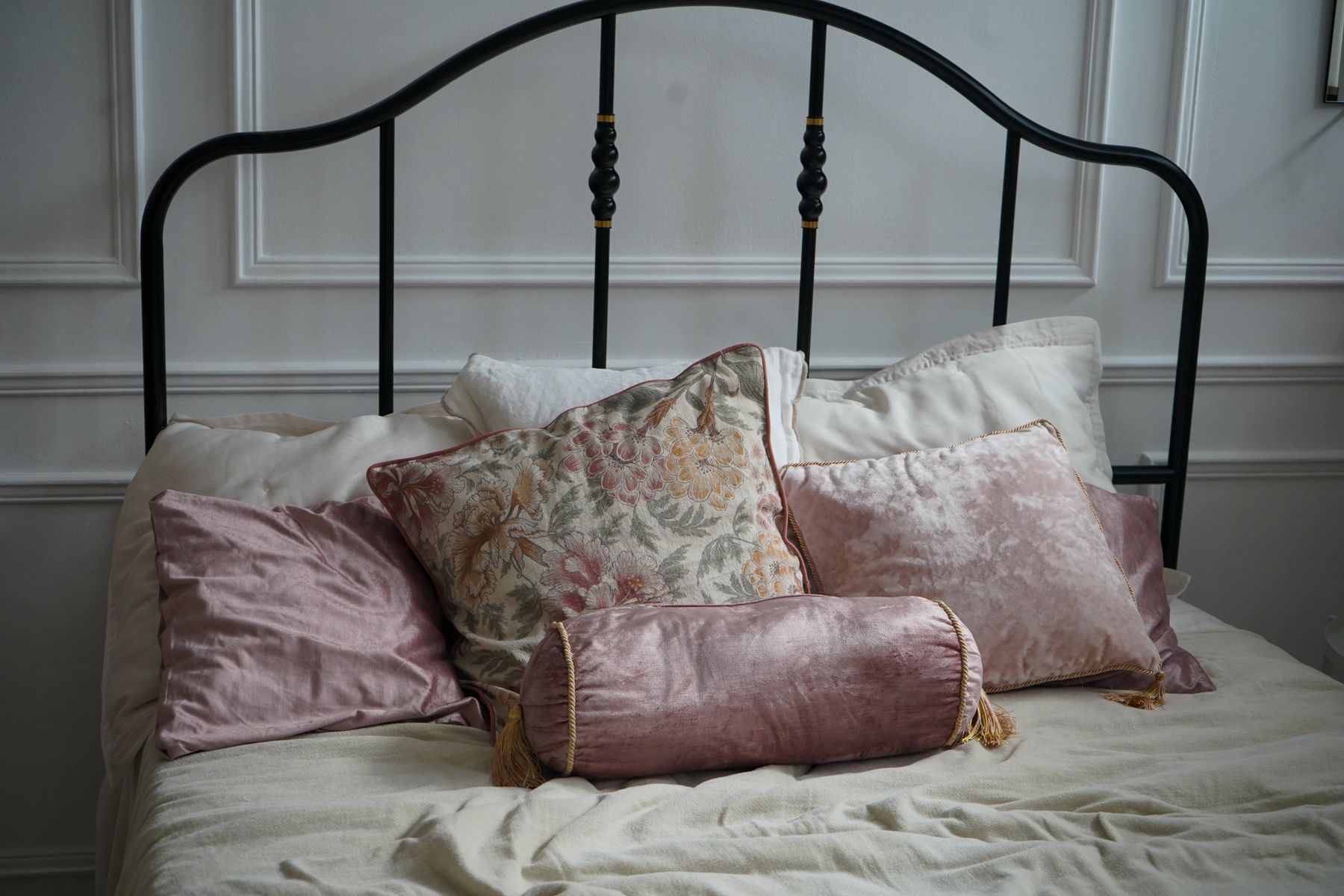
Put Pattern in Replaceable Layers
Stripes, checks, florals, damask and small geometrics can all belong, but give one pattern the lead and vary scale around it. Put bolder motifs on cushions, a throw, chair or curtain where they can change without construction. Wallpaper is worthwhile when the full repeat, seams and furniture placement support it. Avoid matching every fabric; repeated color and rhythm create enough coherence without a catalogue set.
Architectural Detail at the Right Scale
Paneling, cornices, picture rails and framed doors can give a plain shell proportion, but applied detail should respond to ceiling height and window geometry. Draw complete elevations around switches, radiators, wardrobes and headboard before fixing trim. Shallow molding may be enough in an apartment; deep profiles can overpower a modest room and collect dust. Classic architecture should improve scale and junctions rather than simulate a false palace.
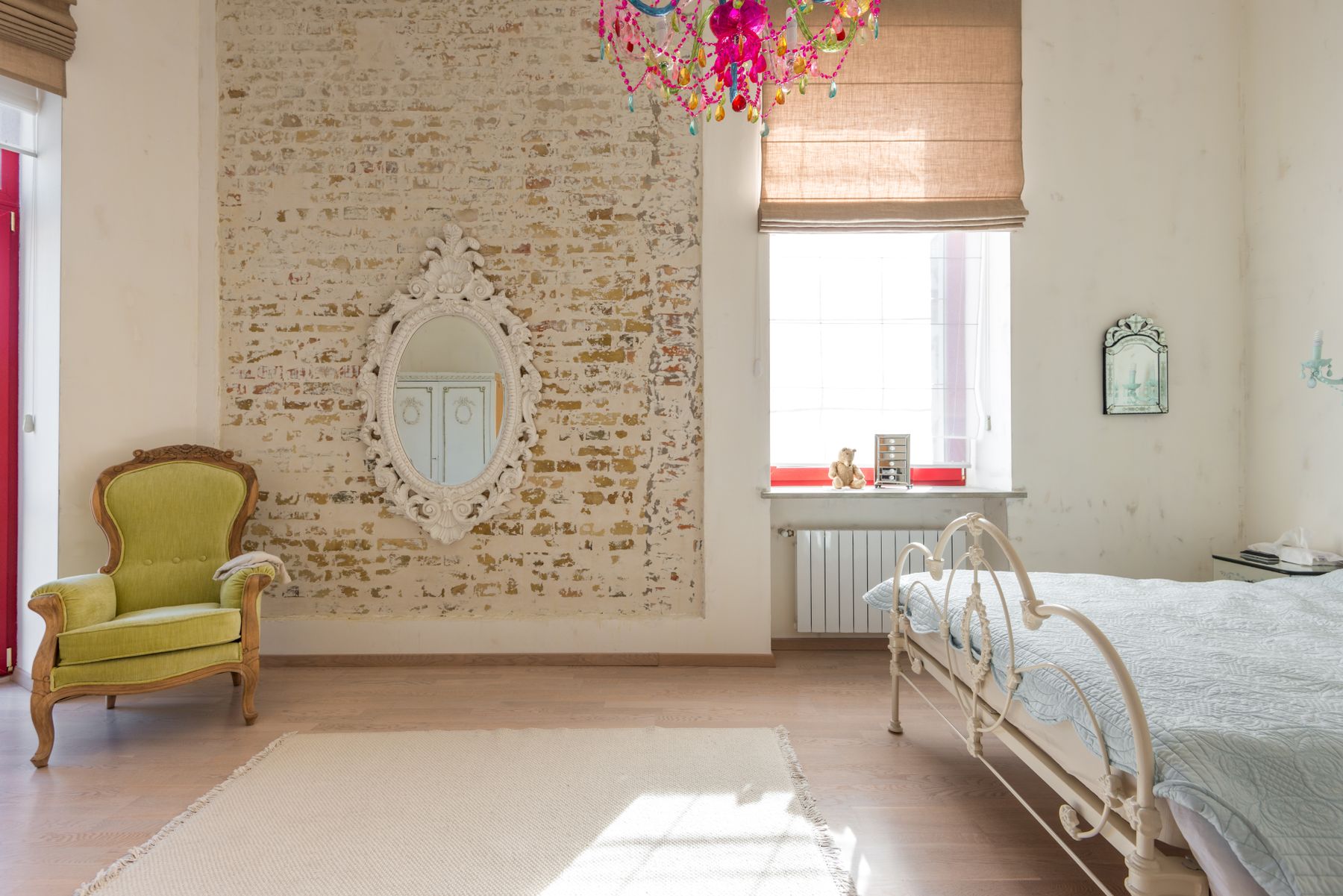
Treat Curtains as Architecture
Mount curtains high enough to clarify the window, but do not hide useful glazing or create fabric that drags across heaters. Combine a sheer or privacy layer with lined curtains, blinds or shutters for real blackout. Choose heading, stack-back and fullness from the actual wall width. Substantial cloth can improve acoustics and comfort, yet heavy treatments require secure fixings, cleaning access and enough clearance from damp glass.
Evening-Routine Light Layers
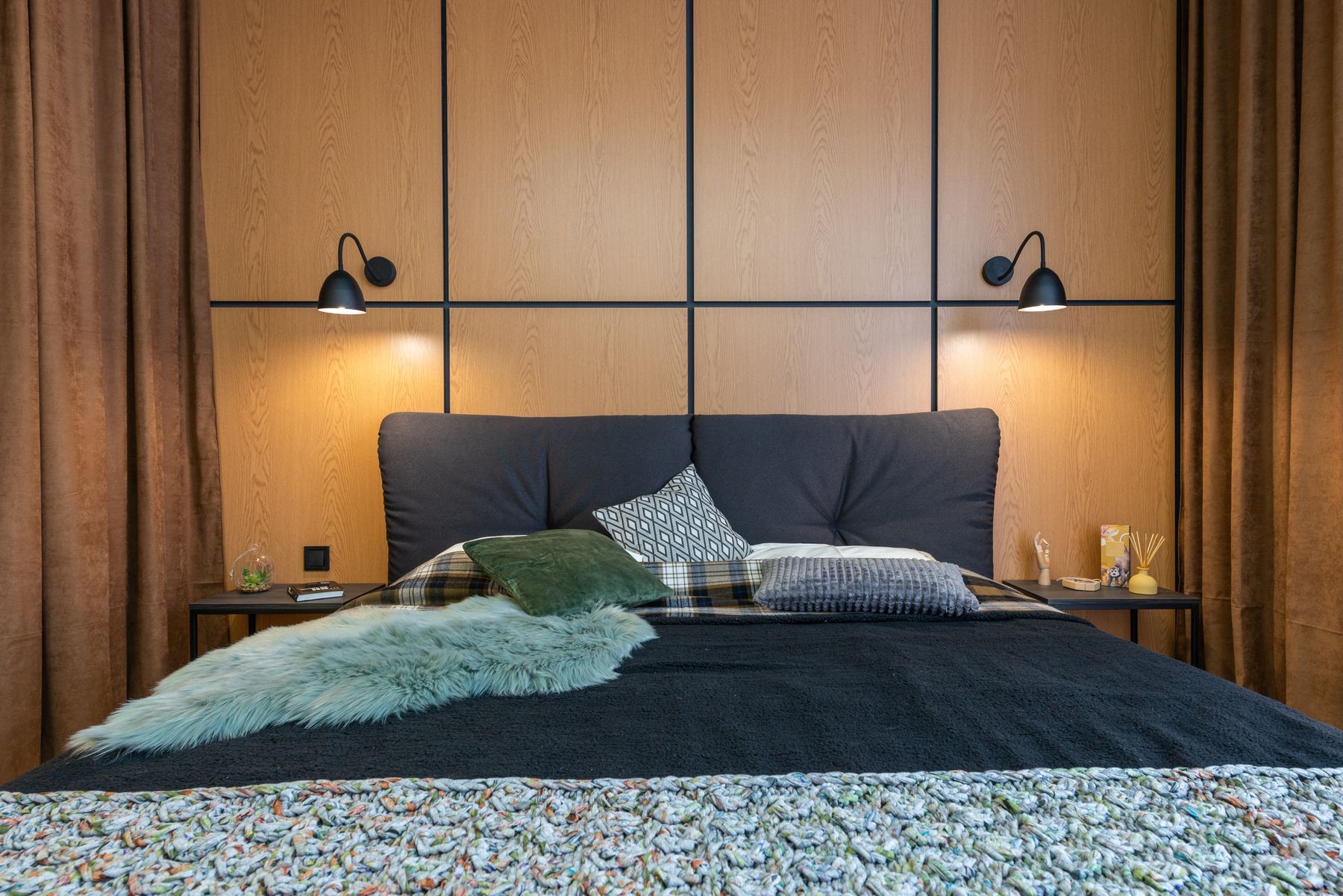
Use ambient light, independent reading lights and a low route, then dim them separately. A chandelier, lantern or shaped pendant may establish the center of a classic room, but it should not be the only useful source. Keep bright bulbs out of the pillow view and light wardrobes accurately for dressing. [Living Room Lighting Ideas](/living-room/living-room-lighting-ideas/) expands beam and dimming choices; the bedroom version must finish in low glare and darkness.
Size Bedside Furniture by Reach
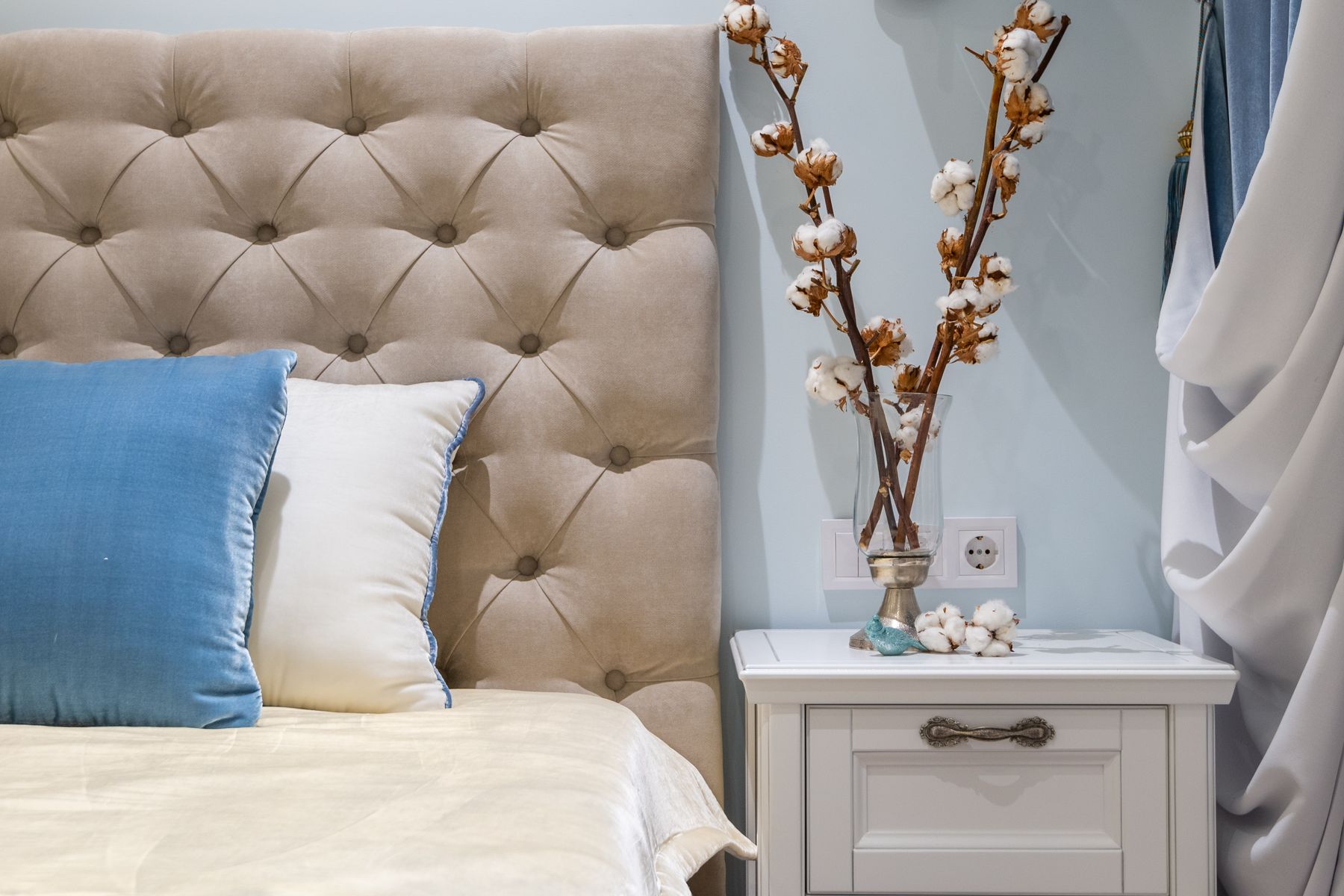
Set the top near mattress height and provide enough surface for water, glasses, medication or a book. One drawer can contain charging and personal items; an open lower shelf works only if it remains reachable and useful. Two tables may differ when routines differ, provided their visual weights balance. Avoid tiny decorative pedestals and deep chests that force awkward reach. Classic form should make the nightly routine feel settled, not ceremonial.
Ground the Bed With a Generous Rug
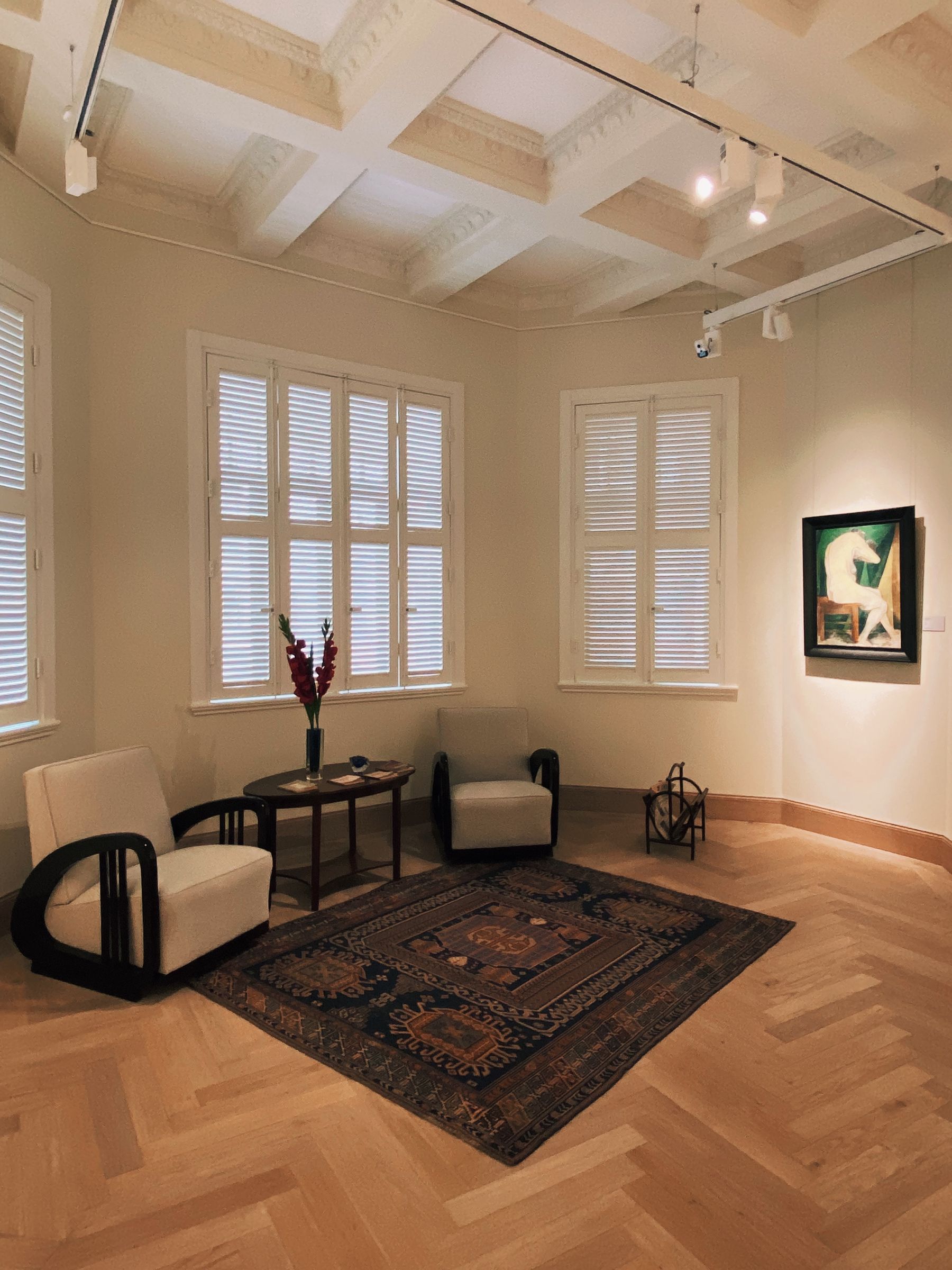
The rug should provide a secure first step on both sides and relate to the complete bed frame, not float as a narrow strip. Check door movement, underlay, pile height, allergies and cleaning before pattern. A faded medallion, border or restrained field can reinforce classic order while hiding ordinary wear. Leave enough exposed floor to clarify the room boundary and avoid covering vents or creating trip-prone edges.
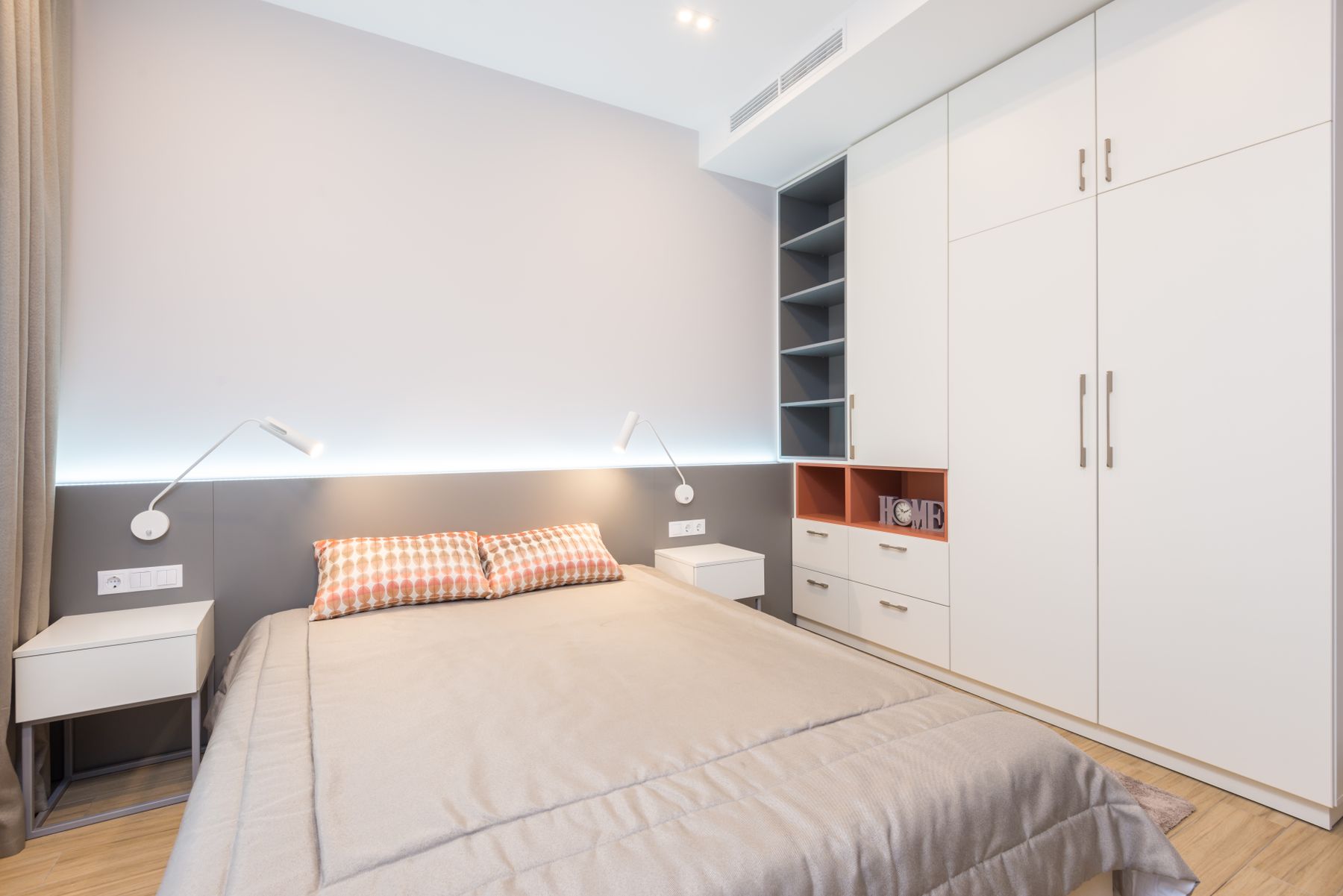
Wardrobes as Quiet Architecture
Inventory hanging lengths, folded clothing, shoes, luggage and laundry before dividing storage. Full-height fronts reduce visual interruption; simple framed doors can echo paneling without becoming ornate. Use graspable hardware, adjustable interiors, ventilation and access to services. A calm facade cannot compensate for poor internal capacity. If freestanding furniture suits the architecture better, leave enough clearance to clean behind it and anchor tall pieces safely.
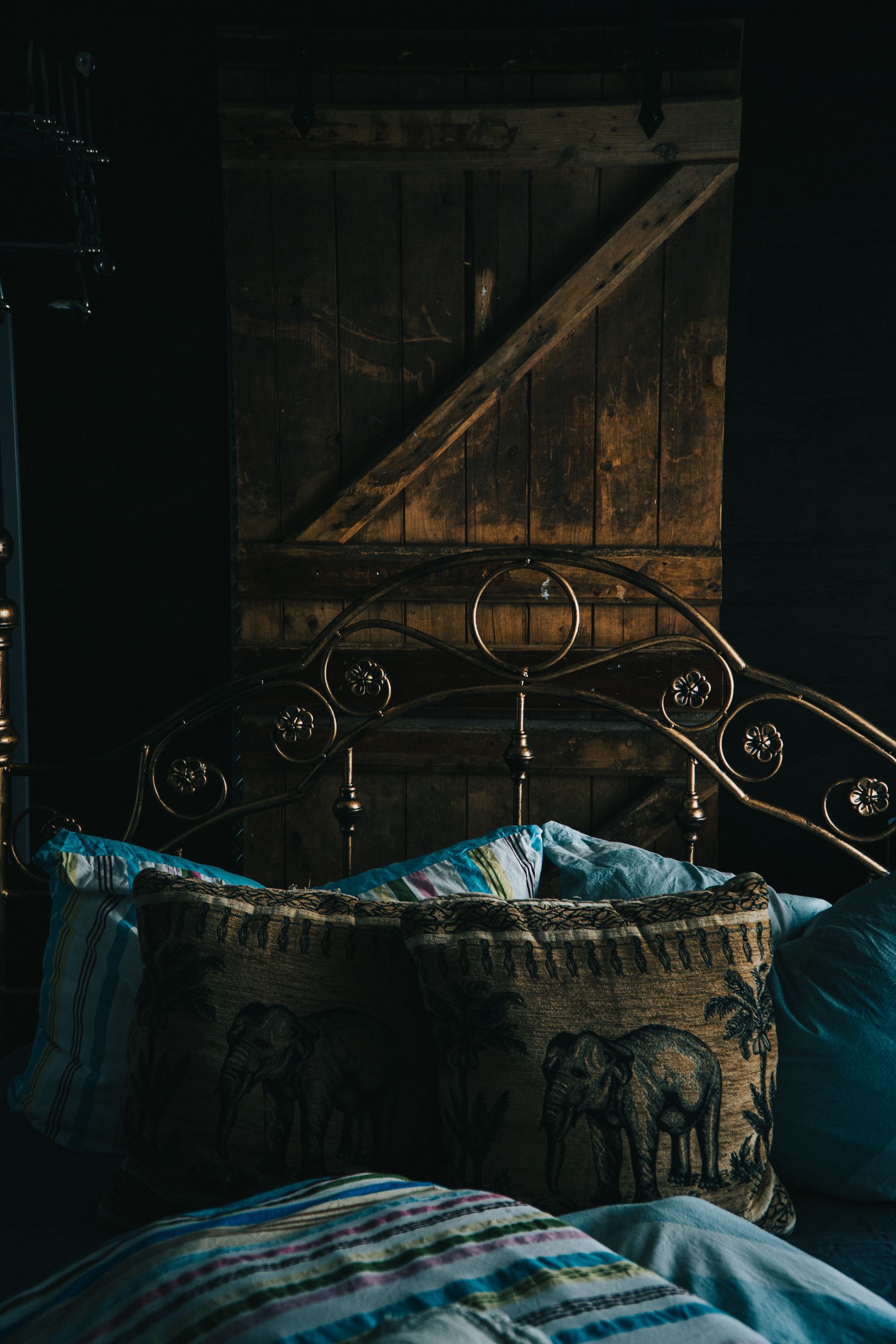
A Real Job for the Dresser or Vanity
Choose a dresser from clothing categories and drawer action; choose a vanity from seat height, knee clearance, mirror position and outlet needs. Do not add both automatically if one piece can serve the routine. Secure mirrors and tall cases, keep hot tools away from fabric and use side light where accurate grooming matters. A substantial older piece can provide character while current organizers keep the interior practical.
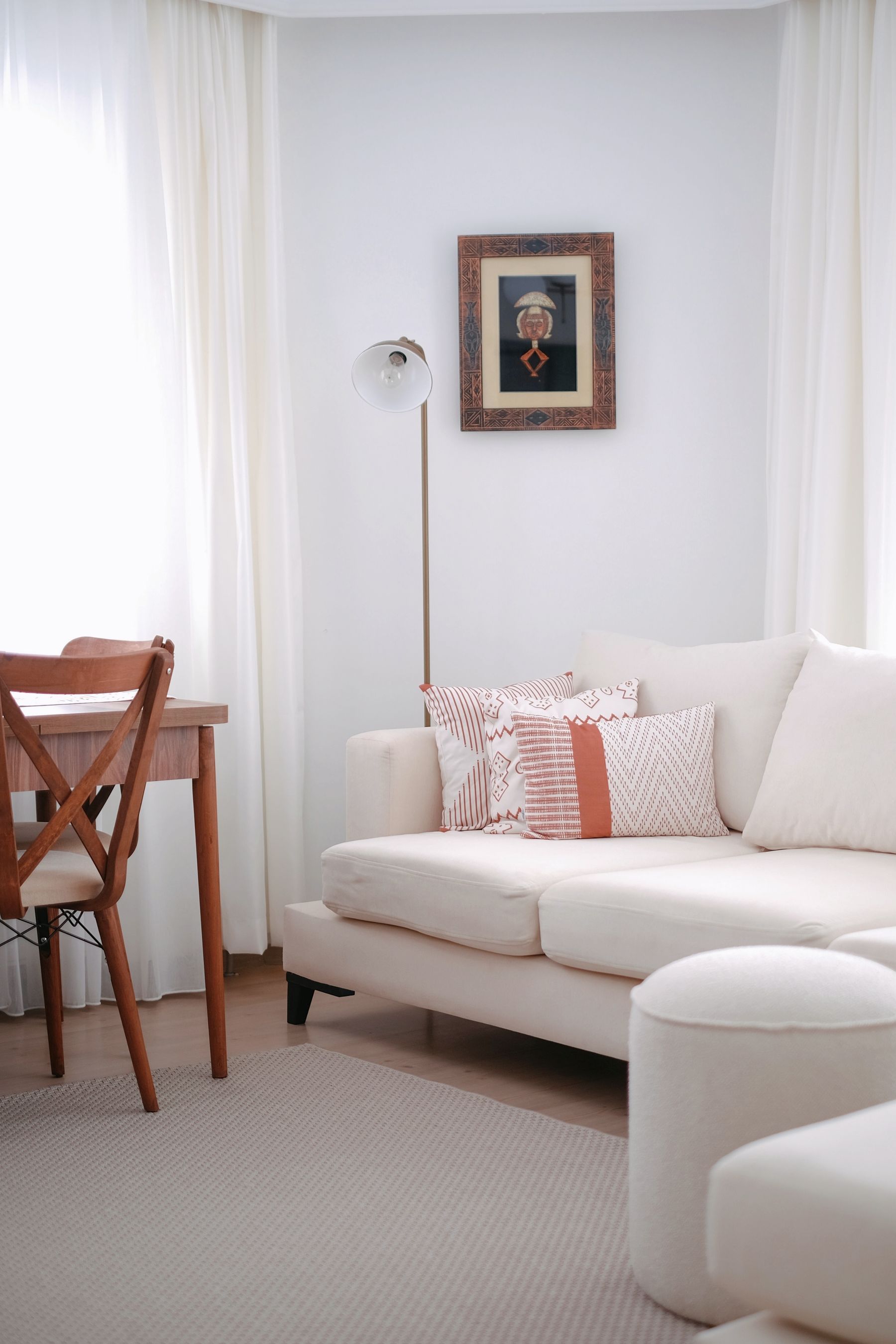
Art That Breaks the Showroom Effect
Choose art for meaning, scale and safe mounting before matching frames to furniture. A portrait, landscape, textile or abstract work can all sit in a classic room when one color, line or proportion connects it to the space. Avoid heavy glass above the sleeper and protect sensitive paper from sunlight. Fewer larger pieces usually create stronger calm than a grid of generic prints placed only to complete symmetry.
Mix Old and New by Visual Weight
Let one older case piece or chair bring patina, then use current bed support, lighting and storage where performance matters. Match neither age nor price; balance silhouette and scale. A dark antique wardrobe needs enough pale space around it, while a delicate old table may need a stronger lamp or artwork to hold the bedside. [Contemporary Bedroom Ideas](/bedroom/contemporary-bedroom-ideas/) offers a more current-first route; Classic keeps familiar forms as the stabilizing language.
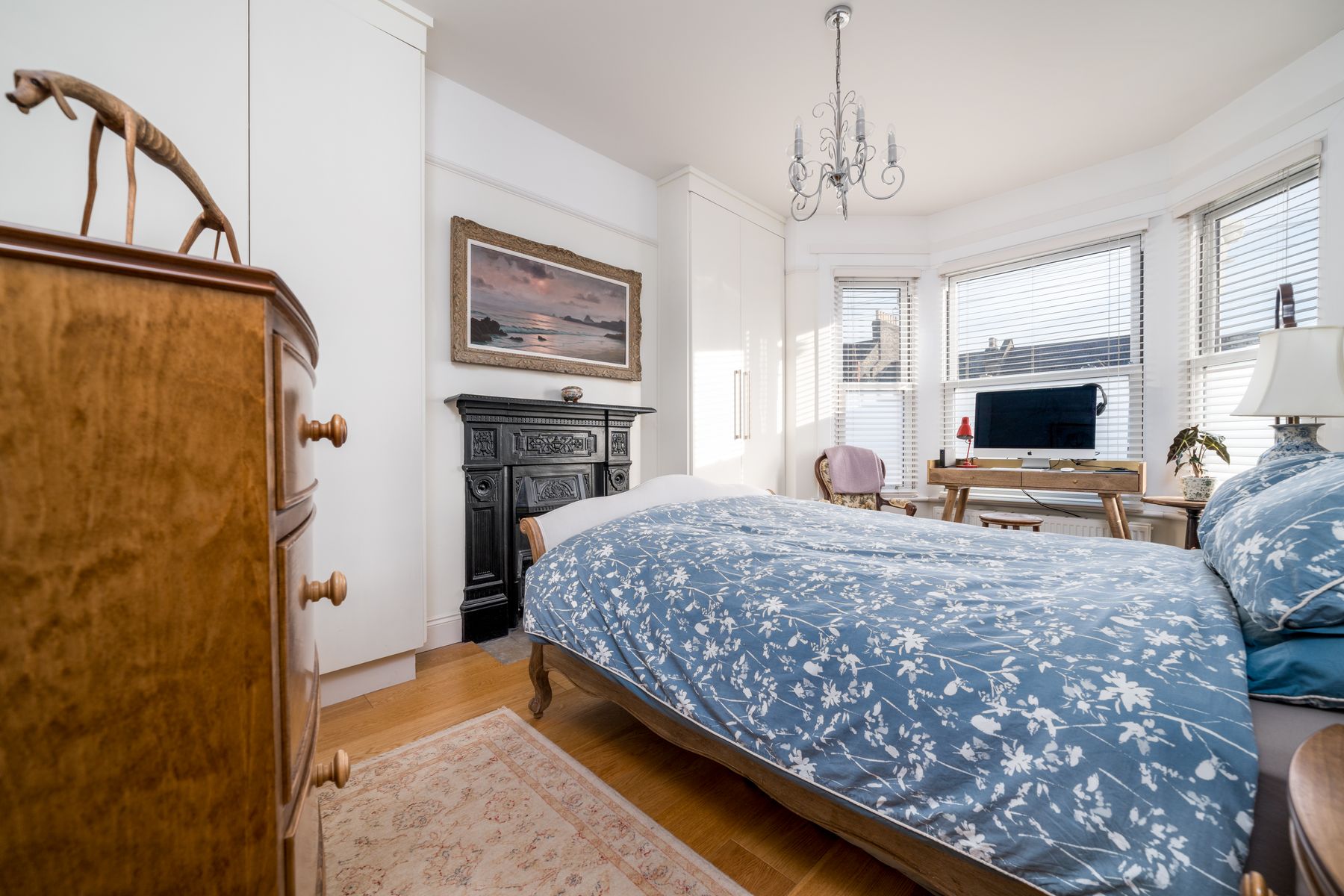
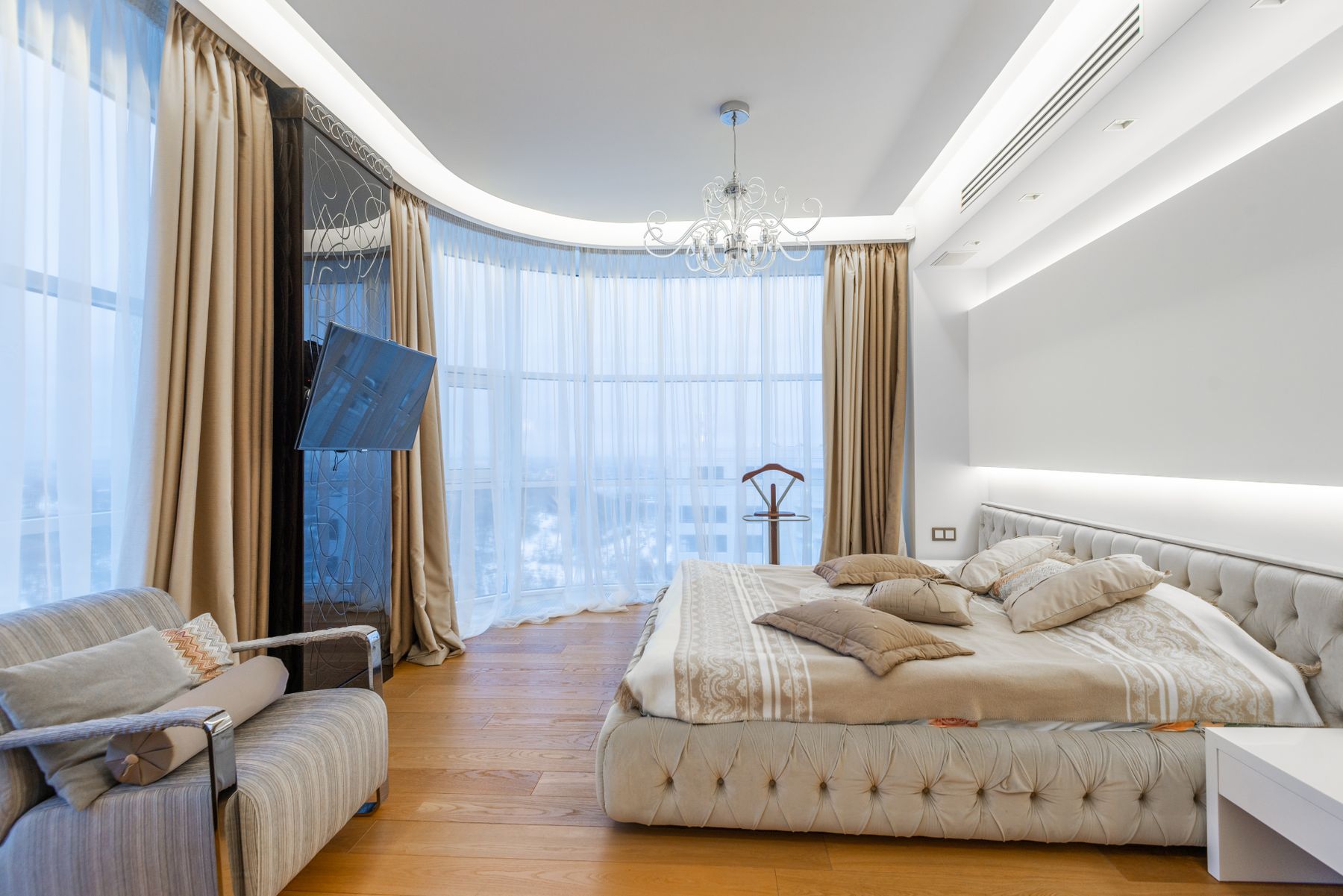
Luxury Remains Separate From Classic
Classic does not require marble, bespoke joinery, a chandelier or a large room. Luxury describes investment, rarity, service and finish quality; Classic describes a broad visual language. Spend first on mattress support, curtains, useful storage and the main furniture piece. A modest timber dresser and well-sized lamp can feel more enduring than a room of glossy upgrades. Keep future Luxury Bedroom intent available for higher-spec planning rather than merging it into this destination.
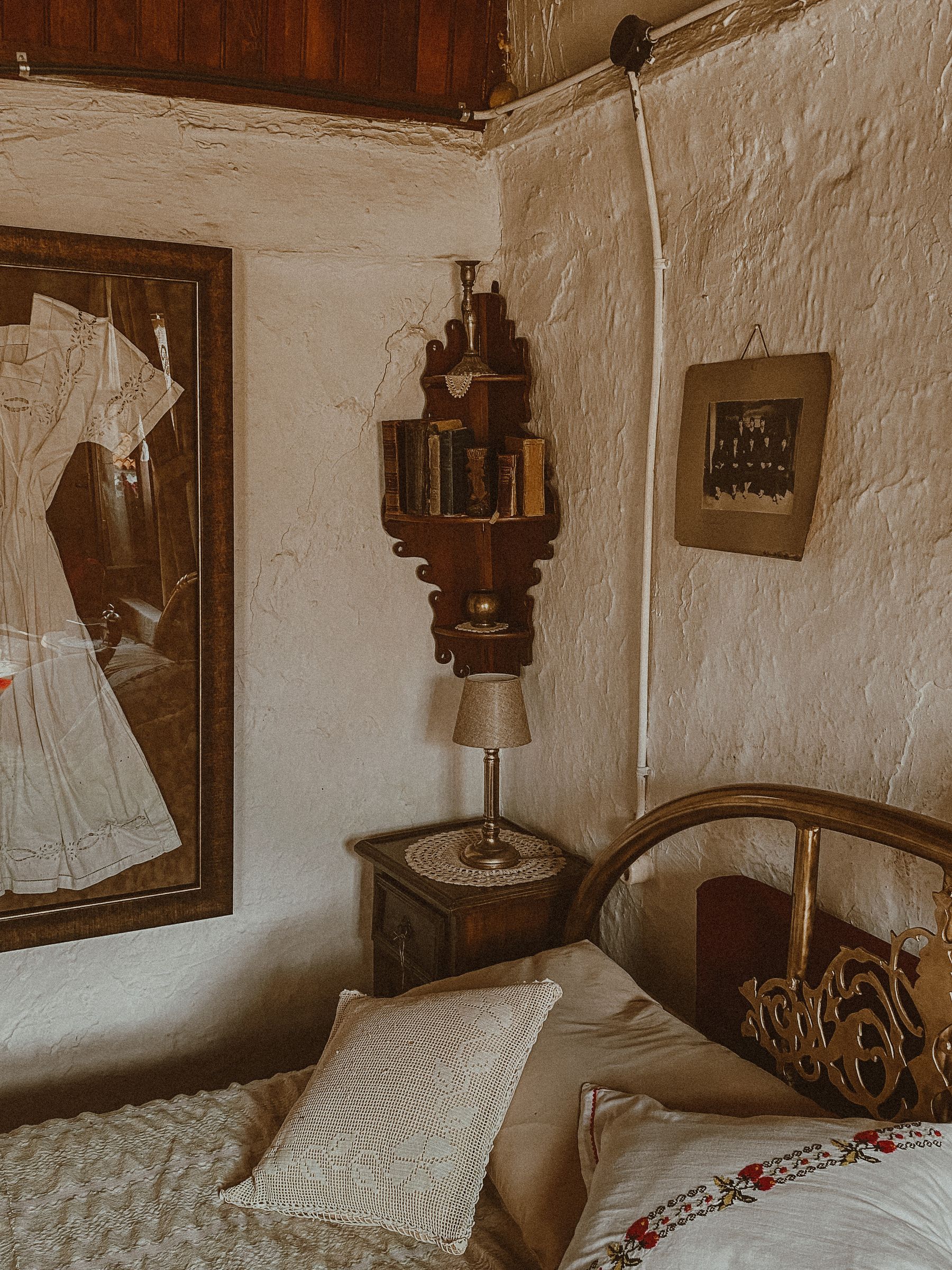
Scale Classic Style for a Small Bedroom
Choose the mattress and route first, then let one shaped headboard, framed wardrobe or patterned curtain provide identity. Use wall lights and shallow bedside surfaces where width is tight, and avoid a footboard or bench that blocks movement. Pale color helps continuity but cannot fix oversized furniture. Borrow circulation tests from [Small Apartment Ideas](/apartment/small-apartment-ideas/) before adding molding or extra case pieces.
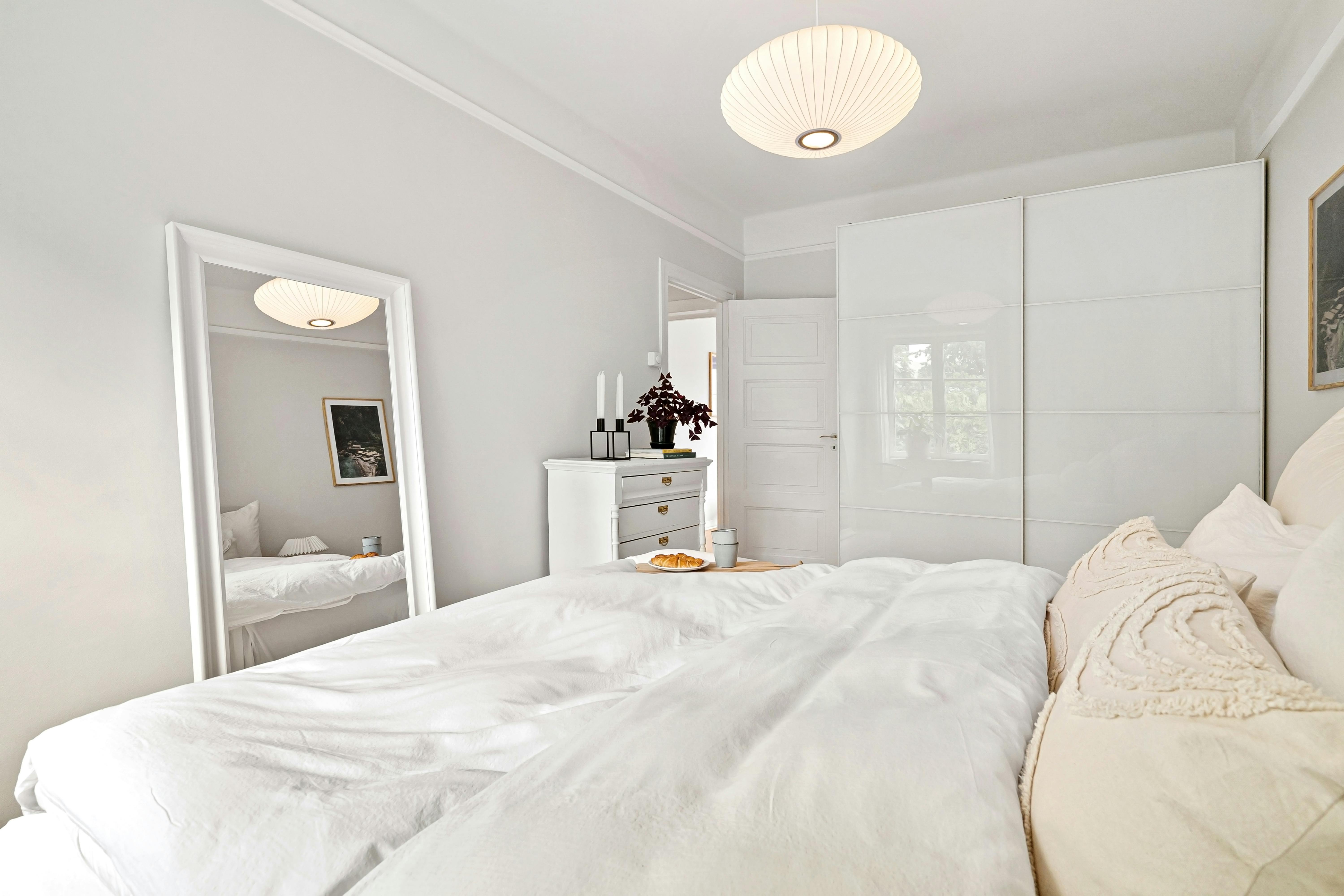
Portable Classic Structure for a Rental
Use a strong bed or headboard, lined curtains where permitted, a correctly sized rug, paired or balanced lamps and one freestanding storage piece. Verify the lease and substrate before paint, molding, wallpaper or drilling; removable products can still damage weak finishes. Photograph starting conditions and keep landlord services accessible. Buy portable pieces that can work in a future room rather than disposable faux architecture.
Balance a Shared Bedroom Around Two People
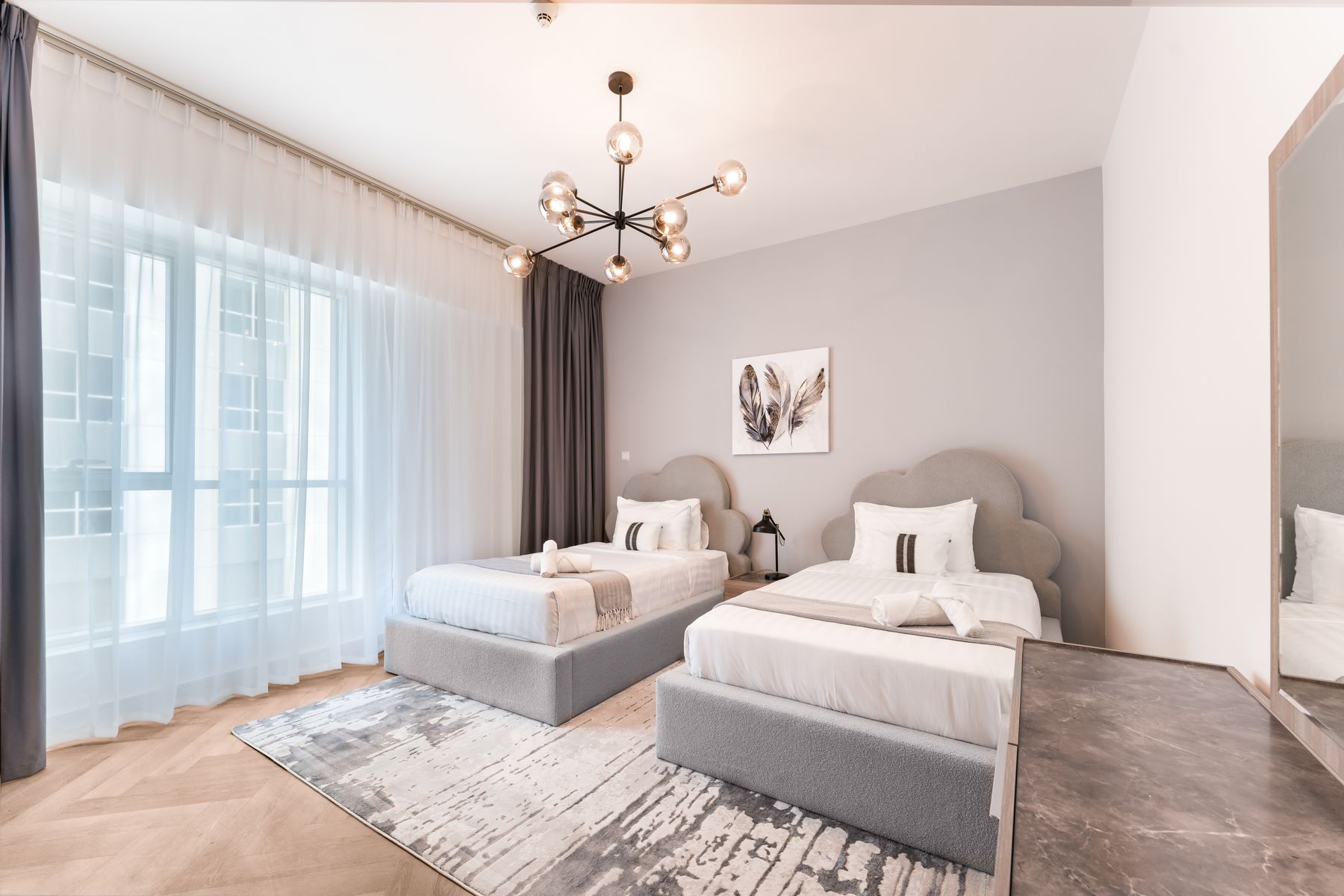
Use a common headboard height, curtain, rug or material to connect the room, then allow bedding weight, tables and reading light to differ. Equivalent useful storage matters more than identical furniture. Discuss darkness, temperature and visible objects with both sleepers. In a twin room, symmetry may be especially calm, but bed spacing and access must lead. In a couple's room, balance different routines without turning one side into the decorative afterthought.
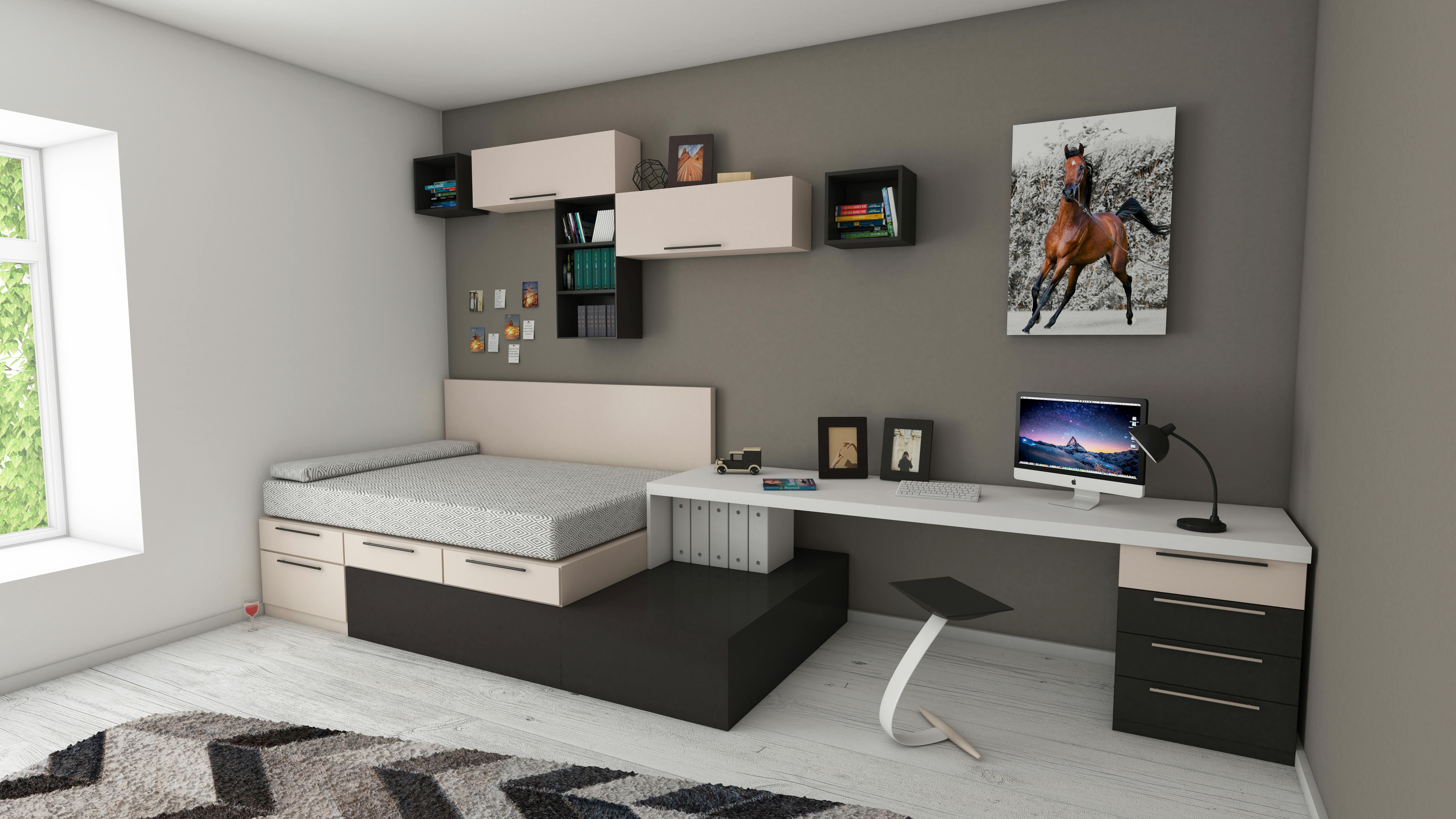
Close a Bedroom Workspace After Work
A writing desk can belong naturally in a classic room, but ergonomics and shutdown matter more than its silhouette. Place the screen outside direct pillow view where possible, use focused task light and provide closed storage for equipment. An old desk must still offer correct knee clearance and safe cable access. End work by clearing the surface, closing the laptop and shifting to the lower bedroom lighting scene.
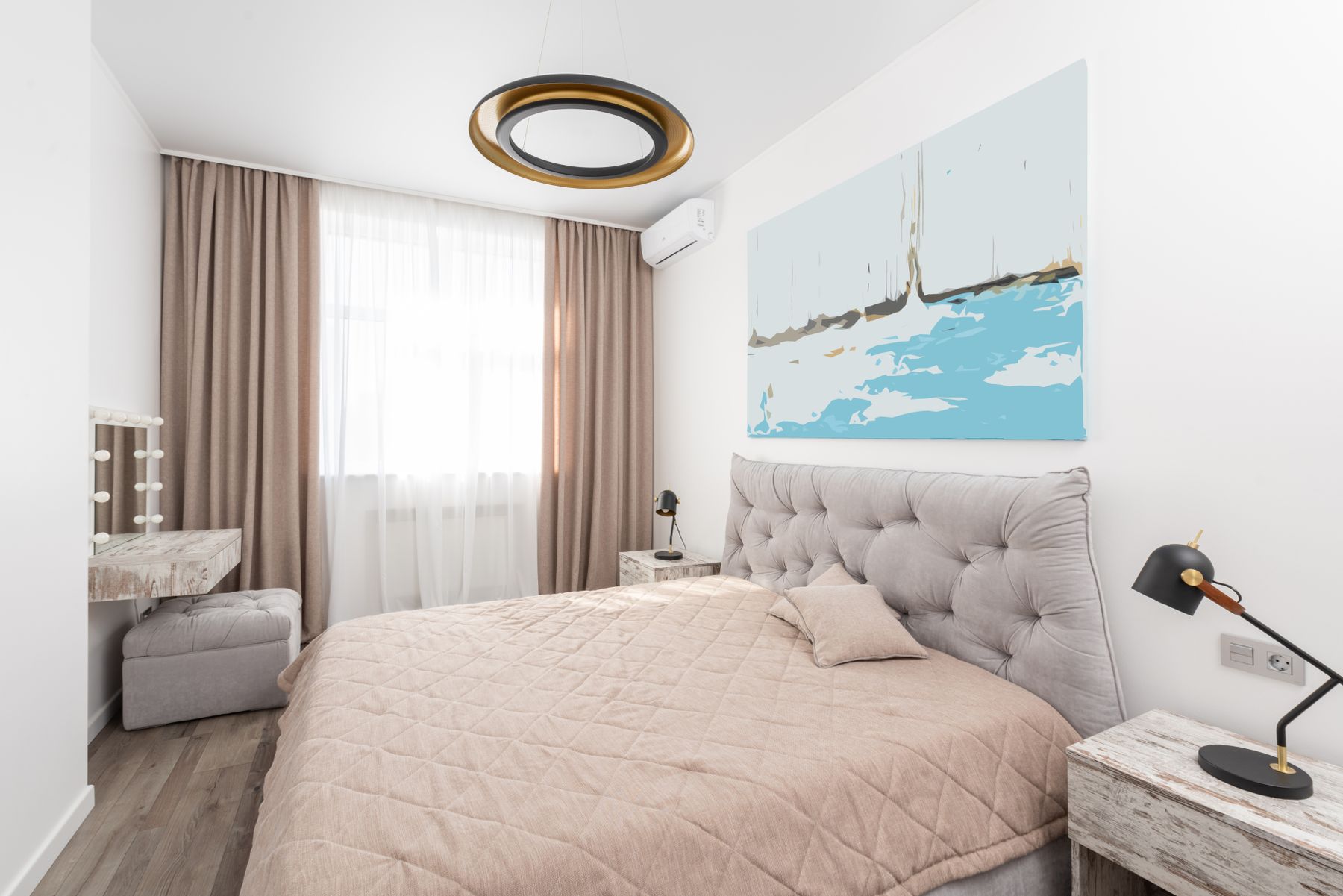
Contrast That Supports Accessibility
Contrast the bed with the floor, handles with furniture and switches with walls without placing busy borders in the walking path. Set mattress height, transfer space and storage reach for the actual user. Secure rugs, remove projecting furniture and prefer graspable pulls to tiny decorative knobs. Symmetry must yield when mobility or vision requires a different table, light or route on one side.
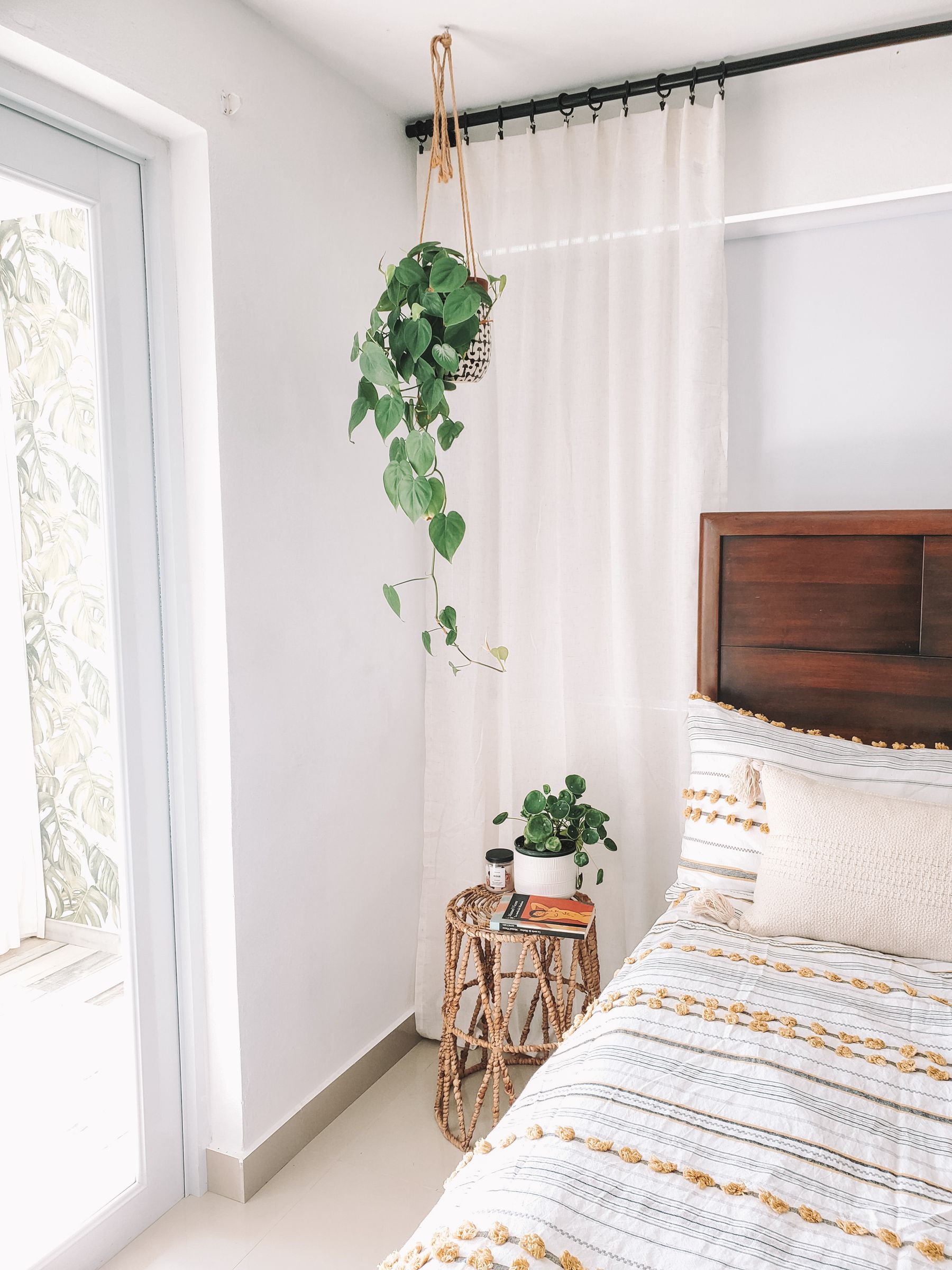
Durable Layers for Children and Pets
Use machine-washable covers, durable upholstery, cordless window treatments and furniture that can accept repair. Secure tall storage and mirrors, route cables safely and avoid fragile finishes where claws, spills or play are expected. Pattern can hide ordinary marks when it remains easy to launder. Classic style should improve with use; if every surface needs protection, the specification is too delicate for the household.
Maintain Wood, Fabric and Hardware Separately
Identify whether wood is waxed, oiled, lacquered or veneered; whether upholstery can be spot-cleaned; and which metal finish is plated or solid. Follow product-specific care and keep spare hardware, paint codes and fabric details. Ventilate wardrobes, inspect window condensation and clean under the bed. Patina is stable age; loose joints, damp, pests, flaking finish and unsafe wiring require repair rather than romantic description.
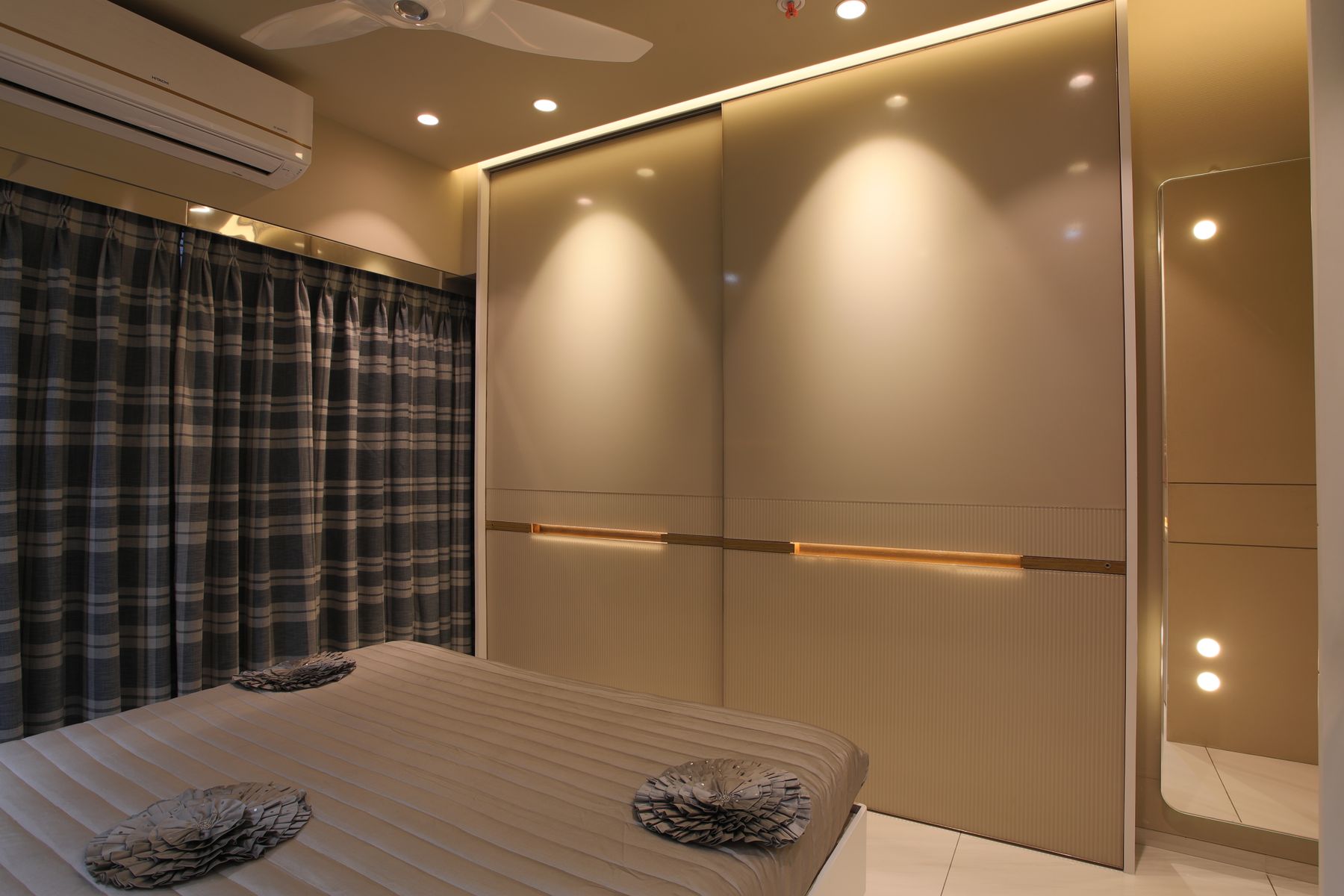
Edit Until the Room Can Absorb Change
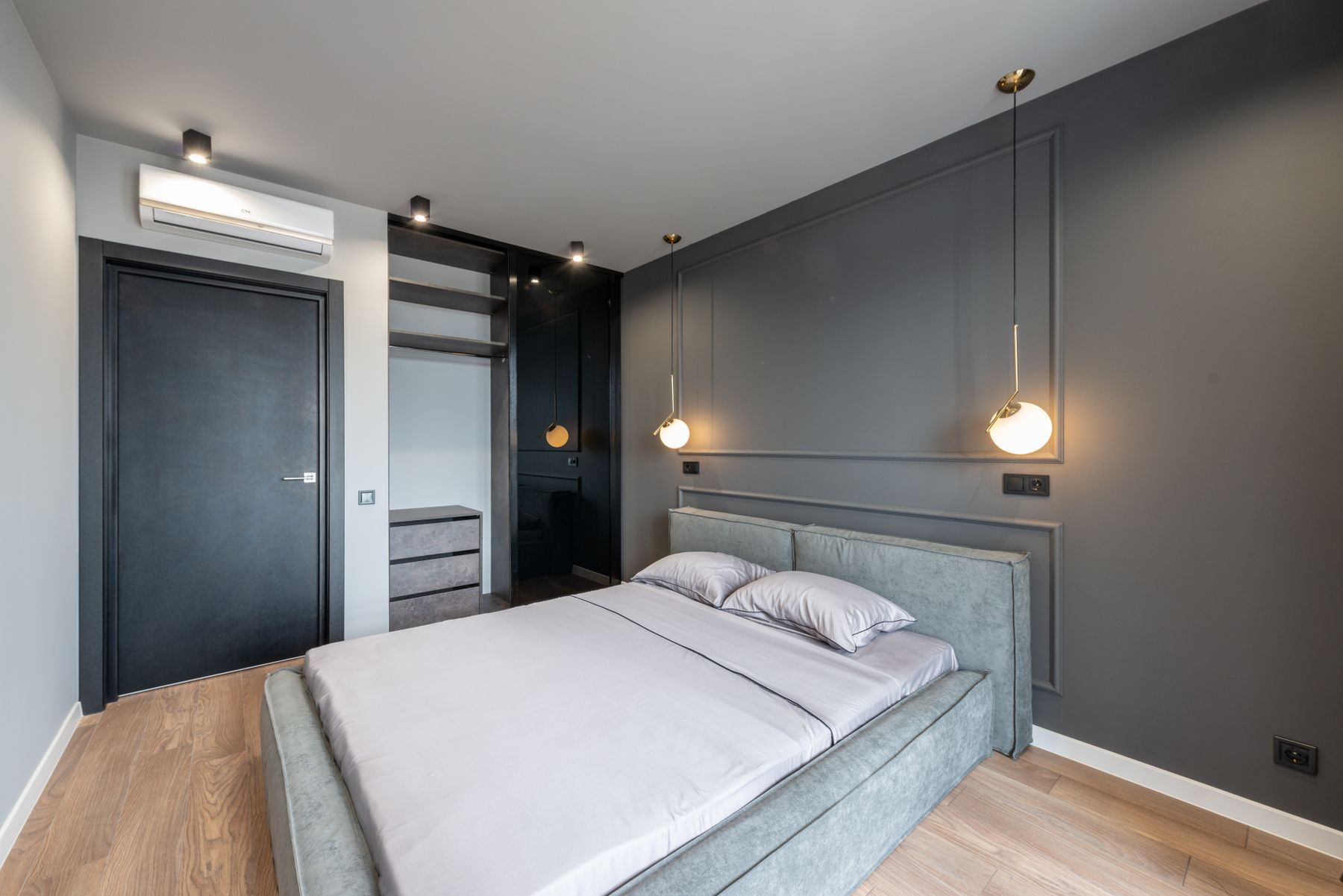
Review the room from doorway, pillow and wardrobe in daylight and the lowest evening scene. Remove duplicate ornament, matching pieces that add no function and textiles without a storage or cleaning plan. Keep the bed, useful furniture, art and material that carry identity. A classic bedroom is complete when it can accept new bedding, a changed wall color or a repaired heirloom without losing its underlying order.