Define Traditional as a Living Language
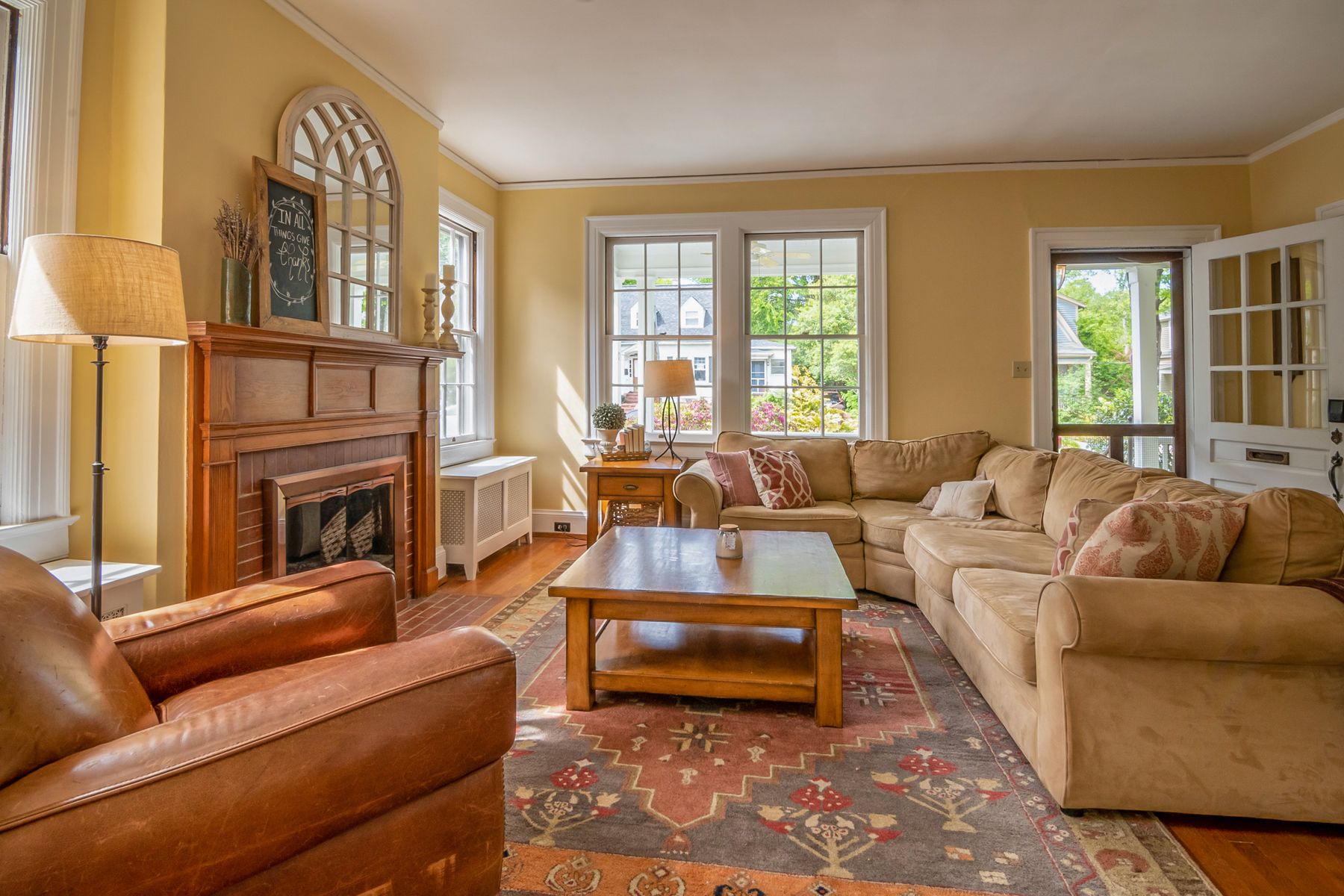
Traditional design draws broadly from European and American interiors shaped by classical proportion, English and French furniture, architectural trim, warm wood, patterned textiles and balanced composition. It does not require verified antiques or one exact period. Vintage design centers genuinely older pieces, Victorian is a more specific historical language, and classic can describe a wider commitment to enduring proportion with fewer recognizable motifs. Use tradition as a framework for scale, comfort and continuity, then let the household's art, books and routines prevent the room from becoming a showroom.
Read the Architecture Before Adding Detail
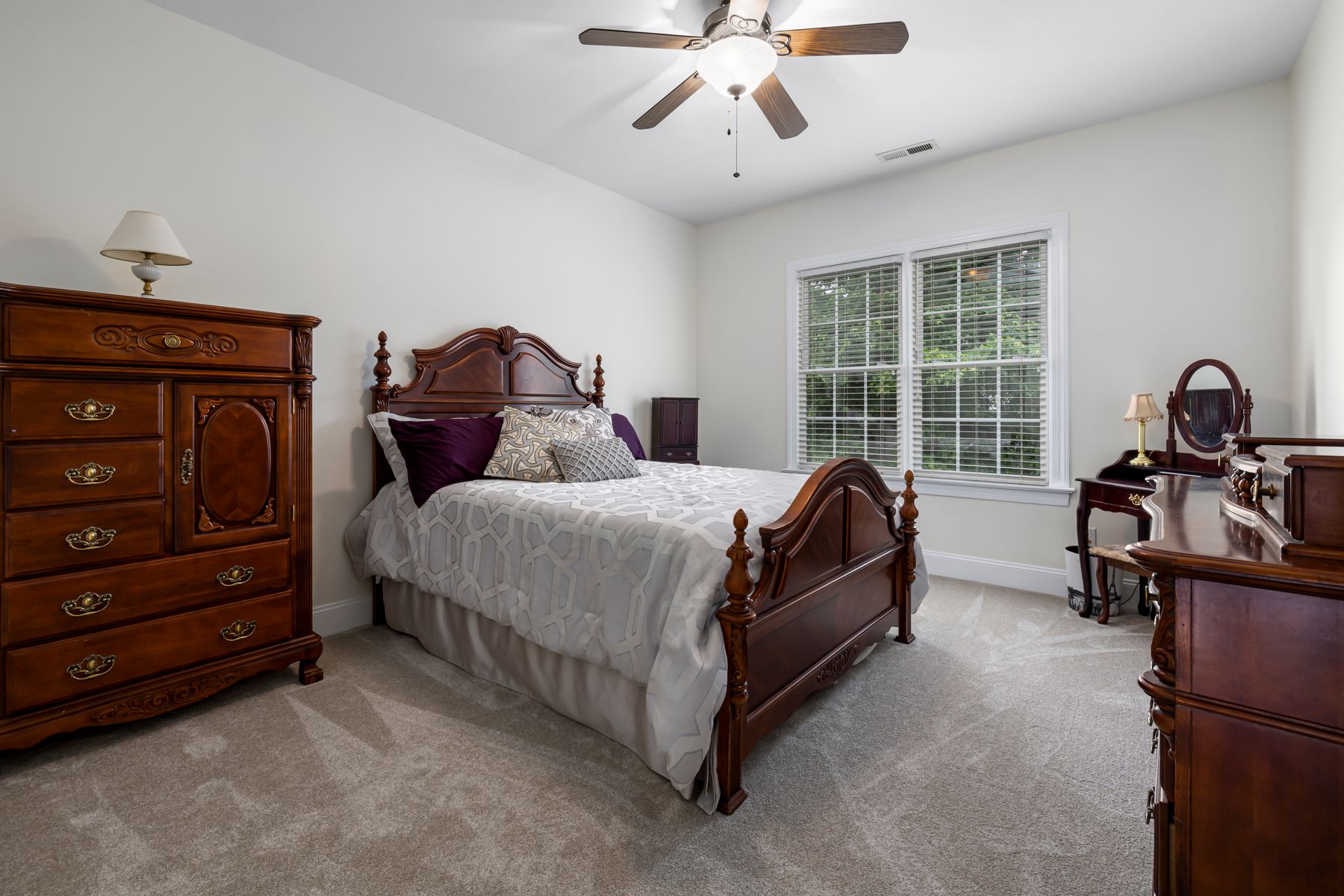
Survey ceiling height, window rhythm, door positions, flooring, trim, radiators, vents and any fireplace before choosing furniture. Strong architecture may already supply enough formality; a plain new room may benefit from one carefully scaled molding treatment or built-in rather than many imitation details. Repair water entry, cracked plaster and unstable flooring before celebrating age. If the shell is modern, respect its cleaner geometry and add tradition through movable furniture, textiles and light rather than forcing shallow paneling into every wall.
Use Symmetry to Settle the Room, Not Freeze It
A pair of chairs, lamps or cabinets can reinforce a centered fireplace or window, but full mirroring often ignores doorways, daily habits and unequal daylight. Establish one major axis, then allow smaller objects and occasional furniture to differ. Near-symmetry is especially useful when the room is imperfect: equal visual weight can matter more than identical dimensions. Check the arrangement from every entrance and preserve usable routes on both sides. The goal is calm legibility, not an off-limits composition that cannot adapt for guests.
Build a Conversation Group Around Real Use
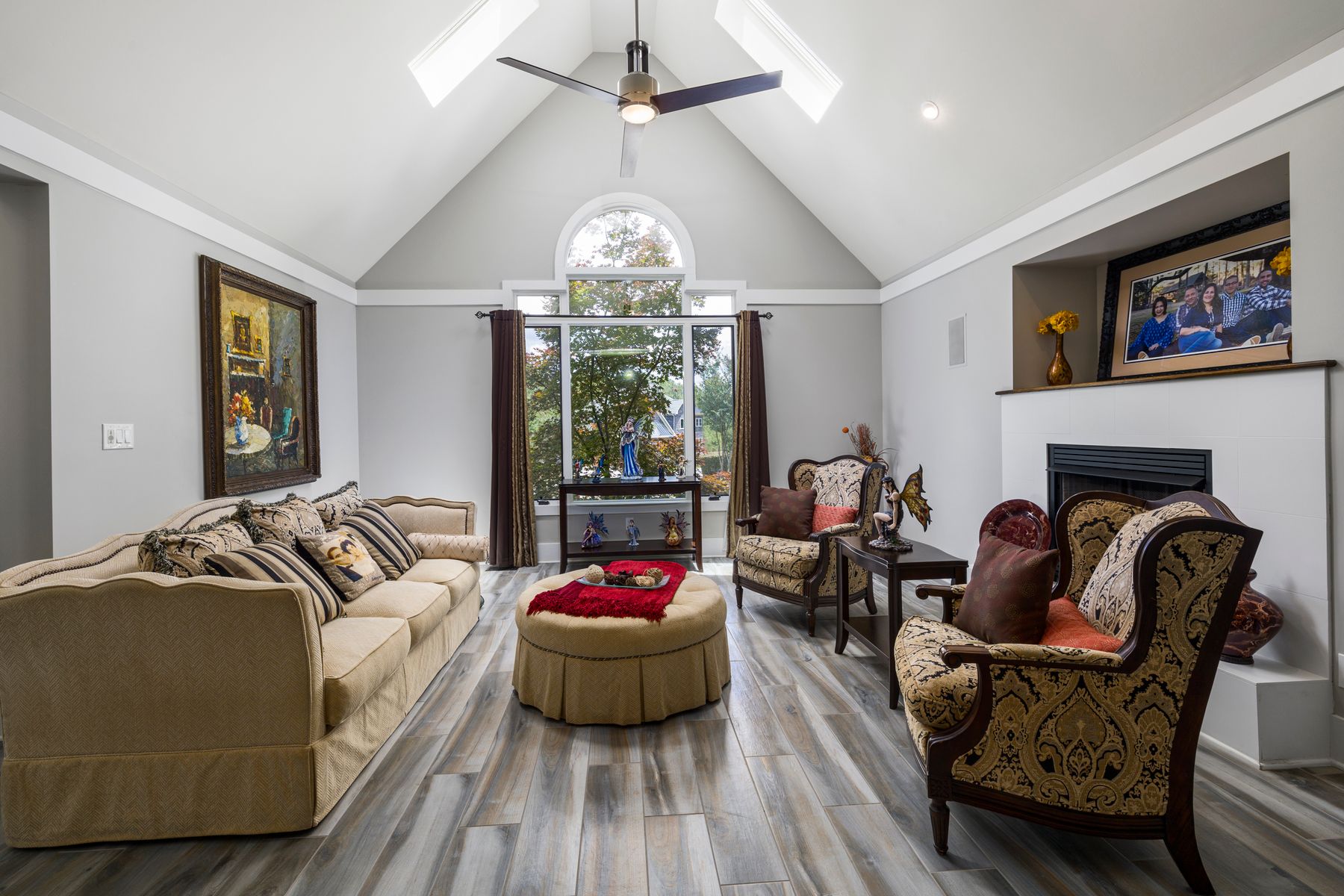
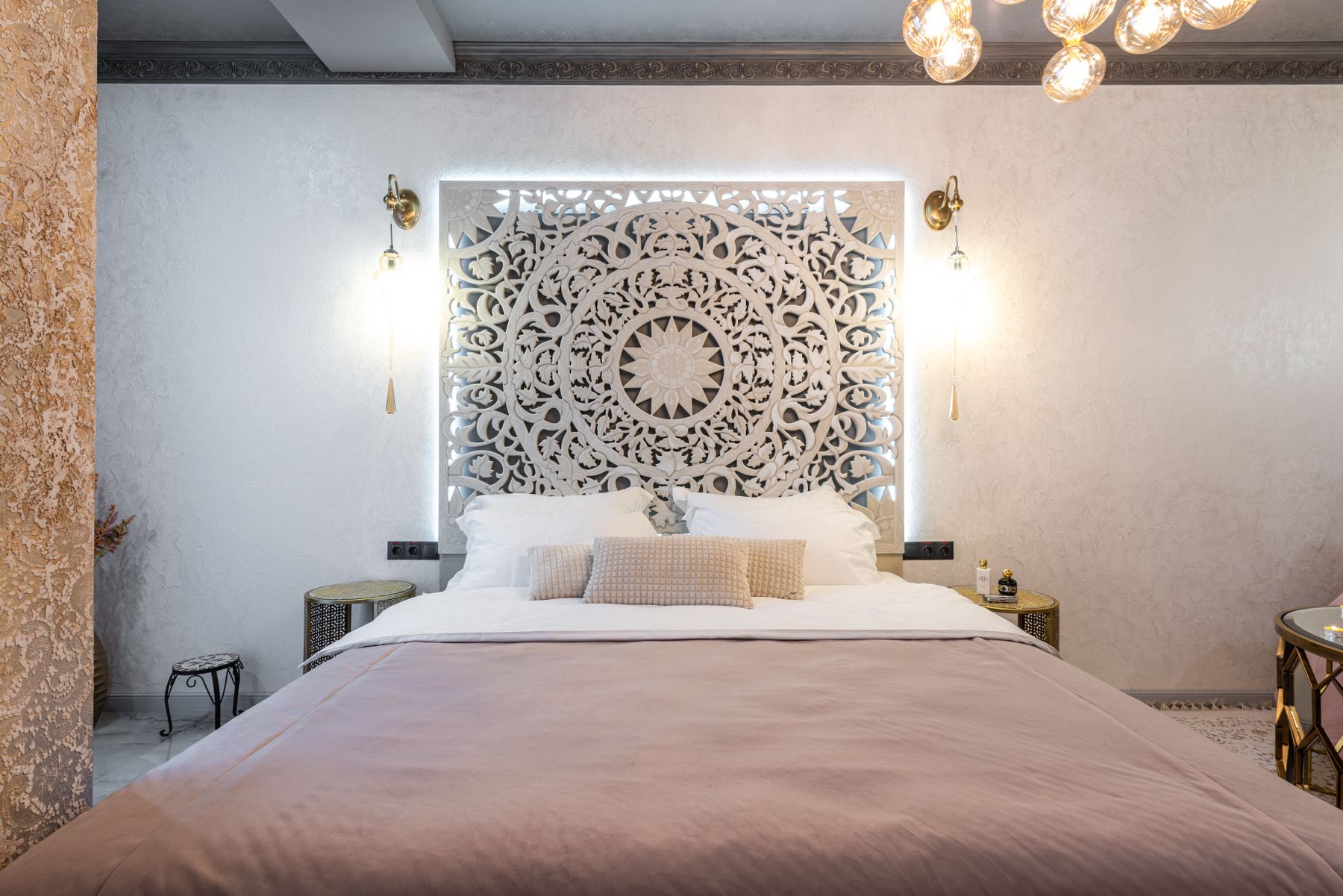
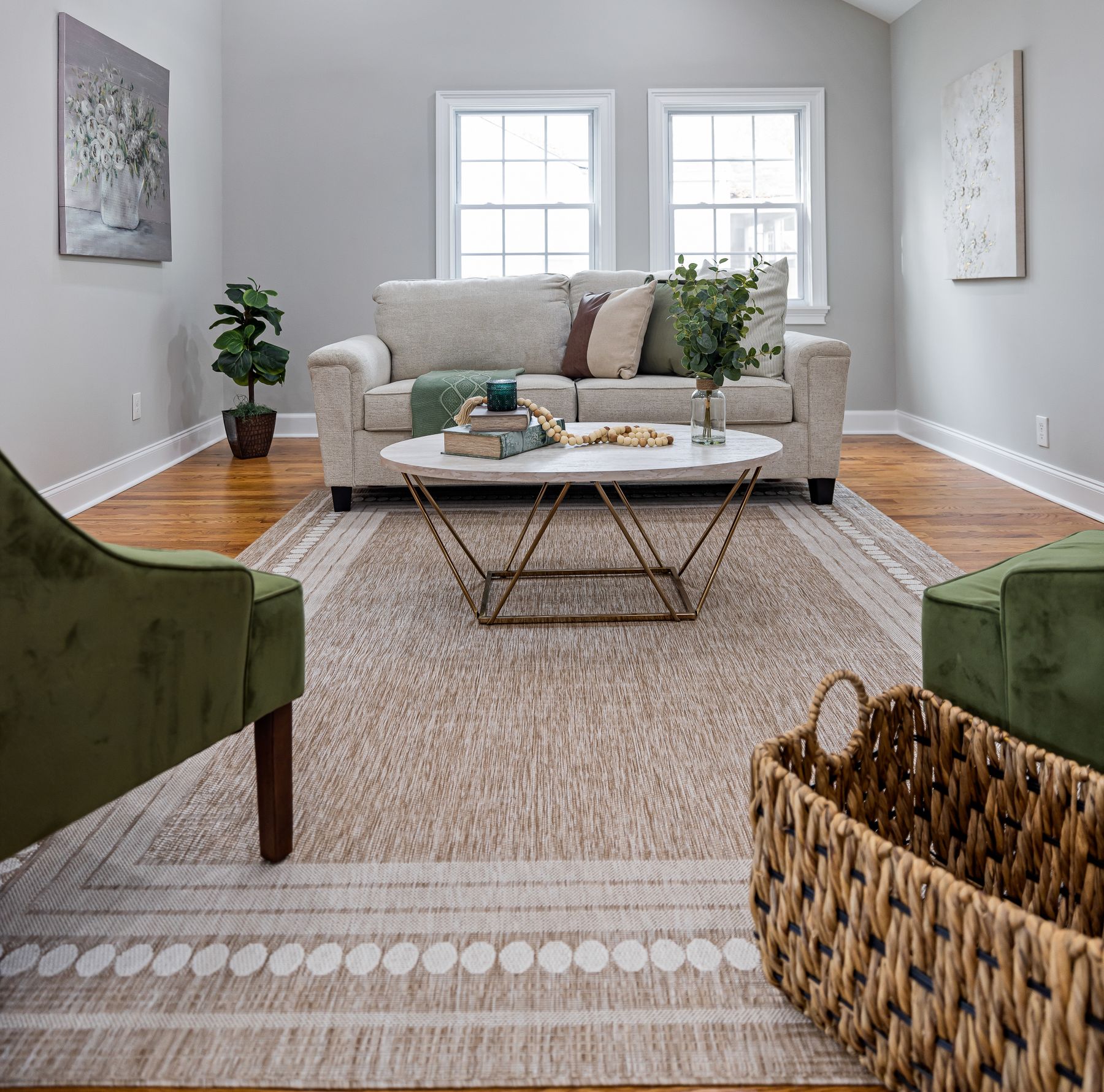
Position the sofa and chairs close enough for ordinary speech, then test the route to doors, windows and adjoining rooms with every footrest and cabinet open. A centered fireplace can guide the plan, but it should not force all faces toward the hearth while people speak across a vast gap. Include reachable tables and task light for each regular seat. [Living room layout ideas](/living-room/living-room-layout-ideas/) provides full-scale tests for rooms with several focal points or passage routes.
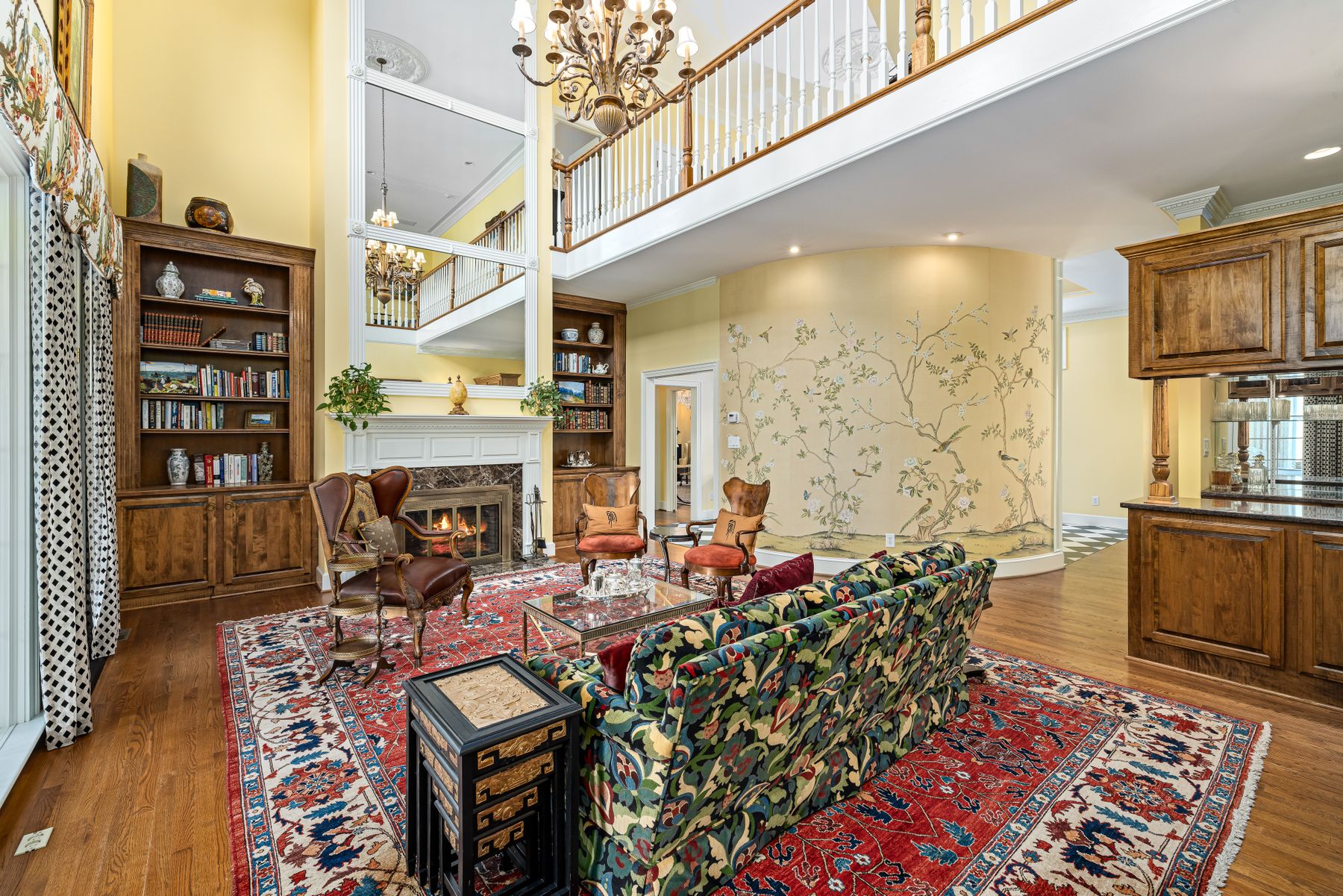
Choose a Sofa for Support Before Status
Rolled arms, tailored skirts, turned legs, tufting and camel backs can establish traditional character, but silhouette reveals little about daily comfort. Compare usable seat width, depth, back angle, cushion recovery, frame construction and cleaning code. Large rolled arms may consume surprising floor area; deep feather cushions require regular dressing and may not support every body. A simplified classic shape in excellent fabric often ages better than an exaggerated reproduction covered in decorative details.
Mix Chairs Without Buying a Complete Suite
Pair a supportive wingback, open-arm wood chair or upholstered club chair with the sofa instead of repeating one matching collection. Keep seat heights compatible around the same tables and balance visual mass across the group. One chair can carry stronger pattern while another remains quiet. Inspect older frames and upholstery before use, and do not assume a famous silhouette will suit the household. [Vintage living room ideas](/living-room/vintage-living-room-ideas/) goes deeper into condition and restoration.

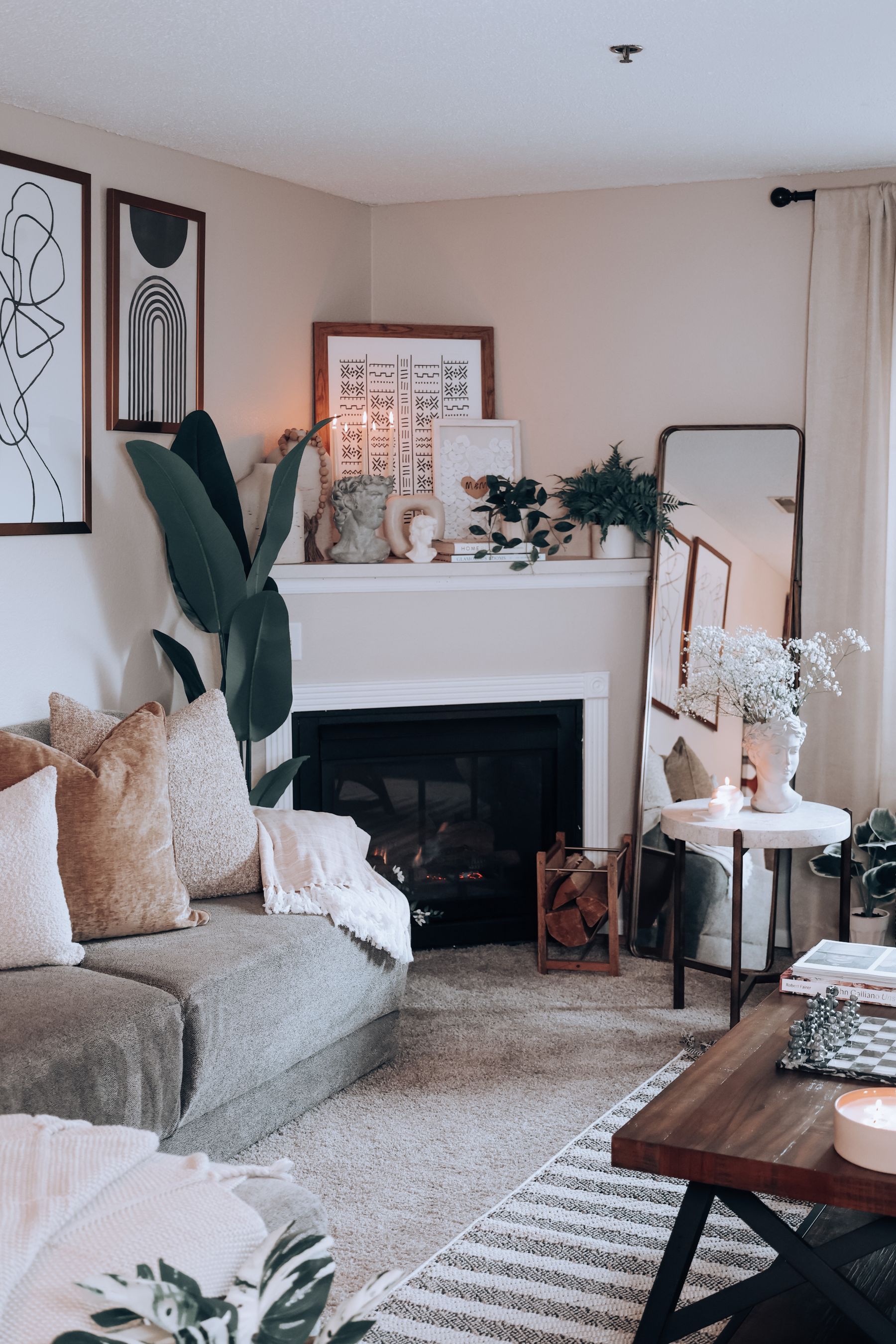
Treat the Fireplace as Architecture and Equipment
Use the fireplace to establish an axis, mantel height and seating orientation, but verify local clearances, chimney condition, ventilation and fuel requirements before styling it. Keep textiles, dried plants, cables and fragile finishes away from heat. A nonworking fireplace can hold a restrained display, yet it should not falsely suggest safe operation. If a television also needs the focal wall, compare viewing height and heat exposure before mounting it above the mantel simply to preserve symmetry.
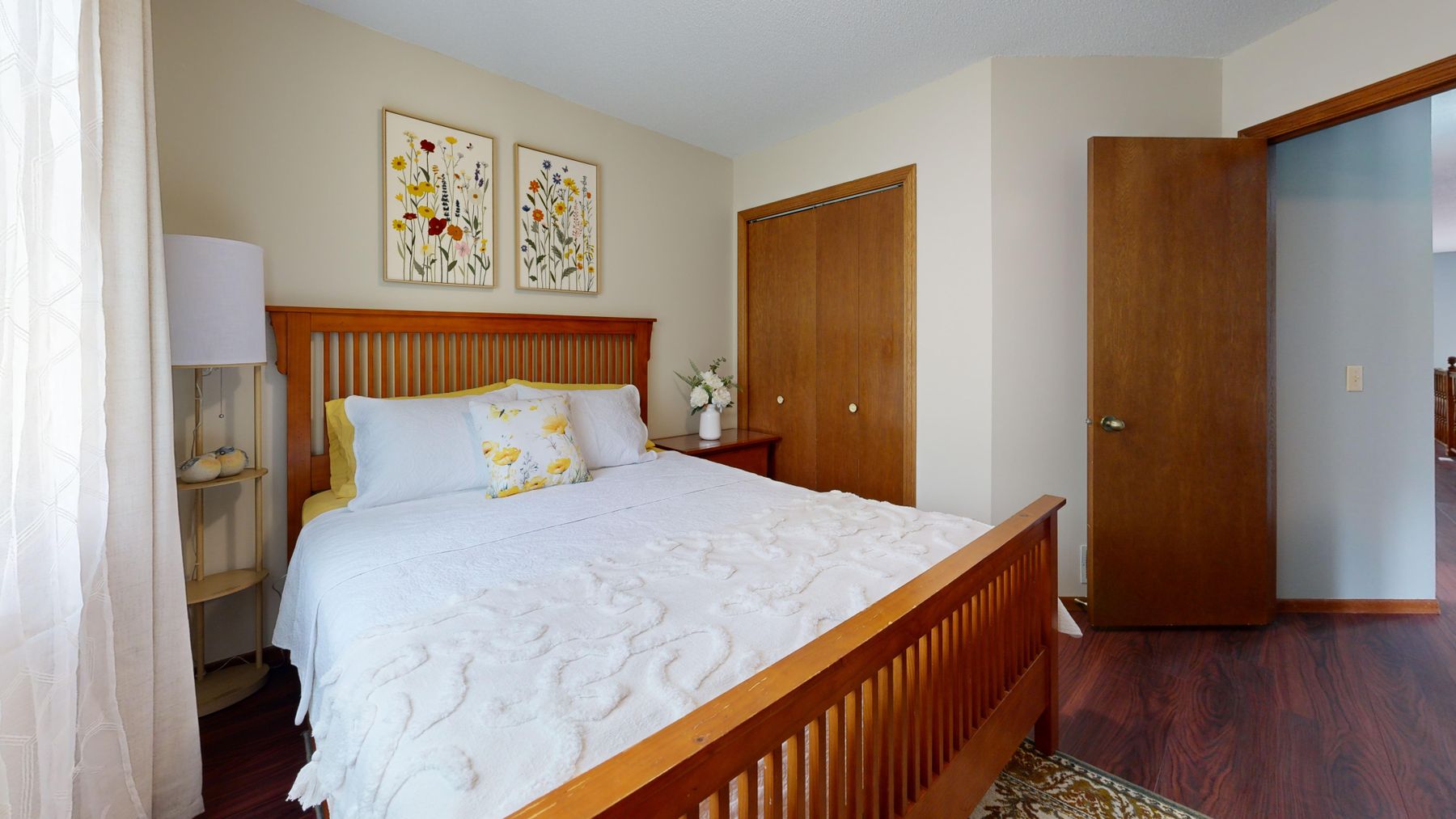
Let Wood Casegoods Bring Weight and Storage
A bookcase, chest, console or display cabinet can anchor the room while hiding electronics, games or serving pieces. Choose one dominant wood undertone and allow smaller pieces to vary within it; forcing every finish to match creates a suite effect. Inspect drawers, doors, veneer, joints and hardware, and account for anchoring where required. Dark wood gains presence against a lighter wall or textile, while a room of equally heavy brown furniture quickly loses depth.
Ground the Furniture With a Generous Patterned Rug
Persian-style, Aubusson-inspired, floral and geometric rugs can hold a layered palette together, but size and construction matter before motif. The rug should relate visibly to the entire seating group and stay flat at the busiest crossings. Examine pile, repair, dye stability, backing and cleaning needs, especially for older wool. [Living room rug ideas](/living-room/living-room-rug-ideas/) explains proportion, pads and placement for fireplaces, open plans and unusual room shapes.
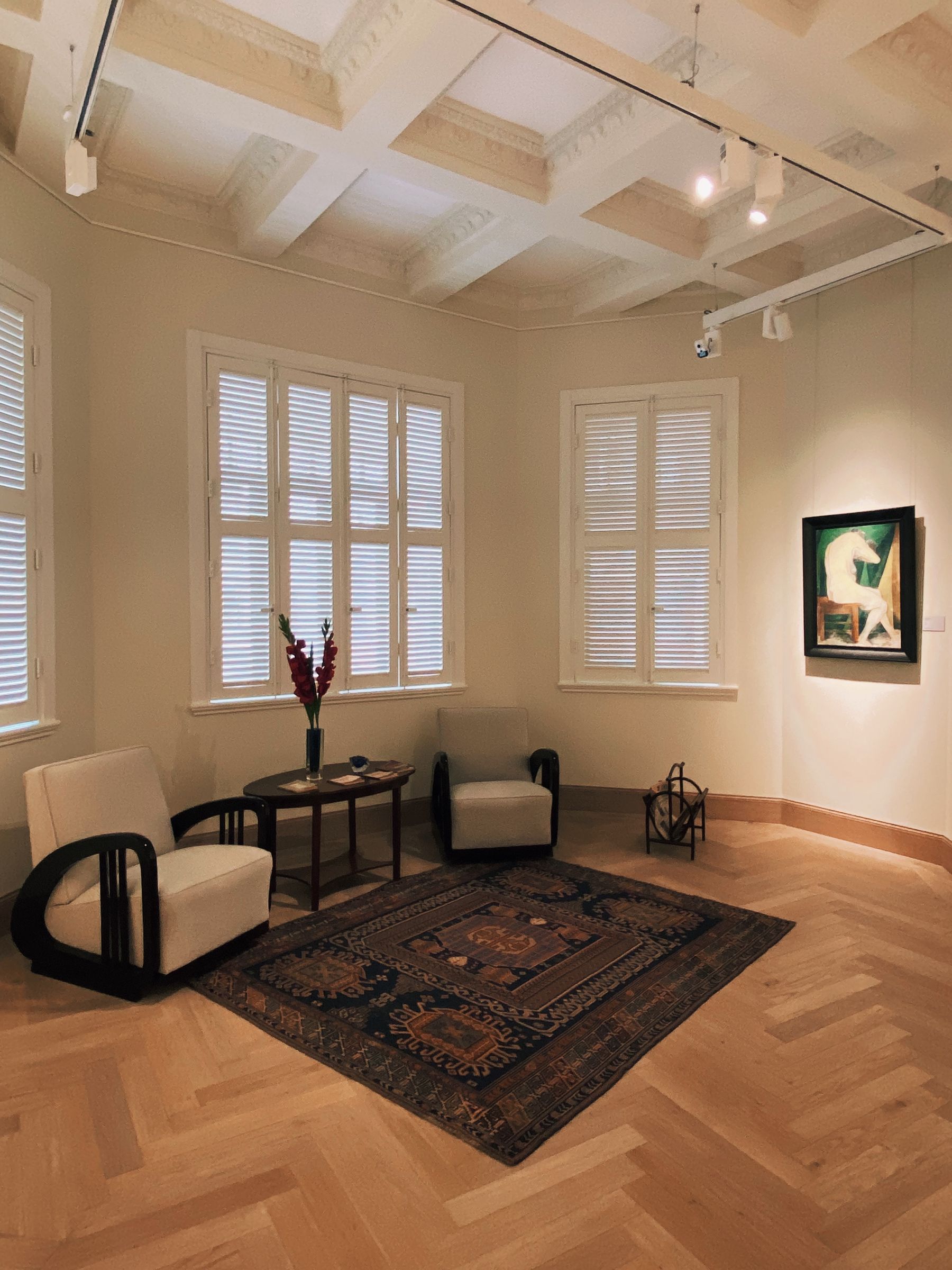
Build Color From the Room's Permanent Materials
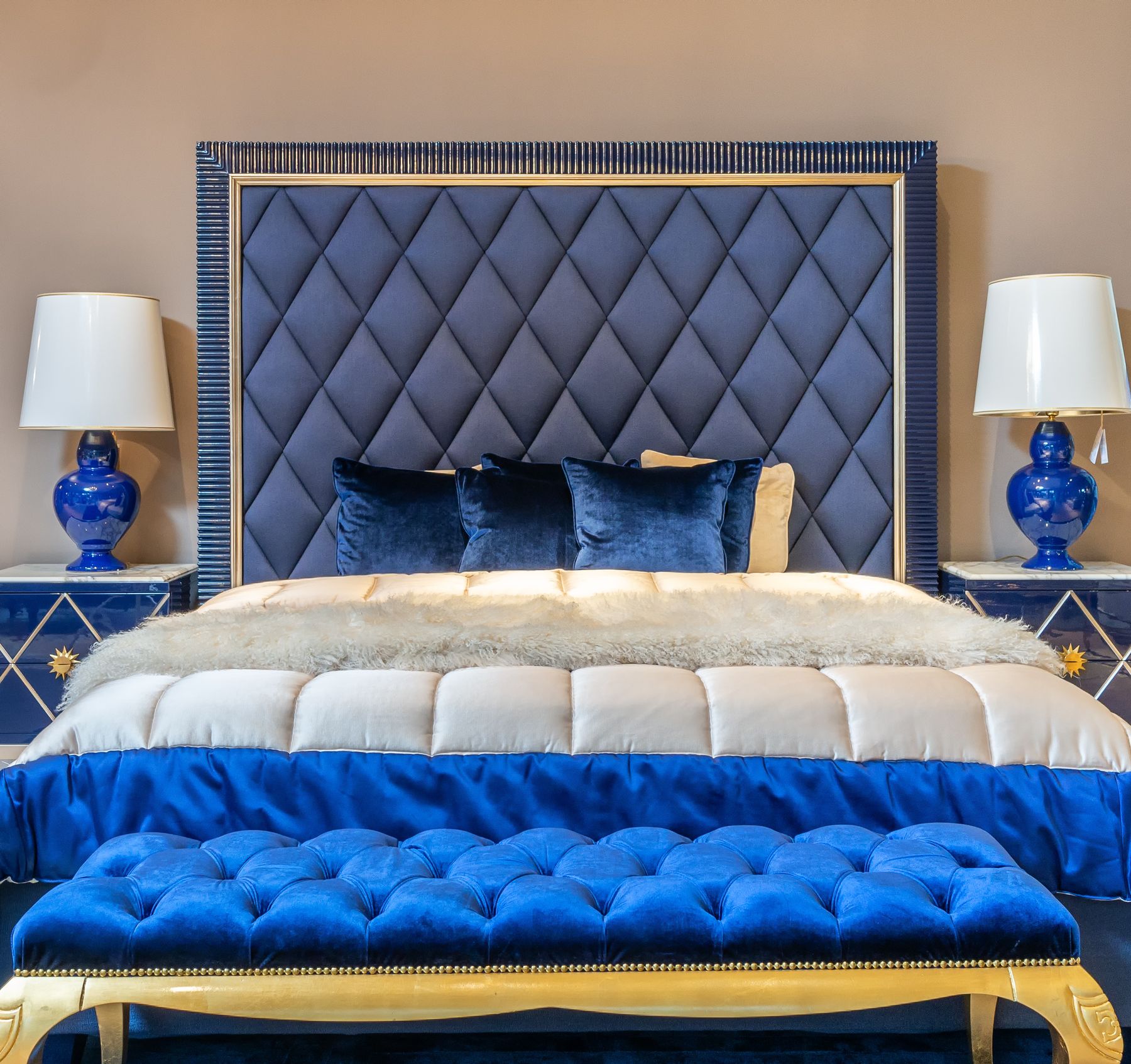
Begin with flooring, fireplace stone, fixed wood and the room's daylight, then choose a wall field and two supporting colors. Cream, tobacco, muted blue, olive, burgundy and ochre can feel traditional without becoming dark or muddy. Test large samples beside furniture at morning and evening. A pale room still needs tonal variation, while a deeper color requires enough light and visual relief. Use portable textiles for the strongest notes so the scheme can evolve without repainting every surface.
Mix Pattern by Scale, Ground and Repetition
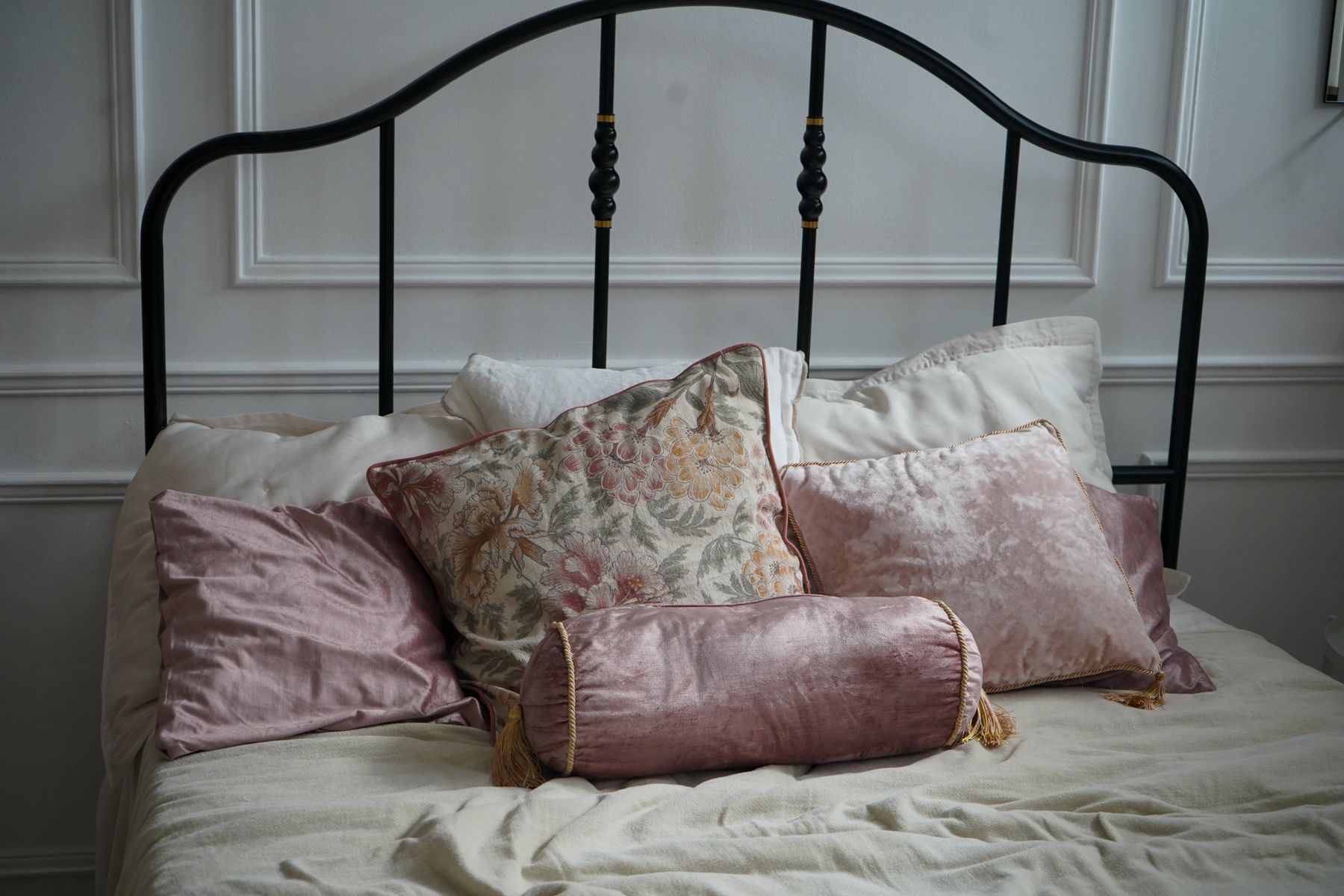
Start with one lead pattern—perhaps the rug, curtains or a substantial chair—then add a smaller geometric, stripe or botanical that repeats part of its palette. Keep at least one large upholstery or wall plane quiet. Pattern matching should be judged from the doorway, because small repeats merge at room distance. Avoid buying every piece from one coordinated collection; slight variation gives the room depth. Fragile antique textiles should be displayed away from direct sun and daily abrasion.
Use Curtains to Shape the Architecture
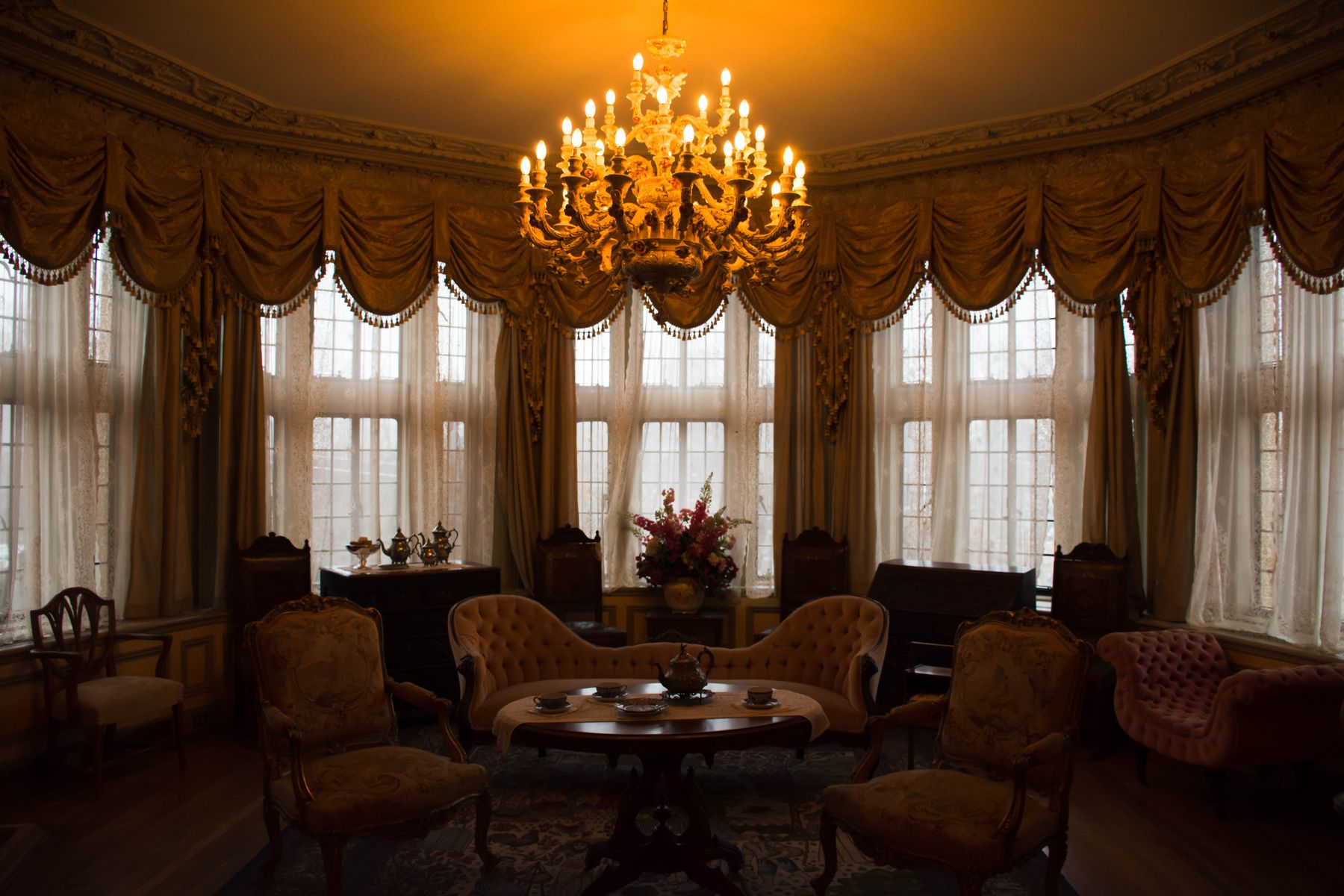
Mount curtains according to the whole wall and window proportions rather than directly above the frame by habit. Fullness, lining, stack width and return determine how the treatment hangs and how much glass remains clear. Use a sheer, blind or lined panel according to privacy, glare and thermal needs. Heavy pelmets and swags suit some architecture but can overwhelm a modest room. Keep fabric clear of radiators and vents, and allow easy access to handles.
Choose a Chandelier for Scale, Not Ceremony
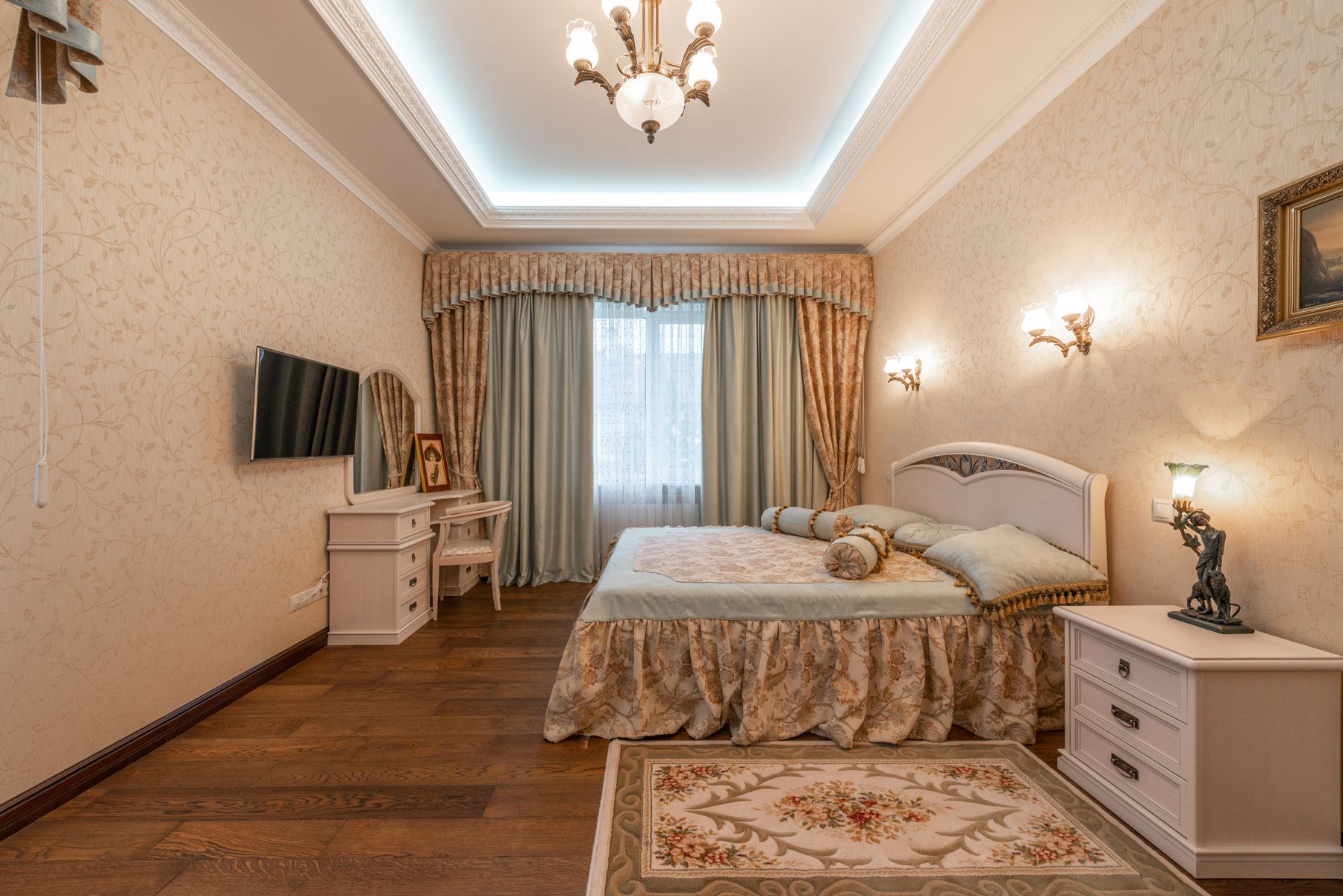
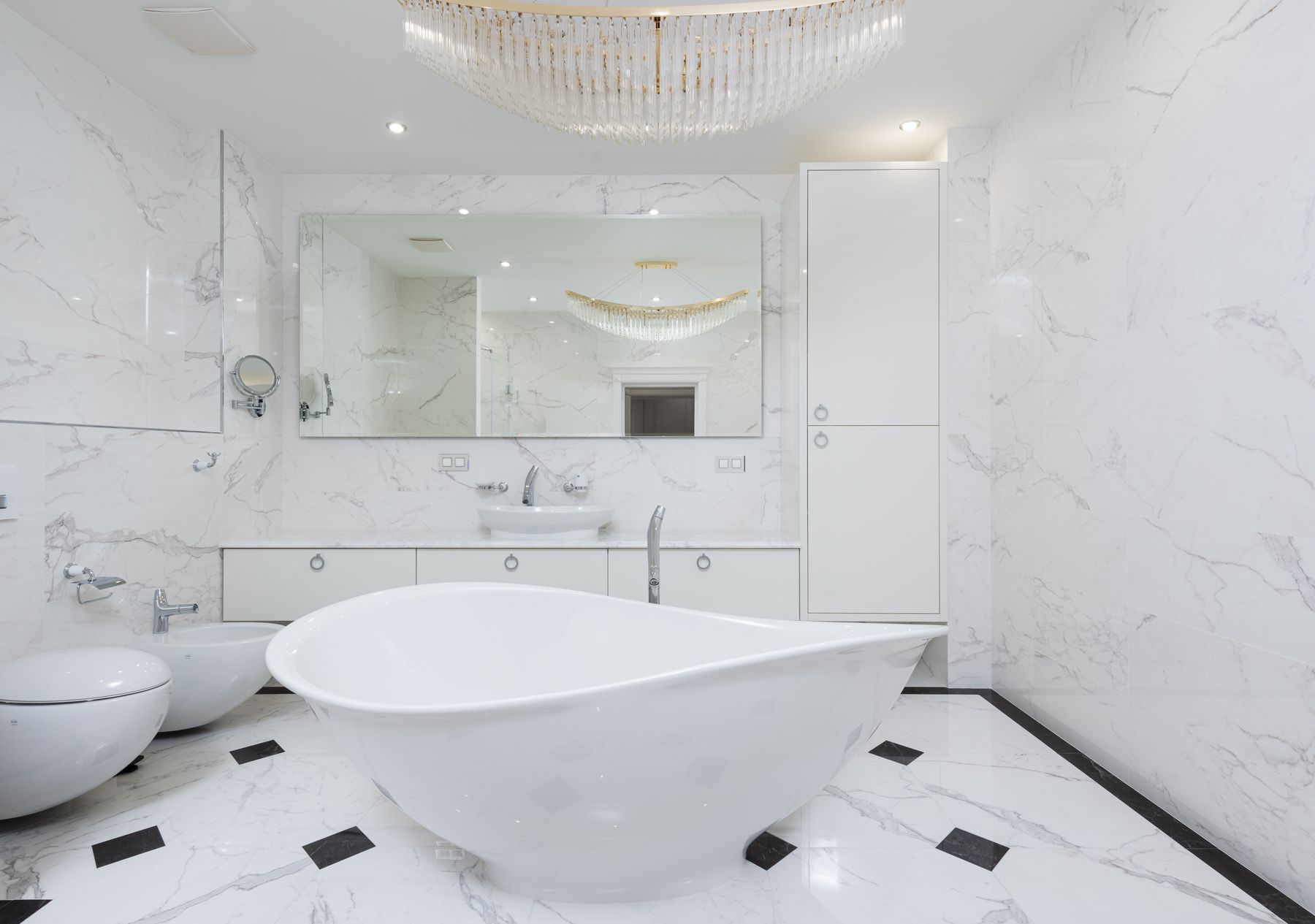
A chandelier, lantern or shaded pendant can mark the center of a traditional room, but its diameter, drop, brightness and view from adjoining spaces matter more than ornament. Confirm ceiling support and safe electrical installation, especially for older fittings. Avoid relying on the central fixture for every activity; a decorative chandelier often produces glare or insufficient reading light. In low rooms, a refined semi-flush fitting may preserve proportion better than a compressed hanging fixture.
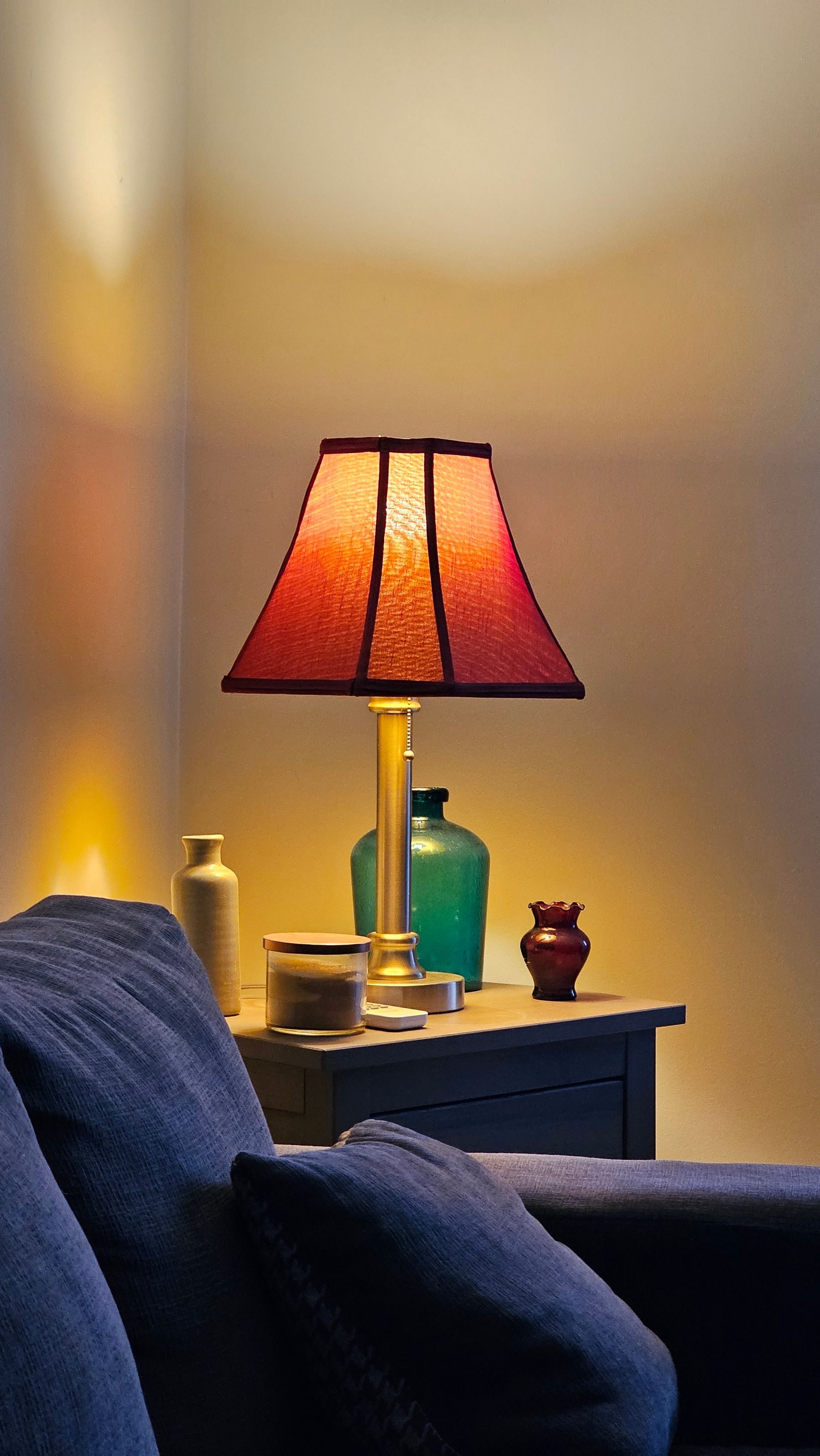
Layer Shaded Lamps for Warm, Useful Light
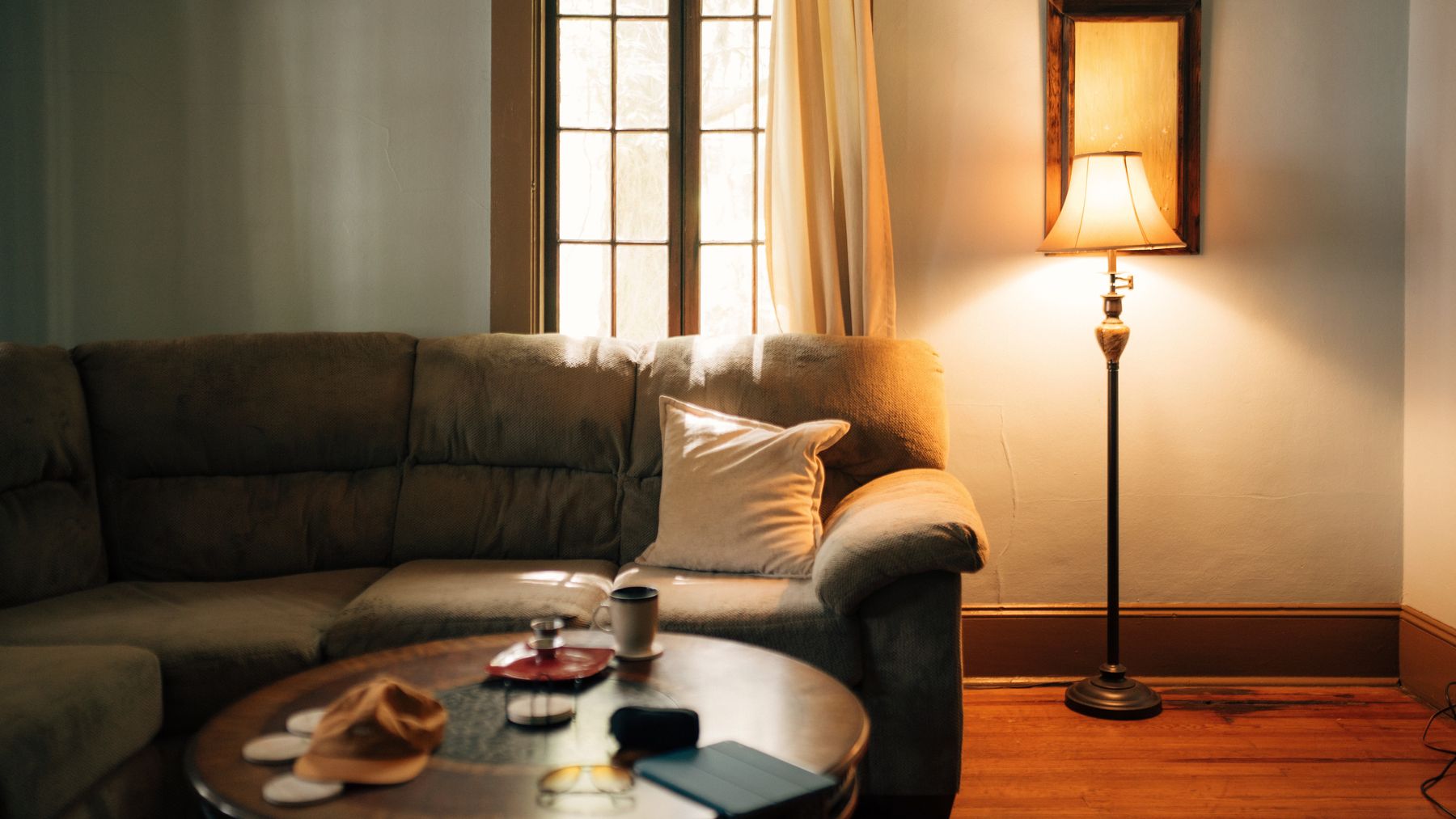
Combine table and floor lamps with the ceiling source so seats, art and circulation can be lit separately. Pleated, gathered and plain fabric shades change both style and beam spread; choose opacity by task, not trend. Keep switches reachable, cords away from routes and bulb heat within the shade's rating. [Living room lighting ideas](/living-room/living-room-lighting-ideas/) develops the ambient, task and accent layers for television, reading and entertaining.
Add Molding Only at the Right Scale
Crown, picture rails, chair rails and panel molding can give a plain room structure, but profiles copied from a grand house often look shallow or crowded in a modest space. Draw every elevation and align divisions with openings, sockets and major furniture. Use durable installation appropriate to the wall construction and preserve access to services. Painting trim and wall the same color can emphasize shadow without producing high contrast; contrasting trim creates a stronger historical reading.
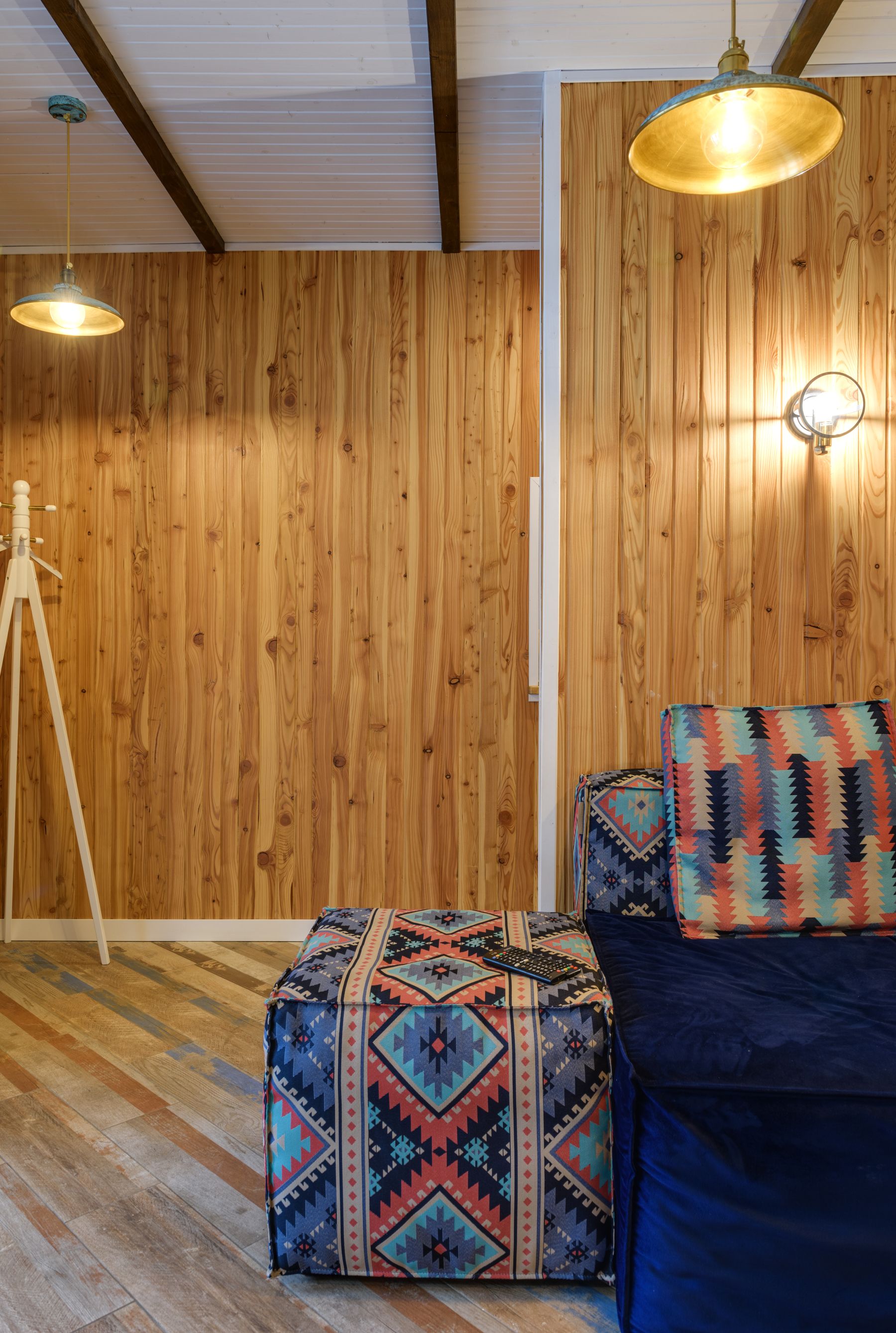
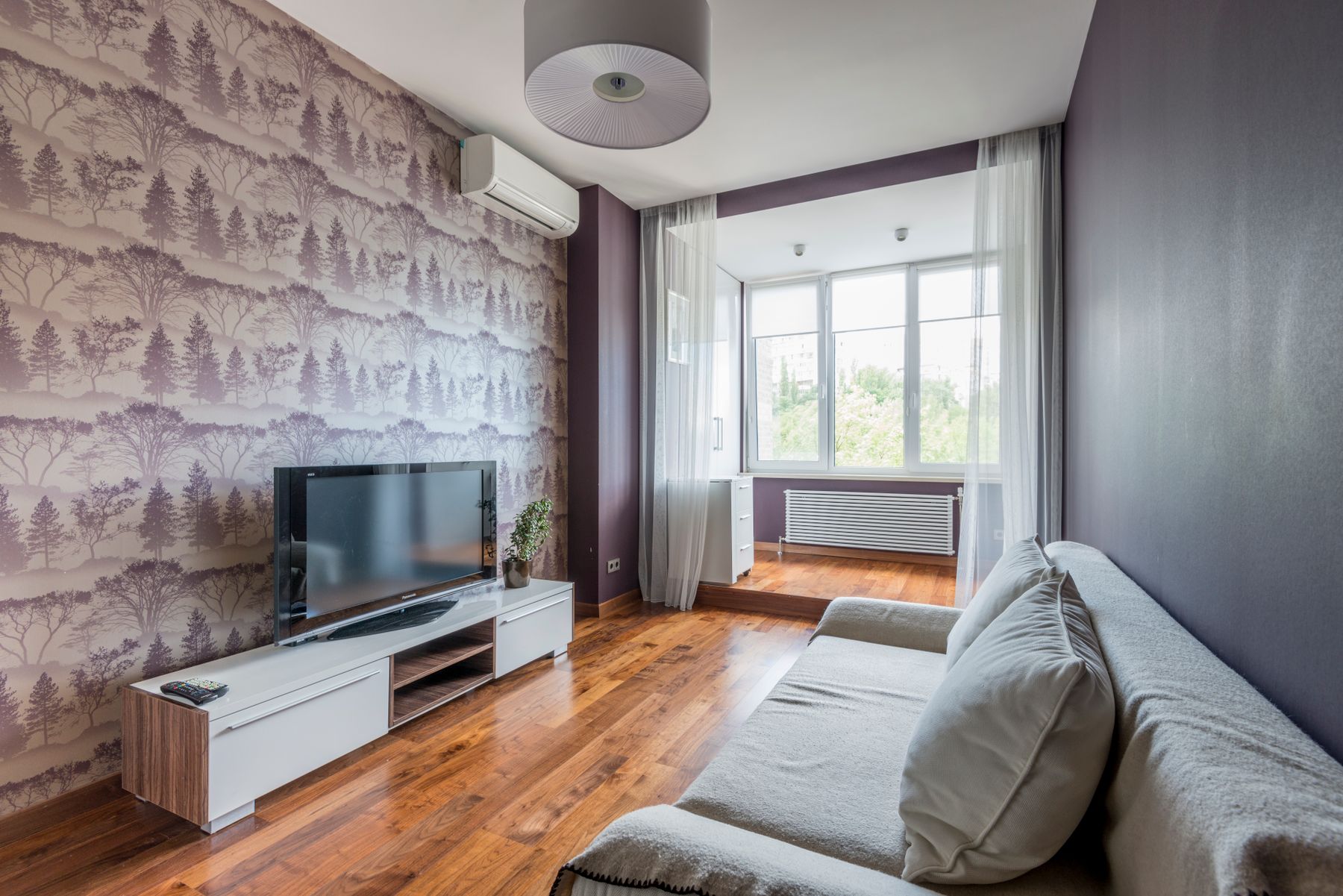
Use Wallpaper as a Field, Not a Sample Book
Botanical, damask, stripe and small geometric papers can make plain architecture feel established, but judge the full repeat at room scale. Order samples from the intended batch, test seams and consider how corners, windows and radiators interrupt the pattern. If the wallpaper is expressive, let one large upholstery surface remain quiet. In rentals or uncertain conditions, a framed panel or papered cabinet back can introduce the motif without committing every wall.
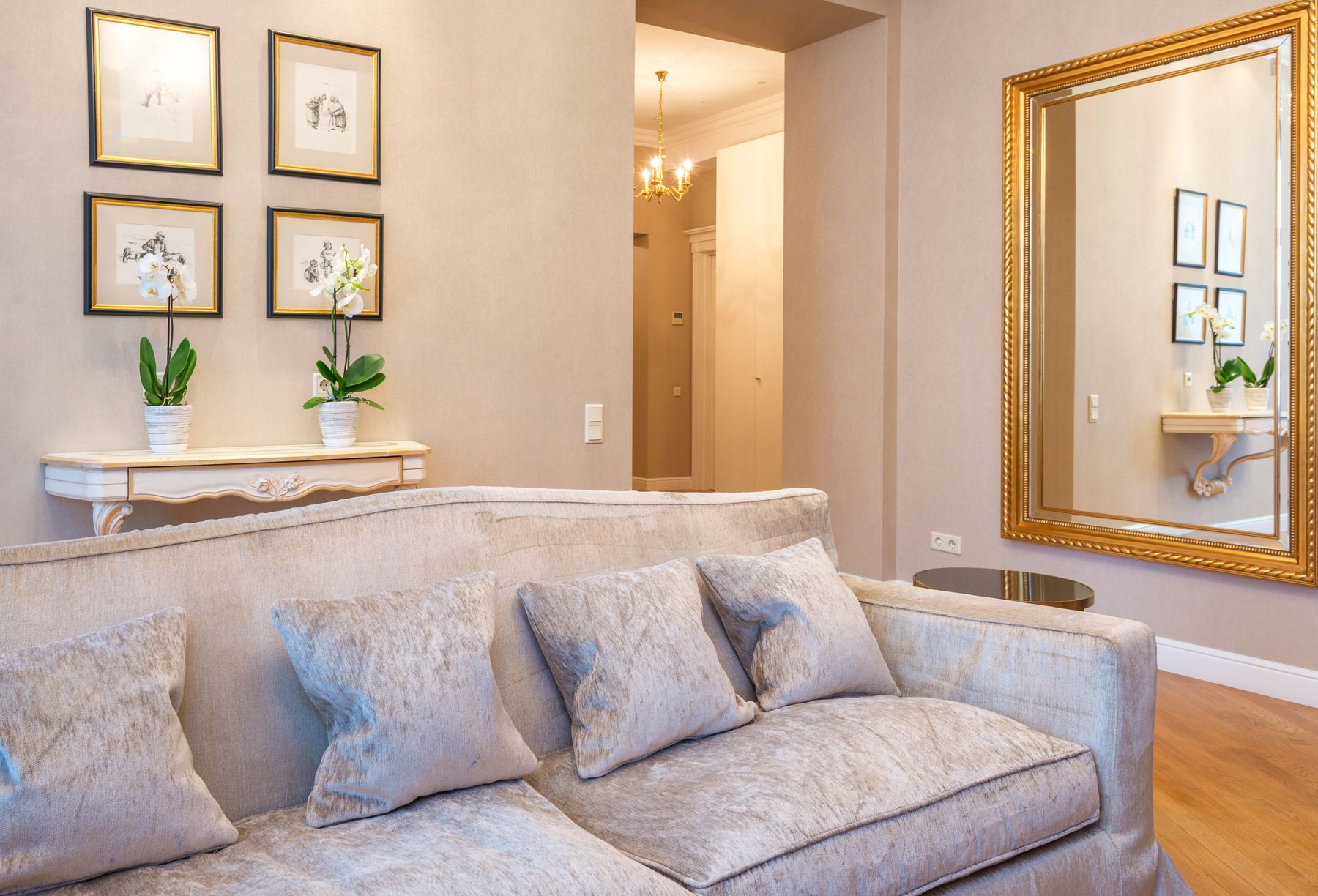
Choose Art and Mirrors for Relationship, Not Pedigree
Portraits, landscapes, drawings, modern art and mirrors can all work when scale and placement support the architecture. Centering one large piece above the mantel or console is often stronger than filling every gap. Verify fixings, especially over seating or a fireplace, and avoid hanging reflective glass where it throws television glare. Modern art can give traditional furniture useful tension; the room does not need reproductions of old paintings to prove its style.
Make Bookshelves Architectural but Usable
Built-ins can frame a fireplace, window or doorway while carrying books, media and closed storage. Size shelves for the actual collection, provide ventilation and cable routes for equipment, and keep heavy books low where practical. Alternate vertical and horizontal groups only when it helps access or supports an object; excessive styling wastes capacity. [Living room storage ideas](/living-room/living-room-storage-ideas/) helps divide display, media, games and household supplies before cabinetry is specified.

Display Collections in Readable Groups
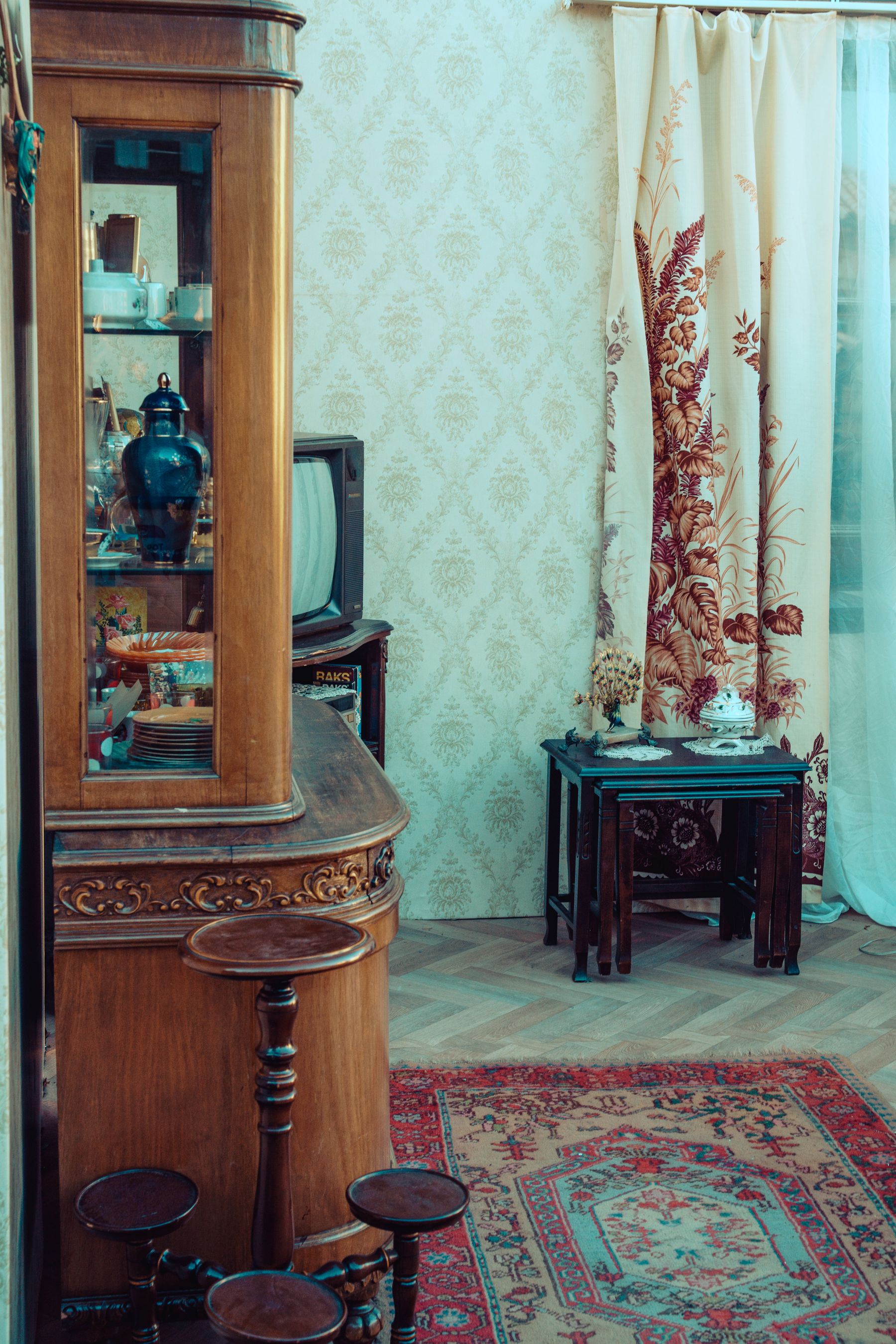
Blue-and-white ceramics, boxes, small paintings, silver, family photographs and travel objects can deepen the room, but displaying everything at once removes hierarchy and increases cleaning. Group by material, story or function, then leave open space around the best pieces. Keep fragile and valuable objects away from heat, direct sun, pets and unstable furniture. Rotate secondary items rather than adding another shelf solely to accommodate decorative overflow.
Choose Upholstery for Durability and Repair
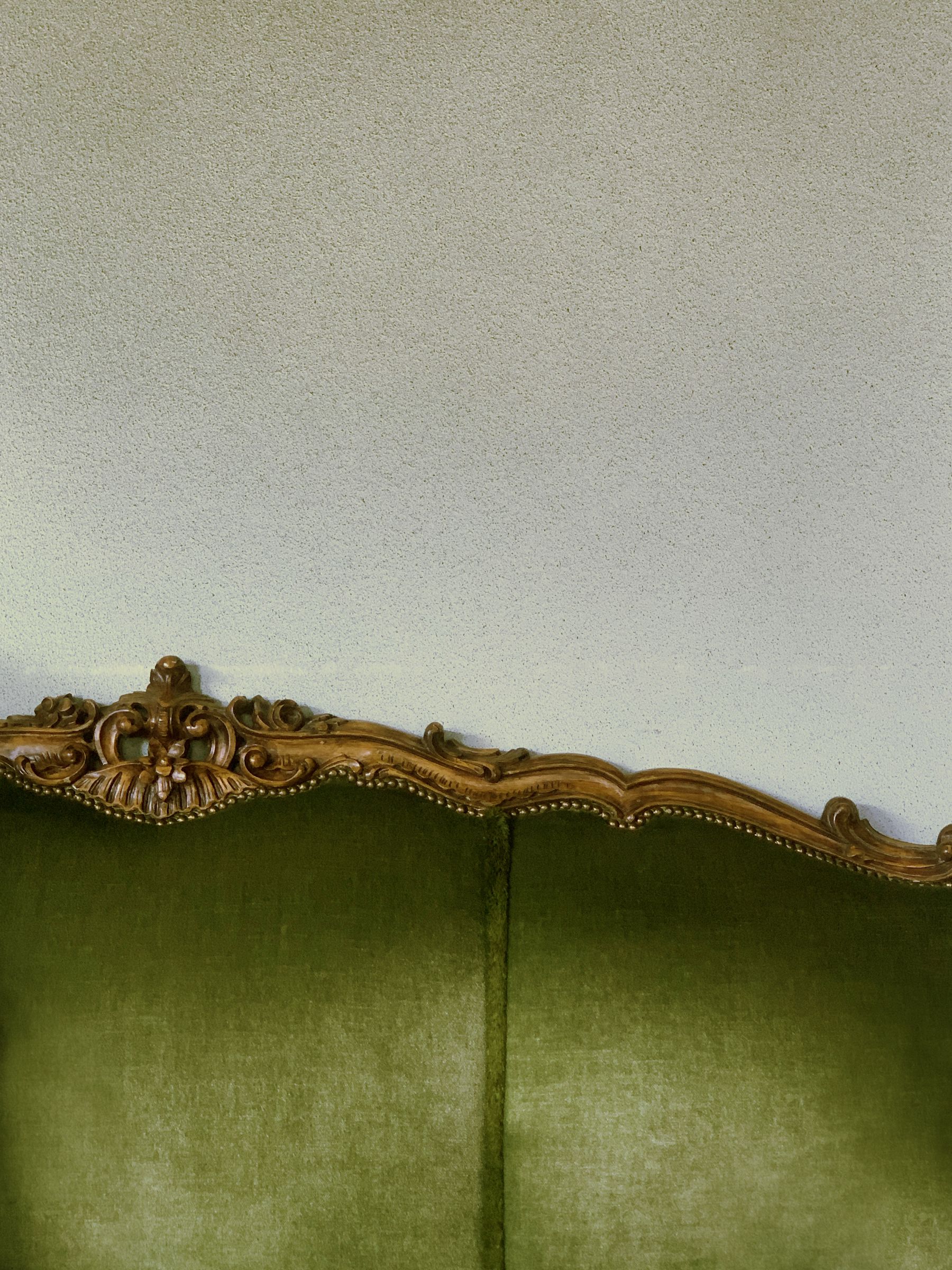
Wool, linen blends, cotton prints, velvet and performance fabrics each differ in abrasion, fading, pile marking, cleaning and feel. Order the largest sample available and test it against skin, pets, spills and daylight. Use piping, fringe or nailheads as punctuation rather than applying every detail to every piece. Removable arm caps or covers can protect high-wear areas honestly. Reupholstery is worthwhile when the frame is sound and the labor fits the value, not simply because a chair is old.
Integrate the Television Into the Furniture Plan
Choose the screen position from seated eye level, room depth and daylight before building cabinetry or a gallery around it. A dark cabinet interior, doors or sliding artwork may reduce visual prominence, but concealment should remain ventilated and easy to operate. Avoid mounting above a working fireplace without checking heat and viewing angle. Speakers, remotes and streaming equipment need clear service access. Honest integration generally ages better than a complicated disguise that the household leaves open.
Carry Traditional Character Across an Open Plan
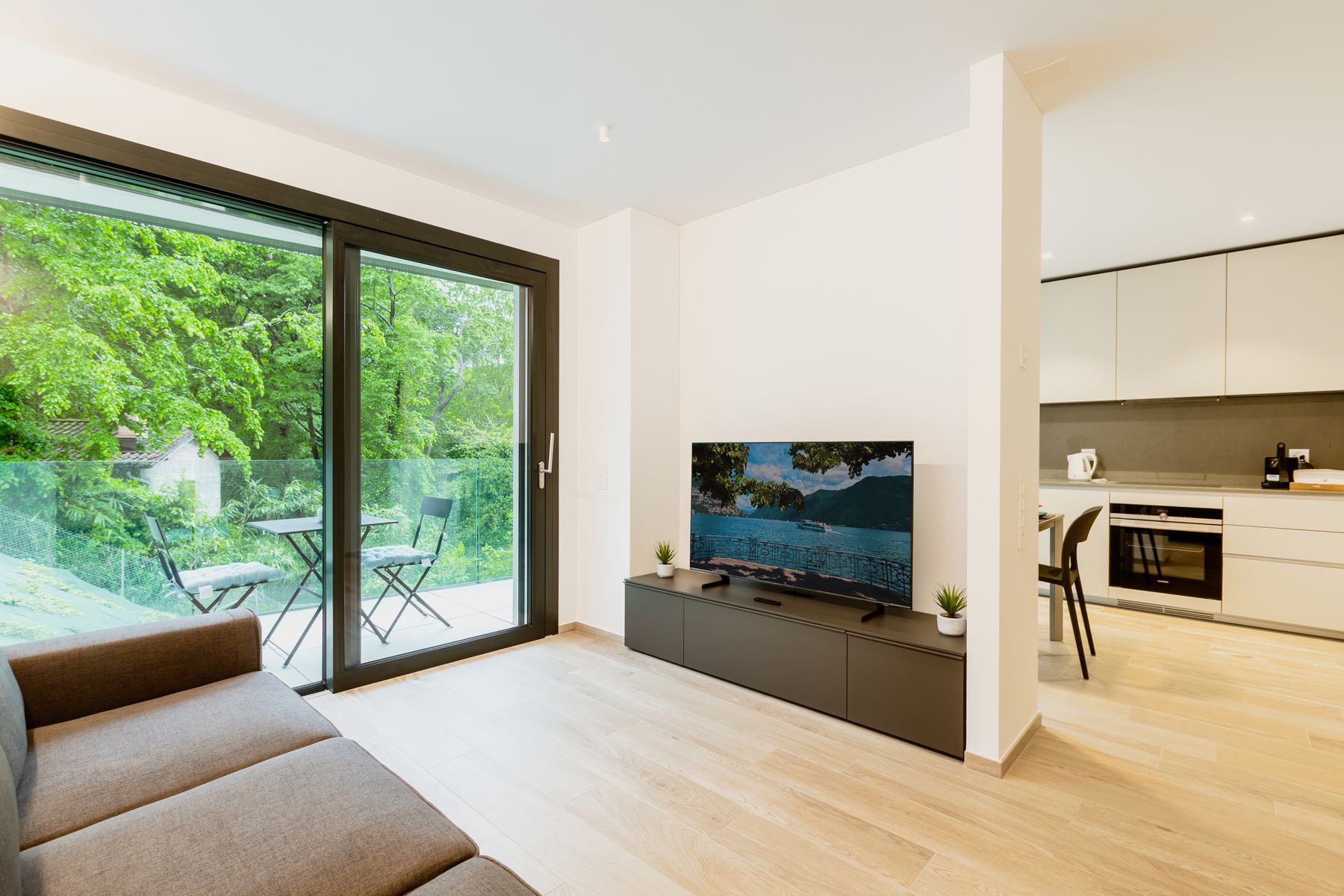
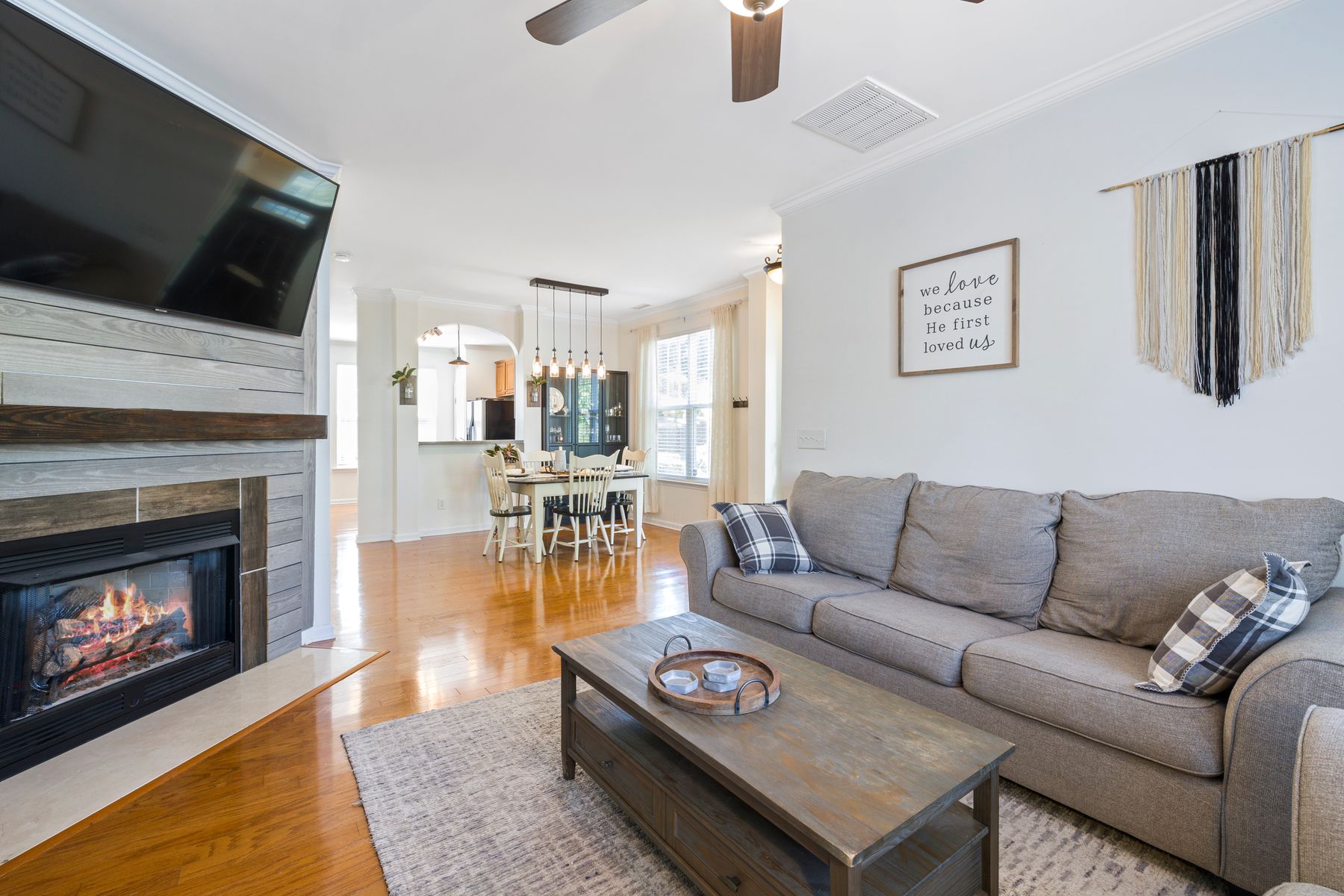
Repeat one wood family, metal finish or textile color between living and dining zones without buying identical suites. Use a substantial living-room rug, centered dining light and changed furniture orientation to establish separate centers. Protect the connecting route and test dining chairs fully extended. Traditional detail should vary by function: the living area may carry deeper upholstery and shaded lamps while dining uses a simpler table and one strong artwork.
Adapt Traditional Proportion to a Small Room
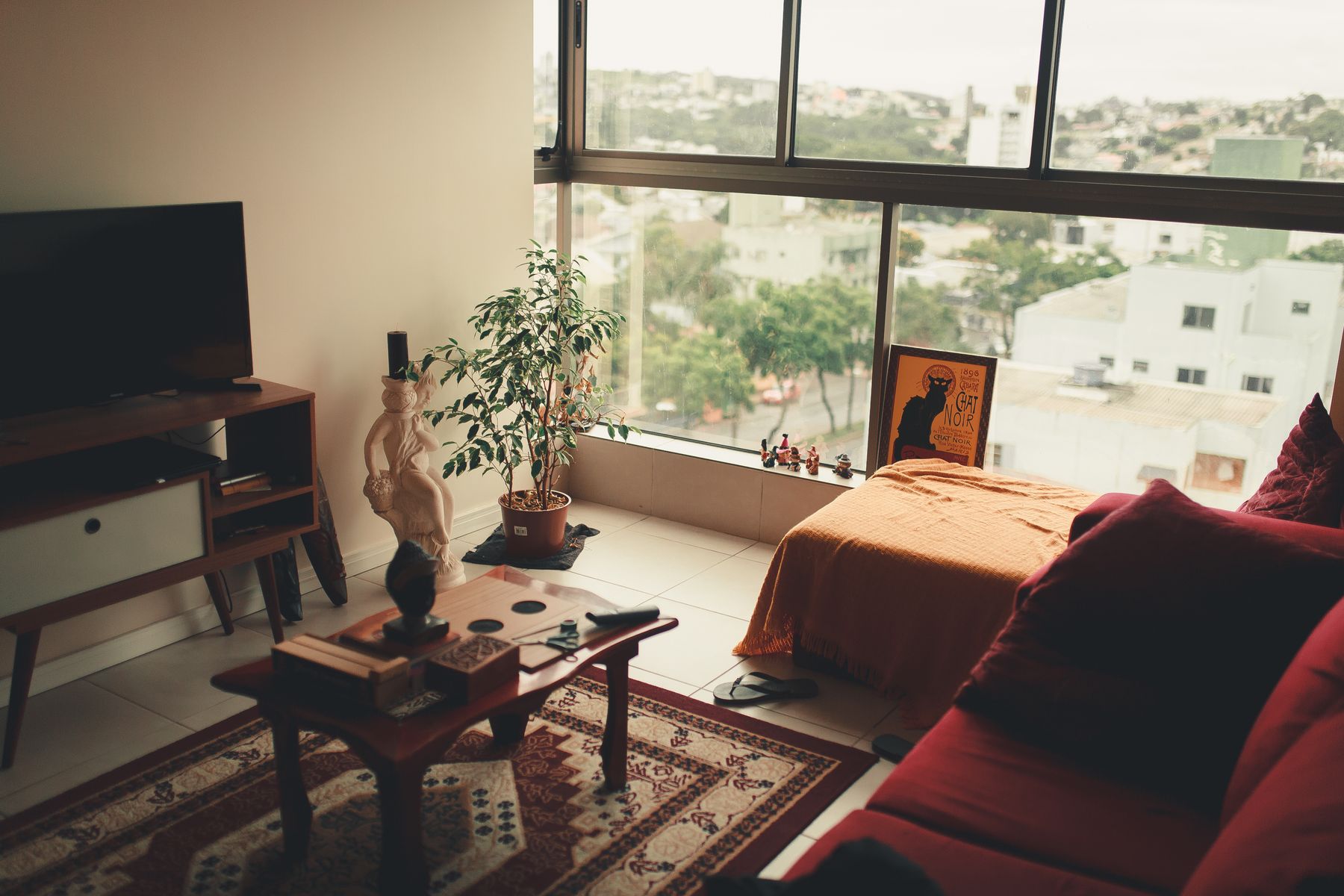
Choose a compact sofa with real support, one characterful chair, a correctly scaled rug and a table that serves more than one seat. Keep the palette connected and use wall height for art or books while protecting the floor route. Narrow arms and visible legs may help, but do not sacrifice stability or comfort. [Small living room ideas](/living-room/small-living-room-ideas/) expands storage, circulation and multifunctional choices for limited footprints.
Design for Family Life, Pets and Different Bodies
Provide at least one supportive chair with arms, preserve a continuous route and position switches and tables within useful reach. Anchor tall casegoods where required, secure heavy art and inspect older furniture for tipping, sharp edges or unstable repairs. Select washable or cleanable textiles for pets and children, and give toys or mobility aids dignified closed storage. Symmetry can bend around a necessary route or accessible seat; usability is a stronger expression of lasting design than perfect mirroring.
Add Character to a Rental or Plain New Build
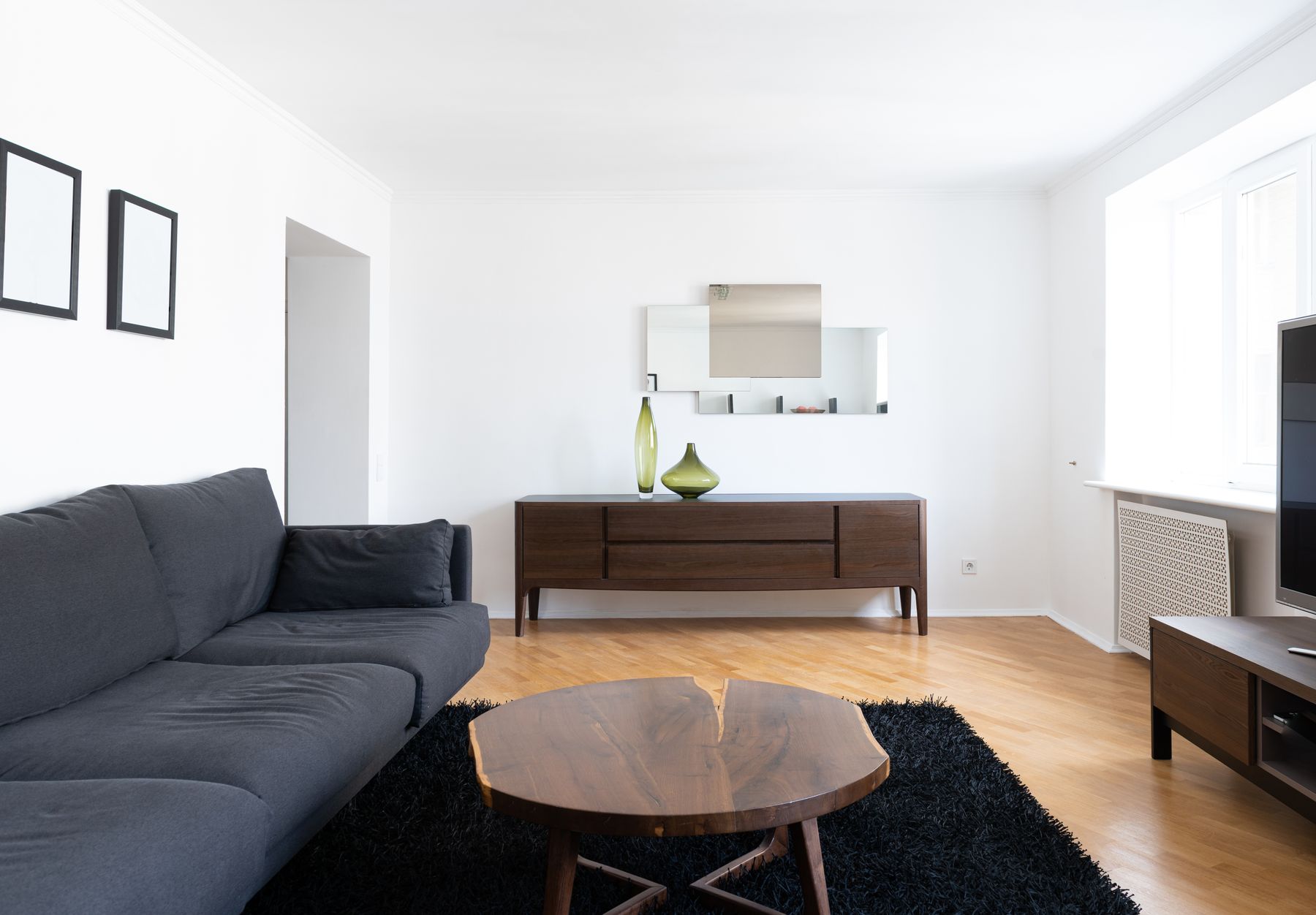
Begin with a generous rug, full-length curtains, shaded lamps, substantial art and one useful wood cabinet. These elements create scale and warmth without relying on applied molding or permanent wallpaper. Use approved fixings, test removable products and keep original fittings labeled for reinstatement. In a new build, live with the room before adding trim; furniture height and actual circulation should determine any future panel grid. Avoid lightweight faux-antique accessories that imitate age without providing function.
Buy Antiques and Reproductions With Clear Eyes
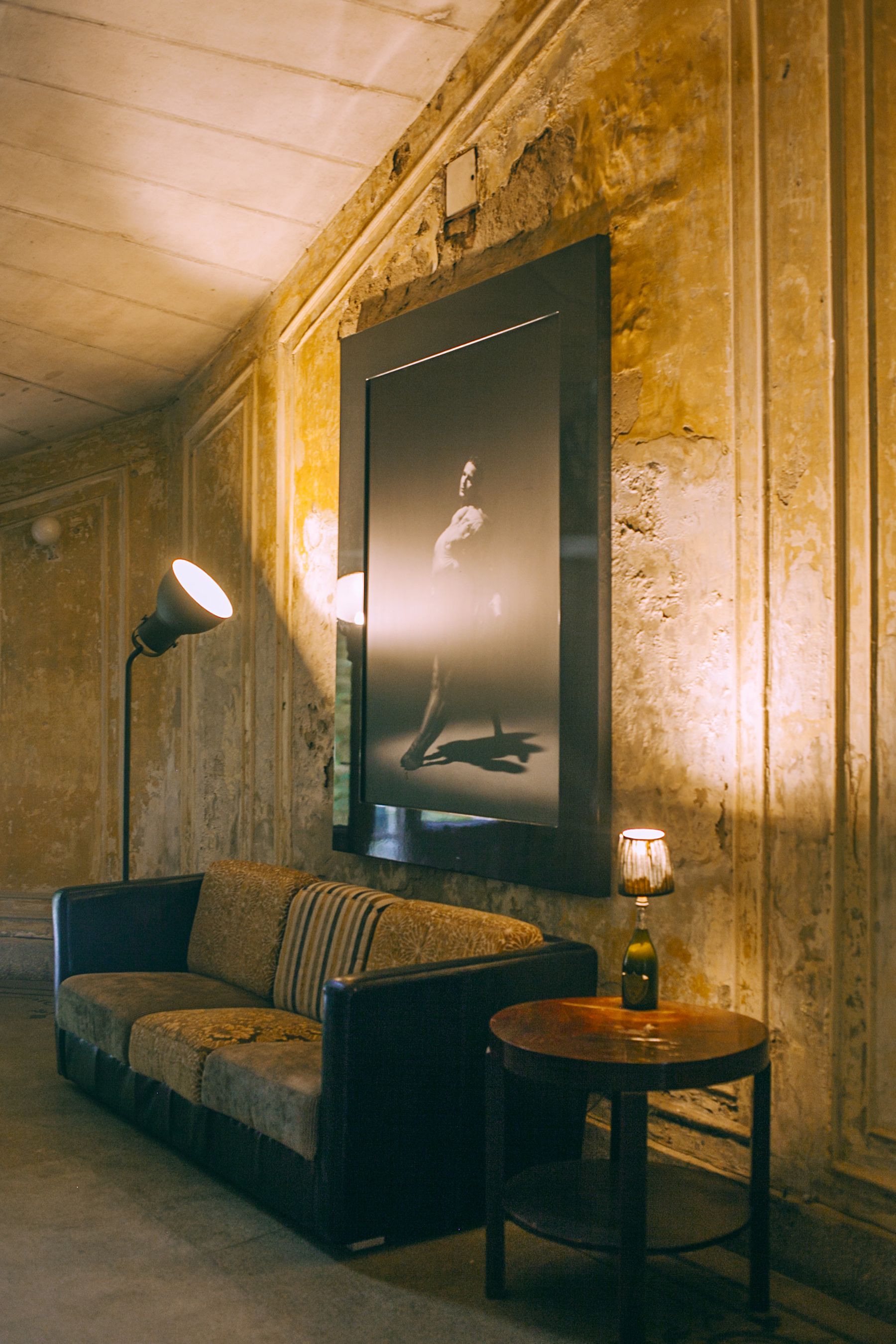
Measure the intended location, access route and vehicle before visiting dealers or markets. Inspect joints, veneer, drawers, odors, pests, finish transfer, upholstery and electrical components, and ask for provenance without treating a story as proof. A well-made reproduction may offer better scale or durability than a compromised old piece; age alone does not guarantee craft. Price delivery, repair and professional rewiring into the decision, then leave the gap open if neither option is sound.
Build the Room in Functional Budget Phases
Spend first on comfortable seating, the correct rug size and useful light, then add storage, curtains and art as the room's needs become clear. Reupholstery, custom curtains and electrical work can be excellent investments but require realistic labor estimates. Secondhand tables, repaired lamps and inherited art may stretch a budget when condition is sound. Avoid matching furniture packages marketed as timeless; completing the room slowly usually produces better scale, variation and personal history.

Use New Traditional Contrast With Restraint
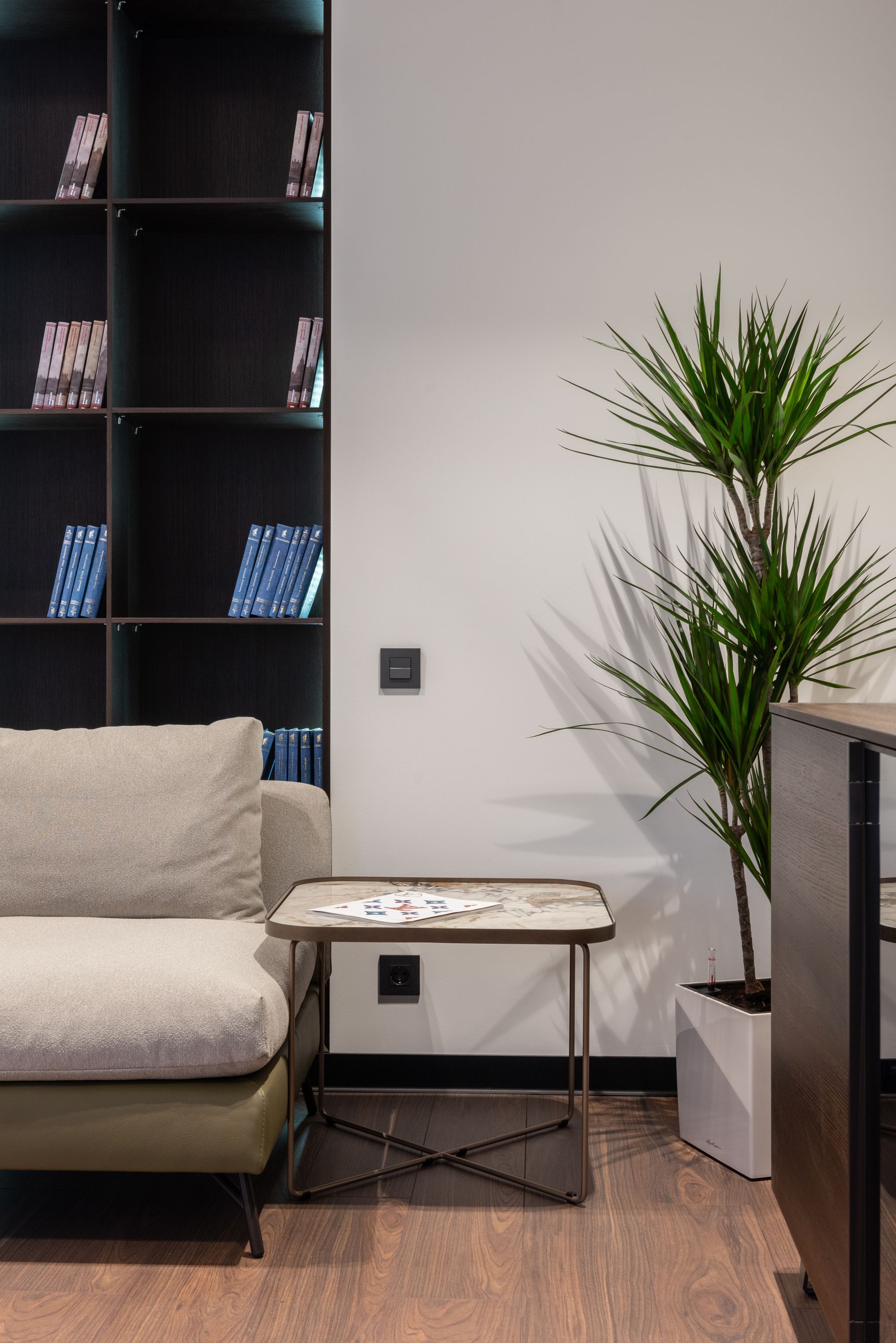
New traditional rooms retain proportion, craft and historical reference while allowing stronger color, modern art, current lighting or simplified upholstery. Choose one or two contrasts and let the architecture and major furniture remain coherent. Transitional design is usually more evenly split between modern and traditional, often with less ornament; new traditional can remain visibly rooted in the past while feeling relaxed and personal. If current sculptural form becomes the main intent, [contemporary living room ideas](/living-room/contemporary-living-room-ideas/) is the clearer destination.
Maintain Wood, Textiles and Decorative Detail
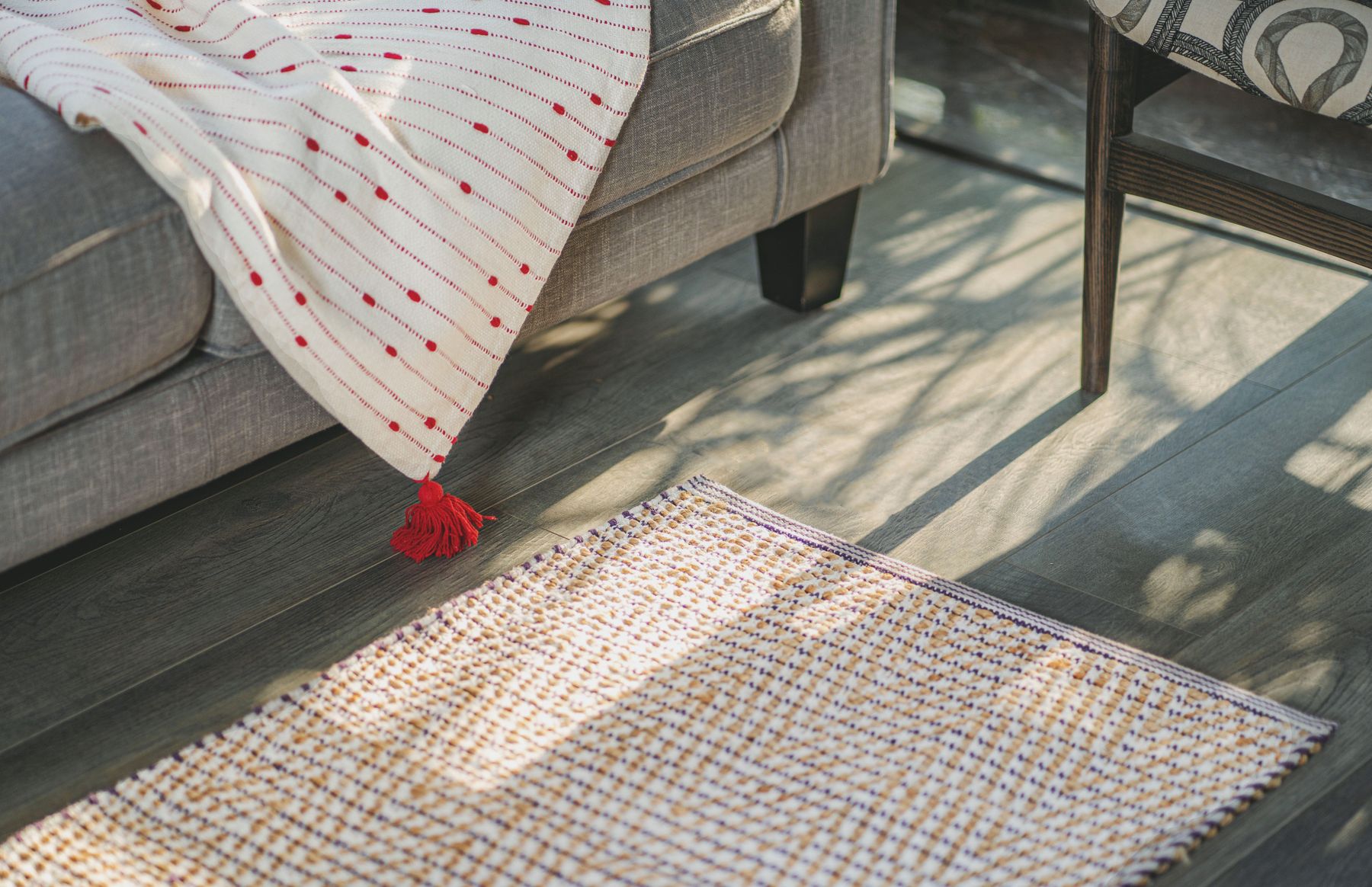
Keep maker instructions and fabric codes, use suitable tools for carved details, rotate cushions and rugs where appropriate, and inspect curtain hems, fringe, loose joints and lamp wiring seasonally. Do not polish every old wood surface with the same product; finish type and conservation needs vary. Vacuum textiles with appropriate settings and address moisture or pests promptly. If the room cannot be reset within the household's available time, reduce display and textile layers rather than accepting permanent dust.
Edit Tradition as the Household Changes
Review the room after ordinary weeks rather than immediately after styling. Notice which seats are used, where clutter gathers, whether curtains reduce useful daylight and which displays make cleaning difficult. Replace failed furniture, relocate objects and adjust symmetry when bodies, hobbies or technology change. Tradition is continuity through adaptation, not preservation of an arrangement that no longer works. Keep the strongest architecture, craftsmanship and personal history, then edit every layer that survives only because it once completed a picture.