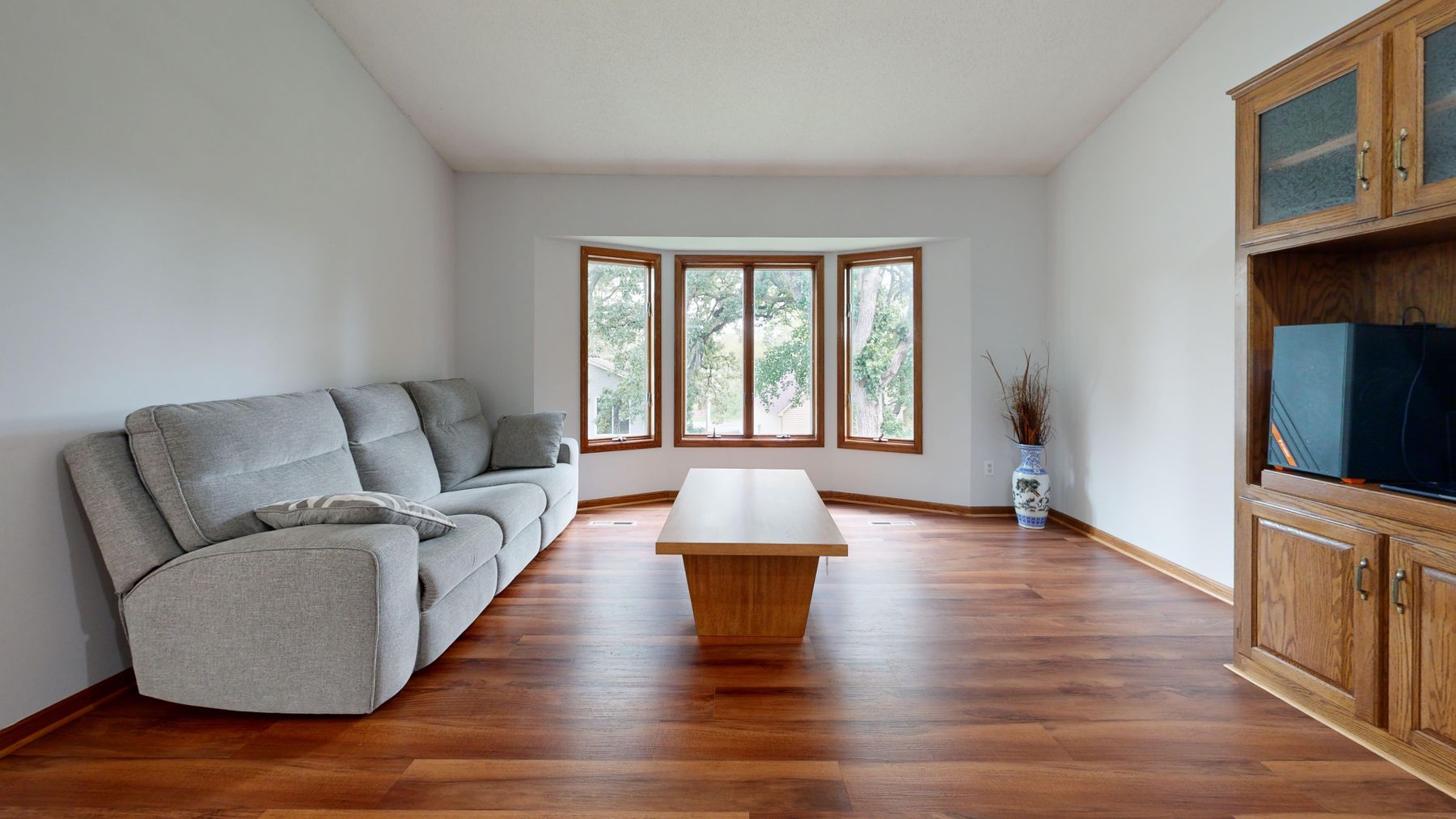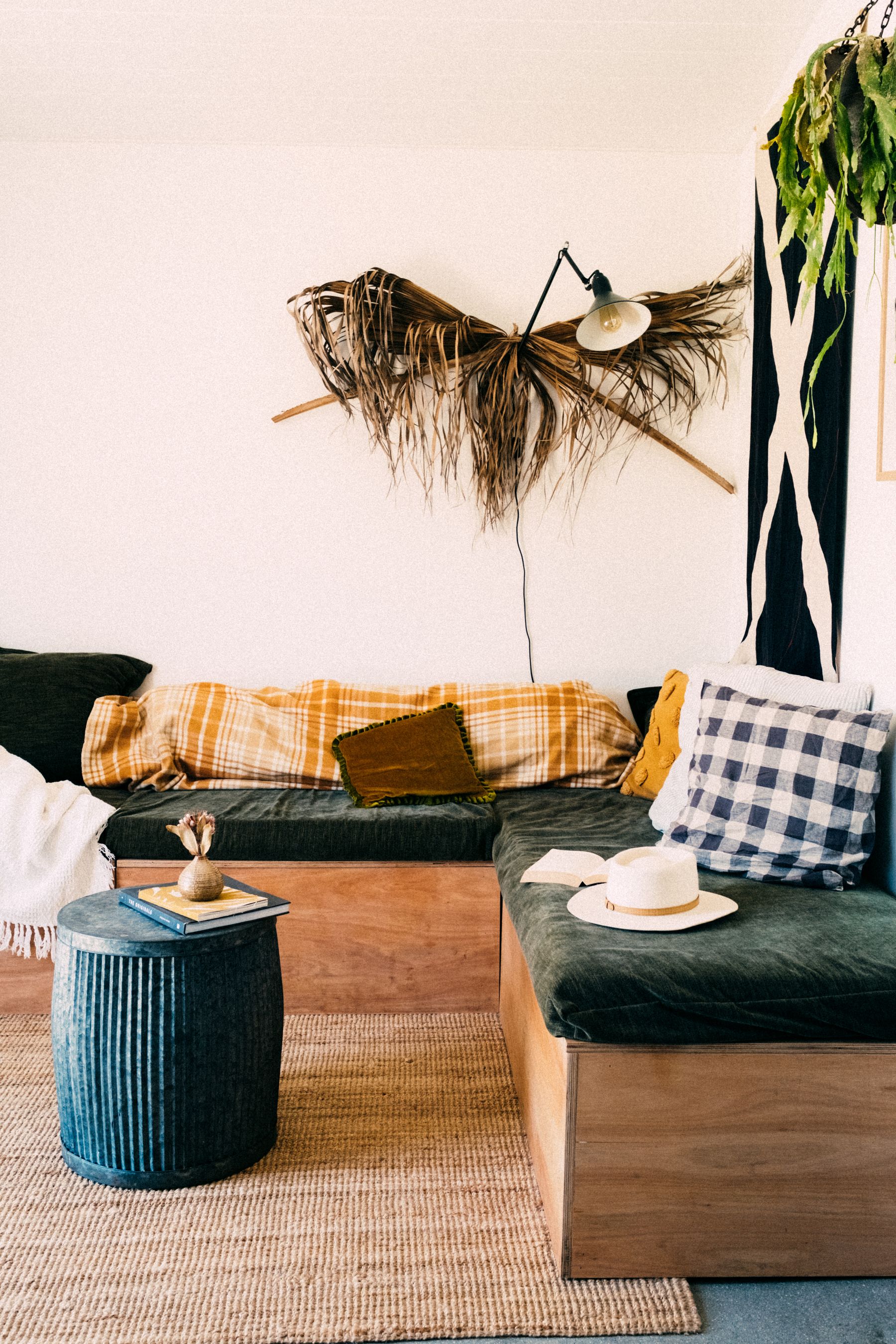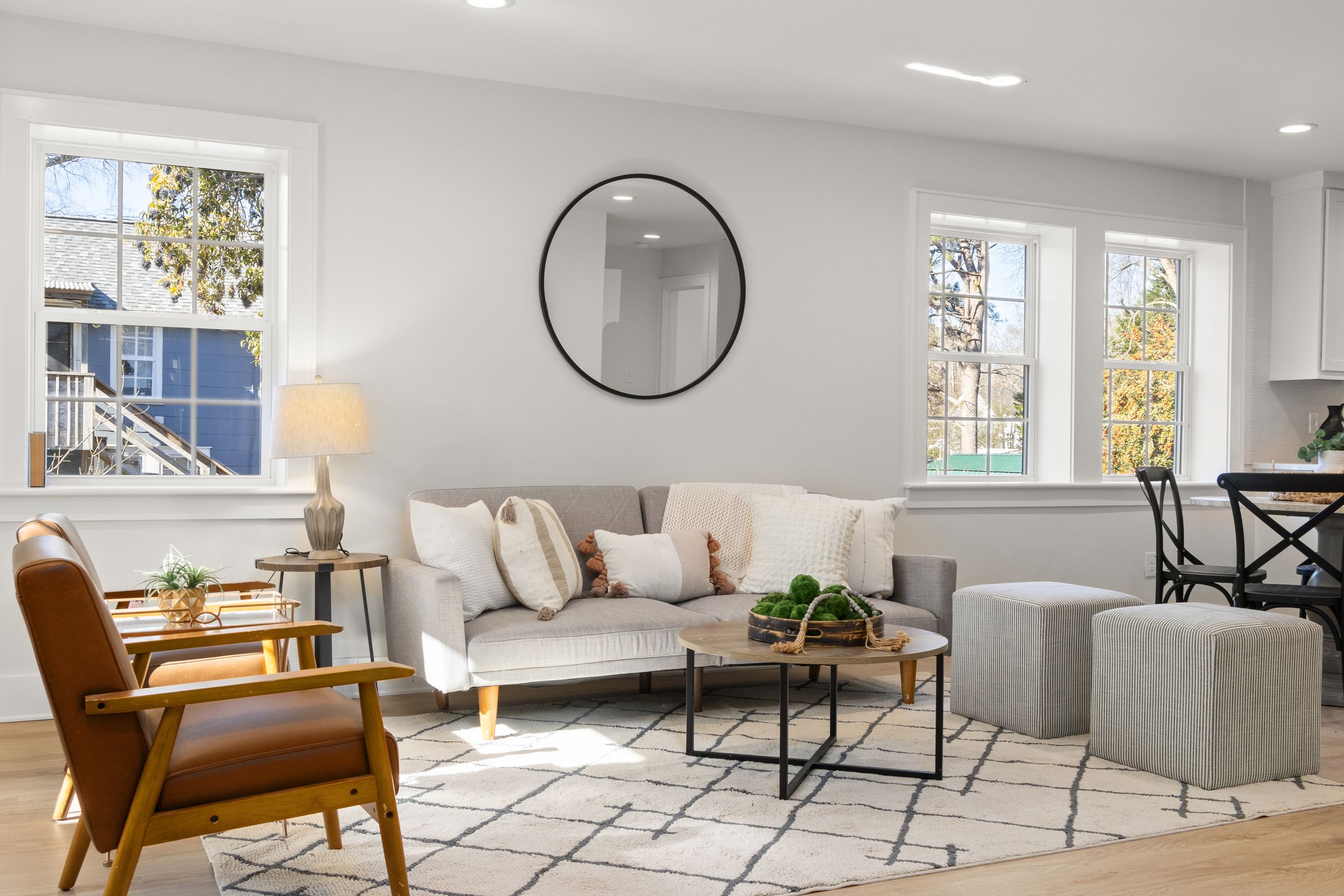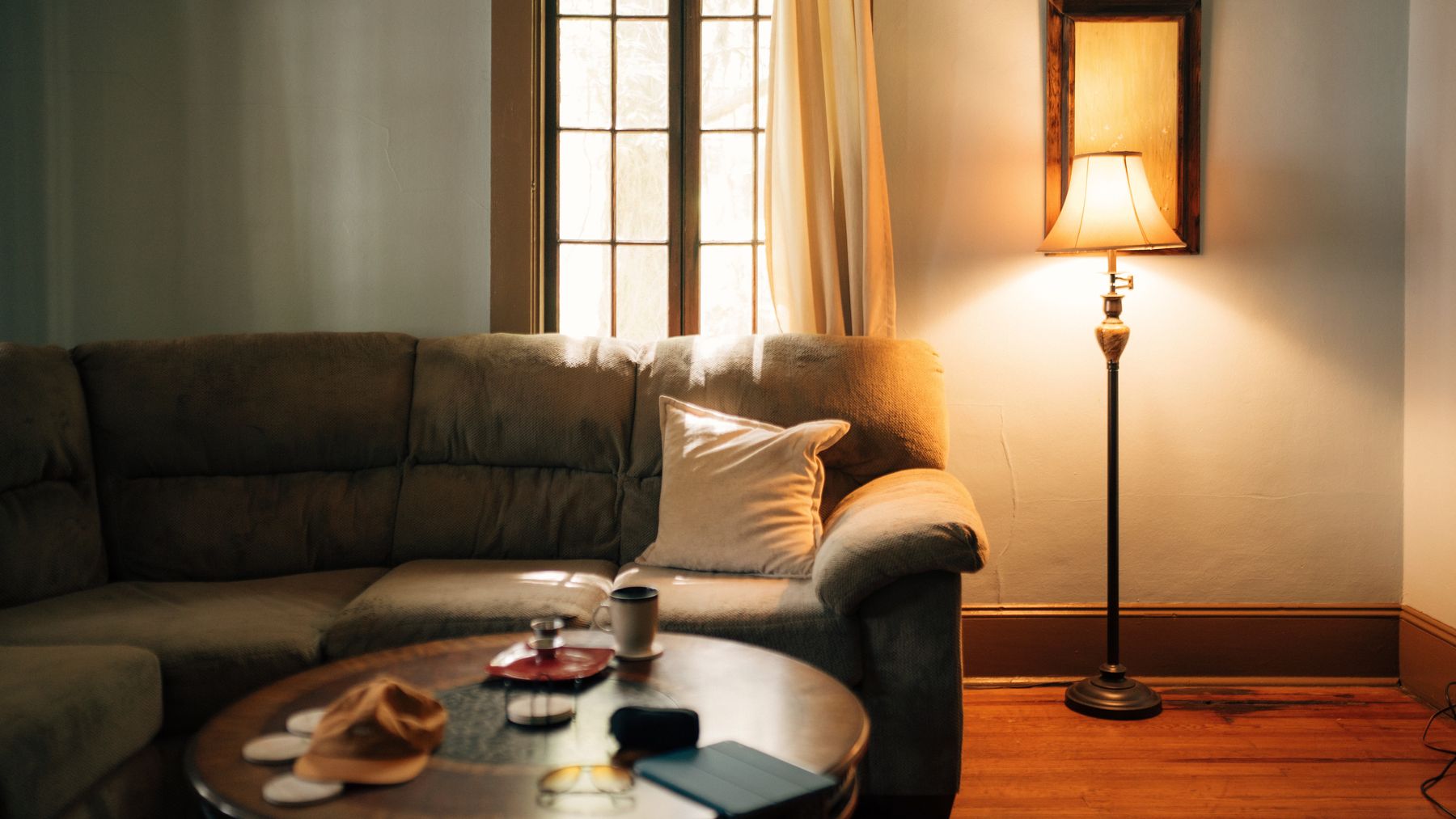
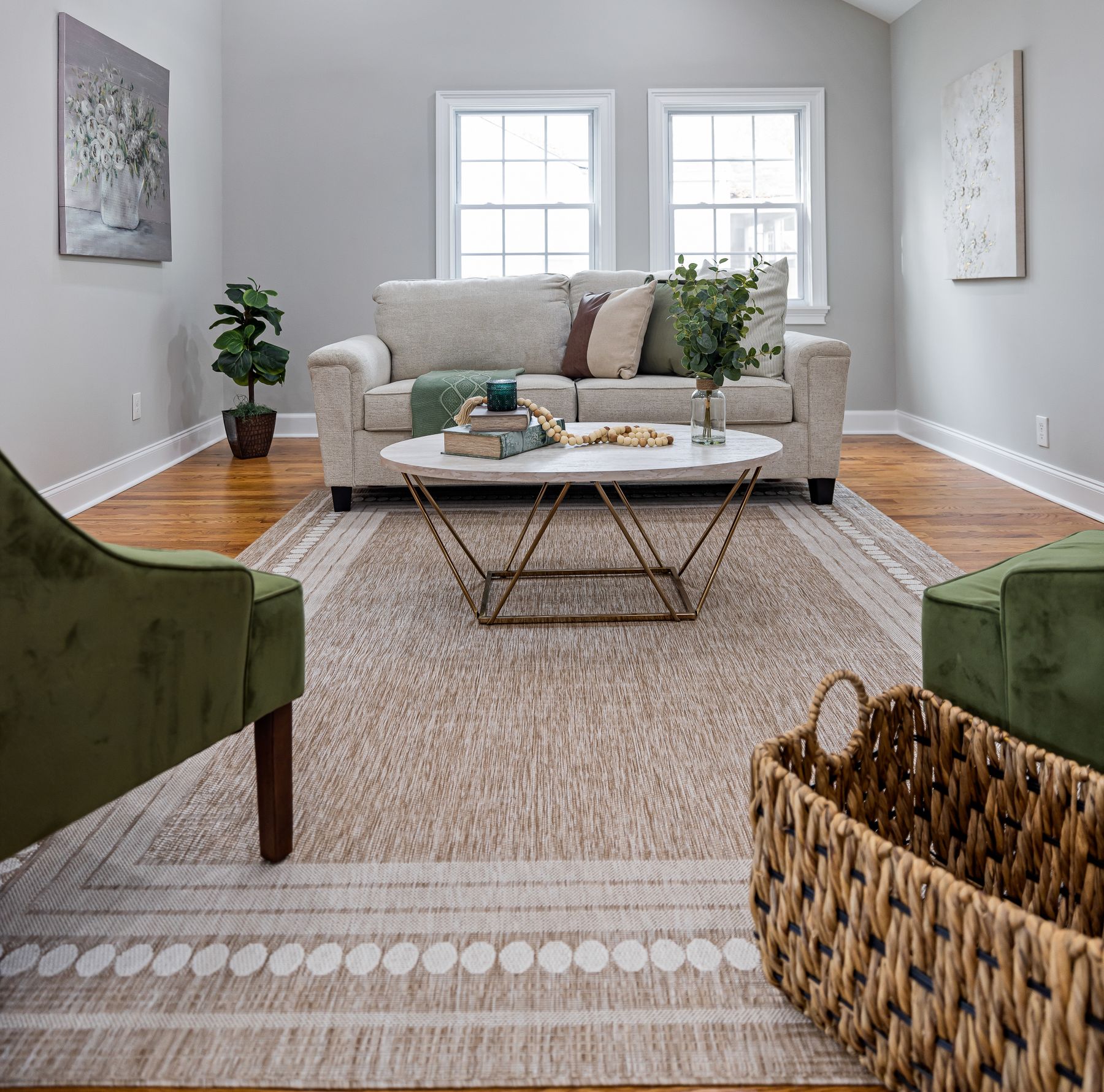
Define Cozy as a Comfort System, Not a Look
Start with what comfort means in this household: easy conversation, a protected reading place, floor space for children, television without glare, or enough seating for regular guests. Then name the conditions that support it—stable temperature, soft but breathable materials, controlled sound, useful light and furniture that does not obstruct movement. Cozy is therefore a performance brief, not a beige palette or a pile of cushions. Unlike our [warm bedroom ideas](/bedroom/warm-bedroom-ideas/) guide, which centers color and material warmth in a sleep space, this living-room plan must support several people and changing activities throughout the day. For continuity beyond this room, [cozy apartment ideas](/apartment/cozy-apartment-ideas/) applies the same sensory approach across a connected home.
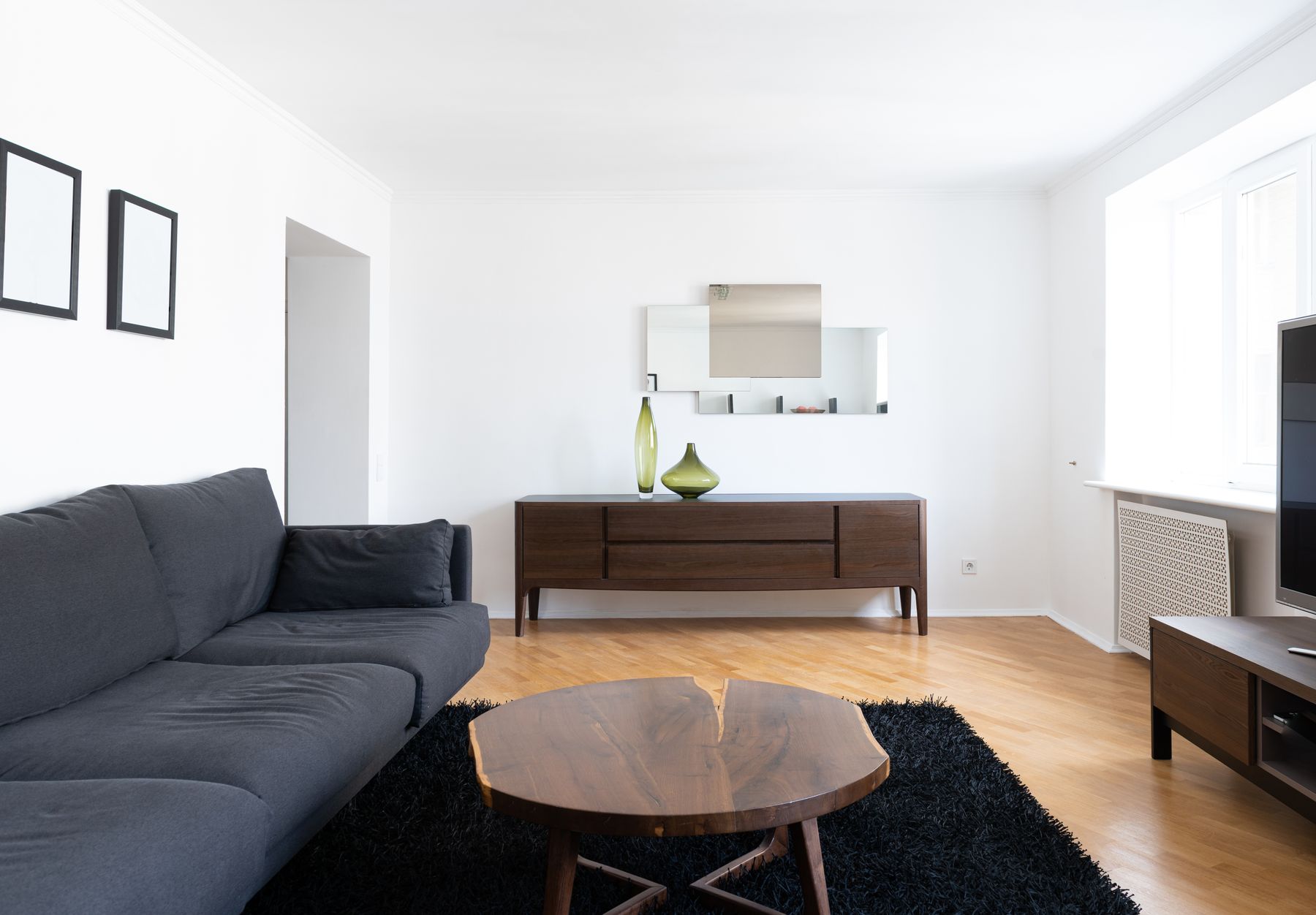
Map the Room in Its Everyday State
Measure wall lengths, ceiling height, door swings, window sills, radiators, vents, outlets and the routes to adjoining rooms. Add furniture in its working state: recliners extended, ottomans pulled out, cabinet doors open and dining chairs occupied nearby. A room can look enveloping in a still image yet feel irritating when every passage catches a table corner. Protect the most-used path first, then place the seating group inside the remaining usable zone. The full-scale tests in [living room layout ideas](/living-room/living-room-layout-ideas/) help resolve competing routes before softness and decoration hide a weak plan.
Pull Seats Into a Real Conversation Distance
Place the sofa and chairs close enough for normal speech, with bodies angled toward one another rather than arranged as a straight audience for the television. Every regular seat should have a reachable surface and a clear way in or out. In a large living room, two purposeful groups—a main conversation area and a reading pair—often feel cozier than one oversized sectional floating in unused space. In a narrow room, one sofa and a mobile chair may be enough. Test the layout with the number of people who actually gather, not the maximum imagined holiday crowd.
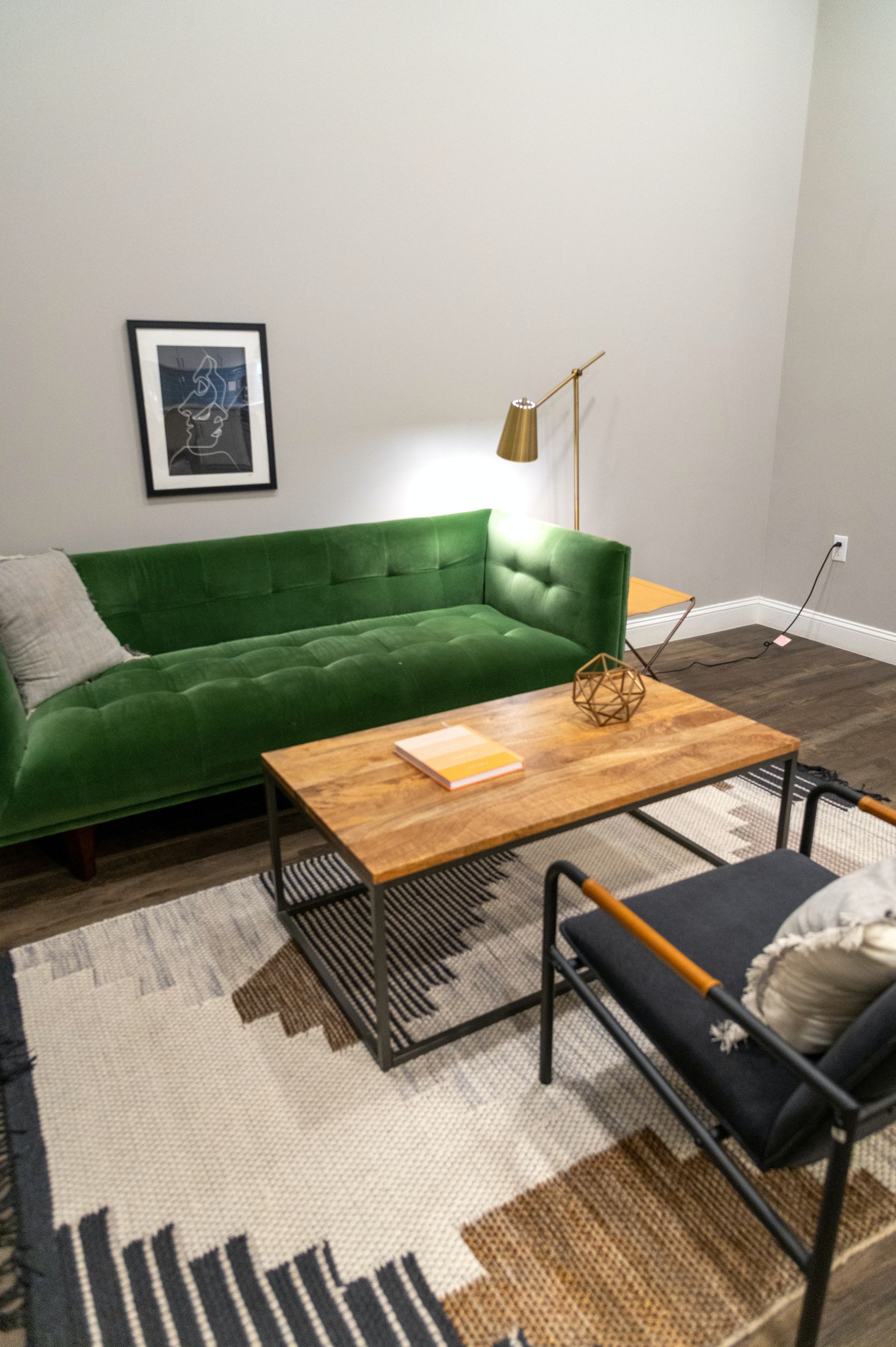
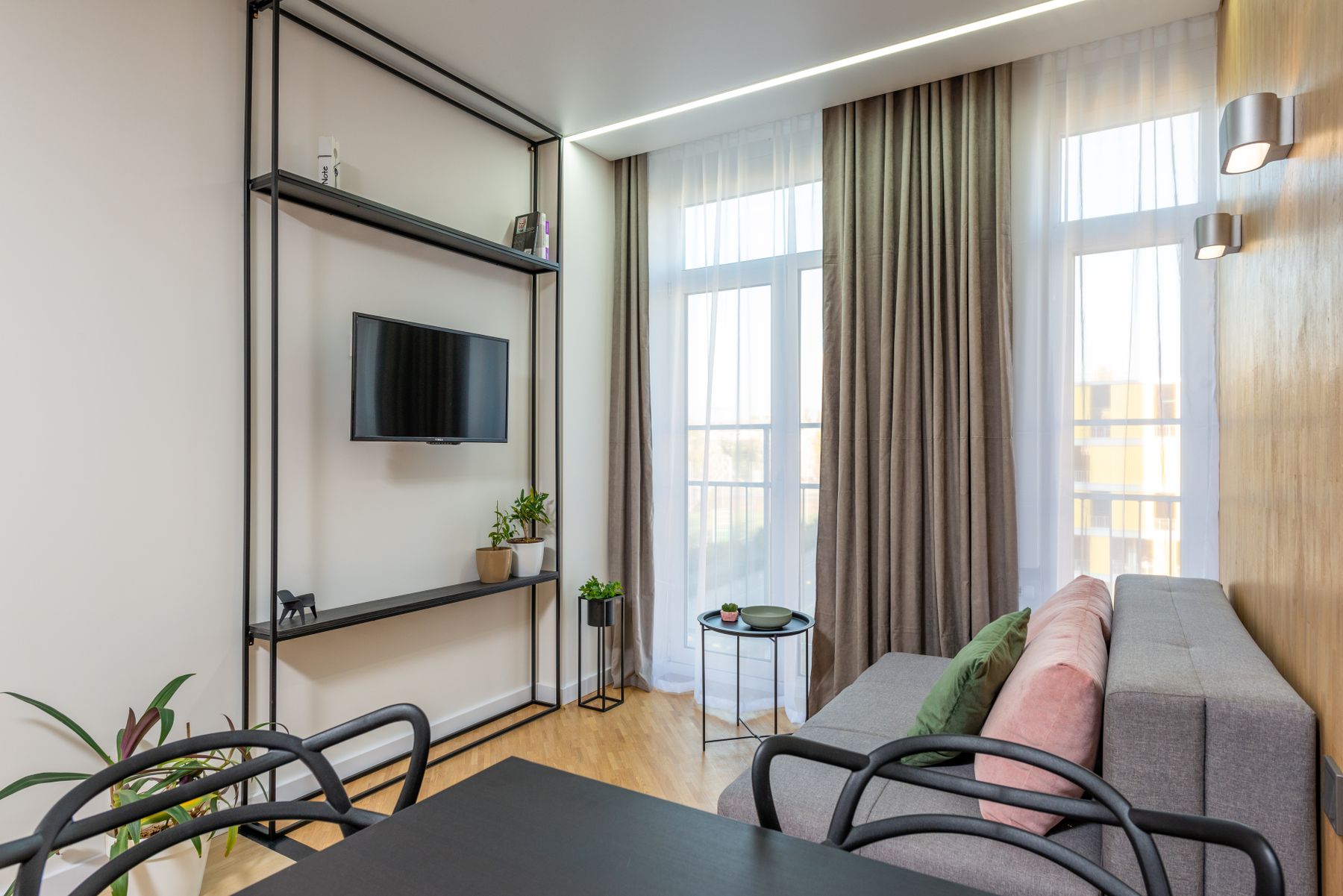
Choose Sofa Depth From Posture and Floor Area
Deep sofas encourage lounging but can leave shorter users without back support and consume the route in a compact room. Shallow upright sofas suit conversation and older users but may feel formal for evening relaxation. Compare seat depth, height, cushion firmness, arm width and the floor area left after a coffee table and passage are added. A sectional is useful only when its corner is genuinely used and its chaise does not block the room. The buying logic in [small living room ideas](/living-room/small-living-room-ideas/) is especially useful where every few inches change how the room works.
Give One Chair a Protected Reading Position
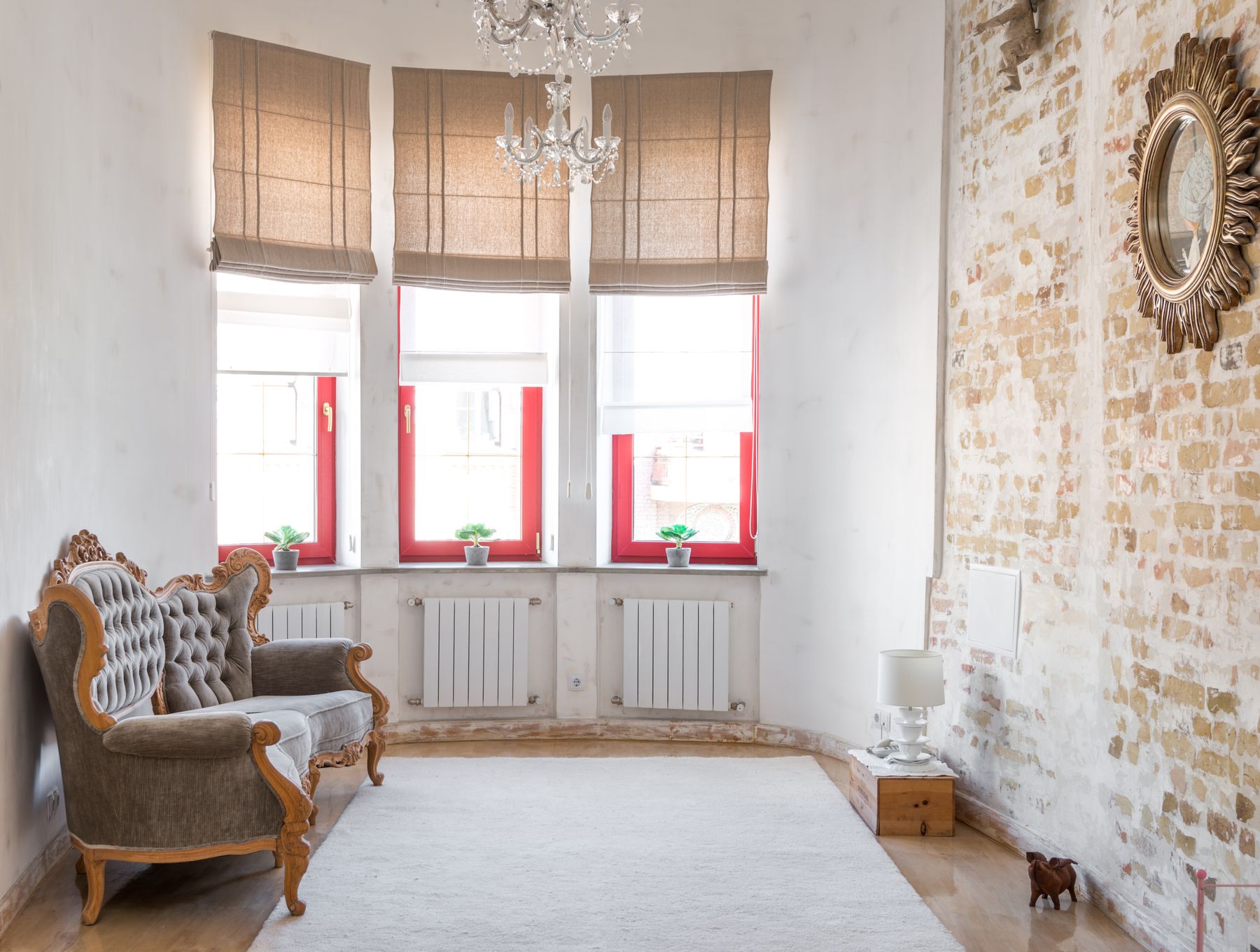
A reading position becomes cozy through support and control, not simply through a photogenic chair. Choose a seat that supports the intended posture, place a lamp so the page is lit without a visible bare bulb, and add a surface for a drink or glasses. Protect the chair from the main traffic line and television reflection while keeping it socially connected. Current Pinterest trend reporting shows growing interest in functional reading nooks, but a nook need not be architectural; a chair, light, view and boundary created by a rug or side table can make a complete micro-zone.
Put a Reachable Surface Beside Every Regular Seat
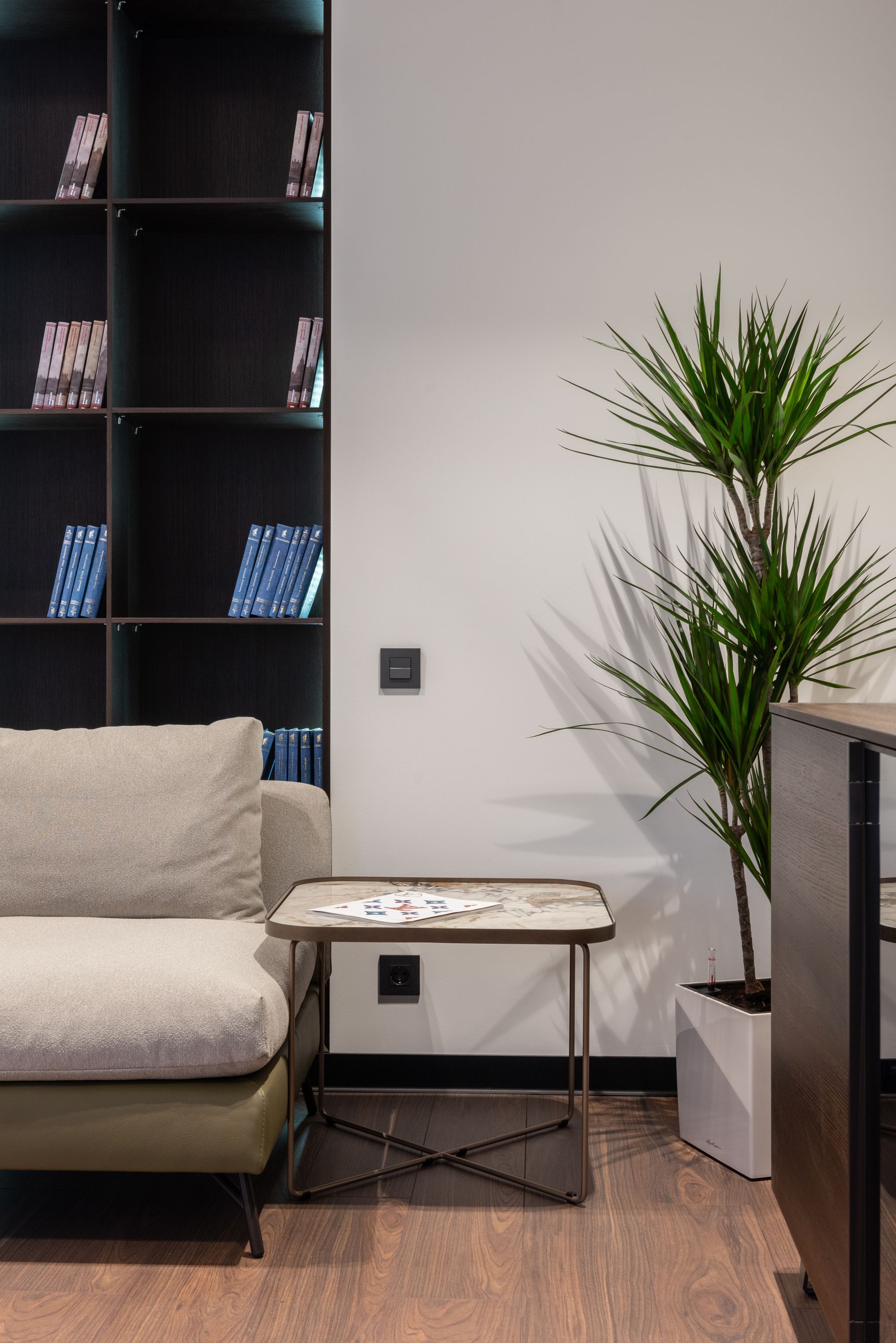
A coffee table cannot serve every body or every activity. Add a stable side table, narrow console or shared pedestal wherever a person regularly sets down a drink, book, remote or mobility aid. Round edges help at tight passing points; a weighted base matters around children and pets. Keep the top largely available rather than filling it with decorative objects. If the seating is movable, choose one lightweight table that can travel with a chair. These ordinary conveniences are what make a room feel cared for after the styled cushions have shifted.
Use the Rug to Hold the Group Together
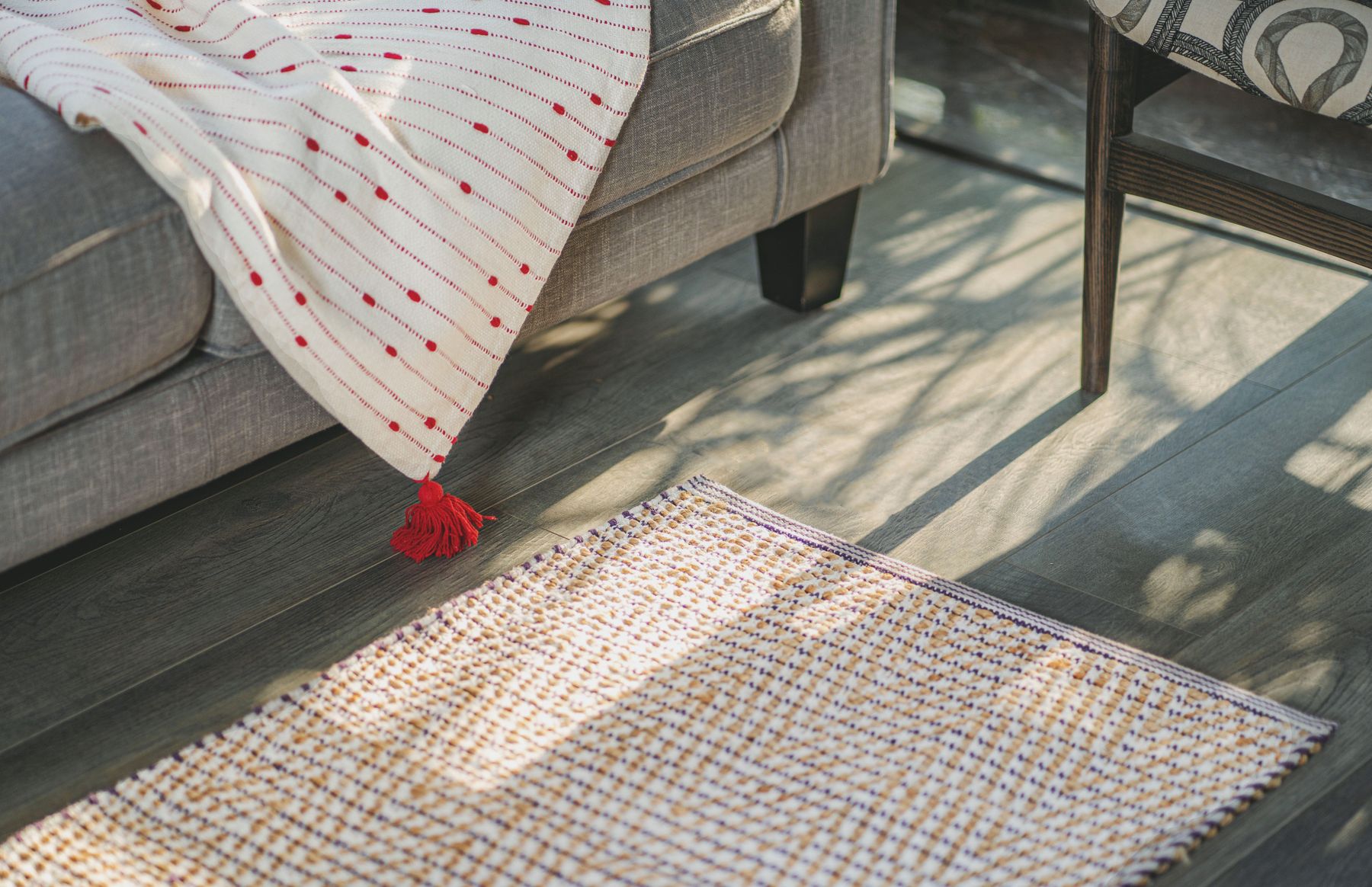
Size the rug from the furniture arrangement, not from the empty floor. In many rooms, the front legs of the main seats should connect to it so the group reads as one place; in a floating arrangement, all legs may fit. A tiny rug between distant seats emphasizes separation and becomes another edge to cross. Choose pile and fiber for doors, wheel movement, pets, cleaning and floor heat as well as softness. The detailed placement and performance checks in [living room rug ideas](/living-room/living-room-rug-ideas/) prevent a visually warm choice from becoming a trip or maintenance problem.
Layer Texture Where the Body Meets the Room
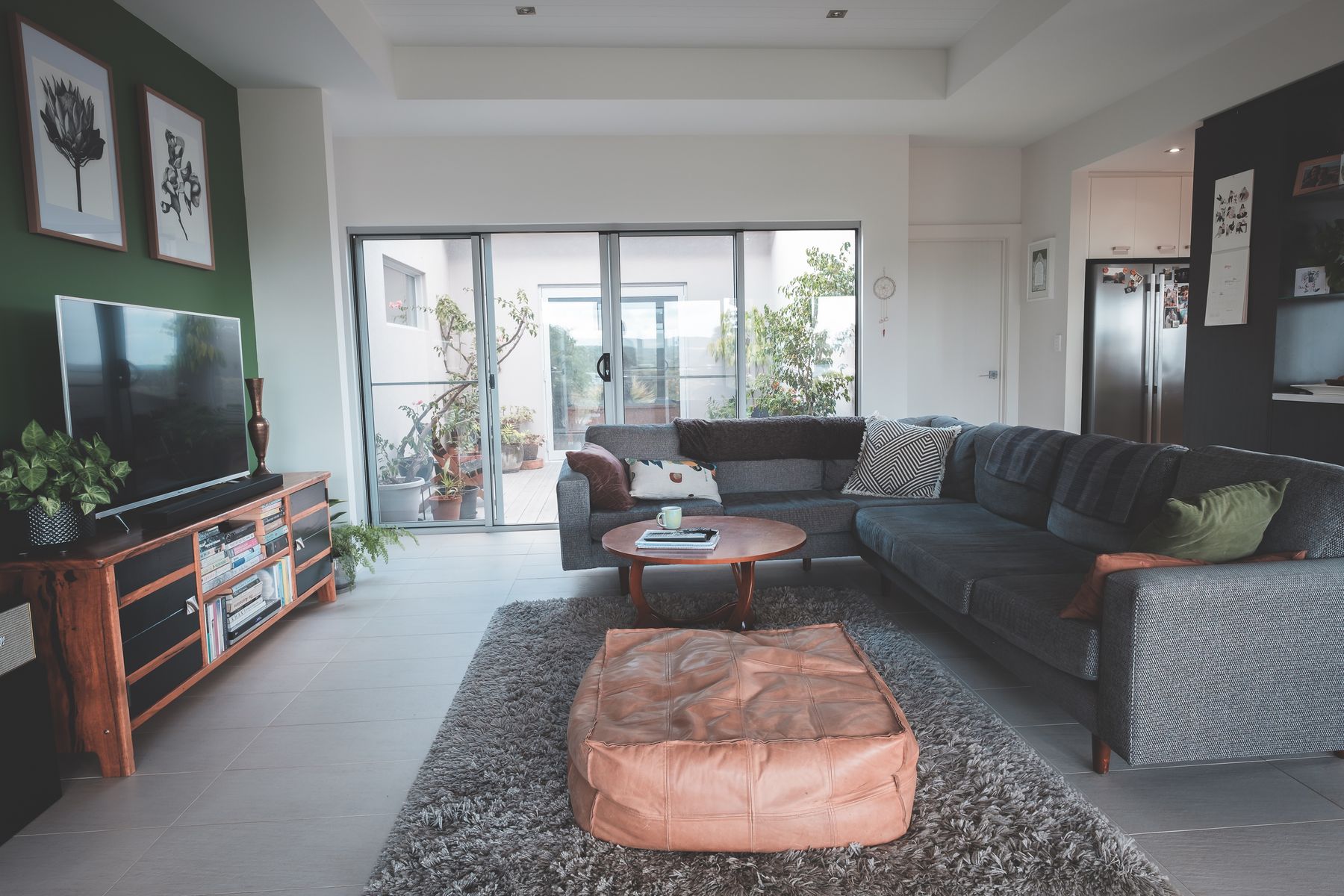
Concentrate tactile contrast on upholstery, the rug, curtains, a blanket and the surfaces people touch. Mix scales—a broad woven rug, smoother sofa fabric, napped cushion and grained timber—so the room has depth without becoming a showroom of samples. Check fiber content, washability, snag risk and whether a material feels comfortable in the household climate. Deep pile and boucle may look inviting but can trap debris or catch claws. A cozy room needs a maintainable hierarchy: a few generous, useful textures usually feel richer than many small baskets, fringes and novelty fabrics.
Treat Curtains as Light, Privacy and Thermal Equipment
Window layers have more work to do than framing the view. Use a translucent layer for daytime privacy or glare and a denser curtain or blind where nighttime privacy, drafts or summer heat demand it. Mount and stack curtains so they clear the glass when open; a beautiful heavy panel that permanently steals daylight will make the room gloomy. Keep fabric away from radiators, heaters and floor vents, and make controls reachable. Review the exact orientation and seasonal sun before choosing lining, because comfort comes from controlling change rather than sealing the room into permanent dimness.
Build the Palette From Materials You Will Keep
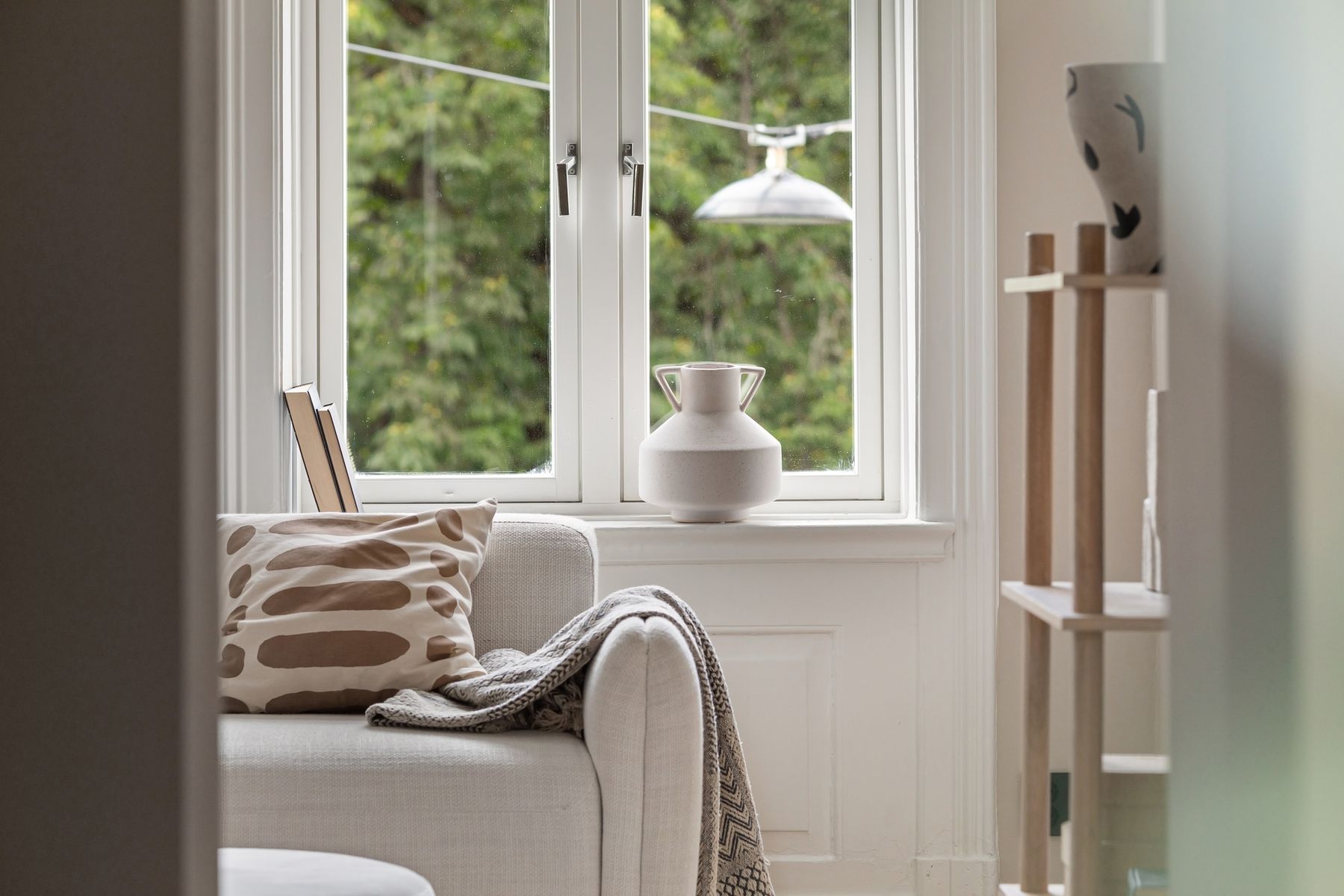
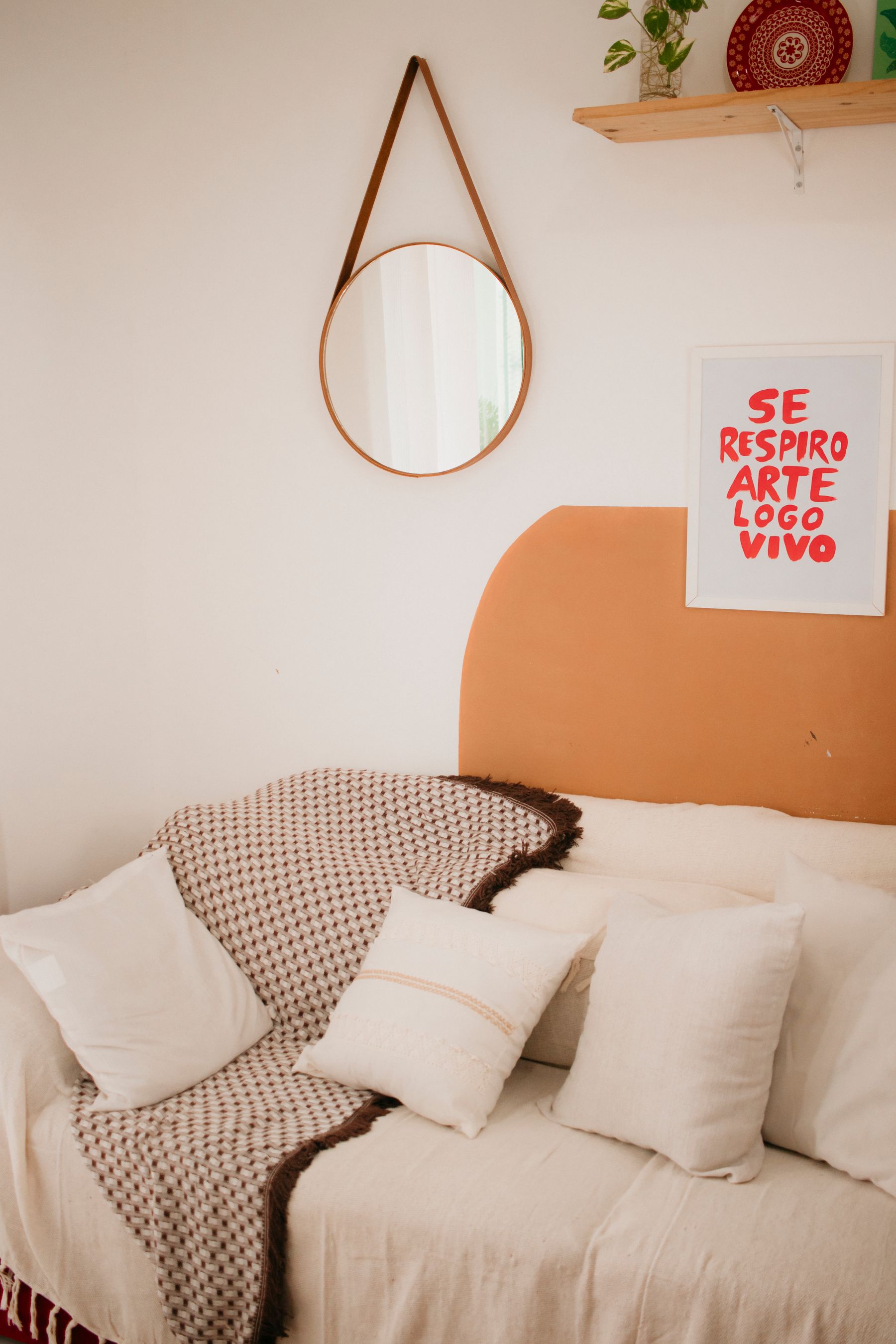
Begin with fixed flooring, stone, timber, a retained sofa or a meaningful rug, then identify their undertones in daylight and lamp light. Choose wall color to support those materials rather than selecting a fashionable swatch in isolation. Warm whites, clay, muted ochre and softened rose can feel inviting, but so can cool colors when their value and surrounding texture are controlled. Sample large areas beside the floor and upholstery for several days. Coziness is weakened less by a specific hue than by disconnected undertones, harsh contrast and a color plan that collapses after sunset.
Use Deep Color Without Losing Legibility
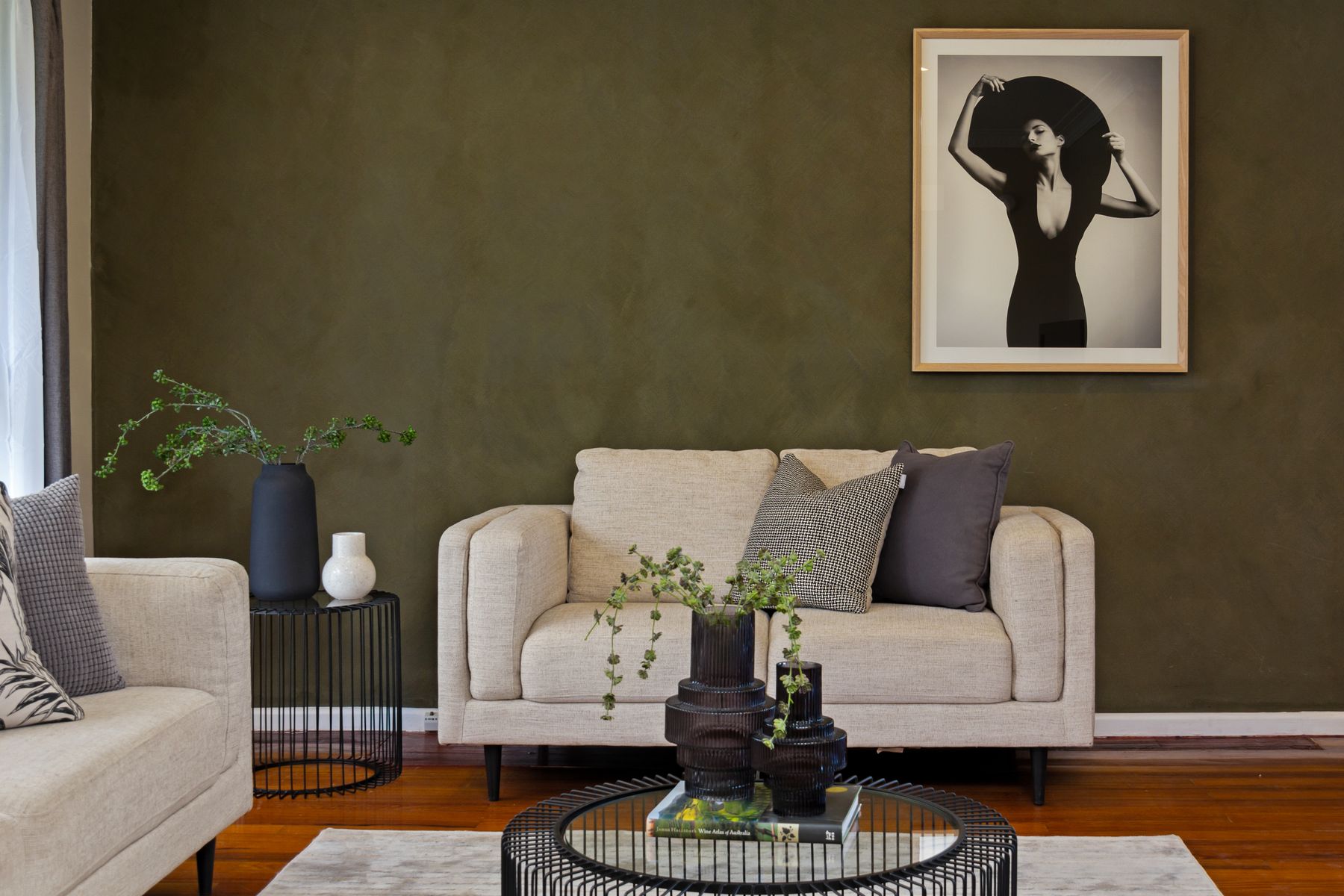
Charcoal, olive, navy, chocolate and aubergine can make a living room feel settled, particularly at night, but the room still needs readable edges and useful light. Balance darker walls with mid-value flooring, lighter upholstery or reflected light on the ceiling rather than scattering white accents everywhere. Check how faces, steps and controls read against the background. The goal is enclosure, not visual fatigue. A dark palette is one route to coziness, not a requirement; in low-daylight rooms it may be more effective on one continuous plane or in joinery than on every surface.
Mix Wood Tones Through Undertone and Weight
Matching every timber can make a room feel like a furniture set, while unrelated orange, grey and red woods can become noisy. Identify whether the dominant floor or cabinet reads warm, cool or neutral, then repeat that family in at least one other substantial piece. A darker table or antique chair can act as punctuation if it is not the only heavy element. Separate similar-but-not-equal woods with upholstery, stone or painted surfaces. Use real samples where possible, since photographs and store lighting often distort finish color and sheen.
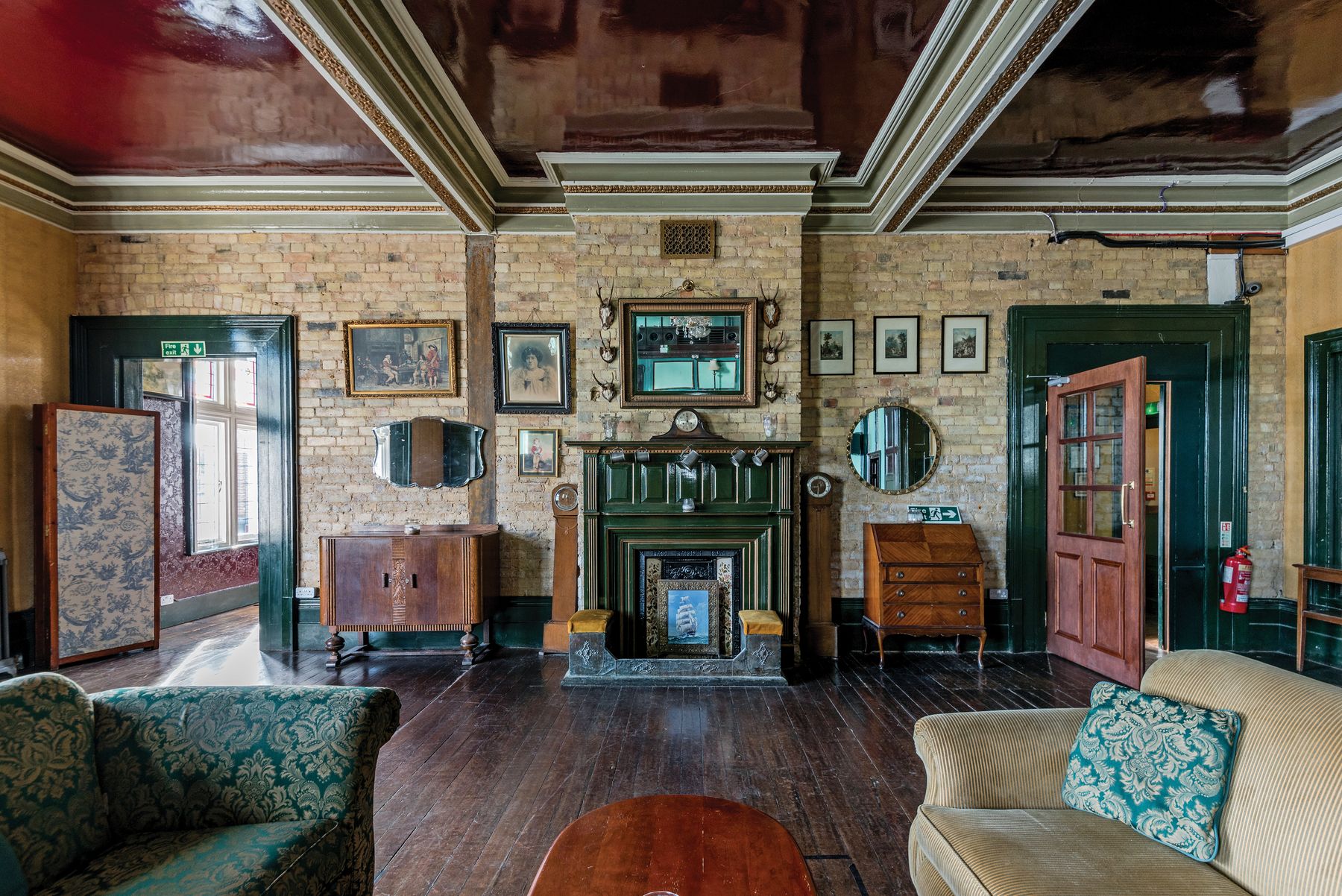
Make the Fireplace Useful, Safe and Sociable
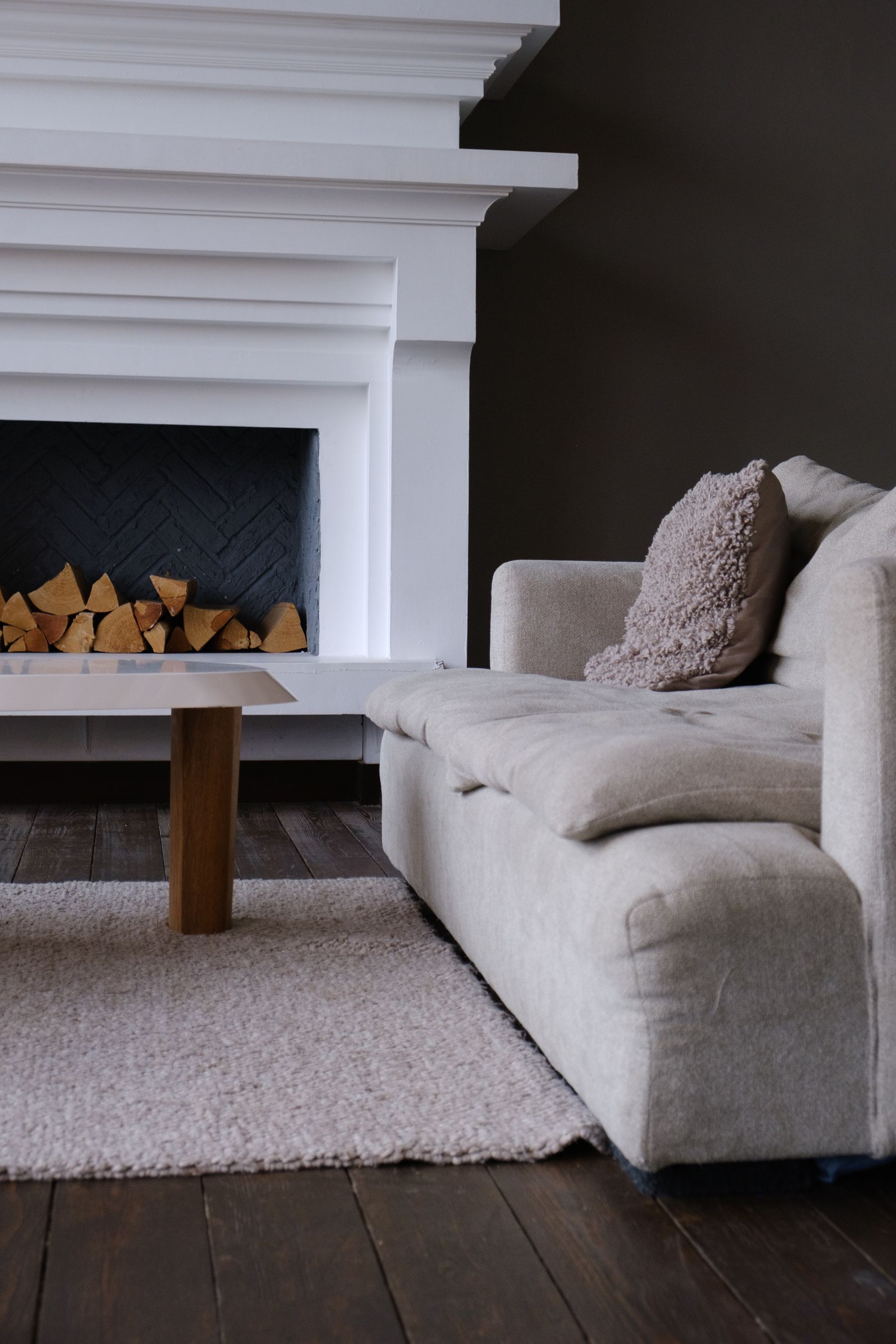
If the fireplace works, verify clearances, ventilation, guard needs, fuel storage and professional maintenance before arranging the room around flame. Place seats so people can see and feel the hearth without forming a rigid theater or forcing the television above an uncomfortable height. If it is decorative, treat the opening honestly with logs, a sculpture or a restrained arrangement rather than equipment that implies unsafe use. The mantel should not become a shelf of tiny objects; one artwork, mirror or asymmetric group usually gives the wall enough focus.
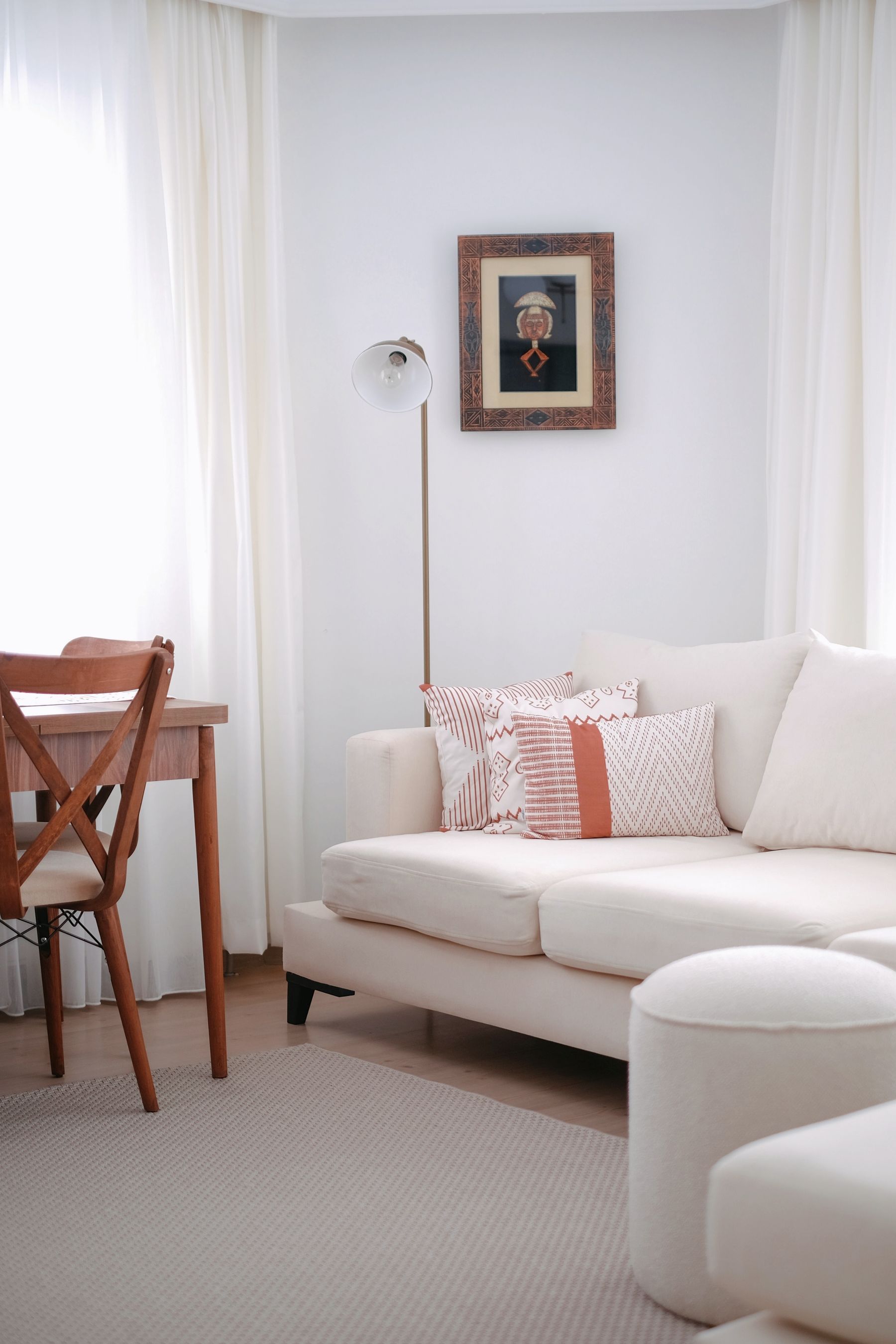
Create a Focal Point When There Is No Fireplace
Choose one wall role that supports the seated view: a large artwork, textured panel, bookcase, window composition or low media arrangement. Avoid making every wall compete with gallery frames, shelves, paneling and a statement color at once. Scale the focal element to the furniture beneath it and leave enough quiet space for it to register. Personal work, textiles and photography often create more emotional warmth than generic décor. The frameworks in [living room wall ideas](/living-room/living-room-wall-ideas/) help coordinate art, storage, media and architectural finish as one elevation.
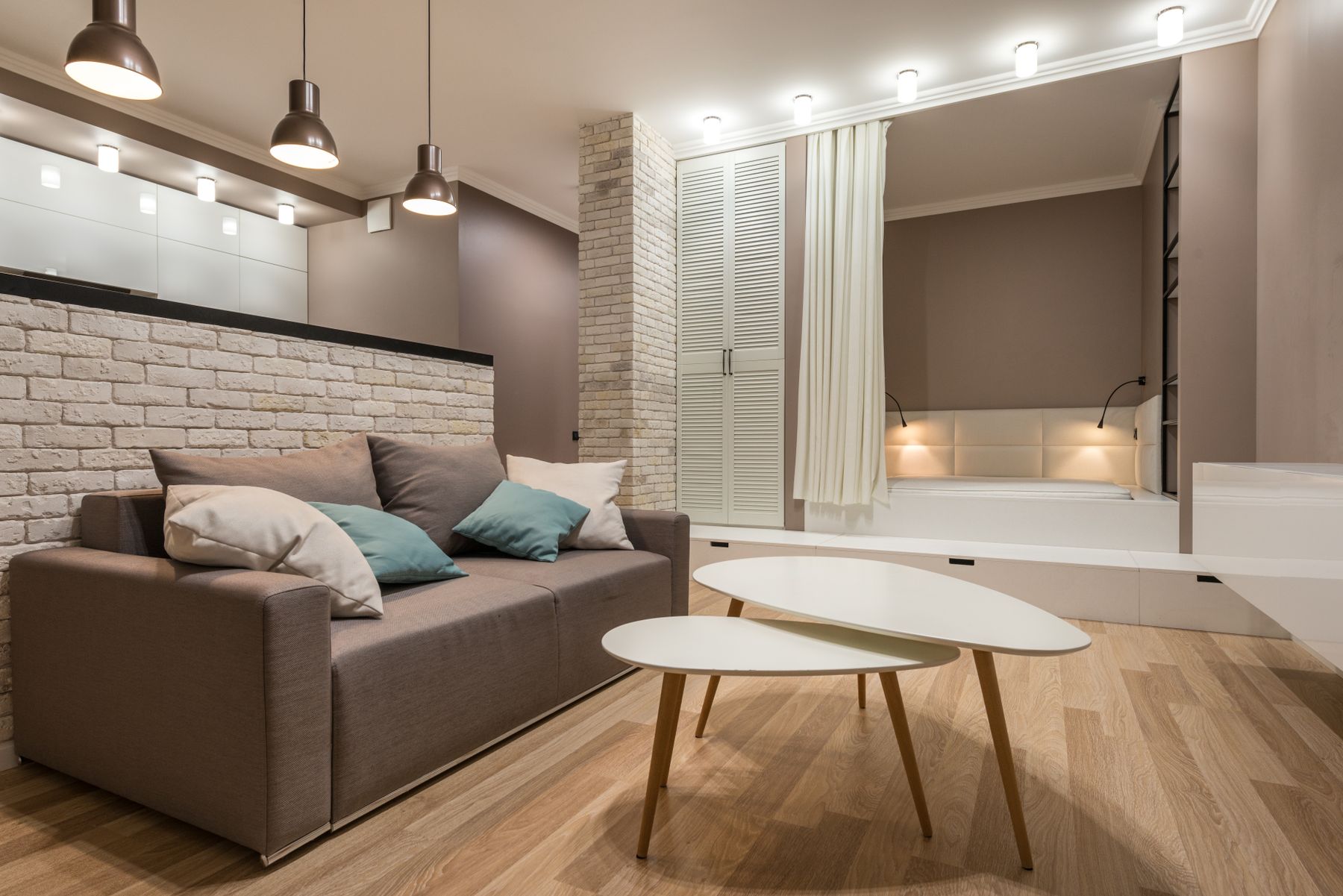
Write Three Lighting Scenes Before Buying Fixtures
Plan at least three scenes: bright practical light for cleaning, balanced social light for conversation and low evening light for reading or watching a screen. Assign each scene to specific fixtures and controls before choosing decorative shapes. Ambient light should reach walls and faces; task light should land on the page or handwork; accent light can give depth to art or texture. A single ceiling fixture cannot do all three well. Our [living room lighting ideas](/living-room/living-room-lighting-ideas/) guide covers beam, glare, dimming, circuits and replacement access in more detail.
Place Task Light Beside the Person
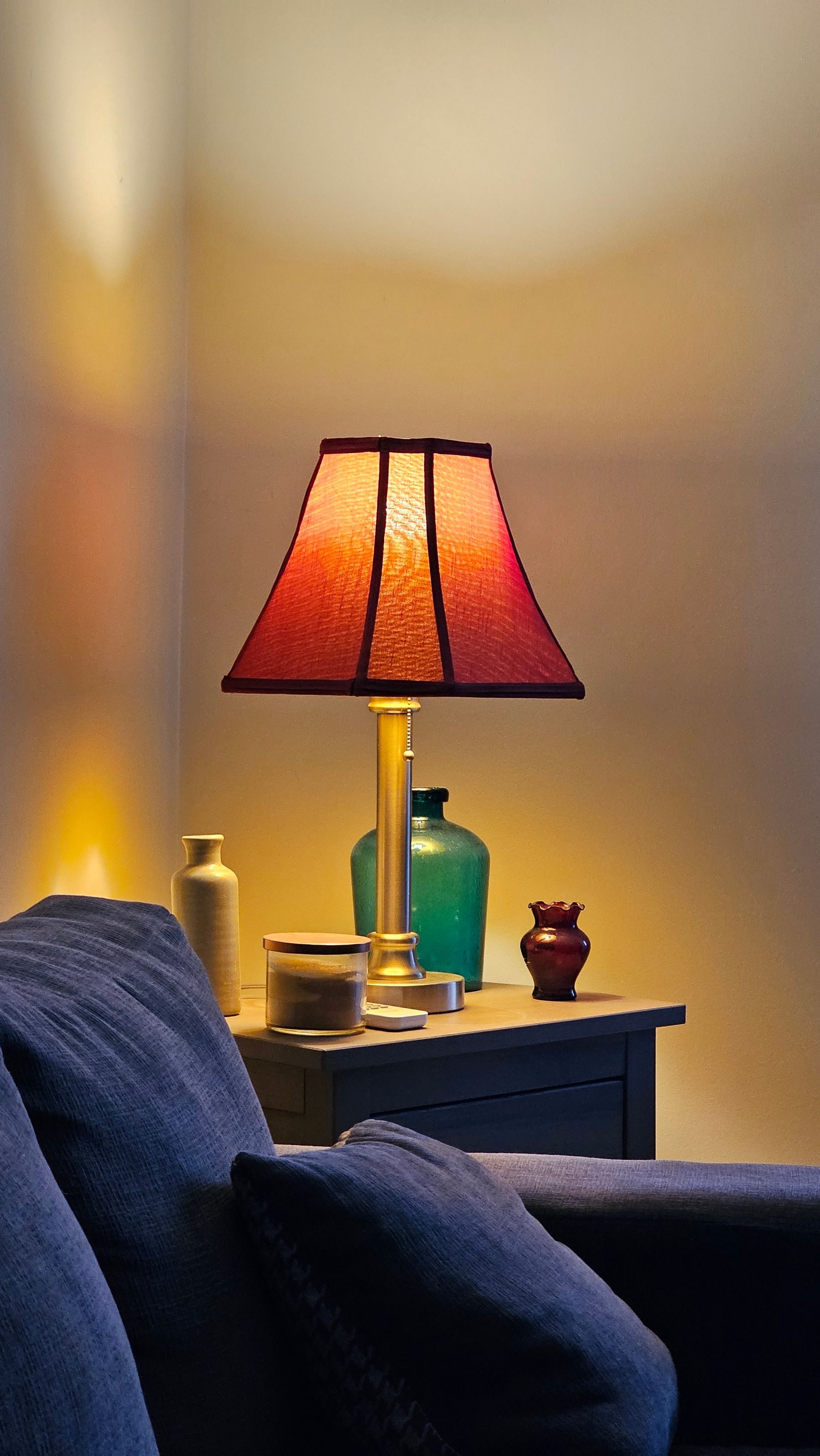
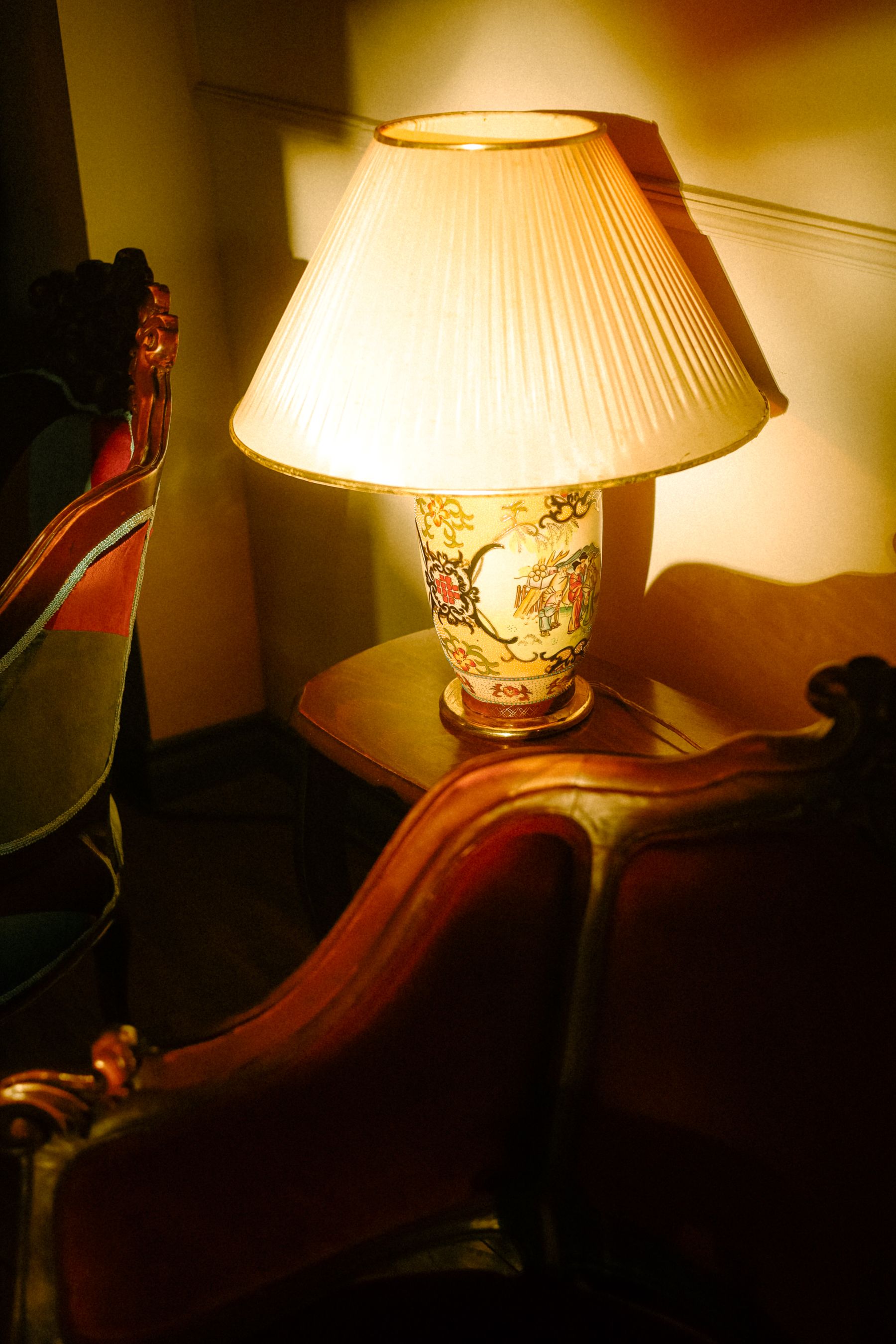
Position the lamp for the actual reading or handwork posture, with the shade shielding the bulb from seated eyes. The base must be stable, the switch reachable and the cord kept out of the route. Test the beam on glossy pages and screens, because a lamp that looks soft from across the room may cause glare at the chair. Color rendering matters where textiles, skin tones and art are important. Warm-white light can support evening calm, but excessively amber or dim light makes tasks harder and can turn material colors muddy.
Use the Ceiling Layer for Orientation, Not Flat Brightness
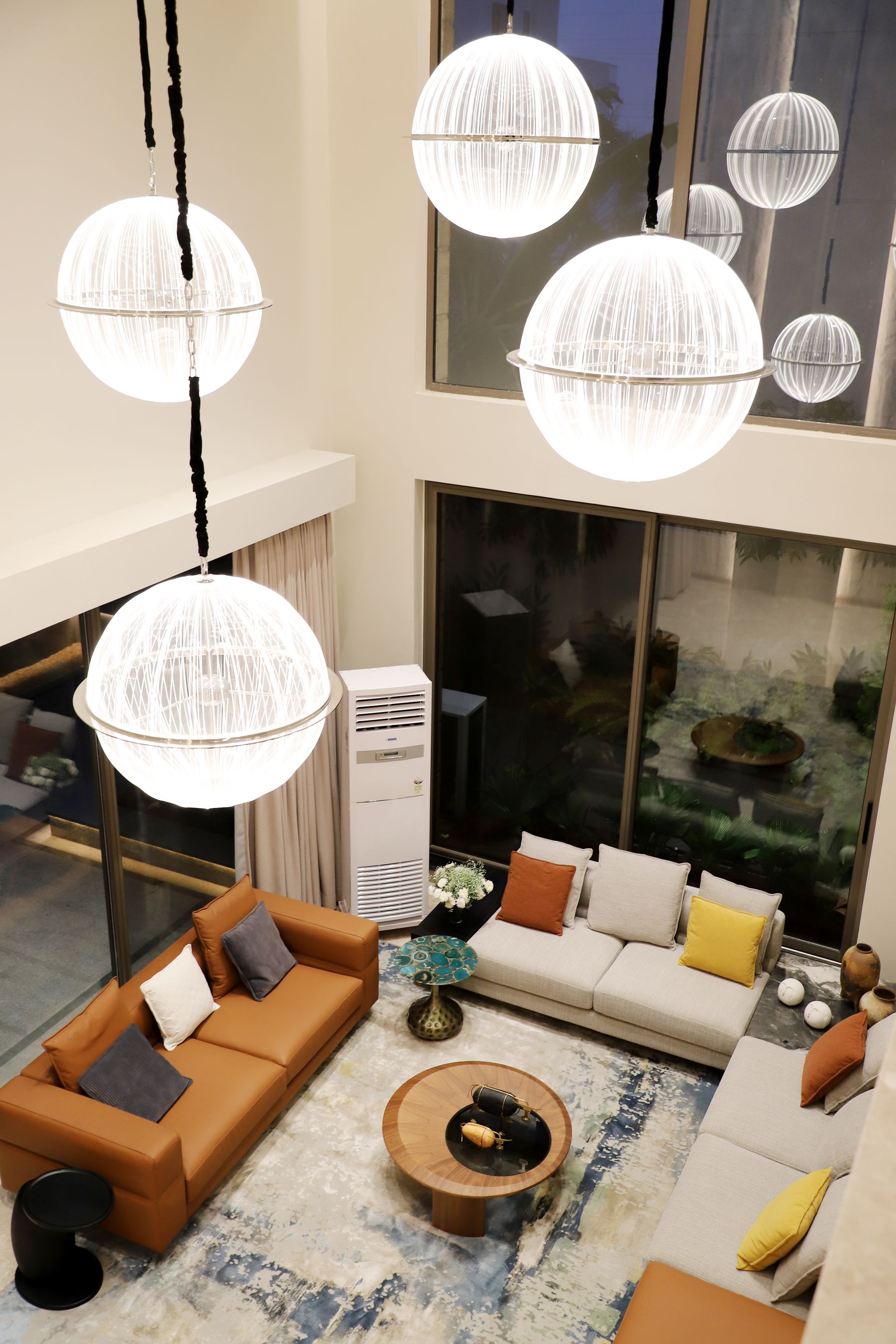
Ceiling light should help people enter, clean and move safely without flattening every surface. In a compact room, a diffused flush fixture or a few well-aimed lights may be enough. In a tall or open room, a pendant can lower the perceived center, but its size, height and sightline must suit the seating group. Avoid a uniform grid of bright downlights as the only source; it creates hard facial shadows and leaves the walls dull. Put ceiling and lamp layers on separate, intuitive controls so the comfortable evening scene is easy to choose.
Soften Sound With Large, Useful Surfaces
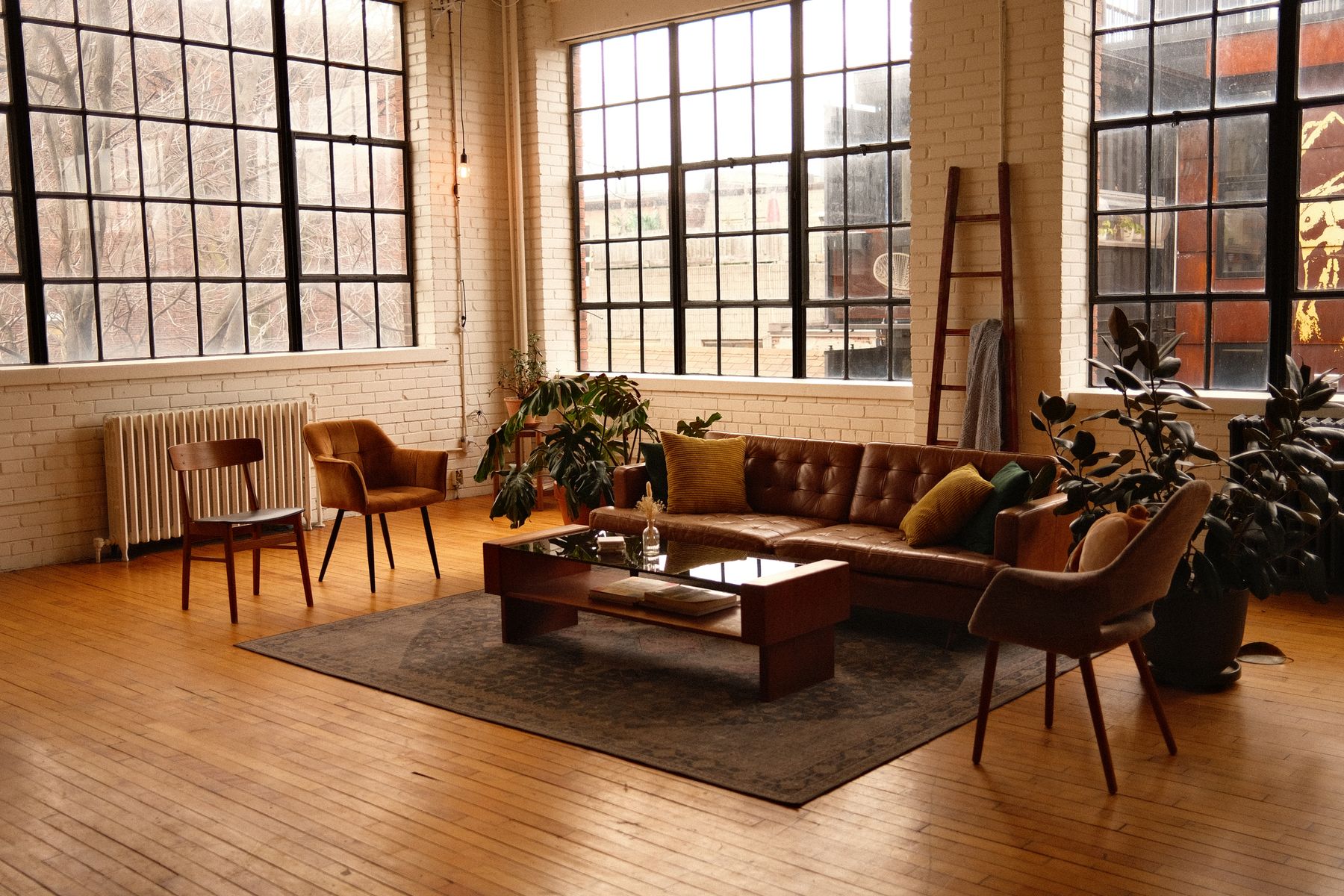
Echo makes conversation tiring even when the room looks plush. Address it with distributed absorption: a correctly sized rug and pad, upholstered seating, lined curtains, books, textile art or acoustic panels designed as part of the wall. One small cushion cannot compensate for a large glass, concrete or double-height shell. Listen for reverberation from seated positions and consider adjoining kitchens or stairwells that carry sound. If television dialogue remains unclear, reduce room echo and improve speaker placement before increasing volume. Cozy is partly the ability to hear without effort.
Concentrate Storage on One Working Wall
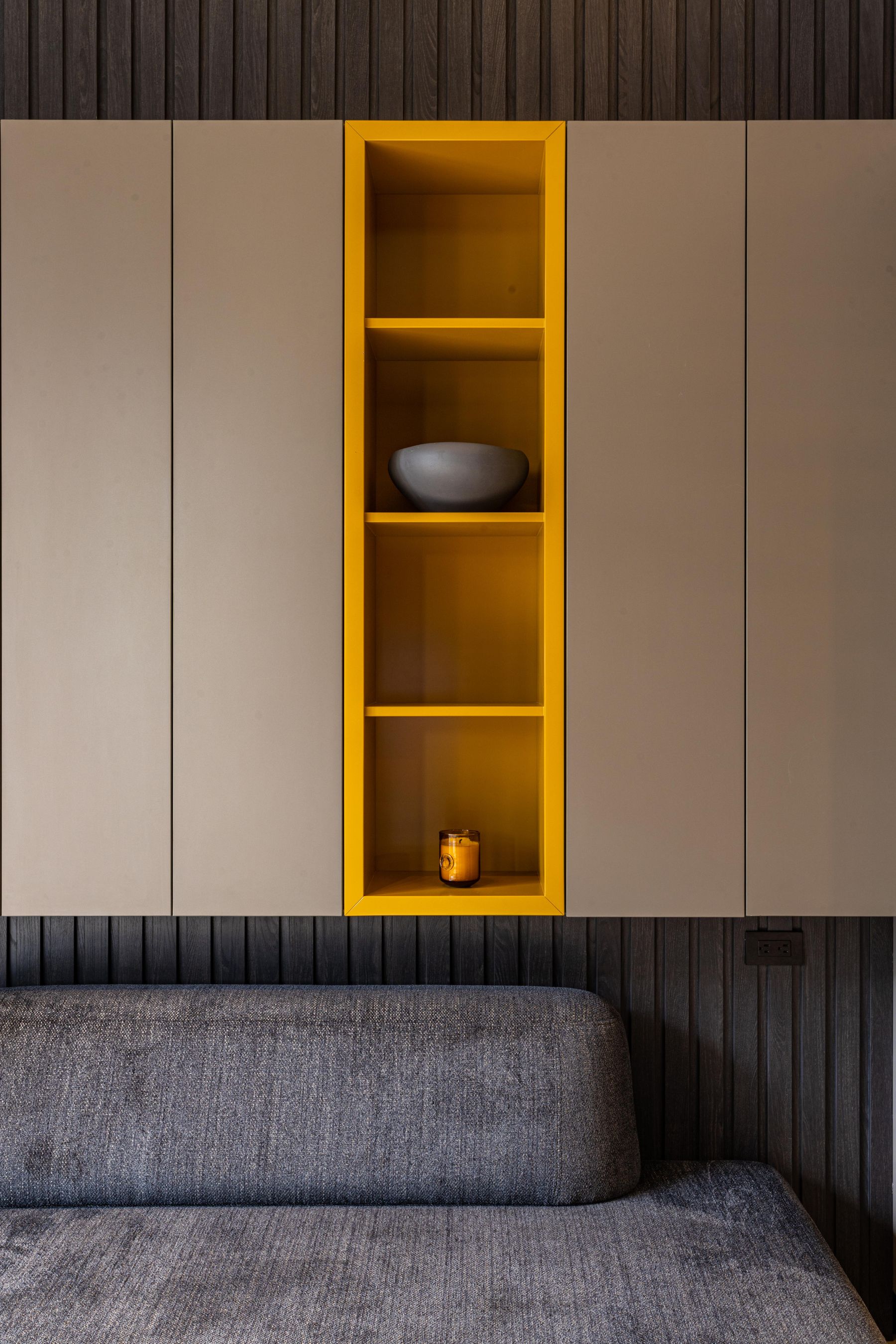
Inventory media equipment, games, books, throws, toys, pet items and charging cables, then assign storage by frequency and point of use. Closed fronts suit visually busy categories; open shelves should hold books and objects that can be dusted without a complicated reset. One substantial, well-proportioned system often creates more calm than small cabinets and baskets around every wall. Keep ventilation, cable access, door swing and anchoring in the specification. [Living room storage ideas](/living-room/living-room-storage-ideas/) provides deeper tests for built-ins, modular systems and serviceable media walls.
Display Personal Objects in Edited Groups
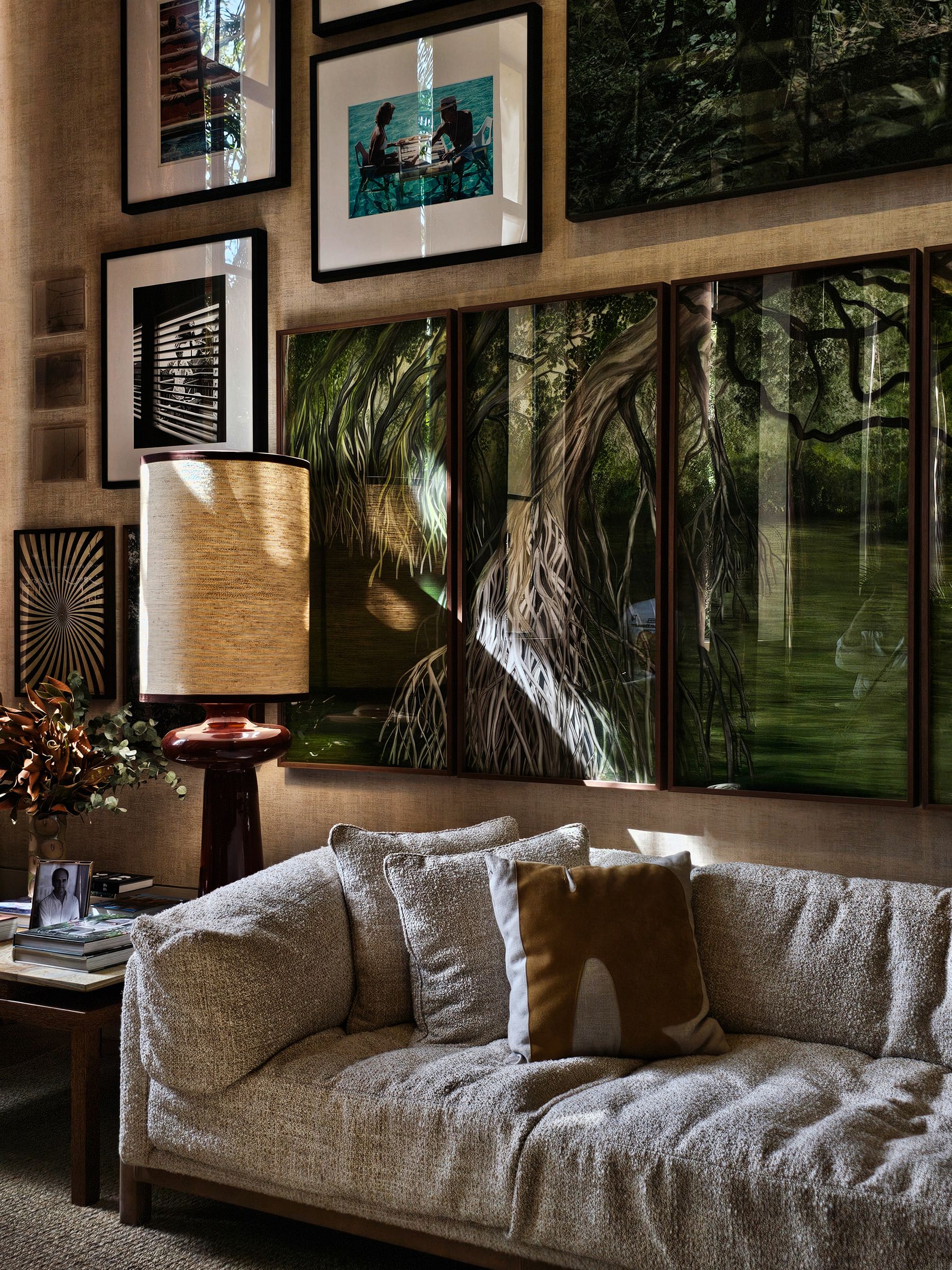
Books, photographs, travel objects and inherited pieces make a living room emotionally comfortable, but they need a visual and practical boundary. Group related items on one shelf, tray or wall composition and leave some breathing room around them. Vary height and format while repeating a frame finish, color or subject. Keep fragile or irreplaceable objects away from active play routes, heat and direct sun. Rotate a small archive rather than displaying everything at once. The goal is recognition and memory, not a museum label for every possession.
Integrate the Television Into an Evening Scene
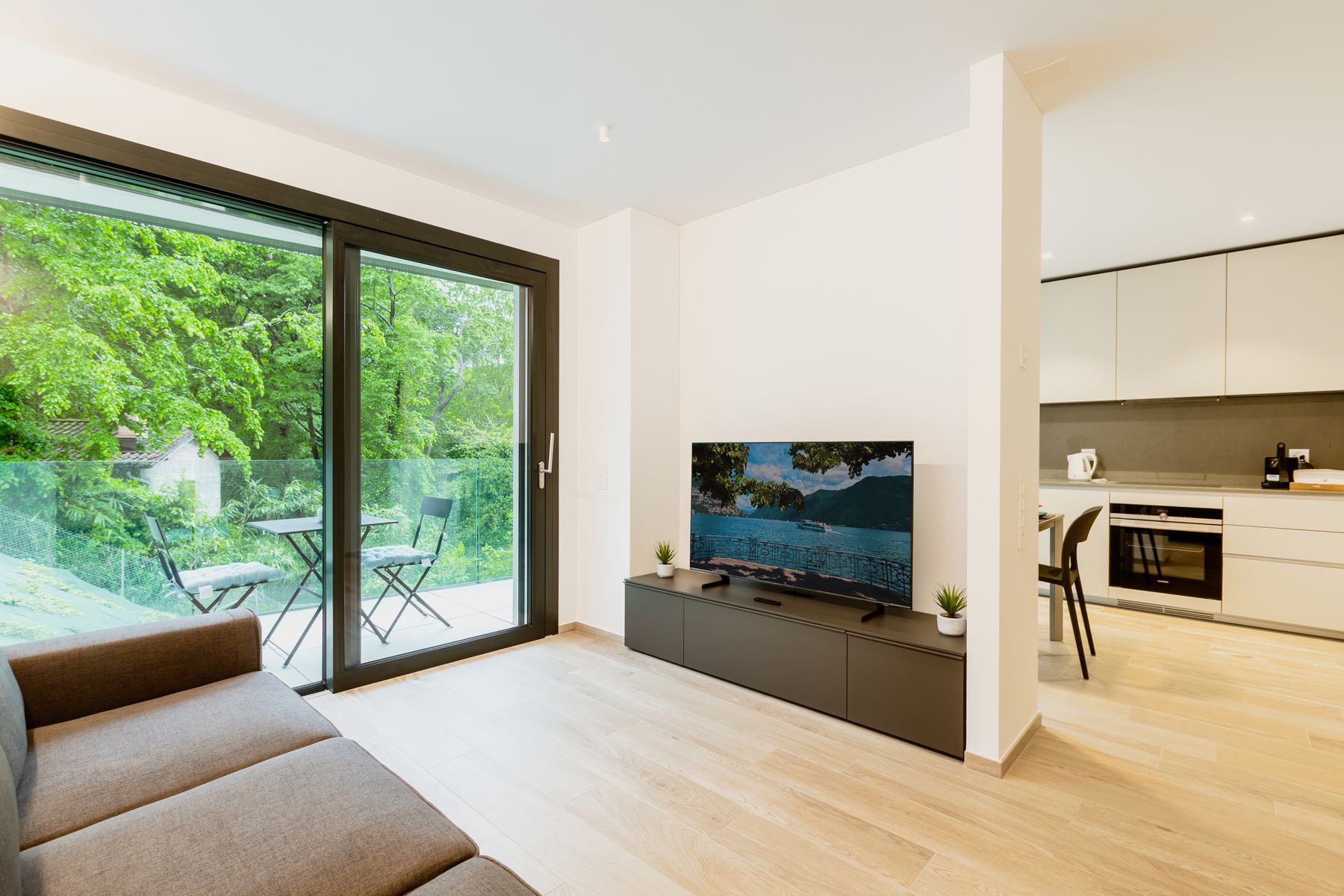
Set screen height and distance from seated eye level, then control window reflection and nearby lamp glare. A low cabinet can ground the screen, hide small equipment and keep cables accessible. Avoid mounting it above a working fireplace unless heat, height and viewing angle are genuinely resolved. For a cozy evening, keep a dim light behind or beside the viewer and low-contrast ambient light in the room rather than watching in complete darkness. When the screen is off, surrounding art, shelving or a darker wall can reduce its dominance without pretending it is not there.
Zone an Open Plan Without Building a Barrier
Use the sofa back, rug, pendant or a change in furniture orientation to mark the living area, then repeat one material or color in the adjoining zone. Keep the main circulation line outside the seating group rather than allowing it to cut between sofa and table. A console behind a floated sofa can provide light and storage if the passage remains generous. Do not over-zone with tall shelving, screens and multiple rugs; visual enclosure should not sacrifice daylight or social connection. Separate lighting controls let the living room feel intimate while dining or kitchen areas remain quieter.
Make a Small Living Room Feel Held, Not Stuffed
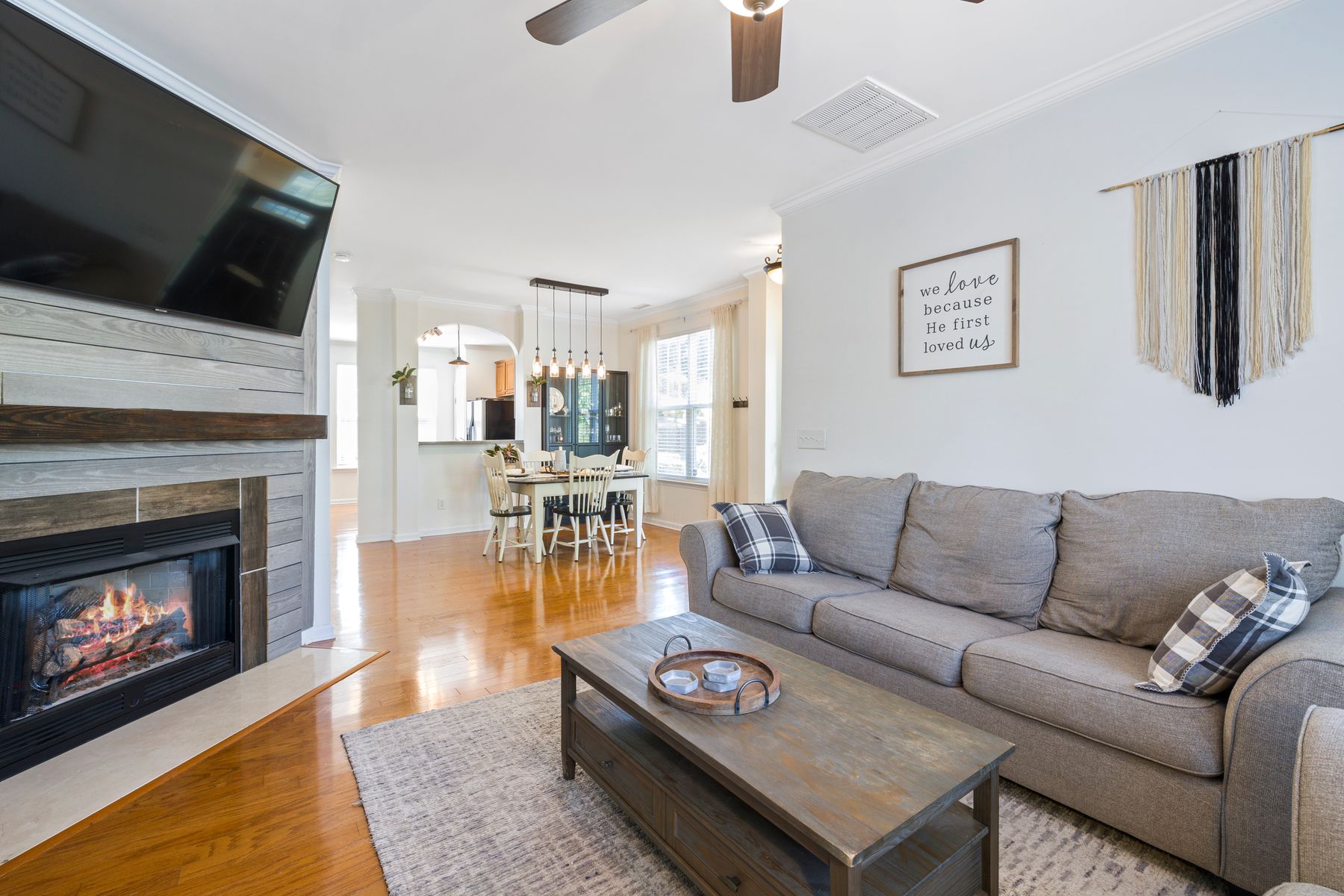
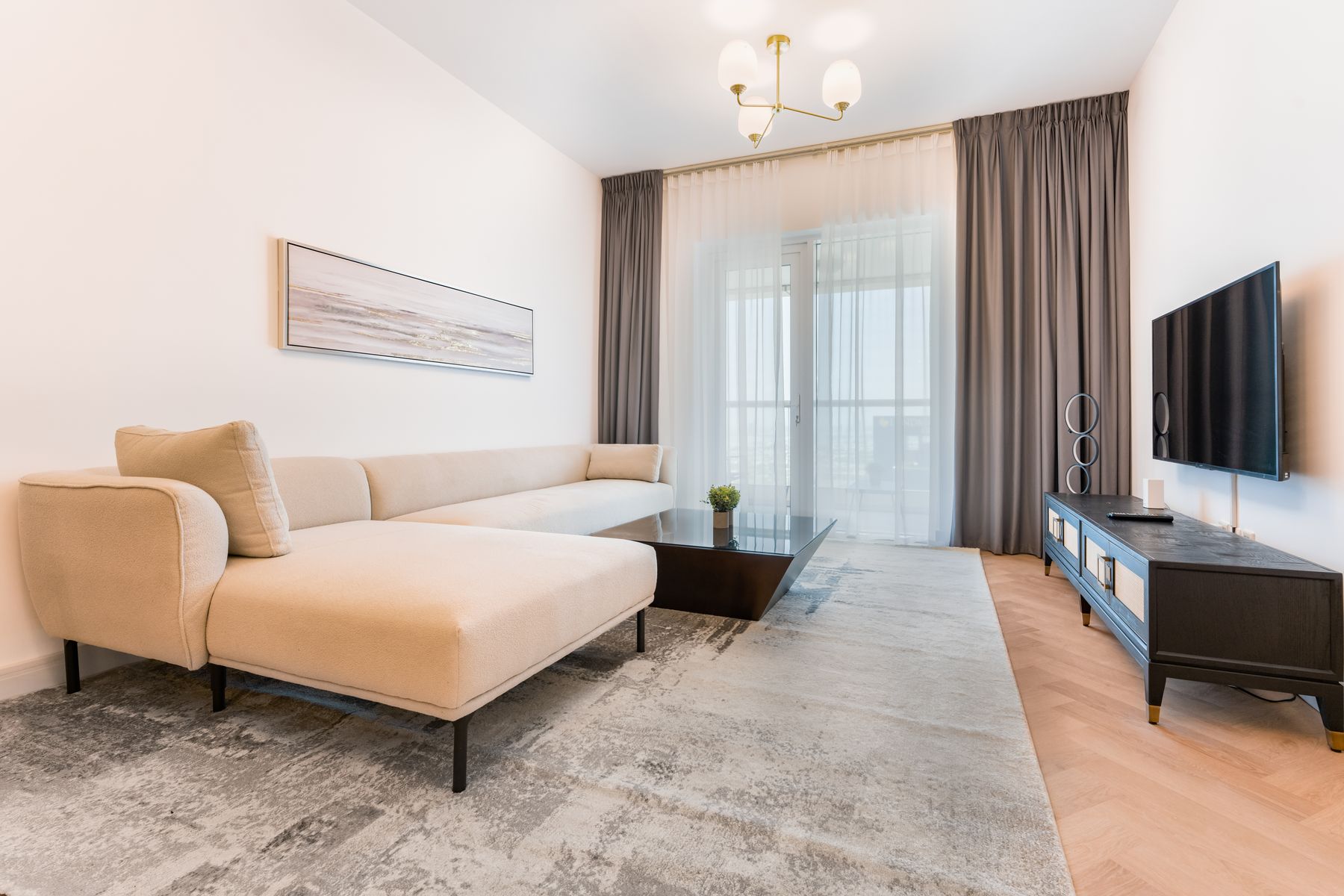
In a small room, prioritize one comfortable seat group, one useful storage wall and one strong textile story. Furniture that is slightly too deep causes more trouble than a bold color or generous rug. Use wall lights, nesting surfaces and a mobile chair where they solve a real space conflict, but avoid filling every corner with so-called small-space furniture. Leave a clear route and a little empty floor around the main group. Coziness comes from proportional closeness and control, not from maximizing the number of objects that fit.
Build Rental Coziness From Portable Layers
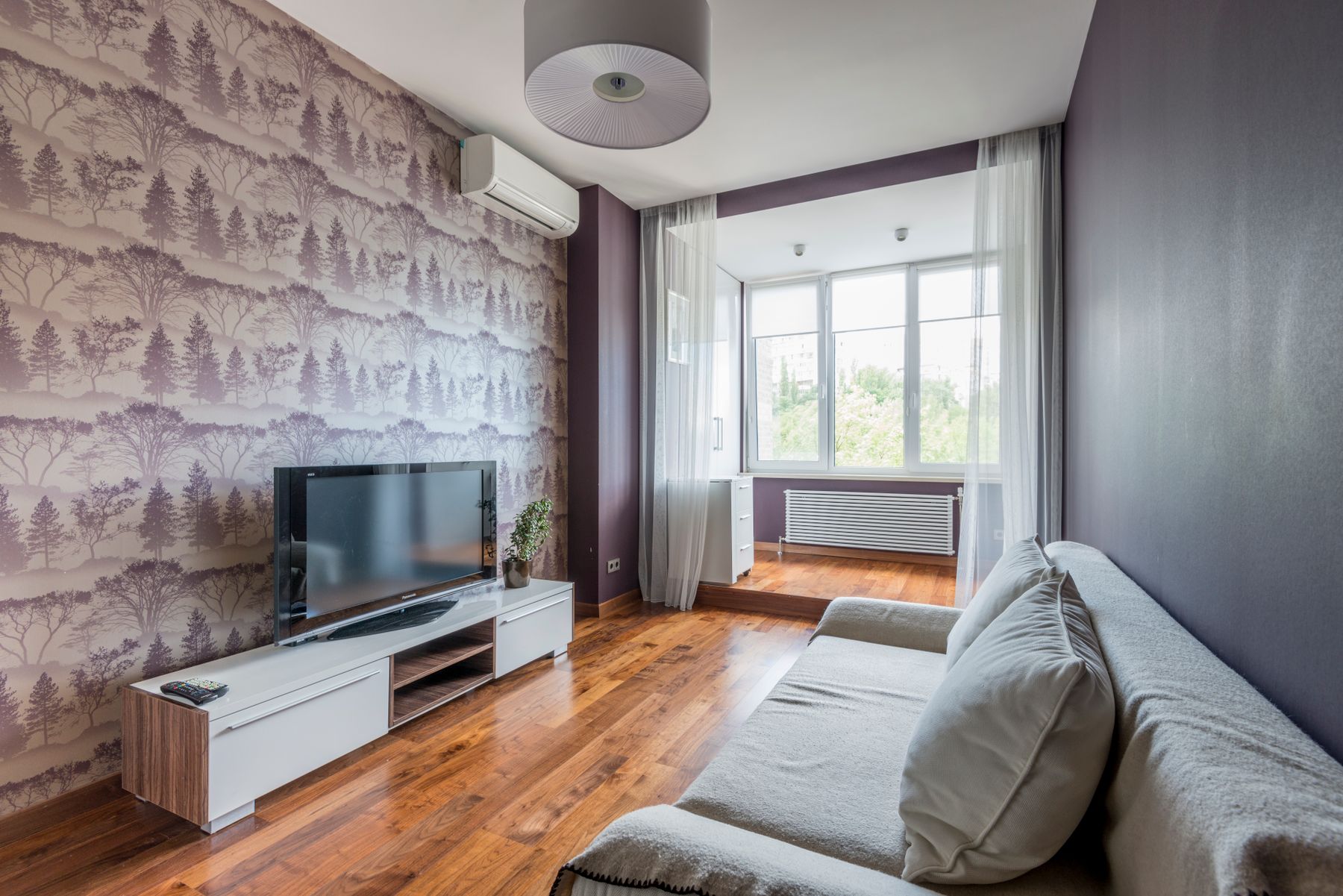
Start with a large rug and pad, curtains on approved hardware, portable lamps, furniture with a clear purpose and one removable wall or art intervention. Confirm lease rules before painting, drilling or applying film. Be cautious with peel-and-stick products: heat, humidity and aged paint can make removal less reversible than marketing suggests. Keep original hardware and document the starting condition. A portable plan should still be safe—anchor tall furniture where permitted, manage cords and use stable fittings. Spend on items that can move to the next home rather than disposable imitation paneling.
Design for Children Without Turning the Room Into Storage
Give play a defined, easy-to-reset location near adult seating, with low closed storage for complete categories rather than many open bins. Choose stable tables with forgiving edges, washable covers where realistic and a rug that does not conceal small hazards. Anchor tall furniture and the television, secure blind cords and keep lamps, hot drinks and fireplace tools outside the active route. Children also need a clear floor area, so do not equate coziness with filling every gap. A room shared well feels welcoming to adults and children without disguising use.
Plan Pet Comfort Around Cleaning and Escape
Provide a washable resting spot near the household but away from the main route, heat source and loud speaker. Select upholstery by snag resistance, hair visibility and cleaning method rather than assuming one marketed performance fabric suits every animal. Keep food, water and litter functions out of the primary seating zone where possible, and give nervous pets a route to withdraw without crossing guests. Rugs need secure pads and maintainable pile. Protect the furniture selectively instead of covering every surface with loose blankets that slide, trap hair and complicate the room.
Keep Accessible Comfort Independent and Clear
Maintain a clear approach to preferred seats, windows, switches, storage and exits. Choose seat height, firmness and arms around the actual user's transfer and standing needs; an excessively deep soft sofa can be less comfortable than a supportive chair. Secure or recess rug edges, contrast furniture from the floor and keep low tables out of the direct route. Lighting and climate controls should be reachable and understandable, with voice or remote options only where they simplify use. Ask the person who uses the room rather than treating accessibility as a generic clearance exercise.
Shift the Room Seasonally Without Redecorating It
At seasonal change, adjust curtain use, blanket weight, lamp timing, ventilation and the position of a reading chair before adding themed décor. In winter, check drafts and humidity rather than masking discomfort with heavy textiles. In summer, preserve airflow, remove unnecessary layers and control solar gain while keeping the room visually grounded through wood, art and a rug. Store clean dry textiles in labeled breathable containers. A cozy room is responsive; leaving every winter layer out all year can create heat, dust and visual fatigue.
Use Vintage Pieces for Continuity, Not Costume
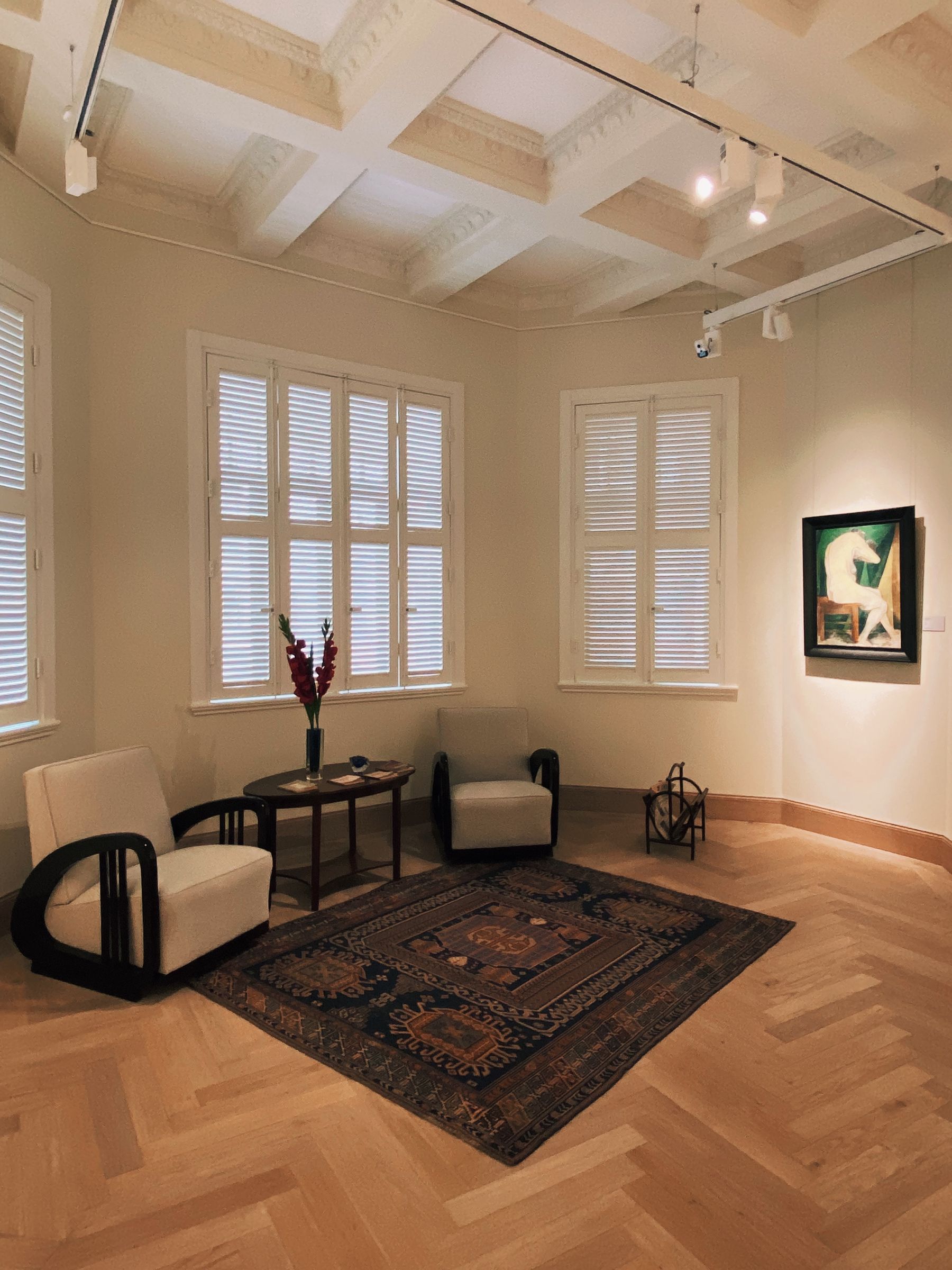
One repaired chair, old cabinet, lamp or rug can make a living room feel rooted because it carries age and difference. Check structural stability, wiring, odors, pests, lead risk and the true cost of repair before bringing a piece home. Mix eras through scale and material rather than trying to make everything period-correct. [Vintage living room ideas](/living-room/vintage-living-room-ideas/) covers sourcing, rewiring, patina and preservation in depth. In a cozy room, the vintage piece should still have a job; nostalgia does not justify unsafe upholstery or unusable display furniture.
Plan Maintenance Before Adding the Last Layer
Write a realistic care plan for upholstery, rugs, curtains, lamps, fireplace, plants and storage. Check cleaning codes, replacement bulbs, removable covers, vacuum clearance and whether heavy furniture blocks vents or vulnerable exterior walls. Leave access to outlets, cable connections and shutoffs. More layers mean more dust reservoirs and more labor, so every soft addition should justify its care. Address damp, smoke or odor at the source rather than masking it with fragrance. The room remains comfortable only when it can be cleaned and repaired without dismantling the entire scheme.
Phase the Budget in the Order Comfort Works
Spend first on the layout-controlling pieces: a supportive main seat, correctly sized rug where needed, effective window treatment and lighting that supports real activities. Repair, re-cover or relocate existing furniture before replacing it. Then add storage for known categories and one or two personal pieces. Delay cushions, baskets and small décor until the room works, because inexpensive extras can consume the budget while leaving glare, poor posture or clutter unresolved. Buy fewer better layers that can be cleaned and repaired. A cozy result is built through sequencing, not one large styling purchase.
Edit by Function, Then Test the Evening Room
Remove duplicate throws, lamps with the same job, trays that occupy needed surfaces and baskets that have no defined contents. Then test the complete promise of the room: conversation, posture, route, temperature, air, sound, light, privacy, storage, screen use and cleaning. Photograph it in daylight and during the normal evening scene, because a room can feel balanced in one and empty or cluttered in the other. Invite one ordinary week of use before buying finishing pieces. Cozy is achieved when the room is easy to enter, settle into, share and reset.