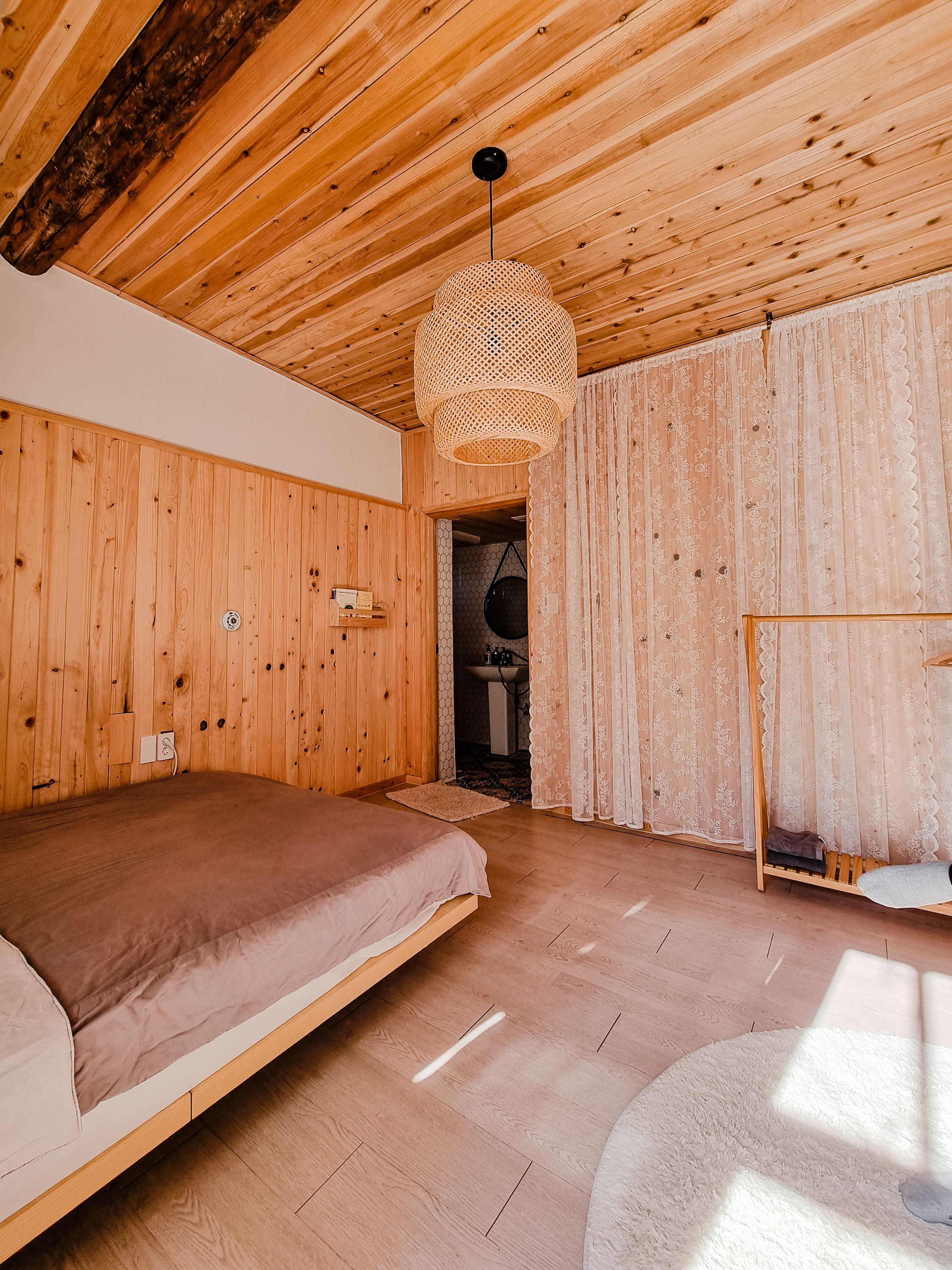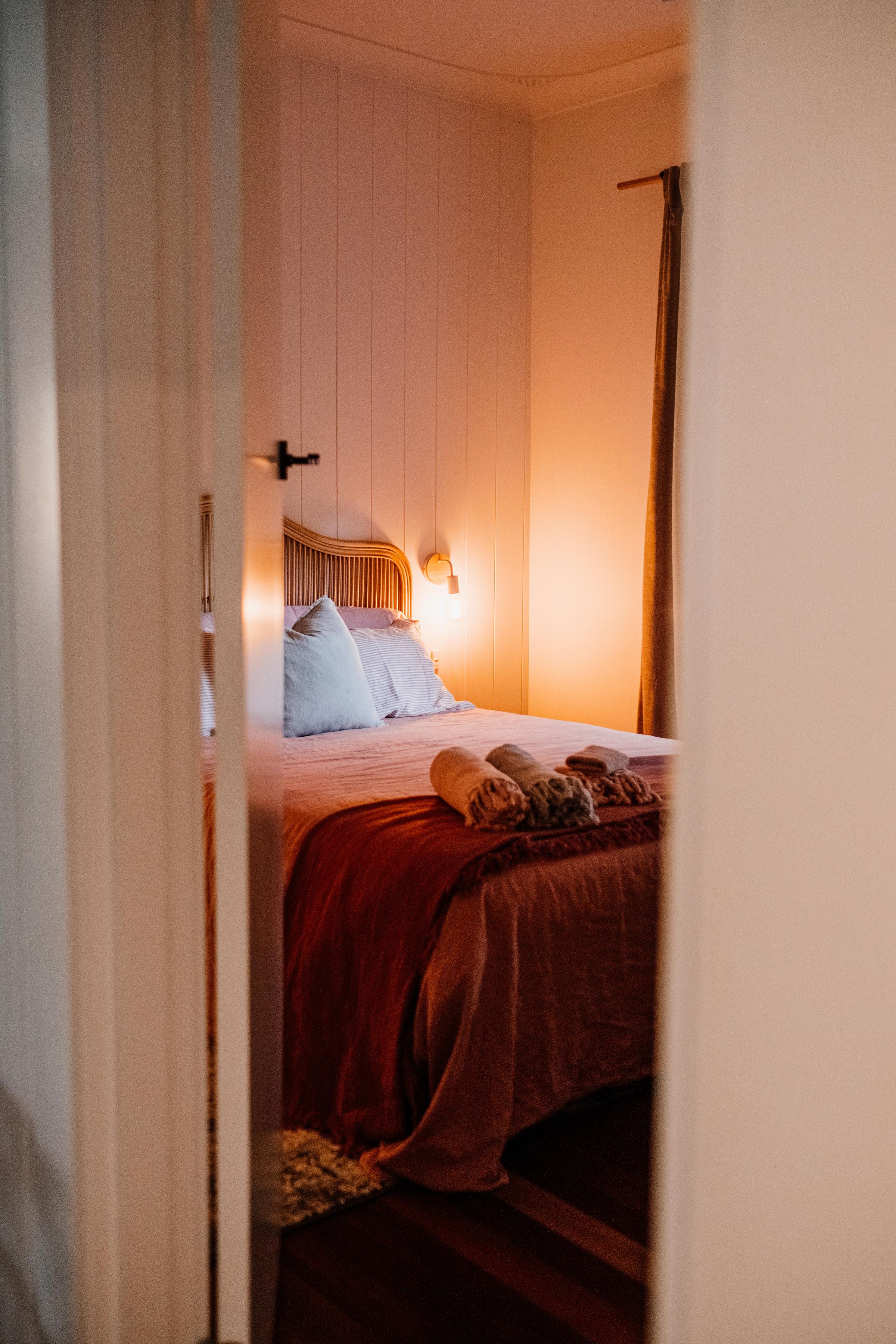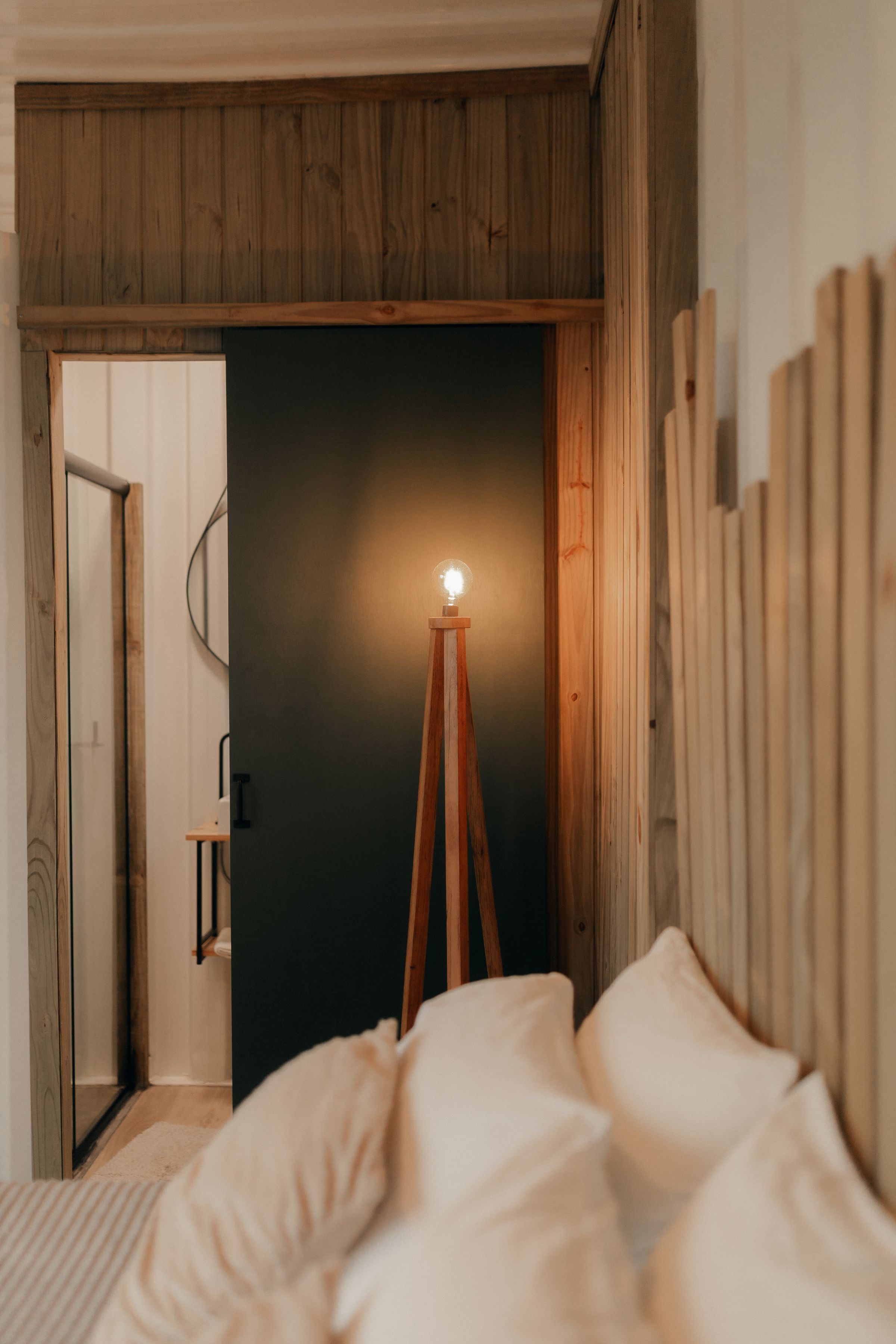
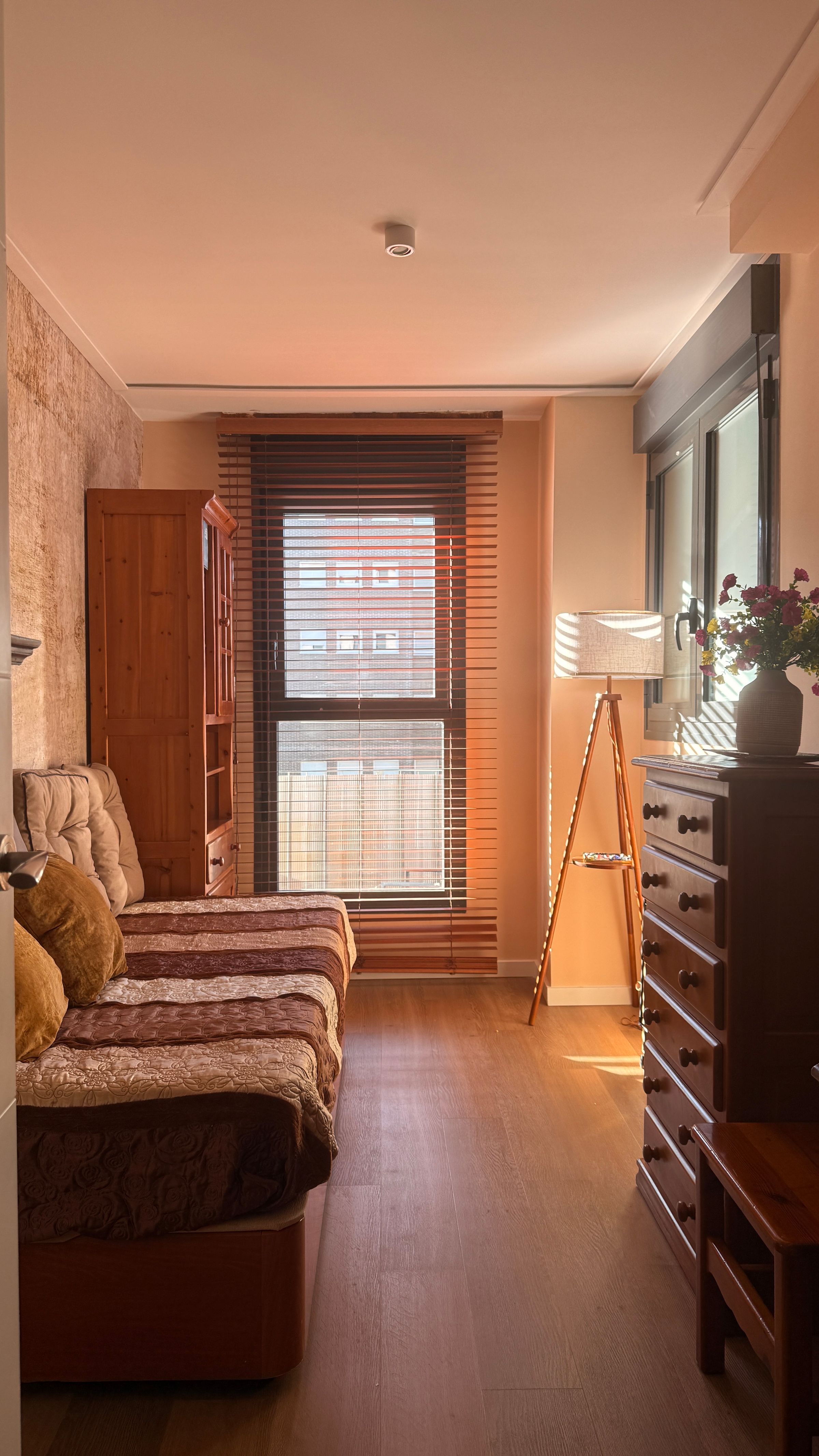
Define Warm as Visual Temperature
Visual warmth comes from red, yellow or brown undertones, warm-reflecting surfaces, wood grain, tactile fabrics and light that flatters them. It can exist in a physically cool, well-ventilated room. Begin by identifying which part currently reads cold: blue daylight, grey flooring, brilliant white paint, chrome-heavy furniture or flat overhead light. Correct that cause rather than coating every surface in tan. A useful warm scheme still needs freshness, contrast and accurate color, so the goal is an inviting bias—not an orange filter.

Separate Warm From Cozy, Rustic and Wooden
[Cozy Bedroom Ideas](/bedroom/cozy-bedroom-ideas/) addresses physical and sensory comfort—temperature, sound, privacy, reach and sleep routines. [Rustic Bedroom Ideas](/bedroom/rustic-bedroom-ideas/) is defined by substantial natural materials and weathered character. [Wooden Bedroom Ideas](/bedroom/wooden-bedroom-ideas/) examines timber species, construction, grain and maintenance. Warm Bedroom can borrow from all three, but its canonical question is how colors, materials and light make a bedroom look warmer. A sleek plaster-and-walnut room can therefore be warm without being cozy-styled or rustic.
Audit Daylight Before Choosing Undertones
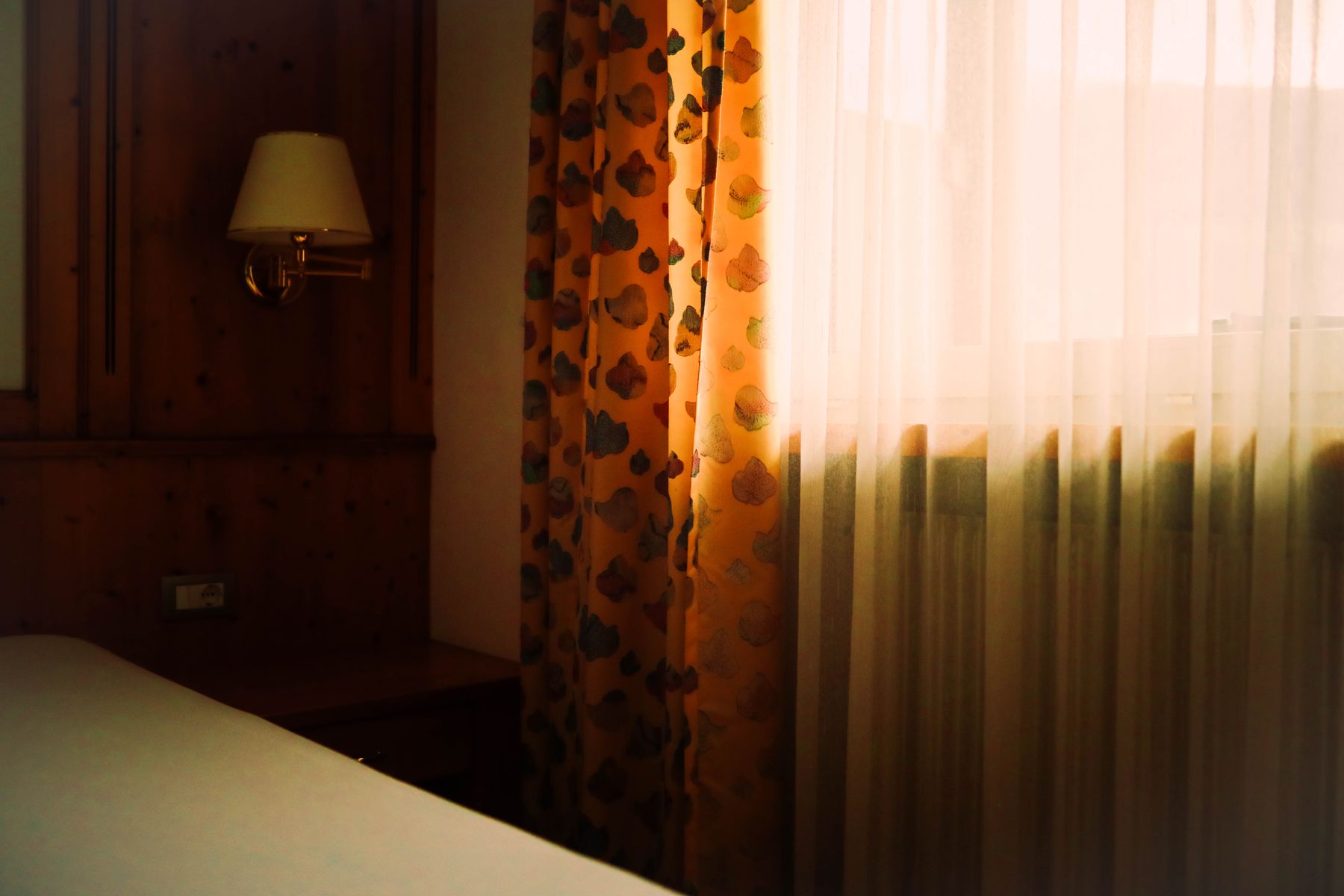
Record orientation, glazing color, reflected exterior surfaces and how long direct sun reaches each wall. North-facing or shaded rooms often benefit from warmer pigments, while west-facing bedrooms may already become intensely golden late in the day. Artificial light then creates a second condition. [Bright Bedroom Ideas](/bedroom/bright-bedroom-ideas/) covers glare and reflection more broadly. For a warm scheme, judge samples at breakfast, late afternoon and bedtime; a color selected under one condition can turn peach, greenish or muddy under another.
Read the Fixed Finishes First
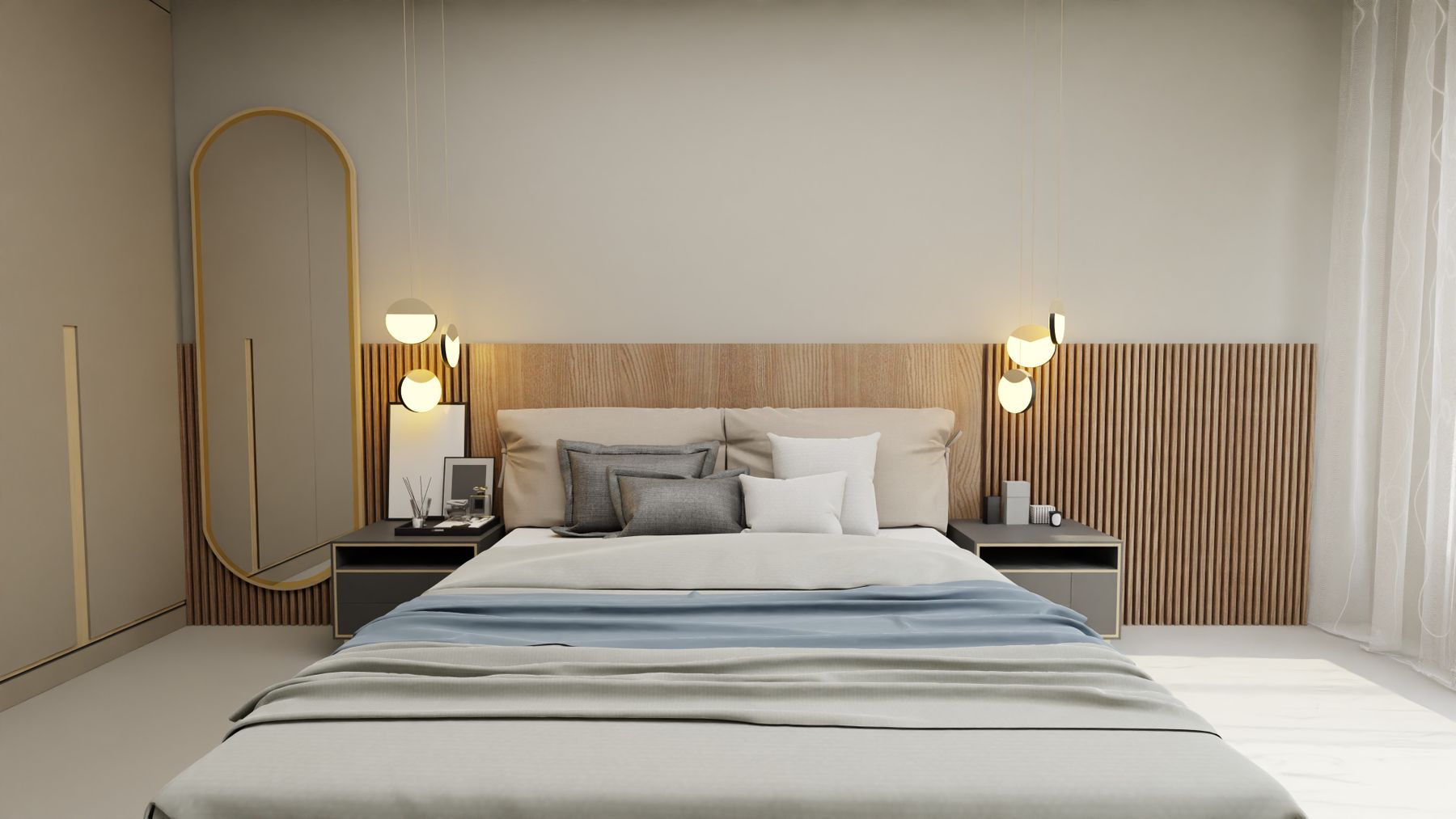
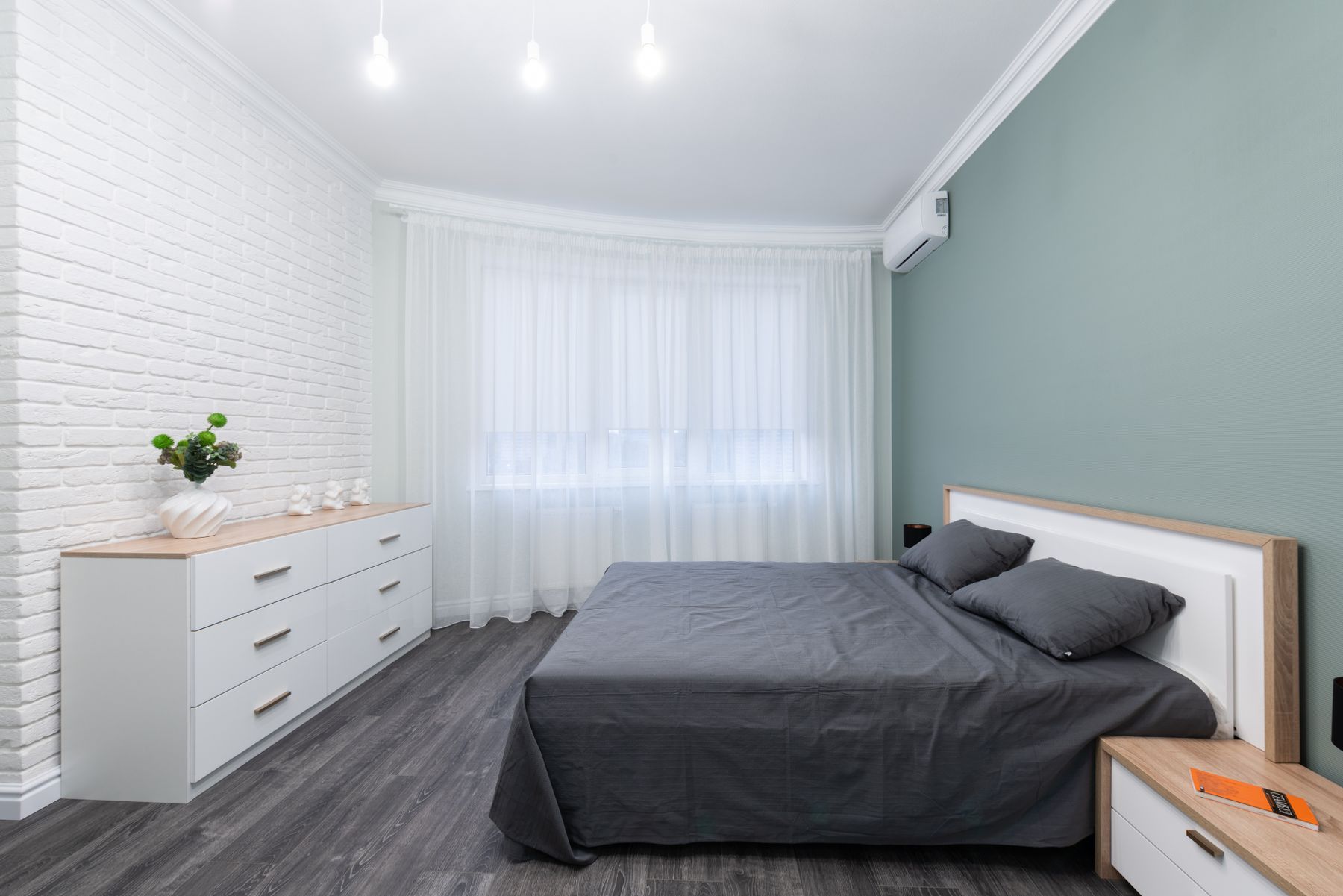
Flooring, wardrobes, window frames, stone and large upholstered pieces occupy more visual area than accessories and may be expensive to change. Place white paper beside each finish to reveal whether it leans pink, yellow, orange, green or grey. Then choose a dominant warm family that cooperates with most fixed elements. If the floor is cool grey, bridge it with a rug that contains both grey and camel rather than pretending it is warm. A successful scheme negotiates reality instead of hiding it behind small cushions.
Warm White Without Turning Cream Yellow
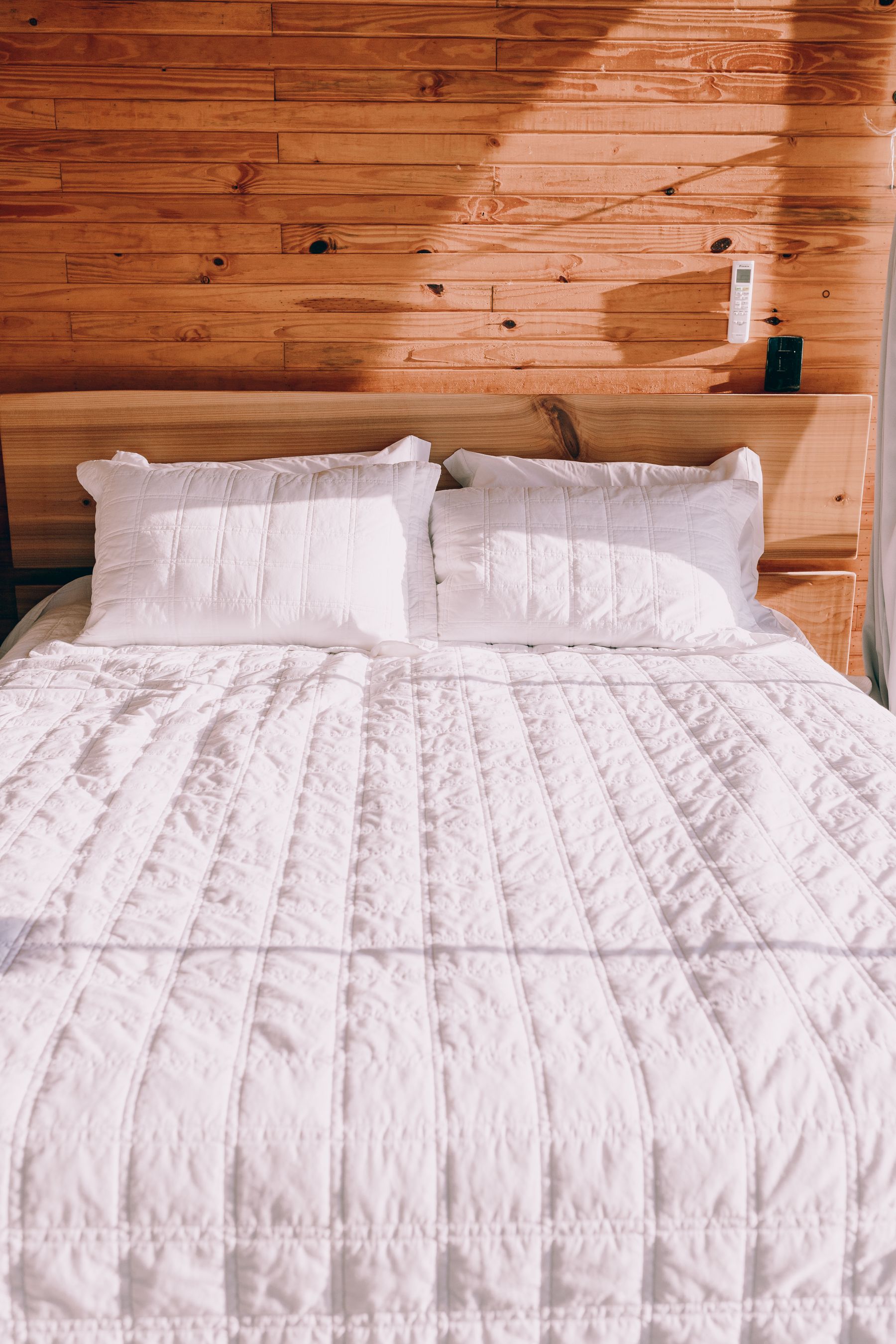
Warm white may lean ivory, shell, chalk or very pale greige. Compare it against the brightest white object that will remain, such as trim, a shade or bedding, because mismatched whites can make one surface look dirty. Cool daylight can neutralize cream; amber evening bulbs can exaggerate it. [White Bedroom Ideas](/bedroom/white-bedroom-ideas/) provides a full white-on-white framework. Here, warm white is a field that supports wood, clay and textiles, not the only source of warmth.
Build a Warm-Neutral Ladder
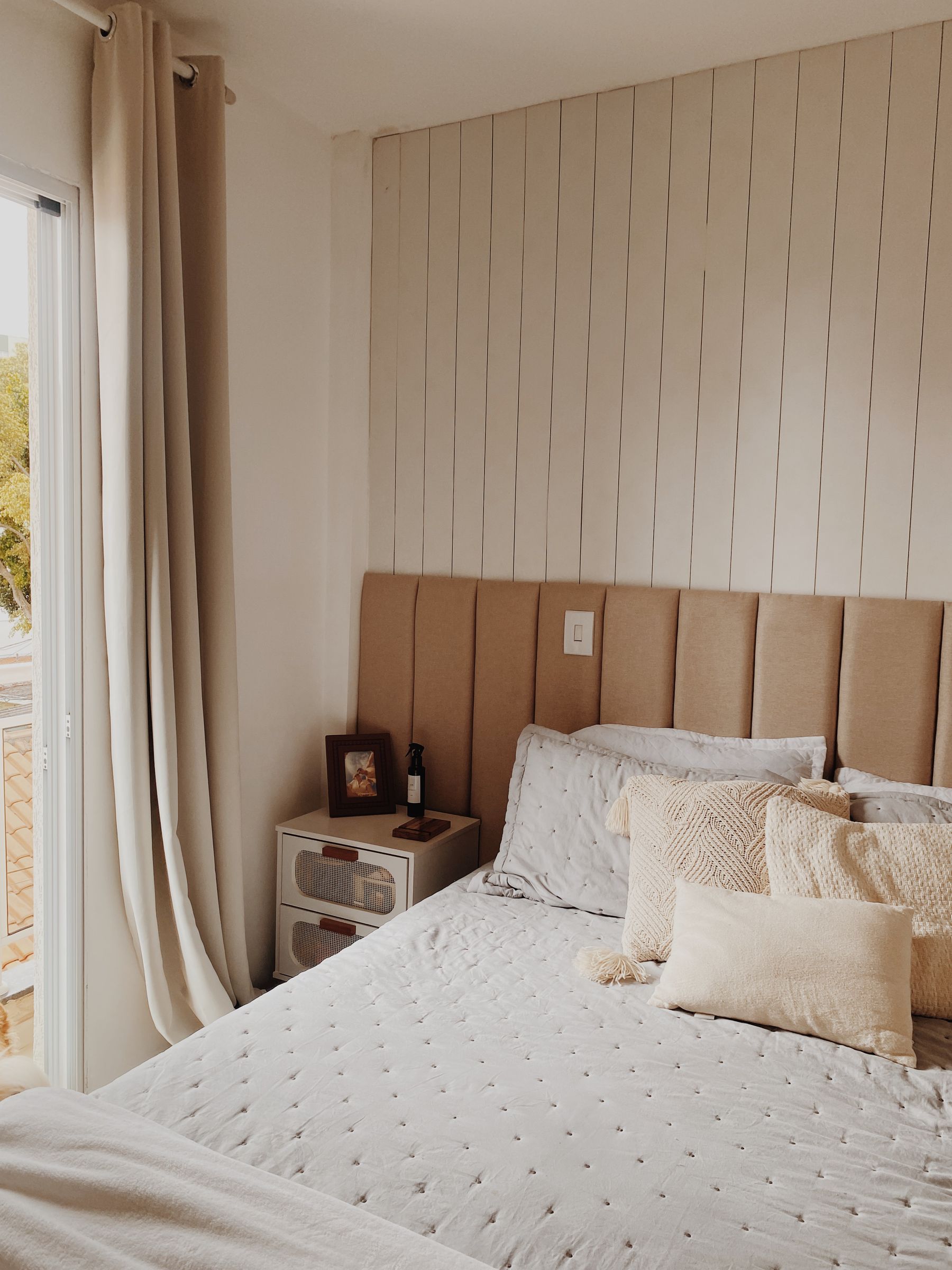
Choose a pale field, a mid-tone body and a darker anchor rather than matching every beige. Ivory might lead, camel may carry upholstery or curtains, and chocolate can define a bedside table or frame. Vary material sheen and weave so related colors remain legible. [Neutral Bedroom Ideas](/bedroom/neutral-bedroom-ideas/) covers the wider low-chroma spectrum, including cooler greiges and stones. Warm Bedroom narrows the emphasis toward sun-baked, creamy and brown-based relationships while preserving enough contrast for depth.
Clay, Terracotta, Rust and Ochre in Measured Doses
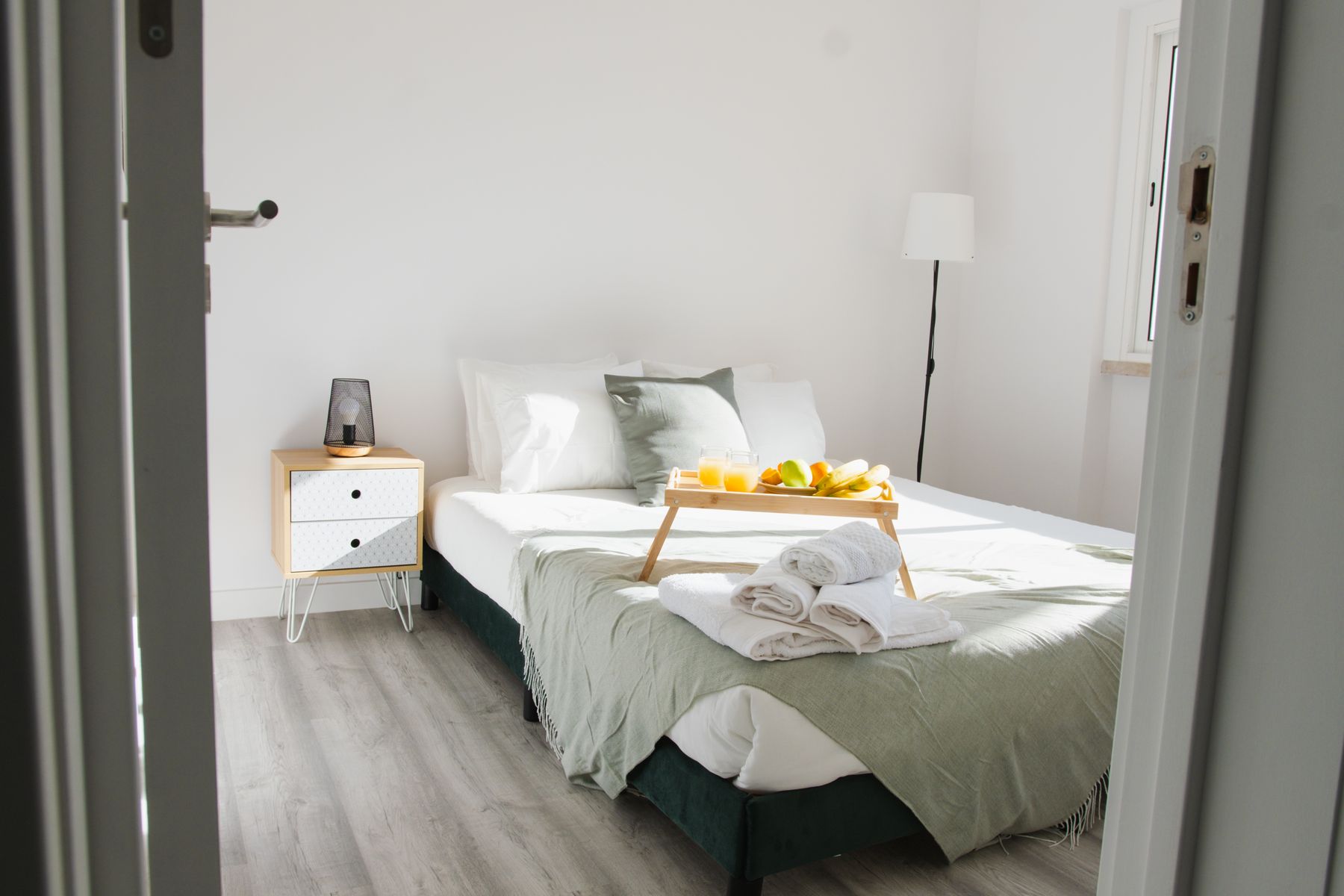
Earth pigments add warmth with more character than generic beige. Terracotta can occupy a wall or bedspread; rust may work better as a rug or curtain; ochre can brighten a headboard or quilt. Their red and yellow content becomes stronger under warm lamps, so balance with chalk, olive, navy or dark brown. [Yellow Bedroom Ideas](/bedroom/yellow-bedroom-ideas/) is the deeper destination when yellow itself leads. In a warm scheme, earth colors form one coordinated family rather than competing accents.
Red and Rose Without Sweetness
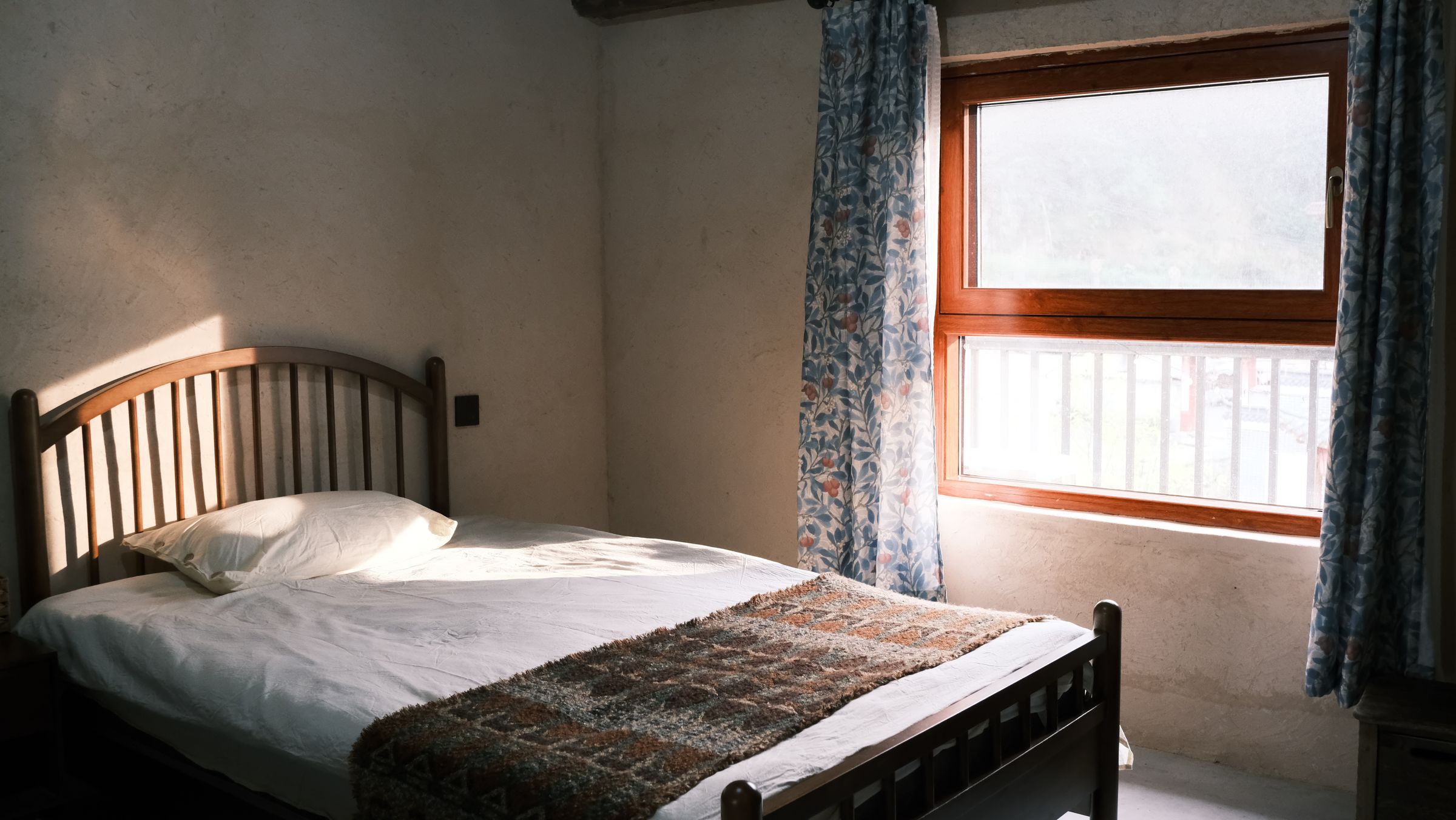
Brick, oxblood, dusty rose and muted coral can warm a bedroom faster than changing every neutral. Use one substantial field—a headboard, curtain, rug or painted wall—then ground it with timber, cream and a small cooler note. Pink-beige combinations can become overly soft when every material has the same value; add blackened bronze, walnut or green for structure. Avoid placing vivid red directly in the sleeper's main view if it feels activating. Warmth should support rest, not demand attention.
Balance Warmth With Olive, Teal or Dusty Blue
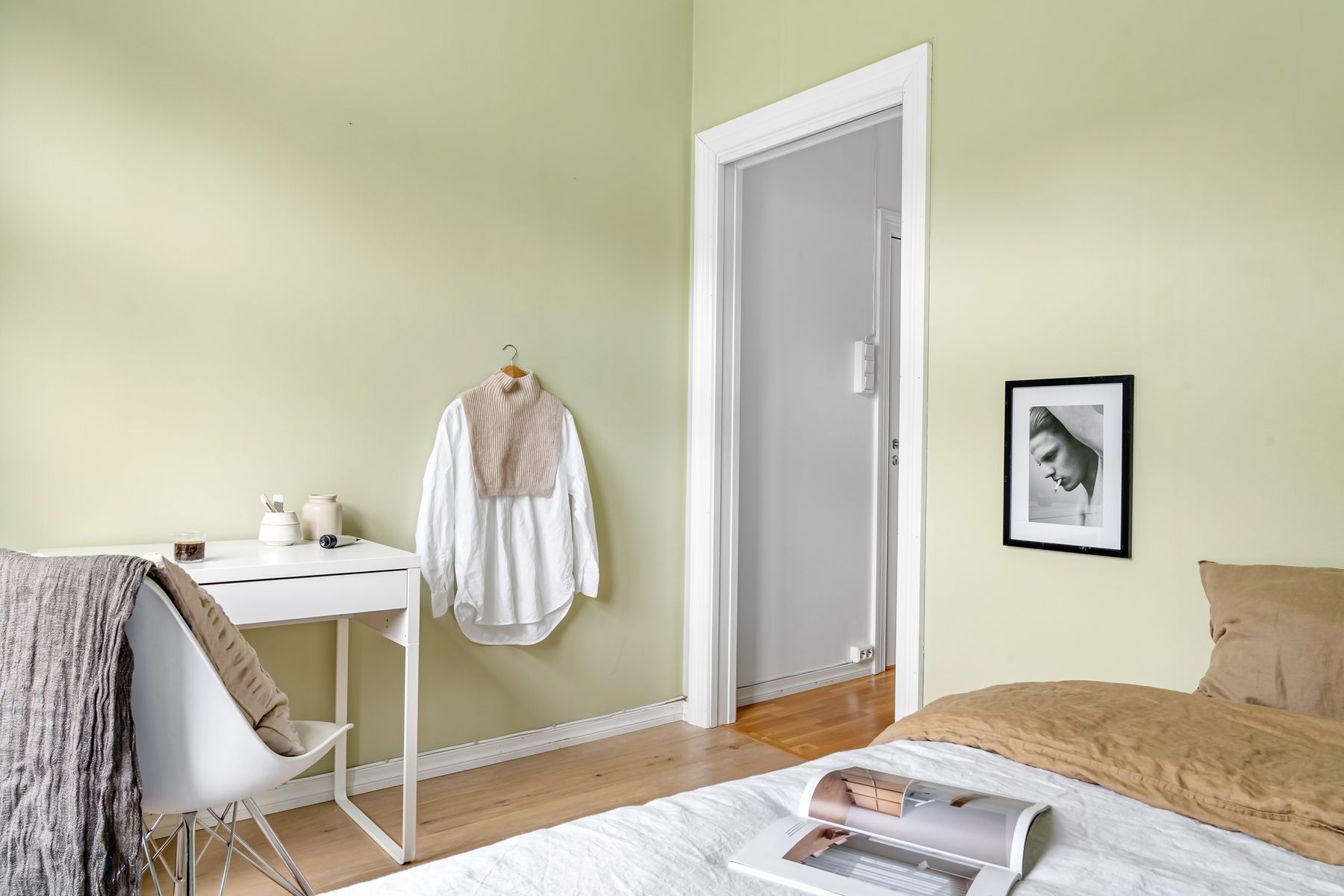
Warm rooms often need a cooler counterpoint to prevent visual heaviness. Olive contains yellow and sits comfortably with rust and walnut; dusty blue can sharpen camel and cream; muted teal can make copper and terracotta more legible. [Green Bedroom Ideas](/bedroom/green-bedroom-ideas/) and [Blue Bedroom Ideas](/bedroom/blue-bedroom-ideas/) explain those palettes as destinations. Here, the cooler hue supports the warm hierarchy. Keep saturation related and repeat the cool note at least twice so it feels intentional rather than accidental.
Choose Timber by Undertone, Not Trend Name
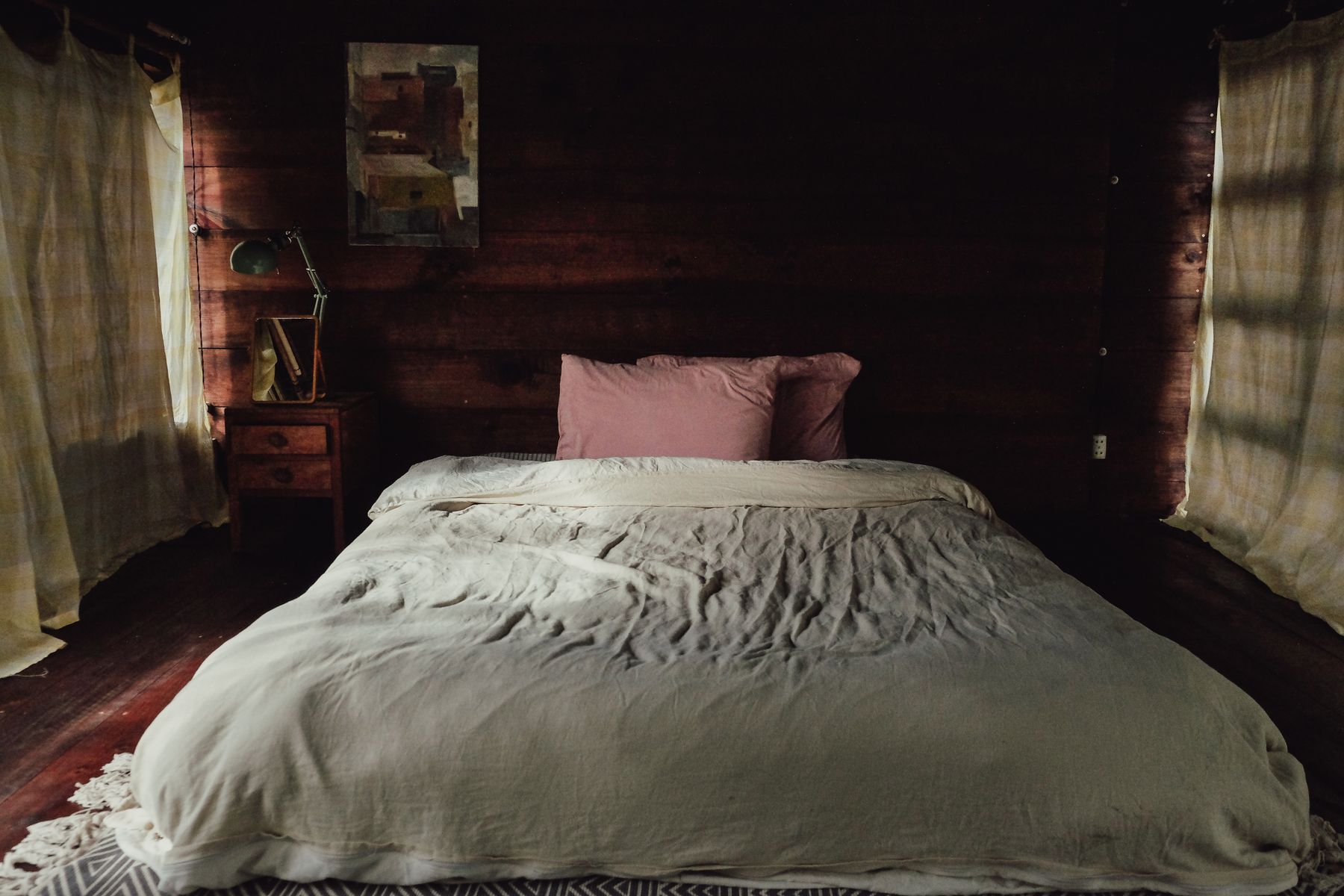
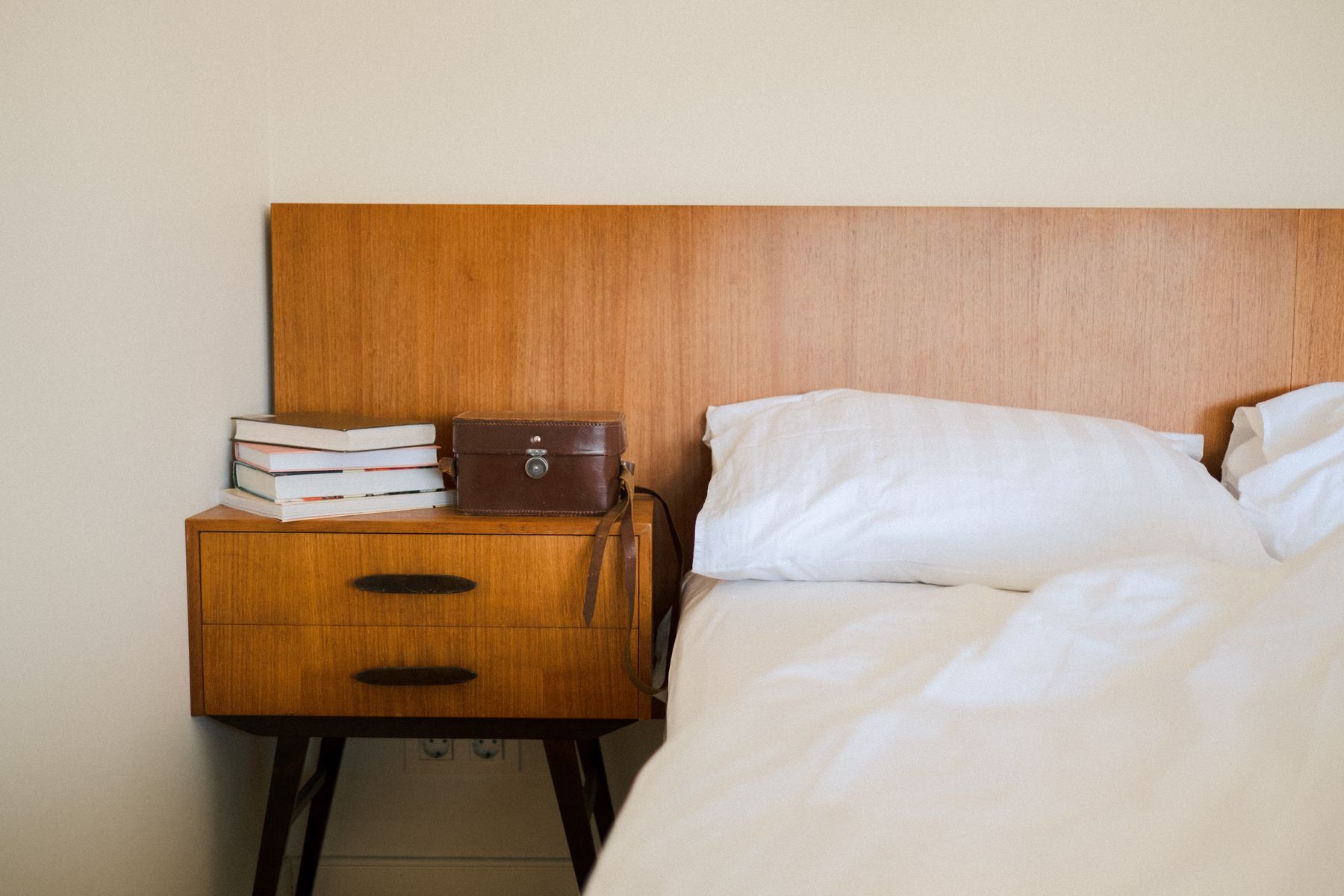
Oak, walnut, cherry, teak and stained veneers can all read warm, but species labels do not guarantee undertone. Compare the actual finish with floor, paint and daylight. Orange oak beside pink beige may clash; yellow oak can look balanced with olive or chalk; walnut may ground cream and rust. Mix woods through a shared undertone or clear contrast rather than near-matching stains. [Wooden Bedroom Ideas](/bedroom/wooden-bedroom-ideas/) handles timber construction and performance in depth; this decision is specifically about visual temperature and coordination.
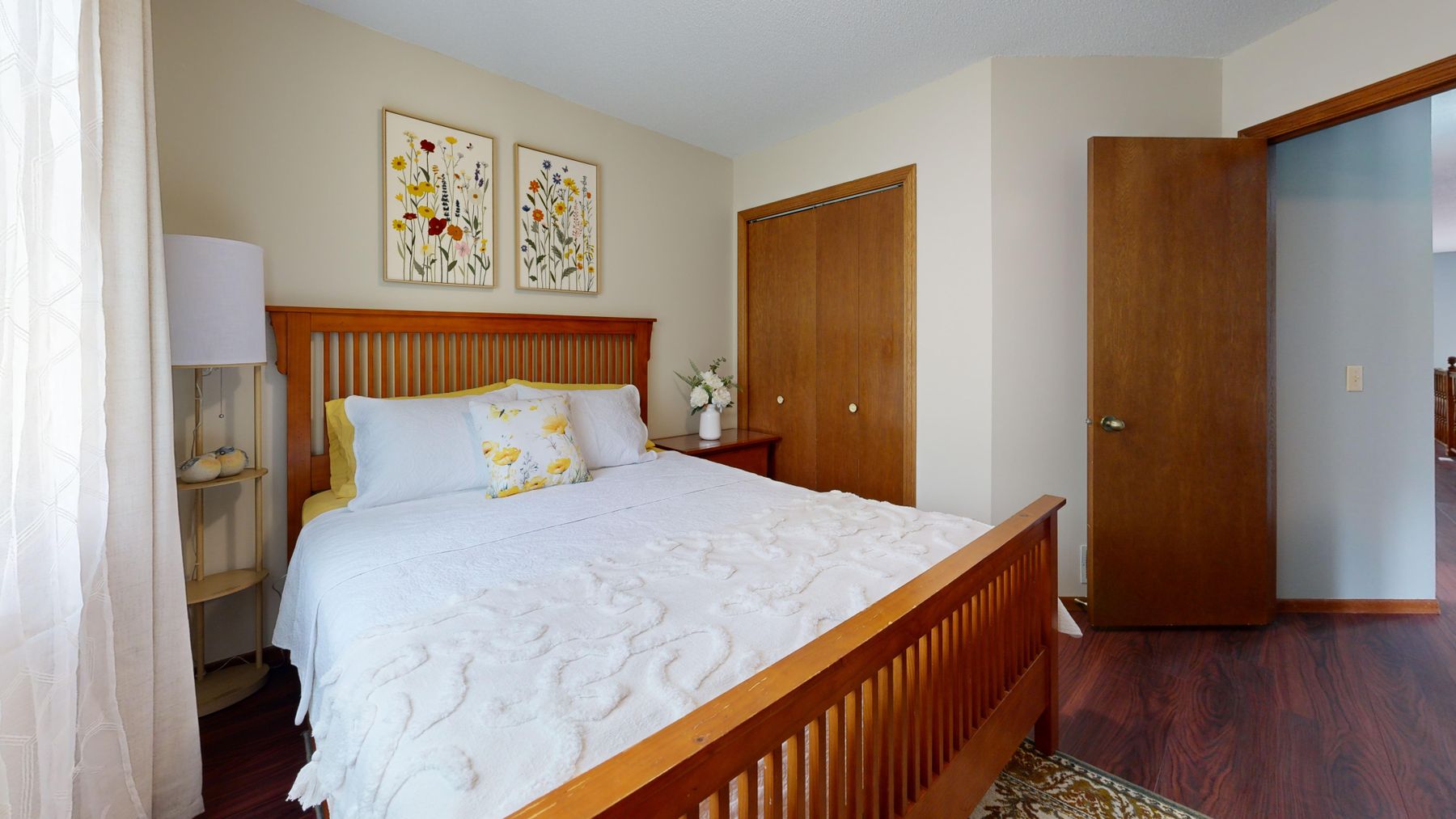
Wood Tones Linked by a Bridge Material
A room may contain a pale floor, medium bedside tables and a dark antique wardrobe. Connect them with a rug, textile or woven shade that includes more than one brown value. Repeat each major wood tone at least once where practical, and vary silhouettes so mixed pieces look collected rather than mistakenly matched. Keep large wood masses separated by paint or fabric. If every surface is timber, grain competes and the room may feel like a cabin regardless of intent.
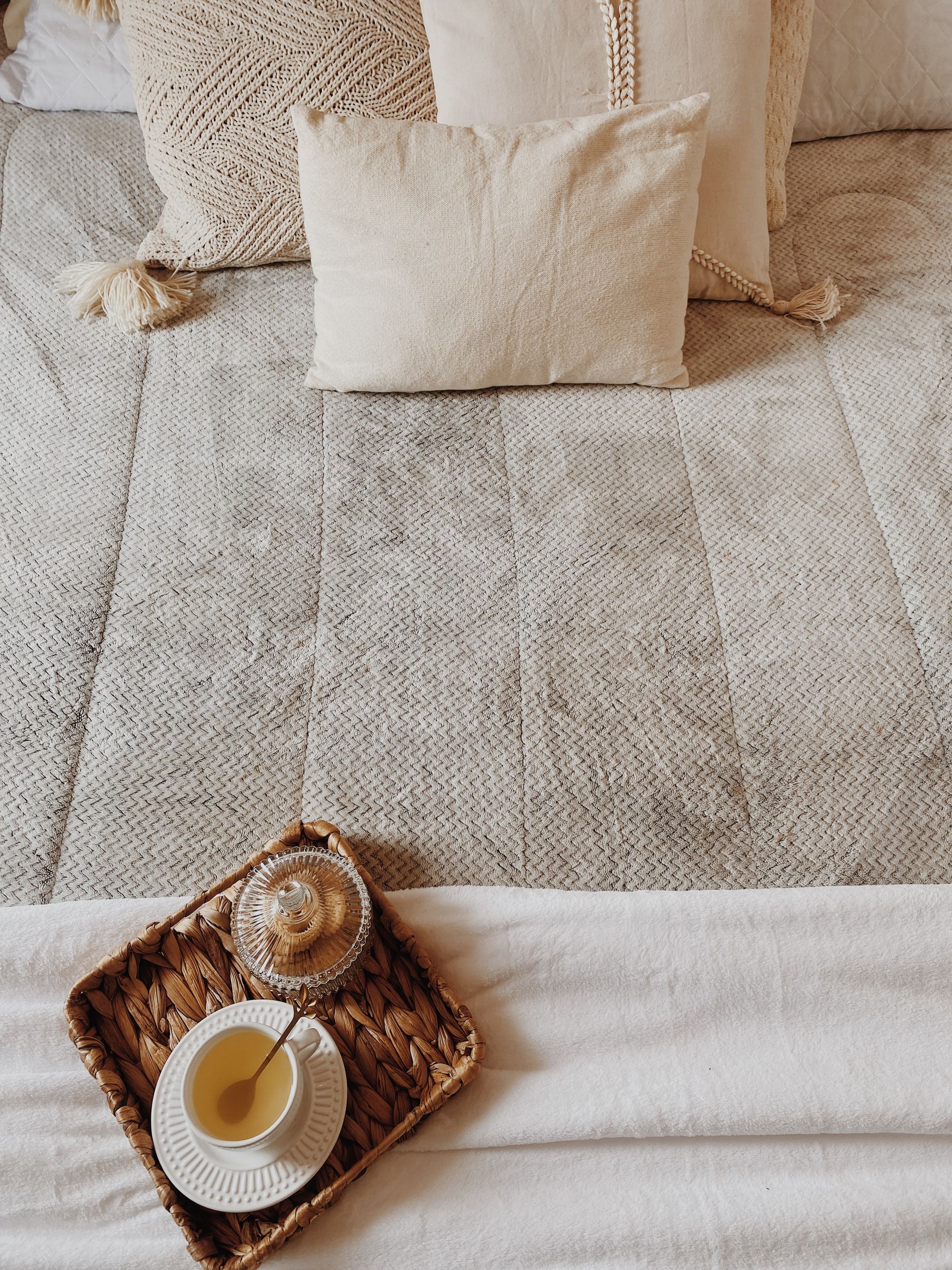
Bedding as the Fastest Warm Layer
Sheets, duvet covers, coverlets and one throw can introduce cream, camel, rust or chocolate without changing fixed finishes. Consider fiber, weave, laundering and actual sleeping temperature; a visually warm bed does not require heavy insulation. Use mismatched but related layers so the surface has depth, and reserve the strongest color for the foot or head rather than every pillow. If the room already has warm walls and timber, pale bedding may provide the necessary relief rather than adding more brown.
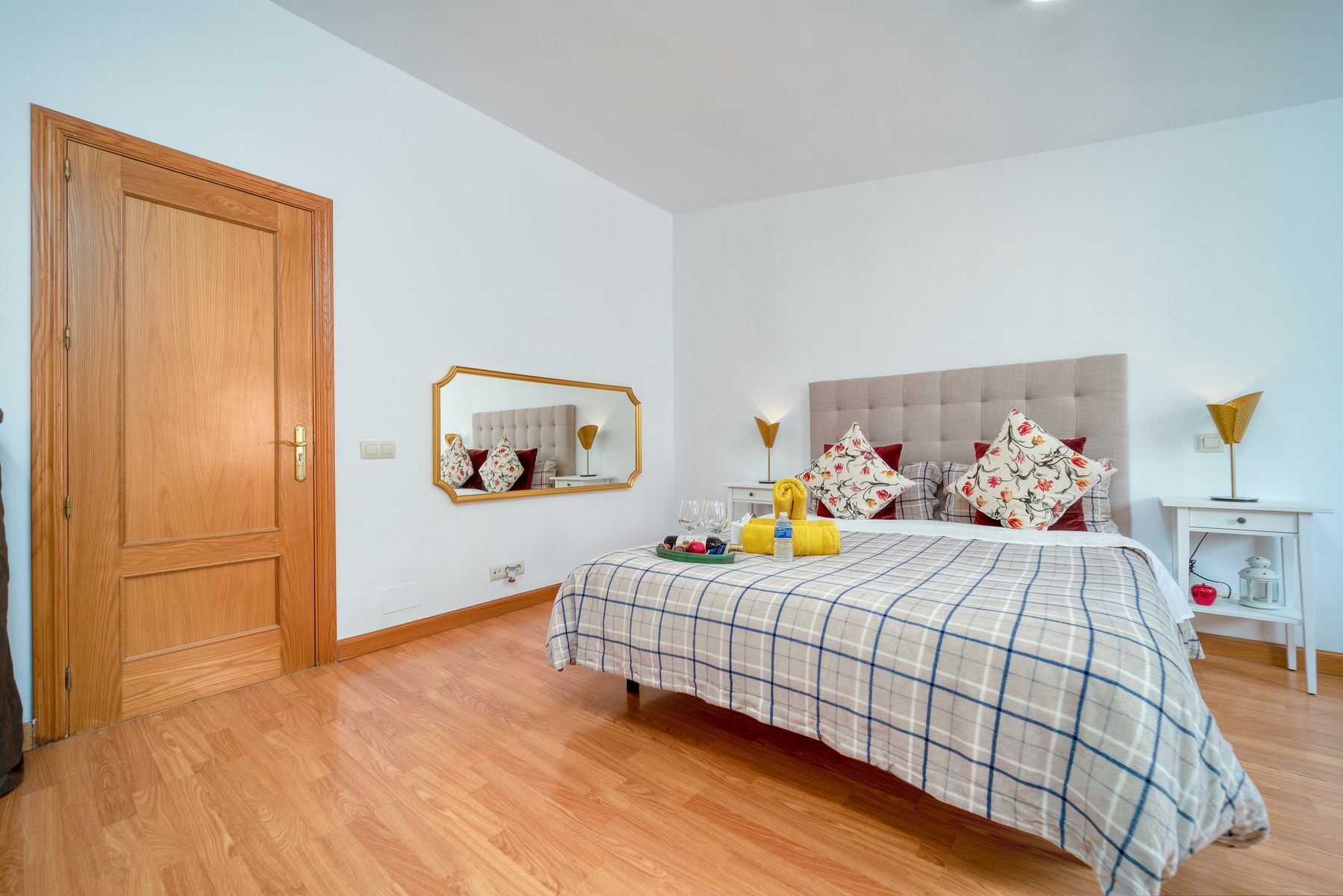
Pattern That Already Contains the Palette
Stripes, checks, florals and geometrics can bridge cream, rust, olive and brown. Choose a pattern that contains the existing fixed undertones instead of introducing a new unrelated orange. Scale should suit viewing distance: a broad headboard or curtain can carry a larger repeat, while bedding viewed close may need a quieter motif. Pair one lead pattern with solids and a smaller companion. Warmth becomes clutter when every textile competes at the same scale and saturation.
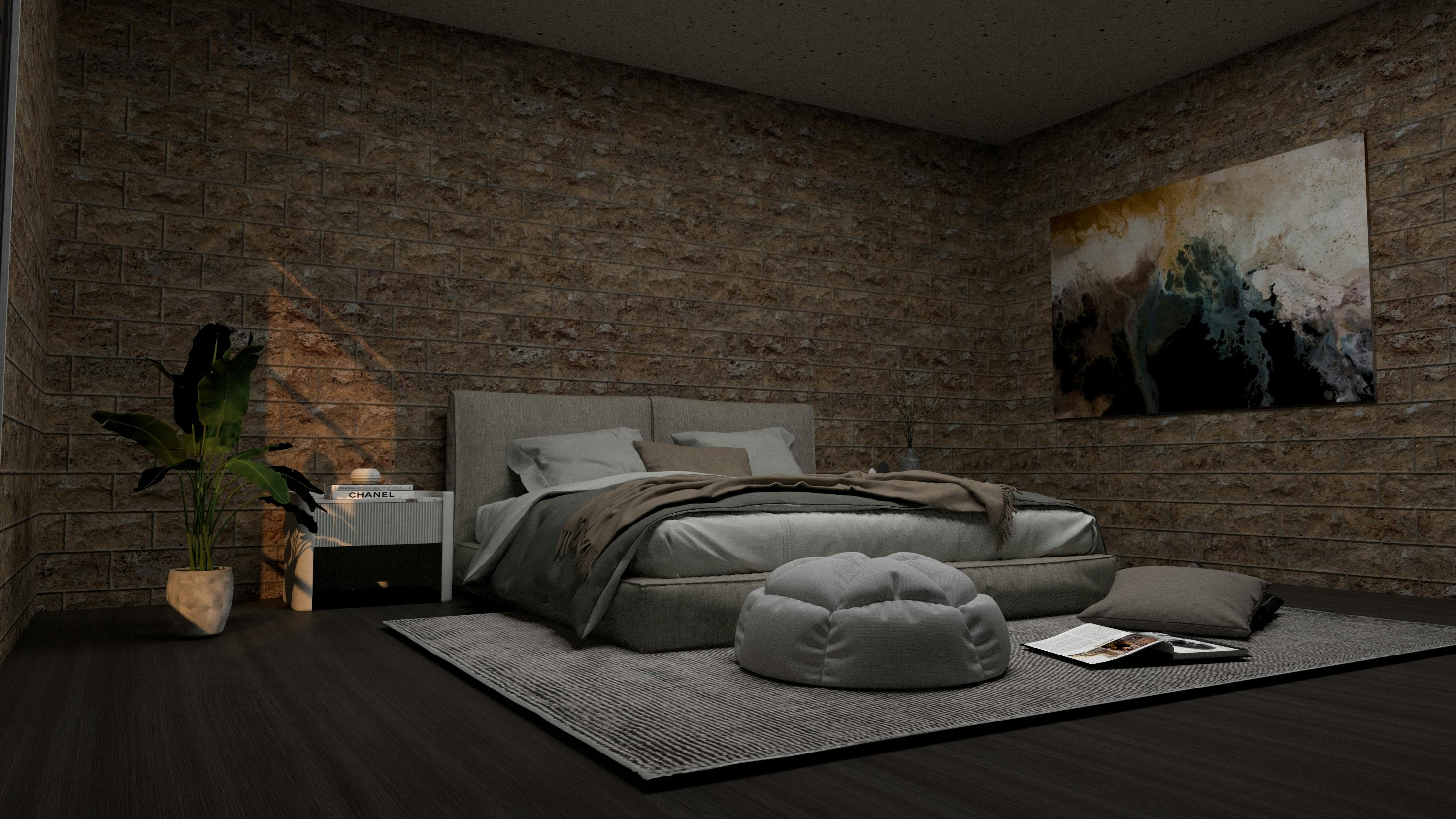
Warm the Walls With Matte, Limewash or Texture
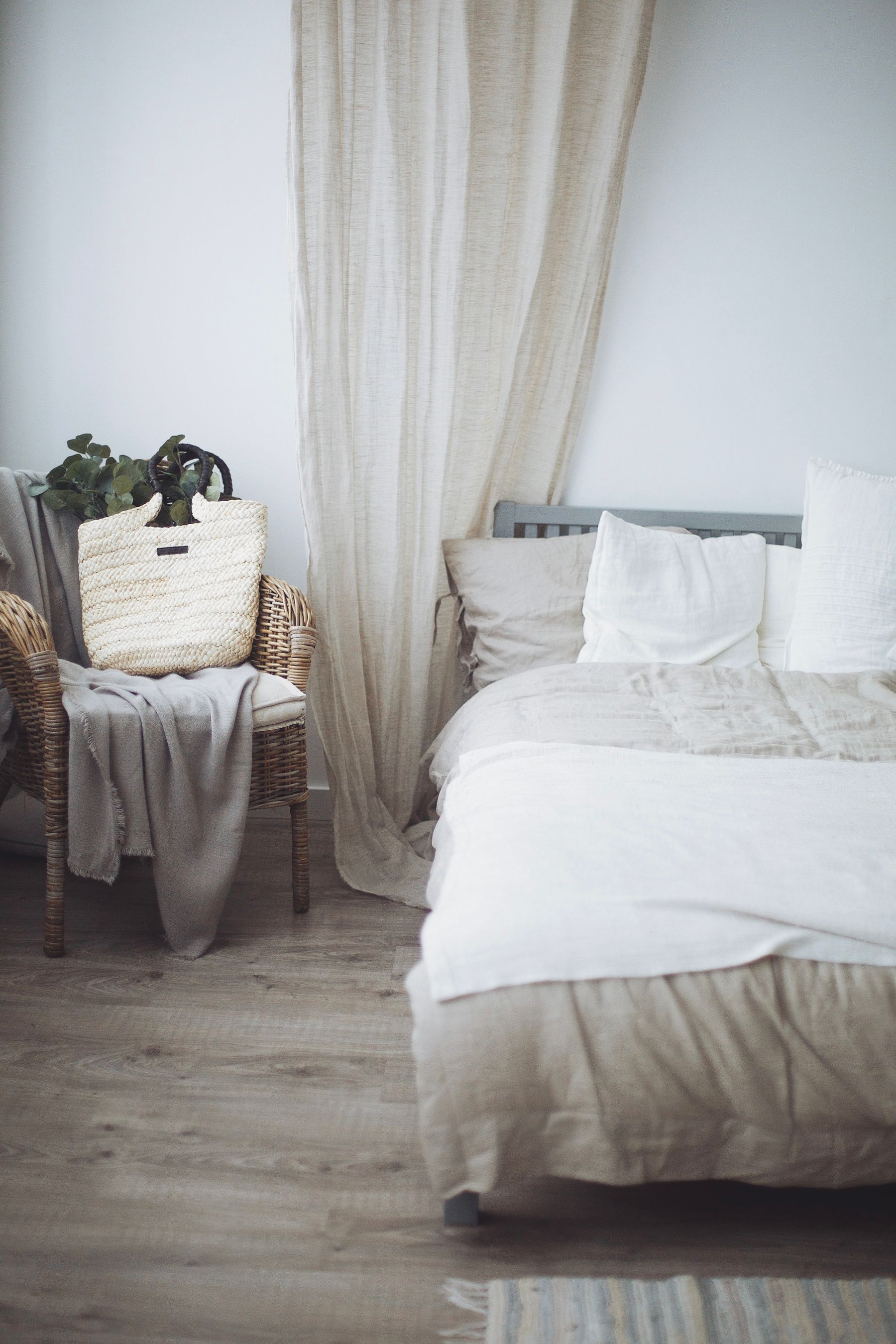
Matte paint, limewash, clay plaster, grasscloth and timber slats interact differently with light. Texture creates small shadows that deepen even a pale warm neutral, but high-maintenance or moisture-sensitive finishes must suit the wall and climate. A feature wall should relate to the bed and fixed architecture rather than exist as a generic backdrop. Check cleaning, repair and color variation before specifying. A smooth warm paint may be the stronger choice when the room already has patterned bedding, grain and curtains.
The Ceiling Completes the Envelope
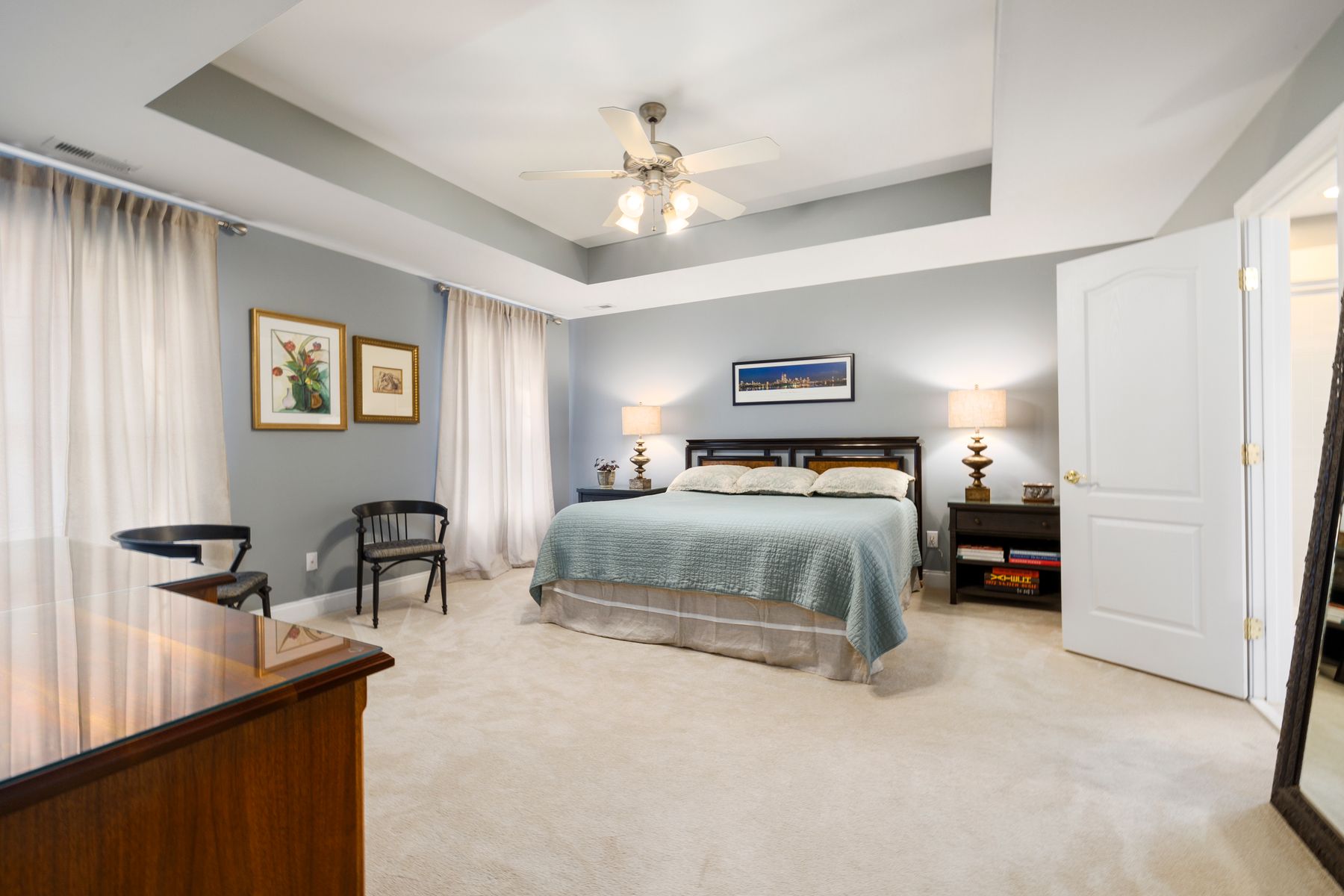
Brilliant white ceilings may appear blue or disconnected above warm walls. Consider a diluted wall color, warm off-white or a deeper cocooning tone where height and daylight support it. Sloped ceilings can be wrapped with the wall color to simplify geometry. Always verify reflected light and safe task visibility; a dark ceiling may need stronger general illumination. In a low room, color continuity can feel calmer than a contrasting stripe, but the best choice depends on volume and the bed's relationship to the ceiling.
Ground the Scheme With a Warm Floor or Rug
Honey timber, cork and some carpets naturally contribute warmth, while stone, tile or grey laminate may need a bridge. Choose a rug containing both the floor color and the desired warm family so it mediates rather than floats. Size it around the actual bed and routes, secure edges and match pile to cleaning and mobility needs. [Small Bedroom Ideas](/bedroom/small-bedroom-ideas/) covers tighter clearance decisions. Warm flooring should also remain durable under sunlight, furniture weight and routine cleaning.
Metals That Reinforce Rather Than Overmatch
Aged brass, bronze and copper can reinforce warm undertones, but polished yellow metal across every handle and lamp may look themed. Mix one dominant warm metal with blackened steel or a quieter neutral finish. Verify that coatings tolerate skin contact and cleaning. Chrome can remain where it is functional if repeated deliberately; its cooler reflection may sharpen the scheme. The metal's shape and surface area matter as much as color—a small bronze pull behaves differently from a large glossy brass headboard.
Specify Light Color and Rendering Together
Color temperature influences atmosphere, but kelvin alone is insufficient. A warm-white source around the common domestic range may feel calm, yet poor color rendering can flatten reds, browns and skin. Use bright general light for cleaning and dressing, focused reading light and dimmable low-level atmosphere. Compare bulbs inside the actual shades because fabric and glass alter color. Avoid mixing visibly green, pink and amber sources in one view. The room should look warm while colors remain distinguishable.
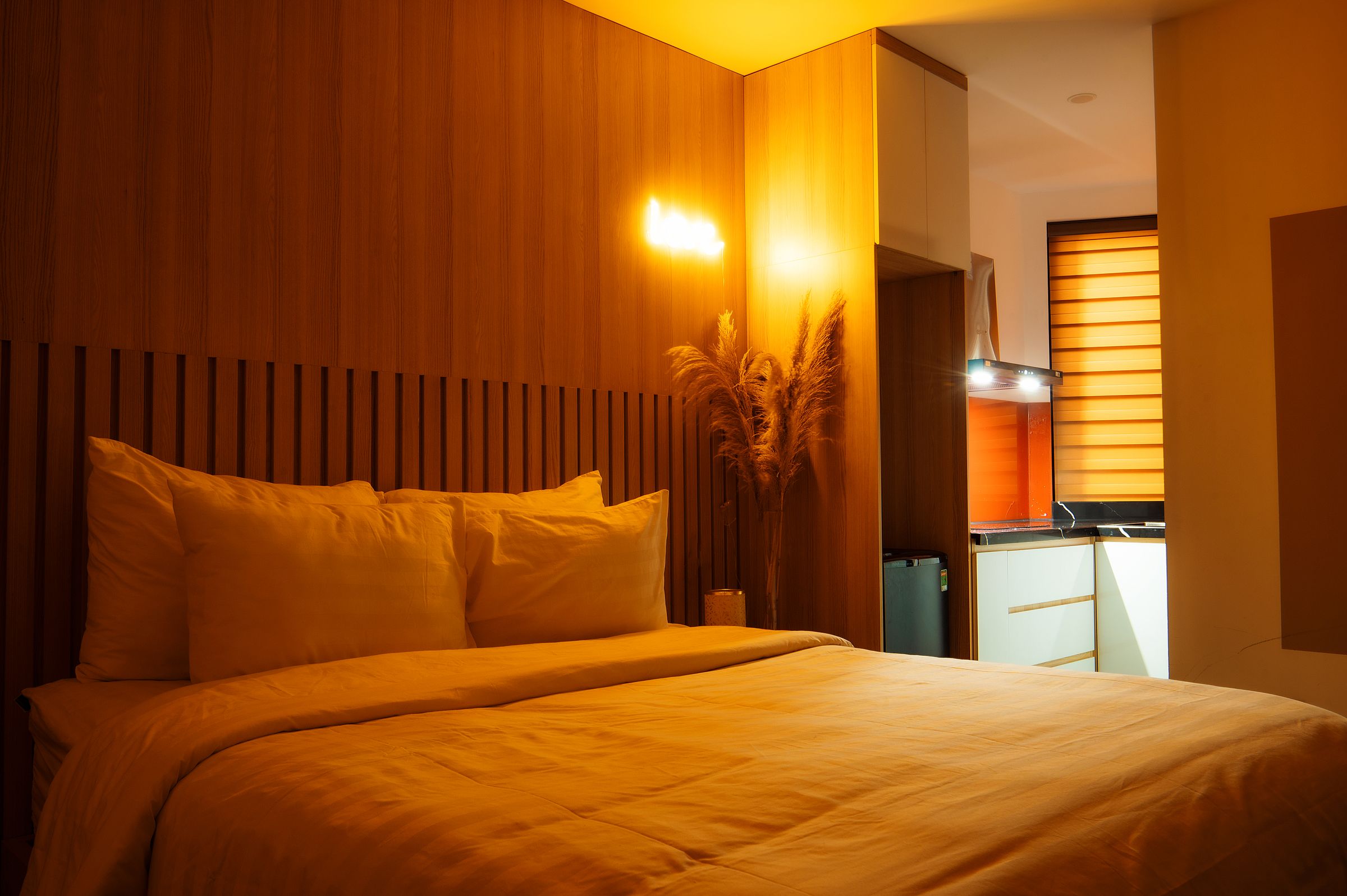
Place Warm Light at Eye Level
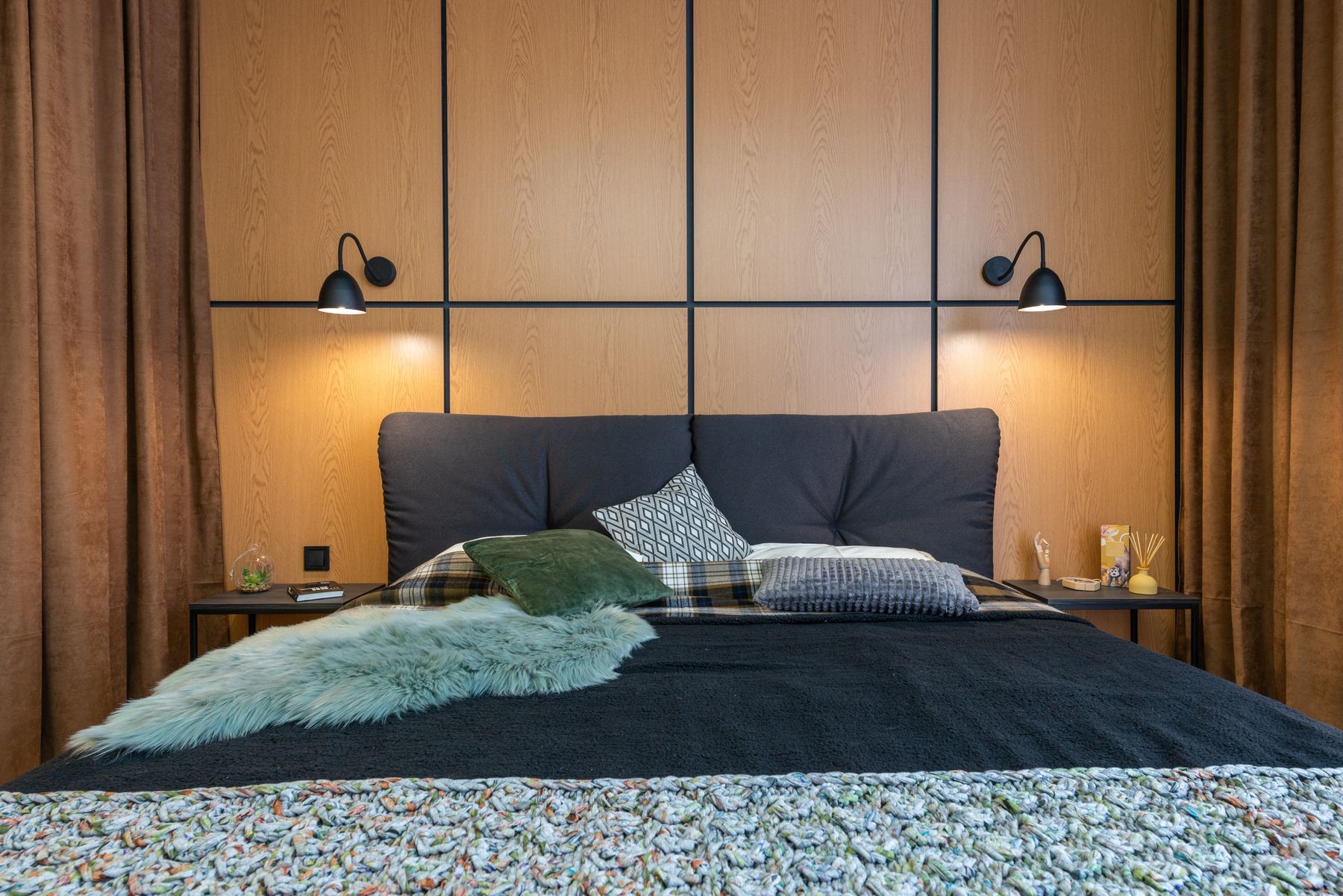
Table lamps, sconces and low pendants reveal grain and textile texture through lateral light. One bright ceiling fitting flattens those surfaces and can make even warm colors feel institutional. Place task sources for actual reading and dressing, then add atmosphere only where it creates a useful pool. Shield bulbs from the pillow and keep fittings clear of curtains and bedding. The arrangement should work without decorative candles, whose flame and fragrance add risks beside soft materials.
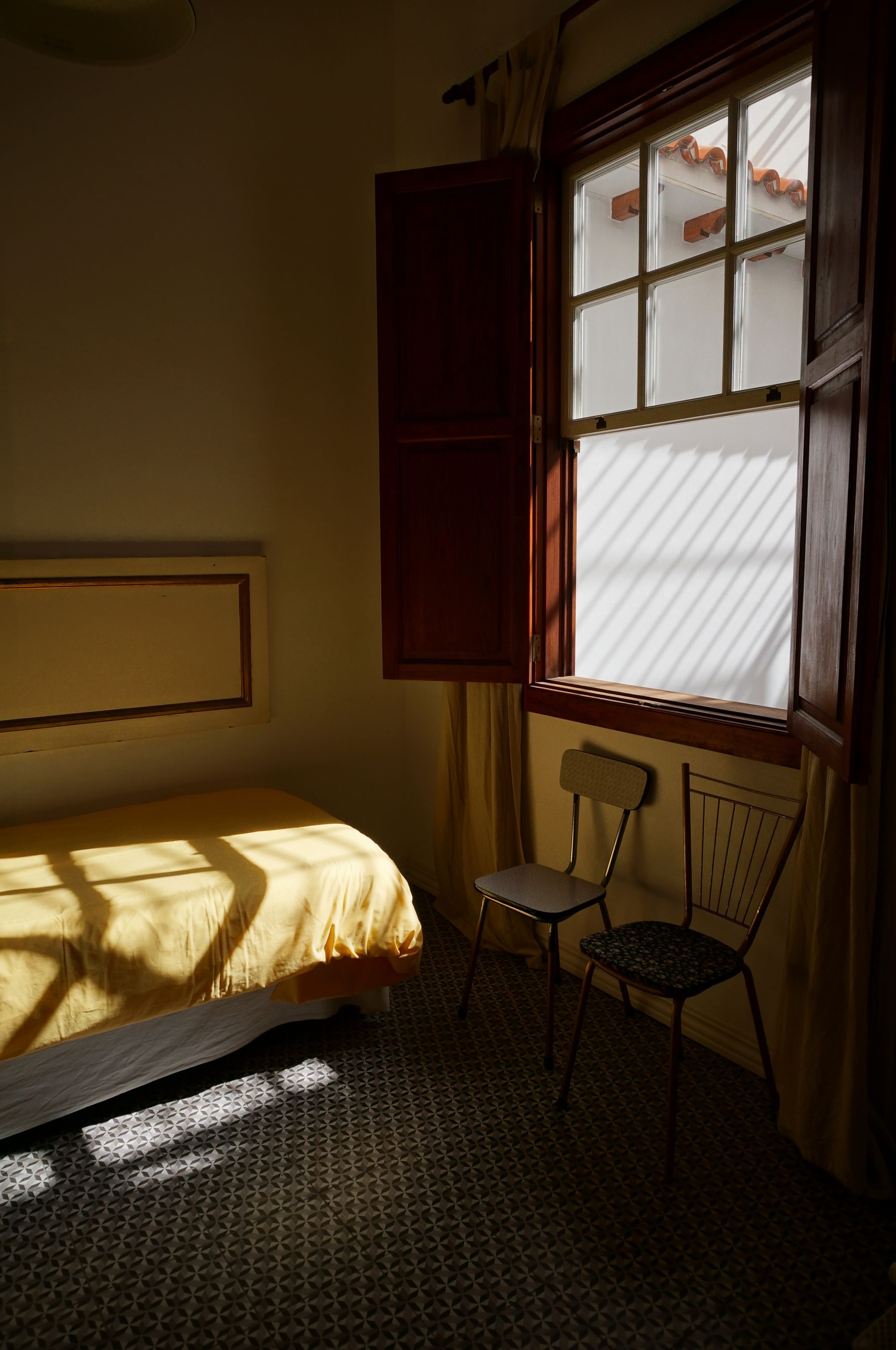
Daylight as a Warm Material
Direct sun can make timber, cream and earth colors glow, yet it also causes fading, heat and glare. Use adjustable sheers, blinds or shutters to filter rather than eliminate useful light. Photograph the sun path and protect vulnerable textiles or art. East light may support a warm morning ritual; strong west light can over-amplify orange finishes. Window design must still provide darkness and ventilation. Warmth from daylight is dynamic, so the evening palette and lamps must stand on their own.
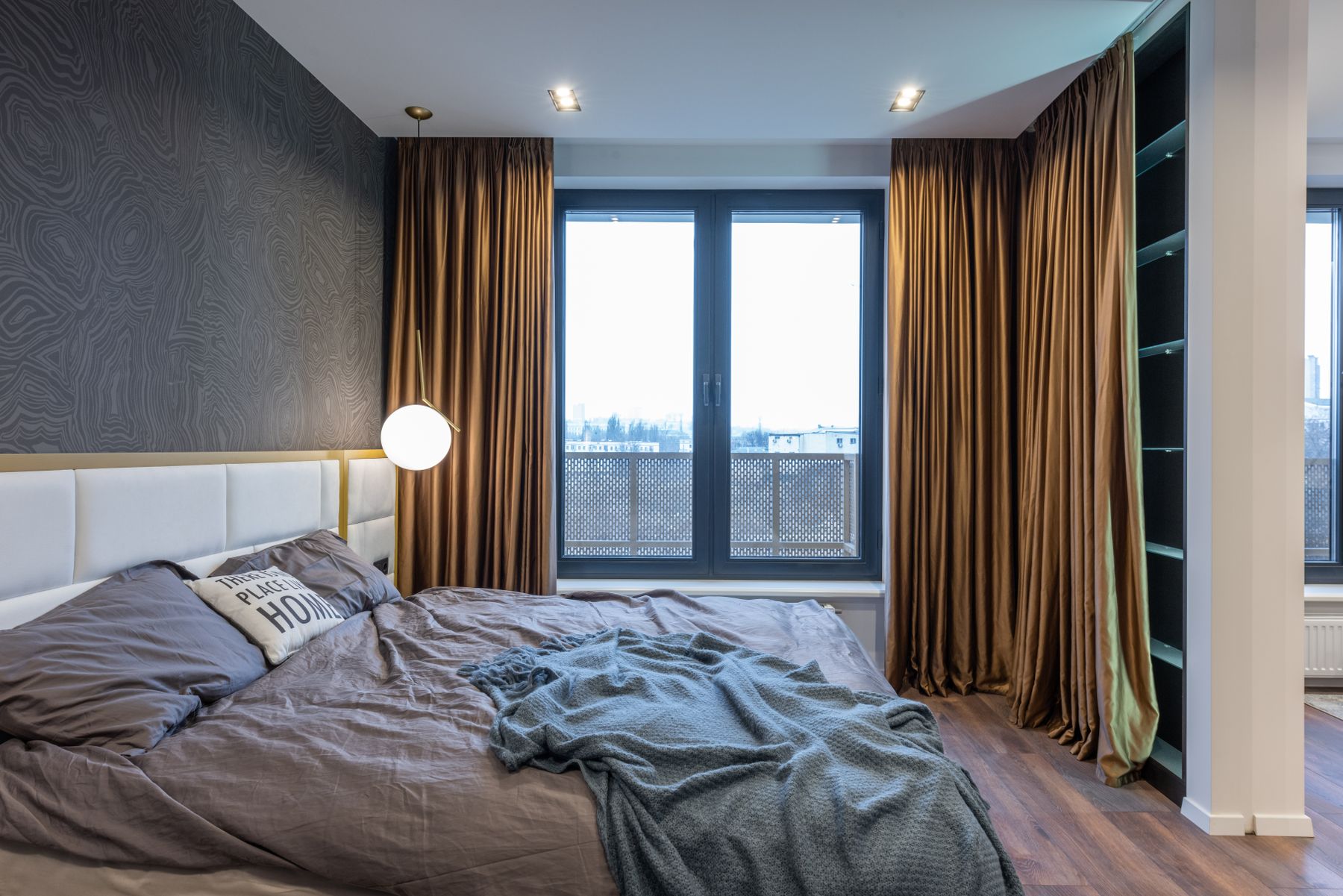
Coordinate Curtains With Walls and Timber
Curtains may be the largest textile field in the room. Oatmeal linen, tobacco velvet, patterned cotton or warm grey can bridge wall and floor, but function comes first: privacy, blackout, heat control and easy operation. Hold fabric vertically because color changes in folds. Keep panels clear of radiators and vents, and account for fading. If walls already carry deep earth color, a paler curtain can preserve daylight; if walls are cool or white, curtains can supply the missing warmth.
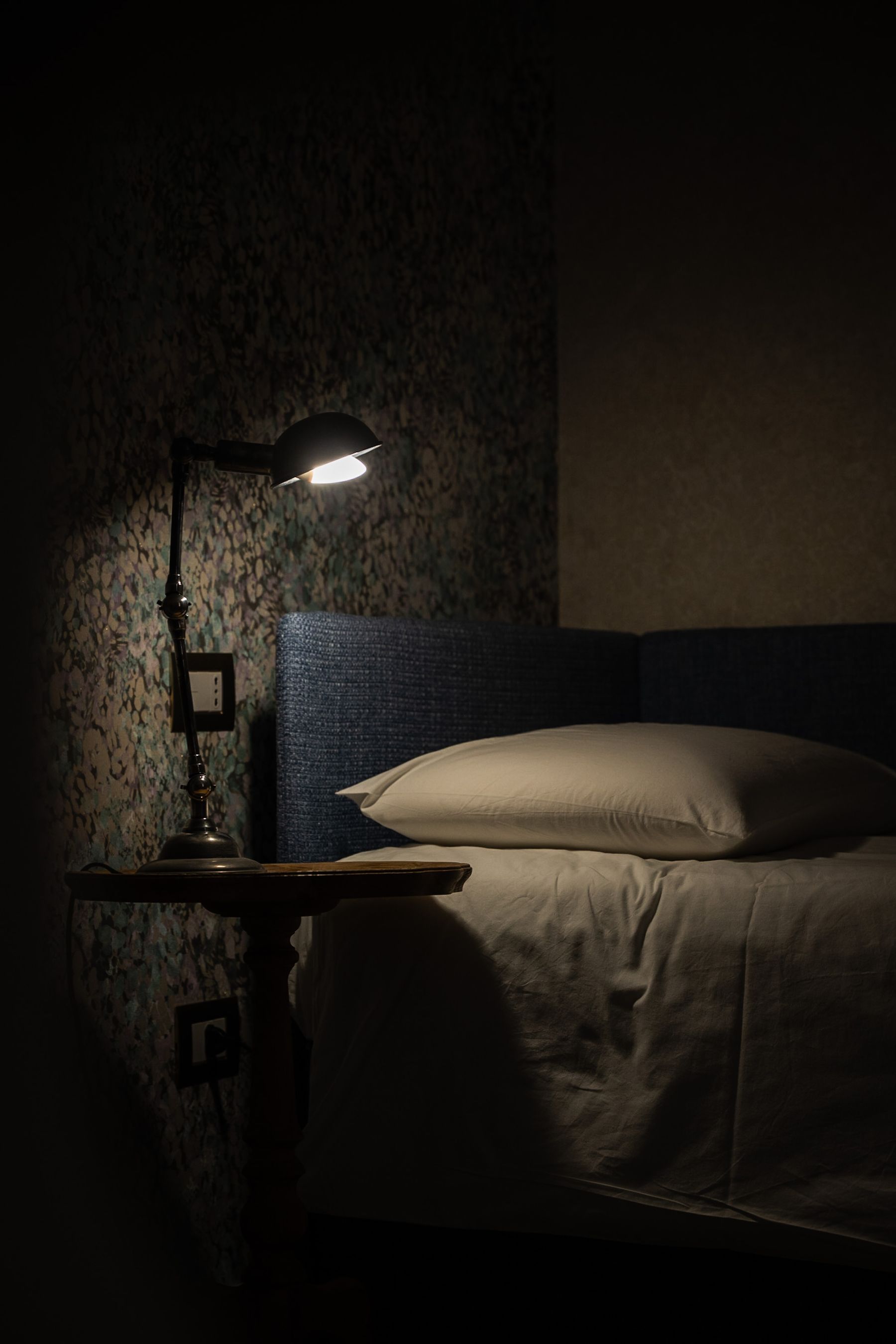
Create Dark Contrast So Warm Colors Stay Clear
Walnut, espresso, charcoal, blackened bronze or deep navy can outline a warm palette and stop cream, camel and rust from blending into one haze. Use dark notes at the bed frame, lighting, bedside furniture or artwork frames, then repeat them sparingly. [Dark Bedroom Ideas](/bedroom/dark-bedroom-ideas/) is the destination when low-value color leads the whole room. Here, darkness acts as punctuation. Preserve enough contrast for switches, furniture edges and safe movement, especially in low evening light.
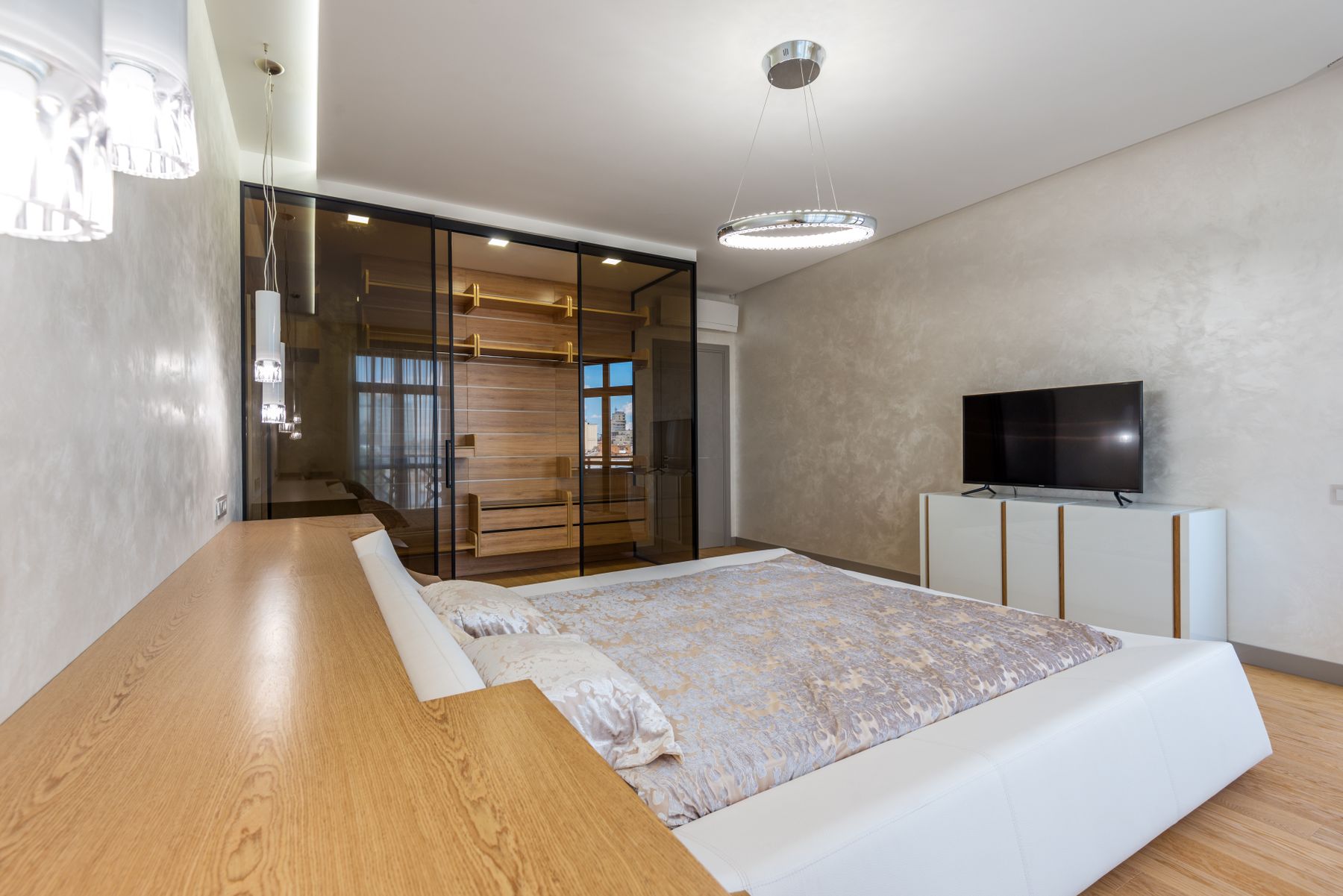
Design a Warm Modern Bedroom With Restraint
Use simple forms, one coherent timber family, warm off-white, tactile bedding and precise pools of light. Avoid adding rustic beams, distressed furniture or baskets merely to prove warmth. [Modern Bedroom Ideas](/bedroom/modern-bedroom-ideas/) covers contemporary planning and technology more broadly. A warm-modern version keeps construction crisp while softening its material and light relationships. One dark contrast and one muted color prevent the result from becoming an undifferentiated beige showroom.
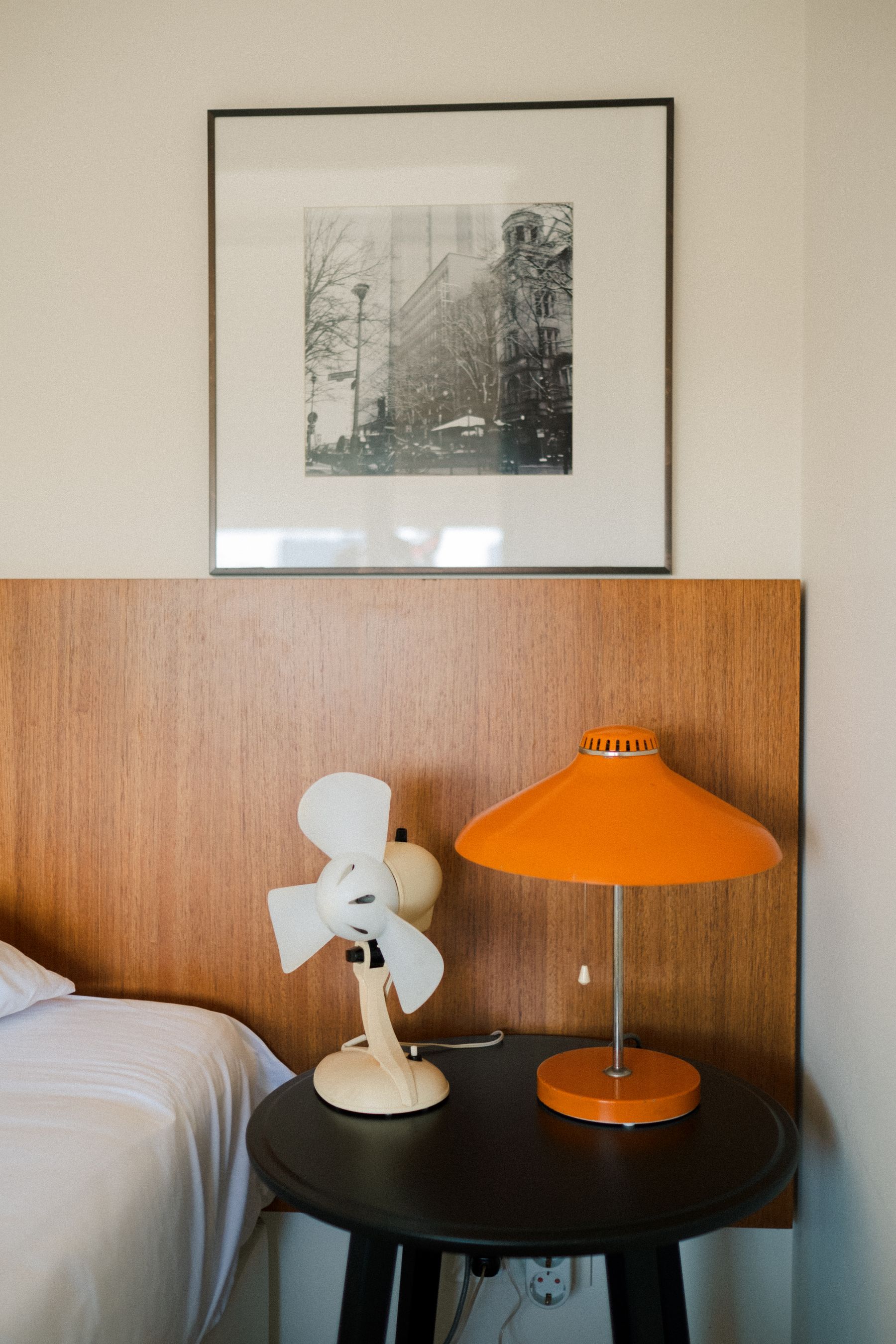
Mid-Century Color Supplies Graphic Warmth
Walnut, teak-toned finishes, ochre, burnt orange, olive and cream naturally support a warm mid-century direction. Keep legs, hardware and lighting silhouettes clear so the scheme does not become a generic brown room. [Mid-Century Bedroom Ideas](/bedroom/mid-century-bedroom-ideas/) is the stronger destination when period furniture and form lead. Warm Bedroom borrows the palette logic: one saturated accent, clean wood planes and enough pale space to show their edges.
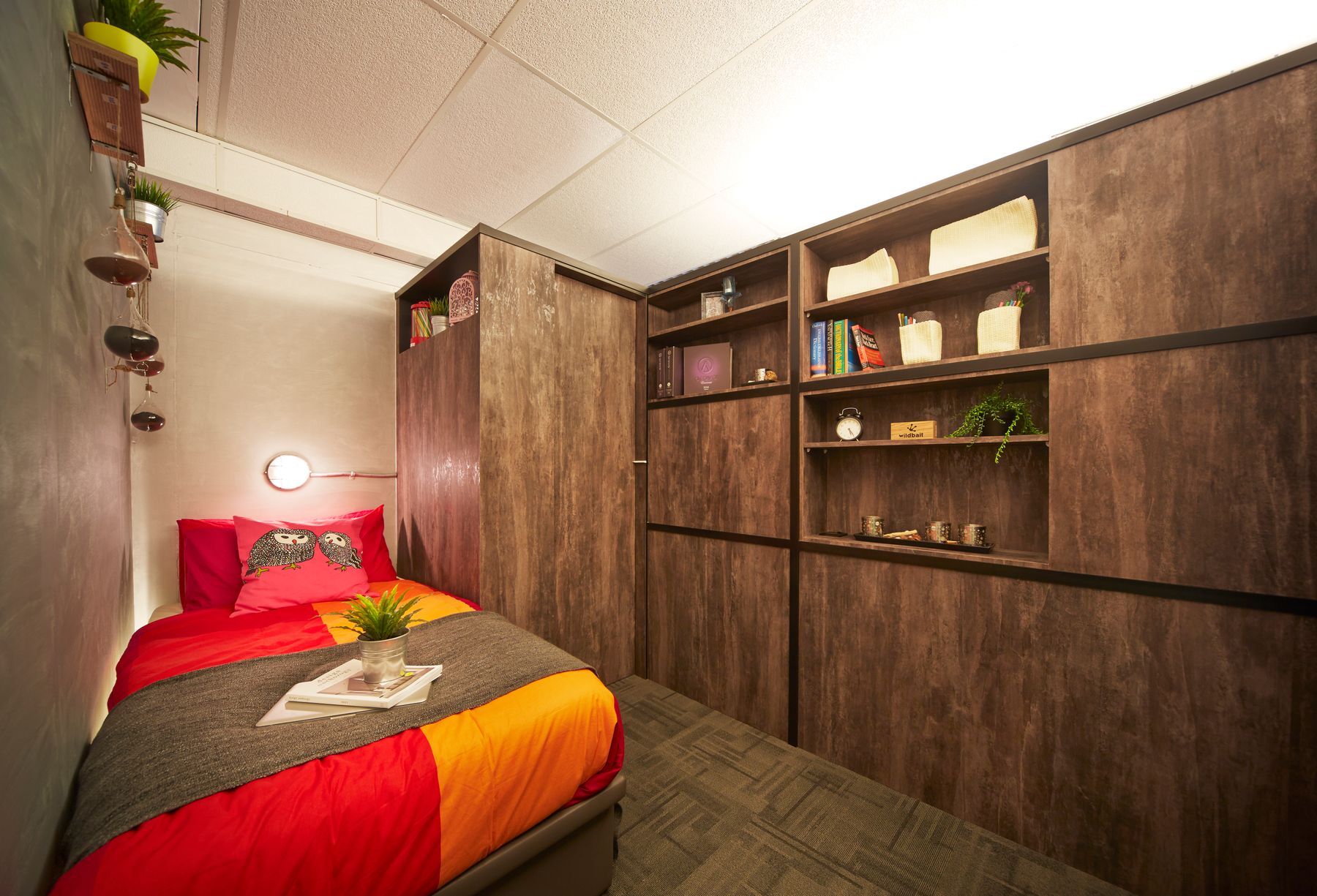
Warm a Small Bedroom Without Closing It In
Focus warmth on the bed, headboard wall or curtain instead of darkening every surface. Wall-mounted lamps and one bridging rug reduce clutter while supporting the palette. Pale warm walls can keep the perimeter open; a richer ceiling or bed wall can add intimacy. Use narrow furniture with a true timber or warm painted finish rather than filling the room with small brown objects. [Small Bedroom Ideas](/bedroom/small-bedroom-ideas/) should determine clearance and storage before decorative layering.
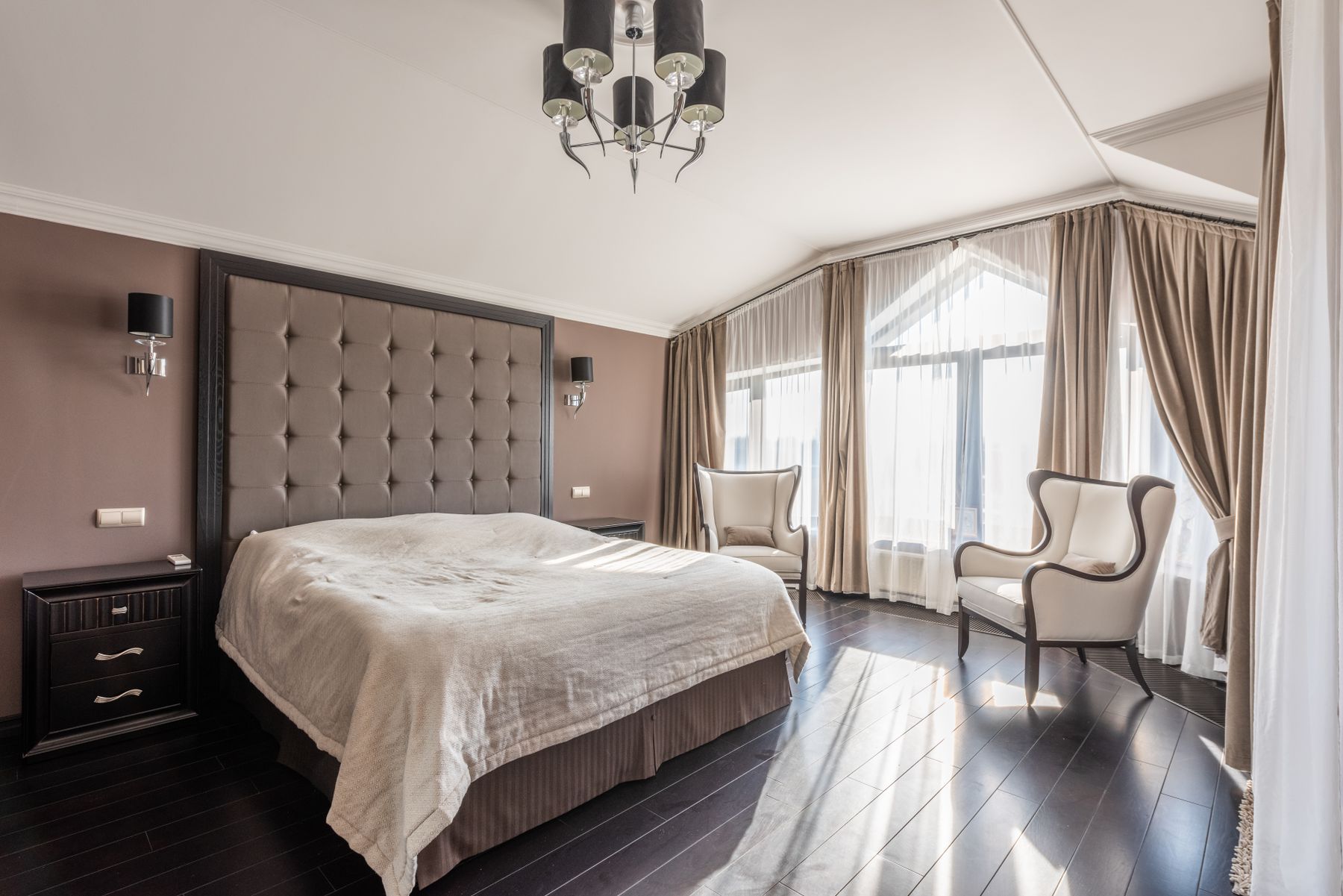
A Large Warm Bedroom Needs a Visual Center
Large rooms can dilute warmth when furniture floats far apart under one ceiling light. Anchor the bed with a broad rug, substantial headboard or wall field, then repeat the palette in one secondary seating or dressing zone. Lower lamps and curtains reduce scale and echo. [Large Bedroom Ideas](/bedroom/large-bedroom-ideas/) covers proportion and circulation in depth. Do not fill every corner; warm negative space still needs clear boundaries, consistent undertones and enough contrast to read across distance.
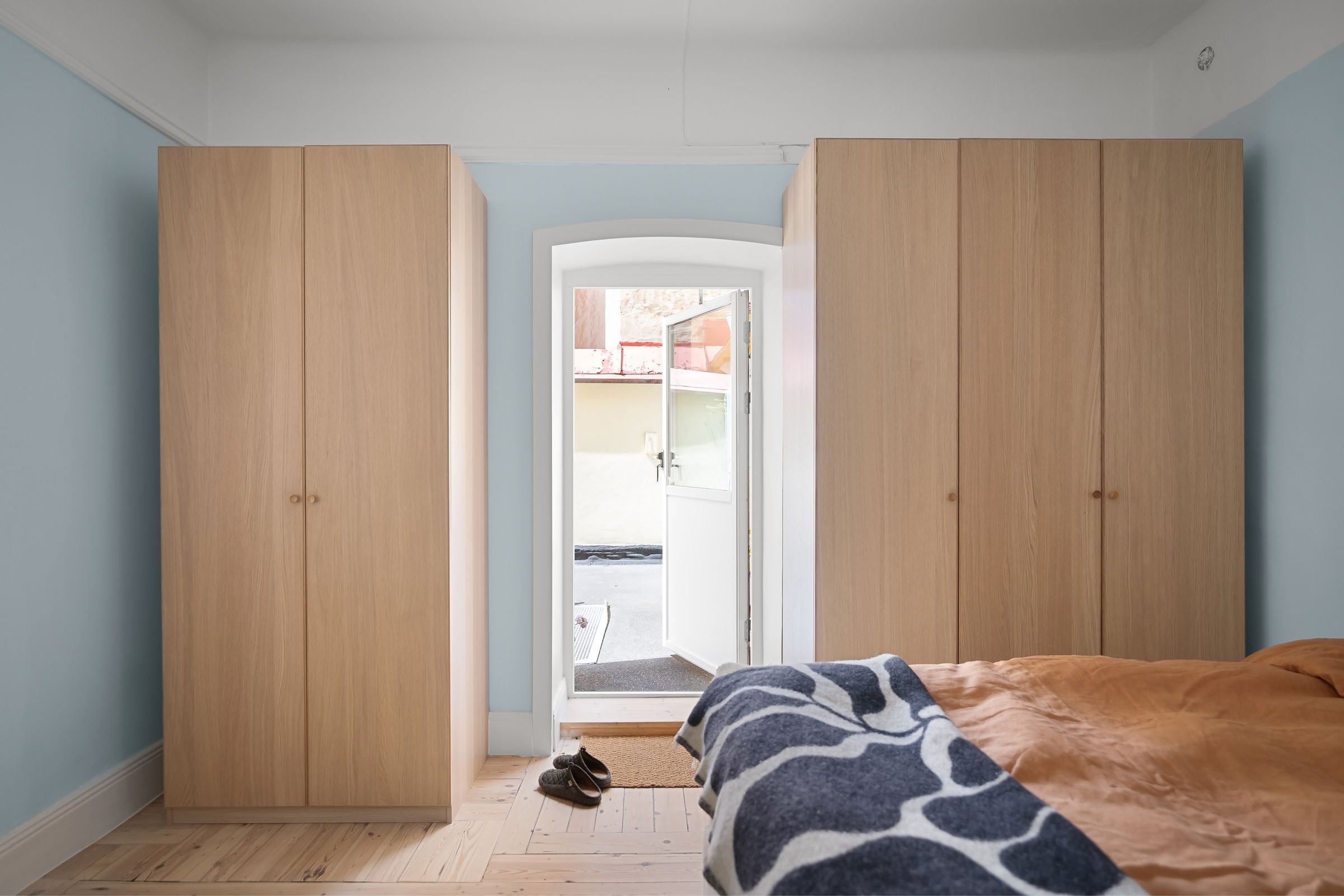
Storage Inside the Warm Palette
Wardrobes and chests occupy enough area to become architecture. Warm timber, painted clay or cream can integrate storage, but check grain direction and undertone beside the floor. Avoid wrapping every wall in orange wood; mix closed warm fronts with pale wall area or a darker recess. Interior lighting should render clothes accurately. Provide ventilation and wall clearance where required. The storage must first fit belongings and routes; a warm finish cannot rescue doors that collide or cabinets that trap damp.
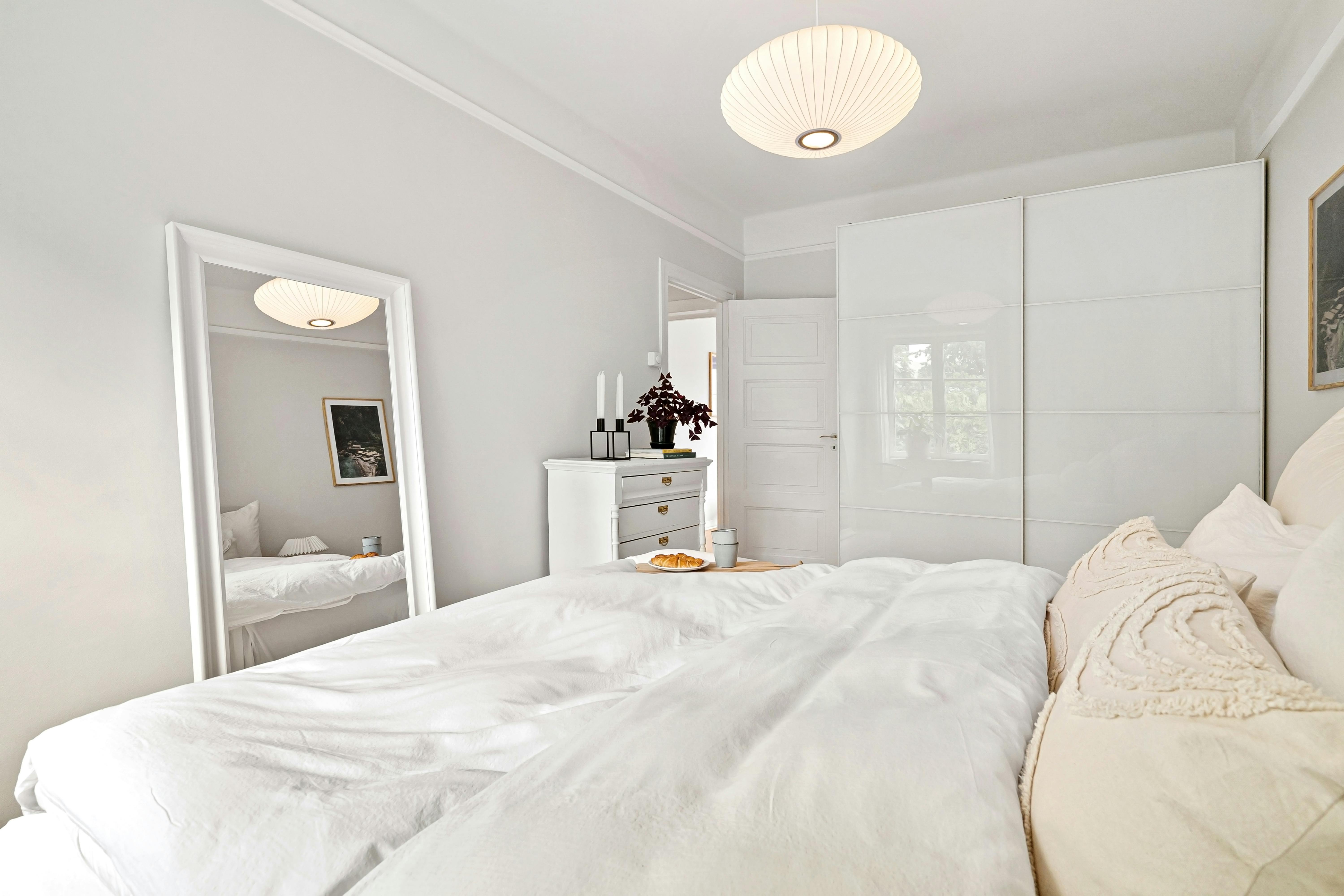
Translate Warmth for a Rental
Use a warm bulb with good color rendering, full-length curtains on approved hardware, a bridging rug, earth-toned bedding and one timber or painted bedside piece. Frame a removable textile panel rather than applying untested adhesive slats or films. Keep original fittings and document condition. If existing walls are cool grey, introduce a textile containing both grey and camel so the scheme looks intentional. Prioritize pieces that can move to the next home instead of forcing permanent imitation architecture.
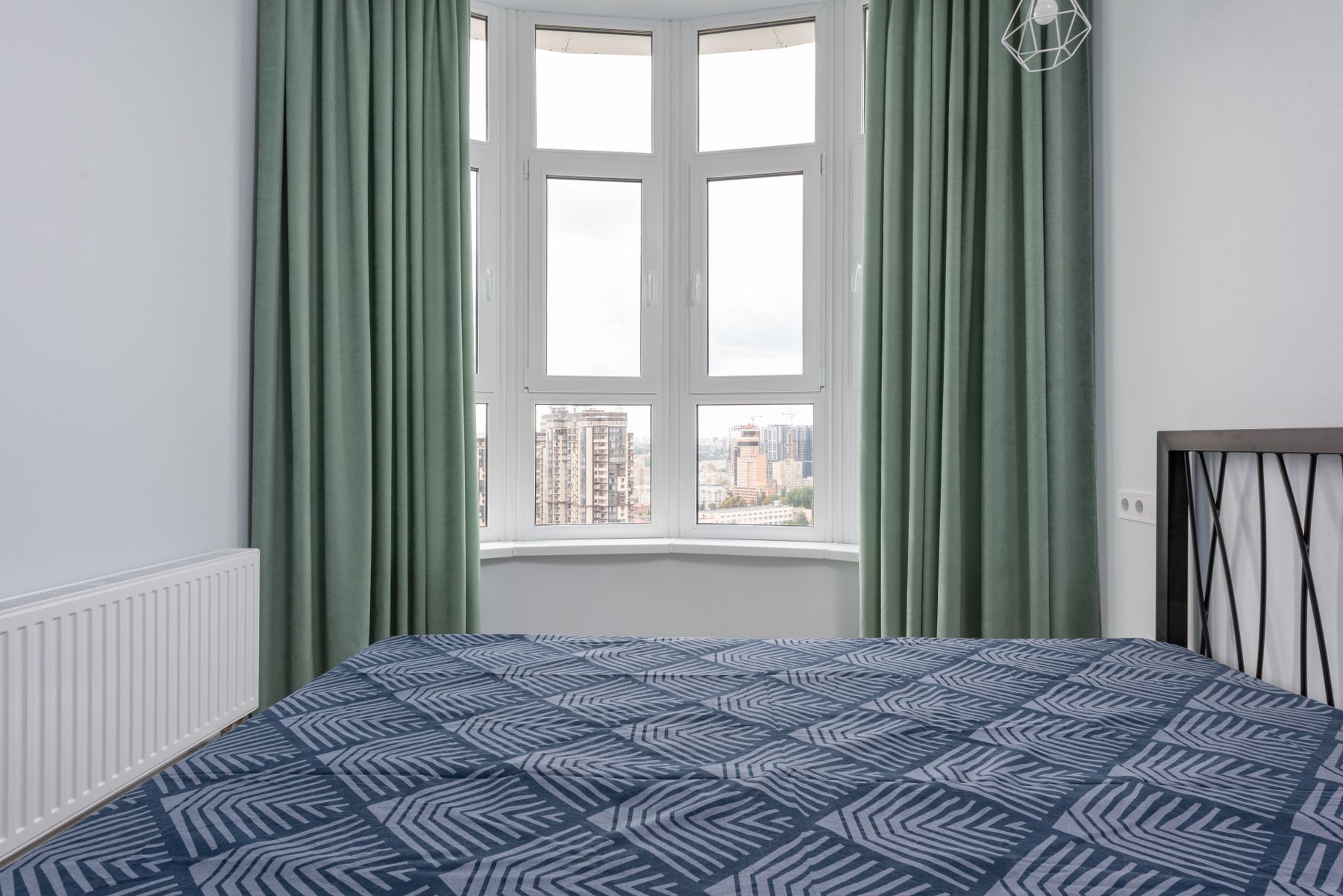
Preserve Accessibility and Color Legibility
Camel, beige and timber can merge under dim warm light, making furniture edges and controls difficult to see. Preserve luminance contrast at the bed, floor, switches and handles while keeping undertones related. Secure rugs, avoid trailing throws and place lamps and shades within reach. Test from seated and lying positions with the actual user. Warmth is not successful if it obscures depth, creates glare or requires unsafe movement. Tactile cues and simple manual controls can complement color contrast.
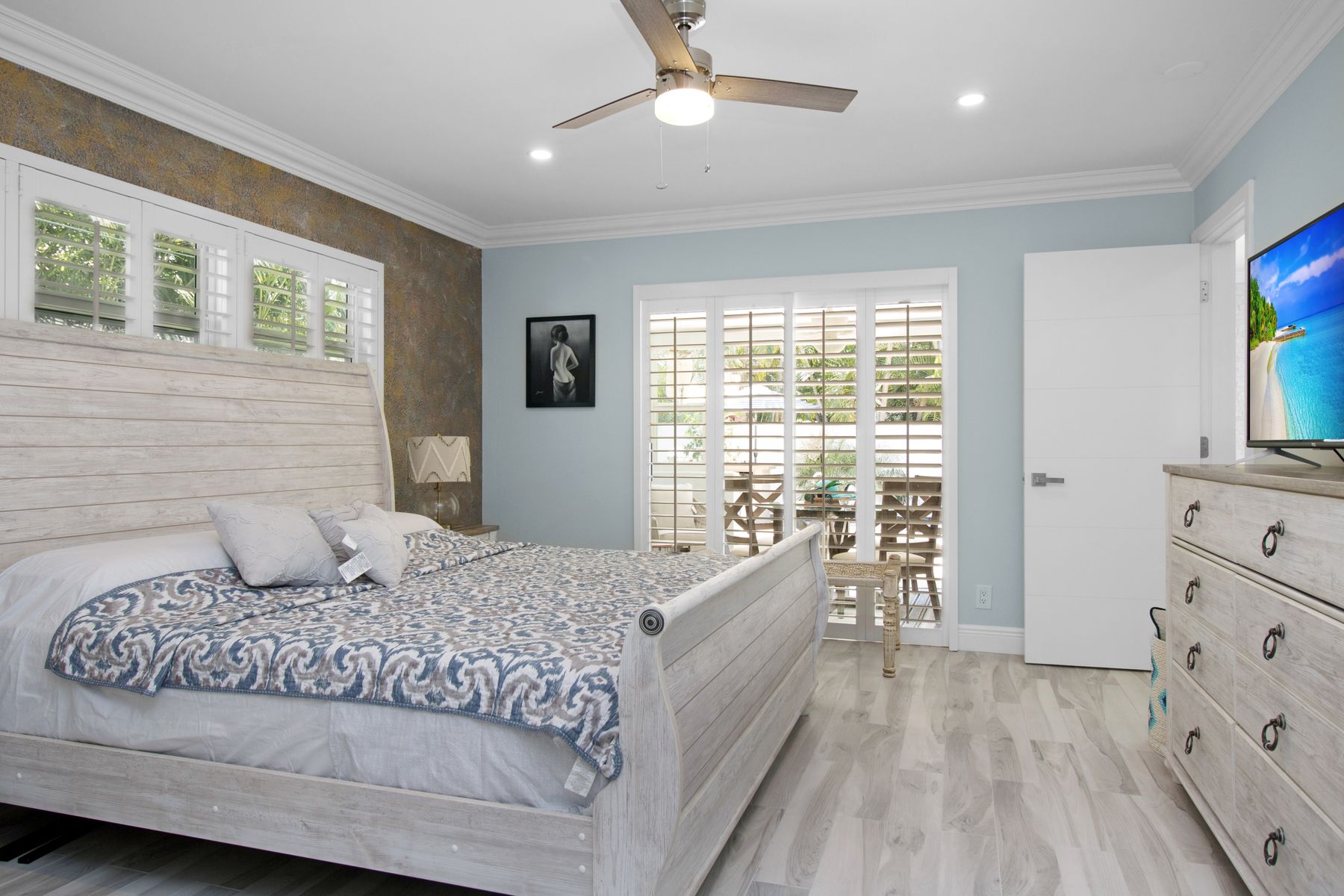
Adapt Visual Warmth to a Hot Climate
Warm color does not require heavy fabric, sealed windows or high room temperature. In hot climates, use terracotta, cane, light timber and warm white with breathable textiles, shade and ventilation. Keep upholstery light in weight and allow air around the bed. A cool mineral floor can remain if a small warm-toned rug bridges it visually. The room may look sun-warmed while performing thermally as a cool retreat. Never compromise heat safety or ventilation to reproduce a winter mood board.
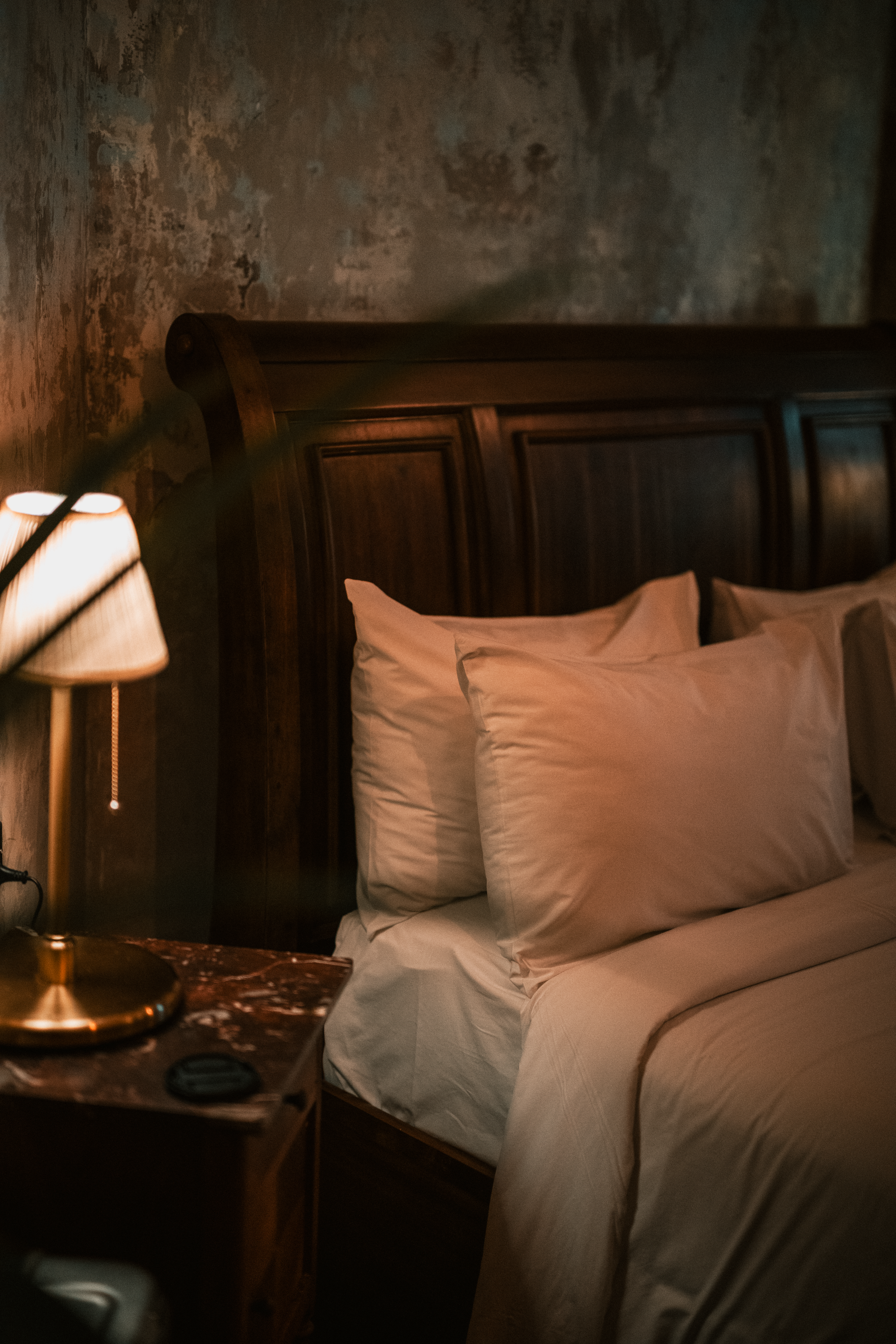
Warmth Across Day and Night
A scheme may look balanced in sunlight and become monochrome beneath amber lamps. Compare paint, bedding, wood and metal in both conditions, and retain enough pale and cool contrast for separation. Dimming reduces brightness but does not automatically improve color. If a shade adds a strong tint, adjust the bulb or fabric rather than repainting the room. Day-night consistency does not mean identical appearance; the palette should deepen after dark while each major material remains recognizable.
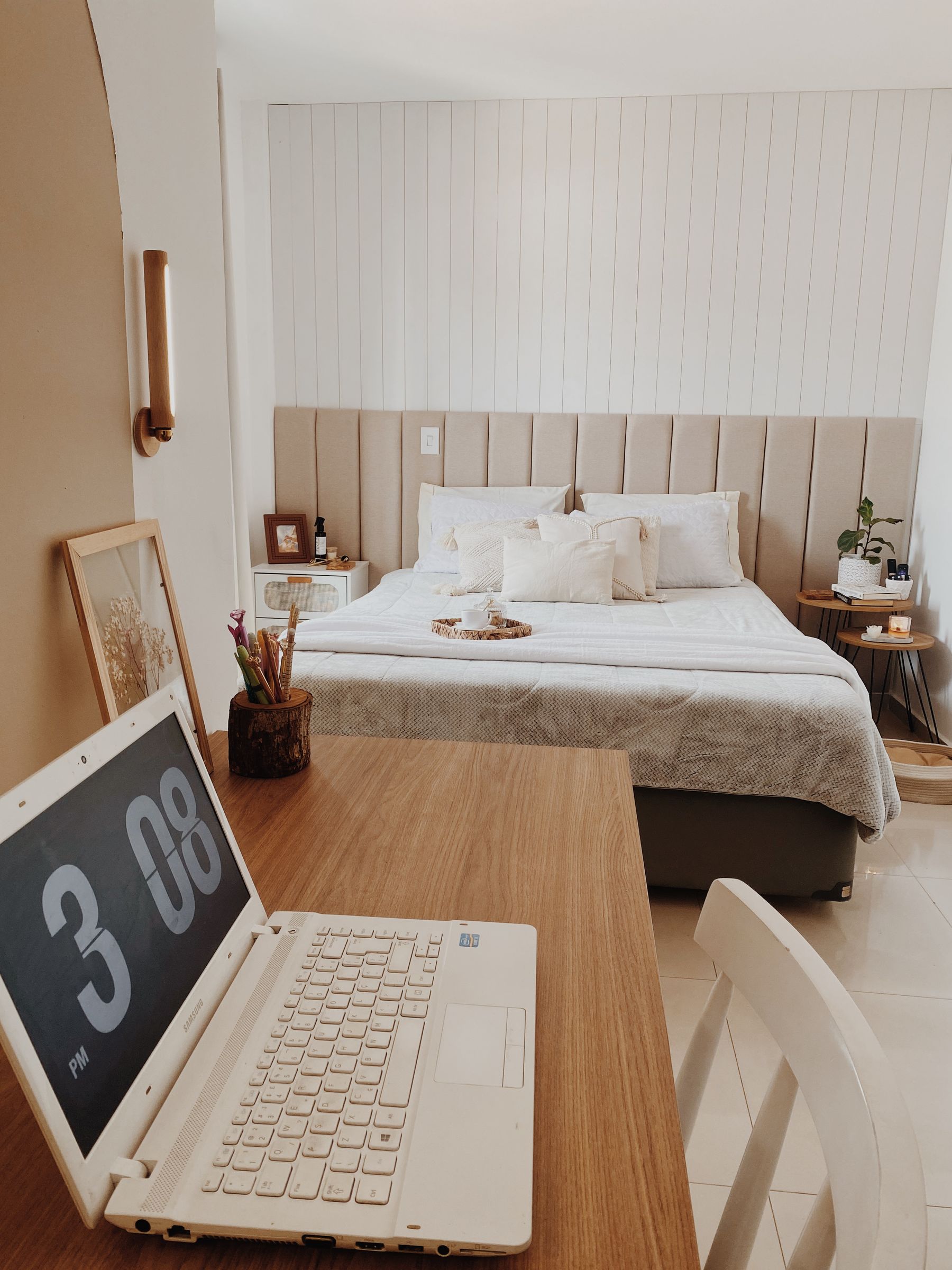
A Functional Warm Workspace
A desk can share the bedroom palette through timber, camel upholstery or a clay-colored wall, but its task light must render paper and screen work accurately. Keep the work pool brighter and more neutral than bedside atmosphere, then switch it off completely during wind-down. Provide cable management and a clear boundary so devices do not migrate to the bed. Warm design should not blur function; a visually integrated workspace still needs ergonomic dimensions, storage and an end-of-day reset.
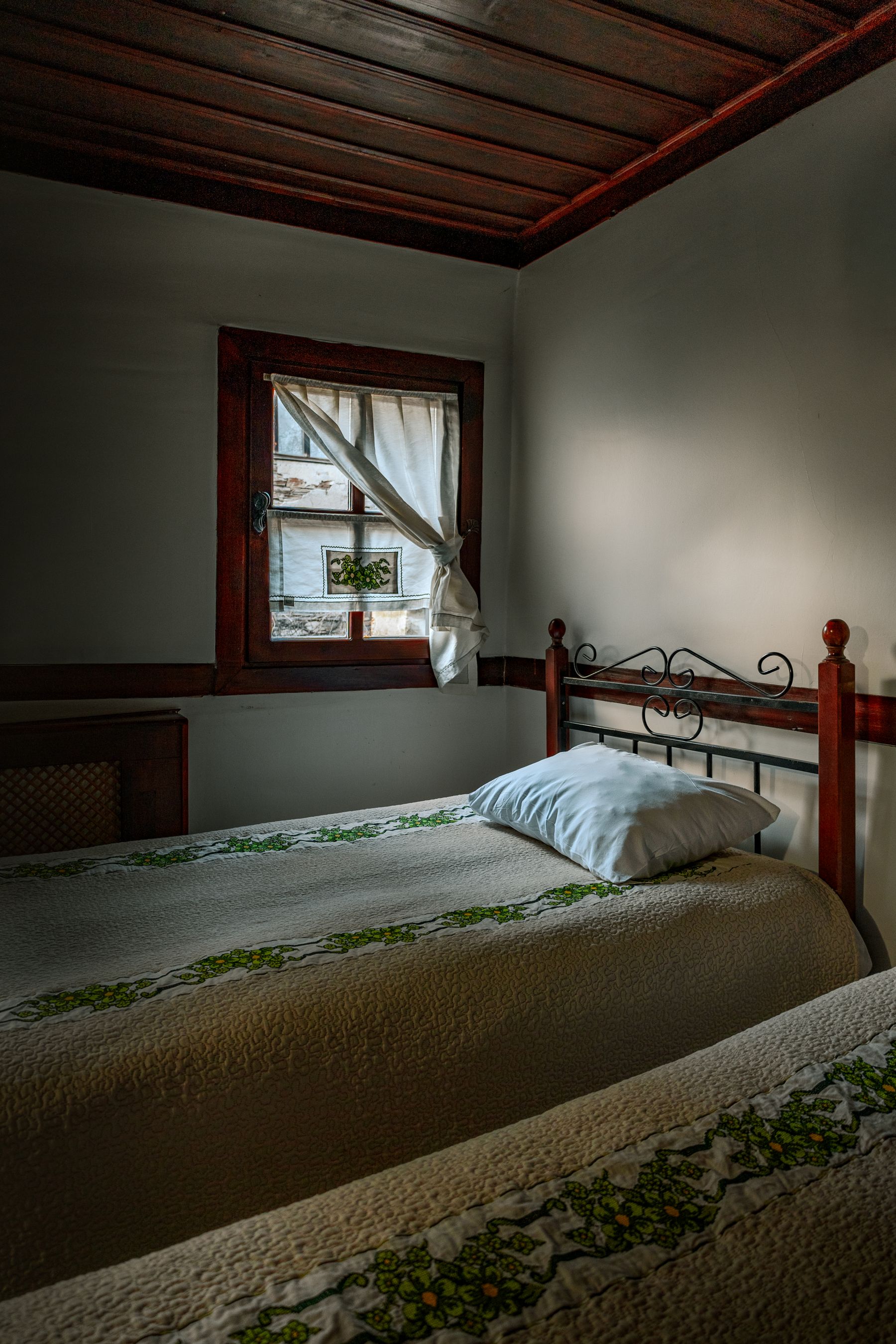
Adjust the Palette Seasonally Without Redecorating
In darker months, a rust coverlet, heavier curtain or additional low lamp may strengthen warmth. In summer, remove weight while keeping the same undertone through linen, light timber and clay accents. Store textiles clean and dry, and avoid trend-driven seasonal piles. Daylight changes across the year, so reassess paint and lamps rather than assuming the palette is static. The strongest warm bedroom has a durable base and only a few reversible layers that respond to light and climate.
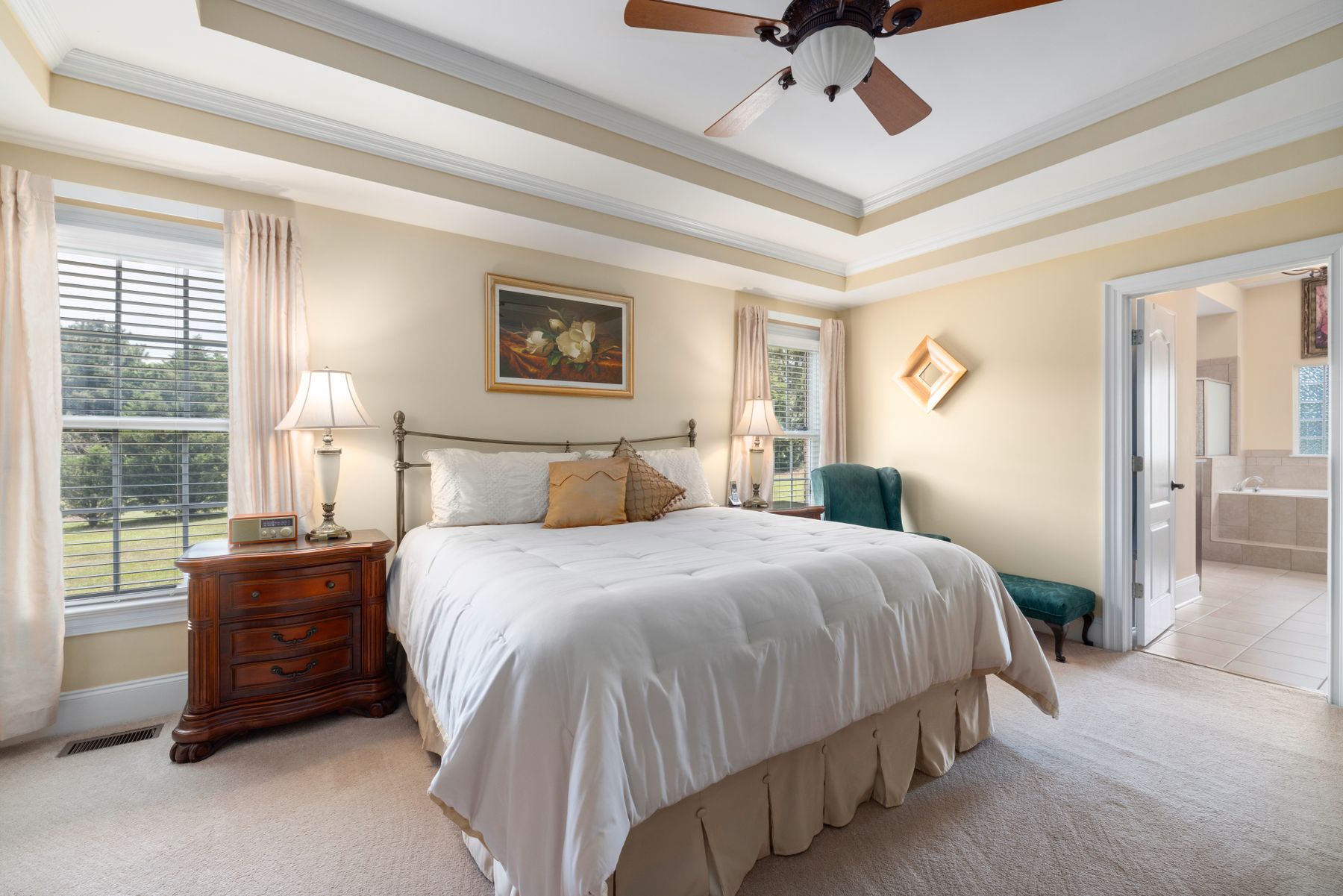
Maintain Wood, Textiles and Warm Finishes
Dust changes how dark timber and textured walls reflect light, while sunlight can fade rugs, curtains and bedding unevenly. Follow finish-specific cleaning, rotate vulnerable textiles, protect furniture from condensation and inspect wall clearances. Replace mismatched failed bulbs promptly so the lighting palette stays coherent. Repair chips with the correct finish rather than generic orange stain. A warm room should age through patina, not neglect; choose materials the household can maintain without specialist intervention for every mark.
Edit Out the Orange Cast and Beige Monotony
Stand at the door in daylight and at bedtime. Remove duplicate tan accessories, bulbs that make whites orange, near-matching wood stains and patterns that introduce unrelated undertones. Check whether one cooler note and one dark note clarify the scheme. Review every promise: daylight, undertone, white, color, timber, textile, floor, metal, light, scale, accessibility and maintenance. The article is complete—and the room is resolved—when further warm layers would reduce contrast, freshness or function.