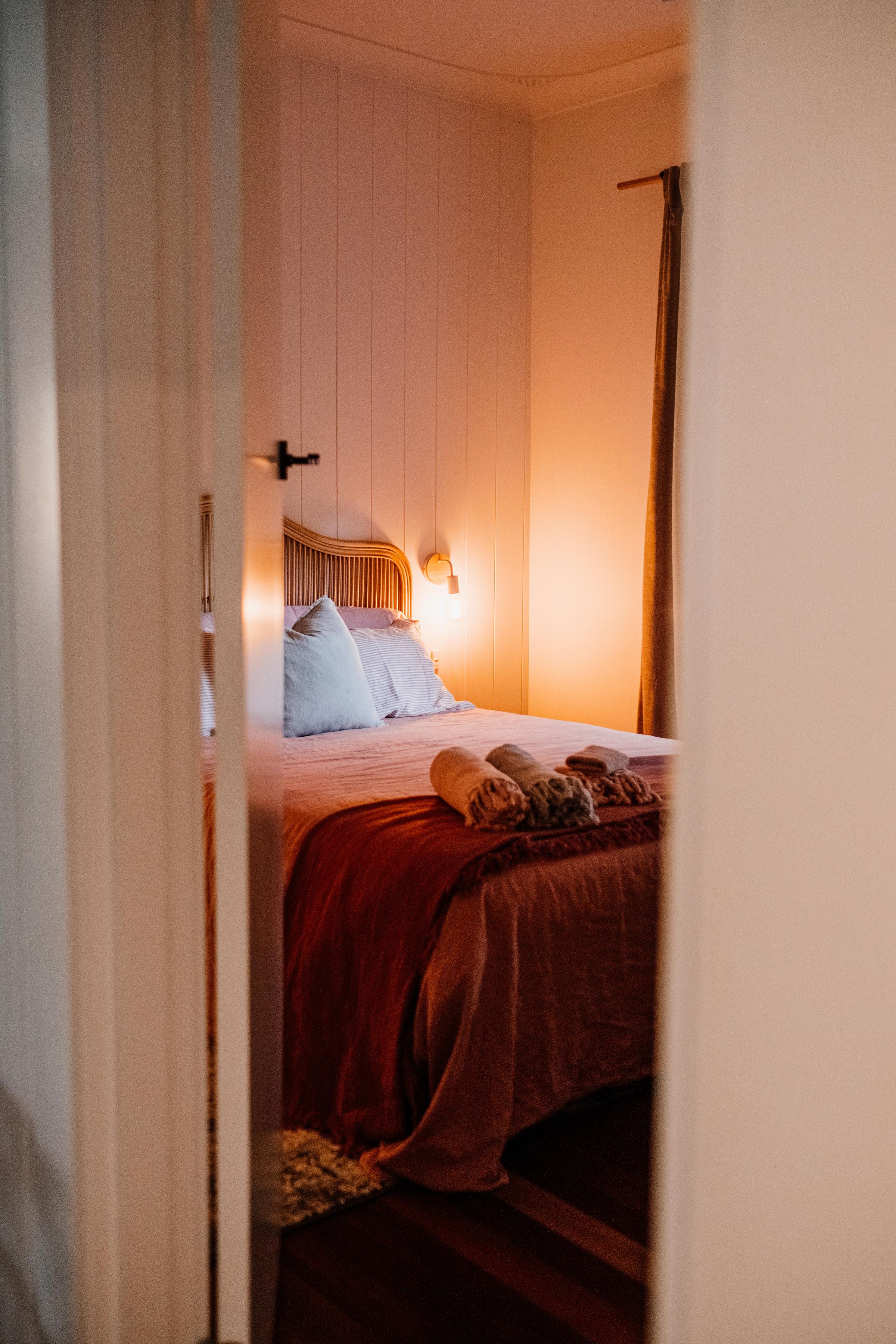
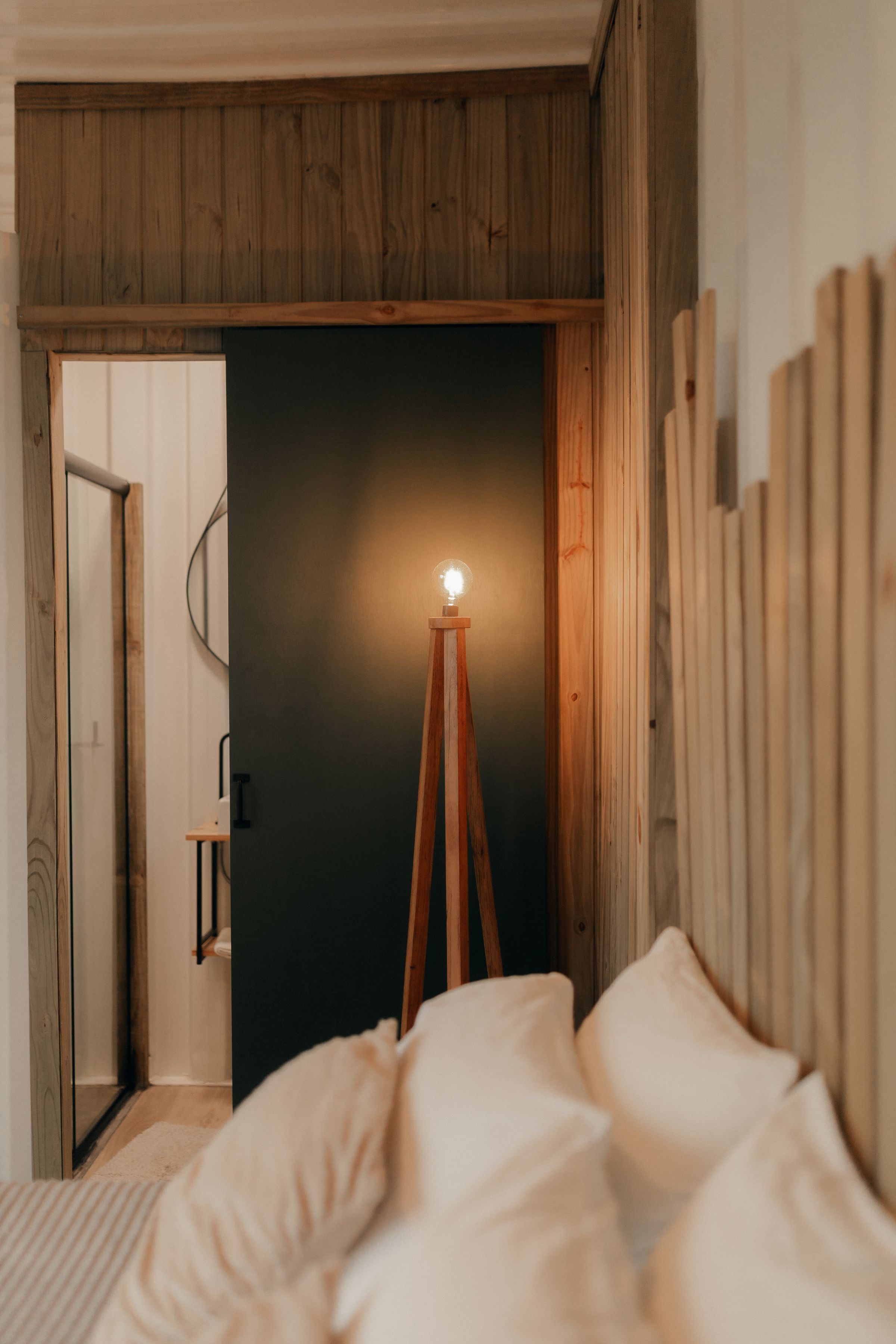
Define Cozy as Adjustable Comfort
Begin with the sleeper: usual bedtime, temperature preference, sensitivity to sound or light, mobility, allergies and morning routine. Cozy may mean a cool room with a warm duvet, a visually enclosed alcove, a quiet carpeted floor or a lamp that can be dimmed from bed. It is not synonymous with small, dark or cluttered. Write a short comfort brief with measurable problems—draft at the pillow, glare from the hall, cold floor, echo or unreachable controls—so every decorative layer solves something real.

Separate Cozy From Warm, Moody, Cottage and Farmhouse
Warm Bedroom will focus on visually warming color, timber and material undertones. [Dark Bedroom Ideas](/bedroom/dark-bedroom-ideas/) explores low-value palettes and shadow; [Cottage Bedroom Ideas](/bedroom/cottage-bedroom-ideas/) draws on compact vernacular architecture; [Farmhouse Bedroom Ideas](/bedroom/farmhouse-bedroom-ideas/) emphasizes practical country furniture and textiles. Cozy Bedroom is broader and performance-led. Any style can become cozy when temperature, touch, light, sound, privacy and ease are tuned to a real sleeper without undermining ventilation or safety.

Map the Wind-Down Routine Before the Furniture
Trace the sequence from entering the room to sleeping: where clothes land, devices charge, water sits, medicine is stored, a book is read and lights are switched off. Then map the morning in reverse. Place each function within an easy reach or a clear route instead of styling an idealized bedside vignette. Charging cables need ventilation and management; drinks need a stable surface; clothing needs a deliberate landing place. A cozy room reduces small frictions that keep the brain alert.

Enclosure Without Crowding the Bed
A recessed headboard, painted ceiling, curtain wall, canopy frame, bookcase return or darker bed wall can make the bed feel protected. Enclosure should remain breathable and allow cleaning, exit and linen changes. Avoid boxing a bed against damp external walls or hanging fabric beside hot fittings. In an exposed open-plan room, a partial screen may provide more psychological shelter than extra cushions. Choose one architectural gesture and let it establish the boundary rather than surrounding every side with furniture.

Protect Clear Nighttime Routes
Measure the room with drawers, wardrobe doors and windows open. Preserve the easiest path between bed, door and bathroom, and keep low baskets, trailing throws and loose cables out of it. A motion-activated low-level light can support nighttime movement without flooding the room. [Small Bedroom Ideas](/bedroom/small-bedroom-ideas/) covers tighter clearance decisions in depth. In any size, cozy should reduce vigilance; furniture that must be negotiated in darkness has the opposite effect.
Stabilize Temperature Before Adding More Blankets
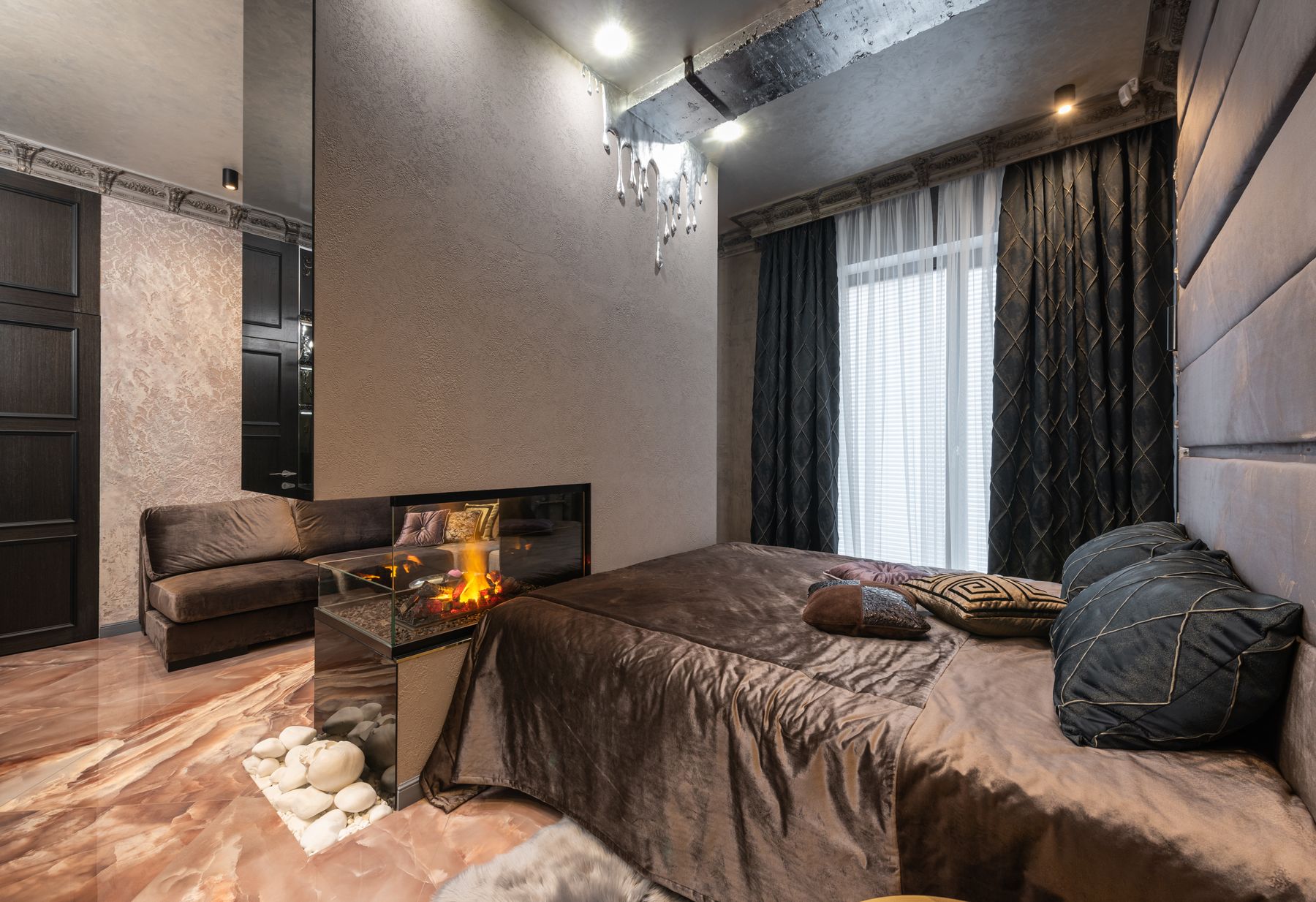
Check drafts, glazing, insulation, radiator output, solar gain and air movement before treating cold with textile volume. Bedding should be adjustable for different sleepers and seasons; the room itself needs a stable, healthy range rather than permanent overheating. Keep beds, curtains and furniture clear of radiators and vents. In shared rooms, separate duvets or removable throws may resolve different preferences more effectively than raising the whole-room temperature. Seek building advice for persistent condensation, cold bridges or excessive heat.

Balance Fresh Air, Humidity and Warmth
Heavy curtains, upholstered furniture and thick bedding can hold moisture and dust if ventilation is weak. Use the building's ventilation correctly, air bedding when conditions permit and monitor persistent humidity rather than relying on scent to imply freshness. Keep large wardrobes slightly clear of vulnerable exterior walls and inspect behind the headboard. If outside air is noisy or polluted, mechanical filtration or acoustic ventilation may be needed. Cozy air should feel neutral, not perfumed, damp or overheated.
A Warm-Neutral Base With Depth
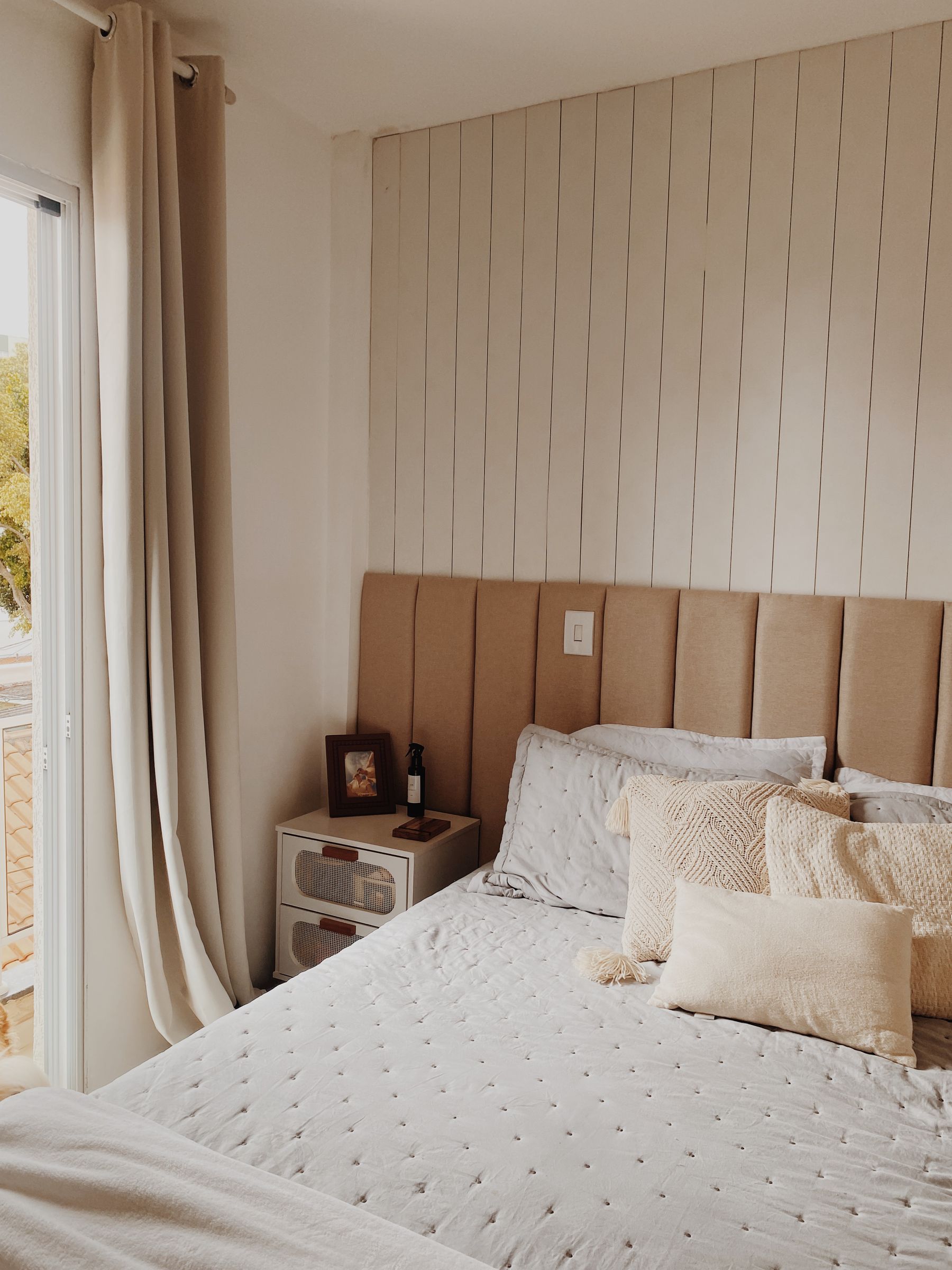
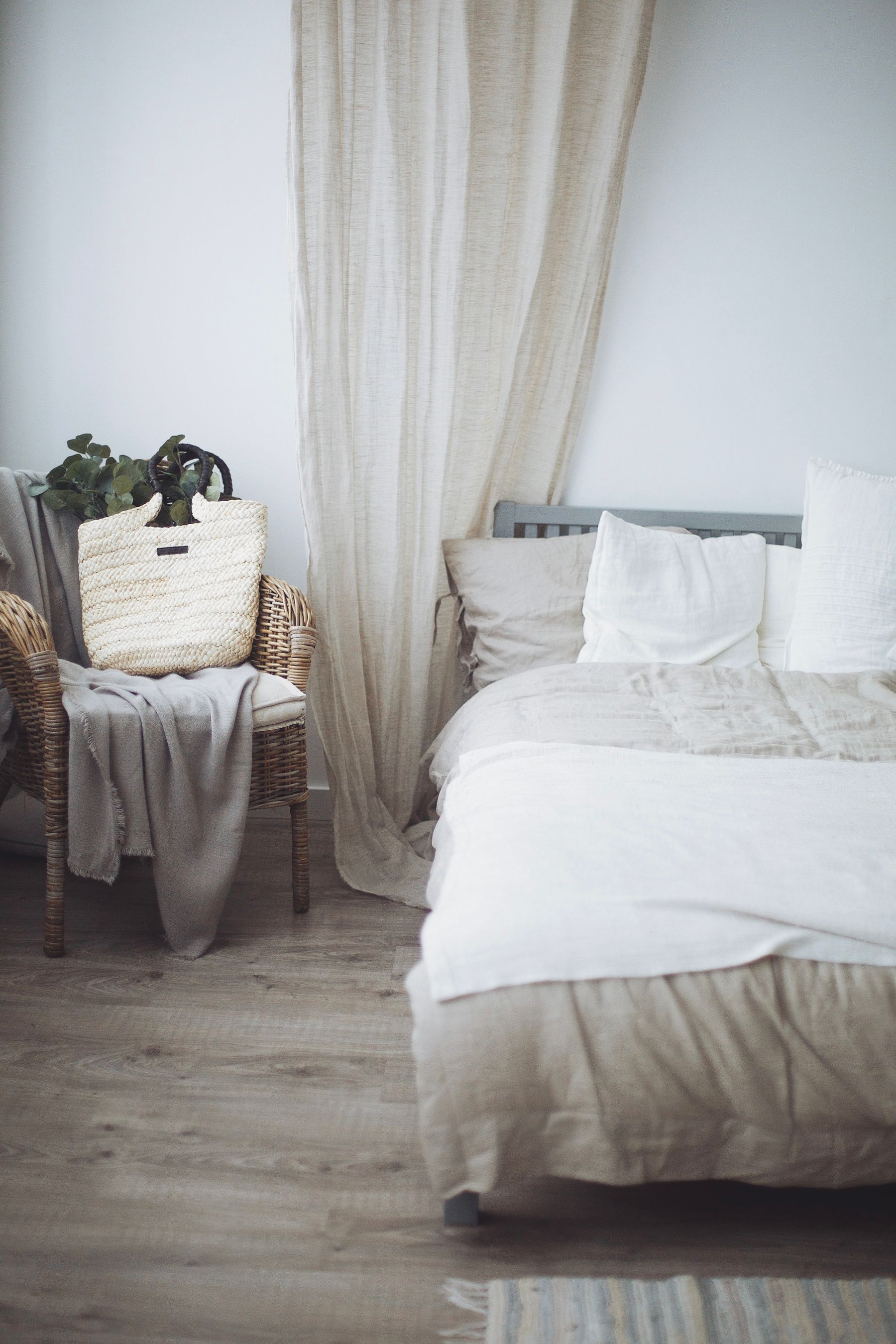
Cream, oatmeal, mushroom, camel and softened brown can support coziness when their values and textures vary. Match neither every beige nor every timber; use a pale field, a mid-tone mass and a darker grounding note. [Neutral Bedroom Ideas](/bedroom/neutral-bedroom-ideas/) provides the deeper undertone framework. Cozy design adds body-based comfort and evening atmosphere. Sample paint beside bedding, floor and curtains under morning light and the actual bedside lamps, because a neutral that glows by day may turn pink, gray or muddy at night.

Deep Color as a Cocooning Option
Olive, rust, burgundy, navy and chocolate can reduce visual exposure and make a bed zone feel contained. Use them on one wall, the ceiling or the full envelope according to daylight and room volume. [Green Bedroom Ideas](/bedroom/green-bedroom-ideas/) is the better destination when green relationships are the main decision; [Dark Bedroom Ideas](/bedroom/dark-bedroom-ideas/) goes further into shadow and saturated palettes. In a cozy room, deep color serves comfort and must still support dressing, cleaning and safe movement.
Layer Ambient, Task and Low-Level Light
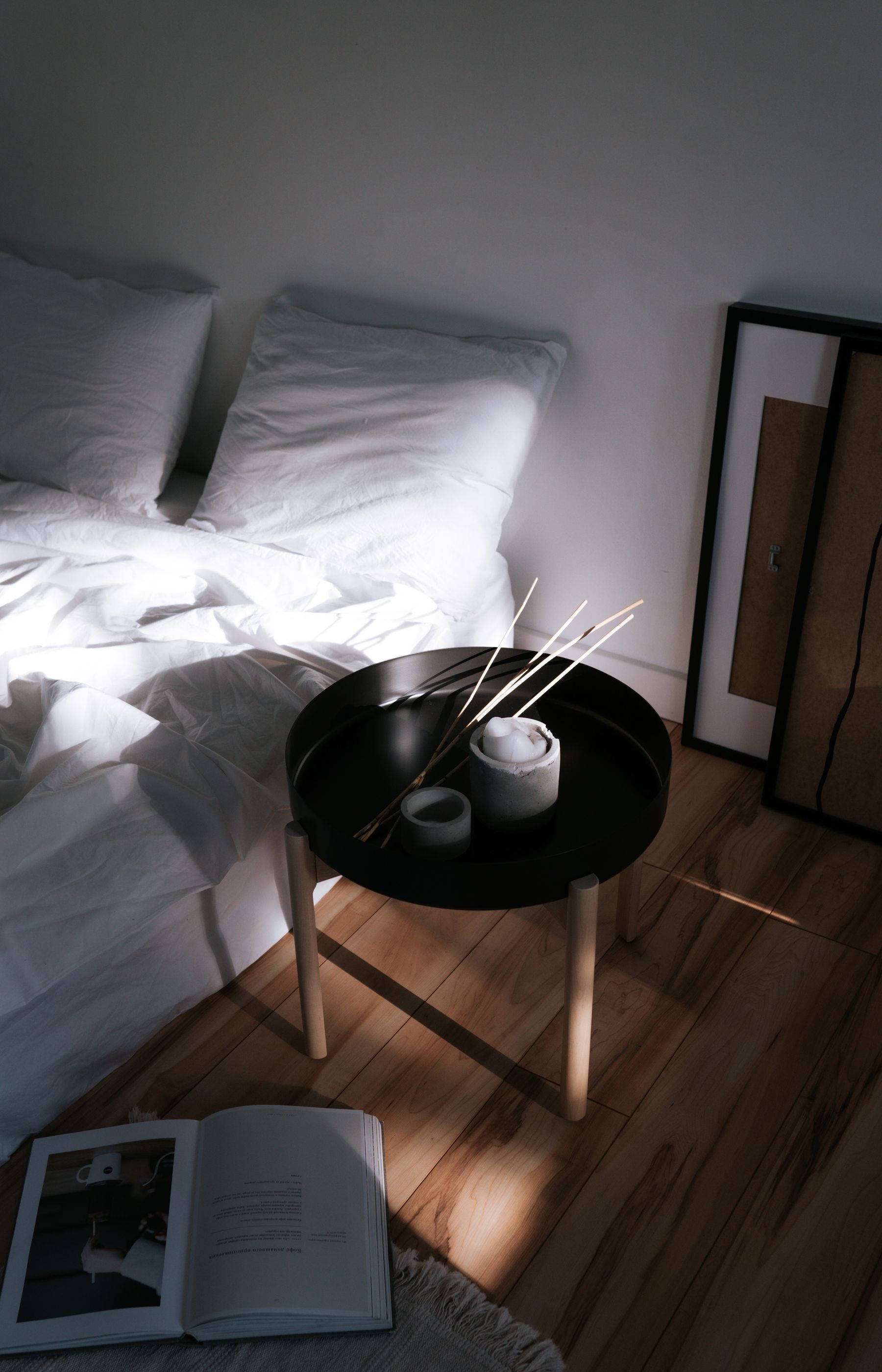
Combine general light for cleaning, focused reading light and a low path or atmosphere layer. Put independent, dimmable controls where they are used rather than beside the door only. Warm sources usually support evening calm, but color rendering must still make fabrics and skin readable. A pendant can define the bed yet should not force glare into the sleeper's eyes. Layered light means choice: the room should work at full brightness, during wind-down and for safe movement after lights-out.
Remove Glare and Keep Bedside Controls Reachable
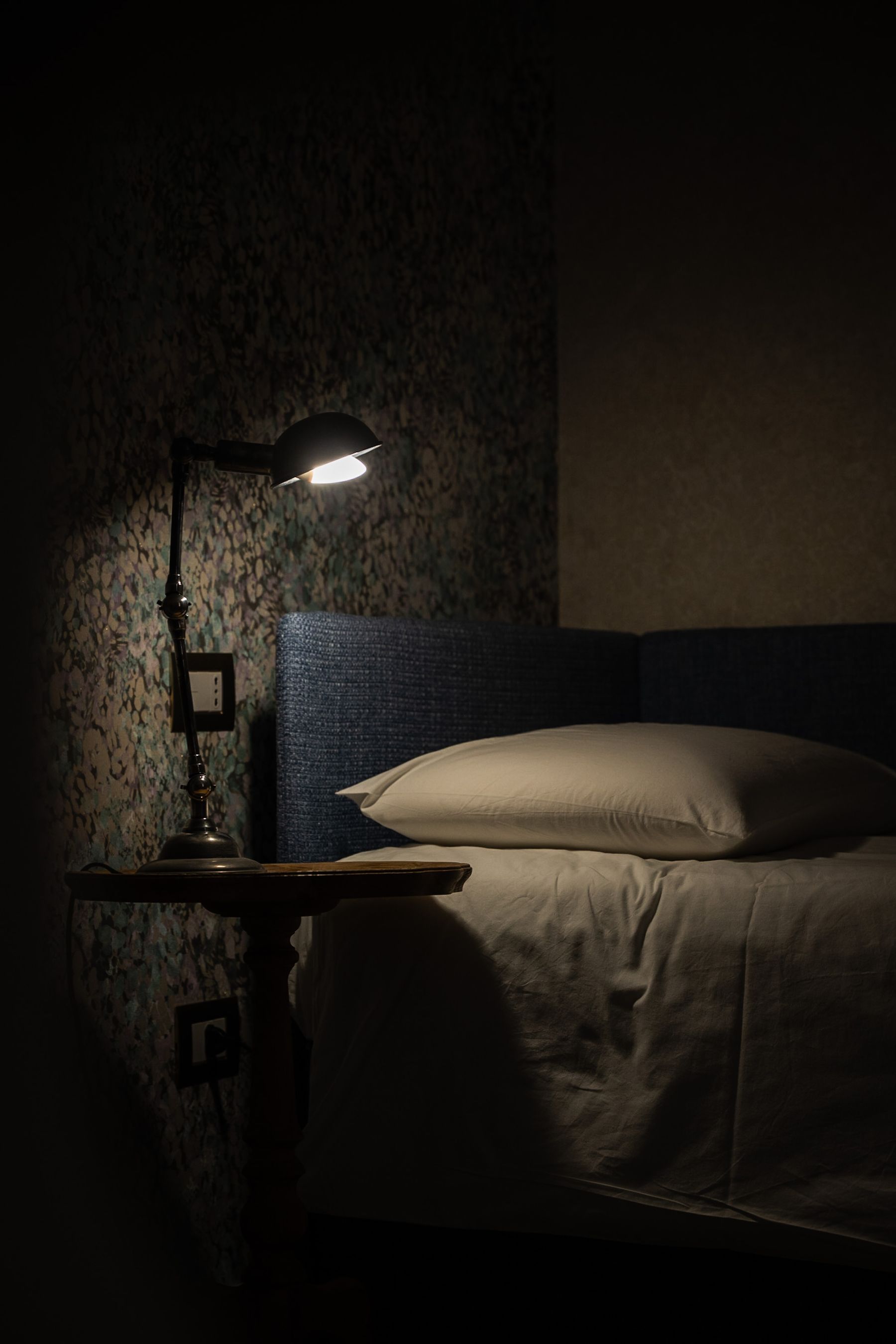
The shade, bulb, mounting height and wall reflectance determine whether a lamp feels calm or harsh. Reading light should reach the page without shining across a partner, while switches should be obvious by touch and reachable without twisting. Hide standby LEDs or choose equipment that can be darkened. Smart controls may help some users but should have a simple manual fallback. Avoid decorative strings around fabric headboards and never overload bedside extension leads in pursuit of atmosphere.

Bed and Headboard Support Come First
Select the mattress and bed height for sleep quality, transfer and linen changing before judging the silhouette. A padded headboard can soften sound and support reading, but its fabric must tolerate skin oils, dust and cleaning. Timber or woven headboards may be easier to maintain in humid rooms. Leave enough access around the bed for both sleepers and care tasks. An oversized winged form may feel enveloping, yet it should not trap moisture or block outlets and bedside light.

Bedding by Function, Weight and Season
Build from breathable sheets and the right duvet or blanket weight, then add one removable layer for feet, naps or colder nights. Texture can come from washed linen, brushed cotton, wool or quilted cotton, but fiber labels do not replace care, allergy and climate checks. Limit decorative pillows to those that have a storage place and real use. Recent editorial and search results emphasize layered, not necessarily matching, bedding; the practical test remains whether the sleeper can adjust it easily at 2 a.m.
Tactile Variety Without a Dust Trap
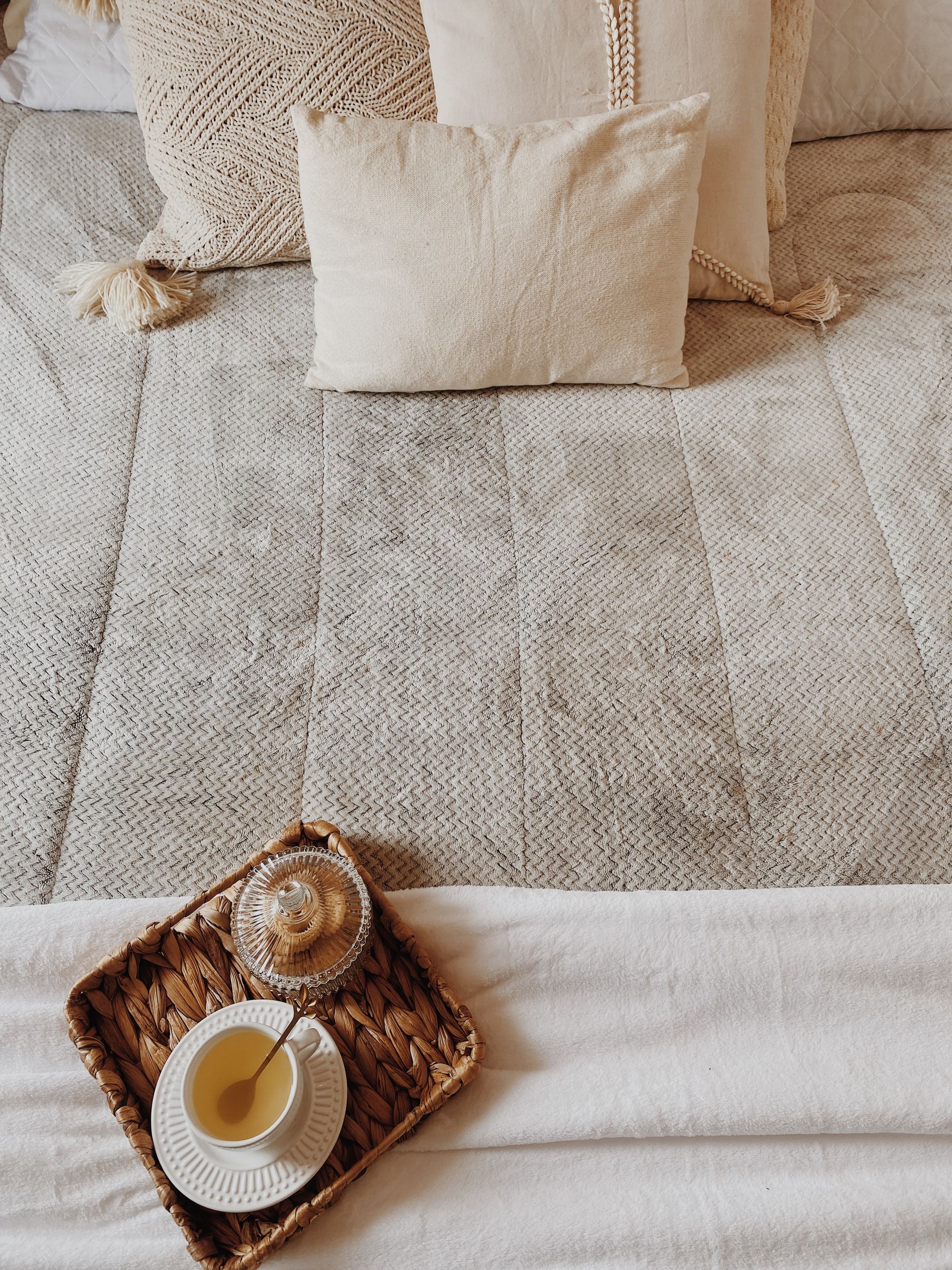
Use contrast in weave and hand: smooth timber beside boucle, crisp cotton beneath wool, or matte plaster behind linen. Repeat two or three materials so the room reads as intentional rather than sample-heavy. For asthma, allergies or limited cleaning capacity, concentrate washable softness on the bed and use smoother surfaces elsewhere. Faux fur, deep pile and fringes create strong sensory cues but can collect dust and obstruct mobility. Cozy texture should invite touch while remaining compatible with the household's care routine.
Treat Curtains as Privacy, Darkness and Thermal Equipment
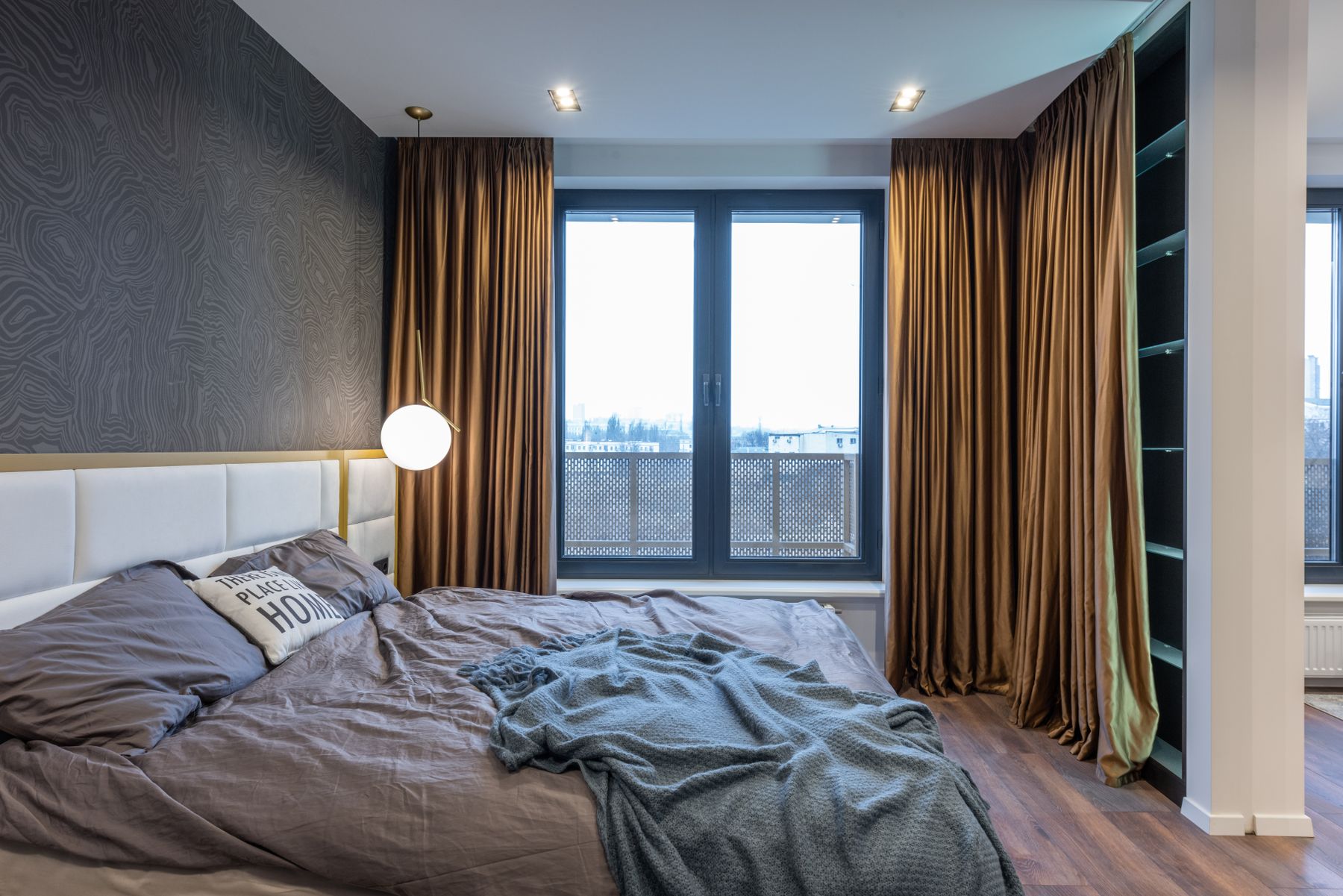
Combine only the functions the opening needs: view control, privacy, blackout, draft reduction or acoustic absorption. A sheer and lined curtain often offers more control than one heavy panel, but fabric must clear radiators, vents, floor moisture and handles. Blackout should close at edges without making morning ventilation impossible. [Bright Bedroom Ideas](/bedroom/bright-bedroom-ideas/) addresses daylight and glare more broadly. Here, the goal is a secure sleeping envelope that can reopen easily for fresh air and morning light.

Soften Sound at the Source and Along Its Path
Identify whether disturbance comes through a door gap, window, shared wall, floor or equipment. Seal or repair the source where possible; textiles mainly reduce reflection within the room and cannot substitute for construction. An upholstered headboard, rug, curtains and filled bookcase can soften echo. Move vibrating chargers and ticking clocks away from the bed. White noise may help some sleepers, but volume, placement and dependence deserve care. A quiet-feeling room is controlled, not simply padded.

Warm the Floor and Secure Every Edge
Timber, cork and carpet can feel warmer underfoot than tile, while a rug can add comfort beside any bed. Size it around the actual barefoot landing and route rather than centering it only for photography. Use an appropriate pad, low stable edges and enough door clearance. Deep pile may impede mobility equipment and hold dust. In a damp or humid room, check the floor beneath regularly. [Rustic Bedroom Ideas](/bedroom/rustic-bedroom-ideas/) explores heavier natural material character; cozy flooring remains function-first.
Design the Bedside Zone Around Reach
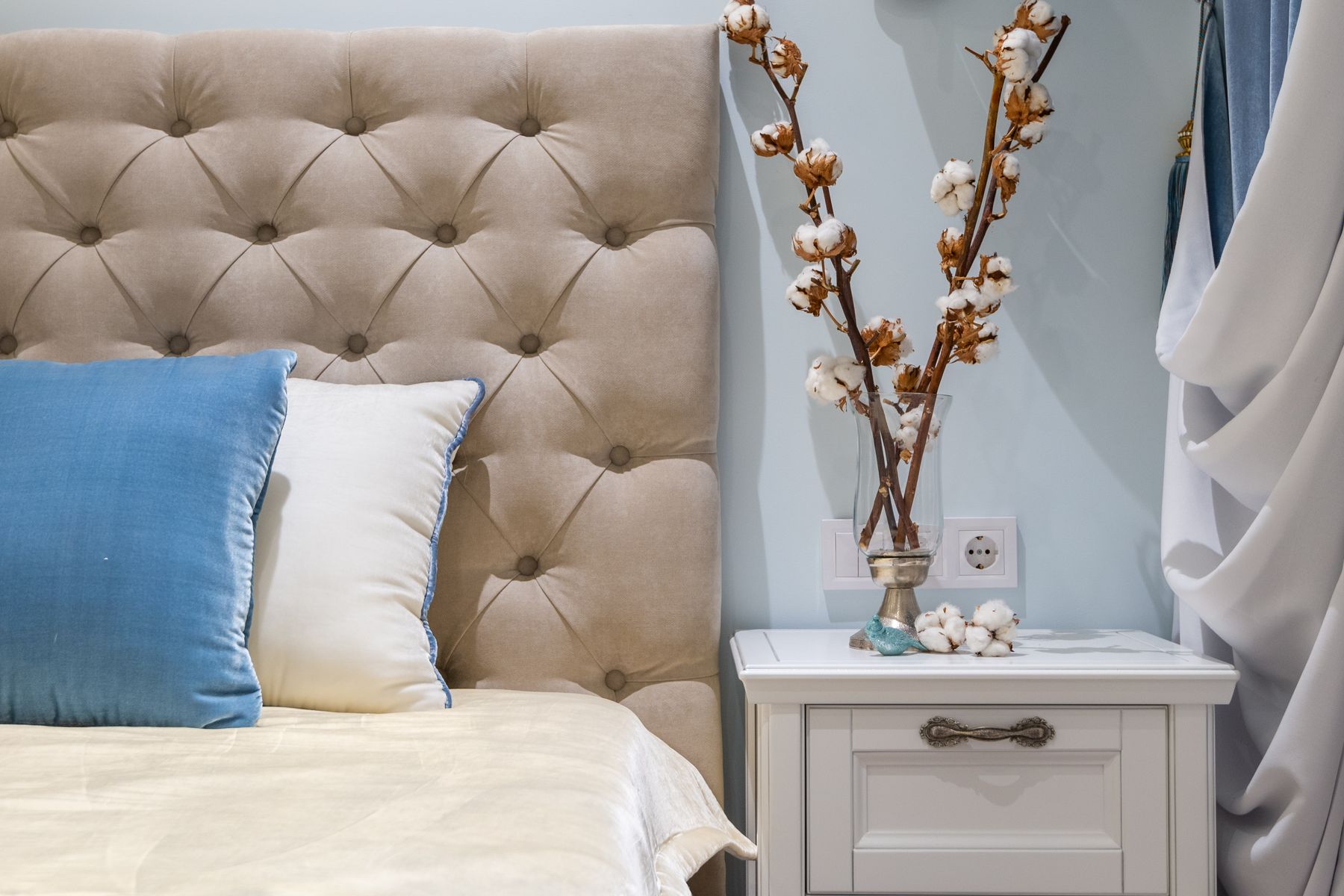
The table should suit mattress height and hold only nightly essentials without creating a precarious stack. Provide a safe drink position, concealed but ventilated charging, tissues, reading material and medication where appropriate. Drawers can reduce visual noise; an open shelf may be easier to use from bed. A wall-mounted shelf works in a tight room only if it has enough depth and rounded or well-placed edges. Match each side to its sleeper rather than forcing symmetry.

A Reading or Pause Corner With a Job
A chair becomes cozy when it has adequate support, a reachable light, a surface and an unobstructed path—not when it is buried under discarded clothes. In a small room, a bench, floor cushion or bed backrest may perform the pause function better. In a large room, orient seating toward a window, fireplace or bookcase so it feels intentional. [Large Bedroom Ideas](/bedroom/large-bedroom-ideas/) covers scale and zoning; this decision is about a real calming habit.
Use Storage to Lower Visual Noise
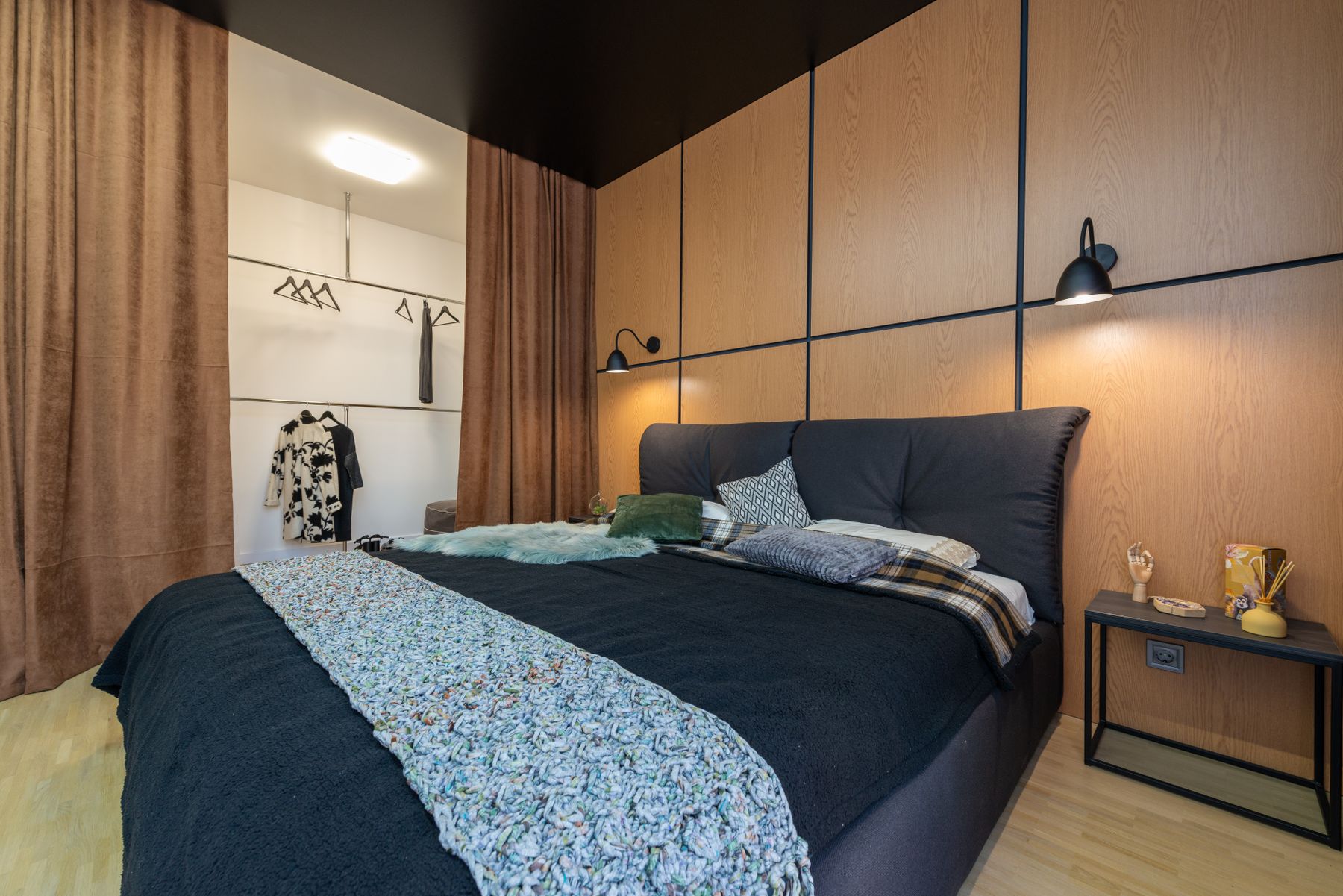
Assign homes to clothes, extra bedding, decorative pillows, laundry and charging equipment. Closed storage can reduce stimulation, while a limited open shelf keeps meaningful objects visible. Do not compress wardrobes against damp walls or block ventilation in order to hide everything. Under-bed storage works best for clean, dry, infrequent items and should remain easy to inspect. A cozy bedroom feels held, not empty, but every visible object should have enough space to be seen and cleaned.
Personal Objects With Breathing Room
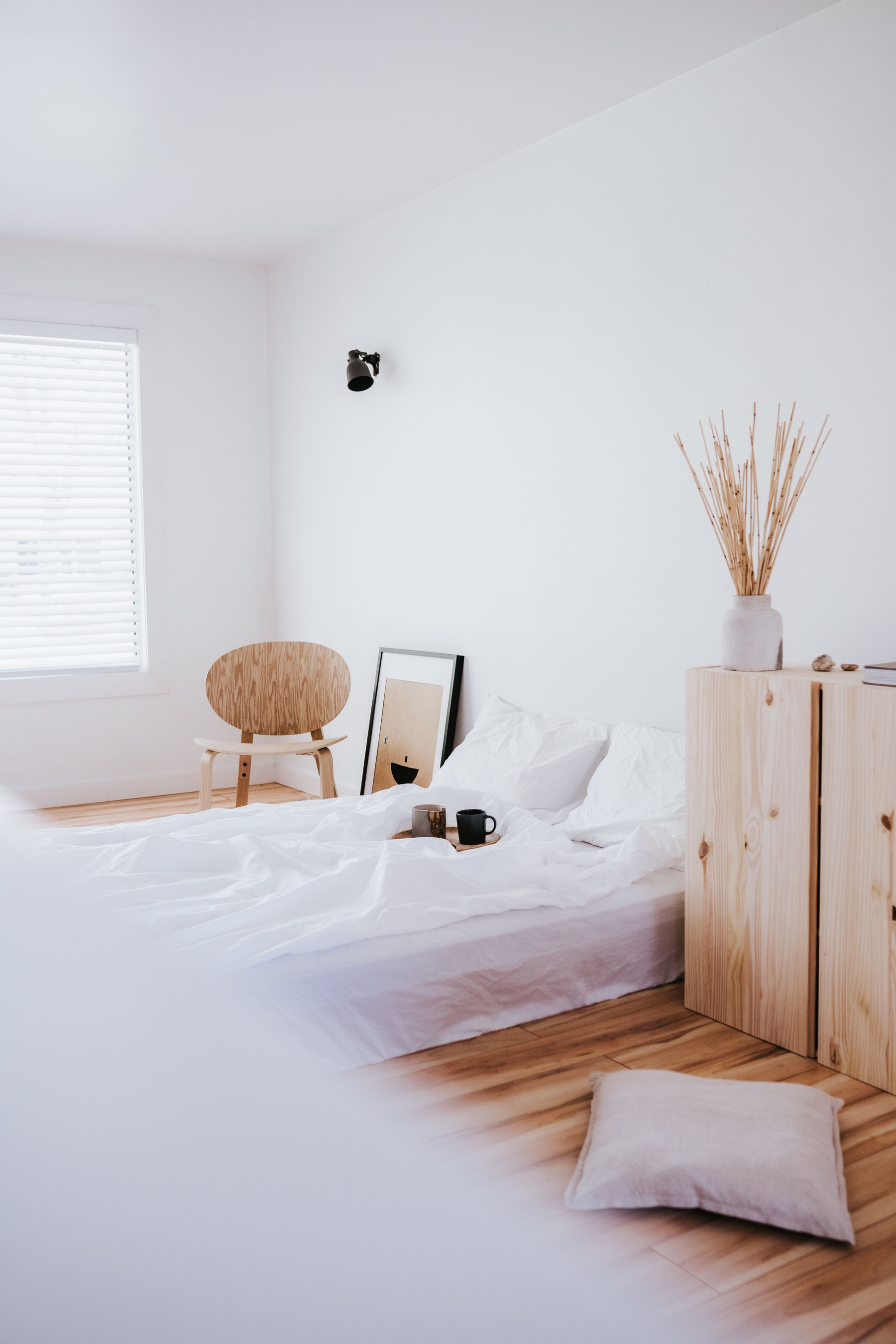
Photographs, books, a handmade textile or a travel object can make the room emotionally safe and specific. Group them in one or two deliberate places rather than scattering small items across every ledge. Avoid valuable or fragile pieces above the pillow, and consider whether framed art includes reflective glare or protected third-party imagery in published photography. Rotate objects rather than expanding indefinitely. Comfort comes from recognition and memory, not from maximizing the number of possessions on display.

Plants Only Where Conditions Support Them
One healthy plant can soften a corner and connect the room to daylight. Select for actual light, temperature, pets and care capacity, provide drainage protection and keep foliage out of circulation and vents. Plants do not replace ventilation or filtration, and damp soil should not be used to perfume a poorly aired room. If the conditions are wrong, choose a botanical textile, timber branch form or a view instead. The emotional effect should not create a maintenance burden beside the bed.

In a Small Bedroom, Cozy Must Not Become Compressed
Use one bed wall, one substantial textile story and several compact light sources. Wall-mount lamps, give every cushion a home and keep the window-to-door air path open. A darker ceiling or headboard wall may create enclosure without consuming floor area. Avoid multiple baskets, broad benches and trailing blankets that turn intimacy into obstruction. [Small Bedroom Ideas](/bedroom/small-bedroom-ideas/) should lead furniture and storage dimensions; the cozy layer adds tactile and sensory calibration after the room works.
Zone a Large Bedroom So Warmth Does Not Dissipate
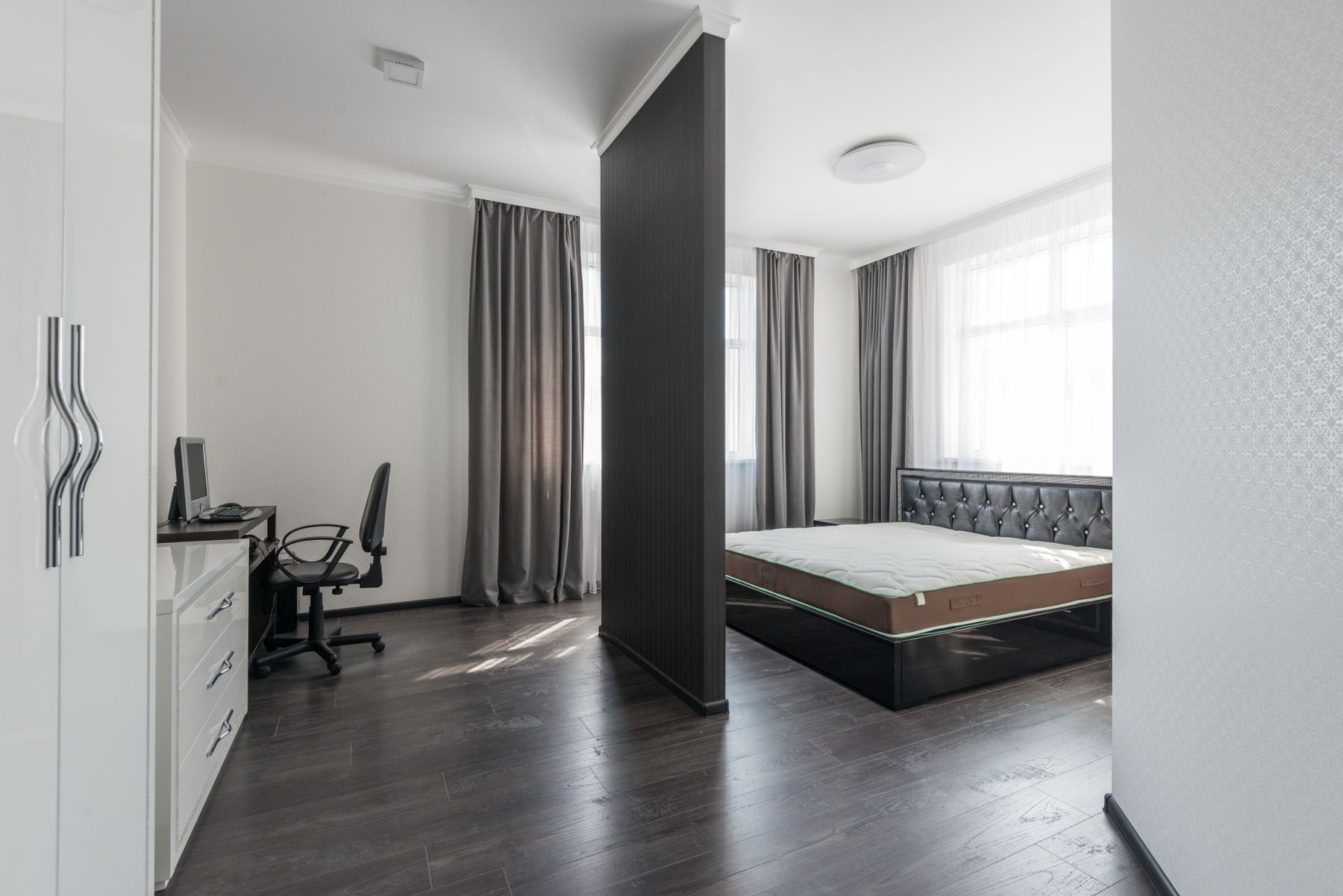
Anchor the bed with a sufficiently scaled rug, headboard or wall field, then give one secondary zone a clear purpose. Large volumes may need lower light sources, curtains and absorptive surfaces to reduce echo and exposure. Do not fill distant corners just to make the room feel occupied. A screen, sofa or bookcase can shorten a long view when routes remain clear. [Large Bedroom Ideas](/bedroom/large-bedroom-ideas/) addresses proportion; cozy planning adds perceptual enclosure and acoustic control.
Prepare a Guest Bedroom for Different Sleepers
Guests need choice more than theatrical styling. Offer a light and warmer bedding layer, two useful pillow types, an empty drawer or luggage surface, reachable outlets, blackout, water and clear instructions for heat and ventilation. Avoid a mountain of cushions or strongly fragranced products. Recent hospitality guidance likewise emphasizes accommodating different temperature and pillow preferences. Keep the room visually warm but operationally neutral so a visitor can adapt it without asking permission or moving personal storage.

Portable Layers for Rental Coziness
Prioritize a quality mattress layer where appropriate, portable lamps, removable curtains with approved fixings, a secure rug pad and one strong textile. Freestanding screens or a tall headboard can add enclosure without painting. Confirm electrical load, window egress and removal requirements with the landlord. Avoid adhesive foam, disposable wall slats and untested peel-and-stick products that may damage paint or trap moisture. Keep receipts and original hardware so the room can be restored without turning coziness into waste.

Design Accessible Comfort Around Independence
Set bed height, approach space and transfer side around the actual user and equipment. Secure rugs or omit them, keep blankets from trailing and provide strong visual contrast at furniture edges and controls. Switches, shades, storage and temperature controls should sit within comfortable reach and offer tactile or voice alternatives where helpful. Softness must not hide trip hazards or narrow turning space. Test from seated and lying positions, and involve the user rather than assuming that a conventional layered bedroom feels secure.

Scent Should Never Mask a Problem
Freshly laundered bedding, dry air and clean natural materials may provide enough sensory identity. Candles, diffusers and sprays can irritate some sleepers, affect pets or create fire and spill risks. Never use fragrance to cover damp, smoke or stale ventilation. If scent is desired, choose a mild removable source, disclose it to guests and keep it away from heat and bedding. The room should remain comfortable when the product is removed; air quality and maintenance are the foundation.

Reset the Room for Each Season
At seasonal change, wash or air bedding, inspect curtain tracks, rotate the mattress where appropriate, vacuum behind the headboard and check humidity, drafts and seals. Swap one bedding weight rather than redecorating the room. Reassess sunrise, streetlight and heat because their effect changes across the year. Store clean dry textiles in breathable, labeled containers. A cozy bedroom remains responsive; permanent winter layering in summer creates heat, dust and visual heaviness rather than comfort.
Edit Until Every Soft Layer Earns Its Place
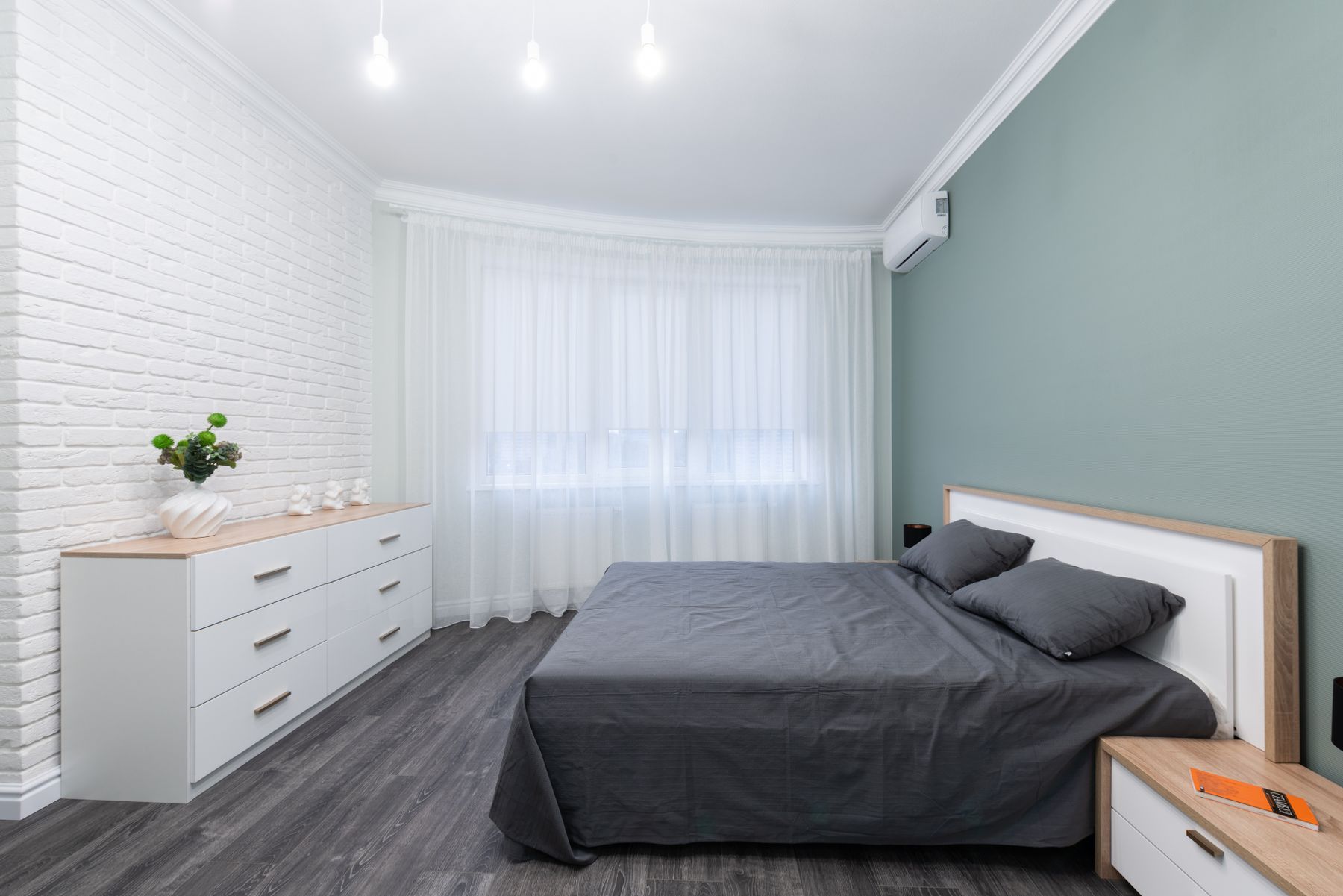
Finish by removing duplicate throws, decorative pillows without storage, lamps that repeat the same job and baskets that interrupt routes. Check the article's full comfort promise in the room: temperature, air, privacy, light, touch, sound, reach and maintenance. If a layer does not improve one of those, it may be styling rather than comfort. Photograph the bed made and unmade, because the everyday state matters. Coziness becomes durable when the room is easy to reset and pleasant to use.