Define Wooden as a Material Direction
A wooden bedroom is one in which timber materially shapes the experience: perhaps through a substantial bed, a floor and wardrobe composition, or an architectural wall and ceiling. It is not a fixed style. Wood can support [Modern Bedroom Ideas](/bedroom/modern-bedroom-ideas/), a traditional room or a minimal retreat. Define the material role first—structure, storage, tactile furniture, acoustic texture or visual enclosure—then choose the appropriate product. This keeps the article distinct from Warm Bedroom, where many non-wood materials can create warmth, and from Rustic Bedroom, where age, texture and rural character lead the look.
Decide How Much Wood the Room Can Hold
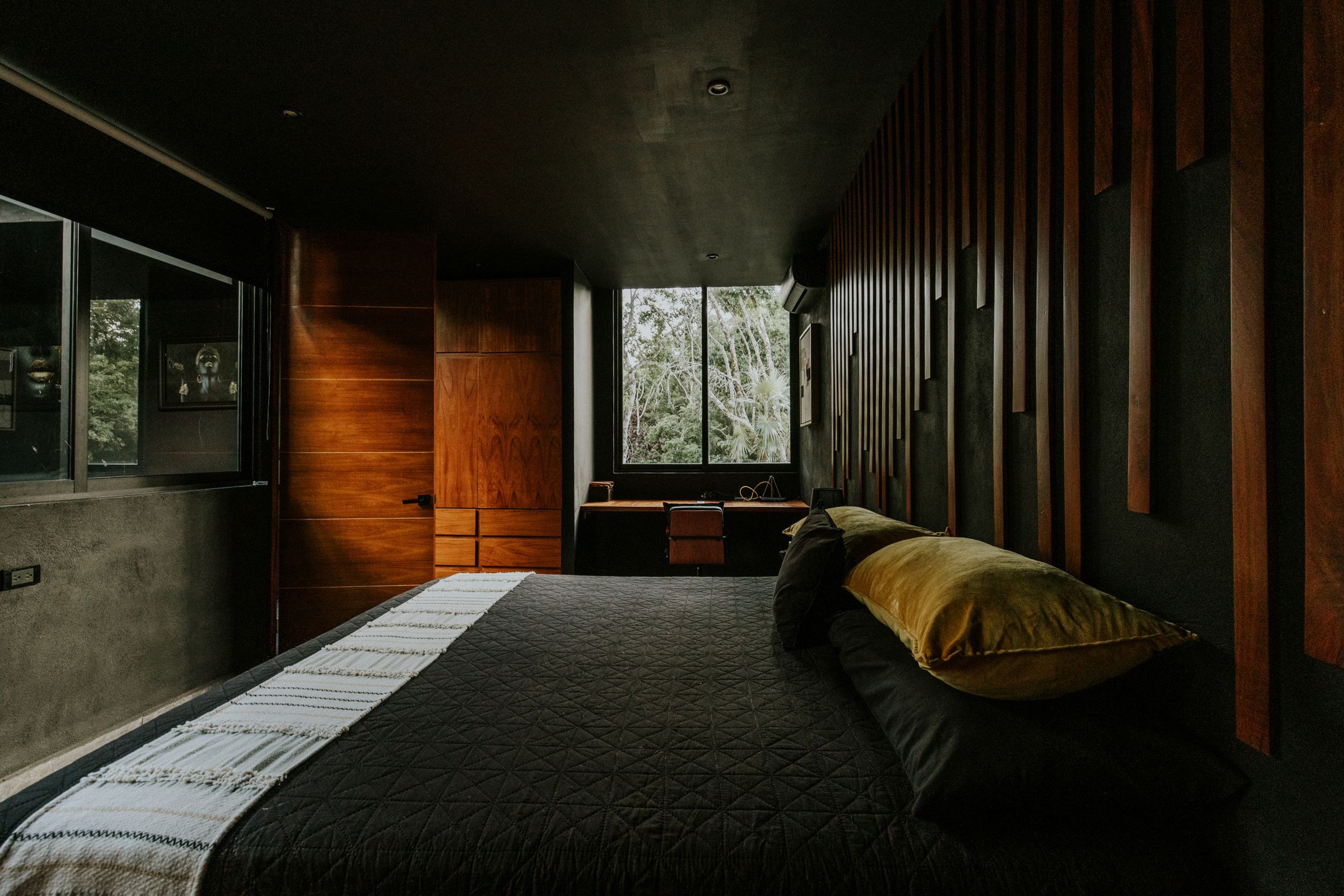
Count wood by visual area, not by the number of objects. A paneled wall and timber floor may already dominate even if the furniture is simple; conversely, several small wooden pieces can feel scattered against painted walls. Full-room lining works best when window area, bedding and rugs interrupt the grain and prevent a cabin-like monotony. If the room is dark or low, concentrate timber around the bed or storage and keep another broad plane pale. [Dark Bedroom Ideas](/bedroom/dark-bedroom-ideas/) offers the stronger framework when shadow and a deep palette are the main intention.
Read Undertone Before Species Name
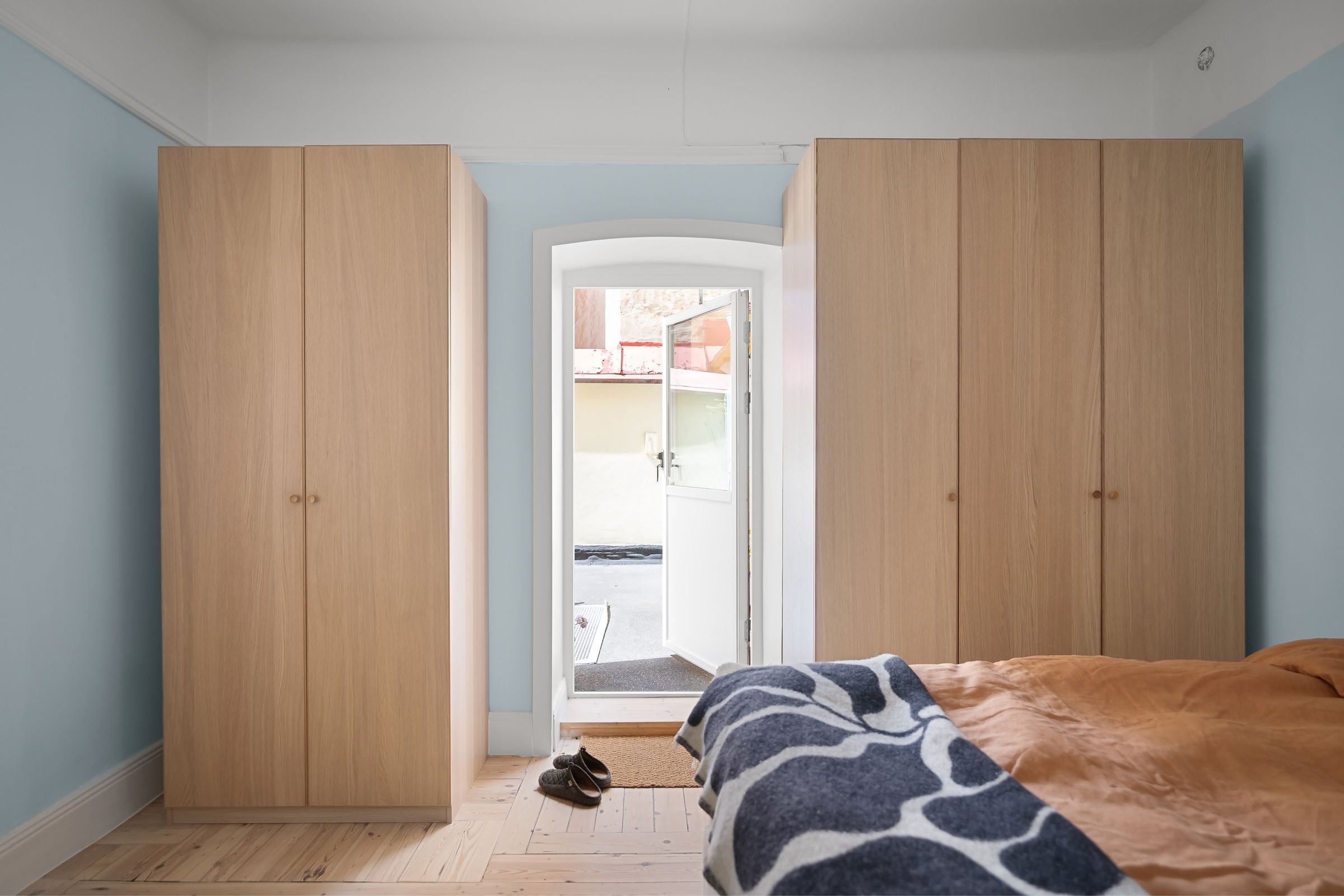
Oak, walnut, pine and ash names do not guarantee one color; cut, age, oil, stain and light alter the result. Compare samples by red, yellow, grey or olive undertone and by contrast against the floor. A warm floor can coexist with a quieter wardrobe when the undertones relate, while a pinkish board beside green-grey timber may look accidental. [Warm Bedroom Ideas](/bedroom/warm-bedroom-ideas/) explains how wood participates in a wider warm palette, but this decision should begin with real material samples viewed vertically and horizontally in the room.
Light, Mid or Dark Timber by Effect
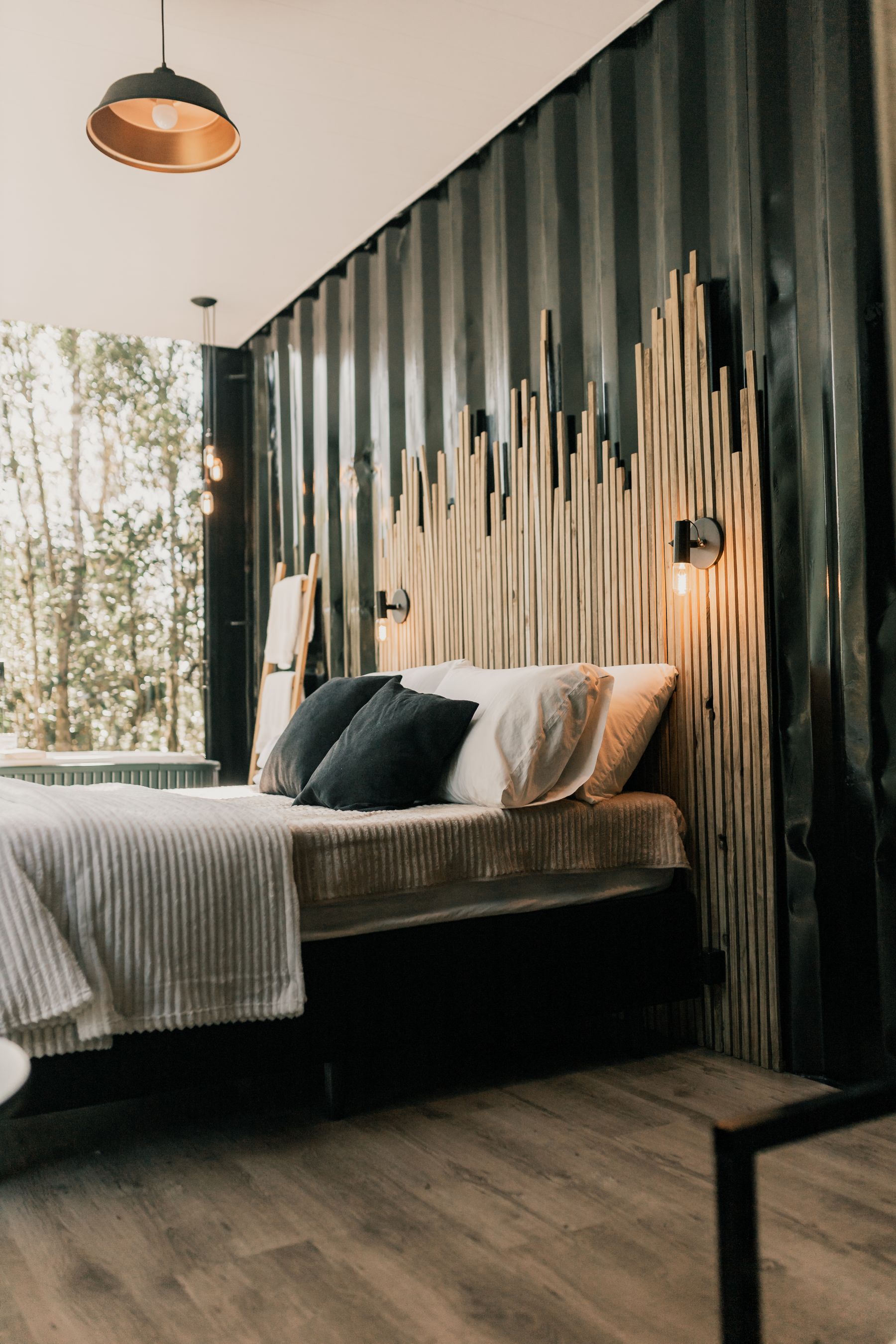
Light timber tends to preserve reflected daylight and show grain quietly; mid tones feel familiar and forgiving; dark timber creates weight and sharper contrast but reveals dust and scratches. Choose according to architecture and desired emphasis, not a rule that small rooms must use pale wood. A compact bedroom can support one dark bed or cabinet when surrounding planes stay legible. [Black Bedroom Ideas](/bedroom/black-bedroom-ideas/) demonstrates how brown timber can keep a black scheme from flattening, while [White Bedroom Ideas](/bedroom/white-bedroom-ideas/) shows the reverse relationship.

Mix Woods Through Hierarchy, Not Matching
Exact matching often produces the flatness of a furniture set and is difficult across real timber batches. Choose one dominant wood by area, repeat it once, then allow one supporting tone that is clearly lighter, darker or quieter. Link them through undertone, finish sheen or a repeated black, brass or textile accent. Avoid placing two nearly identical stains side by side, where small differences look like an error. [Eclectic Bedroom Ideas](/bedroom/eclectic-bedroom-ideas/) is useful when the room intentionally combines several eras; this guide keeps material relationships controlled.
Specify Solid Wood, Veneer and Engineered Board Honestly
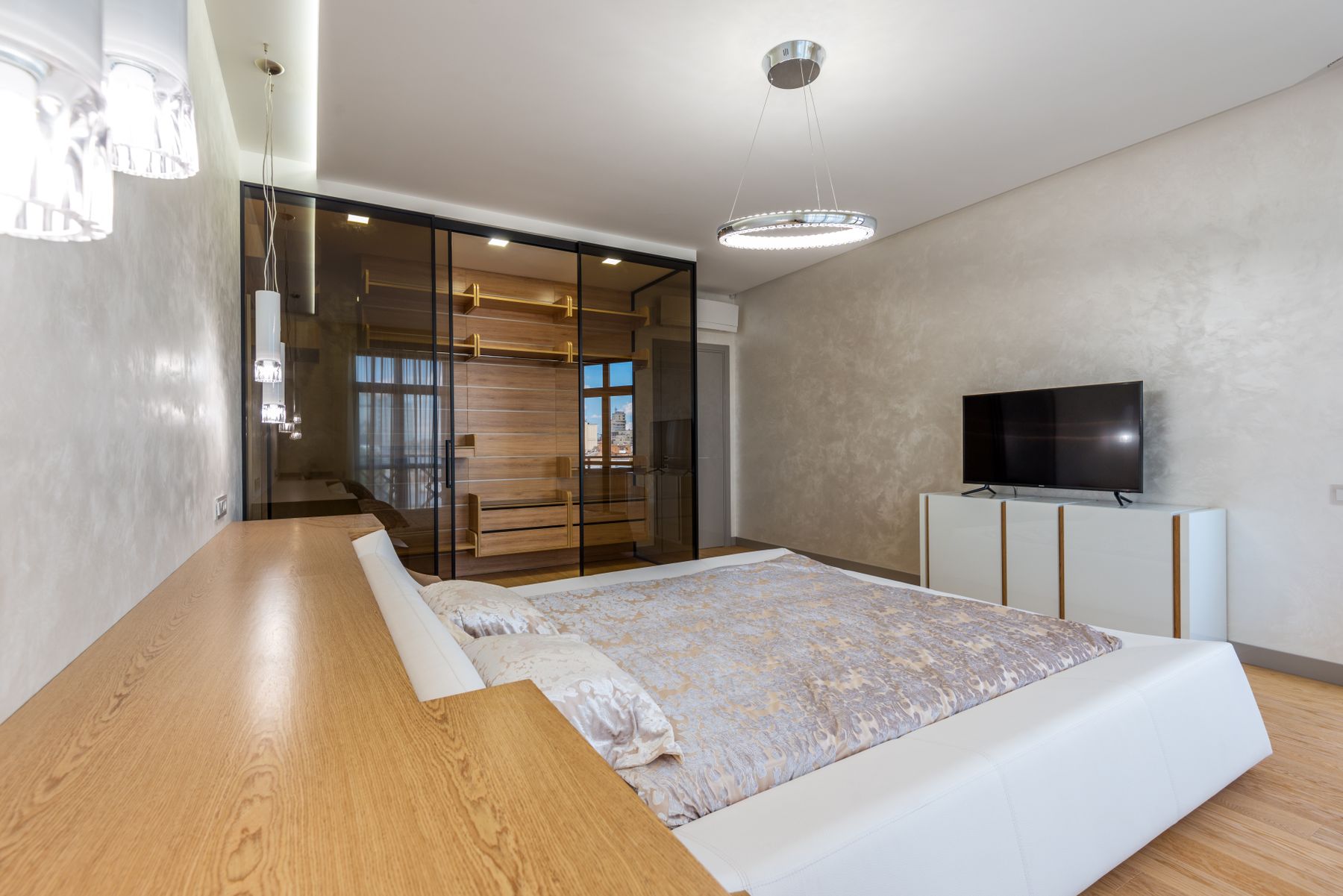
Solid timber is repairable and expressive but moves across the grain and can be wasteful for large flat panels. Real-wood veneer gives authentic grain over a stable substrate and can sequence broad doors efficiently. Plywood exposes layered edges and offers useful strength; fiberboard suits painted or veneered fronts; laminate provides consistency and hard-wearing interiors but should not be presented as solid wood. Ask what the visible layer, core, edge and backing are. [Bespoke Bedroom Ideas](/bedroom/bespoke-bedroom-ideas/) goes deeper into fabrication drawings and material accountability.
Use Grain Direction to Control the Elevation
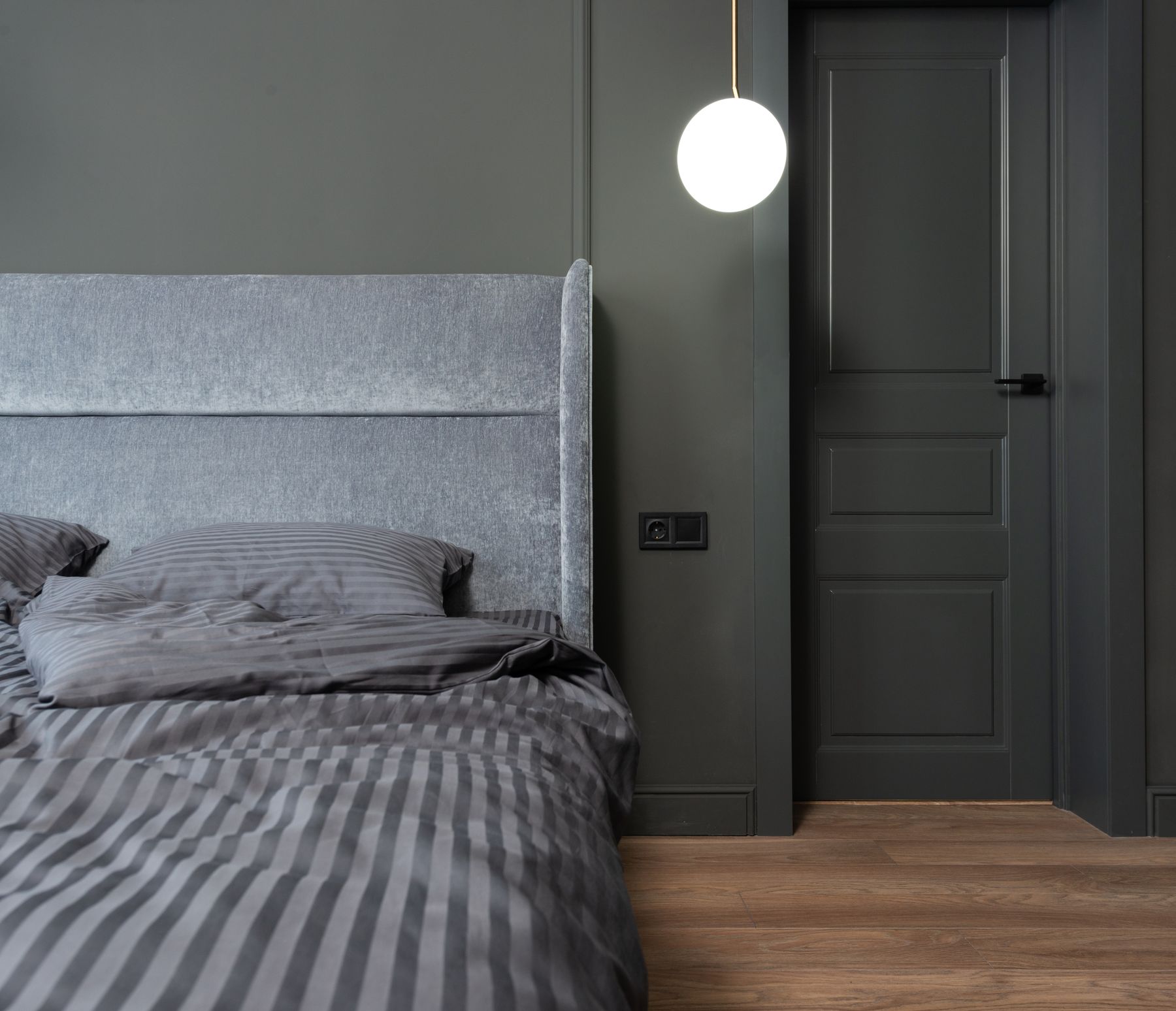
Vertical grain can emphasize height; horizontal grain can widen a headboard or low cabinet; mismatched directions can fragment a storage wall. Decide where grain runs continuously, where it book-matches and where it resets intentionally at drawers or doors. Very dramatic veneer across many moving fronts may be difficult to maintain after repairs, so document the sequence. Narrow battens add shadow as well as grain and should be chosen for cleanability, not just photographs. The fluted and paneled options in [Contemporary Bedroom Ideas](/bedroom/contemporary-bedroom-ideas/) provide a style comparison.
A Bed Frame Chosen for Support and Repair
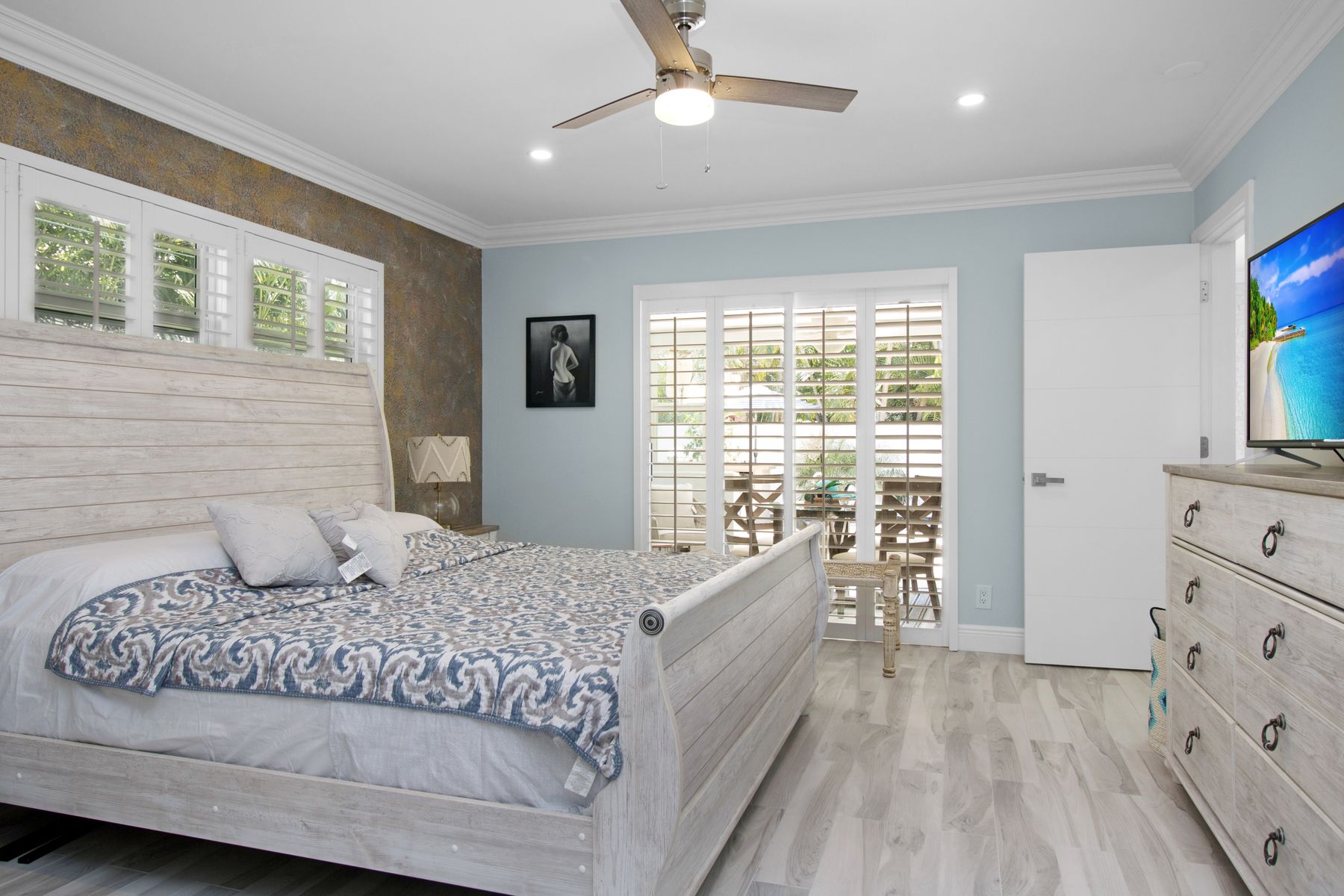
Judge a wooden bed by slat spacing, center support, joint design, edge comfort and access for tightening—not by headboard shape alone. Thick rails can consume circulation and raise the mattress; low frames may be difficult to stand from; floating effects still require a stable base. Solid components should allow seasonal movement without squeaking. Confirm mattress compatibility and final height before ordering bedside furniture. [Minimalist Bedroom Ideas](/bedroom/minimalist-bedroom-ideas/) offers useful low-bed comparisons, but sleep support and safe transfers take priority over a reduced silhouette.
The Headboard as a Tactile Wood Moment
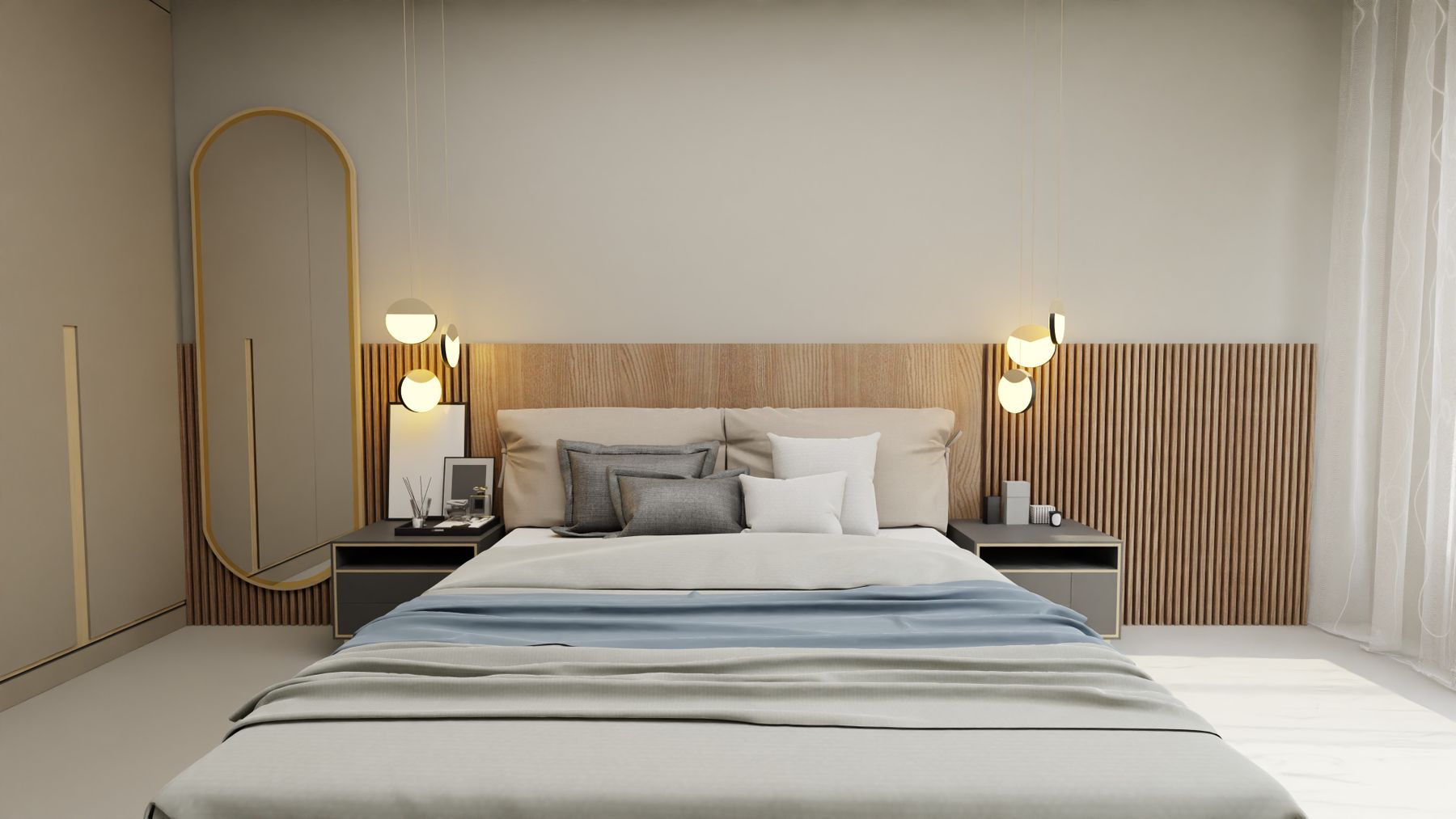
A wooden headboard may be a movable board, a wide wall panel or part of fitted storage. Keep splinters, deep grooves and sharp shelf edges away from pillows and hands. A broad panel can organize lights and sockets, but it needs removable access where services run behind it. If the grain is strong, simplify seams and bedside objects. Upholstery can soften the contact surface while wood frames the architecture. [Bespoke Bedroom Ideas](/bedroom/bespoke-bedroom-ideas/) explains how removable panels protect wiring, cleaning and future repair.
Panel One Wall Before Lining the Room
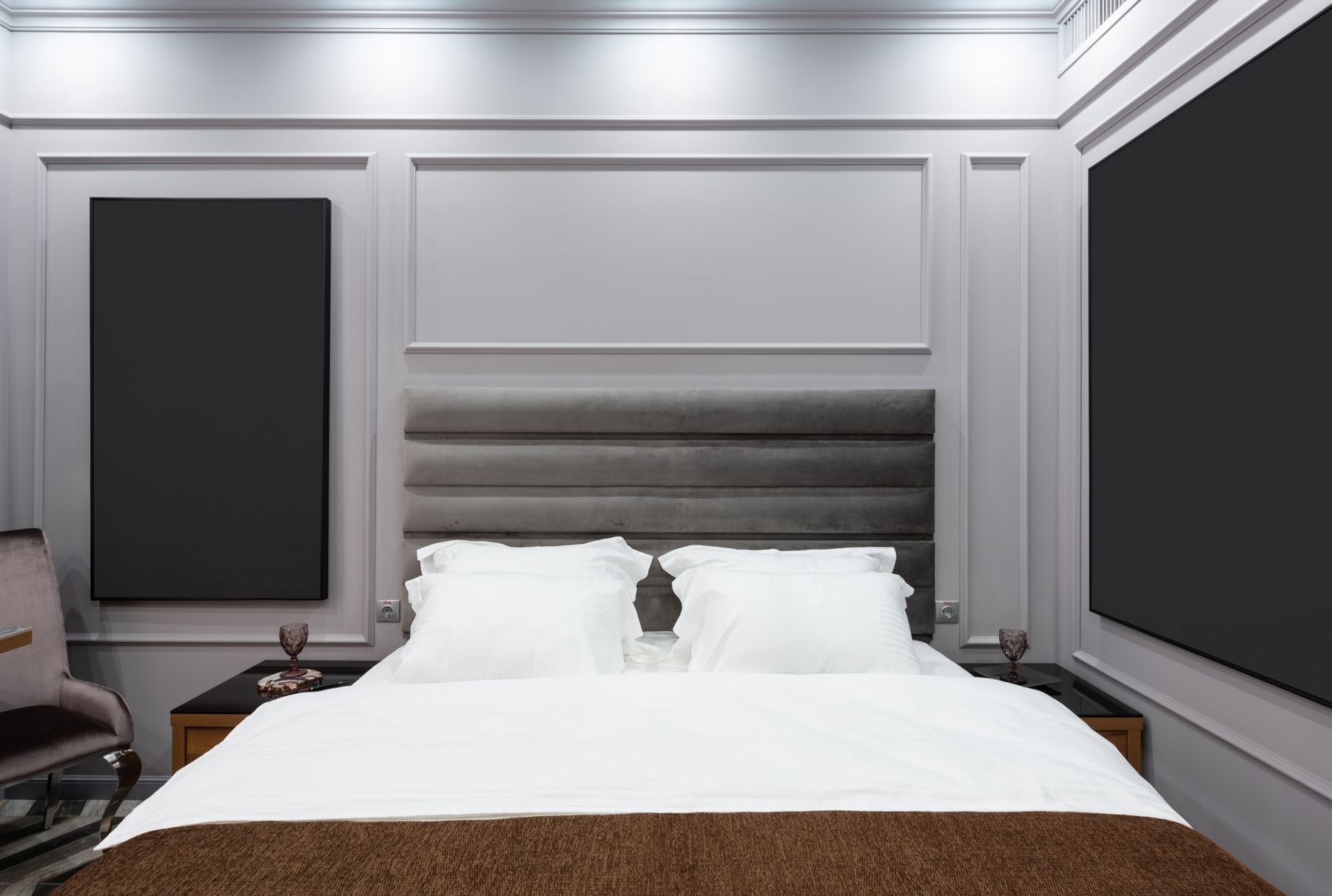
A single bed wall usually delivers enough grain and enclosure while leaving painted or plaster surfaces to reflect light. Choose broad veneer panels for calm, boards for natural variation, or battens for stronger shadow. Check wall condition, fire requirements, electrical routes and fixing method before covering it. Do not hide damp or cold bridging beneath decorative cladding. Partial-height paneling can align with a headboard and reduce material use. [Modern Bedroom Ideas](/bedroom/modern-bedroom-ideas/) shows how a paneled wall can support clean lines without defining the entire style.
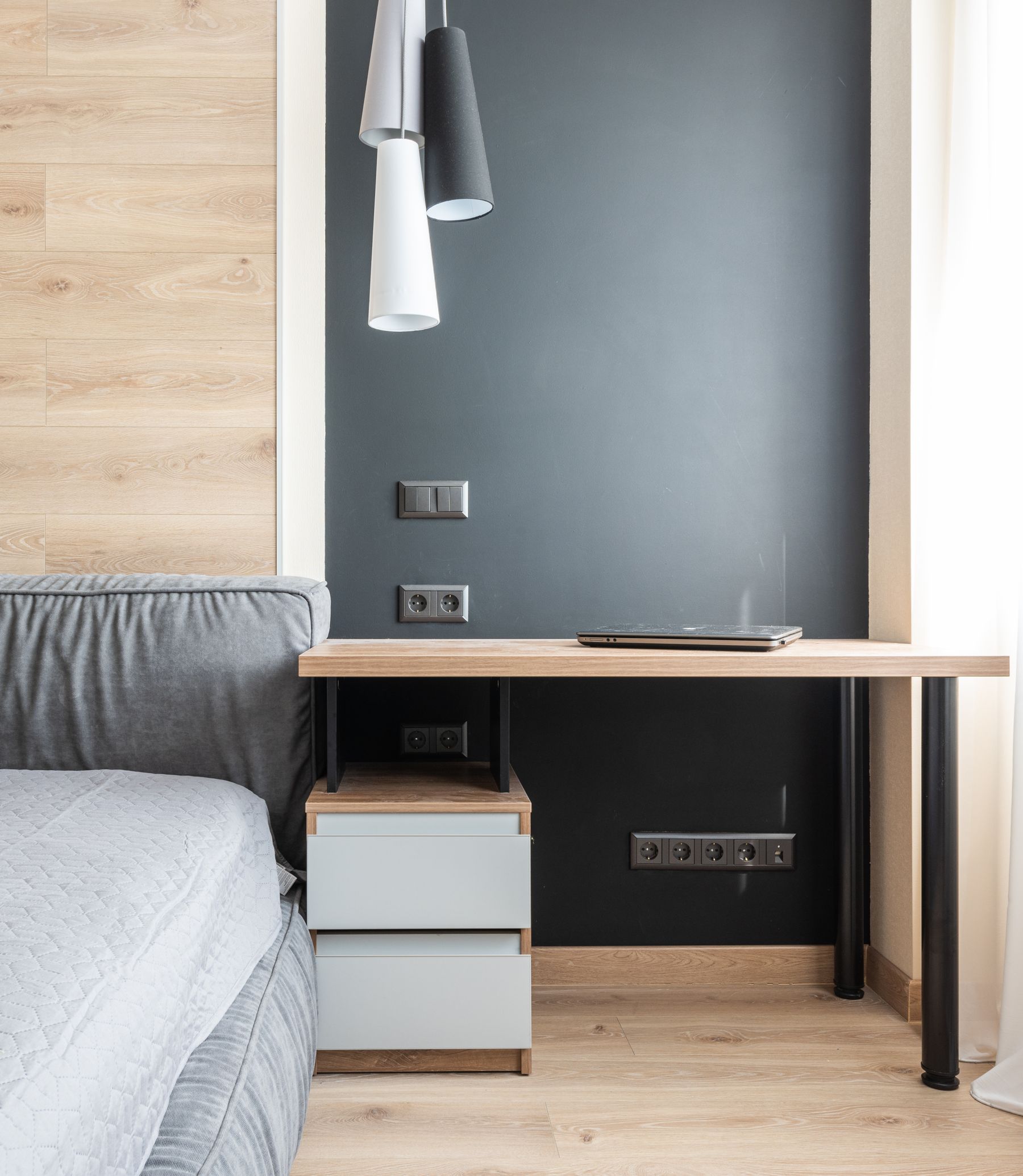
Slats for Shadow Only When They Can Be Cleaned
Slatted panels can disguise door joints, stretch height and give integrated light a controlled edge. They also collect dust, complicate outlet plates and can create repetitive visual noise. Use wider spacing or partial coverage where cleaning access is limited, and avoid claiming meaningful acoustic performance unless the assembly includes tested absorptive backing and construction. A decorative ribbed sheet is not automatically soundproofing. For a darker atmospheric interpretation, [Moody Bedroom Ideas](/bedroom/moody-bedroom-ideas/) considers how shadow and grazing light alter texture.
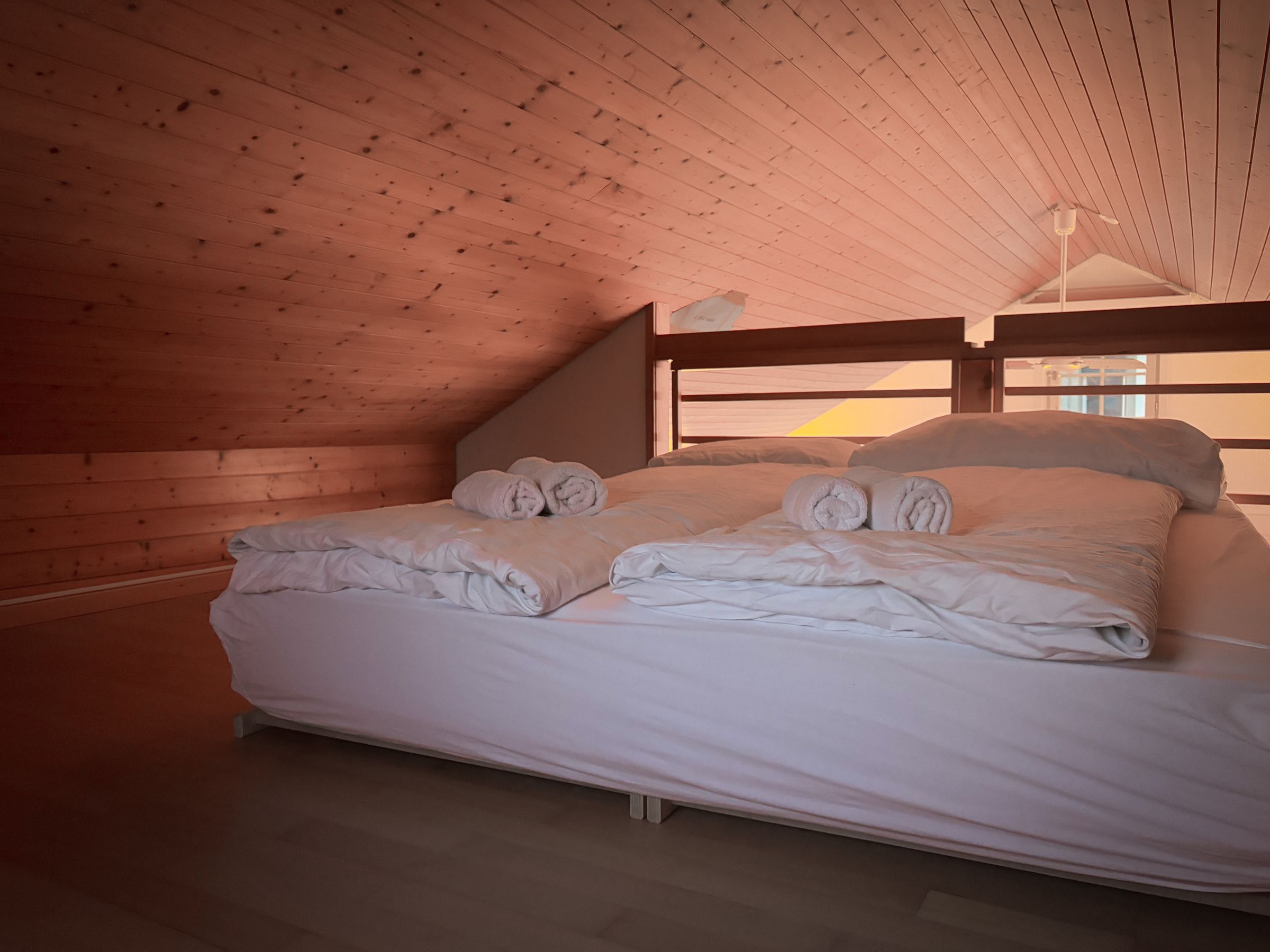
A Timber Ceiling Should Follow the Architecture
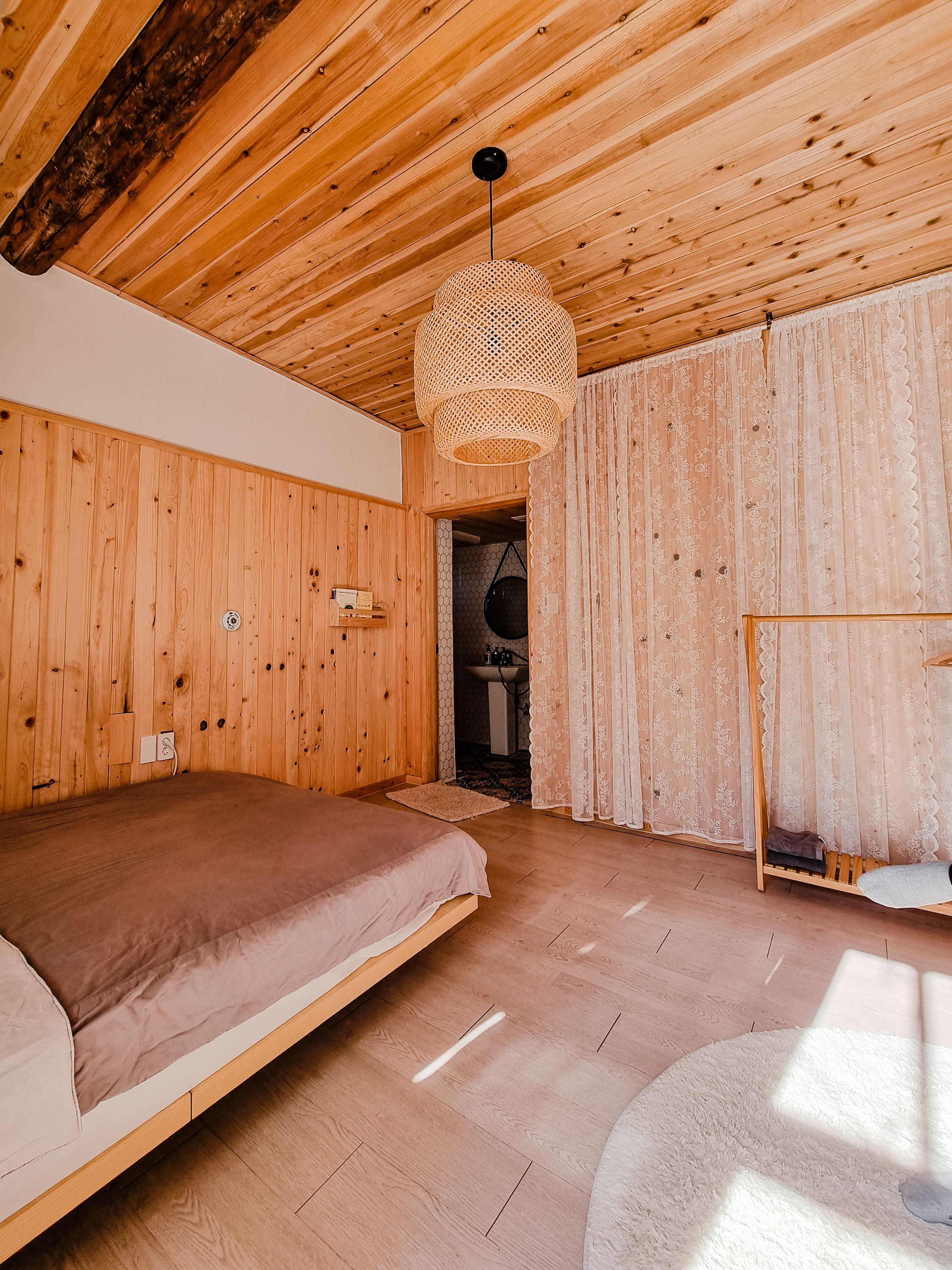
A timber ceiling can make a loft or pitched room feel coherent because the material follows the structure. In a low flat bedroom, the same treatment may feel heavy unless the tone is pale and lighting is carefully placed. Confirm insulation, vapor control, fire requirements and access before adding boards. Align joints with rafters or the room axis and avoid a grid of tiny cuts around fittings. [Small Bedroom Ideas](/bedroom/small-bedroom-ideas/) is the useful companion when sloping ceilings already restrict standing height and storage.
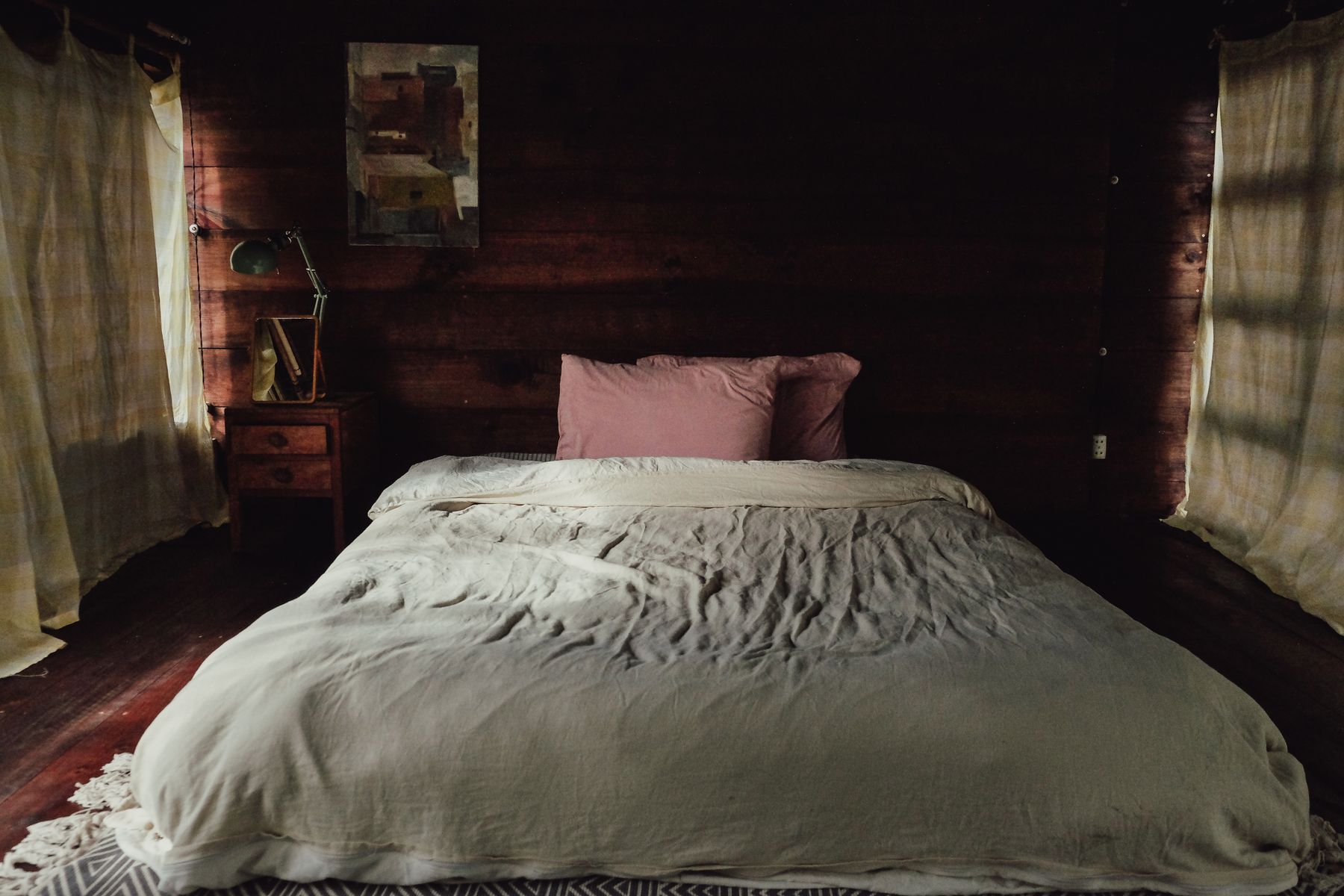
Expose Beams Without Manufacturing False History
Existing structural beams deserve inspection before decorative treatment: check condition, previous coatings and any insect or moisture issue. Clean or refinish conservatively so age remains legible. New hollow beams can organize a ceiling but look false when oversized, evenly distressed or unrelated to spans. If rustic character is the goal, [Rustic Bedroom Ideas](/bedroom/rustic-bedroom-ideas/) provides the fuller language of stone, iron, rough texture and imperfection. A wooden bedroom can instead keep beams crisp and combine them with contemporary furniture.
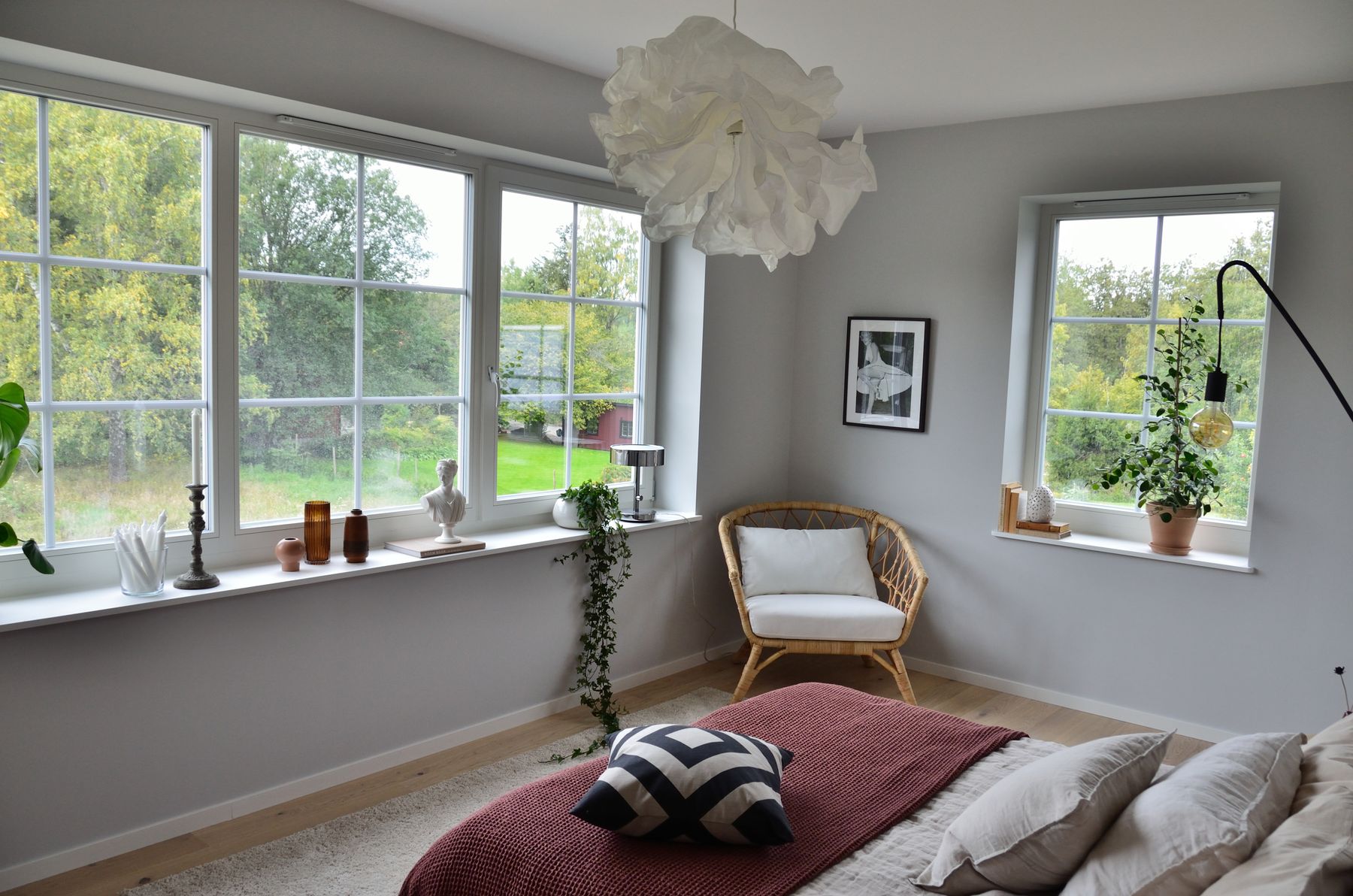
Coordinate a Wood Floor Without Creating a Set
The floor is often the largest wooden plane, so let it lead rather than forcing every object to match. Wide boards reduce joint frequency; parquet adds direction and pattern; engineered construction can improve stability over heating when specified correctly. Confirm wear layer, finish, expansion gaps and cleaning requirements. Place a rug where bare feet benefit, but avoid trapping moisture or hiding nearly all of a costly floor. [Scandinavian Bedroom Ideas](/bedroom/scandinavian-bedroom-ideas/) demonstrates how pale floors support light without making every furnishing identical.

Design Wooden Wardrobes as Architecture
Full-height wooden wardrobes can dominate more than the bed. Break the surface with a pale recess, open niche, contrasting handle or quieter door material rather than adding many decorative divisions. Veneer is often more stable and resource-efficient than large solid doors; grain sequence and edge quality matter. Internals should still follow real clothing, not the exterior rhythm. [Bespoke Bedroom Ideas](/bedroom/bespoke-bedroom-ideas/) covers survey, tolerances and service access, while [Modular Bedroom Ideas](/bedroom/modular-bedroom-ideas/) is better when the storage must move or expand.
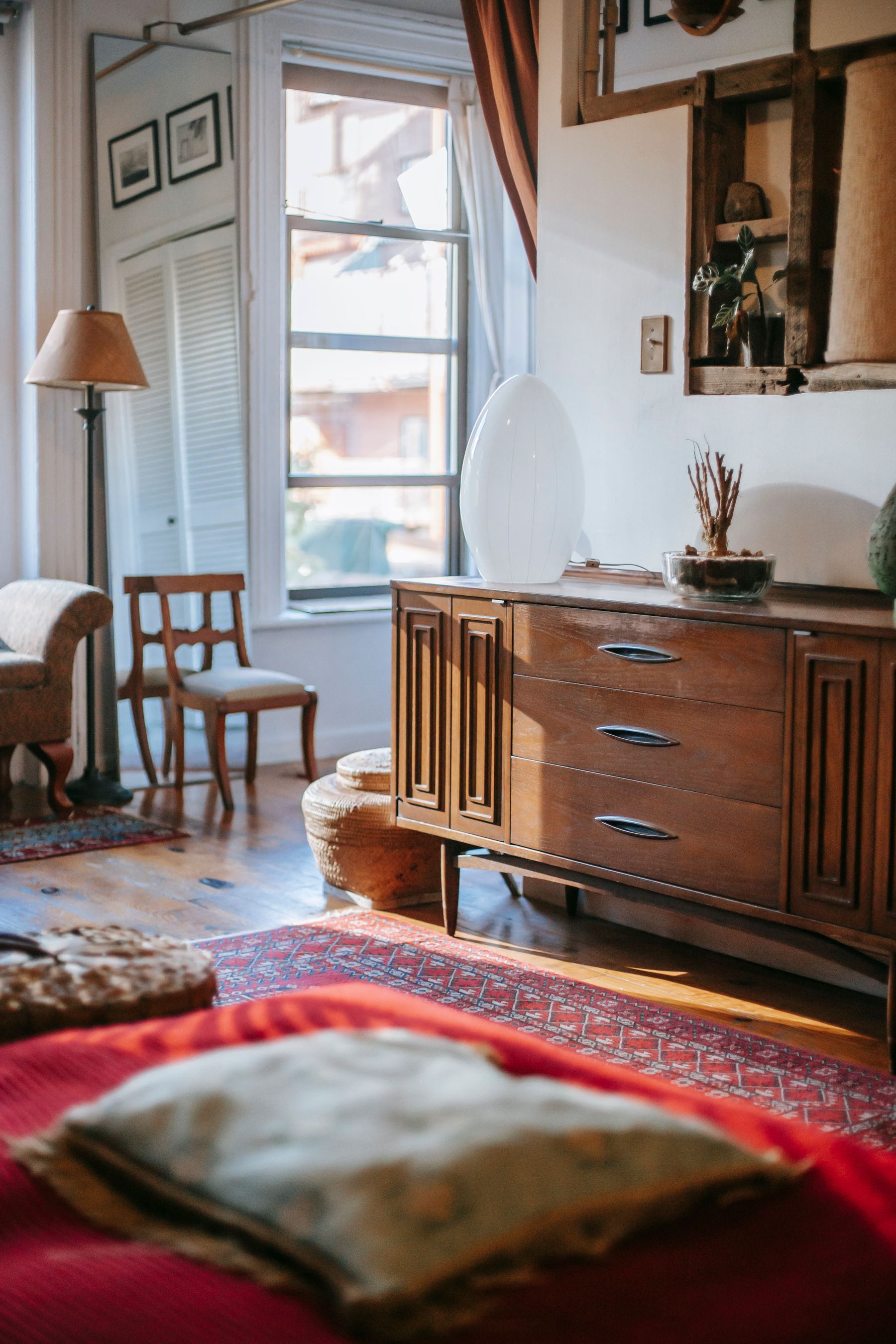
Dressers and Bedside Pieces by Construction
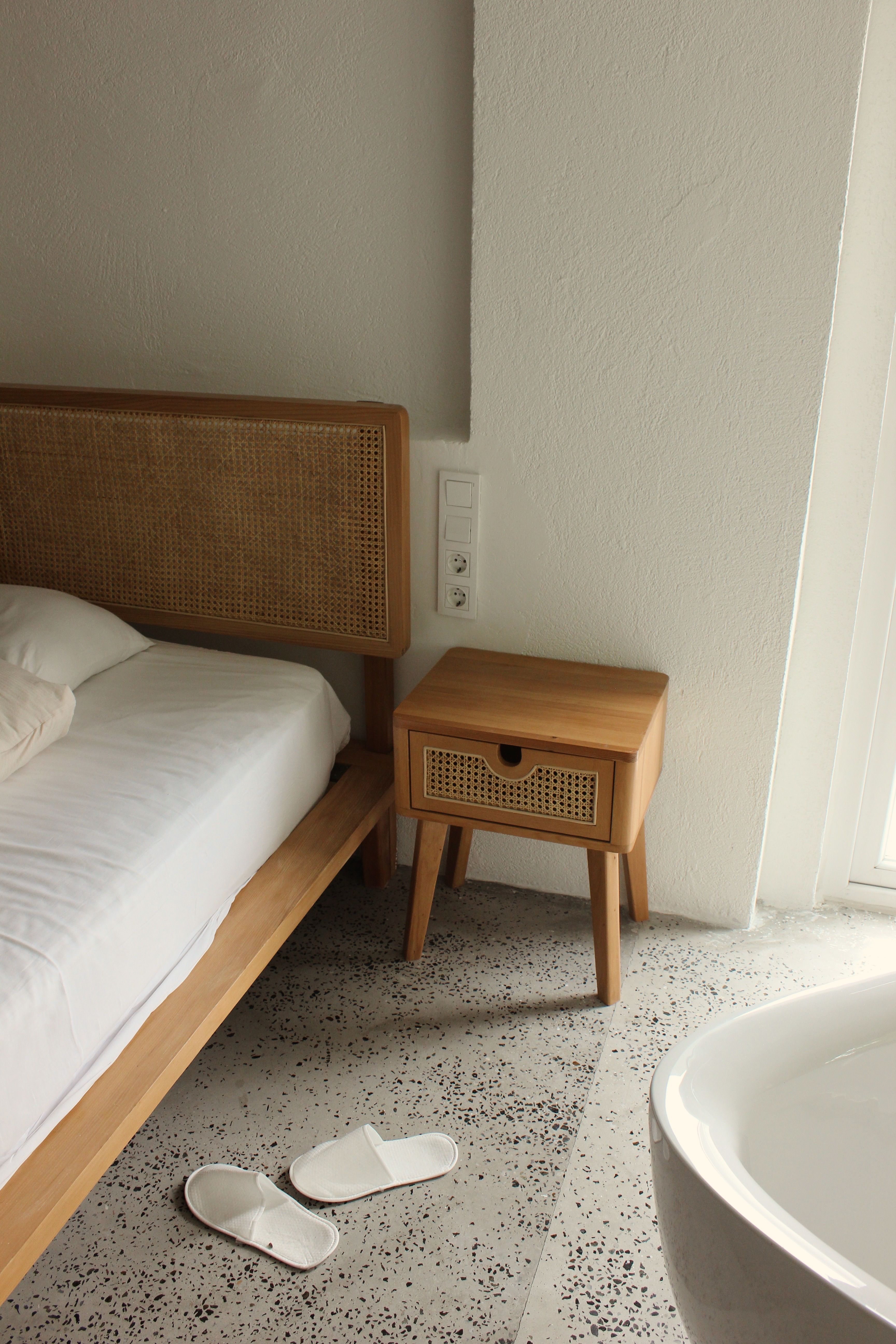
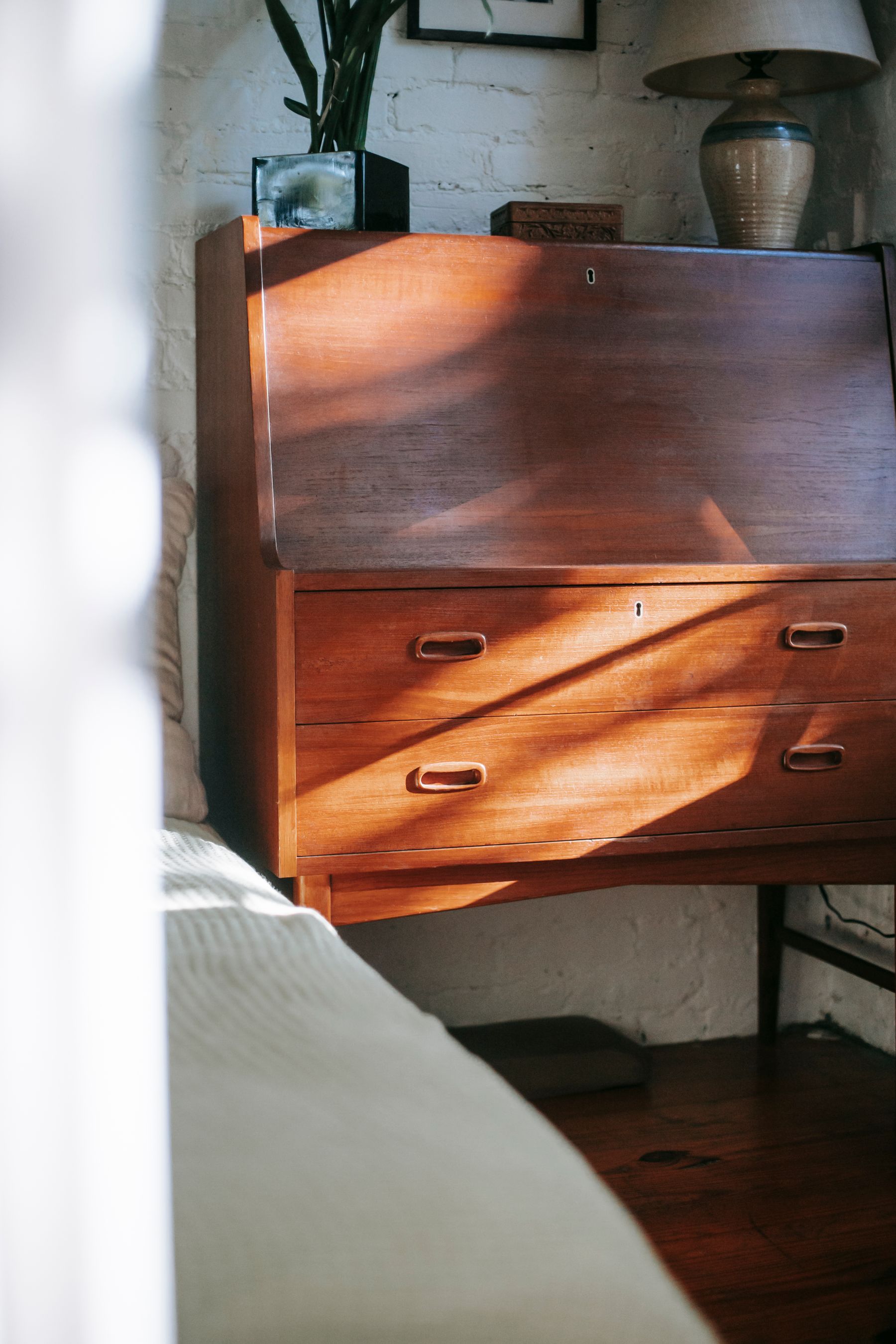
Inspect drawer joinery, runner action, back construction, veneer edges and leg stability. A vintage dresser may offer excellent solid components but need anchoring, repaired runners or a protected top; a new piece should provide transparent materials and replaceable hardware. Bedside tables need surfaces large enough for real objects and finishes that tolerate water rings. [Mid-Century Bedroom Ideas](/bedroom/mid-century-bedroom-ideas/) gives tapered furniture a period context, but wooden-bedroom planning can mix eras when proportions and undertones remain deliberate.

Open Shelves Used Sparingly Around Sleep
Open timber shelves display books and personal objects, introduce shallow grain and can use an alcove that is too narrow for a wardrobe. Keep heavy items away from the bed, anchor the system for its real load and leave enough room to clean behind objects. A wall-to-wall bookcase changes acoustics and visual activity, so the bedding and lighting may need to become quieter. [Dark Academia Bedroom Ideas](/bedroom/dark-academia-bedroom-ideas/) is the stronger destination when books and historical atmosphere define the style rather than wood itself.
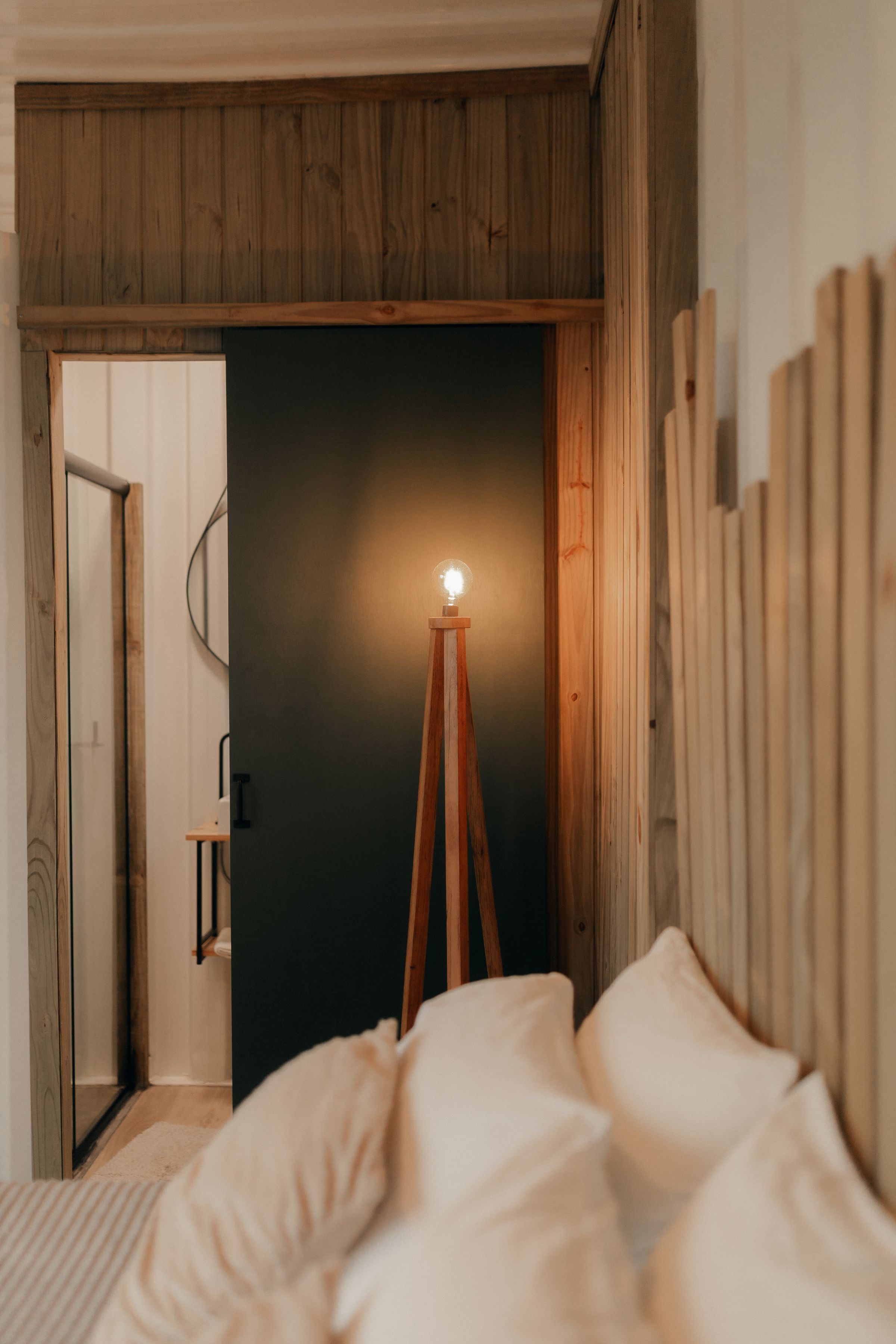
Balance Timber With Textiles and Mineral Surfaces
Wood needs contrast to remain visible. Linen, wool, cotton and upholstery soften contact and reduce the hard-surface repetition; plaster, stone or painted walls provide a quieter field. Use one textile pattern or color family rather than competing with every grain. Pale bedding is not mandatory, but it clearly separates the sleep surface from a timber bed and wall. [Cozy Bedroom Ideas](/bedroom/cozy-bedroom-ideas/) helps evaluate tactile and thermal comfort, while this decision is about balancing material area and surface character.
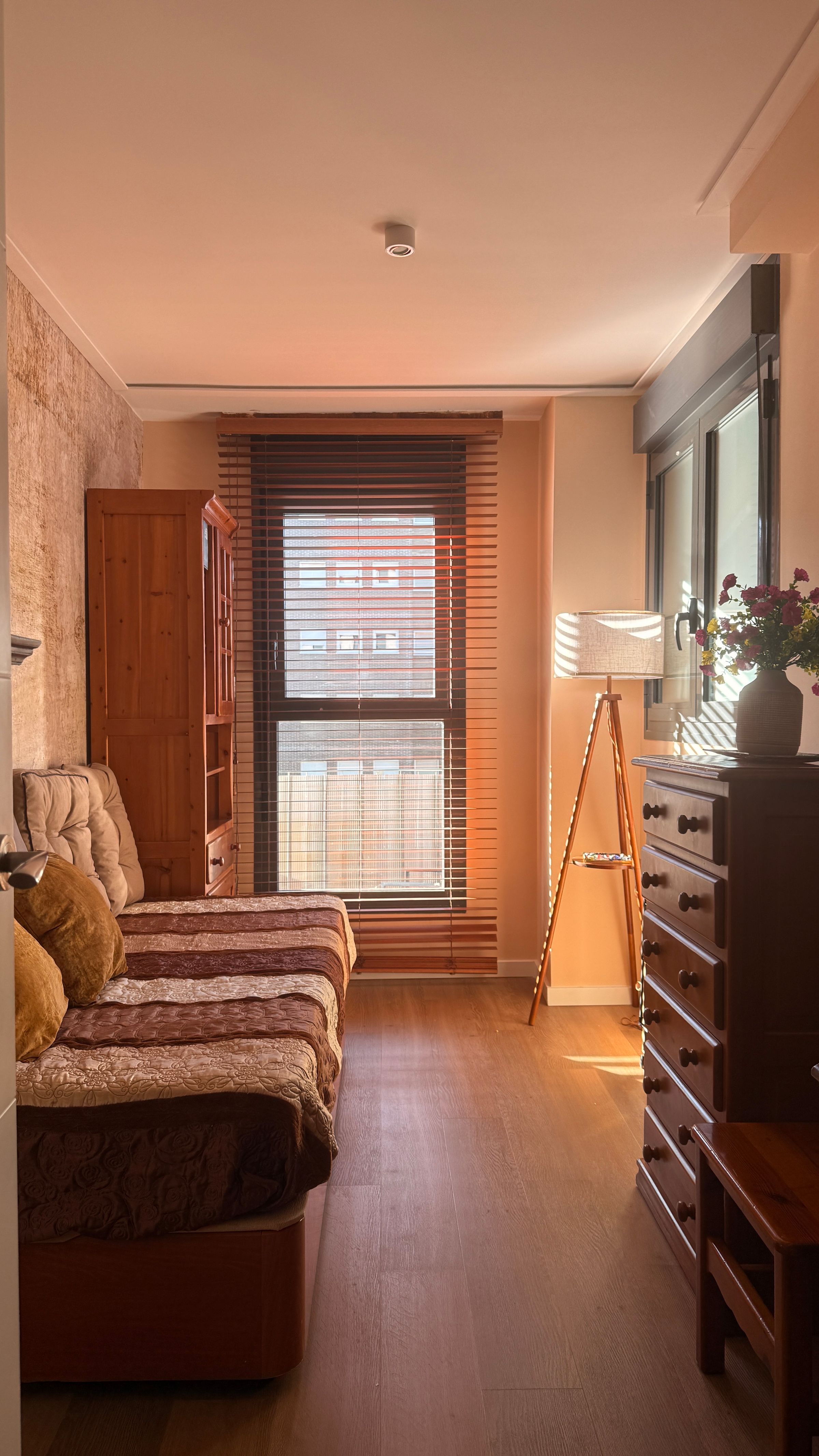
Color Built Around the Wood, Not Over It
Start with the wood's undertone, then choose wall and textile colors that either relate or deliberately cool it. Olive, muted blue, clay, cream and charcoal can all work; the critical issue is value and undertone beside the real finish. Avoid using several brown textiles merely because the furniture is brown. [Warm Bedroom Ideas](/bedroom/warm-bedroom-ideas/) develops warm palettes, [Green Bedroom Ideas](/bedroom/green-bedroom-ideas/) offers a botanical counterpoint, and [Blue Bedroom Ideas](/bedroom/blue-bedroom-ideas/) can cool orange or red timber when sampled carefully.
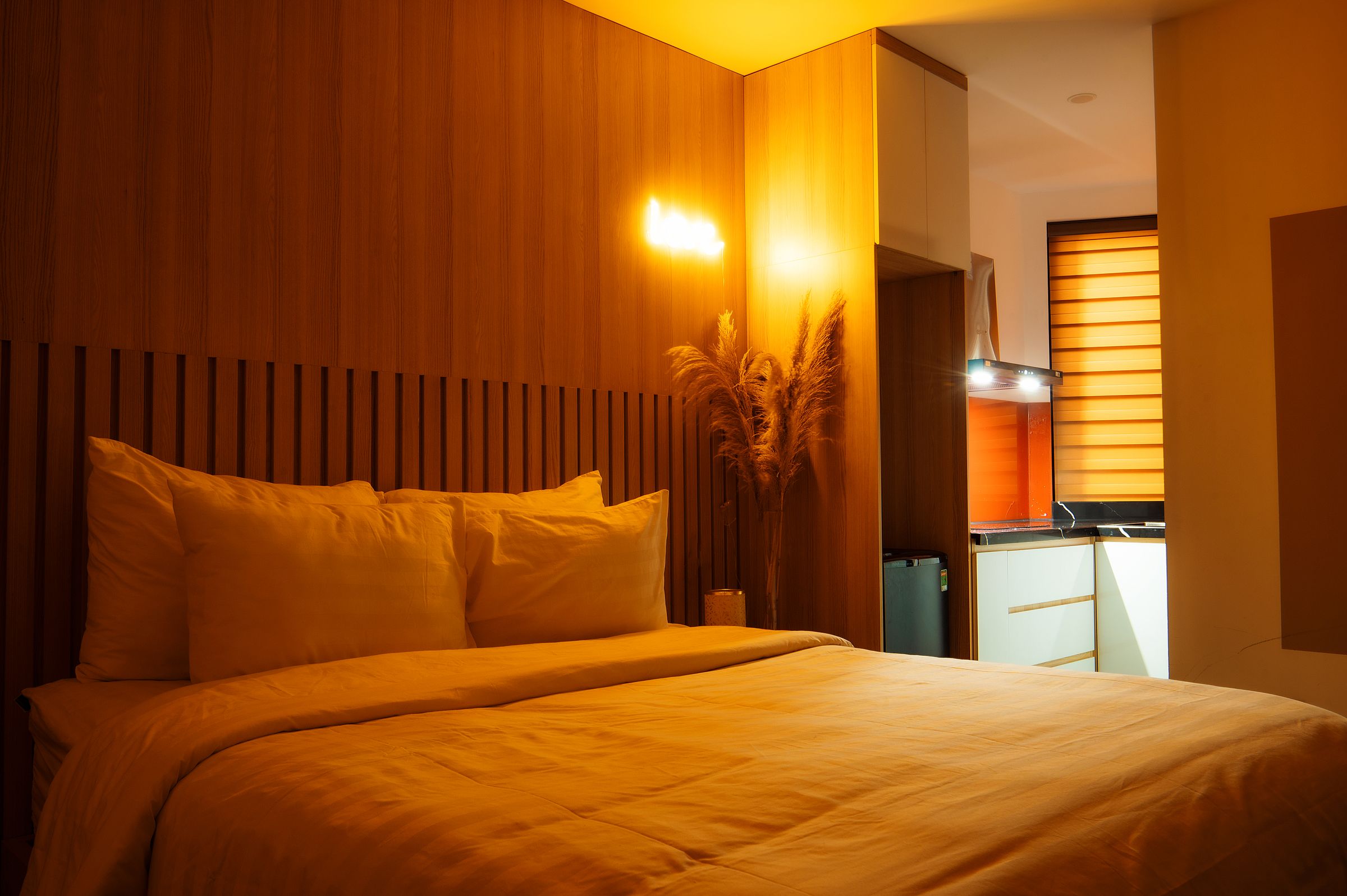
Light Grain From the Side
Grazing light reveals relief, grain and panel joints, but it also exposes uneven installation and dust. Combine indirect ambient light with precise reading lights and neutral task light for dressing. Very warm lamps can make honey timber orange and dark walnut muddy, so test color rendering rather than choosing temperature alone. Integrated fittings need accessible drivers and control. The complete layered-light framework in [Modern Bedroom Ideas](/bedroom/modern-bedroom-ideas/) and [Luxury Bedroom Ideas](/bedroom/luxury-bedroom-ideas/) helps coordinate those layers with sleep and daily routines.

In a Small Wooden Bedroom, Legibility Comes First
In a compact room, let one wood element do several jobs: a bed wall can carry lights, a storage bed can replace a dresser, or a wardrobe can frame a desk. Keep door and drawer clearances explicit and resist thick decorative cladding that steals centimeters from circulation. Pale wood can help, but coherent medium or dark timber also works when broad surfaces remain uncluttered. [Small Bedroom Ideas](/bedroom/small-bedroom-ideas/) should lead mattress and clearance decisions; wood follows that plan rather than becoming another object to fit.
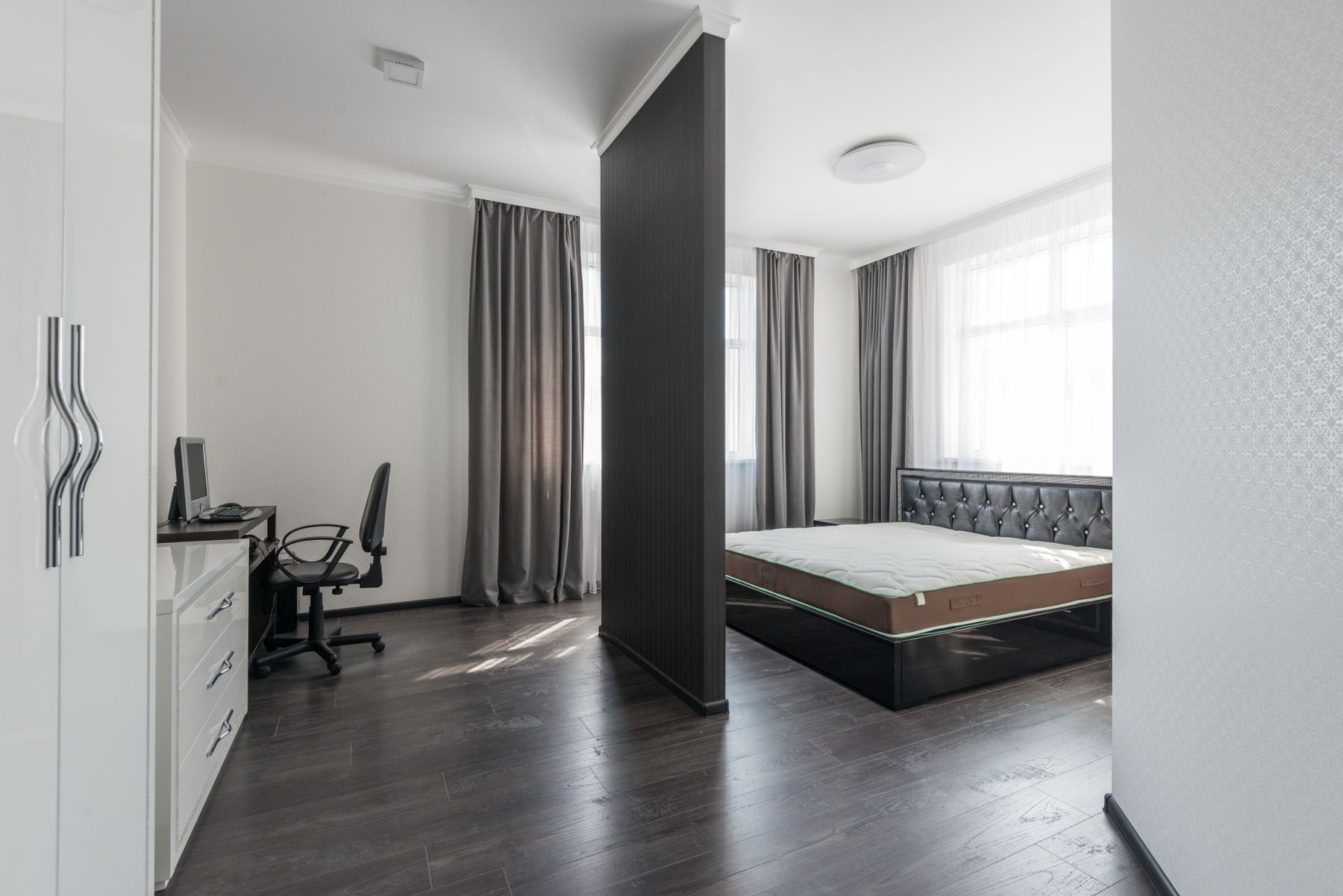
Scale Prevents a Large Room Becoming a Showroom
A large bedroom does not need more species or a complete matching suite. Use one substantial timber move—a wide headboard wall, floor or wardrobe—then group movable furniture around sleep, dressing or work. Rugs control acoustic reflection and help wood flooring support rather than swallow each zone. Leave negative space where circulation or future change benefits. [Large Bedroom Ideas](/bedroom/large-bedroom-ideas/) explains zoning in depth; wooden-bedroom planning ensures the repeated material connects those zones without distributing isolated brown pieces around the perimeter.
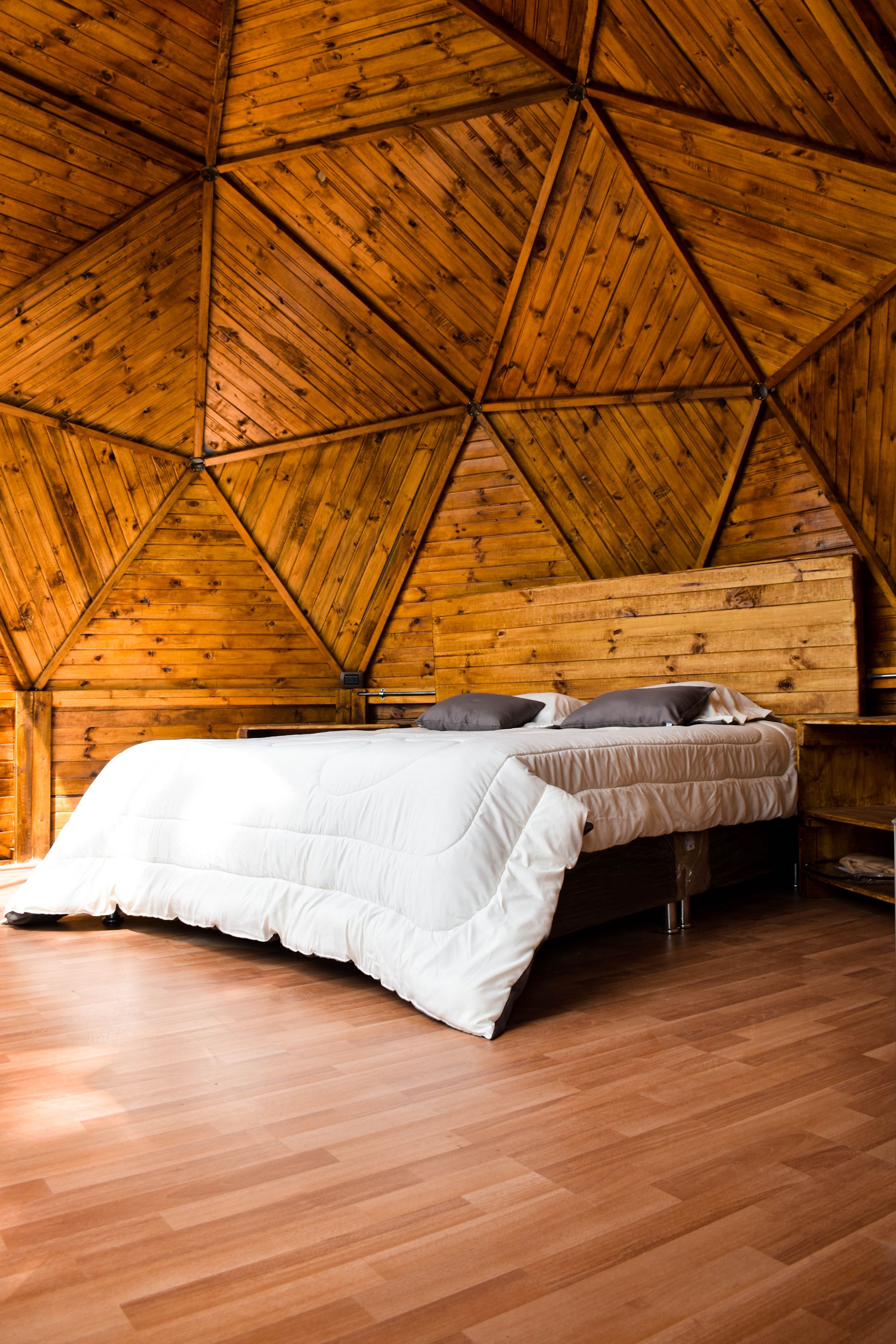
Modern Wooden Bedroom: Crisp, Not Cold
Use simple planes, concealed or precise joints, restrained hardware and a limited timber palette. Modern does not require flawless synthetic uniformity: natural variation can keep the room human when geometry is strict. Pair veneer panels with tactile bedding and one curved or upholstered element so hard edges do not dominate sleep. Keep technology and cables organized but serviceable. [Modern Bedroom Ideas](/bedroom/modern-bedroom-ideas/) supplies the broader current style; this section focuses on making grain, seams and construction carry the visual interest.
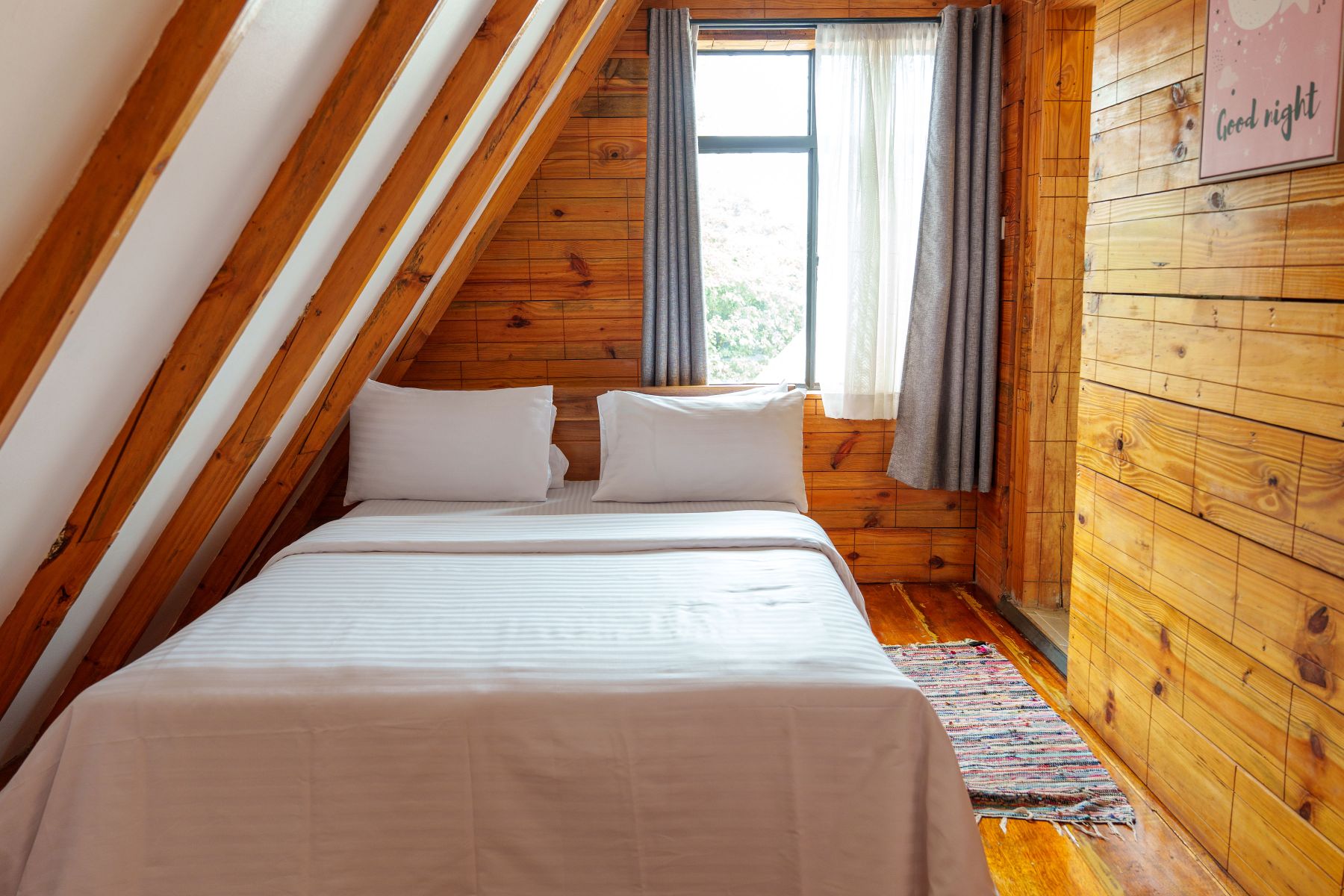
Rustic Wood Shows Age and Variation
Rustic wood may retain knots, saw marks, wear and color variation, but surfaces near bedding and hands should still be smooth, cleanable and safe. Use reclaimed boards where their history and condition are known, and avoid fake distress applied equally to every new piece. Stone, iron and woven fibers can broaden the palette. [Rustic Bedroom Ideas](/bedroom/rustic-bedroom-ideas/) is the canonical style guide; a Wooden Bedroom can borrow rougher material while remaining modern, coastal or traditional elsewhere.
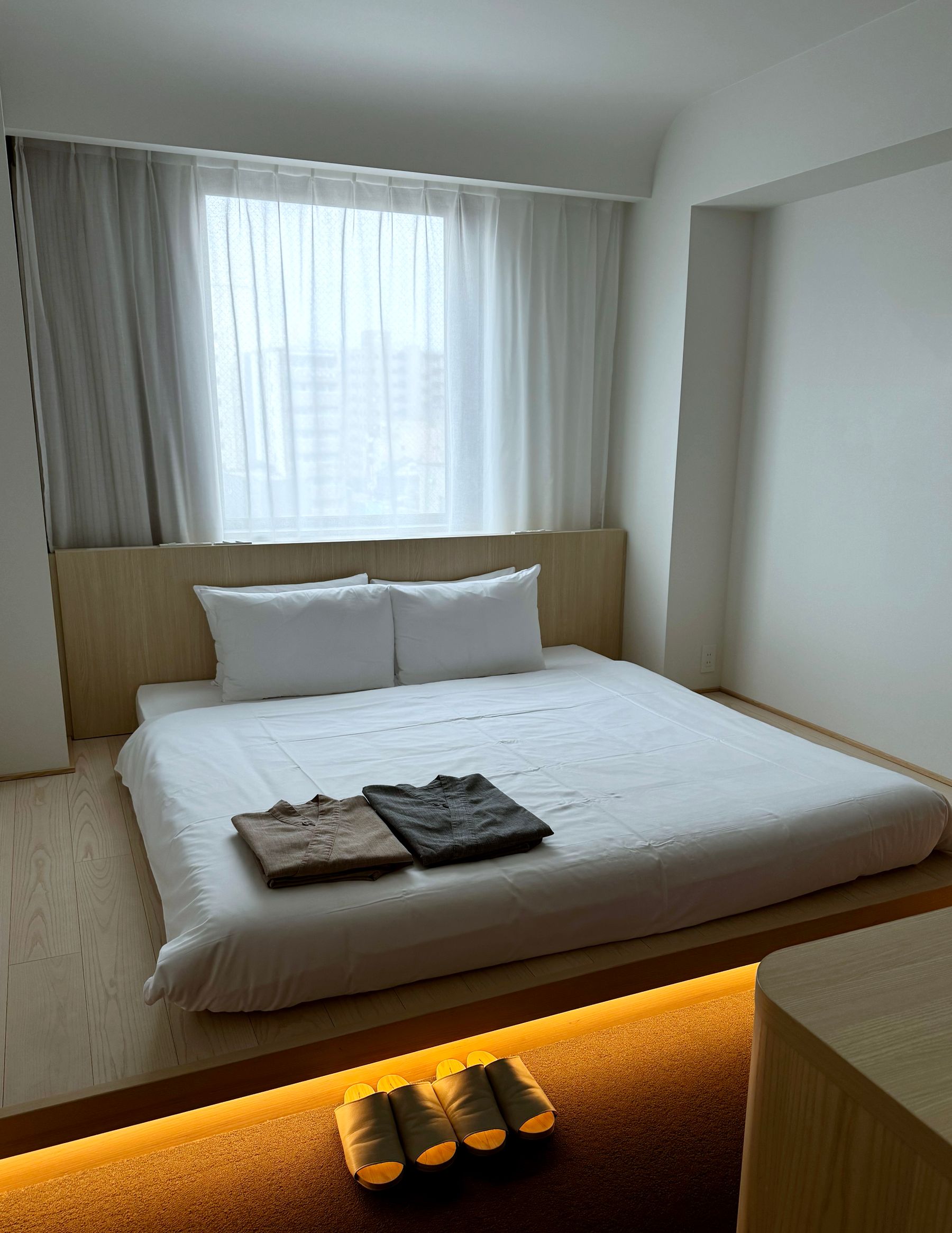
Learn Restraint From Japanese and Japandi Rooms
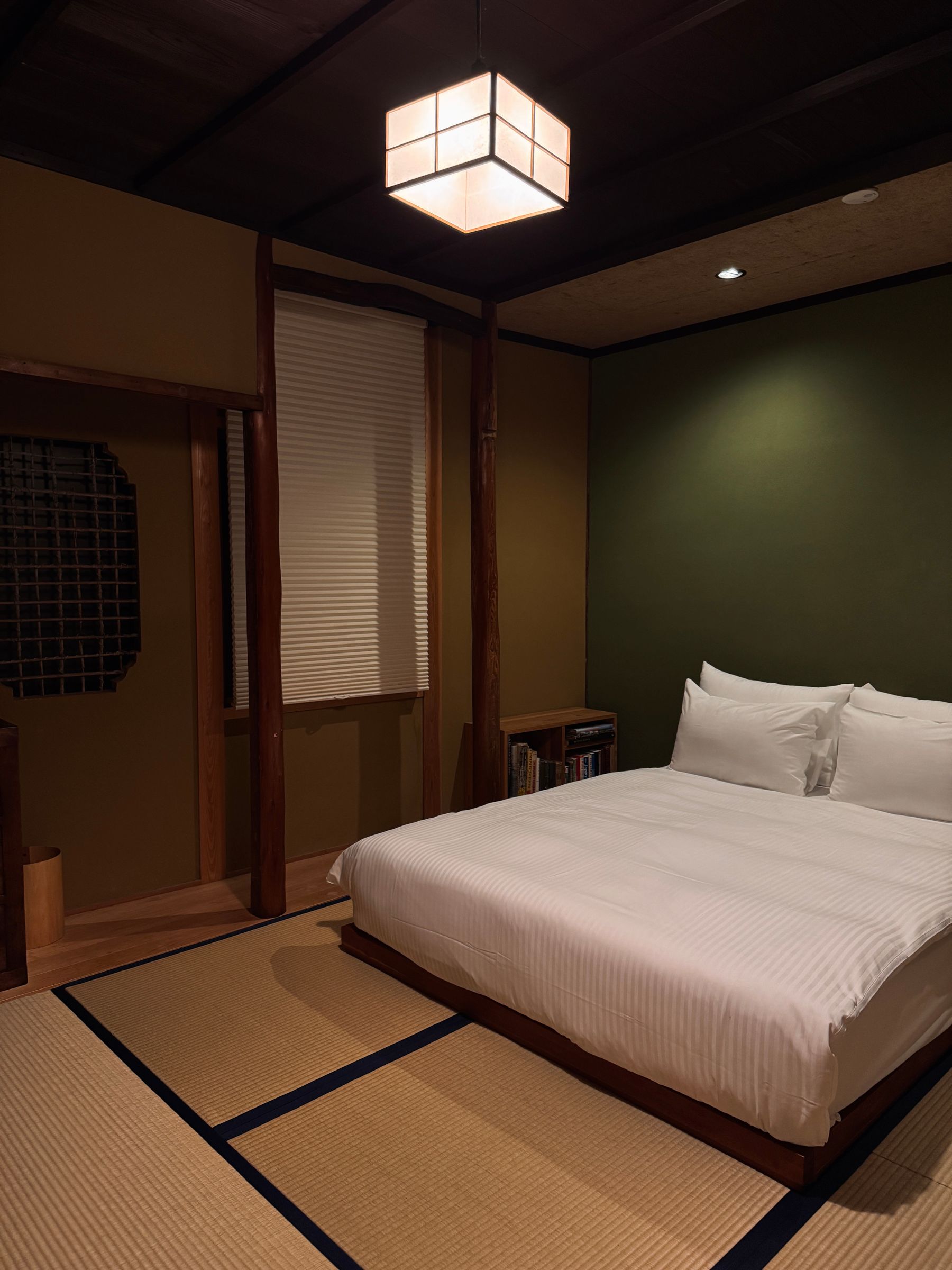
Japanese-inspired rooms often use wood to define screens, thresholds, low furniture and measured grids rather than to cover every surface. Japandi adds Scandinavian comfort and a broader textile layer. Respect those design traditions as more than a pale-oak aesthetic: proportion, joinery, empty space and material honesty matter. [Japanese Bedroom Ideas](/bedroom/japanese-bedroom-ideas/) and [Japandi Bedroom Ideas](/bedroom/japandi-bedroom-ideas/) remain the canonical style destinations; this guide takes the transferable lesson of using fewer timber moves with clearer purpose.
Source Reclaimed and Certified Wood With Evidence
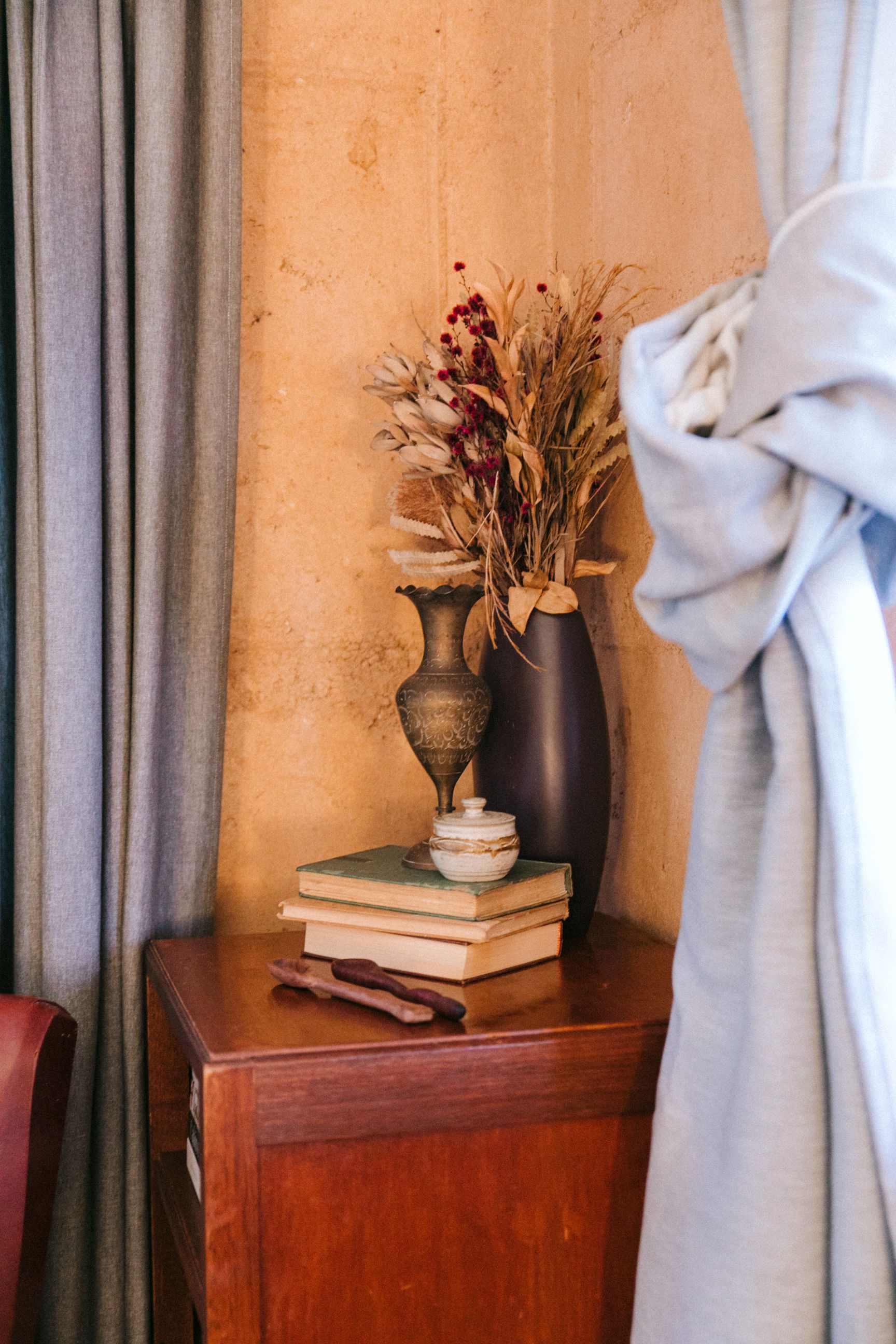
Sustainability depends on origin, yield, transport, durability and future reuse—not the word natural. Ask suppliers for recognized chain-of-custody evidence where relevant and avoid vague eco claims. Reclaimed wood can reduce demand for new material, but it needs inspection for paint, treatment chemicals, pests, hidden fasteners and structural weakness. Veneer may use valuable logs efficiently across large surfaces. The longest-lived option is one that can be repaired, refinished or repurposed rather than discarded when the room changes.
Allow Wood to Move With Humidity
Wood exchanges moisture with indoor air, changing dimension across the grain and sometimes changing stiffness. Solid doors, table tops, floors and boards need appropriate construction and expansion allowance; veneer and engineered products reduce some movement but do not eliminate site conditions. Acclimation is not a substitute for a dry building or stable indoor environment. Do not install against unresolved damp. Seasonal gaps or slight changes may be normal, while binding doors, cupping and mold indicate a problem that needs investigation rather than cosmetic filling.
Protect Airflow at External Walls and Windows
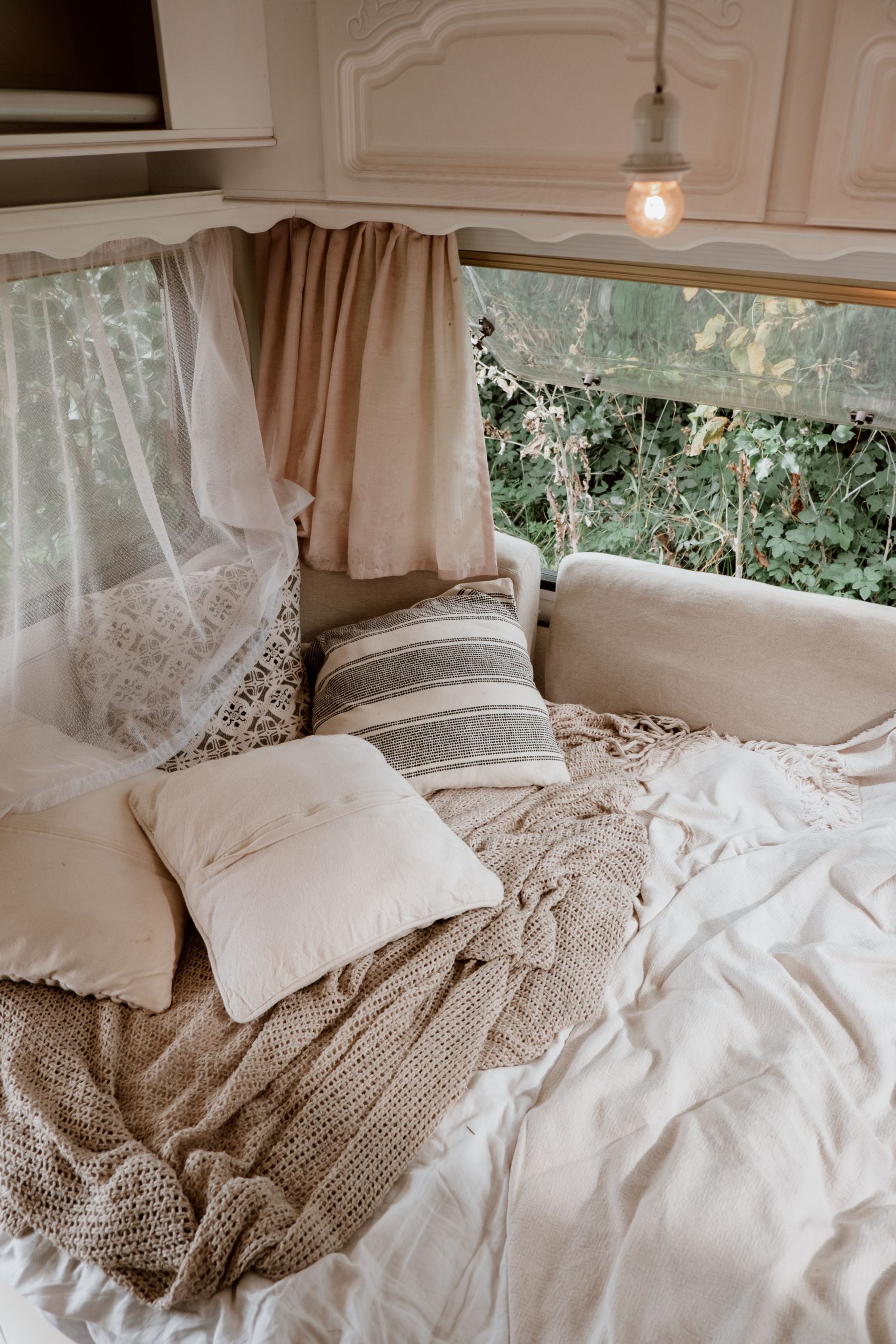
Paneling and full-height storage can create cold, stagnant cavities where condensation remains unseen. Understand insulation, vapor control, heating and ventilation before covering an external wall. Leave required clearances at radiators, grilles and window reveals; preserve handle and curtain movement. Plants add humidity and should not be crowded against vulnerable joinery. [Thermal comfort guidance in Cozy Bedroom Ideas](/bedroom/cozy-bedroom-ideas/) helps connect warmth, ventilation and sleep, while the joinery drawing must show how air and inspection reach the timber itself.
Choose Finishes for Touch, Emissions and Repair
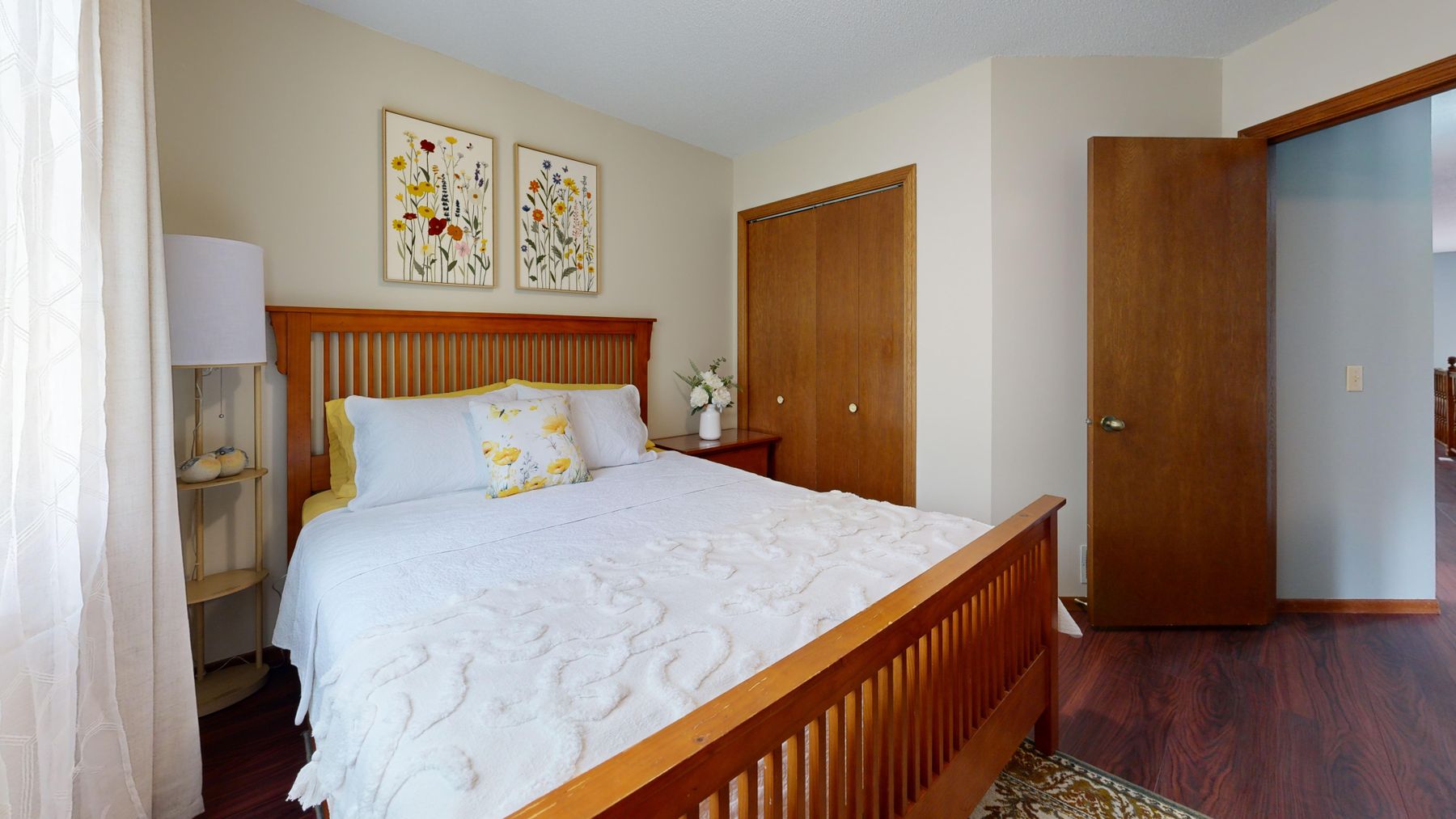
Oil and hardwax finishes can preserve tactile grain and allow local repair, but require product-specific care. Lacquer and varnish may resist spills more strongly yet show chips or glossy wear; factory coatings can be durable but harder to match. Ask for emissions information appropriate to indoor furniture and allow finishes to cure before the room is occupied. Do not use one cleaning method across every wood product. Sheen also affects style: high polish feels formal, while matte surfaces emphasize texture and contemporary calm.
Be Precise About Acoustic Benefits
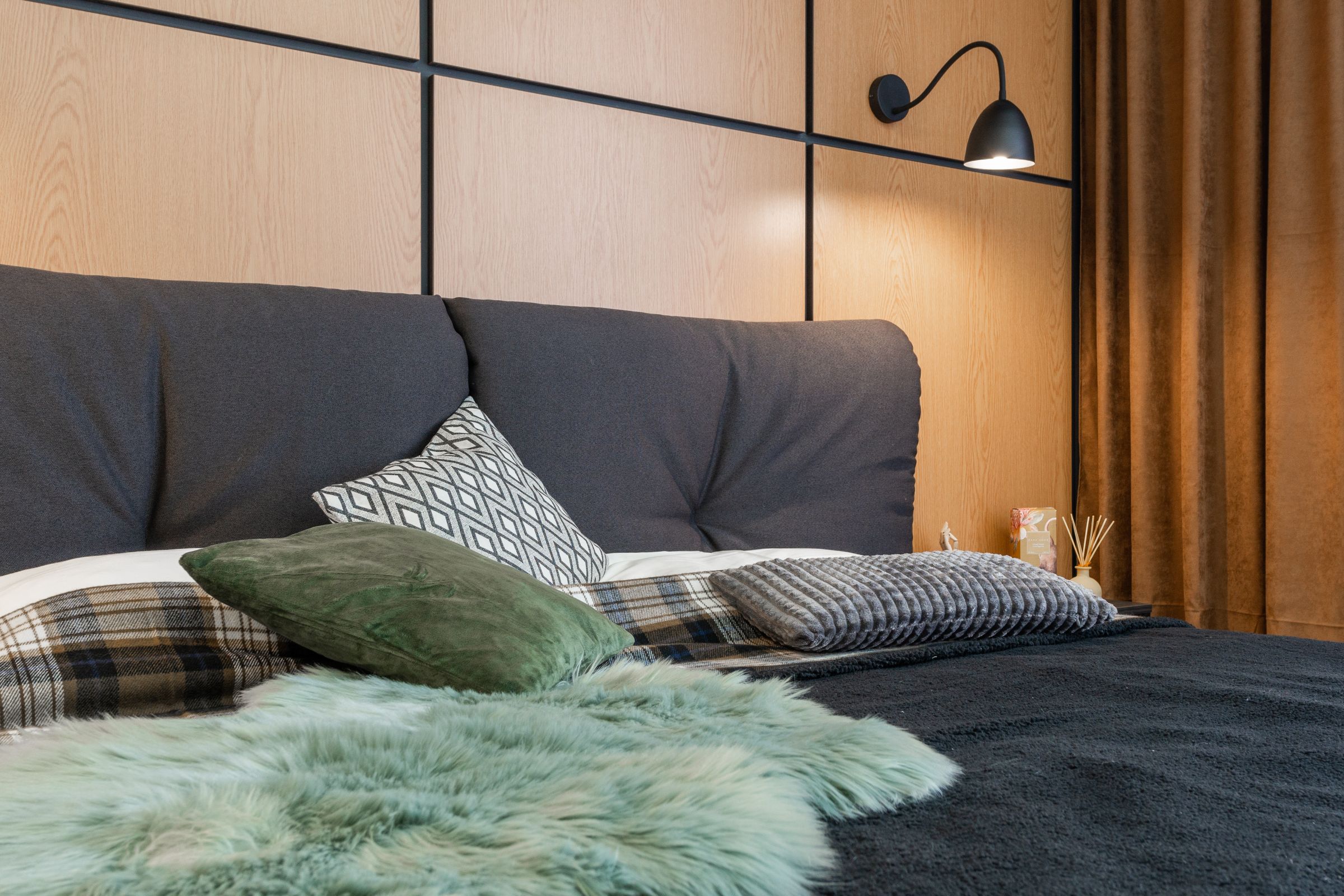
Wooden surfaces may diffuse or reflect sound differently according to geometry, mass and backing, but plain panels are not automatically acoustic treatment. Slats over tested absorptive material can reduce reverberation when properly designed; a decorative batten wall without backing may mainly change appearance. For external noise, address gaps, glazing and construction paths. Use rugs, curtains and upholstery to reduce hard reflections around sleep. [Acoustic planning in Cozy Bedroom Ideas](/bedroom/cozy-bedroom-ideas/) keeps claims tied to the actual disturbance rather than the presence of a natural material.
Install for Expansion, Access and Future Repair
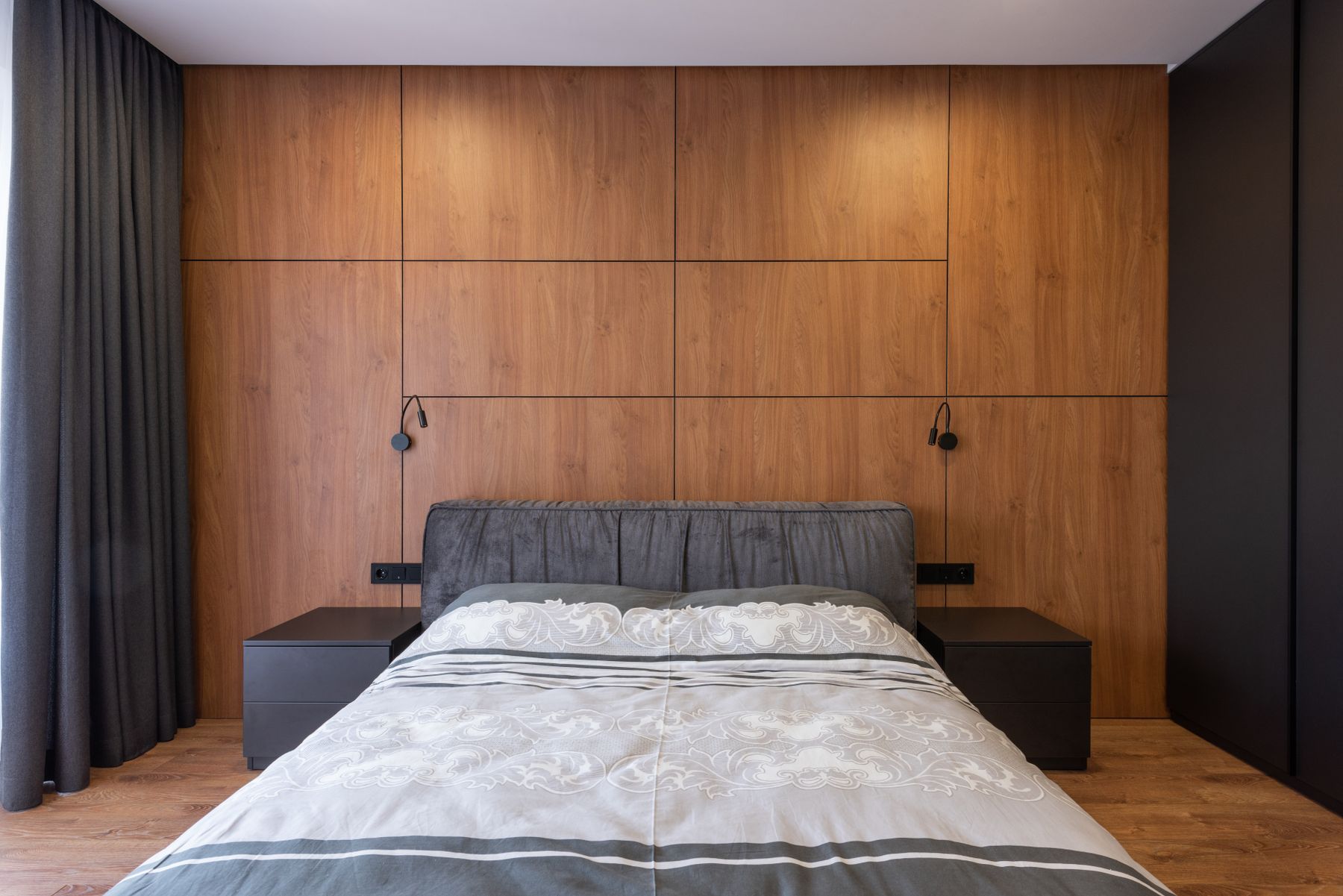
Document substrate preparation, fixing zones, expansion gaps, panel sequence, service access and transitions to floors, skirting and ceilings. Concealed clips can allow removal; excessive adhesive may make a small repair destructive. Protect finished wood during later electrical and decorating work, and keep ventilation paths open. In fitted schemes, coordinate tolerances with the maker rather than asking the installer to improvise. [Bespoke Bedroom Ideas](/bedroom/bespoke-bedroom-ideas/) provides the full shop-drawing and snagging process for room-specific cabinetry.
Maintain Wood by Finish, Not Folklore
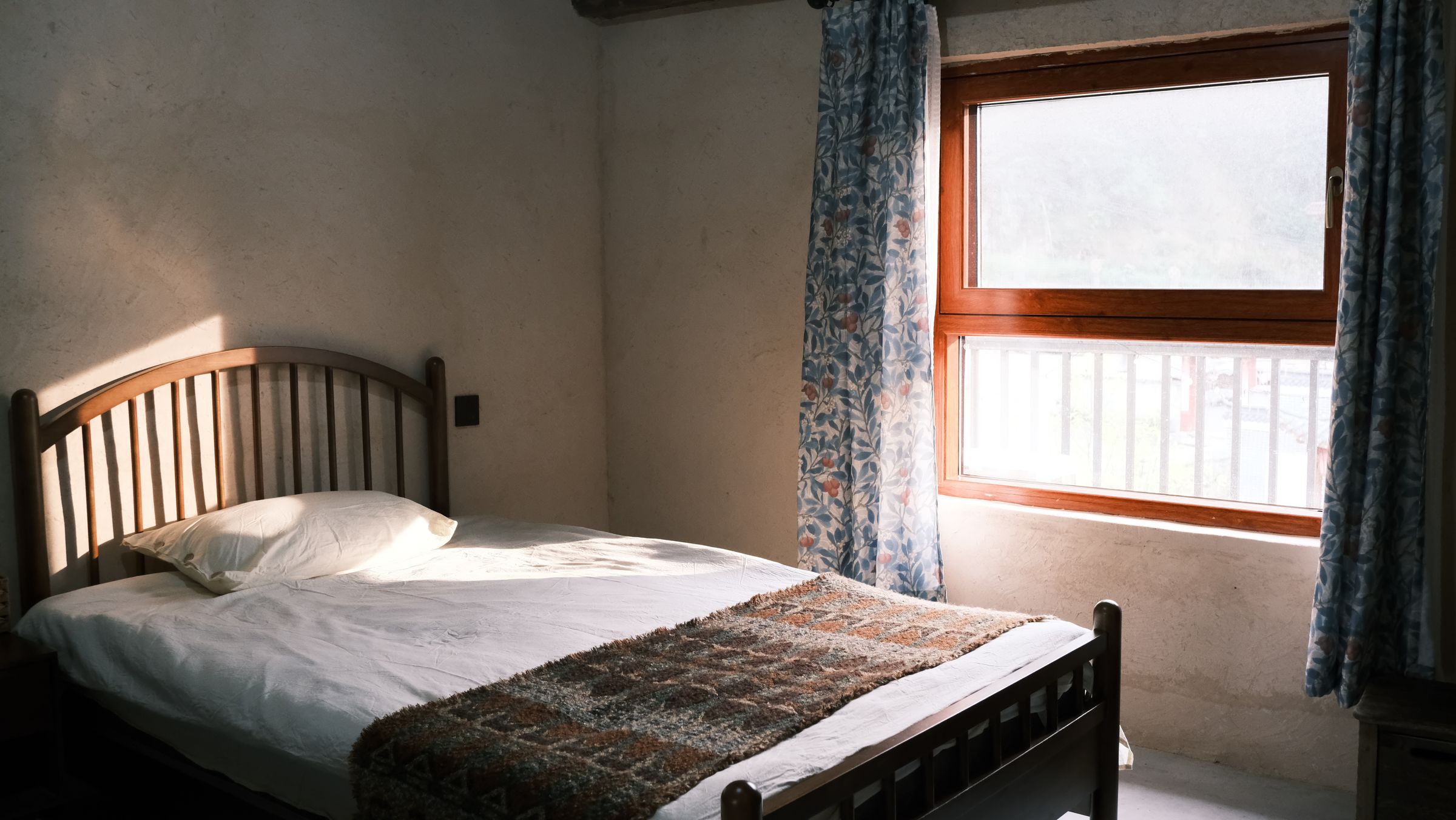
Dust with a soft method, wipe spills promptly and use only cleaners compatible with the recorded finish. Avoid soaking joints, silicone sprays and universal polish that can complicate future refinishing. Rotate objects where sunlight may create uneven fading, use felt under accessories and maintain indoor humidity within the product guidance. Tighten bed and handle hardware before movement damages joints. Small scratches may be repairable, but test any wax, oil or color pen on an offcut. Good documentation turns maintenance from guesswork into a repeatable routine.