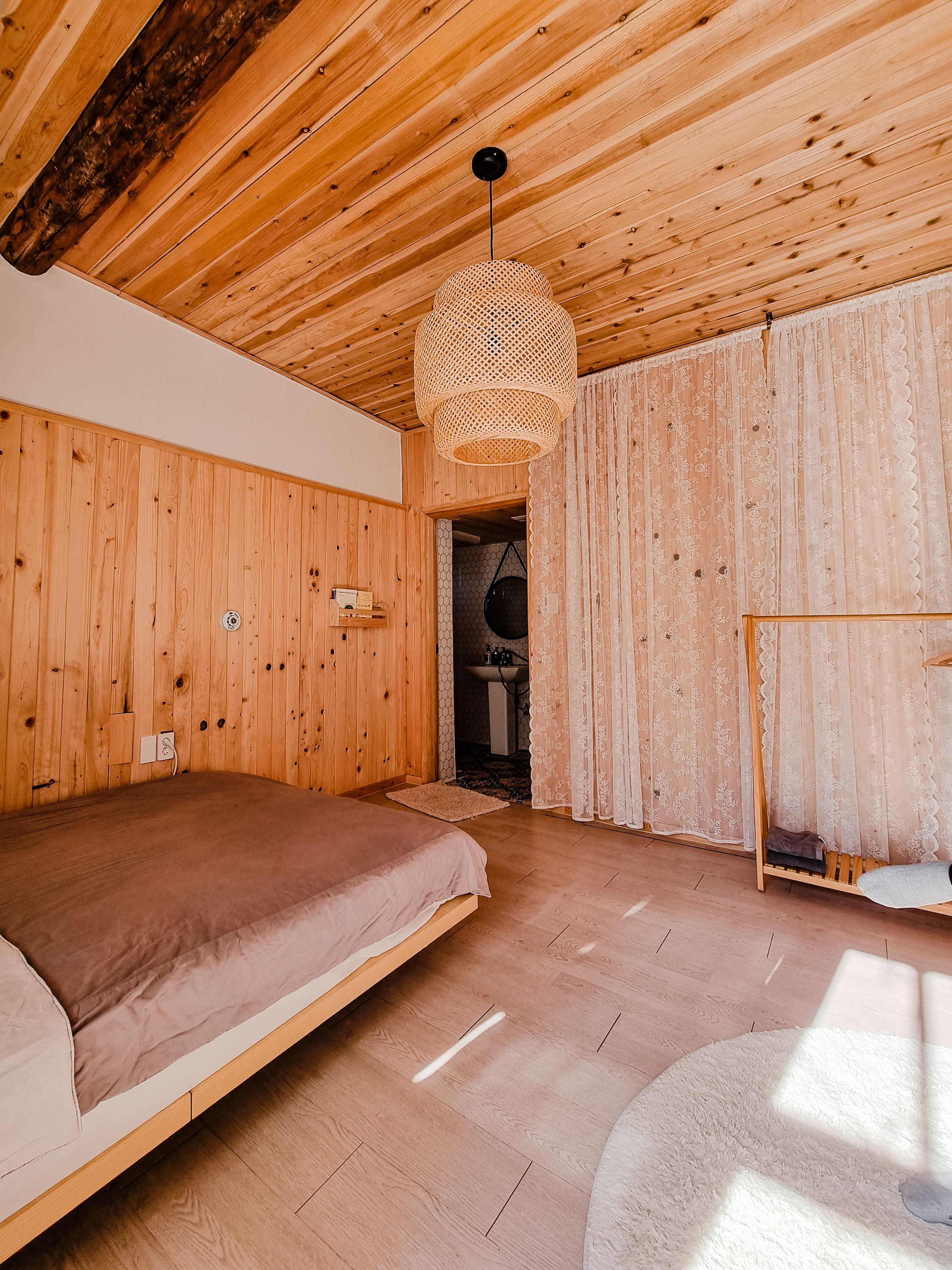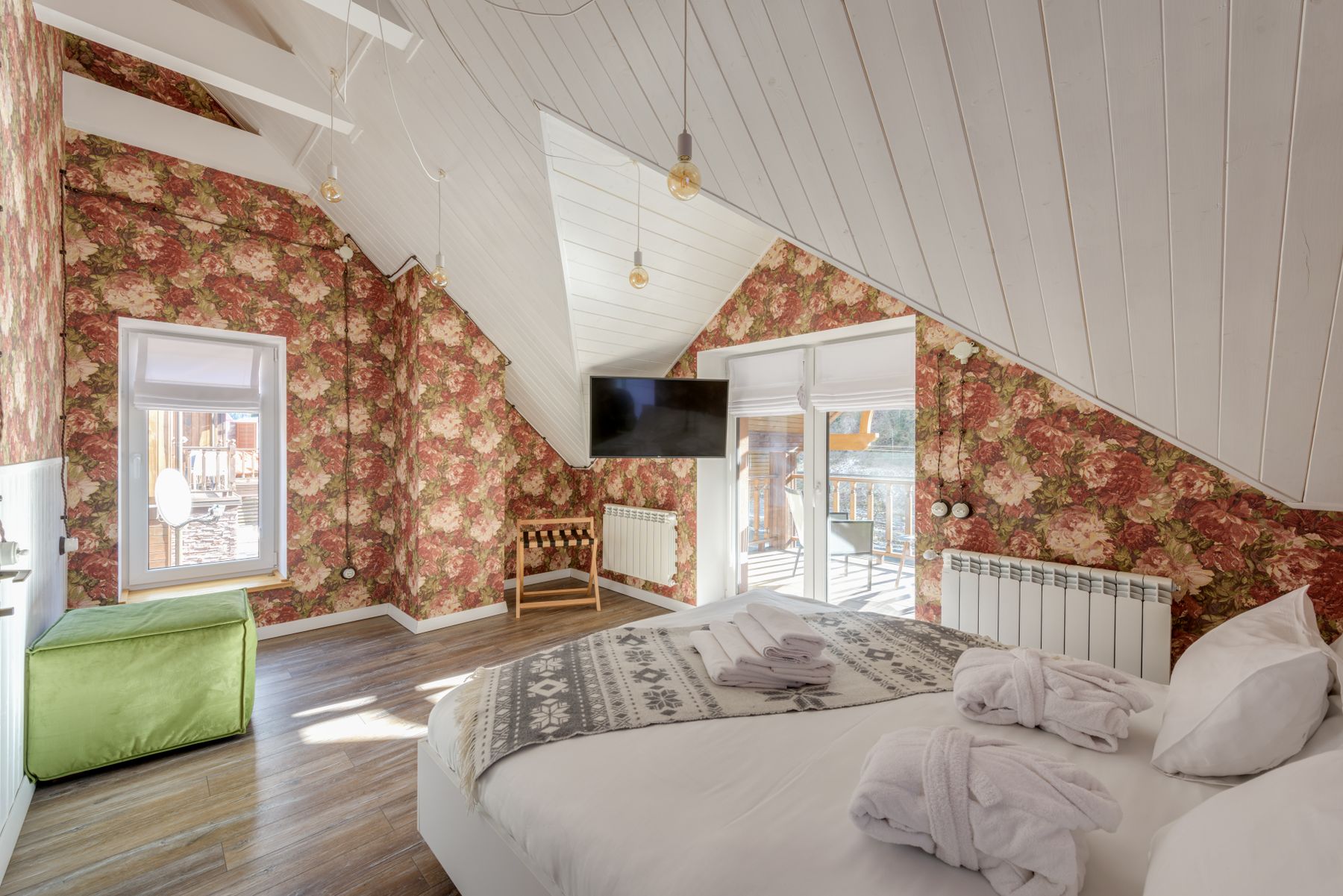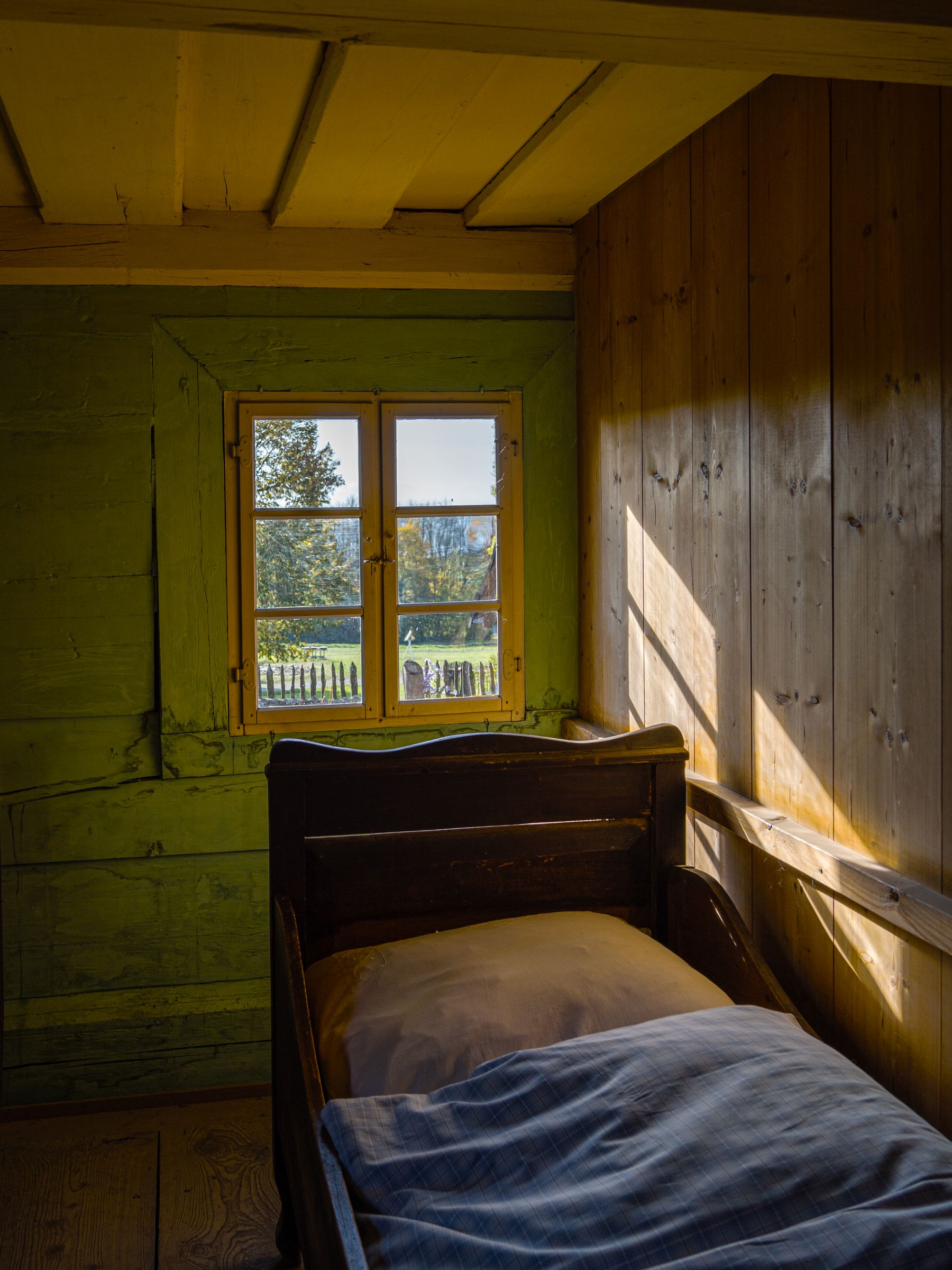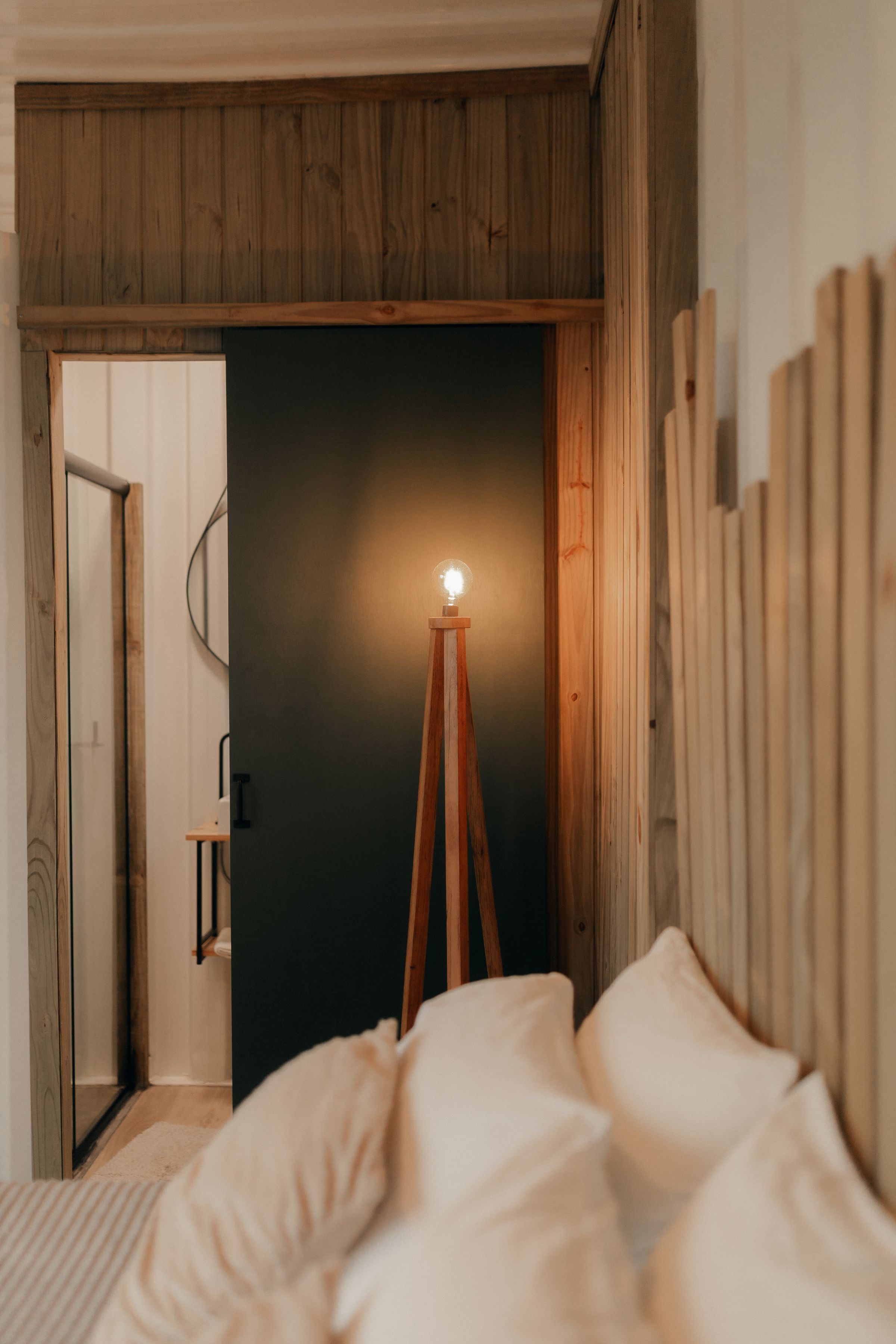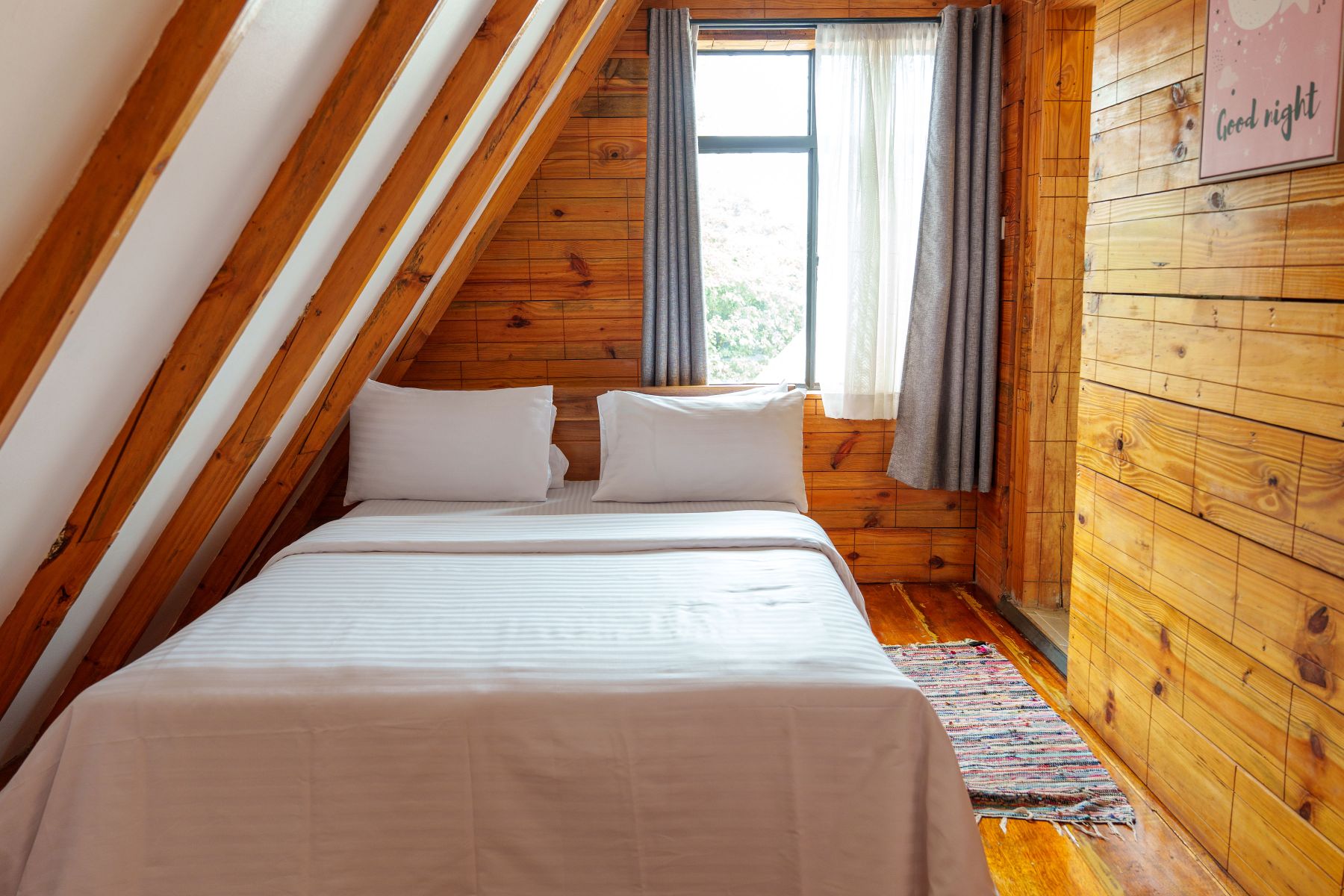
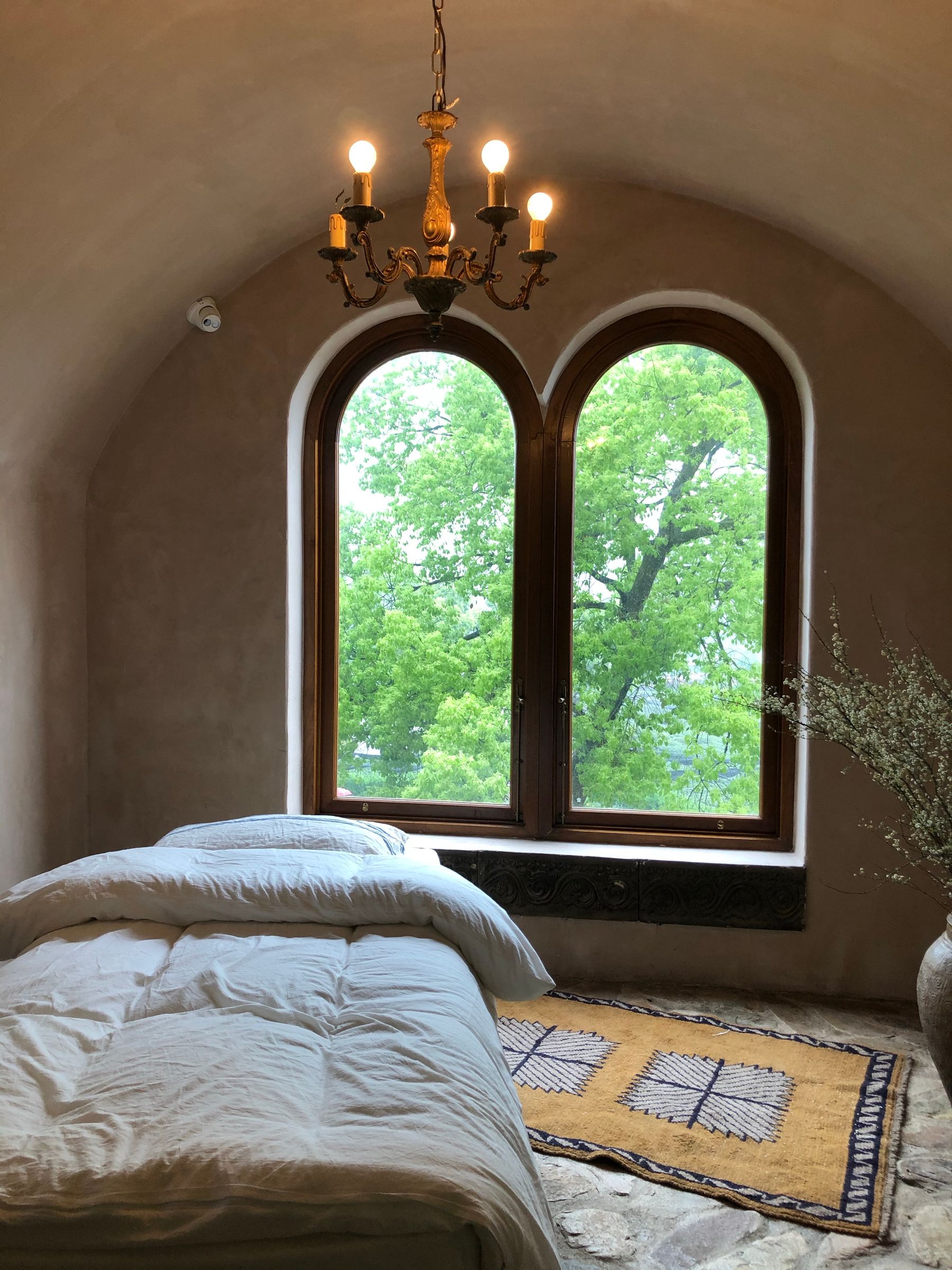
Define Rustic Through Material, Not Motifs
Rustic design begins with materials that show grain, texture, weight and use. A timber frame, mineral wall or handwoven textile contributes more than a collection of antlers, slogans or miniature barn doors. The style can be refined, modern or spare, but it should retain physical honesty and a connection to landscape or craft. Compared with [vintage bedroom ideas](/bedroom/vintage-bedroom-ideas/), age is not the only point; compared with [industrial bedroom ideas](/bedroom/industrial-bedroom-ideas/), the dominant language is natural rather than metallic and urban.
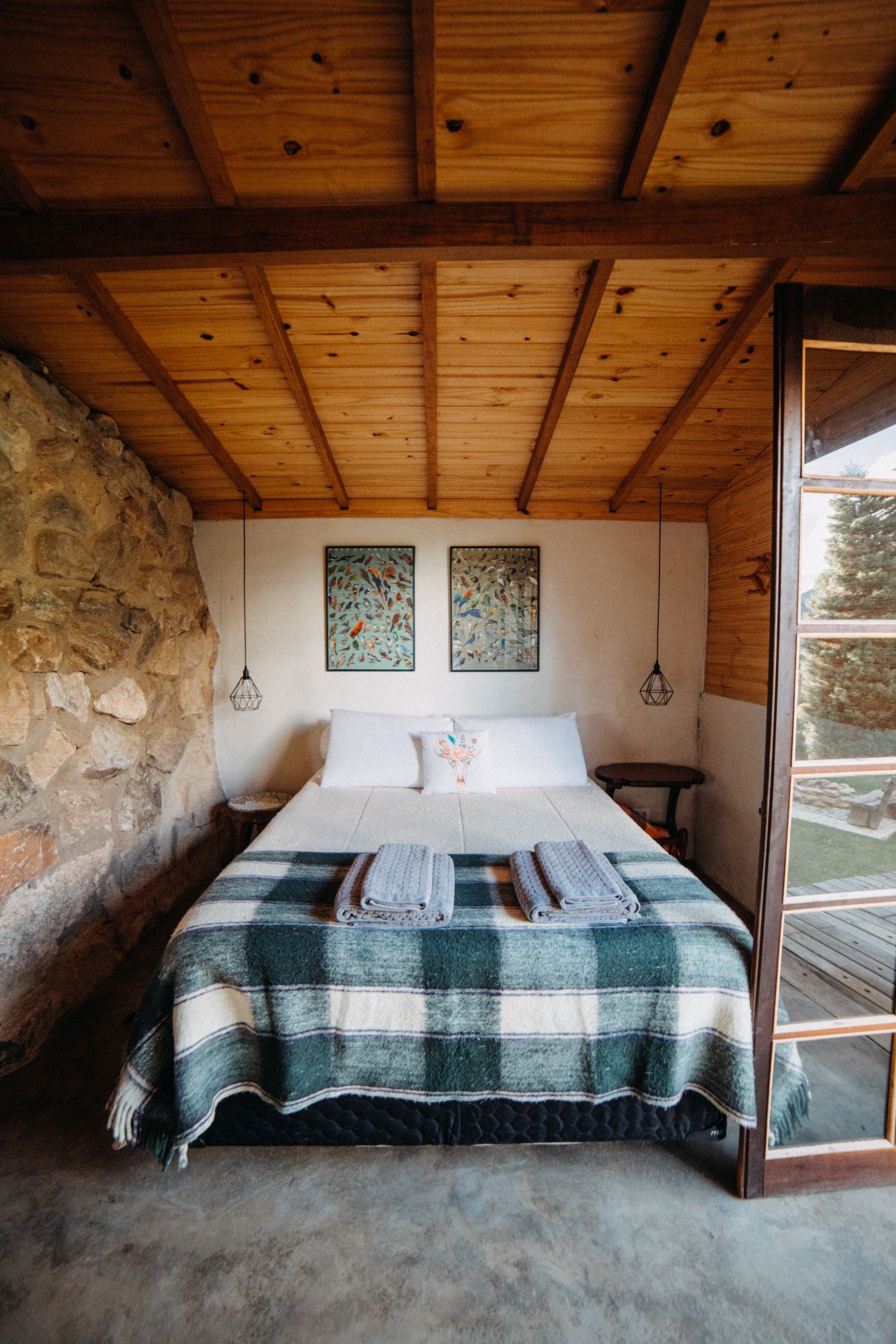
Use Existing Architecture Before Adding Cladding
Expose and repair sound beams, stone, brick, plank floors or deep window reveals before covering a plain room in applied boards. Historic fabric needs appropriate investigation: concealed damp, insect damage or structural movement cannot be solved by styling. In a newer room, one well-detailed timber plane or mineral finish is usually more convincing than thin cladding on every surface. Respect fire, insulation and building requirements, and use qualified assessment when the fabric is load-bearing or its condition is uncertain.
Resolve Sleep and Circulation First
Trace the paths used for sleeping, dressing, cleaning and opening windows, then include door swings, low beams, hearths and uneven floors. Rustic furniture is often visually and physically heavy, so leftover gaps disappear quickly. Tape the complete bed, dresser and bench footprints and open every drawer. Preserve one generous route and keep projections away from nighttime movement. A calm plan prevents natural materials from becoming a dense obstacle course and makes fewer, better pieces feel intentional.
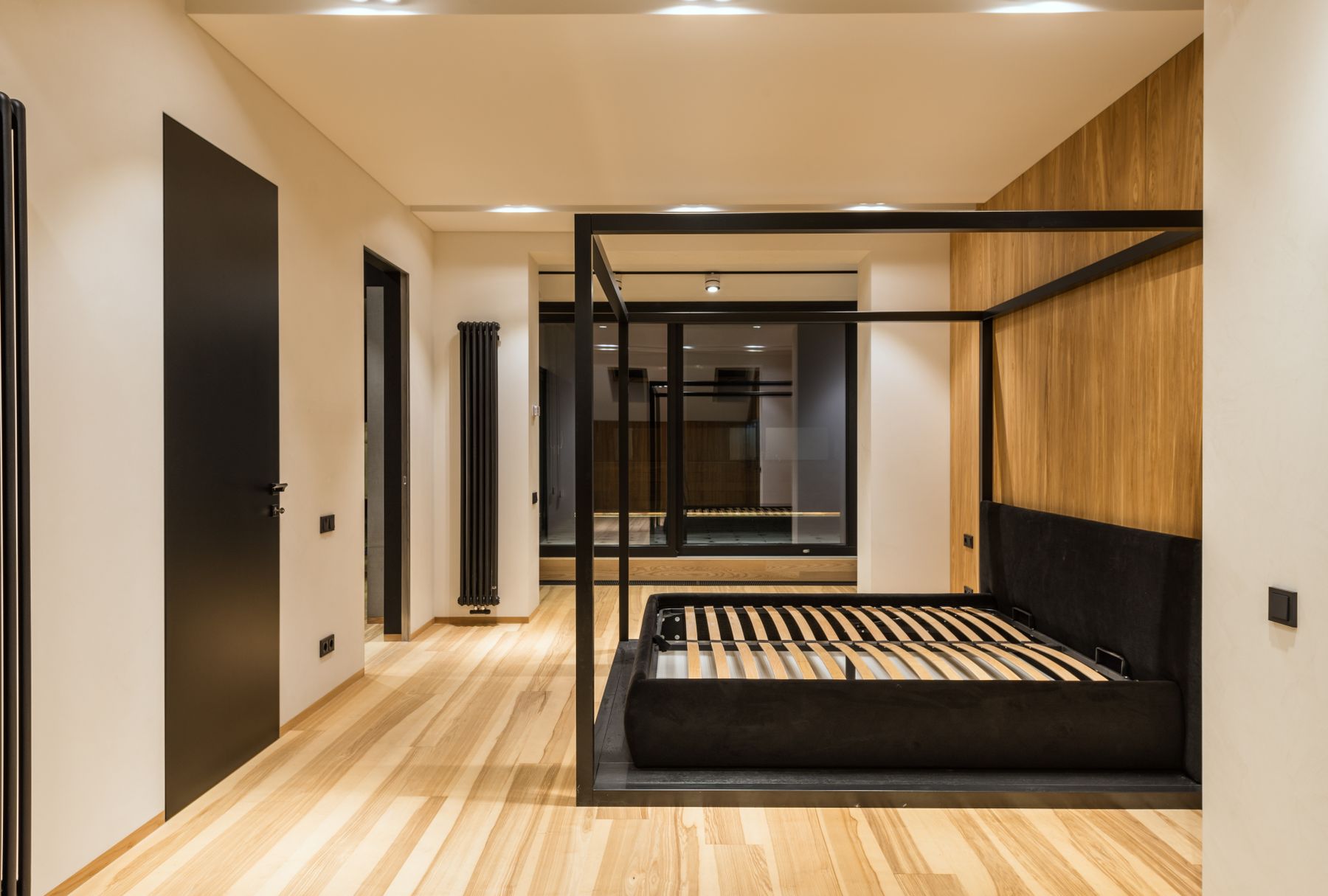
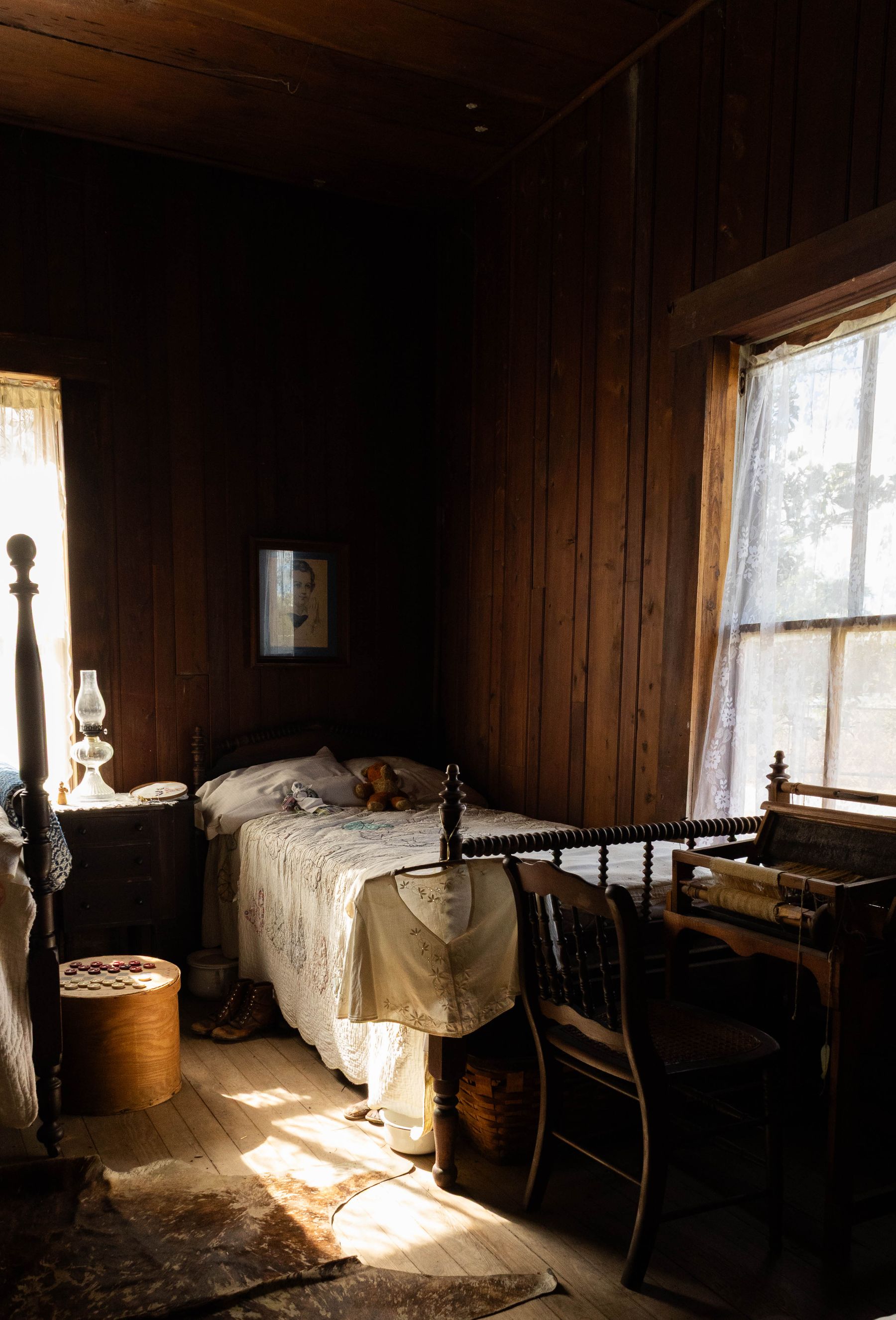
Choose a Bed With Structural Presence
A timber, iron or upholstered bed can lead the room, but proportion and support matter more than apparent chunkiness. Check the outside dimensions, mattress support, center rail, headboard stability, sitting height and space needed to make the bed. Live-edge slabs and oversized beams can be striking yet collect dust, snag textiles or crowd a small room. A simpler frame in solid wood often reads more convincingly than a new bed with aggressive faux distressing.
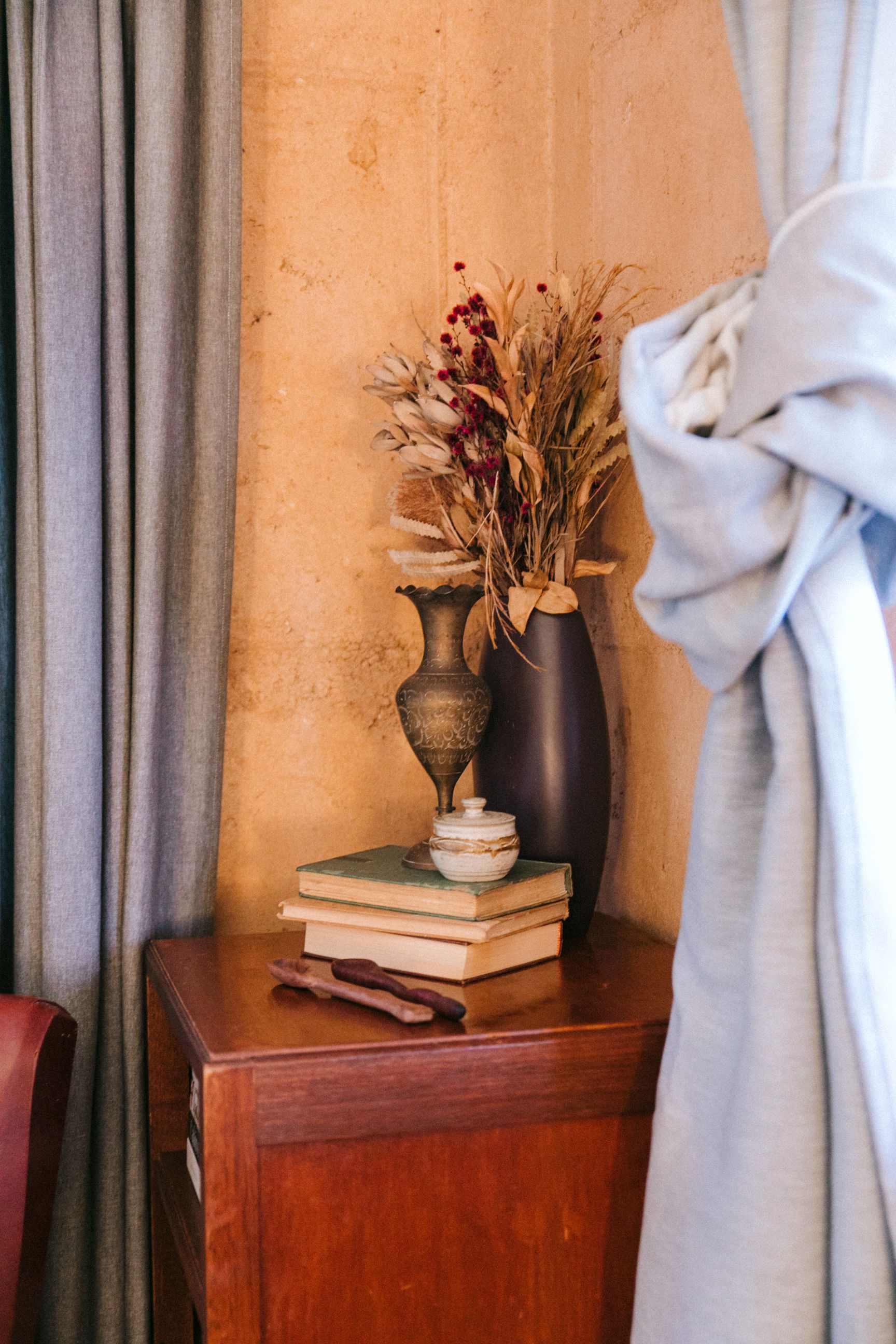
Use Reclaimed Wood With a Chain of Evidence
Ask where reclaimed boards came from, how they were stored and whether paint, preservative, oil, mold or pest exposure is known. Material from unknown industrial or exterior use may not belong beside a bed. Remove protruding fasteners, stabilize splinters and retain sound patina without manufacturing damage. Dry, acclimate and install timber using methods appropriate to its movement. If provenance or contamination cannot be established, use responsibly sourced new wood with a repairable finish instead.
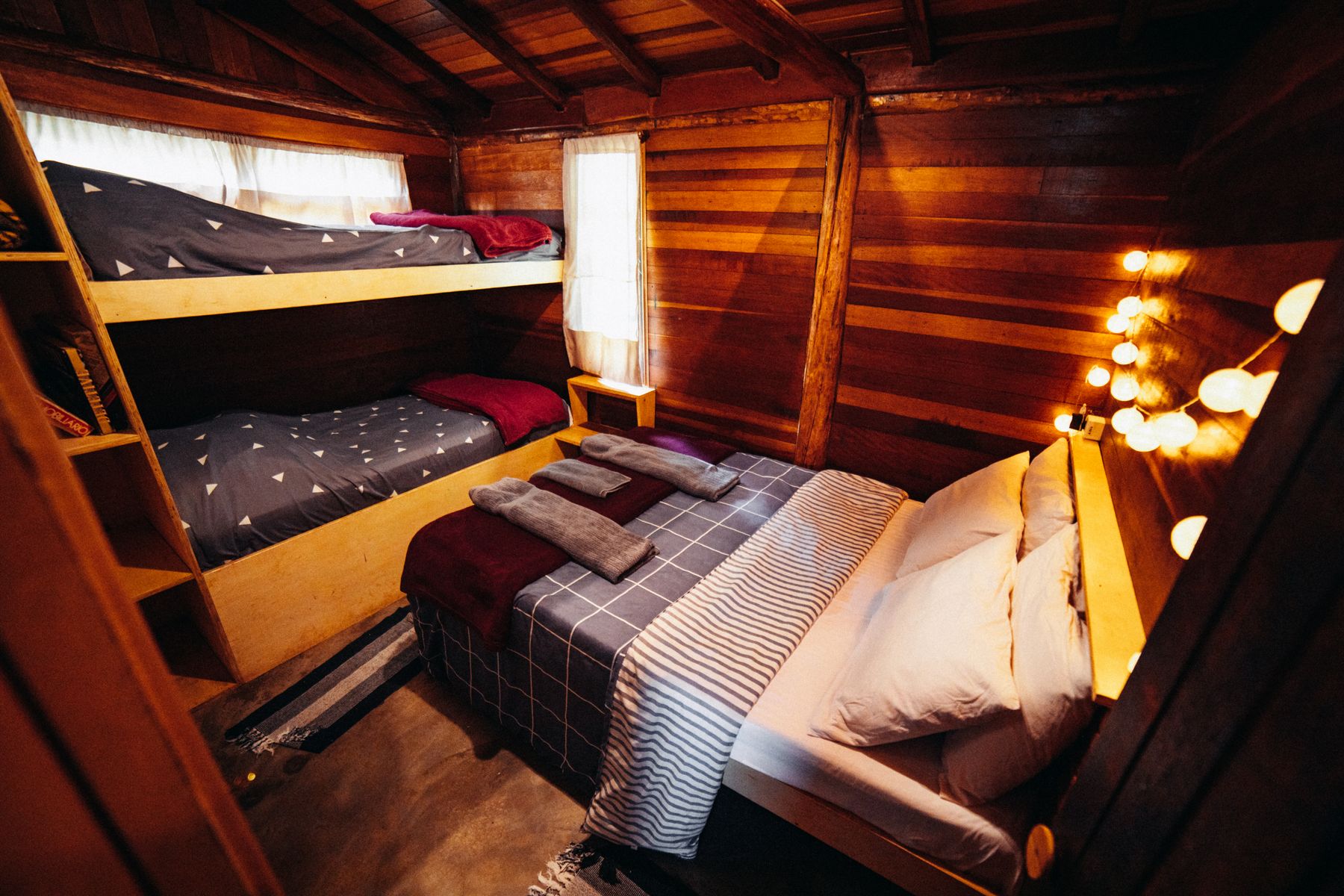
Beams and Paneling With Their Own Rhythm
Exposed beams and plank walls create strong repeated lines, so furnishings should not compete with additional heavy pattern. Clean and repair existing timber according to its finish; do not sand historic surfaces reflexively. In a plain room, panel one wall or a ceiling zone rather than building a timber box without daylight or ventilation. Check cavities, electrical routes and fire clearances before installation, and leave expansion and moisture details to the specified system.
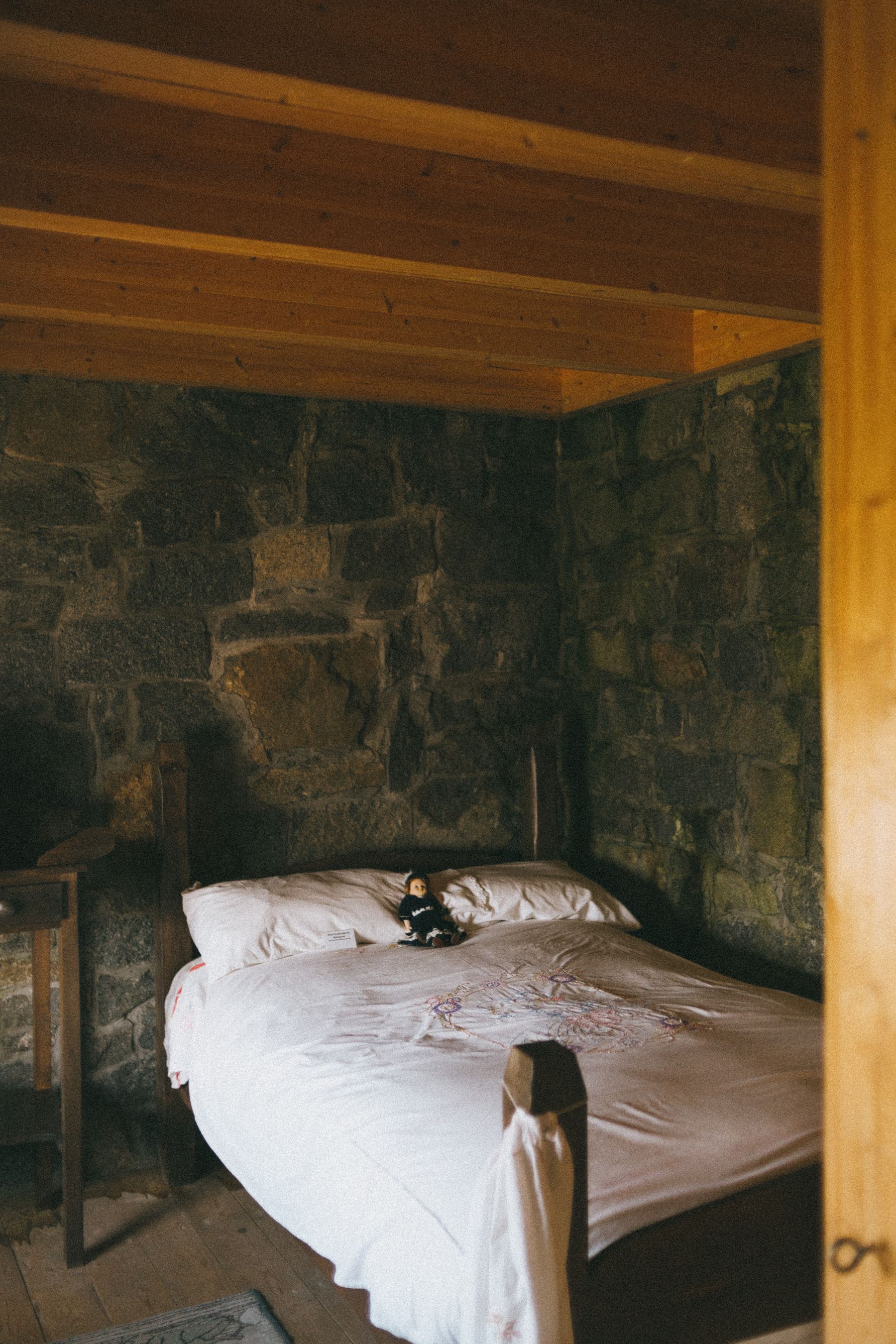
Balance Stone With Soft, Cleanable Surfaces
Stone brings depth, thermal mass and a sense of permanence, but it can also be cold, dusty or damp. Diagnose active moisture before sealing or lining it, and use breathable repair methods appropriate to the masonry. Keep pillows slightly clear of rough walls and make bedside surfaces easy to wipe. Linen, wool, timber and a broad rug can soften acoustics without hiding the structure. Avoid decorative stone veneer that creates ledges and visual weight without material credibility.

Limewash or Plaster for Mineral Depth
Limewash, clay and suitable plaster can give a plain room soft movement that sits naturally beside wood and stone. Match the finish to the substrate and moisture conditions; not every decorative product is breathable or appropriate over modern paint. Large samples reveal patchiness, color shift and sheen better than a small card. Keep the result quiet enough for sleep and plan how marks will be repaired. Rustic character should come from real surface variation, not an aggressively mottled imitation.
An Earth Palette With Contrast
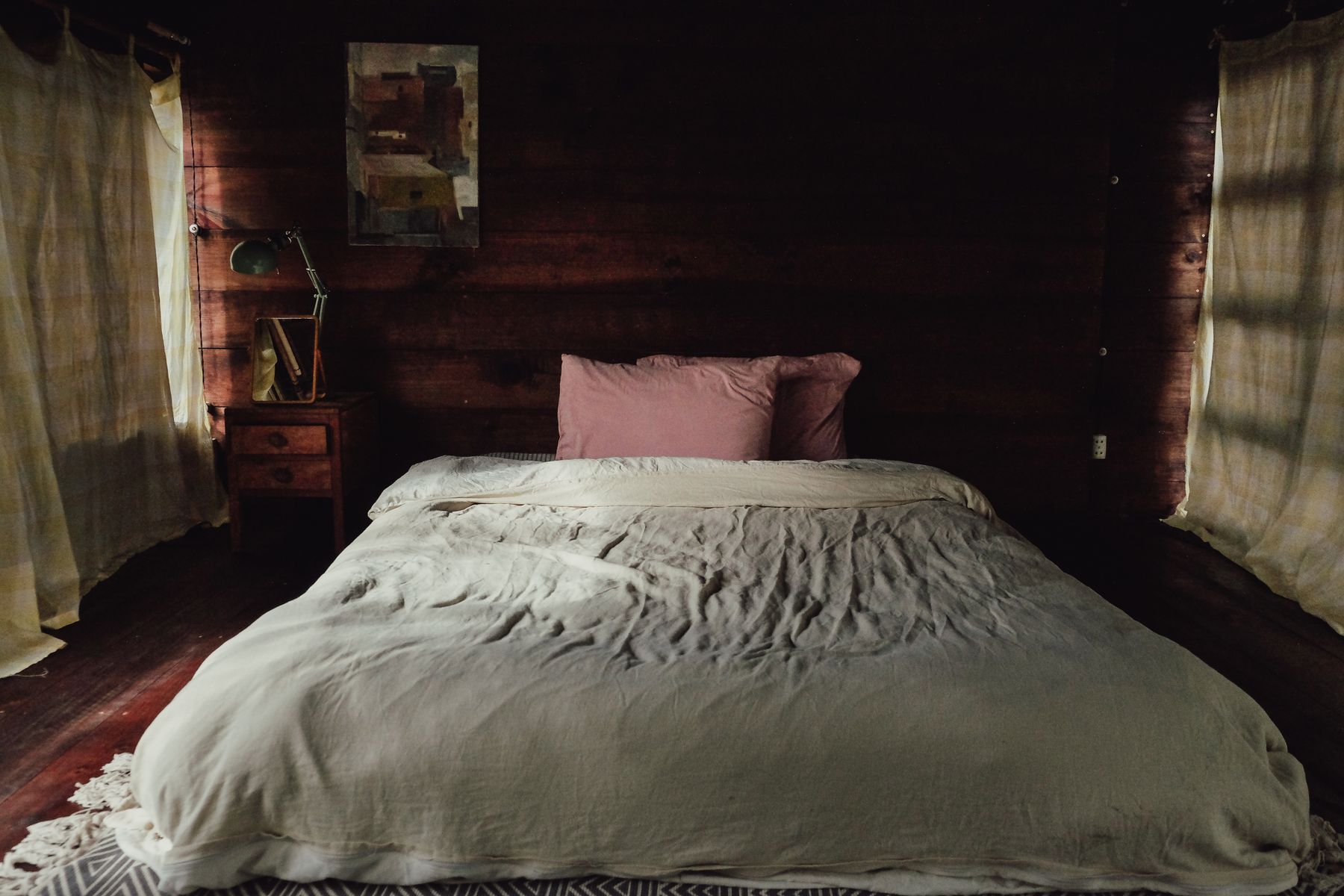
Bark brown, clay, moss, charcoal, oat and warm white can feel restful when their values are separated. If the walls and floor are dark, keep bedding or curtains lighter; if the architecture is pale, let one deeper rug or chest provide weight. Compare undertones beside every fixed wood and stone surface, because beige can turn pink, green or gray in context. Earthy does not mean monochrome brown, and contrast is essential for navigation as well as visual relief.
Create Modern Rustic Through Restraint
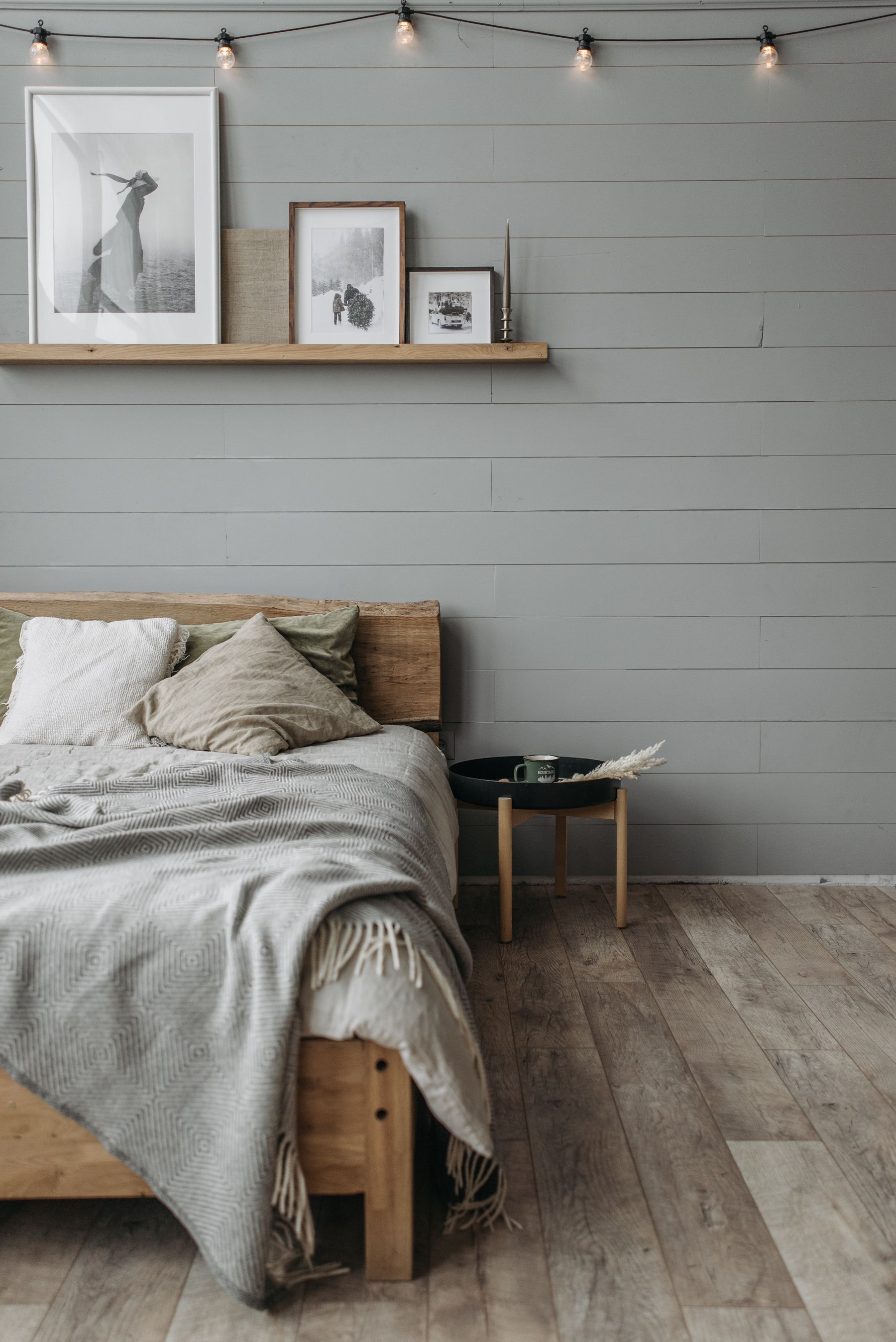
Modern rustic combines tactile material with current comfort and cleaner outlines. Use one substantial wood element, simple bedding, a contemporary mattress and controlled lighting rather than turning every object into a heritage reference. This is a useful route for apartments without beams or stone. It remains warmer and more materially rugged than [modern bedroom ideas](/bedroom/modern-bedroom-ideas/), while avoiding the decorative signs often associated with farmhouse. Negative space lets grain and texture register.
Linen, Cotton and Wool Across the Climate
Choose sheets and insulation for the sleeper, then build texture through weave rather than piles of decorative cushions. Washed linen, cotton, wool and responsibly sourced down or alternatives can suit the style, but allergies, laundering and local humidity decide the right combination. In a warm climate, breathable layers and air movement matter more than thick knits. In cold rooms, address drafts and insulation before treating blankets as the entire thermal strategy.
Plaid and Pattern as One Clear Note
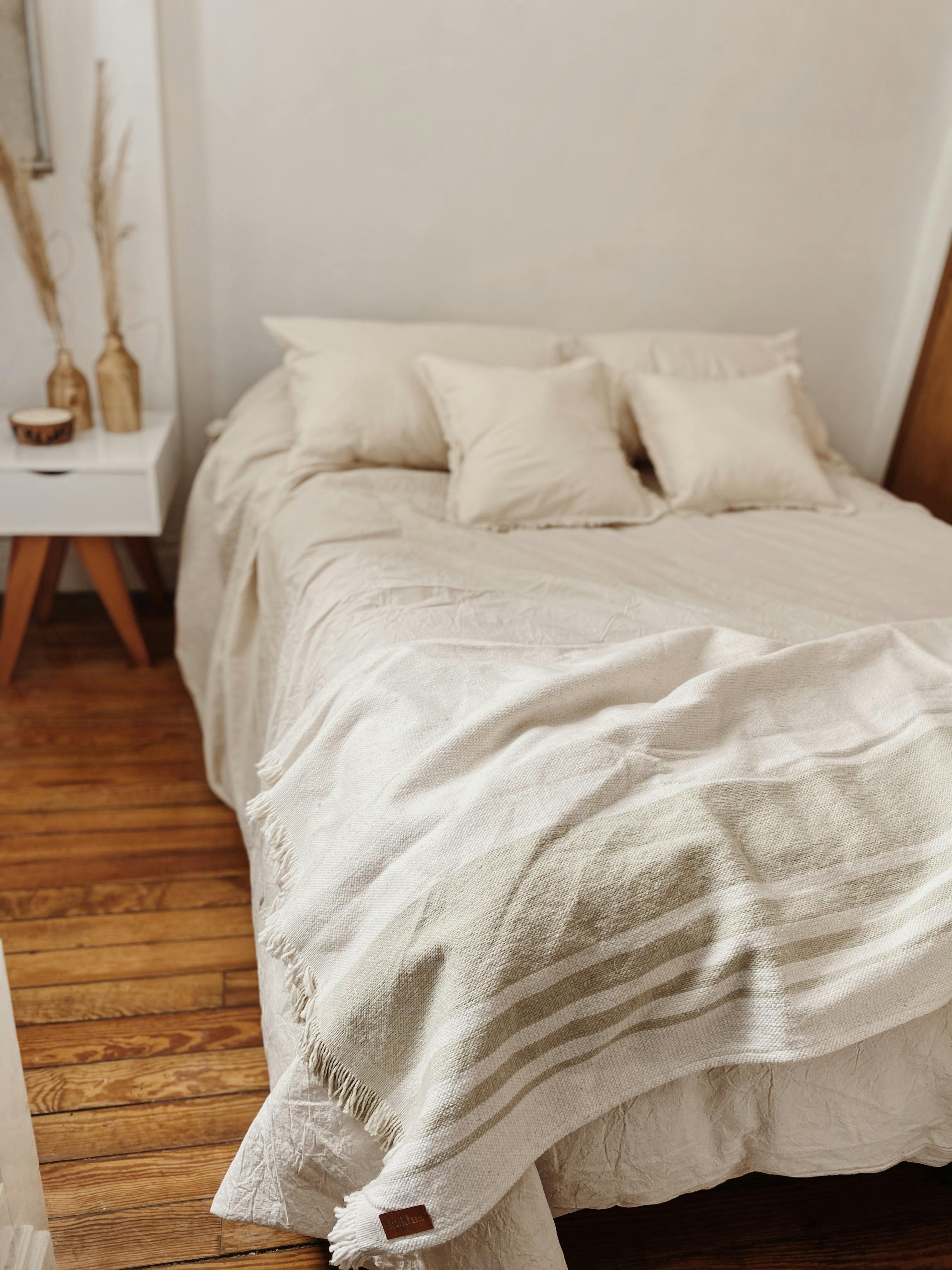
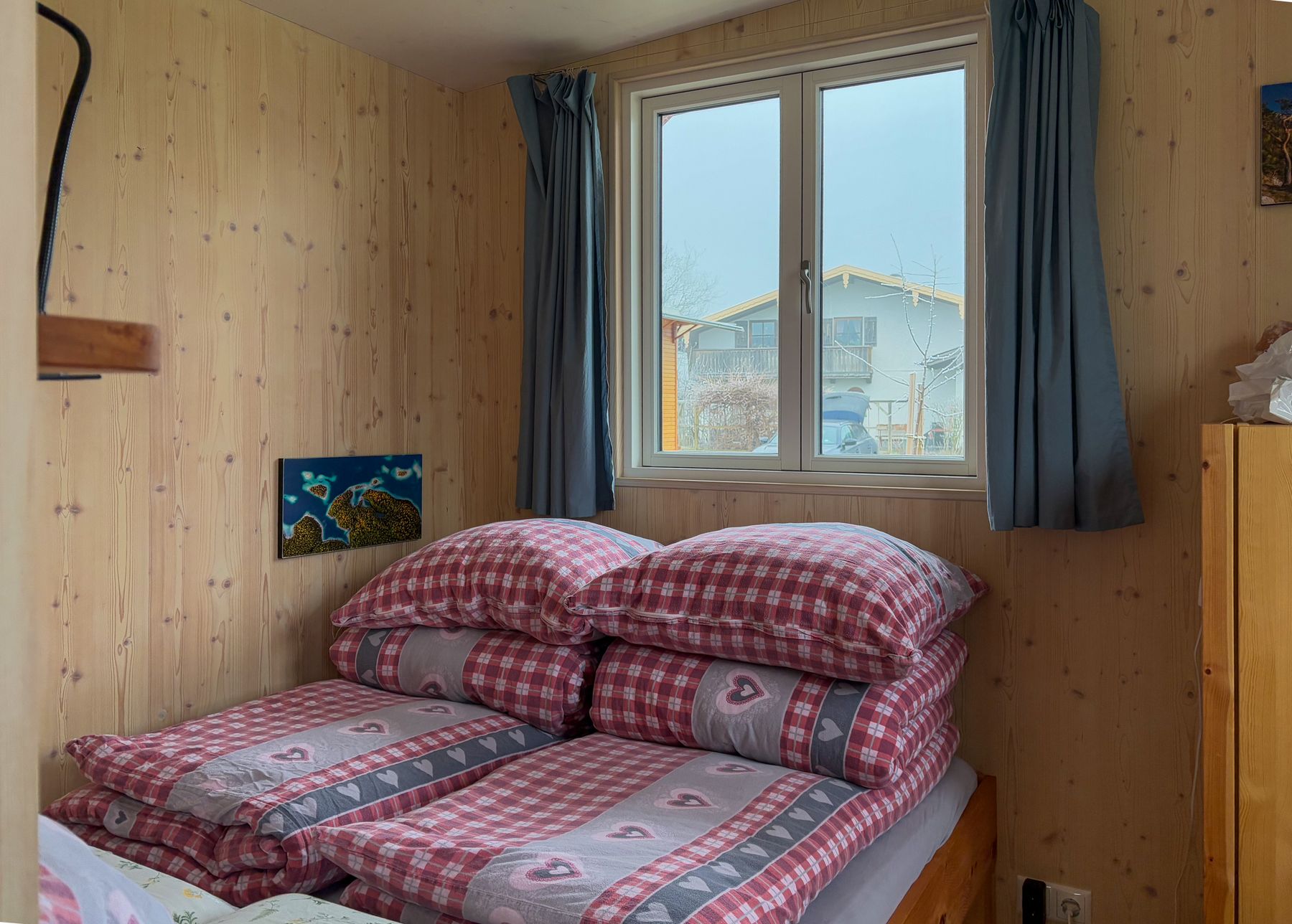
Plaid, stripe, block print and simple geometrics can introduce color and heritage, but the room rarely needs several rustic patterns at once. Place the strongest motif on a coverlet, curtain or rug and keep neighboring textiles quieter. Check the full repeat beside timber grain, which already acts like pattern. Regional textiles should be sourced and described accurately rather than used as anonymous cabin shorthand. A solid reverse side extends the usefulness of patterned bedding.
Size the Rug for Warmth and Quiet
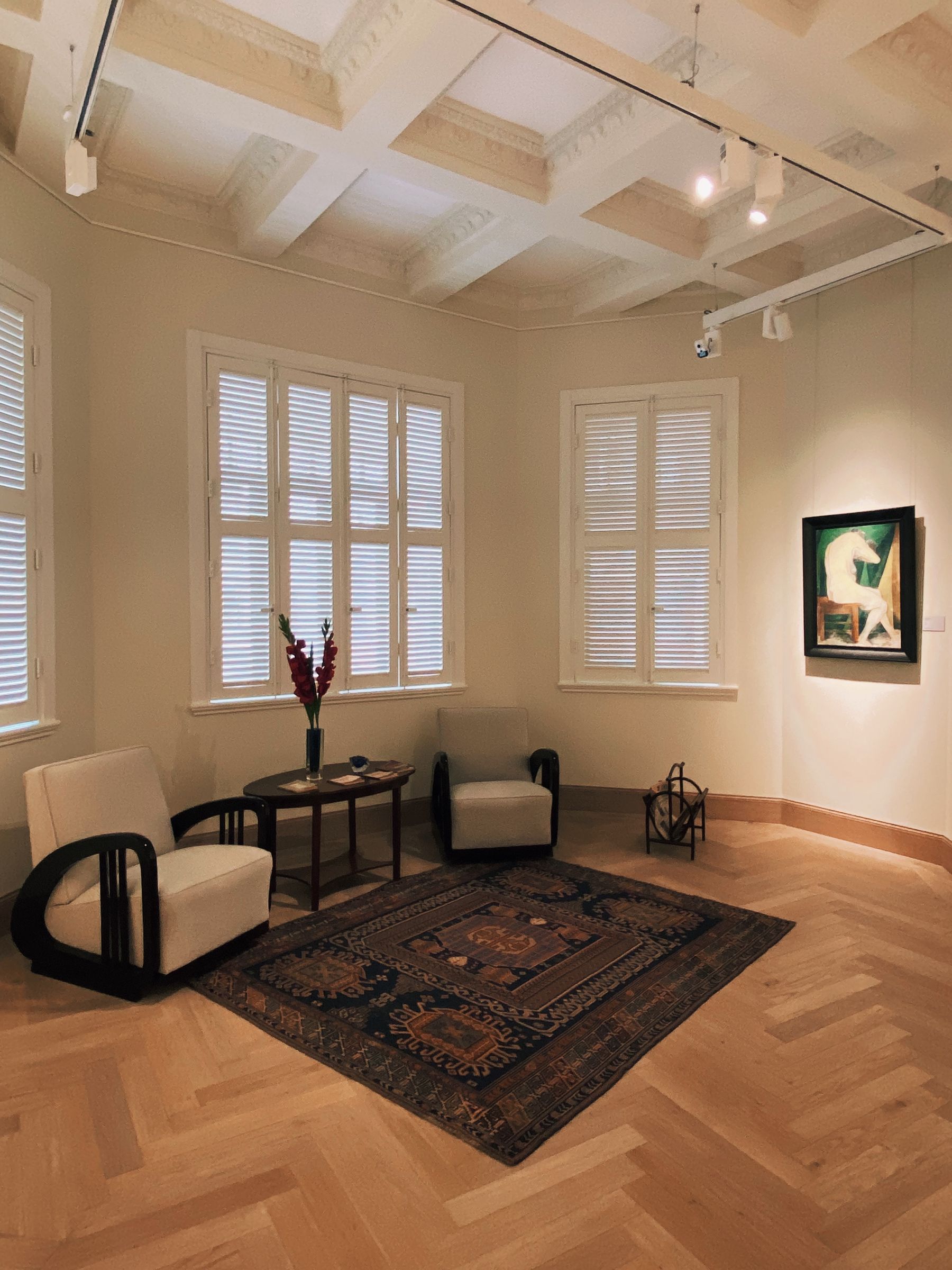
A broad wool, flatweave or low-pile rug can soften plank or stone floors and reduce the hard echo of timber walls. Choose a size that serves the used sides of the bed rather than displaying a small rectangle at the foot. Confirm door clearance, use compatible underlay and avoid raised edges in the nighttime route. Vintage rugs need inspection for moth damage, odor, weak fringe and dye transfer. [Living room rug ideas](/living-room/living-room-rug-ideas/) expands the fiber and care decisions.

Control Daylight, Privacy and Darkness
Layer a sheer or privacy treatment with a lined curtain, shutter or blind where true sleep darkness is required. Natural-looking cloth still needs stable headings, clean hems and sufficient fullness. Check edge leakage from the pillow and keep fabric clear of heaters, fireplaces, vents and damp walls. In a cabin or remote setting, an unshaded view may feel private by day but become exposed after dark. Performance should lead, with rustic texture carried through the visible fabric.
Warm Light Without Faux Nostalgia
Combine ambient light, independent reading sources and low orientation light. Aged brass, ceramic, iron and woven shades can suit the material palette, but exposed filament bulbs often produce glare without useful task light. Shade the source from the pillow, keep switches reachable and confirm fire clearances around timber and fabric. Unknown vintage fittings require qualified electrical inspection. The layered framework in [living room lighting ideas](/living-room/living-room-lighting-ideas/) helps with beam, color quality and control.

Design the Bedside Around Natural Reach
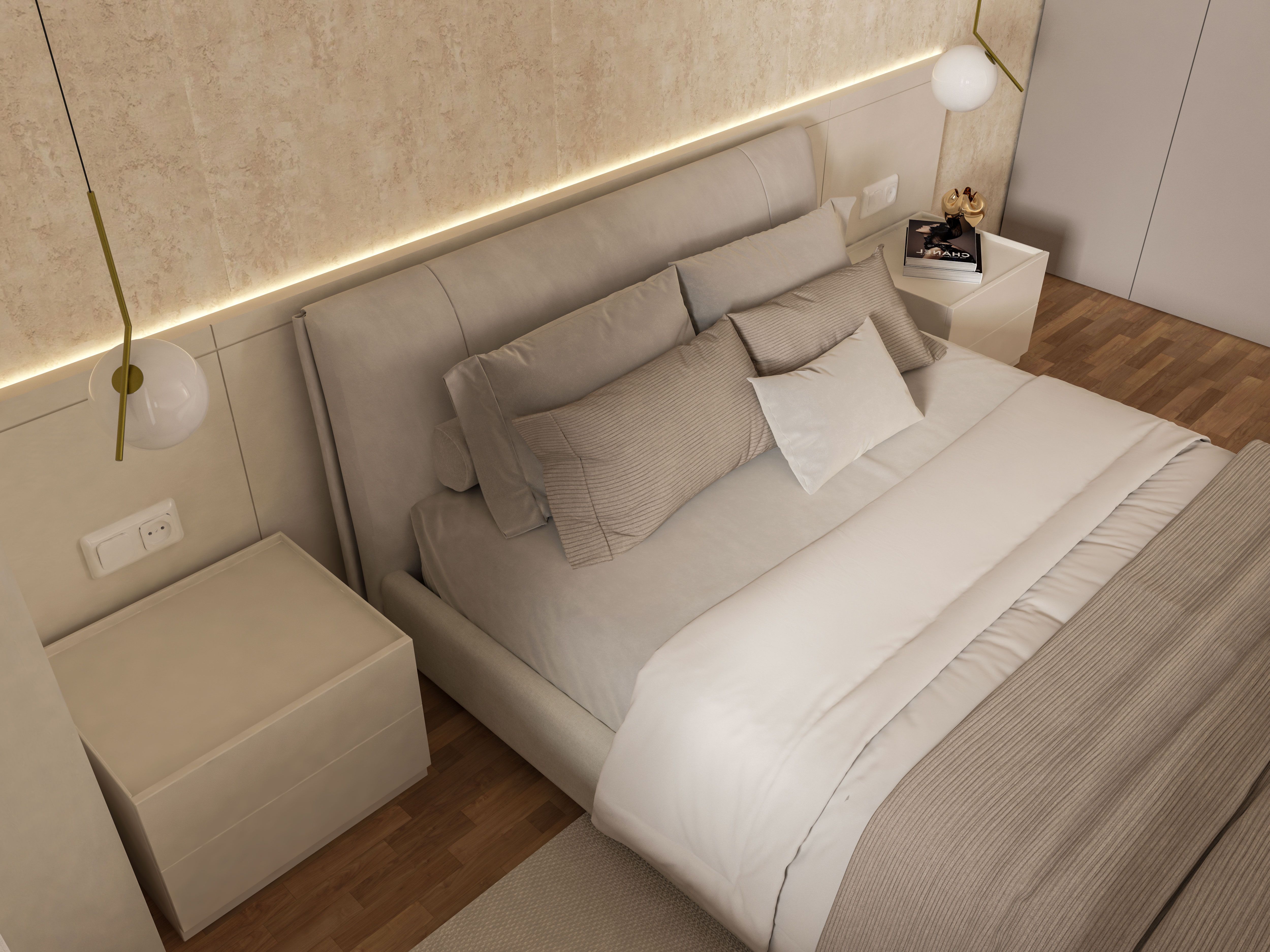
Choose the bedside piece by mattress height, reach, stability and what it must hold. A small chest, stool or wall shelf can work if the surface is level and the lamp cannot be knocked into bedding. Rounded edges help in a tight route. Two tables need not match, but each sleeper should have independent light and safe charging. Avoid balancing heavy stone, pottery or old electrical objects where they can fall during the night.
Storage With Weight but Without Crowding
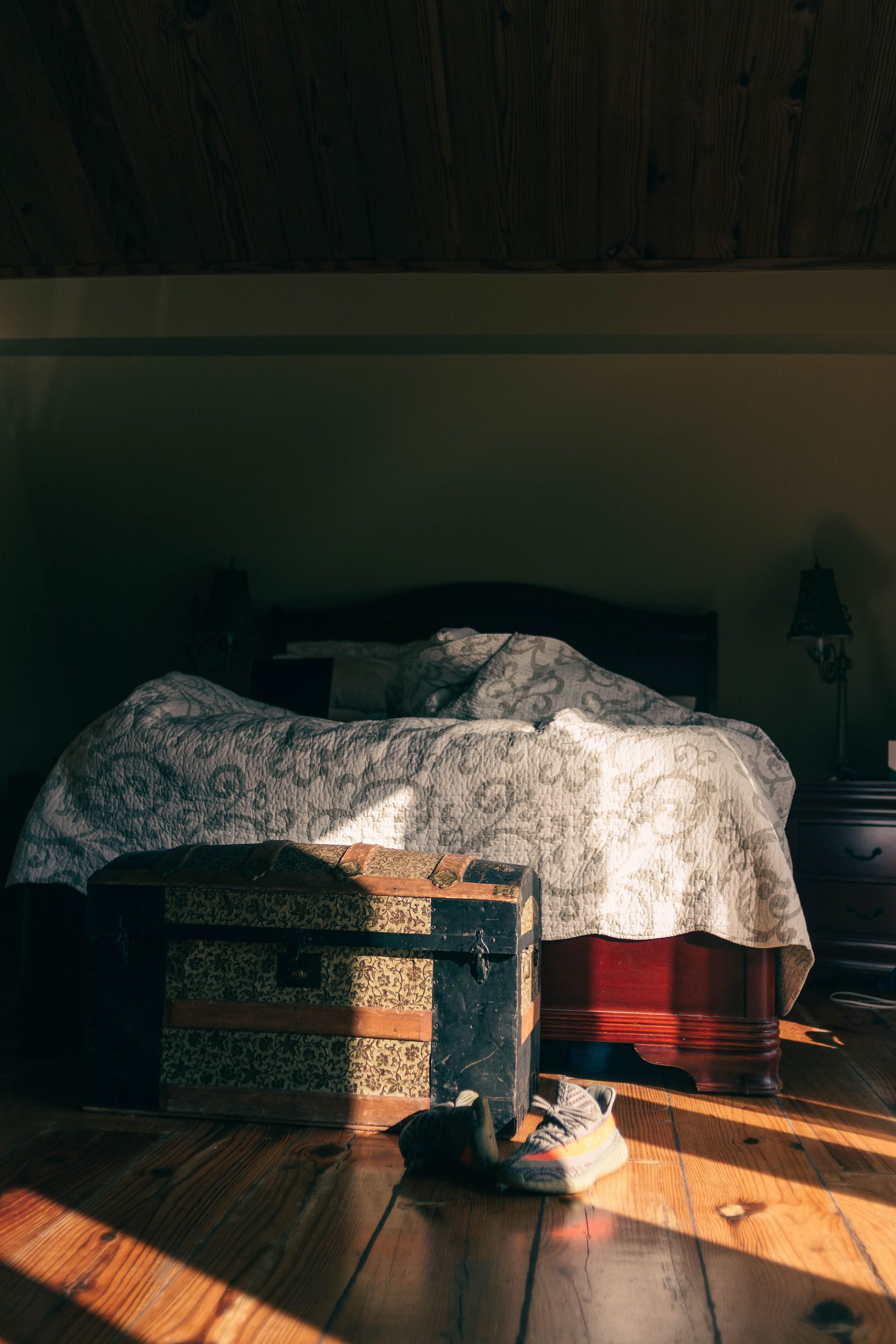
A wardrobe, dresser or blanket chest can be the room's second substantial piece, but capacity and access must justify its footprint. Inspect drawers, hinges, lid supports, odor and pest evidence. Cedar and old finishes may transfer scent or oils to textiles, so identify the material before adding liners. Anchor tall or top-heavy storage and keep heavy lids away from children. One well-scaled case usually feels calmer than several little cabinets competing with the bed.
A Reading Chair Only When It Works
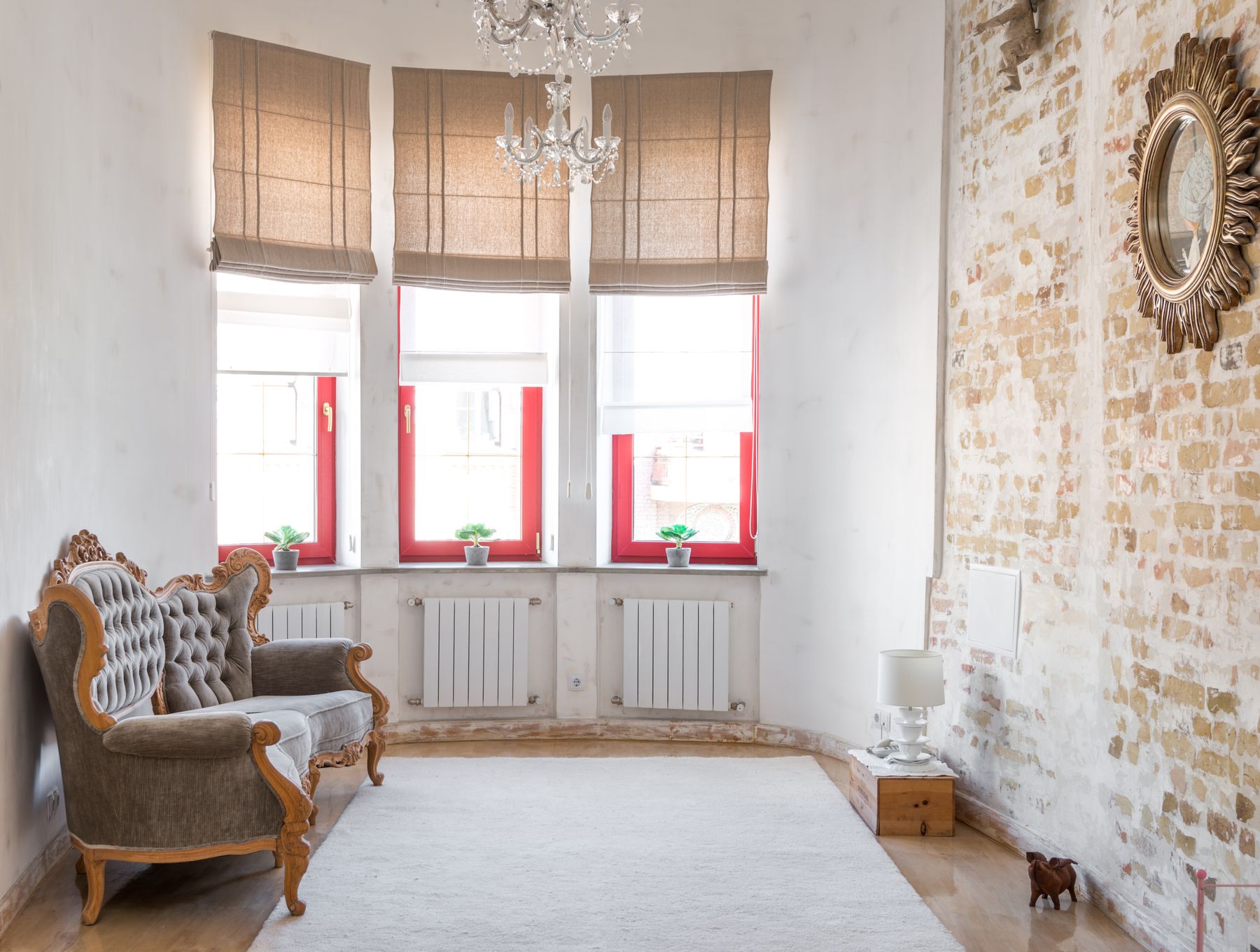
A chair belongs when there is enough clearance and a real use: reading, dressing or helping with shoes. Test the seat, arms and back for comfort and stability, and provide a lamp and small surface if reading is genuine. Leather, wool or a durable woven upholstery can balance rough timber, but condition and cleanability matter. In a small room, a bench or stool may serve better. If the chair only collects clothes, storage—not seating—is the missing function.
Frame Nature Without Blocking Comfort
Position the bed, chair or mirror to acknowledge a tree, sky or garden view, but account for morning sun, overheating and nighttime exposure. Keep tall storage away from the best glazing where possible. Plants belong only where light, species and care support them; scattered greenery is not a substitute for landscape. In apartments, a framed view, timber sill and natural textile can create the same connection without pretending the room is a cabin.
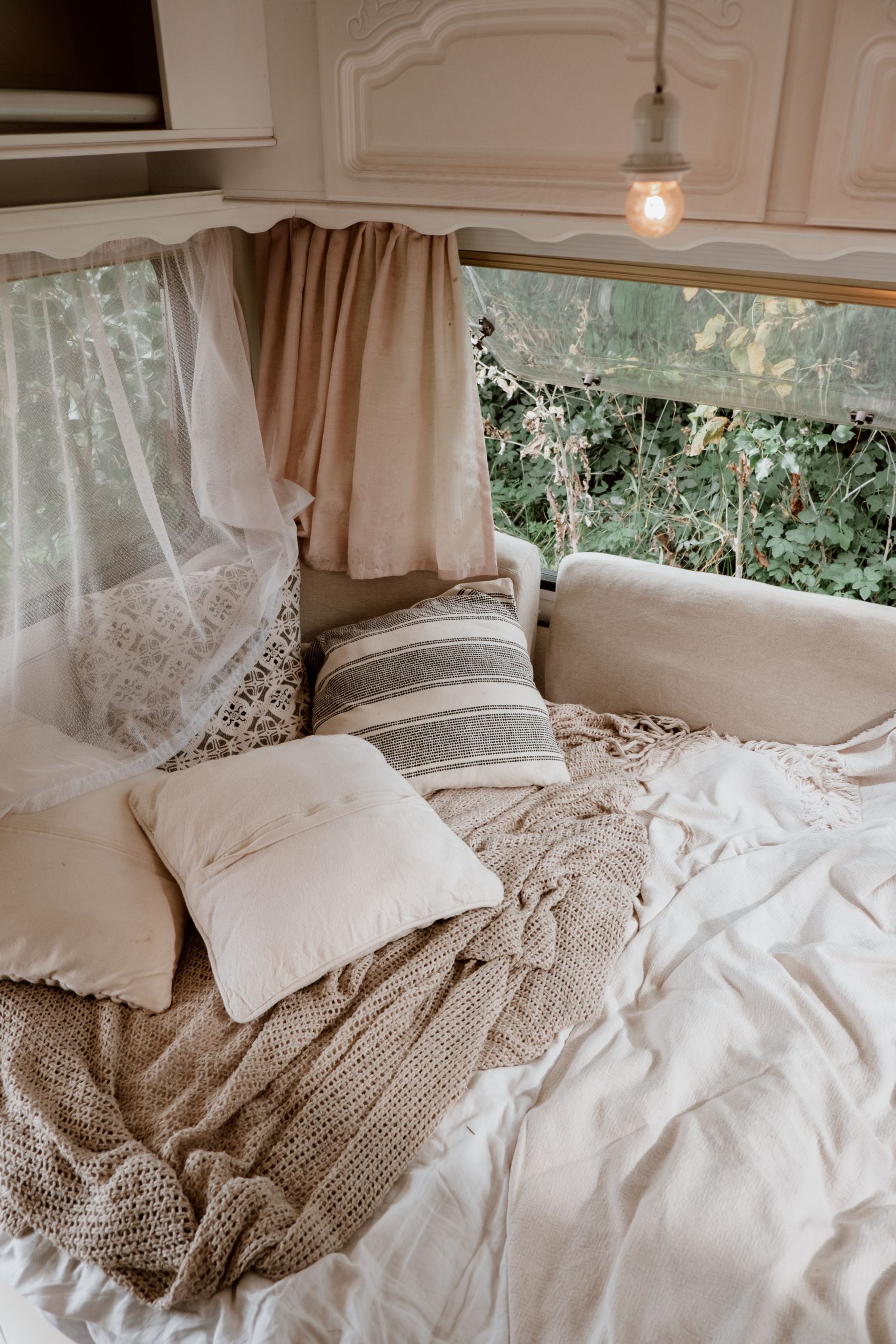
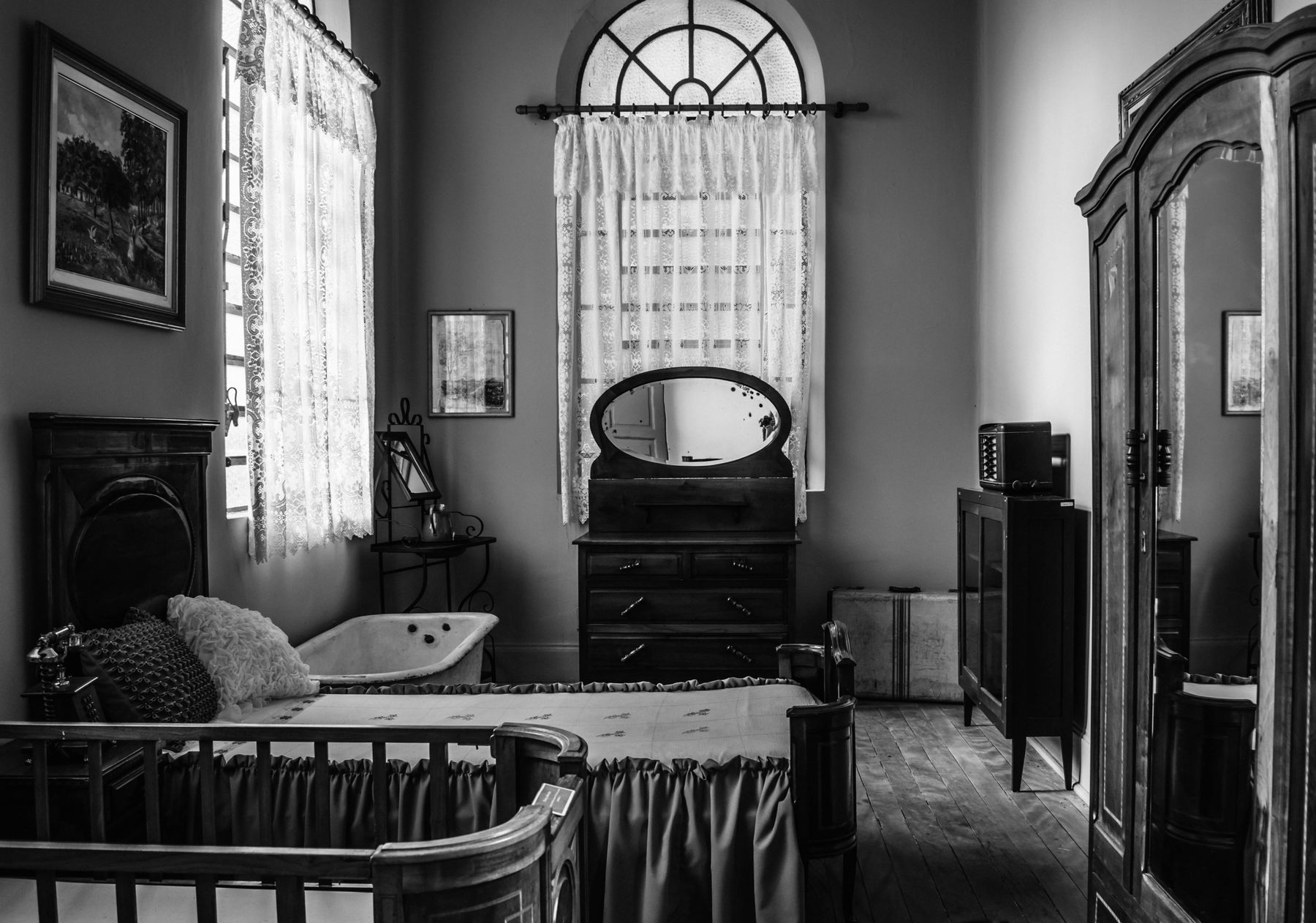
Source Vintage Pieces Slowly
Shop dealers, markets, auctions and private listings with exact dimensions, condition questions and a total-cost ceiling. Request images of backs, undersides, joints, hardware and repairs. Price delivery, stair access, cleaning, pest treatment and restoration before comparing with a new piece. Rustic style does not make every damaged object valuable. Walk away from active pests, persistent damp odor, unstable structure or a seller who prevents reasonable inspection. [Vintage bedroom ideas](/bedroom/vintage-bedroom-ideas/) provides a broader sourcing path.
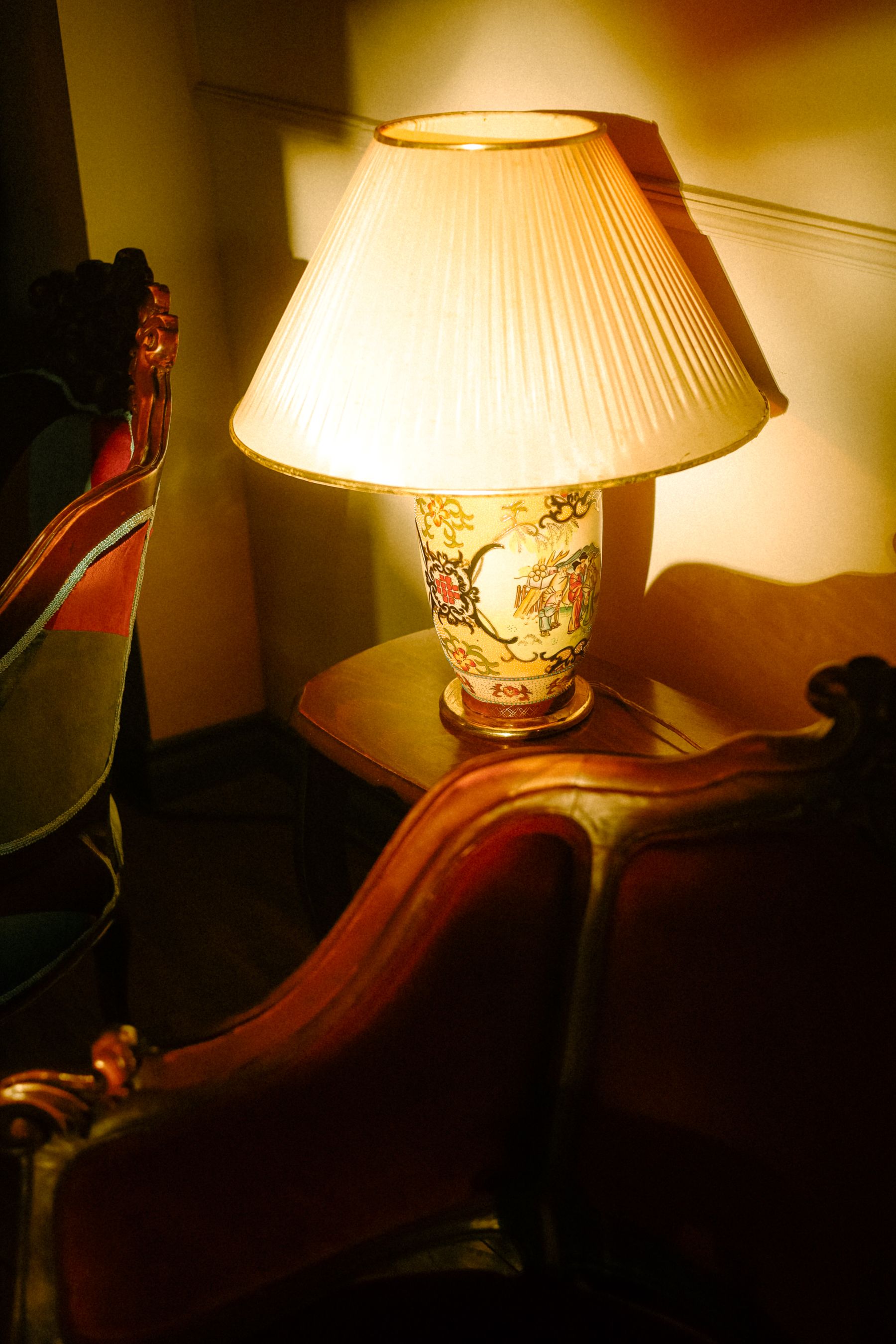
Audit Salvage for Safety and Suitability
Old doors, ladders, barn boards, metal hardware and lamps may carry lead paint, sharp fasteners, preservatives, mold, pests or unsafe wiring. Do not dry-sand, grind or heat unknown coatings. A decorative ladder must not be treated as climbable storage, and a heavy door requires correctly engineered hardware. Have unknown electrical fittings assessed by a qualified professional. Reuse is valuable when the object is appropriate, stable and maintainable—not when risk is hidden beneath patina.
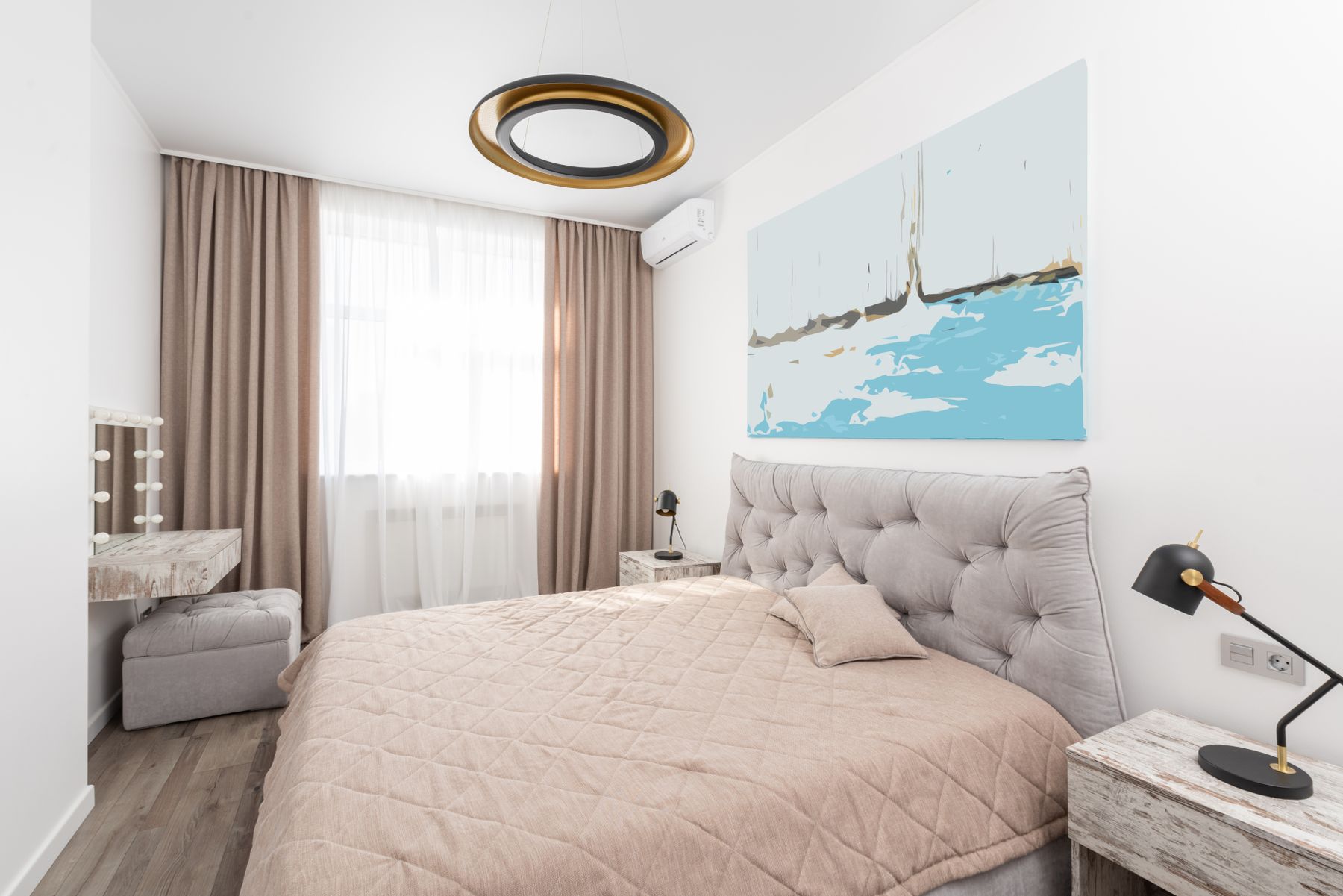
Wood Movement, Dust and Humidity Over Time
Timber expands and contracts, stone can hold moisture and deeply textured surfaces collect dust. Stabilize the building envelope, maintain appropriate ventilation and use finishes suited to the material rather than sealing every surface into a glossy film. Leave access for cleaning behind the bed and under heavy furniture. Watch for condensation at cold walls and windows, especially when the room is closed overnight. Repair leaks and active biological growth at the source rather than masking them with fragrance or paneling.
Design Fireplace Warmth Around Real Safety
A fireplace may be architecturally beautiful, but it is not required for rustic character. Existing solid-fuel, gas or electric installations need professional assessment, ventilation, clearances and alarms appropriate to local requirements. Keep bedding, rugs, curtains and wood furniture outside specified heat zones, and never improvise around a damaged flue or unknown appliance. If a working fire is impractical, use warm layered light and tactile material rather than a fake flame that dominates the room.
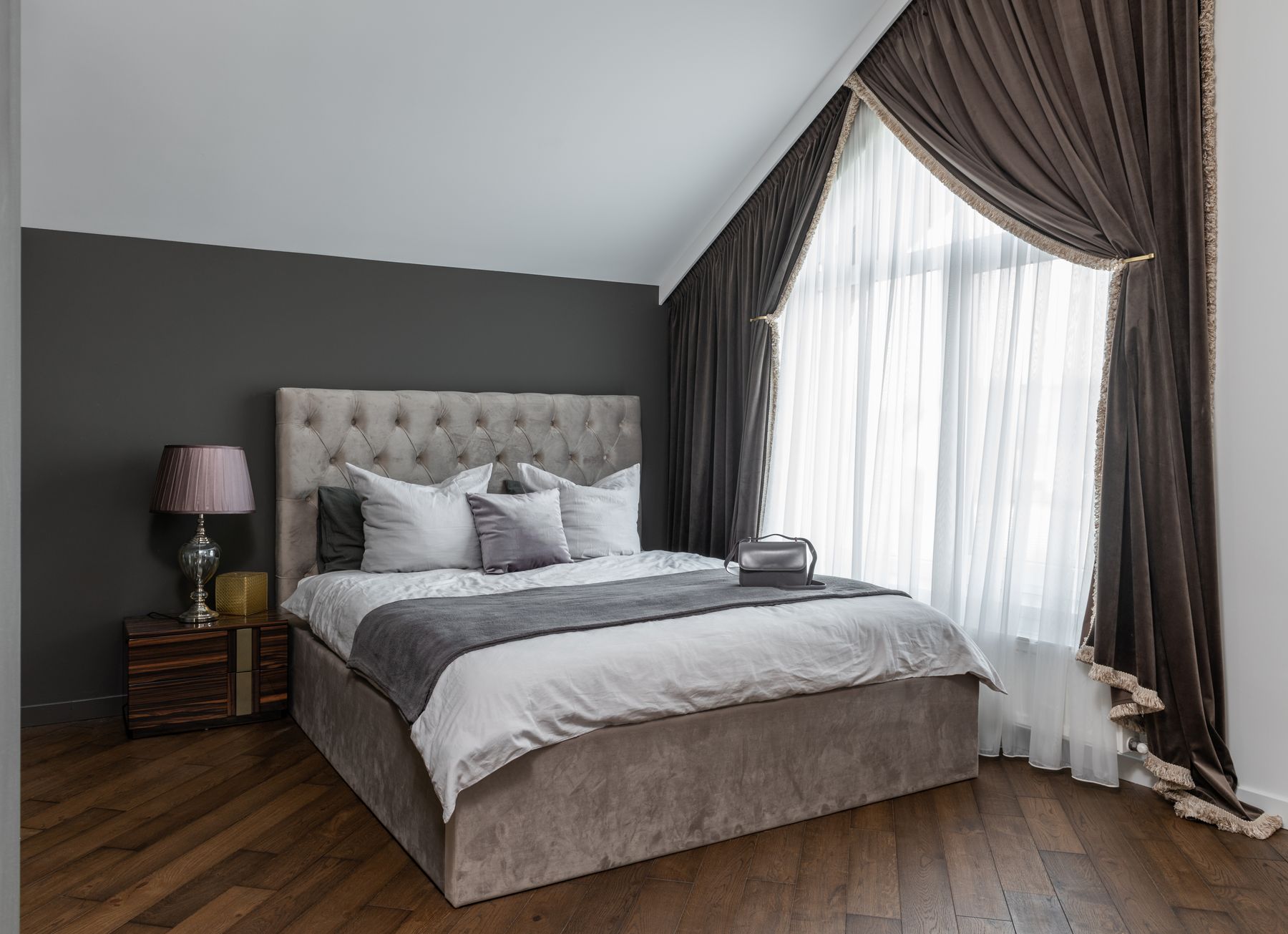
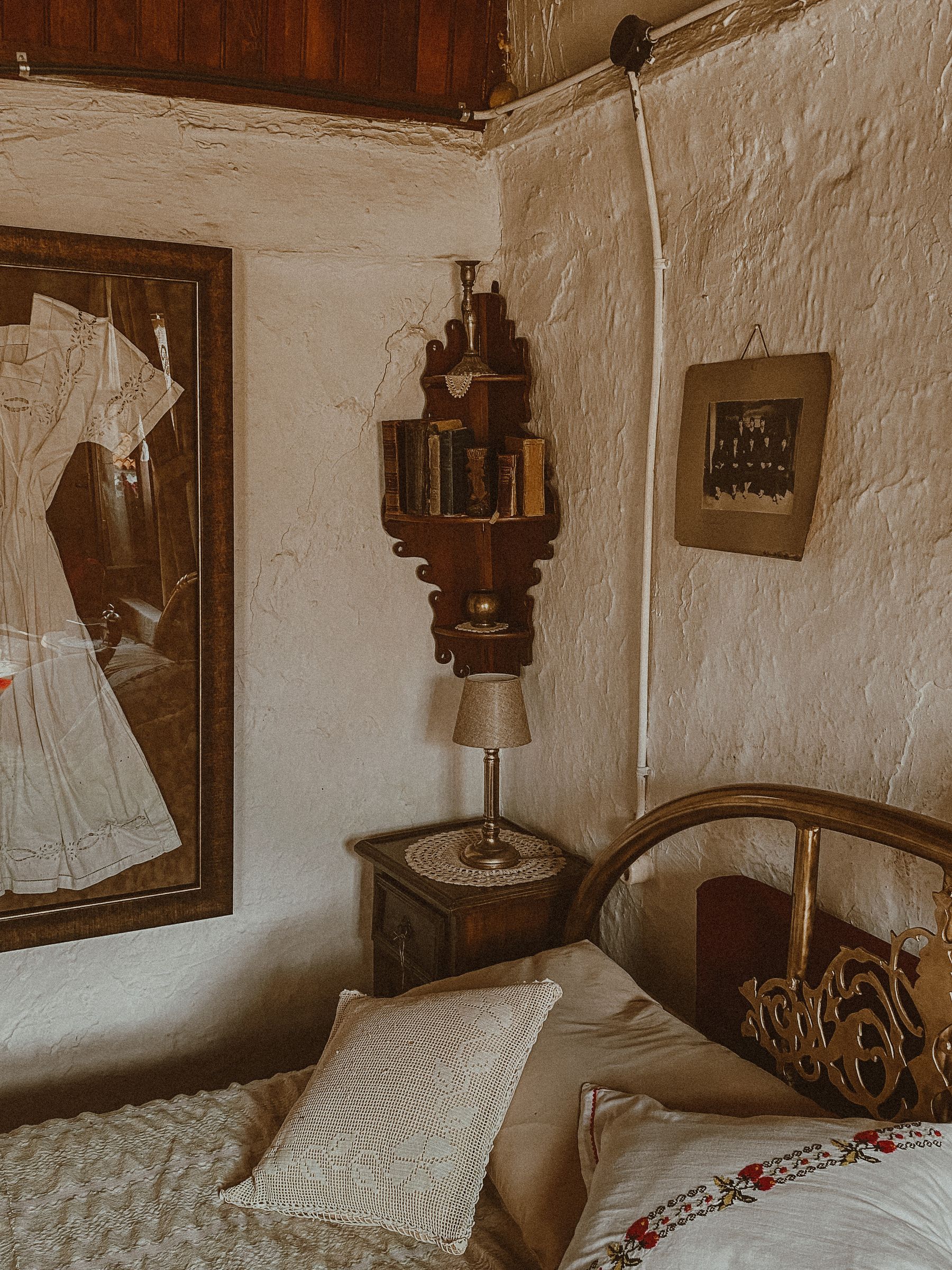
Scale Rustic Character for a Small Bedroom
Choose one leading material, a bed with modest outside dimensions and storage that uses height without crowding the pillow. A shallow dresser can replace several baskets; wall-mounted reading light can free the bedside surface. Keep the ceiling lighter if heavy timber already occupies a wall and concentrate pattern in one textile. The circulation and multifunction tests in [small apartment ideas](/apartment/small-apartment-ideas/) help when the room also contains a desk or wardrobe.
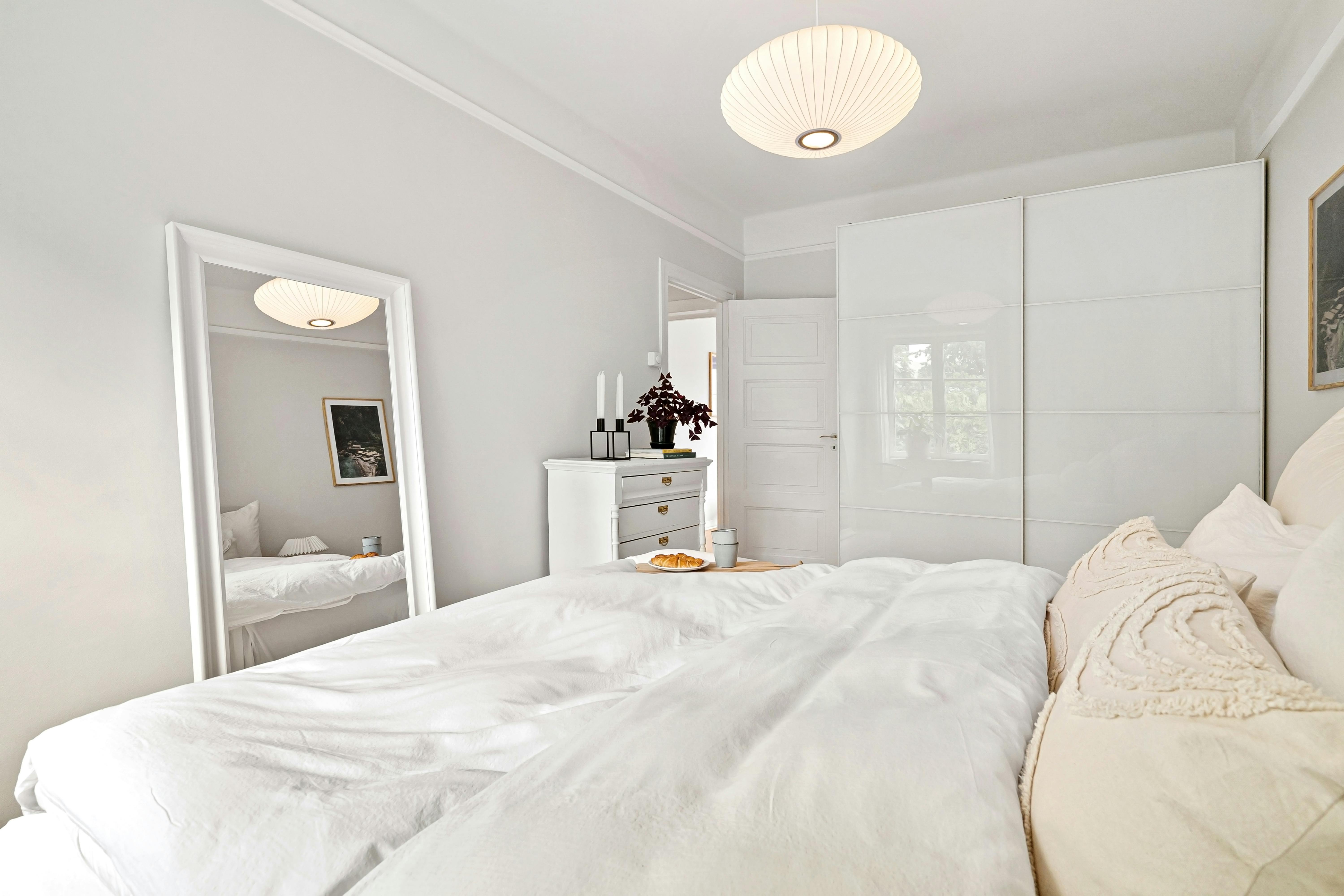
Reversible Rustic for a Rental
Use a substantial timber bedside table or dresser, a broad rug, linen bedding and a plug-in lamp before considering applied beams or peel-and-stick boards. Temporary products can damage paint, trap moisture or look thinner than the material they imitate. Follow the lease and product instructions, preserve original hardware and calculate removal. A reversible room should still feel honest: one real wood piece is more persuasive than several printed surfaces pretending to be timber.
Adapt Rustic Weight for Accessible Use
Chunky footboards, low platforms, deep rugs and rough handles can make a rustic room harder to use. Set mattress height for safe transfer, preserve a clear approach and provide stable seating for dressing. Choose graspable hardware and maintain contrast at floor edges, steps and switches. In a shared room, each sleeper needs reachable light and storage. Human-centered function is compatible with craft and natural material; it simply rejects hazards disguised as character.
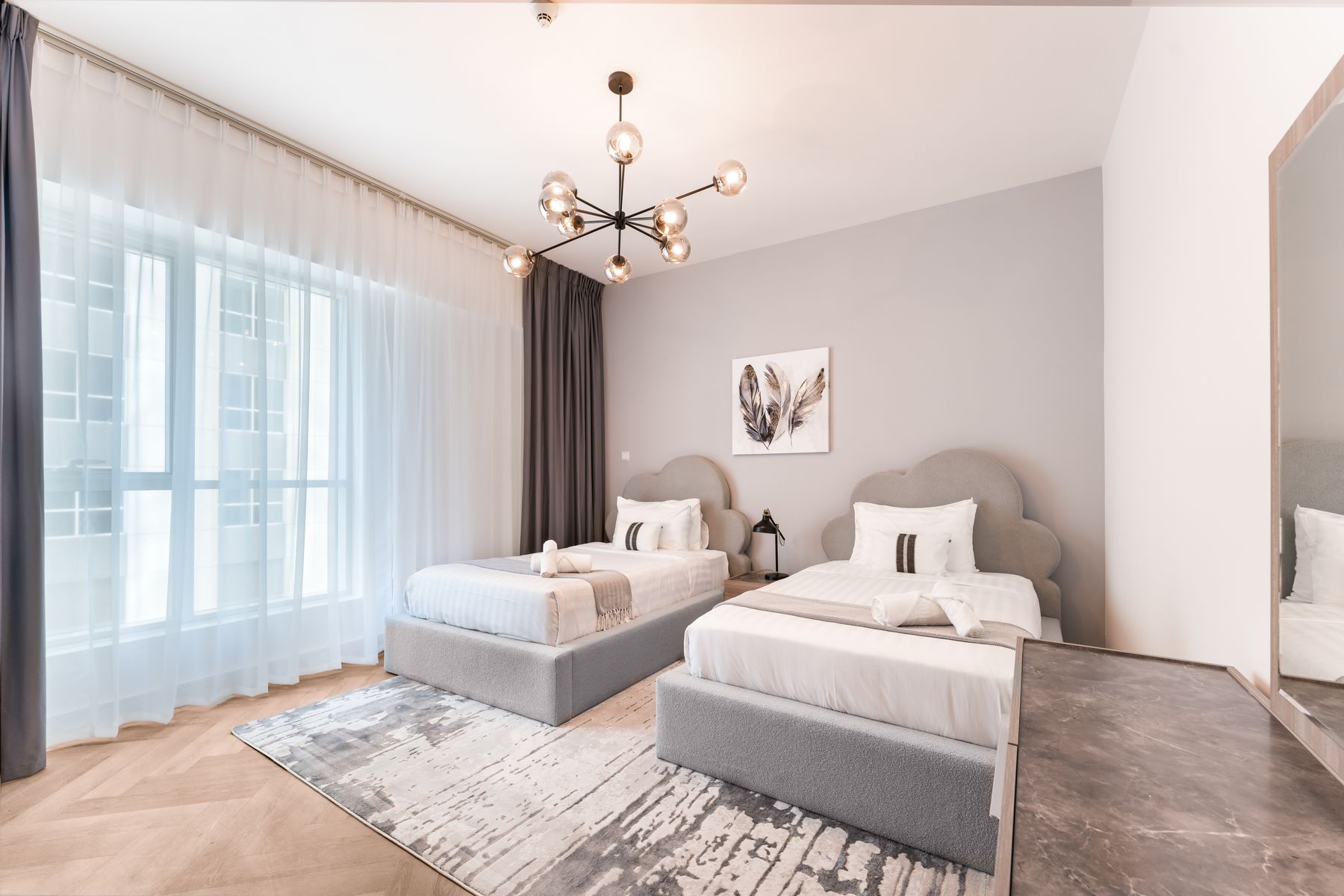
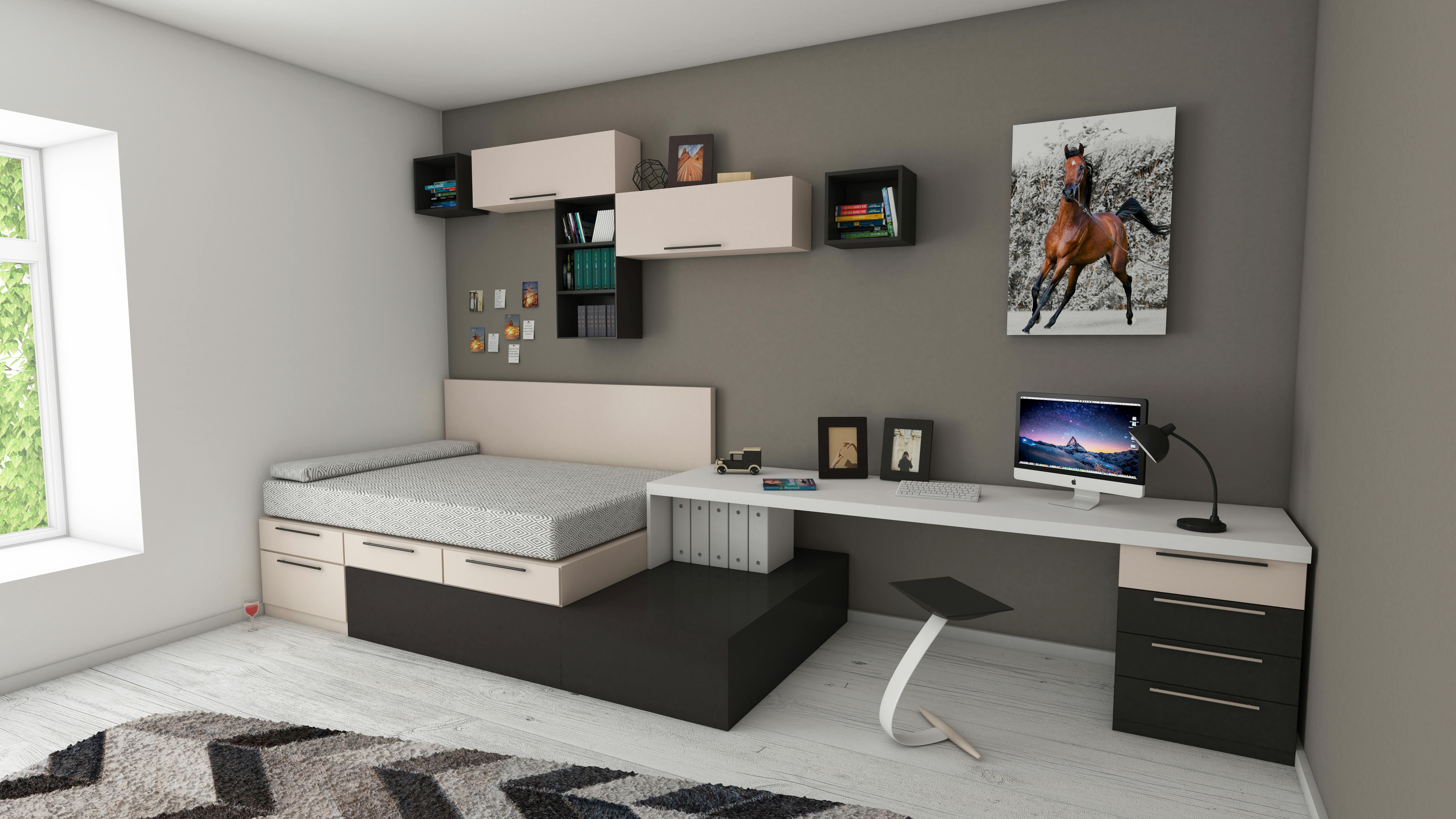
Integrate Work and Technology Quietly
A simple wood desk can belong if work has a defined boundary, supportive chair, task light and cable route. Keep power strips off textiles and allow ventilation around devices. Use reversible channels or a contemporary companion cabinet rather than cutting valuable old furniture. Screens and charging should not dominate the pillow view or interrupt sleep. Rustic material can soften technology visually, but it must not conceal heat, damage or inaccessible electrical connections.
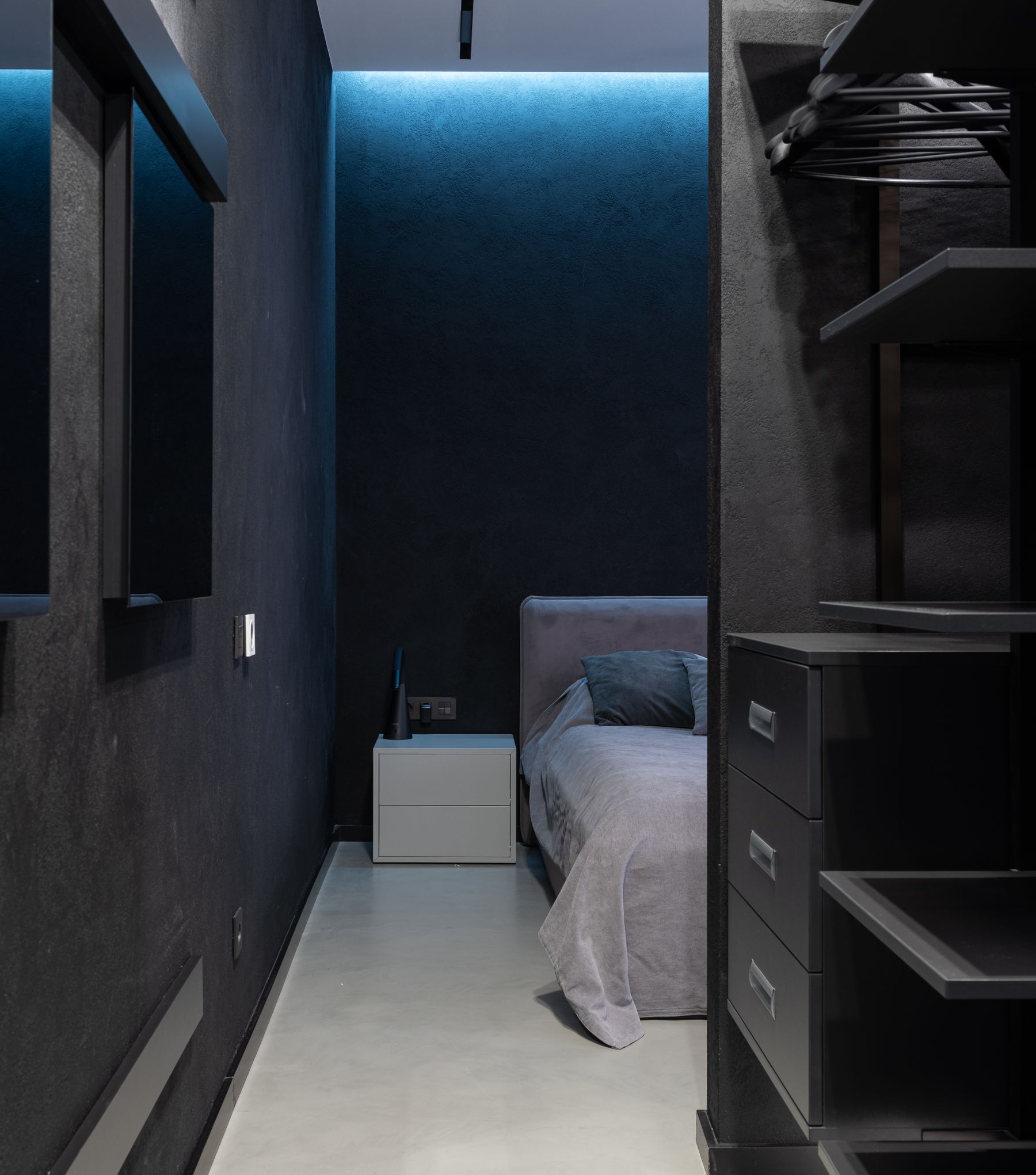
Edit Until the Materials Can Breathe
Finish by removing objects that repeat the same story: extra baskets, lanterns, distressed signs, tiny stools and decorative ladders without a task. Review the doorway, pillow and nighttime views. Contain clothing, cables and spare textiles, then repair what remains. Rustic character becomes stronger when each grain, stone surface and handmade object has room to register. If an addition does not improve sleep, storage, light, comfort or personal meaning, it is probably weaker than the room already is.