Start With the Bedroom's Working Farmhouse Logic
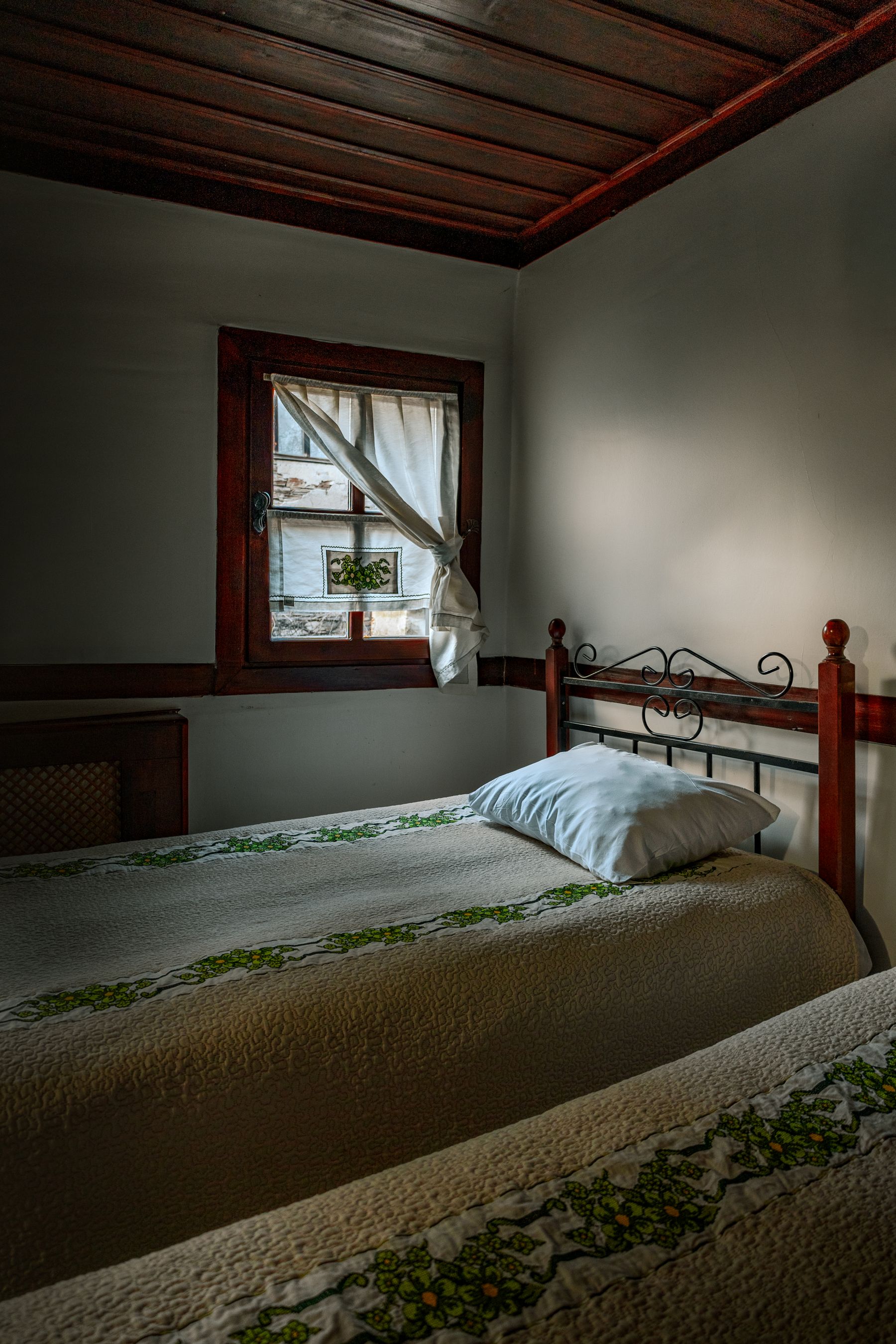
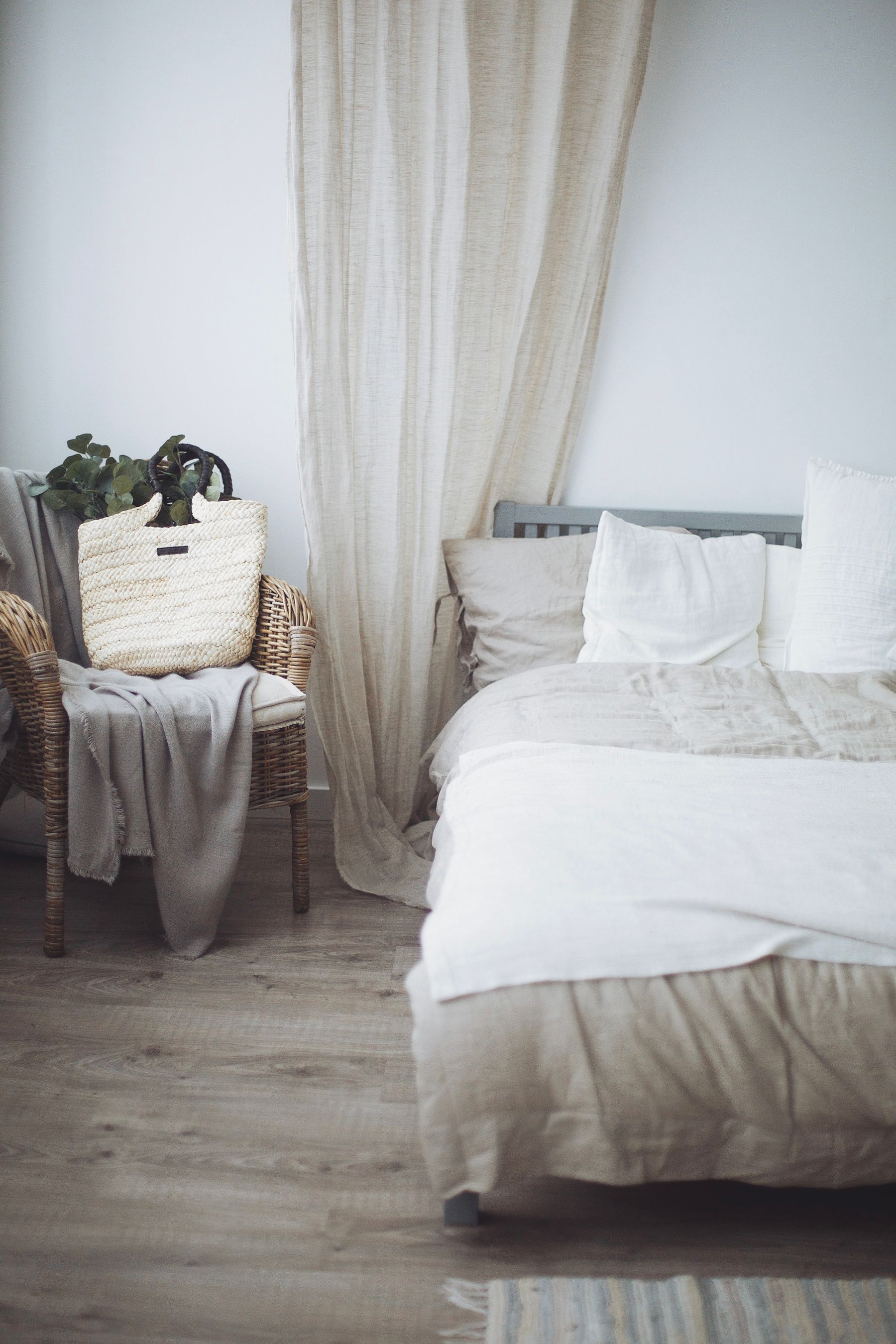
Farmhouse design grows from domestic usefulness: a sturdy bed, a chest that stores linen, washable covers, honest timber and objects with a reason to be there. It can be old, modern or mixed, but its warmth should come from touch and routine rather than a catalogue of rural symbols. A restrained room may still read clearly through painted furniture, a quilt and a ceramic lamp. [Rustic Bedroom Ideas](/bedroom/rustic-bedroom-ideas/) is the stronger destination when stone, heavy beams or raw wood dominate the experience.
Keep the Bedroom Farmhouse Without Borrowing Every Rural Style
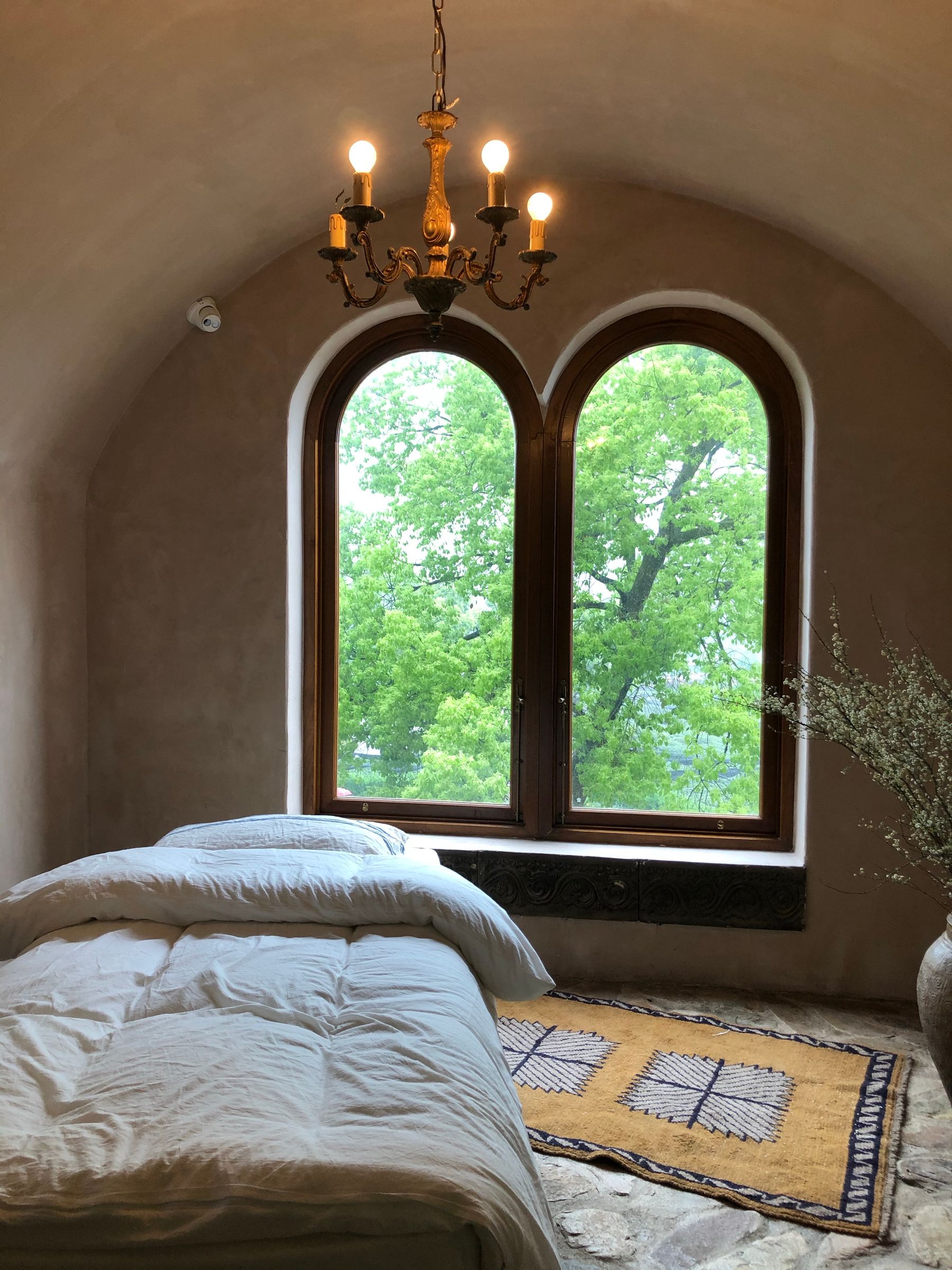
These rural labels overlap, but they should not collapse into one page. Rustic emphasizes raw natural material and rugged architecture. Country will be strongest when it interprets a place or regional tradition; Cottage can focus on compact scale, charm and close-set layers. Farmhouse is the practical middle ground: painted and timber furniture, workmanlike forms, quilts, stripes and a credible exchange between old and new. [Farmhouse Living Room Ideas](/living-room/farmhouse-living-room-ideas/) applies the same utility-led boundary to conversation, hearths, media and shared storage.
Existing Character Before New Cladding
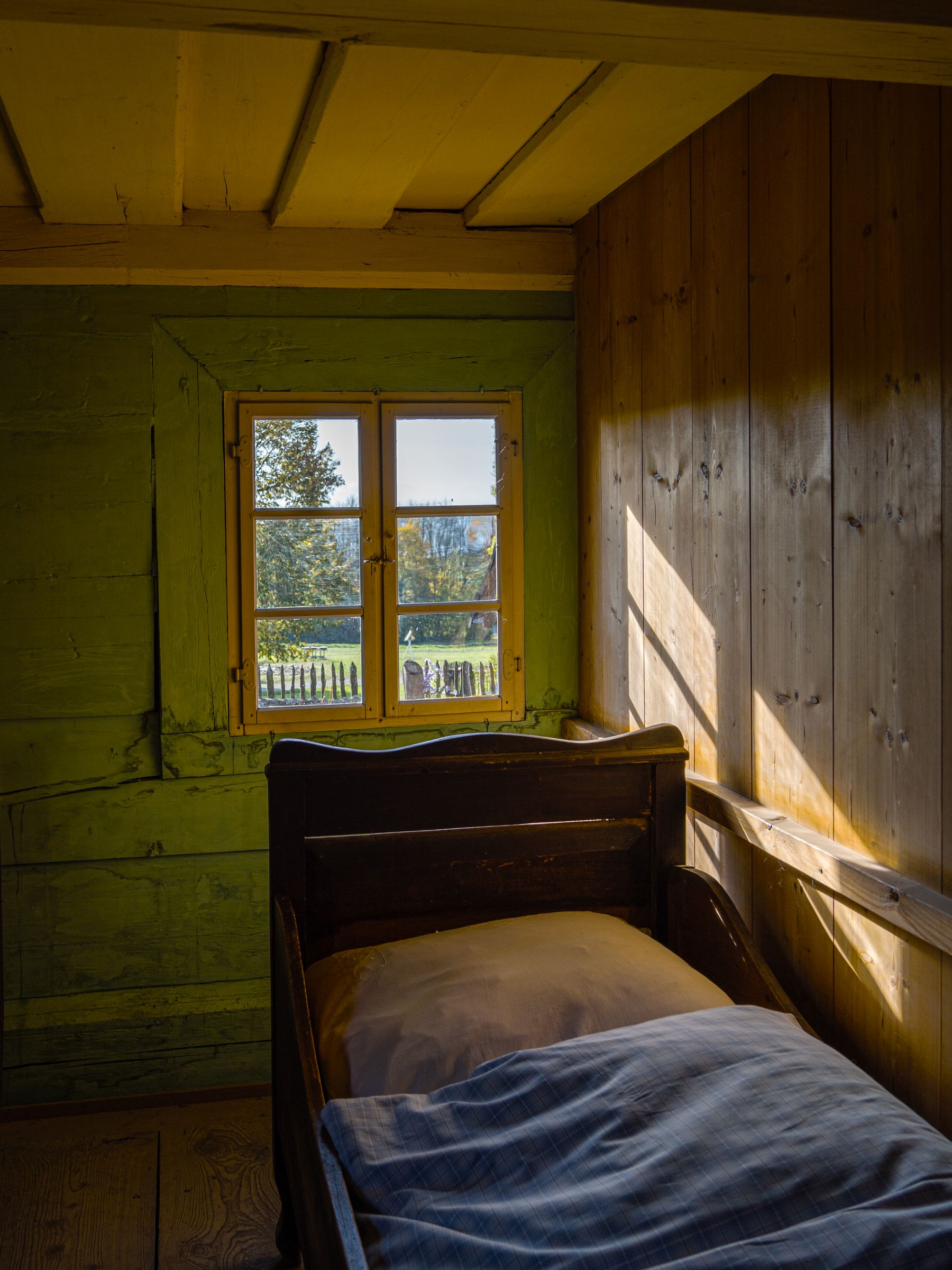
Repair sound floorboards, deep reveals, shutters, modest paneling or a useful alcove before covering a plain wall with new boards. Existing architecture gives the room proportion and history; applied cladding can become visually busy, trap moisture or disguise poor substrates. In a newer house, one precisely detailed timber or painted panel may be enough. Investigate damp, lead paint, wiring and structural concerns before exposing old fabric, and use qualified help where work changes fire performance, insulation or load-bearing elements.

Bed, Doors and Storage as One Plan
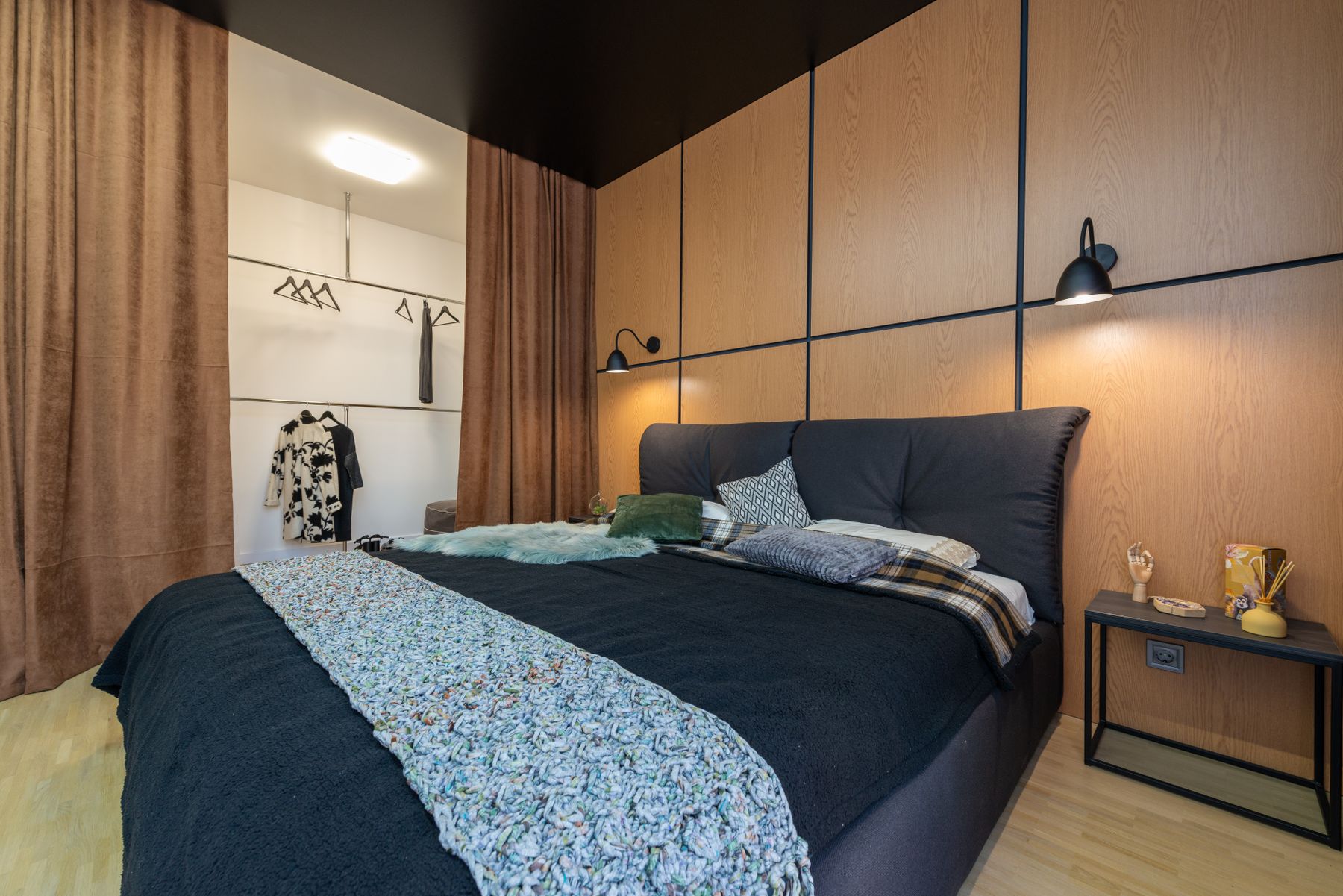
Farmhouse furniture often has visible depth, legs, cornices and projecting hardware, so nominal dimensions understate how much space it consumes. Tape the complete bed, chest and wardrobe footprints, open doors and drawers, then rehearse making the bed and carrying laundry. Preserve a clear route from entrance to both bed sides where possible. A matching bench or blanket chest belongs only when it leaves useful clearance. [Small Bedroom Ideas](/bedroom/small-bedroom-ideas/) develops tight planning further when every centimeter must serve more than one routine.
A Sturdy Bed Without Themed Styling
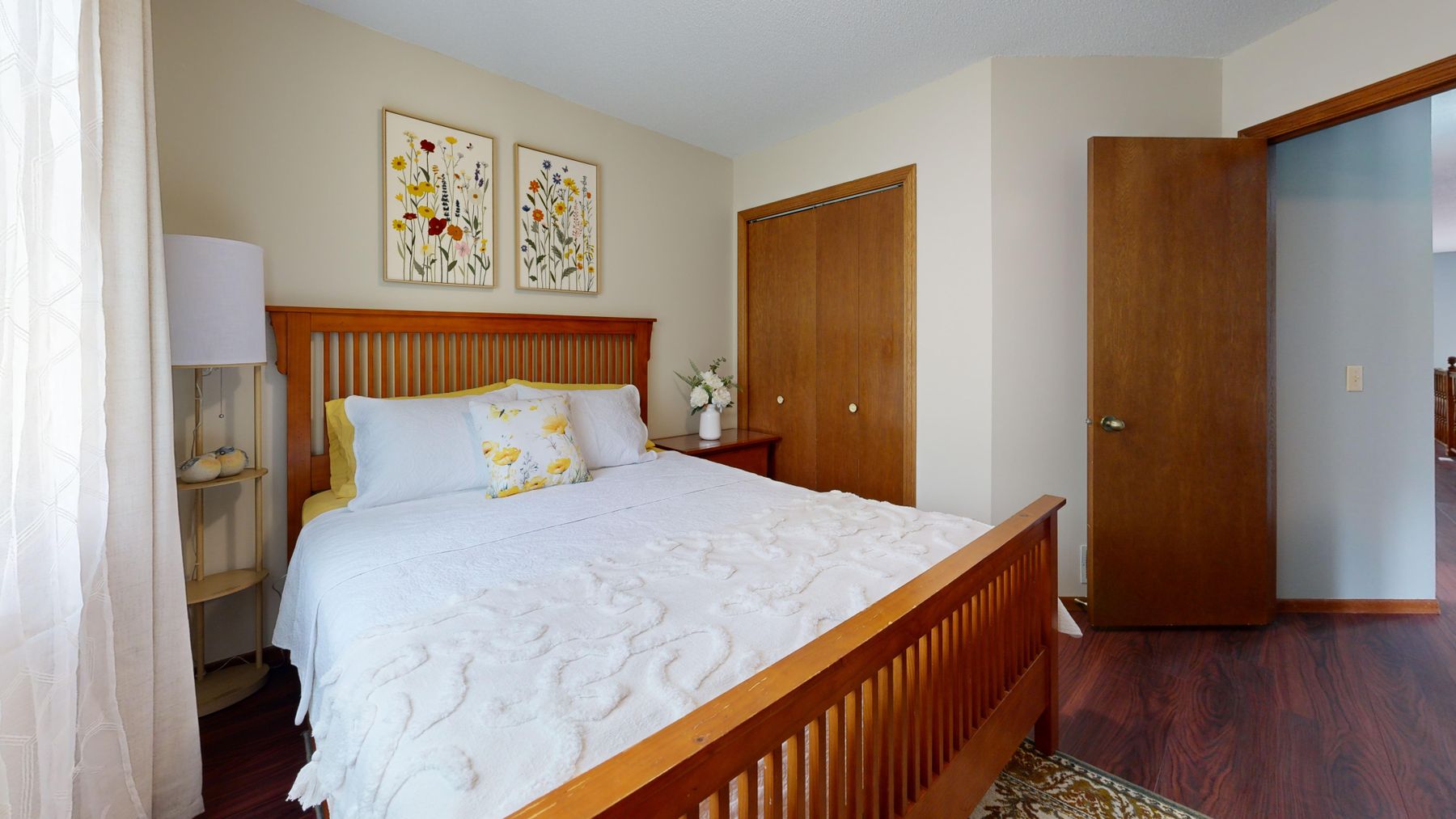
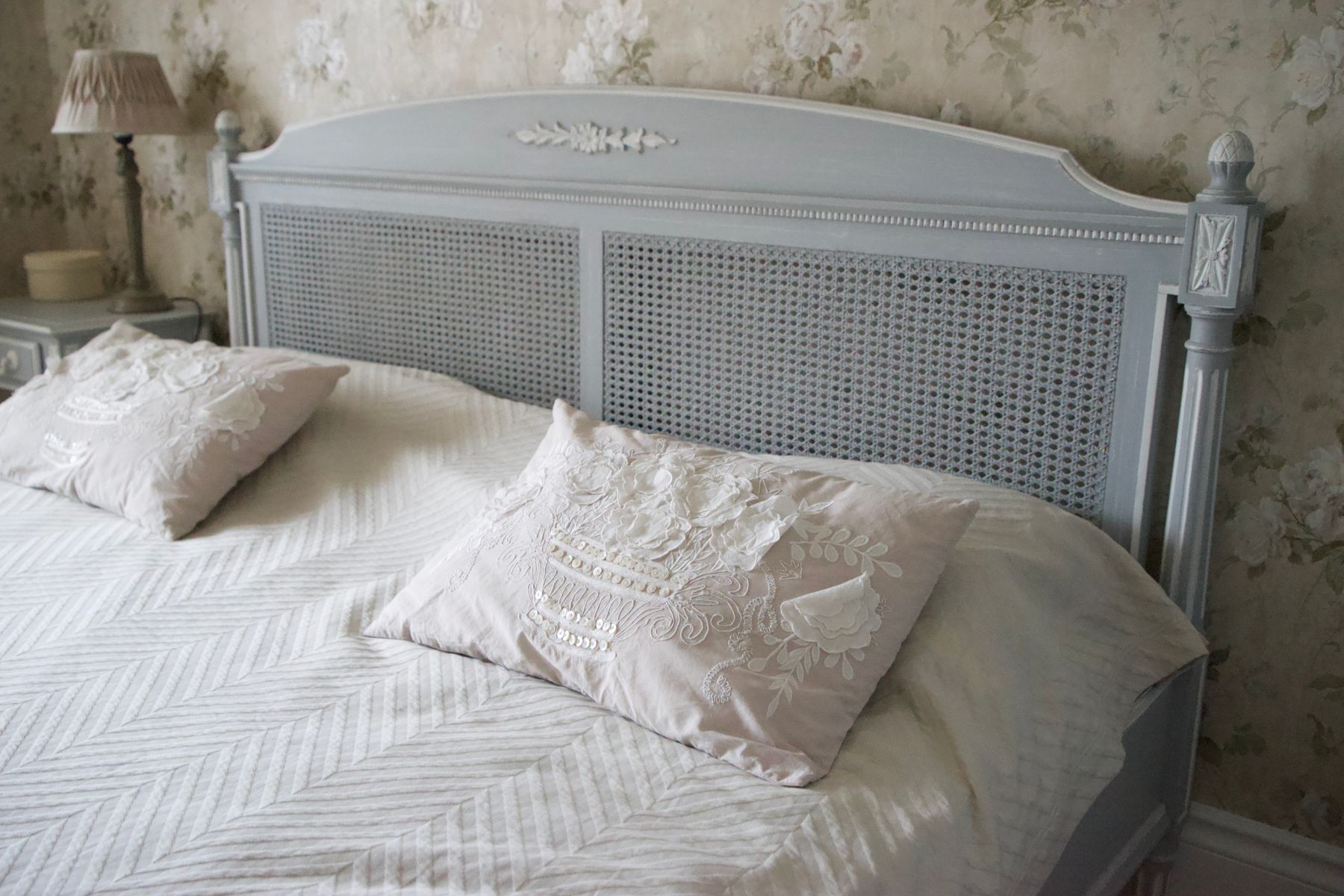
Simple timber, restrained iron and softly upholstered beds can all work. Judge the full frame width, headboard height, slat spacing, center support and ease of getting in and out before judging decorative detail. Turned posts or a shaped rail can add familiarity, but exaggerated barn motifs make the bed a prop. The strongest frame holds its own beside a quilt and vintage table without requiring a complete matching suite. Confirm mattress warranty requirements and allow enough perimeter space for changing sheets and cleaning beneath the frame.
Painted Furniture With a Consistent Wood Note
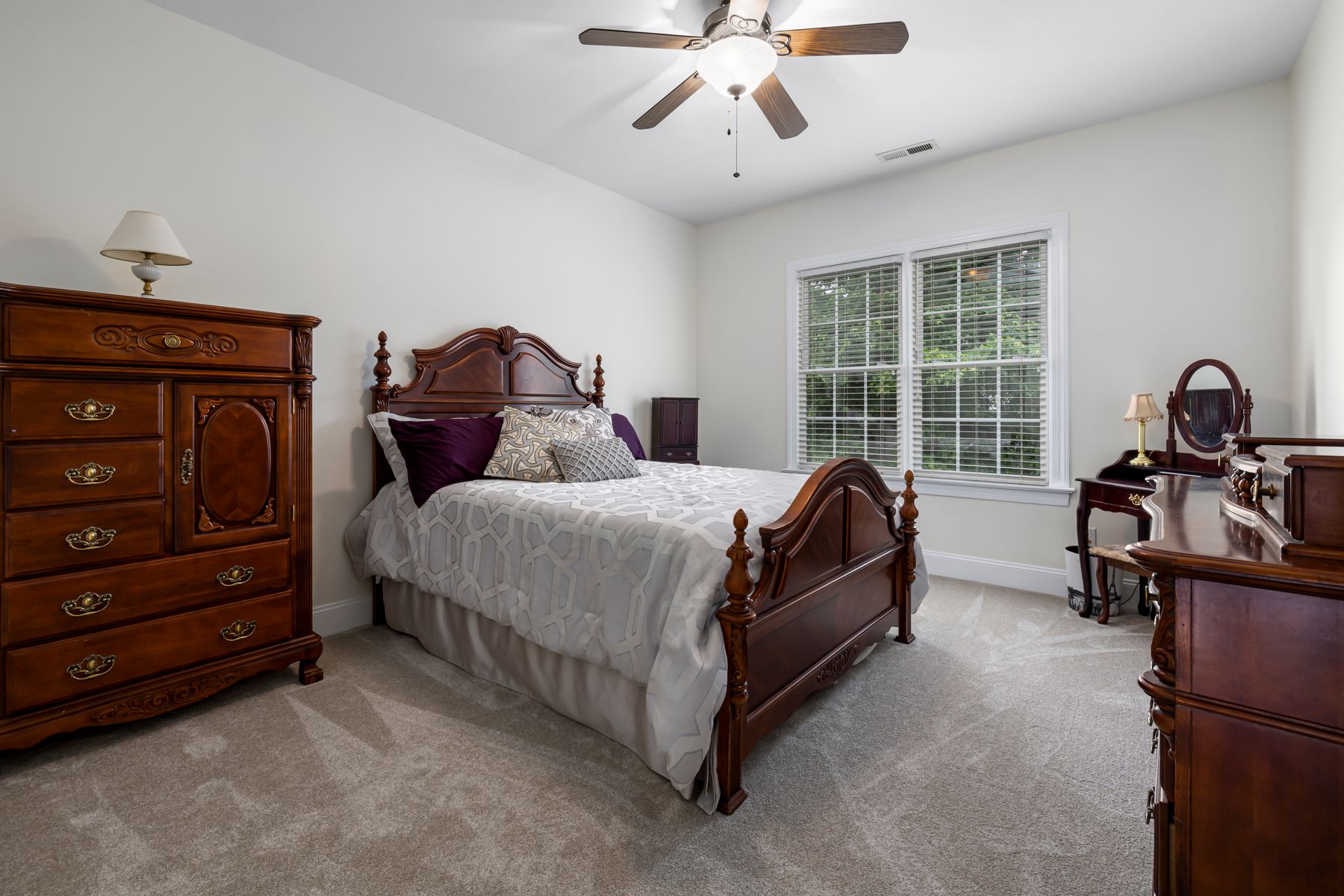
Painted nightstands or wardrobes can lighten a room while one timber bed or dresser supplies grain and age. Avoid distributing many unrelated orange, red and grey woods in equal amounts. Let the floor or largest furniture piece establish a dominant temperature, then use paint to bridge smaller mismatches. A complete matching set is easy but often feels showroom-heavy; keep the pieces that solve the best jobs and vary the rest by finish or era. [Traditional Bedroom Ideas](/bedroom/traditional-bedroom-ideas/) is useful when symmetry and familiar furniture forms need deeper treatment.
Timber Where Hands and Eyes Meet It
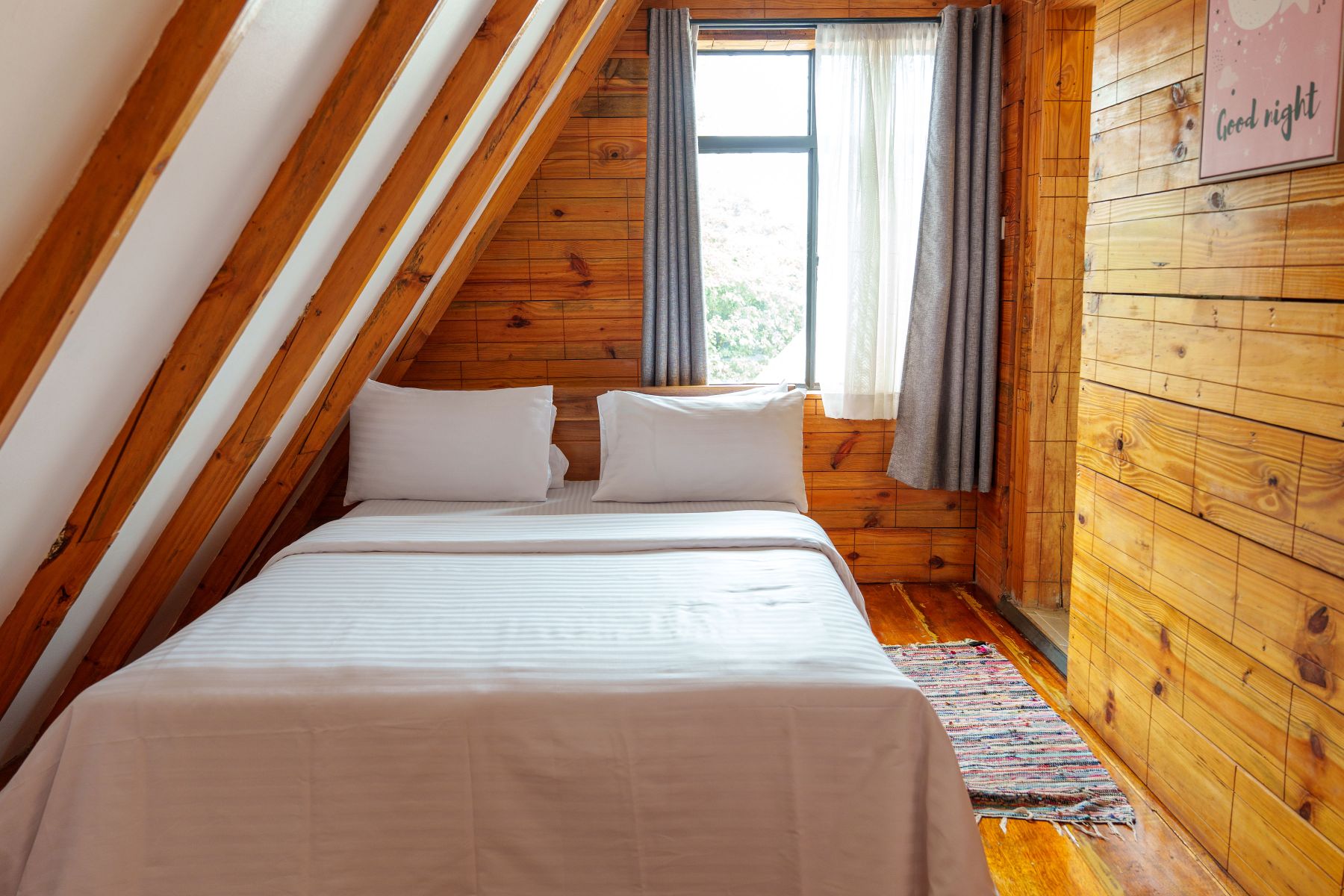
Use timber at the bed, floor, chest or one wall plane where its grain can be read and its durability matters. Thin applied scraps, small wooden signs and repeated mini accessories create visual noise without material value. New timber should be properly dried and finished; reclaimed pieces need inspection for pests, splinters, residues and unstable coatings. Balance a broad wood field with pale textile or paint so the sleep zone remains clear. In a low-light room, one medium timber usually performs better than several very dark brown surfaces.

Move Beyond Farmhouse White
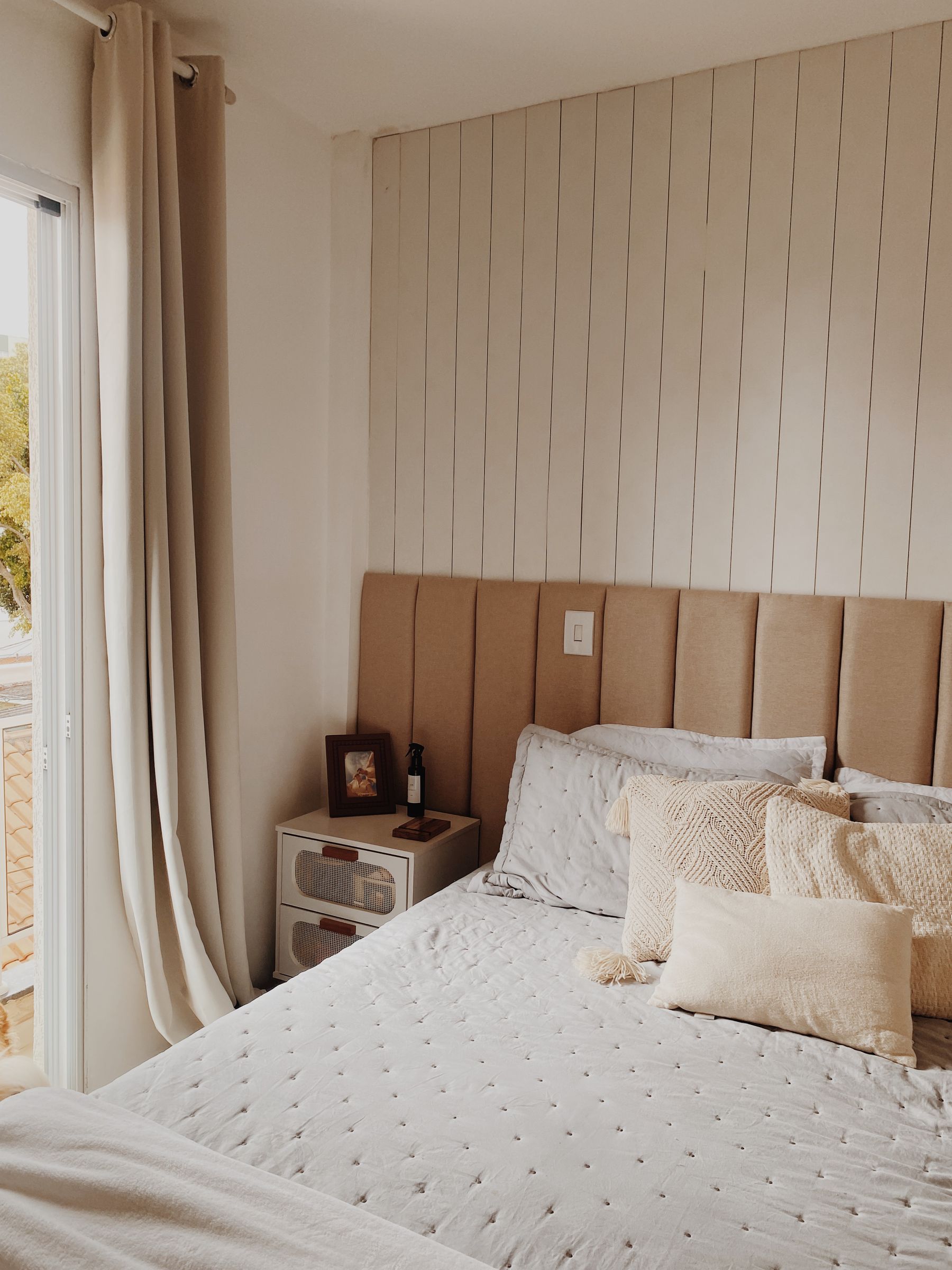
Warm white remains useful, but mushroom, oatmeal, putty, muted olive, dusty blue, plaster pink and tobacco brown give the style more character. Start from daylight, floor and timber undertones, then choose one pale field, one middle color and one grounding value. Avoid turning every item beige; value steps keep the bed and storage legible. [Neutral Bedroom Ideas](/bedroom/neutral-bedroom-ideas/) provides a fuller framework for undertone and value when the palette, rather than farmhouse style, is the main decision.
Warm White as Quiet Space Around Bed and Textiles
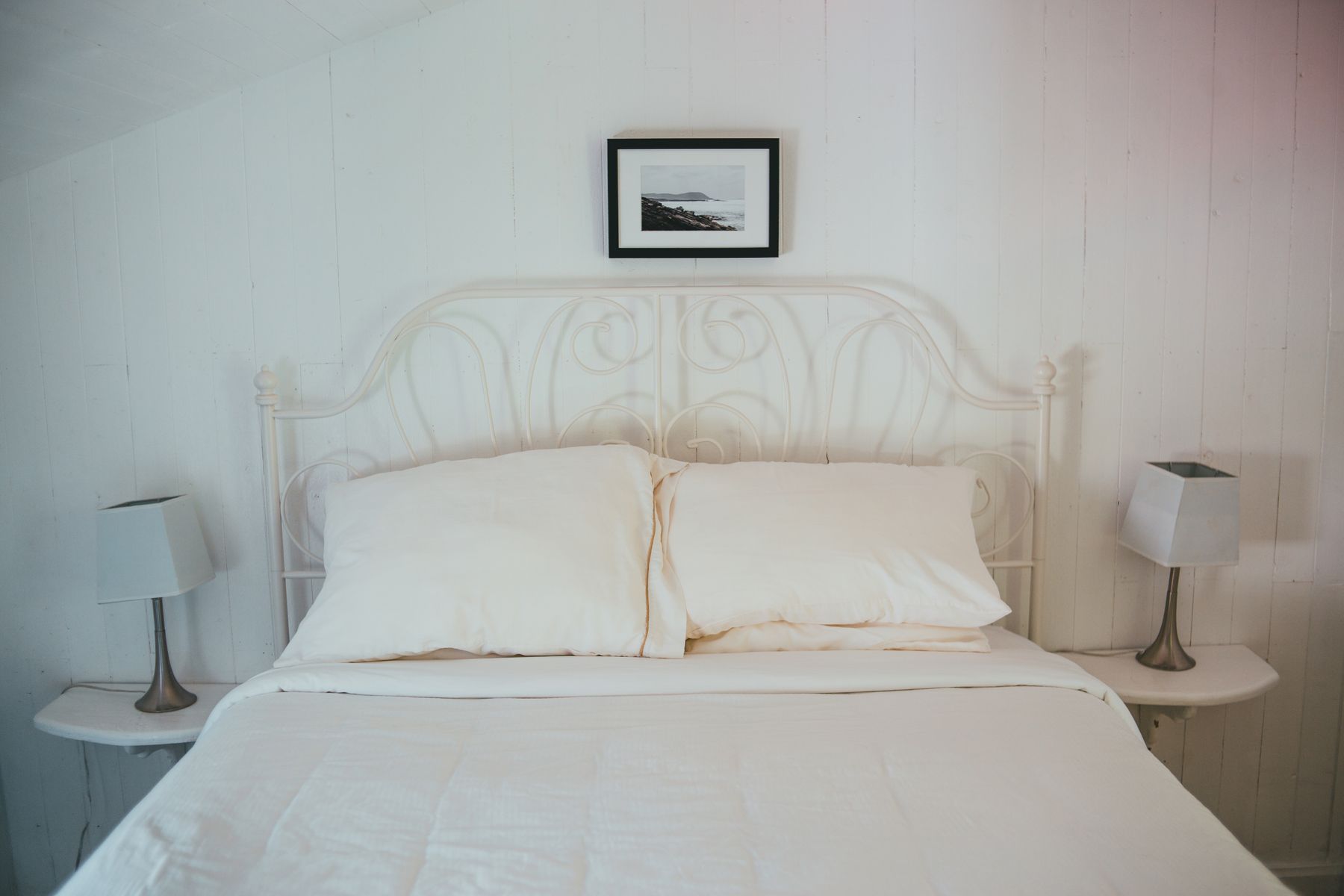
Use warm white on the largest plane that needs light—often walls, ceiling or bedding—then let timber and pattern occupy defined areas. Brilliant cool white can turn grey beside honey wood, while a cream that is too yellow may look aged under warm lamps. Sample large boards beside the floor and curtains through a full day. [White Bedroom Ideas](/bedroom/white-bedroom-ideas/) is the stronger destination when white leads every major decision; in farmhouse design it should usually support material and furniture.
Introduce Muted Color Through Bounded Fields
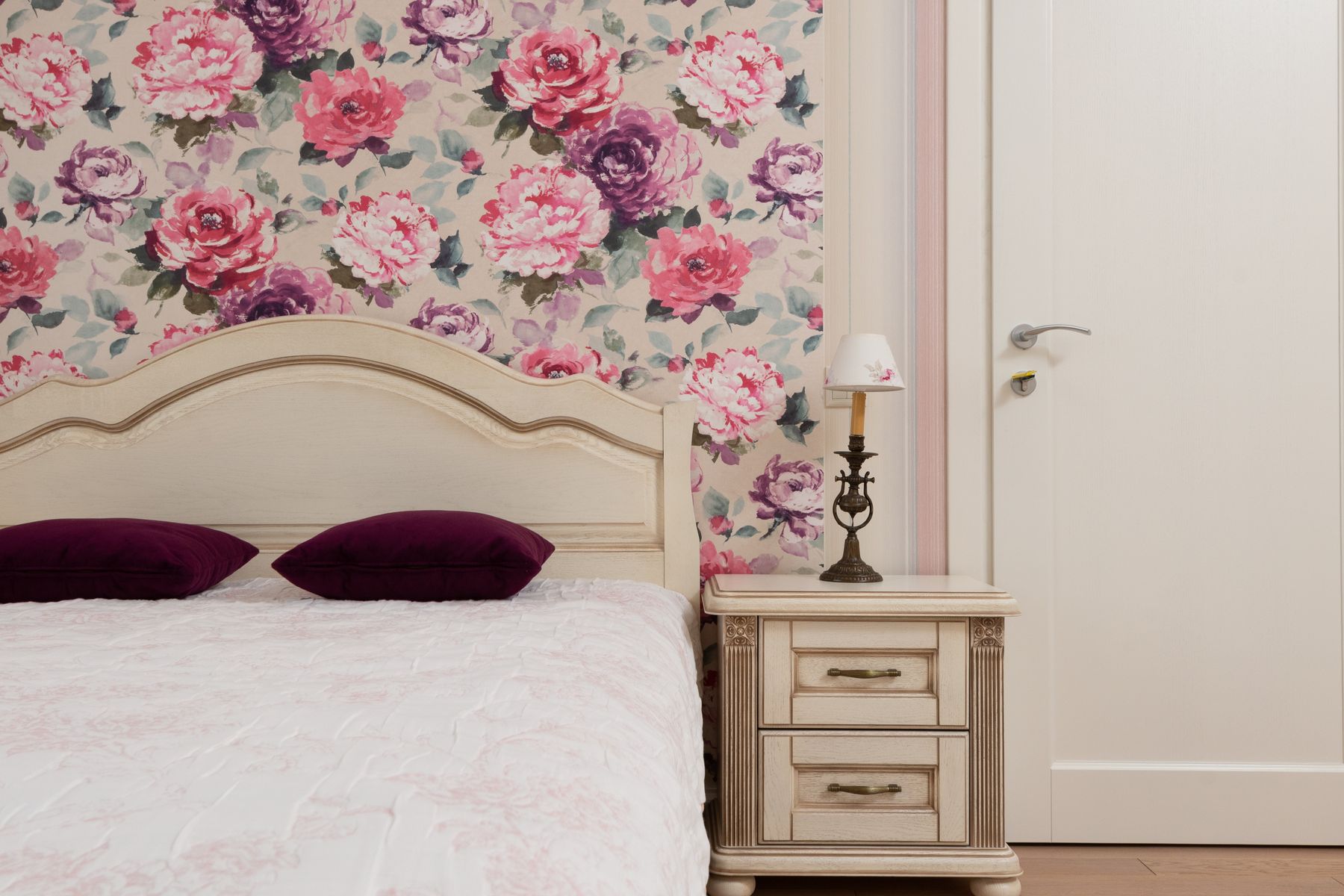
Muted blue, sage, clay and faded rose can appear on one wall, a quilt, curtains or a painted chest. Give the color enough area to matter instead of scattering many tiny accents, and repeat it once in a different material to make the relationship intentional. A blue wall may pair with a narrow stripe; sage cabinetry can connect to foliage outside. Keep the remaining fields quieter so farmhouse character comes from the room's useful layers, not from a pile of color-coordinated ornaments.
Wallpaper With a Clear Scale
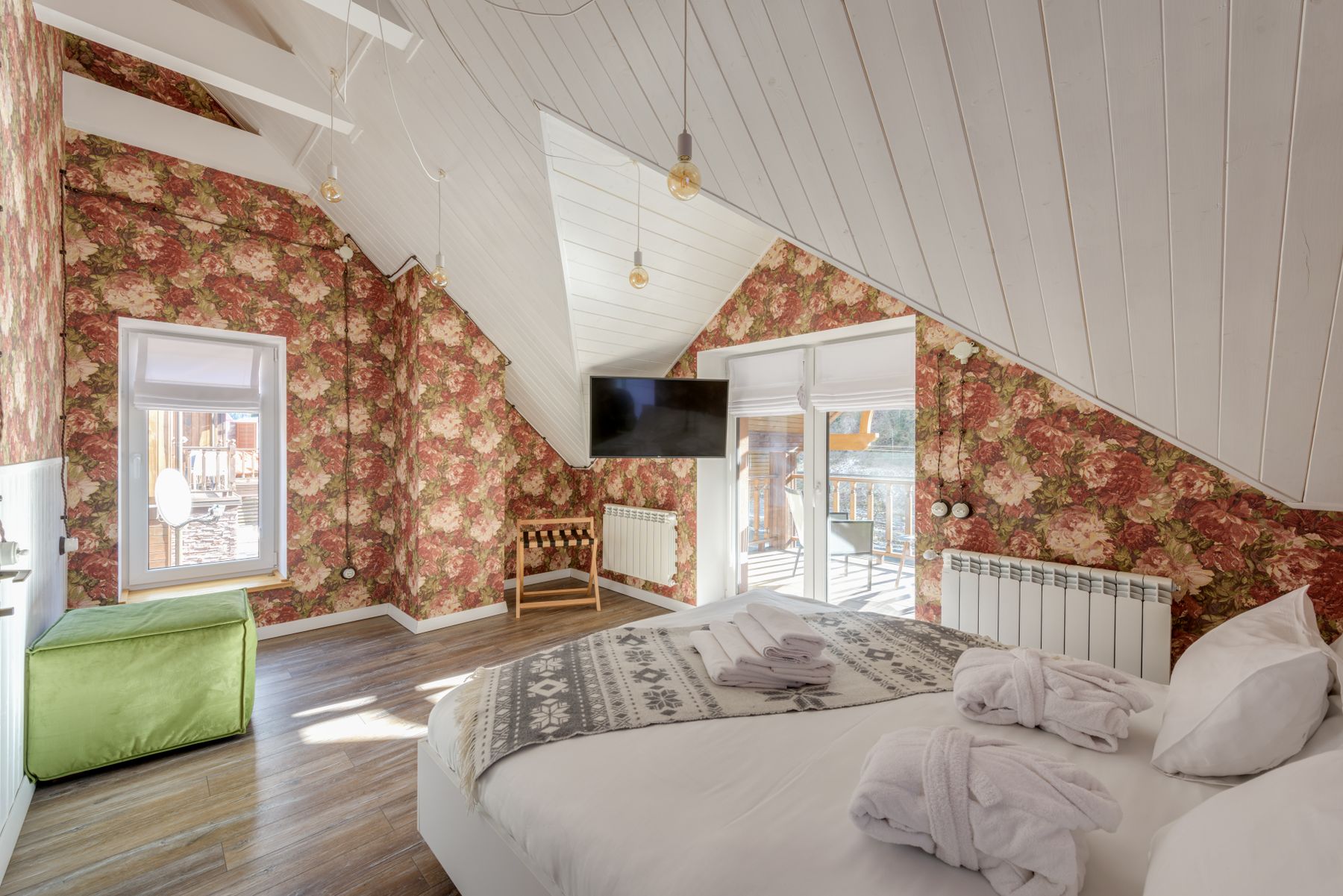
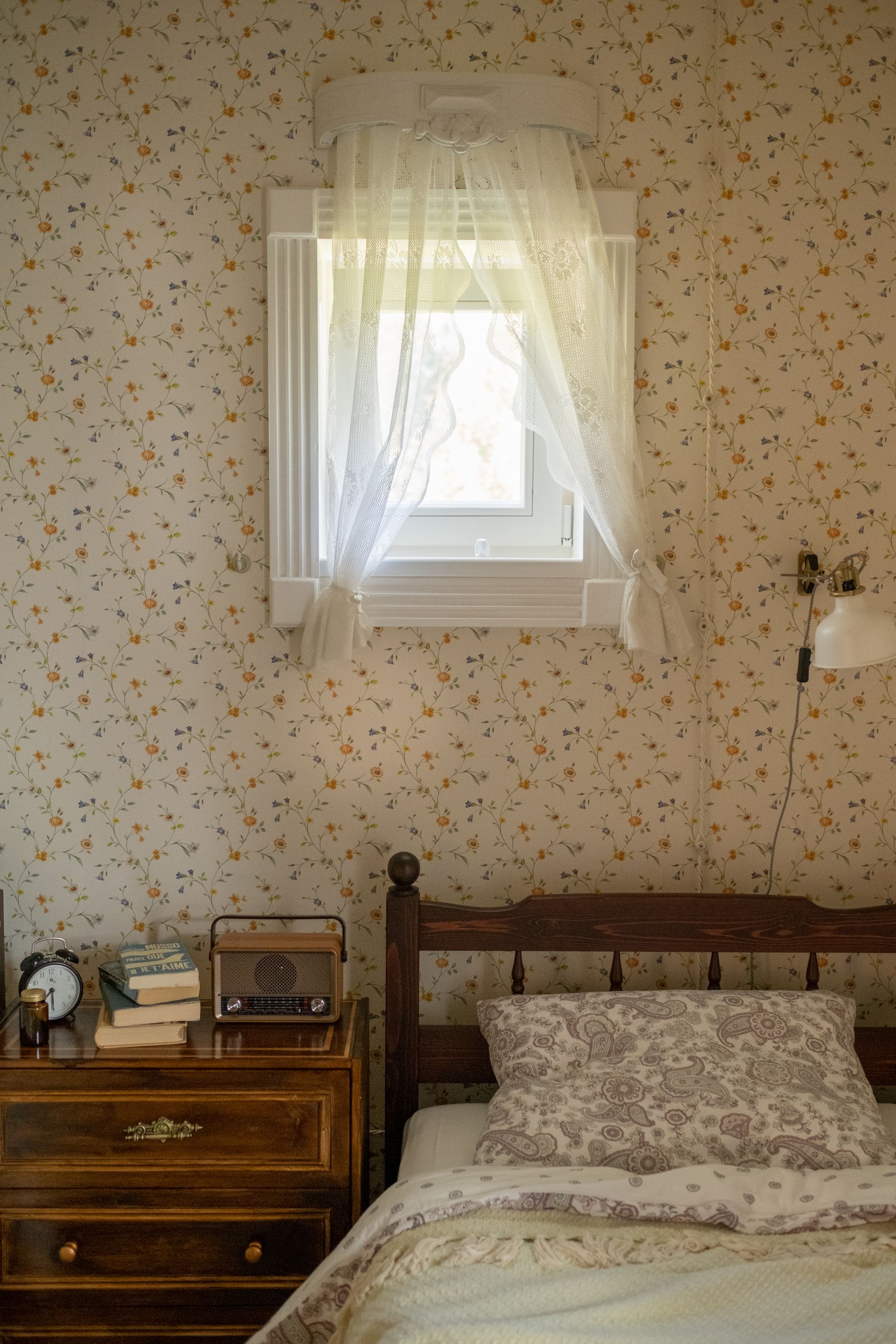
Florals, checks and narrow stripes fit farmhouse bedrooms when scale responds to wall area and viewing distance. A small repeat can make an alcove or guest room feel intimate; a larger botanical needs enough uninterrupted wall to be read. Sample at least two full repeats beside the bed and curtains. In damp or imperfect buildings, prepare the substrate and investigate moisture before papering. Use one leading pattern, then let quilts and cushions answer with solids or a different scale rather than competing motifs.
Let a Quilt Carry Pattern and Memory
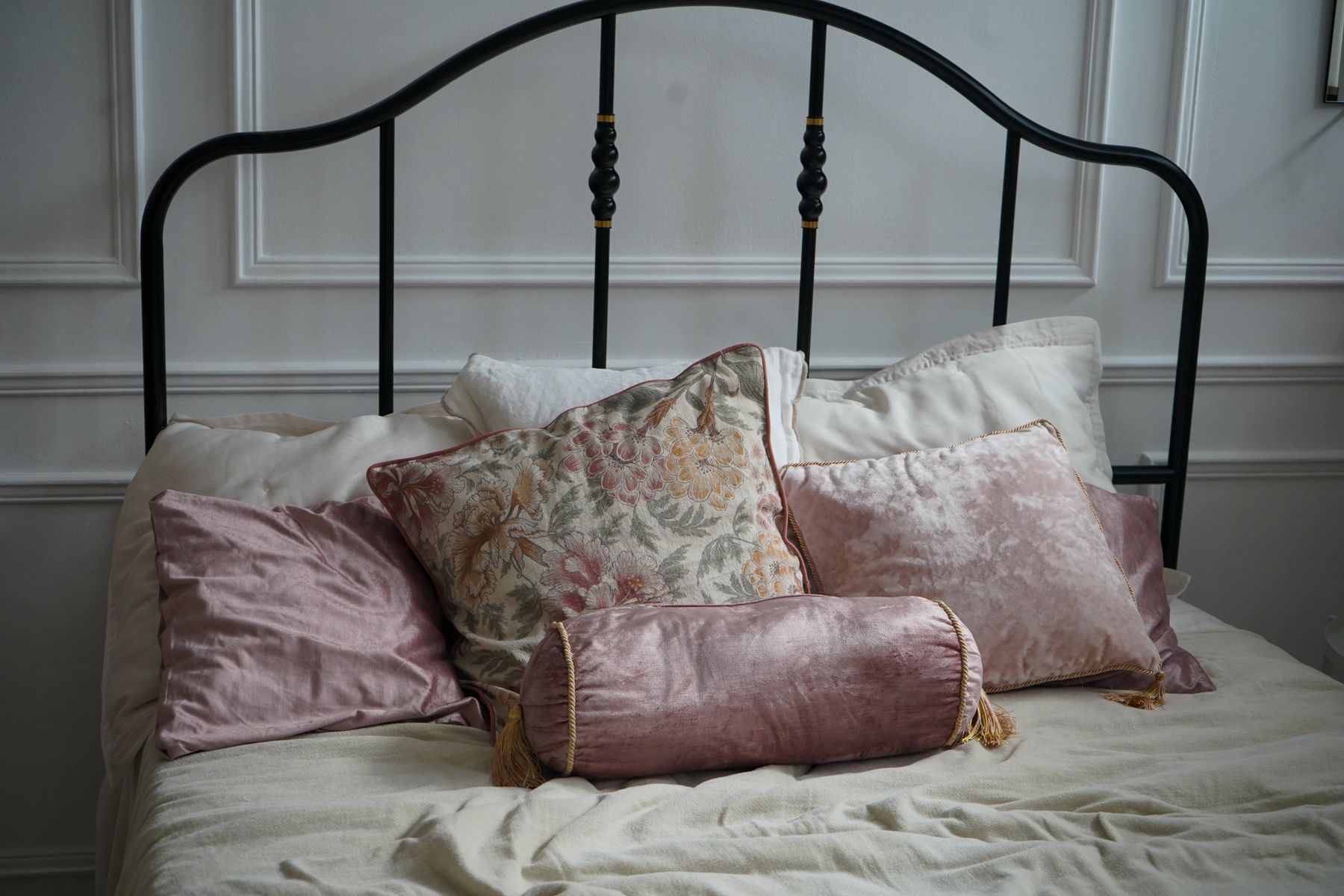
A quilt or coverlet is a broad, reversible farmhouse layer that can carry patchwork, floral, stripe or hand-stitched texture. Choose weight by season and laundering capacity, not only appearance. If an heirloom is fragile, fold it where it will not take nightly body stress or display it away from direct sun rather than using it as daily bedding. One meaningful textile has more authority than several newly bought pieces pretending to be old, and it can set the room's secondary colors.
Linen, Cotton and Wool, Each With a Job
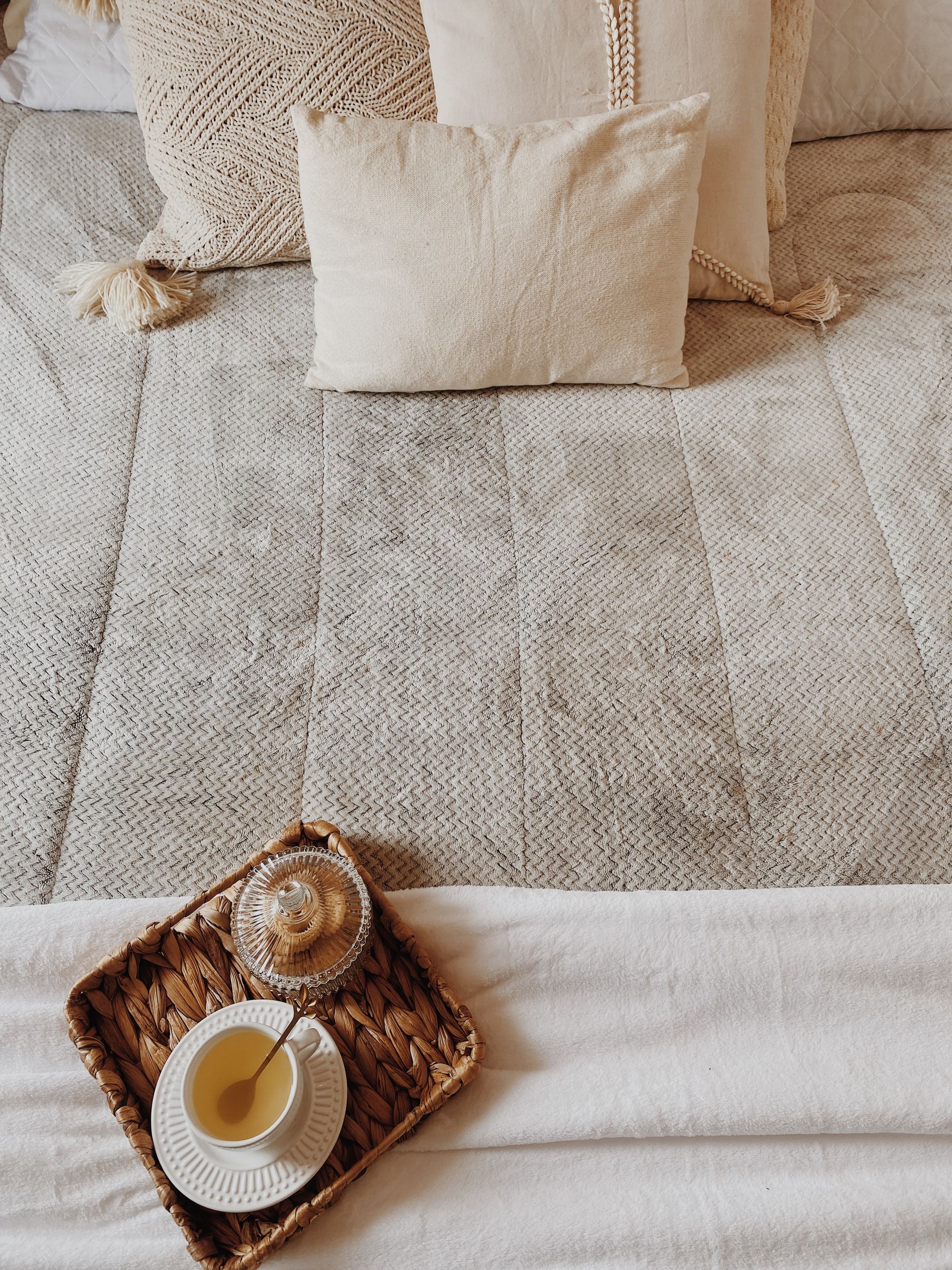
Use breathable cotton or linen close to the body, a seasonally appropriate duvet, and wool or a washable blend where added warmth is needed. Texture should solve comfort, acoustics or wear rather than act as visual filler. Too many rough pillows make the bed laborious, while heavy throws can overheat sleepers and complicate laundering. Test the complete bed for temperature and effort. Keep the everyday arrangement simple enough to remake, then use one patterned or handcrafted layer as the farmhouse signal.
Ground the Room With One Capable Rug
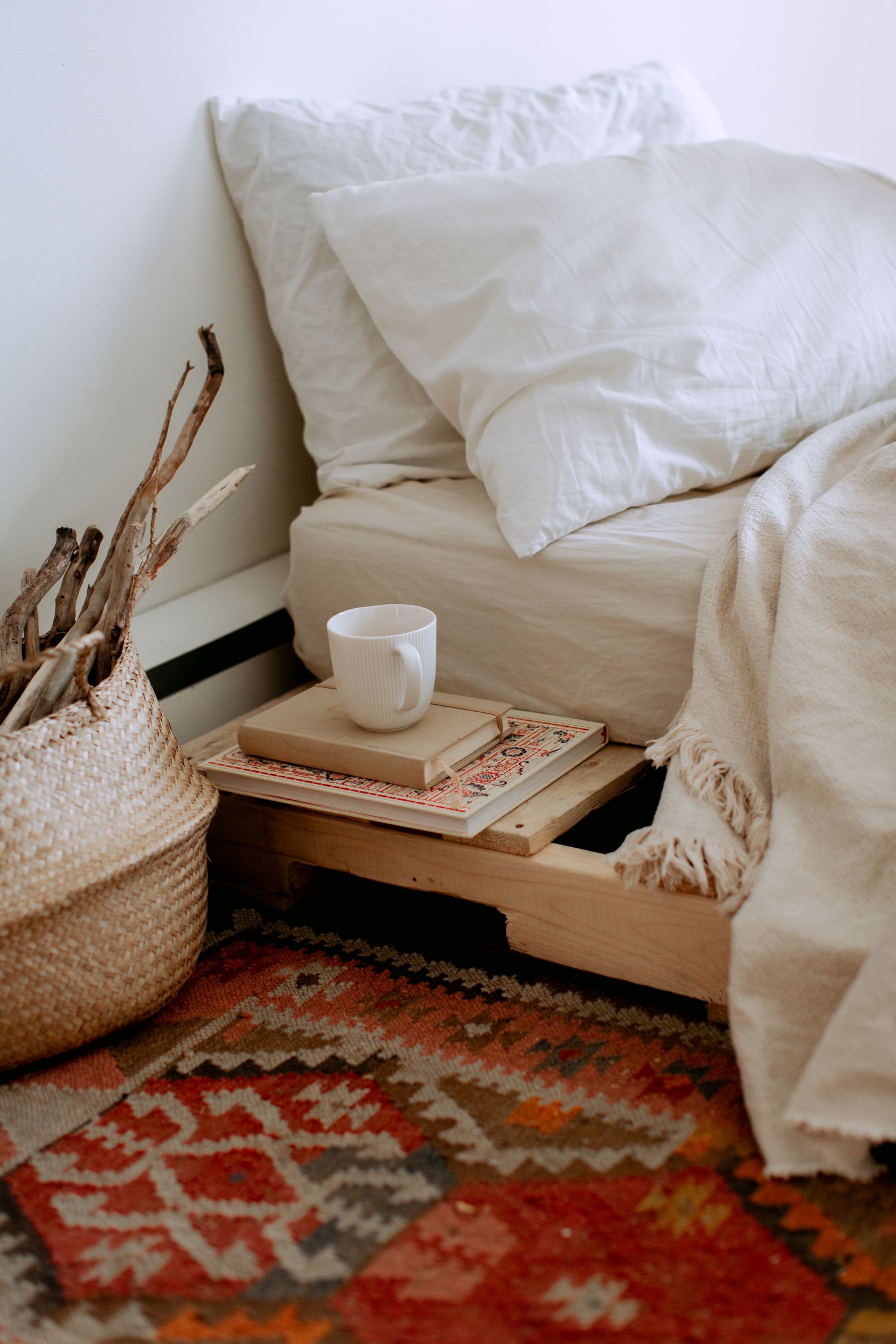
Choose a flatweave, braided, wool or washable rug according to floor temperature, cleaning, pets and mobility. It should provide stable landings beside the bed without catching doors or creating curled edges in the nighttime route. Pattern can connect several furniture finishes, but tiny scattered mats fragment the floor and increase trip risk. [Living Room Rug Ideas](/living-room/living-room-rug-ideas/) expands sizing and construction principles; in a bedroom, softness, low-light safety and access for cleaning carry extra weight.
Curtain Layers for Privacy and Sleep
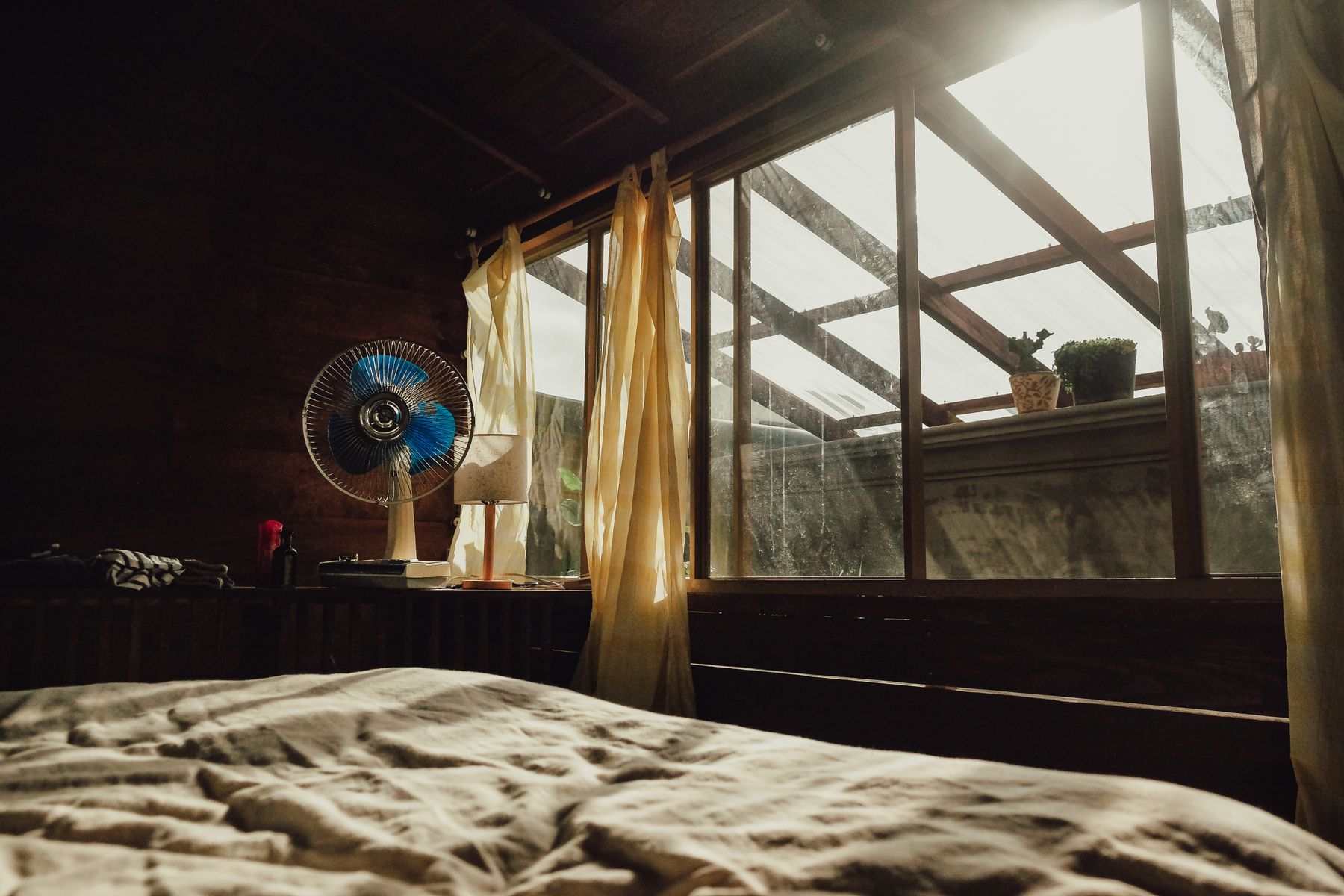
Linen-look curtains suit the relaxed style, but appearance cannot replace privacy, thermal control and blackout. Use a translucent layer for daytime screening and a properly fitted lined shade or curtain for sleep darkness where needed. Mount hardware so fabric clears the glass when open, and keep it away from radiators and vents. Ticking stripe, small check or a plain textured weave can connect to bedding; avoid stacking lace, valance and heavy drape when the window and room cannot carry the bulk.
Use Warm Local Light, Not Lantern Pastiche
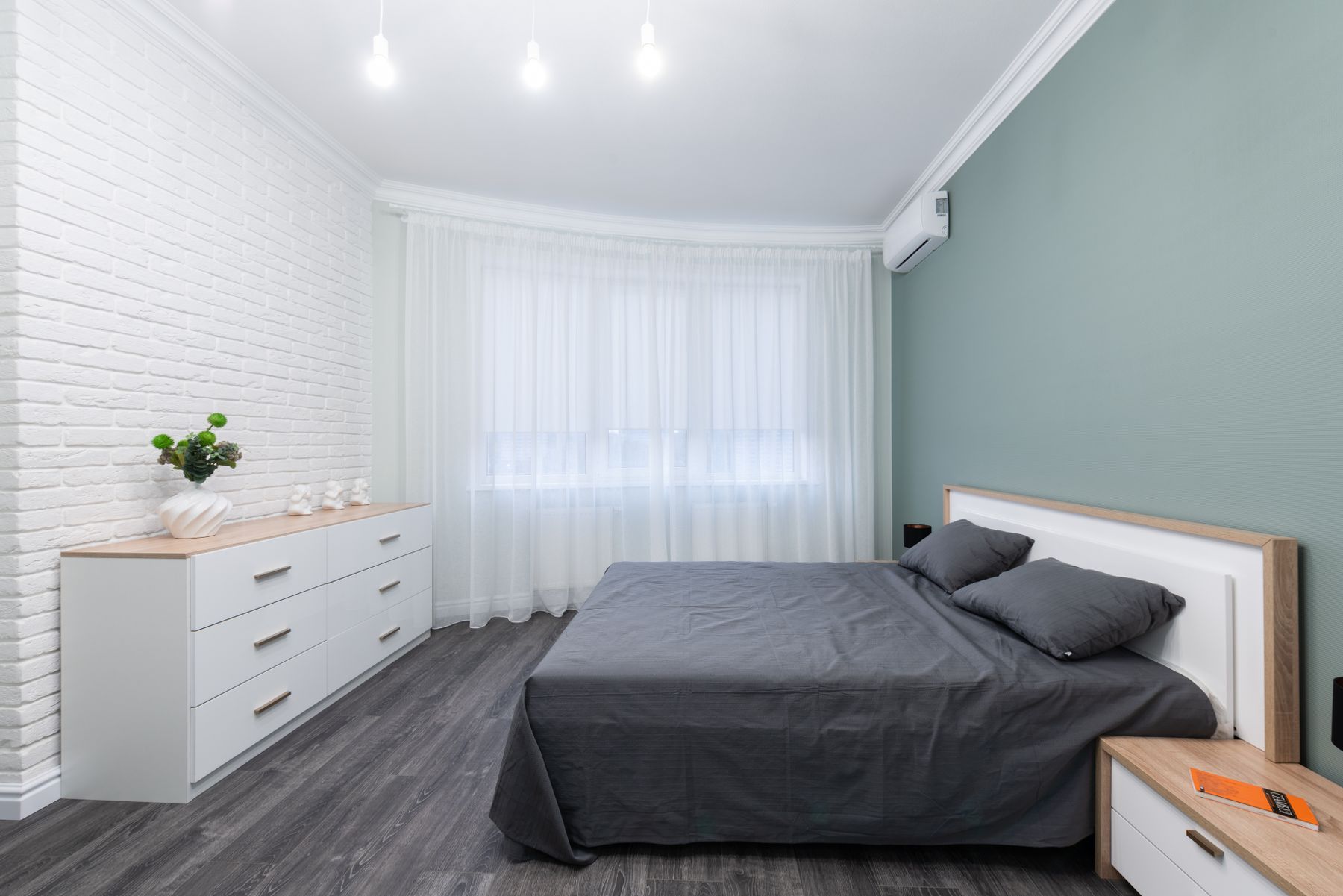
Combine dimmable ambient light, independent reading lights, wardrobe illumination and a low route from door to bed. Ceramic, turned timber, aged brass and simple fabric shades fit the style because they add touchable material, not because they imitate farm equipment. Exposed bulbs can glare and cast hard shadows; wall-mounted lights need correct height and switching. [Living Room Lighting Ideas](/living-room/living-room-lighting-ideas/) offers broader layering principles, while the bedroom requires stricter control from the pillow and reliable darkness at night.
Black or Aged Metal as Structure
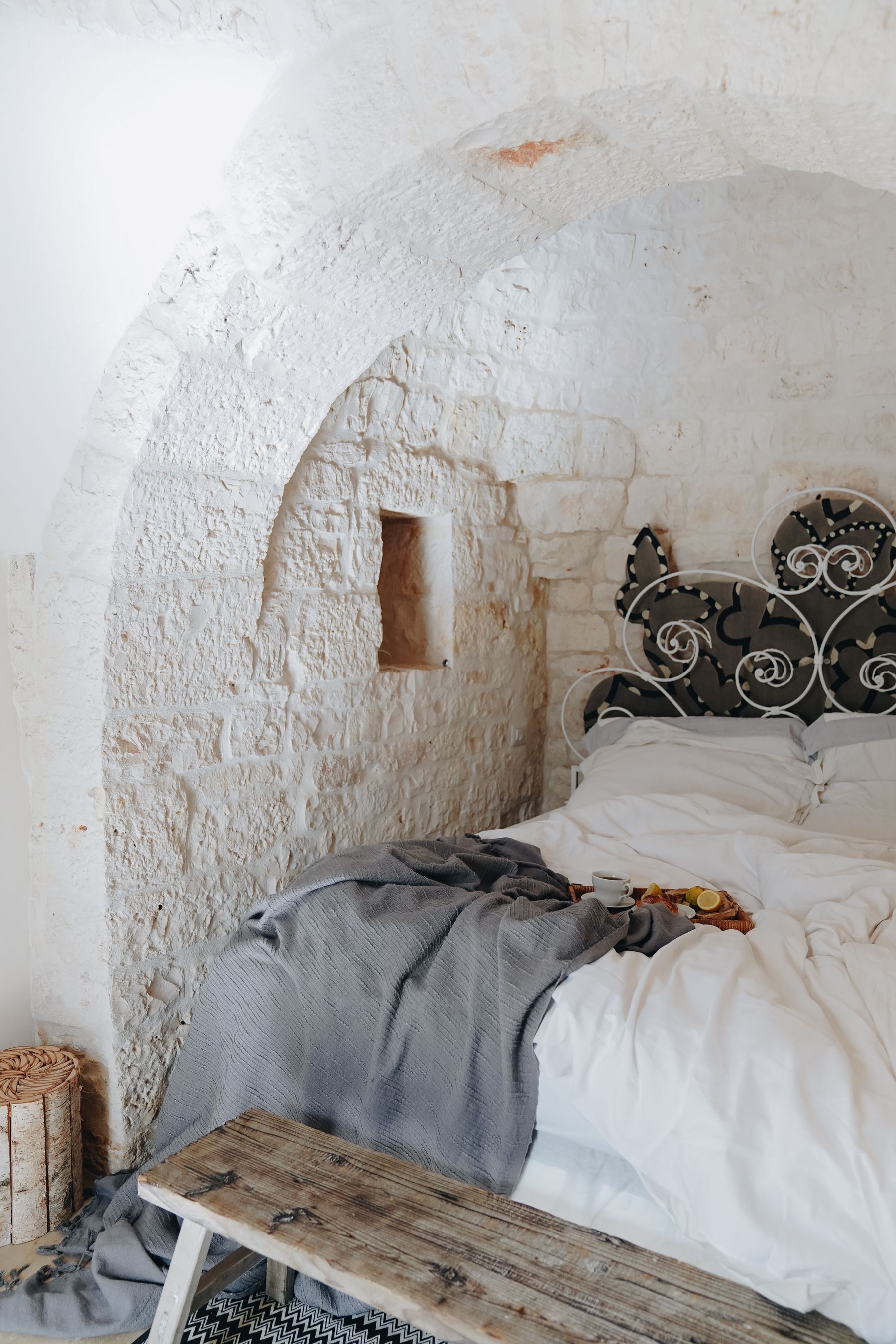
Black iron, aged brass and dark bronze can define a bed, lamp or handle, but repeating black accents in every corner creates a formula rather than character. Choose metal by function and touch: a smooth handle, stable bed frame or adjustable light earns its place. Coordinate undertones loosely without demanding a single matching finish. Inspect old metal for sharp edges, flaking coatings and unreliable wiring. Against warm wood and pale linen, one dark structural element usually has more impact than many small industrial accessories.
Antiques Without a Period-Room Reconstruction
An old chest, mirror or bedside table can give farmhouse design the sense of time that new distressed furniture imitates poorly. Buy for construction, dimensions and use, then inspect stability, drawers, odors, pests, paint and hardware. Keep modern mattress support, safe electrics and easy-clean textiles where performance matters. [Vintage Bedroom Ideas](/bedroom/vintage-bedroom-ideas/) develops mixed-era collecting more broadly; farmhouse editing should retain practical, modest forms rather than turning the room into an antique display.
Handcraft as Evidence, Not Theme
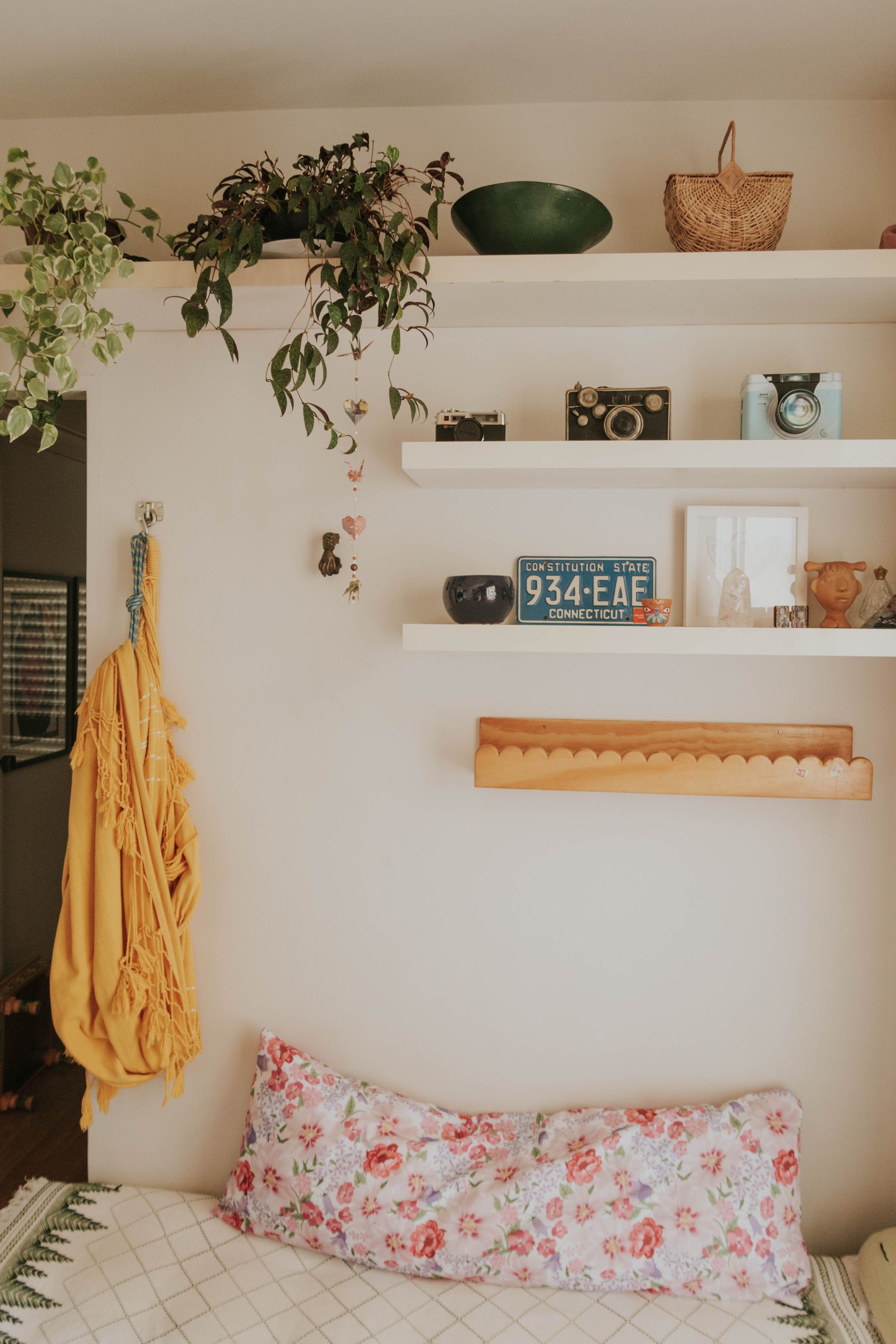
Embroidery, basketry, turned wood, pottery and stitched textiles can make the bedroom feel made rather than merchandised. Choose one or two forms whose workmanship is visible at normal distance and whose care fits the household. A handmade cushion is useful; a wall of imitation tools is not. Protect fragile fibers from sun and dust, and keep rough basket edges away from delicate bedding. The object should still be appealing when its farmhouse label is removed—that is a reliable test of lasting value.
Personal or Landscape Art With Meaning
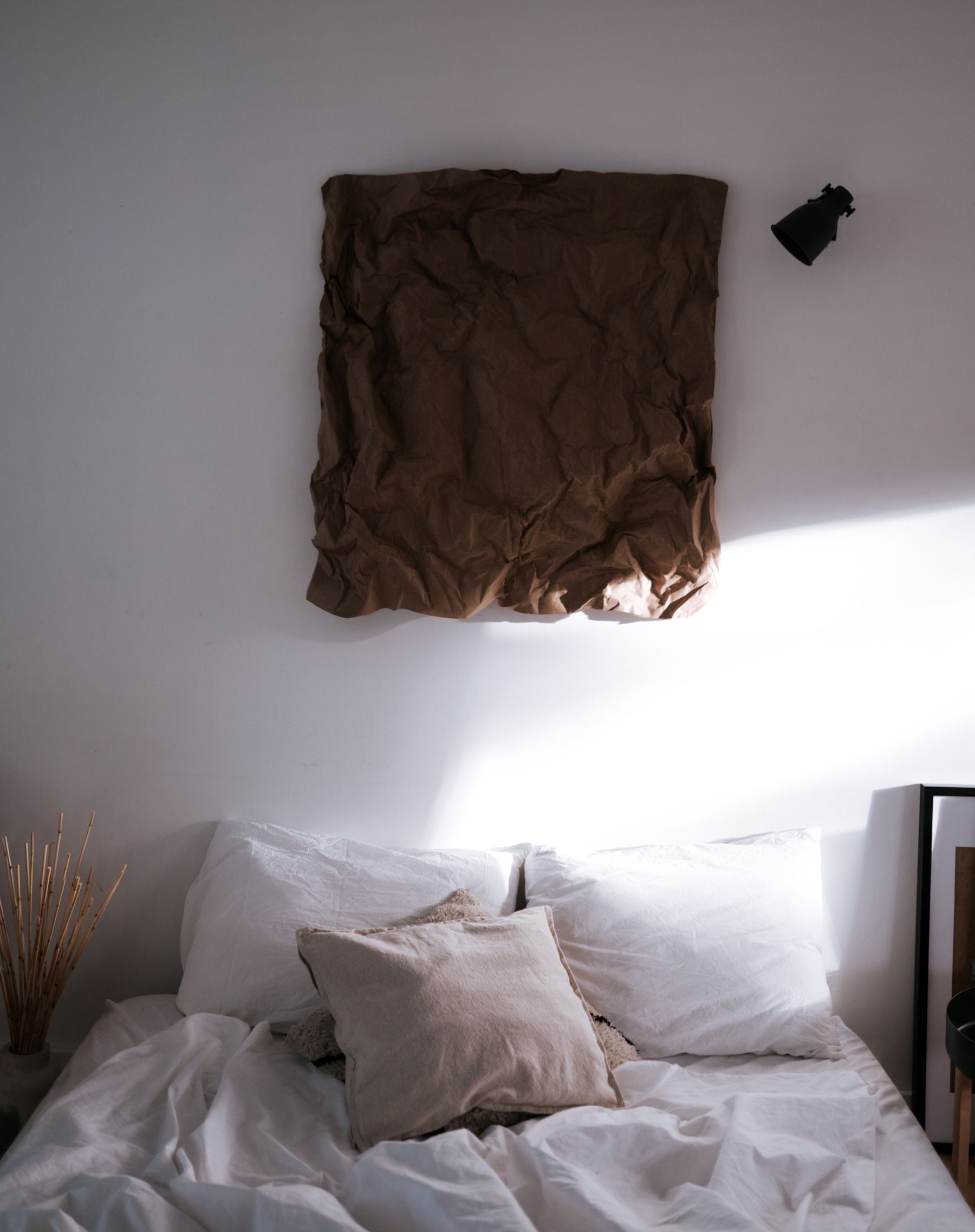
Landscape, botanical studies, family photographs, local printmaking or a textile fragment can connect the room to place and memory. Avoid mass-produced slogans that explain the style instead of enriching the occupant's experience. Scale art to the furniture below, use secure fixings and keep heavy glazing away from vulnerable sleeping positions. One larger work often calms a room better than many small frames. If the bed wall already has wallpaper or a shaped headboard, move art to a quieter surface rather than stacking focal points.
Dressers and Wardrobes as Part of the Furnishing Story
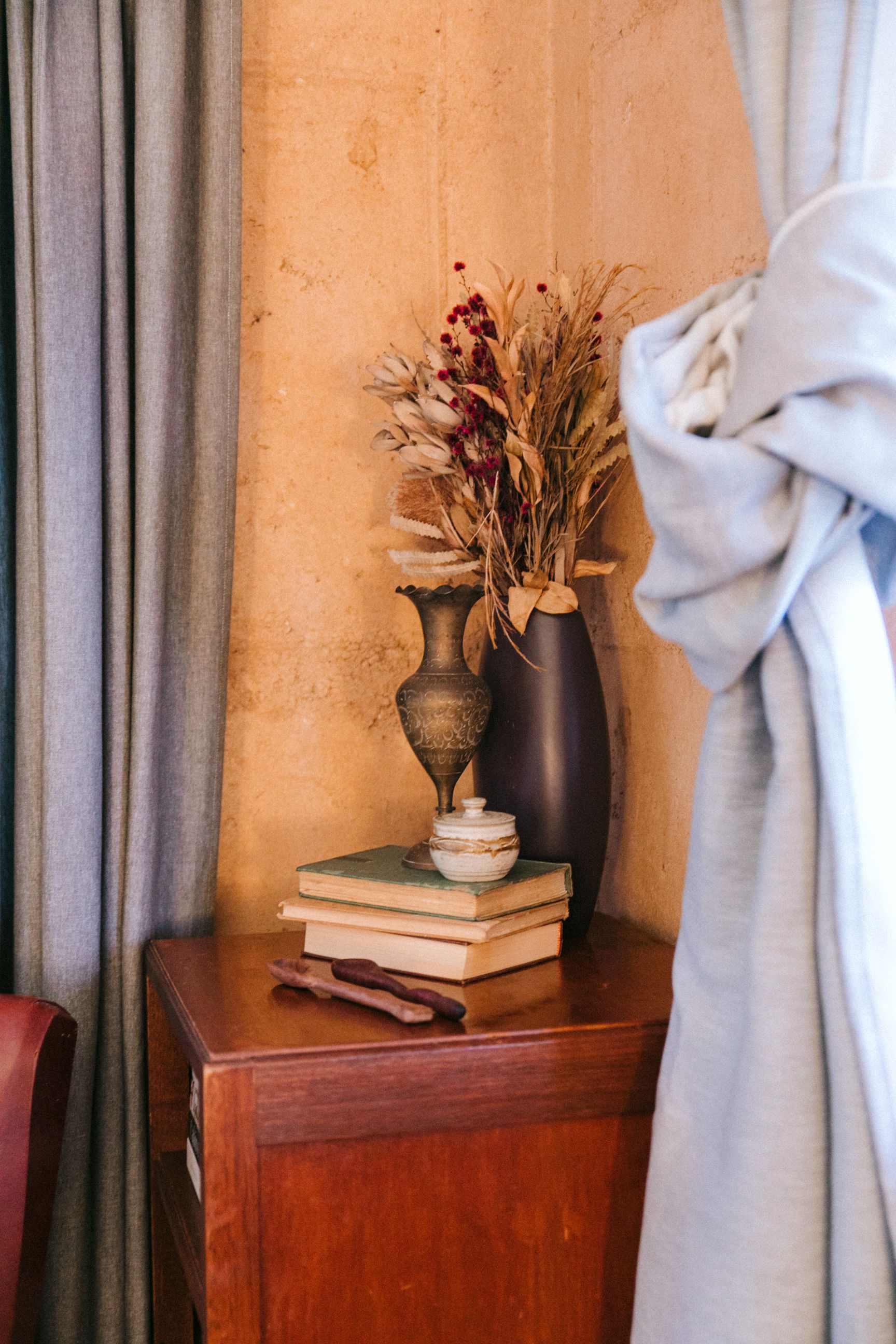
A chest, wardrobe or painted cabinet suits farmhouse style when proportions and hardware feel domestic, but interior organization must still fit clothing, linen and charging needs. Measure hanging depth, drawer extension and access around the bed. Use baskets only for categories that remain visible and manageable; closed storage is better for visual noise and dust-sensitive textiles. Keep the top edited so furniture does not become a platform for themed objects. The piece should make the room easier to reset at night and clean each week.
A Small Farmhouse Bedroom Light on Its Feet
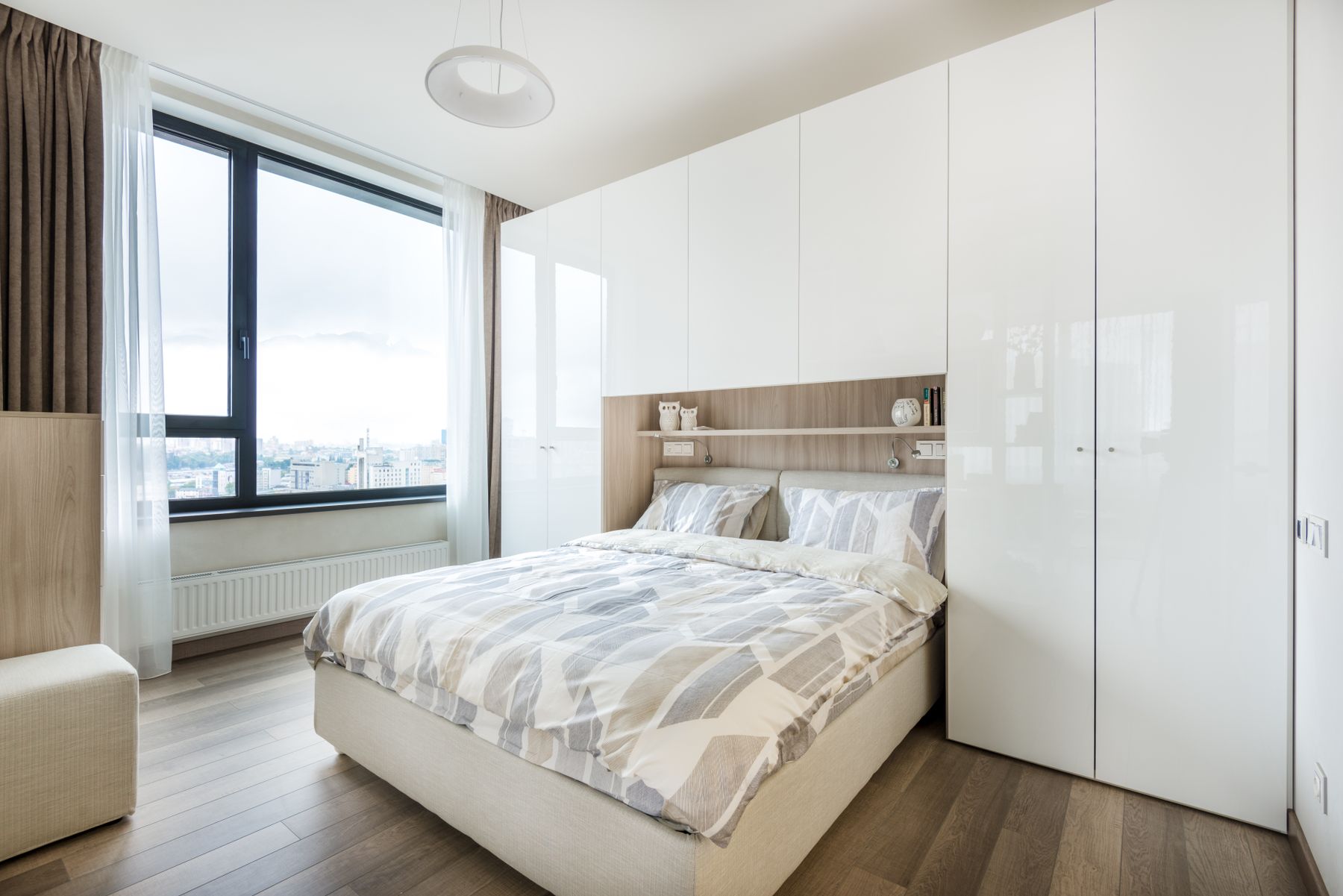
In a small room, select one character piece—a timber bed, painted chest or patterned quilt—and let fitted or visually quiet storage handle the bulk. Use raised legs where cleaning and visible floor improve the sense of space, but do not sacrifice stable support. Keep window stack-back clear and patterns scaled to the viewing distance. A shallow wall shelf may replace a deep nightstand. The room can feel farmhouse through material and textile while remaining more disciplined than a larger collected bedroom.
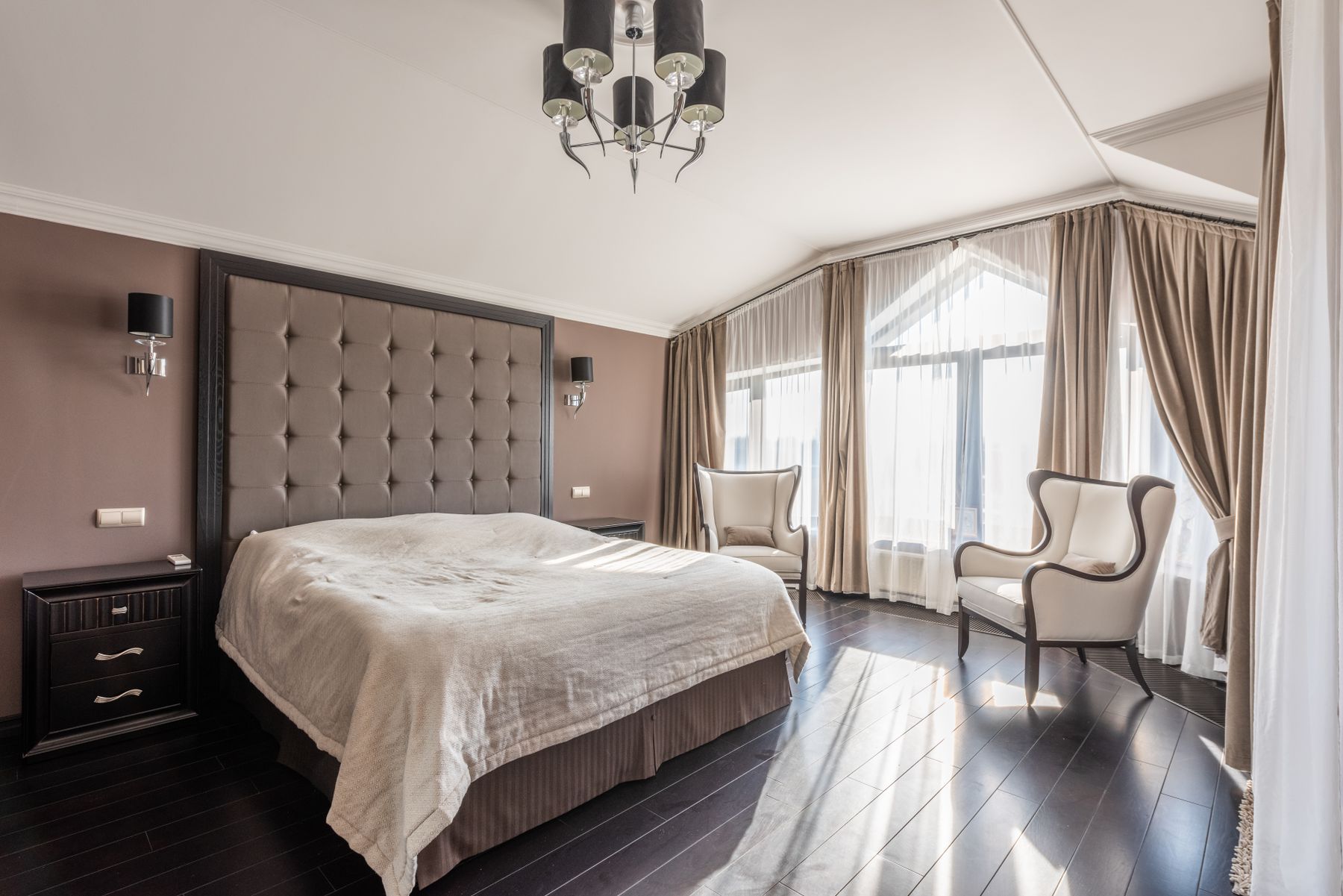
Zone a Large Farmhouse Bedroom Deliberately
A large room may support a reading chair, blanket chest or dressing zone, but each addition needs circulation, light and a clear relationship to sleep. Group a chair with a lamp and table rather than floating several decorative pieces around the perimeter. Use rugs or value changes to define areas without blocking the route. [Large Bedroom Ideas](/bedroom/large-bedroom-ideas/) covers scale and zoning in depth; farmhouse character can then come from the chosen chair, chest or textile rather than filling every gap.
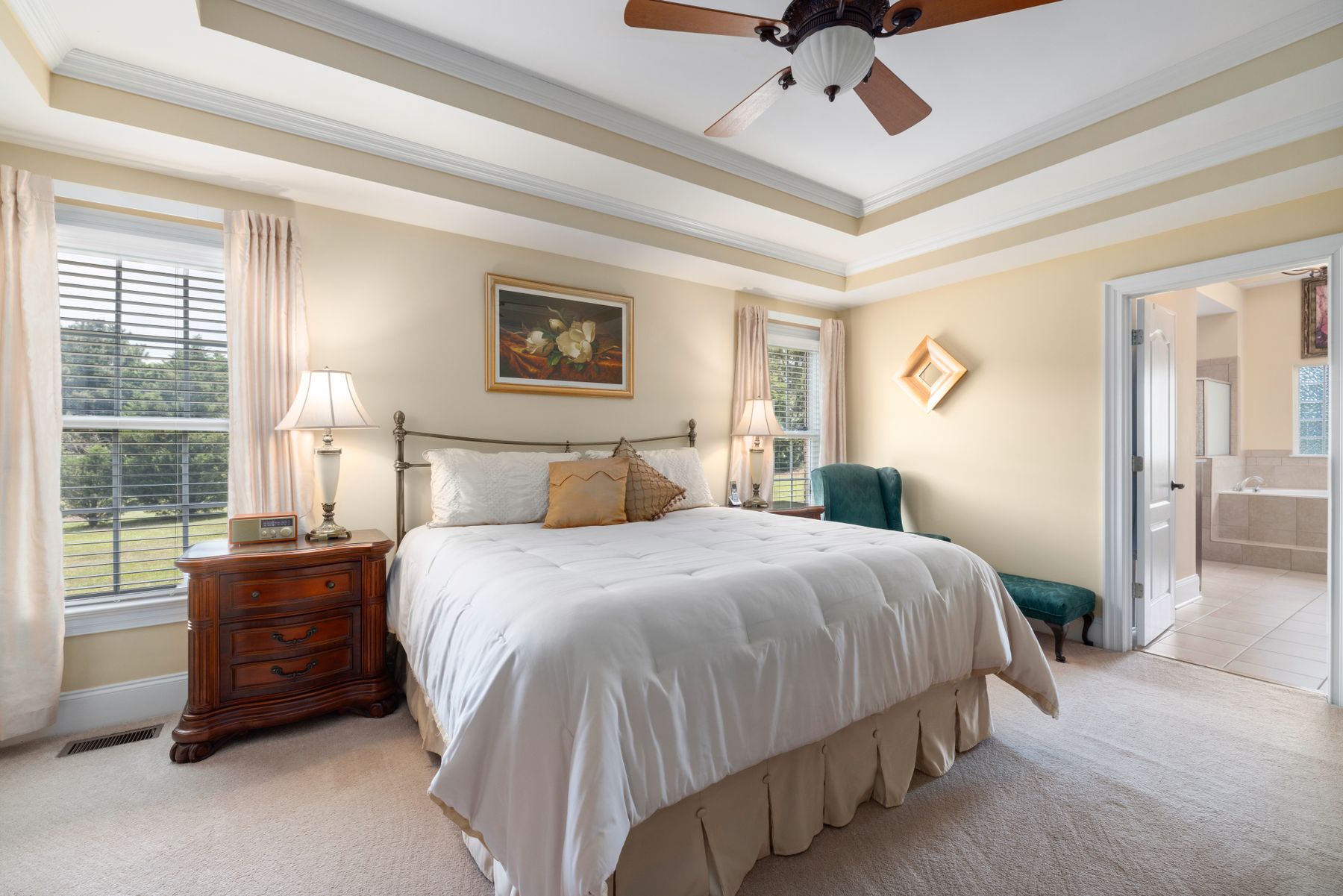
Modern Farmhouse Through Contrast, Not Cliché
Modern farmhouse works when clean current forms sharpen a few familiar materials: a simple upholstered bed beside an old chest, a tailored shade with a floral quilt, or smooth plaster against warm timber. It fails when black windows, shiplap and oversized clocks are repeated as a kit. [Modern Bedroom Ideas](/bedroom/modern-bedroom-ideas/) offers the function-led framework; add farmhouse through one crafted furniture relationship, tactile bedding and a warmer palette. Let contrast between eras remain visible rather than distressing new pieces to fake agreement.
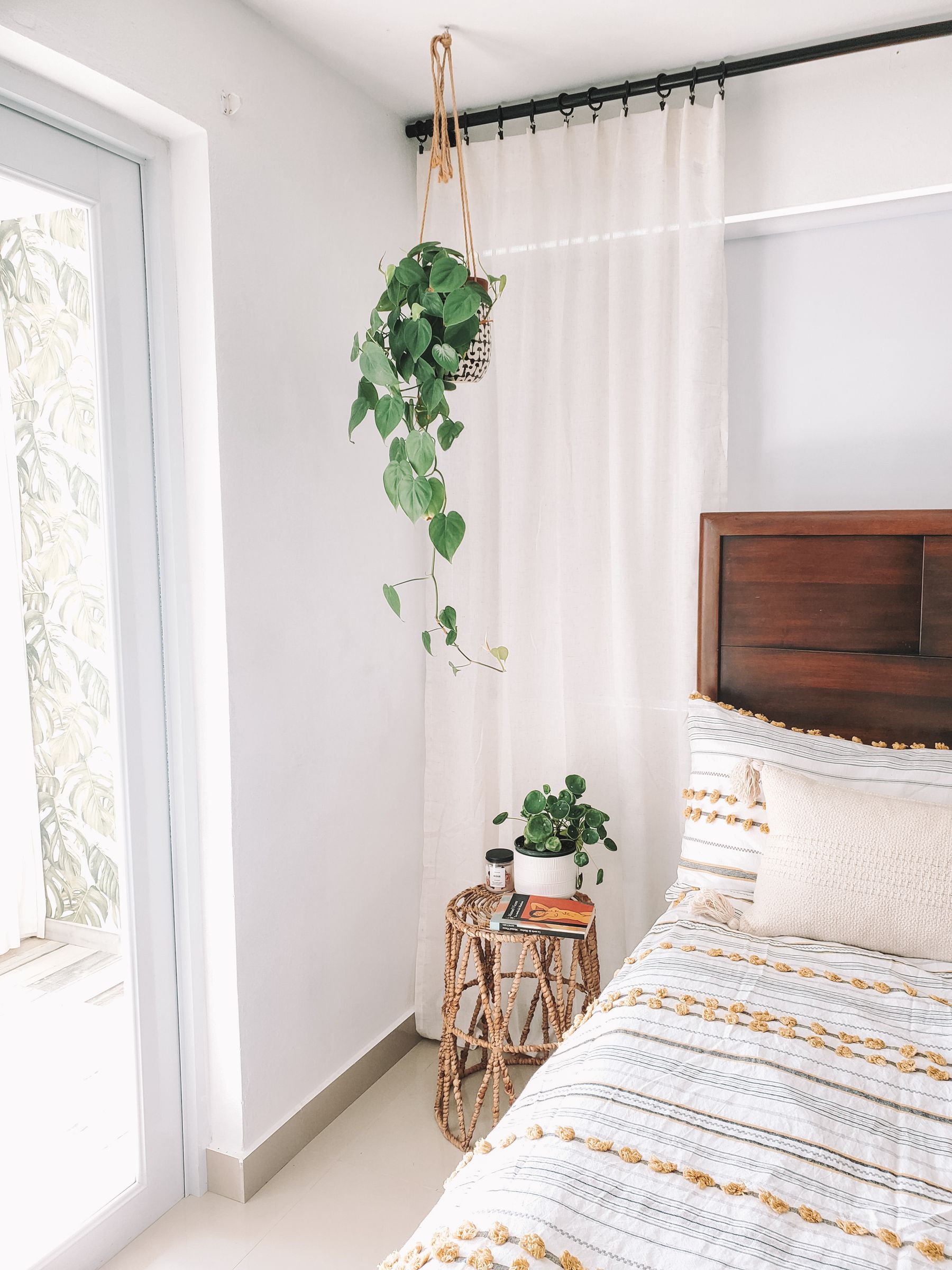
A Reversible Farmhouse Scheme for a Rental
Use a freestanding timber or upholstered headboard, patterned coverlet, full-length curtains, woven rug, ceramic lamp and one vintage bedside piece to create the style without cladding or permanent distressing. Confirm permission before paint, hardware or adhesive film, and retain condition records for reinstatement. Avoid buying many tiny farmhouse accessories simply because the shell cannot change. Broad reversible surfaces deliver more impact and travel better. Safety, fire clearance and stable furniture anchoring still apply even when the intervention is temporary.

Protect Accessibility in a Soft, Layered Room
Preserve contrast at the bed edge, handles, switches and nighttime route even when walls, furniture and bedding share pale values. Choose bed height for the actual user, keep rugs stable and provide controls reachable from both entrance and pillow. Avoid sharp iron projections, unstable blanket ladders and deep chests in circulation. Texture can aid low-vision orientation, but glare and visual clutter work against it. Farmhouse comfort is successful only when familiar layers remain easy to navigate, operate and maintain.
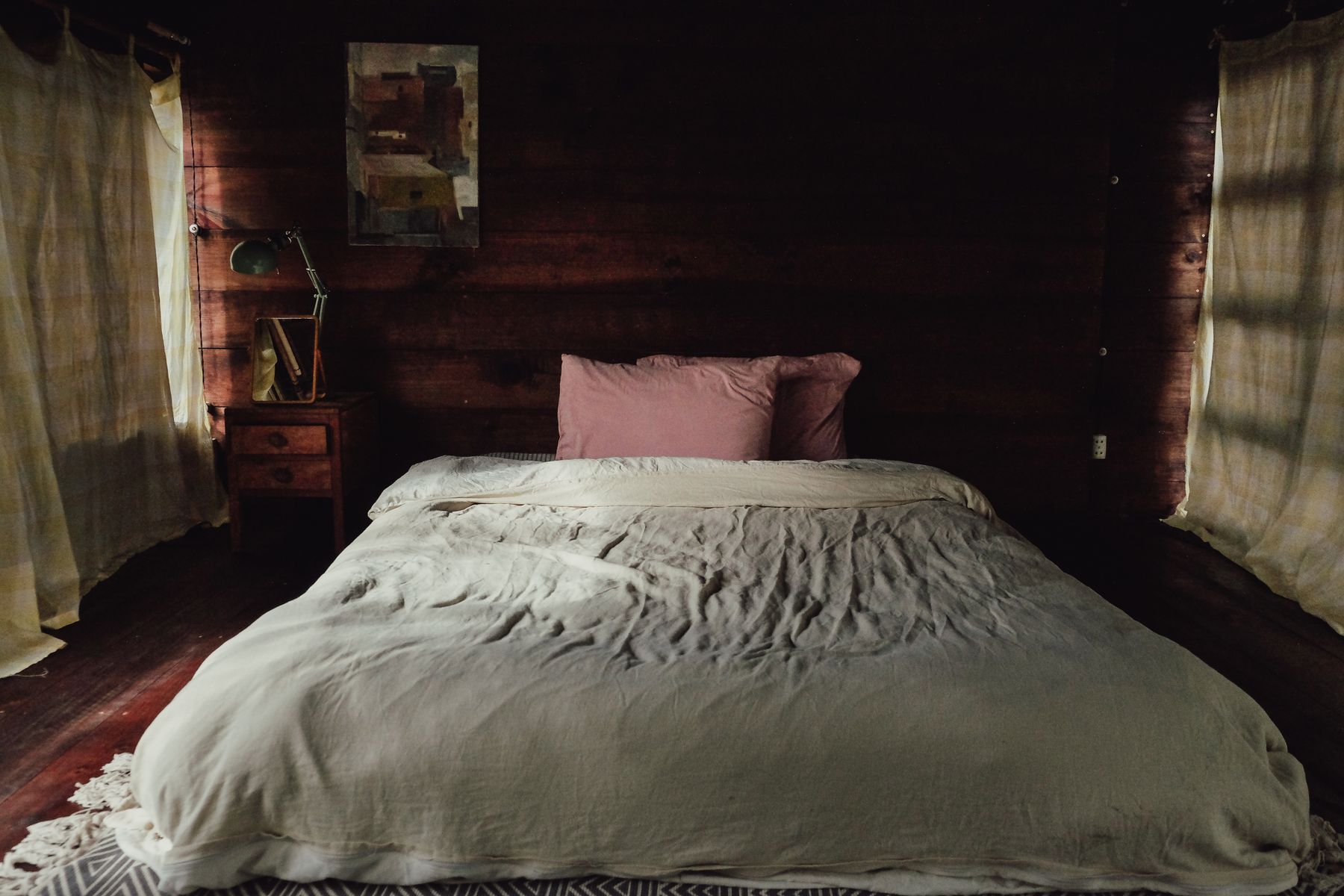
Maintain Painted Wood, Natural Fiber and Old Pieces
Dust ledges and textured weaves regularly, use manufacturer-approved cleaners on painted and sealed wood, and repair chips before moisture reaches the substrate. Keep records of paint color and finish. Air quilts and follow care labels rather than assuming every natural fiber tolerates hot washing. Inspect older furniture for loose joints, pests and flaking coatings, especially after moving or seasonal humidity change. Choose patina you can clean and live with; grime, splinters and failing finishes are maintenance problems, not authentic style.
Finish With an Old-New and Day-Night Audit
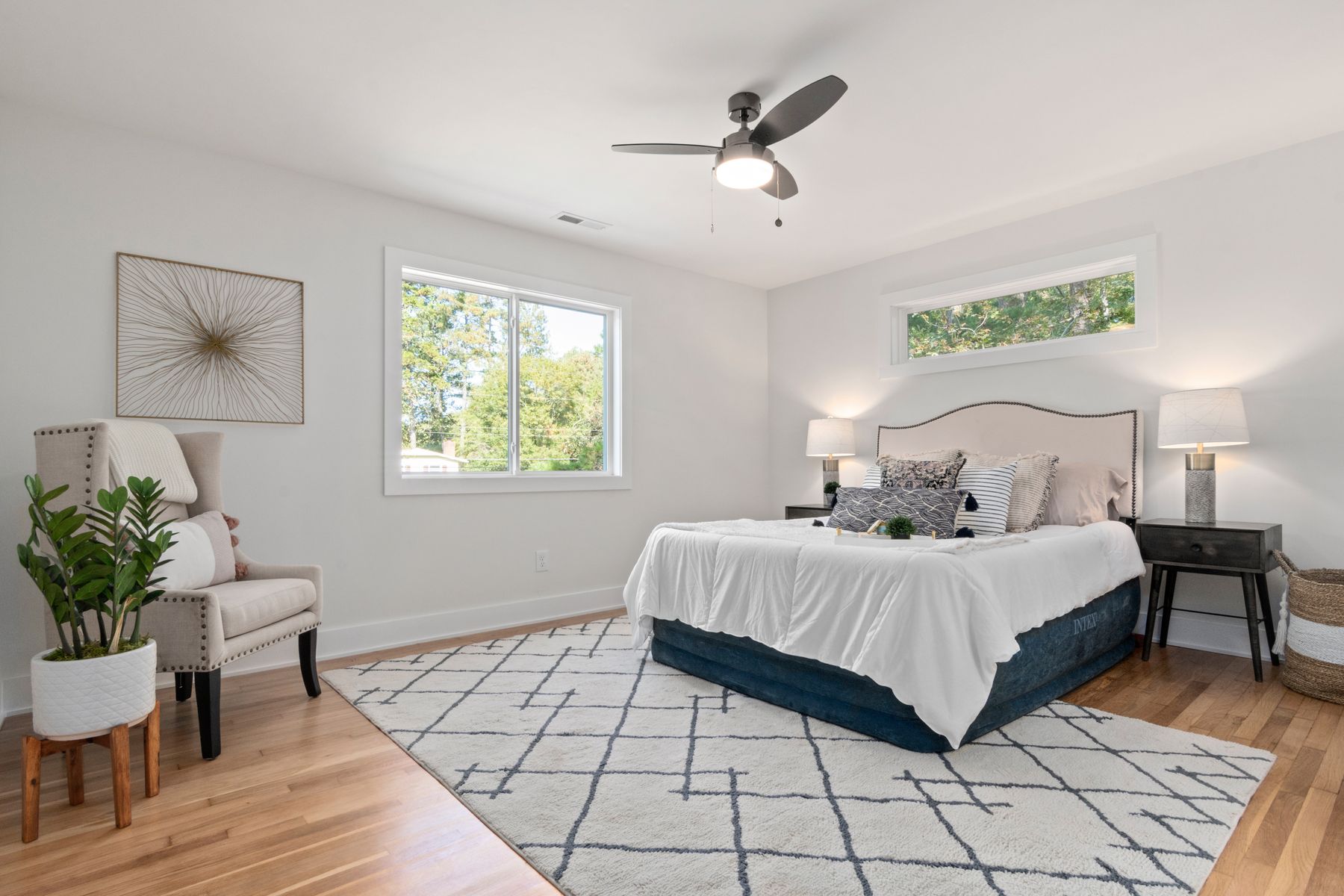
Use the room at waking time, while dressing, during an overcast afternoon, for reading and in full darkness. Confirm that the bed is comfortable, storage opens, window layers work, old and new pieces feel intentionally related and every pattern has enough quiet around it. Remove the object that exists only to announce farmhouse style. The scheme is complete when furniture and textile choices support the occupant's routines and the room remains warm without slogans, artificial distressing or perfect photographic staging.