Cottage Character Begins With Scale, Not Rural Props
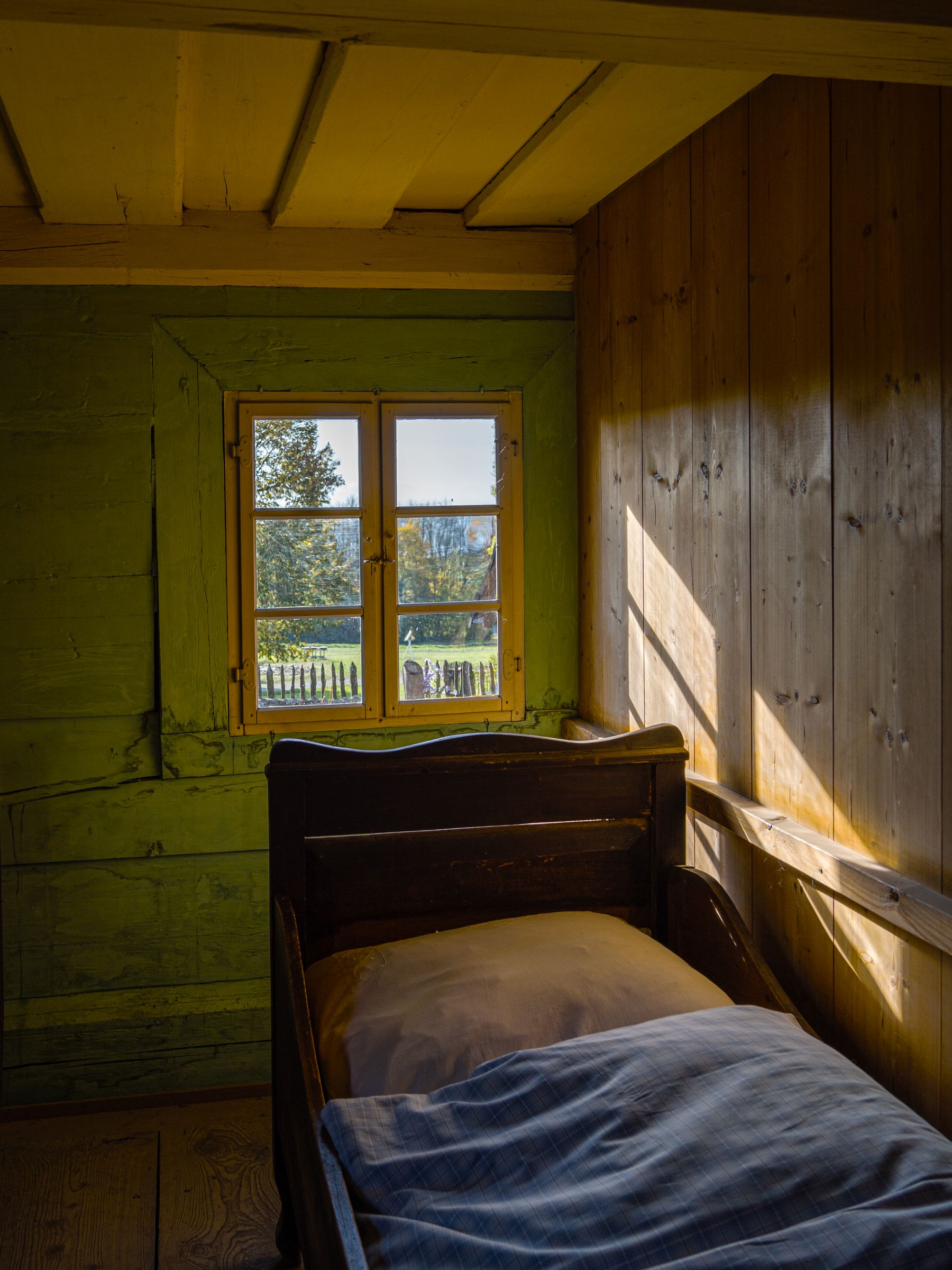
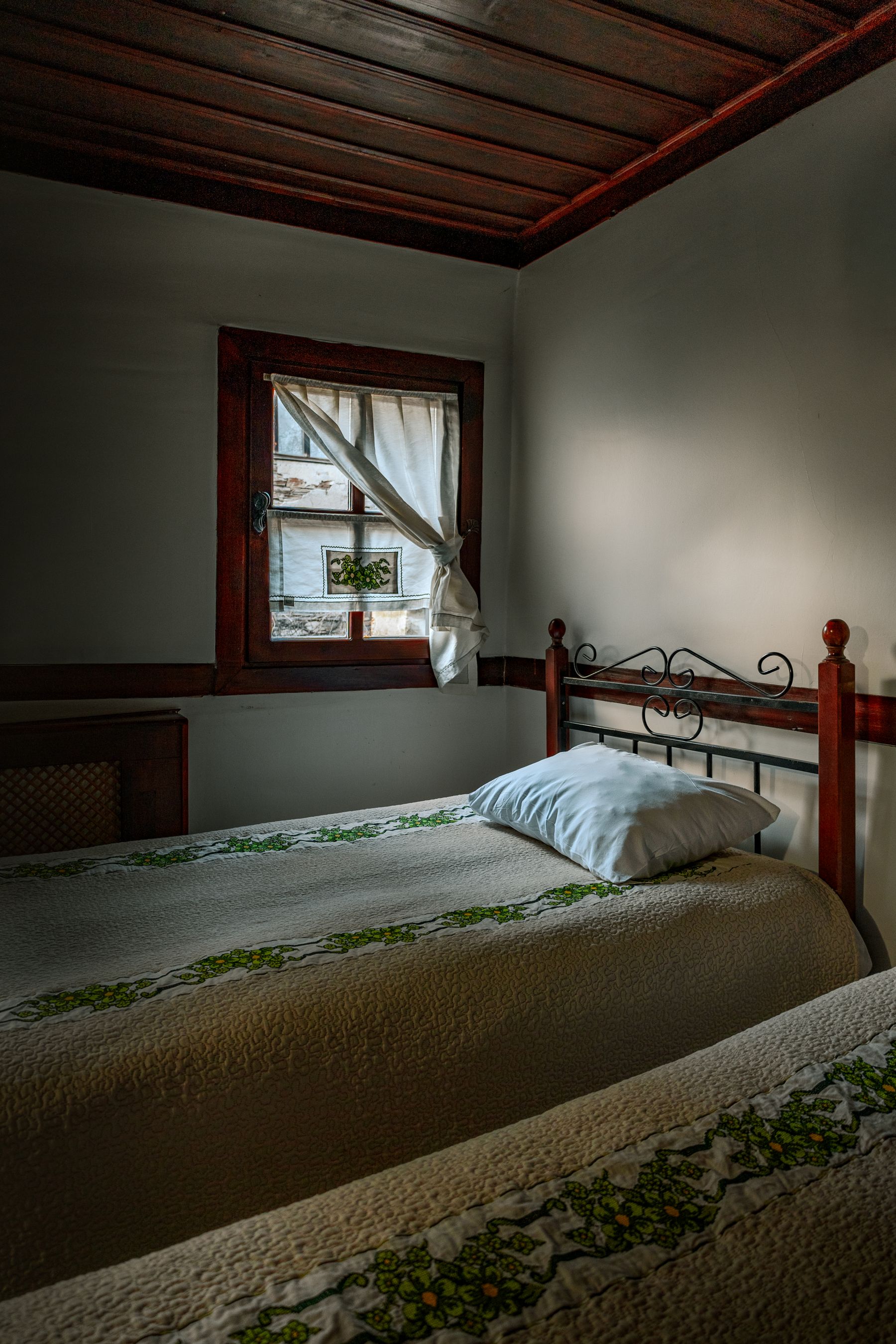
Cottage style begins with modest scale, close relationships and useful domestic comfort. The bed sits near a window, a small chest works harder than a decorative console, and pattern softens architecture rather than advertising a theme. The room may be in an old house, a suburban home or an apartment; what matters is that furniture and layers respect its proportions. [Country Bedroom Ideas](/bedroom/country-bedroom-ideas/) is broader and place-led, while cottage design is most useful when it solves compactness with warmth and character.
Separate Cottage From Country, Farmhouse and Shabby Chic
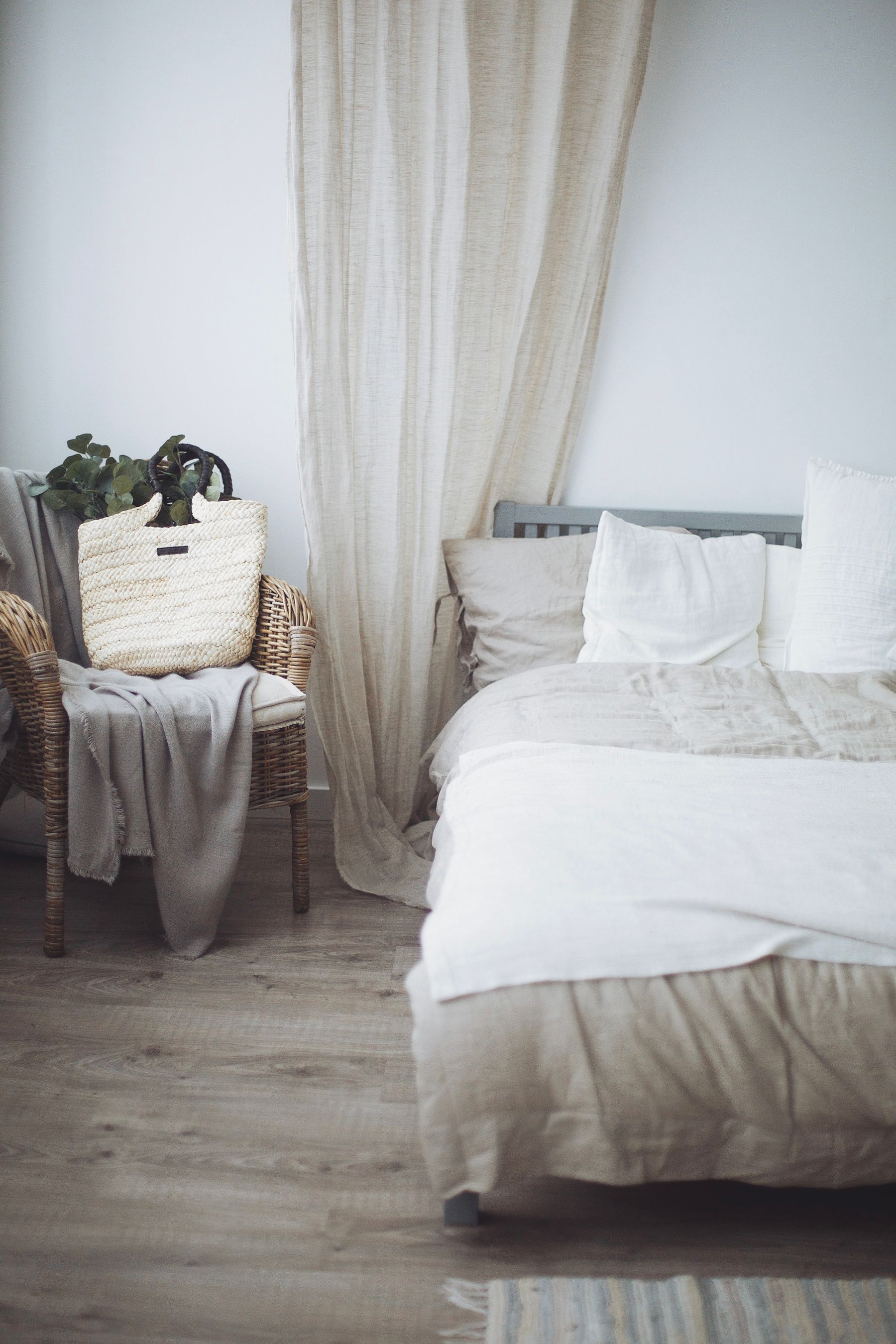
Country interprets place and regional tradition; Farmhouse is led by practical furniture and workmanlike material; Shabby Chic centers pale romance and selected patina. Cottage can borrow from all three but earns its own destination through compact rooms, visually light forms and tightly edited layers. A painted bedside chest may be cottage because it fits an alcove, farmhouse because it is sturdy and useful, or shabby chic because its aged finish leads. [Farmhouse Bedroom Ideas](/bedroom/farmhouse-bedroom-ideas/) and [Shabby Chic Bedroom Ideas](/bedroom/shabby-chic-bedroom-ideas/) help readers follow the dominant idea rather than treating every soft rural room as identical.
Use Slopes, Alcoves and Deep Reveals as Structure
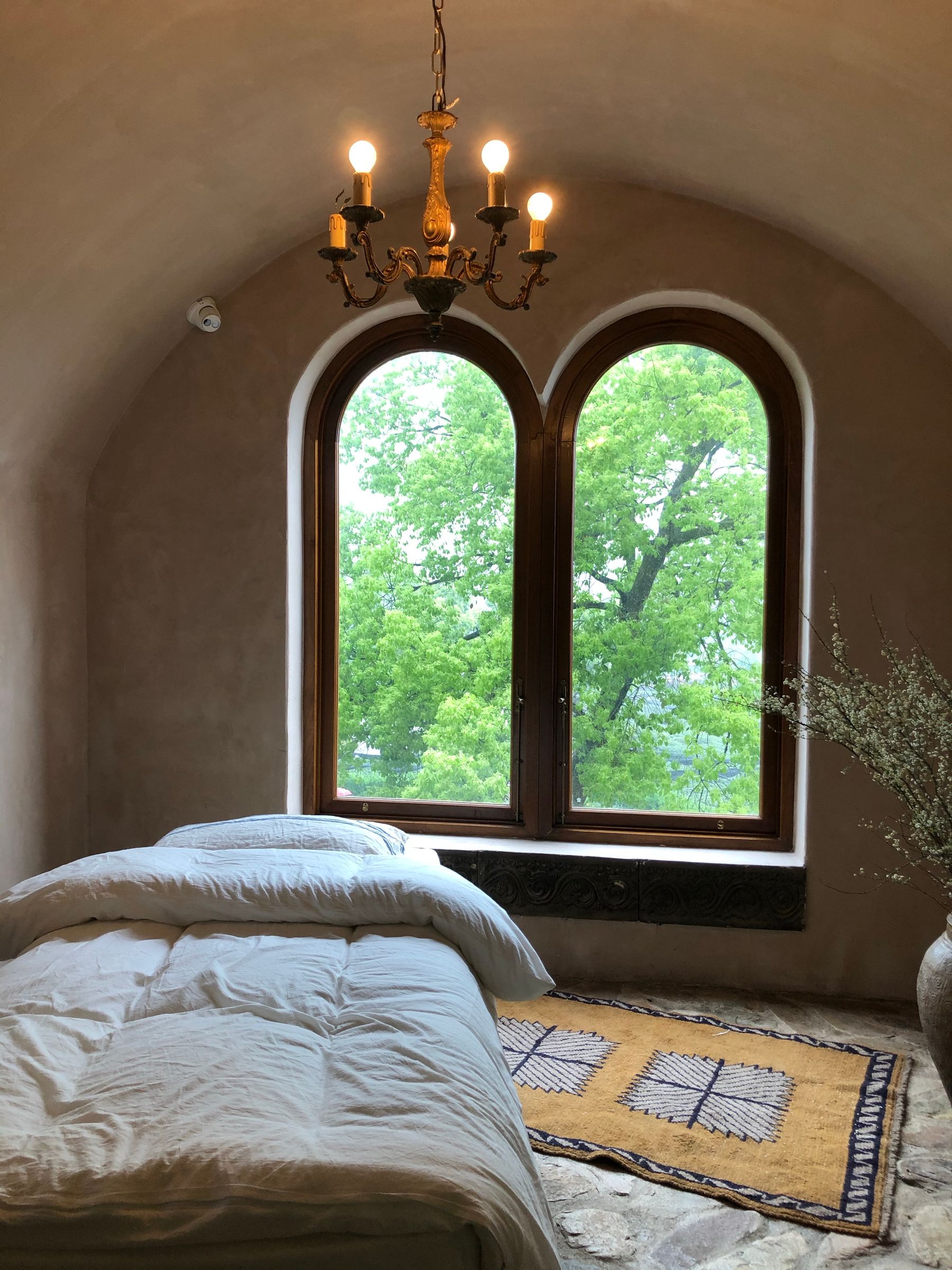
Low eaves, deep window reveals, uneven corners and chimney breasts can organize the room if they are measured honestly. Place low storage beneath a slope, use a reveal for a reading ledge and reserve full-height walls for wardrobes. Do not expose old masonry or timber merely for effect; investigate damp, drafts, lead paint, wiring and structural condition first. In a newer bedroom, one precisely detailed niche or painted built-in can create the same close relationship without manufacturing fake age.
Plan the Bed Around the Real Walking Route
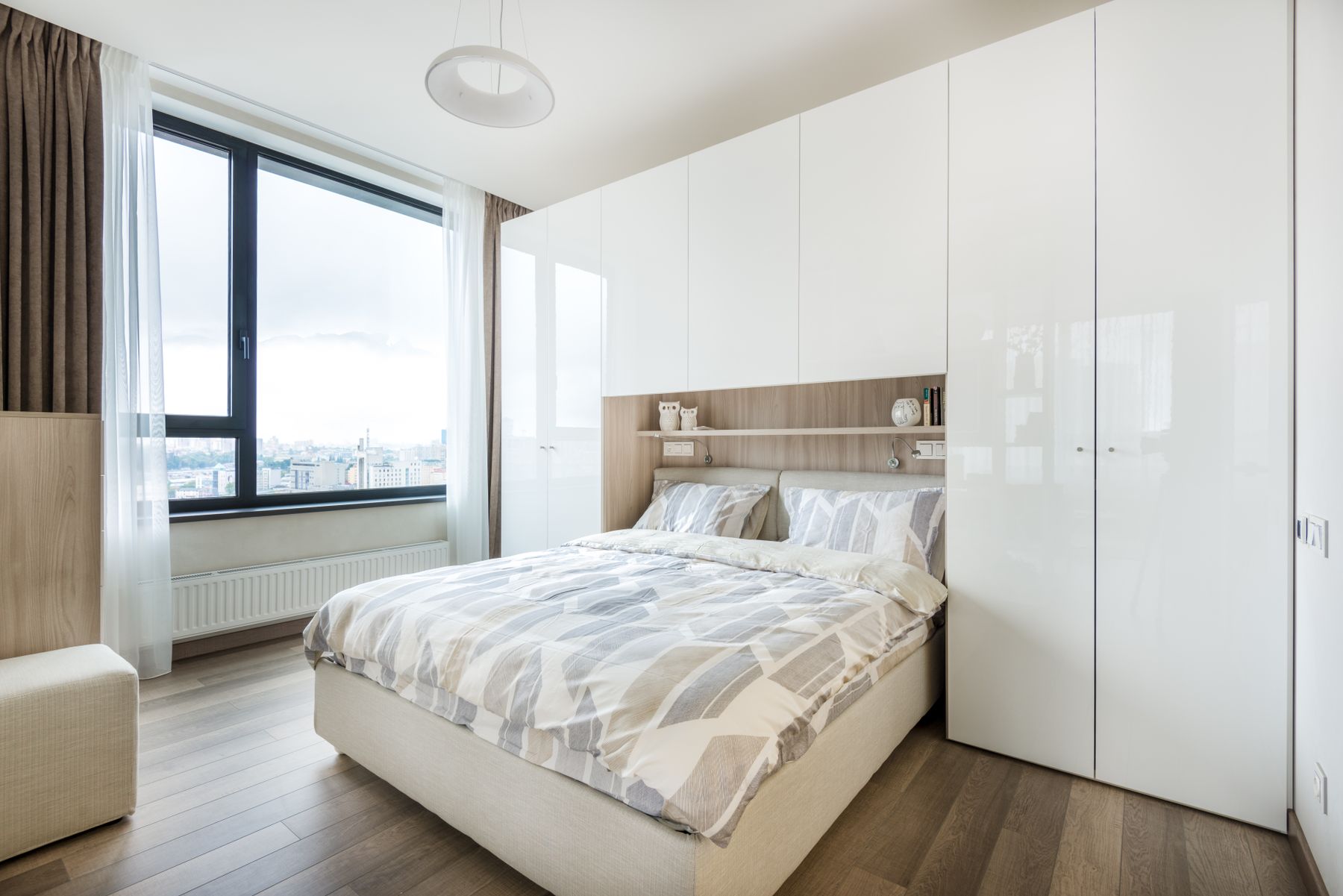
Map the door swing, window operation, radiator output and the widest points of every furniture piece before choosing a bed. In a small cottage bedroom, moving the bed slightly off architectural center can preserve a safer route or a usable wardrobe. Test sheet changes, drawer clearance and nighttime movement, not only the styled view from the doorway. [Small Bedroom Ideas](/bedroom/small-bedroom-ideas/) offers a fuller planning framework when footprint is the primary problem. Cottage character should never require turning sideways around sharp corners.
A Bed With a Light Visual Footprint
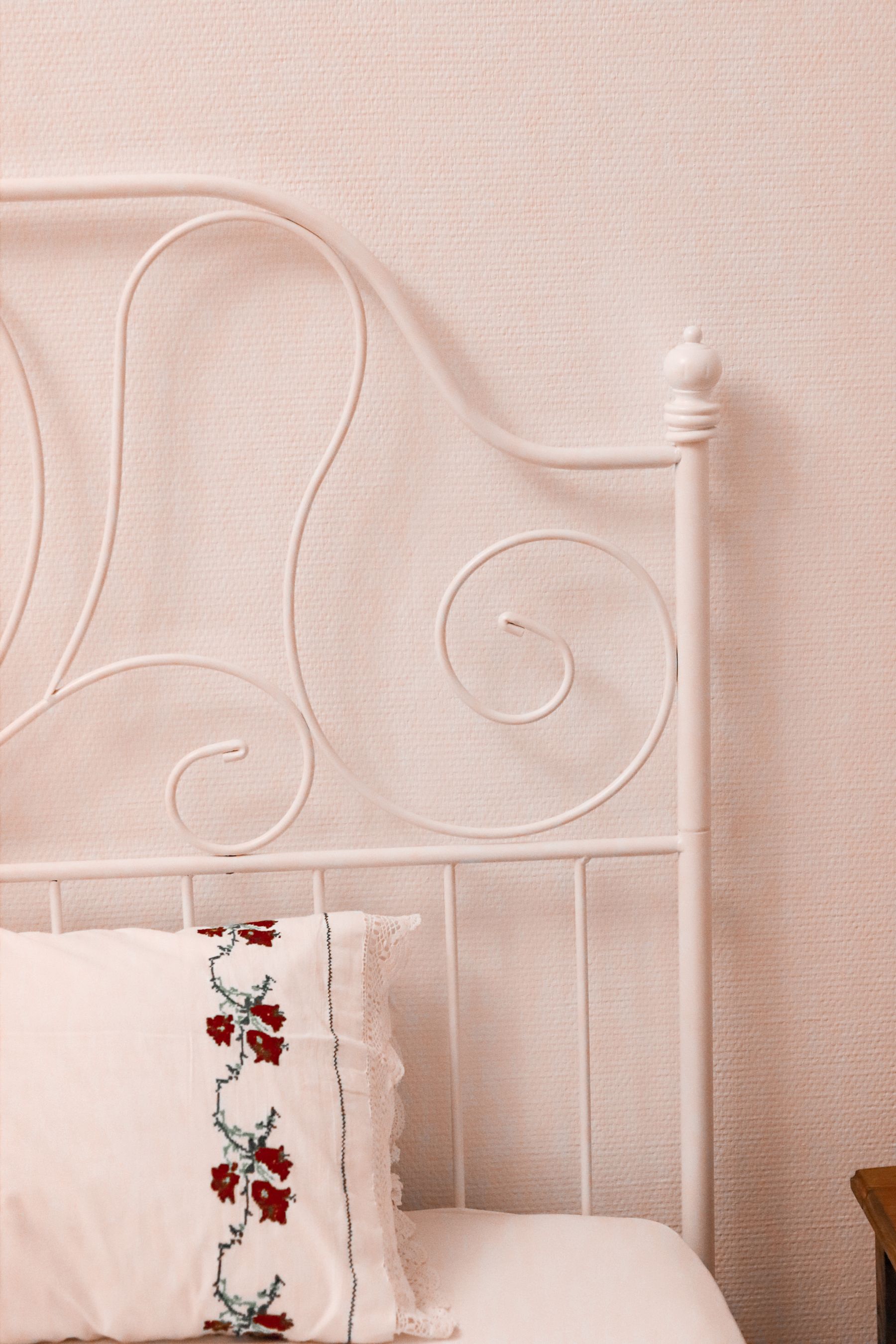
Open iron frames, simple spindle beds and low painted timber headboards allow wall, window and floor to remain visible. Deep upholstered beds and heavy footboards can be comfortable but may overwhelm a narrow room or obstruct the route. Check mattress support, frame stability and the finished bed height before prioritizing appearance. A light frame does not require delicate construction: joints, slats and fixings should feel solid. Use bedding and a small-scale headboard detail to provide softness rather than adding bulk at every edge.
Near the Window Without Blocking It
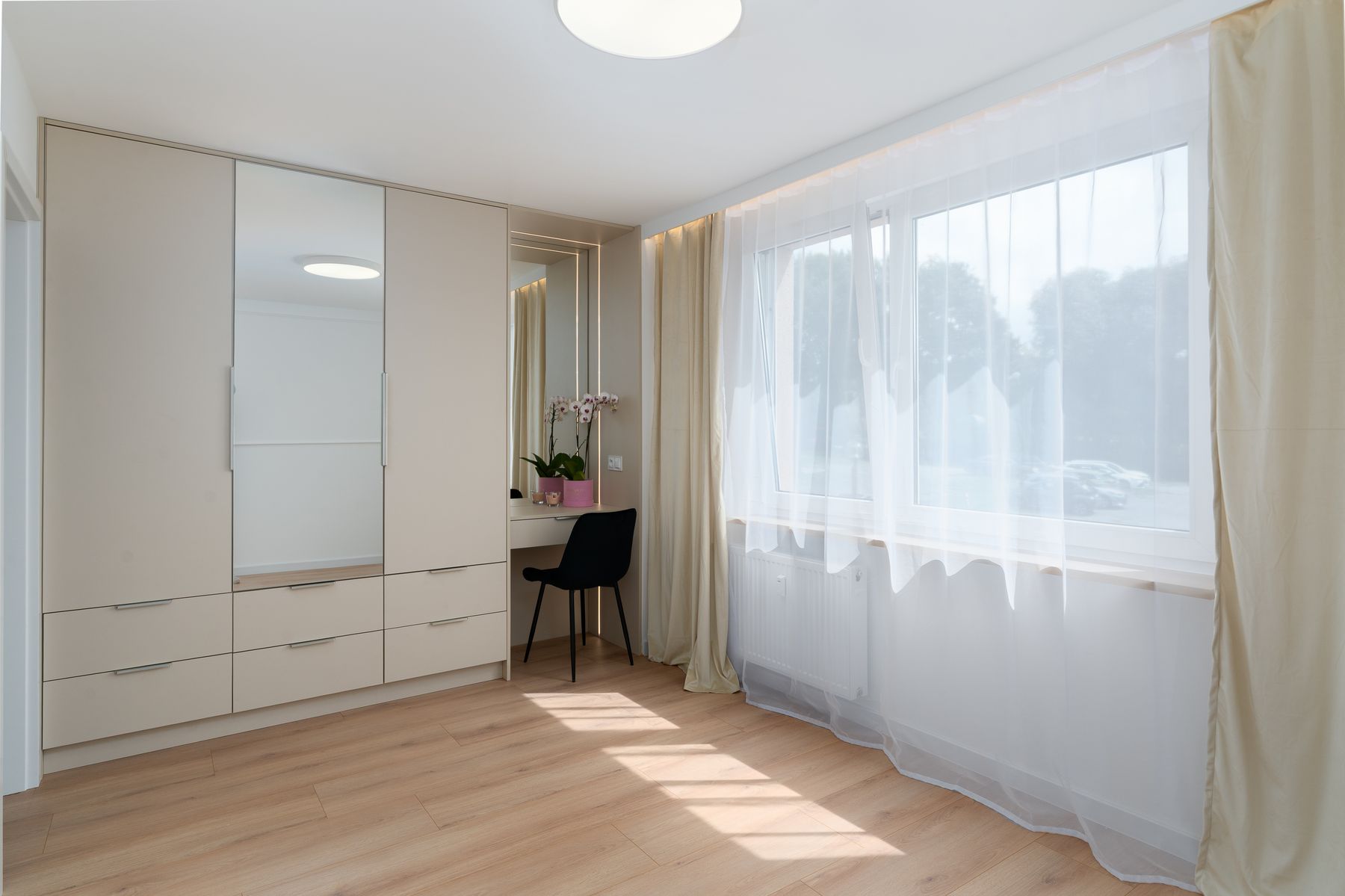
A bed near a window can create the close garden-facing quality associated with cottages, but the window must still open, curtains must clear the bedding and condensation needs airflow. Avoid placing a tall solid headboard across the main daylight source. Where drafts are severe, repair seals or add a thermal layer before using fabric as camouflage. Keep emergency egress unobstructed where codes require it. A narrow bedside shelf may preserve access better than a full table between bed and wall.
Daylight and Old Materials Set the Palette
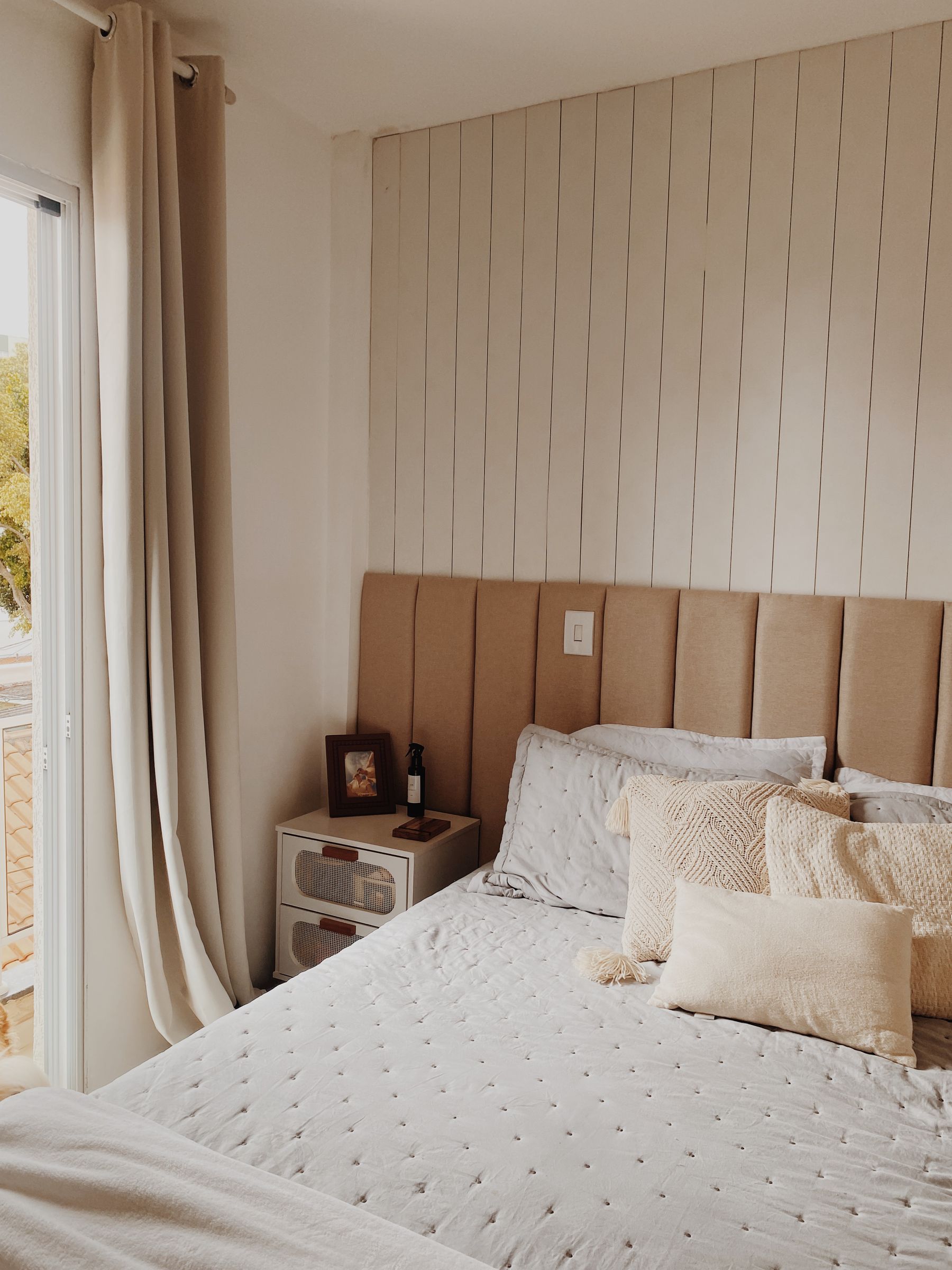
Begin with the floor, timber tone and direction of daylight. Chalk, cream, mushroom, faded blue, soft green, muted rose and butter yellow can work, but the undertones should connect rather than form a generic pastel collection. A north-facing room may need warmer pale walls, while a bright southern room can support dustier color. [Neutral Bedroom Ideas](/bedroom/neutral-bedroom-ideas/) is the better destination when undertone calibration is the main intent. In cottage rooms, color supports close texture and useful furniture.
Let One Small-Scale Floral Lead
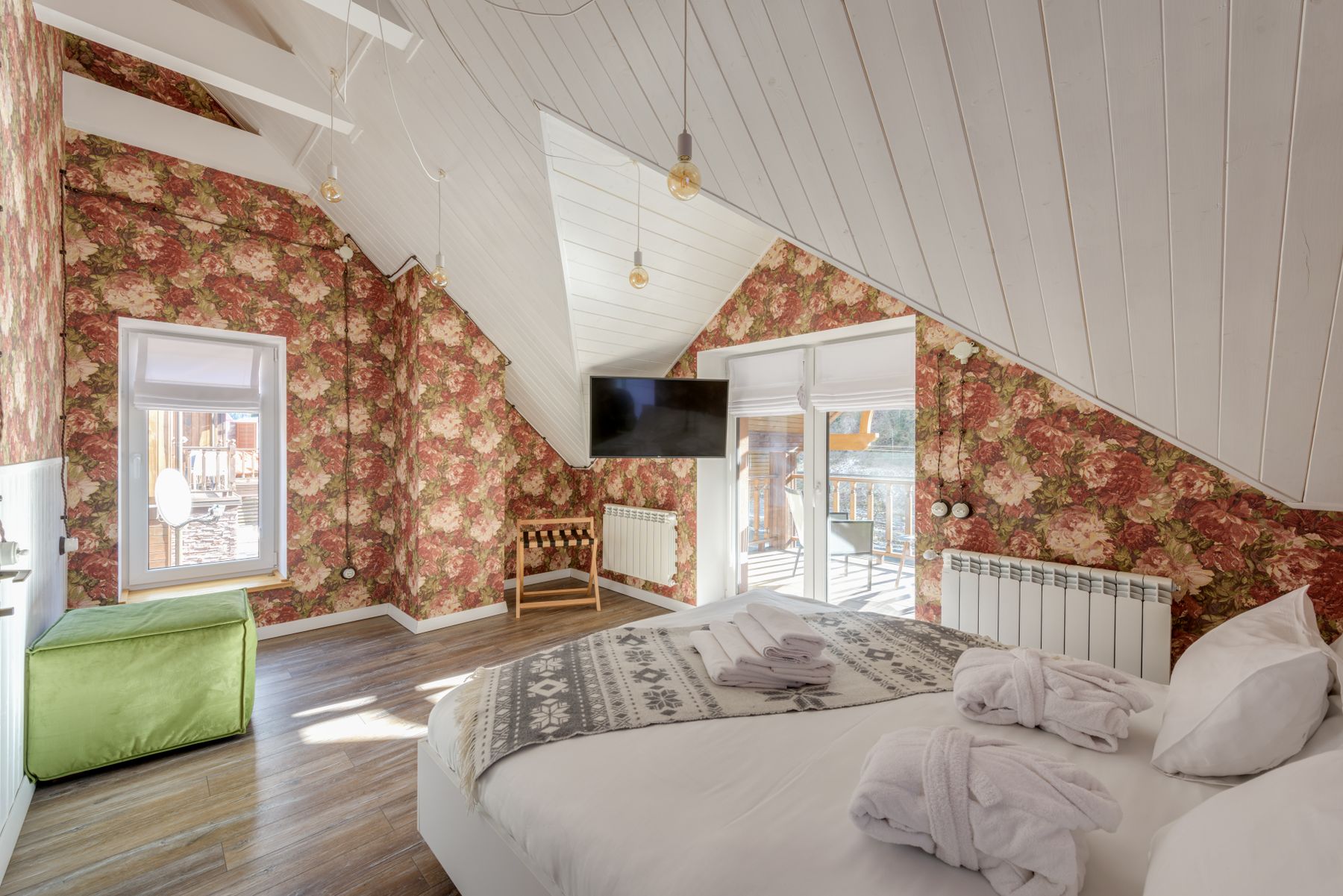
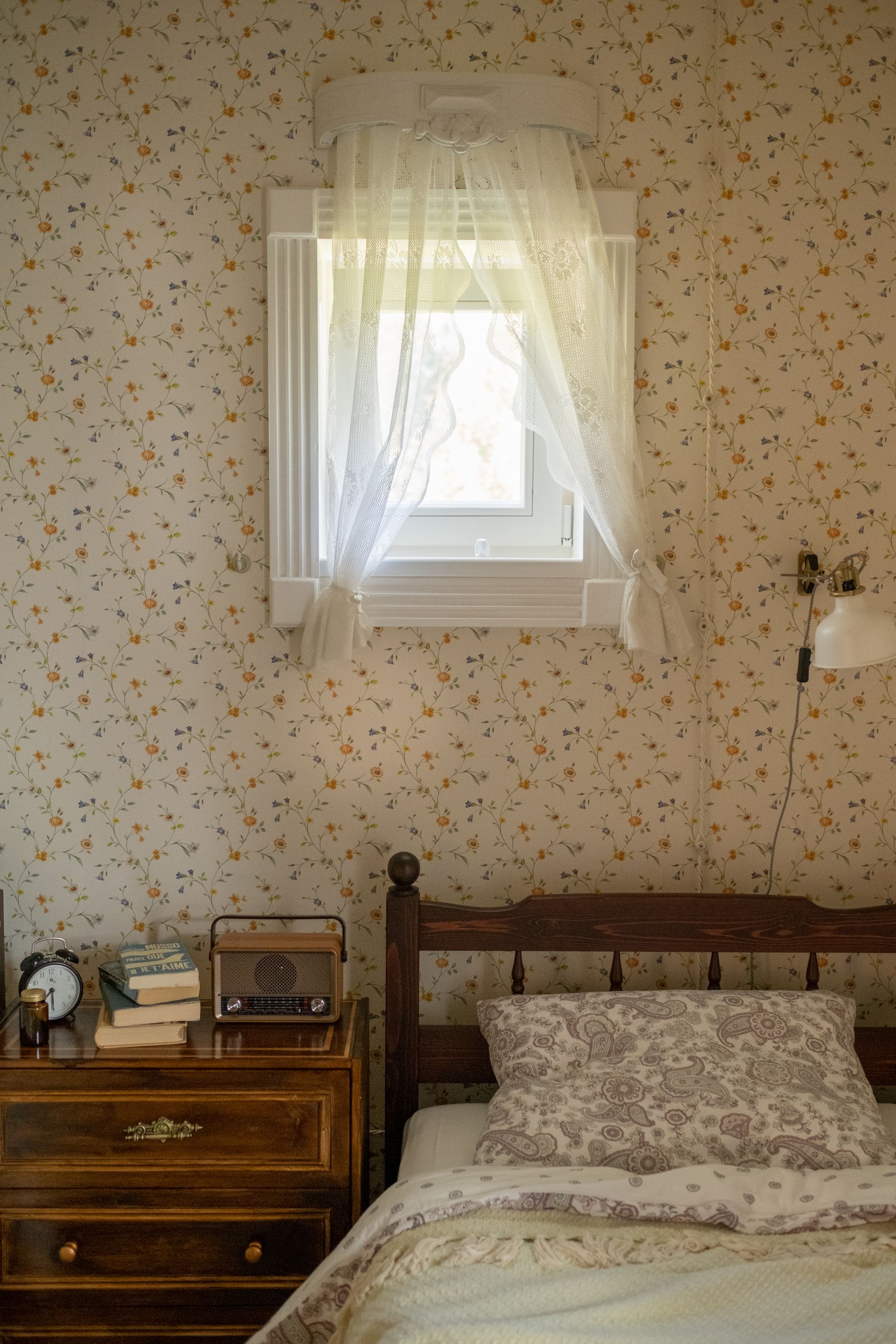
Choose a floral with a repeat that can be read at the room's viewing distance. Tiny prints can become visual noise across every surface, while oversized blooms may dominate a low wall. Use the lead floral on bedding, curtains or one wallpaper plane, then repeat only two or three colors elsewhere. Avoid matching every accessory. A slightly faded or simplified botanical usually integrates more easily with timber and painted furniture than a sharp multicolor print.
Mix Stripe, Check and Solid Through Shared Color
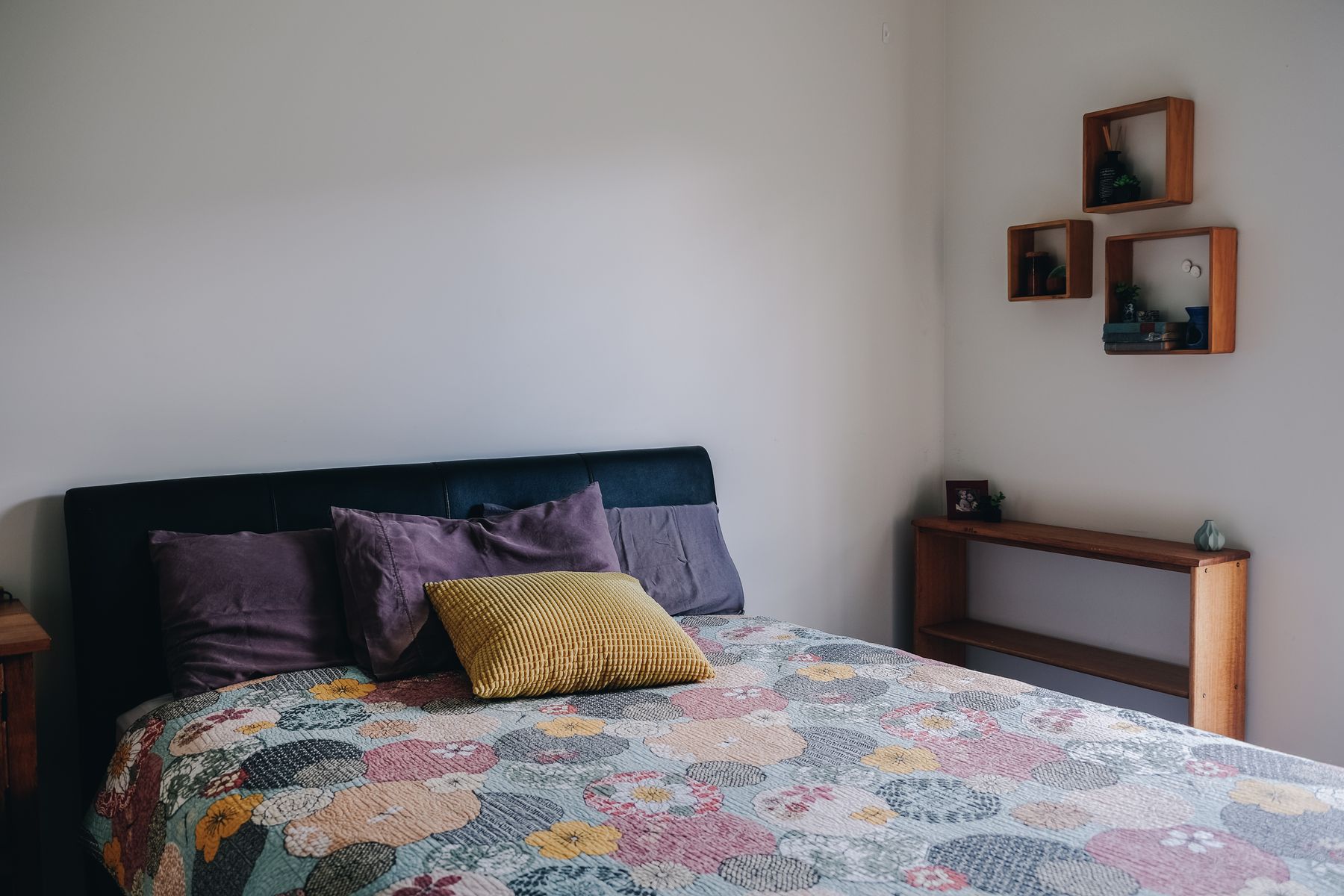
A useful cottage pattern scheme has hierarchy: one expressive print, one simple geometry and broad areas of solid fabric. A floral duvet can sit with a narrow stripe cushion when both share a blue or rust note; a check blanket can work when its scale clearly differs. Keep the mattress, main curtain or largest wall quieter so the eye has somewhere to settle. This controlled mismatch feels acquired over time without producing the decorative overload that belongs more naturally to a maximalist room.

Wallpaper on the Plane That Adds Depth
Wallpaper can emphasize a headboard wall, line a dormer or make a shallow alcove feel intentional. Choose the plane according to sightline and architecture rather than defaulting to the wall behind the bed. In damp-prone old rooms, diagnose moisture and prepare the substrate before papering; wallpaper must not hide active problems. Removable paper can help renters, but test adhesion and removal on the actual paint. Leave enough unpatterned surface for furniture silhouettes and window light to remain legible.
Painted Furniture as Visual Weight Relief
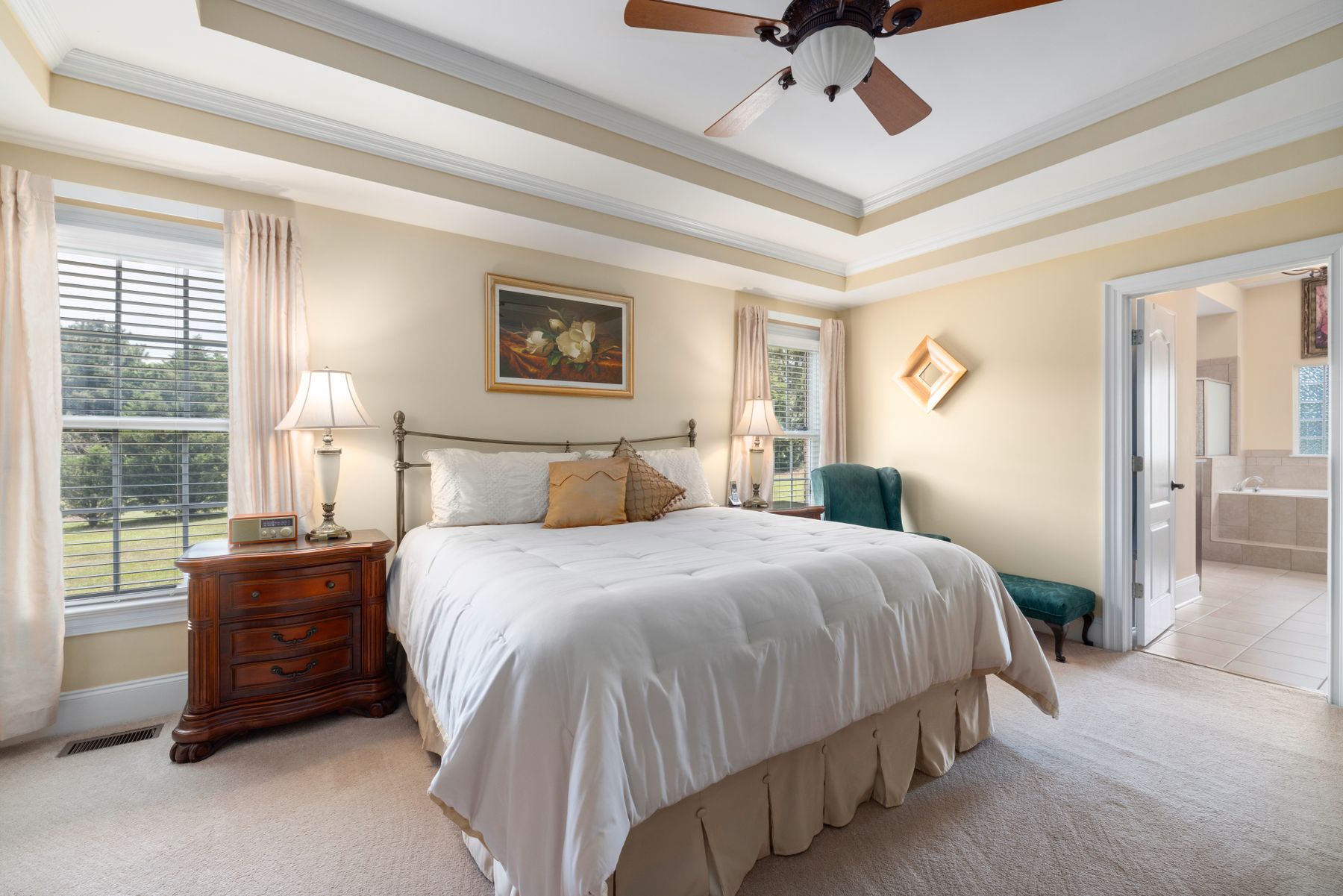
A pale bedside chest or wardrobe can merge with the wall and reduce apparent bulk, especially where furniture sits close to the bed. Keep at least one natural timber note so the room retains material depth. Do not paint valuable antiques or sound original finishes without understanding what would be lost. For ordinary pieces, repair joints, prepare surfaces and use a compatible low-odor coating that cures fully before the bedroom returns to use. Controlled color is more credible than identical distressed paint on every object.
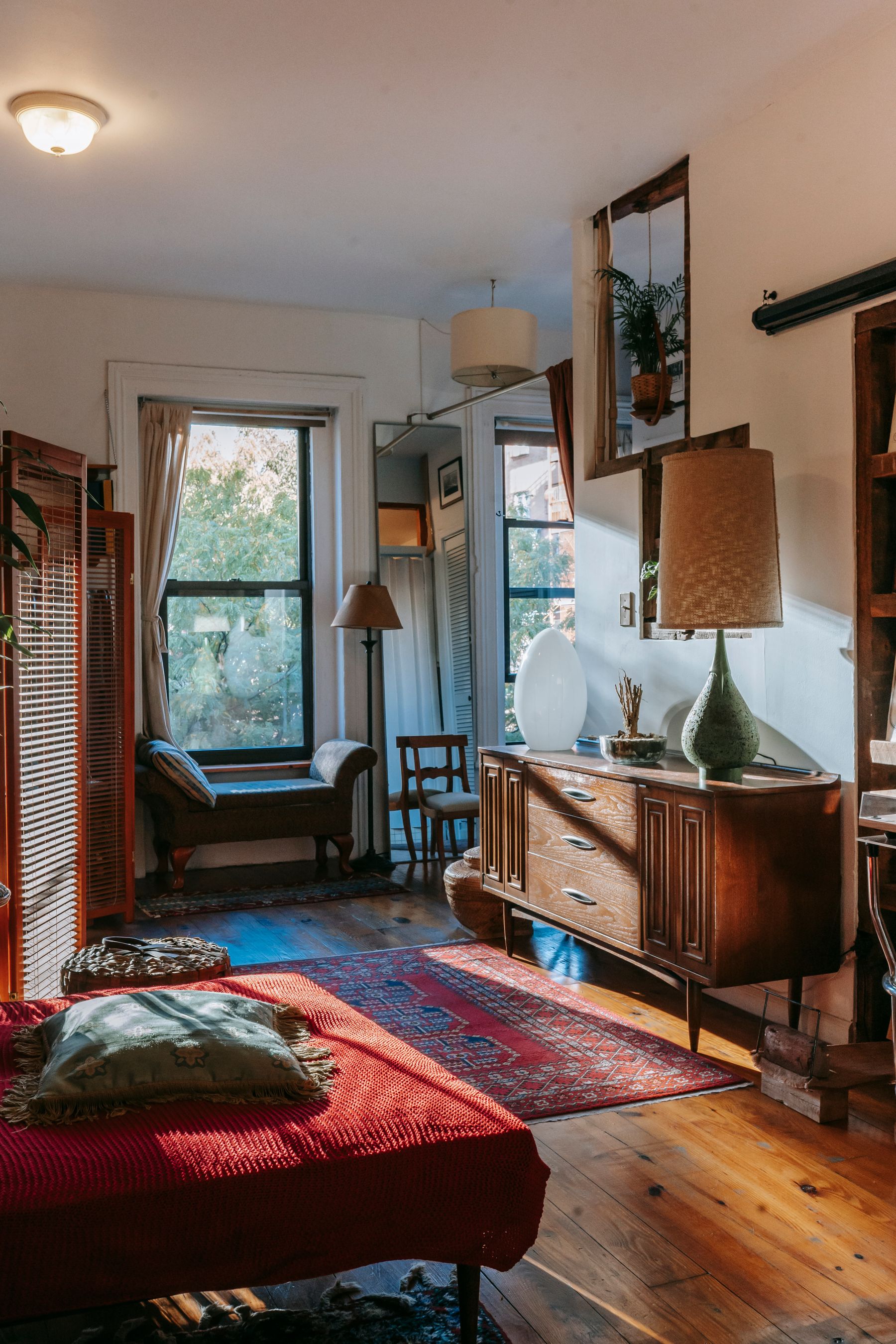
Old and New Connected by Function and Scale
Let a vintage chest, chair or lamp provide history, then use a reliable new mattress, stable bed base and efficient storage where performance matters. Matching age is less important than matching scale and visual weight. Inspect old furniture for pests, odors, loose joints, sharp hardware and unsafe finishes before use. [Vintage Bedroom Ideas](/bedroom/vintage-bedroom-ideas/) goes deeper into period, provenance and condition; cottage rooms use vintage pieces selectively to make a compact room feel personal rather than curated by era.
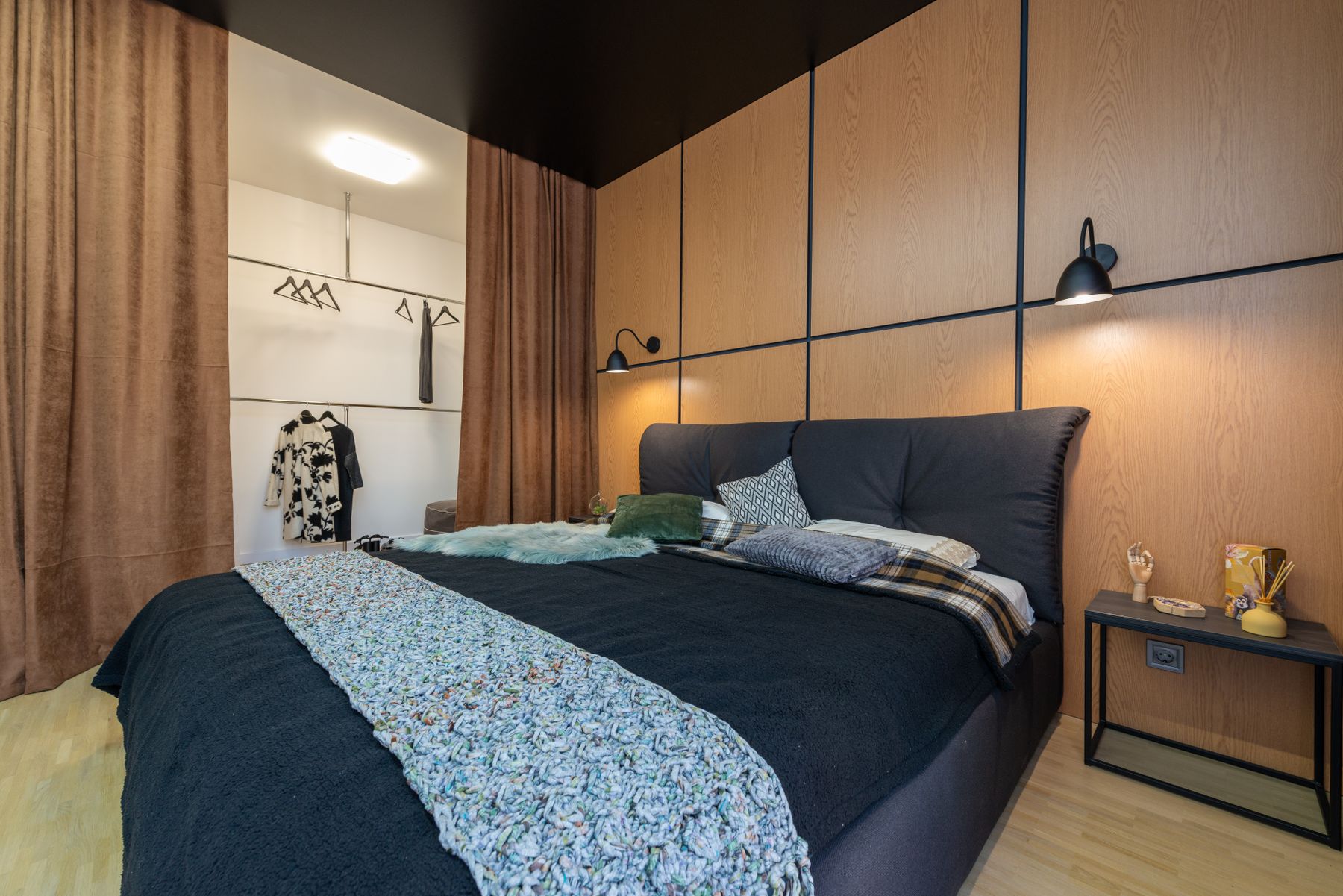
Turn the Bed Into the Main Storage Volume
Drawers, lift-up bases and lidded low boxes can absorb seasonal bedding and reduce the need for another freestanding chest. Confirm that drawers can open fully and that a lift mechanism is safe and manageable for the user. Keep frequently used items accessible; deep under-bed storage often becomes forgotten clutter when containers are unlabelled. Allow ventilation beneath mattresses according to the bed system and avoid pushing fabric boxes against damp external walls. Storage should calm the room, not merely hide excess.
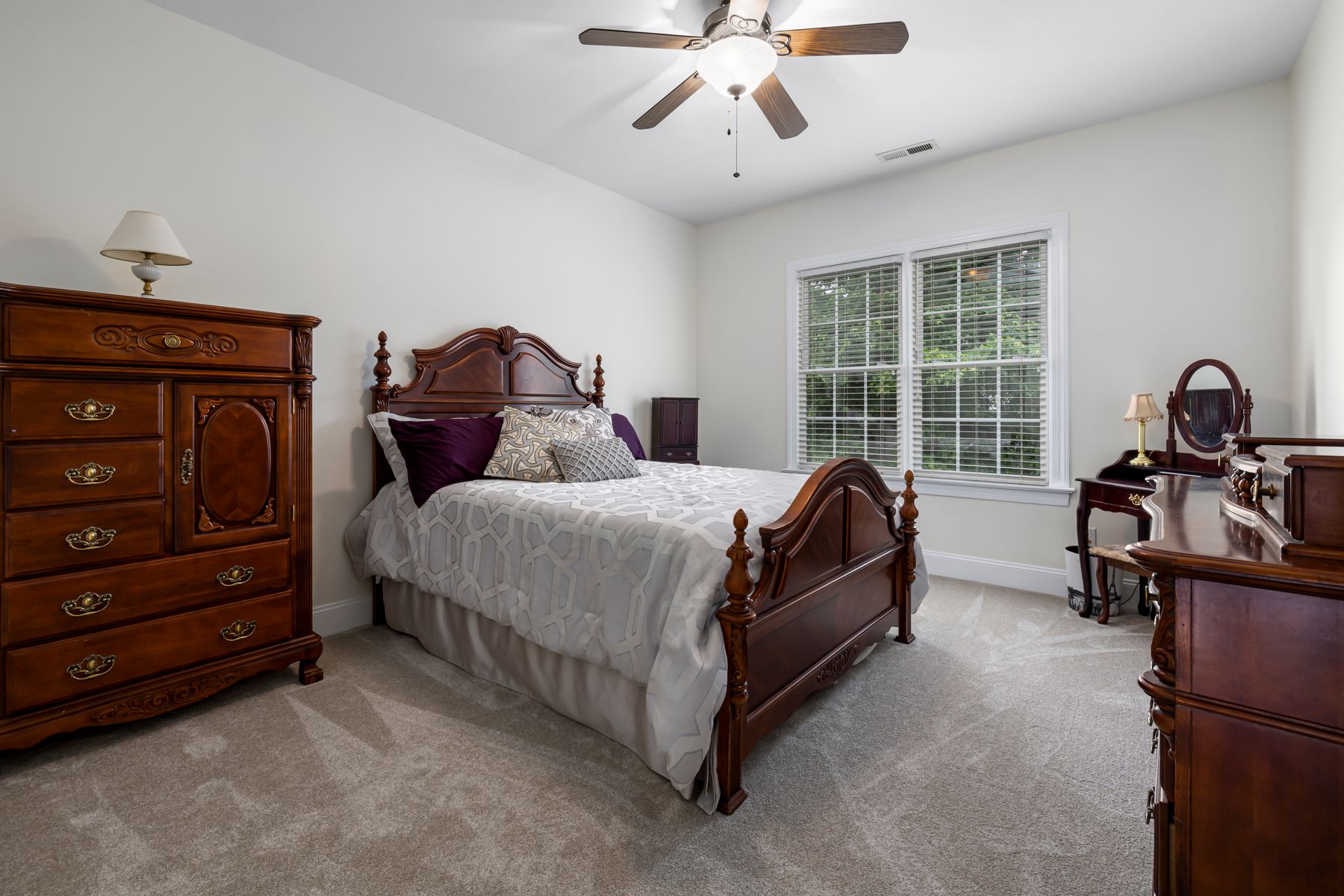
Fit Wardrobes to the Full Room Profile
Measure skirting, cornices, ceiling slopes, door arcs and handles—not only the wardrobe box. A lower antique cupboard may fit beneath an eave where a full-height unit cannot, while a shallow fitted wardrobe can use a straight wall more efficiently. Sliding doors help only when internal access remains practical. Keep furniture slightly clear of cold external walls where condensation is a risk. In a very small room, one chest plus a hanging rail elsewhere in the home may be calmer than an oversized wardrobe.
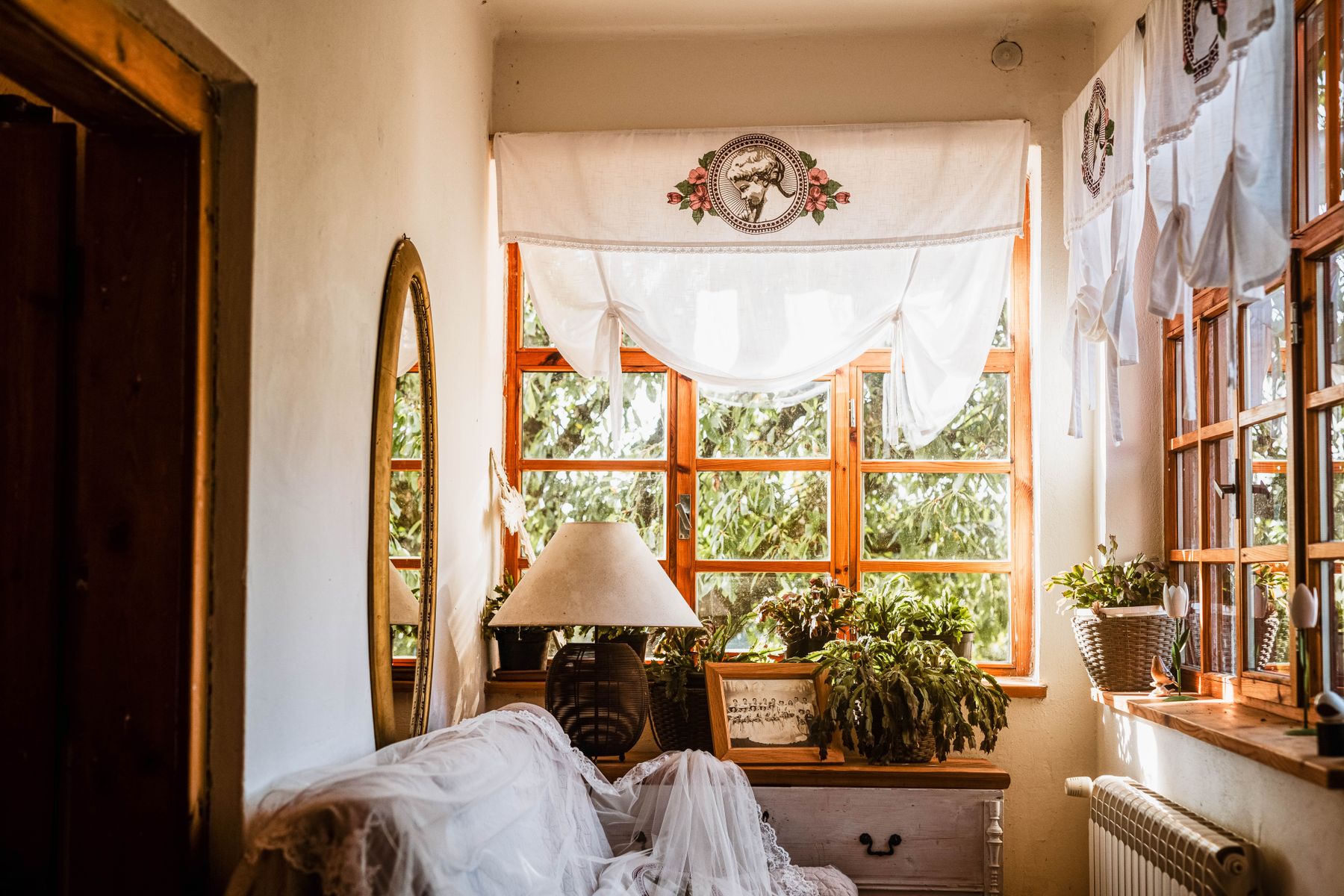
Layer Privacy, Blackout and Softness at the Window
Use a sheer, café curtain or light blind for daytime privacy, then add lined curtains or a blackout blind for sleep. Mounting must respect shutters, handles, sloped ceilings and radiator airflow. Short cottage curtains can look charming but should end deliberately rather than appear undersized. Washable fabric is valuable near old windows that collect dust or condensation. [Bright Bedroom Ideas](/bedroom/bright-bedroom-ideas/) provides a deeper daylight and glare framework; cottage windows add intimacy without giving up performance.
Low Rooms Need Flush and Wall-Mounted Light
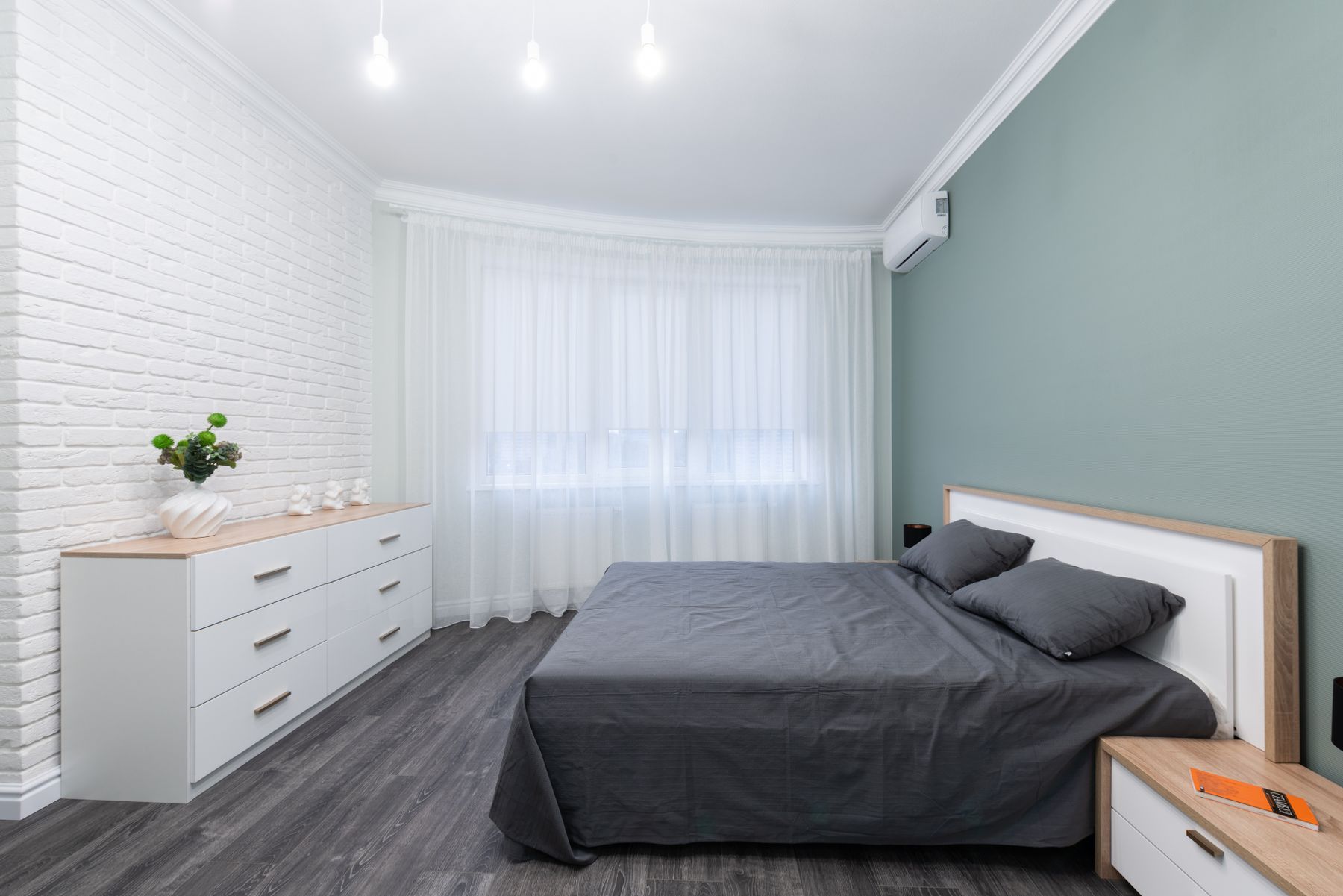
A low ceiling often makes a large pendant impractical. A compact flush mount can provide even ambient light while wall sconces or small bedside lamps support reading. Use shades and diffusers that prevent exposed glare from the pillow, and place switches where they are reachable from bed and door. Plug-in sconces can help renters when cords are secured away from routes. Warm light suits timber and gentle pattern, but accurate task light still matters for dressing, reading and cleaning.
Washable, Breathable Bedding Layers
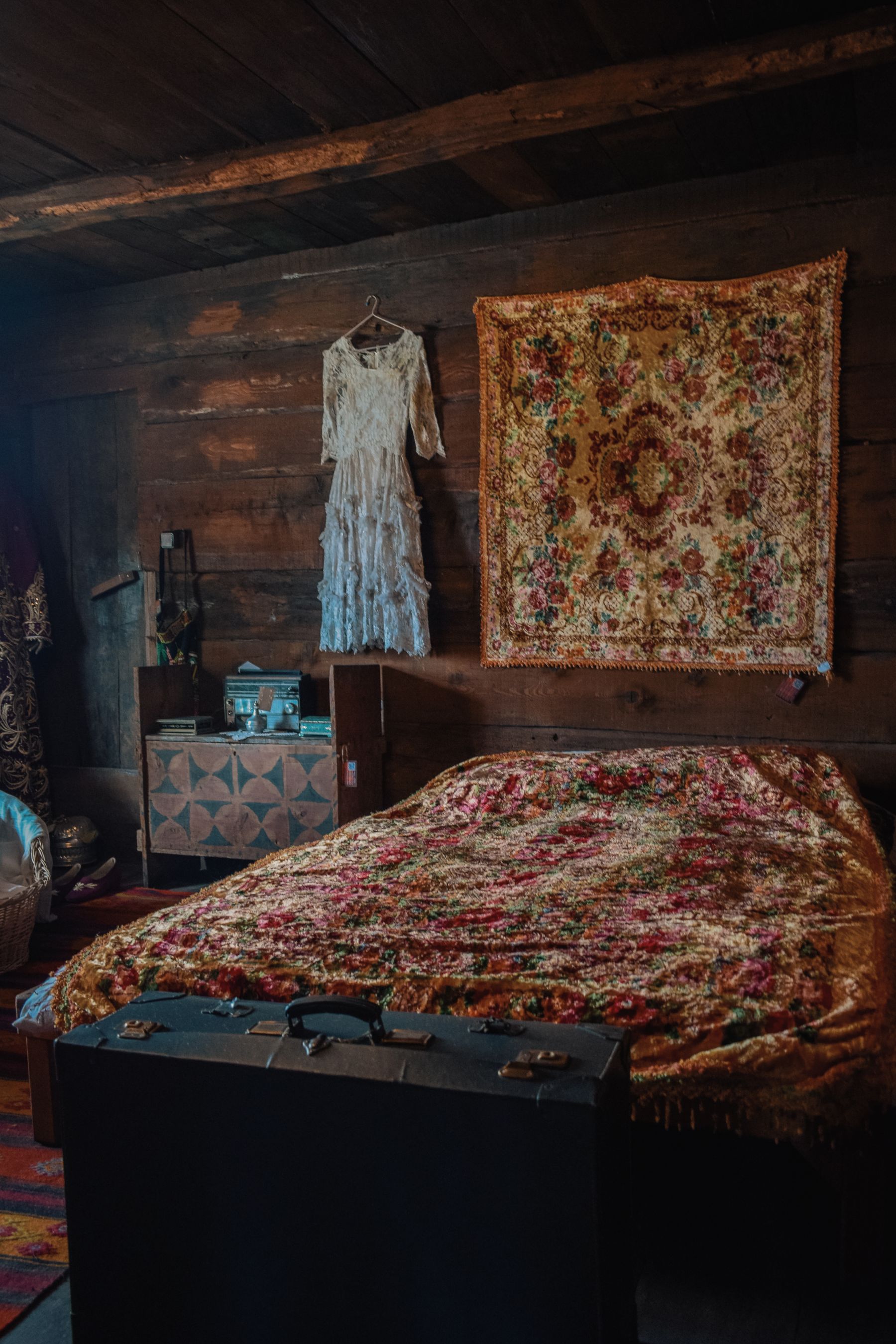
Use a breathable base, one quilt or coverlet and a removable seasonal layer rather than a mountain of decorative pillows. Pattern can sit on the quilt while sheets and pillowcases remain easier to replace. Check care labels before combining vintage and new textiles, and isolate fragile handmade pieces from daily abrasion when necessary. Layering should allow quick thermal adjustment in an old house where temperatures vary. [White Bedroom Ideas](/bedroom/white-bedroom-ideas/) is useful when pale bedding must stay dimensional rather than disappear.
Warm the Floor Without Hiding Its Character
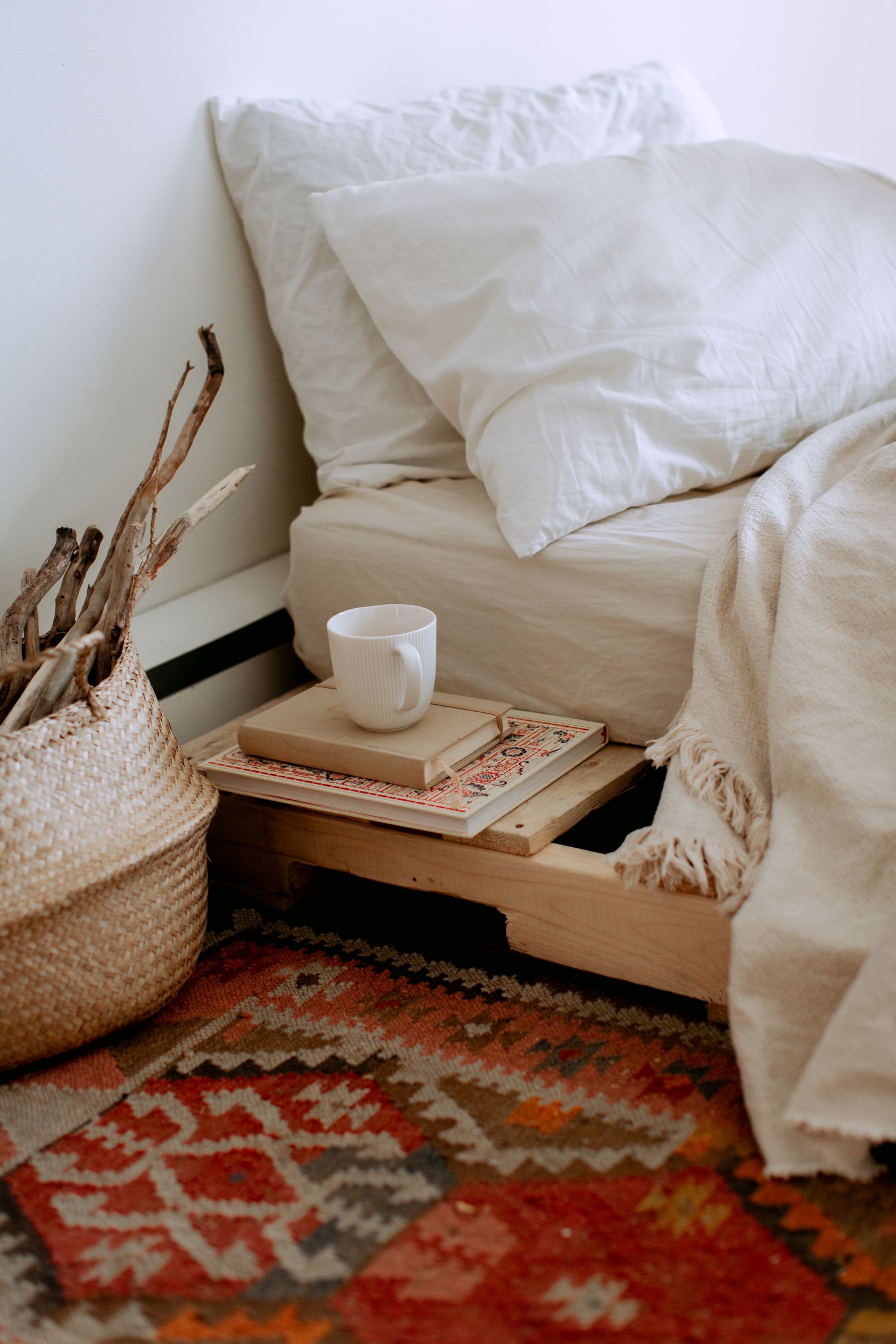
Place a rug where feet land and where it can be vacuumed without moving half the room. A narrow runner beside the bed may work better than a large rug forced under wardrobes and radiators. Use a suitable underlay on smooth timber and keep edges away from door swings and nighttime routes. The rug can carry a stronger pattern when bedding is quiet. Natural fibers feel appropriate but should be chosen for comfort, shedding, allergies and cleaning—not symbolism alone.
Edit Display Into One Personal Cluster
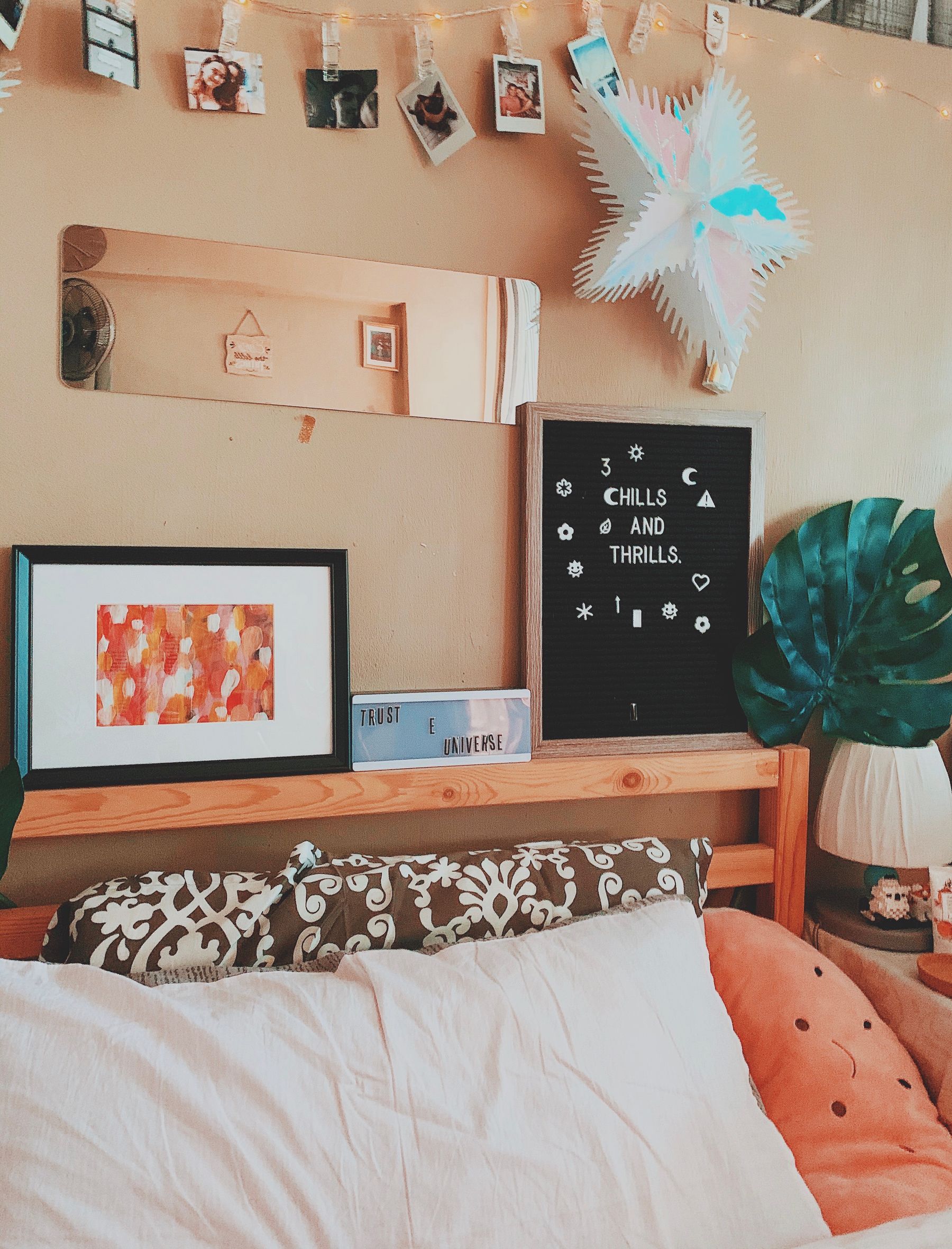
Gather photographs, a small textile, botanical study or handmade object into one bounded wall or shelf composition. Leave bedside surfaces free for water, glasses and a lamp. Secure frames above the bed appropriately and avoid heavy objects where they could fall. Rotating a small group gives the room more life than permanently filling every ledge. [Eclectic Bedroom Ideas](/bedroom/eclectic-bedroom-ideas/) is the stronger destination when cross-period collecting becomes the main visual system rather than a supporting cottage detail.
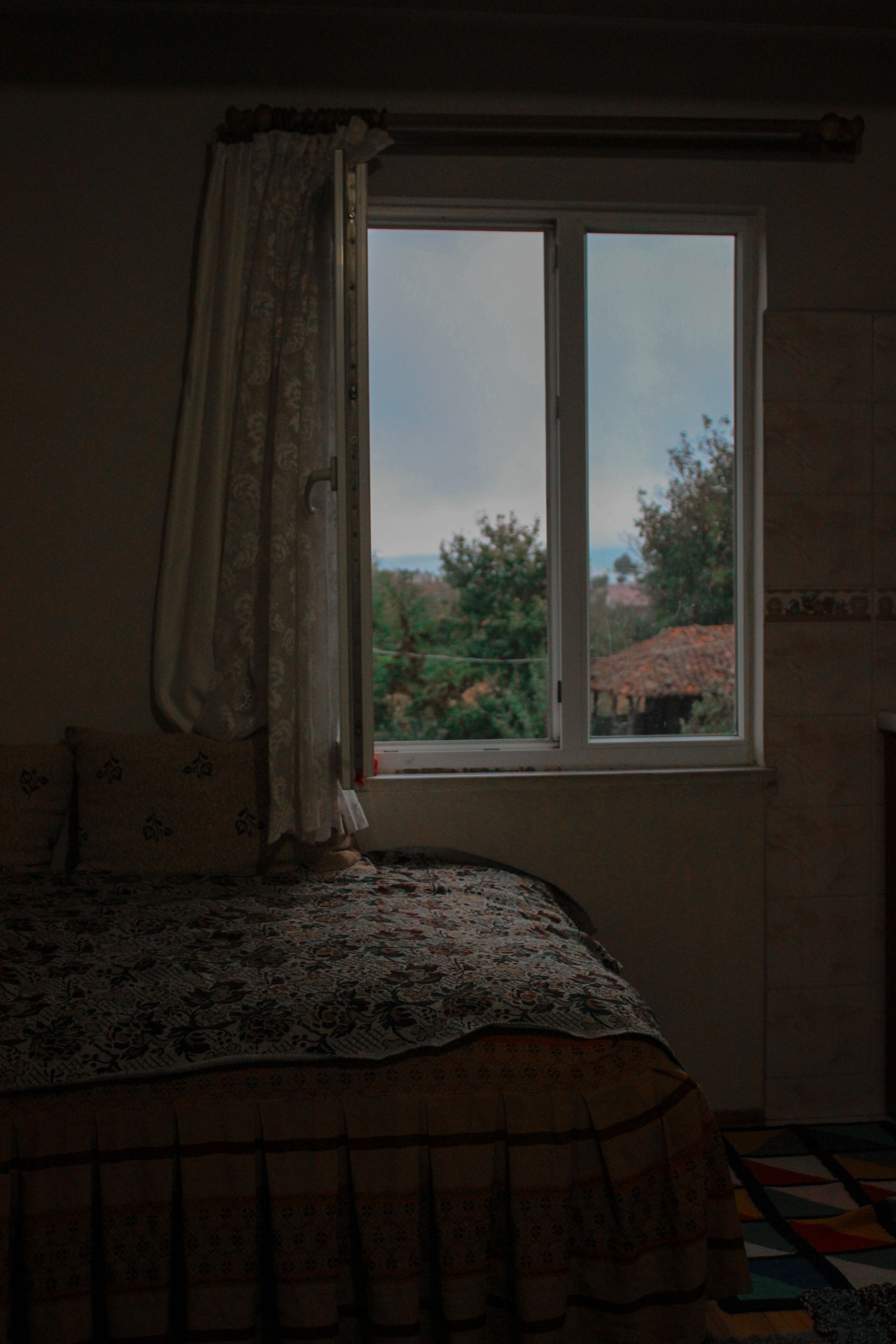
The Garden View as Part of the Palette
When a window frames trees, grass or garden color, treat that view as an active element. Repeat one muted outdoor tone in a cushion or painted chest, then let the landscape remain the strongest green. Keep tall objects away from the sightline and control glare without permanently closing heavy curtains. In rooms without a view, one healthy plant can provide living texture if light and care conditions suit it. Artificial abundance is less convincing than one well-placed natural cue.
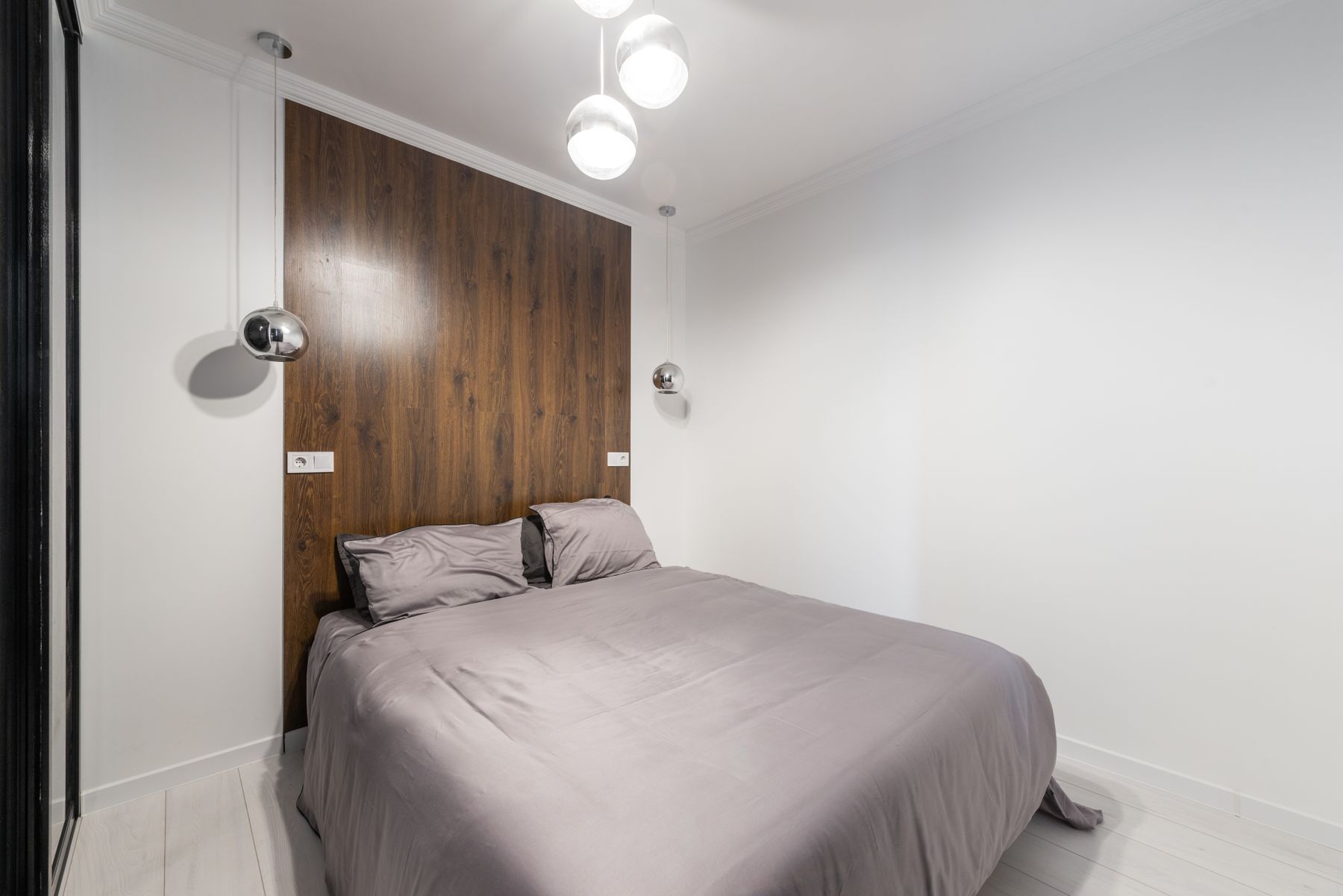
Modern Cottage, Not a Hybrid Showroom
Modern cottage can replace ornate furniture with simpler silhouettes while preserving compact scale, natural texture and gentle pattern. Keep the mattress, lighting performance and storage current; let an iron bed, floral cushion, timber chest or painted wall carry the cottage note. Avoid adding black-framed fixtures and generic beige simply to make the room modern. The useful contrast is between clean function and inherited-feeling softness. [Contemporary Bedroom Ideas](/bedroom/contemporary-bedroom-ideas/) should lead when current form and material innovation dominate.
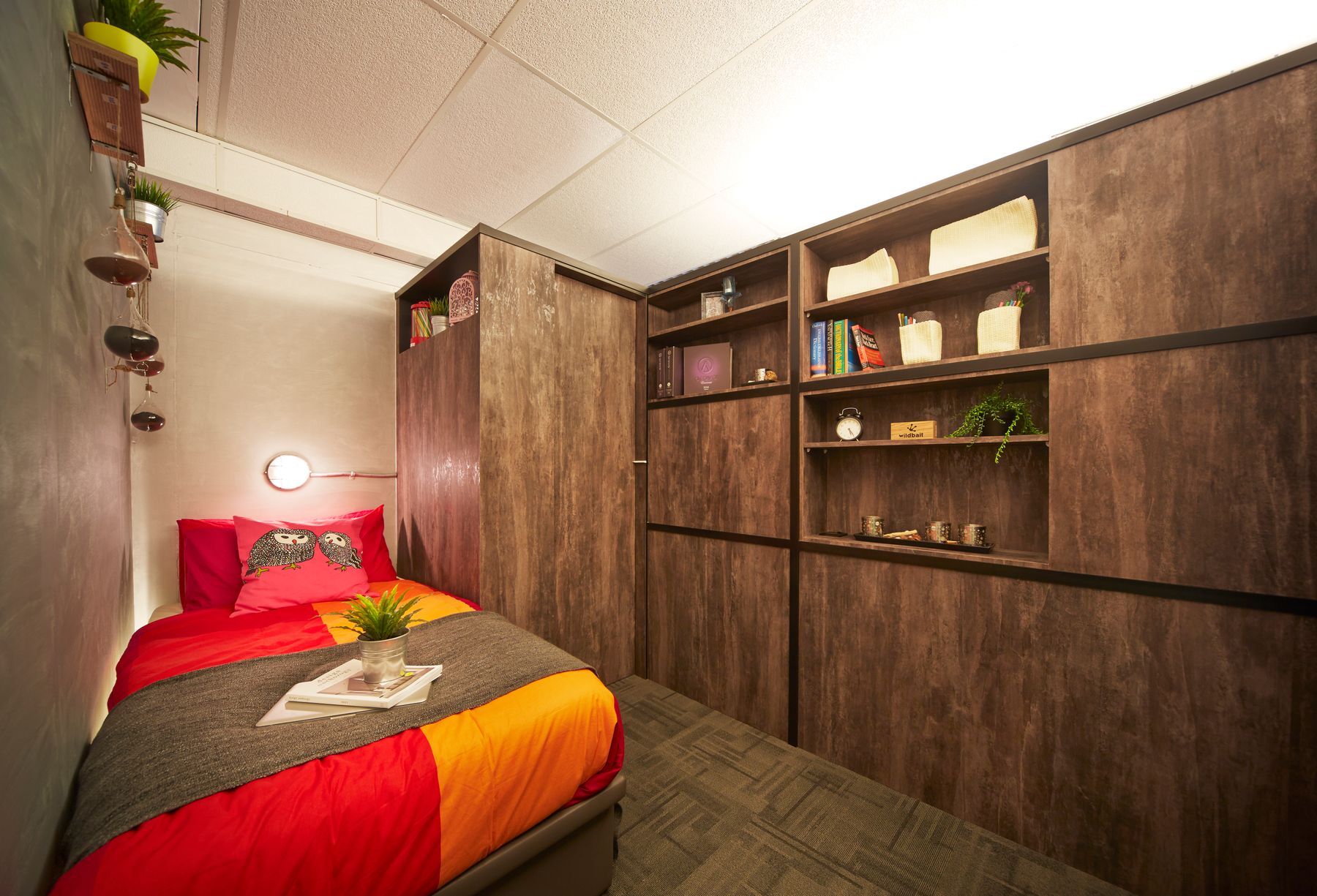
A Tiny Cottage Bedroom With Intentional Constraints
In the smallest room, decide whether it is primarily for one sleeper, guests or flexible daytime use. A single bed or daybed may create a genuinely functional room where squeezing in a double would block the door and storage. Use wall-mounted light, shallow shelves and one strong textile rather than miniature versions of many furnishings. Vertical storage helps only when it can be reached safely. Compactness should feel composed, not like a full-size scheme compressed until nothing works.
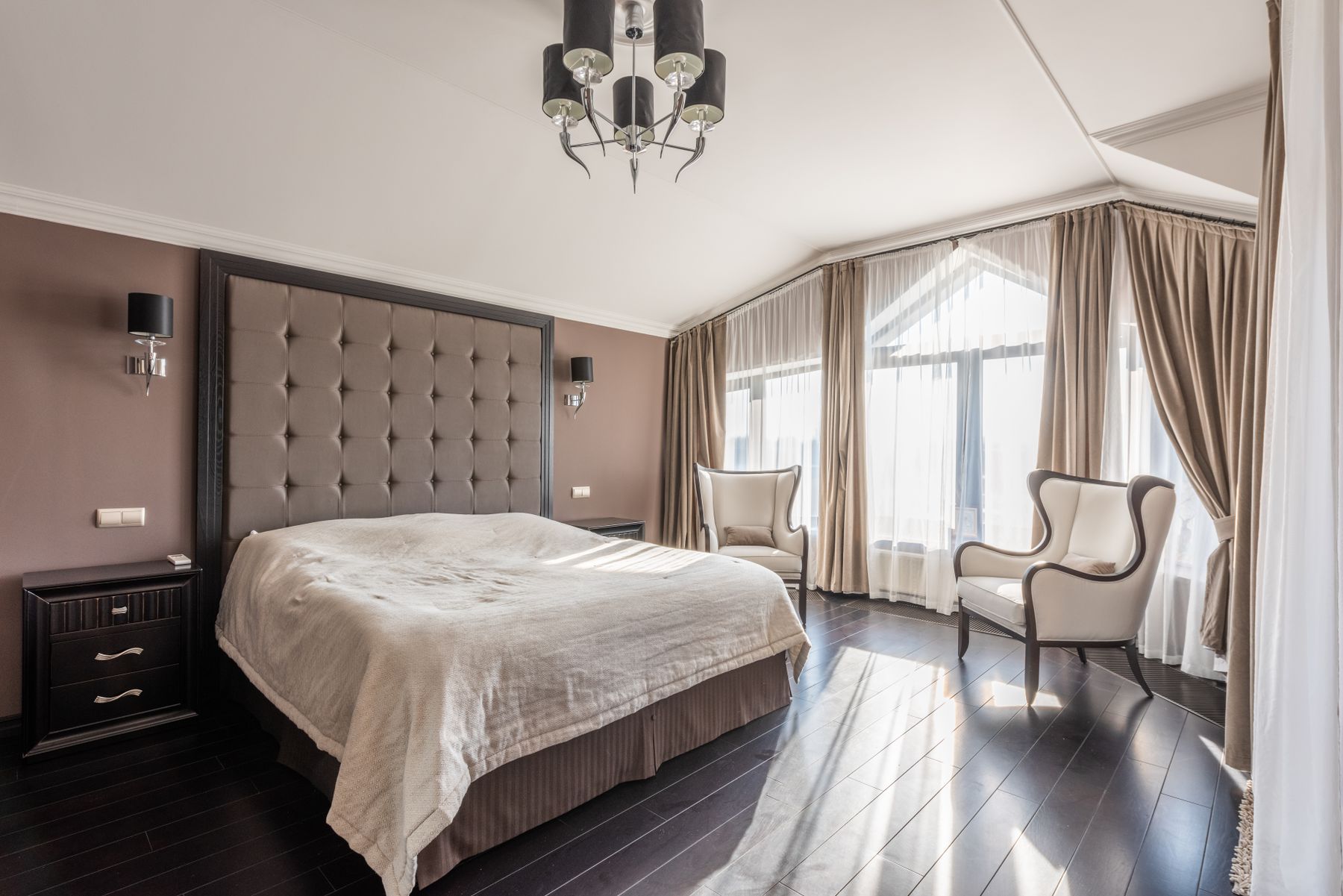
Cottage Character at a Larger Scale
A large room can still feel cottage-like when it is organized as a series of close relationships. Place a reading chair and lamp near the window, use a bench only where it supports dressing, and anchor the bed with appropriately scaled bedside pieces. Do not scatter small objects across a large perimeter; that produces visual noise without intimacy. [Large Bedroom Ideas](/bedroom/large-bedroom-ideas/) covers zoning in more depth. Here, repeated material and pattern connect compact functional groups into one welcoming room.

Prepare a Cottage Guest Room for Real Use
Provide a stable bedside surface, readable lamp, visible outlet, water space, wastebasket, mirror and somewhere to place luggage. Clear at least several hangers or one drawer rather than filling storage with decorative linens. Offer layered bedding and explain heating or window operation in older houses. Pattern and vintage pieces can make the room memorable, but guests should not worry about damaging fragile objects. A compact folding luggage rack may solve more than another chair that becomes a suitcase platform.
Reversible Cottage Layers in a Rental
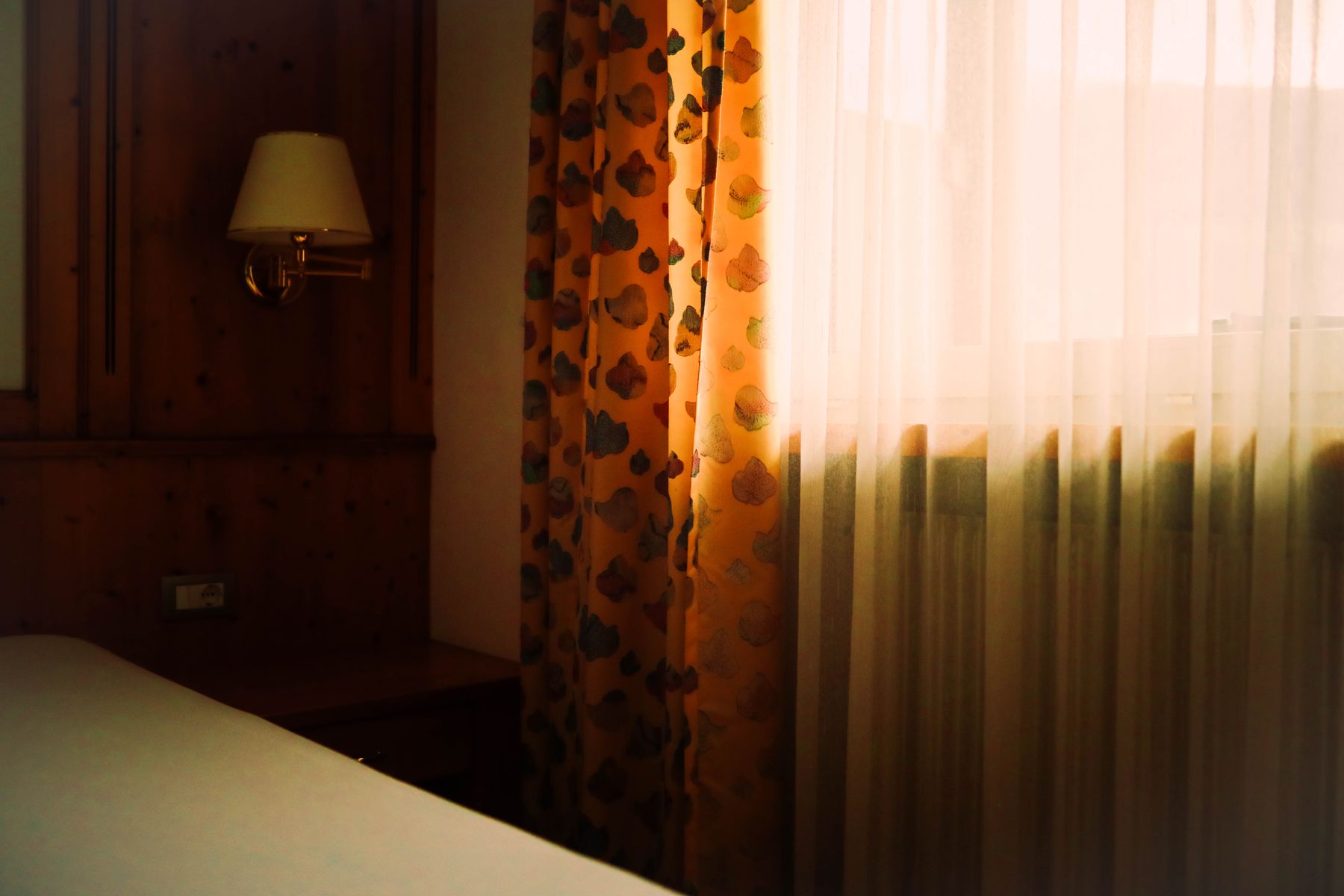
Build the look through bedding, a washable rug, freestanding painted furniture, plug-in lighting and one removable pattern layer. Confirm lease rules before wallpaper, hooks or paint, and test removable products because weak paint can still lift. Use a fabric headboard panel or curtain-like wall hanging only when it can be secured safely. Save original hardware and document condition. The most effective rental change is often better light control and a correctly scaled bed rather than a collection of themed accessories.
Cottage Detail Compatible With Accessibility
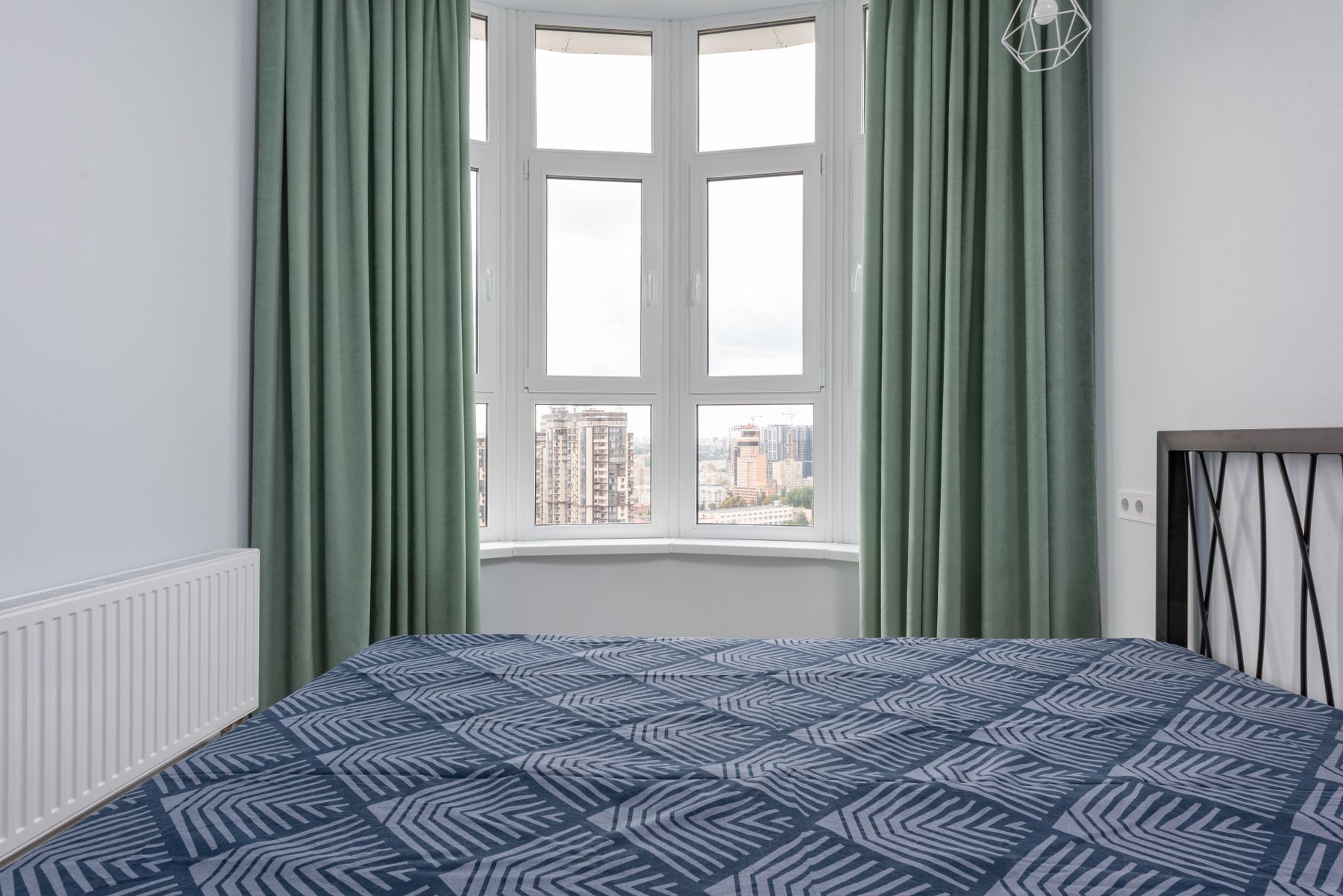
Preserve the turning, transfer and walking clearances required by the actual user, even when this means fewer pieces. Choose stable bedside furniture, easy-grip handles, reachable switches and lighting that distinguishes floor edges without glare. Avoid loose rug corners, trailing cords and low decorative stools in the nighttime route. A higher bed may aid transfer for one person and hinder another, so test rather than generalize. Cottage character can live in color, textile and selected furniture instead of occupying every inch of floor.
Manage Drafts, Damp and Summer Heat
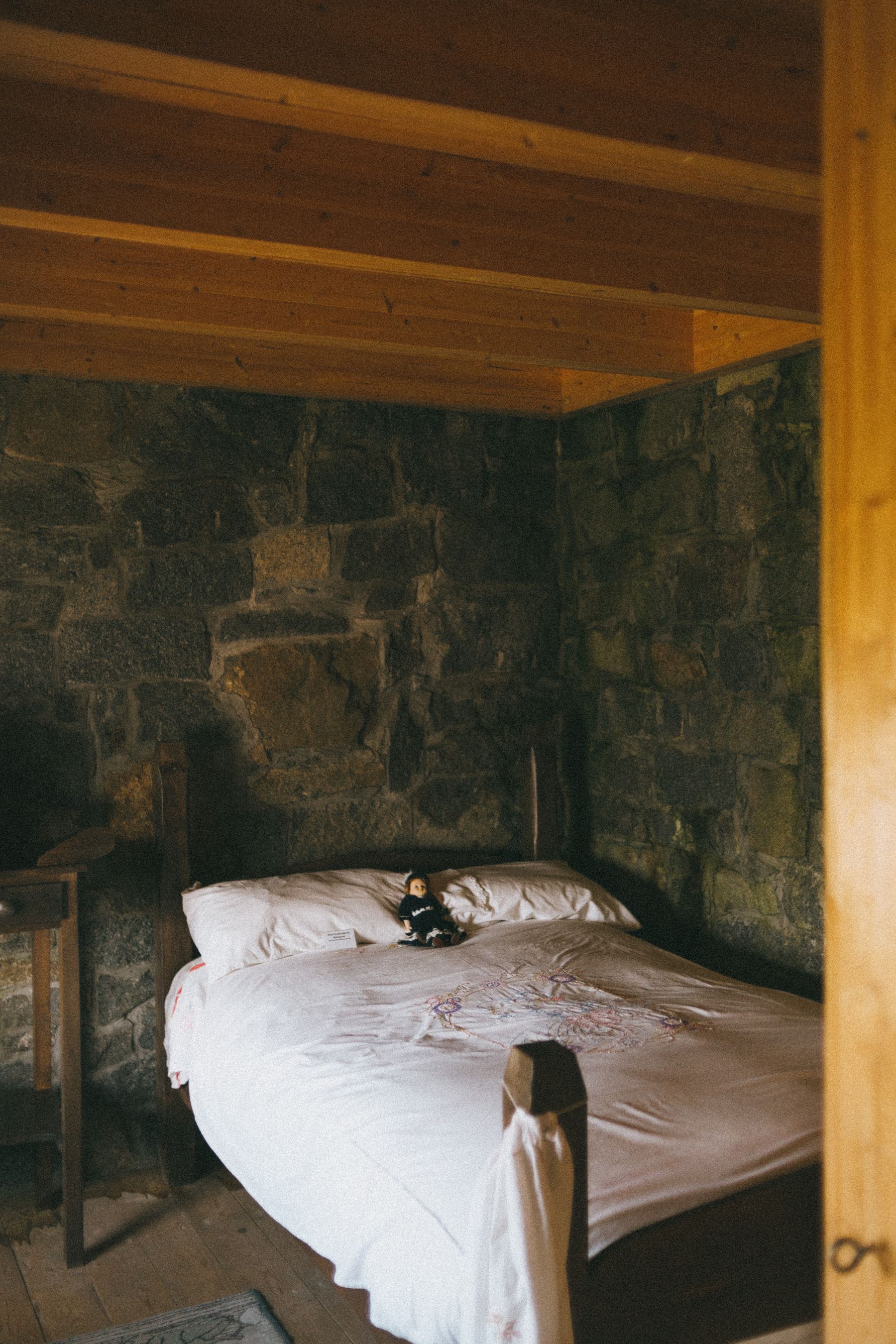
Old cottages can combine cold external walls, leaky windows, strong summer solar gain and limited ventilation. Diagnose moisture rather than trapping it behind wardrobes, wallpaper or thick textiles. Keep furniture clear enough for inspection and airflow, repair weather seals appropriately and use lined window treatments without blocking heat sources. Layer bedding for seasonal adjustment and ventilate after sleep. Persistent damp, mold, chimney or insulation problems need qualified assessment; decoration should never hide conditions that affect health, structure or fire safety.
Maintain the Room With a Seasonal Edit
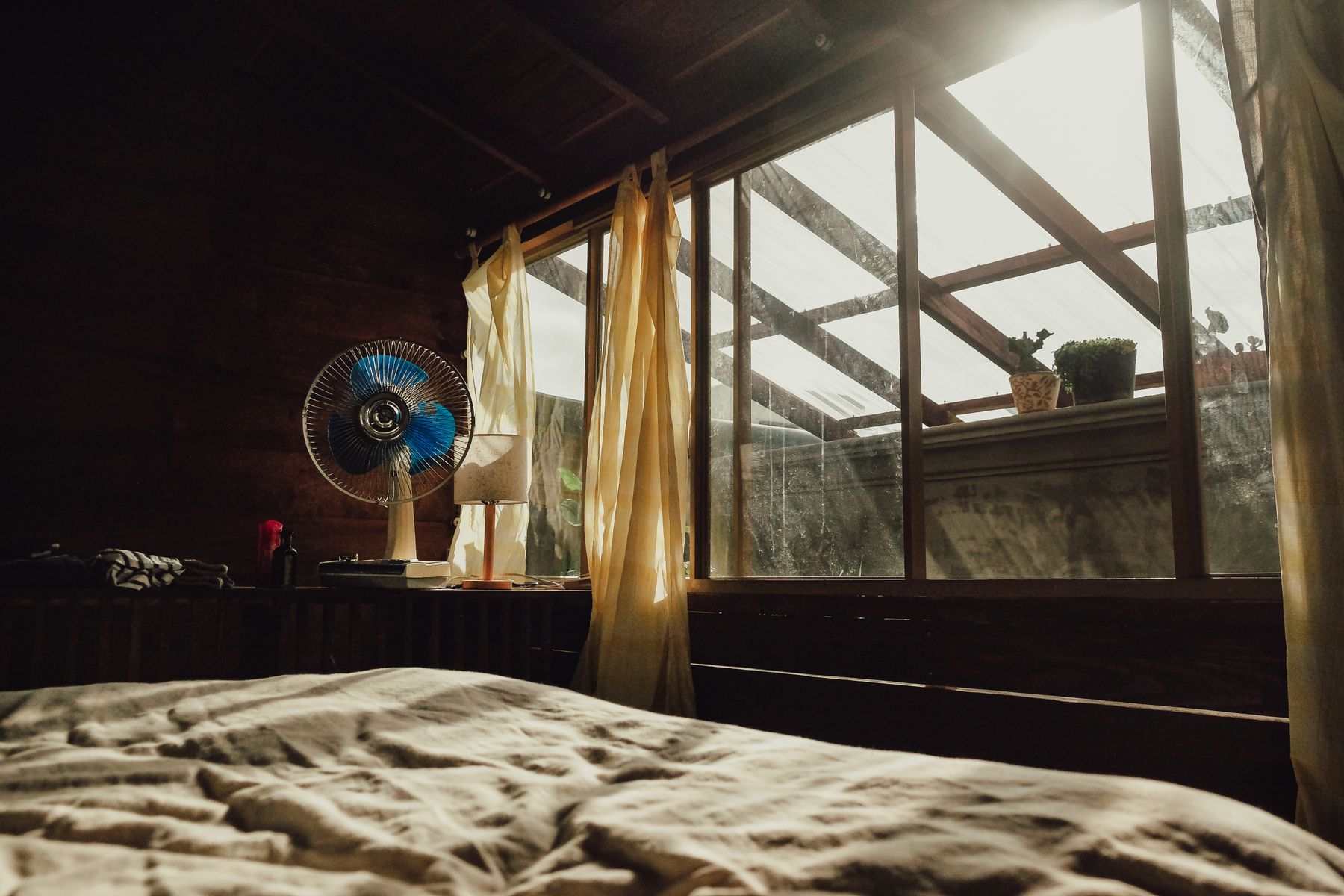
Schedule curtain and bedding washing by care requirements, vacuum textile edges, inspect behind storage for condensation and tighten older furniture periodically. This maintenance rhythm protects both sleep quality and the aged materials that give the room character. Rotate quilts and small objects rather than adding new layers each season. Check lamps, extension leads and vintage electrical fittings for damage. When the room begins to feel crowded, remove one category—extra pillows, baskets or framed objects—before reorganizing it. Cottage warmth depends on visible care and usable surfaces, not accumulated decoration.