Define Country Through Place and Domestic History
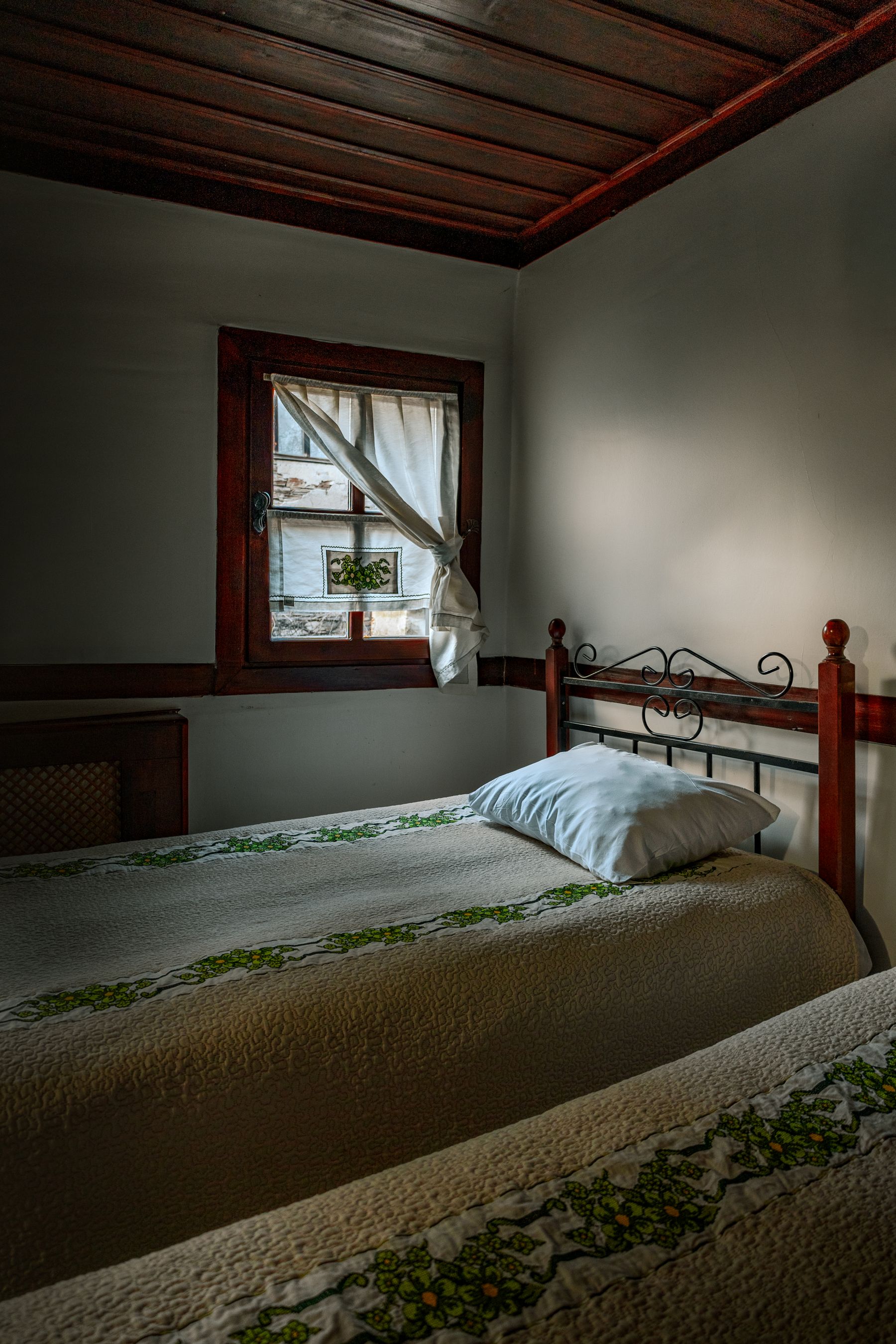
Country style grows from a relationship to rural domestic life, regional craft and objects that accumulate through use. A timber bed, printed curtain, painted chest and quilt can communicate that history more convincingly than barn signs or decorative farm tools. The room does not have to be old or rural, but its choices should tell a coherent story about material, pattern and comfort. [Traditional Bedroom Ideas](/bedroom/traditional-bedroom-ideas/) is the stronger destination when formal symmetry and established furniture rules matter more than place or collected ease.
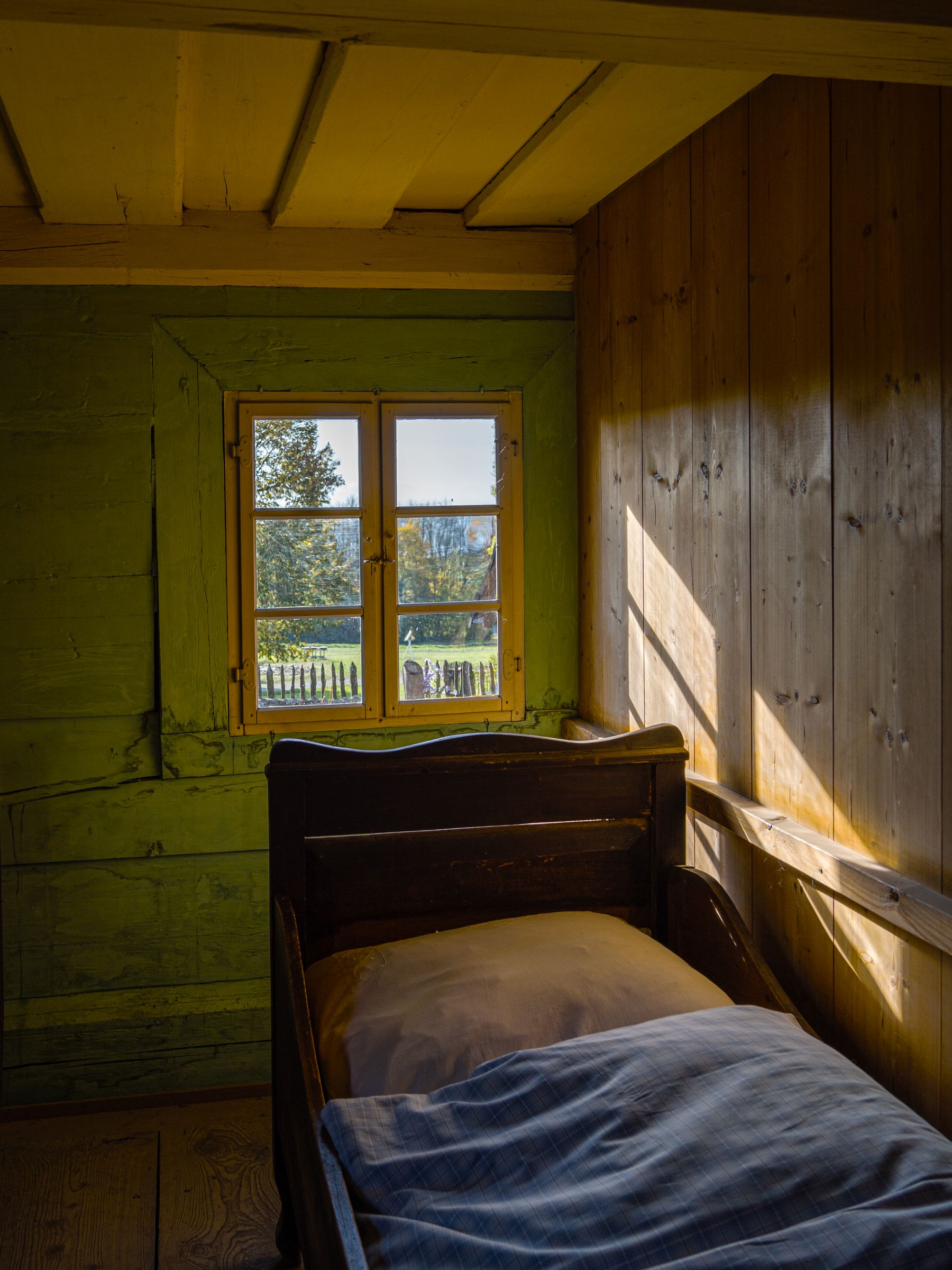
Separate Country From Farmhouse, Rustic and Cottage
Farmhouse is the practical furniture-led branch: painted cupboards, sturdy beds, quilts and useful storage. Rustic centers heavier timber, stone and visible natural texture. Cottage will be most useful as a compact, close-layered destination shaped by smaller rooms and charm. Country is broader and more narrative, using regional color, familiar traditional forms, pattern and a mix of furniture that feels inherited or gathered. [Farmhouse Bedroom Ideas](/bedroom/farmhouse-bedroom-ideas/) and [Rustic Bedroom Ideas](/bedroom/rustic-bedroom-ideas/) should remain the next steps when either utility or raw material dominates.
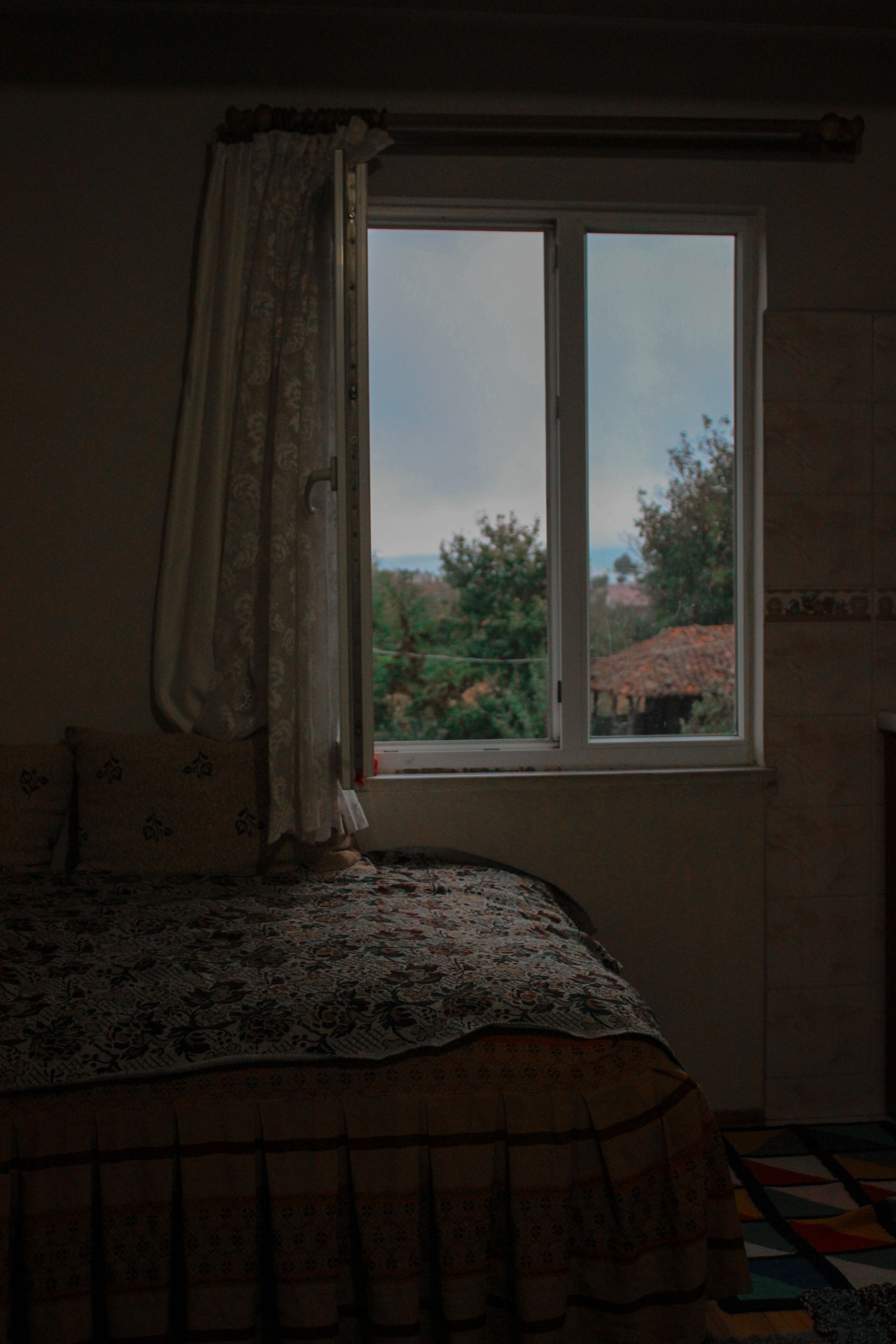
Use Regional Cues Without Creating a Costume
Observe local building material, climate, light, plant color and textile tradition, then translate one or two qualities. A cool northern setting may suggest wool, muted green and darker timber; a warmer rural region may support faded ochre, lightweight cotton and shutters. Avoid combining English florals, Provençal lavender, American barn motifs and Alpine checks in equal measure. [English Bedroom Ideas](/bedroom/english-bedroom-ideas/) and French Country Bedroom deserve their own cultural specificity. A general Country Bedroom should teach the method without claiming that all rural traditions are interchangeable.
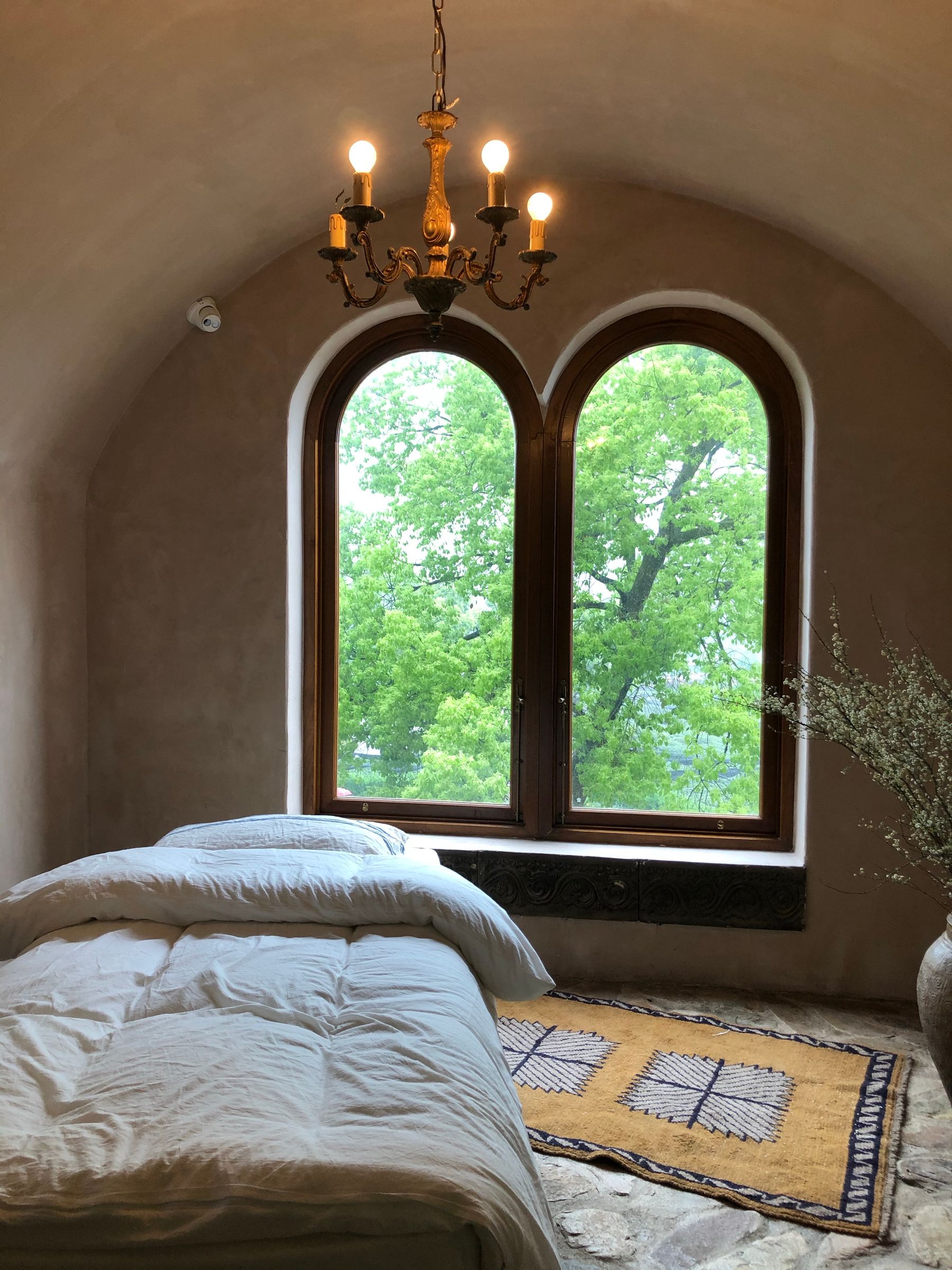
Work With Existing Architecture Before Adding Character
Repair sound floorboards, modest paneling, deep reveals, shutters or a useful alcove before installing imitation beams and thin boards. Existing features give the room scale and credibility; added details should solve insulation, storage or proportion rather than mimic age. Investigate damp, old coatings, electrical work and structure before exposing historic fabric. In a new room, one precisely detailed painted panel, timber floor or built-in cupboard may be enough. Country character can then come from furniture and textiles instead of architectural theatre.

The Bed, Wardrobe and Window as a Working Set
Country furniture often has projecting cornices, turned legs and deep drawers, so nominal cabinet dimensions can underestimate its footprint. Tape the bed, wardrobe and chest at their widest points, open every door and rehearse changing sheets and carrying laundry. Preserve a clear nighttime route and avoid a decorative bench when it blocks circulation. Matching bedside pieces are optional, but both sleepers need a stable surface and reachable light. Layout discipline gives patterned textiles and mixed furniture enough space to read as intentional rather than crowded.
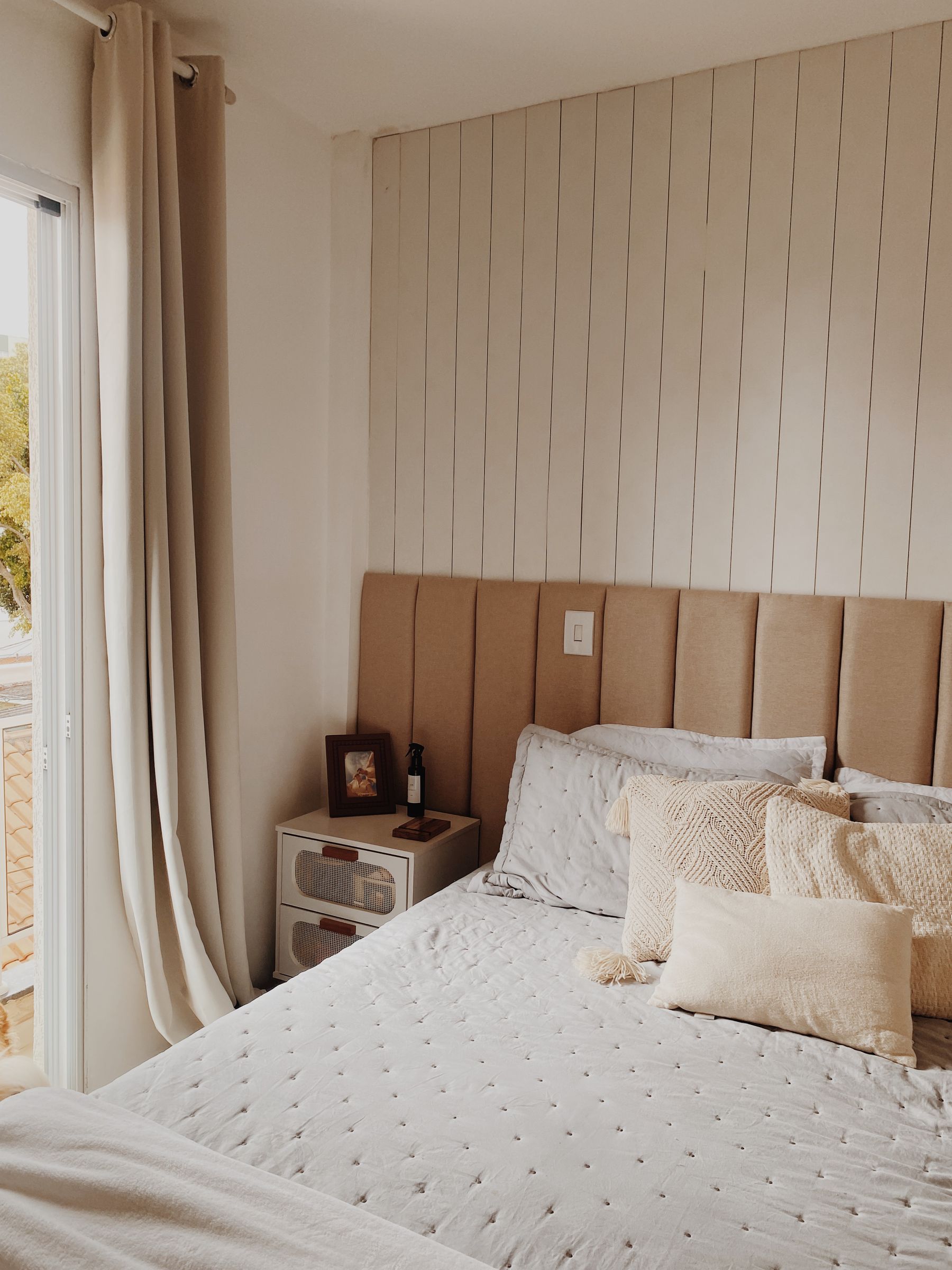
A Palette Drawn From Landscape and Fixed Materials
Start with floor, timber, daylight and one meaningful textile. Warm white, oatmeal, mushroom, sage, faded blue, ochre, clay, berry and soft brown can all work, but the combination should reflect one place or object rather than a generic heritage palette. Establish a broad quiet field, one middle color and one grounding value. [Neutral Bedroom Ideas](/bedroom/neutral-bedroom-ideas/) provides a fuller undertone framework when the palette itself is the main challenge. Country color should support furniture and pattern rather than erase them.
Warm White as Space Between Patterns
Warm white, chalk and cream help a patterned room breathe, but they should not flatten every painted surface into one bright finish. Use pale color on the plane that needs light—often ceiling, bedding or a broad wall—then allow timber and pattern to occupy bounded areas. A cool brilliant white can look harsh beside old wood, while a yellow cream may age badly under warm lamps. [White Bedroom Ideas](/bedroom/white-bedroom-ideas/) is the stronger destination when white leads; here it is supporting space.

Introduce Earth and Garden Color in Broad Fields
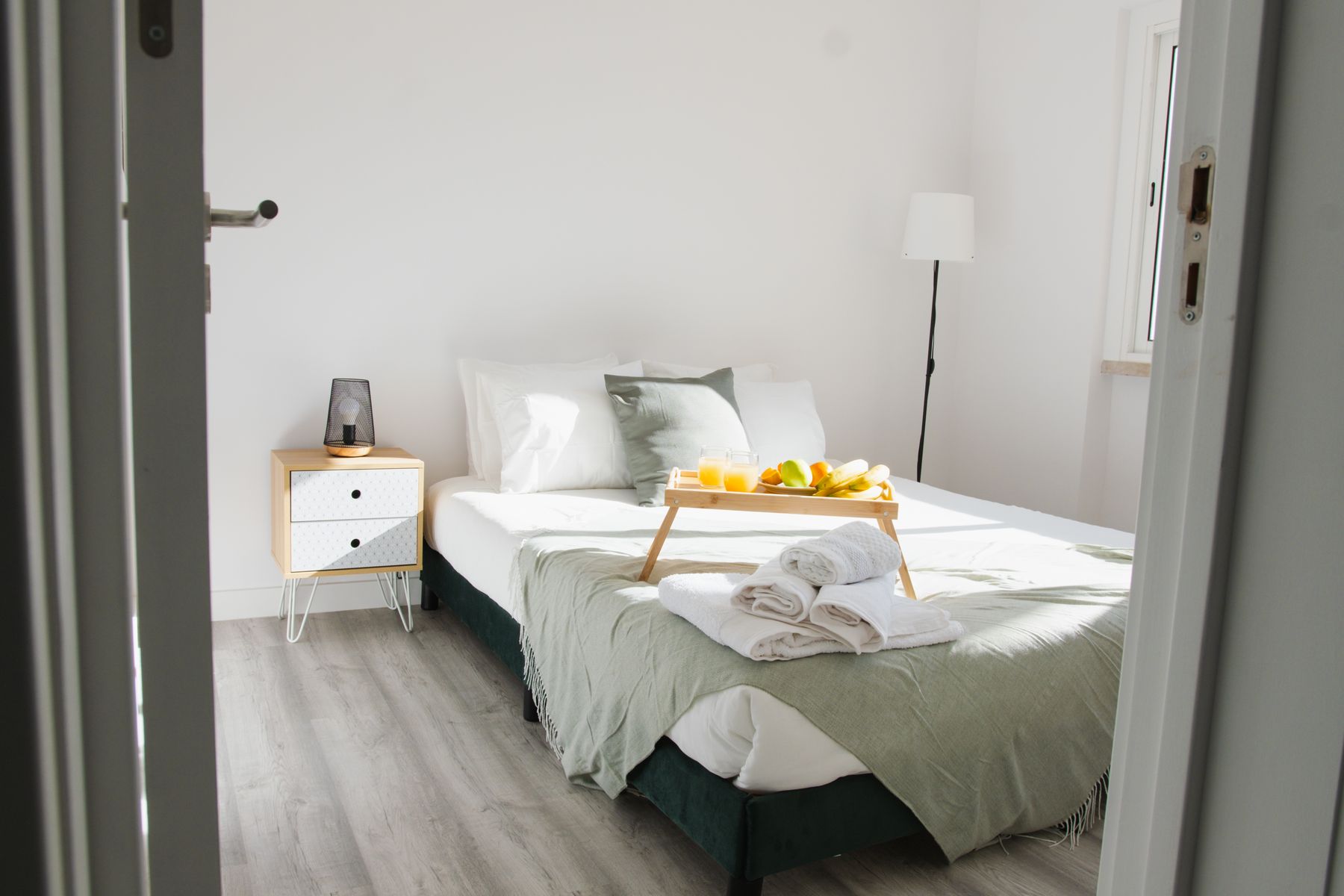
Sage, olive, faded blue, ochre, clay and berry tones can enter through a coverlet, curtain, painted cupboard or full wall. Give the color enough area to feel deliberate, then repeat it once in a different material. Tiny matching accents create a catalogue effect. Garden colors do not require botanical motifs everywhere; a plain olive curtain can balance a floral bed. Test saturated color from both doorway and pillow because pattern, timber and warm lamplight may intensify it more than expected.
Choose One Lead Pattern and Control the Rest
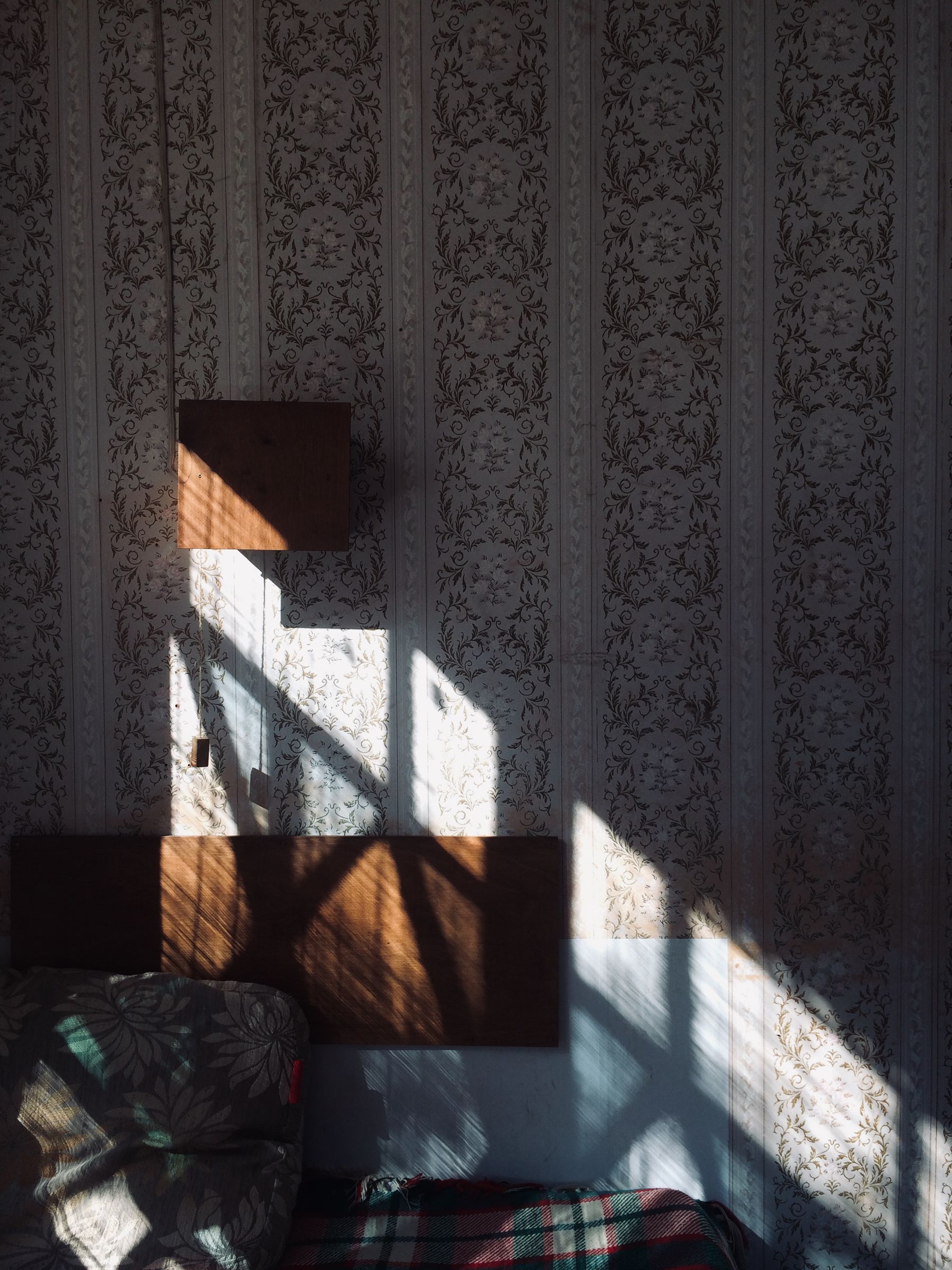
Floral, stripe, check and small geometric patterns are country staples, but hierarchy matters more than quantity. Let one pattern lead by area or contrast, support it with a smaller or quieter scale and keep at least one major surface plain. Compare full repeats, not sample squares, and view them from the doorway. Mixing works when color relationships are shared but scales differ. It fails when every fabric competes at the same size and intensity. Pattern should make the room feel gathered, not acoustically or visually restless.
Floral Wallpaper With Architectural Discipline
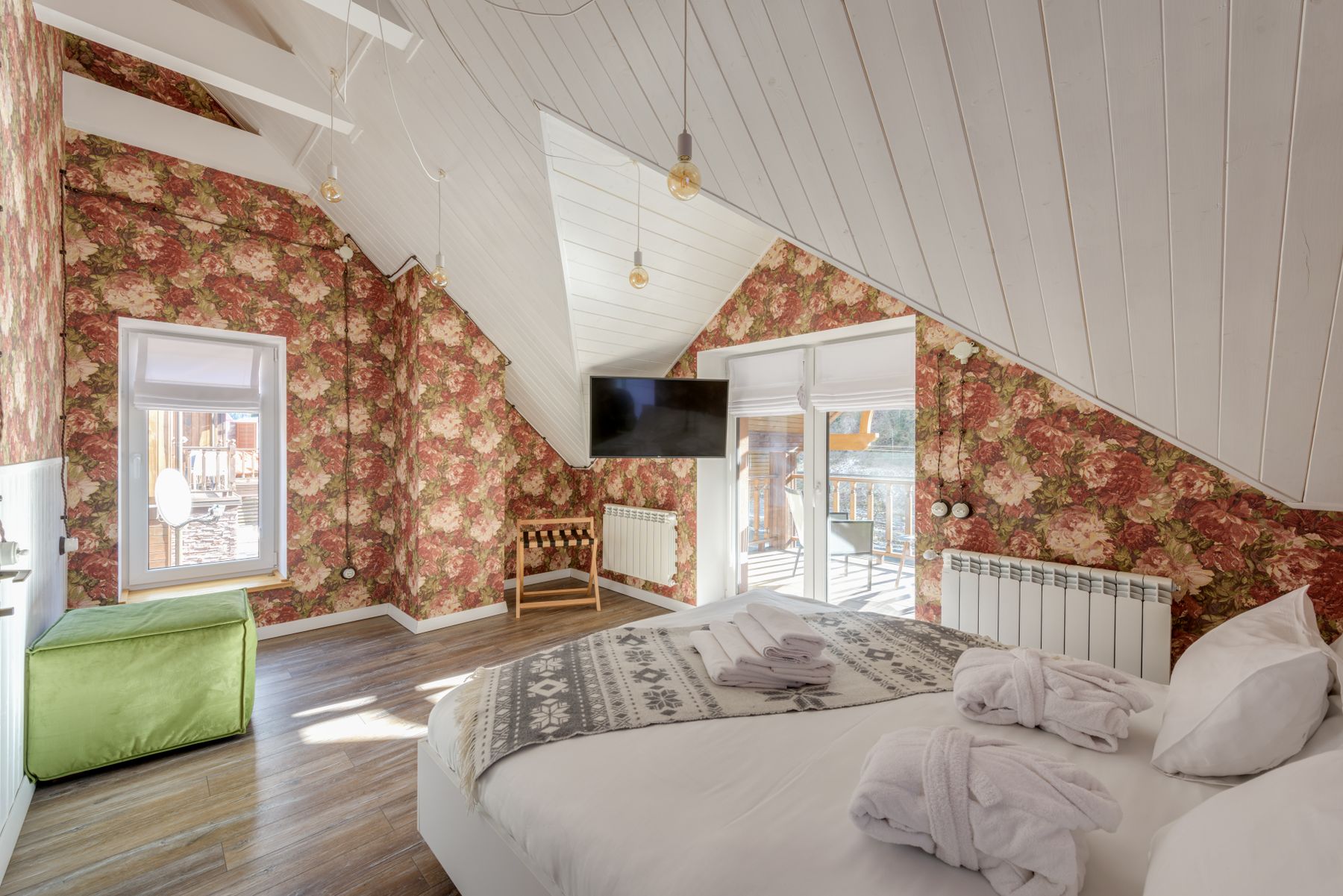
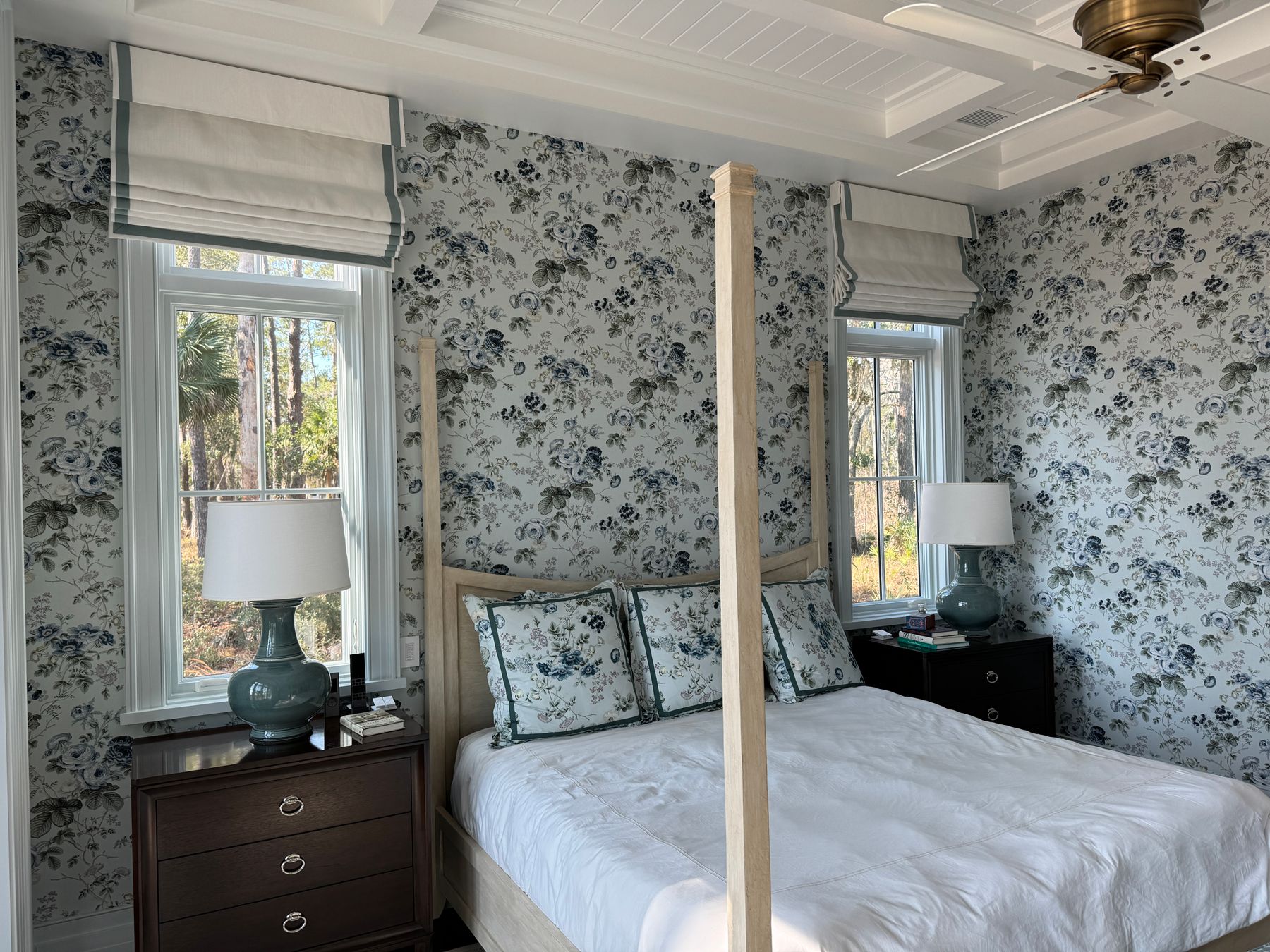
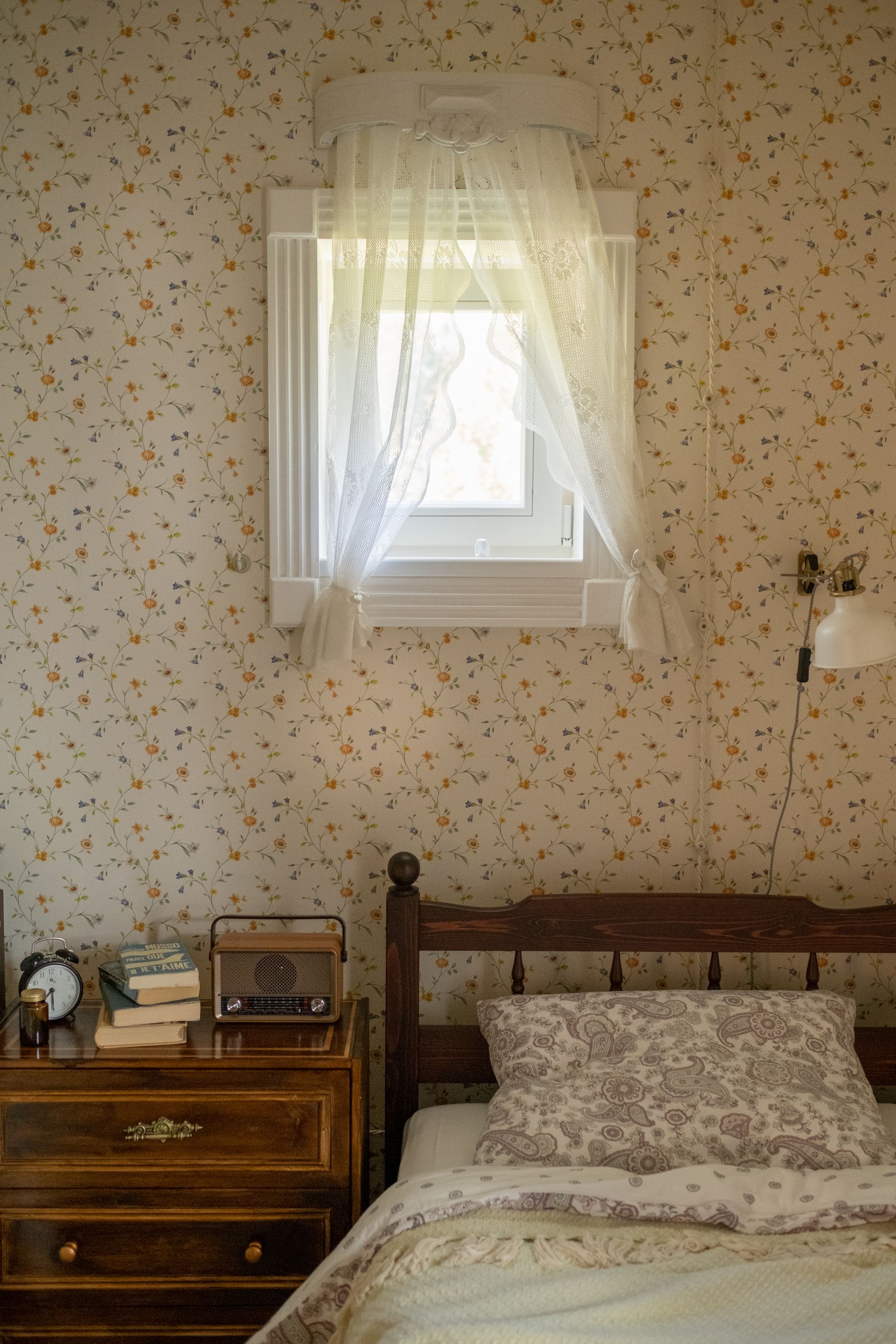
A small repeat can suit an attic, alcove or guest room; a larger botanical needs uninterrupted wall area. Decide whether wallpaper surrounds the room, defines the bed wall or lines a recess, then maintain that logic. One token accent wall may feel detached in a strongly traditional scheme. Prepare the substrate and investigate moisture before papering older walls. Keep bedding simpler when the wallpaper is dense. Darker rooms often need clearer ground color and deliberate lamplight rather than an automatically pale print.
A Familiar Bed Form With Practical Support
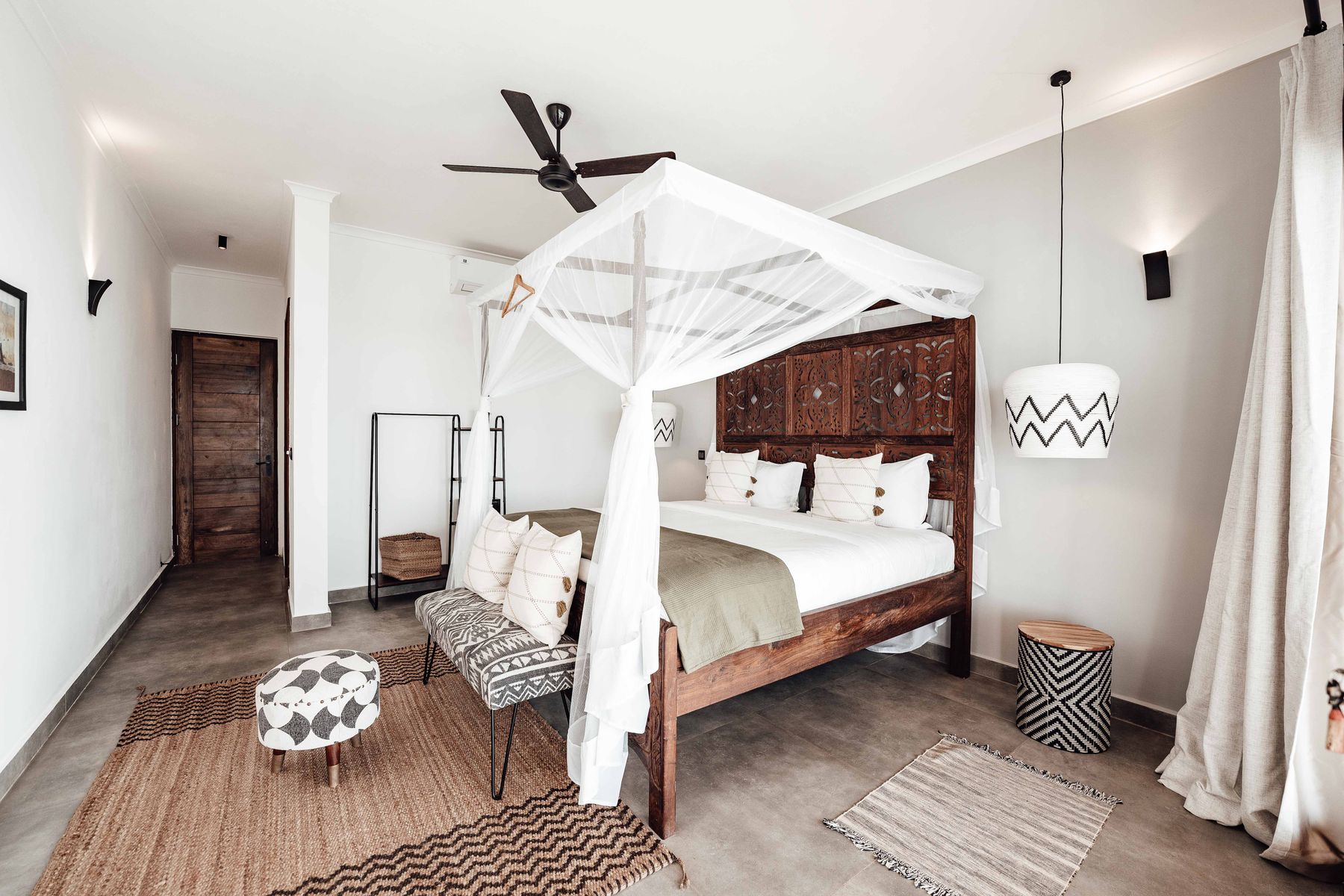
Simple timber, restrained iron, upholstered and canopy beds can all work. Judge frame width, headboard height, center support, mattress requirements and ease of access before ornament. Turned posts and fabric can add familiarity, but exaggerated carving or a canopy in a low room may overwhelm circulation and ceiling proportion. Confirm fixings, fabric fire safety and cleaning. [Classic Bedroom Ideas](/bedroom/classic-bedroom-ideas/) is helpful when balanced proportion and enduring furniture forms lead more than regional informality.
Painted Furniture With One Timber Family
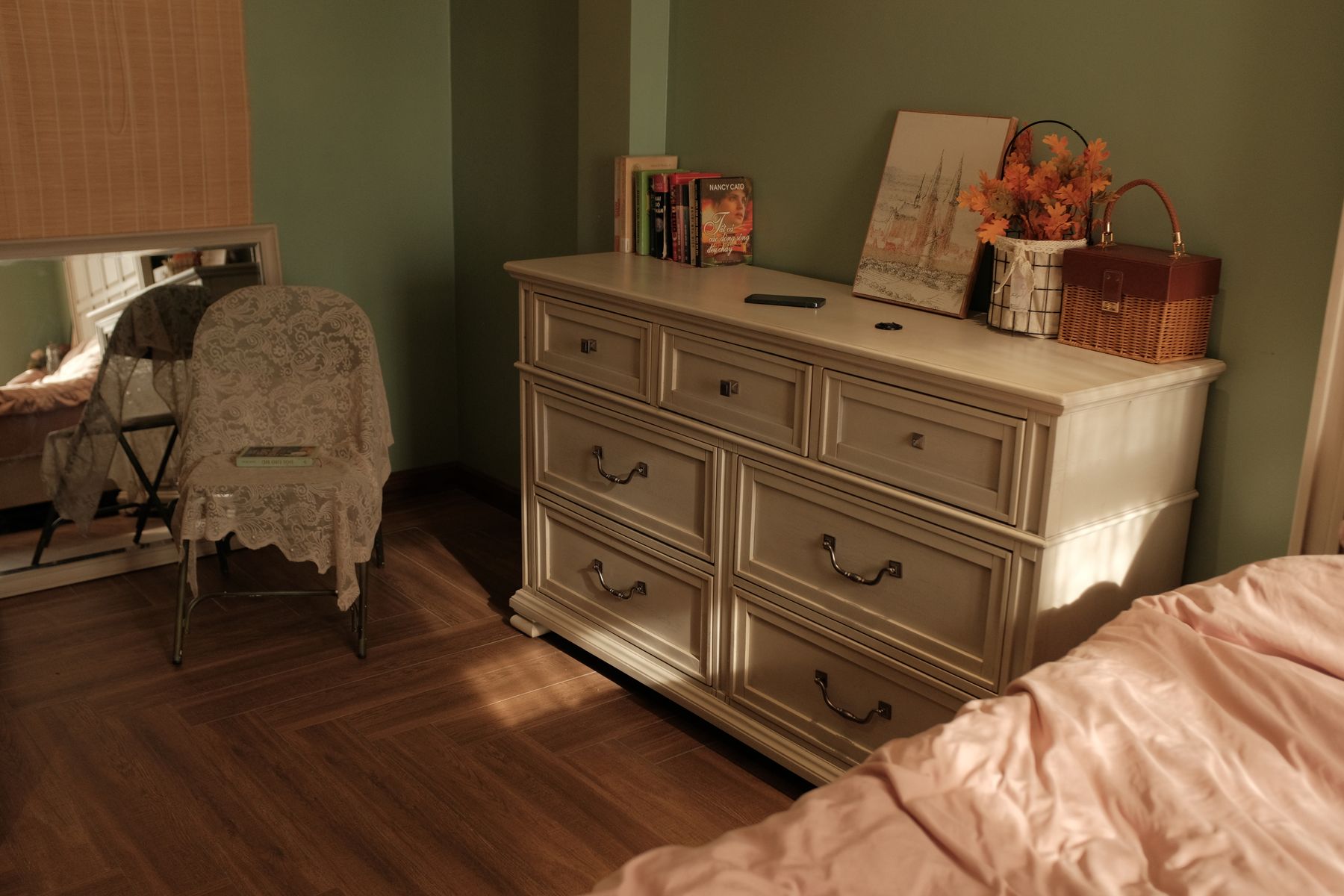
A painted wardrobe or chest can lighten a room while a timber bed and nightstand provide grain. Let the floor or largest piece establish the dominant wood temperature, then use paint to absorb smaller mismatches. Avoid fake distressing applied to every item; honest wear on a sound piece has more authority. Test drawer action, stability and internal capacity. Shabby Chic Bedroom is the stronger destination when faded paint, romantic softness and deliberate imperfection lead; Country should retain firmer furniture structure and regional breadth.
Let Antiques Add Use Before Atmosphere
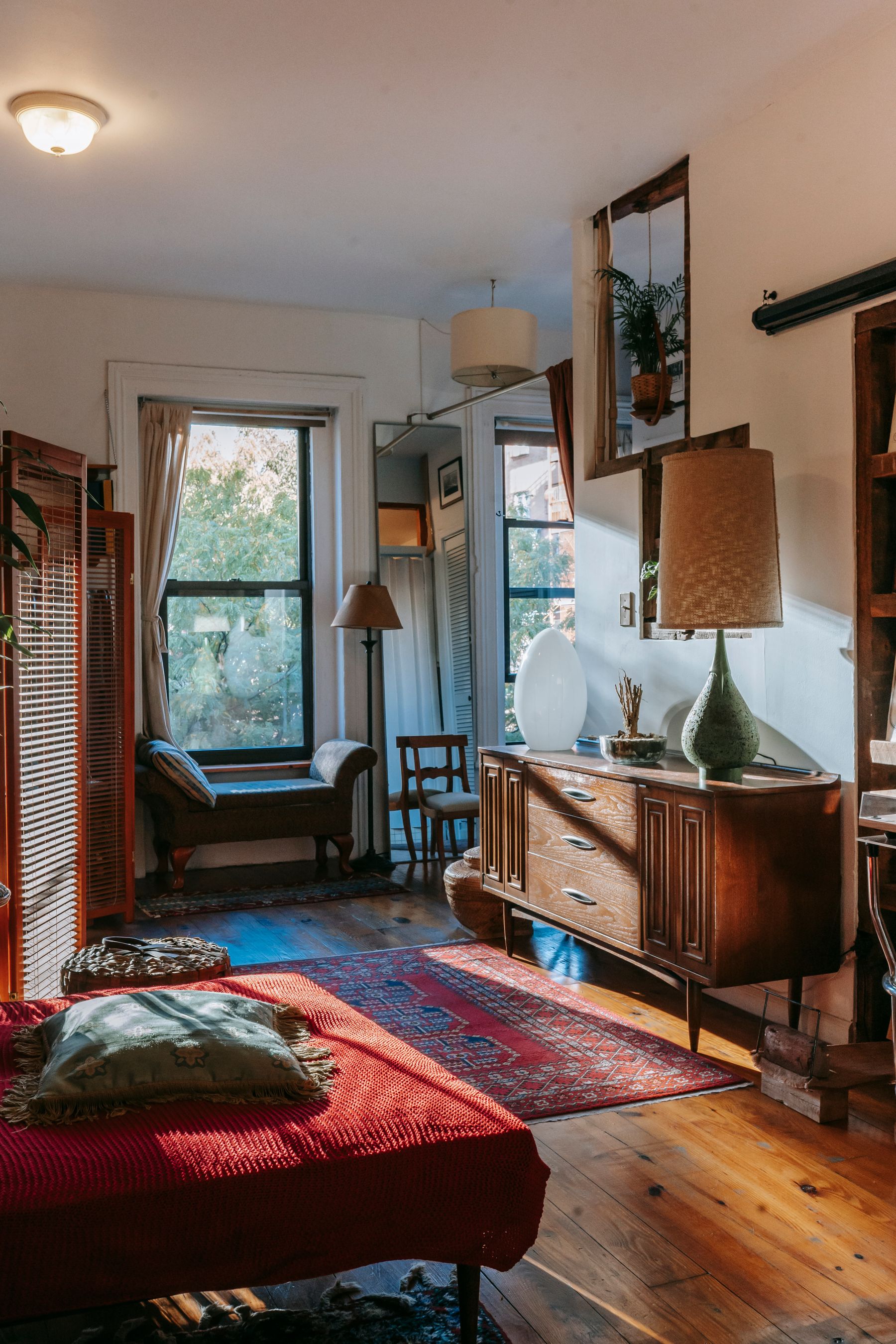
Choose an old chest, cabinet, chair or table because it performs a real job and fits the room. Inspect joints, drawers, pests, odors, coatings and tipping risk; secure tall furniture appropriately. Antique electrical pieces should be rewired or assessed by a qualified professional. Mix one substantial old item with simpler current pieces instead of staging a period room. [Vintage Bedroom Ideas](/bedroom/vintage-bedroom-ideas/) goes deeper into age and collecting; Country uses age in service of regional comfort and continuity.
Mix Eras Without Losing the Country Thread
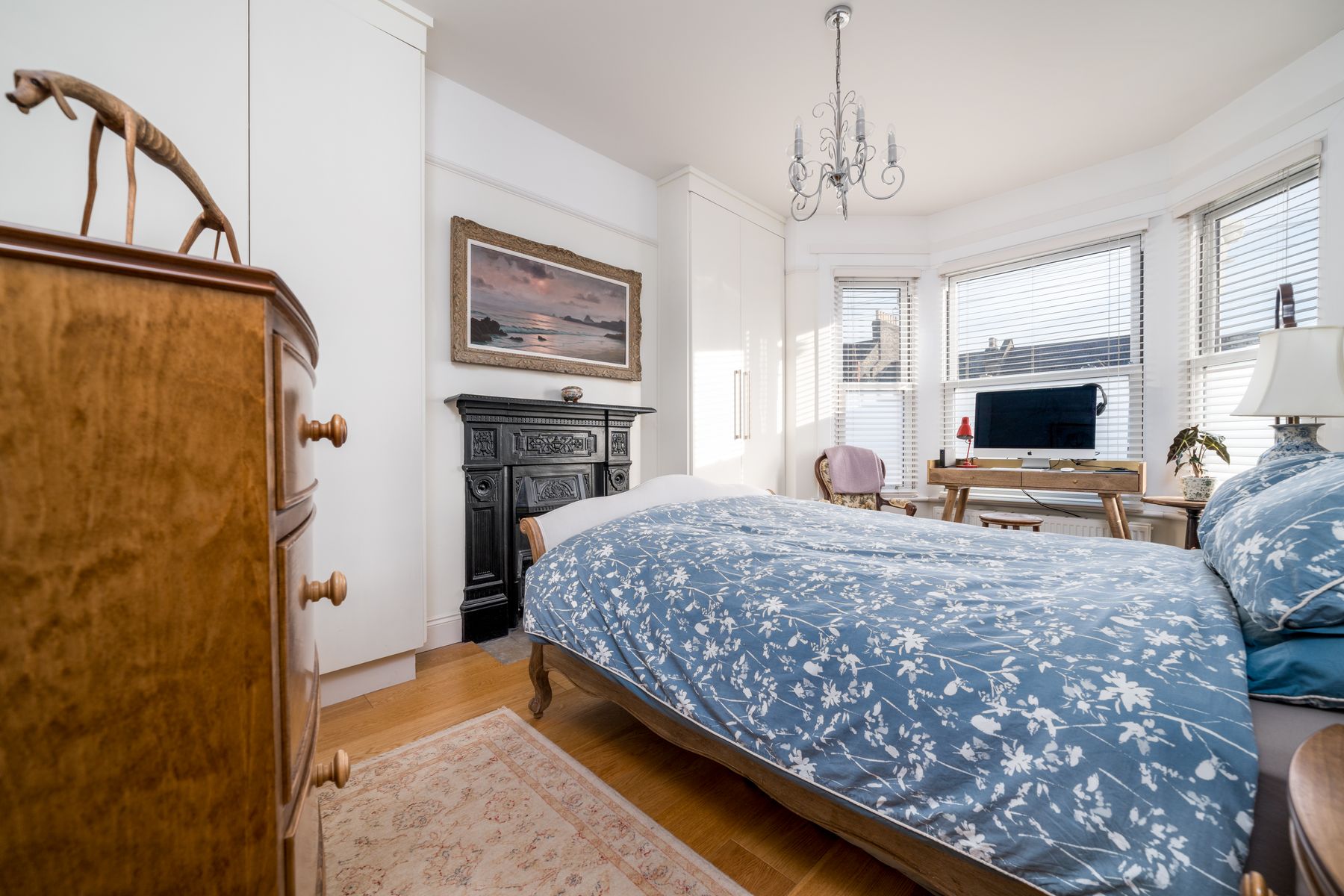
A contemporary bed, antique chest and mid-century lamp can belong together when scale, color and material connect them. Avoid distributing many unrelated silhouettes with equal emphasis. Let one piece lead, one provide contrast and the rest support use. Country rooms should feel accumulated, but not accidental. If contrast, collecting and surprise become the main objective, [Eclectic Bedroom Ideas](/bedroom/eclectic-bedroom-ideas/) is the stronger destination. Country keeps a calmer relationship to rural material, familiar pattern and domestic routine.
The Quilt as Pattern, Craft and Memory
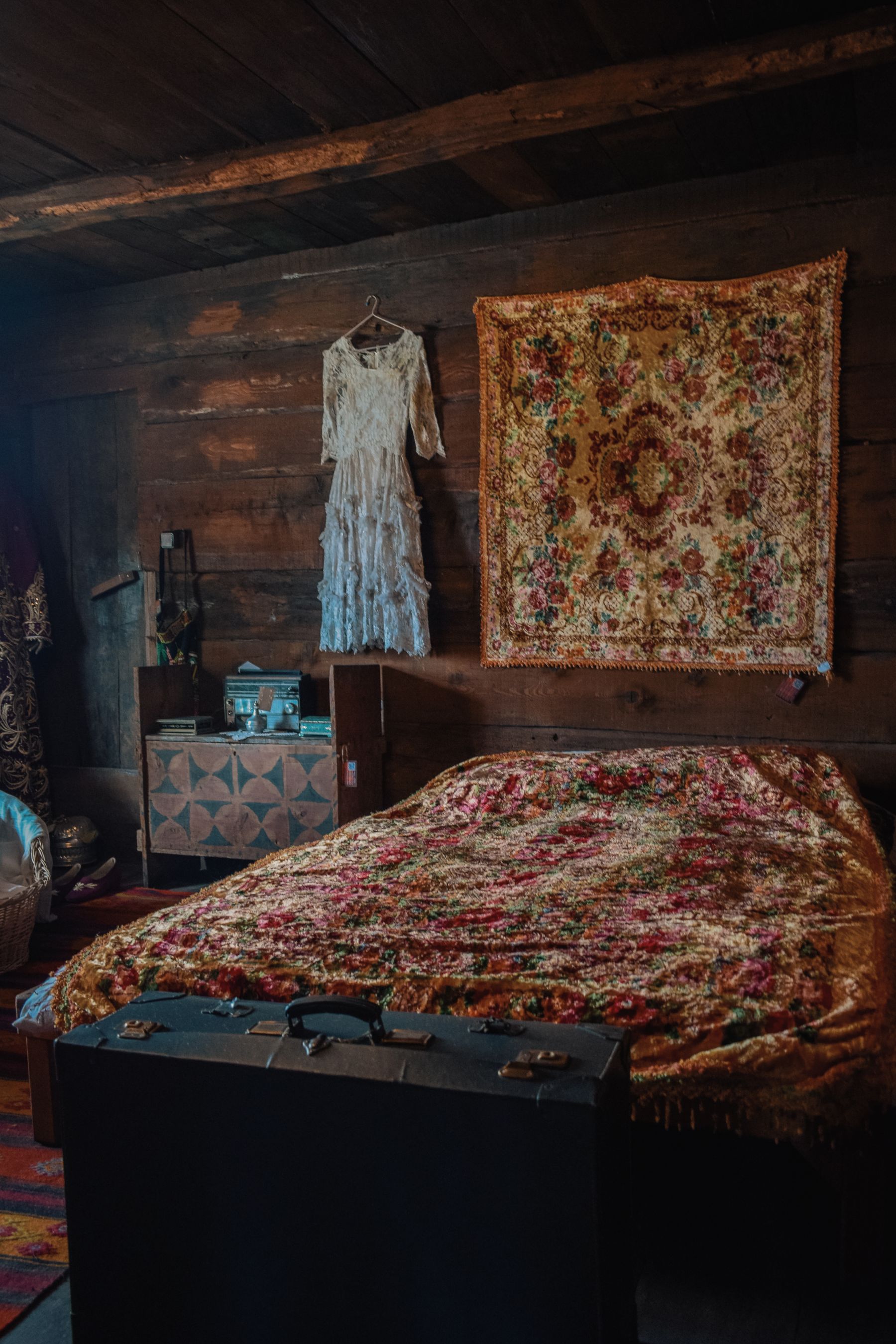
A quilt or coverlet can set the room's color relationships, connect mismatched furniture and add a handmade or inherited layer. Choose weight by climate and laundering capacity. Fragile heirlooms should not take nightly body stress or strong sun; display or fold them safely and use a washable everyday alternative. One meaningful textile is stronger than several newly bought pieces pretending to be old. Avoid packing old bedding into a decorative suitcase unless it is clean, ventilated and easy to access.
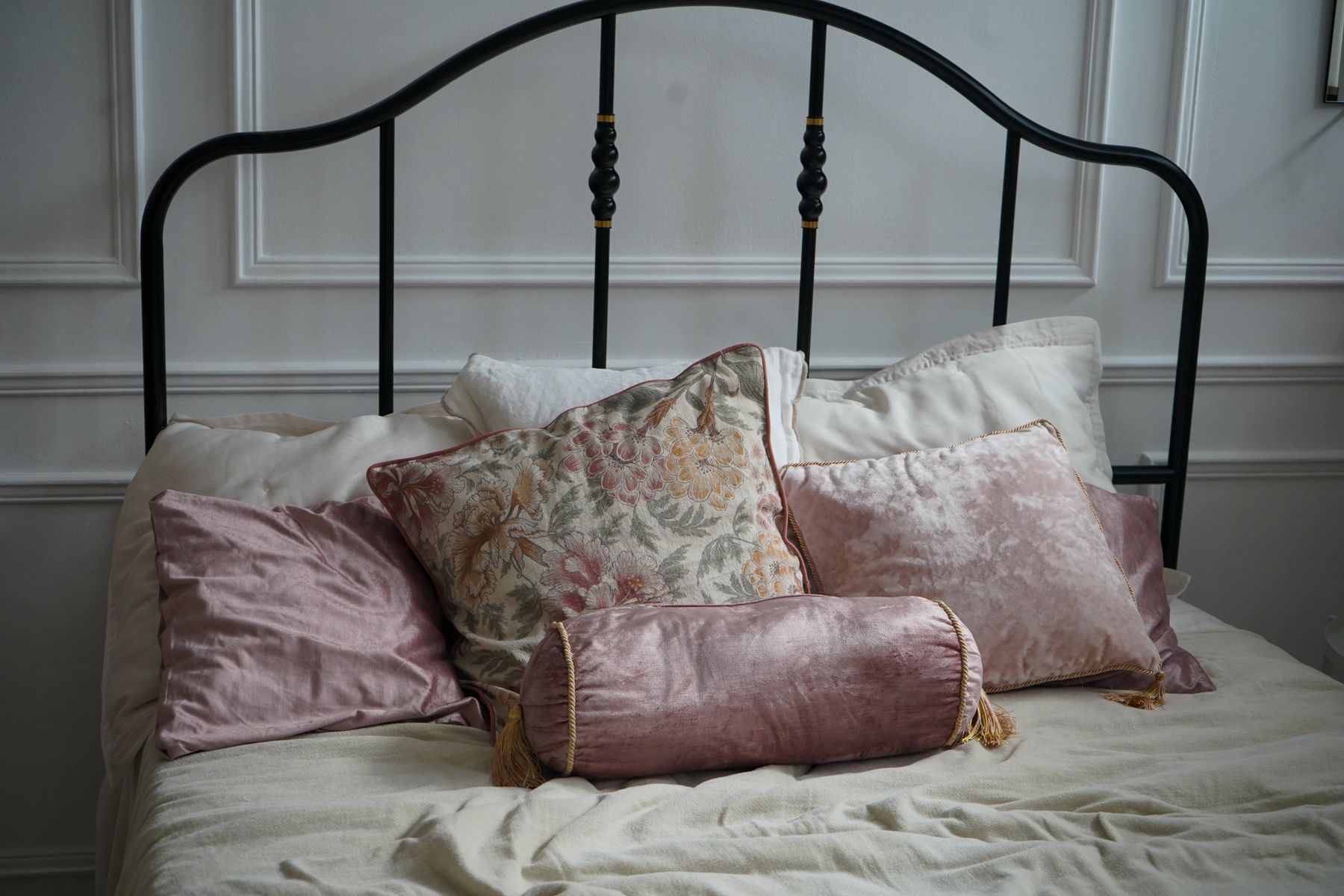
Bedding Layered for Comfort, Not Photographic Volume
Use breathable cotton or linen close to the body, a duvet or blanket suited to actual night temperature and one expressive patterned layer. Pillow stacks and heavy throws can make daily bed-making laborious and overheat sleepers. Build the comfortable system first, then add texture only where it improves warmth, acoustics or touch. Patterned bedding is the easiest seasonal change, so keep permanent surfaces quieter when flexibility matters. Washability and storage for off-season layers belong in the specification, not as afterthoughts.
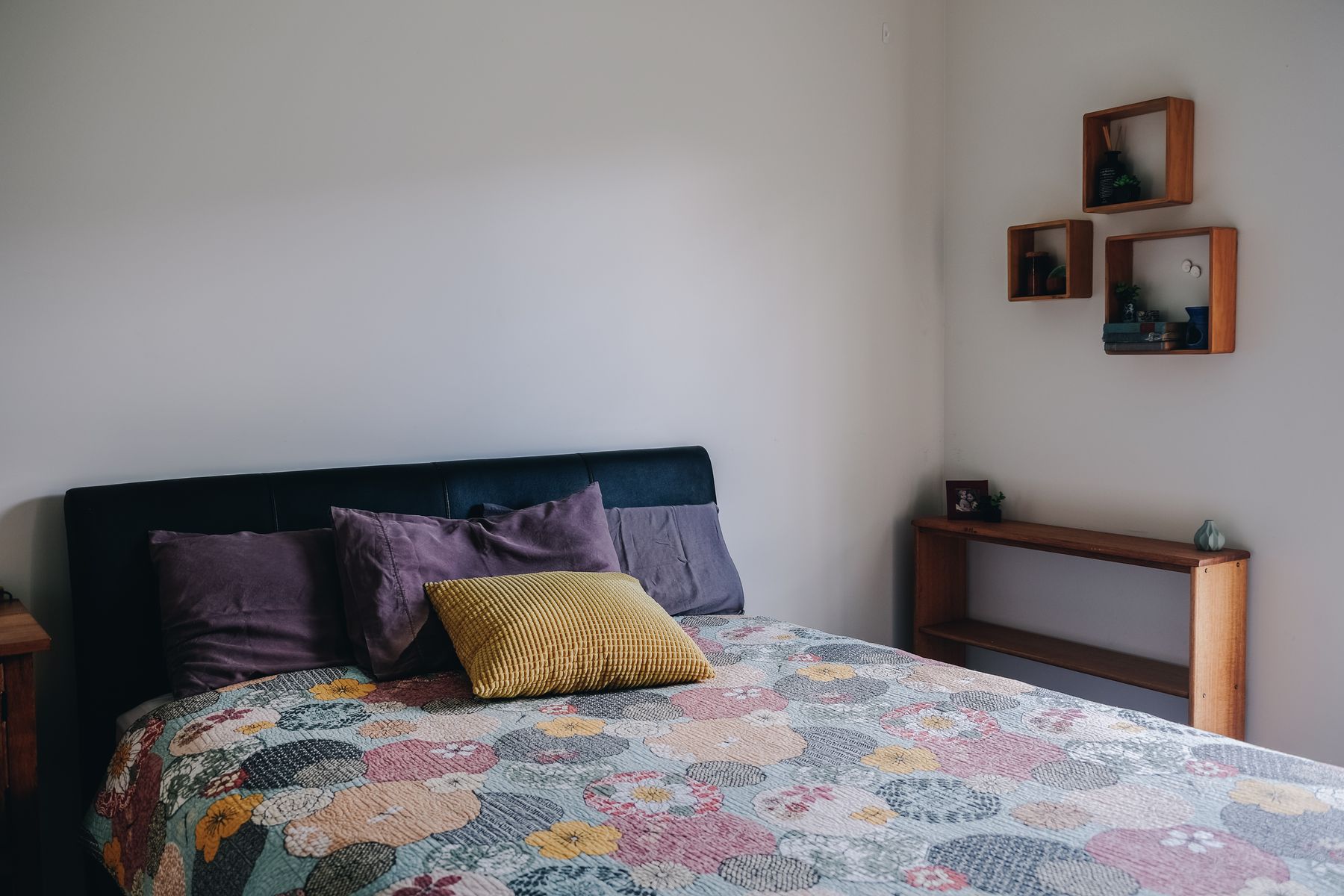
A Coverlet Modernizes Country Pattern
In a modern or rental bedroom, let one coverlet or bedspread deliver print while shelving, walls and furniture remain clean. This avoids forcing faux-age finishes onto new architecture. Repeat one color in a lamp, curtain edge or painted object, not across a coordinated accessory set. Choose a pattern with enough scale to read from the doorway and enough quiet area to live with daily. The approach is especially useful when the room must remain adaptable to another occupant or home.
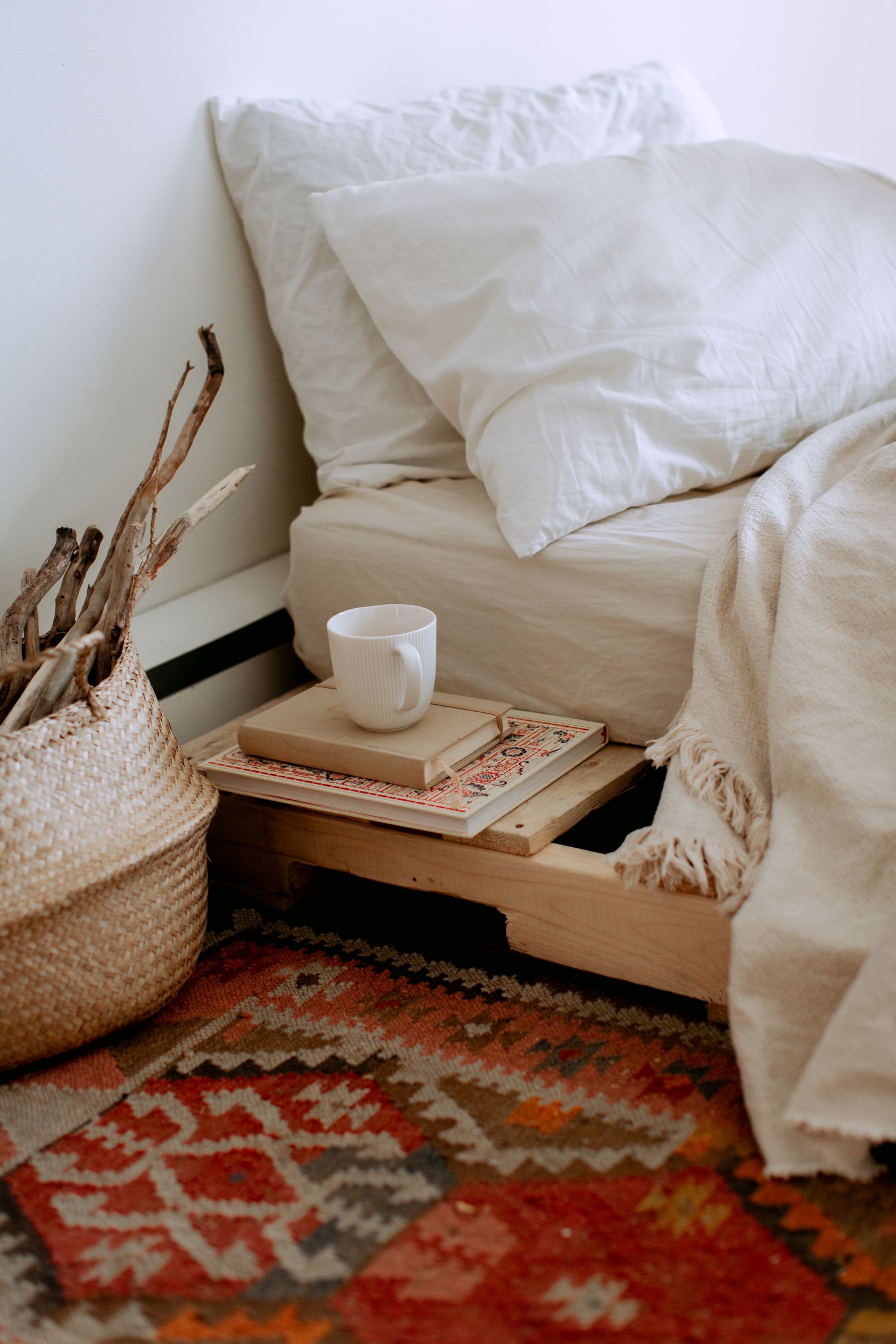
Ground the Bed With a Capable Rug
Choose wool, flatweave or a washable blend according to floor temperature, pets, cleaning and mobility. Pattern can unify several furniture tones, but tiny scattered mats fragment the floor and increase trip risk. The rug should provide stable landings without catching doors or curling along the nighttime route. [Living Room Rug Ideas](/living-room/living-room-rug-ideas/) expands construction and sizing principles; in a bedroom, bare-foot comfort, low-light safety and access for cleaning deserve extra weight.
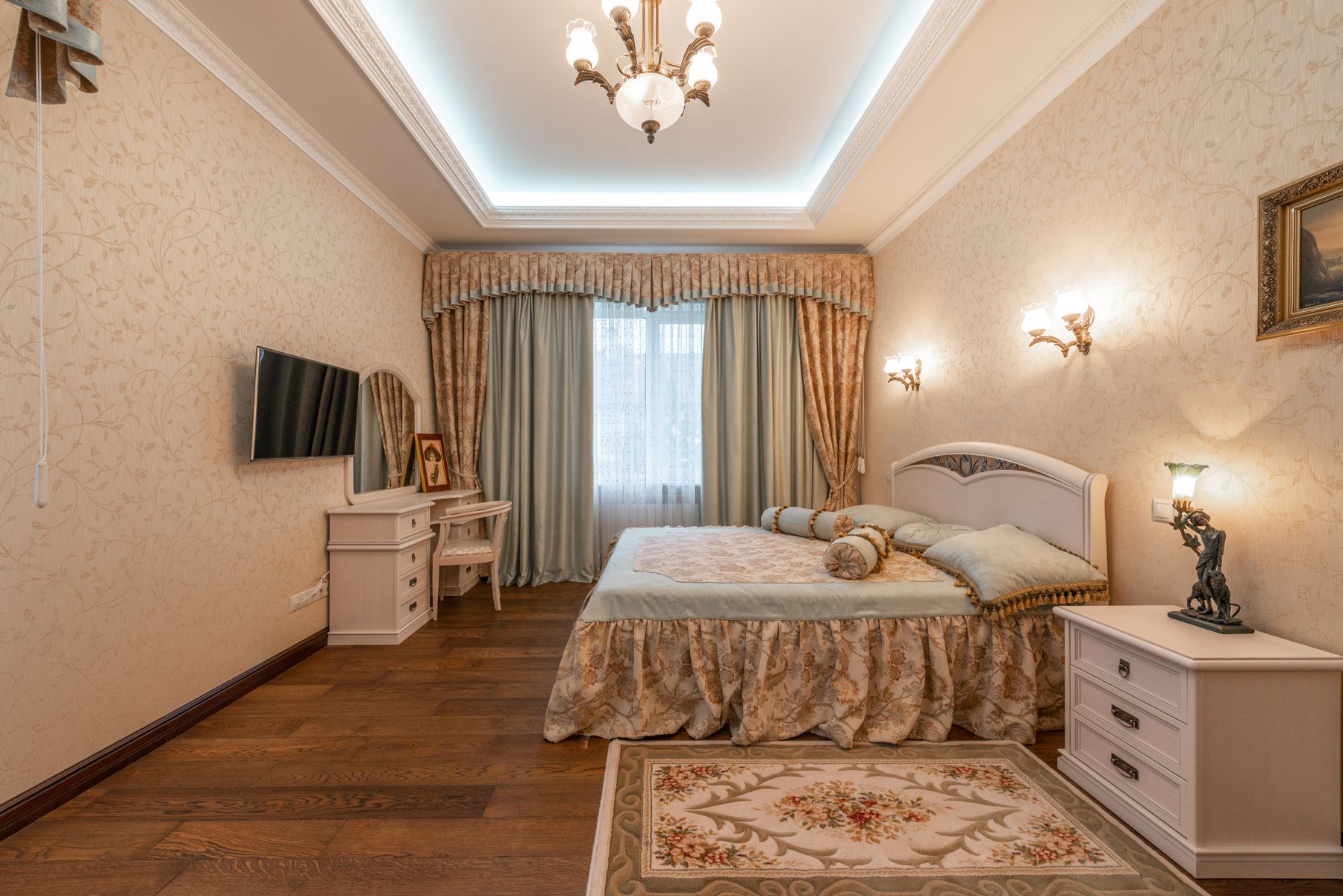
Curtains Layered for Season, Privacy and Sleep
Unfussy linen-look curtains, a small floral, stripe or check can all work, but window treatment must solve privacy, blackout, stack-back and seasonal heat first. Use a translucent layer for daytime screening and a properly fitted lining where sleep darkness matters. Heavier curtains may improve winter comfort but can block radiators or ventilation if poorly placed. Mount hardware into suitable structure, keep cords safe and make controls reachable. Pattern should relate to the lead textile without matching it exactly.
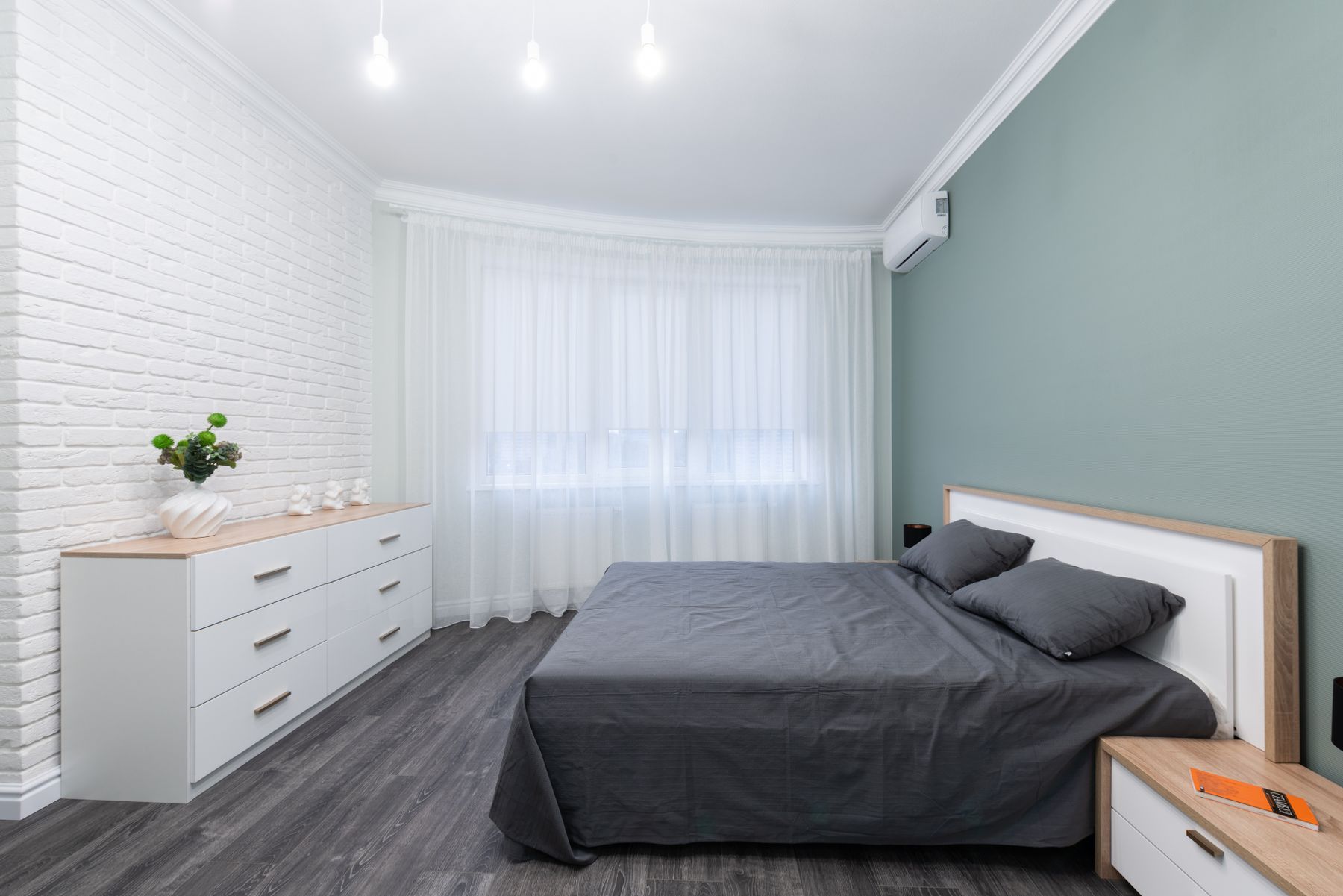
Local Lamps Instead of Harsh Central Light
Combine glare-controlled bedside lights, low ambient light for navigation and accurate illumination at wardrobes or mirrors. Ceramic, wood and simple fabric shades fit, but the shade must direct enough light for reading. Antique lamps require safe wiring and stable bases. [Living Room Lighting Ideas](/living-room/living-room-lighting-ideas/) offers a broader layering framework; a bedroom adds the need for darkness, controls from the pillow and a calm path during nighttime waking. Test every textile and paint under the actual lamp temperature.
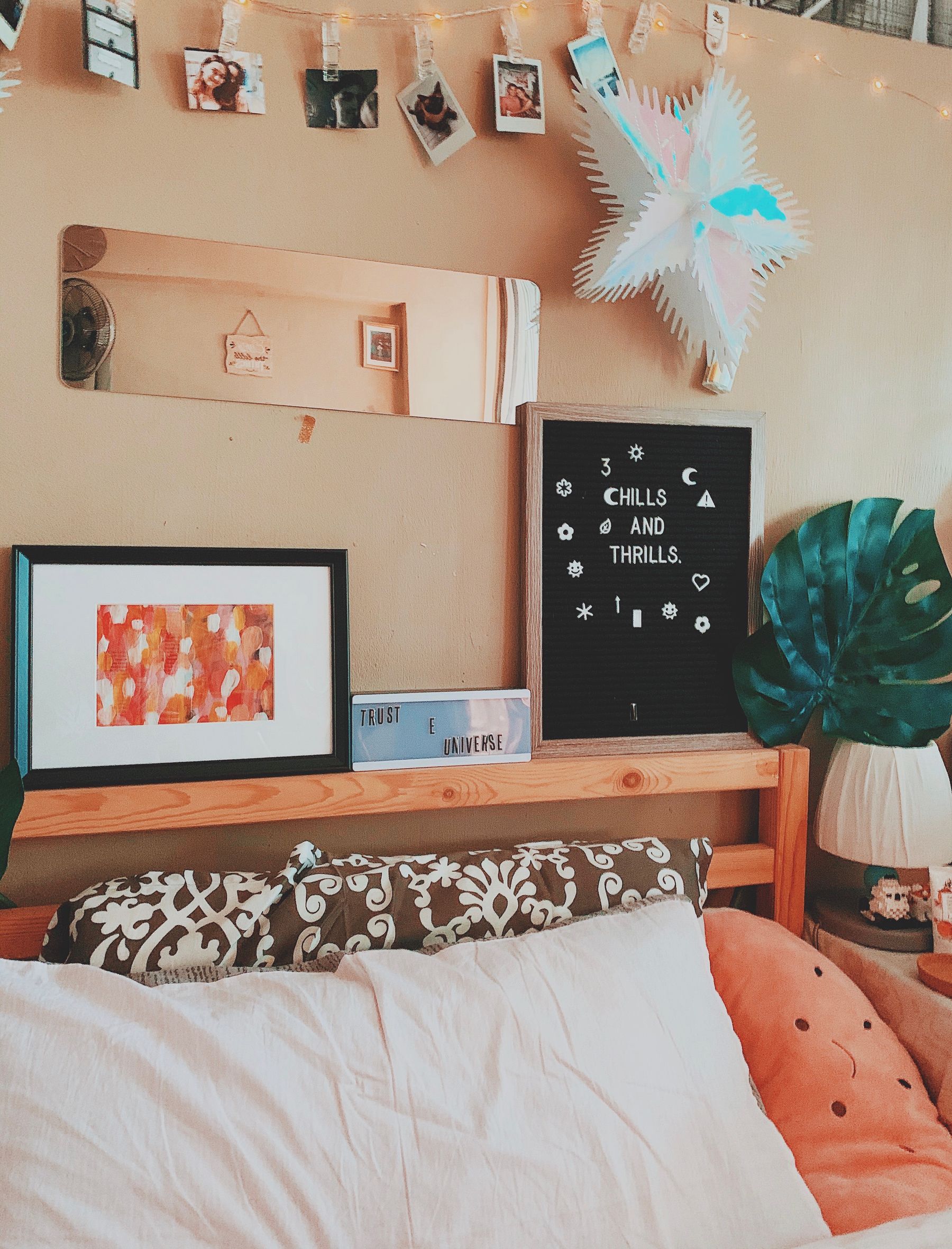
Display Objects as Evidence, Not Theme
Use family photographs, local craft, a landscape, botanical print or useful ceramic that has a clear relationship to the occupant or place. Avoid filling walls with generic hens, barns and slogans. Group small pieces where they can be read and cleaned rather than scattering them across every surface. Protect works from sunlight and humidity, secure anything above the bed and verify provenance for natural specimens. The collection should remain meaningful when the country label is removed. Leave quiet wall area around it.
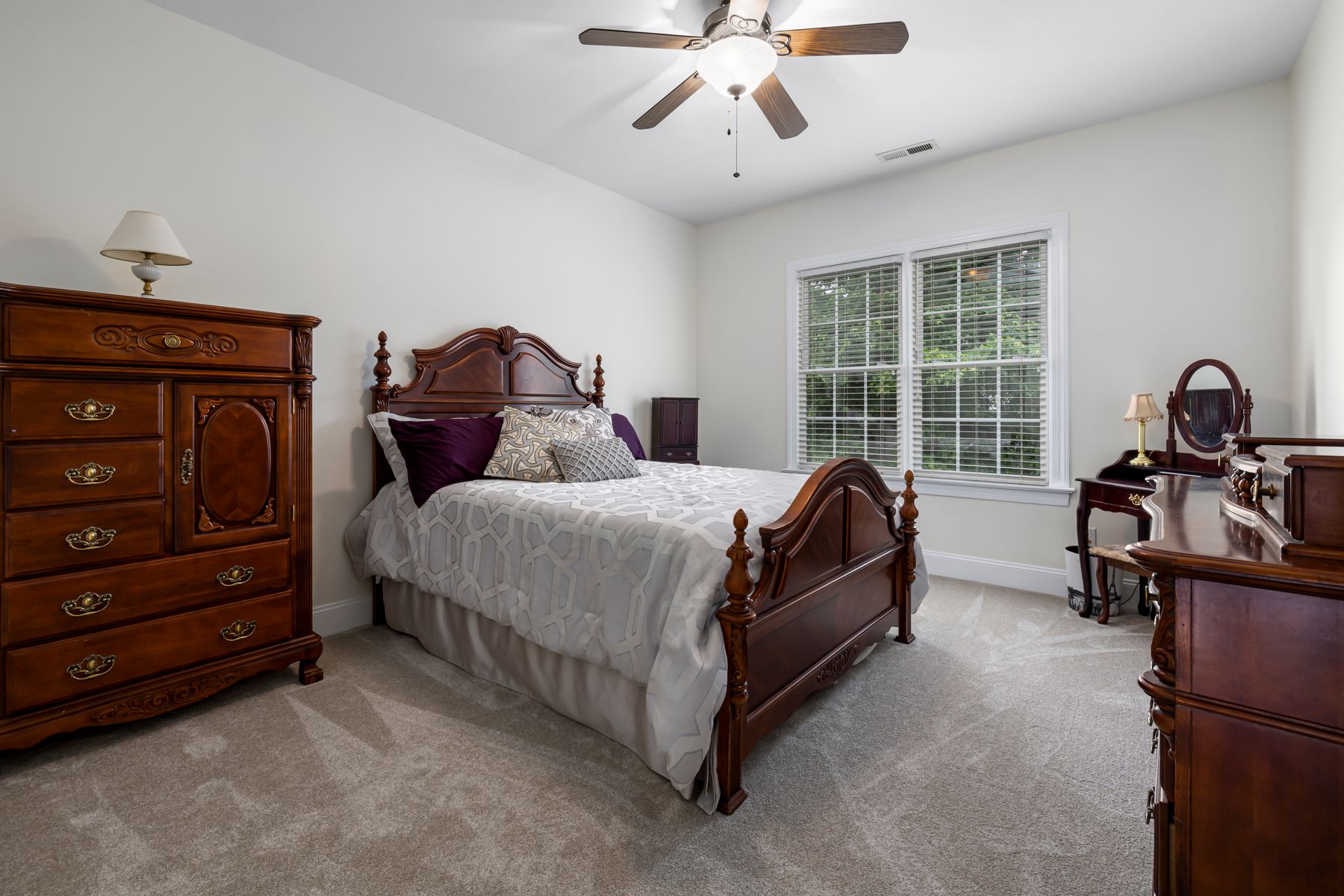
Store Quietly Behind Character Furniture
A wardrobe, chest or dresser can anchor the style and contain visual noise, but confirm internal dimensions and access. Deep old pieces may store less efficiently than their exterior suggests. Use drawer dividers and ventilated linen storage rather than a stack of decorative baskets. A blanket chest belongs at the bed only if its lid, depth and route are safe. Mix one character storage piece with quieter built-ins when volume is high. Do not preserve an awkward antique solely because it looks country.
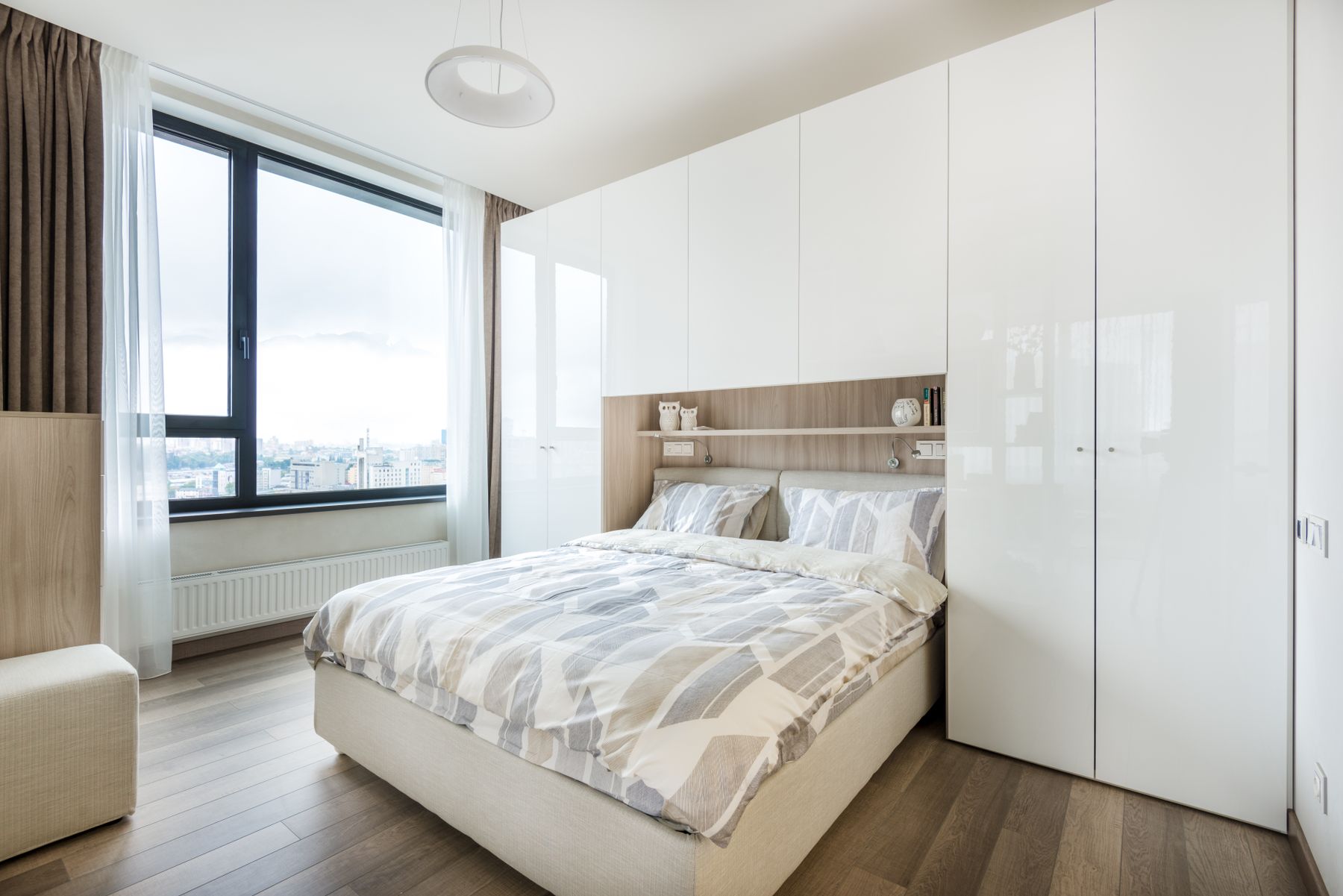
A Small Country Bedroom: Intimate, Not Crowded
Choose one lead pattern and one character item, then keep storage continuous and floor edges clear. A shallow wall shelf may replace a deep nightstand; wall-mounted lighting can help only when wiring, reach and glare work. Small floral repeats can feel intimate, but several competing prints shrink the visual field. [Small Bedroom Ideas](/bedroom/small-bedroom-ideas/) provides deeper circulation and storage tests. Country warmth should come from a broad textile or useful chest, not a collection of tiny ornaments.
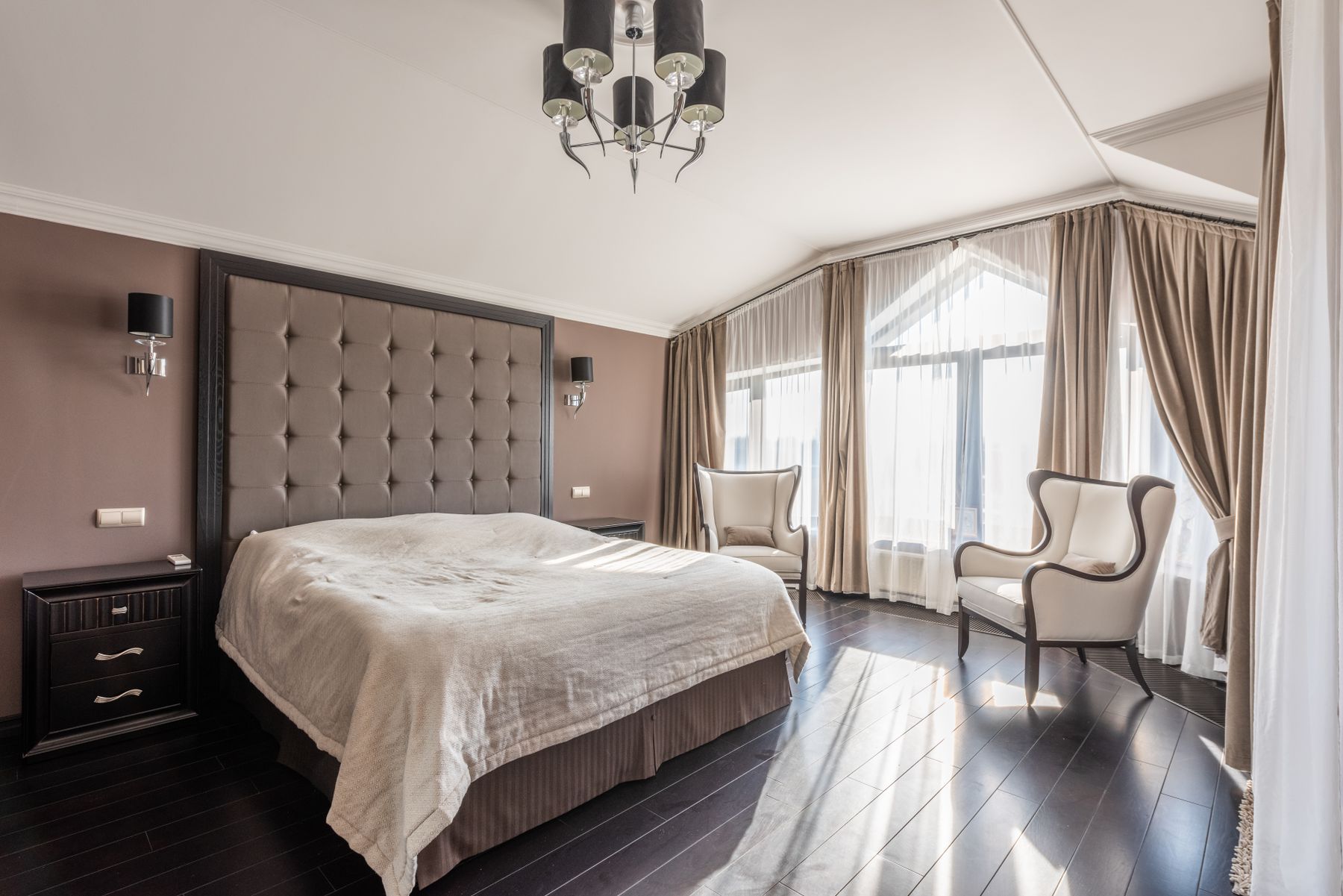
Zone a Large Country Bedroom Without Overfilling It
Keep the bed primary, then create one secondary function such as reading, dressing or quiet seating. Group a chair with a lamp and table rather than floating many unrelated antiques around the perimeter. Use a rug, curtain field or furniture arrangement large enough for the room volume. [Large Bedroom Ideas](/bedroom/large-bedroom-ideas/) develops zoning and scale in depth. Country character can then come from the chosen chair, textile or chest without filling every gap with decorative history.
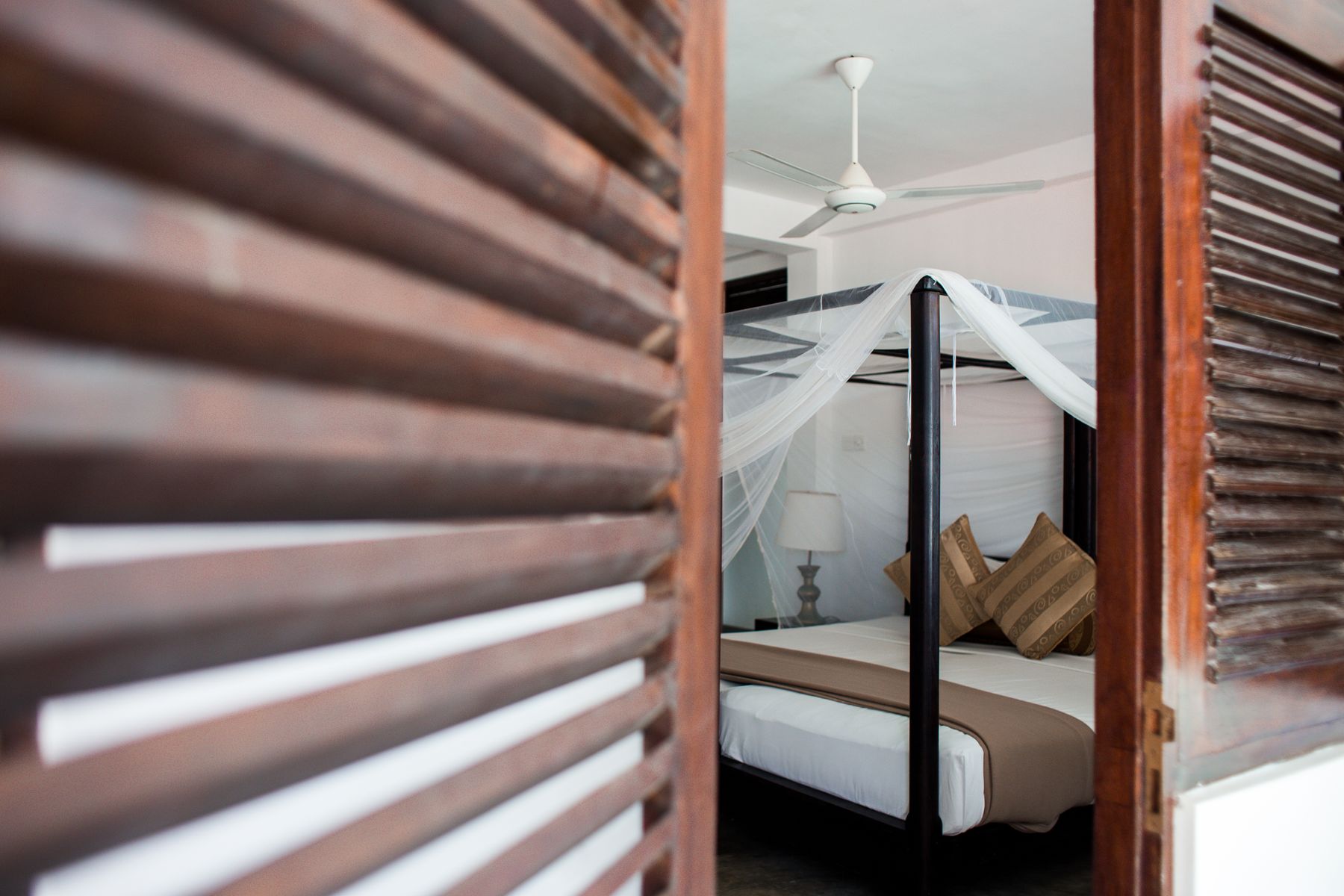
Design a Country Guest Room for Real Visitors
Provide reachable charging, two usable bedside surfaces where possible, reading light, luggage space, empty hanging capacity and washable bedding. A quilt, printed curtain or local photograph creates welcome without filling the room with fragile objects. Explain shutters, heating and ventilation if an older house operates differently from a hotel. Check the bed from both sides and leave drawer space. The room should feel specific but not so personal or precious that a guest is afraid to use it.
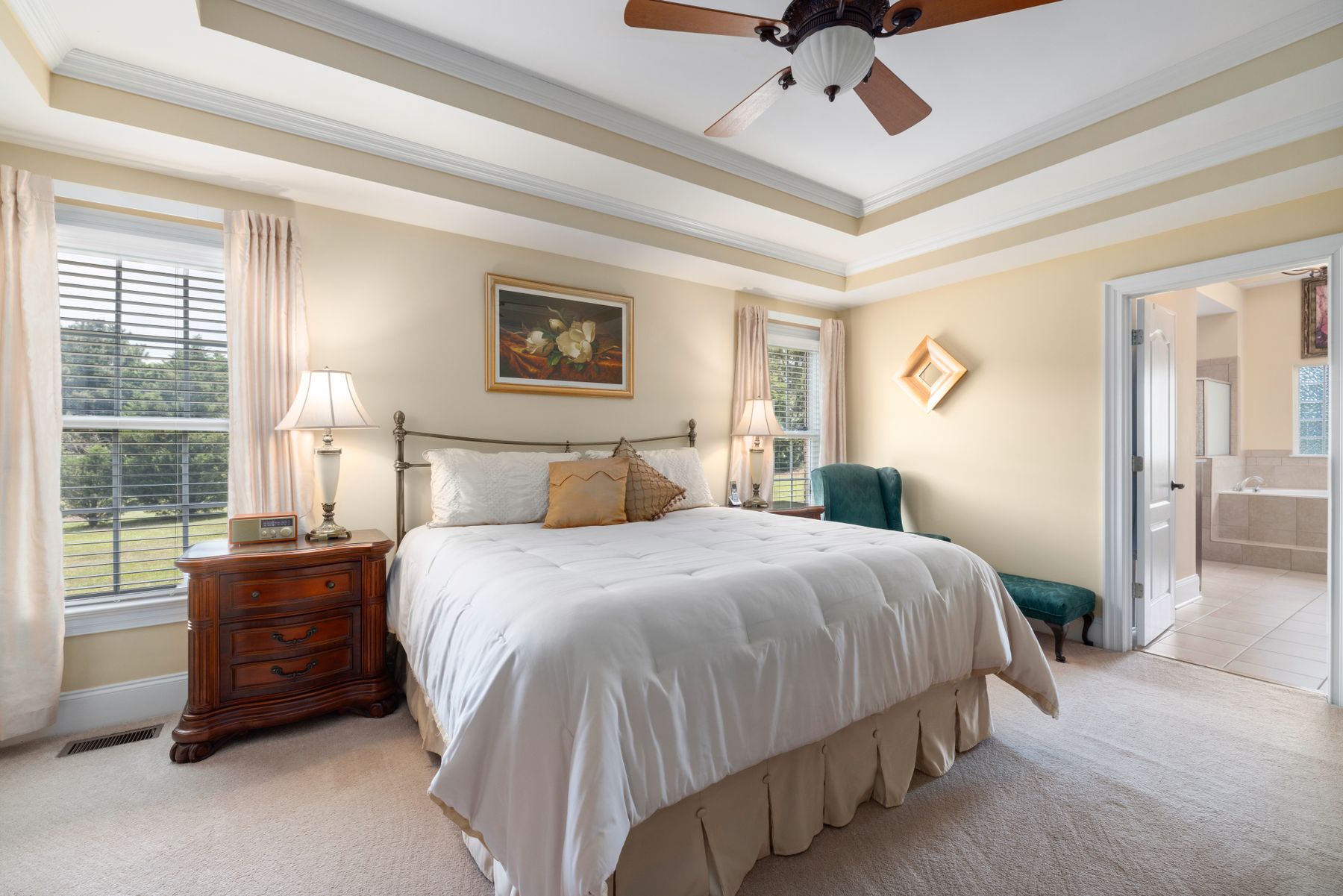
Modern Country as a Real Old-New Relationship
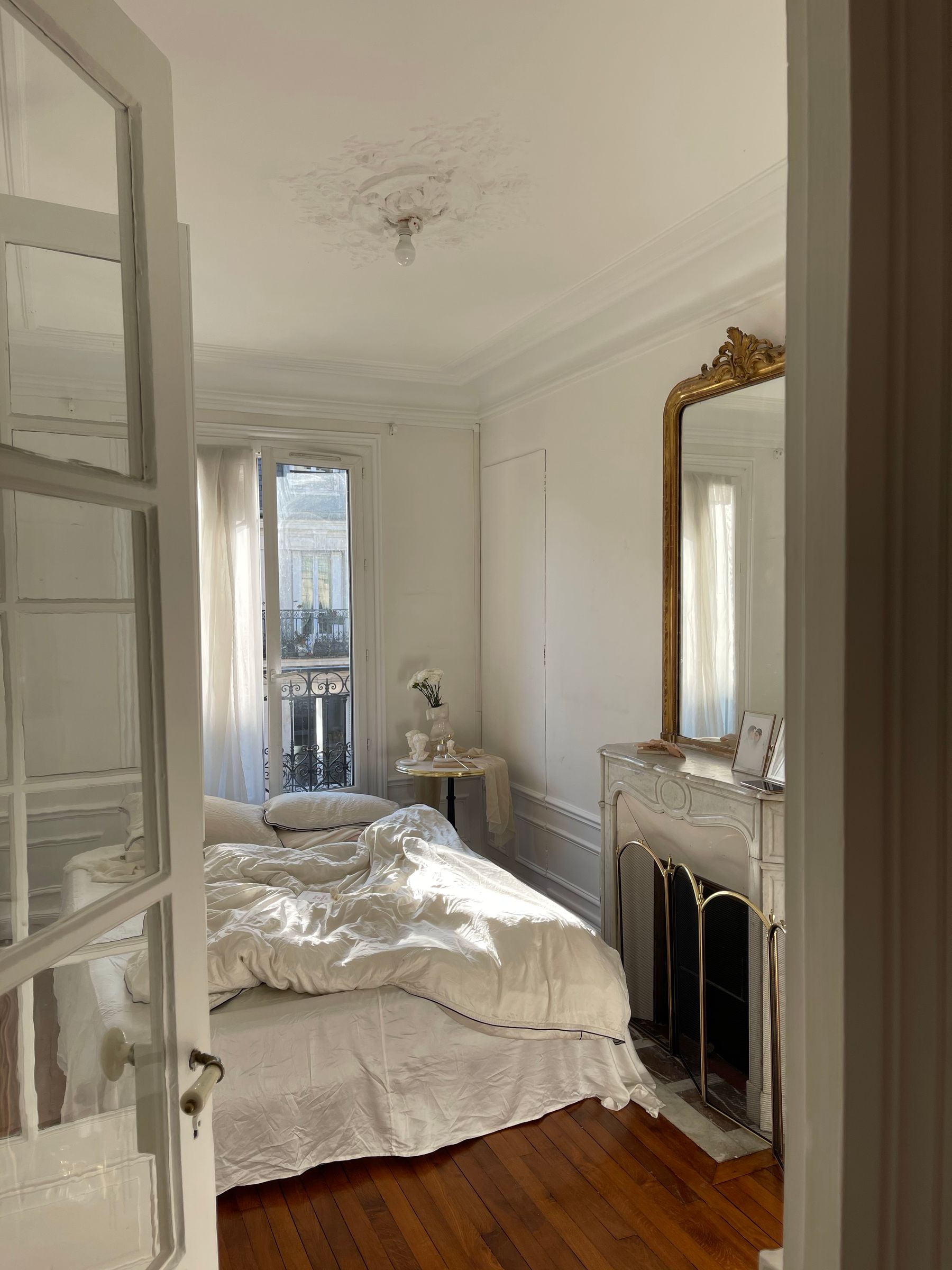
Modern country works when current construction and comfort meet a few credible traditional layers: a clean upholstered bed with an old chest, smooth walls with a quilt, or precise joinery beside a printed curtain. It fails when new pieces are artificially distressed to imitate age. [Modern Bedroom Ideas](/bedroom/modern-bedroom-ideas/) provides the function-led base; country enters through pattern, craft, mixed furniture and regional color. Keep the contrast visible instead of making every surface pretend to come from one period.
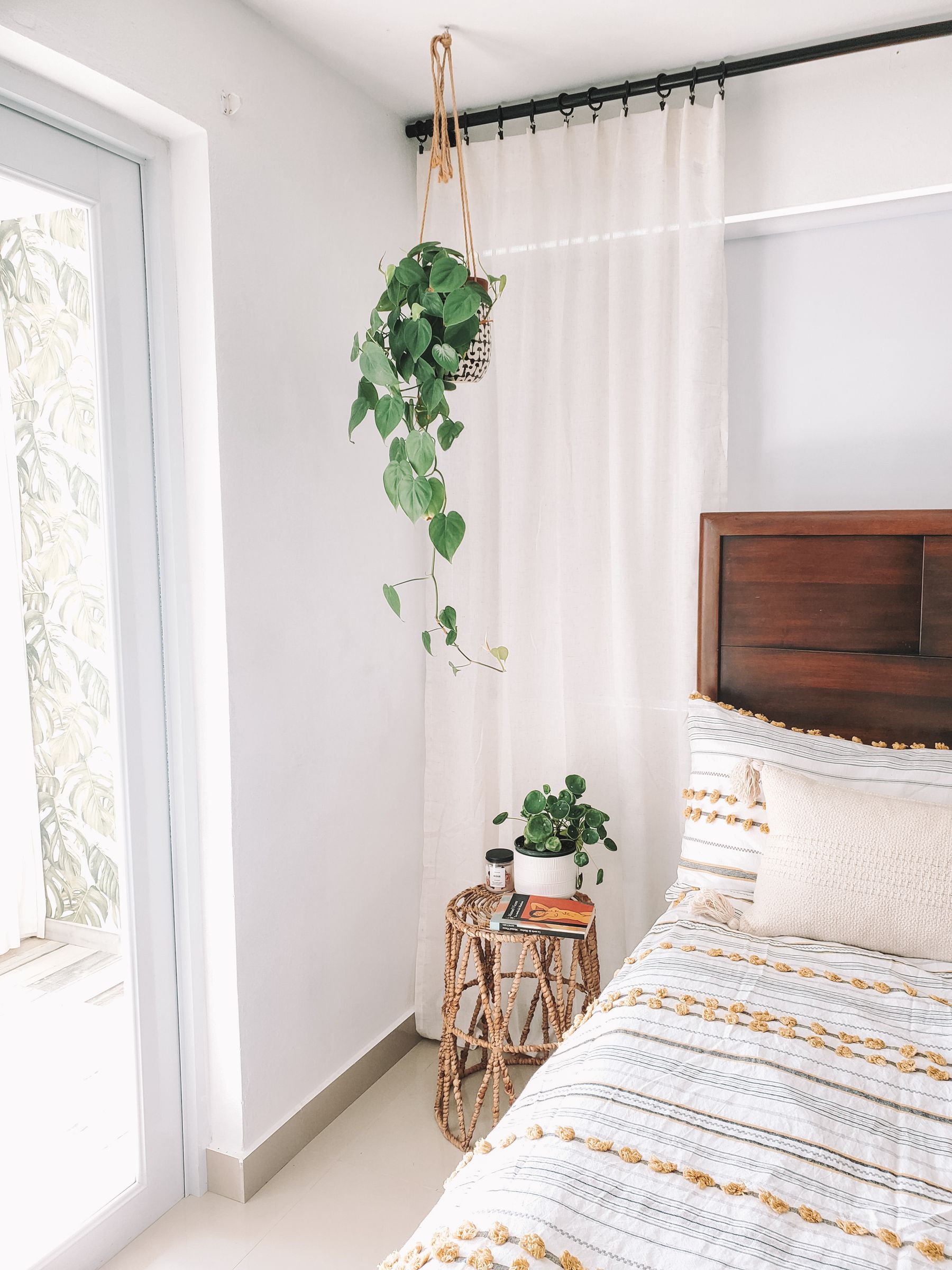
A Reversible Country Bedroom for a Rental
Use a portable headboard, patterned coverlet, full-length approved curtains, stable rug, ceramic lamp and one useful secondhand table. Confirm permission before paint, wallpaper or hardware, and keep condition records. Avoid filling a plain rental with tiny country accessories because the shell cannot change. Broad reversible surfaces create more impact and move to another home. Follow wall-fixing, fire-clearance and window-safety rules, and choose textiles that can be washed rather than preserved as display pieces.
Preserve Accessibility Beneath Pattern and Patina
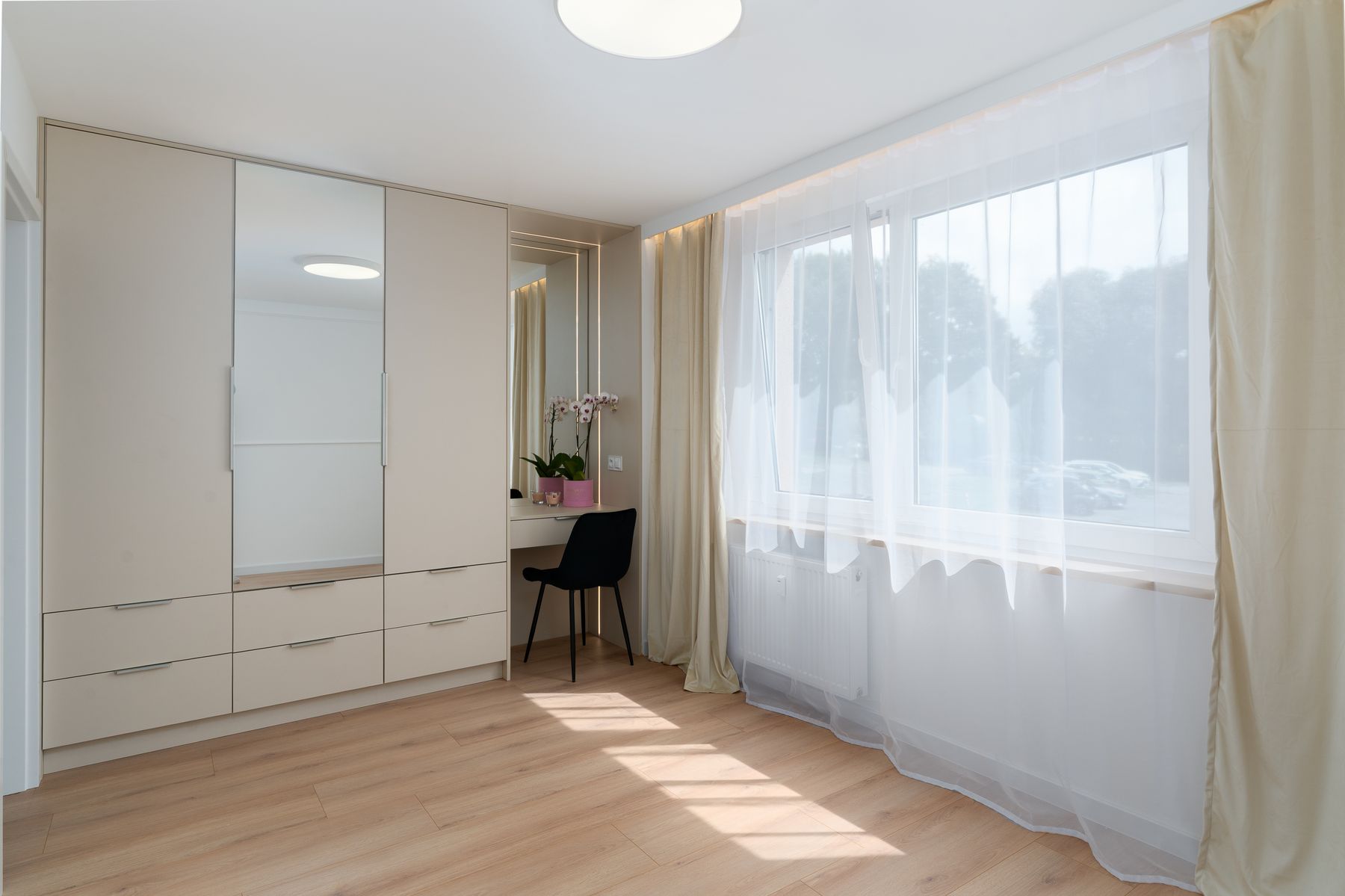
Maintain visible bed edges, handles, switches and floor transitions even when several patterns and wood tones are present. Choose bed height for the actual user, keep rugs stable and provide controls reachable from entrance and pillow. Avoid projecting bed posts, unstable blanket ladders and deep chests in circulation. Glare from a bright window can obscure contrast, while dense small pattern may complicate visual orientation. Country comfort succeeds only when familiar layers remain safe to navigate, operate and clean.
Maintain Wallpaper, Textiles, Timber and Old Finishes
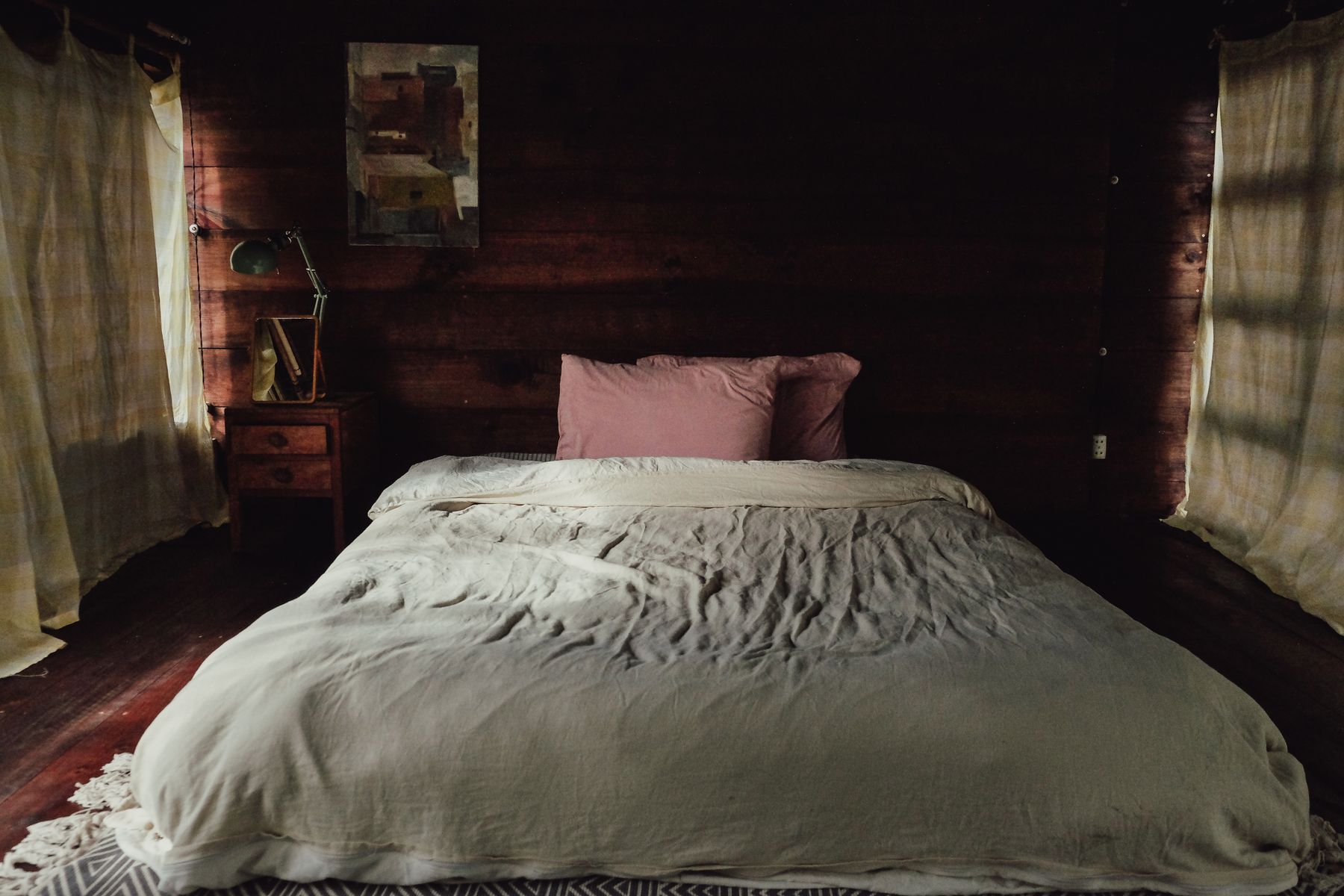
Dust wallpaper, ledges and woven textiles using suitable methods, and repair lifting seams or chipped paint before moisture reaches the substrate. Follow care labels rather than assuming every cotton, linen or quilt tolerates hot washing. Keep records of paint and finish. Inspect older furniture for loose joints, pests and flaking coatings, especially after moving or seasonal humidity change. Choose patina that can be cleaned and lived with; grime, mold, splinters and unstable finishes are maintenance problems, not evidence of authentic country style.
Finish With a Place, Use and Nighttime Audit
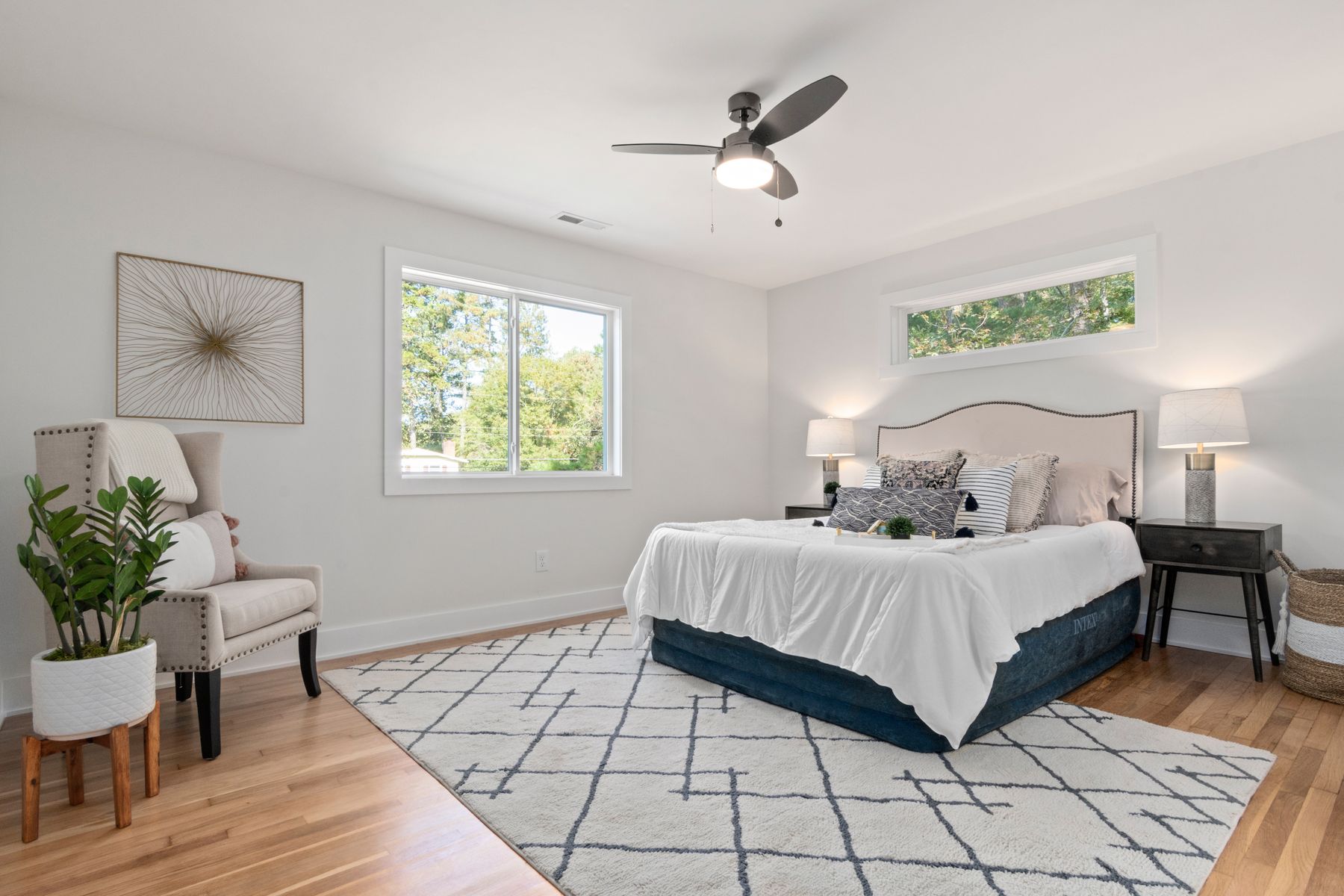
Use the bedroom at waking time, while dressing, through an overcast afternoon, for reading and in full darkness. Confirm that the bed is comfortable, storage opens, curtains provide privacy and blackout, patterns have quiet space and mixed furniture feels intentionally related. Remove any object whose only job is announcing country style. The room is complete when its place or personal story remains legible, routines work and no decorative layer undermines sleep, access, cleaning or thermal comfort.