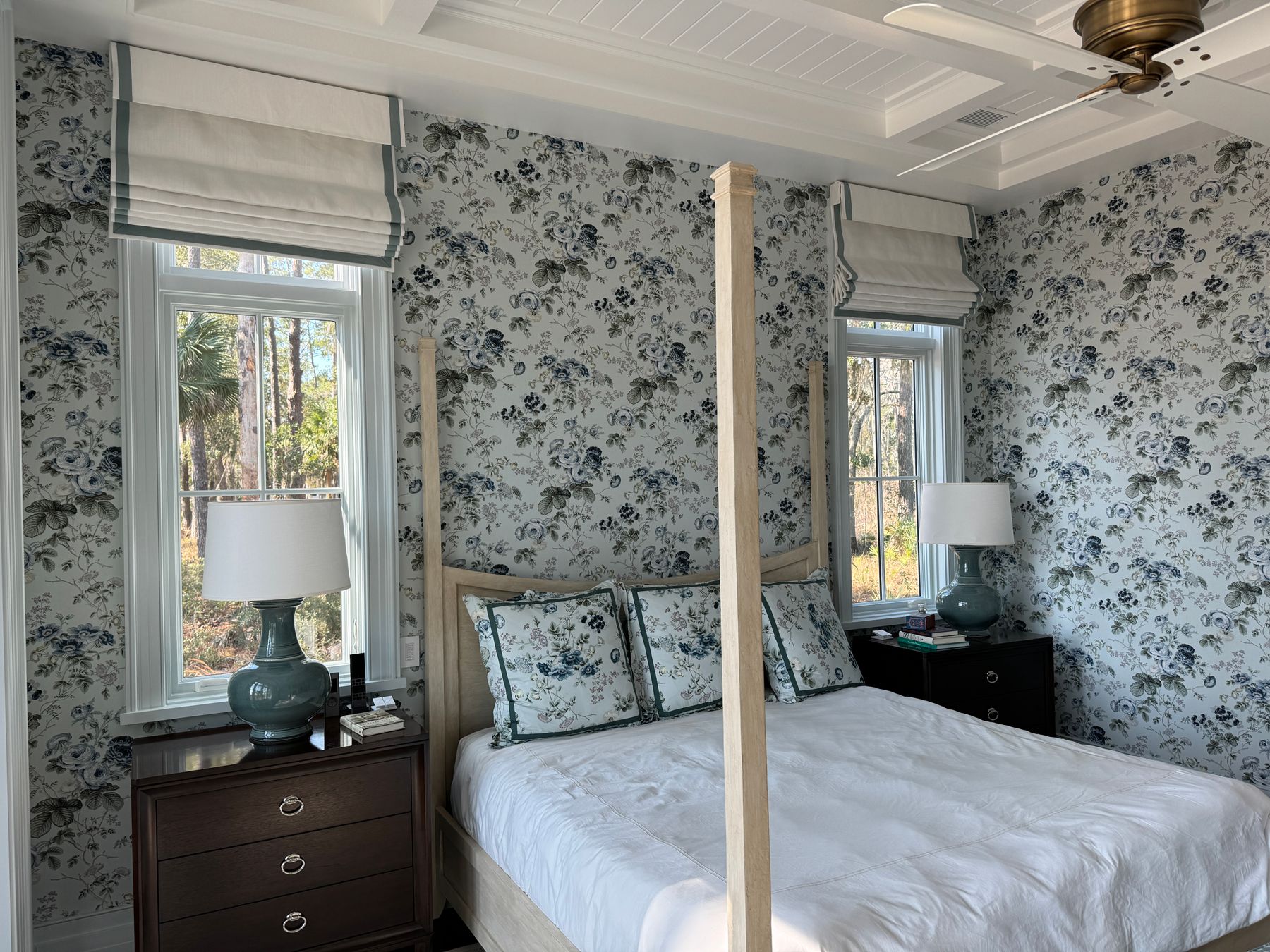
Define French Country as Rustic and Refined
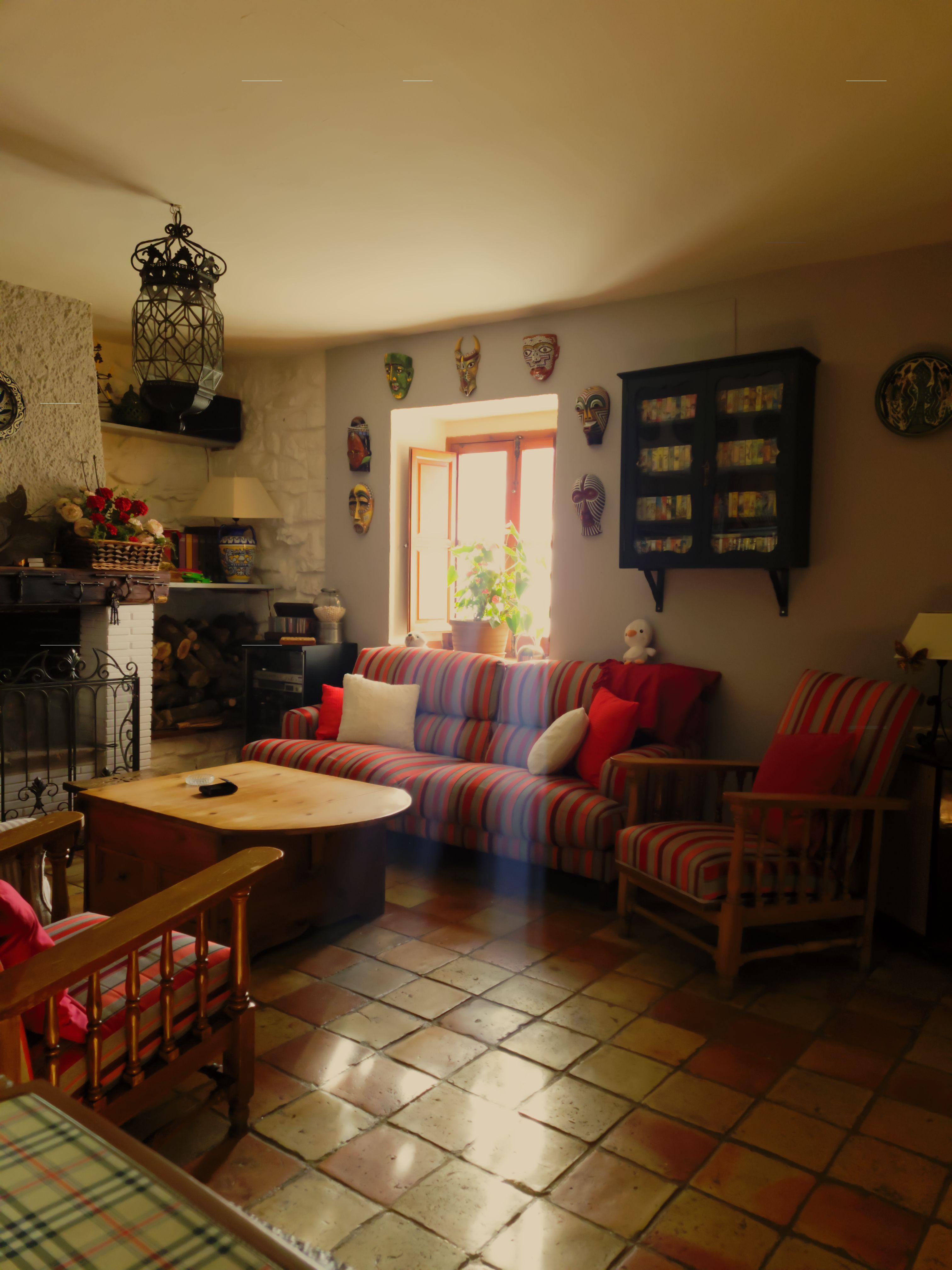
French country combines the useful warmth of rural rooms with curves, carving, pattern and measured formality inherited from French decorative traditions. A timber bed and plain linen may sit beside a bombe-style chest or gilt mirror, but neither side should dominate. [Country Bedroom Ideas](/bedroom/country-bedroom-ideas/) is broader and place-led; French Country earns its own destination through specifically French furniture silhouettes, garden color, toile and the tension between humble materials and refined detail. Begin with that balance rather than a collection of themed objects.
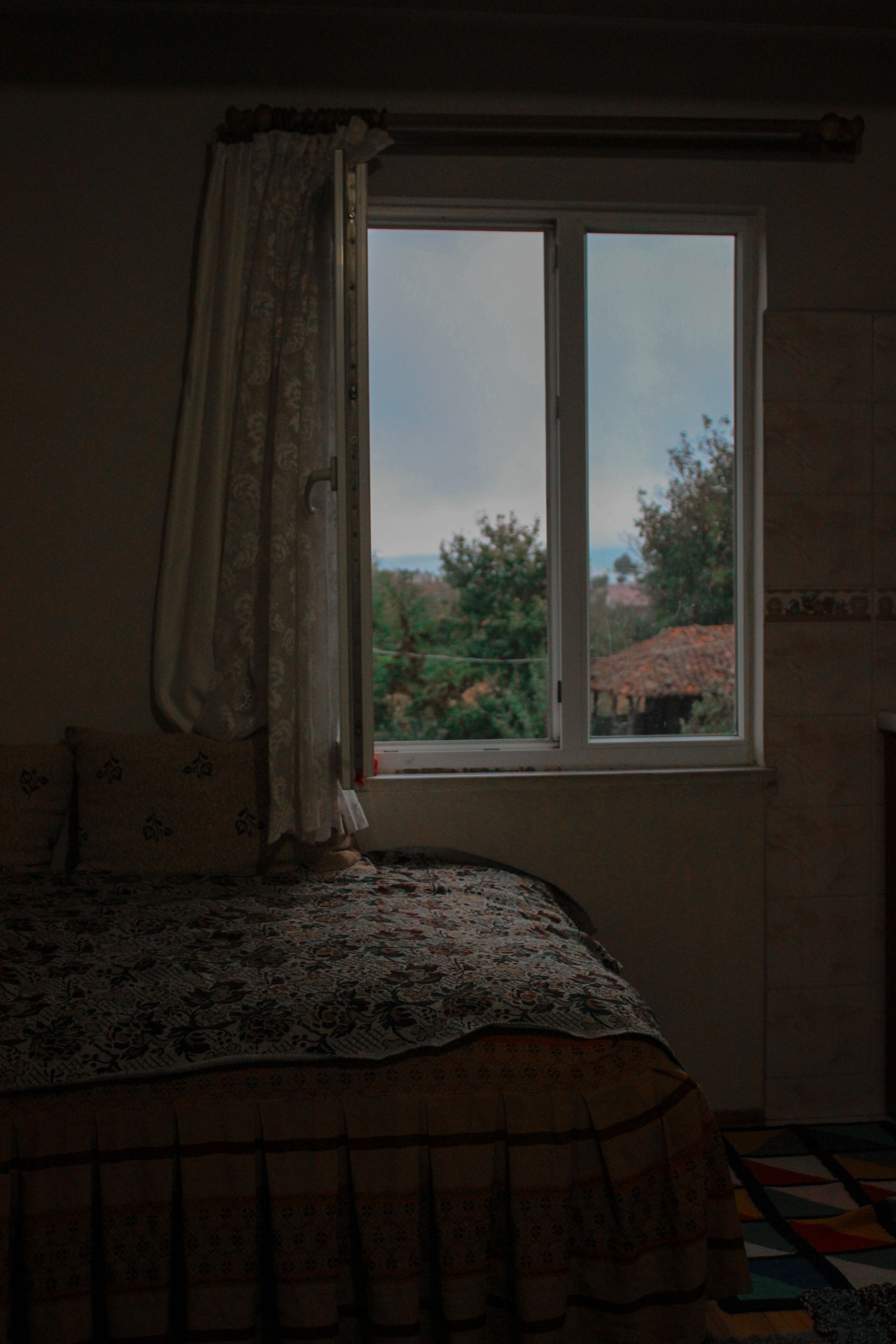
Choose Provence, Normandy or a Restrained Rural Blend
Provençal rooms can support sun-washed plaster, clay, faded blue, ochre and lighter linen. Northern French references may be cooler, timbered and more dependent on lined curtains, wool and greyed color. These are starting points, not costume rules. Research one place or house type and adapt its material logic to the existing building. Do not combine lavender, toile, Normandy checks, Mediterranean tile and formal château furniture in equal measure. A restrained blend works when one climate and one furniture relationship remain clearly dominant.
Separate French Country From Country, Cottage and Parisian
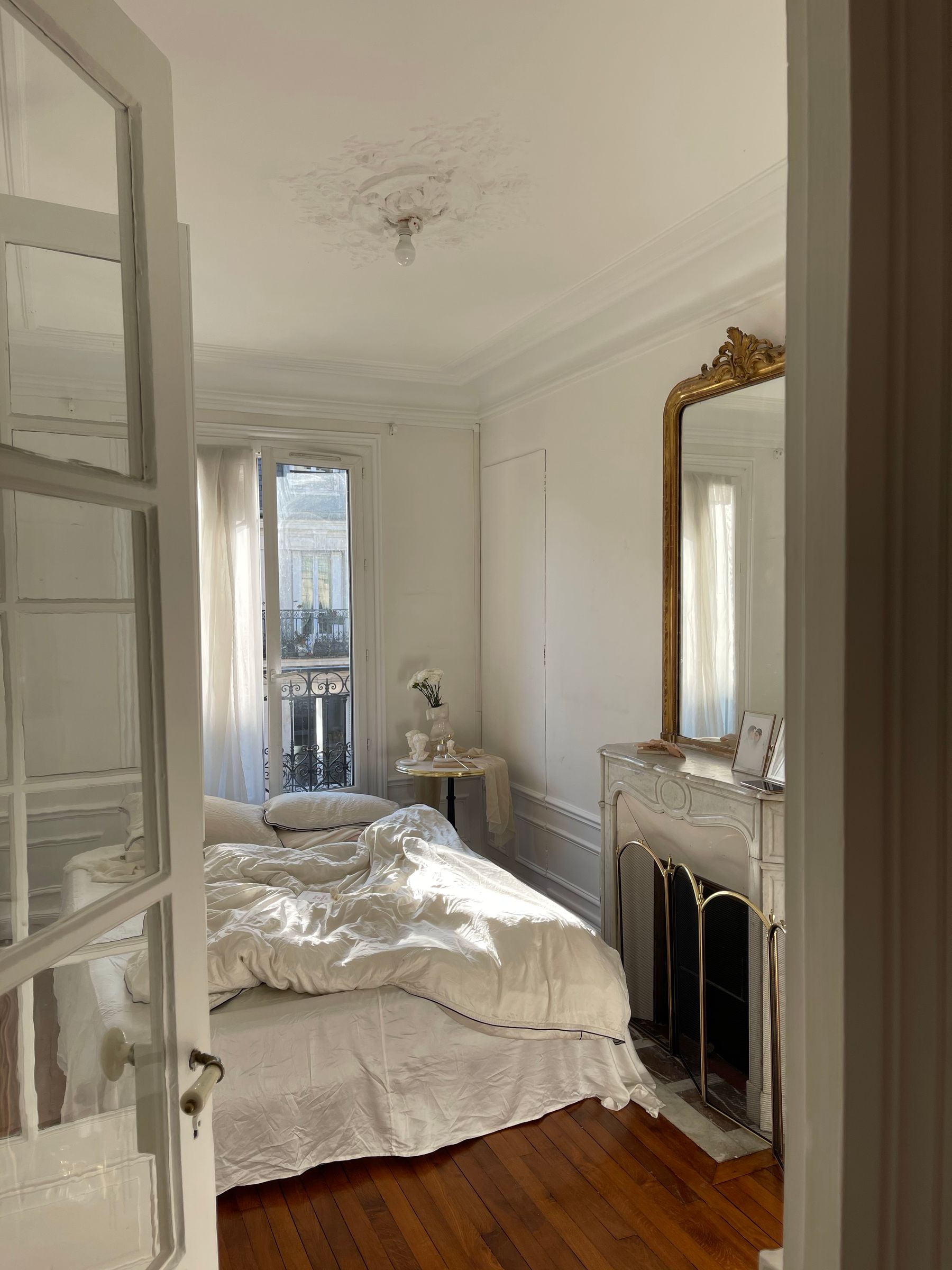
General Country uses broader regional storytelling and gathered furniture; Cottage is shaped by small rooms, close layers and light visual forms; Farmhouse prioritizes useful, workmanlike pieces. Future Parisian Bedroom should focus urban apartments, molding, parquet and city-scale elegance. French Country instead pairs rural French material with graceful profiles and controlled pattern. [Cottage Bedroom Ideas](/bedroom/cottage-bedroom-ideas/) and [Farmhouse Bedroom Ideas](/bedroom/farmhouse-bedroom-ideas/) are better destinations when compact charm or practical utility leads more strongly than regional French detail.
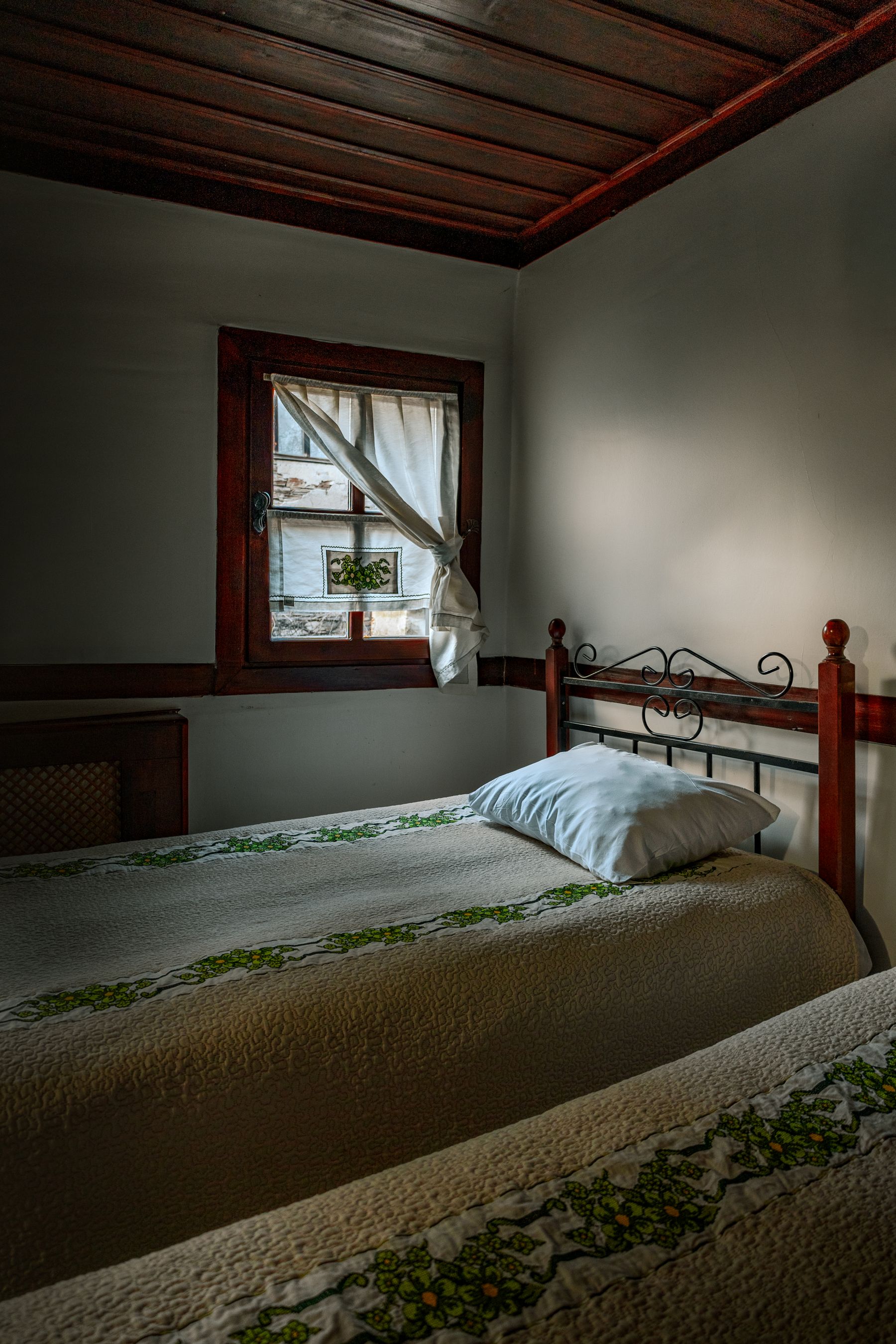
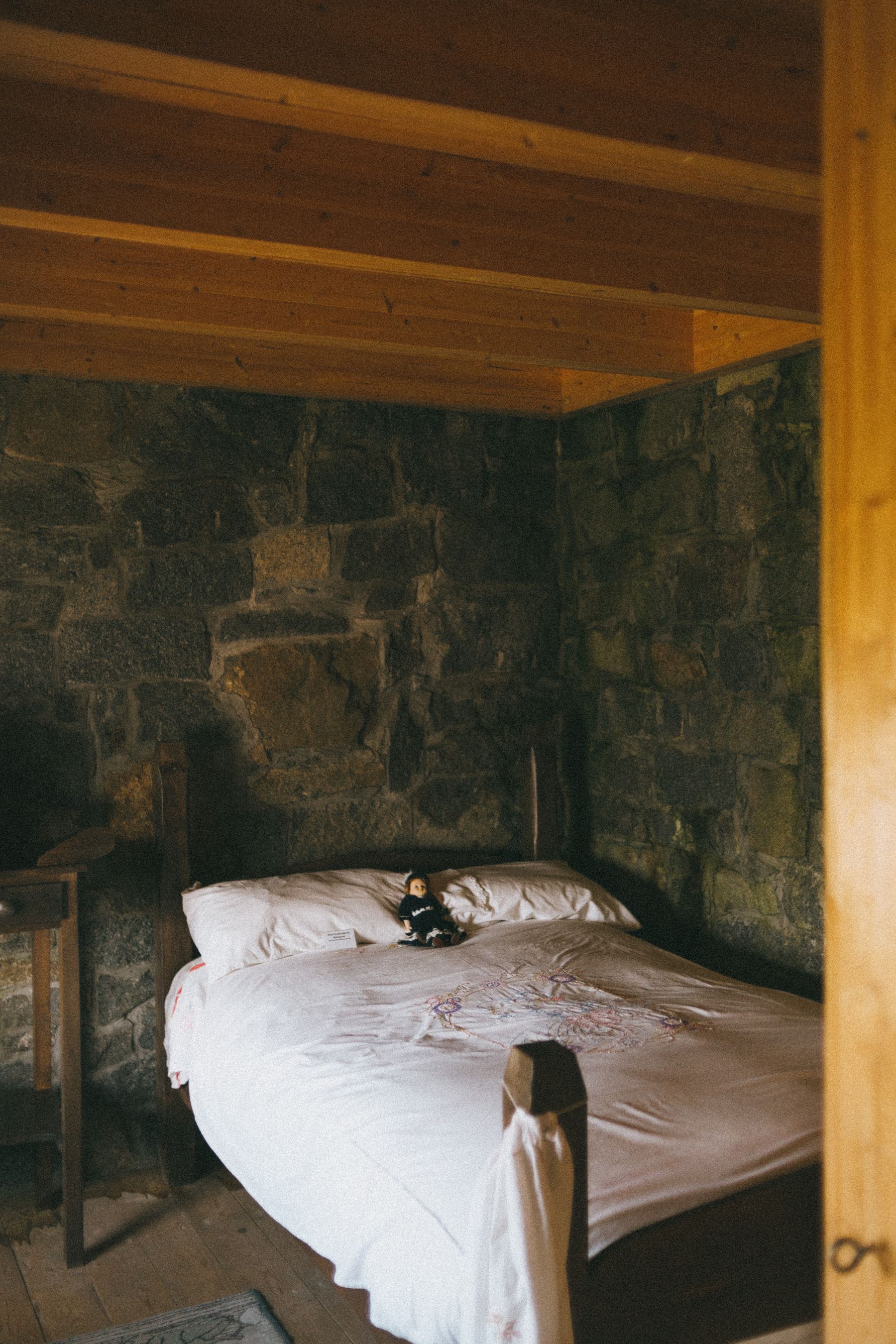
Preserve Real Plaster, Stone and Timber First
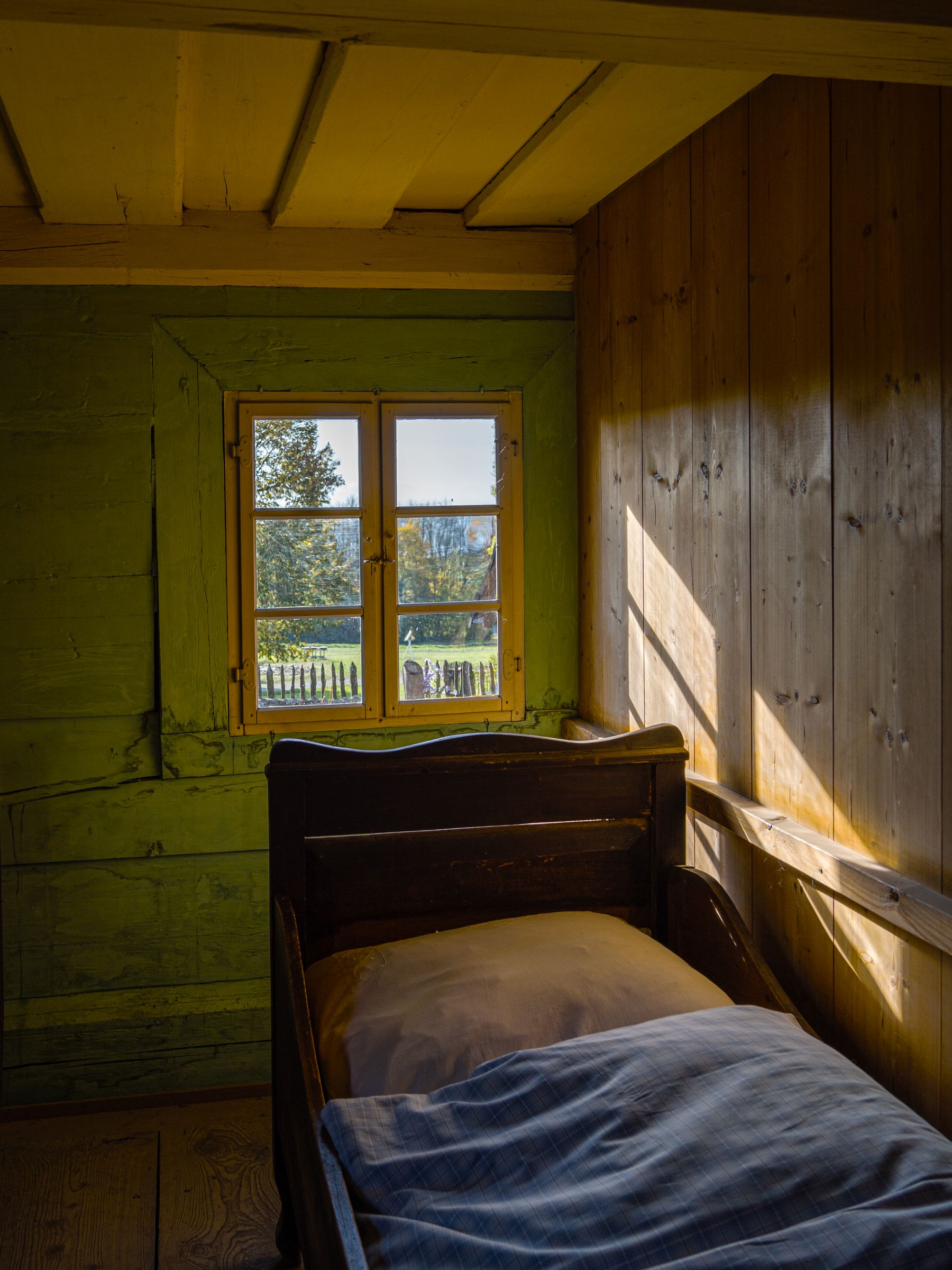
Repair sound plaster, limestone, floorboards, beams, shutters and deep reveals before adding decorative paneling or faux age. Existing fabric establishes scale and makes a curved chest or patterned curtain feel grounded. Investigate damp, salts, pests, wiring and structural movement before exposing anything. In a newer room, one carefully executed mineral-finish wall or timber floor can provide sufficient rural weight. [Rustic Bedroom Ideas](/bedroom/rustic-bedroom-ideas/) is the stronger route when rough material itself becomes the dominant story.
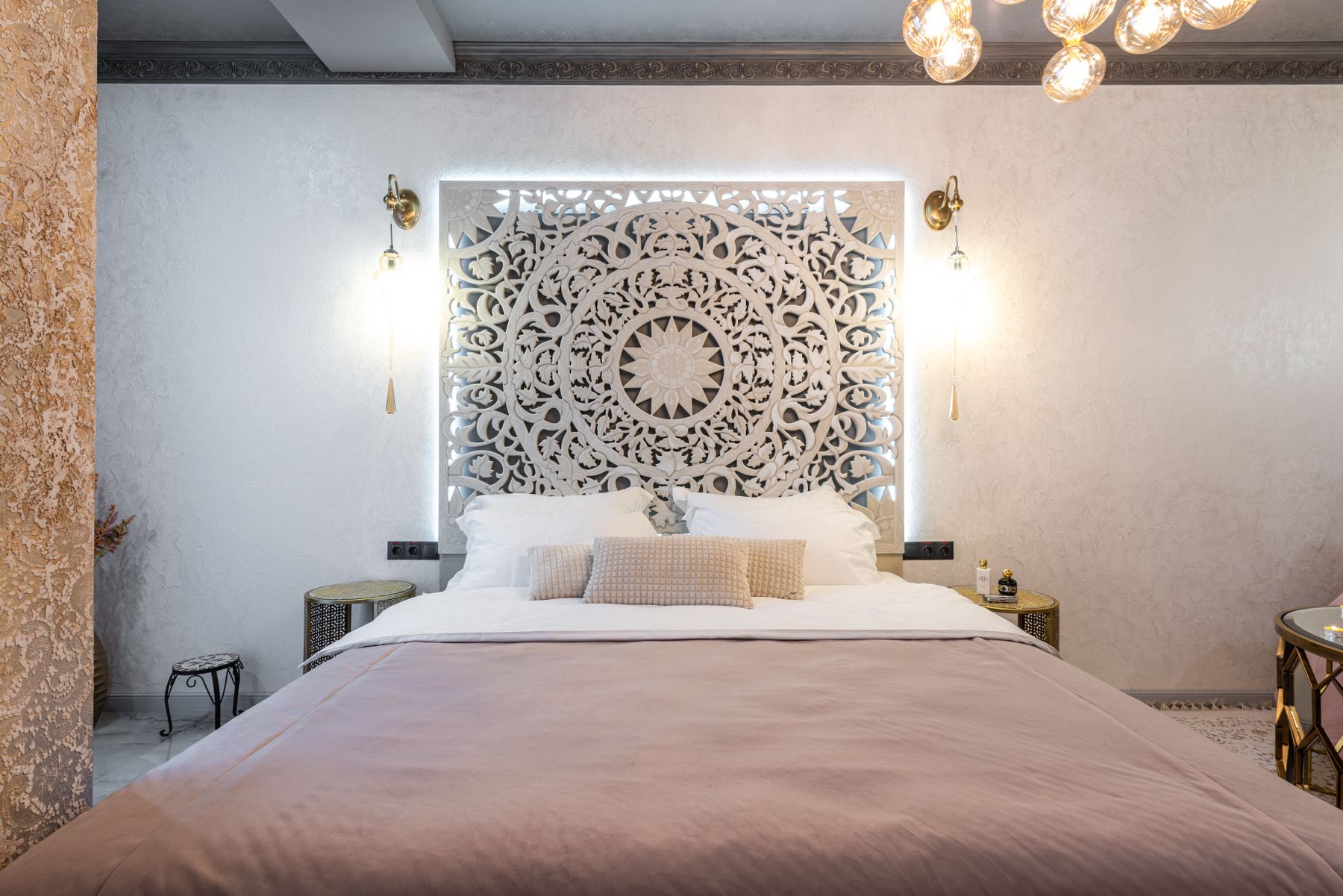
The Bed, Armoire and Doors as One Layout
French country furniture often projects beyond its cabinet box through cornices, curved fronts, feet and handles. Measure those widest points, then open the armoire, bedroom door and window on the plan. Keep a clear route in low light and enough space to make the bed. A decorative bench or chaise is not successful if it blocks storage. Symmetry can calm a patterned room, but mismatched bedside pieces are acceptable when both provide stable surfaces, reachable light and comparable function.
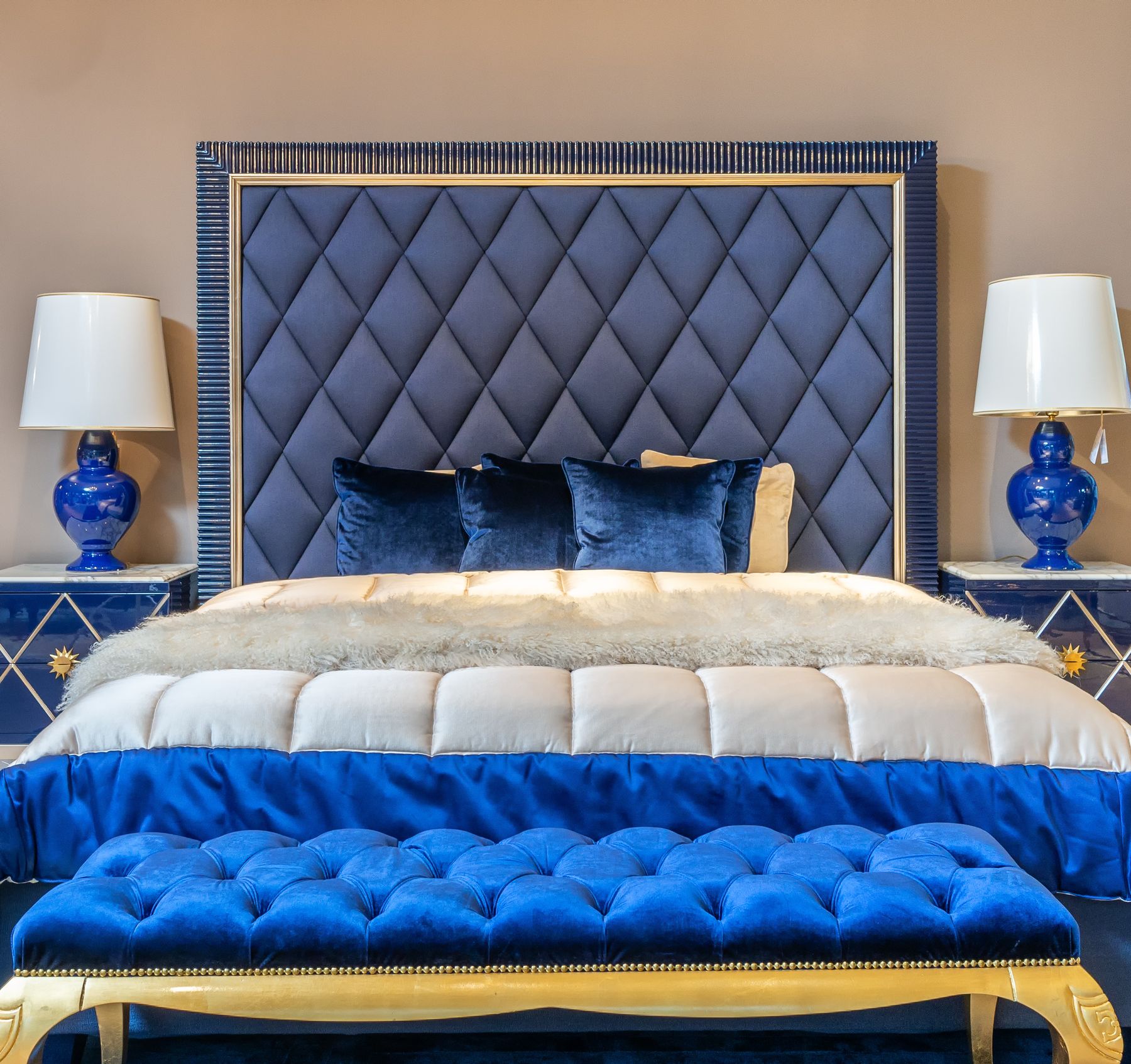
A Bed With Graceful, Usable Proportions
A carved timber bed, slim iron frame, upholstered headboard or modest canopy can all work. Judge overall width, footboard projection, mattress support and finished bed height before ornament. A high carved frame may suit a generous room but overwhelm low ceilings; a very low modern platform weakens the traditional furniture relationship and may complicate transfers. [Classic Bedroom Ideas](/bedroom/classic-bedroom-ideas/) is useful when symmetry and enduring furniture proportions matter more than rural softness. Let the bed lead, then simplify surrounding pieces.
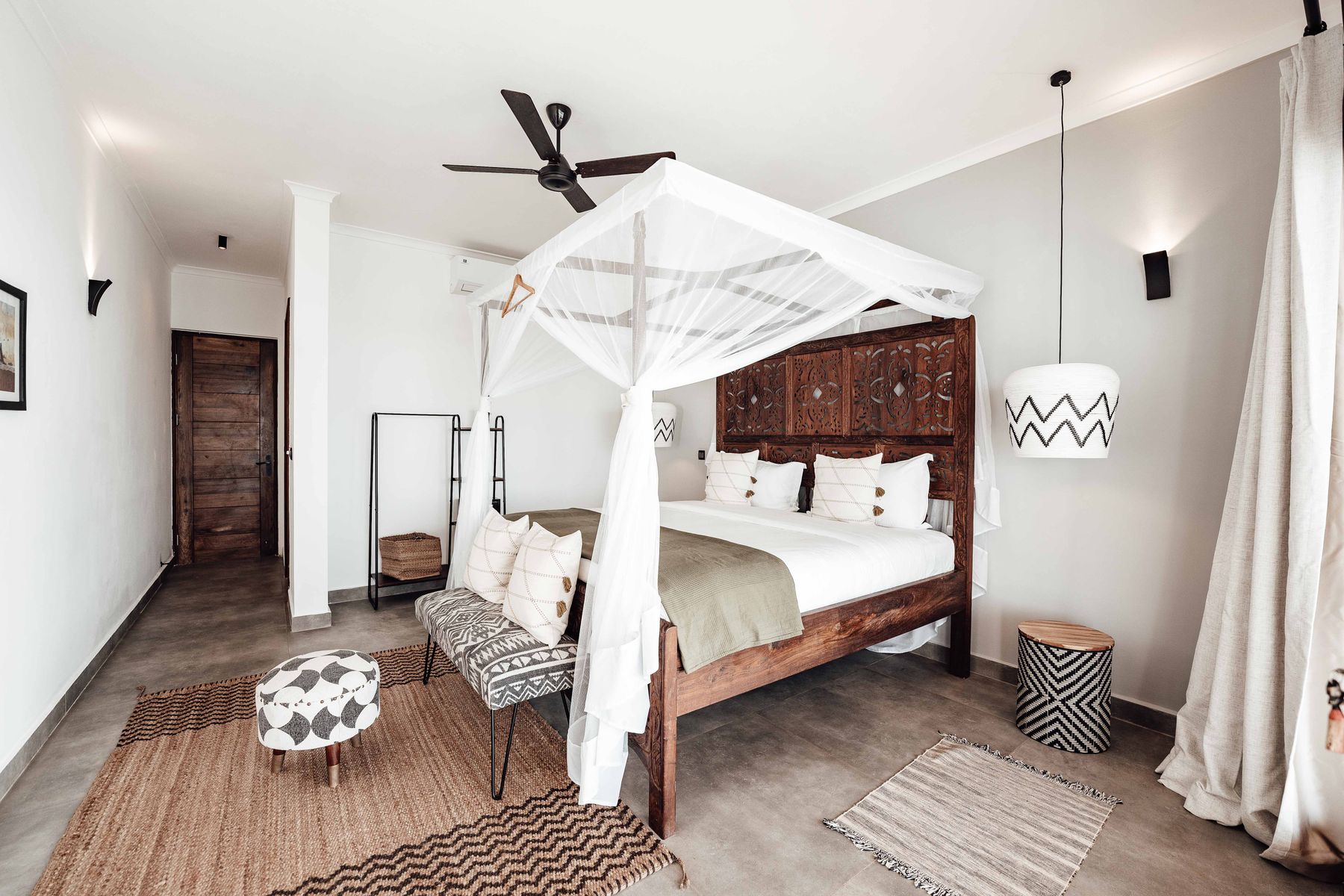
A Canopy Only When the Room Can Carry It
A canopy can establish height and romance, but heavy drapery, thick posts and a low ceiling quickly create visual and physical crowding. Choose a slender frame, confirm ceiling fan and light clearances and use washable fabric sparingly if dust or allergies matter. The frame must be stable and compatible with the mattress system. In a small room, a shaped headboard or curtain behind the bed can create hierarchy with less obstruction. The goal is emphasis, not imitation palace architecture.
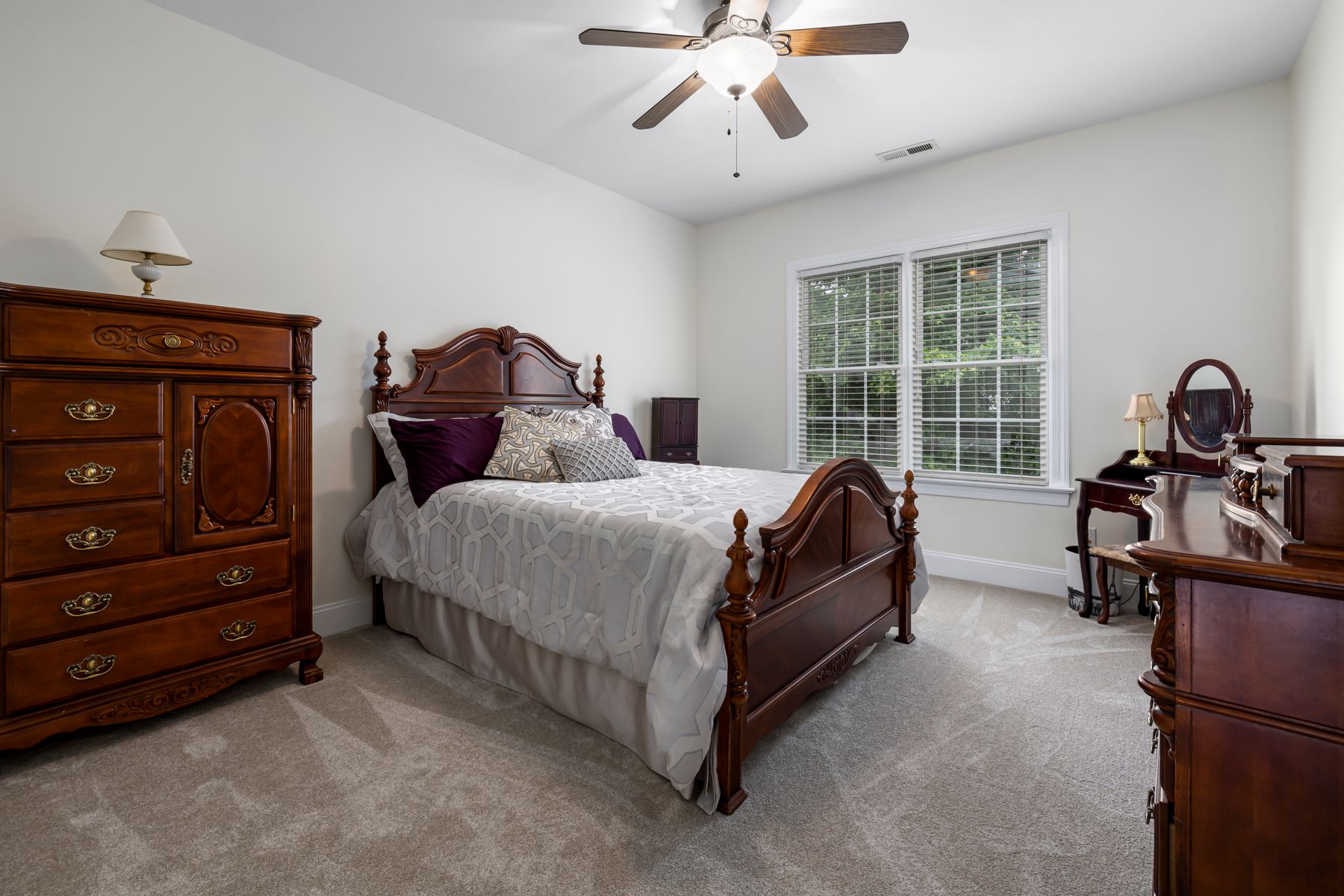
Let an Armoire Provide the Main Furniture Statement
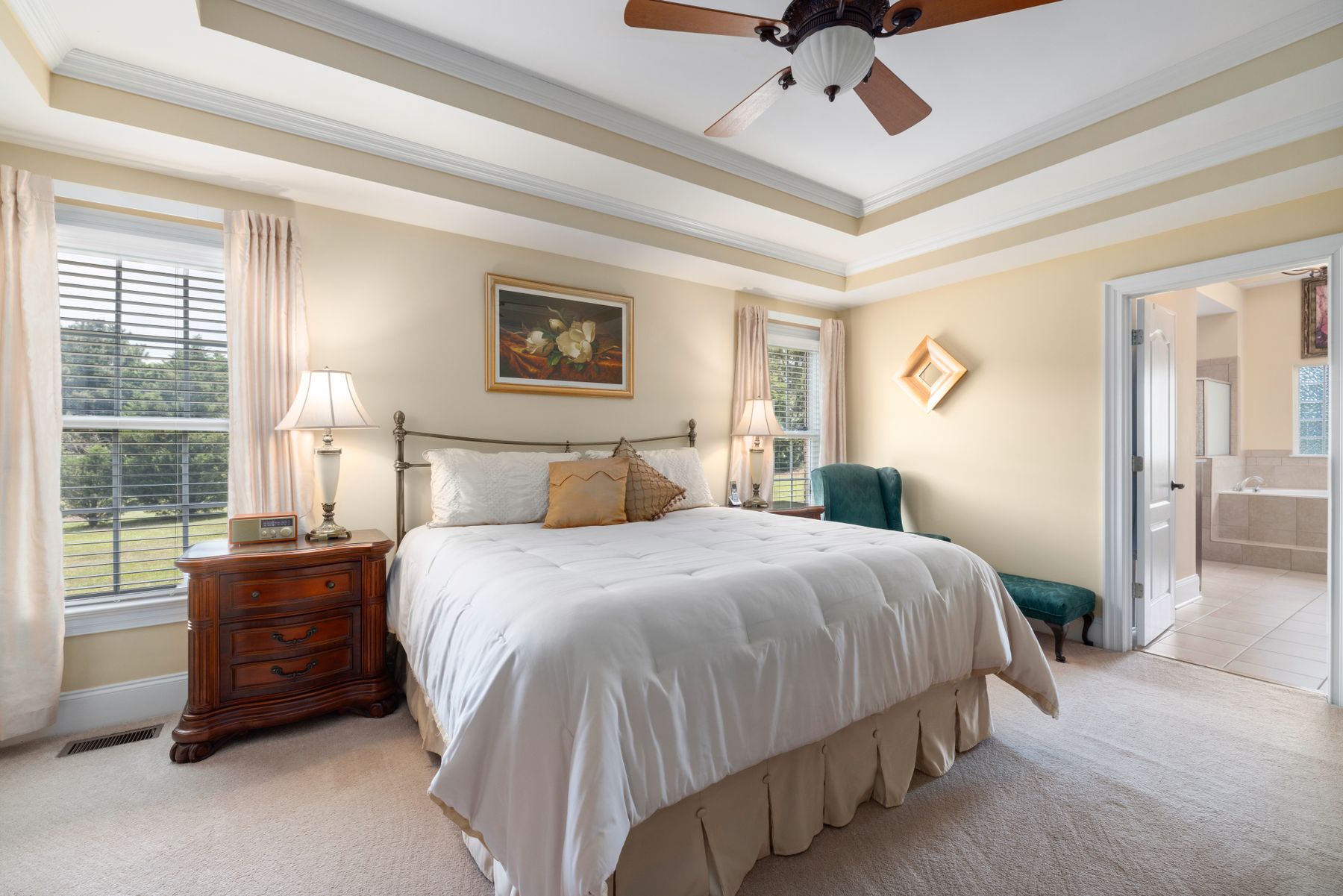
An armoire or tall cupboard can supply carving, warm timber and useful storage in one move. Verify delivery routes, floor loading, wall stability, door swing and internal fit for current clothing. Old pieces need checks for pests, odors, loose joints and unsafe finishes. Leave air behind furniture on cold masonry where condensation is possible. A single strong armoire is usually more convincing than a matching suite. Keep the bed and bedside pieces simpler so the room retains rural ease rather than showroom formality.
Use Painted Furniture Without Manufacturing Patina
Soft grey, putty, faded blue, warm white or muted green can reduce the weight of a chest or wardrobe. Preserve valuable original finishes and research an antique before sanding or painting. For ordinary furniture, repair joints, prepare surfaces and use a compatible low-odor coating that cures fully before the bedroom returns to use. Rubbed edges should result from time or restrained finishing, not random dark streaks. [Shabby Chic Bedroom Ideas](/bedroom/shabby-chic-bedroom-ideas/) is the better destination when pale romance and visible patina lead.
A Palette Built From Chalk, Earth and Garden Color
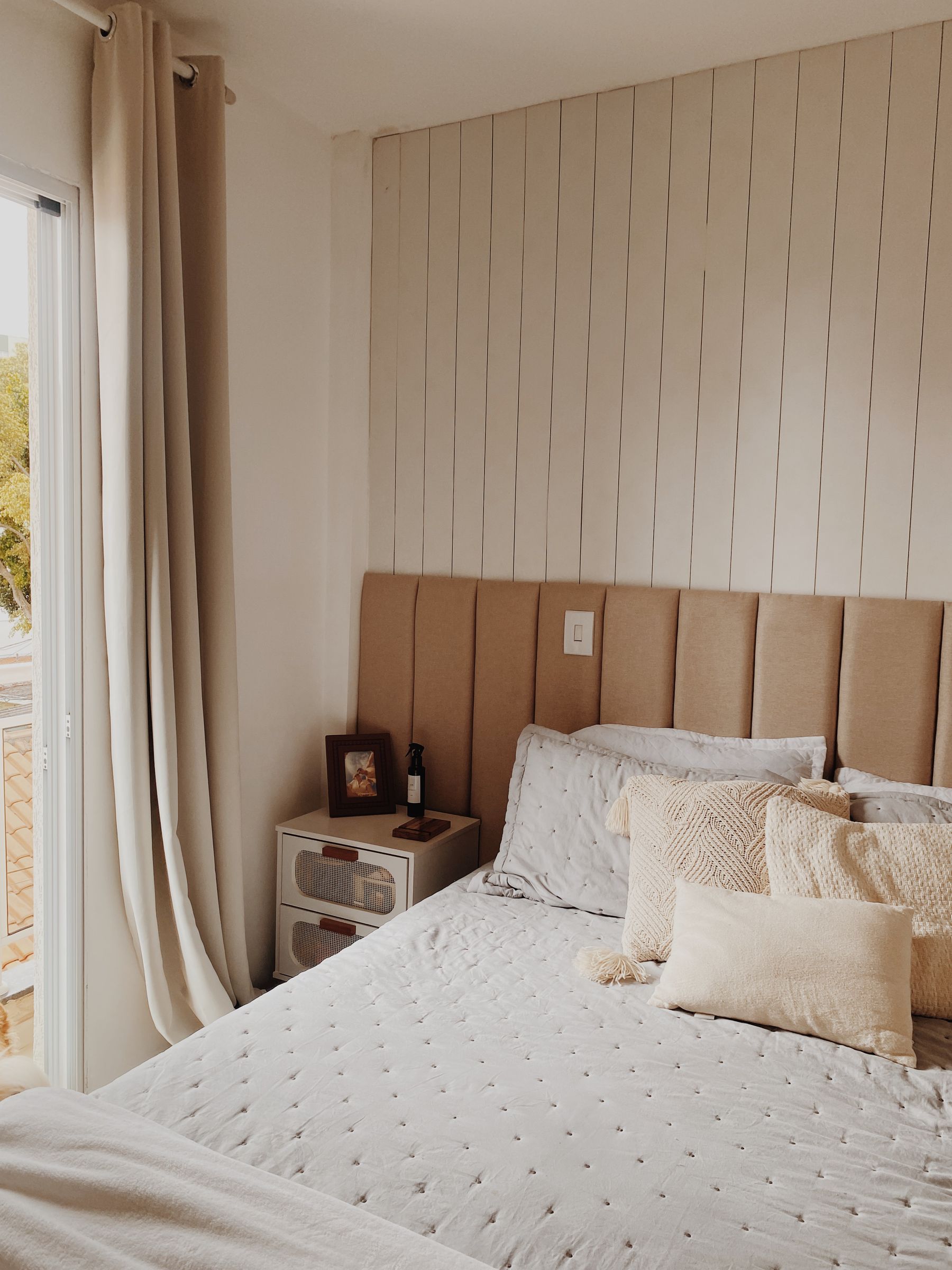
Start with chalk, cream, limestone, putty or warm grey, then add one faded garden or earth family: sage, dusty blue, muted lavender, ochre, clay or berry. Include a darker anchor such as walnut, aged bronze or deep green so pale schemes keep depth. Test the wall color beside sanitary-white lampshades and bedding because a yellow undertone can intensify at night. [Neutral Bedroom Ideas](/bedroom/neutral-bedroom-ideas/) offers a deeper undertone framework when the quiet base is the central design problem.
Faded Blue Without Toile Everywhere
Faded blue can sit on a painted chest, curtain, stripe, headboard or coverlet. Choose a greyed, green-leaning or clearer blue according to daylight and the regional direction, then repeat it once in a quieter material. Toile is optional; using blue on every textile reduces hierarchy and can shift the room toward a coordinated theme. [Blue Bedroom Ideas](/bedroom/blue-bedroom-ideas/) is the stronger destination when hue, saturation and color balance are the reader's main decision rather than French furniture and pattern.
Sage, Lavender or Ochre as One Broad Note
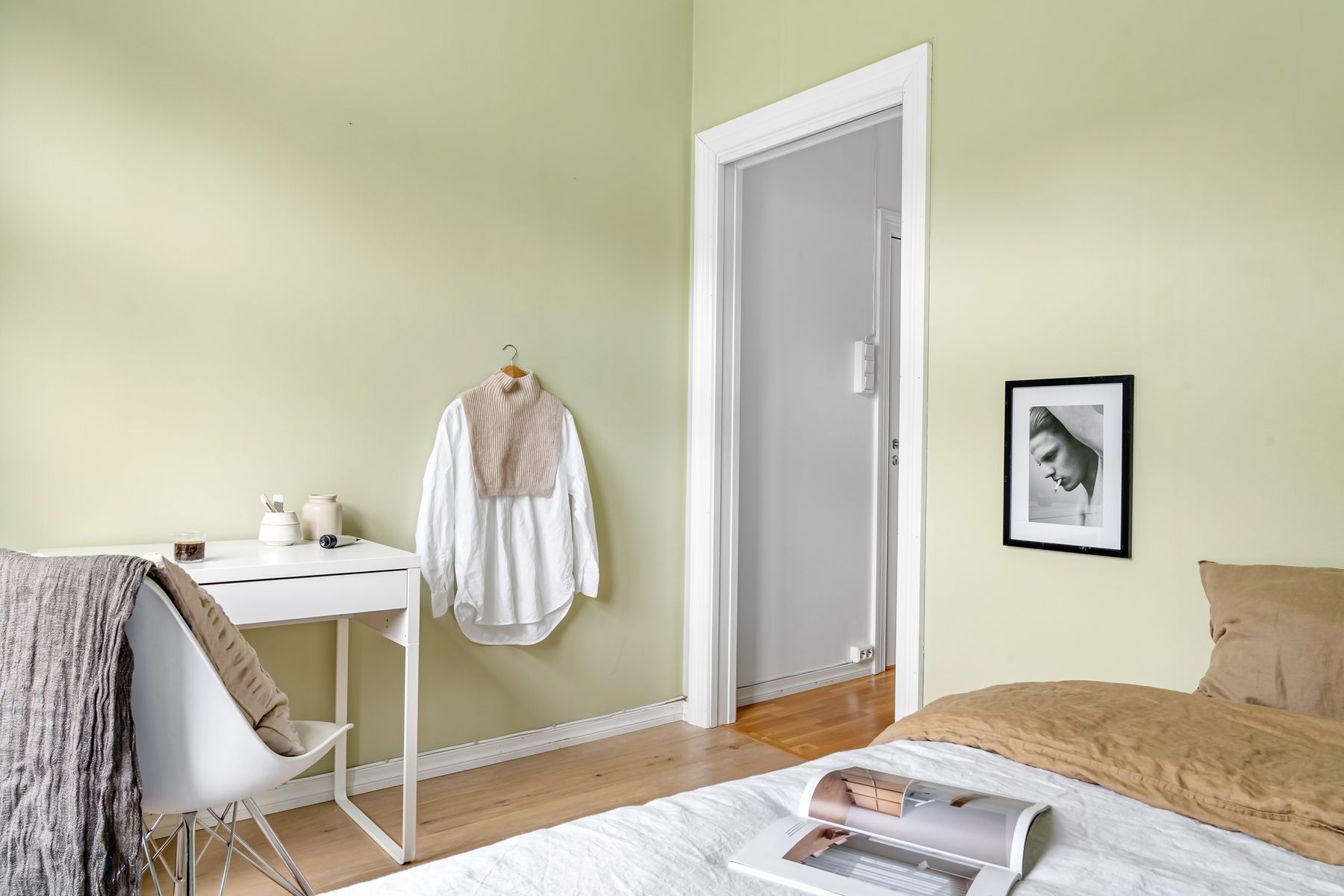
Sage on a wall, muted lavender in curtains or ochre on a coverlet can connect the room to garden and landscape. Do not use all three simply because they appear in French country mood boards. Give the chosen color enough area to feel deliberate and keep the remaining accents mineral, timber or metal. Lavender bundles and sunflower motifs are not required. Under warm lamps, dusty colors often become stronger, so evaluate samples at night beside the wallpaper or wood that will remain.
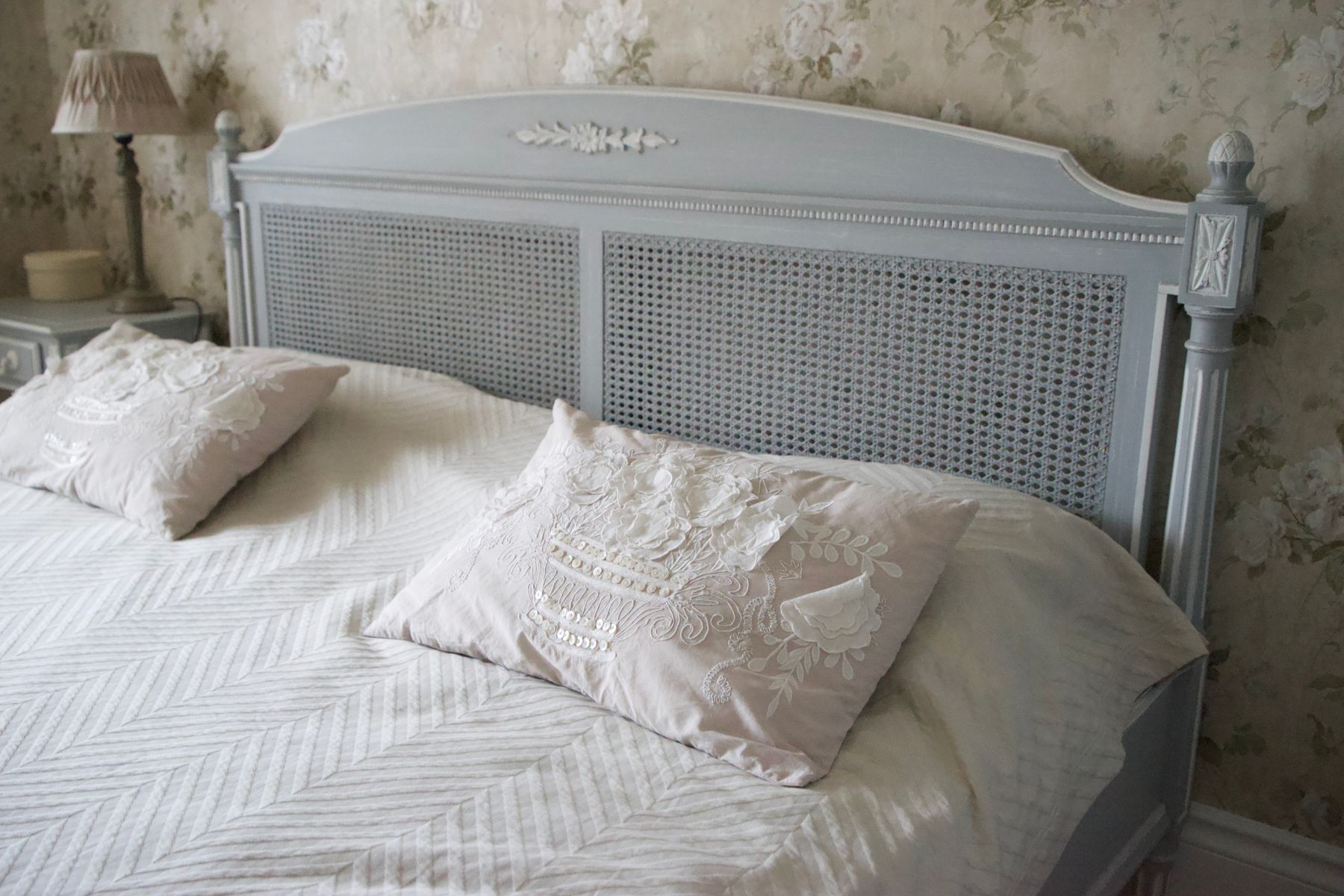
Let Toile de Jouy Lead, Not Multiply
Toile de Jouy typically uses a detailed, often single-color narrative repeat on a pale ground. It can work on curtains, a headboard, wallpaper or one coverlet, but should not occupy every surface. Verify the full repeat and its orientation before cutting, and acknowledge that not every blue floral is toile. Pair a narrative print with solids, narrow stripes or very small checks. The historical reference should add rhythm and craft interest, not turn the bedroom into a generic eighteenth-century stage set.
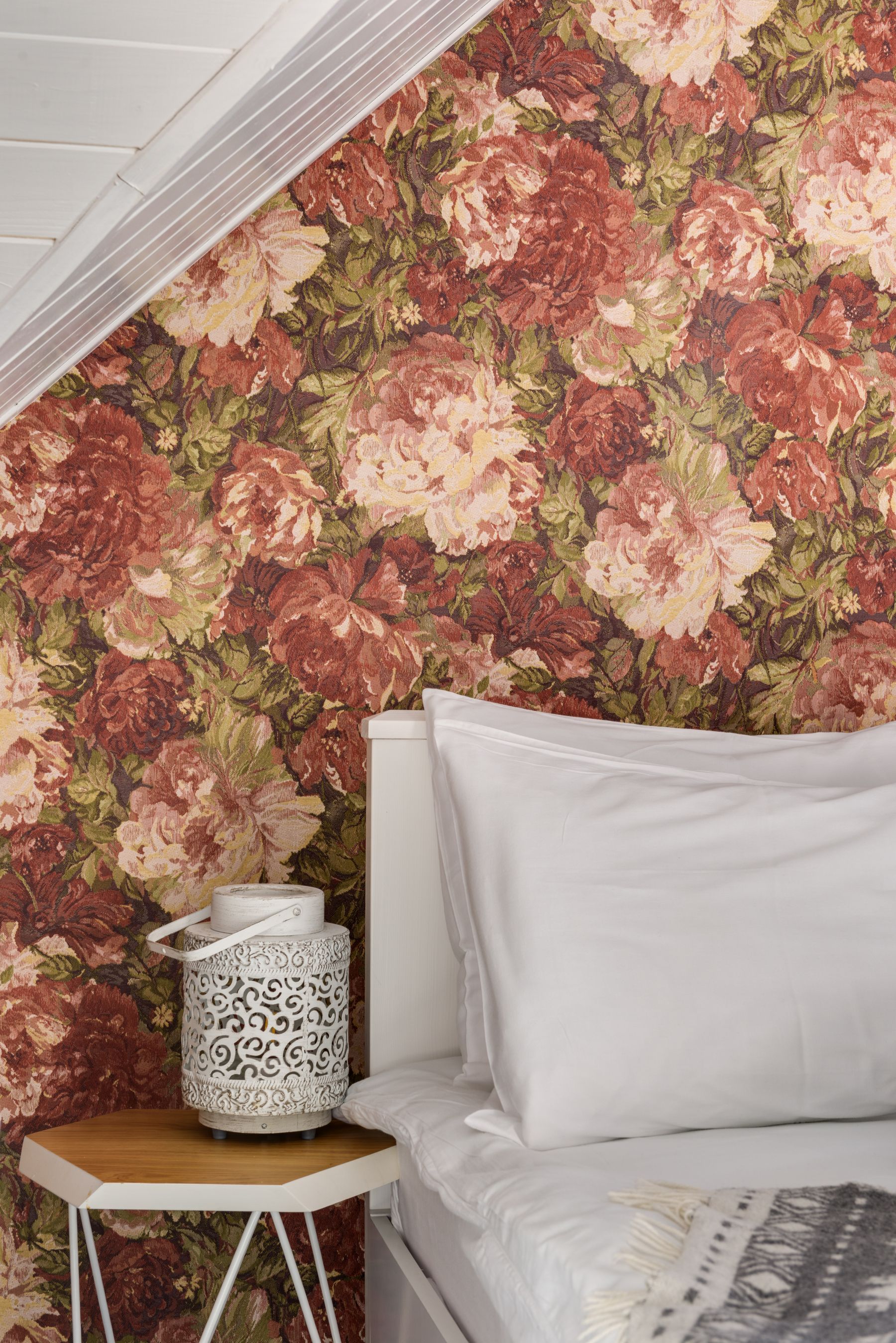
Control Floral Wallpaper With Quiet Bedding
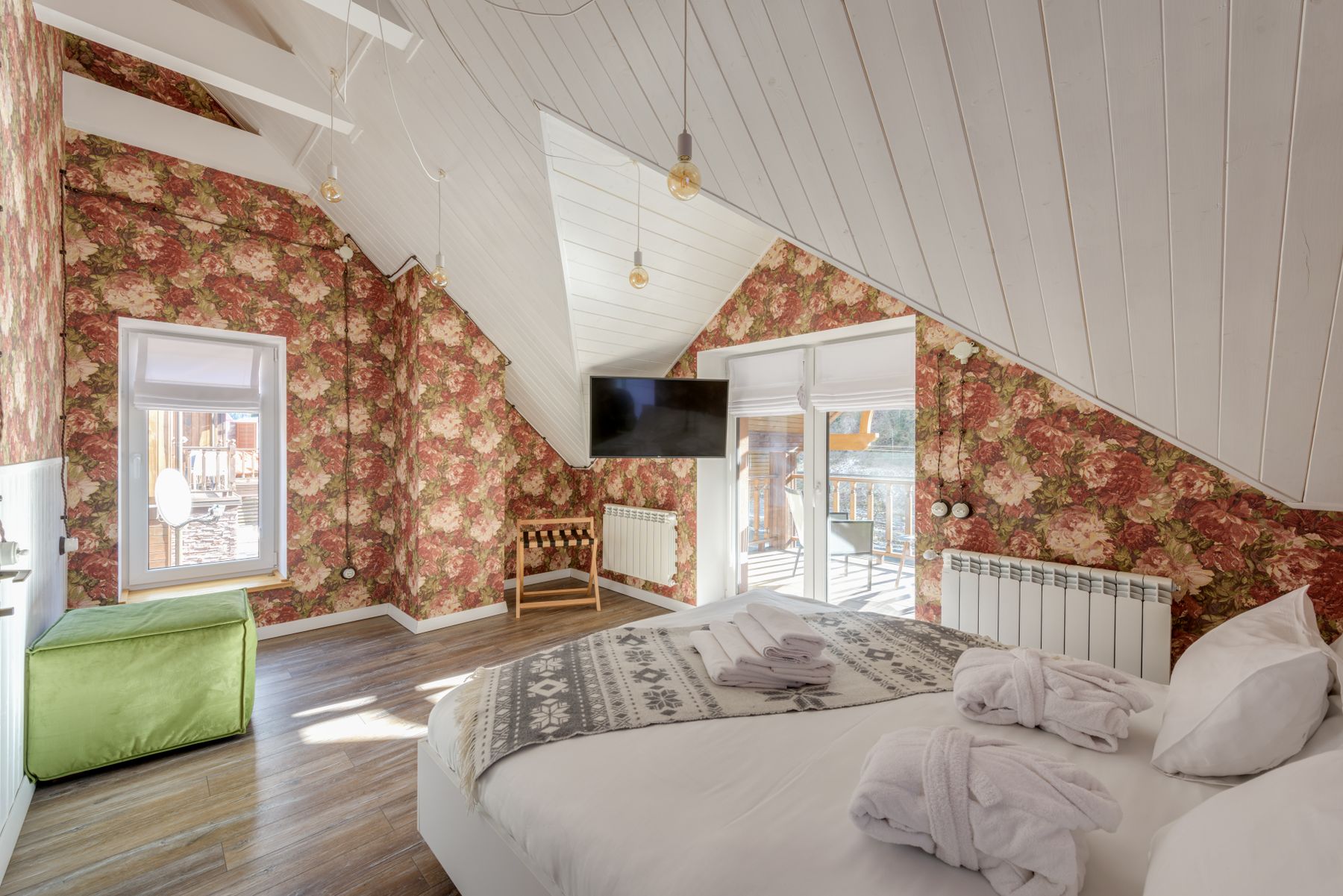
A dense botanical can wrap an alcove or lead a whole room when bedding, rugs and furniture remain disciplined. Compare repeat scale from the doorway: tiny motifs may become visual static, while oversized flowers can overwhelm a low wall. Pull only two or three colors from the paper and avoid matching every accessory. Prepare the wall properly and resolve damp before papering. In rentals, test removable products on the actual paint and avoid assuming that peel-and-stick removal will be damage-free.
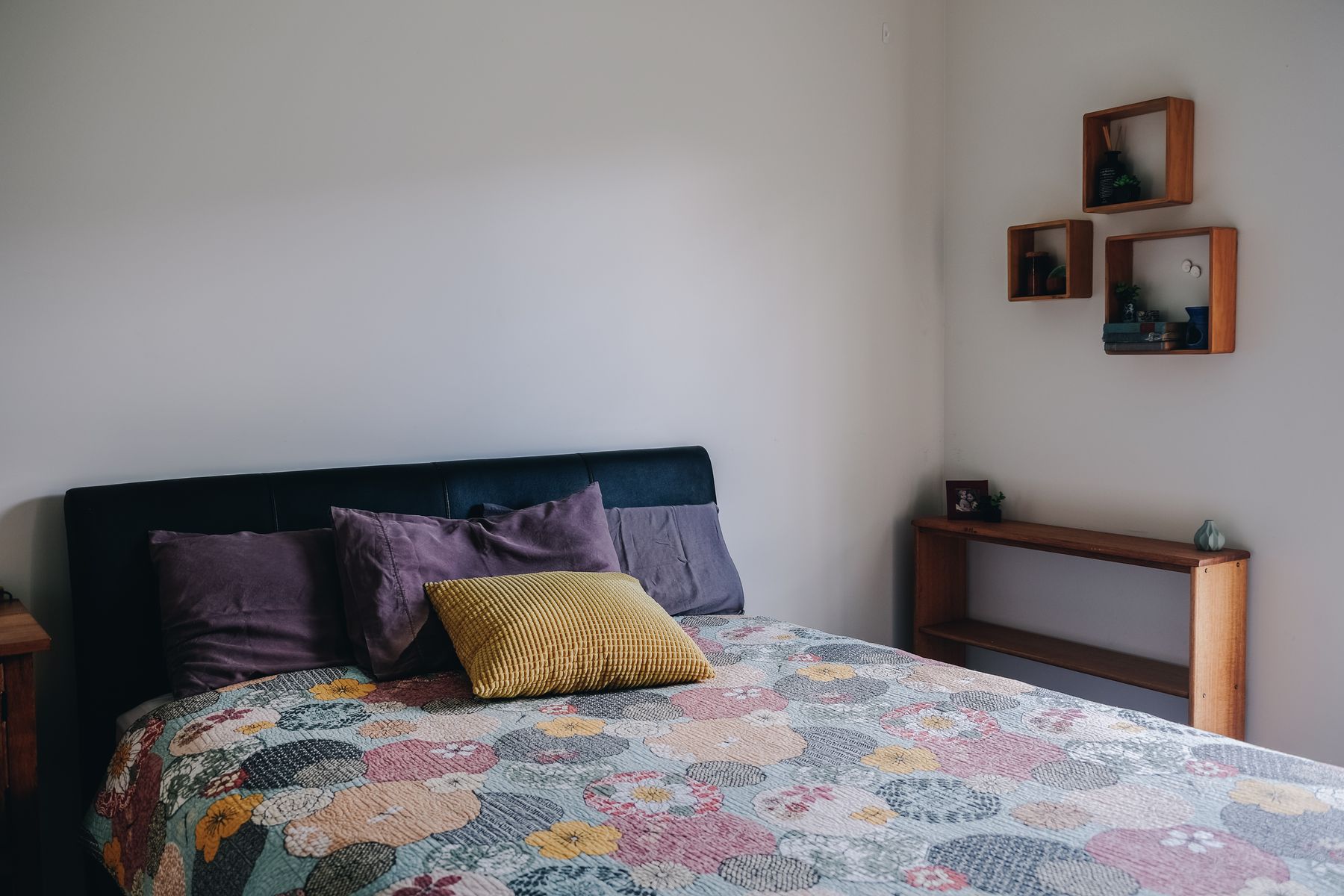
Stripe, Check and Floral Through Hierarchy
Choose one expressive pattern, one simple geometry and broad areas of solid fabric. A toile curtain can sit with a narrow stripe headboard when they share a blue or rust note; a check throw works when its scale is clearly different. Keep the mattress, largest curtain or broadest wall quiet enough for the eye to rest. Equal-scale florals, gingham and damask create noise. Pattern mixing should feel accumulated through use, not like every surface was purchased in the same seasonal collection.
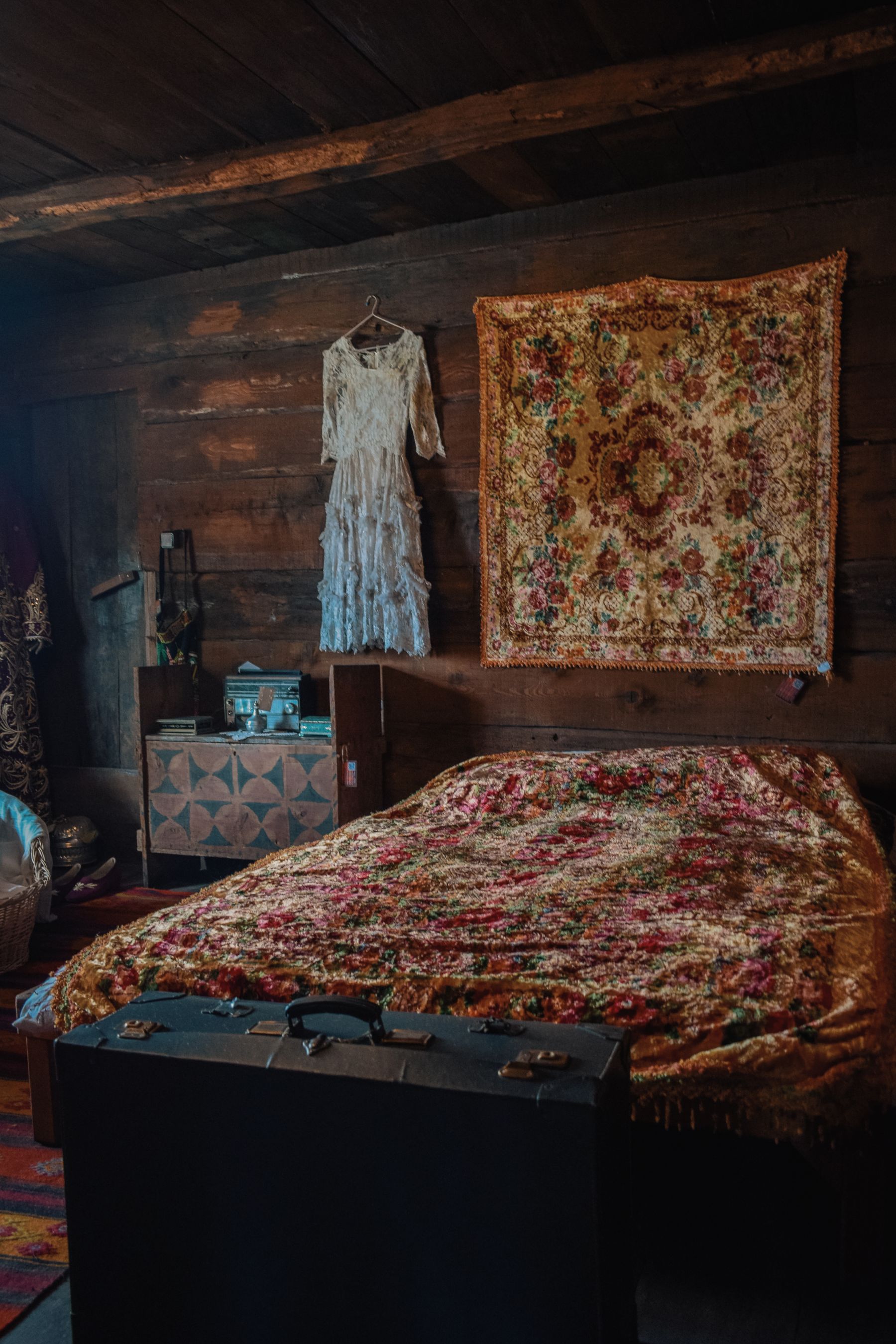
Linen, Quilt and Coverlet for Real Sleep
Use breathable sheets, a duvet or blanket suited to the sleeper, one quilt or coverlet and a removable seasonal layer. Linen can support the relaxed texture, but cotton and wool may perform better for particular care, climate or sensory needs. Keep decorative pillows limited so they have a real storage place at night. Vintage textiles require condition checks and gentler use. Layering should solve temperature and touch first; the bed becomes more elegant when each fold has a purpose rather than a showroom count.
Frame French Doors Without Losing Blackout
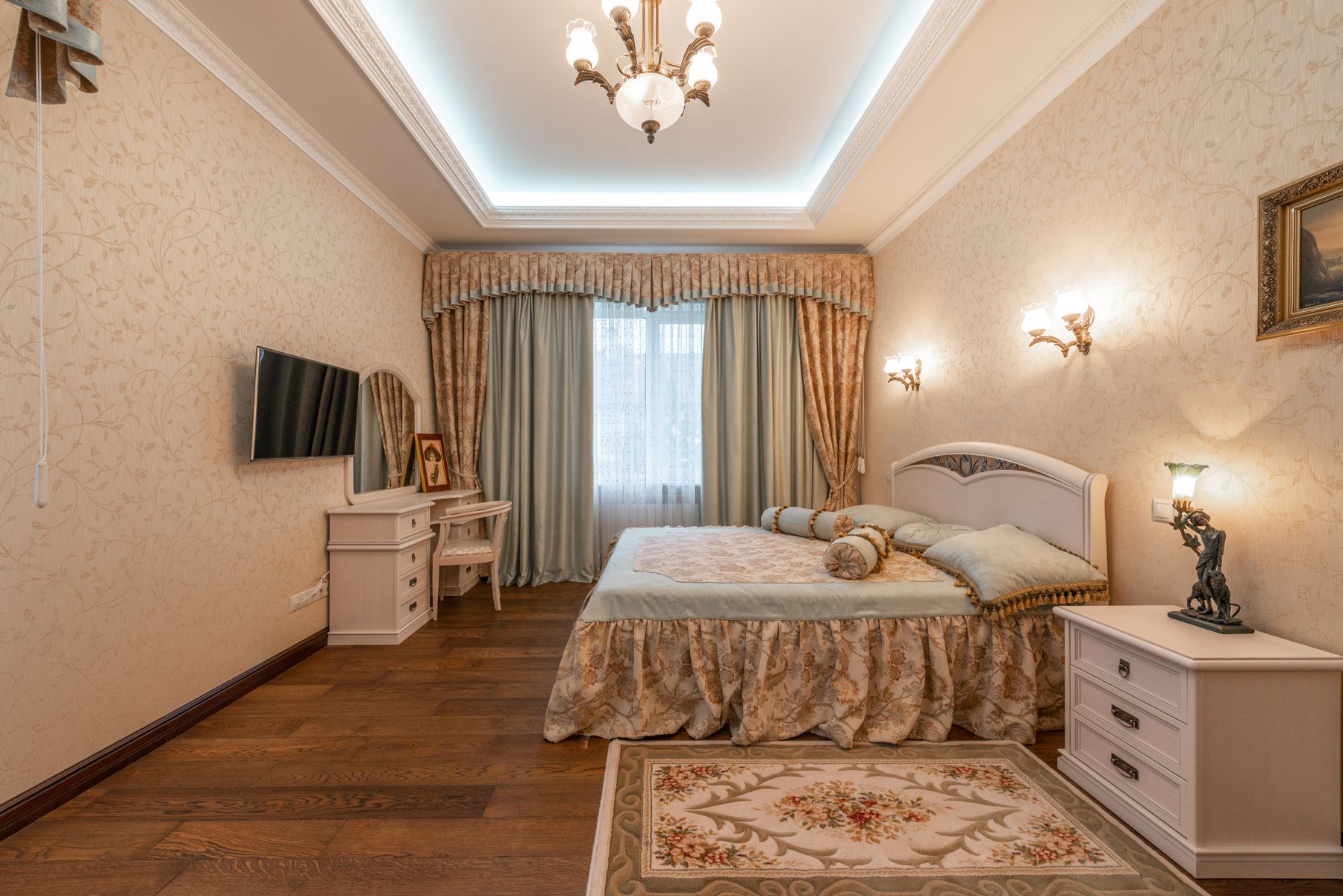
French doors and tall windows create proportion and garden connection, but privacy, glare, thermal loss and sleep darkness still need separate solutions. Use sheers or a light blind for daytime privacy, then lined curtains or discreet blackout for night. Confirm that panels stack clear of handles and door swing. Short decorative fabric often weakens tall architecture; full-height treatment is usually calmer. [Bright Bedroom Ideas](/bedroom/bright-bedroom-ideas/) provides a deeper framework when daylight and reflection are the primary problem.
Shutters for Shade, Not Applied Decoration
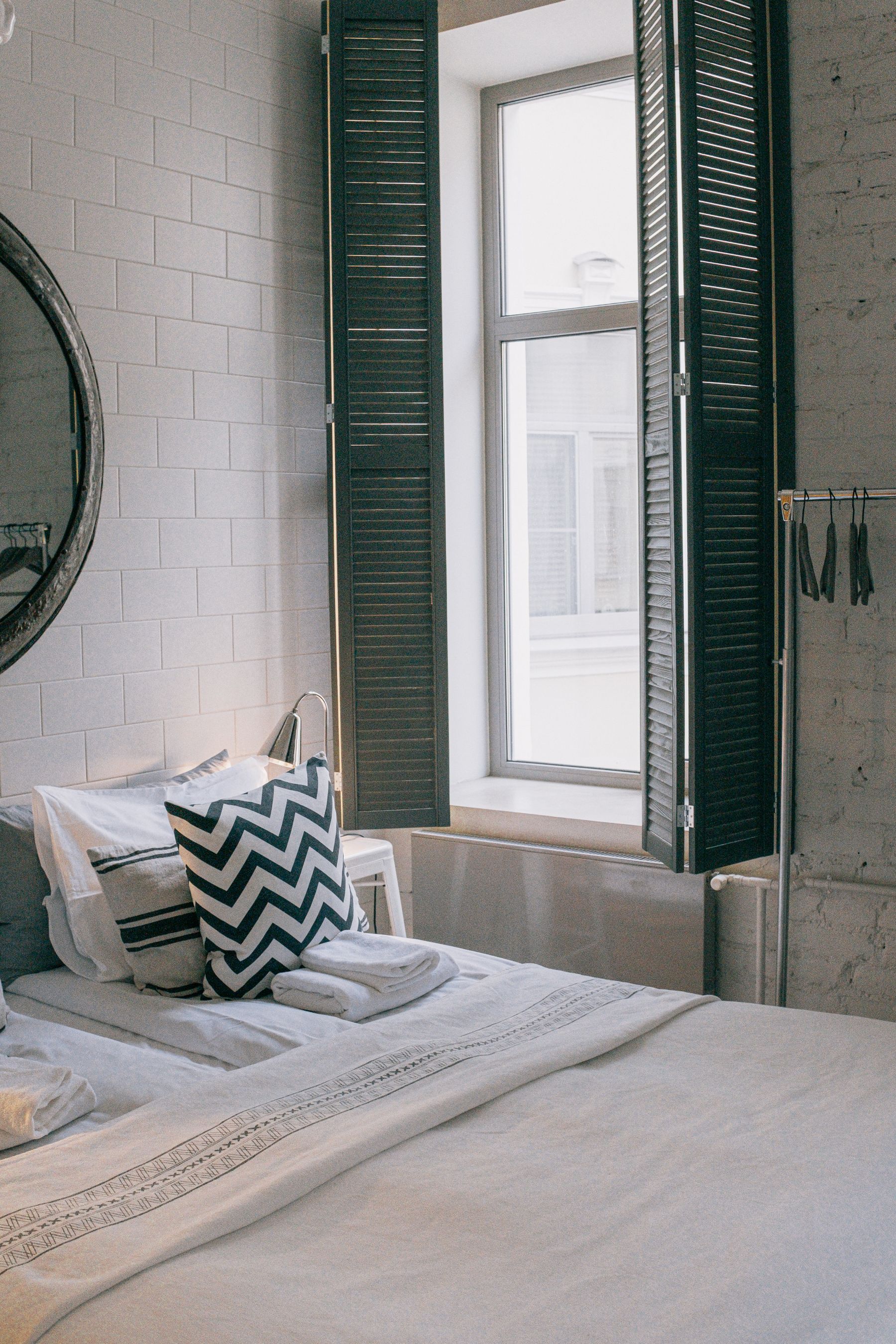
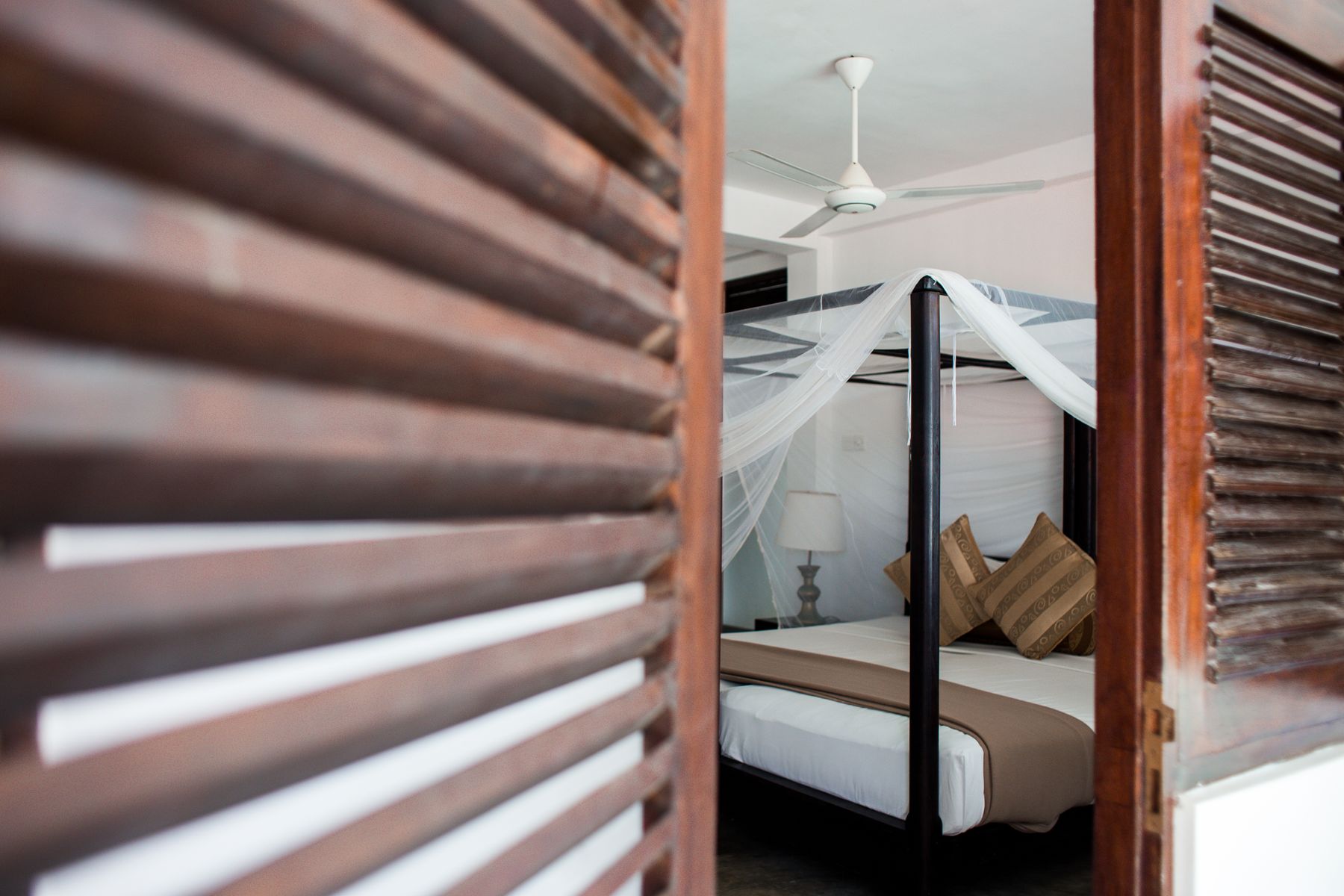
Interior or exterior shutters can control sun, privacy and heat when their louvers, hinges and clearances genuinely work. Decorative panels fixed beside an opening rarely create the same credibility. Check that shutters do not block insects screens, handles or emergency egress, and maintain paint or timber finishes according to exposure. They may not provide full blackout or insulation, so retain a separate sleep layer. In a modern house, a well-detailed blind may be more honest than nonfunctional rustic hardware.
Chandeliers and Bedside Light in Careful Layers
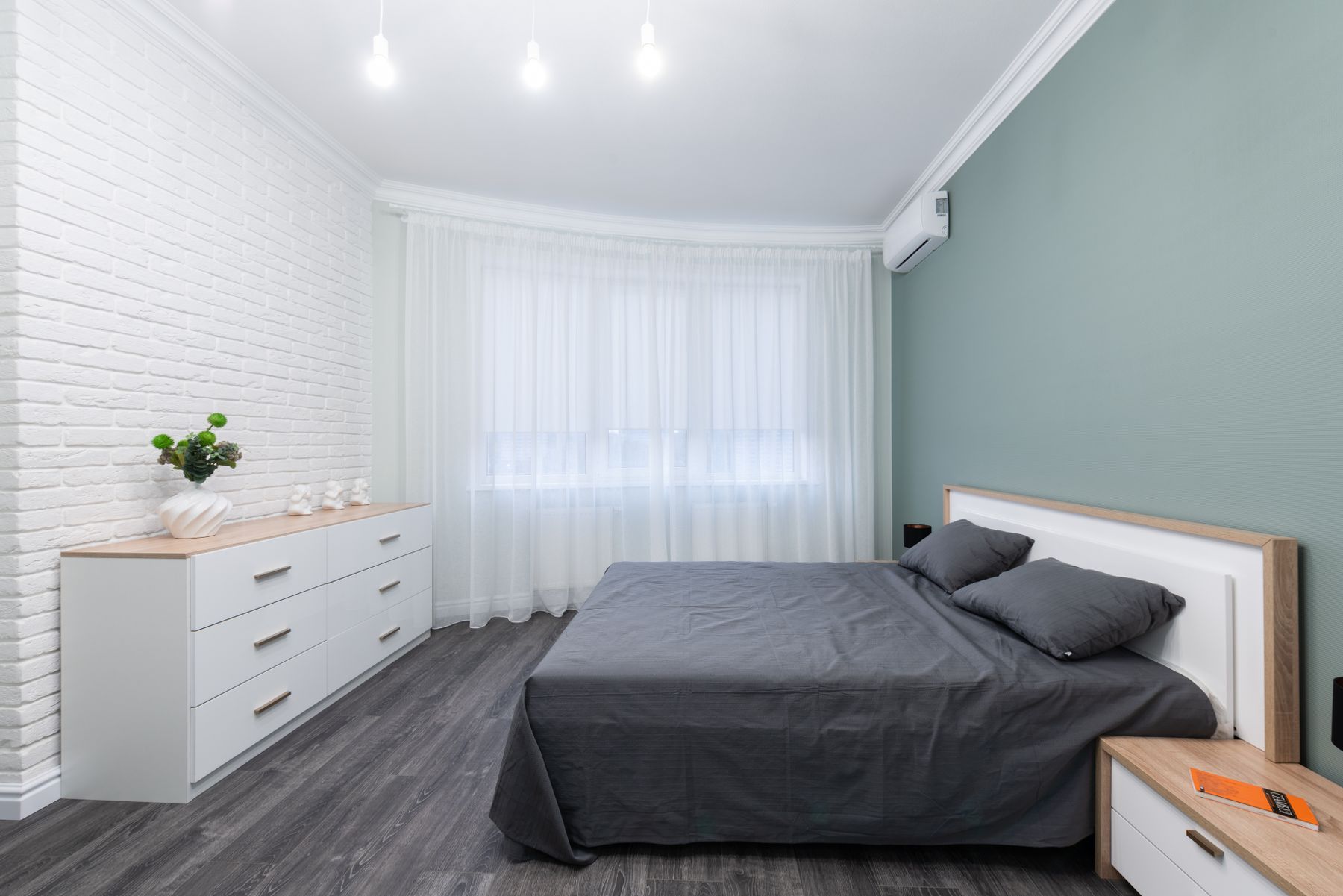
A modest chandelier or lantern can provide the refined note, but it should not be the only light. Add shielded bedside lamps or sconces, accurate wardrobe light and a gentle ambient source. Confirm ceiling height, structural fixing and glare from the pillow before choosing a hanging fixture. Crystal and ornate metal can suit a more formal room; woven or simple iron suits a quieter rural version. Warm light flatters plaster and timber, but color quality and sufficient task output still matter.
Warm Metal as a Repeated Accent
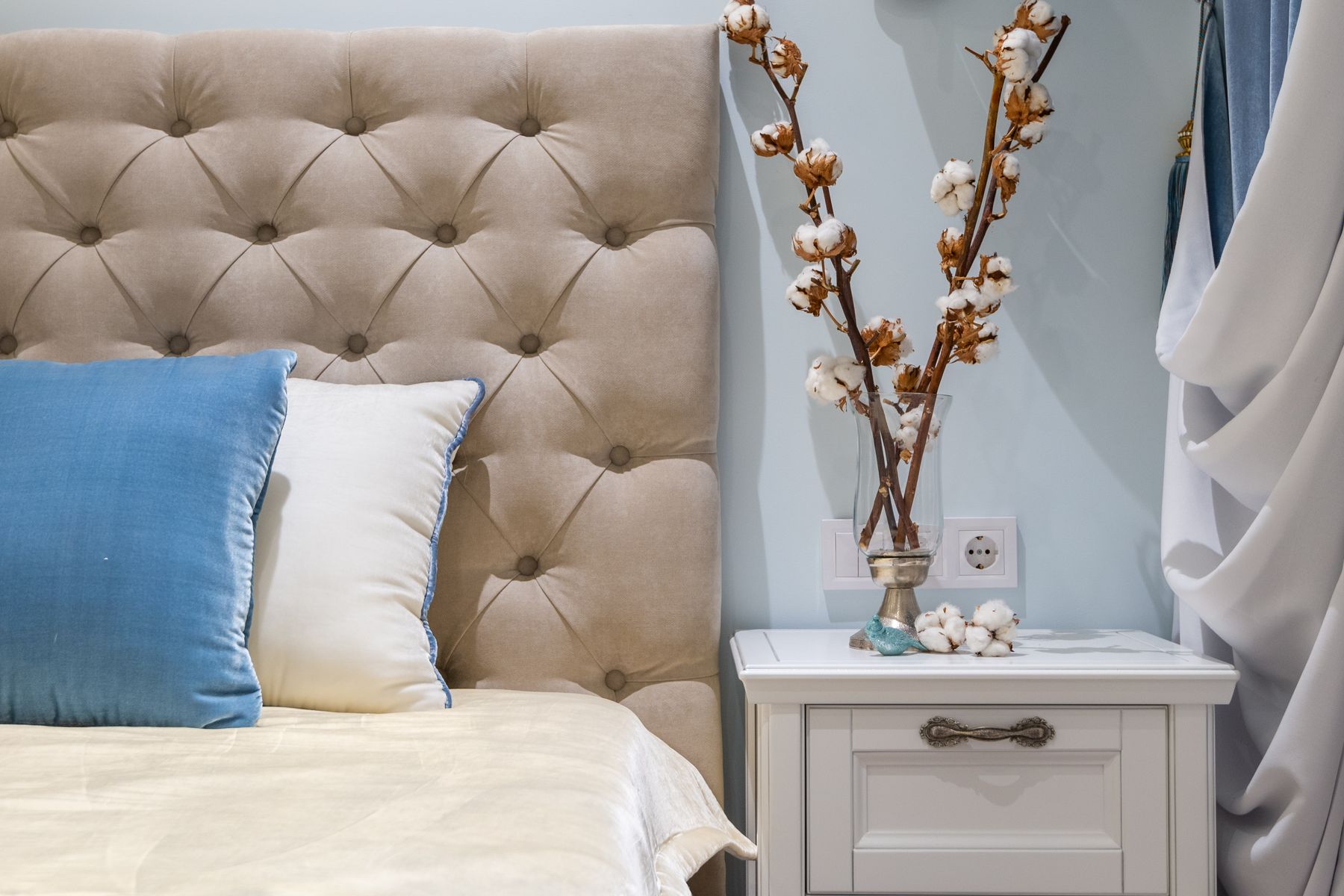
Aged brass, bronze and dark iron can appear in lamp arms, curtain rods, handles and a mirror frame. Choose one dominant family and allow natural variation rather than mixing every fashionable finish. New hardware does not need artificial chemical aging; a restrained matte or living finish can change gradually. Keep metal away from constant hand contact if the finish marks easily, and use corrosion-resistant specifications in damp or coastal climates. Three coherent repetitions usually create enough continuity in a bedroom.
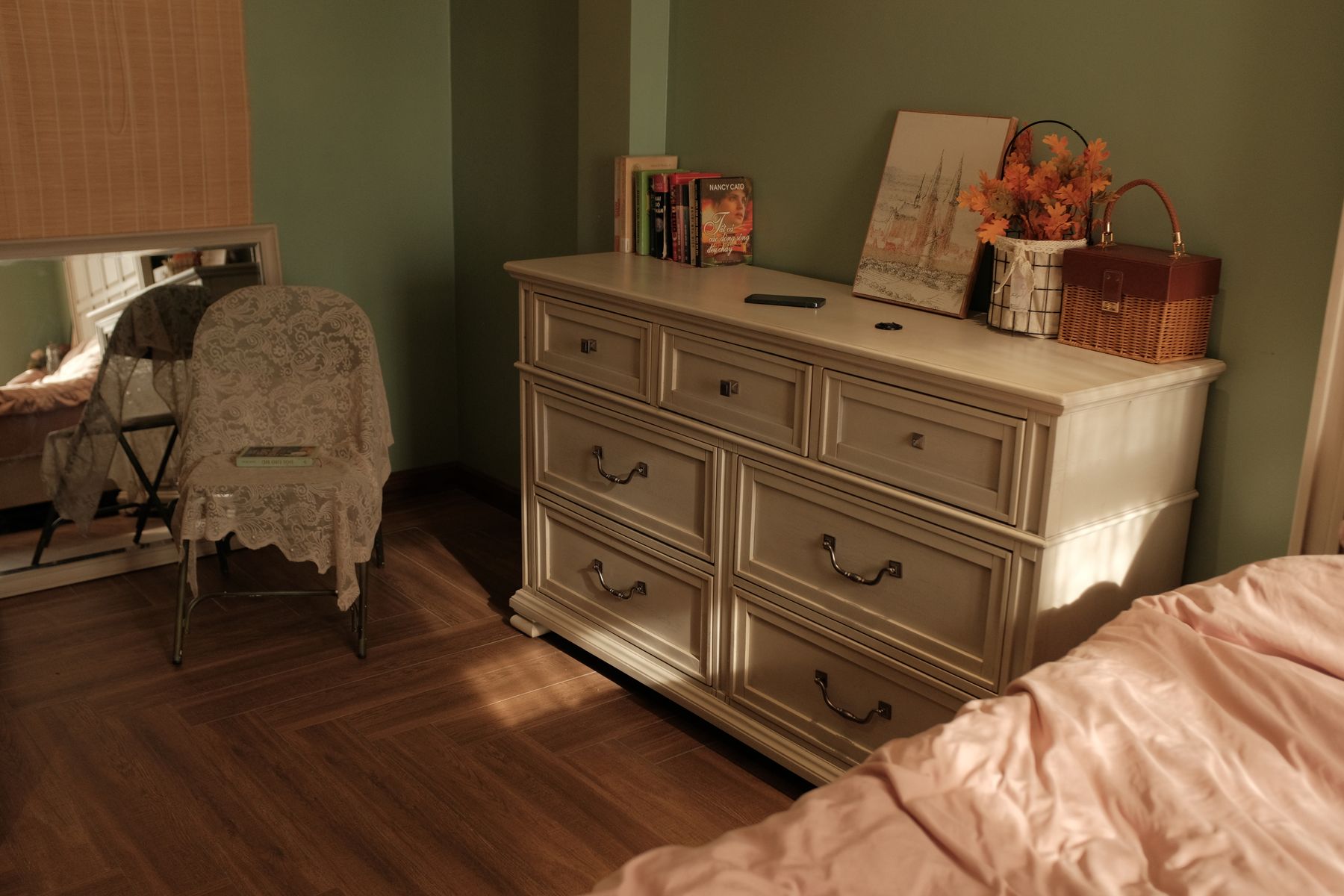
Mirrors for More Light, Not Faux Grandeur
A gilt, painted or foxed mirror can provide a graceful focal point above a dresser or fireplace. Secure heavy pieces to suitable structure and avoid placing a large mirror where it reflects the bed in a way the sleeper dislikes or multiplies glare. Antique mirror glass may have sharp damage or unstable backing that needs specialist assessment. One real frame is stronger than several lightweight imitation-gold objects. Keep nearby styling sparse so the silhouette and reflection can do the decorative work.
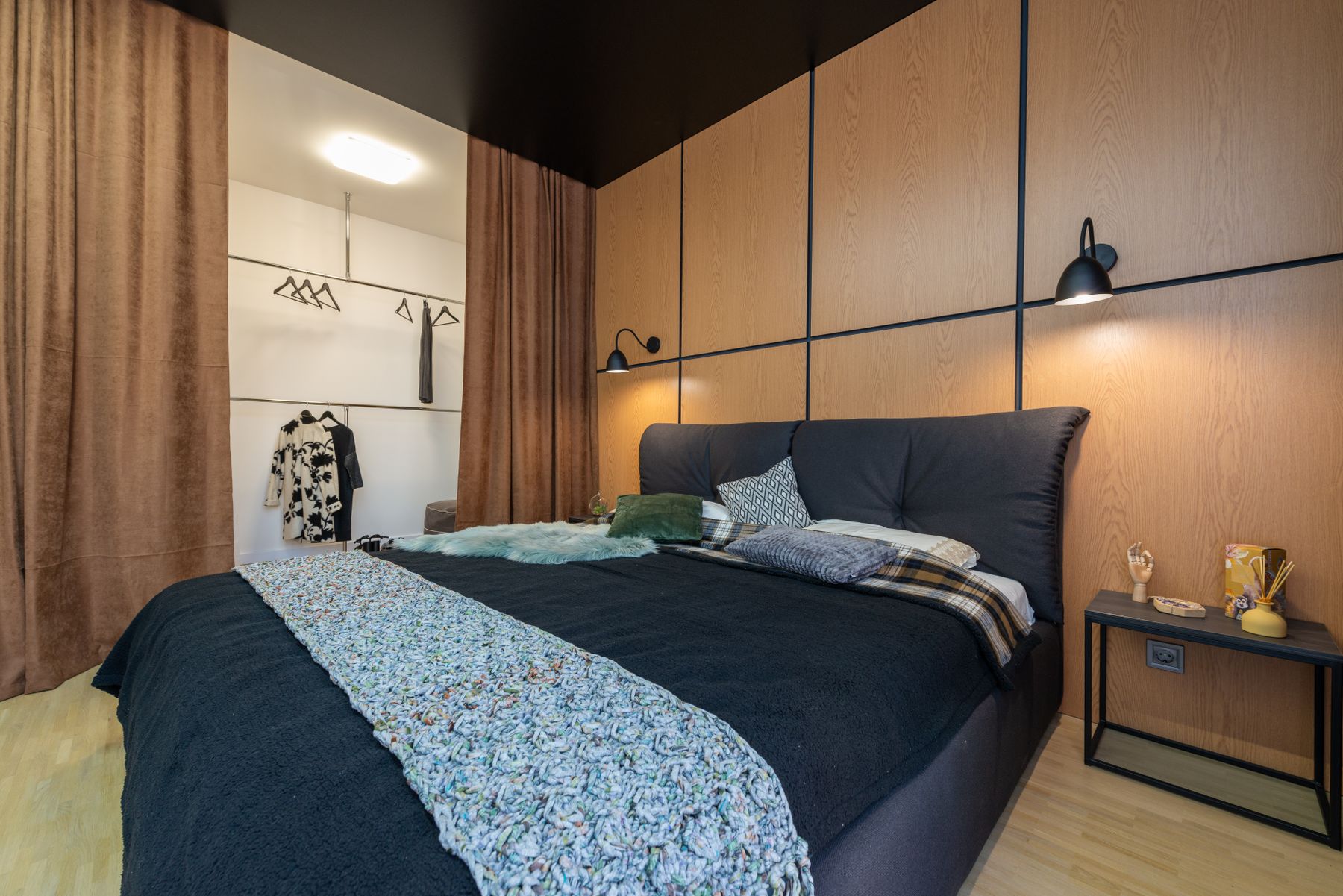
Storage That Looks Furnished, Not Hidden at Any Cost
An armoire, chest and bedside cabinet can make storage feel like furniture, but fitted wardrobes painted close to the wall may serve a small room better. Choose according to clothing volume, access and architecture rather than style purity. Maintain airflow at cold external walls, light deep interiors and use handles that are easy to grasp. Avoid filling every recess with a decorative cupboard. The most convincing French country room leaves some plaster and floor visible around its useful pieces.
Modern French Country Through Restraint
Keep the mineral wall, timber floor, one curved or carved piece and a restrained botanical or stripe, then use a supportive contemporary bed and efficient storage. Remove artificial distressing, themed signs and excessive small antiques. Modern lighting or blackout can be integrated quietly without pretending the room is untouched. [Modern Bedroom Ideas](/bedroom/modern-bedroom-ideas/) is the better continuation when clean construction and current furniture dominate. French country remains visible through proportion, material and one specific decorative relationship rather than quantity.
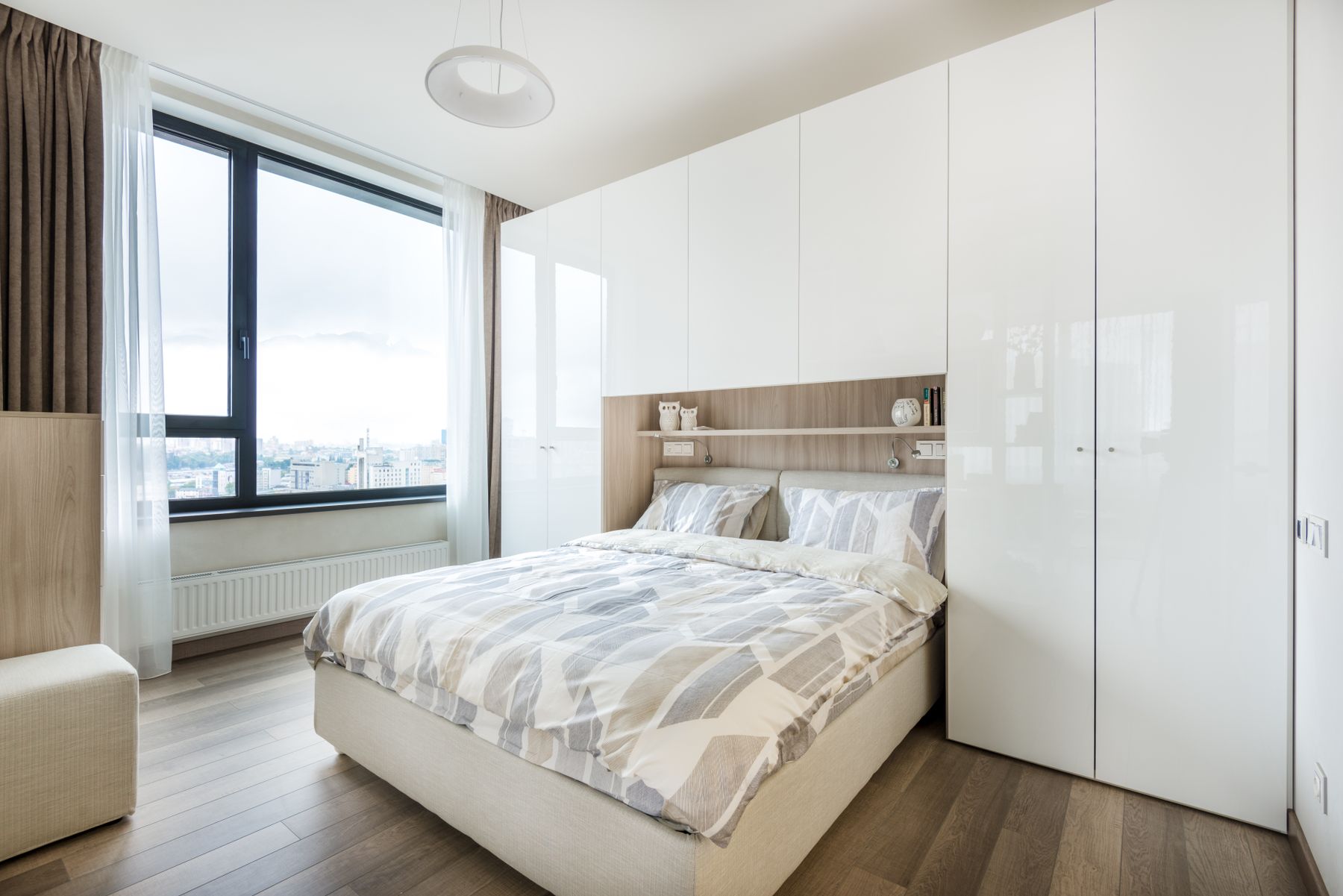
Scale French Country for a Small Bedroom
Use a light-framed bed, one small curved chest or wall shelf, wall-mounted reading lights and either wallpaper or a patterned curtain—not both at full intensity. Preserve the door-to-bed and bed-to-window routes before adding a bench or chair. A painted wardrobe close to the wall color can reduce visual mass. [Small Bedroom Ideas](/bedroom/small-bedroom-ideas/) provides the fuller clearance and storage framework. French character should come from one excellent silhouette and textile relationship, not miniature versions of every style marker.
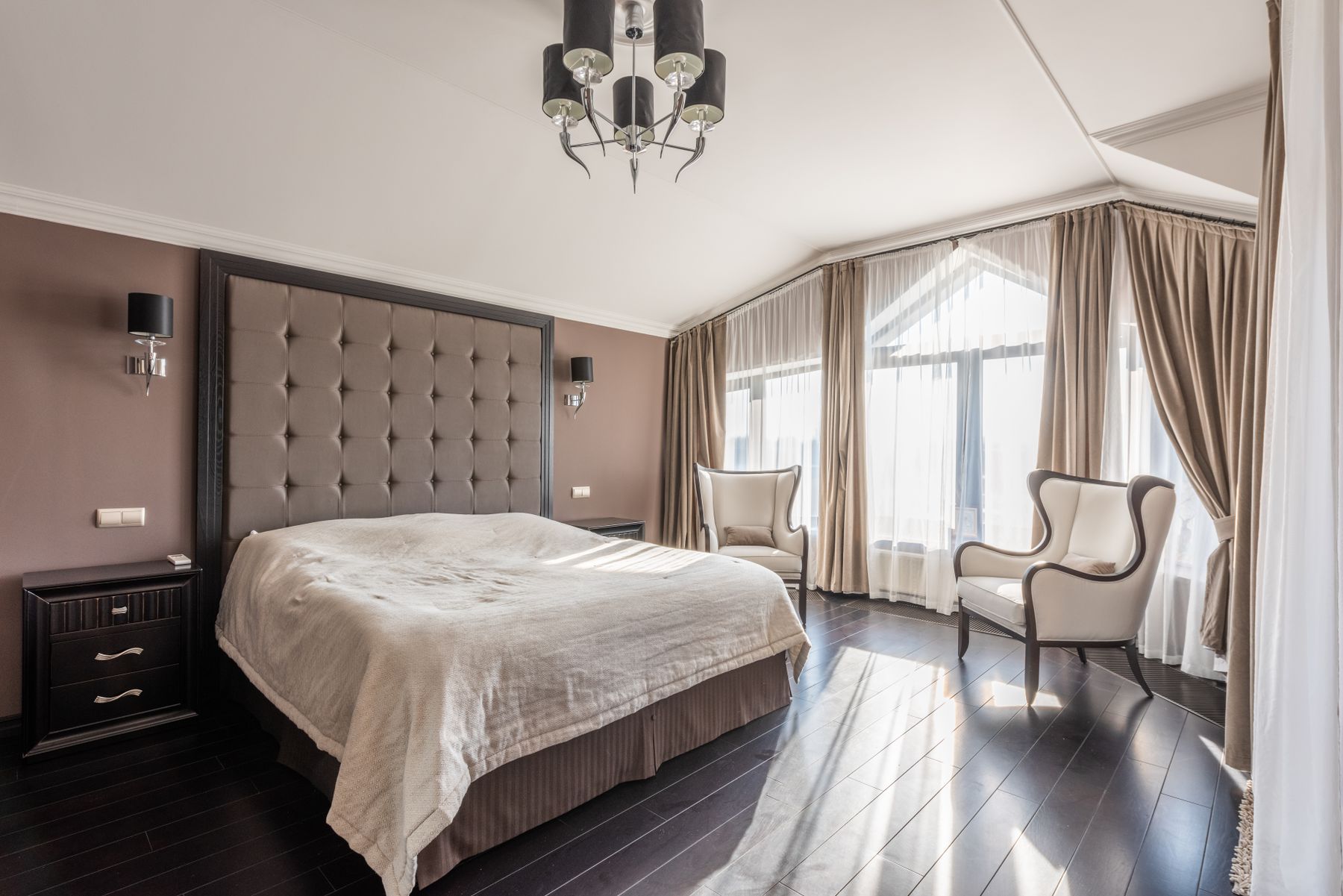
Zone a Large Room With Furniture, Rugs and Light
Anchor the bed, create one reading or dressing zone and leave meaningful open floor between them. A chaise, pair of chairs or writing table should have a real activity and nearby light. Rugs, ceiling fixtures and furniture orientation can define zones without partitions. Keep the route to bathroom and door direct at night. [Large Bedroom Ideas](/bedroom/large-bedroom-ideas/) goes deeper into proportion; French country adds graceful furniture and layered textile without using volume as permission for more ornament.
Prepare a Guest Room for Luggage and Independence
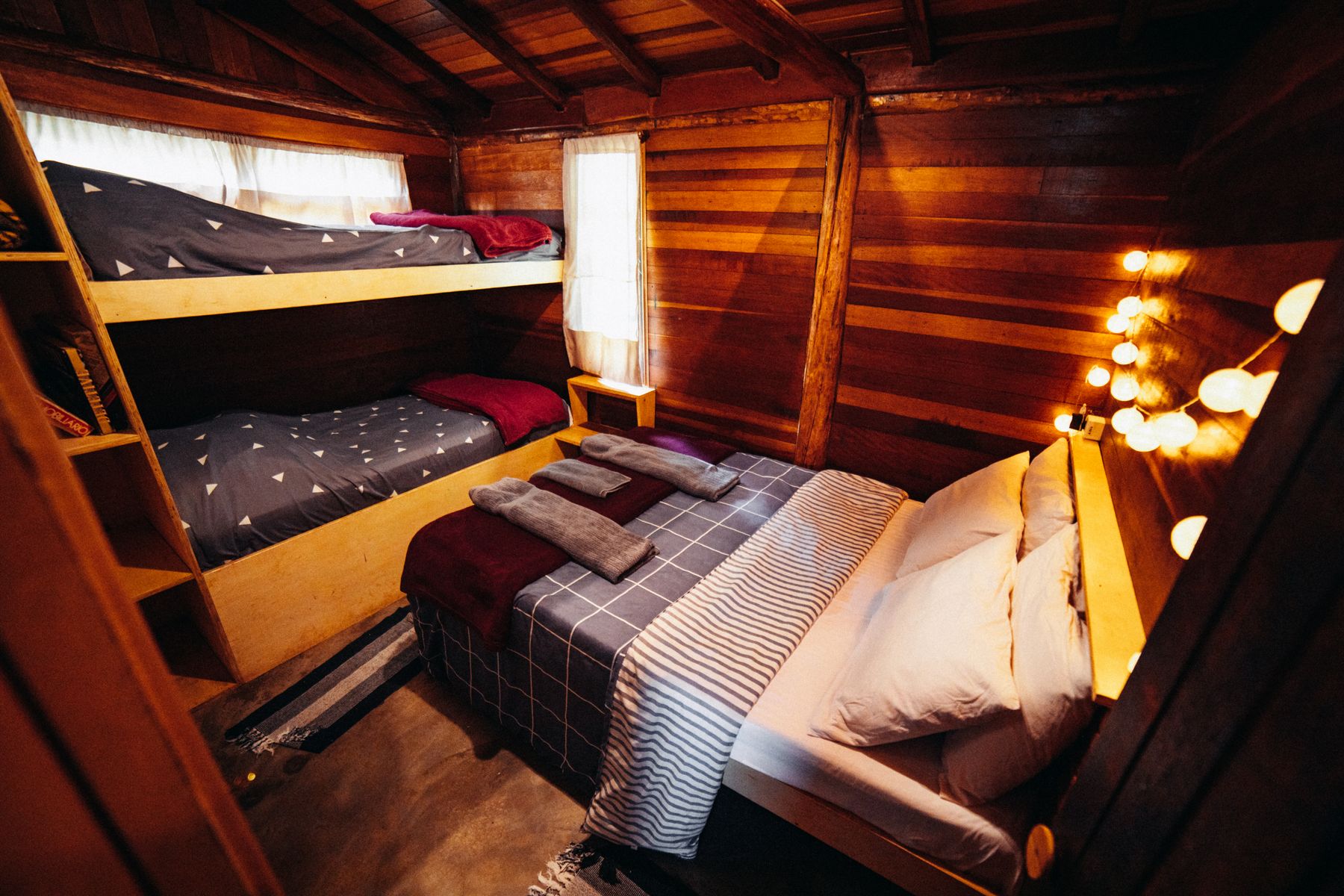
Each guest needs reachable light, power, water surface, clothing hooks and a place to open luggage without blocking the door. Twin beds can share one large rural material story but should not share every practical control. Use washable bedding and limit fragile antiques in a room with frequent turnover. A floral curtain or painted chest can carry the style while clear surfaces help guests settle. Test the room with two suitcases open and verify that window, wardrobe and nighttime route remain usable.
Translate the Look for a Rental Without Fake Architecture
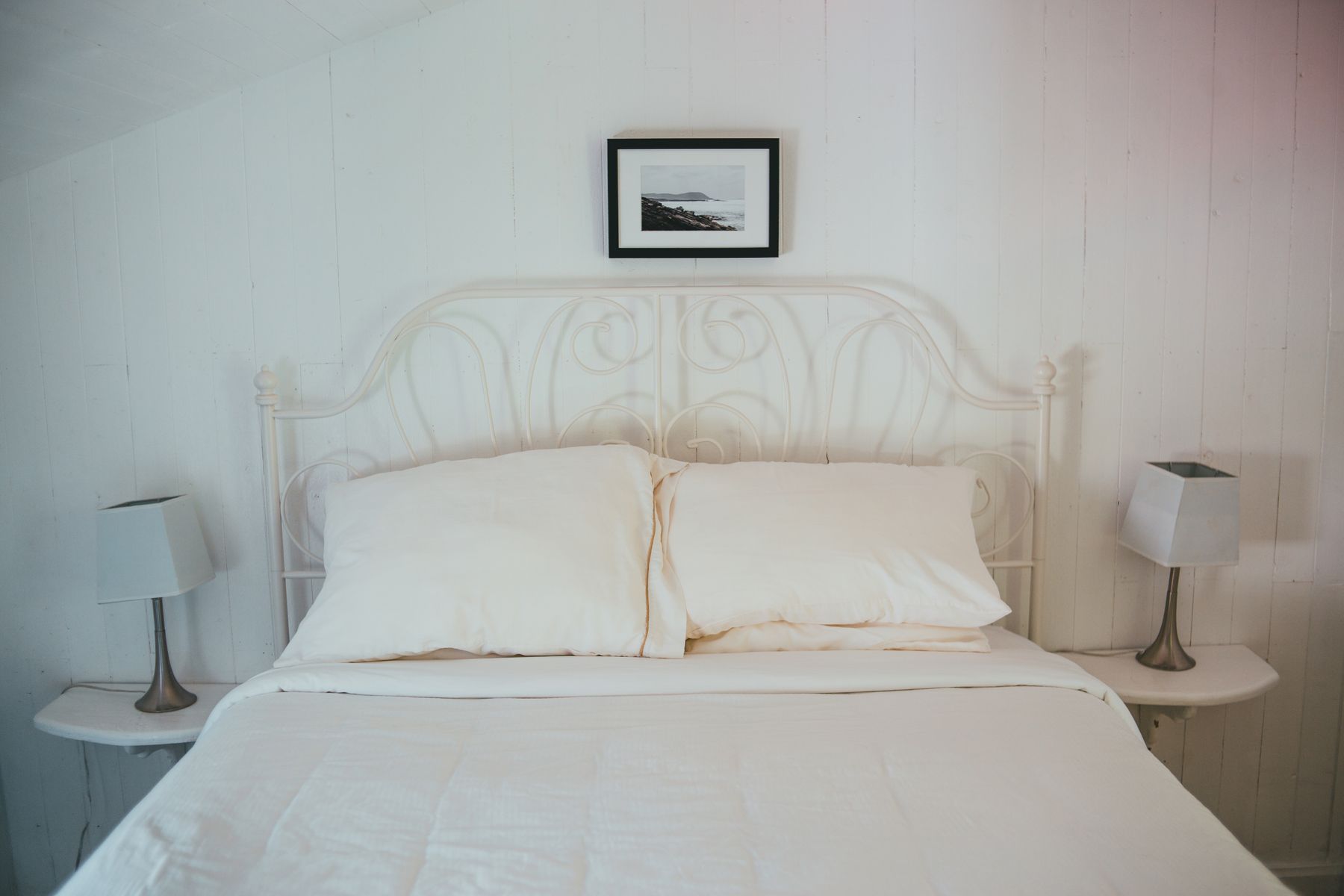
Renters can use linen bedding, one floral or stripe, a painted or timber bedside piece, a warm metal lamp and framed landscape art. Avoid peel-and-stick molding, fake stone and distressed signs that may damage surfaces or cheapen the regional story. Secure cords and obtain permission for heavy mirrors or curtain tracks. A large stable rug can soften an unsuitable floor. Reversibility should improve comfort and character while leaving the building intact, not create disposable imitation architecture.
Design Accessible Comfort Into the Furniture Plan
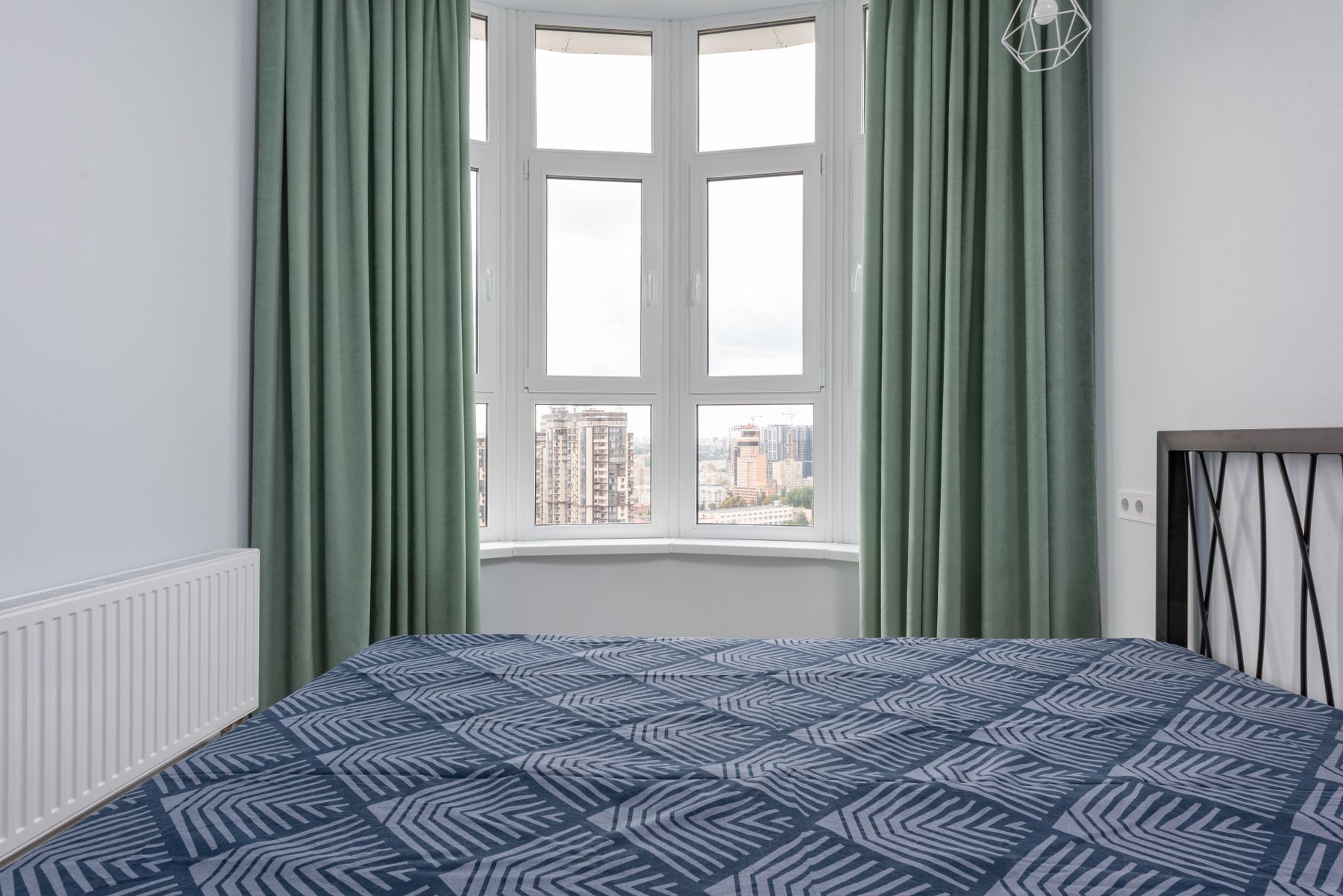
Choose bed height for transfer, maintain the required route for the actual mobility aid and provide stable reachable surfaces, switches and charging. Curved furniture can still have projecting feet or sharp hardware, so test the full footprint. Secure or remove rugs, improve contrast between floor and furniture and use graspable handles. An armoire is not useful if its rail or doors cannot be operated by the user. Accessibility should shape the furniture choice, not be disguised beneath romantic styling.
Adapt Rural French Materials to the Actual Climate
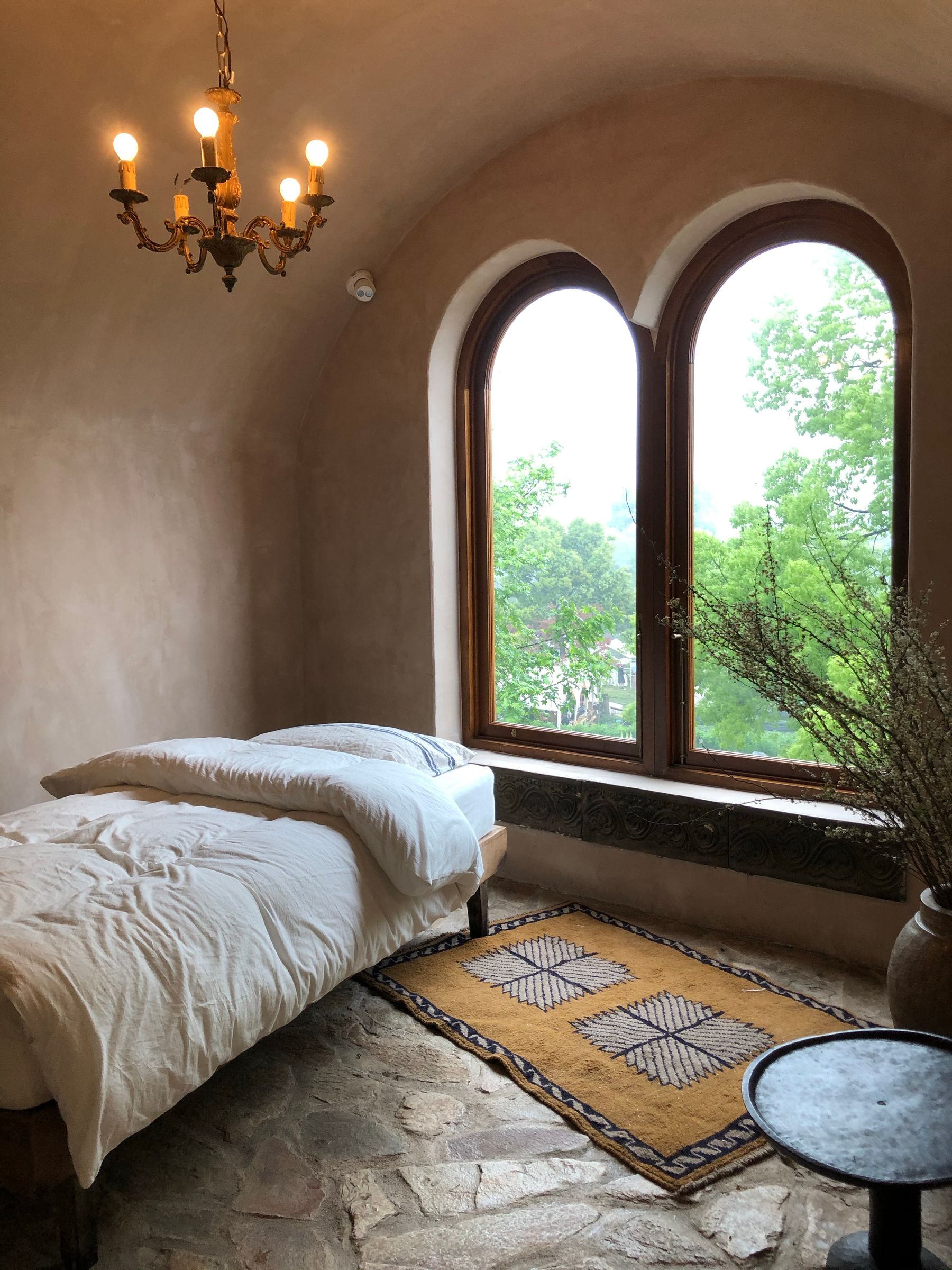
Provençal clay and light linen may suit dry heat, while northern references depend more on insulation, lined curtains and wool. Do not copy a wall or floor assembly from a different climate because it looks authentic. Local codes, vapor control, heating, cooling and ventilation must lead. A stone floor in a cold room may need insulation and a rug; a heavy armoire against a damp wall needs airflow. [Mediterranean Bedroom Ideas](/bedroom/mediterranean-bedroom-ideas/) covers the broader sun-and-mineral approach beyond rural France.
Maintain Patina Without Accepting Neglect
Dust carving and textured plaster gently, follow finish-specific cleaning guidance and wash linen, quilts and curtains on realistic schedules. Inspect furniture joints, mirror fixings, cold corners and the backs of wardrobes for movement, pests or moisture. Patina is stable wear and material change; mold, flaking paint, failed polish and loose hardware are maintenance failures. Record paint formulas, textile care and furniture repairs so future work remains compatible. Remove decorative objects that make routine cleaning or ventilation difficult.