Choose Provence, Normandy or a Restrained Provincial Blend
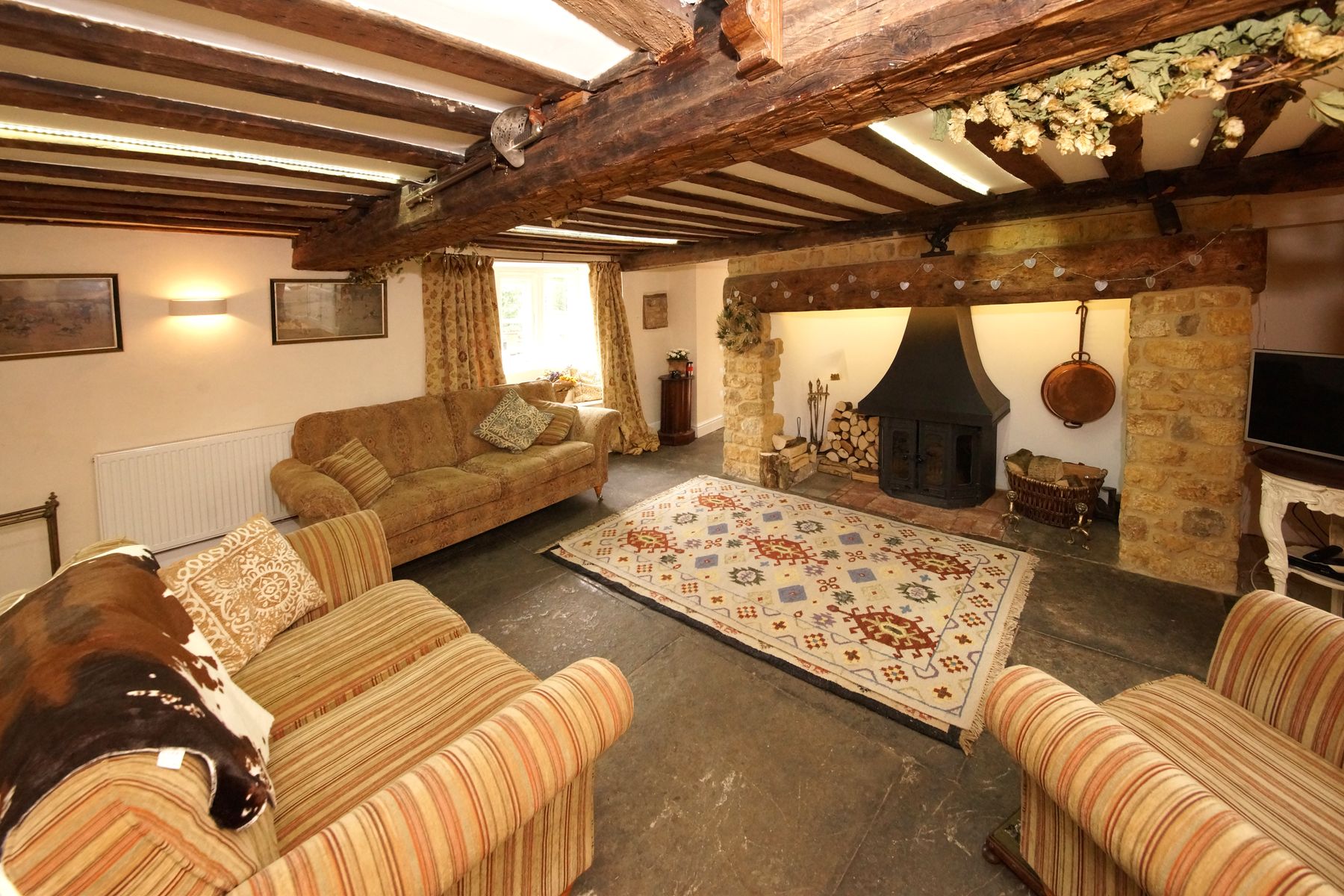
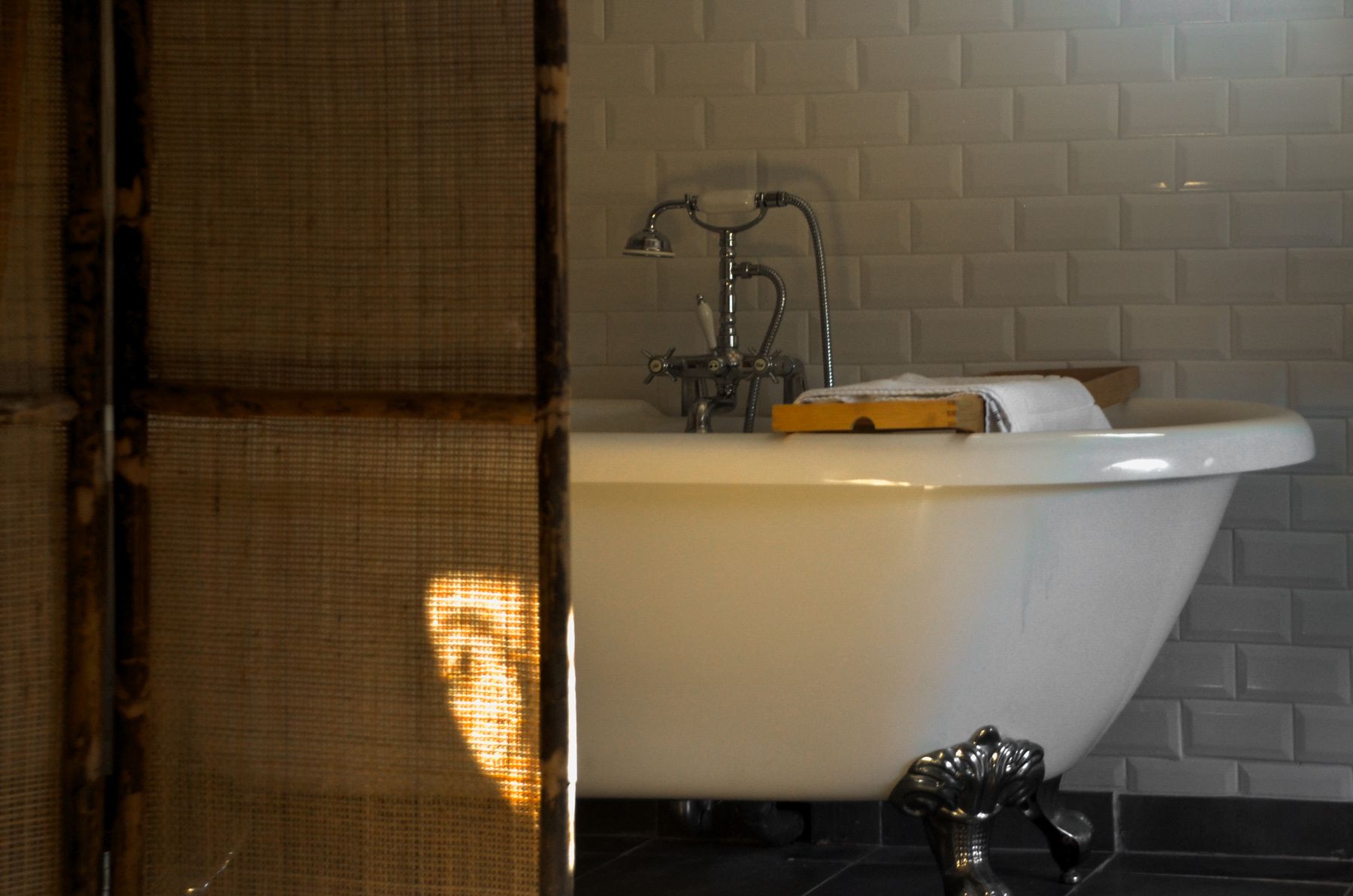
Provence commonly supports chalky plaster, limestone, terracotta, woven texture and sun-softened ochre, blue or green. Normandy can feel cooler and more enclosed, with heavier timber, stone, checks and a stronger response to rain and winter. A restrained provincial blend can work when the actual building does not clearly belong to either lane, but the mix needs rules. Choose one region to lead the fixed surfaces and daylight response, then borrow from the other only in movable layers. This is narrower than [Country Living Room Ideas](/living-room/country-living-room-ideas/), which compares many rural traditions rather than resolving one French provincial balance.
Build the Room From Rural Shell and Refined Line
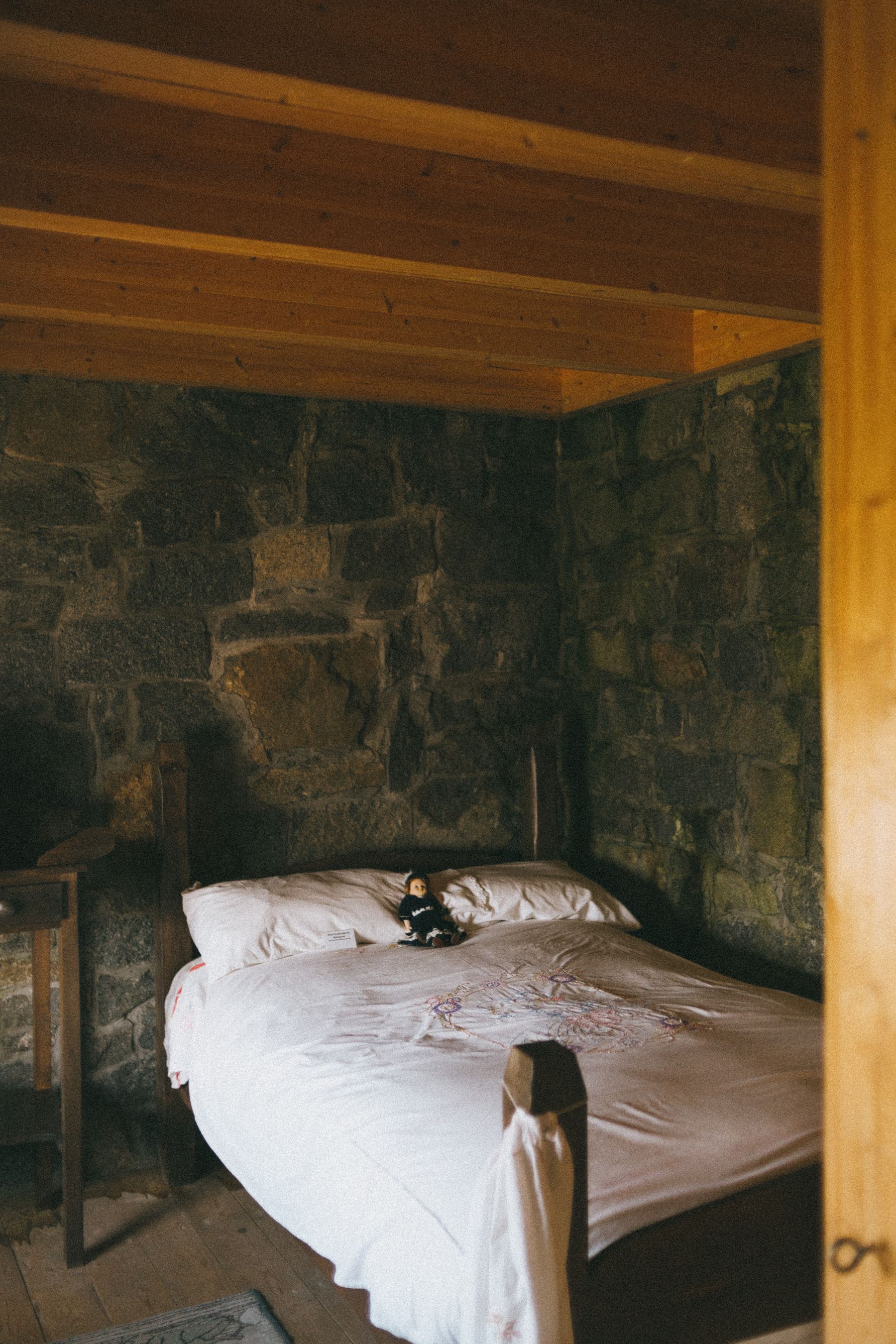
French country is not rustic plus ornament in equal quantities. Its character comes from contrast: rough or quietly irregular plaster beside a cabriole leg, a substantial beam above a fine linen curtain, or a terracotta floor under a shaped upholstered chair. Decide which part of the room will carry rural weight and which two or three pieces will provide refinement. If carved profiles, gilt frames, chandeliers, patterned fabric and decorative hardware all compete, the result drifts toward château fantasy. If every line is square and every surface raw, it becomes Rustic. The strongest room lets the shell stay calm enough for one graceful silhouette to register clearly.
Read the Garden Before Mixing Washed Pigments
The familiar French country palette—warm white, faded blue, lavender, sage, ochre and dusty rose—only works when its undertones agree with the room. In strong southern light, chalk and pale ochre can hold their warmth while blue remains crisp. Under cool northern exposure, the same colors may read grey, thin or unexpectedly violet. Begin with the view, the floor and the largest fixed mineral surface, then test broad samples from morning through lamplight. Choose one garden color as a meaningful field rather than scattering several pastels in small accessories. The room should feel weathered by light, not artificially faded at the factory.
Preserve the Provincial Shell Before Styling
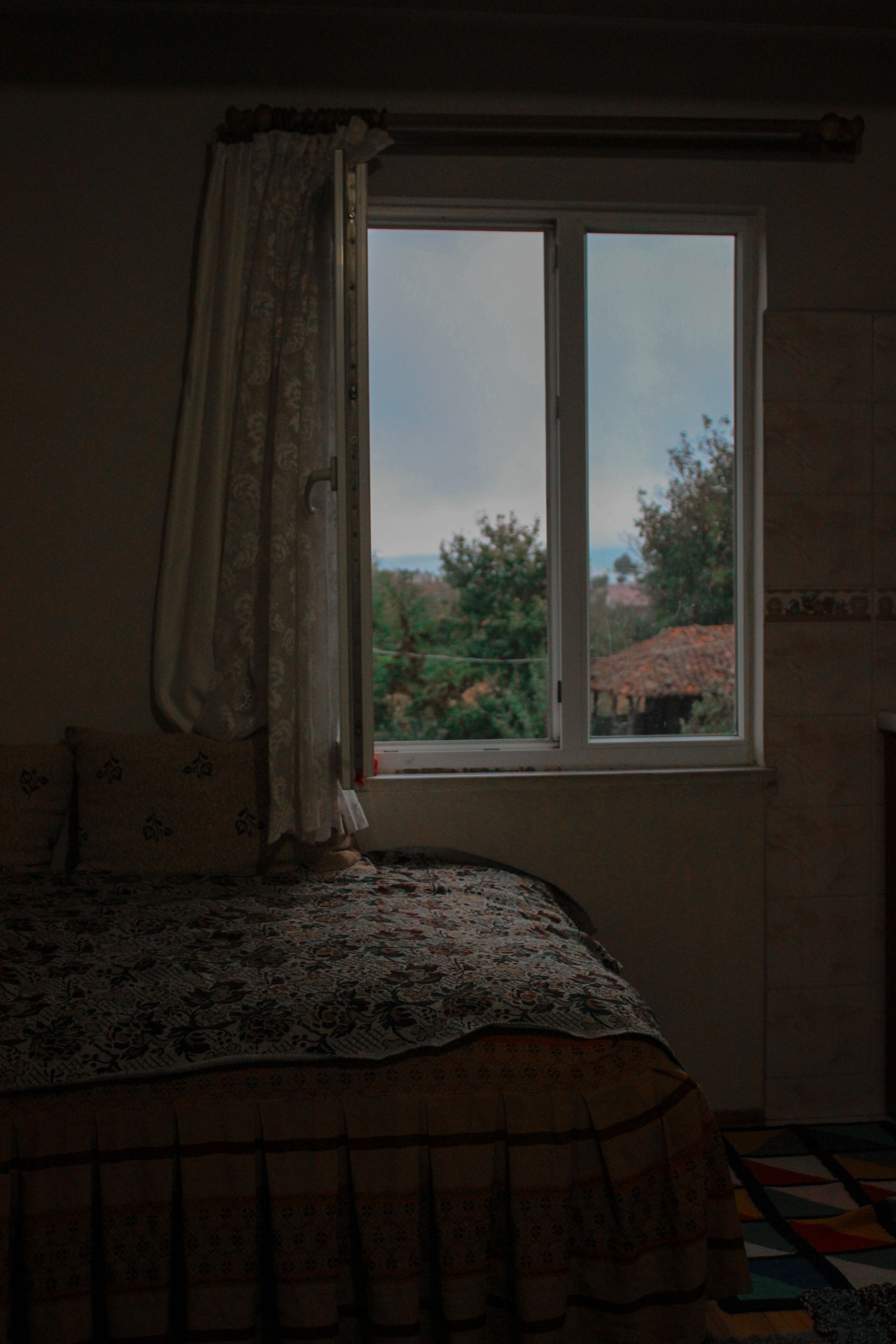
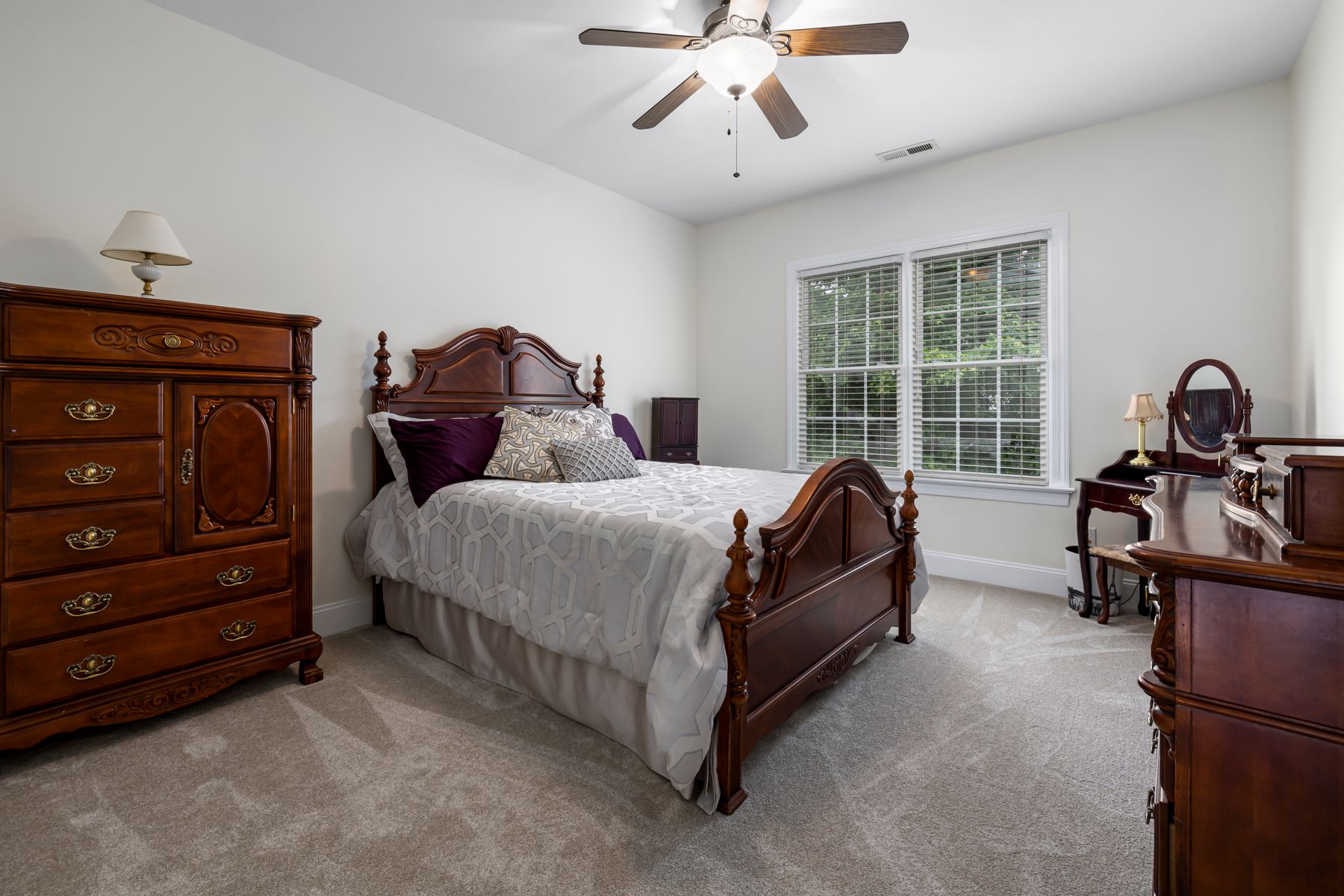
Real plaster movement, worn stone and aged timber can provide the depth that new distressing tries to imitate, but age is not automatic permission to ignore damage. Check unexplained staining, loose finishes, active cracks, pests and unstable joinery before celebrating patina. Clean and repair with methods compatible with the substrate, and seek appropriate advice when the building is old or protected. Do not expose beams simply because the style brief says French country; paint, plaster or later finishes may be part of the building's history. Once the shell is sound, let it remain visibly imperfect instead of covering every mark with decorative texture.
Make One Bergère the Room's French Accent
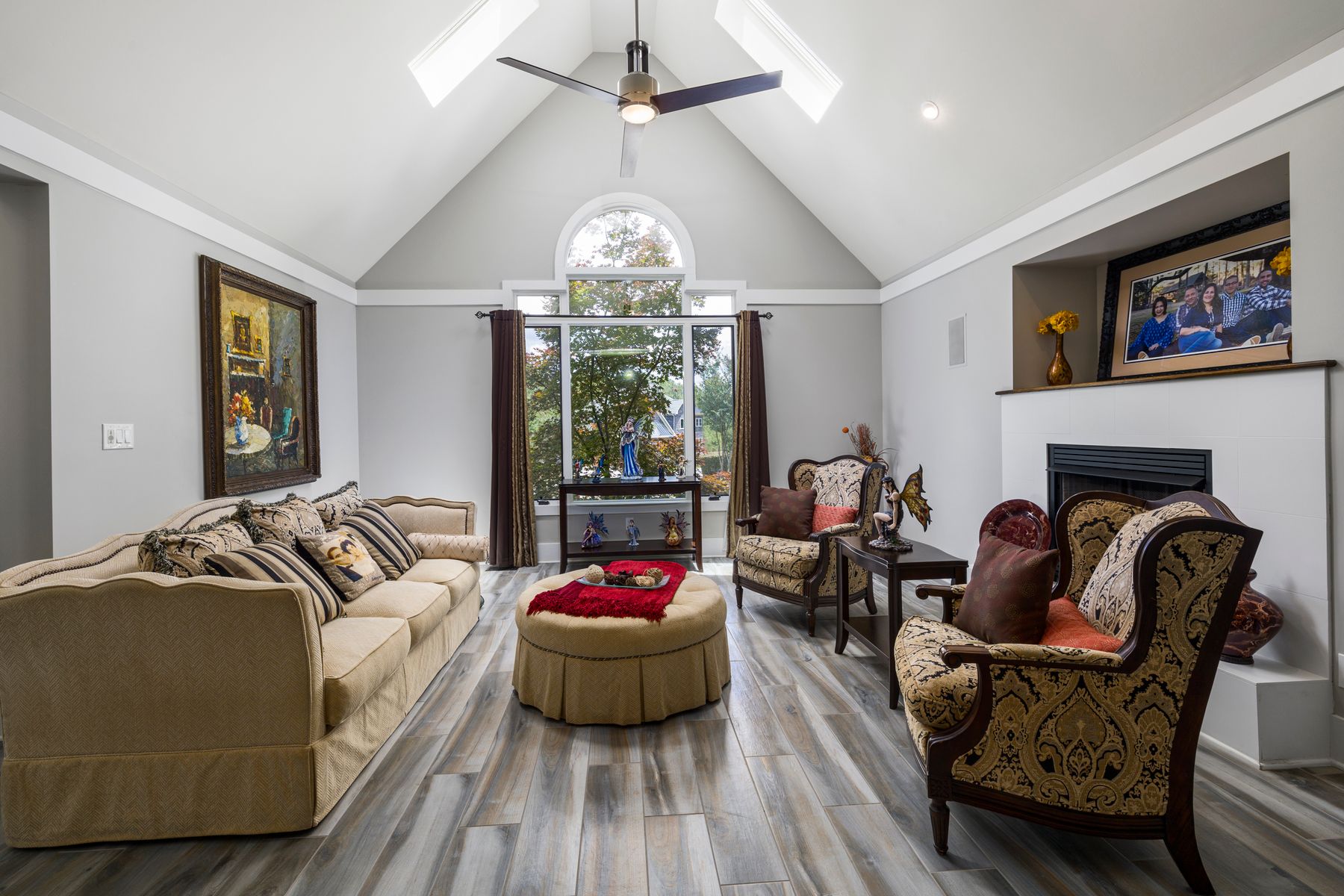
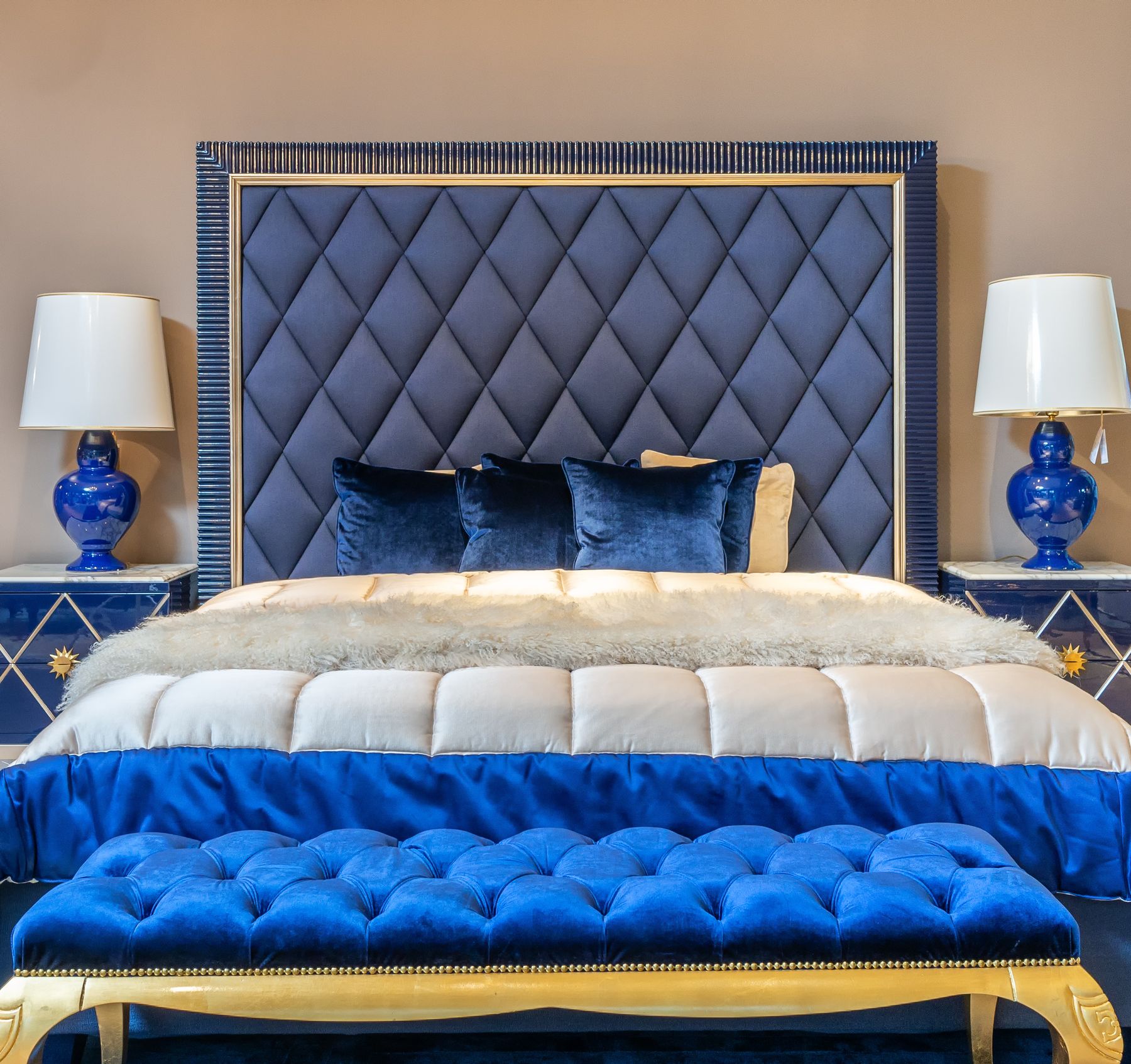
A bergère, fauteuil or modestly scrolled settee can make the French reference legible, but the label matters less than usability. Check seat height, depth, back angle, arm support, joint movement and the cost of reupholstery before buying. A low antique chair that no one chooses is sculpture consuming valuable floor. Pair one curved seat with a plainer sofa and a straightforward table so the outline remains visible. If several shaped chairs are needed, repeat proportion rather than identical carving. The point is cultivated ease: the chair should support a long conversation, not perform aristocratic fragility.
Let Pale Furniture Look Composed, Not Manufactured
Painted furniture can separate dark timber pieces and introduce chalk, blue-grey or muted green, but random rubbing at edges rarely resembles natural use. Keep an existing finish when it is sound and attractive; if repainting is appropriate, prepare the surface properly and let form, hardware and color create character. Avoid coating a valuable or historically significant piece merely to fit a palette. One painted armoire or console can be enough, especially when the floor and beams already provide wood. Combine it with one honest timber piece so the room feels collected across time rather than purchased as a distressed suite.
Choose Chalk, Cream or Ivory by Mineral Relationship
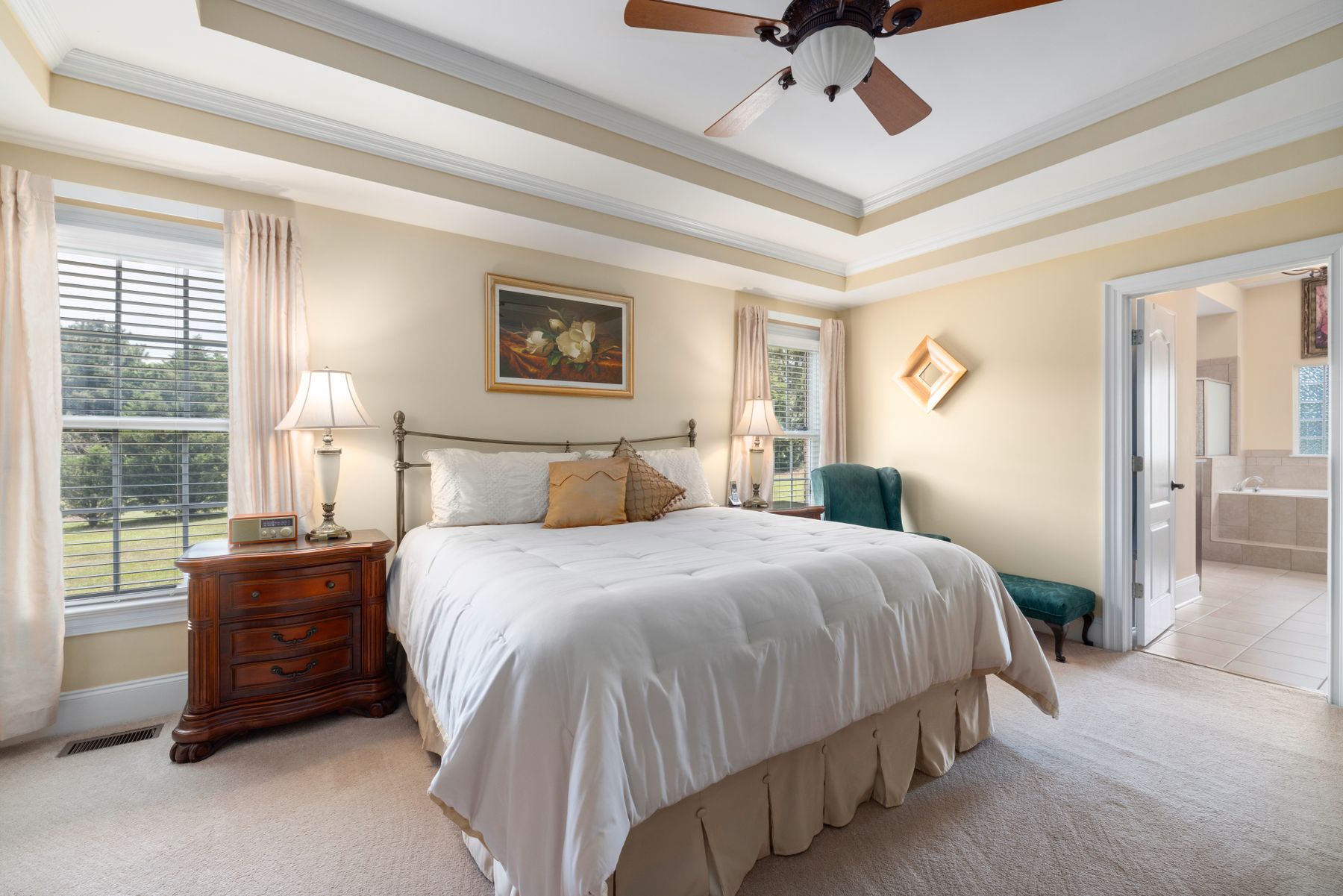
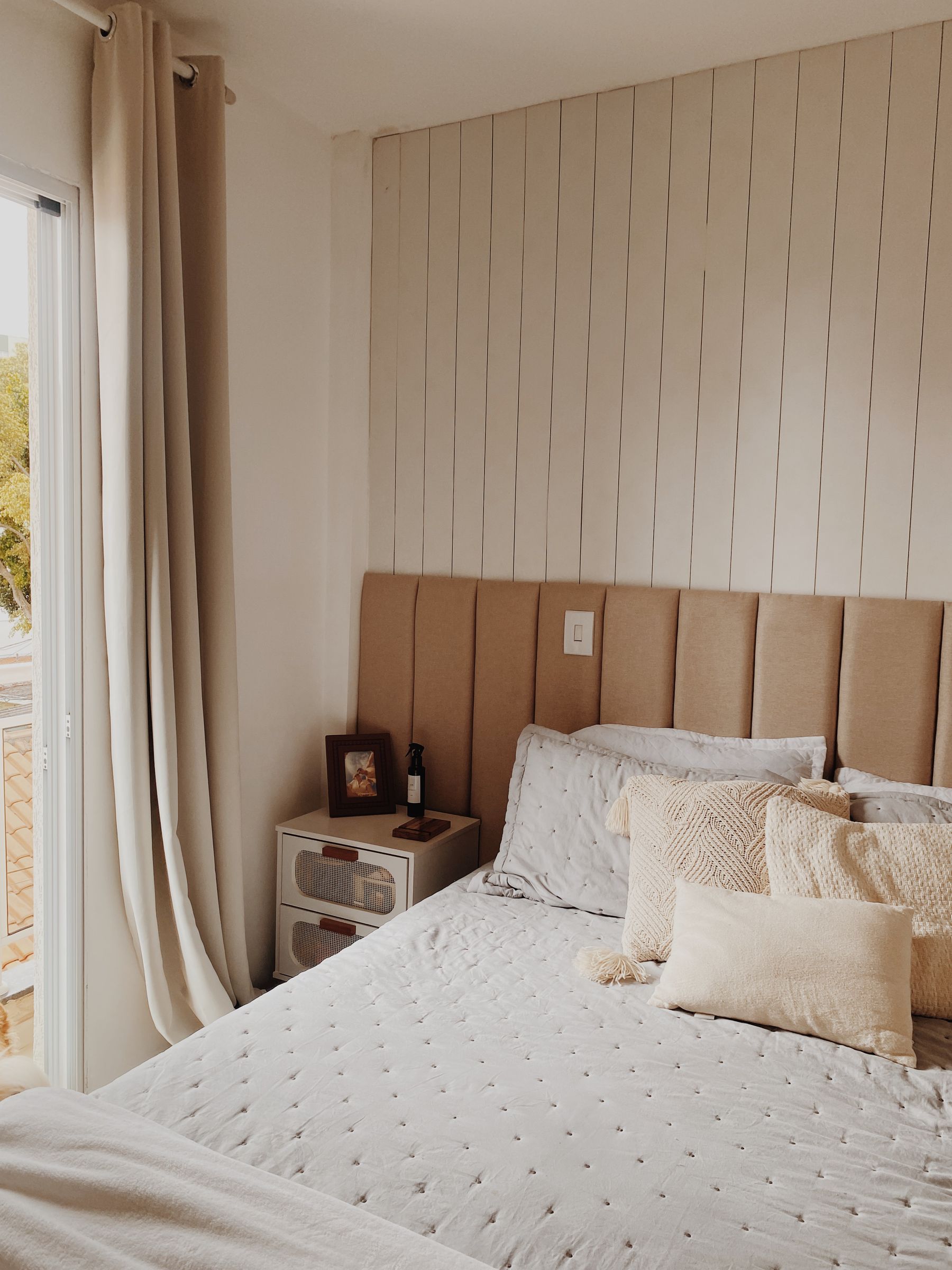
Warm white is useful because it lets shadow, stone and furniture profiles remain visible, but labels such as ivory or antique white are unreliable. Compare each sample with the floor, timber, upholstery and daylight. A yellow cream can turn heavy beside orange terracotta; a greyed white may make limestone look dirty; a pink white can amplify dusty rose beyond intention. Use at least three values—wall, textile and a slightly deeper grounding neutral—rather than coating everything in one pale tone. Dark iron, walnut or aged oak then provides the fine outline that stops the room dissolving into beige.
Give Faded Blue, Sage or Ochre One Broad Field
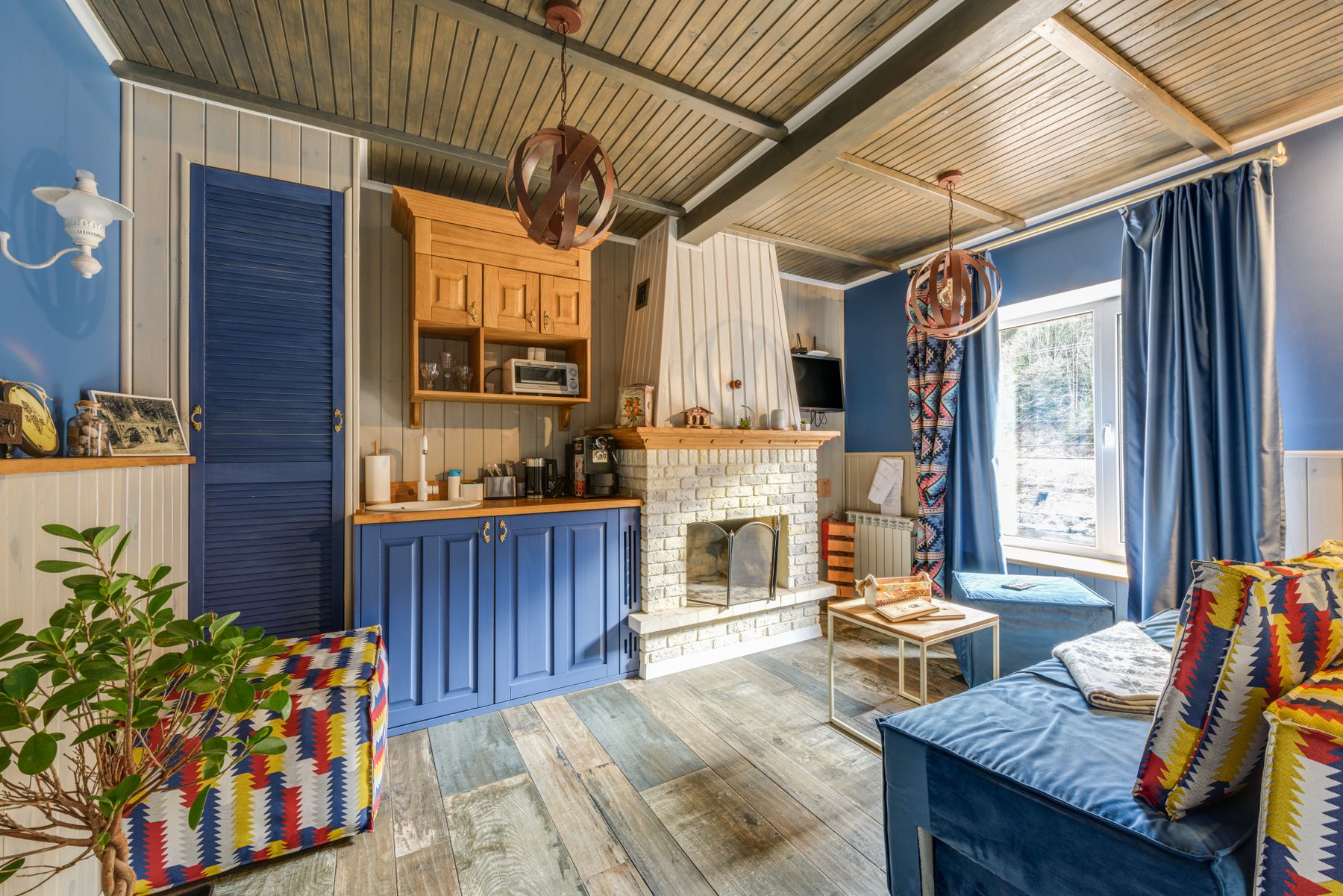
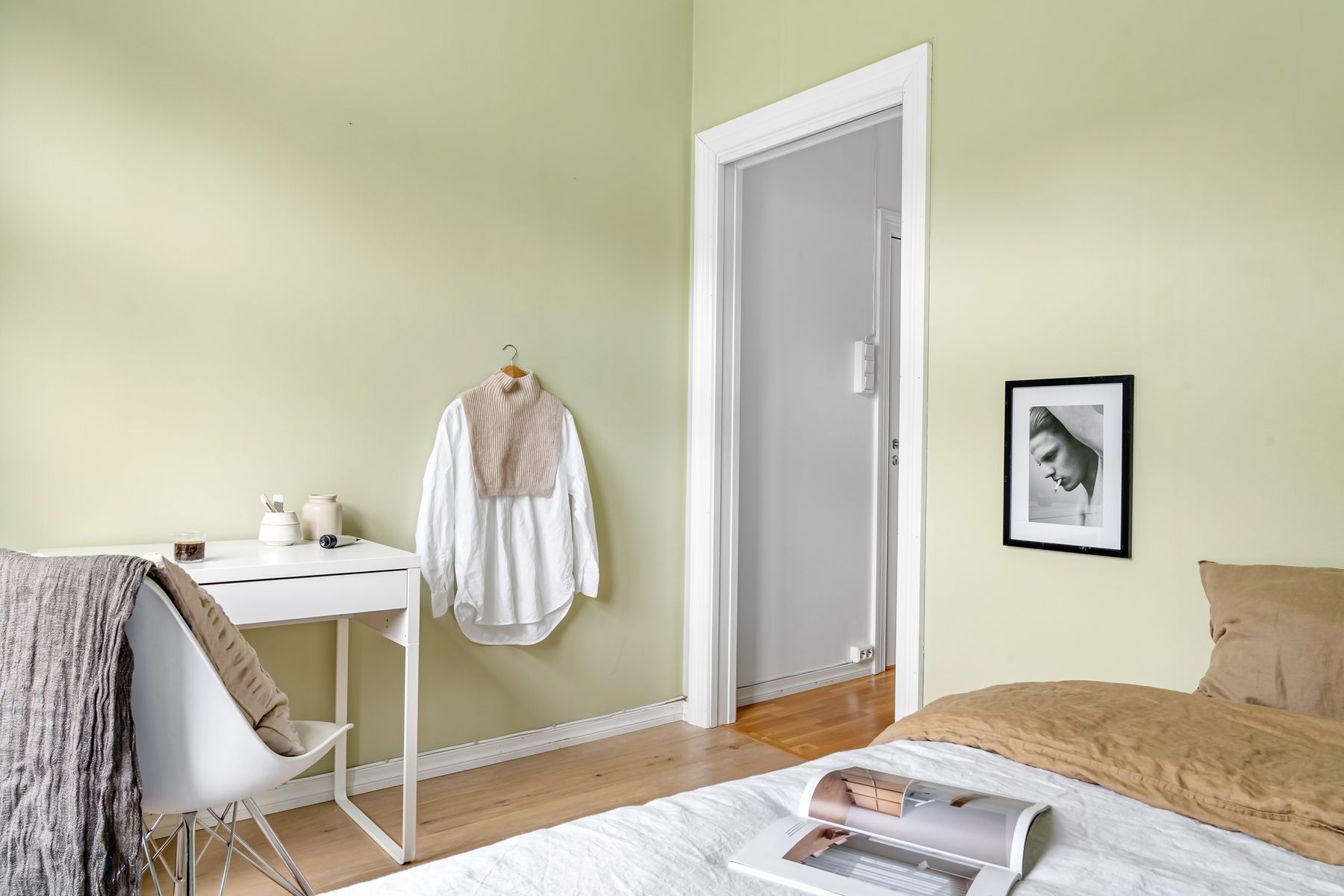
A muted regional color gains authority when it covers a wall plane, sofa, curtains or large rug. Repeating lavender, blue or sage through cushions, jugs, signs and artificial flowers turns color into a motif count. Choose the field according to what should lead: blue curtains can sharpen warm plaster, sage upholstery can bridge garden and timber, and ochre walls can hold cool evening light. Keep supporting objects quieter and allow one small counterpoint—rust, burgundy or inky blue—to prevent prettiness from becoming sugary. The test is whether the palette still feels French provincial after all named-color accessories are removed.
Let Toile Tell One Story
Toile de Jouy can provide narrative detail and a clear French reference, but it is not a mandatory surface treatment. Use it where the drawing can be seen: curtains, one chair, a screen or a bounded wall. Then keep the adjacent sofa, rug and lampshades predominantly solid or very small in scale. Repeating the same pastoral print across valance, cushions, upholstery and wallpaper converts an interesting image into visual wallpaper. Also inspect the actual scene rather than treating any two-color pastoral print as neutral; scale, subject and contrast affect whether the room feels lively, formal or oddly theatrical.
Mix Check, Stripe and Floral Through Unequal Scale
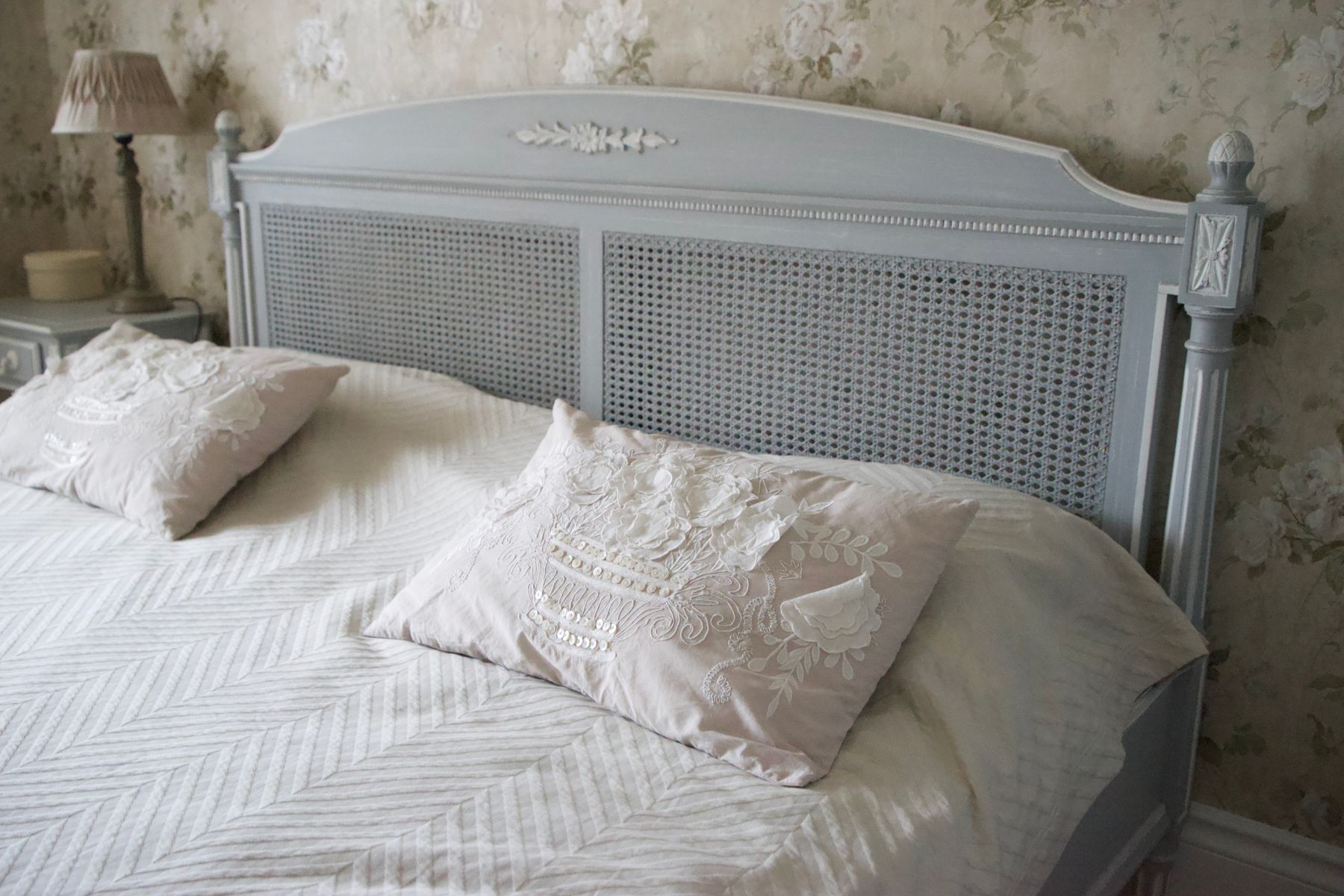
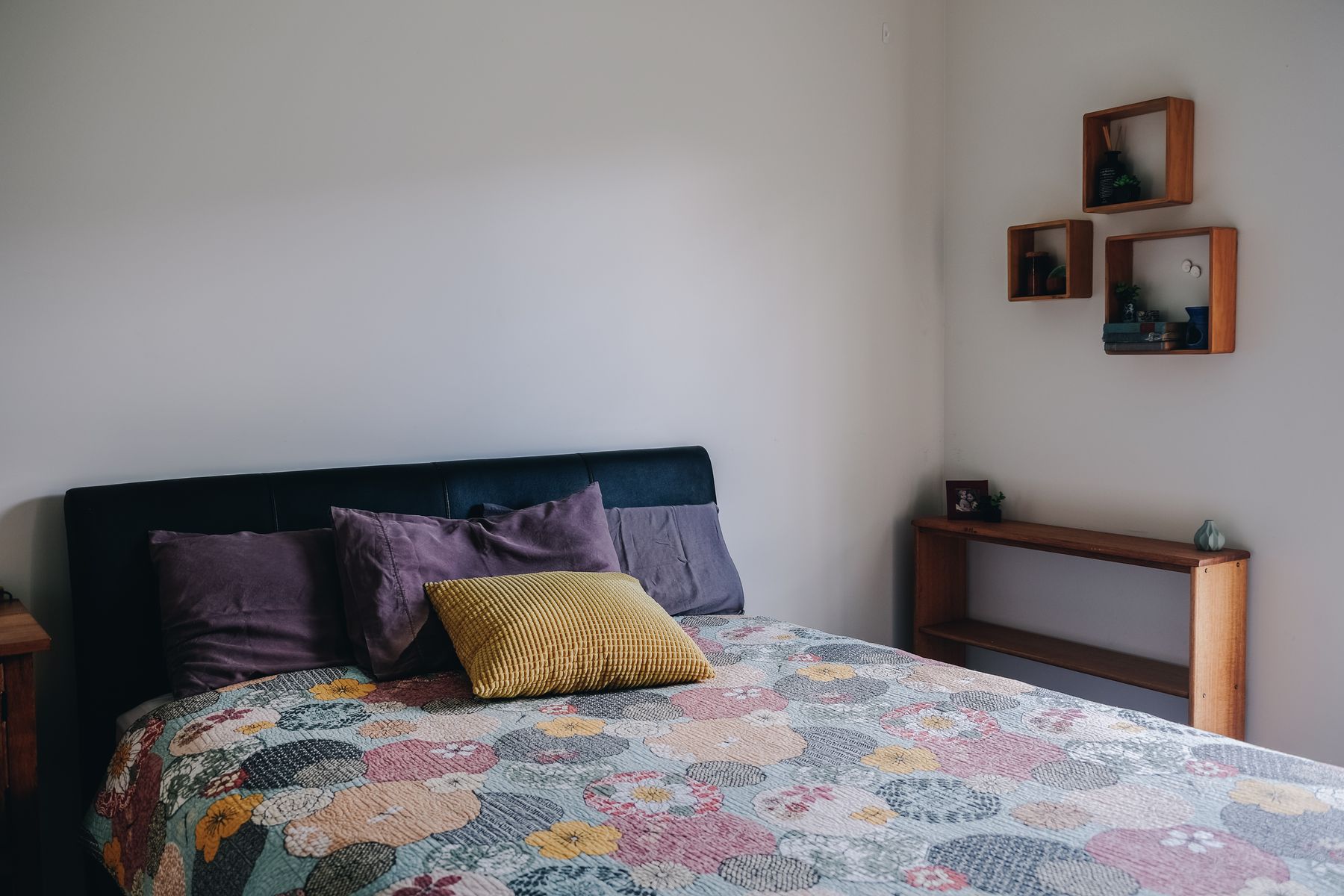
French country pattern becomes convincing through hierarchy, not quantity. Let one medium or large floral lead, support it with a simpler check or stripe, then add texture that reads almost solid. Repeat one ground color and change the scale decisively. A large botanical curtain, medium ticking chair and fine woven rug can coexist; three small prints with similar contrast compete. Checks can feel practical and regional, while stripes can introduce order around curved furniture. Toile should replace, not automatically join, the lead floral. Review every fabric from the doorway and from the sofa because the same combination behaves differently at distance and close range.
Make the Hearth Provincial, Not Monumental
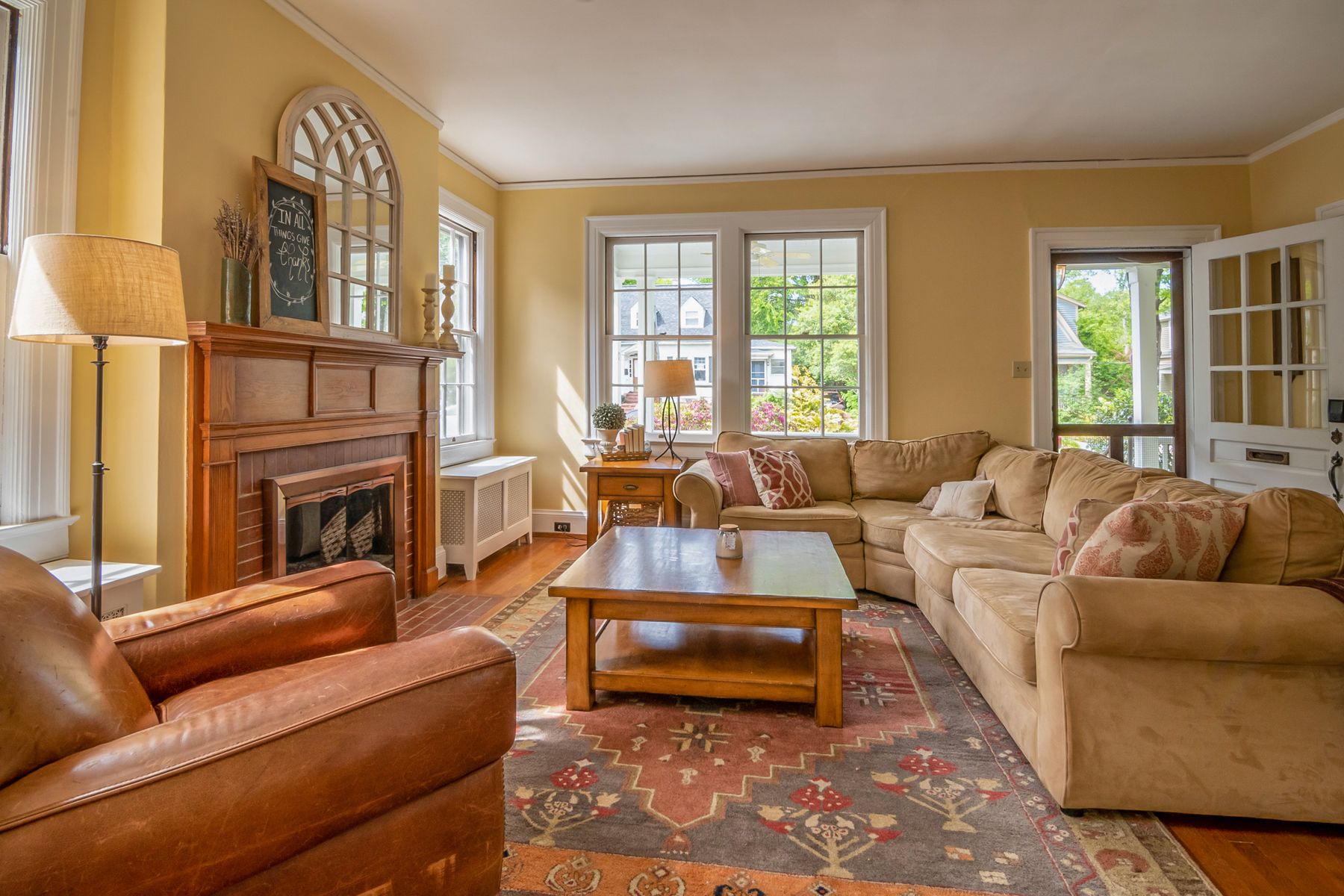
A French country hearth may be limestone, plaster, brick or a modest stove, but it should relate to the room's scale and actual heating use. Preserve a sound original surround; in a plain new room, avoid adding an oversized reproduction that consumes the wall without serving the household. Establish safe clearances, ventilation, fuel handling and service access with appropriate local guidance before placing baskets, textiles or furniture. Keep the mantel edited to a few objects with enough scale to be read. The seating group should share warmth and conversation rather than form a ceremonial row facing the fire.
Compose an Informal Provincial Salon
The French word salon may suggest formality, but a provincial living room benefits from looser, household-centered conversation. Combine a comfortable sofa with one shaped chair and one plainer movable chair; align their seat heights closely enough that everyone shares the same social plane. Use a reachable central surface and smaller side tables rather than spacing furniture for a photograph. This differs from [Parisian Apartment Ideas](/apartment/parisian-apartment-ideas/), where tall urban architecture and sharper old-new contrast often lead. Here, garden access, fireplace use and informal meals can legitimately pull the group slightly off-axis.
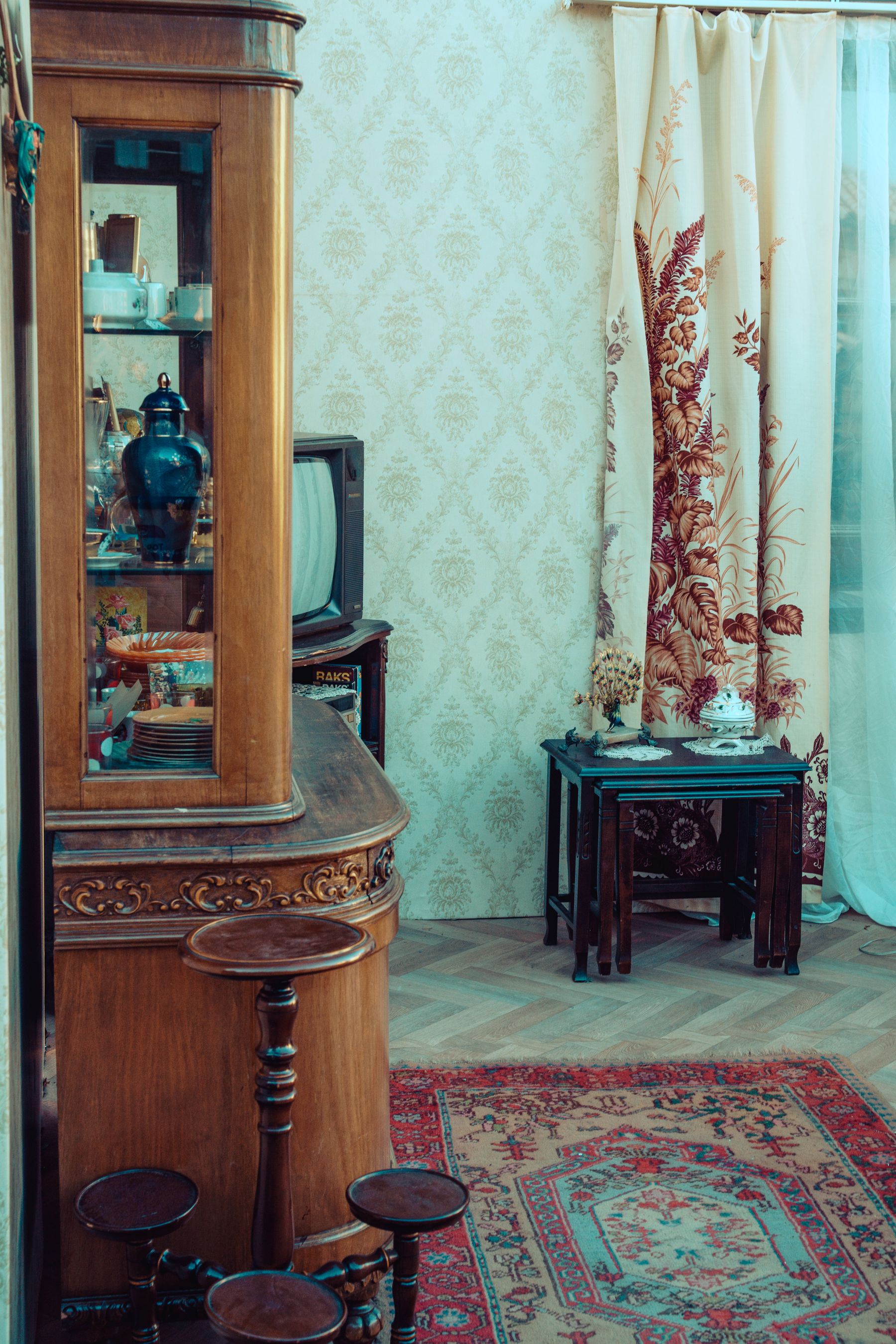
Give the Armoire a Real Inventory
An armoire can carry French country character more effectively than many small accessories, but it is also a deep, heavy piece of storage. Measure the contents first: games, media equipment, linens or serving pieces each require different shelves, ventilation and door access. Check stability, back condition, odor, pests, hardware and whether the piece can be moved safely into the room. Leave enough clearance for doors and nearby routes. A shallow room may be better served by a lower provincial cupboard. Do not buy a towering piece merely to hide modern clutter; the storage should remain usable after the novelty of the silhouette fades.
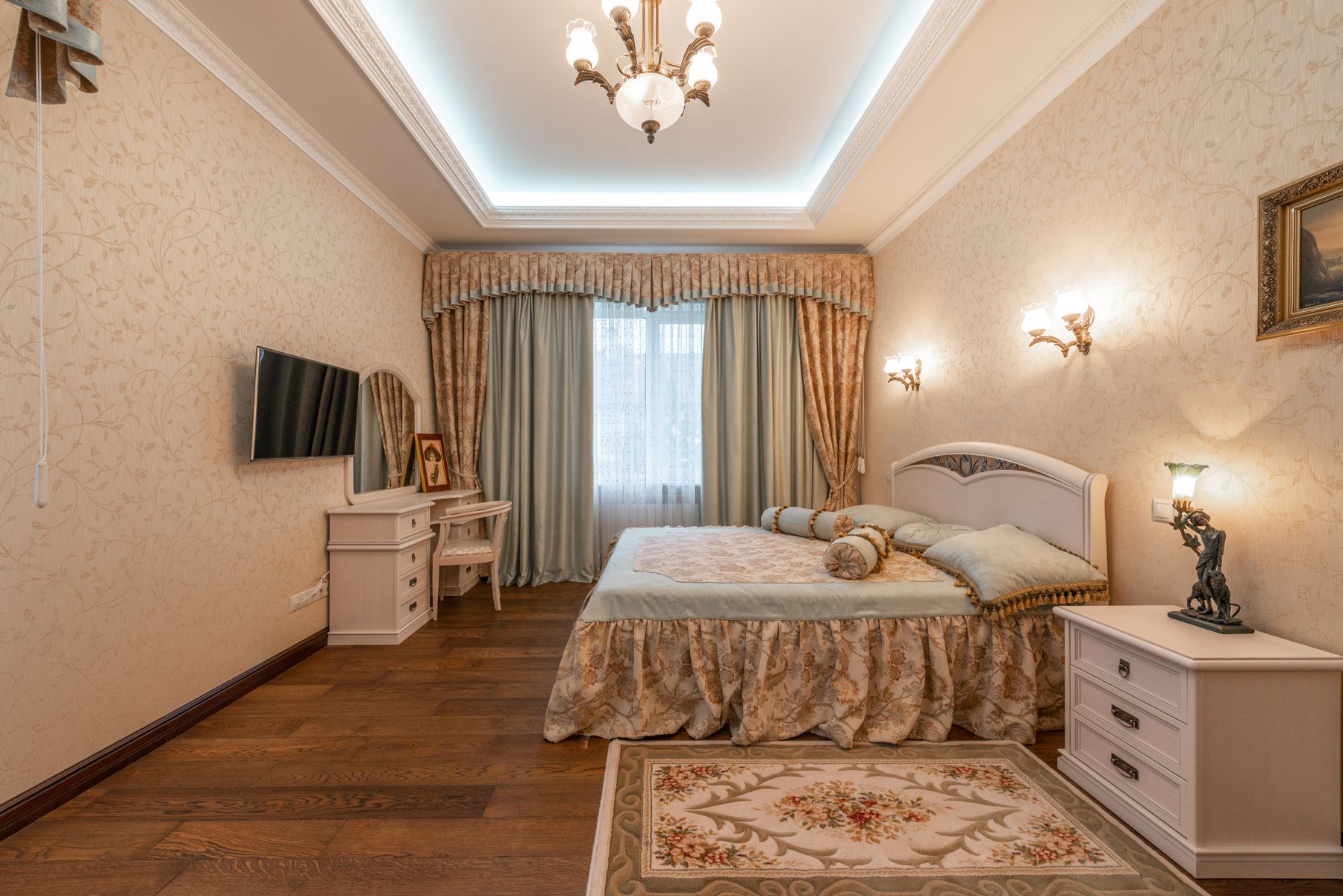
Make French Doors Work for the Garden
French doors are useful because they connect the room to a terrace or garden, not because their name certifies the style. Plan curtain stack, hardware, door swing, insect control, privacy and solar gain as one system. Full linen-look panels can soften tall glazing, but fabric dragging across a busy threshold will stain and obstruct access. Café curtains, shutters or blinds may solve privacy with less bulk. Keep furniture outside the operating arc and provide a durable landing for wet shoes or trays. Where no garden door exists, do not paste on decorative shutters; strengthen the real window instead.
Demand a Job From Every Shutter
Working shutters can temper intense sun, protect privacy and create the characteristic bands of light associated with southern French rooms. Their type, louver angle and color should respond to the actual opening and climate. In a colder setting, interior shutters or lined curtains may need to support comfort differently; in a damp reveal, crowded fabric can create maintenance problems. Decorative shutters screwed beside an ordinary window rarely look credible because scale, hinge logic and depth are missing. If shutters are not justified, use a well-proportioned blind or curtain and let the room's material balance carry the identity.
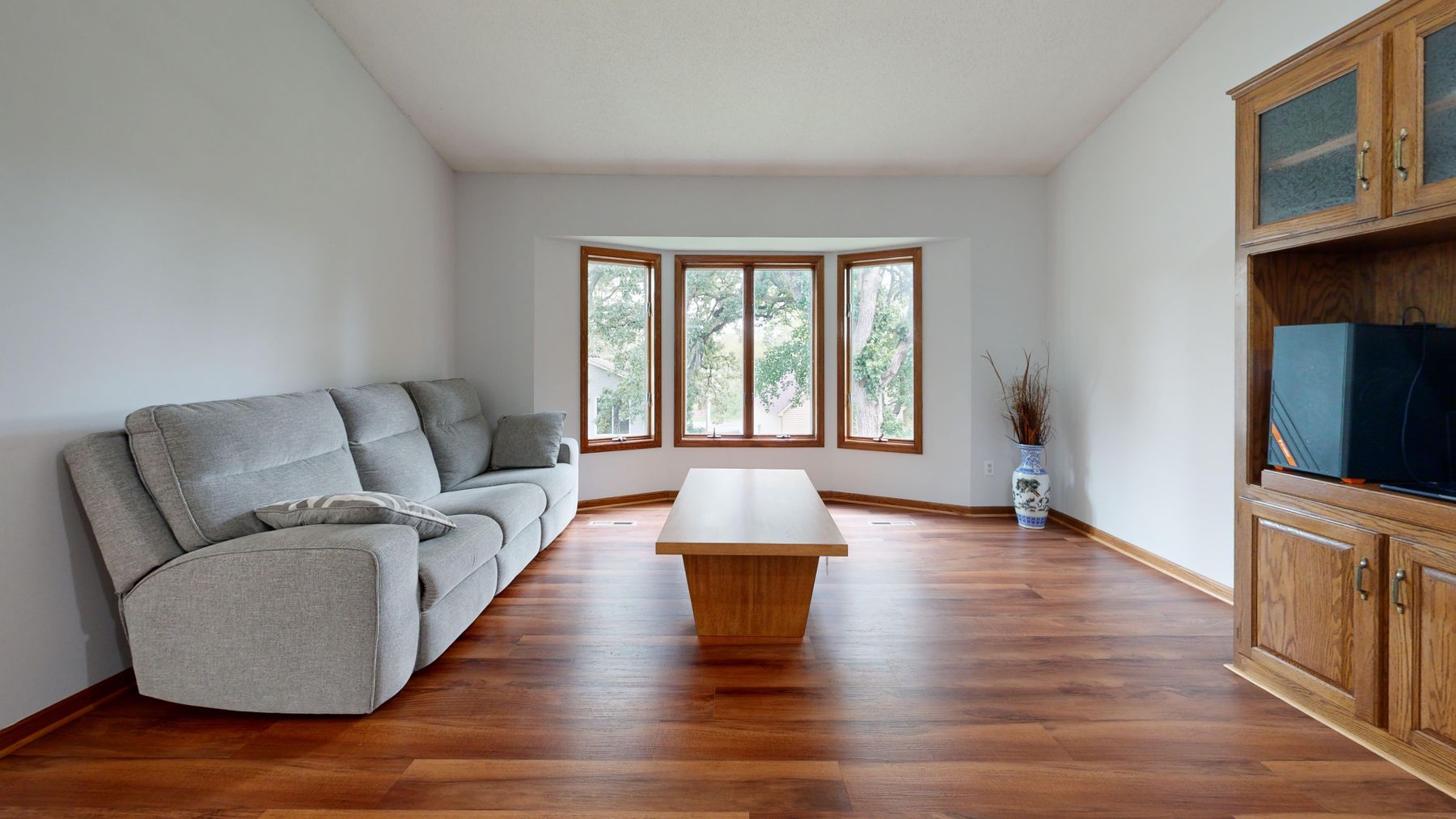
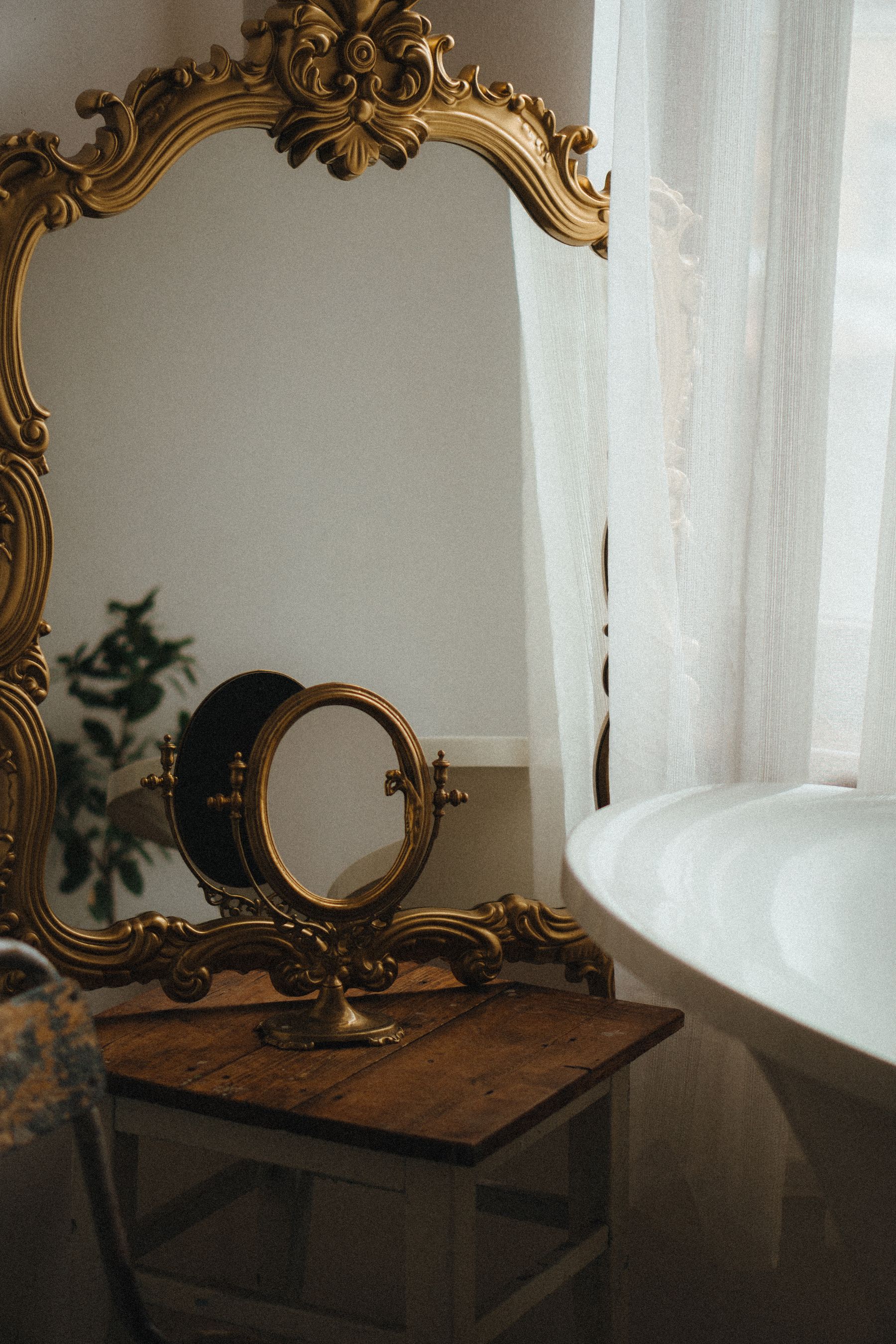
Repeat One Aged Finish Without Turning the Room Gold
Aged brass, bronze and blackened iron can connect a lantern, mirror, curtain hardware and cabinet pulls, but they need hierarchy. Choose one dominant practical finish and allow a secondary aged accent on one important object. Matching every hinge, lamp, frame and handle in bright antique gold erases the collected quality and pushes the room toward a reproduction set. Living finishes may change with touch and cleaning, so understand the manufacturer's guidance and decide whether uneven aging is acceptable. Warm metal should draw a fine line through plaster, timber and textile rather than becoming the room's loudest color.
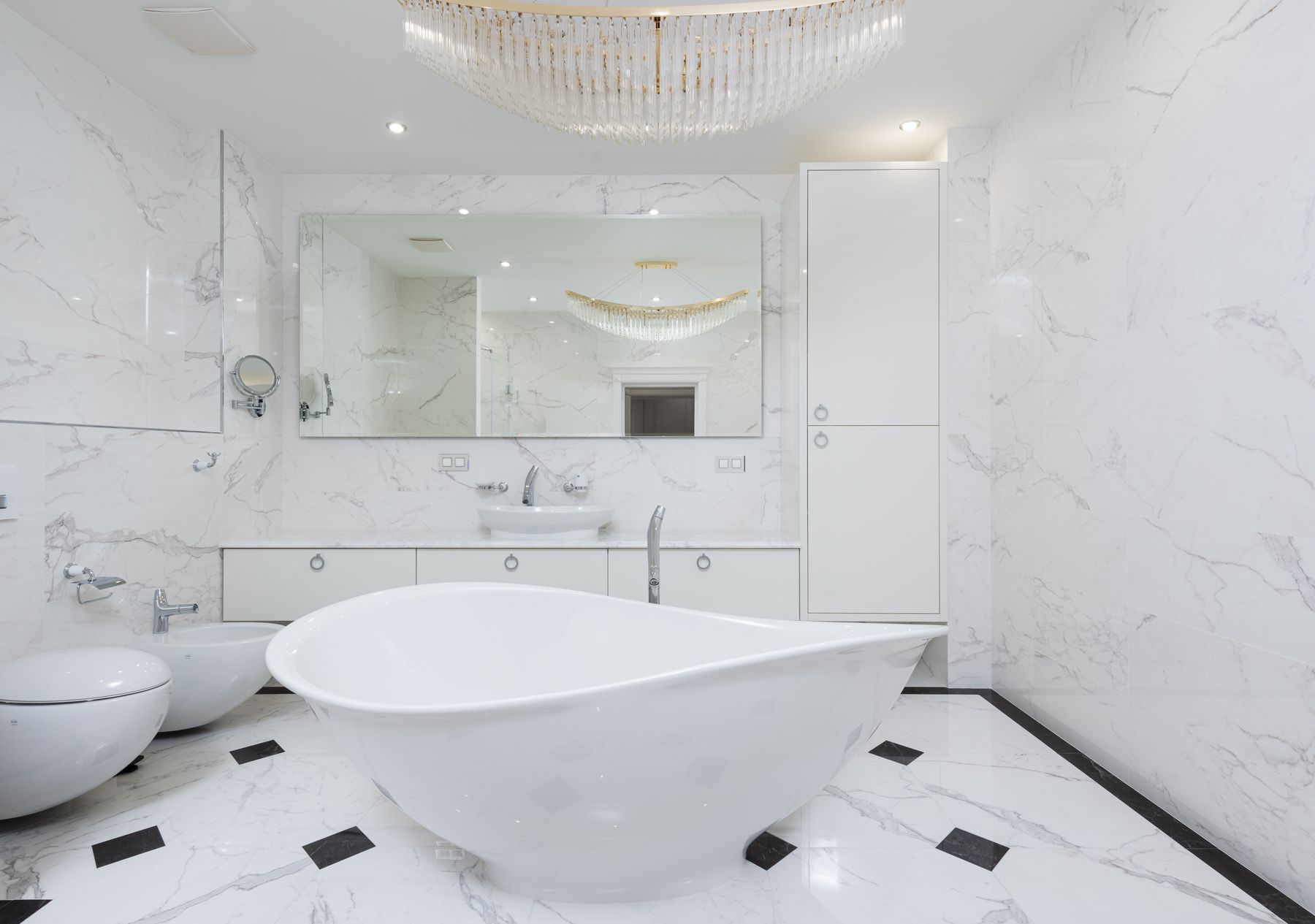
Choose a Lantern or Chandelier for the Ceiling You Have
An iron lantern, modest chandelier or woven pendant can establish the provincial register, but scale and light distribution matter more than category. A low beamed room may need a compact fitting that clears heads and sightlines; a taller plastered room can carry more drop and openwork. Avoid one giant fixture expected to illuminate every seat. Add shaded lamps for reading and faces, then use the ceiling piece for ambient light and proportion. Have existing and antique fittings assessed and installed appropriately. A chandelier crowded with crystals may belong to a more formal French story than the relaxed rural room being built.
Expose Enough Terracotta or Limestone to Read the Ground
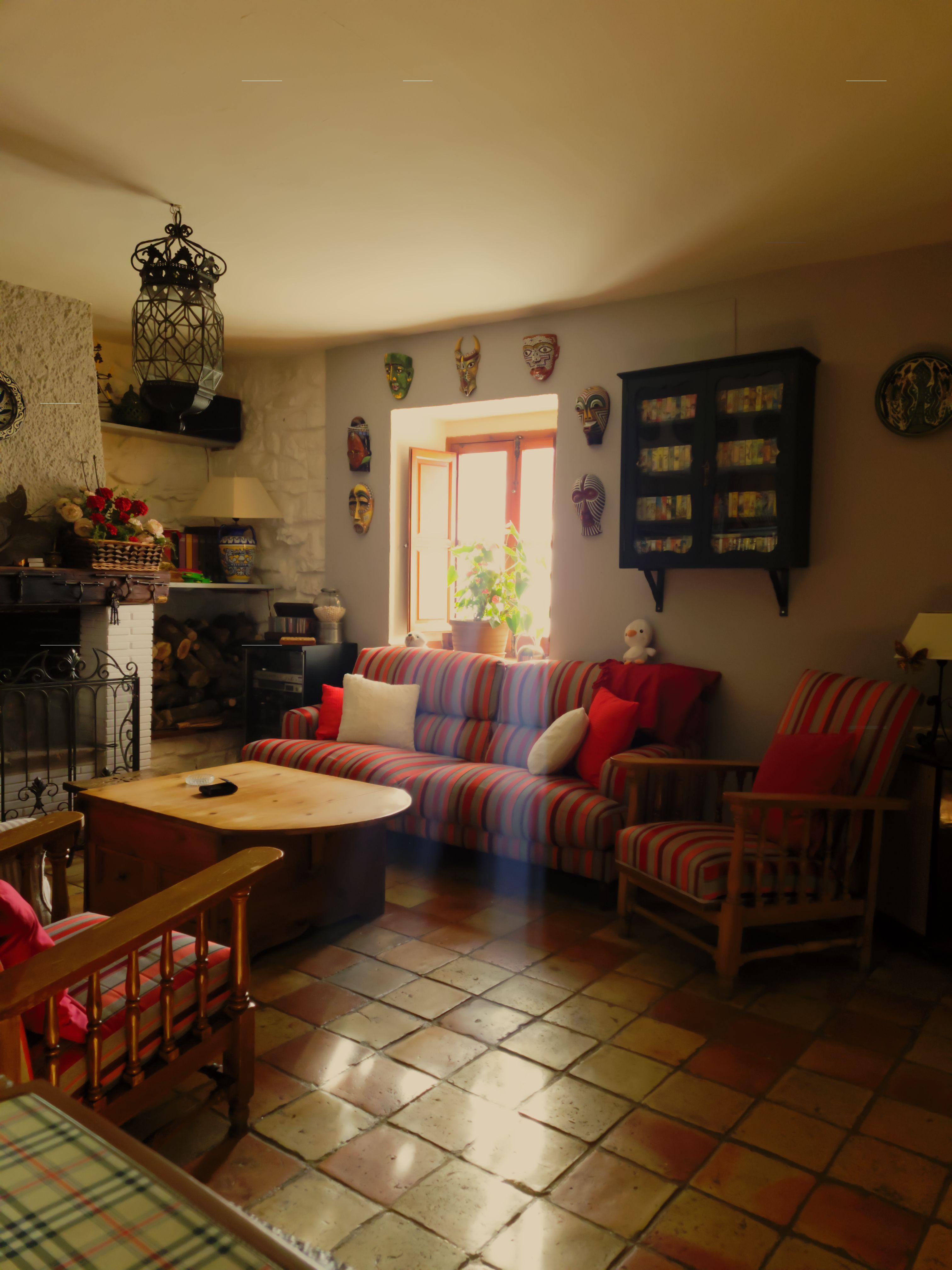
Terracotta supplies warmth and visible variation; limestone offers a quieter, cooler field. Neither needs to disappear beneath a room-size rug. Size the rug to connect the front legs of the conversation group, soften sound and warm the main sitting zone while leaving a meaningful border of floor. Check door clearance, flatness, underlay and the effect of sun on both rug and mineral surface. On a visually active terracotta floor, choose a quieter weave or faded pattern. On pale limestone, a deeper motif can prevent furniture from floating. [Living Room Rug Ideas](/living-room/living-room-rug-ideas/) covers the full sizing tests.
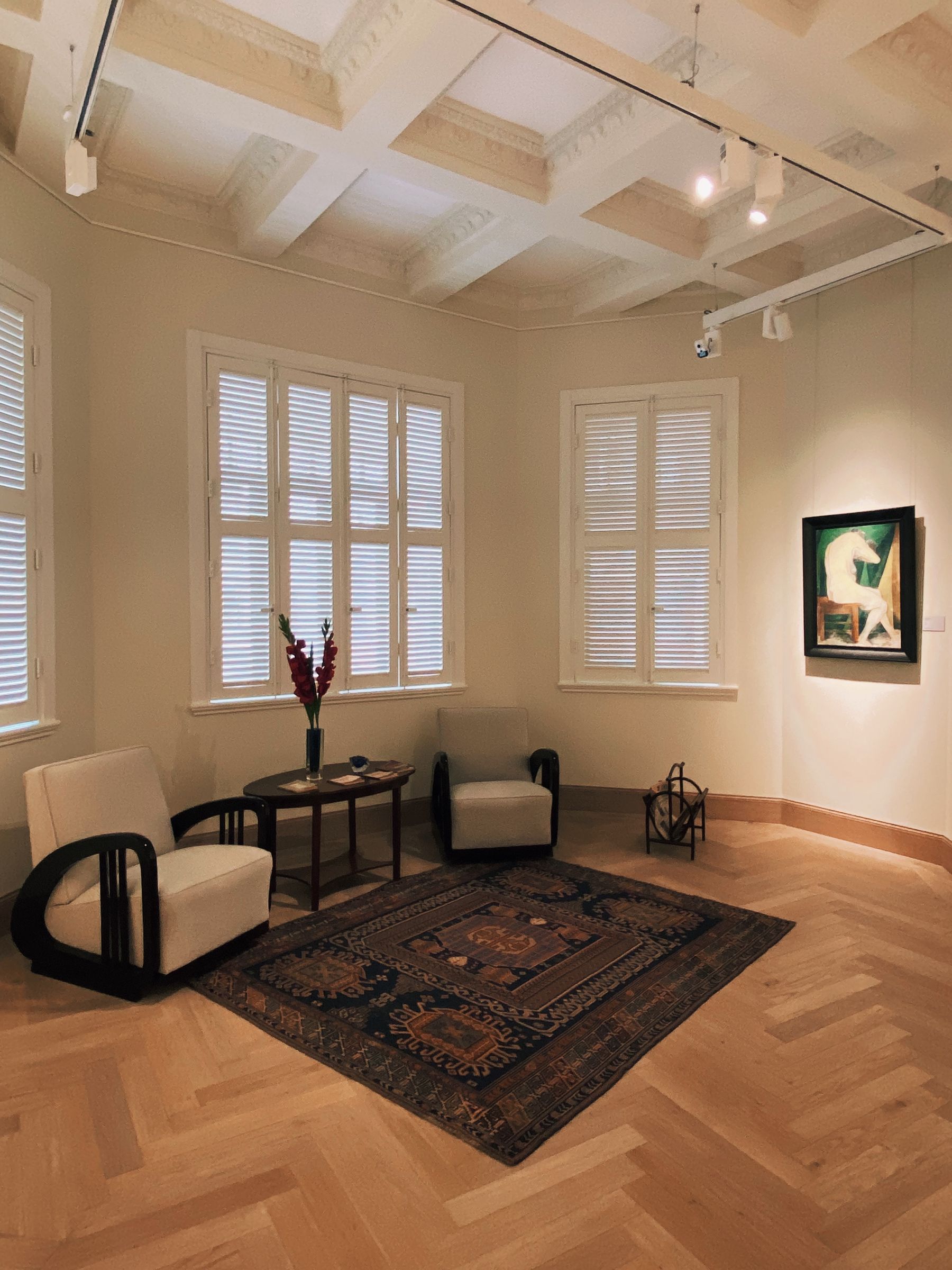
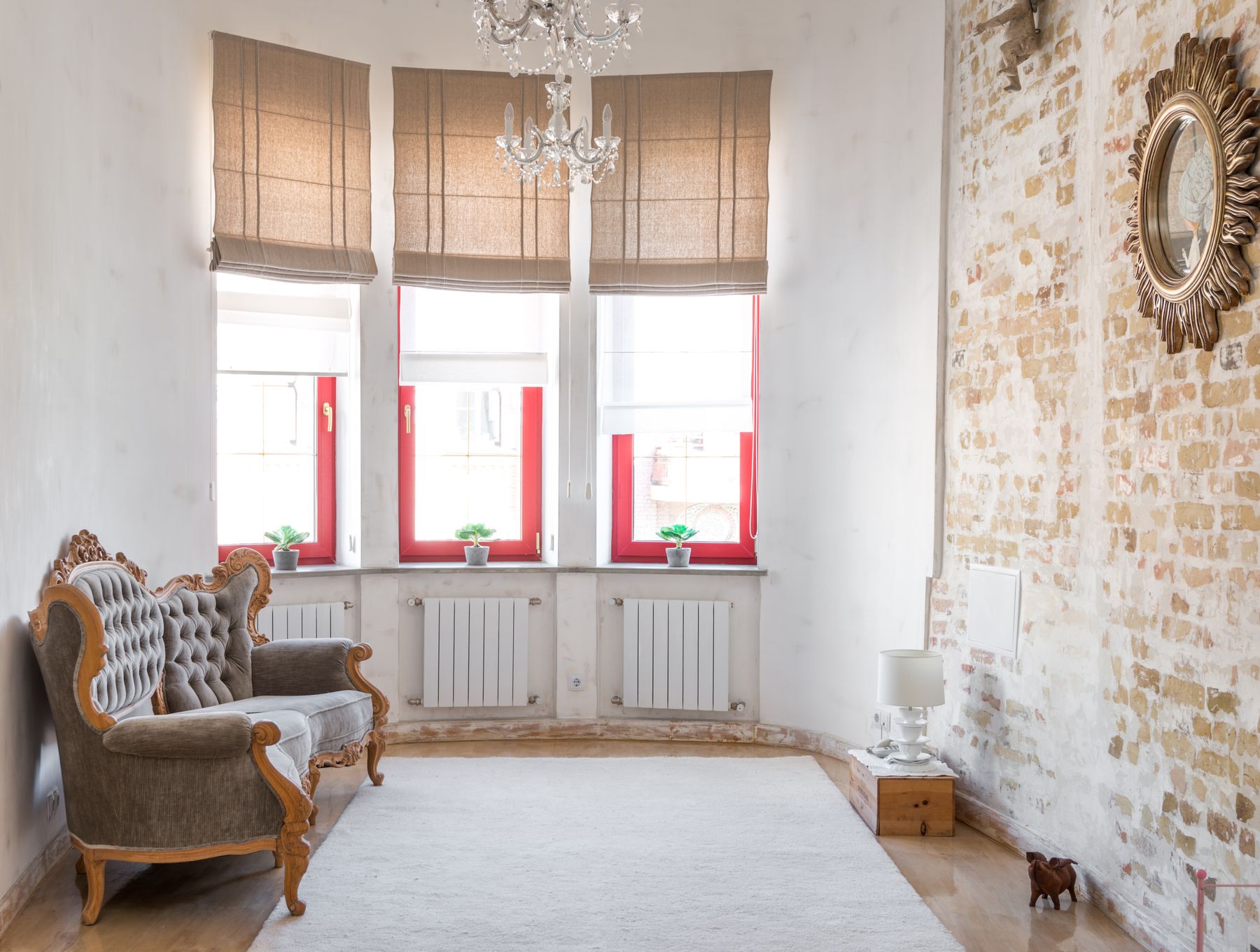
Pair One Useful Antique With Cleaner Companions
French country does not require every object to be old. Select one antique for a real job—a cupboard for games, a table for tea, a chair that can be properly restored—then support it with quieter contemporary pieces. Inspect structure, finish, pests, odor, glass, hardware and repair history before purchase, and budget for work that makes the item safe and usable. This is where [Vintage Living Room Ideas](/living-room/vintage-living-room-ideas/) offers deeper sourcing guidance. The room should show continuity, not a dealer showroom: an excellent old object gains presence when the sofa, lighting and circulation simply work.
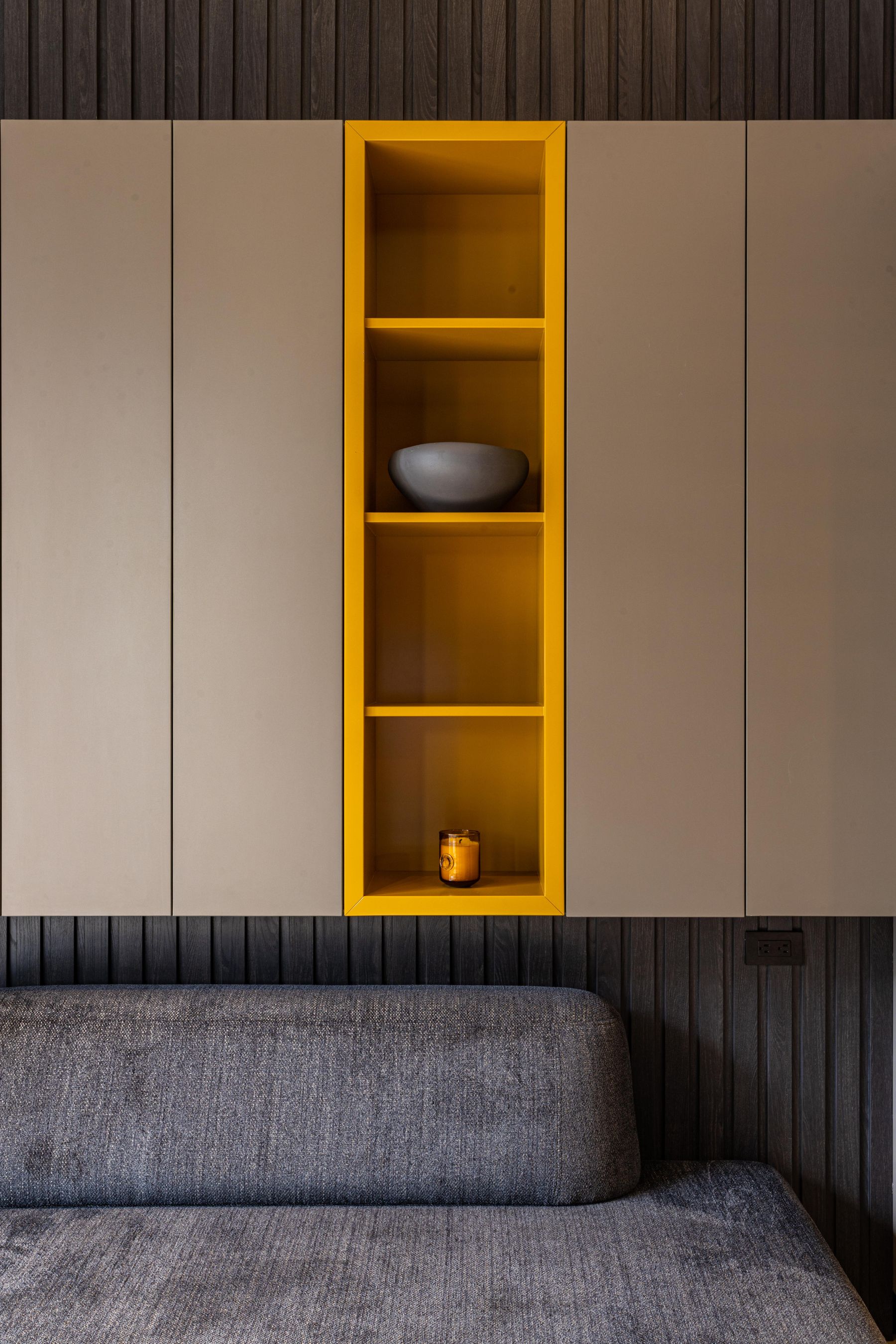
Let One Armoire Contain the Clutter
Armoires, buffets and open shelves can quickly turn French country into a perimeter of furniture. Inventory what belongs in the room and concentrate most storage in one primary piece, with a smaller table or basket handling items used at the seat. Preserve at least one open wall where plaster color, art or a shaped chair can register. If built-ins are necessary, keep their proportions related to the architecture rather than imitating a farmhouse hutch. Closed storage is appropriate for packaging and equipment; open display should be limited to objects that are used, meaningful or compositionally strong.
Keep the Edit Legible at Modest Scale
In a compact room, reduce the number of signals rather than shrinking every traditional element. Choose one shaped chair or painted cupboard, one broad color field and one controlled pattern. Keep the sofa depth appropriate, protect the main route and use tables that can move. An oversized armoire, deep bergère and full curtains may each be beautiful but cannot all claim the same limited floor. Let pale mineral color and a warm floor establish atmosphere while the furniture stays practical. The result can still feel distinctly French country because the contrast between rural ground and refined line survives the edit.
Create the Look Without Altering the Architecture
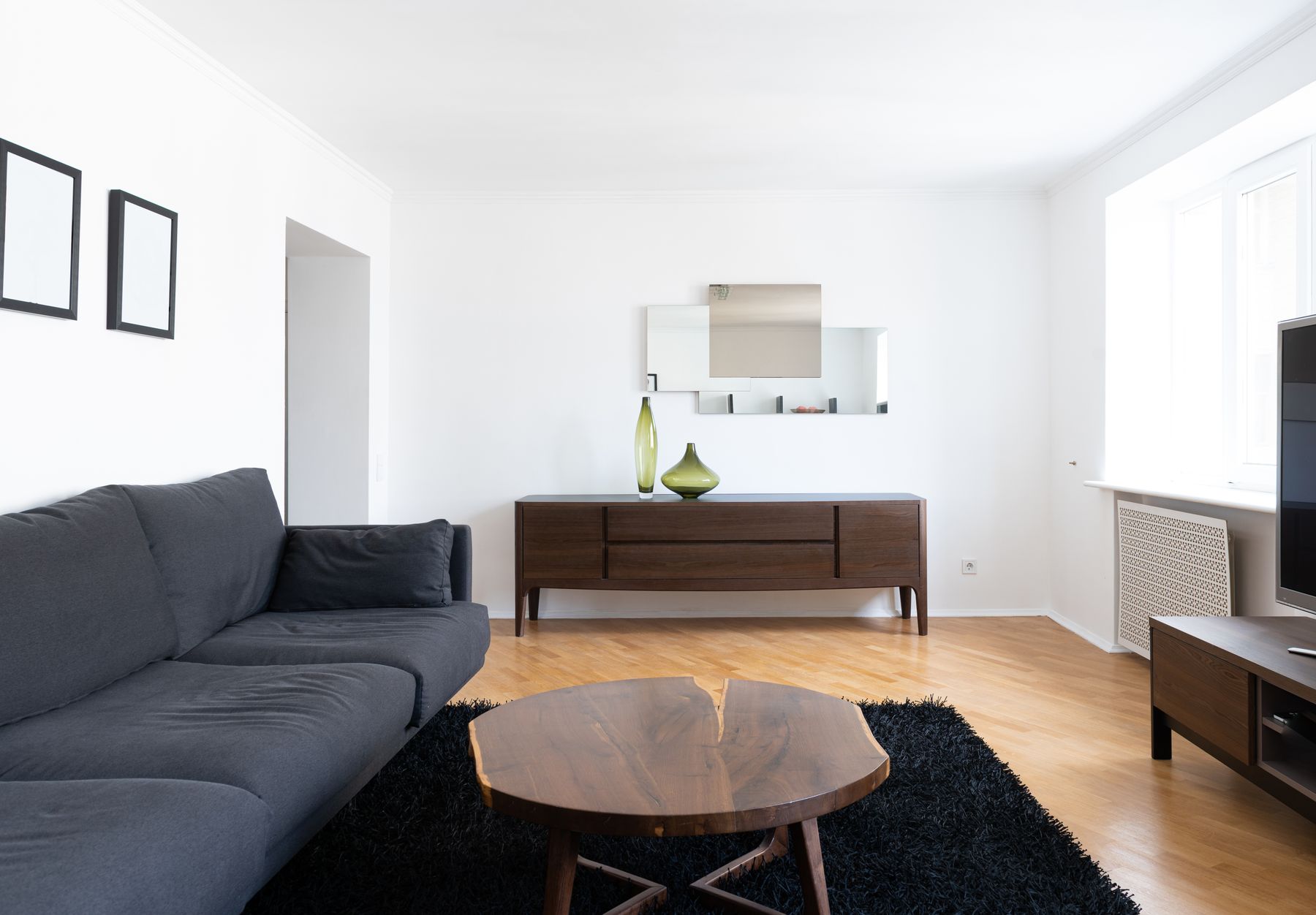
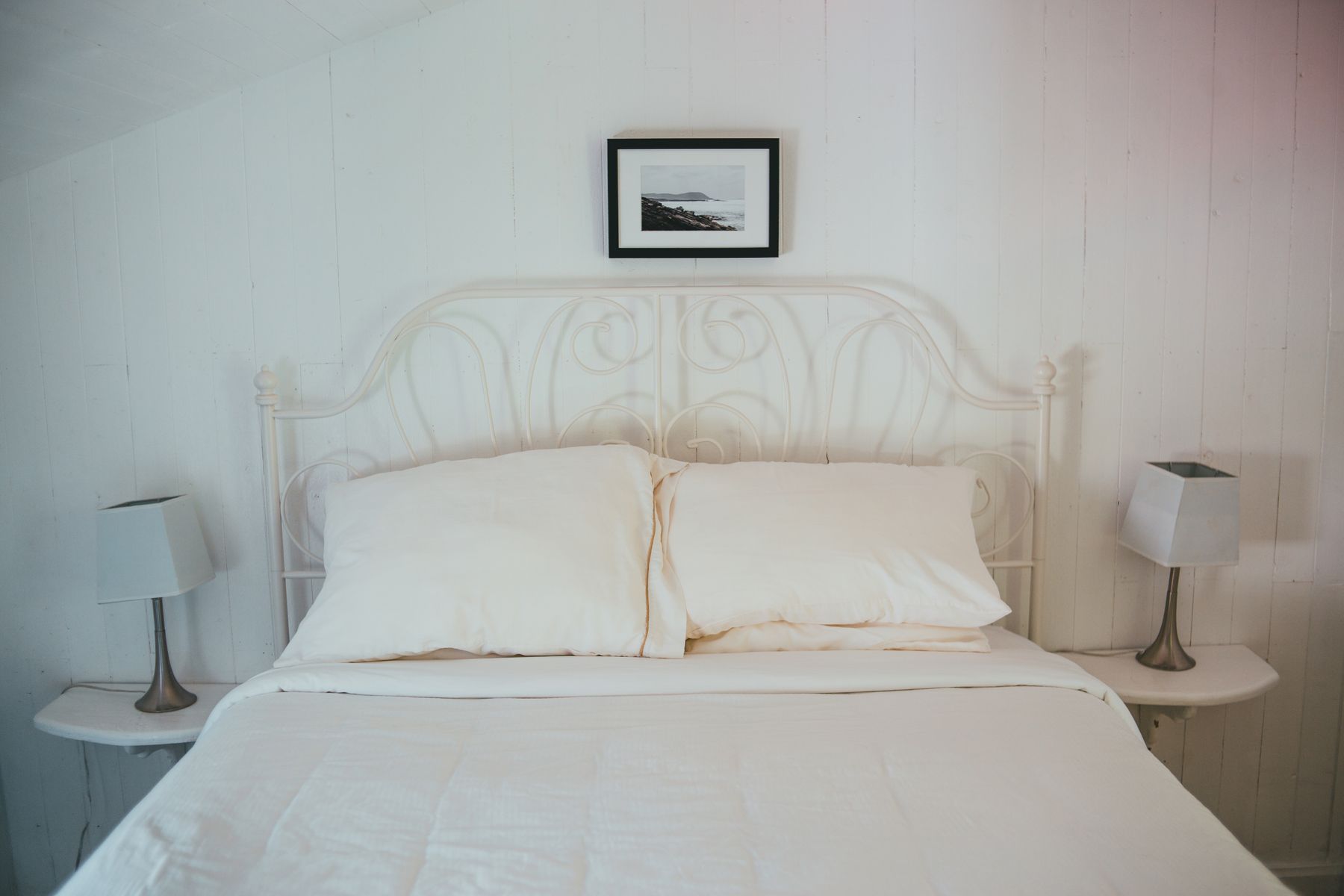
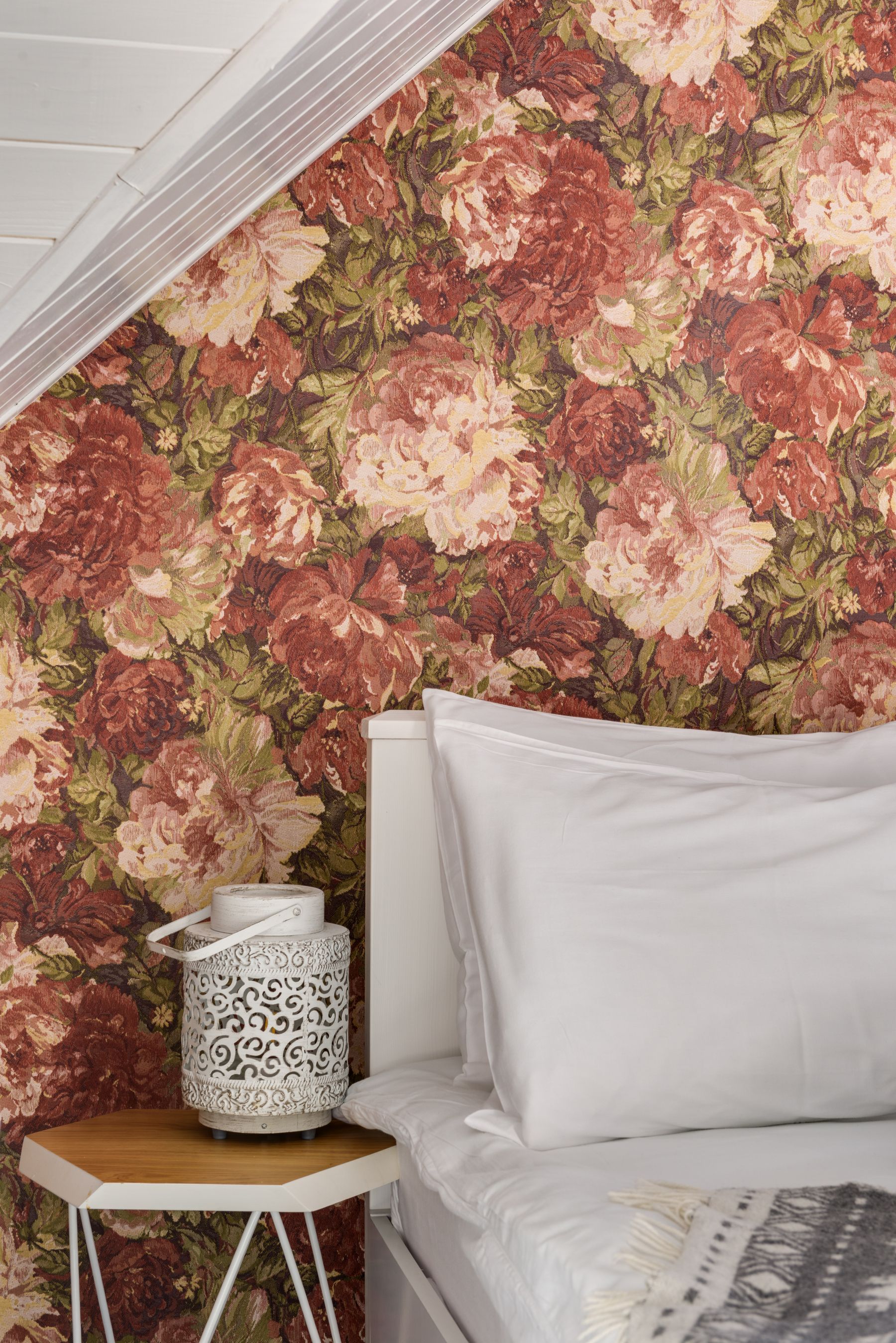
A rental can support French country through full-length curtains where permitted, a large faded rug, one painted freestanding cabinet, warm shaded lamps and an upholstered chair with a clear silhouette. Removable wallpaper may work on one bounded plane when the substrate and lease allow it, but fake beams, foam stone and decorative shutters usually create more fiction than character. Keep original surfaces visible where they are sound and let movable materials create the contrast. Confirm fixing, electrical, fire and lease requirements before installing anything. Reversible should still feel deliberate: a single large gesture has more authority than many small themed purchases.
Translate the Style Into a Modern Shell
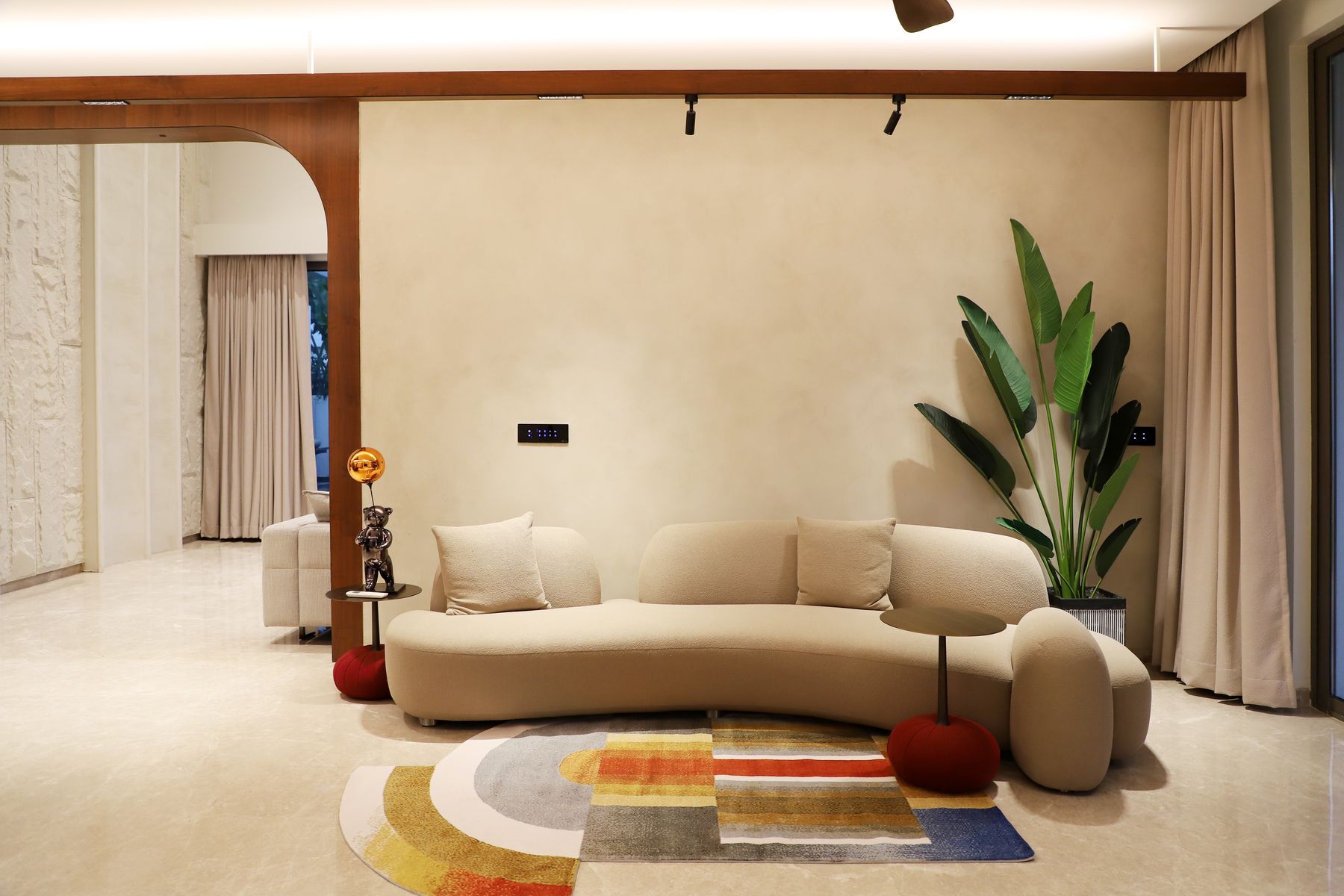
A modern French country living room should simplify the vocabulary, not erase it. Retain one graceful curve, one mineral or clay-toned field, a useful timber piece and a textile with restrained regional reference. Use clean joinery and contemporary comfort where they improve life. Do not add reproduction molding, beams or stone veneer when the shell has no architectural reason for them. A curved modern sofa can answer the line of a provincial chair; a plain plaster-toned wall can replace faux ageing; a bold abstract work can prevent nostalgia from becoming sealed. Modernization succeeds when the rural-refined tension remains visible.
Adapt the Material Story to the Actual Climate
Terracotta, shutters, linen and cool stone respond differently in a humid summer, a heated northern winter and an air-conditioned apartment. Select finishes for the real moisture, temperature, sun and cleaning conditions instead of assuming a Provençal material package travels unchanged. Cold floors may need zoned rugs or appropriate underfloor planning; intense sun can fade textile; heavy curtains can interfere with ventilation or heat sources. Use local materials that deliver similar color, texture and aging behavior when literal imports are impractical. The goal is not to simulate French weather but to preserve the relationship between mineral ground, filtered light and comfortable occupation.
Apply the Provincial Credibility Test
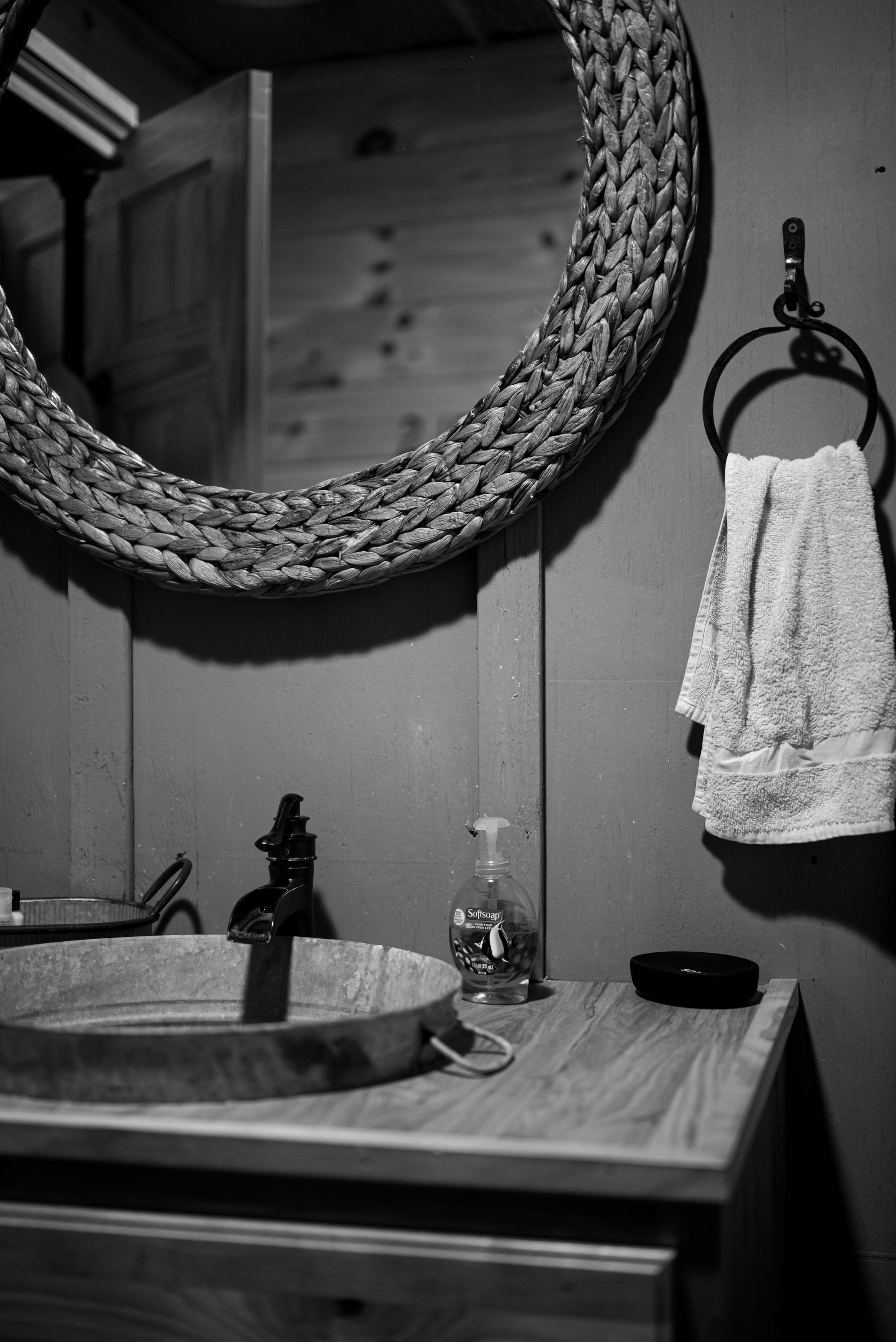
Remove every object whose only job is to announce France: scripted signs, miniature Eiffel Towers, roosters, lavender bundles and coordinated toile accessories. Then remove one decorative curve and one small display group. If the room still reads through warm mineral color, rural material, a graceful useful silhouette, controlled pattern and a credible garden or light relationship, the concept is strong. If it disappears, return to the architecture and furniture rather than replacing the props. This final edit also keeps the room distinct from Cottage, Traditional and Parisian styles: it is cultivated but relaxed, provincial rather than urban, and specific without becoming costume.