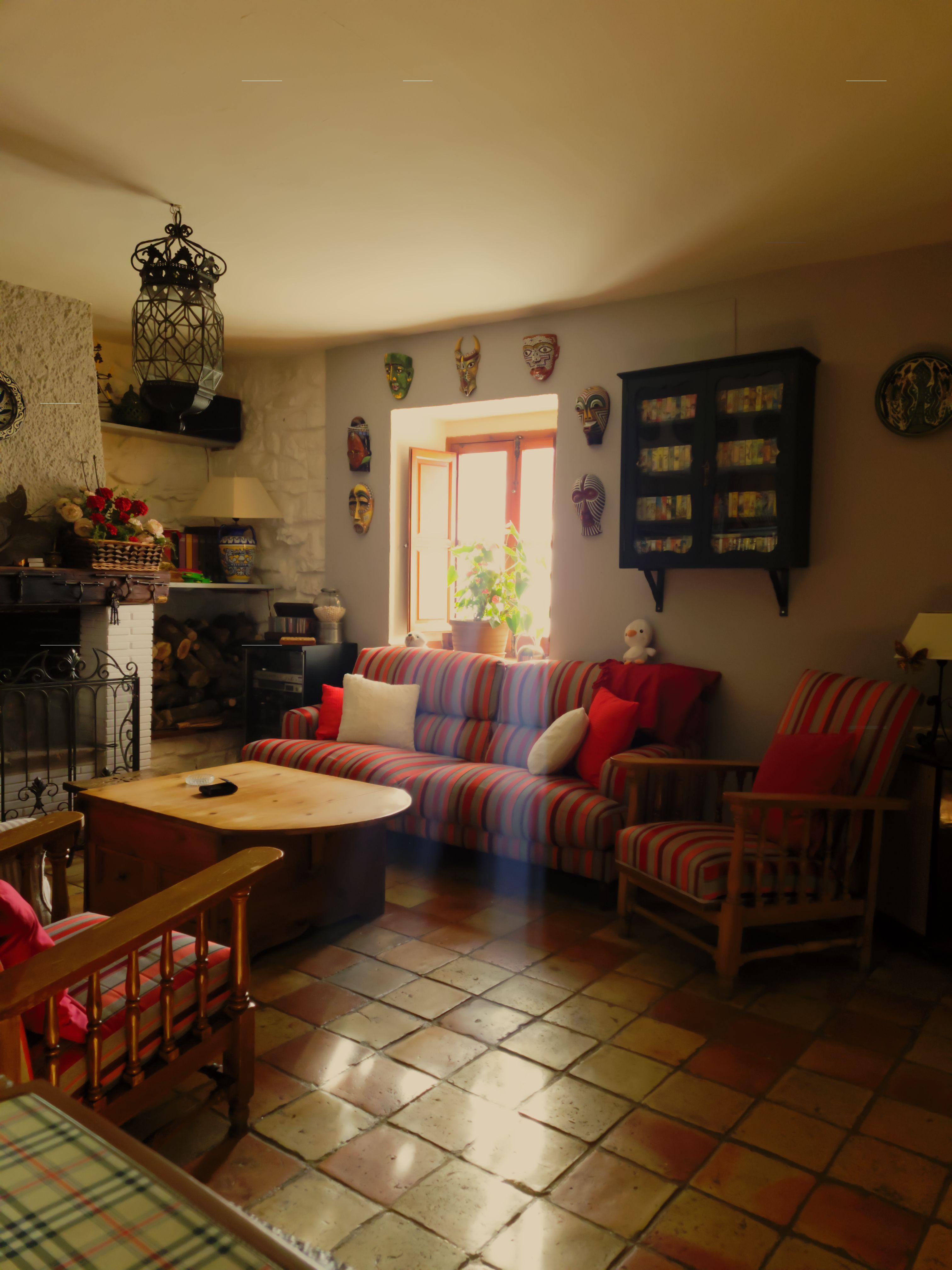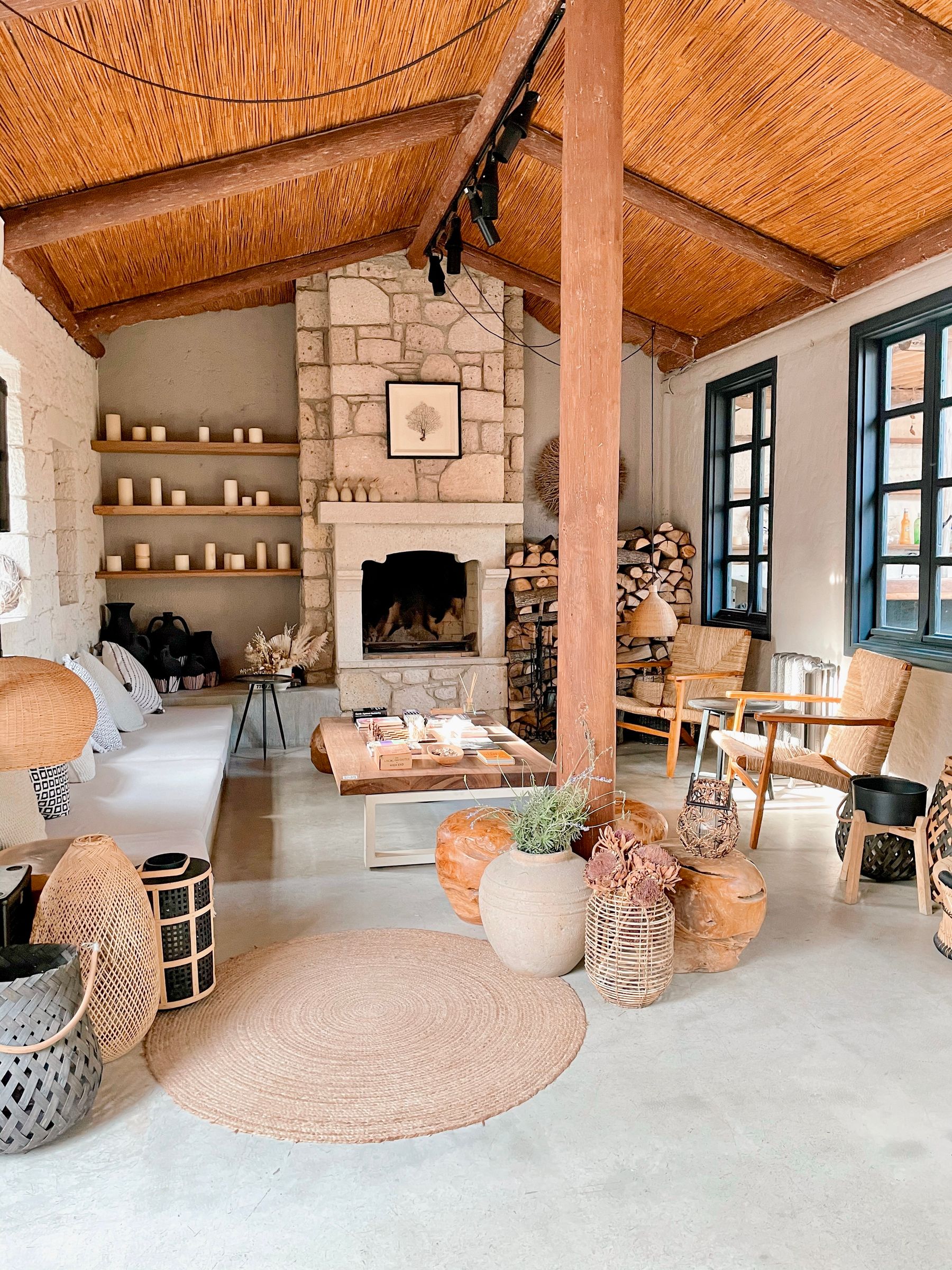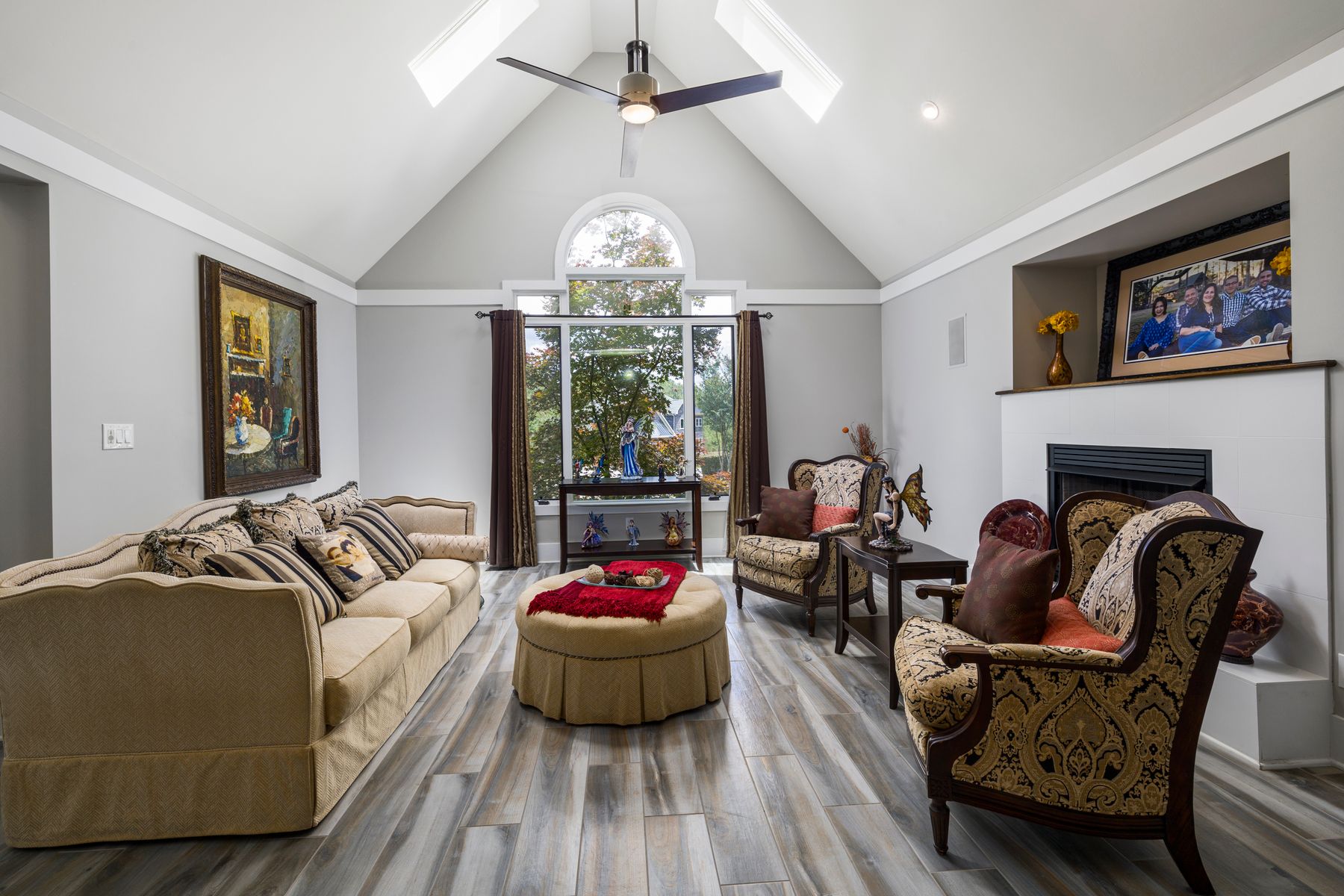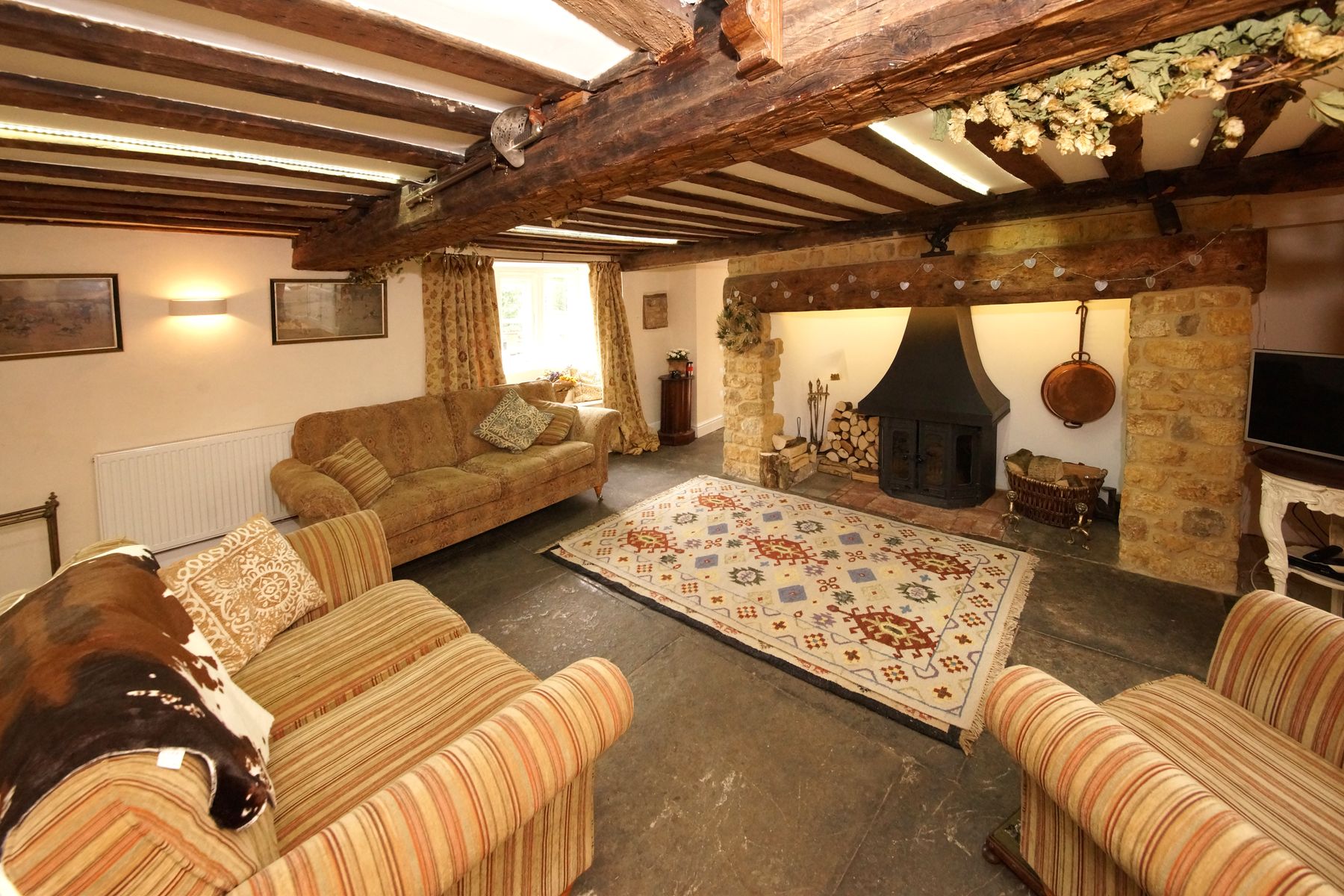
Define Country Through Place, Use and Time
Country is an umbrella for interiors shaped by local building traditions, domestic craft, landscape and the gradual mixing of generations. It differs from [Farmhouse Living Room Ideas](/living-room/farmhouse-living-room-ideas/), where utility and working-house logic lead; [Rustic Living Room Ideas](/living-room/rustic-living-room-ideas/) gives more weight to raw timber, stone and material ruggedness; cottage style often depends on intimate scale, alcoves and close pattern; traditional style can be historically ordered without feeling rural. A country room may borrow from all four, but its central question is whether the room feels connected to a believable place and household. Remove the gingham, basket and distressed sign: the layout, color, furniture and objects should still suggest continuity.
Choose a Country Lane Before Mixing References
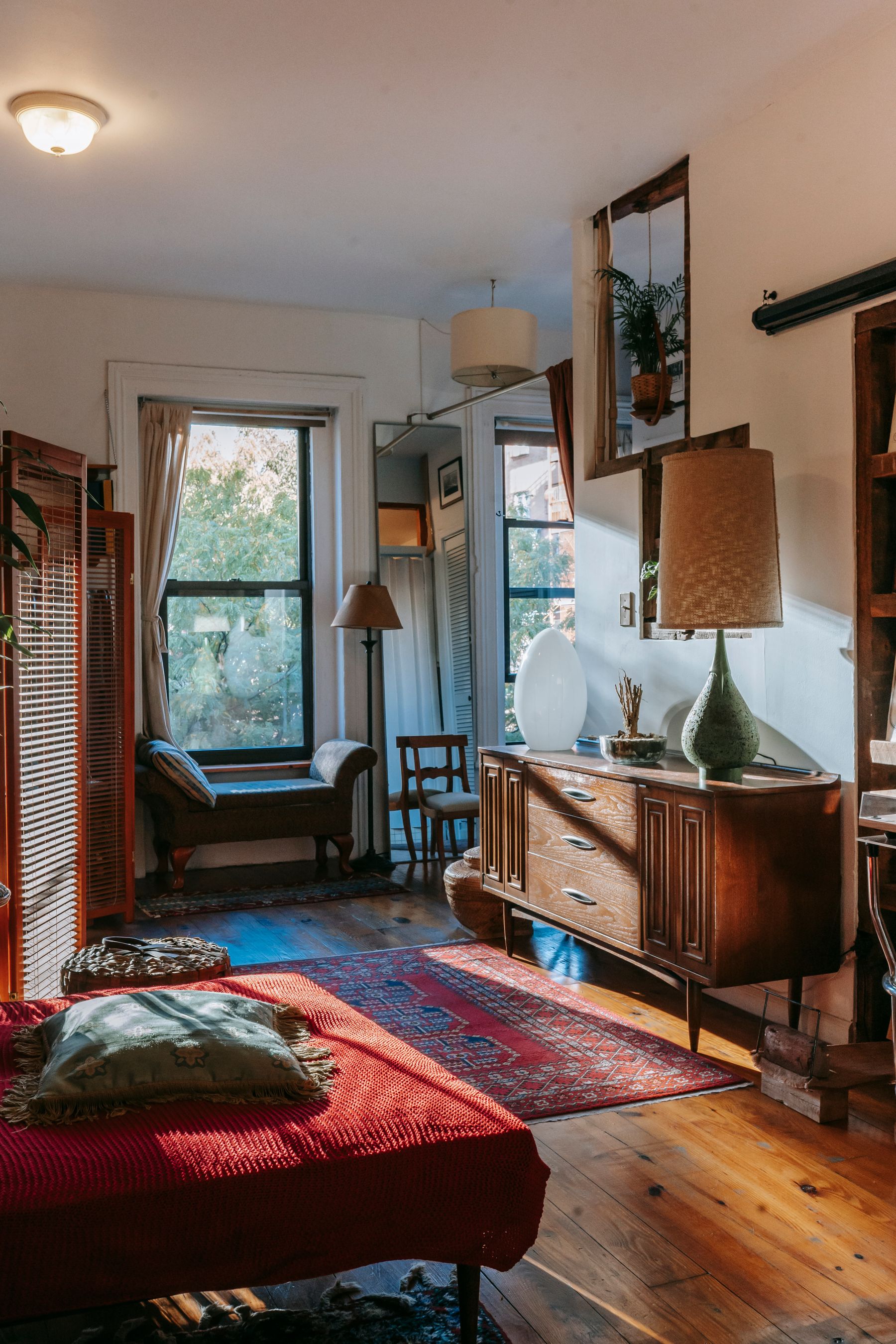
English country may combine brown furniture, chintz, wool, botanical color and a relaxed formal room; American country can use painted furniture, quilts, practical case goods and simpler vernacular forms; French country often introduces pale plaster, curves, checks and elegant worn timber; Nordic or continental country may be quieter, lighter and more restrained. Modern country edits any of these routes with plainer upholstery and fewer objects. Select one as the lead and one secondary influence only when the architecture supports it. Mixing a Tuscan urn, New England star quilt, French cabriole chair, tartan throw and Scandinavian bench because each is rural produces geography without meaning.
Read the View, Weather and Building Before the Mood Board
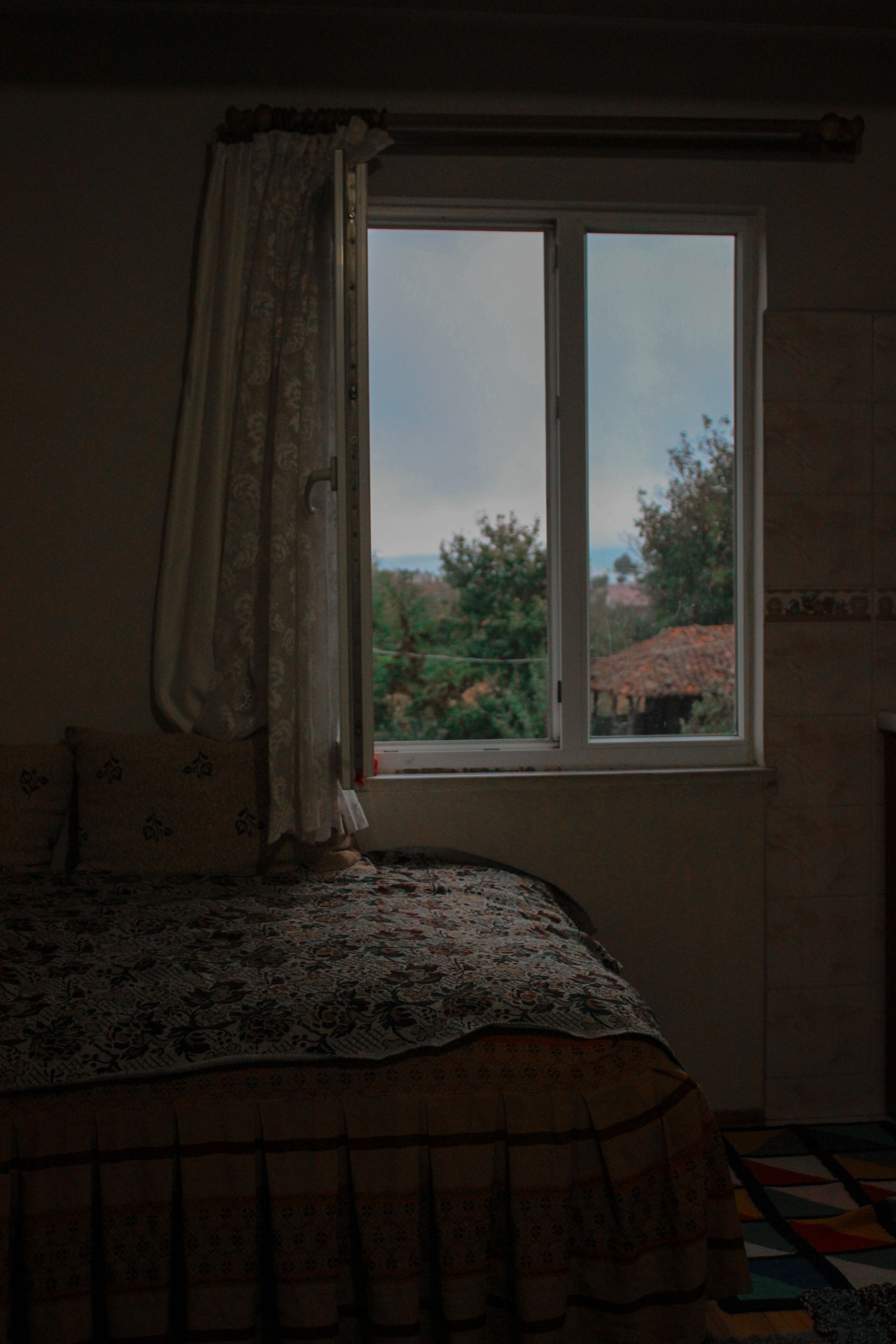
Stand at the window in morning, afternoon and the usual evening hour. Note the color of soil, stone, bark, roof, hedge and sky; then note how much of that view is actually visible from a seated position. A damp green setting may support tobacco, lichen and berry, while a dry pale landscape may make ochre, chalk and faded blue feel more truthful. The building adds another layer: red brick, honey stone, white plaster and dark timber each set a different undertone. Do not force a cool grey country palette onto a warm stone room or assume every rural view calls for sage. The room should converse with the setting without copying it literally.
Translate the Landscape With One Indoor Counterpoint
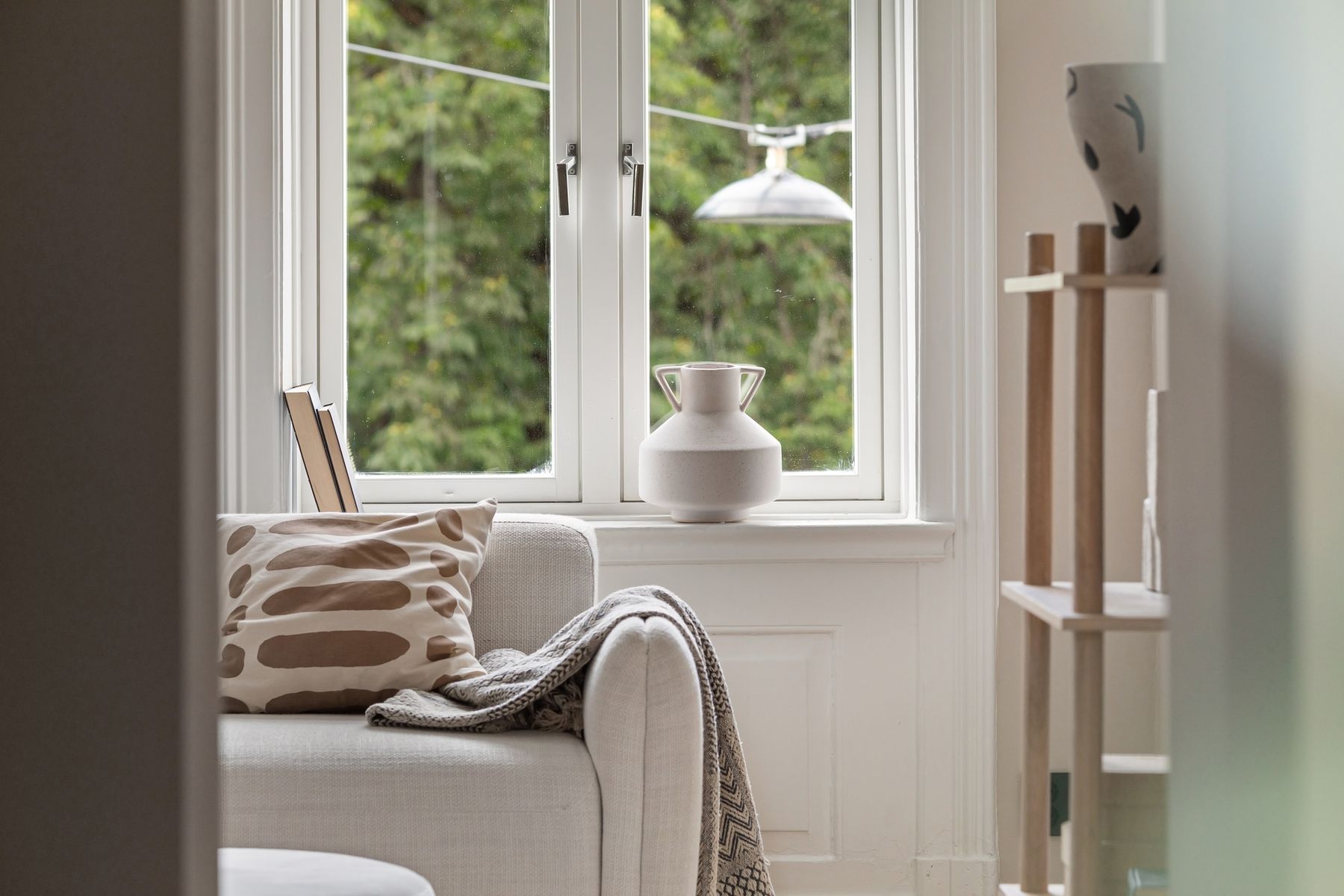
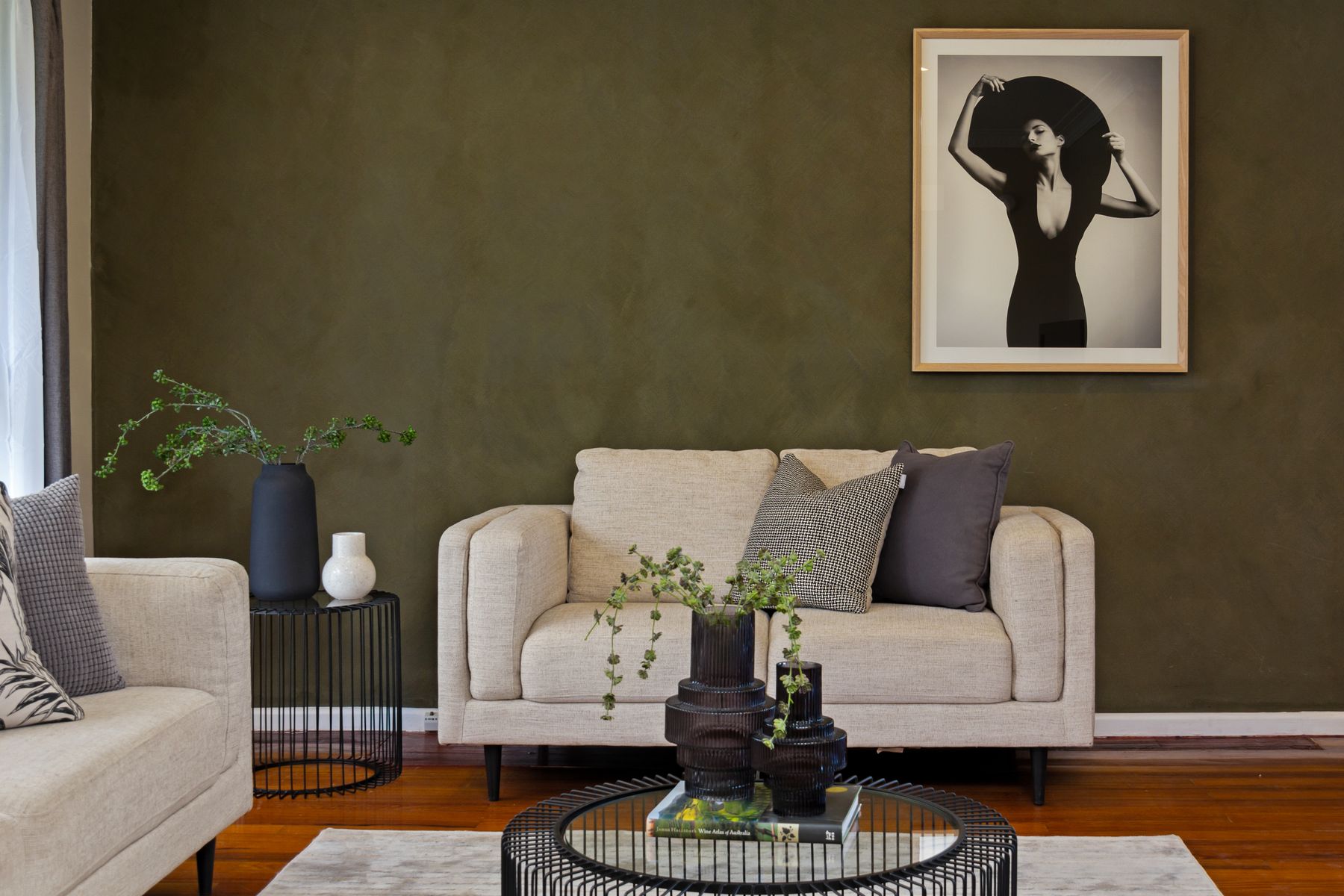
Use the local color family as a base, then add an indoor counterpoint that makes the room hospitable in another season. Olive walls may need berry, tobacco or faded blue; chalky plaster may need dark timber and oxblood; warm stone may benefit from a cool green textile. Avoid matching every object to the view, because the room will lose depth and may feel bleak when the landscape changes. Separate the palette into fixed background, large upholstery, patterned textile and small high-chroma note. Test all four beside the window and under the actual lamps. Country color should look accumulated across materials, not ordered as a paint-card suite.
Use Pattern as Domestic Continuity, Not Decoration
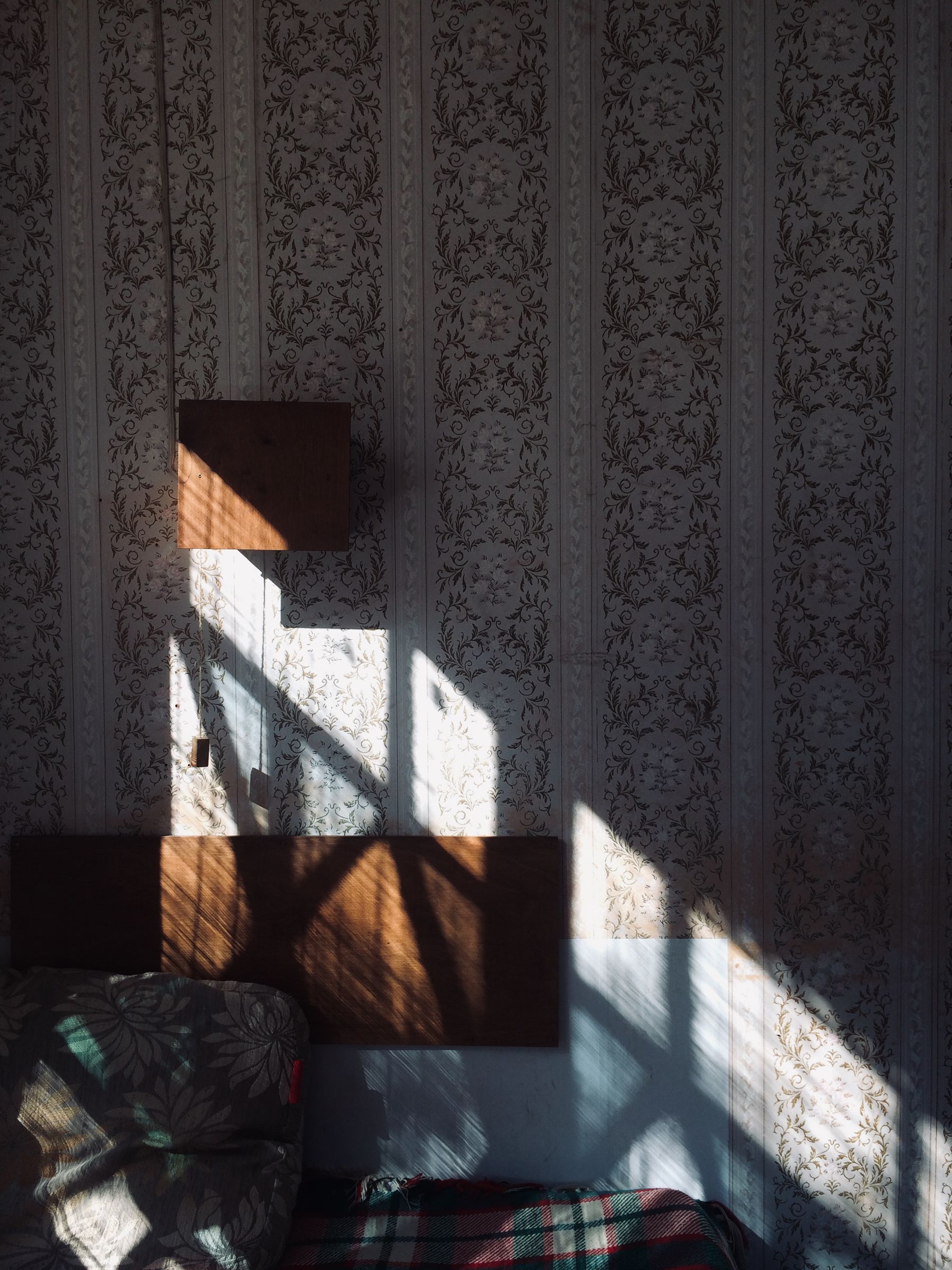
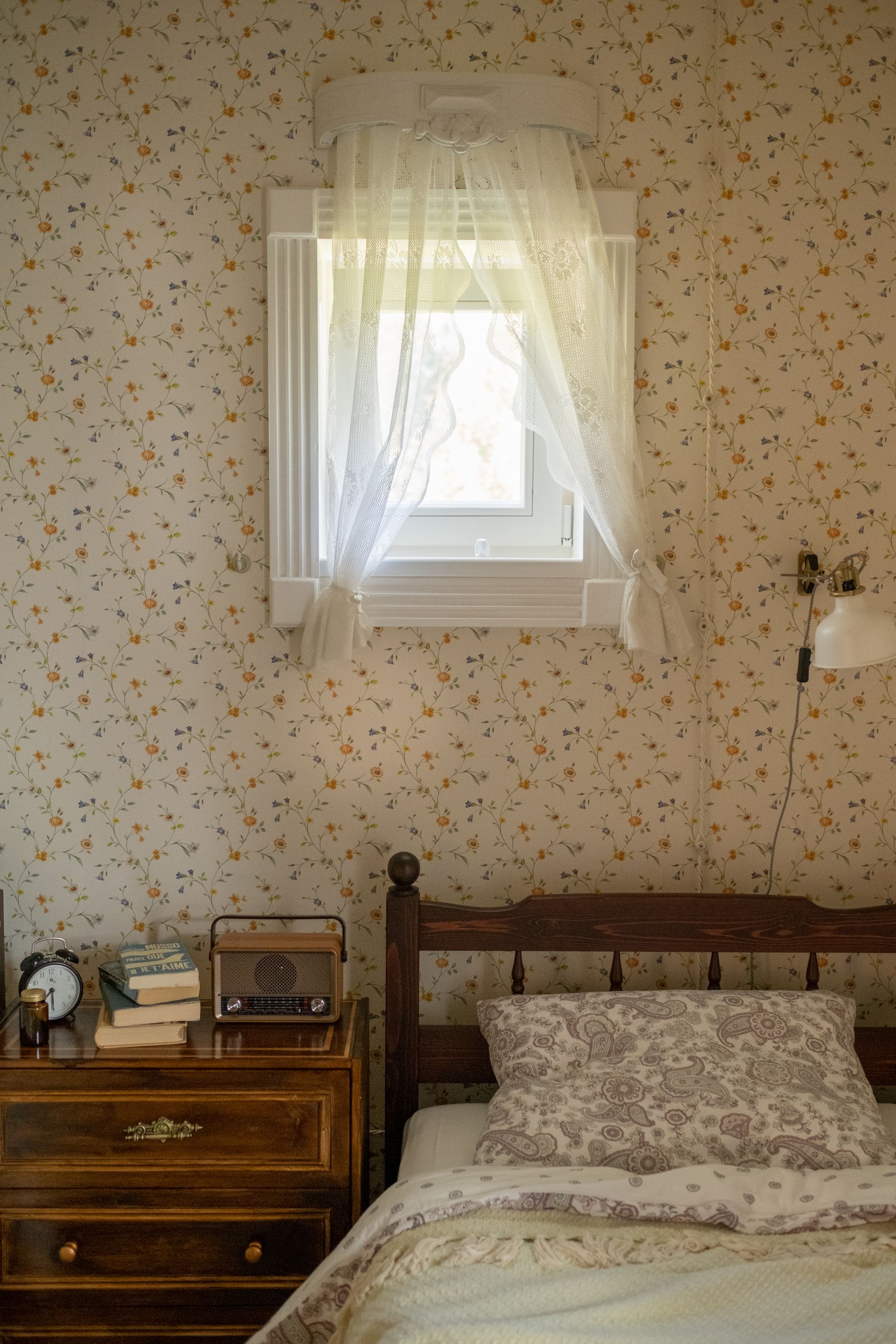
Country pattern often carries memory: a floral curtain, checked chair, striped cushion or small printed shade may resemble textiles used and replaced over generations. Give the room one lead pattern, one supporting geometry and one near-solid texture. Change scale as well as motif: a broad botanical can live with a medium check and a fine stripe, while three small florals create visual noise. Repeat one background or accent color so the fabrics acknowledge each other without matching. Toile, tartan and gingham are options, not proof of authenticity. Their value depends on the chosen regional lane, the room's scale and the personal associations they carry.
Frame the Outlook for Changing Weather
Curtains in a country room can frame landscape, control glare, reduce drafts, soften acoustics and carry the lead pattern. Choose fullness and lining according to the real window rather than a romantic image. Heavy interlining may help an exposed old opening but overwhelm a small warm room; a loose unlined floral may feel charming yet fade rapidly in strong sun. Keep radiators, vents and damp-prone reveals clear, and make sure fabric does not drag across a working hearth route. In a low room, hanging near the ceiling can give calm verticality, but do not conceal historic trim that deserves to remain visible.
Make the Hearth a Social Place, Not a Styling Shelf
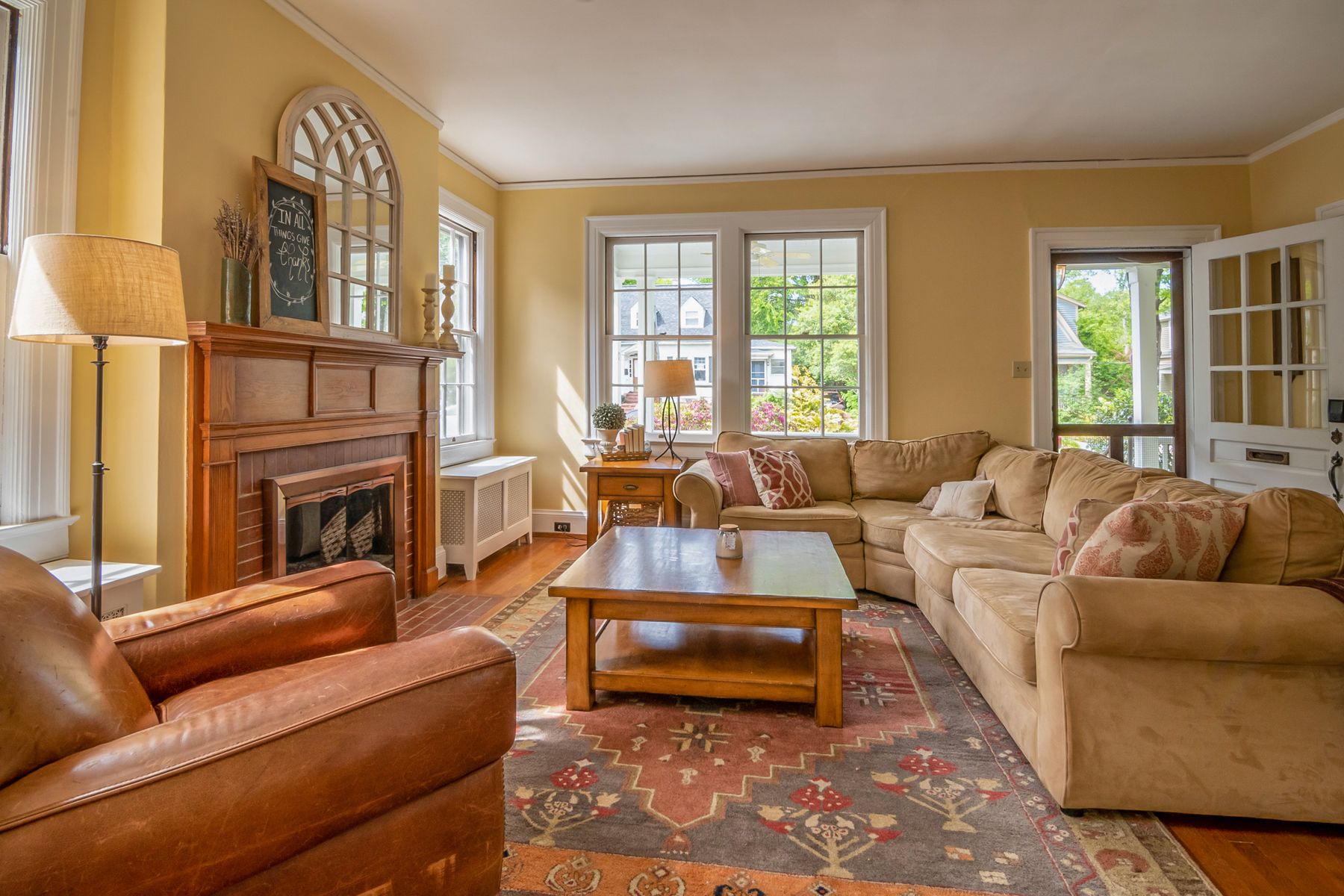
The country hearth may be stone, brick, painted timber or a modest stove rather than a grand architectural fireplace. Give it a practical role in the seating plan: chairs should share warmth and conversation without becoming a rigid row facing the fire. Establish clearances, guard requirements, ventilation, fuel storage and service access with appropriate local guidance before placing textiles or furniture. Edit the mantel to a few pieces that can tolerate the conditions and be cleaned. If the opening is unused, keep the treatment honest rather than filling it with unsafe candles or a false grate. A basket of logs is meaningful only when the fuel is actually dry, contained and used.
Invite the Long Visit
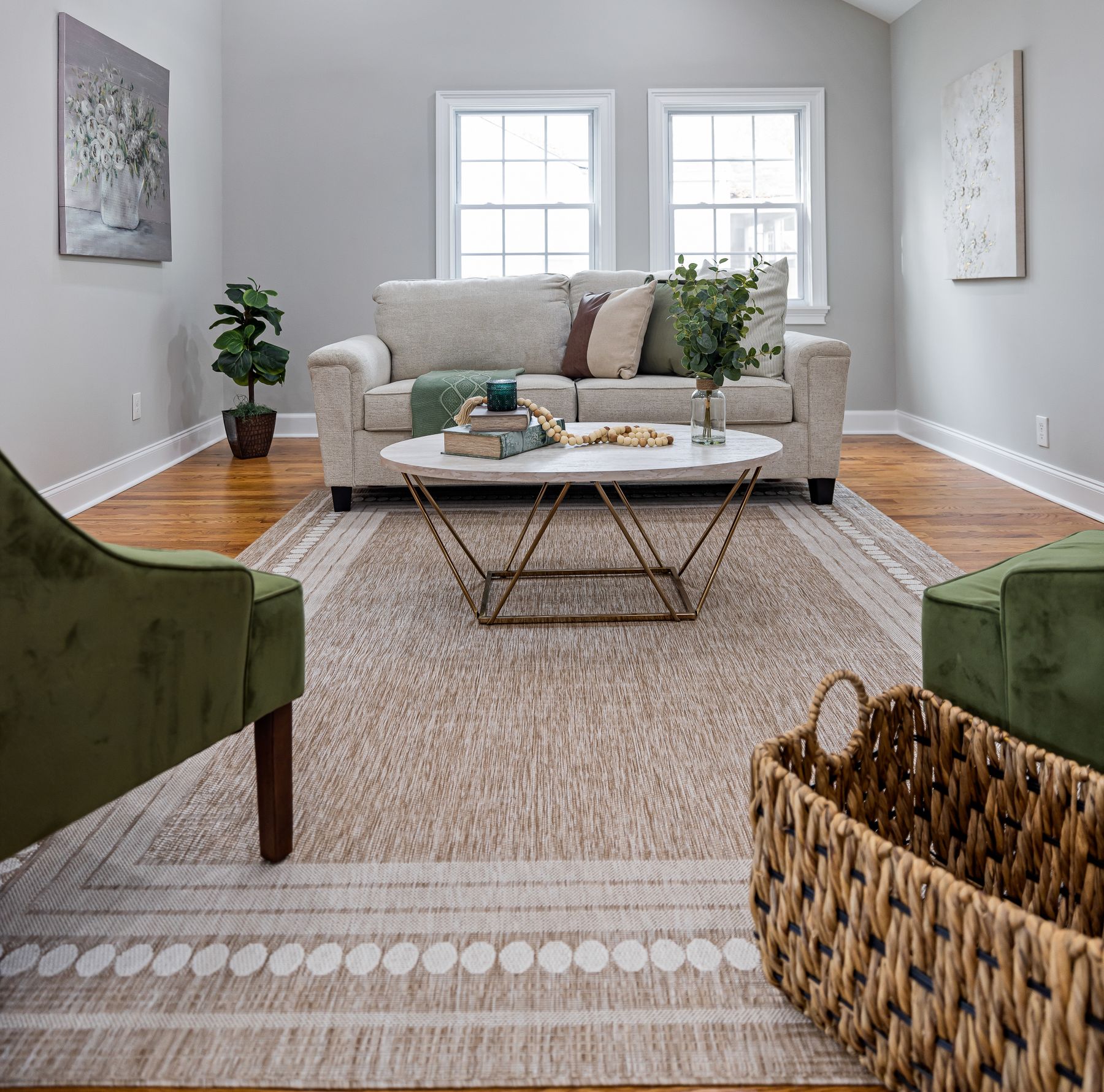
Country rooms often look most believable with a sofa and unlike chairs rather than a suite, but difference is not an excuse for weak ergonomics. Match seat heights and firmness to the people who use them, then angle the pieces toward one another around a reachable table. Let one chair face the view or fire slightly more directly, provided it remains part of the group. Keep the main walking route outside the conversation area and avoid lining spare chairs against the wall as decorative evidence. The full-scale spacing tests in [Living Room Layout Ideas](/living-room/living-room-layout-ideas/) help prevent an appealing antique from blocking a door or isolating its sitter.
Give One Old Table the Hardest-Working Job
A scrubbed pine table, gateleg table, chest or sturdy bench can become the room's practical center, but choose the job before admiring the patina. Check height, knee clearance, stability, sharp corners, finish transfer and the effect of cups or heat. A large farmhouse table used only to hold decorative objects will make an ordinary living room feel staged; a smaller old table used for puzzles, tea, work or family meals develops credible wear. Protect significant surfaces appropriately without sealing every mark under a glossy modern coating. [Vintage Living Room Ideas](/living-room/vintage-living-room-ideas/) offers broader sourcing and condition checks.
Balance Brown Furniture With Painted Pieces
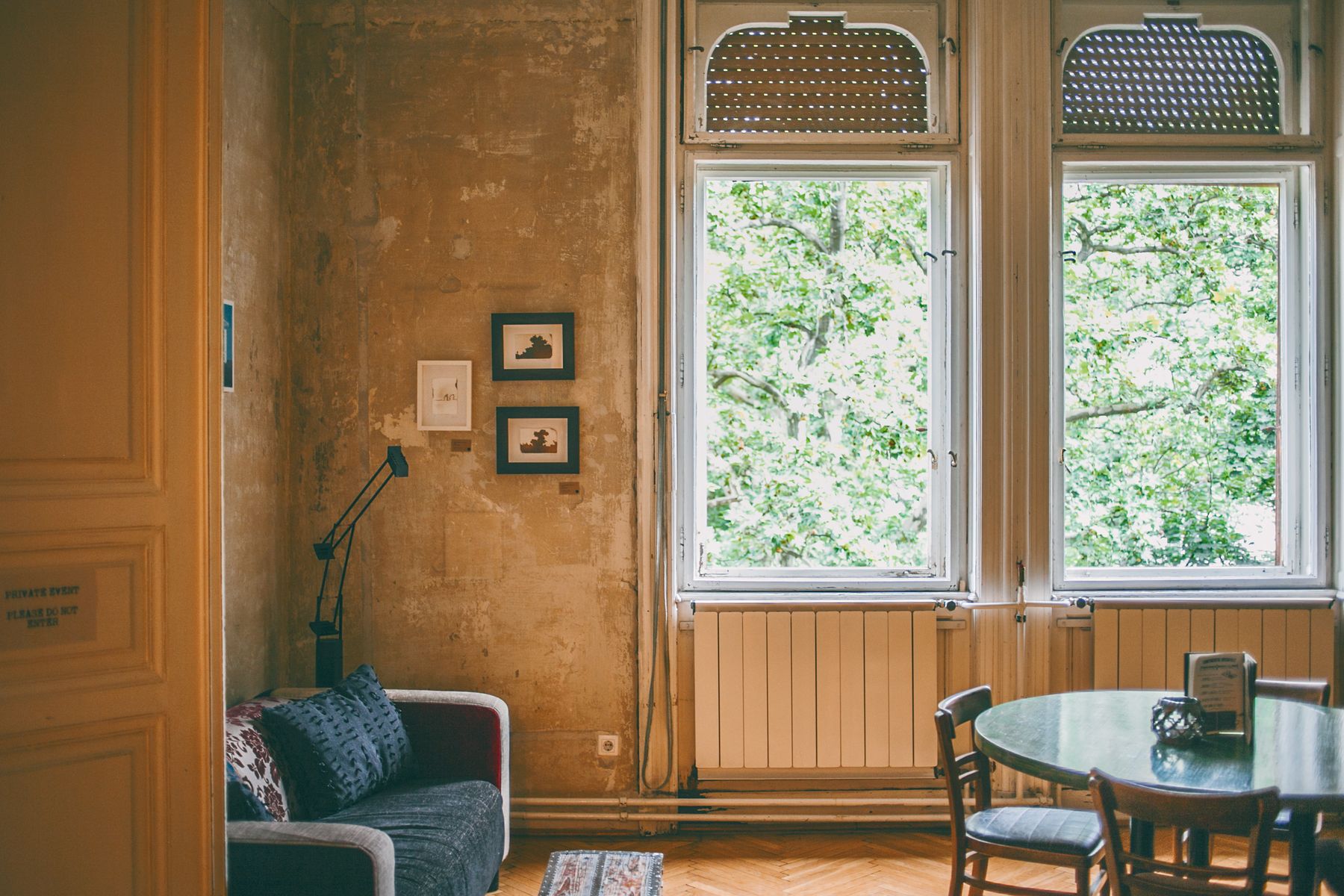
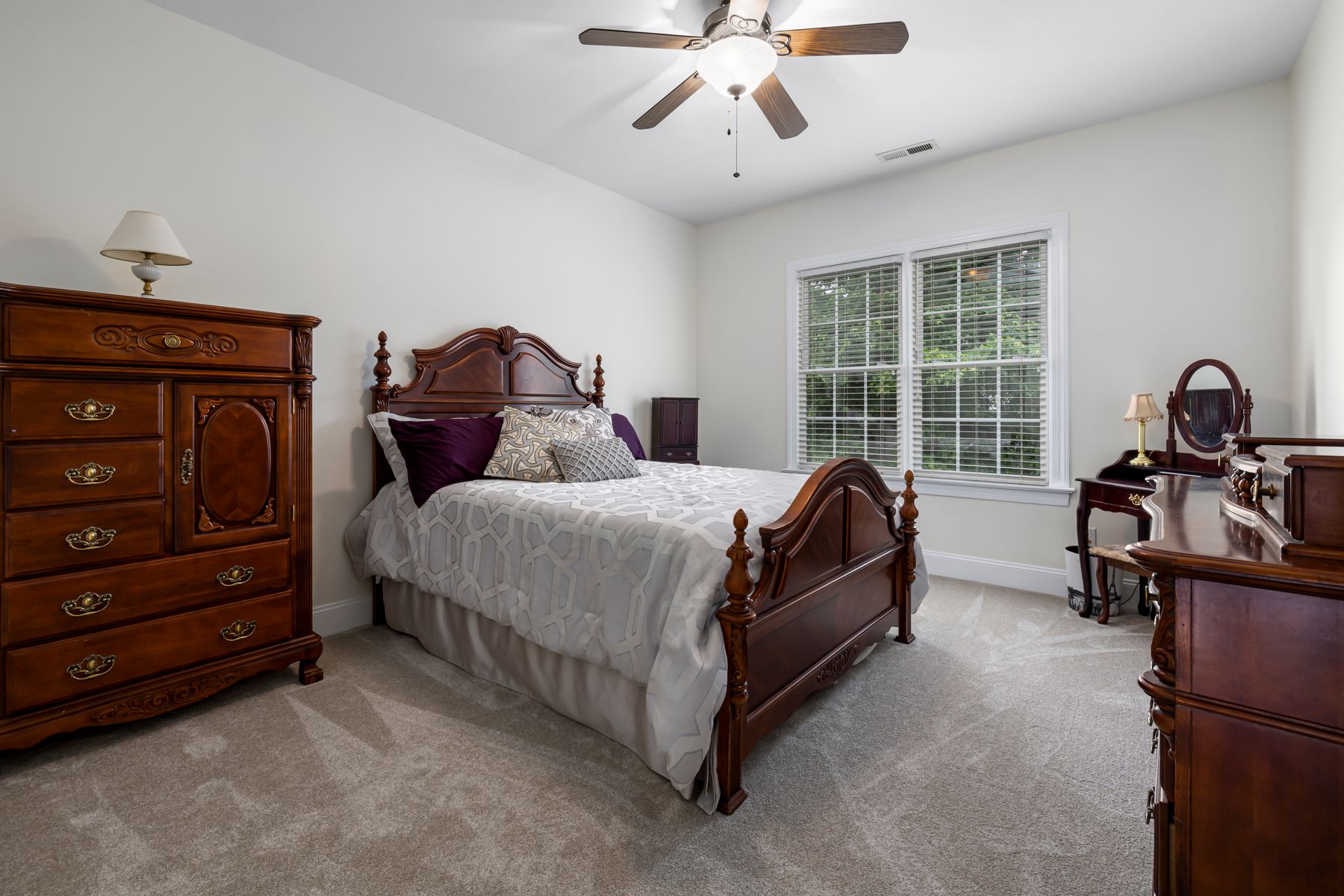
Country rooms can accommodate mahogany, oak, pine and painted furniture because pieces may have arrived at different times. The challenge is hierarchy. Let one wood tone carry visual weight, repeat another only once or twice, and use a painted piece to break a dense run of brown. Do not paint a sound antique merely because current mood boards prefer pale furniture; condition, rarity and future reversibility matter. Equally, an artificially chipped new cabinet is not more authentic than a well-made plain one. Adjust contrast with wall color, rug and upholstery before refinishing useful timber. The result should feel accumulated, not muddy.
Buy Antiques for Work, Provenance and Proportion
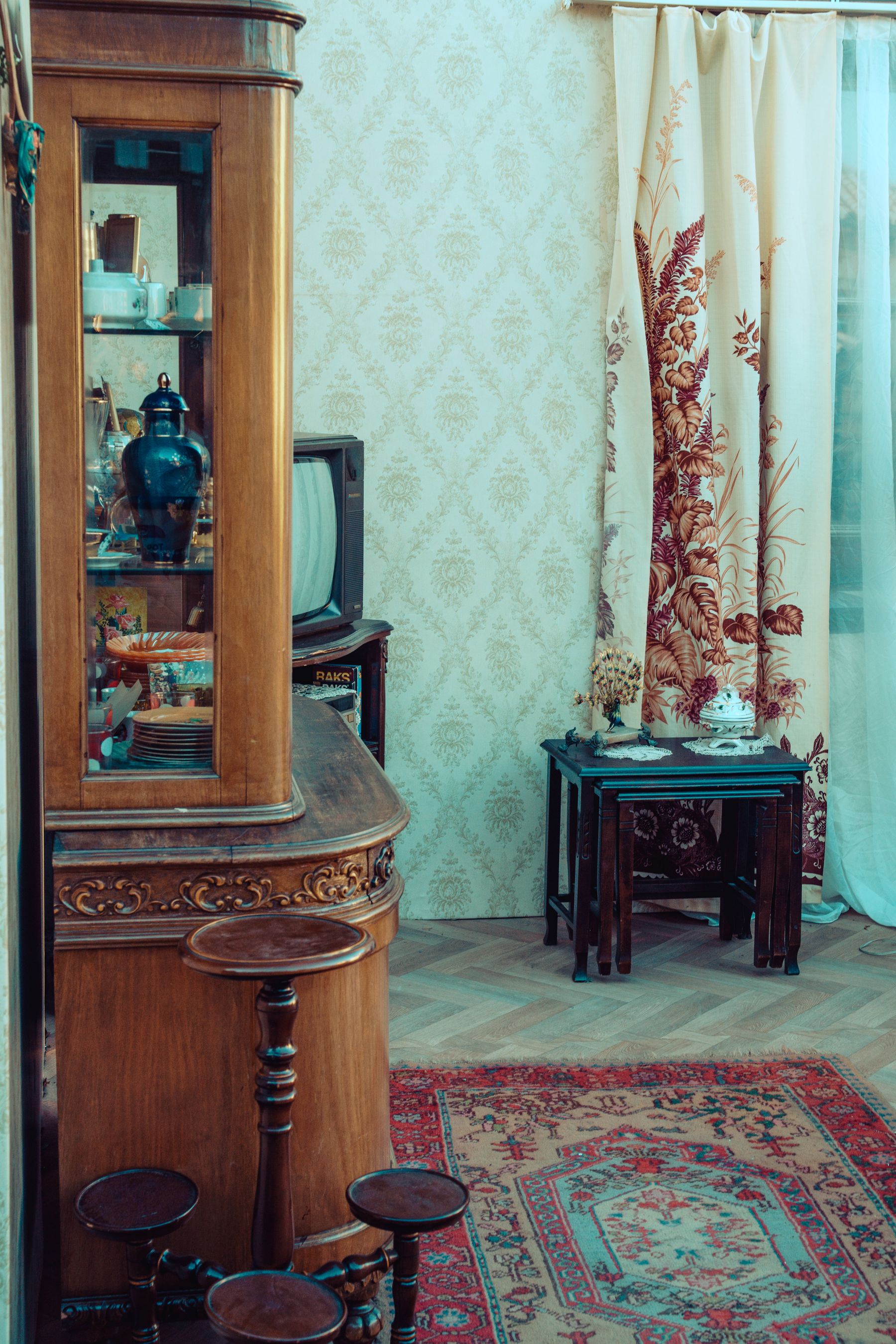
An older piece should pass three tests. It must do a job, have a scale that suits the room and be safe enough to use after appropriate assessment. Ask what is known about its maker or previous context, inspect for movement, pests, odor, flaking coatings, unstable glass and unsuitable past repairs, and avoid confident assumptions about age. Provenance can be a family memory or a reliable dealer record; it is not a fictional story invented to make a purchase feel special. One useful cabinet with genuine wear does more for country character than a room of newly distressed accessories.
Treat Quilts and Needlework as Labor, Not Texture
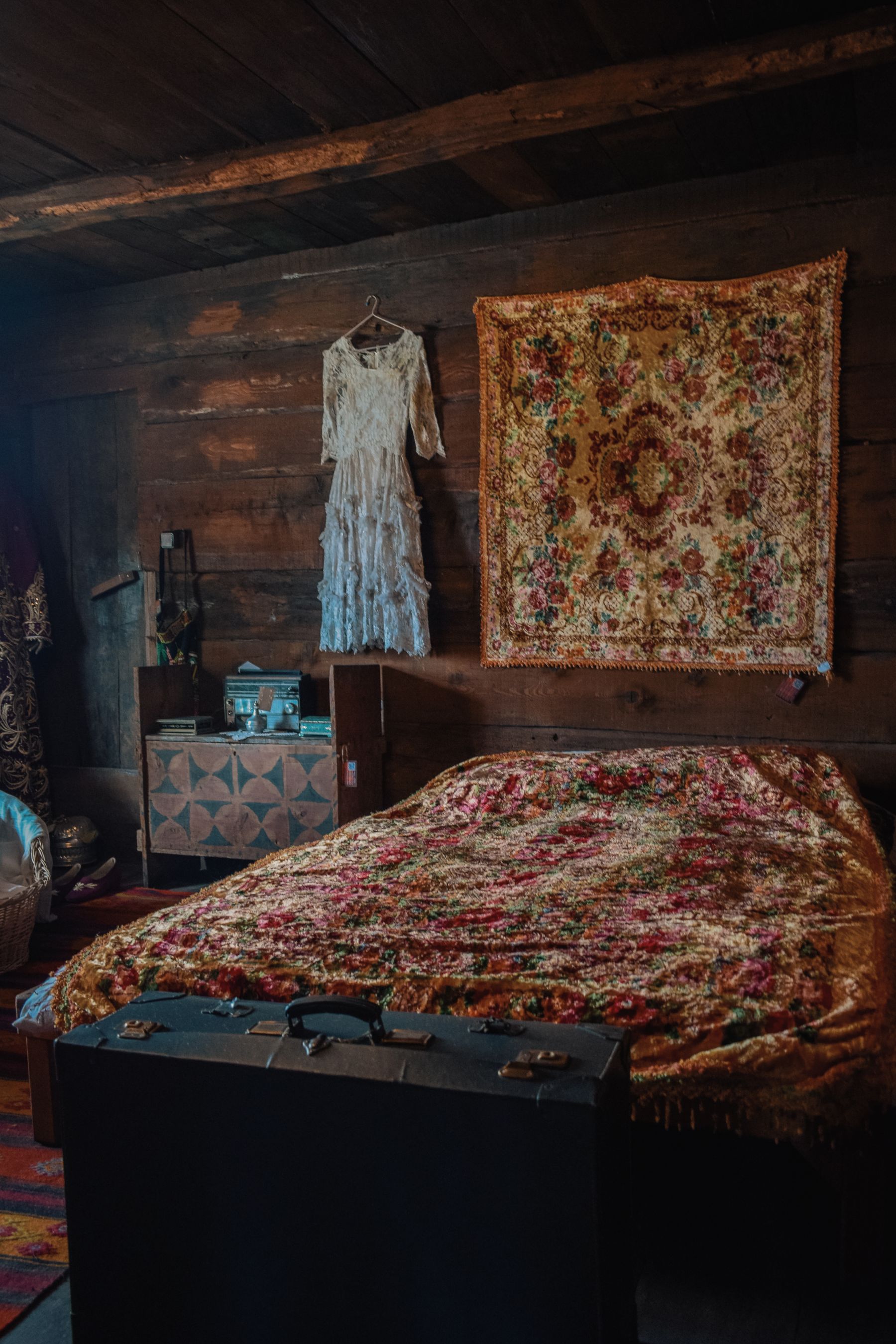
Quilts, embroidery, samplers and woven throws can give a country room personal depth because they embody time and skill. Learn what you can about the maker, fiber, age and condition before hanging or using them. Strong sun, damp walls, rough hooks and repeated folding can damage older textiles; valuable or fragile work may need conservation advice and rotation. Do not buy mass-produced patchwork solely as a rural signal when a contemporary local textile or family-made piece would carry more meaning. The point is not age for its own sake but visible human work. Use one important textile as an image and keep surrounding patterns quiet enough to let it register.
Let Baskets, Ceramics and Books Keep Their Jobs
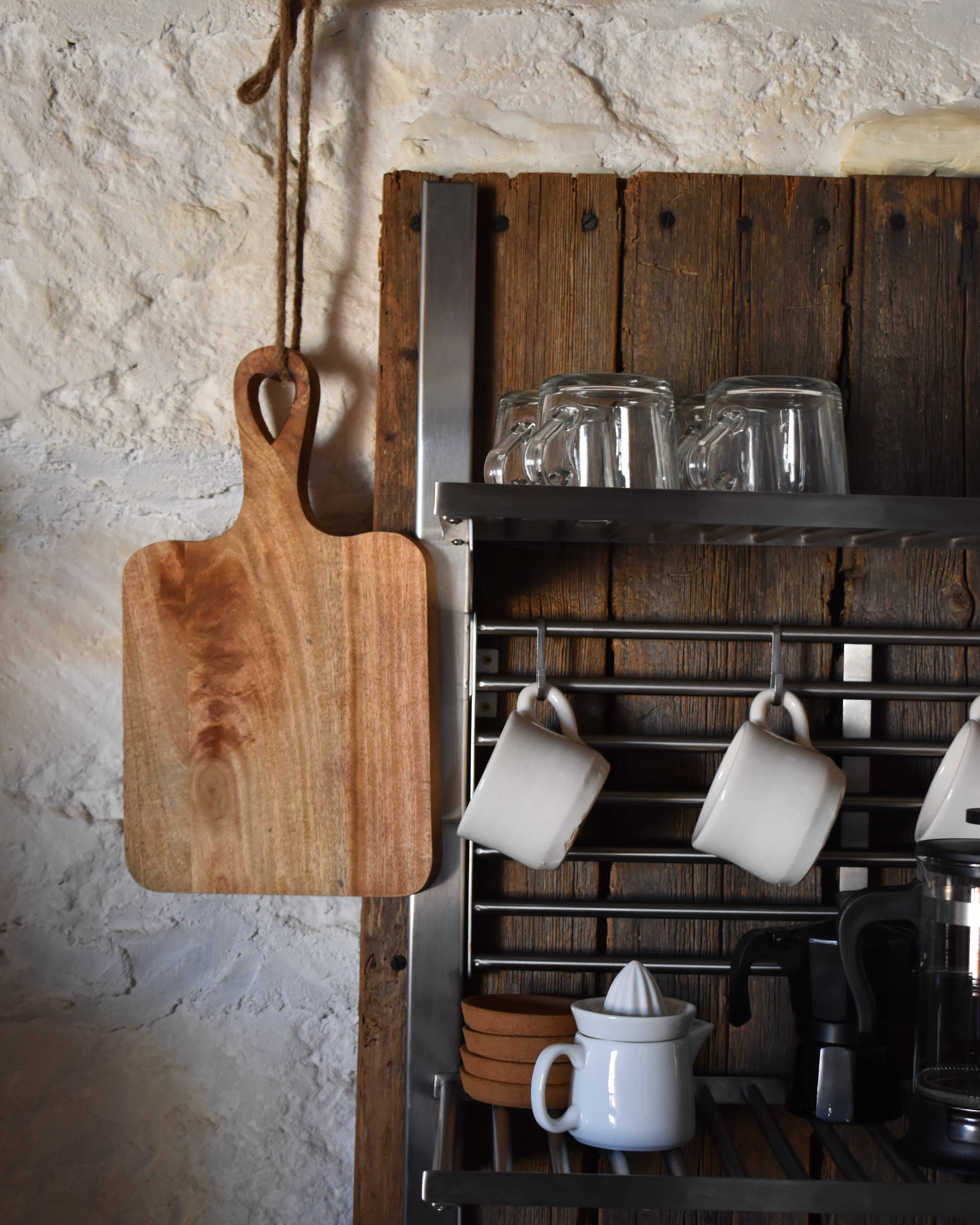
Baskets can hold throws, games or kindling; ceramics can serve tea or collect flowers; books can be read. Grouping useful things by task produces a stronger country composition than scattering them as generic texture. Vary height and leave empty space so shelves remain readable. Inspect old ceramics for chips, uncertain glazes and suitability before food use, and keep heavy objects on stable lower shelves. Baskets need airflow and cleaning, especially near damp exterior walls or a working fire. Contemporary craft can sit beside inherited pieces without weakening the room; a new pot made nearby may connect to place more honestly than a manufactured object designed to look old.
Make the Garden Threshold Part of the Room
A view of hedge, field or garden can be the country room's strongest feature, but the threshold must survive real seasons. Keep the route from door to seating legible, choose a cleanable landing surface and give wet shoes, dog leads or garden cushions a nearby home if the room is a regular entry. Frame the view rather than filling the window with decorative objects. In winter, glazing becomes a dark reflective surface; curtains, a nearby lamp and a strong interior focal point prevent the room from feeling exposed. The garden can supply branches and flowers, but do not turn every season into a compulsory styling event.
Layer the Room for Weather, Not Permanent Winter
Country imagery often freezes the room in autumn, with wool, firelight and dark color everywhere. Design a year-round base, then add removable seasonal layers. A wool throw, lined curtain or deeper cushion cover can support cold months; lighter linen, an uncovered timber surface and a clearer window area may suit summer. Store off-season textiles clean and dry rather than piling every layer into the room. Thermal comfort also depends on drafts, ventilation, shading and the building envelope, which may need qualified advice. [Cozy Living Room Ideas](/living-room/cozy-living-room-ideas/) develops comfort as a complete sensory system; country style adds seasonal place and domestic continuity.
Translate Country-House Scale Into an Ordinary Room
Editorial country houses often have tall windows, deep fireplaces, wide halls and room for multiple seating groups. Copying their furniture count into a suburban or urban living room creates congestion, not atmosphere. Translate rather than miniaturize: one patterned chair can stand in for a pair, one useful cabinet for a bank of joinery, and one strong curtain fabric for several layered treatments. Keep at least one area of empty wall or floor so the collection can breathe. [Small Living Room Ideas](/living-room/small-living-room-ideas/) provides route and scale tests; the country task is to preserve evidence of place without pretending the room has a different architecture.

Modern Country Without Invented History
A new build does not need foam beams, faux stone or deliberately damaged furniture to earn country character. Start with warm, quiet background surfaces; use honest timber where construction or furniture genuinely calls for it; introduce one older working piece, one regional or handmade textile and a landscape-informed color. Keep contemporary seating if it fits the household and let its plainness give craft and pattern room to register. Avoid a row of black industrial lights or white shiplap merely because they are sold as modern farmhouse. New work should look well made now and be capable of aging well later.
Integrate Television Without Building a False Mantel
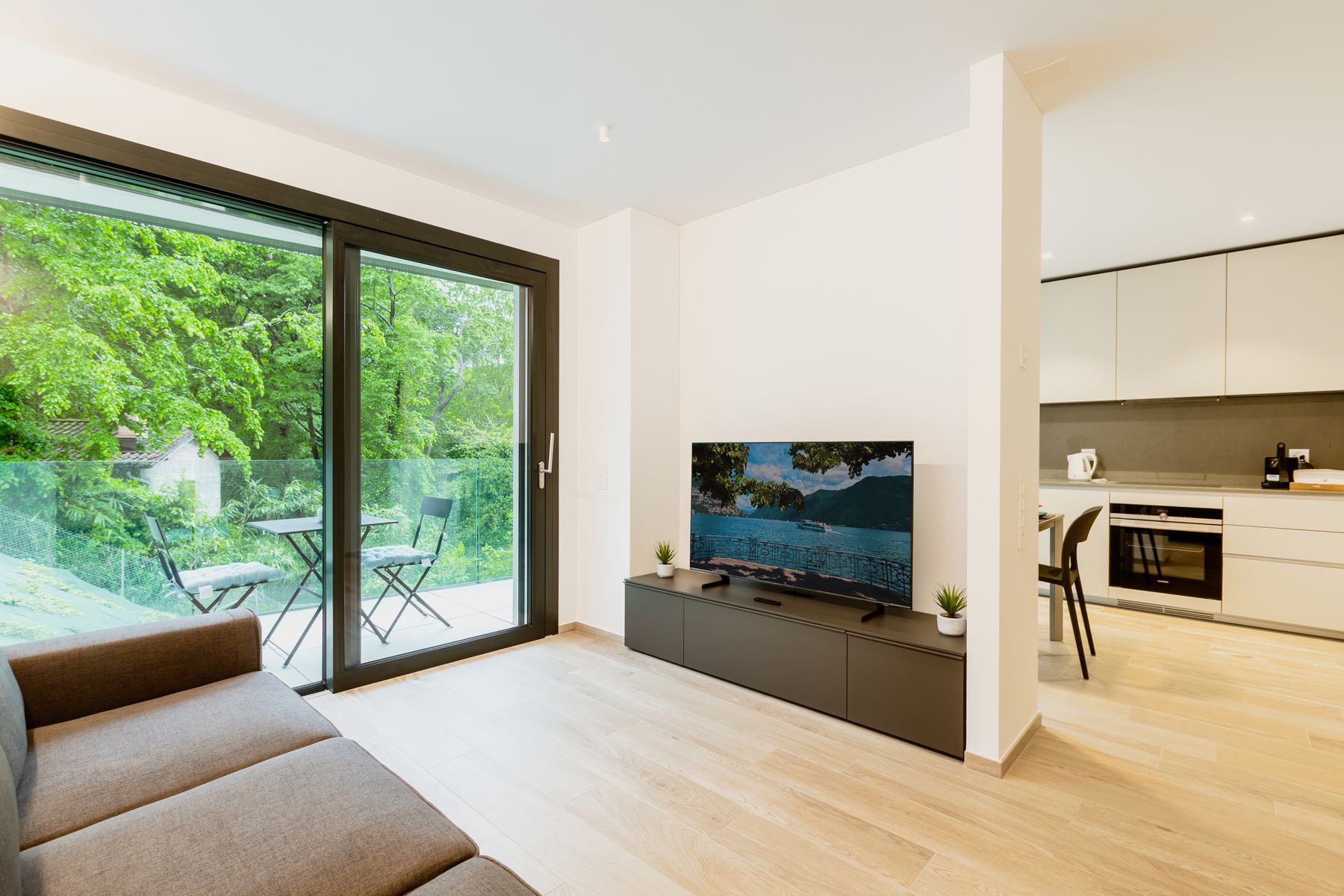
A television can sit in a country room without being hidden behind barn doors or mounted above a fake beam. Choose the correct viewing height and distance, control window reflections and provide ventilation and cable access. A low timber or painted cabinet may connect it to the room, while books, a lamp or one useful cupboard can balance the elevation. Do not sacrifice a working fireplace, significant paneling or comfortable seating simply to make the screen disappear in photographs. In an idle state, a darker wall or art mode may reduce contrast, but the solution should remain technically serviceable and visually calm.

Let Cupboards Earn Their Footprint
Country rooms often use freestanding dressers, bookcases, chests and cupboards because household storage evolved piece by piece. That history does not require every wall to hold a vintage cabinet. Map what must be stored, how often it is used and who needs to reach it. A shallow bookcase may be safer and more useful than a deep armoire; a low chest may double as a table but requires lid-clearance and pinch-point checks. Anchor tall furniture appropriately and protect airflow at cold exterior walls. The worn cupboard with no useful contents is scenery; the plain cabinet that organizes games, blankets and devices may be the more authentic choice.
Use Lamps to Mark Evening Rituals
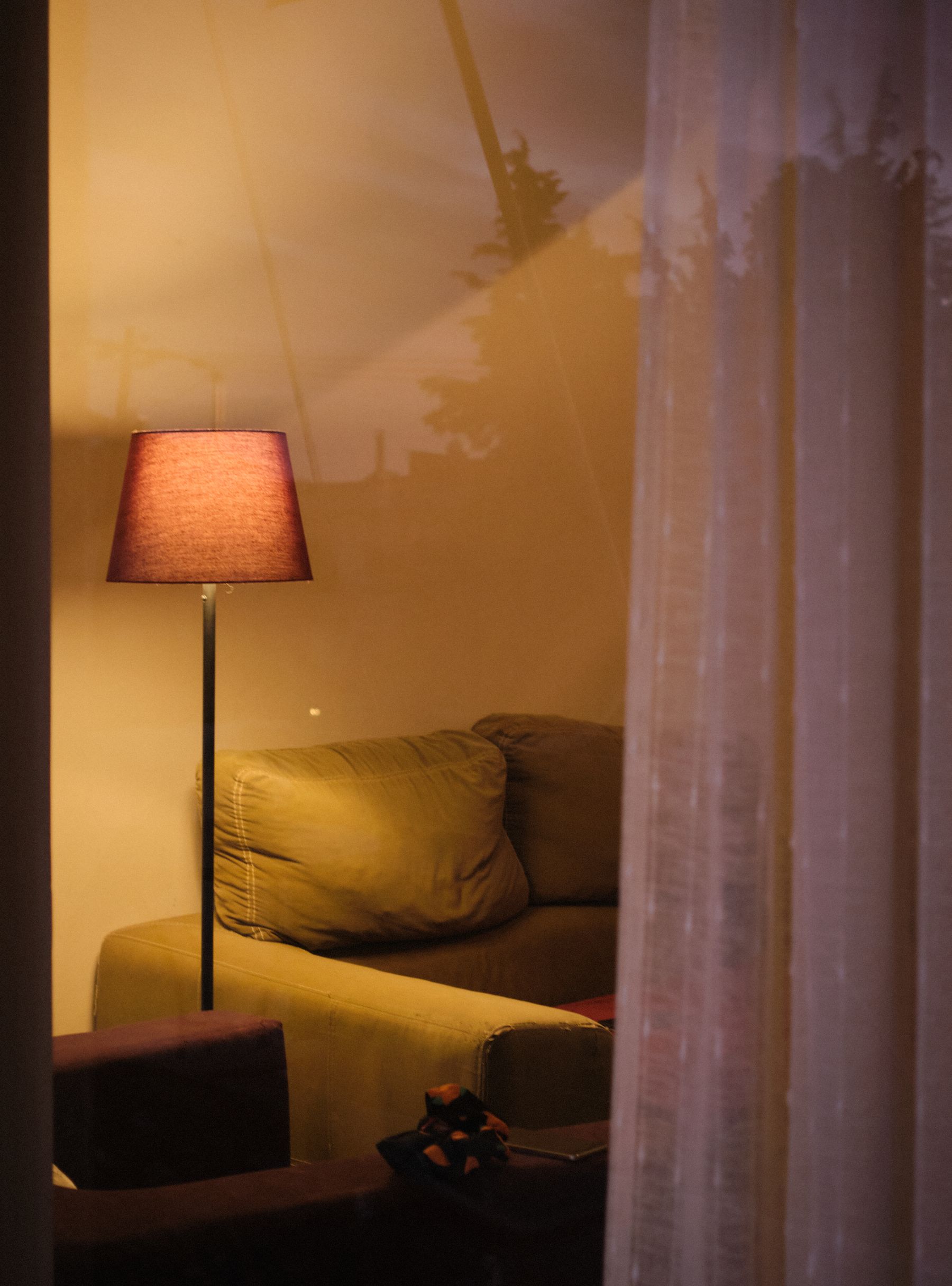
Country lighting is most persuasive when it follows routines: a shaded lamp beside the reading chair, a lower light near the sofa, a picture or shelf light for one meaningful group and sufficient route lighting for safe movement. A decorative central pendant can establish character, but it should not wash the room flat or leave every task in shadow. Check shade opacity, bulb visibility, dimmer compatibility and cord routes. Candlelight may be culturally and visually associated with old houses, yet open flames need appropriate supervision and separation; battery alternatives can supply flicker without pretending to be useful illumination. [Living Room Lighting Ideas](/living-room/living-room-lighting-ideas/) covers the broader technical framework.
Carry Country Character Through a Temporary Address
Renters can build country character through portable evidence: a substantial rug, one patterned chair, approved curtains, an older side table, shaded lamps, baskets that perform real storage and framed personal or local work. Confirm the lease before painting, drilling or applying film. Peel-and-stick finishes may damage weak paint and faux beams create removal waste, so test every reversible claim. Use the view and available daylight even if the building is urban. A room does not need a literal countryside outlook to express craft, continuity and domestic ease; it needs decisions that do not invent a false building history.
Let Daily Life Set the Rules
Country style should not require fragile living. Choose seat height, firmness and arms for actual users; keep routes clear; secure rug edges; place controls within reach; and give toys, throws, pet equipment or mobility aids an intentional home. Washable covers, wool rugs, sturdy timber and repairable finishes may support active use, but suitability depends on fiber, construction and care. Do not hide hazards under the language of character: splintered wood, unstable chairs, trailing cords and low clutter need correction. Visible repair can belong to the aesthetic when it restores safe function rather than disguising damage.
Separate Stable Patina From Active Damage
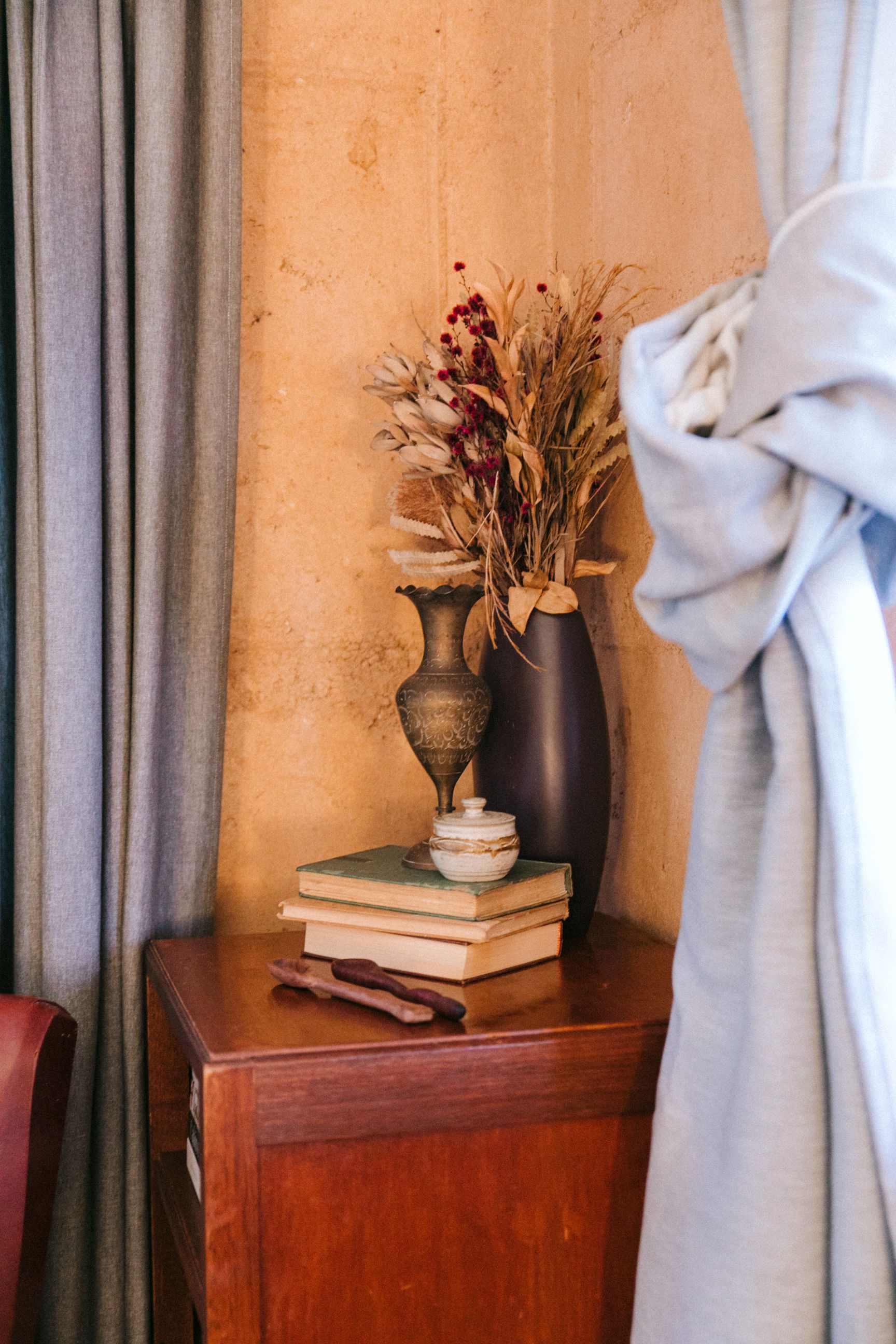
Country rooms often celebrate wear, but patina is not a license to ignore condition. A softened edge, repaired joint or faded textile may tell a useful story; active woodworm, mold, unstable finish, sharp damage, odor or loose structure requires assessment and treatment. Record maker guidance and any conservation concerns before cleaning. Avoid sanding or sealing an old surface simply to make it look newer, and do not preserve dirt because it looks atmospheric. More baskets, carved wood, textiles and open shelves also mean more dust-catching surfaces, so edit the collection to the cleaning time the household can sustain.
Run the Collected-Not-Themed Test
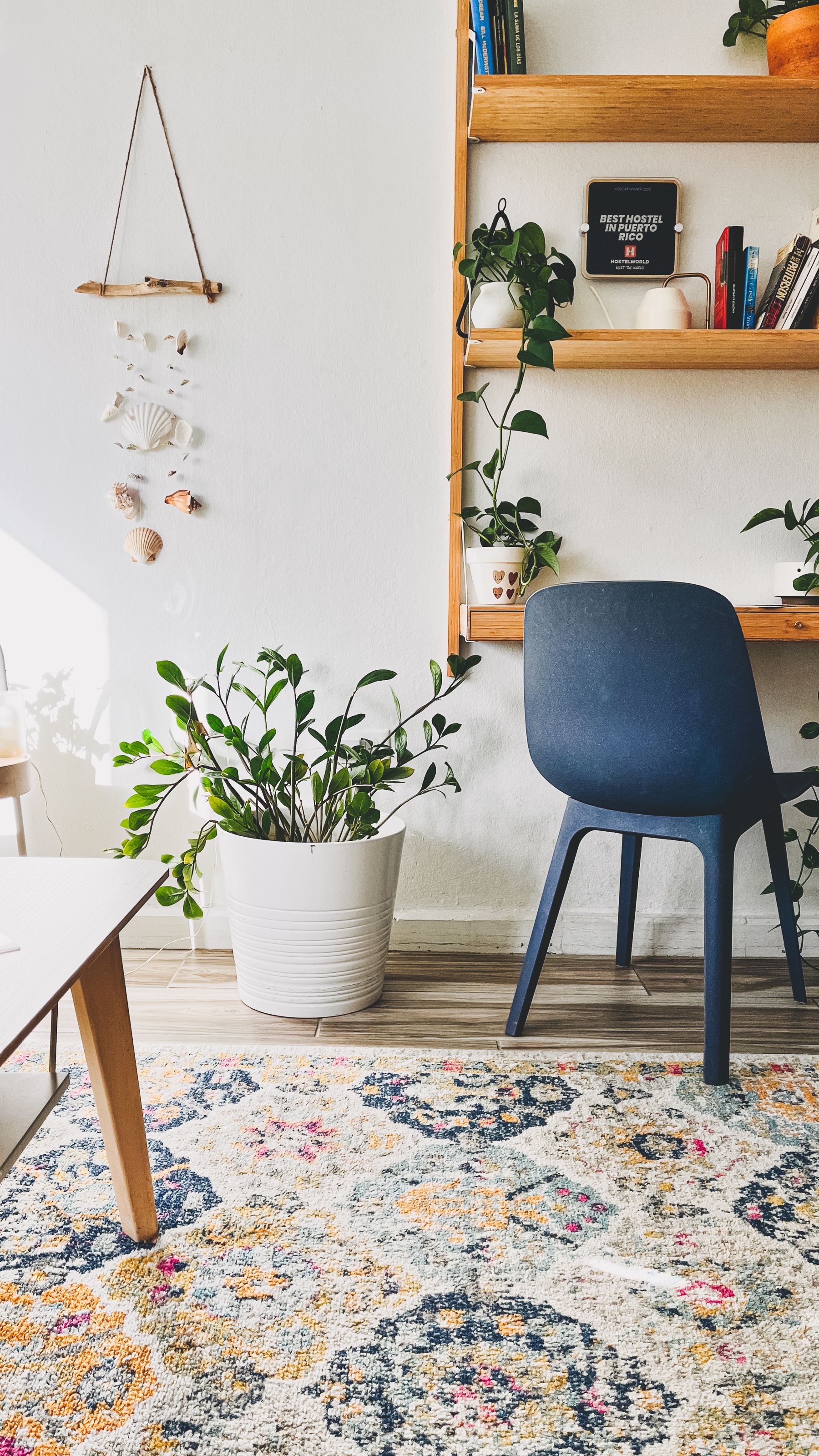
Finish by removing slogan signs, miniature farm objects, decorative ladders, empty baskets, artificial distressing and anything purchased only because it was labeled country. Then review the chosen regional lane, relationship to view, color, pattern hierarchy, seating, useful older pieces, craft, storage, television, evening light and cleaning access. If the identity remains, the room is rooted. If it disappears, strengthen one real decision rather than returning every prop. Compare the result with [Traditional Living Room Ideas](/living-room/traditional-living-room-ideas/): country should feel more place-led and informally accumulated. Compare it with farmhouse and rustic: it should not depend on working-house utility or raw material weight alone.