Define Rustic Through Material, Not Motifs
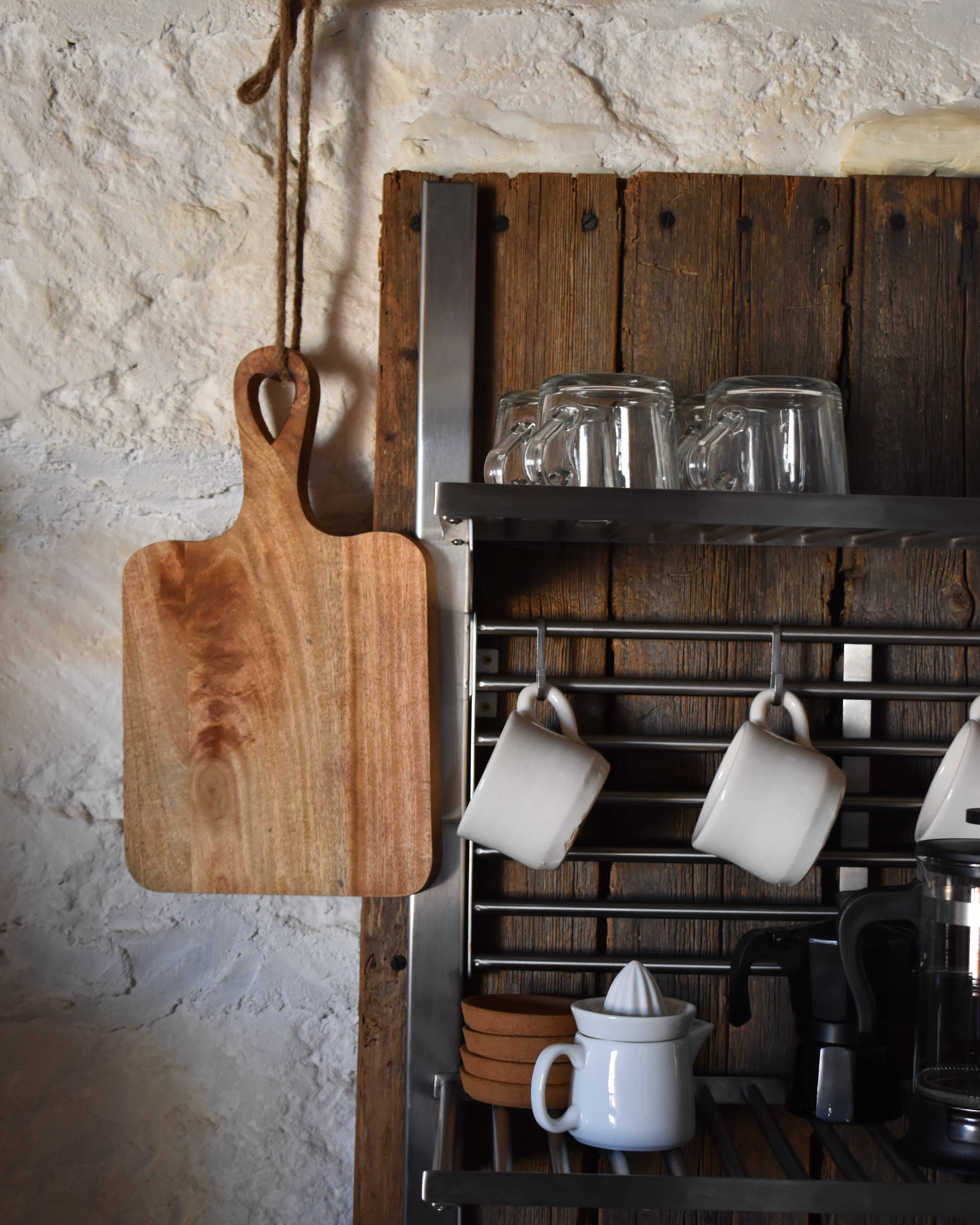
Rustic design begins with materials that show weight, texture, repair and use. A timber frame, stone wall, handwoven rug or well-made leather chair contributes more than a collection of antlers, slogans or miniature barn doors. The style can be refined, contemporary or spare, but it should retain physical honesty and a connection to landscape or craft. Compared with [vintage living room ideas](/living-room/vintage-living-room-ideas/), age is not the only point; compared with [industrial living room ideas](/living-room/industrial-living-room-ideas/), the dominant language is natural rather than urban and metallic.
Start With the Existing Architectural Shell
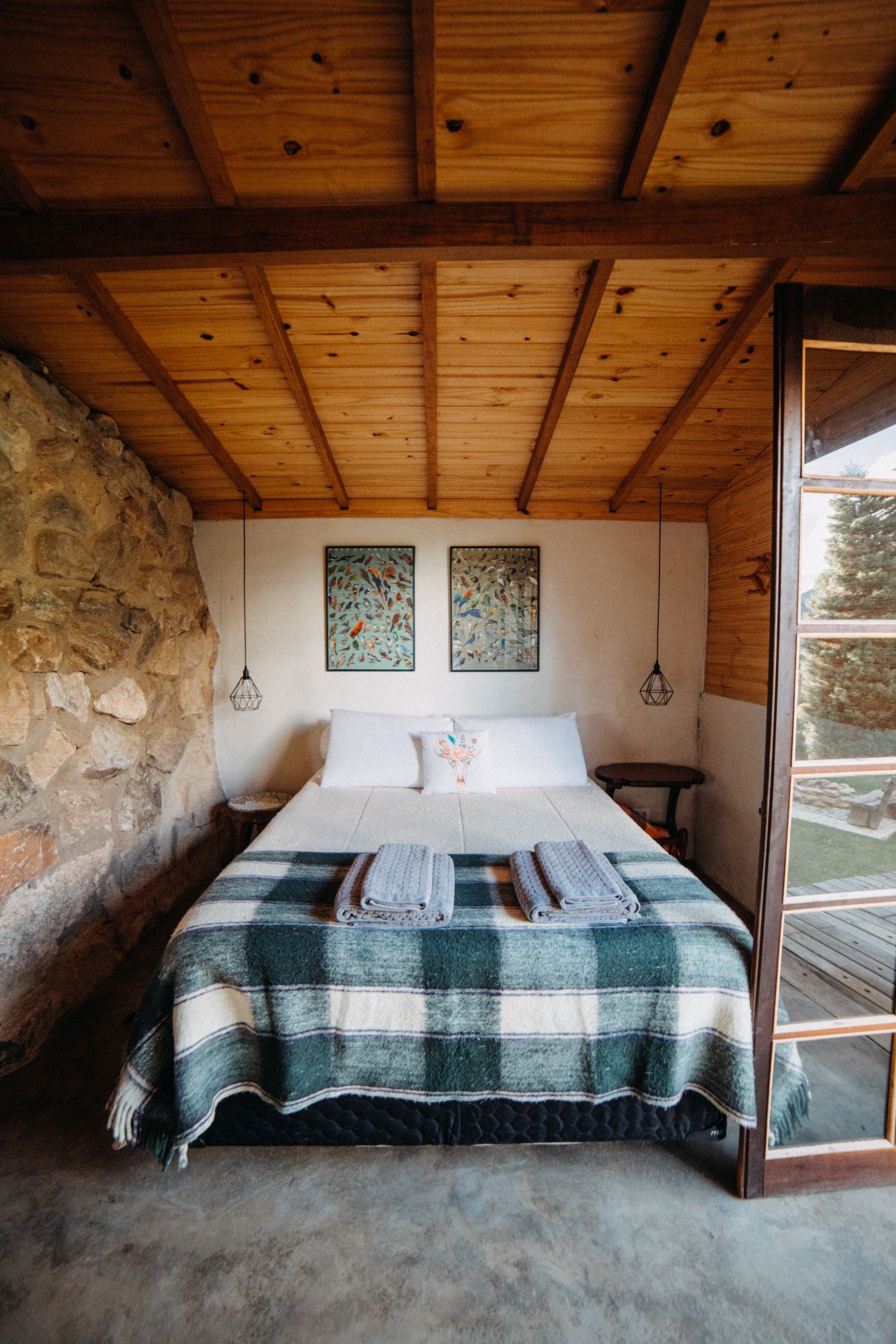
Survey beams, stone, brick, plank floors, deep reveals and existing joinery before adding cladding. Repairing one authentic feature usually creates more credibility than applying thin boards to every wall. Historic fabric can conceal damp, insect damage or structural movement, so investigate condition before cleaning or exposing it. In a newer room, a single well-detailed timber plane or mineral finish can provide the same hierarchy without pretending the building has a history it does not.
Plan Conversation Before Filling the Perimeter
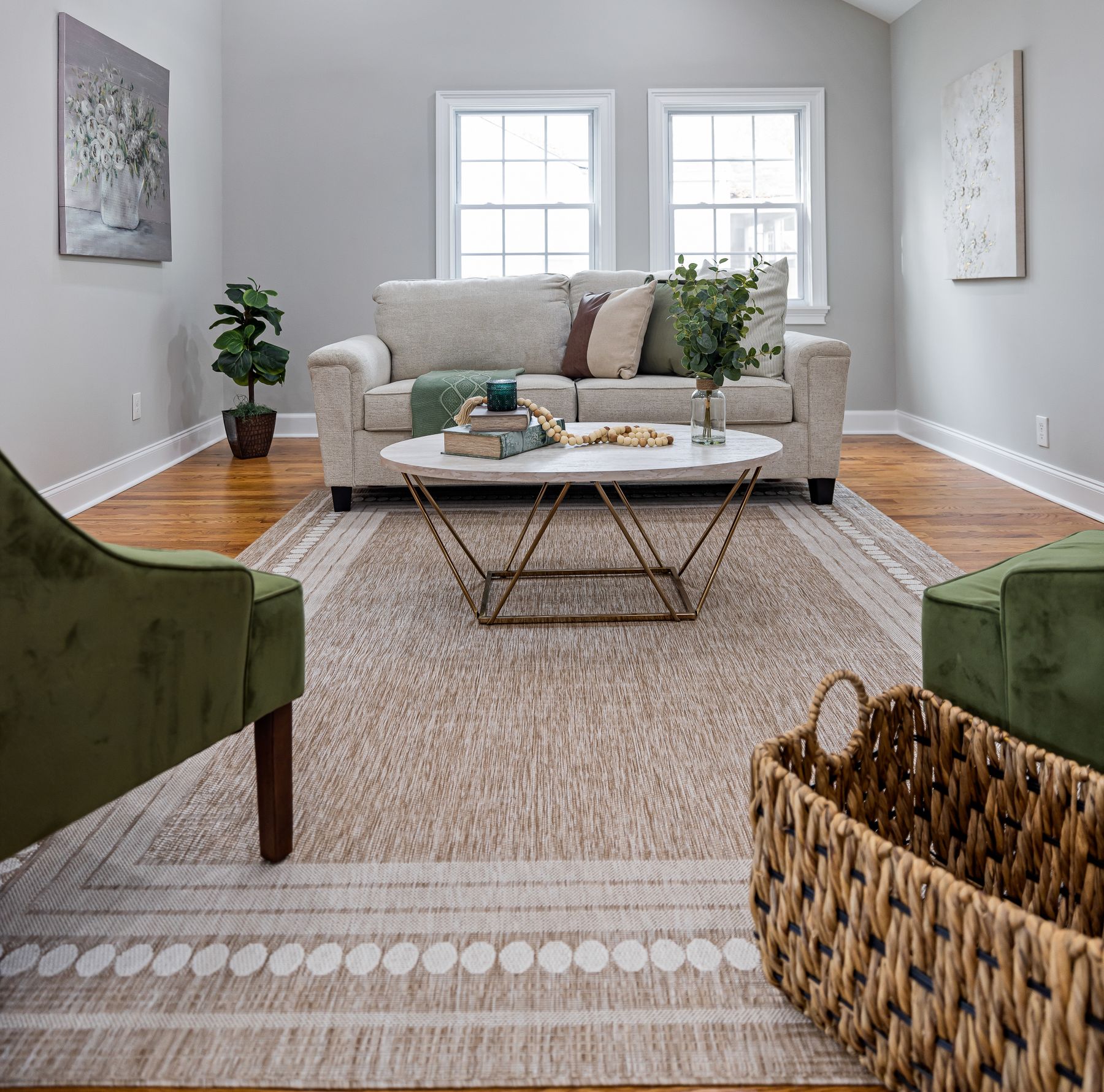
Seat people close enough to speak comfortably and give each regular seat a reachable surface, useful light and a view worth holding. Rustic furniture is often deep or visually heavy, so a perimeter arrangement can leave a dead center while narrowing the door route. Map the main path first, then test the full sofa, chair and table footprints with doors and drawers open. [Living room layout ideas](/living-room/living-room-layout-ideas/) offers a broader planning framework when the room has several entrances or competing focal points.
Let the Hearth Lead Without Owning Every Seat
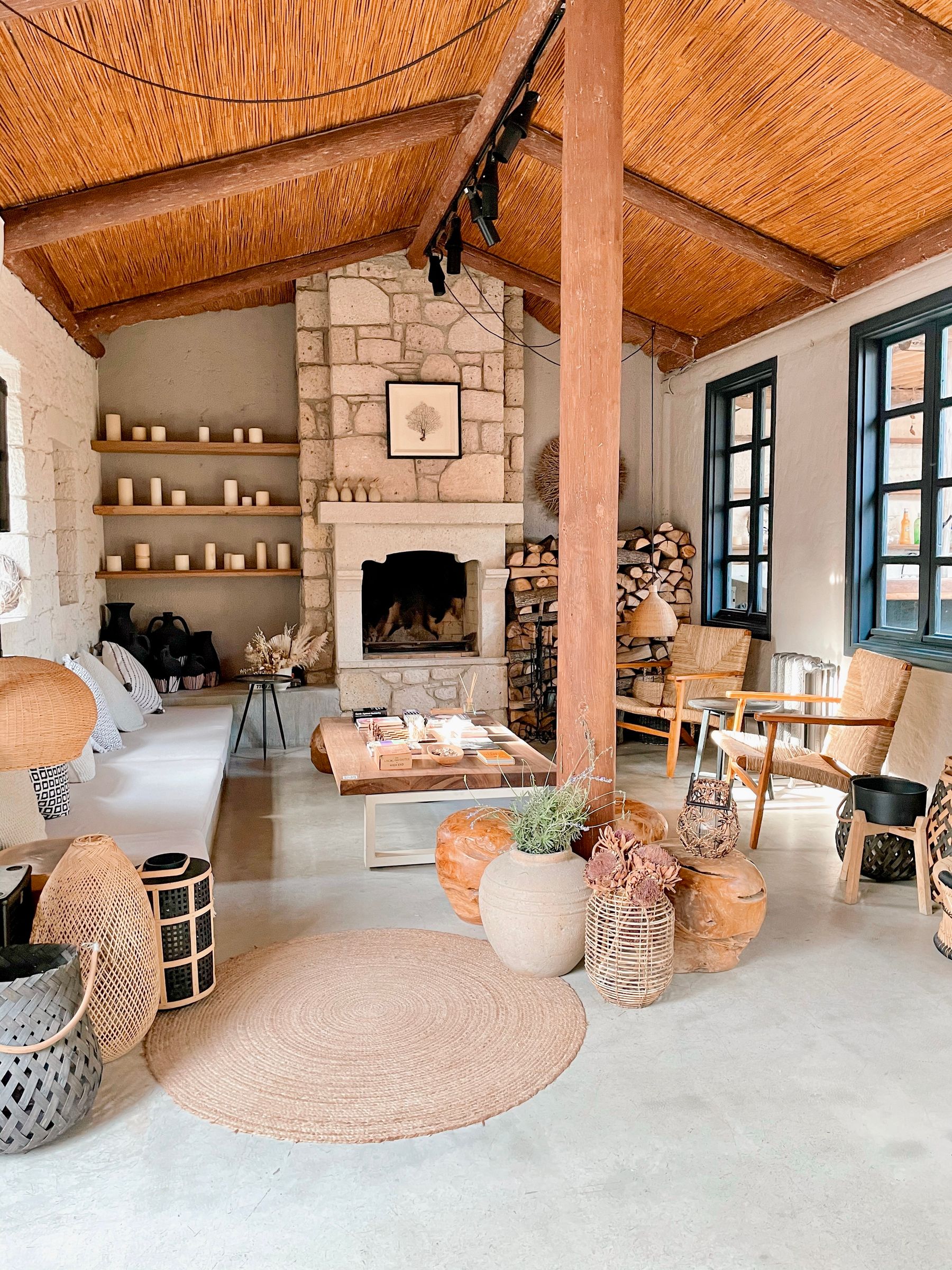
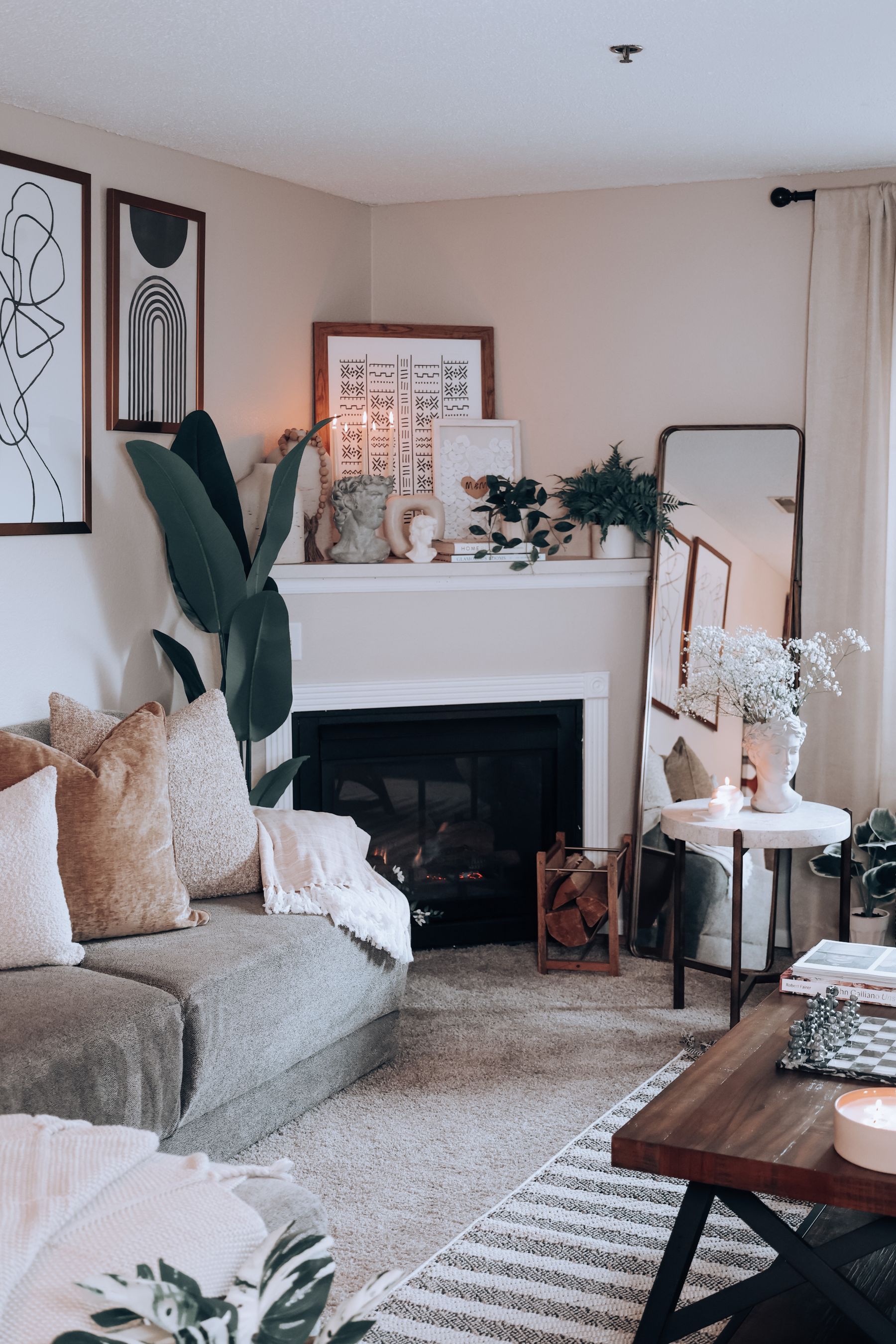
A working fireplace or stove naturally attracts the plan, but every chair does not need to face it squarely. Angle seating so people can see both the fire and one another, then check manufacturer clearances, local rules, spark protection, ventilation and escape routes. Keep timber mantels, rugs, baskets, curtains and stacked fuel outside required heat zones. Have uncertain chimneys, flues and appliances inspected by a qualified professional before use; rustic atmosphere never justifies treating combustion as decoration.
Use Stone as Structure, Not Scenic Wallpaper
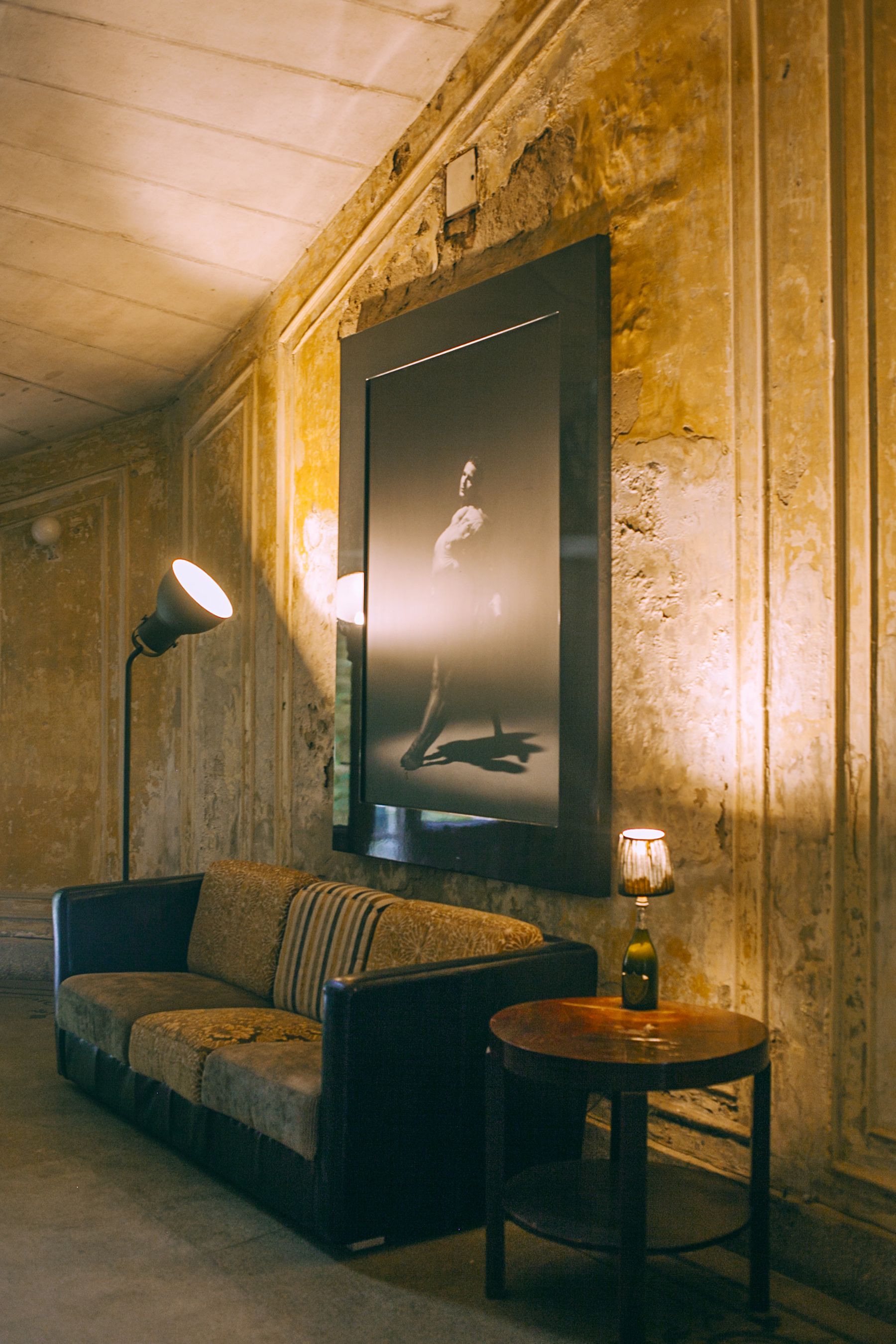
Exposed masonry can provide depth, thermal mass and a durable focal surface, but it can also shed dust, feel cold or reveal moisture. Diagnose active damp and use compatible repair methods rather than sealing symptoms behind a glossy coating. Keep upholstery and circulation clear of abrasive projections, and add broad textiles to moderate echo. Applied veneer can work when it is properly detailed, but irregular ledges and random color variation should not masquerade as structural age.
Give Timber a Clear Hierarchy
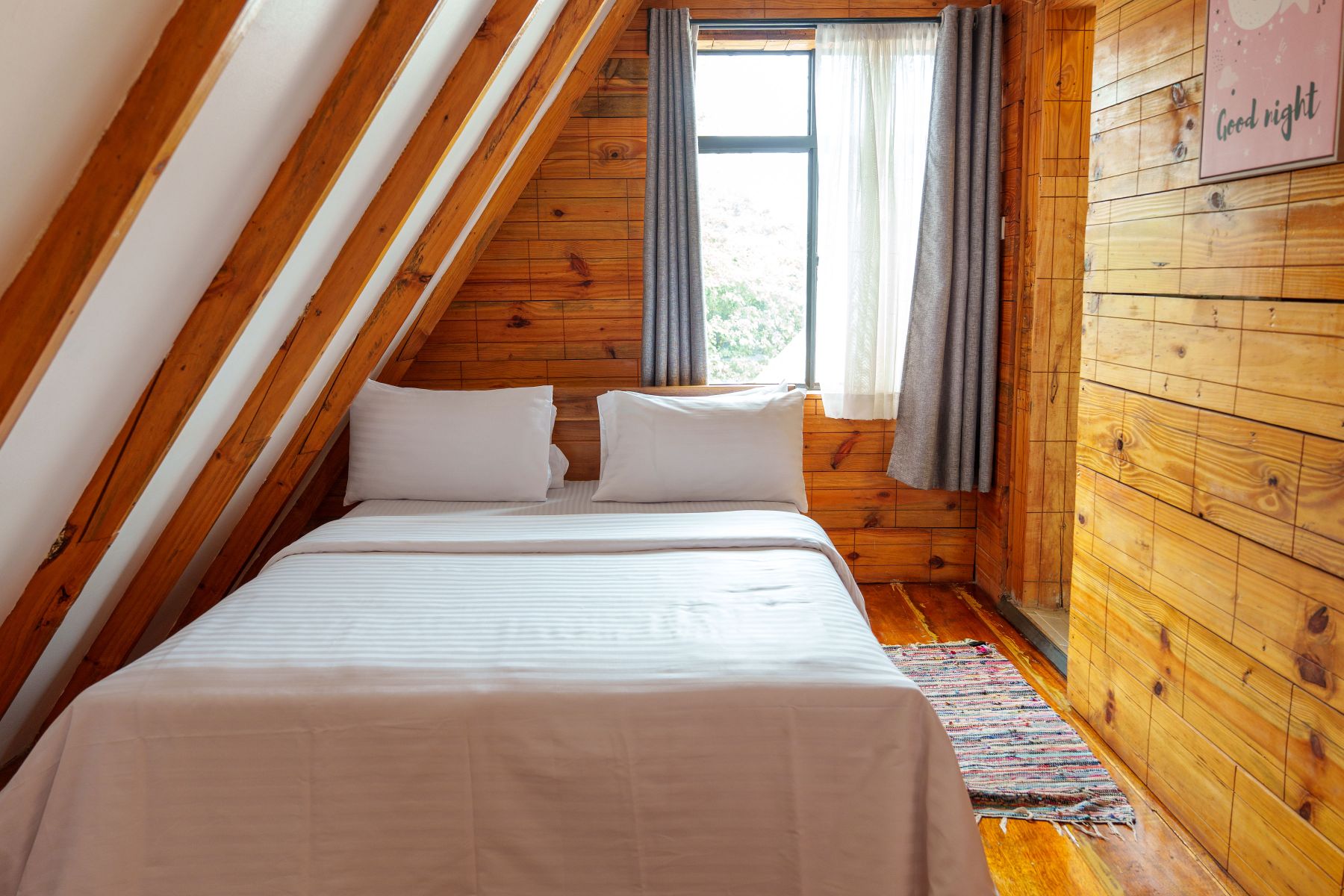
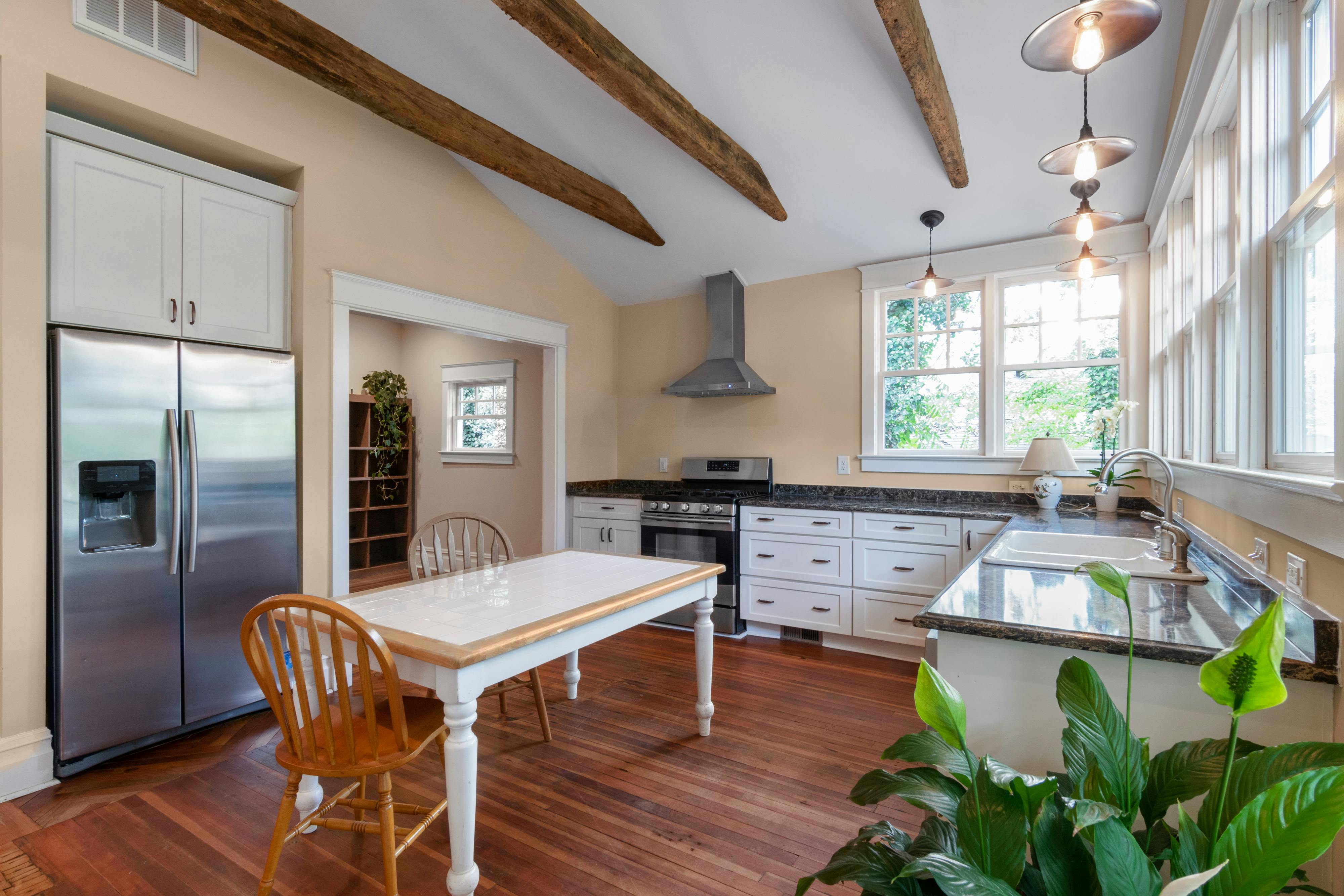
Choose whether beams, wall boards, flooring or one substantial table will be the leading wood element. When every plane uses a different orange-brown species and finish, the room becomes noisy rather than rich. Repeat undertones selectively and introduce quiet plaster, stone or upholstery between timber zones. Existing beams require condition assessment before sanding, staining or hanging loads, while new decorative beams need convincing joints and proportions to avoid a hollow prop effect.
Specify Reclaimed Wood With Evidence
Ask where salvaged boards came from, how they were stored and whether old paint, preservative, oil, mold, odor or pest exposure is known. Timber from unknown industrial, exterior or agricultural use may not be suitable for an indoor table or wall. Remove protruding fasteners, stabilize splinters and retain sound wear rather than manufacturing damage. If provenance or contamination cannot be established, responsibly sourced new wood with a repairable finish is the more honest choice.
Choose a Sofa for Use, Not Visual Bulk
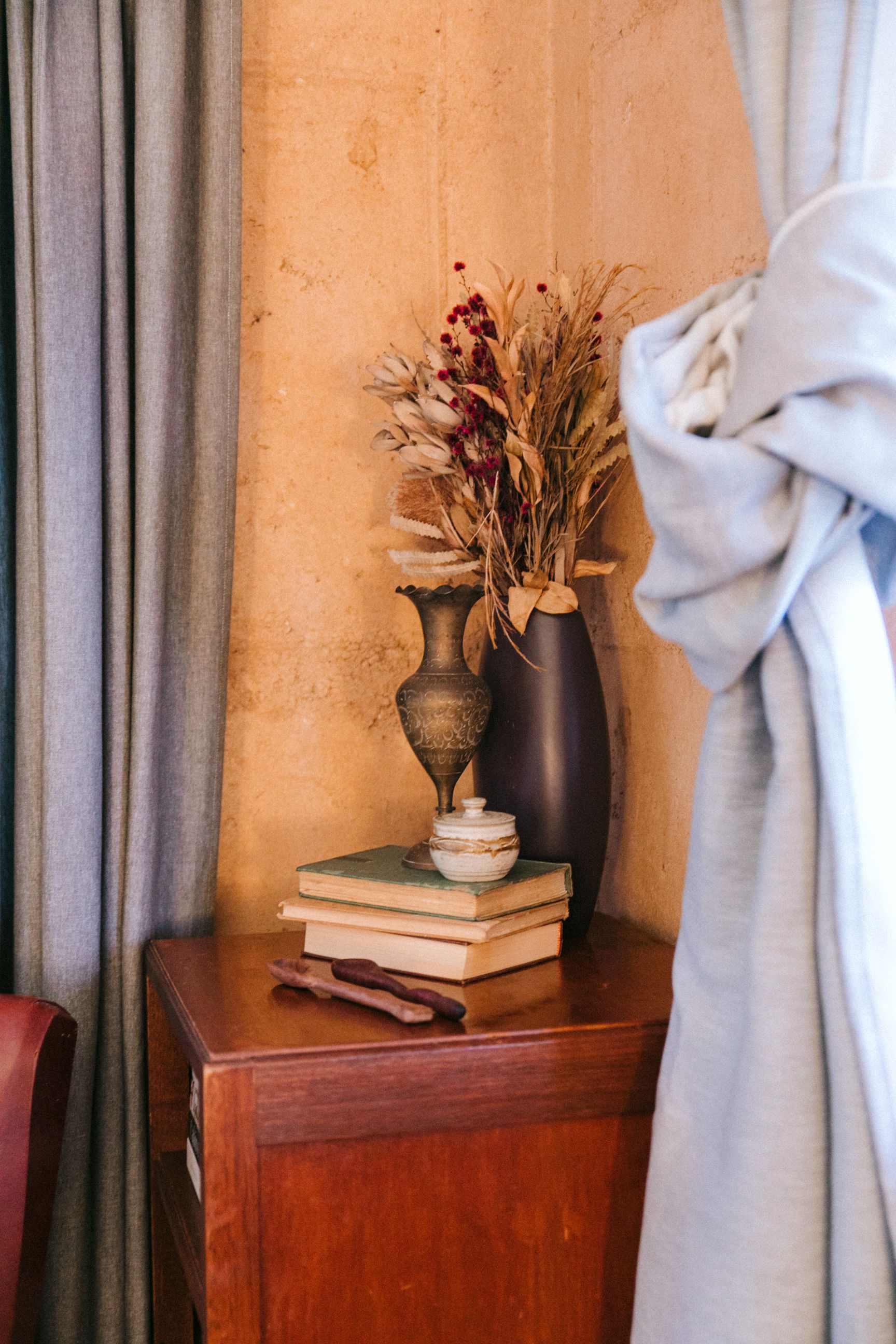
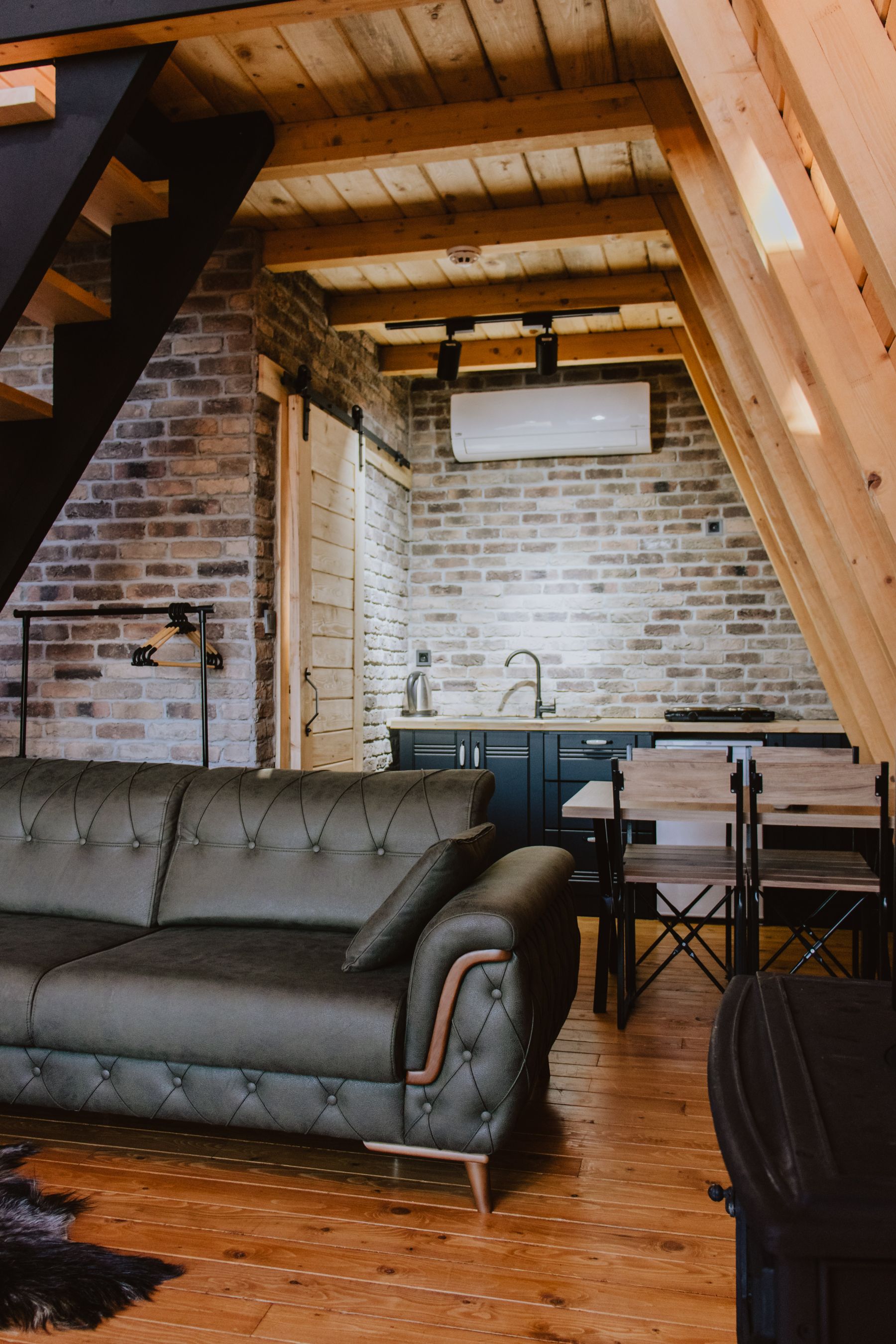
A leather, linen-blend or textured woven sofa can suit rustic material, but comfort and room fit come first. Compare total depth, arm width, seat height, cushion support and the route from the entry to the final position. Thick rolled arms and overstuffed backs consume space quickly; a simpler frame can leave stone and timber to carry the visual weight. Order large upholstery samples and test scratches, cleaning and color beside the room's fixed materials.
Mix Armchairs by Function, Not as a Set
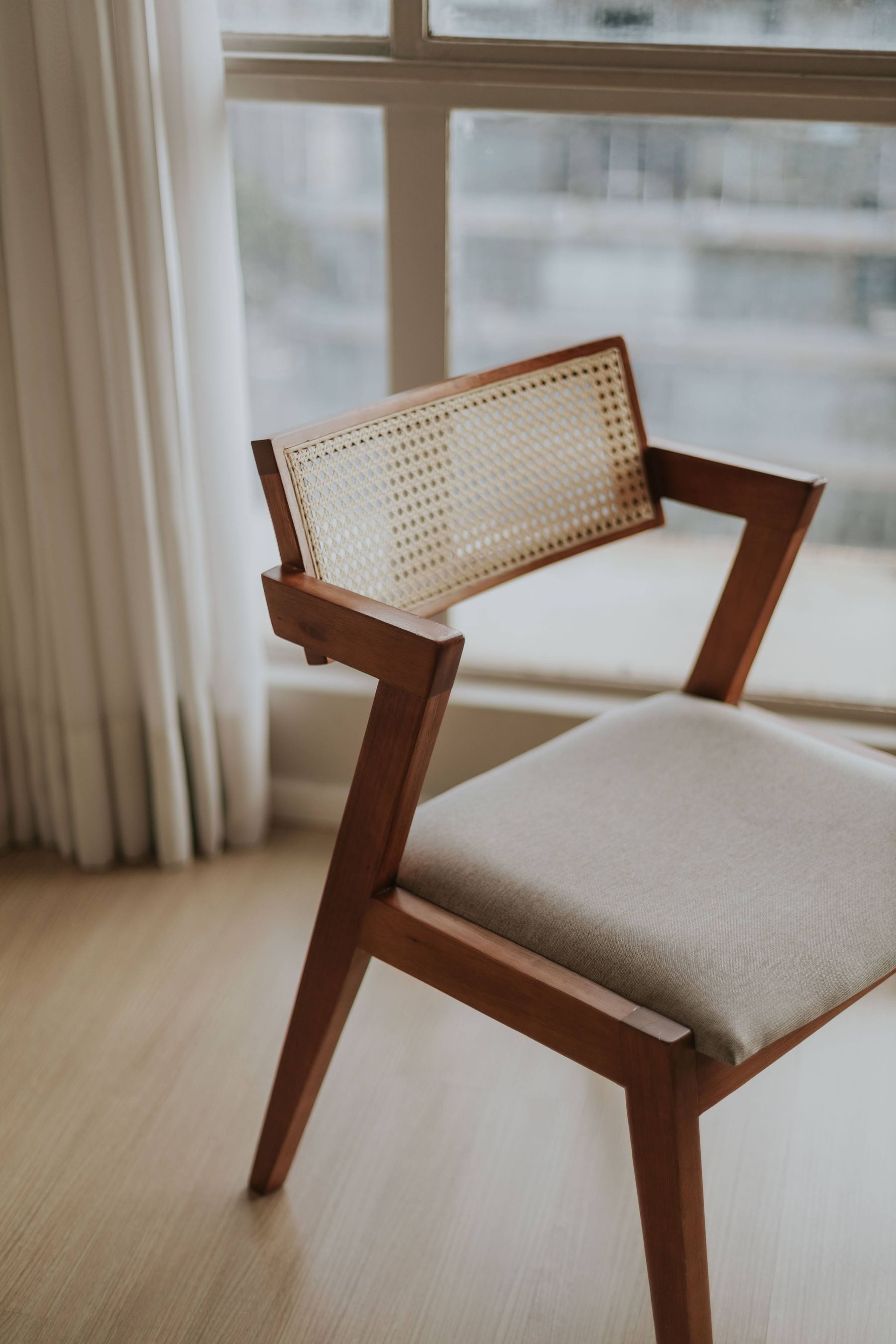
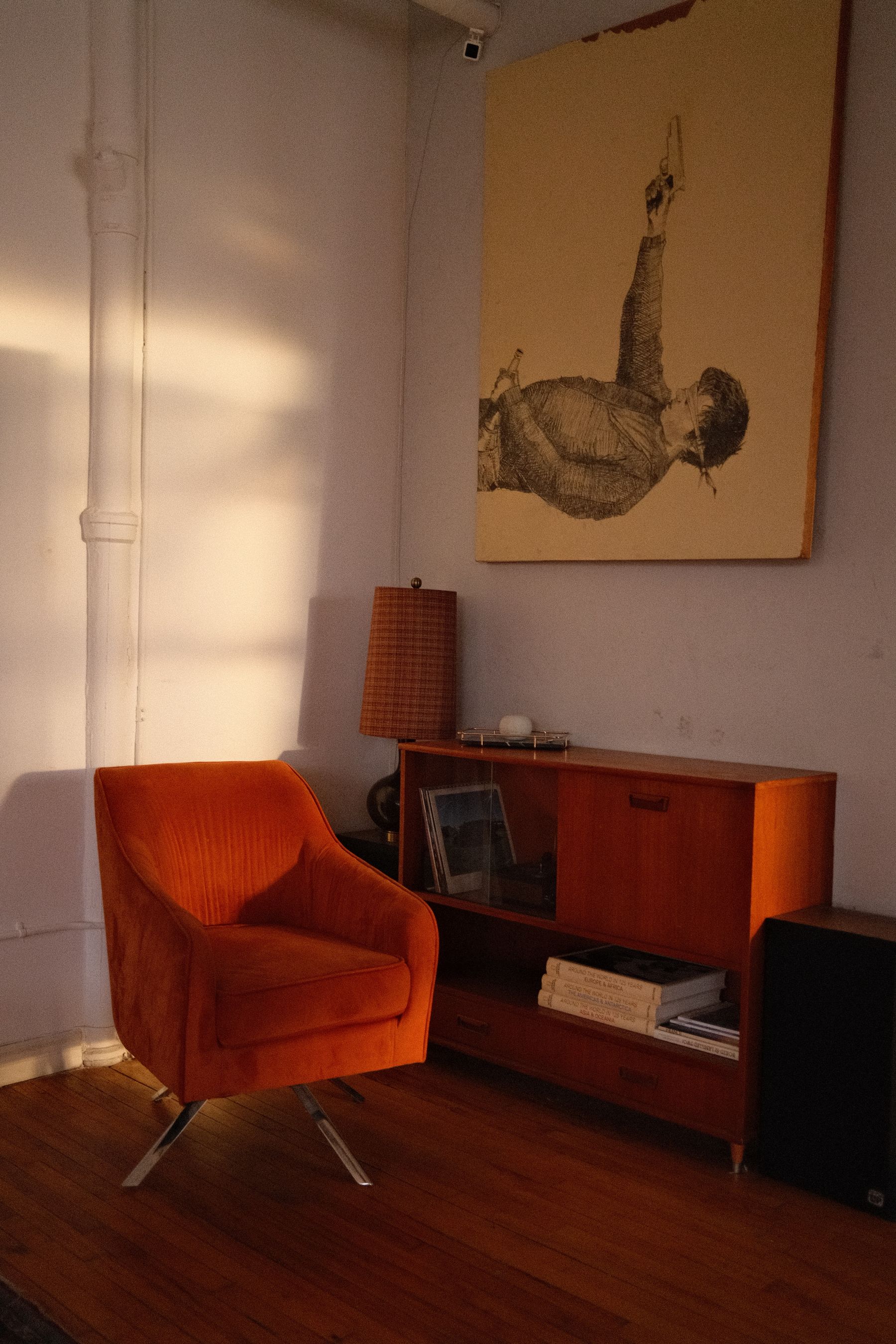
Pair the main sofa with chairs chosen for real users: one supportive upright seat, one relaxed reading chair or one lighter piece that can turn toward a view. Matching suites often make a material-rich room feel static and blocky. Link different chairs through one repeated wood tone, textile color or seat height rather than identical silhouettes. Check arm strength, joint movement and upholstery condition carefully when buying vintage.
Use a Solid Table Without Blocking Knees and Routes
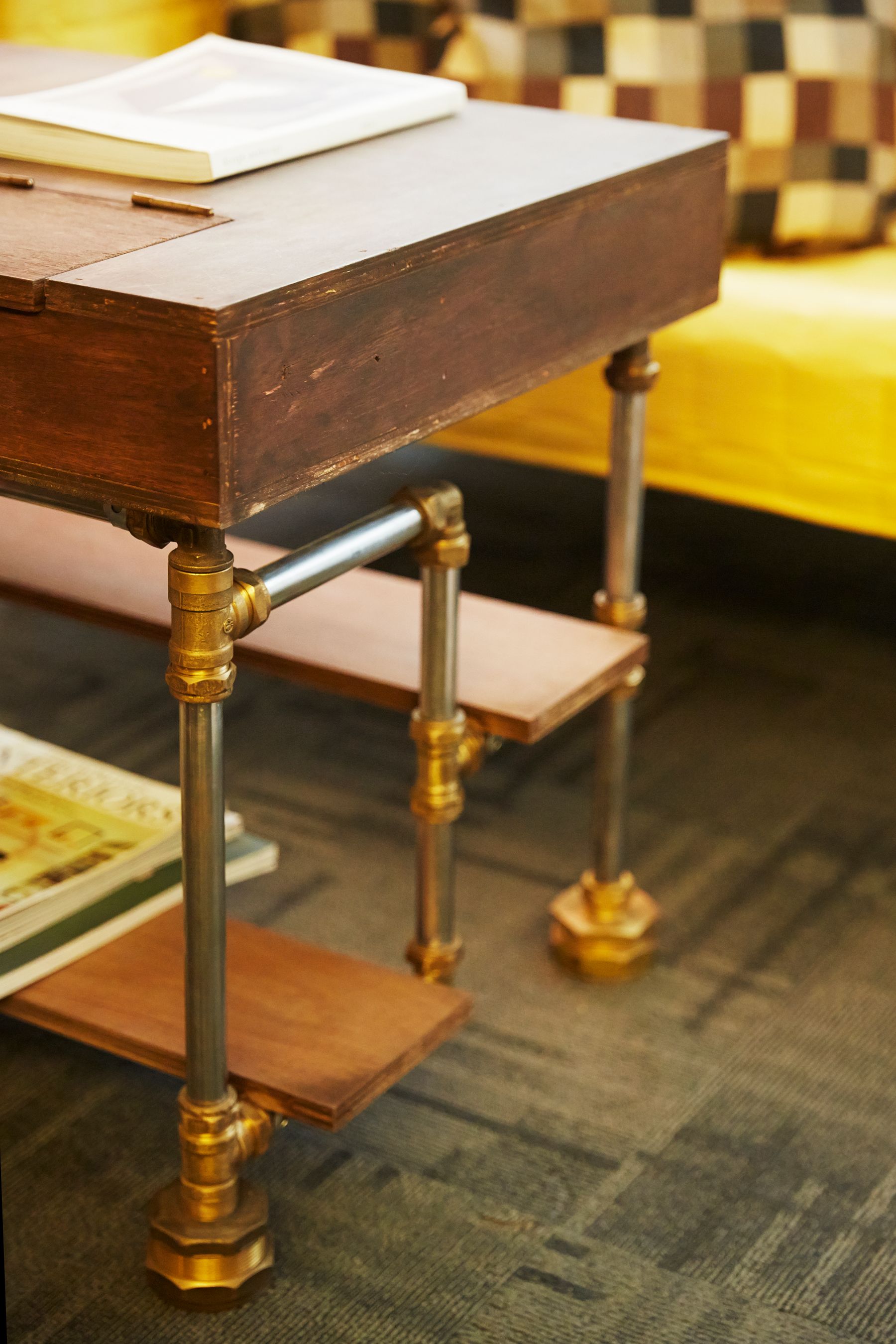
A plank, reclaimed, chest-style or stone-topped table can anchor the seating, but mass must be earned by function. Test edge clearance, shin height, leg position, stability and how the piece will be moved for cleaning or play. Live edges and deep cracks can snag clothing, trap crumbs and complicate wiping; a simpler solid top may age better. In a compact room, two stable side tables can provide the same usefulness with less central obstruction.
Build an Earth Palette With Real Contrast
Bark, clay, moss, charcoal, ochre, oat and warm white feel grounded when their lightness values are separated. If the architecture is dark, keep a sofa, curtains or broad rug lighter; if stone and plaster are pale, introduce weight through one rug, leather chair or stained table. Test undertones beside every fixed wood and masonry surface because beige can turn pink, green or gray in context. Earthy should not collapse into an undifferentiated brown room.
Create Modern Rustic Through Restraint
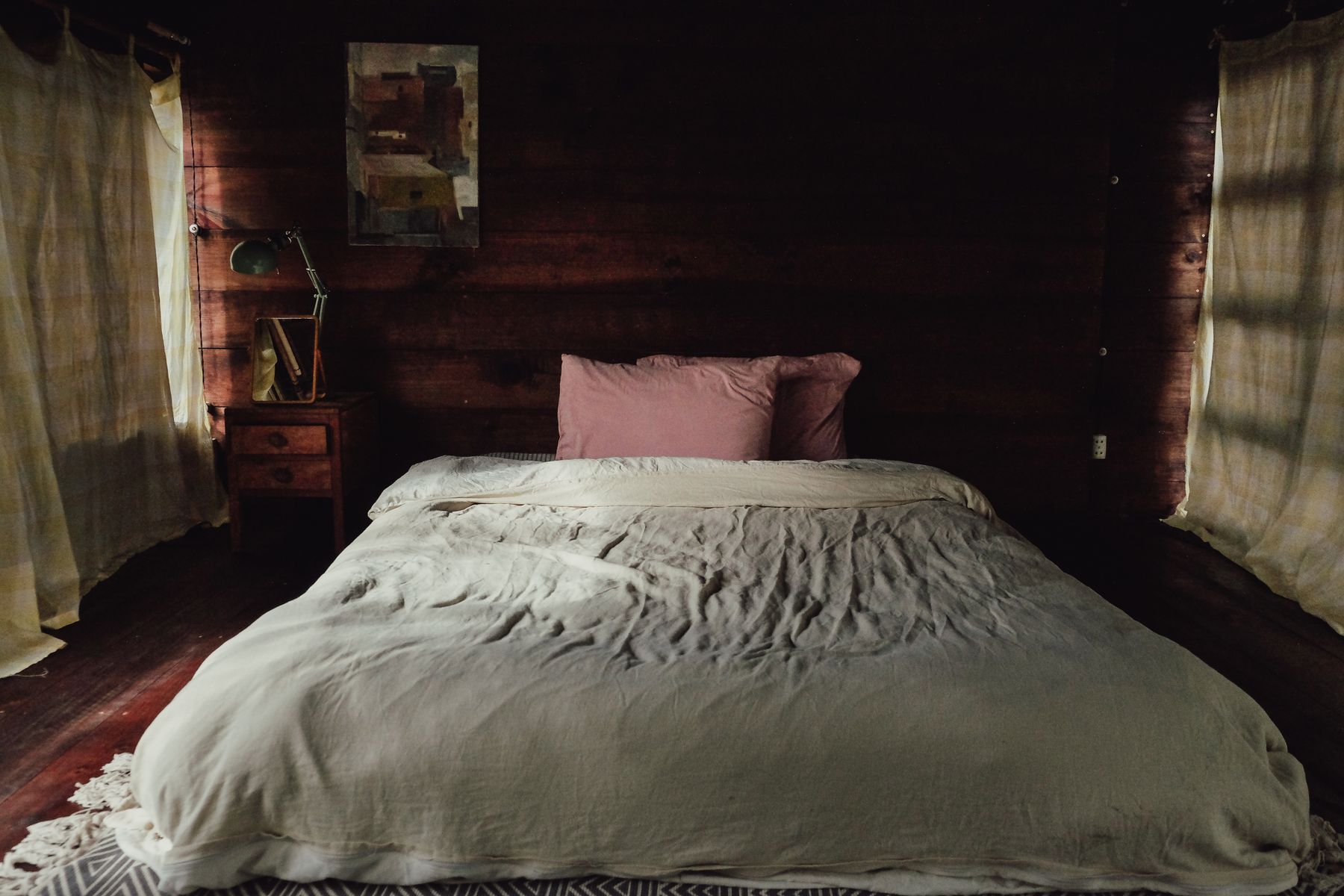
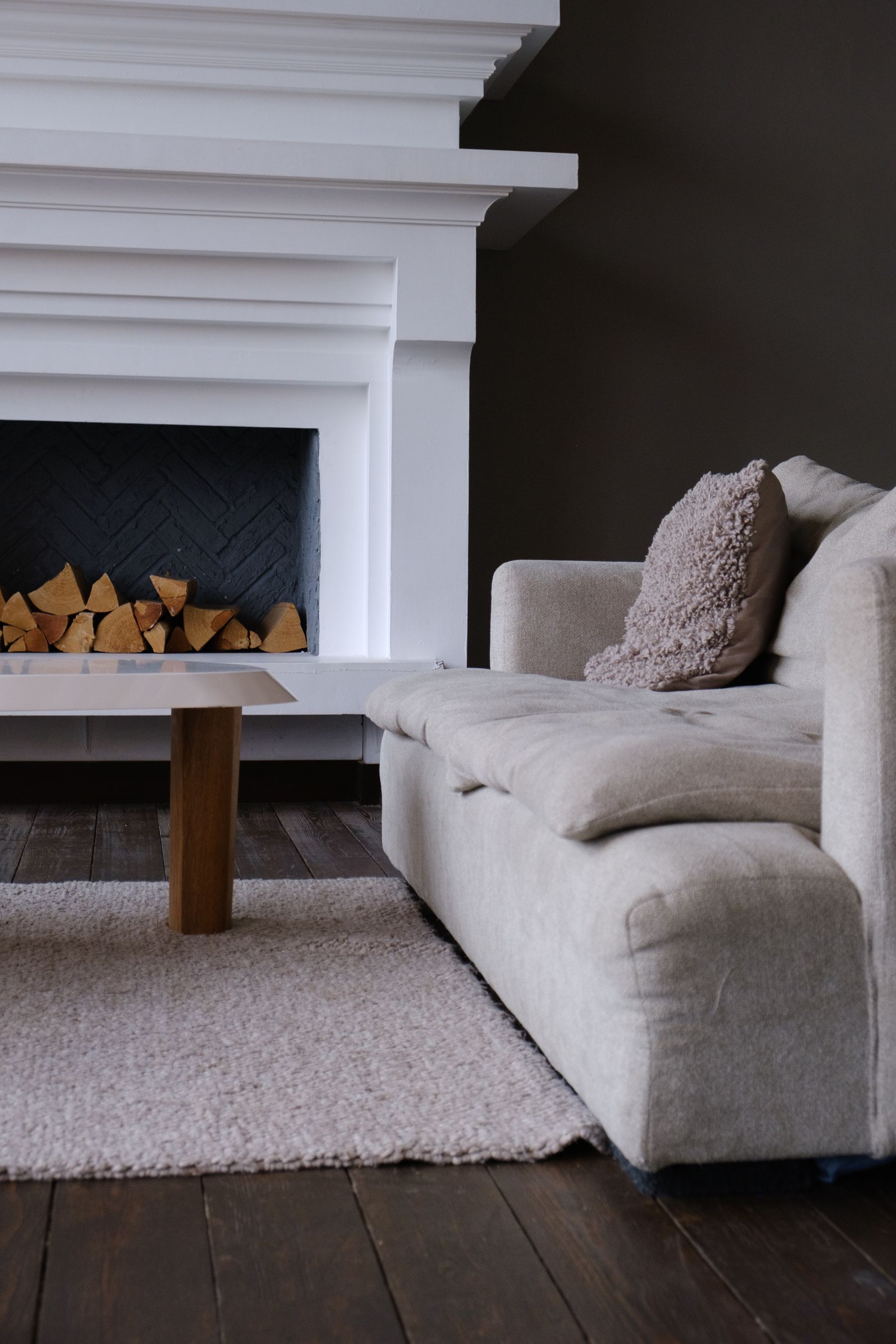
Modern rustic combines tactile architecture with cleaner furniture, quieter color and current comfort. Use one substantial timber or stone move, simple upholstery and controlled lighting rather than distressing every object. This route is especially useful in newer houses and apartments without historic fabric. It remains materially warmer and rougher than [modern living room ideas](/living-room/modern-living-room-ideas/), while negative space lets grain and texture register.
Keep Rustic Distinct From Farmhouse and Country
Farmhouse usually emphasizes light-painted utility, familiar domestic forms and an agricultural workroom reference; Country tends to rely more on regional pattern, antiques and traditional narrative; Cottage favors smaller scale and intimate irregularity. Rustic can overlap with all three, but its strongest canonical territory is the physical presence of wood, stone, leather, wool and visible craft. [Farmhouse Living Room Ideas](/living-room/farmhouse-living-room-ideas/) is the better route when painted furniture, domestic usefulness and an edited old-and-new mix lead the room.
Layer Wool, Linen and Leather by Job
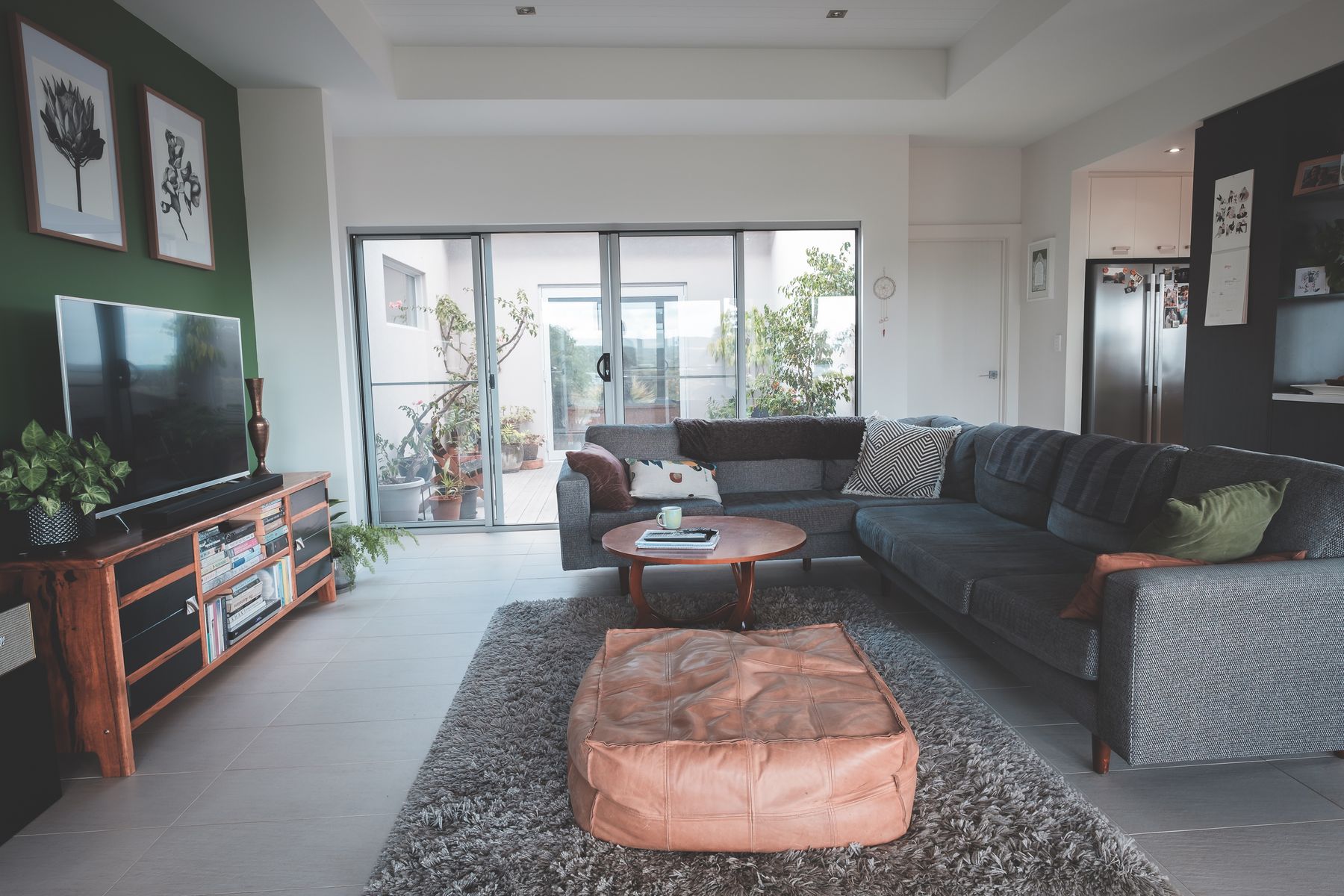
Assign each textile a job: upholstery for wear, curtains for light and privacy, a rug for warmth and acoustics, and throws for seasonal comfort. Linen, wool, cotton and leather can age gracefully, but fiber blends, finishes and care instructions matter more than a natural label. Avoid stacking coarse textures at every touch point; hands, faces and bare feet need softness. Check allergies, shedding, moth risk and local humidity before choosing thick wool or hide.
Size the Rug to Hold the Seating Group
A broad wool, flatweave or low-pile rug can bridge timber tones and soften stone or plank floors. It should relate to the whole conversation area rather than float beneath only the coffee table. Use compatible underlay, keep edges out of the main route and inspect vintage pieces for odor, moth damage, weak fringe and dye transfer. [Living room rug ideas](/living-room/living-room-rug-ideas/) expands the fiber, scale and care decisions.
Use Pattern as a Controlled Accent
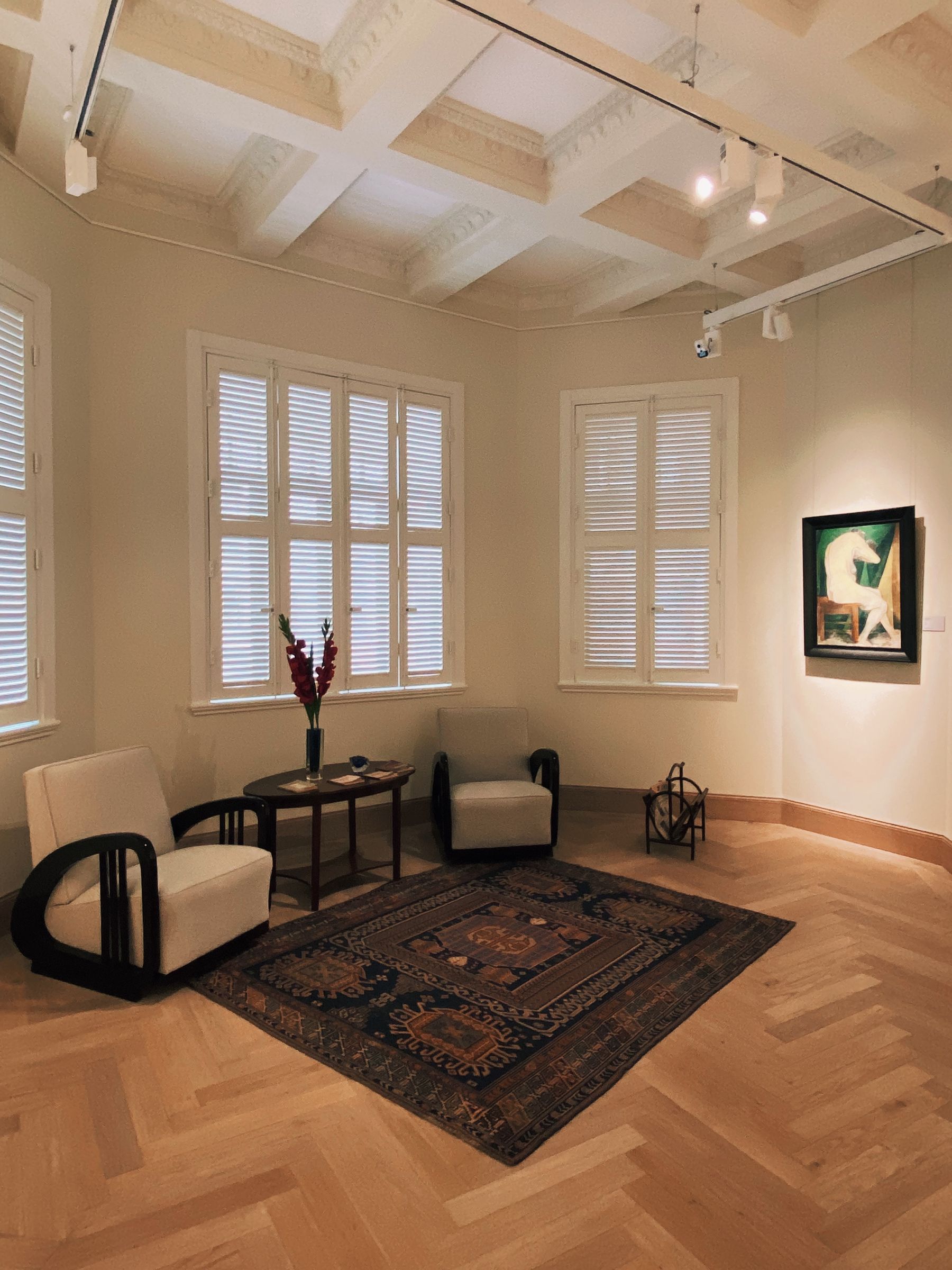
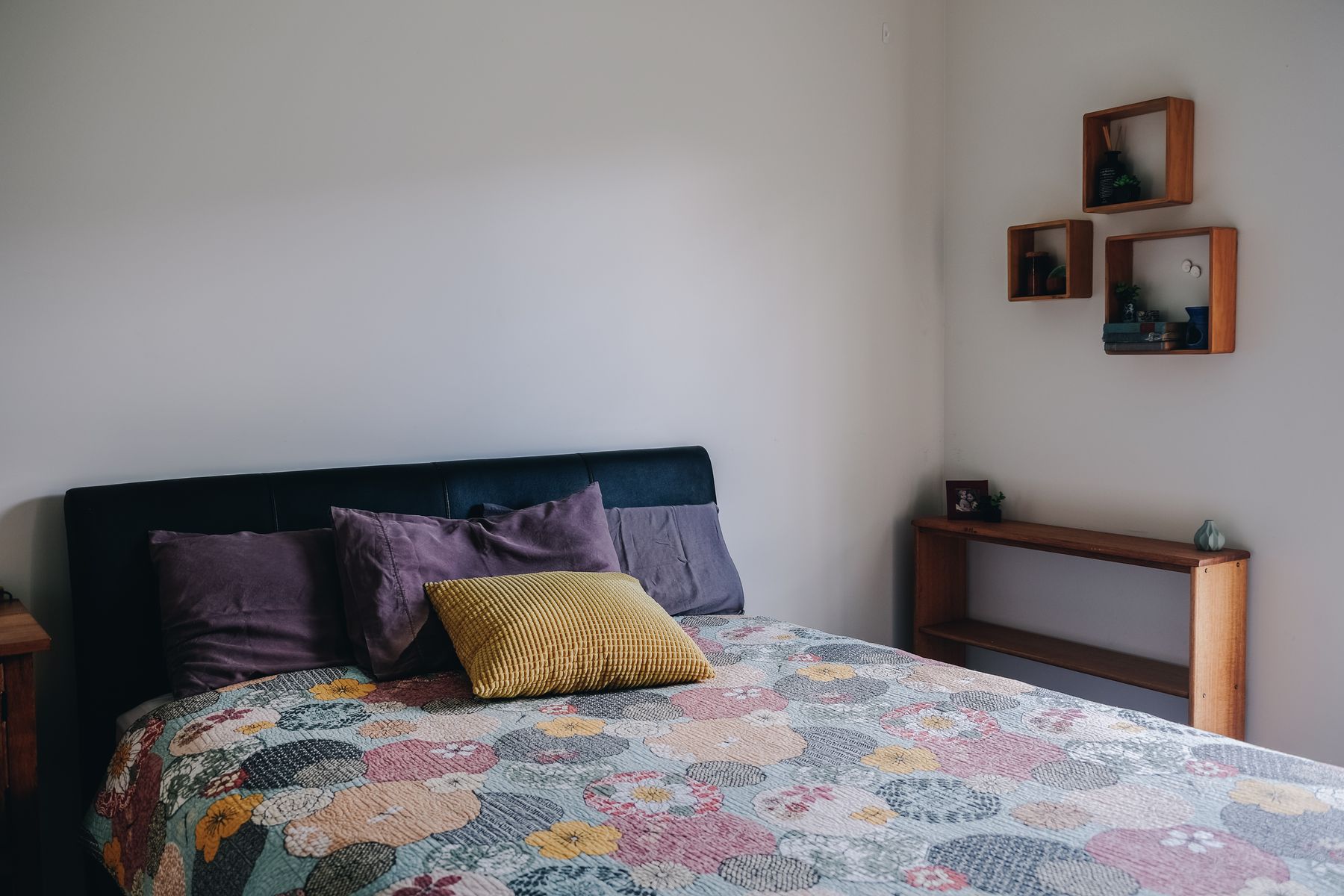
Plaid, stripe, kilim, block print and simple geometrics can introduce history and color, but the room rarely needs several rustic patterns at once. Place the strongest motif on a rug, chair or pair of cushions and keep neighboring textiles quieter. Compare the full repeat with timber grain and masonry joints, which already act like patterns. Source and describe regional textiles accurately rather than using them as anonymous cabin shorthand.
Control Daylight Without Hiding the View
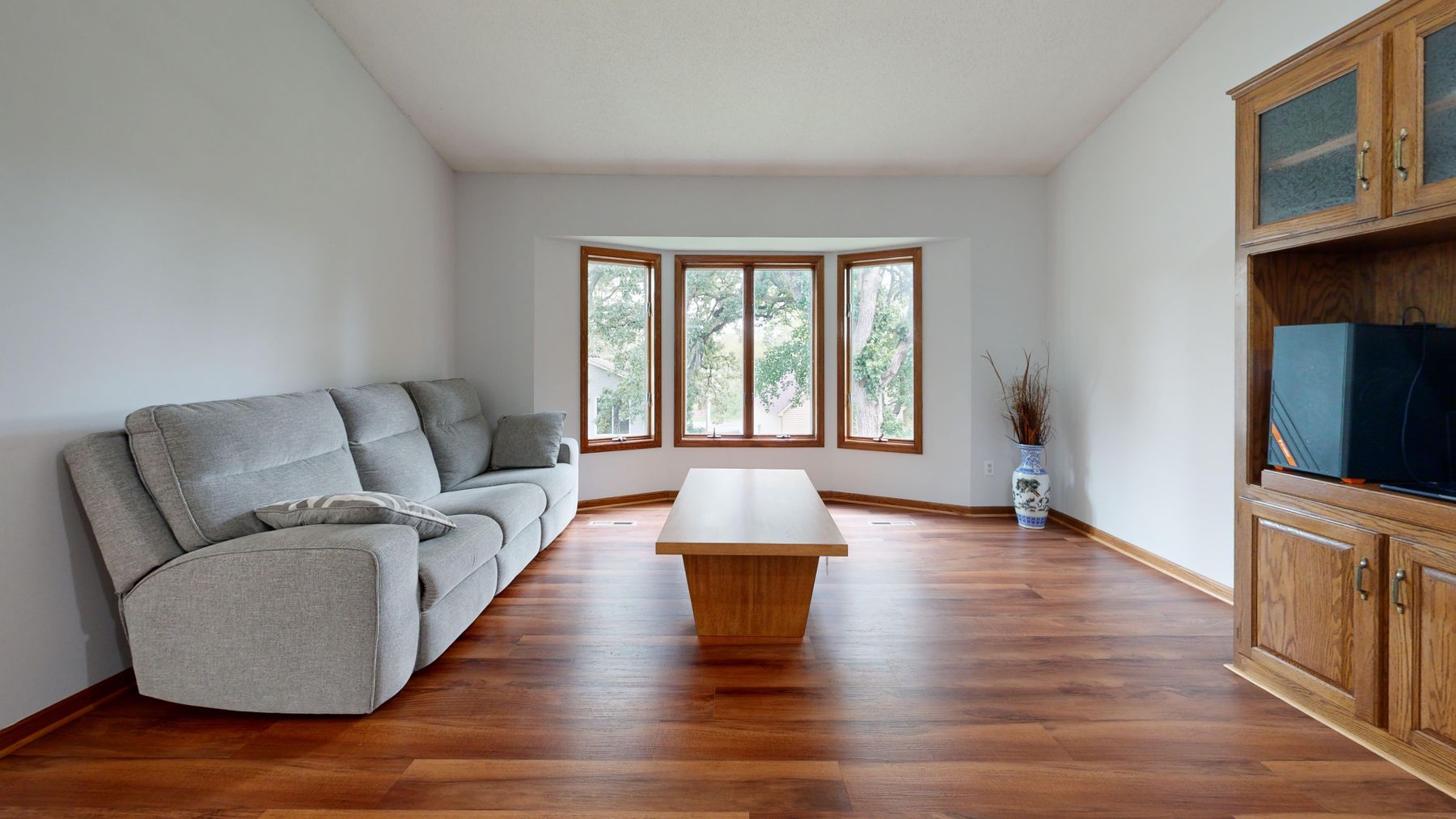
Treat the landscape as one focal element, not a reason to leave glass uncontrolled. Layer solar or privacy protection with curtains, shades or shutters appropriate to heat gain, glare and nighttime exposure. Keep fabric clear of stoves, radiators and damp walls, and protect leather, timber and textiles from direct sun where fading matters. Seat orientation should allow people to enjoy the view without turning every conversation into a row facing outside.
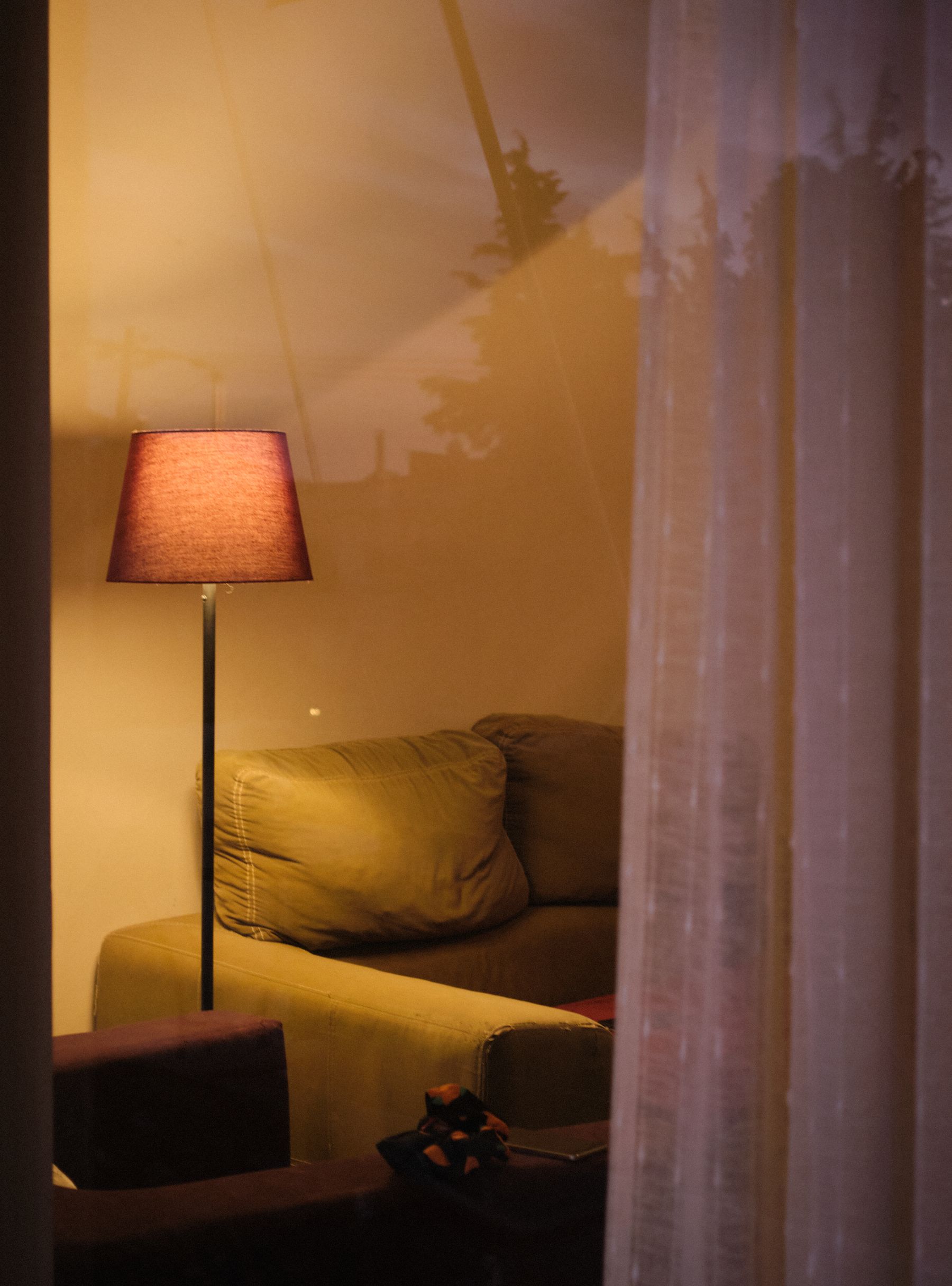
Layer Light Around Tasks and Texture
Combine useful ambient light, reading light at the principal seats, low orientation light and selective grazing light for stone or timber. Aged brass, iron, ceramic and woven shades can suit the palette, but exposed filament bulbs often create glare without useful output. Check fire clearances, reachable switches and cable routes, and have unknown vintage fittings inspected. [Living room lighting ideas](/living-room/living-room-lighting-ideas/) provides a fuller guide to beam, color quality and control.
Store Firewood, Media and Games Deliberately
List the real inventory—logs, kindling, controls, games, books, blankets, charging cables and pet items—before selecting storage. Keep firewood quantities modest indoors, dry and away from heat or escape routes; inspect for insects and debris. Use closed storage for visual noise and open shelves for books or objects that tolerate dust. [Living room storage ideas](/living-room/living-room-storage-ideas/) helps convert the inventory into cabinet and shelf dimensions.

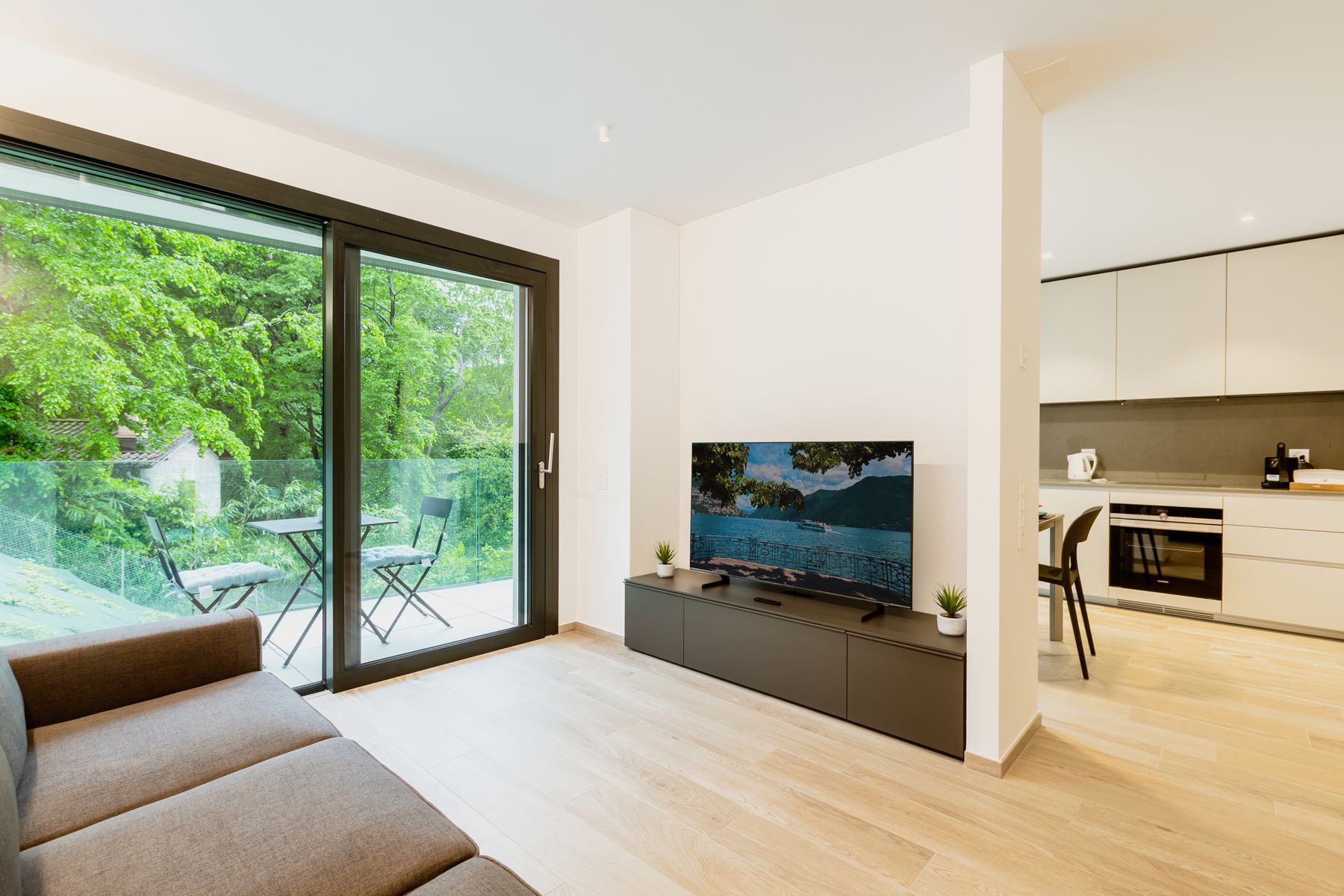
Integrate the Television Without Building a Shrine
Place the screen for comfortable viewing and low window glare rather than forcing it above a hot or visually important fireplace. A low cabinet or simple dark wall can reduce contrast without imitating a rustic object. Maintain ventilation, cable bends, power access and replacement routes, and secure equipment where children or pets use the room. If the hearth and screen compete, give seating a slight turn or place the television on an adjacent wall.
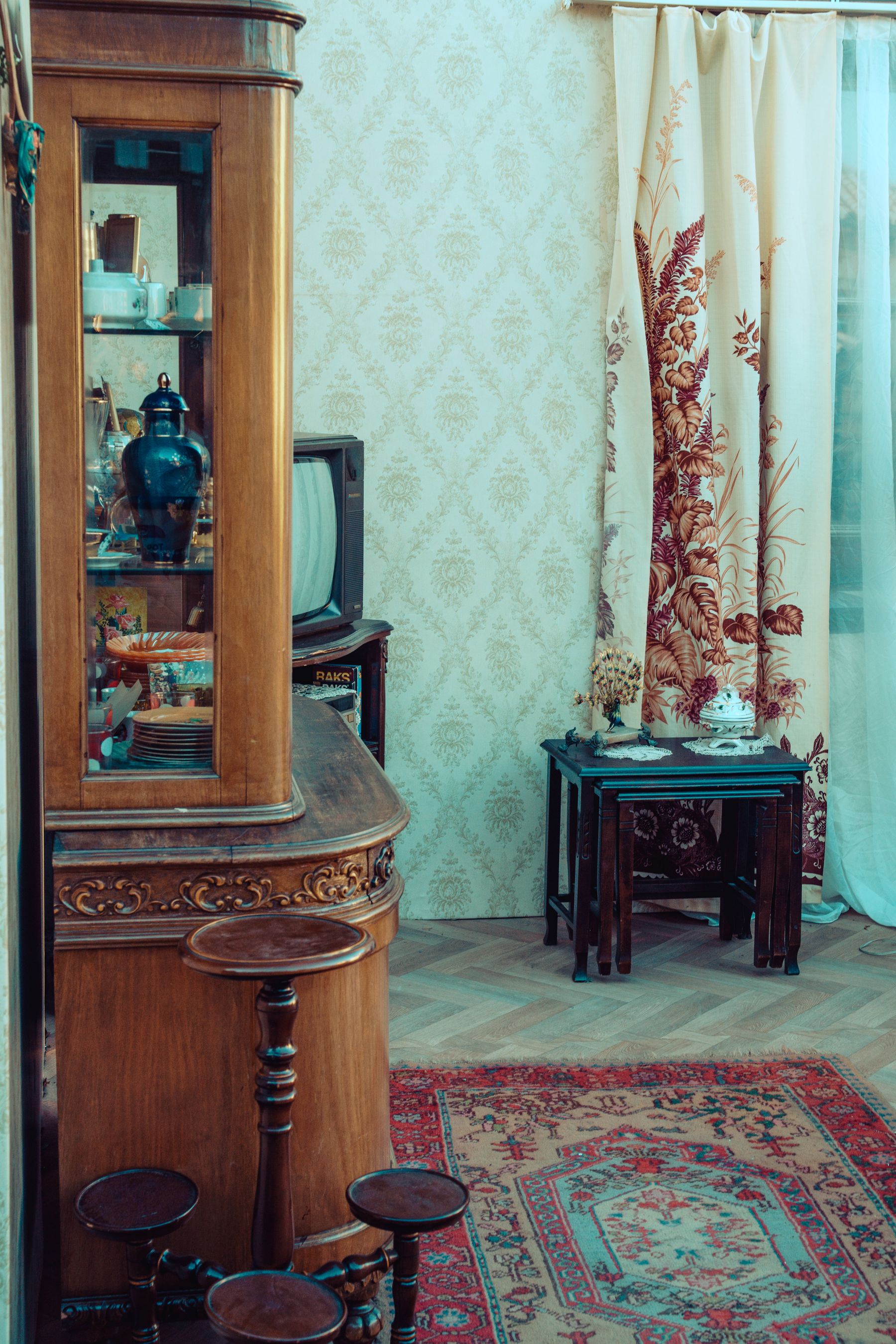
Edit Art and Objects Into One Story
Use pottery, baskets, tools, photographs, books and art because they carry personal or regional meaning, not because they look vaguely old. Group a few pieces by use, material or provenance and leave enough space for the architecture to breathe. Protect works from fire heat, soot, damp and direct sun, and use proper fixings in masonry or timber. [Vintage living room ideas](/living-room/vintage-living-room-ideas/) is the better path when collecting across eras becomes the primary intent.
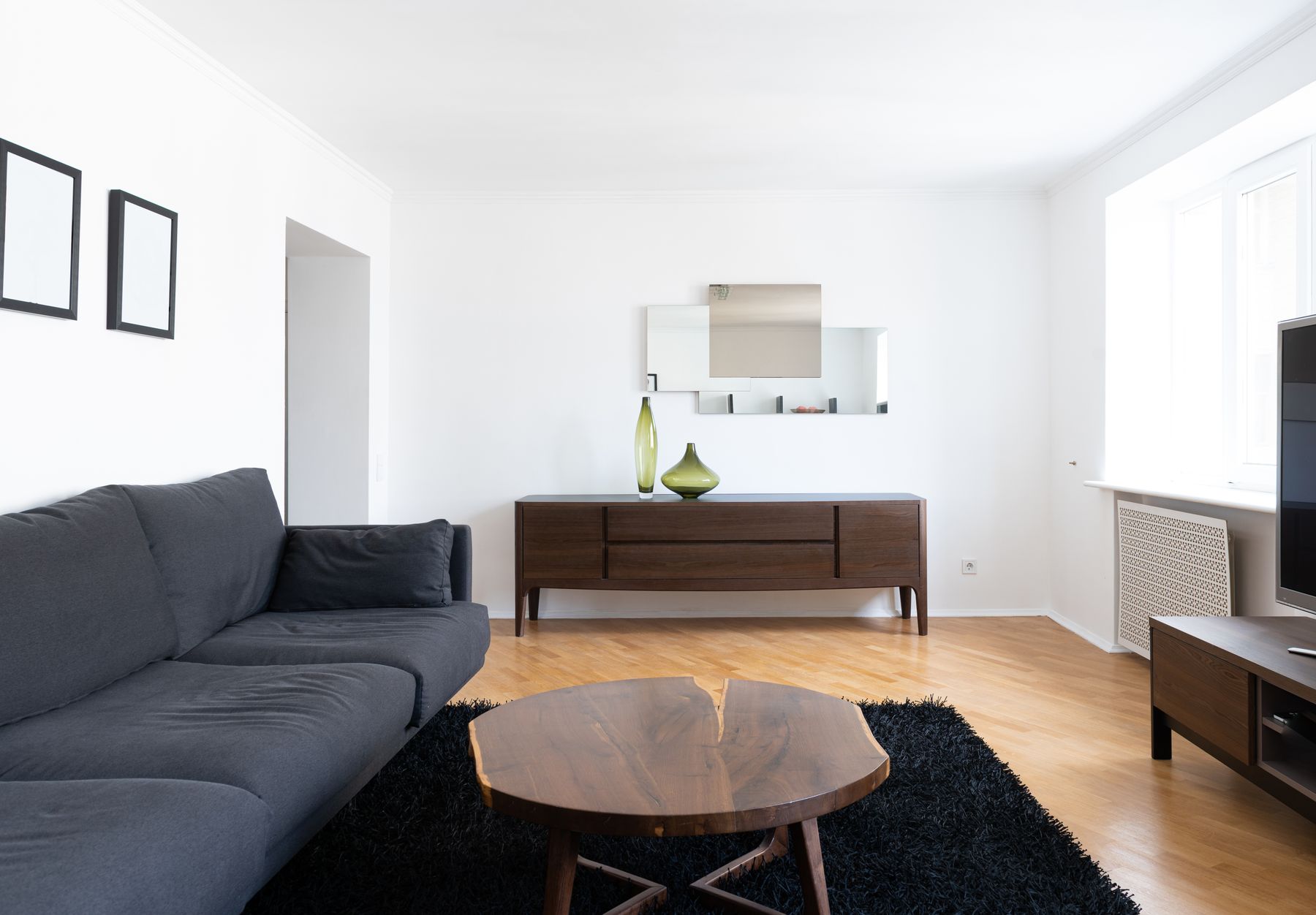
Design a Small Rustic Living Room by Weight
In a small room, concentrate rough texture on one plane or one furniture piece and keep the largest upholstery visually quieter. Choose moderate sofa depth, mobile side tables and one clear route rather than several undersized rustic accents. Pale textiles can relieve dark timber without turning the room into farmhouse. [Small living room ideas](/living-room/small-living-room-ideas/) develops the broader footprint, multifunction and storage decisions.
Zone Open Plan With Repeated Material
Give living, dining and kitchen areas distinct centers, then repeat one timber tone, metal finish or textile color across them. A rug and pendant can establish the sitting area without erecting a heavy divider. Keep stools, dining chairs and sofa backs out of the main connecting route, and test the table fully extended. The adjacent [rustic kitchen ideas](/kitchen/rustic-kitchen-ideas/) guide helps coordinate durable surfaces and working storage without copying the lounge.
Make Rental Changes Genuinely Reversible
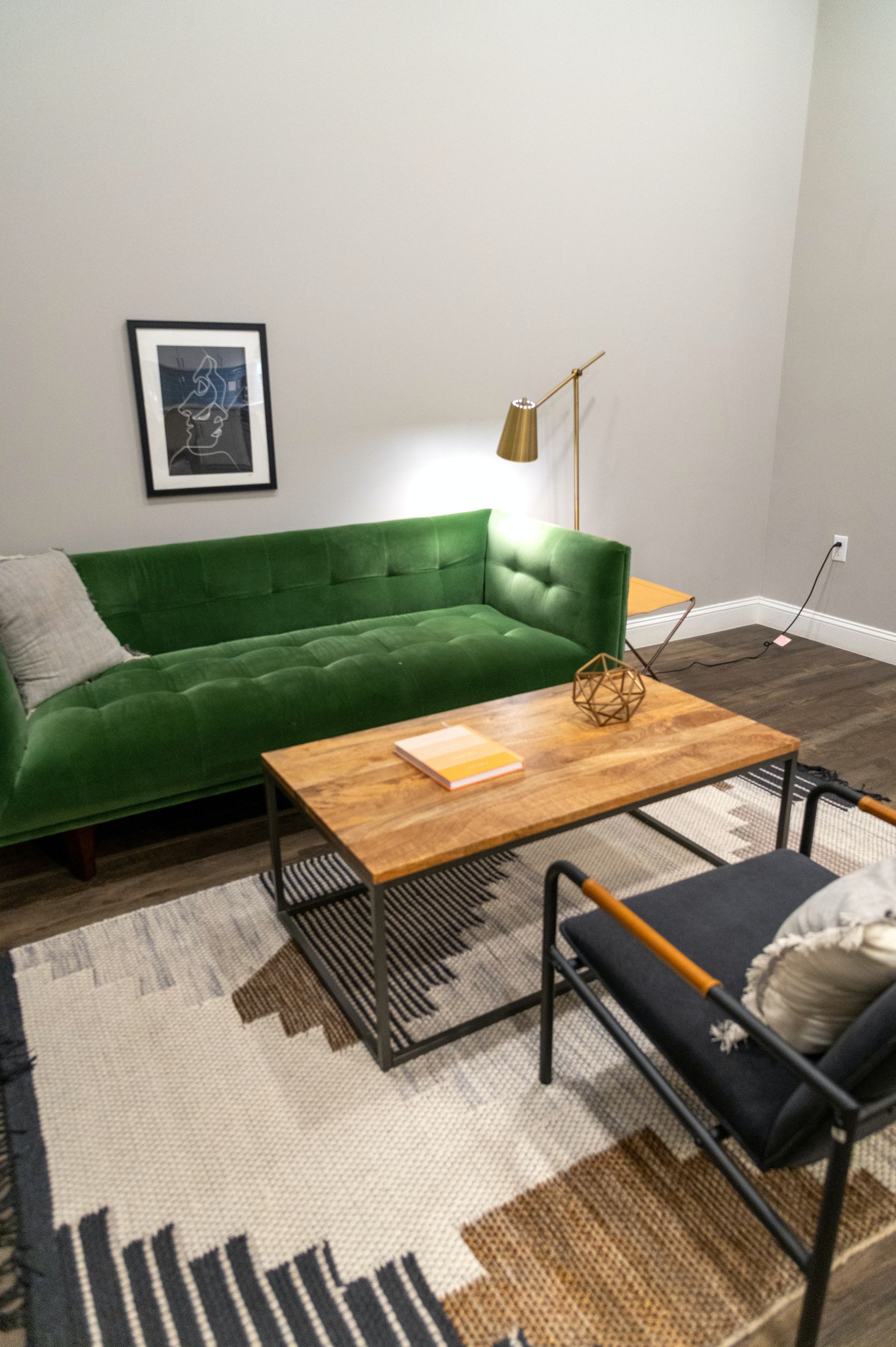
Renters can establish rustic character through a broad rug, solid secondhand table, woven shades, linen curtains, baskets and one well-chosen leather or wood chair. Ask permission where required and test removable products on the actual wall because paint and plaster vary. Freestanding shelving still needs appropriate anchoring. Keep original hardware labeled and stored, and avoid adhesive faux wood that may damage the surface while adding little material credibility.
Design for Children, Pets and Changing Bodies
Anchor tall furniture, secure the television, manage cords and keep sharp stone, projecting hardware and hot surfaces outside active routes. Include at least one supportive chair with arms, preserve the widest continuous path possible and secure rug edges. Choose low-loop rugs and snag-resistant upholstery where claws, mobility aids or toys are part of daily life. Rustic should feel robust because it truly supports use, not because hazards are described as character.
Balance Thermal Comfort and Ventilation
Timber, stone and large windows can produce radiant cold, drafts or overheating even when the room looks warm. Diagnose gaps, insulation, moisture and airflow before adding more throws or sealing every opening. Keep vents and radiators unobstructed, allow safe air supply for combustion appliances and use window coverings appropriate to the climate. Thick textiles can soften perception and sound, but they are not a substitute for a sound envelope or safe ventilation.
Plan Cleaning Around Rough Surfaces
Deep grain, masonry ledges, open shelves, textured rugs and firewood all collect dust differently. Choose finishes that can be vacuumed or wiped with methods compatible with the material, and leave access behind seating and beneath tables. Keep a labeled care record for stone, leather, wood, metal and upholstery; one universal spray can damage several of them. Reduce small objects on rough surfaces when routine cleaning would otherwise require constant unpacking.
Budget for Structure, Comfort and Repair
Prioritize structural and moisture work, safe hearth servicing, a comfortable sofa, an adequately sized rug and useful lighting. Save through repaired tables, vintage case goods, local pottery and slower collecting rather than faux-finished filler. Include delivery, upholstery, anchoring, electrical work and specialist cleaning in the budget. A modest room with one sound material investment generally feels more rustic than an expensive room crowded with themed products.
Edit the Finished Room by Use
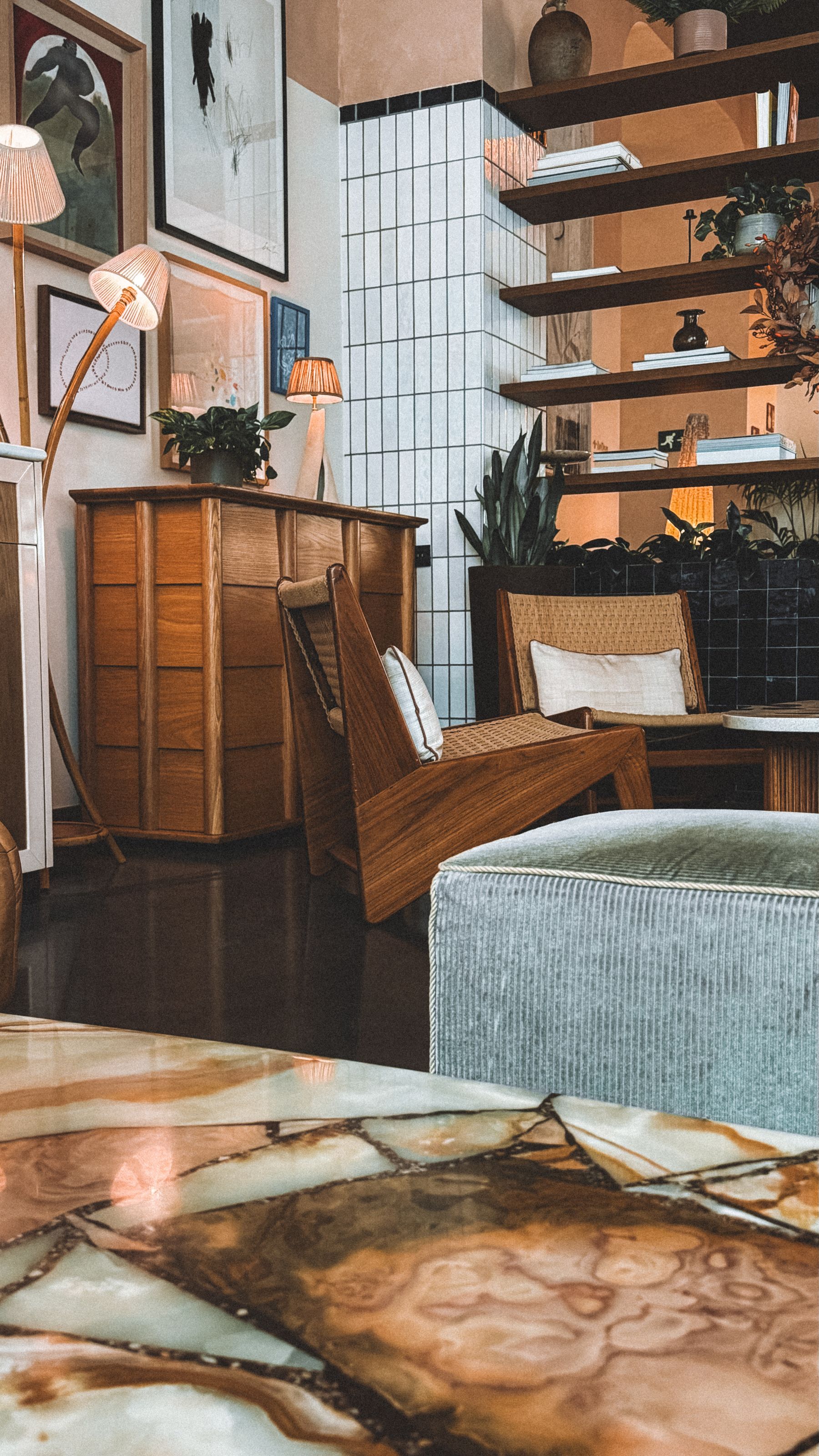
Live with the principal furniture and lighting before adding the final baskets, cushions, pottery and art. Check conversation, fire clearances, table reach, reading light, television glare, storage, sound and cleaning, then remove objects that interrupt those jobs. Do not confuse coziness with accumulation; [cozy living room ideas](/living-room/cozy-living-room-ideas/) develops sensory comfort more broadly, while rustic should remain anchored in material truth. Stop when each addition would repeat a texture or weaken the room's hierarchy.