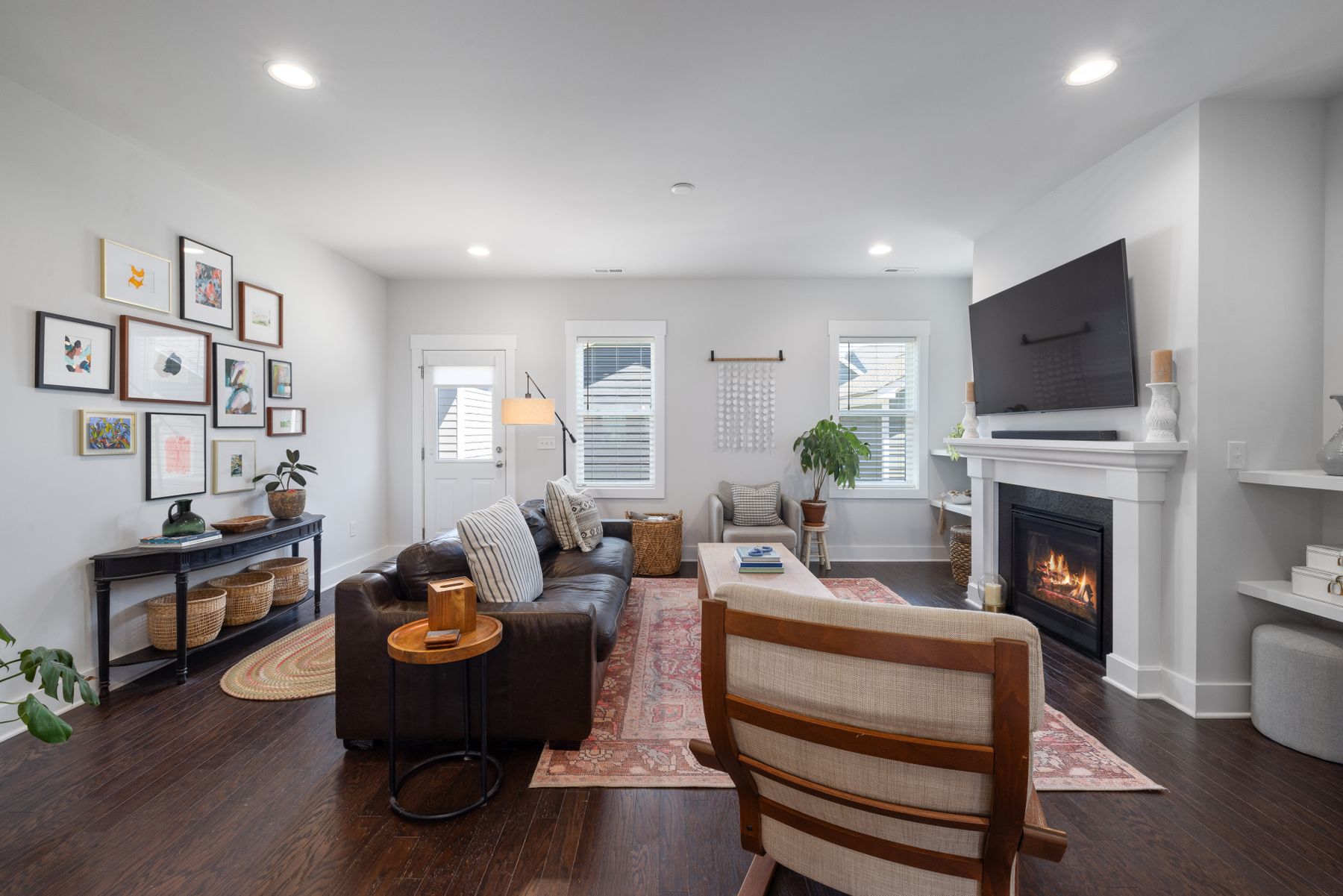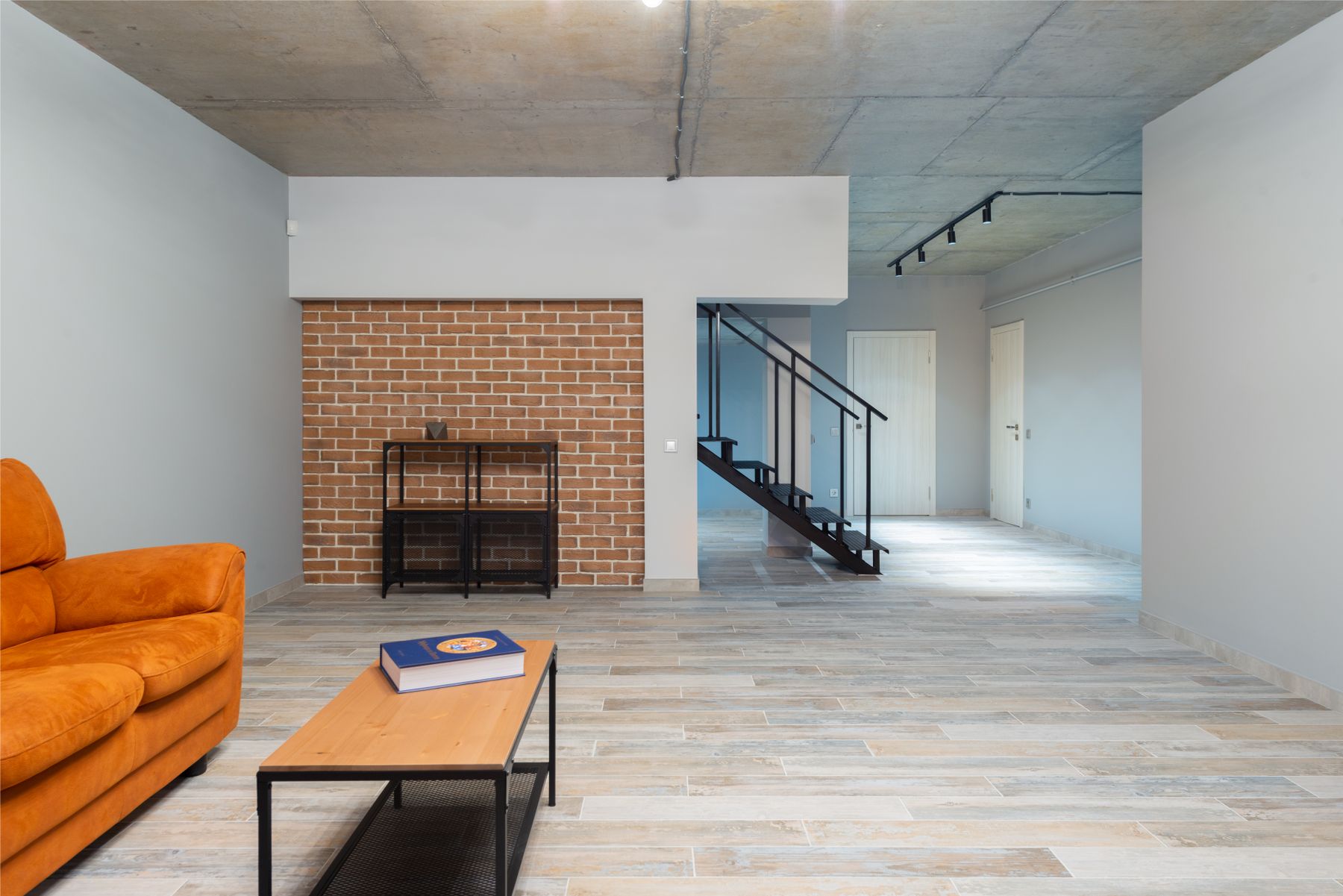
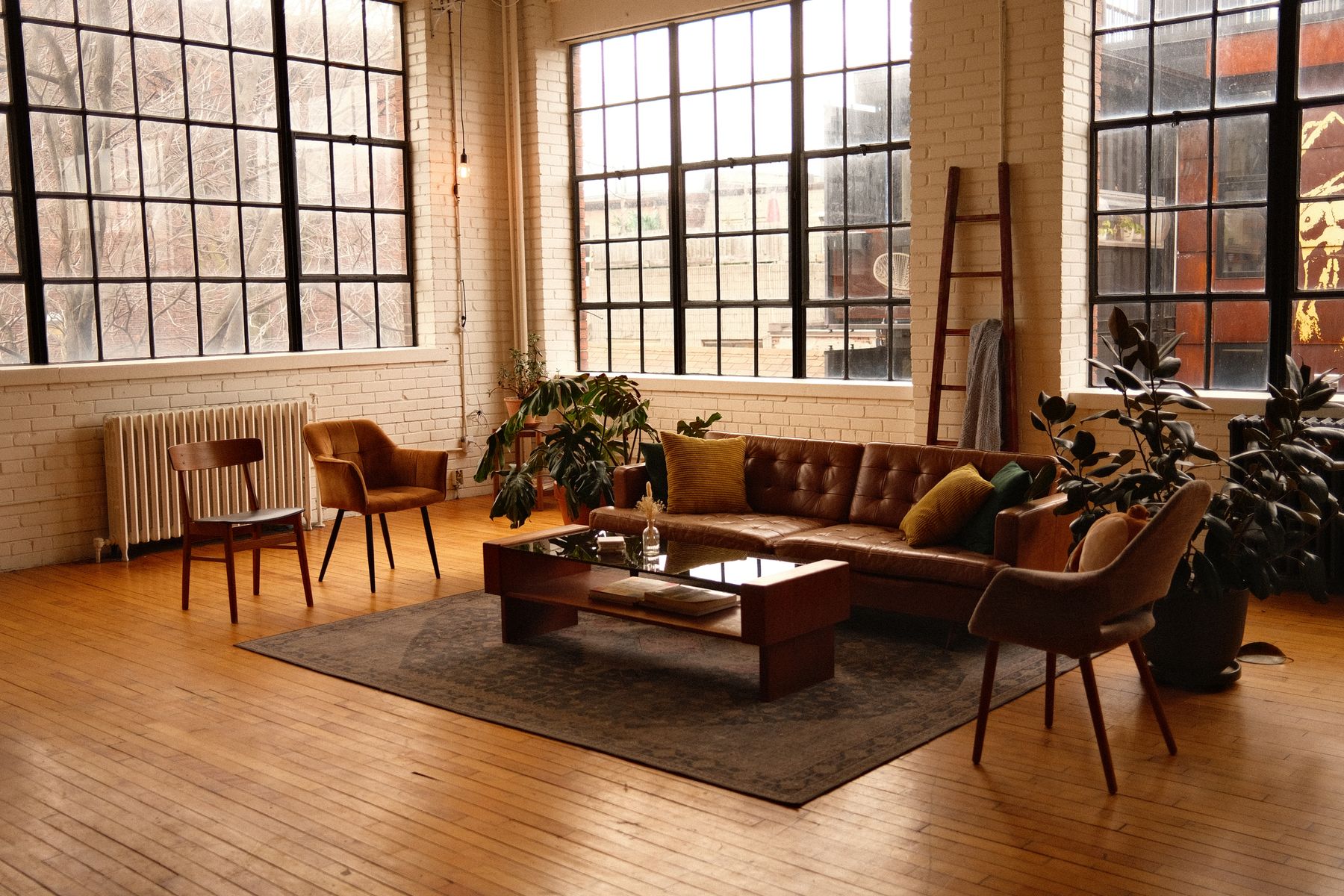
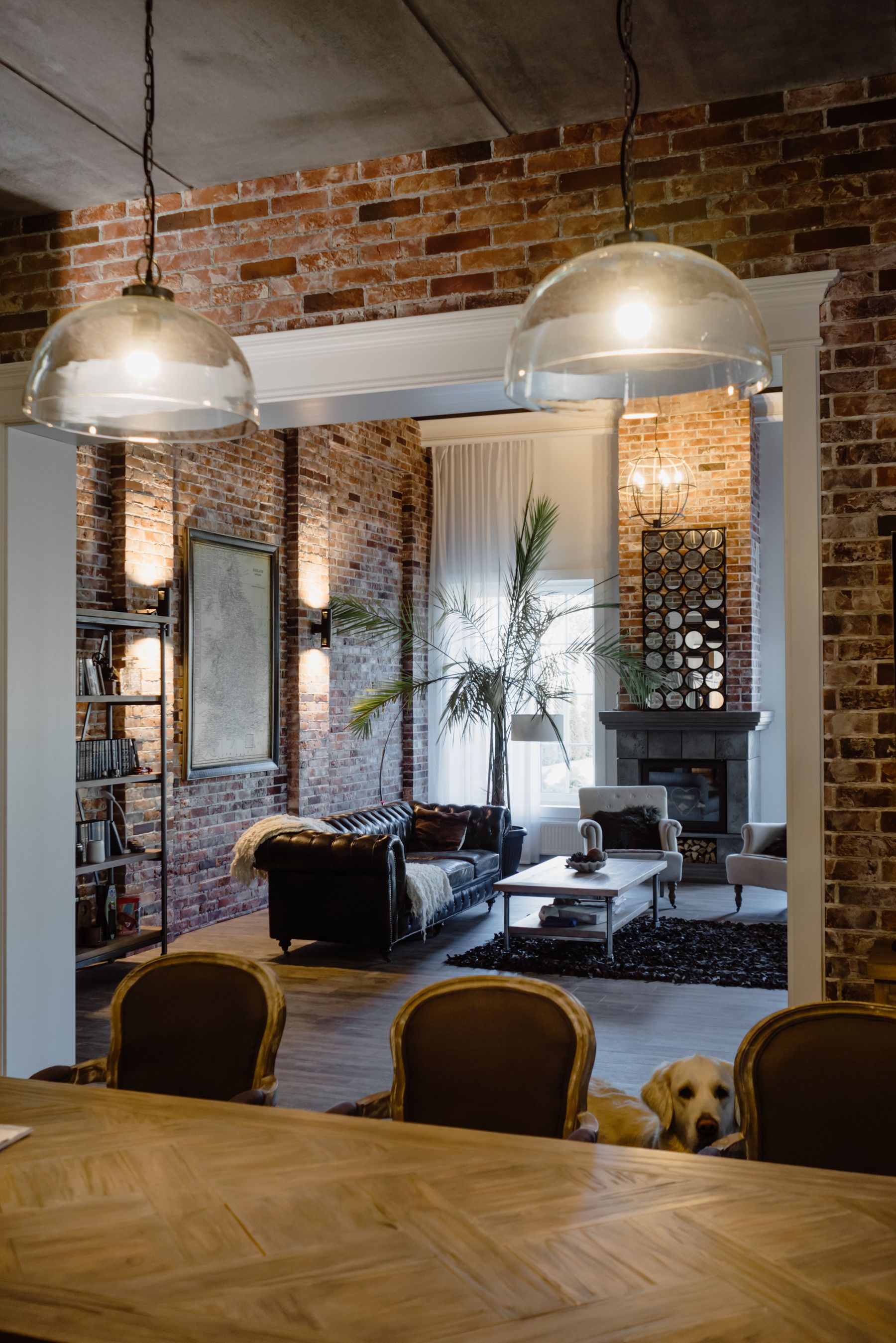
Make Industrial Look Finished, Not Unfinished
Industrial style exposes or expresses the room's construction: brick, concrete, steel, timber, glass and visible structure. An unfinished room simply lacks resolved surfaces, comfort or services. The distinction is control. Repair loose masonry, complete electrical work, specify durable finishes and give the seating group a clear boundary. One authentic structural feature carries more authority than several decorative gears, signs and imitation pipes. For whole-home planning across kitchen, bath and circulation, continue to [industrial apartment ideas](/apartment/industrial-apartment-ideas/).
Audit the Existing Shell Before Styling It
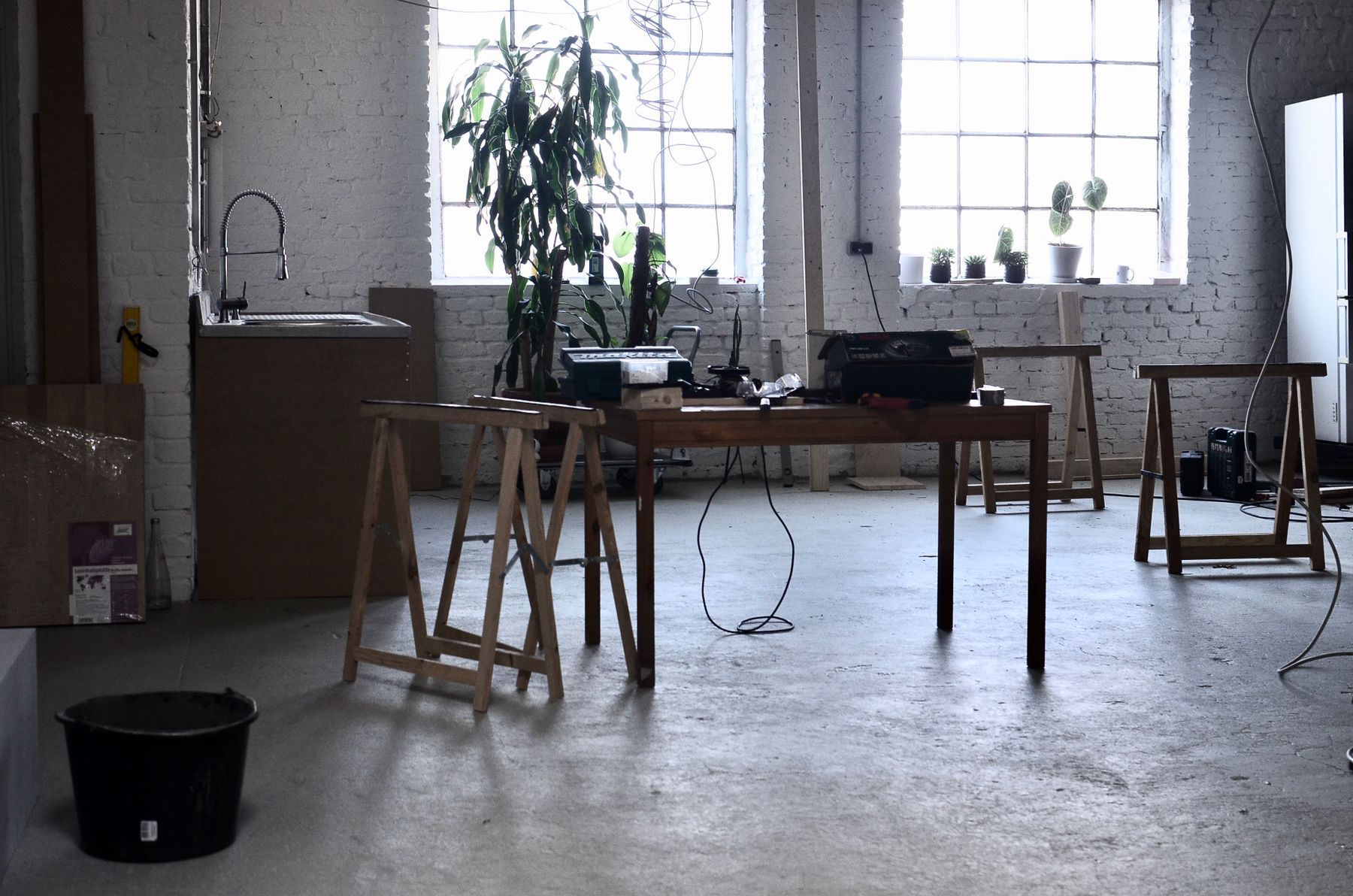
Record brick, slab, beams, columns, windows, radiators, outlets, vents and ceiling height. Decide what should be cleaned, stabilized, softened or concealed; exposure is not automatically improvement. Efflorescence, damp, cracks, spalling and unknown coatings need diagnosis before cosmetic sealing. In a converted building, fire separation, acoustic layers and protected services may matter more than the desired photograph. Preserve real character where it is sound, then let furniture respond to the building instead of applying an industrial costume over unresolved defects.
Adapt the Style to a Conventional Room
A standard apartment does not need faux ducts, imitation brick and a black ceiling. Choose two strong cues—perhaps a steel bookcase and substantial timber table—then use ordinary plaster, comfortable upholstery and warm light as relief. Preserve useful ceiling height and daylight rather than darkening every surface. If the architecture is modest, construction logic can carry the style: visible brackets, straightforward joinery and honest material edges feel more credible than applied distress. The room should still belong to the building it occupies.
Build a Conversation Group Before a Mood
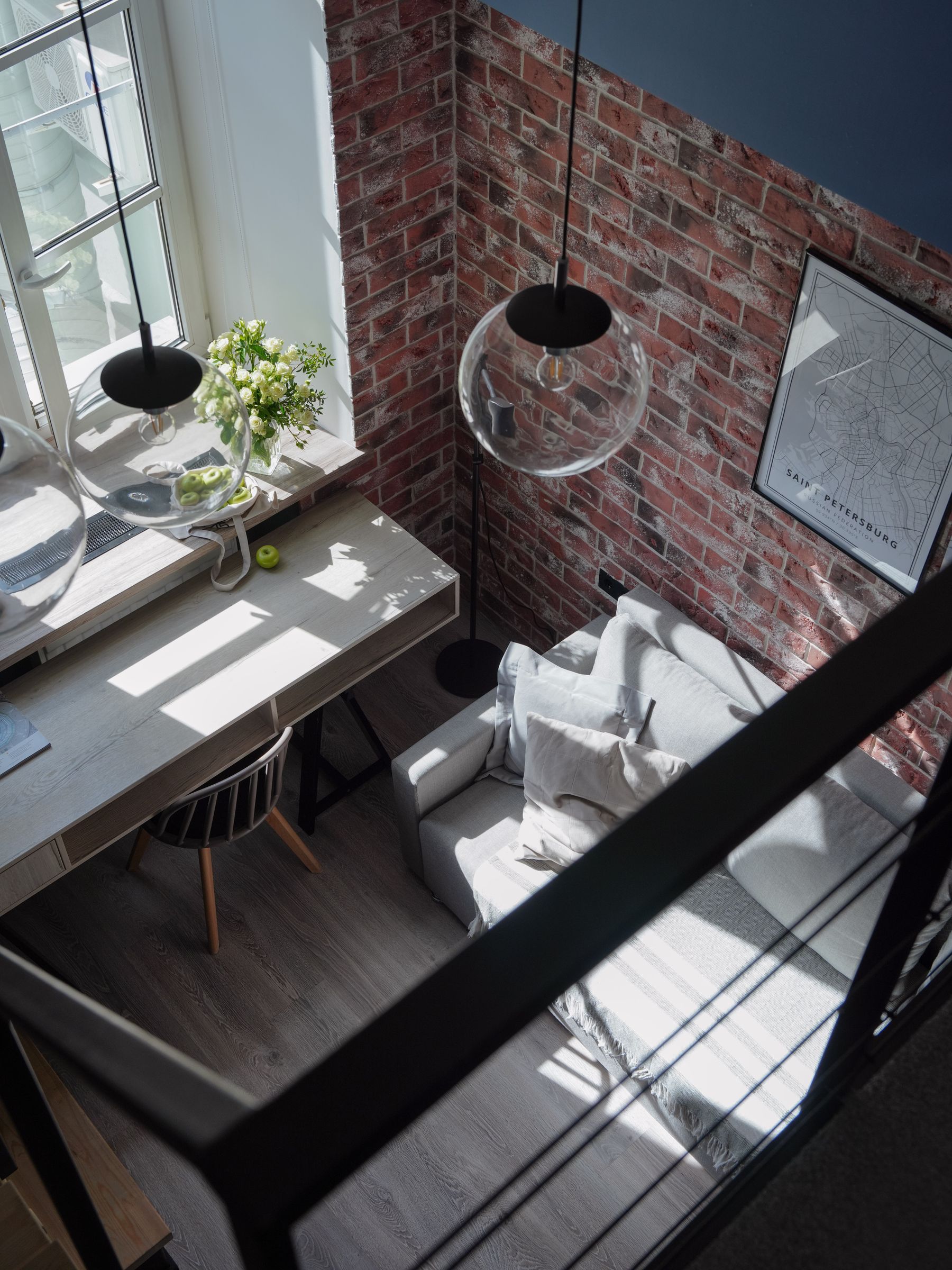
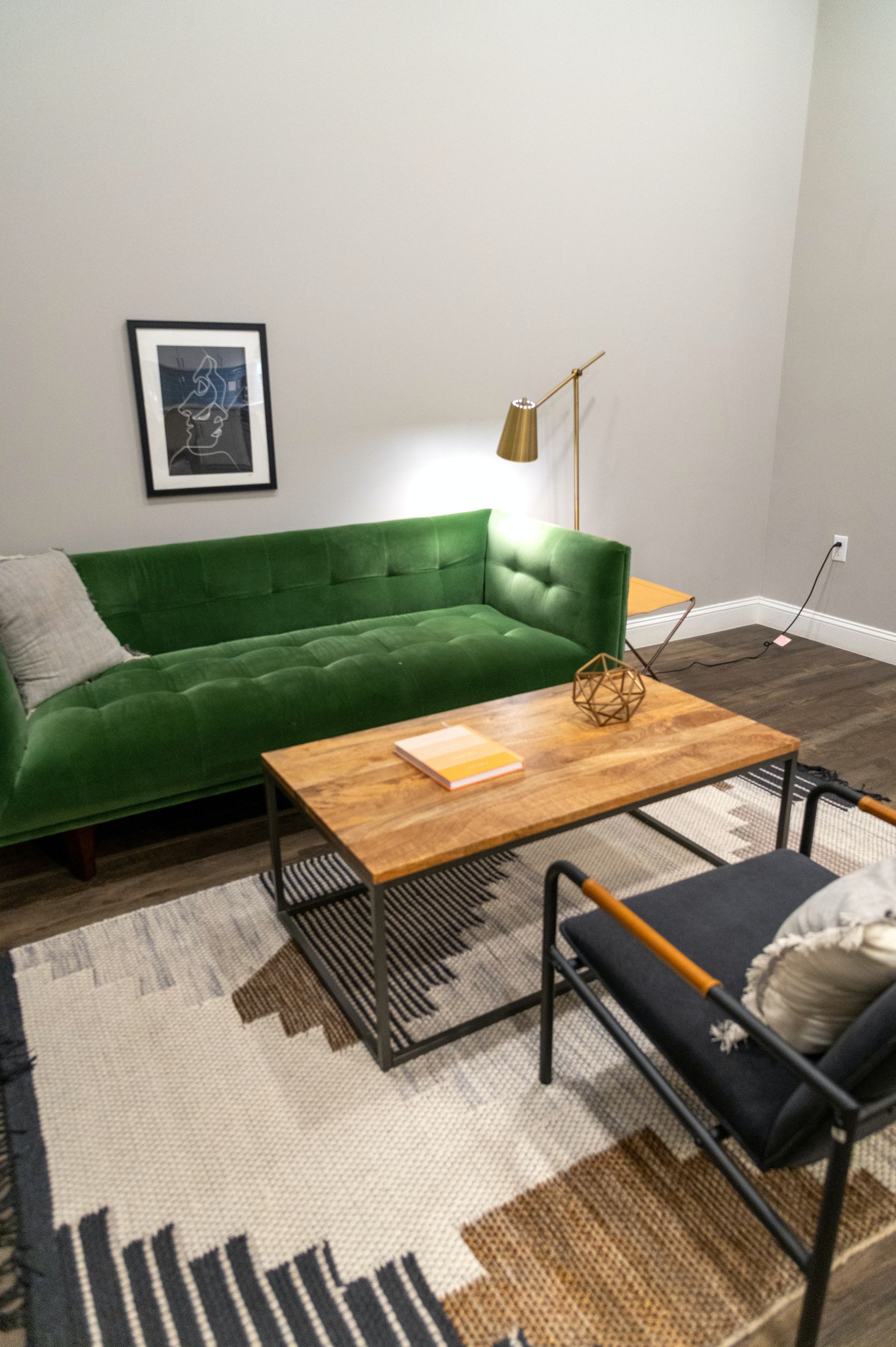
Industrial rooms often photograph as large empty volumes, but daily use needs reachable tables, comfortable viewing angles and seats close enough for normal conversation. Start with the sofa and one or two chairs, protect the primary route and put a stable surface near each seat. Do not let a brick wall dictate a long furniture line that faces away from everyone else. The scaled tests in [living room layout ideas](/living-room/living-room-layout-ideas/) help resolve fireplaces, screens, doors and through-routes before heavy furniture arrives.
Zone an Open Plan With Furniture and Light
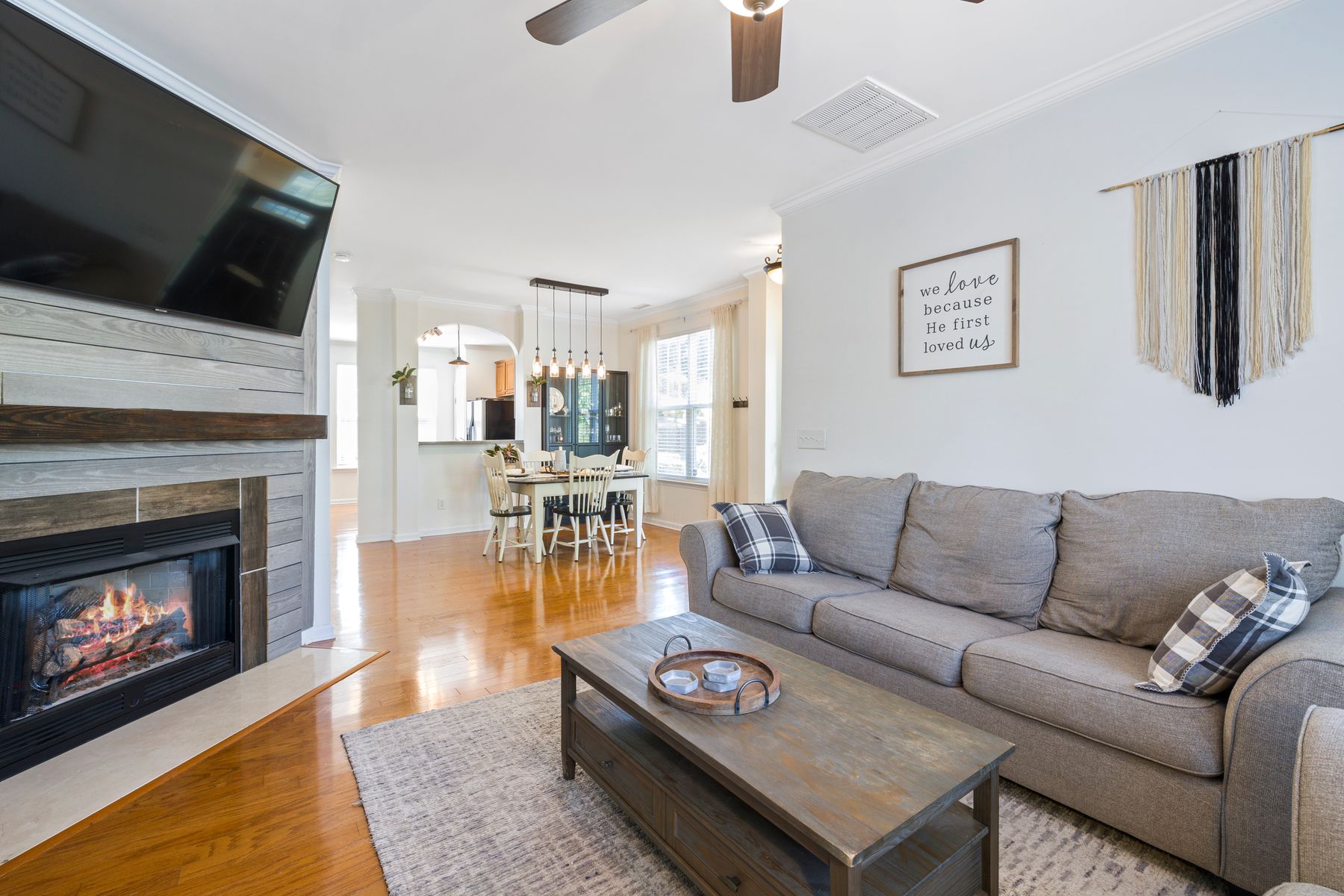
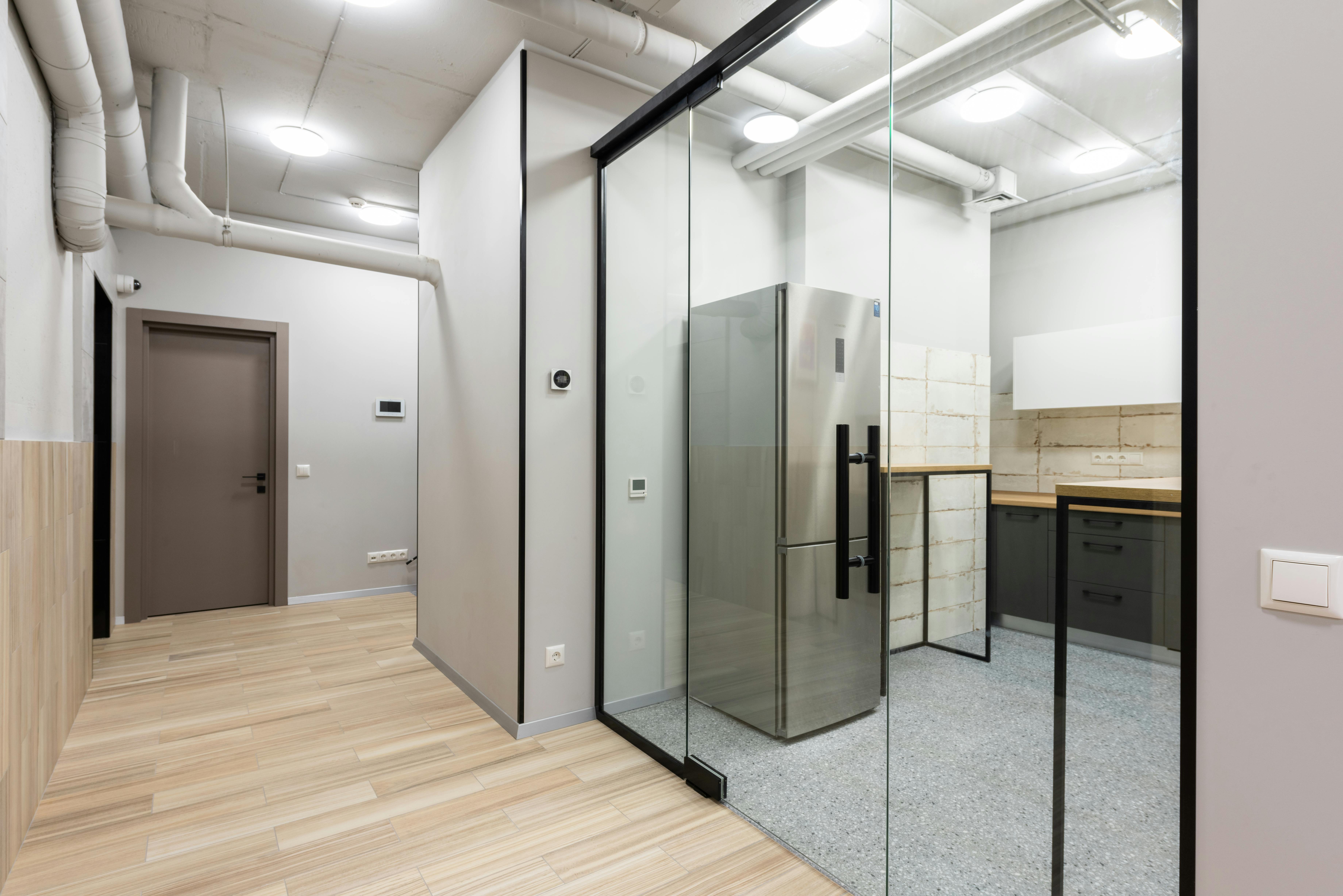
Use the sofa back, a large rug, low storage or an open metal shelf to mark the living zone while preserving sightlines. Repeat one timber or metal finish in the adjacent dining area, but let lighting and rug shape distinguish each activity. Check the route when dining chairs are pulled out and cabinet doors are open. Tall partitions can destroy the volume that makes an industrial plan valuable; where privacy or sound control is necessary, framed glass or a partial screen may keep borrowed light.
Use Exposed Brick as the Main Pattern
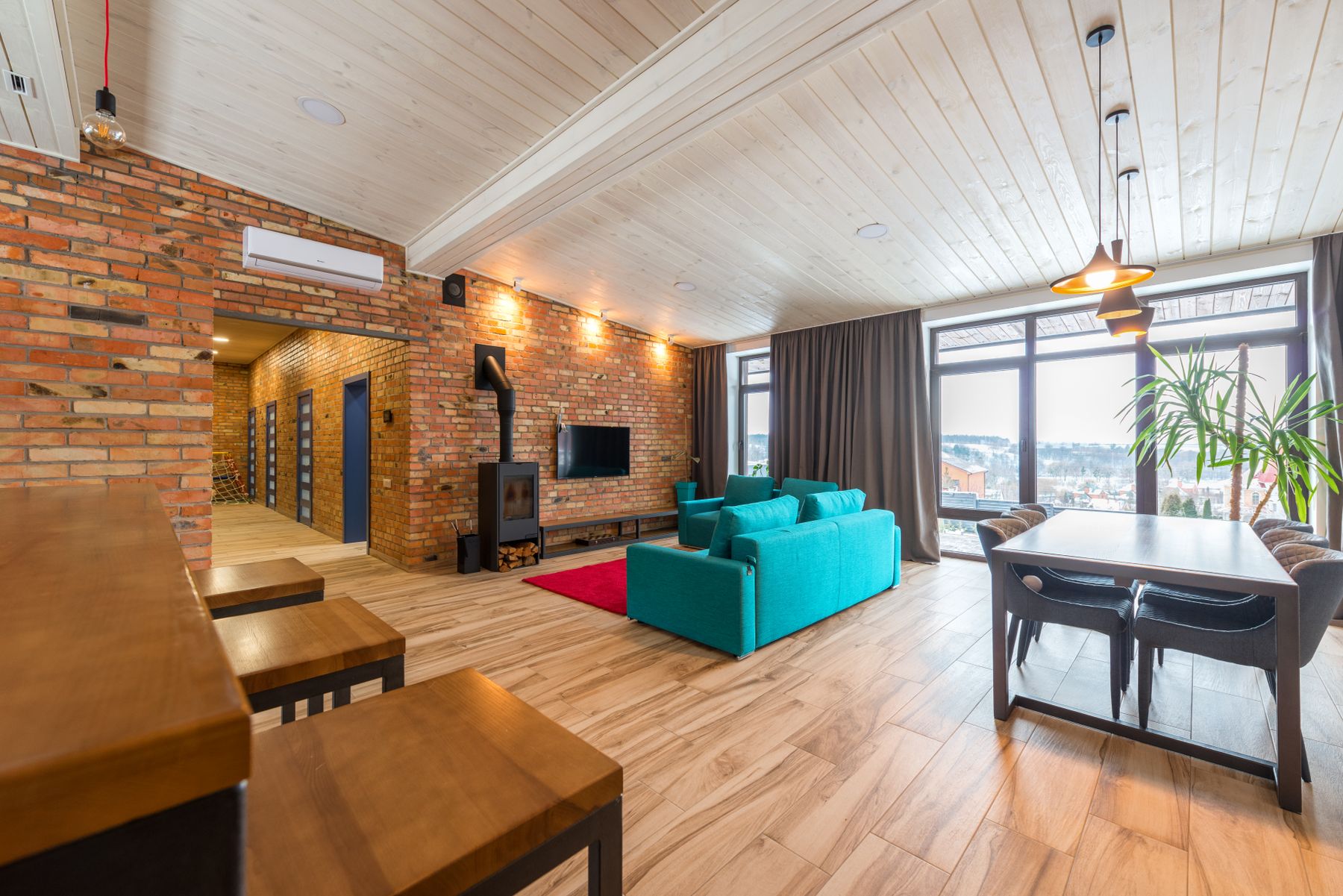
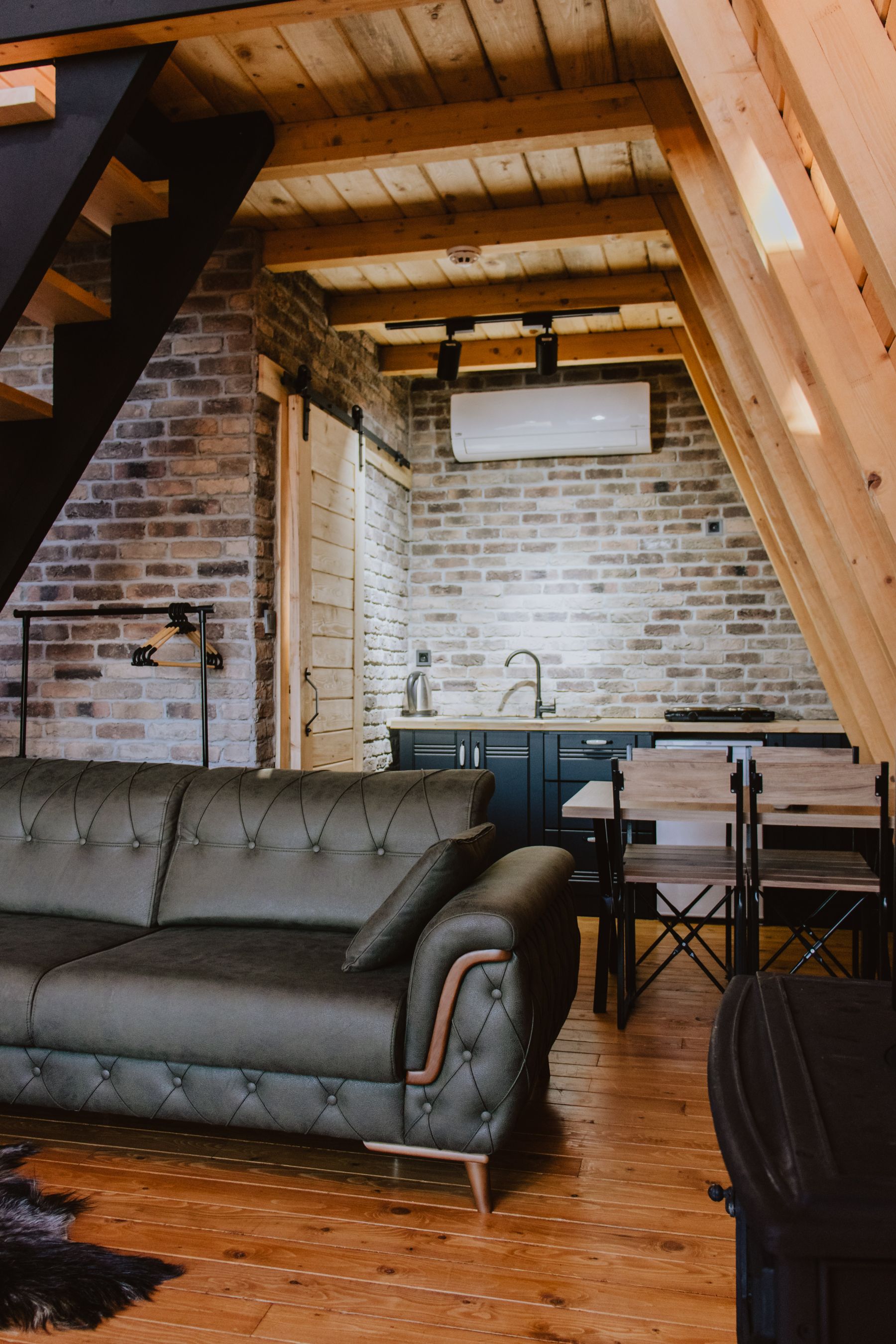
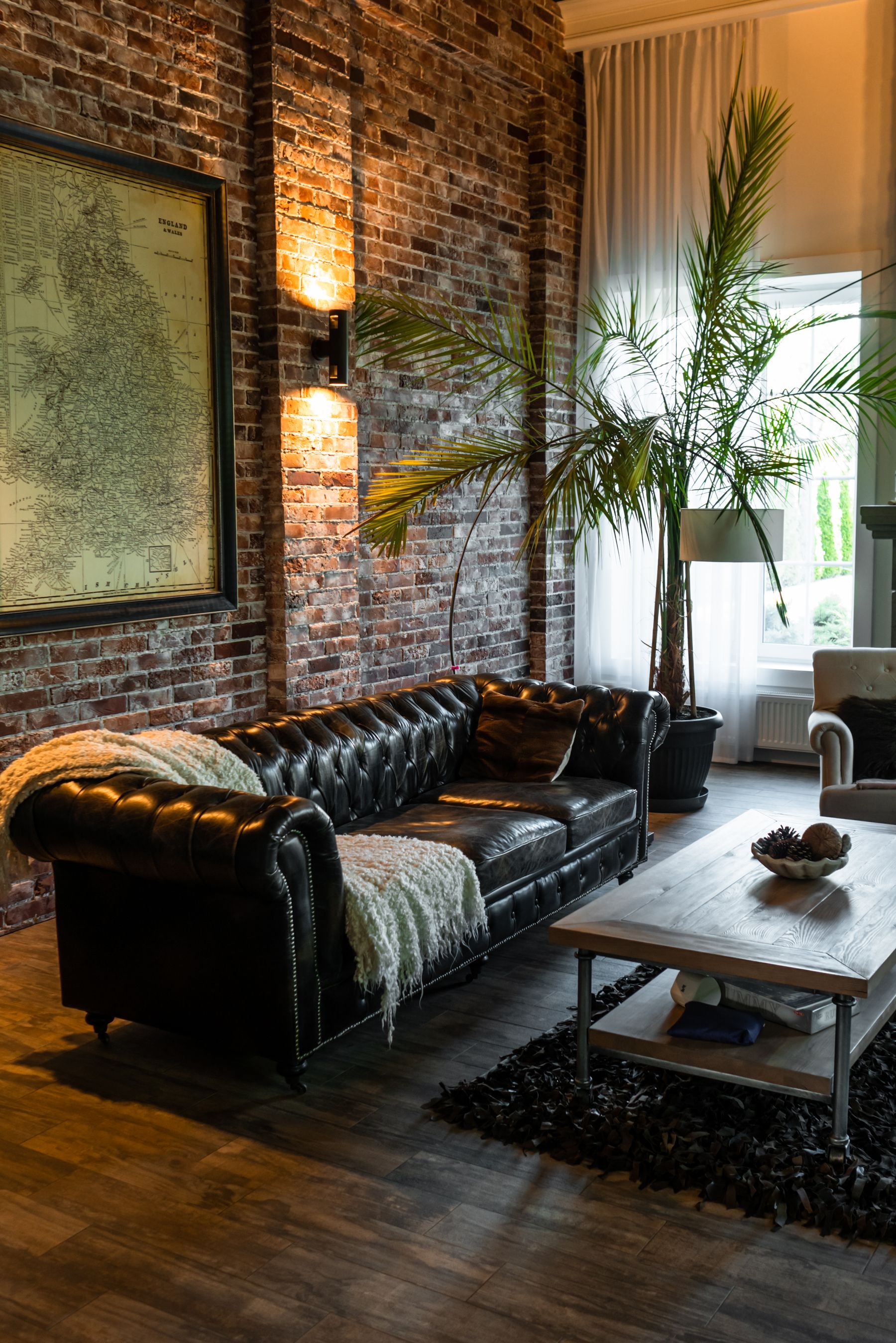
Inspect brick for moisture, dusting mortar, salts and inappropriate previous coatings before cleaning or sealing it. Once sound, treat its joint pattern and color variation as the room's largest visual motif. Pale upholstery, broad art and quiet curtains can balance a busy wall; several small black accessories usually make it more restless. Painting brick is a major and often difficult-to-reverse decision, so test limewash, mineral finishes or leaving only one exposed plane before covering a whole historic surface.
Treat Concrete as a Performance Surface
Concrete can be structural, a thin finish or an imitation panel, and each behaves differently. Check cracks, moisture, dusting, cold bridges and how edges meet skirting, sockets and the fireplace. A matte mineral surface gives excellent shadow but can stain or show repairs; confirm cleaning and sealing before installation. In a room already containing a concrete floor or ceiling, use timber, wool and upholstered mass at body level. Adding another grey plane rarely makes the scheme more authentically industrial.
Repeat Metal as Structure, Not Speckles
Use steel or dark metal where it explains support: shelf uprights, table bases, window frames, a fire surround or a framed partition. Choose one dominant finish and allow another metal only as a warmer accent. Verify load, corrosion protection, sharp edges and floor protection, especially with custom work. Thin black outlines can make a small room legible, but black on every handle, lamp, frame and leg creates visual static. Let some hardware recede so the strongest structural lines remain visible.
Use Timber to Warm the Hard Shell
Choose timber at furniture scale—a table, media unit, sideboard or shelving bays—rather than relying on small trays. Rough-sawn character can suit a large loft, while smoother repaired wood is easier to clean in a compact family room. Check reclaimed boards for moisture, pests, embedded metal, contamination and structural weakness before using them. Avoid forcing every wood to match; relate undertones and repeat one medium tone. The aim is material warmth, not a showroom set of identical reclaimed planks.
Choose Leather for Use, Not as a Shortcut
Cognac and brown leather can warm black metal and masonry, but a leather sofa is not mandatory. Test seat depth, support, temperature, glare and how the surface responds to pets, sun and spills. Corrected leather may tolerate family use better than a delicate aniline finish; faux leather has its own durability and repair limits. Vintage seating needs frame, spring, filling, odor and pest inspection. A well-proportioned textile sofa can be more comfortable and still support an industrial room.
Use Upholstery to Prevent a Hard, Echoing Room
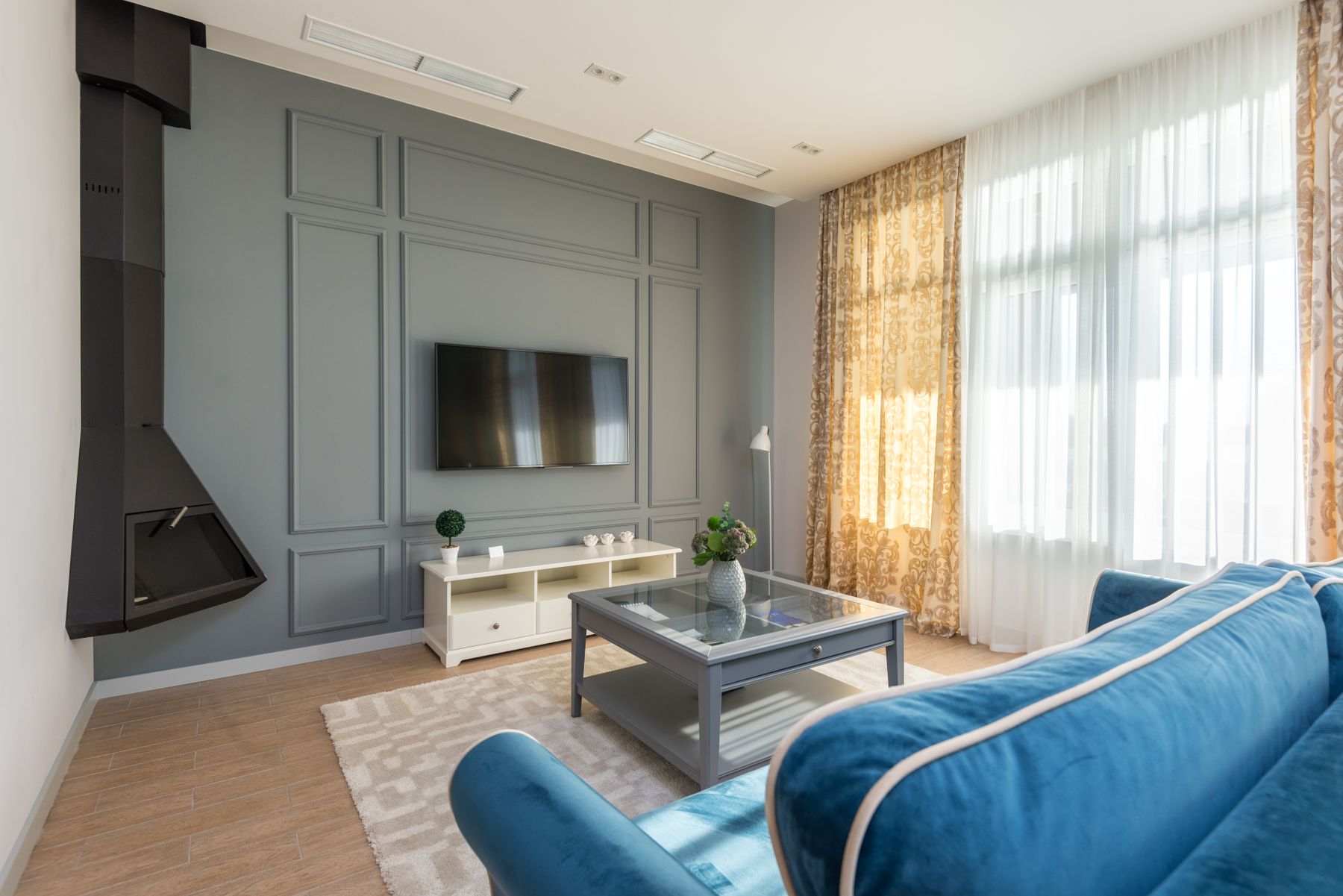
A wool, linen-blend or durable textured sofa introduces absorption and a comfortable body-level surface. Deep blue, olive, rust or warm grey can stand up to brick and concrete better than weak scattered accents. Check abrasion, pilling, snagging, cleanability and replacement options rather than assuming dark fabric hides wear. Pair one generous upholstered form with lighter metal tables so the room does not become visually heavy. Comfort is part of industrial design's adaptation from workplace to home, not a stylistic compromise.
Make the Coffee Table Earn Its Weight
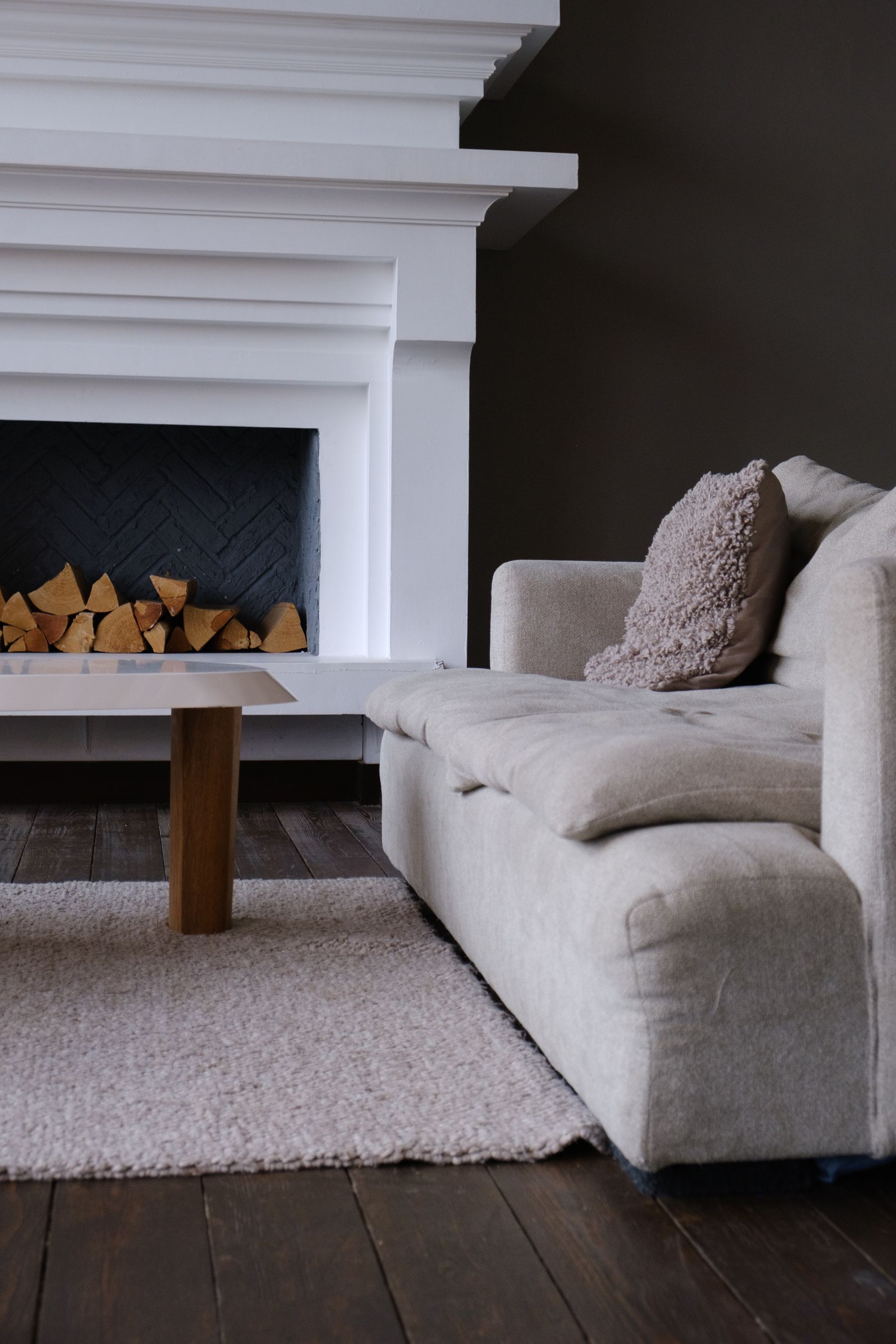
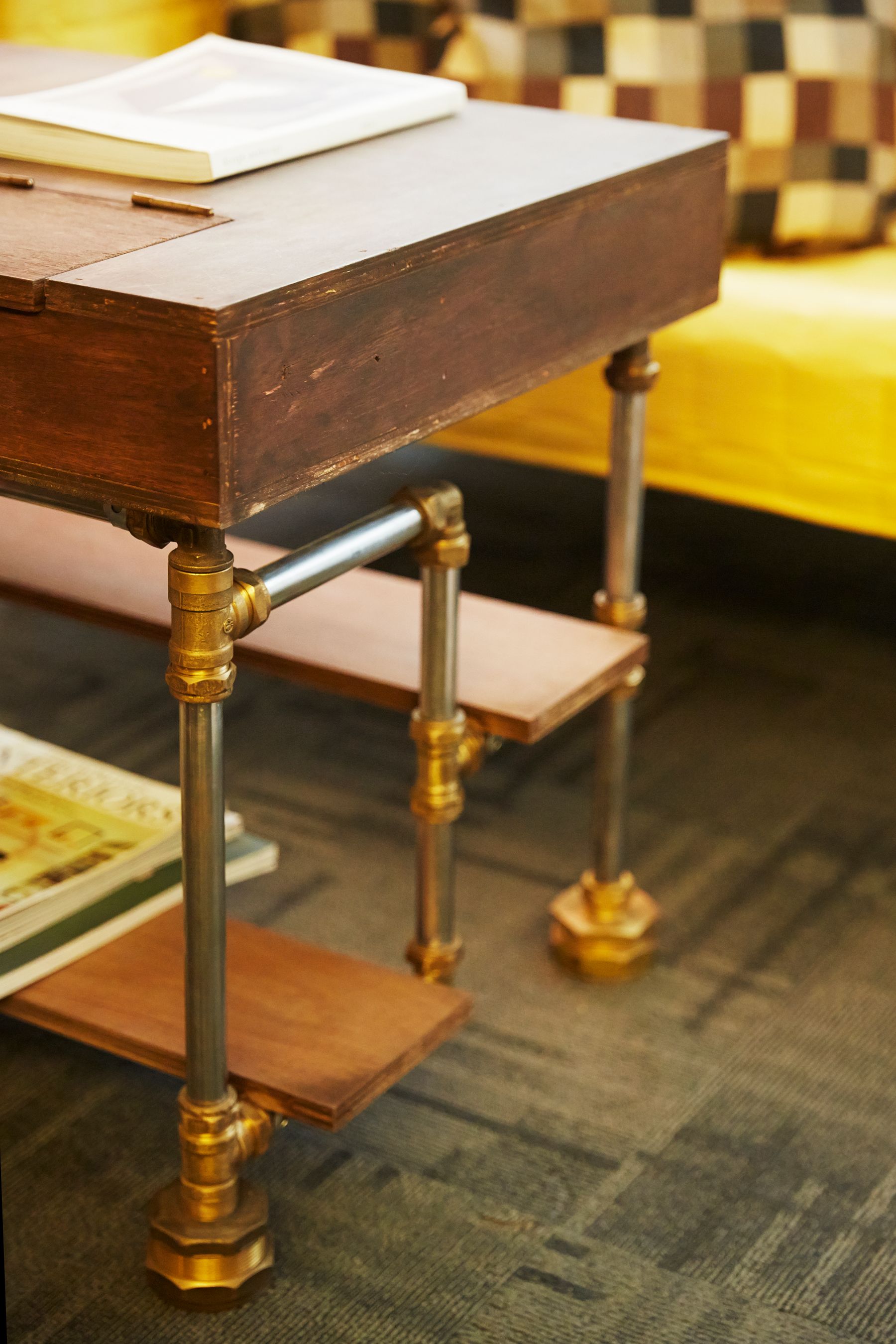
A timber-and-steel table can express industrial construction at close range, so joints, welds, edges and finish deserve scrutiny. Size it to the sofa and surrounding route, not to the drama of a showroom. Heavy reclaimed tops may be difficult to move and unsafe on weak casters; pipe bases can catch feet or complicate cleaning. Round corners or a smaller side table may work better in tight paths. Leave enough knee room and ensure every regular seat has a reachable surface.
Size the Rug to the Seating, Not the Brick Wall
The rug should hold the sofa and chairs together, soften footfall and reduce reflected sound. Jute can add rough texture but may shed or feel harsh; wool offers resilience and acoustic value but requires an appropriate care plan. On concrete or polished floors, use a compatible pad that resists movement without trapping moisture or marking the surface. Detailed scale, fiber and cleaning decisions are covered in [living room rug ideas](/living-room/living-room-rug-ideas/).
Balance Acoustics With Useful Soft Layers
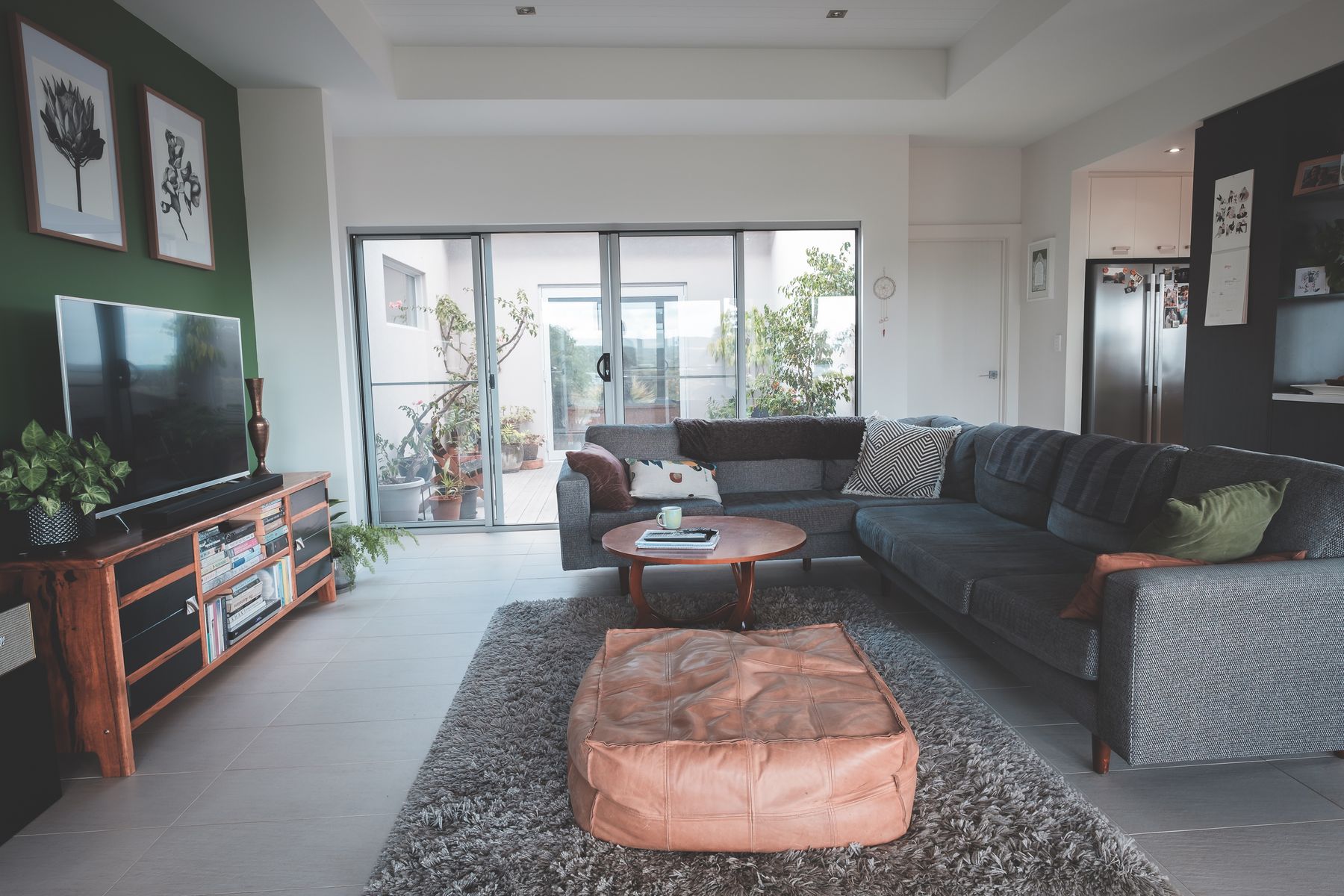
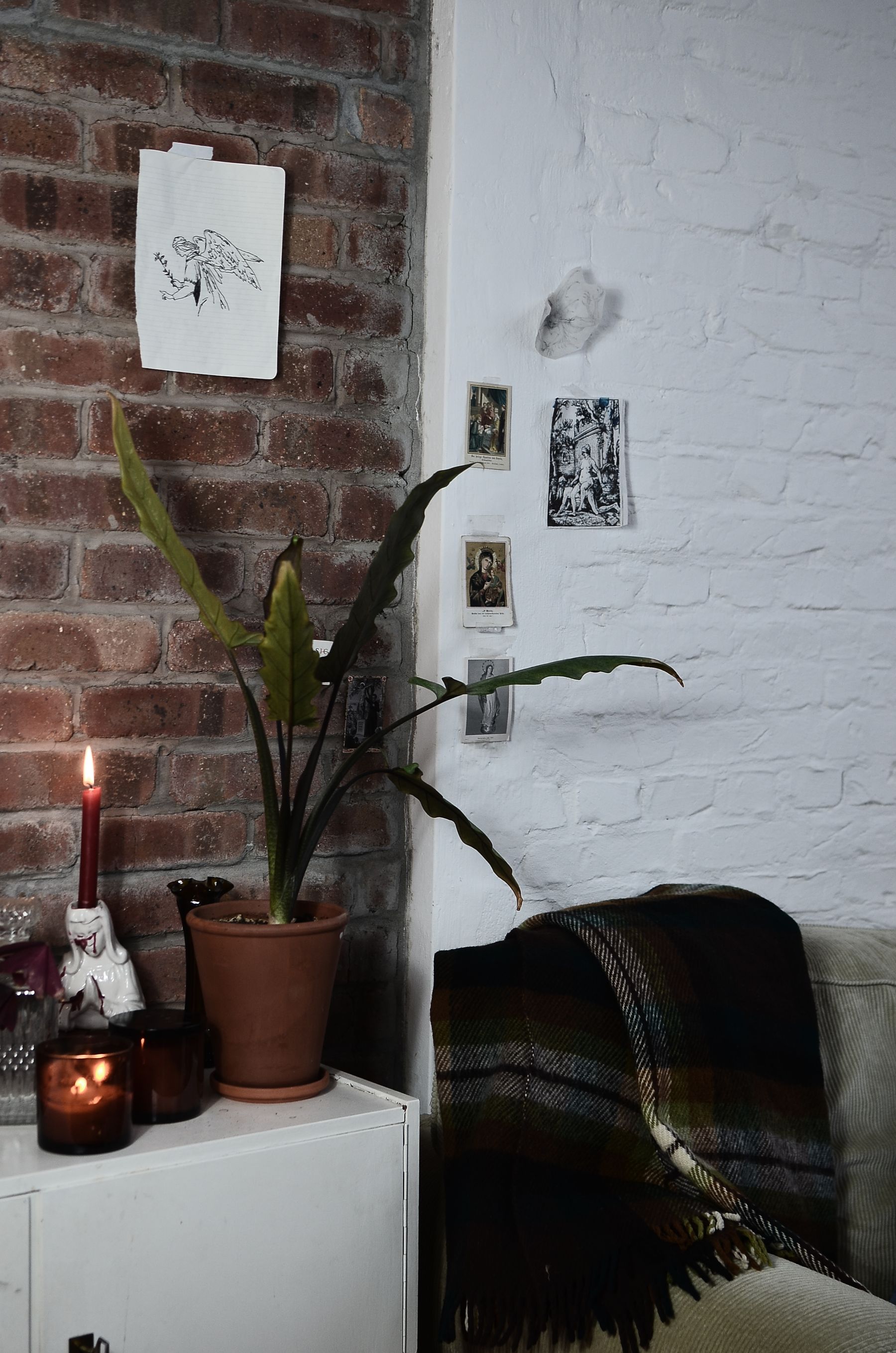
Brick, glass, concrete and high ceilings can make speech, television and music tiring. Spread absorption through a large rug and pad, upholstered seating, lined curtains, books and textile art rather than adding random cushions to one corner. Place speakers away from bare corners and test sound from every seat. Plants diffuse some reflections but are not a complete acoustic treatment. In a large double-height room, a specialist can identify whether ceiling, wall or freestanding absorption will work most efficiently.
Warm the Palette Without Turning Rustic
Build color from existing brick, timber and floor rather than applying a generic charcoal palette. Rust, tobacco, olive, ochre and deep blue can warm the shell in substantial areas such as upholstery, art or a rug. Keep rustic references controlled: heavily distressed signs, farmhouse checks and decorative crates can pull the room into a different intent. Current soft-industrial direction pairs metal and mineral surfaces with organic form, tactile fabric and warmer light instead of simply making everything dark.
Protect Daylight From Heavy Furniture
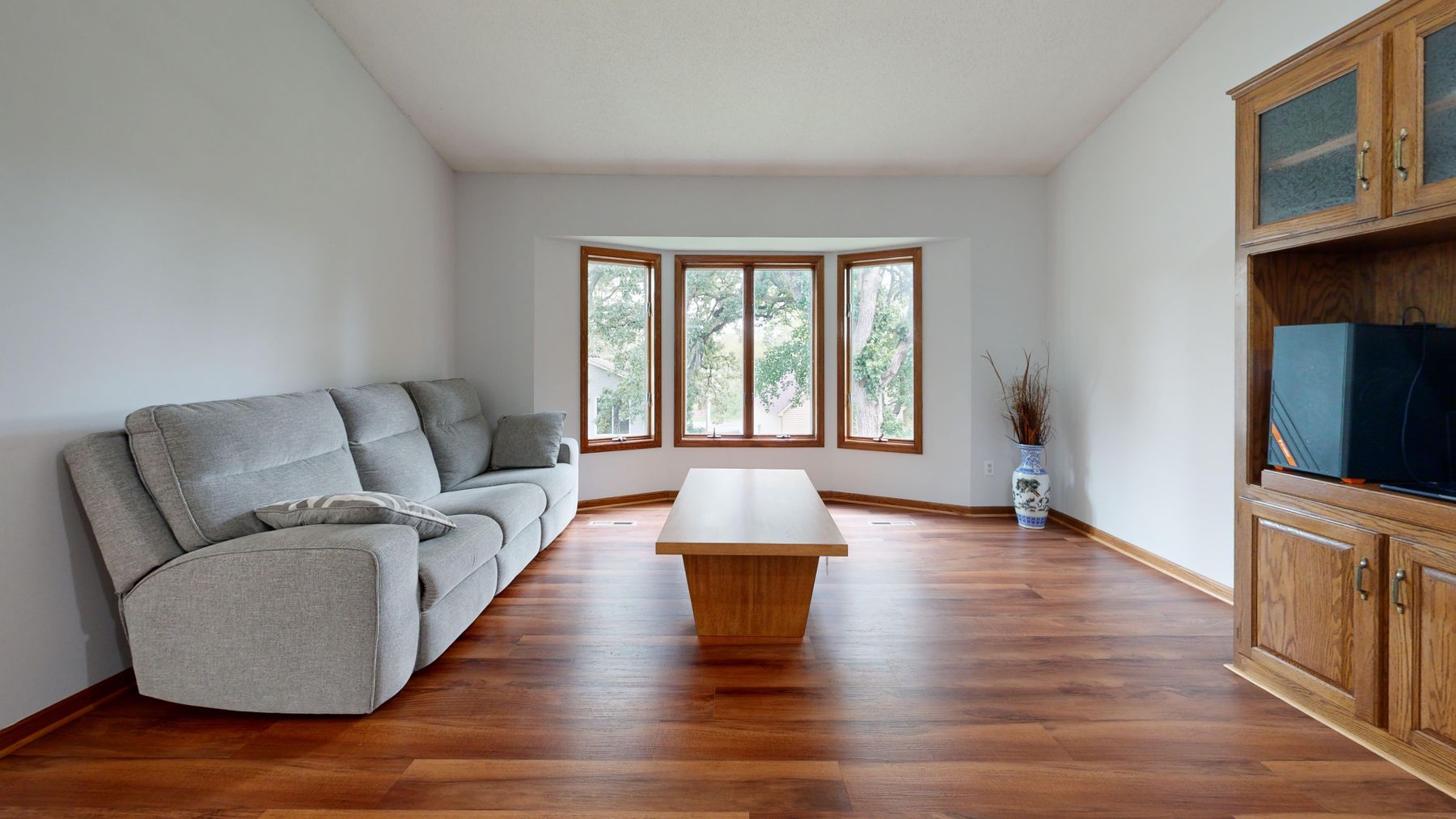
Large factory windows are a classic industrial asset, but the principle matters in any room: keep tall storage out of the brightest opening, map glare before placing the television and protect leather, art and timber from intense sun. Sheer or solar-control layers can manage glare while lined curtains add privacy, thermal comfort and acoustics. Do not remove required safety guards or alter historic frames casually. A bright perimeter allows deeper charcoal, brick and steel elements to remain legible rather than oppressive.
Layer Warm Light at Human Height
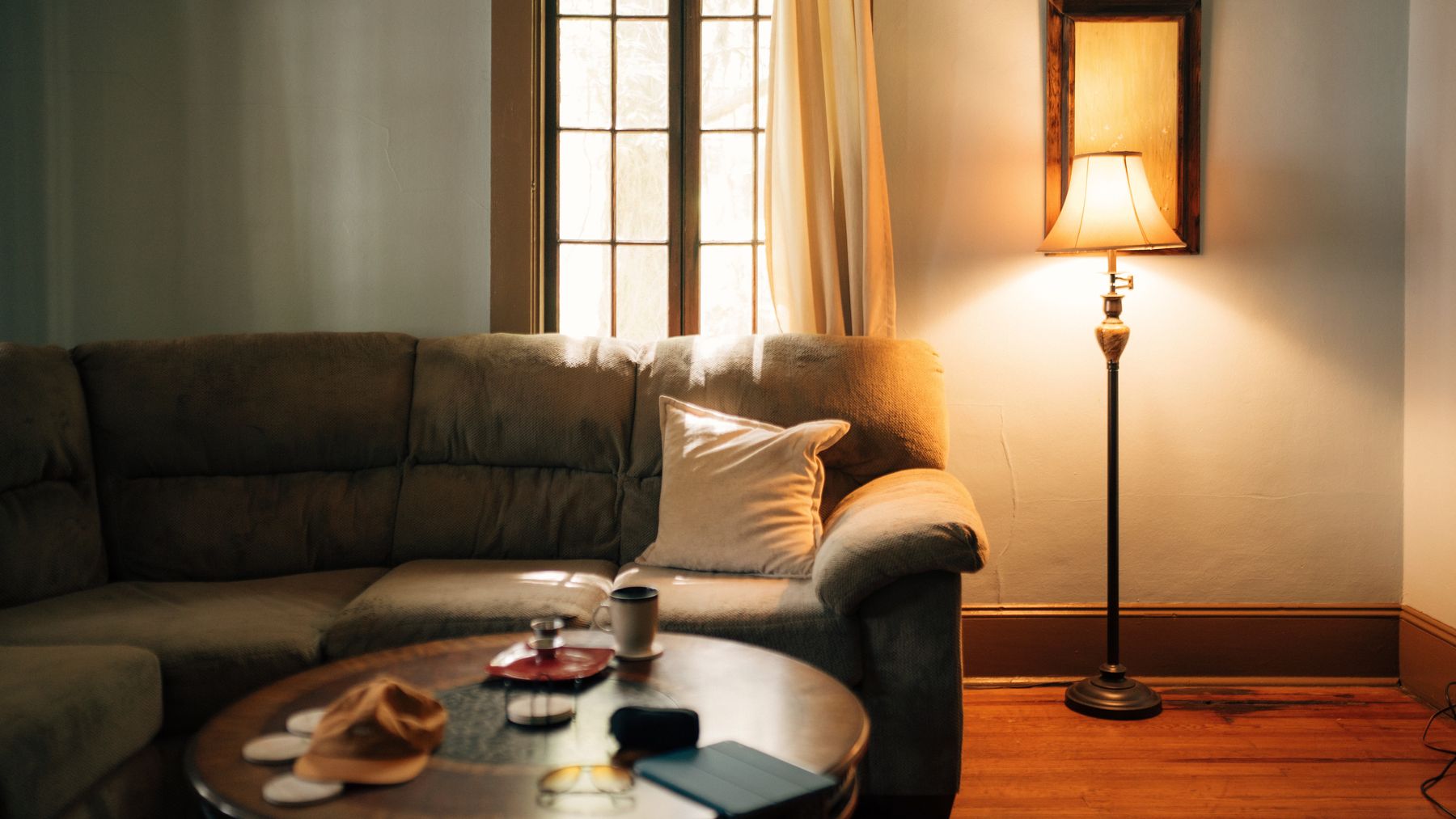
Use general light for movement, task light beside readers and lower accent light for masonry, shelves or art. Bare filament lamps alone produce glare and often insufficient useful light; choose shades, diffusers and beam control according to the task. Put controls at entries and seats, verify LED and dimmer compatibility and route cords away from walking lines. [Living room lighting ideas](/living-room/living-room-lighting-ideas/) provides the detailed scene, color quality and control framework.
Choose One Oversized Fixture Carefully
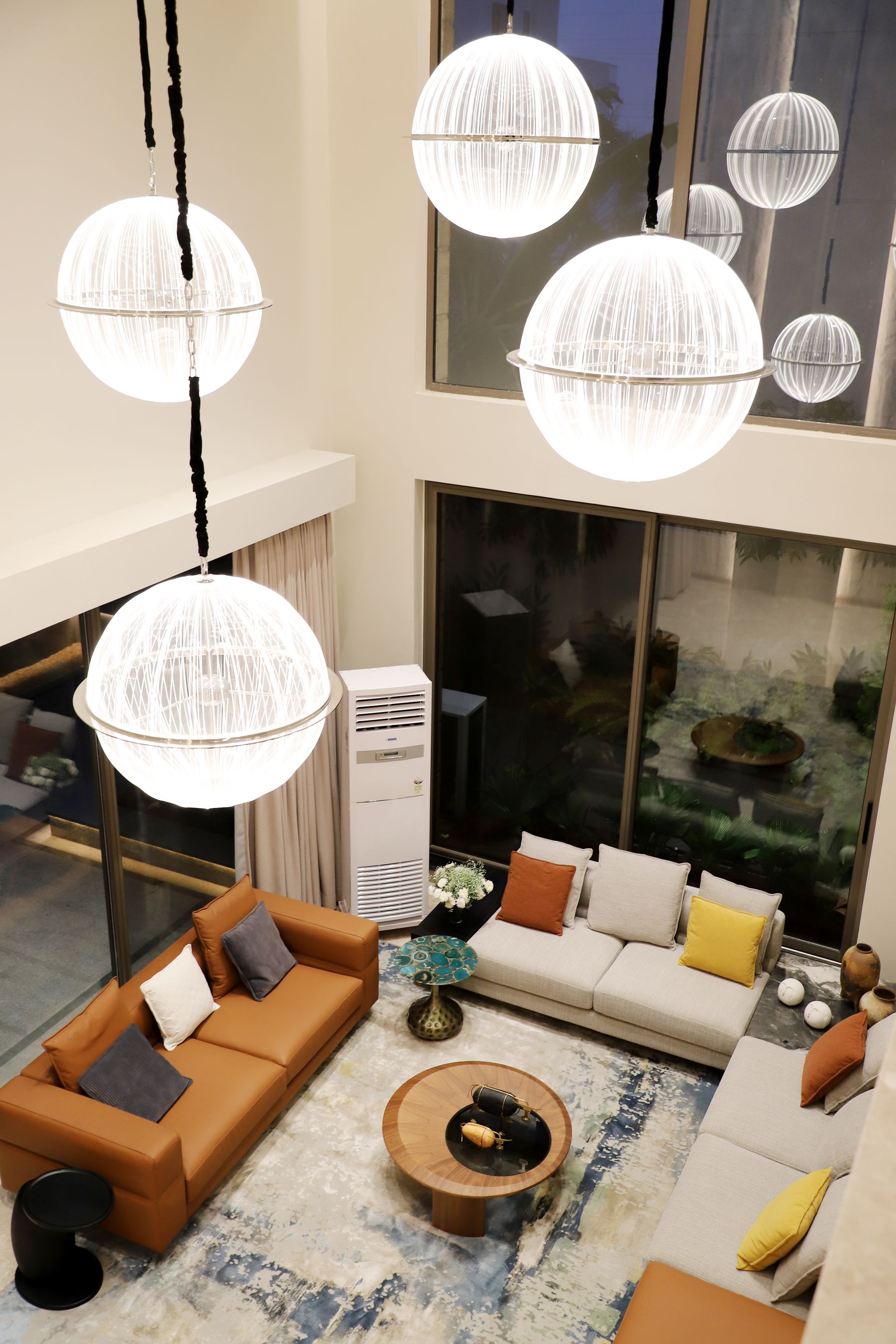
A broad metal pendant, articulated floor lamp or track can reinforce the architecture, but several competing cage fixtures quickly become a theme. Check ceiling capacity, drop, head clearance, cleaning access, beam spread and dimming before choosing by silhouette. In a low room, a wall-mounted or flush industrial fixture may have more presence than a pendant squeezed near the ceiling. Let one light lead and use quieter table or floor lamps to support faces and reading.
Integrate the Television Without a Fake Factory Facade
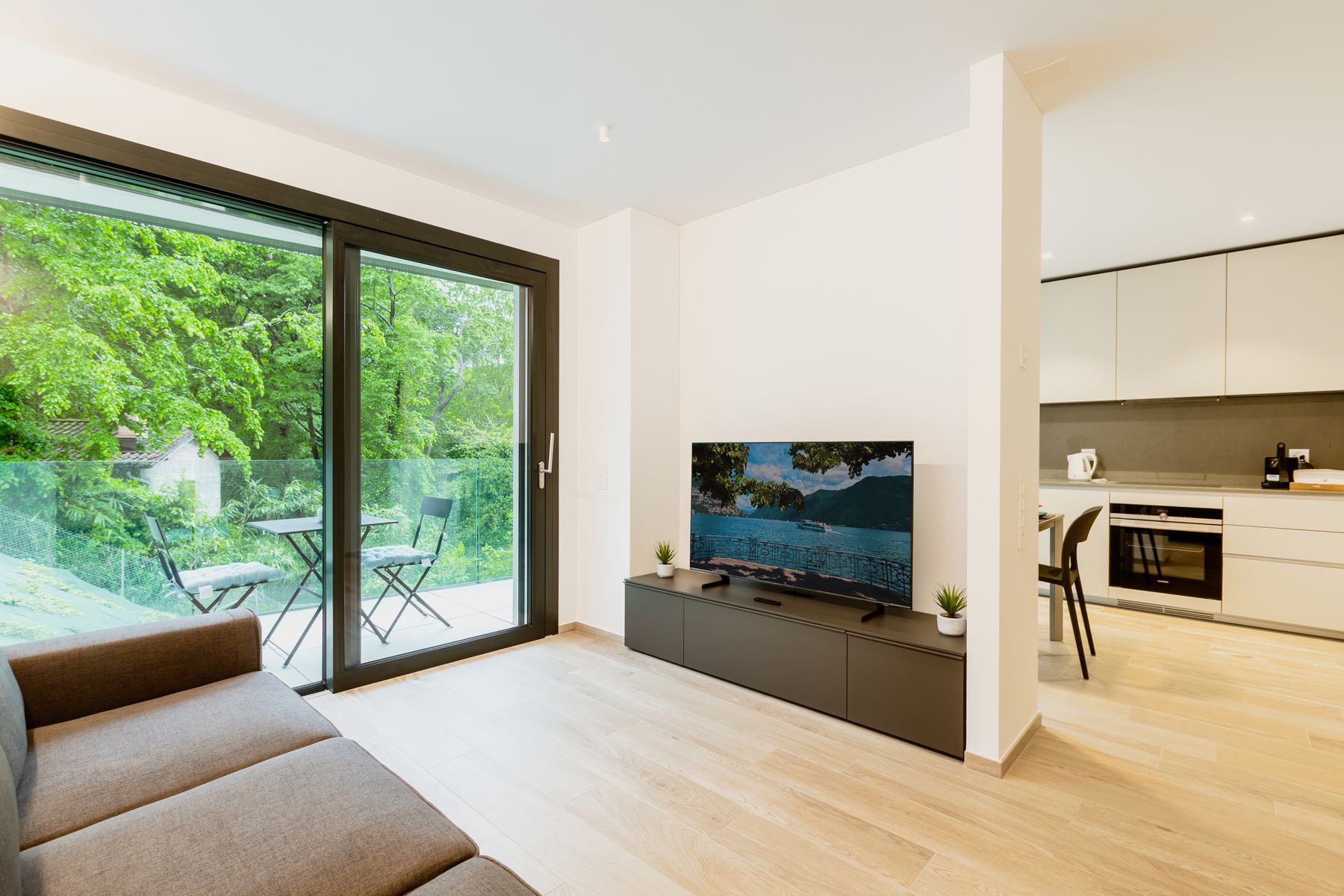
Place the screen according to seated eye level, viewing distance, glare, sound and cable access. A low timber or dark metal unit can relate to the room without becoming a giant workshop-inspired installation. Keep ventilation and service clear, and avoid routing power through decorative conduit that is not properly specified. If brick makes wall mounting uncertain, use suitable fixings and professional assessment. Storage strategies in [living room storage ideas](/living-room/living-room-storage-ideas/) help coordinate equipment, games and controls.
Concentrate Storage in One Strong System
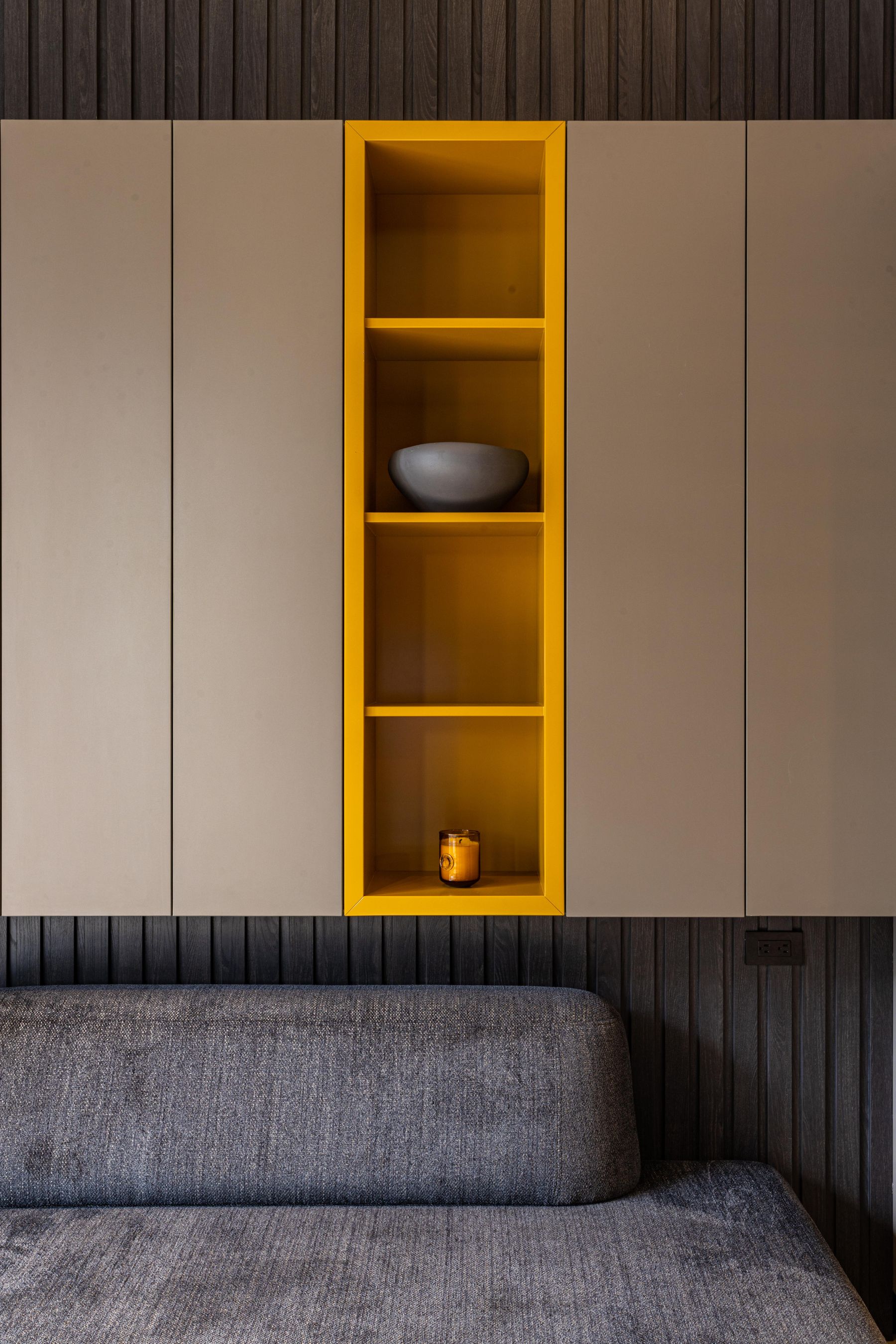
Black metal shelving suits the style, but open grids expose every cable and small object. Combine closed low storage with a smaller open zone for books, art or records. Measure equipment, shelf loads, door swings and ventilation; anchor tall systems appropriately. Avoid filling every wall with pipe shelves because the room loses both negative space and acoustic softness. Let storage align with architectural bays or a full furniture group so it looks purposeful rather than scattered.
Use Art to Add Scale and Identity
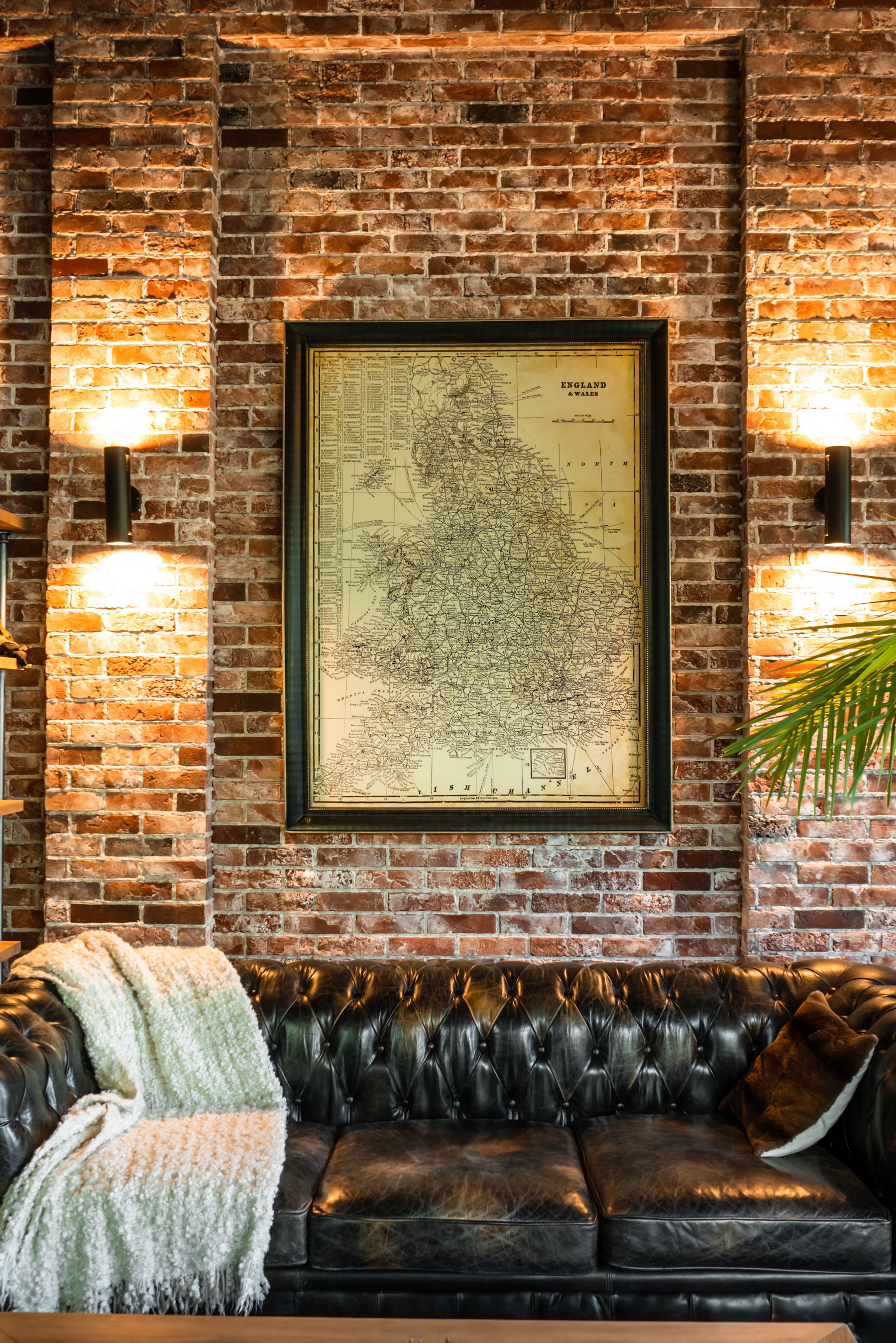
Choose art for personal meaning and scale rather than searching for generic industrial graphics. A large photograph, map, textile or abstract work can create a calm field against active masonry. Use fixings suited to the wall, protect light-sensitive work and keep valuable pieces away from damp brick. A gallery can work when its outer boundary is strong, but allow enough unfilled wall for the architecture to register. [Living room wall ideas](/living-room/living-room-wall-ideas/) covers masonry, art and lighting relationships.
Use Plants as Material Contrast
One or two substantial plants can soften steel lines, brick and tall windows more effectively than many small pots. Choose species for actual light, temperature and household safety; check toxicity for children and pets. Protect timber and metal from water, use stable planters and keep routes clear. Plants are not a substitute for acoustic treatment or ventilation, but their irregular form helps a highly rectilinear room feel less mechanical. Group care needs so the arrangement remains healthy rather than decorative clutter.
Scale Industrial Character for a Small Room
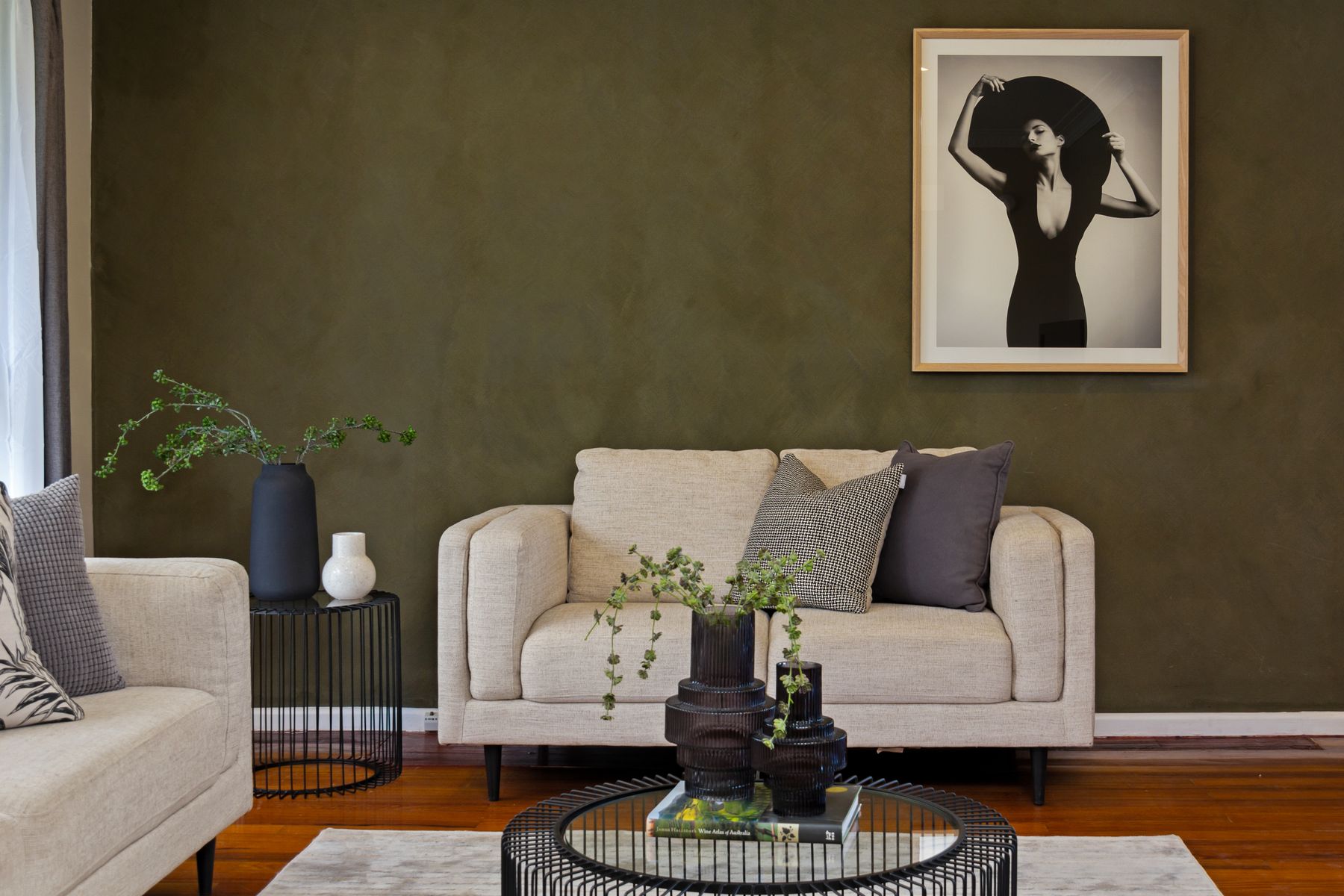
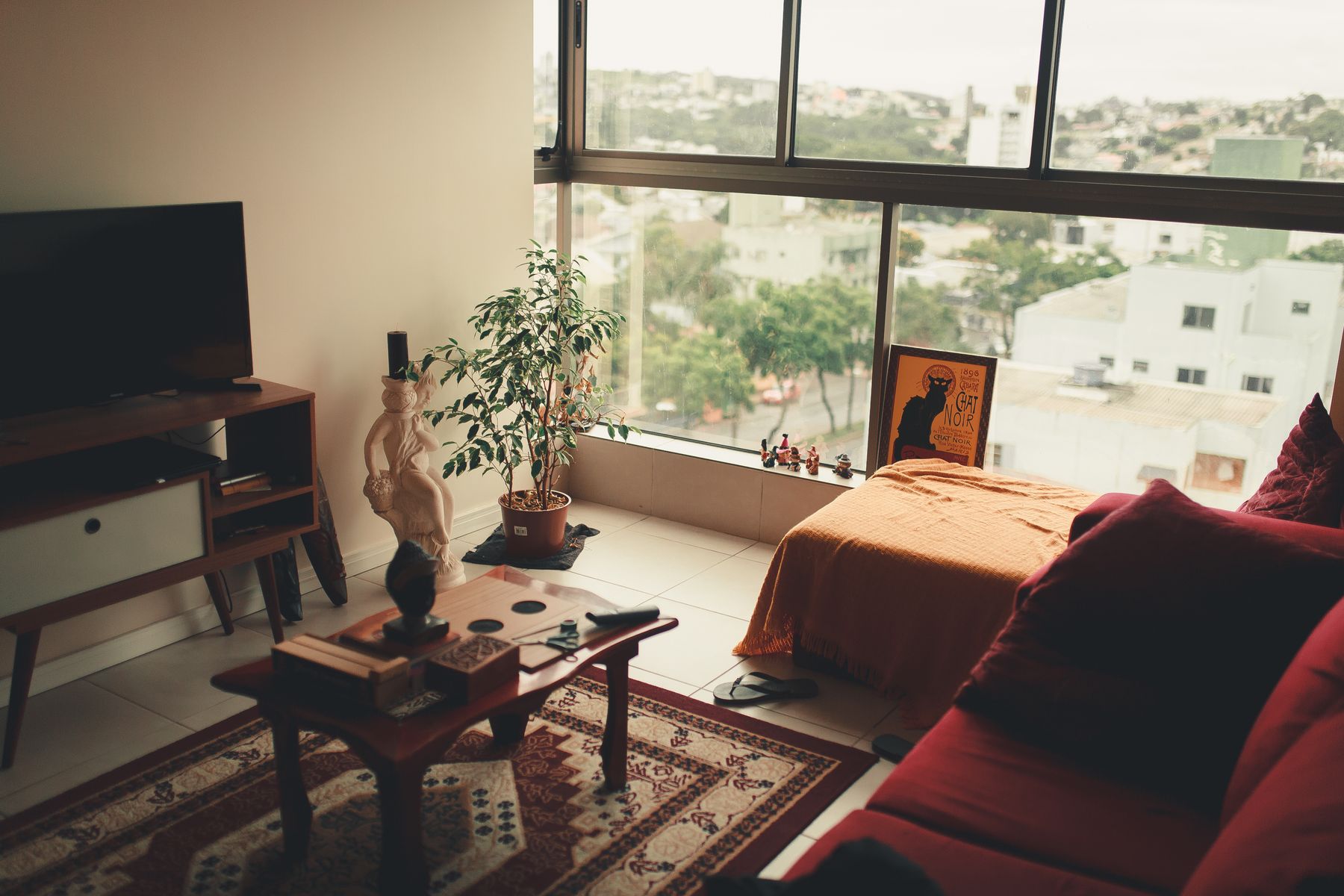
Choose one dark metal line, one warm timber piece and one mineral or brick-like surface, then stop. Use a sofa with moderate depth, tables with rounded or visually open bases and a rug large enough to reduce floor fragmentation. Pale walls and curtains can keep the room bright while charcoal appears in smaller structural doses. Avoid bulky pipe shelving and several tiny industrial accessories. The detailed circulation and multifunction tests in [small living room ideas](/living-room/small-living-room-ideas/) remain the priority.
Create a Rental Version With Reversible Layers
Use a metal bookcase, timber table, large rug, approved curtains, rewired vintage-style lamps and art on permitted fixings. Do not assume peel-and-stick brick is harmless; test removal and follow the lease. Photograph existing marks, store replaced hardware and avoid overloading old sockets with adapters. A coherent industrial room can be built from movable objects and material contrast without painting every surface black. Spend on pieces that can travel to the next home rather than disposable themed coverings.
Keep Exposed Services Real and Safe
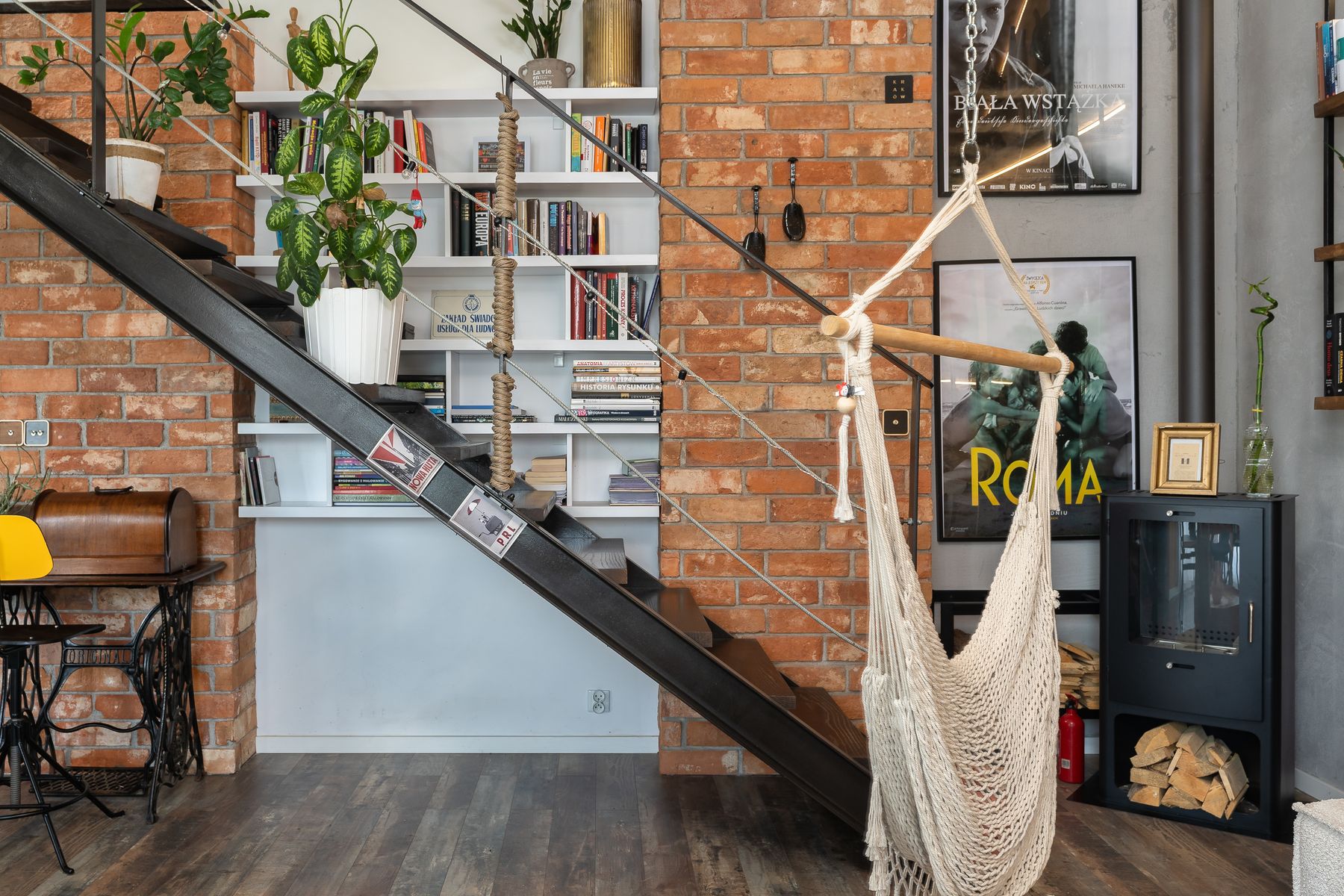
Do not expose wiring, pipes or ducts simply because industrial images celebrate them. Electrical, gas, heating, fire-stopping and ventilation work must remain compliant, serviceable and protected. Decorative conduit should never be confused with a safe installation. Open stairs and mezzanines require appropriate guards and clear approaches; low beams and hard edges need consideration at body height. Where structure is historic or uncertain, use qualified assessment before drilling, loading or removing finishes.
Source Salvage With a Total-Cost Test
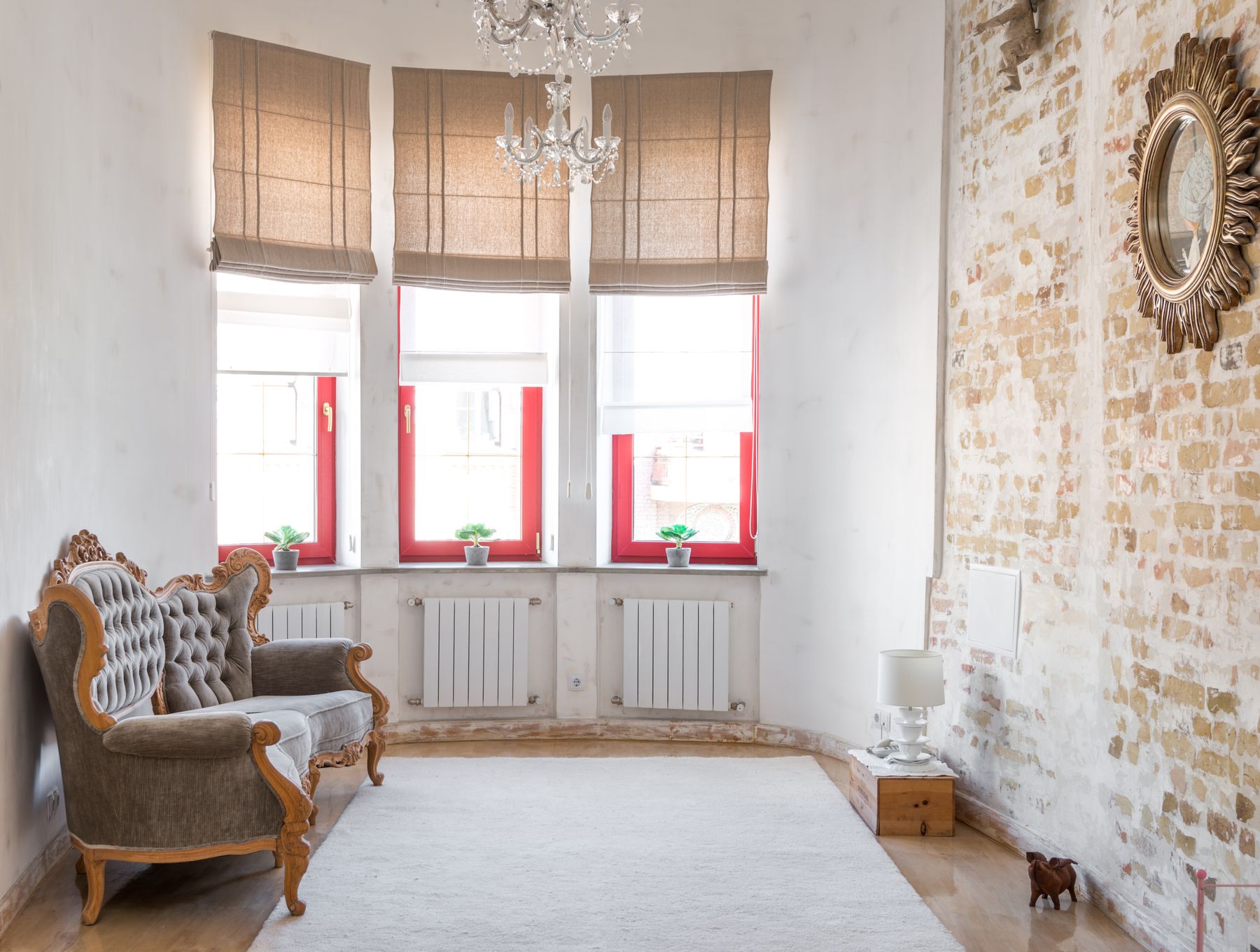
Architectural salvage, vintage chairs and workshop furniture can add authenticity, but inspect origin, dimensions, contamination, stability and repair needs. Old painted pieces may require lead-safe handling; reclaimed wood can contain nails, pests or unknown treatments. Add transport, cleaning, rewiring, refinishing and upholstery before comparing prices. Provenance matters more than an invented story, and age alone does not make an object suitable for the living room. Buy fewer sound pieces with useful jobs rather than a collection of industrial props.
Plan Maintenance at Every Material Junction
Brick collects dust, black metal shows fingerprints, leather responds to sun and dry air, concrete can stain, and rough timber traps debris. Specify cleaning methods before approving finishes and leave access to sockets, radiators, speakers and fixings. Keep spare paint and sealant information, furniture care codes and contractor details. Inspect for corrosion, loose anchors, failing mortar and floor scratches early. A durable industrial room is not maintenance-free; its materials simply reveal wear more honestly and should be repairable.
Design for Different Bodies, Children and Pets
Protect a clear route, secure rug edges, anchor tall metal shelving and choose at least one supportive chair with arms and a practical seat height. Cap sharp steel corners, stabilize heavy tables and route cords away from feet. Keep hot lamps, fragile collections and restoration chemicals out of child and pet reach. Contrast between floor, furniture and walls can improve orientation in a dark palette. Accessibility strengthens industrial design's practical character; it does not require disguising the room as another style.
Edit Out the Industrial Clichés
After the core furniture is installed, remove objects that merely repeat the label: decorative valves, fake gears, generic factory signs, too many filament bulbs and pipe details without a job. Check conversation, viewing, sound, table reach, storage, cleaning and glare before adding another accent. Industrial differs from broad modern design through its emphasis on construction and raw material, but it can still be colorful, comfortable and personal. Compare the more neutral functional framework in [modern living room ideas](/living-room/modern-living-room-ideas/).