Define English Style Through Habit, Not Symbols
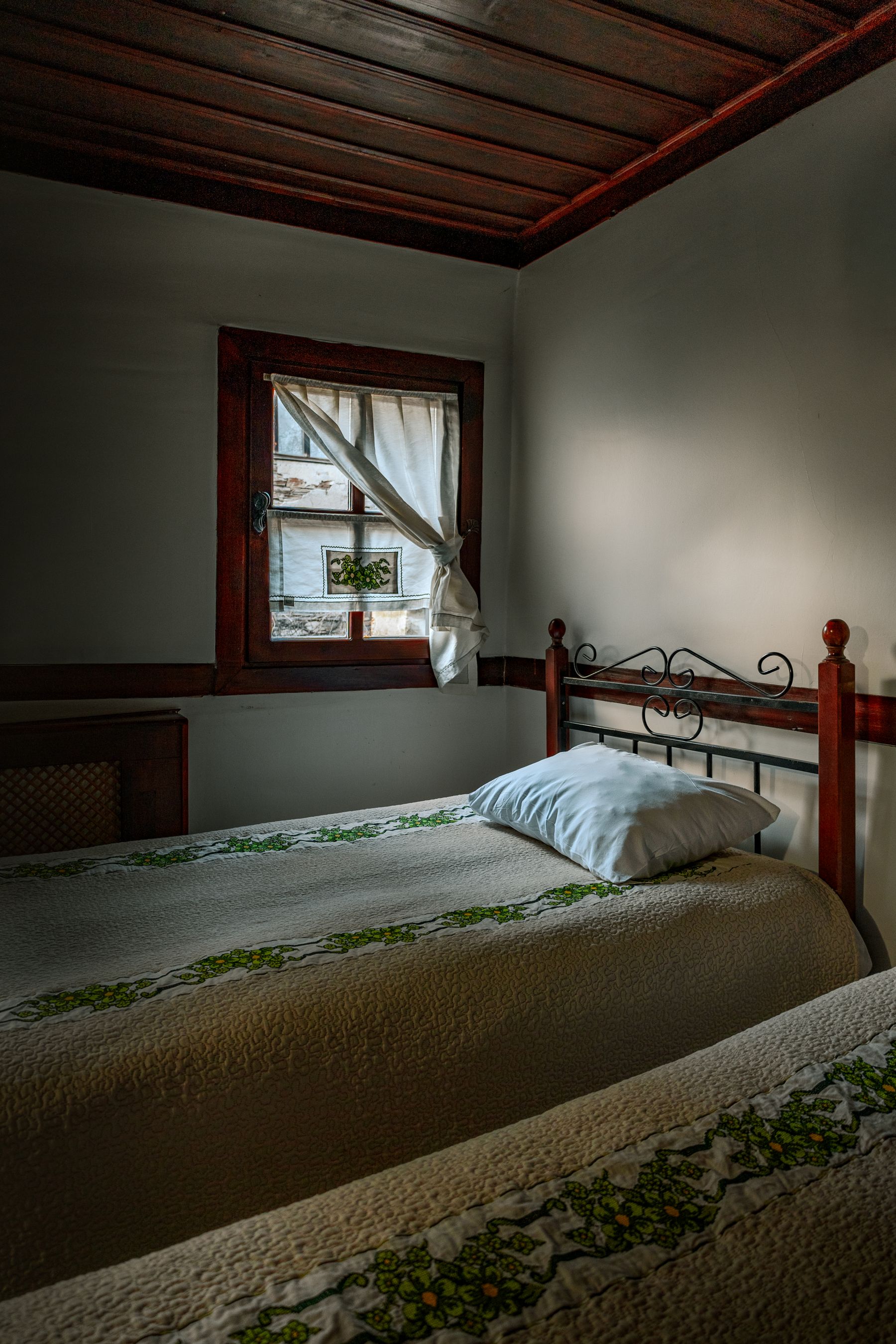
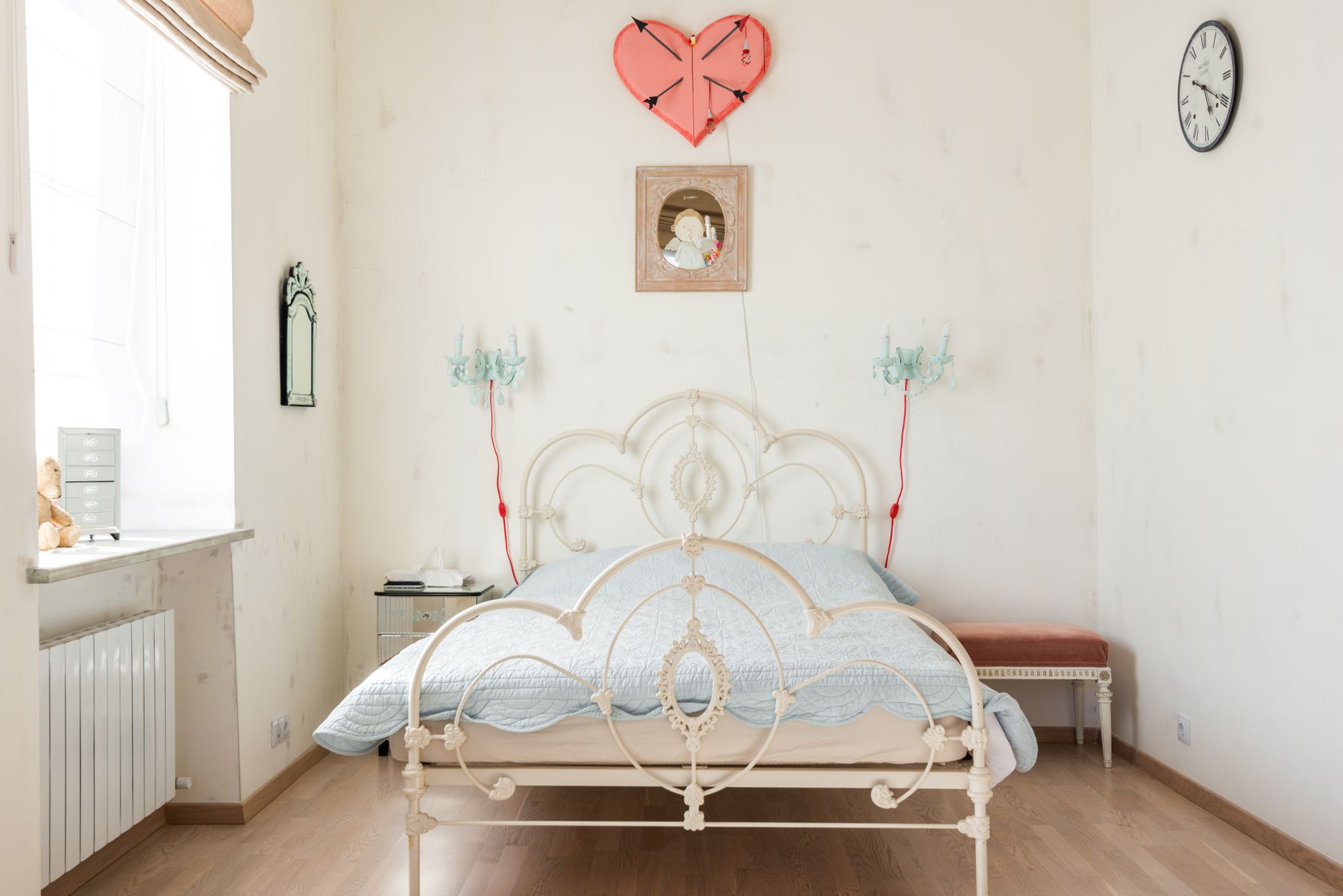
An English bedroom is less a checklist than a domestic attitude: comfortable furniture, useful textiles, pattern that has settled into the room and objects with personal history. Georgian order, Victorian color, Arts and Crafts craft, country-house ease and contemporary British design can all contribute, but no single era should be copied blindly. Avoid flags, crowns, telephone boxes and decorative slogans. Start with how the room is used—sleeping, reading, dressing or hosting—then choose the architectural and textile relationships that make those habits feel established.
Separate English From Country, Traditional and Cottage
[Country Bedroom Ideas](/bedroom/country-bedroom-ideas/) provides a broad framework for regional rural traditions; English Bedroom narrows the lens to British pattern, furniture, lighting and domestic habits. [Traditional Bedroom Ideas](/bedroom/traditional-bedroom-ideas/) is more concerned with symmetry, proportion and established furniture rules, while [Cottage Bedroom Ideas](/bedroom/cottage-bedroom-ideas/) gives priority to small scale, alcoves and close layering. English rooms may be formal or relaxed, urban or rural. When practical furniture and workmanlike material dominate, [Farmhouse Bedroom Ideas](/bedroom/farmhouse-bedroom-ideas/) is the clearer destination. This distinction prevents every floral bedroom from receiving the same label.
Read the Existing Architecture Before Decorating
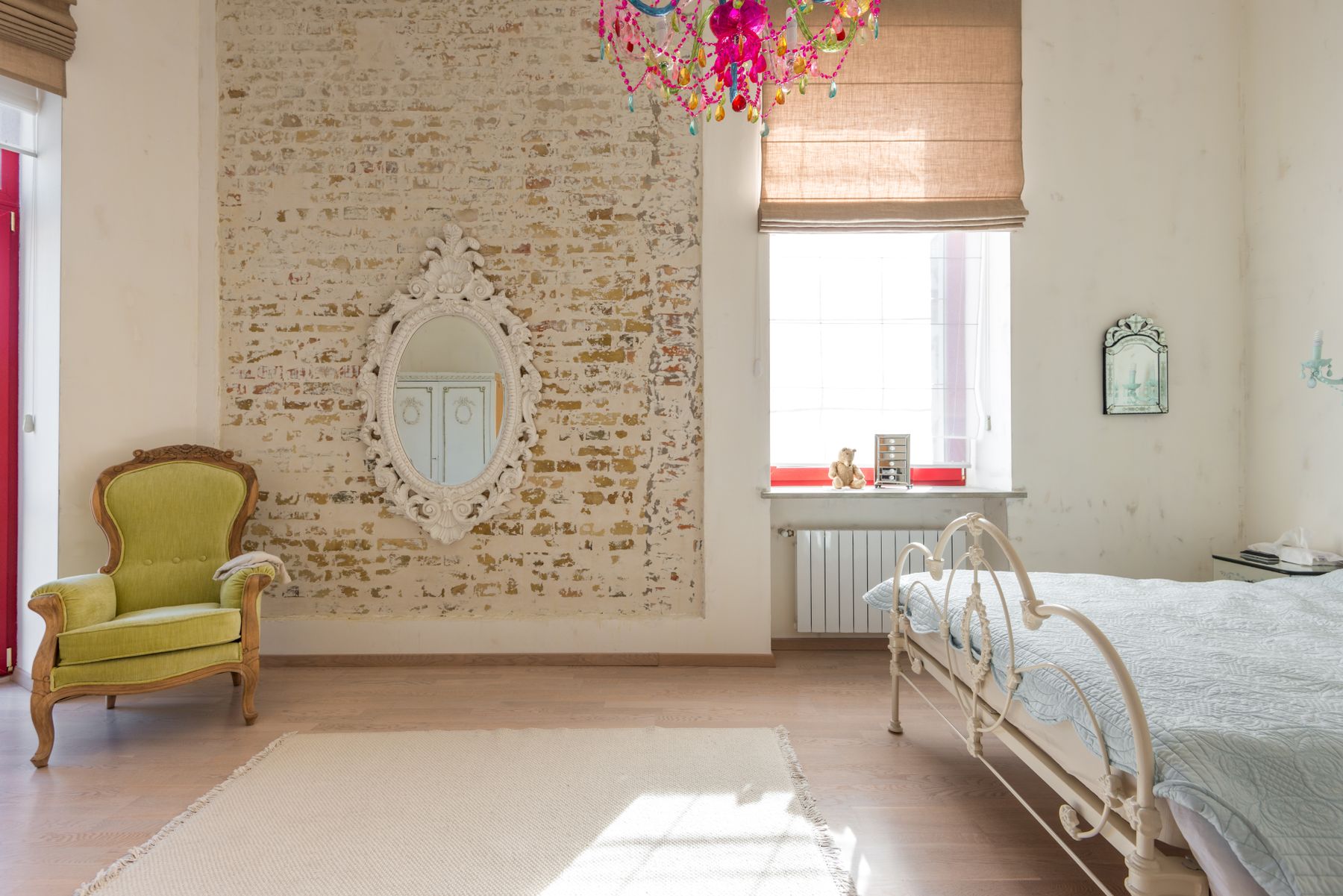
Bay windows, chimney breasts, deep reveals, picture rails, paneling, floorboards and sloped ceilings can give the room immediate structure. Repair and understand them before adding imitation beams or applied molding. Check historic paint, damp, wiring and structural movement with appropriate professionals; character is not permission to ignore defects. In a plain modern room, one correctly proportioned paneled wall, a window seat or a simple built-in can establish depth. The goal is not to fake age but to make the room feel anchored to its building.

The Bed Positioned Around Doors, Windows and Heat
English furniture can be deep, high and visually substantial, so measure actual cornices, posts, handles and open doors rather than nominal widths. Test the route from door to bed, wardrobe and window, including at night. Keep radiators, vents and damp-prone external walls clear enough to work safely. A centered bed suits balanced architecture, but an offset bed may use a bay or chimney breast better. Matching bedside tables are optional; stable surfaces, power and independent reading light are not.
Color Drawn From Landscape, Timber and Textile
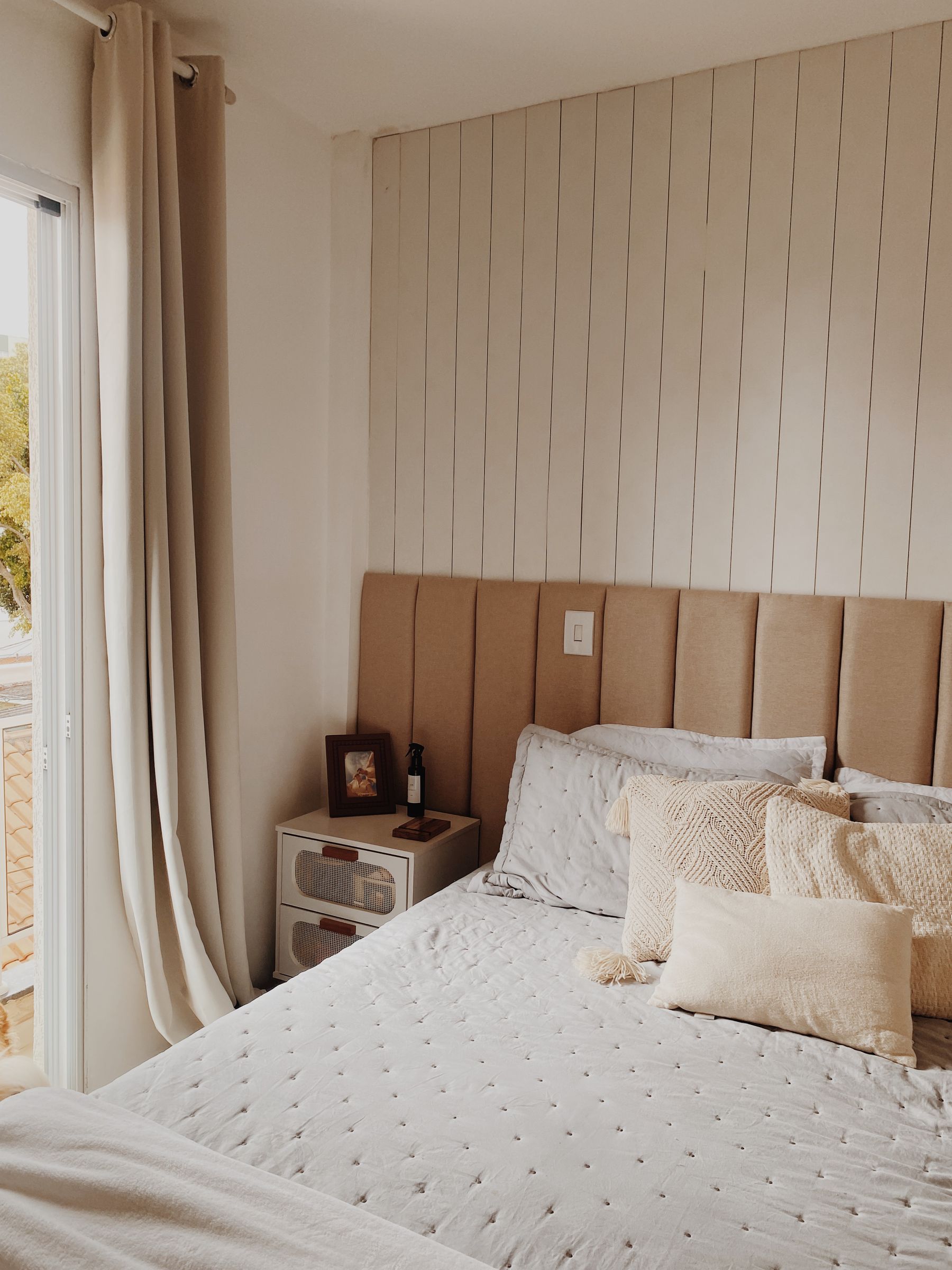
English palettes often feel natural because they begin with real material and muted landscape color rather than a preset heritage card. Cream, parchment, moss, olive, celadon, faded rose, ochre, claret, tobacco and inky blue can all work. Let the floor, largest timber piece and lead fabric establish undertones, then assign a light field, a middle color and a grounding dark. [Neutral Bedroom Ideas](/bedroom/neutral-bedroom-ideas/) offers a deeper undertone method when beige, taupe or stone leads the room.
Warm Color in Deliberate Fields
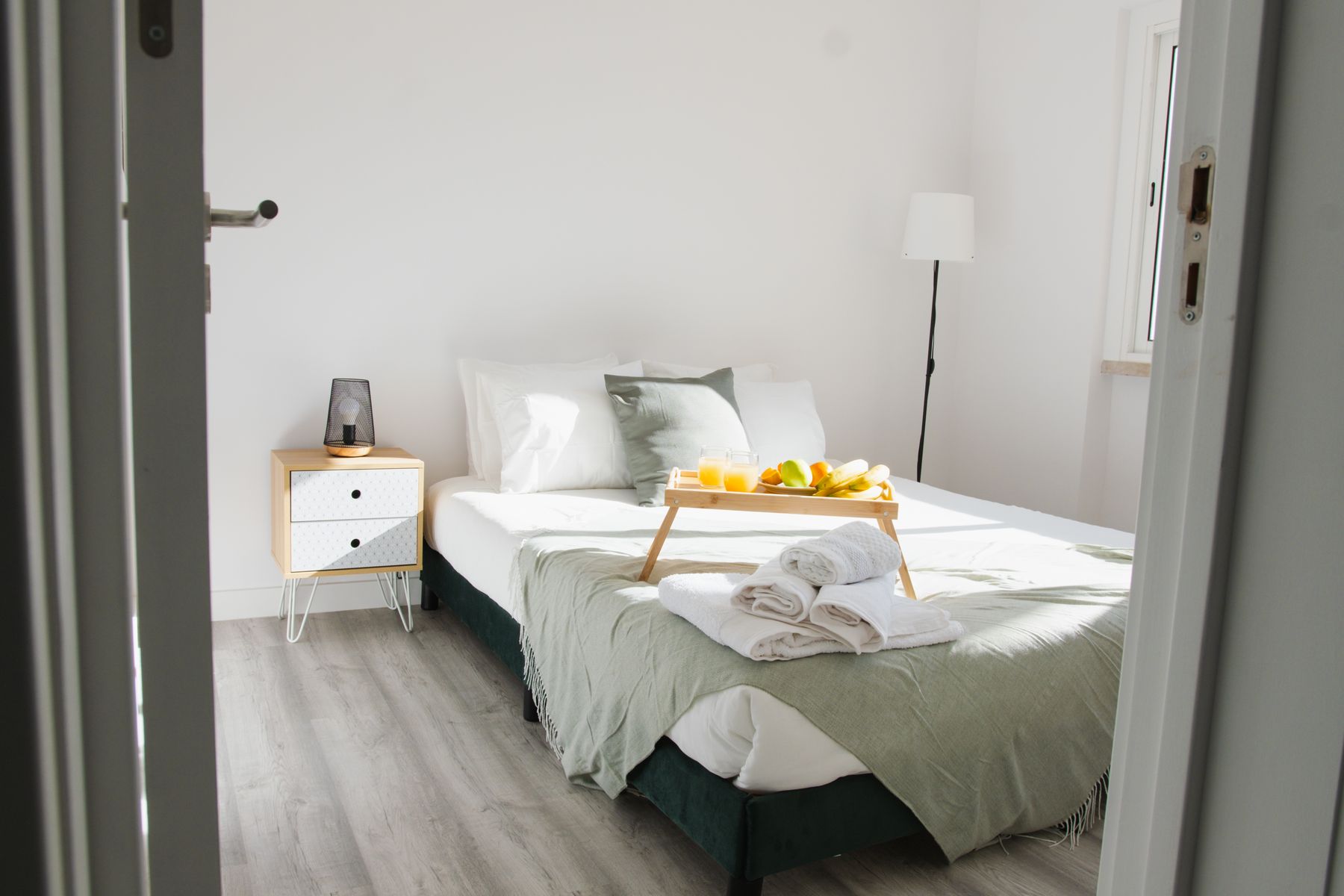
Mustard, rust, muddy pink, moss and claret give an English room warmth, especially in cool or north-facing light. Use color across a wall, headboard, curtain or coverlet so it feels architectural rather than sprinkled through small objects. Repeat it once in a different material and leave quieter surfaces between. Saturated color may intensify beside dark mahogany and warm lamps, so test large samples from the doorway and pillow. A softer scheme can still feel English when pattern and furniture carry the identity.
Let One Floral or Chintz Pattern Lead
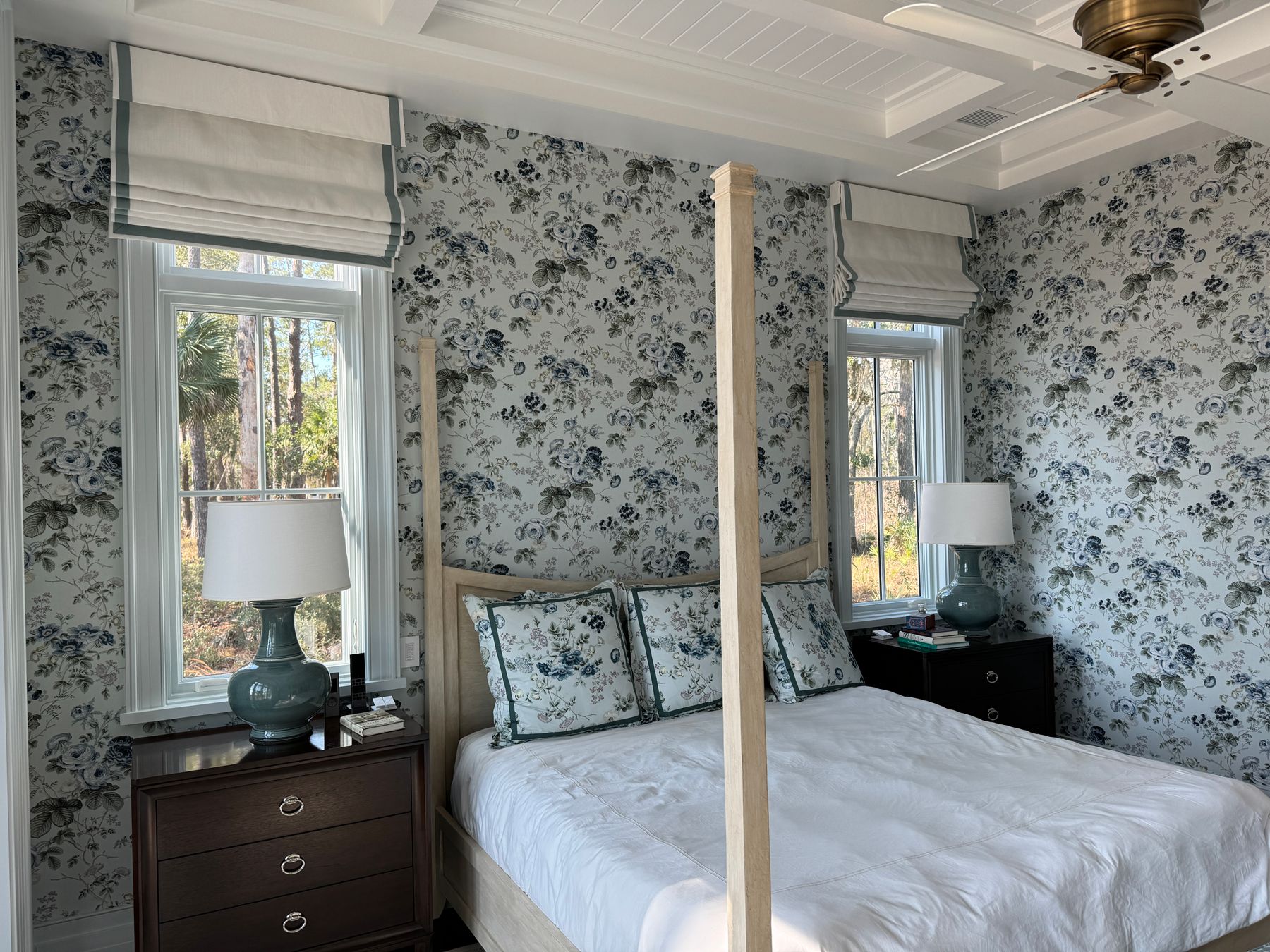
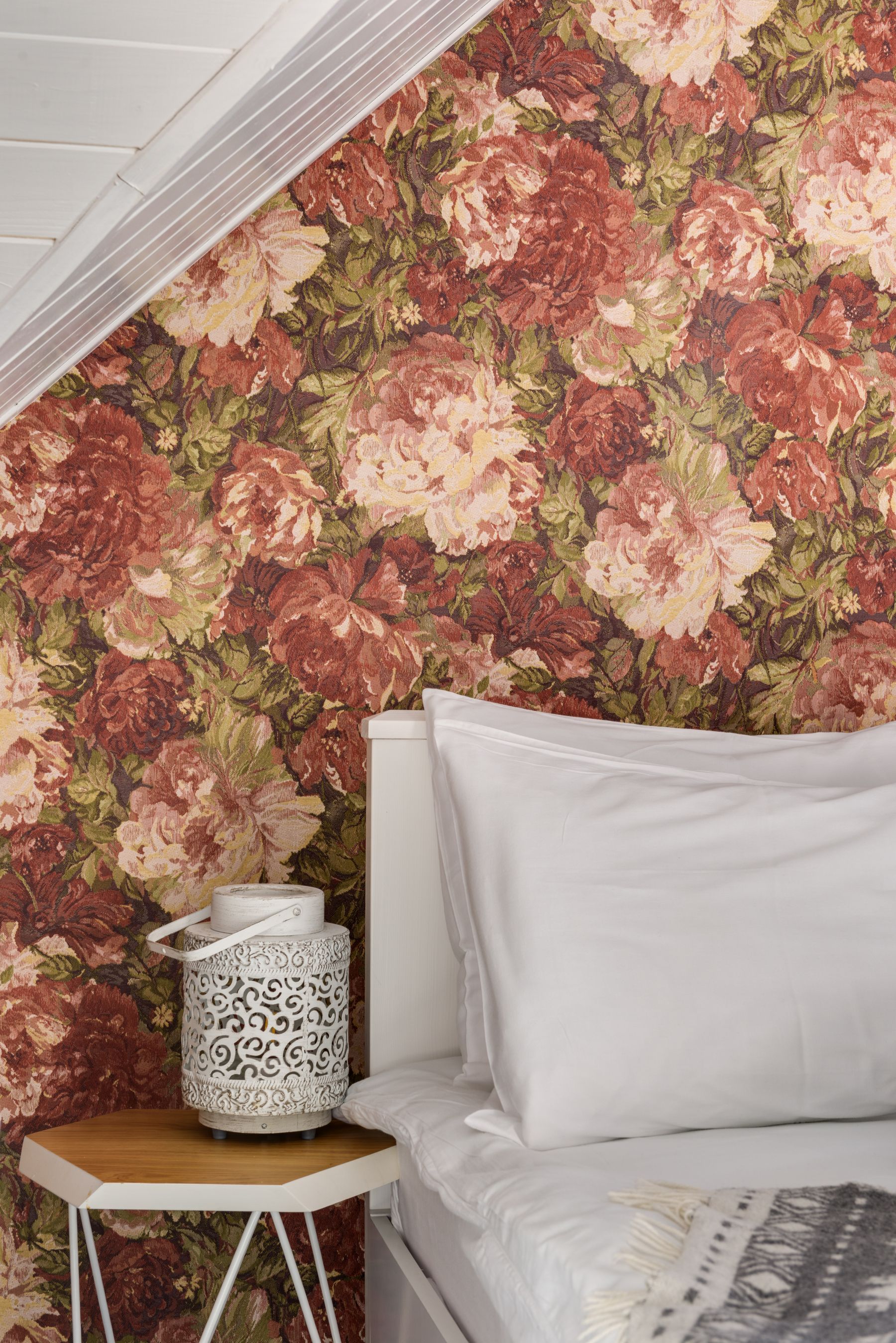
Chintz and botanical prints are powerful English references, but the finish, scale and placement matter more than the label. Let one print lead through curtains, wallpaper, a headboard or a coverlet; do not apply it everywhere by default. Glazed cotton reflects light differently from linen or paper, so compare samples in the room. Share two or three colors with supporting patterns, vary their scale and preserve one large plain field. Pattern should feel layered and comfortable, not like a showroom demonstration.
Balance Florals With Stripes and Checks
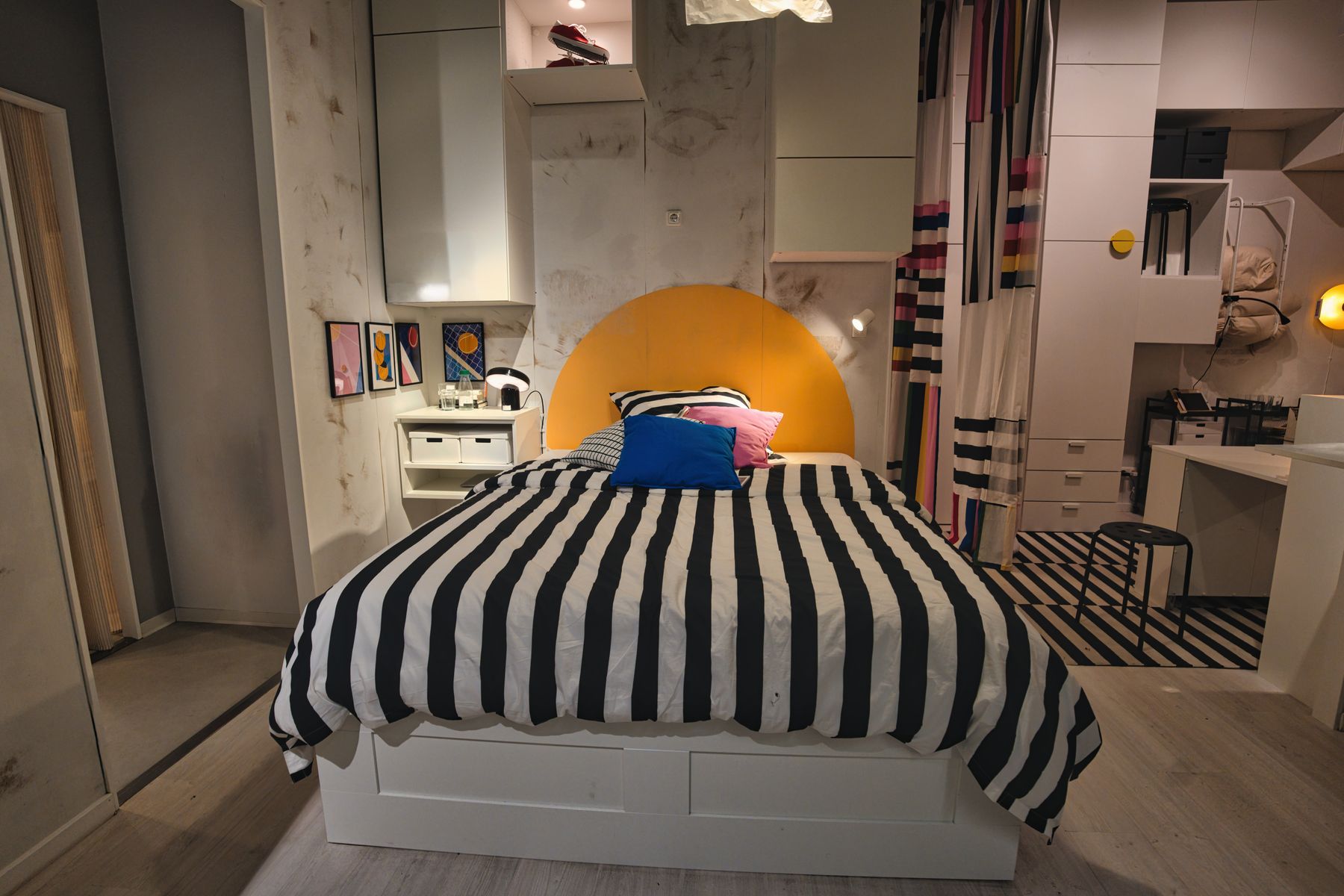
A ticking stripe, gingham, tartan or small check can steady a loose floral and make the scheme feel less sweet. Use one broad or directional pattern, one organic pattern and perhaps one tiny texture; avoid three repeats of similar size. Align strong stripes carefully on curtains, headboards and valances. Tartan can imply a specific regional story, so use it with intention rather than as generic British shorthand. Plain wool, velvet or linen should separate active surfaces and give the eye somewhere to rest.
Wallpaper Judged by Repeat, Ground and Wall Shape
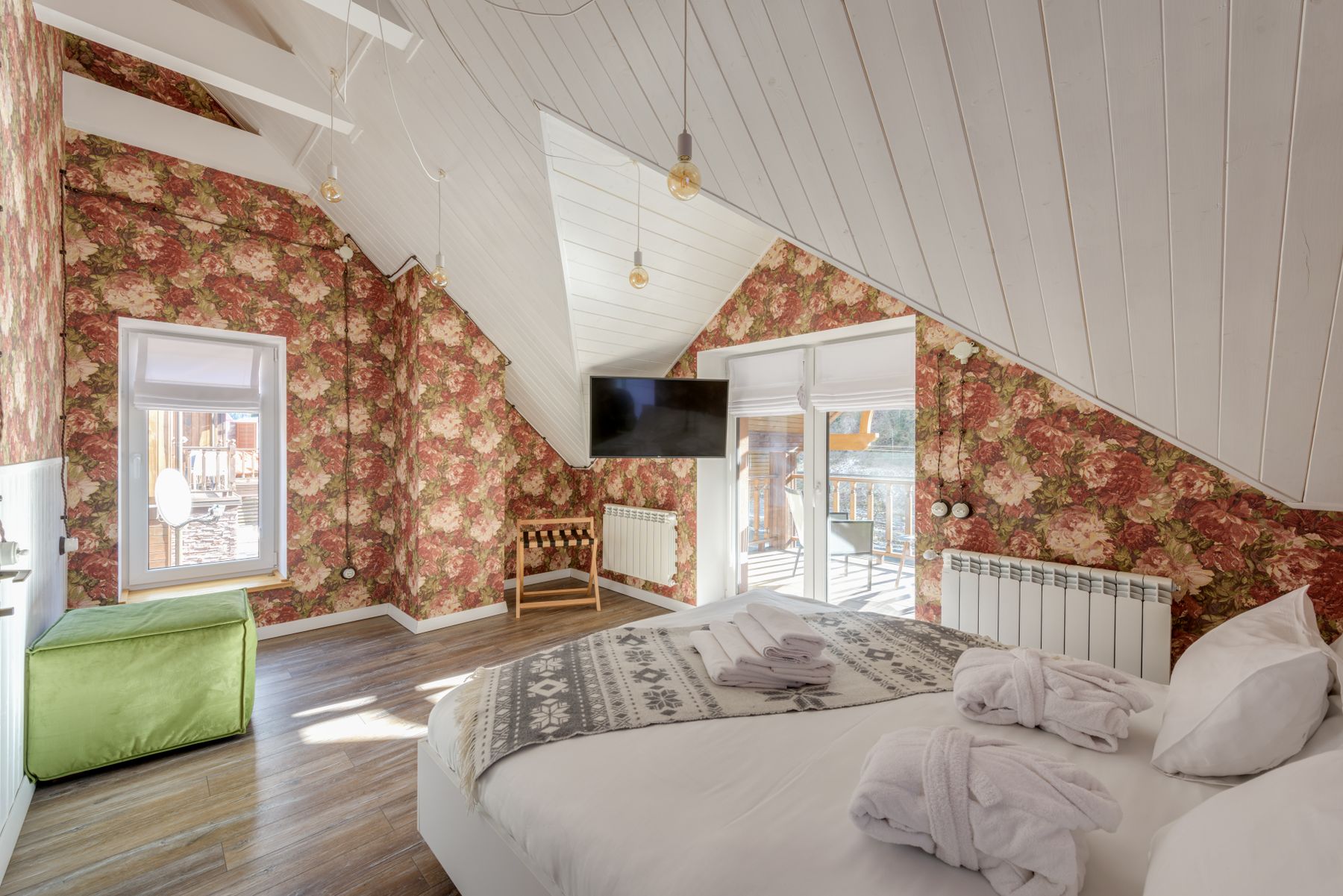
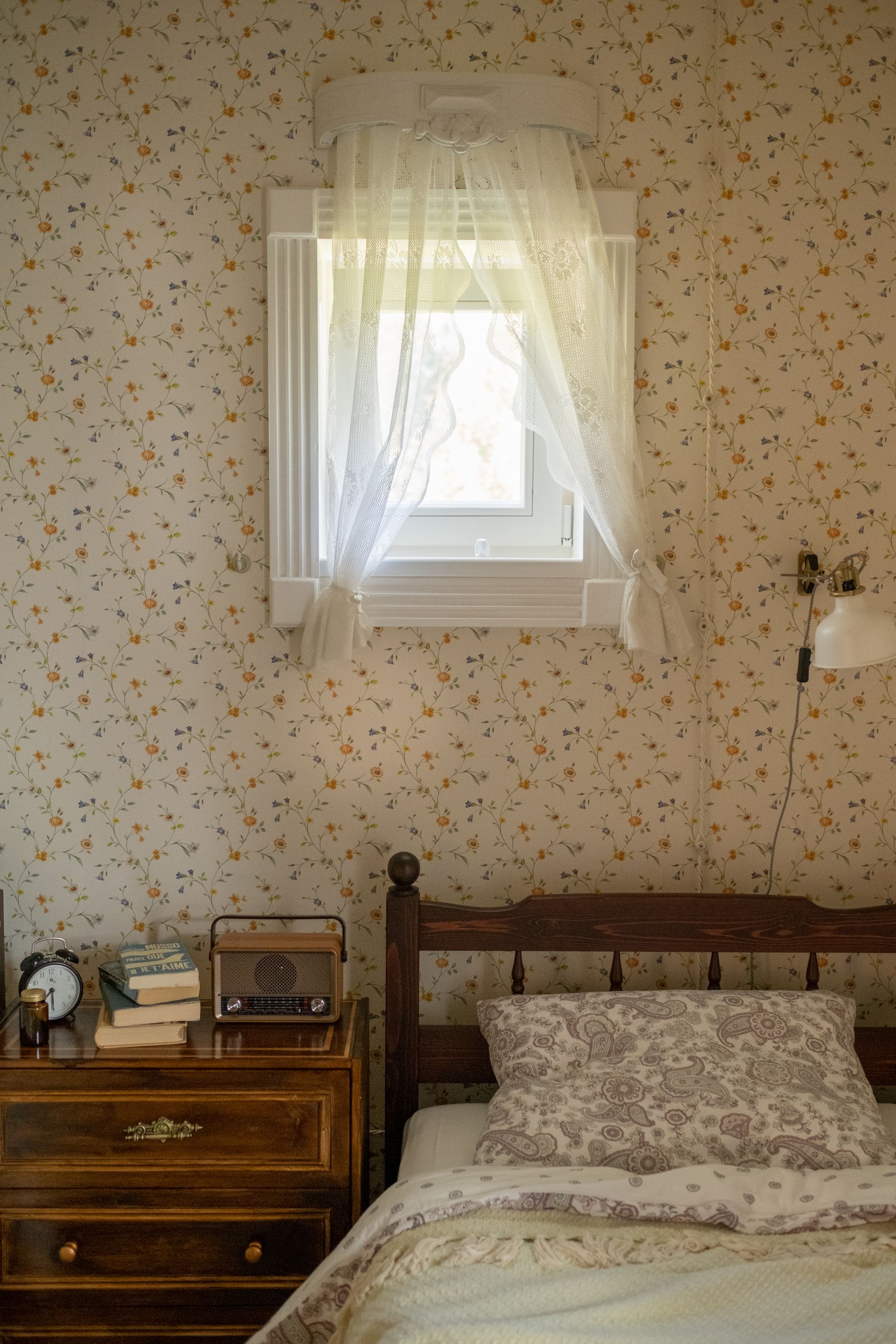
Small prints suit broken walls, attic rooms and shallow alcoves; larger botanicals need uninterrupted area to reveal their repeat. Decide whether paper wraps the room, defines the bed wall or fills panel centers, then maintain the rule. Prepare the substrate and investigate moisture before installation, especially on solid external walls. A dark ground can be restful with good lamps, while a pale ground may expand limited daylight. [Victorian Bedroom Ideas](/bedroom/victorian-bedroom-ideas/) is the stronger route when dense historical ornament and period specificity lead.
A Soft but Structured Bed Presence
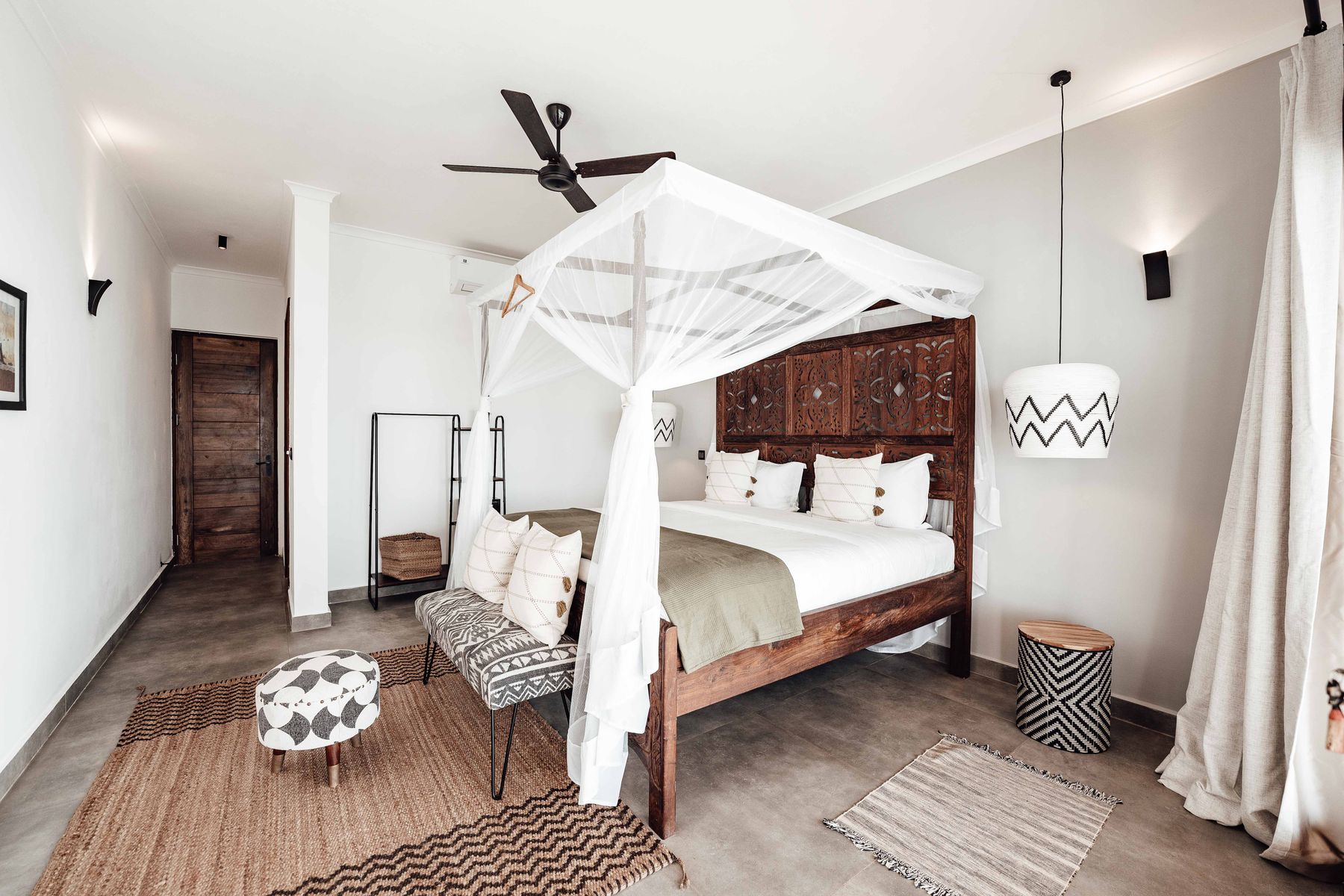
An upholstered headboard, simple timber frame, four-poster or iron bed can all suit the style. Judge mattress support, overall width, post height, fabric cleanability and ease of changing sheets before decoration. A canopy adds enclosure and historic presence but can overwhelm a low ceiling; a shaped upholstered headboard offers pattern with less bulk. [Classic Bedroom Ideas](/bedroom/classic-bedroom-ideas/) is the stronger next step when proportion and enduring form matter more than British pattern and collected informality.
Timber Furniture Mixed by Weight and Use
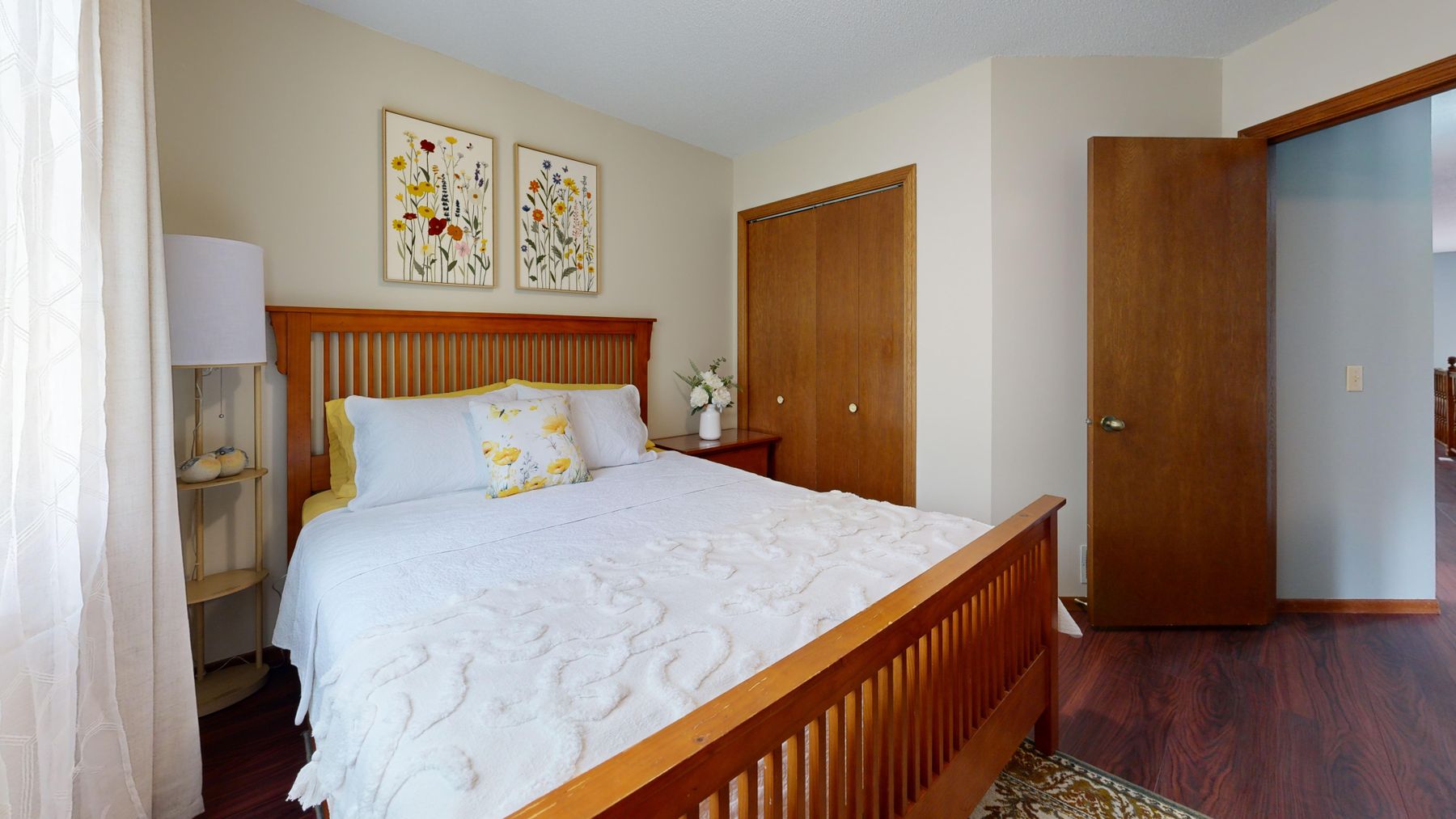
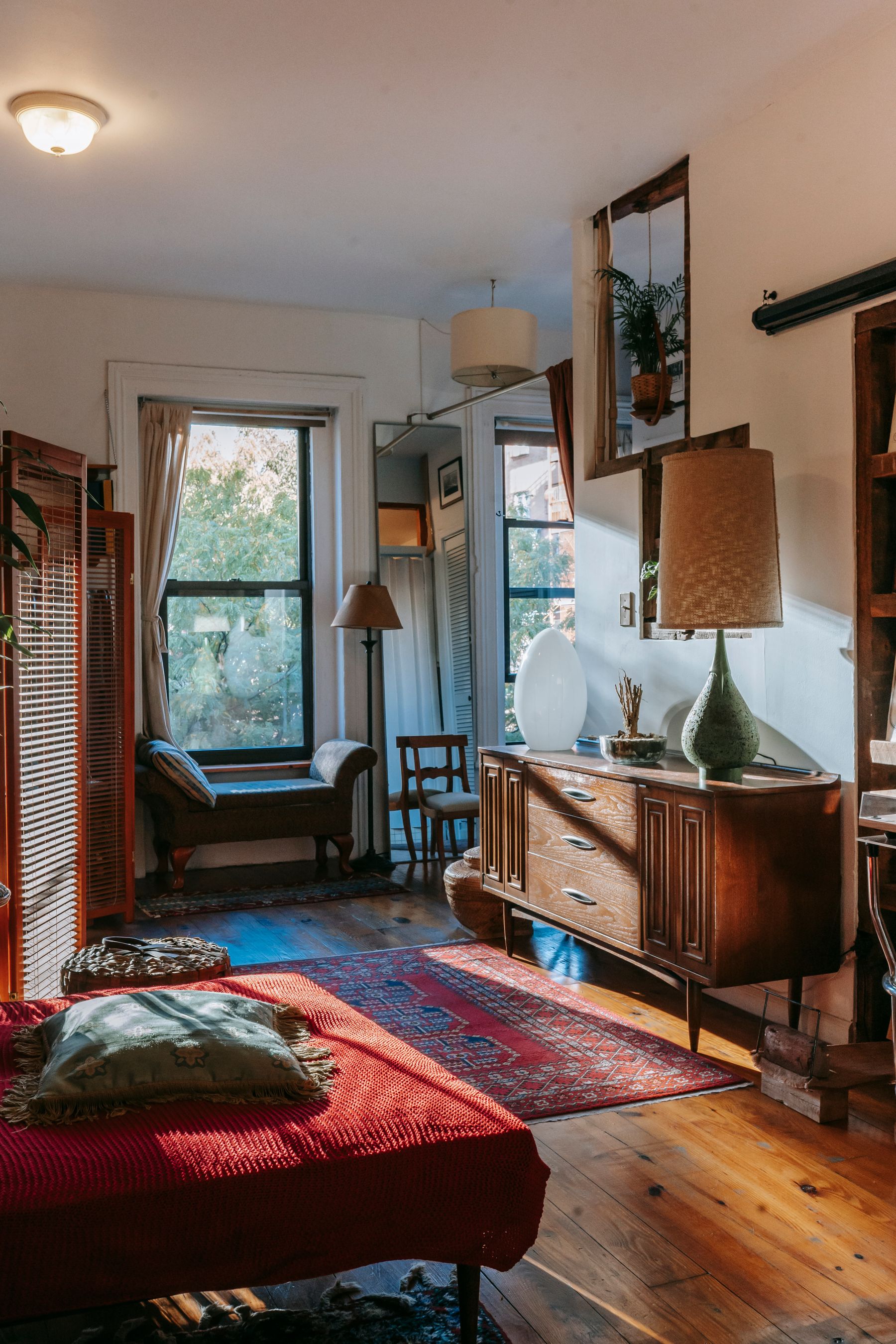
Mahogany, oak, walnut, pine and painted furniture can coexist when one wood family leads and the pieces share visual weight. A dark chest may balance a substantial bed, while a small painted table can relieve a heavy corner. Do not force inherited pieces into a matching finish; improve handles, stability or internal storage only when intervention is appropriate. Compare furniture against the floor because similar medium-brown tones may merge awkwardly. Mix by function and silhouette, not by age alone.
Use Antiques for Real Jobs
A chest of drawers, washstand, chair, blanket box or writing table should add capacity or a useful activity before atmosphere. Check joints, drawer stops, stability, finish hazards, insects and odors; secure tall pieces and seek specialist advice for valuable surfaces. Not every antique is suitable beside a bed, and a blanket box can create a trip hazard at the foot. [Vintage Bedroom Ideas](/bedroom/vintage-bedroom-ideas/) goes deeper when era and sourcing lead; English style uses age as one layer among many.
Allow Controlled Asymmetry at the Bedside
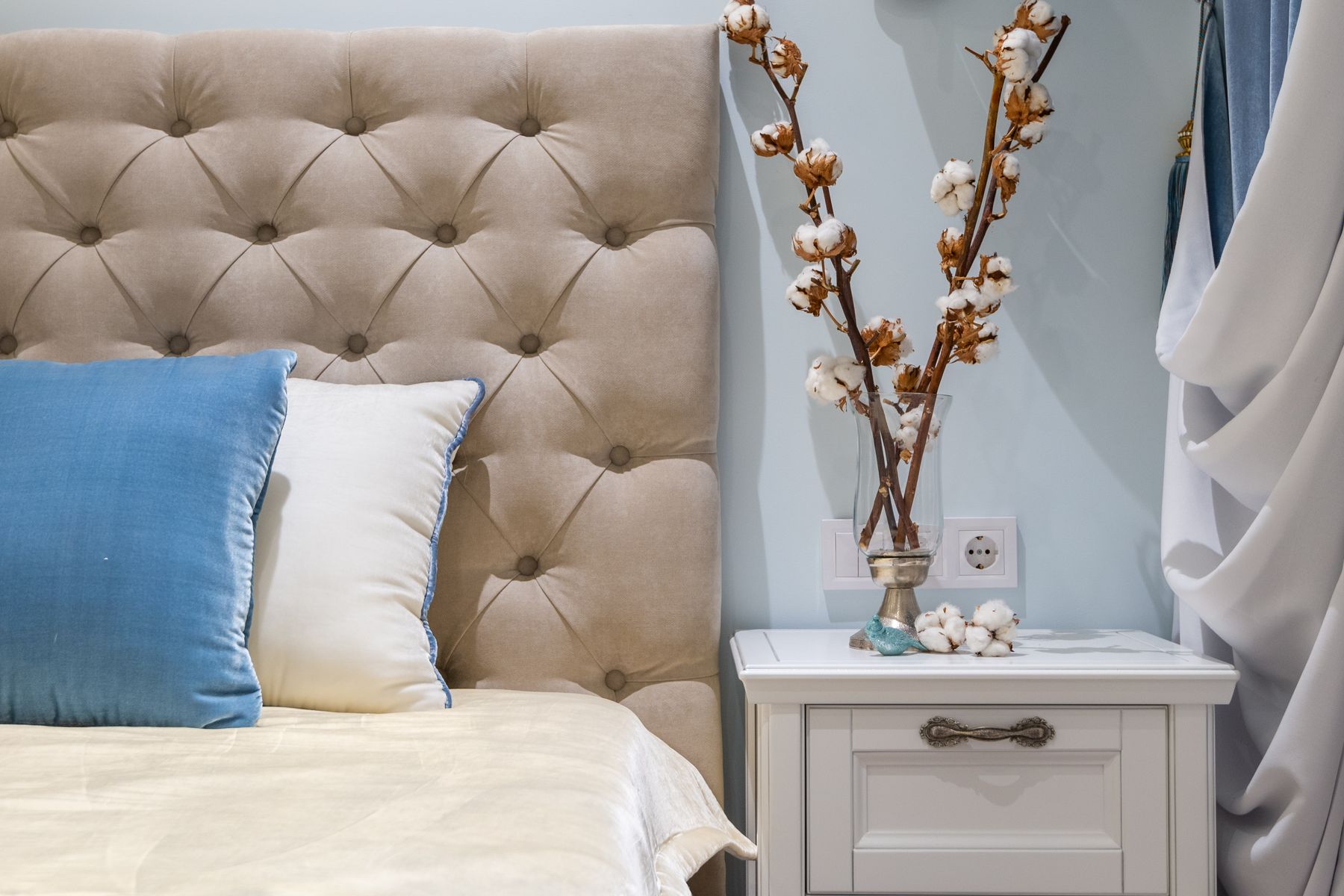
English rooms often feel collected because bedside pieces are related without being identical. A small chest may pair with a round table, provided both sleepers have stable surfaces, reachable switches and lamps at useful heights. Balance mass rather than copying shape: a broad dark chest may need a larger shade, while a delicate table needs visual space. Hide unsafe cable runs without forcing every object into perfect symmetry. Formal matched pairs belong more naturally in a strongly Traditional Bedroom concept.
Bedding Layered for Climate and Laundering
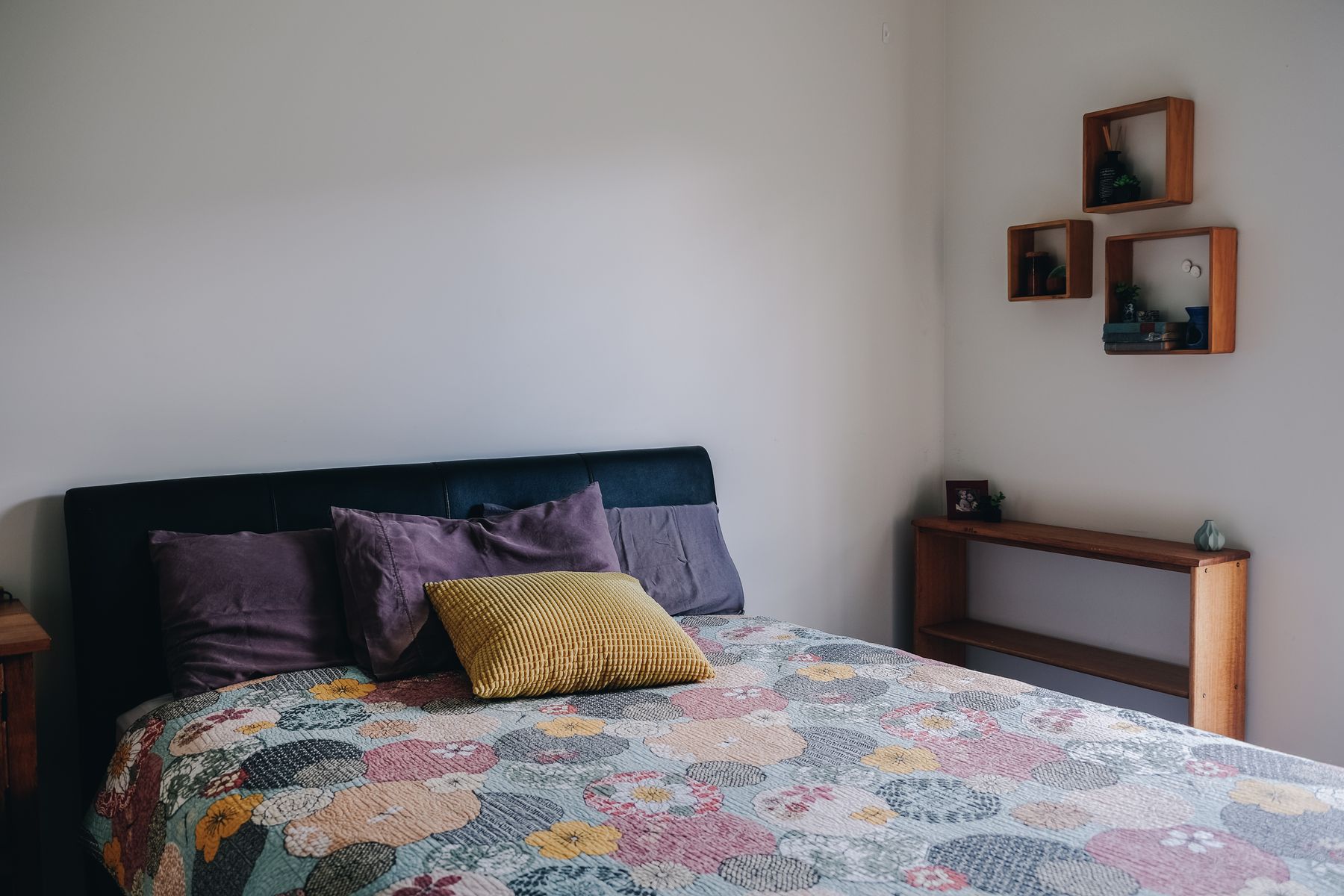
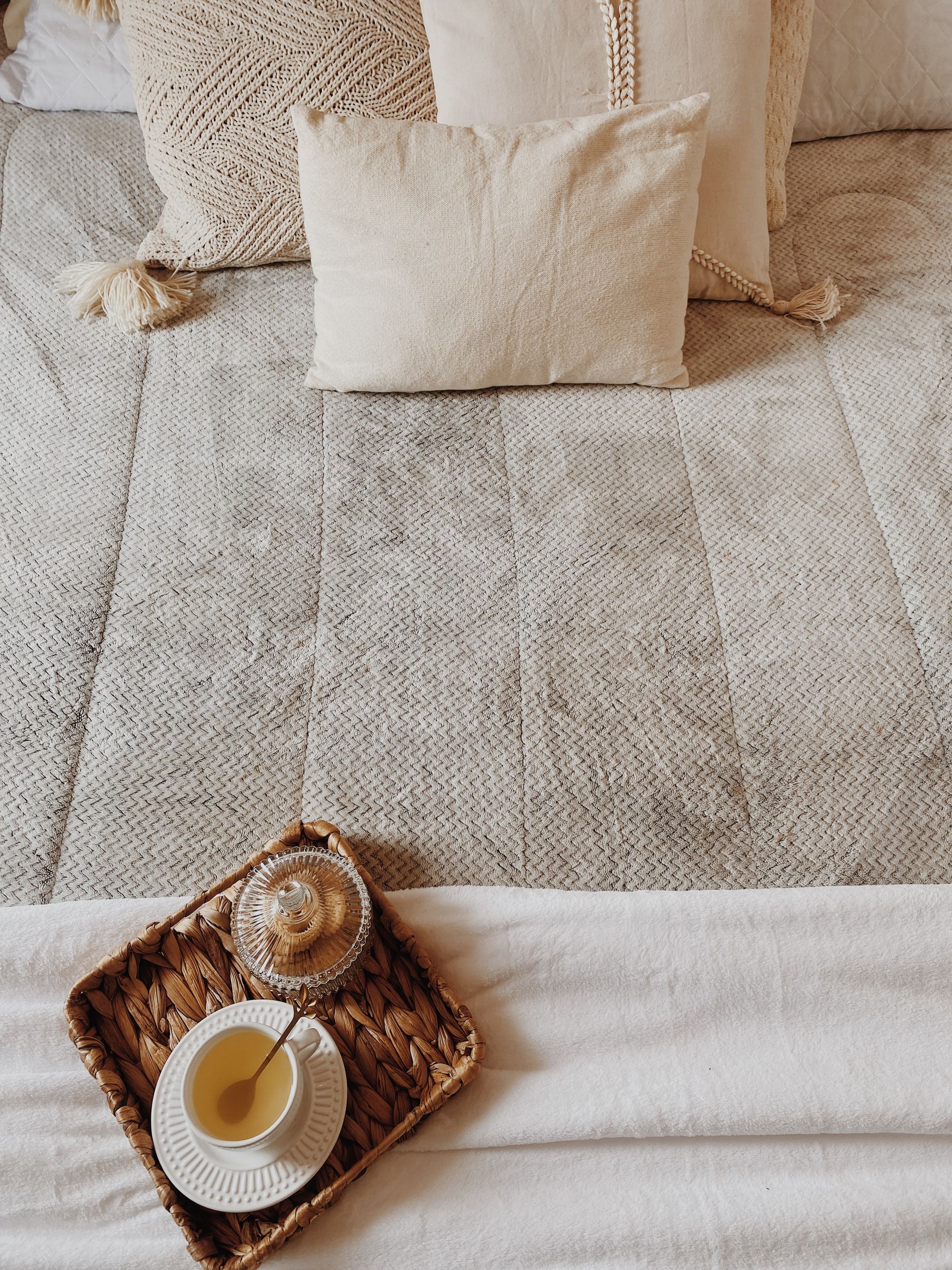
Use breathable sheets, an appropriate duvet or blanket, a washable coverlet and only the cushions that are genuinely comfortable to move each night. Linen, cotton, wool and quilted layers provide different warmth and drying behavior, so choose by climate and laundry access. A floral or check coverlet can carry the scheme while sheets remain plain. Avoid copying hotel pillow stacks into a compact room with nowhere to place them. Record care labels and keep spare layers accessible rather than sealed behind decorative storage.
Curtains, Blinds and Privacy as One System
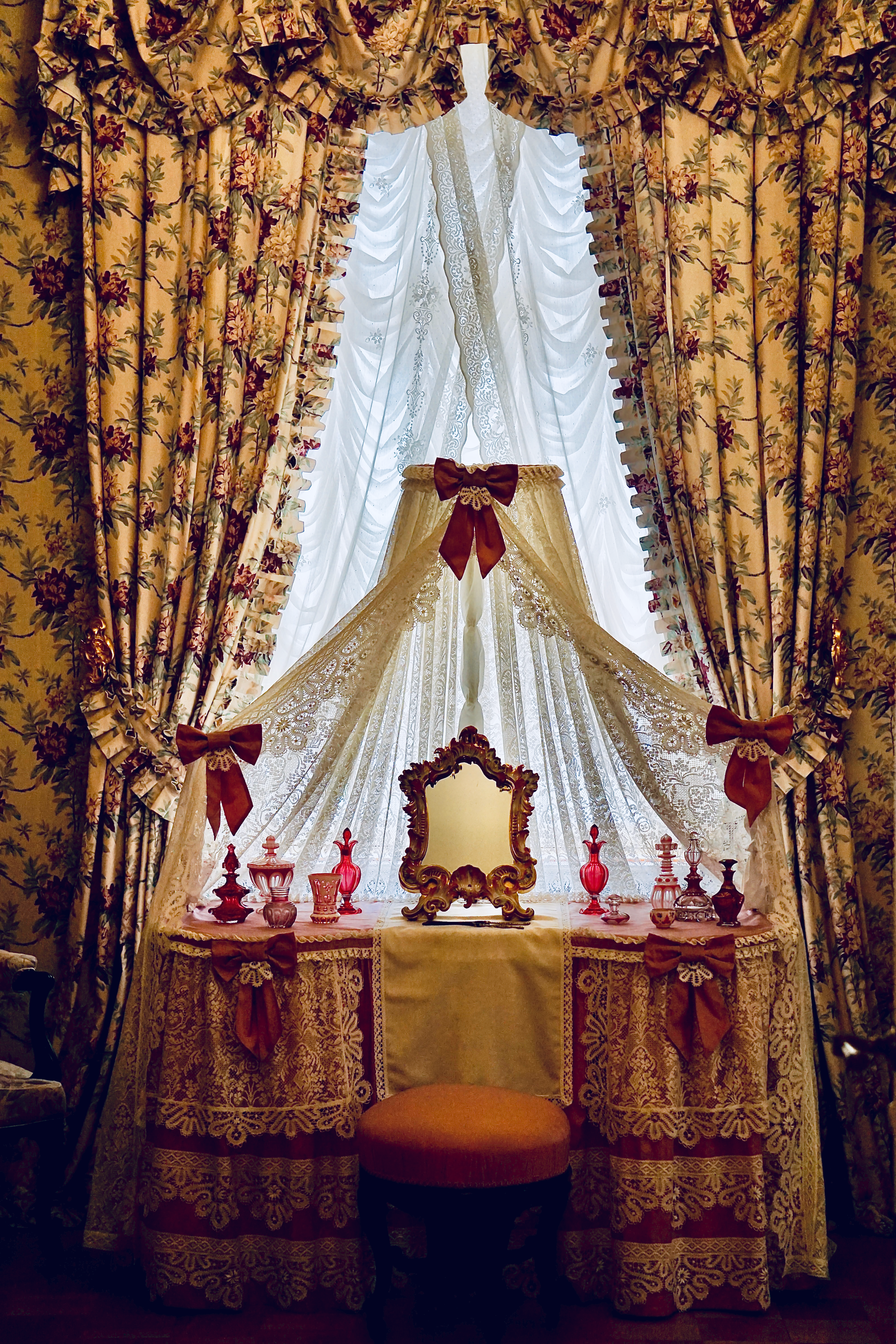
A light-filtering blind or sheer can serve daytime privacy; lined curtains or a discreet blackout blind can control sleep and heat. Mount tracks so fabric clears handles, radiators and opening windows, and let full-height curtains stack away from limited daylight. Patterned curtains may be the room's lead textile, so keep nearby wallpaper quieter. [Bright Bedroom Ideas](/bedroom/bright-bedroom-ideas/) offers a fuller daylight framework when reflection and window exposure are the primary challenge. Test the system from outside after dark.
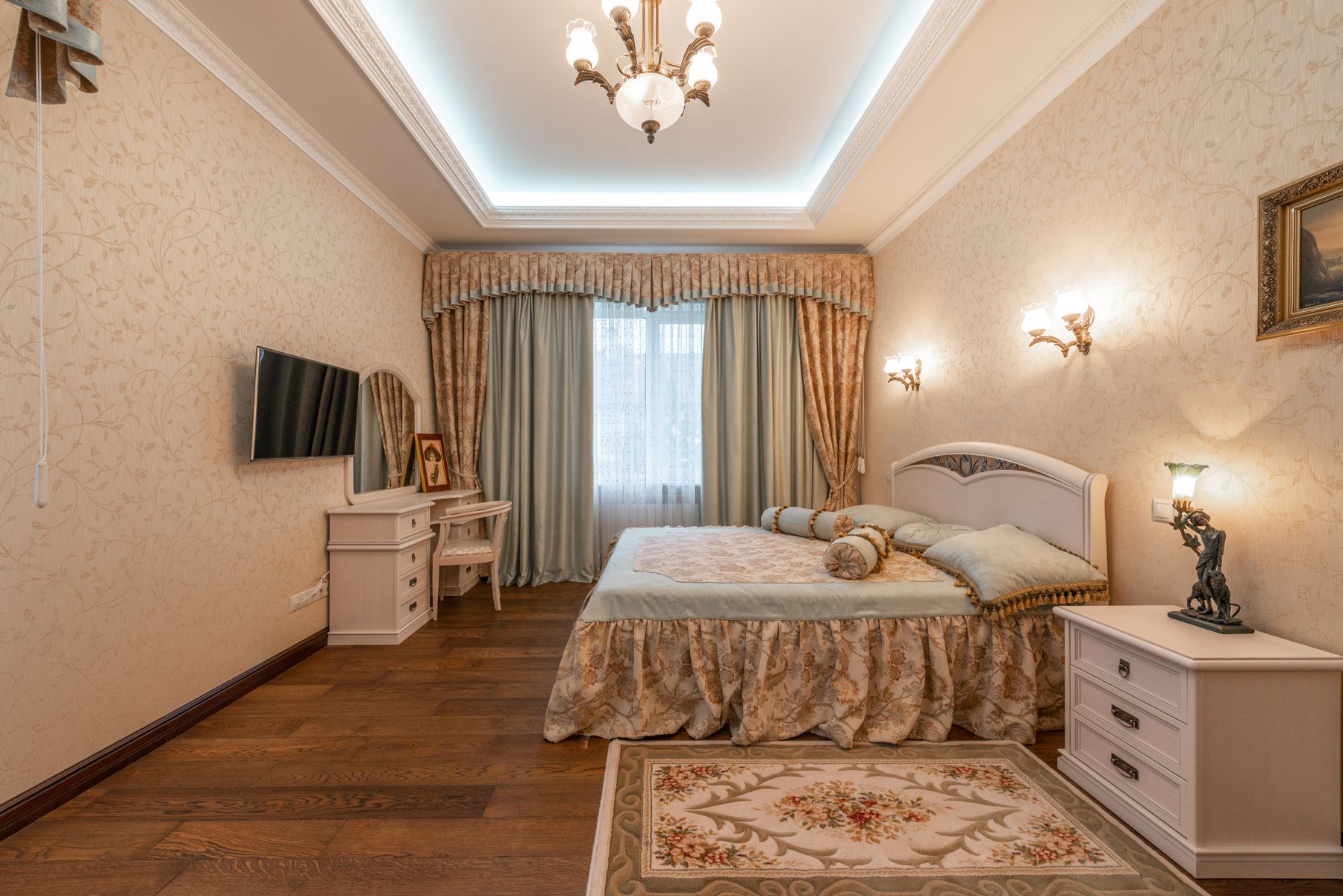
Pelmets and Valances Only When They Solve Proportion
A tailored pelmet can conceal hardware, reduce a visually high window and provide another controlled pattern field. It can also block daylight, trap dust and make a low room feel compressed. Size it from the actual window and stack-back requirement, not from a generic period formula. Use washable or vacuum-friendly fabric and allow access to tracks. In many modern rooms, a clean pole or concealed track is the more convincing choice. Decorative complexity should earn its place through proportion or performance.
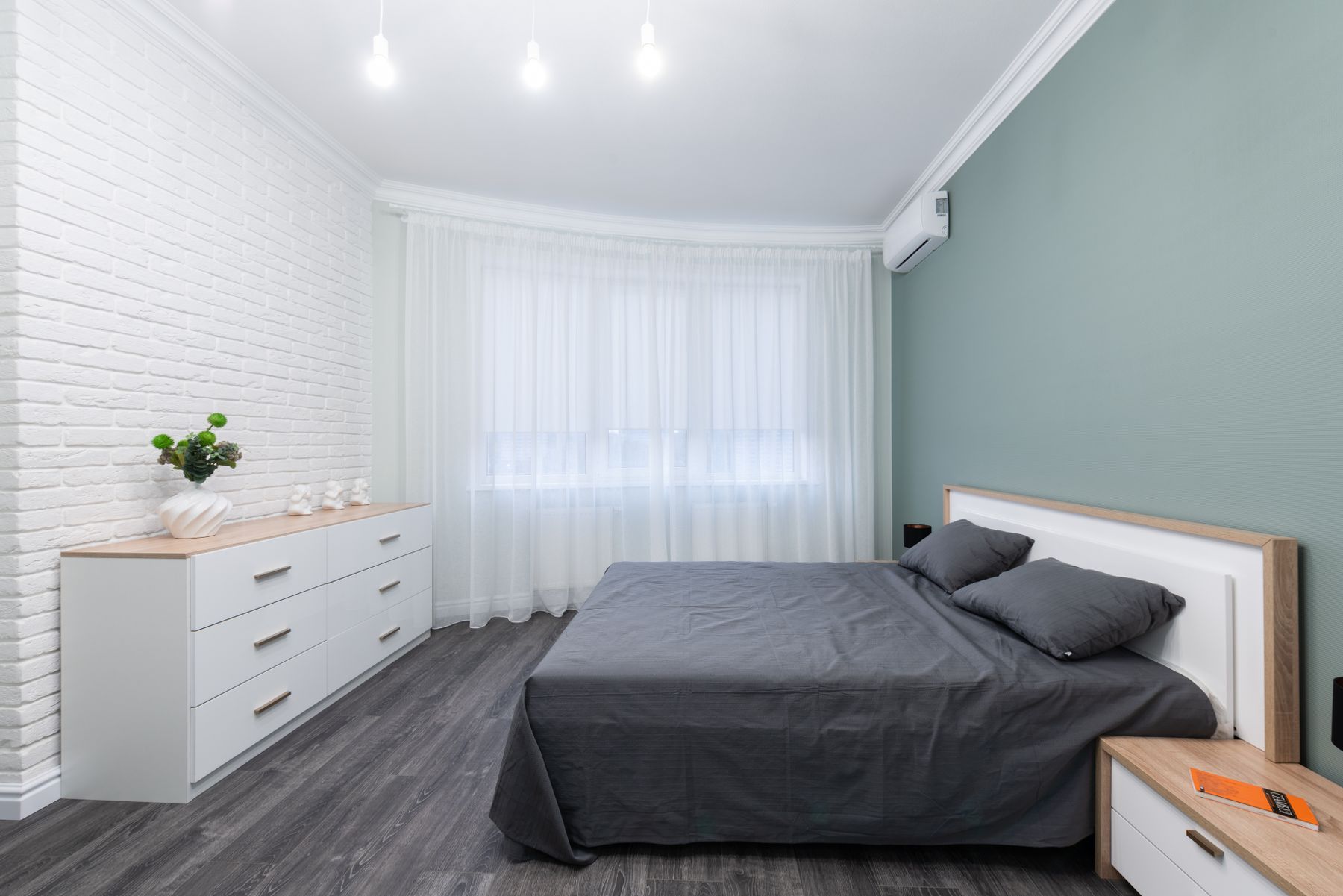
Build Lamplight With Shades, Not Gloom
Pleated, gathered or patterned shades can soften light and introduce another textile scale, but they reduce output. Combine dimmable ambient light, shielded bedside reading light and accurate wardrobe or dressing light. Check bulb heat limits, shade stability and glare from lying position. Warm color temperature flatters timber and pattern, while good color rendering keeps clothing and paint readable. Avoid relying on one weak central pendant to create atmosphere; darkness at wardrobes and trip points is not cozy.
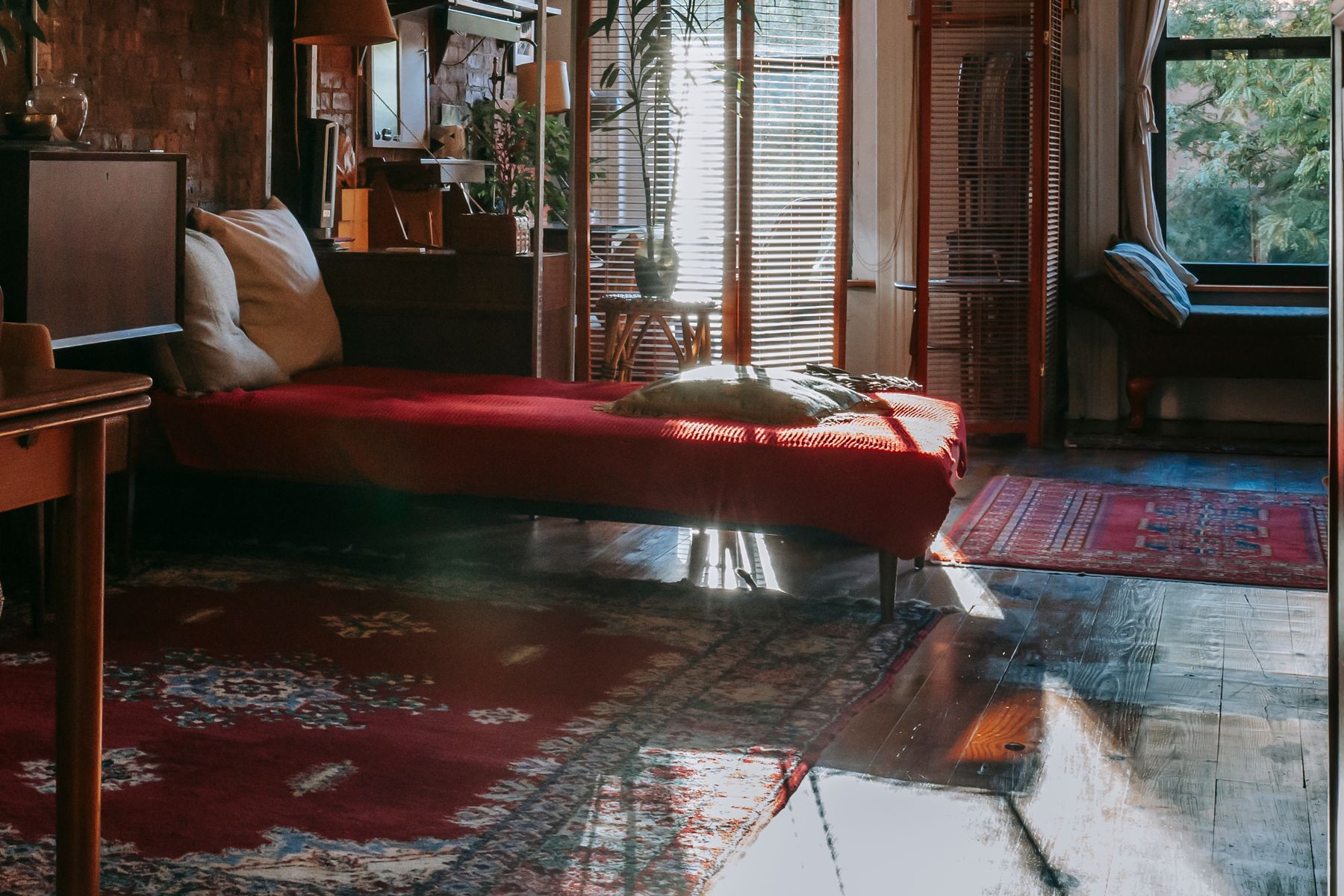
Rugs and Carpet for Quiet, Warmth and Cleaning
Timber boards, wool carpet, sisal and patterned rugs can all suit an English room. Choose by thermal comfort, acoustics, allergy needs and cleaning before motif. A rug should extend into the walking zone rather than float narrowly under the bed, and its edges must remain secure. Patterned carpet can be effective in a small room when walls are quieter. Protect historic floors without sealing moisture into them, and use pads compatible with both finish and underfloor heating.
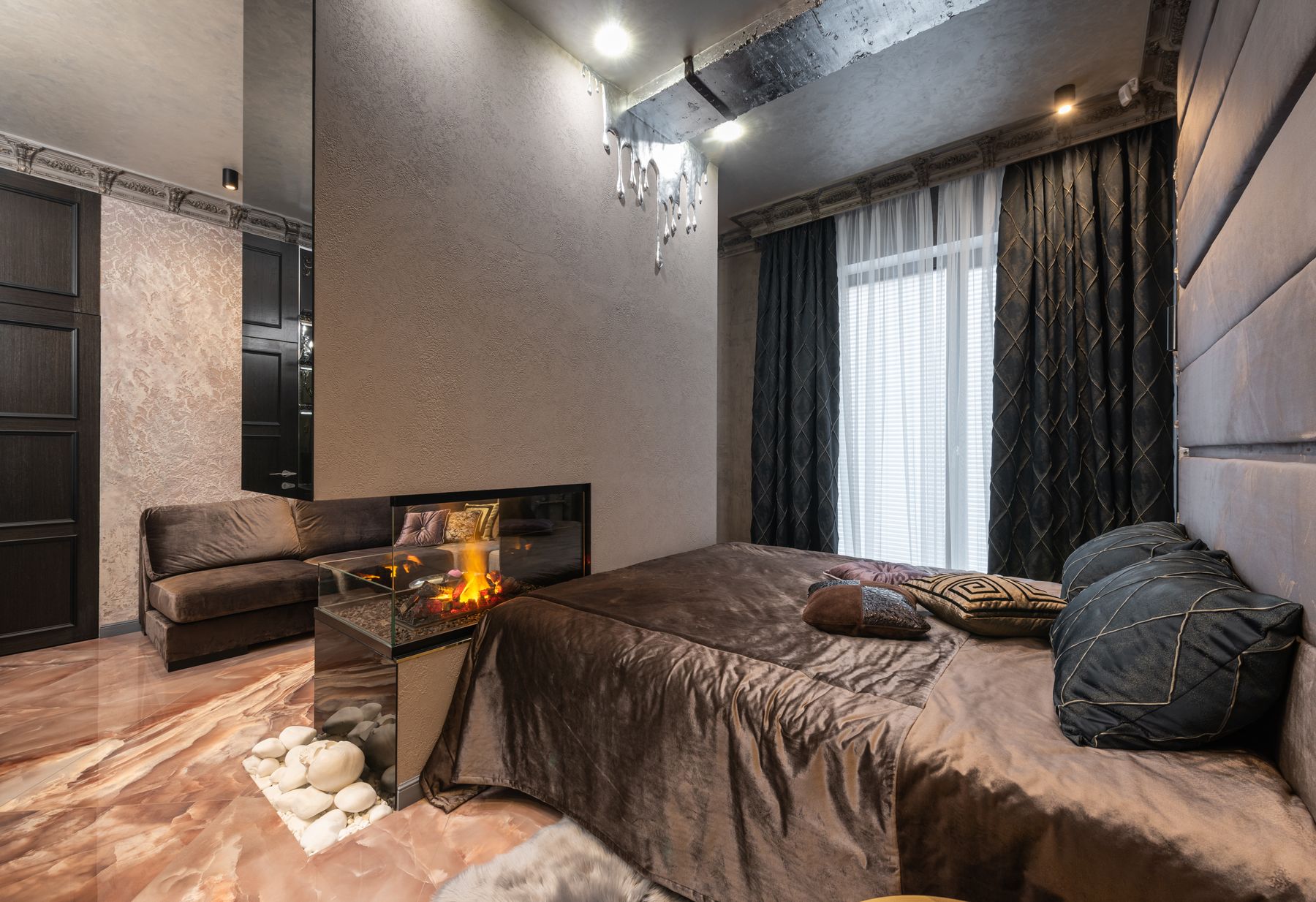
The Fireplace as a Safe Architectural Anchor
An existing hearth can organize the bed, chair and art even when it is no longer used. Have active chimneys, flues, guards and ventilation inspected; maintain required clearances from bedding, curtains and rugs. Do not block a ventilated opening for a decorative arrangement. A nonworking fireplace can hold one restrained composition, but loose candles and overloaded logs create risk rather than character. If the room lacks a hearth, resist adding a shallow imitation merely to signal English style.
Edit Books, Art and Ceramics Into Small Stories
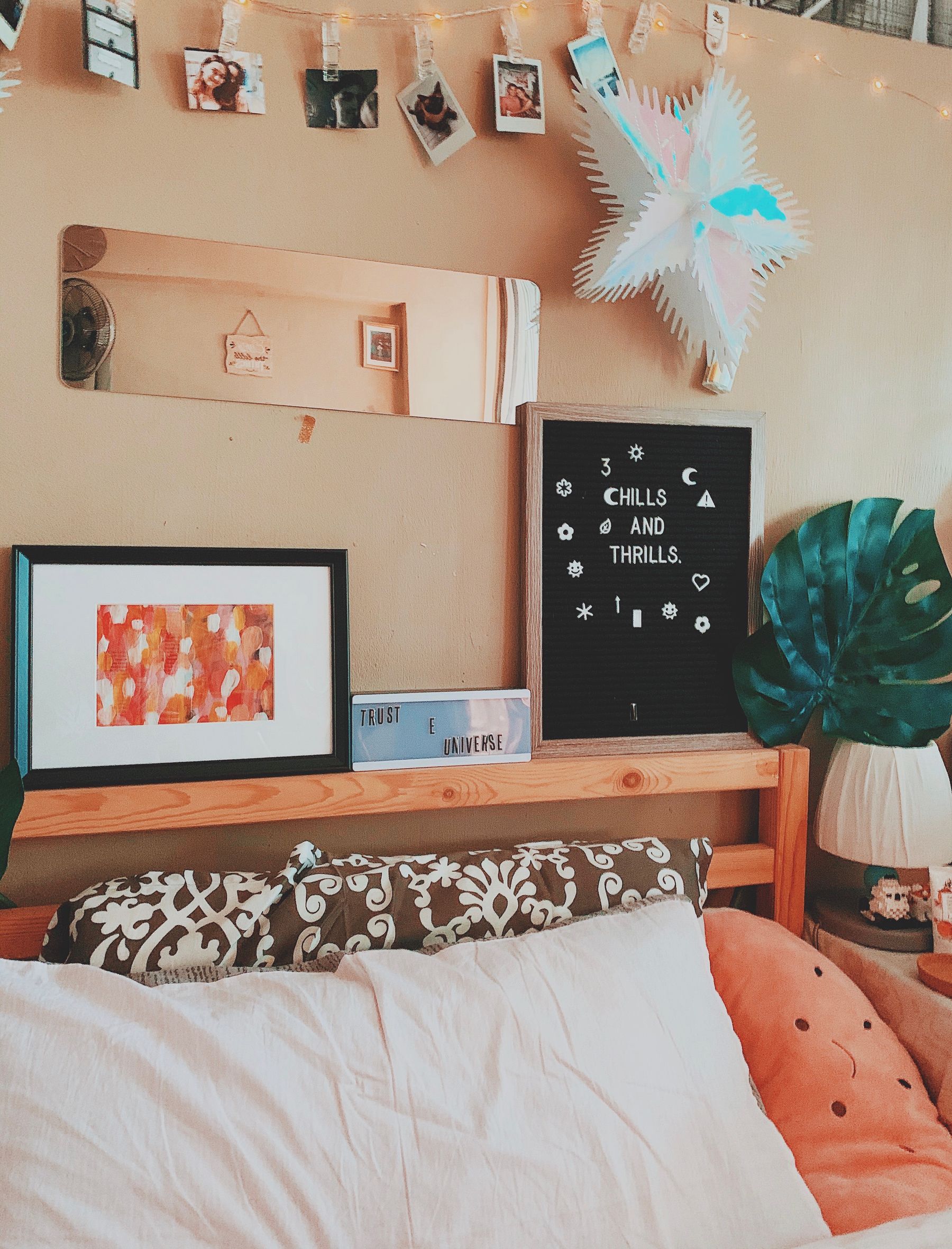
Landscape studies, family photographs, botanical prints, books and ceramics can make the room personal, but each group needs a boundary. Keep fragile pieces away from sleep routes, secure heavy frames and leave bedside surfaces usable. A small picture cluster may suit a chimney breast or desk; shelves should carry books that are read rather than color-coordinated filler. [Eclectic Bedroom Ideas](/bedroom/eclectic-bedroom-ideas/) is the better destination when contrast between many eras and cultures becomes the central design method.
Wardrobes That Feel Part of the Room
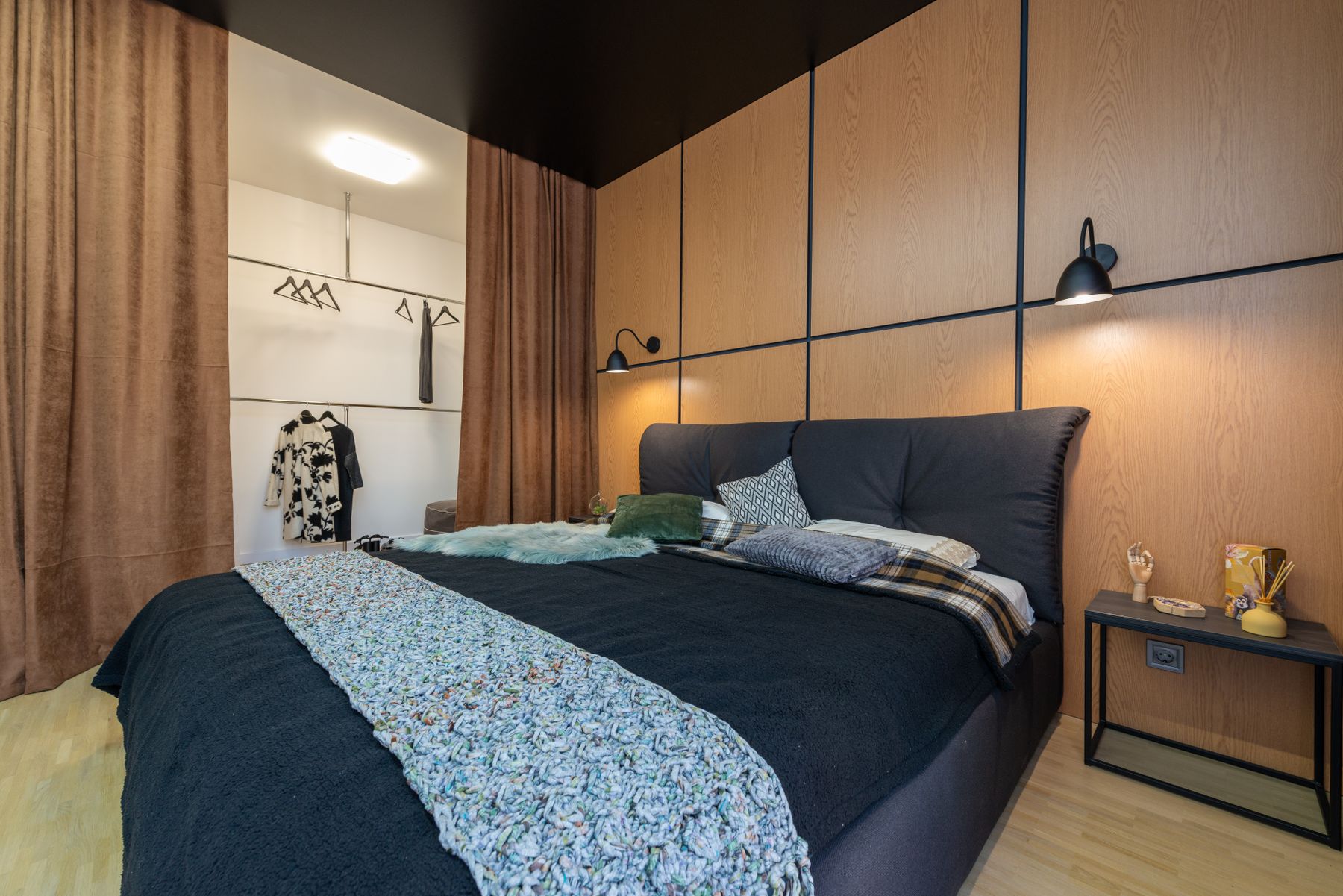
A freestanding armoire adds furniture character, while fitted wardrobes can use awkward walls more efficiently. Choose according to clothing volume, access and architecture, not style purity. Painted doors may recede into paneled walls; timber fronts can balance a pale room. Light deep interiors, provide ventilation at cold walls and use handles that are easy to grasp. A fabric skirt can hide light occasional storage, but it should not conceal damp, wiring or items needed every day.
Create a Modern English Version Through Editing
Keep one architectural cue, one lead pattern, one old furniture piece and warm shaded light, then use a supportive contemporary bed, efficient storage and simpler secondary textiles. Modern English does not mean replacing character with beige or combining every heritage reference with black metal. [Modern Bedroom Ideas](/bedroom/modern-bedroom-ideas/) is the better continuation when clean construction and current furniture lead. Here, editing makes the layers legible while preserving comfort, color and the sense of belongings acquired over time.
Scale the Look for a Small Bedroom
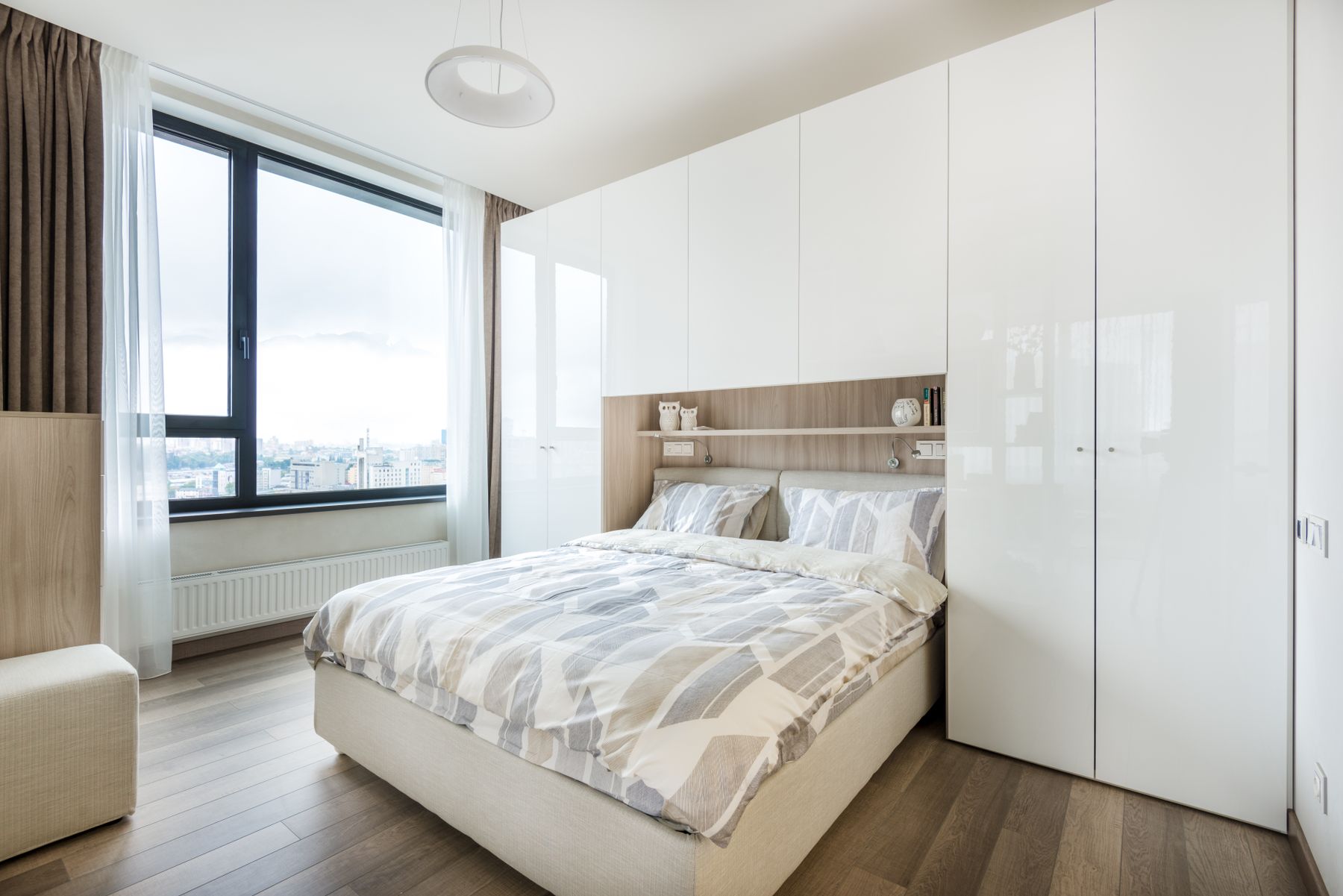
Use either wallpaper or patterned curtains as the main field, a shallow upholstered headboard, wall-mounted reading lights and storage that reaches useful height. A small chest can replace one nightstand if drawer access remains clear. Avoid squeezing in a bench, wing chair, canopy and armoire simply because each suits the style. [Small Bedroom Ideas](/bedroom/small-bedroom-ideas/) provides the fuller clearance framework. English character can come from one excellent fabric, a timber piece and shaded light rather than decorative quantity.
Zone a Large Bedroom Without Filling Every Wall
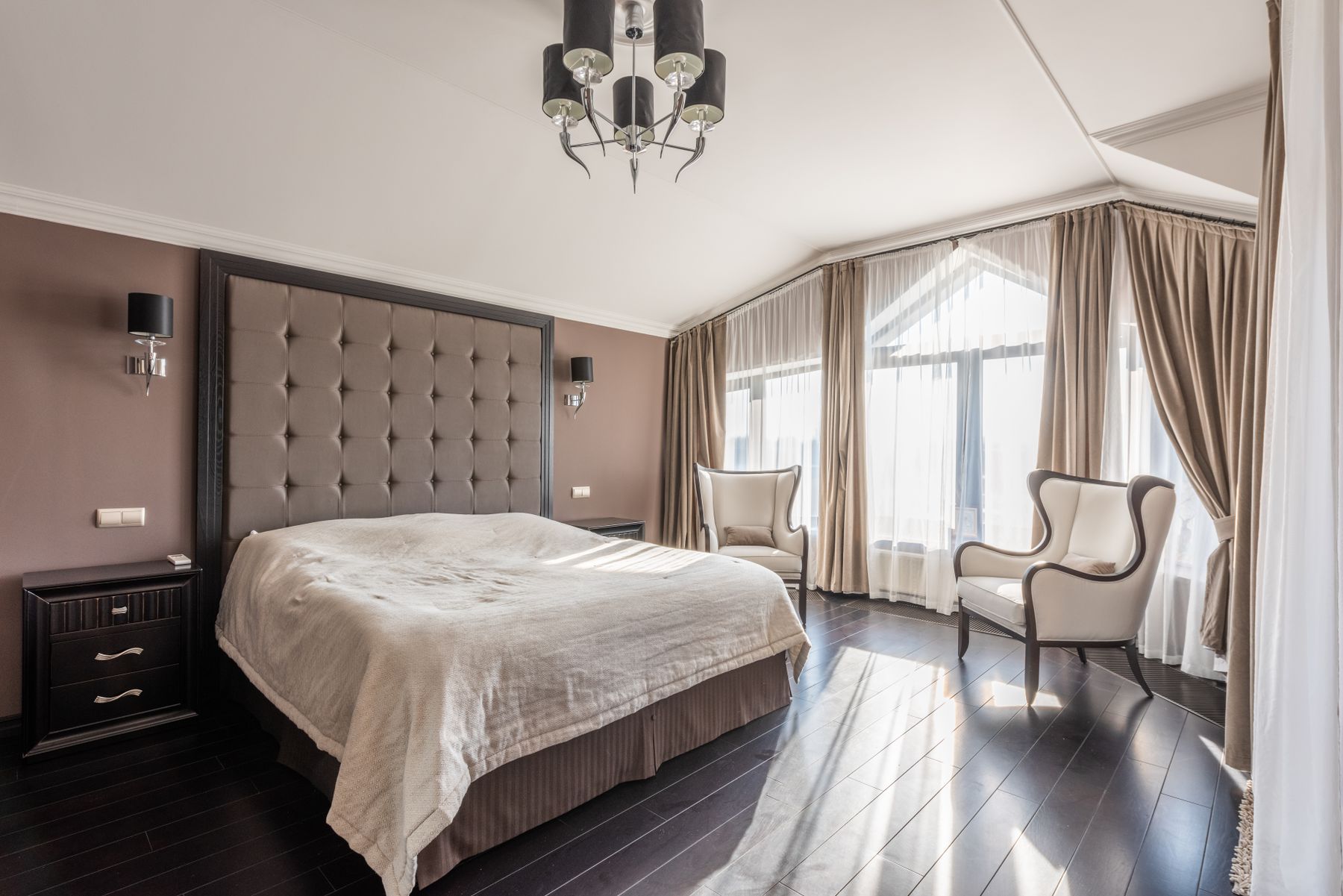
Anchor the bed, create one reading or dressing zone and retain generous space between activities. A pair of chairs, writing table or chaise should have nearby light and a genuine user, not exist only to occupy volume. Rugs, pendant positions and furniture orientation can define zones without screens. Keep the route to bathroom and door direct at night. [Large Bedroom Ideas](/bedroom/large-bedroom-ideas/) goes deeper into proportion; English style adds pattern and collected furniture without treating size as permission for clutter.
Prepare an English Guest Room for Independence
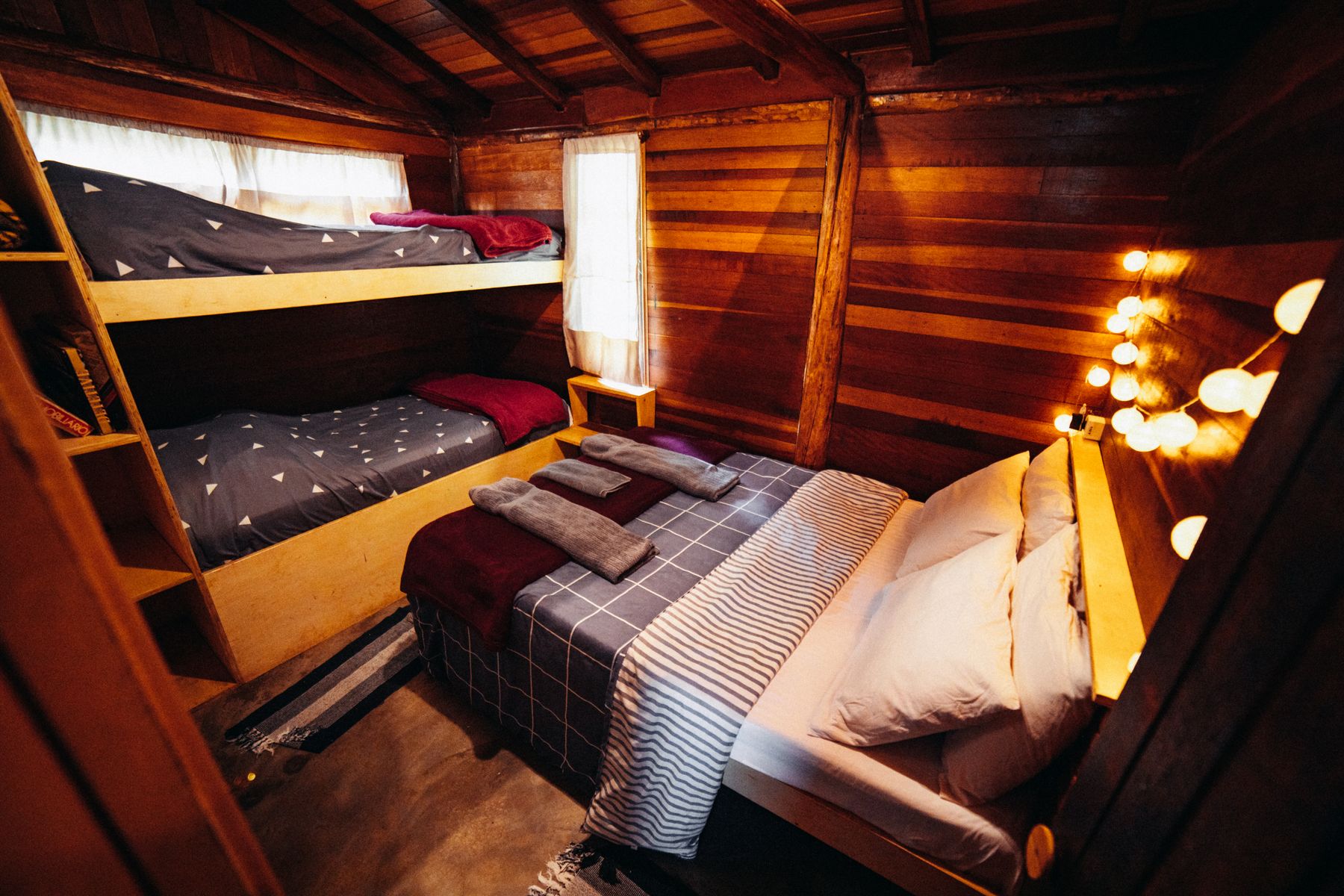
Provide reachable lamps and outlets, water surfaces, hooks, hangers, a clear drawer and a luggage footprint that does not block the door. Offer different pillow weights and straightforward controls for heat, blackout and Wi-Fi. A floral curtain, quilt or timber chest can carry the style while uncluttered surfaces help visitors settle. Twin beds should each have safe access and useful light. Washable textiles matter more than fragile trims in a room with frequent turnover. Test the room with actual suitcases open.
Translate English Character for a Rental
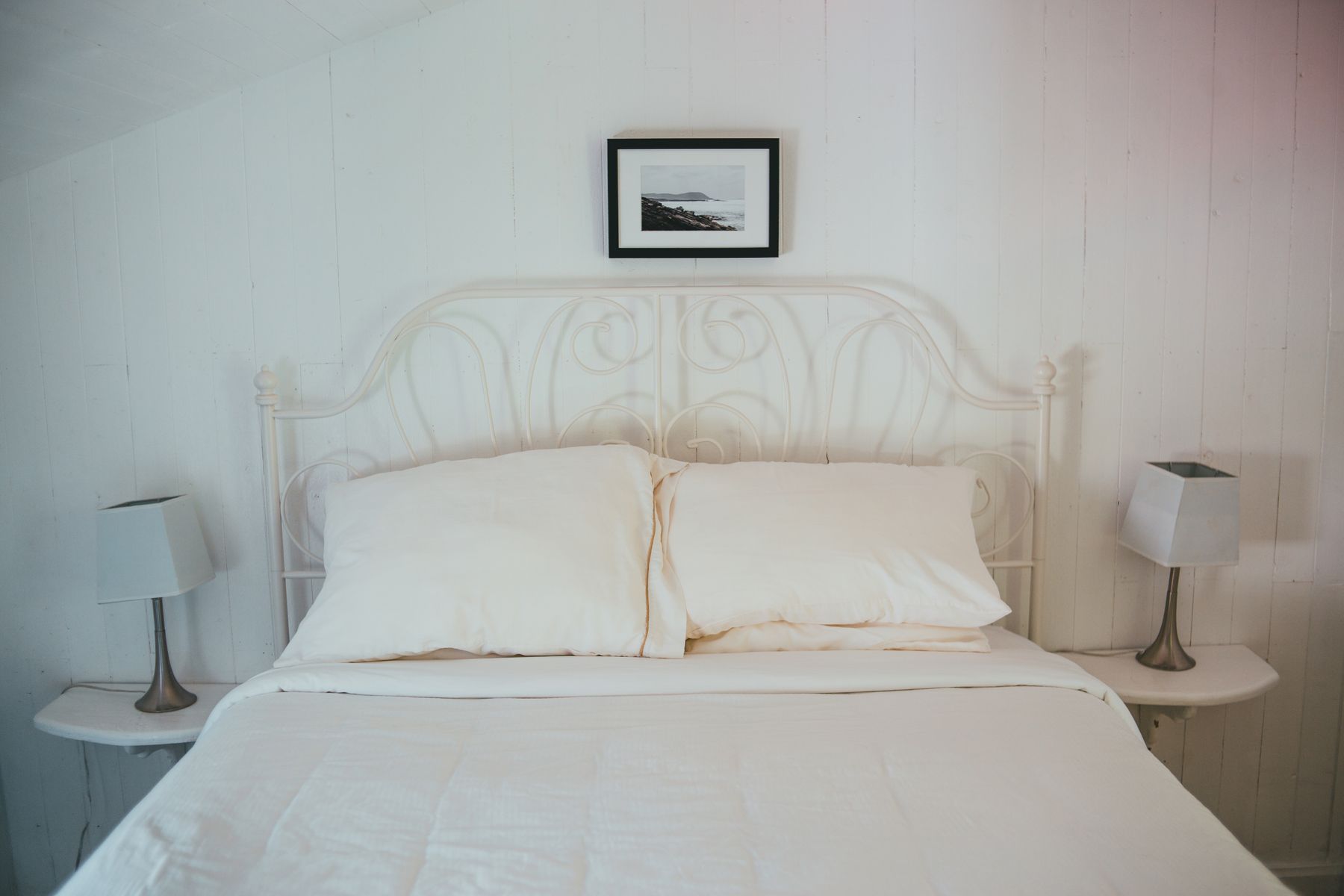
Renters can use a patterned headboard or coverlet, lined curtains where permitted, a timber bedside piece, pleated lampshade and framed botanical art. A large rug can soften an unsuitable floor. Avoid adhesive molding, imitation beams and temporary wallpaper unless removal is explicitly approved and tested. Secure cords and obtain permission for heavy mirrors or tracks. Reversibility should improve daily comfort and leave the building intact, not produce disposable heritage effects. Store original hardware and document every approved change.
Design Accessibility Into the Collected Layout
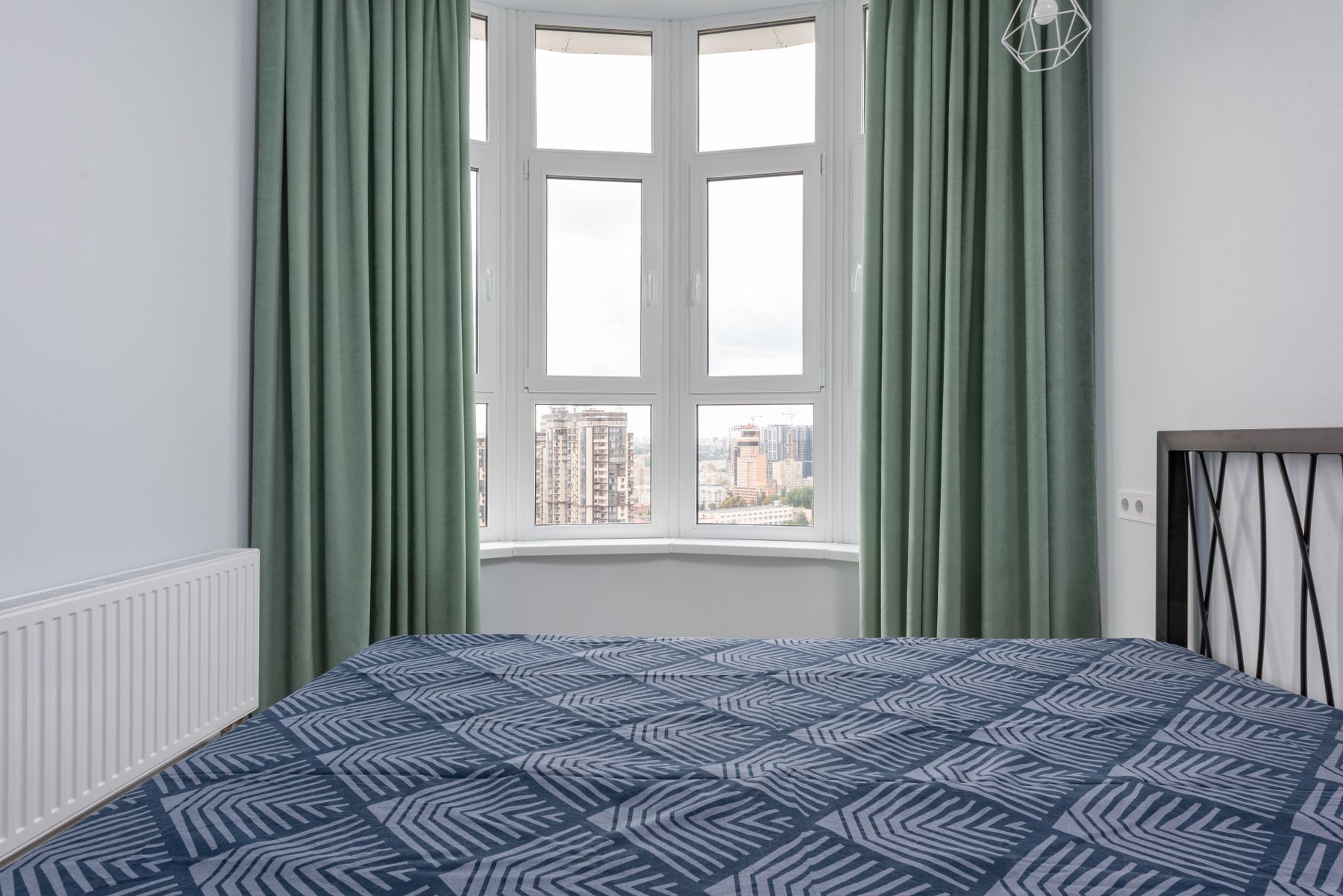
Choose bed height for transfer, maintain the required route for the actual mobility aid and place stable surfaces, switches and charging within reach. Secure or remove rugs, improve contrast between floor and furniture and use handles that can be grasped. Deep antique drawers, projecting feet and tasseled cords may create barriers despite their charm. Pattern should not reduce edge visibility. Test the room from seated eye height and prioritize the user's independence over preserving an idealized historic arrangement.
Adapt Textiles and Furniture to the Real Climate
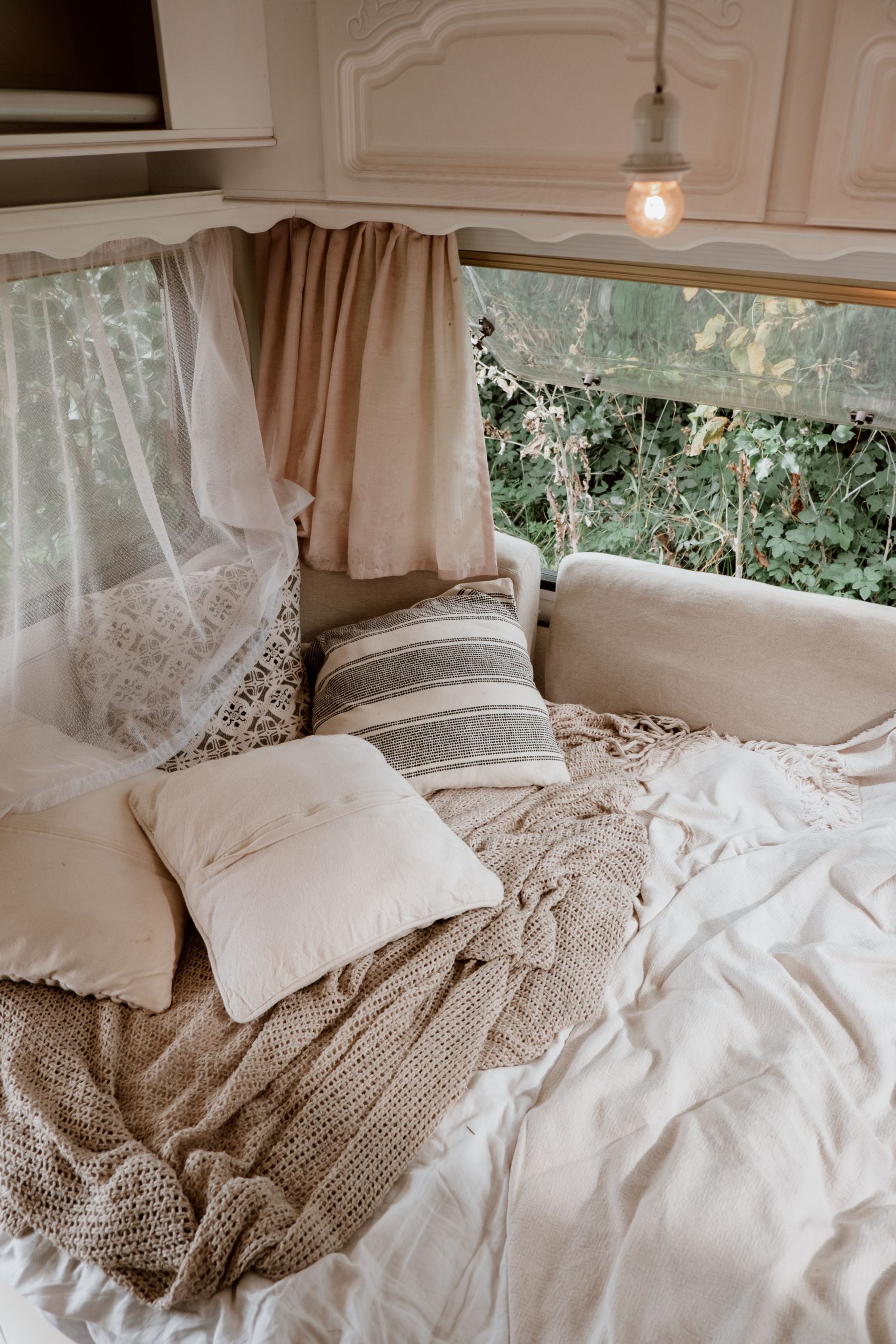
Lined curtains, wool carpet and layered bedding may support a cool, draft-prone room but feel oppressive in humid heat. Translate the visual ideas with local materials, breathable weaves, external shading or lighter rugs where needed. Leave airflow behind wardrobes on cold walls and avoid trapping moisture with impermeable finishes. Building envelope, ventilation and local codes lead; style follows. English character can survive with fewer layers when pattern scale, furniture and warm light remain specific and the room is physically comfortable.
Maintain Layers Without Preserving Neglect
Vacuum shades, upholstery, rugs and headboards with suitable tools; wash or professionally clean curtains and coverlets according to their labels. Inspect old furniture joints, picture fixings, curtain hardware, cold corners and wardrobe backs. Patina is stable wear and gradual material change; mold, flaking coatings, loose veneer and failed wiring are defects. Keep a record of paint formulas, textile care and furniture repairs. Edit possessions when they prevent ventilation or routine cleaning, because a healthy lived-in room is not the same as an overfilled one.