Separate Japanese Design From Japandi
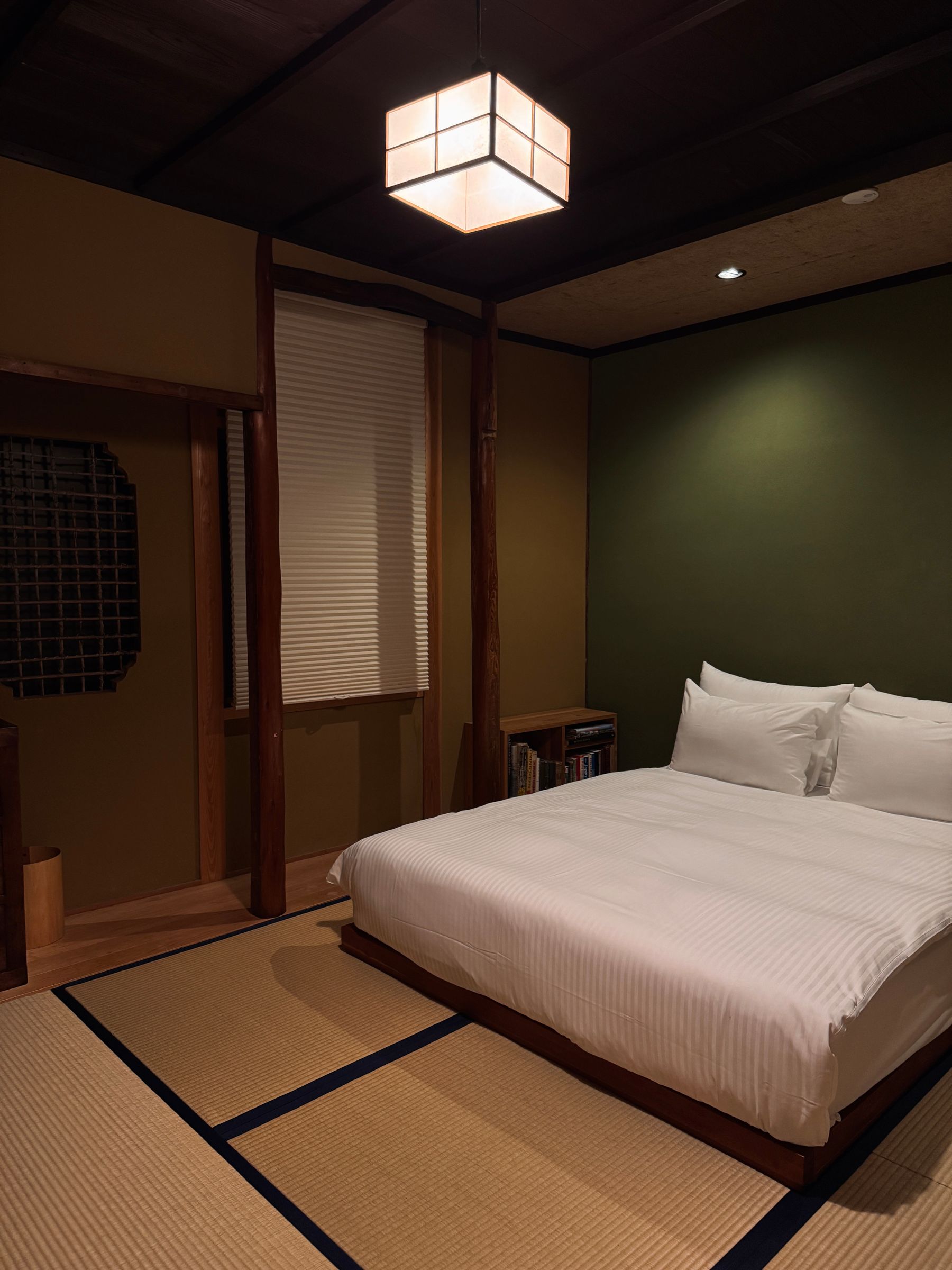
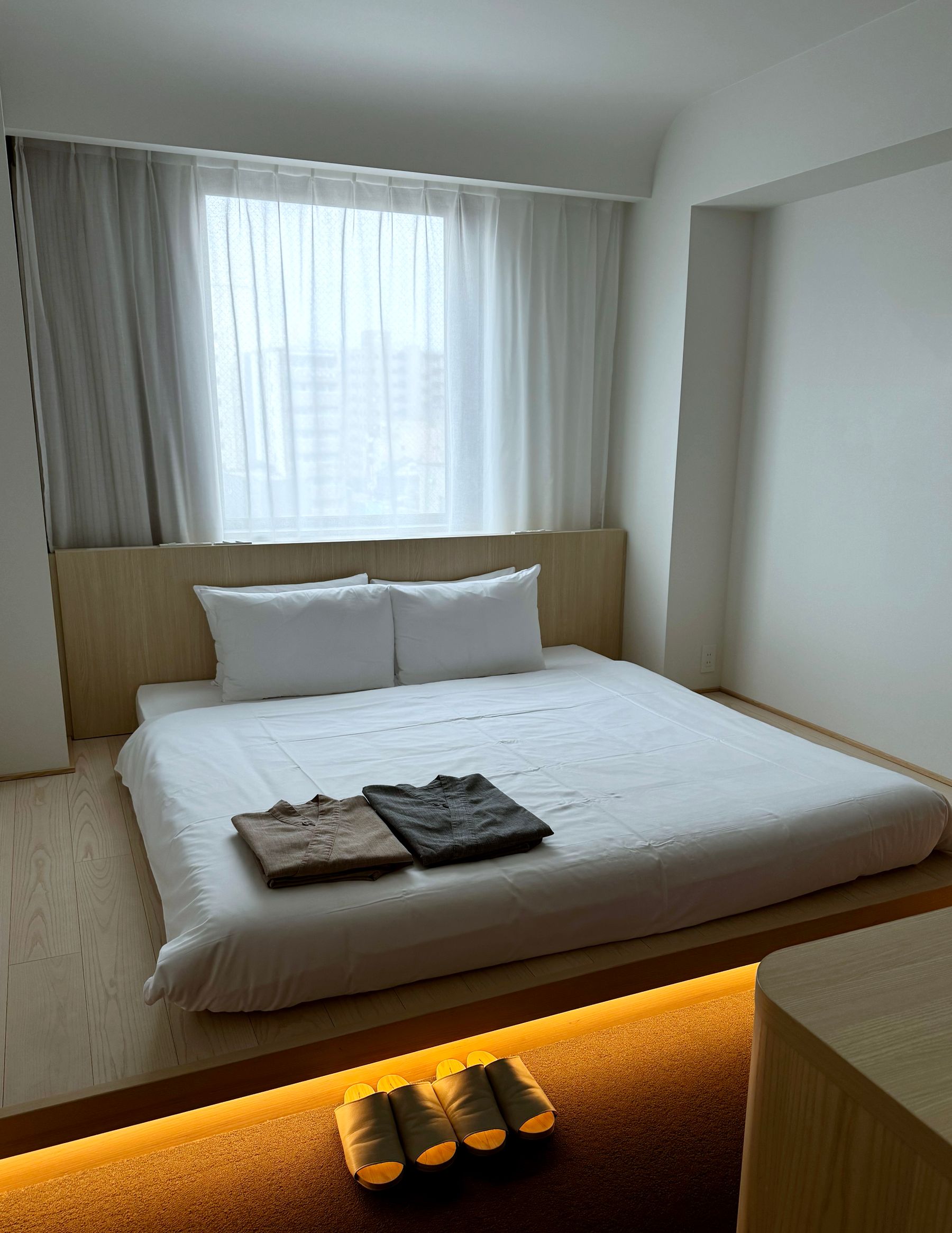
Japanese bedroom design is not a palette preset, and Japandi is not another name for it. [Japandi Bedroom Ideas](/bedroom/japandi-bedroom-ideas/) deliberately combines Japanese spatial restraint with Scandinavian brightness, tactile comfort and practical modern storage. A specifically Japanese route can be darker, more floor-oriented and more concerned with flexible use, thresholds, filtered views and the intervals between objects. Choose the hybrid when Nordic warmth is part of the brief; choose this guide when the room's Japanese planning logic should lead.
Understand the Washitsu as a Flexible Room
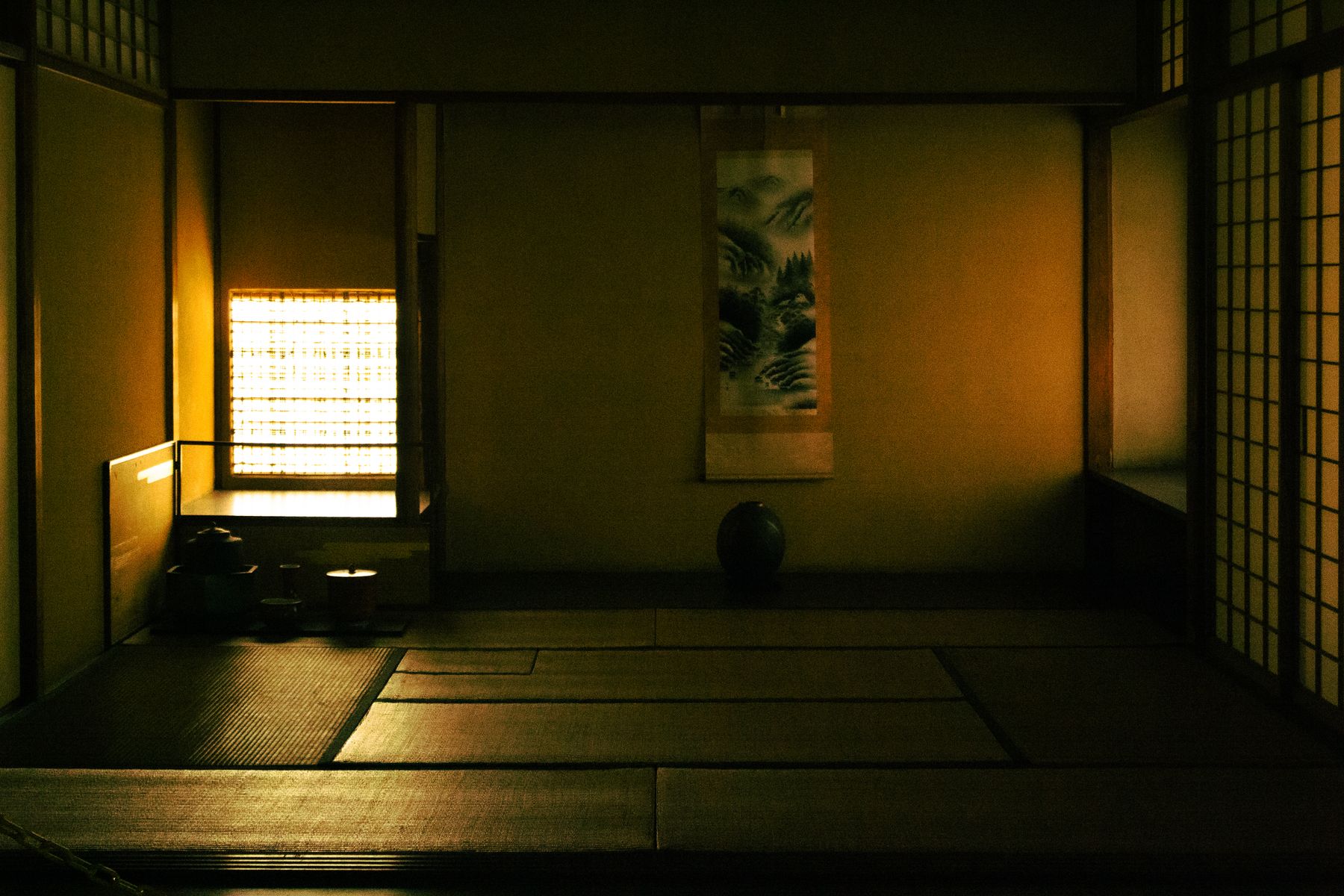
A traditional washitsu is a Japanese-style room defined by elements such as tatami, sliding partitions and a floor-based way of occupying space. It may support sitting, receiving, sleeping and storage at different times rather than existing only as a bedroom. That flexibility is the important lesson. In a contemporary home, decide which activities truly need to transform and provide somewhere for bedding and low furniture to go. Copying the appearance without the storage or reset routine produces obstruction, not flexibility.
Plan the Night Route as Useful Empty Space
The Japanese concept of ma is often translated as interval or negative space, but it should not be reduced to an empty-looking photograph. Map the route from door to bed, storage, window and bathroom, including drawers and sliding panels at full extension. Protect one generous line rather than several nervous gaps. The clear area may also support airing bedding, dressing or morning movement. If the empty floor performs no routine and makes storage difficult, it is not a stronger plan.
Choose Futon or Bed Without Pretending
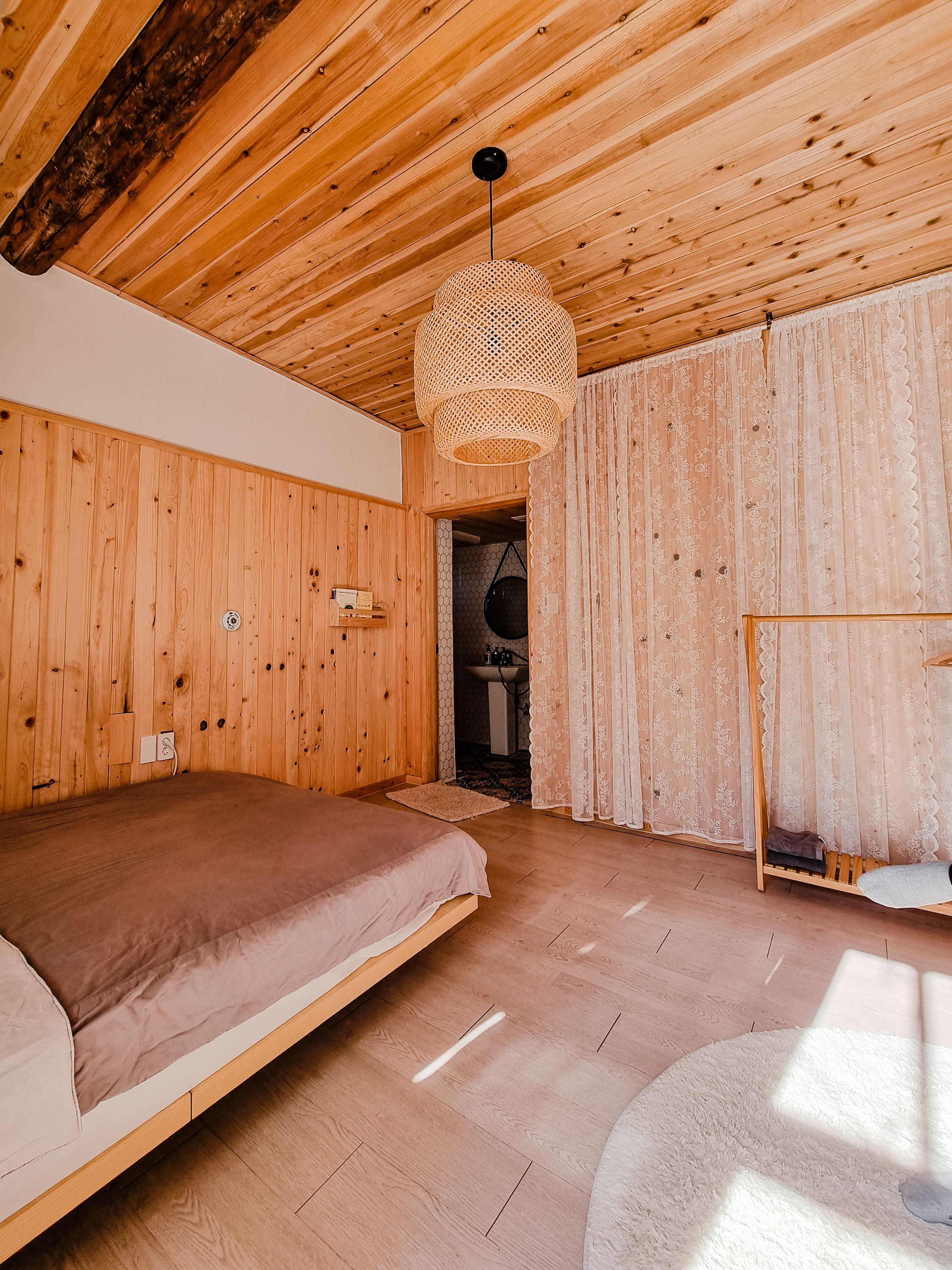
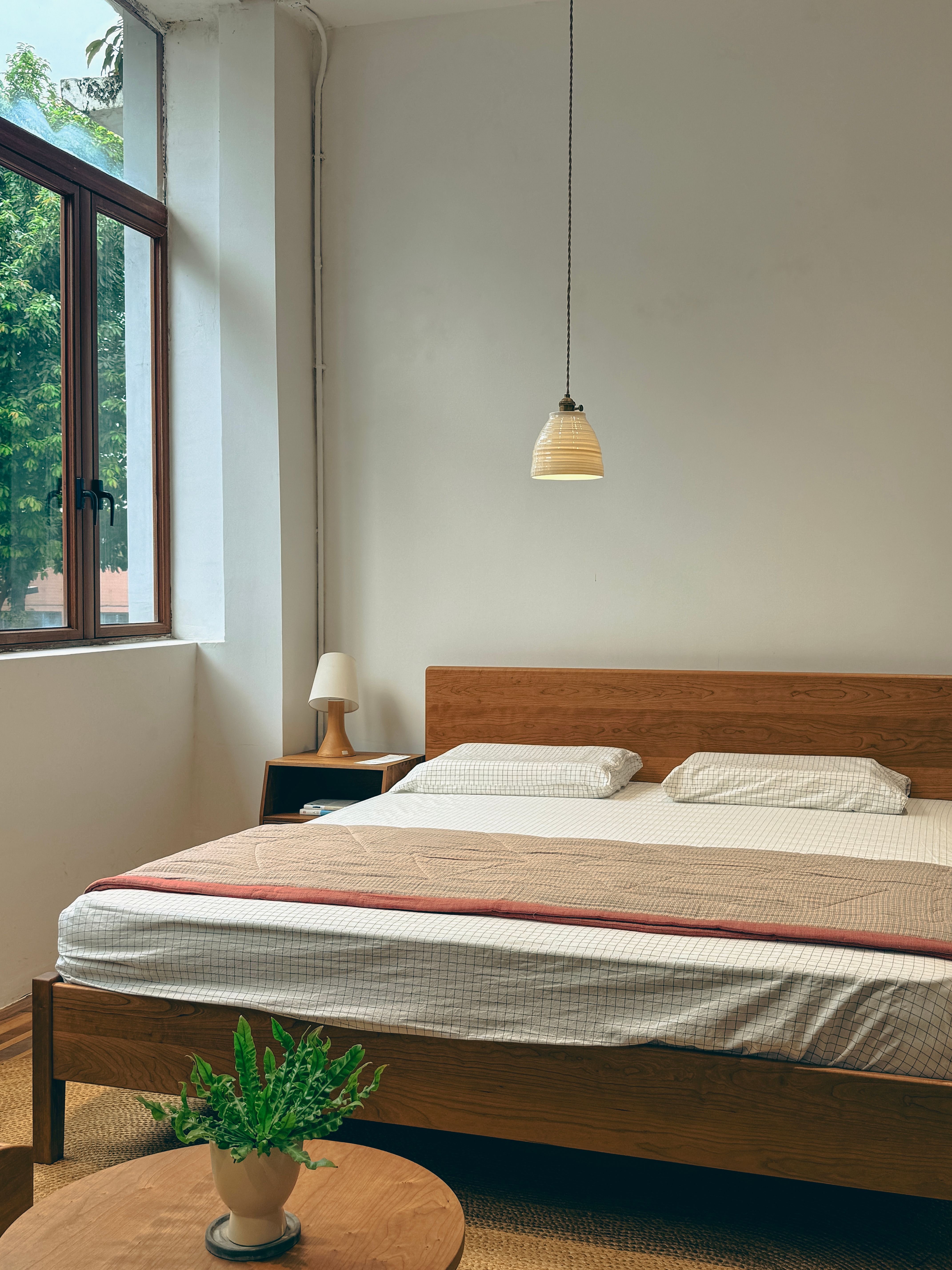
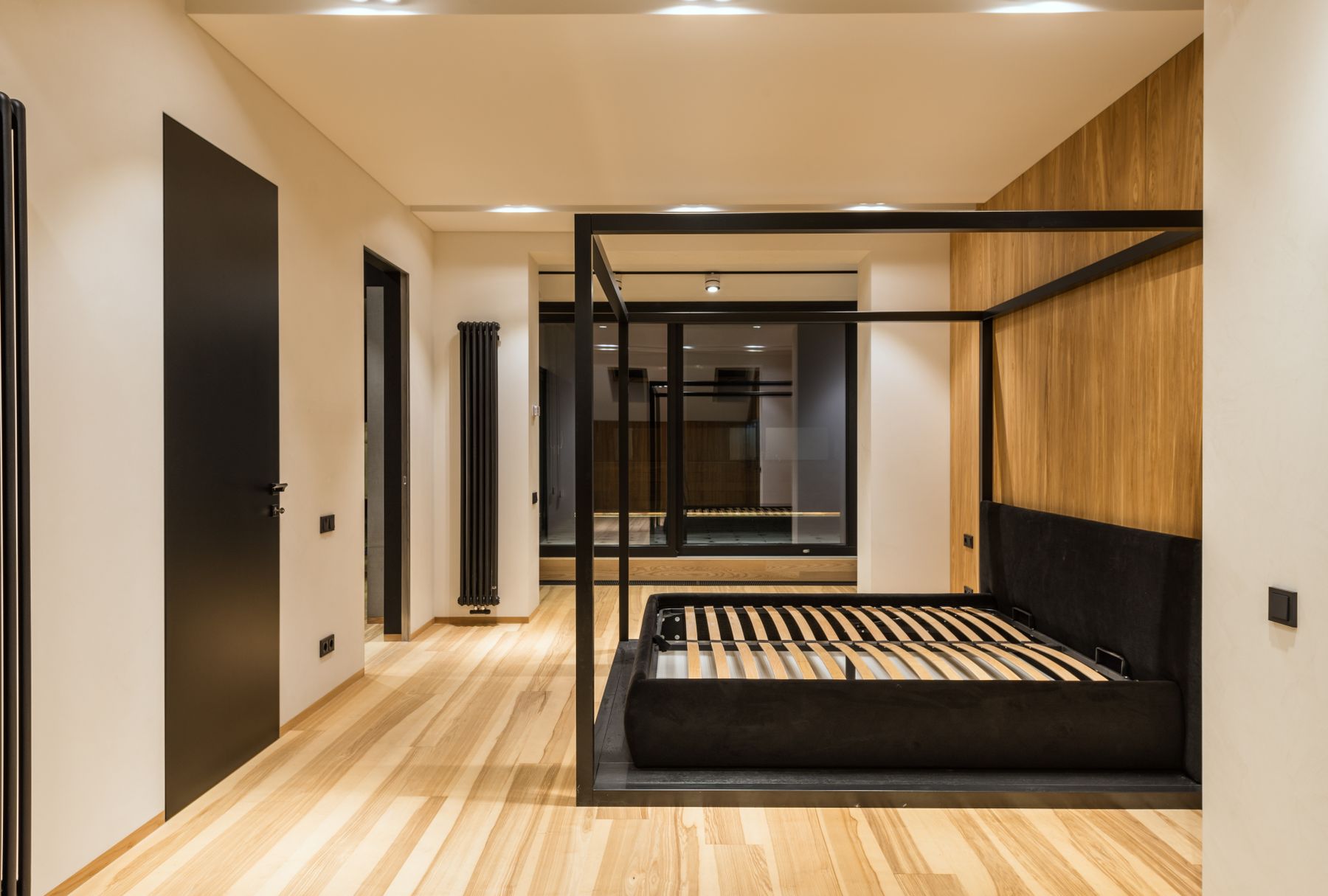
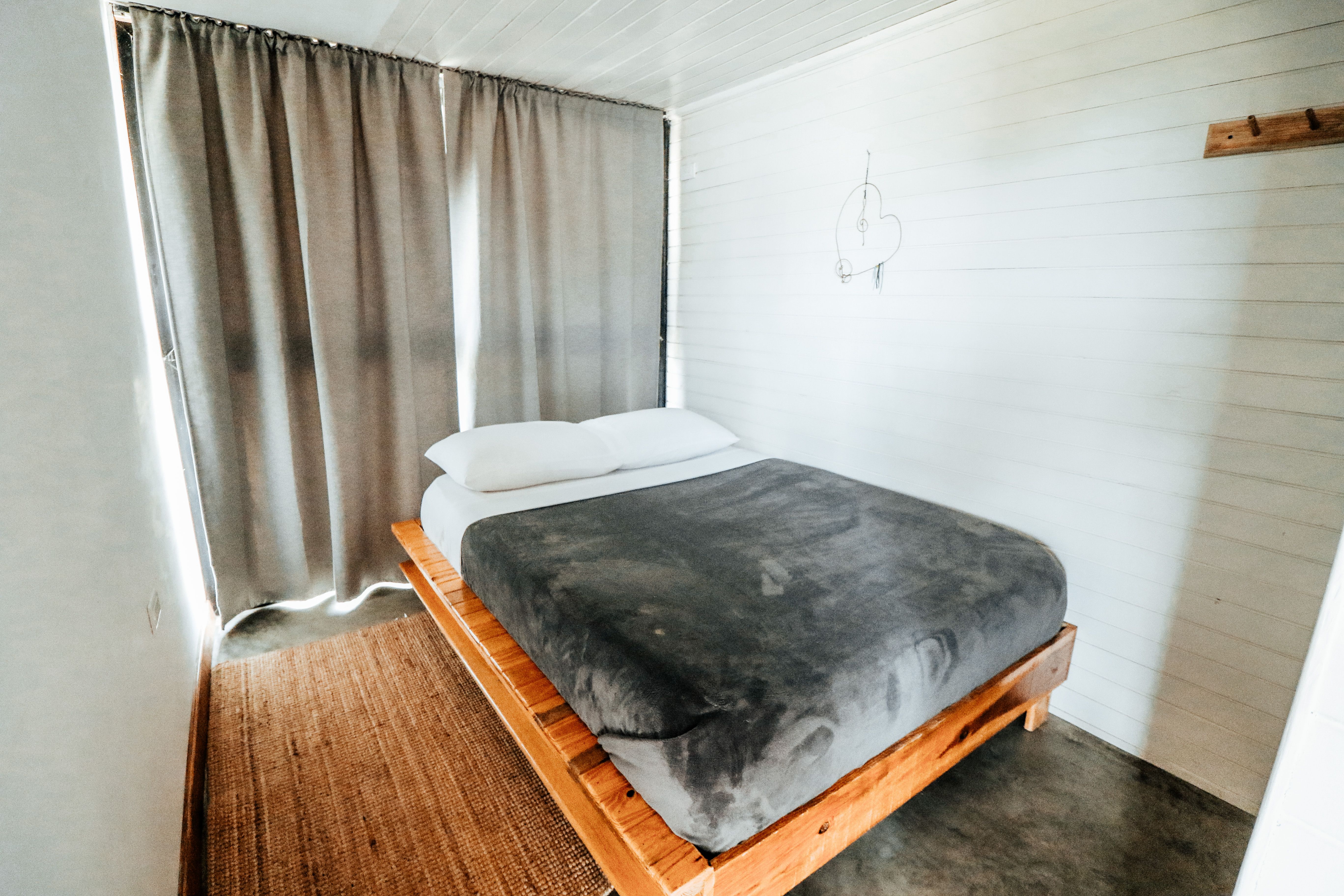
A shikibuton can release floor area when it is folded, aired and stored properly; a raised mattress offers easier transfer, familiar support and under-bed airflow. Neither is more authentic for every body or building. Decide from comfort, mobility, humidity, storage and willingness to maintain the system. A low timber platform is a credible contemporary choice when it leaves visual space above and cleaning access below. Avoid labeling an ordinary mattress on the floor a futon: without ventilation, it can trap moisture.
Plan Tatami as a Material System
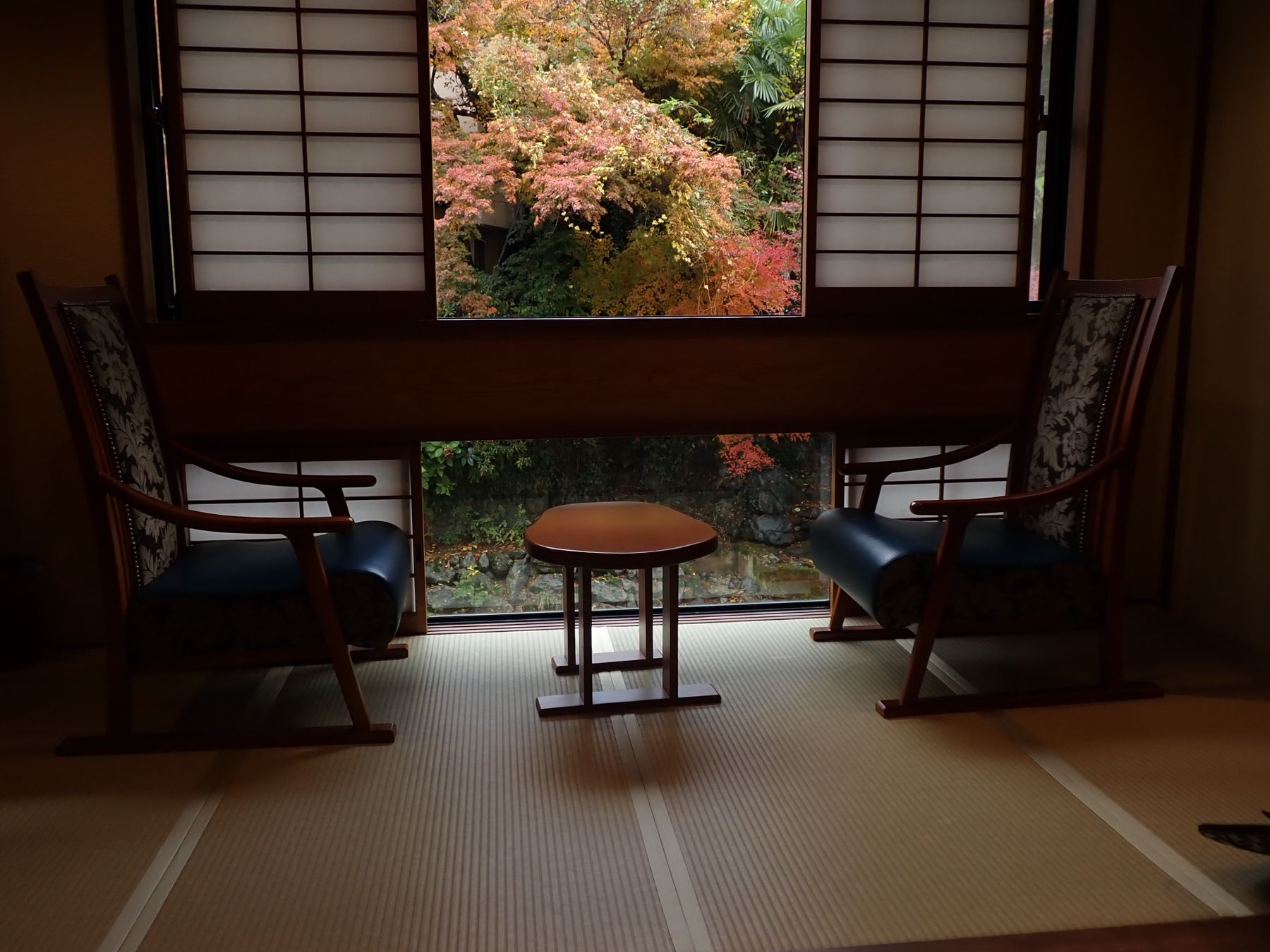
Tatami affects more than color. The modules organize room proportion and circulation; woven surfaces respond to moisture, abrasion, furniture pressure and sunlight. Confirm the product's construction, dimensions, substrate, edge detail and care guidance rather than assuming all tatami is interchangeable. Use protective feet under necessary furniture and avoid dragging. In a nontraditional renovation, a correctly detailed tatami zone may be more honest and maintainable than covering the entire room with a loosely themed substitute.

Air Floor Bedding as Part of the Design
Floor bedding receives warmth and moisture from the sleeper while the underside has limited air movement. Follow the manufacturer's instructions for airing, rotating, sun exposure or drying and for the supporting surface. Provide a ventilated place to hang or spread it and enough wardrobe volume to store it only when dry. Humid climates, poorly insulated floors and rooms with little ventilation increase the burden. If the routine will not happen, choose a ventilated frame rather than accepting hidden mold risk.
Bed Height for Real Bodies
Low furniture changes wall proportion, but the user's body should decide the final height. Test sitting, standing, transfer, caregiving and making the bed with the proposed frame and mattress together. A higher bed with a simple silhouette is preferable to a photogenic platform that causes pain or dependence. Keep the frame edge visible in low light and avoid toe-trap projections. [Minimalist Bedroom Ideas](/bedroom/minimalist-bedroom-ideas/) provides a broader reduction framework when floor orientation is not central.

Use Shoji and Fusuma for Their Actual Jobs
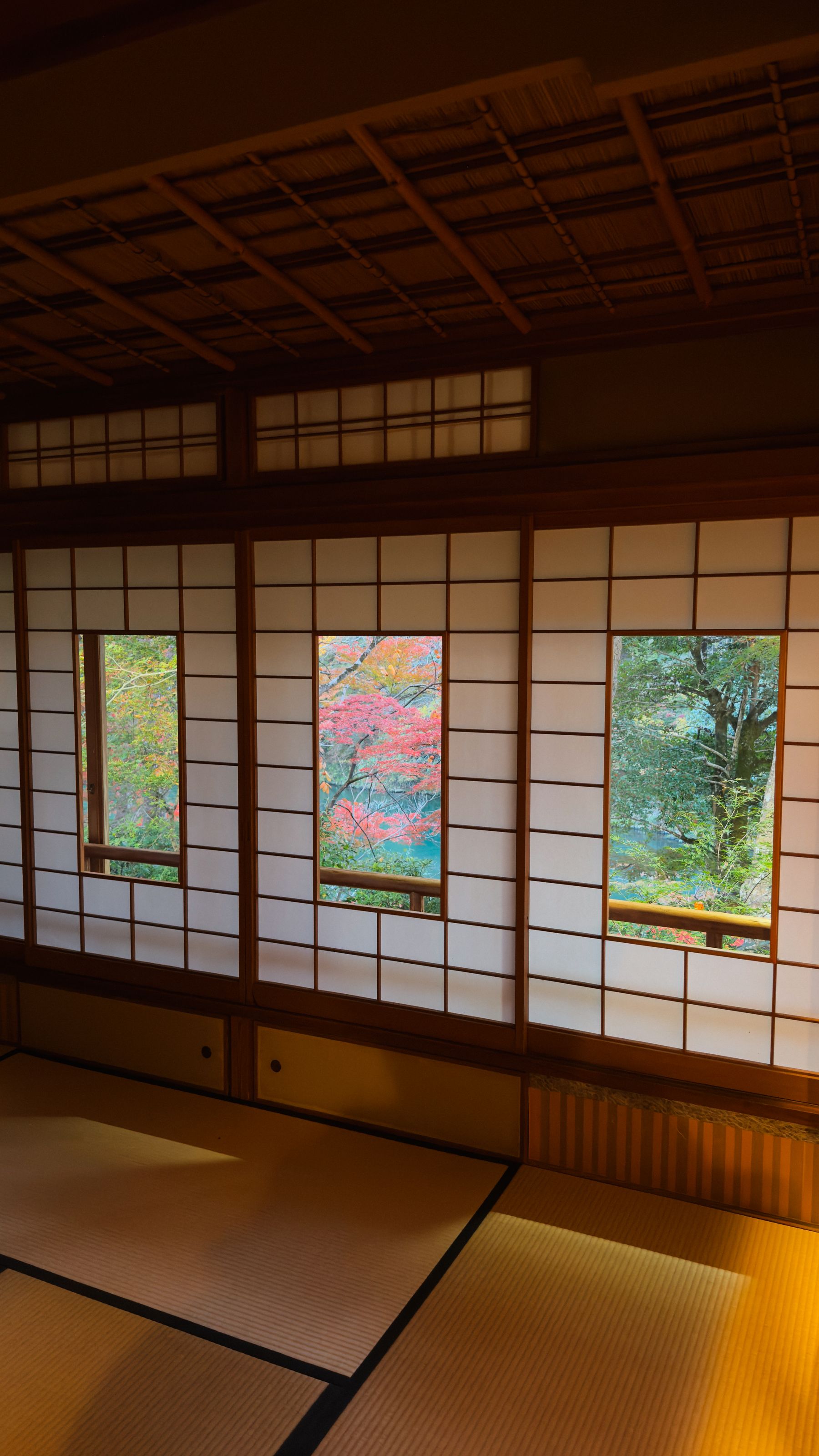
Shoji are translucent screens that distribute light; fusuma are opaque sliding panels that divide or conceal. They are not interchangeable decoration. Use a sliding system where it solves door swing, borrowed light or flexible enclosure, and detail tracks, handles, cleaning and replacement access. A shoji-like layer alone rarely provides blackout, thermal performance or complete privacy, so resolve those separately. In an ordinary bedroom, a well-made translucent blind may be more honest than fixed faux grids that imitate architecture without moving.
A Grounded Palette Beyond Default Beige
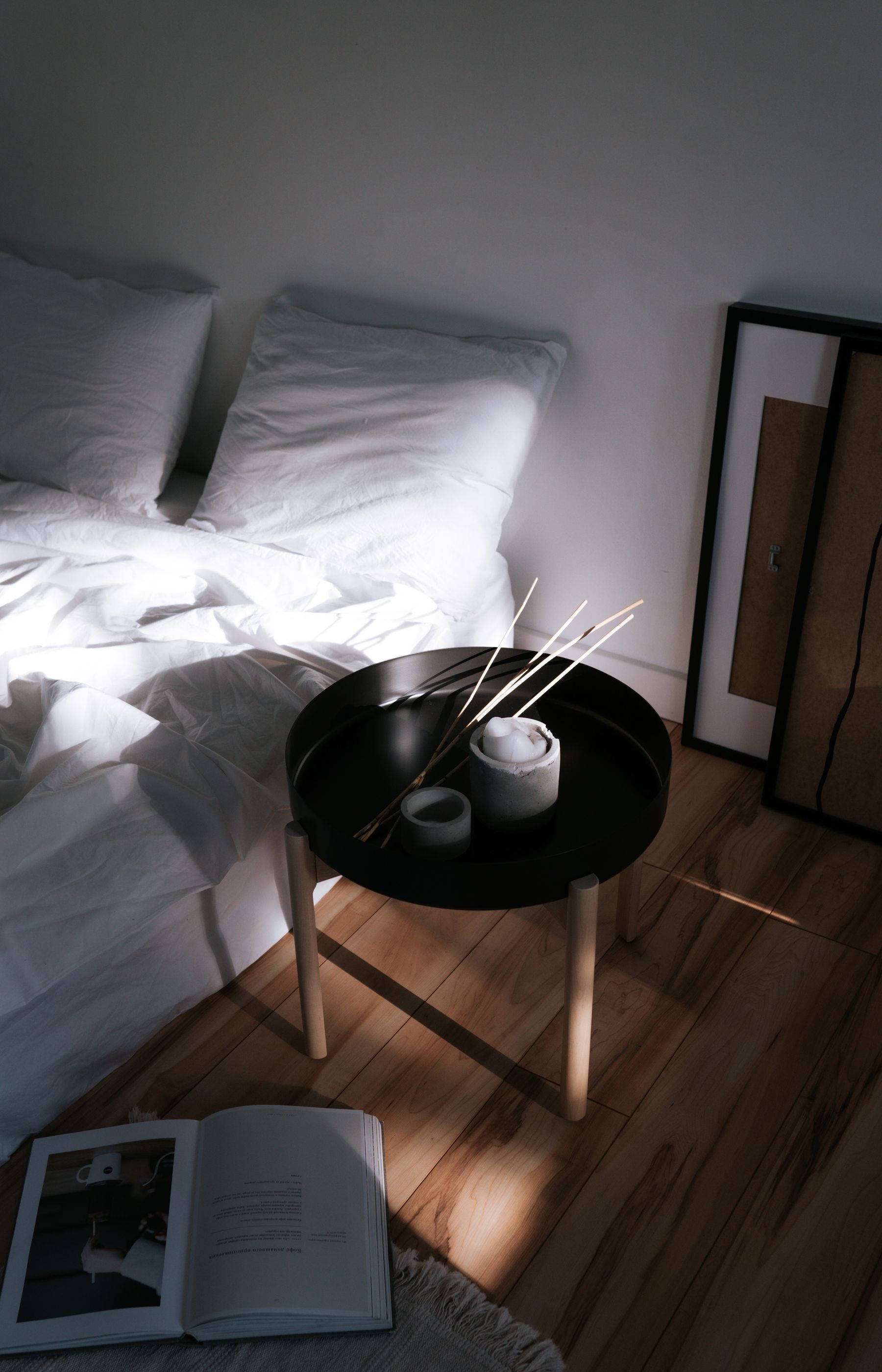
Begin with the actual timber, woven floor, plaster, paper and daylight, then add color that belongs beside them: warm white, straw, clay, soot, persimmon, moss, indigo or deep brown. Do not require the room to be pale. Traditional and contemporary Japanese interiors often depend on shadow and dark structural lines as much as light surfaces. Use one dominant natural range, one dark outline and one restrained color note; test them from dawn through electric light before matching accessories.
The Material Hierarchy Must Stay Legible
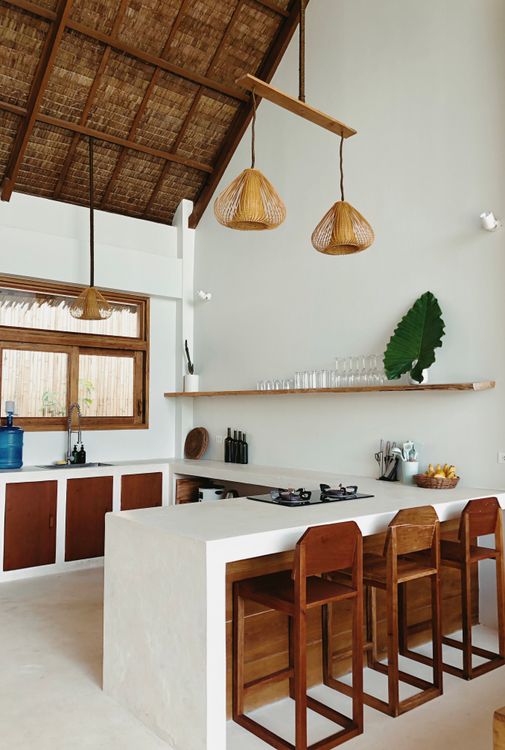
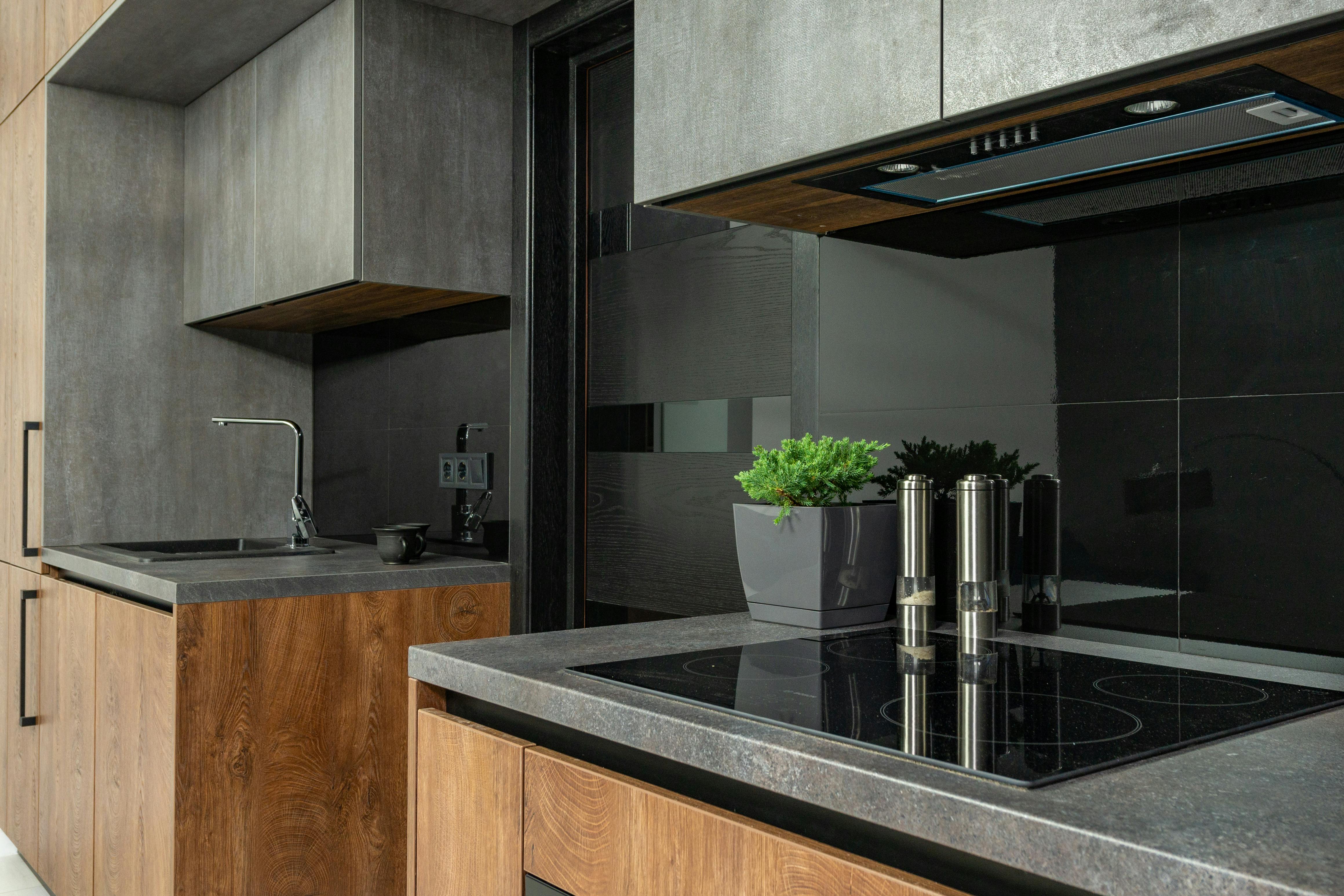
Select a primary timber, a quiet mineral or plaster-like plane and one woven or paper-like texture, then decide which should dominate. Visible grain and joinery are more persuasive than printed imitation, but durable veneer and modern composite construction can be appropriate when specified honestly. Avoid stacking bamboo, rattan, pebbles, slats and paper merely because each is marketed as Japanese. The whole-home material discipline in [Japanese Apartment Ideas](/apartment/japanese-apartment-ideas/) can keep the bedroom connected to adjacent rooms.
Climate Comes Before Bedding Appearance
Select sheets, filling and covers from temperature, humidity, allergies, laundry equipment and drying time. Cotton, linen, wool and modern technical fillings each involve different care. A restrained Japanese bedroom does not need a stark white duvet or a stack of decorative pillows; it needs layers that can be adjusted without obstructing the floor or storage routine. Give removed bedding a clean, ventilated home and avoid placing it over tatami while damp.

Let Imperfection Come From Use and Making
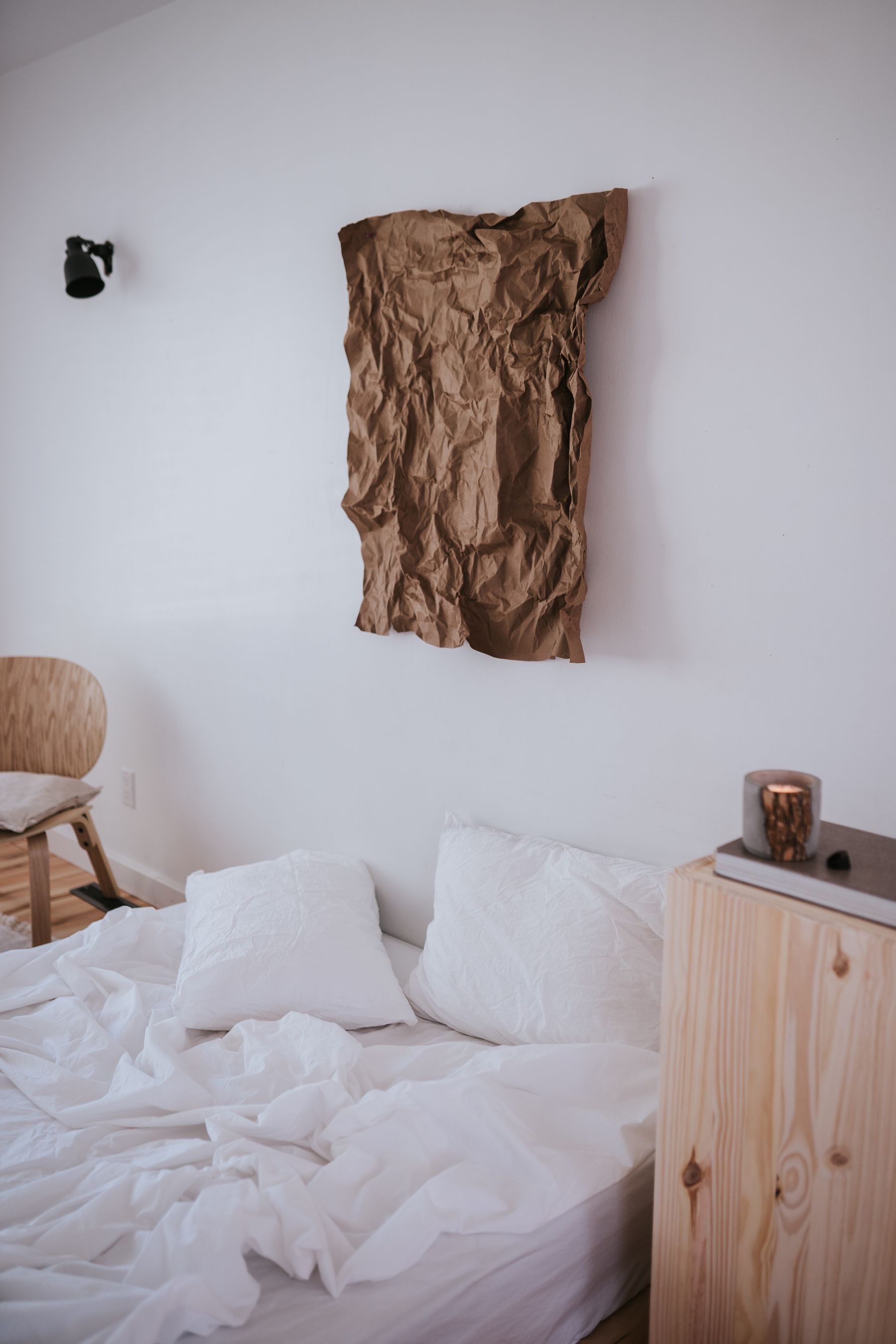
Wabi-sabi is not a distressed-paint shopping category. A hand-thrown vessel, timber that records careful use, repaired object or linen that softens through washing can express impermanence and attention without staging decay. Distinguish patina from mold, unstable joints, splinters and failed finishes. Keep one or two objects whose irregularity can be read at close range, then give them room. Artificial cracks, generic kanji prints and massed 'Zen' accessories turn a nuanced idea into costume.
Design Bedside Reach Without Forced Symmetry
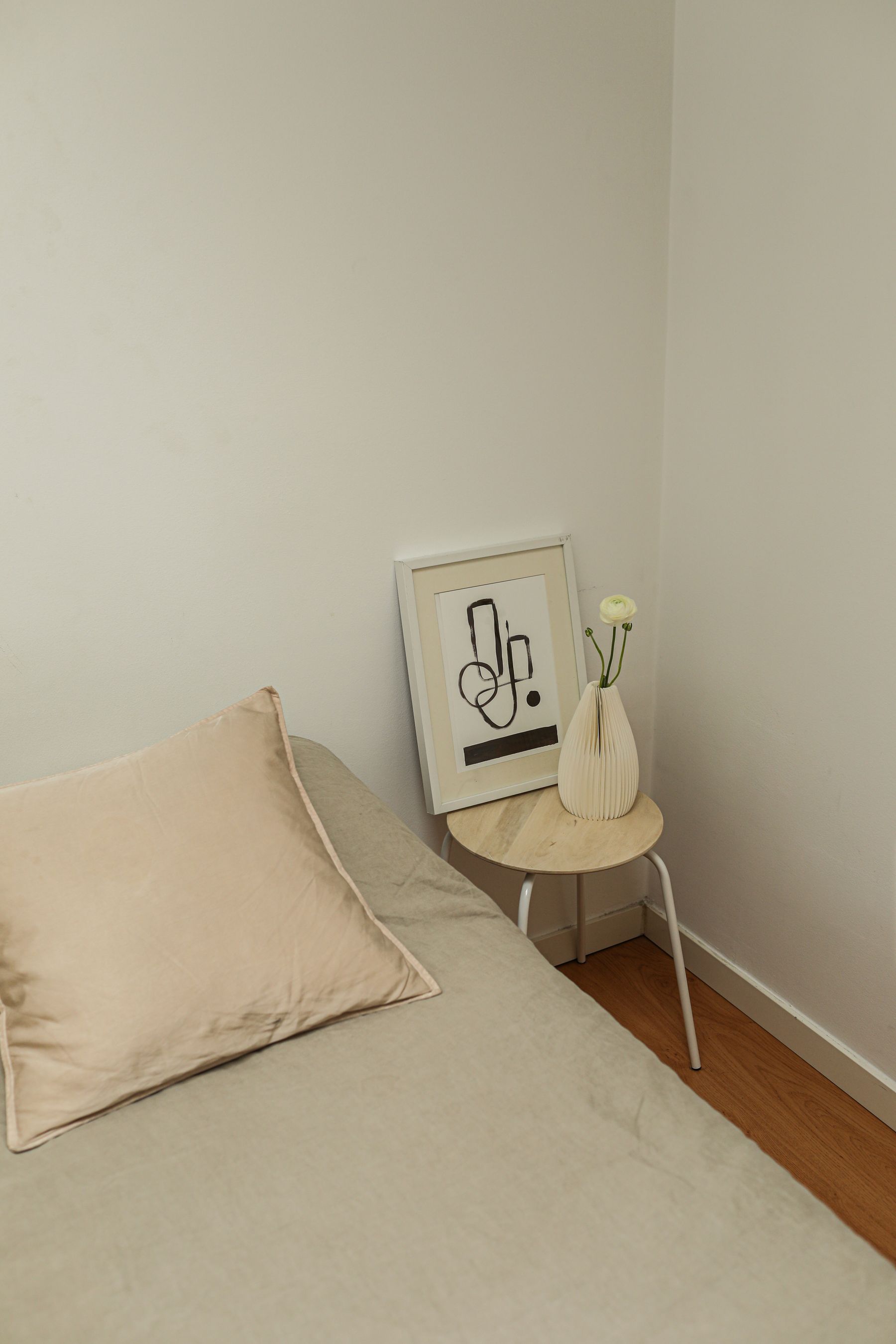
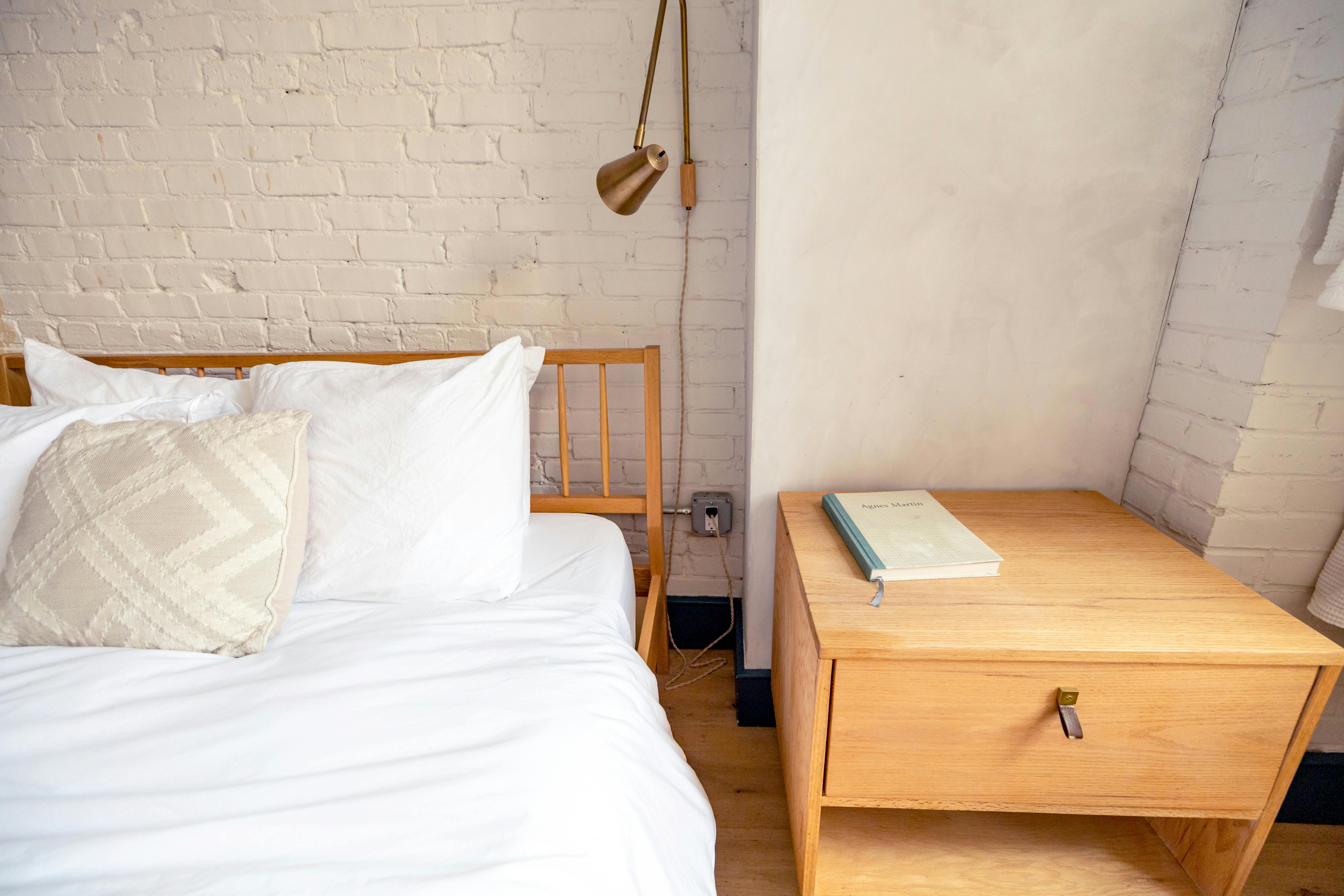
Size the bedside for water, glasses, medication, a book and charging where required, then locate it at comfortable reach from the final mattress height. Two sleepers can use different tables, shelves or drawers while the material line remains coherent. Conceal visually noisy essentials without burying urgent items. Keep cables off the floor and make switches distinguishable in low light. Asymmetry is often more faithful to actual use than a decorative matched pair.
Lower and Soften the Evening Light
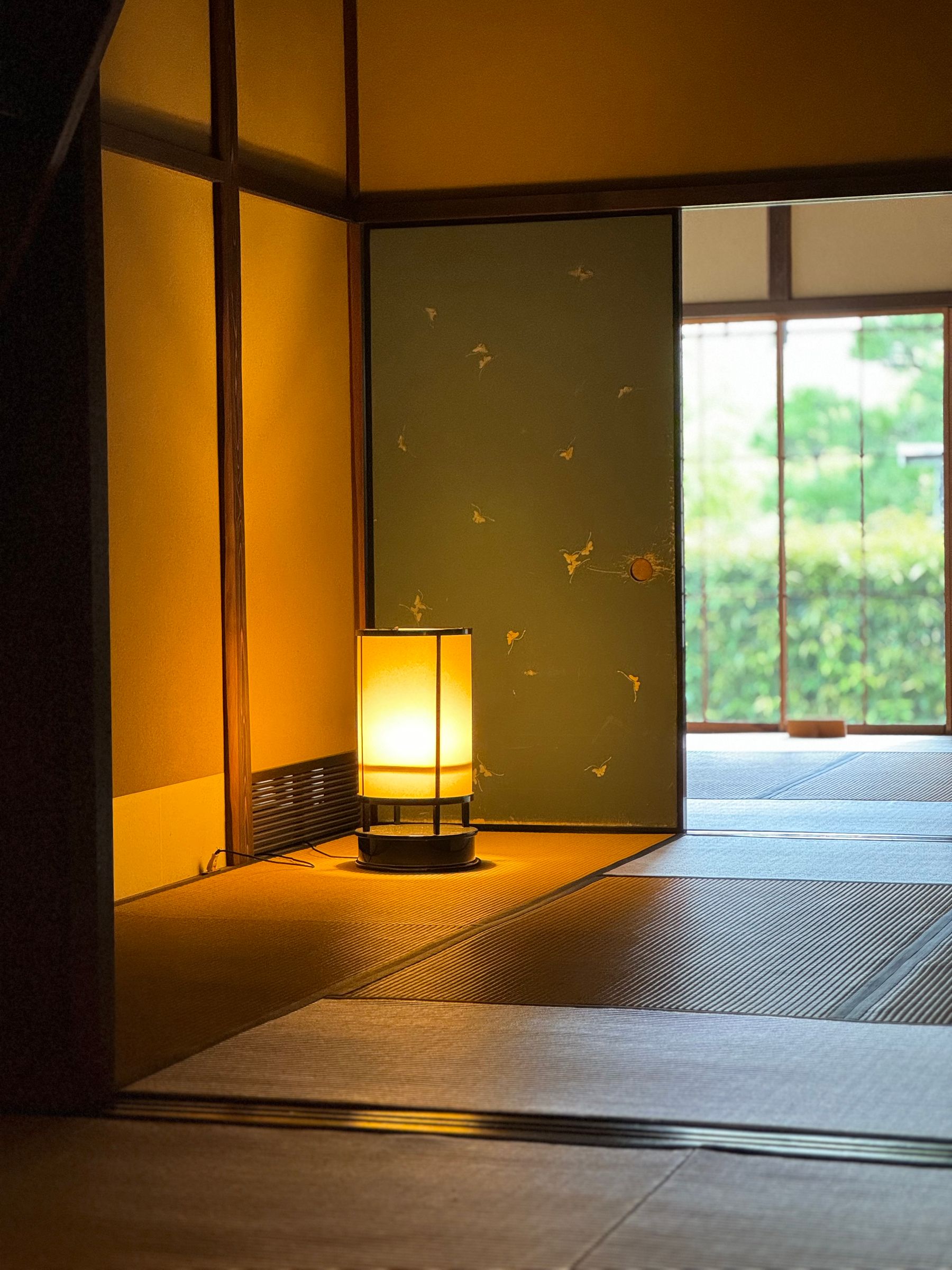
Combine a dimmable ambient source, glare-controlled reading light and a low path to the door. Paper-like, textile or opal diffusers can soften the source, but shades need safe clearance, tested lamps and serviceable components. Evaluate every fixture from the pillow and the floor, not only standing. [Living Room Lighting Ideas](/living-room/living-room-lighting-ideas/) expands beam and dimming choices; here the aim is a slow transition from useful dressing light to quiet darkness.
Daylight That Registers the Season
Map direct sun, reflected glare and privacy from the sleeping position. Preserve a useful view or changing shadow where possible, then add a translucent first layer and genuine blackout separately. A framed tree, sky or courtyard can connect the room to season, but privacy and overheating take priority. Do not whiten every surface to amplify light; timber, straw and deeper plaster tones reveal change more clearly when some shadow remains.


Closed Storage Around the Daily Reset
A flexible Japanese-style room depends on containment. Inventory clothing, bedding, luggage, laundry and care equipment, then place the most frequent categories between knee and shoulder height. An oshiire is traditionally suited to bedding, but a contemporary wardrobe can perform the same practical role without imitating details. Use doors or sliding panels only where their tracks and opening sequence work. The room should reset with a few direct movements, not a complex ritual of repacking.
One Focused Display
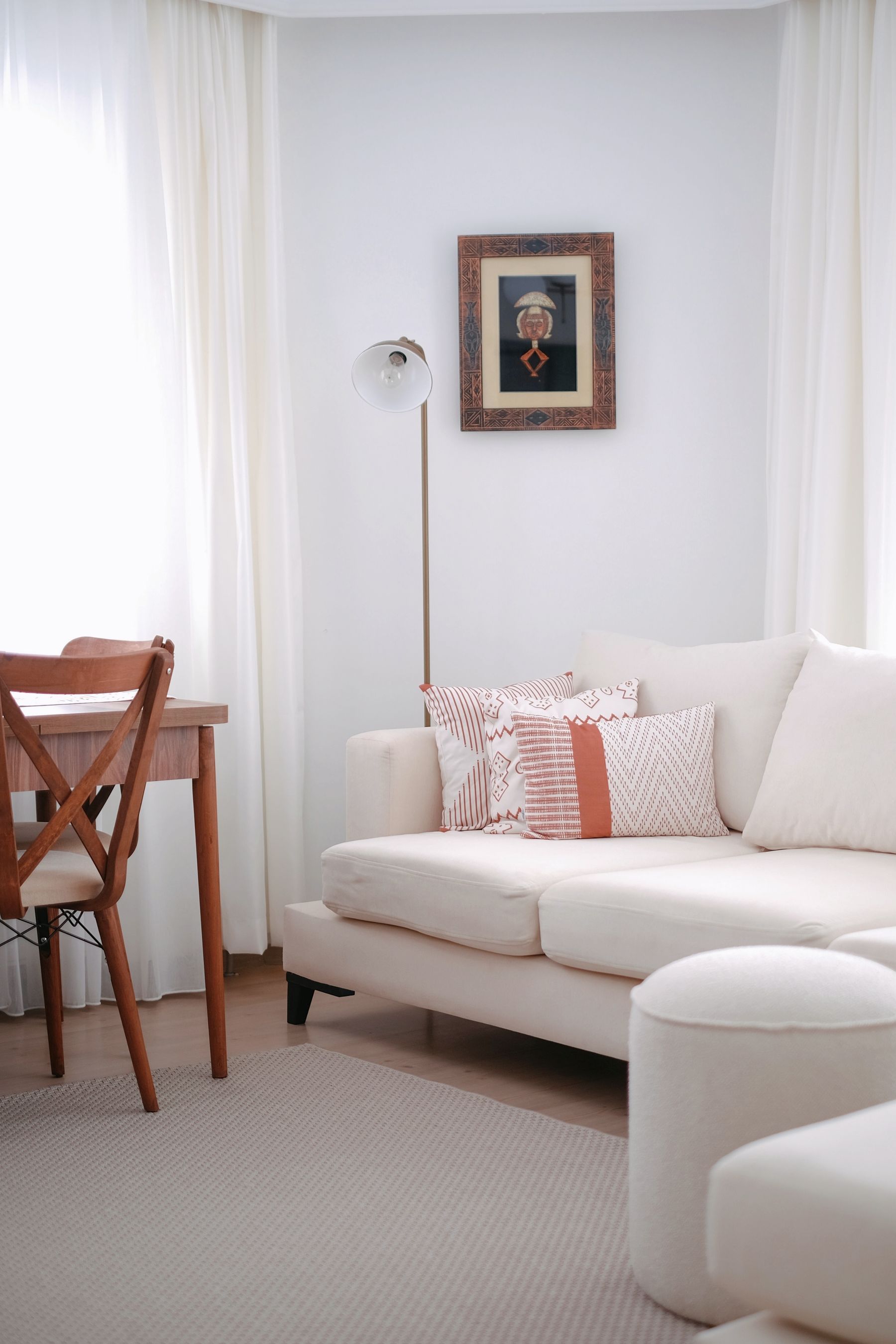
A tokonoma is a specific architectural alcove with cultural and spatial context; a random shelf is not one. The useful contemporary lesson is focused, changing display. Choose one artwork, vessel, branch arrangement, textile or book group with personal meaning, size it to the surface and protect it from sun or unstable mounting. Leave enough surrounding wall for its outline to register. Avoid collections of imported symbols chosen only to make the room read Japanese.
Plants as Sparse Living Structure
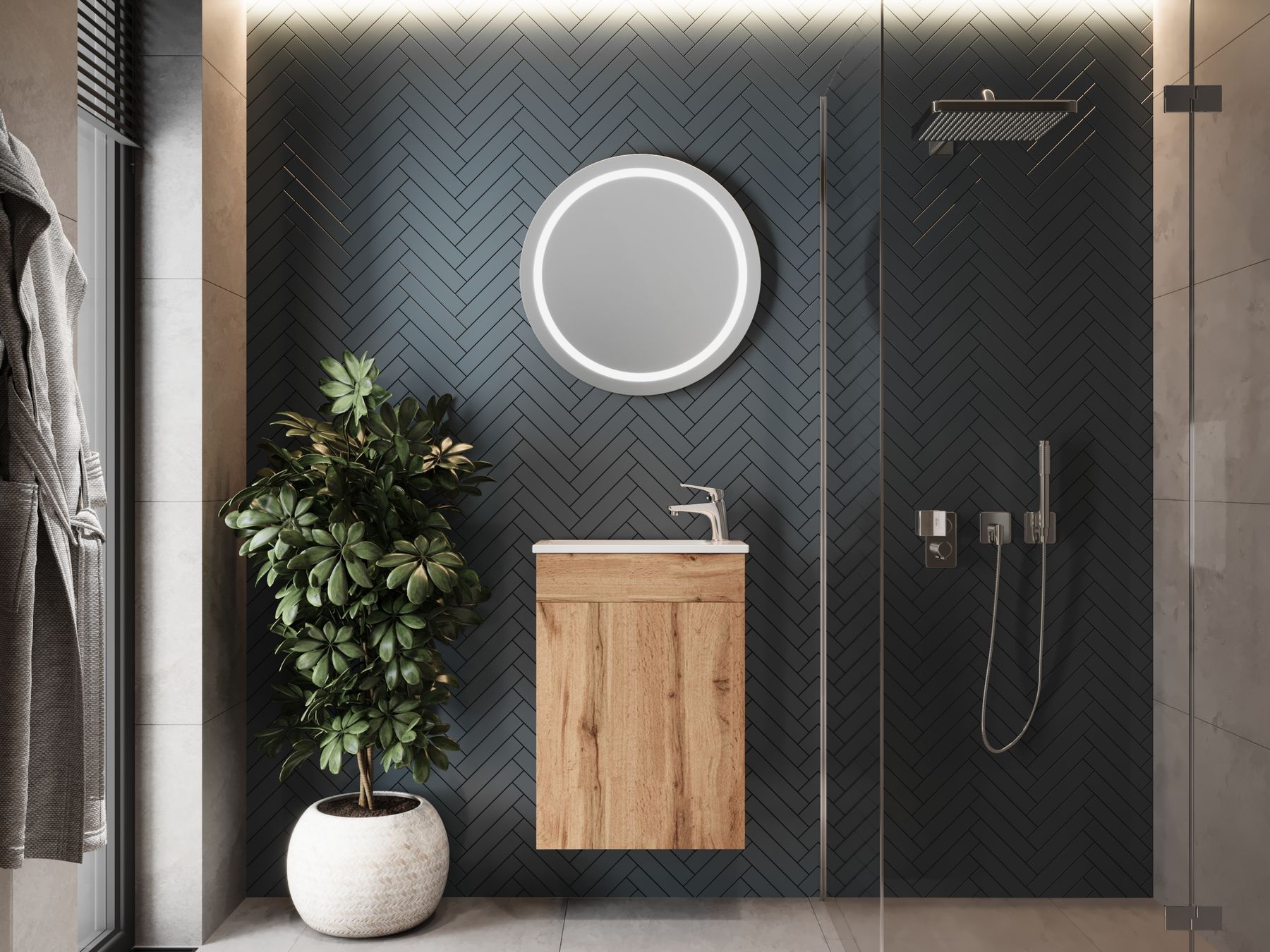
Choose a plant for the room's actual light, temperature, humidity, pets and maintenance capacity. One healthy specimen with a clear silhouette usually supports the composition better than many small pots. Protect timber and tatami from water with a stable saucer and lifting feet, and inspect regularly for pests or damp. A seasonal branch can create a lighter temporary gesture where live plants will not thrive, provided it is stable and replaced before shedding becomes a maintenance burden.
The Window as a Layered Threshold
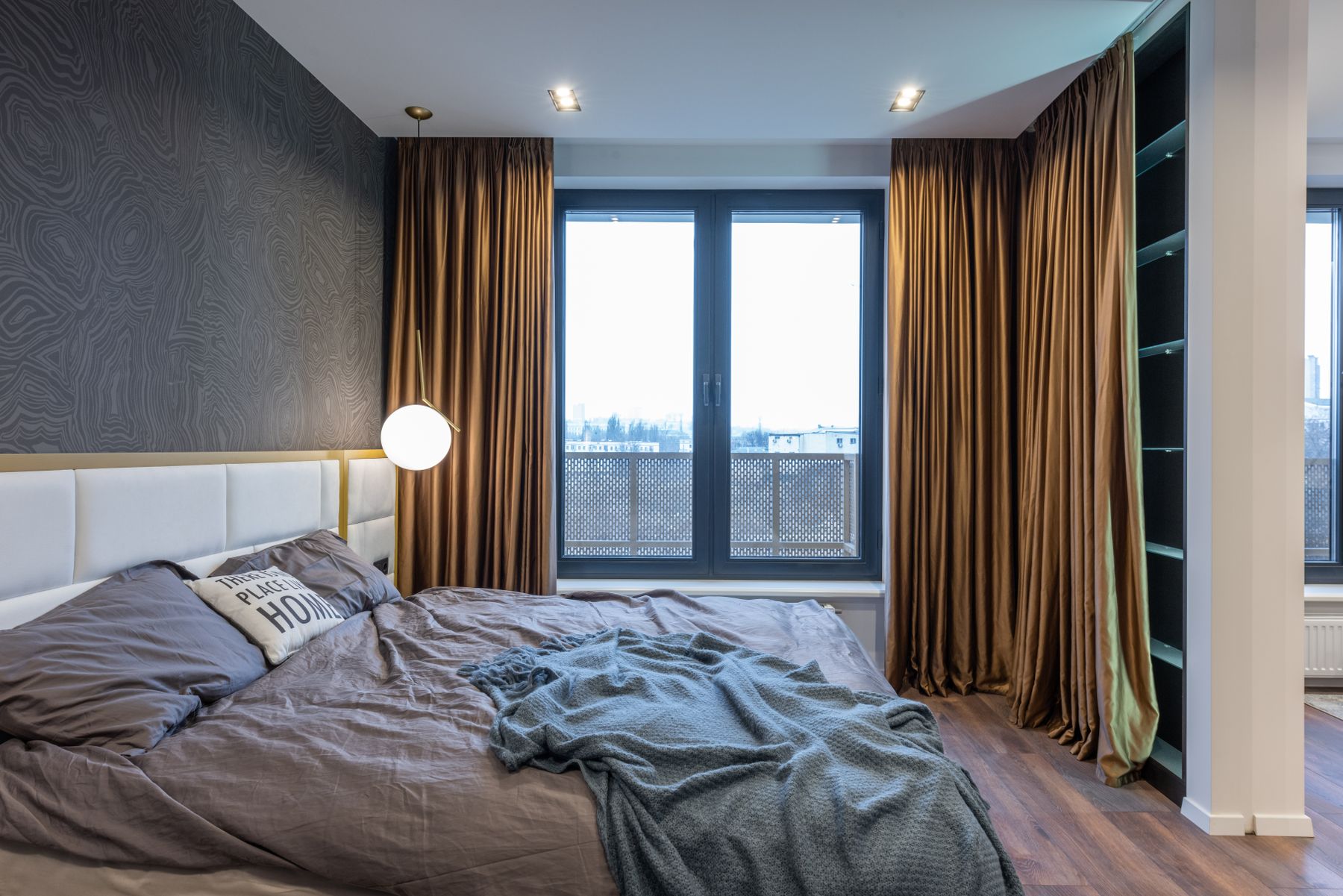
A bedroom window must manage daylight, privacy, sleep darkness, heat and ventilation. Use separate layers when one material cannot do everything: translucent blind or curtain for daytime, lined treatment for blackout, and external or solar control where overheating matters. Keep fabric clear of heaters and confirm easy operation from the user's height. If using shoji-inspired grids, make them proportionate and movable rather than surface decoration. The threshold should clarify inside and outside, not reduce the window to a motif.
A Small Bedroom That Stays Flexible, Not Empty
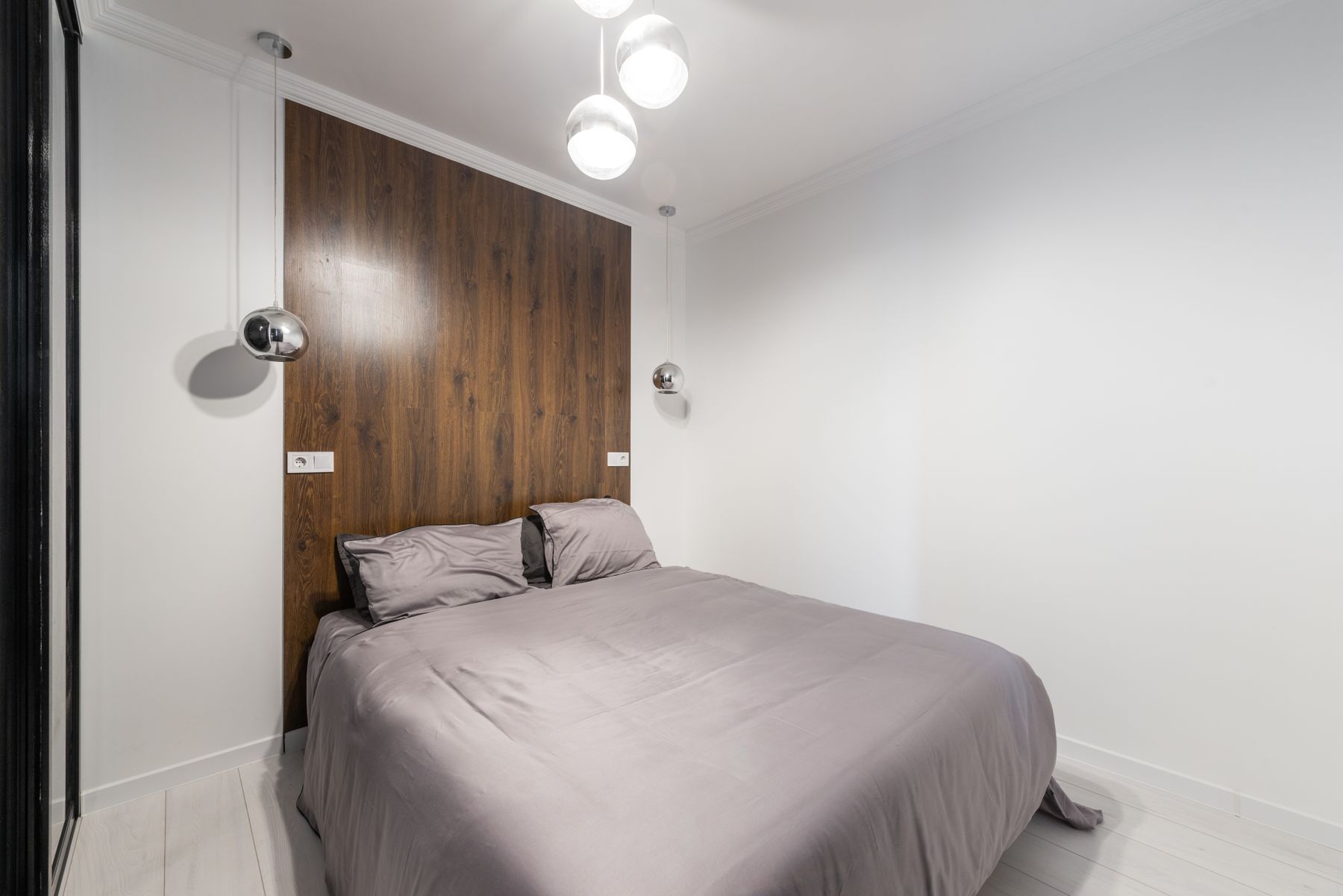
Choose the mattress first, then preserve one complete route and the clearance needed for wardrobe, window and bedding care. Wall-mounted light and shallow ledges can return floor width; full-height storage may be calmer than several small pieces. A storable futon helps only when there is real ventilated storage and the daily transformation is welcome. Use the capacity tests in [Small Apartment Ideas](/apartment/small-apartment-ideas/) and reject any low furniture that consumes valuable floor without performing a clear job.
Adapt the Approach for a Rental
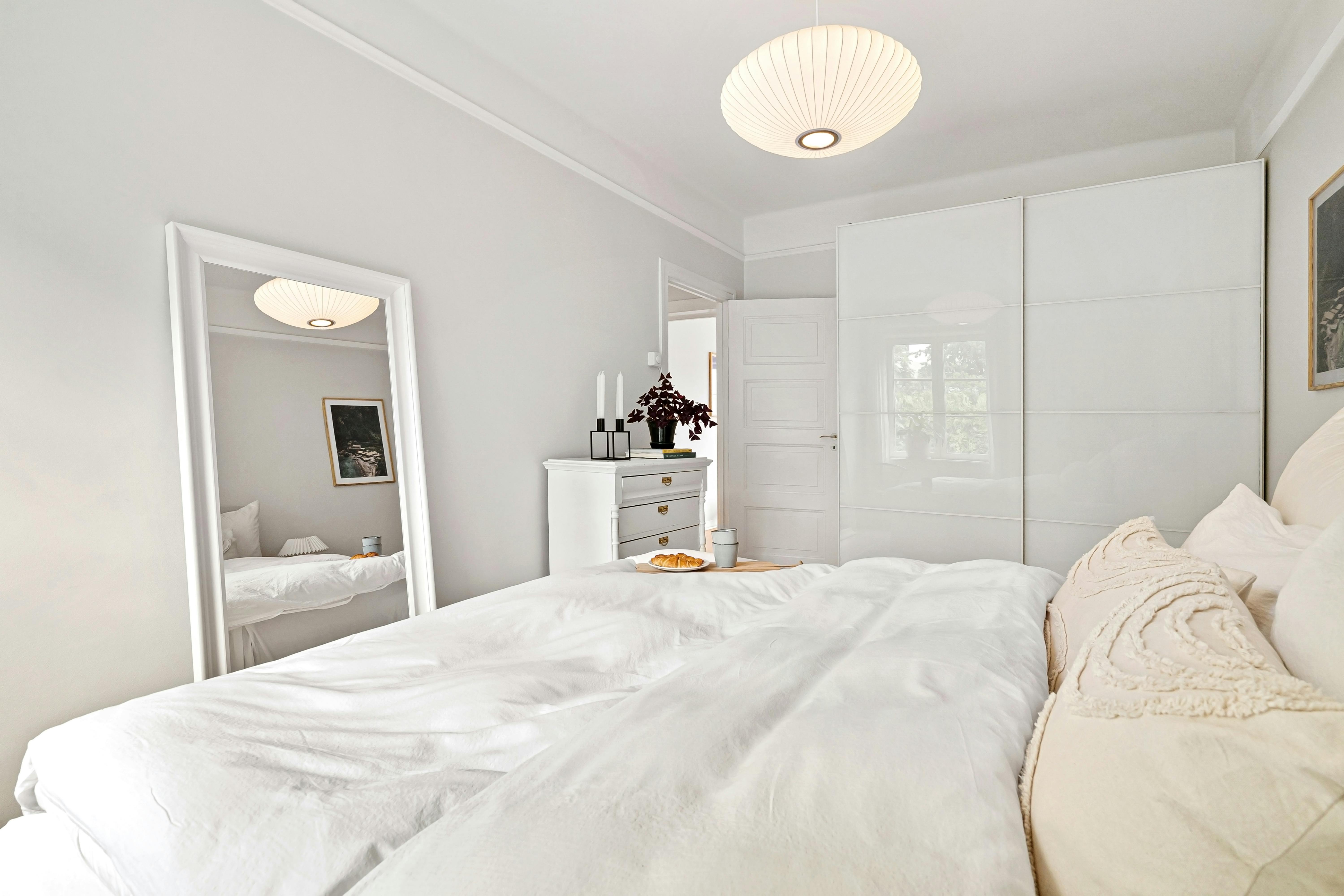
Begin with editing, bed position, portable low storage, lamps, curtains where permitted and one controlled material relationship. Do not cover windows, vents or damp with removable shoji-look film, and remember that adhesive products can still damage a lease surface. Photograph existing conditions and obtain permission before drilling or painting. A rental can express Japanese planning through clear routes, good light and a resettable room; it does not need temporary timber grids or themed wall decals.
Independent Control for Two Sleepers
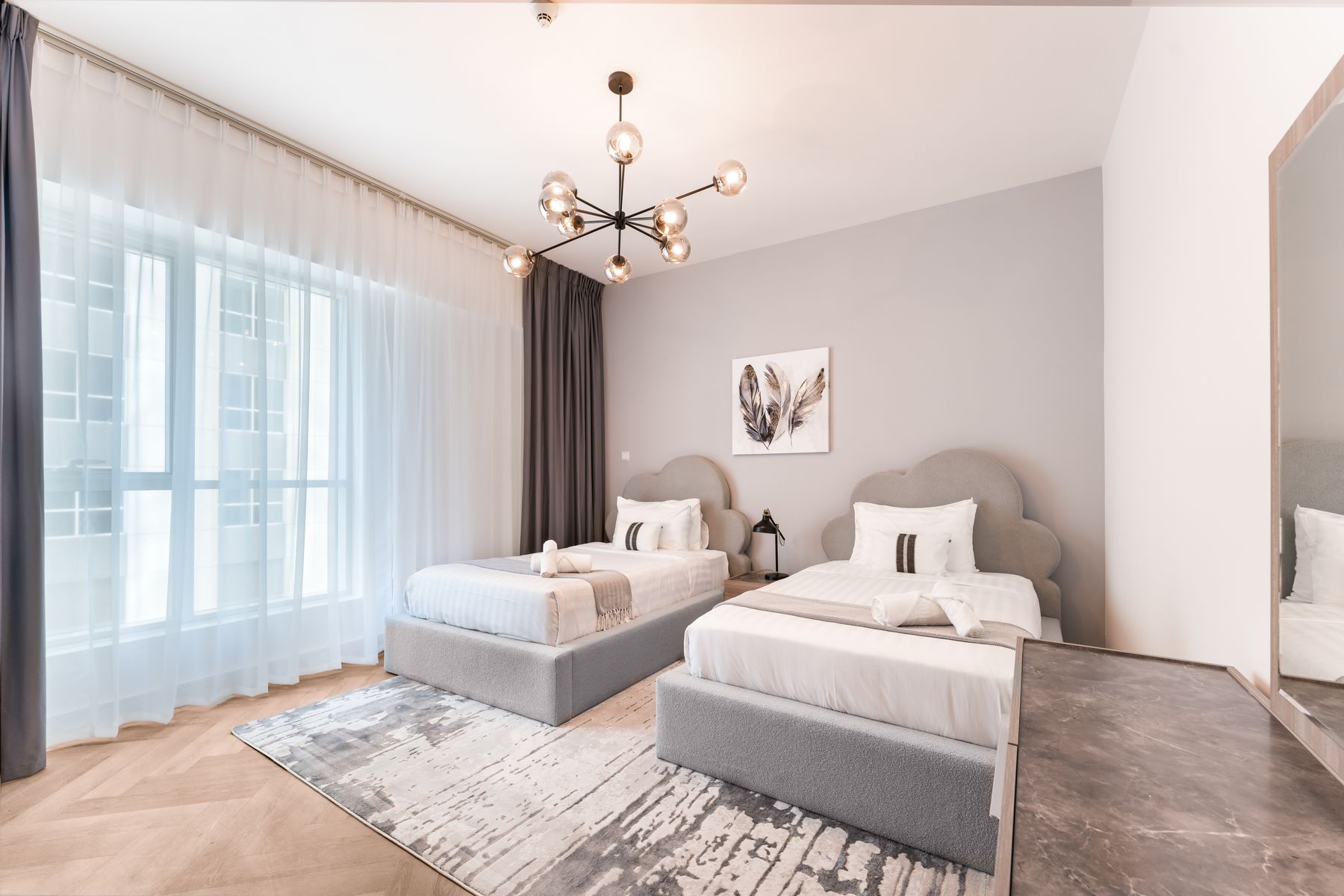
Map each person's transfer, bedside reach, temperature, charging, clothing and wake schedule. A common material line or pair of low beds can unify the room without making routines identical. Provide independent reading lights and bedding, equal useful storage and a path that remains clear when one person is asleep. If one user cannot comfortably sit on the floor, raise the shared plan rather than splitting the room into an accessible side and a photogenic side.
Close Work at the End of the Day
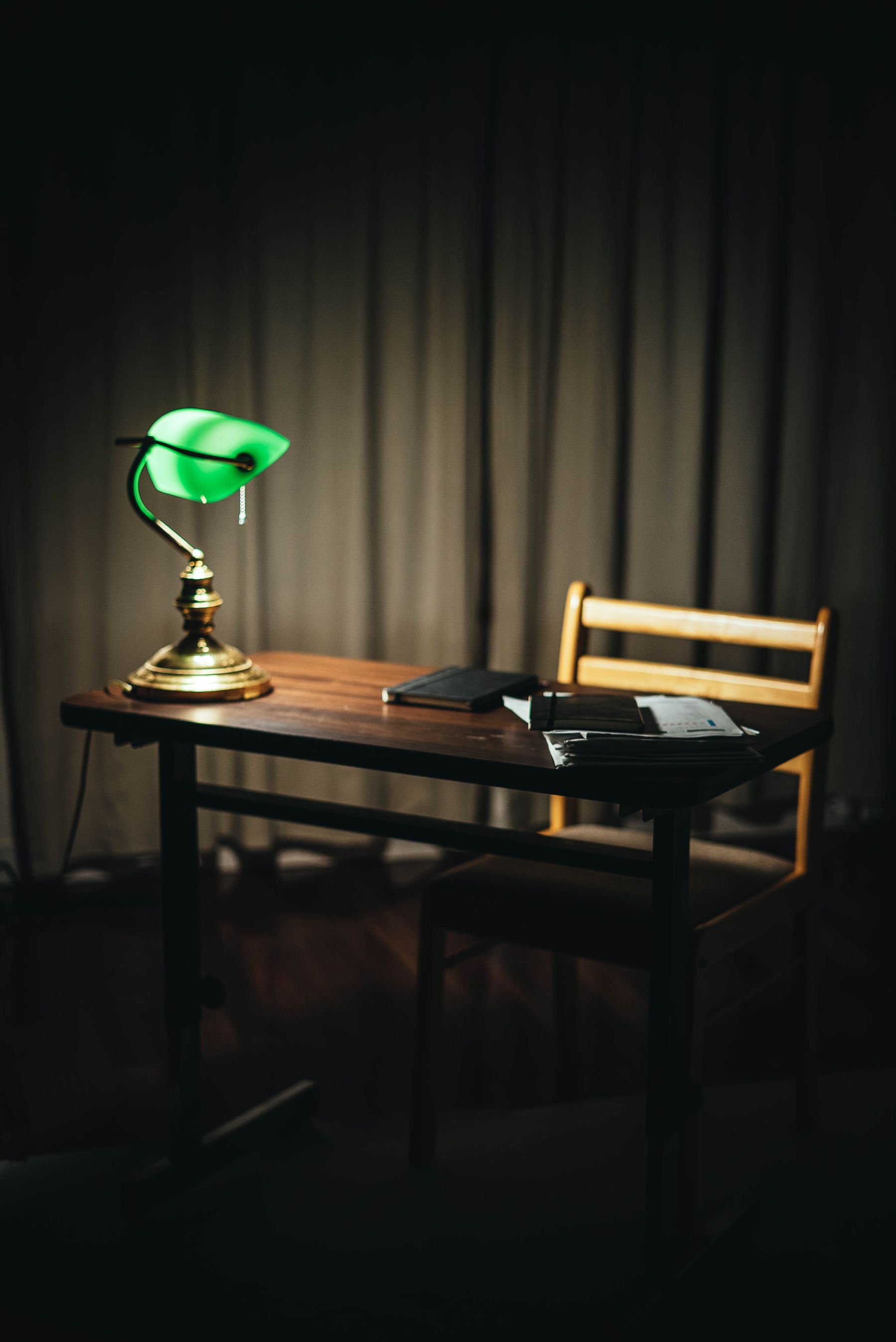
If study or work must share the room, keep the screen outside the direct pillow view where possible and provide closed storage for equipment. A shallow writing surface can echo the room's horizontal lines, but ergonomics, chair travel, power and task light remain nonnegotiable. Create a short shutdown: save, close, store and change the lighting scene. A folding or sliding enclosure is useful only when ventilation and cable safety remain resolved.
Integrate Technology Without Disguise
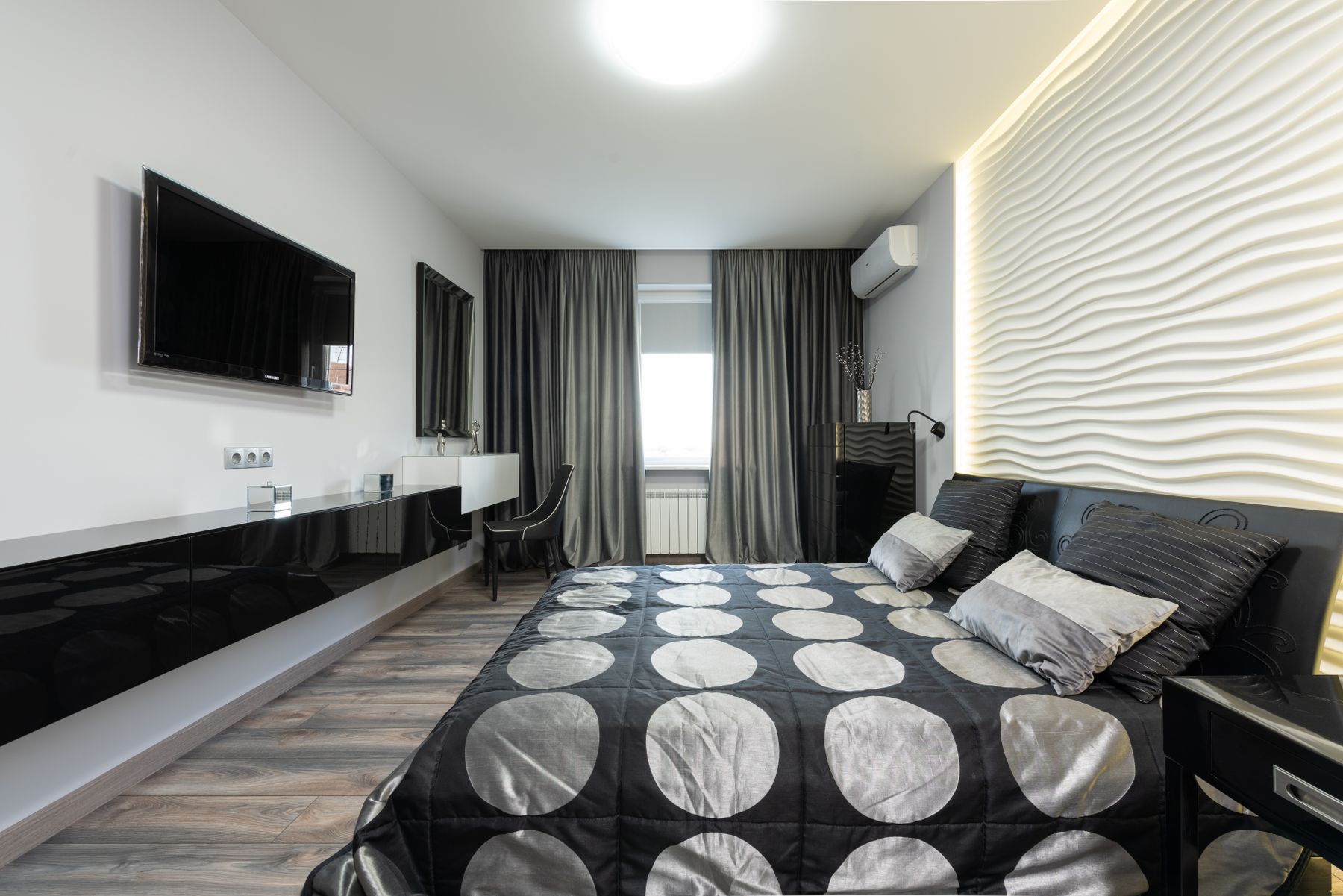
Use current charging, speakers, shades and screens honestly, then reduce their dominance with a deliberate cable route, dark recess or closing panel. Do not place powered devices inside unventilated timber boxes or depend on an app for basic lighting and privacy. Keep manual controls accessible, replacement paths open and bright indicators away from the pillow. A Japanese bedroom does not become more credible when a modern device is hidden behind a faux-antique casing.
Design From Accessibility, Not Floor Purity
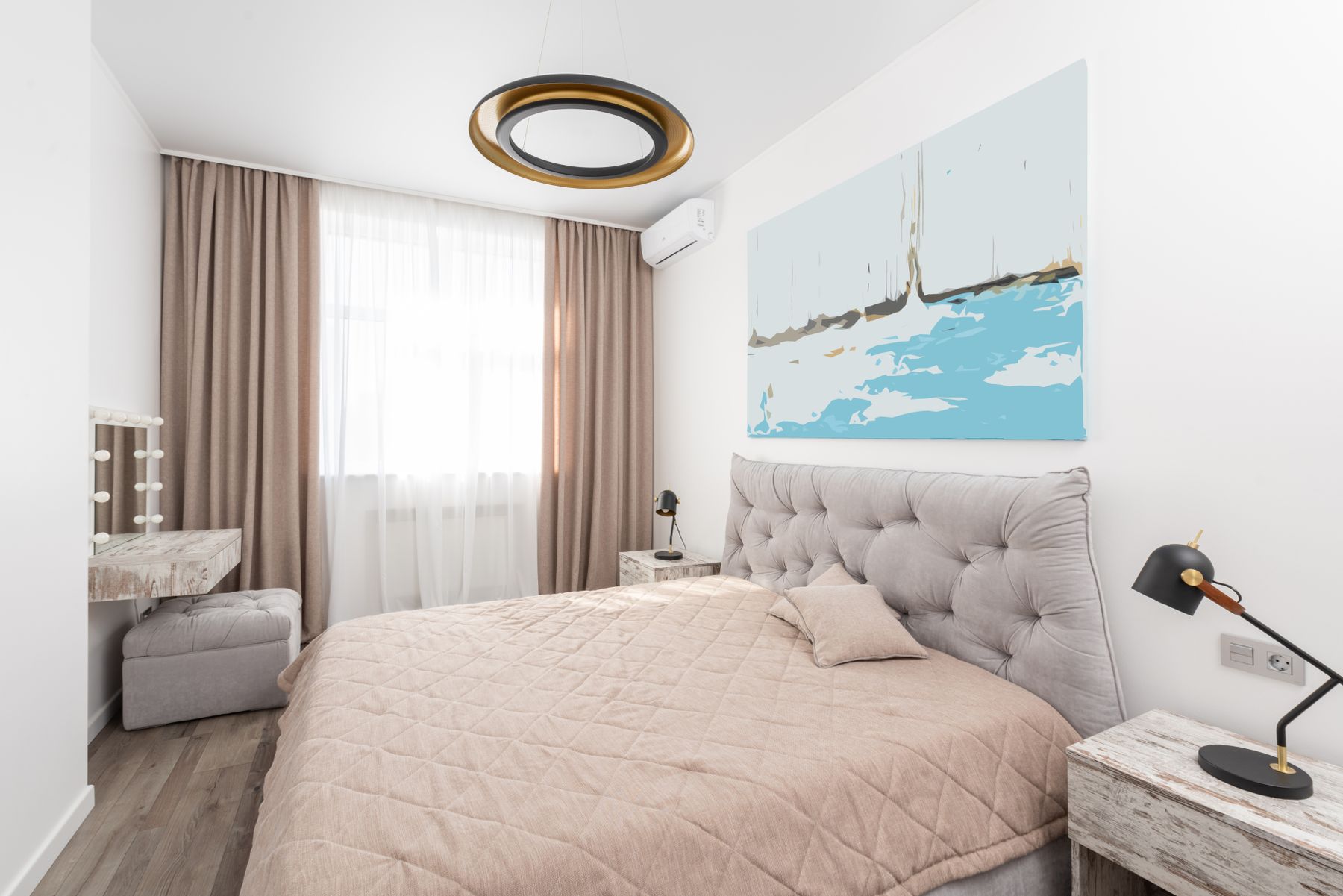
Set mattress height, transfer space, seating, controls and storage for the actual user. Use contrast to reveal the bed edge, handles and thresholds; secure rugs and eliminate toe traps, sharp projections or difficult floor-level drawers. Sliding doors can reduce swing conflict but need graspable hardware and manageable resistance. Where getting to the floor is unsafe, use raised furniture with low visual mass. Japanese spatial calm survives adaptation because proportion and order matter more than literal floor sitting.
Children, Pets and Daily Wear in the Plan
Low furniture can improve access for children and pets, but it also places lamps, cords, screens and display within reach. Anchor unstable storage, manage blind cords, choose washable bedding and verify plant safety. Protect tatami or delicate paper from scratching, spills and bowls rather than expecting constant vigilance. A replaceable textile or modern woven mat may be the better family decision. Calm should come from repairable, cleanable choices—not from making residents afraid to use the room.
Maintain Tatami, Timber, Paper and Air
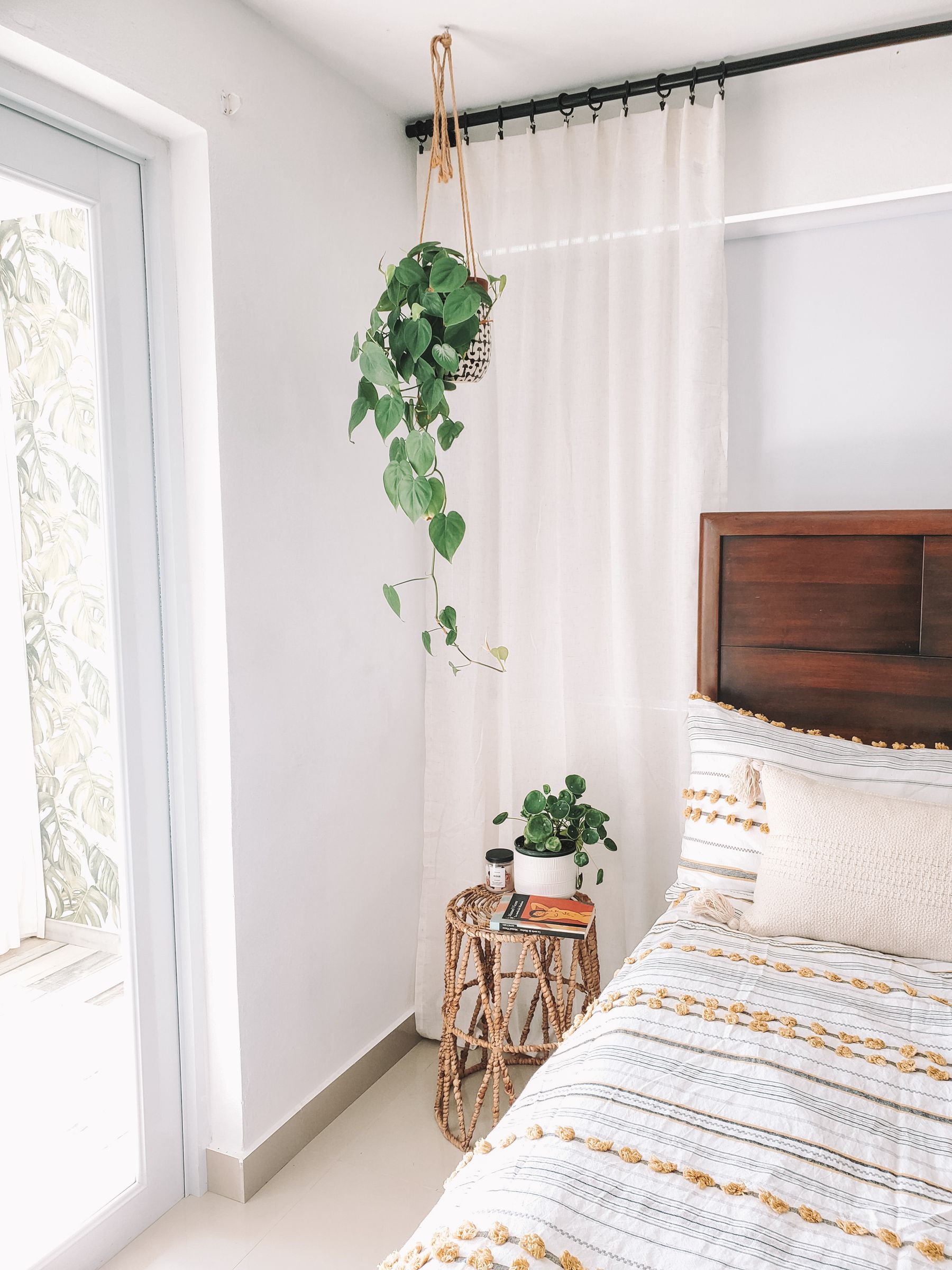
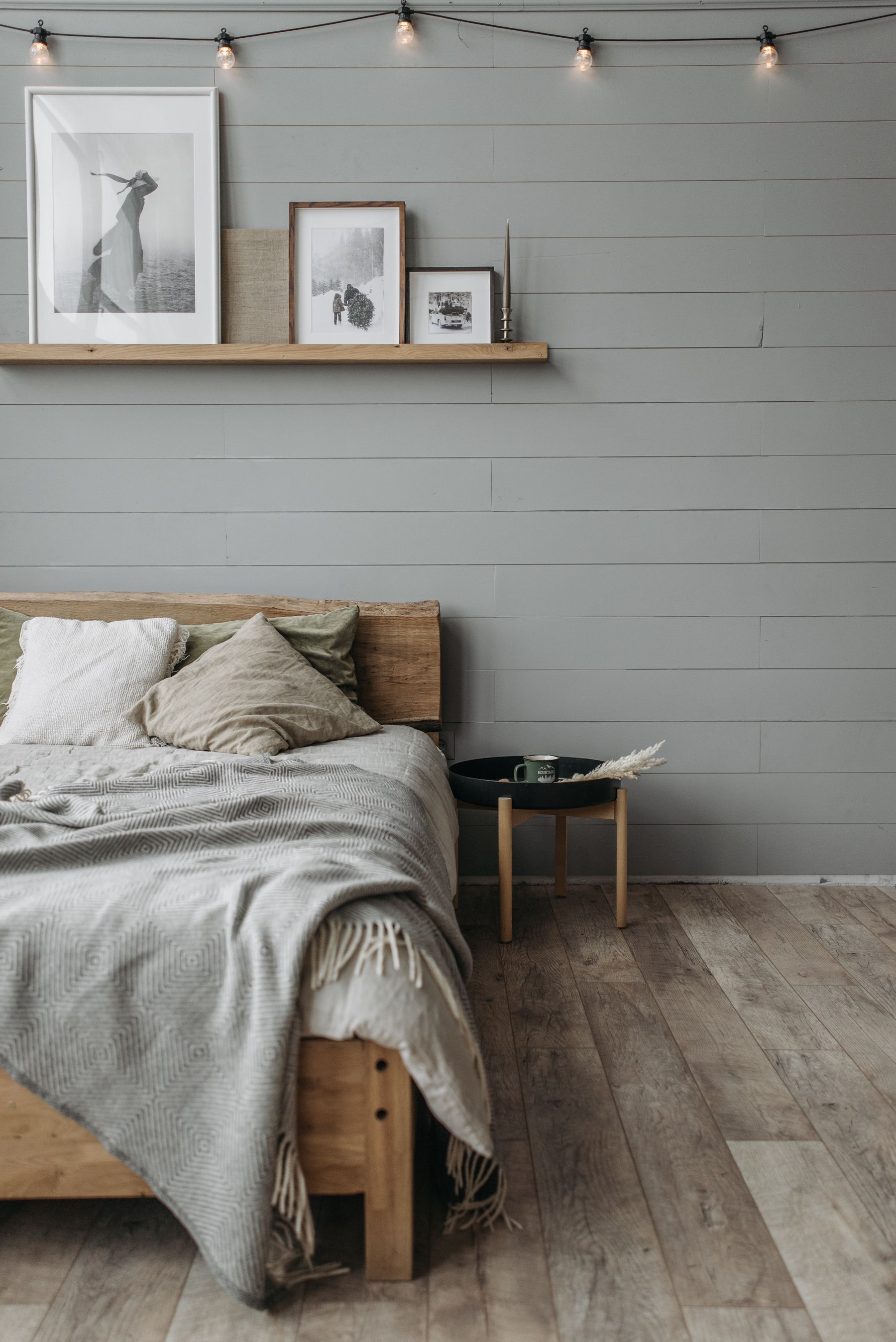
Follow product-specific guidance for vacuum direction, humidity, ventilation, sun, stains and refinishing; do not treat every natural material alike. Inspect beneath mattresses and floor bedding, along external walls and around window tracks for condensation or odor. Dust paper screens gently and repair tears before they spread. Keep timber clear of standing water and use compatible cleaners. A beautiful natural room that cannot be aired, reached or repaired will age badly no matter how restrained it looks.
Edit Until the Room Supports a Ritual
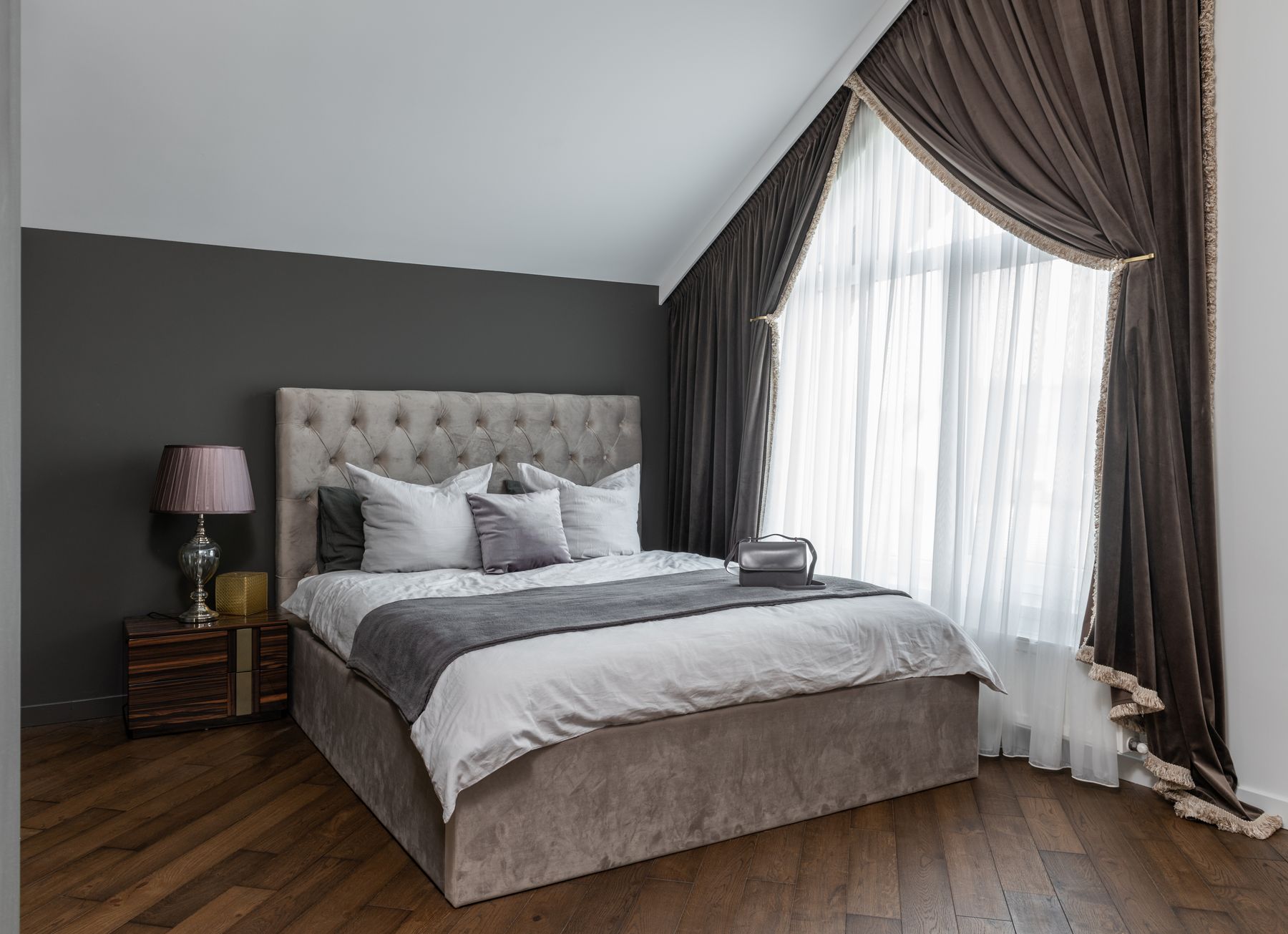
Review the room from the doorway, pillow, floor and storage position. Remove any symbol, material or low object whose only job is to announce Japanese style. Keep the bed or futon routine, clear route, darkness, useful light, air movement, personal display and seasonal relationship that genuinely improve life. Then stop. A convincing Japanese bedroom is not empty or anonymous; it is edited until every remaining element strengthens use, sensory quality, memory or atmosphere and further additions would weaken that balance.