Define Boho as Collected Freedom With Boundaries
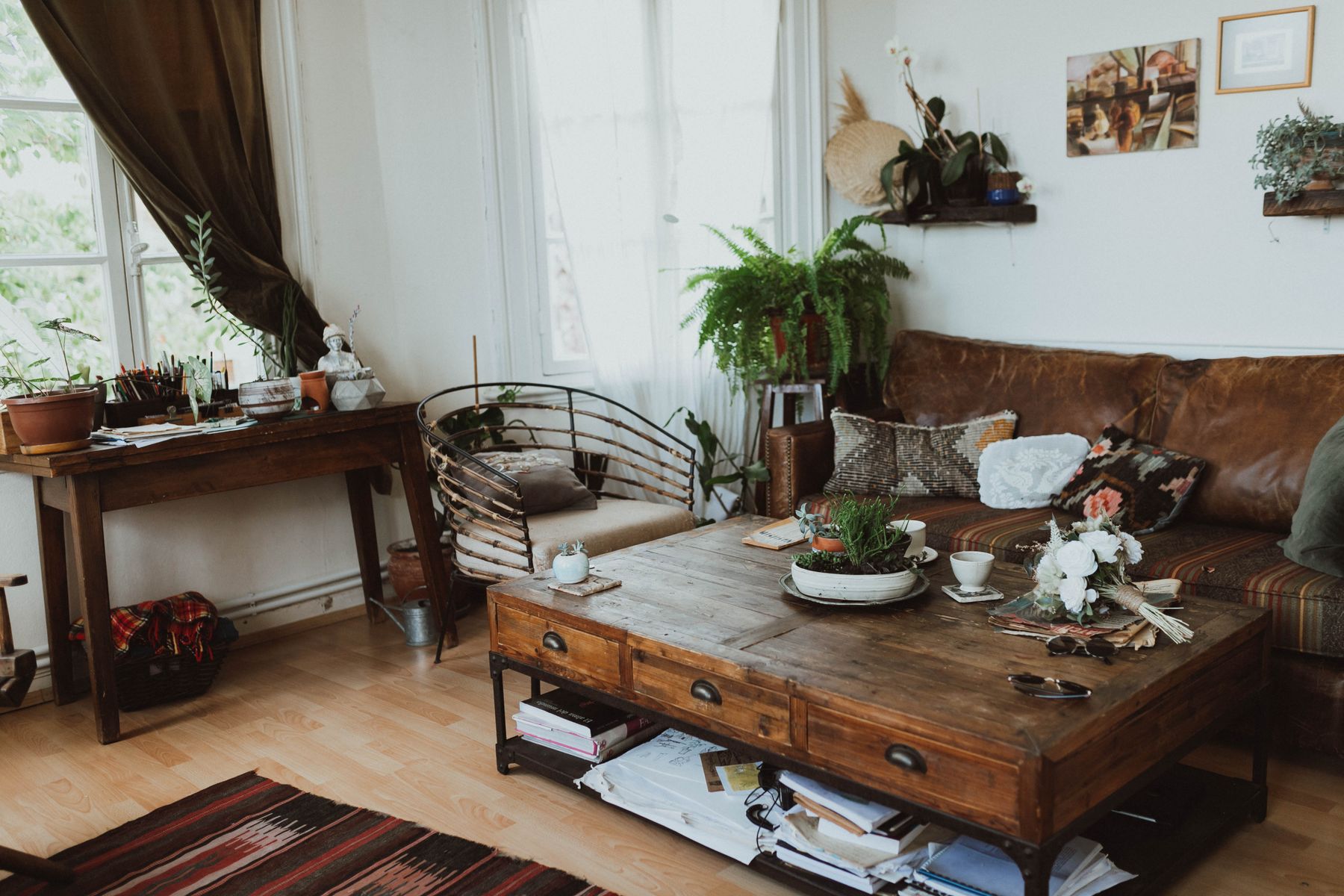
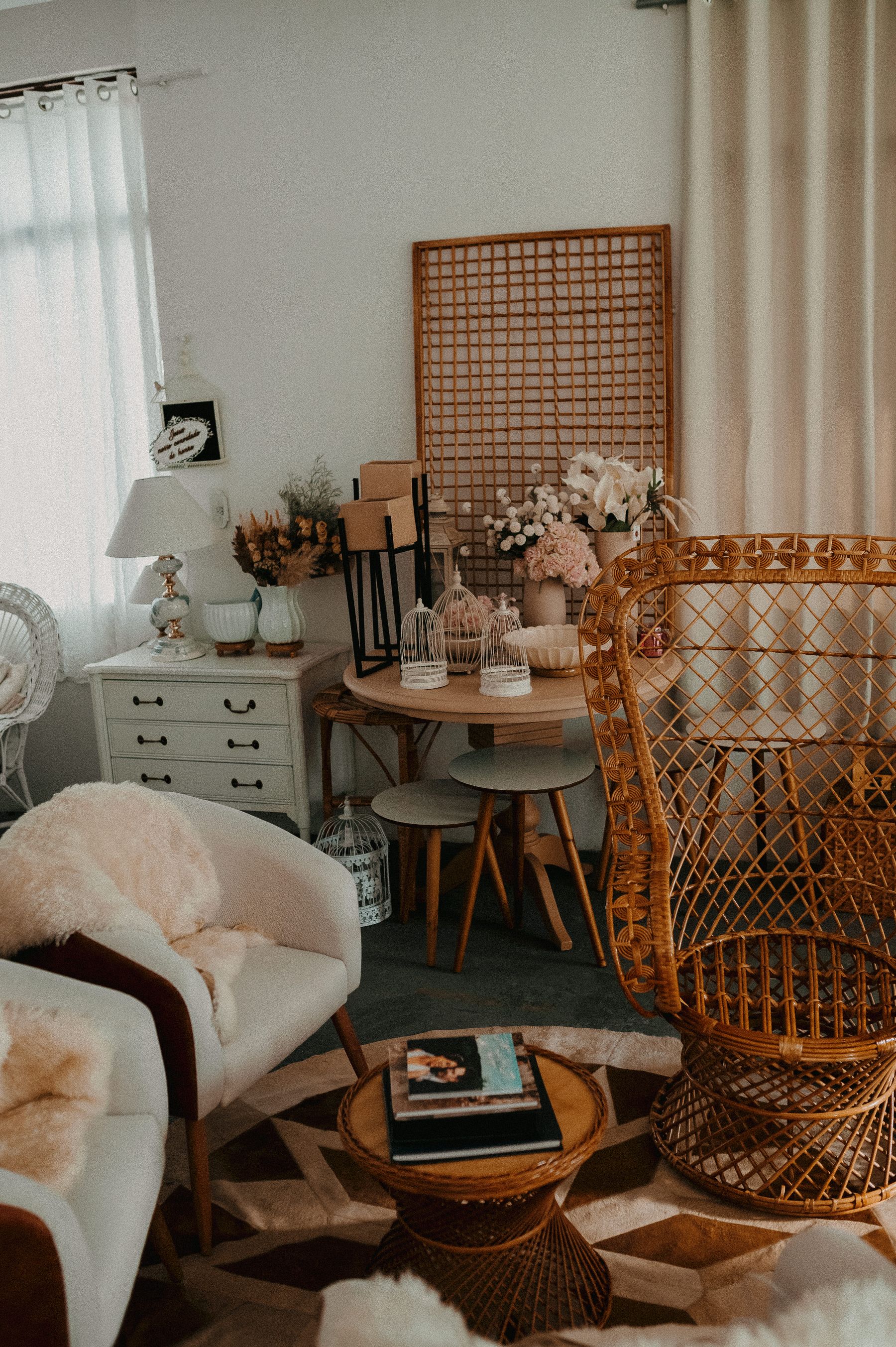
Boho and bohemian describe the same destination intent here: an informal room shaped by craft, travel, older pieces, natural material and personal expression. [Eclectic Living Room Ideas](/living-room/eclectic-living-room-ideas/) shows how almost any style can be mixed through deliberate composition, while [Maximalist Living Room Ideas](/living-room/maximalist-living-room-ideas/) gives abundance, color and display the leading role. Boho can be restrained or colorful, but tactile materials and a gathered-over-time feeling remain central. Decide which three qualities matter most—perhaps woven texture, botanical life and vintage wood—so the result does not become a checklist of tassels, baskets and macrame.
Plan the Conversation Before the Collection
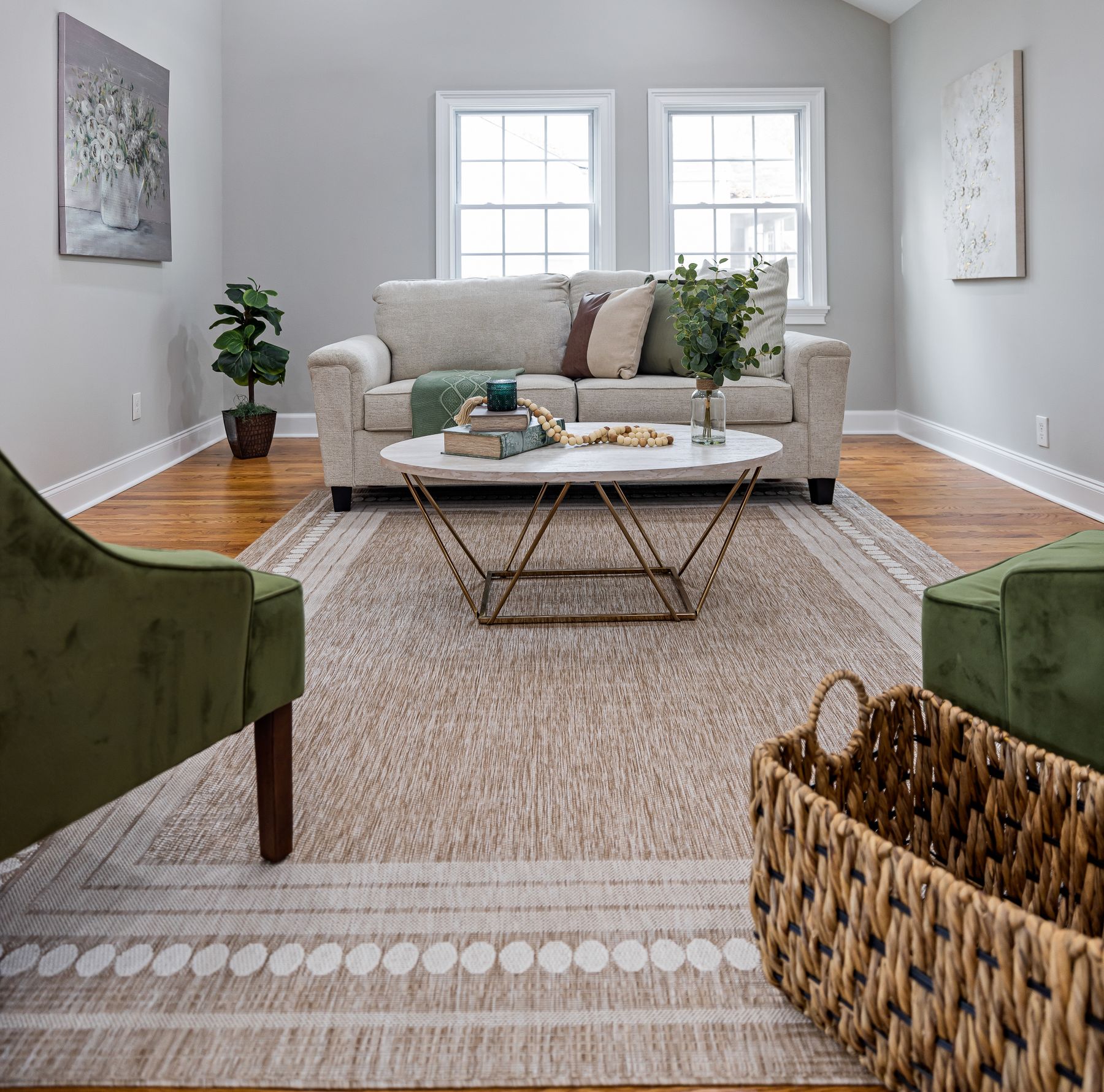
Place the primary sofa and chairs close enough for ordinary conversation, then protect the continuous route between doors and adjoining rooms. Mark side tables, poufs, plant pots and baskets at their actual footprint; small decorative pieces often cause more daily obstruction than the sofa. A casual room still benefits from measured clearances and reachable surfaces. Use the full planning tests in [living room layout ideas](/living-room/living-room-layout-ideas/) when the fireplace, television, windows or several entrances compete for attention.
Choose a Color Thread Instead of a Theme
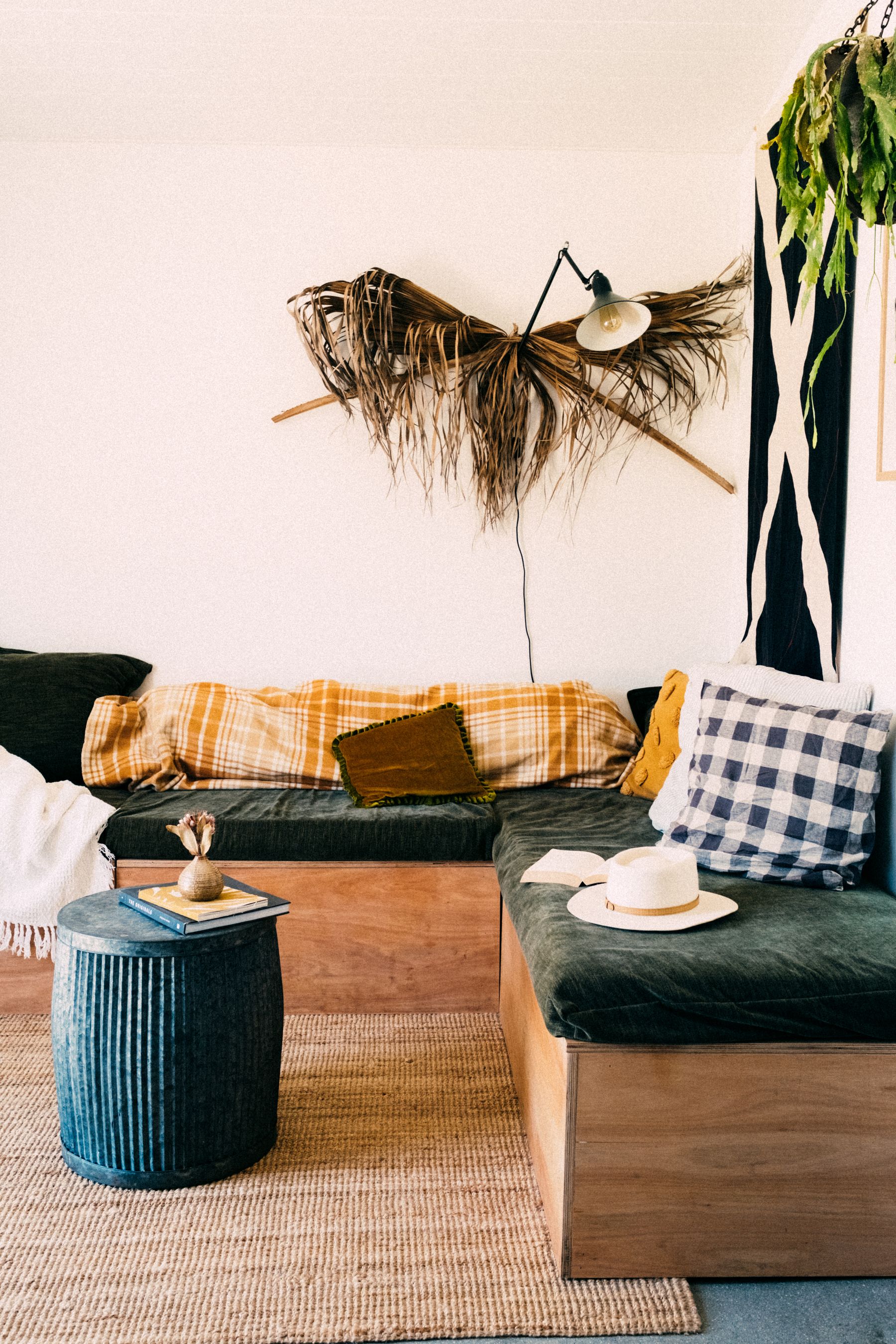
Choose one anchor family—terracotta and rust, indigo and tobacco, olive and ochre, or berry and clay—then repeat it at large, medium and small scales. Let wood, cane, linen and pottery keep their natural colors between the stronger notes. This method accommodates secondhand finds more easily than a rigid palette because a new piece needs to join the thread, not match every object. Test the textiles together in daylight and evening light before deciding the room needs another accent color.
Let a Simple Sofa Support the Expressive Layers
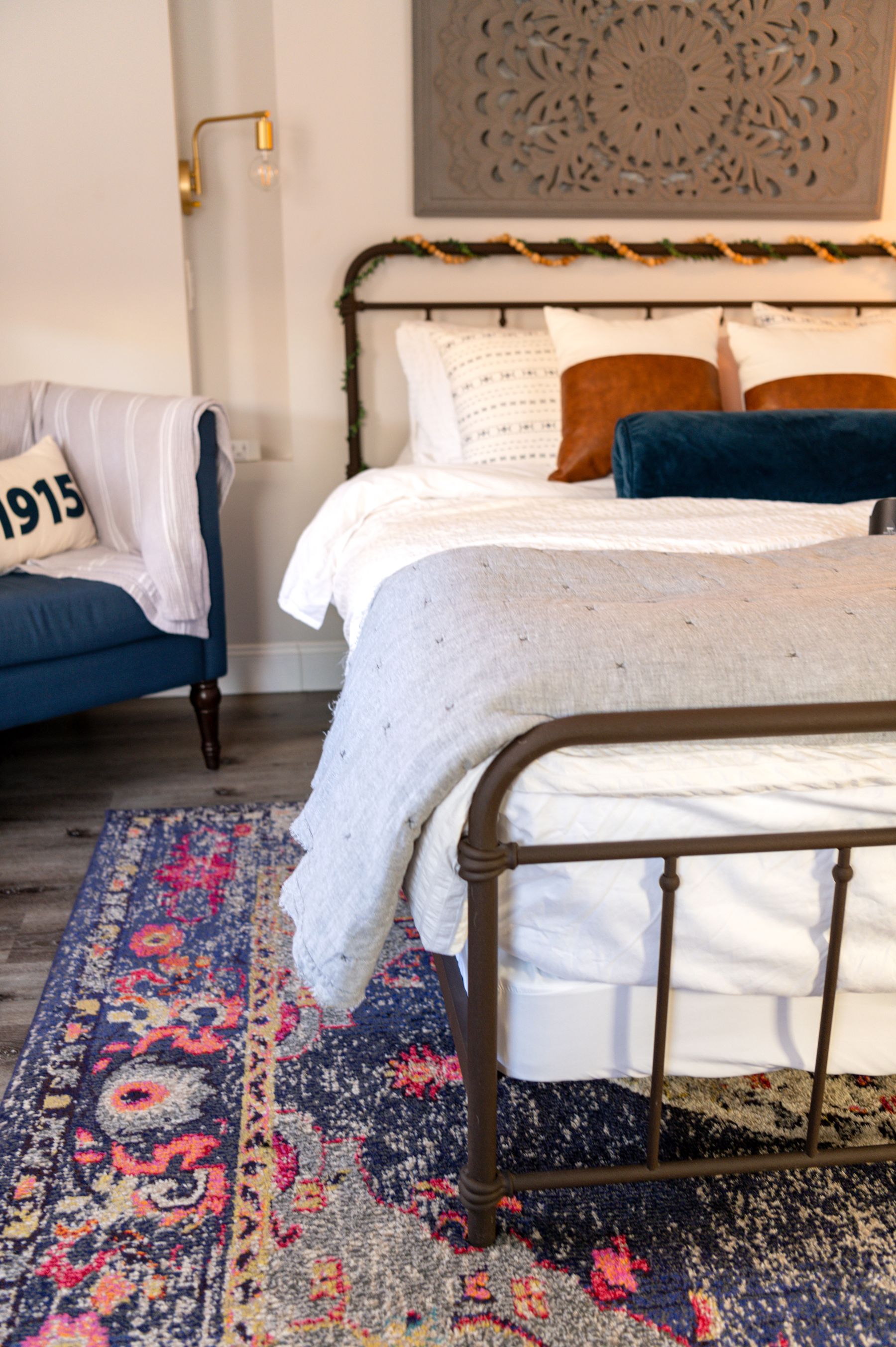
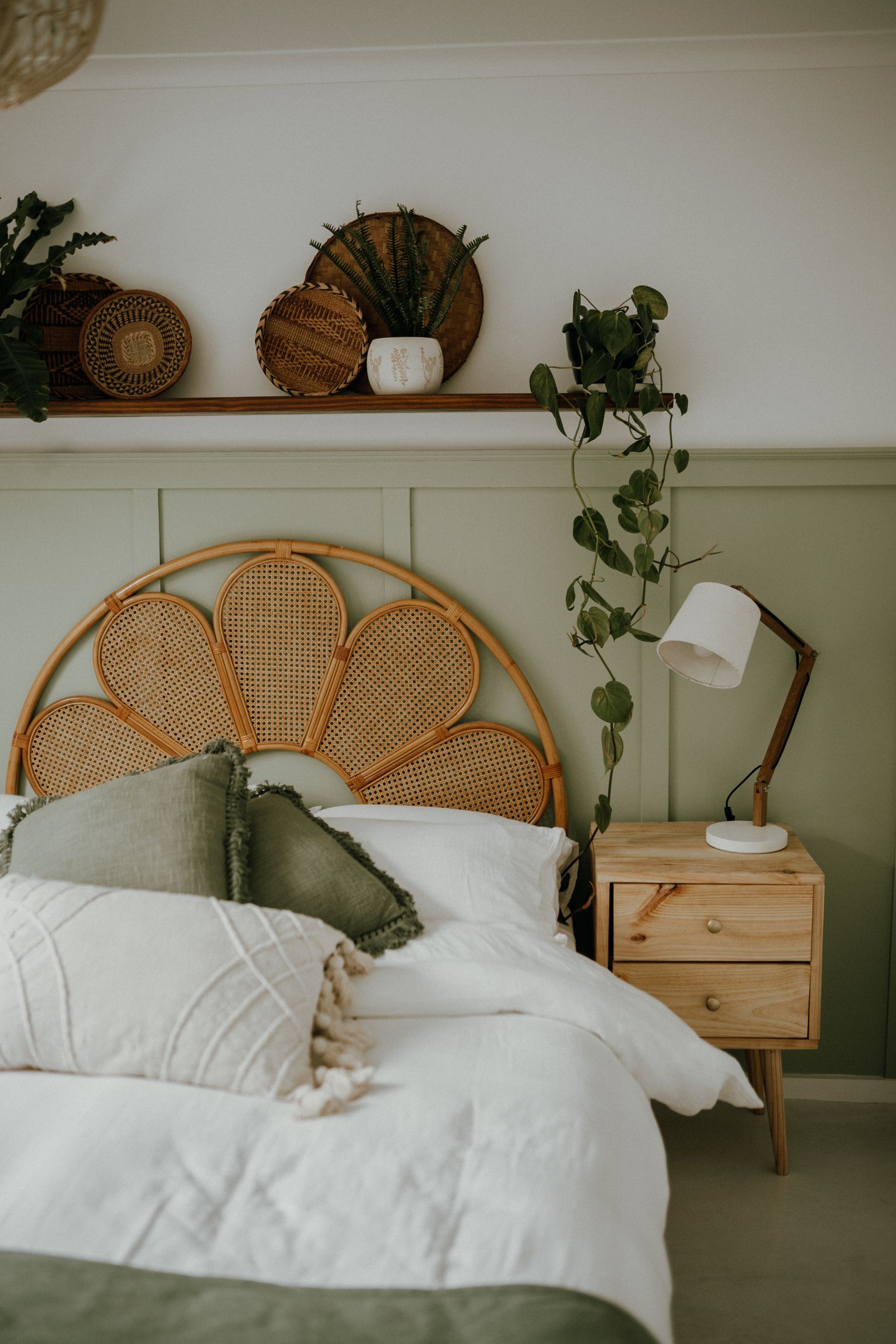
A sofa in a durable neutral, softened olive, tobacco leather or muted color can carry changing cushions and throws without making the room visually fragile. Judge seat depth, back support, cushion recovery, cleaning code and removable cover construction before styling. Loose linen and textured upholstery suit the relaxed look but can crease, snag or trap pet hair, so sample performance matters. Avoid sacrificing comfortable arms or usable seat width for an exaggerated low profile that only photographs well.
Mix Vintage and New Seating by Scale
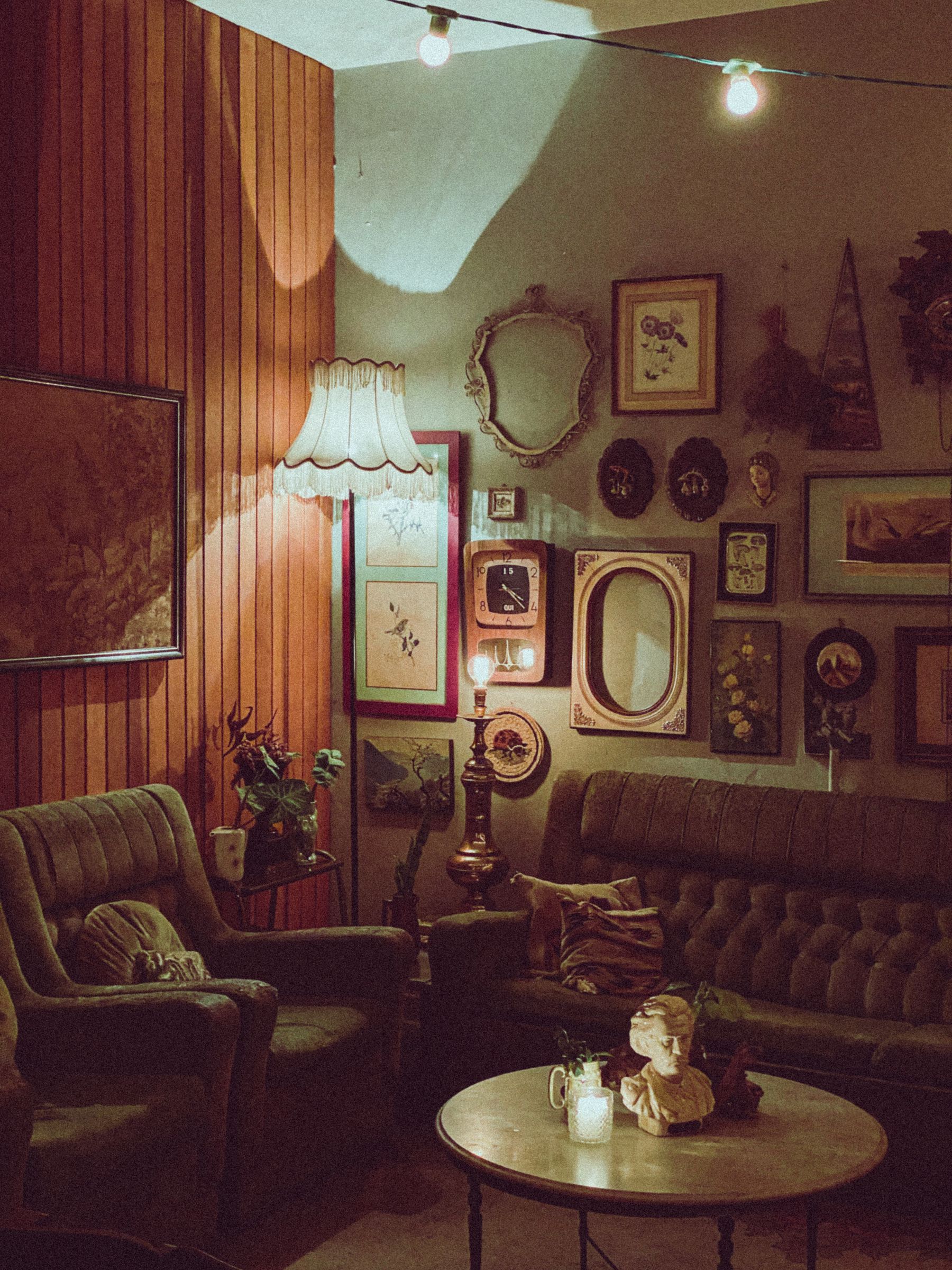
A vintage armchair, repaired stool or older wood bench can add history beside a current sofa, but the pieces still need compatible seat heights and enough support for their intended users. Inspect joints, odor, upholstery, pests and previous repairs before bringing a find indoors. Repeat one wood tone, fabric color or curved line to connect the group. The [vintage living room guide](/living-room/vintage-living-room-ideas/) covers sourcing and conservation in depth; boho uses age as one layer rather than the room's entire identity.
Use Floor Seating Only Where It Works
Poufs, floor cushions and low woven chairs can expand an informal gathering, yet they are not accessible or comfortable for every body. Keep at least one supportive chair with arms and a conventional seat height, and give low pieces a defined parking position when not in use. Check fill recovery, washable covers and floor drafts. A pouf that permanently blocks a cabinet or becomes a surface for clutter is not flexible seating; it is an obstacle.
Anchor the Room With One Properly Sized Rug
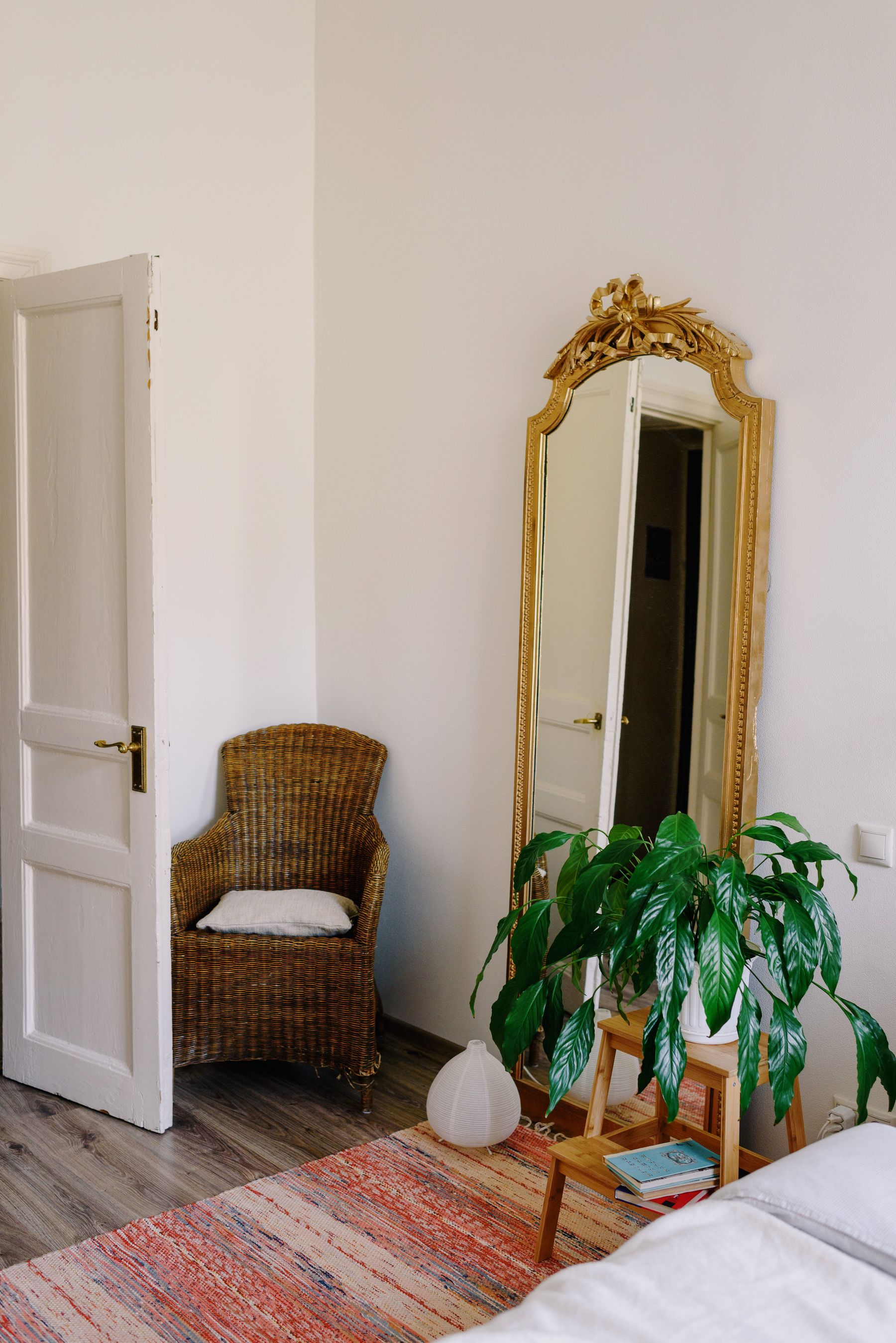
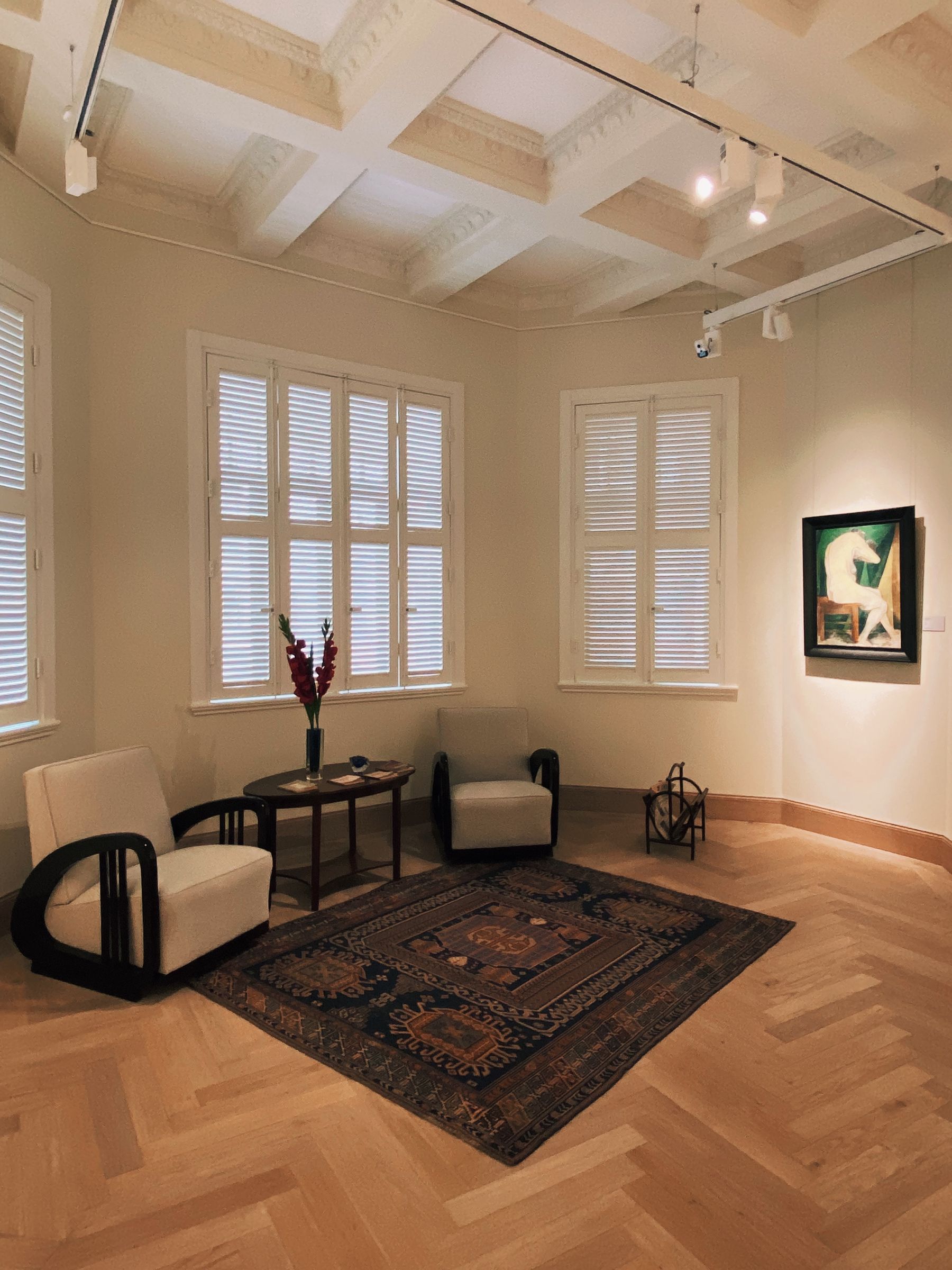
Start with one rug large enough to relate the sofa, chairs and central table; boho pattern cannot compensate for a floating undersized rectangle. Vintage wool, flatweave kilim and durable printed rugs each behave differently under feet, wheels, pets and sunlight. Check edge curl, pile direction, backing and cleaning method before layering anything above it. [Living room rug ideas](/living-room/living-room-rug-ideas/) explains sizing and placement for unusual plans and open spaces.
Layer Rugs for Function, Not Just Effect
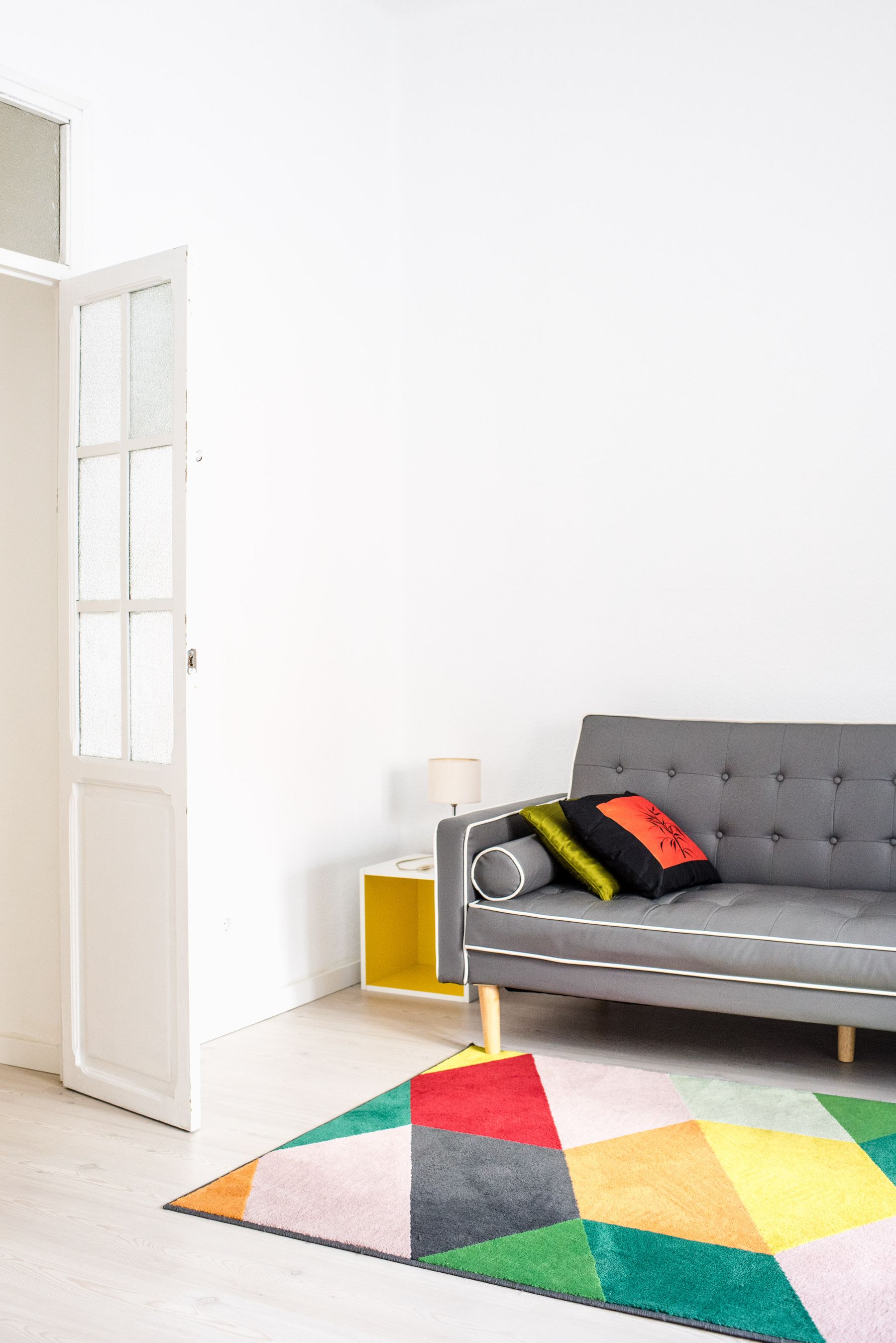
Layering can enlarge a special vintage textile, soften a broad natural-fiber base or define a reading corner, but two moving edges introduce trip and vacuuming problems. Keep the lower rug broad and low profile, position the upper layer away from the busiest crossing, and use a compatible pad. Avoid stacking thick pile under furniture that rocks. If the room is small or a resident uses mobility equipment, one excellent rug is usually safer and visually calmer than a layered arrangement.
Mix Pattern Through Scale and Pause
Choose one dominant pattern, one smaller geometric or stripe and one texture that reads almost as a solid. Spread them across the room rather than concentrating every motif on the sofa. A plain curtain, wall or upholstery field gives the eye somewhere to rest and makes the expressive pieces feel intentional. Photograph the full room from the entrance because pattern combinations that look attractive in a close sample can merge into visual noise at normal viewing distance.
Treat Global Textiles With Context and Care
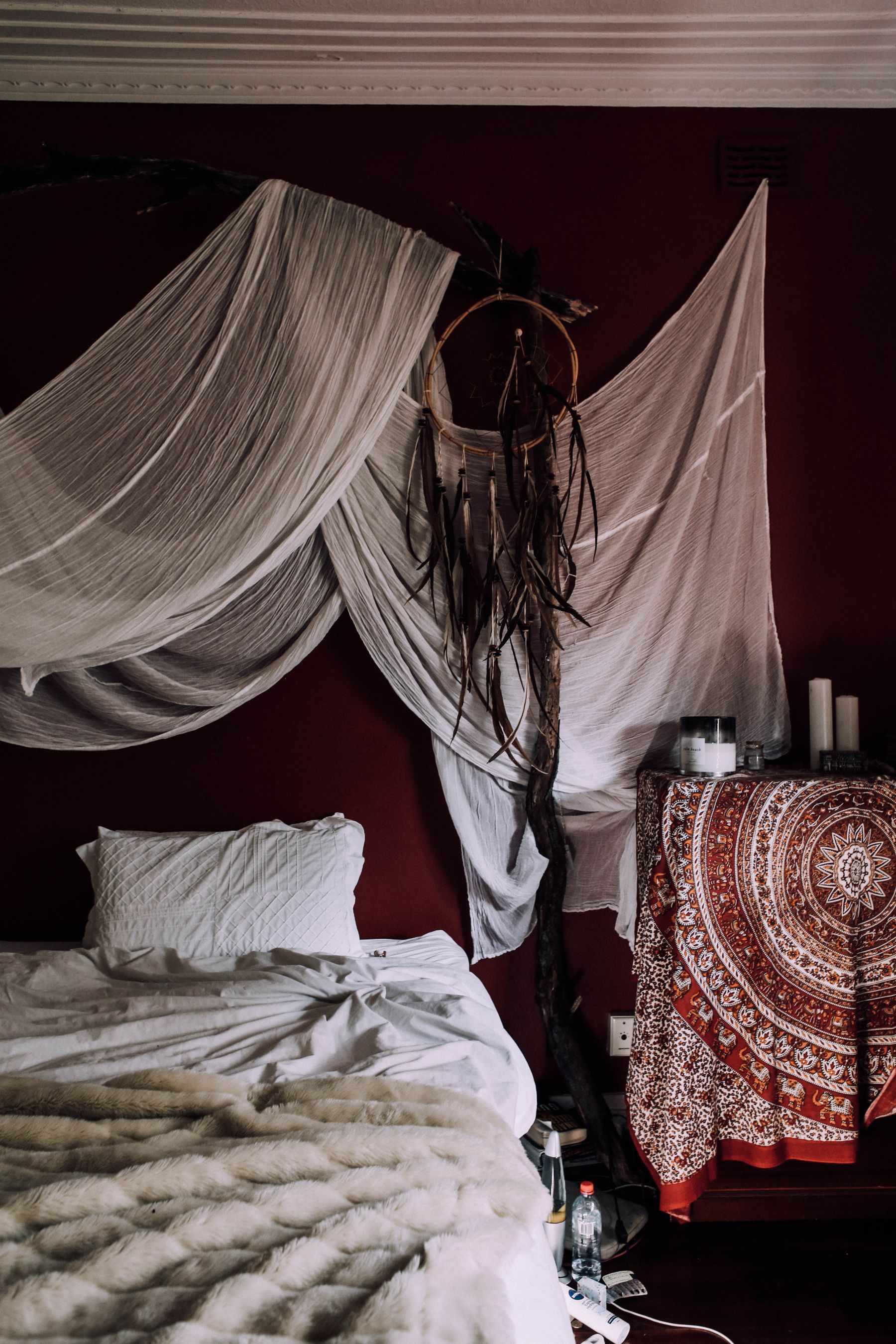
Suzani, kantha, kilim, mud cloth and other regionally specific traditions are not interchangeable boho motifs. When provenance is known, preserve the maker, place, material and care information rather than reducing the object to an ethnic label. Buy from transparent dealers, cooperatives or makers where possible, and avoid ceremonial or sacred designs used without understanding. Fragile older cloth may be better framed or draped away from direct sun than placed under daily abrasion.
Balance Wicker, Cane and Rattan With Solid Surfaces
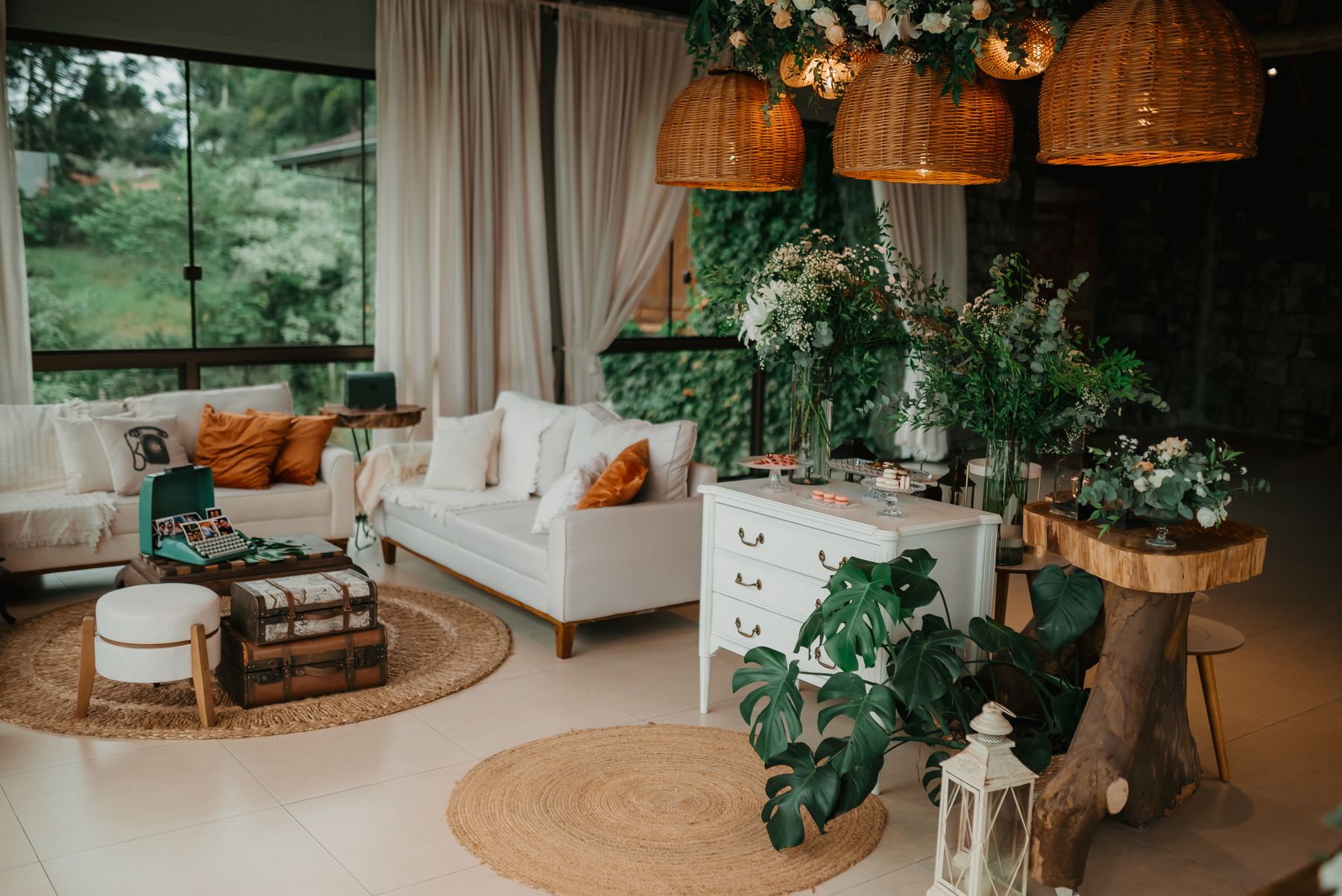
A woven chair, pendant or cabinet panel can contribute shadow, curve and visible handwork, but repeating cane on every item turns material into costume. Choose the piece that performs a real task and inspect joint wrapping, broken fibers and frame stability. Natural rattan dislikes persistent damp and strong heat, while synthetic wicker may look convincing but has different repair and disposal implications. Pair open weave with one or two solid planes so dust and small objects do not dominate the room.
Use Wood and Patina Without Forcing a Match
Mixed wood is natural in a collected room, but undertone and visual weight still matter. Let one large element—floor, table or cabinet—establish the dominant warm, neutral or cooler family, then allow smaller pieces to vary within it. A textile or painted object can bridge two unlike finishes. Preserve sound patina, repair loose construction and avoid coating every old surface in the same stain merely to create consistency. [Japandi living room ideas](/living-room/japandi-living-room-ideas/) is the better guide when restraint and precise craft should dominate.
Group Plants Where They Can Thrive
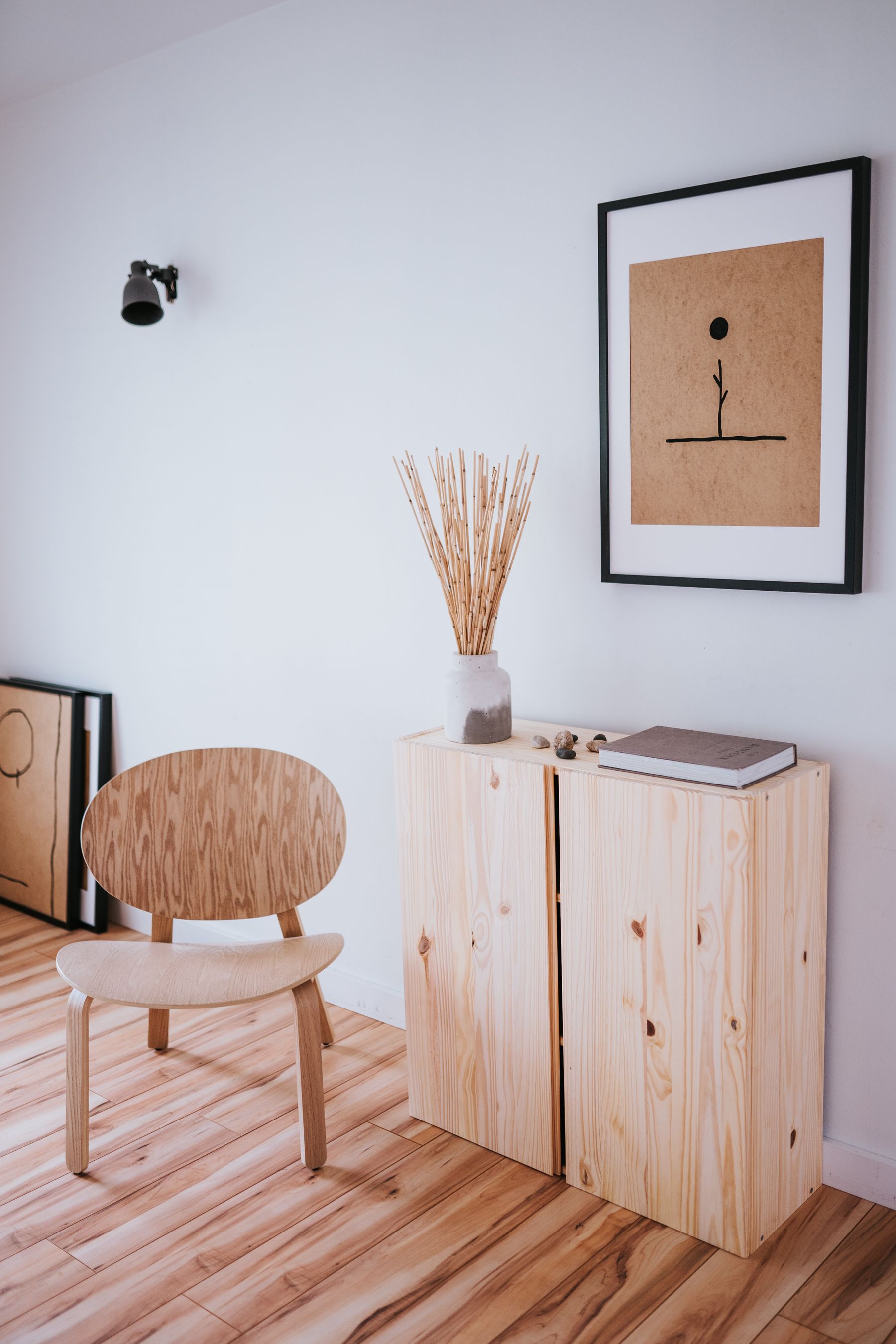
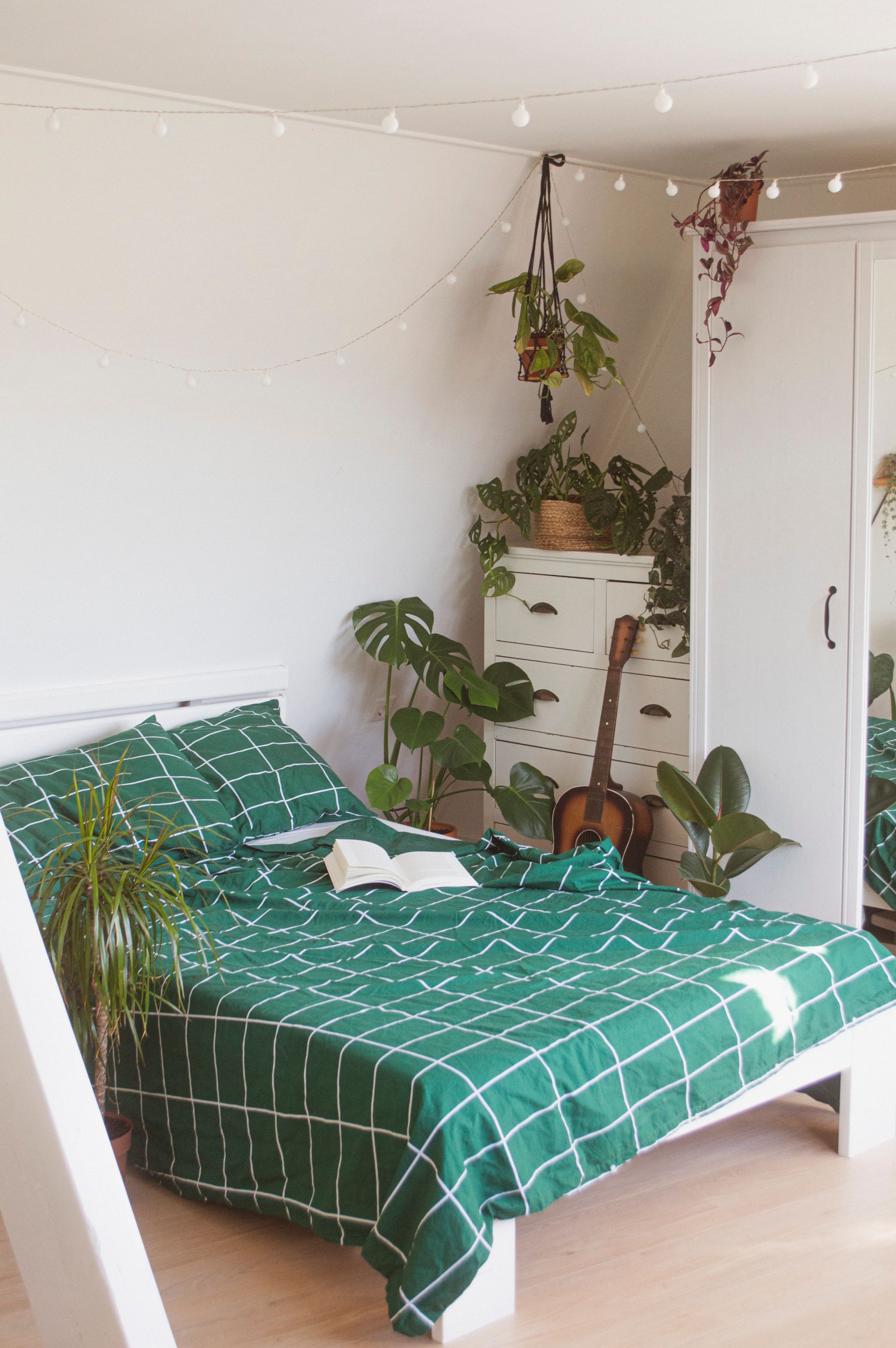
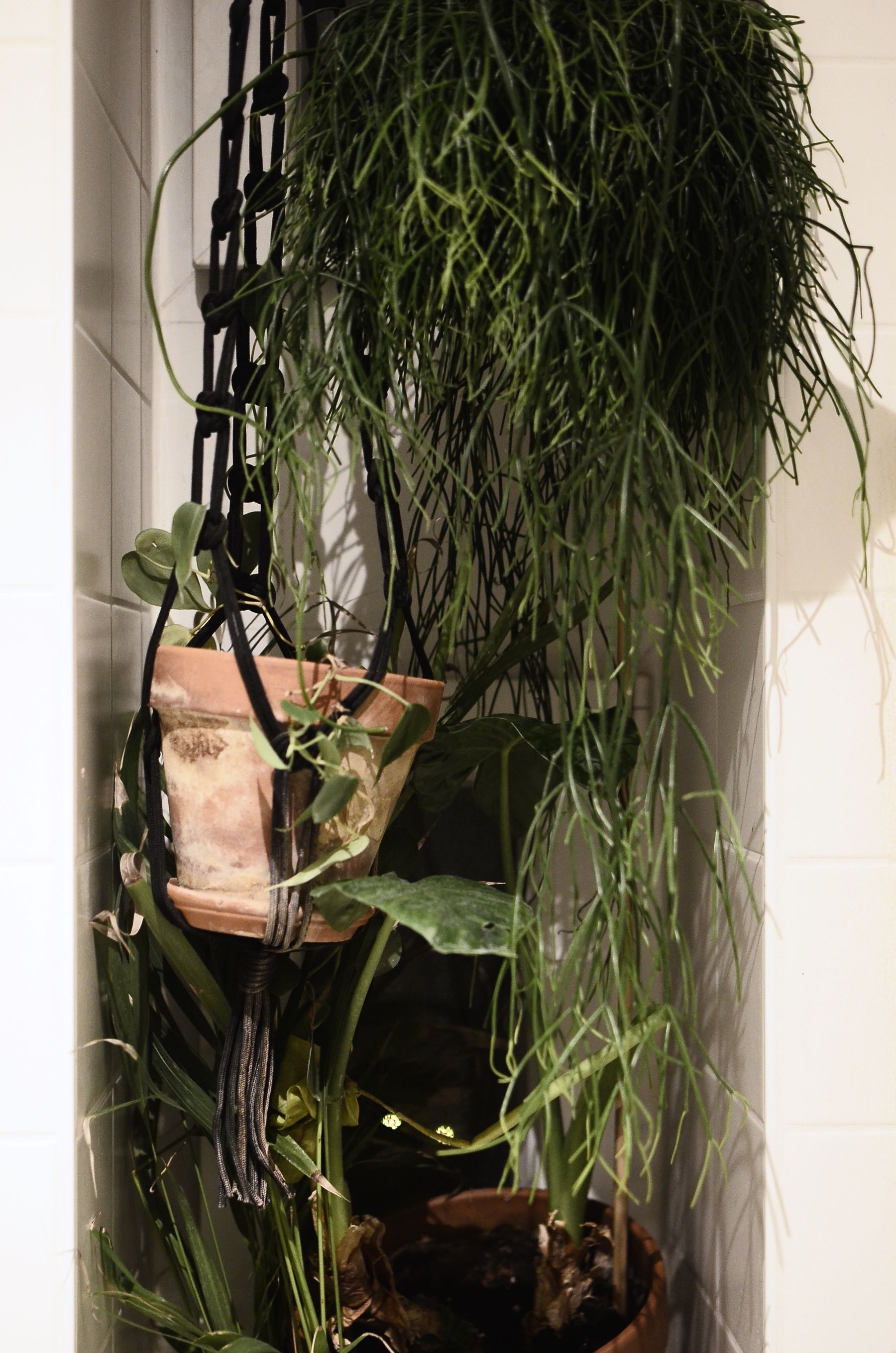
Map window direction, direct sun, winter temperature and available care time before selecting plants. Build one composition with varied heights near suitable light instead of placing a struggling pot in every empty corner. Protect floors and furniture from drainage, leave air around leaves, and check toxicity for children and pets. Plants should not block vents, switches or circulation. If light is poor, botanical color in art or textiles is more honest than a permanent collection that cannot remain healthy.
Layer Lighting at Human Height
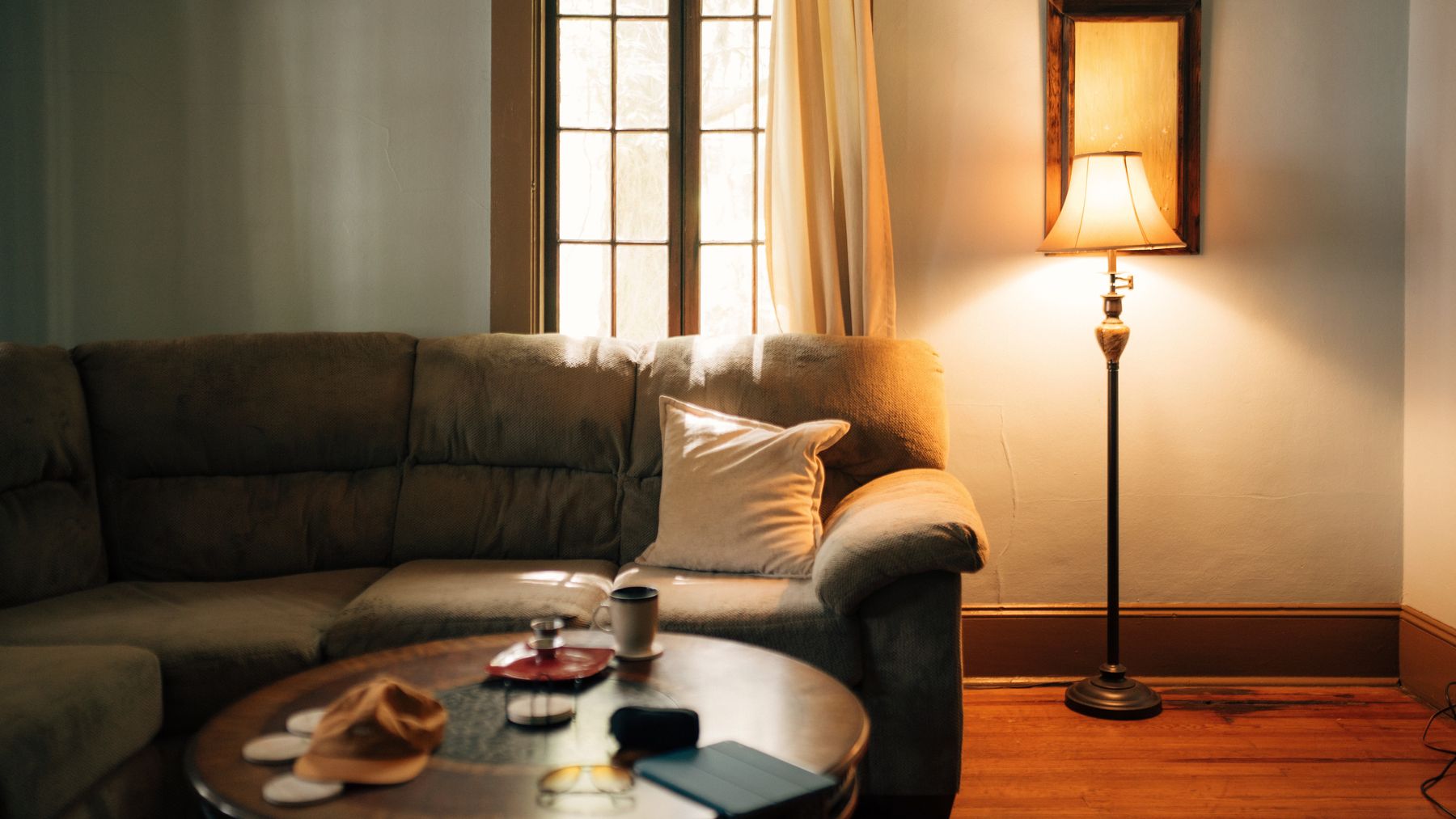
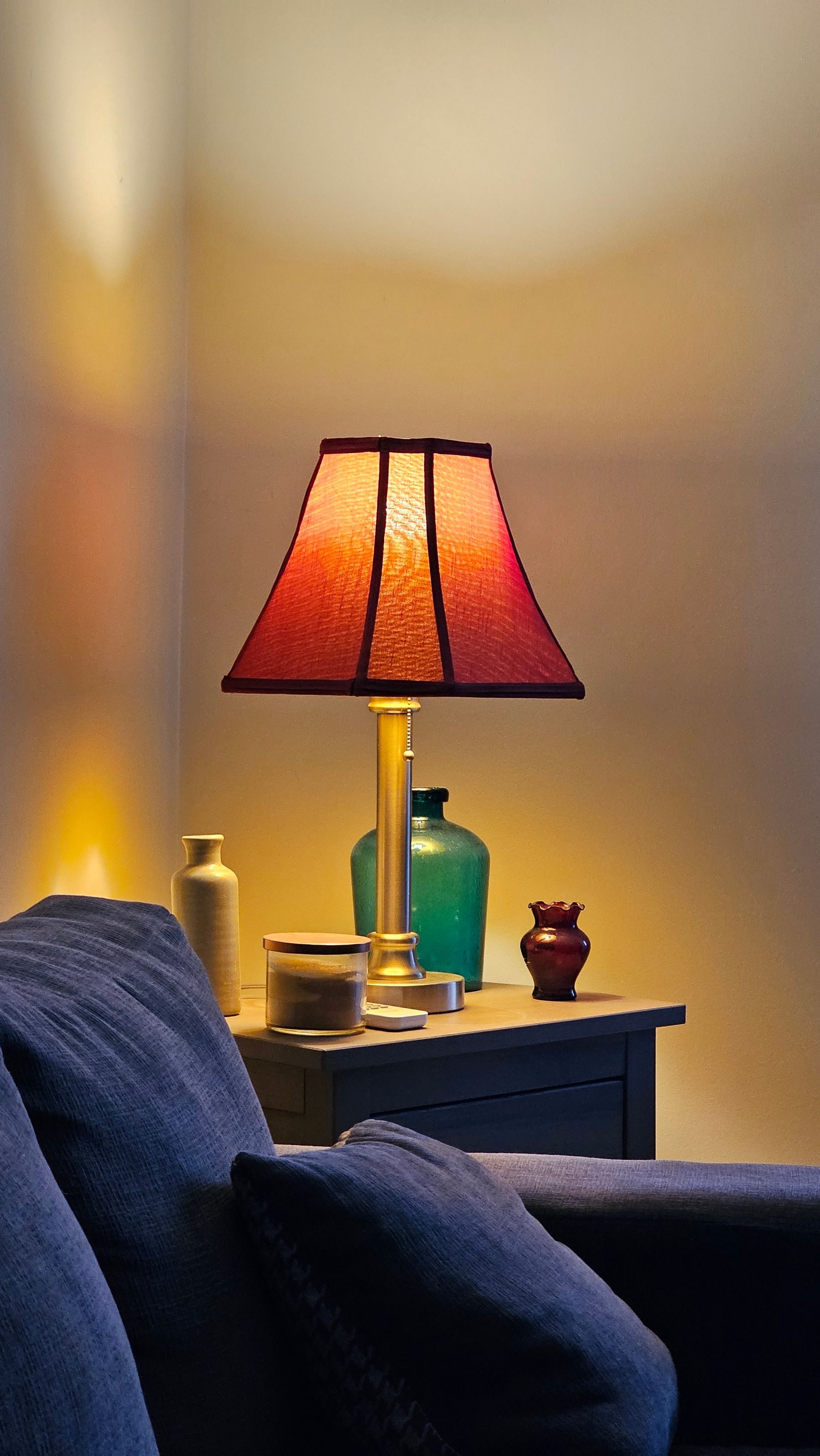
Combine ambient light with a reading lamp and one lower accent source so the room works for conversation, books and evening settling. Woven shades can produce beautiful shadow but may glare through open fibers or collect dust; pair them with diffused bulbs and accessible cleaning. Keep cables out of routes and select a color temperature that respects textile color. The practical calculations in [living room lighting ideas](/living-room/living-room-lighting-ideas/) help balance mood with useful illumination.
Filter Daylight Without Hiding It
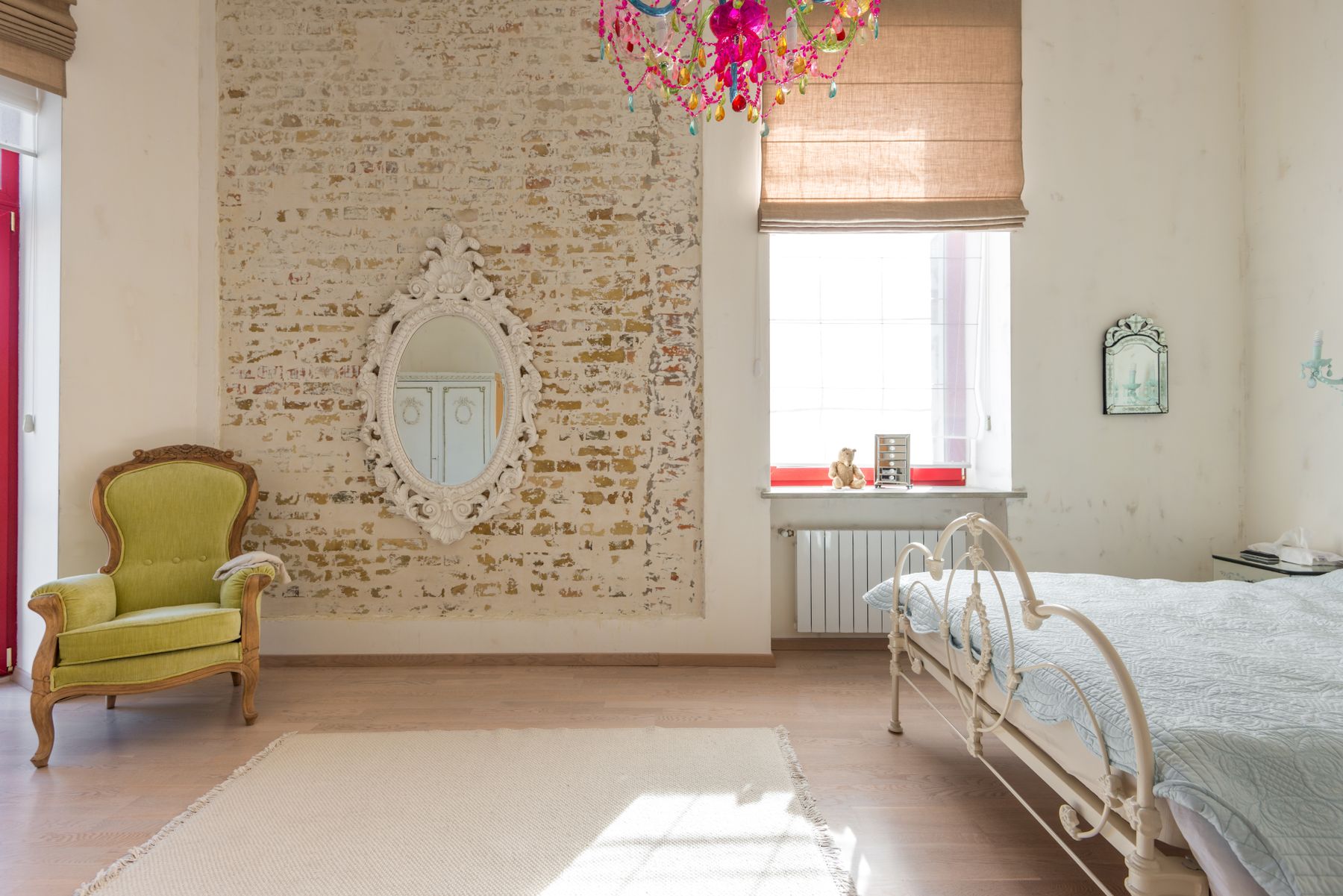
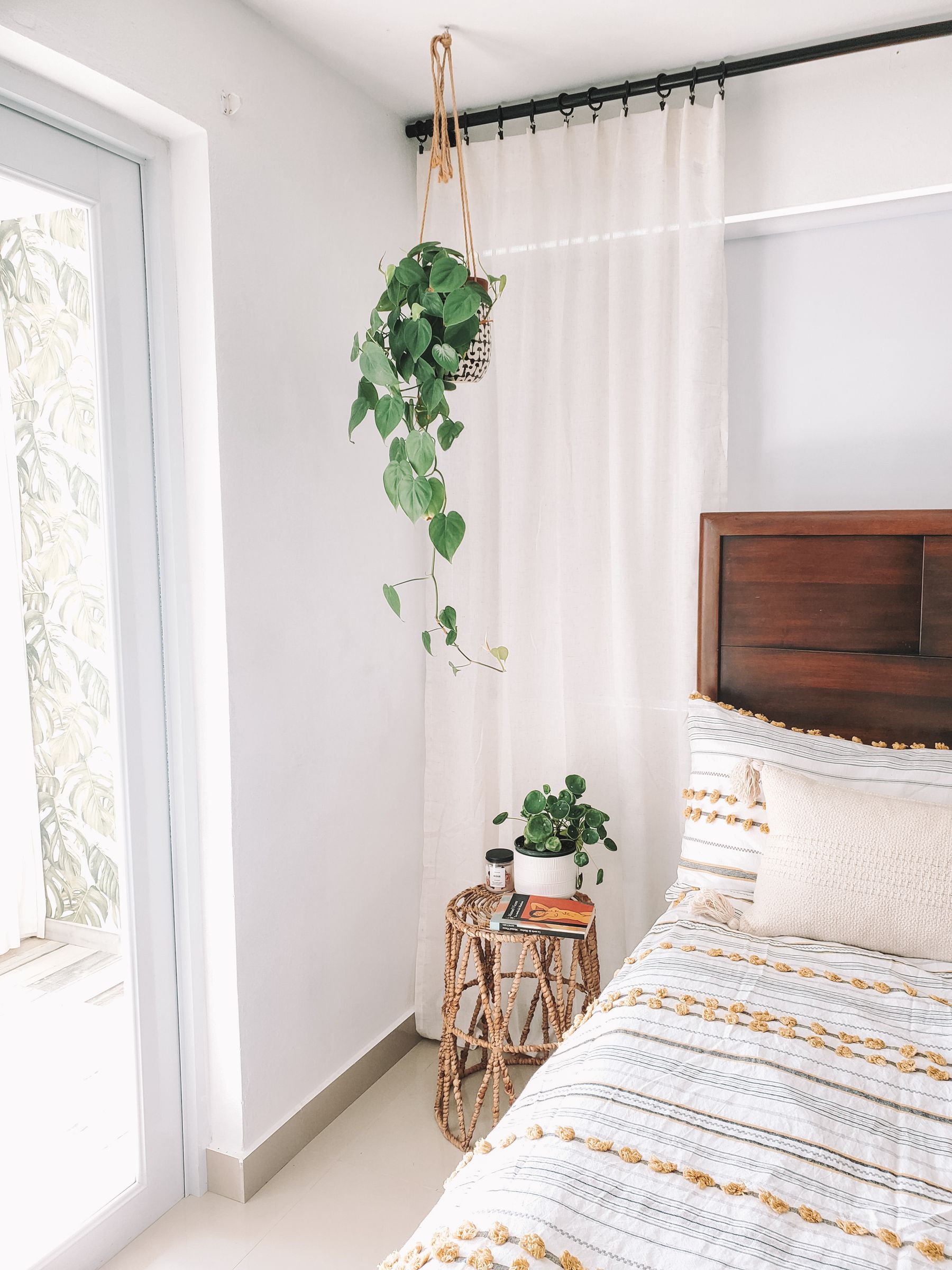
Sheer linen-look panels, woven blinds and lined curtains can manage glare, privacy, heat and fading, but choose them by orientation rather than appearance alone. Strong sun can bleach vintage textiles and stress plants near glass; nighttime privacy may require an opaque layer that a sheer cannot provide. Keep curtain stacks clear of radiators and allow access to handles and vents. A simple treatment usually supports a layered room better than several decorative swags and trims.
Build a Personal Gallery Wall With a Plan
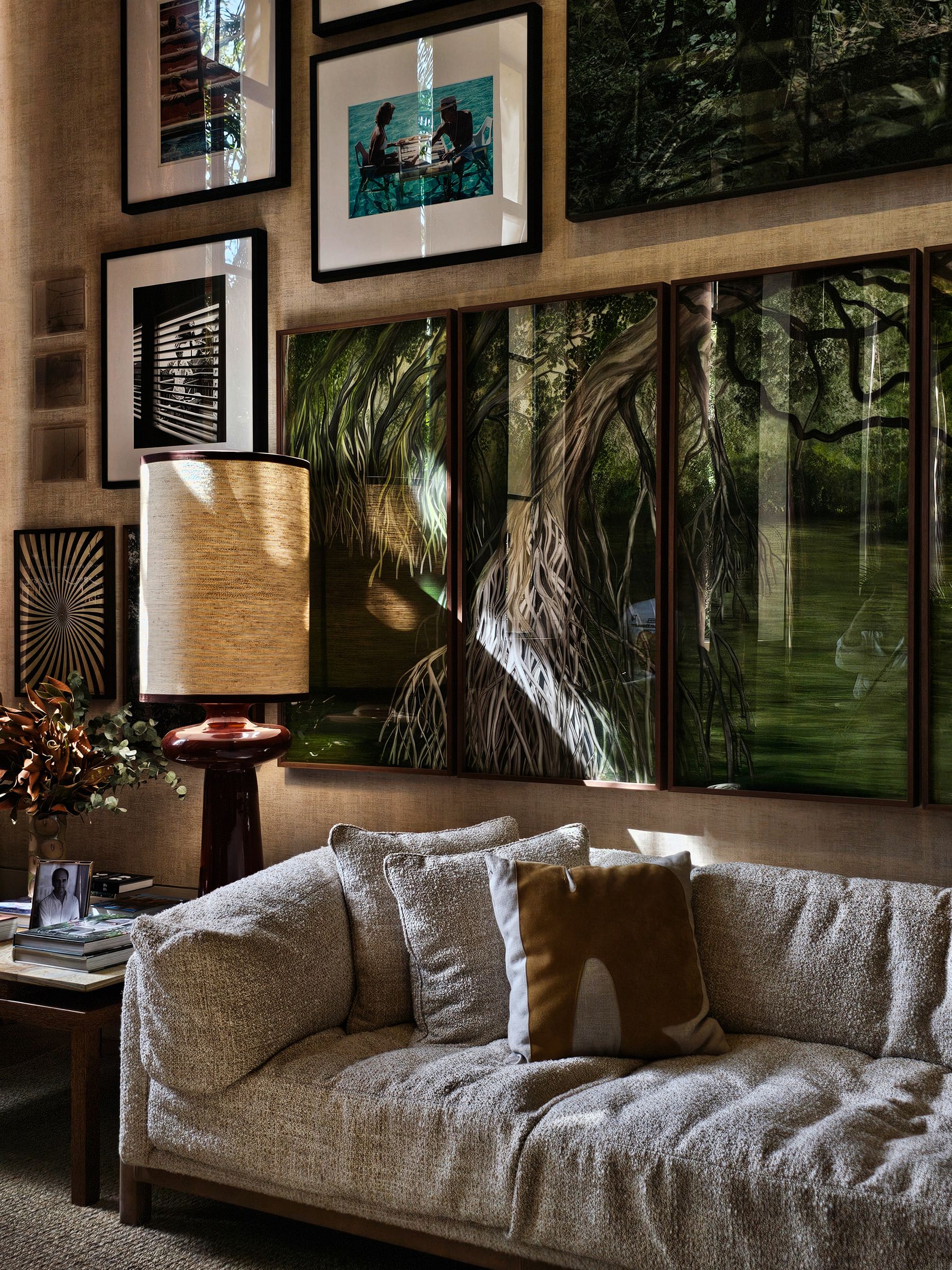
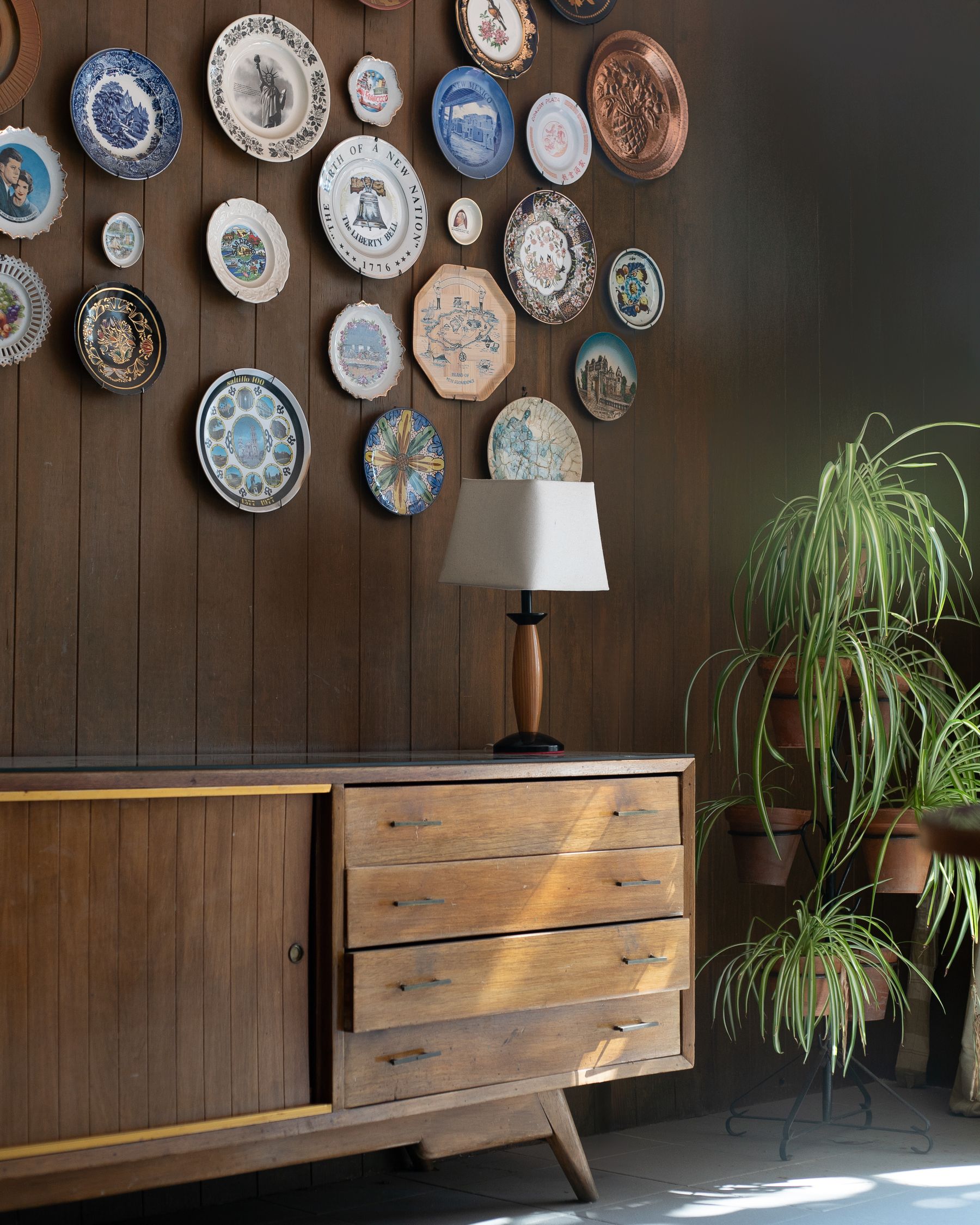
Start with work that has meaning—original art, photographs, textiles or prints—then establish either a shared color, repeated frame material or controlled outer boundary. Lay the full arrangement on the floor and include furniture height in the mock-up. Avoid filling a wall with generic downloadable motifs simply because they are labeled boho. [Living room wall ideas](/living-room/living-room-wall-ideas/) compares gallery layouts with single large art, mirrors, paint and architectural treatments.
Edit Collections Into Visible Chapters
Books, ceramics, records, travel finds and inherited objects can make the room unmistakably personal, but displaying every item at once erases hierarchy. Group by story, material or use, leave some shelf area empty and rotate fragile pieces away from sun. Give small objects a tray or shelf boundary so cleaning remains possible. Maximalism may celebrate fuller abundance; boho still benefits from pauses that let craft and memory be recognized individually.
Combine Open Display With Closed Storage
Reserve open shelves for books, art and a limited number of useful objects; put chargers, spare textiles, toys and household supplies behind doors or in well-sized drawers. Baskets work for broad categories but become frustrating when several must be moved to reach one item. Inventory possessions before choosing furniture and protect ventilation around electronics. [Living room storage ideas](/living-room/living-room-storage-ideas/) develops the zoning process for media, play and shared household needs.

Let Pottery and Handwork Serve Everyday Routines
A substantial planter, lamp base, bowl or vase can introduce hand evidence and clay color while performing a job. Check whether food, water, heat or plant drainage requires a specific glaze or liner; decorative pottery is not automatically watertight or safe for every use. Vary form more than quantity and avoid scattering many tiny vessels across difficult-to-dust surfaces. Supporting a known local maker can add clearer provenance than buying a mass-produced imitation of anonymous craft.

Make Books, Music and Hobbies Part of the Room
Store records near the player, books near useful reading light and craft supplies where they can be brought out without dismantling the room. Instruments need stable stands and appropriate humidity, not a casual lean in a traffic path. Give active hobbies the best accessible storage and archive or donate materials that are no longer used. A boho living room earns its character through real life; it should not imitate a creative household while hiding every activity behind decorative clutter.
Integrate the Television Without Disguising It
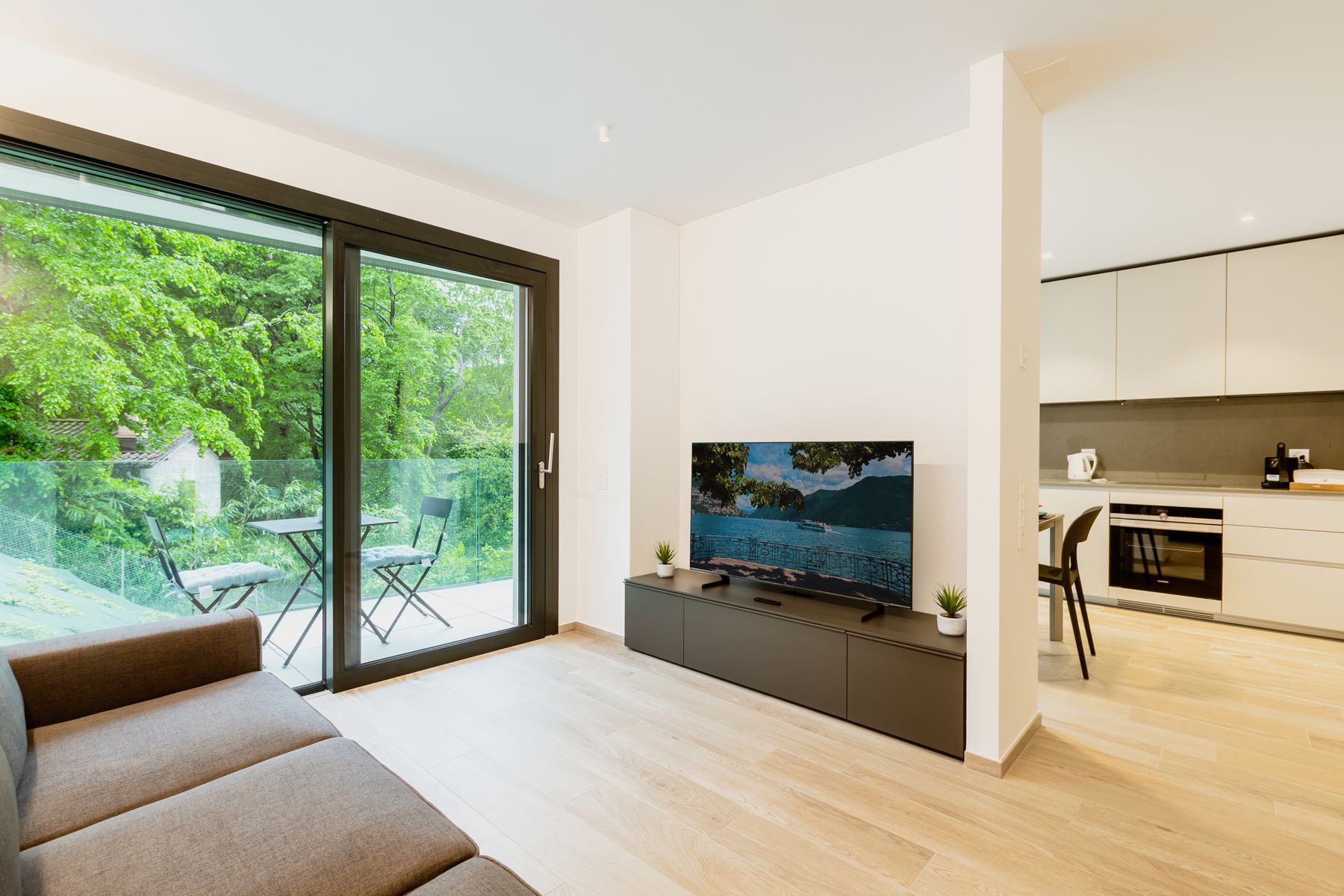
Place the screen for comfortable viewing and controlled daylight, then use a low cabinet, nearby art or a darker wall field to reduce contrast without pretending the television is not present. Keep vents clear, allow cable and service access and avoid dried plants or textiles near heat. Decorative frames and gallery arrangements should not interfere with speakers or become visually frantic during viewing. Honest integration usually looks calmer than an elaborate concealment system the household rarely closes.
Scale Boho Down for a Small Living Room
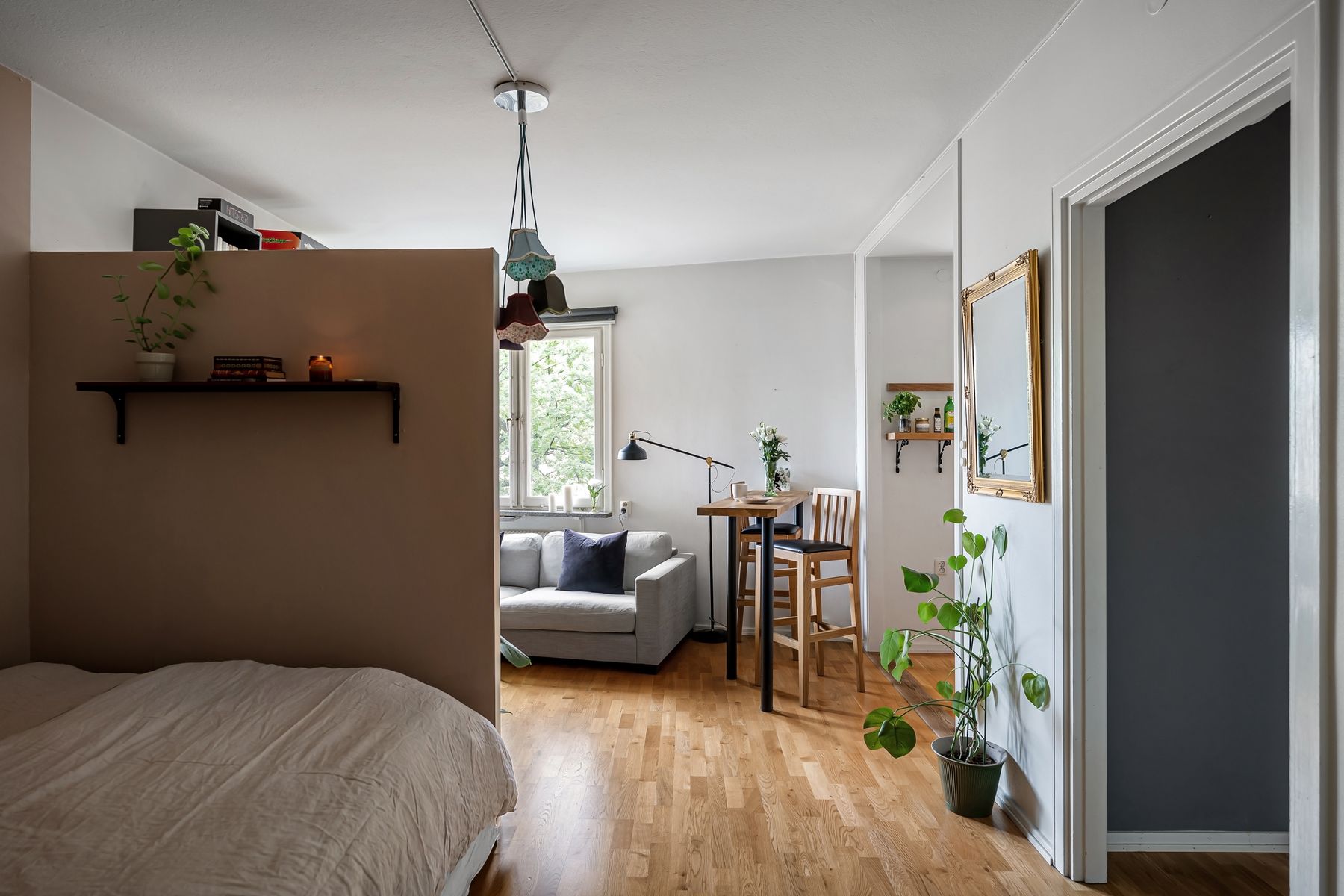
Choose one expressive rug or textile, one plant group and one useful vintage or woven piece rather than miniaturizing every boho cue. Use wall height for art and shelves while keeping the floor route clear, and select side tables that genuinely support drinks and lamps. Furniture with visible legs can preserve more floor continuity, but stability and storage may matter more. [Small living room ideas](/living-room/small-living-room-ideas/) covers proportion, circulation and multifunctional furniture in greater depth.
Create Rental-Friendly Layers That Remove Cleanly
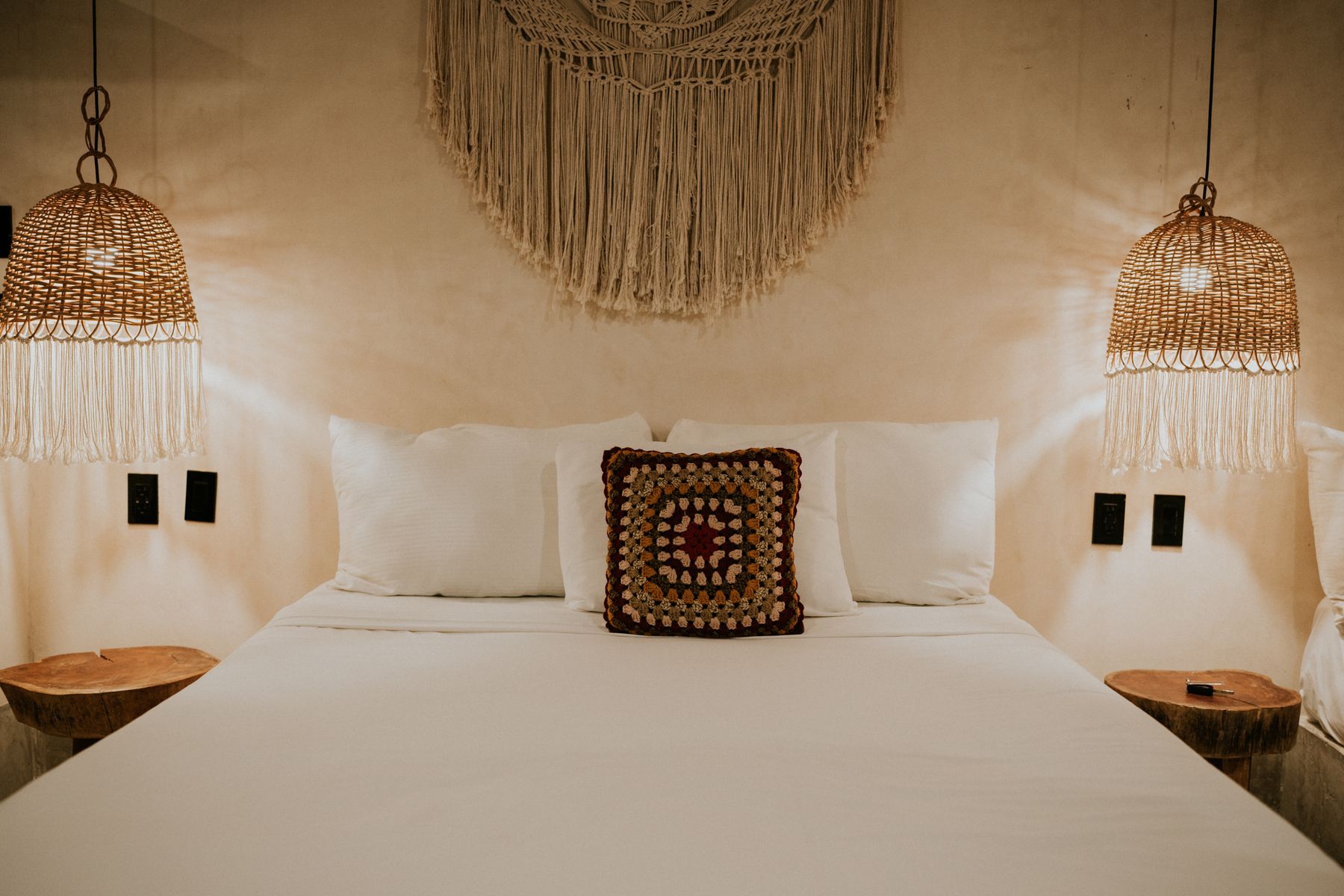
Build the identity through a correctly sized rug, curtains mounted with approved hardware, lamps, plants and freestanding storage before considering adhesive products. Test removable hooks and films in a hidden area, follow weight limits and document the condition of walls. A large textile or leaning art panel may make more impact than many small fixes. Keep original fittings safely labeled for reinstatement and confirm lease rules before painting, drilling or changing electrical components.
Design for Children, Pets and Different Bodies
Keep at least one supportive seat with arms, preserve a continuous route and avoid making floor cushions the only flexible option. Anchor tall storage where required, secure heavy wall pieces and protect sharp or unstable vintage furniture. Check plants for toxicity, choose washable textile layers and give pet beds or toy storage intentional positions. Accessibility does not require removing personality; it asks that pattern, craft and collections stay clear of reach zones, controls and movement paths that must remain reliable.
Carry Boho Across an Open Plan With Repetition
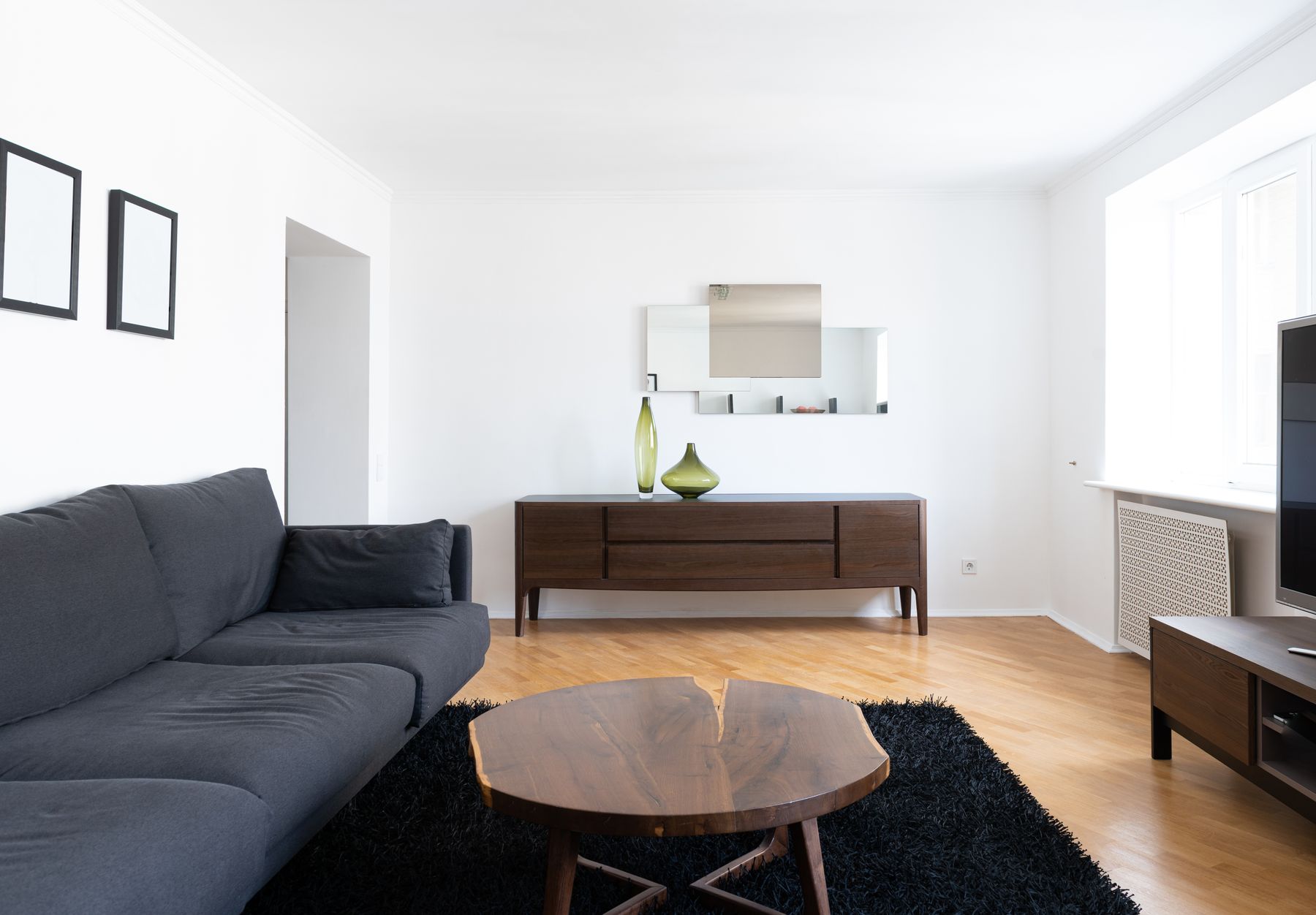
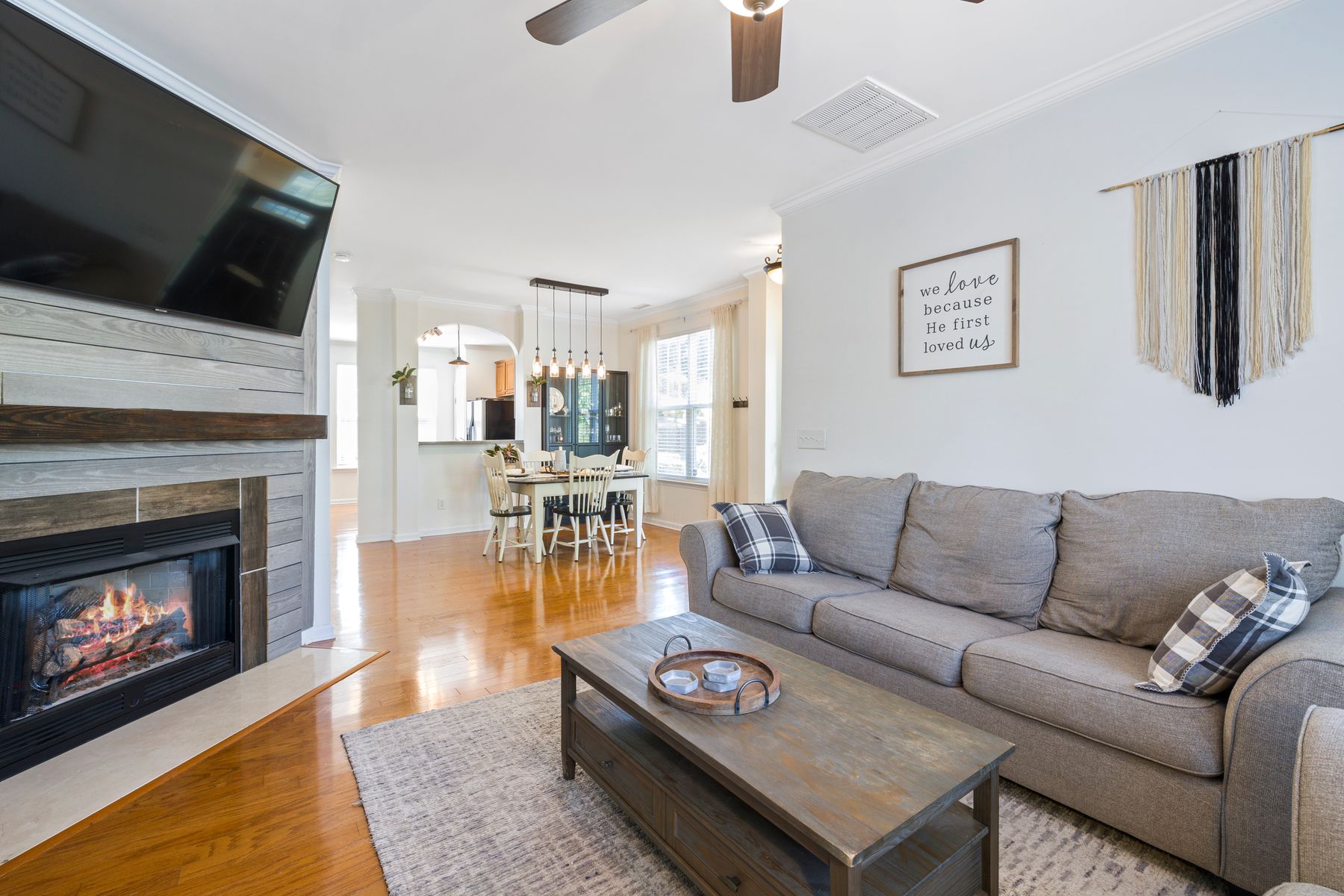
Use one wood family, textile color or woven material in both living and dining zones, but avoid repeating identical furniture sets. A living-room rug, pendant over the table and changed furniture orientation can establish separate centers while preserving the shared palette. Keep the connecting route clear and test dining chairs at full extension. If every zone carries the same number of plants, baskets and patterns, the open plan becomes visually noisy; vary intensity while maintaining a recognizable thread.
Source Slowly and Inspect Every Find
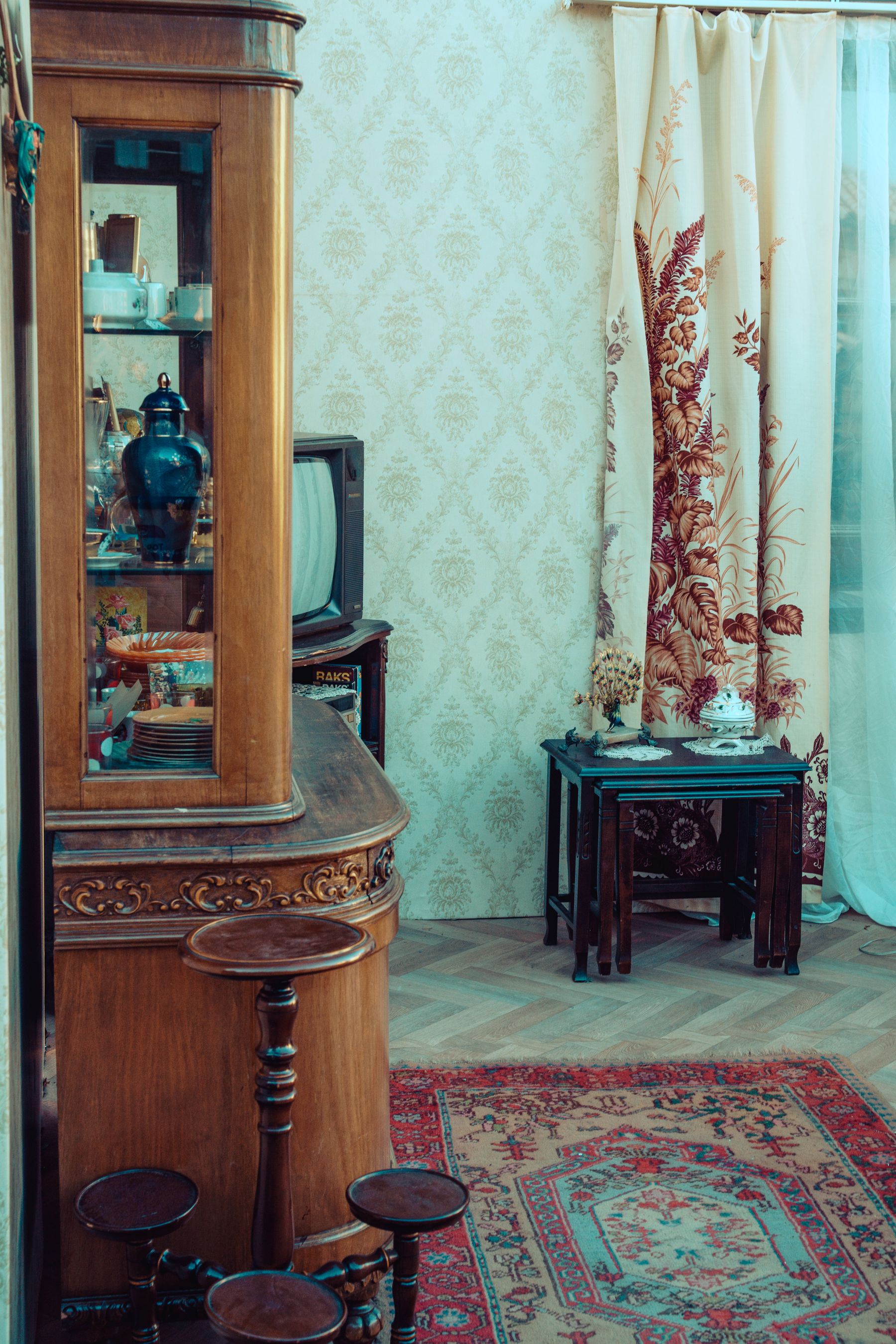
Measure the intended location, doorway and vehicle before visiting markets or sellers, and carry photos of the existing palette rather than shopping from memory. Inspect frames, joints, odors, pests, finish transfer, upholstery and electrical components. Ask what is known about provenance without accepting a romantic story as proof. Price transport, cleaning and repair into the decision. Leaving a gap until the right piece appears usually produces a stronger room than filling it with a disposable approximation.
Budget by Building the Room in Phases
Spend first on comfortable seating, a correctly scaled rug and useful light, then add storage and expressive pieces as real needs become clear. Secondhand wood furniture, repaired lamps and handmade cushion covers can stretch a budget, but only when condition and labor are understood. Avoid inexpensive multipacks of themed decor that duplicate one another and quickly create clutter. Keep a running room inventory with dimensions so sale prices do not override the plan.
Choose a Quieter Scandi-Boho Variation Deliberately
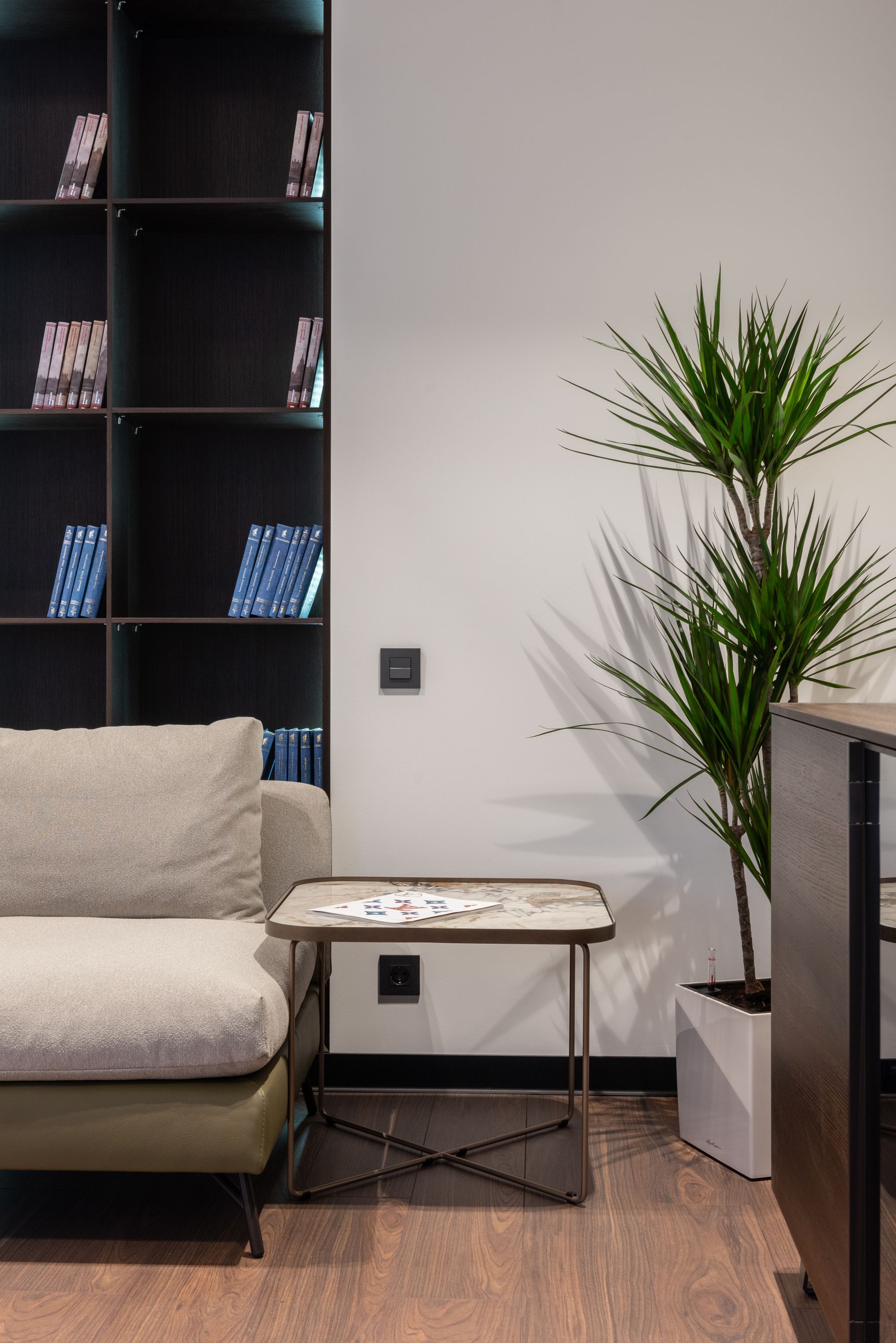
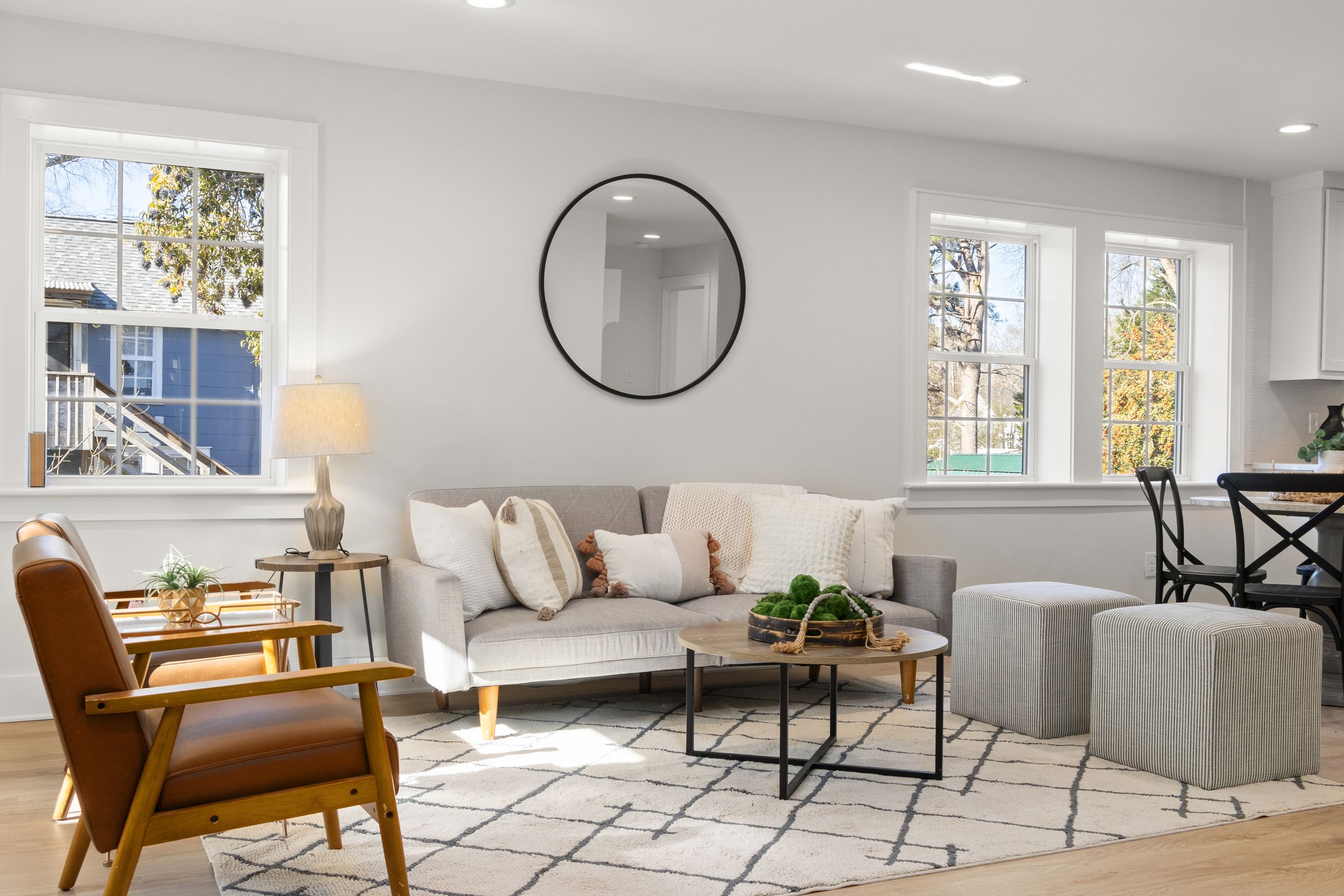
Scandi-boho usually combines pale wood, daylight and functional Scandinavian furniture with woven texture, plants and a few relaxed handcrafted pieces. Keep the palette restrained but preserve contrast through grain, wool, linen and pottery so the result does not become generic beige minimalism. [Scandinavian living room ideas](/living-room/scandinavian-living-room-ideas/) should lead when Nordic light, seasonal function and regional design principles are the main intent; this variation remains boho because the personal, mixed and handmade layer is still visible.

Make Modern Boho More Than Beige and Pampas
Modern boho can use cleaner architecture, a curved current sofa and fewer objects, but it still needs material and personal specificity. Replace a generic bundle of beige accessories with one excellent textile, a useful vintage table, known-maker pottery and plants suited to the light. Let contemporary form provide structure while craft supplies irregularity. If the room's main appeal is current sculptural furniture and mixed precision materials, [contemporary living room ideas](/living-room/contemporary-living-room-ideas/) is the clearer destination.
Maintain the Layers Without Flattening the Character
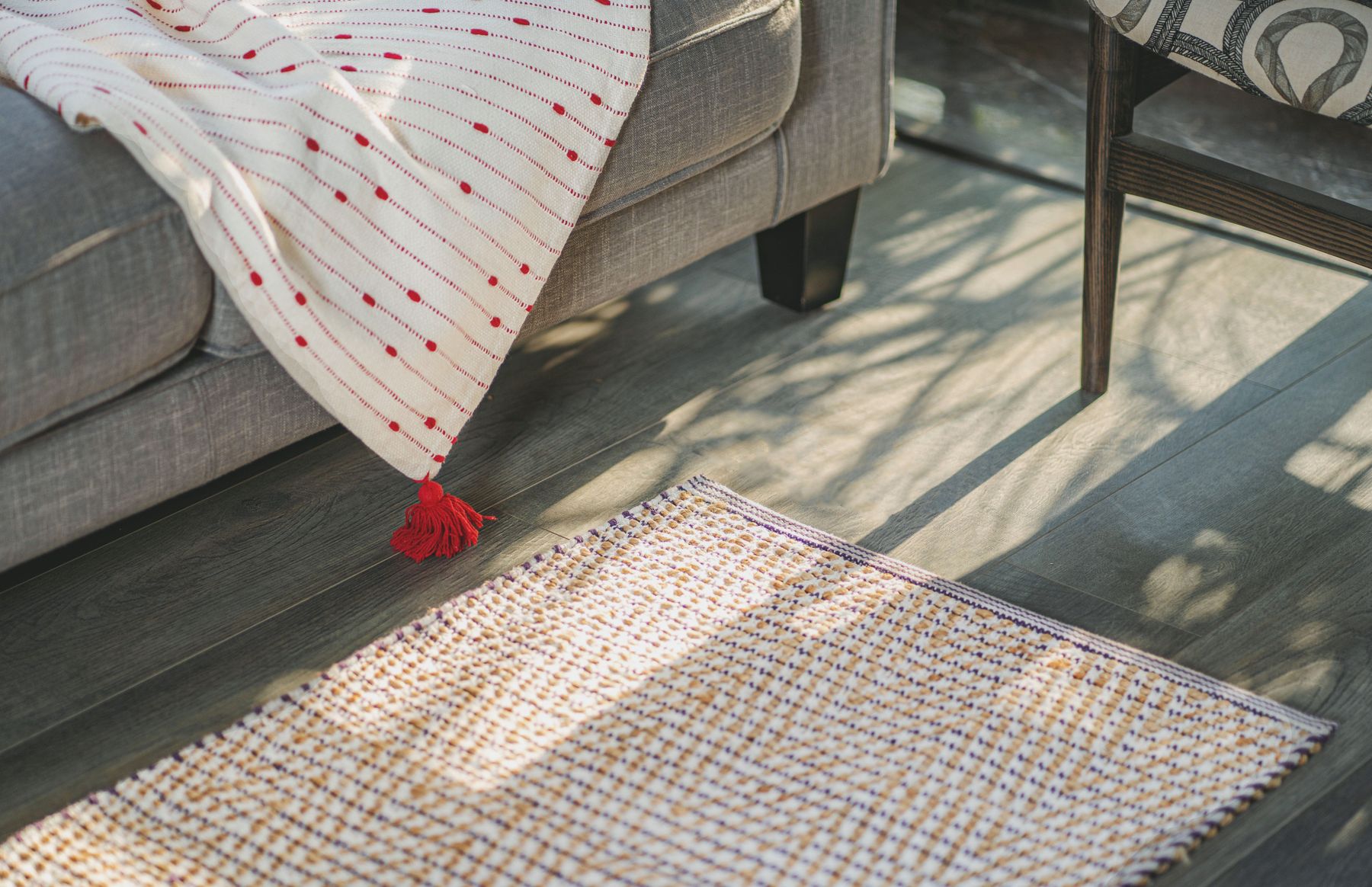
Create a weekly route for floors and reachable surfaces, a monthly rotation for cushions and plant inspection, and a seasonal check for rug pads, fading, pests and loose furniture joints. Keep care labels and maker instructions rather than assuming every natural fiber can be treated alike. Washable does not always mean machine washable, and vintage dye may transfer. Reduce layers if maintenance repeatedly fails; a smaller collection in good condition feels richer than dusty abundance.
Edit the Room as the Collection Changes
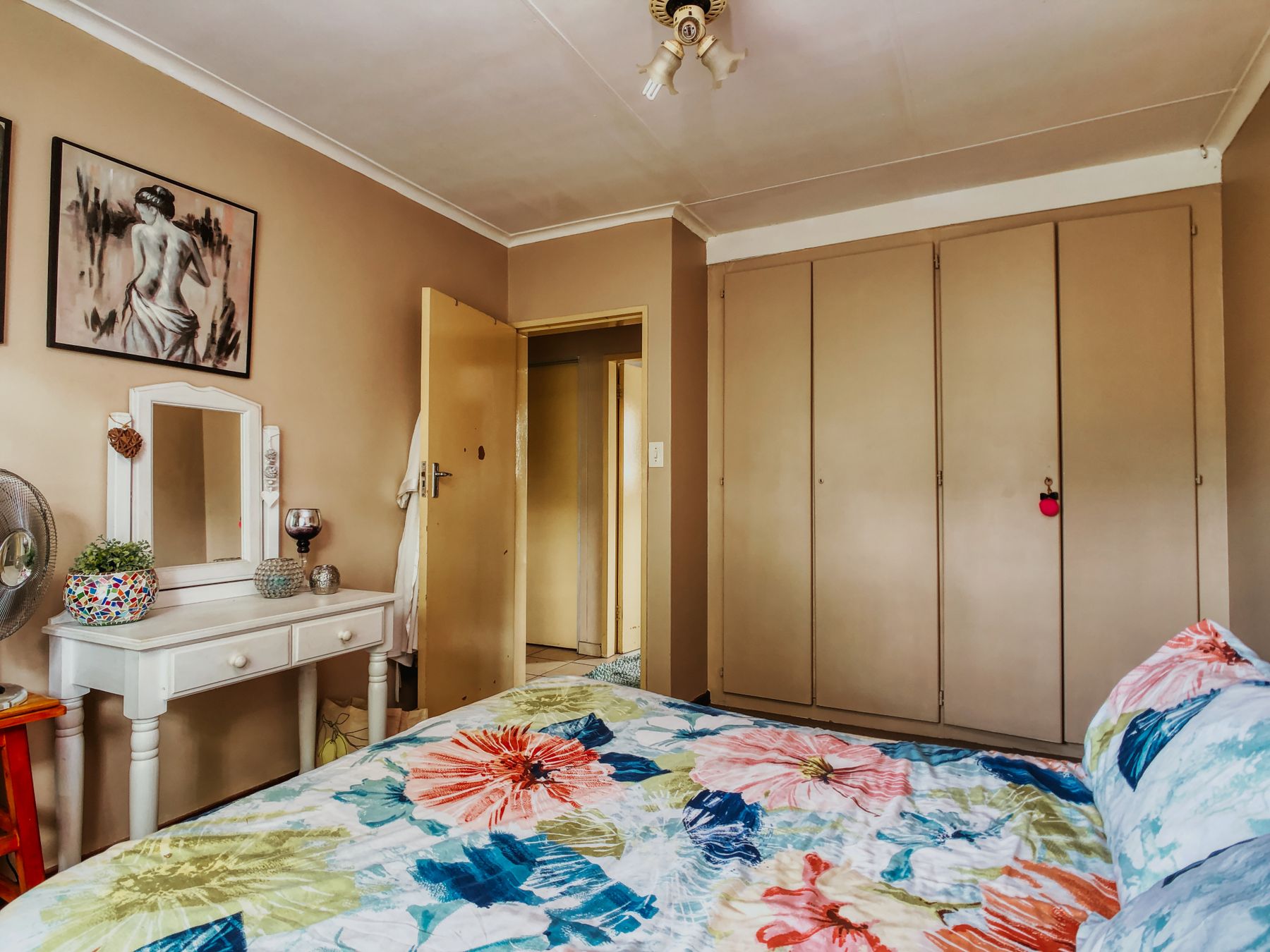
Review the room after ordinary weeks, not only immediately after styling. Notice which seats are used, where objects migrate, whether plants remain healthy and which surfaces collect clutter. When a new find arrives, decide what it replaces, groups with or sends into storage; addition without editing eventually erases the pieces that matter. Keep the layout responsive to changing hobbies, bodies and seasons. Boho should look alive because it adapts, not because every available space has been filled.