Know What Makes a Bedroom Eclectic
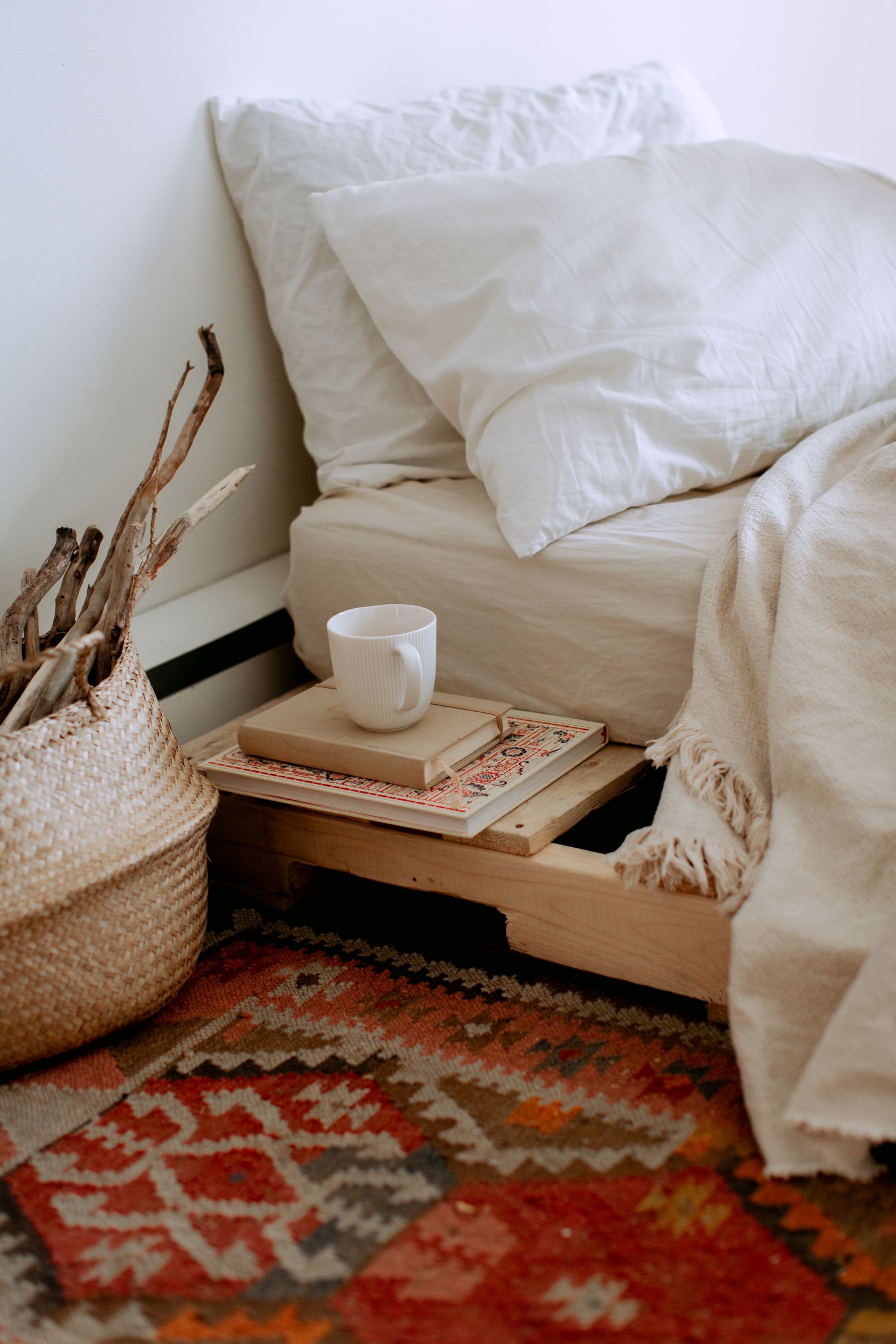
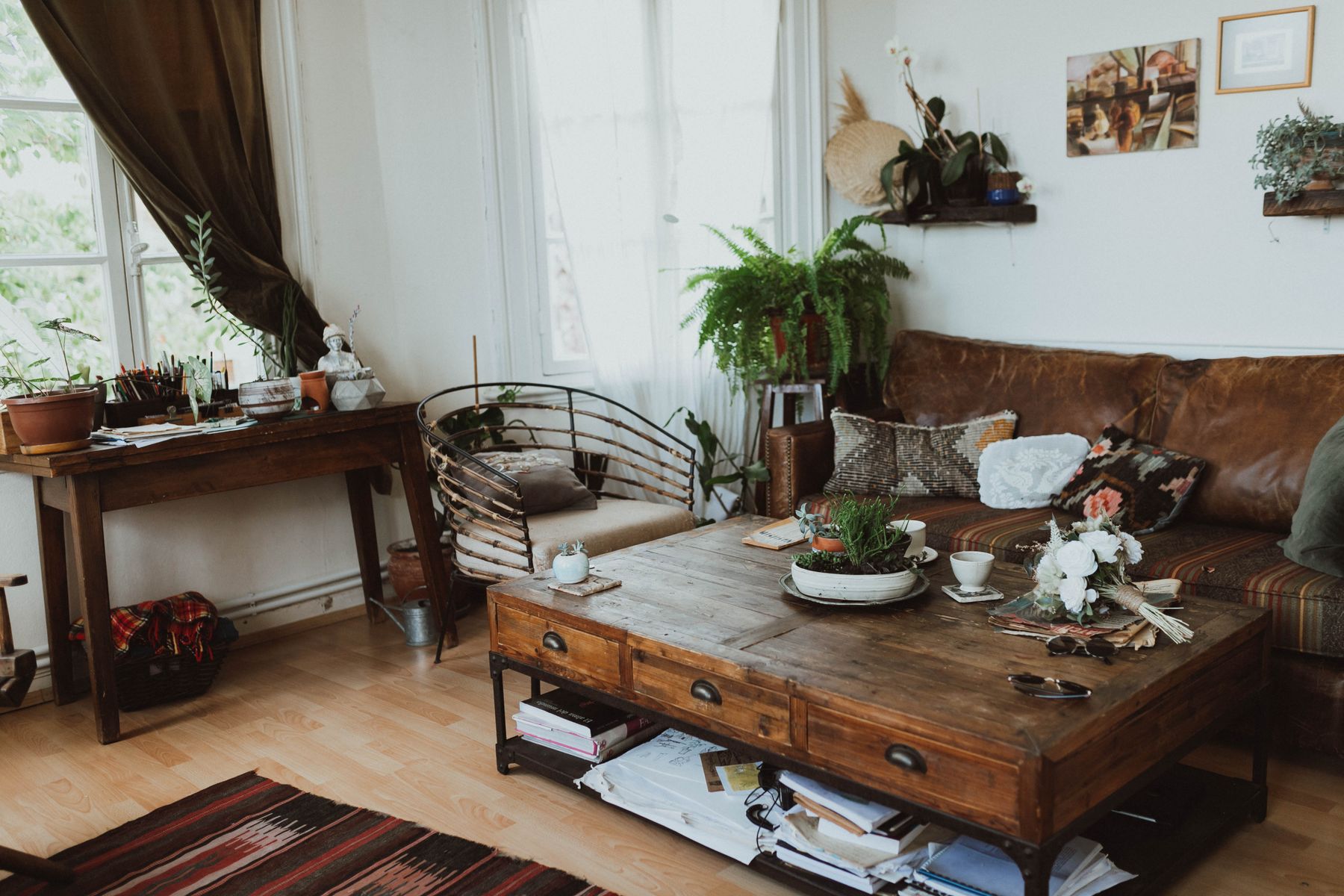
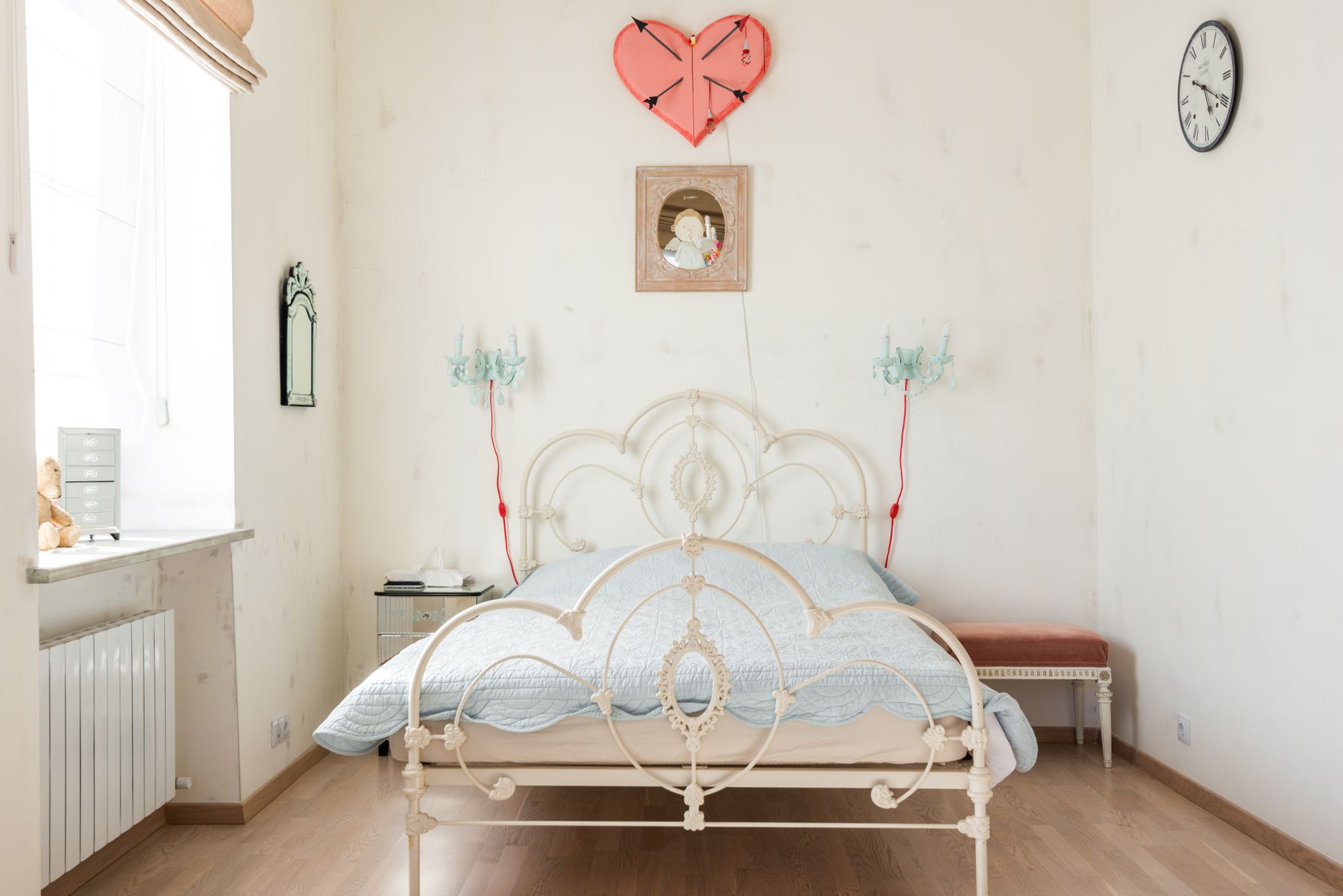
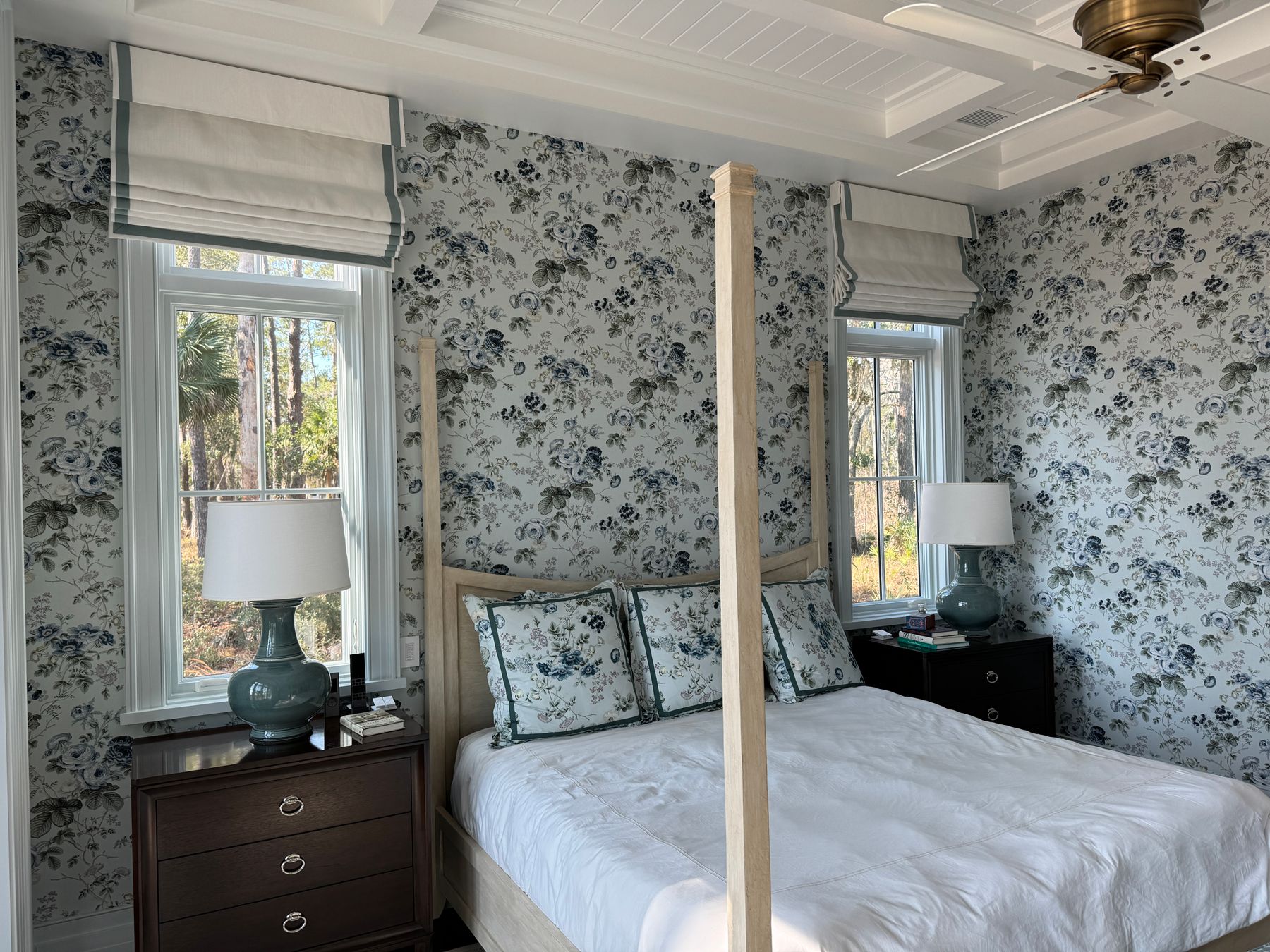
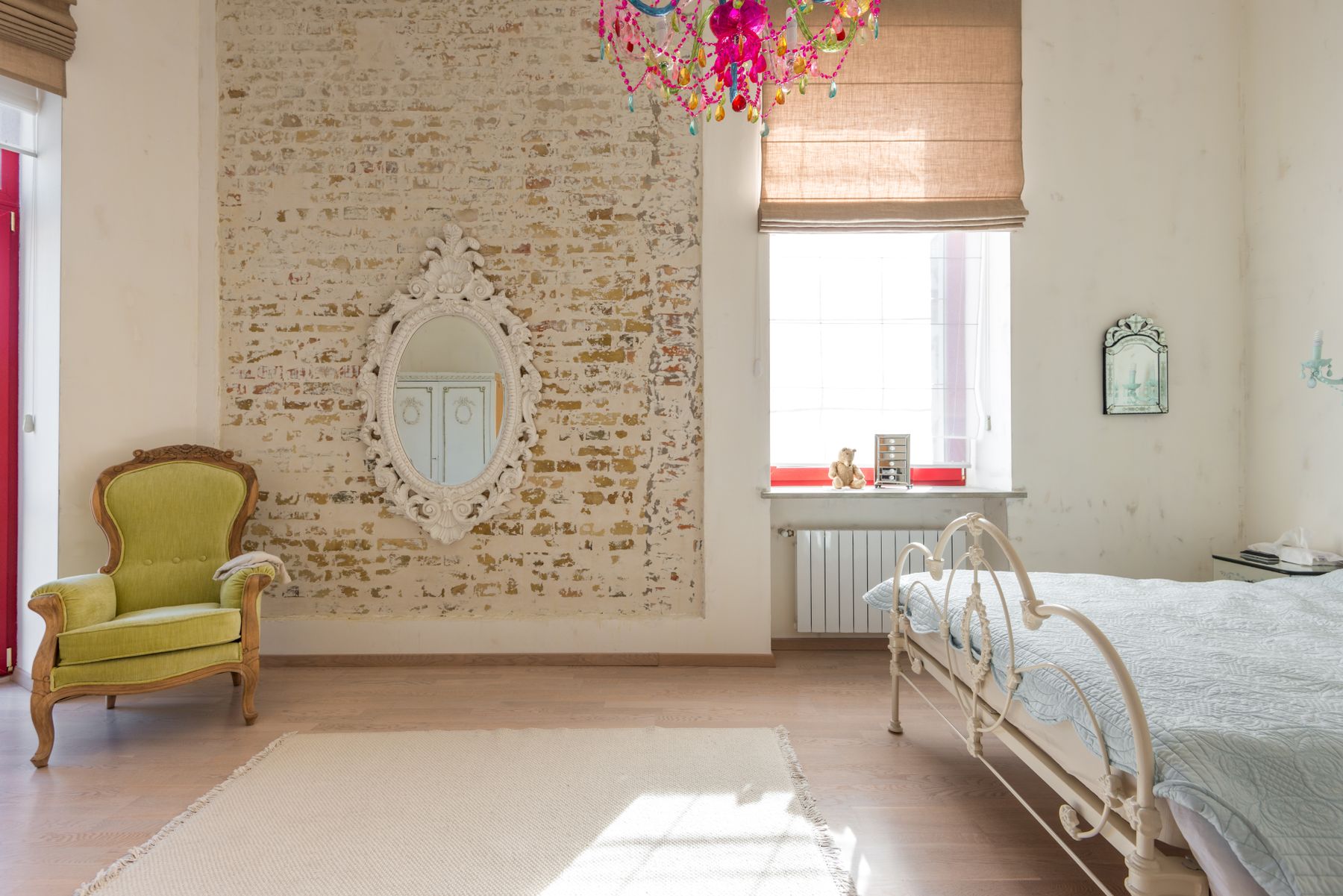
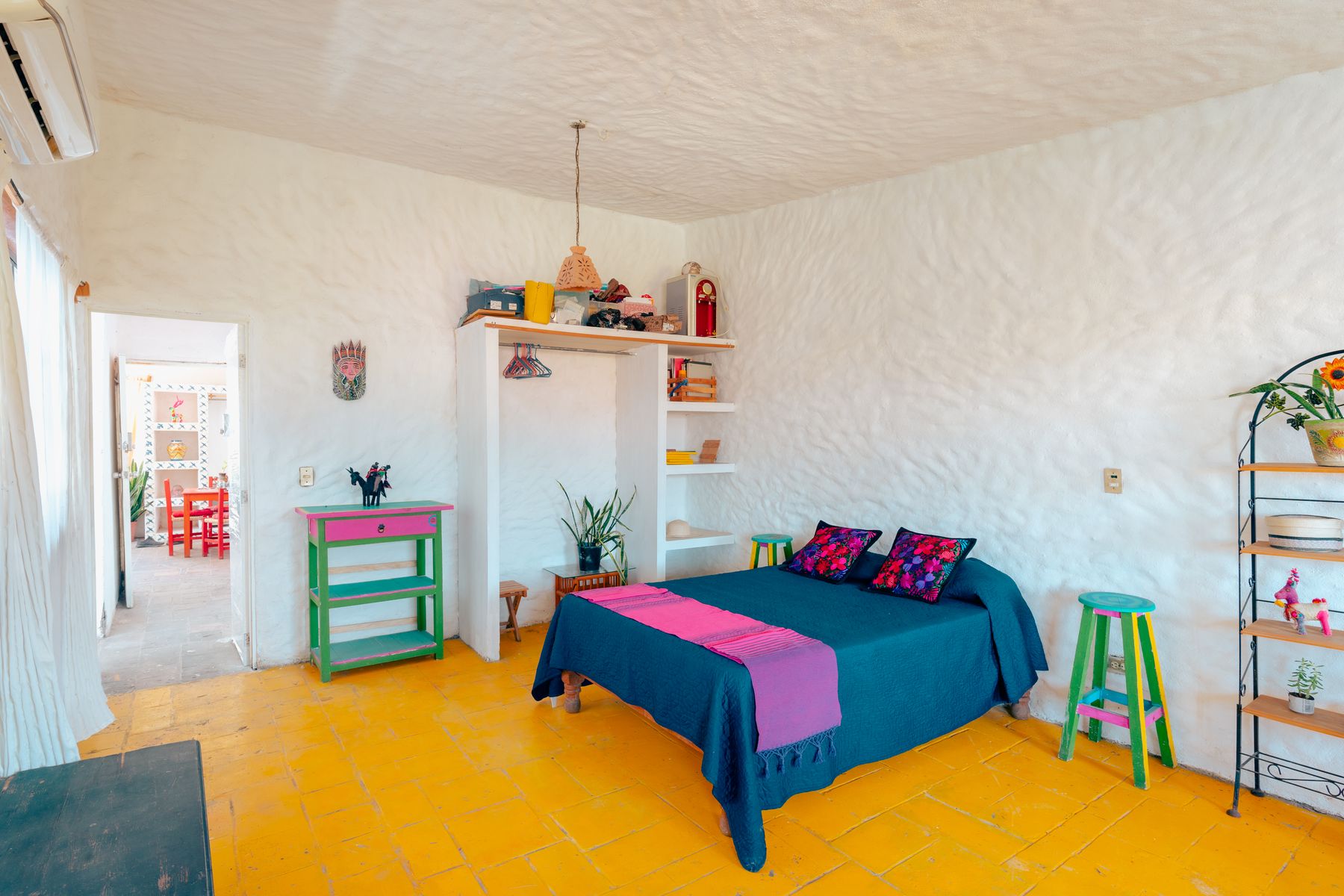
An eclectic bedroom combines references that would not arrive as a matching set, then gives them a reason to coexist. That reason might be blue repeated in bedding and art, rounded forms appearing in an old chair and new lamp, or several woods sharing a warm red undertone. Boho places more emphasis on relaxed natural texture and craft, while Maximalist design deliberately pursues abundance and visual intensity. Eclectic can include either, but it can also be tailored, quiet and neutral. Readers wanting the looser plant-and-textile vocabulary should compare [boho bedroom ideas](/bedroom/boho-bedroom-ideas/); this guide focuses on the broader skill of mixing styles and eras. The same composition method at conversation scale is developed in [eclectic living room ideas](/living-room/eclectic-living-room-ideas/).
Resolve the Sleep Plan Before the Style Mix
Mark the bed, door swing, wardrobe opening, window operation and the route used in darkness before placing an inherited cabinet or sculptural chair. Eclectic furniture often varies in depth and height, so catalogue dimensions are less predictable than in a coordinated range. Protect a usable landing surface at each bedside and enough clearance to change bedding. A distinctive object that blocks a drawer, radiator or nighttime path is not creating character; it is imposing a daily penalty. Once the plan works, decorative contrast can become much more confident.
Choose One Anchor Piece
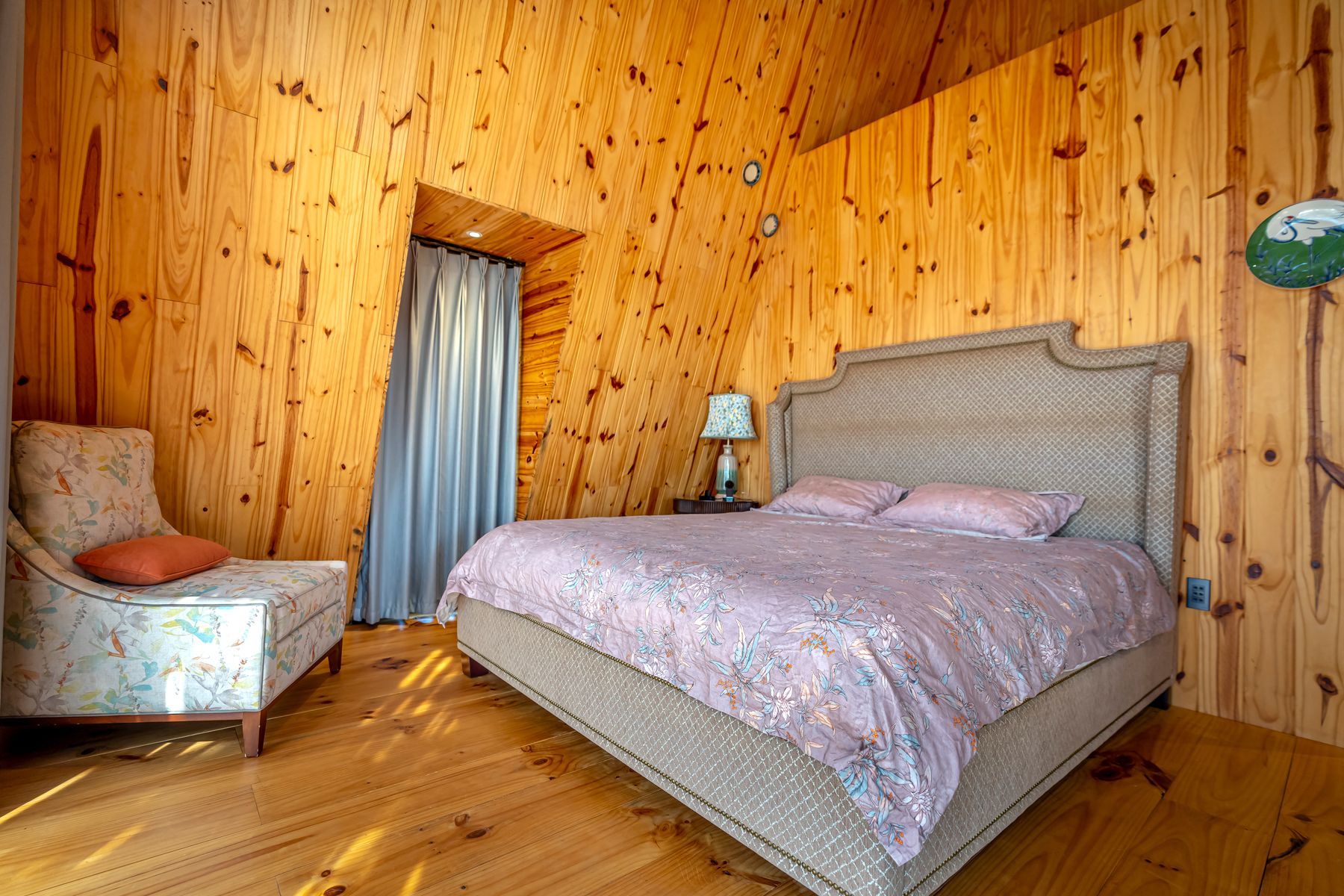
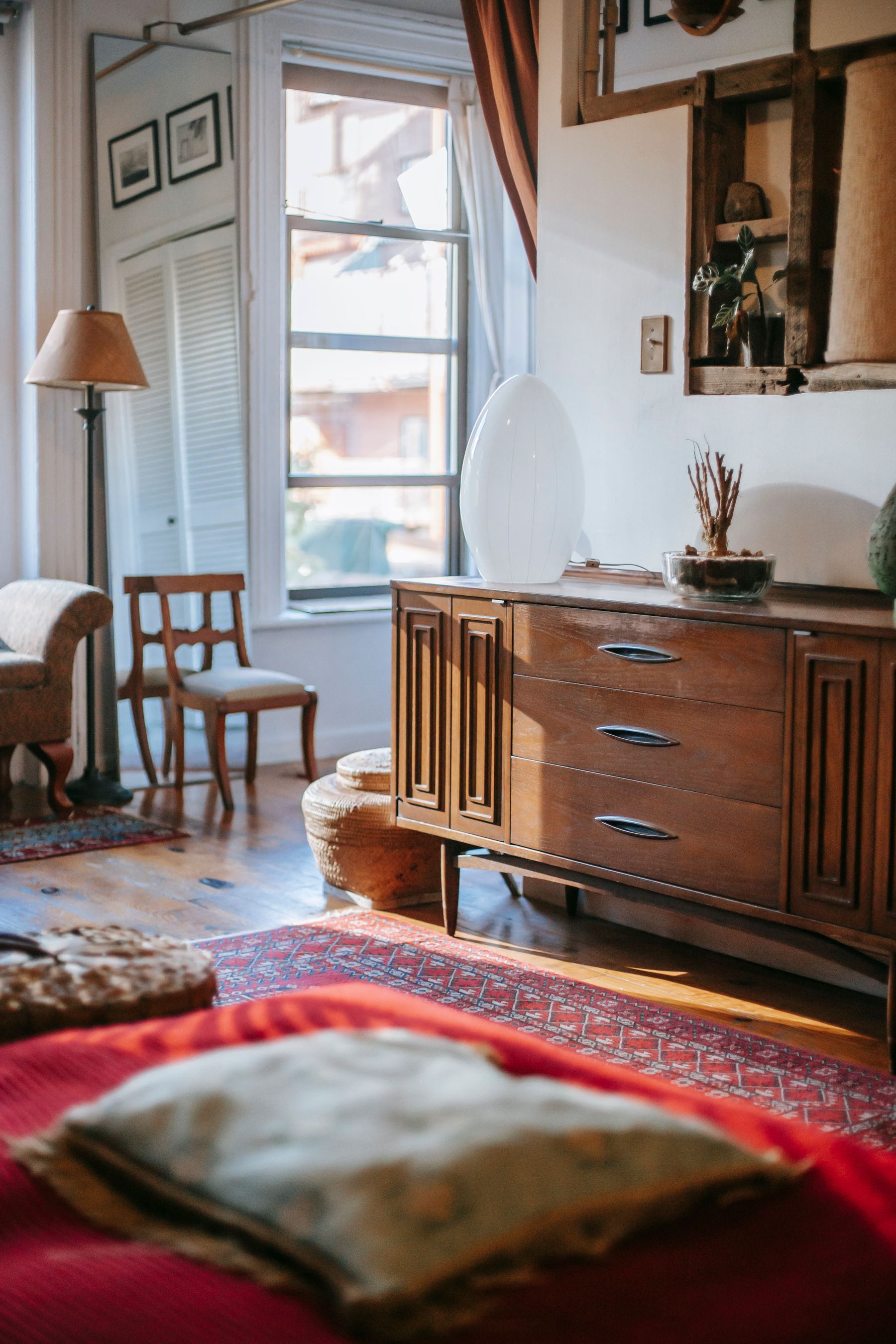
Begin with the object that has the greatest visual or emotional weight: the bed, rug, dresser, artwork or inherited chair. Let it set two or three constraints for the next decisions, such as wood temperature, dominant curve and one color family. An anchor does not require every piece to imitate its period. A mid-century dresser may sit beside a contemporary upholstered bed when their proportions are balanced and one color repeats nearby; [mid-century bedroom ideas](/bedroom/mid-century-bedroom-ideas/) offers useful period proportions without requiring a full time capsule. This is more reliable than shopping for several unrelated 'statement' pieces and trying to invent cohesion afterward.
Build a Limited Color Thread
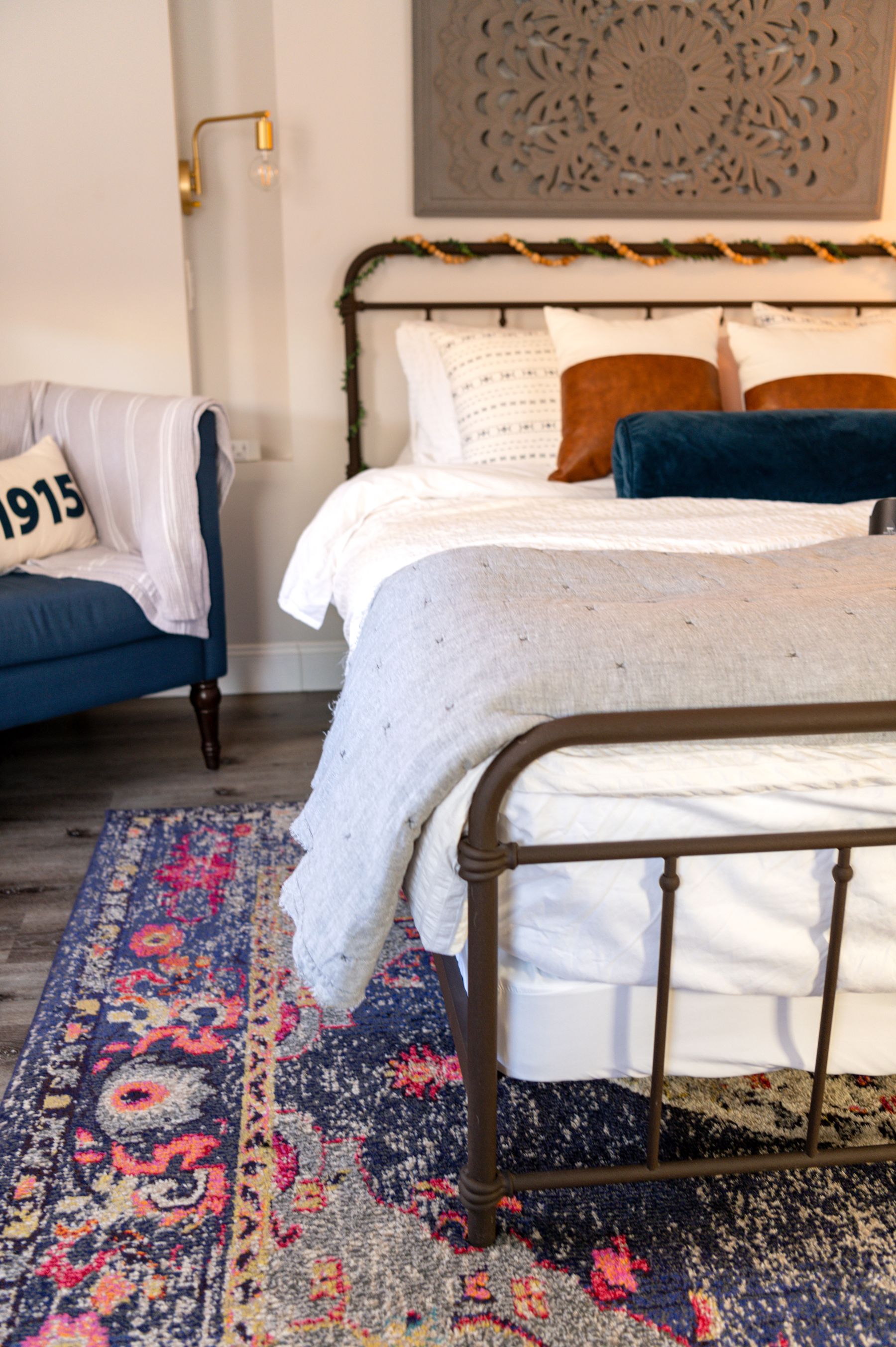
Use a dominant background, one supporting family and one smaller accent before adding objects by style. Repeating a color at three scales—a broad rug field, a pillow and a detail in art—allows furniture from different periods to join the same composition. Match undertone rather than retail color name; a grayed blue and electric blue may compete even though both are called blue. If the room already contains many woods and patterns, reduce the accent count. A collected room can be colorful, but every new color creates another relationship that must be managed.
Give Patterns a Clear Hierarchy
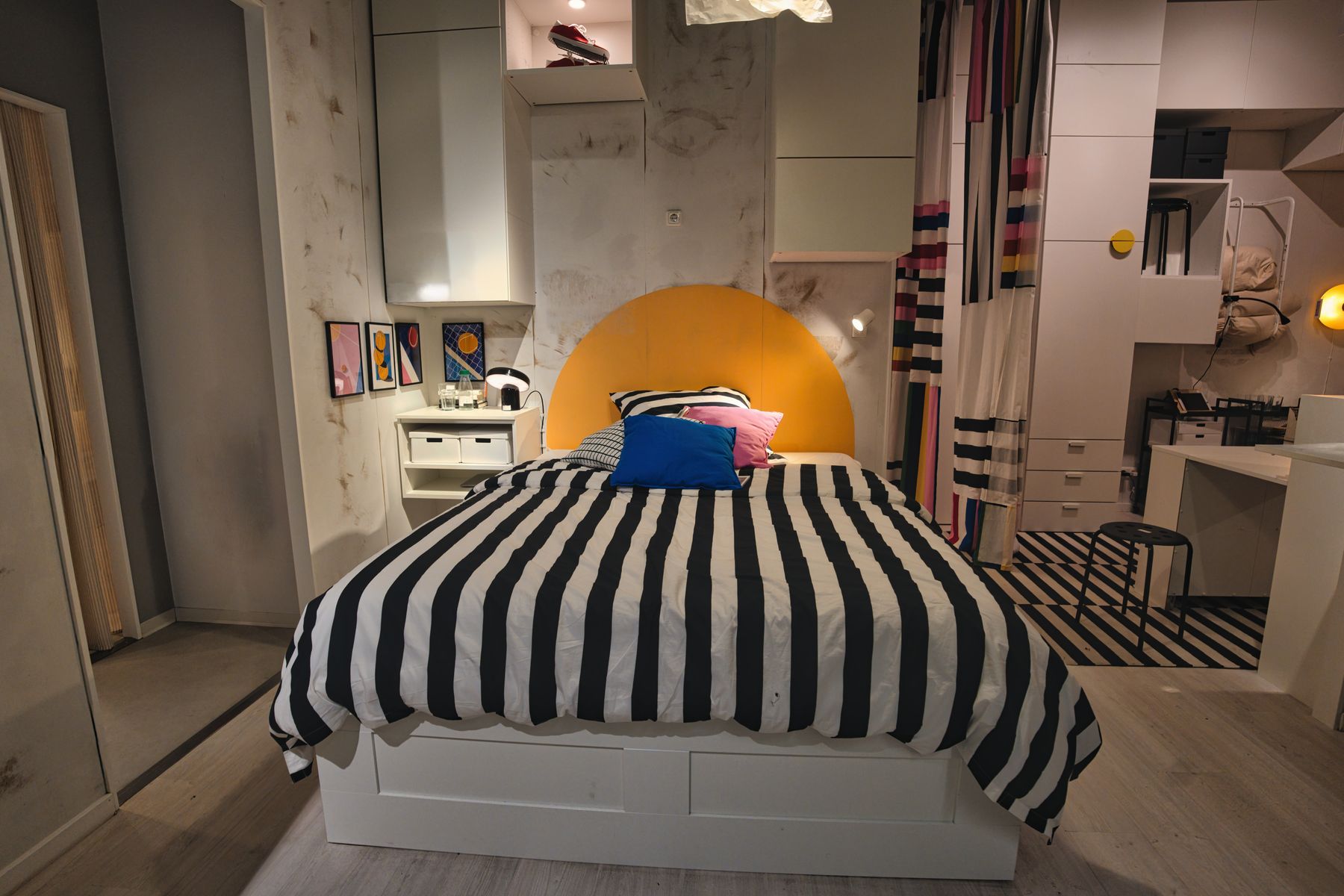
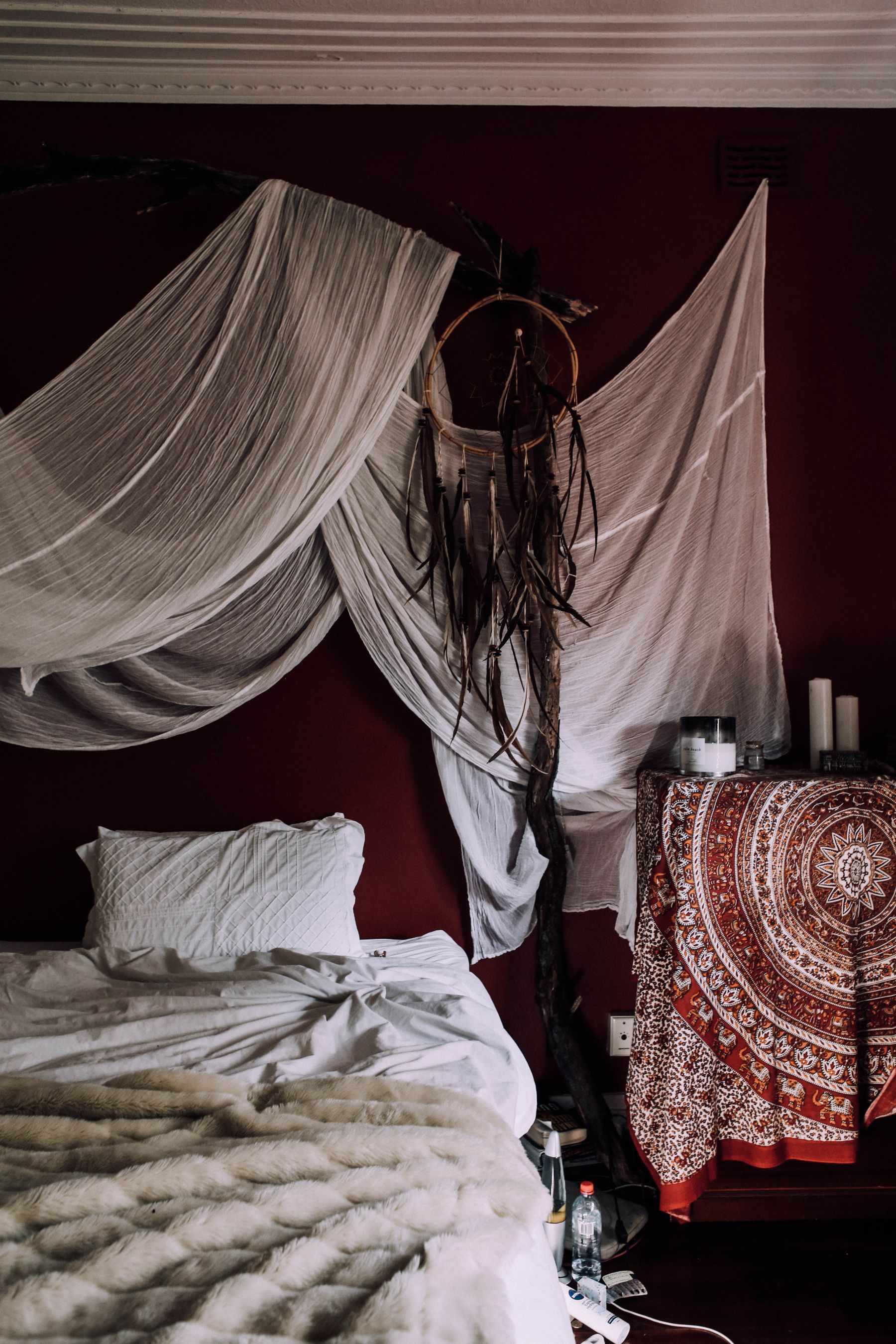
Choose one large pattern, one smaller supporting motif and enough solids for the eye to rest. Varying scale is more effective than collecting several designs of similar visual weight. Connect a floral and stripe through one shared hue, or pair a geometric rug with plain curtains and a textured rather than patterned coverlet. The energetic setup shown here works because the black-and-white bed is unmistakably dominant; repeating the same intensity on wallpaper, curtains and upholstery would collapse the hierarchy. For a calmer room, move the boldest pattern below the pillow line.
Mix Periods Through Related Lines
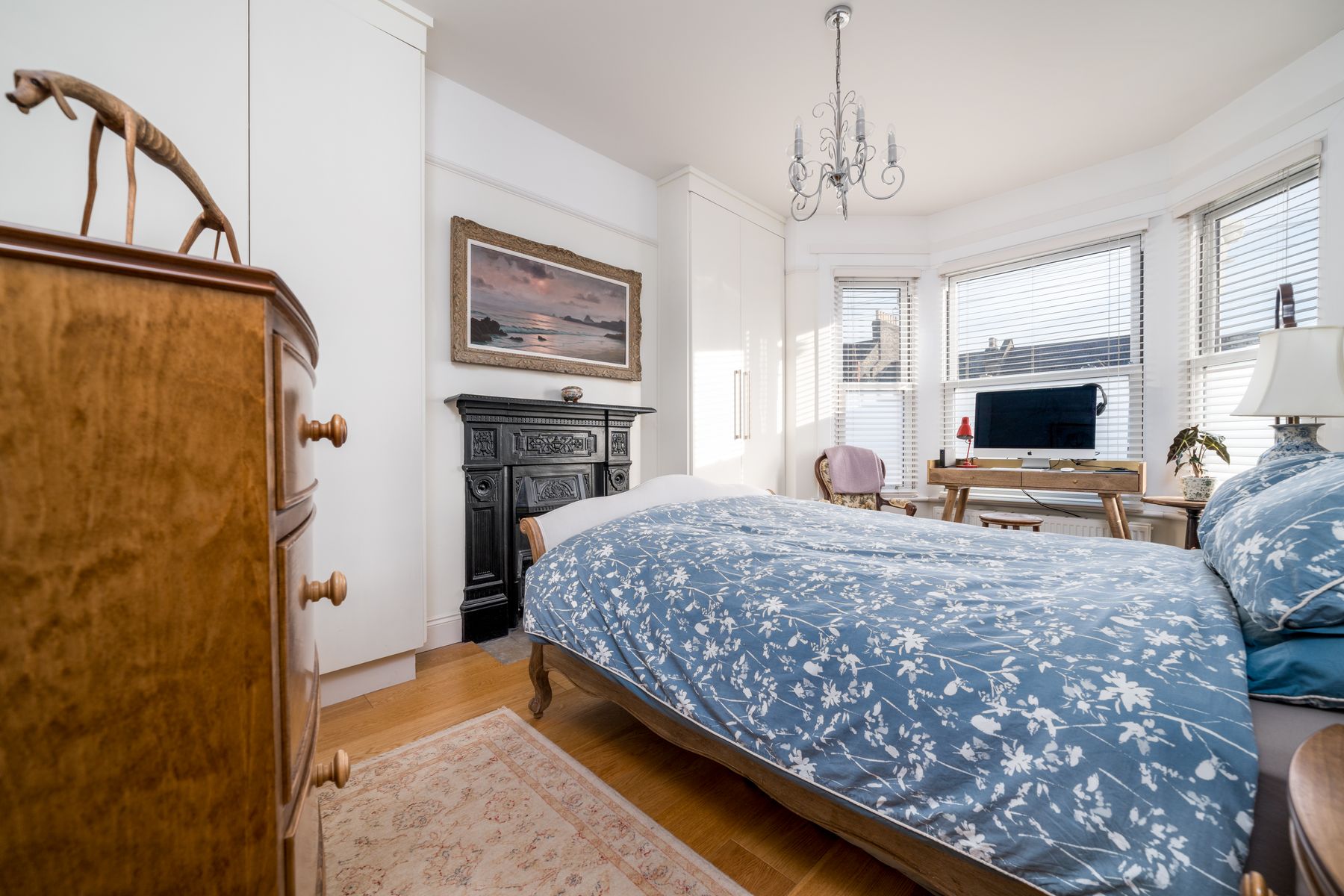
Furniture does not need a shared date, but its lines should hold a conversation. Repeat a gentle arch from a traditional mirror in a new headboard, connect tapered mid-century legs to a slim contemporary table, or balance one ornate dresser with a plain rectangular bed. Avoid assembling a museum sample of every era. Two dominant period voices plus a quieter bridge usually feel richer than five equally assertive ones. The [vintage bedroom guide](/bedroom/vintage-bedroom-ideas/) helps assess authentic older pieces; Eclectic design decides how those pieces live beside later forms.
Contrast Old and New With a Functional Bridge
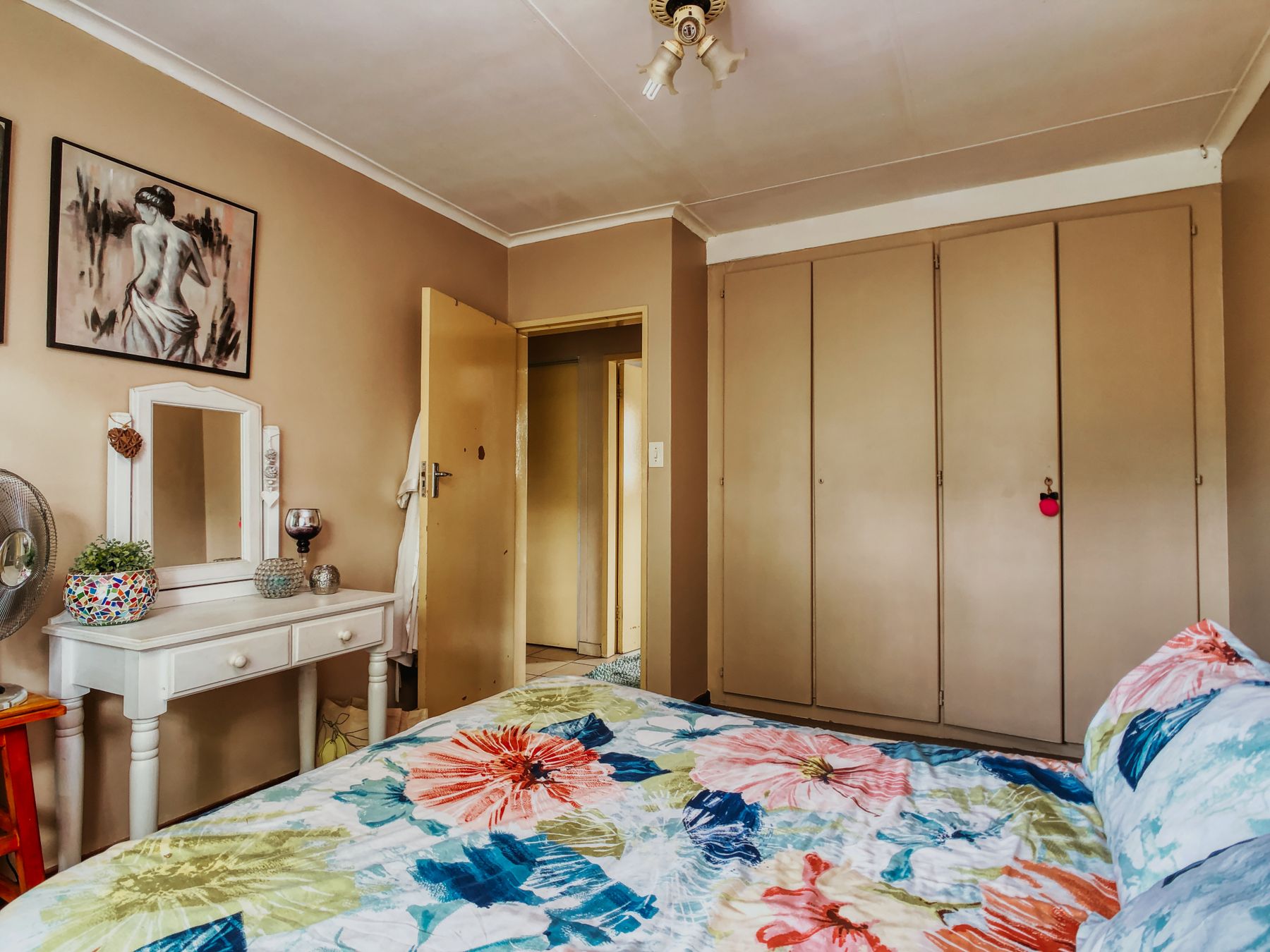
A new bed and old dresser feel intentional when a third element links them: shared brass hardware, similar visual weight, repeated wood warmth or a rug containing both color families. Let contemporary pieces supply performance where it matters—supportive mattress, safe wiring and smooth storage—while older furniture contributes grain, patina and irregularity. Do not distress a new item simply to fake continuity. Honest differences are a strength when the room repeats a few shapes and finishes and both pieces serve daily use.
Coordinate Wood Tones by Undertone
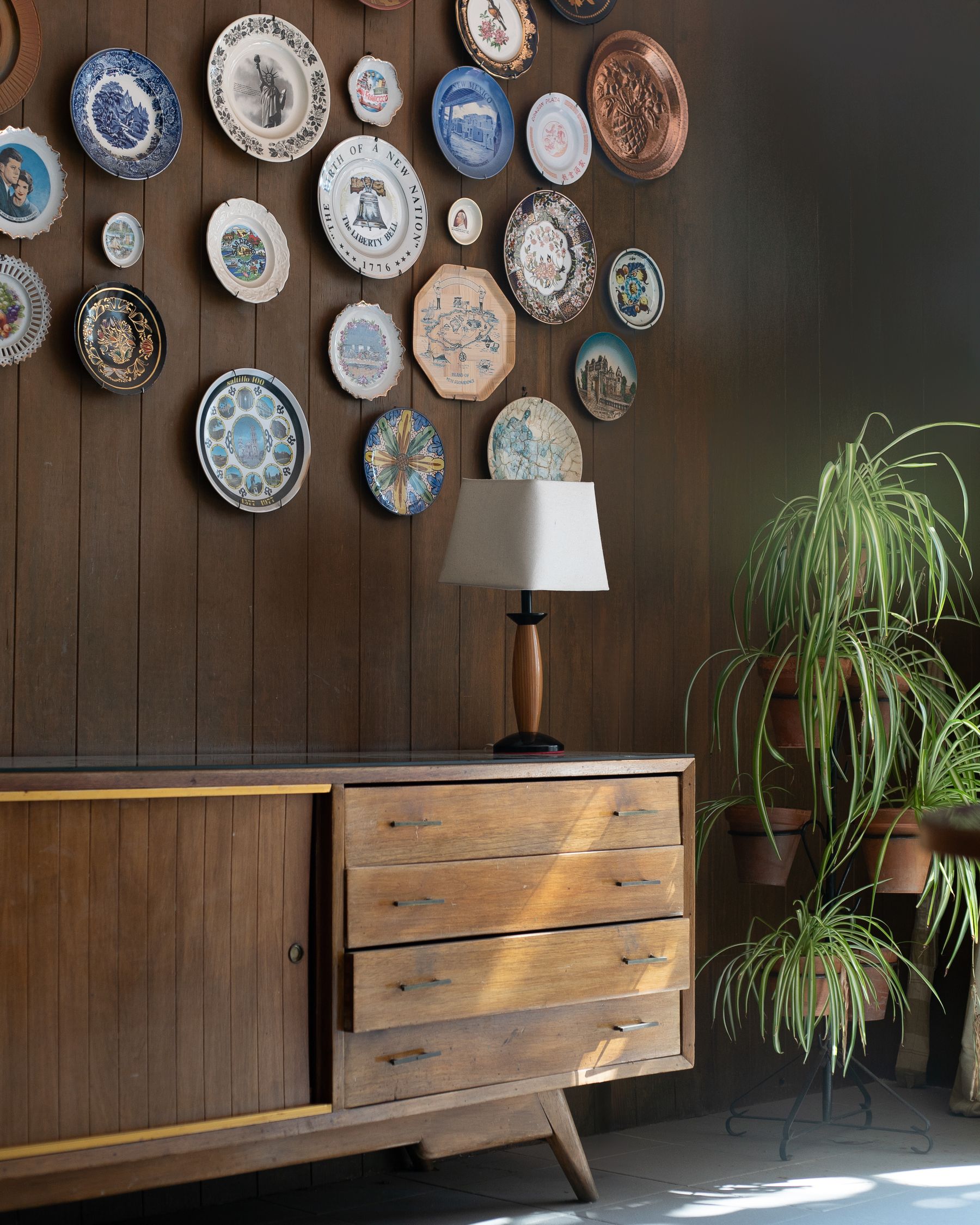
Mixed woods look collected when their undertones relate and one occupies the largest area. Compare whether each piece reads red, yellow, gray or neutral in the room's real daylight. A pale ash bedside can sit near a dark walnut dresser when both remain warm and the floor is separated with a rug. Problems arise when several orange, pink and greenish woods compete at equal scale. Keep original valuable finishes where possible; a textile, lamp or handle can bridge tones without stripping character from furniture.
Metal Finishes Linked by Temperature
Choose one dominant metal for repeated hardware and one secondary finish for a smaller lamp, frame or object. Warm brass and aged bronze cooperate more easily when their sheen is similarly muted; polished chrome can then serve as a deliberate cool counterpoint rather than another accidental finish. Do not replace sound vintage hardware merely to make every item identical. Instead, repeat the temperature or sheen in two additional places. Check reflections from bed level, because a highly polished fitting can create glare that was not obvious while standing.
Let the Bed Set the Visual Volume
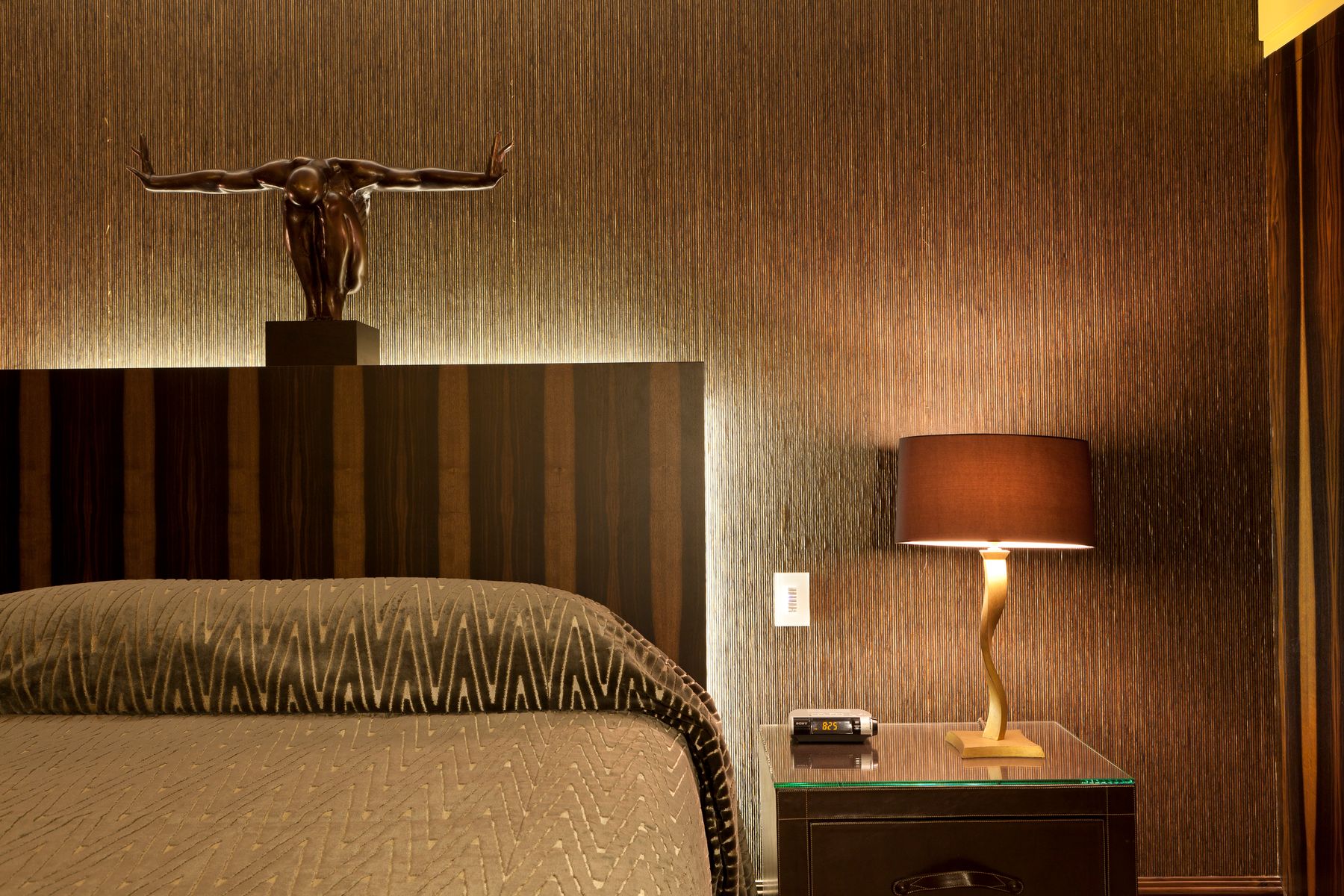
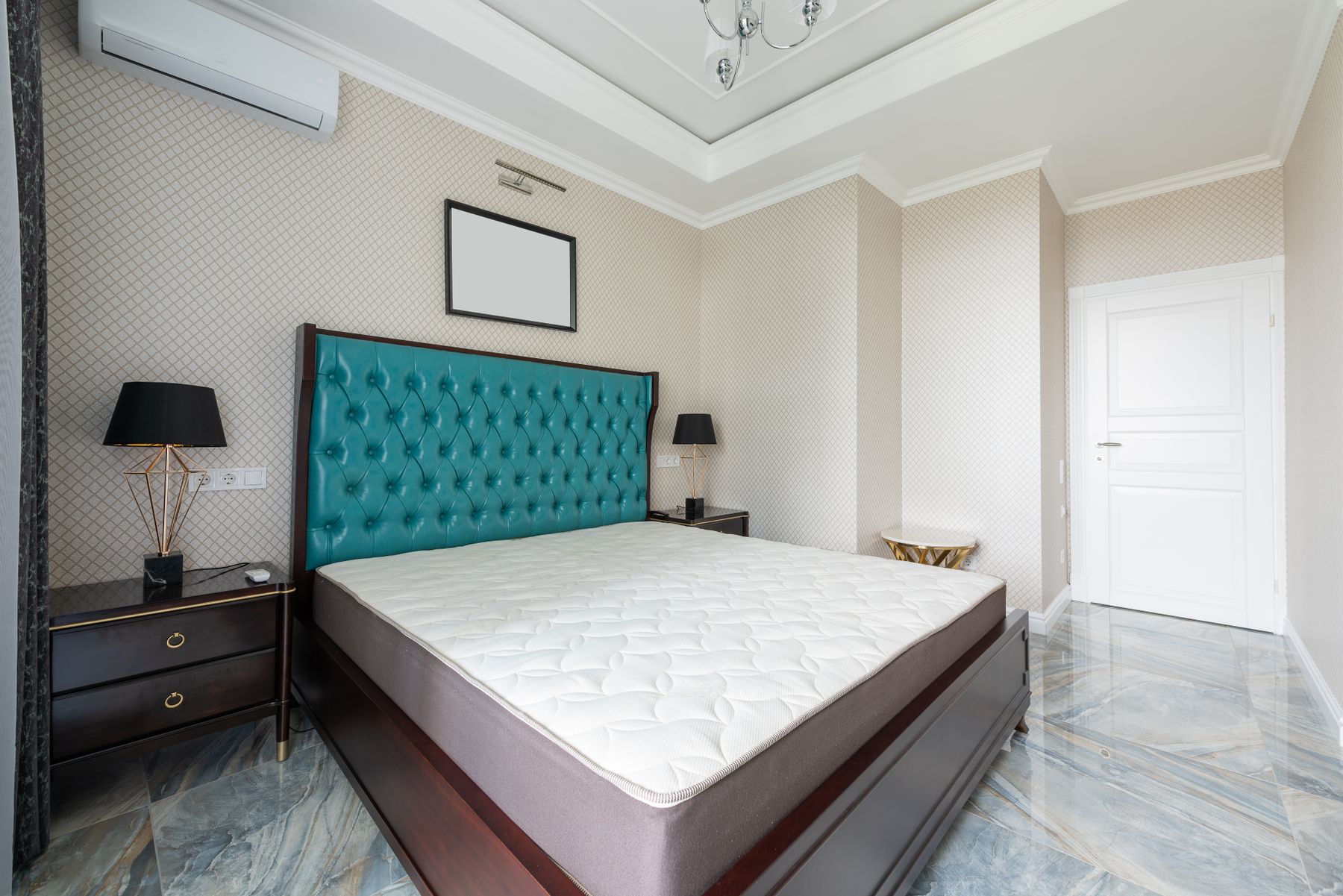
Because the bed is usually the largest object, decide whether it should lead or recede. A saturated upholstered headboard can organize quieter mismatched tables; an antique iron frame may instead need simple bedding and a broad calm wall. Avoid placing an ornate bed, dominant wallpaper and gallery wall on the same plane unless the room is intentionally maximalist. For a more current focal treatment, compare [contemporary bedroom ideas](/bedroom/contemporary-bedroom-ideas/). The bed also sets practical requirements for mattress height, access, reading support and cleaning, so visual drama cannot be judged independently of use.
Can Mismatched Bedside Tables Offer Equal Function?
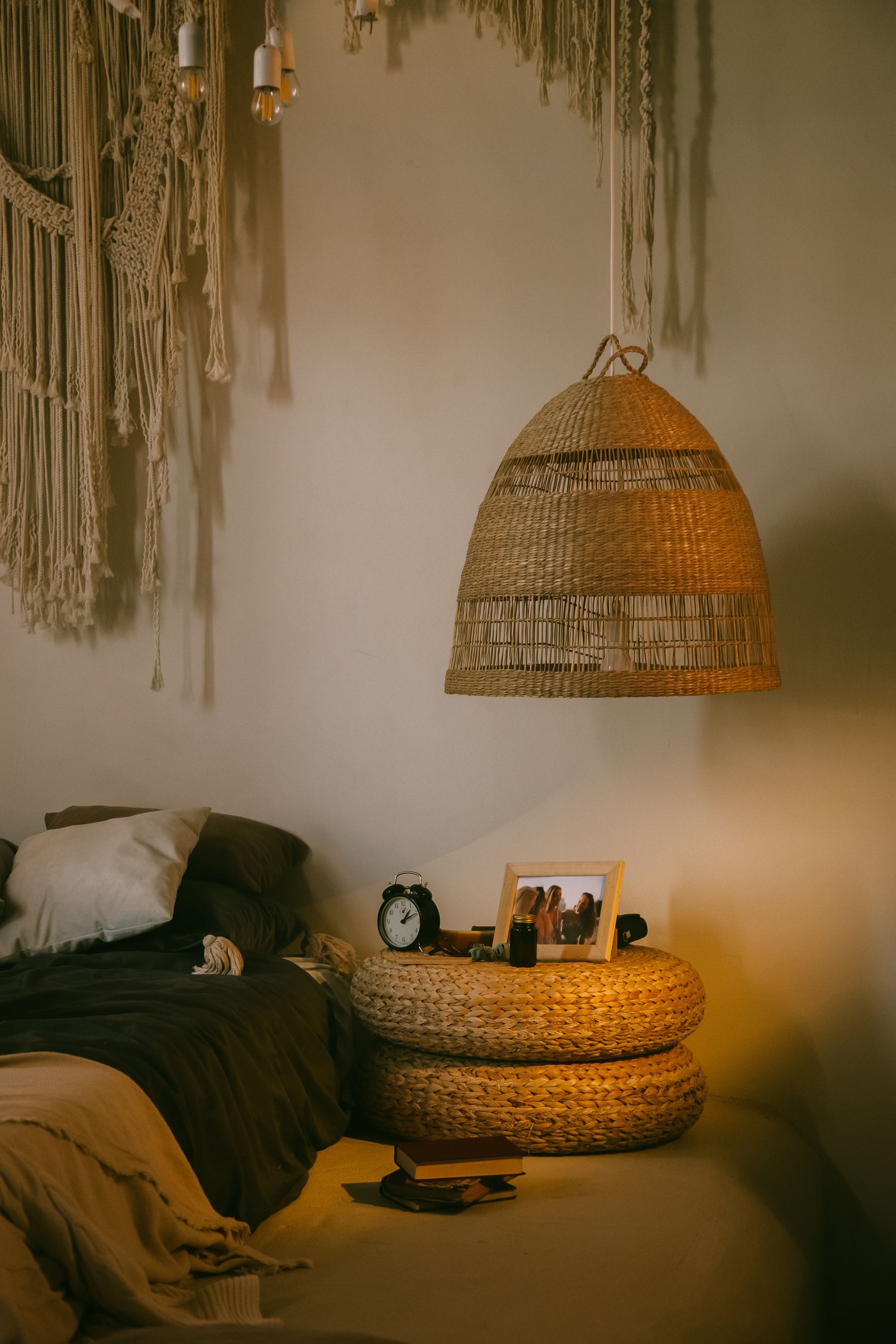
Bedside pieces may differ in age, material and form, but both sleepers need light, charging, water and a reachable surface. Align function before trying to balance appearance. Similar top heights, comparable visual mass or repeated lamps can connect a drawer chest on one side and a small table on the other. Keep cables away from bedding and the floor route, and confirm that doors or drawers open fully. Intentional asymmetry respects different needs; decorative mismatch without equivalent function merely creates a favored side.
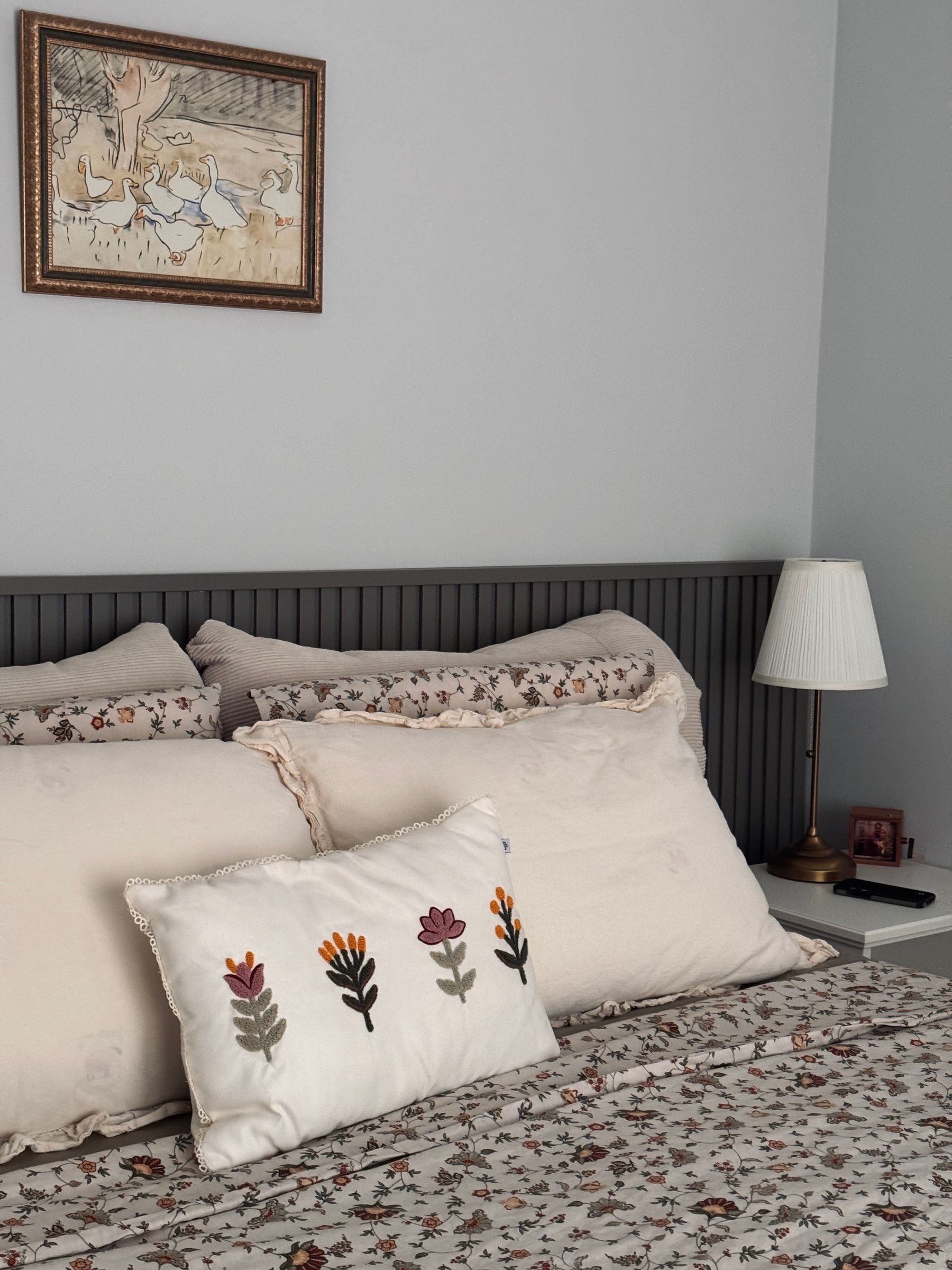
Bedding Without Losing the Sleep Surface
Use bedding to test color and pattern because it is easier to change than furniture, but every layer should be comfortable, washable and simple to remove. One patterned coverlet, plain sheets and two cushion scales usually offer enough information. Match fiber and weight to the sleeper and climate rather than copying a heavily layered photograph. Store seasonal blankets where they can breathe, and avoid a nightly pile of decorative pillows without a real destination. Eclectic styling should make the bed inviting, not turn sleep into daily set dressing.
Rugs That Join Furniture Islands
A rug can contain color from unrelated pieces and make them read as one zone. Under a bed, provide useful coverage at the sides actually used rather than centering a small rug where feet never land. Layering can work in a generous room when the lower rug is flat, stable and visually quiet, but raised edges and multiple underlays may create trip or cleaning problems. The [living-room rug guide](/living-room/living-room-rug-ideas/) explains scale, fiber and anchoring in more depth. In a compact bedroom, one correctly sized rug is usually the clearer choice.
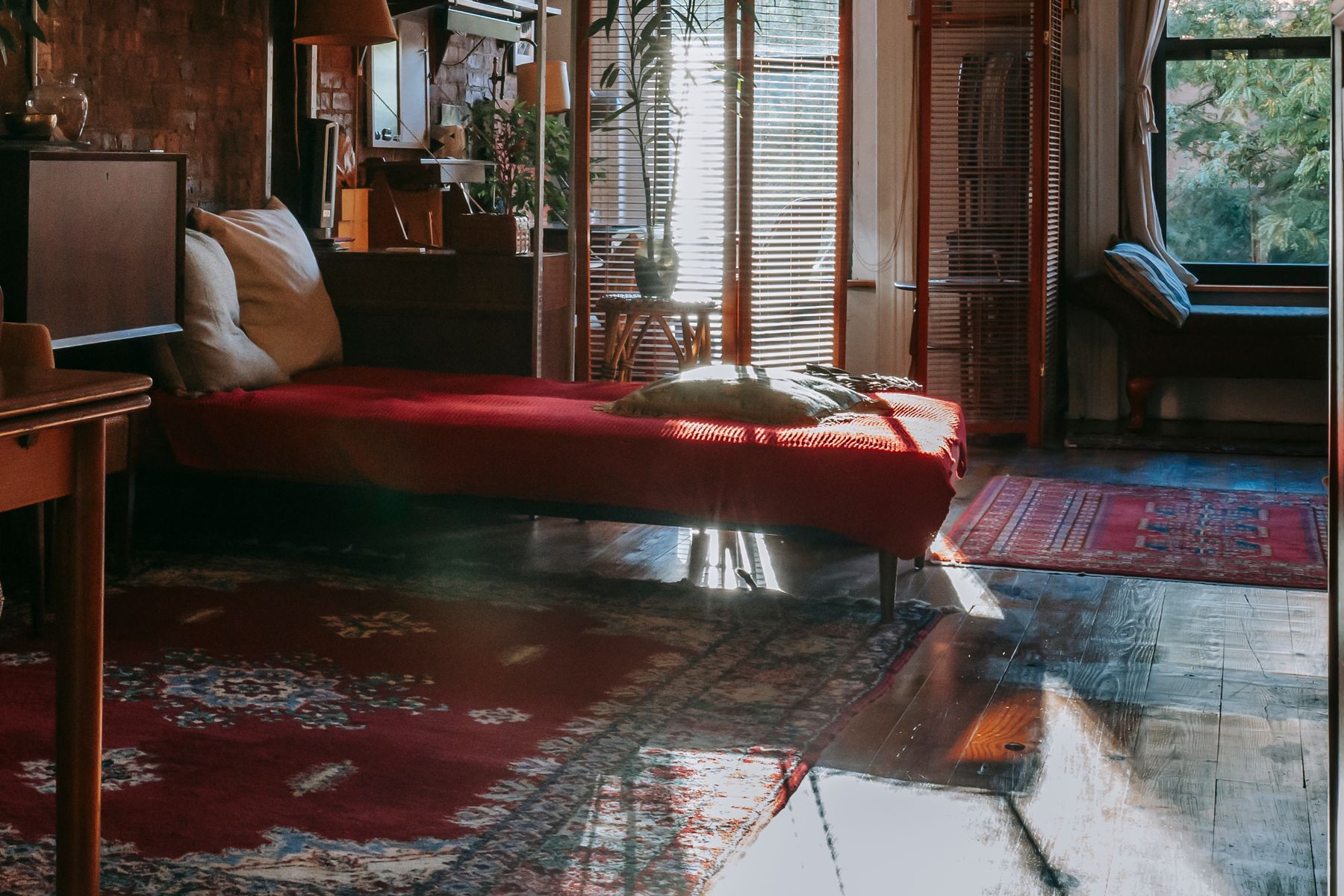
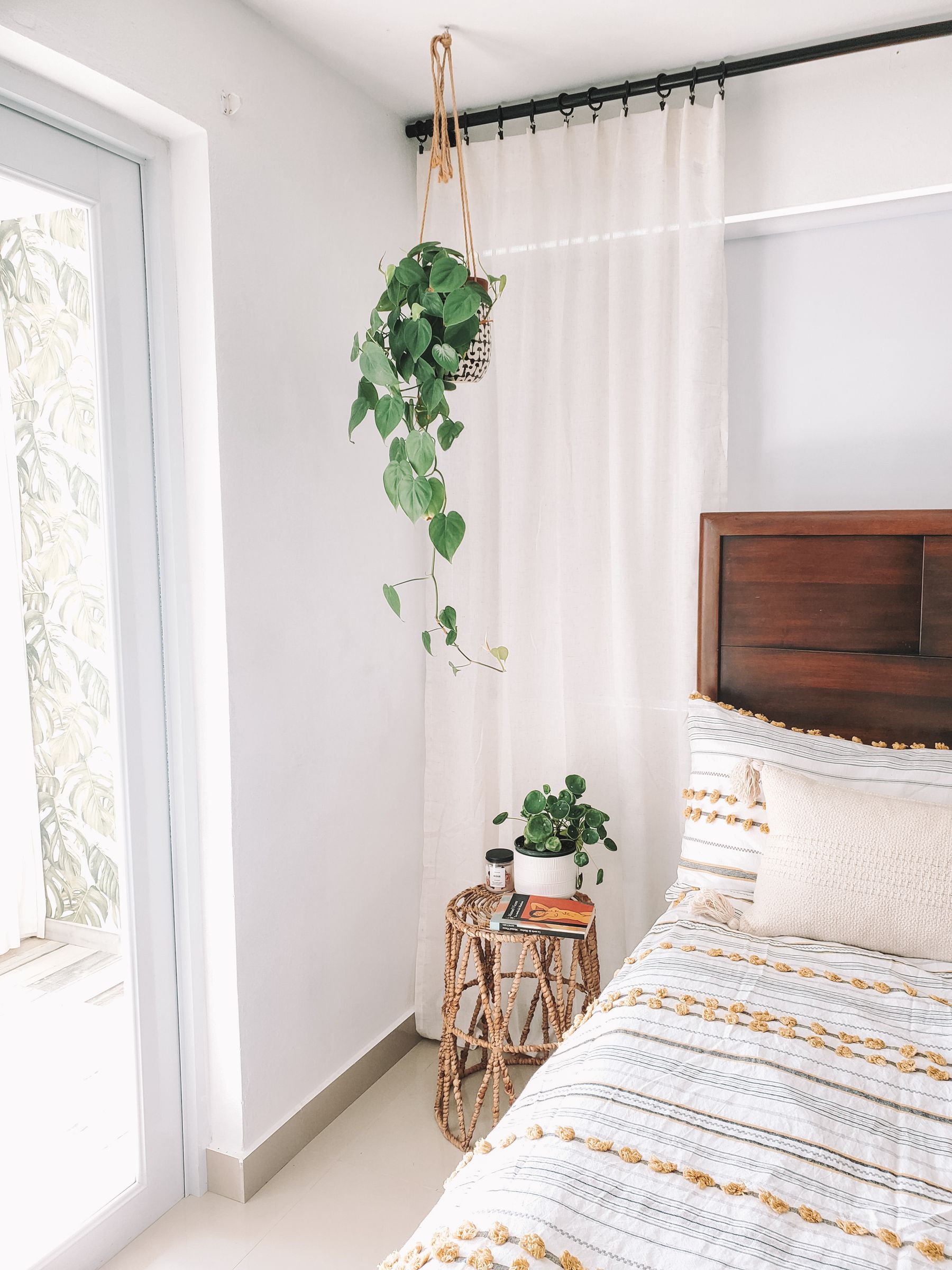
Curtains as a Quiet Connecting Layer
When furniture, art and bedding already carry several styles, window treatments can provide the calm repeated field. Choose a fabric that connects the background wall or one quieter rug tone, then solve darkness and privacy with lining, a blind or separate layer. Preserve radiator output, window handles and ventilation. Patterned curtains can lead in a spare room, but they need enough visible area and should not compete with equally active bedding. Full-height mounting often simplifies the architecture and makes mixed furniture feel more deliberate.
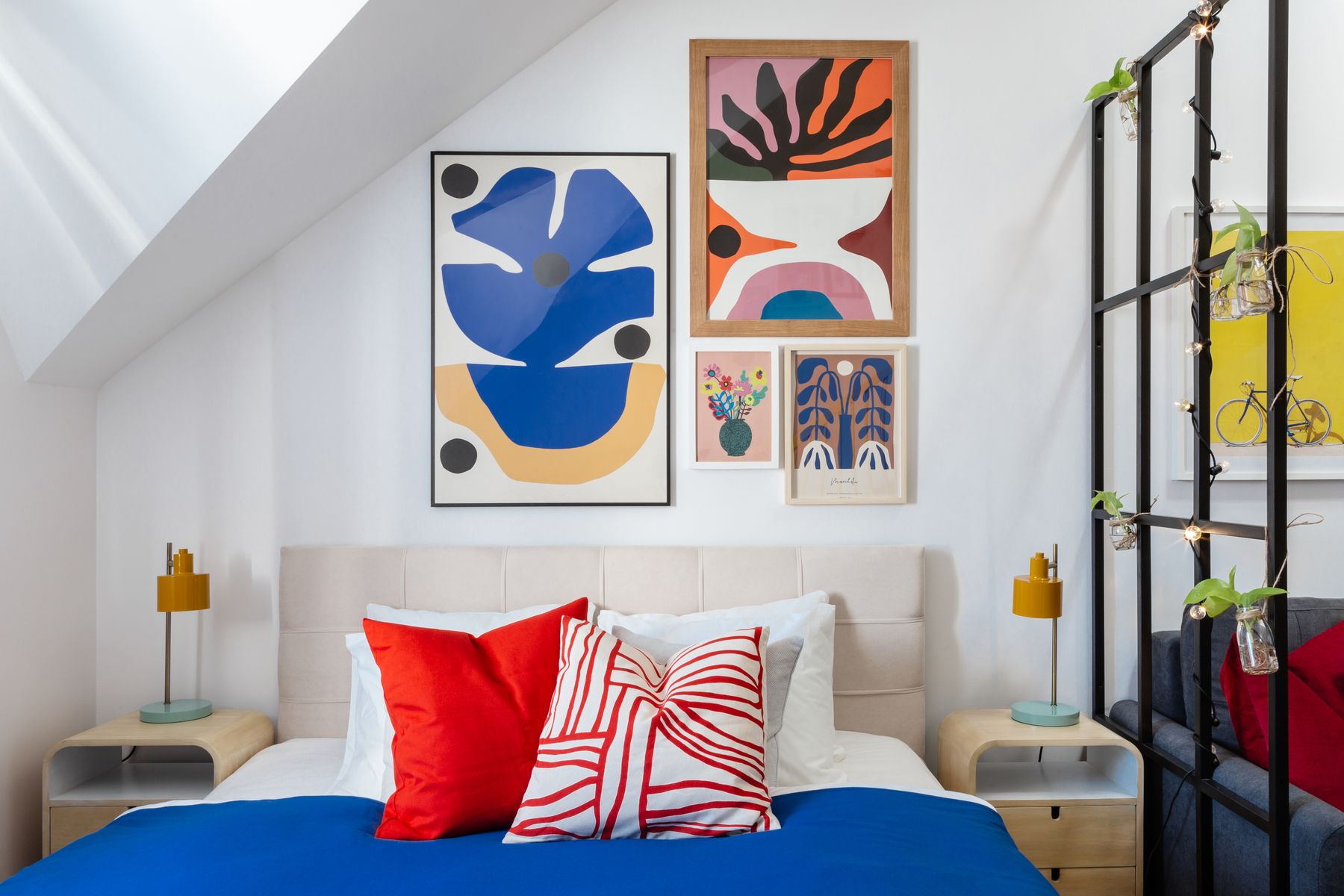
Compose Art as One Group
A gallery wall needs a boundary, spacing rule or color connection rather than identical frames. Lay the complete arrangement on the floor, include the gaps in the measured footprint and mock the outside edge on the wall. Above a bed, use suitable fixings and avoid heavy glazing where failure could injure a sleeper. Personal work and meaningful prints are more durable than filler selected only to occupy rectangles. Let art supply a bridge between the room's periods, but do not ask every wall to tell another story.
Display Collections Within a Boundary
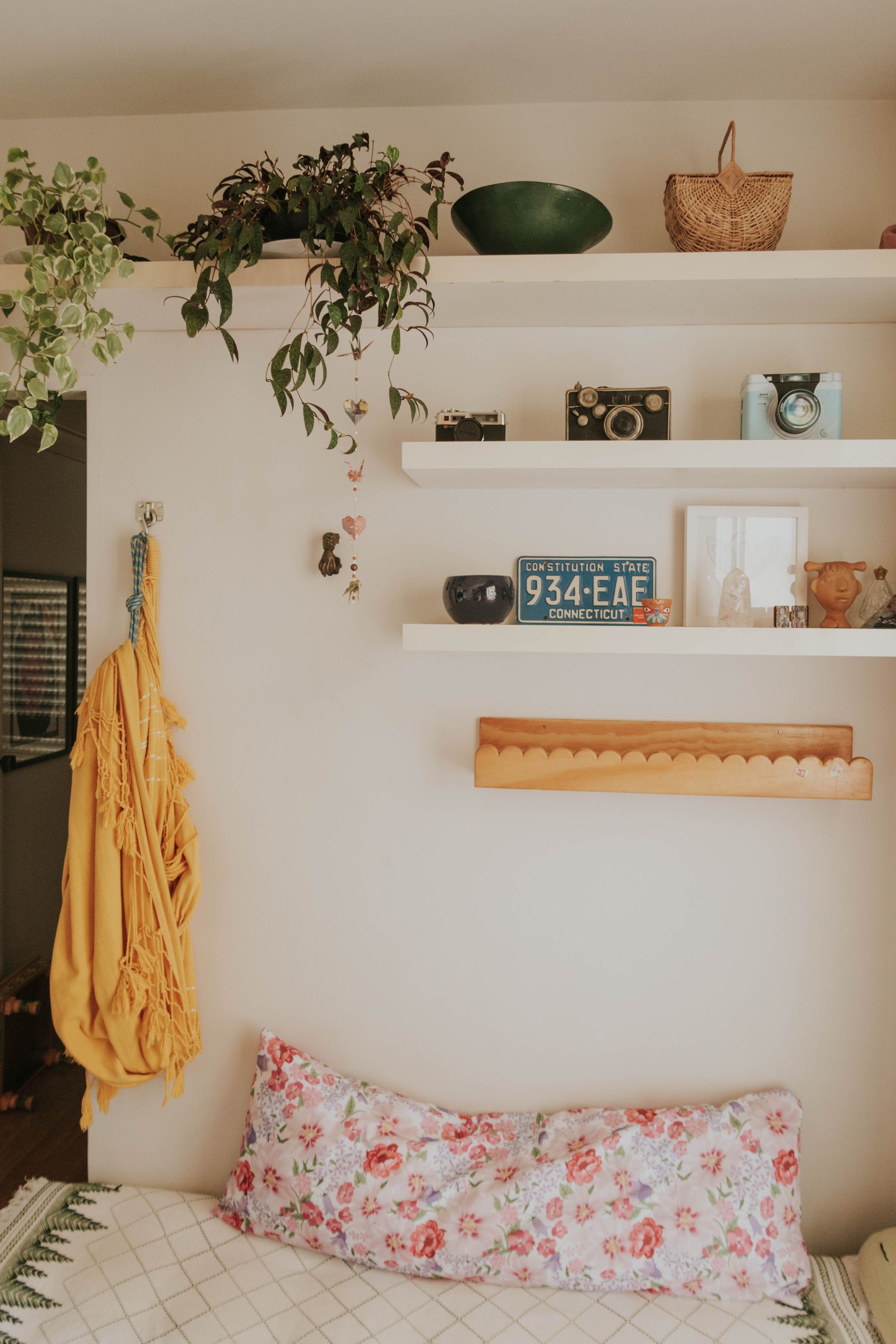
Collections make eclectic rooms personal, but they need a defined shelf, cabinet top or wall zone. Group by material, color, subject or scale and leave enough empty space to see individual forms. Avoid placing fragile objects above the pillow or along a dark circulation route. Open display increases dusting, so reserve it for objects worth maintaining and store the remainder safely. Rotate a collection rather than expanding it across every surface; curation creates greater presence than continuous accumulation.
Different Lighting Eras Need Separate Jobs
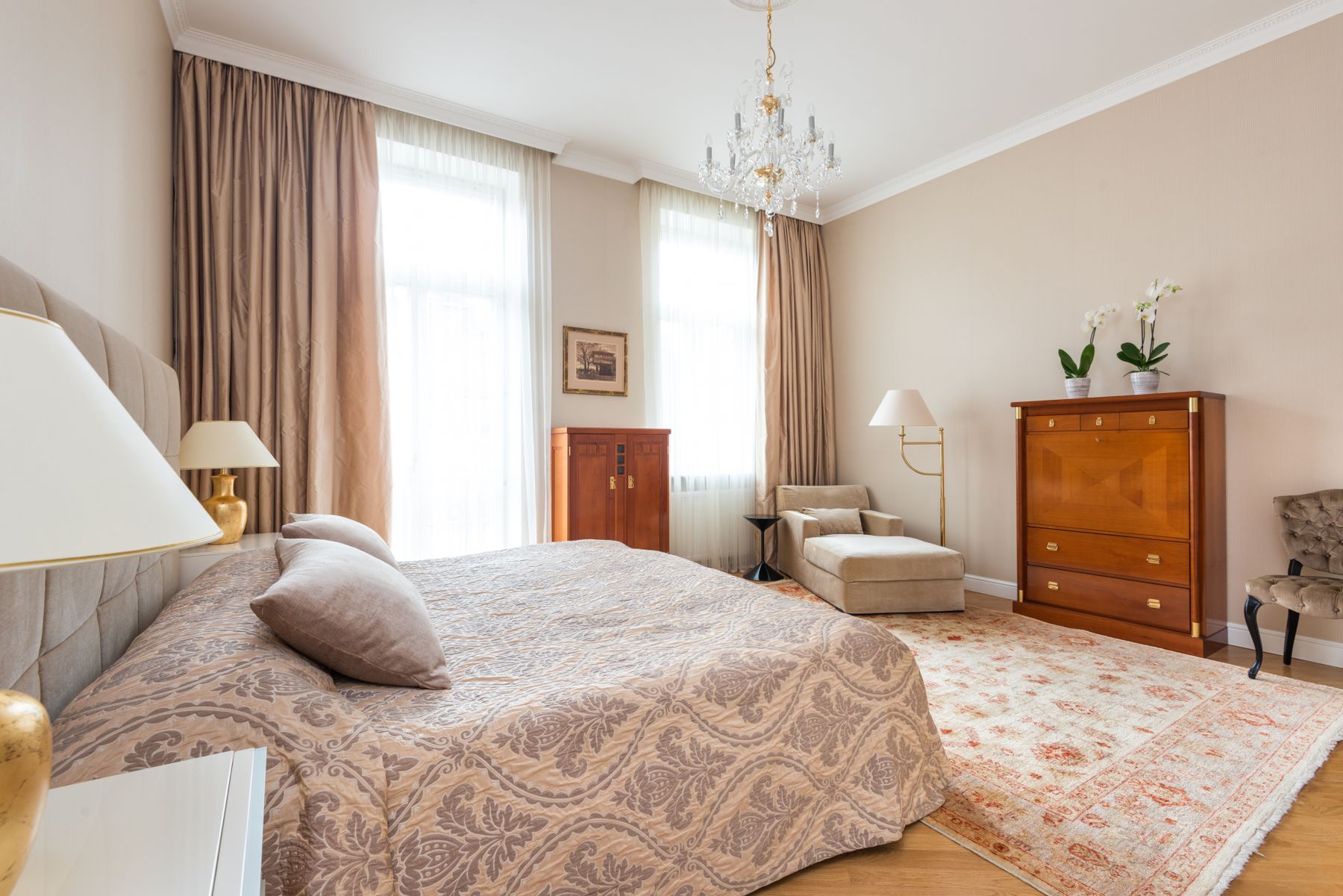
An old chandelier, modern reading light and simple plug-in lamp can coexist when ambient, task and nighttime functions are explicit. Match color temperature closely enough that the room does not split into orange and blue pools, and place switches within reach. Rewire vintage fittings professionally, verify ceiling capacity and keep hot bulbs away from curtains. Dimming helps an expressive overhead fitting move from dressing light to evening atmosphere. The [living-room lighting guide](/living-room/living-room-lighting-ideas/) offers a transferable three-layer framework.
One Chair Must Earn Its Floor Space
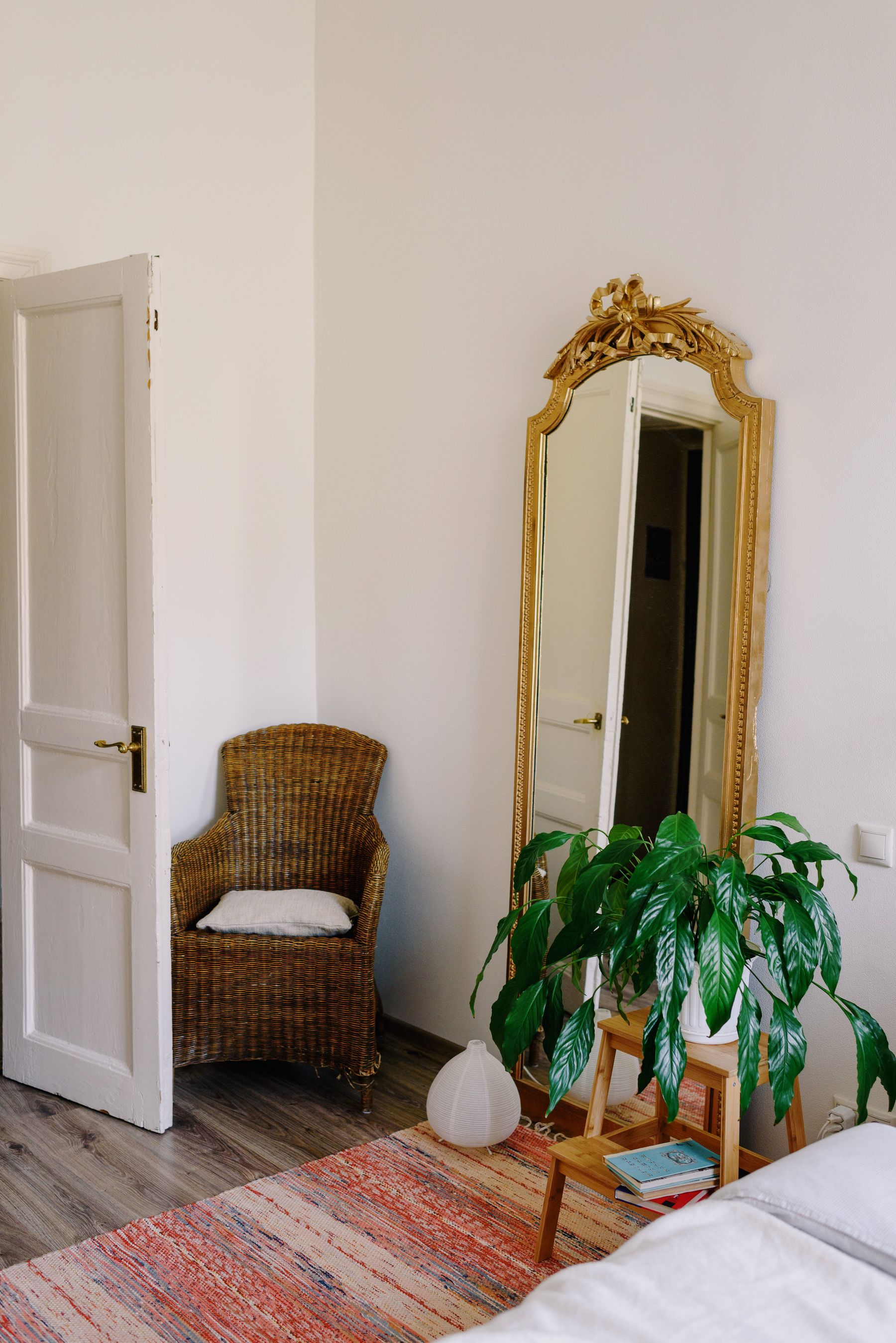
A contrasting chair is an easy way to introduce another era, but it should support reading, dressing or putting on shoes rather than collecting clothes. Check seat height, back support and the clearance needed to approach it. If the room is tight, a stable bench or stool may serve more users with less depth. Repeat one quality from the bed zone—a wood tone, curved line or textile color—to prevent the chair from feeling stranded. Remove it if the only available location narrows the door or wardrobe route.
Scale the Mix Down in a Small Bedroom
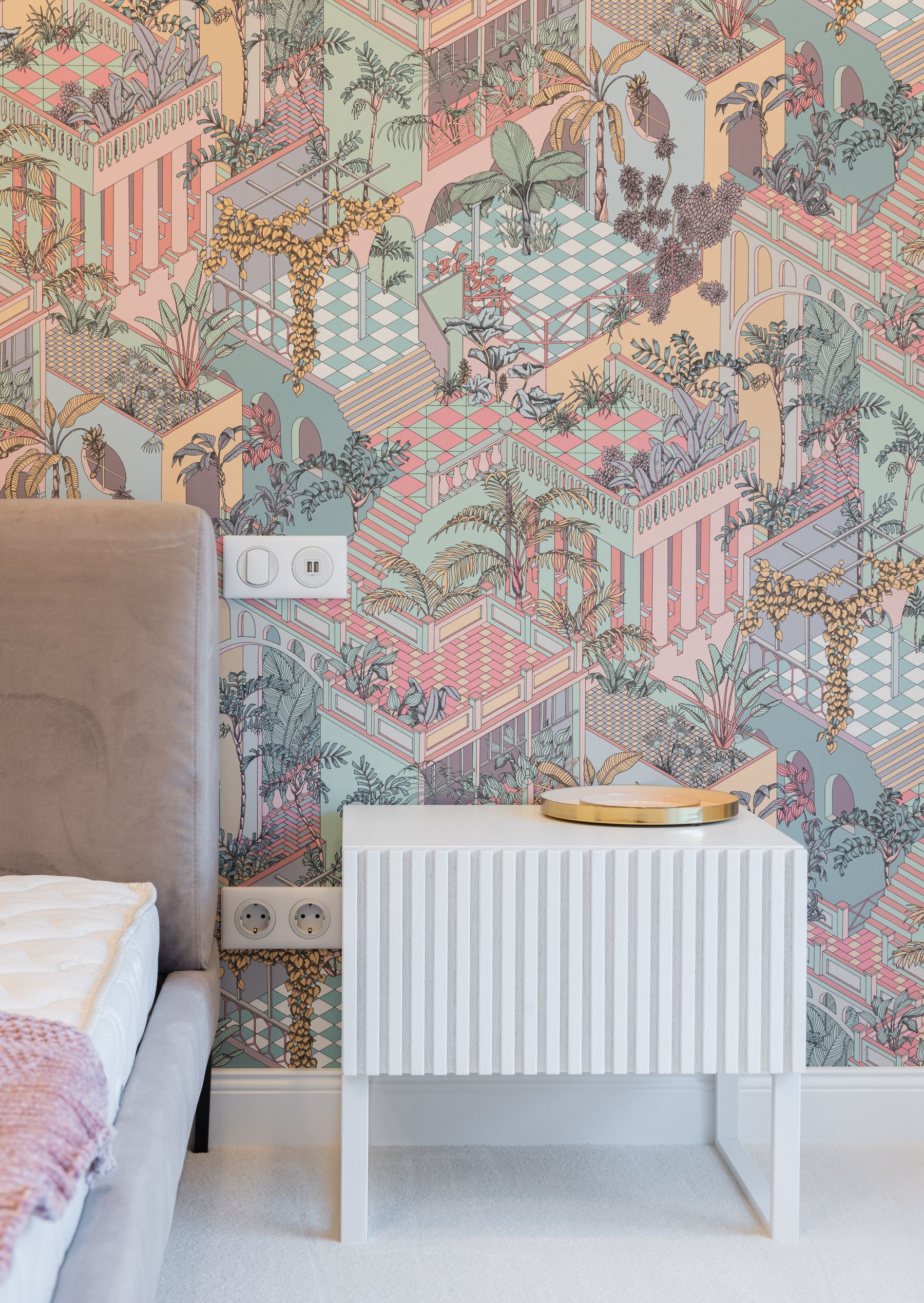
A small room benefits from one strong plane, one characterful furniture piece and a controlled supporting palette. Use shallow tables, wall-mounted reading lights and storage with measured capacity before introducing extra display. Pattern does not make a room physically smaller by default; unresolved contrast at every surface does. Continue the background color across larger areas and keep the clearest walking route free of low objects. For a bedroom within a compact home, the zoning tests in [small apartment ideas](/apartment/small-apartment-ideas/) help protect multiple functions.
What Makes Eclectic Character Portable in a Rental?
In a rental, concentrate the mix in portable furniture, a broad rug, bedding, plug-in lighting and properly secured art. Verify the lease, wall substrate and removal method before using adhesive wallpaper or heavy hooks. Document the original condition and avoid covering ventilation, sockets or moisture problems with decorative panels. One inherited table and one contemporary lamp often create more believable character than a set of temporary faux-architectural products; [rustic bedroom ideas](/bedroom/rustic-bedroom-ideas/) provides more ways to build warmth with honest portable materials. Choose pieces that can adapt to another floor plan rather than tailoring every item to the current wall.
Integrate a Workspace as a Separate Composition
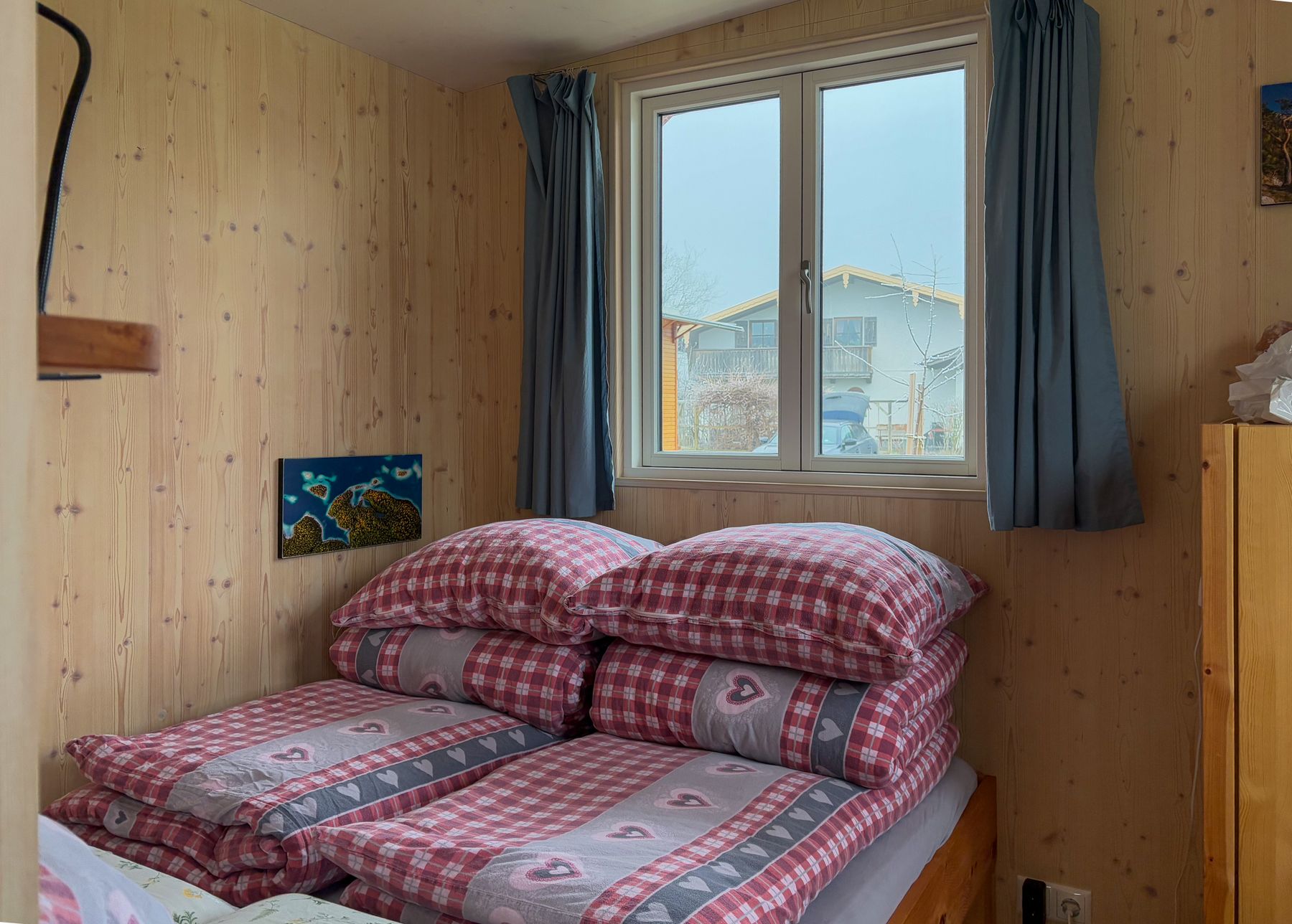
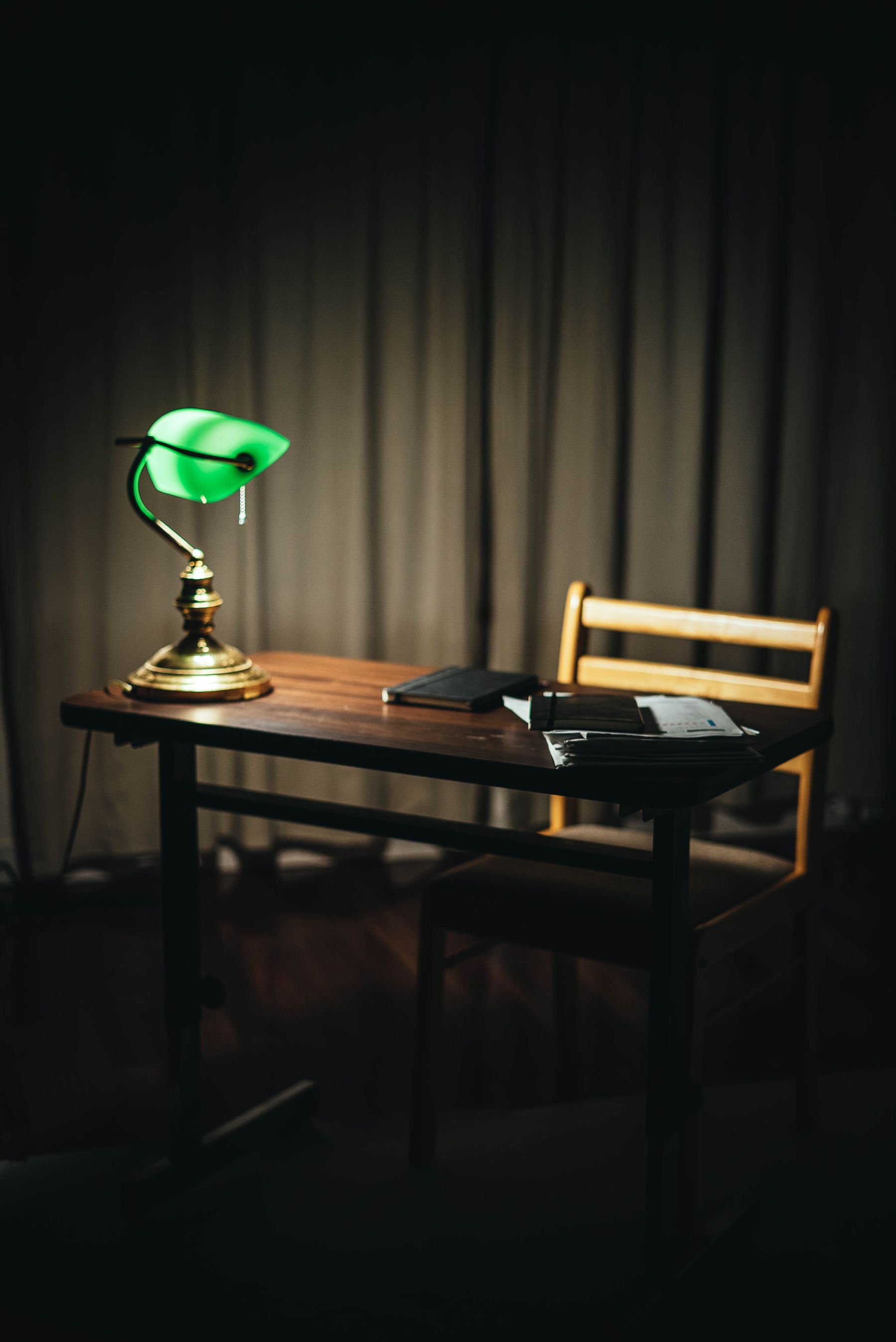
If the bedroom must include work, give the desk a supportive chair, task light, safe cable path and a clear shutdown routine. It may express a different period from the bed, but connect the zones with one repeated material or color. Keep screens outside the direct pillow view and provide closed storage for active papers. A desk styled only as an antique vignette will fail if the user's knees, monitor or equipment do not fit. Readers drawn to a library-like mood can explore [dark academia bedroom ideas](/bedroom/dark-academia-bedroom-ideas/) without turning the entire room into that narrower theme.
Merge Two Personalities in a Shared Room
Ask each sleeper to choose one meaningful object or material, then find a common field—wall color, rug, bed textile or headboard—that gives both selections context. Equal access to light, charging, storage and temperature control matters more than decorative symmetry. Separate bedside tables can reflect different habits while related heights or lamps stabilize the composition. Agree on the display boundary and editing process before either collection expands. Eclectic style is particularly useful in shared rooms because it can preserve difference without ranking one taste as the default.
Circulation and Controls Must Stay Legible
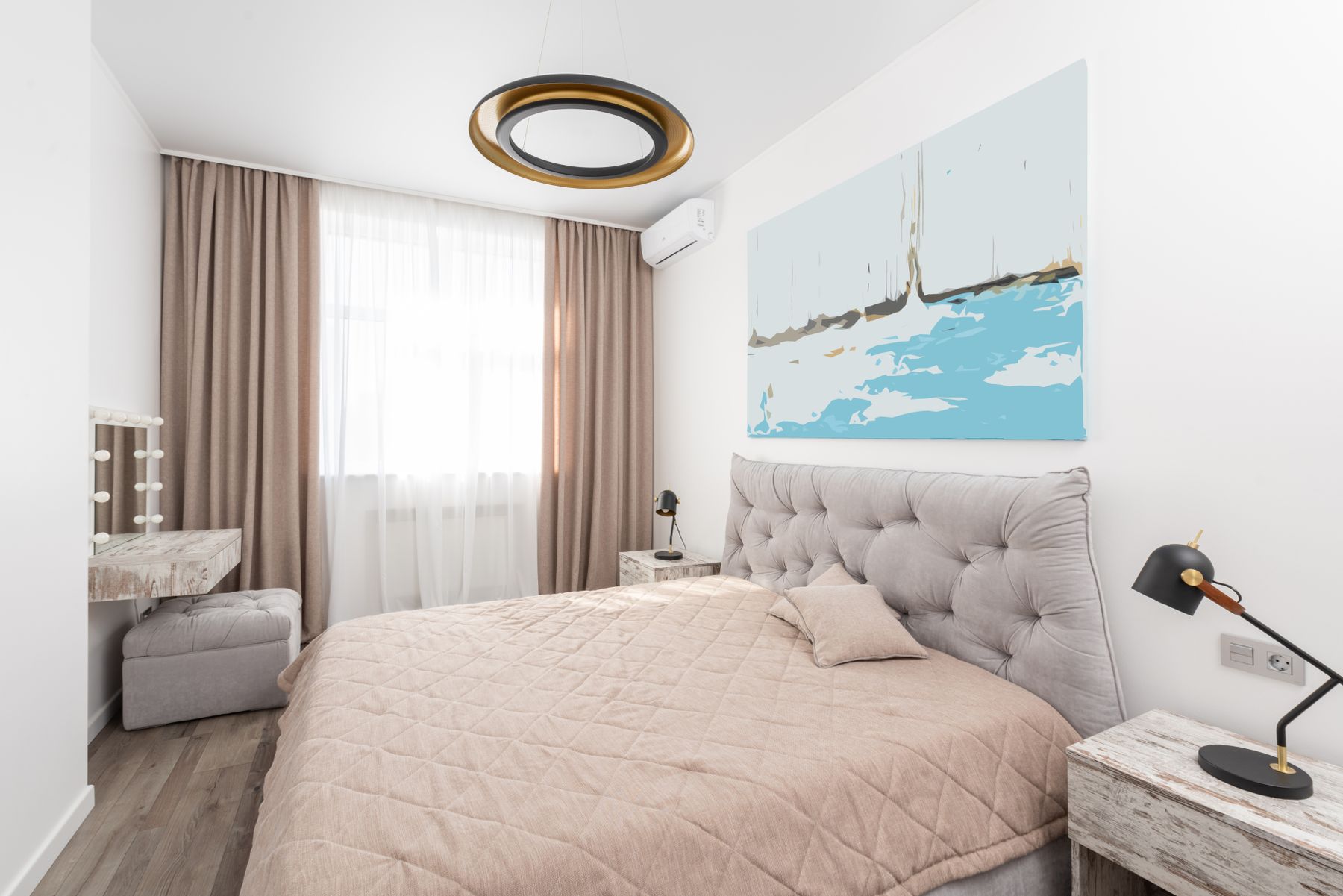
Layered rugs, low trunks, dark furniture and irregular tables can create hazards when contrast and routes are weak. Maintain a stable path from door to bed and bathroom, use graspable hardware and keep switches within reach. Set mattress and chair heights for the actual user rather than for a low-profile aesthetic. Tactile variety can improve orientation, but avoid unstable stacks and curling rug edges. A calmer floor plane and clear controls do not make the room less eclectic; the storage discipline in [minimalist bedroom ideas](/bedroom/minimalist-bedroom-ideas/) can help preserve those functional gaps without changing the room's character.
Edit, Clean and Rotate the Room
Before adding anything, photograph the room from the doorway and pillow, remove one object from each crowded surface and check whether the composition improves. Build cleaning access into the arrangement: allow a vacuum head around bed legs, keep fragile groups liftable as one tray and choose washable textiles for dusty or pet-heavy homes. Rotate seasonal art or collections instead of displaying everything at once. Repair loose furniture, rewire old lamps and protect valuable finishes. If the edit still feels too busy, borrow the reset tests from [minimalist bedroom ideas](/bedroom/minimalist-bedroom-ideas/) rather than replacing the meaningful pieces.