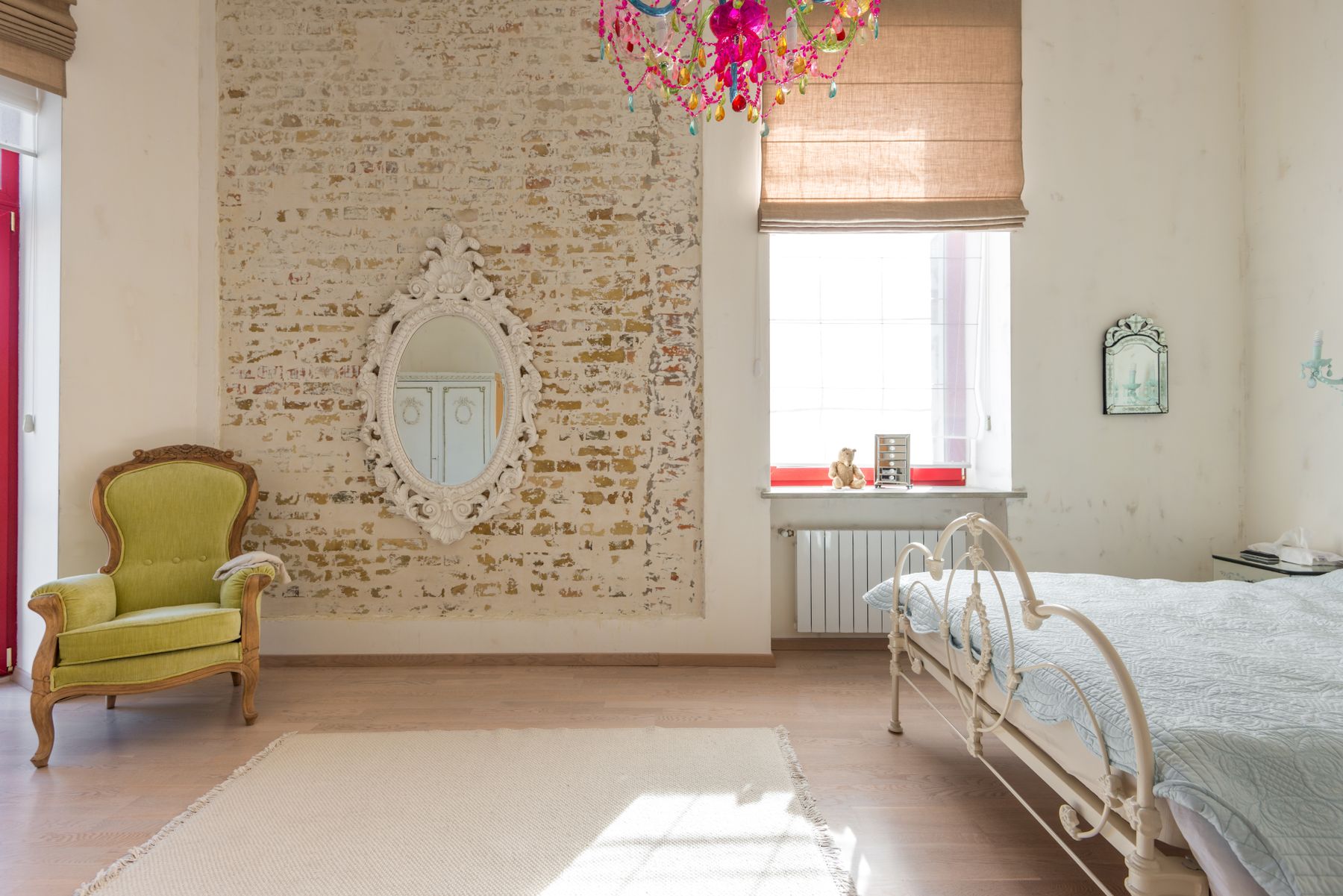
Controlled Abundance, Not Unedited Excess
Maximalism deliberately raises the density of color, pattern, texture, art and objects, then gives that density rhythm. [Eclectic Bedroom Ideas](/bedroom/eclectic-bedroom-ideas/) is a method for combining styles and can remain neutral or spare; Maximalist makes abundance itself part of the experience. Boho may overlap through textile and plants, but it is not required. For the same principles in a social room, [Maximalist Living Room Ideas](/living-room/maximalist-living-room-ideas/) covers conversation layout, display, lighting and shared circulation. The test is not how many objects fit. It is whether repeated colors, scales and shapes allow the eye to understand the room while sleep, storage and movement continue to work.
Protect the Sleep Plan Before Adding Density
Map the mattress, door swing, wardrobe, drawers, window, radiator, sockets and route to the bathroom before planning art or collections. Maximalist rooms often contain furniture of varied depths plus projecting lamps, frames and baskets, so measure the real outline rather than only the cabinet case. Preserve a clear route in low light and a clean landing surface on each occupied side. If a decorative chair blocks a drawer or a floor stack narrows the path, the issue is not style; the plan is unfinished.
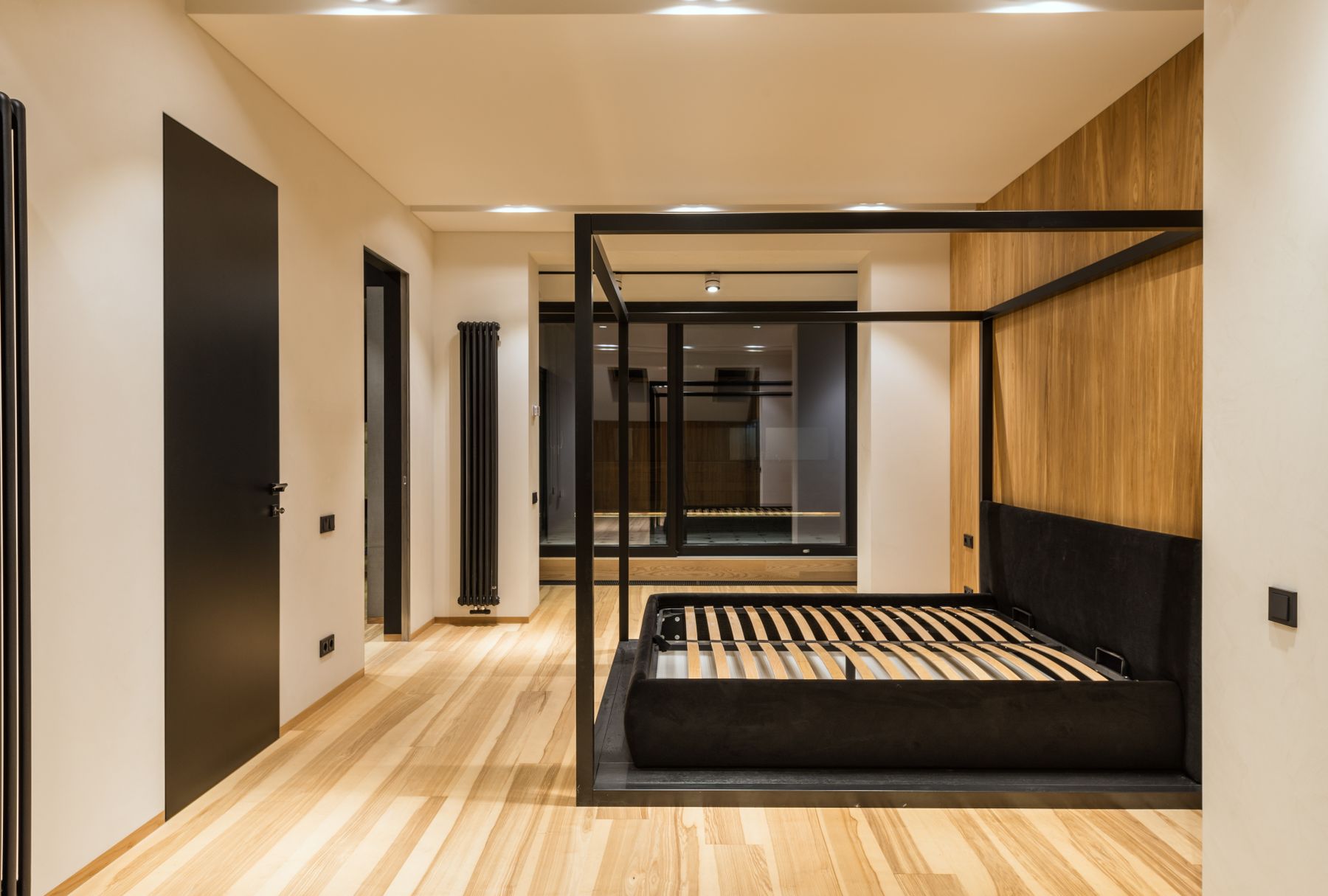
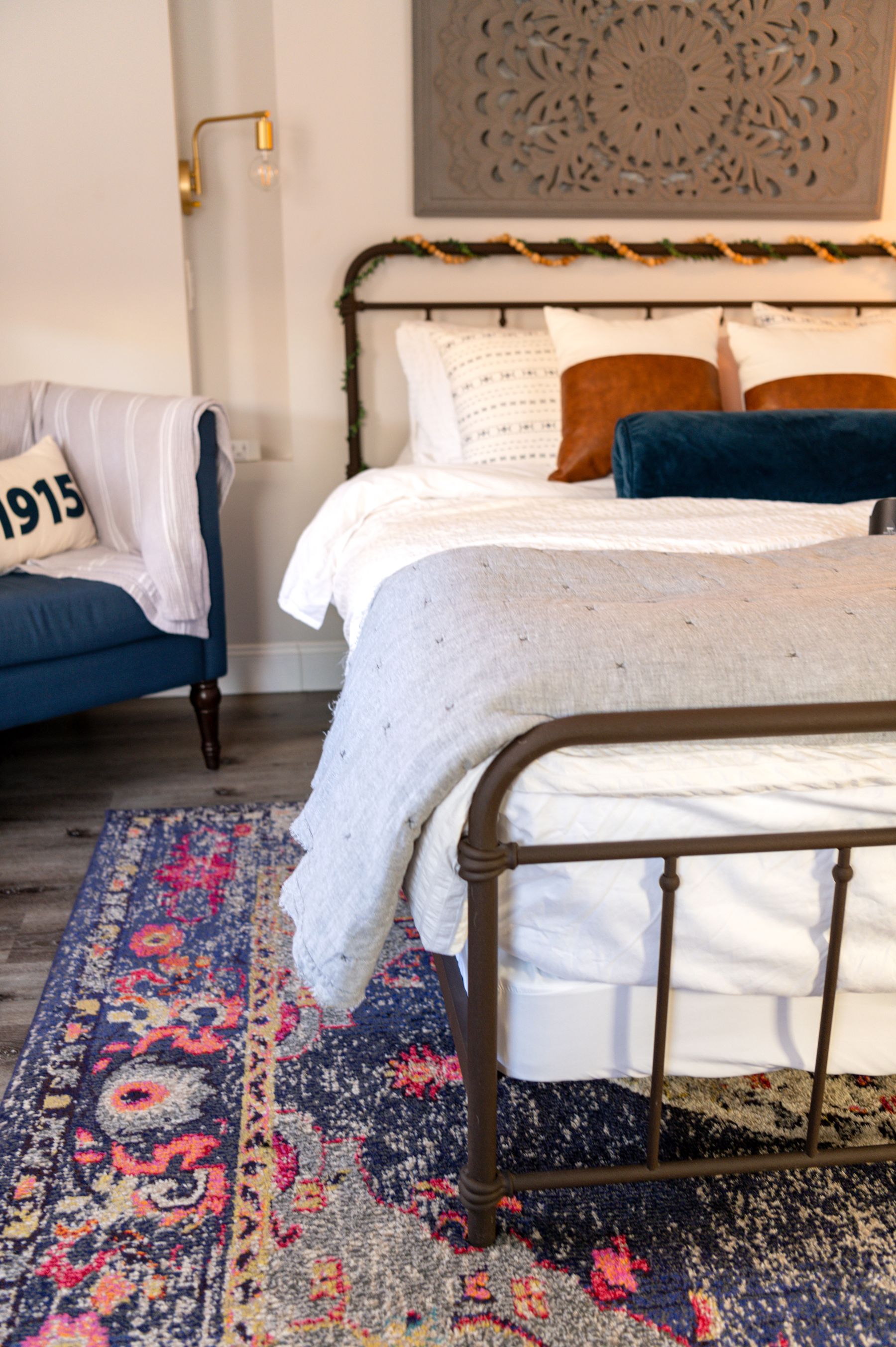
Set an Intensity Budget for Each Plane
Assign high, medium or low intensity to walls, floor, bed, windows and display. A room may support patterned wallpaper, an active rug and colorful art when the bed is comparatively solid; patterned bedding and curtains may require a calmer wall. This is not a formula for restraint but a way to direct attention. Photograph the empty shell, mark the intended focal sequence and avoid giving every plane identical contrast. Maximalism feels intentional when the eye moves, not when everything shouts at once.
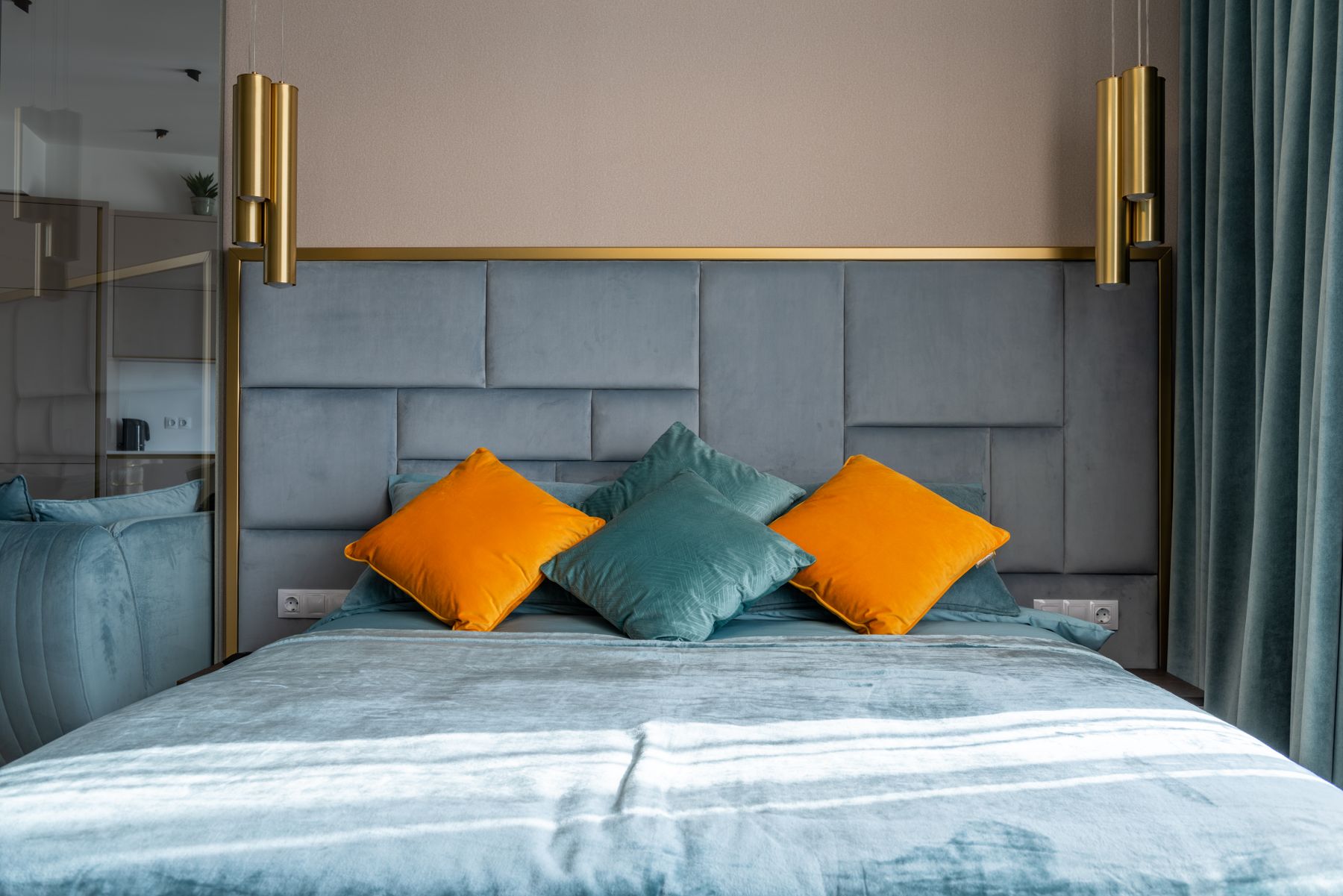
Build the Palette From Three Anchor Colors
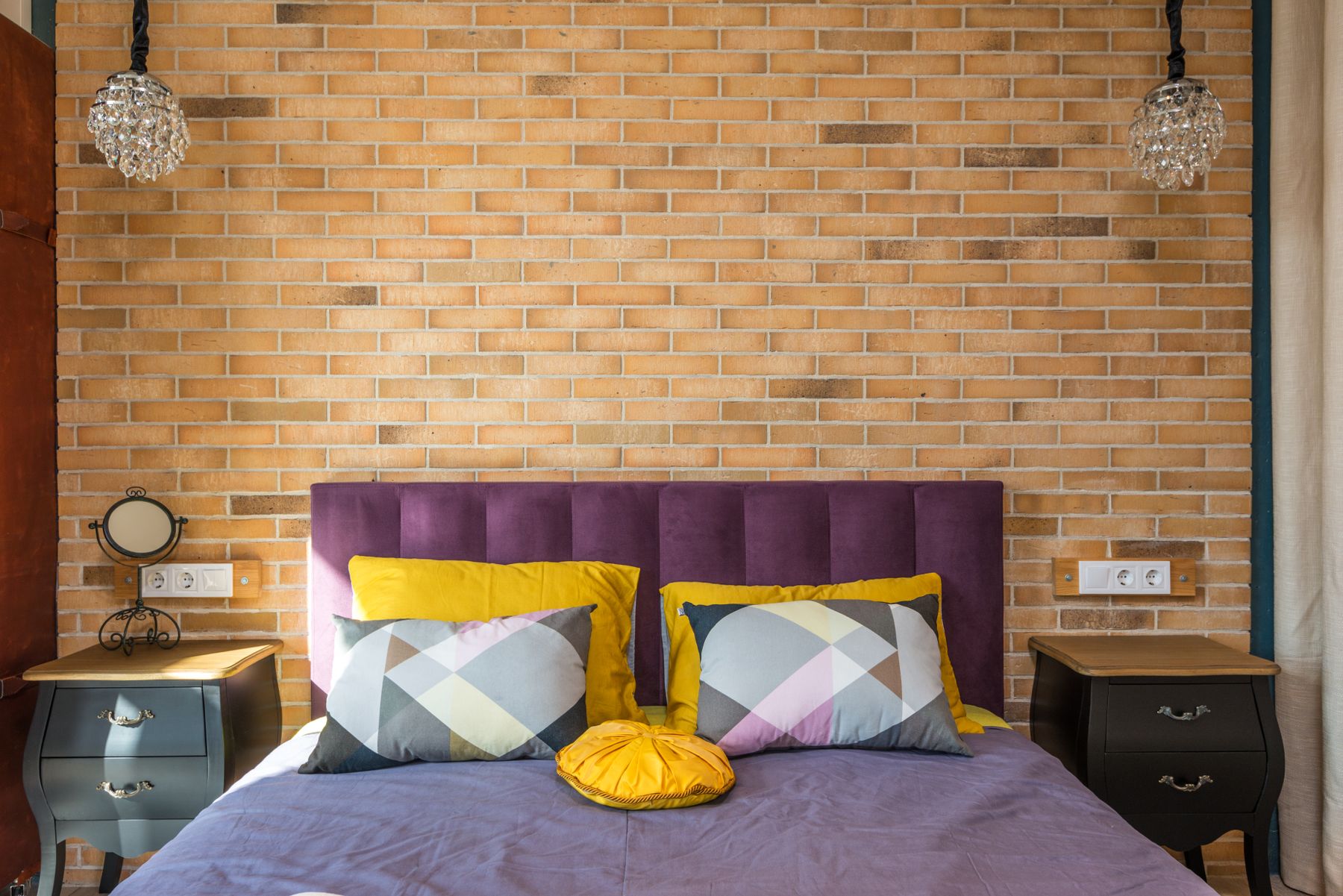
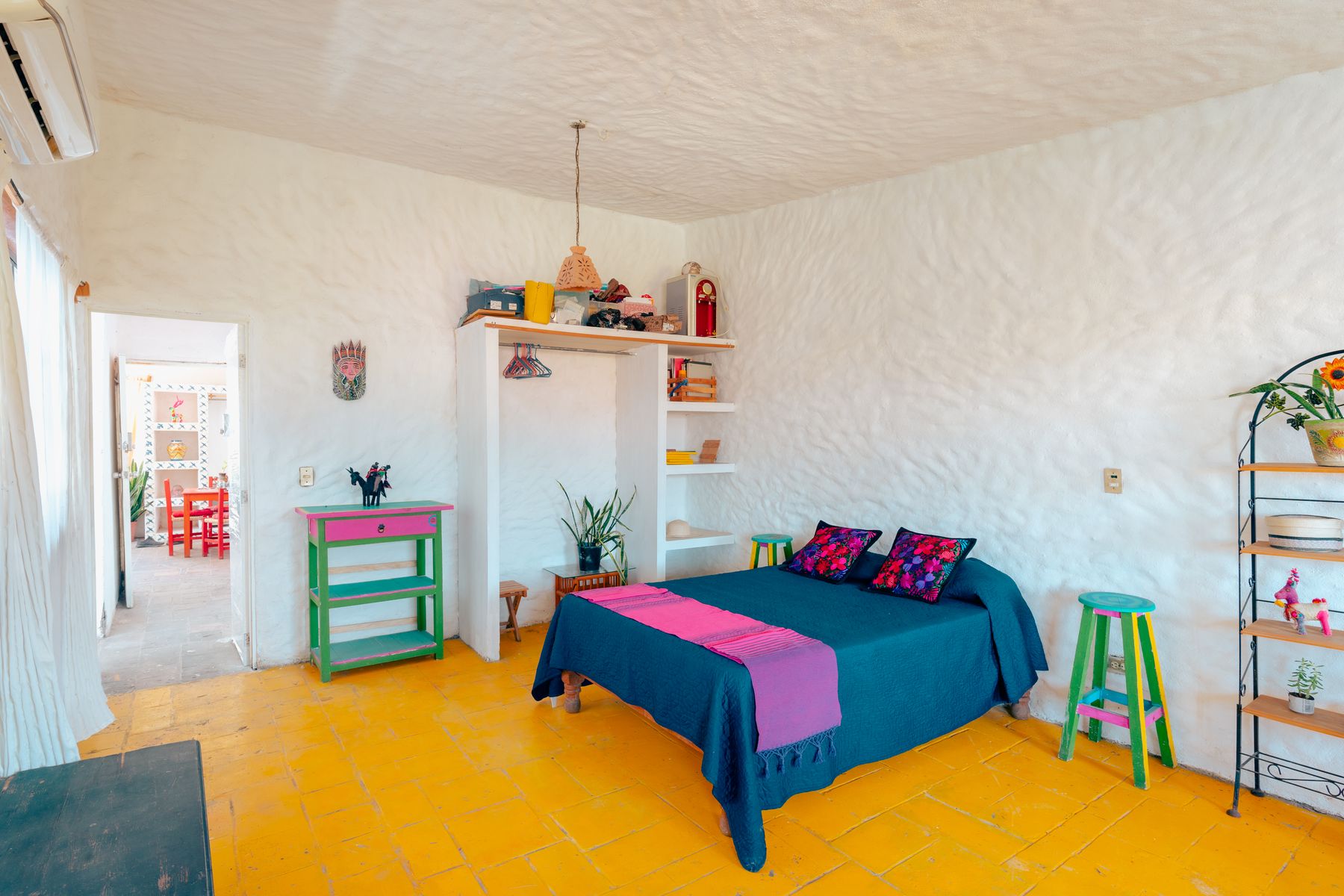
Select one envelope color, one textile color and one accent that appears in art or a smaller object. They need not be timid: cobalt, coral and mustard can work when undertones relate and each hue repeats at more than one scale. Add neutrals through wood, metal, cream or black rather than introducing a new chromatic family for every purchase. [Contemporary Bedroom Ideas](/bedroom/contemporary-bedroom-ideas/) provides a calmer baseline for current color blocking before the composition becomes intentionally dense.
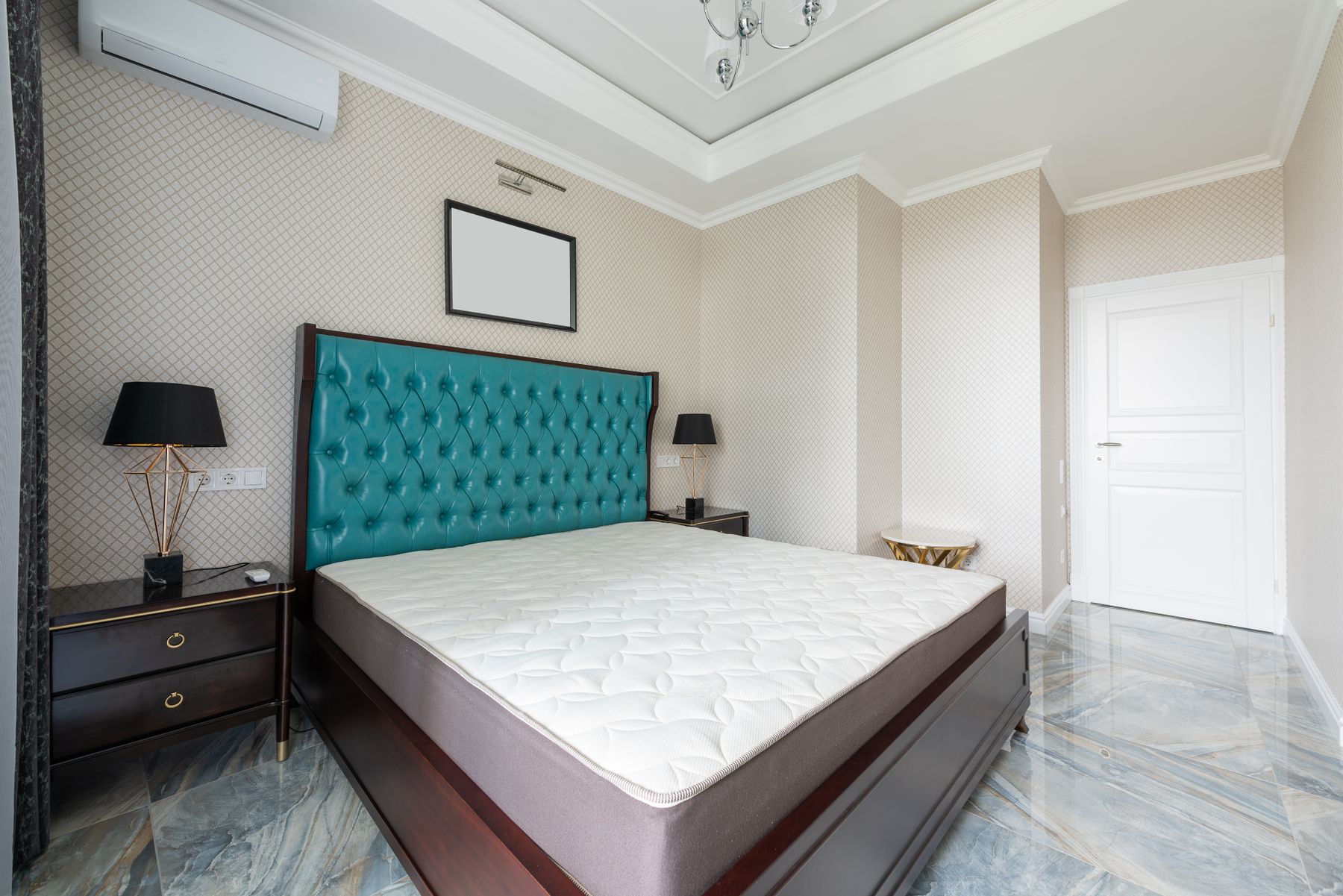
When Color Drenching Creates an Immersive Envelope
Painting walls, trim, doors or ceiling in one saturated family can make diverse art and furniture feel contained. Compare matte, eggshell and harder-wearing finishes because a single color changes with sheen and grazing light. Deep blue, green, plum, oxblood or warm ochre can form a cocoon, but switches, steps and storage interiors still need legible contrast. Here color-drenching is not the destination by itself; it is a continuous framework that lets further art, pattern and furniture read as related.
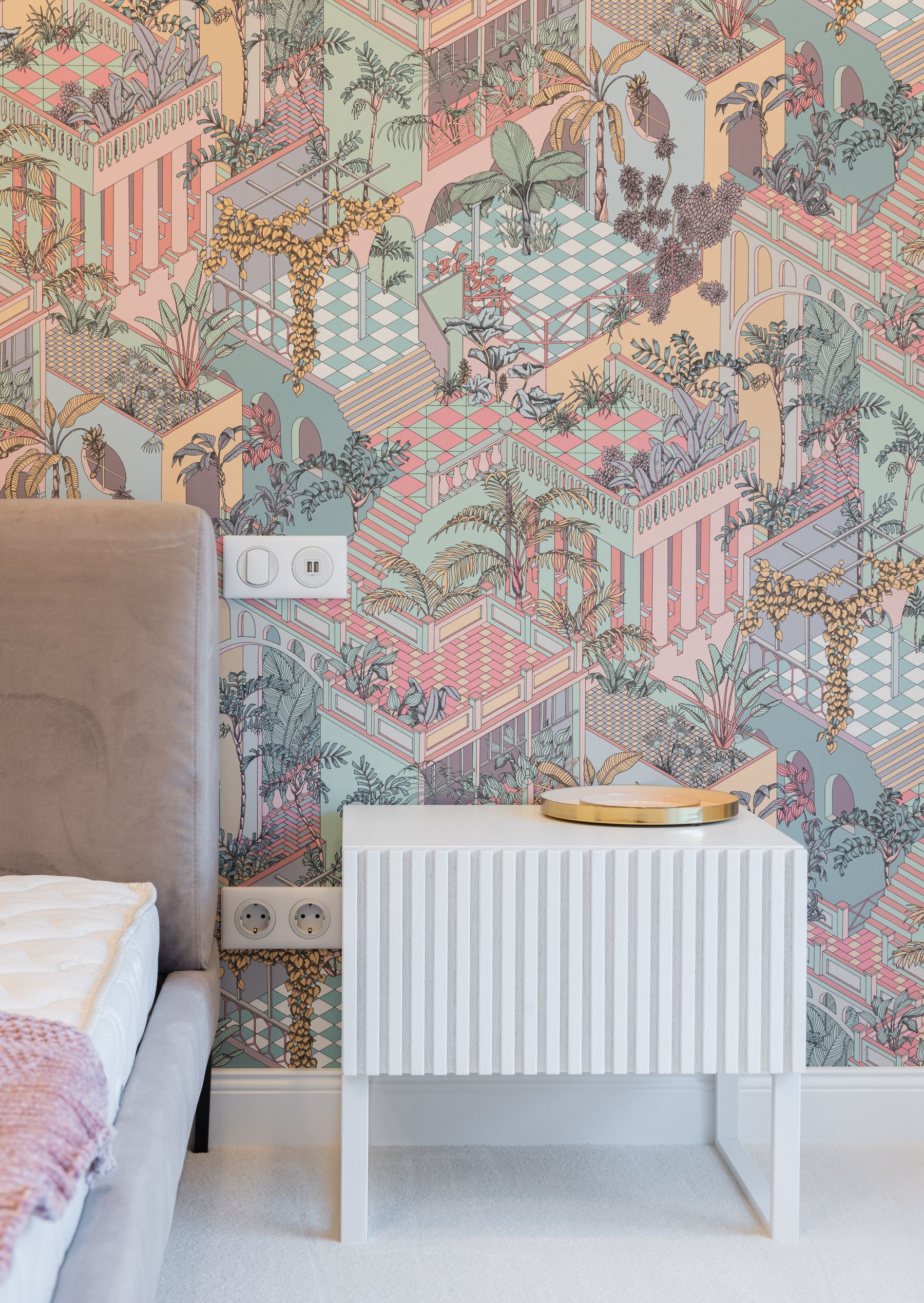
Wallpaper as the Pattern Constitution
Choose wallpaper early because its repeat, ground color and contrast should govern bedding, art and curtains. Large botanicals need uninterrupted wall; small dense motifs create a more continuous field. Order at least two full drops, inspect seams and calculate repeat before estimating quantity. Pull two colors from the paper into other layers, then introduce contrast through scale rather than an unrelated palette. [Traditional Bedroom Ideas](/bedroom/traditional-bedroom-ideas/) offers a quieter heritage route when the wallpaper should remain the room's principal pattern.
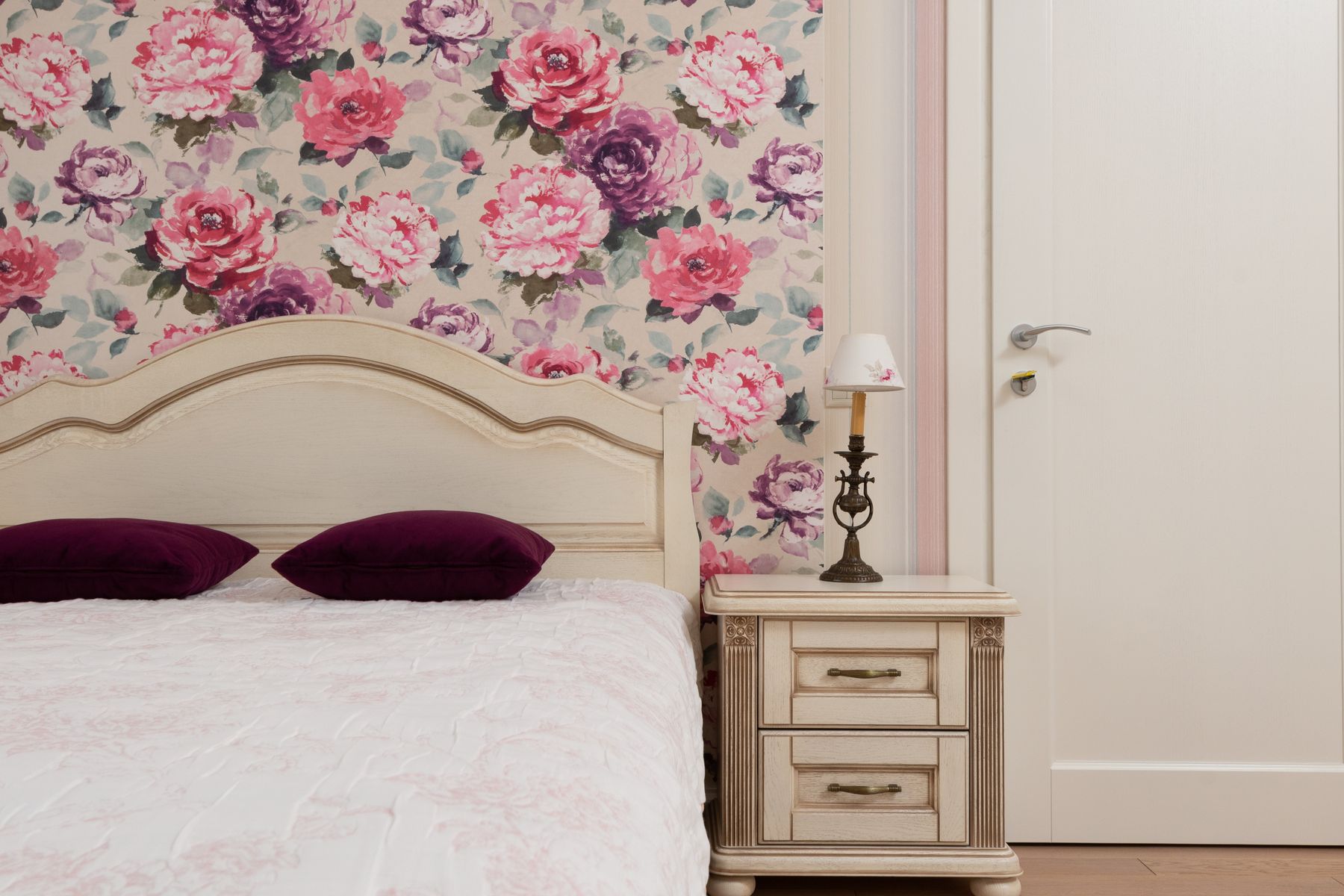
Layer Pattern Through Scale and Geometry
Combine one large organic repeat, one medium stripe or geometry and one small motif instead of stacking patterns of equal scale. Shared color provides continuity; a change in geometry prevents the layers from becoming visual static. Pattern sandwiching can place a quieter solid or texture between active wall and bedding, allowing both to remain readable. View the complete room from the doorway and pillow because a successful close-up combination may merge into noise from the distance where the bedroom is actually experienced.
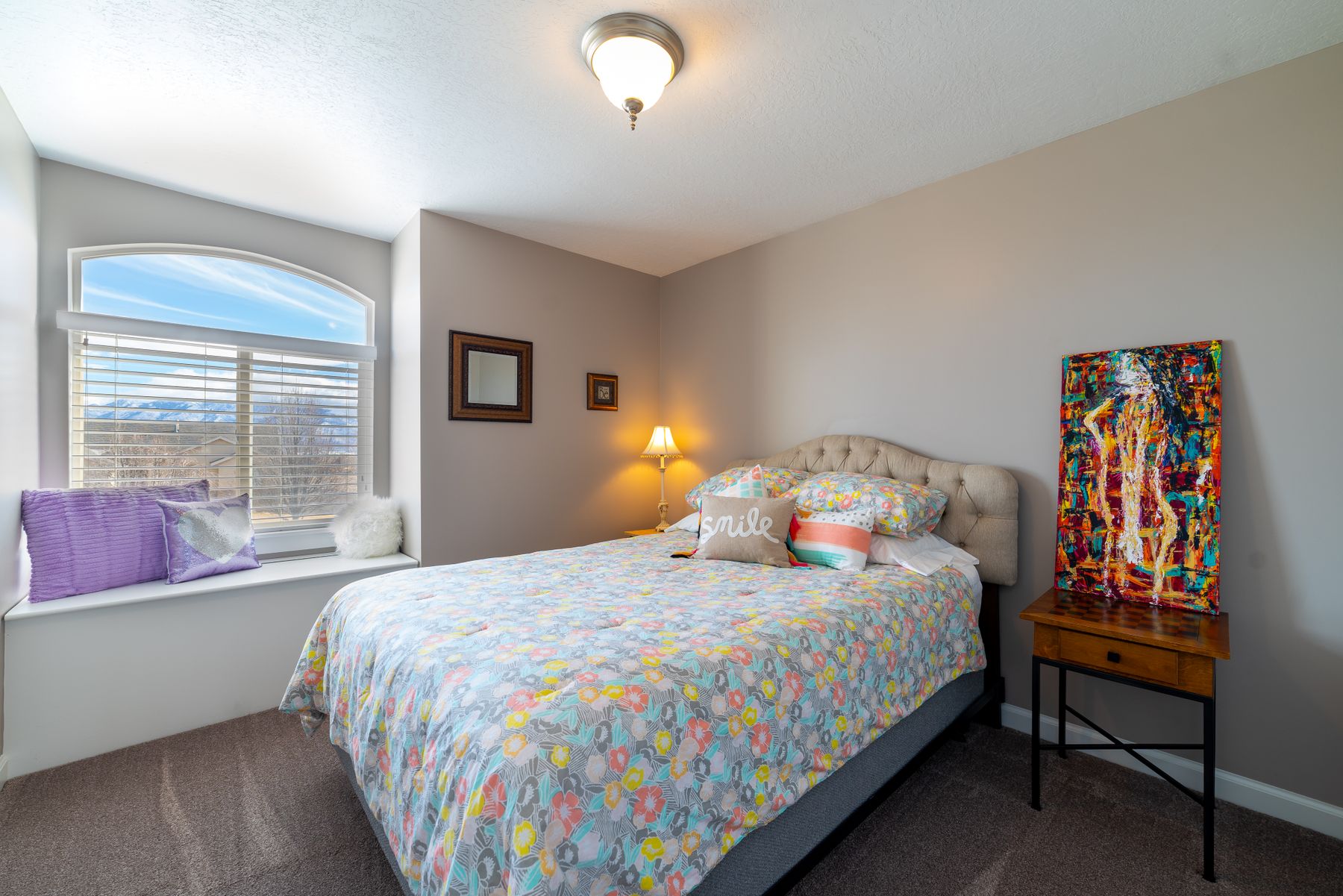
The Bed as the Main Composition
The bed occupies the largest daily surface, so use it as the center rather than filling leftover space around it. A tall upholstered, painted or carved headboard can frame layered bedding; a simple frame allows the textile to lead. Preserve mattress support, sitting comfort and the ability to change sheets. Build from the coverlet outward, repeating one color in art and one in lamps. The composition should still look resolved when decorative cushions are removed for sleep.
Bedding Layers Without Nightly Labor
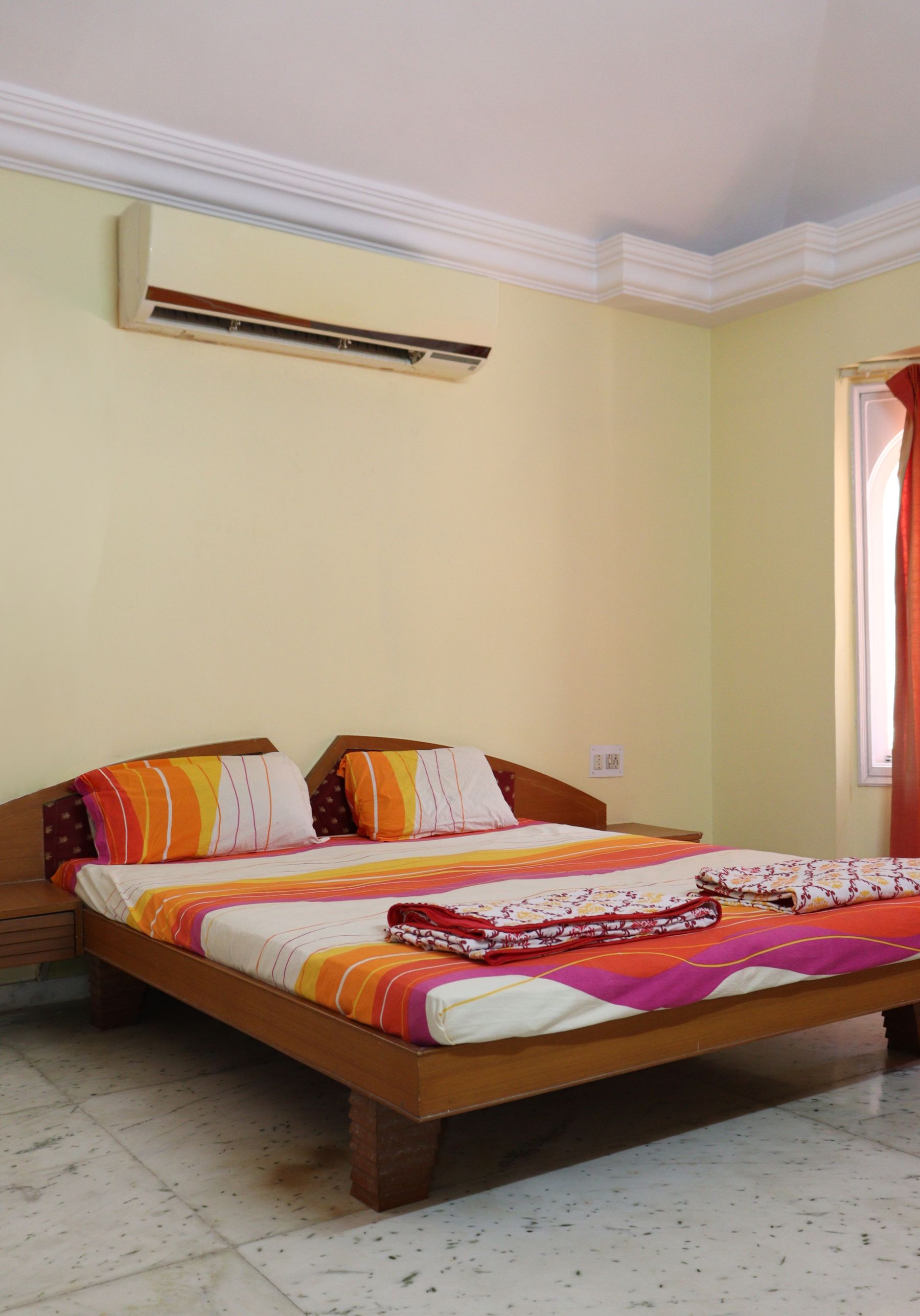
Use sheets for climate and skin comfort, then add a quilt, coverlet, folded blanket and a limited number of pillows with distinct roles. Vary weave and scale rather than adding quantity alone. Every removed item needs a clean home that is not the floor or a chair required for dressing. Layered bedding can increase warmth and visual depth, but overheating, difficult laundering and a ten-minute nightly reset are signs that the composition serves the photograph more than the sleeper.
Tonal Maximalism Instead of Many Colors
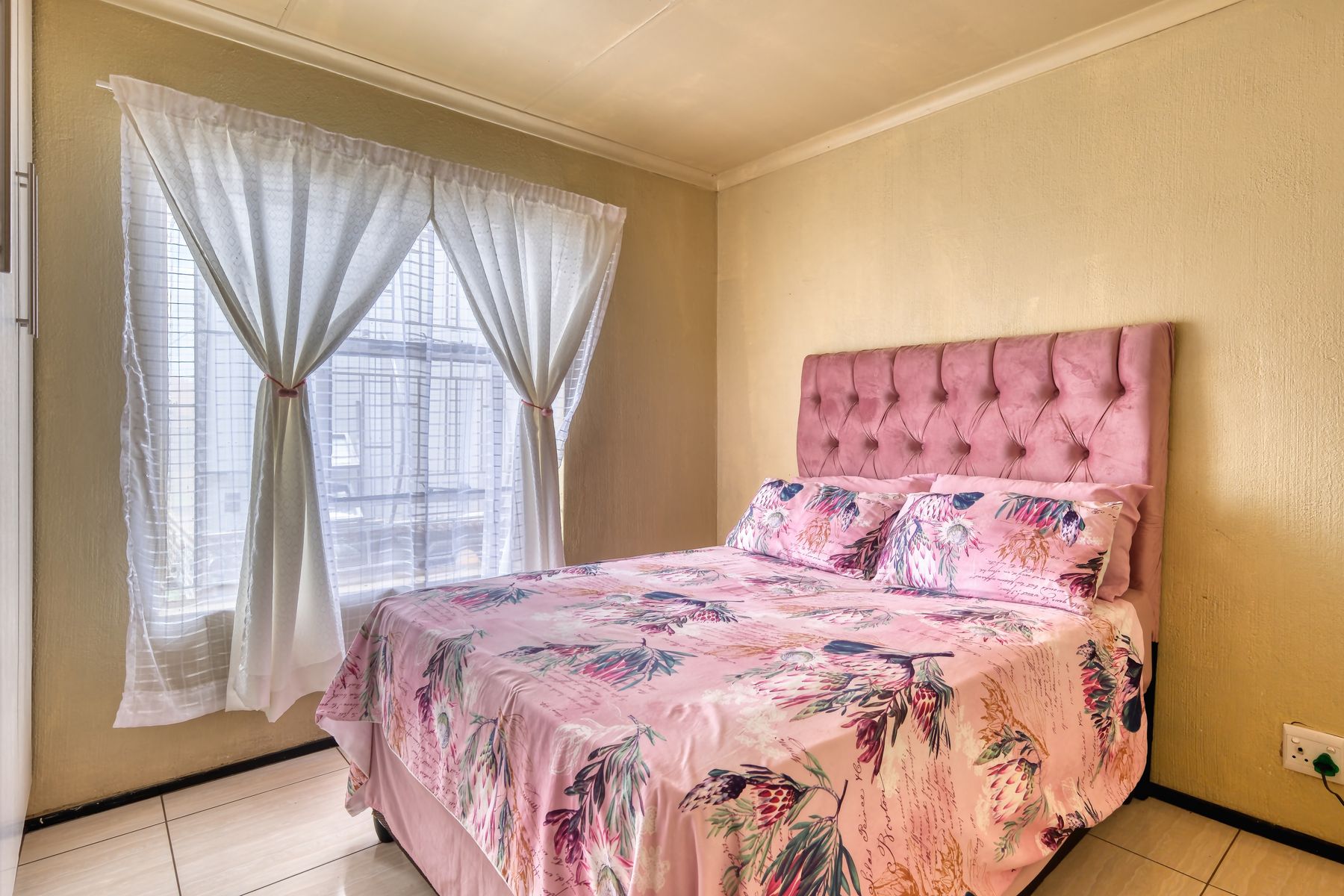
Maximalism can be monochromatic or tightly analogous. Layer blush, rose, raspberry and wine through headboard, floral bedding and a smaller accessory, then vary weave, gloss and pattern scale. This route suits sleepers who enjoy richness but find many unrelated hues activating. Keep enough value contrast to read the bed edge, switches and floor route, especially at night. One dark or pale counterpoint will often reveal the tonal layers more effectively than another new accent color.
A Gallery Wall Within a Clear Boundary
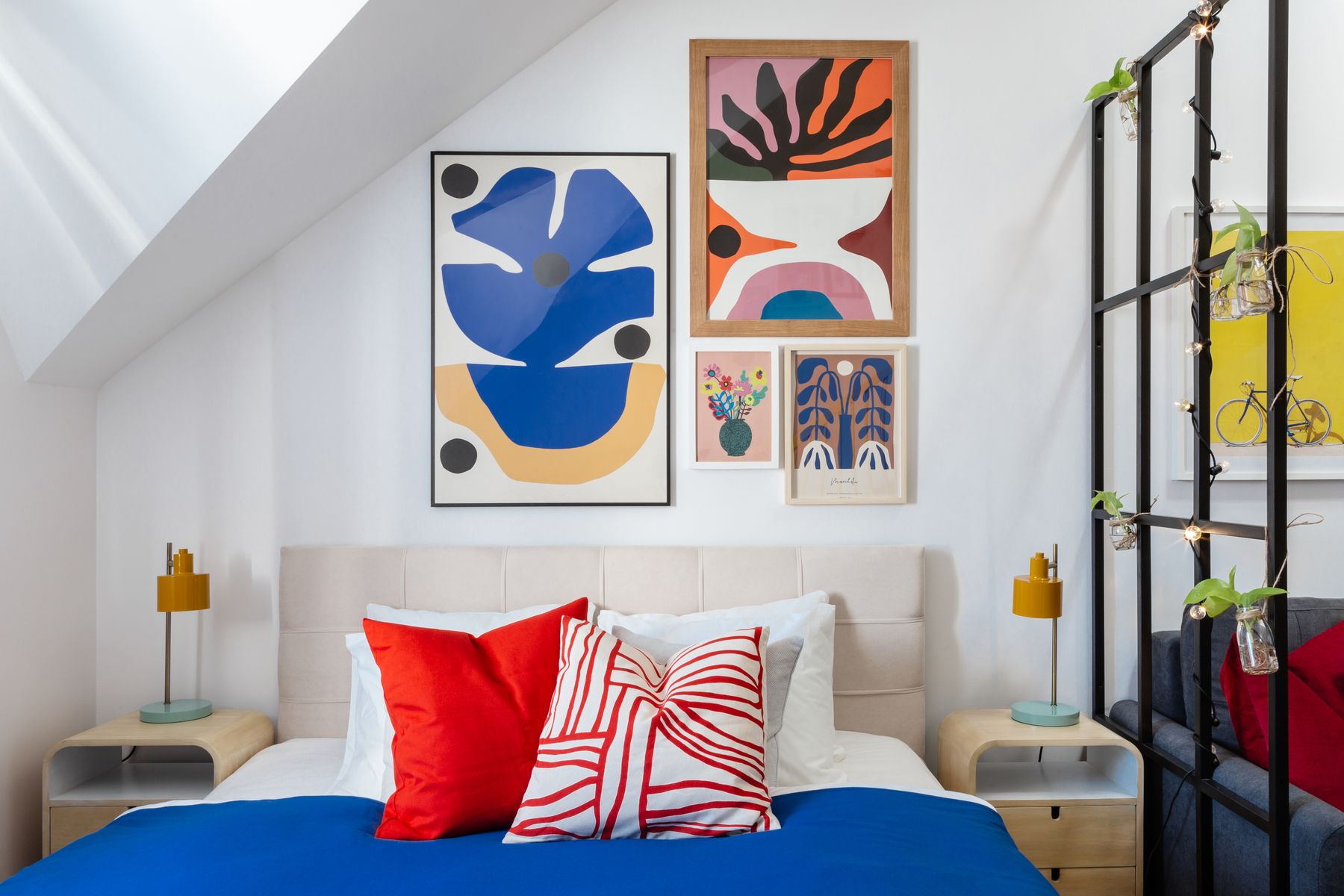
Choose a rectangle, stair-step or salon boundary and arrange work on the floor at full spacing before hanging. Mix frame finish intentionally, repeat two colors and vary scale more than subject. Verify reproduction rights, document originals and use fixings appropriate to wall and load. Heavy glazing should not hang over sleepers, and direct sunlight can damage paper and textile. The gallery is strongest when personal provenance leads; anonymous filler bought by the dozen usually creates density without meaning.

Personal Art as the Uncopyable Layer
Travel ephemera, family photographs, drawings, exhibition cards and licensed prints can create a room no catalog can reproduce. Give fragile paper suitable backing, keep valuable work out of direct sun and digitize irreplaceable items. A rail, ledge or pinboard supports change without multiplying wall damage. [Retro Bedroom Ideas](/bedroom/retro-bedroom-ideas/) offers a more decade-specific route for poster and media display; maximalism can mix periods when palette and arrangement provide the governing logic.
Canopy or Curtain as Soft Architecture
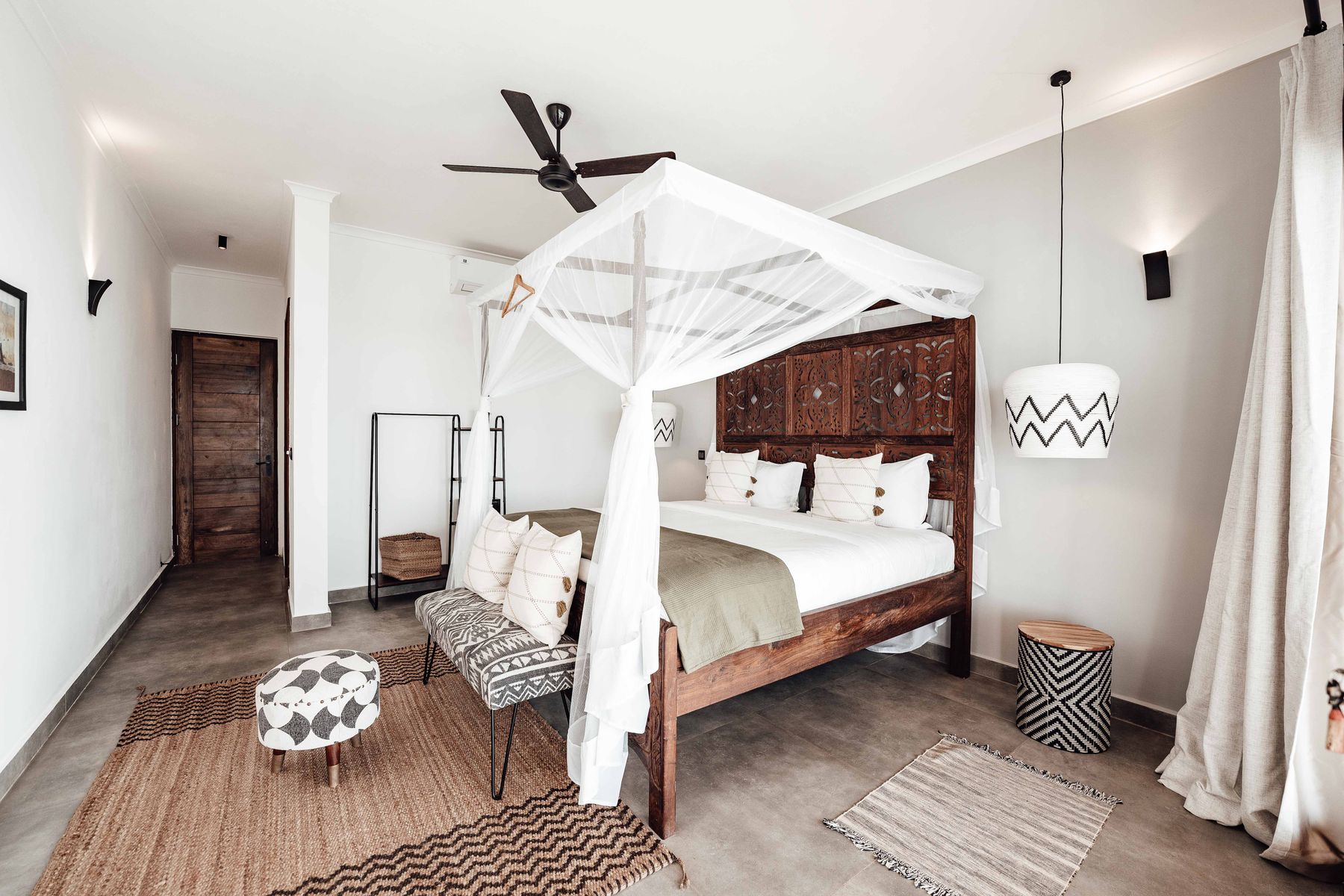
A four-poster, half-tester, wall canopy or bed curtain can concentrate maximalist drama around the sleep zone. Check ceiling height, fixing strength, fabric weight, ventilation and access for laundering before adding drape. Open posts may supply enough structure without fabric, while a shallow corona can work in a smaller room. Keep cloth away from heaters and lamps, and protect airflow around the sleeper. [Victorian Bedroom Ideas](/bedroom/victorian-bedroom-ideas/) is the better guide when nineteenth-century historical specificity is the goal.

Sculptural Lighting as Pattern After Dark
Use an expressive ceiling pendant, fringed shade, colored ceramic base or pair of sculptural bedside lights, then give each a real job. Ambient, reading and low night light should operate independently; decorative shade must not expose glare or overheat. Vintage wiring requires professional assessment and compatible bulbs. A visually rich fixture cannot compensate for weak reading light or inaccessible controls. [Living Room Lighting Ideas](/living-room/living-room-lighting-ideas/) explains layered circuits and glare control that transfer well to the bedroom.

Where Mirrors and Metal Break Up Soft Layers
Brass, chrome, lacquer, glass and mirror can punctuate a textile-heavy room. Repeat one metal in frames, lamp or hardware rather than collecting unrelated finishes because each is decorative. Anchor tall mirrors, inspect glass edges and map night-time reflections from the pillow; glare and passing headlights can turn a useful surface into a sleep disturbance. Reflective objects also increase the apparent density of art and pattern, so add them after the main composition is established, not as automatic filler.
One Decisive Rug Under the Composition
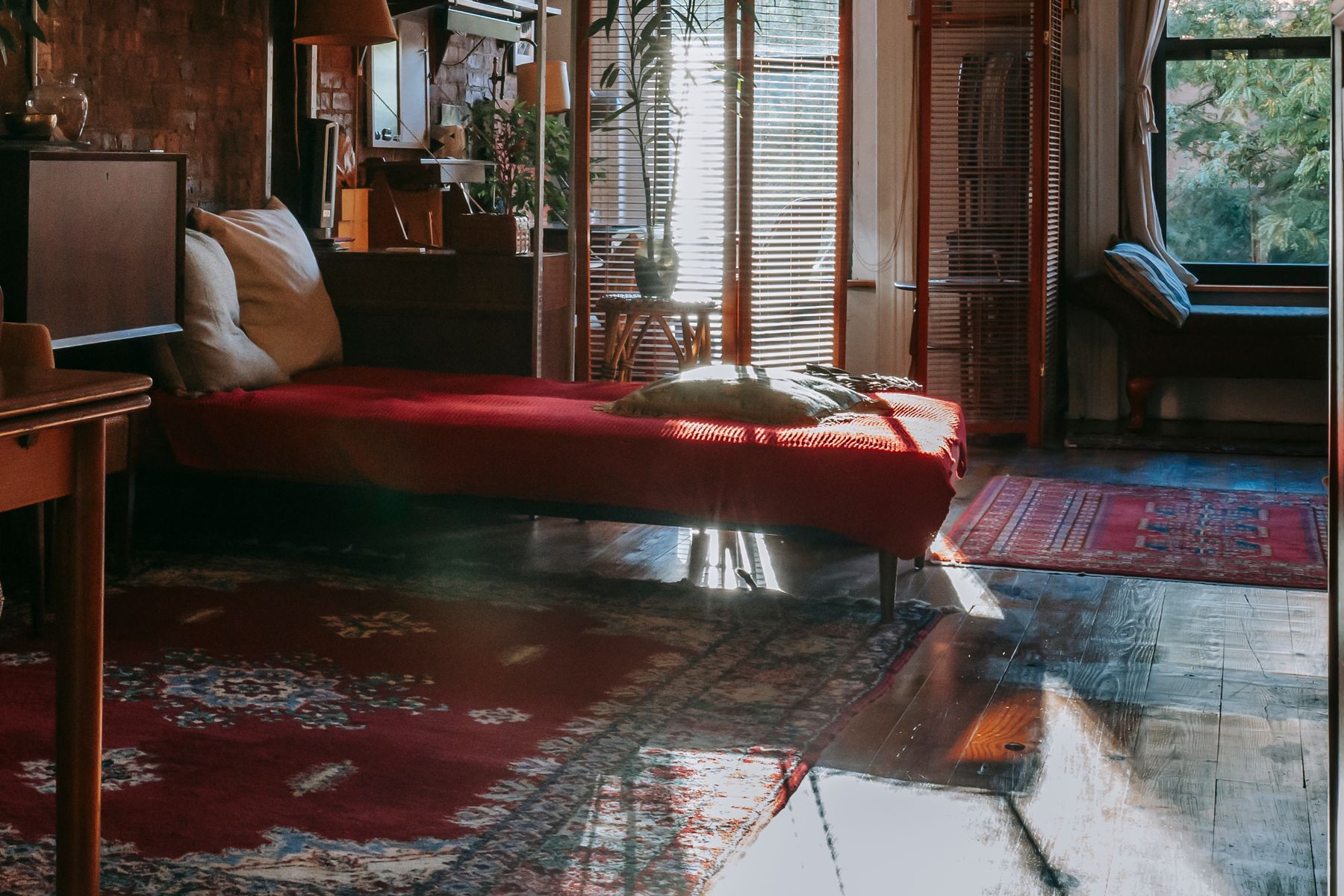
A large patterned rug can unite colors from walls, bed and art more effectively than several unrelated small textiles. Size it to the bed and route, check pile height under doors and confirm that pattern does not disguise level changes. Layering can work when a flat base supports one smaller focal rug, but overlapping corners create trip and vacuum problems. In a highly patterned room, the rug may need broader shapes or a darker ground to establish visual weight beneath the other layers.
Books and Collections as Architecture
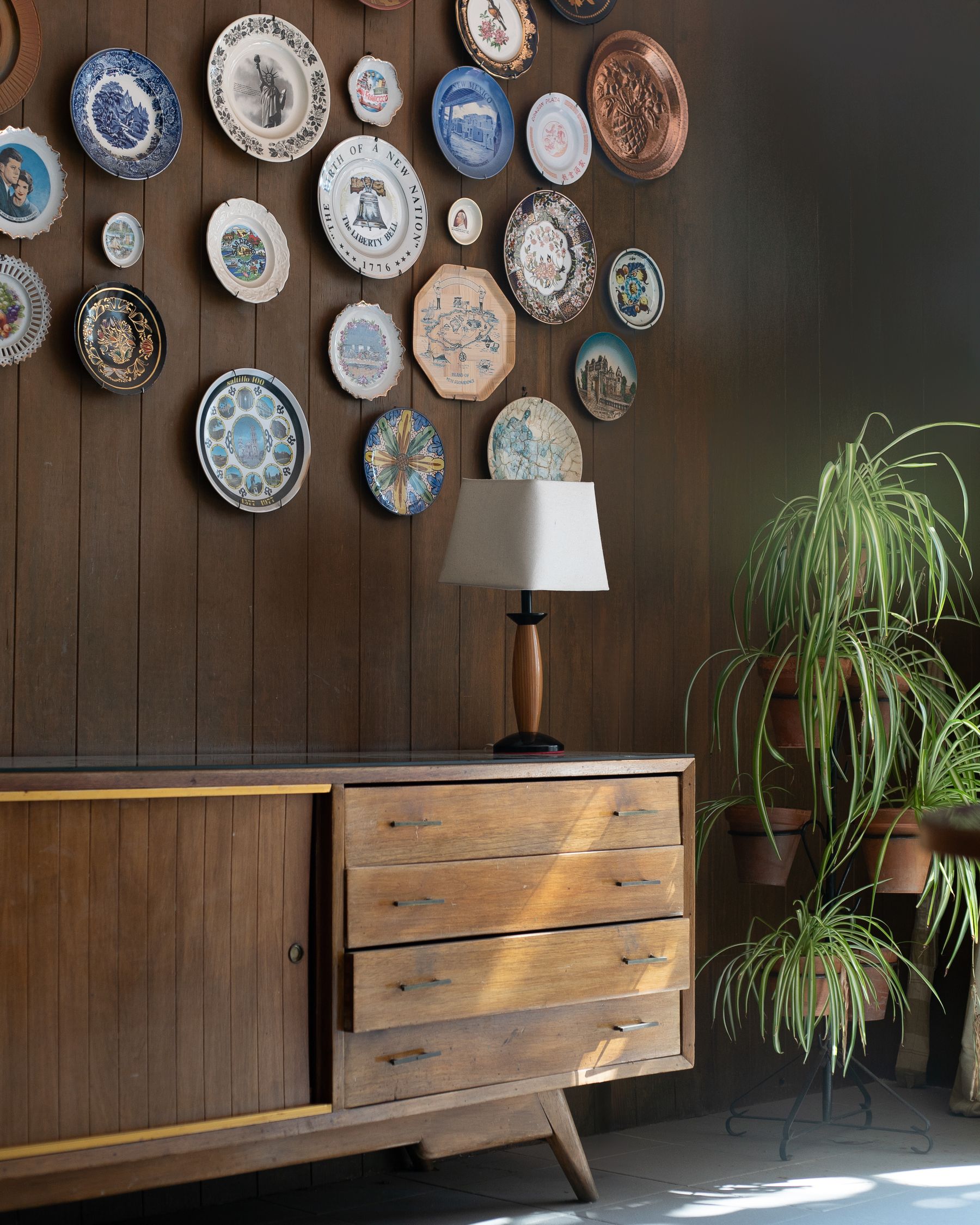
Group books, ceramics, cameras or small objects within one shelving system, cabinet or wall rather than scattering them across every surface. Arrange by size, color, use or story, leave gaps around the strongest pieces and store the remainder. Tall shelving must be anchored, heavy objects kept low and fragile items protected from the bed route. [Dark Academia Bedroom Ideas](/bedroom/dark-academia-bedroom-ideas/) owns the book-led study aesthetic; maximalism can use books as one collection among several.
Pair Open Display With Serious Closed Storage
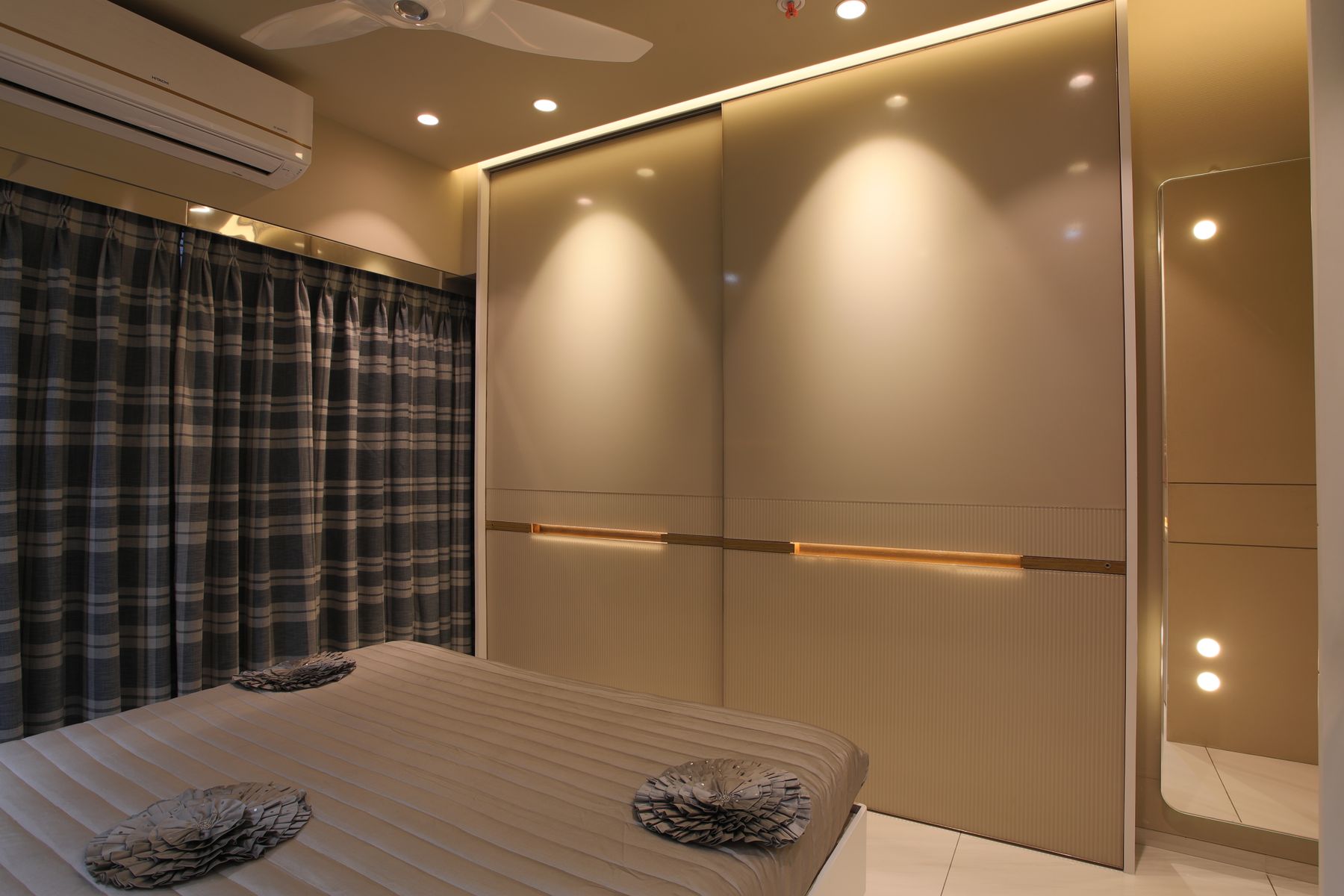
Maximalist display becomes legible only when laundry, chargers, packaging, toiletries and routine supplies have closed homes. Inventory hanging clothes, folded stacks, bedding, hobby materials and seasonal decor before choosing wardrobe depth and drawer count. Use simple fronts that join the wall or repeat the envelope color; their quietness is functional, not stylistic surrender. The capacity tests in [Minimalist Bedroom Ideas](/bedroom/minimalist-bedroom-ideas/) are equally useful here because open surfaces should show chosen objects, not unplanned overflow.

Plant Scale Must Match Care Capacity
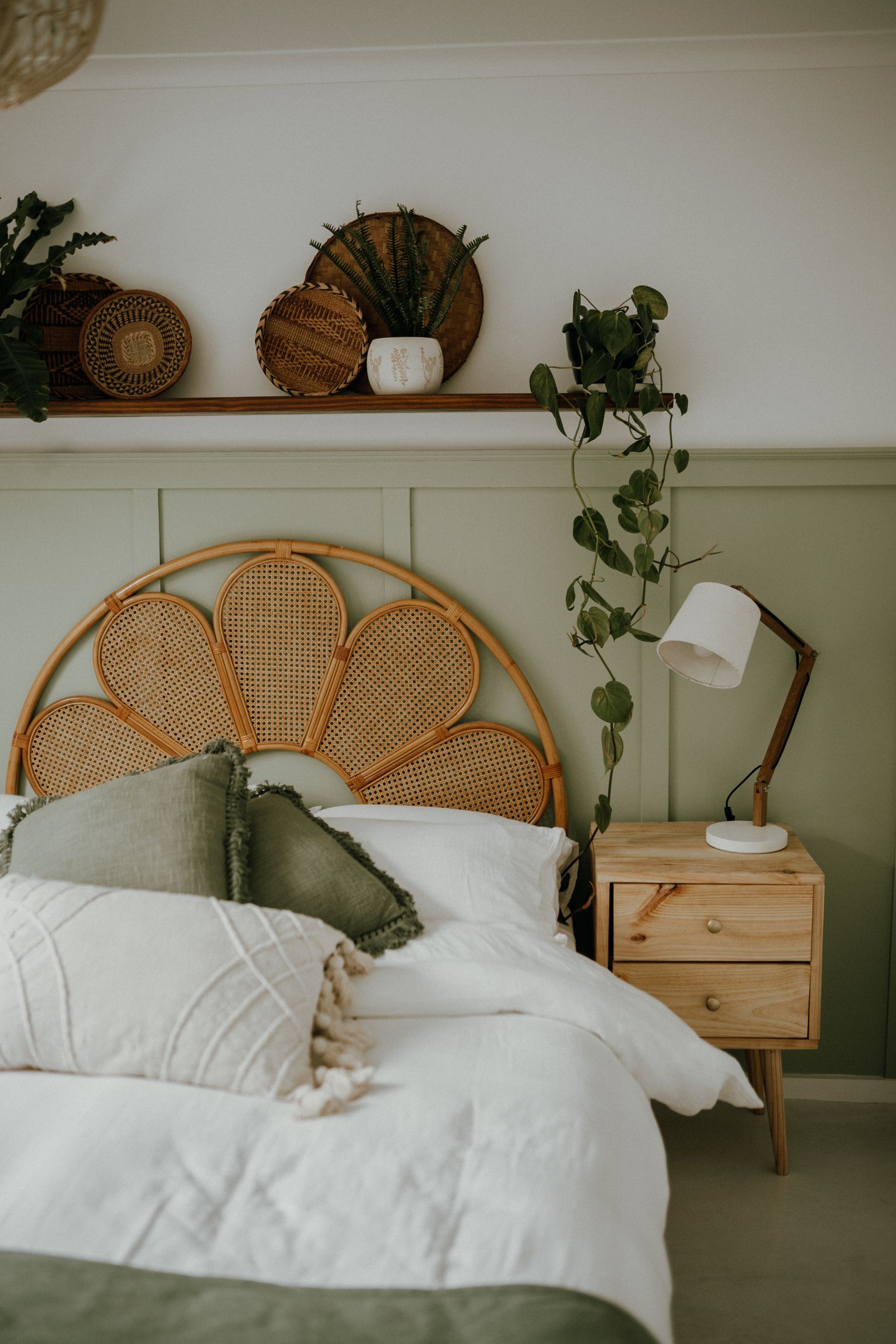
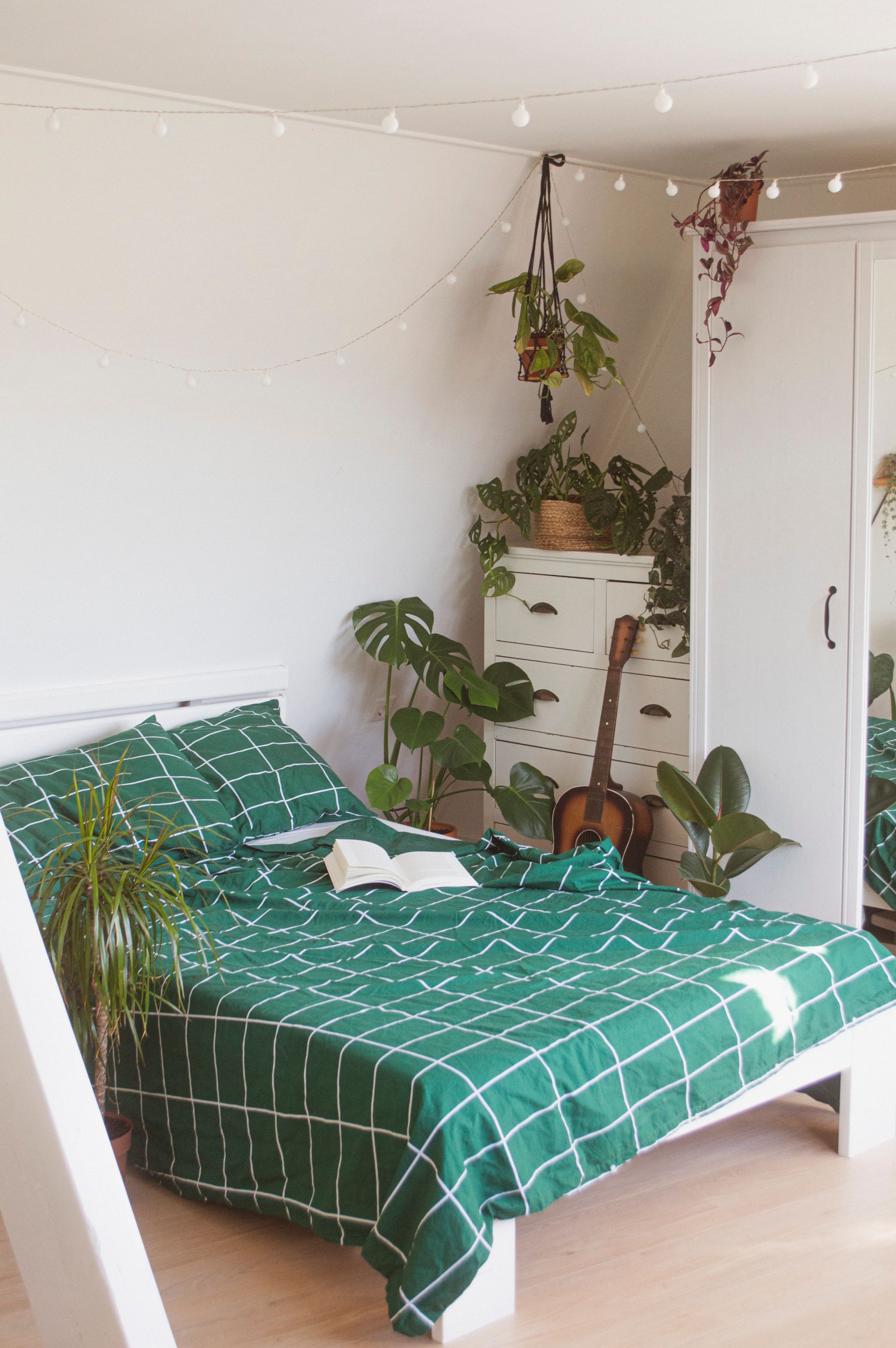
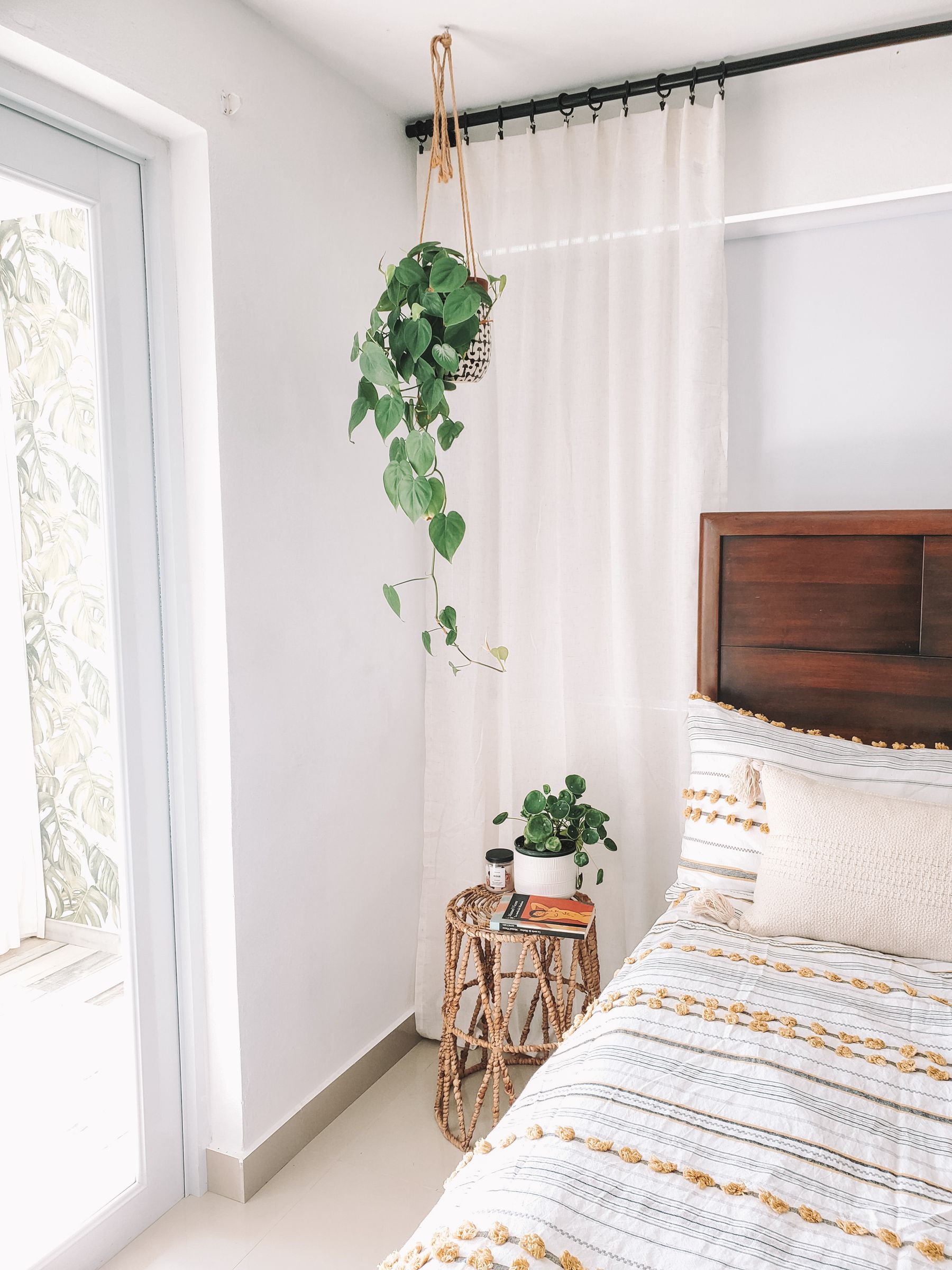
Plants can increase color density and soften a gallery wall or tall shelving, but choose positions from measured light, watering access and household safety. Keep wet pots off veneer, books and textile; provide saucers and inspect for pests. Avoid trailing stems across windows, radiators or night routes, and check toxicity around children and animals. [Boho Bedroom Ideas](/bedroom/boho-bedroom-ideas/) places greater emphasis on relaxed natural texture; maximalism can use plants as one deliberate repeated shape.
Window Layers With Real Jobs
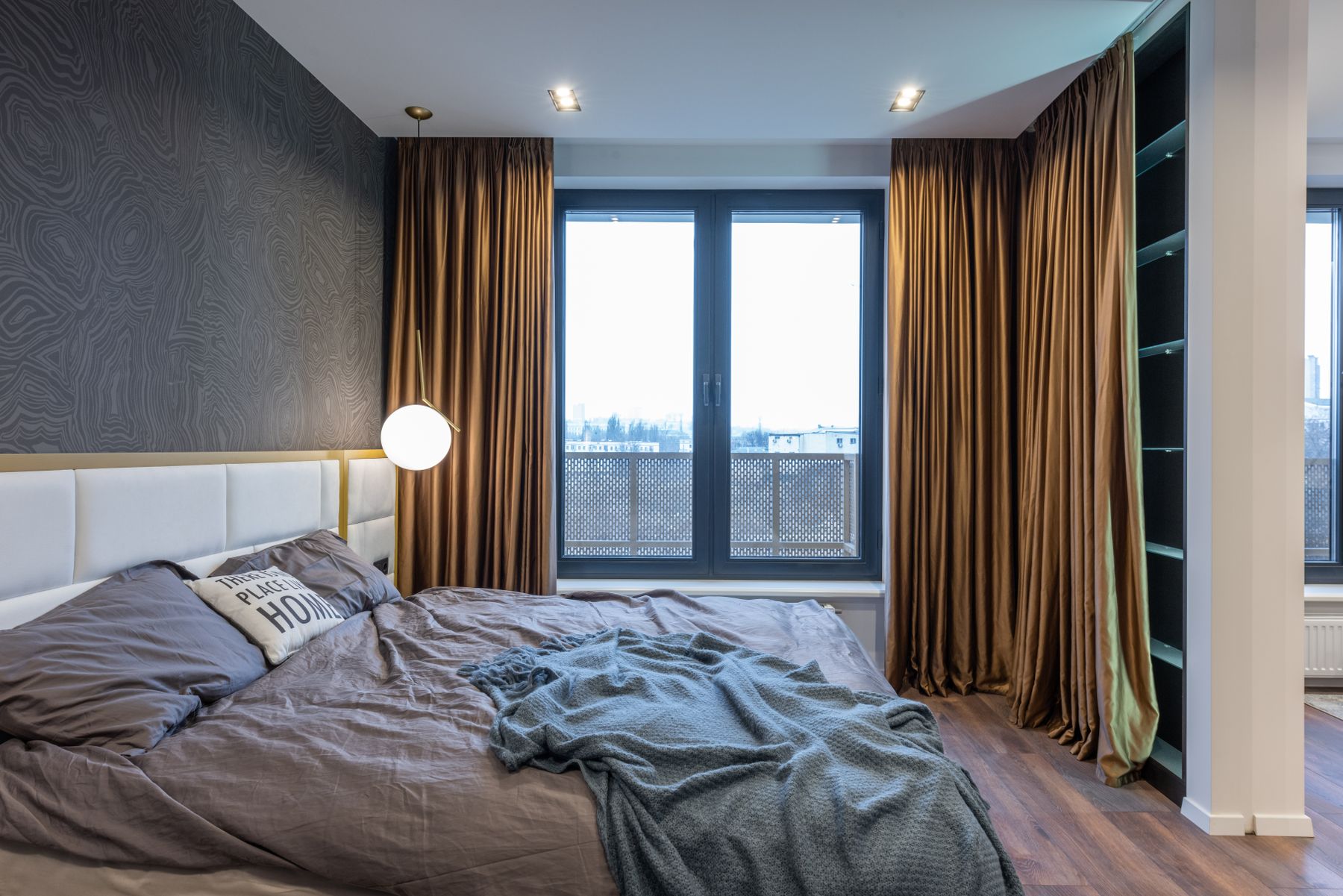
Printed curtains, velvet panels, trims and pelmets can add major color and pattern, but privacy, darkness, thermal comfort, handle access and cleaning come first. Use a separate blind or lining when decorative fabric cannot provide reliable blackout. Draw the full treatment clear of glass, radiators and ventilation openings, and specify hardware for the actual weight. A maximalist window should change the room in open and closed states without stealing all daylight or requiring difficult high-level operation.
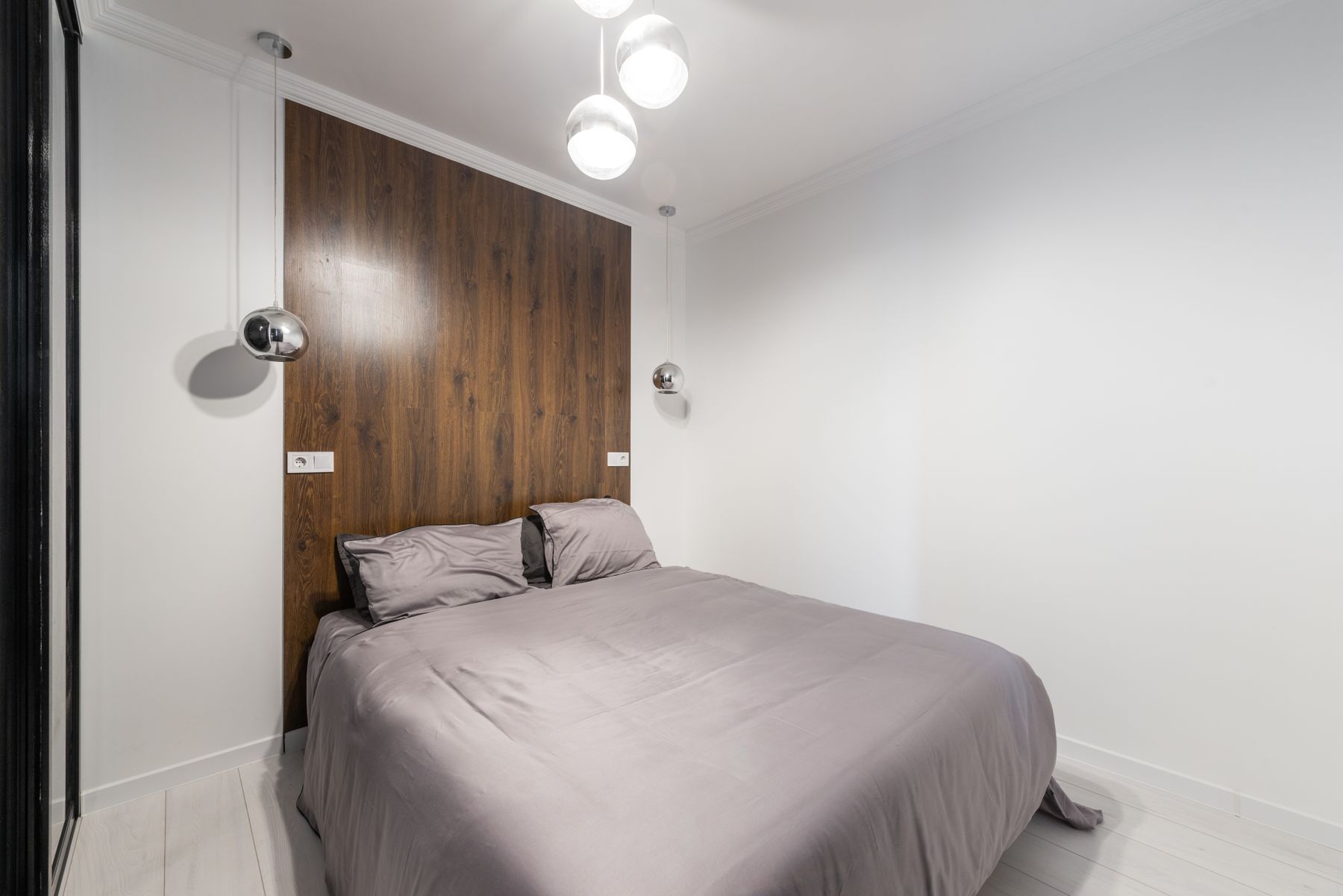
Maximalism in a Small Bedroom: Concentration Over Spread
Concentrate intensity above and behind the bed, keep deep storage off the principal route and use wall lights where tables are too small. A large wallpaper repeat can make a compact room feel intentional; many small accessories usually make the floor and surfaces feel crowded. Closed under-bed or full-height storage should absorb practical volume. Borrow circulation tests from [Small Apartment Ideas](/apartment/small-apartment-ideas/) and let one or two broad gestures create richness rather than miniaturizing every maximalist device.
Portable Layers for Rental Maximalism
Build the style through a rug, coverlet, cushions, framed or rail-hung art, lamps, portable chair, curtains and one strong freestanding cabinet. Verify the lease and substrate before paint, peel-and-stick paper, adhesive trim or mirror tile; removable does not mean damage-free. Document the starting condition and avoid covering damp or damaged outlets. The portable-layer logic in [Vintage Apartment Ideas](/apartment/vintage-apartment-ideas/) helps expressive possessions form new combinations in another home instead of becoming short-lived surface treatments.
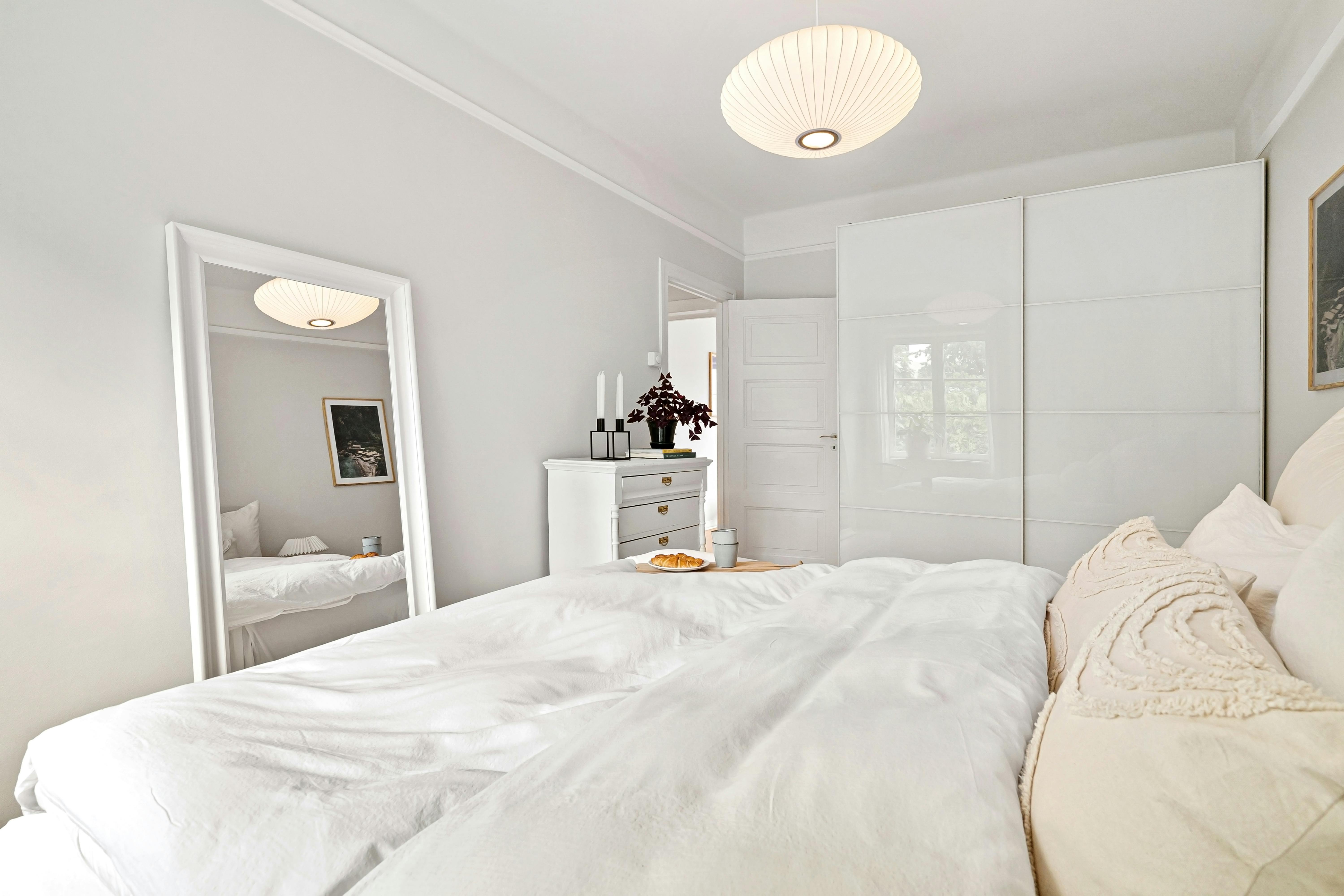
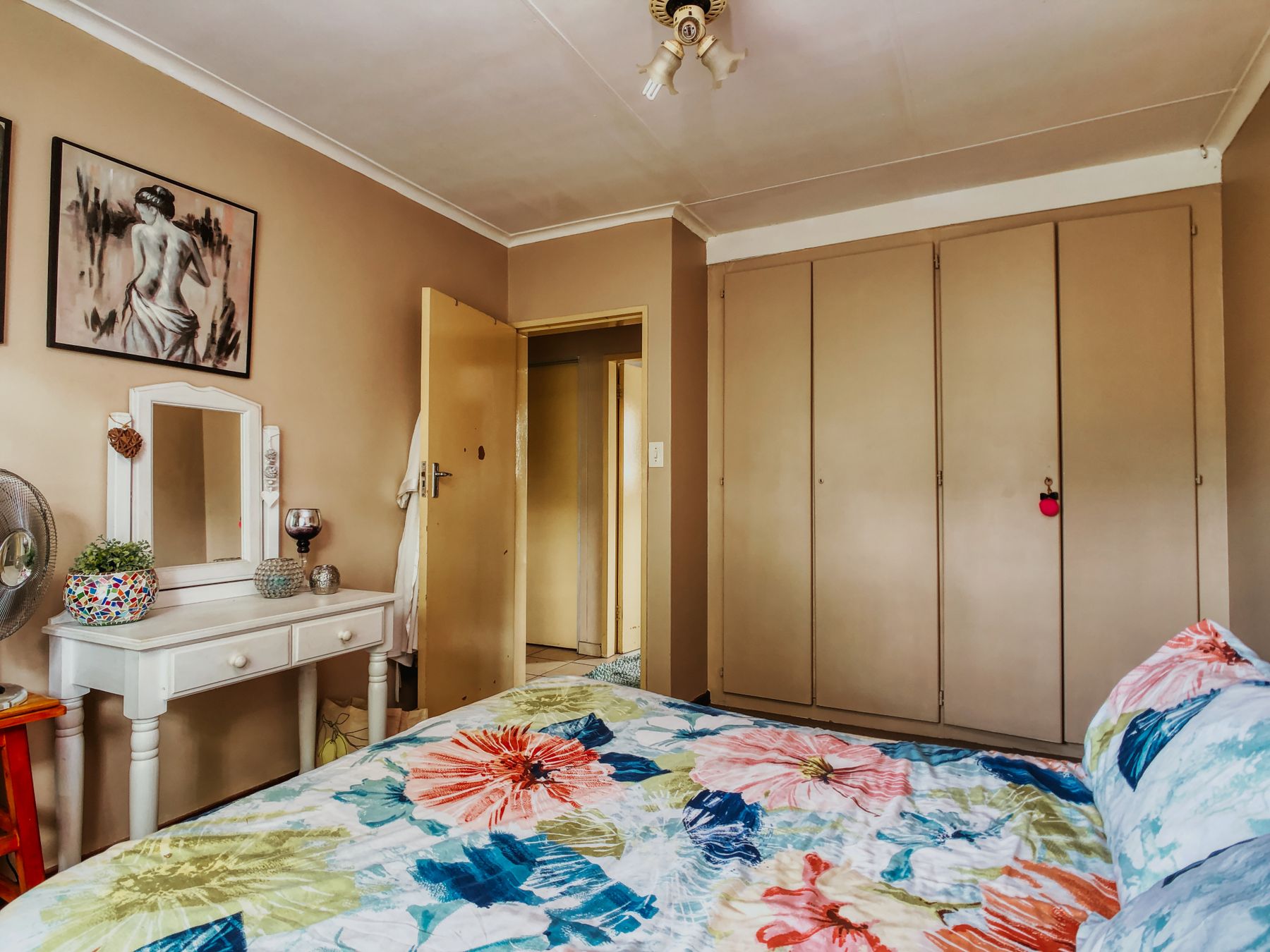
Equal Territory in a Shared Maximalist Bedroom
Agree on the envelope, three anchor colors and the zones allowed to become visually dense. Give each sleeper equivalent bedside reach, reading light, charging, storage and a defined display area; equivalence matters more than identical furniture. Discuss music, scent, plant care, curtain operation and how much visible collection feels restful. Two personal histories can make the room richer when neither occupies all walls or practical surfaces. The bed or rug can provide the shared pattern that holds separate objects together.
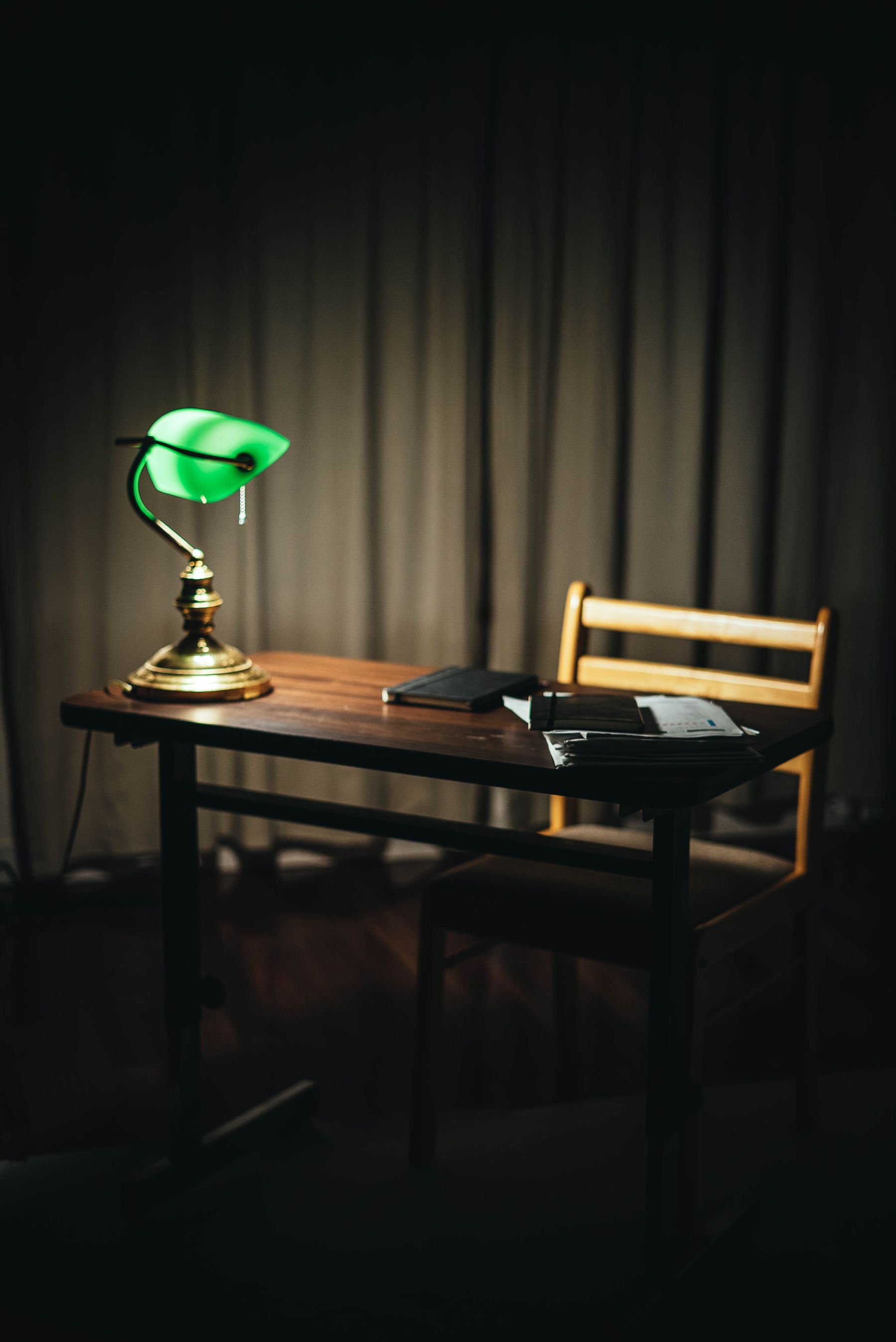
An Energetic Desk That Can Visually Close
Use a bold desk color, patterned chair, pinboard or concentrated shelf, but preserve monitor depth, leg clearance and a real task light. Closed drawers or boxes should absorb cables, papers and work tools at the end of the day so visual energy does not become unfinished labor beside the bed. If long sessions are common, choose an ergonomic chair even when its silhouette is quieter. A fold-down surface or curtain-fronted alcove can create a stronger separation between productivity and rest.
Accessibility as a Composition Rule
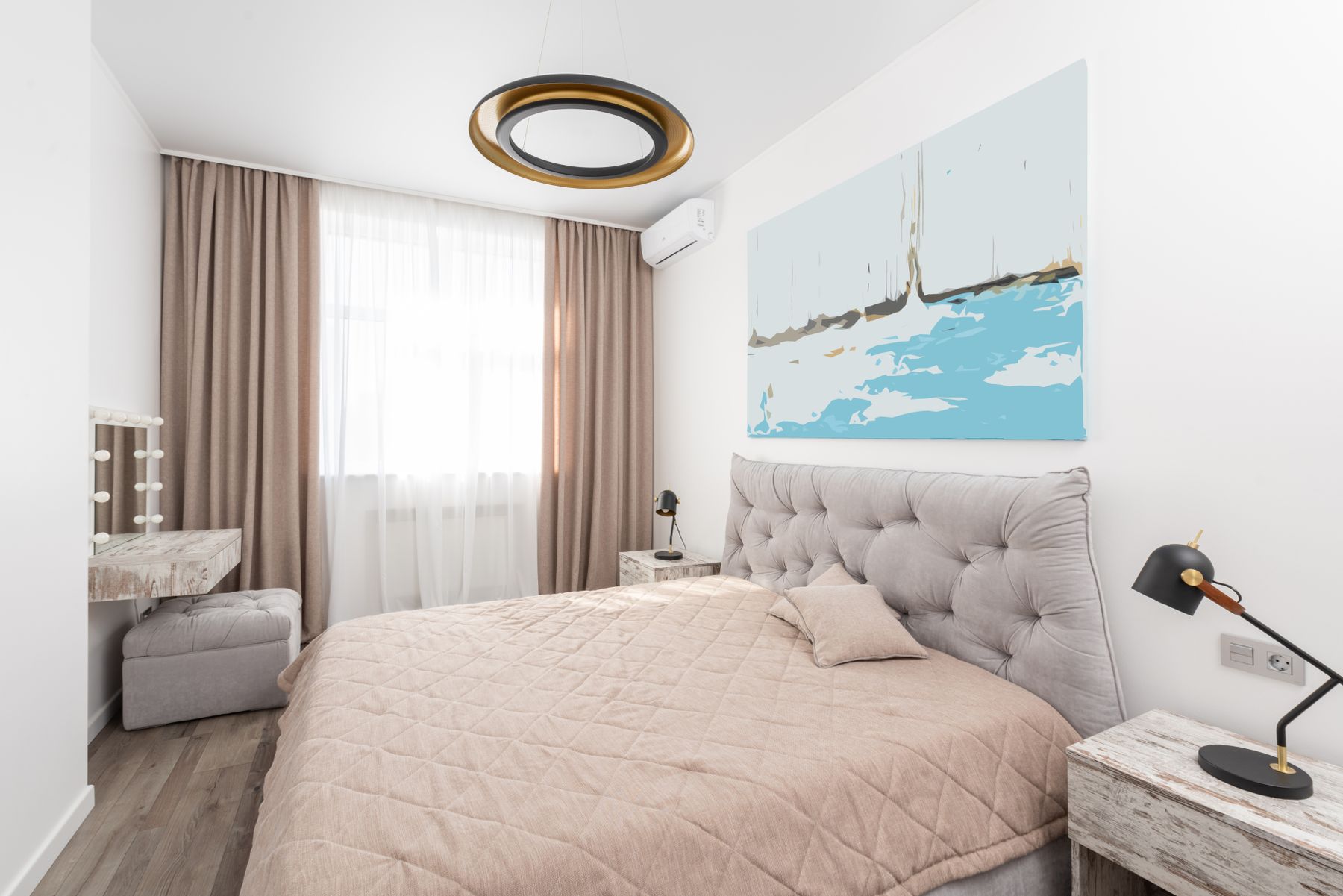
Keep the route from door to bed and bathroom stable, use contrast at switches, handles, storage interiors and the mattress edge, and select bed or chair heights for the actual user. Avoid pattern that disguises steps or rug edges, secure textiles and move sharp or fragile objects out of transfer zones. Strong color can improve orientation when it marks functions instead of covering everything indiscriminately. Maximalism can remain vivid while touch points, controls and floor boundaries stay calm and legible.
Children, Pets and the Reality of Contact
Anchor tall furniture, avoid unstable stacks and heavy frames over sleepers, secure cords and choose washable or replaceable textiles where paws, play or food are realistic. Check plant toxicity, keep fragile collections behind doors and select rugs that can be cleaned without losing shape or color. A child or pet does not require a bland room; place density on walls, high shelves and robust bedding while keeping the lower contact zone safe. Record material care so accidents do not trigger damaging emergency cleaning.
A Cleaning and Rotation System for Abundance
List the cleaning method for wallpaper, upholstery, rug, metal, mirror, wood finish, art and plants before the room becomes dense. Use a soft brush and appropriate vacuum setting, rotate light-sensitive textile, inspect hidden damp and keep access around furniture. Photograph shelf arrangements before seasonal removal, and store off-rotation objects clean and labeled. The material-condition framework in [Vintage Bedroom Ideas](/bedroom/vintage-bedroom-ideas/) is useful for older finishes, wiring and foam that deserve inspection rather than aggressive restoration.
Audit the Room for Visual and Physical Noise
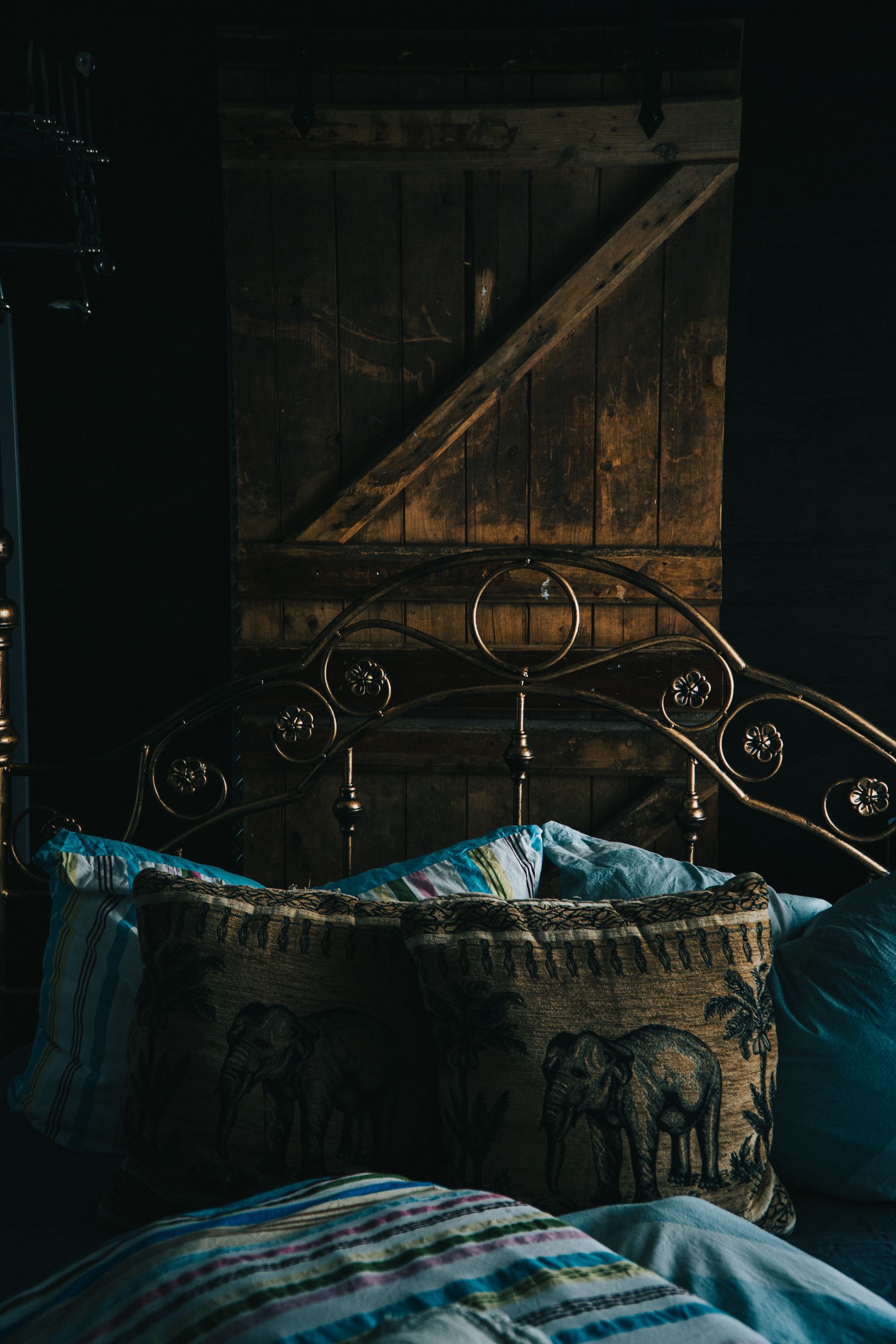
Photograph the room from the doorway, pillow and dressing position in daylight and evening light. Circle blocked routes, duplicate motifs, unsupported colors, weak objects, visible household overflow and glare. Remove rather than rearrange the least meaningful layer, then judge whether the room has lost identity or gained legibility. Maximalism is complete when further additions would flatten hierarchy, increase cleaning without adding story or interfere with sleep. The final edit protects abundance by making every remaining layer easier to see and use.